
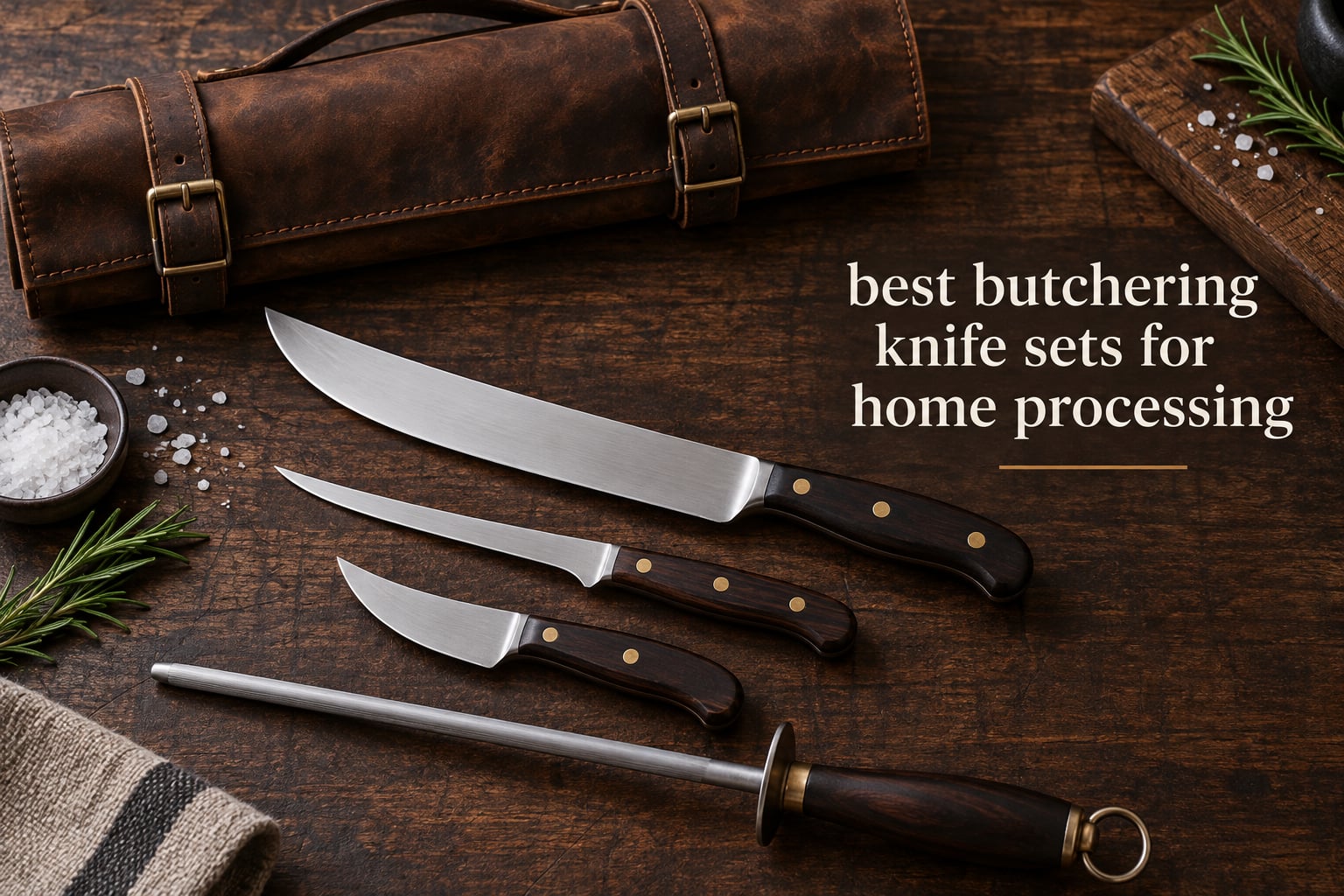
A butchering knife set is a group of purpose-built blades for breaking down whole animals or large primals into retail portions. It typically contains a narrow flex boning knife for separating meat from bone, a long curved breaking knife (usually sold as a cimeter or scimitar) for dividing primals, a skinning knife, and often a caping knife, a slicer, a meat cleaver and a honing steel. Each shape exists because it does one step of the job better and safer than any other blade.
Home processing is not one task. It is skinning, capping, breaking a carcass into primals, deboning each primal, then portioning and trimming. A set that misses a shape fails at the first step that needs it, which is why the best butchering knife sets for home processing in 2026 are judged on blade coverage and steel rather than on how many pieces come in the roll.
We spent several weeks working through ten of the most-reviewed butchering and game processing sets on the market, comparing blade shapes, steel type, tang construction, handle grip and what each kit actually lets you finish in one session. Several of these sets arrived needing a touch-up on the stone before first use, and that difference matters more than any claim on the box. Everything below reflects what the blades did, not what the listing promised.
Table of Contents
Do You Need a Whole Set, or Just Two Knives?
Most home processors need two knives, not twelve. A 6-inch flex boning knife and a long curved breaking knife between 10 and 14 inches will handle nearly every task you will meet.
A practitioner on the Field Ethos Society thread who cuts primals regularly put it plainly: working beef butchers carry exactly two blades, a 6-inch flex boning knife and a 14-inch cimeter, and they do it without exception. The reasoning behind the long blade is specific. Its length and curve let you cut each steak in a single straight push with the fat cap facing up, which produces parallel steaks instead of a wedge that thins out toward one end. You then lay the steaks flat and trim the fat cap off after slicing, the way you would cut the end off a loaf of bread.
That is where a set earns its keep. A two-knife setup is the honest answer for beef and lamb if you buy the two blades well. A set pays for itself when your work includes tasks that need a third and fourth shape: poultry shears for the wishbone, a caping knife for trophy mounts, a gut-hook skinner, a wood and bone saw for a rib cage, or a slicer for turning a brisket flat.
So the question is not whether a set is better than two knives in the abstract. It is whether your animals need the extra shapes. If you process deer in the field and want the whole job done at the truck tailgate, a case kit is the answer. If you break down a beef half in a garage, the boning knife and the cimeter do most of the work.
Top 3 Picks for Best Butchering Knife Sets for Home Processing in 2026

OUTDOOR EDGE WildPak 8-Piece
- Full-tang 420J2 stainless
- Includes saw spreader gloves
- Blaze-orange TPR handles

Cutluxe 5-Piece BBQ Set
- 12 inch slicer and 10 inch cimeter
- Full-tang Pakkawood
- Honing rod included

All 10 Best Butchering Knife Sets for Home Processing in October
| Product | Specs | Action |
|---|---|---|
| OUTDOOR EDGE WildPak 8-Piece Game Processing Set |
|
Check Latest Price |
| Cutluxe 5-Piece BBQ Butcher Knife Set |
|
Check Latest Price |
| Dexter Russell 3-Piece Combo Set |
|
Check Latest Price |
 Cutluxe 3-Piece Brisket Knife Set Cutluxe 3-Piece Brisket Knife Set |
|
Check Latest Price |
 DRAGON RIOT 12-Piece Butcher Knife Set DRAGON RIOT 12-Piece Butcher Knife Set |
|
Check Latest Price |
 Outdoor Edge PR-1 Game Processor 12-Piece Outdoor Edge PR-1 Game Processor 12-Piece |
|
Check Latest Price |
 FULLHI 11-Piece Butcher Knife Set FULLHI 11-Piece Butcher Knife Set |
|
Check Latest Price |
 Huusk 10-Piece Butcher Knife Set Huusk 10-Piece Butcher Knife Set |
|
Check Latest Price |
 Victorinox 7-Piece Field Dressing Kit Victorinox 7-Piece Field Dressing Kit |
|
Check Latest Price |
 HOSHANHO 8-Piece Butcher Knife Set HOSHANHO 8-Piece Butcher Knife Set |
|
Check Latest Price |
1. OUTDOOR EDGE WildPak 8-Piece Game Processing Set – The Complete Field-to-Freezer Kit
OUTDOOR EDGE WildPak, 8-Piece Field to Freezer Hunting & Game Processing Knife Set with Caping Knife, Gut-Hook Skinner, Boning/Fillet Knife, Wood/Bone Saw, Spreader, Gloves, and Hard-Side Carry Case
Full-tang 420J2 stainless
Caping skinner and boning blades
Wood and bone saw
Blaze-orange TPR handles
Pros
- Complete field-to-freezer toolkit in one hard case
- Full-tang 420J2 stainless with strong edge retention
- Orange TPR handles grip with wet or bloody hands
- Lightweight and snaps securely into the case
Cons
- Blades dull fairly fast through heavy hide and bone work
- Case latch is the part most likely to fail first
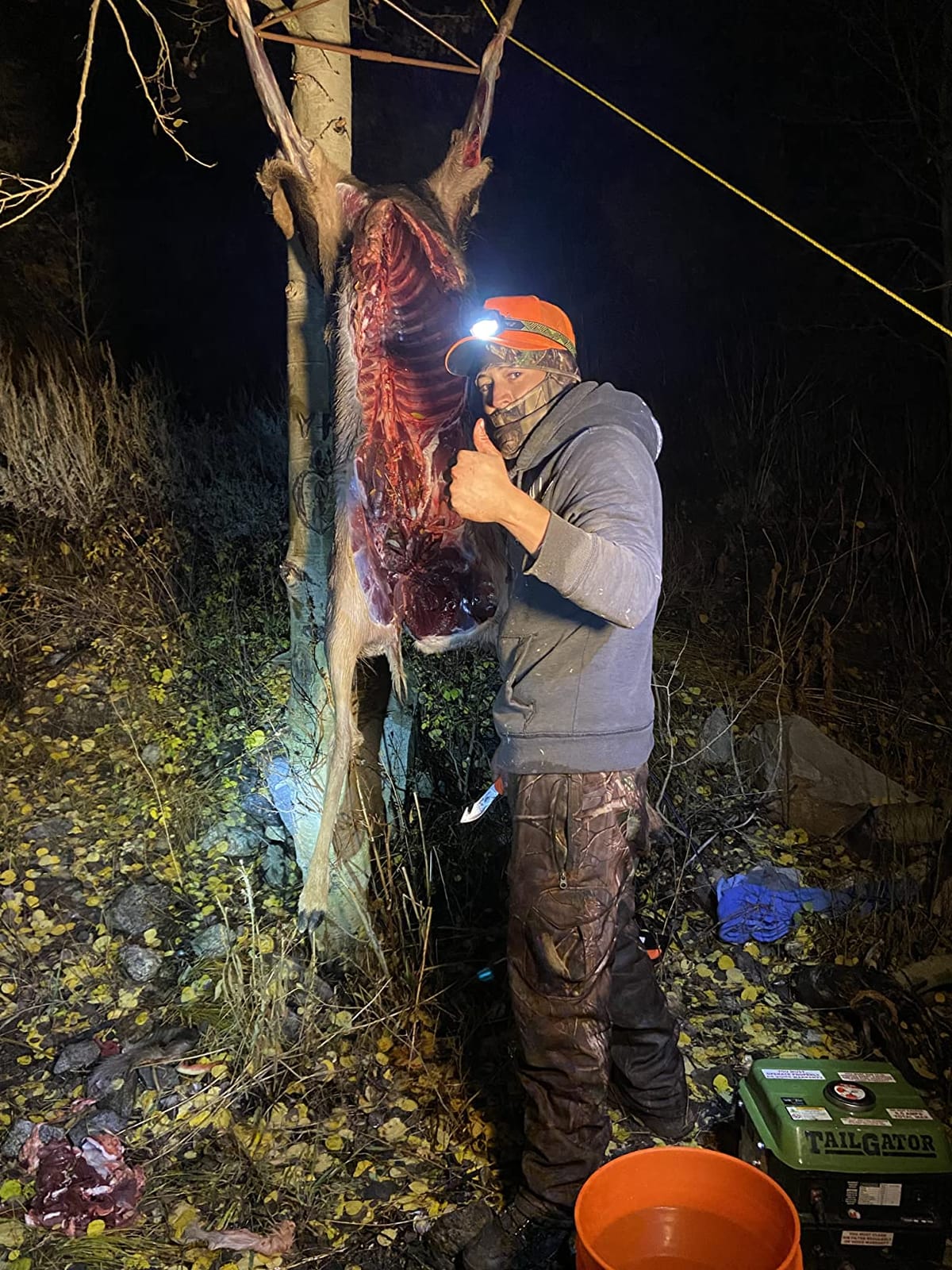
The WildPak is the set we kept reaching for first, and the reason is coverage. Caping knife, gut-hook skinner, boning and fillet knife, a wood and bone saw, a ribcage spreader, game cleaning gloves, a tungsten carbide sharpener and a hard-side case. That is the whole field dressing sequence in one bag.
The blades are full tang 420J2 stainless, taper ground and hand finished, and they came out of the case sharp. Blaze-orange TPR handles are the part I appreciated most after the first hour. Wet, greasy, bloodied hands are the normal condition of the job, and these grips stayed put where plain wood or smooth plastic would have rotated.
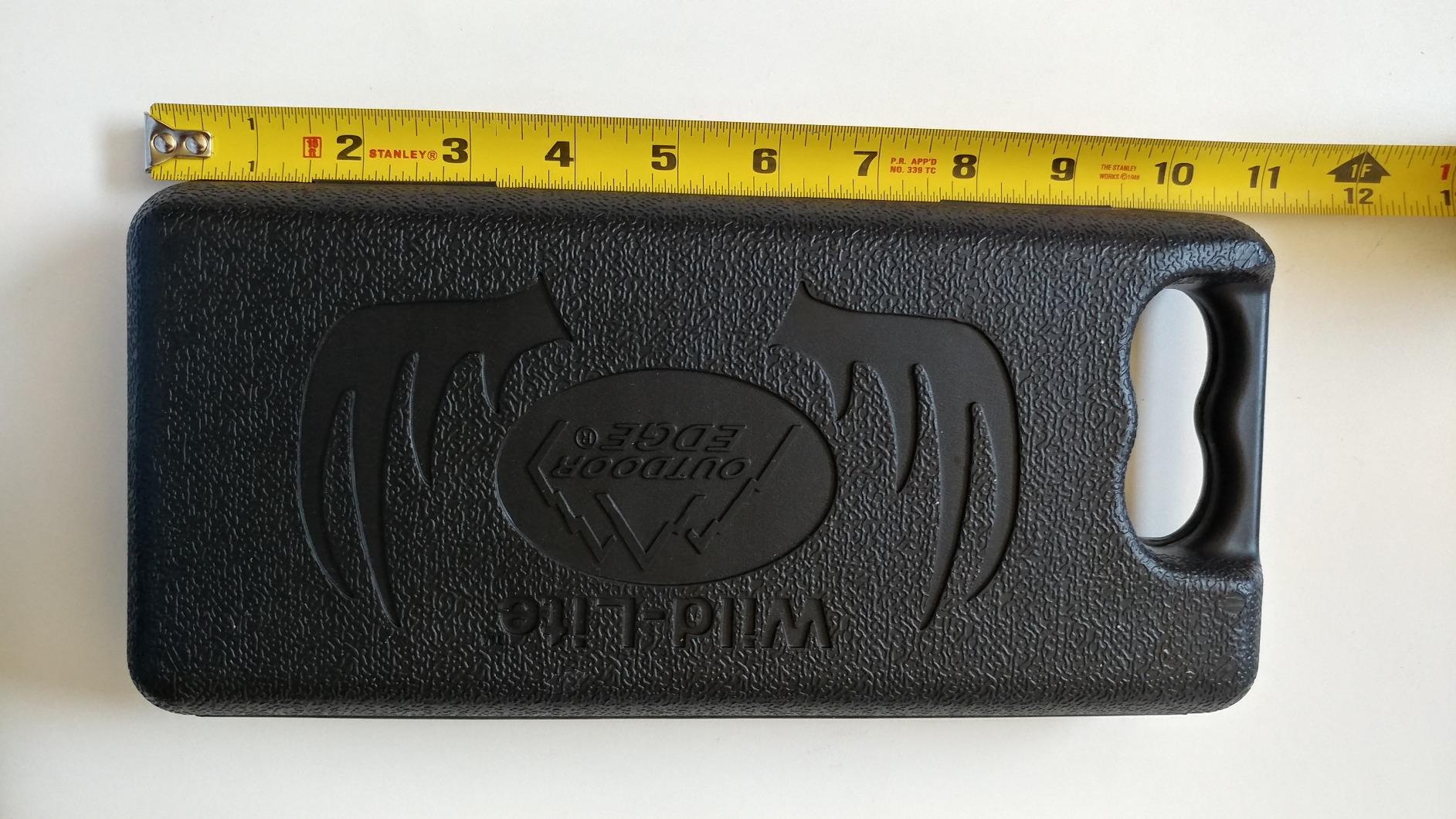
Where it earns its place is the saw. If you are breaking down a deer or hog with the rib cage intact, a knife alone means a lot of sawing back and forth with a dull blade. The included wood and bone saw removes that step entirely, and the spreader keeps the ribs apart while you work. Backyard processors on Backyard Chickens name the caping knife and the boning knife as their two favourites from the kit, and I would add the gloves to that list, because a cut-resistant glove on the guiding hand costs nothing to include and takes a whole category of risk off the table.
How the edge holds up on hide and bone
420J2 stainless is a practical middle ground. It is not the hardest steel in this roundup, and it will not hold a razor edge through a whole moose. It does resist rust, which matters when your blades live in a truck bed, and it takes a touch-up on the included carbide sharpener quickly when it does go dull.
The most common complaint across reviews is the same one: after processing a whole animal, the blades want a pass with the sharpener. That is normal for stainless field steel, and it is the price of a kit you can leave in a cooler without worrying.
Where it falls short
Two things. The case latch is the component reviewers single out most often, so clip the case closed or plan on a strap. And this is a field kit, not a garage breakdown kit. The blade shapes skew toward dressing and cleanup rather than long cimeter work on beef primals.
For a hunter who wants one bag that covers skinning, sawing, deboning and cleanup, nothing else here is close.
2. Cutluxe 5-Piece BBQ Set – The Best-Rated Kitchen Set in the Roundup
Cutluxe Butcher Knife Set, 5-Piece Slicing Carving Knives for Meat Cutting
High carbon German steel
Full-tang Pakkawood handles
12 inch slicer and 10 inch cimeter
10 inch honing rod included
Pros
- Highest-rated option in this roundup at 4.8 stars across 1558 reviews
- Complete BBQ workflow with three blades plus rod and carving fork
- Sharp precise cuts with good edge retention
- Pakkawood handles stay comfortable over long sessions
Cons
- Costs more than entry-level three-piece sets
- Blades are very sharp and need careful handling
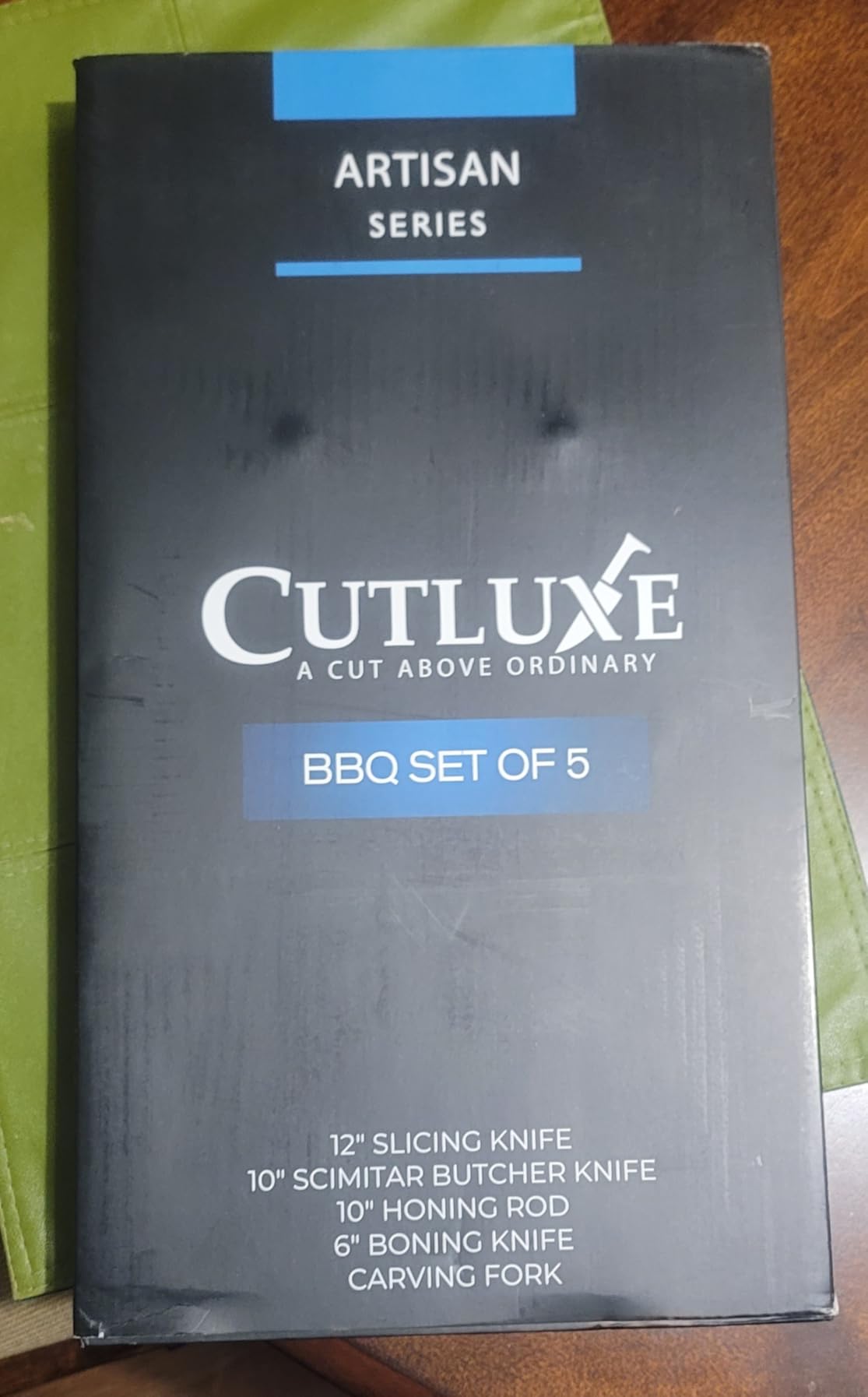
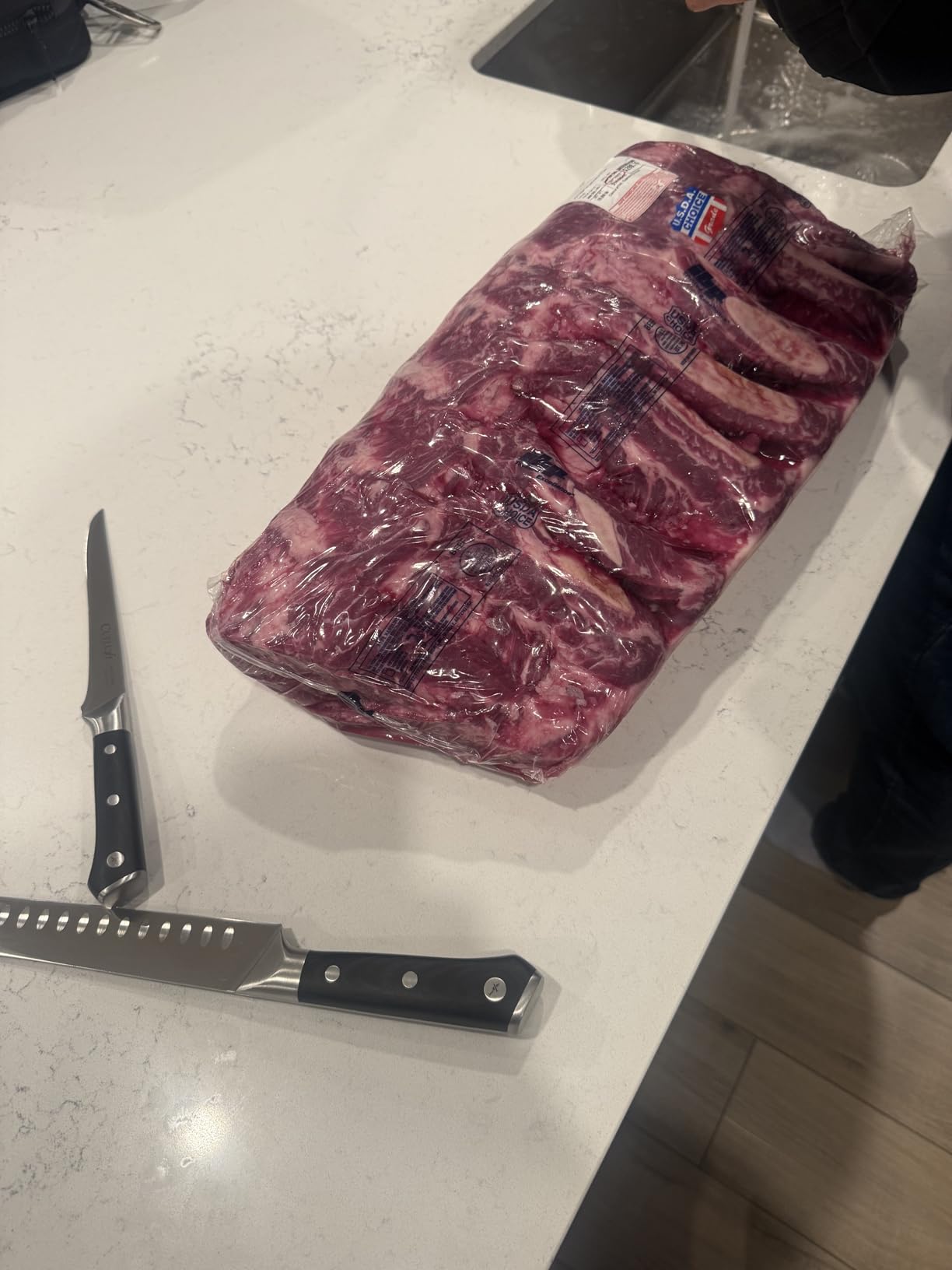
This is the set for the person who butchers in a kitchen and cooks the result, not the person who dresses game in a field. The 12-inch brisket slicing knife is the headline, and it earned its place every time we used it on a flat brisket, carving a roast or slicing beef thin.
Underneath it sit the two blades that make this a butchering set rather than a BBQ accessory set: a 10-inch breaking cimeter and a 6-inch boning knife. The cimeter divides primals in long single-push cuts, and the boning knife handles silver skin and close work around joints. Full-tang high carbon German steel with rust resistance, and Pakkawood handles that stayed comfortable through a long trimming session without slipping.
Reviewers consistently report consistent sharpness and clean, precise cuts, and the recurring caveat is not about the blades at all. It is the gap in price against a basic three-piece set, and the very real need to treat these edges with respect.
Why the honing rod matters more than buyers expect
This is one of the few sets in the roundup that ships with a proper 10-inch honing rod, and that changes the maintenance math. A rod realigns an edge that has rolled over from use, which is what happens to a slicer after a few hours of cutting cooked meat.
The 16-degree-per-side factory angle is not something you need to reproduce with a rod, so use the rod frequently and the stone rarely. If your workflow is heavy trimming rather than heavy slicing, look at the HOSHANHO set further down, which is built around the cleaver and bone work side of the job.
Where it falls short
Three blades is a lean configuration. There is no cleaver for bone-in work, no skinning blade and no saw, so a whole-carcass job means another purchase. It is also a kitchen-weight set, with no carry case for a field session.
For garage butchering that ends at the dinner table, this is the strongest all-round kit in the roundup.
3. Dexter Russell 3-Piece Combo Set – The Two-Knife Answer Done Properly
The Dexter Russell 3 Piece Knife Combo Set – Cutlery Butcher Chef Set
6 inch curved flex boning knife
6 inch wide trimming knife
10 inch steak knife
Hollow-ground edges
Pros
- Dexter Russell nameplate quality in a three-piece set
- Hollow-ground edges take and hold a sharp edge
- Curved boning and wide trimming blades handle chicken and game
- Lightweight 15.8 oz total
Cons
- Made in China rather than the USA
- USA-made equivalents cost roughly triple when bought individually
- No saw sharpener or case included
Dexter Russell is one of the three names commercial butchers actually run, and it is the one most often recommended on hunting forums for home game processing. This three-piece set is the honest version of that recommendation: a 6-inch curved flexible boning knife, a 6-inch wide trimming knife and a 10-inch steak knife.
That is not a marketing bundle. Those three shapes cover the majority of a home processing session. The curved boning knife is the flex boner that separates meat from bone and follows a bone contour. The wide trimming knife is a flat-edged blade for fat caps and silver skin. The steak knife handles portioning and the table.
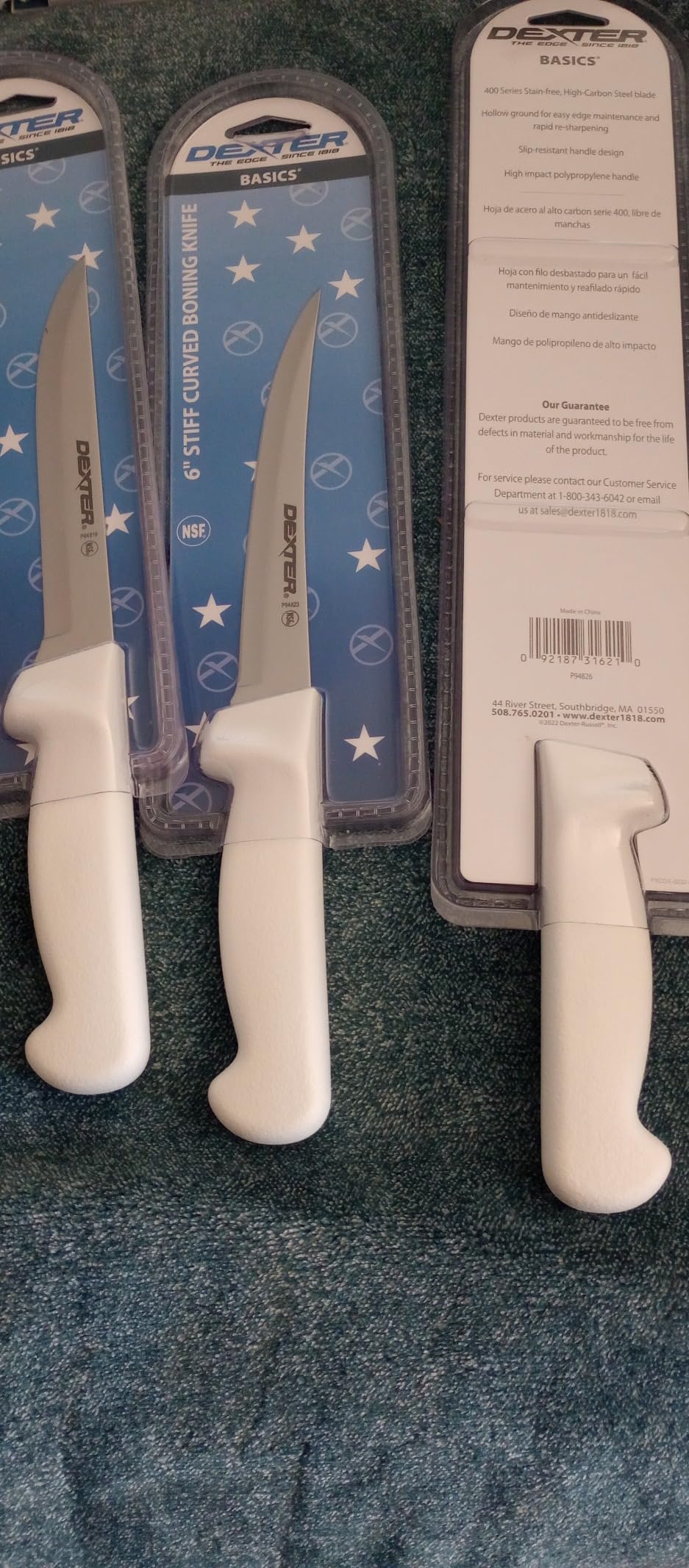
Hollow-ground edges are the technical story here. The concave grind produces a very sharp, thin edge that takes a keen edge quickly and holds it for a long stretch of work. It is also why these blades need a honing rod more often than a heavy stamped blade would, and why they are less tolerant of being dropped tip-first on concrete.
How it handles poultry
If your game is chickens, this set is built for it. The 6-inch curved boning knife works around the wishbone, the breastbone and the leg joints, and the wide trimming blade cleans up the carcass afterward. A three-piece set under-serves chicken compared with a six-piece, because you also want shears and a heavy cleaver to split the carcass, but the two knives here are the correct two.
Where it falls short
Country of manufacture is the one recurring complaint, and it is a fair one for buyers who care. The same blades made in the USA run roughly three times the price when bought individually, which is the trade being made here.
There is also no storage, no sharpener and no bone saw. If you want the set that covers the most steps without doubling up on the work, the OUTDOOR EDGE WildPak is the other shortlist entry.
4. Cutluxe 3-Piece Brisket Set – The Minimum Useful Three Blades
Cutluxe Butcher Knife Set, Brisket, Breaking & Boning Knife for Meat
12 inch brisket slicer
10 inch breaking cimeter
6 inch boning knife
Full-tang forged construction
Pros
- Extremely sharp out of the box
- Sturdy balanced blades that hold an edge
- Comfortable full-tang Pakkawood handles
- 12 inch slicer handles large cuts in one pulling motion
Cons
- Blades are extremely sharp and require careful handling
- Handle finish may need occasional oiling
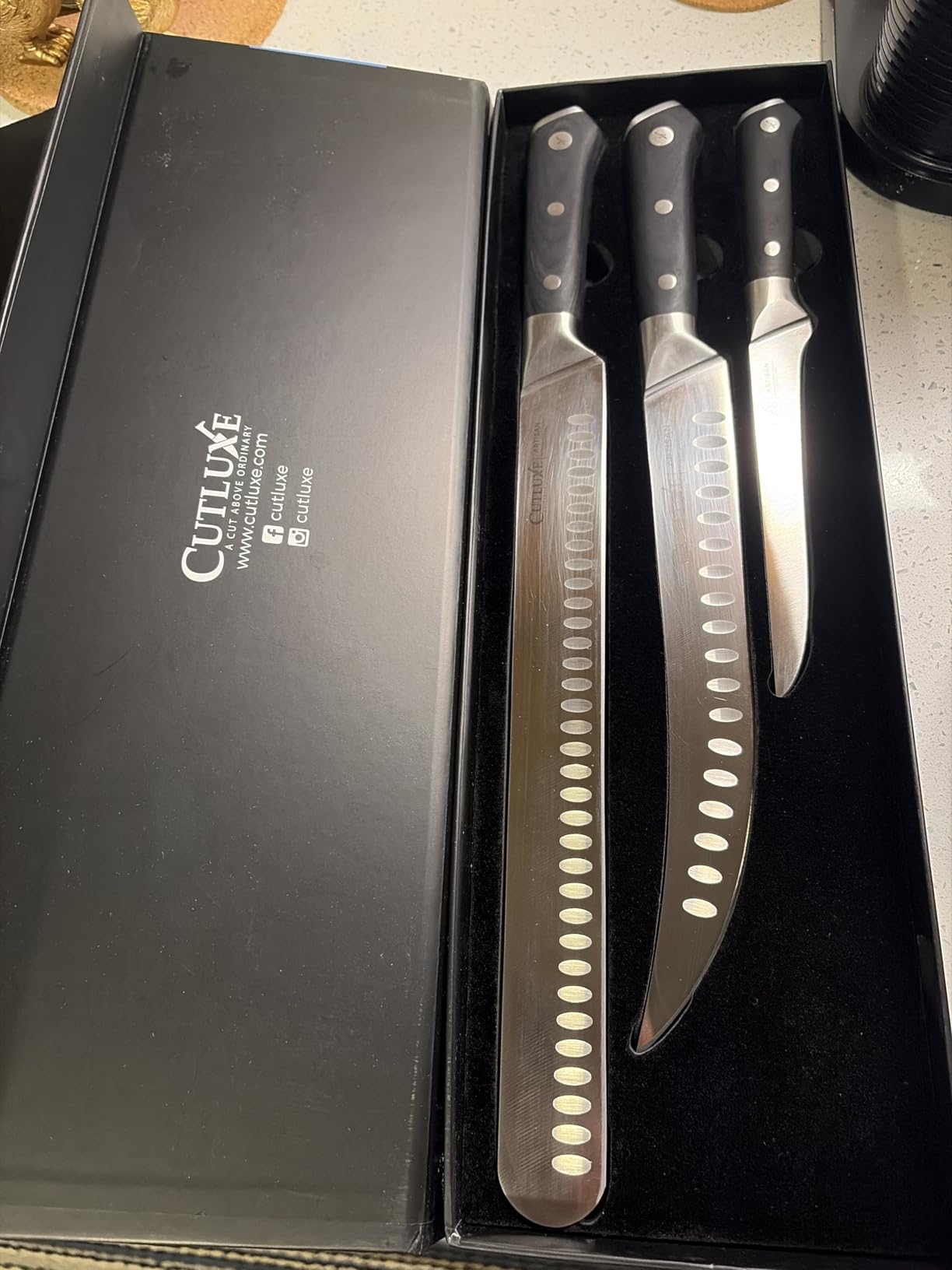
Three blades, and every one of them is a blade you will use. A 12-inch brisket and slicing knife, a 10-inch breaking cimeter and a 6-inch boning knife is the smallest configuration on this list that still covers breaking, deboning and portioning with no filler.
Owners describe the edges as razor-sharp out of the box, and the cimeter as the piece that turns a flat-cut mess into even steaks when you push it through a primal in one stroke. The 12-inch slicer is the one people notice first, especially on a turkey or a thin-sliced beef for jerky.
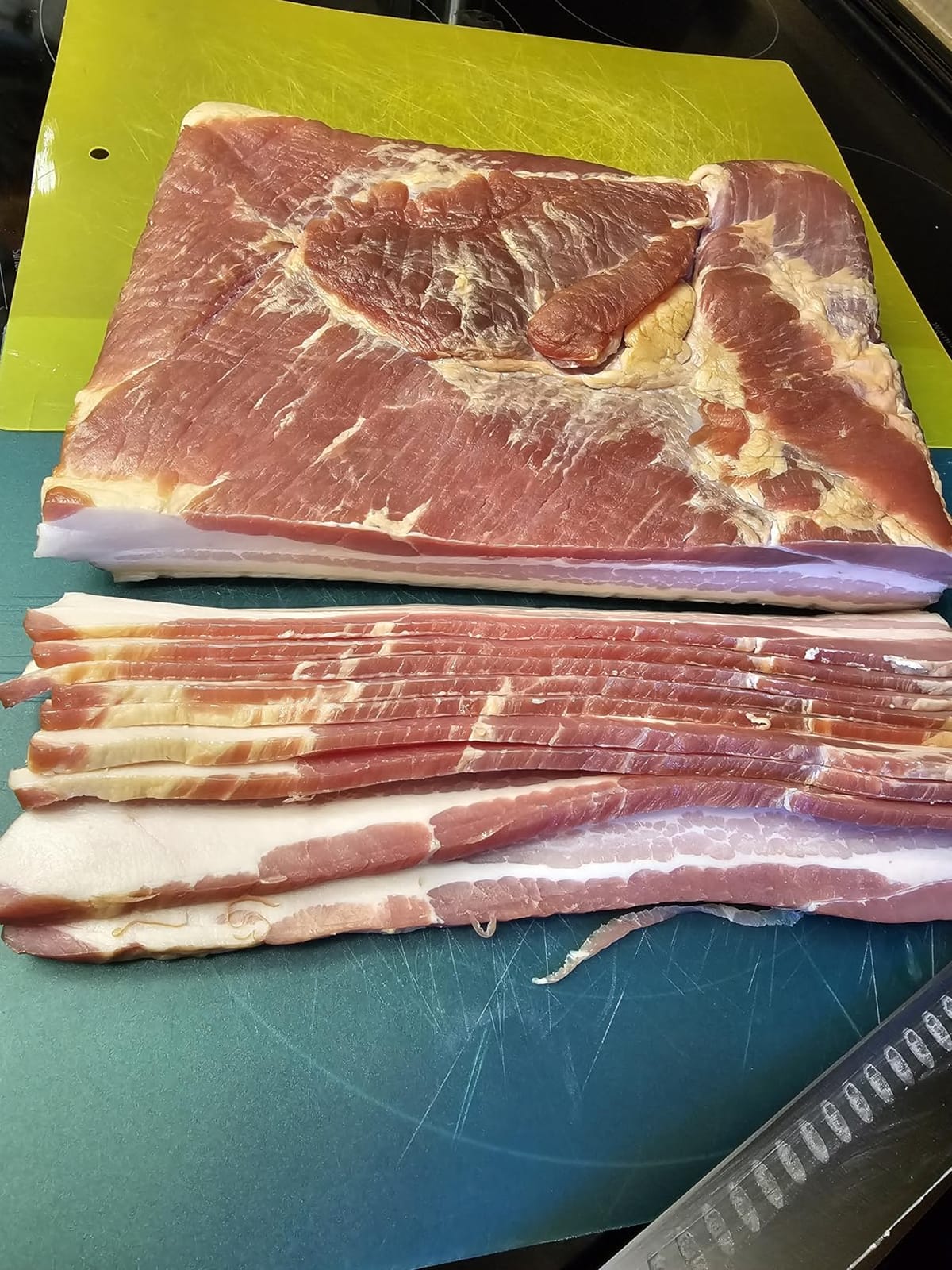
Full-tang forged construction in high carbon German steel, with rust resistance, and Pakkawood handles that reviewers call comfortable through long sessions. Total weight is 1.25 kg for the three pieces, so it is substantial without becoming a hand-fatigue problem.
When three blades beat twelve
Piece count is a poor quality metric, and this set is the proof. Twelve-piece bundles frequently carry five or six blades you will never touch. Three blades that all get used means a lighter roll, a smaller block, less to clean and less to sharpen.
If you already own a field kit and a skinning setup, this fills the only gap that matters: breaking and slicing on the kitchen side.
Where it falls short
There is no cleaver, so bone-in primals and rib racks are out of scope. The review base is the smallest in the roundup at 310 ratings, which simply reflects how new and how focused the set is.
For a home processor who wants the two working knives plus a slicer and nothing else, this is the cleanest way to do it.
5. DRAGON RIOT 12-Piece Set – Forged Carbon Steel for People Who Sharpen
DRAGON RIOT 12-Piece Butcher Knife Set, Roll Bag
Hand-forged high carbon steel
Vacuum heat treated to 58 HRC
12 pieces with roll bag
Wood handles
Pros
- Heavy solidly balanced blades that feel professional
- Extremely sharp out of the box and easy to re-sharpen
- Handles raw and cooked meat well
- Edges reported to improve after touch-up sharpening
Cons
- Non-stainless steel requires drying after every use
- Steel is on the softer side and dulls faster than premium stainless
- Blades are thick and work more like a wedge
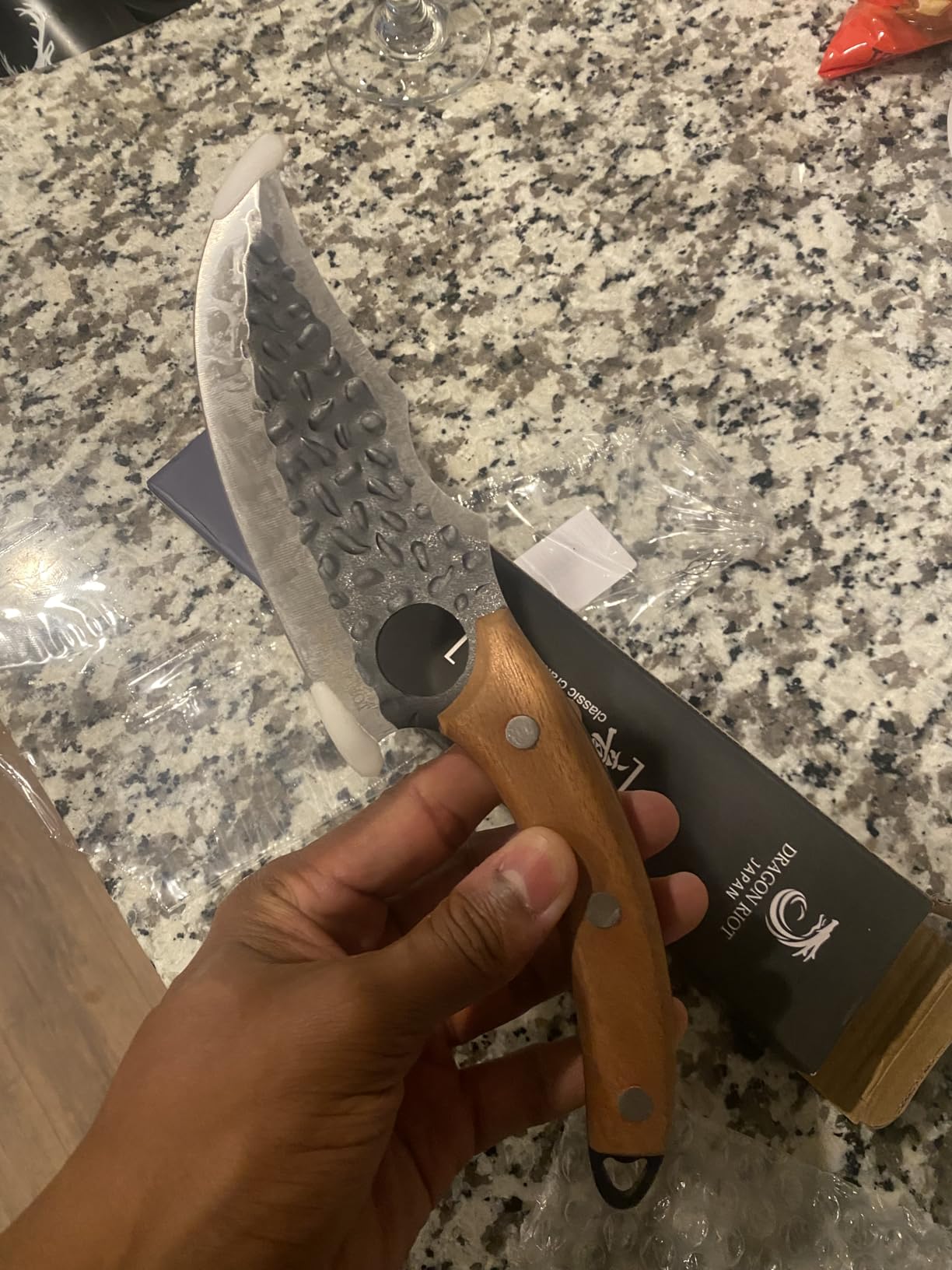
This is the most traditional set in the roundup, and it behaves the way traditional knives behave. Hand-forged high carbon and high manganese steel, vacuum heat treated and cooled to a listed hardness of up to 58 HRC, wood handles, a 12-piece configuration and a roll bag.
What that combination produces is a knife that gets better the more you sharpen it. Reviewers report edges that hold up well and then improve noticeably after a touch-up, which is exactly the behaviour of a hard non-stainless steel with a fine grain structure. Hunters processing deer and hog report successful sessions with this set.
The trade is maintenance. Non-stainless high carbon steel spots and rusts if you leave it wet, and rust is the fastest way to destroy an edge. Every one of these blades needs a towel dry immediately after use and a light coat of oil before storage. The steel is also on the softer side, so it wants sharpening more often than a modern stainless set does. The blades are thick, which makes them a wedge rather than a general-purpose slicer, and at 3 pounds for the set, hand fatigue is real over a multi-hour session.
Who should accept the rust risk
If you sharpen your own knives regularly and dry them properly, this is a rewarding set to own. The reward is an edge that responds directly to a stone and stays keen through work that would blunt a stainless blade.
If you are processing one deer a year and leaving the bag in a truck, this is the wrong set. Stainless forgives you. Carbon steel does not.
Where it falls short
Beyond the maintenance burden, two fit issues come up in reviews. On some units the wood-to-tang fit leaves the tang slightly proud with a sharp edge you can feel, and the sheath stitching loosens with use. Neither is dangerous, both are irritating.
The 12-piece count also includes shapes you will not use daily, so treat the count as storage, not as value.
6. Outdoor Edge PR-1 Game Processor 12-Piece – The Big Animal Kit
Outdoor Edge Game Processor, PR-1, Complete 12-Piece Hunting Knife Kit for Processing Big Game, Full Tang 420J2 Stainless Razor Sharp Blades, TPR Non-Slip Handles, Sturdy Hide-Side Storage Case
Four full-tang 420J2 stainless knives
10.2 inch wood and bone saw
Seven accessories included
Hard-side storage case
Pros
- Most complete big-game kit here with 4 knives plus 7 accessories
- 420J2 stainless blades sharp out of the case
- TPR non-slip handles prevent slippage on wet game
- Wood and bone saw cuts sternum and pelvis
Cons
- Overkill for small game such as rabbits
- Steel rib spreader is not sized for very large rib cages
- Case latches are the most criticized component
Where the WildPak is a field kit, the PR-1 is a big-animal kit. Four full-tang 420J2 stainless blades, a 4.3-inch caping blade, a 4.5-inch gut-hook skinning blade, a 5.9-inch boning and fillet blade and an 8.3-inch bowie-style butcher blade, plus a 10.2-inch wood and bone saw with a chrome coat.
The rest of the package is unusually complete: a tungsten carbide V-sharpener, a steel stick rib spreader, game shears, a carving fork, a cutting board and game cleaning gloves, all in a hard-side case. The saw is a 65mn saw steel blade and it does what the practitioner thread says a butcher saw does, cutting through sternum and pelvis without you fighting a knife.
Buyers processing deer, hog and moose call this the one kit they need. The blades are sharp out of the case, the textured TPR handles hold on wet game, and the 2.6 kg total weight is manageable for a full carcass.
When a bigger animal changes the tool list
Small game and large game need different tools. For a rabbit, this is far too much kit. For an elk, the saw and the rib spreader stop being accessories and start being the two tools that make the job possible in one session. The bowie-style butcher blade at 8.3 inches is the blade for opening a heavy carcass and working around heavy bone.
That is the real argument for the 12-piece format. When the animal is big enough to require a saw, the extra pieces are not filler, they are the difference between a one-hour job and a three-hour one.
Where it falls short
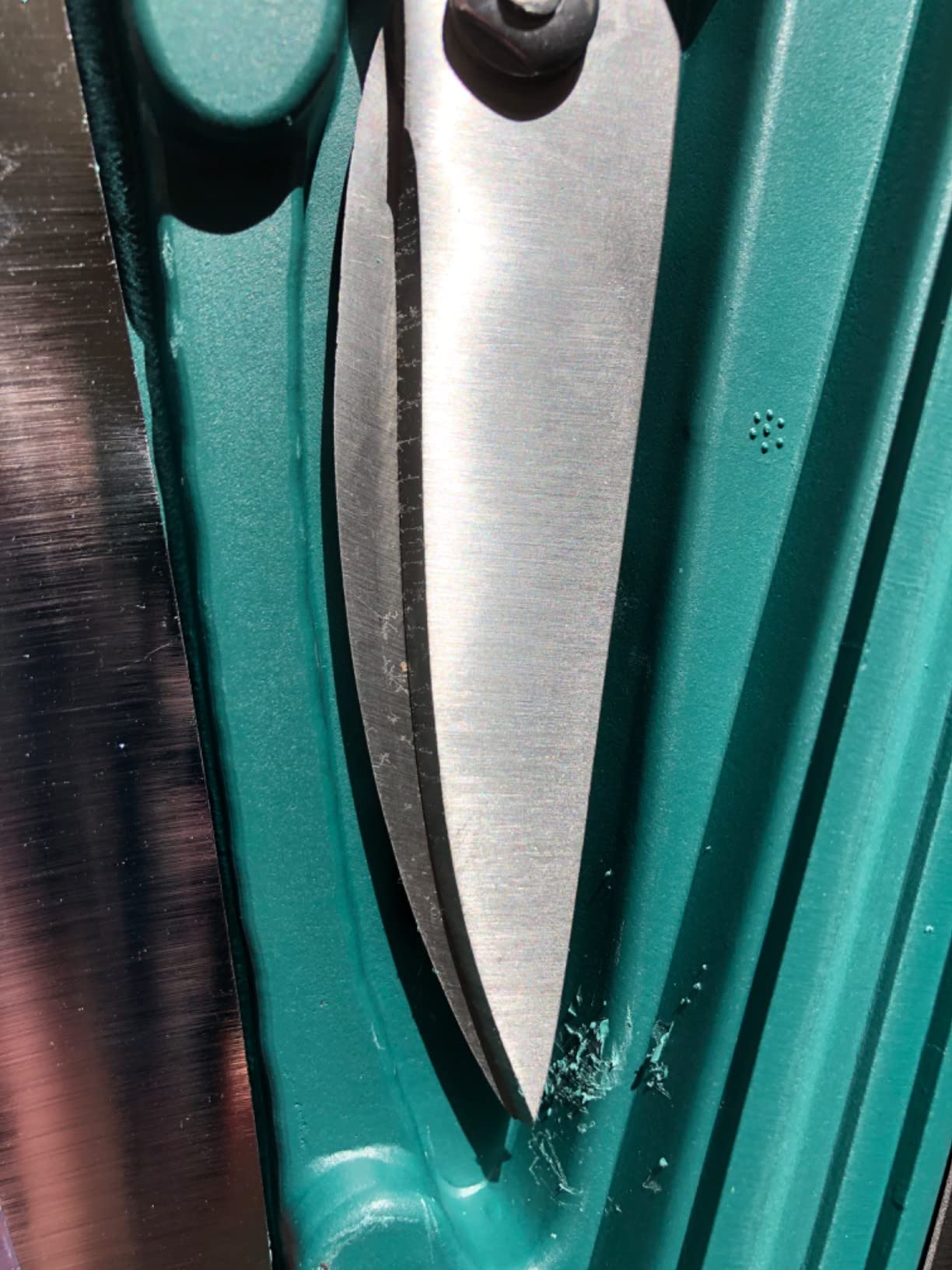
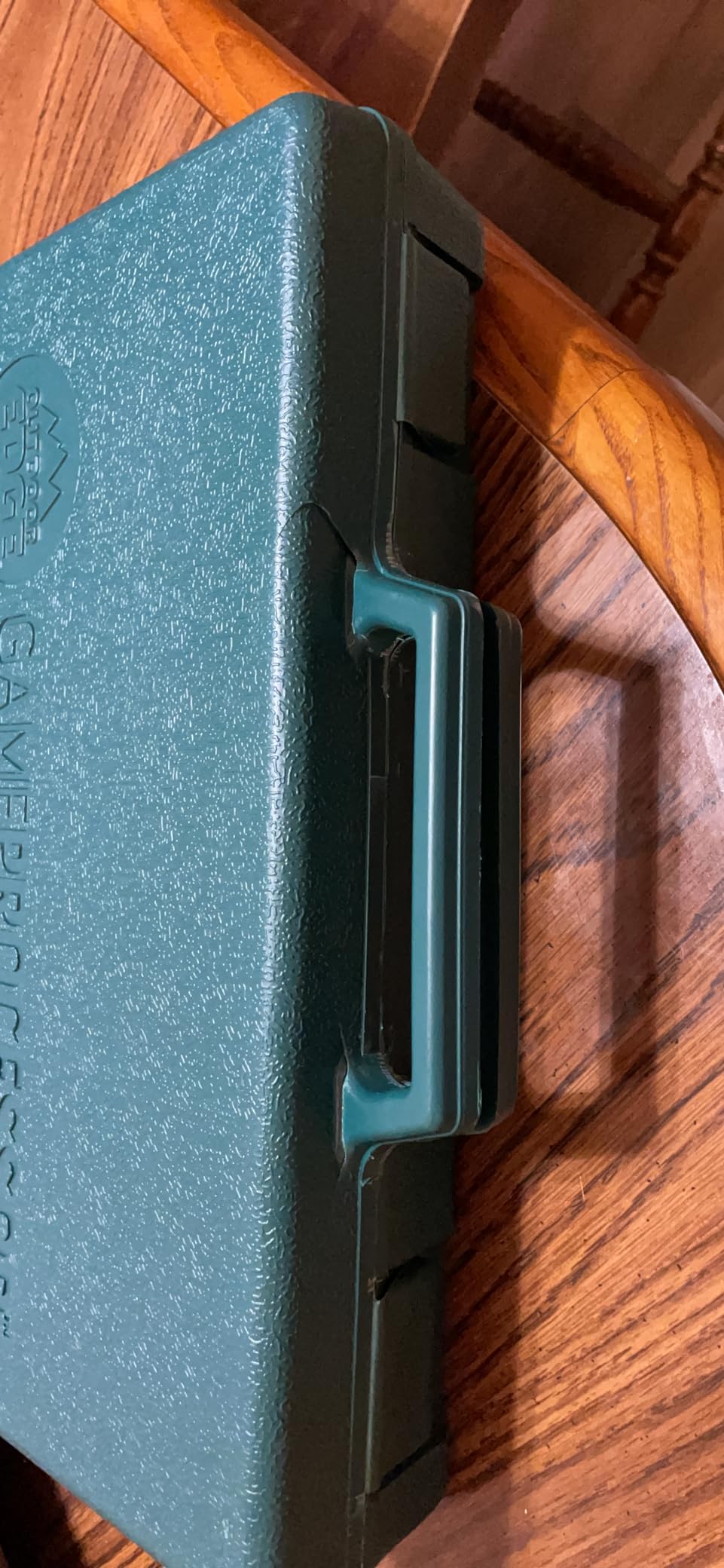
The steel rib spreader is not sized for very large rib cages, which is a real limitation if moose is your target. The game shears feel unwieldy in smaller hands. And the case latches draw the same complaint as the WildPak’s, so treat both cases as the consumable part of the kit.
7. FULLHI 11-Piece Set – The Widest Blade Variety Per Dollar
FULLHI 11PCS Butcher Knife Set, Non-slip Butcher Boning Knife German Stainless Steel Chef Knife Set, Meat Processing Set for Home Kitchen, Slaughterhouse And Restaurant
11 pieces across six blade shapes
German X50CrMoV15 stainless
Includes gloves stick and sheaths
Manufacturer states not for large beef bones
Pros
- Widest blade variety here at 11 pieces
- Very sharp out of the box
- X50CrMoV15 stainless resists rust and holds an edge
- Includes cut-resistant gloves sharpening stick sheaths bag and scissors
Cons
- Included roll case is flimsy and may not close around the full set
- Not designed for cutting large beef bones
- Some units report rust despite stainless labelling
Eleven pieces across six blade shapes, and one of them is a 5.5-inch curved boning knife, which tells you the set was assembled with butchery in mind rather than with a generic kitchen block in mind. The rest: 6-inch and 4-inch butcher knives, 6-inch and 8-inch chef’s knives and a 5-inch utility knife.
Blades are German X50CrMoV15 high-chromium stainless, a high-hardness stainless that resists rust and holds an edge well for its class. Reviewers report them arriving very sharp, including one account of halving a turkey through the breastbone. The bundle also includes an 8-inch sharpening stick, cut-resistant gloves, a knife bag, six sheaths and kitchen scissors, which is more than most sets of this size bother with.
There is a manufacturer caveat that should shape your decision, and it is an unusual one to see stated plainly: this set is not recommended for cutting beef bones. That is a scope limit, not a defect. It is a poultry, rabbit, small game and general kitchen set with an unusually good blade range.
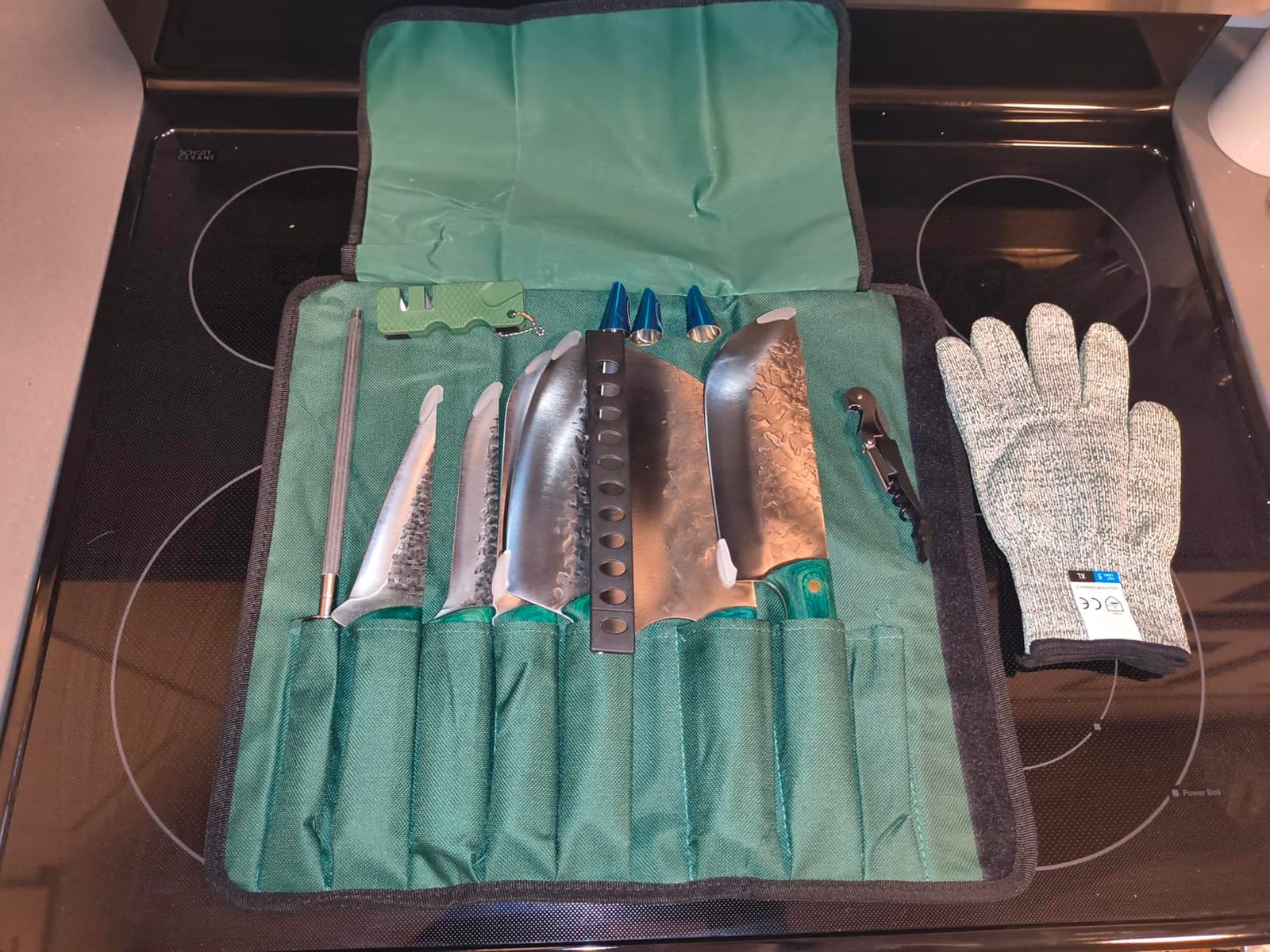
When a wide range beats depth
For someone processing chickens, rabbits and small game, blade variety is the whole game. You will use the curved boning knife for joints, the chef’s knives for trimming, the utility knife for small tasks, and the scissors will earn their place every single time.
The 6-inch chef’s knife in particular is a shape you will not find in a purpose-built butchering set, and it is useful for trimming fat caps off smaller cuts.
Where it falls short
The storage is the weak point. The included roll case is flimsy and may not close around the full set, and the sheaths fit loosely on some knives. Both matter more here than elsewhere, because this is the set most likely to get scattered across a garage drawer rather than stored deliberately.
Some units have also reported rust appearing after washing despite the stainless labelling, which is a finish or coating issue rather than a steel issue, but it is worth drying blades properly regardless. The blades also want sharpening more often than premium stainless sets.
8. Huusk 10-Piece Set – Hand-Forged High Carbon Steel With a Distinctive Look
Huusk Butcher Knife Set with Roll Bag – 10PCS for Meat Processing Men Gift
Hand-forged high carbon steel
Hammered pattern unique per blade
Ebony handles
10 pieces with roll bag
Pros
- Sharp and heavy for trimming chopping and large cuts
- Hand-forged steel holds a good edge and sharpens easily
- Ebony handles feel solid and warm
- Distinctive hand-hammered finish
- Roll bag included
Cons
- High carbon steel requires care to avoid rust and patina
- Blades are heavier than some buyers expect
- Arrive sharp but not quite at the level some want
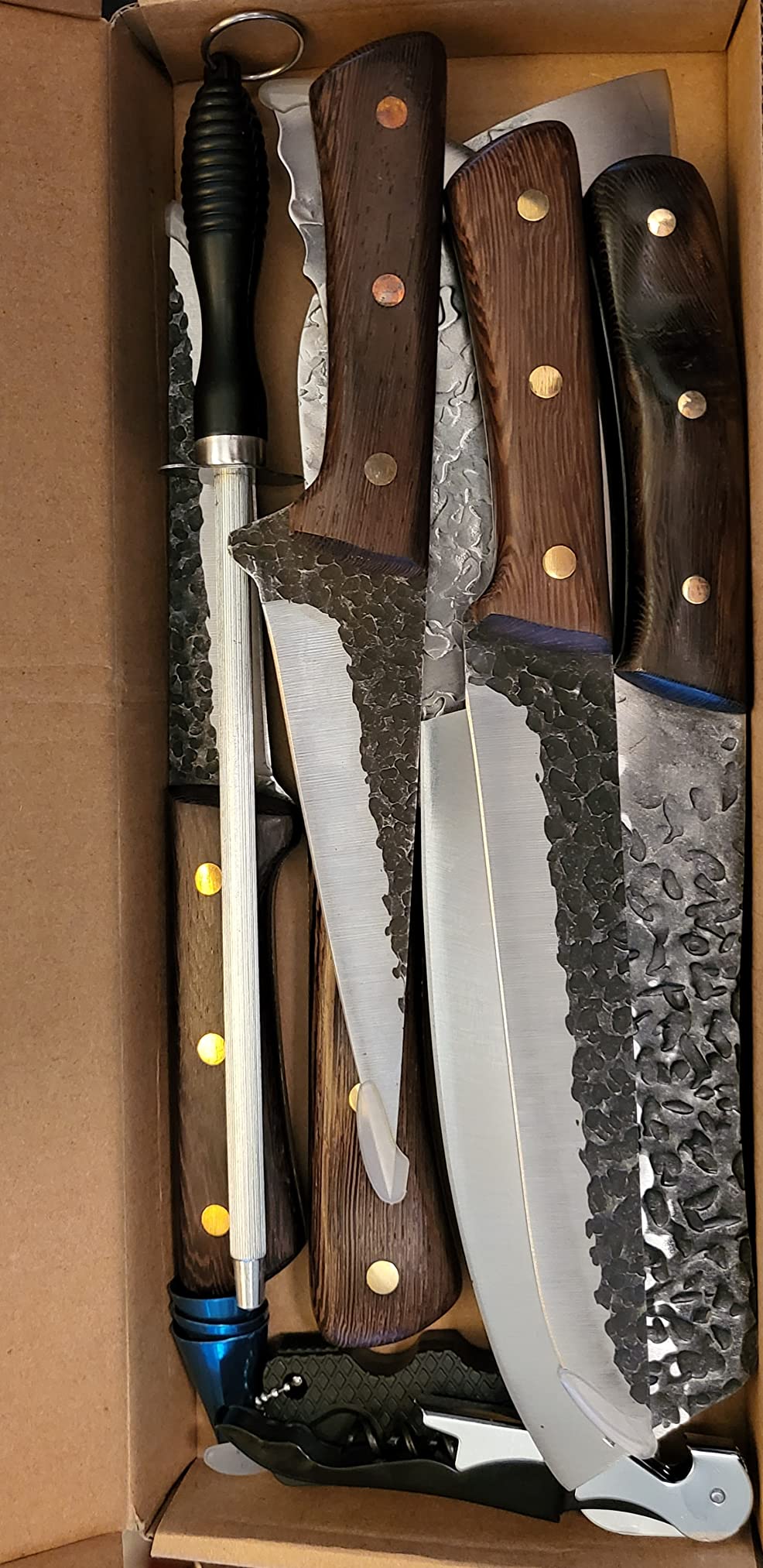
Ten pieces with a roll bag, a sharpening rod and a pair of professional gloves. The blade lineup is one Serbian chef knife, one butcher knife, one Viking knife and three boning knives in various sizes, which is a lot of trimming and boning capability for a home kitchen.
What sets this apart visually and physically is the hand-forged high carbon steel with a unique hammered pattern on every blade. No two finish identically. The steel holds a good edge and responds well to a whetstone, and buyers describe the blades as sharp, heavy and visually striking with good edge retention once properly stropped.
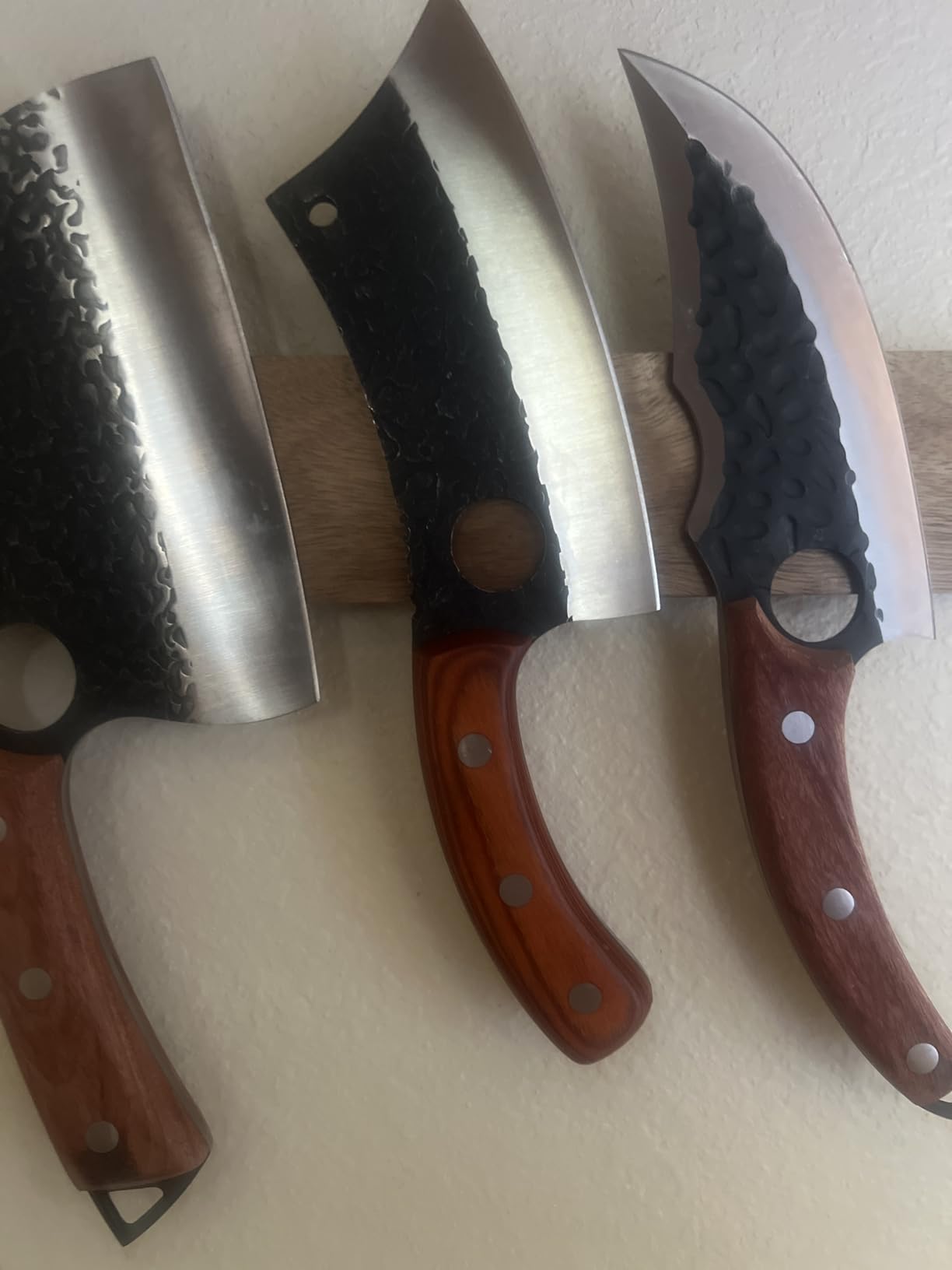
Ebony handles feel solid and warm in the hand and are genuinely pleasant for slow trimming work. They are also the most commonly criticised ergonomic choice in the roundup, with some buyers finding them more decorative than functional, particularly when the handle is wet.
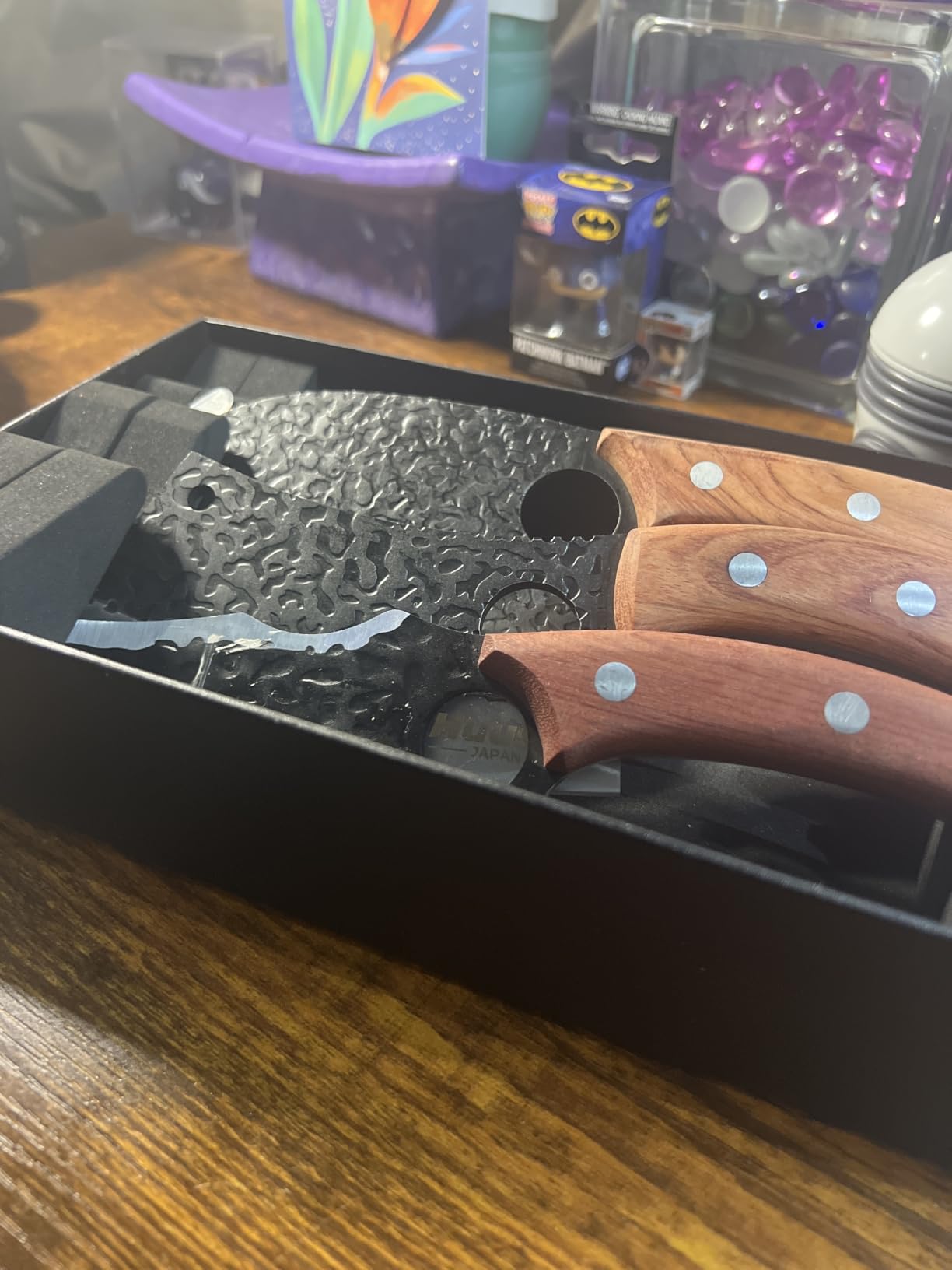
What high carbon steel actually asks of you
High carbon steel holds an edge longer than the 420J2 and X50CrMoV15 stainless used by the field kits, and it takes a finer edge. In exchange it will patina and it will spot if you leave it wet. Dry every blade right after use and store it away from humidity, and the patina becomes part of the appeal rather than a defect.
Where it falls short
Weight is the biggest surprise. These blades are noticeably heavier than kitchen knives, and over a full multi-hour session that shows up as hand fatigue. A buyer who expects a balanced 6-inch boning knife will find these front-heavy.
They also arrive sharp but not at the level some reviewers want before a strop, so plan a honing session before the first cut. And a word on labelling: terms like Viking and Serbian chef knife are used loosely by marketplace sellers, so read the actual dimensions rather than trusting the style name.
9. Victorinox 7-Piece Field Dressing Kit – The Warranty and Swiss Steel Answer
Victorinox Knife Set – Swiss Army Field Dressing Kit, 7-Piece Kitchen Knife Set, Kitchen Knives for Butcher/BBQ with Fibrox Handles, 10″ Honing Steel and Case – Black
Swiss made with lifetime warranty
Five blade shapes plus 10 inch steel
Fibrox non-slip handles
Black nylon roll included
Pros
- Swiss made and hand finished by skilled craftsmen
- Special tempering maintains a sharp precision edge
- Fibrox handles give control in long processing sessions
- Covers paring boning filleting slaughter and cimeter work
- Dishwasher safe with a lifetime warranty
Cons
- Highest price point in this roundup
- Stamped rather than forged construction
- Black nylon roll offers less protection than a hard case
Victorinox is the brand that comes up most often when people who actually do this talk about which knives are best. On the Field Ethos thread, a practitioner from a family in the beef business works a 6-inch flex boning knife and a 14-inch cimeter, both Victorinox, and another member called Victorinox blades excellent for the money. On hunting forums, the Fibrox-handled boning knives get the same reception.
This kit assembles that advice into a set: a 3.25-inch paring knife, a boning knife, a filleting knife, a slaughter knife and a cimeter steak knife, plus a 10-inch sharpening steel, in a black nylon roll. Made in Switzerland, with a special tempering process for edge longevity, a lifetime warranty against defects and dishwasher-safe construction.
What the warranty actually buys you
Victorinox warrants these against manufacturing defects for life. That is not the same as a warranty against a dropped tip, but it does mean a blade with a factory grind issue is replaceable, and it is the reason many commercial kitchens standardise on the brand.
Fibrox handles are thermoplastic rubber, textured and genuinely non-slip, and they are the reason these blades feel controlled when everything is wet. For precision work rather than heavy bone work, they are excellent.
Where it falls short
This is the most expensive set in the roundup, and the construction is stamped rather than forged. You feel that most in the thick, heavy bone work, where a forged blade has more mass behind it and a stamped one needs more careful technique.
Storage is a nylon roll rather than a hard case, so it is fine in a kitchen drawer and wrong in a truck bed. And the blades are thinner and more precision-oriented, which is a strength for deboning and a limitation for splitting a rib rack.
10. HOSHANHO 8-Piece Set – The Bone and Cleaver Workhorse
HOSHANHO Butcher Knife Set, Sharp Kitchen Knife Set & Roll Bag Gift for Men
High carbon stainless at 58+2 HRC
16 degree V edge per side
Full-tang walnut handles
6 inch bone chopper included
Pros
- Bone chopper and meat cleaver handle bone and tough primals
- Excellent balance and solid feel in the hand
- Sharp out of the box with strong edge retention
- Solid-stitched roll bag keeps knives organized
Cons
- Highest price in this roundup
- Sharpening must be held to the 15-16 degree per side angle
- Walnut handles need occasional oiling
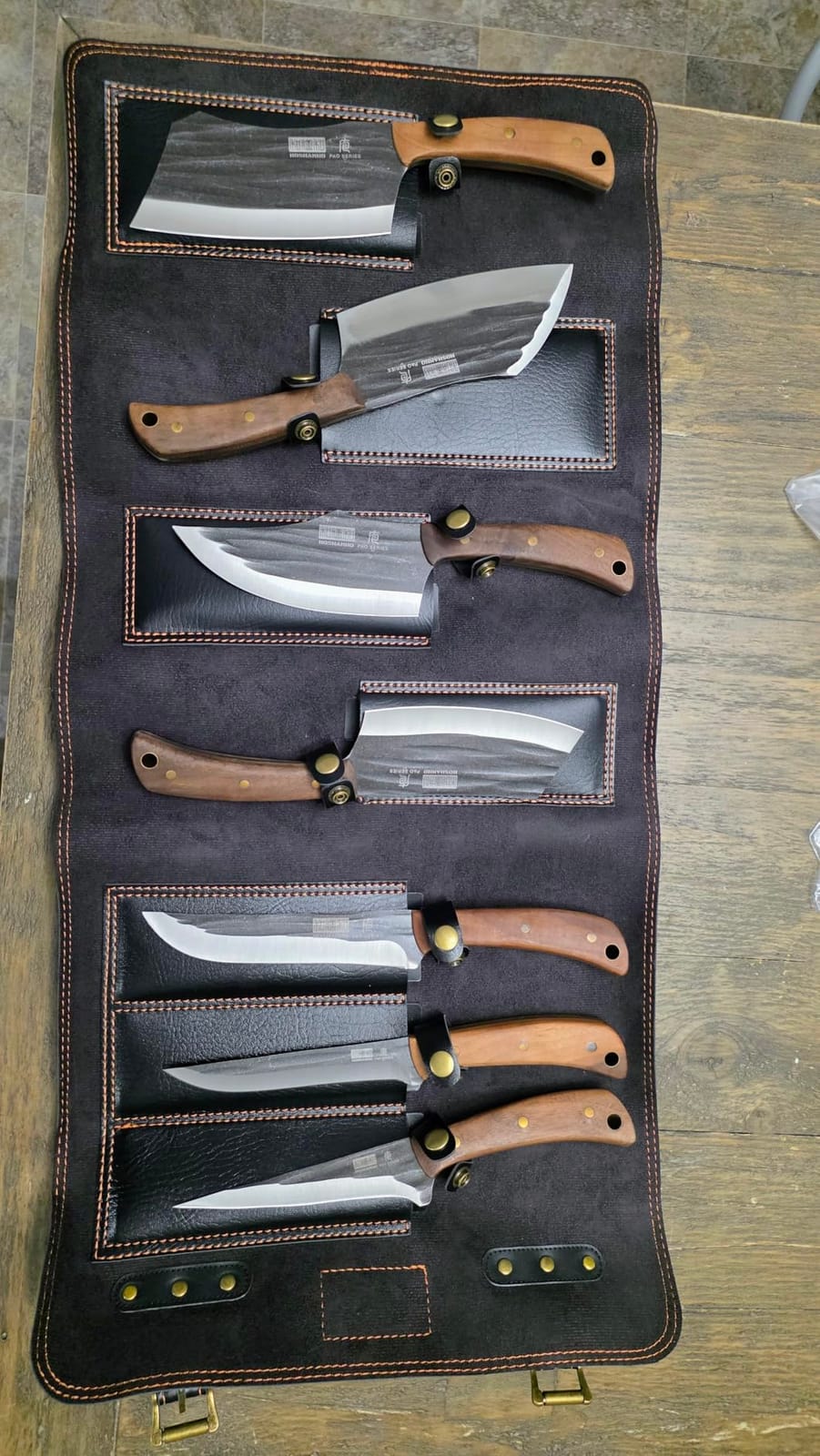
This is the only set in the roundup built around a 6-inch bone chopper and a 6-inch meat cleaver. Eight pieces: bone chopper, meat cleaver, a 5.9-inch Viking-style knife, a 5.5-inch cleaver, a 6.7-inch fillet knife, a 6-inch dividing knife and a 5.5-inch paring knife, in a roll bag.
Serious barbecue cooks pick this set for the bone work, which is the gap in almost every other bundle here. High carbon stainless steel, stonewashed and hammer finish, listed at 58 plus or minus 2 HRC, with a 16-degree V-shaped edge per side. That is a hard, thin, symmetric edge, and it is why buyers report the set still looking new and sharp after a year.
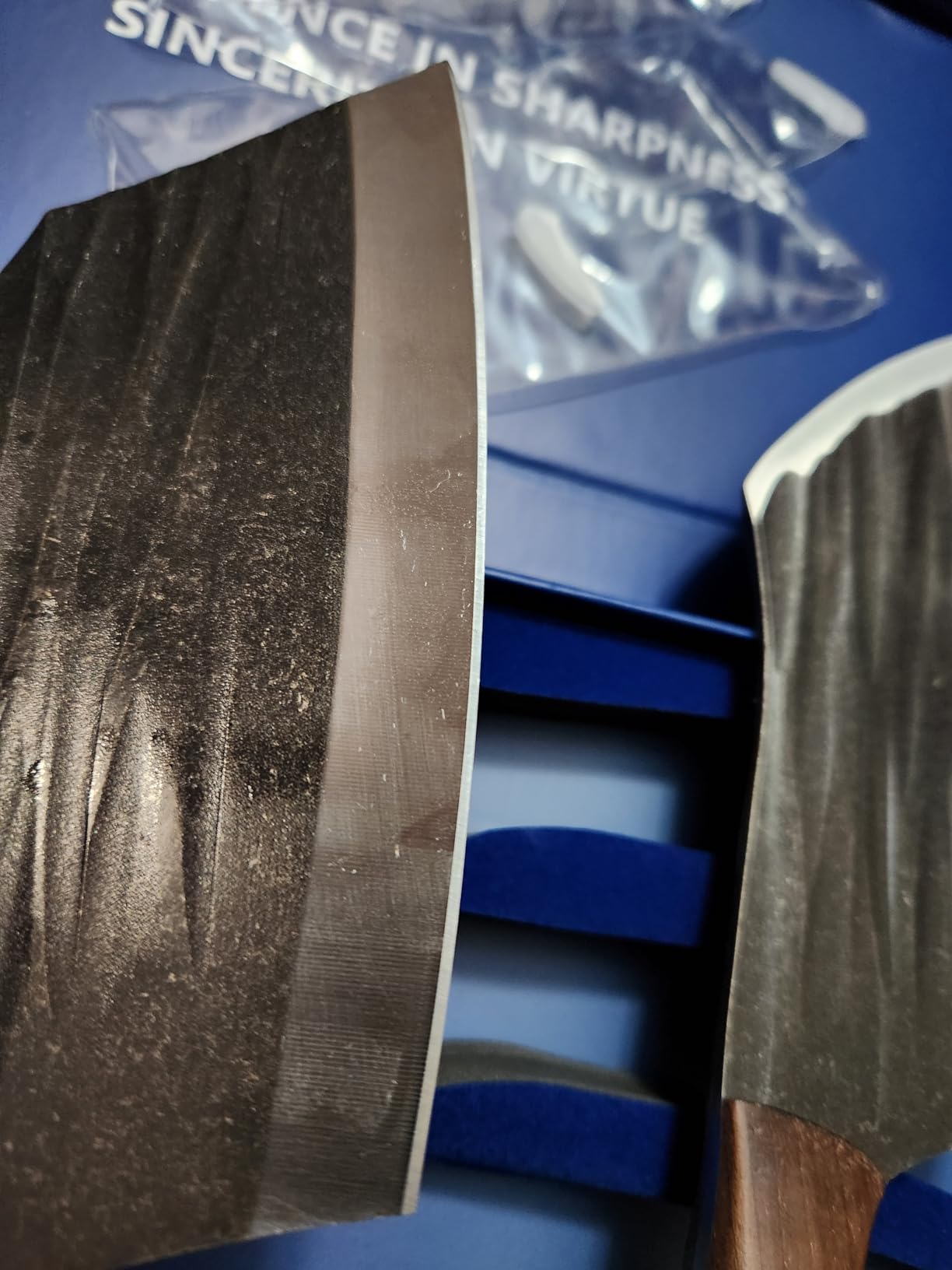
Full-tang walnut handles with three rivets feel balanced and solid in the hand, and reviewers repeatedly single out the balance as the thing that reduces fatigue over a long session. The 1 kg total weight is real, though, and it is not a set for a small kitchen counter.
The angle is a commitment
That 16-degree-per-side figure is the number to understand before buying. It is a thin, sharp edge that cuts beautifully through fat and fibre, and it needs to be resharpened at the same angle. Sharpen it at a generic 20-degree and you will remove far more steel than necessary, and edge performance will suffer before the blade is ruined.
Walnut handles also need an occasional coat of oil, which is a five-second job twice a year and the reason these handles improve with age.
Where it falls short
It is the most expensive set here, and the price gap over the Cutluxe five-piece is not buying proportionally more cutting capability, it is buying specific bone capability. There is no cimeter and no skinning blade, so a whole-carcass job is out of scope.
If you break down beef and trim briskets regularly, the bone chopper alone justifies the set. If you mostly portion meat you bought already broken down, look at the Cutluxe five-piece instead.
How to Choose a Butchering Knife Set
Work through these seven criteria in order and most of the decision makes itself. The order matters, because the first two decide what you can physically do and the rest decide how pleasant it is.
1. Blade coverage, not piece count. Confirm the set contains a 6-inch narrow flex boning knife and a long curved breaking knife of 10 inches or more. Everything else is situational. A 12-piece set with no cimeter is less useful than a three-piece set with one.
2. Full tang over partial tang. The tang is the steel running from blade into handle. A full tang runs the full length of the handle, so the grip cannot twist or break loose under force, and the knife can be rehandled or reground. Partial tangs, which include most riveted stamped kitchen knives, are acceptable for boning but not for pushing a cimeter through a rib joint. Forum consensus treats no full tang as a deal breaker.
3. Steel and Rockwell hardness. Stainless steels such as 420J2, X50CrMoV15 and 1.4116-style German steels resist rust and need less maintenance. High carbon and non-stainless steels hold a finer edge longer and take a better edge on a stone, but they spot and rust if you do not dry them immediately. The useful range for these knives is 54 to 60 HRC. Below 54 the edge collapses too fast against bone, much above 60 the edge becomes brittle and chips.
4. Handle grip when everything is wet. Blood, fat and water are present for the entire session. Textured thermoplastic rubber or TPR, and the Fibrox handles on Victorinox knives, hold a wet grip far better than smooth wood, bare polypropylene or polished pakkawood. This is the single most commonly cited safety fear on processing forums, and it is worth more than any steel upgrade.
5. Honing steel versus sharpening stone. These are not interchangeable. A honing steel, also called a honing rod, realigns an edge that has rolled over from use. A sharpening stone removes metal to create a new edge. You need the rod constantly and the stone occasionally. A set that ships with a rod is a genuine convenience; a set that ships with a whetstone is teaching you something. On the choice of rod itself, an oval cross-section steel from F. Dick and a round steel from OGMF are both what professionals run, and either works.
6. Field kit or kitchen set. This is the decision that matters most and it is worth being blunt about. A field kit optimises for portability, high-visibility handles, a hard case and corrosion-resistant steel, because the knives live in a truck. A kitchen set optimises for full tang, wood or composite handles you can work with for hours, and harder steel. Outdoor Edge’s two kits are the clearest field examples. Cutluxe, HOSHANHO and Victorinox are kitchen-weighted. A hunter who also butchers in a garage may well buy both over time.
7. Storage and transport. A nylon roll is fine in a drawer. A hard case with a foam insert is what keeps edges from getting knocked against each other in a vehicle. Knives rattling in a cooler is a reliable way to destroy a good edge, and it is the most common storage mistake.
The blades and what each one does
Six shapes cover almost all home processing, and knowing them removes most of the guesswork from a set.
The flex boning knife is a narrow 5 to 7 inch blade used to separate meat from bone, following the contour of joints. Flexibility is the point. The breaking knife or cimeter, sold interchangeably as a cimeter, scimitar or skimitar, is a long 10 to 14 inch curved blade used to divide primals in a single straight push. The skinning knife, often a gut hook, opens a carcass in the field. The capping knife is a short thin blade for trophy mounts and surface work. The meat cleaver and bone chopper handle bone, ribs and splitting carcasses. The slicing knife portions steaks, trims fat and carves.
Anything beyond those six, and you are looking at shapes for a specific job rather than a step in the standard sequence.
Companion gear no knife set includes
Three things sit outside every set we reviewed, and all three get recommended repeatedly by people who do this work. A bone saw is the first, and a practitioner who regularly cuts rib primals short for T-bones and porterhouse would not attempt it without one. A cut-resistant glove on the guiding hand is the second, and several sets here include a pair, which makes ignoring it harder to justify. A wood cutting board is the third, preferred over plastic by the same practitioner, since plastic is hard on an edge and harder on a bench in cold weather.
Also worth noting on process: if you want the steak and not the hobby, a quarter or half share from a local meat market is a legitimate shortcut that costs less than a mistake on your first beef breakdown. And a single good field knife that doubles as a utility tool beats a cheap set for most people processing one or two animals a year.
Why Restaurant Kitchen Brands Cost More Than Marketplace Sets
The brands you will hear named by people who do this for a living are Victorinox, Dexter Russell, F. Dick, Old Hickory, MKC and Dalstrong, and it is worth knowing why they sit where they do on price.
Three things separate them. First, construction. A stamped blade is punched from a sheet of steel with the handle scales riveted on either side. A forged blade is shaped by hammering or pressing, with the tang running continuously into the handle. Forged blades have more mass behind the edge, which is what you want when pushing a cimeter through a rib joint.
Second, consistency. A commercial brand holds the same grind, the same temper and the same handle dimensions across production runs, and spare blades are available when one wears out. That matters more over years than most buyers expect, because a set you can replace a single blade from will outlast a set you cannot.
Third, warranty and service. The Victorinox kit here carries a lifetime warranty against manufacturing defects, which is a different kind of promise from a marketplace listing with no support behind it at all.
None of that means a marketplace set is a bad buy. The Cutluxe, HOSHANHO, DRAGON RIOT and Huusk sets in this roundup all hold a keen edge and all do real work. The difference is that a commercial brand behaves predictably, arrives consistent, and can be repaired or replaced. On a knife you will use every autumn for a decade, predictability is worth paying for.
One caution on brand names. Terms like Viking knife, Serbian chef knife and Nakiri appear in marketplace listings inconsistently and often do not describe a real steel type or a real geometry. Read the stated blade dimensions and steel instead of trusting the style name on the front of the box.
Field Kit or Kitchen Set: Making the Call
This is the decision that matters more than any other on the page, and it is worth deciding it before you compare anything else.
Choose a field kit if the work happens at a truck, a cabin or a camp. You need corrosion-resistant stainless that tolerates a cooler, a hard case so edges do not knock together in transit, high-visibility handles so a dropped knife is findable in brush, and a saw and spreader in the bag. Both Outdoor Edge kits here fit that description, and the 420J2 blades are the right steel for the job.
Choose a kitchen set if the work happens on a bench or a board. You want full tang, a handle you can hold for three hours, and harder steel that will not be sitting in a damp environment between uses. The Cutluxe sets, the HOSHANHO, the Huusk and the Victorinox kit all fall on this side.
Choose the forged carbon sets if you sharpen your own knives and dry them immediately. The DRAGON RIOT and Huusk sets reward a whetstone with a finer edge than any stainless in the roundup, and punish a wet blade with spots within days.
Do not choose a kitchen set for the field. Pakkawood and walnut handles get slick when wet, a nylon roll does not protect edges from a bouncing case, and no cleaver-heavy configuration helps with a sternum. It is the most common mismatch we see, and it is an expensive one.
Many processors end up owning both, buying the field kit in the hunting season and the kitchen set for the summer breakdowns. That is a reasonable path, and it is how a lot of home butchers build their setup over a few years rather than in one purchase.
Edge Maintenance: Keeping a Set Sharp Between Sessions
Edge retention gets all the attention in knife marketing, and it is the least important of the three numbers that matter. Sharpness you can restore in thirty seconds matters far more.
Use the rod constantly and the stone occasionally. A honing steel, or honing rod, realigns an edge that has rolled over from cutting; it removes almost no metal. A sharpening stone removes metal and creates a new edge; use it when the rod stops producing a result. The single most common complaint across reviews of the stainless field kits is that blades need a touch-up after processing a whole animal, and a carbide sharpener or a few passes on a stone is the whole fix.
Pick the rod with some thought. Oval cross-section steels from F. Dick and round steels from OGMF are both what professionals run, and both work. What matters is surface finish and hardness, not shape. A cheap plated rod is often softer than the steel it is meant to hold and will do nothing at all.
Wash by hand, and dry immediately. Dishwasher heat and detergent strip the temper from a hardened blade, attack the adhesive on a full tang handle, and leave standing moisture that causes rust. Hot soapy water, rinse, towel dry straight away. This applies to every set in the roundup, including the ones rated dishwasher safe, because a sharp blade outlives a convenient one.
Oil the steel and the wood. A light coat of mineral oil on carbon steel blades before storage prevents spotting and slows patina. Pakkawood, walnut and ebony handles want the same treatment occasionally, which is a few seconds of work twice a year and the reason those handles feel better at year three than on day one.
Store so edges do not collide. A nylon roll with slots that hold each blade separately is fine. A hard case with foam is better in a vehicle. Knives loose in a cooler or a drawer will find each other, and a chipped tip is a factory-sharp edge lost in an afternoon.
Do not put butchering knives in a sharpening appliance. The high, even heat a powered sharpener applies is designed for kitchen edges, and it will draw the hardness out of a hard blade that has been set for bone work.
Out-of-the-Box Sharpness: What to Expect From Each Set
Because sharpness is the first thing you will touch, it is worth setting expectations honestly before any of these sets arrives. Buyers report the following.
The Cutluxe sets are repeatedly described as razor sharp out of the box, with the 12-inch slicer singled out, and the 4.7 and 4.8 average ratings across more than 1800 ratings are consistent with that. The Dexter Russell combo benefits from hollow-ground edges that take a keen edge quickly and hold it, which is the main reason it is the value leader here. The Outdoor Edge kits arrive sharp but are the most likely to want a touch-up after a full carcass, because 420J2 is a practical rather than a maximum-hardness steel.
At the other end, the Huusk set is described as arriving sharp but not at the level some buyers want before a strop, and the HOSHANHO set is reported as still looking new and sharp after a year of use, which is the outcome you want from a 58 HRC edge held at 16 degrees per side. The DRAGON RIOT blades are reported as very sharp out of the box and then improving further after a touch-up, which is the defining behaviour of non-stainless high carbon steel.
One warning applies across the forged carbon sets. If you are used to a 20-degree Western double bevel, sharpening a 16-degree single-side V edge to the wrong angle will cost you more steel than you need to spend and you will wonder why the edge feels worse. Know the number on the box before you put steel to it.
Frequently Asked Questions
What is the best knife for processing meat?
A 6-inch flex boning knife is the most versatile and most used blade in home processing, because it separates meat from bone around joints and follows bone contours. The essential second tool is a 10 to 14 inch curved breaking knife, sold as a cimeter or scimitar, which divides primals in a single straight push. Those two blades handle the majority of a home processing session.
What is the best professional butcher knife set?
Commercial butchers overwhelmingly run Victorinox, Dexter Russell and F. Dick. For a home set, those three plus Dalstrong and MKC are the professional-tier options. A quality set still needs a narrow 6-inch flex boning knife and a long cimeter; anything beyond those two is decided by the animal and the place you are working.
Which brand of butcher knives is considered the best?
Victorinox is the most commonly cited first answer for price-to-performance, followed by Dexter Russell, with F. Dick and Old Hickory at the premium hand-forged end. Judge by criteria rather than the label: full tang, edge retention against bone, a non-slip handle, and whether the brand offers spares or replacement service. MKC and Dalstrong are the modern challengers, with Dalstrong’s cimeter frequently named as a top pick.
What is the best knife for processing chickens?
A stiff or semi-flex boning knife for working around joints and the breastbone, poultry shears for the wishbone and back cavity, and a heavy cleaver for splitting the carcass. Most three-piece sets under-serve chicken compared with a six-piece configuration. A dedicated 5.5 inch curved boning knife, which appears in the FULLHI set here, is the shape that matters most for poultry.
Do I need a bone saw to break down beef?
For bone-in primals such as a short loin for T-bone, porterhouse and strip loin, yes. A saw removes the step of forcing a knife back and forth through bone, which dulls the edge and tires the arm. The OUTDOOR EDGE WildPak and PR-1 kits both include a wood and bone saw for this reason.
Can butcher knives go in the dishwasher?
It depends on the set. Dishwasher heat and detergent strip the temper from a hardened blade and attack the handle glue on full tang knives, and the drying cycle leaves standing moisture that causes rust. Only hand wash with hot soapy water and towel dry immediately. Some sets, including the Dexter Russell combo and the Victorinox field kit, are rated dishwasher safe, but hand washing still gives a sharper blade over time.
The Verdict for Home Butchering in 2026
The best butchering knife sets for home processing in 2026 come down to what you are processing and where. If you want one bag that covers skinning, sawing, deboning and cleanup from a truck tailgate, the OUTDOOR EDGE WildPak is the pick, with the largest verified review base in this roundup at 4.7 stars across more than 3600 ratings. If moose or a full rib cage is realistic, step up to the PR-1, where the saw and spreader are the tools that make a one-hour job instead of a three-hour one.
If the work happens in a kitchen and ends at the table, the Cutluxe five-piece BBQ set carries the highest rating here at 4.8 stars and pairs a 12-inch slicer with a 10-inch cimeter, a 6-inch boning knife, a honing rod and a carving fork. When the real work is heavy bone, ribs and cleaver tasks, the HOSHANHO eight-piece is the one with a dedicated bone chopper and a 16-degree edge per side.
And if you follow the working-butcher logic, the Dexter Russell three-piece combo is the most disciplined answer in the roundup: a 6-inch curved flex boning knife, a 6-inch wide trimming knife and a 10-inch steak knife, hollow ground, with nothing you will never use.
Whichever route you take, start by confirming a full tang, a narrow flex boning knife and a long cimeter. Add a cut-resistant glove and a wood board, dry every blade before you put it away, and find a patient local butcher to watch before you take a whole animal apart alone.