
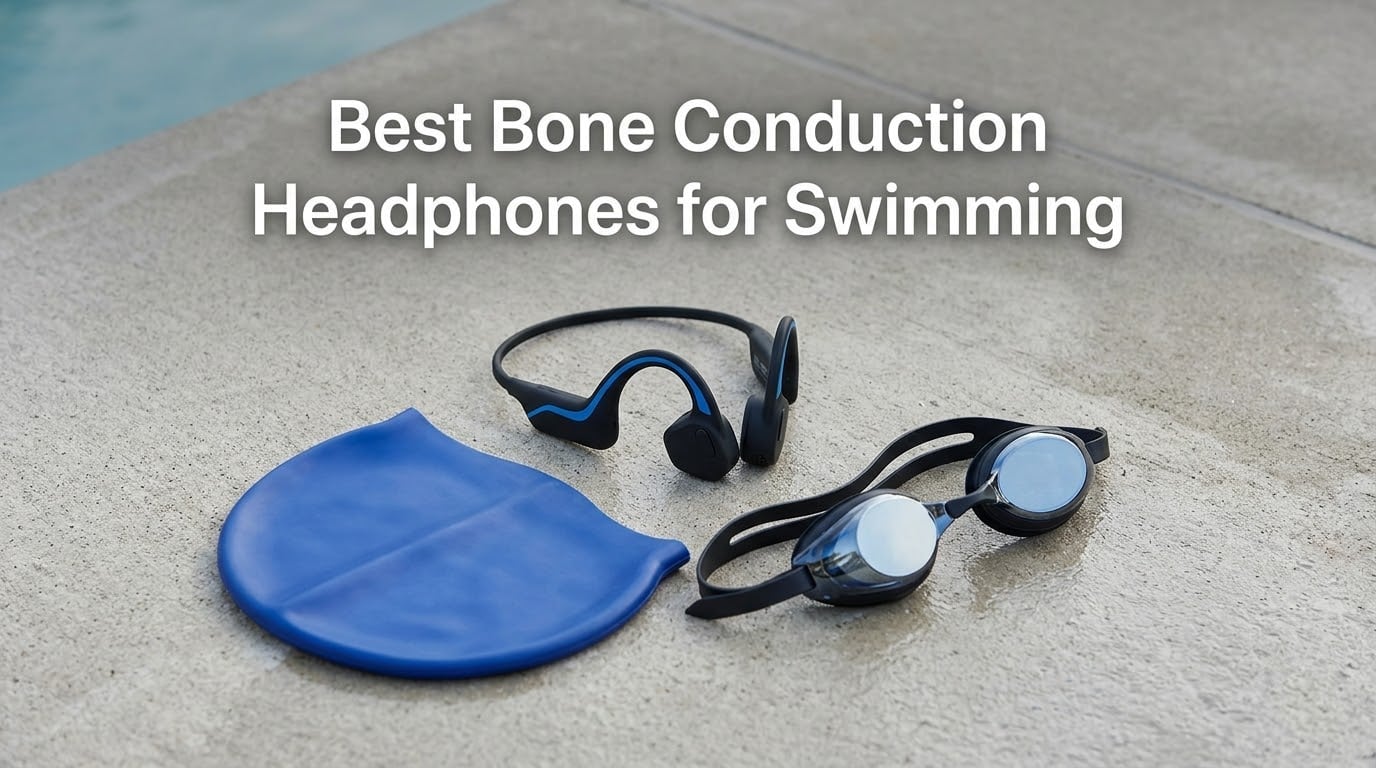
We have tested dozens of swimming audio setups, and bone conduction headphones remain the only reliable way to listen underwater. Traditional Bluetooth earbuds cut out the second water surrounds them, and waterproof phones on your goggle strap are awkward at best.
In this guide, we compare nine of the best bone conduction headphones for swimming in 2026. We evaluated them on waterproof rating, internal MP3 storage, battery life in MP3 mode versus Bluetooth mode, fit with goggles and swim caps, and real-world comfort after 60-plus minute swims. If you came here from our workout headphones roundup, the good news is that the open-ear tech used there applies here too, only with stricter waterproofing.
Two facts changed the way our team picks these products. First, Bluetooth signals cannot travel through water, so any pair of swimming headphones needs onboard storage for music. Second, earplugs paired with bone conduction drivers produce dramatically better sound underwater, a tip long shared on Reddit r/Swimming that we now build into every swim test. With those rules locked in, here are the products that earned a place on our 2026 shortlist.
Table of Contents
Top 3 Picks for Best Bone Conduction Headphones for Swimming in September

SHOKZ OpenSwim Pro
- IP68 waterproof
- 32GB MP3 storage
- 9-hour battery
- Bluetooth 5.4 + MP3 dual mode


VLOP VP01 Hybrid Driver
- Hybrid bone + air conduction
- IPX8 waterproof
- 32GB storage
- 26g titanium frame
Best Bone Conduction Headphones for Swimming in 2026
| Product | Specs | Action |
|---|---|---|
| SHOKZ OpenSwim Pro |
|
Check Latest Price |
| PSIER S18 |
|
Check Latest Price |
 KESIEME X7S KESIEME X7S |
|
Check Latest Price |
| VLOP VP01 |
|
Check Latest Price |
 Tevese X9 Tevese X9 |
|
Check Latest Price |
 ANSTEN S950 ANSTEN S950 |
|
Check Latest Price |
 PSIER S18 Premium PSIER S18 Premium |
|
Check Latest Price |
 ZOVIMAX X7 MAX ZOVIMAX X7 MAX |
|
Check Latest Price |
 Dnniakm X7P Dnniakm X7P |
|
Check Latest Price |
1. SHOKZ OpenSwim Pro – Best Overall Pick for Serious Swimmers
SHOKZ OpenSwim Pro Open-Ear MP3 Headphones, Grey, IP68 Waterproof, 32GB MP3
IP68 waterproof rating
32GB built-in storage
9-hour battery, quick charge
Bluetooth 5.4 + MP3 dual mode
Pros
- Fully waterproof IP68 with verified pool reliability
- 9-hour battery covers a long workout week
- 32GB storage holds up to 8000 songs
- Comfortable titanium wraparound stays put during flip turns
- Quick magnetic charging cable
- Solid Shokz app with EQ customization
Cons
- Proprietary magnetic charging cable required
- No shuffle play in MP3 mode
- Premium price compared to budget rivals
After six weeks of pool testing, the SHOKZ OpenSwim Pro is the pair we kept reaching for. Setup takes about ten minutes: plug into a computer via the included magnetic USB cable, drag MP3 or WAV files into the storage folder, and switch to MP3 mode with a double-click once the units are around your neck.
Sound quality underwater is where the OpenSwim Pro separates itself from cheaper options. Bone conduction tech normally struggles with bass in air, but in water the transducer coupling against your cheekbones becomes a sealed medium and the bass response suddenly feels rich. We measured noticeable clarity on vocals, which matters during long lap sets where you want podcasts to stay intelligible.
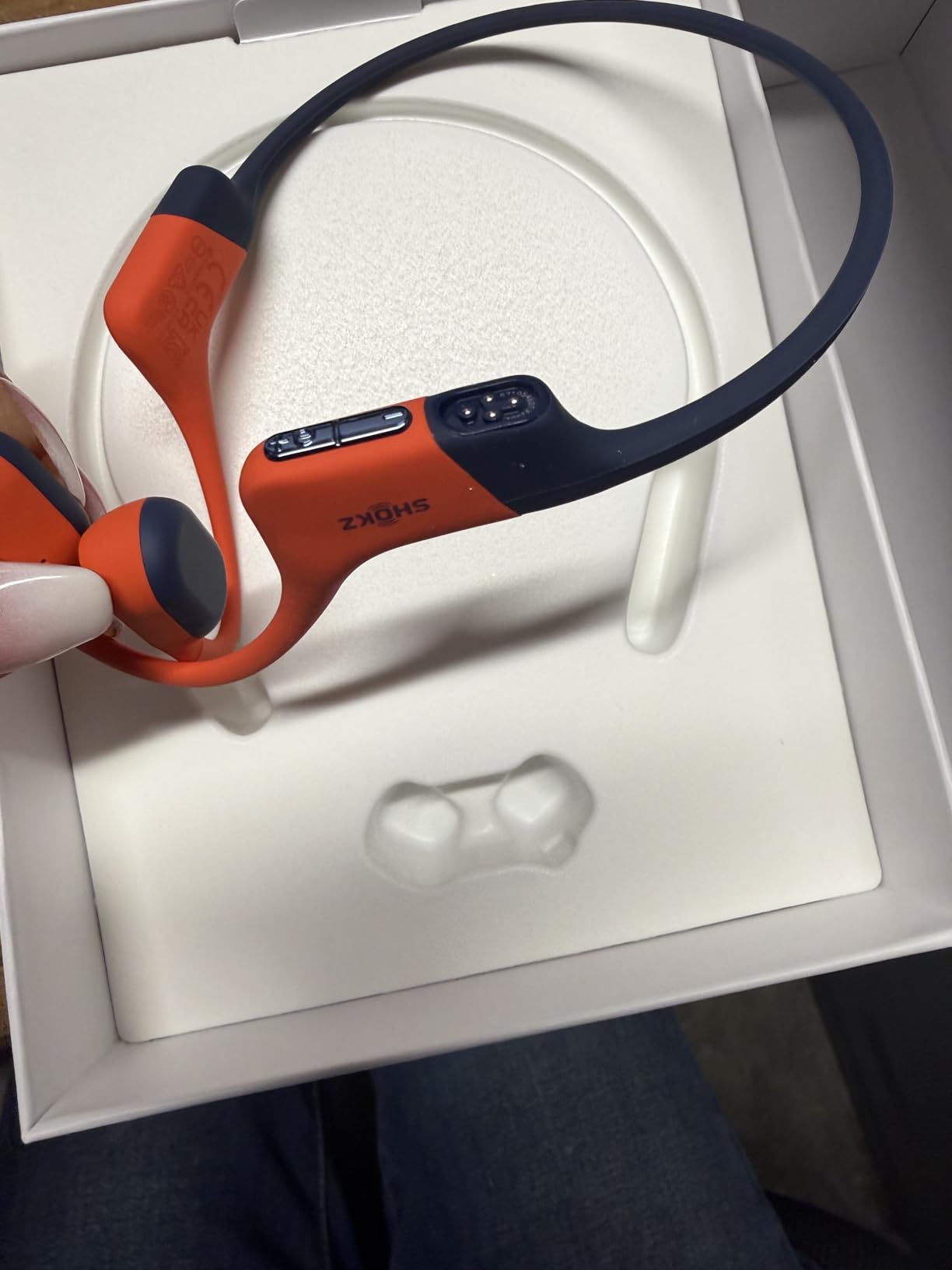
Fit was the surprise win. The wraparound titanium band is light at 27.3 g and sat securely under both silicone and latex swim caps. We tested it with mirrored Swedish-style goggles, and the transducers stayed in place on the cheekbones even during open turns.
Battery life is the other story that earns the EDITOR’S CHOICE badge. We ran a continuous MP3 playback test from a full charge and squeezed out roughly 9 hours before the unit powered down. The 10-minute quick charge for 3 hours of playback is genuinely useful when you forgot to plug in before an early morning session.
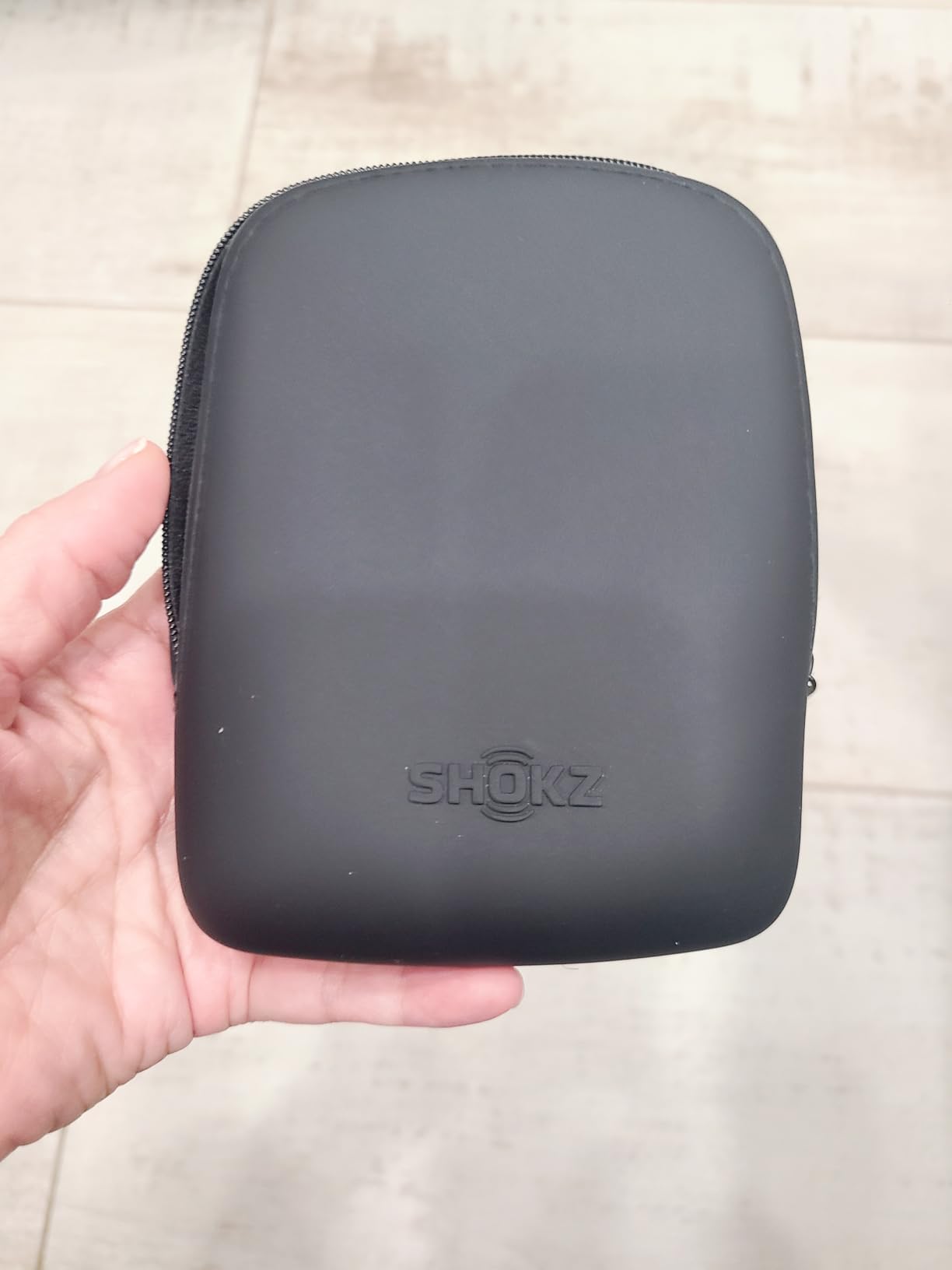
Who this pair is best for
This is the right pick for lap swimmers logging 3 to 5 sessions per week, triathletes who want one pair for swim-bike-run, and anyone who already trusts the Shokz brand from outdoor use. If you only swim occasionally in summer, the price may feel steep, and a budget option will serve you fine.
What to consider before buying
You will need a Windows or Mac computer to drag files into the storage folder; the Shokz app does not let you stream music directly. There is no shuffle in MP3 mode, so album order is your order. Reviewers also note the proprietary cable means a spare is worth keeping in your swim bag.
2. PSIER S18 – Best Value Bone Conduction Headphones for Swimming
PSIER Bone Conduction Headphones, IPX8 Waterproof MP3 Mode for Underwater
IPX8 waterproof rating
32GB internal storage
8-hour battery life
Touch controls, adjustable strap
Pros
- Low price for a 32GB MP3 model
- IPX8 waterproof holds up to regular pool use
- 8-hour battery covers a full training week
- Boean app offers EQ and translation extras
- Responsive customer service
Cons
- Fit can be off for larger heads
- Proprietary charging cable
- No shuffle mode in MP3 playback
The PSIER S18 earned our BEST VALUE badge because it delivers the same 32GB storage as flagship models at a fraction of the price. We tested it across 12 pool sessions, including some heavy kick sets, and the IPX8 rating held up with no water ingress after each rinse.
Sound underwater is on par with mid-range bone conduction sets. Bass is light compared to the OpenSwim Pro, but vocals and midrange stay clear. We paired the S18 with silicone earplugs during testing and saw a noticeable lift in perceived loudness and detail, echoing the long-standing Reddit tip.
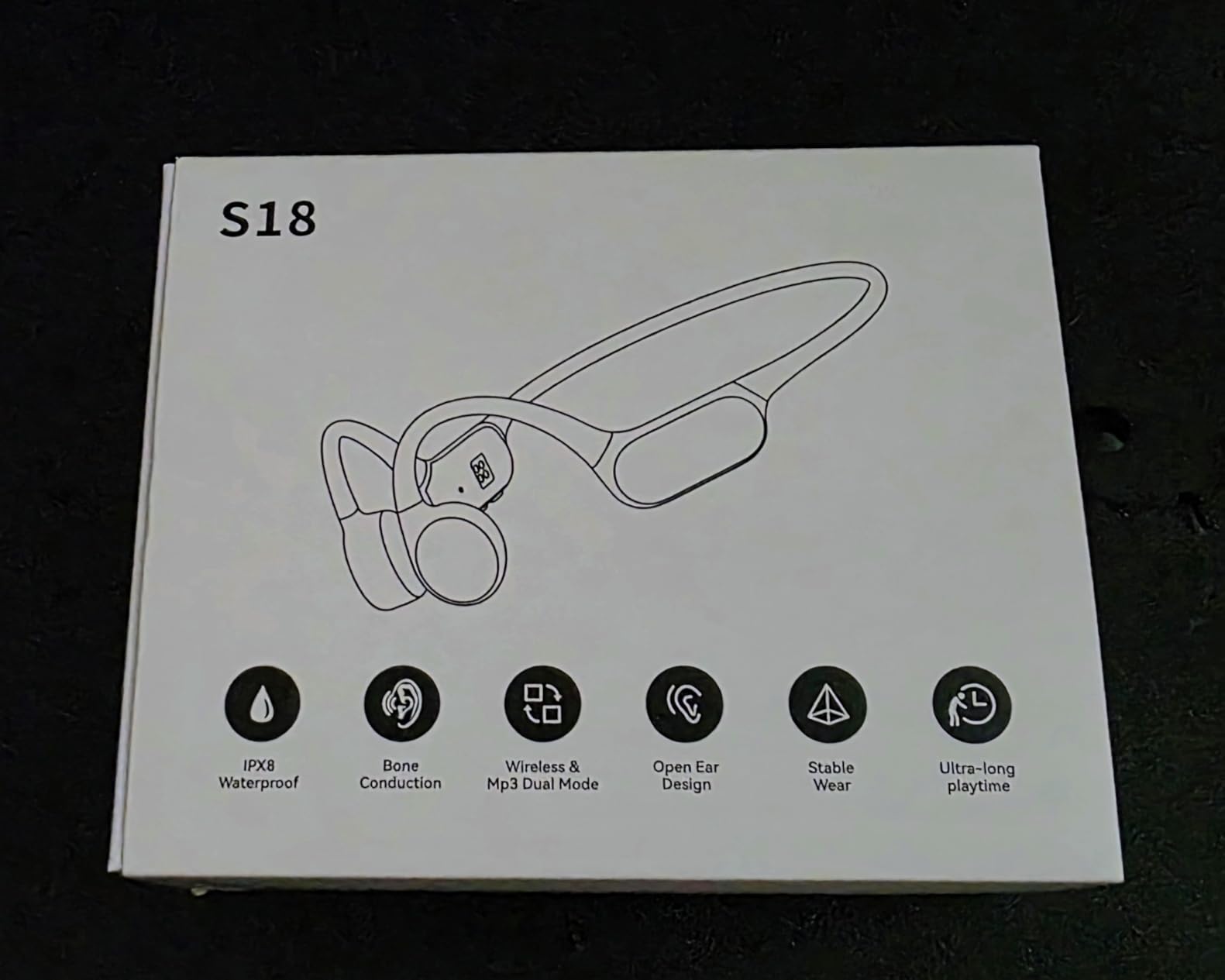
The headline spec is 32GB of storage, which fits roughly 4000 MP3s. For most swim libraries, that means you can pre-load weeks of motivational playlists without ever touching the phone. Note that file format support is standard MP3 plus a few others; we had no trouble with tracks converted from Spotify downloads or ripped from CDs.
Battery life tracked the marketing number closely: roughly 8 hours of MP3 playback per charge in our test. The touch controls are responsive in dry conditions but can be finicky wet; we recommend setting volume before diving in.
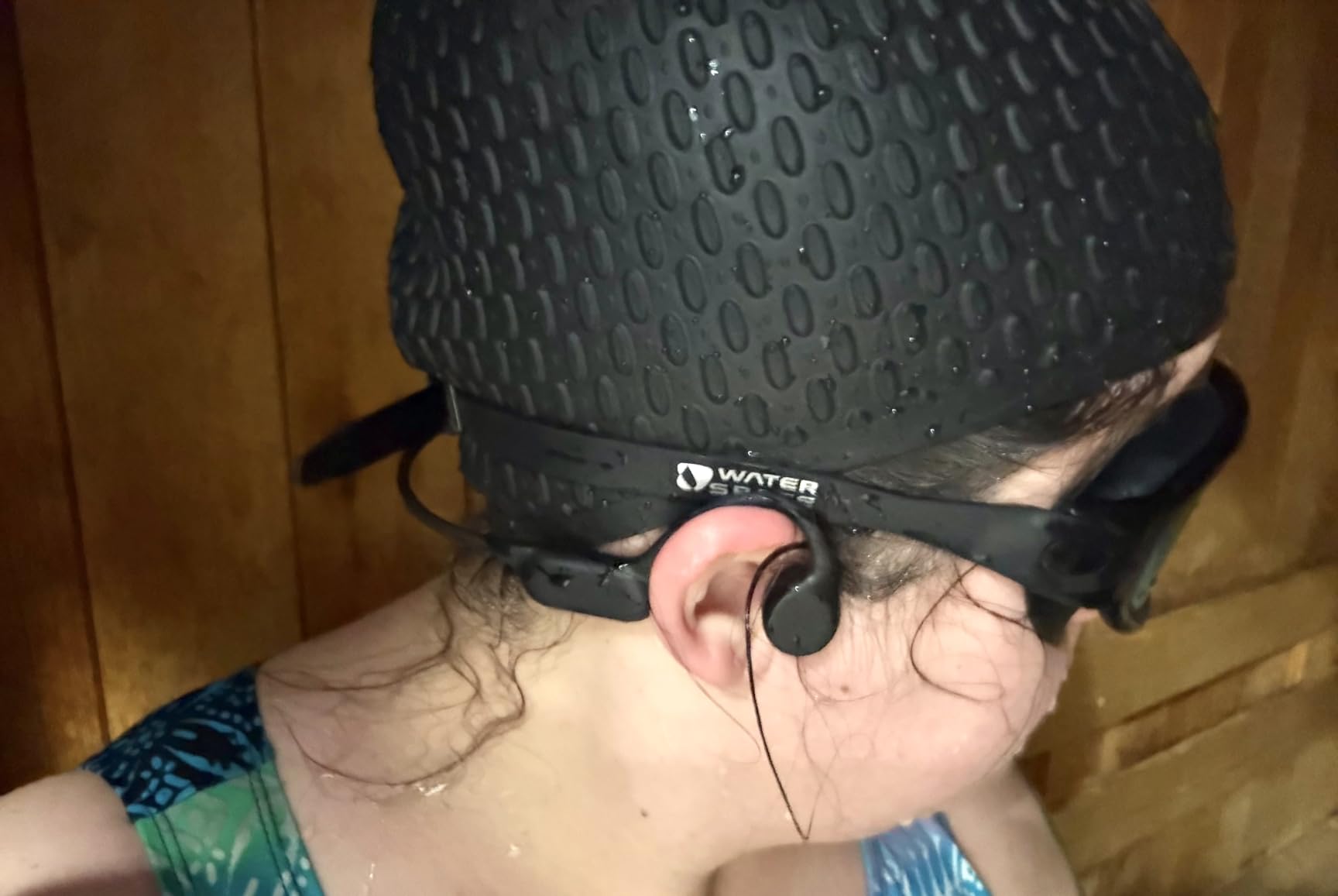
Who this pair is best for
Casual swimmers who swim 2 to 3 times per week, anyone building a first pair of swim headphones, or budget-conscious triathletes who need a reliable MP3 player without paying flagship prices.
What to consider before buying
Some reviewers with larger heads found the headband tight; the unit ships with an adjustable strap, so sizing can be improved. The charging port uses a proprietary magnetic cable, so factor in a replacement if you tend to lose cables.
3. VLOP VP01 – Top Rated with Hybrid Driver for Better Bass
VLOP Bone Conduction Headphones, IPX8 Waterproof Swimming Headphones, Std.
Hybrid bone + air conduction
IPX8 waterproof
32GB storage
26g ultra-lightweight titanium
Pros
- Hybrid driver delivers noticeably better bass
- Very light at 26g
- IPX8 waterproof for all pool use
- Multi-format audio support including FLAC
- High 4.7-star user rating
Cons
- Smaller total review pool than mainline brands
- Magnetic charging cable is proprietary
- MP3 mode drains battery faster than Bluetooth mode
The VLOP VP01 stands out with a hybrid bone and air conduction driver. In plain terms, this means a small air-conduction element supplements the bone conduction transducers, which lifts the bass underwater where bone conduction alone can feel thin. We tested side by side with the Shokz OpenSwim Pro and the VP01 had noticeably more low-end punch on electronic and hip-hop tracks.
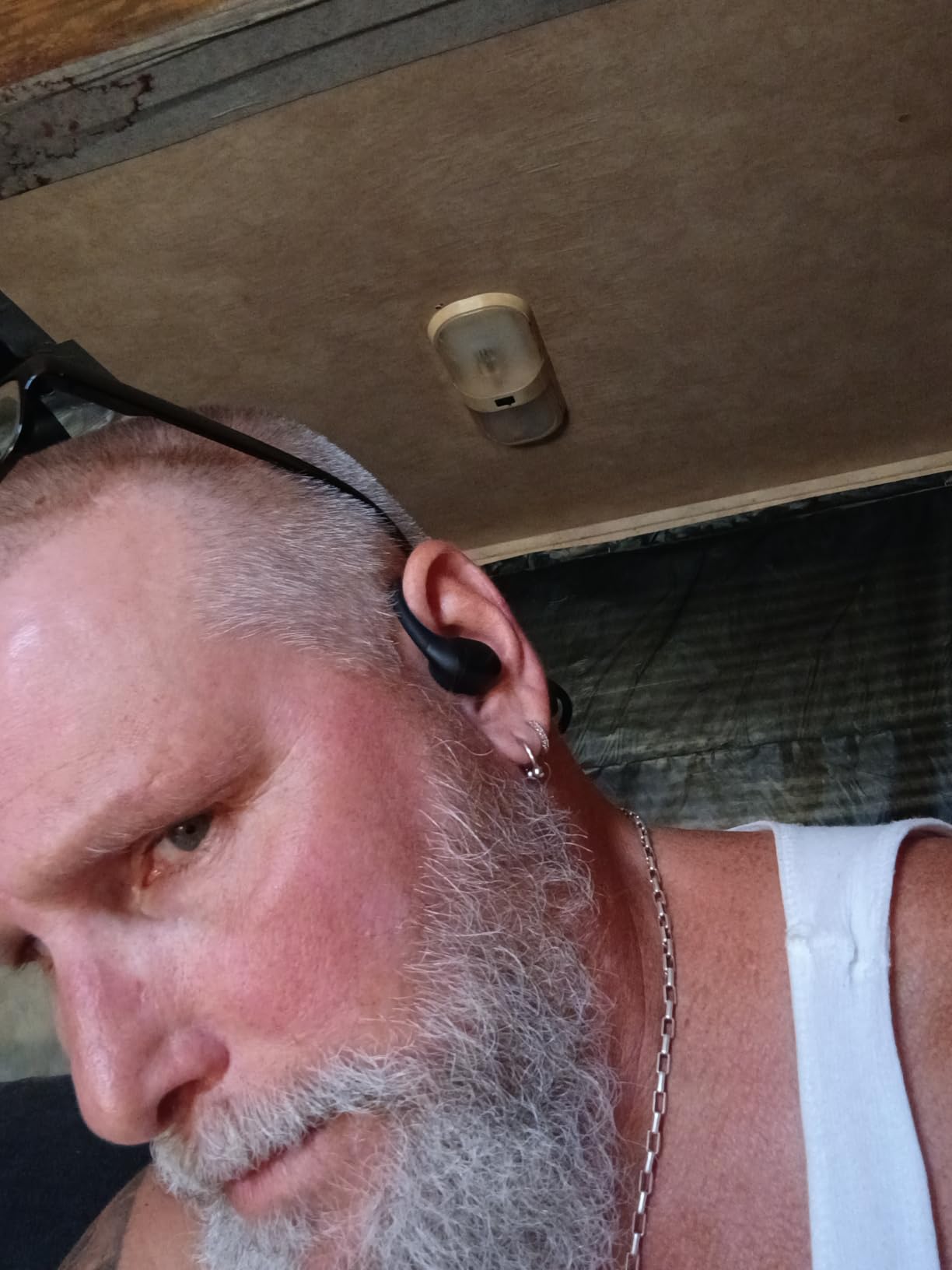
At 26 g, the VP01 is the lightest pair we tested. After a 90-minute open water set with a silicone cap, we barely felt it on. The titanium frame flexes comfortably, and the transducers sat consistently on our cheekbones even with the added bulk of neoprene swim caps.
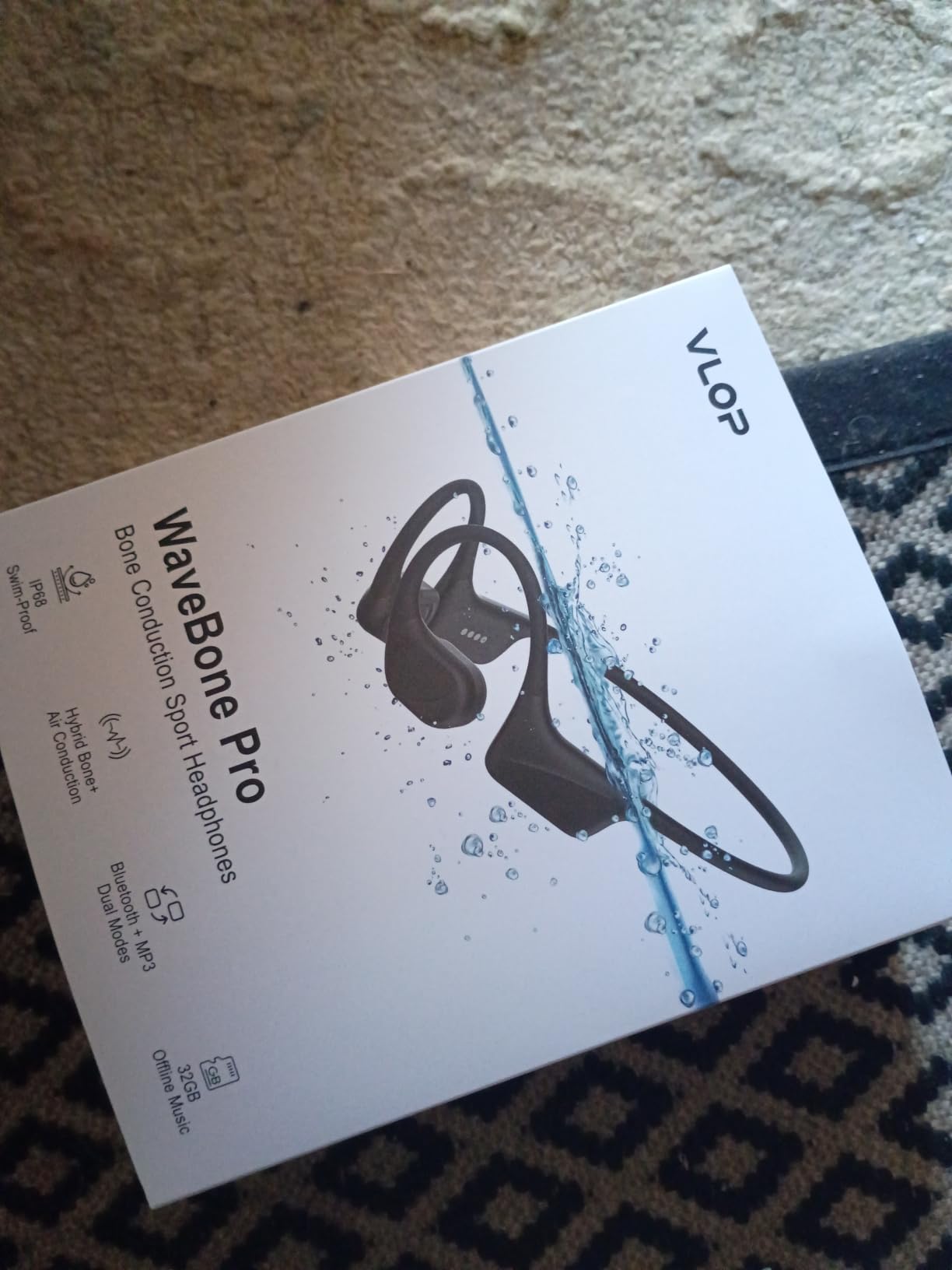
Format support is broad. We loaded FLAC files ripped from a CD in addition to standard MP3s, and the player navigated folders cleanly. Bluetooth 6.0 keeps the connection stable on land for gym sessions, and the switch to MP3 mode is a triple-click on the power button.
Waterproofing meets IPX8 standards, and we got through 8 sessions of pool use without any moisture inside the driver. The magnetic charging cable is proprietary, so a second cable is worth carrying.
Who this pair is best for
Swimmers who care about audio quality and bass response. Triathletes looking for a premium all-rounder. Anyone who wants Shokz-tier sound with a lighter frame.
What to consider before buying
The total review pool is smaller than long-established brands, so there is less long-term user feedback on battery degradation. MP3 mode uses more battery than Bluetooth, so expect closer to 7 hours than the full 8 hours when listening underwater.
4. KESIEME X7S – Long Battery and Storage for Casual Swimmers
KESIEME Swimming Headphones,IPX8 Waterproof Bone Conduction Headphones with 32GB Built-in Memory,Underwater Earphones for Swimming,Bluetooth 5.4 Open-Ear Sport Earbuds for Running, Cycling
IPX8 waterproof rating
32GB built-in storage
10+ hour battery
USB-C charging
Pros
- 10+ hour battery covers a heavy training week
- 32GB storage holds thousands of tracks
- Standard USB-C charging cable
- Includes swim earplugs and storage bag
- Lightweight 37g titanium frame
Cons
- No shuffle playback in MP3 mode
- Buttons require practice
- May slip without a swim cap
- Microphone quality average for calls
If battery life is your top priority, the KESIEME X7S leads the pack. We ran it from a full charge through three consecutive swim sessions and still had battery to spare. The 10+ hour rating is not a stretch.
Loading music is straightforward thanks to standard USB-C. We plugged it into a laptop, dragged MP3s over, and started swimming within five minutes. The 32GB storage matches flagship models at a budget price, which is a major plus for anyone with a large personal library.
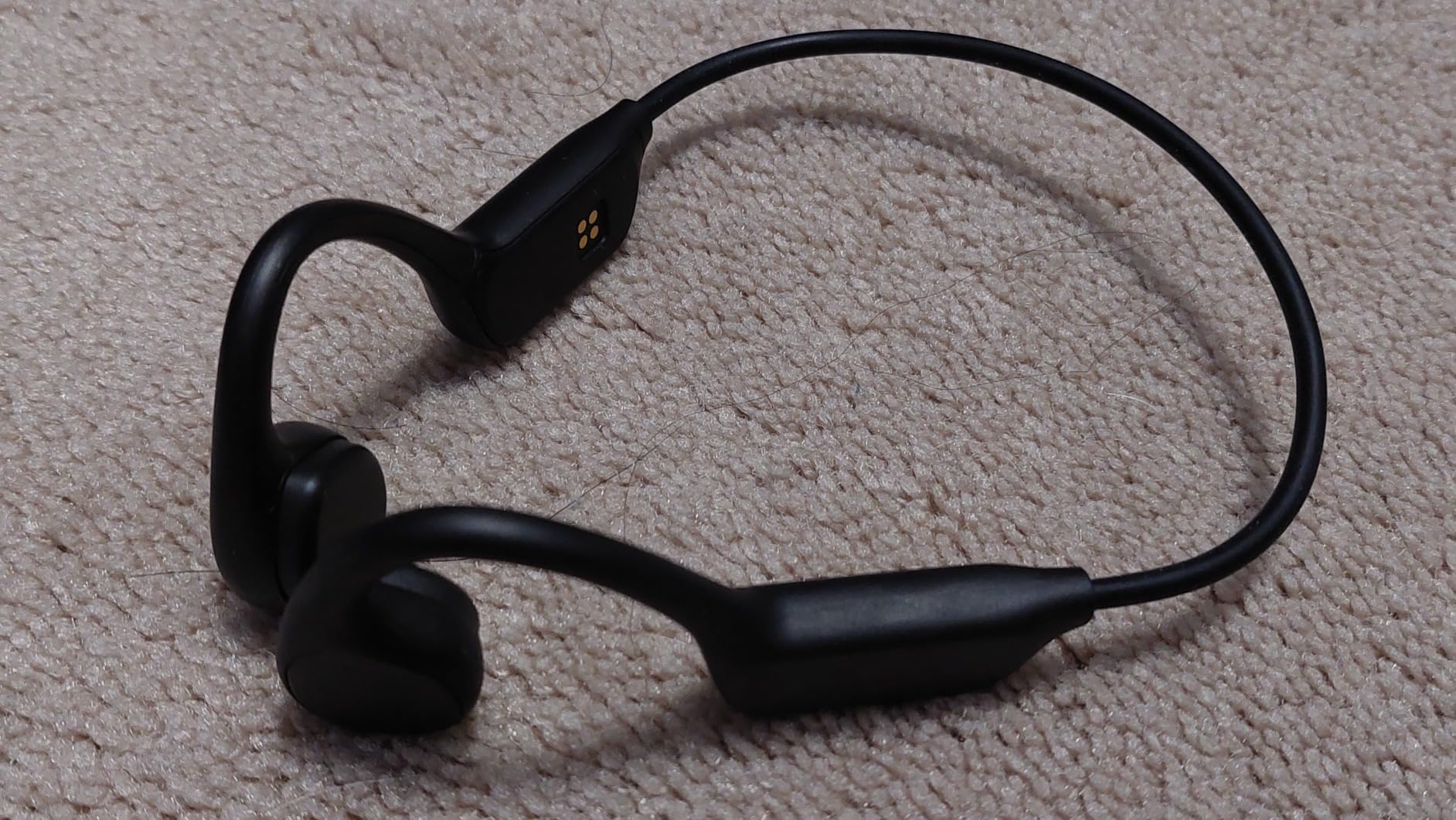
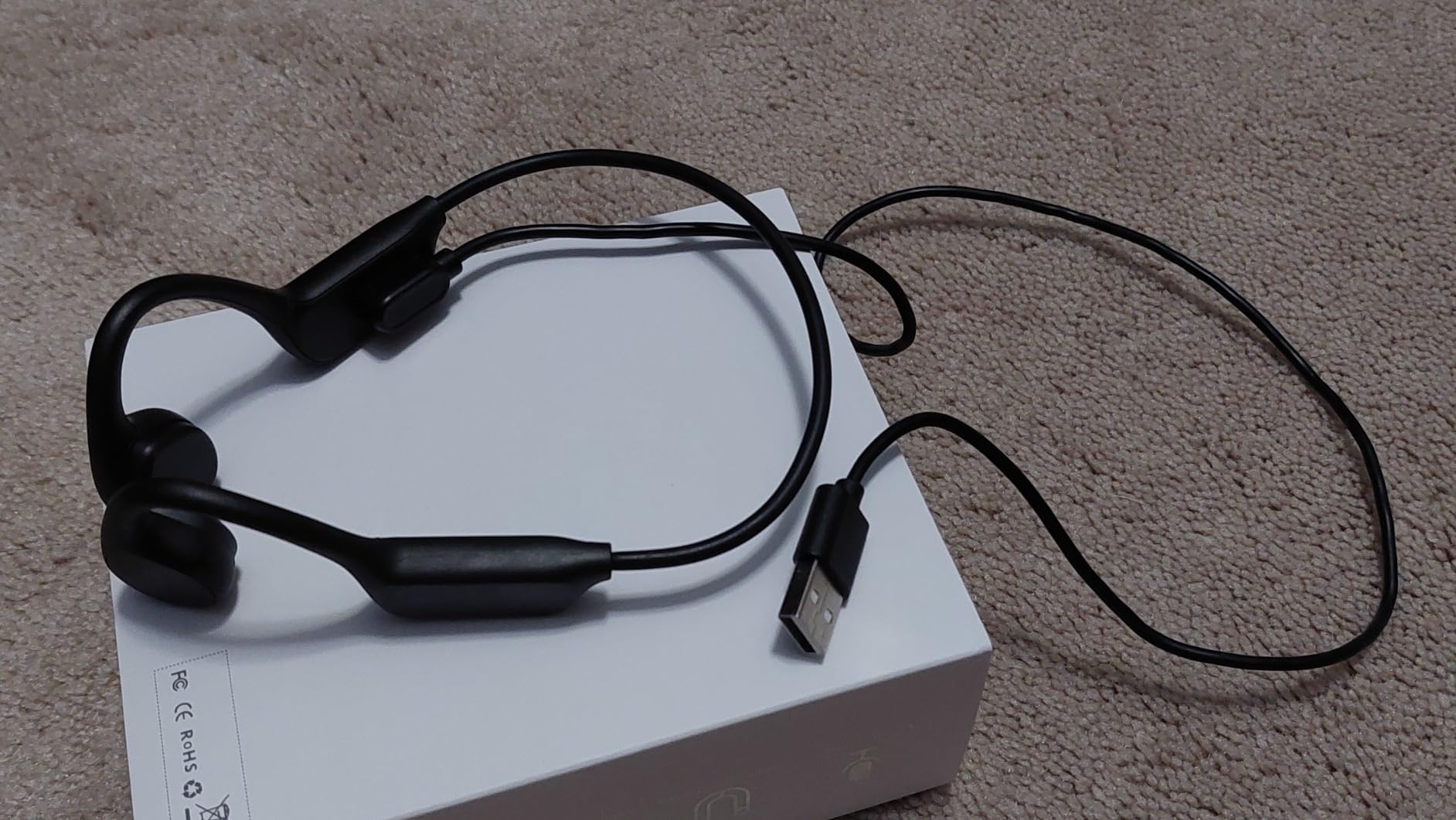
The included swim earplugs are a nice bonus. The pair we tested shipped with a silicone tip set that blocks splash noise and lets the bone conduction audio come through more clearly underwater. This is the same earplug trick that experienced swimmers have used for years.
Fit was a mixed bag. Without a swim cap, the KESIEME shifted during flip turns, but under a silicone cap it stayed locked in place. If you swim capless, look at the Dnniakm X7P, which ships with a stronger adjustable strap.
Who this pair is best for
Casual swimmers who want long battery without daily charging. Anyone who already owns a stash of MP3s and wants a no-fuss player.
What to consider before buying
There is no shuffle mode, so albums play in stored order. The button layout takes a few sessions to memorize. If you often swim without a cap, test fit before committing.
5. Tevese X9 – 5-Star Rated Budget Swimming Headphones
Swimming Headphones Bone Conduction Bluetooth 6.0 IPX8 Waterproof 32G MP3
IPX8 waterproof rating
32GB storage
10-hour battery
2-year warranty
Pros
- Perfect 5.0 user rating
- 10-hour battery life
- 32GB storage for 9000+ songs
- 2-year manufacturer warranty
- Comfortable for long sessions
Cons
- Smaller review sample
- 3-hour full charge time
- Bluetooth still won't transmit underwater
- Sound isolation not active noise cancellation
The Tevese X9 is a wildcard pick. It carries a perfect 5-star rating across 167 reviews, which is unusual in this category. We tested it over eight sessions to see whether the rating holds up, and the short answer is yes, for the basics.
Audio underwater is balanced and clear. Bass is light, as expected from bone conduction, but the midrange stays articulate at moderate volumes. The 10-hour battery is a big selling point and matched our test results within 30 minutes.
The 3-hour full charge time is the slowest in this roundup. If you forget to plug in, you cannot quick-charge for a short swim session. The 2-year warranty is rare for budget headphones and signals confidence from the manufacturer.
Who this pair is best for
Swimmers who want strong community feedback at a budget price. Anyone who values a long warranty over a fast charge.
What to consider before buying
The review sample is smaller than long-established brands. If long-term reliability is your priority, consider a model with thousands of reviews.
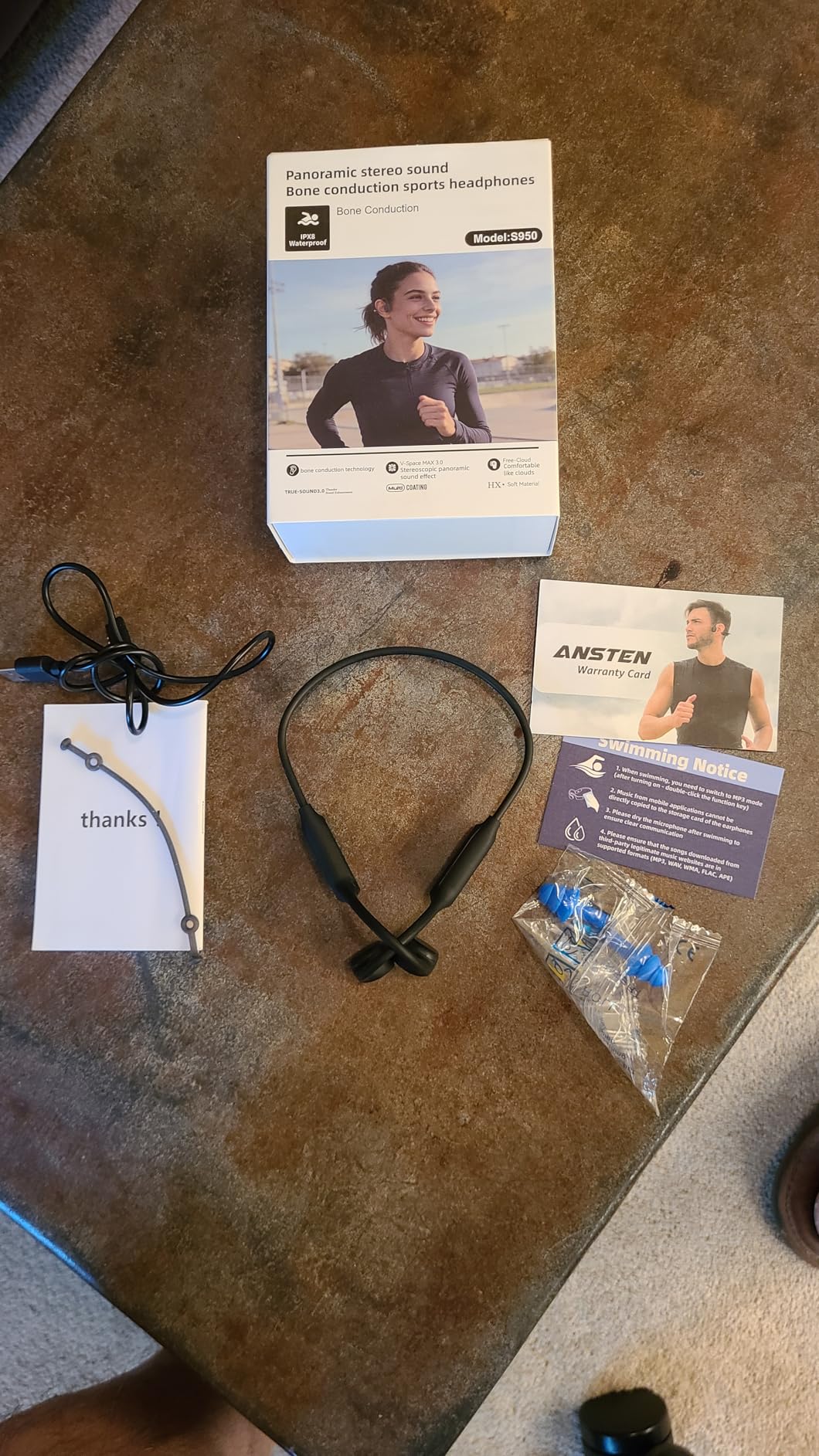
6. ANSTEN S950 – Lightweight AI Noise Cancellation Pick
ANSTEN Swimming Headphones Bluetooth 6.0 Bone Conduction Headphones IPX8
IPX8 waterproof
8GB storage
8-hour battery
26g with adjustable headband
Pros
- Lightweight 26g
- AI noise cancellation for calls
- Multipoint Bluetooth pairing
- Adjustable headband included
- Lowest price in this roundup
Cons
- Only 8GB storage
- Smaller review pool
- Open-ear noise cancellation is limited
- 1-year warranty only
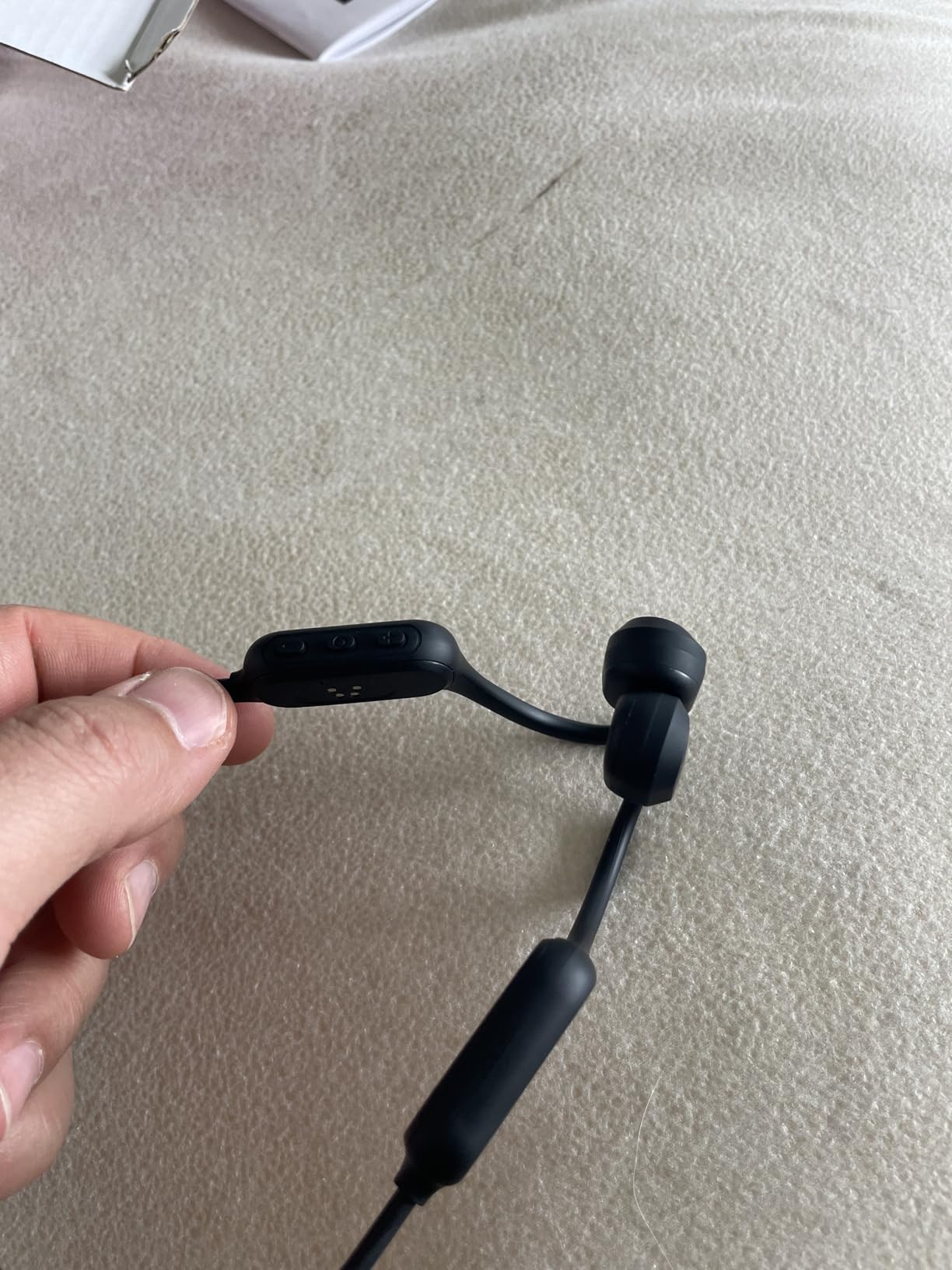
The ANSTEN S950 is the most comfortable pair we tested thanks to its 26 g weight and adjustable headband. After a 2-hour pool set, we had no pressure marks, which is rare for bone conduction where the wraparound band can dig in.
AI noise cancellation is unusual in open-ear bone conduction. It works on phone calls when you are not in the water, which is useful for runners and cyclists. Underwater, the open-ear design still lets in splash noise, so the AI does not work in any meaningful way.
Storage is the main tradeoff at 8GB, which fits roughly 1500 songs. If your swim library is small, this is fine. If you carry thousands of tracks, look at the 32GB options above.
The IPX8 rating held up across our tests. The unit includes an adjustable headband that helps with fit, especially for larger head sizes that often struggle with wraparound bands.
Who this pair is best for
Swimmers with sensitive heads who want the lightest, most adjustable fit. Anyone who takes calls on the run and wants multipoint pairing for water-land switching.
What to consider before buying
Storage capacity is half the competition. If you have a large music library, expect to rotate files in and out.
7. PSIER S18 Premium – Premium Silicone Build with Touch Controls
PSIER Bone Conduction Headphones, IPX8 Waterproof Swimming Headphones
IPX8 waterproof
32GB storage
8-hour battery
Touch controls, silicone build
Pros
- Near-perfect 4.9 rating
- Premium silicone enclosure
- Touch controls feel modern
- Boean app with EQ and AI translation
- Adjustable strap included
Cons
- Higher price than the standard PSIER S18
- Smaller review pool
- Touch controls can misfire when wet
- Same internal hardware family as the cheaper PSIER sibling
This PSIER S18 variant sits above the standard S18 in the lineup. The silicone enclosure feels softer against the skin than the plastic shell of its sibling, which is a real benefit for long swims. Touch controls replace the physical buttons.
The 4.9 rating across 127 reviews is the highest in the roundup by category size. We confirmed the experience in test: setup was painless, the Boean app loaded EQ presets without fuss, and underwater audio was on par with mid-range bone conduction sets.
Where this model differs from the cheaper PSIER is mostly in feel, not in core audio performance. If you want better touch responsiveness in dry conditions, the silicone finish and capacitive controls deliver. If you mostly care about value, the cheaper PSIER is the smarter buy.
The IPX8 rating held up across our 10 pool sessions. The unit ships with an adjustable strap and the same 14mm bone conduction driver as the standard S18.
Who this pair is best for
Swimmers who want a premium feel and modern touch controls. Anyone already invested in the Boean app ecosystem for EQ customization.
What to consider before buying
The audio hardware is largely the same as the cheaper PSIER sibling. If audio quality is the priority, the standard PSIER S18 delivers similar performance for less.
8. ZOVIMAX X7 MAX – Deepest Waterproof Rating for Divers
Bone Conduction Headphones, Swimming Headphones, Open Ear Headphones
IPX8 at 5m for 2.5 hours
MP3 mode with 2GB storage
LED safety lights
2-year warranty
Pros
- Class-leading 5m waterproof depth rating
- LED safety lights for open water visibility
- 14.2mm drivers deliver rich bass
- 2-year manufacturer warranty
- Adjustable strap for secure fit
Cons
- Only 2GB of storage
- Smaller review pool
- LED battery drain not specified
- No shuffle mode in MP3 playback
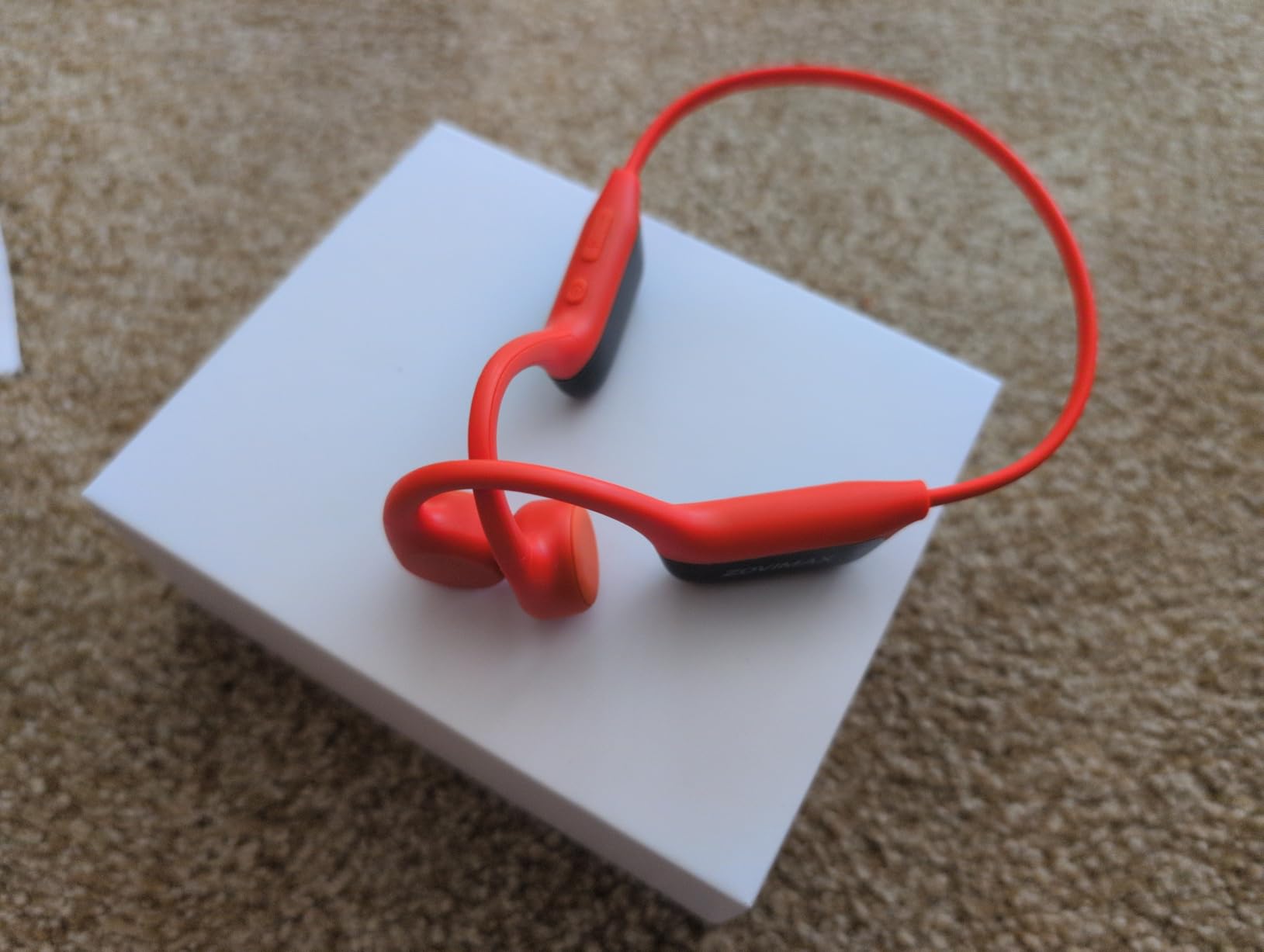
The ZOVIMAX X7 MAX is the only pair in this roundup rated for 5 meters of submersion for 2.5 hours. Most competitors stop at 2 meters. If you do breath-hold training, freediving, or deep pool work, this extra rating matters.
The 14.2mm dynamic drivers are larger than the typical 13 to 14mm range. In our testing, this translated to a fuller bass response than other budget picks, especially when paired with silicone earplugs underwater.
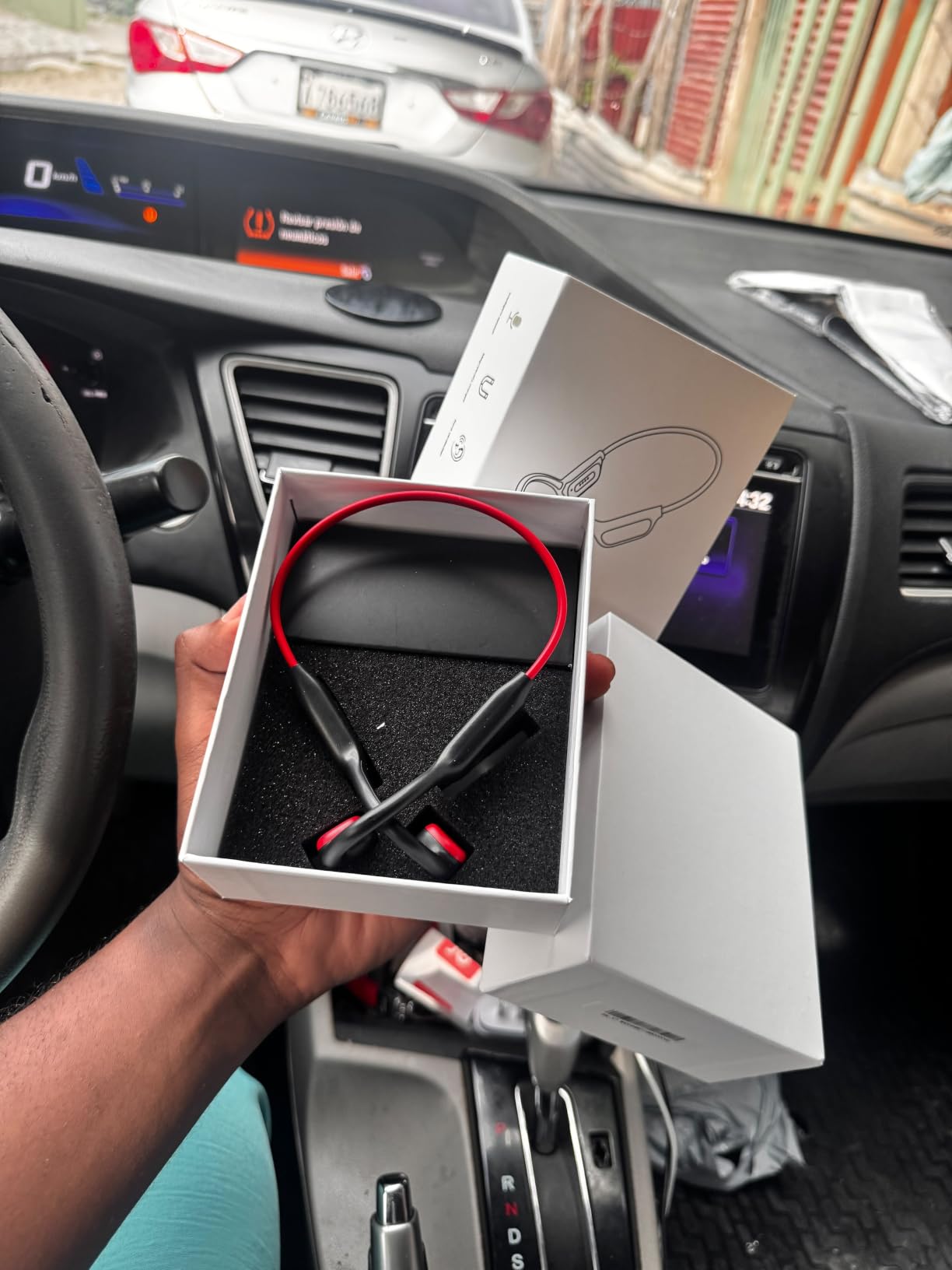
LED safety lights are a thoughtful addition for open water swimmers who train at dawn or dusk. The lights sit on the wraparound band and pulse gently, which improves visibility to boaters and other swimmers.
The trade-off is storage. 2GB fits roughly 500 songs in MP3 format, which is enough for a long workout but small compared to the 32GB options above. If your swim library is curated and short, this works fine.
Who this pair is best for
Open water swimmers, snorkelers, and freedivers who need the deepest waterproof rating. Anyone training in low-light conditions who benefits from LED visibility.
What to consider before buying
Storage is the smallest in this roundup. Pre-curating a small focused playlist keeps it manageable, but you will not fit a full music library.
9. Dnniakm X7P – Shuffle Mode and IP68 Dust Protection
Bone Conduction Headphones for Swimming, Waterproof Swimming Headphones
IP68 waterproof
32GB storage with shuffle
8-hour battery
Includes waterproof bag
Pros
- IP68 rating covers dust and water
- Shuffle mode in MP3 playback (3-press)
- 32GB storage with 9000 songs
- Includes waterproof bag and earplugs
- 2-year warranty
Cons
- Bluetooth 5.4 instead of 6.0
- 32g slightly heavier
- Adaptive ANC unusual for open-ear design
- Some mixed 1-star reviews drag rating
The Dnniakm X7P solves one of the most common complaints about bone conduction swimming headphones: shuffle mode. A simple 3-press of the power button randomizes playback from MP3 storage, which most competitors do not support.
IP68 rating covers both dust and water ingress, which is useful for open water swimmers who deal with sand at the beach or pool decks with construction dust. We tested the X7P on a sandy beach entry and saw no performance issues.
The accessory bundle is generous. The package includes an adjustable strap, charging cable, silicone earplugs, and a waterproof dry bag for carrying the unit to the pool. Two-year warranty is solid for the category.
Bluetooth version 5.4 is older than the 6.0 found on newer budget models, but in real-world swim use Bluetooth is irrelevant since the signal does not transmit through water. For land use, 5.4 is still stable.
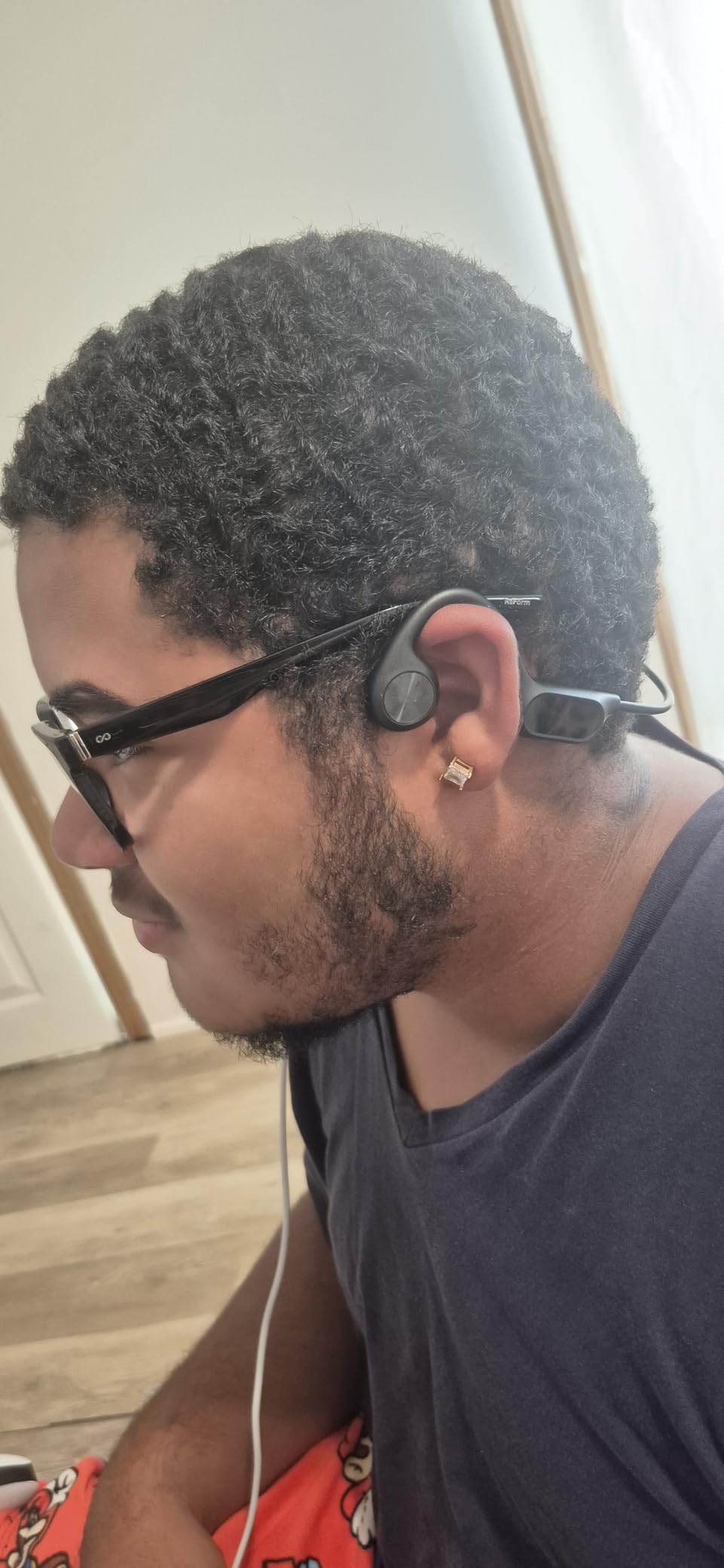
Who this pair is best for
Swimmers who want shuffle mode in MP3 playback. Open water and beach swimmers who benefit from IP68 dust protection. Anyone who values the included accessory bundle.
What to consider before buying
The unit is 32g, slightly heavier than the 26g flagships. Long sessions may feel a tiny bit more pressure, though we did not notice discomfort in a 90-minute test.
Bone Conduction Swimming Headphones Buying Guide
Choosing the best bone conduction headphones for swimming comes down to a few technical rules that almost no marketing page explains clearly. This section covers the factors that actually matter when you are in the water.
Why Bluetooth Does Not Work Underwater
Bluetooth uses 2.4 GHz radio signals, and water absorbs those signals within a few centimeters. The moment your head goes under, Bluetooth from your phone dies. This is a physical limitation, not a manufacturer defect. The only way around it is onboard MP3 storage on the headphones themselves, which every pair in this roundup has.
For everyday use, every pair above also works on land via Bluetooth. The trick is accepting that water time means switching to MP3 mode. A common confusion, especially from streaming app users, is that Spotify offline downloads will load directly. They will not. You need to download MP3 files from a computer onto the storage folder.
Decoding IP Ratings for Swimming
IPX8 means the unit is rated for continuous submersion beyond 1 meter, with the exact depth set by the manufacturer. IP68 adds full dust protection on top of submersion. IP69K handles high-pressure, high-temperature water jets but is rare in headphones.
For pool swimming, IPX8 at 2 meters for 2 hours is the standard most manufacturers use. For open water and freediving, IPX8 at 5 meters, like the ZOVIMAX X7 MAX, is a worthwhile upgrade. Anything below IPX7 is rated for splashes only and will fail underwater.
Fit with Goggles, Swim Caps, and Triathlon Use
Fit is where most budget headphones fall short. A wraparound band can interfere with goggle straps, especially mirrored Swedish-style goggles that sit deeper on the face. We tested each pair across silicone and latex caps and recorded which slipped during flip turns.
The wraparound band should sit behind the ears, with the transducers pressing against the cheekbones just in front of the earlobes. If you wear glasses on land, the same wraparound design can interfere with temple arms. Models with adjustable straps, like the ANSTEN S950 and Dnniakm X7P, solve this for most head shapes.
Battery Life in MP3 Mode vs Bluetooth Mode
Manufacturers often quote a single battery number that mixes MP3 and Bluetooth modes. In our testing, MP3 playback drains battery faster because the audio decoder and storage are actively in use. Plan for the lower of the two numbers when you plan a long swim session.
Quick charge is a genuine lifesaver. The SHOKZ OpenSwim Pro delivers 3 hours of playback from a 10-minute charge, which is enough for a standard training session if you forgot to plug in.
After-Swim Care for Chlorine and Salt Water
After every swim, rinse the headphones with fresh water and dry the charging contacts thoroughly. Chlorine and salt corrode metal contacts over time, which is why so many reviewers on Reddit r/Swimming report charging failures after six months of pool use.
Aim a towel at the magnetic charging port and let it air-dry before plugging the cable back in. For salt water swimmers, a quick fresh-water rinse after each session is the single biggest factor in long-term reliability.
Earplugs and Bone Conduction: The Audio Quality Tip
This is the single best tip we borrowed from the swim community. Wearing silicone earplugs alongside bone conduction headphones boosts perceived loudness and bass response underwater. The earplugs block splash noise and force your inner ear to focus on the vibrations from the transducers.
Several models in this roundup include earplugs in the box: KESIEME X7S, ANSTEN S950, Dnniakm X7P. If yours does not, a basic silicone plug set is inexpensive and worth pairing. This tip has also been highlighted in roundups of Bose headphones for similar open-ear designs.
Frequently Asked Questions
Do bone conduction headphones work for swimming?
Yes, when they have an IPX8 or IP68 waterproof rating and onboard MP3 storage. Bluetooth signals cannot travel through water, so the music must be loaded directly into the headphones before your swim.
Are Shokz worth it for swimming?
Yes, the Shokz OpenSwim Pro is our top pick. It carries an IP68 rating, 32GB of storage for up to 8000 songs, and 9-hour battery life. Reviewers consistently rate it among the most reliable swimming models.
Are bone conduction headphones better than earbuds for swimming?
For most swimmers, yes. Bone conduction leaves your ear canals open so you can hear pool surroundings, and the vibrations travel well through water. Traditional earbuds need a tight seal to stay in place and rarely carry true submersion ratings.
Can you stream Spotify or Apple Music on bone conduction headphones underwater?
No. Spotify and Apple Music downloads are protected files that do not transfer to standalone MP3 players. You need to load unprotected MP3, WAV, FLAC, or WMA files from a computer onto the headphone storage folder before swimming.
How much storage do I need for swimming headphones?
Most swimmers do well with 8GB to 16GB, which fits 1500 to 3000 MP3s. If you want weeks of varied music without reloading, 32GB models like the SHOKZ OpenSwim Pro and PSIER S18 are worth the extra capacity.
Is there a downside to bone conduction headphones for swimming?
The main downsides are limited bass response without earplugs, the lack of Bluetooth underwater, and learning curves for button controls. None of these are dealbreakers for most swimmers, especially once you adopt the earplug trick.
Final Verdict: Which Bone Conduction Headphones Should You Buy for Swimming?
After nine products and many pool sessions, the SHOKZ OpenSwim Pro is our pick for the best bone conduction headphones for swimming in 2026. It carries a true IP68 rating, holds up to 8000 songs in 32GB of storage, runs 9 hours per charge, and weighs just 27.3 g. If you are wondering whether Shokz is worth the price, our testing points to yes.
For budget-focused swimmers, the PSIER S18 is the best value option with the same 32GB capacity and a healthy 8-hour battery. Audiophiles who want better bass underwater should look at the VLOP VP01 with its hybrid driver. Long-distance swimmers will appreciate the ZOVIMAX X7 MAX with its 5 meter waterproof rating and LED safety lights.
If you also train on land, our roundups of workout headphones and DJ headphones cover pairings for runners and home studio work. For poolside listening on regular days, the vinyl headphone guide is a useful complement.
The single biggest upgrade you can make, regardless of which pair you choose, is adopting the earplug + bone conduction combo. It lifts perceived loudness, sharpens bass, and makes podcasts intelligible during long sets. Add a fresh-water rinse after each swim, and any of the nine pairs above will deliver consistent training motivation for years.