

Most of the advice you will read about reel mowers is written for people with big lots. That is the wrong filter for a small yard, because a 20-inch deck is a liability on a 2000 square foot patch and a 14-inch one is a joy. We went through the specs, the cut height ranges and thousands of owner reviews across ten models to work out which ones actually suit a small lawn.
The short version: a reel mower suits a small lawn when the grass is maintained, the ground is reasonably flat, and you mow often. It shears grass like scissors rather than chopping it, which leaves a cleaner cut with less browning at the tips, and it runs with no gas, no oil, no battery and no cord. On a small yard those are real advantages, because storage is trivial and your neighbors hear almost nothing.
It is also more physical work than most buyers expect, and that is where a lot of disappointed owners end up. The rest of this guide covers the ten options worth considering, who each one suits, and the lawns where a reel mower is the wrong purchase no matter how good the model is.
Table of Contents
What Is the Best Reel Mower for a Small Lawn?
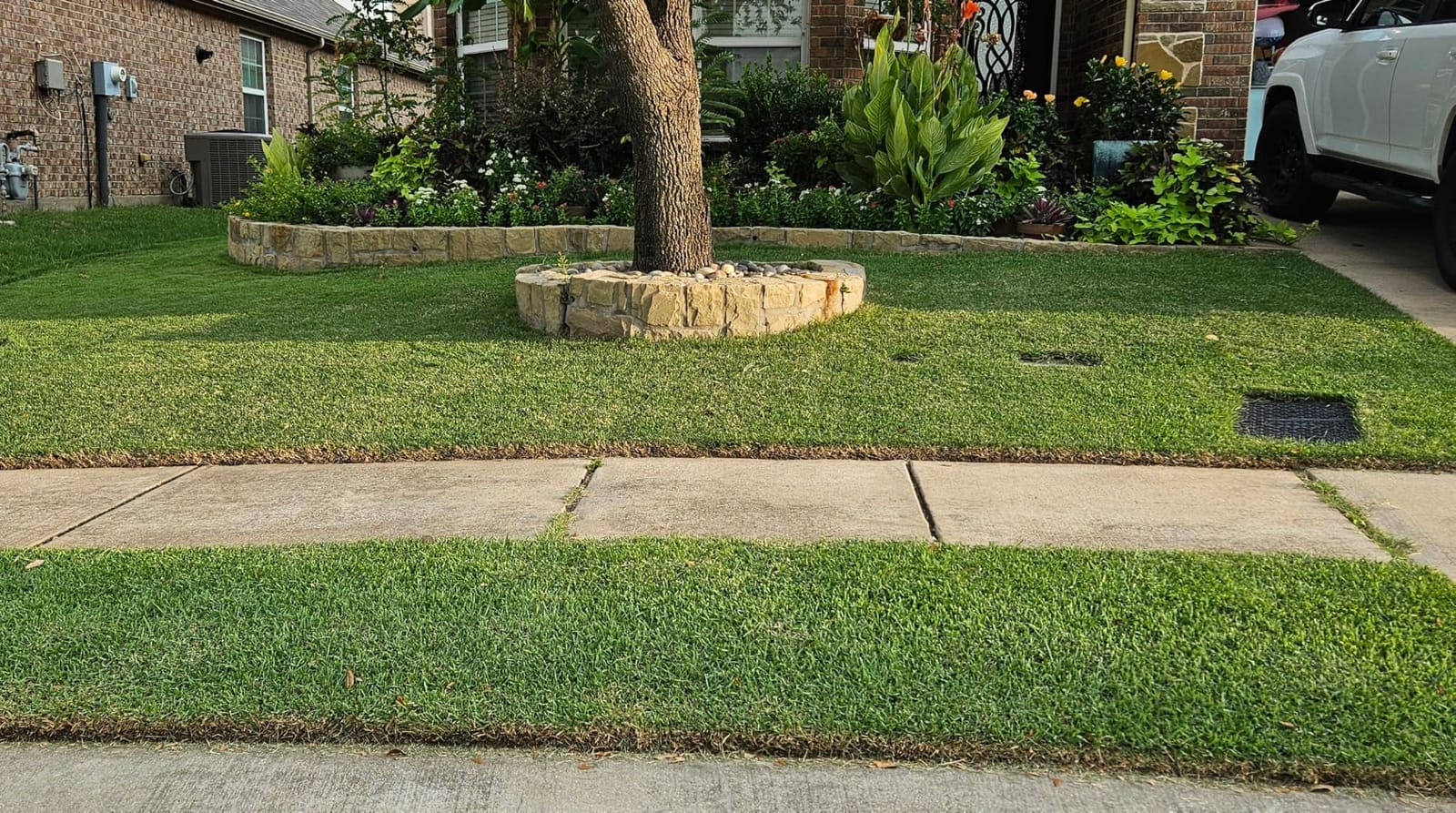
The best reel mower for a small, flat, regularly mown lawn is a 14-inch to 16-inch five-blade manual model with a heat-treated steel reel and a tool-free height adjustment. For most small yards that is the American Lawn Mower 1204-14, at 19 pounds and a 14-inch cut, with the Great States 415-16 as the stronger-handling option. If your grass is dense and grows fast, move up in weight rather than up in price.
Is a Reel Mower Right for Your Lawn?
Reel mowers are a poor match for four specific situations, and it is worth ruling yourself out before you spend anything. First, dense Kentucky bluegrass or thick, lush, over-fertilized grass. A light reel mower will bog down and stop, and you will end up leaving uncut patches. Second, a neglected lot where grass has been allowed to grow tall between cuts, because a reel mower cannot cut its way through more than a few inches at a time.
Third, large sloped or uneven properties. On a slope, the gap between the reel blades and the fixed bed knife changes across the width of the deck, and you get a streaked, uneven cut. The same thing happens over bumps and ruts. Fourth, anyone with back, shoulder or joint problems who does not want to push something heavy uphill. A reel mower is a full-body activity, not a stroll.
Owners on r/lawncare and The Lawn Forum raise one more practical point that reviews tend to skip: on a genuinely tiny lawn, a string trimmer and hand shears may be all the mowing you need, and the effort spent pushing a mower is wasted. Several small-yard owners say exactly that. If your mowing area is under roughly 500 square feet, weigh that honestly before buying.
The flip side is that when a reel mower fits the lawn, it fits it well. It needs no fuel storage, no charging shed and no oil changes, it stores in a closet-sized space, and owners on the same forums consistently report that the scissor cut is visibly cleaner than a rotary cut while still stopping short of being transformative.
Top 3 Picks for Best Reel Mowers for Small Lawns in 2026

American Lawn Mower 1204-14
- 14-inch cut
- 19 pounds
- 4-blade alloy steel reel
- 0.5-1.75 inch height
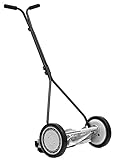

The American Lawn Mower 1204-14 takes the top slot because it is the only machine here that is genuinely light in the hand and still wide enough to finish a lawn quickly. The Great States 415-16 is the pick if you mow around flower beds and paths, where its T-style handle does the work for you. The Scotts 304-14S is the value option, and at 18.1 pounds it is the lightest frame in the group.
Best Reel Mowers for Small Lawns in October
| Product | Specs | Action |
|---|---|---|
| American Lawn Mower 1204-14 14-Inch 4-Blade |
|
Check Latest Price |
 Earthwise 1715-16EW 16-Inch 7-Blade Earthwise 1715-16EW 16-Inch 7-Blade |
|
Check Latest Price |
| Scotts 304-14S 14-Inch 5-Blade |
|
Check Latest Price |
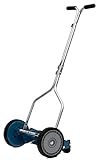 Great States 204-14 14-Inch Reel Great States 204-14 14-Inch Reel |
|
Check Latest Price |
| Great States 415-16 16-Inch T-Handle |
|
Check Latest Price |
 LawnMaster LMRM1401 14-Inch LawnMaster LMRM1401 14-Inch |
|
Check Latest Price |
 GARDENA Classic 16 in 04018 GARDENA Classic 16 in 04018 |
|
Check Latest Price |
 LawnMaster LMRM1602 16-Inch LawnMaster LMRM1602 16-Inch |
|
Check Latest Price |
 LawnMaster LMRM1801 18-Inch LawnMaster LMRM1801 18-Inch |
|
Check Latest Price |
 Great States 815-18 18-Inch 5-Blade Great States 815-18 18-Inch 5-Blade |
|
Check Latest Price |
Two things stand out in that table. The width range across these ten is only 14 to 18 inches, which tells you how tightly this category is clustered, and the weight range is far wider, from 18.1 pounds to 27 pounds, which is the number that actually predicts whether you will enjoy mowing.
1. American Lawn Mower 1204-14, Our Top Pick for Small Lawns
American Lawn Mower 1204-14 14-Inch 4-Blade Push Reel Lawn Mower, Red
14 inch cut
19 pounds
4-blade alloy steel reel
0.5-1.75 inch height in 3 positions
Pros
- Very light at 19 pounds for easy one-hand carrying
- Narrow 14 inch deck for tight yards
- Scissor cut leaves grass unteared
- Fully motorless with no fuel or battery
- Tool-free height adjustment
Cons
- Cuts on forward push only
- Not effective on tall or weedy growth
- Jams on twigs and debris
- No grass catcher included
This is the mower we keep coming back to for a genuine small lawn. At 19 pounds and 14 inches wide, it turns on the spot in a bed that is barely wider than the deck itself, and the 8.5-inch polymer wheels roll over lumps without hopping.
The cut is a clean scissor action rather than a tear, and across more than 15,000 owner reviews the praise lands on the same three things: how light it is, how narrow it is, and how little fuss it takes to run. Roughly 65 percent of those reviews are five star.
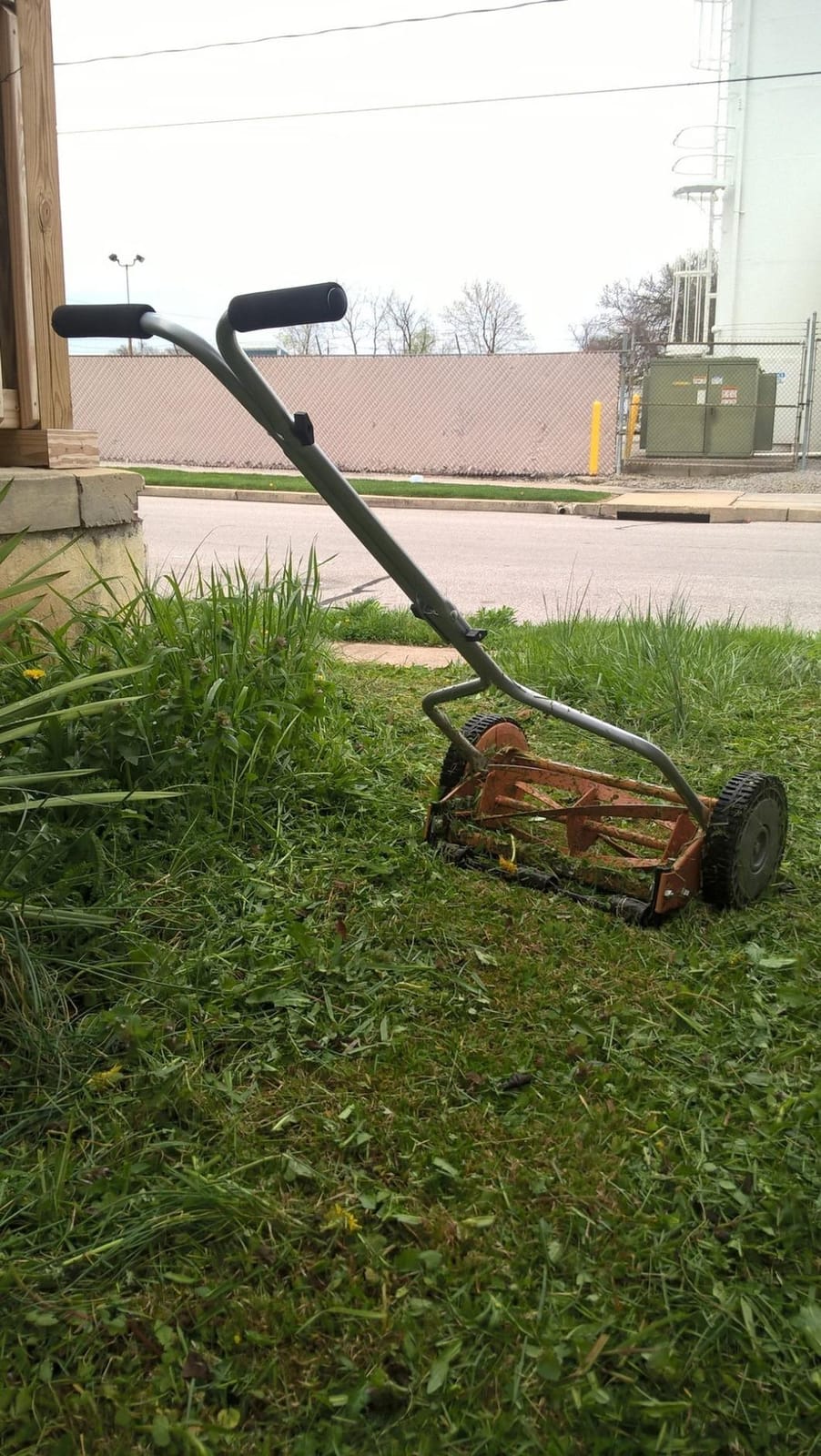
The limitation that shows up repeatedly is height, not weight. The height range tops out at 1.75 inches, so on a fast spring the grass will grow past what the reel can take in one pass. Owners also report that the mower stops on sticks and twigs, and that weed stems simply stay standing.
Because the reel is set between the wheels rather than outboard of them, the same narrow 5-7 centimeter strip beside a fence or a raised bed will need a trimmer, exactly as with a rotary mower. Plan on a five-minute trim pass at the end of every mow.
Who this mower suits
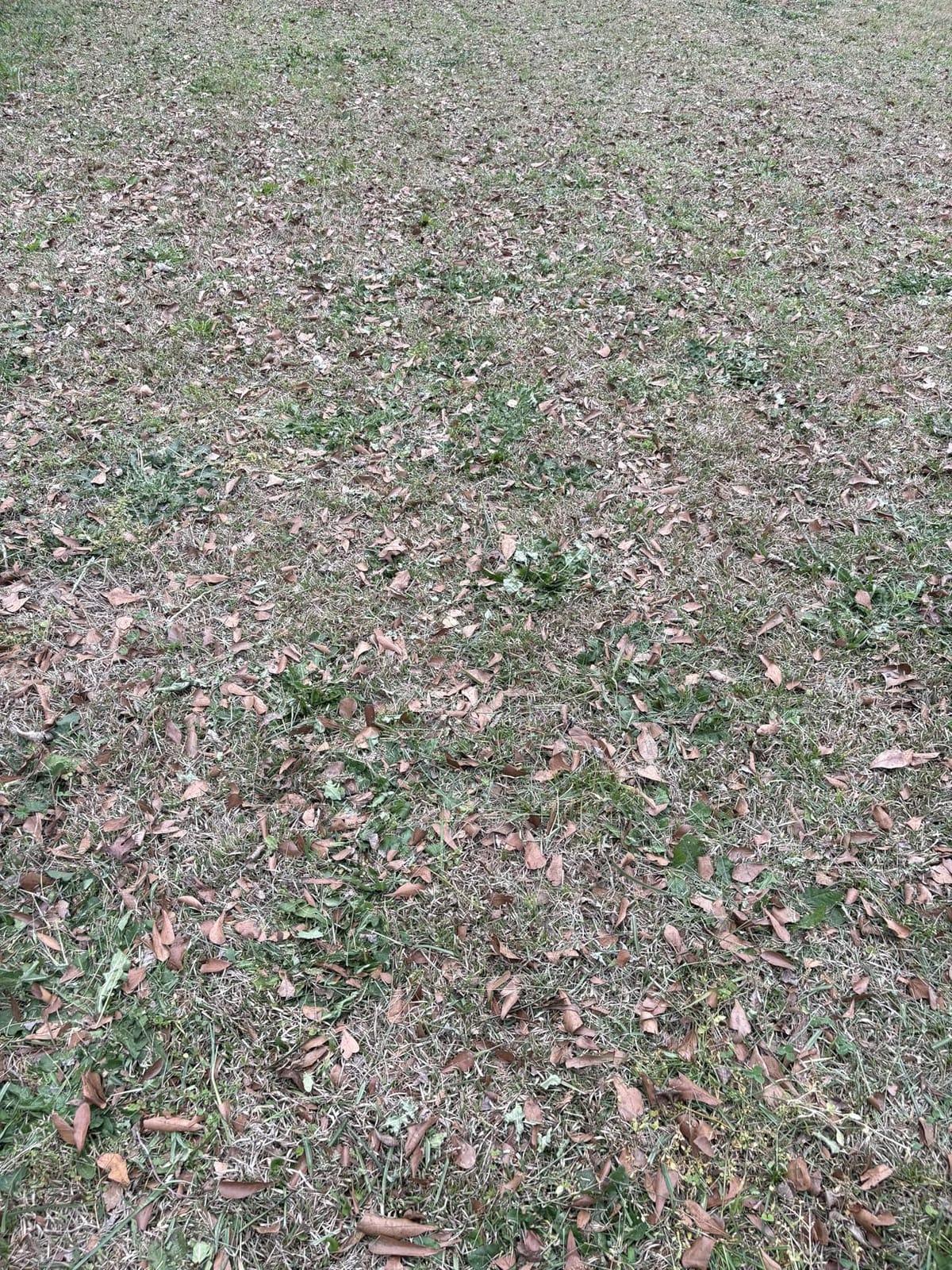
It suits an owner with a flat, tidy lawn under about 2500 square feet, someone who carries the mower one-handed to reach a side yard, and anyone who wants to mow at six in the morning without a neighbor filing a complaint. The 1.75 inch ceiling suits a lawn someone mows weekly.
Who should skip it
Skip it if your grass is dense bluegrass, if you let it get away from you, or if you need a high cut to match a rotary mower stripe. Owners who moved up in weight are far happier than owners who bought light and then fought the lawn.
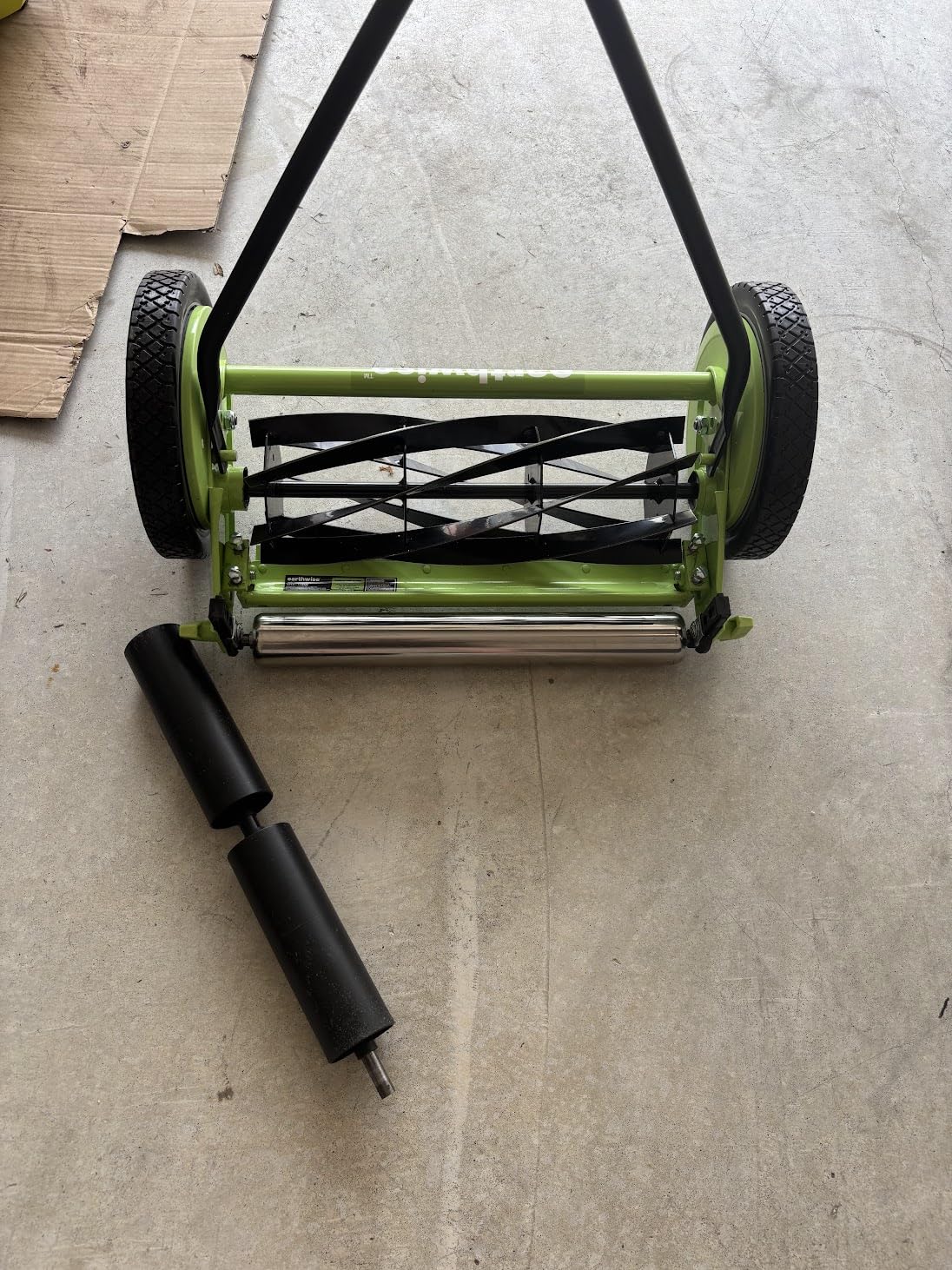
2. Earthwise 1715-16EW, The 7-Blade Finest Cut
Earthwise 1715-16EW 16-Inch 7-Blade Push Reel Lawn Mower, Grey
16 inch cut
21.8 pounds
7-blade ball bearing alloy reel
0.5-2.5 inch height in 7 positions
Pros
- Finest and most even cut among the mowers we tested
- Seven blade ball bearing alloy steel reel
- Alloy steel holds an edge longer
- Ten inch composite wheels and steel side plates
- Handles bent grass types
Cons
- Needs more push force than 14 inch models
- Not ideal for very narrow lawns
- Stops on twigs and thick debris
- No grass catcher included
Blade count is the spec most often quoted and least often explained. More blades means more cutting edges per revolution, so the grass is sliced more often per push and the finish comes out finer and more uniform. The Earthwise 1715-16EW carries seven on a ball bearing reel, and owners consistently describe the cut as the finest in their experience.
The reel is alloy steel with a durable steel side plate design, which is the same material language used on higher-end machines, and the seven-position height adjustment from 0.5 to 2.5 inches is the widest spread on a 16-inch model here. It handles bent grass varieties including Bermuda, Zoysia, Centipede, St. Augustine and Seashore Paspalum.
At 21.8 pounds, this is a heavy machine for its width, and that is the honest trade. On a slope or in thick growth you will feel every pound, and the gear ratio needs a deliberate, steady push to keep the reel turning at cutting speed. Owners who rush the push get a slower cut, not a messier one.
The 16-inch deck is also a real width commitment. On a lawn under 1500 square feet with tight borders, the extra two inches of turning radius is more noticeable than the finer cut is worth.
Who this mower suits
It suits someone chasing a putting-green finish on a medium small lawn, someone growing bent or warm-season turf, and anyone who will mow weekly enough to keep the cut consistent. It is the pick for a lawn where appearance is the whole point.
Who should skip it
Skip it on a slope, on a very compact yard, or if upper-body effort is a concern. If you want this cut quality but a lighter machine, look at a five-blade 14-inch model instead.
3. Scotts 304-14S, Lightest Frame With a 5-Blade Reel
Scotts 304-14S 14-Inch 5-Blade Push Reel Lawn Mower, Green
14 inch cut
18.1 pounds
5-blade heat treated alloy reel
0.5-1.75 inch height, tool-free build
Pros
- Lightest frame here at 18.1 pounds
- Assembles in about three minutes with no tools
- Heat treated alloy steel blades
- Quiet enough for early morning mowing
- Cuts cleanly over uneven ground
Cons
- Max cut height of 1.75 inch is low
- Jams on twigs and small sticks
- Binds if the reel is not freed after unpacking
- Short handle for taller users
At 18.1 pounds, the Scotts 304-14S is the lightest frame here, and the one I recommend to a first-time reel mower owner. It carries a five-blade ball bearing reel with heat-treated alloy steel blades, which is the spec that matters most on this machine.
That combination matters. You get most of the finish improvement of extra blades without paying for the extra weight of a seven-blade reel, and the three-minute tool-free assembly means there is nothing to get wrong on day one. Owners report mowing at six in the morning with no complaints from neighbors.
Two practical notes. The maximum cut height of 1.75 inches is lower than several rivals, so your finished lawn will read shorter than an adjacent rotary-cut lawn. And several reviews mention a reel that arrives stiff or bound, which is solved by freeing the reel by hand before the first pass and making sure the wheels roll freely.
Who this mower suits
It suits a small front yard that is mown weekly and a first-time buyer who wants an easy machine that assembles without tools. Storage footprint is small, which matters if you have no shed.
Who should skip it
Skip it if you need a tall cut to blend with a rotary-mown lawn, if your lawn has many twigs, or if you want a grass catcher. The three-position height adjustment gives you less room to adapt as the season changes.
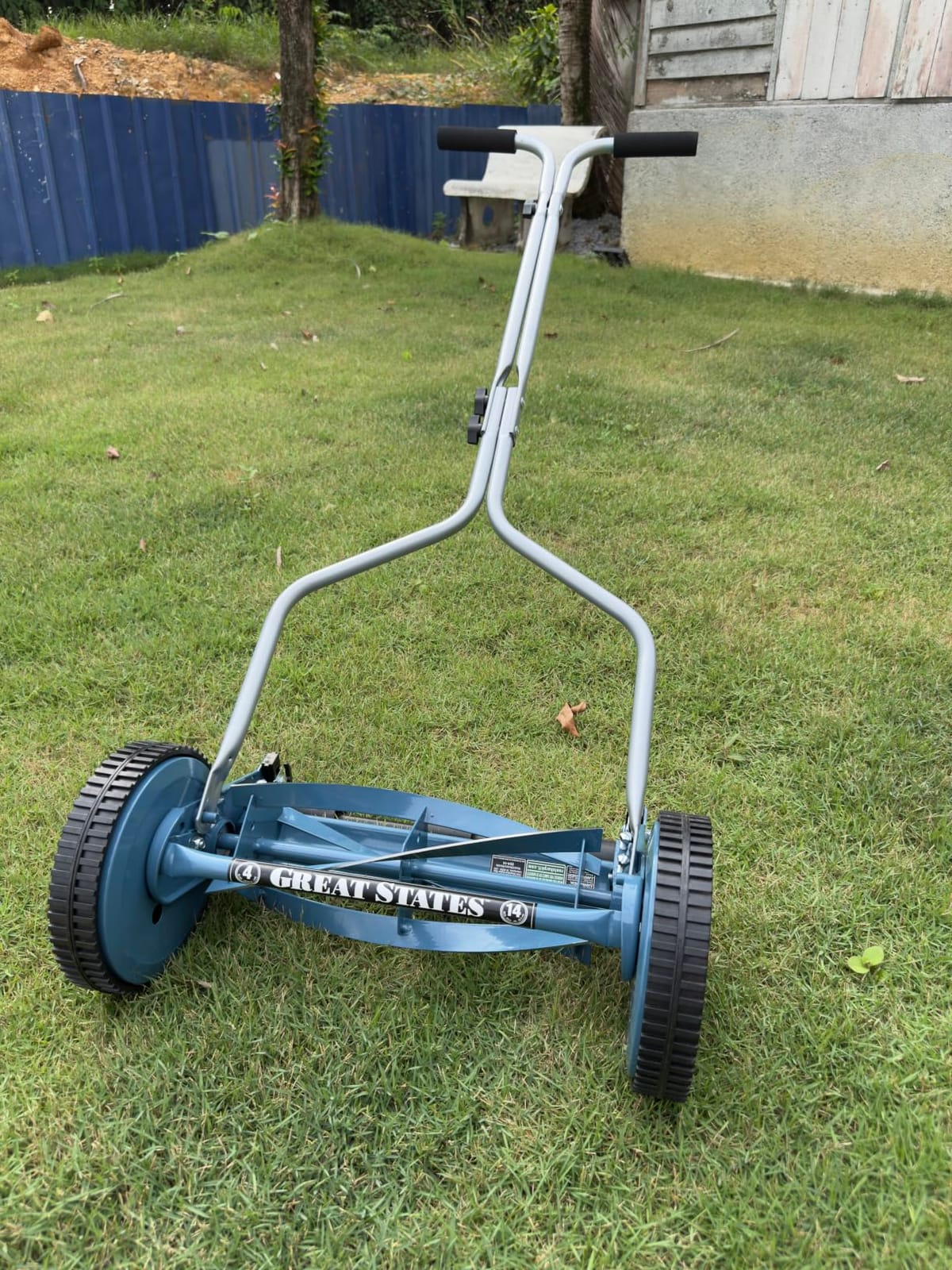
4. Great States 204-14, Fewest Steps to First Mow
Great States 204-14 Hand Reel 14 Inch Push Lawn Mower
14 inch cut
4-blade reel
8.5 inch polymer wheels
0.5-1.75 inch height in 2 positions
Pros
- Highest five star share of the group at 68 percent
- Nearly fully assembled with under two minutes of handle fitting
- Scissor cut leaves an obviously better looking lawn
- Compact and light enough to store in a small shed
- Works well on uneven ground
Cons
- Only two cutting height positions
- Struggles badly on an overgrown lawn
- Stops on small twigs and sticks
- Thin handle tubes can bend under force
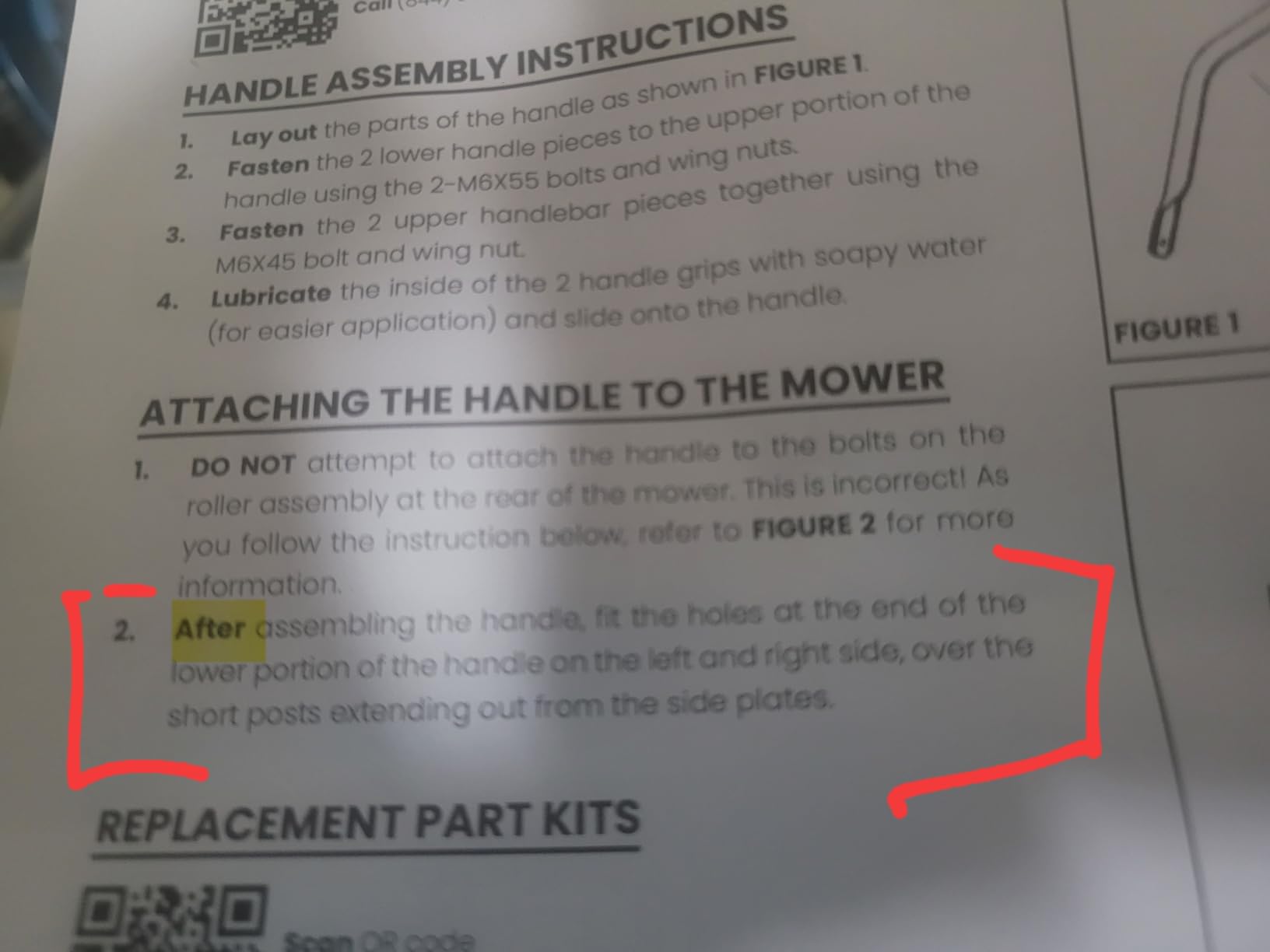
There is an unfair amount of negativity attached to this listing, and owners repeatedly push back against it. The mower needs almost no assembly, the only real job is attaching the handle, and the listing owns more than 2,000 reviews with 68 percent of them five star, the strongest share in this group.
The 14-inch 4-blade reel with 8.5 inch polymer wheels handles uneven and lumpy ground better than most powered mowers, because the light frame and narrow deck follow the contours instead of bridging them. Owners call it noticeably quieter than they expected, and it stores in a very small footprint.
The real constraint is the two-position height adjustment, the narrowest range in this roundup. Combined with a 1.75 inch ceiling, that means the mower is built for a maintained lawn and nothing else. Owners who let grass run up report having to weed-whack and rake first, which is the correct response but also the moment the machine stops being the tool you need.
Who this mower suits
It suits a tidy, small urban lot that is mown on a schedule, someone with very limited storage space, and a buyer who wants the shortest possible path between unpacking the box and the first cut.
Who should skip it
Skip it if your lawn is weedy, uneven in a way that makes the fixed blade gap vary wildly, or if you want a range of cut heights across the season. With only two positions, there is no adjustment left when conditions change.
5. Great States 415-16, Best Steering in Tight Beds
Great States 415-16 16-Inch Reel Lawn Mower with T-Style Handle
16 inch cut
20.9 pounds
5-blade ball bearing reel
1-2.5 inch tool-free height
Pros
- T-style cushioned handle steers around beds and shrubs
- Smooth one-handed push at a steady pace
- Handles damp grass without choking
- Disperses clippings instead of clumping
- Assembles in under five minutes
Cons
- Needs a second pass on thick or fast growth
- Twigs as small as an eighth inch stop the reel
- No grass catcher included
- Blades must stay sharp or strands remain
If your small lawn is broken up by beds, trees and paths, the handle matters more than the blade count. The Great States 415-16 has a T-style cushioned grip that spreads the steering load across both hands, and owners credit that with being able to make tight corrections without lifting the deck.
It also cuts through damp, dew-covered grass without choking according to owners, which matters in the early morning windows when a small lawn is most convenient to mow. The reel throws clippings well enough that they disperse rather than pile up.
Technique matters more here than anywhere else on the list. Owners report that pushing down hard on the handle causes bogging, while a gentle, low grip produces the fastest and cleanest cut. Buyers should also expect to take roughly 45 percent longer than a rotary mower would on the same small yard, which is a fair trade for the finish but worth knowing.
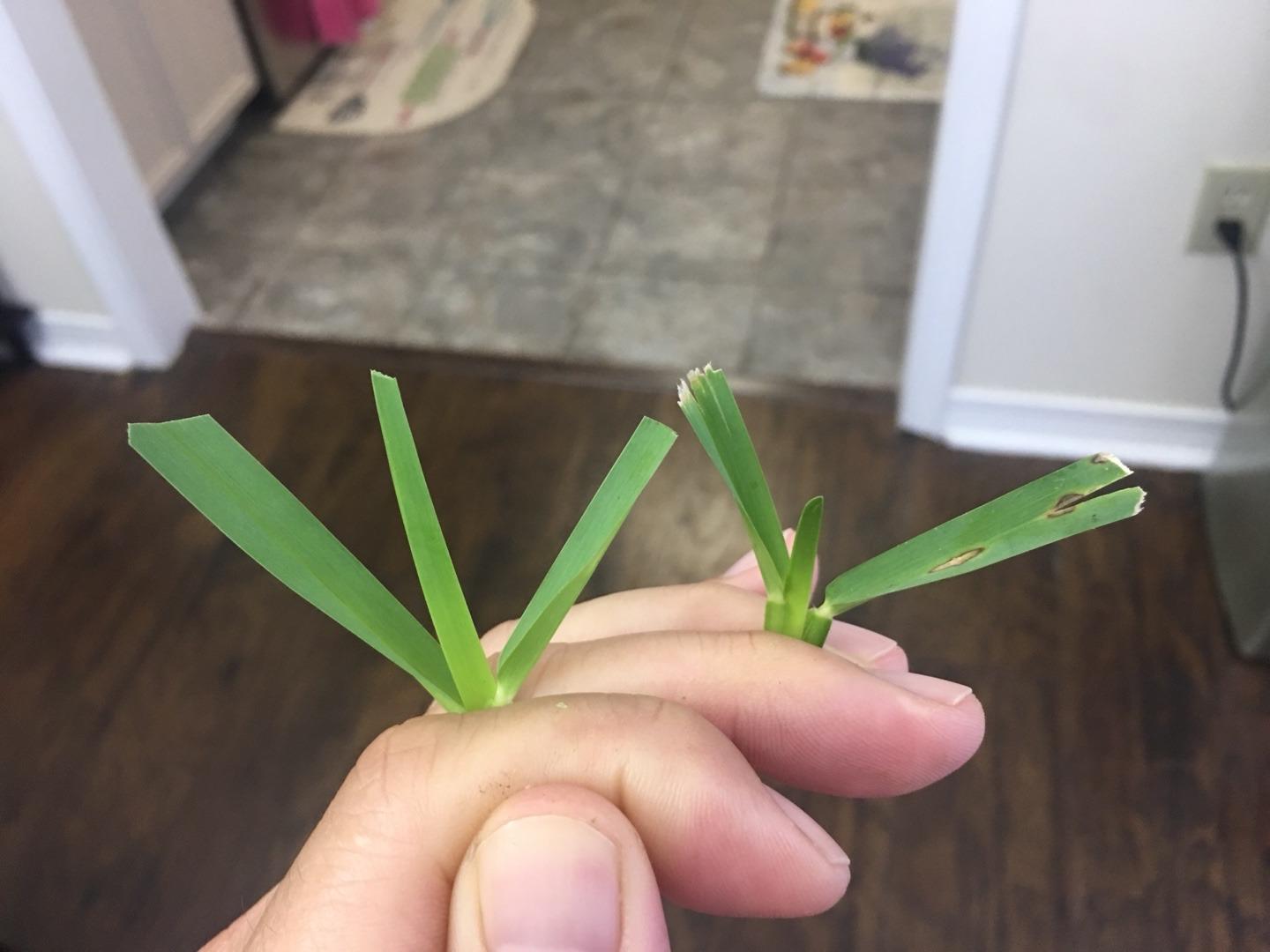
One optional note: the mount point accepts a separately sold bag, so this is the model to pick if you plan to collect clippings later without replacing the mower.
Who this mower suits
It suits a small suburban lawn with obstacles, an owner who mows in damp conditions, and anyone who wants steering precision more than a maximum cut height. It is our pick for a slightly larger small yard.
Who should skip it
Skip it if your lawn is fast-growing and thick, since it will need repeat passes, or if you need the narrowest possible deck. Bring sharp blades or you will strand grass rather than cut it.
6. LawnMaster LMRM1401, 14-Inch Deck on 10-Inch Wheels
LawnMaster LMRM1401 Push Reel Lawn Mower 14-Inch 5-Blade
14 inch cut
10 inch front wheels
4 height positions 1-2.5 inch
hardened steel blades
Pros
- 4-blade reel with a 14 inch deck and 4 height positions
- Scissor cut leaves a taller greener lawn than a buzz cut
- Light enough to move with one hand
- Very quiet at any hour
- Fully motorless with no fuel or battery
Cons
- Slowest reel engagement in the group
- Flattens rather than cuts at a slow walking pace
- Weak on coarse St. Augustine and grass over 3 inches
- Needs two people for final assembly
The 10 inch front wheels and 14 inch deck make this a strong fit for the smallest lawns in this roundup, the ones hemmed in on every side, and its four height positions from 1 to 2.5 inches are more useful than the two positions on several cheaper mowers.
There is a catch that shows up in the critical reviews and is worth stating plainly. The reel engages slowly, so at a relaxed walking pace it flattens grass rather than cutting it. The fix is a brisk, steady walk, and owners who adopt that habit report a good result. Owners who stroll report a poor one.
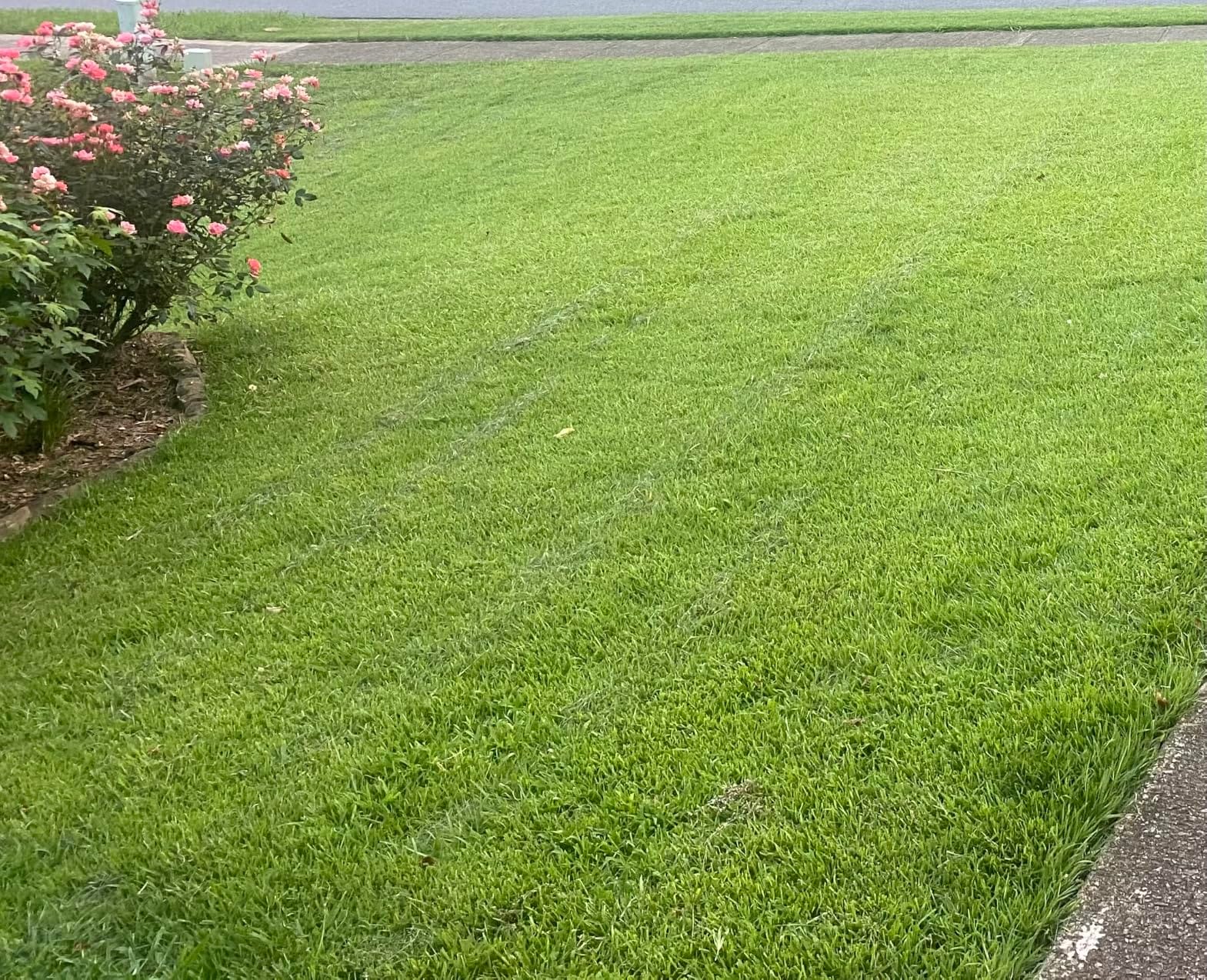
Like the other LawnMaster models, it is weak on coarse St. Augustine and on anything taller than roughly three inches, and it will not touch weed stems. Grass also collects in the base and sides of the deck and needs dumping by hand partway through a job.
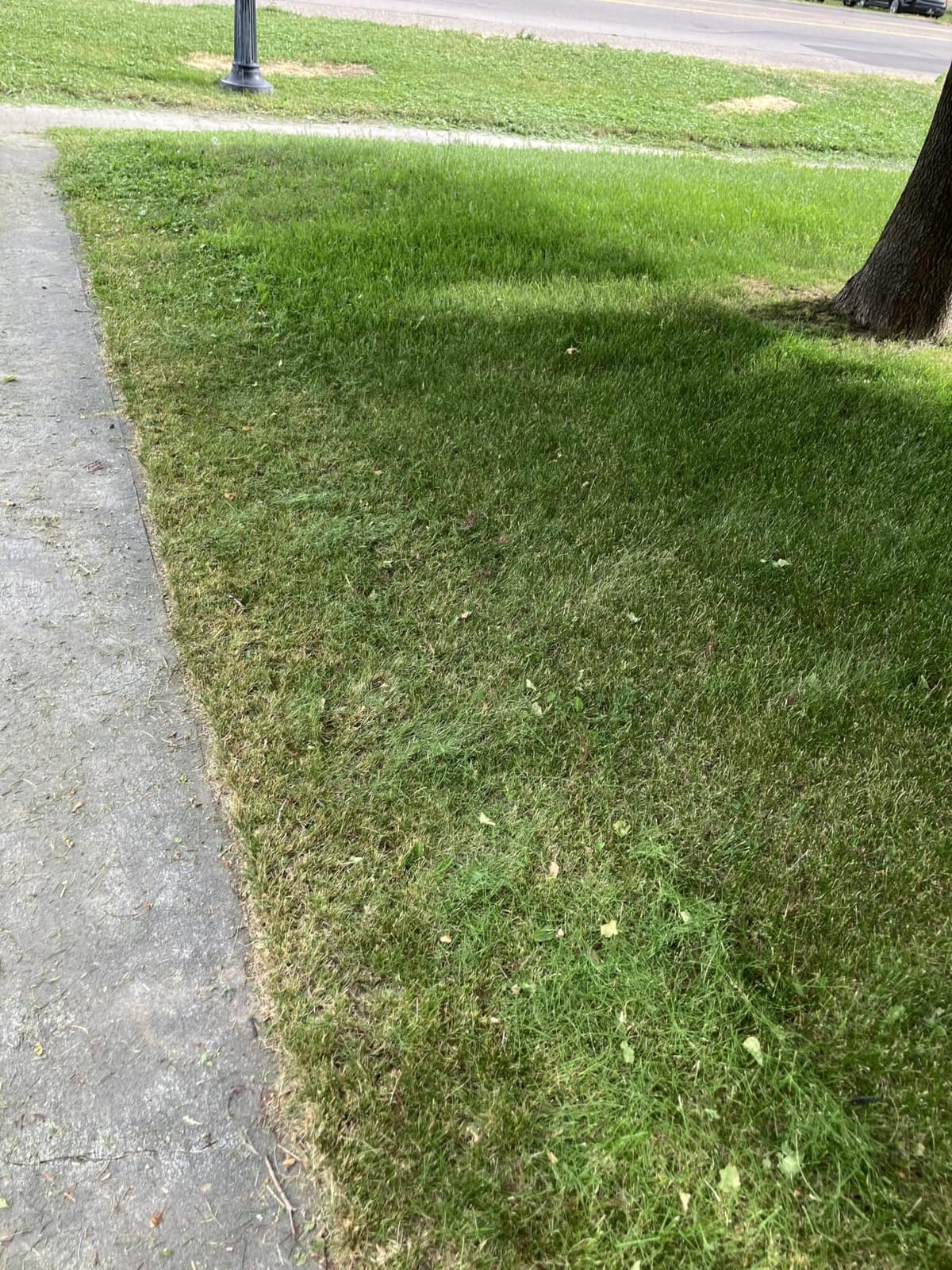
Who this mower suits
It suits the smallest lawns covered here, ones bounded by fences, walls or dense planting, and an owner who already knows how to push a reel mower at a consistent pace.
Who should skip it
Skip it if you are a first-timer who will mow slowly, if your lawn is coarse or weedy, or if you dislike vague setup instructions and a two-person final assembly step. A five-blade 14-inch machine is a better first reel mower.
7. GARDENA Classic 16, Folding Handle and Long Warranty
GARDENA Classic 16 in Reel Lawn Mower, 5 Blades, No Gas or Electric – 04018
15.75 inch cut
19.6 pounds
contact-free scissor cut
4 height positions 0.47-1.65 inch
Pros
- Contact-free cut comparable to lawn shears
- Hardened non-stick coated cylinder resists rust
- Made in Europe with a ten year warranty
- Folding handle stores in very tight spaces
- Light enough to lift with one hand
Cons
- Most polarised reviews in the group at 11 percent one star
- Needs a firm sustained push to keep cutting
- Assembly instructions are sparse
- Leaves a 5-7 centimeter strip along edges
The GARDENA Classic uses a contact-free cut, where the rotating cylinder never actually touches the fixed counter-blade. That lowers drag in normal grass, which is exactly the condition a small lawn is usually in. Owners who get it running describe a precise, near-lawn-shear finish.
The build is the strongest documented in the group. Made in Europe with a ten year manufacturer warranty, the longest here, and the hardened non-stick coated steel cylinder resists rust. The folding handle is the standout for owners with no shed, collapsing the machine flat.
Be clear-eyed about the reviews though. This is the most polarised mower in the roundup, with a 4.0 average and an 11 percent one-star share. Buyers who get it running describe a precise, near-lawn-shear finish. Buyers who do not describe cutting a few feet before stopping, because the non-touching blades must be correctly adjusted and then pushed with real, sustained force.
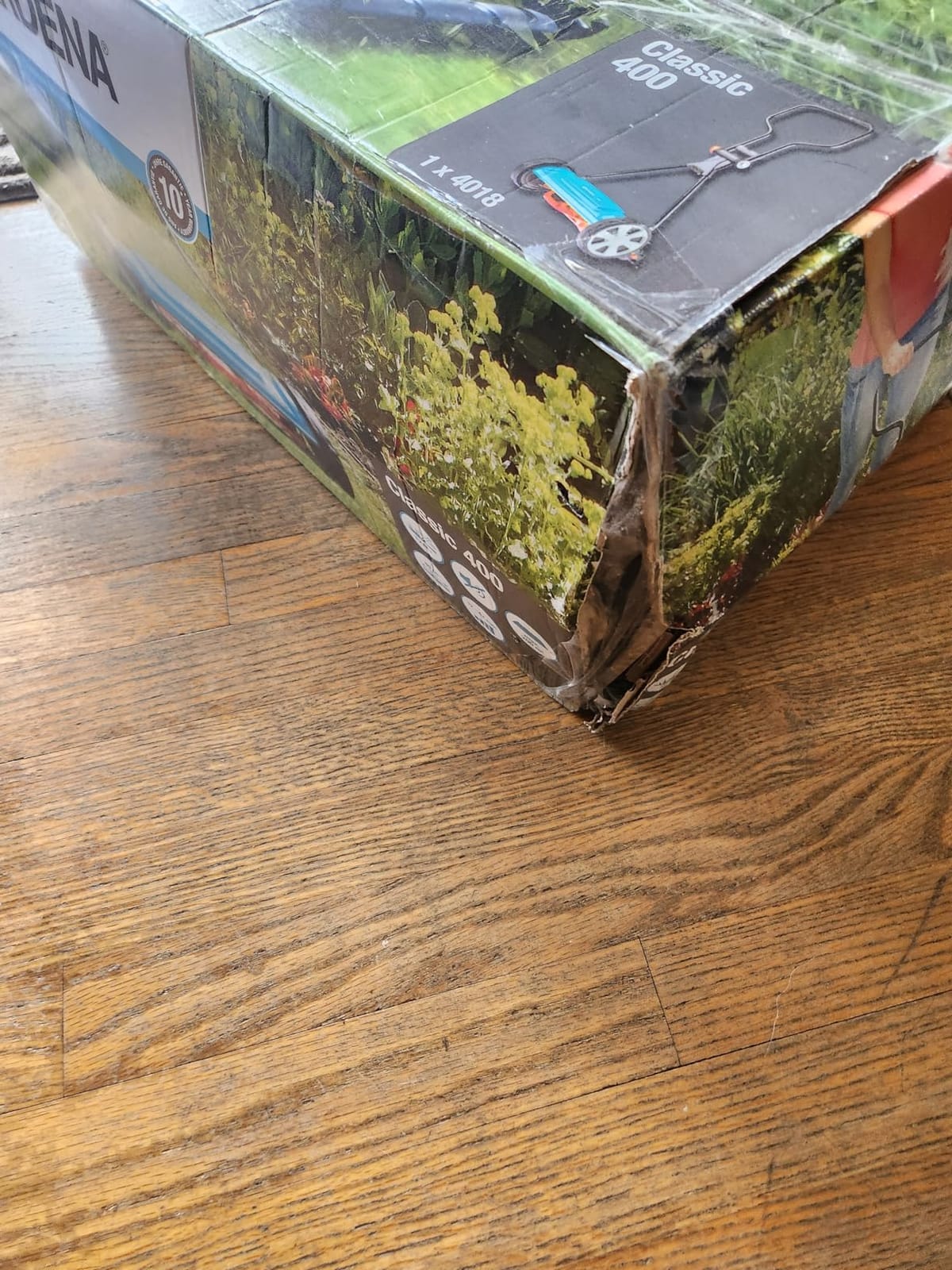
Two more limits: the height range is narrow, topping out at 1.65 inches, and a grass catcher is sold separately. Assembly is also the most difficult, since the printed manual has sparse instructions and no figures.
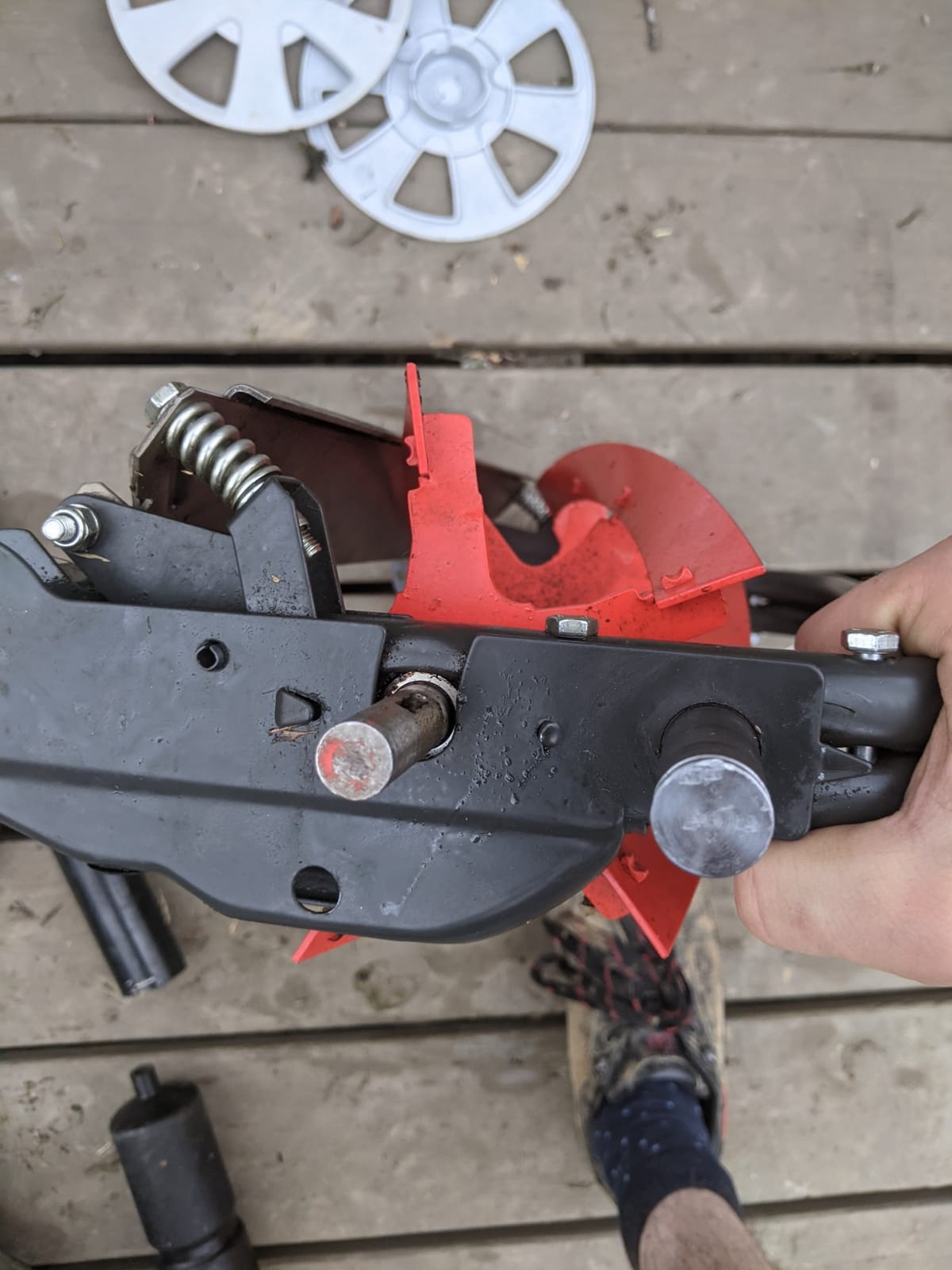
Who this mower suits
It suits a tidy flat small lawn where finish quality is the priority, an owner who intends to keep the machine for a decade, and anyone with genuinely limited storage space who values the folding handle.
Who should skip it
Skip it if you push at a slow pace, if you need a tall cut, or if you want the whole setup to be plug and play. Read a few reviews from owners who have had it a year before committing to this one.
8. LawnMaster LMRM1602, All-Rounder for a Small Suburban Lawn
LawnMaster LMRM1602 Push Reel Lawn Mower 16-Inch 5-Blade
16 inch cut
22 pounds
5-blade reel
4 height positions 1-2.5 inch
Pros
- 16 inch deck covers ground faster on a typical small yard
- Scissor cut keeps grass green rather than torn
- Assembles in roughly 5-15 minutes with hand knobs
- Handles uneven ground and lawn edges
- Very quiet
Cons
- Any small twig can jam the reel
- Slow engagement flattens grass at a walking pace
- Weak on coarse St. Augustine and tall grass
- Grass collects in the deck and needs dumping
At 22 pounds with a 16 inch deck, this sits in the middle of the group on both weight and width, and that is exactly why it works for a typical small suburban lawn.
The four height positions from 1 to 2.5 inches give you useful seasonal range, and owners confirm it handles uneven ground and reaches lawn edges that a riding mower cannot. Assembly is done with hand knobs rather than tools, which usually takes five to fifteen minutes.
The limitations are the standard LawnMaster profile: a slow-engaging reel that needs a brisk pace, twig jams, no ability to cut weeds, and grass that packs into the sides of the deck and must be emptied by hand. Owners note the manual work is enough to make you sweat on anything larger than a small yard.
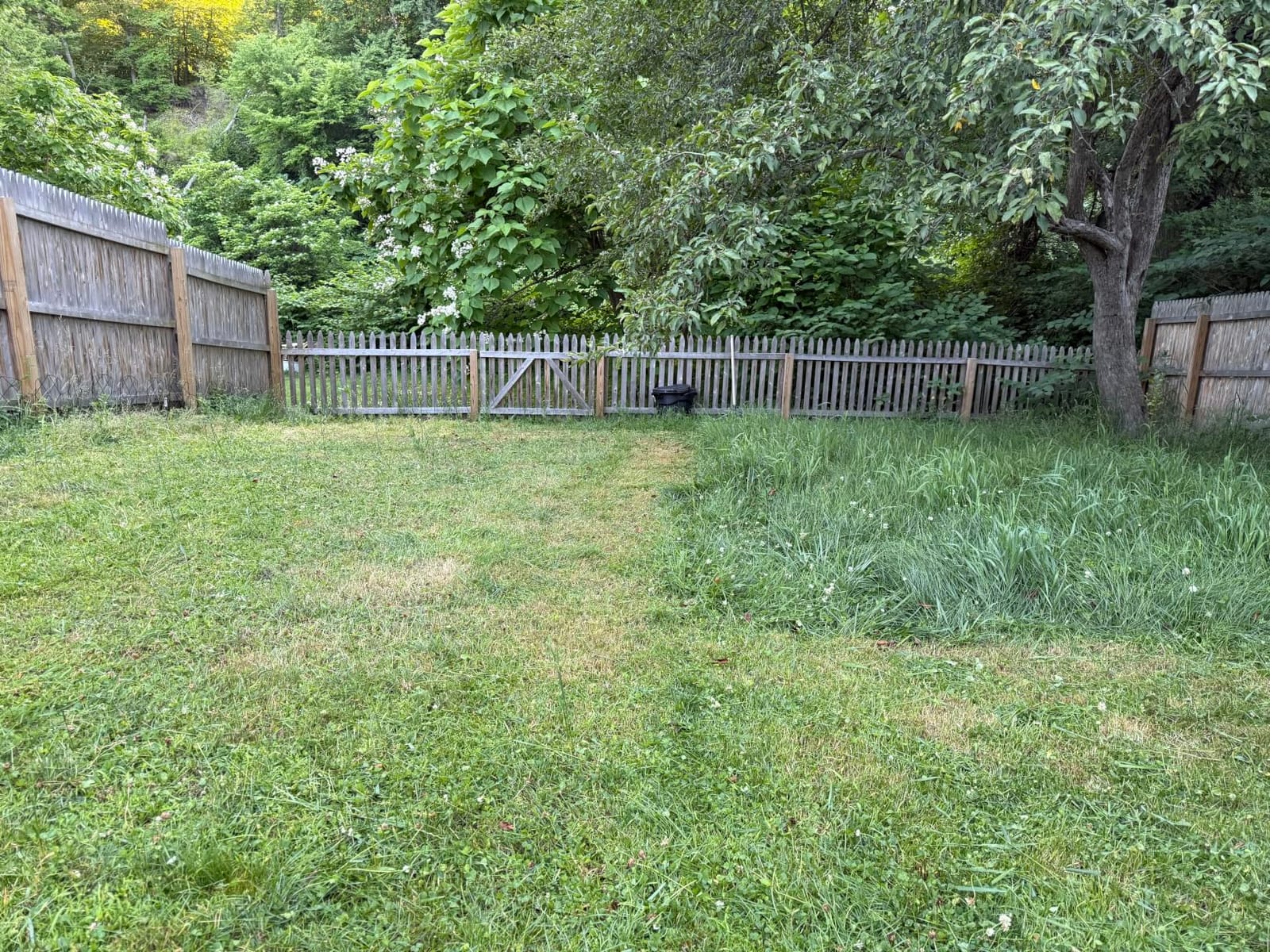
One variant detail worth checking before you buy: some listings report the catcher attachment as included and prone to falling off. The mower itself is fine either way, since you can mow without a bag.
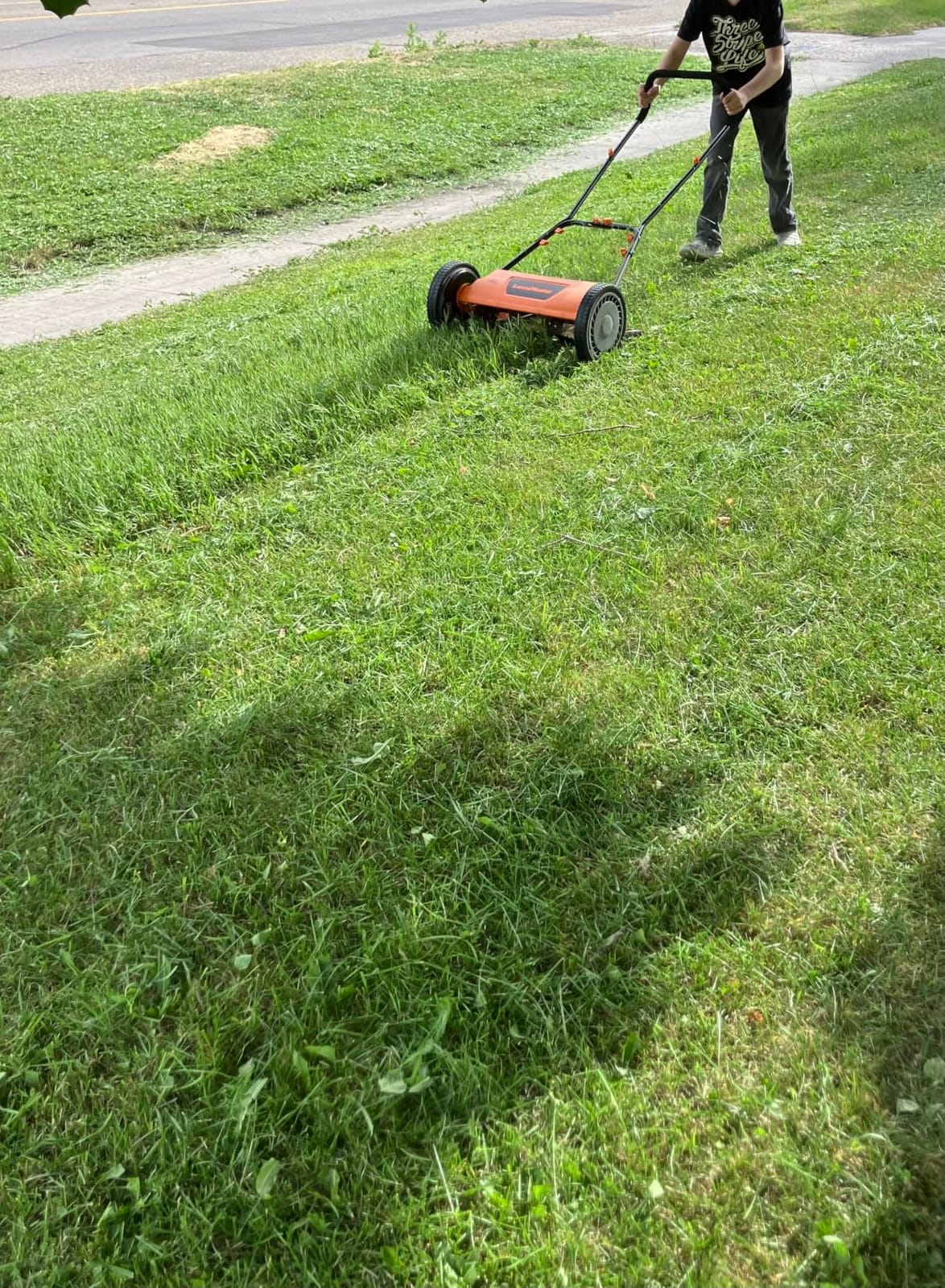
Who this mower suits
It suits a small suburban backyard of roughly 2000 to 4000 square feet, an owner who wants one machine to handle several lawn zones, and a buyer who wants a 16 inch deck at a lighter commitment than an 18 inch model. The 16 inch width means more coverage per pass than a 14 inch machine without the turning radius of an 18 inch one.
Who should skip it
Skip it on a tiny lot where a 14 inch deck would be easier, or on a lawn that gets coarse and overgrown. If you plan to collect clippings, check the variant first.
9. LawnMaster LMRM1801, 18-Inch Deck With a Bag in the Box
LawnMaster LMRM1801 Push Reel Lawn Mower 18-Inch 5-Blade
18 inch cut
9 height positions 1.1-2.5 inch
10 inch front wheels
collection bag included
Pros
- Includes a collection bag in the box
- Nine height positions for real seasonal range
- 18 inch deck covers a small-to-medium yard efficiently
- Scissor cut avoids tearing grass tips
- Fully motorless with no fuel or battery
Cons
- 18 inch deck is awkward on very small lawns
- Twigs jam the reel and need hand clearing
- Slow engagement flattens grass when pushed slowly
- Struggles above roughly 3 inches of grass
The collection bag is the headline. Every other manual mower in this roundup either leaves clippings where they fall or sells a bag separately, and this one includes an 18 inch bag in the box, which matters for a small lawn where you do not want a visible layer of grass on the patio edge.
The nine height positions from 1.1 to 2.5 inches give you a usable seasonal range on a lawn that changes fast in spring.
What you trade away is compactness. Eighteen inches is the widest deck here, and on a genuinely small lawn the extra turning radius is a genuine annoyance near beds and trees. Listed at 12.94 kg, it is a heavy machine to push around a confined space.
The usual LawnMaster caveats apply, and they are consistent across owners of all three models in this line: twig jams, a reel that needs a brisk walking pace to engage, no weed cutting, and grass that collects in the base of the deck.
Who this mower suits
It suits a small-to-medium yard where you want clippings collected, someone who mows between several lawn areas and wants a wider pass, and an owner who changes cut height often through the season.
Who should skip it
Skip it if your lawn is truly tiny, if you want the lightest machine you can carry, or if you let grass grow tall. For a very small lawn the 14 inch models are the more sensible buy.
10. Great States 815-18, Widest Cutting-Height Range
Great States 815-18 18-Inch 5-Blade Push Reel Lawn Mower, Grey
18 inch cut
27 pounds
5-blade ball bearing reel
0.5-2.75 inch height in 6 positions
Pros
- Widest cutting height range among these ten models
- Sharp alloy steel blades cut level and clean
- Cuts wet grass without issue
- Needs almost no assembly
- 2 year limited warranty and easy hose rinse
Cons
- 27 pounds needs real physical effort
- Jams on thick grass and crabgrass
- Jams on pinecones and small twigs
- Blades sit between the wheels for poor edging
The Great States 815-18 weighs 27 pounds, and that extra mass is exactly what lets it power through thick growth instead of stalling. Owners describe sharp alloy steel blades producing a level, matted, golf-course-like finish, and it cuts wet grass without complaint.
It also has the widest height range available, from 0.5 to 2.75 inches across six positions. That range is the reason to buy it: it lets you cut short for a formal look in spring and back off in a heat wave when you want the lawn to keep its length.
Twenty-seven pounds is the honest downside. On a slope, uphill, or in thick growth, this is real physical effort, and the handle pivot design can lift the mower or demand extra force to keep it aligned. Owners also report the plastic pinion gears need regular lubrication and the handle foam wrap tears with use.
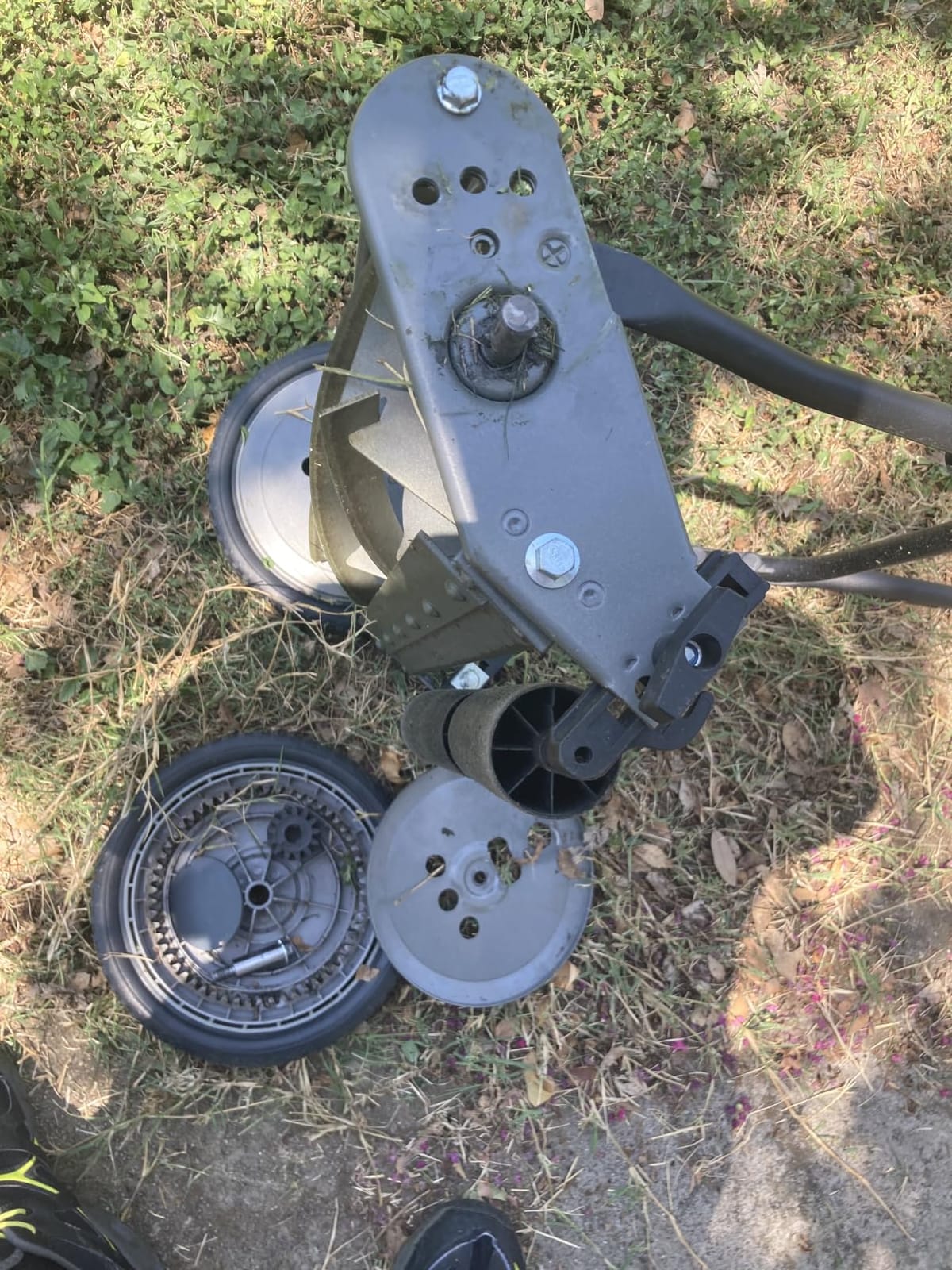
Because the blades sit between the wheels, it cannot cut right up to a raised bed or a fence, so a trimmer pass is still required. It also has the widest deck at 18 inches, which is a lot of mower for a very small lawn.
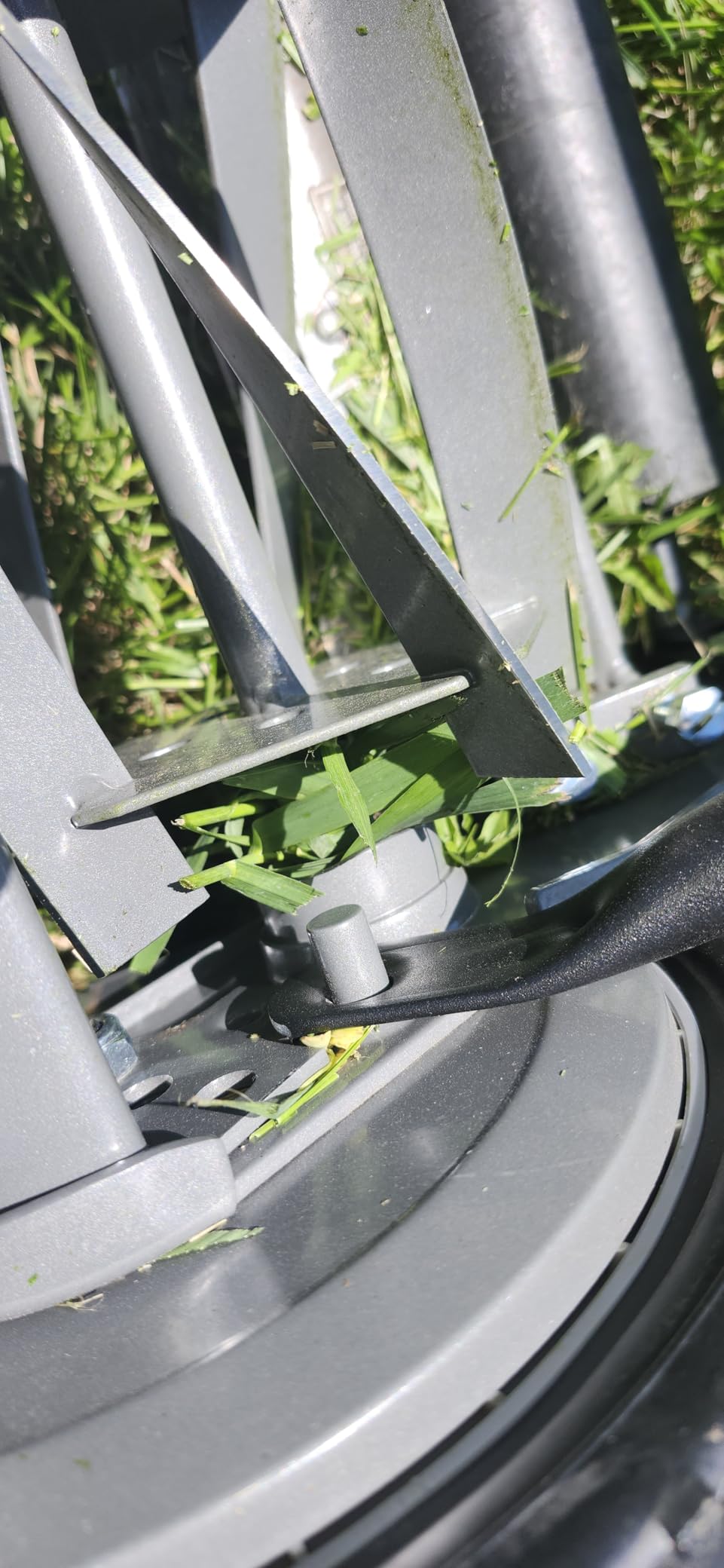
It needs almost no assembly, needs no special tools, and rinses clean with a garden hose. It carries a 2 year limited warranty, the longest among the domestic models here.
Who this mower suits
It suits a small-to-medium lawn with dense or fast growth, an owner who wants a tall adjustable cut range, and anyone with enough upper-body strength to push weight on purpose.
Who should skip it
Skip it on slopes, on very small lawns, or if you have any back or joint concerns. If your grass is thin, this much weight is effort without a payoff, and a lighter model will be quicker.
How to Choose a Reel Mower for a Small Lawn
Weight beats every other spec. The number one complaint in every forum thread we found is the same: the mower bogged down and stopped in thick grass, and the fix was always to move up in weight, not up in price. A 19-pound mower on sparse, thin turf is a joy. The same mower on lush, dense turf is a fight. If you are unsure, buy the heavier machine.
Cutting width follows your lawn area. Under about 1500 square feet, a 14 inch deck is the right call because maneuverability around beds beats raw coverage. Between 1500 and 3000 square feet, 16 inches is the sweet spot. Above 3000 square feet, 18 inches saves real time. Under 500 square feet, honestly, a string trimmer may be enough.
Blade count is a quality tier, not a size tier. Four blades will cut cleanly and is the standard on the lightest mowers. Five blades give a noticeably more uniform finish and are worth the small weight increase. Seven blades give the finest cut of all and suit owners who care most about appearance. On a small lawn, five blades is the best balance.
Height adjustment range decides how much of the season the mower fits. Two positions limits you to one look. Seven or nine positions let you match a rotary-cut lawn in spring and raise the cut during a dry spell. For a lawn bordered by a differently cut neighbor’s grass, a range that reaches 2.5 inches or above matters more than most buyers expect.
Contact versus non-contact blade design is the last real decision. Contact blades touch the bed knife, which is durable and forgiving of debris but creates more drag. Non-contact designs, used by GARDENA and the Fiskars line, push more easily in normal grass but are more sensitive to correct adjustment and to rocks or metal edging. If your lawn is clean and flat, non-contact is easier. If it is stony or full of roots, contact is more forgiving.
One piece of housekeeping advice that saves confusion later: Scotts, Craftsman, American Lawn Mower and Great States are built by the same parent company and share interchangeable parts, so ten listings in this roundup are not ten independent manufacturers. The Earthwise 16-inch 7-blade is listed with American as its manufacturer, and the Scotts 304-14S is listed with Great States.
On used mowers, there is one buying test worth knowing. Confirm that both wheels drive the reel, since single-wheel-drive mowers lose half their cutting torque and will bog in exactly the conditions you are trying to avoid. If you want to see more small-yard projects, we have guides on playsets with slides for small yards and trampolines for small backyards that cover the same space question from a different angle. If you are also planning the entertaining side of a small yard, our guide to the best speakers for small rooms covers portable audio setups that work in the same footprint.
Reel Mower Maintenance: Height Settings and Back Lapping
Reel mower maintenance is almost entirely about the blade edge. The cutting action is a scissor between the moving reel and the fixed bed knife, so both edges must be true or the cut goes ragged, and a ragged cut is what makes owners conclude the mower is faulty when it just needs sharpening.
Back lapping is the standard fix. Place a strip of back-lapping compound on the bed knife, turn the reel by hand the way it spins when you push forward, and work the compound across the edges. It takes roughly eight to ten minutes of cranking, and it restores most of the factory edge without removing any material.
For a proper deep restore, the reel blades can be removed and lapped against a flat surface with the compound, which takes longer but brings badly dulled blades back. Owners who treat their mower to an annual professional sharpening report keeping the same machine for two decades, which is the durability case for a manual reel over a gas machine.
Between services, wipe the reel and bed knife clean of grass clippings after each mow, rinse damp clippings off rather than letting them sit, and keep the wheel bearings and drive gears lightly lubricated. Wet grass left sitting on the steel is the main cause of rust, and rust is what eventually kills the cut quality.
Set cutting height with the grass dry and take the time on the first cut. Push at a steady, brisk pace with a light grip, and let the reel do the work rather than pressing down on the handle.
Frequently Asked Questions
What reel mower is best for a small yard?
The American Lawn Mower 1204-14 is our top pick for a small yard: 14 inch cut width, 19 pounds, a 4-blade alloy steel reel and tool-free height adjustment. The Great States 415-16 is the better choice if your lawn has beds and obstacles and you want easier steering.
Which is better, a 5 blade or 7 blade reel mower?
A 7-blade reel gives the finest, most even cut because it slices the grass more times per revolution, and it holds a sharp edge longer. A 5-blade reel gives most of that finish improvement at a lower weight. On a small lawn, five blades is the better balance of cut quality and maneuverability.
Is the Scotts reel mower good?
The Scotts 304-14S is well regarded. It weighs 18.1 pounds, carries a 5-blade ball bearing reel with heat-treated alloy steel blades, and assembles in about three minutes. Its most-criticized spec is the 1.75 inch maximum cut height, which is lower than several rivals.
Which reel mower is better, Fiskars or Scotts?
They take different approaches. Fiskars uses a non-contact blade design that pushes easily but is sensitive to correct adjustment and to rocks or metal edging. The Scotts and Great States designs use contact blades, which are more durable in rough conditions. Choose non-contact for a clean flat lawn and contact for a stony or rooty one.
Are reel mowers hard to push?
They require real effort, especially compared with a self-propelled power mower, and the effort rises sharply on slopes and in thick grass. Owners of the 20-pound machines report a smooth one-handed push on a level lawn, while the 27-pound Great States 815-18 needs deliberate effort. Pick a weight that matches your grass density.
Can you use a reel mower on wet grass?
Yes, though the cut quality depends on the machine. The Great States 415-16 and 815-18 are specifically reported to cut damp and wet grass without choking. Leave the reel clean and dry afterward, because steel left sitting in wet clippings is what causes rust.
Conclusion: The Best Reel Mowers for Small Lawns in 2026
For most small lawns, the best reel mowers for small lawns are the ones that match your grass, not your ambition. The American Lawn Mower 1204-14 is the best all-round buy at 19 pounds and 14 inches. The Scotts 304-14S is the lighter five-blade option for a very tidy yard. The Great States 415-16 is the one to get if your lawn has obstacles or damp grass.
Move up in weight to the Great States 815-18 or the Earthwise 1715-16EW if your grass is dense, and move down to a line trimmer if your lawn is genuinely tiny. Buy the machine that matches the lawn you actually have, mow weekly, and sharpen it once a season.