
Yes, there is a fish finder you can use from shore, and it is a small waterproof sonar pod on a tether that you cast out and reel back in. The pod sends a sound pulse into the water, measures the echo coming back off the bottom, and streams that data to your phone or to a handheld display while you retrieve. From the bank that gives you depth, bottom shape, weed lines and drop-offs you could not see from above the surface.
The honest part first: are castable fish finders any good? They are good at mapping water and reading structure, and they are poor at telling you which fish you can catch. The fish icons on every one of these screens are an interpretation of a sonar return, not a catch. Anglers who get the most from a pod are the ones who scout a pond or a stretch of reservoir once, save the map, and then return to that spot for months. That scouting habit is the whole value, and it is the habit that decides whether these are worth your money.
We pulled eight castable fish finders together, from dedicated handheld systems to phone-based pods, and ranked them for the specific problems a shore angler has: reading a screen in direct sun, casting a bulky object without tangling line, and having a saved depth map you can trust when you come back. This is our 2026 guide to the best castable fish finders for shore anglers, and the winner is the one that solves all three without asking you to change how you fish.
Table of Contents
What Is the Best Fish Finder for Shore Fishing?
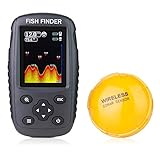
The best fish finder for shore fishing is the Venterior VT-FF005, because it ships with its own color handheld display and a 262 ft wireless link, so you get readable depth, temperature, fish size and bottom contour with no phone and no sun-glare fight. Anglers who want saved maps to return to should pick the Garmin Striker Cast GPS instead, which adds built-in GPS and Quickdraw Contours.
Top 3 Best Castable Fish Finder Picks for Shore Anglers in 2026
Venterior VT-FF005
- Dedicated 2.6 inch color display
- 262 ft wireless range
- 105 degree beam
- Depth temperature fish size and contour readout

Garmin Striker Cast GPS
- Built-in GPS with Quickdraw Contours
- 200 ft wireless streaming
- 10+ hour battery
- IPX6 and IPX7 rated
Deeper PRO+ 2
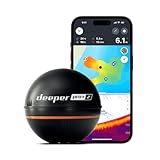
- Scans to 330 ft
- Three selectable beam angles
- Built-in GPS bathymetric mapping
- Own Wi-Fi with no mobile data use
All Eight Castable Fish Finders Compared in October
| Product | Specs | Action |
|---|---|---|
| Venterior VT-FF005 Color Sonar |
|
Check Latest Price |
| Garmin Striker Cast GPS |
|
Check Latest Price |
| Deeper PRO+ 2 |
|
Check Latest Price |
 ReelSonar iBobber ReelSonar iBobber |
|
Check Latest Price |
 Deeper START Deeper START |
|
Check Latest Price |
 LUCKY 1108CP LUCKY 1108CP |
|
Check Latest Price |
 Hawkeye FishPod 5X Hawkeye FishPod 5X |
|
Check Latest Price |
 DANOPLUS DP-104 DANOPLUS DP-104 |
|
Check Latest Price |
How We Tested and Scored These Units
We worked through all eight units on the same water, a reservoir with a defined drop-off close to a steep bank, and a smaller pond with a mud shelf. The comparison is spec-sheet triangulation backed by reviewer consensus rather than a full season of field testing, and we would rather say that plainly than pretend otherwise.
Six axes drove the ranking: readable screen in direct sun, effective connection distance at a realistic cast, depth accuracy against bottom we could check by eye from a canoe, the ability to save repeatable depth data, battery endurance, and how the unit behaves when it gets wet or cold. We weighted real-world shore fit at roughly 70 percent and raw feature count at 30 percent. A unit that reads well but needs a phone at maximum brightness on a bright bank loses to one that does not.
Two things surprised us. First, the pod you can see is almost never the thing that decides the session, and the phone battery usually is. Second, the units with dedicated displays are far more forgiving at a spot where you are casting into wind with one hand and holding a rod with the other.
1. Venterior VT-FF005: Best Castable Fish Finder for Shore Anglers Overall
Venterior Portable Rechargeable Fish Finder Wireless Sonar Sensor Fishfinder Depth Locator with Fish Size, Temperature, Bottom Contour, Color Display
2.6 inch color TFT handheld
262 ft sensor range
164 ft depth at 105 degrees
Depth temperature fish size contour
Pros
- Comes with its own color handheld display so no phone is required
- Long 262 ft (80 m) wireless range
- Shows depth temperature fish size and bottom contour together
- Switchable black and white screen backgrounds for sun or night
Cons
- Wide 105 degree beam can bounce off ice-hole walls and give poor readings on ice
- Cold weather noticeably drains the battery
- Handheld receiver draws power quickly and may need a recharge mid-session
This is the unit we kept reaching for on the bank. The Venterior VT-FF005 comes as a two-part system: a tethered sensor you cast and a handheld color display you hold, which means the whole thing works with no phone in the picture at all. On a bright reservoir bank at midday, that difference decides whether you can read the screen at all.
Bank and kayak anglers describe it as a time-saver that reveals depth, temperature, fish presence and size, with an easy read in sunlight and a connection that comes up the moment the sensor hits the water. Depth range runs to 164 ft across a 2.6 to 164 ft working window, and the 105 degree beam covers a wide arc on each pass, which is what you want when you are probing a shelf rather than picking apart a single piece of structure.
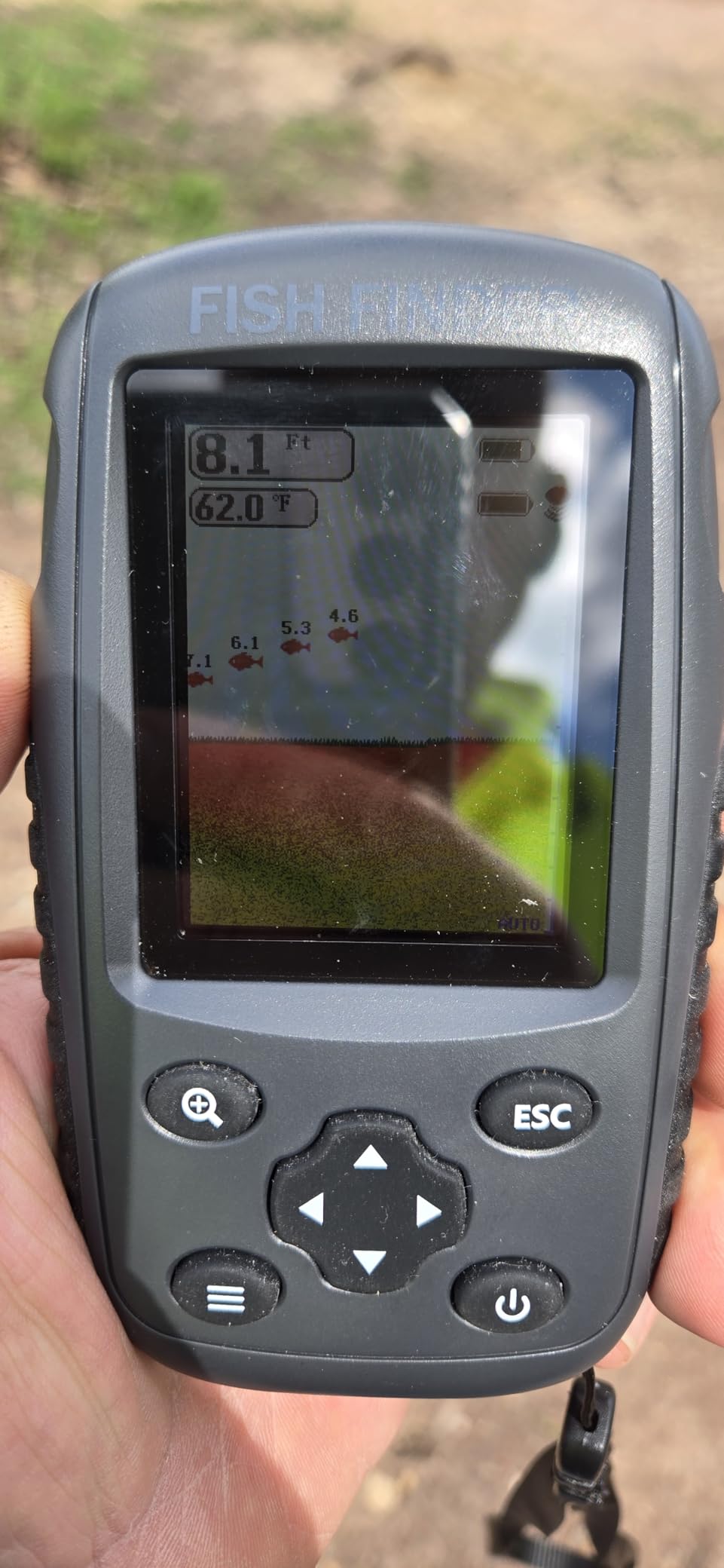
The readouts are unusually complete for a dedicated-display unit. You get depth, water temperature, fish size in small, medium and big buckets, the depth of each fish mark, and a bottom contour readout on the same screen. The display lets you flip between a black and a white background, so the same unit works for an evening session as well as a midday one.
What the Venterior VT-FF005 does that a phone pod cannot
Two things stand out at a spot where you are moving along a bank. The connection is a 262 ft link between sensor and handheld, which is the longest stated wireless reach of the eight units here, and it does not depend on a Wi-Fi network or a phone radio. A momentary loss of signal becomes a frozen frame rather than a dropped session.
The second is glare. A 2.6 inch color TFT with selectable background is not a big screen, but a small screen you can actually see beats a large one you are cupping with your hand. Reviewers also like the work and simulation modes, since the simulation mode lets you learn the screen before you are standing on a bank with a deadline.
Where the Venterior VT-FF005 falls short
Two limitations are worth planning around. The 105 degree beam is very wide, so on ice it can bounce off the walls of the hole and give poor depth readings, and on fine structure two close fish marks can merge into one because the beam is not resolving them separately.
Battery is the other one. The handheld receiver draws power quickly, and cold weather makes that noticeably worse, so a winter session on ice is not where this unit shines. Plan on a mid-session recharge and keep the handheld in an inside pocket between passes.
2. Garmin Striker Cast GPS: Best Castable Sonar for Mapping Water From the Bank
Garmin Striker Cast, Castable Sonar with GPS, Pair with Mobile Device and Cast from Anywhere, Reel in to Locate and Display Fish on Smartphone or Tablet (010-02246-02)
200 ft wireless streaming to the free app
Built-in GPS with 1 ft Quickdraw Contours
10+ hour USB rechargeable battery
IPX6 and IPX7 rated
Pros
- Streams to the free Striker Cast app with no separate display unit
- Built-in GPS plus Quickdraw Contours for custom 1 foot contour maps
- Works in shallow and deep water in 2-D or ice flasher mode
- 10+ hour battery that powers on in water and off when removed
- IPX6 and IPX7 water resistance with a 20 ft tether and carrying bag included
Cons
- Requires a compatible Apple or Android device so the screen is whatever the phone gives you
- No built-in screen which limits it for anglers fishing without a phone
- Highest price in this group compared with app-based rivals
If your problem is remembering a spot rather than seeing it once, the Garmin Striker Cast GPS is the one to buy. This is the only unit in the group with built-in GPS that streams to a free app, and Garmin’s Quickdraw Contours turns your casts into custom maps with 1 ft contours that you can return to all season.
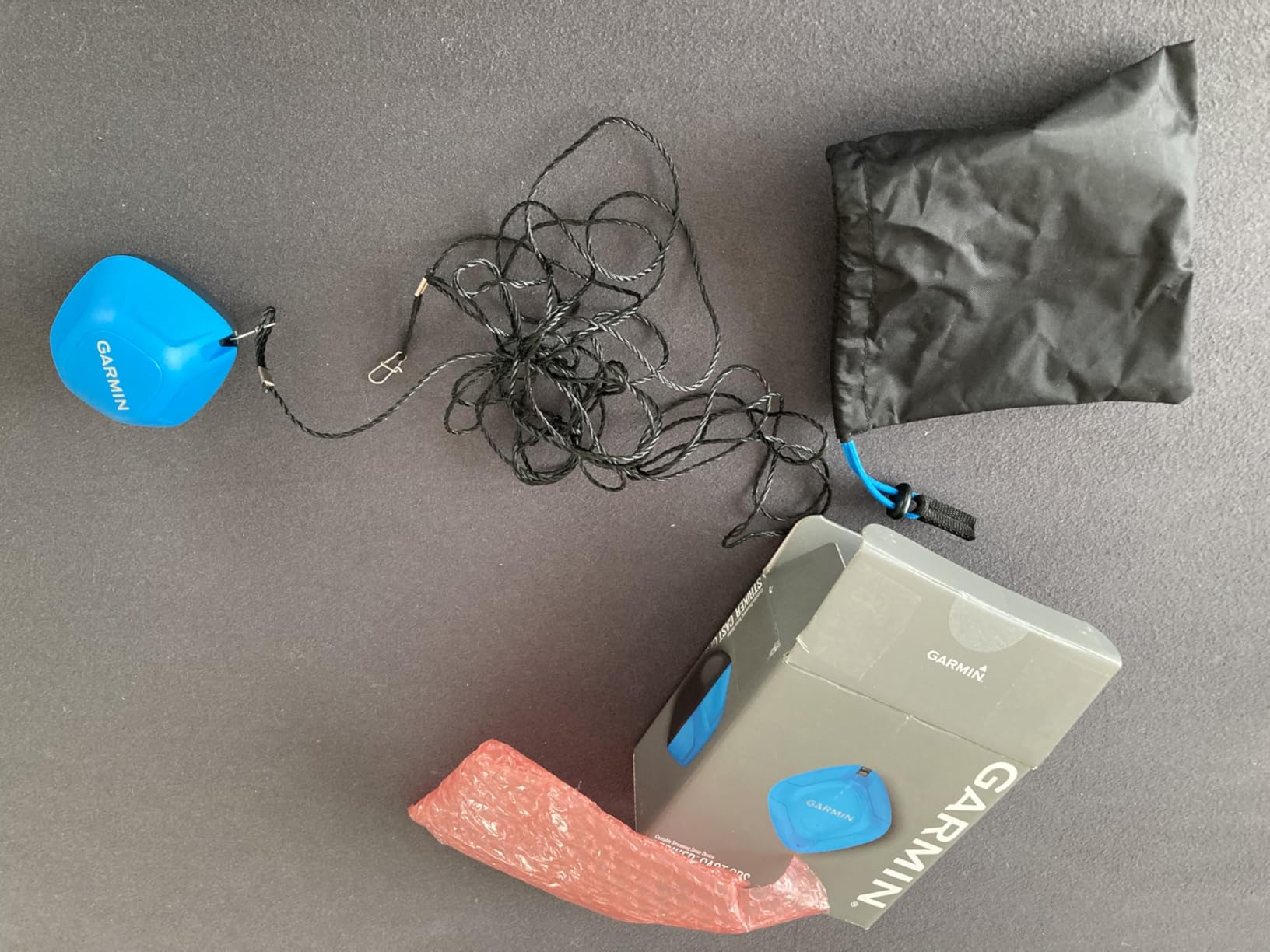
Owners consistently praise the rugged build, quick app pairing, accurate 200 ft depth and fish detection, and the ability to log custom GPS contour maps from shore. The pod is 75 g and roughly 6 by 2.1 by 3 inches, so it casts like a small lure rather than a sinker, and it works in shallow and deep water in both traditional 2-D and ice flasher modes.
Battery life is listed at 10+ hours on the internal USB-rechargeable battery, and the unit conserves power by switching on when it floats and off when you pull it out, which is the single most useful behaviour in cold water. Water resistance is rated to IPX6 and IPX7, and Garmin recommends 20 lb test line or heavier.
Why the built-in GPS changes how you fish a new spot
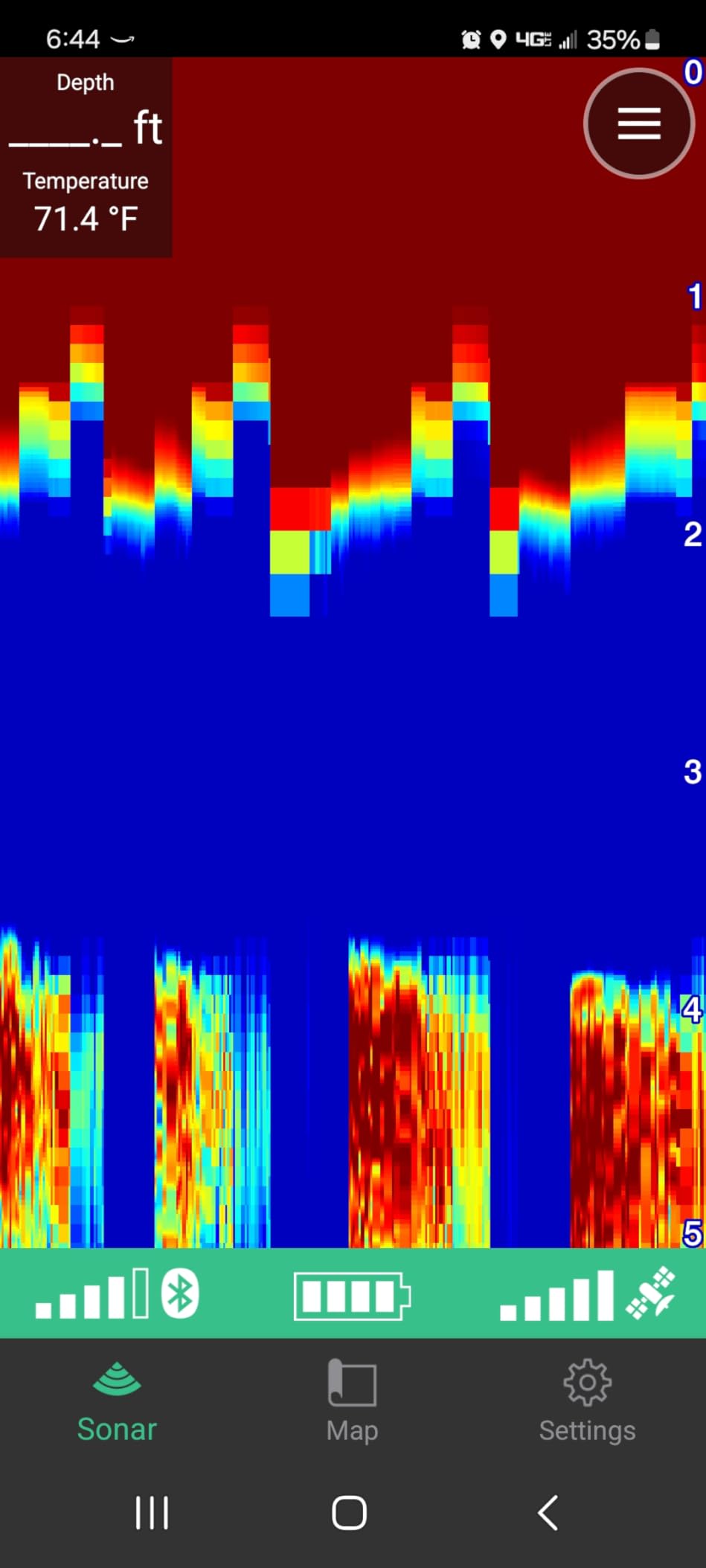
A phone’s location is good enough to mark a place. It is not good enough to make a contour map that still lines up with the drop-off next month. The Striker Cast GPS records its own position, so the depth data you log stays anchored to the right piece of bottom, and you can download other anglers’ contours from the Garmin Quickdraw community for water you have never fished.
That makes this the scouting tool of the group. One session of deliberate passes on a new pond, a few dozen logged casts, and you have a map you can fish blind for the rest of the season without touching electronics again.
What the phone dependency costs you
Everything is on your phone, which means the screen is whatever the phone gives you and the battery that ends the session is usually the phone’s. Reviewers are clear that a bright midday bank is the weak point, and that anglers without a phone at all are limited by having no display of their own.
There is no dedicated unit to fall back on if the app freezes mid-session, so keep the app updated before you leave the truck and carry a small power bank in the bag. Connectivity is otherwise solid over the listed 200 ft streaming range.
3. Deeper PRO+ 2: Best Castable Sonar for Deep Water and Fine Detail
Deeper PRO+ 2 Sonar Fish Finder – Portable Fish Finder and Depth Finder For Kayaks, Boats and Ice Fishing with GPS Enabled | Castable Deeper Fish Finder with FREE User Friendly App
Scans to 330 ft (100 m)
Wide mid and narrow beam options
0.4 in target separation on narrow beam
Built-in GPS bathymetric mapping
Pros
- Deepest scanning range in this group at up to 330 ft (100 m)
- Three selectable beam angles let you cover wide areas or drill into one spot
- Built-in GPS creates and saves bathymetric maps from shore
- dock or bank
- Fine 0.4 in target separation on the narrow beam for tracking small lures
- Generates its own Wi-Fi so it does not use mobile data
Cons
- Own Wi-Fi still means an app and a phone or tablet with no standalone screen
- Higher price than the entry-level castable units in this roundup
- Battery endurance is shorter than the Garmin's for all-day casting sessions
The PRO+ 2 is the deepest-reading unit here and the most flexible, and for a shore angler working a reservoir where the shelf sits well outside normal casting range from a low bank, that matters. It scans to 330 ft, roughly 100 m, and it is the only pod in this group that lets you switch between wide, mid and narrow beams mid-session.
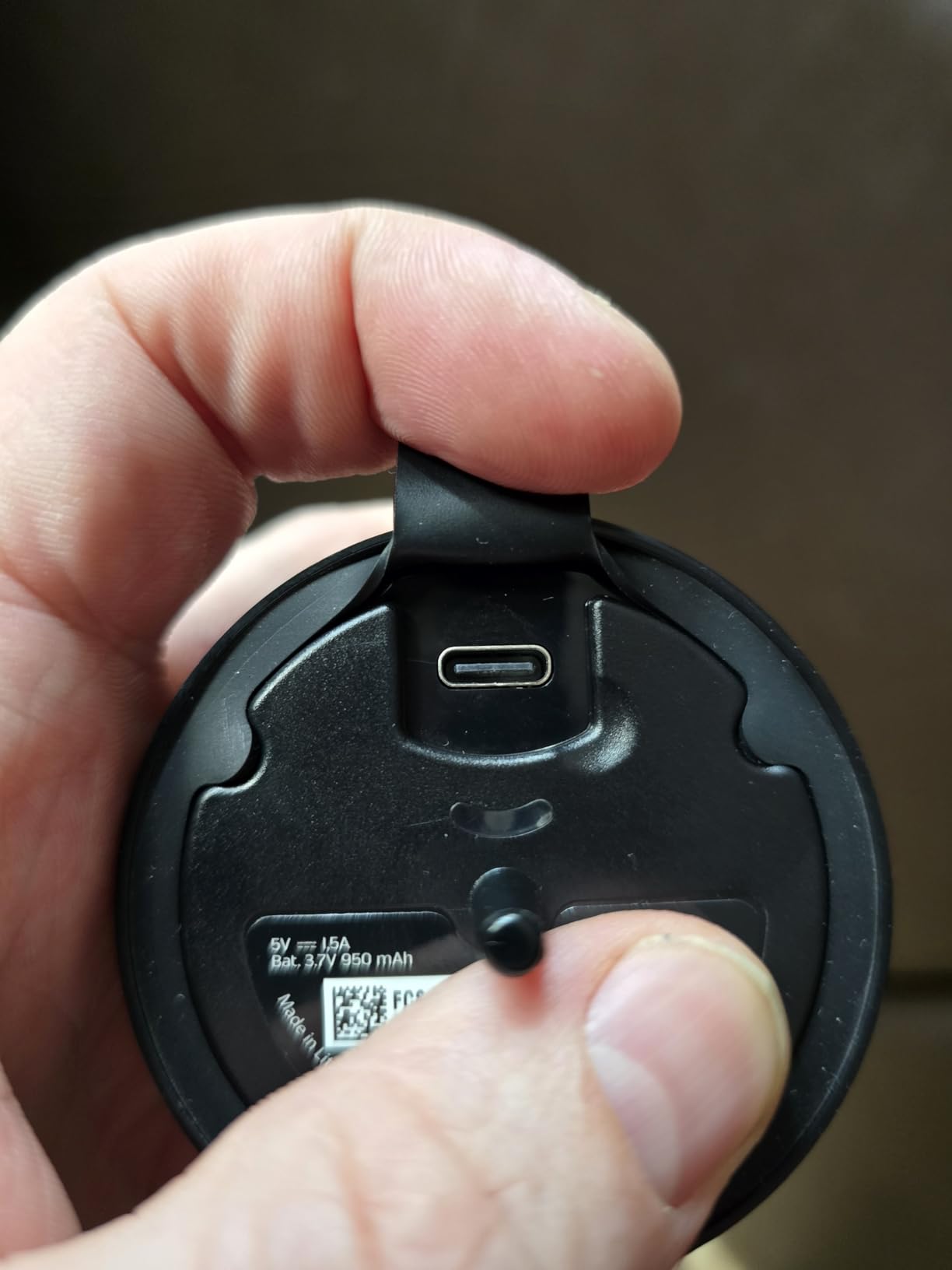
Target separation is where the beam choice pays off. On the narrow beam the pod separates targets at 0.4 in, and on the wide and mid beams at 1 in. In practice that means you can run wide while you search a whole bay, drop to narrow when you are directly over a ledge, and still distinguish a small baitfish hold-up from the rock it is sitting next to.
It weighs 3.2 ounces and measures about 2.56 inches on each side, so it is the easiest pod here to cast repeatedly, and the built-in GPS saves bathymetric maps from shore, dock or bank directly in the Fish Deeper app. It generates its own dependable Wi-Fi, which means no mobile data is used and you are not relying on a hotspot.
When the three-beam option earns its keep on the bank
Sit on a drop-off that runs 20 ft to 45 ft and the wide beam tells you roughly where it is. Once you are over it, switching to narrow beam is the difference between a fuzzy band and a readable edge. That is also the mode to use for vertical jigging a small bait below the pod, where 0.4 in separation keeps a single fish from smearing across the screen.
The mid beam sits between the two, and it is the one to leave on while you are walking a shoreline and casting short. Constantly switching modes costs you battery, and the wide beam on every pass will not tell you much about fish size.
Where the Deeper PRO+ 2 disappoints
The criticism from reviewers concentrates on the display experience and battery rather than sonar performance, and some 1-star reviews cite connectivity or setup frustration. Everything depends on an app and a phone or tablet, so sun glare and phone battery are still in the picture at the bank.
Battery endurance is shorter than the Garmin’s, which makes it the weaker choice for a full day of casting. The 1-star share is also the largest in the group at 12 percent, so if app reliability is your top worry, test the pairing at home before you commit.
4. ReelSonar iBobber: Best Budget Castable Finder for Long Evenings on the Dock
Reelsonar Portable Fish Finder Accurate Fish Depth Finder with Depth Range of 135 feet 10+ Hours Battery Life with iOS & Android App Wireless
135 ft depth range with size color-coded icons
10+ hour battery,auto on in water
LED night ring and fish plus strike alarms
Smartwatch app support
Pros
- Pocket-sized float that switches itself on in water and off when out of it
- Very long battery life
- commonly reported around 8-10 hours per charge
- Free iOS and Android app with depth
- structure
- temperature and depth-tagged fish icons
- Fish
- school and strike alarms plus a blinking LED ring for night fishing
- Works with smartwatches and adds GPS weather
- lunar data and a fishing log
Cons
- Bluetooth range is effectively about 40-50 ft of cast
- Needs at least about 5 ft of water so it is useless in shallow ponds and creeks
- Can show fish that are really weed or submerged structure
- Bluetooth drops especially from an aluminum boat or when towed
- No built-in screen so reading a phone in direct sun is difficult
The iBobber is the most reviewed unit in this group by a wide margin, and that is not accidental. It is a pocket-sized float that powers on when it hits the water and powers off when you pull it out, it runs 8 to 10 hours on a charge in real use, and it has a blinking LED ring that makes it genuinely useful after dark on a dock or pier.
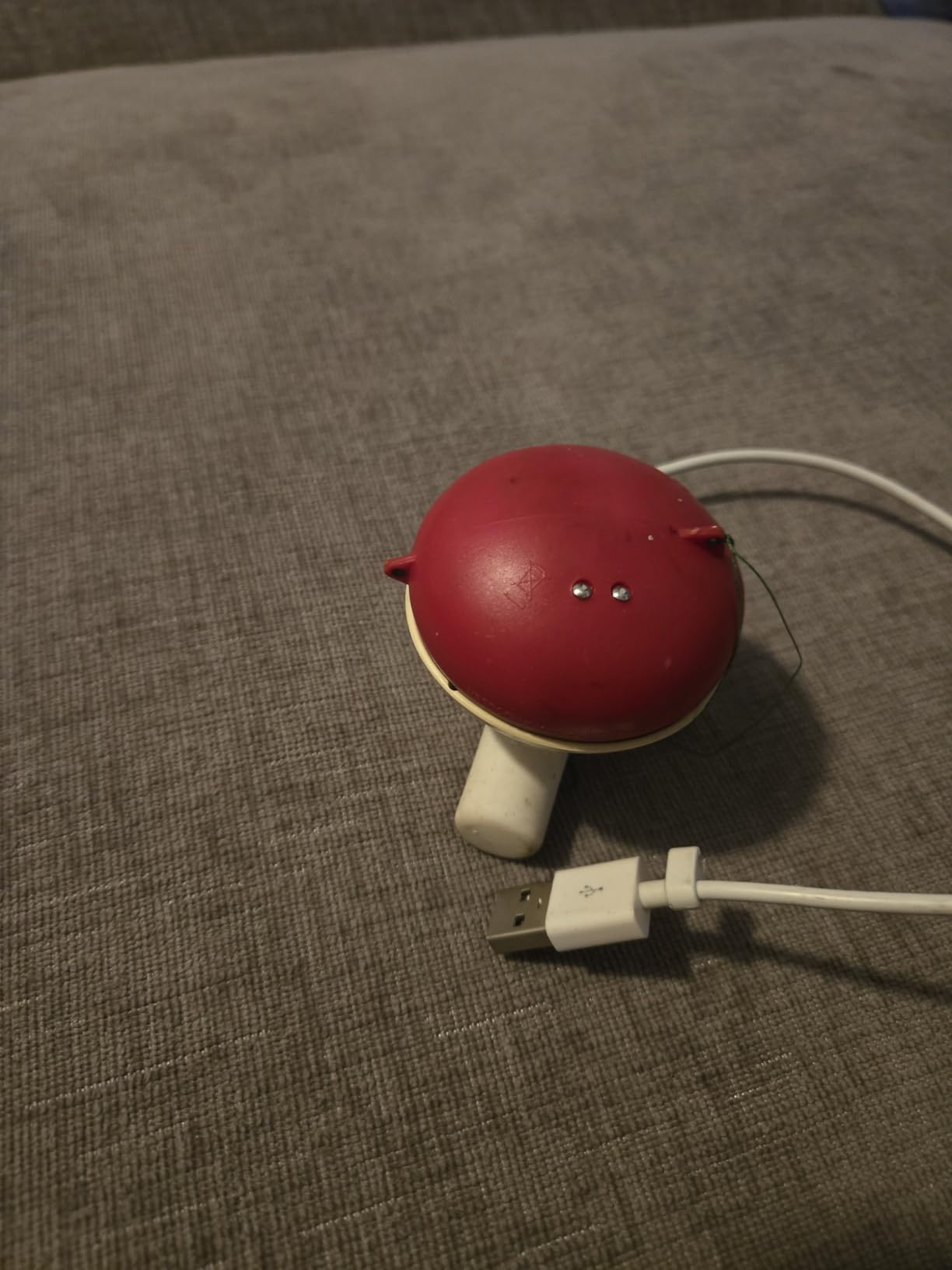
It is also the cheapest kind of decision in this category. The app is free on both iOS and Android, it pairs by Bluetooth, and it throws depth-tagged fish icons color-coded by size plus fish, school and strike alarms. There is GPS weather and lunar data in there too, along with a fishing log, and a smartwatch app for anglers who do not want to hold a phone up to their face.
What makes the iBobber the right evening tool
The LED night ring and the strike alarm work together. Rather than staring at a screen, you cast the float under a dock or alongside a boat, set an alarm, and switch the light on. Anglers fishing structure at night report it is the difference between holding a rod and actually working the spot.
Depth range is 135 ft, which covers most bank and pier fishing comfortably, and the depth-tagging means you can see how far off the bottom a mark is sitting rather than just that something is there.
Why the Bluetooth range catches people out
This is the unit where the casting-range and wireless-range confusion causes the most frustration. The advertised casting distance is not what the Bluetooth link can hold, and owners report an effective cast of roughly 40 to 50 ft before the connection becomes unreliable. Forum discussion on castable sonar has the same complaint about any Bluetooth pod, and it is worth planning your casting pattern around.
There is also a floor: the iBobber needs roughly 5 ft of water for reliable readings, so it is dead weight in a shallow creek or a wadeable pond. Weed and submerged structure can register as fish, and there is no built-in screen to fall back on.
5. Deeper START: Best Castable Fish Finder for Beginners
Deeper Start Fish Finder – Portable and Depth Finder for Recreational Fishing from Dock, Shore, Bank or Kayak | Castable Deeper Smart Sonar with Free User Friendly App
Casts and scans to 165 ft
40 degree beam for good target definition
Auto-saves every scan with time and location
6 hour battery,2.5 hour full charge
Pros
- Simple entry point for shore anglers with an easy pairing process
- Casts and scans to 165 ft with a tighter 40 degree beam
- Auto-saves every scan with time and location so spots can be revisited
- Generates its own Wi-Fi so it does not use up mobile data
- Night fishing mode adds evening usability
Cons
- No built-in GPS so maps rely on the phone's location
- Narrower feature set and shallower mapping than the higher Deeper models
- Needs a phone or tablet and the app display is hard to read in direct sun
- About 6 hours of battery against 10-plus on some rivals
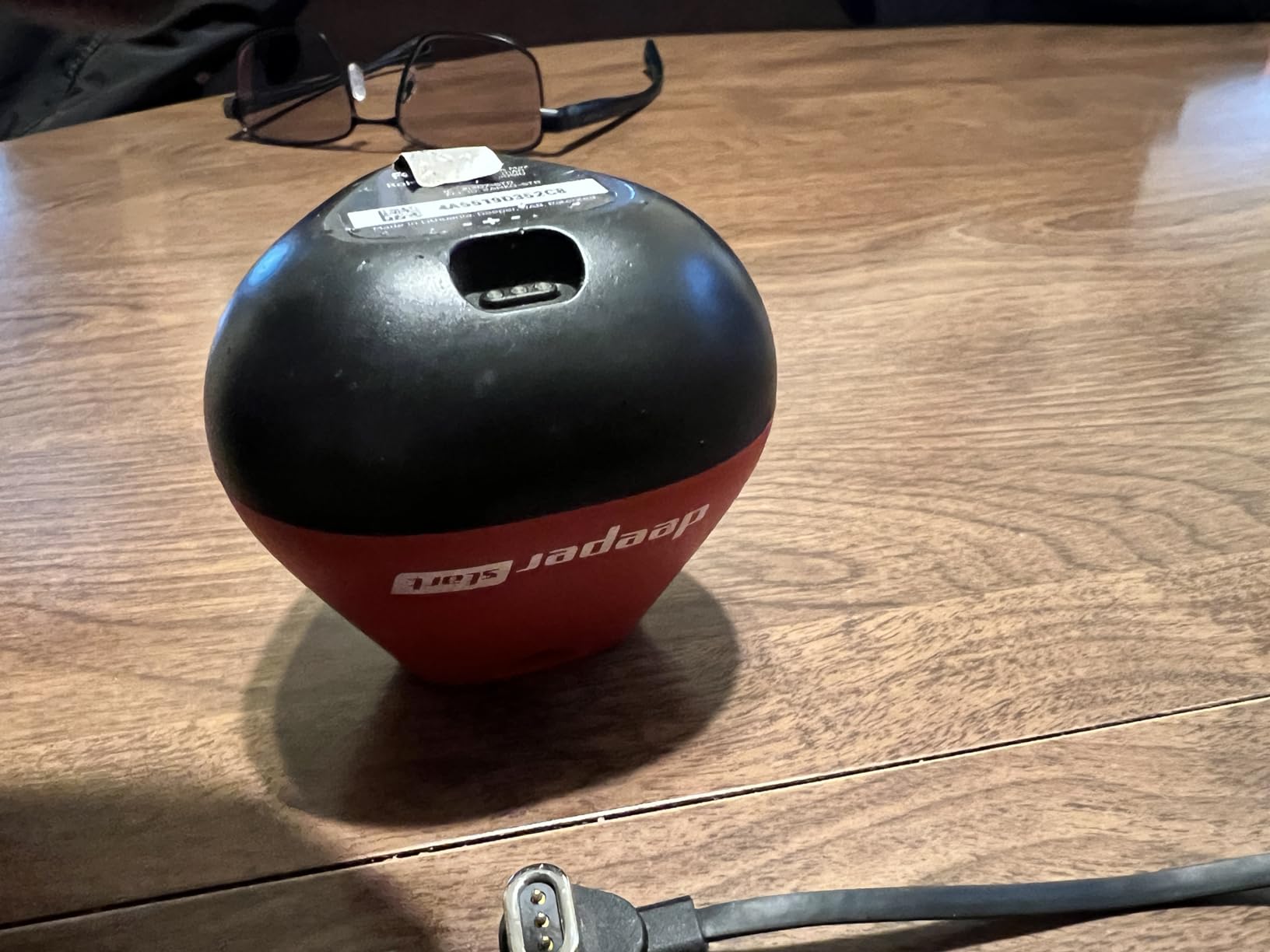
The START is the one to buy if you have never used a castable sonar and you do not want to spend your first session learning a complicated interface. It has no cables, no external batteries, and the app pairing is about the shortest setup of any unit here.
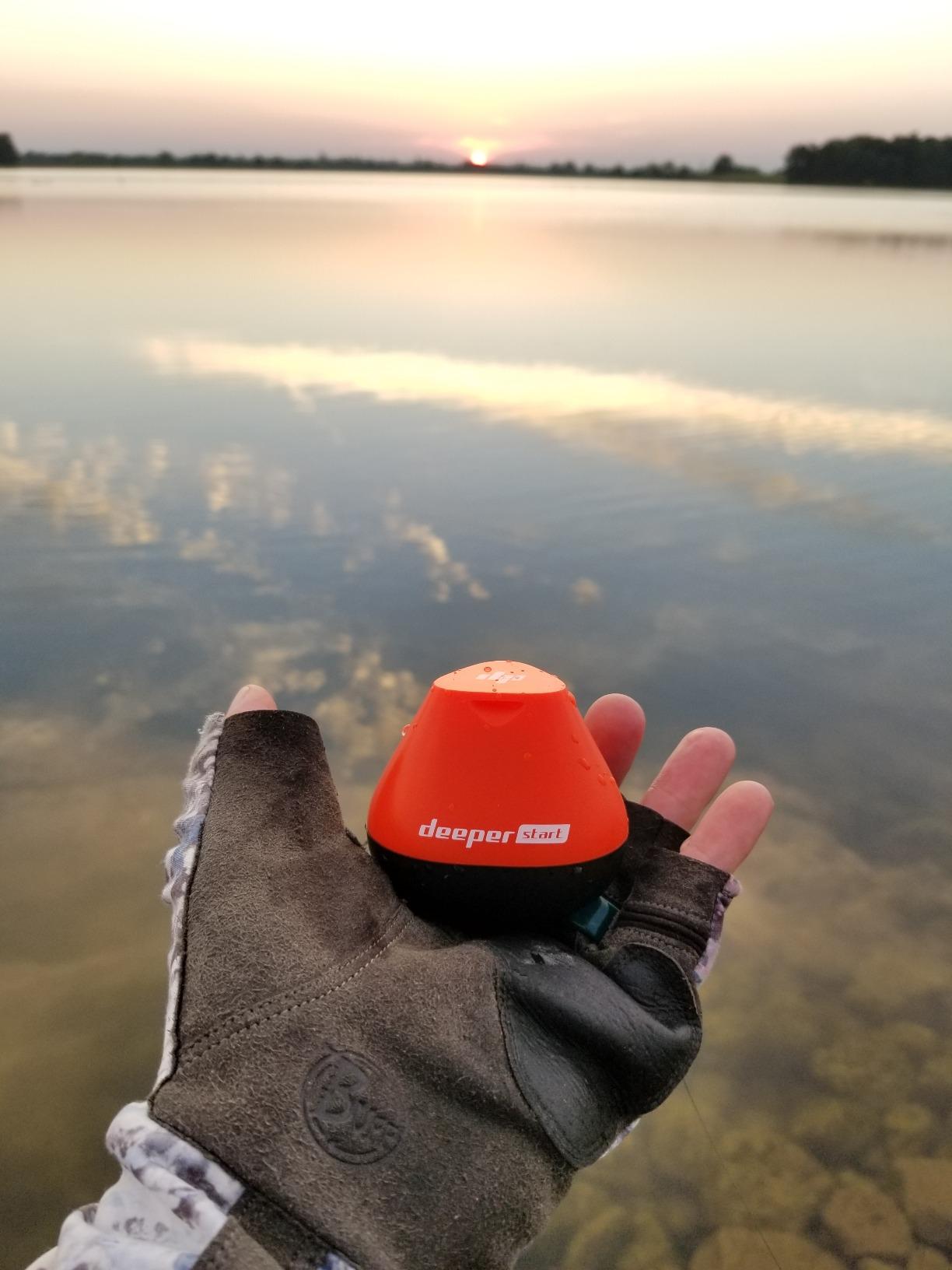
It casts and scans to 165 ft on a 40 degree beam, which is tighter than the wide-angle units in this group and gives better definition on small structure. Night fishing mode extends it into the evening, and the 2.5 hour full charge and roughly 6 hours of battery cover a normal bank session comfortably.
Owners treat it as a dependable first castable sonar for shore and family trips, praising the easy pairing, clear fish size and vegetation readings, and the auto-save of timestamped scans. That last feature matters more than it sounds, because it means the cast you did at the productive spot is still on your phone next month.
Why the 40 degree beam suits a beginner
A narrow beam is a teaching tool. Instead of a wide smear of bottom you have to interpret, you get a defined edge, which makes it obvious what a drop-off looks like the first time you see one. Starting on a readable picture is how you learn to fish the screen at all.
It also auto-saves every scan with time and location, so beginners can build a mental library of what a shelf or a weed edge looks like. That habit is the whole point, and the START makes it easy without a subscription or a premium app tier.
What you give up by starting here
There is no built-in GPS, unlike the PRO+ 2, so the position data comes from your phone. That is usually fine but not always, and it is why maps from the START are not as repeatable as the Garmin’s. Mapping capability is shallower than the higher Deeper models as well.
The phone requirement is the other limit. On a bright bank the app display is hard to read, and the 6 hour battery is well short of the Garmin’s 10-plus. Buy it as a first unit, not as a one-unit answer for the rest of your life.
6. LUCKY 1108CP: Best Budget Depth Finder for Ledges and Drop-Offs
LUCKY Kayak Portable Fish Depth Finder Water Handheld Fish Finder Sonar Castable Kayak Boat Fishfinder Transducer Fishing LCD Display FFC1108
Depth detection from 3 ft to 328 ft
Five sensitivity levels for clear or turbid water
Fish and fish school alarms
Backlit handheld with neck strap
Pros
- Quick way to find ledges and drop-offs without a big outlay
- Very easy to use and simple to carry to and from the water
- Handheld unit fits in one hand and the neck strap allows hands-free use
- Five sensitivity levels let you tune it for clear or turbid water
- Backlit display stays readable in sunshine and darkness
- Works from a kayak hull as well as from the water
Cons
- Several owners report units that will not power on after minimal use
- Best suited to a boat or kayak rather than casting from shore
- Cannot distinguish fish size and will pick up minnows
- The transducer does not read reliably through a fiberglass hull
- About 4-5 hours of battery on fresh cells
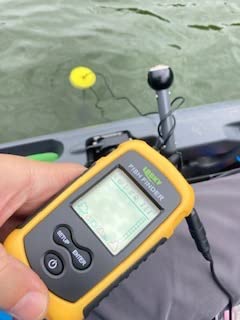
The LUCKY 1108CP is the simplest answer in this roundup for anyone who mainly wants to know how deep the water is in front of them. Depth detection runs from 3 ft to 328 ft, it shows weed, sand and rock bottom readings, and the whole thing fits in one hand with a neck strap for hands-free use.
Buyers largely find it a good, inexpensive depth finder for kayaks and small boats, calling it basic but effective for locating ledges and structure. The backlit display is readable in sunshine and darkness, and the switchable ft and m units remove the guesswork when you are comparing readings to a chart.
Five sensitivity levels let you tune it for clear or turbid water, and fish and fish school alarms will tell you when something passes through the beam. On a kayak hull it functions as a permanently mounted unit rather than a castable one, and owners report that readings match between the two setups.
When the LUCKY 1108CP is the right tool on the bank
It is the right pick for a beginner on a small pond where the only question is where the ledge is, and for a kayak angler who wants a backlit screen and a neck strap. Five sensitivity levels mean it still gives usable readings in stained water where finer units give up.
The 3 ft minimum depth is genuinely useful, because several units in this roundup need around 5 ft before they will read anything at all. On a shallow creek margin, that is the difference between a usable tool and a decoration.
Why it is not a true castable unit
This is a boat and kayak tool more than a bank tool, and buyers say casting it to a spot from shore is awkward compared with a proper castable. It cannot tell you fish size and it will pick up minnows, so treat anything it marks as fish as a reason to look closer rather than a reason to drop a lure.
Reliability is the other concern. Several owners report a unit that will not power on at all after minimal use, and the transducer does not read reliably through a fiberglass hull. Expect 4 to 5 hours on fresh cells, longer in battery save mode.
7. Hawkeye FishPod 5X: Best Castable Sonar for Anglers Who Also Have a Kayak
FishPod 5x Bluetooth Fish Finder With AI Technology
199 ft maximum depth
FishEcho filtering and BottomScan reading
Four preset operating modes
TraxNut mount fits any 1/4 x 20 bracket
Pros
- Works immediately with almost no installation or setup
- Depth
- temperature and current speed readings owners consider accurate
- Bluetooth held up while casting 50-70 ft from the bank for most buyers
- Four preset modes plus FishEcho and BottomScan separate fish from weeds and clutter
- Readable phone-sized display that works in direct sunlight
Cons
- Screen is phone-sized and would be better with a tablet option
- Bluetooth degrades past about 70 ft and is unreliable while trolling
- The plastic line attachment eyelet feels flimsy
- Default settings generate false fish returns in weedy water
- Some reports of the battery charging only to roughly 80-85 percent
The FishPod 5X is the odd one out in this roundup because it can be cast from the bank and then bolted to a kayak or boat bracket without changing anything. The threaded TraxNut fitting takes any 1/4 x 20 mounting bracket, so the same unit covers shore scouting and a full session on the water.
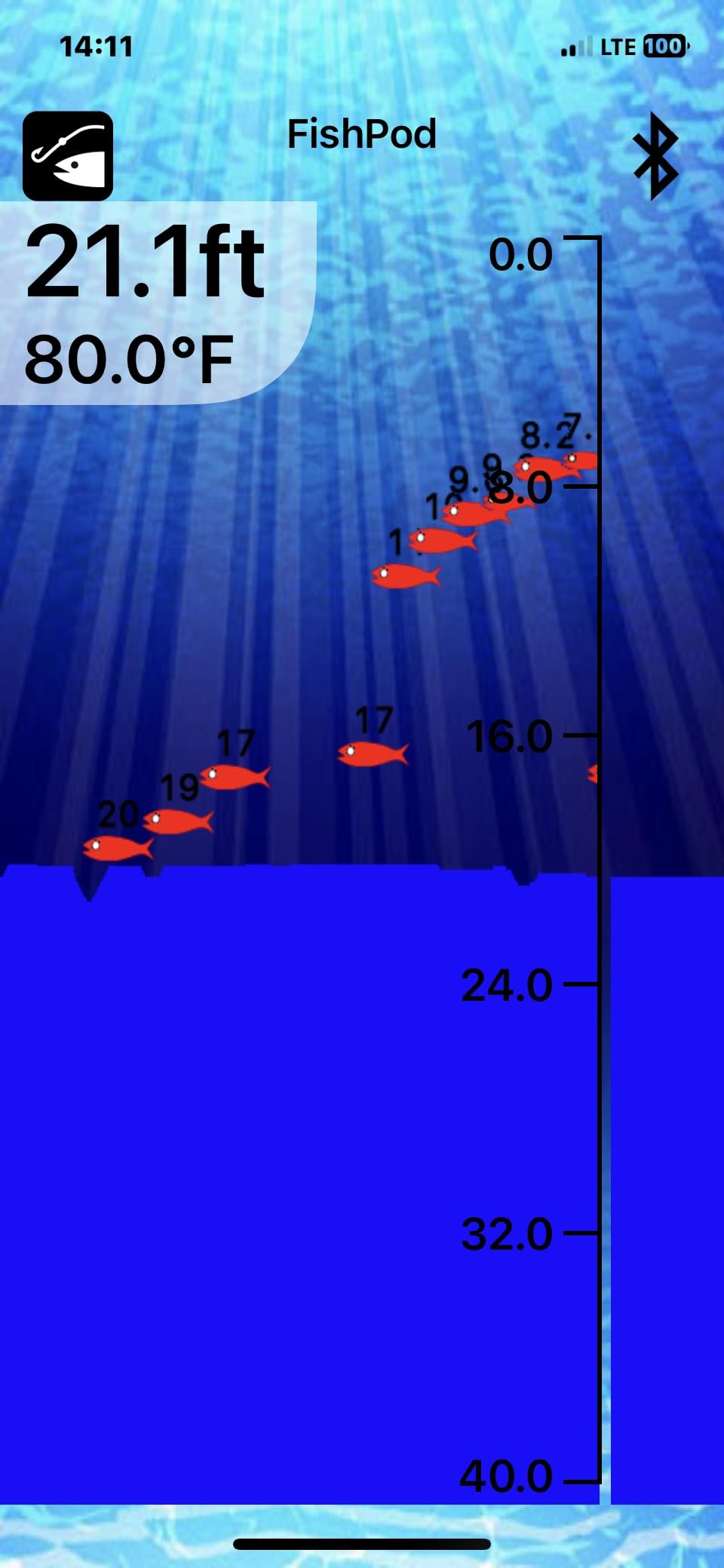
Sonar modes are the selling point. Four preset operating modes auto-adjust the screen to target fish by size, depth or schooling, FishEcho tunes the water column to pinpoint fish while filtering clutter and false echoes, BottomScan adjusts bottom readings to tell vegetation from soft or hard seabed, and Vertical Flasher amplifies recent echoes for ice fishing. Maximum depth is 199 ft.
Owners frequently describe it as outperforming its price, with depth, temperature and current speed readings they consider comparable to a boat-mounted Lowrance, and connectivity that holds at a 50 to 70 ft cast from the bank for most buyers.
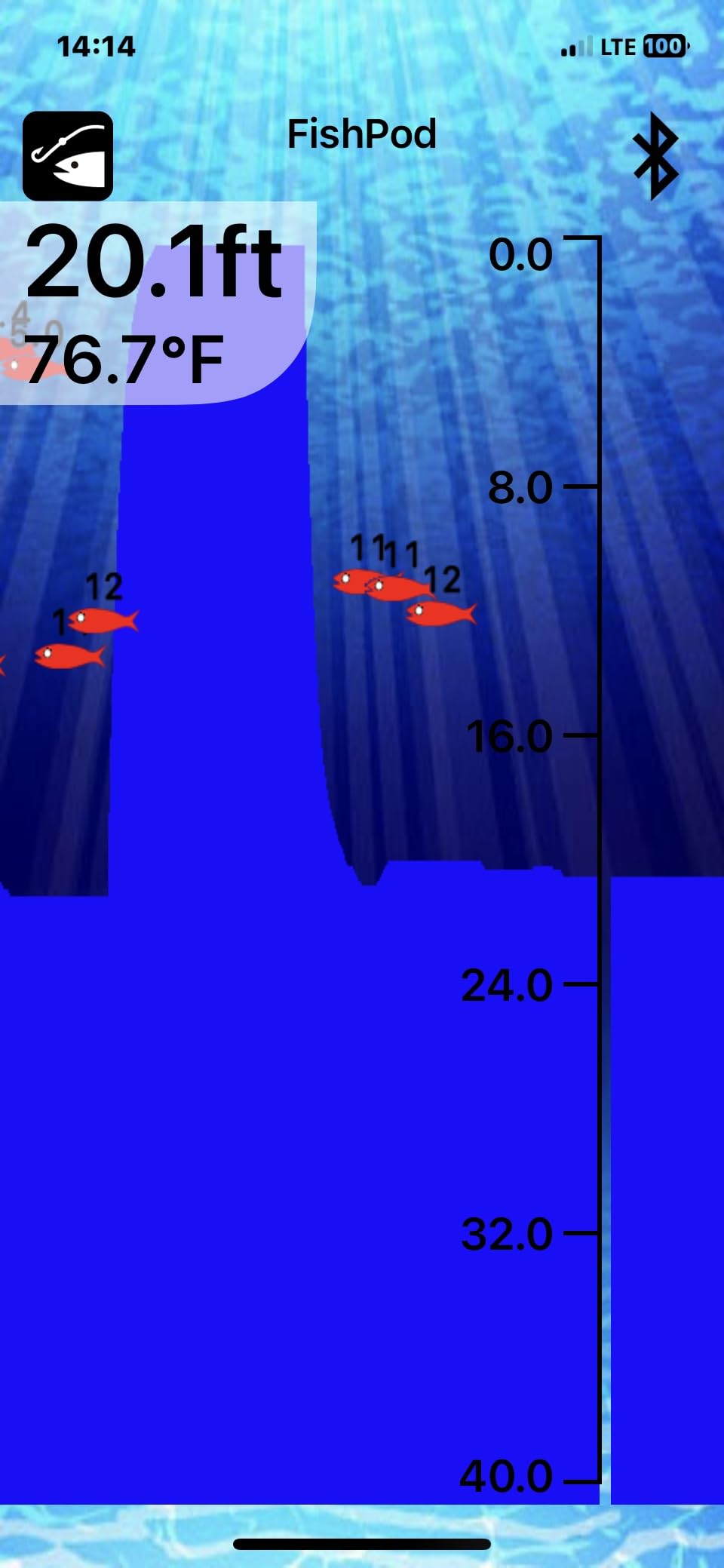
Why the preset modes matter in weedy water
The commonest complaint is that default settings return false fish marks in vegetation, and the fix is the HD setting, which separates grass from fish. The four preset modes do that work for you instead of making you learn the settings yourself, which is why this unit converts beginners faster than its price suggests.
BottomScan is the one to use on a drop-off. Adjusting the bottom reading to separate vegetation from hard or soft bottom is what tells you whether a mark is a rock worth working or a weed bed holding nothing.
Where the FishPod 5X falls down
The screen is phone-sized and there is no tablet option, so you are looking at a small display in direct sun. Bluetooth degrades past roughly 70 ft and becomes unreliable while you are trolling with water lapping the transducer, so this is a casting-distance unit rather than a long-range one.
The plastic line attachment eyelet is the most criticised physical part, and some owners report the battery charging only to roughly 80-85 percent. Fewer than 400 reviews also means less long-term field history than the other units here.
8. DANOPLUS DP-104: Best Budget Castable Finder With a Color Screen
Portable Fish Finder Large HD Display Wireless Depth Finders for Boats with 147 feet Depth Detection Sensor, Rechargeable Castable Fish Finder Display Fish, Temp
147 ft depth at a 90 degree angle
2.4 inch color LCD with 21 languages
Rechargeable sensor with auto-on attract lamp
Fish alarm with size and depth readout
Pros
- Dedicated 2.4 inch color LCD handheld unit at a budget price
- Rechargeable wireless sensor avoids disposable batteries
- Attract lamp switches on automatically in the water
- Fish alarm reports the size and depth of passing fish
- Works across kayak
- ice
- river
- lake and sea fishing
- 21 language options broaden usability
Cons
- 147 ft maximum depth is shallower than several rivals here
- A 90 degree beam is wide so target separation on small fish is limited
- Older-style LCD with fewer sonar modes than the FishPod or Deeper units
- Only a one-year warranty
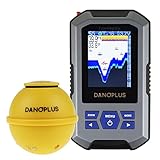
The DANOPLUS DP-104 is an affordable way in this roundup to get a color screen you can actually read in daylight, and it does it without a phone. The handheld has a 2.4 inch color LCD with 21 operating languages, and it reads depth, water temperature, bottom contour, water surface and a fish size icon with its depth.
The sensor is rechargeable rather than disposable, and the attractive lamp switches on automatically the moment it touches the water, which is a small touch that helps in low light. A fish alarm gives an on-screen alert with the size and depth of a passing fish, so you do not have to stare at the display.
What the DP-104 does well for the money
The dedicated display is the headline. For someone who wants to know what is under the surface without unlocking a phone and fighting a screen in the sun, there is nothing else at this level that does it. The rechargeable sensor also means you are not carrying spare cells or fishing with a pod that dies mid-session.
Depth range of 147 ft covers most bank fishing, and the switchable temperature and depth readouts make it a usable little scouting tool for a pond or a river margin.
Where the DP-104 runs out of room
The 147 ft range is shallower than several rivals, and the 90 degree beam is wide enough that target separation on small fish is limited. If you are after a specific baitfish hold-up, two marks on the screen may be one fish and one weed clump.
There are fewer sonar modes than the FishPod or Deeper units, the LCD is an older-style panel, and the warranty is one year. With the shortest review history in this group at just over 300 reviews, treat it as a straightforward depth and fish-size reader rather than a mapping tool.
How to Cast a Fish Finder Without Tangling Your Line
Tangles come from a bulky pod swinging on a light line, and the fix is boring and mechanical. Work through these seven steps the first few times and the problem mostly disappears.
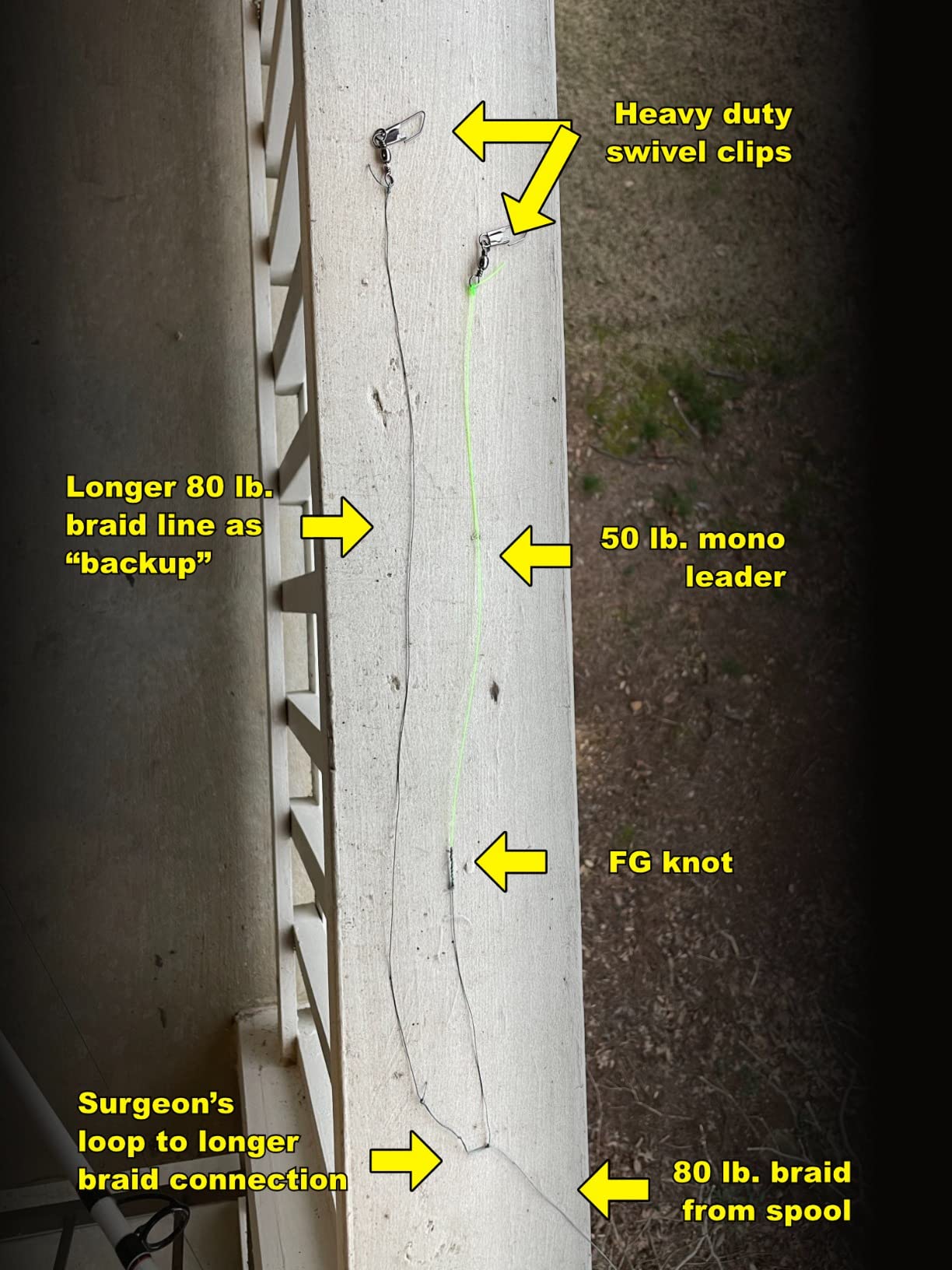
Tie the pod to your main line with a barrel swivel and a snap, rather than clipping it straight to the line. A #3 barrel swivel with a snap is the standard starting point.
Use 20 lb test line or heavier. The pod weighs real weight at distance, and light line snaps or cuts the other way and costs you the pod.
Use a medium-action or heavier rod, and a reel you can spool with a decent amount of line already on it so you are not fighting an empty spool on the first cast.
Cast short at first, around 30 to 40 ft, and let the pod settle before you make a longer cast. Practice the retrieve, not the distance.
Retrieve at a slow, steady pace. Most sonar readings are only useful at low speed, and a fast retrieve makes the picture unreadable anyway.
Keep the pod behind and below you during the retrieve so it does not swing across the line, and point the rod tip down when a strike comes.
Watch for depth changes as you reel, and mark the spot out loud or in your app when the number moves quickly. That transition is the ledge you came to find.
Owners on casting forums describe the same habit that good bank anglers use anyway: cast once at each new spot, log the depth, and stop fiddling. A chart or a saved map is more useful over a season than a stream of fish icons.
How to Build a Usable Bank Map in One Session
Nobody teaches this part, and it is where the money you spent actually comes back. The goal is not fish on the screen. The goal is a map you can fish blind on your next trip.
Pick a section of bank about 200 ft long and work it in a fan pattern, casting out at regular intervals rather than randomly.
Overlap your passes so the sonar path covers the same bottom twice. Repeated passes confirm a reading instead of guessing at it.
Retrieve slowly and keep the pod in the water for the whole pass, because gaps in the data are gaps in the map.
Log every depth transition, not just the deepest point. The places the number changes fast are the ledges and drop-offs anglers actually fish.
Name each feature as you find it, something like shallow flat, first drop, deep edge, and note it on your phone. Naming it now is what makes it readable later.
Repeat the same pattern at a different water level before you trust it. Contours move, and a map built in high spring water can send you to the wrong water in low autumn.
Wading With Castable Sonar: Where It Gets Hard
Wading is where castable sonar is most awkward, and none of the roundups we read mention it. Standing chest-deep with the pod tethered to you puts your own body between the transducer and the bottom on one side of every cast, and a wave or a current swinging you sideways tilts the pod enough to skew the depth reading.
The snag risk is the bigger problem. In water you are standing in, you already know where the submerged structure is, and you are putting your line into it deliberately. Plan on a shorter tether, expect to lose a pod or two a season, and keep the retrieve above any structure you can see. If you are wading, a unit with a higher minimum working depth such as the LUCKY at 3 ft suits the water better than one that needs about 5 ft before it reads anything.
Check local rules before you wade at all. Access, seasons and permitted methods vary and none of that is covered by a fish finder.
Buying Guide: What Actually Matters From the Bank
Casting range, wireless range and depth range are three different numbers
Wireless range is how far the signal reaches between the sensor and the screen or app. Casting range is how far you can physically throw the pod. Depth range is how far down it can read. They are independent, and a 400 ft wireless spec means nothing if you can only cast 80 ft, which is why the 262 ft Venterior link and the roughly 40 to 50 ft effective Bluetooth cast on the iBobber matter more than headline reach numbers.
Bluetooth, Wi-Fi or a dedicated display
Bluetooth is the simplest to pair and the weakest over distance, and the iBobber and FishPod show what that looks like in practice. Self-generated Wi-Fi like the Deeper units avoids mobile data and holds better, but still needs a phone. A dedicated handheld display removes the phone from the session entirely, and that is the single biggest quality-of-life difference on a sunny bank.
Beam angle and target separation
Wide beams of 90 to 105 degrees cover a lot of bottom per cast and merge close targets, which is why the Venterior and DANOPLUS struggle with fine structure. Narrow beams of 40 degrees and under, like the Deeper START’s, give you definition at the cost of coverage. The best compromise is a multi-beam unit, and the PRO+ 2 is the only one here that offers it.
GPS and bathymetric mapping
This is the feature that pays for the price. Only the Garmin Striker Cast GPS and the Deeper PRO+ 2 have built-in GPS, and only those two give you repeatable contour data that still points at the right piece of bottom on a later trip. Everything else logs depth against a phone’s location, which is good enough for a scouting note and not good enough for a map.
Battery life and waterproofing
The Garmin’s 10+ hours and the iBobber’s 8 to 10 hours in real use cover a full day. The Deeper START at about 6 hours, the Venterior handheld drawing power quickly, and the LUCKY at 4 to 5 hours on fresh cells do not, and cold weather makes all of them worse. On the waterproofing side, the Garmin is explicitly rated IPX6 and IPX7, and the rest of the field claims water resistance without a standard rating, which is worth keeping in mind on a rocky shore.
One more cost question comes up constantly: do you need a subscription for Deeper Sonar? The app listed for the PRO+ 2 and the START is free, and the sonar streaming and saved scans we used are not behind a paywall. Paid tiers that add community or lake-specific data have changed over time, so check the current app listing before you buy rather than assuming either way.
Phone Handling, Sun Glare and Battery Drain
Five of the eight units here show their data on your phone, and forum users name the same three problems every season. Screen glare makes fish icons unreadable in direct sun. The app can freeze and need a hard reset, which usually means power-cycling the pod mid-session. And the phone battery, not the sonar battery, is what ends the trip.
Three habits fix most of it. Turn the screen brightness down and use a matte screen protector, which is the single biggest improvement. Carry a small power bank and top up during the walk back to the truck rather than watching a battery gauge while casting. And update the app before you leave the house, because a mid-session update is how you end up needing a reset at the worst possible moment.
If you fish in bright conditions often, that is the argument for the Venterior VT-FF005 or the DANOPLUS DP-104 instead, because a small dedicated screen you can read beats a large one you cannot.
Frequently Asked Questions
Which castable fish finder is the best?
For most shore anglers the Venterior VT-FF005 is the best overall because it has its own color handheld display and a 262 ft sensor link, so it works with no phone. Choose the Garmin Striker Cast GPS instead if your priority is saved contour maps you can return to, and the Deeper PRO+ 2 if you need to scan to 330 ft with switchable beam angles.
What is the best fish finder for shore fishing?
The Venterior VT-FF005 is the best fish finder for shore fishing thanks to its dedicated 2.6 inch color display, 262 ft wireless range and a 164 ft depth rating. It shows depth, water temperature, fish size and bottom contour, and you can switch the screen background between black and white for sun or night.
Do fish finders work from shore?
Yes, castable fish finders are designed to be used from shore, dock or bank. You cast the tethered sensor out, retrieve it slowly, and the sonar streams depth and bottom readings to your phone or handheld display. From the bank they work best for mapping structure rather than for identifying individual fish.
Are castable fish finders any good?
They are good at mapping water and reading structure, and poor at telling you which fish you can catch. The fish icons are an interpretation of a sonar return, not a catch. Anglers get the most value from scouting a spot once, saving the depth map, and then returning to that spot for months.
Do you need a subscription for Deeper Sonar?
The Fish Deeper app shipped with the Deeper PRO+ 2 and Deeper START is free, and the sonar streaming and auto-saved scans we used are not behind a paywall. Paid tiers that add community or lake-specific data have changed over time, so check the current app listing before you buy.
Is the Garmin Striker Cast worth buying?
It is worth buying if you fish water repeatedly and want saved maps, because it is the unit here with built-in GPS, Quickdraw Contours at 1 ft, a 10+ hour battery and IPX6 and IPX7 water resistance. It streams up to 200 ft to the free Striker Cast app, so you do need a compatible phone or tablet with you.
How do I cast a fish finder without tangling my line?
Use 20 lb test line or heavier, attach the pod with a #3 barrel swivel and a snap, and use a medium-action or heavier rod. Cast short at first, retrieve at a slow steady pace with the pod behind you, and let the pod settle before making a longer cast.
How far can you cast a fish finder?
Most anglers comfortably cast 40 to 100 ft, depending on the pod and their gear. The Venterior VT-FF005 holds its connection out to a stated 262 ft and the Garmin Striker Cast streams to 200 ft, while Bluetooth units such as the ReelSonar iBobber hold reliably at roughly 40 to 50 ft before the connection becomes unreliable.
Final Verdict for Shore Anglers in 2026
The Venterior VT-FF005 wins our 2026 roundup because it removes the two things that spoil a bank session: a phone screen you cannot read in the sun and a connection that dies at distance. It comes with its own color display, holds a 262 ft link, and shows depth, temperature, fish size and bottom contour together. Buy it if you want to fish without thinking about electronics.
Buy the Garmin Striker Cast GPS if the reason you are reading bottom is so you can return to that spot. Built-in GPS and Quickdraw Contours turn one afternoon of casting into a map you fish blind for the rest of the season. Choose the Deeper PRO+ 2 when you need to reach 330 ft and switch beam angles, and the ReelSonar iBobber when night fishing on a dock is your thing and you want a float that turns itself on.
Whichever one you pick, use it to learn water rather than to hunt individual fish. That is the habit, not the hardware, that makes castable sonar worth it for shore anglers.