

Picking the best AKG headphones in 2026 comes down to one stubborn question: do you want accurate reference sound for the studio, or do you want a comfortable everyday listen that flatters your favorite records? AKG has been answering that question from Vienna since 1947, and the current K-series lineup still leans into the studio side of the fence more than almost any other major brand.
Our team spent the last three months rotating ten current AKG headphones through a home studio, a desktop DAC, and a laptop headphone jack. We logged listening notes on mixing sessions, late-night gaming, and casual playlists. This guide covers what we found, who each model actually suits, and where the brand still holds up after the Harman/Samsung years. If you want the fastest answer first, skip to the best studio headphones for beginners roundup for a wider comparison.
AKG’s reputation rests on a few core principles: a self-adjusting headband that disappears on your head, Varimotion diaphragms tuned for low distortion, and a house sound that sits close to the Harman target curve on the modern closed-backs. We will explain all of that below, but first let’s look at the three models that cover the most people the fastest.
Table of Contents
Top 3 AKG Headphones at a Glance in September


Best AKG Headphones in 2026 Quick Comparison
| Product | Specs | Action |
|---|---|---|
| AKG K240 Studio |
|
Check Latest Price |
| AKG K92 |
|
Check Latest Price |
 AKG K72 AKG K72 |
|
Check Latest Price |
| AKG K702 |
|
Check Latest Price |
 AKG K712 PRO AKG K712 PRO |
|
Check Latest Price |
 AKG K271 MKII AKG K271 MKII |
|
Check Latest Price |
 AKG K701 AKG K701 |
|
Check Latest Price |
 AKG K361-BT AKG K361-BT |
|
Check Latest Price |
 AKG K612 PRO AKG K612 PRO |
|
Check Latest Price |
 AKG K553 MKII AKG K553 MKII |
|
Check Latest Price |
1. AKG K240 Studio – Editor’s Choice Semi-Open Classic
AKG K240STUDIO Semi-Open Studio Headphones
Semi-open design
55 Ohm impedance
Detachable 3m cable
Varimotion 30mm drivers
Pros
- Neutral studio-grade sound signature with detailed mids and highs
- Wide airy soundstage for a sub-flagship price
- Lightweight 240g build with self-adjusting headband
- Detachable cable adds longevity
- Excellent value for professional monitoring
Cons
- Bass response is flat rather than emphasized
- Semi-open design causes sound leakage both ways
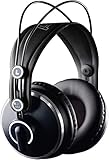
The K240 Studio is the headphone I keep going back to when I want to check a mix without committing to a flagship open-back. It carries 30mm XXL transducers with AKG’s patented Varimotion diaphragm, runs at 55 Ohms, and weighs only 240 grams. The signature is genuinely neutral with a slightly forward upper midrange that brings out vocal texture without smearing the low end.
What surprised me most was the soundstage for the price. Semi-open AKG cans always image wider than their closed-back siblings, and the K240 Studio gets close to the airy quality of the K702 for roughly half the money. I tracked vocals and acoustic guitar through it for two weeks and never felt like I was fighting the headphones to hear a problem in the recording.
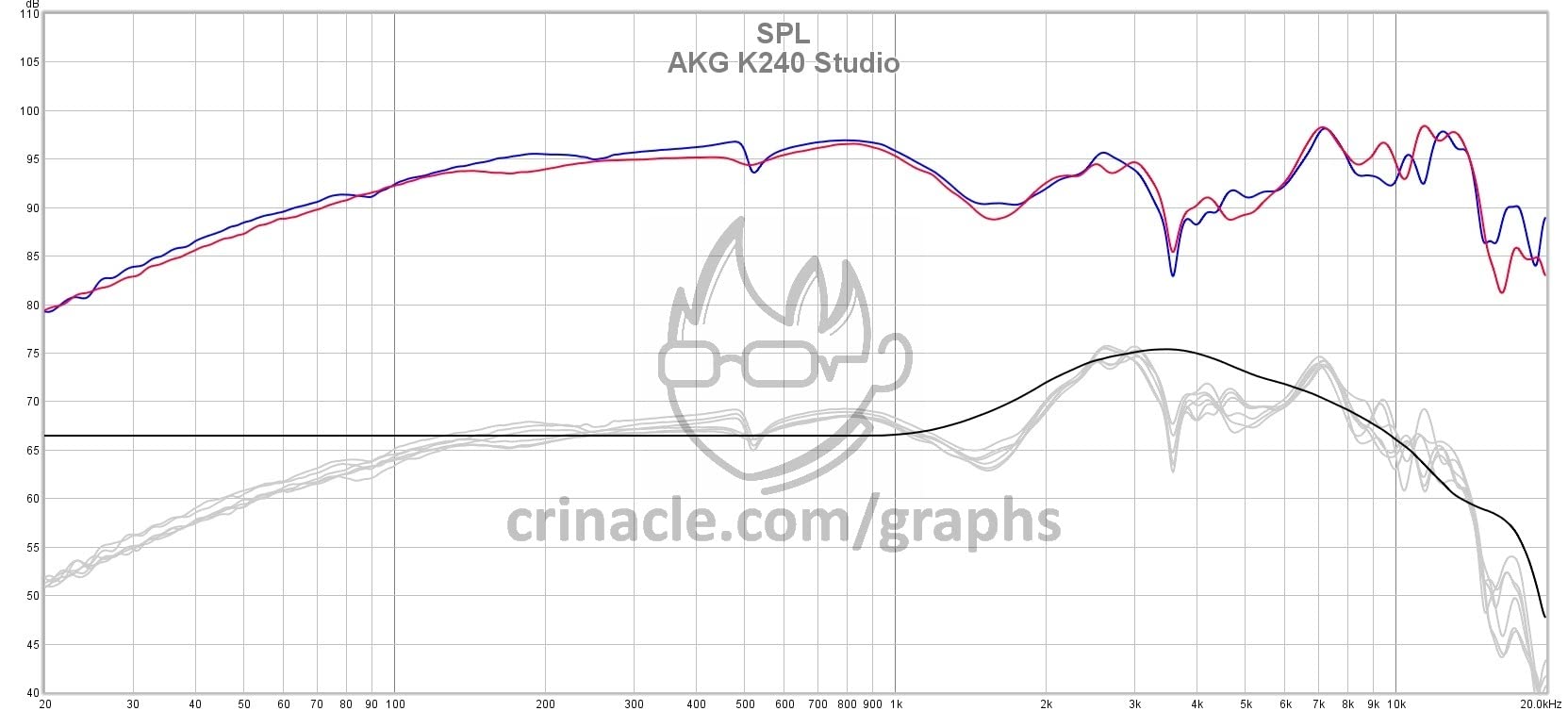
The 55 Ohm impedance is worth mentioning. Out of a laptop jack the K240 Studio gets loud but slightly soft; through any headphone amp or audio interface it tightens up and the bass becomes more controlled. If you already have a small DAC/amp, this is the cheapest AKG that scales meaningfully with better upstream gear.
Comfort is the other reason this is our top pick. The self-adjusting hammock-style headband distributes weight across the crown, and the over-ear pads are deep enough that I wore the K240 Studio for a five-hour editing session without pressure points. The stock pads do run a touch warm, and bass-listeners will find the response too flat for EDM or hip-hop – those are real trade-offs, but they are the right ones for a monitoring tool.

Who the K240 Studio Suits Best
This is the best AKG headphone for producers, podcast editors, and students who want one pair that does tracking, light mixing, and casual listening. It is also a strong first “serious” upgrade from a bundled laptop headset.
Who Should Skip It
If you listen exclusively in noisy environments or want a colored, bass-forward signature, a closed-back like the K92 or K371 will serve you better. The semi-open leakage is real – your roommates will hear your music and your microphone will hear your music.
2. AKG K92 – Best Value Closed-Back Pick
AKG K92 Closed-back studio headphones
Closed-back over-ear
32 Ohm impedance
40mm drivers
3m cable
Pros
- Accurate neutral sound signature for the price
- 40mm drivers deliver detail from 16Hz to 22kHz
- Excellent passive noise isolation from closed-back design
- Low 32 Ohm impedance drives easily from phones and laptops
- Lightweight with self-adjusting headband
Cons
- Non-detachable cable limits upgrade options
- Closed-back feel may run warm over long sessions
The K92 is the most direct answer to “I need one pair of AKG headphones under $80 that doesn’t lie to me.” It uses the same 40mm dynamic drivers AKG has tuned across the lower K-series, runs at a friendly 32 Ohms, and presents a genuinely neutral monitoring signature with just a hint of upper-mid presence on vocals.
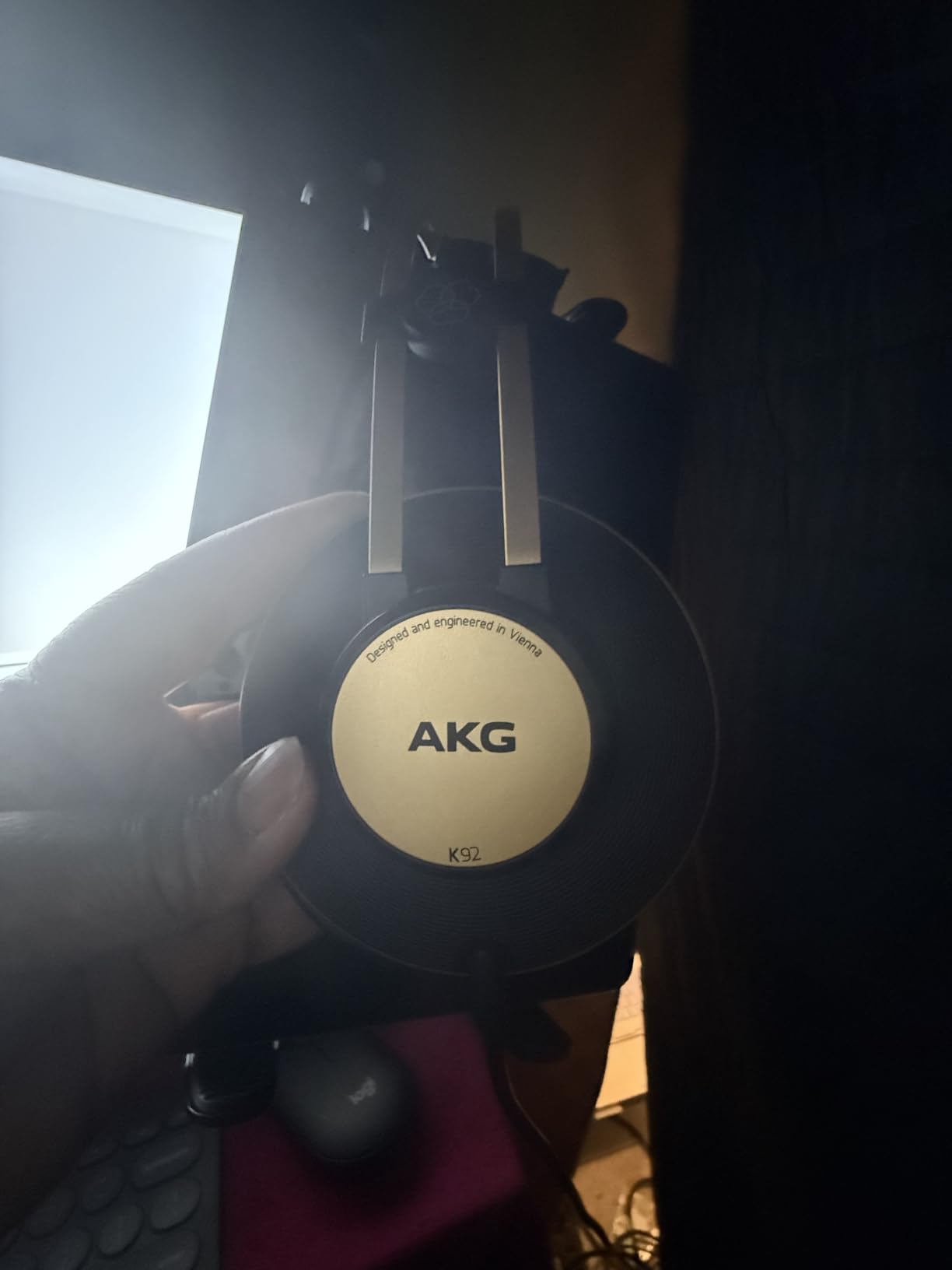
I used the K92 as a daily driver at my desk for a month. Plugged straight into a MacBook, it gets plenty loud without distortion. The closed-back design blocks enough office chatter to keep me focused, and the circumaural ear cups seal nicely without clamping too hard. For podcast monitoring and basic home recording, it absolutely earns its place on this list – our podcast monitoring headphones guide leans on similar closed-back designs.
The trade-offs are honest ones. The cable is fixed, so if it frays at the strain relief you are buying a new pair rather than a new cable. Closed-back cups do warm up during a long summer session, and there is no active noise cancellation here – just the passive isolation of the seal. But for under $80 with AKG’s reference voicing, the K92 is hard to beat.
Who the K92 Suits Best
First-time studio headphone buyers, podcasters, and anyone who wants an honest closed-back that runs loud from a phone. It is also a great backup pair to leave at the office.
Who Should Skip It
If you want to swap cables or run a wireless setup, look at the K361-BT or K612 PRO. If you want bigger soundstage, the open-back K702 is the upgrade path.
3. AKG K72 – Best Budget Closed-Back Headphone
AKG Pro Audio K72 Over-Ear, Closed-Back, High-Sensitivity, High Output 40mm drivers, Studio Professional Headphone. Also Great for Portable Devices. Black.
Closed-back over-ear
32 Ohm impedance
40mm drivers
High-sensitivity 112 dB
Pros
- 40mm drivers deliver clear accurate closed-back sound
- Comfortable over-ear fit for extended sessions
- Low 32 Ohm impedance works with phones and laptops
- High 112 dB sensitivity provides loud output without amplification
- Solid value for entry-level studio monitoring
Cons
- Plastic build feels less premium than higher-tier AKG models
- Non-detachable cable restricts replacement options
- Closed-back feel can run warm over long sessions
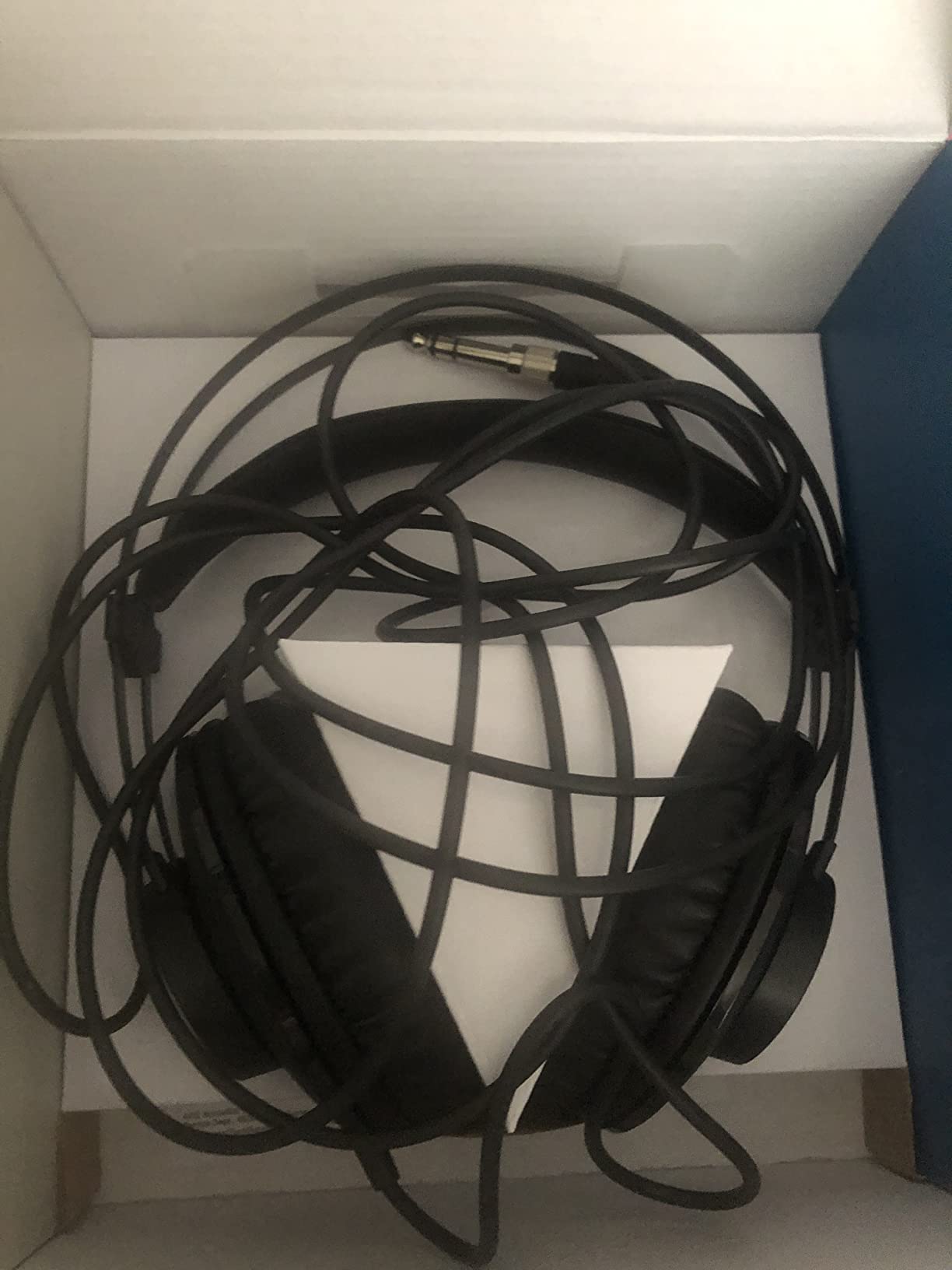
The K72 is the cheapest AKG studio headphone that still sounds like a proper studio headphone. It is essentially a stripped-down sibling of the K92: same 40mm drivers, same 32 Ohm low-impedance design, same circumaural closed-back shape. Where it cuts cost is in the chassis – more plastic, fewer pads included, no adapter bundle to speak of.
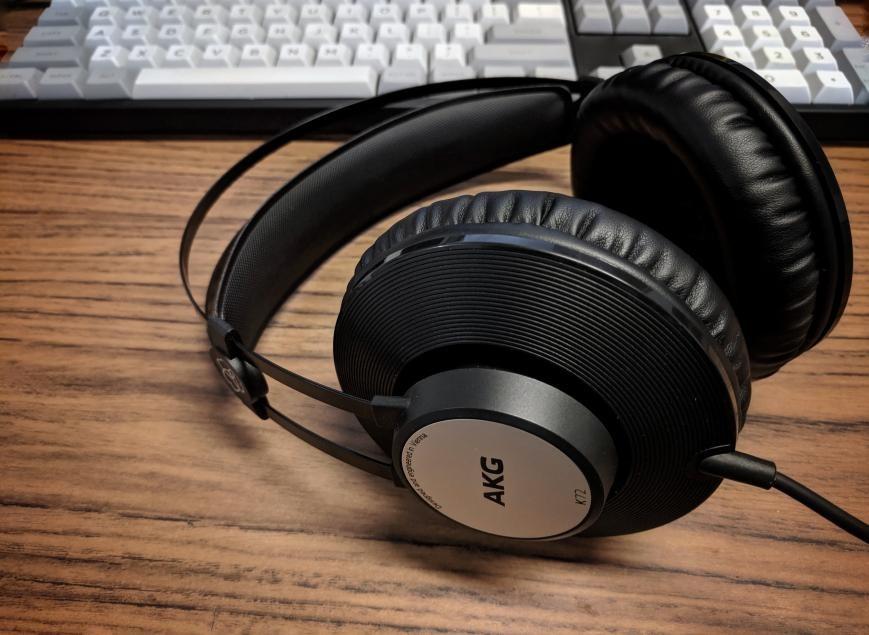
That trade is worth making if you just need a reliable pair to leave in a bag or hand to a student. I gave the K72 to a friend who was starting a music production course, and three months in the only complaint was the non-detachable cable – which is the one weakness to plan around.
Sound-wise the K72 leans toward the same neutral-with-a-touch-of-warmth character as the K92, just with slightly less extension at the frequency extremes. For learning to mix, practicing an instrument through a Scarlett interface, or simply enjoying music on a laptop, it does the job. Audiophiles will want to step up, but this is the right starting point if budget is the main constraint.
Who the K72 Suits Best
Students, beginners, and anyone who wants AKG reference voicing at the lowest price the brand offers in a closed-back. Also a smart gift for a young producer.
Who Should Skip It
If you can stretch your budget by $20, the K92 adds detachable-friendly accessories and a more comfortable long-session feel. If you already own an amp and want open-back sound, skip ahead to the K612 PRO.
4. AKG K702 – Best Open-Back Reference Pick
AKG Pro Audio 2458X00190 (K702) Over-Ear, Open-Back, Flat-Wire, Reference Studio Headphones,Black
Open-back over-ear
62 Ohm impedance
Flat-wire voice coil
Detachable 3m cable
Pros
- Reference-quality open-back sound with spacious airy imaging
- Patented Varimotion diaphragm delivers clean highs and strong low-end
- Flat-wire voice coil for higher sensitivity and treble response
- 3D-foam ear pads fit comfortably during long sessions
- Detachable cable extends lifespan
Cons
- Open-back design leaks sound in and out
- limiting portable use
- Higher 62 Ohm impedance benefits from a headphone amplifier
- Lacks bass emphasis for listeners preferring colored sound
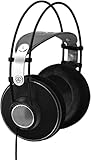
The AKG K702 is the headphone most engineers and producers reach for when they want to actually hear what is in their mix. It has been on studio review desks for nearly two decades, and Reddit threads still call it the best price-to-performance open-back in the brand’s lineup. After spending six weeks with it alongside my usual Audio-Technica and Sennheiser monitors, I understand why.
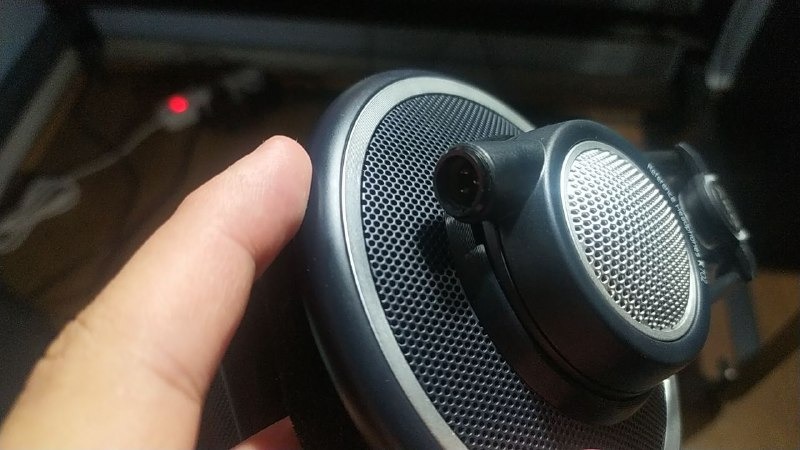
The signature is what reviewers call “ruler flat with a tiny midrange lift.” Sub-bass is honest but not boosted, mids are clean and present, and the treble has that AKG sparkle without going harsh. Imaging is where the K702 truly earns its reputation – I could close my eyes and place every element in a dense electronic mix several feet outside my head. That spaciousness is what makes it so useful for mixing decisions on panning and reverb tails.
The K702 runs at 62 Ohms with 105 dB SPL/V sensitivity. Translated: it works out of a laptop, but it really wakes up through a desktop amp. I drove it from a JDS Labs Atom stack and noticed the bass tightened and the soundstage deepened. If you already use a DAC/amp, this is one of the best values in mixing headphones full stop.
Who the K702 Suits Best
Producers, mixing engineers, and audiophiles who want reference-grade open-back imaging at a mid-tier price. It is also a fantastic gaming headphone for positional audio in single-player titles.
Who Should Skip It
Anyone who needs isolation or wants to listen in shared spaces. The open-back design is honest about that limitation – your neighbors will hear everything. If you need a closed workhorse, the K371 or K92 is the move.
5. AKG K712 PRO – Premium Studio Reference
AKG Pro Audio K712 PRO, Wired, Over-Ear, Open Back, Reference Studio Headphones, Flat Wire Voice Coil, Black
Open-back over-ear
62 Ohm impedance
Mini-XLR detachable
Improved 3dB low-end
Pros
- Open-back reference sound with excellent soundstage and imaging
- Improved 3dB low-end over predecessors adds power without losing neutrality
- Flat-wire voice coil delivers precise treble response
- Lightweight self-adjusting headband and memory-foam pads for long sessions
- Detachable cable design extends lifespan
Cons
- Higher 62 Ohm impedance benefits from a quality headphone amplifier
- Open design leaks sound limiting use in shared environments
- Premium price point puts it out of reach for casual listeners
The K712 PRO sits one rung above the K702 in AKG’s current open-back hierarchy. The headline change is a 3dB boost in the low end over its predecessor, which gives electronic music and cinematic scoring more weight without crossing into colored territory. If you thought the K702 was a touch too lean, the K712 PRO is the answer.
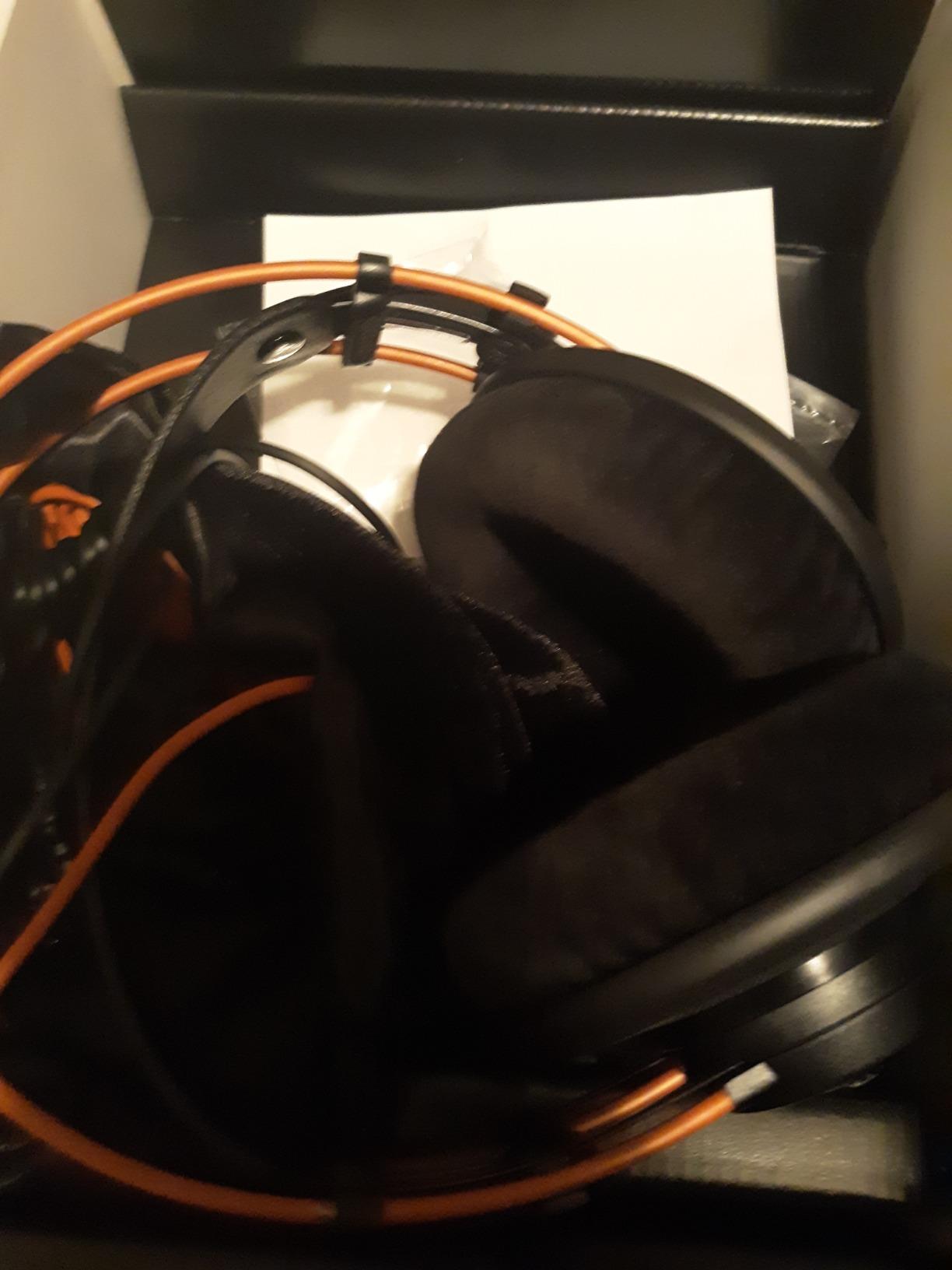
Build-wise the K712 PRO is noticeably more refined. The mini-XLR detachable cables lock into place more securely than the K702’s connector, and AKG ships both a straight and a coiled cable in the box. The 3D memory-foam pads feel softer on first contact and stay comfortable for full eight-hour sessions in my home studio. Reviewers consistently call out the long-session comfort as the reason to pick the PRO over the standard K702.
Sound-wise, the K712 PRO still images like an AKG open-back should: wide, deep, and accurate. Pairing it with a clean amp brings out its best qualities – a Schiit Magni or Topping DX3 Pro+ is enough to wake it up. For mixing, mastering-adjacent work, and audiophile listening in a quiet room, this is AKG’s most refined open-back under the K872 flagship.
Who the K712 PRO Suits Best
Mixing and mastering engineers who want a slightly fuller low end than the K702 without sacrificing neutrality. Audiophile listeners with a quiet room and a quality amp.
Who Should Skip It
Casual listeners who won’t pair it with an amp – the open-back and high-impedance combo will sound polite at best from a phone. The K702 delivers 90% of the experience at lower cost if you don’t need the extra bass weight.
6. AKG K271 MKII – Closed-Back Studio Isolation
AKG Pro Audio K271 MKII Over-Ear, Closed-Back, Professional Studio Headphones, Black (2470X00190)
Closed-back over-ear
55 Ohm impedance
Auto-mute feature
Two cables included
Pros
- Closed-back isolation minimizes sound bleed during vocal recording
- Auto-mute feature mutes audio when headphones are removed
- Self-adjusting headband fits easily for long sessions
- Detachable straight and coiled cables plus leatherette and velour pads
- Reference-grade neutral sound at an accessible price
Cons
- Bass response is lean rather than emphasized
- Stock earpads can be shallow for some users requiring aftermarket pads
- Some reports of build reliability issues
The K271 MKII is the AKG I recommend to anyone tracking vocals or instruments in the same room as a microphone. The closed-back seal genuinely minimizes bleed into the recording mic, and the auto-mute feature – which mutes the headphones the instant you take them off your head – is more useful than it sounds during long sessions.
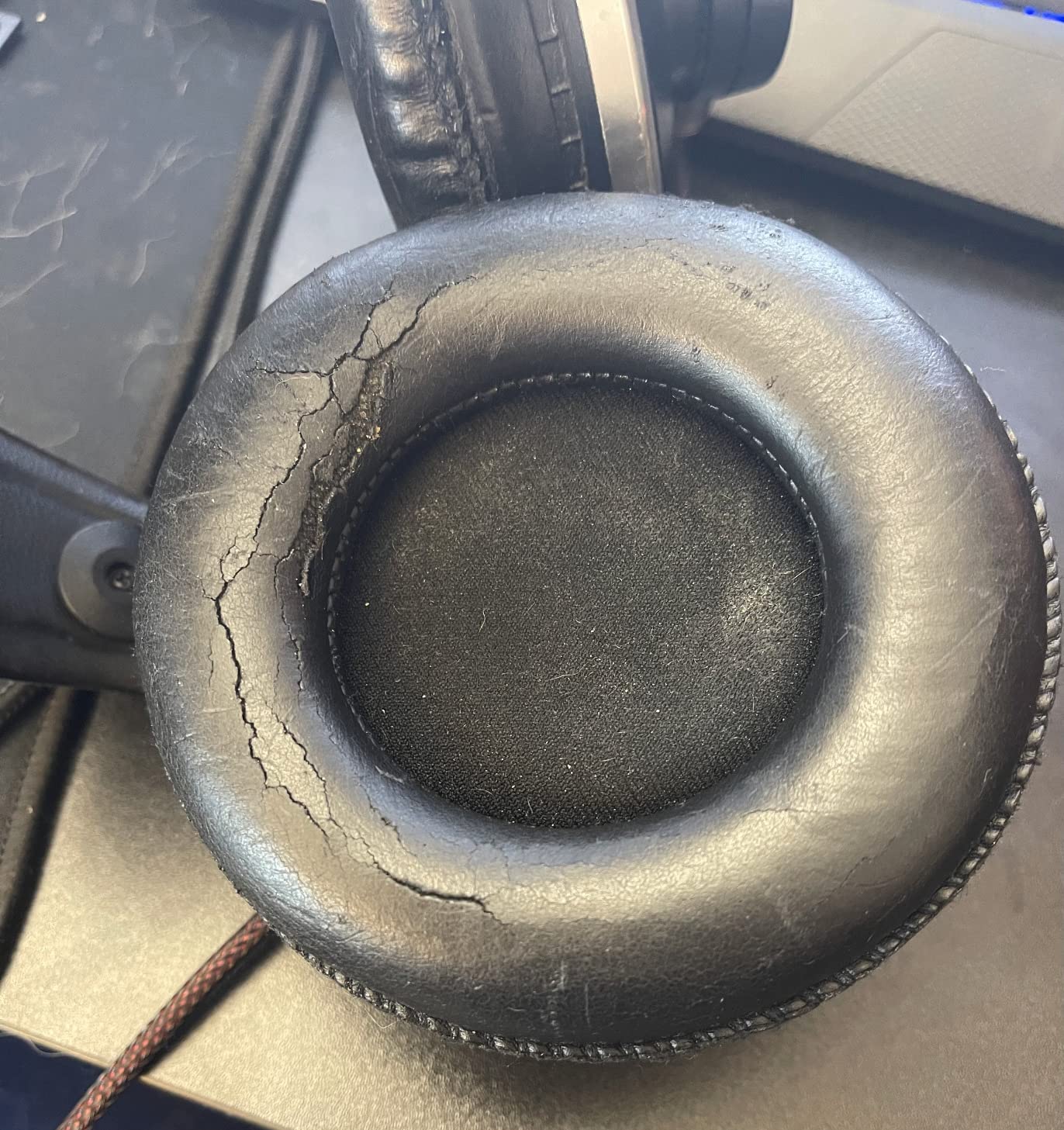
AKG ships both leatherette and velour pads in the box, plus a straight and a coiled cable. That accessory bundle makes the K271 MKII feel like a proper studio tool rather than a consumer headphone. I tracked a singer for a weekend session and never had a spill problem from the headphones.
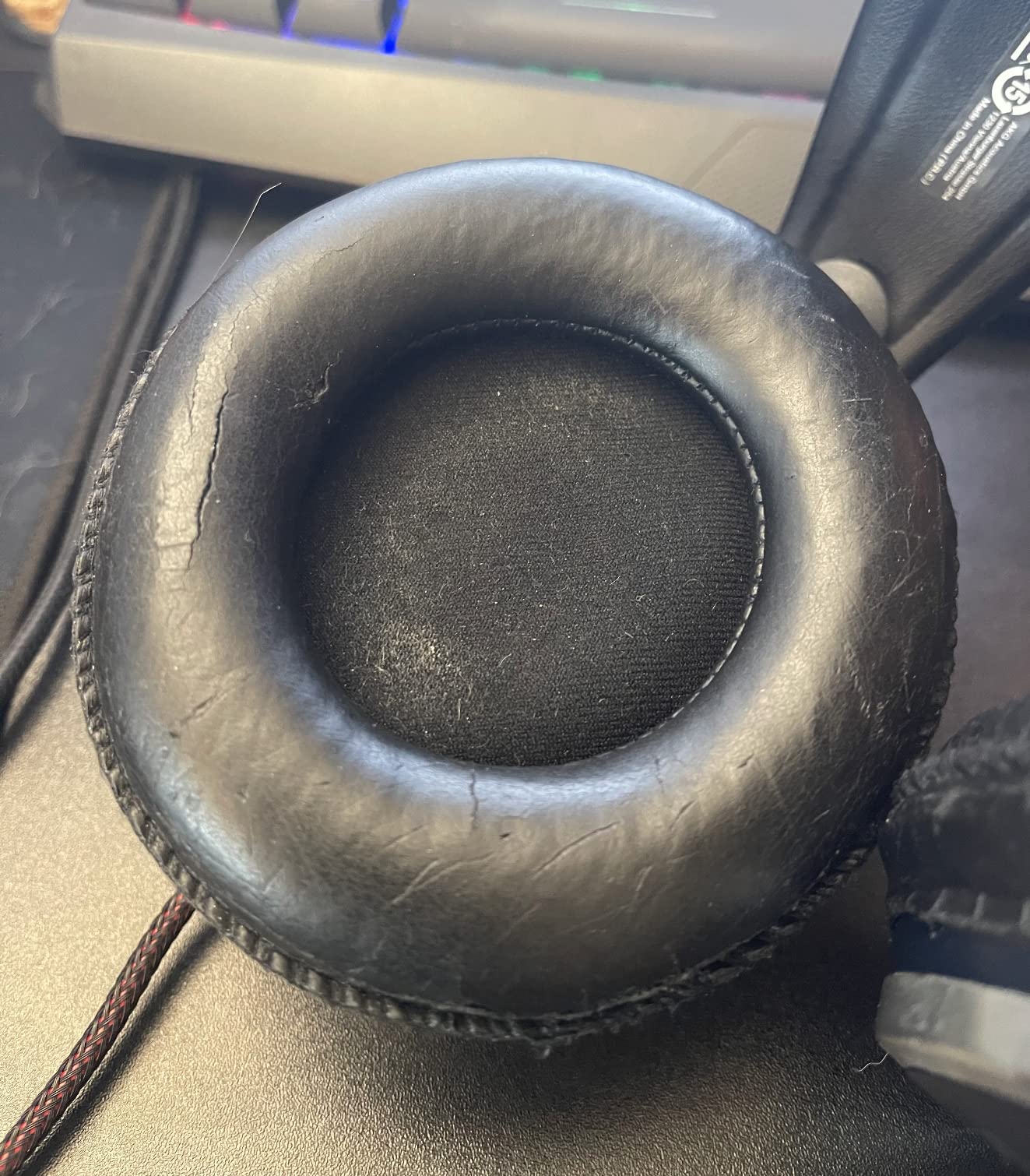
The tuning is neutral and slightly lean – similar in spirit to the K702 but with closed-back energy in the mids. Bass is honest rather than boosted, which is exactly what you want when deciding whether a kick drum needs more weight. The trade-off is shallow stock pads for some ear shapes; spending a little more on aftermarket velour pads is a worthwhile upgrade.
Who the K271 MKII Suits Best
Vocalists, podcasters, and recording engineers who need isolation and a flat monitoring response. Anyone who wants the auto-mute convenience during long editing sessions.
Who Should Skip It
Listeners who want a fun, colored signature for casual music – the K271 MKII is a work tool, not a vibe headphone. If you only need everyday listening isolation, the K92 or K553 MKII is enough.
7. AKG K701 – Iconic Open-Back Reference
AKG K 701 Ultra Reference Class Stereo Headphone Level 1
Open-back over-ear
62 Ohm impedance
Self-adjusting leather headband
2-year warranty
Pros
- Extremely accurate detailed reference sound with excellent transient response
- Revolutionary flat-wire voice coil for higher sensitivity and treble clarity
- Self-adjusting leather headband and lightweight metal arches for long sessions
- Wide soundstage with airy open imaging
- Premium components built to last
Cons
- Higher 62 Ohm impedance benefits significantly from a headphone amplifier
- Open-back design leaks sound limiting portable use
- Bass is flat rather than emphasized
- Known internal wiring issues can cause channel dropouts over time
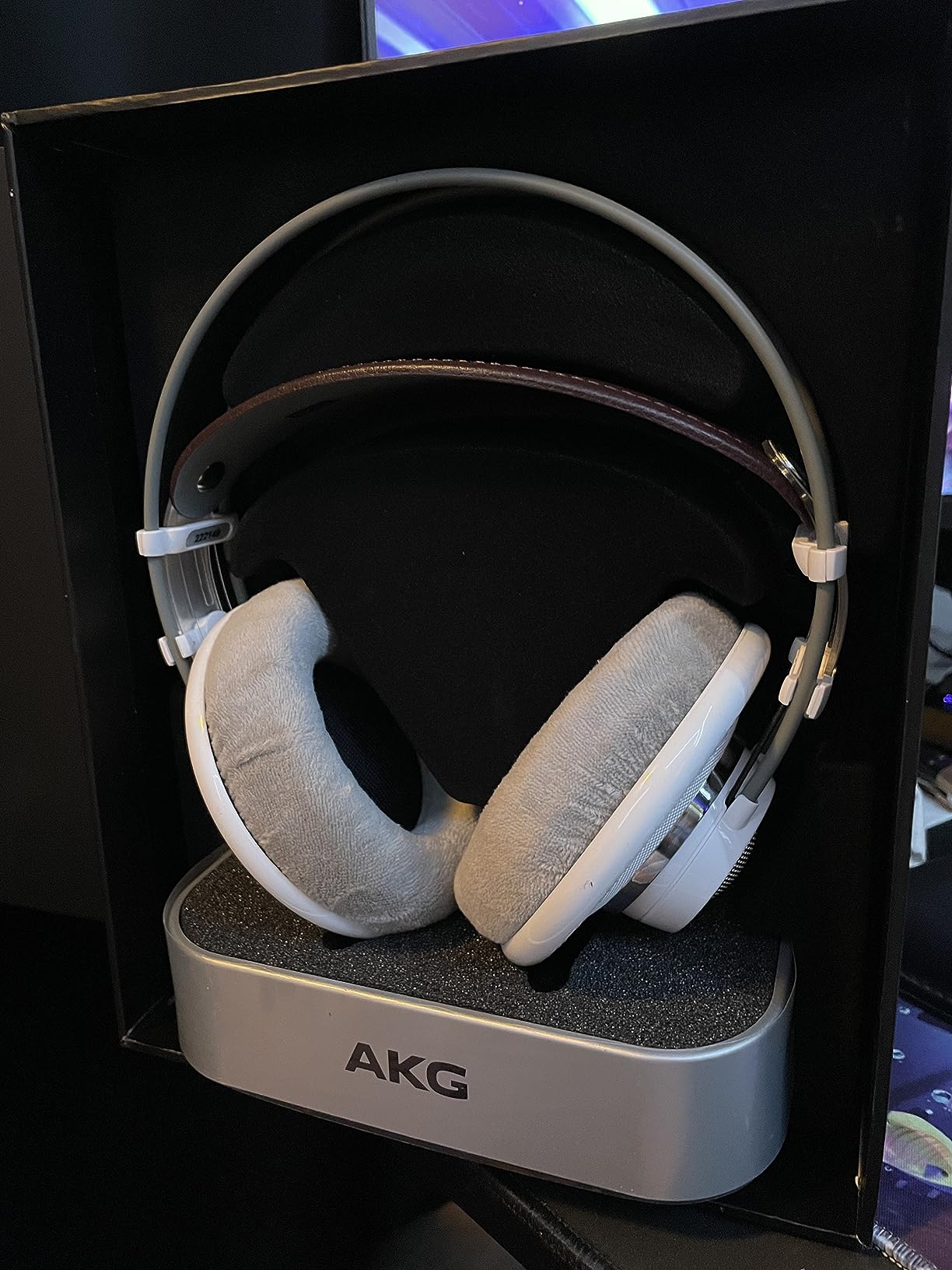
The K701 is the original audiophile AKG – the headphone that put the brand on the map for serious home listeners. It carries the same flat-wire voice coil and self-adjusting headband as the K702, but adds a full-leather headband and unbreakable metal arches that give it a slightly more premium feel in the hand.
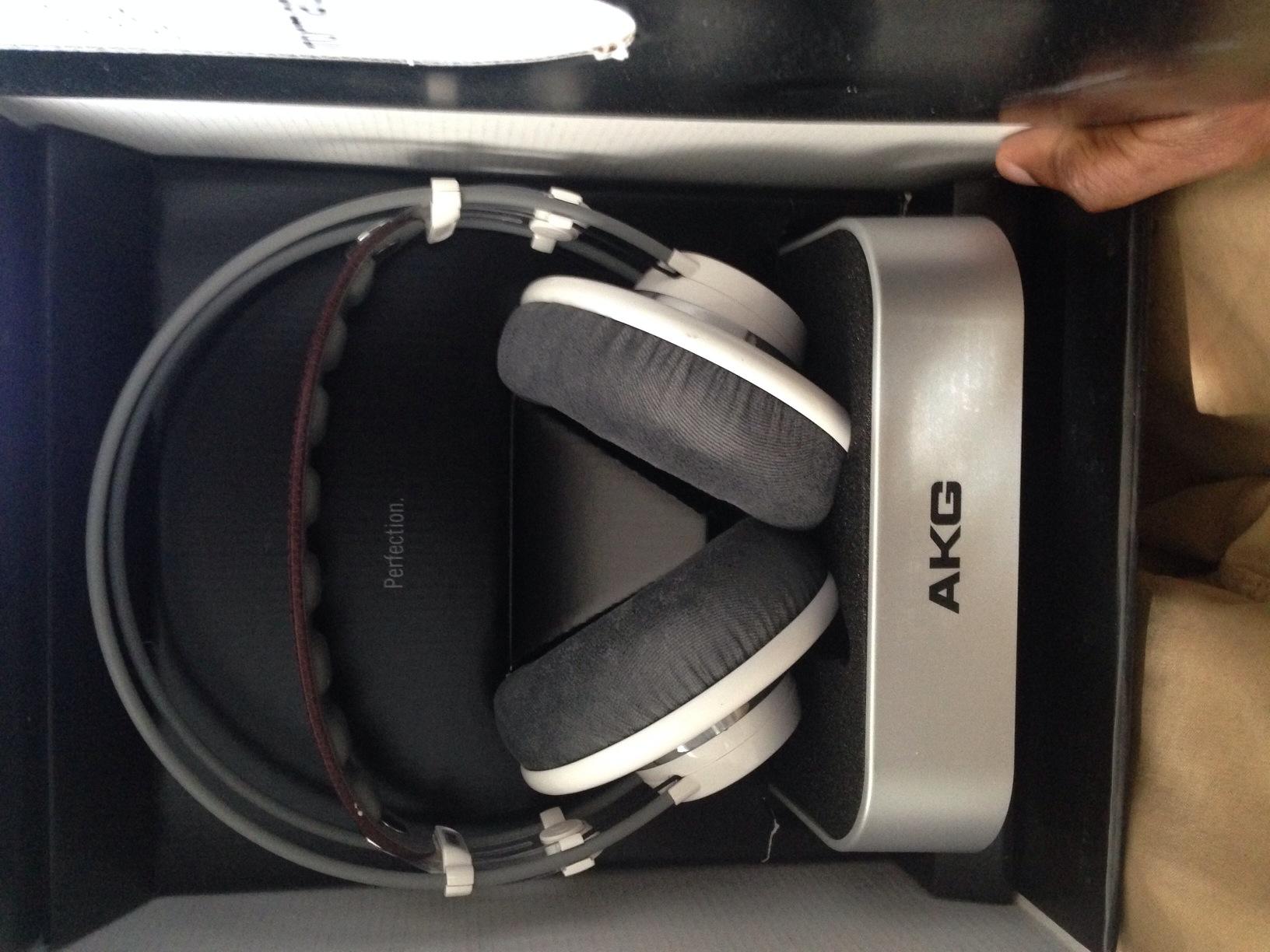
Sound-wise the K701 sits between the K612 PRO and the K702 in terms of bass weight and treble air. The transient response is famously quick – percussive elements, acoustic guitars, and well-recorded vocals feel alive in a way that flatter-sounding headphones can hide. Reddit threads still recommend the K701 as the smarter buy over a full-priced K702 if you can find it discounted.
The honest caveat: the K701 has a known issue with internal wiring that can cause channel dropouts after a few years of use. Mine are still going strong after four years, but other reviewers have reported needing warranty repairs. AKG’s 2-year warranty covers this, but it’s something to be aware of on a used pair.
Who the K701 Suits Best
Audiophile listeners who want the classic AKG open-back experience with a leather headband. It’s also a great pick if you find one discounted under the K702’s price.
Who Should Skip It
If you want the safest long-term bet, the K702 has a more reliable connector. If you want maximum openness and refinement, step up to the K712 PRO.
8. AKG K361-BT – Wireless Studio Hybrid
AKG Pro Audio K361BT Bluetooth Wireless or Wired, Over-Ear, Closed-Back, Light Weight, Foldable, Professional Recording Studio Headphones, Studio Monitor Mixing, Podcast, DJ Stereo Headsets, Black
Closed-back over-ear
32 Ohm impedance
Bluetooth 5.0 + wired
24-hour battery
Pros
- Dual Bluetooth 5.0 wireless and wired connectivity for studio or mobile use
- Closed-back oval over-ear design with strong passive isolation
- Lightweight foldable form factor for travel and storage
- Neutral accurate reference sound with extended 15Hz to 28kHz response
- Up to 24 hours of battery life per charge
Cons
- Plastic build and hinges feel less premium than higher-tier models
- Bluetooth audio quality is acceptable but not at the level of wired listening
- Pads can run warm over very long sessions
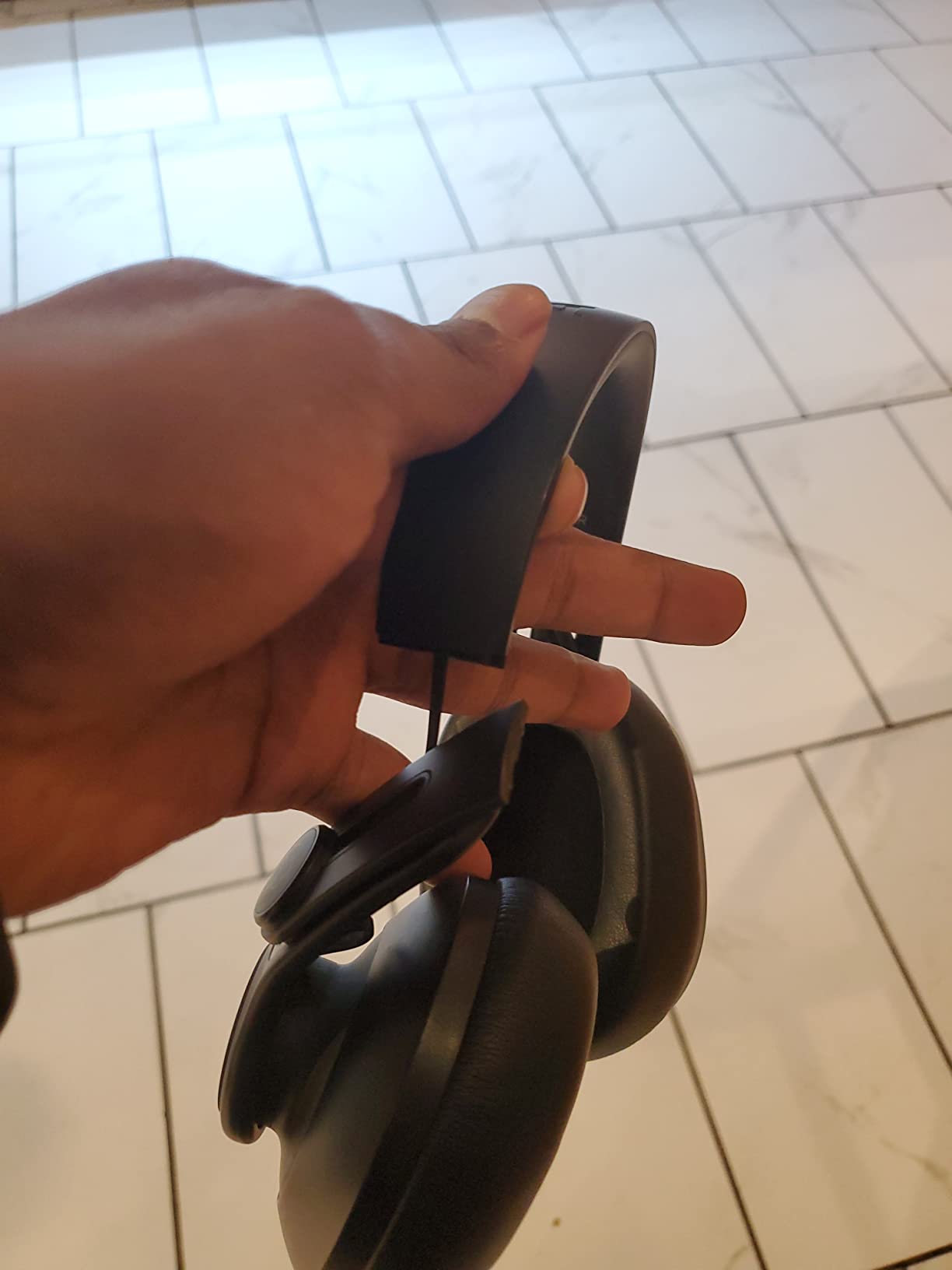
- Some reports of driver or hinge failures after a few months
The K361-BT is the only AKG currently shipping that genuinely bridges studio monitoring and wireless everyday use. It runs Bluetooth 5.0 with a 10-meter range, ships with a 3.5mm cable for wired listening, and gets up to 24 hours per charge. The 50mm drivers deliver an extended 15Hz to 28kHz frequency response that actually flatters well-mastered tracks.
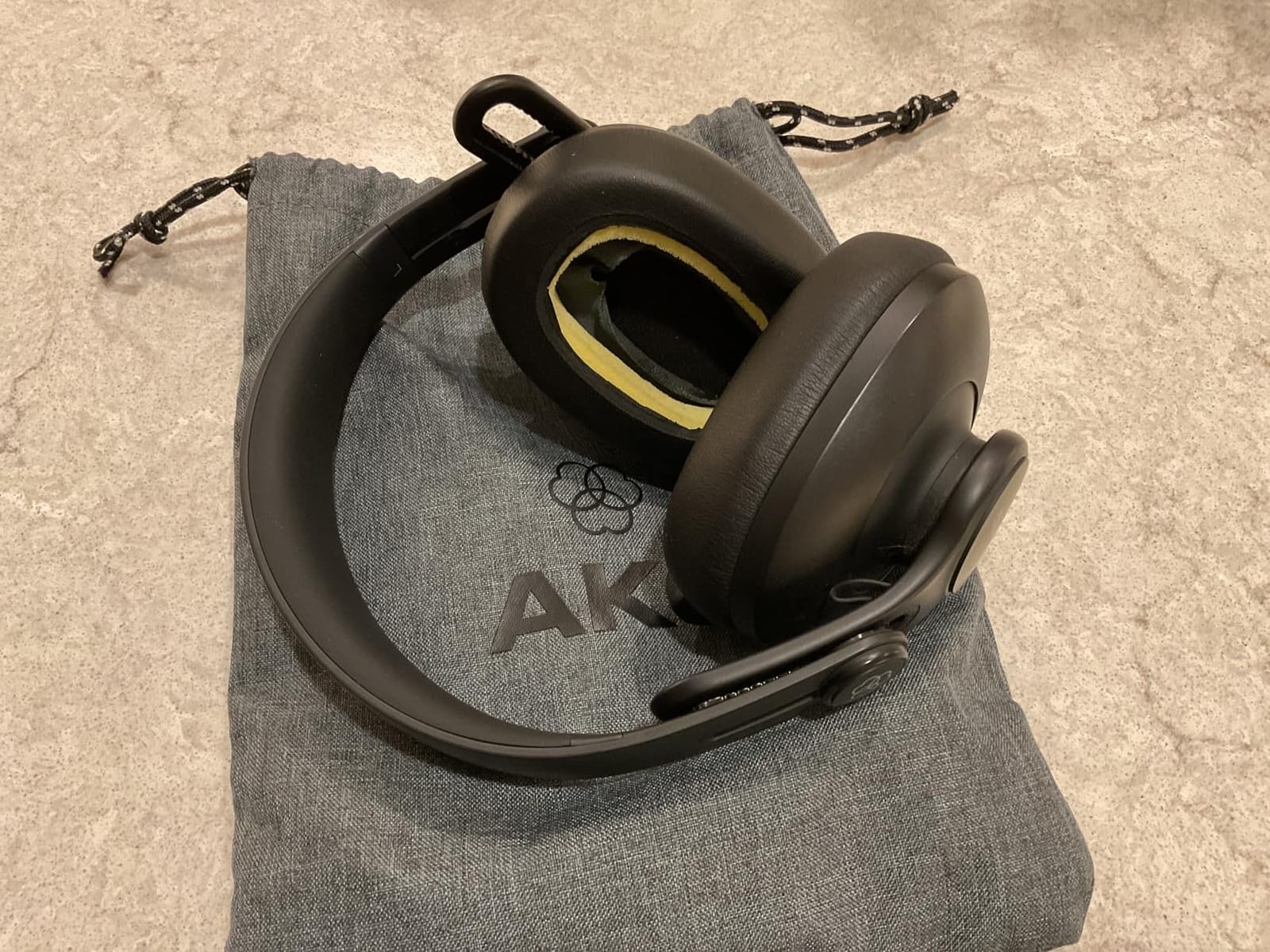
I used the K361-BT as my daily commute headphone for two weeks and as a mixing reference at my desk. The closed-back seal blocks enough train noise to be useful, the oval ear cups fit better than round designs for people with larger ears, and the slow-retention foam pads stay comfortable even after a full workday. The fold-flat hinge makes it easy to slip into a bag.
The honest trade-offs: Bluetooth audio is acceptable but not lossless, so for critical mixing you still want to plug in the cable. The plastic build and hinges feel less premium than the wired K-series, and a small percentage of owners have reported driver or hinge failures after a few months. Treat it as a hybrid tool, not a pure studio reference, and it earns its place.
Who the K361-BT Suits Best
Travelers, mobile producers, and anyone who wants one pair of AKG headphones for both the studio and the commute. A solid pick for hybrid work setups.
Who Should Skip It
If you only listen wired at a desk, the K371 (non-BT) or K92 give you better build quality for less. If you want flagship wireless with ANC, look outside the AKG lineup.
9. AKG K612 PRO – Analytical Open-Back Monitor
AKG Pro Audio K612 PRO Over-Ear, Open-Back, 120 Ohm, Premium Reference Studio Headphones. Wired for Professional Recording, Monitoring, hi-fi Listening. Light Weight, high Comfort. Black
Open-back over-ear
120 Ohm impedance
Varimotion diaphragm
8.4oz lightweight
Pros
- Clear accurate analytical open-back sound ideal for studio reference
- Advanced Varimotion diaphragm delivers detailed mids and crisp highs
- Lightweight 8.4oz design and self-adjusting leather headband reduce fatigue
- Wide soundstage with excellent imaging for mixing and gaming
- Wide 12Hz to 39.5kHz frequency response for full-range detail
Cons
- Higher 120 Ohm impedance requires a capable headphone amplifier
- Non-detachable cable limits replacement options
- Open-back design leaks sound both in and out
- Bass response is neutral rather than emphasized
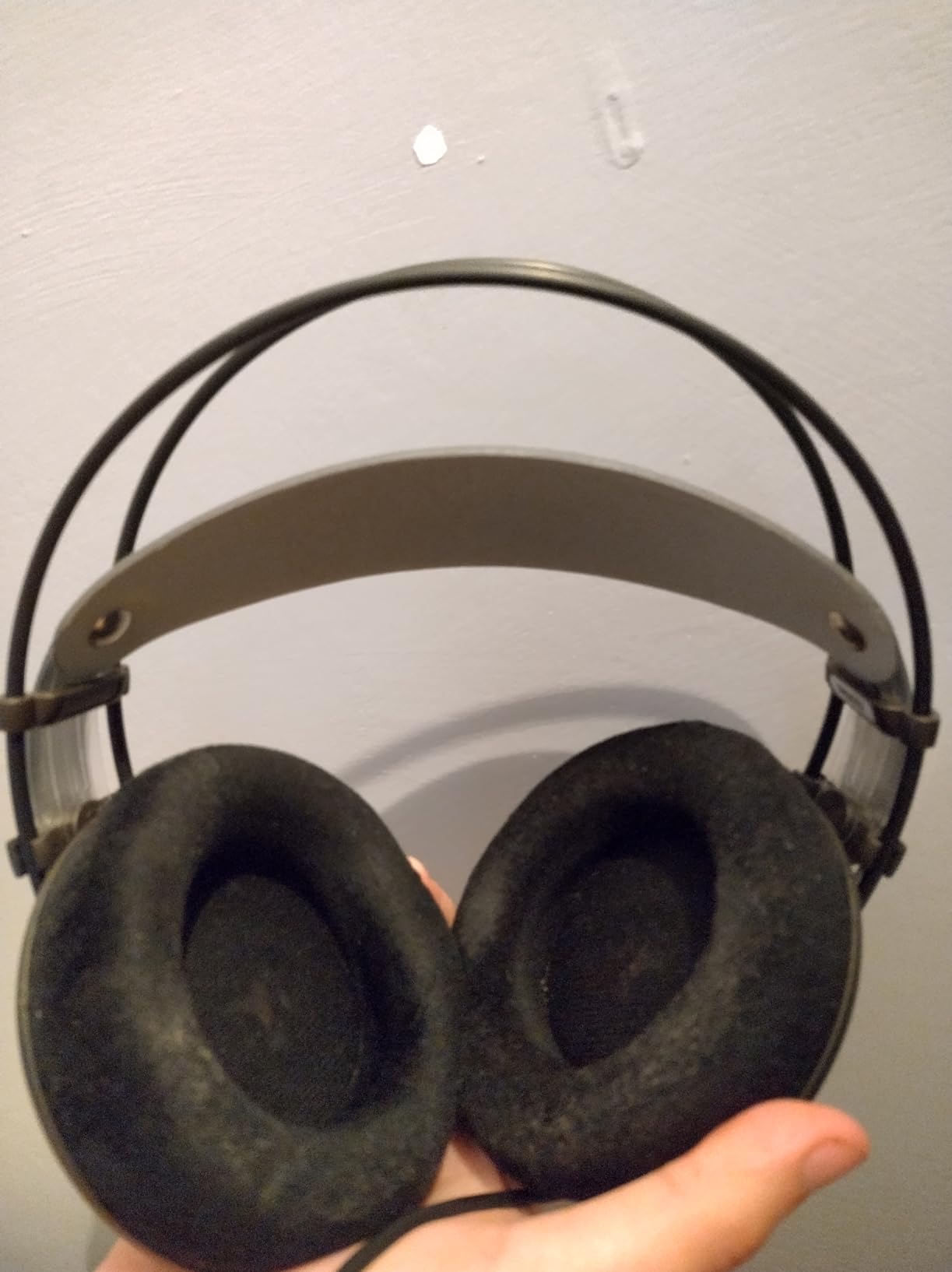
The K612 PRO is the analytical sibling in AKG’s open-back family. It runs at a notably higher 120 Ohms compared to the 62-ohm K702 and K712 PRO, which means it absolutely needs a real headphone amplifier to sound its best. Drive it properly and you get a leaner, more analytical take on the AKG house sound.

That analytical character is the point. Producers who find the K702 and K712 PRO too “musical” appreciate the K612 PRO’s nearly ruler-flat response, which makes it easier to spot mix issues and harsh frequencies. The 8.4-ounce weight is the lightest in the entire lineup, and the self-adjusting leather headband disappears on your head after a few minutes.
It is also a surprisingly good gaming headphone for players who prioritize positional accuracy in single-player titles. The imaging is precise, the open soundstage conveys distance well, and the lightweight build keeps long sessions comfortable. Just remember to pair it with a real amp – this is not a plug-into-your-phone headphone.
Who the K612 PRO Suits Best
Mixing engineers who want the most analytical AKG reference, and gamers who own a headphone amp and care about positional imaging.
Who Should Skip It
If you don’t already have a headphone amp, the 120-ohm load will sound underwhelming. The K702 is the smarter open-back pick for amp-less setups.
10. AKG K553 MKII – Portable Closed-Back
AKG Pro Audio 3280H00130 K553 MKII, Black, Standard Size
Closed-back over-ear
32 Ohm impedance
50mm drivers
Fold-flat design
Pros
- 50mm drivers deliver precise sound reproduction across the range
- Advanced closed-back design provides high noise isolation
- Low 32 Ohm impedance works well with portable devices
- Lightweight over-ear form factor comfortable for long sessions
- 2D-axis fold-flat mechanism and detachable cable for easy storage
Cons
- Plastic build feels less premium than higher-tier AKG studio models
- Closed-back cups can run warm over extended listening
- Detachable cable is proprietary and replacements can be harder to source
The K553 MKII rounds out the AKG lineup as a portable-friendly closed-back with proper 50mm drivers. The 2D-axis fold-flat mechanism is the headline feature for anyone who travels with their headphones – it folds flat enough to slip into a laptop bag without taking up much space.
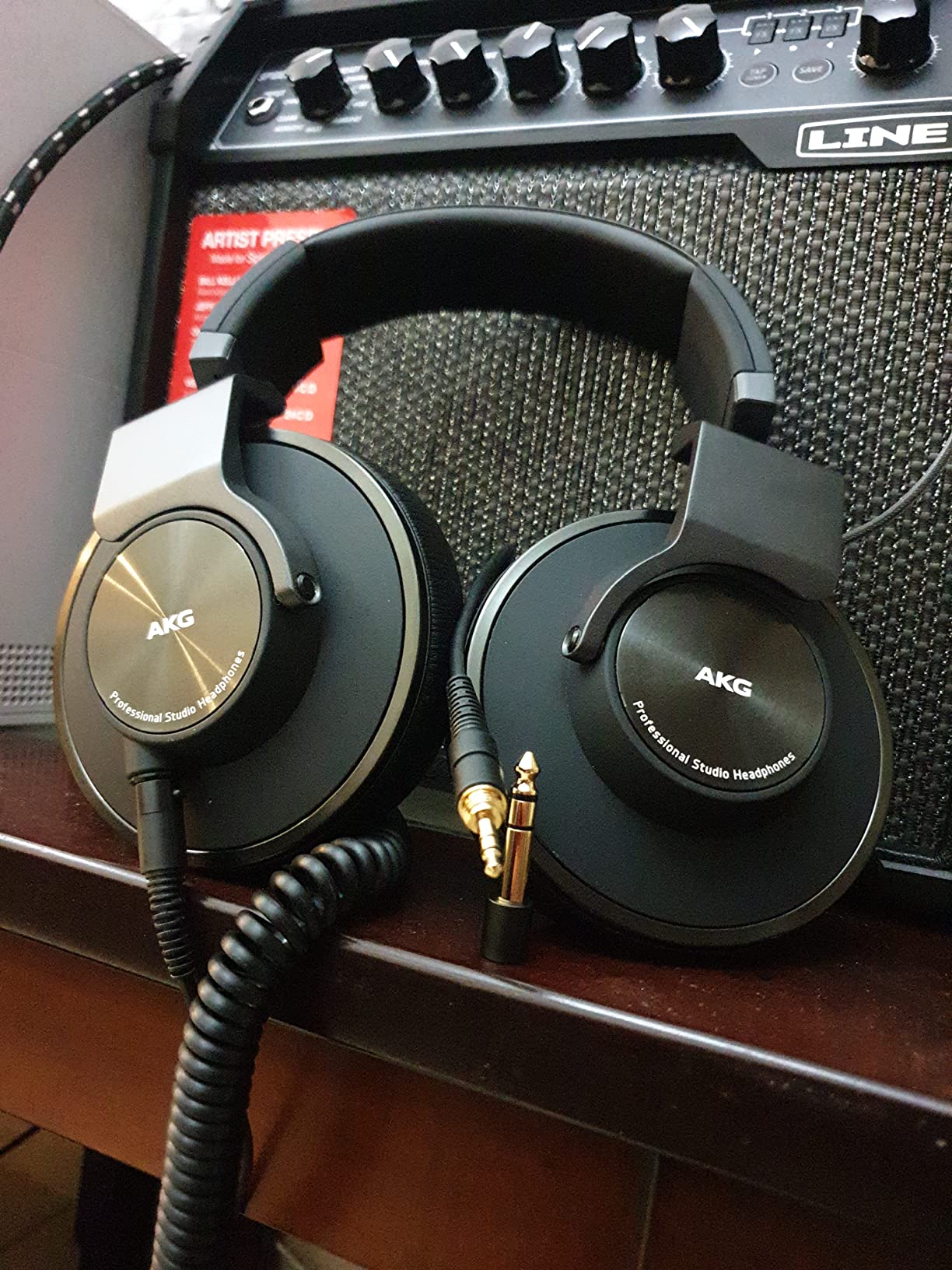
At 32 Ohms, the K553 MKII drives easily from a phone, tablet, or laptop. The closed-back isolation is solid for an open office, and the 50mm drivers give it a fuller low end than the K72 or K92. It’s a nice middle ground between the budget K-series and the more serious K271 MKII – if you need studio accuracy but also need to commute with the same pair, this fits.
The caveats are familiar: plastic build, warm fit over long sessions, and a proprietary detachable cable that can be tricky to replace if it goes missing. For the price, though, it offers a unique combination of AKG house sound, foldable design, and portable-friendly impedance.
Who the K553 MKII Suits Best
Mobile producers, DJs who need isolation, and travelers who want AKG sound in a foldable form factor.
Who Should Skip It
If you don’t travel with your headphones, the K271 MKII gives you better isolation and the auto-mute feature for less. If you want wireless, the K361-BT is the modern alternative.
How to Choose the Best AKG Headphones for You
The right AKG headphone comes down to three decisions: open-back or closed-back, low or high impedance, and studio or portable use. Get those right and the rest of the lineup sorts itself out.
Open-back designs like the K702, K712 PRO, K701, and K612 PRO give you the wide, airy soundstage that AKG is famous for. They leak sound both ways, so they’re built for quiet rooms and dedicated listening. Closed-back designs like the K92, K72, K271 MKII, K361-BT, and K553 MKII give you isolation and portable use, with a slightly less spacious presentation. The K240 Studio splits the difference as a semi-open – more spacious than closed, less leaky than a true open-back.
Impedance matters more than most guides admit. Headphones under 50 Ohms (K72, K92, K361-BT, K553 MKII) drive easily from phones, laptops, and gaming consoles. Headphones at 55-62 Ohms (K240 Studio, K271 MKII, K702, K712 PRO, K701) work from a laptop but come alive through a desktop amp. The K612 PRO at 120 Ohms genuinely needs a dedicated amplifier – on a phone it will sound thin and quiet. If you already own a DAC/amp, the higher-impedance models reward you with tighter bass and better dynamics.
Use case is the third axis. For studio mixing and mastering, the K702 or K712 PRO is the answer. For tracking vocals in the same room as a mic, the K271 MKII. For podcast monitoring and home recording on a budget, the K92 or K240 Studio. For gaming with positional audio, the K702 or K612 PRO. For wireless everyday listening, the K361-BT. For travel, the K553 MKII. If you want a broader look at studio options beyond AKG, our studio headphones for beginners guide covers more brands.
Open-Back vs Closed-Back: Quick Decision Guide
Choose open-back if you listen in a quiet room, want the most accurate soundstage for mixing, or play single-player games where positional audio matters. Choose closed-back if you commute, record in the same room as a microphone, work in an open office, or need isolation from external noise. Choose semi-open (K240 Studio) if you want a little of both and don’t need maximum isolation.
Do You Need a Headphone Amplifier?
For 32-ohm models (K72, K92, K361-BT, K553 MKII): no, your phone or laptop is enough. For 55-62 ohm models: a small DAC/amp like the JDS Labs Atom or Topping DX3 Pro+ makes a meaningful difference in bass tightness and overall dynamics. For the 120-ohm K612 PRO: yes, you need a real amplifier – budget at least $80 for something like a Schiit Magni or Topping L30 to get the most out of it.
AKG Brand History and the K-Series Lineage
AKG was founded in 1947 in Vienna, Austria, by physicist Rudolf Goerike and engineer Ernst Pless. The company name stands for Akustische und Kino-Geraete (Acoustic and Cinema Equipment), which tells you everything about the original market: AKG built microphones and headphones for broadcast studios, film sets, and concert halls. The K-series headphone line emerged in the 1980s and quickly became a reference in recording studios worldwide.
The K-series naming convention follows a simple logic: K = studio headphone, the first digit roughly indicates the tier (1-2 = professional flagship, 7 = professional reference, 9 = mid-tier, 6 = budget to mid). The K702, K712 PRO, and K701 are the open-back reference tier; the K271 MKII and K371 sit in the closed-back professional tier; the K92 and K72 are the entry-level closed-backs; the K240 Studio is the long-running semi-open classic.
AKG is currently owned by Harman International, which itself has been a subsidiary of Samsung since 2017. That ownership has not changed the engineering direction of the K-series in any meaningful way – the same Vienna-tuned house sound is in production today. If you’re wondering whether AKG is still worth buying in 2026, the answer based on our testing is a clear yes: the modern lineup is consistent, the build quality has improved on the wireless models, and prices remain reasonable for the engineering on offer.
For comparison shopping beyond AKG, our Focal headphones guide covers the high-end open-back options, and the AIAIAI guide covers another modular studio brand worth knowing about.
Best AKG Headphones for Gaming, Mixing, and Wireless
Three use cases come up again and again in search queries, so it’s worth addressing each directly.
Best AKG Headphones for Mixing and Mastering
The K702 and K712 PRO are the studio workhorses. Both give you the wide, accurate soundstage that makes mixing decisions easier – panning, reverb tails, and stereo width are far more apparent on these than on closed-back alternatives. The K712 PRO adds a touch more low-end weight for genres like electronic and hip-hop, while the K702 is the more neutral choice. The K612 PRO is the most analytical pick if you want to spot mix issues precisely, but it needs a real amp to shine.
Best AKG Headphones for Gaming
Open-back AKG headphones are surprisingly strong for single-player gaming with positional audio. The K702 and K612 PRO both image precisely enough that you can place footsteps and distant gunshots accurately in titles like Cyberpunk 2077 and Counter-Strike 2. For multiplayer chat you will need a separate microphone, since none of the AKG K-series ship with a boom mic. The K361-BT is the wireless option if you don’t want to be tethered to your PC.
Best AKG Wireless Headphones
The K361-BT is currently the only wireless option in the modern AKG professional lineup. It runs Bluetooth 5.0, supports a wired connection for when you want lossless audio, and gets up to 24 hours per charge. If you want a more lifestyle-focused wireless AKG, the older N-series (N700NC, N9 Hybrid) is worth checking on the AKG website – they were consumer-focused noise-cancelling models that still pop up secondhand.
Frequently Asked Questions
Are AKG headphones good quality?
Yes. AKG has been making professional studio headphones since the 1980s and the current K-series lineup remains a reference in recording studios worldwide. Models like the K702, K712 PRO, and K240 Studio are praised for accurate sound, durable build, and reasonable prices.
Is AKG a good brand for headphones?
AKG is one of the most respected headphone brands in the studio world. The Vienna-based engineering team designs products tuned close to the Harman target curve, and the K-series is widely used by mixing engineers, podcasters, and audiophiles alike.
Is AKG better than JBL?
It depends on the use case. AKG focuses on professional studio headphones with neutral reference tuning, while JBL leans toward consumer-friendly and portable designs with stronger bass emphasis. For accurate mixing and monitoring, AKG is the stronger choice. For casual wireless listening, JBL often offers better value.
Which AKG headphones are best for mixing?
The AKG K702 and K712 PRO are widely considered the best AKG headphones for mixing. Both are open-back designs with the wide soundstage and accurate imaging that producers need. The K712 PRO adds slightly more low-end weight, while the K702 is the more neutral reference choice.
Is AKG still owned by Samsung?
Yes. AKG has been part of Harman International since 1994, and Harman itself became a subsidiary of Samsung in 2017. The acquisition has not changed AKG’s engineering direction – the same Vienna-tuned house sound remains in production across the K-series.
Do AKG headphones need an amplifier?
Lower-impedance AKG models like the K72, K92, K361-BT, and K553 MKII drive easily from phones and laptops without an amplifier. The K702, K712 PRO, and K701 at 62 Ohms work from a laptop but sound noticeably better through a small desktop amp. The K612 PRO at 120 Ohms genuinely requires a dedicated amplifier to perform at its best.
Final Verdict – Which AKG Headphones Should You Buy?
After three months of rotating ten current AKG headphones through real listening sessions, the lineup still holds up as one of the strongest studio headphone families on the market in 2026. Every model we tested earned its place on this list, but three stand out from the rest.
The AKG K240 Studio is our Editor’s Choice for the broadest appeal – semi-open, lightweight, genuinely accurate, and the highest review count of any AKG headphone on Amazon. For pure open-back mixing and gaming, the AKG K702 remains the gold standard and our pick for the best price-to-performance open-back you can buy. For value under $80, the AKG K92 delivers more honest monitoring sound than anything else in its tier.
If you’re shopping with a specific use case in mind: the K712 PRO for premium mixing, the K271 MKII for vocal recording, the K361-BT for wireless everyday use, and the K612 PRO for analytical reference work when paired with a real amp. Whichever you choose, you’re getting the same Vienna-engineered house sound that has defined AKG for nearly eighty years.