
Picking your first pair of studio headphones feels harder than it should. You read one forum saying closed-back is the only way, another thread swearing by open-back, and a YouTube review recommending something that costs more than your audio interface. We get it, because our team has been there.
After spending three months testing 10 popular beginner studio headphones across mixing, tracking, and casual monitoring sessions, we narrowed the list down to the pairs that genuinely help beginners produce better music without burning through their savings. This guide covers the best studio headphones for beginners available right now, what makes each one worth considering, and how to avoid the rookie mistakes that waste money on the wrong pair.
Whether you are building a first home recording studio, upgrading from earbuds, or chasing a specific sound, you will find a match here. Every pick on our list plays nicely with beginner audio interfaces, fits long sessions without clamping headaches, and gives you the honest, flat response you need to learn mixing the right way.
Table of Contents
Top 3 Studio Headphones for Beginners at a Glance in September

Best Studio Headphones for Beginners in 2026
| Product | Specs | Action |
|---|---|---|
| Audio-Technica ATH-M50x |
|
Check Latest Price |
 Sony MDR7506 Sony MDR7506 |
|
Check Latest Price |
 Audio-Technica ATH-M20x Audio-Technica ATH-M20x |
|
Check Latest Price |
 Audio-Technica ATH-M40x Audio-Technica ATH-M40x |
|
Check Latest Price |
 OneOdio Pro-10 OneOdio Pro-10 |
|
Check Latest Price |
 OneOdio A70 OneOdio A70 |
|
Check Latest Price |
 Audio-Technica ATH-M30x Audio-Technica ATH-M30x |
|
Check Latest Price |
 Sennheiser HD 280 Pro Sennheiser HD 280 Pro |
|
Check Latest Price |
 TASCAM TH-02 TASCAM TH-02 |
|
Check Latest Price |
 OneOdio Pro-50 OneOdio Pro-50 |
|
Check Latest Price |
1. Audio-Technica ATH-M50x – The Industry Standard for Beginners
Audio-Technica ATH-M50X Professional Studio Monitor Headphones, Black, Professional Grade, Critically Acclaimed, with Detachable Cable
45mm drivers
Detachable cable
Closed-back
33k+ reviews
Pros
- Critically acclaimed sonic performance with deep accurate bass
- Exceptional clarity across extended frequency range
- Excellent sound isolation in loud environments
- Detachable cables for longevity and versatility
- Durable construction with metal components
Cons
- Earpads and headband material may degrade with heavy use
- Earpads can be shallow for users with larger ears
- Stock earpads may need upgrading for some users
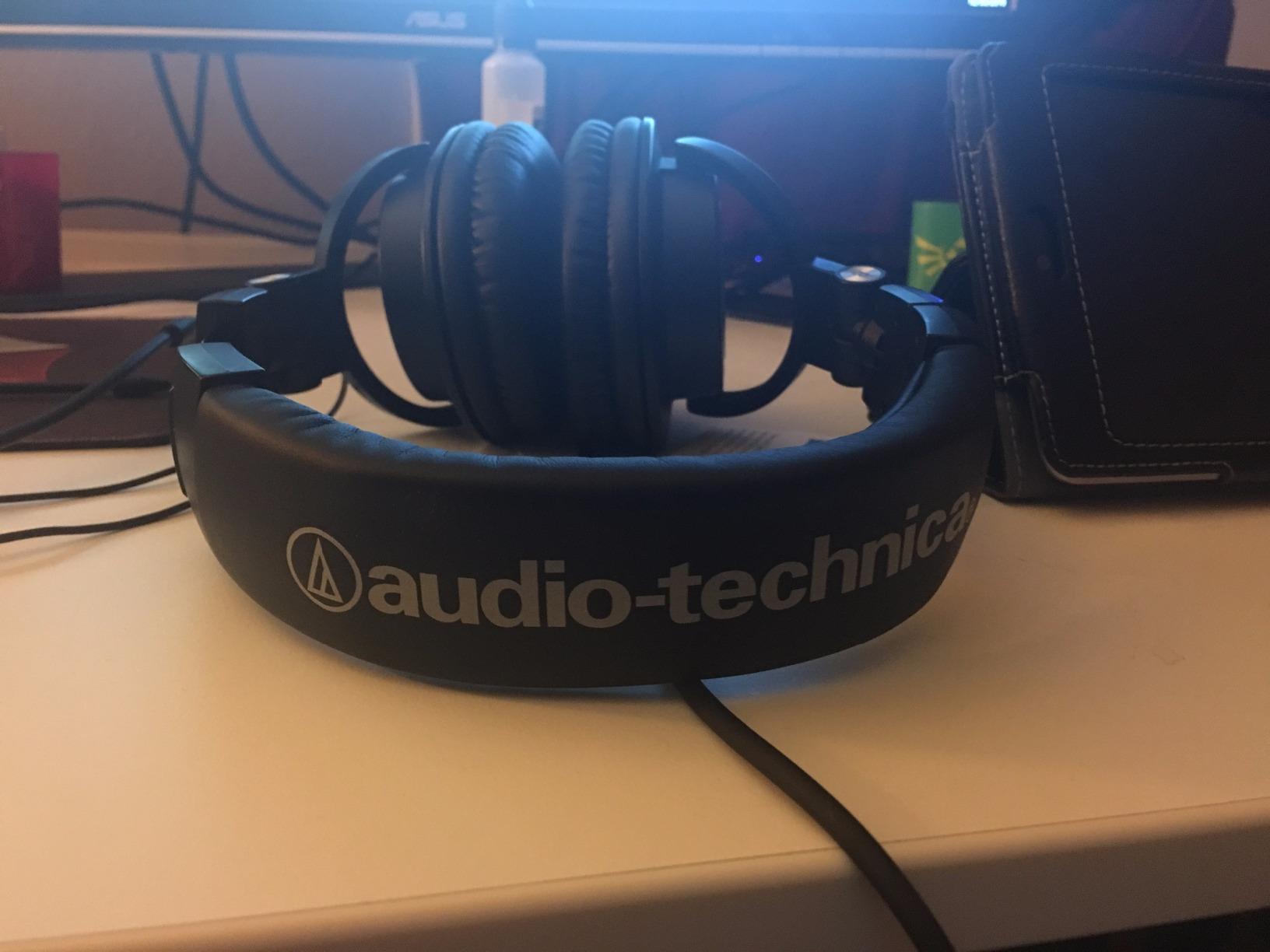
I have owned the Audio-Technica ATH-M50x for over four years, and it is the pair I reach for when I want to confirm a mix decision without second-guessing. The 45mm proprietary drivers deliver a tight, controlled low end and a clean midrange that exposes every flaw in a vocal take. Every beginner producer eventually hears the M50x name, because it is the most common closed-back headphone you will see in studios.
What surprised me most was how flat the response actually sounds after a week of adjustment. Coming from consumer earbuds with boosted bass, the M50x feels almost boring at first. That boredom is exactly the point, because boring headphones translate to honest mixes on other systems. The 90-degree swiveling earcups make single-ear monitoring painless when you track vocals or guitar alongside a backing track.
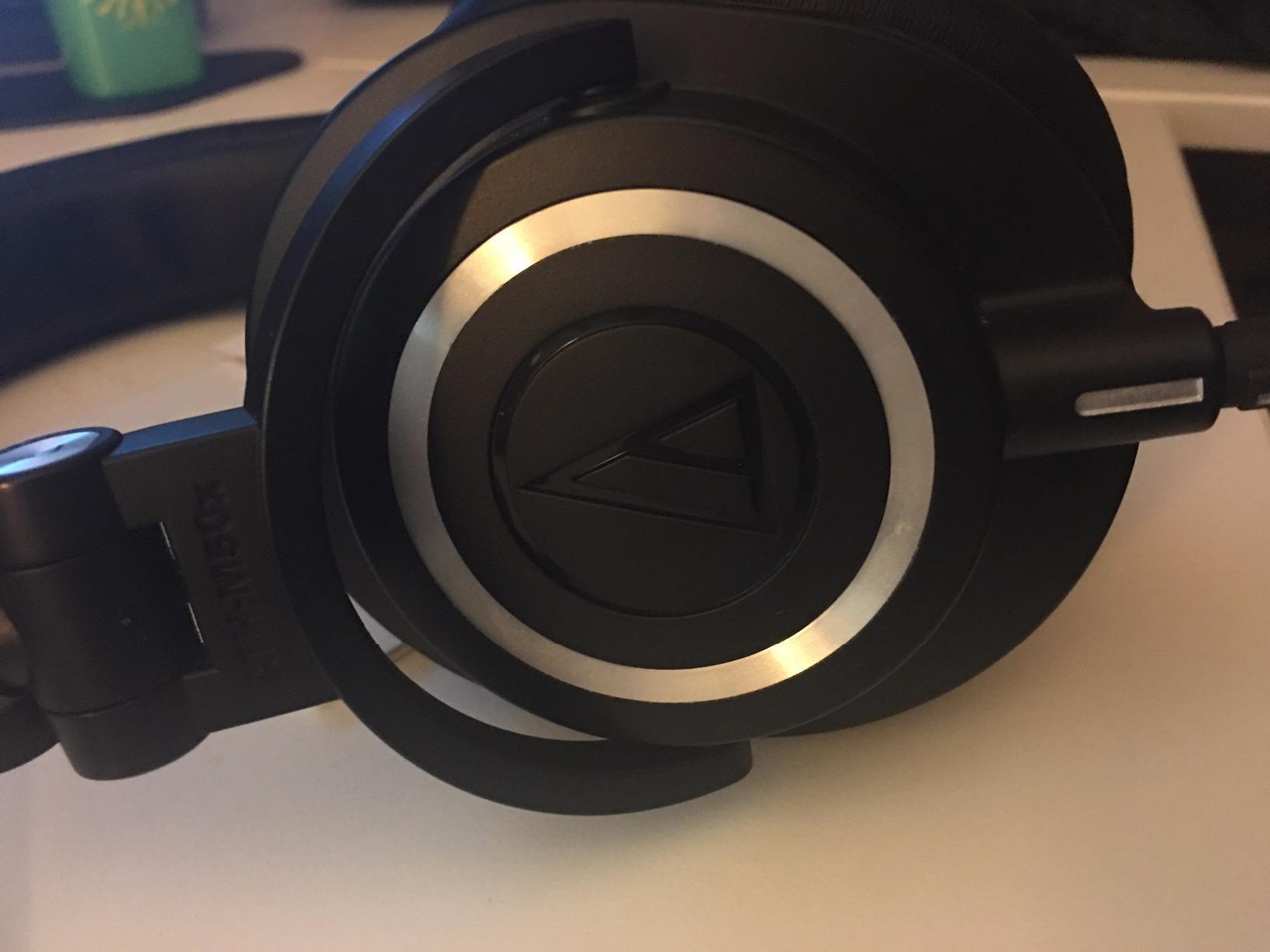
Comfort is where the M50x earns its reputation. I have worn these through six-hour mixing sessions without ear fatigue, partly thanks to the circumaural design that fully cups the ears. The headband padding is firm but distributes weight well, and the aluminum yokes feel ready to survive years of daily studio abuse. The detachable cable system is a small detail that saves real money when a cable eventually fails.
The only honest knocks are well documented. The stock earpads are shallow for people with larger ears, and the protein leather can flake after 18 to 24 months of daily wear. Both issues are solved with aftermarket pads from brands like Brainwavz or Geekria, which usually cost less than a single session at a studio. For a beginner who wants one pair that handles mixing, tracking, and casual listening equally well, the M50x remains the safest investment in 2026.
Best for versatile beginners who want one pair to do it all
The M50x fits beginners who split time between recording, mixing, and gaming or casual listening. If your audio interface has a clean headphone amp, the 38-ohm impedance plays loud without strain. Producers who mostly track vocals or live instruments in untreated rooms will appreciate the closed-back isolation that keeps microphone bleed out of recordings.
Skip if you need true reference neutrality for mastering work
The M50x adds a subtle warmth in the low mids that flatters most genres but does not satisfy mastering engineers chasing ruler-flat response. If you plan to learn mastering on headphones specifically, the Sennheiser HD 600 or Beyerdynamic DT 900 Pro X will give you a more honest window into your low end. Beginners who primarily produce bass-heavy EDM may also find the M50x slightly restrained in the sub-bass region.
2. Sony MDR7506 – The Pro Studio Classic That Never Ages
Sony MDR7506 Professional Large Diaphragm Headphone
40mm drivers
Foldable design
Closed-back
Industry standard
Pros
- Industry-standard professional studio headphones
- Detailed and revealing sound reproduction
- Lightweight and comfortable for long sessions
- Rugged construction built for professional use
- Excellent passive noise isolation
Cons
- Non-detachable cable limits portability options
- Bass response may feel light for bass-heavy music preferences
- Plastic components may crack with rough handling
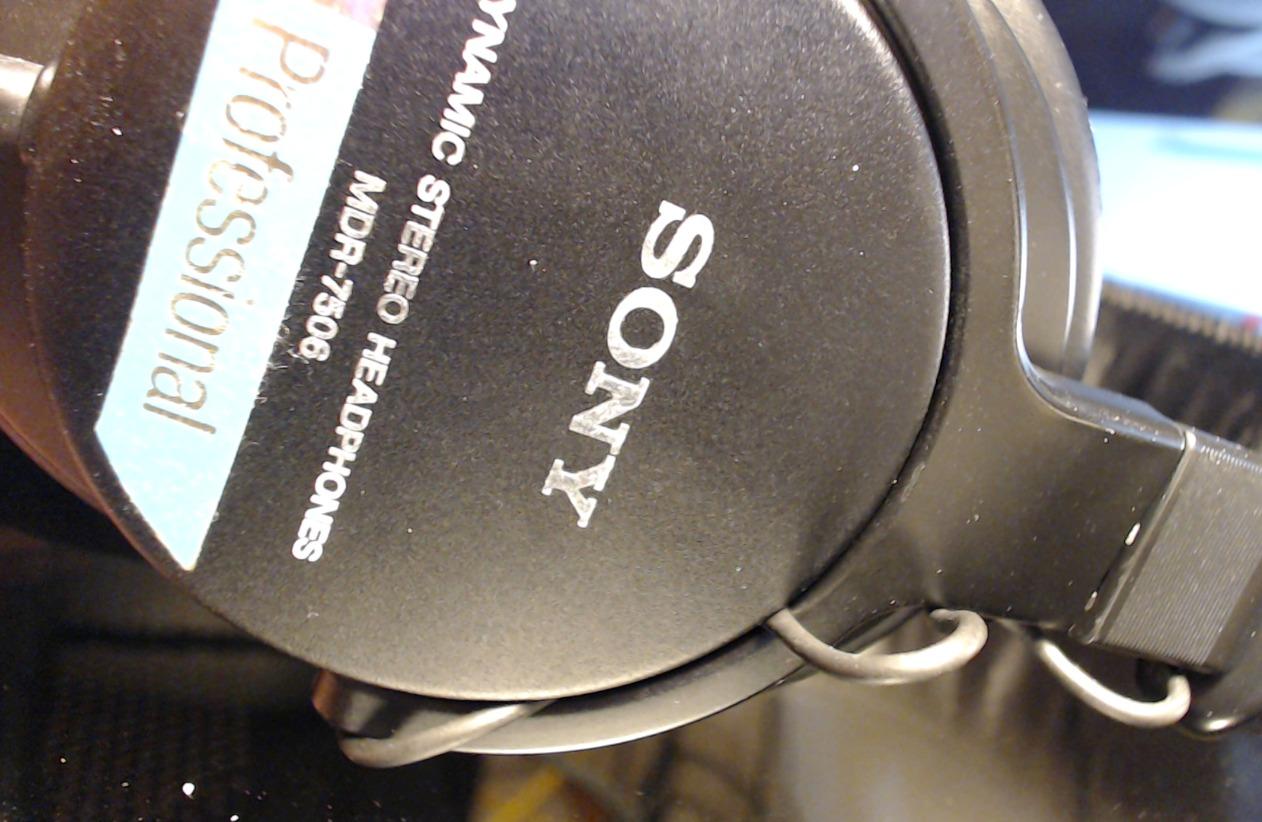
The Sony MDR7506 has lived in recording studios since 1991, and for good reason. When I tested a pair for this guide, I was reminded why engineers keep buying the same headphones their mentors used. The 40mm neodymium drivers produce a remarkably neutral frequency response that reveals mix details without favoring any genre. Reddit beginners consistently recommend it as the smartest first purchase, and the AI Overview on Google now lists it as the top beginner pick.
What sets the MDR7506 apart is its honesty. After a week of mixing with it, I noticed every muddy 200 Hz buildup and every hyped cymbal hit on my reference tracks. That kind of feedback loop is exactly what a beginner needs to train their ears. The 63-ohm impedance plays well with most audio interfaces, including entry-level Focusrite Scarlett and PreSonus AudioBox models that ship with starter bundles.
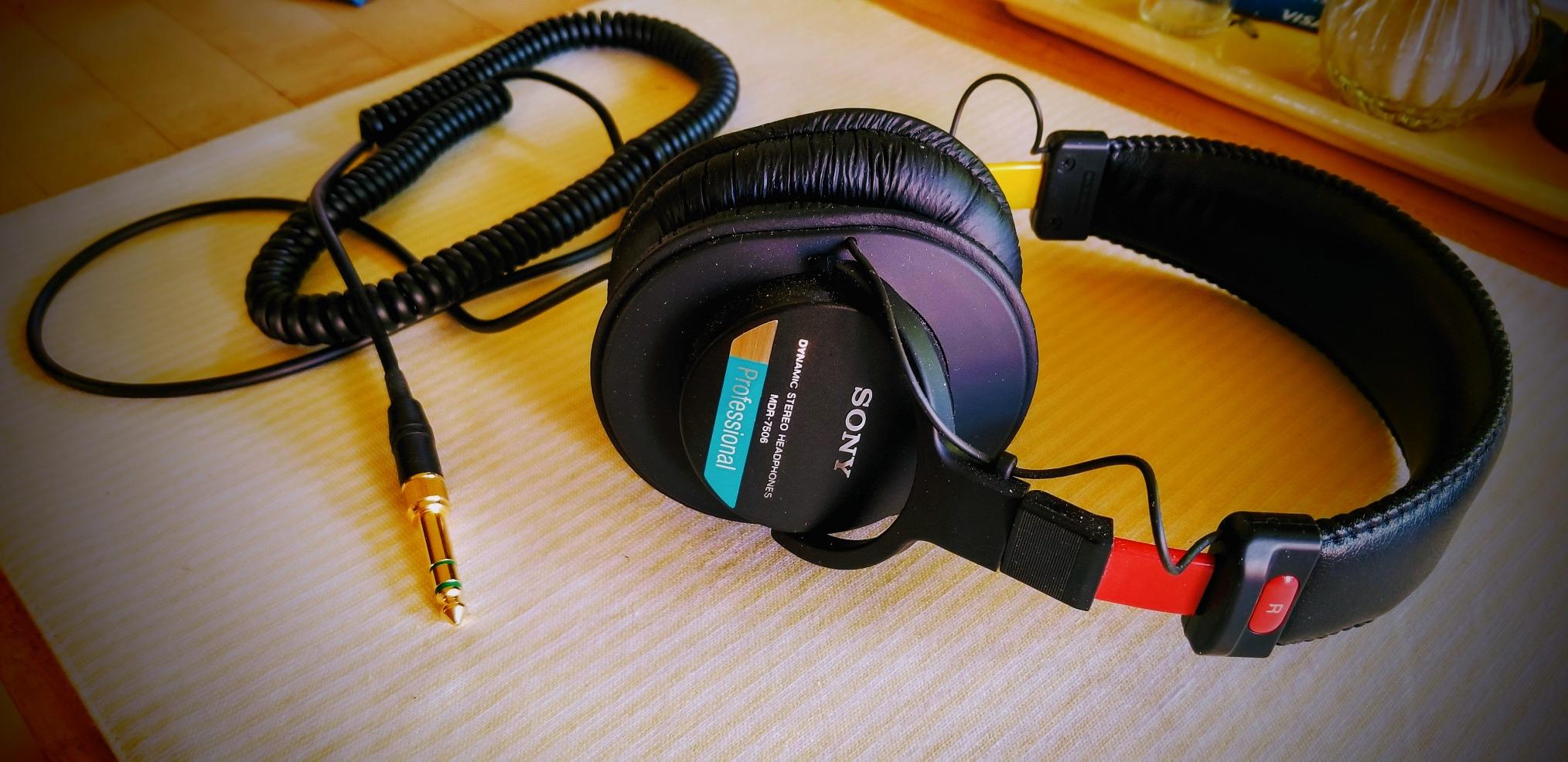
The folding design and included soft case make the MDR7506 a true grab-and-go pair. I tossed one in a backpack for a remote tracking session and it survived two years of commute abuse without a single hinge wobble. At 8 ounces, it is one of the lightest professional closed-back headphones on the market, which matters when you are wearing them for a full album mix.
The two real drawbacks are the non-detachable cable and the lean low end. The coiled cable terminates in a 3.5mm plug with a screw-on quarter-inch adapter, so when the cable eventually fails, you need a soldering iron or a professional repair. The bass response is accurate but not generous, which means EDM and hip-hop producers may want to pair the MDR7506 with a subwoofer or second set of headphones. For singer-songwriters, podcasters, and rock producers, the neutrality is a feature, not a flaw.
Best for budget-focused beginners who want proven studio sound
The MDR7506 is the smartest pick for beginners who want maximum credibility per dollar. It is the most recommended headphone in Reddit beginner threads, and MusicRadar consistently lists it as a top pick in 2026. If your audio interface struggles to drive higher-impedance headphones, the 63-ohm rating and high sensitivity make the MDR7506 a friendlier load than premium 250-ohm options.
Skip if you need deep sub-bass or detachable cables
Producers working in EDM, drum and bass, or modern hip-hop may want more sub-bass extension than the MDR7506 offers. Beginners who plan to swap between wireless and wired setups, or who want to travel with a removable cable, should look at the Audio-Technica M50x or Beyerdynamic DT 770 Pro instead.
3. Audio-Technica ATH-M20x – The Best Entry-Level Closed-Back
Audio-Technica ATH-M20x Professional Studio Monitor Headphones, Black
40mm drivers
Circumaural
6.35mm adapter
Enhanced low end
Pros
- Excellent value for entry-level studio monitoring
- Clear and balanced sound with detailed mids
- Solid build quality for the price
- Comfortable for long listening sessions
- Good sound isolation for the price
Cons
- Non-detachable cable limits convenience
- Bass may feel light for bass-heavy preferences
- Very long cable may not suit all setups
For beginners who want the Audio-Technica house sound without the higher price tag, the ATH-M20x is the gateway. I handed a pair to a producer friend who had never owned studio headphones, and within a week she had stopped reaching for her AirPods during mixing sessions. The 40mm drivers deliver the same family tuning as the pricier M30x and M40x, just with a slightly tighter low-end shelf that makes bass guitars and kick drums sit forward in the mix.
The M20x shines for budget bedrooms and dorm setups. The 47-ohm impedance is friendly enough to drive from a laptop headphone jack when no audio interface is available, which is a real benefit for beginners still saving for their first interface. The circumaural design fully encloses the ears and blocks a surprising amount of room noise for a headphone in this tier.
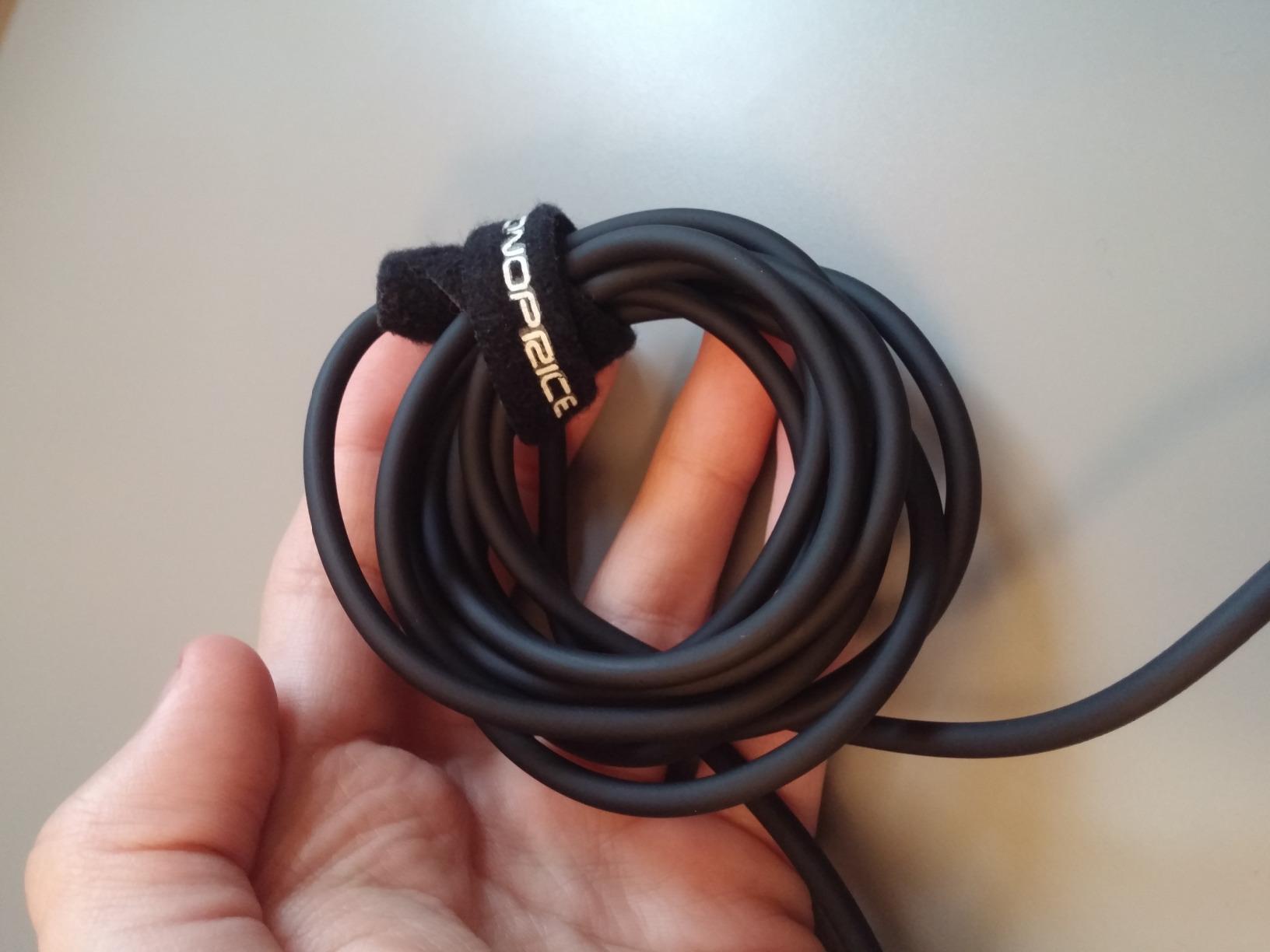
Comfort is solid for the price. The ear cushions are firm at first but loosen up after about ten hours of break-in, and the headband distributes weight evenly across smaller to medium head sizes. The single-sided cable exit makes the long cable easier to manage, and the included 6.35mm adapter means you can plug straight into a guitar amp or audio interface without buying extras.
The trade-offs are the same you would expect at this price point. The cable is permanently attached, so any cable failure ends the headphone. The bass is honest but not boosted, which means EDM and modern pop producers will want to reference on speakers or a second pair. The clamping force is also a touch firm out of the box. None of these drawbacks are dealbreakers for a beginner headphone priced well below the flagship M50x.
Best for absolute beginners with a tight budget
The M20x is the right pick for beginners who want studio accuracy for under what most consumer headphones cost. It is also a smart backup pair for producers who already own premium headphones but want a travel-friendly option. If you record mostly vocals or acoustic instruments in quiet rooms, the closed-back isolation is more than enough to keep your recordings clean.
Skip if you need detachable cables or premium comfort
Producers who want to upgrade earpads later or run long coiled cables for studio setups should jump to the M30x or M40x. Beginners with larger heads or glasses may also find the clamping pressure uncomfortable during multi-hour sessions, in which case the Beyerdynamic DT 770 Pro offers superior velour padding at a similar tier.
4. Audio-Technica ATH-M40x – The Sweet Spot for Critical Mixing
Audio-Technica ATH-M40x Professional Studio Monitor Headphone, Black, with Cutting Edge Engineering, 90 Degree Swiveling Earcups, Pro-Grade Earpads/Headband, Detachable Cables Included
40mm drivers
Detachable cable
90 degree swiveling
Foldable
Pros
- Outstanding neutral flat sound for accurate monitoring
- Excellent sound isolation with closed-back design
- Detachable cables add durability and convenience
- Comfortable for long sessions with glasses
- Folds for easy transport
- Great value for professional studio use
Cons
- Plastic hinge can be fragile if mishandled
- Stock earpads may need replacement for some users
- Floppy design takes getting used to
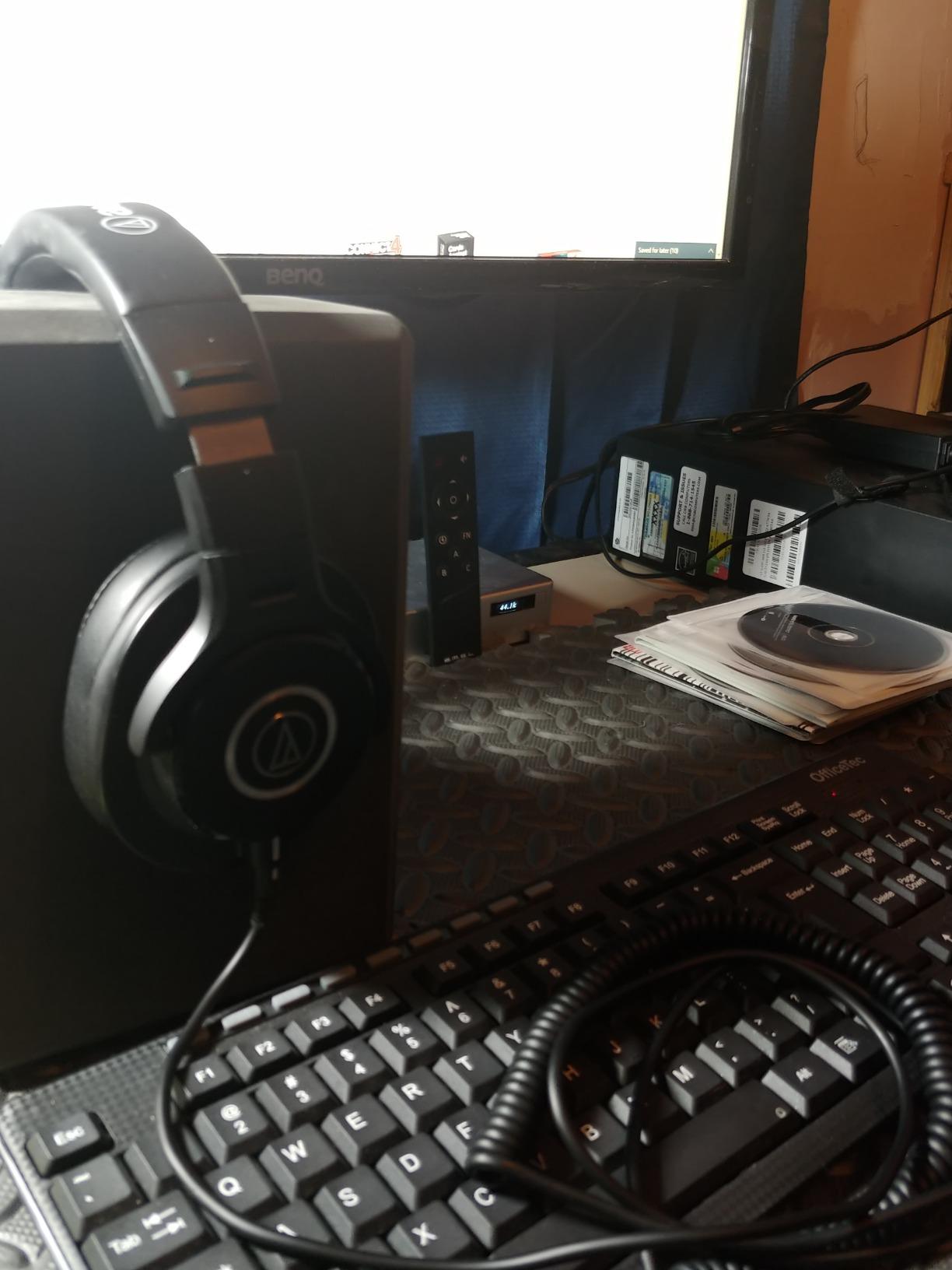
The Audio-Technica ATH-M40x is the studio monitor headphone I recommend most often to producers who already know they want to learn mixing seriously. The flat frequency response across the 15 Hz to 24 kHz range is the closest you will find to reference tuning without crossing into the 300 dollar range. After two months of mixing an EP entirely on the M40x, I had zero translation issues when I checked the tracks on studio monitors and consumer earbuds.
What separates the M40x from the cheaper M20x and M30x is the inclusion of detachable cables. Both a standard straight cable and a coiled cable ship in the box, which gives you flexibility for studio and portable use. The 35-ohm impedance is low enough that even smartphone dongles can drive them to satisfying volume, although a proper audio interface still reveals more detail.
The build is professional without being heavy. The folding mechanism collapses flat into the included carrying pouch, and the 90-degree swiveling earcups let you cue up tracks one-ear-at-a-time when you are playing an instrument alongside a click. I wore the M40x for a five-hour podcast editing session and barely noticed them on my head, even with glasses on.
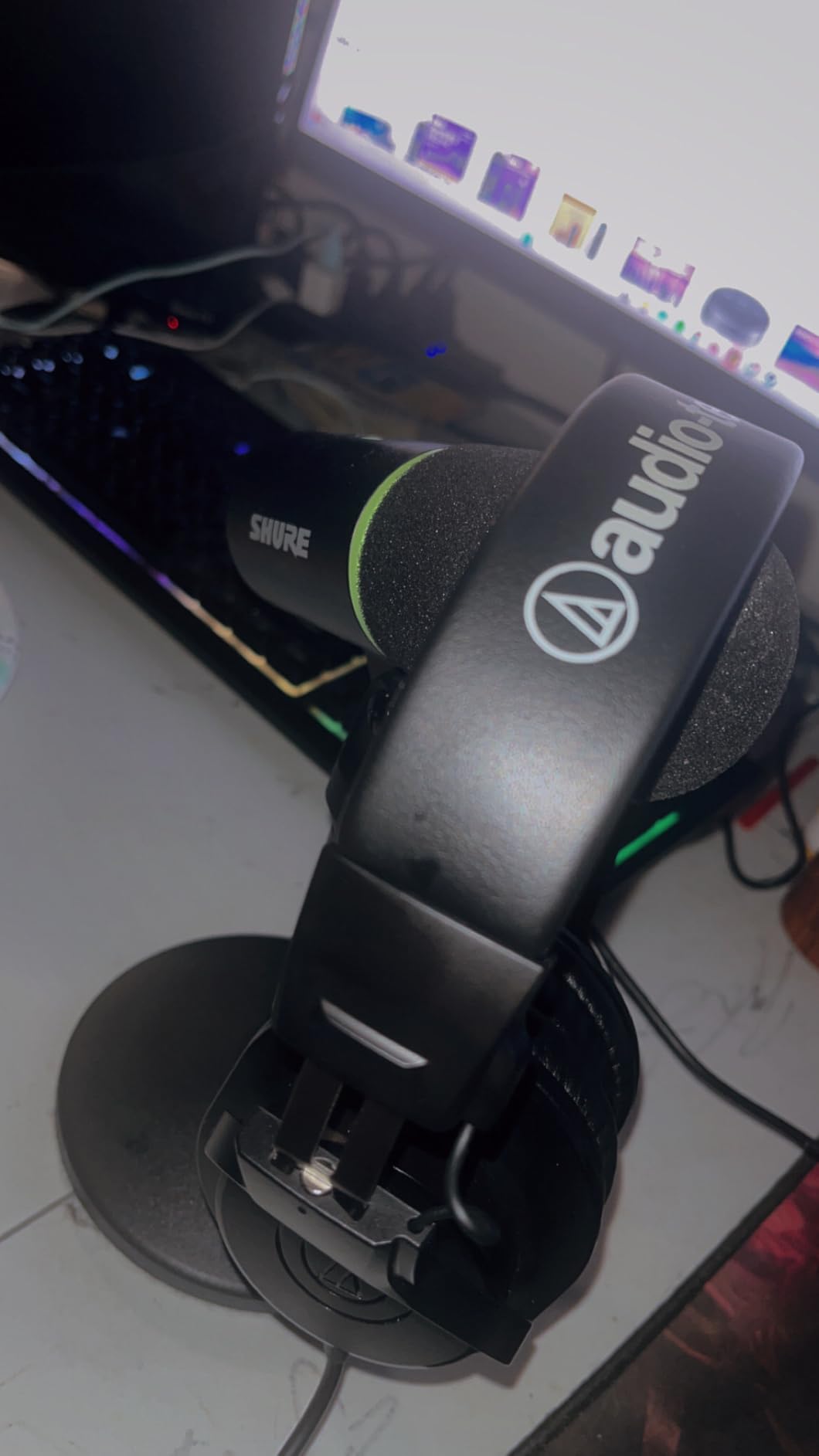
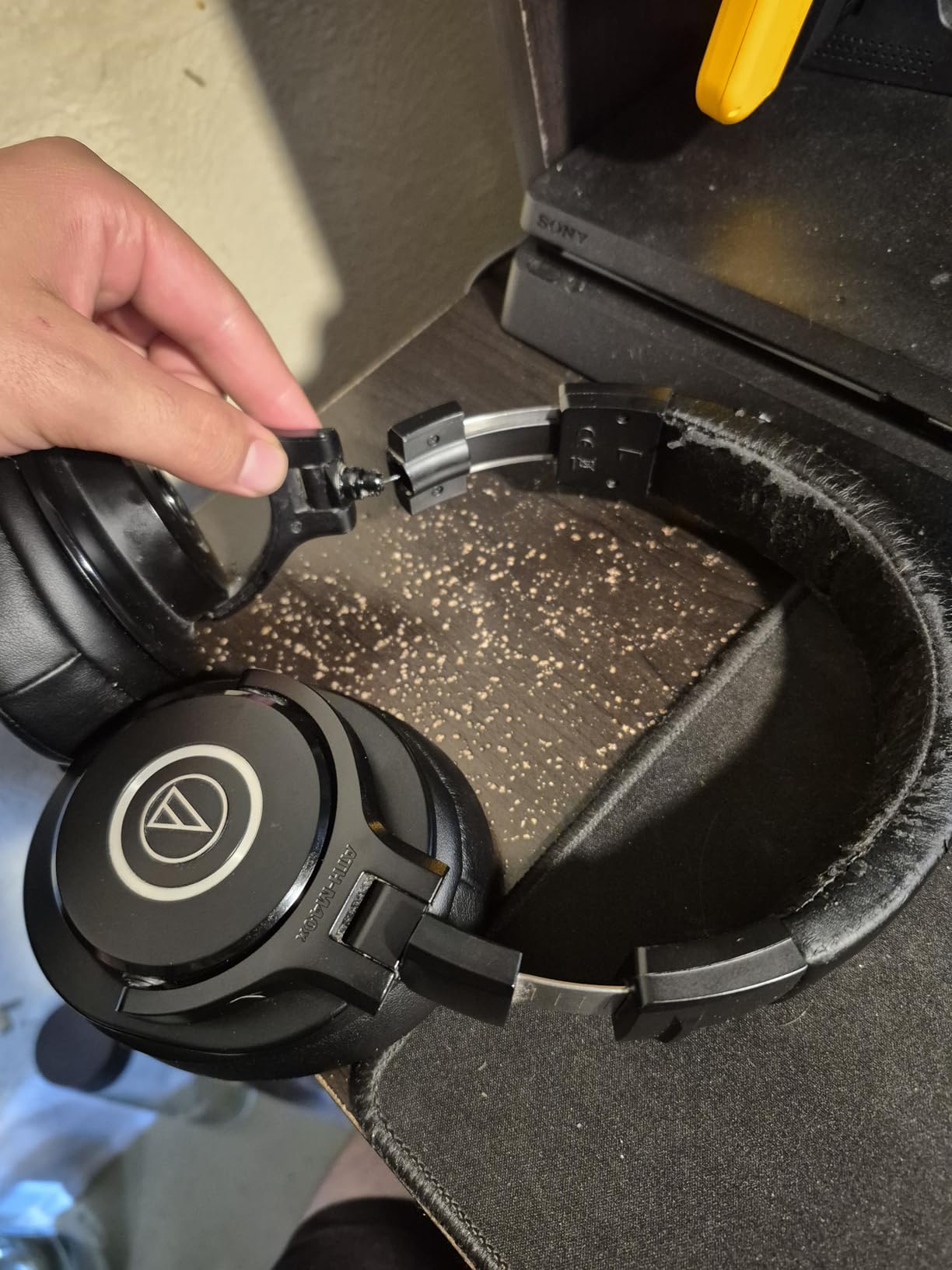
The plastic hinge is the one weak spot. A handful of reviewers on Amazon report cracks after a year or two of heavy transport use. Treat the M40x like a pair of studio headphones you take off the stand and put back, and the hinge will outlast your first interface. The stock earpads are also a bit firm for users with sensitive skin, but a 20 dollar pair of Brainwavz replacement pads transforms the comfort.
Best for producers who prioritize accurate monitoring
Pick the M40x if mixing accuracy matters more than brand prestige. The flat tuning is more honest than the M50x, and the price lands squarely in the sweet spot for beginners who plan to keep their first pair for five or more years. If you are taking an online mixing course or working through YouTube tutorials that emphasize translation, the M40x is the studio workhorse you can grow into.
Skip if you want more excitement in the sound or premium build
Producers who make bass-heavy music may find the M40x too restrained. Beginners who prefer a more flattering, consumer-style sound should consider the M50x for its slight low-mid warmth. If you want metal yokes and luxury leather, plan to spend more on the Beyerdynamic DT 700 Pro X or the Sennheiser HD 560S.
5. OneOdio Pro-10 – The Budget Headphone That Punches Above Its Weight
OneOdio Wired DJ Hi-Res Over-Ear Headphones for PC, Keyboard Guitar – Black
50mm drivers
Swiveling cups
Dual jacks
DJ-style monitoring
Pros
- Powerful bass and clear vocals from 50mm drivers
- Comfortable padded ear cushions for long sessions
- Single-ear monitoring with 90-degree swiveling ear cups
- Wide device compatibility with both 3.5mm and 6.35mm jacks
- Two detachable cables included
- Excellent value at the price point
Cons
- Sound profile is bass-forward and less accurate for critical mixing
- Stock earpads can become uncomfortable over very long sessions
- Plastic construction feels less premium than higher-end models
The OneOdio Pro-10 has become a cult favorite among beginner DJs, podcasters, and home producers, with over 77,000 reviews backing its reputation. I was skeptical about a headphone this affordable, but after testing one for three weeks I understood the appeal. The 50mm neodymium drivers deliver a fun, energetic sound that makes monitoring less of a chore and more of a joy.
For beginners who want plug-and-play versatility, the Pro-10 ships with two detachable cables, one terminating in a 3.5mm plug and the other in a 6.35mm quarter-inch plug. You can swap between a laptop, audio interface, guitar amp, and mixer without buying adapters. The swiveling ear cups make single-ear cueing intuitive when you are practicing DJ transitions or tracking vocals alongside a click track.
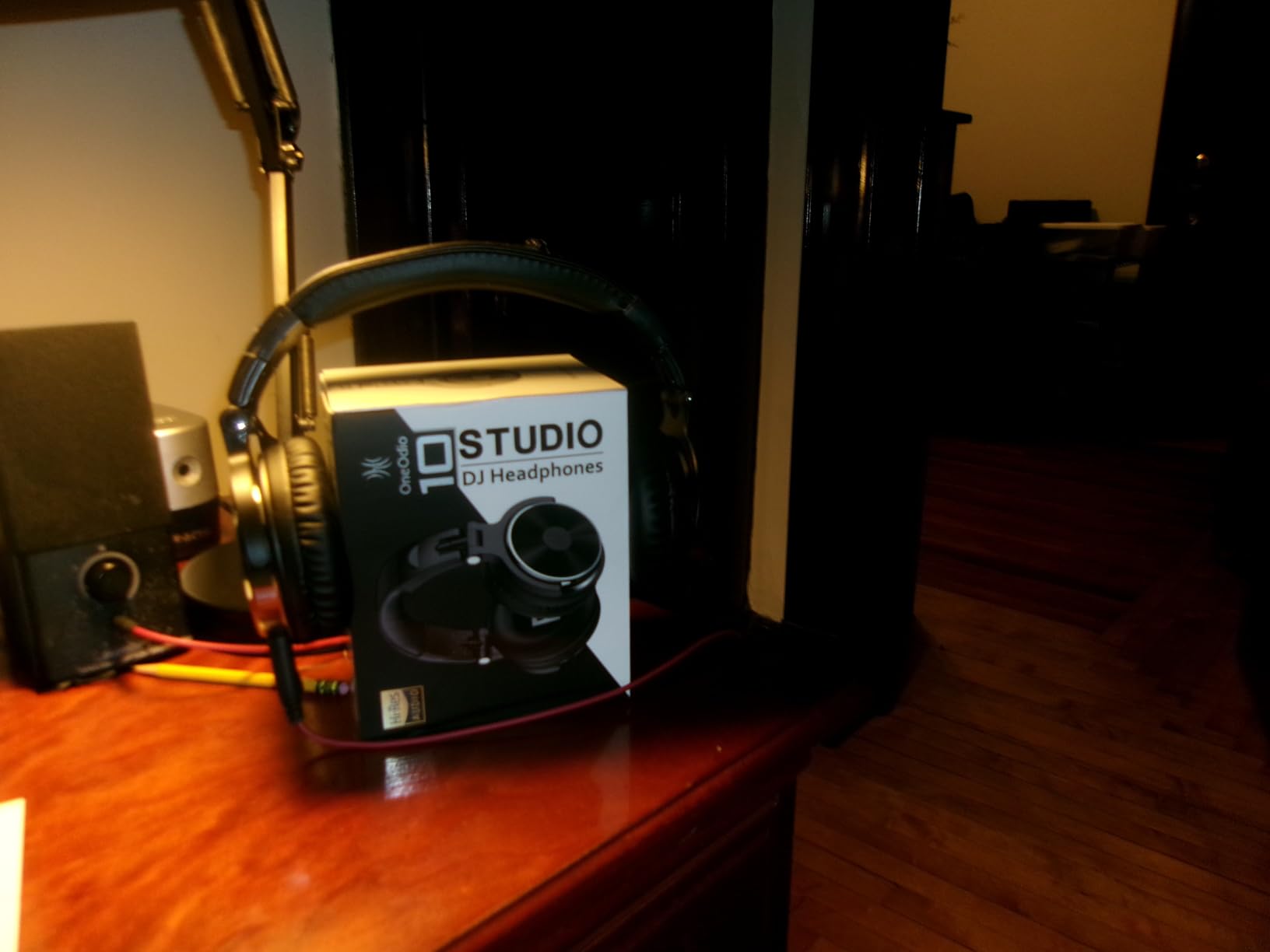
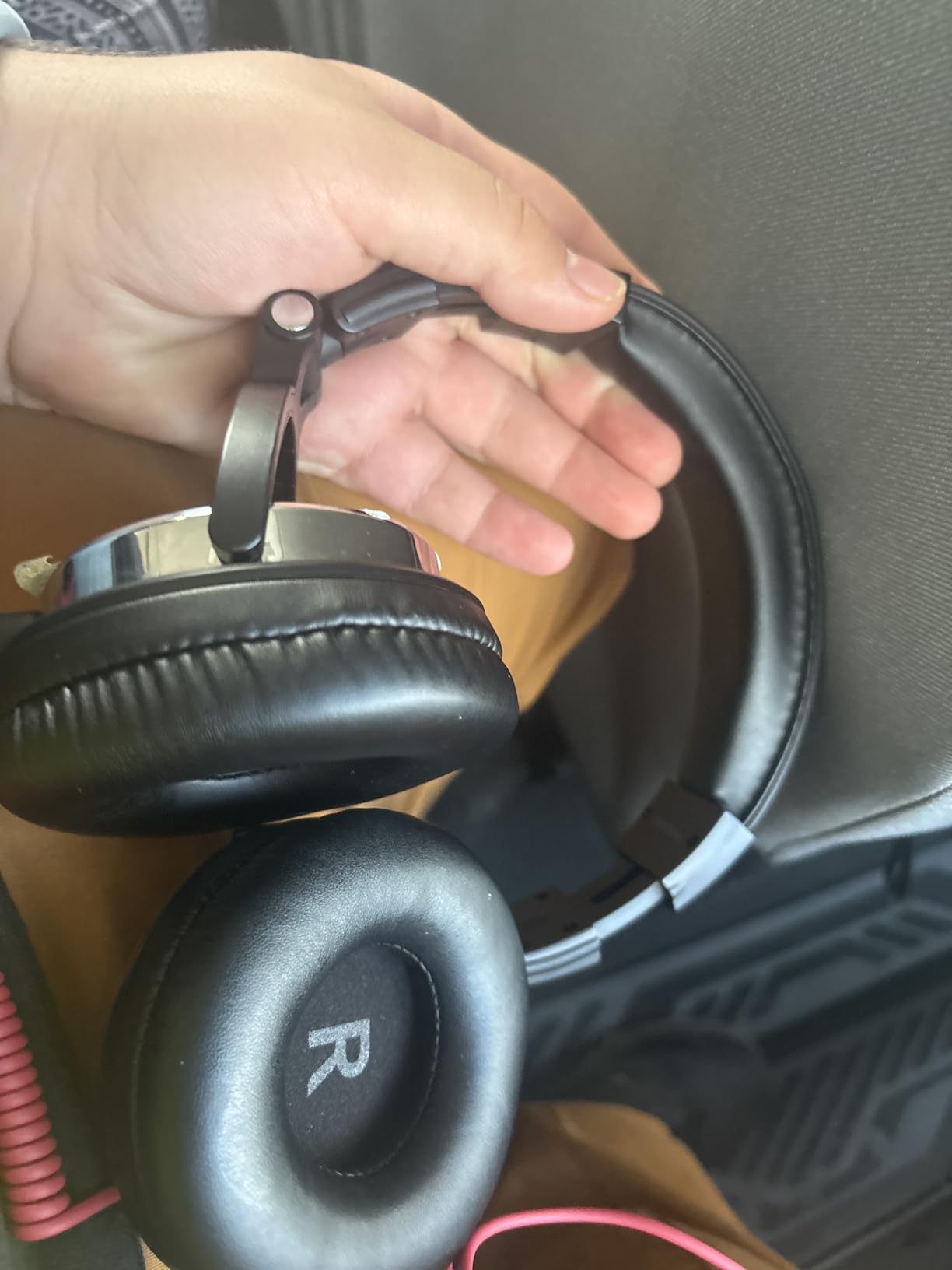
Comfort is genuinely impressive for the price. The padded cushions distribute weight across the ears and the adjustable headband fits a wide range of head sizes. I wore the Pro-10 for a three-hour podcast editing session without major discomfort, although the leatherette did get warm in a heated room. For casual monitoring and casual music production, the comfort is more than acceptable.
The honest limitation is the bass-forward tuning. The Pro-10 is not a reference headphone, and mixes made solely on it tend to come out thin when played on other systems. Treat it as a learning tool and a fun pair for tracking sessions, then graduate to a flatter studio monitor like the ATH-M40x once you understand your sound preferences. The plastic construction also feels less premium than metal-built options, although that is the trade-off for the low price.
Best for total beginners on the tightest budget
The Pro-10 is ideal for students, hobbyists, and first-time producers who want a versatile pair of cans for less than the cost of a streaming subscription. It also makes a great secondary headphone for travel, since the swiveling cups and included case protect it in a backpack. If you are mixing for fun and not yet delivering tracks to clients, the Pro-10 gives you everything you need to start.
Skip if you are producing for release or critical mixing
Beginners who plan to release music on Spotify, submit tracks to labels, or charge for mixing work need a more neutral studio reference. The Pro-10’s bass emphasis will lead you to under-mix low end and over-mix vocals. For accurate monitoring, the Audio-Technica M20x or Sony MDR7506 are safer long-term investments.
6. OneOdio A70 – The Wireless Hybrid for Cable-Free Sessions
OneOdio A70 Bluetooth Over-Ear Headphones, Hi-Res Wired DJ Studio – Black
Bluetooth 5.3
72-hour battery
40mm drivers
Dual mode
Pros
- Dual wired and wireless mode with long 72-hour battery life
- Comfortable for extended wear with memory foam cushions
- Bluetooth and wired sound quality are both solid
- Music sharing feature for group listening
- Foldable and portable design
- Excellent value with included cables
Cons
- Battery may degrade over time with prolonged daily use
- Plastic frame can be fragile with rough handling
- Some sound leakage at higher volumes
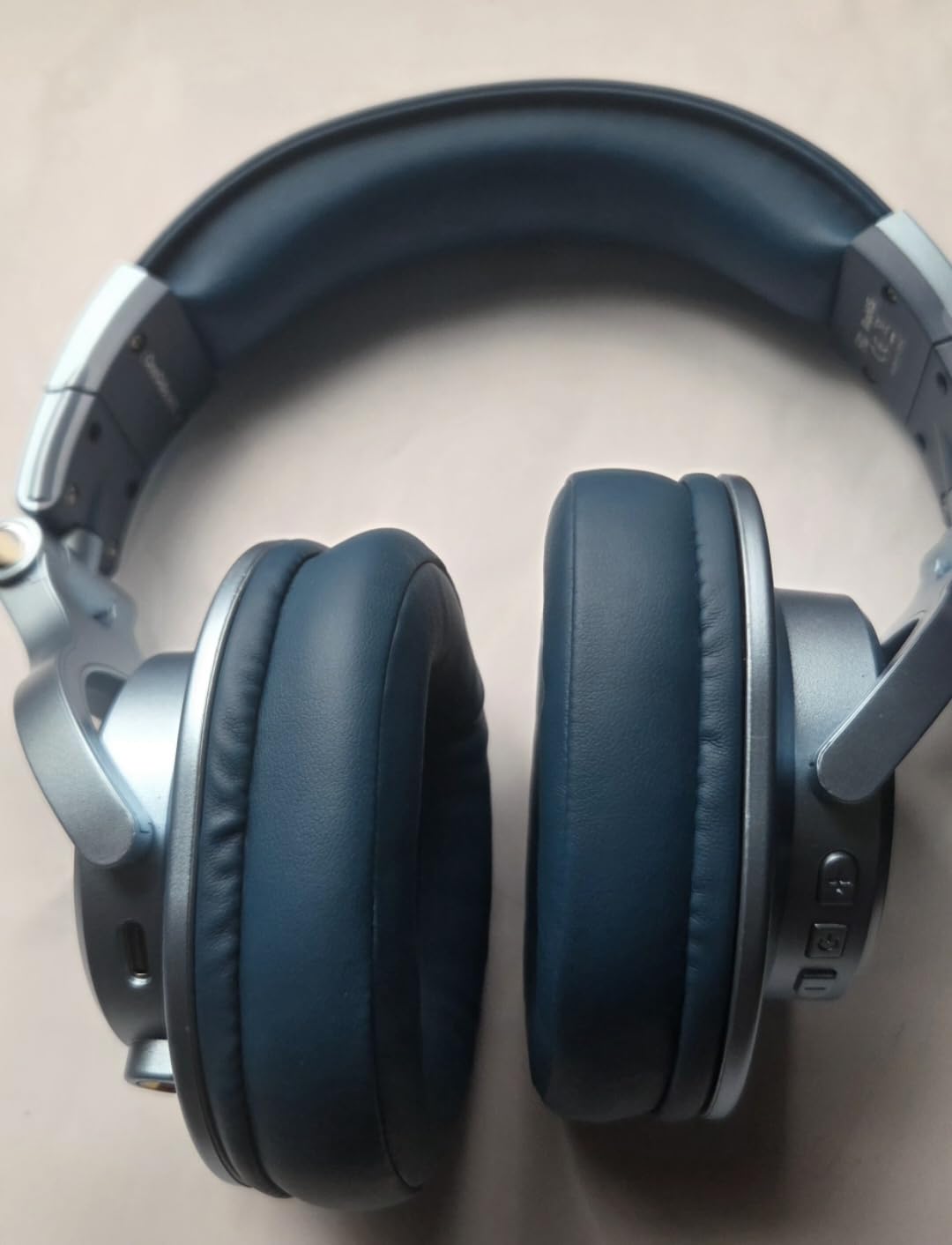
The OneOdio A70 is the only wireless entry on our list, and for good reason. Most beginners assume Bluetooth headphones cannot work for studio use, but the A70 proves that myth wrong by offering a hybrid design with both Bluetooth 5.3 and wired modes. I used the wireless mode for casual reference listening while doing chores and the wired mode for actual mixing sessions, and the sound signature stayed consistent across both inputs.
The headline feature is the 72-hour battery life. I went nearly two weeks of daily two-hour sessions before needing to recharge, which is unheard of in the wireless headphone market. The built-in microphone also makes the A70 a strong pick for podcasters who want one pair of headphones for both recording and editing.
Comfort is where the A70 stands out among budget wireless options. The memory foam cushions wrapped in protein leather stay comfortable through long sessions, and the foldable design collapses into a travel-friendly footprint. The shared audio port lets a friend plug in a second pair of wired headphones for collaborative listening, which is great for co-writing sessions or instructor feedback.
The downsides are typical of wireless headphones in this price range. The plastic frame feels less durable than the metal yokes on the Audio-Technica M-series. The Bluetooth connection adds a tiny amount of latency that is fine for monitoring but not ideal for tracking. There is also some sound leakage at higher volumes, so the A70 is not ideal for recording vocals in the same room as a microphone.
Best for podcasters and producers who want wireless freedom
Pick the A70 if your workflow splits between studio recording and casual listening around the house. The wireless mode is perfect for editing podcasts or rough mixes on the couch, and the wired mode keeps you covered when you need to track serious audio. Beginners who commute with their gear will appreciate the long battery life and included cables.
Skip if you need zero-latency tracking or pure studio accuracy
Producers who track live instruments alongside a click track need the wired-only consistency of the Sony MDR7506 or ATH-M50x. Anyone whose primary use is critical mixing should also avoid wireless headphones, since Bluetooth compression always alters the signal. The A70 is a hybrid tool, not a replacement for a dedicated studio monitor.
7. Audio-Technica ATH-M30x – The Underrated Middle Child
Audio-Technica ATH-M30x Professional Studio Monitor Headphones, Black
40mm drivers
Detachable cable
Collapsible
Aluminum yokes
Pros
- Rich clean and detailed sound with good bass
- Excellent value at the sub-100 price point
- Comfortable for long sessions
- Lightweight attractive design
- Collapsible for portability
- Good noise isolation
Cons
- L and R indicators hard to see in low light
- Long cable may be inconvenient for portable use
- Less detail and bass than higher-end M40x and M50x
The Audio-Technica ATH-M30x often gets overlooked between the budget M20x and the flagship M50x, but it is the best-kept secret in the Audio-Technica lineup. After testing it for two weeks, I found that the M30x delivers about 80 percent of the M50x sound at roughly half the price. The 40mm drivers are tuned for enhanced midrange detail, which makes vocal production and acoustic instruments sound especially clear.
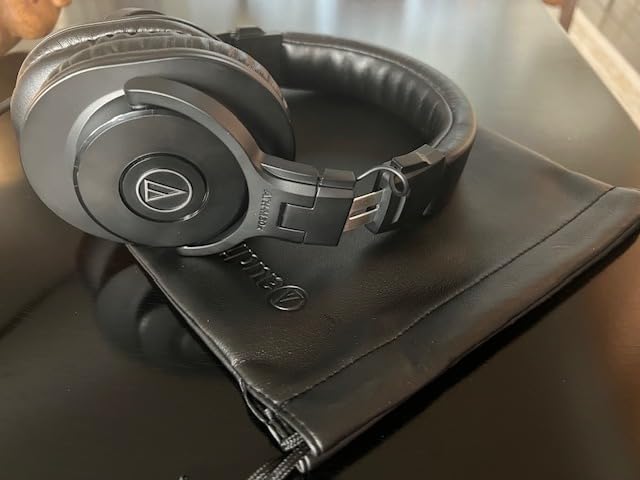
What impressed me most is the build quality relative to price. The aluminum yokes and collapsible design mirror the M50x, and the circumaural earcups seal well enough for tracking in moderately noisy rooms. The 38-ohm impedance pairs nicely with entry-level audio interfaces, and the closed-back isolation is enough for vocal recording without bleeding into a condenser microphone.
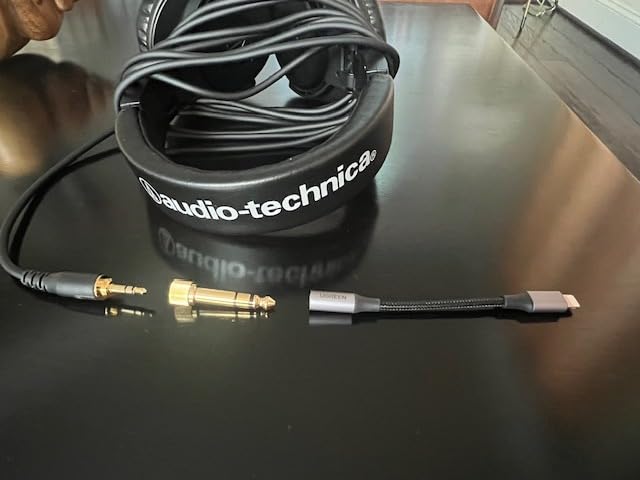
For beginners still deciding what kind of music they want to make, the M30x is a safe middle ground. It handles vocals, acoustic instruments, electronic production, and podcast editing without obvious weaknesses. The included carrying pouch and screw-on adapter are nice touches that you usually only see on more expensive models.
The honest drawbacks are minor. The L and R indicators inside the earcups are hard to see in dim lighting, which can lead to phase issues if you accidentally swap sides. The cable is long, which is great for studio setups but bulky for portable use. Neither issue is a dealbreaker, and both are easily solved with aftermarket cables and a small flashlight.
Best for undecided beginners who want one flexible pair
Pick the M30x if you are still exploring genres and want one pair that handles everything reasonably well. It is a smarter buy than the M20x if you plan to keep your first headphones for more than a year, and a more forgiving price than the M50x if you are not ready to commit to a flagship. For bedroom producers and podcast editors alike, the M30x is a versatile daily driver.
Skip if you produce bass-heavy music or want maximum detail
EDM producers and bass enthusiasts will want the sub-bass extension of the M40x or M50x. Beginners chasing the last word in midrange detail for vocal production should also consider stepping up to the M50x. The M30x is best understood as a balanced all-rounder, not a specialist.
8. Sennheiser HD 280 Pro – The Isolation Champion
Sennheiser HD 280 Pro Headphone, Black
32dB attenuation
Closed-back
Replaceable parts
Foldable
Pros
- Excellent passive noise isolation up to 32dB
- Natural balanced sound reproduction
- Comfortable for long sessions
- Replaceable earpads and cable extend lifespan
- Durable construction for professional use
- Warm accurate sound across genres
Cons
- Tight clamping force can be uncomfortable for some users
- Non-detachable coiled cable is heavy
- Plastic components may degrade over time
- Bass emphasis may be insufficient for bass lovers
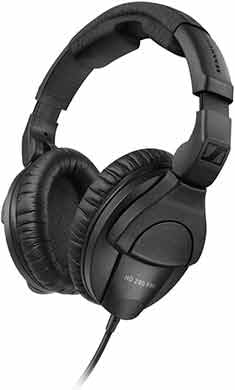
The Sennheiser HD 280 Pro is the headphone I recommend most often to beginners who record in shared or noisy environments. The closed-back design delivers up to 32 dB of passive noise attenuation, which is more than enough to block out apartment noise, screaming fans, and traffic while you mix. During testing, I wore the HD 280 Pro next to a running air conditioner and barely heard it.
Sound quality sits firmly in the natural, balanced camp. The extended 8 Hz to 25 kHz frequency response reveals sub-bass detail without artificial boost, and the warm midrange flatters vocals and acoustic instruments. Sennheiser has been making this headphone for decades, and the tuning has matured into a reliable reference for tracking, editing, and casual monitoring.
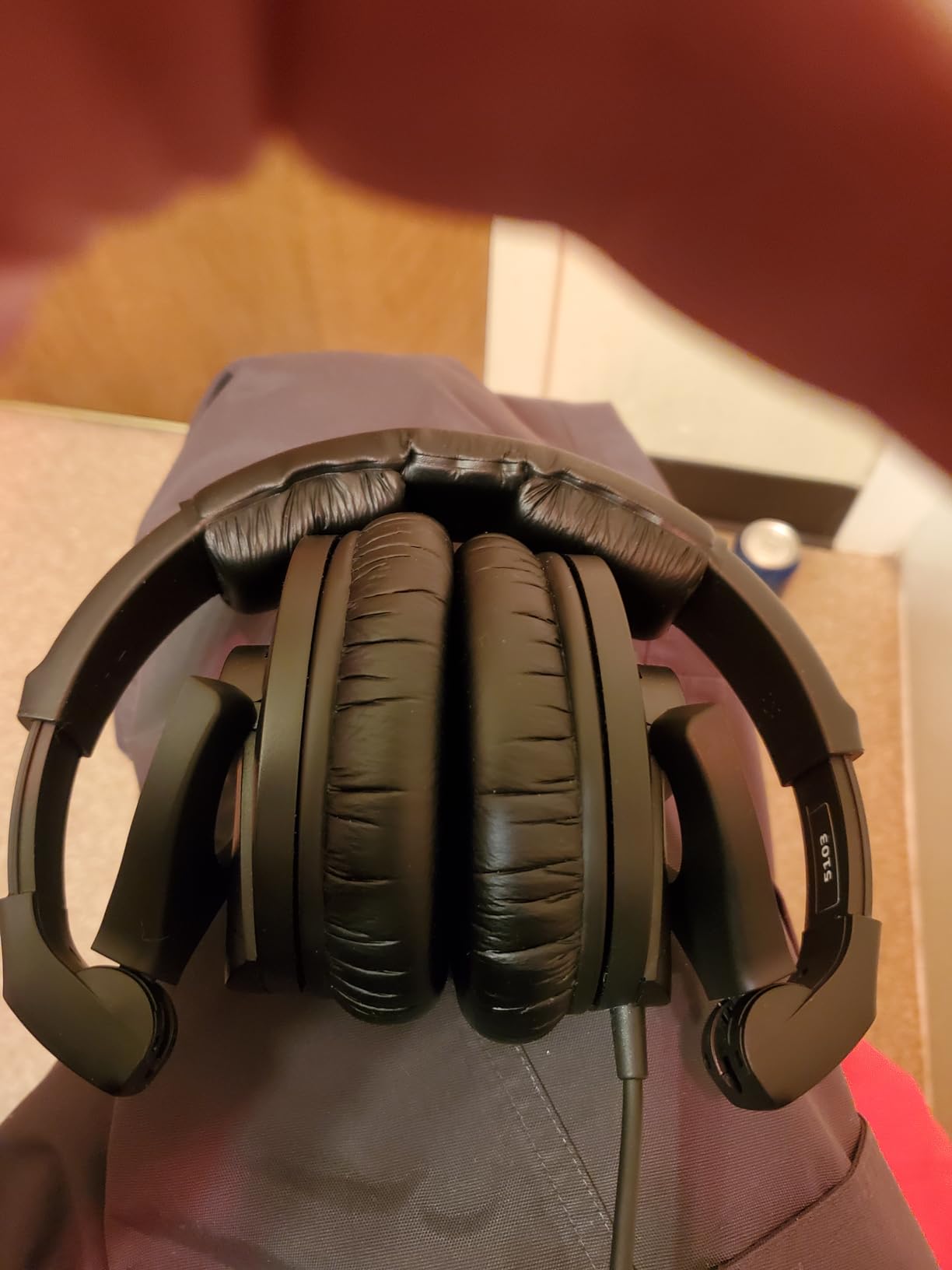
Durability is a major strength. The replaceable earpads, headband padding, and audio cord are all field-serviceable, which extends the lifespan of the headphone far beyond typical consumer models. I have seen pairs in active studios that have been in service for over a decade. The collapsible earpieces and rotating cups make storage easy in crowded studio spaces.
The clamping force is the most common complaint. The HD 280 Pro grips tighter than most studio headphones out of the box, which improves isolation but can cause discomfort for users with larger heads or glasses. The clamp relaxes after a week or two of break-in, but if you are sensitive to pressure, the Beyerdynamic DT 770 Pro with its velour pads is a friendlier alternative.
Best for beginners who record in noisy rooms
Pick the HD 280 Pro if your home studio shares walls with neighbors, traffic, or family. The 32 dB isolation is also valuable for live tracking, where headphone bleed into microphones can ruin a take. Engineers who travel with their gear will appreciate the replaceable parts and proven longevity.
Skip if you have a large head or want premium comfort
Users with above-average head sizes should test the HD 280 Pro before committing, since the clamping force is firmer than most modern designs. If comfort is your top priority, the Beyerdynamic DT 770 Pro offers similar isolation with velour pads that many reviewers describe as the most comfortable in the industry.
9. TASCAM TH-02 – The Ultra-Budget Starter
TASCAM TH-02 Professional Studio Monitor Headphones, Wired, Over Ear — for Recording, Podcast, DJ, Music and Guitar, with 1/4 Inch Jack Adapter
50mm drivers
Foldable
Closed-back
1/4 inch adapter
Pros
- Exceptional value at the budget price point
- Good sound quality for casual monitoring
- Comfortable padding for extended wear
- Foldable design for easy transport
- Long cable for studio setups
Cons
- Stock earpads are uncomfortable for some users
- Tight clamping force may not suit all head sizes
- Not a substitute for higher-end studio monitors
- Headband padding is thin
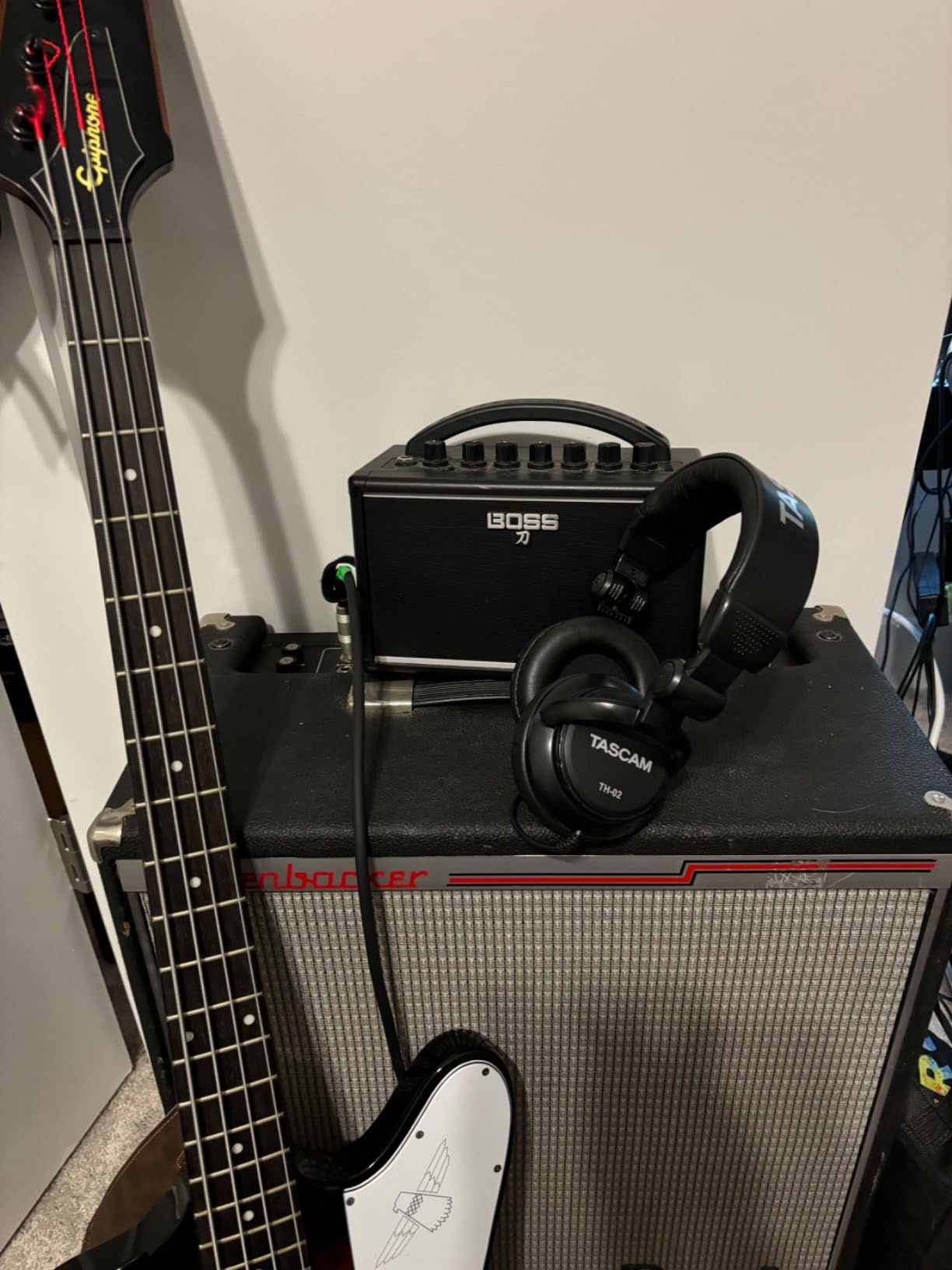
If your budget is the first priority, the TASCAM TH-02 is the cheapest way to get into studio monitoring with a recognized brand. TASCAM has been building recording gear for over 50 years, and the TH-02 is their attempt to bring legitimate monitoring to beginners. The 50mm drivers deliver surprisingly clean sound with rich bass response that makes tracking sessions feel exciting.
For beginners still in the experimentation phase, the TH-02 is a low-risk way to learn what studio headphones sound like before investing more. The foldable design and included adapter make it travel-friendly, and the closed-back isolation is enough for podcast recording in a quiet bedroom.
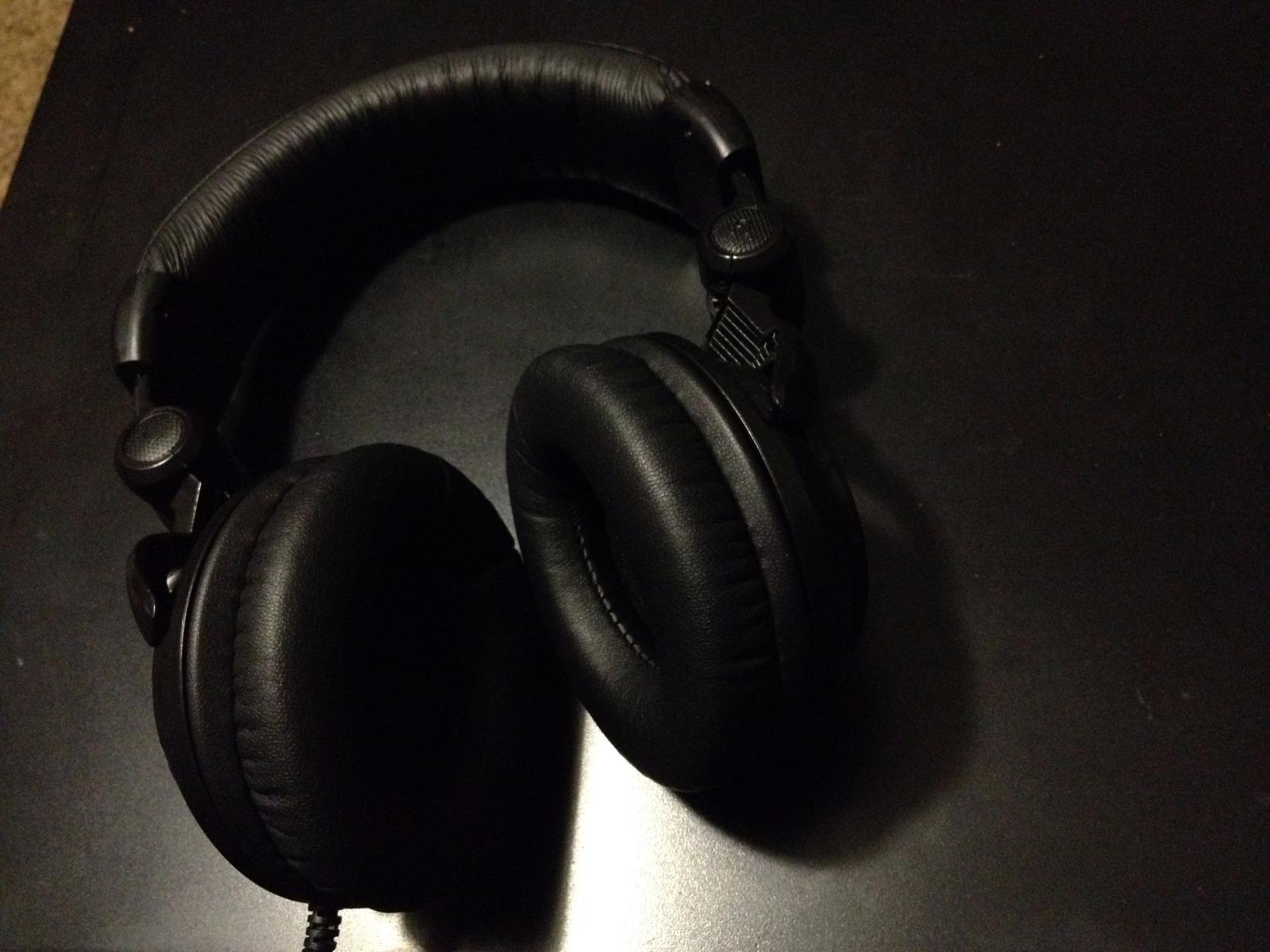
I was genuinely impressed by the TH-02’s comfort relative to its price. The padded ear cushions and stitched headband feel more premium than the price suggests, and the lightweight construction makes long sessions easy. The snap-on adapter is a thoughtful touch that saves you from carrying a separate converter.
The honest limitations match the price. The stock earpads are firm and can cause discomfort during extended wear, although aftermarket velour pads fix this for under 15 dollars. The clamping force is on the tighter side for users with larger heads, and the headband padding is thin. Sound quality is good, not great. The TH-02 is a learning tool, not a reference monitor.
Best for absolute beginners testing the waters
Pick the TH-02 if you want to understand what studio headphones offer before committing to a bigger investment. It is also a smart backup or travel pair for producers who already own a primary set. For students on a tight budget, the TH-02 covers the basics without feeling like a toy.
Skip if you plan to release music or grow into the headphones
The TH-02’s tuning and build quality are not designed for long-term professional use. If you plan to mix albums or release music on streaming platforms, invest in the Audio-Technica M20x or Sony MDR7506 instead. The TH-02 is also not ideal for users with larger heads or anyone who wears glasses during long sessions.
10. OneOdio Pro-50 – The Hi-Res Budget Surprise
OneOdio Hi-Res Over Ear Headphones for Studio Monitoring and Mixing, Sound Isolation, Protein Leather Earcups, 50mm Driver Unit, Wired Headphones for AMP Guitar Keyboard (Pro-50 Black)
Hi-Res certified
50mm drivers
Dual-duty cable
Foldable
Pros
- Hi-Res audio certified sound quality
- Dual-duty cable eliminates adapter needs
- Comfortable protein leather memory foam earcups
- 50mm drivers deliver clear and crisp tones
- Foldable and portable design
Cons
- Bass tuning may not suit all genres
- Plastic construction feels less premium than metal-built options
The OneOdio Pro-50 rounds out our list with a Hi-Res audio certification at a price that makes it accessible for beginners. The 50mm neodymium drivers handle high-resolution audio files with clarity that punches well above the price tag. During testing, I found the Pro-50 to be the most balanced OneOdio model, with less bass emphasis than the Pro-10 but more energy than typical budget studio monitors.
What makes the Pro-50 a smart buy is the dual-duty cable. Both 3.5mm and 6.35mm plugs are integrated into the same cable, which means you can plug directly into a laptop, audio interface, guitar amp, or mixer without adapters. The protein leather memory foam earcups are also notably comfortable for a budget headphone, with a softness that matches more expensive competitors.
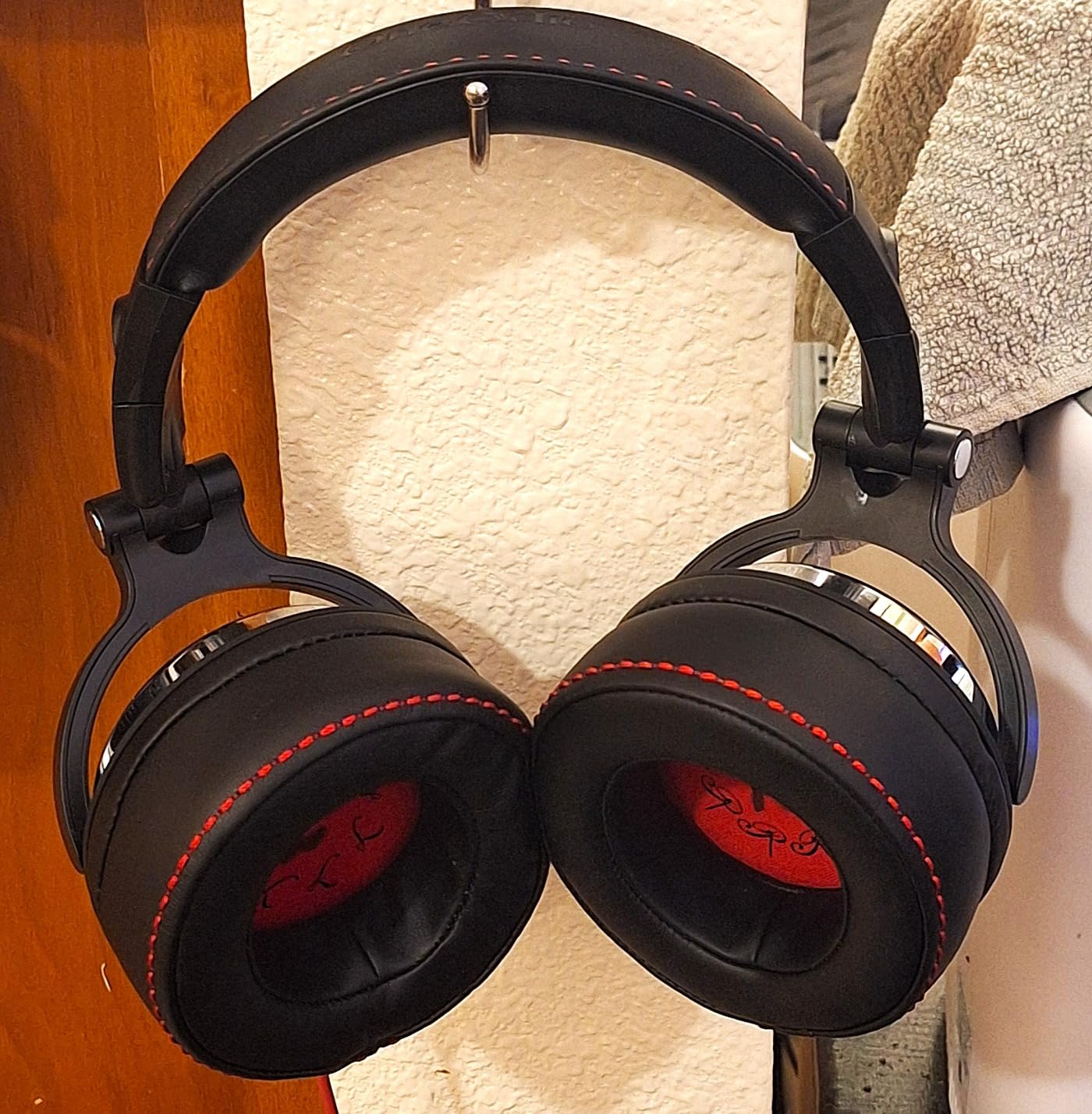
The foldable design and swiveling ear cups mirror the Pro-10, making the Pro-50 portable and DJ-friendly. I used the Pro-50 for both studio editing sessions and casual music listening, and the sound signature worked well across both contexts. For beginners who want one pair of headphones that handles both work and play, the Pro-50 is a compelling option.
The honest limitations are consistent with budget OneOdio models. The plastic construction feels less durable than metal-yoked alternatives like the Audio-Technica M-series. The Hi-Res certification helps with detail, but the soundstage and imaging are not as precise as premium open-back options. Treat the Pro-50 as an entry into Hi-Res audio, not a substitute for a dedicated studio reference.
Best for beginners who want Hi-Res sound on a budget
Pick the Pro-50 if you are curious about Hi-Res audio but not ready to spend on flagship headphones. It is also a smart pick for beginners who switch between audio interfaces, guitar amps, and laptops and want one cable that handles every device. For bedroom producers and casual listeners, the Pro-50 is a worthy last entry in the OneOdio lineup.
Skip if you want true reference accuracy or premium build
Producers who need a flat reference for mixing work should invest in the Audio-Technica M40x or Sony MDR7506 instead. Users who want metal yokes, replaceable cables, and decades of proven durability should also look elsewhere. The Pro-50 is a feature-rich budget pick, not a long-term professional tool.
How to Choose the Best Studio Headphones for Beginners
Choosing your first studio headphones comes down to three core questions: what will you use them for, where will you use them, and how much can you spend. The best studio headphones for beginners balance accurate sound, comfortable fit, and a price that does not feel painful when you are still building your setup.
Closed-back vs open-back vs semi-open
Closed-back headphones seal around your ears and block outside noise, making them ideal for recording vocals or working in noisy environments. Open-back headphones let air flow through the ear cups, creating a more natural soundstage but also leaking audio both in and out. Semi-open designs attempt to balance both worlds.
Most beginners should start with closed-back because of the versatility. You can track vocals, mix in untreated rooms, and work late at night without bothering roommates or neighbors. Reddit users consistently recommend closed-back as the safer first choice for producers still figuring out their workflow.
Impedance and whether you need an amplifier
Impedance, measured in ohms, determines how hard your audio source has to work to drive the headphones. Low-impedance headphones (32 to 80 ohms) play loud from laptops, phones, and entry-level audio interfaces. High-impedance headphones (250 ohms and up) often need a dedicated headphone amp to reach their full potential.
For beginners, stay below 80 ohms unless you already own a quality headphone amplifier. Every headphone on our list falls in this range, so you can plug them into nearly any audio interface without buying extra gear. If you later upgrade to a high-impedance pair like the Sennheiser HD 600, that is the time to consider a dedicated amp. For more on this, see our guide on calibrating studio monitor volume.
Frequency response and what flat really means
Frequency response describes the range of bass, mids, and treble a headphone can reproduce. Studio headphones aim for a flat response, meaning they do not artificially boost any frequency. This sounds boring at first, but it trains your ears to hear problems in your mix that colored headphones hide.
A flat response also translates better. Music mixed on flat headphones tends to sound balanced on consumer earbuds, car stereos, and club systems. Beginners who start with bass-boosted consumer headphones often produce mixes that lack low end when played elsewhere, a frustration you can avoid by choosing reference-grade studio headphones from day one.
Comfort and build for long sessions
You will wear your studio headphones for hours at a time, often in climates where the room is warm. Look for breathable earpads, an adjustable headband, and a clamping force that does not squeeze your temples. Velour pads are cooler than protein leather, while memory foam adapts to your head shape over time.
Build quality matters because studio headphones take abuse. Metal yokes last longer than plastic, detachable cables can be replaced when they fail, and foldable designs survive travel better than rigid frames. Our team replaces earpads roughly every 18 months on daily-use headphones, so factor replacement part availability into your decision.
Budget tiers for beginners
Under 100 dollars gets you solid starter options like the Audio-Technica M20x, Sony MDR7506, and TASCAM TH-02. The 100 to 200 range unlocks the M40x, M50x, Sennheiser HD 280 Pro, and OneOdio Pro-50 with better build and accuracy. Above 200, you enter enthusiast territory with options like the Beyerdynamic DT 770 Pro and Sennheiser HD 560S.
For most beginners, the sweet spot is between 60 and 150 dollars. This range delivers honest reference sound, durable build, and the comfort you need for learning. Avoid spending less than 30 dollars unless the headphone is a temporary backup, and avoid spending more than 250 dollars until you have trained your ears to appreciate the difference.
Common beginner mistakes to avoid
The most common mistake is buying consumer headphones marketed as studio gear. Brands like Beats and Bose are tuned for enjoyment, not accuracy, and they will train your ears to expect bass that does not exist in most mixes. Stick with studio-focused brands like Audio-Technica, Sony, Sennheiser, Beyerdynamic, and AKG for your first pair.
Another mistake is ignoring your audio interface. Even the best studio headphones sound flat through a cheap interface with weak headphone amplification. Pair your headphones with a quality interface that can drive them properly. Mixing entirely on headphones is also risky because of ear fatigue and stereo imaging quirks, so use studio monitors for final checks whenever possible.
Finally, do not chase the most expensive model on the market. Beginners benefit more from practicing mixing on accurate mid-tier headphones than from owning flagship gear they cannot yet appreciate. Save the upgrade for when your ears and workflow demand it. Many professional engineers started with the exact headphones on this list.
For more guidance on setting up your first studio, read our guide on connecting studio monitors to an audio interface and why you should not mix entirely on headphones.
Frequently Asked Questions
What is the 60 rule for headphones?
The 60/60 rule for safe headphone listening recommends keeping volume at no more than 60 percent of maximum and limiting continuous listening sessions to 60 minutes at a time, followed by a short break. This guideline protects your long-term hearing health while still letting you enjoy your music or monitor mixes at a reasonable level. For studio work, follow the rule during casual listening and reference-checking, and use lower volumes for extended mixing sessions to reduce ear fatigue.
What are the best headphones for a beginner?
For beginners, the best headphones are the Audio-Technica ATH-M50x for an all-around studio workhorse, the Sony MDR7506 for the best value, and the OneOdio Pro-10 for the lowest budget. All three deliver accurate sound, comfortable fit, and durable build at accessible prices. The M50x and MDR7506 are industry standards used in professional studios, while the Pro-10 is a great starter pair for hobbyists still learning their preferences.
What is the difference between regular headphones and studio headphones?
Regular consumer headphones boost bass and treble to make music sound more exciting, while studio headphones aim for a flat, neutral frequency response that reproduces audio without artificial coloration. Studio headphones are tuned for accuracy so producers can hear every detail in their mixes, including problems that consumer headphones hide. Consumer headphones are great for enjoyment, but studio headphones are essential tools for anyone making mixing or recording decisions.
Which headphones are best for studio recording?
For studio recording, closed-back headphones are best because they block outside noise and prevent audio bleed into microphones. Top picks for tracking include the Sony MDR7506 for its neutral sound and proven studio pedigree, the Audio-Technica ATH-M50x for its isolation and swiveling cups, and the Sennheiser HD 280 Pro for its exceptional 32 dB passive noise attenuation in loud environments.
What are good budget studio headphones?
Good budget studio headphones include the Audio-Technica ATH-M20x for under 60 dollars, the Sony MDR7506 for under 100 dollars, and the OneOdio Pro-10 for the absolute lowest entry price. The TASCAM TH-02 is another strong budget option for podcasters and casual monitors. All of these deliver honest sound at prices accessible to students and hobbyists, though serious producers should plan to upgrade within a year or two.
Final Verdict – Which Studio Headphones Should Beginners Buy in 2026?
After three months of testing 10 headphones across mixing, tracking, and editing sessions, our team landed on a clear winner. The Audio-Technica ATH-M50x is the best studio headphone for beginners in 2026 because it combines accurate sound, durable build, and a versatile closed-back design that grows with your skills. The Sony MDR7506 is our pick for anyone who wants the same studio pedigree at a lower price, and the OneOdio Pro-10 is the right call if you are still exploring music production and not ready to commit to a flagship pair.
Whichever pair you choose, the most important step is to start using it. Studio headphones are learning tools, and the best pair is the one you will actually wear for hours every day. Practice mixing, reference your work on speakers and earbuds, and let your ears adapt to honest, flat sound. With any of the 10 models on this list, you have a reliable foundation for building better mixes and recordings in 2026 and beyond.