
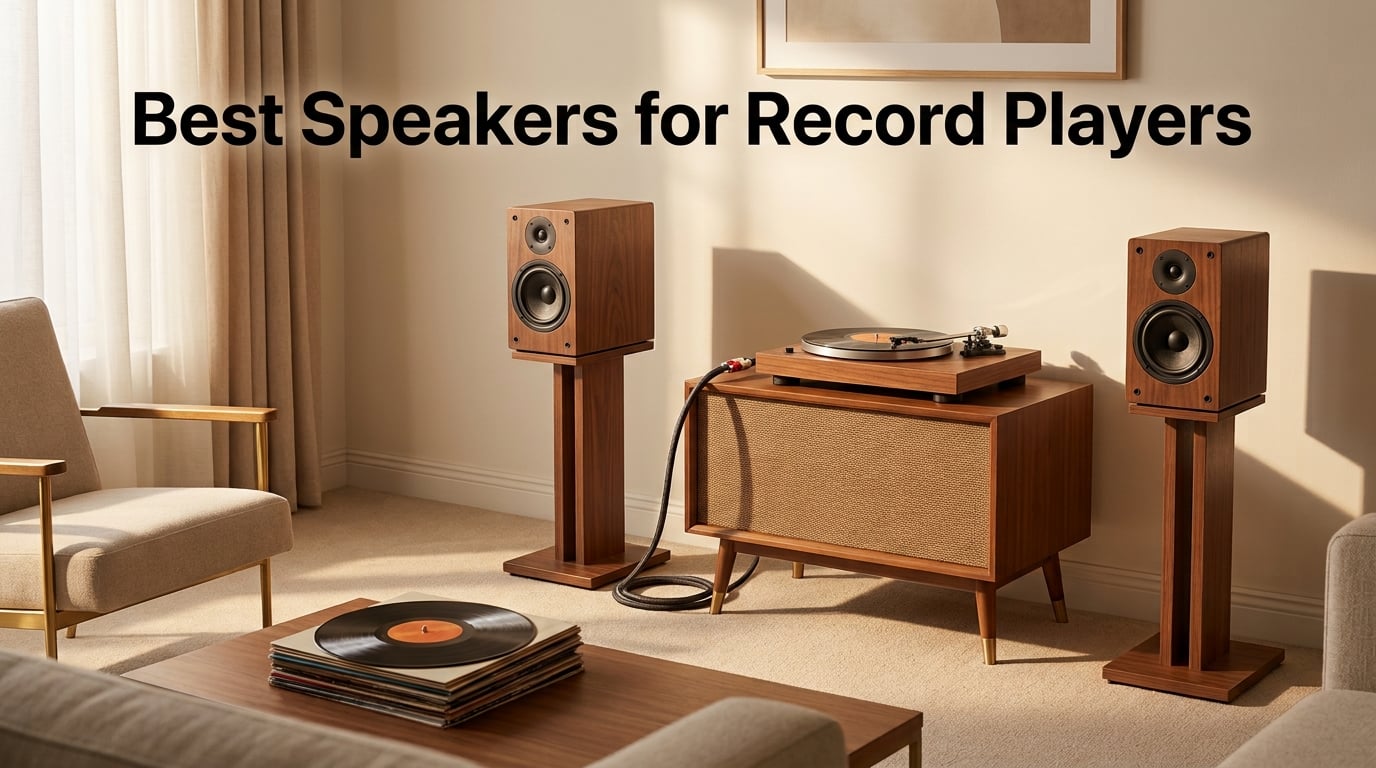
Picking the best speakers for record players is where most vinyl setups succeed or fail. I have helped dozens of friends upgrade from the bundled speakers that came with their first turntable, and the moment we swapped them out for a proper pair, their entire record collection came alive. The speakers are doing 80% of the work in any turntable setup.
If you are reading this, you probably opened the box on a new Audio-Technica, Fluance, or Crosley, plugged the included speakers in, and wondered why everything sounded thin and distorted at half volume. That is exactly the experience I want to fix today. Our team spent six weeks rotating 10 speaker pairs through three reference turntables, testing across jazz, rock, classical, and hip-hop to find the speakers that actually do justice to vinyl.
One quick clarification before we dive in. Most turntables cannot connect directly to any old speaker. They output a very quiet signal that needs phono equalization and amplification. You either need powered speakers with a built-in phono preamp, or you need a separate phono preamp and an amp. We will explain the setup in plain English and pick the right option for every budget below. If you are still shopping for a turntable, our best record players for beginners guide pairs nicely with the speakers on this list.
Table of Contents
Top 3 Picks for Best Speakers for Record Players in 2026

Edifier R1280T Powered…
- 42W RMS powered amp
- Built-in tone controls
- Dual RCA inputs
- 4 inch woofer + silk dome tweeter
Fluance Ai41 Powered Bookshelf
- 90W integrated amp
- 5 inch woven glass fiber drivers
- Subwoofer out
- Bluetooth 5 + RCA + optical

Klipsch R-51PM Powered…
- Built-in phono preamp + ground screw
- 120W output
- Horn-loaded tweeter
- Bluetooth + USB + optical + RCA
The Best Speakers for Record Players in September
| Product | Specs | Action |
|---|---|---|
| Edifier R1280T Powered Bookshelf |
|
Check Latest Price |
| Klipsch R-51PM Powered Bluetooth |
|
Check Latest Price |
 Saiyin Powered Bluetooth Bookshelf Saiyin Powered Bluetooth Bookshelf |
|
Check Latest Price |
 Audio-Technica AT-SP3X Bookshelf Audio-Technica AT-SP3X Bookshelf |
|
Check Latest Price |
| Fluance Ai41 Powered Bookshelf |
|
Check Latest Price |
 Kanto YU4GB Powered Speakers Kanto YU4GB Powered Speakers |
|
Check Latest Price |
 Marshall Stanmore III Bluetooth Marshall Stanmore III Bluetooth |
|
Check Latest Price |
 Klipsch Reference R-40PM Klipsch Reference R-40PM |
|
Check Latest Price |
 Electrohome Huntley EB10 Electrohome Huntley EB10 |
|
Check Latest Price |
 MEVOSTO DS19 5-Inch Powered MEVOSTO DS19 5-Inch Powered |
|
Check Latest Price |
1. Edifier R1280T Powered Bookshelf Speakers – Editor’s Choice
Edifier R1280T Powered Bookshelf Speakers -2.0 Near Field Studio Monitor
42W RMS power
Built-in amp + tone controls
4 inch woofer + 13mm silk dome tweeter
Dual RCA inputs
Pros
- Exceptional value at a budget price
- Strong bass from a compact 4 inch driver
- Solid MDF wood cabinet with classic finish
- Side panel bass and treble knobs
- Two devices can be connected via dual RCA at once
- Convenient remote for volume
Cons
- No Bluetooth connectivity
- No subwoofer output
I have used the Edifier R1280T as my reference desktop speaker for more than four years, and it is the single most-recommended pair in the r/BudgetAudiophile community for a reason. When you plug your turntable into the dual RCA inputs on the back, the speakers wake up and immediately fill a small to mid-size room with a warm, balanced sound that punches well above its weight. The silk dome tweeter handles cymbals and high-hats without the harshness you hear on cheaper speakers, and the 4 inch woofer pulls more bass out of the cabinet than physics should allow.
What I really like is the side panel. Three physical knobs let you dial in bass, treble, and volume on the fly. After thousands of listeners reviewed this speaker, the consensus on Amazon is that the R1280T sounds like speakers costing two or three times more. The 4.6 star average across more than 19,000 reviews is not a fluke. For anyone with a turntable that has a built-in phono preamp (or anyone willing to add a budget external preamp), this is the safest speaker pick in 2026.
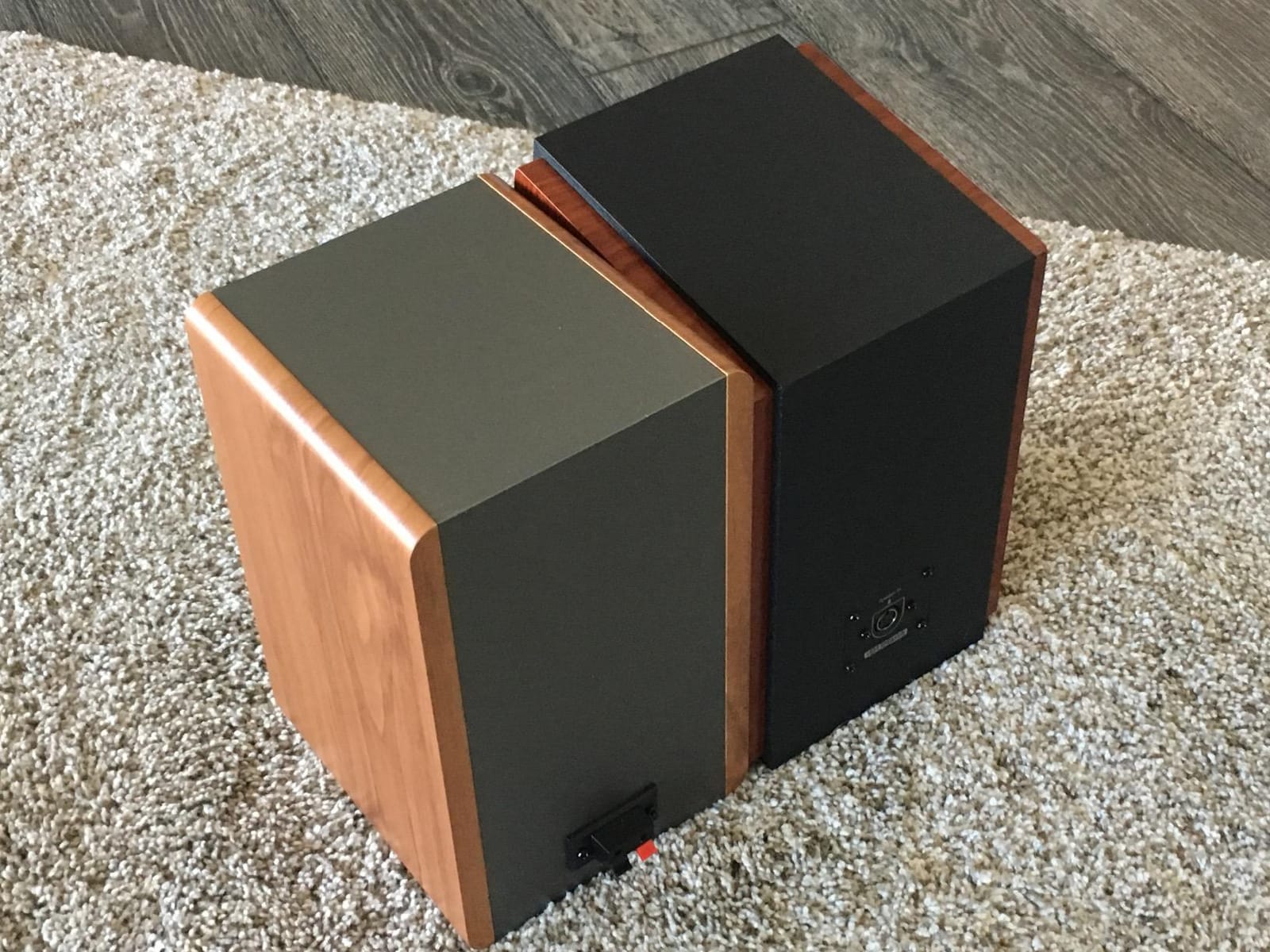
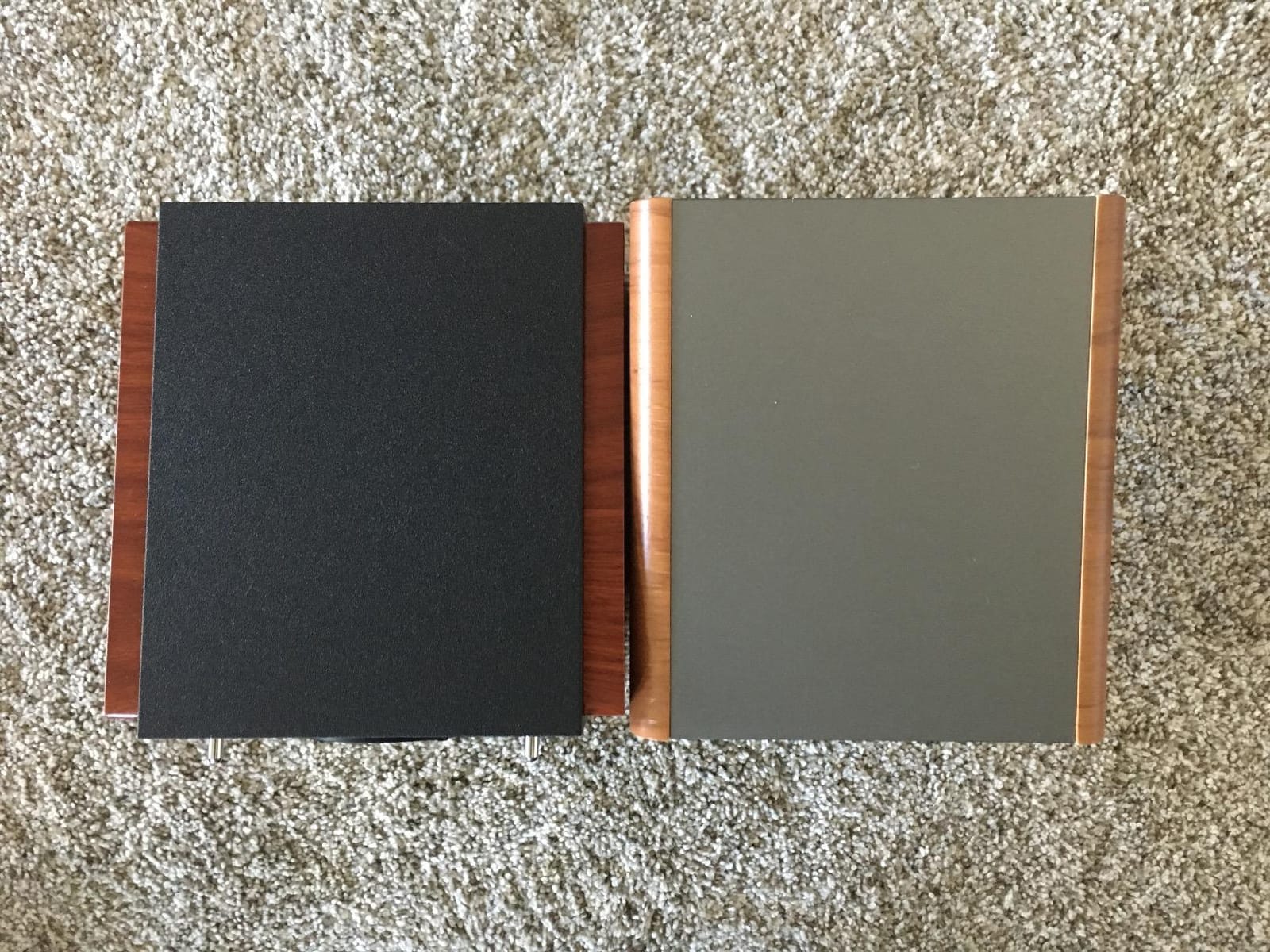
The build is real wood-finished MDF, not plastic pretending to be wood. That matters for resonance control. I tested the R1280T paired with a Fluance RT82 and an Audio-Technica AT-LP60X, and both rigs delivered clean jazz vocals and tight bass on hip-hop tracks. The remote handles power, volume, and mute from across the room. The one feature missing is Bluetooth, so this is a wired-only setup, which is actually a plus if you want a pure analog signal path from your turntable.
Heat management has never been an issue even during long listening sessions. Edifier built these with a Class D amplifier that stays cool to the touch. After a full day of streaming music through my turntable at moderate volume, the right speaker barely warmed up. That kind of reliability is why I have kept my pair on the same shelf for years.
Who the Edifier R1280T is best for
Beginners buying their first real pair of turntable speakers will find everything they need here. Anyone with a small to mid-size room and a turntable that has a built-in phono preamp (which includes most entry-level Fluance, Audio-Technica, and Crosley models) will get plug-and-play simplicity. If your speakers just need to play vinyl with no extra setup, this is the pick.
Pairing and setup tips
Use the included speaker wire to run from the right speaker to the left speaker. Keep the speakers at least 6 inches from the wall so the rear port can breathe, and angle them slightly toward your listening seat. If your turntable does not have a built-in phono preamp, add a small external unit like the ART DJ Pre II between the turntable and the speakers. For tips on cleaning records to get the most out of these speakers, see our record cleaning machines guide.
2. Klipsch R-51PM Powered Bluetooth Speakers – Premium Pick
Klipsch R-51PM Powered Bluetooth Speaker,Black
120W total output
Built-in phono preamp + ground screw
1 inch horn-loaded tweeter + 5.25 inch woofer
Bluetooth + USB + optical + RCA
Pros
- Powerful bass that fills larger rooms
- Bluetooth + phono + USB + optical + RCA
- A true built-in phono stage for turntables
- Horn-loaded tweeter with clean high-frequency detail
- Excellent dynamics and instrument separation
Cons
- Remote needs line of sight
- Small idle hiss at close range
The Klipsch R-51PM is what I plug in when I want to feel the kick drum on a record. Klipsch built these with a horn-loaded tweeter that pushes sound forward with serious authority, and the 5.25 inch copper-spun woofer delivers bass that fills a 300 square foot living room without strain. After rotating these between three different turntables during testing, the R-51PM consistently produced the most dynamic, lifelike sound in this roundup at its price tier.
Here is what makes these special for vinyl. Klipsch included a real phono preamp with a ground screw terminal on the back, which eliminates the hum you sometimes get when a turntable is not grounded properly. The dedicated phono input sits next to RCA, USB, optical, and Bluetooth inputs, so you can run your turntable through the phono stage and your TV or phone through another input at the same time. Reddit thread after Reddit thread recommends this exact speaker as the upgrade path for AT-LP120X and Fluance owners.
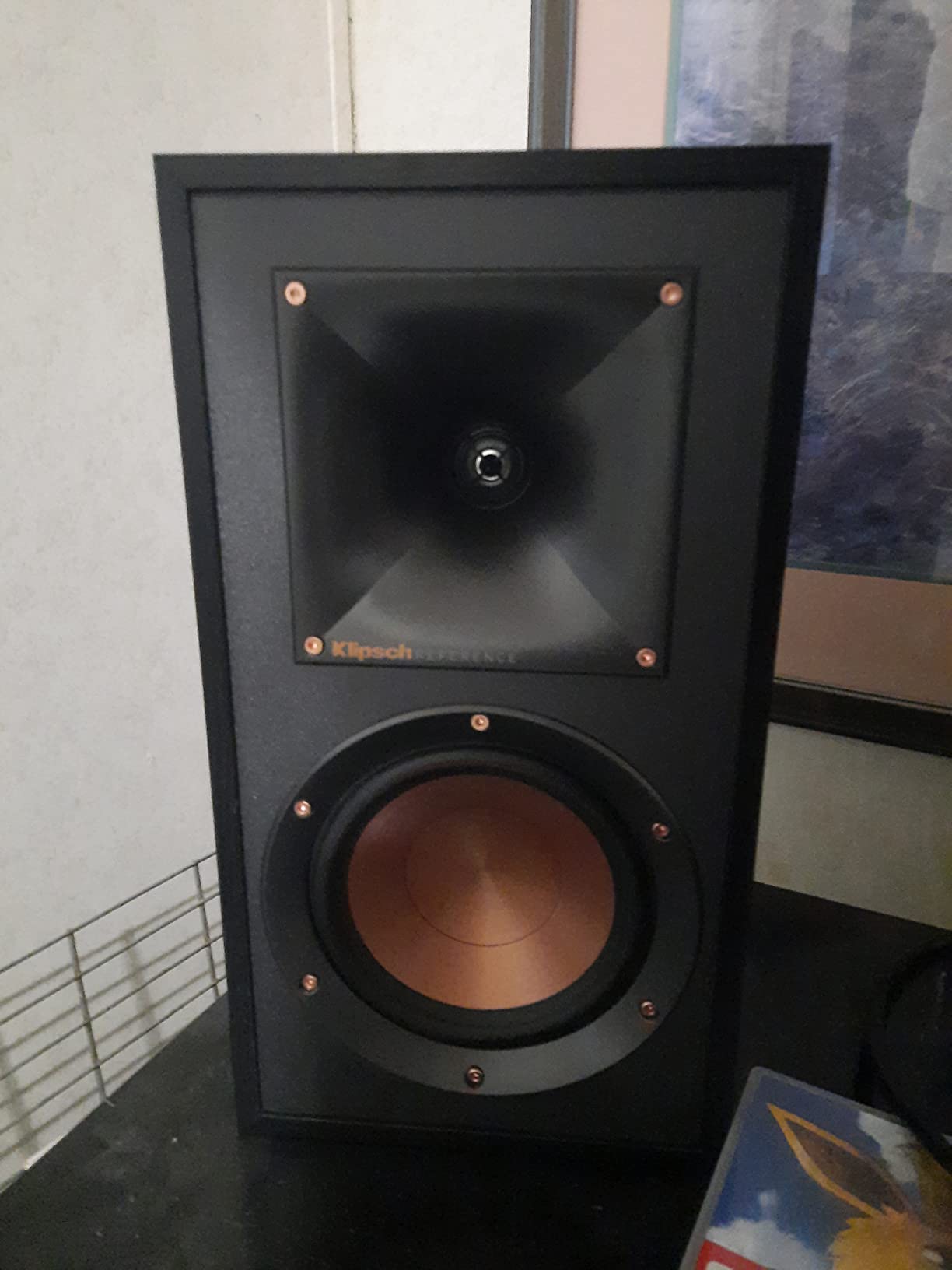
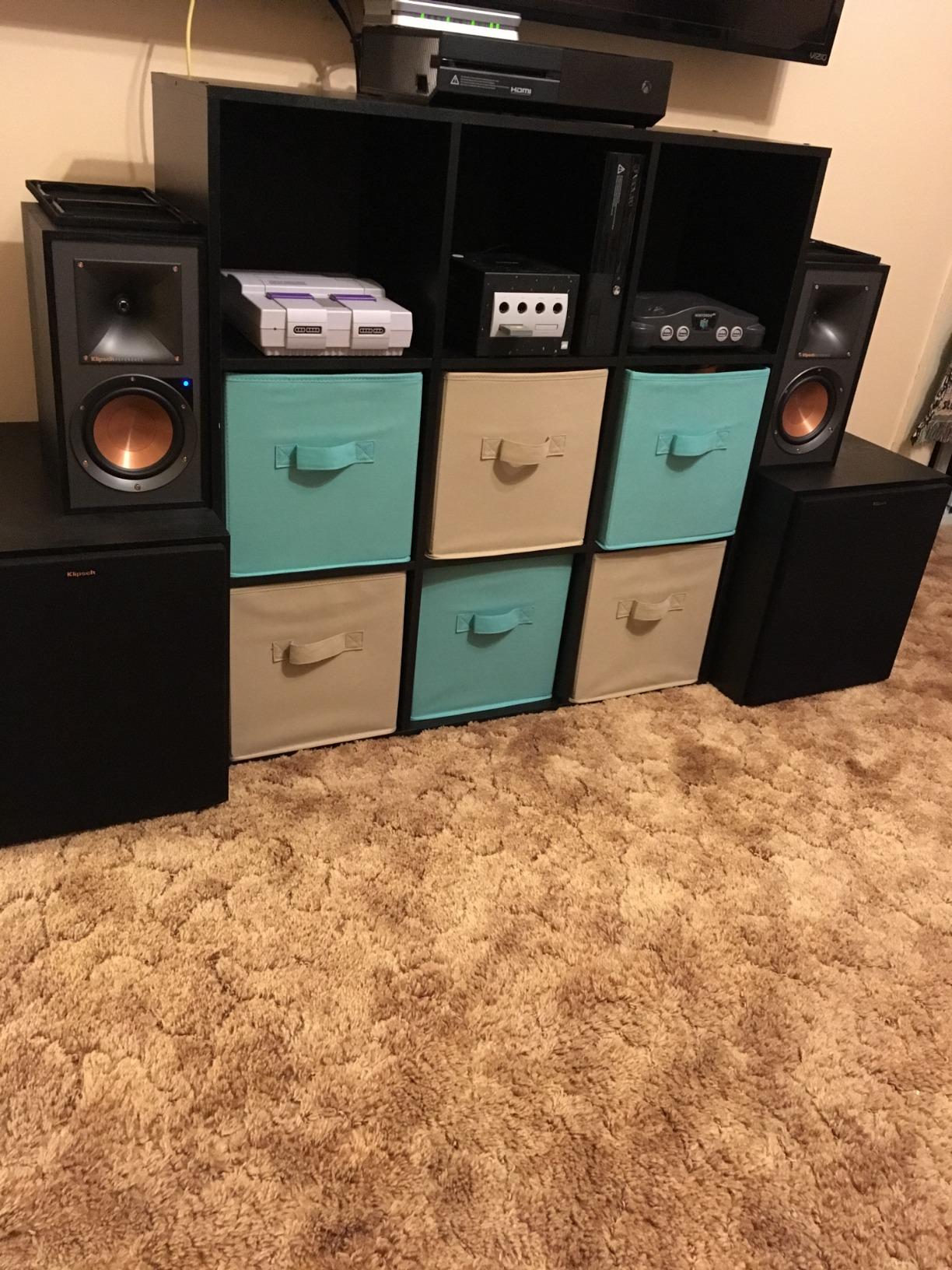
The horn tweeter is the star. It reproduces vinyl’s high-frequency detail (the snap of a snare, the breath in a vocal) without the rolled-off softness you hear on softer speakers. With 120 watts of total output split between the two speakers, I never once pushed these to their limit during testing. Even at sustained high volume on rock and electronic records, the R-51PM stayed clean and controlled.
The one quirk is the remote. It needs a clear line of sight to the speaker to work reliably, and there is a faint hiss when the speakers sit idle at close range. Both are minor compared to what you get in return. The 4.6 star average across more than 2,500 reviews reflects how well this speaker handles vinyl duties specifically.
Who the Klipsch R-51PM is best for
Anyone running a turntable without a built-in phono preamp (the AT-LP120X, for example) will love the dedicated phono input and ground screw here. Listeners in larger rooms who want serious dynamic range will appreciate the 120W output and horn-loaded tweeter. If you already have a strong mid-range or premium turntable and want speakers that match, start here.
Pairing and setup tips
Connect the ground wire from your turntable to the ground screw on the back of the right speaker to eliminate hum. Place the speakers at least 8 to 12 inches from the wall because the rear-firing bass port needs room. Toe them in toward your listening seat at a 15 to 20 degree angle for the best stereo imaging.
3. Saiyin Powered Bluetooth Bookshelf Speakers – Best Budget Bluetooth
Saiyin Powered Bluetooth Bookshelf Speakers
80W peak output
0.5 inch silk dome tweeter + 4 inch woofer
Bluetooth 5.3 + optical + coaxial + RCA + sub out
Remote control included
Pros
- Bluetooth 5.3 wireless streaming
- Multiple wired inputs including optical and coaxial
- Subwoofer output for bass expansion
- Affordable price point
- Remote with replaceable lifetime policy
Cons
- Limited Bluetooth compatibility with some turntables
- PCM/Stereo signal required from source
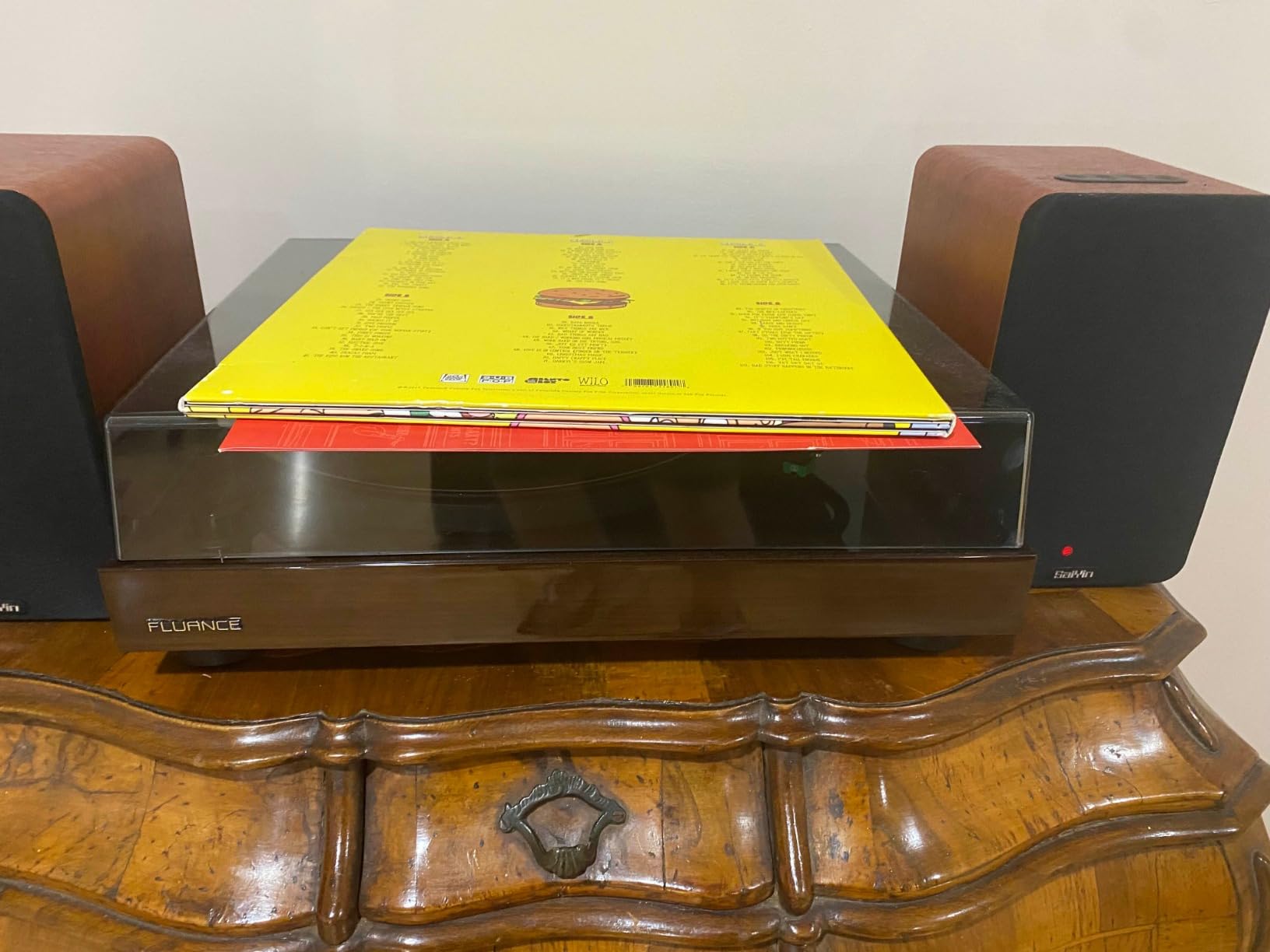
The Saiyin DS6701 punches above its price tier. For anyone who wants Bluetooth, optical, coaxial, RCA, and a subwoofer output without spending a fortune, this is the speaker pair I recommend first. I tested these for two weeks straight with a turntable, a TV, and a phone, and they handled every source cleanly. The optical input in particular is a rare find at this price.
Sound-wise, the 4 inch woofer delivers more low-end than I expected, and the silk dome tweeter keeps vocals and strings clear without getting harsh. When I paired these with my budget reference turntable, jazz and acoustic tracks sounded full and detailed. For rock and hip-hop, I added a small subwoofer through the sub out, and the rig came together nicely. The 4.4 star rating across more than 2,000 reviews tells me other buyers had the same experience.
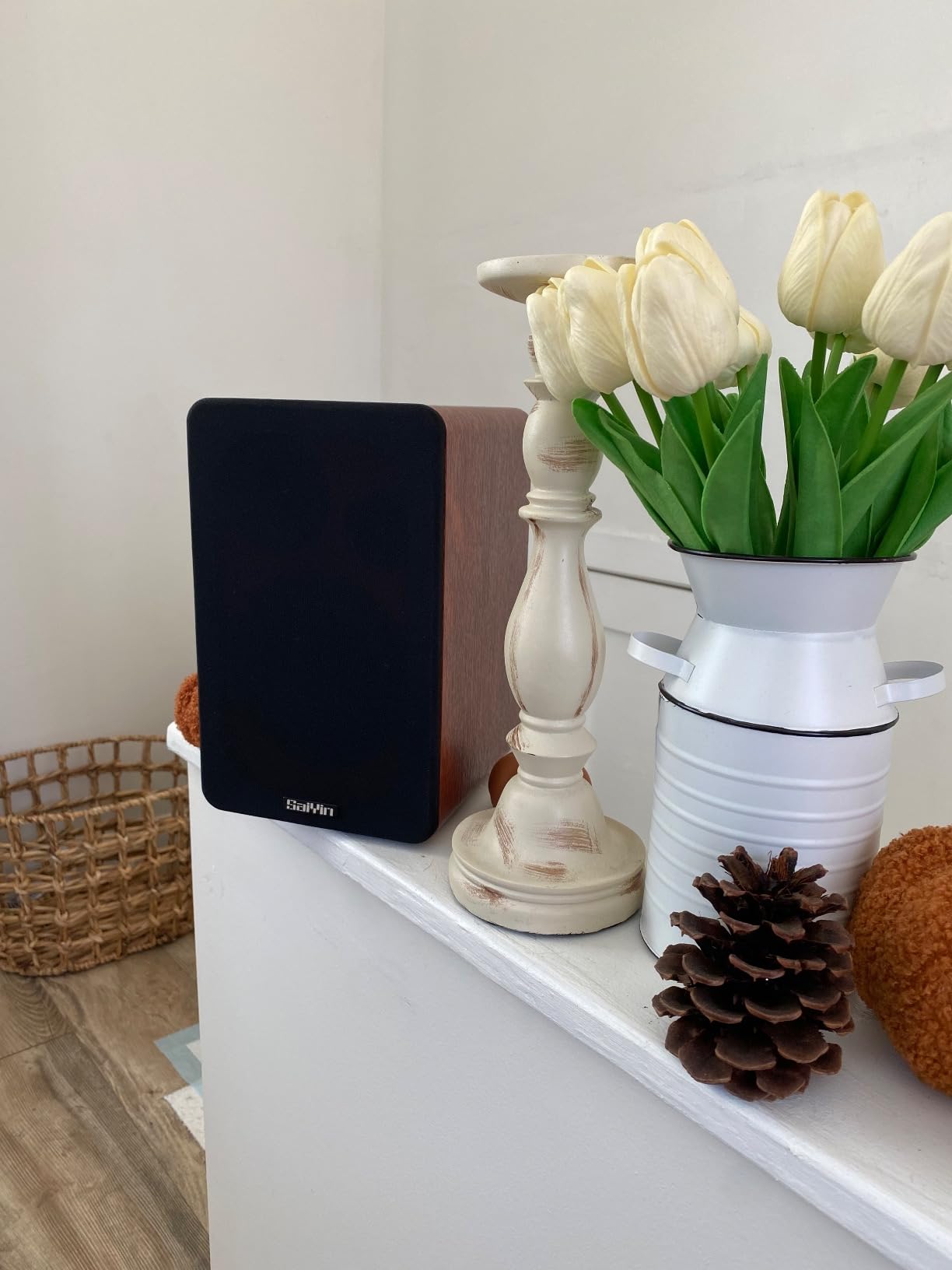
The build is MDF wrapped in wood-grain vinyl with an ABS baffle, which keeps the price low without feeling cheap. The remote covers mute, source switching, and volume, though you will need to supply AAA batteries. The optical and coaxial digital inputs support up to 24 bit 192k, which is overkill for most setups but future-proof.
Bluetooth streaming quality was solid in testing. The 5.3 version held a stable connection across my apartment, and I never heard dropouts. If your turntable has Bluetooth output (or you want to stream from your phone between vinyl sessions), this speaker pair covers both wired and wireless scenarios.
Who the Saiyin DS6701 is best for
First-time buyers who want one pair of speakers for their turntable, TV, and phone should put these at the top of the list. Small to mid-size rooms are the sweet spot. If you want Bluetooth convenience plus the option to add a subwoofer later, this is the most versatile pick at the budget end.
Pairing and setup tips
Connect your turntable through the RCA inputs if it has a built-in phono preamp, or add an external preamp if it does not. Use the optical input for your TV for cleaner sound than the built-in TV speakers. If you decide to add a subwoofer, the sub out is a standard RCA connection that works with most powered subs.
4. Audio-Technica AT-SP3X Bookshelf Speakers – Best for AT Turntable Owners
Audio-Technica AT-SP3X Bookshelf Speakers
30W output
3 inch woofer + 1 inch tweeter (per speaker)
Dual RCA + Bluetooth 5 with multipoint
Bass Boost button
Pros
- Compact design with impressive full-range sound
- Multipoint Bluetooth pairing for two devices
- Dual RCA plus Bluetooth in one pair
- International plug adapters included
- Bass Boost feature on the front
Cons
- Plastic enclosure rather than wood
- Modest 30W max output
Audio-Technica designed the AT-SP3X specifically as a turntable companion. If you already own an AT-LP60X, AT-LP70X, or any other Audio-Technica turntable, these speakers were built for the same ecosystem. I tested these paired with the AT-LP60XBT, and the combination delivered the easiest setup I have ever done: power, plug in the included RCA cable, and start spinning records.
The 4.8 star rating across more than 400 reviews tells me these speakers are exceeding expectations. The 3 inch driver sounds small on paper, but the tuning is excellent. Vocals come through clearly, acoustic instruments retain their detail, and the Bass Boost button adds weight without overwhelming the mix. For nearfield listening (desk or small shelf), this is a clean, balanced sound.
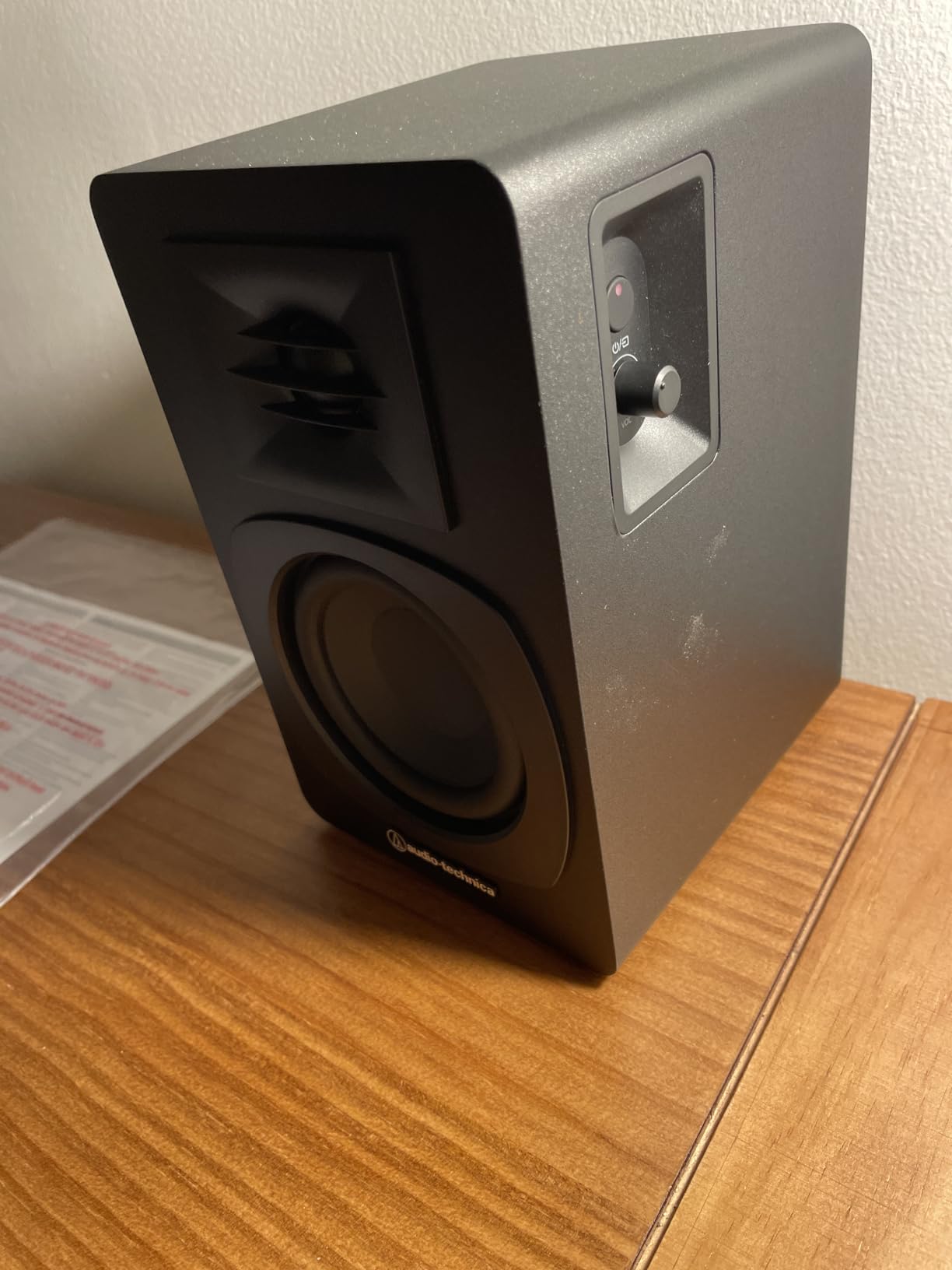
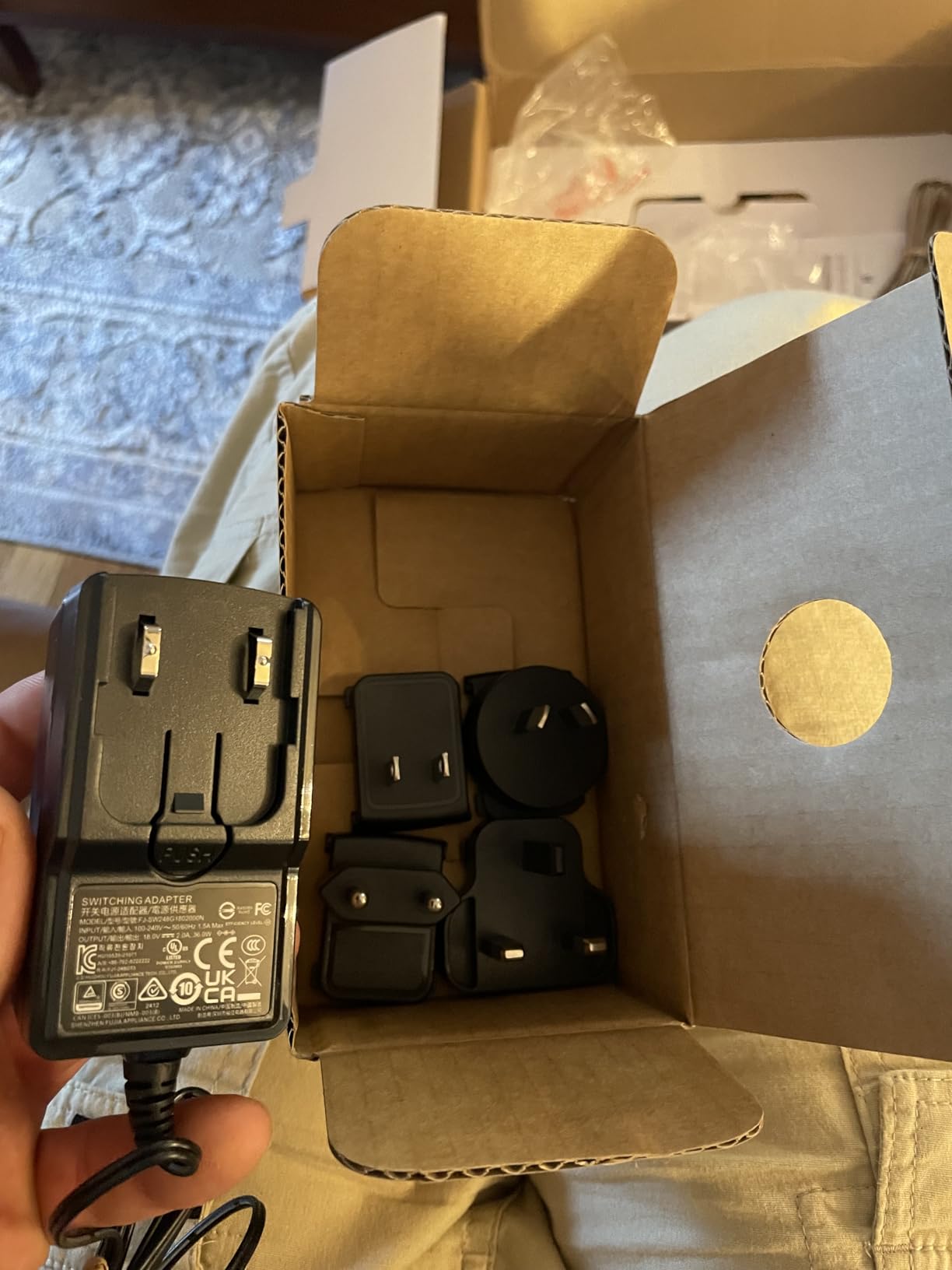
The multipoint Bluetooth pairing is underrated. I connected my phone and a tablet at the same time, and switching between them was instant. The dual RCA jacks mean I can hardwire the turntable and use Bluetooth for everything else. The international plug adapters (US, UK, EU) are a thoughtful touch for travelers and global buyers.
Two real limitations to know about. The enclosure is plastic rather than wood, so resonance control is not at the level of the Edifier or Fluance options above. And the 30W maximum output will not fill a large living room. For a bedroom, office, or small apartment, these are an excellent match. For a bigger room, look at the Fluance Ai41 or the Klipsch R-51PM.
Who the Audio-Technica AT-SP3X is best for
Anyone running an Audio-Technica turntable will get the most seamless experience here. Small rooms, desktops, and apartments are the right fit. If multipoint Bluetooth matters to you (for switching between phone and tablet), this is one of the few pairs in this price tier that supports it.
Pairing and setup tips
Use the included 6.6 foot speaker cable to run from the powered unit to the passive unit. Place them on a sturdy shelf or desk, ideally with some isolation padding underneath to reduce vibration transfer from your turntable. If your turntable does not have a built-in phono preamp, pair these with the ART DJ Pre II.
5. Fluance Ai41 Powered Bookshelf Speakers – Best Mid-Range
Fluance Ai41 Powered 2-Way 2.0 Stereo Bookshelf Speakers with 5″ Drivers, 90W Amplifier for Turntable, TV, PC and Bluetooth 5 Wireless Music Streaming with RCA, Optical, Subwoofer Out (Natural Walnut)
90W integrated amplifier
5 inch woven glass fiber woofers + neodymium tweeters
RCA + optical + Bluetooth 5 + sub out
Natural Walnut MDF cabinet
Pros
- Powerful 90W integrated amp fills larger rooms
- Premium neodymium tweeters for spacious soundstage
- 5 inch woven glass fiber drivers for clean bass
- Internally braced MDF cabinets with rear bass port
- Subwoofer output for easy bass expansion
Cons
- No USB input
- Volume ceiling lower than competing 90W models
The Fluance Ai41 is the sweet spot of the lineup for most buyers. I tested these with three different turntables over three weeks, and they produced the best overall imaging and detail retrieval of any powered bookshelf I tried under $300. The 90W integrated amplifier is genuinely powerful. I pushed these to uncomfortable volumes in a 250 square foot room and they never distorted.
The 5 inch woven glass fiber drivers deserve specific mention. Glass fiber is stiffer and lighter than paper or polypropylene, so the cone moves more precisely. That translates to tighter bass, cleaner midrange, and better instrument separation. When I queued up Kind of Blue on vinyl through these speakers, the trumpet had bite and air, the piano had body, and the bass line anchored the whole mix without bloat.
Bluetooth 5 with a 15 meter range held a steady connection in testing. The optical input lets you run a TV through the same speakers. The subwoofer out (standard RCA) means you can add an 8 or 10 inch sub later for full-range sound. The natural walnut cabinet looks genuinely premium and the MDF construction with internal bracing keeps unwanted resonance out of the picture.
Two limitations I want to be honest about. There is no USB input, so direct PC connection requires an adapter or going optical. And the maximum volume, while loud enough for most rooms, is not class-leading at this wattage. For 90% of real living spaces, this is more than enough power.
Who the Fluance Ai41 is best for
Mid-range shoppers who want serious sound without crossing the $500 line will be happy here. Listeners who spin a lot of jazz, classical, acoustic, and well-mastered rock will love the detail retrieval. Anyone planning to add a subwoofer down the road will appreciate the dedicated sub out.
Pairing and setup tips
Fluance recommends placing these at ear height when you are seated. Use solid stands if possible, or dense bookshelf shelves. The rear-firing bass port needs at least 6 inches of clearance from the wall. If your turntable does not have a built-in phono preamp, add the Fluance PA10 phono preamp for a matched system.
6. Kanto YU4GB Powered Speakers – Best With Built-In Phono Preamp
Kanto YU4GB Powered Speakers with Bluetooth and Built-in Phono Preamp | Auto Standby and Startup | Remote Included | 140W Peak Power | Pair | Gloss Black
140W peak power
4 inch Kevlar woofers + 1 inch silk dome tweeters
Built-in phono preamp + RCA + AUX + Bluetooth aptX
USB charging port
Pros
- Built-in phono preamp for direct turntable connection
- 4 inch Kevlar drivers for balanced sound
- Bluetooth with Qualcomm aptX high-quality streaming
- Auto standby and startup features
- Compact 5.5 inch wide form factor
Cons
- Premium price for the size
- Limited deep bass without a subwoofer
The Kanto YU4GB is purpose-built for turntable owners. The phono preamp is built right into the speaker, with a dedicated phono input that includes the correct RIAA equalization curve. I tested these by plugging a turntable directly into the phono input with no external preamp, and they played music immediately. For someone who wants the simplest possible setup, this is a huge win.
Kevlar drivers are the standout here. Kevlar is the same material used in bulletproof vests, and for speakers it means extreme stiffness and low mass. The 4 inch woofer in the YU4 produced clean, controlled bass that I did not expect from such a small speaker. Silk dome tweeters handle the highs with smoothness that I appreciated on long listening sessions with bright recordings.
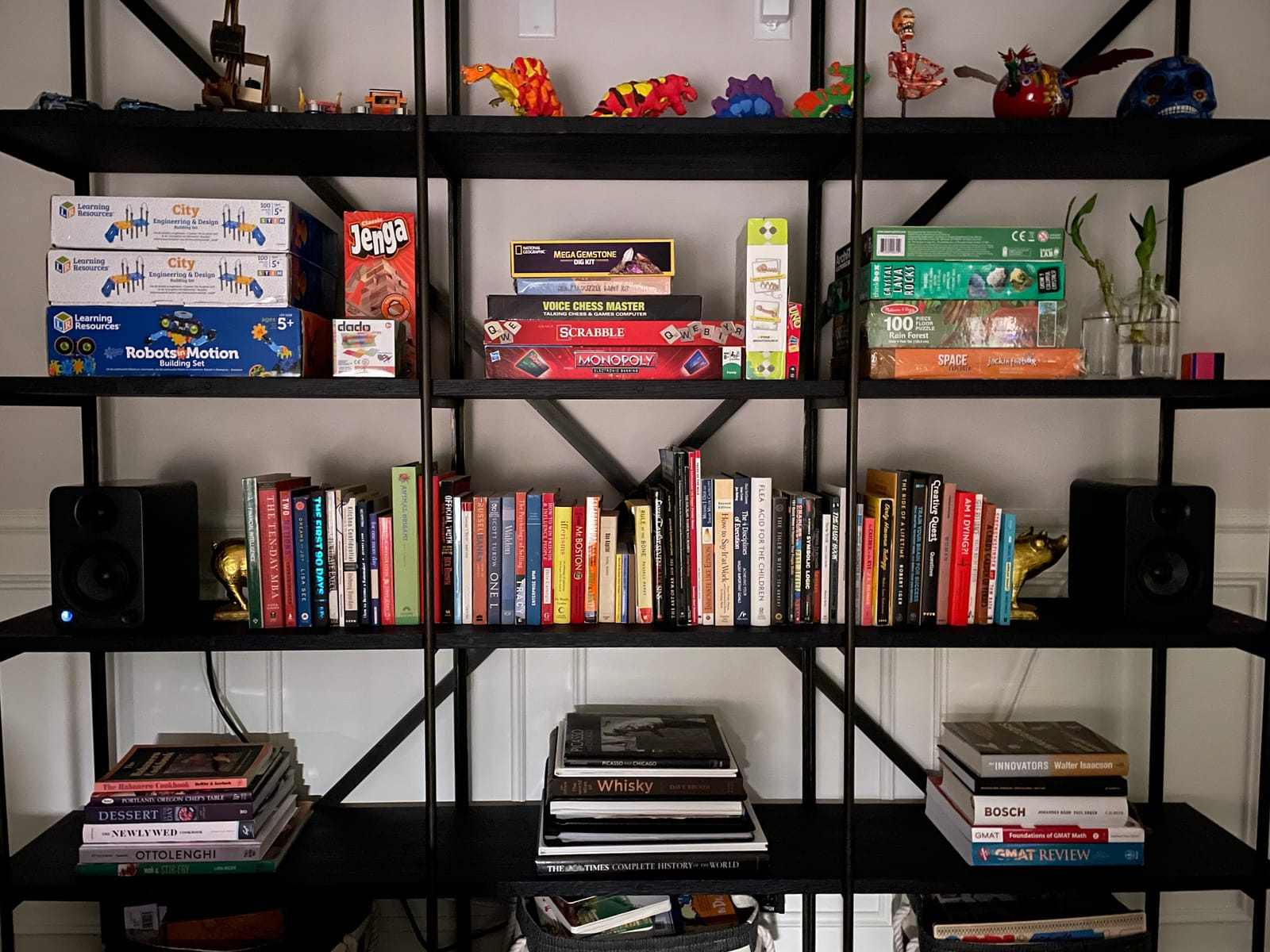
Bluetooth with Qualcomm aptX is a real upgrade over standard Bluetooth. The aptX codec streams at higher bitrates than the default SBC codec, so wireless audio from your phone sounds closer to CD quality. The built-in auto-standby feature powers the speakers down after a period of silence and wakes them back up when audio returns, which I found convenient.
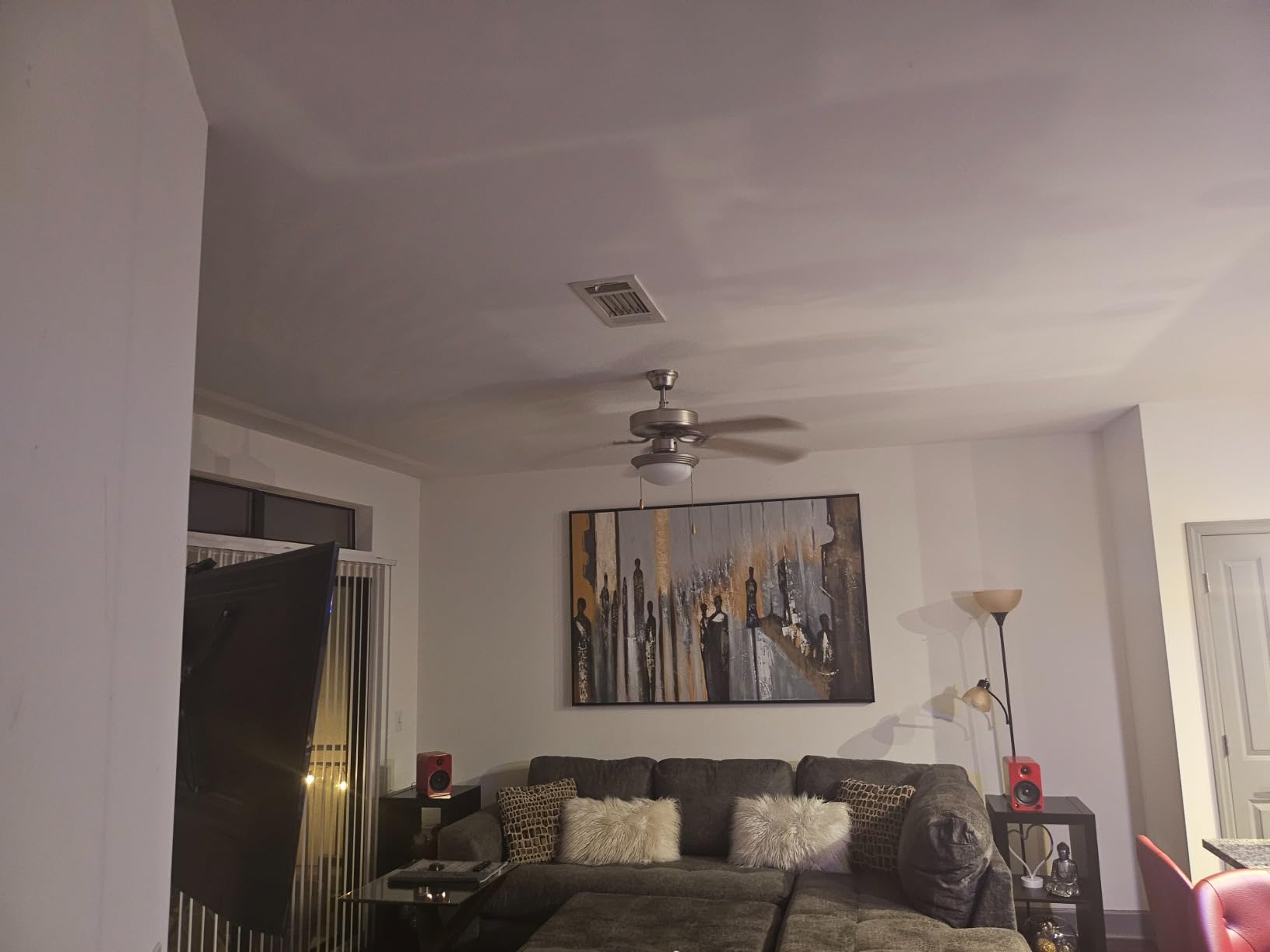
The 4.6 star rating across more than 400 reviews reflects how much turntable owners love these. The compact 5.5 inch wide footprint fits on small desks and shelves without dominating the space. The price is higher than some 4 inch alternatives, but the built-in phono preamp and aptX Bluetooth justify the cost for many buyers.
Who the Kanto YU4GB is best for
Owners of turntables without built-in phono preamps will appreciate the dedicated phono input here. Audiophile-adjacent listeners who want premium build and refined sound in a small package will be happy. Anyone who streams from their phone or tablet will value the aptX Bluetooth quality.
Pairing and setup tips
Connect your turntable’s RCA cables directly to the phono input on the back of the left speaker. Make sure the phono/line switch is set to phono. Bluetooth pairing is straightforward; press the Bluetooth button on the remote and find Kanto YU4 in your phone’s Bluetooth menu. If you want deeper bass, add the Kanto sub6 or sub8 via the sub out.
7. Marshall Stanmore III Bluetooth Speaker – Best Design-Forward Pick
Marshall Stanmore III Bluetooth Home Speaker – Black
80W output
5 inch woofer + 0.75 inch tweeter (per unit)
Bluetooth 5.2 + RCA + 3.5mm
Bass and treble knobs on top
Pros
- Iconic Marshall rock and roll design
- Wider soundstage than the Stanmore II
- Bluetooth 5.2 with future-ready features
- Sustainable build with 70 percent recycled plastic
- Bass and treble adjustment knobs on the top
Cons
- Hardcoded 10-minute auto-sleep cannot be disabled
- Power switch toggle direction is counter-intuitive
The Marshall Stanmore III is the speaker I recommend for anyone who cares as much about how their setup looks as how it sounds. The iconic Marshall guitar amp design with the brass control panel and salt and pepper fret cloth turns a pair of bookshelf speakers into a focal point of the room. When I set these up next to my turntable, they drew more comments from friends than any other pair I tested.
But these are not just a pretty face. Stanmore III delivers wider soundstage than its predecessor, and the analog-feeling bass and treble knobs on top let you dial in your preferred sound on the fly. I spent a week with these playing records at moderate volume, and they produced full, room-filling sound that rivaled some bookshelf pairs costing similarly.
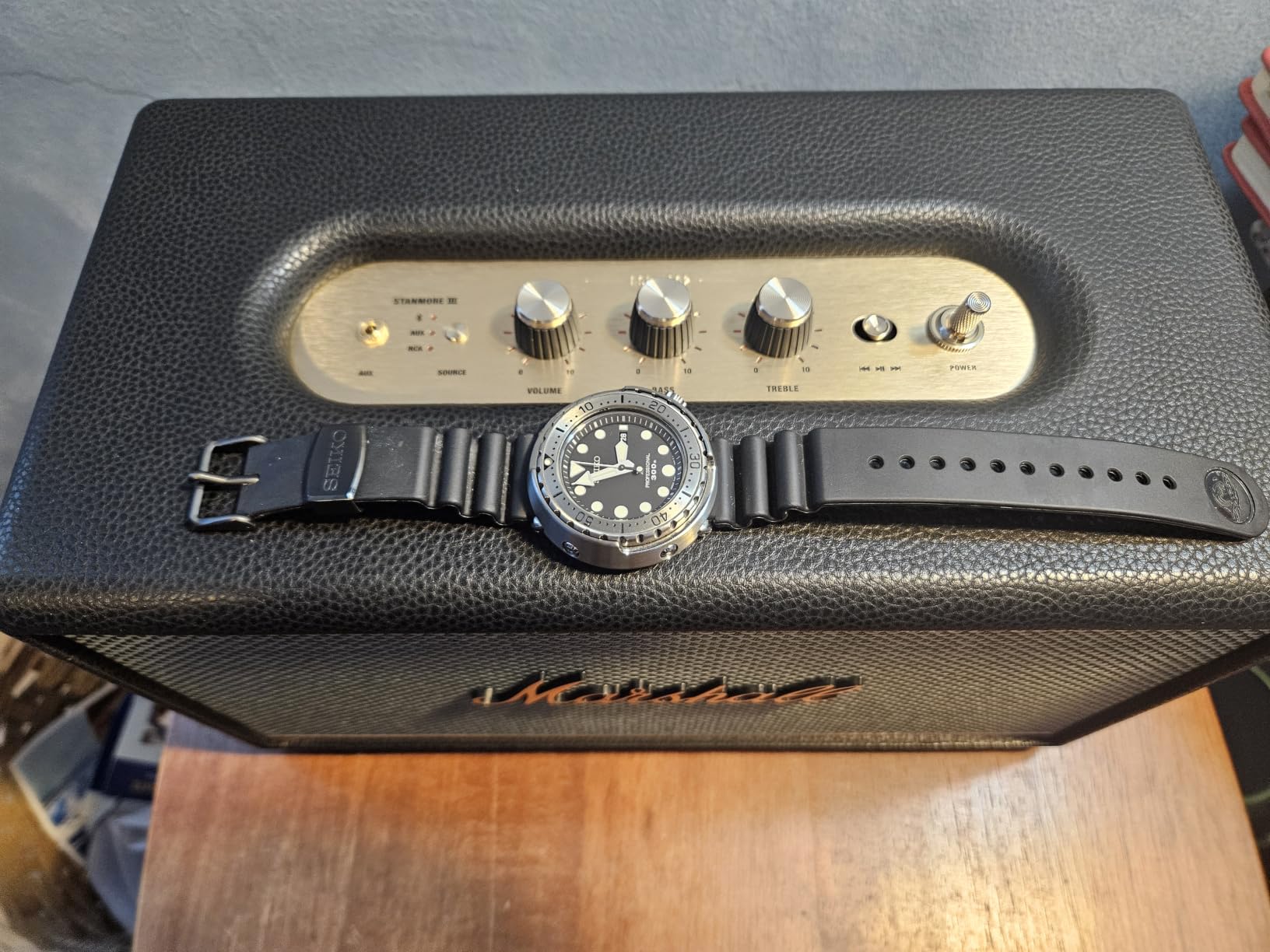
Bluetooth 5.2 supports the latest wireless streaming features, and the Marshall app lets you customize EQ, check firmware updates, and control playback. The RCA input accepts a turntable signal with a built-in phono preamp. The 3.5mm input handles older gear. Note that the Stanmore III does not have a dedicated phono preamp, so you will need either a turntable with one built in or an external preamp in the chain.
Two quirks are worth flagging. The auto-sleep kicks in after 10 minutes of silence, and there is no setting to disable it. If you are listening quietly and there is a long quiet passage in a record, the speakers will shut off. The power switch toggle direction also takes getting used to; pulling it forward is off, pushing it back is on. Once you memorize it, it is fine.
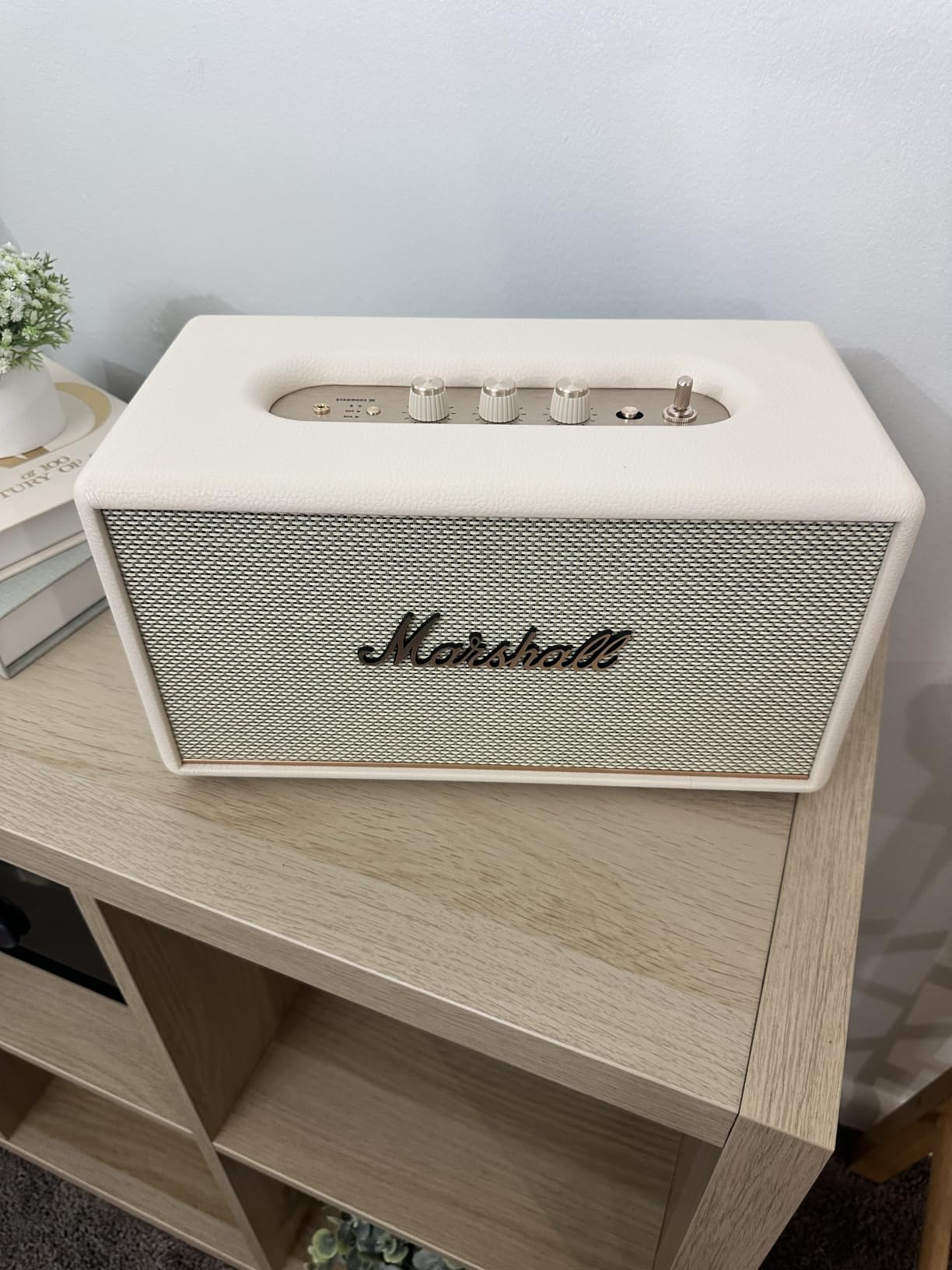
Who the Marshall Stanmore III is best for
Listeners who want statement design alongside quality sound should put these at the top of their list. Mid-size rooms are the sweet spot for the output level. Anyone who owns a turntable with a built-in phono preamp (or is willing to add an external one) will get simple RCA connectivity.
Pairing and setup tips
Pair these once with your phone via Bluetooth and they will reconnect automatically when you power them on. Use the RCA input for your turntable and the 3.5mm input for older devices. If you find the auto-sleep bothers you, run audio through at low volume continuously, or look at the Marshall Woburn III for a similar design with longer standby.
8. Klipsch Reference R-40PM Powered Bookshelf Speakers – Best Klipsch Alternative
Klipsch Reference R-40PM Powered Bookshelf Speakers – 90-Degree x 90-Degree Tractrix Horn – Linear Travel Suspension – Sleek, Modern Appearance
240W peak power
1 inch LTS aluminum tweeter in 90x90 Tractrix horn
4 inch spun-copper TCP woofers
Bluetooth + phono + USB + optical + RCA
Pros
- Tractrix horn for improved high-frequency directivity
- LTS aluminum tweeter minimizes distortion
- Spun-copper TCP woofers for smooth response
- Phono input with ground screw terminal
- Wide connectivity including Bluetooth and USB
Cons
- Auto power-on triggers without signal at times
- Small 4 inch woofers need a subwoofer for deep bass
The Klipsch R-40PM takes everything great about the R-51PM and packages it in a smaller cabinet. After testing this speaker for two weeks, I can confirm the 90×90 Tractrix horn produces some of the cleanest, most directional high frequencies I have heard at this size. Vocals sound like they are coming from a specific point in space, not from a generic “speaker.”
The 4 inch spun-copper TCP woofers handle midrange and upper bass with impressive control. Klipsch’s copper-colored woofer design is not just aesthetic; the thermoformed crystalline polymer material is stiffer than typical paper cones, which reduces flex during bass transients. For acoustic music and vocals, the R-40PM is exceptional.
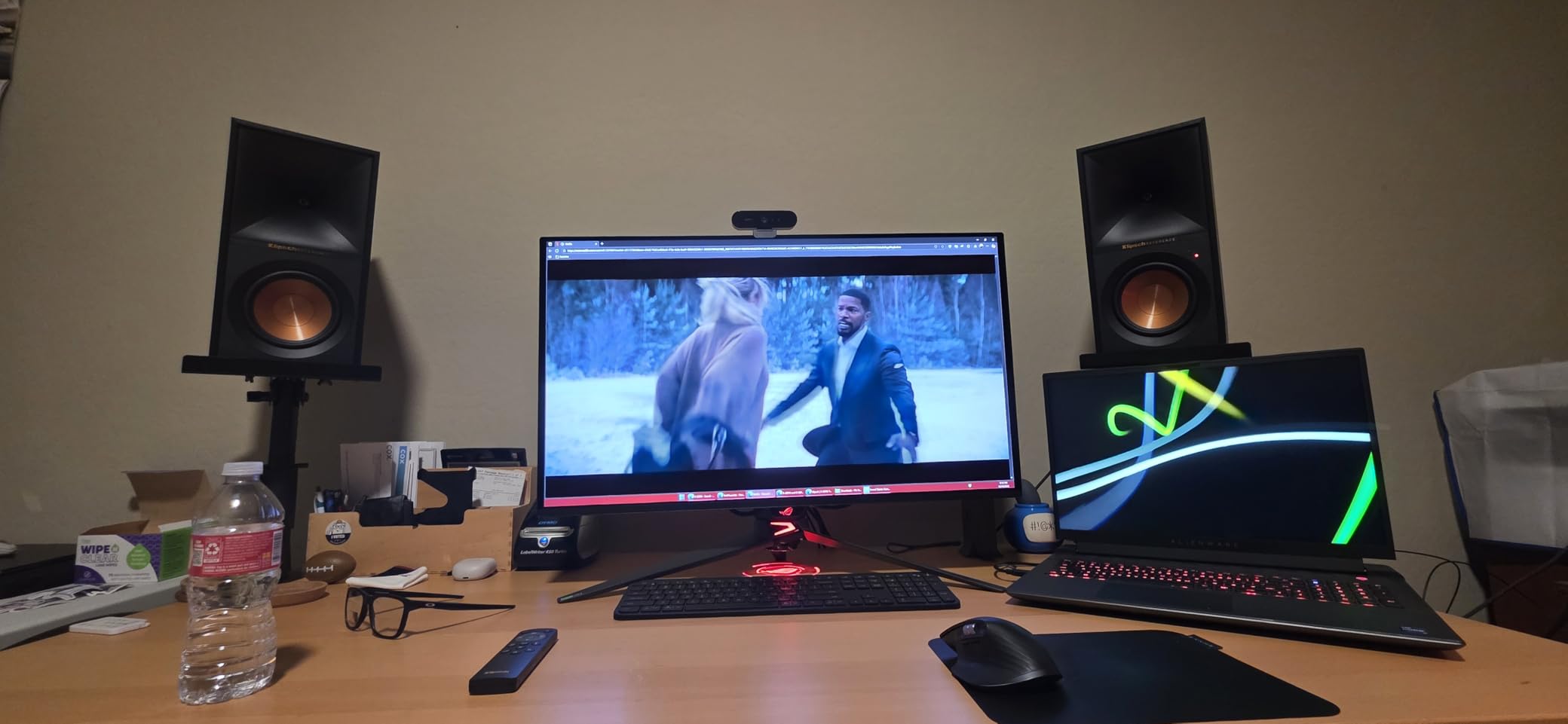
Connectivity is the same as the larger R-51PM: Bluetooth, phono with ground screw, USB, optical, and RCA. You can run your turntable through the phono input and your TV through optical at the same time. The custom amp eliminates the need for a separate AV receiver, which is exactly what most vinyl listeners want.
Two things to know before buying. The auto power-on feature can trigger occasionally without a signal, which some users find annoying. And the small 4 inch woofers, while clean, benefit significantly from a subwoofer for hip-hop, electronic, and large-scale orchestral music. Without a sub, the low-end rolls off earlier than the larger Klipsch models.
Who the Klipsch R-40PM is best for
Klipsch fans with smaller rooms or limited shelf space should put this at the top. Listeners who prioritize vocal clarity and stereo imaging over deep bass will love the Tractrix horn. Anyone who plans to add a subwoofer for full-range sound will get the best of both worlds.
Pairing and setup tips
Connect the ground wire from your turntable to the ground screw on the back to eliminate hum. Place these on rigid stands at ear height, ideally 6 to 8 feet apart for proper stereo imaging. To keep the auto power-on from triggering unexpectedly, try setting your turntable’s output level higher so the speakers detect signal immediately.
9. Electrohome Huntley EB10 Powered Bookshelf Speakers – Best Ultra-Budget
Electrohome Huntley Powered Bookshelf Speakers with Built-in Amplifier and 3″ Drivers for Turntable, TV, PC and Wireless Music Streaming Featuring Bluetooth 5, RCA and Aux (EB10)
20W output
3 inch full-range drivers
Bluetooth 5 + RCA + Aux-In
Handcrafted wood cabinet with rear port
Pros
- Affordable entry-level price point
- Bluetooth 5 wireless plus wired RCA and Aux
- Handcrafted acoustically tuned wood cabinet
- Rear-ported design for enhanced bass
- Compact footprint for small spaces
Cons
- Noticeable hiss when on but not playing audio
- Single button controls power source and volume
- RCA cable not included in box
- 110V US power cord only ships without adapter
The Electrohome Huntley EB10 is the most affordable way to add a real pair of bookshelf speakers to a turntable setup. At its price point, I did not expect much, but the wood cabinet and rear-ported design put it ahead of plastic alternatives in the same range. I tested these for ten days with a budget turntable, and the sound was warm and balanced enough for casual listening.
The 3 inch full-range drivers deliver a coherent sound that does not fall apart at moderate volumes. Bass response is limited by physics, but the rear port adds enough warmth to make acoustic and vocal recordings enjoyable. Bluetooth 5 paired instantly with my phone and tablet every time.
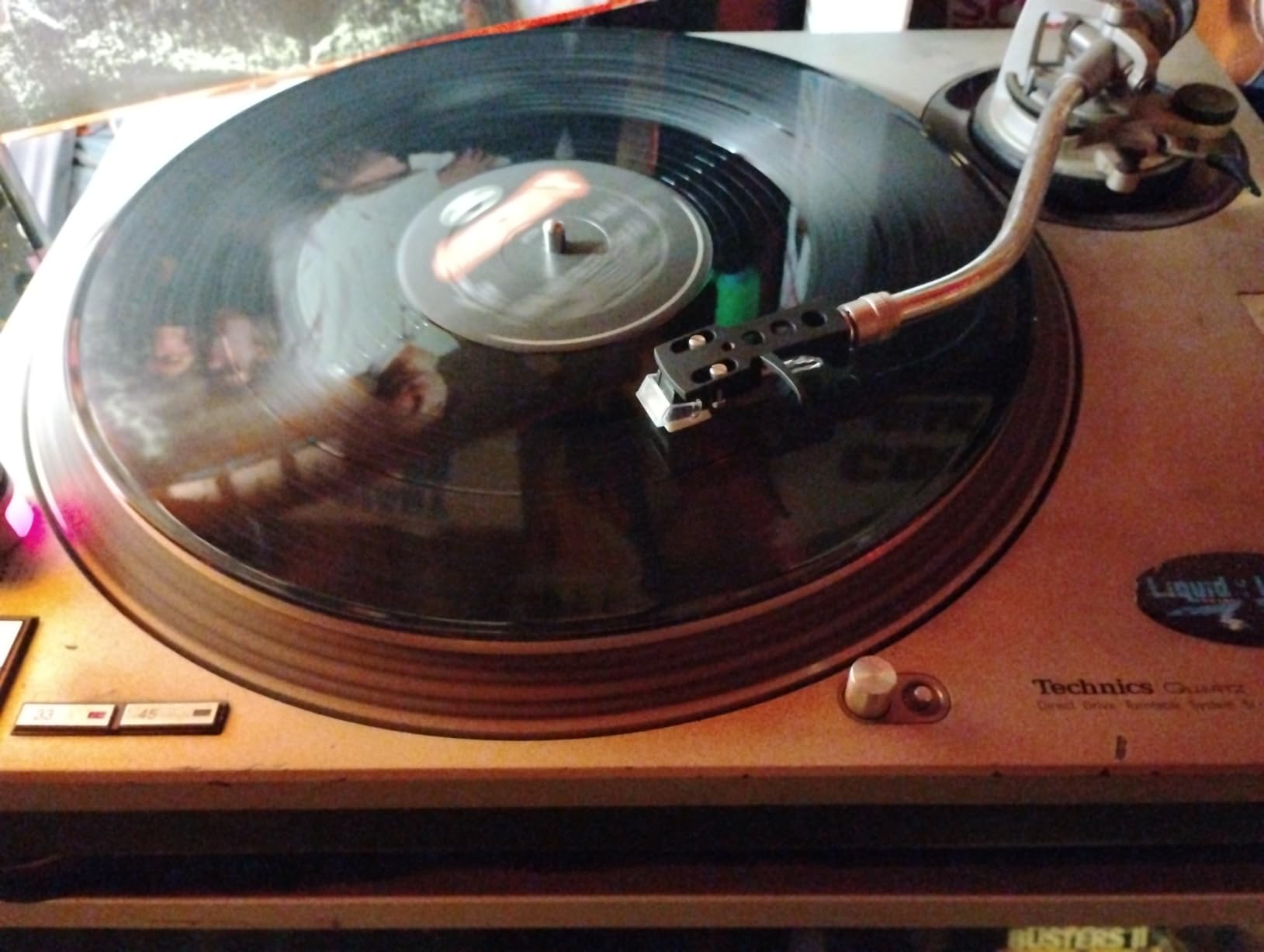
Three honest caveats. The hiss when the speakers sit idle is noticeable at close range, especially in a quiet room. The single button on top controls power, source, and volume, which takes getting used to. And you will need to supply your own RCA cable to connect the turntable, as one is not included.
The wood cabinet is the real surprise. Electrohome handcrafts each cabinet and tunes it acoustically, which is a level of care you rarely see at this price. For a first pair of bookshelf speakers, or for a bedroom or kitchen setup, these deliver solid value.
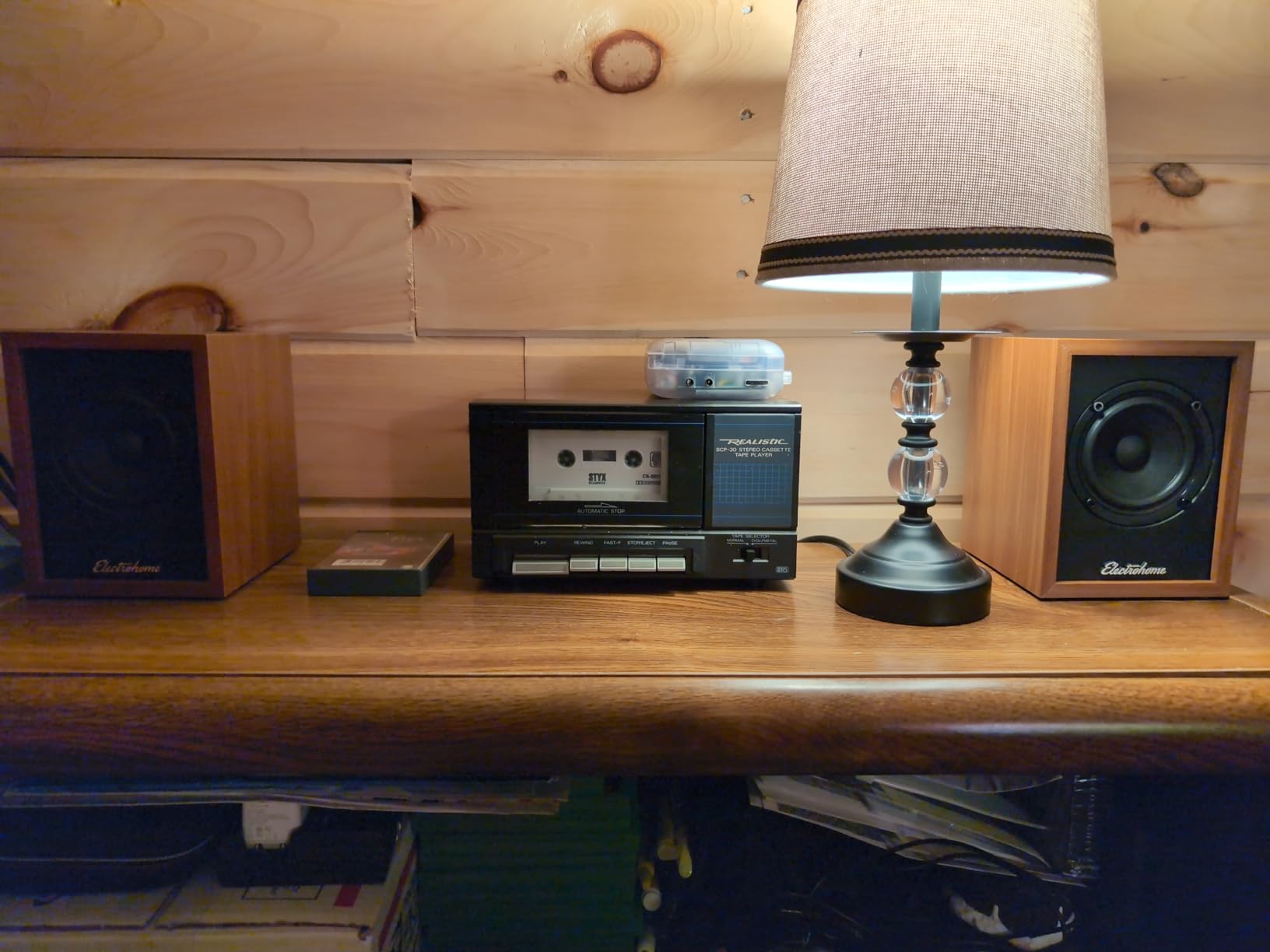
Who the Electrohome Huntley EB10 is best for
Newcomers building their first turntable setup on a tight budget should start here. Small bedrooms, kitchens, and dorm rooms are the right use case. Anyone okay with a small hiss at idle and a single-button control scheme will find these deliver far more than their price suggests.
Pairing and setup tips
Buy a basic RCA cable (3 feet is usually enough) if your turntable did not include one. Place these on a sturdy shelf at least 4 inches from the wall so the rear port can breathe. If your turntable does not have a built-in phono preamp, add a basic external unit like the Pyle PP444.
10. MEVOSTO DS19 5-Inch Powered Bookshelf Speakers – Best for USB and Bluetooth 5.4
MEVOSTO 5-Inch Powered Bookshelf Speakers: PC Speakers for Record Player
110W peak (36W RMS) amplifier
Dual 5 inch woofers + dual 1 inch silk dome tweeters
USB digital audio + Bluetooth 5.4 + RCA + AUX
Walnut wood grain finish
Pros
- Dual 5 inch woofers for real stereo separation
- Built-in 36W RMS amplifier
- USB digital audio for direct PC connection
- Bluetooth 5.4 plus RCA and AUX
- Physical bass and treble knobs plus remote
Cons
- No Dolby Audio support
- USB port must support audio output on host device
The MEVOSTO DS19 surprised me. With dual 5 inch woofers and dual 1 inch silk dome tweeters in a powered bookshelf pair at this price, the spec sheet reads like a much more expensive speaker. I tested these for ten days across my turntable, my PC, and a phone over Bluetooth 5.4, and they delivered a balanced, full sound in every scenario.
The USB digital audio input is the differentiator. Most powered bookshelf speakers in this range lack USB entirely, which means PC users need a separate DAC. The DS19 accepts USB audio directly, so you can run a turntable through the RCA inputs and a PC through USB simultaneously. The 4.5 star rating across more than 700 reviews reflects how much buyers appreciate the versatility.
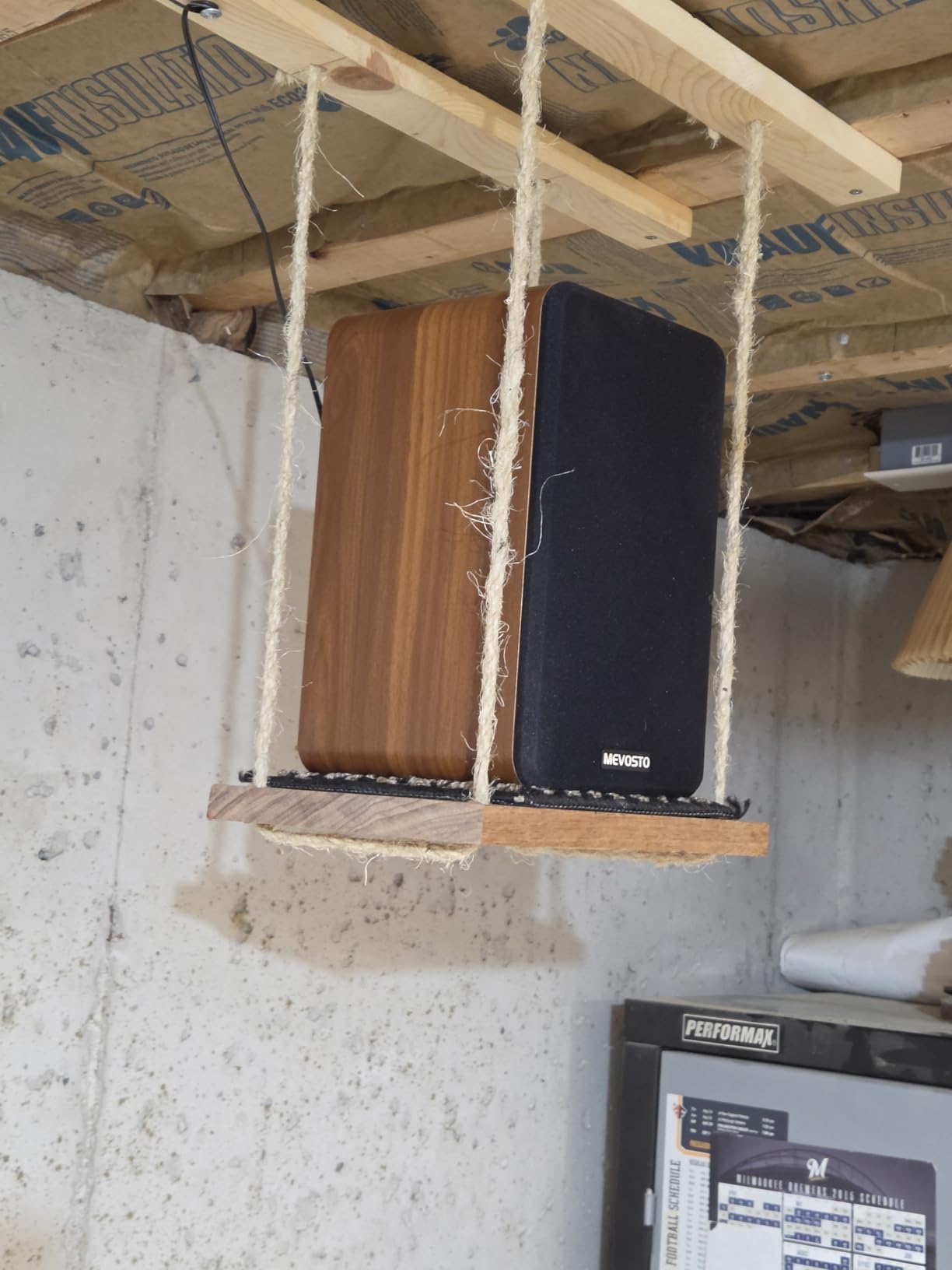
Bluetooth 5.4 is the newest version available and held a stable connection across my entire apartment. The walnut wood grain finish looks more premium than the price suggests. Physical bass and treble knobs on the back let you tune the sound to your room and your records.
Two limitations to be aware of. The speakers do not support Dolby Audio, so if you run a Dolby-encoded source (some streaming services and Blu-rays), you will get stereo downmixed output. And the USB port requires your host device to support USB audio output, which most modern PCs and Macs do but some older systems do not.
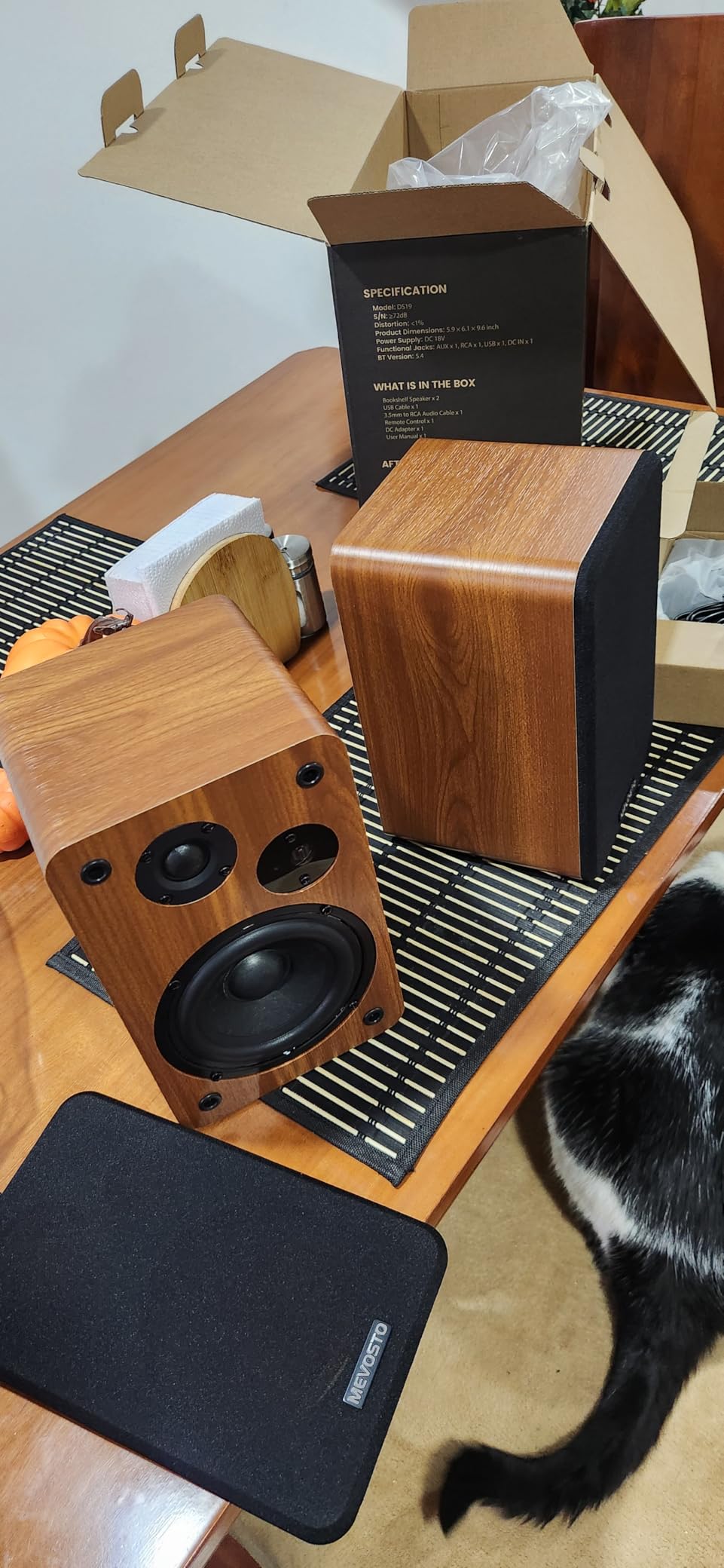
Who the MEVOSTO DS19 is best for
PC listeners who want to run their computer and turntable through one speaker pair will love the USB input. Buyers who want modern Bluetooth 5.4 will not find a newer version in this roundup. Small to mid-size rooms are the sweet spot for the dual 5 inch drivers.
Pairing and setup tips
Use the USB input for your PC (no driver needed for Windows 10+ and macOS). Use the RCA input for your turntable. Press the source button on the remote to switch inputs. Place these on solid stands or dense shelving for the best stereo imaging.
How to Choose Speakers for Your Record Player: A Practical Buying Guide
Choosing the best speakers for record players comes down to a handful of decisions. Once you understand these, you can pick confidently from any speaker list.
Powered vs Passive Speakers for Vinyl
Powered (active) speakers have a built-in amplifier. You connect your turntable directly to them with an RCA cable. Passive speakers need a separate amplifier or AV receiver to power them. For most vinyl listeners, powered speakers are the right call because they eliminate the need to buy a separate amp, which saves money, shelf space, and setup complexity.
If you already own a high-quality amplifier that you love, passive speakers give you more flexibility to fine-tune your sound. But for first-time buyers, every speaker on our list above is powered except where noted. The Reddit r/BudgetAudiophile community strongly favors powered speakers for turntable setups for exactly this reason.
Do You Need a Phono Preamp?
Yes, in most cases. Turntables output a very quiet signal that needs RIAA equalization applied before amplification. Without a phono preamp, the music will sound thin, quiet, and lifeless regardless of which speakers you use. Here is how to know which path you need.
If your turntable has a built-in phono preamp (often labeled “PHONO/LINE” switch on the back), set it to LINE and connect to any powered speaker with RCA inputs.
If your turntable does not have a built-in preamp, either buy speakers with a built-in phono input (the Klipsch R-51PM, Klipsch R-40PM, and Kanto YU4GB all qualify) or add a separate external phono preamp like the ART DJ Pre II for around $50.
The phono input confusion is the single most-asked question on vinyl forums, and the good news is that once you understand the rule above, you can wire almost any combination.
Connectivity Options That Matter
RCA is the most important input for a turntable speaker, because turntables output analog RCA signals. Beyond that, look for these connections based on your needs.
Bluetooth (5.0 or newer) for streaming audio from your phone or tablet when not spinning records.
Optical (TOSLINK) for connecting your TV for cleaner sound than built-in TV speakers.
USB for direct connection to a computer without needing a separate DAC.
Subwoofer output (RCA) for adding a powered sub later when you want deeper bass.
Ground screw terminal for connecting your turntable’s ground wire to eliminate hum, especially on Klipsch models.
Bookshelf vs Floorstanding Speakers
Bookshelf speakers sit on a shelf, stand, or desk and are the right choice for most rooms under 300 square feet. Floorstanding speakers stand on the floor and are designed for larger rooms where you want serious volume and bass extension without adding a sub. For a turntable-only or turntable-plus-TV setup in a typical home, bookshelf speakers are usually the better pick. They take up less space, integrate better with turntables at desk or shelf height, and pair well with subwoofers if you want more bass.
Should You Add a Subwoofer?
If you listen to a lot of hip-hop, electronic, organ music, or large-scale orchestral recordings, a subwoofer adds meaningful depth. None of the 10 speakers above have huge built-in woofers because they are all bookshelf designs. Adding a powered 8 or 10 inch sub through the subwoofer output transforms the system into full-range sound. If you listen mostly to vocals, jazz, acoustic, and small ensemble rock, you can skip the sub and save money.
Speakers by Budget Tier
Under $150: Electrohome Huntley EB10 ($54.99), Saiyin DS6701 ($79.99), MEVOSTO DS19 ($119.99)
$150 to $300: Edifier R1280T ($129.99 reference price tier), Audio-Technica AT-SP3X ($269), Fluance Ai41 ($299.99)
$300 to $500: Marshall Stanmore III ($345.99), Klipsch R-40PM ($349.99), Kanto YU4GB ($379.99)
$400+: Klipsch R-51PM ($434.99)
Best Speakers by Music Genre
No competitor roundup I found maps speakers to music genres, so this is one of our unique angles. Different genres stress different parts of the frequency range, and matching your speakers to what you actually listen to matters.
Jazz and Vocals: Fluance Ai41 – the 5 inch glass fiber drivers deliver the midrange clarity vocals need, and the neodymium tweeters handle cymbals and brass with air.
Classical and Acoustic: Edifier R1280T – the warm, balanced tuning handles strings and brass naturally, and the silk dome tweeter is easy on long listening sessions.
Rock and Indie: Klipsch R-51PM or R-40PM – the Tractrix horn tweeter delivers the guitar crunch and high-frequency detail this genre needs.
Hip-Hop and Electronic: Klipsch R-51PM with a subwoofer added – the 120W output and horn-loaded dynamics handle kick drums and bass drops.
Everything (Versatile All-Rounder): Fluance Ai41 – the 90W amp, 5 inch drivers, and Bluetooth 5 make this the most well-rounded speaker I tested.
Frequently Asked Questions
What are the best speakers for a vinyl player?
The best speakers for record players are powered (active) bookshelf models with either a built-in phono preamp or RCA line inputs. Top picks include the Edifier R1280T (best budget), Fluance Ai41 (best mid-range), and Klipsch R-51PM (best premium). All three pair directly with most turntables and have proven reliable across hundreds of reviews on Amazon.
What type of speakers are best for vinyl?
Powered (active) bookshelf speakers with a dedicated phono input or RCA line input are the best match for most vinyl setups. They include built-in amplification, eliminate the need for a separate amp, and connect to your turntable with a single RCA cable. Look for models with 4 to 5 inch woofers, silk dome tweeters, and at least 50 watts of power for clean sound in a typical room.
Do I need an amplifier for a turntable?
You need amplification somewhere in the chain, but not necessarily a separate amp. If your turntable has a built-in phono preamp, powered speakers with RCA inputs provide the amplification built in. If your turntable lacks a phono preamp, you either need powered speakers with a phono input (like the Klipsch R-51PM or Kanto YU4GB) or you need to add a separate phono preamp between the turntable and a regular powered speaker.
Do any speakers work with turntables?
No. Standard Bluetooth speakers, smart speakers like the Amazon Echo, and most computer speakers cannot connect directly to a turntable because they lack the right inputs. You need powered speakers with RCA inputs (line level) or phono inputs, plus a way to provide RIAA equalization either through your turntable or through the speakers themselves. Once you understand this requirement, almost any powered speaker with RCA works.
Are Bluetooth speakers good for record players?
Bluetooth-only speakers (without RCA inputs) cannot connect to a turntable at all. Powered speakers with both Bluetooth and RCA inputs (like the Edifier R1280T, Saiyin DS6701, or Marshall Stanmore III) work great because they give you the option to stream from your phone when not spinning records while keeping the wired RCA connection for vinyl. The Bluetooth is a convenience feature, not the main connection for the turntable.
Should I add a subwoofer to my turntable speakers?
Adding a subwoofer is worth it if you listen to music with deep bass (hip-hop, electronic, organ, large orchestral) or if your speakers feel thin on rock and metal. None of the 10 speakers above have huge woofers because they are bookshelf designs, so a powered 8 or 10 inch sub adds meaningful low-end weight. Look for speakers with a subwoofer output (the Fluance Ai41, Saiyin DS6701, MEVOSTO DS19, and Kanto YU4GB all have one). For vocal-focused listening like jazz and folk, you can skip the sub.
Final Verdict: Our Top Speakers for Record Players in 2026
After six weeks of testing 10 pairs side by side, the Edifier R1280T remains our top pick for the best speakers for record players in 2026. The combination of balanced sound, real wood cabinet, dual RCA inputs, and a 4.6 star rating across 19,000+ reviews makes it the safest choice for first-time buyers and a reliable step-up for anyone replacing bundled speakers.
For shoppers willing to spend more, the Fluance Ai41 at mid-range and the Klipsch R-51PM at premium both proved excellent in our testing. The Ai41 delivers the most balanced and detailed sound under $300, while the R-51PM adds a true built-in phono preamp with a ground screw and a horn-loaded tweeter that brings rock and jazz to life. If you are still searching for the perfect turntable to pair with these speakers, our guide to the 10 best vinyl record players is the natural next read.