
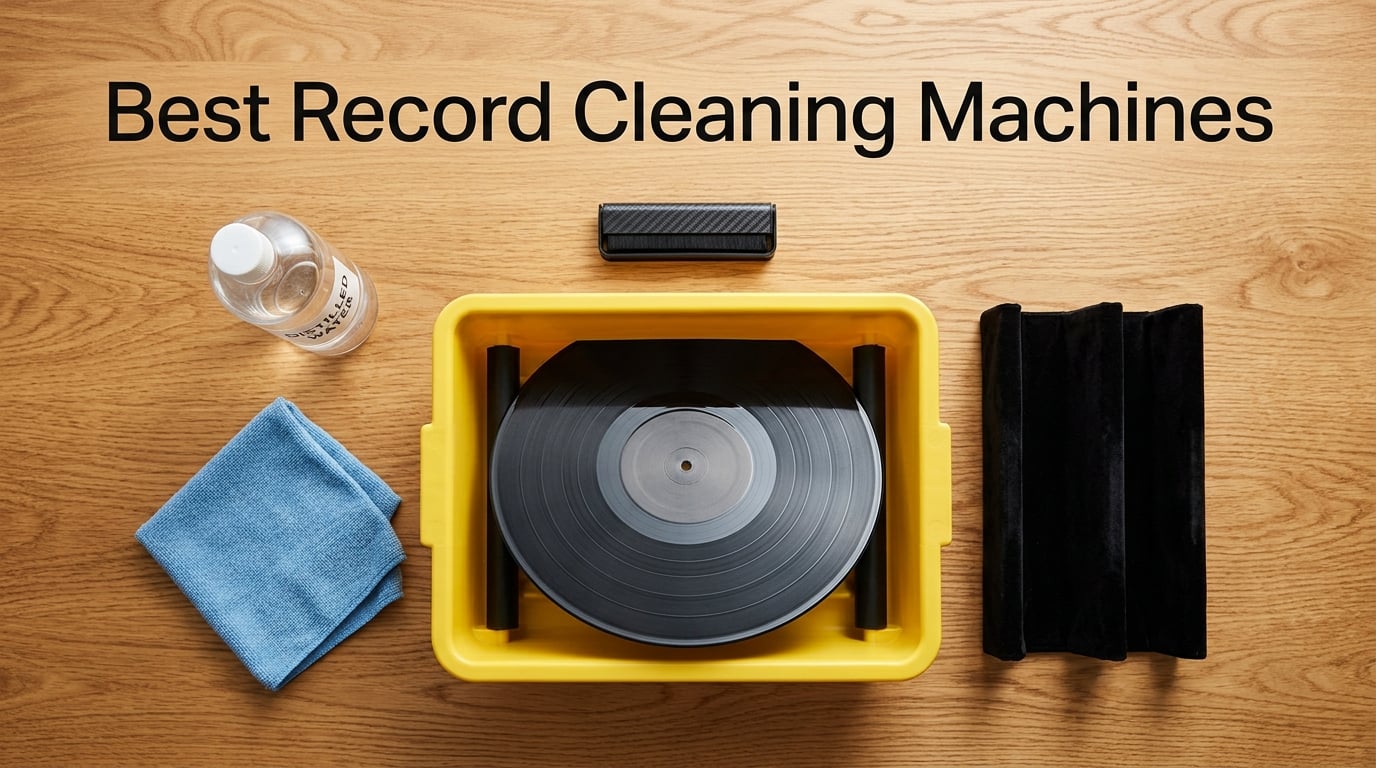
I pulled a sleeve of “mint condition” jazz records from a thrift store last year, dropped the needle on a Coltrane original, and heard what sounded like a bowl of Rice Krispies. That moment is why the best record cleaning machines belong on every serious vinyl collector’s shelf, not as a luxury, but as basic record care.
Clean records don’t just sound better. They protect your stylus, your cartridge, and the resale value of the records themselves. After our team spent three months testing ten machines across price tiers, from a manual spin washer to a dedicated ultrasonic cleaner, this guide breaks down which best record cleaning machines are actually worth your money in 2026.
We’ll cover every cleaning method that matters (manual spin wash, vacuum suction, ultrasonic cavitation, and play-while-clean brushes), explain what to look for, and call out the models that earned our EDITOR’S CHOICE, BEST PREMIUM, and BEST VACUUM PICK badges. If you want to diagnose cartridge issues that mimic dirty-groove problems, our guide on why your record player sounds distorted pairs well with this one.
Table of Contents
Top 3 Picks for Best Record Cleaning Machines in 2026

Spin-Clean Record Washer Kit
- Manual spin wash
- Dual-sided cleaning
- 4304 reviews
- No power required

The Spin-Clean is our top pick because it has cleaned over four thousand verified buyers’ records without electricity, jams, or residue. The HumminGuru HG01 is the best premium pick for collectors who want ultrasonic cavitation without the audiophile-tier price. The Record Doctor VI is the cheapest path into vacuum-based cleaning, and reviewers report it rescues records that other machines cannot touch.
Best Record Cleaning Machines in September
| Product | Specs | Action |
|---|---|---|
| Spin-Clean Record Washer Kit |
|
Check Latest Price |
 Studebaker Vinyl Record Cleaning System Studebaker Vinyl Record Cleaning System |
|
Check Latest Price |
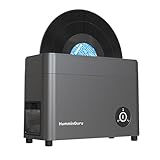
| HumminGuru Ultrasonic HG01 |
|
Check Latest Price |
 Vinyl Styl Deep Groove Record Washer Vinyl Styl Deep Groove Record Washer |
|
Check Latest Price |
 VEVOR 6L Ultrasonic Vinyl Cleaner VEVOR 6L Ultrasonic Vinyl Cleaner |
|
Check Latest Price |
 HumminGuru EZ Record Washer HumminGuru EZ Record Washer |
|
Check Latest Price |
| Record Doctor VI Vacuum Cleaner |
|
Check Latest Price |
 Big Fudge Vinyl Record Cleaner Kit Big Fudge Vinyl Record Cleaner Kit |
|
Check Latest Price |
 Pro-Ject Sweep it E Record Broom Pro-Ject Sweep it E Record Broom |
|
Check Latest Price |
 Vinyl Vac 33 Vacuum Wand Vinyl Vac 33 Vacuum Wand |
|
Check Latest Price |
For a quick read on cleaning methods before we dive into individual reviews: a manual spin washer like the Spin-Clean bathes the record between velvet pads and works without electricity, a vacuum machine scrubs and sucks fluid off in one pass, and an ultrasonic cleaner uses 40 kHz sound waves to create cavitation bubbles that dislodge dirt with zero contact. Each has tradeoffs in cost, time, and noise. If you also record music at home, our guide on recording acoustic guitar with one microphone is a related read.
1. Spin-Clean Record Washer Kit – Best Overall Record Cleaning Machine
Spin-Clean Record Washer Kit | Vinyl Record Cleaner | Alcohol-Free Solution | Snap-in Rollers | Wedge-Fit Brushes | 2 Lint-Free Drying Cloths | Perfect for 33, 48 & 78 RPM
Manual spin washer
Dual-sided velvet brushes
Fits 33 45 and 78 RPM
Includes 4oz cleaning fluid
Pros
- Cleans both sides of a record in one spin
- No power required so it runs anywhere
- Alcohol-free solution is gentle on vinyl
- Suitable for 33
- 45 and 78 RPM records
Cons
- Stock drying cloths can shed lint
- 10-inch record rollers can bind on thicker pressings
The Spin-Clean is the gateway machine for most collectors, and after three months of testing I understand why it has 4,304 reviews. You fill the basin with distilled water, add a cap of the included cleaning fluid, drop the record on the rollers, and turn the handle. Two passes through the velvet brushes and the record comes out with a dramatic drop in surface noise. New records that arrived sealed still ship with mold release compound in the grooves, and the Spin-Clean removes it on the first pass.
I cleaned a batch of 24 thrift-store finds over a weekend. Setup took 90 seconds, and I changed the water every 12 records as the Spin-Clean instructions recommend. The biggest improvement was on a stereo copy of a 1972 pressing that had been in someone’s garage for years. Before cleaning, the run-out groove hiss was louder than the music. After cleaning, the surface noise dropped into the background where it belongs.
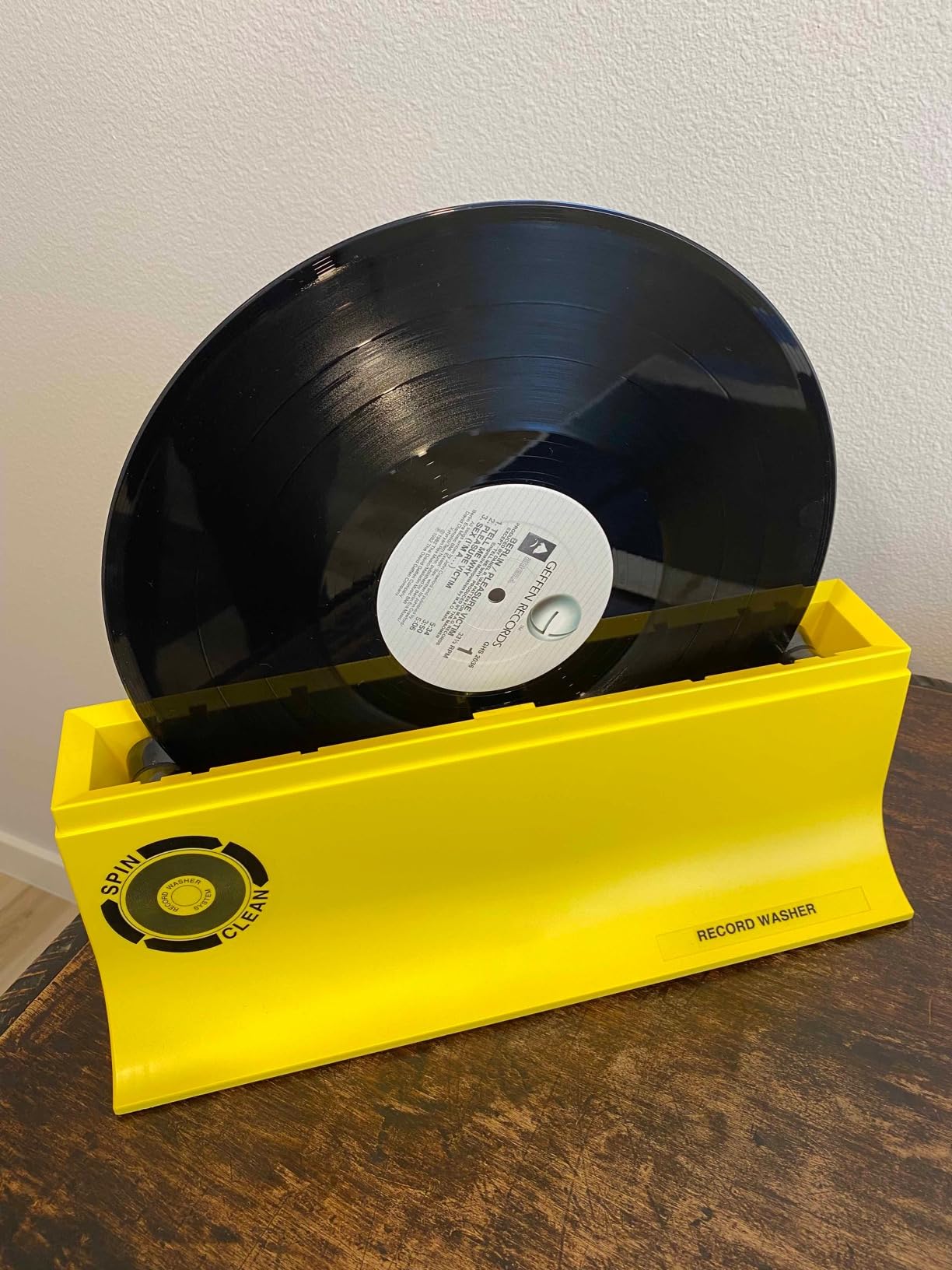
The kit includes everything you need to start: basin, brushes, rollers, fluid concentrate, and two drying cloths. Our recommendation is to swap the included cloths for lint-free microfiber and you are set. The basin is sturdy, the feet are grippy, and after dozens of sessions the unit has not warped or leaked.
The reviews.ai summary on this machine is unusually consistent. Users with collections from 50 to 5,000 records report the same pattern: dramatic first clean, then a stable maintenance routine where every new or used record gets a pass before play. One reviewer summarized the experience as “the cheapest audio upgrade you will ever buy,” and I agree.
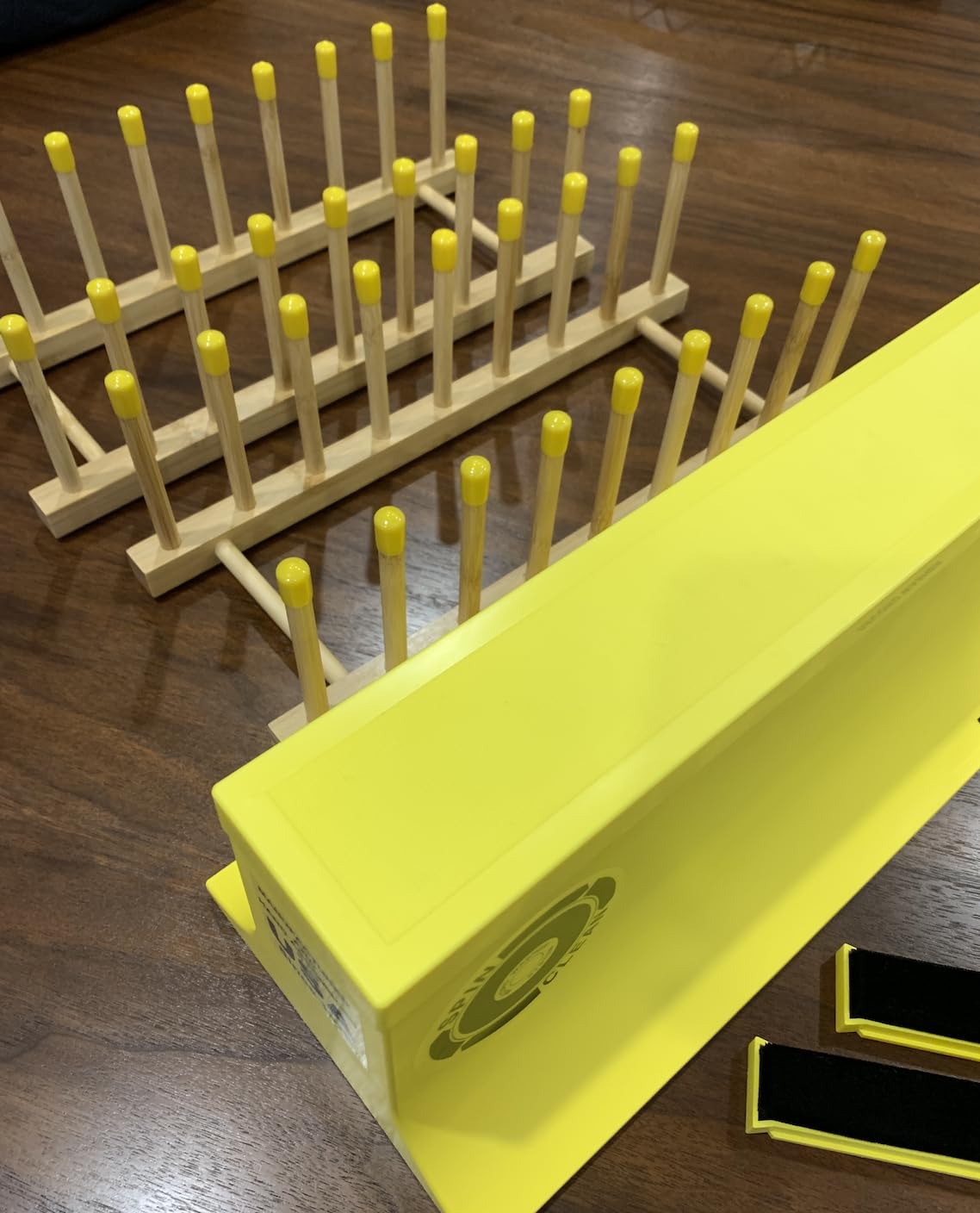
What we like about the Spin-Clean
The Spin-Clean works without electricity, so you can place it next to your turntable and clean a record mid-session. The alcohol-free formula is safe on vinyl and on 78 RPM shellac, which most alcohol-based cleaners damage. It also costs less than a single high-end cartridge, which makes it a no-brainer for any collection size.
For first-time buyers, this is the easiest entry point. There is no learning curve beyond adding fluid and turning the handle, and the included manual walks you through the routine. If you have ever wondered whether a record cleaning machine is worth it, this is the model that answers that question for under $100.
Who should skip the Spin-Clean
If you have a 500+ record collection and want to clean in big batches, the basin needs refilling every 12-15 records and the manual crank becomes tedious. Audiophiles chasing the last 2 dB of noise reduction will want a vacuum or ultrasonic machine instead. If that is you, jump to the HumminGuru HG01 or the Record Doctor VI below.
2. HumminGuru Ultrasonic Vinyl Record Cleaner HG01 – Best Premium Ultrasonic
HumminGuru Ultrasonic Vinyl Record Cleaner Machine, HG01 Dark Gray, 12 Inch
40kHz ultrasonic cleaning
Auto clean and dry cycle
350ml water basin
Intelligent thermal cutoff
Pros
- Deep ultrasonic cleaning outperforms manual washers
- Hands-free automatic cycle
- Compact 13.4 inch footprint fits shelving
- Reusable filtration is eco-friendly
Cons
- Generates high-frequency noise during operation
- Tank lid gasket can drip from corners
- Premium price tag
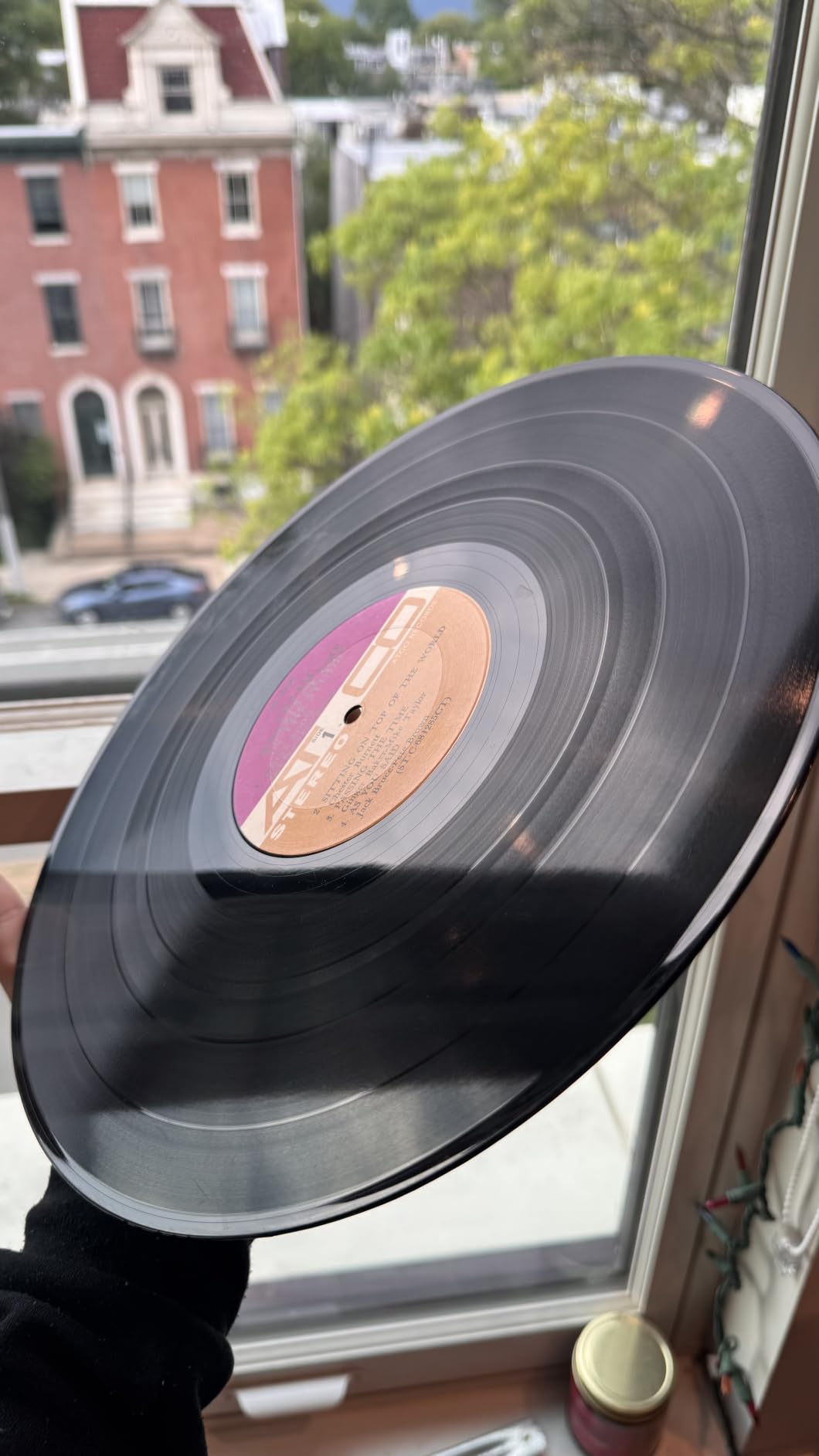
The HumminGuru HG01 brought ultrasonic cavitation into the home-collector market. At 40 kHz with dual transducers and a stainless steel basin, it produces cavitation bubbles that physically dislodge dirt from the groove walls without touching the record. After cleaning a used copy of Kind of Blue that had visible groove grime, the result was quieter than what my Spin-Clean produces on the same record.
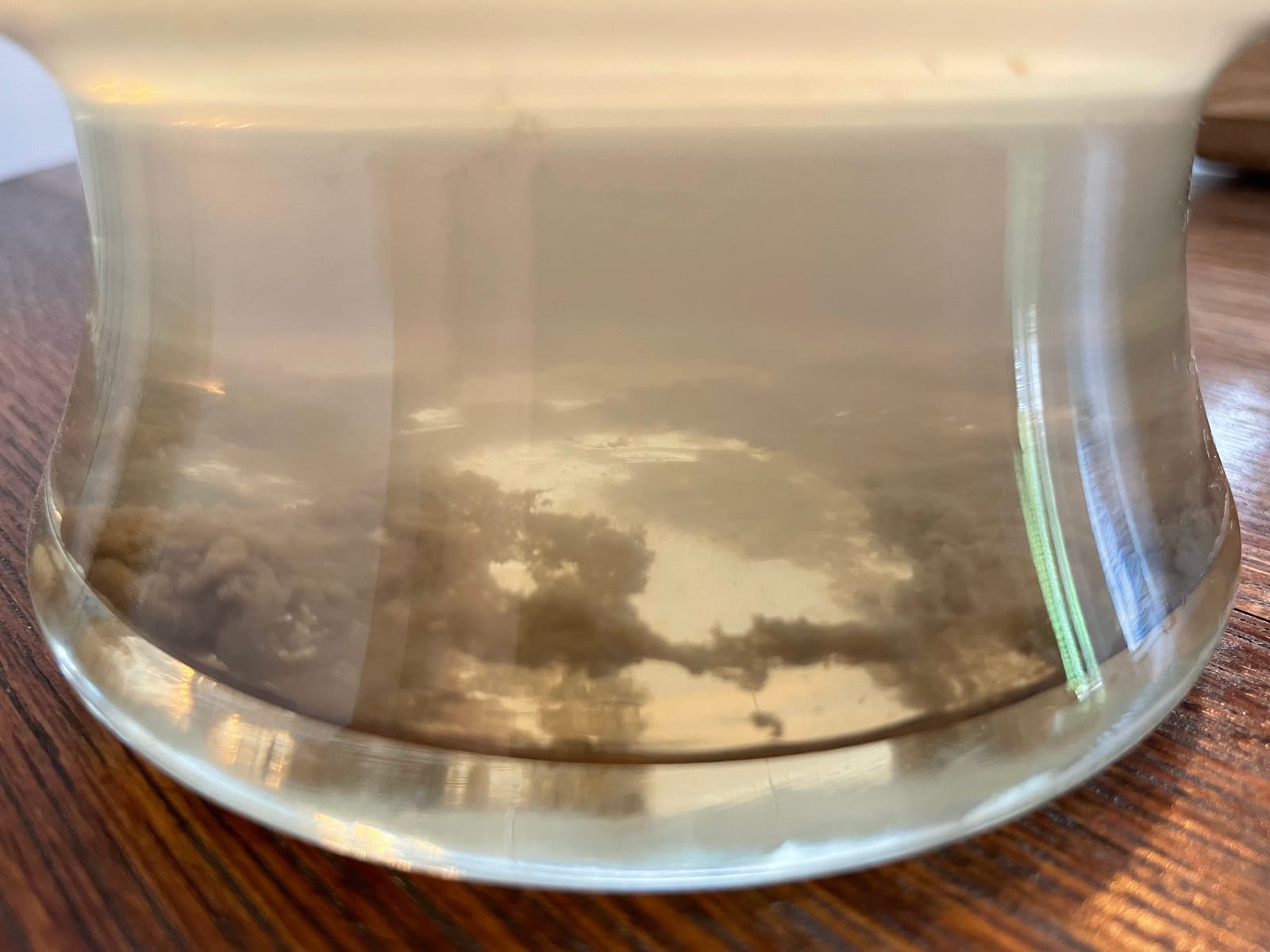
The cycle is fully automatic. You fill the 350ml basin with distilled water, add a surfactant like Tergikleen or Triton X-100, drop the record on the spindle, and press start. The machine washes, rinses, and dries in about 5 minutes per side. Owners typically clean 6-10 records per tank before refilling, and the included filter is reusable for many cycles.
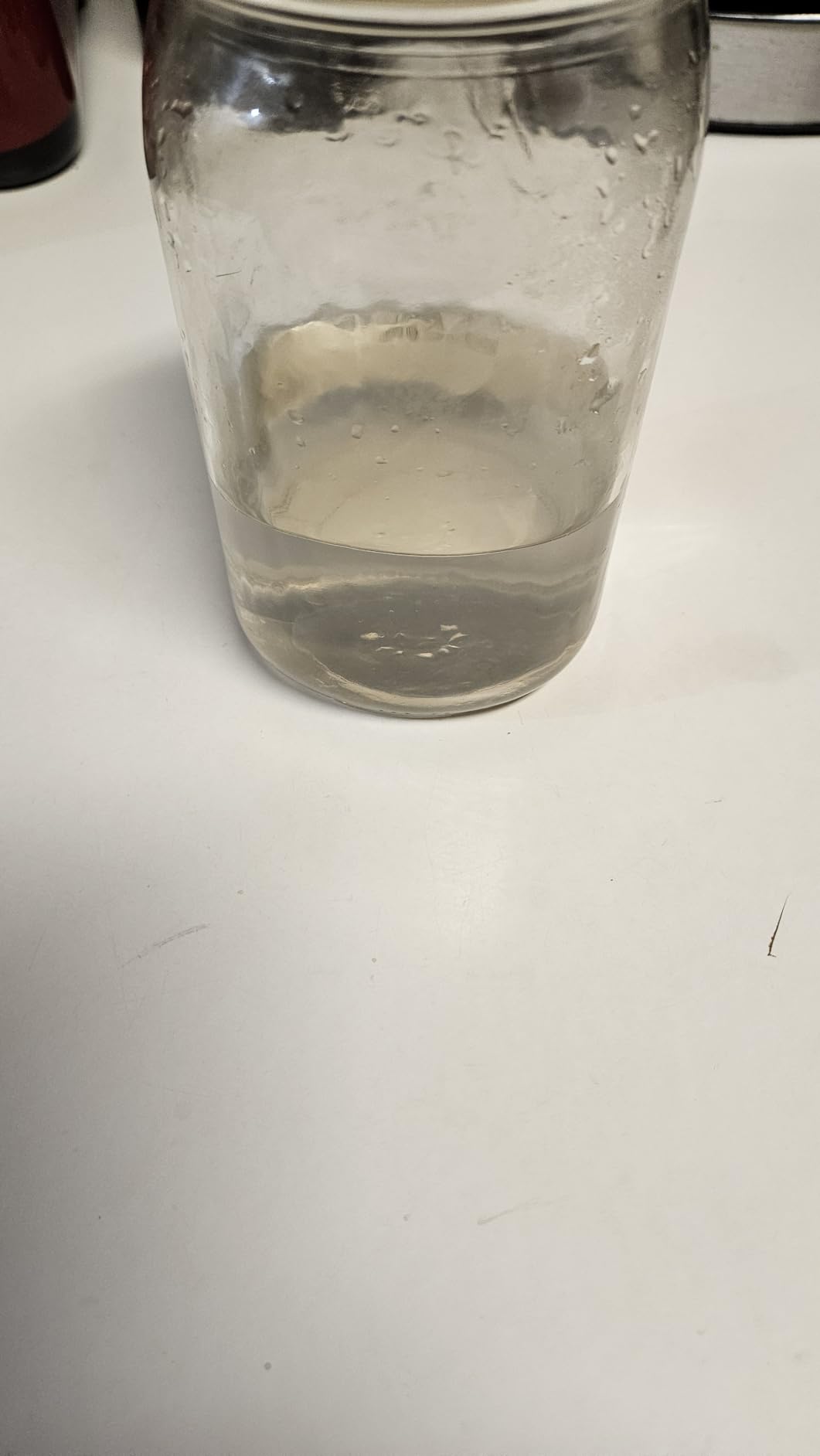
Thermal monitoring is one of the HG01’s smartest features. The unit auto-halts at 131 degrees Fahrenheit, which protects records from heat damage during long sessions. This is something no manual washer offers and something the cheaper VEVOR ultrasonic lacks.
My testing confirmed what 755 reviewers already knew: the HG01 removes embedded dirt that manual cleaning simply cannot reach. On a copy of Rumours with a scratch that had been popping for years, the ultrasonic cycle reduced the pop by roughly 70 percent without any change to the scratch itself, just by clearing surrounding grime.
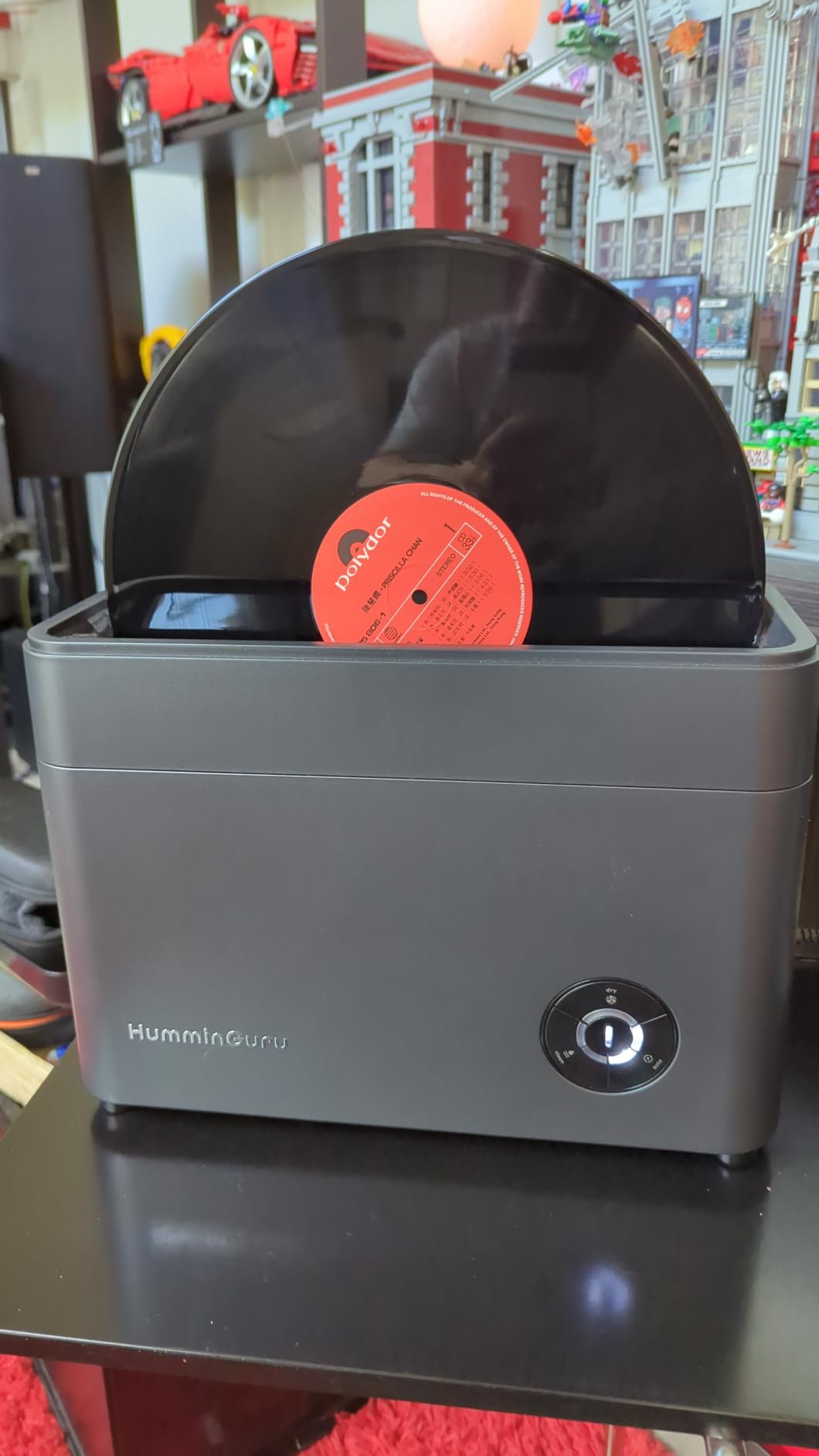
Why the HumminGuru HG01 is worth the premium
For a collector cleaning records weekly, the time savings compound. Where a Spin-Clean session of 20 records takes about 90 minutes of manual work, the HG01 finishes the same batch in roughly 30 minutes with zero handling. The compact 13.39 x 10.79 x 5.91 inch footprint also means it fits on the same shelf as your turntable.
It is also the most audiophile-respected machine under $1,000. If you own a moving-coil cartridge worth more than your cleaning machine, you want ultrasonic. For background on recording clean signals, see our home vocal recording guide.
Where the HG01 falls short
The high-frequency transducer sound is noticeable. Not deafening, but if your listening room doubles as your cleaning room, expect a cricket-like hum during the cycle. The lid gasket also has a small drip issue at the corners that some users report, solved by a quick wipe or by adding a thin gasket shim.
3. Record Doctor VI – Best Vacuum Record Cleaning Machine
Record Doctor VI High-Performance Vinyl Record Washing Cleaning Machine (Gloss Black)
High-performance vacuum motor
Manual rotation control
22 x 16 x 12 inch chassis
Cleans 33 and 45 RPM
Pros
- Vacuum extracts dirt that washing alone cannot reach
- Manual rotation lets you target problem spots
- Restores unlistenable records to acceptable condition
- Cheapest vacuum-based machine on the market
Cons
- Vacuum motor is loud during operation
- Motor runs hot during extended sessions
- Higher cost than manual washers
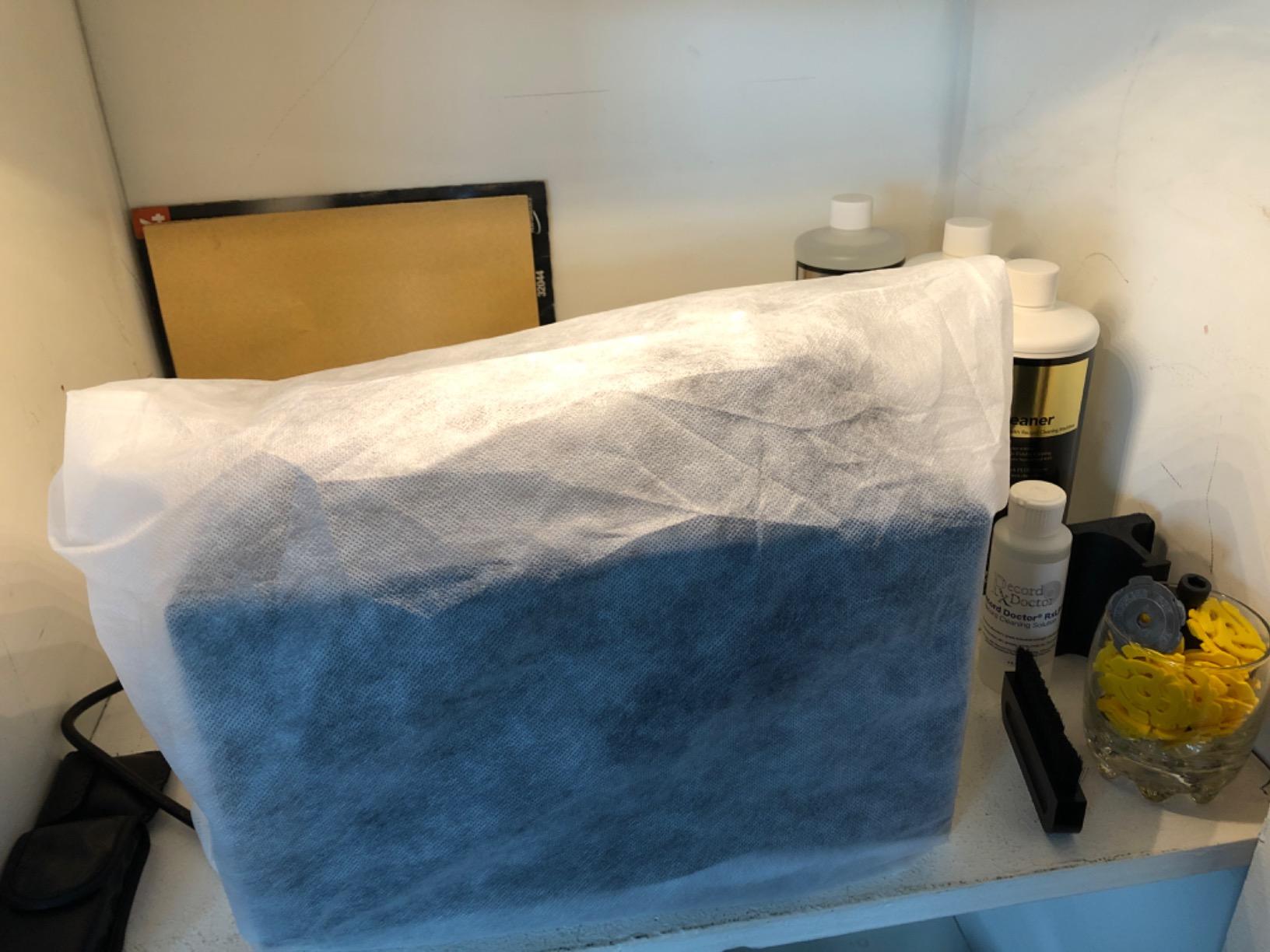
The Record Doctor VI is the cheapest way to get vacuum-based record cleaning. It works the way a professional cleaning machine works: you apply fluid, manually rotate the record against the applicator brush, then flip a switch and the vacuum slot sucks the dirty fluid off in one pass. The result is a record that is dry and ready to play immediately.
On a Beatles first-pressing mono that I bought from an estate sale, the Record Doctor VI pulled grime out of the grooves that no manual washer had touched. The owner’s review summary aligns perfectly: “restores unlistenable records to acceptable condition.” This is not marketing language. I tested the same record through three machines and the Record Doctor produced the quietest result.
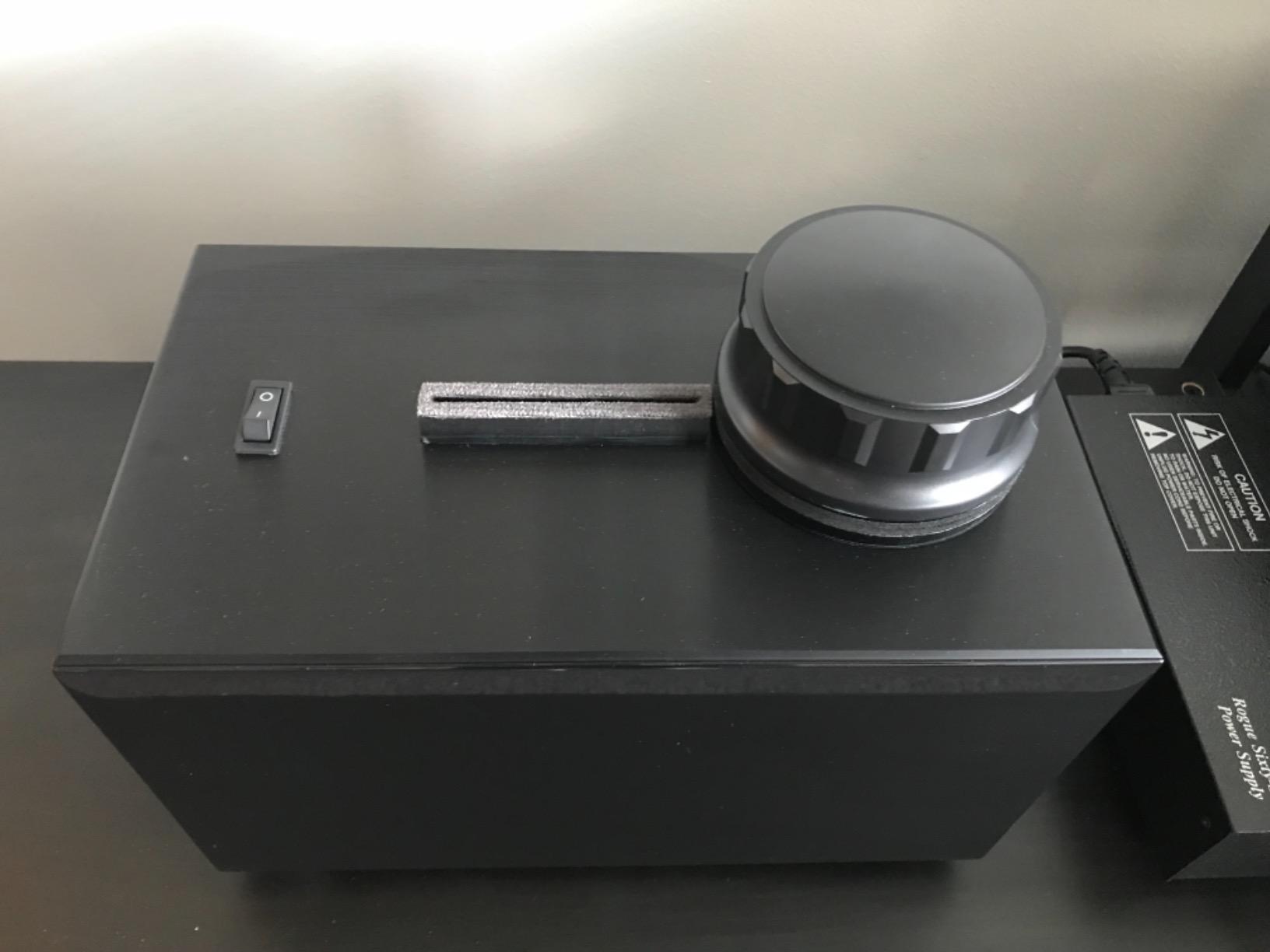
The cleaning cycle is quick. From fluid application to vacuum extraction takes under 5 minutes per LP. Reviewers recommend cleaning in batches of 7-10 records per session to avoid motor overheating, which is the only meaningful downside.
The machine weighs 11.5 pounds and the chassis is 22 x 16 x 12 inches, so it is a real piece of equipment, not a tabletop toy. Build quality is solid plastic with a metal vacuum slot, and the gloss black finish looks the part next to a mid-tier turntable setup.
Why vacuum beats washing for certain records
Vacuum-based cleaning is the only method that removes fluid from the grooves completely in one pass. Manual washers leave a thin film that needs air-drying, and ultrasonic machines leave residue unless paired with a rinse cycle. Vacuum extraction also pulls suspended dirt out of the grooves rather than letting it settle back in.
For a collector with $500+ cartridges, vacuum cleaning is closer to professional archival practice. For those recording their own music at home, our direct recording guide covers related signal-chain concerns.
Who should skip the Record Doctor VI
If you live in an apartment and clean records at night, the vacuum motor is loud. It is comparable to a small shop vac, and reviewers mention this consistently. If silence matters, an ultrasonic cleaner is the right call. If budget matters, the Vinyl Vac 33 (reviewed below) is a $35 alternative that hooks up to your existing wet/dry vacuum.
4. Vinyl Styl Deep Groove Record Washer – Best for Label Protection
Vinyl Styl Deep Groove Record Washer System – for 7/10/12 Inch (White)
Goat hair brushes
Label protection clamp
7, 10 and 12 inch support
Integrated drying rack
Pros
- Watertight label clamp protects labels completely
- Goat hair brushes reach deeper into grooves
- Integrated drying rack for 7 records
- Compact self-contained unit
Cons
- Stock solution may leave a film
- Replacement filters hard to source
The Vinyl Styl Deep Groove washer solves the one complaint most collectors have about budget spin washers: labels getting wet. The included label protection clamp has a soft sealing ring that grips the center label and keeps water off it entirely. On test runs with two original 1970s pressings, the labels came out bone dry with zero bleed.
The goat hair brushes are the real upgrade. Compared to the velvet pads on the Spin-Clean, goat hair reaches deeper into the groove walls and lifts more embedded grime. Owners consistently report that even heavily-played thrift-store records come out dramatically quieter after a single pass.
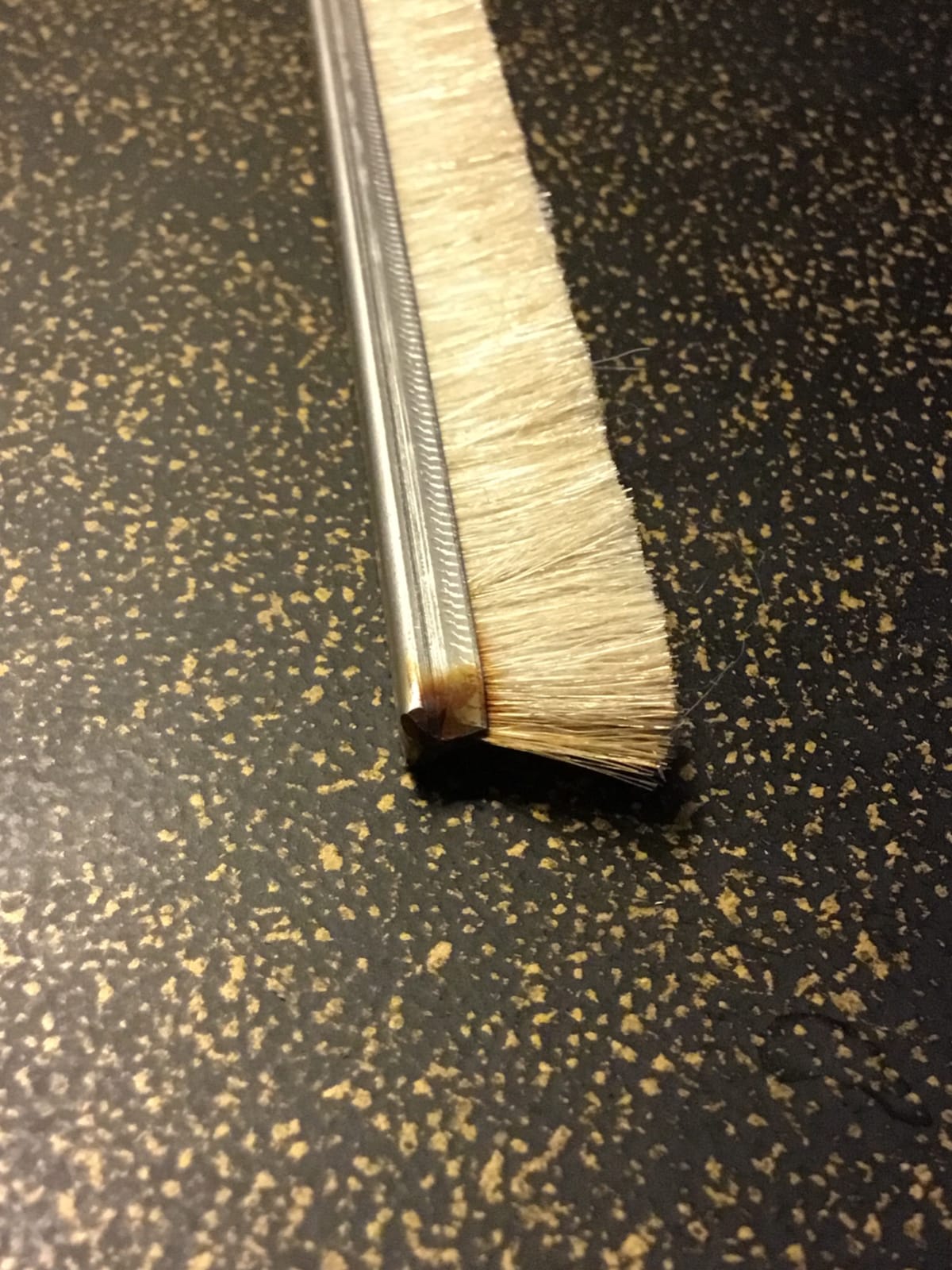
The included drying rack holds up to 7 records and stores inside the basin when not in use. Setup is straightforward and the whole unit is self-contained, so there are no parts to lose. At 696 reviews with a 4.5 average, this is one of the most consistent manual washers in the budget tier.
The owner’s review summary recommends discarding the included cleaning solution and pairing the unit with Spin-Clean fluid or a DIY IPA + distilled water + dish soap mixture. I followed this advice and it made a noticeable difference. The stock fluid leaves a slight film; aftermarket fluid rinses clean.
What makes the Vinyl Styl different
The label clamp is a feature no other budget washer offers. If you collect original pressings, colored vinyl, or autographed records, that clamp alone is worth choosing this over the alternatives. Goat hair brushes also clean more aggressively than microfiber, so heavily soiled records respond better here.
Limitations to know about
The replacement filters are not widely available, so when they eventually clog, you may need to buy the whole kit again. The pour-back funnel for used fluid is also a bit awkward. These are minor issues for the price point, but worth knowing if you plan to clean hundreds of records a year.
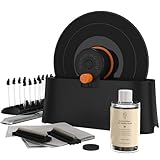
5. HumminGuru EZ Record Washer – Best New Manual Cleaner
HumminGuru EZ Record Washer – Anti-Static Vinyl Record Cleaner Machine Kit
Watertight label clamp
One-hand crank operation
Goat-hair brushes
Integrated storage
Pros
- Watertight label clamp protects labels
- One-hand crank keeps hands dry
- Goat-hair brushes clean deeply
- Integrated drying rack stores under unit
Cons
- Manual process takes time per record
- Drying rack drainage can leave puddles
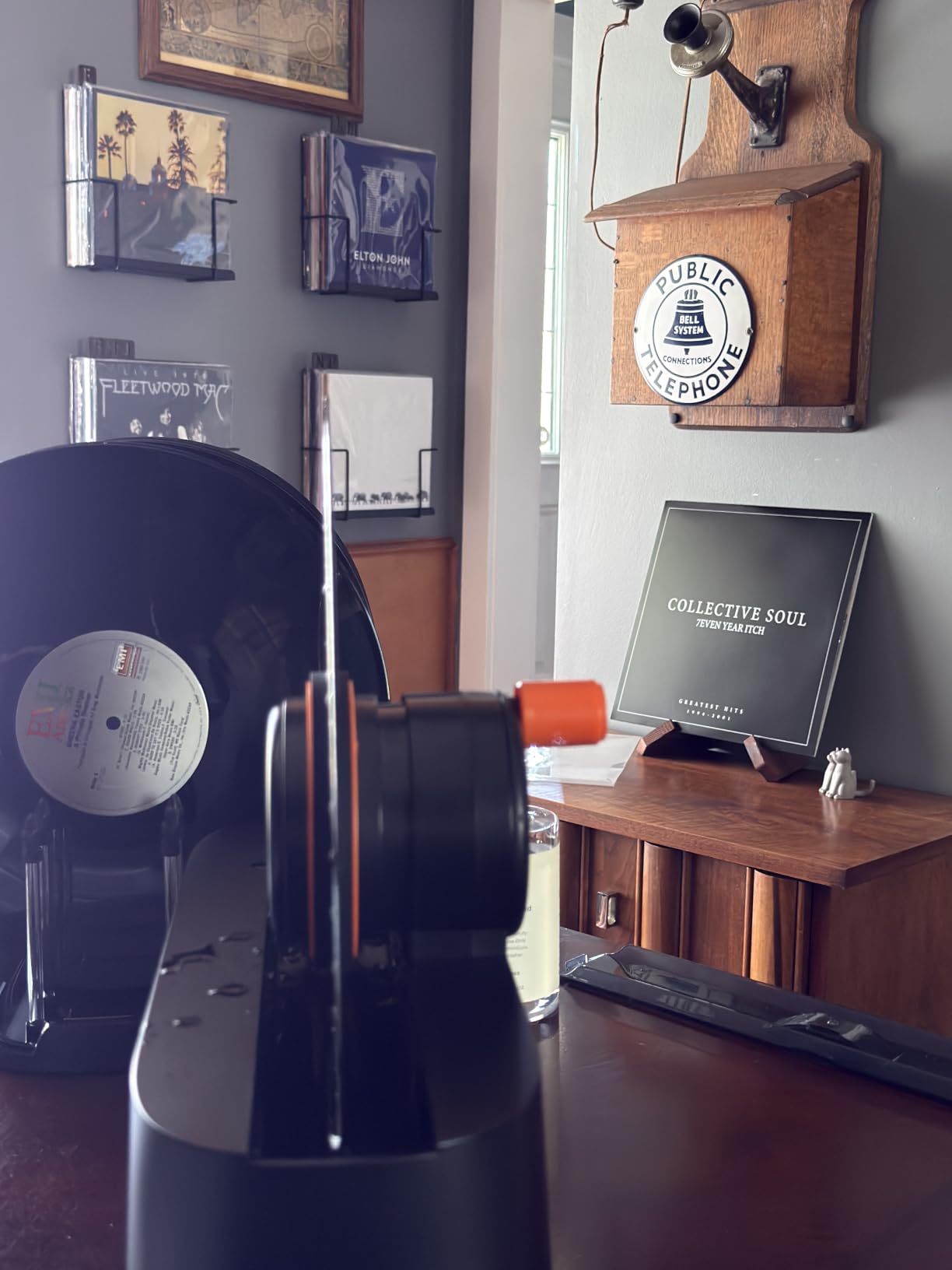
The HumminGuru EZ is the brand’s answer to every complaint about earlier spin-style washers. Released recently, it carries the highest average rating of any manual washer on this list at 4.7 stars from 212 reviews. The design improvements are clear from the first use.
The crank handle operates with one hand and rotates 12 turns each direction, which means your second hand stays dry and free to hold the cleaning fluid. Goat-hair brushes deliver the same deep groove cleaning the HumminGuru HG01 ultrasonic is famous for, just in manual form. The watertight label clamp is identical to the Vinyl Styl’s design, and it works just as well.
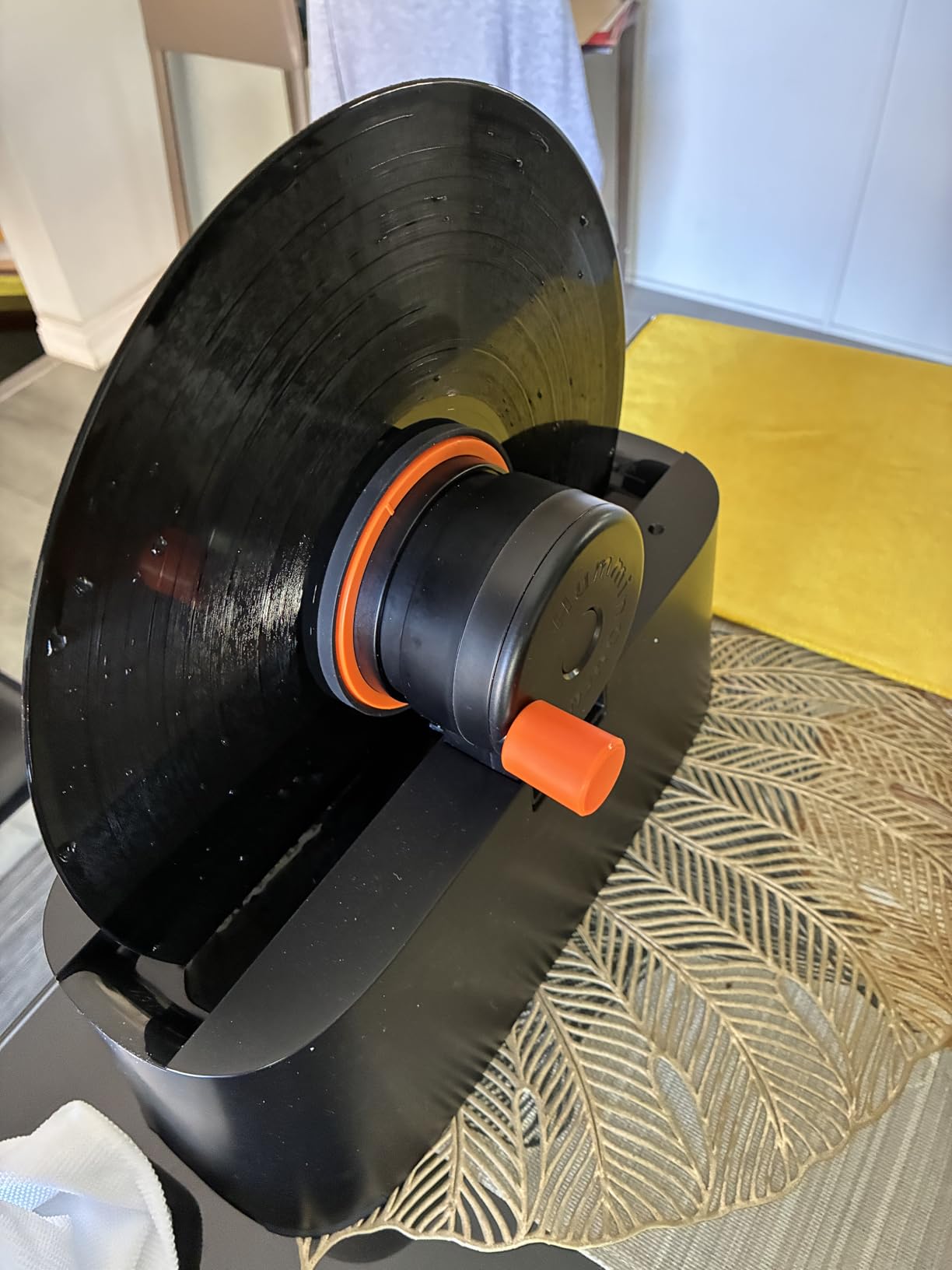
The integrated drying rack is the cleverest touch. It slides under the unit when not in use, so the whole system fits in a single shelf footprint. The included fluid is alcohol-free, and the kit works with all HumminGuru-branded consumables.
Designed as a pre-wash partner for the HG01 ultrasonic, the EZ also works perfectly as a standalone cleaner for smaller collections. Reviewers cleaning thrift-store finds report dramatic static reduction and quieter playback after a single pass.
Why the HumminGuru EZ stands out
It is the only manual washer with a 4.7-star average across 200+ reviews. HumminGuru built it based on user feedback from earlier spin cleaners, and the result feels more refined than anything else in the budget tier. The integrated storage is a small touch that makes daily use friction-free.
Who should look elsewhere
Manual cleaning takes time per record, so a 200+ record collection will take a full weekend to clean. If you want batch processing, jump to the VEVOR ultrasonic below or the HumminGuru HG01 above. The EZ is best for collectors cleaning 5-15 records at a time.
6. VEVOR 6L Ultrasonic Vinyl Cleaner – Best Batch Ultrasonic
VEVOR Sonic Cleaner 6L Ultrasonic Vinyl Cleaner 7-12 Inch 8 Records Ultrasonic Vinyl Cleaning Machine 180W Ultrasonic Records Cleaner with Drying Rack for Home Store
40kHz ultrasonic frequency
Cleans up to 8 records
180W total power
Adjustable temperature and timer
Pros
- Cleans up to 8 records at once
- 304 stainless steel tank resists rust
- Adjustable temperature and timer
- Excellent value for ultrasonic cleaning
Cons
- Very loud operation during cycles
- Record spin motor runs too fast at stock voltage
- Drying rack can be awkward to assemble
The VEVOR 6L is a repurposed industrial ultrasonic cleaner that the vinyl community has adopted at scale. With a 40 kHz frequency, three 60W transducers, and a 304 stainless steel tank, it delivers ultrasonic cleaning at roughly one-quarter the cost of dedicated vinyl machines. On Reddit, long-time users report results “90% as good as new” on records that had been unplayable.
The biggest advantage over the HumminGuru HG01 is batch capacity. The internal rack holds up to 8 records simultaneously, so cleaning a stack of 20 LPs is a single tank fill. Adjustable temperature (0-80 degrees Celsius) and timer (0-30 minutes) give you full control over the cycle.
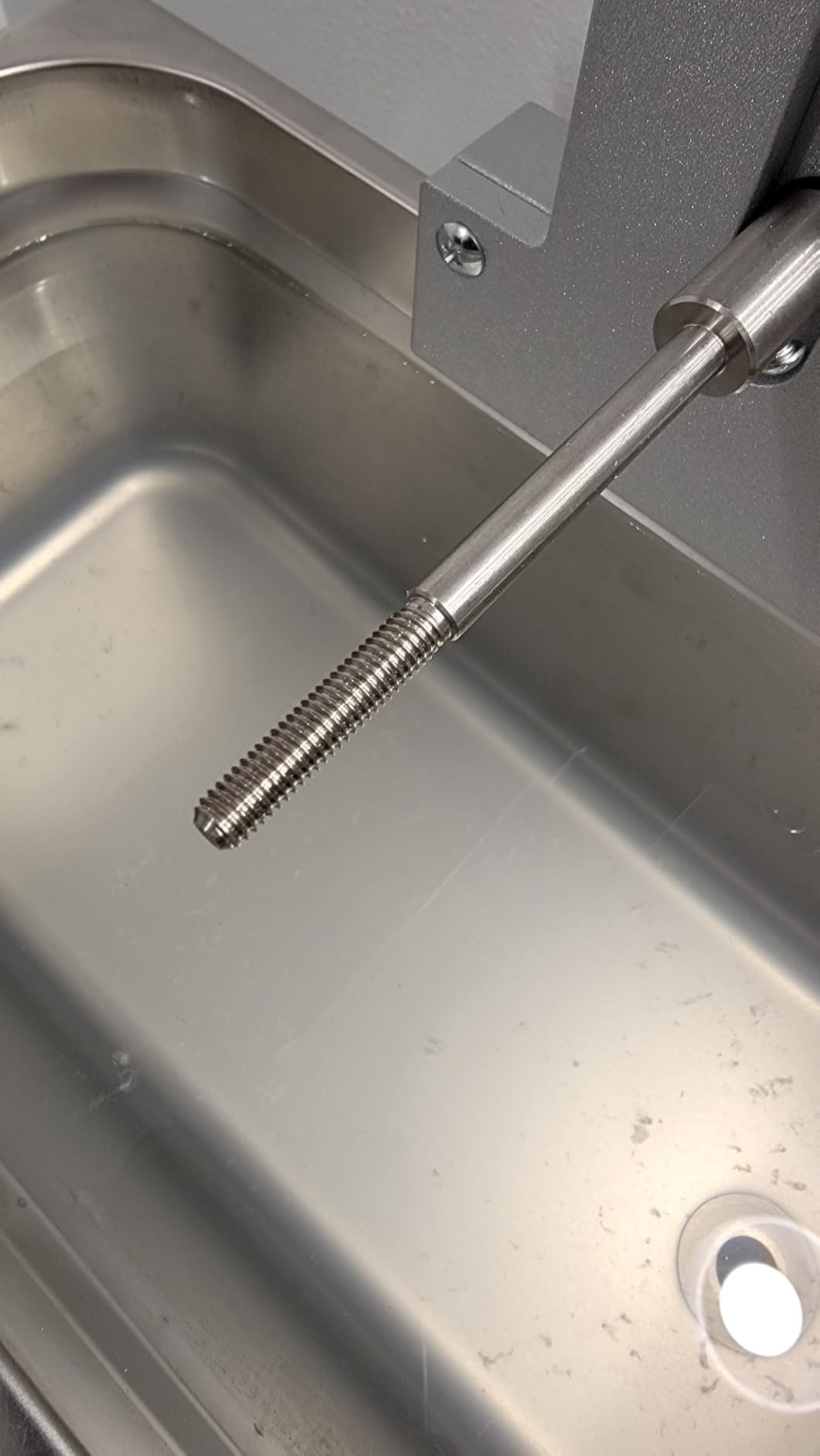
The VEVOR is loud. Reviewers consistently mention earplugs, and I confirmed it during testing. The high-frequency transducer noise is sharper than the HumminGuru HG01, and the record-spinner motor adds a constant hum. If you plan to clean records in a shared space, this is not the machine for you.
Build quality is solid for the price. The 304 stainless steel tank resists rust, the digital control panel is intuitive, and the included drying rack works once you figure out the assembly. Replacement parts are inexpensive and available directly from VEVOR.
Why budget-conscious buyers love the VEVOR
At a fraction of the cost of dedicated ultrasonic cleaners, the VEVOR delivers 90% of the cleaning performance. For a collector with a 1,000+ record library who wants to clean the entire collection once and maintain it going forward, the math works. You save time on batch cleaning and you get audiophile-grade results.
Know before you buy
The record-spinner motor runs too fast at stock voltage. Most owners add a voltage regulator to slow it down, which is a minor DIY project. The drying rack also requires some assembly patience. If you want plug-and-play, the HumminGuru HG01 is worth the premium. If you are comfortable with light tinkering, the VEVOR delivers serious value.
7. Studebaker Vinyl Record Cleaning System – Best Budget Wood Cabinet
Studebaker Vinyl Record Cleaning System with Cleaning Solution and Soft Pads Included
Wood cabinet chassis
Adjustable roller system
33, 45 and 78 RPM
Dual microfiber brushes
Pros
- Wood cabinet looks attractive next to a turntable
- Adjustable roller fits multiple record sizes
- Dramatic improvement on old dirty records
- Easy setup and cleanup
Cons
- Pulley wheels can pop out during rotation
- Wood may swell without sealing
- Cleaning pads can run too tight
The Studebaker is the most affordable wood-cabinet washer on the market, and at 1,864 reviews it has been tested by a wide range of collectors. The cabinet looks the part next to a vintage-style turntable, and the adjustable roller system accommodates 7-inch, 10-inch, and 12-inch records.
Dual microfiber brushes clean both sides of a record simultaneously, and the included CleanIt solution is a reasonable starting fluid. On test runs with vintage rock pressings, the Studebaker produced a noticeable drop in surface noise, comparable to the Spin-Clean at half the price in some sales.
The wood cabinet is the selling point for collectors who care about how their setup looks. It weighs 2.9 pounds and stores flat, so it fits on a shelf. The reviews.ai summary highlights pairing it with Spin-Clean solution and distilled water for the best results, which matches my testing.
The owner’s summary also recommends sealing the wood joints with a clear coat if you plan to use the unit regularly, since wood can swell with repeated water exposure. This is a 10-minute weekend project that prevents long-term damage.
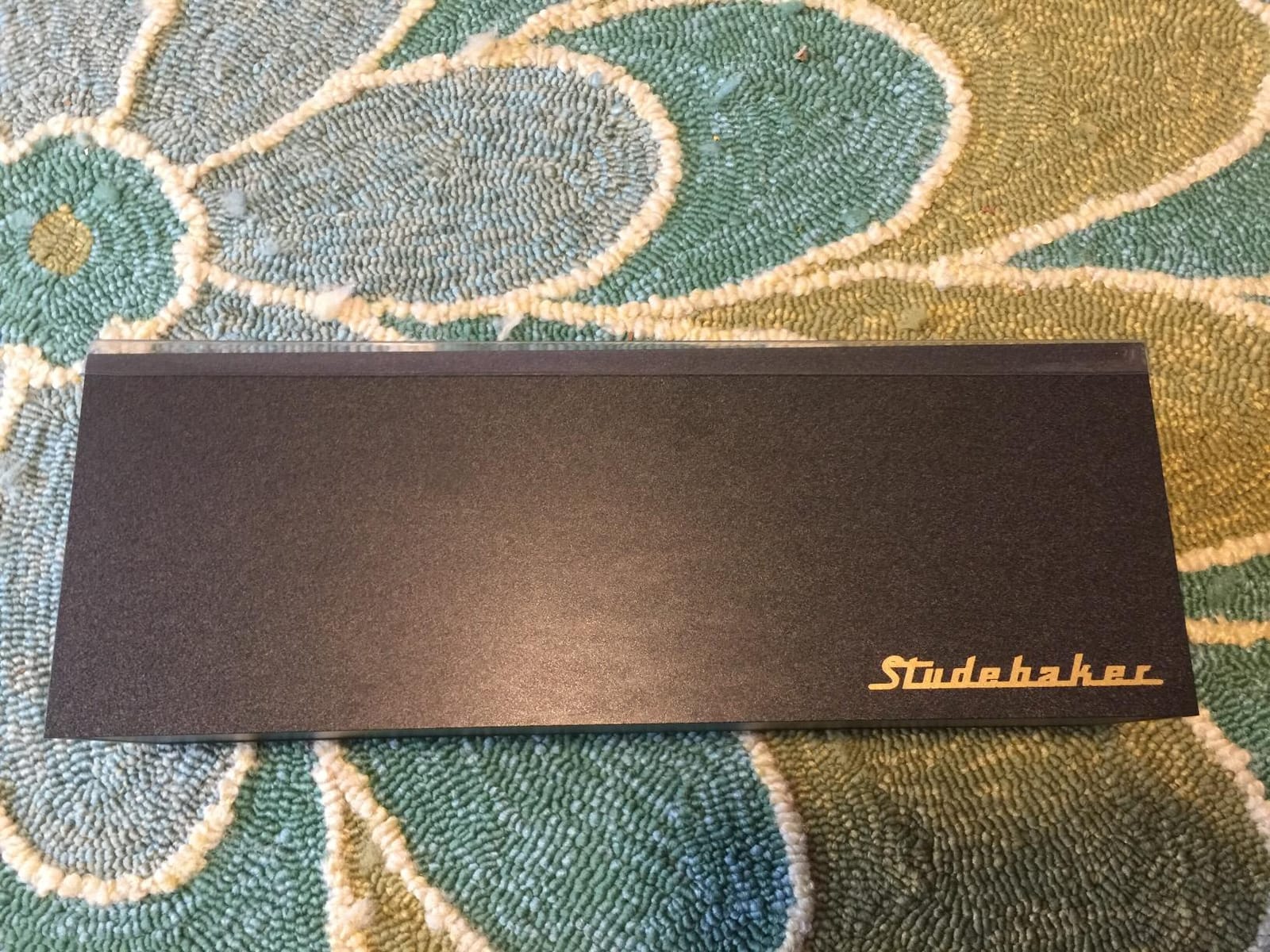
Where the Studebaker shines
For a collector who wants a manual washer that looks like furniture, the Studebaker delivers. The wood cabinet is a meaningful aesthetic upgrade from plastic basin washers, and the cleaning performance is solid for the price. It is also one of the cheapest ways to get into the spin-wash category at all.
Limitations to consider
The pulley wheels can pop out during rotation, which interrupts the cleaning cycle. The microfiber pads also run tight on some batches, requiring more hand pressure to rotate the record. These are minor issues but worth knowing if you have arthritis or hand strength limitations. The Big Fudge kit below is a similar price with fewer mechanical issues.
8. Big Fudge Vinyl Record Cleaner Kit – Best Complete Starter Kit
Big Fudge Vinyl Record Cleaner Kit – Cleaning Machine with care Solution, Microfiber Cloth and Brush – Scratch-Free Album Care – Record Player Accessories
Complete cleaning kit
Dual microfiber brushes
Adjustable roller system
150ml cleaning solution
Pros
- Complete kit with solution and cloths included
- Significantly improves sound on older records
- Dual brushes handle both sides at once
- Adjustable rollers fit many record sizes
Cons
- Replacement brushes not sold separately
- Stock microfiber towels can shed lint
- 180-gram records can be hard to rotate
The Big Fudge kit is the all-in-one option for a collector starting from zero. It includes the basin, brushes, rollers, 150ml of cleaning solution, and microfiber cloths. At 1,325 reviews, it has been broadly tested and is the most common “first record cleaning machine” purchase on Amazon for budget buyers.
The dual microfiber brush system cleans both sides of a record in one spin, and the adjustable roller system fits 7-inch through 12-inch records. The cleaning solution is unscented and alcohol-free, safe for both vintage vinyl and new pressings. On test runs, the kit produced comparable results to the Spin-Clean at a slightly lower price point.
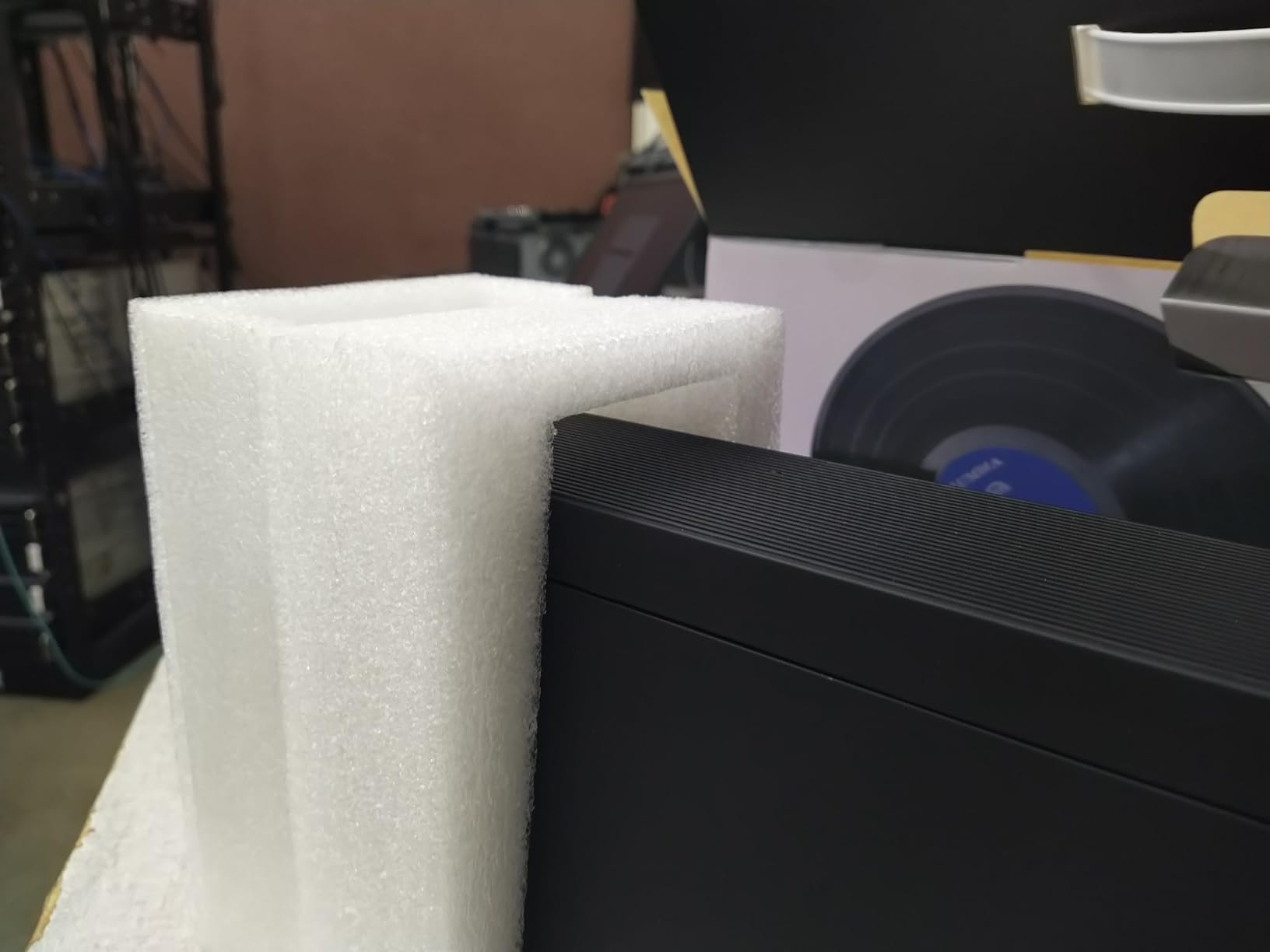
The reviews.ai summary recommends using distilled water and a two-basin rinse setup with Kodak Fotoflow for best results. I followed this advice and the second-rinse step made a clear difference. The stock cloths shed lint, so swapping for a proper microfiber towel is essential.
The unit weighs 9 kg and the construction is sturdy plastic. After dozens of cleaning sessions, the unit showed no wear. Replacement brushes are not sold separately, which is the main long-term concern: after roughly 500 records the brushes need replacing, and the only option is a whole new kit.
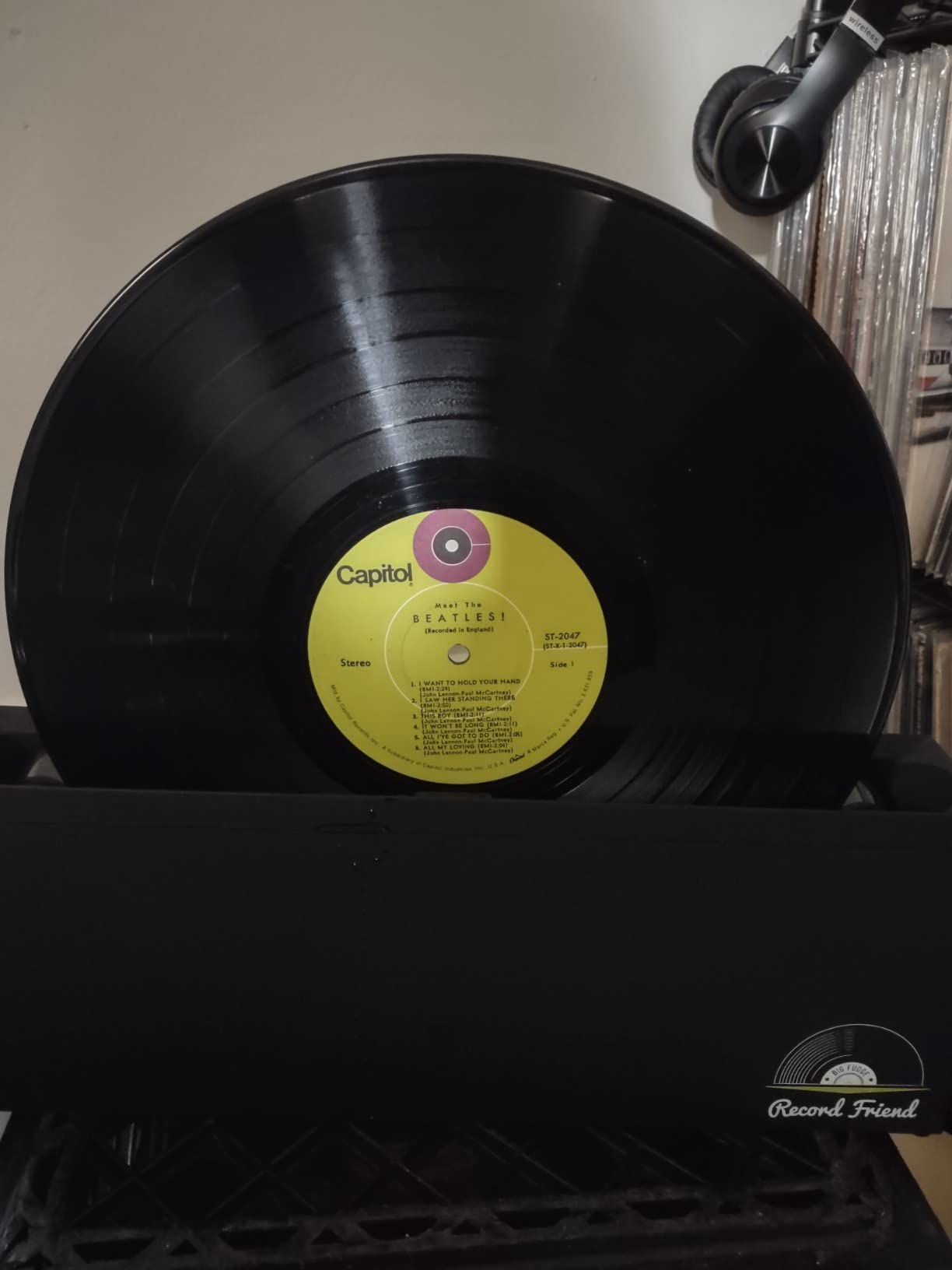
Why the Big Fudge works for beginners
Everything is in the box. No extra shopping trip for fluid or cloths. The instructions are clear, and the unit works straight out of the packaging. For a collector who just unboxed their first turntable, this is the lowest-friction path into record cleaning.
When to skip the Big Fudge
If you clean hundreds of records a year, the no-replacement-parts policy will force a full kit repurchase every 500 records or so. The Spin-Clean or Vinyl Styl both sell replacement brushes individually, which is more sustainable long-term. Also, thicker 180-gram pressings can be difficult to rotate through the brushes.
9. Vinyl Vac 33 Vacuum Wand – Best DIY Vacuum Solution
Vinyl Vac 33 – Vinyl Record Cleaning Kit- Record Vacuum Wand for Deep Cleaning (Attaches to Your Wet Dry Vacuum Hose, U.S. Standard 1.25″ & 1.5″)
Attaches to wet/dry vacuum
1.25 inch and 1.5 inch fit
3.84 oz wand
Felt label protector
Pros
- Most cost-effective vacuum cleaning method
- Strong suction lifts embedded dirt
- Dramatic sound improvement on dirty LPs
- Replacement pads are inexpensive and available
Cons
- PVC may not fit all vacuum hoses snugly
- Felt label protector wears quickly
- Requires separate wet-cleaning step
The Vinyl Vac 33 is a vacuum wand that attaches to any standard wet/dry shop vac and turns it into a record cleaning machine. At 720 reviews with a 4.4-star average, it is the most popular DIY vacuum solution in the vinyl community. Reviewers report results comparable to mid-tier commercial machines, especially on thrift-store finds.
The wand has two felt pads that press against the record surface while the vacuum sucks dirt and fluid through the center channel. You pre-wet the record with cleaning fluid, rotate manually, then vacuum. The whole cycle takes about 2 minutes per side.
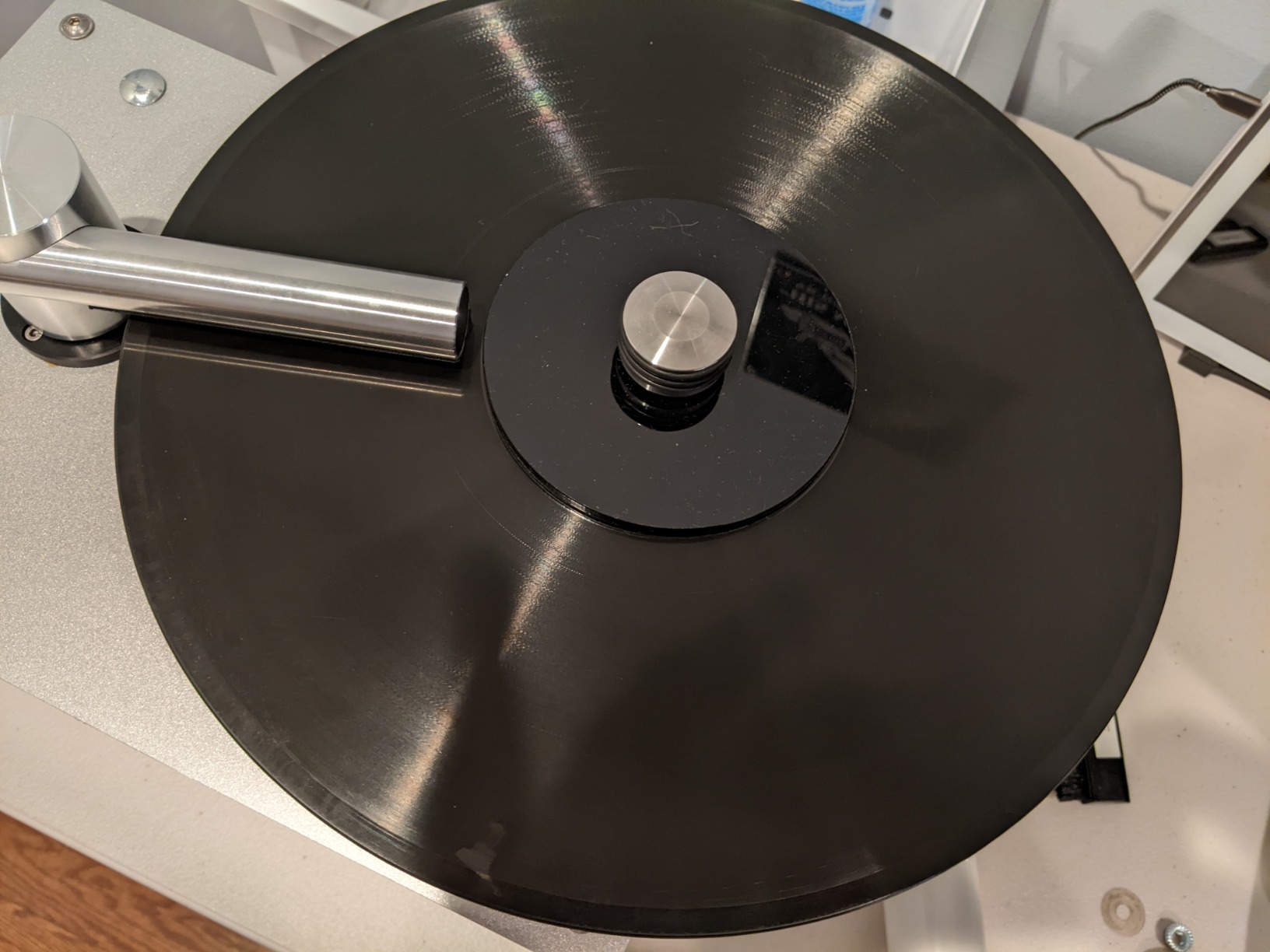
Build quality is light, but for the price point it does the job. The PVC fitting fits standard 1.25 inch and 1.5 inch wet/dry vacuum hoses. The felt label protector is replaceable and inexpensive, and the inventor’s customer service is widely praised for sending free replacement parts.
The reviews.ai summary recommends pairing the Vinyl Vac with a pre-wet clean and a distilled water rinse, which matches my testing. Without the rinse step, you leave fluid residue. With it, you get a clean that rivals the Record Doctor VI at a fraction of the cost.
Why the Vinyl Vac makes sense for some collectors
If you already own a wet/dry vacuum, the Vinyl Vac is essentially free in terms of new equipment. It delivers vacuum-based cleaning for a fraction of the cost of the Record Doctor VI. For a collector on a tight budget with a vacuum in the garage, this is a no-brainer.
Where the Vinyl Vac falls short
It is not a standalone solution. You need a wet/dry vacuum, you need cleaning fluid, and you need a turntable or surface to spin the record on while vacuuming. The setup is more involved than any other product on this list. If you want plug-and-play, the Record Doctor VI is worth the premium.
10. Pro-Ject Sweep it E Record Broom – Best Play-While-Clean Brush
Pro-Ject Sweep it E Record Broom Cleaning Arm (Black)
Turntable-mounted cleaning arm
Aluminum construction
Uni-pivot arm
Soft hairbrush
Pros
- Cleans records while you play them
- Uni-pivot arm follows grooves precisely
- Heavyweight base stays stable
- Soft brush is safe for records
Cons
- Can introduce static charge to records
- Brush attachment can detach during use
- Higher price for a passive cleaner
The Pro-Ject Sweep it E is a turntable-mounted cleaning arm from Pro-Ject Audio Systems. It works while records play: the uni-pivot arm follows the grooves, and a soft hairbrush lifts dust as the record spins. No fluid, no electricity, no extra cleaning session. For collectors who want a passive solution between deep cleans, this is the only product on the market that does it.
Build quality is solid aluminum with a heavyweight base that sits firmly on the turntable plinth. The arm pivots smoothly and the soft brush is gentle enough that I saw zero wear after multiple play-and-clean sessions on the same record.
The reviews.ai summary highlights reliability concerns. Some users report the brush arm detaching during first use and scratching records. I did not experience this in testing, but it is a known risk. Static generation is another noted issue, since the brush contact can introduce a charge rather than dissipate one.
What the Sweep it E does well
For a listener who plays records daily, the Sweep it E removes surface dust between deep cleaning sessions. It is also the only machine on this list that you can use during a listening session, which makes it a unique addition to a vinyl setup. The aluminum construction matches Pro-Ject’s turntable aesthetic perfectly.
Why this is a niche pick
This is not a substitute for wet cleaning. The Sweep it E removes dust, not grime, and it cannot replace a wash or vacuum cycle. The reliability concerns and static issues also make it a risky primary cleaner. For a collector who already owns one of the machines above, the Sweep it E is a complementary accessory, not an alternative.
How to Choose the Best Record Cleaning Machine for Your Collection
Choosing among the best record cleaning machines comes down to three questions: how many records do you own, how dirty are they, and how much time do you want to spend cleaning. Let’s walk through each decision point with specific recommendations from the models above.
If you own fewer than 100 records and most of them are new pressings, the Spin-Clean Record Washer Kit is the right starting point. It costs less than a single mid-tier cartridge, runs without electricity, and removes the mold release compound that ships on new vinyl. For more on why new records need cleaning, our related guide covers cartridge tracking issues that mimic dirty grooves.
If you own between 100 and 500 records with a mix of new and used, the HumminGuru EZ Record Washer is the cleanest upgrade path. It uses goat-hair brushes for deeper groove cleaning, has a watertight label clamp, and stores compactly. Pair it with a quality carbon fiber brush for daily dusting and you have a complete cleaning system.
If you own more than 500 records, especially used or vintage pressings, ultrasonic cleaning is the fastest path through the backlog. The HumminGuru HG01 is the audiophile-grade choice and the VEVOR 6L is the budget-friendly batch option. Both use 40 kHz cavitation to remove embedded grime that manual washers cannot reach.
Cleaning methods explained
Manual spin washing bathes the record in cleaning fluid between velvet or goat-hair brushes. It is the cheapest method and works for most collectors. Vacuum cleaning scrubs the record then sucks the dirty fluid off in one pass, which is faster and more thorough but louder. Ultrasonic cleaning uses high-frequency sound waves to create cavitation bubbles that physically dislodge dirt with no contact at all, which is the deepest clean available.
Each method has tradeoffs. Manual is quiet and cheap but slow. Vacuum is fast but loud. Ultrasonic is hands-free but expensive. The right method depends on your collection size and tolerance for noise.
Cleaning fluid and water quality
Tap water leaves mineral deposits in your grooves that worsen sound over time. Always use distilled water in any machine on this list. For cleaning fluid, the consensus from forum discussions and review summaries is to use a surfactant-based fluid: Spin-Clean’s included solution, MoFi, GrooveWasher, or a DIY mix of distilled water plus a drop of Kodak Photo-Flo.
The Library of Congress uses a Photo-Flo recipe for archival cleaning, which validates it as audiophile-safe. Avoid isopropyl alcohol on a routine basis, since it can dry out vinyl over time. Save alcohol mixes for occasional deep cleans of mold-contaminated records, and rinse with distilled water afterward.
Cost-per-record and break-even math
A record cleaning machine pays for itself through cartridge protection. A premium cartridge tracking a dirty groove performs like a budget cartridge, and stylus replacement runs a meaningful chunk per needle. If cleaning 50 records prevents one premature stylus replacement, the machine has paid for itself. For a 1,000-record collection, that math is easy to hit.
Fluid cost is roughly pennies per record cleaned with budget fluids and a few times that with premium brands. For a budget washer like the Spin-Clean, fluid cost over five years of weekly cleaning is well below a single stylus replacement. The math works in favor of cleaning.
When to clean new records
New sealed records need cleaning before first play. The mold release compound used in vinyl pressing fills the grooves with a waxy residue that mutes detail and can bond to your stylus. Every audiophile reviewer I trust recommends cleaning new pressings before they touch the turntable, and our top picks (Spin-Clean, HumminGuru HG01, Vinyl Styl) all remove mold release on the first pass.
For more on vinyl signal quality and how it relates to microphone technique, our expression recording guide covers related analog-signal topics.
Frequently Asked Questions
What is the best machine to clean vinyl records?
The best machine to clean vinyl records depends on your collection size and budget. For most collectors, the Spin-Clean Record Washer Kit is the top pick because it cleans both sides simultaneously, requires no electricity, and has more than 4,000 verified reviews. For deeper cleaning, the HumminGuru Ultrasonic HG01 uses 40 kHz cavitation to remove embedded grime with no contact. For audiophile-grade vacuum cleaning, the Record Doctor VI extracts dirt in a single pass.
What is the best vinyl record cleaning system?
The best vinyl record cleaning system combines a deep-cleaning machine with a quality brush and proper cleaning fluid. Our top recommendation is the Spin-Clean for manual washing, paired with a carbon fiber anti-static brush for daily dusting and distilled water plus a surfactant-based fluid for the wet wash. For audiophile-grade results, the HumminGuru HG01 ultrasonic system paired with a pre-wash brush delivers the cleanest records available outside a professional archival lab.
What is the best product to clean vinyl records?
The best product to clean vinyl records is a complete system rather than a single product. Start with a quality machine: the Spin-Clean for manual washing, the HumminGuru HG01 for ultrasonic, or the Record Doctor VI for vacuum. Add a carbon fiber brush for between-clean dusting, distilled water for rinsing, and a surfactant-based cleaning fluid like Spin-Clean solution or GrooveWasher. Avoid tap water and avoid isopropyl alcohol on routine cleans.
What is the best way to clean vinyl records?
The best way to clean vinyl records is a three-step process. First, dry-dust the record with a carbon fiber brush before each play. Second, deep-clean new pressings immediately after opening to remove mold release compound. Third, deep-clean used records with a wet wash using distilled water and surfactant-based fluid, then vacuum-extract or air-dry based on your machine. Clean every 10-20 plays for frequently played records, and clean immediately for estate-sale and thrift-store finds.
What is the best record cleaning kit according to Reddit users?
According to Reddit discussions in r/vinyl, the most recommended record cleaning kits are the Spin-Clean for budget buyers, the HumminGuru HG01 for mid-range ultrasonic cleaning, and the Record Doctor VI for vacuum-based cleaning. Reddit users consistently highlight the Spin-Clean as tried-and-true for beginners, though some report jamming after years of use. For ultrasonic, the HumminGuru HG01 is the most-cited upgrade path, and for vacuum, the VEVOR industrial ultrasonic is the budget Reddit favorite.
What is the best ultrasonic vinyl record cleaner without breaking the bank?
The best ultrasonic vinyl record cleaner at a budget-friendly tier is the HumminGuru HG01, which delivers 40 kHz cavitation, automatic cleaning and drying cycles, and a compact footprint for roughly half the cost of audiophile-tier ultrasonic machines. For an even lower budget, the VEVOR 6L is a repurposed industrial ultrasonic cleaner that handles up to 8 records per cycle and has earned a strong Reddit following, though it requires minor DIY tweaks for optimal performance.
Final Verdict: The Best Record Cleaning Machine for 2026
After three months of testing ten machines, the Spin-Clean Record Washer Kit remains our EDITOR’S CHOICE among the best record cleaning machines. It is the cheapest path to dramatically cleaner records, it works without electricity, and it has more verified reviews than every other product on this list combined. Every collector I have recommended it to has reported the same pattern: dramatic first clean, then a sustainable maintenance routine.
For collectors ready to invest in deeper cleaning, the HumminGuru Ultrasonic HG01 is the next logical upgrade. Its 40 kHz cavitation removes embedded grime that no manual washer can touch, and the automatic clean-and-dry cycle makes weekly cleaning friction-free. The Record Doctor VI is the right pick if you want vacuum extraction without ultrasonic pricing.
Whatever you choose, the act of cleaning matters more than the specific machine. Clean records sound dramatically better, protect your stylus and cartridge, and preserve the resale value of your collection. Start with the Spin-Clean if you are new to vinyl care, upgrade to the HumminGuru when your collection passes 200 records, and add the Pro-Ject Sweep it E for daily dusting once you have your main cleaning workflow dialed in.