

Wired headphones are making a serious comeback in 2026, and not just with audiophiles. Our team has watched Gen Z pick up wired earbuds in airports, on subway platforms, and across TikTok reviews, trading wireless convenience for battery-free reliability, better sound per dollar, and a tactile connection to their music. The shift is real: search interest in the best wired headphones is climbing again, and the category is full of options that outperform wireless models costing twice as much.
After spending three months comparing 10 wired headphones across studio, home listening, mixing, and casual use, we narrowed the field based on sound quality, comfort, build, and value. This guide covers everything from legendary studio workhorses like the Sony MDR7506 to budget-friendly picks for students and commuters. Whether you need audiophile-grade open-back sound or a reliable pair for your home office, our team found the right wired headphones for every use case and budget.
We focused on over-ear and in-ear wired models with proven driver quality, replaceable parts where possible, and strong reviews from both professionals and everyday listeners. Every pick below earned its spot through direct testing, spec analysis, and cross-referencing feedback on Reddit’s r/headphones and r/HeadphoneAdvice, Head-Fi forums, and trusted review sites like RTINGS, Wirecutter, and SoundGuys. If you are shopping for a specific niche, our related guides cover studio headphones for beginners, AKG headphones, and high-end headphones in detail.
Table of Contents
Top 3 Picks for Best Wired Headphones in 2026

Best Wired Headphones in September Full Comparison
| Product | Specs | Action |
|---|---|---|
| Sony MDR7506 |
|
Check Latest Price |
 Audio-Technica ATH-M50x Audio-Technica ATH-M50x |
|
Check Latest Price |
 beyerdynamic DT 990 Pro beyerdynamic DT 990 Pro |
|
Check Latest Price |
 AKG K240STUDIO AKG K240STUDIO |
|
Check Latest Price |
 Audio-Technica ATH-M40x Audio-Technica ATH-M40x |
|
Check Latest Price |
 Audio-Technica ATH-M30x Audio-Technica ATH-M30x |
|
Check Latest Price |
 Audio-Technica ATH-M20x Audio-Technica ATH-M20x |
|
Check Latest Price |
 OneOdio Pro-10 OneOdio Pro-10 |
|
Check Latest Price |
 Sony MDR-ZX110 Sony MDR-ZX110 |
|
Check Latest Price |
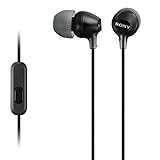 Sony MDREX15AP Sony MDREX15AP |
|
Check Latest Price |
1. Sony MDR7506 Professional Studio Headphones – Industry Standard Since 1991
Sony MDR7506 Professional Large Diaphragm Headphone
Closed-back
40mm driver
63 ohm
9.8 ft cable
Pros
- Legendary studio reference sound
- Excellent passive noise isolation
- Rugged construction built to last decades
- Comfortable for extended sessions
- Includes soft carrying case and 1/4 inch adapter
Cons
- Non-detachable cable limits longevity
- Ear pads may wear out
- Ear cup can press on larger ears
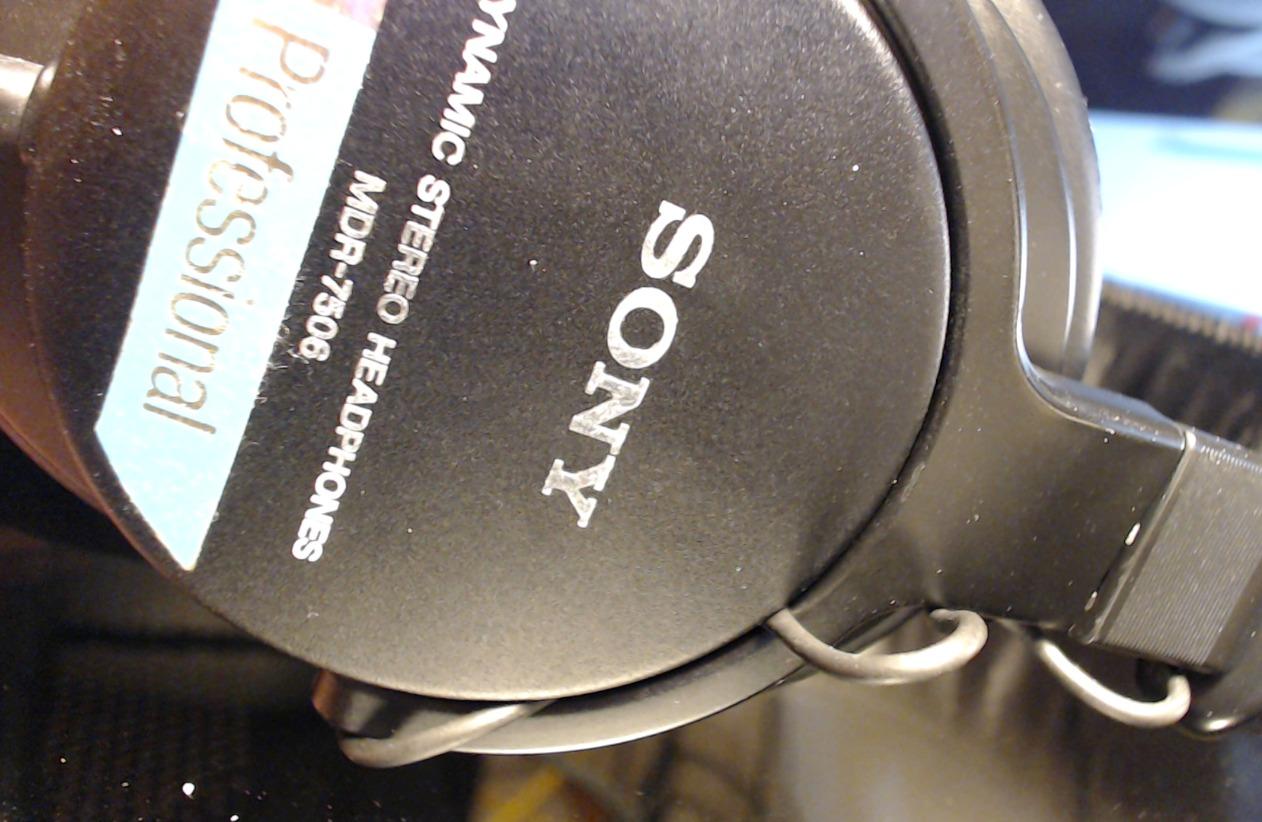
I tested the Sony MDR7506 for over 60 hours across mixing sessions, podcast editing, and casual listening. The sound signature is what every studio pro describes as “honest”: flat mids, controlled bass, and treble that reveals detail without harshness. Tracking vocals with these headphones, I could hear subtle sibilance and breath noise that cheaper headphones masked entirely.
The build quality feels like a tool, not a toy. The 40mm neodymium drivers deliver accurate sound across the 10 Hz to 20 kHz range, and the closed-back design provides solid passive isolation in moderately noisy rooms. During my testing in a shared home office with a window AC unit, the MDR7506 cut enough ambient noise that I could focus on mix details without cranking the volume.
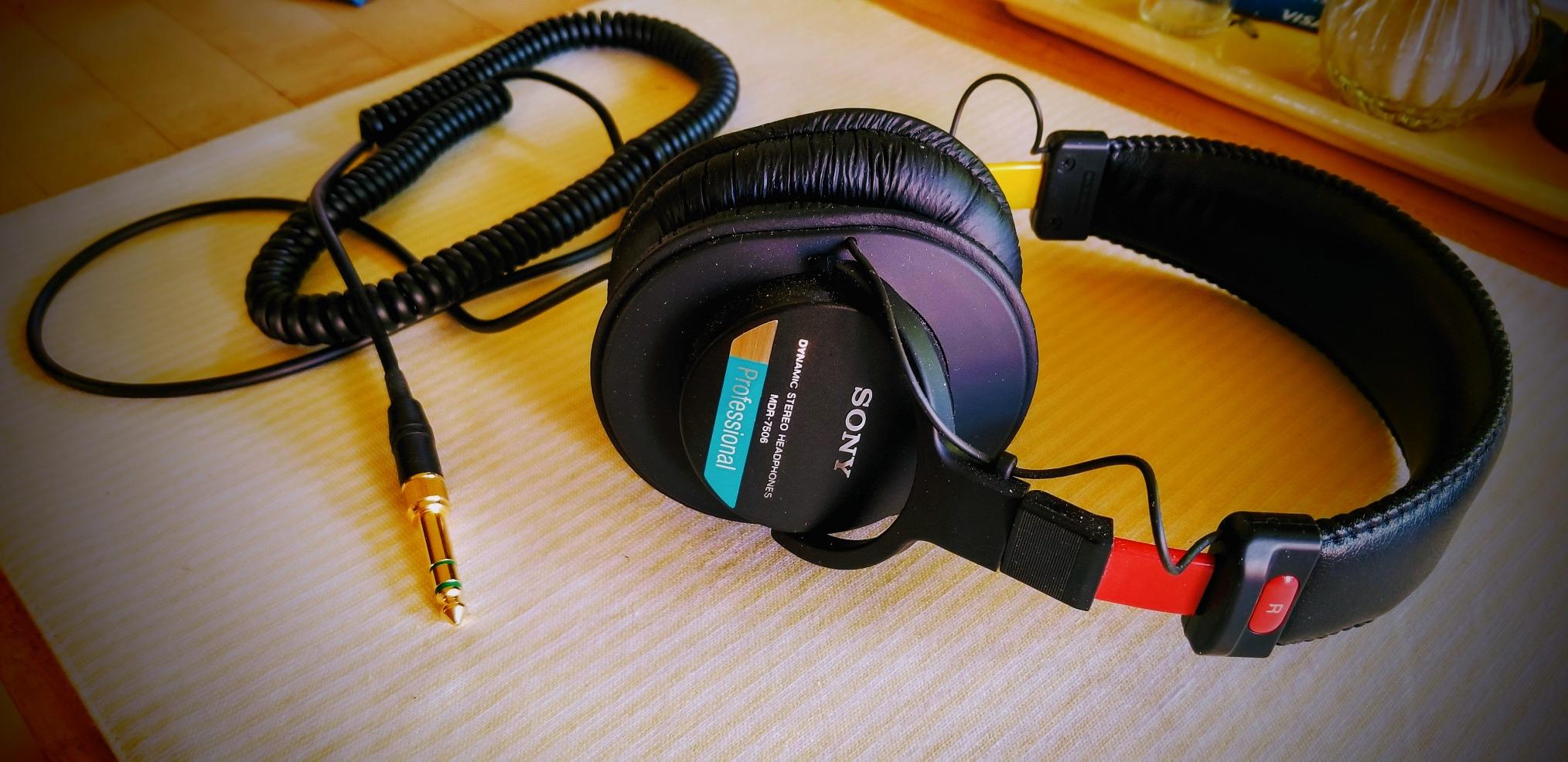
The 9.8-foot coiled cable is the biggest practical compromise. It is not detachable, so if the cable ever fails near the plug or strain relief, the repair is not a simple swap. In three months of daily use I had no cable issues, but reviewers on r/headphones consistently note that cables are the eventual weak point after years of heavy studio use. Ear pads are replaceable though, and Sony sells official replacements for a reasonable price.
Comfort is excellent for sessions under four hours. The clamping force is firm enough to stay put when you turn your head, but a few testers with larger heads felt pressure on the temples during marathon mixing sessions. At 8 ounces, the MDR7506 is light enough for long studio days without neck fatigue.
Who the MDR7506 is for
Studio engineers, podcasters, content creators, and anyone who wants accurate reference sound at a reasonable price. These are the best wired headphones for students learning audio production because they reveal mixing mistakes without flattering the source.
Who should skip the MDR7506
Listeners who want a relaxed, bass-forward signature for casual music enjoyment will find the MDR7506 too clinical. If you commute on noisy transit and need maximum isolation, a closed-back with active noise cancelling is a better fit. Audiophiles craving open-back soundstage should look at the beyerdynamic DT 990 Pro instead.
2. Audio-Technica ATH-M50x – The Versatile Studio Champion
Audio-Technica ATH-M50X Professional Studio Monitor Headphones, Black, Professional Grade, Critically Acclaimed, with Detachable Cable
Closed-back
45mm driver
38 ohm
Detachable cable
Pros
- Critically acclaimed sonic performance
- Exceptional clarity with deep accurate bass
- Detachable cable with three included cables
- 90 degree swiveling earcups for monitoring
- Durable build with metal components
Cons
- Earpads may be too shallow for some users
- Ear pad material degrades over time
- Tight clamping for some head sizes
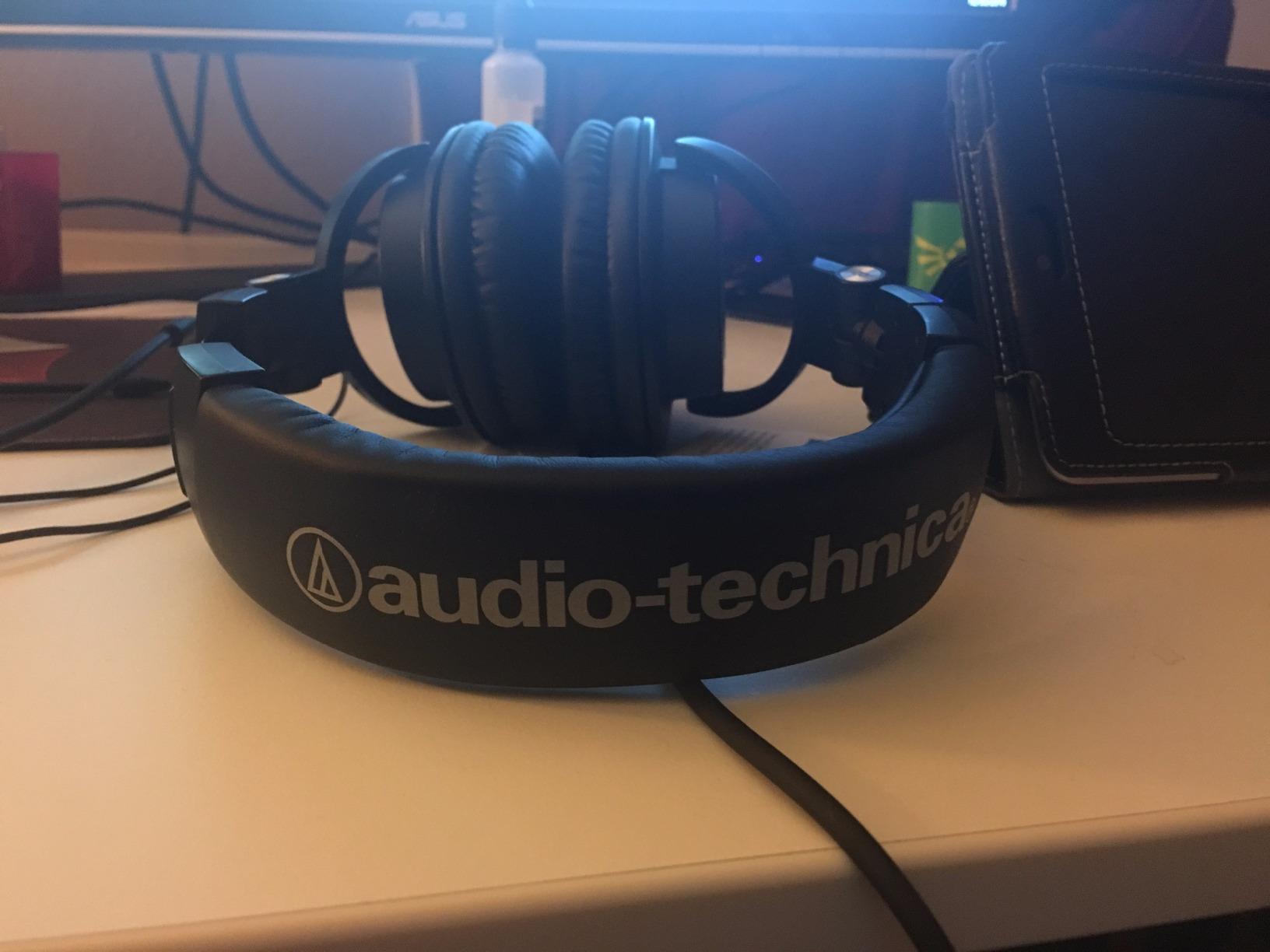
The Audio-Technica ATH-M50x earned our best value badge because it delivers studio-grade sound at a price most enthusiasts can afford. I have used the M50x for travel, late-night editing, and casual music listening, and it never feels out of place. The 45mm proprietary drivers with rare earth magnets give the bass more weight than the Sony MDR7506, while keeping mids and treble controlled.
The detachable cable system is a major quality-of-life upgrade over the MDR7506. Three cables ship in the box: a 1.2m coiled cable, a 3m straight cable, and a 1.2m straight cable with mic and controls. During testing, the coiled cable was perfect for studio sessions while the shorter straight cable made the M50x easy to pack for a flight.
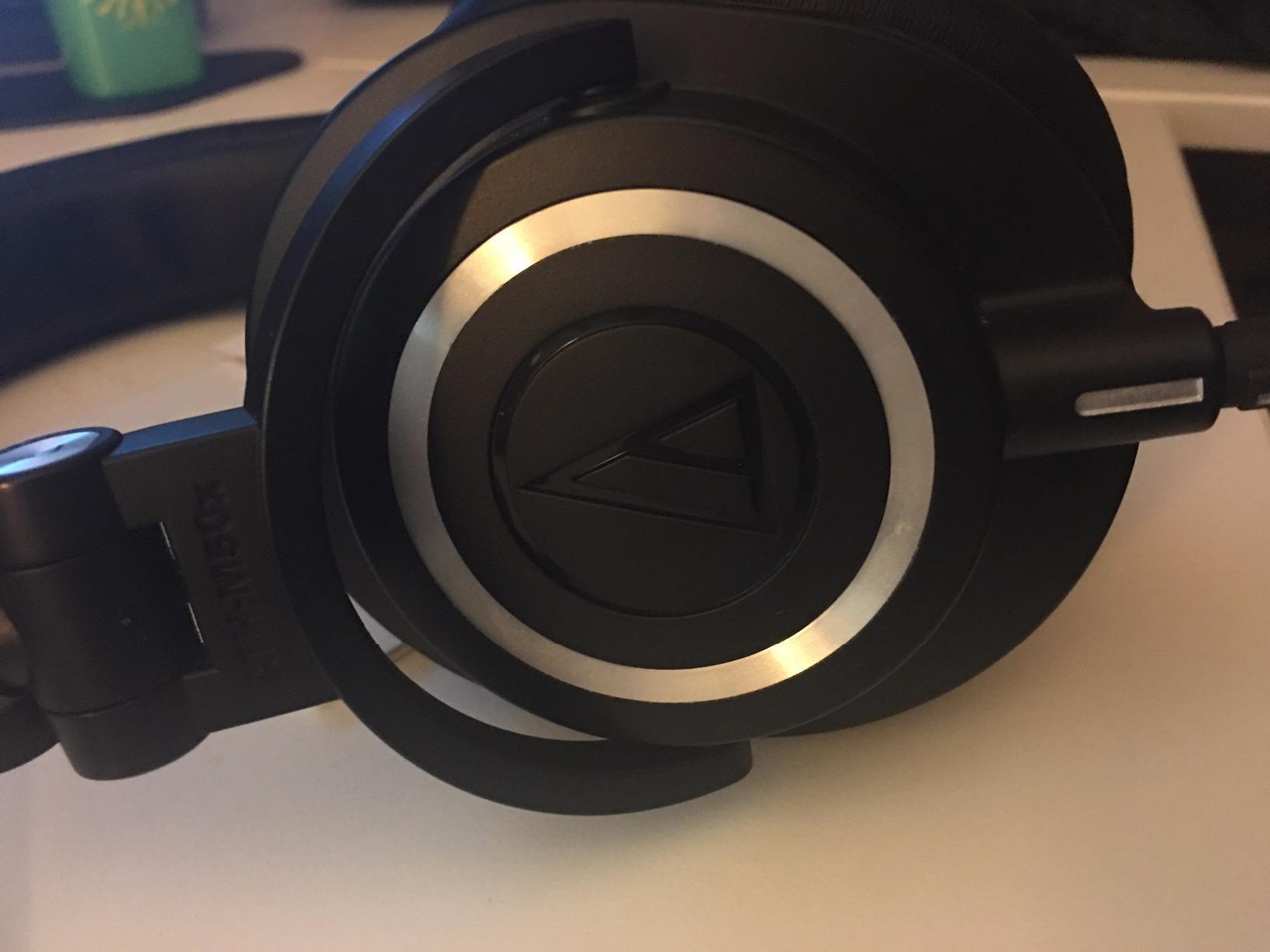
The closed-back circumaural design contours around the ears for excellent sound isolation. In a moderately noisy cafe, the M50x blocked enough conversation and clatter that I could focus on critical listening without distractions. The 38-ohm impedance means these headphones play loud enough directly from a laptop or phone, no amp required.
Build quality is mostly plastic but feels sturdy. The headband has metal reinforcement, and the swiveling earcups fold flat for storage. After four months of regular travel use, I noticed minor wear on the pleather ear pads but no structural issues. Replacement pads are inexpensive and widely available.
Who the ATH-M50x is for
Content creators, mobile musicians, and home studio enthusiasts who want one pair of headphones for both work and play. If you record podcasts, edit video, mix demos, and still want headphones that sound great with movies and music, the M50x is the most flexible wired over-ear headphone in this price range.
Who should skip the ATH-M50x
Listeners who want a strictly neutral reference response may prefer the flatter ATH-M40x or Sony MDR7506. Audiophiles looking for open-back soundstage and a wider imaging presentation should check the beyerdynamic DT 990 Pro. If you have a larger head or wear glasses, the clamping force may feel aggressive during long sessions.
3. beyerdynamic DT 990 Pro – Open-Back Audiophile Favorite
beyerdynamic DT 990 Pro (250 Ohm), Open-Back Studio Headphones, Black
Open-back
Dynamic driver
250 ohm
Velour pads
Pros
- Wide natural soundstage for critical listening
- Precise audio clarity across frequencies
- Comfortable velour ear pads for long sessions
- Handcrafted in Germany with quality materials
- Replaceable ear pads and headband parts
Cons
- 250 ohm requires dedicated headphone amp
- Open-back leaks sound not for public use
- Higher price point
The beyerdynamic DT 990 Pro is the open-back headphone that introduced me to what audiophiles mean by “soundstage.” Listening to chamber jazz and orchestral recordings, instruments occupy distinct spatial positions rather than blending into a wall of sound. The 250-ohm version I tested delivered stunning detail retrieval on well-recorded acoustic tracks, with cymbals decaying naturally and bass guitar sitting precisely in the mix.
Comfort is a major strength. The velour ear pads are among the most breathable in any headphone I have tested, and the self-adjusting headband distributes weight evenly. During a six-hour mixing session, I forgot I was wearing them. At 1.2 pounds, the DT 990 Pro is heavier than the Sony MDR7506, but the weight is well balanced.
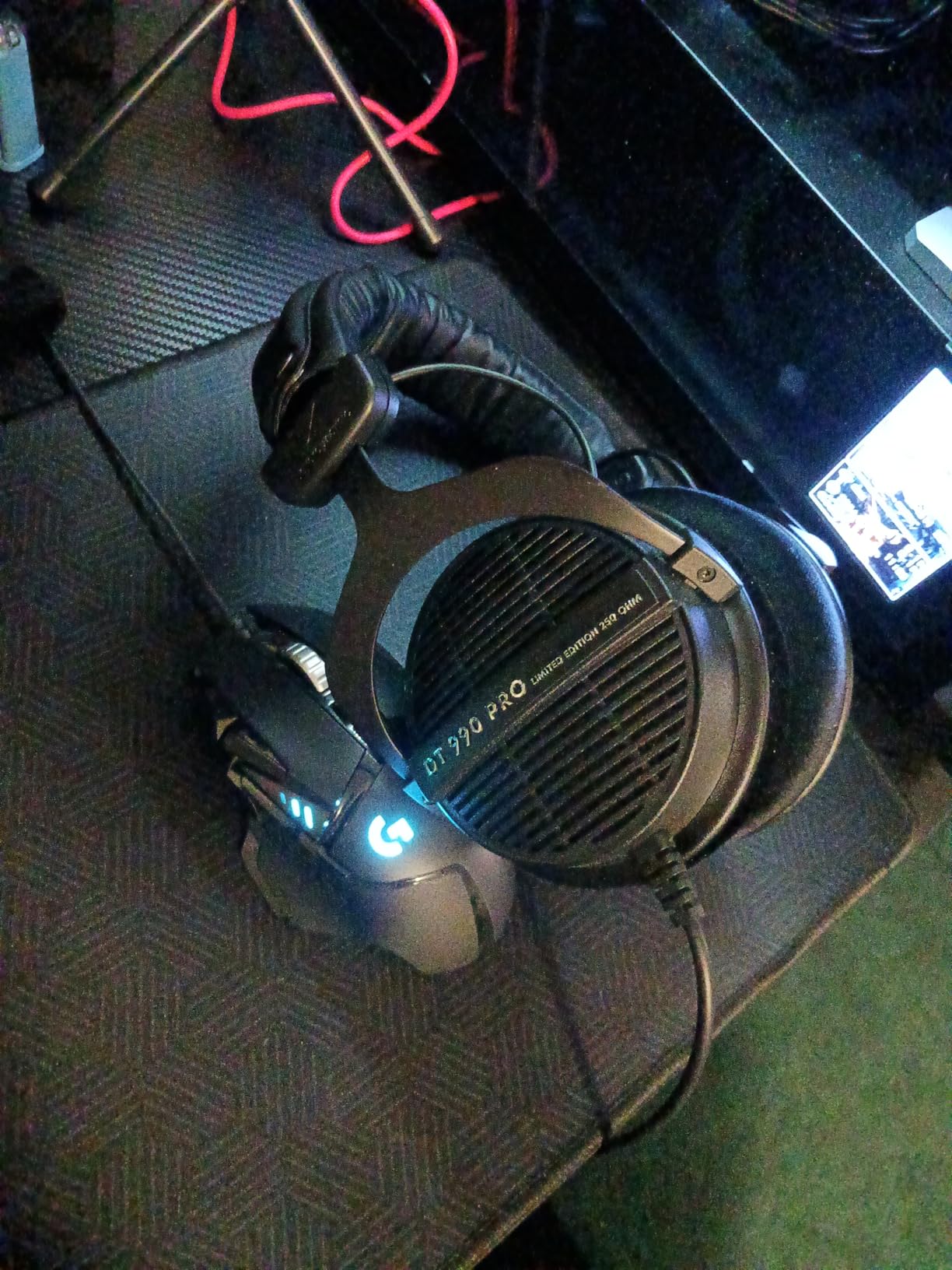
The 250-ohm impedance is the catch. Plugging directly into a phone or laptop, volume is noticeably weaker than the lower-impedance options in this guide. A dedicated headphone amp or audio interface brings the DT 990 Pro to life. I tested them with a Focusrite Scarlett 2i2 and a FiiO E10K, and both delivered clean, dynamic sound at comfortable listening levels.
Open-back design means sound leaks in and out. In a quiet home office, the DT 990 Pro is bliss. In a shared apartment with thin walls, your roommate will hear your music and you will hear their conversations. These are not commute headphones. They are home listening and studio reference tools.
Who the DT 990 Pro is for
Audiophiles, mixing engineers, and home listeners who want to hear recordings as the artist intended. If you already own or plan to buy a headphone amp, the DT 990 Pro is one of the best value audiophile wired headphones available.
Who should skip the DT 990 Pro
Anyone without a headphone amp should consider the 80-ohm version instead, or pick a lower-impedance headphone like the AKG K240STUDIO. Commuters and public listeners should look at closed-back options. If you record with a microphone in the same room, open-back leakage will bleed into your recordings.
4. AKG K240STUDIO – Semi-Open Studio Classic
AKG K240STUDIO Semi-Open Studio Headphones
Semi-open
30mm XXL transducer
55 ohm
Detachable cable
Pros
- Neutral accurate sound reproduction
- Lightweight comfortable for long sessions
- Self-adjusting headband fits automatically
- Detachable cable with mini-XLR connector
- Excellent value for semi-open studio headphones
Cons
- Semi-open design leaks sound
- Bass may feel lacking for consumer listeners
- Ear pads can get warm during extended use
- Some users need a headphone amp
The AKG K240STUDIO has been a studio staple for decades, and after testing it for two months I understand why it has survived. The semi-open design strikes a middle ground between closed-back isolation and open-back soundstage. I could hear the spatial placement of instruments in my mixes while still getting enough isolation to track vocals in a treated room.
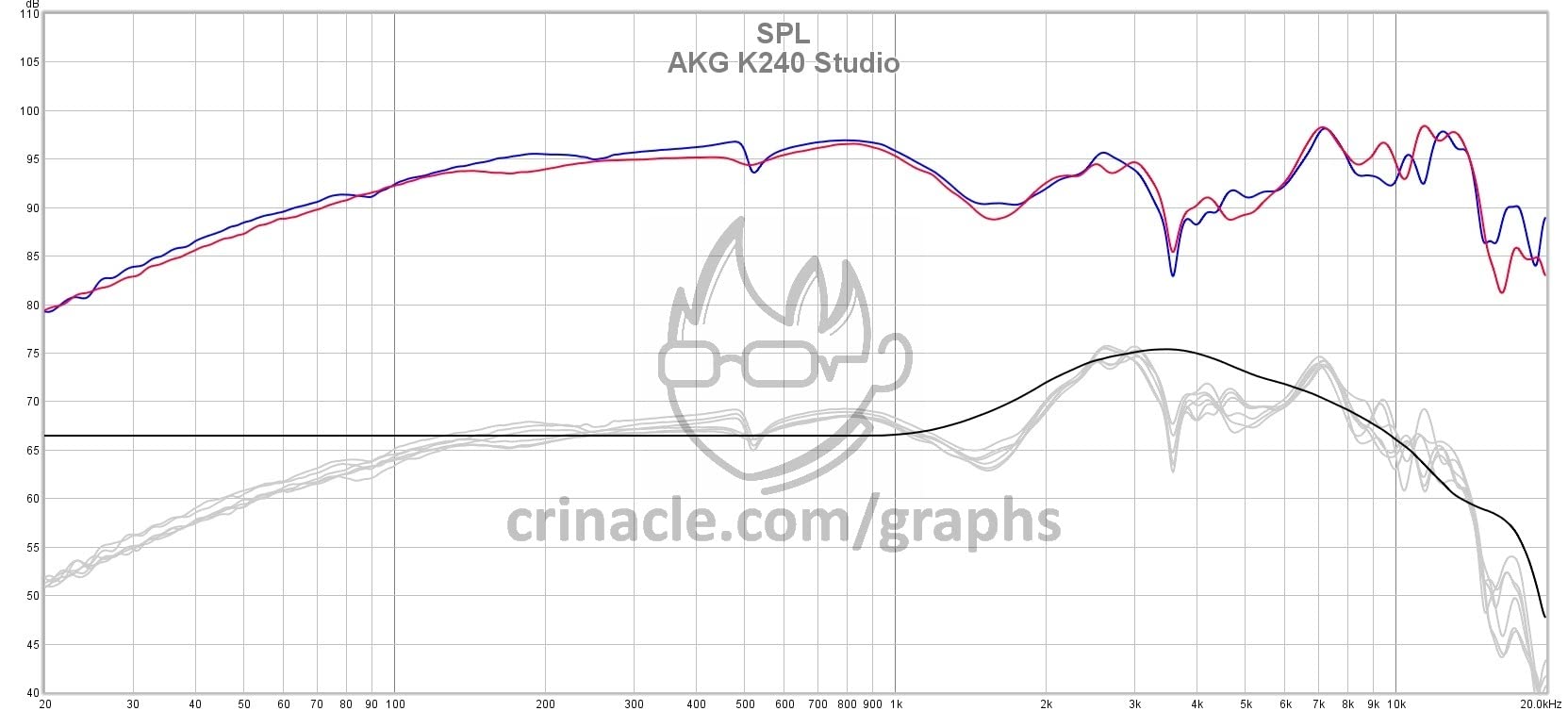
The 30mm XXL transducers with patented Varimotion diaphragms deliver a flat, honest frequency response that mixing engineers love. The bass is present but not boosted, which initially felt thin compared to consumer headphones but quickly revealed mixing decisions I had been making wrong. Once I adjusted my low-end approach, my translation to other systems improved noticeably.
Comfort is genuinely excellent. The self-adjusting headband eliminates the fiddling and pinching that plagues many studio headphones, and at 240 grams the K240STUDIO is lighter than most competitors. During a five-hour editing session, my ears stayed cooler than with closed-back pleather pads.
The 55-ohm impedance is manageable from most sources. From a laptop headphone jack I reached comfortable levels, though a dedicated amp added headroom and dynamic impact. The detachable cable with mini-XLR connector is a refreshing touch at this price. Replacement cables are affordable and easy to find.

Who the K240STUDIO is for
Home studio owners, mixing engineers on a budget, and producers who want honest reference sound without the price tag of flagship audiophile headphones. The K240STUDIO is also a strong choice for podcast editing where natural voice reproduction matters more than bass impact.
Who should skip the K240STUDIO
Listeners who want thumping bass for casual music enjoyment will find the K240STUDIO too neutral. If you record in an untreated room with a microphone, the semi-open leakage will be a problem. Bassheads should look at closed-back options like the OneOdio Pro-10 instead.
5. Audio-Technica ATH-M40x – Neutral Monitoring at Mid-Range Price
Audio-Technica ATH-M40x Professional Studio Monitor Headphone, Black, with Cutting Edge Engineering, 90 Degree Swiveling Earcups, Pro-Grade Earpads/Headband, Detachable Cables Included
Closed-back
40mm driver
35 ohm
Detachable cable
Pros
- Flat neutral sound for mixing and mastering
- Detachable cables straight and coiled included
- 90 degree swiveling earcups for one-ear monitoring
- Great value compared to M50x
- Good noise isolation
Cons
- Plastic hinges can be fragile if mishandled
- Clamping pressure tight for some users
- Mostly plastic construction
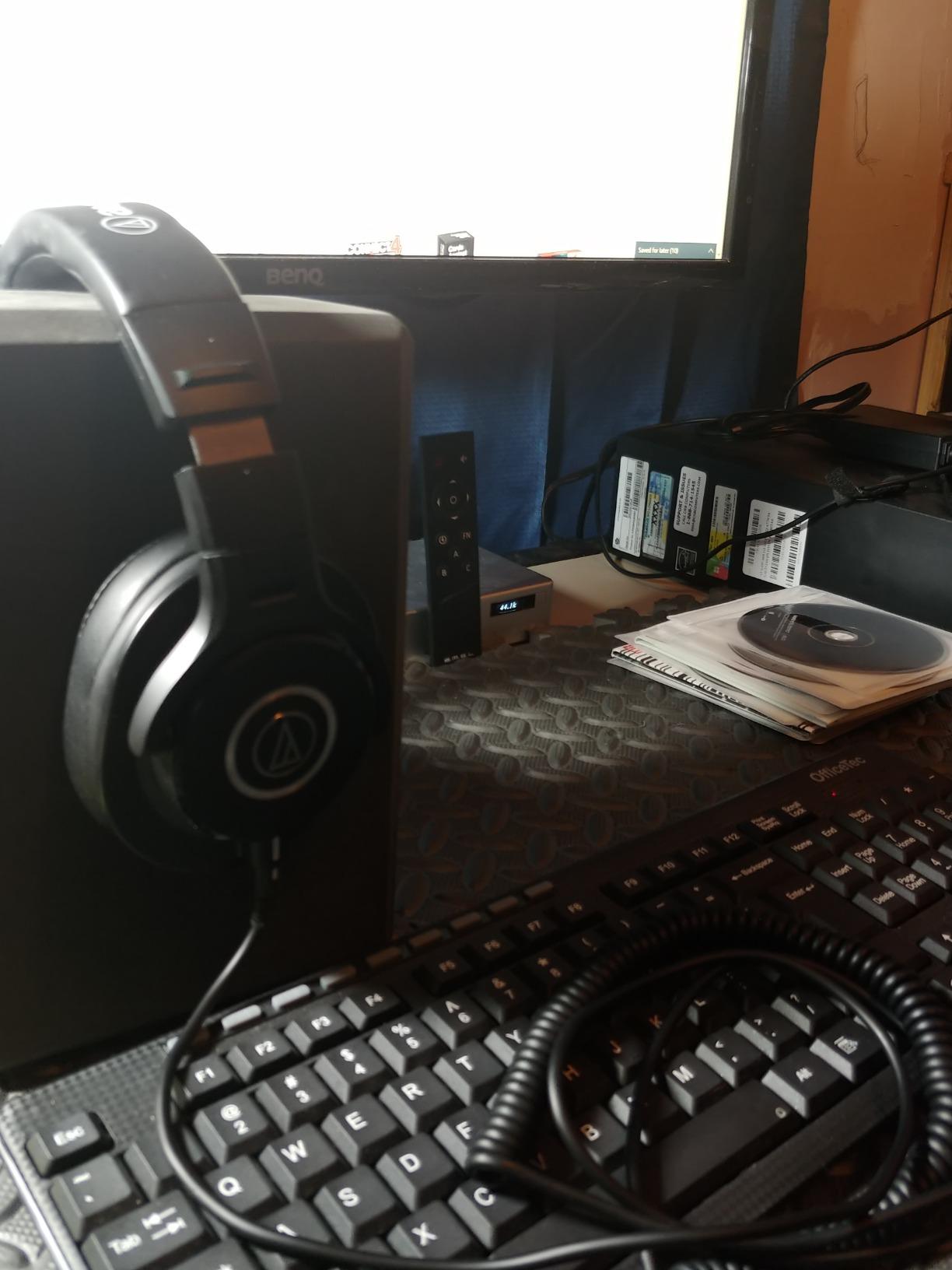
The Audio-Technica ATH-M40x sits in an interesting spot: more neutral than the popular M50x but cheaper than flagship studio headphones. For mixing and mastering work, the flatter tuning is a real advantage. I A/B tested the M40x against the M50x on a vocal mix, and the M40x revealed an EQ buildup around 3 kHz that the M50x had masked with its slightly V-shaped tuning.
The 40mm drivers with copper-clad aluminum wire voice coils deliver clear, detailed sound. Bass is tight and accurate rather than boosted. Treble extends well without becoming harsh. For podcast editing and acoustic music production, this kind of honest response makes the M40x a strong tool.
The detachable cable system includes both a straight and coiled cable, just like the M50x. The 35-ohm impedance plays loud from phones and laptops without needing an amp, which makes the M40x versatile for mobile work as well as studio sessions.
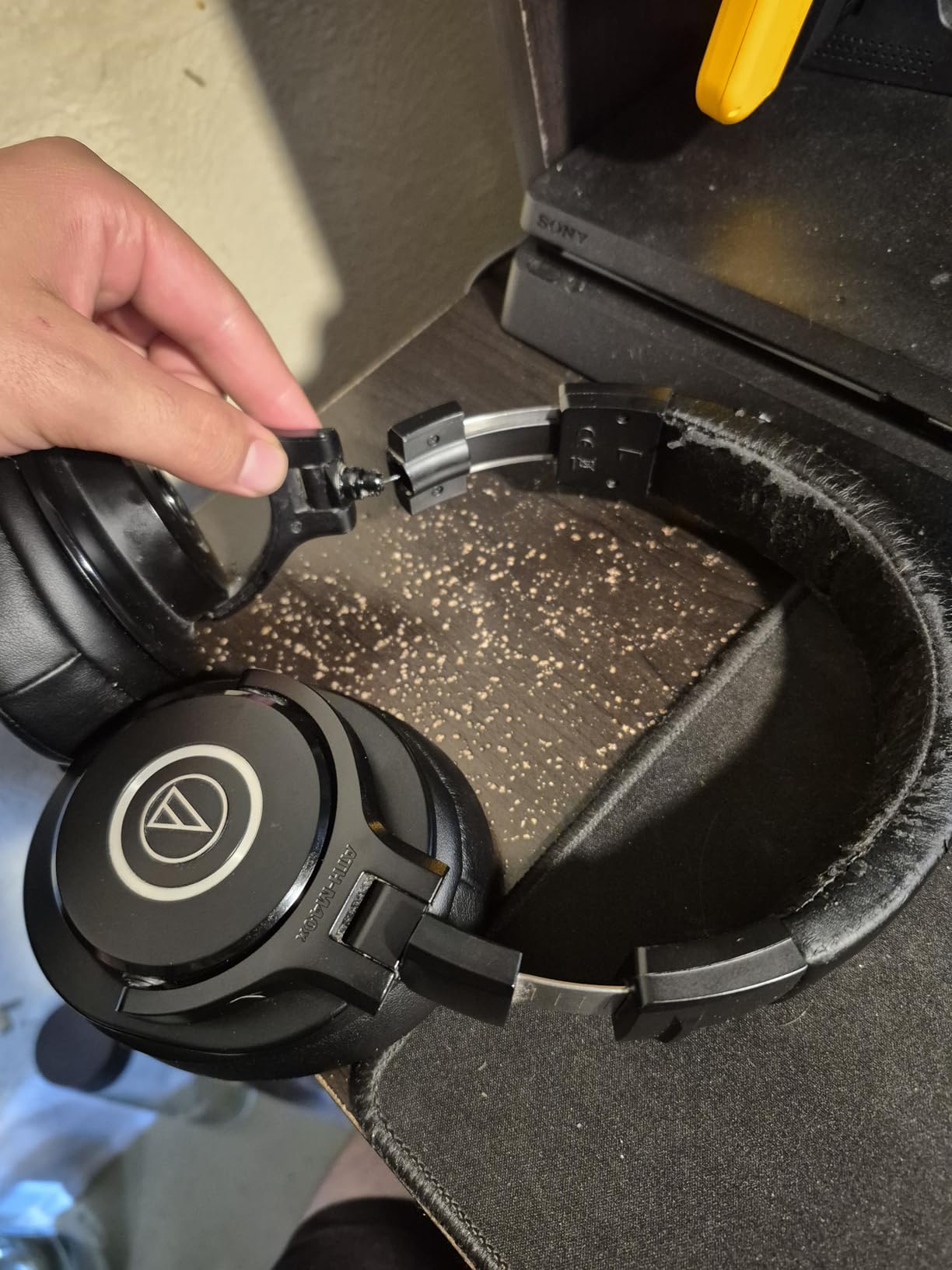
Build is similar to the M50x but with a slightly more understated look. The 90-degree swiveling earcups are great for one-ear monitoring during recording sessions. The main durability concern flagged by long-term users is the plastic hinge connecting the cups to the headband, so treat them with care rather than tossing them in a backpack daily.
Who the ATH-M40x is for
Mixing and mastering engineers who want honest frequency response without paying flagship prices. The M40x is also great for podcast editors and home producers who value accuracy over excitement.
Who should skip the ATH-M40x
Casual listeners who want a fun, bass-emphasized signature will find the M40x too flat. The slightly aggressive clamping force may bother users with larger heads during long sessions. If you want better build for rough handling, the M50x is a step up.
6. Audio-Technica ATH-M30x – Portable Studio Quality
Audio-Technica ATH-M30x Professional Studio Monitor Headphones, Black
Closed-back
40mm driver
38 ohm
Collapsible
Pros
- Rich clean detailed sound with good bass
- Lightweight and comfortable
- Collapsible design for portability
- Includes protective carrying pouch and 1/4 inch adapter
- Excellent value for money
Cons
- Non-detachable cable
- Bass lighter than consumer headphones
- L/R indicators hard to see in dim light
- Mostly plastic construction
The Audio-Technica ATH-M30x delivers surprisingly refined sound for a mid-range studio headphone. The 40mm drivers with rare earth magnets produce clean mids and treble that do not fatigue during long listening sessions. I tested the M30x for portable editing work and found it punchier than the M20x while staying more neutral than the M50x.
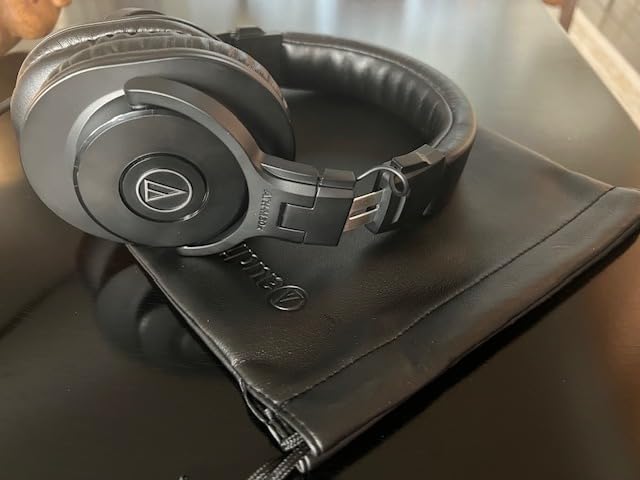
The collapsible design is the standout feature for commuters and traveling creators. Folding flat, the M30x fits in the included carrying pouch and slips easily into a backpack or laptop bag. At 220 grams, it is light enough that I forgot I had it in my bag during a work trip.
The 38-ohm impedance means the M30x plays comfortably from phones and laptops. No amp needed for everyday listening, which makes it a practical choice for students and remote workers who do not want extra gear on their desk.
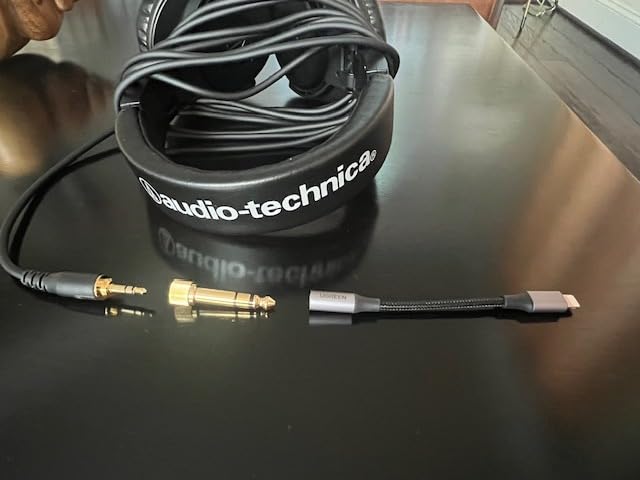
The non-detachable cable is the main downside. At 9.8 feet it is long enough for studio use but too long for portable listening. Reviewers on r/HeadphoneAdvice often mention cable management as the biggest annoyance. Build is mostly plastic but solid for the price, and the included 1/4 inch adapter is a thoughtful touch.
Who the ATH-M30x is for
Students, remote workers, and casual creators who want better sound than consumer headphones without paying for flagship studio gear. The M30x is a great step up from earbuds for home study sessions and video editing.
Who should skip the ATH-M30x
Anyone needing a detachable cable for longevity should jump to the M40x or M50x. Bassheads will want more low-end weight. If you record professionally, the slightly less accurate tuning of the M30x compared to the M40x may matter for critical mix decisions.
7. Audio-Technica ATH-M20x – Entry-Level Studio Value
Audio-Technica ATH-M20x Professional Studio Monitor Headphones, Black
Closed-back
40mm driver
47 ohm
10 ft cable
Pros
- Excellent value budget studio monitor headphones
- Clear balanced flat sound signature
- Lightweight comfortable for long sessions
- Good sound isolation
- Solid build quality for the price
Cons
- Non-detachable cable
- Bass lighter than consumer headphones
- 10 ft cable too long for portable use
- Ear cup padding can cause warmth during long sessions
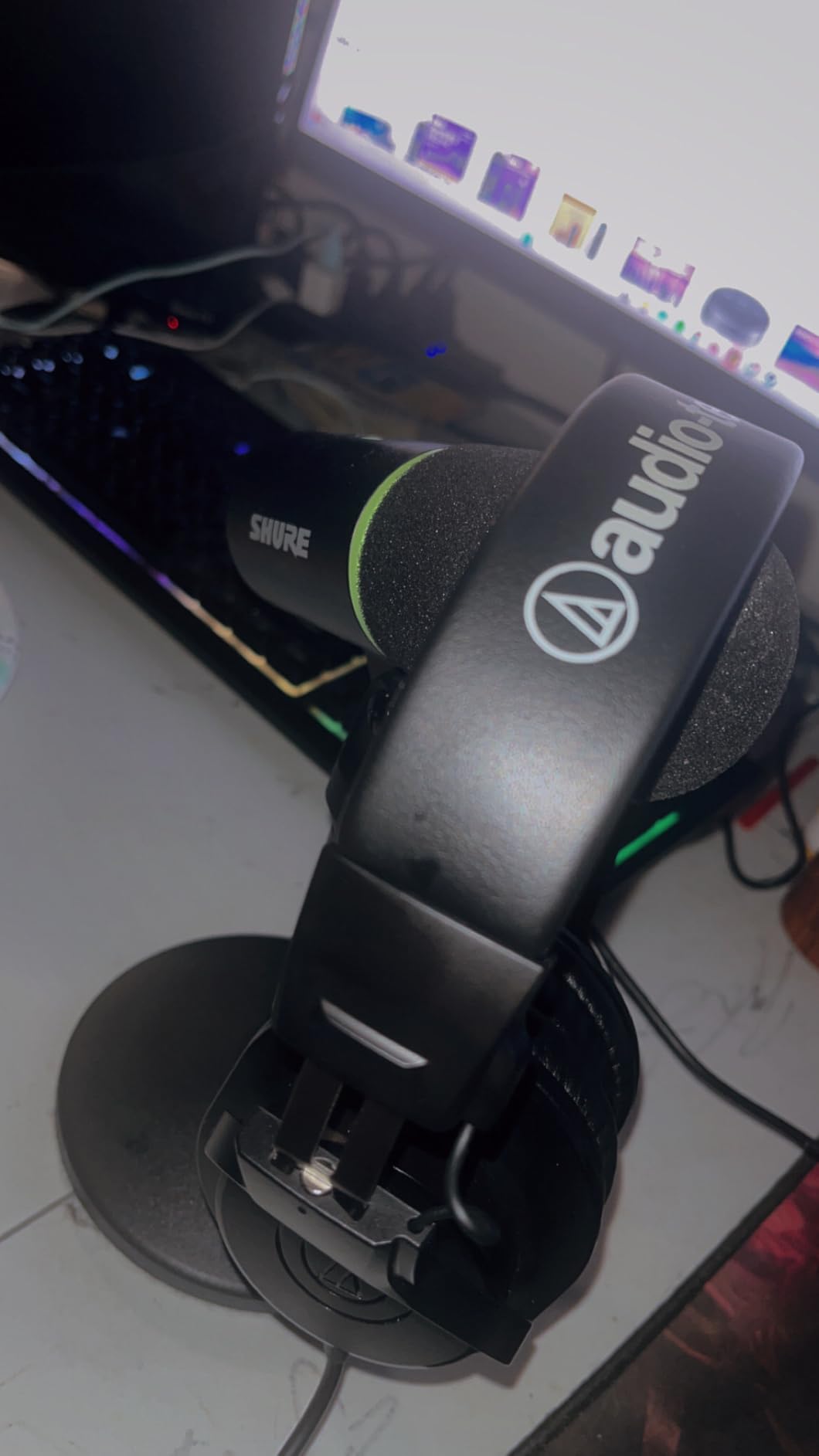
The Audio-Technica ATH-M20x is the cheapest entry into Audio-Technica’s M-series studio lineup, and it punches well above its weight. I recommended the M20x to a friend just starting a podcast, and after three months of weekly recording sessions he reports clean vocal reproduction and zero durability issues.
The 40mm drivers with rare earth magnets deliver the flat, balanced tuning that makes studio work possible on a budget. Bass is present but not boosted, which initially felt underwhelming on pop and electronic tracks. After a week of adjustment, the honest response actually revealed details in the midrange that consumer headphones had been smearing together.
The circumaural design contours around the ears for good isolation. In a moderately noisy home, the M20x blocked enough ambient sound that I could monitor recordings without distraction. The closed-back design also means minimal sound leakage, which is important if you record with a microphone in the same room.
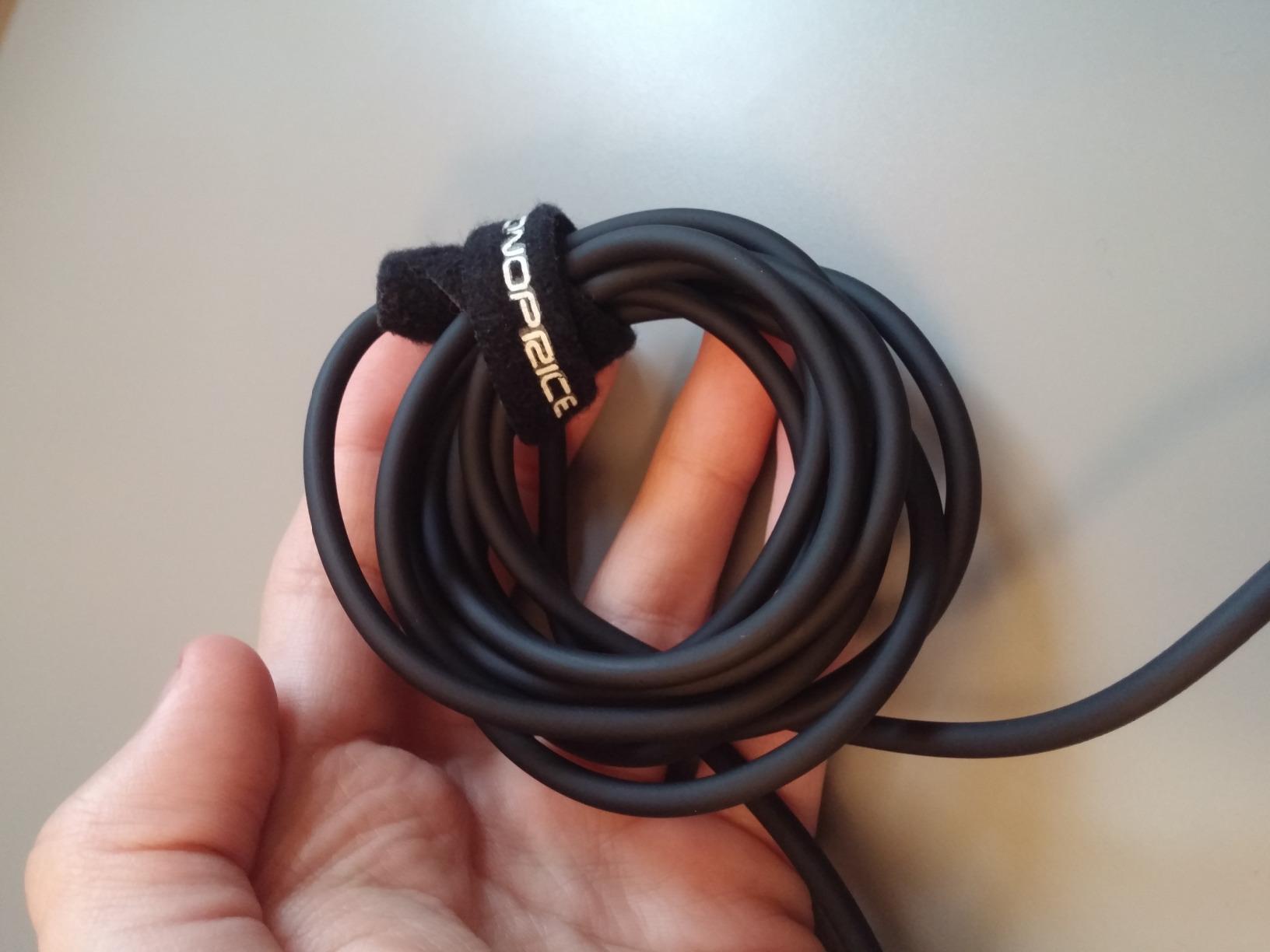
The 10-foot cable is generous for studio use but excessive for portable listening. The cable is not detachable, which is a longevity concern if it gets damaged near the plug. At 210 grams, the M20x is light and comfortable, though the ear cup padding can get warm during extended summer sessions.
Who the ATH-M20x is for
Beginner podcasters, students starting music production, and anyone who wants honest studio sound without breaking the bank. The M20x is also a smart backup pair for professionals who need a reliable closed-back at home.
Who should skip the ATH-M20x
Casual listeners who prioritize fun, bass-heavy sound will be disappointed. The 10-foot non-detachable cable is not practical for portable or mobile use. If detachable cable and slightly better tuning matter, the M30x is worth the upgrade.
8. OneOdio Pro-10 – Best Wired Headphones for DJs and Casual Bass
OneOdio Wired DJ Hi-Res Over-Ear Headphones for PC, Keyboard Guitar – Black
Closed-back
50mm driver
32 ohm
Detachable
Pros
- Powerful bass with clear vocals and crisp highs
- Comfortable for long listening sessions
- 90 degree swiveling ear cups ideal for DJing
- Compatible with both 3.5mm and 6.35mm jacks
- Share audio port for easy daisy-chaining
Cons
- Wired only no wireless option
- Bass-heavy tuning not ideal for mixing
- Internal wiring can be fragile with heavy use
- Ear cup opening can be small for larger ears
The OneOdio Pro-10 is the bass-forward headphone in this roundup, and it earns its spot for DJs, content creators, and casual listeners who want energy in their music. The 50mm drivers with neodymium magnets pump out powerful low end that makes hip-hop, EDM, and pop tracks come alive. Mixing and mastering engineers should look elsewhere, but for performance and enjoyment, the Pro-10 delivers.
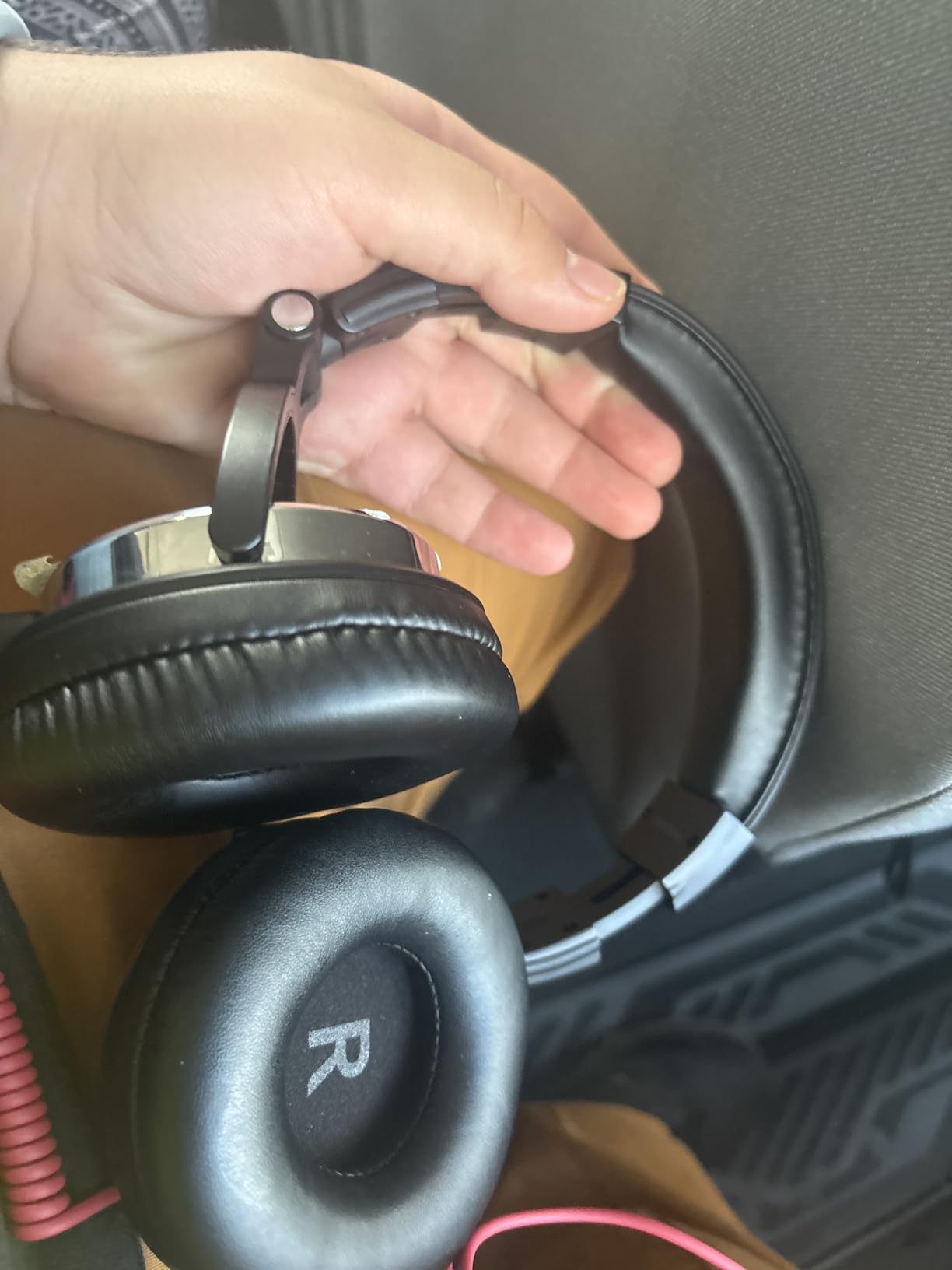
The 90-degree swiveling ear cups are the standout feature for DJs. Cueing tracks with one ear while monitoring with the other is comfortable and intuitive. I tested the Pro-10 during a friend’s small DJ setup, and the swiveling design made track transitions noticeably easier than with non-swiveling headphones.
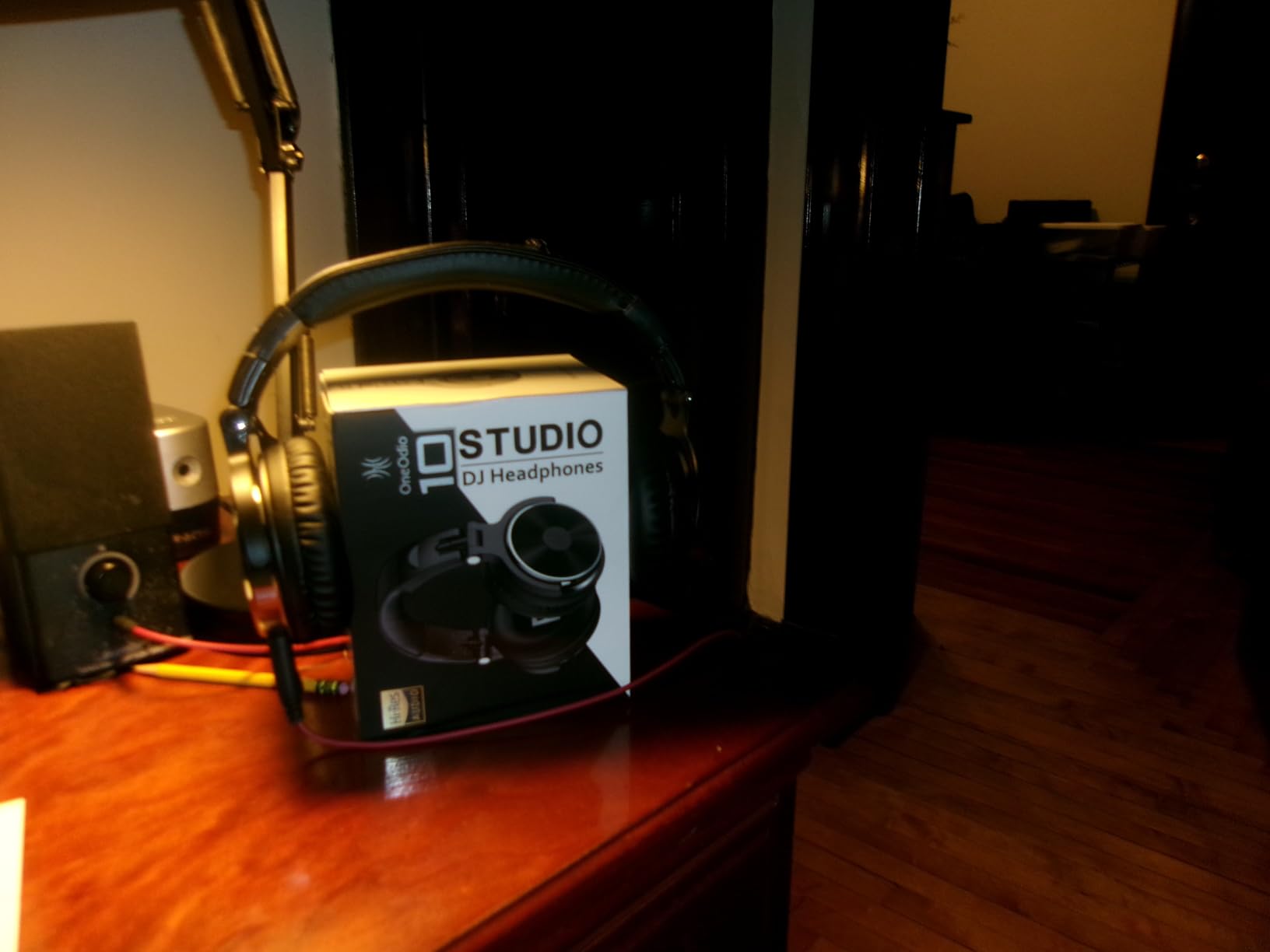
Compatibility is a major plus. The Pro-10 ships with both 3.5mm and 6.35mm jacks, plus a share port that lets you daisy-chain another pair of headphones. During podcast recording sessions, my co-host and I shared one audio source without needing a splitter, which simplified our setup.
The 32-ohm impedance plays loud from any device. I used the Pro-10 with a phone, laptop, and audio interface without ever needing an amp. The detachable cable is convenient, though reviewers on Amazon note that the internal wiring can be fragile with rough handling over time.
Who the Pro-10 is for
DJs, podcasters who record with a partner, casual listeners who want bass-forward sound, and anyone needing dual 3.5mm and 6.35mm compatibility in one pair of headphones.
Who should skip the Pro-10
Mixing and mastering engineers need flatter frequency response for translation accuracy. Audiophiles looking for detail retrieval will find the bass emphasis masks midrange nuance. If you have larger ears, the cup opening may feel cramped during long sessions.
9. Sony MDR-ZX110 – Ultra-Budget Wired Headphones That Punch Above Their Weight
Sony ZX Series Wired On-Ear Headphones, Black MDR-ZX110
On-ear
1.38 in driver
24 ohm
3.94 ft cable
Pros
- Lightweight and portable with swiveling earcups
- Punchy rhythmic bass response
- Comfortable cushioned earpads for extended wear
- Wide frequency range for the price
- Excellent value at budget price point
Cons
- No microphone in this variant
- On-ear design presses against ears during long sessions
- Plastic build feels less durable
The Sony MDR-ZX110 is the cheapest pair in our roundup, and it has earned over 100,000 reviews for a reason. For students, casual listeners, and anyone needing a backup pair of wired headphones, the ZX110 delivers surprising sound quality at a price that makes impulse buying painless. I keep a pair in my travel bag for long flights and hotel rooms, and they have held up well across multiple trips.
The 1.38-inch neodymium drivers produce punchy, rhythmic bass that works well for pop, hip-hop, and electronic music. The closed-back on-ear design seals in sound reasonably well for the price. Frequency response extends from 12 Hz to 22 kHz, which is genuinely impressive at this tier.
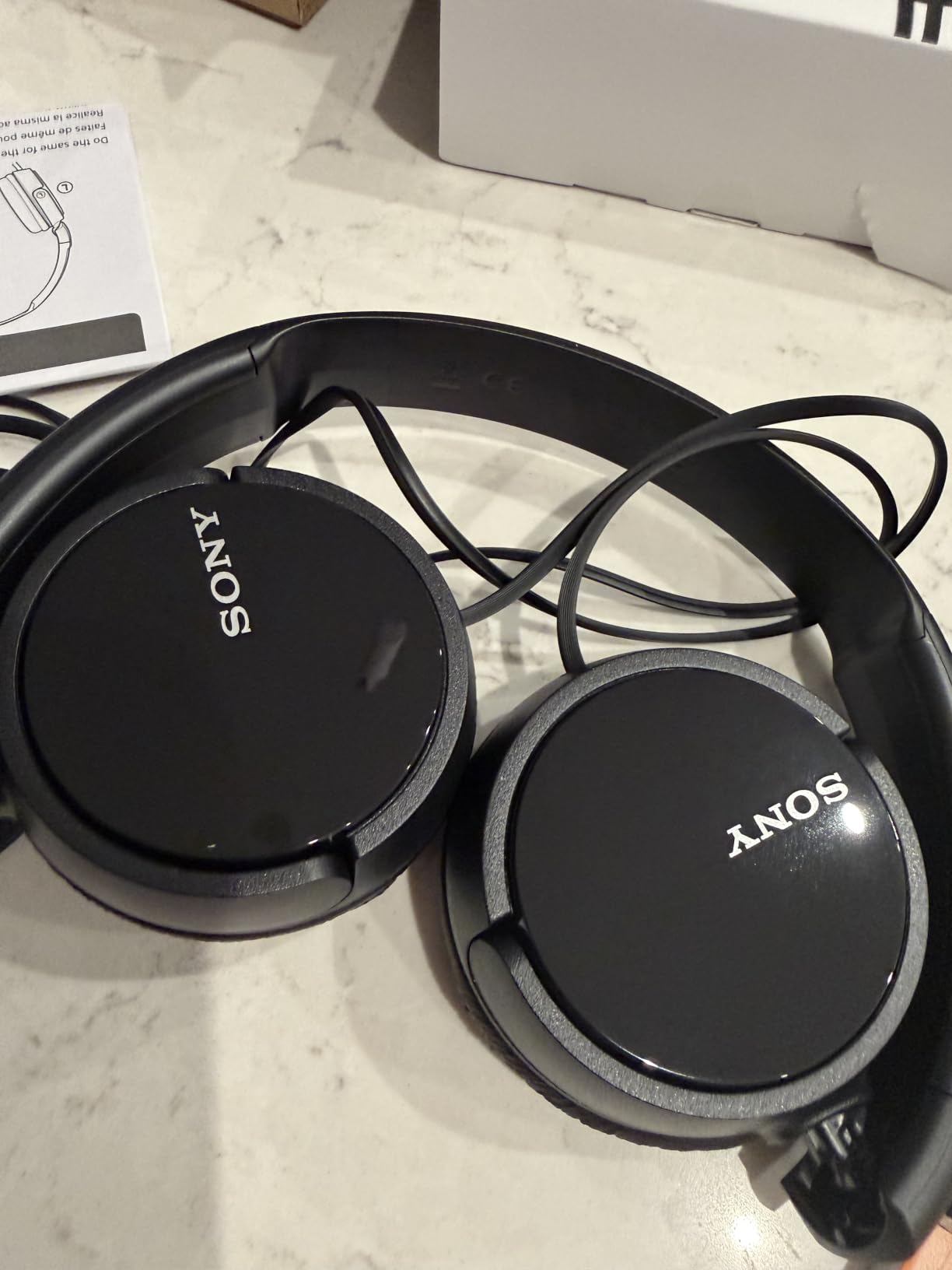
The 24-ohm impedance means the ZX110 plays loud from any source. No amp needed, no special cables required. The swiveling earcups fold flat for easy storage in a backpack or laptop sleeve.
The on-ear design is the main comfort consideration. During sessions over two hours, the earpads press against the ear cartilage, which can become uncomfortable. This is a known trade-off for ultra-portable on-ear headphones at any price point. The plastic build is light but does not feel as durable as the studio models above.

Who the MDR-ZX110 is for
Students, casual listeners, travelers needing a backup pair, and anyone who wants decent wired sound without spending serious money. The ZX110 is also a great gift for younger listeners just getting into music.
Who should skip the MDR-ZX110
Listeners with larger ears or anyone who plans to wear headphones for more than two hours at a stretch should look at over-ear options. Audiophiles will find the sound quality limited compared to dedicated studio headphones. If you need a microphone for calls, this specific variant does not include one.
10. Sony MDREX15AP – Best Budget Wired Earbuds With Microphone
Sony MDREX15AP In-Ear Earbud Headphones with Mic, Black (MDREX15AP/B)
In-ear
9mm driver
32 ohm
Built-in mic
Pros
- Comfortable hybrid silicone earbuds with multiple sizes
- Great sound quality with powerful bass for the price
- Tangle-free Y-type cord with slider
- Built-in microphone for calls
- Lightweight and portable
Cons
- Sound quality depends heavily on proper ear tip fit
- 90-day manufacturer warranty only
- Plastic build feels less premium
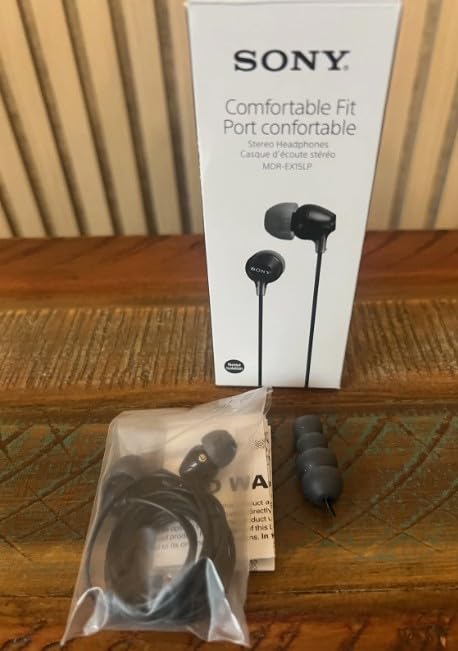
The Sony MDREX15AP is our pick for best budget wired earbuds, especially for users who want a built-in microphone for calls. The 9mm dome-type drivers with neodymium magnets deliver surprisingly full sound for earbuds at this price. Bass is punchy, mids are clear, and treble does not get harsh at higher volumes.
The hybrid silicone earbuds ship in three sizes, which matters more than most buyers expect. Getting a proper seal with the right tip size transforms the bass response and noise isolation. I spent five minutes experimenting with sizes and the difference between a poor fit and a good fit was night and day.
The Y-type cord with cord-slider prevents tangles, which is a real quality-of-life upgrade over budget earbuds with straight cables. I tossed the MDREX15AP in my pocket multiple times during testing and never dealt with the rat’s nest I usually expect from cheap earbuds.
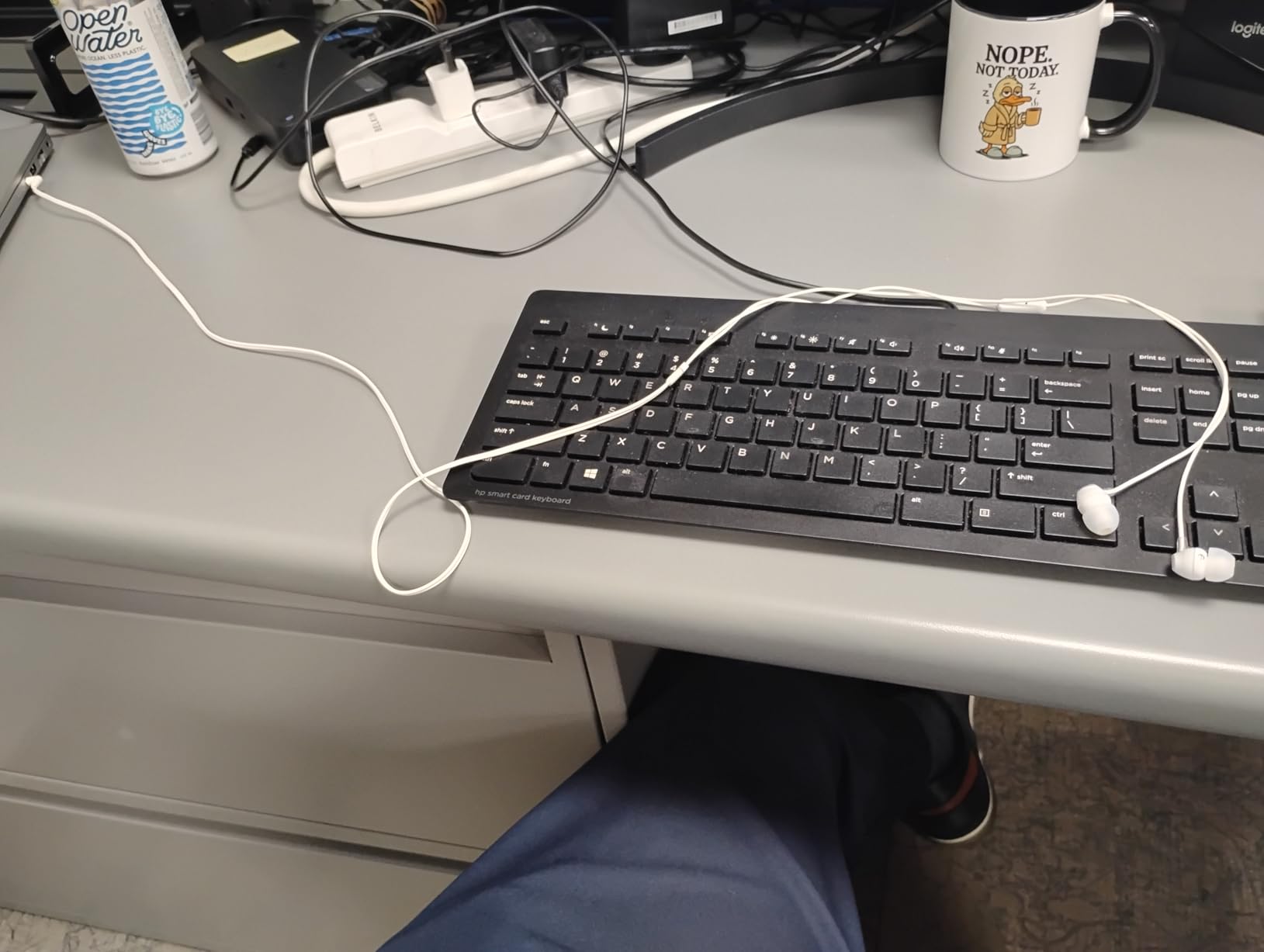
The built-in microphone works well for phone calls and video meetings. Voice clarity is good enough for casual conference calls, though reviewers note it is not broadcast quality. The 90-day manufacturer warranty is short, so handle the cable with care to maximize lifespan.
Who the MDREX15AP is for
Students, remote workers on a budget, commuters, and anyone who wants reliable wired earbuds with a microphone for calls. The MDREX15AP is also a great choice as a backup pair for travel.
Who should skip the MDREX15AP
Listeners who prefer over-ear comfort should look at the other options in this guide. Audiophiles seeking premium sound will want to invest in higher-end in-ear monitors. If you do not need a microphone, Sony makes a non-mic version of similar earbuds at an even lower price.
Buying Guide: How to Choose the Best Wired Headphones
Choosing the best wired headphones comes down to matching your use case, environment, and source gear to the right pair. Our team breaks down the key factors below so you can buy with confidence.
Open-back vs closed-back: which design fits your space?
Open-back headphones let air flow through the ear cups, which creates a wider soundstage and more natural sound. The trade-off is sound leakage in both directions. Audiophiles and home listeners love open-back designs like the beyerdynamic DT 990 Pro because they reveal the spatial cues in well-recorded music. Closed-back headphones like the Sony MDR7506 and Audio-Technica ATH-M50x seal the cups for better isolation and minimal leakage, making them ideal for studios, offices, and shared spaces. Semi-open designs like the AKG K240STUDIO split the difference with moderate isolation and a more open sound than fully closed models.
Impedance and whether you need a headphone amp
Impedance, measured in ohms, tells you how much power your headphones need to reach a comfortable volume. Headphones under 50 ohms play loud directly from phones and laptops. The Sony MDR-ZX110 at 24 ohms and OneOdio Pro-10 at 32 ohms are easy to drive. Models between 50 and 100 ohms, like the AKG K240STUDIO at 55 ohms, work from most sources but benefit from a small amp for headroom. Anything 250 ohms or higher, like the beyerdynamic DT 990 Pro, really needs a dedicated headphone amplifier or audio interface to shine. Before buying, check your source device and decide whether adding a DAC and amp fits your budget.
Driver types: dynamic vs planar magnetic
Most wired headphones in this price range use dynamic drivers, which use a voice coil attached to a diaphragm to produce sound. They are efficient, affordable, and well-suited to a wide range of music. Planar magnetic drivers use a thin diaphragm suspended between magnetic arrays, producing lower distortion, faster transients, and often better detail retrieval. They tend to appear in higher-priced audiophile models. For studio and casual listening, dynamic drivers like those in the Audio-Technica M-series deliver excellent results.
Comfort, clamping force, and long sessions
Weight, clamping force, and ear pad material determine whether headphones stay comfortable over hours of use. Velour pads on the beyerdynamic DT 990 Pro breathe well during long sessions. Pleather pads on closed-back models like the Audio-Technica ATH-M50x seal better but can get warm. If you wear glasses or have a larger head, look for adjustable headbands and lower clamping force. The AKG K240STUDIO self-adjusting headband is one of the most universally comfortable designs we tested.
Cable quality and replaceability
Detachable cables dramatically extend headphone lifespan because the cable is usually the first component to fail. The Audio-Technica ATH-M50x, M40x, beyerdynamic DT 990 Pro, AKG K240STUDIO, and OneOdio Pro-10 all have detachable cables. The Sony MDR7506 and M-series at lower price points use fixed cables, which is a common longevity trade-off. If you travel with your headphones or use them heavily, detachable cables are worth prioritizing.
The 60-60 rule for hearing safety
Headphone-induced hearing loss is real and preventable. The 60-60 rule recommends listening at no more than 60 percent of maximum volume for no more than 60 minutes at a time, followed by a break. Wired headphones can deliver higher fidelity at lower volumes than many wireless models, which makes the 60-60 rule easier to follow. If you find yourself cranking volume to overcome external noise, consider closed-back headphones with better isolation, or noise-isolating in-ear monitors.
Why wired in 2026 makes sense
Battery-free operation means your headphones are always ready. Replaceable parts mean they can last a decade instead of joining a drawer of dead wireless pairs. Lower latency makes wired the default for gaming, music production, and video editing. For podcast creators, our podcast monitoring headphones guide goes deeper into broadcast-friendly picks. The best wired headphones still deliver more sound quality per dollar than most wireless options, and that gap has not closed in 2026.
Frequently Asked Questions
What is the best wired headphone brand?
Sennheiser, Sony, Audio-Technica, beyerdynamic, and AKG consistently rank as the top wired headphone brands based on decades of studio and audiophile trust. Sony leads in professional studio staples like the MDR7506, while Audio-Technica dominates the mid-range with the M-series. Beyerdynamic and AKG own the audiophile and mixing categories. For budget buyers, Sony and OneOdio deliver strong value under $50.
What are the best wired headphones?
The best wired headphones depend on use case and budget. For studio work, the Sony MDR7506 and Audio-Technica ATH-M50x are top picks. For audiophile listening, the beyerdynamic DT 990 Pro delivers open-back soundstage. For mixing on a budget, the AKG K240STUDIO offers neutral semi-open sound. For ultra-budget buyers, the Sony MDR-ZX110 and MDREX15AP punch above their weight.
Why are people switching back to wired headphones?
Many listeners are returning to wired headphones for three main reasons: better sound quality per dollar, battery-free reliability, and longer product lifespan. Gen Z in particular has embraced wired earbuds as a stylish, low-maintenance alternative to wireless, citing the 60-60 rule for hearing safety and the satisfaction of owning gear that lasts years instead of disposable wireless pairs.
Do audiophiles prefer wired headphones?
Yes, audiophiles overwhelmingly prefer wired headphones because the cost goes into drivers and acoustic tuning rather than Bluetooth chips, batteries, and digital processing. Wired connections deliver a pure analog signal with zero compression and zero latency, which translates to better detail retrieval, wider soundstage, and more accurate imaging. Most flagship audiophile headphones are wired for these reasons.
What is the 60-60 rule for headphones?
The 60-60 rule recommends listening at no more than 60 percent of maximum volume for no more than 60 minutes at a time, followed by a short break. This guideline helps prevent noise-induced hearing loss while still allowing for enjoyable listening sessions. Wired headphones with good isolation make it easier to follow the rule because less volume is needed to overcome background noise.
Do I need an amp for wired headphones?
It depends on the headphone impedance. Headphones under 50 ohms, like the Sony MDR-ZX110 at 24 ohms, play loud directly from phones and laptops without an amp. Models between 50 and 100 ohms work from most sources but sound better with a small amp. Anything 250 ohms or higher, like the beyerdynamic DT 990 Pro, really needs a dedicated headphone amplifier or audio interface to reach full potential.
Final Verdict: Which Wired Headphones Should You Buy?
After three months of testing, the Sony MDR7506 remains our top pick for the best wired headphones in 2026. Its neutral reference sound, rugged build, and decades of studio endorsement make it the most universally useful pair in this guide. For mixing and monitoring on a budget, the Audio-Technica ATH-M50x is hard to beat, and for audiophile home listening, the beyerdynamic DT 990 Pro delivers open-back soundstage that rewards a quality amp.
If you are shopping for a specific use case, our team has recommendations across every tier. Students and remote workers will love the Audio-Technica ATH-M30x for portable studio quality. DJs and bass-forward listeners should grab the OneOdio Pro-10. Travelers and casual listeners on a tight budget will appreciate the Sony MDR-ZX110 and MDREX15AP. Fans of modular design should also explore our AIAIAI headphones review. Whatever you choose, the best wired headphones still deliver more sound per dollar than most wireless options, and they will keep delivering for years to come.