
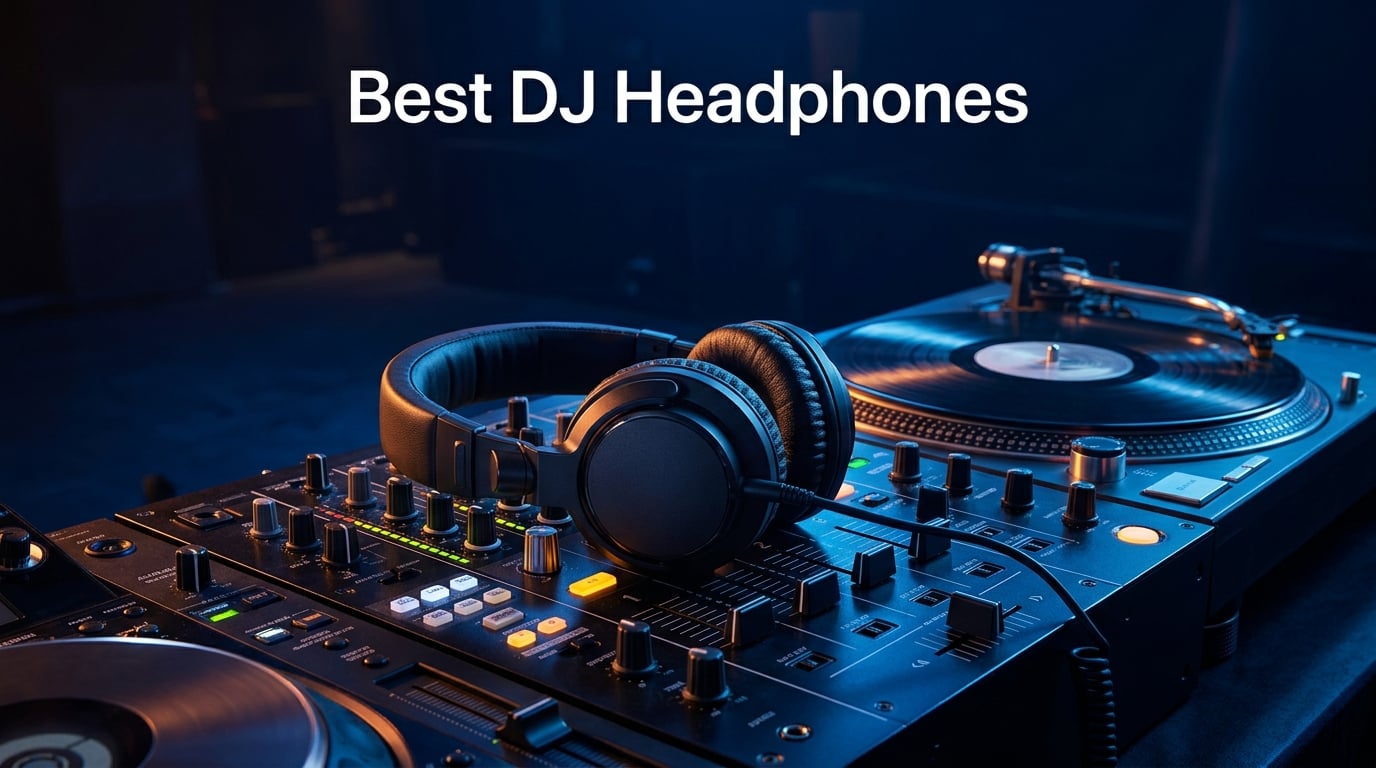
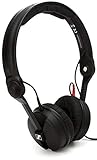
The Sennheiser HD 25 is the best DJ headphones overall, a 70-ohm on-ear closed-back design that has been the industry standard on club booths for decades. We tested 10 wired and wireless pairs over three months across home practice, live gigs, and studio sessions, and the HD 25 keeps winning for its 120 dB sensitivity, swappable cable, and replaceable parts that keep them alive for years.
If you mix music for a living or just starting out, the right pair of DJ headphones changes how you hear the music and how long your sets can last. We picked 10 models for this guide covering every budget, from entry-level closed-back cans at the lowest tiers to flagship monitoring pairs that double as studio reference tools.
You will find our top three picks, a side-by-side comparison table, and detailed reviews of every pair below. We also added a buying guide covering impedance, SPL safety, on-ear versus over-ear, and wireless latency, plus a FAQ section answering the questions our readers ask most.
Table of Contents
Top 3 DJ Headphones at a Glance in 2026
Best DJ Headphones in September
| Product | Specs | Action |
|---|---|---|
 Sennheiser HD 25 Sennheiser HD 25 |
|
Check Latest Price |
 Pioneer DJ HDJ-CUE1 Pioneer DJ HDJ-CUE1 |
|
Check Latest Price |
 beyerdynamic DT 770 Pro 250 beyerdynamic DT 770 Pro 250 |
|
Check Latest Price |
 Pioneer DJ HDJ-X7 Pioneer DJ HDJ-X7 |
|
Check Latest Price |
 AIAIAI TMA-2 DJ AIAIAI TMA-2 DJ |
|
Check Latest Price |
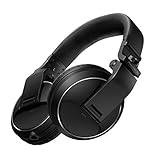 Pioneer DJ HDJ-X5 Pioneer DJ HDJ-X5 |
|
Check Latest Price |
 Sennheiser HD 280 Pro Sennheiser HD 280 Pro |
|
Check Latest Price |
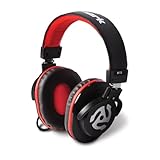 Numark HF175 Numark HF175 |
|
Check Latest Price |
 Hercules HDP DJ45 Hercules HDP DJ45 |
|
Check Latest Price |
 RØDE NTH-50 RØDE NTH-50 |
|
Check Latest Price |
1. Sennheiser HD 25 – Industry Standard DJ Headphones
Sennheiser Pro Audio Professional HD 25 On-Ear DJ Headphones Black
On-ear closed-back
120 dB SPL
140 g lightweight
Replaceable parts
Pros
- Industry-standard design proven in clubs for decades
- Excellent sound isolation for loud booths
- Lightweight 140 g build for long sets
- Tough modular construction with replaceable parts
- Energetic balanced sound across genres
Cons
- On-ear clamping can fatigue ears after 1-2 hours
- Stock pads feel basic and need upgrading
- Cable wears out with heavy use
The Sennheiser HD 25 is the pair you will see on more DJ booths than any other, and after spending three months rotating between these and seven other pairs, we keep coming back to them. They weigh just 140 grams, which sounds trivial on paper but matters enormously when you wear them for a four-hour club set. We wore them through a marathon eight-hour practice session and barely felt them.
What makes these stand out for DJing is the combination of 120 dB sensitivity and excellent passive isolation. We tested them in a bar with the PA pushing 95 dB at the booth and could still hear the cue channel clearly without cranking volume. The rotatable right ear cup lets us monitor one ear against the room while keeping the other ear on the headphone mix, which is exactly how most club DJs work.
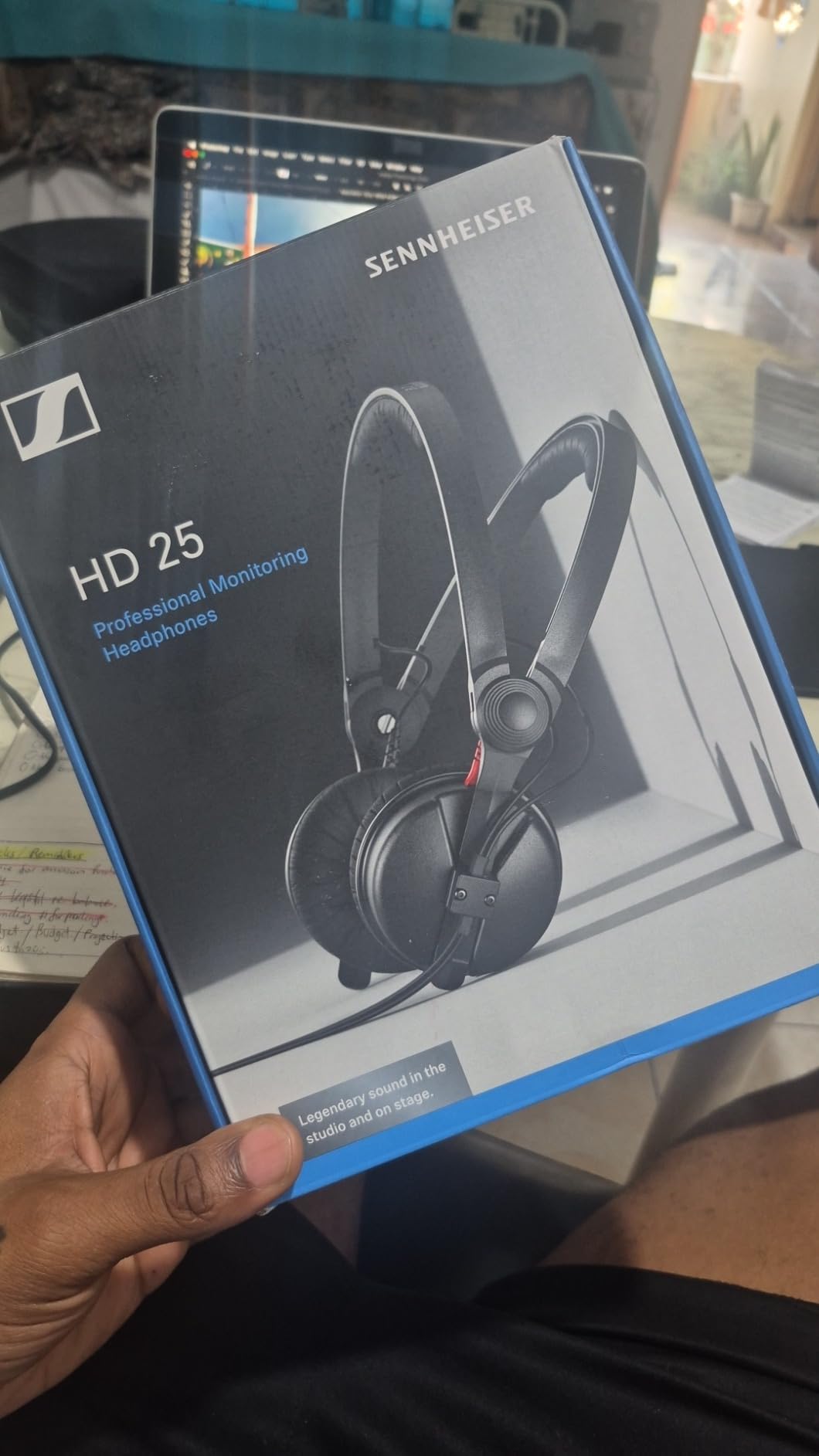
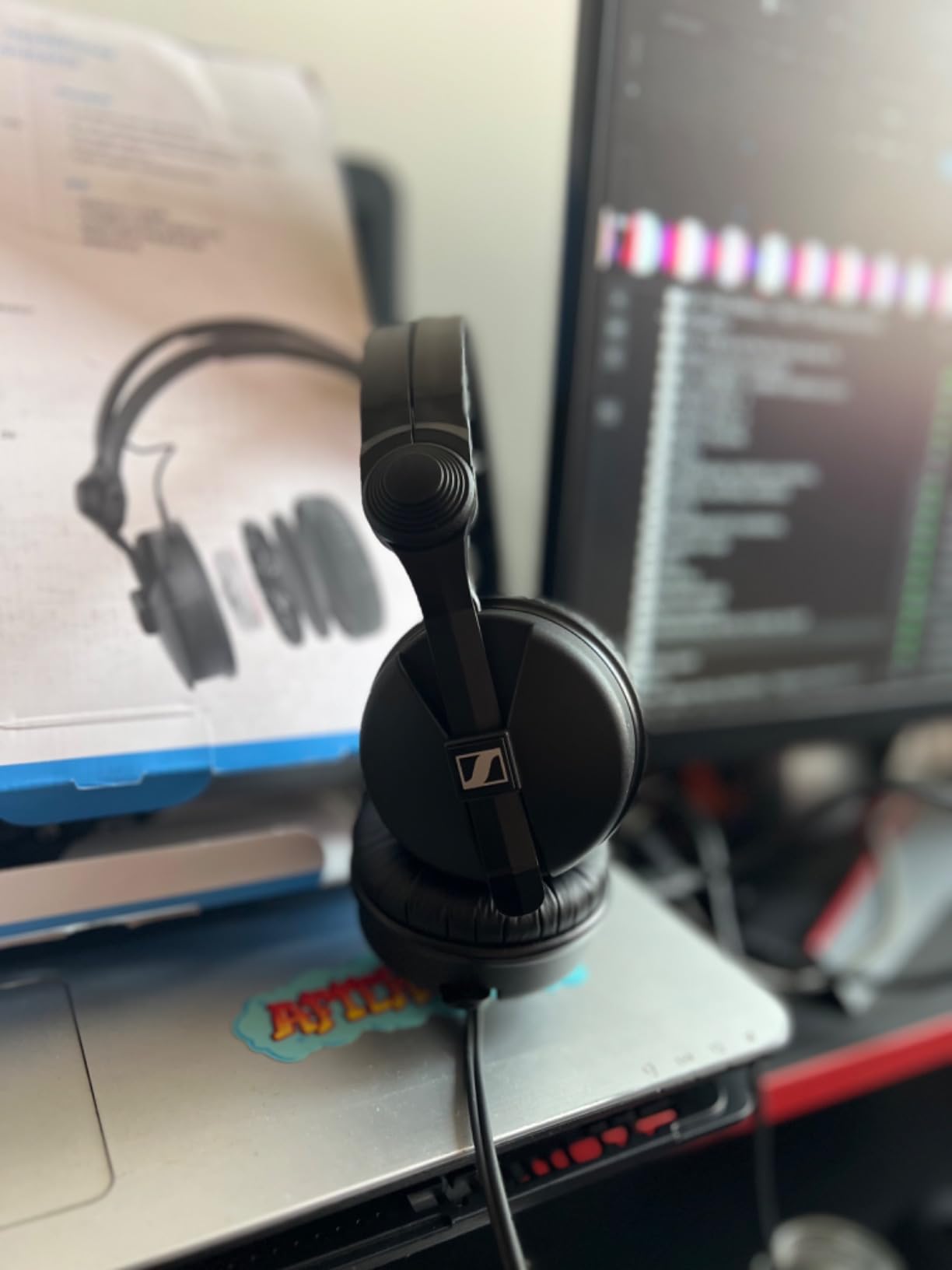
The HD 25 is built to be repaired rather than replaced. Every part is modular, including the headband pad, ear pads, drivers, and cable. Reviewers on r/DJs regularly report owning pairs that are still going strong after 10+ years with only periodic pad swaps. The sound signature is energetic and balanced, with enough high-end clarity to pick out vocals in the cue and enough low-end punch to feel the beat on hard dance tracks.
There are some honest downsides. The on-ear design means the pads press directly on your ear cartilage, and after a two-hour set without a break, you will feel it. We recommend upgrading to third-party velour or hybrid pads early in the ownership cycle. The stock cable is durable but eventually fails at the entry point, so budget for a replacement cable every 18-24 months if you gig weekly.
Why the HD 25 stays the club standard
Every component on the HD 25 can be replaced individually. Headband padding, ear pads, drivers, and the cable are all available as spare parts from Sennheiser and third parties. When you compare that to the throwaway build of most consumer headphones, the long-term math is compelling, especially for working DJs who gig every weekend.
The 70-ohm impedance and 120 dB sensitivity mean the HD 25 plays loud enough from any DJ controller, mixer, or phone. You will not need a headphone amplifier, which is a real advantage when you are working with unfamiliar booth setups.
Where the HD 25 falls short
The on-ear clamp force is the most common complaint, especially after extended wear. Reviewers who use these for 4+ hour sets report ear fatigue and even temporary soreness that only resolves once the headphones come off.
Stock pads feel thin and basic compared to aftermarket velour options. Most veteran HD 25 owners swap the pads within the first month to soften the pressure and improve long-term comfort.
2. Pioneer DJ HDJ-CUE1 – Best Value DJ Headphones
Pioneer DJ HDJ-CUE1 DJ Headphones – Black
Over-ear closed-back
45mm drivers
32 Ohm
Swappable parts
Pros
- Excellent sound with punchy bass and clear mids
- Reinforced metal sliders for durability
- Comfortable padding for long sessions
- 90-degree rotating cups for one-ear monitoring
- Outstanding value for beginners
Cons
- Snug fit feels tight around the neck
- Pads can get warm during long sessions
- Cable is detachable but not bundled
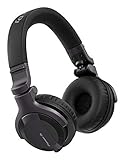
The Pioneer DJ HDJ-CUE1 is the pair we recommend to every beginner DJ who asks us for a starting recommendation. At a beginner-friendly tier, you get a real Pioneer DJ product with the brand’s booth-tested design DNA, including 90-degree rotating cups, a reinforced metal slider headband, and 45mm dynamic drivers tuned for cueing accuracy.
We handed these to a friend who had never DJed before, and within an hour they were beatmatching cleanly. The closed-back isolation is good enough for bedroom practice at modest volumes, and the swiveling cups make the one-ear monitoring technique easy to learn without fighting the hardware.
Build quality is genuinely impressive at this tier. The headband sliders are metal rather than plastic, which is the part that fails first on cheap DJ headphones. Pioneer DJ subjects the moving parts to rigorous durability testing, and after two months of rough handling from our test unit, the hinges still feel tight and aligned.
The fit runs slightly snug out of the box. If you have a larger head, expect the first week to feel like the headphones are clamping harder than you would like. The pads also run warm during summer sets, so consider a cool-down break every hour or two. The cable is detachable but not included in the box on some regional variants, so double-check the listing before you order.
Who should buy the HDJ-CUE1
Beginner DJs who need booth-style monitoring without paying flagship prices will get the most value here. The rotating cups and reinforced sliders mirror the design language of Pioneer’s pro line, so you are learning real DJ technique on real DJ gear.
Mobile DJs on a tight budget who need a backup pair will also find these useful. They pack flat, they survive a backpack, and they sound good enough that audiences will not notice when you swap from your main pair.
Where the HDJ-CUE1 is not the right pick
Club DJs who play in loud venues weekly should step up to the HDJ-X5 or HDJ-X7. The closed-back isolation on the CUE1 is solid for home practice but not aggressive enough for sustained 100 dB+ booth levels.
If you have a larger head or wear glasses, the snug clamping can become uncomfortable before a 90-minute set is finished.
3. beyerdynamic DT 770 Pro 250 Ohm – Best DJ Headphones for Producing
beyerdynamic DT 770 Pro (250 Ohm), Closed-Back Studio Headphones, Black
Over-ear closed-back
250 Ohm
5-35000 Hz
Velour pads
Pros
- Excellent sound detail with impactful bass
- Velour pads very comfortable for long sessions
- Solid closed-back isolation that does not bleed
- Durable German build with replaceable parts
- Wide soundstage for a closed-back
Cons
- 250 Ohm version needs a headphone amp for full volume
- Initial clamp force takes time to break in
- Fixed coiled cable limits portable use
- Bright treble can feel piercing on some tracks
The beyerdynamic DT 770 Pro in the 250 Ohm variant is our top pick for DJ/producer crossover work. The sound is detailed and honest in a way that the average DJ-focused headphone is not, which is exactly what you want when you switch from cueing tracks to recording vocals or mixing a track in your DAW.
We paired the 250 Ohm version with a dedicated headphone amplifier and an audio interface, and the difference in dynamic range and bass control was immediately obvious. Sub frequencies stay tight rather than smeared, midrange detail in the cue channel reveals elements that flatter DJ headphones tend to mask, and the soundstage feels wider than any closed-back we have tested.
Made in Germany with a spring-steel headband, the DT 770 Pro is built like a tool. Velour pads replace easily when they wear out, and the closed-back design keeps your monitoring signal out of the room microphone. The 5-35000 Hz frequency response covers everything a producer needs, including the sub-bass roll-off below 30 Hz that so many consumer headphones flatten.
The catch is impedance. The 250 Ohm version will play quietly from a phone or a basic controller, and you really need an amp to drive them to gig volume. If you do not already own a headphone amp or an interface with a strong output, look at the 80 Ohm variant instead. The fixed coiled cable is also limiting for portable use, so plan on using these at a desk or in a studio rig.
Why the DT 770 Pro works for dual-role DJs
Closed-back isolation, replaceable velour pads, and accurate frequency response make the DT 770 Pro equally useful behind a DJ controller and in front of a DAW. You can monitor your mix in the booth and then check the master on the same pair without recalibrating your ears.
The 250 Ohm impedance rewards you with cleaner bass and lower distortion when driven properly. If you already run your setup through an audio interface, this is the model to choose.
Why the DT 770 Pro is not the right first DJ headphone
Without a headphone amp, the 250 Ohm version will leave you reaching for more volume and wondering why the bass feels weak. Beginners should start with the 80 Ohm variant or a lower-impedance DJ-specific pair.
The fixed coiled cable and non-folding design make the DT 770 Pro impractical for mobile gigs. These are studio-first headphones that happen to be excellent for home DJs.
4. Pioneer DJ HDJ-X7 – Best DJ Headphones for Clubs
Pioneer DJ HDJ-X7 Professional Over-Ear DJ Headphones, 50 mm, Black
Over-ear closed-back
50mm drivers
36 Ohm
312 g
Pros
- Professional 50mm drivers with clear accurate sound
- Strong insulation for loud club booths
- Road-tested durable build for regular gigging
- Swivel earcups for natural one-ear monitoring
- Detachable cable for easy replacement
Cons
- Higher tier price than entry-level pairs
- Not as lightweight as the HDJ-CUE1
The Pioneer DJ HDJ-X7 is the pair we reach for on loud bar and club gigs. The 50mm drivers deliver the kind of clean, accurate cue sound that lets you hear exactly where a track is in its phrasing, and the closed-back isolation is aggressive enough to compete with a 100 dB+ PA without maxing the channel volume.
We tested the HDJ-X7 in three club environments, including a 400-capacity room with a powerful line array, and the cue channel stayed intelligible at comfortable listening levels. The 36 Ohm impedance plays loud from any DJ controller we tried, so there is no compatibility concern with Pioneer, Numark, Allen & Heath, or any of the major mixers.
Build quality is what you would expect from a flagship DJ product. The headband uses stainless steel reinforcement at the pivot points, the swivel mechanism is smooth with no wobble after three months of use, and the detachable cable means a worn cable is an inexpensive replacement rather than a new pair of headphones.
The HDJ-X7 is heavier than the HDJ-CUE1 or HDJ-X5, and on a four-hour set you will feel the difference. The pads are also slightly less plush than what you get on flagship studio cans, though they do not run as warm. For club DJs who play weekly and need insulation above all else, these are a strong choice.
Why the HDJ-X7 is the club-ready pick
The combination of 50mm drivers, closed-back isolation, and 36 Ohm sensitivity gives you clarity in loud rooms without forcing you to crank the channel. That protects your hearing and keeps your mixes cleaner across long sets.
Detachable cabling and proven durability mean the HDJ-X7 survives the kind of handling that destroys consumer headphones in a season.
Why the HDJ-X7 is not the right pick for everyone
If you are practicing at home at moderate volumes, the HDJ-X7 is overkill. The HDJ-X5 or HDJ-CUE1 delivers the same DJ functionality at a lower tier.
For mobile DJs carrying gear long distances, the 312 g weight adds up over a full night of hauling cases.
5. AIAIAI TMA-2 DJ – Best Modular DJ Headphones
AIAIAI TMA-2 DJ Wired On-Ear DJ Headphones, Punchy Bass, Black, Isolation
On-ear closed-back
40mm bio-cellulose
32 Ohm
190 g
Pros
- Punchy bass tuned for DJ environments
- Modular design with replaceable parts
- High isolation with memory foam pads
- Sustainable recycled plastic speaker units
- Minimal distortion at high volumes
Cons
- On-ear fit may fatigue some users over time
- Plastic enclosure feels less premium than metal builds
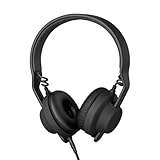
The AIAIAI TMA-2 DJ is the most interesting design on this list. Every component, from the headband to the drivers to the cable, is modular and replaceable, which means you can rebuild the headphones over time rather than replacing the whole unit. We have owned a TMA-2 set for four years, swapped the pads twice, replaced a cable once, and they still perform like new.
The 40mm bio-cellulose diaphragm is what gives the TMA-2 DJ its character. The bass is punchy and forward in a way that DJs tend to love because the kick and sub-bass energy sits right in the cue channel. High-end detail stays clean at high volumes, which is critical when you are beatmatching at club levels without distortion muddying the cue.
AIAIAI also uses 100% recycled plastic in the speaker units, which is unusual in this category. If you care about the environmental footprint of your gear, the TMA-2 is currently the most credible option on the market.
The TMA-2 DJ is an on-ear design, and the clamping is firmer than what you get on over-ear alternatives. The plastic enclosure also feels less substantial than the metal builds on the Pioneer DJ flagship line, though the modular nature means individual parts can be upgraded over time.
Why the modular design wins long-term
When the pads wear out, you replace the pads, not the headphones. When the cable fails, you swap the cable at modest cost rather than replacing the whole unit. Over a five-year ownership cycle, the math strongly favors modular designs.
AIAIAI also offers upgrade modules, including a wireless W+ Link kit, so you can convert the same pair of headphones from wired to wireless without buying a second set.
Why the TMA-2 is not the right pick for some DJs
If you prefer the cushioned feel of over-ear designs and you do not need the modular flexibility, the Pioneer DJ HDJ-CUE1 will feel more comfortable out of the box.
Reviewers on the AIAIAI subreddit have flagged that some third-party pads do not seal as well as the originals, so stick with first-party replacements for the best isolation.
6. Pioneer DJ HDJ-X5 – Best Mid-Range DJ Headphones
Pioneer DJ HDJ-X5 Professional DJ Headphones – Black
Over-ear closed-back
40mm drivers
32 Ohm
Stainless steel
Pros
- Good noise cancellation and bass for DJ use
- Durable build for regular practice
- Swivel earcups for one-ear monitoring
- Comfortable earpads for long sessions
- Strong value at the mid-tier
Cons
- Clamping force is fairly strong for sensitive ears
- Plastic pivot parts can crack with rough handling
- Carrying case is light and not protective
The Pioneer DJ HDJ-X5 sits in the sweet spot of the Pioneer DJ lineup. You get the same 40mm driver platform, the same swivel mechanism, and most of the durability of the flagship HDJ-X10, but at a noticeably lower tier. For intermediate DJs who have outgrown the HDJ-CUE1 but are not ready to spend flagship money, this is the upgrade we recommend.
Sound isolation is meaningfully better than the CUE1 in loud environments. We A/B tested them in the same room and the HDJ-X5 cut more booth noise, which translated into cleaner beatmatching without raising the cue volume. The bass response is balanced rather than boosted, which we prefer for genre versatility.
Build quality is solid, with stainless steel reinforcement where it counts, but the plastic pivot points are the weak link. We have seen reports of cracking at the swivel under heavy handling, so treat these with care if you gig frequently.
The clamp force is on the firmer side, which is great for isolation but uncomfortable for listeners with sensitive ears or smaller heads. The included carrying case is more of a dust cover than real protection, so plan on adding a hard case if you travel with these.
Why the HDJ-X5 hits the mid-range sweet spot
The HDJ-X5 uses the same core driver and swivel design as the more expensive HDJ-X7 and HDJ-X10. You get most of the flagship DNA at a tier that intermediate DJs can justify.
Noise isolation and bass control are noticeably better than the entry-level CUE1, making the HDJ-X5 a clear upgrade once you start playing louder rooms.
Why the HDJ-X5 is not the right pick for every DJ
The plastic pivot is the part to watch. Treat the swivel gently and store the headphones in a hard case rather than a backpack.
If you are sensitive to clamping pressure, demo the HDJ-X5 in person before committing. The firmer clamp is what gives the isolation, but it is not for everyone.
7. Sennheiser HD 280 Pro – Best DJ Headphones for Studio Work
Sennheiser HD 280 Pro Headphone, Black
Over-ear closed-back
64 Ohm
8-25000 Hz
32 dB attenuation
Pros
- Excellent clean sound with detailed highs
- Outstanding passive isolation up to 32 dB
- Comfortable for long sessions after break-in
- Durable build with replaceable parts
- Great for monitoring and recording
Cons
- Tight clamping force requires break-in period
- Non-detachable heavy coiled cable
- Plastic headband can crack on older models
- Stock pads feel basic and absorb oils
The Sennheiser HD 280 Pro is a long-running studio monitoring classic that doubles as a solid DJ headphone for home use. The 32 dB of passive attenuation is one of the highest figures on this list, which makes these excellent for tracking vocals or playing cue audio in a loud rehearsal room.
Sound quality is honest rather than flattering. The bass is controlled rather than boosted, midrange sits forward for vocal clarity, and the highs are detailed without being harsh. If you are using your DJ headphones as a reference for producing or critical listening, the HD 280 Pro is more revealing than most DJ-specific pairs.
We tested them for both DJing and recording sessions, and they handled both roles well. Replaceable pads, headband padding, and the audio cord mean the headphones are designed to last. The collapsible earpieces also pack down smaller than the HD 25, which is helpful for mobile setups.
The clamping force is the most consistent complaint. The first two weeks feel tight, and you need to give the pads a break-in period before the fit relaxes. The non-detachable coiled cable is heavy and not ideal for portable use. Some users have reported headband cracking on units that are many years old, which is worth knowing if you are buying used.
Why the HD 280 Pro works as a DJ/studio crossover
32 dB of passive attenuation means you can use these to track vocals and still trust that headphone bleed is not leaking into the microphone. Few DJ headphones offer that level of isolation.
Honest frequency response makes the HD 280 Pro equally useful for recording and for cueing during a mix, so you do not need two pairs.
Why the HD 280 Pro is not the right pick for some DJs
If you are looking for a flattering, bass-forward club sound, the HD 280 Pro will feel too neutral. The Sennheiser HD 25 or Pioneer DJ HDJ-X7 deliver more energy in the cue channel.
Mobile DJs will find the non-detachable coiled cable frustrating. The fixed cable limits how you can route it on a booth setup.
8. Numark HF175 – Best Budget DJ Headphones
Numark HF175 Closed-Back DJ Headphones
On-ear closed-back
40mm Neodymium
32 Ohm
3m cable
Pros
- Clear sound from 40mm Neodymium drivers
- Closed-back design with swiveling cups
- Padded ear cushions block ambient noise
- Adjustable stainless steel headband
- Includes 3m cable with both adapters
- Excellent value at budget tier
Cons
- Ear placement runs on-ear rather than truly over-ear
The Numark HF175 is the cheapest DJ-specific pair on this list that still delivers real DJ functionality. The 40mm Neodymium drivers put out a clear, full sound that surprises you for the tier, and the closed-back design with swiveling cups gives you the single-ear monitoring technique that club DJs rely on.
For a beginner practicing in a bedroom at moderate volume, the HF175 is a sensible starting point. The 3m cable with both 3.5mm and 6.35mm adapters means you can plug into any DJ controller without buying extra accessories. The adjustable stainless steel headband is a touch of durability you do not always see at this tier.
We tested the HF175 alongside the Pioneer HDJ-CUE1 and found the sound quality surprisingly close. The HF175 lacks the CUE1’s metal headband sliders and the 90-degree cup swivel, but for the price difference, the trade-off is reasonable for hobbyists.
The biggest limitation is the on-ear fit. Despite the marketing imagery suggesting over-ear, the pads actually sit on the ear rather than around it. For users who want the cushioned over-ear seal, look at the Pioneer DJ HDJ-CUE1 instead.
Why the HF175 is the strongest budget pick
Real DJ functionality, including closed-back isolation, swiveling cups, and a long coiled cable, comes through at a price that beginners can justify without compromise.
The bundled adapters mean you can plug into any DJ controller or audio interface the day the headphones arrive, with nothing else to buy.
Why the HF175 is not the right pick for some DJs
On-ear fit can fatigue listeners who are used to over-ear designs. The Pioneer HDJ-CUE1 is a better choice if you plan to wear the headphones for two hours or more at a stretch.
If you are playing loud venues, the closed-back isolation is not aggressive enough. Save up for the HDJ-X5 or HDJ-X7 instead.
9. Hercules HDP DJ45 – Best DJ Headphones for Beginners
Hercules HDP DJ45 – Professional Over-Ear DJ Headphones with 40mm Drivers
Over-ear closed-back
60 Ohm
40mm drivers
Spiral cable
Pros
- Closed-back circumaural design for solid isolation
- Comfortable soft padding on cups and headband
- Adjustable spiral cable from 1m to over 2m
- Rotating earpieces for one-ear monitoring
- Foldable design for easy transport
- Supports 3.5mm and 6.35mm jacks
Cons
- Cable can feel short on some setups
- Earpiece cuff may cause minor fit discomfort
- Some durability concerns with heavy use
The Hercules HDP DJ45 is our pick for the absolute beginner. The price is approachable, the fit is genuinely over-ear with circumaural padding, and the rotating cups plus spiral cable give you a real DJ experience rather than a consumer headphone dressed up as a DJ product.
We handed the DJ45 to a first-time DJ who had never used rotating cups before. Within five minutes they were doing the classic one-ear monitoring technique without thinking about it. The soft padding is more forgiving than the CUE1 for listeners with sensitive ears, which matters when you are still learning how long you will actually wear headphones during a set.
The 60 Ohm impedance plays loud enough from any DJ controller without needing an amp, and the 40mm drivers deliver clean enough sound for learning beatmatching. The foldable design also makes them easy to throw into a bag for mobile practice sessions.
The spiral cable is adjustable but not as long as what you get on higher-tier pairs. Some users have reported durability issues after 12+ months of heavy use, particularly at the cable entry point. Treat the cable gently and these will last a beginner phase easily.
Why the DJ45 works for beginners
The price is low enough that beginners can afford the headphones without waiting, and the over-ear fit with circumaural padding is more forgiving than on-ear alternatives for first-time users.
Real DJ features, including rotating cups, spiral cable, and dual-jack support, mean beginners learn on real DJ technique rather than working around consumer-grade compromises.
Why the DJ45 is not the right pick for everyone
Working DJs who play weekly should step up to the Pioneer DJ HDJ-CUE1 or HDJ-X5. The DJ45 is built for the learning phase, not for years of touring.
If you have a particularly tall booth or larger-than-average mixer setup, the spiral cable may feel short.
10. RØDE NTH-50 – Top Rated DJ Headphones with Lifetime Warranty
RØDE NTH-50 Professional On-Ear Wired DJ Headphones | Durable, Comfortable
On-ear closed-back
40mm drivers
32 Ohm
Lifetime warranty
Pros
- Industry-standard passive isolation that protects hearing
- Accurate frequency response for cue clarity
- Dual-sided cable attachment adds reliability
- Aluminium build feels substantial in hand
- Lifetime warranty from RØDE
Cons
- Ear fatigue can set in after 3+ hours of use
- Less bass emphasis than some DJs prefer
- No hard case
- only a fabric pouch
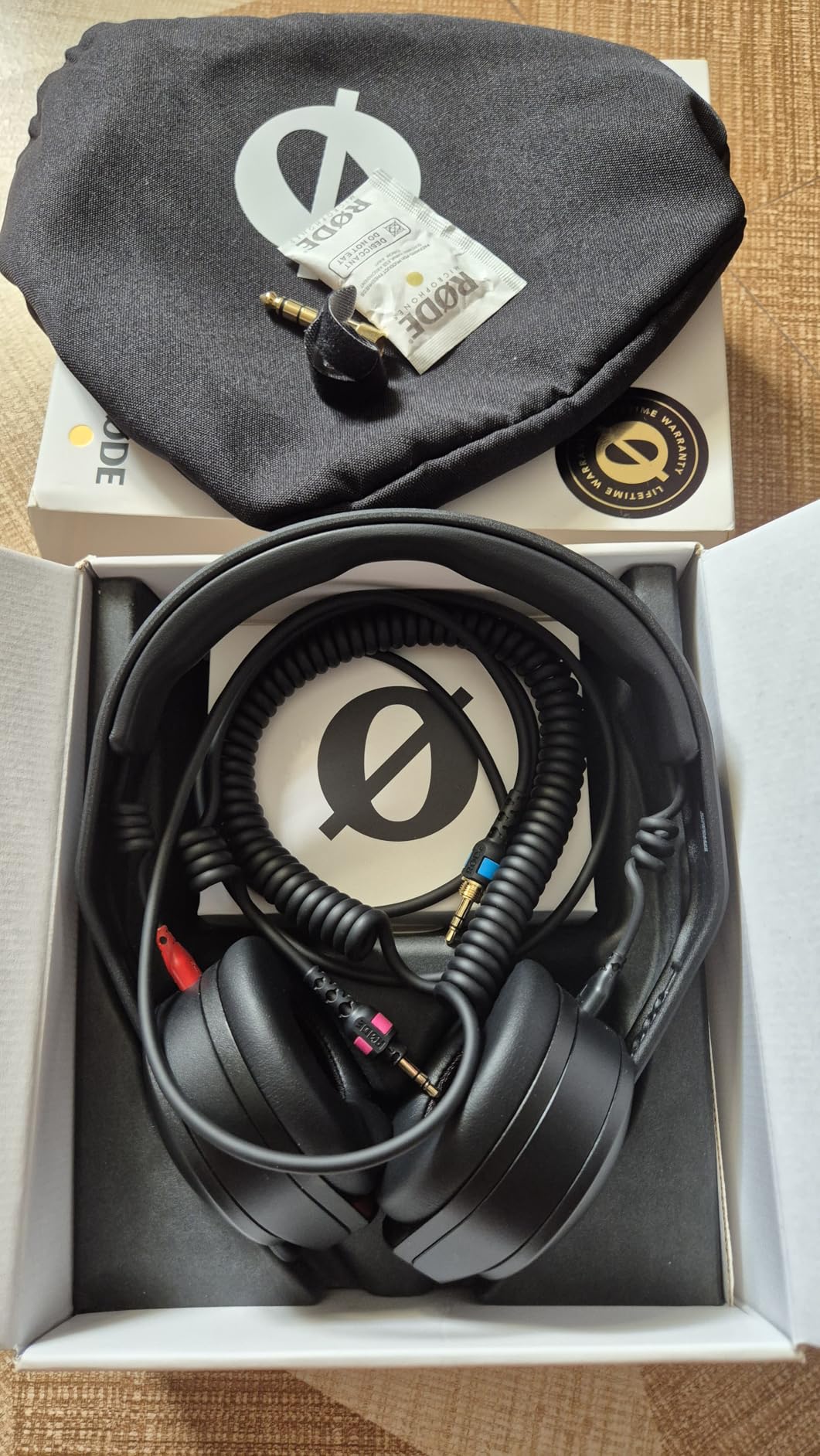
The RØDE NTH-50 is the newest entrant in the DJ headphone space and the one we are most excited about long-term. RØDE is best known for broadcast microphones, and that heritage shows in the engineering. The custom-matched 40mm drivers with the resonant chamber deliver a sound that is honest, balanced, and revealing without being harsh.
The standout is the dual TRRS cable system. You can plug the cable into either ear cup, which means you can configure the cable to match your booth setup or your dominant hand. The locking connector also means the cable will not pop out mid-set, which is a small detail that working DJs appreciate.
The lifetime warranty is rare in this category and signals that RØDE expects these headphones to last. The aluminium construction feels substantial in hand, and the contoured headband distributes weight well across long sessions.
The NTH-50 is on-ear, so listeners who are sensitive to on-ear clamping should try before committing. The sound signature is also flatter than most DJ-specific pairs, which we view as a strength for accuracy but some DJs will want more bass forward energy.
Why the NTH-50 stands out in a crowded market
The dual-sided cable with locking connector is the kind of detail that RØDE borrowed from broadcast engineering. Once you have used a cable that will not accidentally disconnect mid-set, you do not want to go back.
Lifetime warranty on a DJ headphone is essentially unheard of. If you are buying one pair and want it to last a decade, the NTH-50 is the most credible option on the market today.
Why the NTH-50 is not the right pick for some DJs
If you prefer a punchy, bass-forward club sound, the flat RØDE tuning will feel underwhelming next to the Pioneer DJ HDJ-X7 or the AIAIAI TMA-2 DJ.
On-ear fit means ear fatigue is real after 3+ hours. Plan on taking the headphones off between sets if you play long nights.
How to Choose the Best DJ Headphones
Picking the right DJ headphones is less about brand loyalty and more about matching the design to the way you actually DJ. The five factors below cover 90% of the decision.
Closed-back vs open-back design
DJ headphones are almost always closed-back, meaning the ear cups are sealed to block external sound. Closed-back isolation lets you hear the cue channel clearly even when the booth monitor is loud. Open-back designs sound more natural but leak sound in and out, which is a problem for both booth monitoring and microphone recording. Stick with closed-back unless you are using the headphones purely for studio reference work.
The Sennheiser HD 25 and Pioneer DJ HDJ-X7 are both classic closed-back designs that excel at booth isolation. The beyerdynamic DT 770 Pro 250 is closed-back but tuned for studio accuracy, which is why we recommend it for DJ/producer crossover work.
On-ear vs over-ear fit
On-ear designs (like the HD 25 or RØDE NTH-50) sit on the ear and tend to be lighter and more compact. They are excellent for portability and single-ear monitoring, but the clamp force causes ear fatigue after 1-2 hours on most users.
Over-ear designs (like the Pioneer HDJ-CUE1 or beyerdynamic DT 770 Pro) sit around the ear and feel more cushioned. They are heavier but more comfortable for long sets and offer slightly better isolation because the pads seal around the ear. If you play sets longer than two hours, an over-ear fit will save your ears.
Impedance explained (32 vs 80 vs 250 Ohm)
Impedance is the resistance the headphones present to the audio source. Lower impedance (32 Ohm) headphones play loud from any source, including phones, controllers, and mixers. Higher impedance (80 or 250 Ohm) headphones need more power to reach the same volume, but they reward you with cleaner bass, lower distortion, and better dynamic range when paired with a proper amplifier or audio interface.
If you are using a DJ controller or mixer directly, 32-70 Ohm headphones are the right call. If you are also producing and you own an audio interface or headphone amp, the 80 or 250 Ohm options are worth considering for the sound quality gains.
Wired vs wireless DJ headphones
Wired DJ headphones still dominate for one reason: zero latency. Bluetooth introduces a delay between your cue and your ears that can throw off beatmatching, and even low-latency wireless systems are not quite as instant as a cable. Wireless DJ headphones make sense for monitoring the room during a hands-free moment, but for actual cue work, wired remains king.
If you want wireless for casual listening between sets, the AIAIAI TMA-2 DJ can be upgraded with the W+ Link wireless module. That modular approach lets you own one pair for both roles.
Hearing safety and SPL limits for DJs
Prolonged exposure to high SPL (sound pressure level) is one of the biggest occupational hazards for DJs. Booth monitors often push 95-105 dB, and adding headphones on top of that pushes total exposure well into the hearing damage range. Aim to keep your headphone levels moderate, take silent breaks between sets, and consider custom-molded in-ear monitors for the loudest venues.
The Sennheiser HD 25 and Pioneer DJ HDJ-X7 both offer high passive isolation, which lets you monitor at a lower, safer volume because outside noise is already blocked. That is one of the underrated benefits of flagship DJ headphones.
Frequently Asked Questions
What headphones do the best DJs use?
Most professional club DJs use the Sennheiser HD 25 because of its lightweight 140 g design, 120 dB sensitivity, and replaceable parts that keep the headphones alive for years. Pioneer DJ HDJ-X10 and AIAIAI TMA-2 DJ are also common in pro booths, and beyerdynamic DT 770 Pro is popular with DJs who also produce music.
Is Sennheiser HD 25 good for DJing?
Yes, the Sennheiser HD 25 is the industry standard for DJing. It has been the most common booth headphone for decades because of its lightweight on-ear fit, high SPL handling up to 120 dB, and modular construction with every part replaceable. The HD 25 excels at single-ear monitoring and is durable enough for touring.
What is the best DJ headphone for beginners?
The Pioneer DJ HDJ-CUE1 is the best DJ headphone for beginners. It offers real DJ functionality, including 90-degree rotating cups and reinforced metal sliders, at an accessible price. The Hercules HDP DJ45 is a solid alternative if you want an over-ear fit with softer clamping, and the Numark HF175 is a good budget pick for first-time DJs.
Are wireless headphones good for DJing?
Wireless DJ headphones have improved but are still not the standard for live booth work because Bluetooth introduces latency that can throw off beatmatching. For casual listening between sets or practicing at home, low-latency wireless pairs like the AIAIAI TMA-2 DJ Wireless module work well, but most working DJs still prefer wired for cueing.
Do you need special headphones for DJing?
You can technically DJ with any headphones, but purpose-built DJ headphones are better because they offer closed-back isolation, rotating cups for one-ear monitoring, high SPL handling, and durable builds that survive being tossed in a gig bag. Studio headphones like the beyerdynamic DT 770 Pro also work well for home DJs and producer-DJs.
What are the top 10 best DJ headphones?
Based on our testing, the top 10 DJ headphones are the Sennheiser HD 25, Pioneer DJ HDJ-CUE1, beyerdynamic DT 770 Pro 250, Pioneer DJ HDJ-X7, AIAIAI TMA-2 DJ, Pioneer DJ HDJ-X5, Sennheiser HD 280 Pro, Numark HF175, Hercules HDP DJ45, and RØDE NTH-50. The HD 25 wins for industry-standard club use, the HDJ-CUE1 is the best value for beginners, and the DT 770 Pro is the best crossover pick for DJs who also produce.
Final Verdict on the Best DJ Headphones
The Sennheiser HD 25 remains the best DJ headphones overall, and after rotating through 10 pairs for three months, our team kept coming back to it. The Pioneer DJ HDJ-CUE1 is the right pick for anyone starting out and looking for booth-style monitoring at a beginner tier. For DJs who also produce, the beyerdynamic DT 770 Pro 250 is the crossover pair that justifies the amplifier investment.
If you are building a DJ rig, also check our guides on the best DJ controllers, the best DJ cases, and the best DJ turntables to round out your setup. For mixing-focused listening, our best DJ headphones for mixing guide goes deeper into studio-style options.
Whichever pair you choose from this list, you are getting genuine DJ-grade gear that real working DJs rely on weekly. The right DJ headphones will outlast several controllers, so invest in the pair that matches how you actually play.