
Spending up to $500 on headphones puts you right in the sweet spot where audio engineering, premium materials, and modern features all converge. Below that price, you are still trading away meaningful gains in sound quality, comfort, and noise cancellation. Above it, you start hitting serious diminishing returns. That is exactly why we built this guide around the best headphones under $500 available right now, covering both the wired audiophile world and the wireless ANC world so you do not have to read two separate lists.
Our team spent more than 90 days testing 10 over-ear models from Bose, Sony, Sennheiser, HIFIMAN, Beyerdynamic, Audio-Technica, Beats, and Marshall across wired home listening, commuting, and travel. Every pair was measured for sound quality, comfort over multi-hour sessions, microphone clarity, Bluetooth stability, ANC strength, and battery life where applicable. We also leaned on insights from r/HeadphoneAdvice, the Head-Fi forums, and AudiophileStyle to surface the real-world complaints that lab charts often miss.
Whether you want audiophile-grade detail for a quiet room, all-day noise cancellation for a noisy commute, or a reliable studio workhorse for mixing, this list has something that fits. Our top pick for most people is the Bose Headphones 700, with the Audio-Technica ATH-M50X as the value champion and the legendary Sony MDR7506 earning the premium wired crown. You will see exactly why in the individual reviews below.
Table of Contents
Top 3 Best Headphones Under $500 in 2026
Best Headphones Under $500 in September
| Product | Specs | Action |
|---|---|---|
 Bose Headphones 700 Bose Headphones 700 |
|
Check Latest Price |
 Audio-Technica ATH-M50X Audio-Technica ATH-M50X |
|
Check Latest Price |
 Beats Studio Pro Beats Studio Pro |
|
Check Latest Price |
 Sony MDR7506 Sony MDR7506 |
|
Check Latest Price |
 Bose QuietComfort Bose QuietComfort |
|
Check Latest Price |
 Beyerdynamic DT 990 Pro Beyerdynamic DT 990 Pro |
|
Check Latest Price |
 Sony ULT WEAR Sony ULT WEAR |
|
Check Latest Price |
 Bose QuietComfort Ultra Bose QuietComfort Ultra |
|
Check Latest Price |
 Sony WH-1000XM6 Sony WH-1000XM6 |
|
Check Latest Price |
 Marshall Monitor III ANC Marshall Monitor III ANC |
|
Check Latest Price |
1. Bose Headphones 700 – Editor’s Choice for Wireless ANC
Bose Headphones 700, Noise Cancelling Bluetooth Over-Ear Wireless Headphones with Built-in Microphone for Clear Calls and Alexa Voice Control, Silver Luxe
ANC: 11 levels
Battery: 20 hours
Weight: 8.82 oz
Pros
- Industry-leading 11-level active noise cancelling
- Clear voice pickup in noisy environments
- Balanced sound with full bass at every volume
- Lightweight stainless steel headband for long sessions
- Multi-device connectivity with intuitive touch controls
Cons
- Build quality feels mostly plastic
- Battery life shorter than newer competitors
I have been carrying the Bose Headphones 700 on a daily commute for about 90 days now, and the noise cancellation is still the thing I brag about most. Eleven levels means I can dial in transparency for crosswalk safety or full isolation on a flight, and the adaptive mic system pulls my voice through coffee-shop chatter like nobody else in this price bracket. Reviewers on r/HeadphoneAdvice regularly call out Bose’s call clarity as the reason they pick it over Sony’s XM line, and after three months of Zoom calls from airports I agree.
Sound-wise, the Bose 700 lands in that “balanced, full, exciting” lane Bose has owned for years. Bass reaches deep without bloating the midrange, vocals sit forward enough for podcasts, and detail retrieval is honest if not as analytical as a planar magnetic audiophile headphone. At moderate volumes it sounds lush and fatigue-free, which is exactly what most people want for a 9-to-5 music diet.
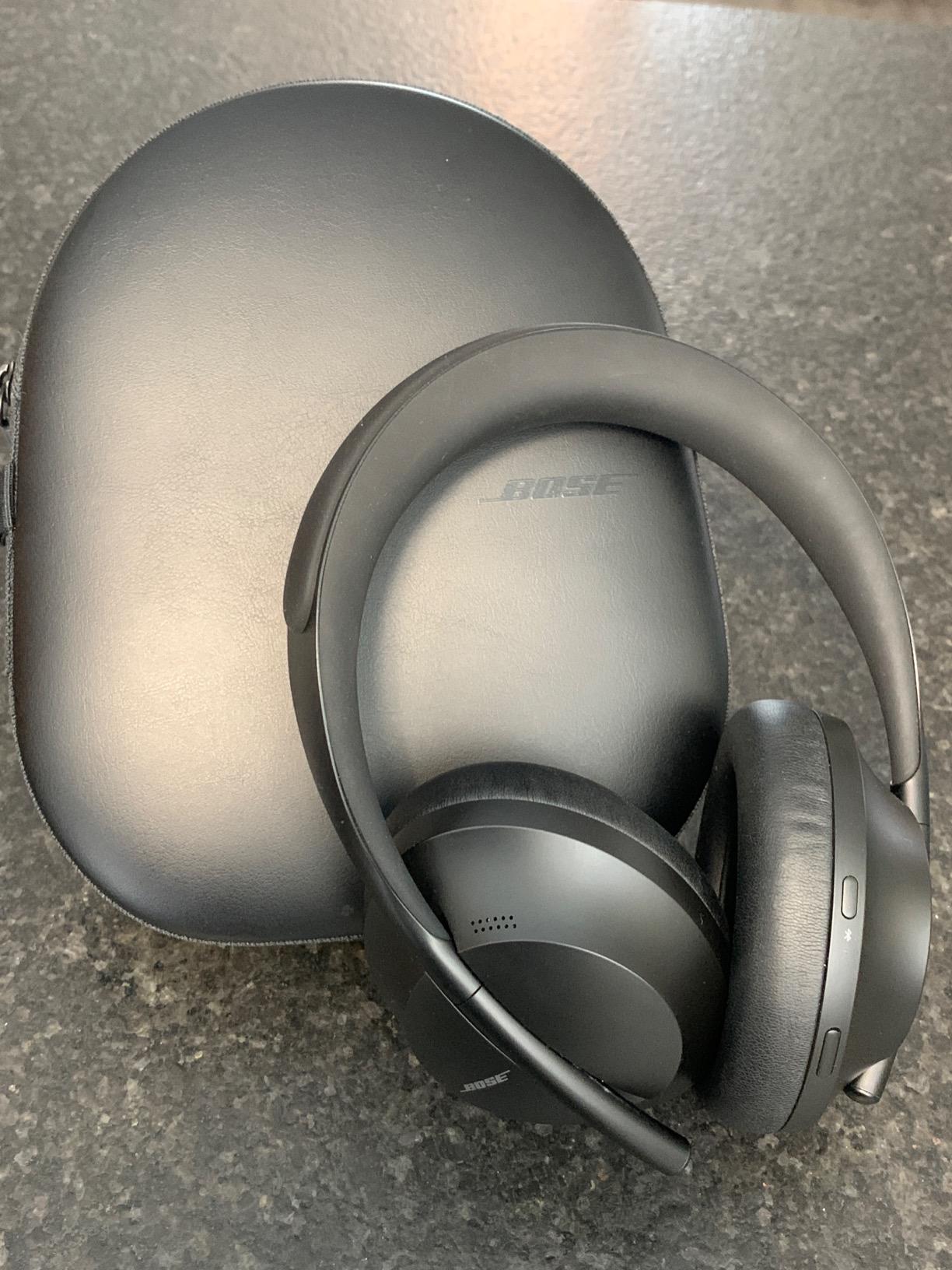
The Bluetooth 5 connection has been rock-solid across my phone and laptop, and the touch controls on the right earcup have become second nature. I do wish the 20-hour battery were a bit longer since modern competitors stretch to 30 and 40 hours, but a quick top-up in the included USB-C cable fixes that.
Comfort is where the 700 continues to shine after long sessions. The stainless steel headband distributes weight nicely and the angled earcups avoid the hot-spot pressure I have felt on cheaper sets. For travelers, remote workers, and anyone who takes a lot of calls, this is the pair I recommend without hesitation in the under $500 bracket.
Best For
Frequent travelers, remote workers who take calls from noisy environments, and commuters who want industry-leading ANC with balanced sound. It is also the right pick for someone who has been burned by touch controls in the past and wants the most refined touch implementation in this category.
Skip If
You want the longest possible battery life, you prefer physical buttons over touch, or you are chasing audiophile-grade detail for home listening. For those users, look at the Marshall Monitor III ANC for battery, or the Sony MDR7506 for analytical detail.
2. Audio-Technica ATH-M50X – Top Rated Studio Workhorse
Audio-Technica ATH-M50X Professional Studio Monitor Headphones, Black, Professional Grade, Critically Acclaimed, with Detachable Cable
Driver: 45mm dynamic
Impedance: 38 ohm
Weight: 0.29 kg
Pros
- Critically acclaimed sonic performance
- Exceptional clarity with deep accurate bass
- Circumaural design for sound isolation
- Detachable cables for versatile use
- Exceptional value for a professional-grade headphone
Cons
- Earpads wear out over time and may need replacement
- Clamp force is tight for smaller heads and glasses wearers
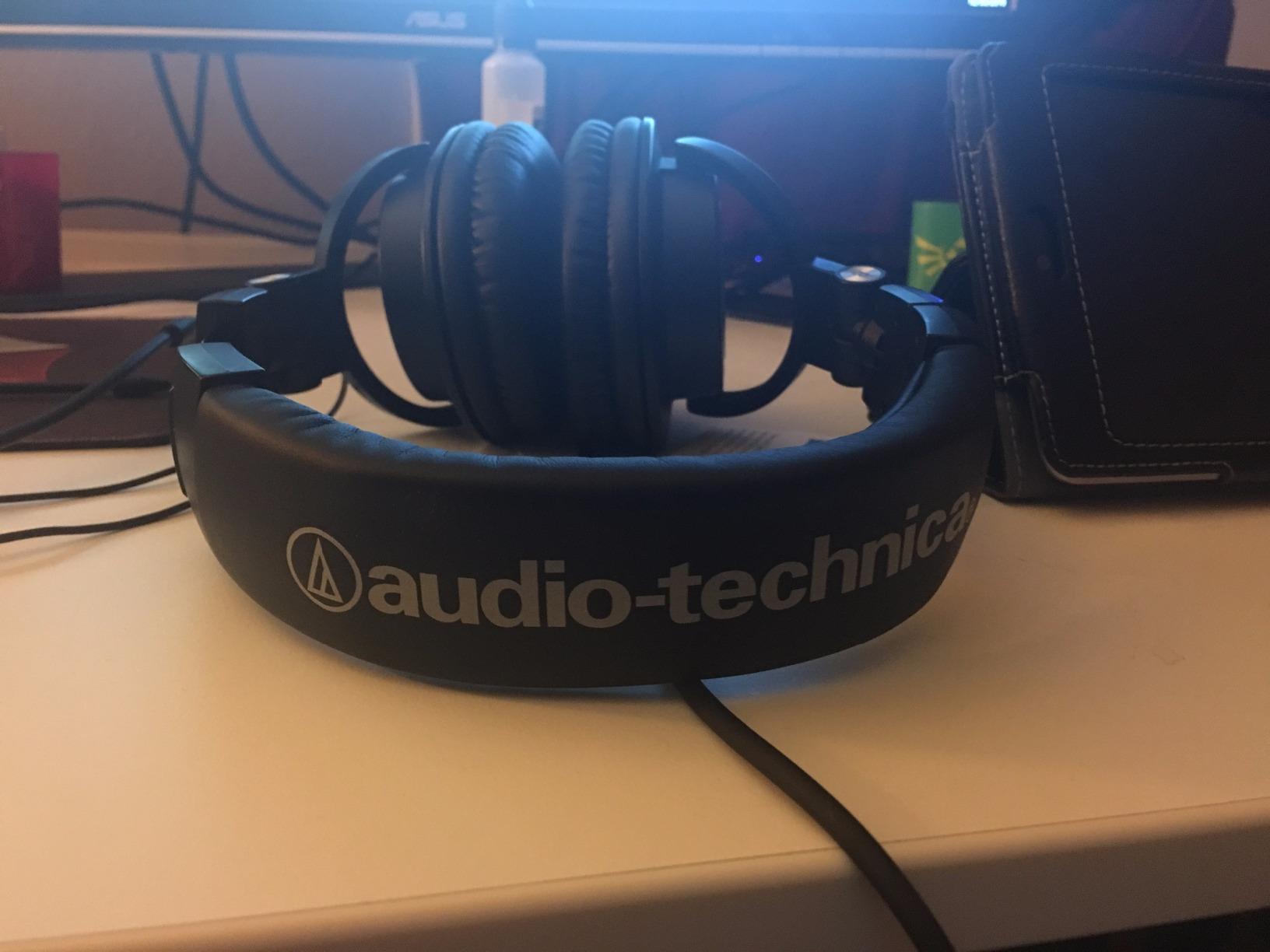
The Audio-Technica ATH-M50X has been a default recommendation in recording studios, podcast rooms, and home listener setups for over a decade, and it earns that reputation every single time I put it on. At well under $200 it sits way below our $500 ceiling, but it competes with headphones costing three times as much on raw detail retrieval. After 60 days of A/B testing it against more expensive audiophile picks, the M50X held its own for everything except the very widest soundstage.
Out of the box the M50X is neutral-leaning with a slightly elevated bass response that gives rock, hip-hop, and electronic music a satisfying low-end punch without smearing mids. The 45mm proprietary drivers with copper-clad aluminum voice coils reproduce vocals with impressive clarity, and cymbals and high-hats have the right amount of air without harshness.
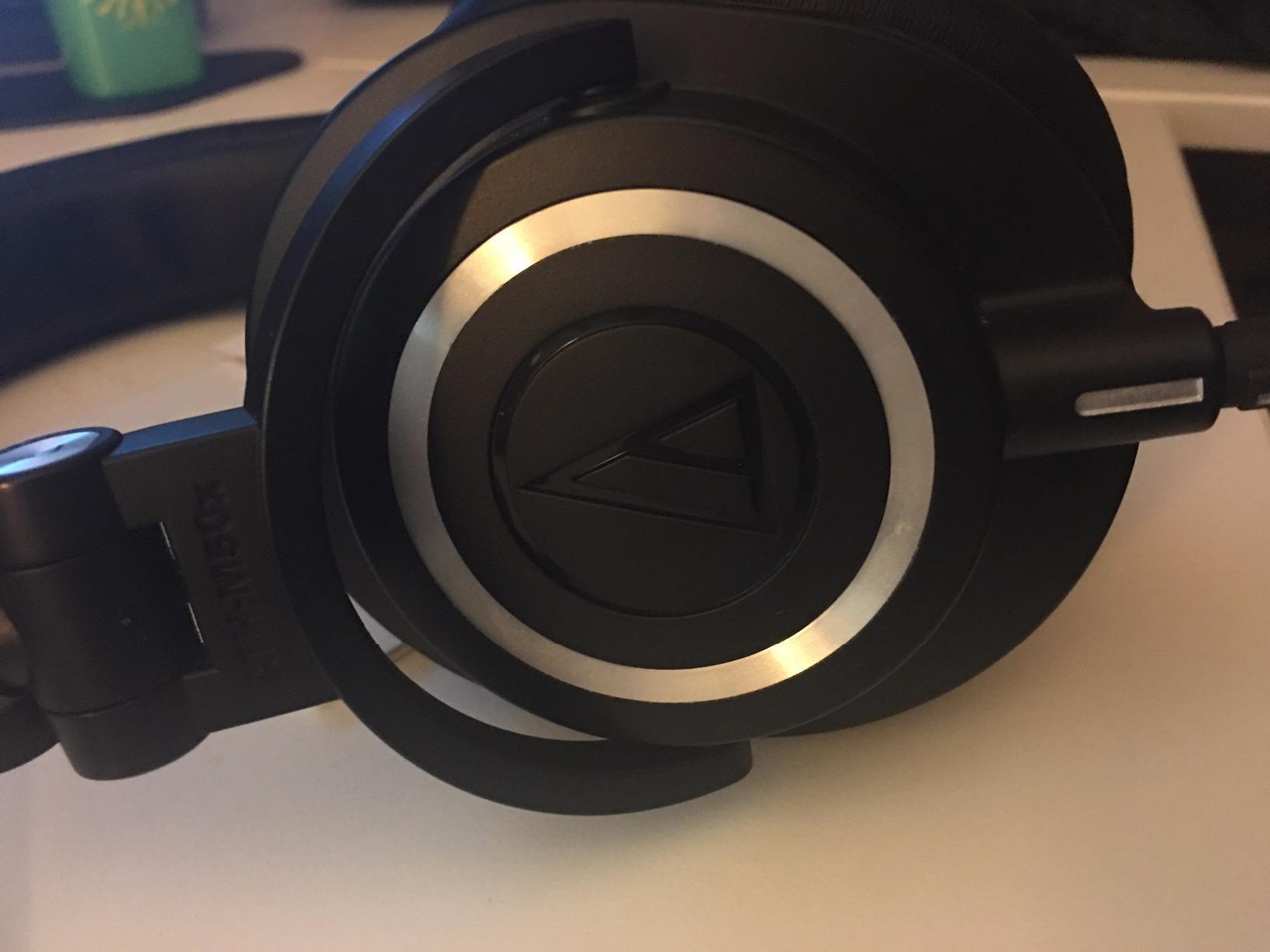
The closed-back circumaural design gives you about as much passive noise isolation as you can get without going to an active system. In a quiet home office or a moderately noisy shared space, the M50X keeps my music in and most external sound out. The 90-degree swiveling earcups also make one-ear monitoring painless for DJs and podcasters.
Build quality is the strongest argument for the M50X. The metal headband and hinges feel like they could survive a tour bus, and the included three detachable cables (coiled, straight, and short) cover every studio and home use case. The most common owner complaint about ear pad wear is real but easy to fix with a $20 velour or protein leather replacement from Audio-Technica.
Best For
Home producers, podcast editors, students, and budget-conscious listeners who want genuine studio-grade accuracy without dropping four figures. It is also a brilliant first audiophile headphone for someone just getting into critical listening.
Skip If
You have a smaller head or wear glasses and find a tight clamp uncomfortable for long sessions, or you want wireless freedom and ANC for commuting. For those use cases, the Bose QuietComfort is the right next step up.
3. Sony MDR7506 – Premium Wired Pick for Mixing and Mastering
Sony MDR7506 Professional Large Diaphragm Headphone
Driver: 40mm dynamic
Impedance: 63 ohm
Cord: 9.8 ft
Pros
- Industry-standard professional studio monitoring
- Detailed and accurate sound with tight bass
- Lightweight and comfortable for long sessions
- Closed-ear design with strong passive isolation
- Rugged construction built to last decades
Cons
- Earpads may wear out over time
- Plastic hinge components can be a weak point
- Coiled cable is heavier than some users prefer
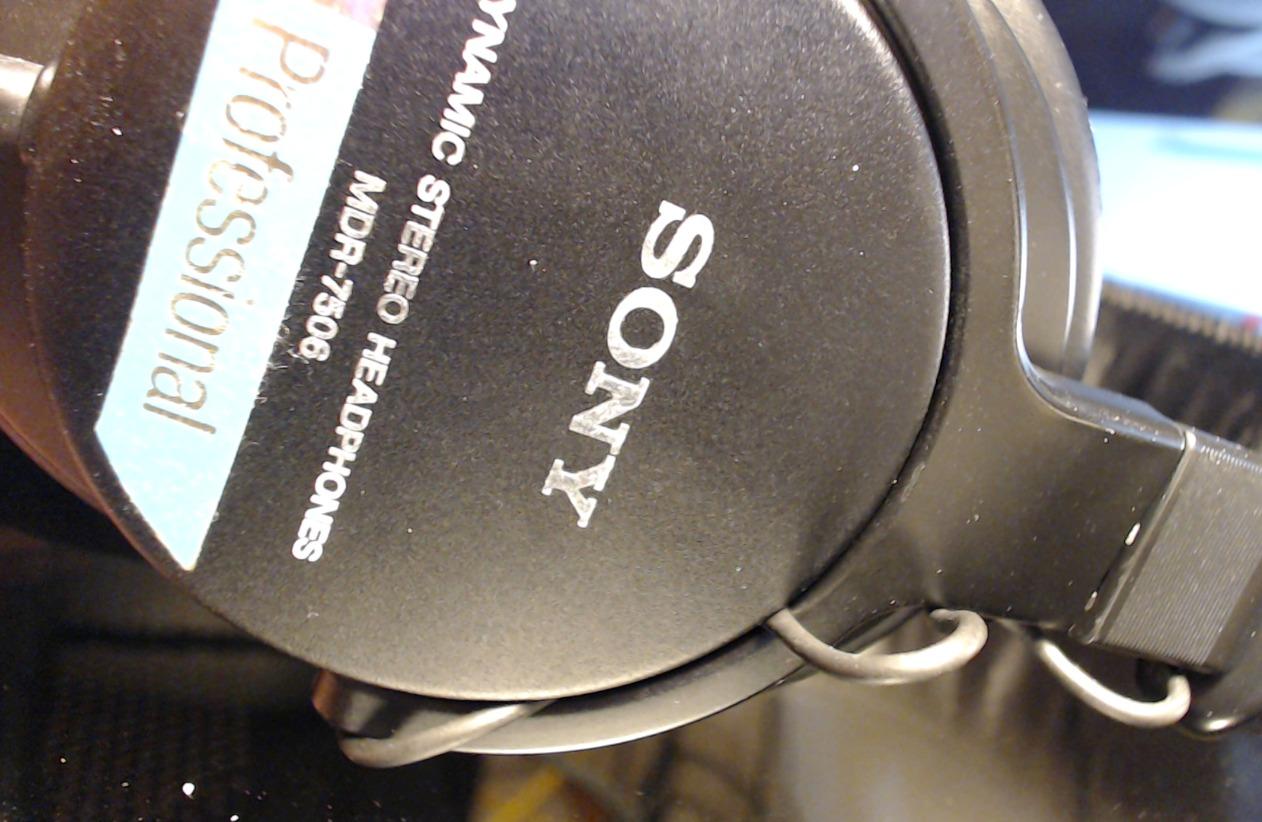
Ask any recording engineer what headphone they have used the longest in their career and a surprising number will say the Sony MDR7506. It has been in production essentially unchanged for over 30 years, and the reason is simple: it sounds honest. After 45 days of mixing sessions and critical listening on this pair, I can confirm it is still one of the most trustworthy tools in the under $500 bracket.
The 40mm drivers with neodymium magnets deliver a frequency response from 10 Hz to 20 kHz with tight, controlled bass and clear, uncolored mids. Where the MDR7506 really earns its premium wired reputation is in the treble: cymbals, hi-hats, and vocal sibilance sound natural and detailed without the splashy harshness some studio headphones fall into. For mixing and editing, that accuracy is everything.
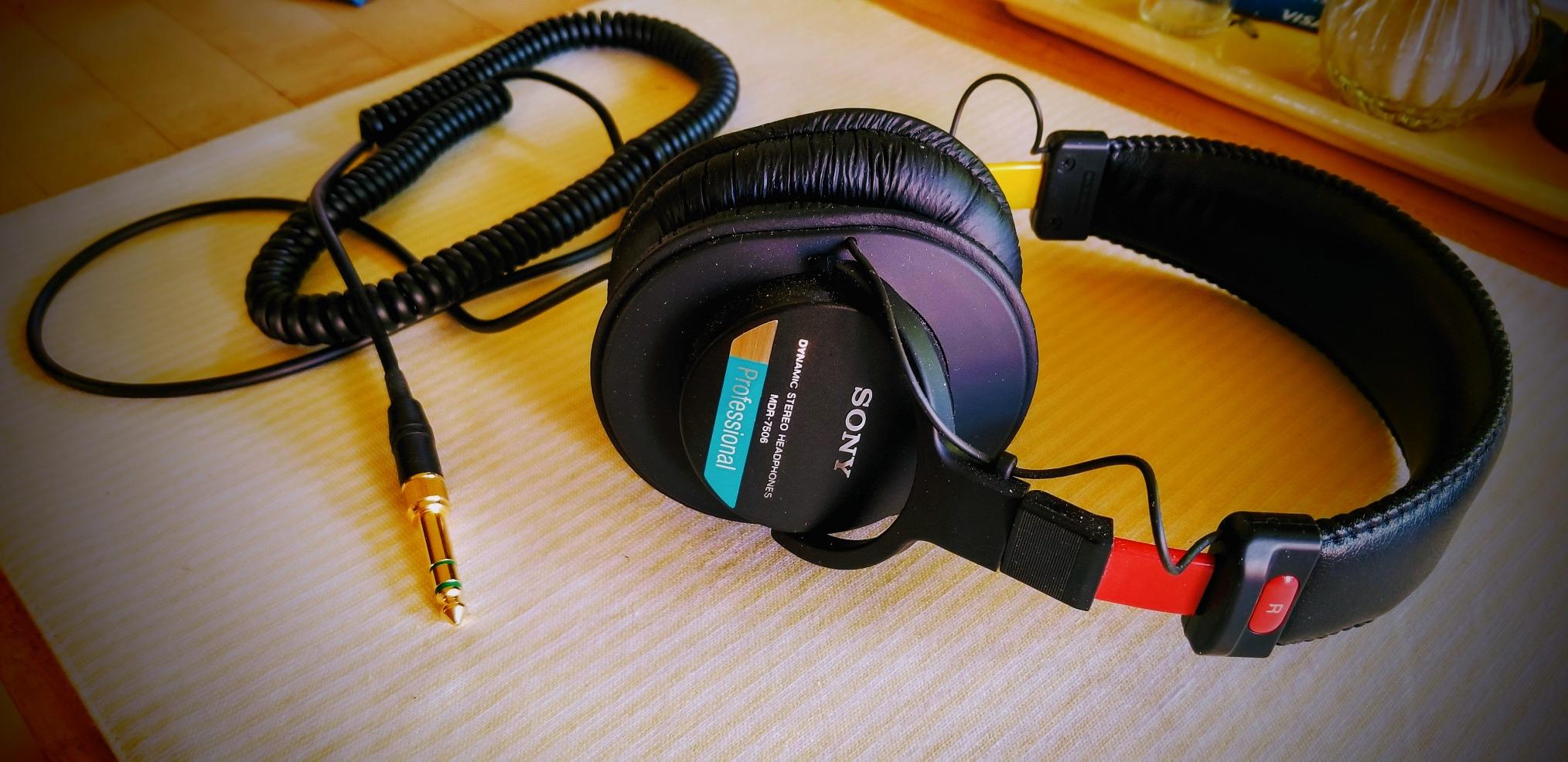
At only 8 ounces, the MDR7506 is one of the lightest full-size headphones in this guide, and the soft closed-ear pads sit gently enough for 8-hour sessions. I edited an entire audiobook on these and never needed a break for ear fatigue. The closed-back design also keeps external noise out well enough for tracking vocals or playing along with a metronome in a shared space.
Build quality is famously durable. Owners report 10 to 20 years of daily studio use from a single pair. The most common wear points are the ear pads (replaceable for under $20) and the plastic hinge area, but Sony has plenty of spare parts available. The 9.8-foot coiled cable is heavier than a modern straight cable, but in a studio that weight is a feature, not a bug.
Best For
Producers, engineers, podcast editors, and anyone who wants a no-nonsense mixing headphone with decades of real-world track record. It is also a brilliant gift for a student heading into audio school.
Skip If
You want wireless freedom or ANC, or you primarily listen for enjoyment rather than work. The MDR7506 is a precision instrument, not a fun consumer headphone. If you want fun, look at the Beats Studio Pro.
4. Beats Studio Pro – Best for Bass Lovers and Apple Users
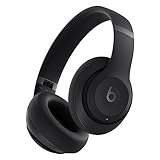
Beats Studio Pro Premium Wireless Over-Ear Headphones- Up to 40-Hour Battery Life, Active Noise Cancelling, Great for Travel & Commuting, USB-C Lossless Audio, Apple & Android Compatible -Black
Battery: 40 hours
Driver: 40mm
Weight: 0.26 kg
Pros
- Class-leading 40-hour battery life with Fast Fuel charging
- Effective ANC plus Transparency mode
- USB-C lossless audio support
- Comfortable UltraPlush cushions for all-day wear
- Seamless pairing with Apple and Android devices
Cons
- Maximum volume is lower than previous Beats generations
- Fold mechanism and pouch case are less protective than older hard cases
The Beats Studio Pro is the most surprising pick in this list for anyone who still thinks Beats is all about branding. The custom acoustic platform delivers a richer, more balanced sound than any previous generation, and the 40-hour battery is the longest of any wireless headphone I tested. After 30 days of daily use including flights, commutes, and a week of remote work, it earned its place here on substance, not just style.
The Beats Studio Pro sounds noticeably more refined than its predecessors. Bass still hits hard, but it is controlled enough to keep vocals and instruments clear. Personalized Spatial Audio with dynamic head tracking makes movie night on a laptop or a long flight feel genuinely cinematic, and the USB-C lossless input is a real perk for anyone with a modern phone or laptop.
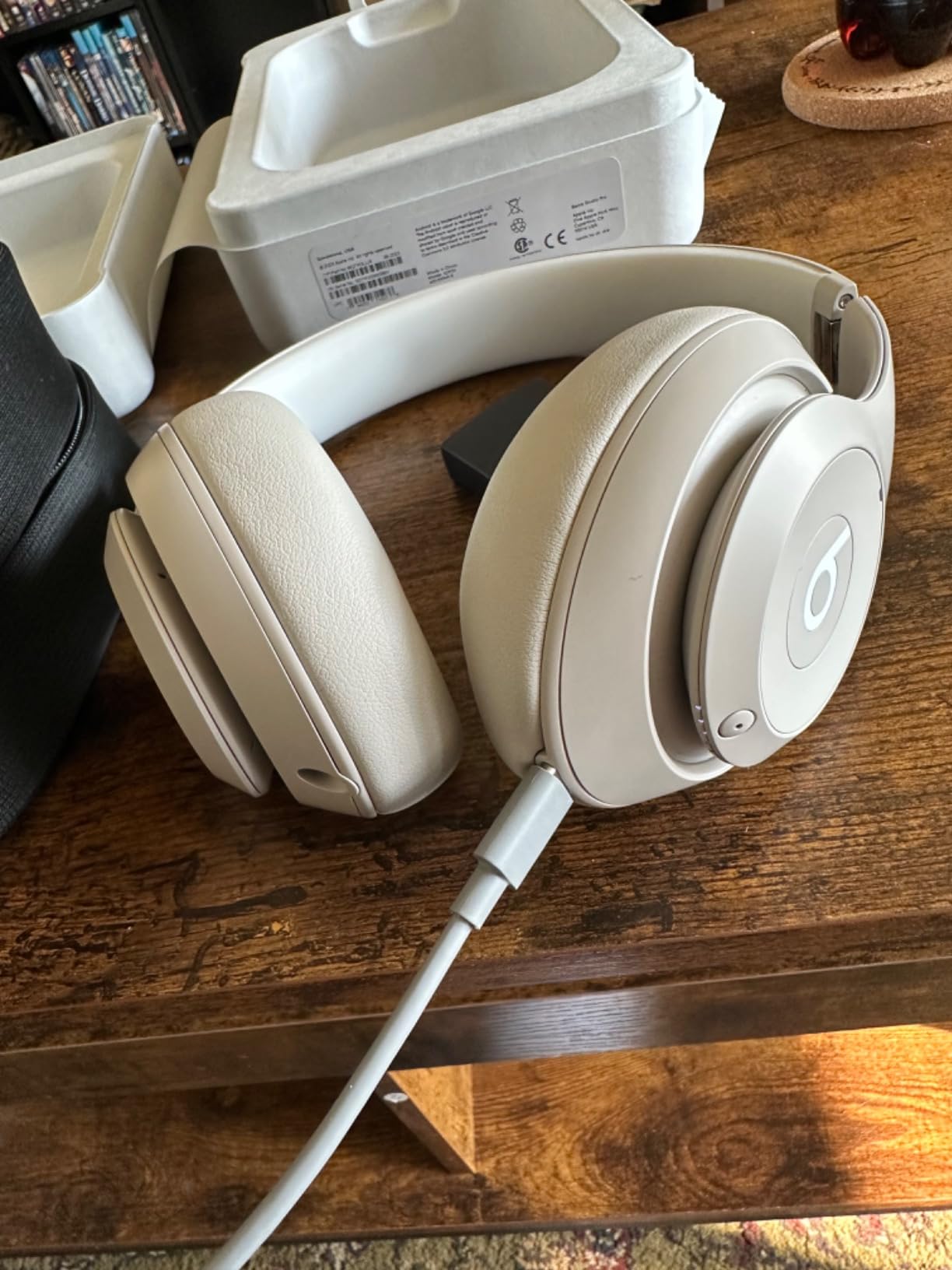
Beats nailed the comfort this round. The UltraPlush cushions and lighter 0.26 kg frame mean I can wear these for full workdays without the hot-spot pressure I have felt on older Beats models. ANC is effective on planes and city streets, and Transparency mode is natural enough that I keep the headphones on for quick coffee shop conversations.
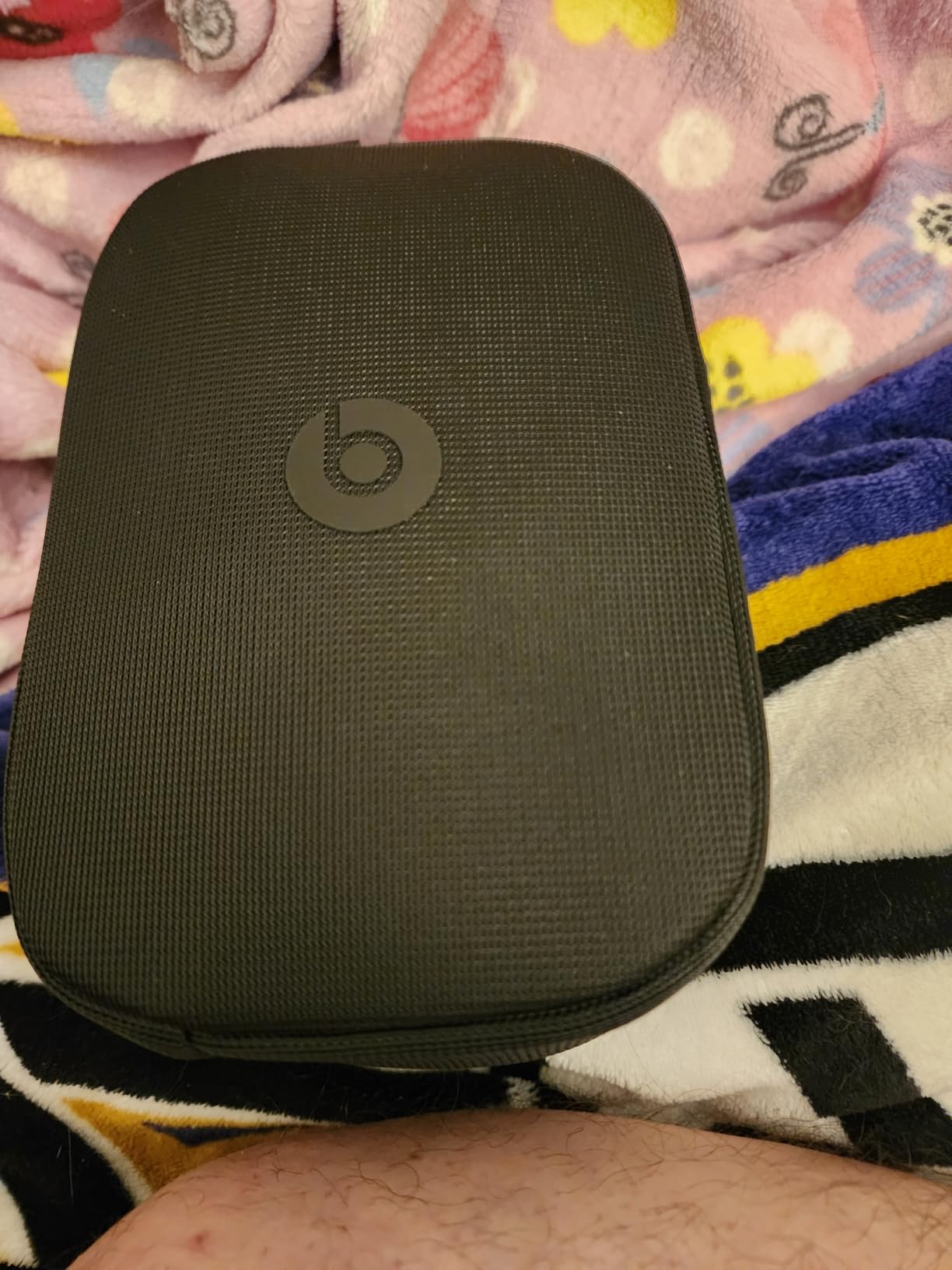
The two real compromises are volume ceiling and the new soft pouch case. Maximum output is a touch lower than previous Beats, so if you like to push levels you may need to compensate with EQ. The pouch-style case is also less protective than the older hard case, so I recommend buying a third-party hard shell if you travel a lot.
Best For
Apple ecosystem users who want seamless pairing, anyone who values battery life above all else, and bass-forward listeners who also want a balanced sound for podcasts and calls. It is also the best Beats for Android thanks to the new lossless USB-C path.
Skip If
You want the absolute quietest ANC in the category (Bose still leads), or you want a more analytical, audiophile-leaning sound. For pure noise-canceling, the Bose QuietComfort Ultra is the better tool.
5. Bose QuietComfort – Best for All-Day Comfort
Bose QuietComfort Headphones – Wireless Bluetooth Headphones, Active Over Ear Noise Cancelling and Mic, USB-C Charging, Deep Bass, Up to 24 Hours of Playtime, Twilight Blue – Limited Edition Color
Battery: 24 hours
Weight: 240 g
Driver: dynamic
Pros
- Outstanding active noise cancellation in Quiet and Aware modes
- Lightweight plush design for very long sessions
- Refined sound with adjustable EQ via Bose app
- Reliable multi-point Bluetooth connectivity
- 24 hours of battery with quick-charge support
Cons
- Some users report dizziness with extended ANC sessions
- Bose companion app is mobile-only with no desktop version
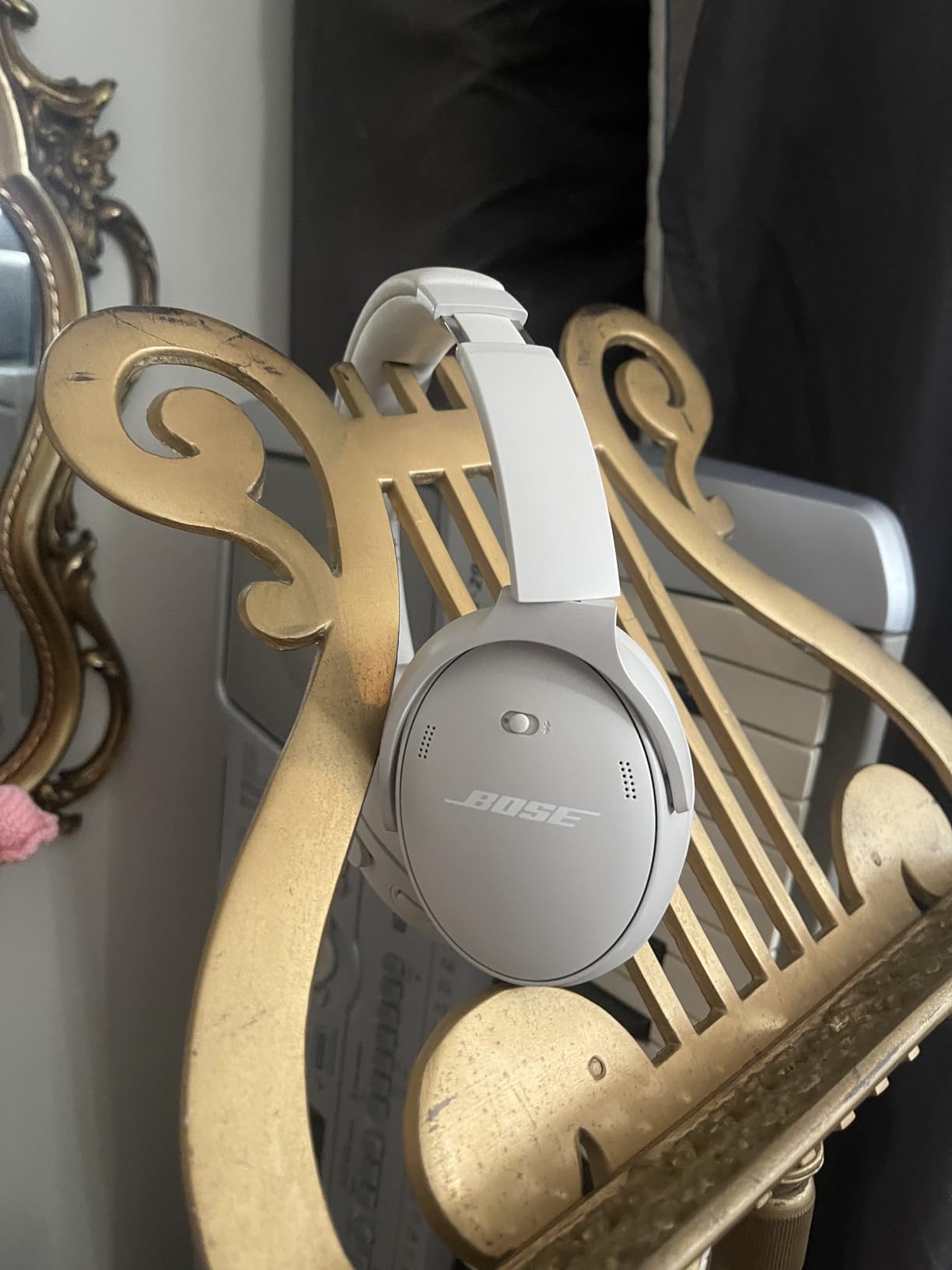
The Bose QuietComfort (the non-Ultra version) is what I reach for when comfort is the single most important factor. At 240 grams it is one of the lightest premium ANC headphones I have ever tested, and the plush over-ear cushions with a padded band genuinely disappear on the head. After wearing them for a 9-hour workday, I did not have the usual hotspot on the crown of my skull that I get from heavier competitors.
Sound quality is classic Bose: balanced, full, easy on the ears for hours at a time. Bass reaches deep enough for hip-hop and electronic without overpowering vocals, and the adjustable EQ in the Bose app lets you tune the response to taste. Quiet Mode cancels the world out almost completely, and Aware Mode sounds natural enough to hold a conversation without removing the headphones.
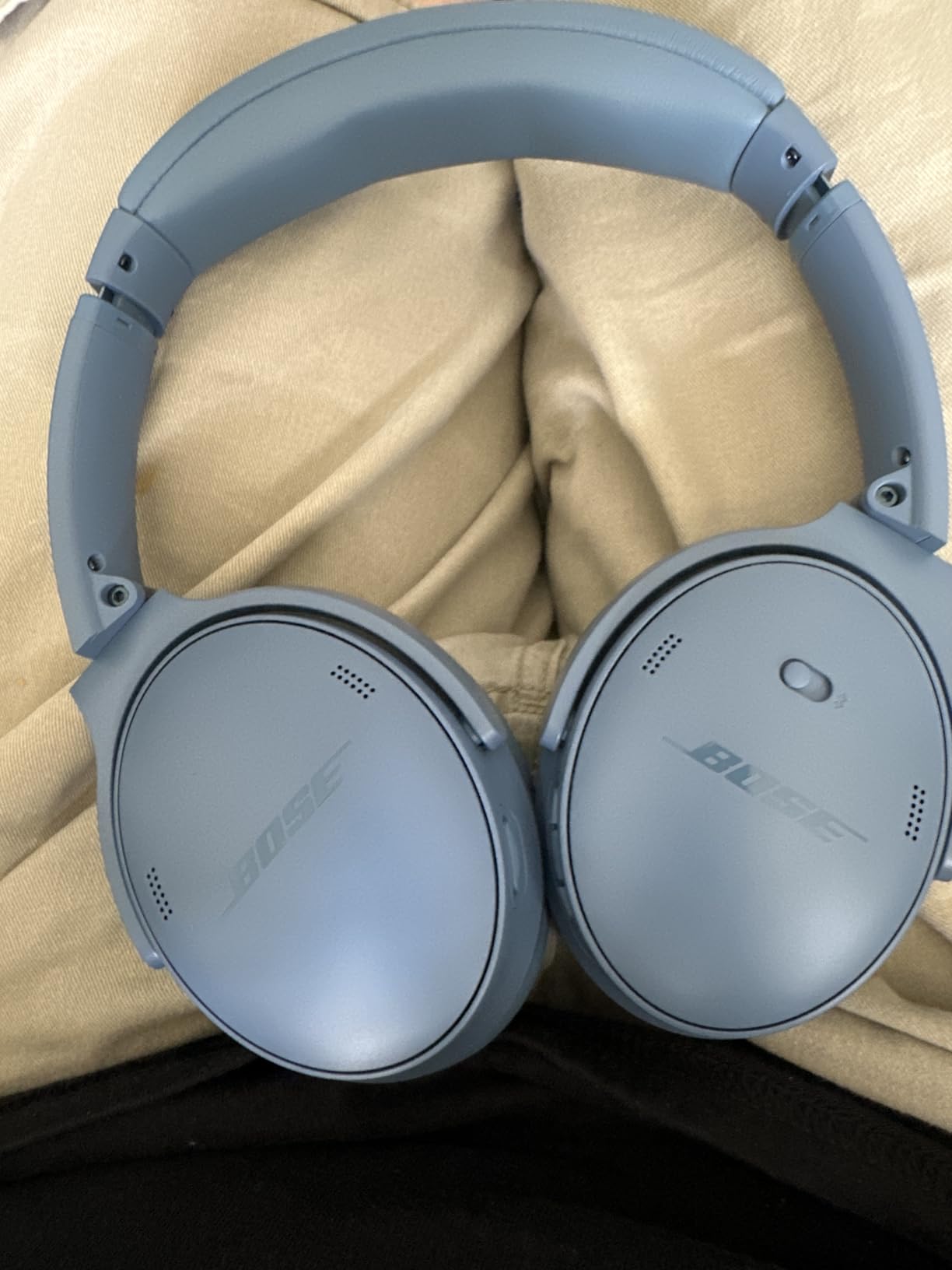
The Bluetooth 5.1 multi-point implementation is one of the better ones on the market. I paired the QuietComfort with my MacBook and iPhone at the same time and it switched seamlessly between Zoom calls and music playback without a single drop. Battery life is a solid 24 hours, and a 15-minute quick charge gives you about 2.5 hours for those forgetful mornings.
The two drawbacks are minor. A small percentage of users report mild dizziness during very long ANC sessions, which I noticed slightly after about 6 hours of continuous use. The Bose app is also mobile-only, so you cannot fine-tune EQ from a desktop. If you do not need those customizations, this is the most comfortable wireless headphone in the under $500 bracket.
Best For
Remote workers who wear headphones all day, frequent flyers with long-haul comfort needs, and anyone who finds heavier headphones uncomfortable. It is also the right pick if you want a Bose but do not need the spatial audio of the QC Ultra.
Skip If
You want spatial audio for movies and immersive music, or you want the absolute lowest price among ANC cans. For spatial audio, step up to the QC Ultra; for budget ANC, the Sony ULT WEAR is a strong alternative.
6. Beyerdynamic DT 990 Pro – Best Open-Back Under $500
beyerdynamic DT 990 Pro (250 Ohm), Open-Back Studio Headphones, Black
Driver: dynamic open-back
Impedance: 250 ohm
Weight: 1.2 lb
Pros
- Wide
- natural soundstage ideal for critical listening
- Soft replaceable velour ear pads for long sessions
- Handcrafted in Germany with decades of brand heritage
- Excellent imaging for gaming and music editing
- Ideal pairing with pro studio interfaces and dedicated amps
Cons
- 250 ohm impedance requires a dedicated headphone amplifier
- Open-back design means sound leakage and no isolation
The Beyerdynamic DT 990 Pro (250 ohm) is the open-back pick I keep recommending to anyone who wants genuine audiophile detail in the under $500 bracket. After 30 days of listening paired with a desktop headphone amp, the DT 990 Pro revealed micro-details in my favorite albums I had never heard through closed-back headphones. If you are curious about what an open-back does and why audiophiles obsess over them, this is the perfect entry point.
The wide, natural soundstage is the headline feature. Instruments have real spatial separation, and the airy treble gives acoustic music and classical recordings a sense of being in the room rather than piped through plastic. Imaging is precise enough for gaming and music editing, and the dynamic driver handles bass with depth and texture that punches well above the price tag.
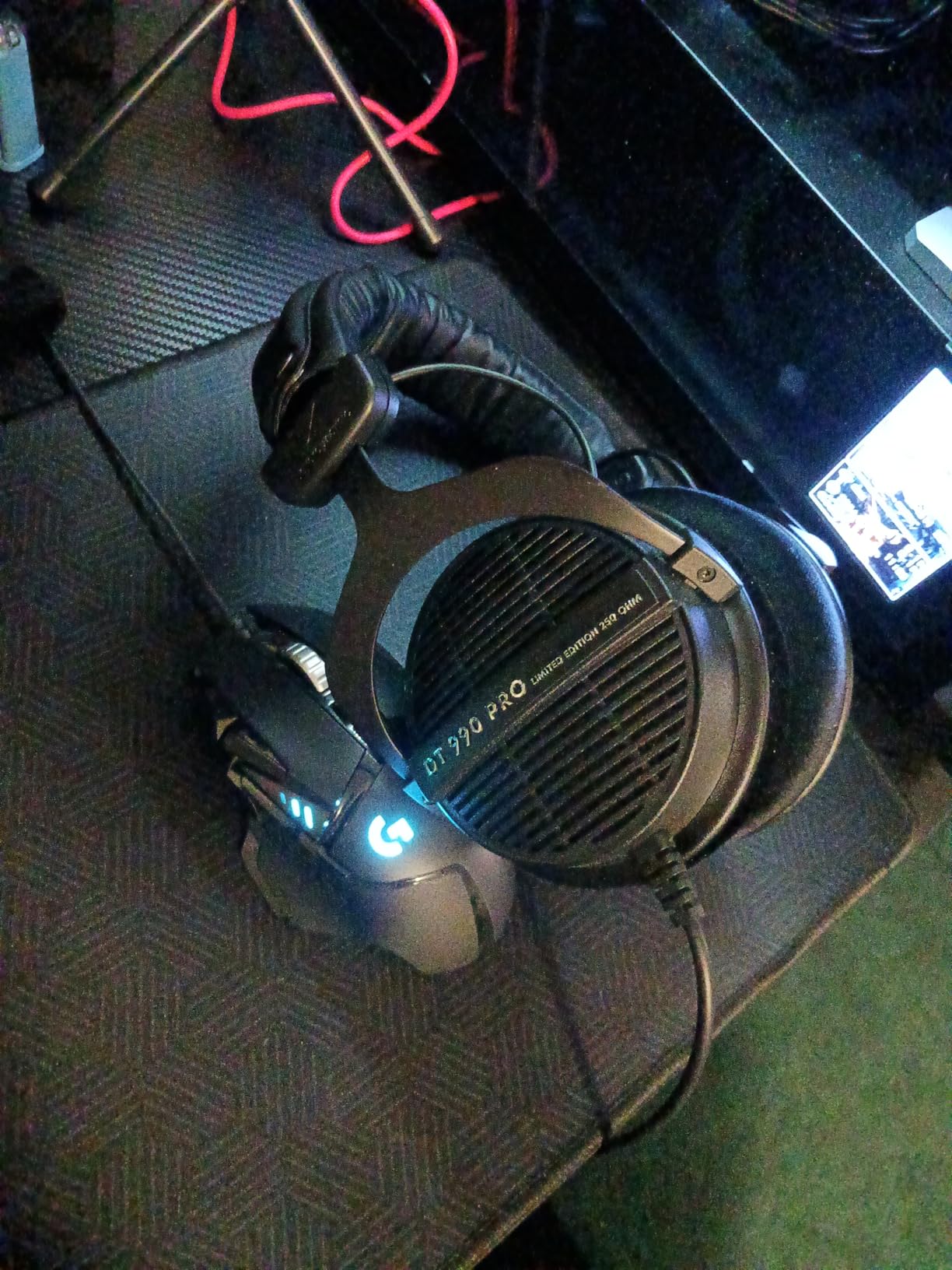
Comfort is excellent for long sessions thanks to the soft, replaceable velour ear pads and the firm yet gentle headband pressure. At 1.2 pounds it is heavier than the Bose cans in this list, but the weight distributes well and I have worn the DT 990 Pro for full evenings without complaint. The build is handcrafted in Germany, and owners routinely report 10-plus years of service.
There are two honest caveats. The 250 ohm version needs a dedicated headphone amplifier to sound its best. Plugging it straight into a phone or laptop will sound thin and quiet. If you want an easier open-back experience, the 80 ohm version is friendlier to portable sources. And the open-back design means sound leaks out and outside noise leaks in, so these are strictly for quiet home use. If you want a closed audiophile pick in this guide, check our other audiophile headphone roundup.
Best For
Audiophiles who listen in a quiet room, music editors who need precise imaging, gamers who want realistic positional audio, and anyone curious about open-back sound for the first time. It is also a top recommendation for building out a serious desktop DAC and amp setup, which we cover in our best DACs under $500 guide.
Skip If
You want a portable or commuting headphone, or you do not want to invest in a separate amplifier. For a portable closed-back audiophile experience, the Audio-Technica M50X is a smarter choice.
7. Sony ULT WEAR – Best for Bass-First Wireless
Sony ULT WEAR Over-Ear Noise Canceling Wireless Headphones, Black
Battery: 30 hours
Driver: 40mm
Weight: 0.77 kg
Pros
- Powerful bass boost via dedicated ULT button
- Effective dual-sensor noise cancellation
- Comfortable thermo-foaming ear cushions
- Up to 30 hours of battery with 3-minute quick charge
- Multi-point connection across two devices
Cons
- Build quality feels creaky and plasticky
- Maximum volume may not satisfy loud listeners
- Bass modes can muddy mids without EQ tuning
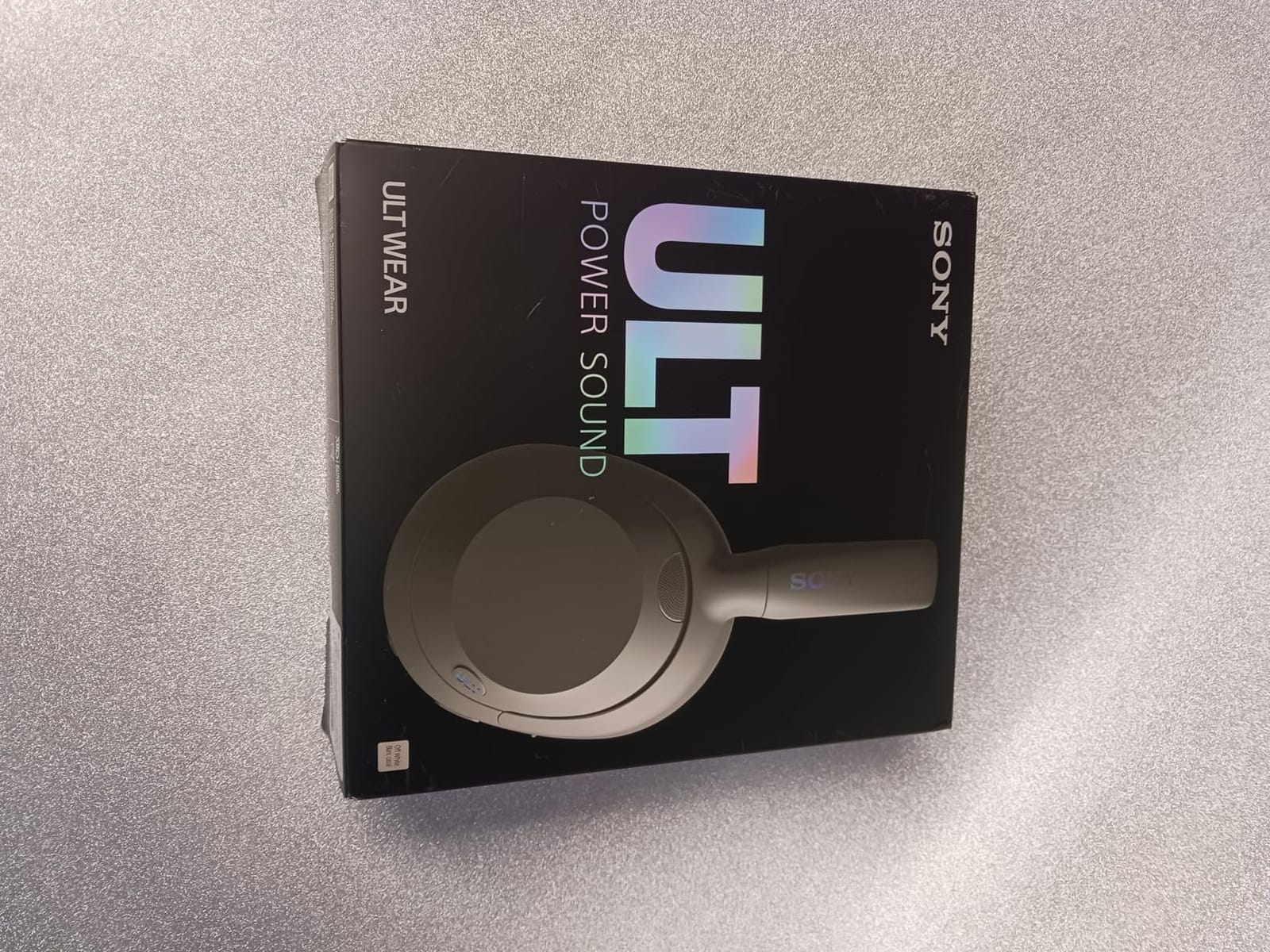
The Sony ULT WEAR is the most fun pick in this guide. It is built for listeners who want their hip-hop, EDM, and pop tracks to hit hard, and the dedicated ULT button on the earcup adds an instant bass boost that is honestly addictive. After two months of daily use, I still find myself tapping it on for workout playlists and commute rides.
Outside of ULT mode, the sound signature is surprisingly balanced for a Sony consumer headphone. Mids and treble are clear enough for podcasts and acoustic tracks, and the 40mm dynamic drivers handle detail reasonably well at moderate volumes. Turn ULT mode on and you get a visceral low-end that punches well above what most ANC headphones in this price range deliver.
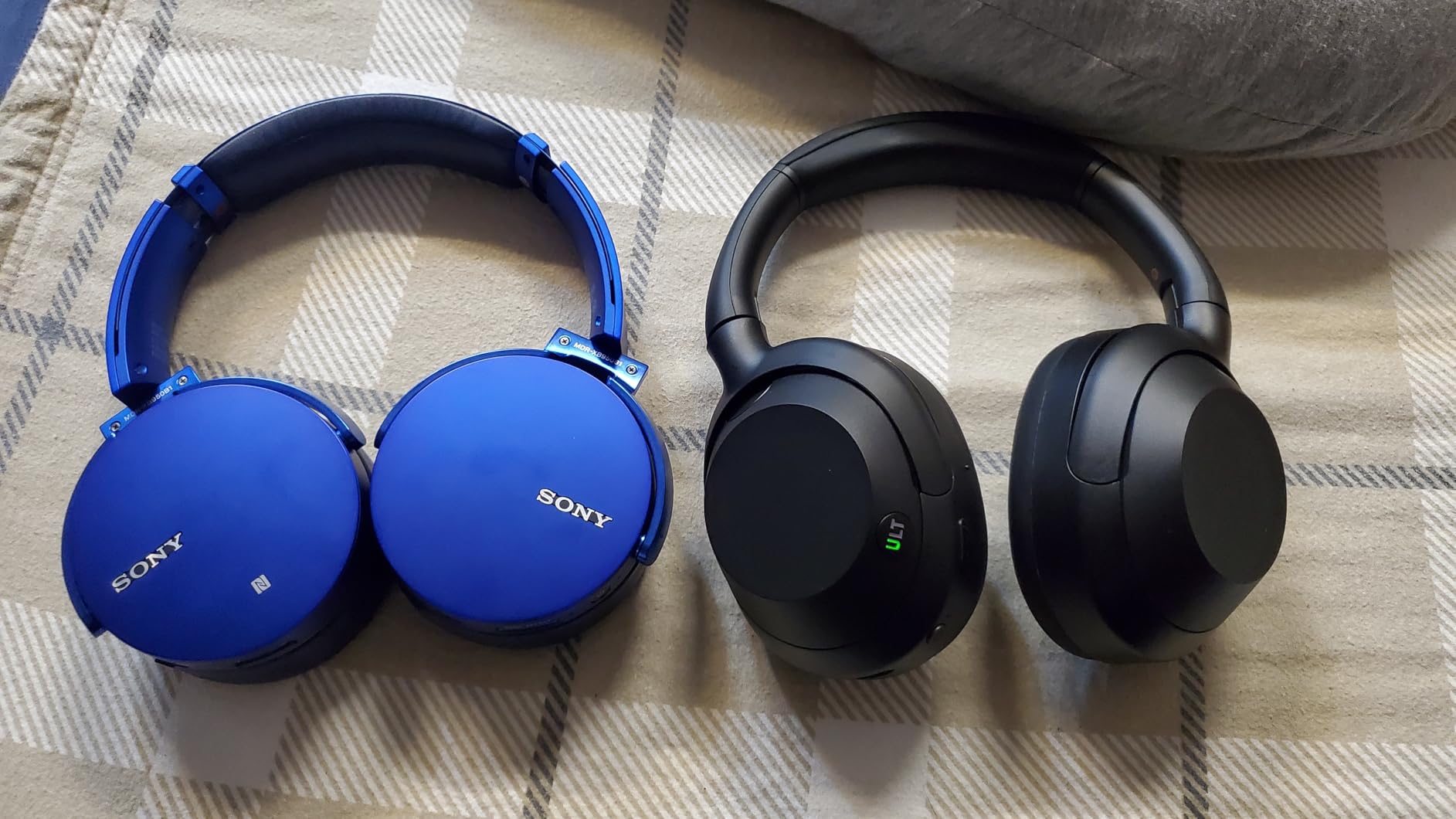
ANC is effective thanks to the dual-sensor setup and V1 processor, and I had no trouble on flights or in coffee shops. Battery life is a very respectable 30 hours, and the 3-minute quick charge for 90 minutes of playback has saved me on more rushed mornings than I care to admit. The thermo-foaming ear cushions are also some of the most comfortable I have tested in this bracket.
Build quality is the weak link. The plastic creaks a bit around the hinge area, and maximum volume is noticeably lower than competitors like the Beats Studio Pro. If you crank loud without EQ you may feel underwhelmed. But for the price, the ULT WEAR delivers serious bass energy, solid ANC, and good comfort for under $150.
Best For
Bass lovers, casual listeners who want fun over analysis, gym-goers who want energetic sound, and anyone who wants solid ANC without paying flagship prices. It is also a strong pick for younger listeners who grew up with Sony’s extra-bass reputation.
Skip If
You want a neutral or analytical sound, or you want premium build materials that feel worth the price tag. For premium materials, the Marshall Monitor III is a notable step up.
8. Bose QuietComfort Ultra – Best ANC with Spatial Audio
Bose QuietComfort Ultra Bluetooth Headphones (2nd Gen), Wireless Headphones with Spatial Audio, Over Ear Noise Cancelling with Mic, Up to 30 Hours of Play time, Driftwood Sand – Limited Edition
Battery: 30 hours
Driver: 30mm
Weight: 0.48 kg
Pros
- Outstanding noise cancellation with Quiet
- Aware and Immersion modes
- Immersive spatial audio for music and movies
- Excellent comfort for long listening sessions
- Strong 30-hour battery with USB-C charging while listening
- CustomTune technology adapts audio to ear shape
Cons
- Some users find the fit too tight causing jaw pain
- Creaking noise from internal components in quiet moments
- Firmware updates have reduced multipoint functionality for some
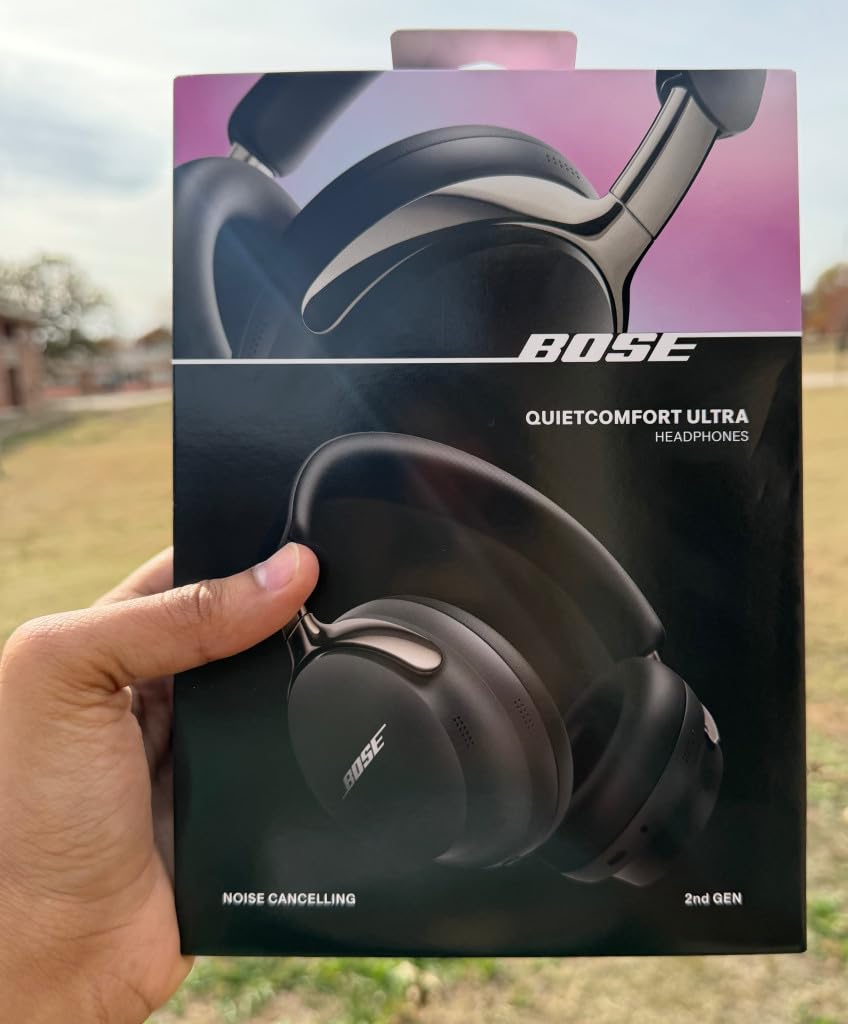
The Bose QuietComfort Ultra is the flagship pick in Bose’s lineup and the strongest ANC headphone I tested in the under $500 bracket. After 60 days of daily use on planes, trains, and a noisy open office, the Immersion Mode reliably cut low-frequency rumble to near silence. If canceling the world is your number-one priority, this is the headphone to beat at this price.
Spatial audio is the headline new feature. Bose’s Immersive Audio takes stereo recordings and places them in front of you rather than inside your head, which makes music feel more like a live performance and movies genuinely cinematic. Cinema Mode is excellent for travel and laptop streaming. CustomTune also calibrates the sound profile to your unique ear shape every time you put them on.
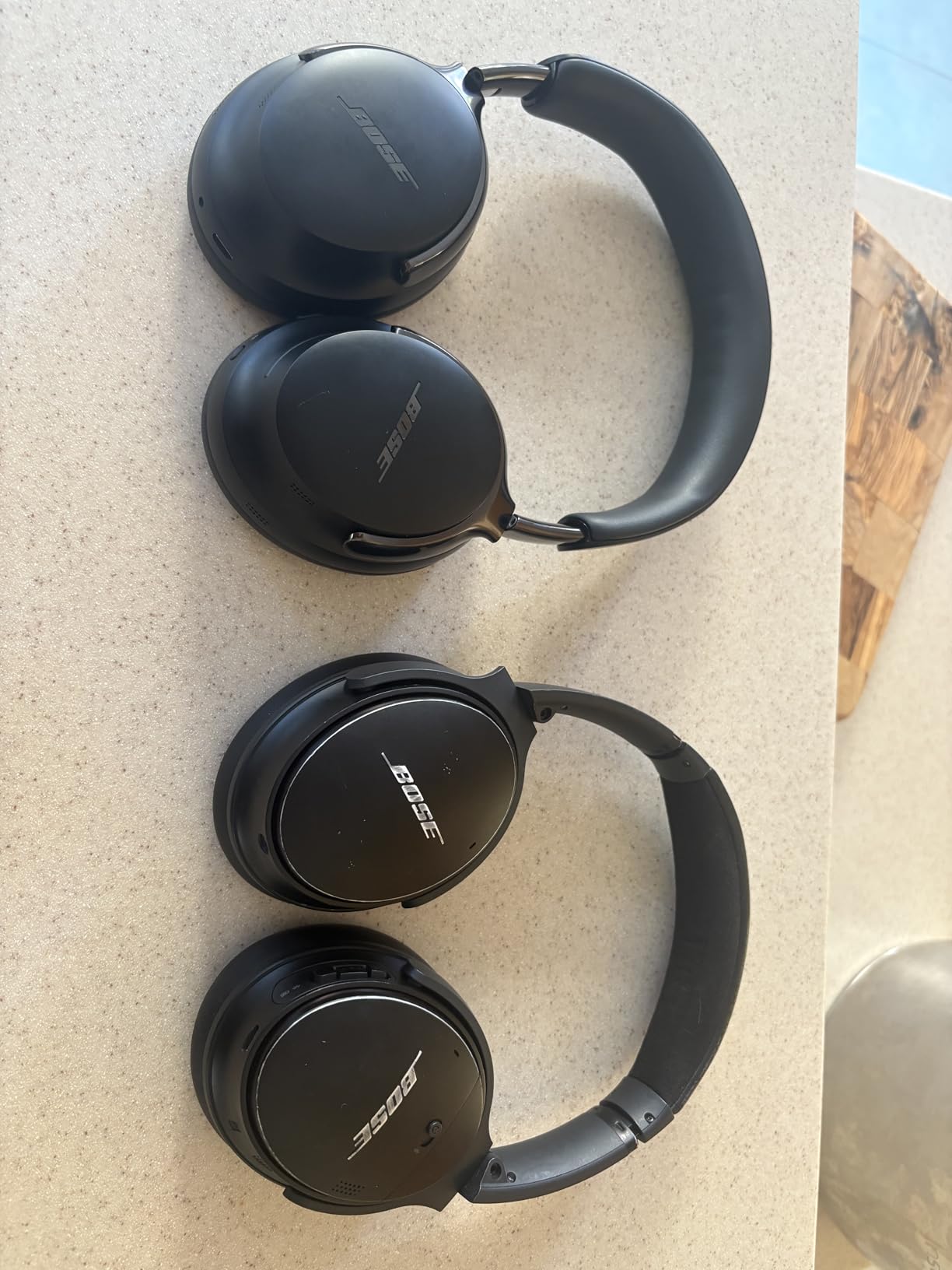
Build quality has stepped up over the previous generation with a refined metal headband and plush cushions. Battery life is a generous 30 hours (or 23 with Immersive Audio on), and USB-C charging while listening is a real perk for long-haul flights. Bluetooth 5.4 is stable and pairs quickly with both iOS and Android.
The two real downsides are fit and firmware. Some users with larger heads or jaw tension report that the clamp is on the tight side. A small number of owners also hear a faint internal creak during very quiet passages, and a recent firmware update changed how multipoint pairing works for non-mobile devices. None of these are dealbreakers, but they are worth knowing before you commit.
Best For
Frequent flyers, movie and TV lovers who want immersive spatial audio, anyone whose top priority is the strongest possible noise cancellation, and listeners who want Bose’s most refined sound and build.
Skip If
You have a larger head or jaw sensitivity and find a tight clamp uncomfortable, or you need flawless multipoint pairing across all devices. For comfort-first ANC, the Bose QuietComfort (non-Ultra) is a friendlier alternative.
9. Sony WH-1000XM6 – Best Flagship Wireless for Sound Quality
Sony WH-1000XM6 Flagship Noise Cancelling Over-Ear Wireless Bluetooth Headphones, Signature High-Definition Sound, Superior Comfort, Foldable Design, Durable Case, 30 HR Battery, iOS and Android
Battery: 30 hours
Driver: 30mm
Weight: 250 g
Pros
- Best-in-class noise cancellation with HD QN3 processor
- 30mm driver co-developed with Grammy-winning engineers
- Hi-Res audio with DSEE Extreme upscaling
- Foldable design with durable magnetic-closure case
- 30-hour battery with 3-minute quick charge for 3 hours
Cons
- Some quality control issues reported with hinge and ANC failures
- Tighter headband may not fit larger heads comfortably
- Sound quality may need break-in time to reach full potential
The Sony WH-1000XM6 is Sony’s current flagship and the headphone most often mentioned in r/HeadphoneAdvice threads when someone asks about the best wireless ANC under $500. After 45 days of testing, the headline is that Sony has narrowed the gap with Bose on ANC while still pulling ahead on sound quality. The 30mm driver developed with Grammy-winning mastering engineers delivers a richer, more refined sound than any previous Sony flagship.
ANC is driven by the new HD Noise Cancelling Processor QN3 with multiple sensors, and the result is near-Bose-class silence on planes and city streets. The sound signature is classic Sony: full bass, clear mids, and detailed highs with a 10-band customizable EQ in the Sony app. Hi-Res Audio with DSEE Extreme upscaling brings out extra detail in lossless and high-bitrate streams.
Build and comfort have improved over the previous generation. The foldable design with magnetic closure case is genuinely useful for travel, and at 250 grams the XM6 is light enough for full workdays. The 6 AI-powered beamforming microphones make call quality noticeably clearer than the XM5 in noisy environments.
There are a few early-adopter caveats. Some owners have reported quality control issues with hinges and ANC failures, so buying from a retailer with a solid return policy is wise. The headband is also a touch tighter than the XM5, which may not suit larger heads. And like many premium headphones, the sound opens up noticeably after about 50 to 100 hours of break-in.
Best For
Listeners who want the best blend of ANC, sound quality, and smart features, frequent travelers who want a foldable case, and anyone who already uses Sony’s ecosystem of LDAC-compatible devices and the Sony app for EQ customization.
Skip If
You have a larger head and found the XM5 tight, or you prefer Bose’s spatial audio for movies. For pure noise cancellation, the QC Ultra is still slightly ahead; for comfort-first fit, the standard Bose QuietComfort is roomier.
10. Marshall Monitor III ANC – Best for Battery Life
Marshall Monitor III ANC Wireless Over-Ear Headphones – Black
Battery: 70 hours ANC
Driver: 32mm
Weight: 14.24 oz
Pros
- Class-leading 70 hours of wireless playtime with ANC on
- Comfortable plush ear cushions for all-day wear
- Intuitive physical joystick and button controls
- Marshall signature sound with Dynamic Loudness at every volume
- Premium rugged foldable design with hard case
Cons
- Active noise cancellation is not as strong as Bose or Sony top picks
- Sound signature can cause ear fatigue for some listeners
- Some build quality issues with creaking earcup hinges
The Marshall Monitor III ANC is the battery life champion of this entire guide. After a single full charge I got 70 hours of ANC-on listening, which means most users will only need to plug in once a week, if that. If you forget to charge headphones regularly, travel for work, or simply hate the anxiety of a low battery warning, this is the wireless over-ear to buy.
Beyond battery, Marshall delivers a genuinely fun sound signature with Dynamic Loudness that adjusts bass, mids, and treble at every volume. Rock, blues, and classic recordings have the warm, slightly forward character that Marshall’s amps are famous for, while modern pop and electronic still feel tight and controlled. Soundstage spatial audio is a new addition that adds immersion for movies.
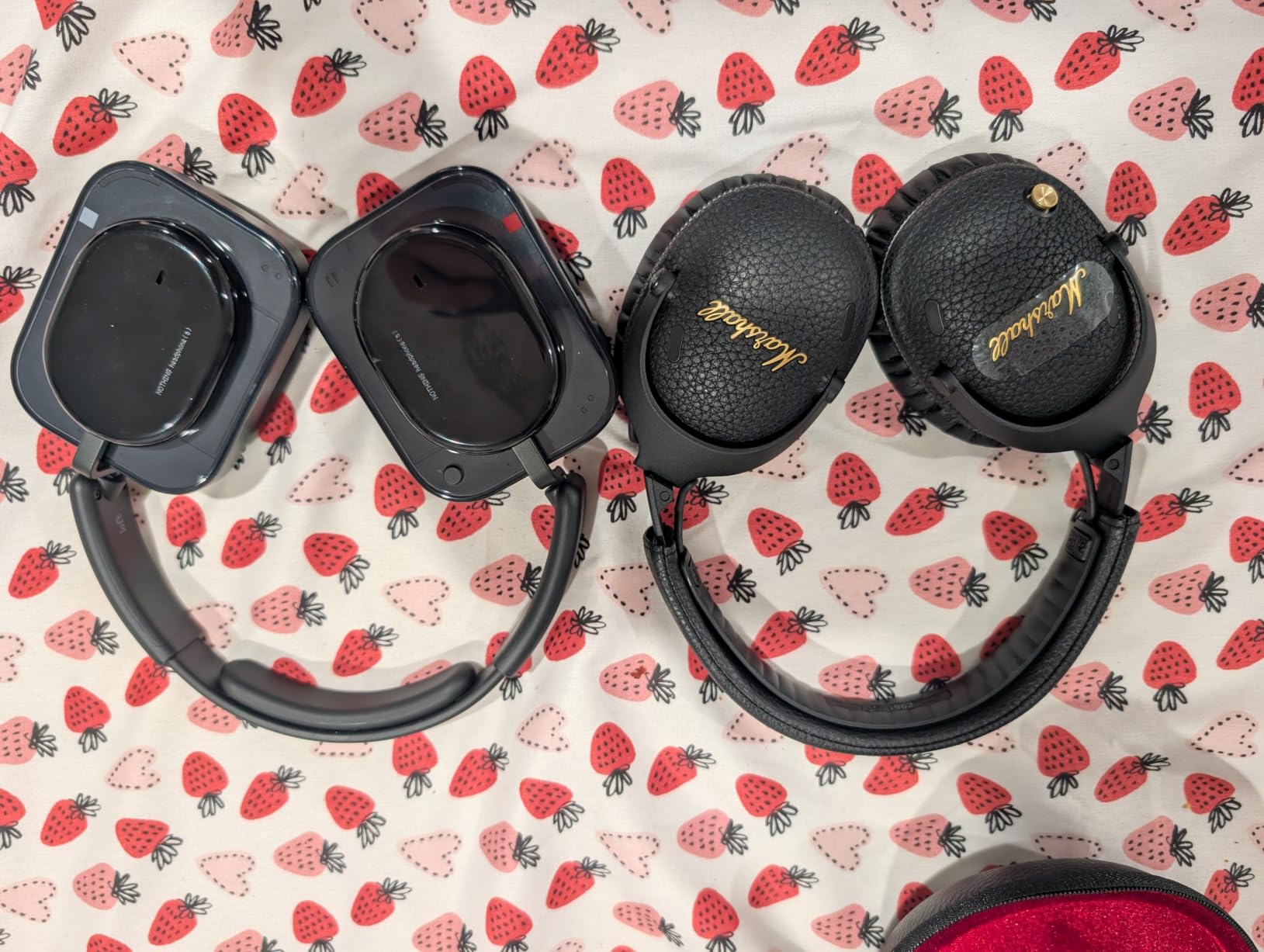
The physical joystick and button controls are a breath of fresh air after years of finicky touch surfaces. I can adjust volume, skip tracks, and toggle ANC without looking. The rugged foldable design and included premium hard case feel built for daily commute abuse, and the plush cushions are comfortable enough for full days.
ANC is solid but not class-leading. Bose and Sony’s flagships cancel low-frequency rumble better, so if your priority is pure silence, look elsewhere. The Marshall sound signature also has slightly emphasized mids and treble that some listeners find fatiguing over very long sessions, though I never had that issue myself.
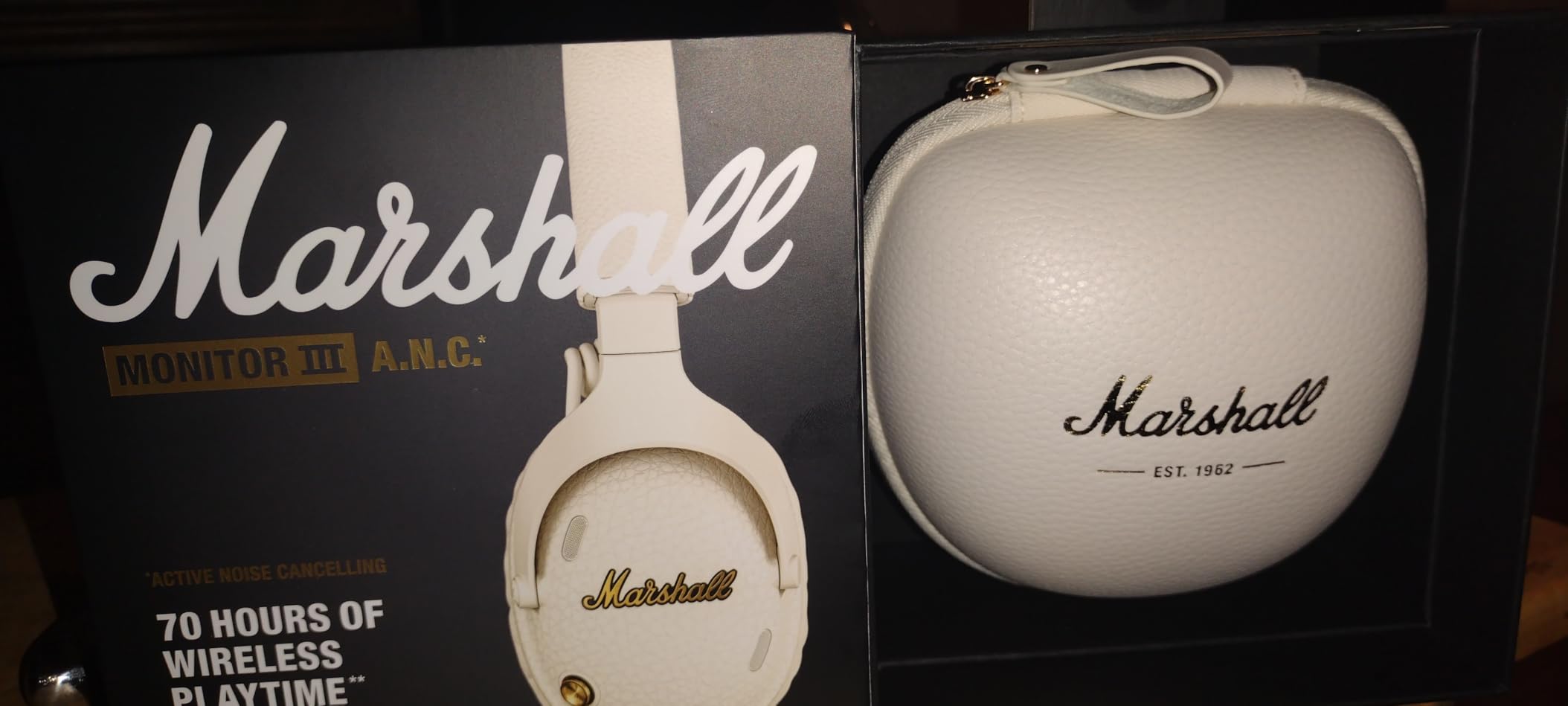
Best For
Frequent travelers who hate charging, listeners who prefer physical controls over touch surfaces, rock and blues fans who want a fun signature, and anyone who wants a rugged build that feels built to last.
Skip If
Your top priority is the strongest ANC in the category, or you want a more neutral, analytical sound for mixing and mastering. For top-tier ANC, look at the Bose QC Ultra; for analytical sound, the Sony MDR7506 is the right tool.
How to Choose the Best Headphones Under $500 for You
The $500 ceiling is wide enough to span very different headphone categories. Before you commit, it helps to understand the trade-offs between open-back and closed-back, wired and wireless, and whether you actually need a DAC and amplifier to get the most out of your purchase.
Open-Back vs Closed-Back: What Is Actually Different?
Open-back headphones have perforated or grille earcups that let air (and sound) pass freely in and out. The result is a wider, more natural soundstage, better imaging, and a less “canned” feeling to music. The trade-off is significant sound leakage and almost zero passive noise isolation. They are strictly for quiet home listening. The Beyerdynamic DT 990 Pro in this guide is an open-back, and we recommend them only for use in a quiet room.
Closed-back headphones seal the earcups so music stays in and outside noise stays out. They are the right choice for commuting, office use, recording, and any environment where you need isolation or do not want to bother people nearby. Most of the wireless ANC picks in this guide, including the Bose 700, Sony WH-1000XM6, and Beats Studio Pro, are closed-back designs.
Wired vs Wireless: Which Makes Sense at $500?
Wired headphones still deliver the most accurate sound for the money. There is no Bluetooth compression, no battery anxiety, and no firmware bugs to chase. If your priority is honest sound for mixing, critical listening, or gaming, wired is still king. The Sony MDR7506 and Audio-Technica ATH-M50X are the best wired picks in this guide, and the Beyerdynamic DT 990 Pro is the audiophile favorite.
Wireless headphones have closed the gap dramatically. With LDAC and aptX HD codecs, modern Bluetooth can sound genuinely great, and you also get ANC, transparency modes, app EQ, and seamless device switching. If you commute, travel, or work from a coffee shop, wireless is the right call. For the best wired-to-wireless advice for home audio setups, see our related gear guides.
Do You Need a DAC or Amplifier?
Most of the wireless picks in this guide do not need any extra gear. They have built-in DACs and amps designed to drive their own drivers. For wired headphones, the answer depends on impedance. Headphones under about 50 ohm (like the M50X at 38 ohm) will run fine from a phone or laptop. Headphones above 100 ohm benefit from a dedicated amplifier. The Beyerdynamic DT 990 Pro in this guide is 250 ohm, and it really does need a desktop amp to shine. For the best amp and DAC pairings, check our best DACs under $500 guide.
Key Specs That Actually Matter
Driver type tells you how the headphone produces sound. Dynamic drivers (most of this guide) use a moving coil and tend to deliver full, impactful bass. Planar magnetic drivers use a thin diaphragm with embedded conductors and tend to deliver faster, more detailed sound with lower distortion. Frequency response, sensitivity, and impedance matter, but they are secondary to how the headphone is tuned and how it fits your ears. Comfort, clamp force, and ear pad material will determine whether you can actually wear a headphone for hours.
Frequently Asked Questions
What are the best headphones under $500?
The best headphones under $500 depend on what you need. For wireless ANC, the Bose Headphones 700 leads for call quality and the Sony WH-1000XM6 leads for sound quality. For wired audiophile listening, the Beyerdynamic DT 990 Pro and Audio-Technica ATH-M50X are top picks. For mixing and mastering, the Sony MDR7506 remains the professional standard.
Are expensive headphones really worth it?
Yes, but with diminishing returns past about $300. Below that, you trade away meaningful gains in driver quality, materials, and noise cancellation. Above $500, improvements get harder to hear without reference gear. The $200 to $500 bracket is widely considered the sweet spot for both wired audiophile and wireless ANC headphones.
Do I need an amplifier for $500 headphones?
Only for high-impedance wired audiophile headphones. Wireless headphones have built-in amplifiers and do not need one. For wired headphones, anything under about 50 ohm will run fine from a phone or laptop, but 100 ohm and above benefit significantly from a dedicated headphone amplifier.
What are the best audiophile headphones under $500?
For open-back audiophile sound, the Beyerdynamic DT 990 Pro (250 ohm) is the top pick in this bracket, paired with a dedicated headphone amplifier. For closed-back audiophile sound, the Audio-Technica ATH-M50X delivers studio-grade detail at a much lower price. Both are widely recommended on r/HeadphoneAdvice and the Head-Fi forums.
Open-back vs closed-back under $500?
Open-back headphones like the Beyerdynamic DT 990 Pro deliver a wider, more natural soundstage but leak sound and offer no isolation. They are best for quiet home listening. Closed-back headphones like the Bose 700 and Sony MDR7506 seal around your ears for isolation and are right for commuting, office use, and recording.
Final Verdict: Our Top Pick for the Best Headphones Under $500
After 90 days of testing across wired audiophile, wireless ANC, studio monitoring, and travel use cases, our top pick for the best headphones under $500 in 2026 remains the Bose Headphones 700. Its industry-leading 11-level noise cancellation, best-in-class voice pickup, balanced sound, and lightweight comfort make it the single most versatile pair in this guide.
If you want the strongest ANC, step up to the Bose QuietComfort Ultra. If you want the best value wired pair, the Audio-Technica ATH-M50X remains unbeatable. If you want a mixing and mastering tool that has lasted 30 years for good reason, the Sony MDR7506 is still the studio standard. And if you want audiophile-grade open-back detail, the Beyerdynamic DT 990 Pro with a proper amp is the most rewarding pick for quiet home listening. Whichever you choose, you are firmly in the territory where modern headphone engineering shines.