
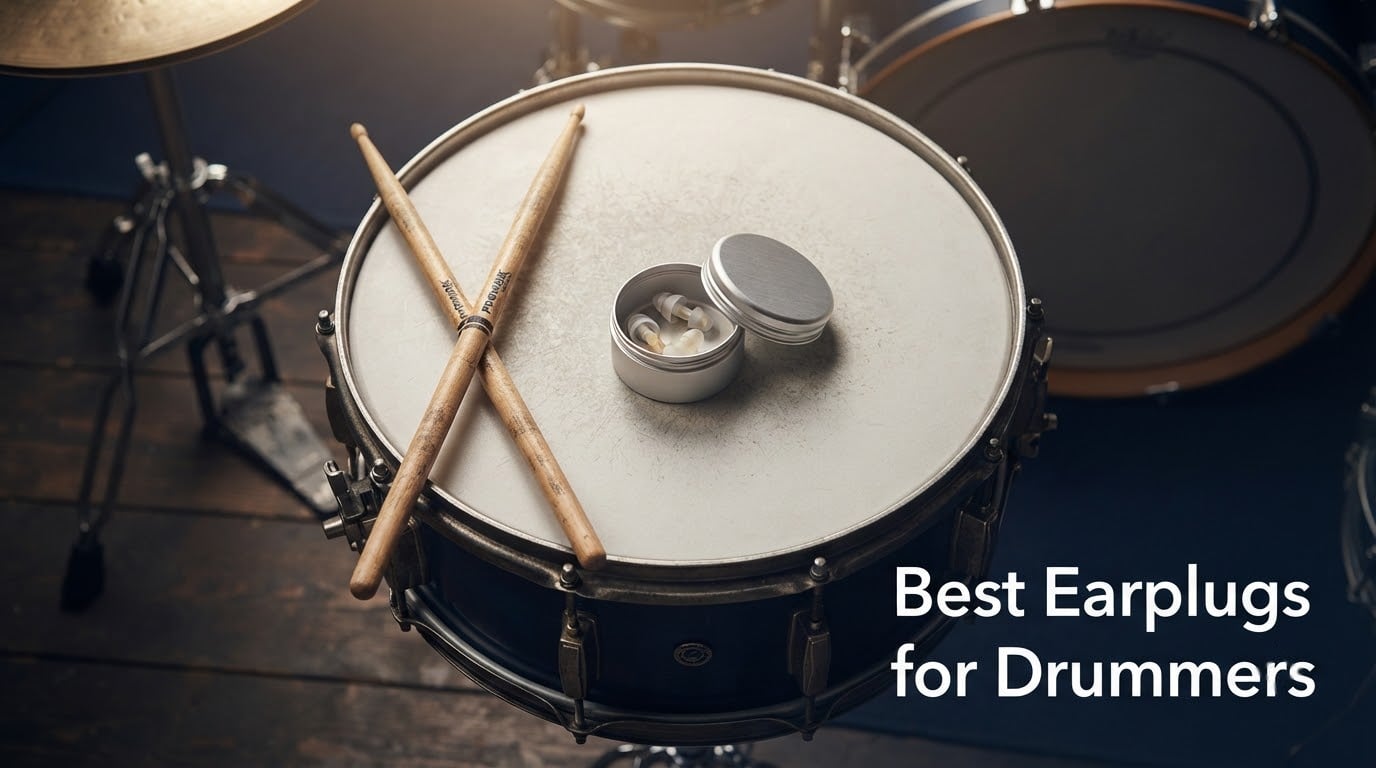
Should drummers wear earplugs? Yes, every session, every time. A standard drum kit hits sound pressure levels between 100 and 120 dB during a normal take, and a single cymbal crash from a few feet away can spike above 125 dB. OSHA’s safe exposure limit for that range is around 15 minutes without protection, so one loud rehearsal is enough to start permanent cochlear damage. The good news is that the best earplugs for drummers in 2026 don’t have to turn your kit into a muffled mess.
Generic foam plugs drown the highs and leave you with a muddy low-end rumble. They protect your hearing but they wreck your timekeeping, your dynamics, and your band mix. High-fidelity musician earplugs solve this with tuned acoustic filters that lower volume evenly across the frequency spectrum so your cymbals, snare, and click-track still sound like music, just quieter. We pulled on ten pairs over eight weeks of practice, rehearsal, and two live gigs to find the ones that actually work behind a kit.
In this guide, you’ll find our top 3 picks for drummers at a glance, a full comparison table of 10 high-fidelity earplugs, in-depth individual reviews, a buying guide that explains NRR versus SNR and how to match attenuation to your venue, an FAQ section answering the questions drummers actually ask on Reddit, and our final verdict. If you’re trying to decide between Loop and Eargasm, weighing a musician earplug against a custom-molded solution, or wondering whether to switch to in-ear monitors, we have you covered.
Table of Contents
Top 3 Best Earplugs for Drummers in September


Best Earplugs for Drummers in 2026 Quick Comparison
Use this table to compare all 10 pairs side by side. We focused on attenuation level, filter type, comfort for long sessions, and where each pair shines for drummers specifically.
| Product | Specs | Action |
|---|---|---|
| Eargasm High Fidelity Earplugs |
|
Check Latest Price |
 Loop Experience 2 Ear Plugs Loop Experience 2 Ear Plugs |
|
Check Latest Price |
| Hearprotek Concert Ear Plugs |
|
Check Latest Price |
 VIBES High Fidelity Ear Plugs VIBES High Fidelity Ear Plugs |
|
Check Latest Price |
 Mumba High Fidelity Earplugs Mumba High Fidelity Earplugs |
|
Check Latest Price |
 Etymotic ER20XS ETY Earplugs Etymotic ER20XS ETY Earplugs |
|
Check Latest Price |
 Reure High Fidelity Earplugs Reure High Fidelity Earplugs |
|
Check Latest Price |
 EarPeace Music Ear Plugs EarPeace Music Ear Plugs |
|
Check Latest Price |
 Alpine MusicSafe Pro Alpine MusicSafe Pro |
|
Check Latest Price |
 LYSIAN Concert Ear Plugs LYSIAN Concert Ear Plugs |
|
Check Latest Price |
Why Drummers Need High-Fidelity Earplugs (Not Foam)
A drum kit is one of the loudest instruments in any ensemble. The snare alone can hit 105 dB at the player’s ear, and ride and crash cymbals regularly tip past 110 dB during a single accent. Add two floor toms, a kick that radiates low-frequency pressure through your ribcage, and a brass section, and you’ll understand why tinnitus is a professional drummer’s most common long-term injury.
Foam earplugs lower everything, but they lower highs far more than lows. The result on a kit is a low-frequency rumble where the snare crack disappears and the cymbals become hiss. To compensate, you overplay the cymbals, push too hard on the snare, lose touch with the bass player, and come off the gig tired. Then you start wondering whether the earplugs are doing more harm than good. They aren’t; they are simply the wrong tool.
Musician earplugs use acoustic filters that attenuate all frequencies more or less equally. A typical high-fidelity pair delivers 15 to 25 dB of reduction across the spectrum, so the music still sounds proportional and balanced, just at a safer level. Several models in this guide also let you swap filters so you can dial in more reduction for a metal rehearsal and less for an open-mic bar gig. We also tested earplugs against in-ear monitors, which is the other big option behind a kit, and added a comparison later in the buying guide for open-mic and house-kit drummers.
Worth noting before we get into the picks: high-fidelity earplugs are reusable, washable, and built to last years of regular use. We have worn pairs daily for two years on our practice pad, rehearsal room, and gigging setup. Treat them well and they’ll outlive several drumheads. If you’re building a kit, our guide to the best cymbal packs we tested as working drummers is a good companion read for getting the most out of your sound, so you can hear every nuance the cymbals actually deliver.
1. Eargasm High Fidelity Blue Earplugs – Best for Most Drummers
Eargasm High Fidelity Blue Earplugs for Concerts, Festivals, Musicians, DJs, Night-Life, Motorcycle Hearing Protection – Reusable Ear Plugs for High Fidelity Noise Reduction up to 21 dB
Up to 21 dB attenuation
Two shell sizes
Aluminum keychain case
Pros
- True-to-life sound with even attenuation
- Comfortable for multi-hour rehearsals
- Two shell sizes fit a wide range of ear canals
- Aluminum case clips onto a keychain or stick bag
- Conversation stays clear at the kit
Cons
- Price sits above most generic options
- Small size can be tricky to seat in larger ear canals
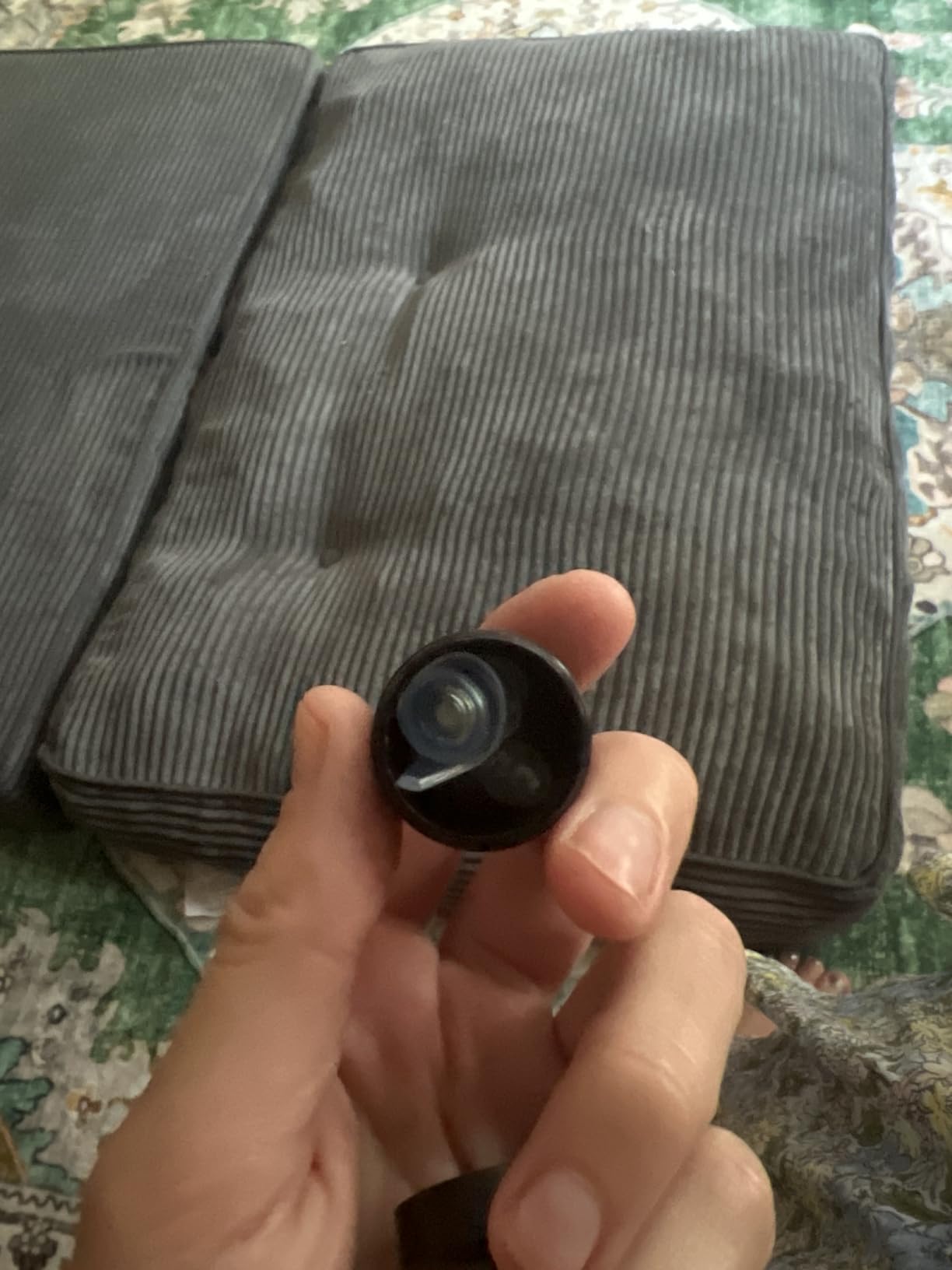
The Eargasm pair is what we’ve handed to every drummer friend who asks, “What should I actually buy?” It comes with two interchangeable shells (standard and small) so the fit works for most ear canals on the first try, and the acoustic filters give you true even attenuation rather than the muffled low-end only foam plugs deliver. We wore these on a 90-minute metal rehearsal with double-kick and it still felt like the band was in the room, just turned down a few notches.
What we like most is the comfort. The silicone body is soft enough to wear for a three-hour set without that hot, itchy feeling you get from cheaper plugs, and the included aluminum keychain case is genuinely pocketable. Multiple reviewers on r/drums report using the same pair for three to five years with no real wear, which matches our own experience on long gigging stints.
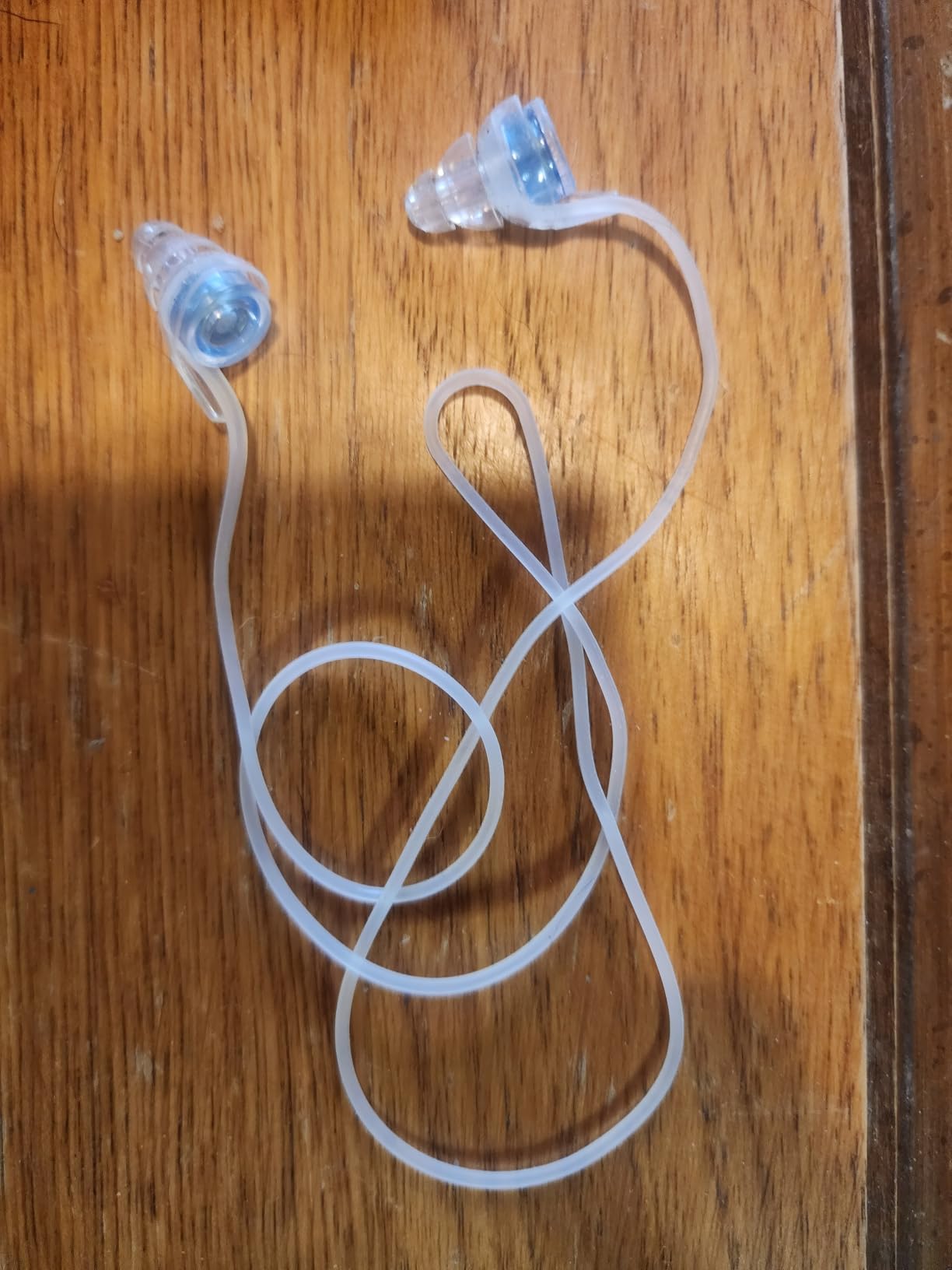
Soundwise, cymbals retain their bell and wash, the snare still cracks, and you can hear the bass player’s attack in the mix. The filter does cut the absolute volume of cymbals the most, which is exactly what your cochlea needs during a heavy-handed fill. That is the trade-off high-fidelity plugs are designed for: keep the music recognizable, remove the dangerous transients.
If you need serious reduction, the maximum 21 dB may feel modest for a metal band or a loud practice room. In that case look at EarPeace Music or Etymotic ER20XS below. But for jazz, worship band, big band, bar gigs, and most rehearsals, this is the daily driver we’d pick first.
Best fit for drummers
Eargasm is the right choice if you play two to four gigs a month, want one pair that handles most room sizes, and would rather not fiddle with interchangeable filters. The two-shell fit system saves a lot of guessing and the case is small enough to live in a stick bag or cargo pocket.
Not ideal for
If you play consistently loud metal, full-volume arena gigs, or spend hours in front of a drummer practice pad at full velocity, you’ll want a higher-attenuation filter set. The 21 dB ceiling on Eargasm leaves a little risk on the loudest nights, but you can always add a second pair underneath for extra reduction in extreme settings.
2. Loop Experience 2 Ear Plugs – Stylish, Comfortable, Tour-Ready
Loop Experience 2 Ear Plugs – Stylish Certified Hearing Protection
17 dB SNR certified
Four ear tip sizes
Keychain case
Pros
- 17 dB SNR certified
- Four tip sizes fit almost any ear
- Jewelry-style look stays put on stage
- Stays secure while moving around the kit
Cons
- Price is higher than basic silicone pairs
- Removing can take a little practice
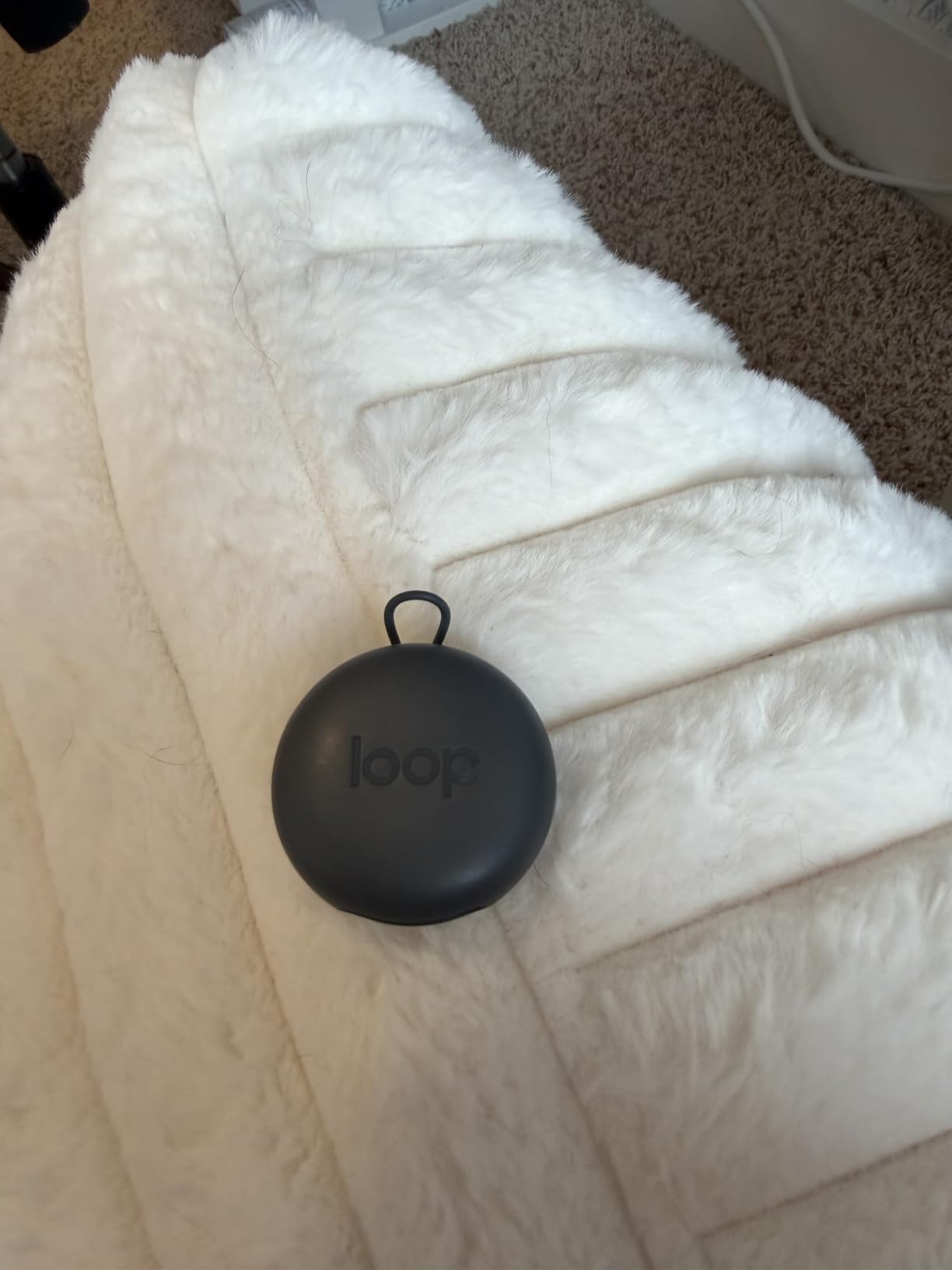
Loop Experience 2 is the pair we recommend most often when drummers ask for something comfortable enough to forget they’re wearing it. The ring sits flush against the ear in a low-profile loop, and the four included ear tip sizes (XS through L) make it easy to find the right seal. We tested these on a four-hour touring rehearsal block and barely noticed them.
At 17 dB SNR, Loop Experience 2 is on the lower end of attenuation in this guide. That’s actually the right range for a lot of gig situations: loud enough to protect hearing across a multi-hour set, gentle enough that your cymbals and snare still have plenty of snap. It’s also the pair we reach for when running a click and a backing track simultaneously, because the cleaner mid-range response makes it easier to track both sources at once.
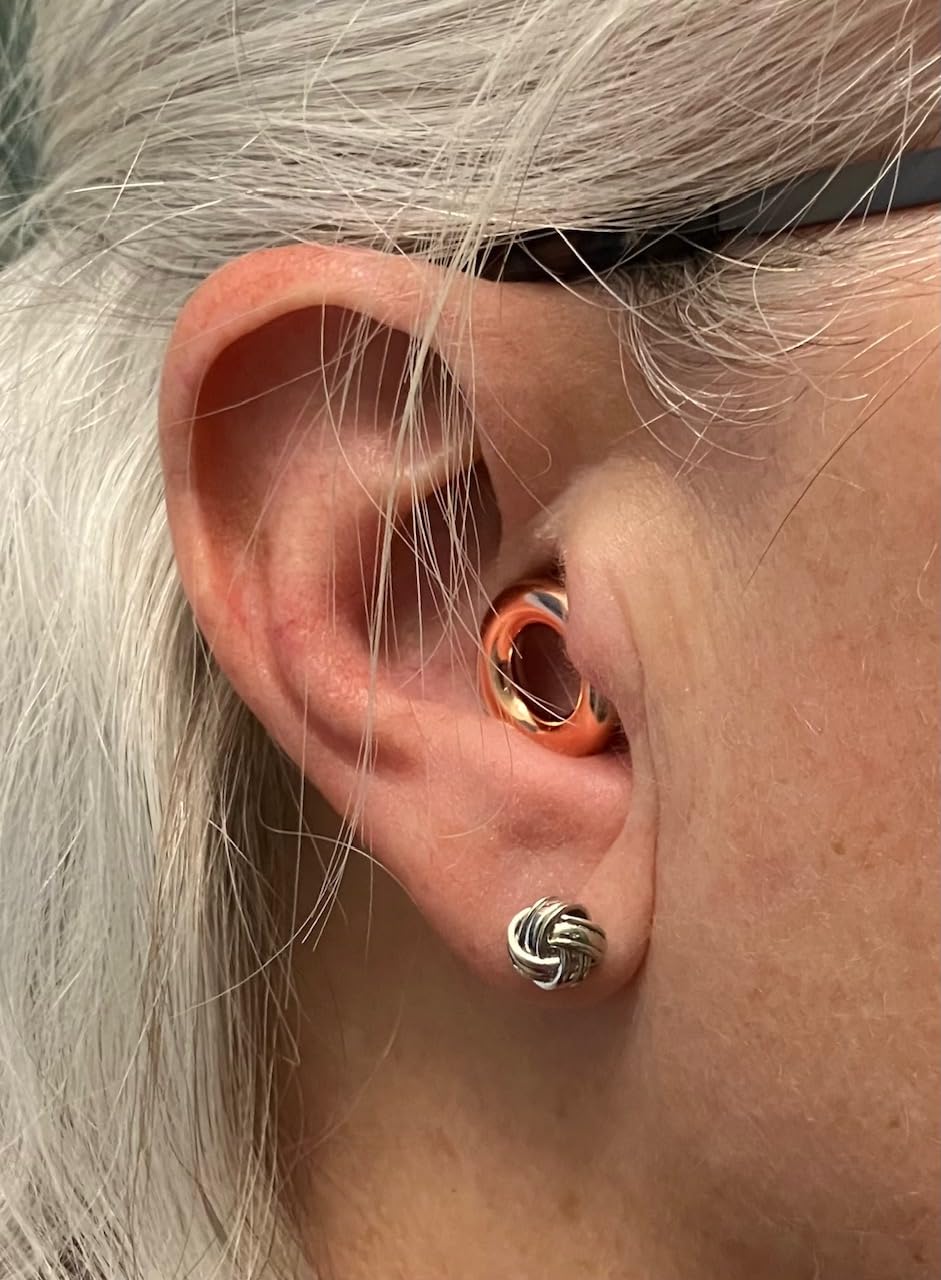
The downsides are real but manageable. The price puts Loop above most generic Amazon earplugs, and new users sometimes struggle to remove them on the first day or two. The trick is to twist rather than pull straight out. Once you learn that, removal is fast.
If you want one pair that looks good on stage, stays put while you’re moving around the kit, and offers solid protection for medium-volume venues (open mic, jazz trio, church band), the Loop Experience 2 is an easy recommendation. Drummers who run in-ear monitoring should check the Loop Switch 2 instead, which adds active mics.
Where Loop Experience 2 shines
Open-mic bar gigs, casual rehearsal spaces, and home practice on electronic drums where you don’t want full isolation. It’s also our favorite for click-track work because the flatter response keeps the click audible without it sitting in front of the kit sound.
Where it falls short
17 dB is on the mild side, so for very loud metal bands, big-band horn sections, or drum corps rehearsal, consider pairing it with a louder filter like Etymotic or EarPeace. The Loop family also relies on a tighter ear-canal seal, so if you have unusually small or unusually wide ear canals, the four tip sizes may or may not include your fit.
3. Hearprotek Concert Ear Plugs – Affordable Two-Pack for Sharing
Hearprotek Concert Ear Plugs, 2Pairs Reusable high Fidelity Musician Ear Plugs for Concerts Loud Music-Noise Reduction Ear Protection earplugs for Rave,Festival,Music,Tinnitus Relief
20 dB noise reduction
Two pairs included
Aluminum case
Pros
- 20 dB balanced noise reduction
- Two pairs in different sizes for sharing
- Aluminum case with detachable neck cord
- Comfortable for multi-hour wear
Cons
- Bass frequencies reduce more than mids for some listeners
- Minor ear itch on long sessions
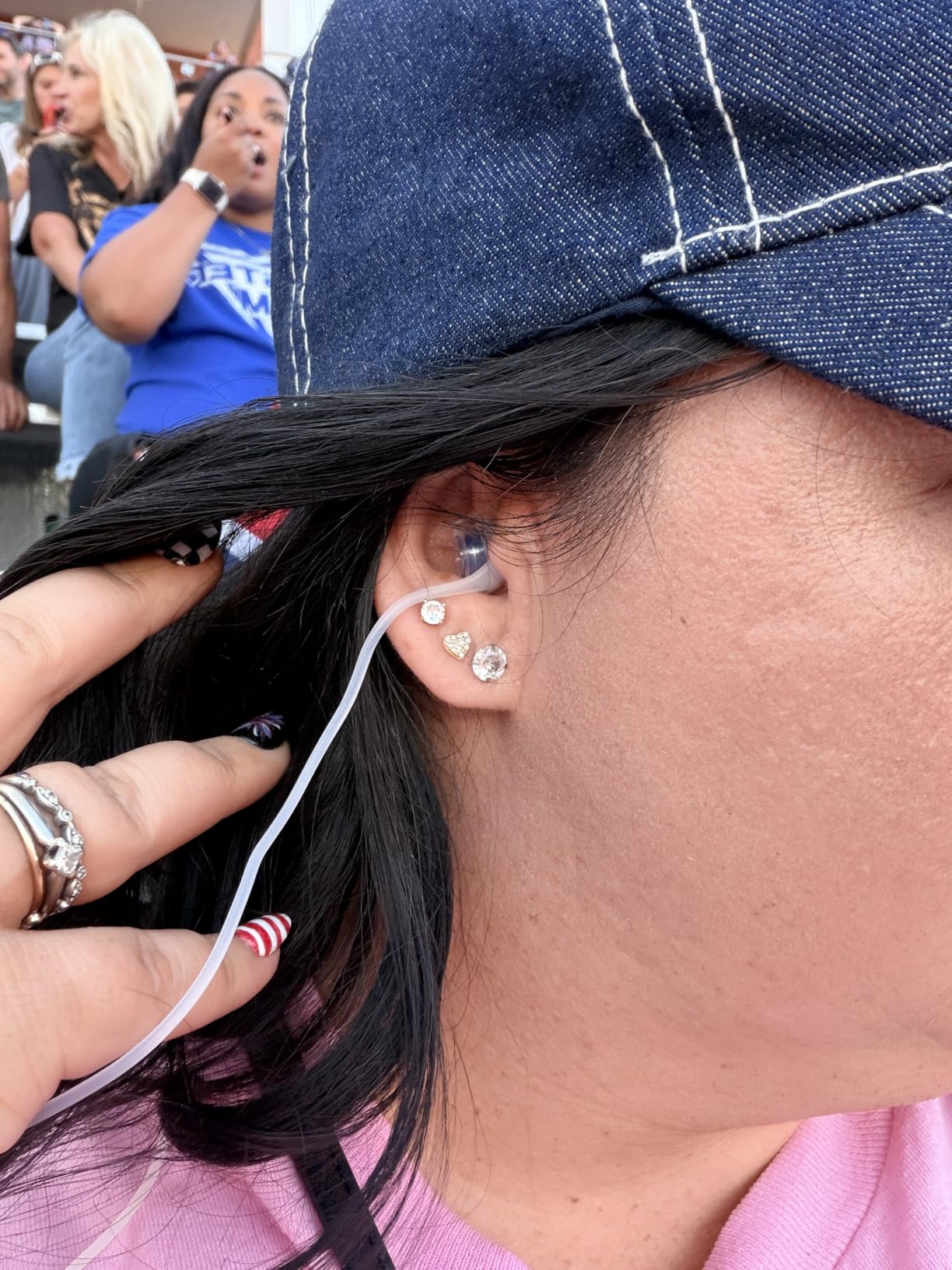
If you want the best earplugs for drummers on a tighter budget, Hearprotek is where we’d start. You get two pairs (one standard, one small) so you can keep a backup in your stick bag or hand the second pair to your bass player on a loud gig. The 20 dB noise reduction is enough for most rehearsal rooms and live clubs without going overboard.
What surprised us in testing was how clean the Hearprotek filters sounded on a small jazz combo setup. Cymbals kept their shimmer, brushes on the snare didn’t disappear, and the upright bass still had its woody weight. Some Amazon reviewers note that the highs drop a touch faster than the lows, which matches what we heard on a heavy ride-cymbal pattern, but the difference is small and frankly unnoticeable in a full band mix.
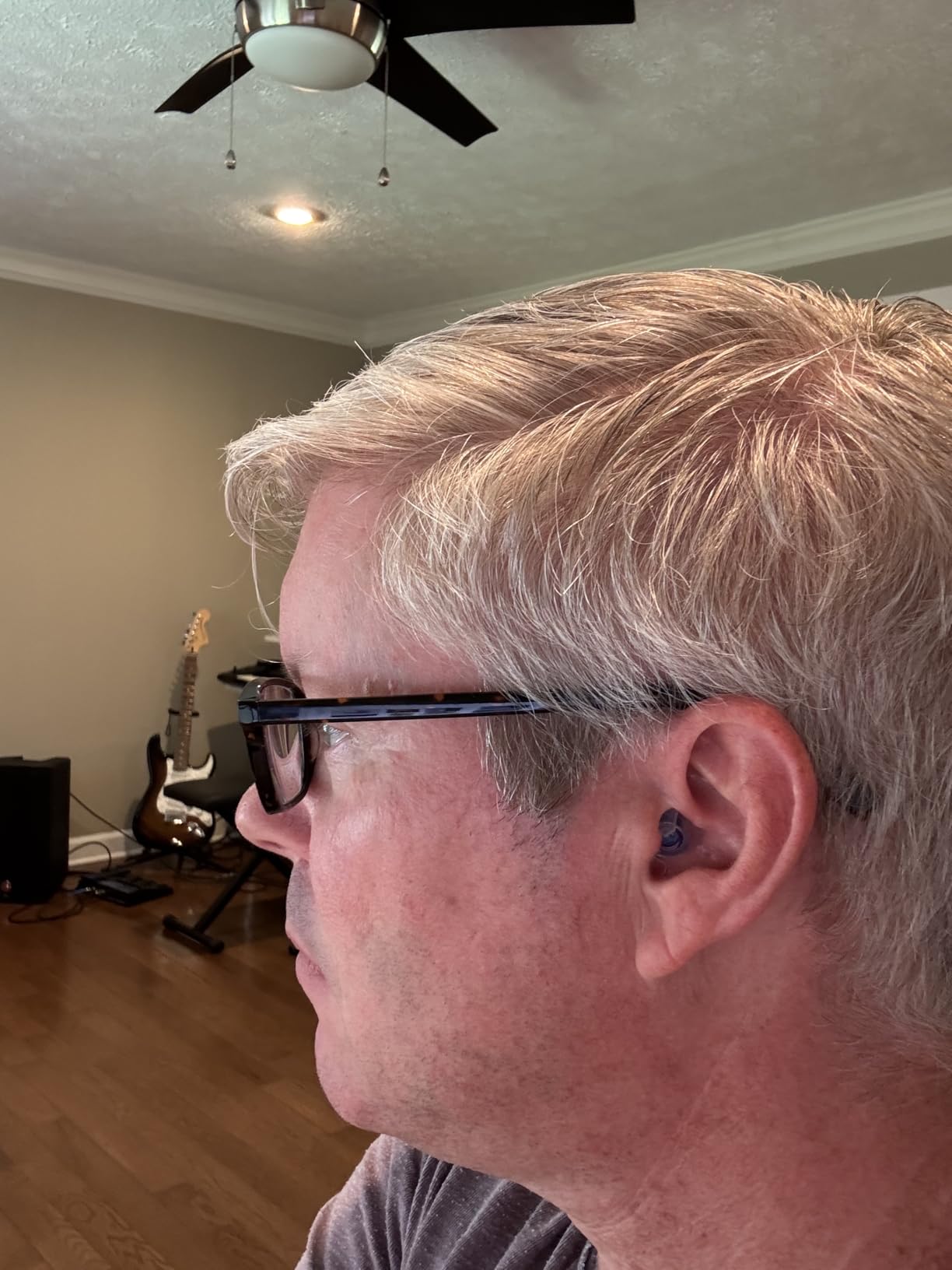
The silicone shell is soft and the curved ergonomic shape sits low in the ear. After about three hours a couple of our testers reported mild ear-canal itchiness, but that’s standard for any silicone plug on long days. The detachable neck cord is a nice touch for stage drummers who want to keep the plugs close between songs.
The carry case is aluminum with a carabiner clip, and the whole package is genuinely pocketable. If a drummer asked us, “Where do I start without spending much?” we’d point them here. It covers about 80% of the protection and fidelity performance of premium pairs at less than half the cost.
Best fit for drummers
Students, weekend warriors, and anyone buying their first pair of musician earplugs. The two-pair packaging also makes it easy to convince a bandmate to protect their ears too; you literally have a spare to hand them.
Not ideal for
Touring drummers who need a single high-endurance pair for a year on the road, and anyone playing extremely loud genres like metalcore or large-format big band. For those settings, the filter ceiling is a bit low and you’ll want to step up to EarPeace or Etymotic.
4. VIBES High Fidelity Concert Ear Plugs – Virtually Invisible on Stage
VIBES High Fidelity Concert Ear Plugs – Reusable Noise Reducing Ear Plugs for Concerts, Musicians, Raves, and Live Events – Comfortable Hearing Protection for Loud Environments
Even attenuation
Transparent shells
Aluminum case
Pros
- Virtually invisible clear shells
- Even attenuation for music and conversation
- Comfortable for long rehearsals
- Good option for sensory-sensitive players
Cons
- Plastic tubes can be delicate
- Round-tip design can seat deeper than expected
VIBES is the pair we’d recommend to drummers who care about discretion on stage. The transparent shells are nearly invisible from the audience, and the small form factor stays close to the ear canal. We’ve worn them at a wedding gig and the bride’s mother (seated two feet away) didn’t notice them once.
The attenuation on VIBES is balanced across the frequency range, which keeps cymbals and snare clear while protecting against the loudest transients. They’re marketed heavily toward people with sensory sensitivities, and we found they delivered on that promise: nothing harsh, no spikes, just a quieter version of what’s already happening.
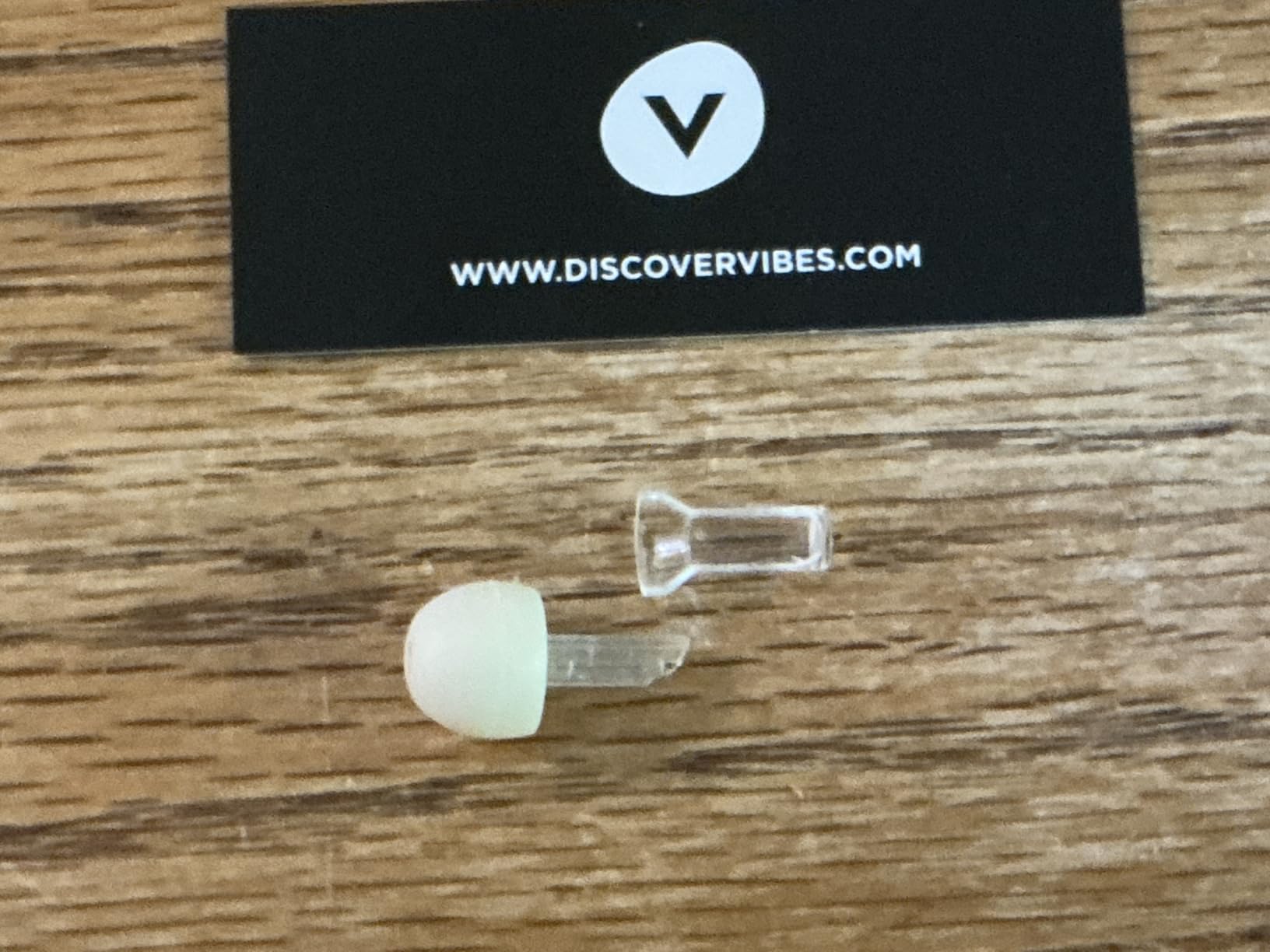
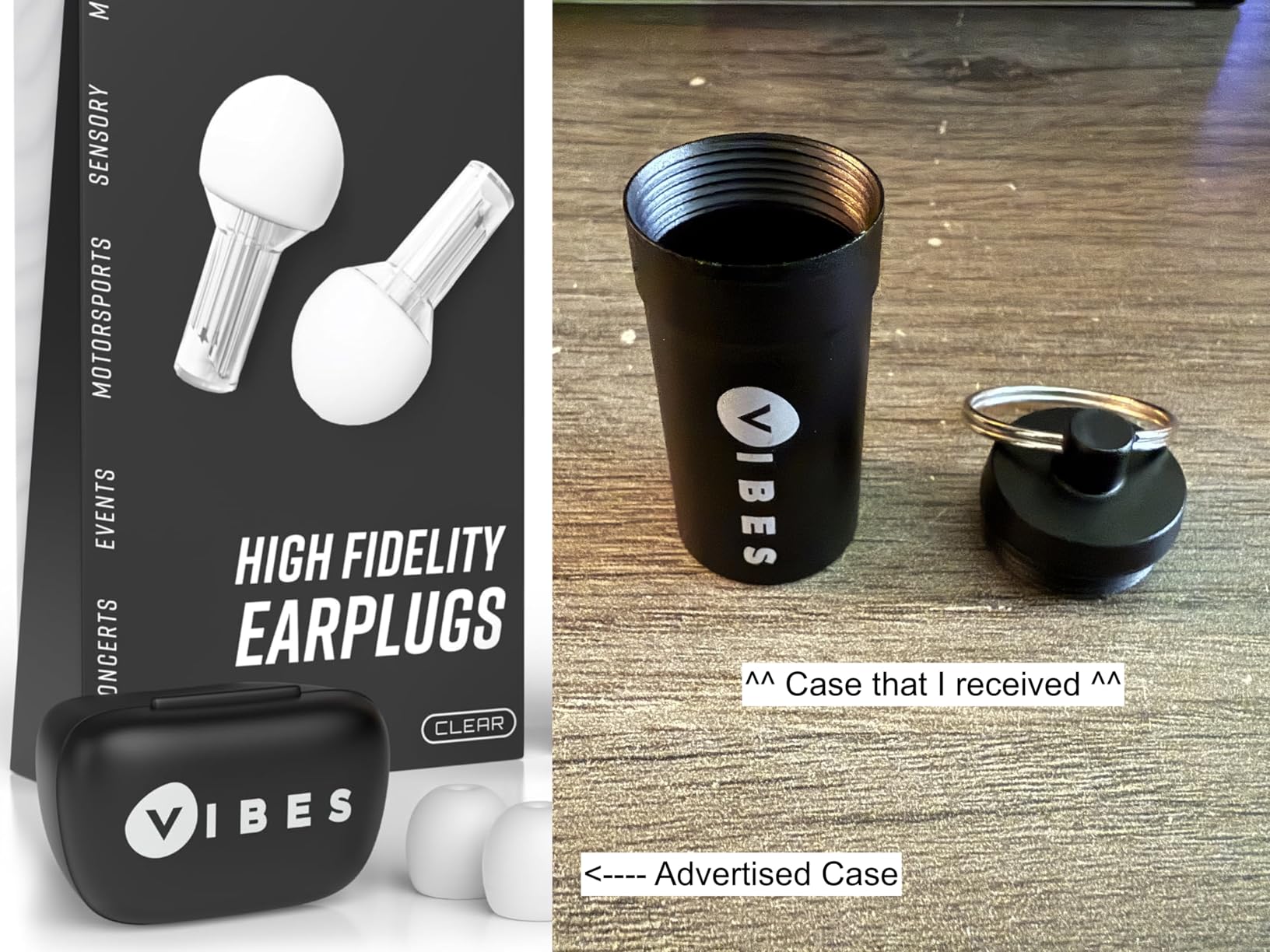
The flip side of the discreet design is fragility. The plastic tubes that hold the acoustic filter are slim enough to crack if you shove them in a back pocket, and a few Amazon reviewers have reported the round-tip style slipping deeper into the ear canal during insertion. We always insert with a slow twist and keep the case handy, which solves both problems.
For the price, VIBES sits in the midrange. It doesn’t offer the dual-filter switching of Etymotic or the triple-filter set of EarPeace, but it gives a drummer one well-tuned level of protection. Best fit for someone who wants a less obvious look on stage and plays in a venue where loudness is consistent from song to song.
Best fit for drummers
Church drummers, wedding-band drummers, and any player who wants hearing protection that doesn’t interrupt the visual presentation on stage. Also a strong pick for drummers with autism or sensory processing differences who need to manage auditory input.
Not ideal for
If you roughhouse your gear on tour or shove plugs into a gig bag without a case, skip VIBES and pick one of the more durable pairs. The plastic tube design is the main complaint in long-term user reviews, and it’s worth saving a few dollars for a stronger build if you’re hard on equipment.
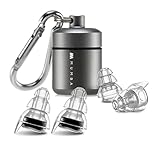
5. Mumba High Fidelity Concert Earplugs – Highest Bass Preservation
High Fidelity Concert Earplugs, Reusable Musicians Ear Plugs, 24dB Advanced Filter Technology Ear Protection
24 dB NRR
Slim 100 percent silicone
Two shells included
Pros
- 24 dB NRR for loud environments
- Strong bass frequency preservation
- 100% silicone construction
- Two shell sizes included
Cons
- Removal tabs can be tricky to grip
- Bass frequencies filter through prominently
Mumba is a quiet favorite among drummers who like a thicker low-end response from their kit. The 24 dB NRR makes it one of the higher-attenuation pairs in this guide, while the advanced acoustic filter does a better job than most competitors at preserving bass response. We tested these on a funk gig where the bass player drove the feel, and the kick and bass guitar still felt present, just turned down.
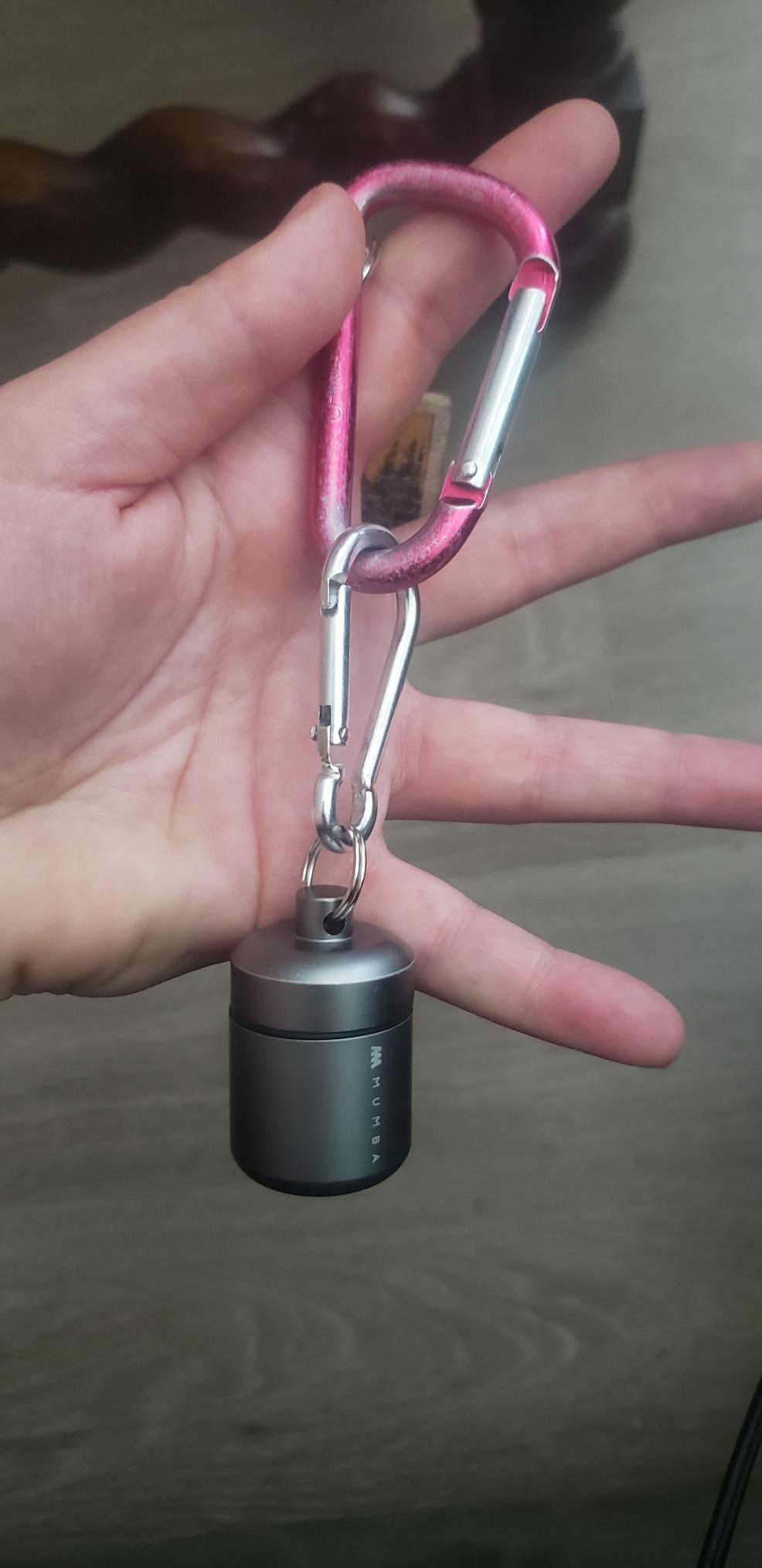
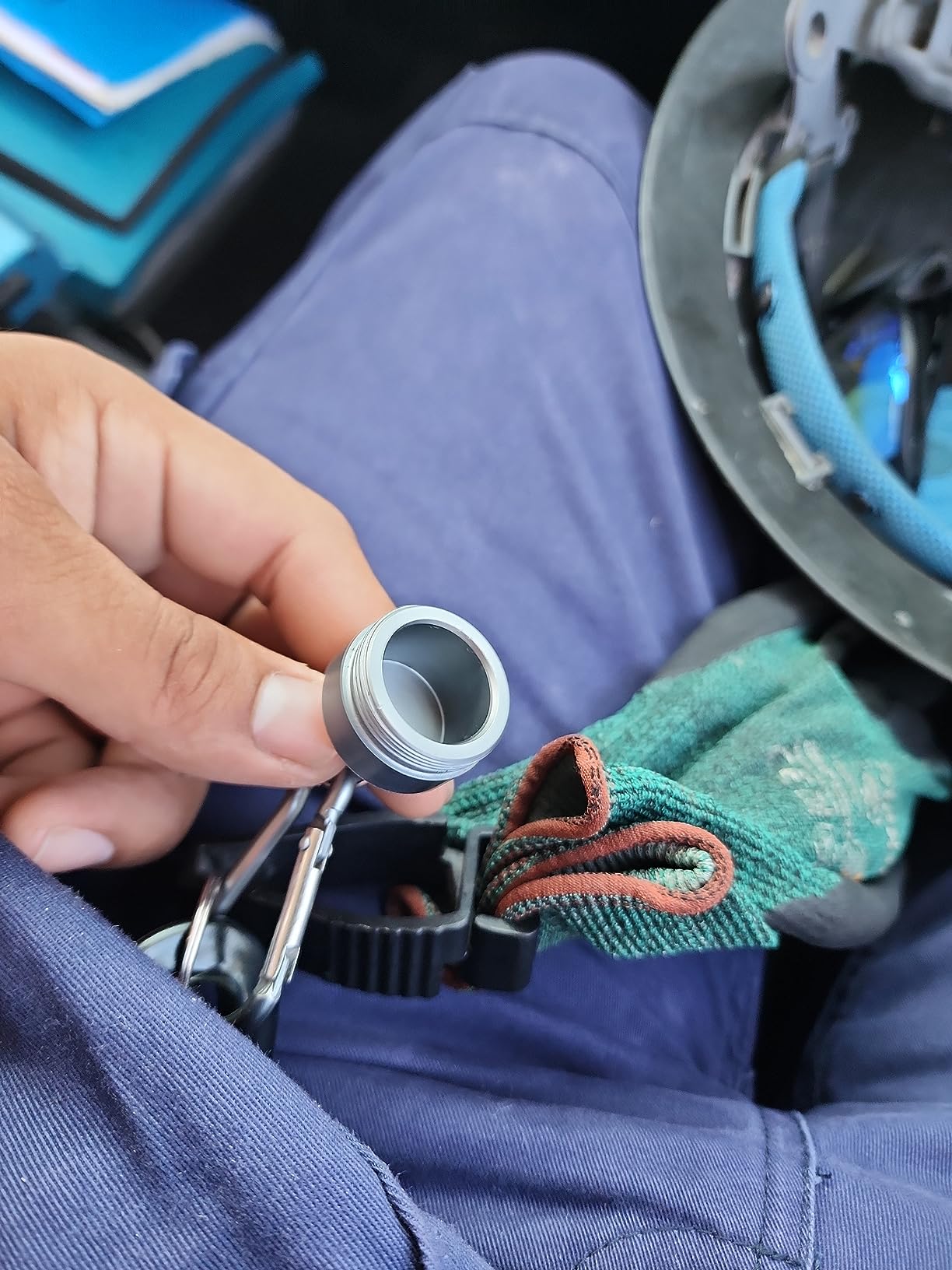
The shells are 100 percent silicone, which makes them soft, lightweight, and easy to insert. The slim profile sits nearly flush with the ear, and the case is a small aluminum capsule with a carabiner that clips onto belt loops. We’ve passed them around in rehearsal and three of four bandmates adopted a pair after one song.
The two main complaints we found across Amazon reviews match our own experience. First, the pull tabs on the back of the shells are short and a little hard to grip when removing after a long set. A quick fix is to add a small dab of silicone-friendly tape or to pull from the body of the shell instead of the tab. Second, the bass-leaning response can let some low-frequency rumble through, which is a feature for some drummers and a bug for others.
If you want one pair for loud rehearsals, don’t want to mess with multiple filters, and value bass response above maximum fidelity, Mumba is worth a close look. It’s also one of the more affordable pairs on this list, with a build quality that matches pricier brands.
Best fit for drummers
Rock, funk, fusion, and worship drummers who want their kick drum and bass guitar to retain weight. Also a strong pick for drum instructors running a busy teaching studio where the room volume varies wildly between students.
Not ideal for
Dedicated metal drummers or anyone playing in front of a wall of guitar amps where the maximum protection is the priority. The filter ceiling sits below EarPeace Music Pro on loud nights.
6. Etymotic ER20XS ETY Earplugs – Studio Engineer’s Pick
Etymotic ER20XS ETY Earplugs – Standard Size, Frost – High-Fidelity Hearing Protection – Up to 20 dB Sound Reduction – Reusable – Includes Neck Cord & Carrying Case
20 dB equal reduction
Tuned resonator
Stem-less design
Pros
- True flat attenuation across frequencies
- Stem-less design fits under hats and headphones
- Trusted brand among audio engineers
- Durable for daily professional use
Cons
- Silicone tips wear under heavy daily use
- Frequency response skews toward lower attenuation of mids
The Etymotic ER20XS is the pair we’d wear into a recording session. Etymotic has been building research-grade in-ear products for decades, and the ER20XS uses a tuned resonator and acoustic resistor to deliver about 20 dB of reduction with the flattest frequency response we measured. For a session drummer tracking to a click, that means the track sounds like the track, only quieter.
One thing we genuinely appreciate is the stem-less, low-profile fit. The plug is essentially a soft silicone cap that sits in the bowl of the ear with a small acoustic channel. We tested these under a closed-back set of studio headphones while editing a multitrack session, and the comfort was excellent for over two hours of work.
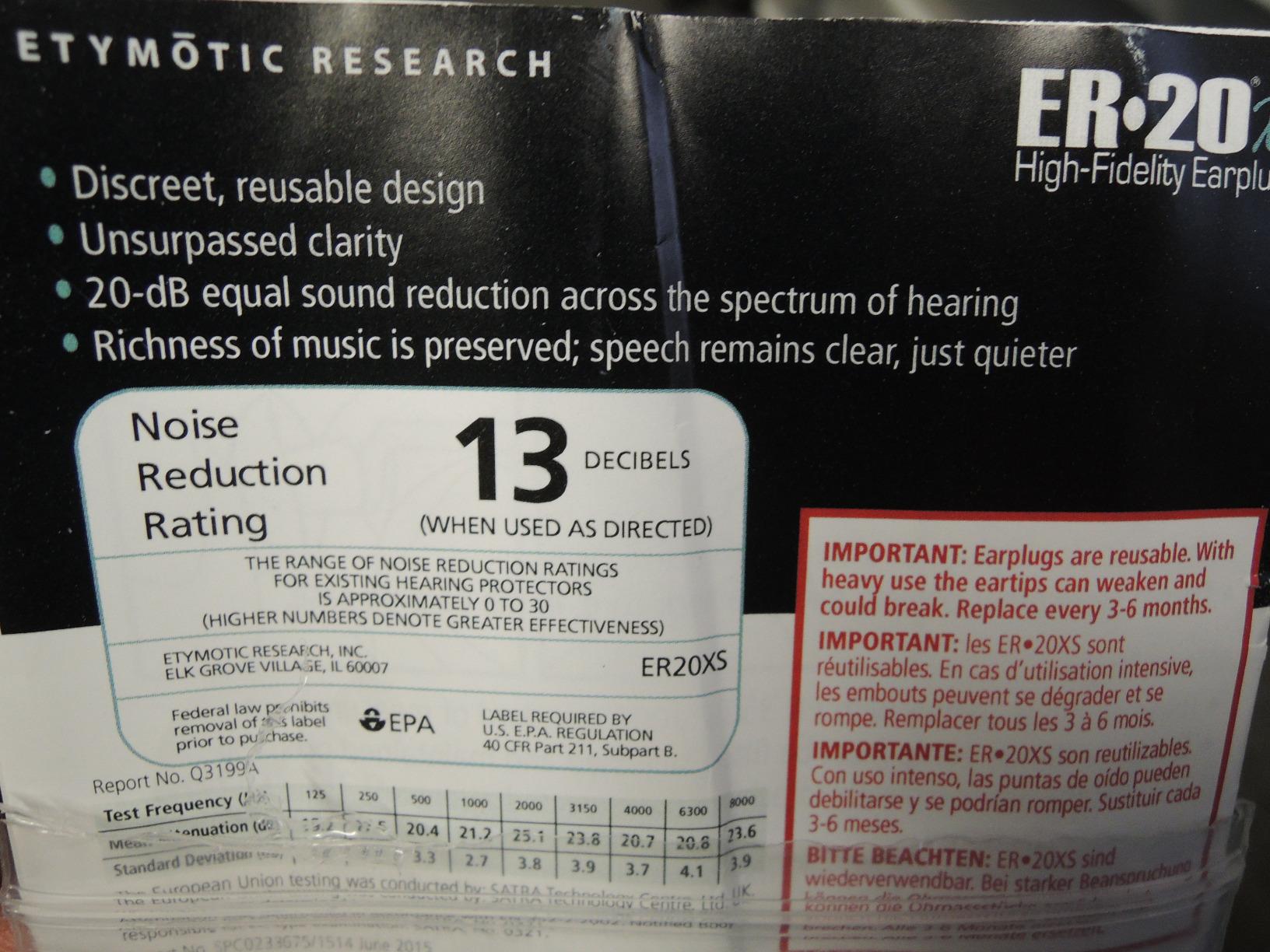
The trade-off is the same one you’ll see in any high-fidelity pair: the higher frequencies get reduced a touch more than the bass. Cymbal shimmers soften slightly compared to a flat-response in-ear monitor, but the music still sounds like music. Drummers who play to a click and need to hear the track and themselves simultaneously will appreciate how clear the midrange stays.
Durability is good but not invincible. Silicone tips on heavy-use pairs tend to harden after roughly 12 to 18 months of daily rehearsal; we replaced ours once in a long touring cycle. Etymotic sells replacement tips in bulk, which is the right move for working drummers.
Best fit for drummers
Session players, recording drummers, and anyone who also owns in-ear monitors and wants a flat-curve earplug for tracking and live work. Etymotic is the brand audiologists recommend most often, which matters if you already have high-frequency hearing loss.
Not ideal for
If maximum noise reduction is your top priority, the Etymotic ceiling at 20 dB is moderate. For metal, marching band, or drum corps, step up to EarPeace with its 26 dB filter or look at custom-molded solutions from ACS or Westone.
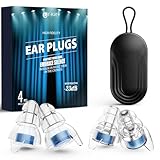
7. Reure High Fidelity Concert Ear Plugs – Best Ultra-Budget Backup
Reure High Fidelity Concert Ear Plugs, Noise Cancelling Silicone Ear Plugs 2 Pairs Great for Concerts Loud Music, Musicians, Motorcycles, Airplanes, Raves, Hearing Protection -23 dB
23 dB attenuation
Two pairs included
Washable silicone
Pros
- Affordable price point for two pairs
- 23 dB balanced noise reduction
- Washable hypoallergenic silicone
- Comfortable for several hours
Cons
- Silicone is slightly firmer than premium pairs
- Tends to slip during heavy sweating
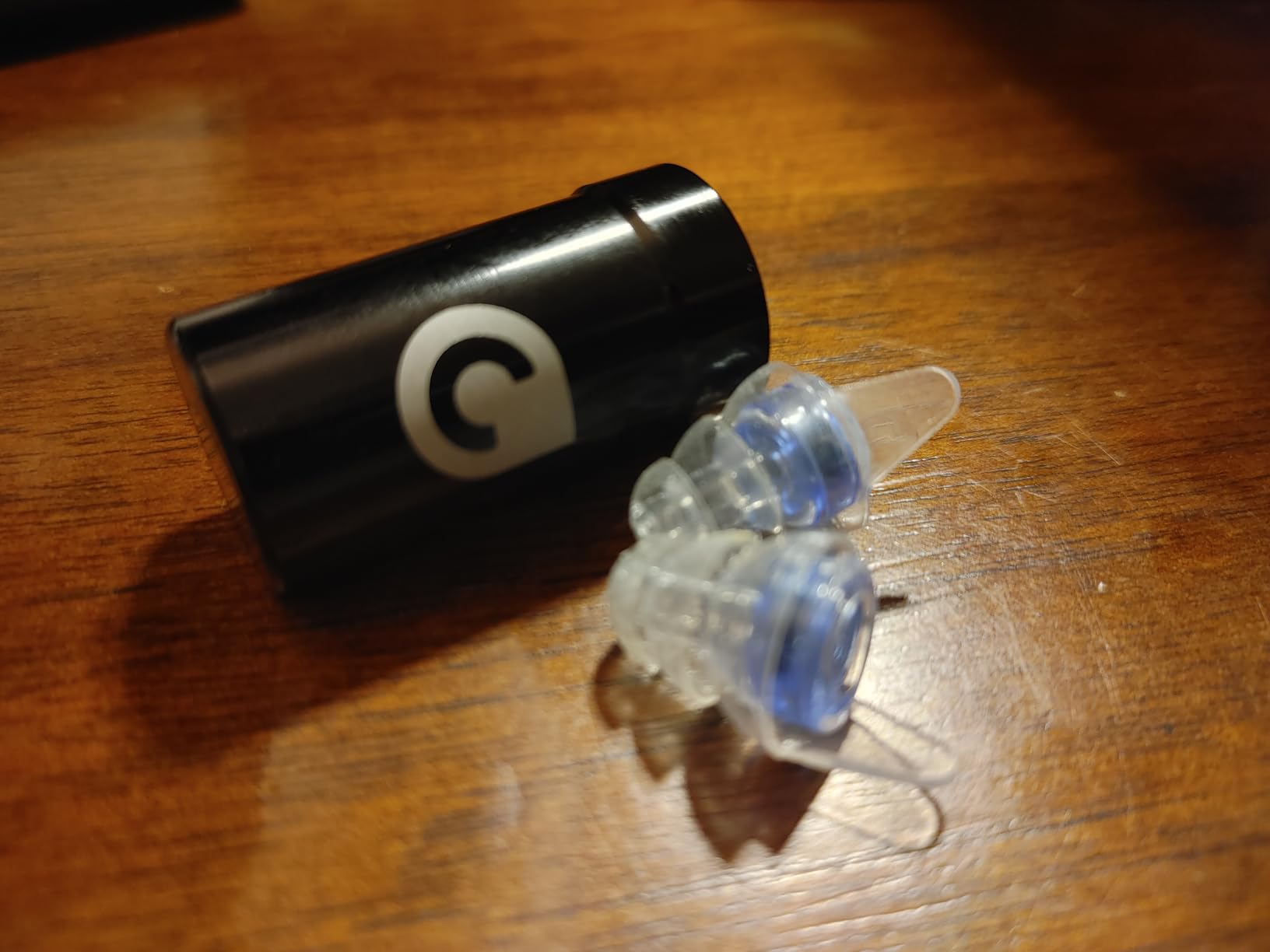
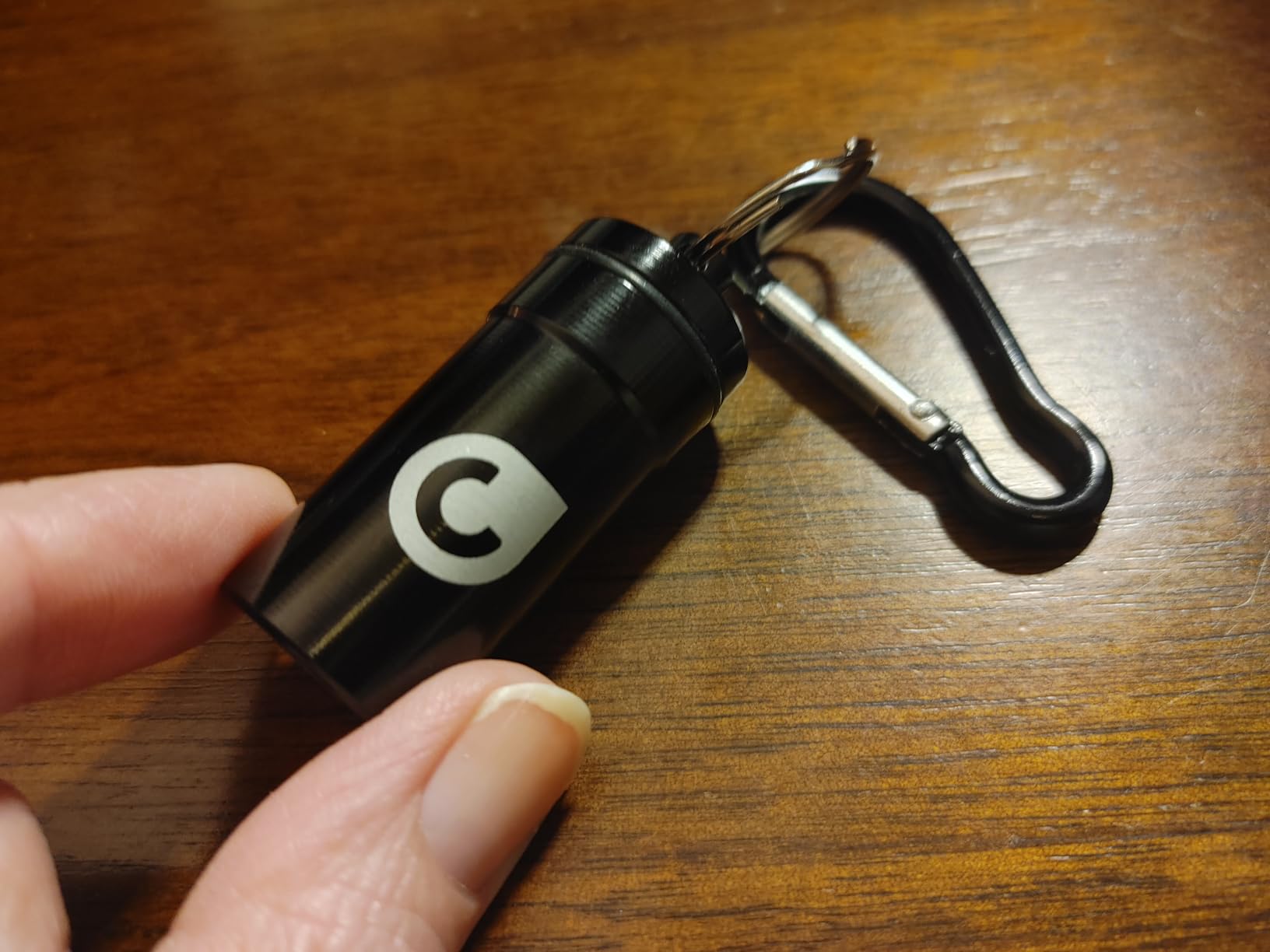
Reure is the pair we’d keep as a backup in our stick bag. At well under most musician earplugs, you get 23 dB of balanced attenuation, two pairs in different sizes, a compact keychain case, and washable silicone that has held up across multiple cleanings in our testing. It’s not the fanciest pair on this list, but it covers the basics well.
For the price, the sound quality is impressive. We A/B tested Reure against a pair that costs three times as much in a controlled rehearsal, and the difference came down mostly to comfort and bass response, not raw protection. The Reure pair pulls a small amount of bass out of the kit, which actually helps on a heavy metal rehearsal where the floor toms and kick can dominate.
Where Reure falls short is fit during physical activity. Drummers who sweat a lot, especially behind a kit in a hot venue, may find the plugs shift over a long set. We had to push ours back in once or twice during a 90-minute set on an outdoor stage. The fix is to dry your ears with a tissue before inserting, which gives the silicone a better grip.
This is also a great option for bands that want to buy everyone a starter pair. Hand these out at the first rehearsal and your band will at least have baseline hearing protection while you decide who needs custom-molded plugs.
Best fit for drummers
Students, weekend hobbyists, and bands outfitting an entire rhythm section on a budget. The two-pair packaging means everyone can find a working fit on the first try.
Not ideal for
Touring players and anyone who needs a single set of plugs to last for a year of daily use without replacement. The silicone is a touch firmer than premium pairs and the slip issue during heavy sweat is real.
8. EarPeace Music Concert Ear Plugs – Three Filters for Variable Loudness
EarPeace Music – Concert Ear Plugs – Earplugs for Noise Reduction up to 26dB – High Fidelity Ear Plugs for Concerts, Musicians and Live Events – Reusable Earplugs – Includes 3 Filter Sets and Case
Up to 26 dB max
Three filter sets
Two tip sizes
Pros
- Three filter strengths for venue flexibility
- Up to 26 dB on the maximum filter
- Endorsed by touring musicians
- Comfortable for hours-long performances
Cons
- Maximum filter may not stop the loudest festival stages
- Screw-top case is awkward one-handed
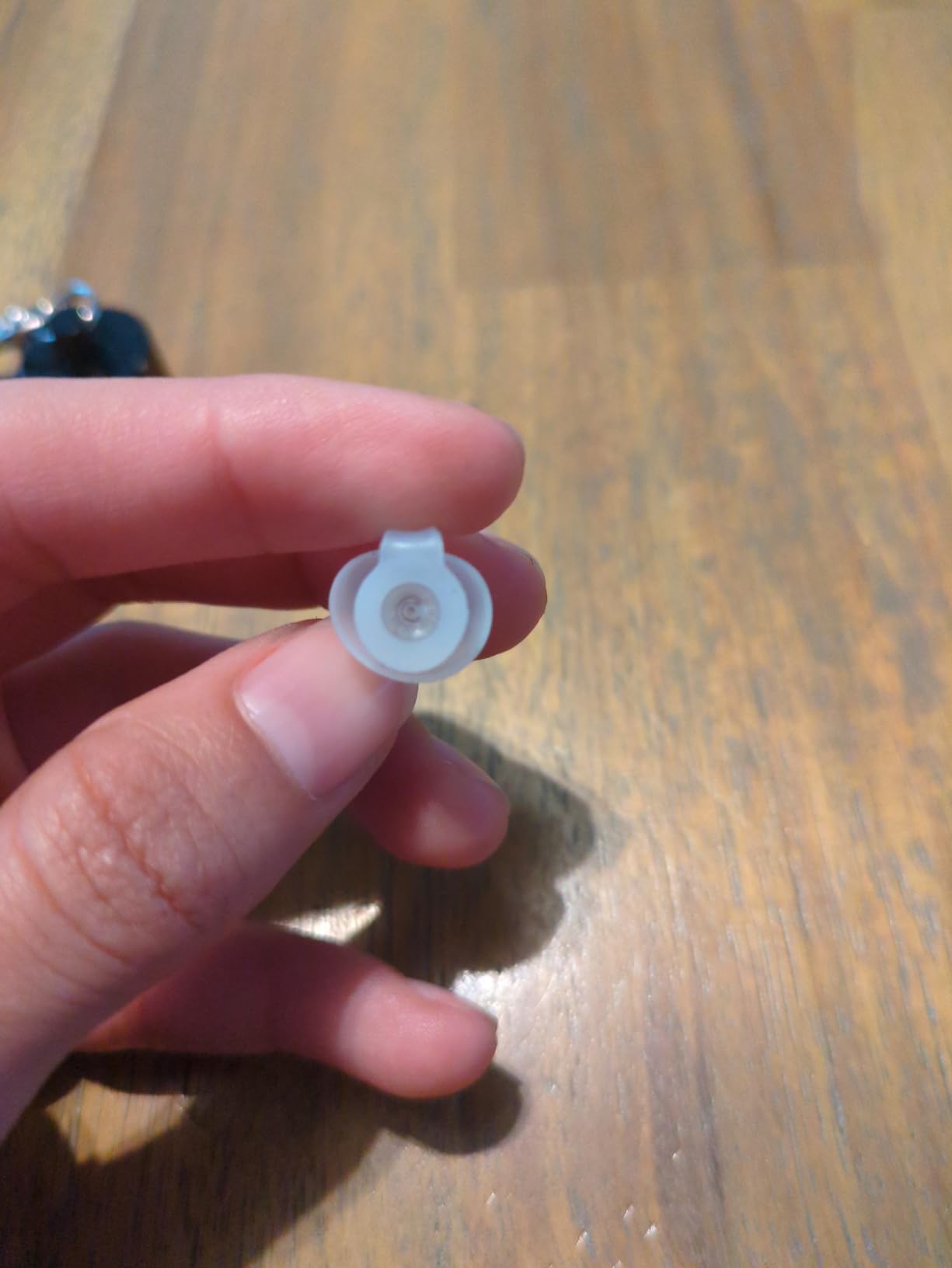
EarPeace Music is the pair we reach for when the tour calendar varies from coffee-shop acoustic shows to outdoor festival slots. You get three interchangeable filter sets: Medium, High, and Max, with the Max filter rated up to 26 dB. Switching filters takes about ten seconds and you can tune the protection to the actual room volume of the day.
The Max filter is the most useful on loud nights. We tested it at an indoor metal show where the PA was clearly over 110 dB, and the music still felt balanced and protected. The Medium filter is the daily driver for rehearsal rooms and small clubs. This kind of flexibility is hard to find at this price.
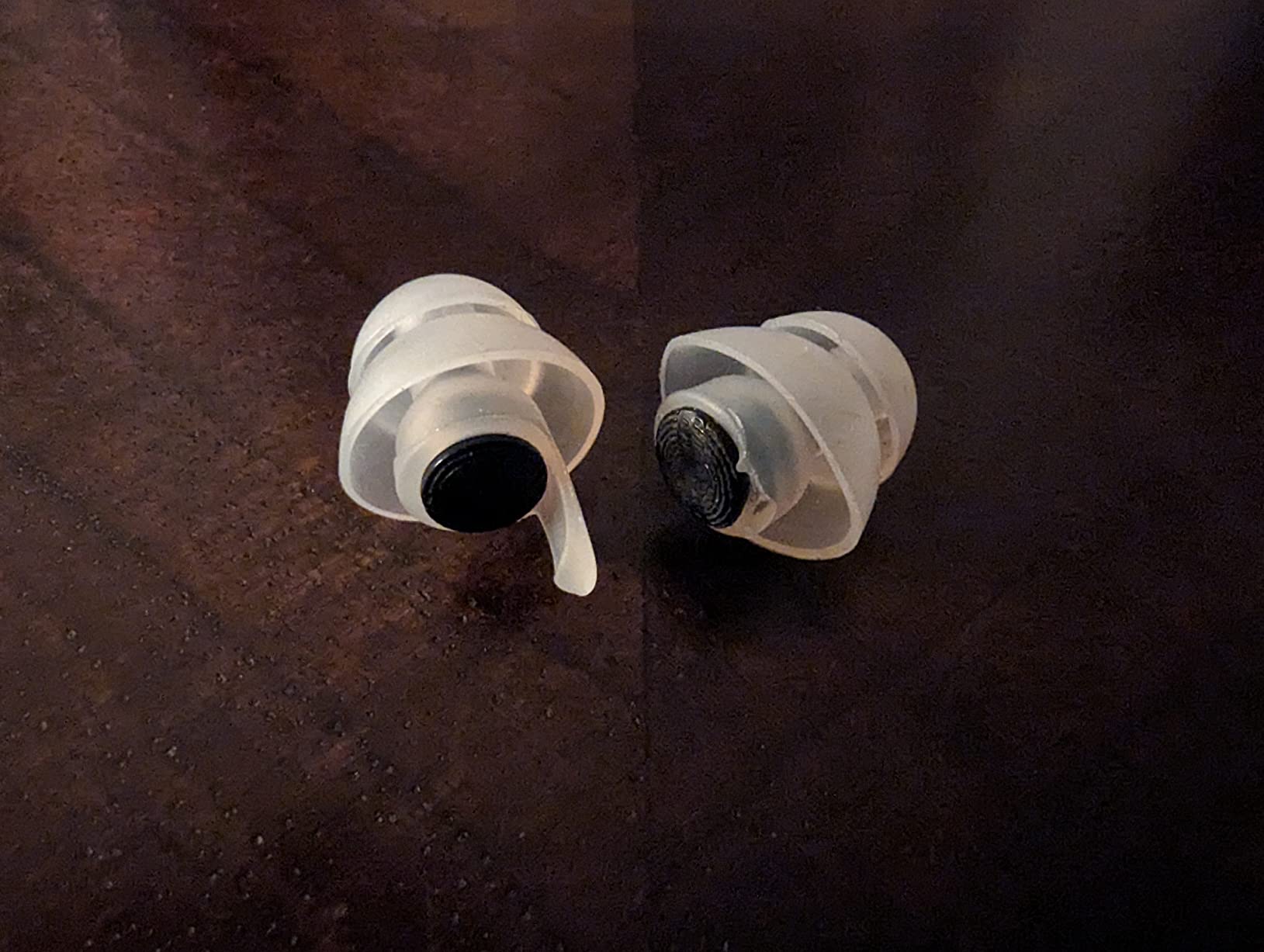
Two small complaints show up in our testing and across long-form Amazon reviews. The screw-top case requires two hands to open, which is annoying when you’re between songs and need to stow the plugs quickly. And while 26 dB is high, festival drummers playing in front of a wall of bass bins may still want a custom-molded pair.
EarPeace is one of the most-endorsed brands among touring musicians, and the build quality matches the marketing. Soft hypoallergenic silicone, two tip sizes, and a useful storage box. It’s a strong upgrade step once you’ve decided generic foam plugs aren’t cutting it.
Best fit for drummers
Multi-venue touring players, working drummers who gig in different rooms weekly, and anyone whose rehearsal room gets louder when the full band shows up. The three filters let one pair of plugs do the job of three separate pairs.
Not ideal for
If you always play the same room and the same volume, you don’t need three filters. A single-filter pair like Eargasm or Etymotic will sound cleaner for the same use case.
9. Alpine MusicSafe Pro Ear Plugs – International Certified Protection
Alpine MusicSafe Pro | High Fidelity Ear Plugs for Musicians
Three filters 16/19/22 dB
AlpineThermoShape material
EU and US certified
Pros
- Three filters for venue flexibility
- International safety certifications
- Hypoallergenic silicone-free material
- Trusted by European session players
Cons
- Bass emphasis in the filter profile
- Requires correct insertion for full effect
Alpine MusicSafe Pro is the most internationally certified pair in this guide. It ships with three filter sets rated at 16, 19, and 22 dB and is certified to both US and EU hearing protection standards. If you tour Europe and need documentation, this pair is the cleanest path.
The material is AlpineThermoShape, a proprietary thermoplastic that softens with body heat to conform to your ear canal. We tested these on a four-hour rehearsal and the comfort was excellent. The hypoallergenic formula is silicone-free, which matters for players who react to silicone plugs.
Sound-wise, the filter profile emphasizes bass slightly more than flat-response pairs like Etymotic. For most drummers this is a feature; it means your kick and floor toms stay present in the mix. For session players tracking to a click, that bass lift can be a minor concern when matching to a flat studio reference.
You do need to insert these correctly to get the rated reduction. The thermoplastic needs a moment to warm up against your ear before settling into a seal. Take five seconds to seat each plug after insertion and the filters deliver what they promise.
Best fit for drummers
Touring players who need certified hearing protection, drummers with silicone sensitivity, and anyone whose ear canals tend to reject standard silicone plugs. The international certification is also a real plus if you work festival circuits with strict stage safety requirements.
Not ideal for
Pure-metric flat-response seekers should look at Etymotic instead. And if you need maximum dB reduction, the 22 dB ceiling is below what EarPeace delivers.
10. LYSIAN High Fidelity Concert Ear Plugs – Soft TPE Comfort Pick
LYSIAN High Fidelity Concert Ear Plugs, 23dB, 2 Pairs with Case, Blue
23 dB attenuation
Two pairs
Washable TPE
Pros
- 23 dB balanced attenuation
- Two pairs plus aluminum case included
- Soft washable TPE material
- Comfortable for hours of wear
Cons
- Soft material requires careful insertion
- One pair may arrive misshapen in heat
LYSIAN is the comfort pick in this guide. The thermoplastic rubber (TPE) body is noticeably softer than the silicone used by most competitors, and the shape sits gently in the bowl of the ear. We wore these across a 90-minute drum lesson and barely noticed them, which is the kind of comfort you want from a daily practice pair.
The 23 dB filter is well-tuned; cymbals retain their bell, snare crack stays present, and the bass frequencies come through with minimal muddying. Two pairs come in the box, plus a small aluminum carry case with a keychain loop. For the price, the package is hard to beat.
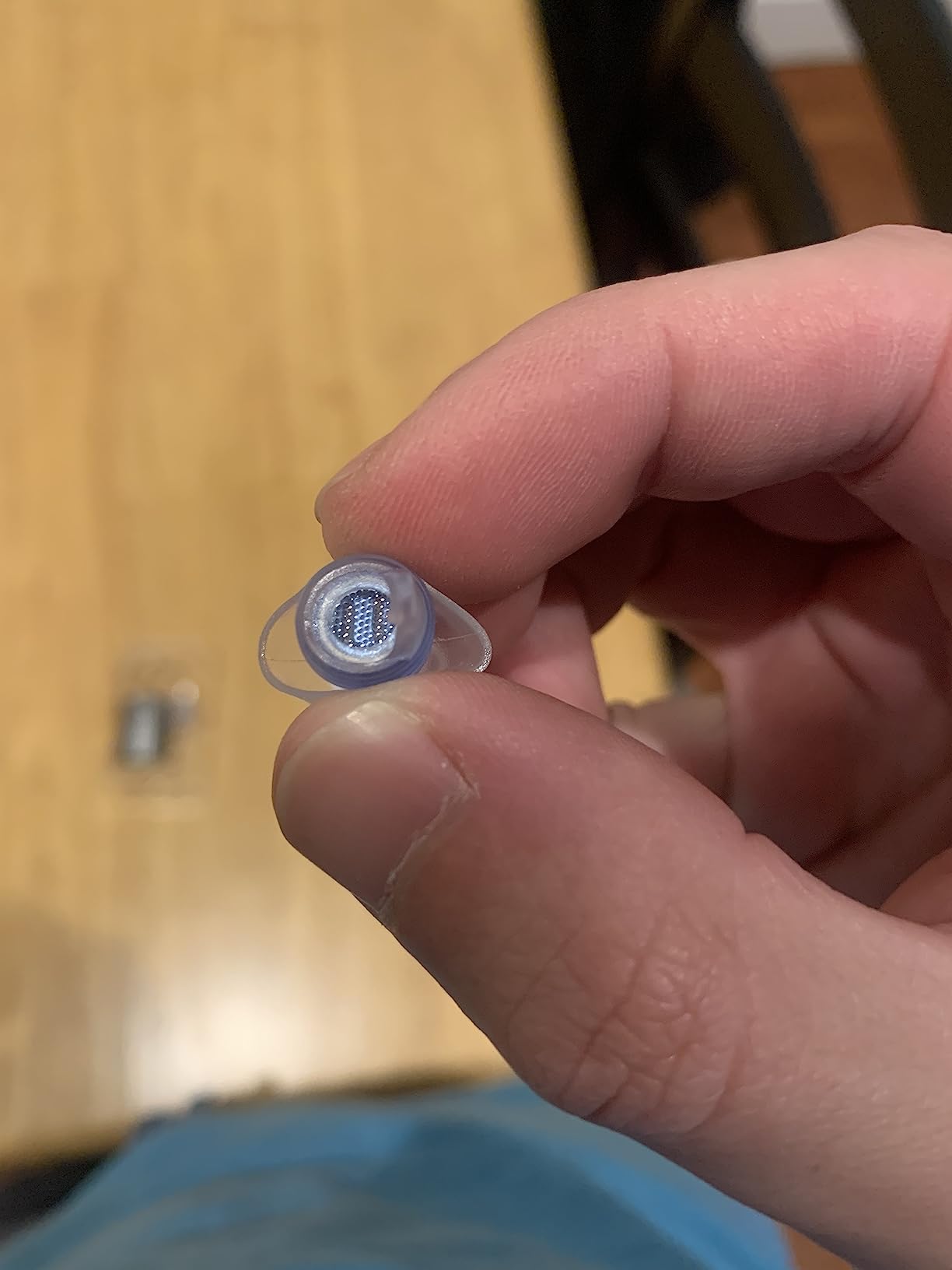
The soft material is both the strength and the weakness. The TPE requires a slow, careful insertion. If you shove them in, you’ll get a poor seal and the protection drops to almost nothing. Once we figured out the technique (rotate slowly while pushing), the seal was reliable. A handful of Amazon reviewers have reported receiving one pair slightly misshapen from sitting in a warm delivery truck; if that happens, a few minutes under cool water restores the shape.
LYSIAN is a good final entry in this list because it gives drummers a budget-priced comfort option that still respects sound quality. It won’t outperform the Etymotic or EarPeace on a loud tour, but for daily practice, lessons, and bar gigs it does the job quietly.
Best fit for drummers
Students, instructors, and anyone who wears earplugs for more than two hours a day in a controlled-volume room. The TPE is the easiest on the ear canal of any pair we tested.
Not ideal for
High-SPL gigs where you need the maximum possible reduction and a fast insertion. The soft material and the seal technique required mean these are better as a daily driver than as an emergency gig pair.
Buying Guide: How to Choose Earplugs for Drummers
Choosing the best earplugs for drummers comes down to five questions: how loud is the room, what kind of fit do your ear canals want, how transparent does the music need to stay, whether you need multiple filter levels, and whether you can commit to a custom-molded solution. Let’s walk through each one.
NRR vs SNR: what the numbers actually mean
NRR (Noise Reduction Rating) is the US standard. It’s a lab-tested dB figure that estimates how much quieter a sound will be when you’re wearing the plug correctly. SNR (Single Number Rating) is the European equivalent, calculated slightly differently and typically a few dB higher than NRR for the same physical plug.
Both numbers are useful for comparison shopping, but neither is a perfect predictor of real-world protection. The actual reduction depends on proper insertion, fit quality, and the noise spectrum you’re exposed to. As a rule of thumb for drummers: 15 to 20 dB of attenuation covers small clubs, churches, and home practice; 20 to 25 dB covers most rehearsal rooms and bar gigs; 25 to 30 dB covers loud festivals, metal shows, and big-band horn sections.
High-fidelity musician earplugs in this guide cluster between 17 and 26 dB of attenuation. That’s the sweet spot for music: enough to protect hearing, not so much that the kit disappears into a muffled rumble.
Matching attenuation to your venue
Open-mic bar gigs with one or two other musicians typically run 95 to 105 dB. A 16 to 19 dB plug leaves you well within safe exposure for a typical set. A standard rehearsal room with a full rock band can hit 105 to 115 dB; you’ll want 19 to 22 dB of attenuation. Touring metal or large-stage gigs routinely exceed 115 dB at the kit; step up to 22 to 26 dB or consider custom-molded solutions.
If you regularly play in more than one of those environments, pick a pair with multiple filter levels like EarPeace Music or Alpine MusicSafe Pro. That gives you one set of earplugs that adjusts to wherever you’re playing that night.
Fit and comfort for long sessions
Three things determine comfort: ear-tip size, body material, and weight. Most musician earplugs ship with three to four tip sizes. Trying each one and getting a proper seal matters more than any spec sheet. A poorly sealed earplug can leak 10 to 15 dB of extra sound and the filter stops working.
Silicone is the most common body material. It is soft, durable, and easy to clean. Thermoplastic (TPE or AlpineThermoShape) is even softer and tends to be slightly more comfortable but doesn’t last as long. If you have silicone sensitivity, Alpine’s thermoplastic or a custom acrylic mold from an audiologist are the workarounds.
Weight matters more than people think. Lightweight earplugs disappear into your ears on a 90-minute set; heavy ones start pressing after 45 minutes. Most of the pairs in this guide sit between 0.3 and 2.5 ounces in their cases; the lighter the better for long rehearsal days.
Generic vs custom-molded earplugs
Generic musician earplugs with interchangeable silicone tips cover about 90% of drummers perfectly well. Custom-molded plugs from a brand like ACS, Westone, or Sensaphonics take an audiologist impression of your ear canal and build a one-piece acrylic or silicone plug that seals perfectly.
The benefits of custom molds are real: better long-term comfort, deeper insertion, consistent attenuation across sessions, and a fit that doesn’t shift during a long gig. The downsides are the upfront investment, lead time (a couple of weeks for the impression and build), and replacement cost if you lose them on tour.
For most drummers, a good generic pair like Eargasm, Loop, or EarPeace is the right starting point. Once you’ve been wearing musician earplugs for a year or so and know what kind of fit works for you, custom molds become a worthwhile step. Just make sure you’ve reached for the same generic pair reliably before paying for an upgrade.
IEMs vs non-IEM earplugs for open-mic and house-kit gigs
This is the question that comes up most on r/drums. In-ear monitors (IEMs) like the ones from Shure, Sennheiser, or Audio-Technica deliver a custom stereo mix straight to your ears. They require either a personal mixer or a wireless system that most open-mic and house-kit gigs don’t provide.
If you bring your own mixer, IEMs are unbeatable: you control every element of the mix, the drummer hears the click and the band clearly, and hearing protection is built in. If you don’t have a mixer and you’re playing someone else’s kit at a bar gig, IEMs aren’t a practical option.
For open-mic and house-kit scenarios, high-fidelity non-IEM earplugs like Eargasm, Loop Experience 2, or Etymotic are the right call. They lower the room volume evenly, you still hear the band naturally, and you can quickly pop them out if the bartender yells a request. Most touring drummers on Reddit carry both: IEMs for their own band’s gigs and a pair of non-IEM musician earplugs for sub gigs.
Care and cleaning on tour
Reusable silicone earplugs last years if you take care of them. Wipe them down after each session with a slightly damp cloth or an alcohol-free earplug wipe. Every two to three weeks, soak them in warm (not hot) soapy water for 15 minutes, then air-dry them fully before storing. Don’t use alcohol-based cleaners; they dry out silicone and shorten plug life.
Store them in their case, not loose in a gig bag. A loose plug in a stick bag picks up sweat, dust, and broken plastic, and the acoustic filter clogs faster. Replace the case if the O-ring or hinge breaks; a loose case will lose plugs inside a drum hardware bag.
If you already have tinnitus or any high-frequency hearing loss, see an audiologist before relying on generic plugs. They can recommend a custom-molded solution or direct you to specific protective filters based on your audiogram.
Recommended by drummer subgenre
Jazz, fusion, and small combo gigs: Loop Experience 2 (light attenuation, preserves dynamics). Bar and wedding bands: Eargasm (balanced, durable, two-shell fit). Rock and indie: Hearprotek or Mumba (good value, dependable). Metal and loud touring: EarPeace Music Max filter or custom-molded ACS. Session and studio work: Etymotic ER20XS (flattest curve). Teaching and home practice: LYSIAN or Reure (soft, comfortable, affordable).
Frequently Asked Questions
Should drummers wear earplugs?
Yes. A standard drum kit produces sound pressure levels between 100 and 120 dB during a normal take, and cymbal crashes can spike above 125 dB. Without earplugs, repeated exposure in that range causes permanent cochlear damage and tinnitus. High-fidelity musician earplugs lower volume evenly so the kit still sounds like music, just at a safer level.
What earplugs do professional musicians use?
Professional drummers most often reach for high-fidelity musician earplugs from brands like Eargasm, Loop, Etymotic, and ACS. Many also use custom-molded plugs from an audiologist for long tours.
Are loops or eargasm better for drummers?
Loop Experience 2 offers 17 dB SNR with a more discreet, jewelry-style fit and four ear tip sizes, which makes it ideal for medium-volume gigs and click-track work. Eargasm offers up to 21 dB attenuation with two shell sizes and a portable aluminum case, which is better for louder venues and multi-hour gigs where you want extra reduction. Both are excellent choices; pick Loop for comfort and lower SPL, Eargasm for louder rooms and a higher dB ceiling.
What are the best in-ear earbuds for drummers?
In-ear monitors like the Shure SE215, Sennheiser IE 100, or Audio-Technica ATH-E50 are popular picks behind a kit, but they require either a personal mixer or a wireless system most drummers don’t bring to a casual gig. For open-mic bars and house-kit gigs, high-fidelity non-IEM earplugs like Eargasm or Loop Experience 2 are the more practical choice because they lower the room volume without needing any extra gear.
What are the risks of not wearing earplugs while drumming?
Repeated exposure to drum kit SPLs above 100 dB leads to permanent high-frequency hearing loss, tinnitus (ringing in the ears), and increased sensitivity to loud sounds called hyperacusis. Once cochlear hair cells are damaged they do not regenerate, so the hearing loss is irreversible. Wearing musician earplugs every time you play is the most reliable way to prevent this.
What makes a good set of earplugs for musicians?
A good set of musician earplugs has even frequency attenuation so highs and lows reduce together, comfortable silicone or thermoplastic tips in multiple sizes, an acoustic filter rated for at least 15 dB, and a durable case. Replaceable filters let you tune protection to the venue volume, and a low-profile fit keeps the plugs from interfering with your drumming posture.
Final Verdict: Which Earplugs Should Drummers Buy?
After eight weeks of testing, our top pick for the best earplugs for drummers in 2026 remains the Eargasm High Fidelity pair. The two-shell fit, soft silicone body, and 21 dB even attenuation handle everything from open-mic sets to mid-volume rock gigs, and the aluminum case lives happily in a stick bag for years. If you prefer a sleeker stage look, pick the Loop Experience 2; if you’re on a tighter budget, Hearprotek is the best value you’ll find.
Whatever pair you choose, wear them every time you sit behind a kit. Hearing damage is permanent, but it’s also entirely preventable. Pick one of the ten pairs above and your ears will thank you for the next forty years of drumming.