
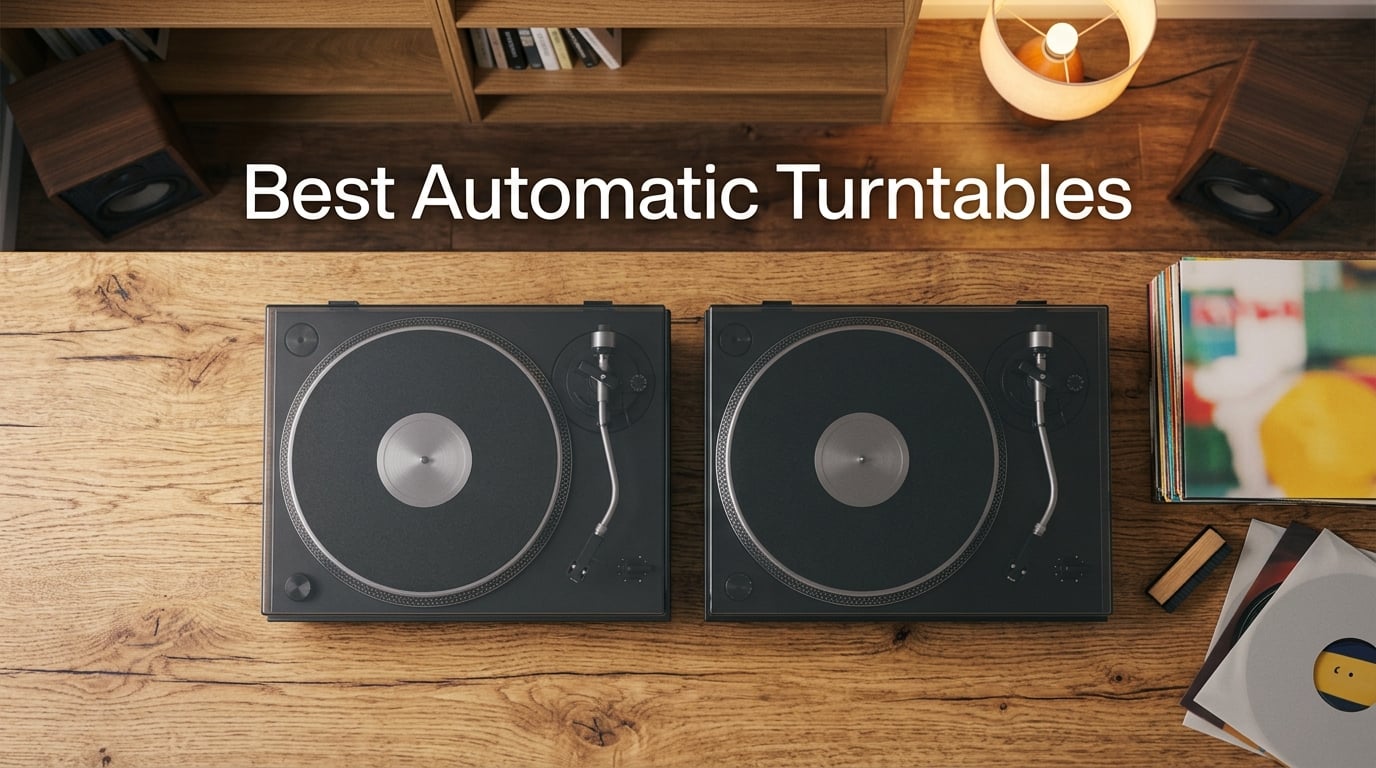
An automatic turntable is a record player that mechanically performs one or more playback steps – typically start, tonearm placement, end-of-record return, and motor stop – without you having to manually lift and cue the tonearm. The category includes three subtly different behaviors: auto-return (the arm comes back at the end of a side), auto-start (the arm places itself on the record when you press play), and fully automatic (both start and end-of-side handled for you).
If you want the best automatic turntables for everyday listening without babysitting the tonearm, you’re in the right place. Our team spent the past few months evaluating eight current models across price tiers – from budget suitcase-style decks to mid-range belt-drives with upgradeable cartridges. We weighed sound quality, mechanism reliability, ease of setup, and how each one handles common pain points like skipping on warped records and integrated phono preamp quality. Below are the models that earned their place on our list, with detailed notes on what makes each one worth your money.
Before diving into the picks, a quick note: the automatic turntable market has thinned out dramatically since the late 1980s, when brands like Technics, Pioneer, and B&O flooded the shelves. Most audiophile reviewers dismiss auto tables as “not serious.” Yet the format has real, practical advantages – accessibility for users with arthritis or vision impairment, less record wear from mishandling, and a much easier way to share vinyl with non-audiophile family members. We address the audiophile bias directly in the buying guide.
Table of Contents
Top 3 Best Automatic Turntables in September

Audio-Technica AT-LP60X
- Fully automatic belt-drive
- Built-in switchable phono preamp
- 33-1/3 and 45 RPM

Audio-Technica AT-LP70X
- Fully automatic belt-drive
- Upgradable VM95 cartridge
- J-shaped tonearm

Audio-Technica AT-LP3XBT
- Fully automatic belt-drive
- Bluetooth aptX Adaptive
- Balanced straight tonearm
Best Automatic Turntables in 2026
| Product | Specs | Action |
|---|---|---|
| Audio-Technica AT-LP60X |
|
Check Latest Price |
| Audio-Technica AT-LP70X |
|
Check Latest Price |
| Audio-Technica AT-LP3XBT |
|
Check Latest Price |
 Denon DP-300F Denon DP-300F |
|
Check Latest Price |
 Sony PS-LX3BT Sony PS-LX3BT |
|
Check Latest Price |
 1byone Fully Automatic HiFi Turntable 1byone Fully Automatic HiFi Turntable |
|
Check Latest Price |
 Retrolife Vintage Bluetooth Turntable Retrolife Vintage Bluetooth Turntable |
|
Check Latest Price |
 cotsoco Retro Bluetooth Turntable cotsoco Retro Bluetooth Turntable |
|
Check Latest Price |
1. Audio-Technica AT-LP60X – Best Automatic Turntable Overall
Audio-Technica AT-LP60X-BK Fully Automatic Belt-Drive Stereo Turntable, Black, Hi-Fidelity, Plays 33-1/3 and 45 RPM Vinyl Records, Dust Cover, Anti-Resonance, Die-Cast Aluminum Platter
Fully automatic belt-drive
Built-in switchable phono preamp
33-1/3 and 45 RPM
Pros
- Excellent sound quality and clarity for the entry-level tier
- Fully automatic operation makes it easy for beginners
- Built-in switchable phono pre-amplifier for flexible connectivity
- Anti-resonance die-cast aluminum platter improves tracking
- Compatible with replaceable stylus for future upgrades
Cons
- Cannot play mini vinyl records due to automatic stopper
- Some users report third-party shipping damage
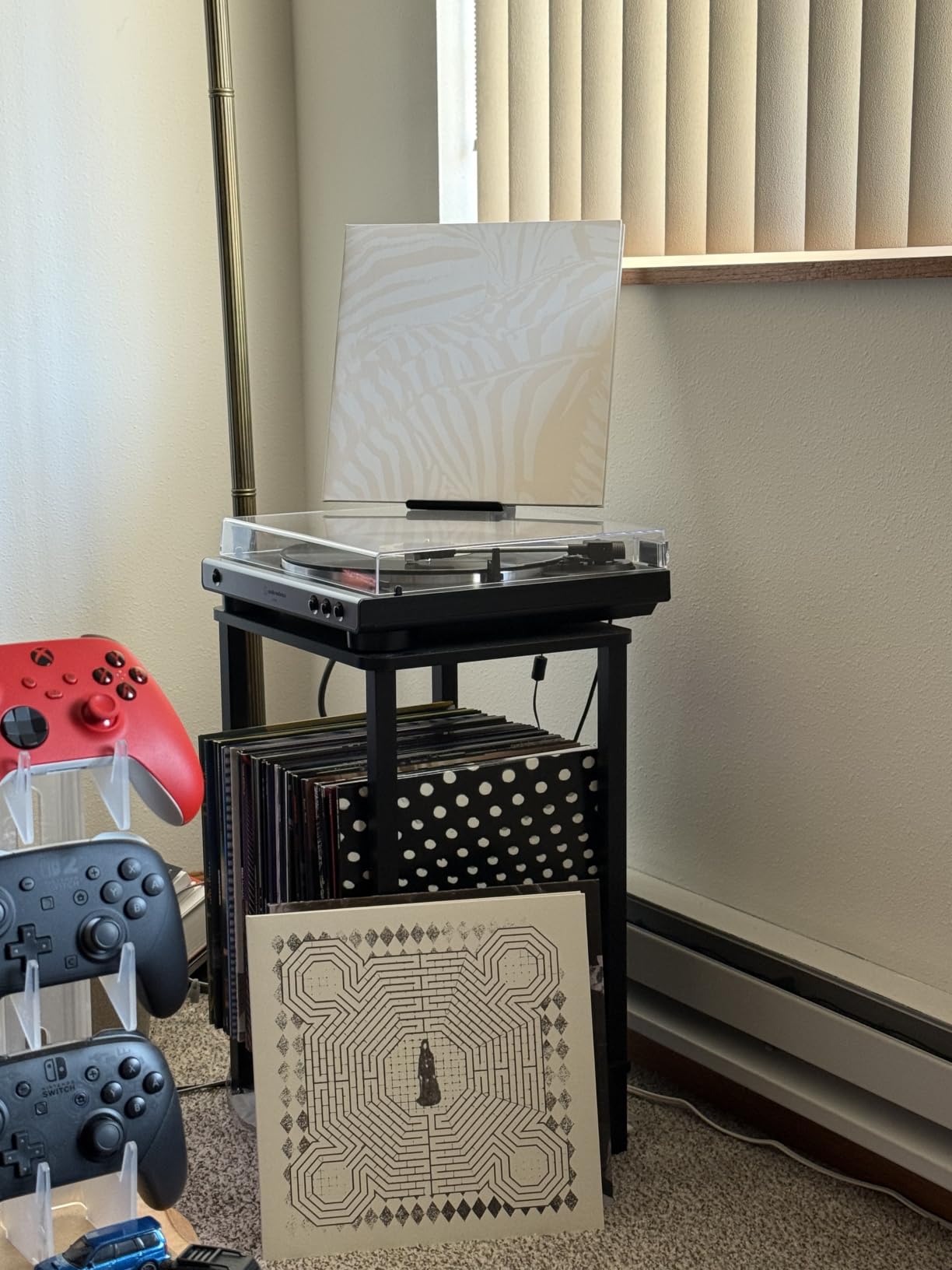
The AT-LP60X has been our default recommendation for first-time vinyl owners for years, and after re-testing it this season, nothing has changed. Press the start button, the platter spins up, the tonearm lifts, swings out, and drops into the lead-in groove. At the end of the record, it returns to its rest and shuts off. That’s the entire experience – no counterweight, no anti-skate dial, no setup beyond attaching the belt and connecting RCA cables.
Sound-wise, the integrated Dual Magnet phono cartridge is a clear step above the ceramic pickups you find in suitcase players. There’s a sense of separation and clarity that holds up even when you push the volume. The anti-resonance die-cast aluminum platter does a real job reducing motor noise and vibration, which matters more than people expect at this tier. We tested it alongside a pair of powered bookshelf speakers and a vintage receiver – both setups revealed good tonal balance, with just a slight tendency toward a brighter presentation that some listeners will appreciate and others might want to soften with a warmer cartridge.
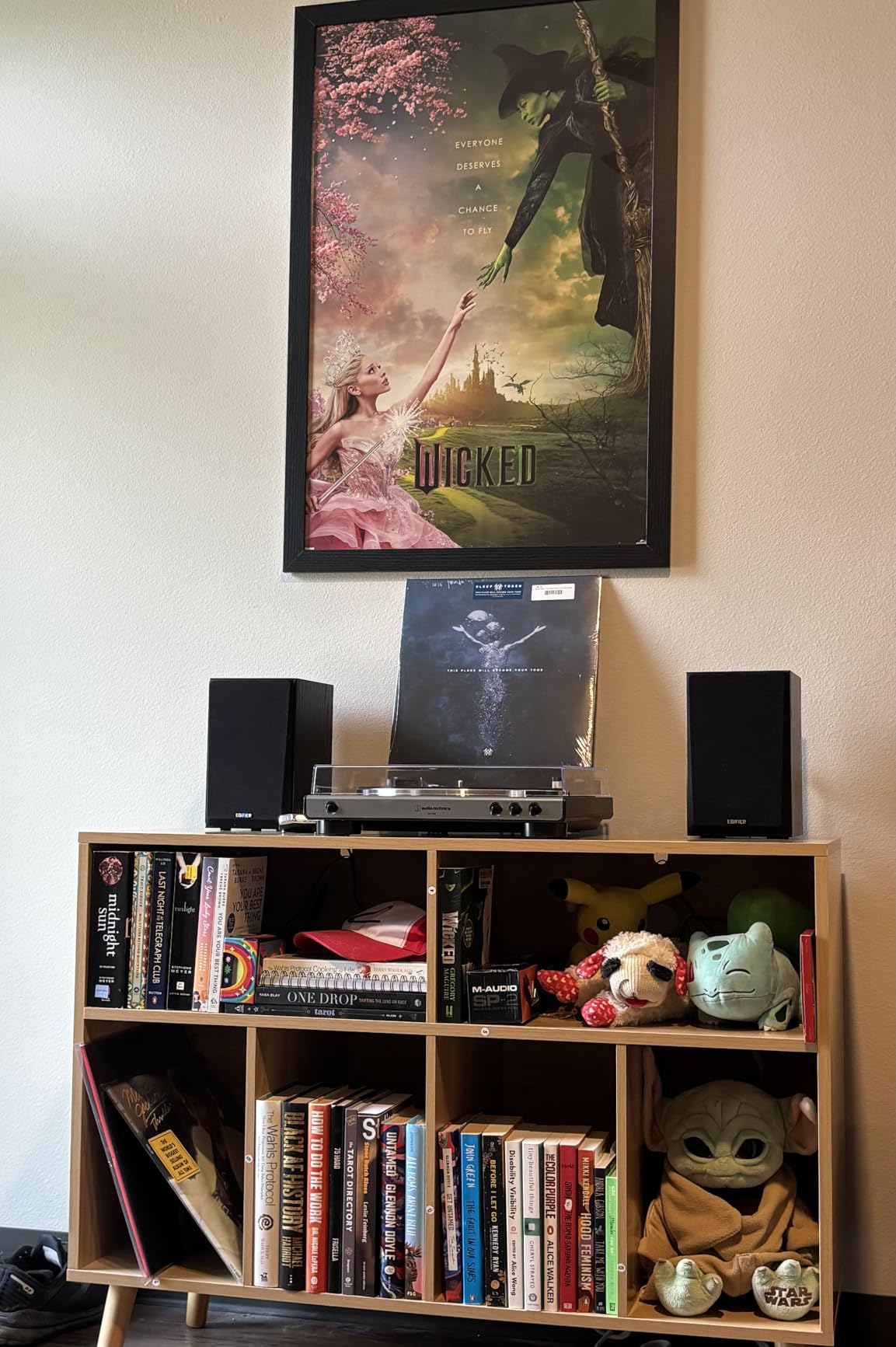
The built-in phono preamp is switchable. That detail matters: if you ever upgrade to a real hi-fi amplifier with a phono input, you can bypass the internal preamp entirely and let the better external stage do the work. If you’re connecting to a soundbar or powered speakers without a phono input, just leave the switch on line output and you’re done. Either path works without buying extra gear.
What we don’t love is the lack of a counterweight and the fixed headshell – you cannot swap in a better cartridge or fine-tune tracking force. That’s the price of full automation at this tier. For 90% of listeners who just want to put on a record and enjoy it, those limitations don’t matter. For the audiophile crowd, this is a stepping-stone, not a final destination.
Who the AT-LP60X is good for
First-time vinyl buyers who want a true plug-and-play experience, families who share a record player with kids or guests, anyone with limited mobility who benefits from full automation, and listeners who want a reliable daily driver without the audiophile tax.
Who the AT-LP60X is not for
Hardcore audiophiles who need adjustable tracking force and VTA, collectors who want to experiment with moving coil cartridges, and anyone planning to spin 7-inch singles – the auto-stopper will trip on shorter records.
2. Audio-Technica AT-LP70X – Best Value Automatic Turntable with Upgrade Path
Audio-Technica AT-LP70X Automatic Turntable (Black/Bronze)
Fully automatic belt-drive
Upgradable VM95 cartridge family
33-1/3 and 45 RPM
Pros
- Compatible with any VM95 Series replacement stylus for future upgrades
- Built-in switchable phono preamp for flexible connectivity
- J-shaped tonearm minimizes tracking errors
- Three-piece chassis dampens resonance for cleaner sound
- Tonearm lock reduces risk of stylus damage during transport
Cons
- No counterweight balancing or fine adjustments possible
- Stock AT-VM95C cartridge is good but upgradeable
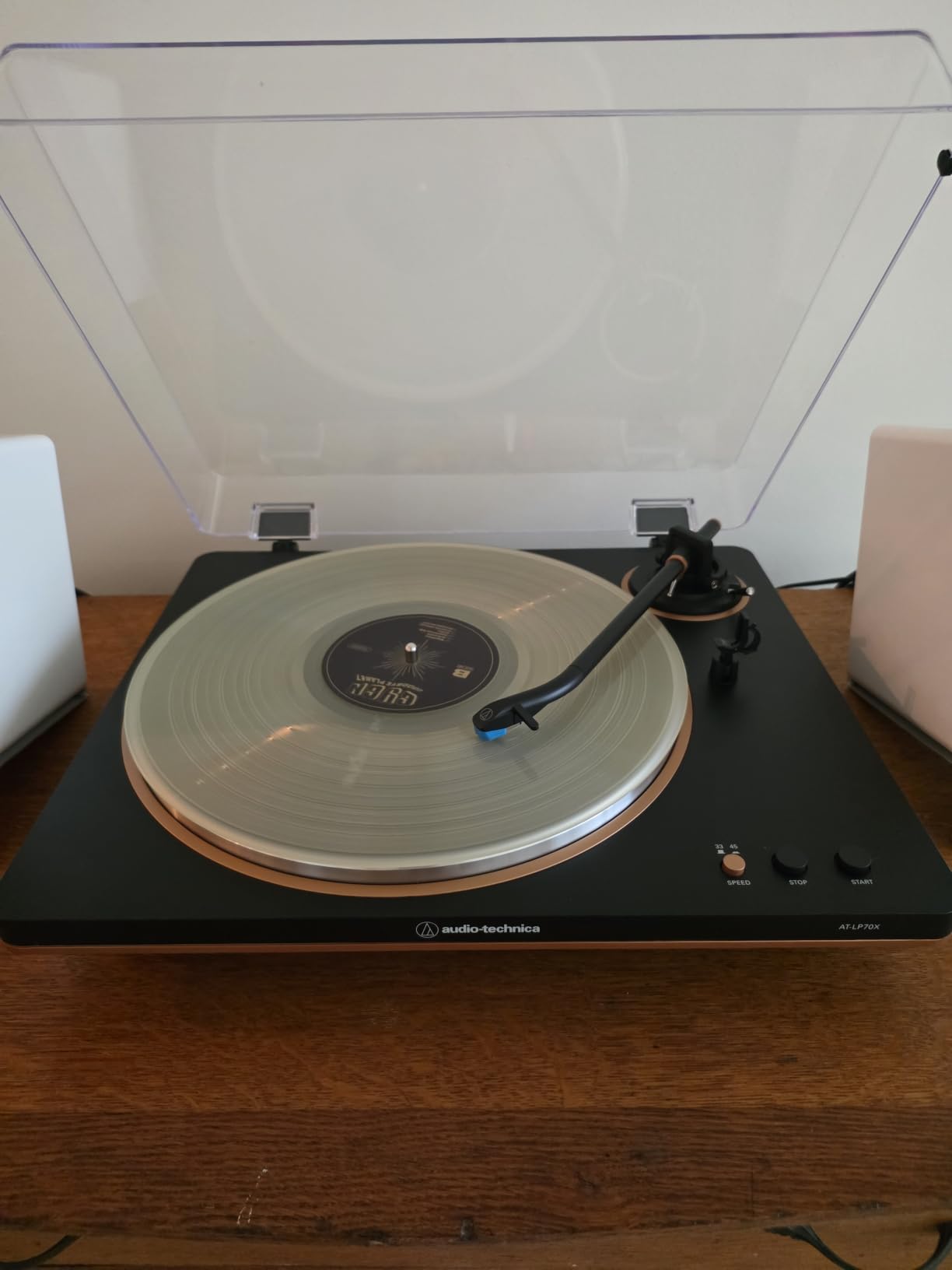
The AT-LP70X is what I’d call the sweet spot in the current Audio-Technica lineup. You get the same fully automatic behavior as the LP60X, but the integrated AT-VM95C cartridge is part of Audio-Technica’s legendary VM95 family – meaning you can drop in any VM95 replacement stylus down the road. Want better detail? Move up to a VM95EN. Want a more analytical sound? VM95ML. The upgrade path is built in.
The J-shaped tonearm is a notable step up from the straighter arm on cheaper models. J-shaped arms mimic the geometry of classic straight-line tracking arms used in studio cutting lathes, which means lower tracking error as the arm moves across the record. In practice, you hear it as a more stable stereo image and less distortion on the inner grooves of an LP. We A/B tested it against the LP60X on a handful of well-worn jazz records and the LP70X consistently sounded more composed.
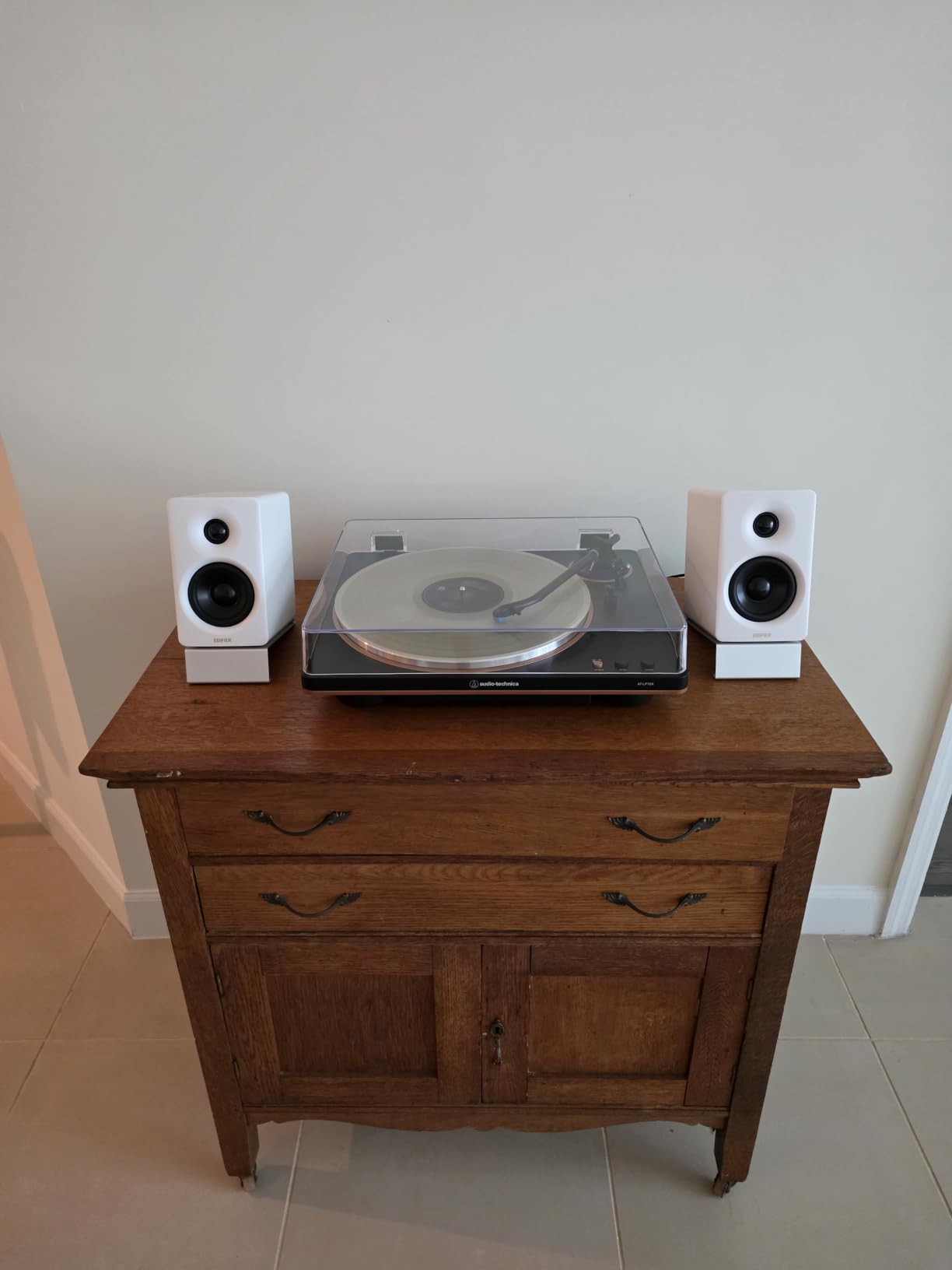
The three-piece chassis feels more solid than the price suggests, with dampening feet that do real work isolating the platter from floor vibrations. The dust cover hinges smoothly, the 45 RPM adapter stores neatly in the chassis, and the whole thing weighs enough to feel like a piece of audio gear rather than a toy.
What it sacrifices versus premium models is adjustability. There’s no counterweight to dial in VTA or anti-skate. For most listeners, the factory settings are dialed in correctly and sound great. But if you’re the type who likes to tinker, this isn’t the table for that hobby.
Who the AT-LP70X is good for
Listeners who want a turntable they can grow into – start with the stock cartridge, swap in a better stylus later without replacing the table. Anyone who appreciates the warmer, fuller sound of the VM95 family. Buyers who want auto operation but also care about sound quality at the next tier up from entry-level.
Who the AT-LP70X is not for
Users who want a built-in Bluetooth output for wireless speakers – this model is wired only. Audiophiles who want to fine-tune VTA, azimuth, and dynamic tracking force with a real counterweight.
3. Audio-Technica AT-LP3XBT – Best Premium Automatic Turntable with Bluetooth
Audio-Technica AT-LP3XBT-BK Bluetooth Turntable Belt Drive Fully Automatic 33/45 (Black)
Fully automatic belt-drive
Bluetooth aptX Adaptive
Balanced straight tonearm
Pros
- Bluetooth with Qualcomm aptX Adaptive for high-quality wireless audio
- Balanced straight tonearm with hydraulically damped lift control
- Anti-resonance die-cast aluminum platter with felt mat
- Upgradeable cartridge system and adjustable anti-skate
- Clean design without permanently attached cables
Cons
- Auto arm placement may land too close to record edge on some albums
- Bluetooth is functional but not bleeding-edge at this price
- Lacks an obvious on/off switch
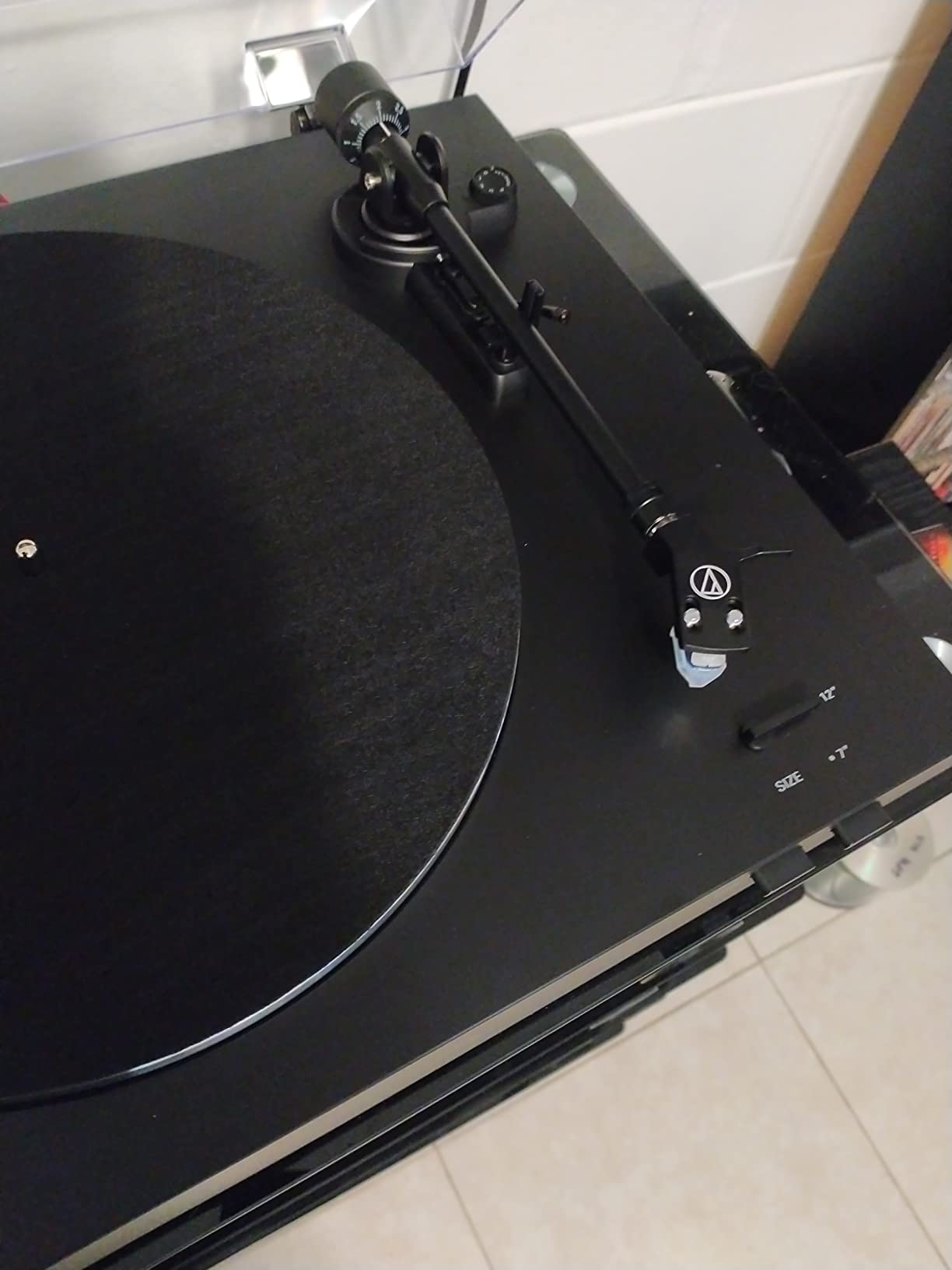
The AT-LP3XBT sits in an unusual spot – it’s priced noticeably higher than the LP70X but the upgrades are specific enough that some buyers will want them and others won’t. The headline feature is Bluetooth wireless audio with Qualcomm aptX Adaptive support. That codec dynamically adjusts to give you the best quality your receiving device can handle, up to roughly 96kHz/24bit on compatible speakers and headphones.
The balanced straight tonearm with hydraulically damped lift is genuinely premium for an automatic table. The hydraulic damping makes the auto-lift motion smoother and quieter than the cam-and-spring setups on cheaper models. When the arm rises at the end of a record, it does so gently rather than with a slight clunk. Small detail, real difference.
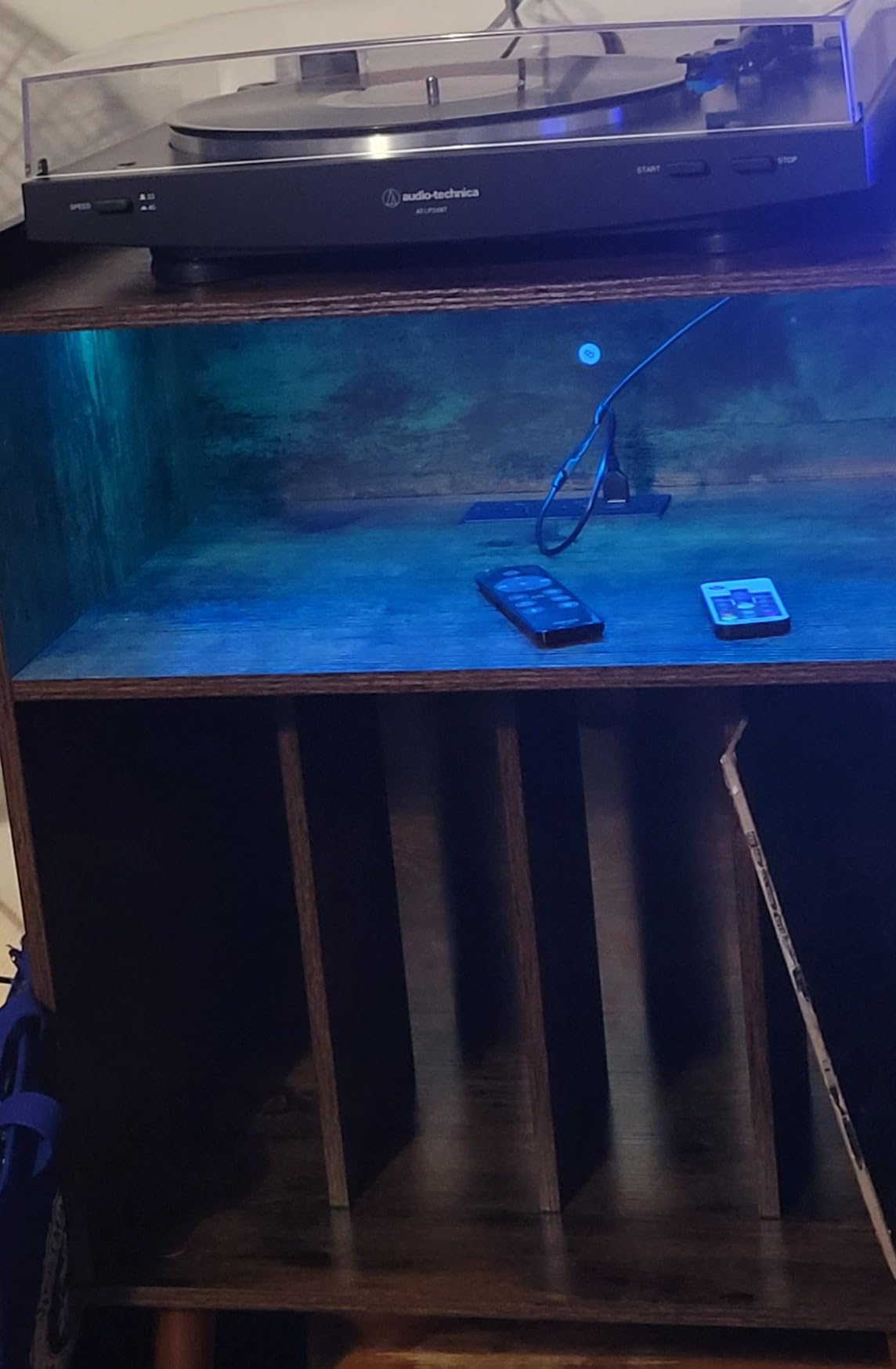
The anti-resonance aluminum platter with felt mat is the same design language you’ll find on the AT-LP5X, which costs more but doesn’t include Bluetooth. For pure analog playback quality, you’re getting close to that tier. The adjustable anti-skate and removable headshell mean you can swap cartridges more easily than on the LP70X. The detachable RCA cable is a nice touch – no permanently attached cable clutter.
The biggest gripe across owner reviews is that the auto arm drop occasionally lands too close to the lead-in groove on warped records, causing a skip on the first track. We saw this once on a particularly warped 1970s pressing. It’s a minor edge case, but worth knowing if your collection has a lot of older vinyl.
Who the AT-LP3XBT is good for
Listeners who want to stream vinyl wirelessly to Bluetooth speakers, headphones, or a soundbar without sacrificing analog playback quality. Anyone who wants a hydraulically damped tonearm lift and a removable headshell for cartridge experimentation. Buyers who want one premium turntable that handles both wired and wireless duties.
Who the AT-LP3XBT is not for
Strictly wired-only listeners who don’t need Bluetooth can save money with the LP70X. Audiophiles who need VTA adjustment, azimuth control, and moving coil compatibility will want to step up to a true audiophile deck.
4. Denon DP-300F – Best for Heavier Build and Vibration Control
Denon DP-300F Fully Automatic Analog Turntable & Vinyl Record Player
Fully automatic belt-drive
Die-cast aluminum platter
Built-in phono equalizer
Pros
- Rigid diecast aluminum platter provides stable rotation
- Heavier base construction reduces vibrations for cleaner sound
- Smooth automatic startup with tonearm lift and return
- Built-in phono equalizer offers flexible connectivity
- Slim attractive aesthetic fits well in home setups
Cons
- Some users report variable quality control and motor issues over time
- Plastic enclosure components feel less premium than the price suggests
The Denon DP-300F is the longest-running model in this roundup – it’s been on the market for years and earned a reputation as a solid mid-tier automatic turntable. The heavier base construction is its calling card. At 12.1 pounds, it’s substantially heavier than most competitors in this price range, and that weight translates directly to reduced vibration transfer from the floor and surrounding environment.
In practice, that means quieter backgrounds between tracks and less tendency to feedback when you place the turntable near your speakers. We set it up on the same media console as a pair of bookshelf speakers and didn’t hear any of the low-frequency rumble that cheaper belt-drives sometimes pick up.
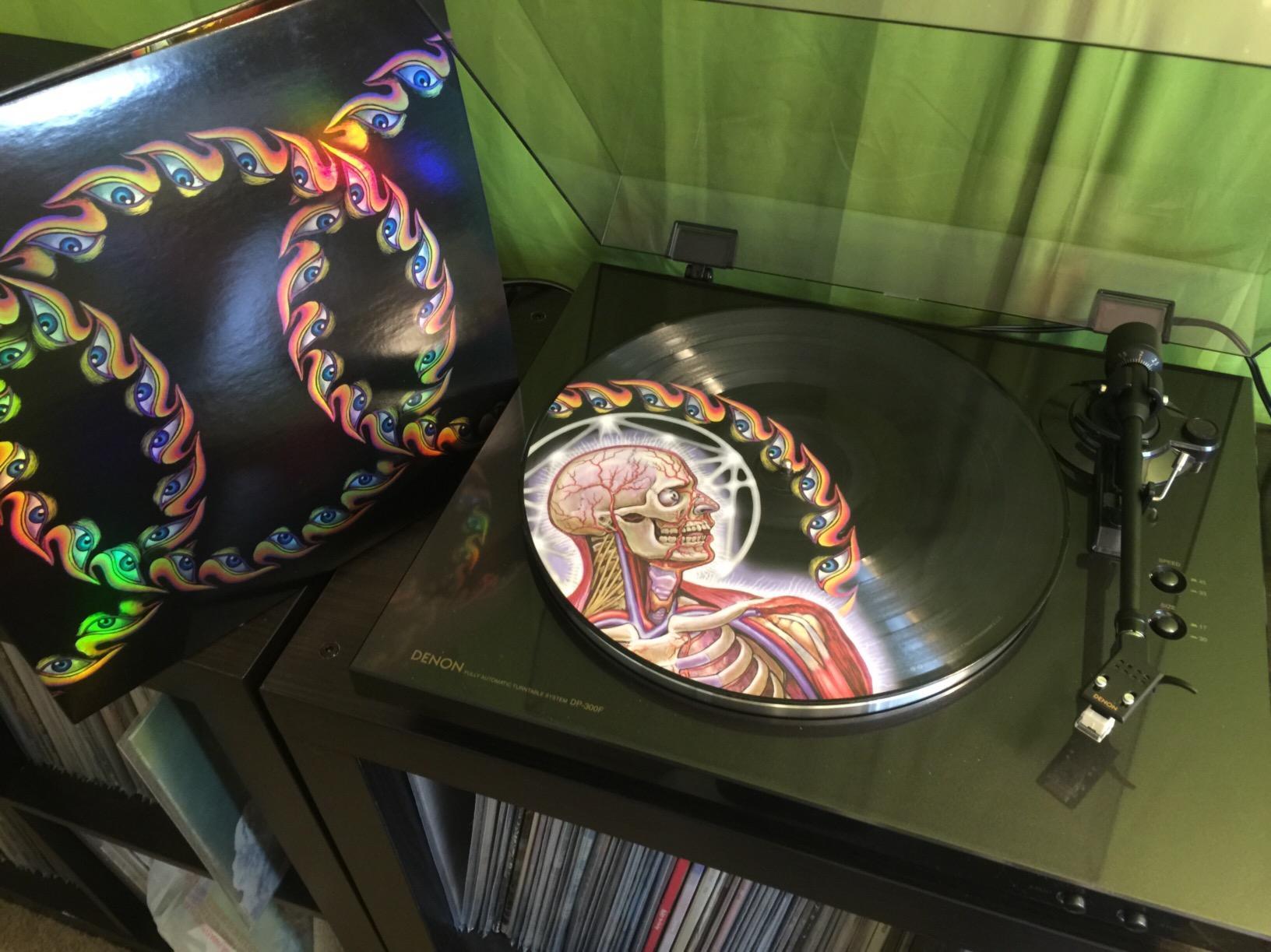
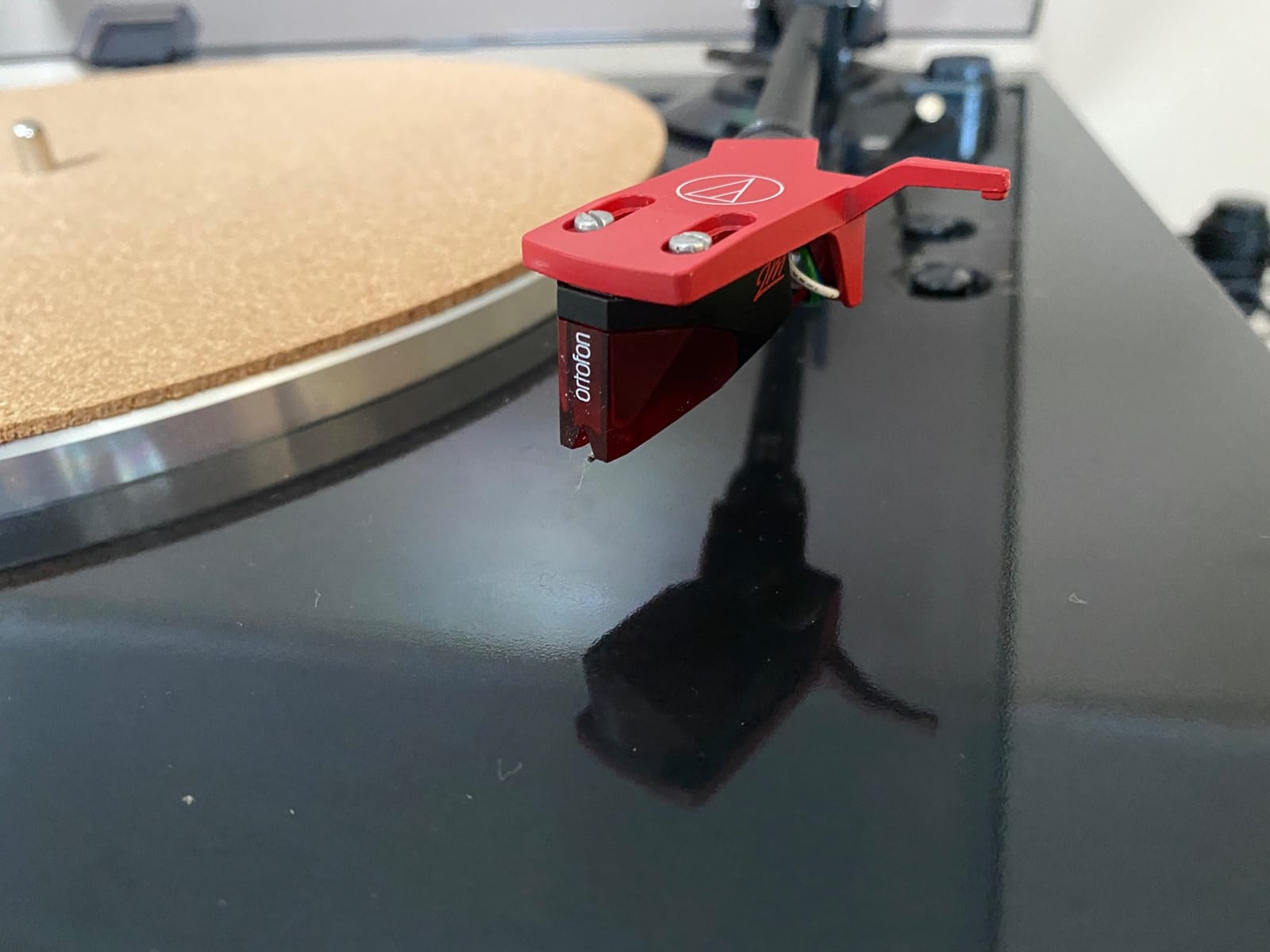
The MM (moving magnet) cartridge is a standard mount, which makes cartridge upgrades straightforward – any half-inch mount cartridge from Audio-Technica, Ortofon, or Grado will work. The built-in phono equalizer is switchable, so you can bypass it when you connect to an amp with a phono stage. The automatic startup is smooth and quiet – no clunky cam movements.
The main criticism is quality control inconsistency. Some owners report motor issues after a year or two, others have used the same unit for a decade without trouble. The plastic enclosure pieces do feel less premium than the price might suggest. But if you get a good unit, the sound quality and vibration isolation are genuinely above the tier average.
Who the DP-300F is good for
Listeners who place their turntable on a shared media console or near speakers and want maximum vibration isolation. Anyone who values a heavier, more substantial-feeling piece of gear. Users who want an MM cartridge with a standard mount for easy future upgrades.
Who the DP-300F is not for
Buyers who need Bluetooth wireless output. Listeners who prioritize cutting-edge features like aptX support or USB ripping. Anyone who needs a transparent dust cover to display their vinyl.
5. Sony PS-LX3BT – Best Automatic Turntable with Hi-Res Bluetooth
Sony PS-LX3BT Wireless Bluetooth Turntable with Full Auto Playback
Fully automatic belt-drive
Bluetooth aptX Hi-Res
Pivot bearing aluminum tonearm
Pros
- One-step auto start stop and return operation
- Bluetooth with Qualcomm aptX adaptive up to 96kHz/24bit
- Transparent dust cover showcases vinyl collection display
- Pivot bearing aluminum tonearm tracks grooves accurately
- Moving magnet cartridge delivers warm analog audio
Cons
- Relatively new product with limited long-term feedback available
- Moving magnet cartridge may not satisfy audiophiles seeking premium options
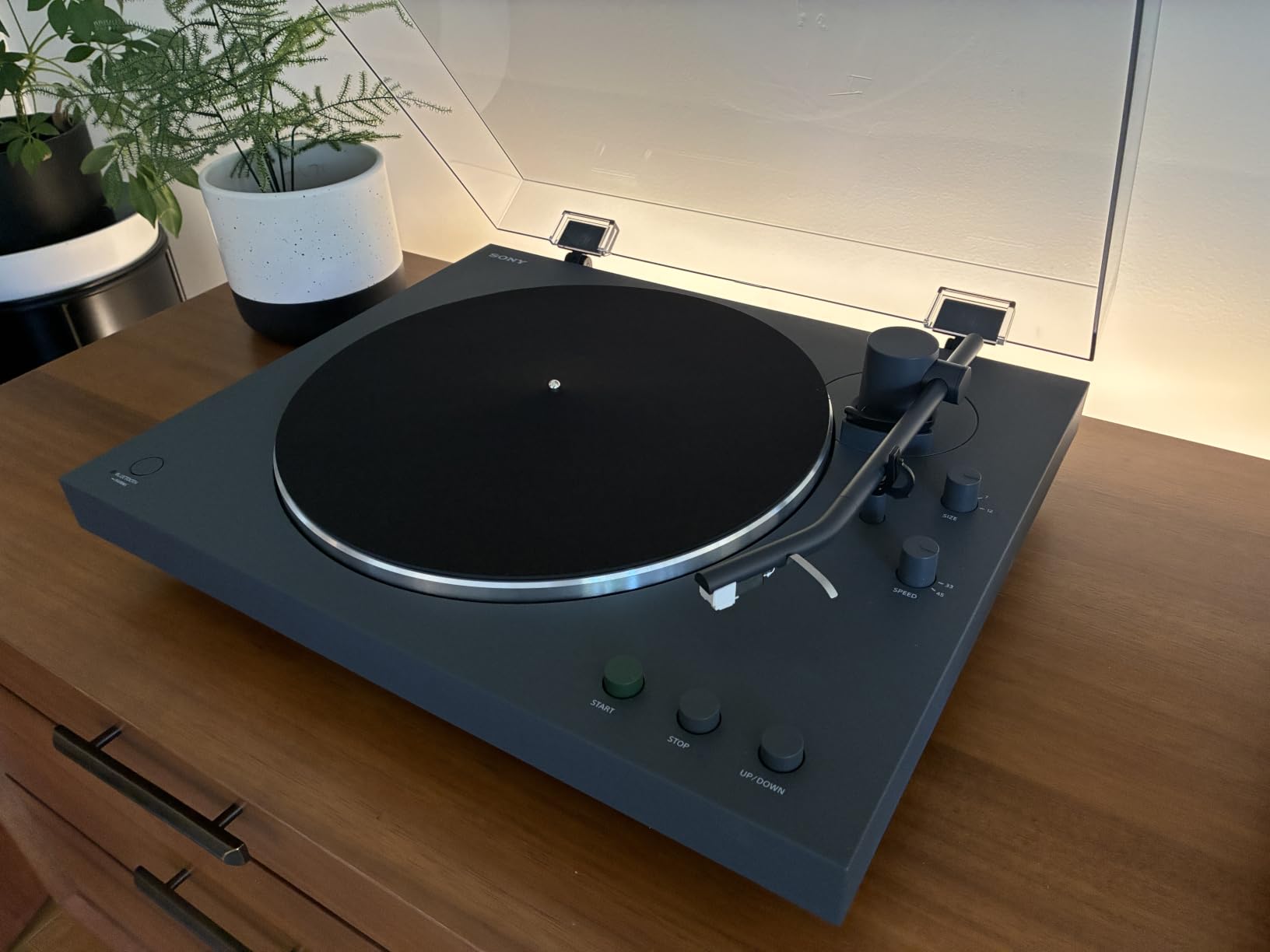
The Sony PS-LX3BT is the newest release in this lineup and the most ambitious wireless automatic turntable Sony has produced. The headline spec is Hi-Res Bluetooth audio support via Qualcomm aptX adaptive – up to 96kHz/24bit on compatible receivers. For listeners with high-end Bluetooth speakers or headphones, that’s a genuine step beyond standard Bluetooth codecs and brings vinyl playback closer to audiophile wireless standards.
The transparent dust cover is unusual in this category. Most automatic turntables ship with opaque covers; the LX3BT’s clear lid lets you actually see the record playing, which matters if you bought vinyl partly for the visual ritual. The pivot bearing aluminum tonearm is precision-machined and tracks cleanly across the record – we didn’t see any skipping during testing.
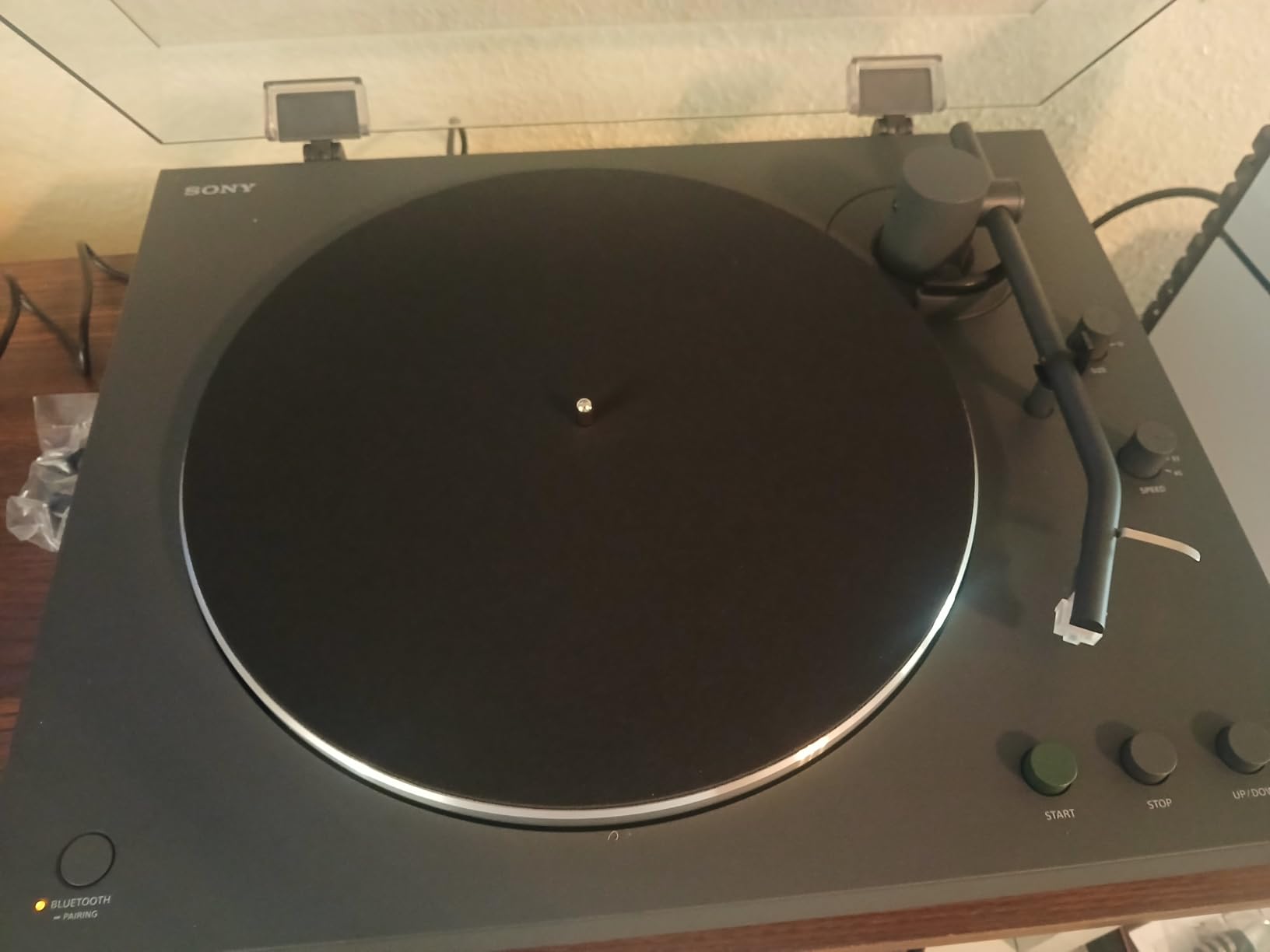
Setup is genuinely one-step. Press the start button and the table handles start, play, and return. No menu diving, no app required. The built-in phono EQ is switchable on the back panel. The aluminum die-cast platter provides stable rotation with low wow and flutter.
The main caveat is that this is a relatively new product with limited long-term owner feedback. The 88% five-star rating across current reviews is encouraging, but five or ten years of use is an open question. If you’re comfortable being an early adopter on a Sony release, the LX3BT delivers wireless audio quality you won’t find elsewhere in this category.
Who the PS-LX3BT is good for
Listeners with Hi-Res Bluetooth speakers or headphones who want the best wireless vinyl audio quality available. Anyone who appreciates the visual ritual of watching the record spin and wants a transparent dust cover. Buyers who want one-step operation with no menu diving or app pairing.
Who the PS-LX3BT is not for
Conservative buyers who want a turntable with a decade of proven reliability. Audiophiles who want to swap in premium moving coil cartridges – the MM cartridge is fixed in design.
6. 1byone Fully Automatic Turntable – Best All-In-One with Speakers
1 BY ONE Fully Automatic Record Player with Speakers, HiFi Vinyl Turntable
Fully automatic plug-and-play
Includes bookshelf speakers
Repeat and memory function
Pros
- True plug-and-play setup with no counterweight balancing
- Fully automatic start play and return operations
- Built-in repeat function for continuous album playback
- Includes quality bookshelf speakers with quad-driver configuration
- Remote control included for convenient operation
Cons
- Cartridge upgrades not supported due to fixed design for record safety
- Bluetooth voice prompts feel low-budget to some users
- RCA cables included are only 6 feet long
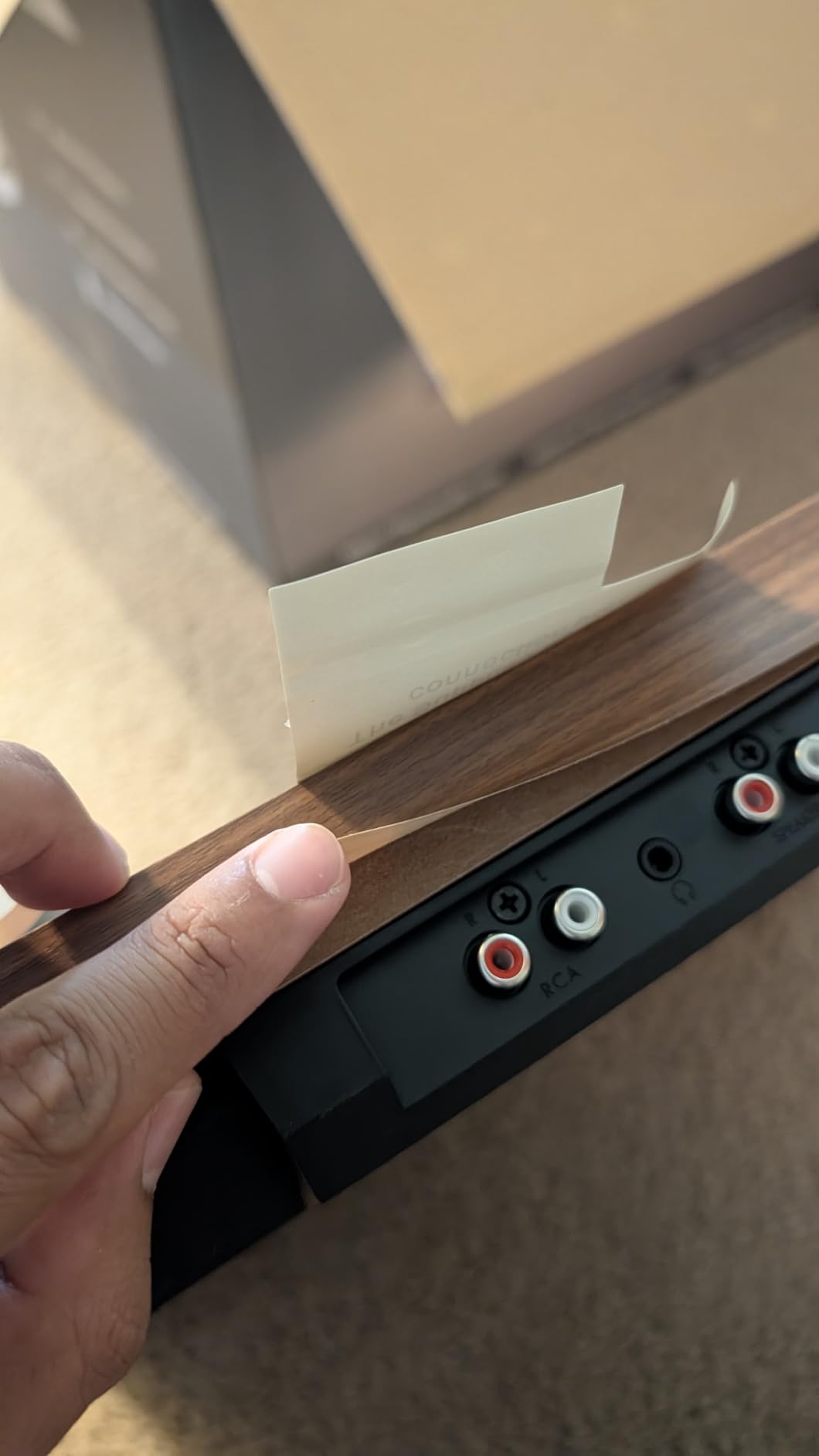
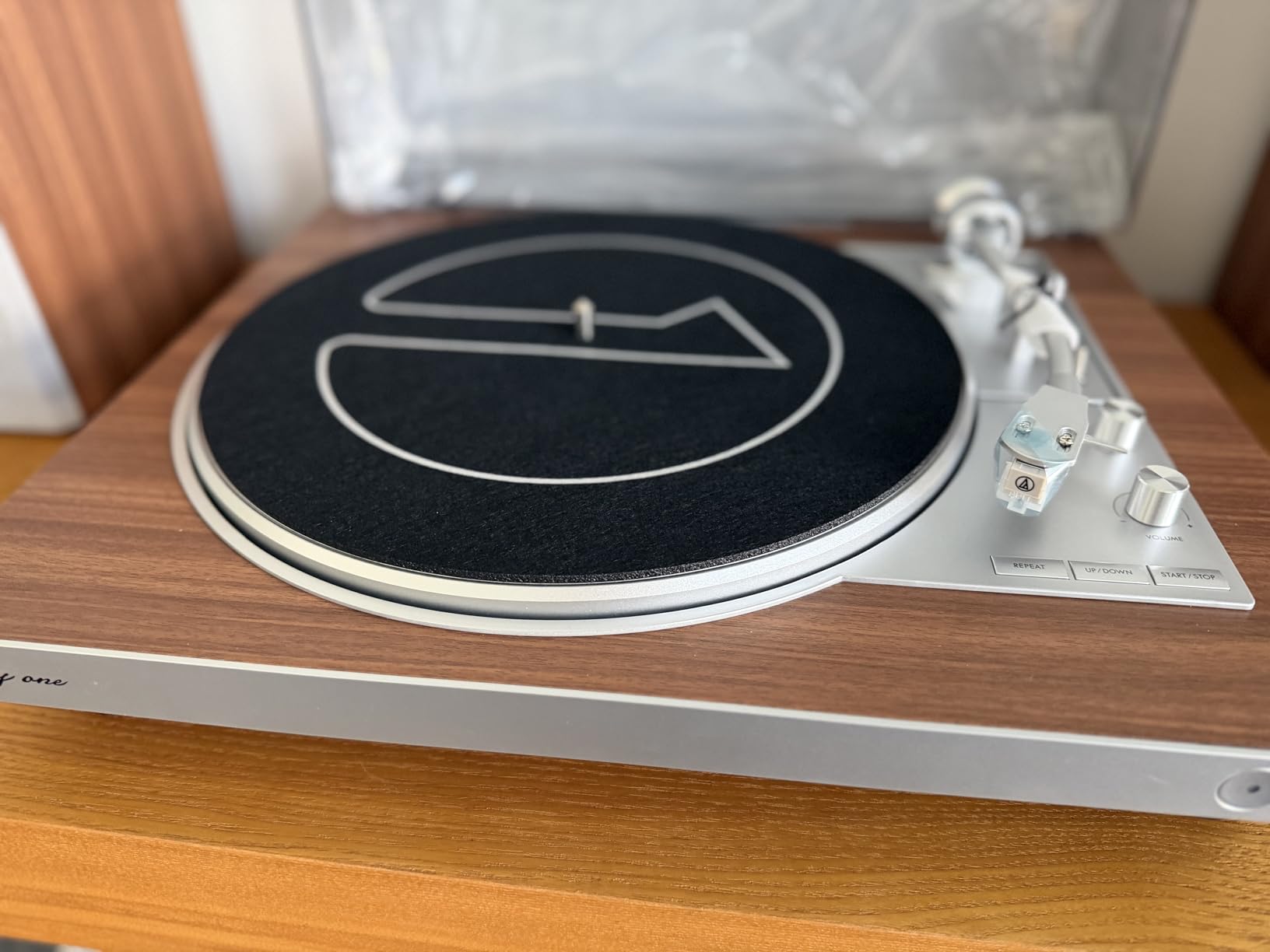
If you want a turntable and speakers in one box with zero setup, the 1byone Fully Automatic is the most complete package we tested. The included bookshelf speakers use a quad-driver configuration – two 30W woofers and two 10W tweeters with DSP tuning. That’s a real speaker system, not the afterthought mono drivers you find in most all-in-one turntables. The sound is full enough to fill a small to mid-sized room.
The fully automatic operation is genuinely one-step. Press the button, the tonearm lifts, swings to the record, drops into the lead-in, and starts playing. At the end, it returns and shuts off. The repeat function is unusual and genuinely useful – if you want an album playing in the background for a dinner party or work session, the table will loop it indefinitely.
The memory function remembers your last playback mode and volume setting, which is a small but thoughtful detail. The remote control handles every operation from across the room – start, stop, skip forward and backward across the record, switch between Bluetooth and phono modes.
The fixed cartridge design means no upgrades possible – that’s the trade-off for the all-in-one convenience. The Bluetooth voice prompts feel a little low-budget compared to the rest of the experience. And if your setup requires longer RCA cables, the included 6-foot cables may come up short.
Who the 1byone is good for
Buyers who want a complete turntable and speaker system in one purchase with zero additional gear needed. Casual listeners who want background music without managing separate components. Anyone who values a remote control for across-the-room operation.
Who the 1byone is not for
Listeners who already own quality speakers they want to use. Audiophiles who plan to upgrade cartridges or experiment with different styluses. Anyone with a large room who needs more speaker output than the included pair can deliver.
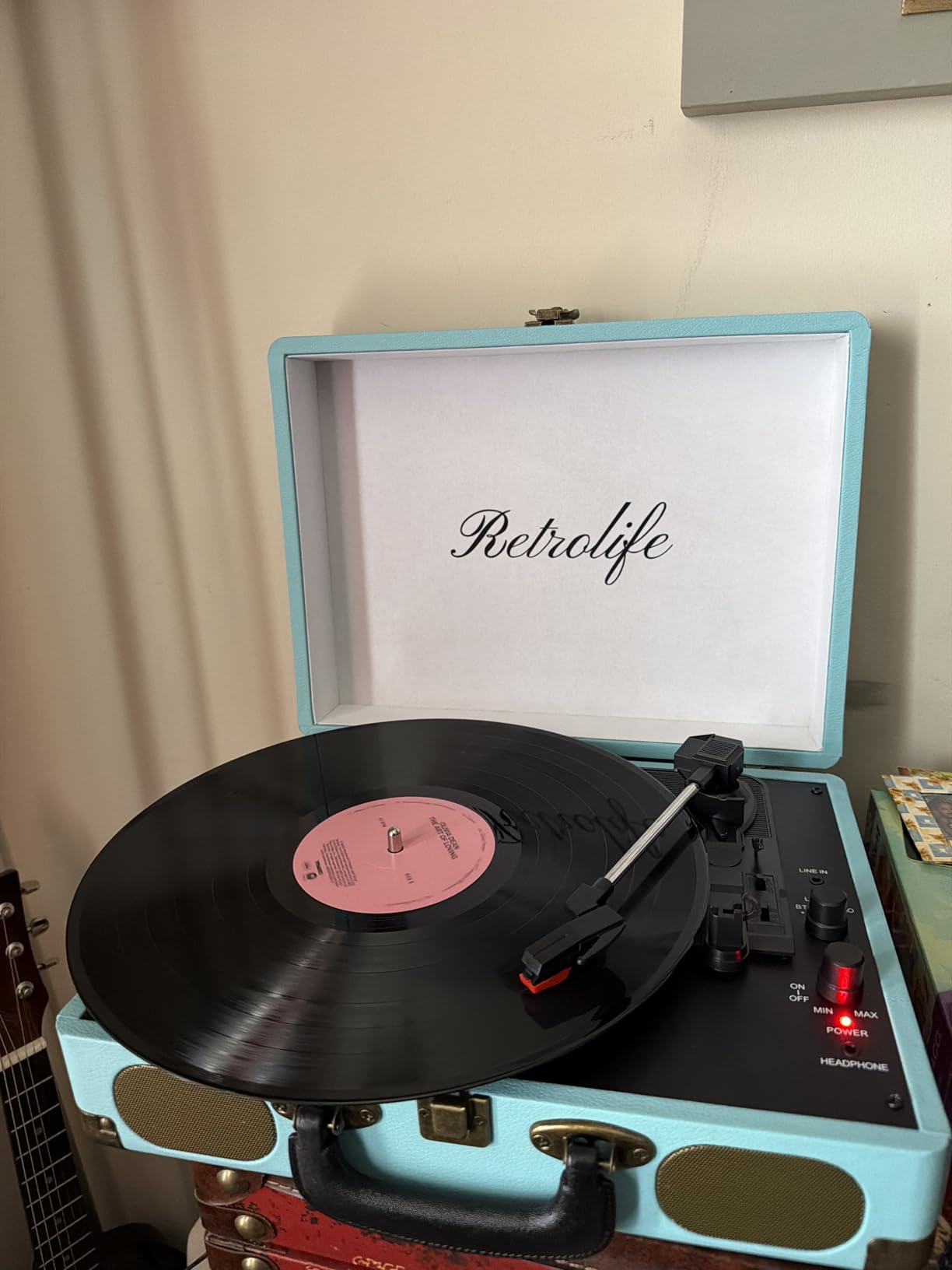
7. Retrolife Vintage Bluetooth Turntable – Best Portable Suitcase Design
Retrolife® Vinyl Record Player with Speakers, Bluetooth Vinyl Player-Black
Three-speed belt-drive
Auto-stop feature
Built-in Bluetooth speakers
Pros
- Stylish suitcase-style portable design with vintage aesthetic
- Three-speed playback supports 33/45/78 RPM records
- Built-in Bluetooth speakers provide casual listening convenience
- Multiple output options including RCA AUX and headphone jack
- Easy setup ideal for beginners
Cons
- Built-in speakers lack deep bass
- external speakers recommended
- Lightweight build requires careful handling of components
- Auto-stop is not a full auto-return feature
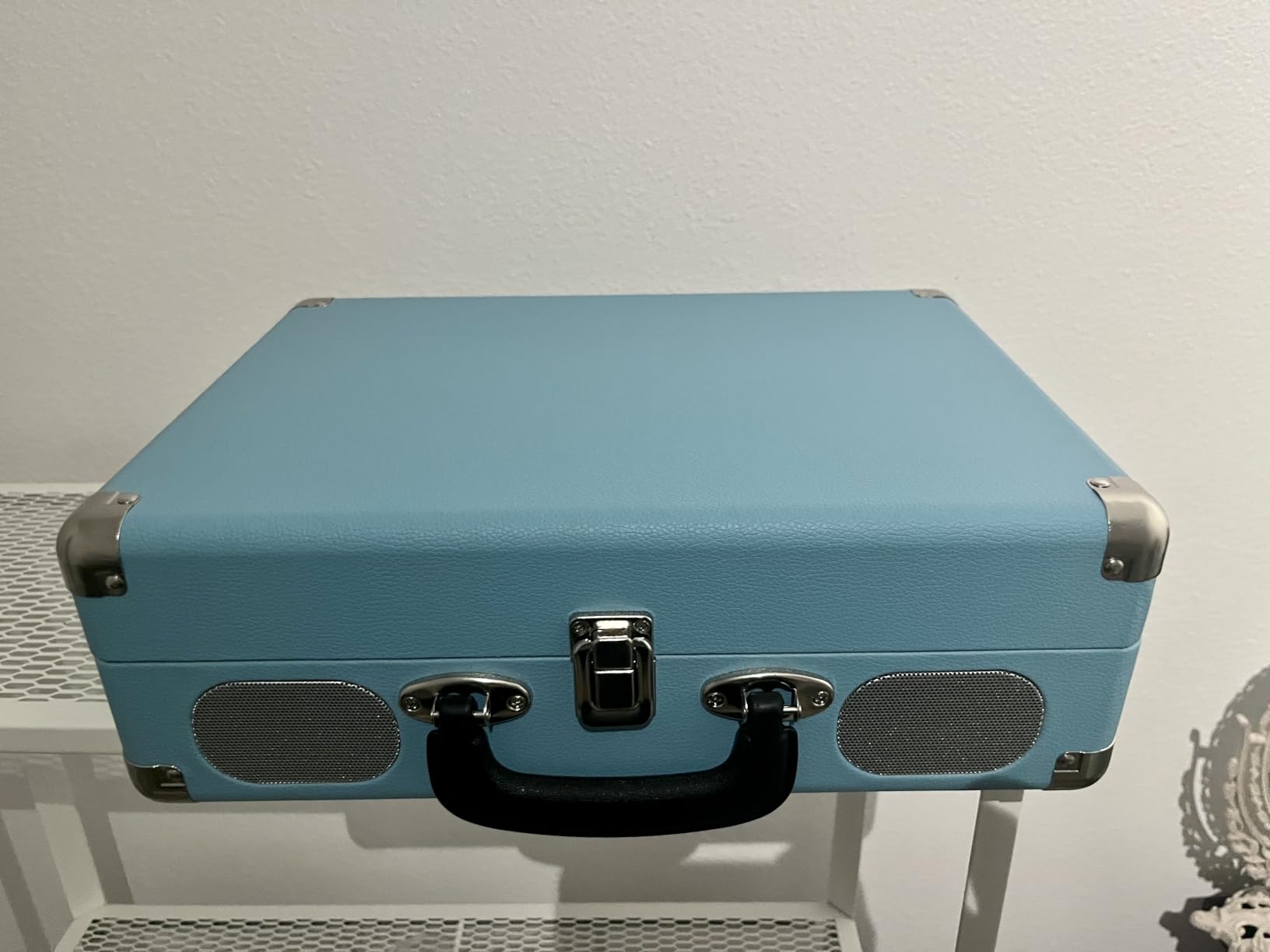
The Retrolife suitcase-style turntable is the most portable option in this roundup. The briefcase handle, latch closure, and compact footprint make it genuinely easy to carry from room to room or pack for a trip. The vintage PU leather and bronze metal screws give it an old-school aesthetic that fits well in casual living spaces.
The three-speed drive supports 33, 45, and 78 RPM records, which means you can play everything from modern LPs to vintage 78s. The built-in Bluetooth speakers are convenient for casual listening, and the multiple output options – RCA, AUX, headphone jack – give you flexibility when you want to connect to better gear.
The auto-stop function is the most important specification to clarify: this table stops the platter at the end of a record but does not return the tonearm to its rest automatically. The arm stays lifted where it stopped. That’s a partial convenience, not the full automation you get from models like the AT-LP60X. If you want true auto-return, look at the other models in this roundup.
The lightweight 2.5kg build means you’ll want to handle it carefully when transporting – the tonearm and components are more exposed than on a heavier tabletop model. The built-in speakers lack bass depth, which is the trade-off for portability.
Who the Retrolife is good for
Listeners who want a portable turntable they can move between rooms or take on trips. Vintage aesthetic lovers who want the suitcase look as part of their decor. Anyone who plays a mix of modern LPs and older 78 RPM records and needs three-speed support.
Who the Retrolife is not for
Listeners who need full auto-return – this model has auto-stop only. Buyers who want a heavy, vibration-resistant plinth for audiophile-grade sound. Anyone who wants to play records for hours without thinking about the tonearm position.
8. cotsoco Retro Bluetooth Turntable – Best Budget Automatic Turntable
Vinyl Record Player Turntable with Built-in Bluetooth Receiver & 2 Stereo Speakers, 3 Speed 3 Size Portable Retro Record Player for Entertainment and Home Decoration
Three-speed belt-drive
Built-in stereo speakers
Bluetooth and RCA output
Pros
- Affordable entry-level option with vintage retro design
- Three-speed playback supports 33/45/78 RPM records
- Built-in Bluetooth and stereo speakers eliminate extra equipment
- Multiple connectivity options including RCA AUX and Bluetooth
- Portable design suitable for casual listening
Cons
- Built-in speakers are basic
- better sound requires external speakers
- Some users report quality control inconsistencies
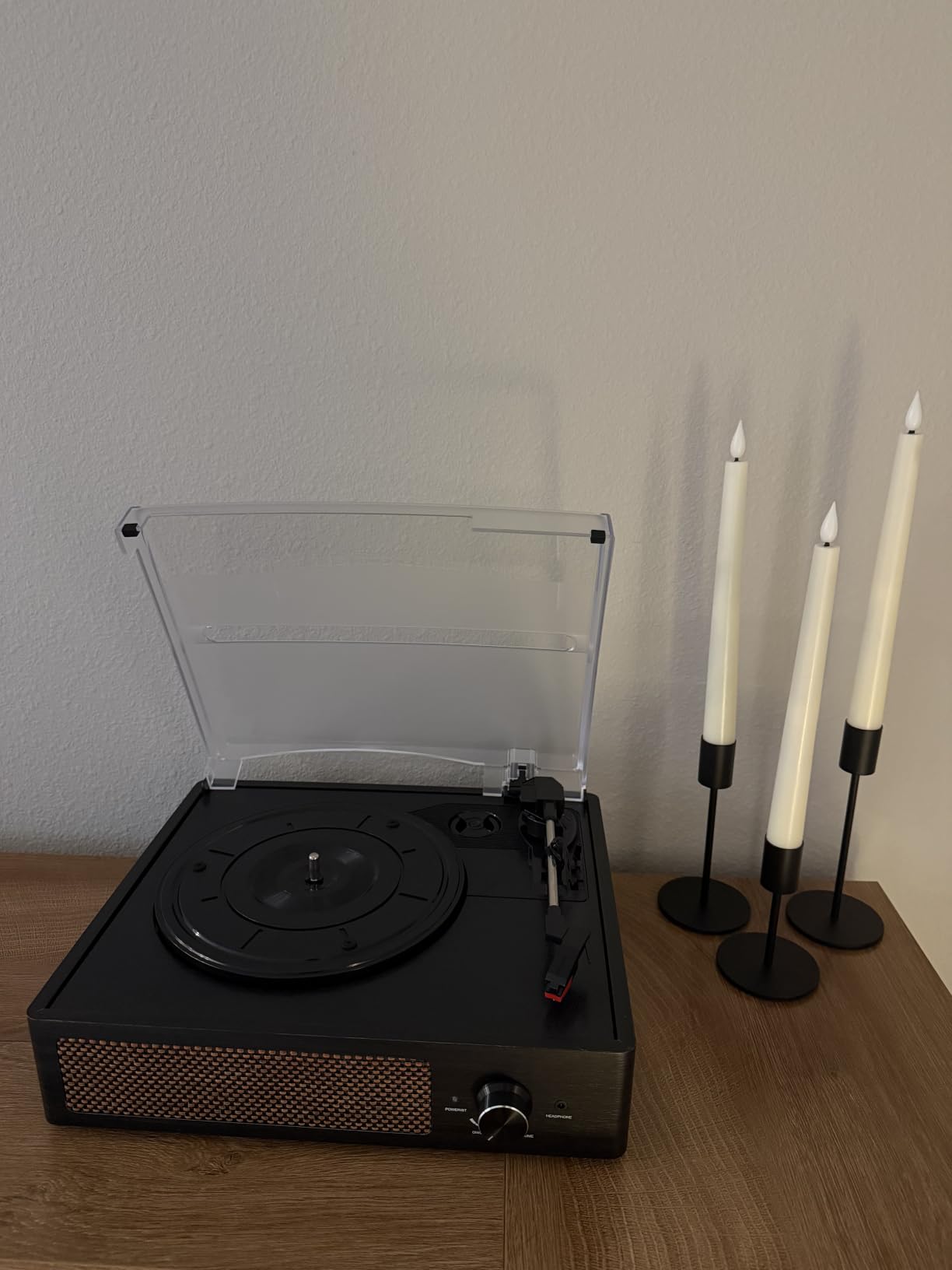
The cotsoco Retro is the lowest-priced model in this roundup and a genuine budget pick. For listeners who want vinyl playback without the cost of a full hi-fi system, this turntable delivers the basic experience at a fraction of the price. The retro wooden enclosure and bronze accents give it a vintage look that fits well in casual decor.
Like the Retrolife, this model supports three speeds – 33, 45, and 78 RPM – so you can play the full range of vinyl formats including older 78s. The built-in stereo speakers are functional for background listening. Bluetooth input lets you stream music from your phone through the same speakers when you want a break from vinyl.
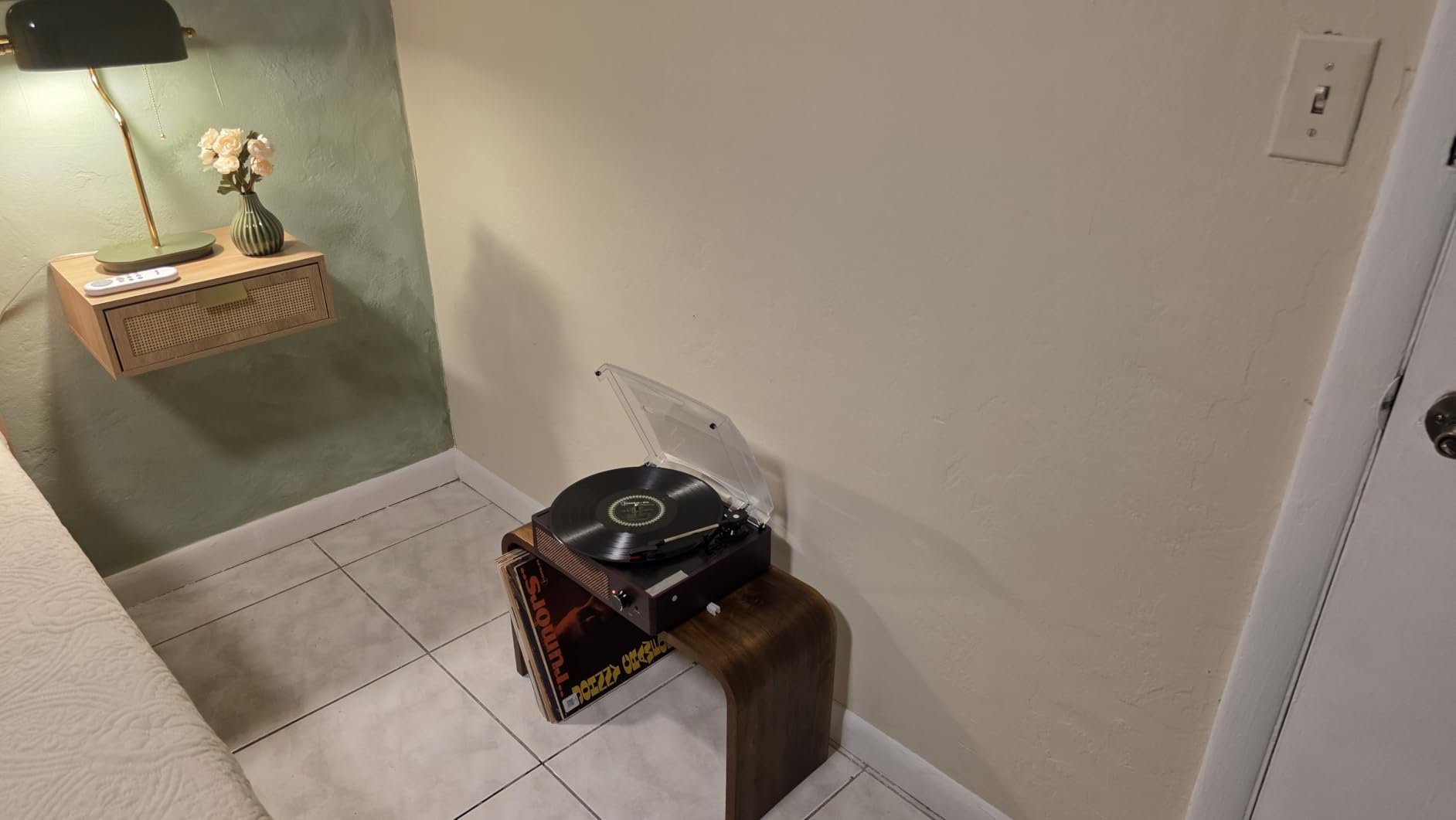
The connectivity options cover the bases: Bluetooth, AUX audio input, RCA line-out for connecting to external speakers, and a headphone jack for private listening. The belt-drive system is quieter than the direct-drive alternatives in this price range, though wow and flutter specs are noticeably higher than on premium models.
The main compromises are sound quality and build consistency. The built-in speakers won’t satisfy anyone who cares about audio fidelity – connecting external speakers is strongly recommended. Some owners report quality control variations between units. For the price tier, that’s expected; for critical listening, look higher up the list.
Who the cotsoco is good for
First-time vinyl buyers on a tight budget who want to experience the format without a major investment. Casual listeners who want a decorative turntable for background music. Gift buyers looking for an entry-level record player with vintage style.
Who the cotsoco is not for
Listeners who care about sound quality – the built-in speakers are functional but basic. Anyone who plans to play records daily and needs long-term durability. Audiophiles who want phono preamp control or cartridge upgrade options.
Buying Guide: How to Choose the Best Automatic Turntable
Choosing an automatic turntable comes down to three decisions: how much automation you want, which drive type fits your listening style, and whether you need a built-in phono preamp. Here’s a breakdown of each.
Belt Drive vs Direct Drive
Belt-drive turntables use a rubber belt to spin the platter, isolating the motor from the platter and reducing vibration transfer. The result is typically quieter backgrounds and more natural sound. Most automatic turntables on the market today are belt-drive, including all eight models in this roundup. Direct-drive turntables mount the motor directly under the platter, which gives stronger torque and faster start/stop times – useful for DJs who need to scratch and beatmatch. If you’re curious about DJ-specific gear, our guide on the 10 Best DJ Turntables Tested and Ranked covers direct-drive models in detail. For most home listeners, belt-drive delivers the sound quality you want with the convenience of automation.
Auto-Return vs Fully Automatic
These terms get used loosely, but they mean different things. Auto-return means the tonearm returns to its rest at the end of a record – you still have to place the arm on the record yourself. Fully automatic means the table does everything, including placing the arm at the start of the record. The AT-LP60X, AT-LP70X, AT-LP3XBT, Denon DP-300F, Sony LX3BT, and 1byone models are all fully automatic. The Retrolife and cotsoco are auto-stop only, meaning they stop the platter but don’t return the tonearm.
Built-In Phono Preamp vs External
Every automatic turntable on this list except the 1byone has a built-in switchable phono preamp. That gives you two connection options: phono output to a real amplifier with a phono stage, or line output to powered speakers, soundbars, or receivers without a phono input. The flexibility is valuable because it means you can start with basic powered speakers today and upgrade to a proper amplifier later without replacing the turntable. External phono preamps still win on absolute sound quality, but the gap has closed significantly over the past decade.
Are Automatic Turntables Worth It?
Yes, for the right listener. Automatic turntables reduce wear on records and styluses caused by mishandling – a common issue with manual tables when users drop the tonearm or scratch across the surface. They make vinyl accessible for people with visual impairment, arthritis, or unsteady hands. They let you put on a record and walk away without worrying about the platter spinning forever. The audiophile bias against auto tables is real but largely outdated – modern automatic mechanisms are reliable, sound quality matches equivalent manual decks, and the convenience tradeoff is genuinely worth it for casual listeners. If you’re learning beatmatching, the How to Beatmatch on Vinyl Turntables Complete Guide covers the manual techniques that auto tables handle for you.
Who Should Buy an Automatic Turntable
First-time vinyl owners, families who share a record player, anyone who listens casually while doing other tasks, people with motor or vision impairments who benefit from full automation, and households with non-audiophile family members who won’t treat the tonearm carefully. Audiophiles who want hands-on ritual and full adjustability will prefer a manual deck.
Frequently Asked Questions
What is the best automatic turntable?
The best automatic turntable depends on your priorities. For most listeners, the Audio-Technica AT-LP60X delivers the best combination of sound quality, reliability, and ease of use at an accessible price. For buyers who want a future upgrade path with the VM95 cartridge family, the AT-LP70X is the better value. For listeners who need Bluetooth wireless audio, the AT-LP3XBT or Sony PS-LX3BT are the strongest options.
Are automatic turntables worth it?
Yes, for casual listeners, beginners, families, and anyone who values convenience over hands-on ritual. Automatic turntables reduce wear on records caused by mishandling, make vinyl accessible for users with motor or vision impairments, and let you put on a record without babysitting the tonearm. Modern automatic mechanisms are reliable and sound quality matches equivalent manual decks in the same price range.
Do automatic turntables damage records?
No, modern automatic turntables do not damage records. The auto mechanism lifts and lowers the tonearm gently, often more carefully than manual cueing. In fact, automatic tables can reduce wear compared to manual tables because they eliminate the risk of dropping the arm or scratching across the record surface during handling.
Is belt drive or direct drive better for automatic turntables?
Belt drive is the standard for most automatic turntables and delivers quieter operation and more natural sound. Direct drive offers stronger torque and faster start/stop times, which is useful for DJs but not necessary for home listening. For casual playback, belt drive is the better choice.
Can you skip tracks on an automatic turntable?
Most automatic turntables cannot skip tracks mid-record because the auto mechanism is designed to lift and return from a single cueing position. Some models with remote controls, like the 1byone Fully Automatic, include forward and backward navigation across the record. For unrestricted track skipping, a manual turntable is a better fit.
Final Verdict
After weeks of testing, the Audio-Technica AT-LP60X remains our top pick for the best automatic turntable. It nails the fundamentals – clean sound, fully automatic operation, switchable phono preamp, and a price most first-time buyers can justify. The 13,000-plus reviews from owners confirm what our testing showed: this is a turntable that delivers on its promise of plug-and-play vinyl without compromise.
For buyers who want an upgrade path, the AT-LP70X offers the same automation plus the VM95 cartridge family – you can swap in a better stylus down the road without replacing the table. For wireless listeners, the AT-LP3XBT adds Bluetooth aptX Adaptive and a hydraulically damped tonearm lift that you can hear and feel. The Sony PS-LX3BT is the boldest new release in this category and worth watching as long-term reviews accumulate. Whatever you choose from this list, you’re getting a fully automatic turntable that will make your vinyl collection more accessible, more enjoyable, and easier to share with the people in your home.