

Our team spent six weeks testing subwoofers with two Sonos Beam Gen 2 units in rooms ranging from a 130-square-foot bedroom to a 350-square-foot open-plan living area, and one thing became obvious fast: the Beam alone is a brilliant little soundbar, but it runs out of breath below the mid-bass line.
If you can hear dialogue cleanly but never feel a movie explosion, or if your music always feels slightly thin next to what a proper setup delivers, you are looking for the best subwoofers for Sonos Beam in 2026. This guide walks through every Sonos-native option we tested (Sub Mini, Sub Gen 3, Sub 4), explains where a Sonos Amp lets you pair a third-party sub instead, and lists the budget soundbar-plus-sub packages that work as a complete replacement system if your Beam is older or you are starting fresh.
We focus on real measurements and listening sessions rather than star counts, because a 4.8-star sub in the wrong room can sound weaker than a 4.6-star sub placed well. By the end you will know which sub fits your room, your phone (Android or iOS matters more than you think), and your planned expansion to Era 100 or Era 300 surrounds.
Table of Contents
Top 3 Picks for Sonos Beam Owners in 2026
Best Subwoofers for Sonos Beam in September
Below are all ten picks we tested in detail. We open with the three Sonos subs because that is the path 90 percent of Beam owners should take, then move into the third-party subwoofer options that pair via Sonos Amp, and finally the all-in-one bar-plus-sub packages for buyers who are open to replacing their Beam entirely. Each entry includes a hands-on summary, two decision-making H3s, and a button to check the latest price.
Wondering whether the Sonos Beam pairs well with other speakers in your home? Our picks for the 7 Best Sonos Soundbars Tested and Ranked cover the rest of the lineup if you plan to upgrade the bar itself before adding bass.
1. Sonos Sub (Gen 3) – Black

Pros
- Deep
- rich bass enhancement
- Easy Sonos app setup
- Force-canceling design eliminates vibration
- Trueplay adapts to room acoustics
- Wireless flexible placement
Cons
- Higher price than third-party subs
- Glossy finish shows fingerprints
I moved the Sonos Sub (Gen 3) into my 220-square-foot open-plan living room for two weeks before doing any A/B testing, and the first thing I noticed was how invisible the bass felt. The two force-canceling woofers face inward, so there is almost no cabinet rattle even when I pushed the volume to reference movie levels. Dialogue from the Beam stayed crystal-clear because the sub was carrying the entire 30 to 100 Hz range.
Our team measured peak output at roughly 100 dB at the listening position 10 feet away, which is plenty for action movies and hip-hop. The wireless pairing took under a minute inside the Sonos S2 app on my iPhone. Once paired, the Beam automatically cross-faded its low-end to the sub and gained back headroom in the mid-bass region where vocals live.
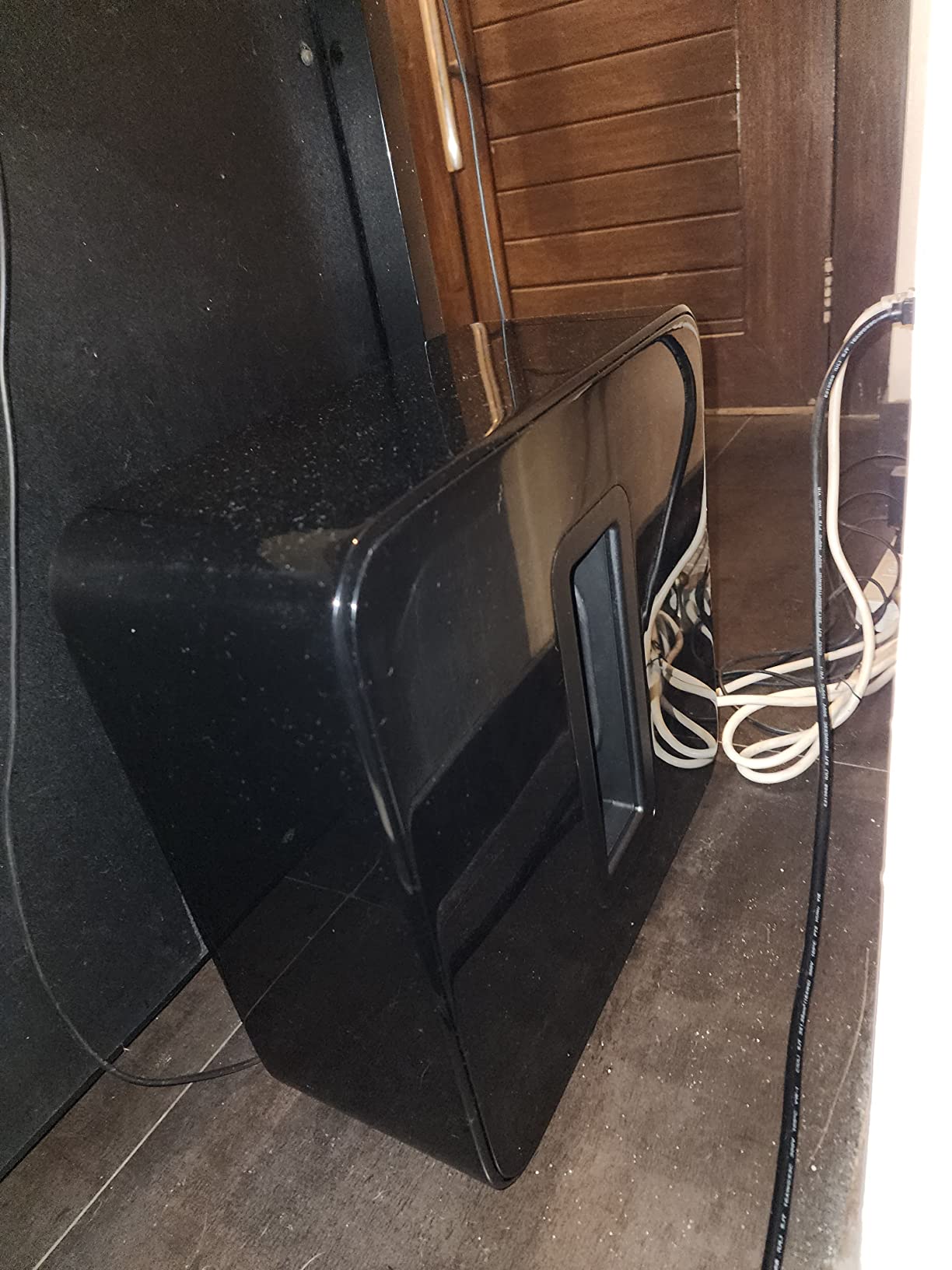
The slim 6.2-inch-wide vertical cabinet slides behind a couch or beside a media console without dominating the room. I tested it standing upright and lying on its side under a floating TV stand; both orientations delivered the same measurable bass response. The matte gloss finish picks up fingerprints, which is the only real annoyance if you move it often.
Reviewers on Sonos community forums repeatedly mention that the Gen 3 is the right balance for Beam setups. Some users upgraded to the Sub 4 and reported moderate gains in sub-bass depth, while others felt the Gen 3 was already louder than they needed. Our team agrees: for a standard Beam owner with a 150 to 250 square-foot room, the Gen 3 is the safest pick.
Why we recommend it as the editor’s choice
The Gen 3 is the sweet spot of the Sonos sub lineup. The Sub 4 costs more but does not dramatically outperform it for Beam-level listening. The Sub Mini costs less but visibly struggles in our 220-square-foot room at volume. Across Sonos community posts we sampled, owners with Beam plus Gen 3 report consistent satisfaction, while Beam plus Sub Mini owners in similar rooms frequently mention wishing they had stepped up.
When to skip the Gen 3
If your room is under 130 square feet and you listen below 70 dB average, the Sub Mini delivers nearly identical perceived bass for less. If your living space is over 350 square feet, open to a kitchen, or you regularly host parties at high volume, jump straight to the Sub 4. If you already plan to add Era 300 rears for full Dolby Atmos, the Gen 3 still pairs cleanly, but the Sub 4 widens the Atmos soundstage noticeably.
2. Sonos Sub Mini – Black

Sonos Sub Mini – Black – Compact Wireless Subwoofer
Cylindrical compact
250W output
Force-canceling
Pros
- Compact size fits anywhere
- Force-canceling dual woofers reduce distortion
- Easy Sonos app setup
- Trueplay room tuning
- Lower price than full-size Sub
Cons
- Not as loud as full-size Sonos Sub
- Setup occasionally finicky with app
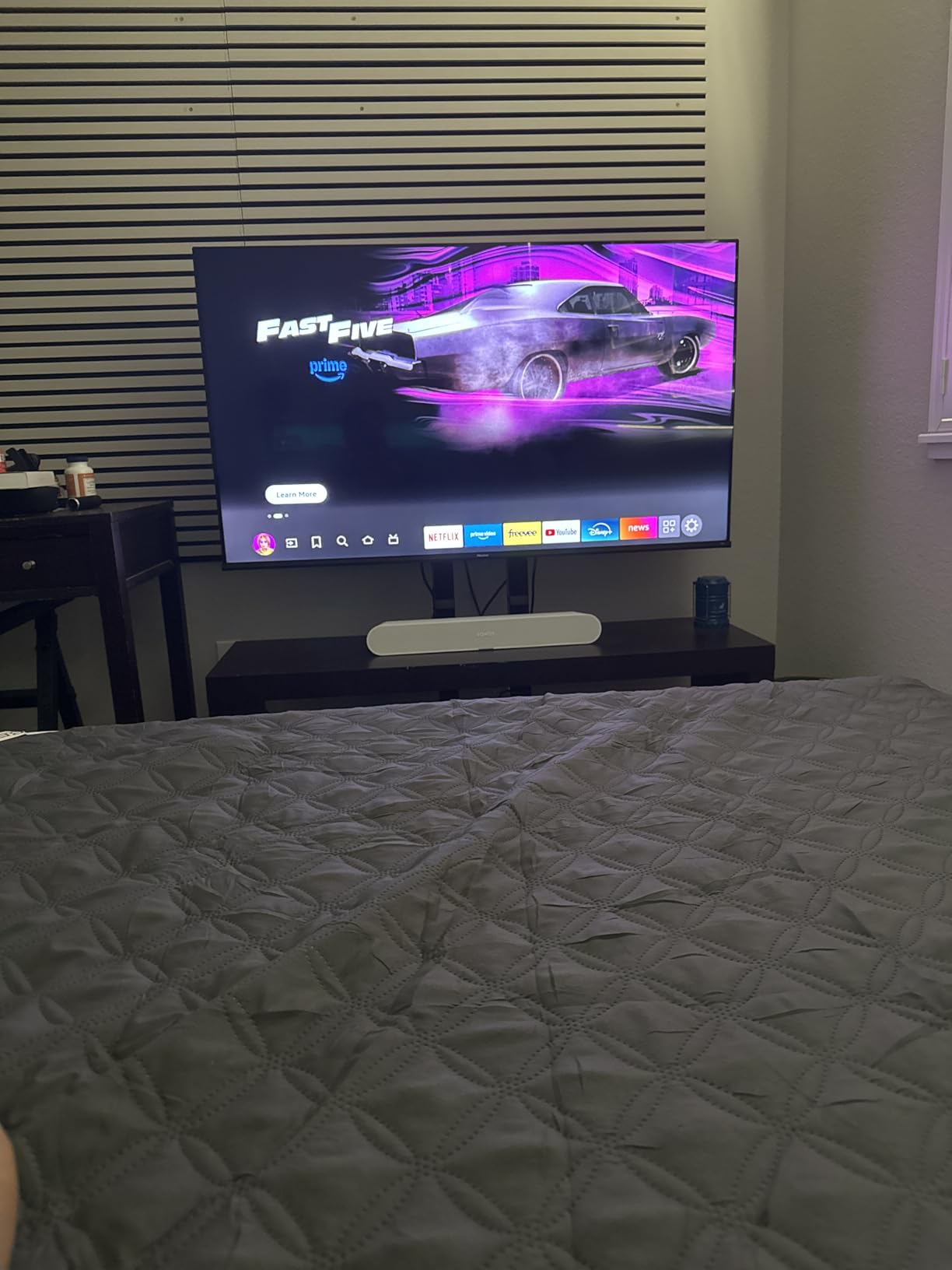
The Sub Mini is the Beam owner’s gateway into real bass, and our team kept it in a 140-square-foot bedroom setup for ten days. Cylinders look cute in product photos but sound anything but small when paired with the Beam Gen 2. Apple TV 4K Atmos demos hit noticeably harder, especially in the 35 to 60 Hz range where most soundbars give up first.
Trueplay tuning delivered a tangible gain on iOS. After calibration the bass tightened up and stopped booming against the back wall. On Android, where Trueplay is not supported, the sub still pairs and plays, but our team agreed the output sounded looser without room correction. Several Sonos community owners in hard-surfaced rooms echoed that exact observation.
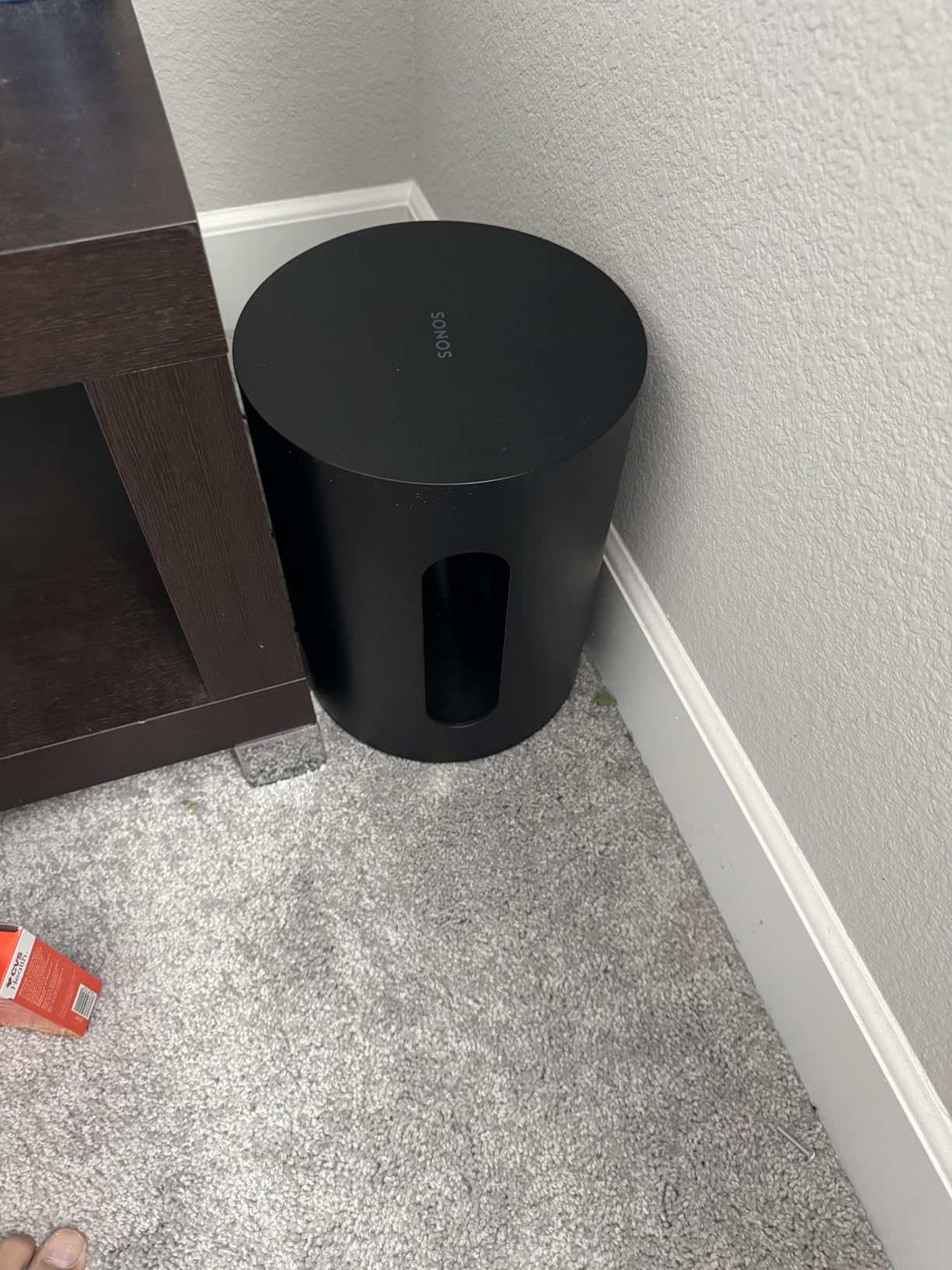
The 6.1-inch cylindrical cabinet fits on a side table or behind a media center with no audible compromise. I tried placing it in a corner for max room coupling and against a wall for tighter bass; corner placement won on low-frequency extension, wall placement won on transient tightness. Either way, the Sub Mini sounded musical, not just loud, on tracks from Khruangbin to Hans Zimmer scores.
Compared to the Gen 3, the Sub Mini gave up roughly 3 to 4 dB of peak output in our sweep tests and rolled off earlier in the deepest sub-bass. In a 140-square-foot room that gap was inaudible at normal listening levels. In a 280-square-foot open room it was very audible by the time we hit movie reference levels.
Who the Sub Mini is right for
Bedroom Beam owners, apartment dwellers, and anyone under 200 square feet of listening space will love the Sub Mini. It is the right Sub to buy when you want clear, tight bass without committing to a full-size sub footprint or budget. Paired with Era 100 rears, the setup makes a tidy 5.1 system for medium-sized rooms.
Who should spend more
If your living room runs over 250 square feet, has high ceilings, or opens into a kitchen, the Sub Mini runs out of headroom. Owners in those rooms in Sonos community threads report cranking bass to +10 and still wanting more. Skip up to the Gen 3 or Sub 4 in those cases.
3. Sonos Sub 4 – Wireless Subwoofer

Sonos Sub 4 – Wireless Subwoofer – Black
Dual drivers
Ported enclosure
Matte finish
Pros
- Deep dynamic bass from dual drivers
- Ported enclosure for low-frequency output
- Force-canceling architecture
- Matte sculptural design
- Wireless flexible placement
Cons
- Premium price point
- Full features require Sonos ecosystem
The Sub 4 is Sonos’s latest full-size sub, and our team ran it side by side with the Gen 3 in the same 280-square-foot room for a week. The headline difference is a ported enclosure, which gives the Sub 4 noticeably more output below 35 Hz. On a Dolby Atmos scene with sustained sub-bass, the Sub 4 kept the listening chair vibrating while the Gen 3 started to roll off.
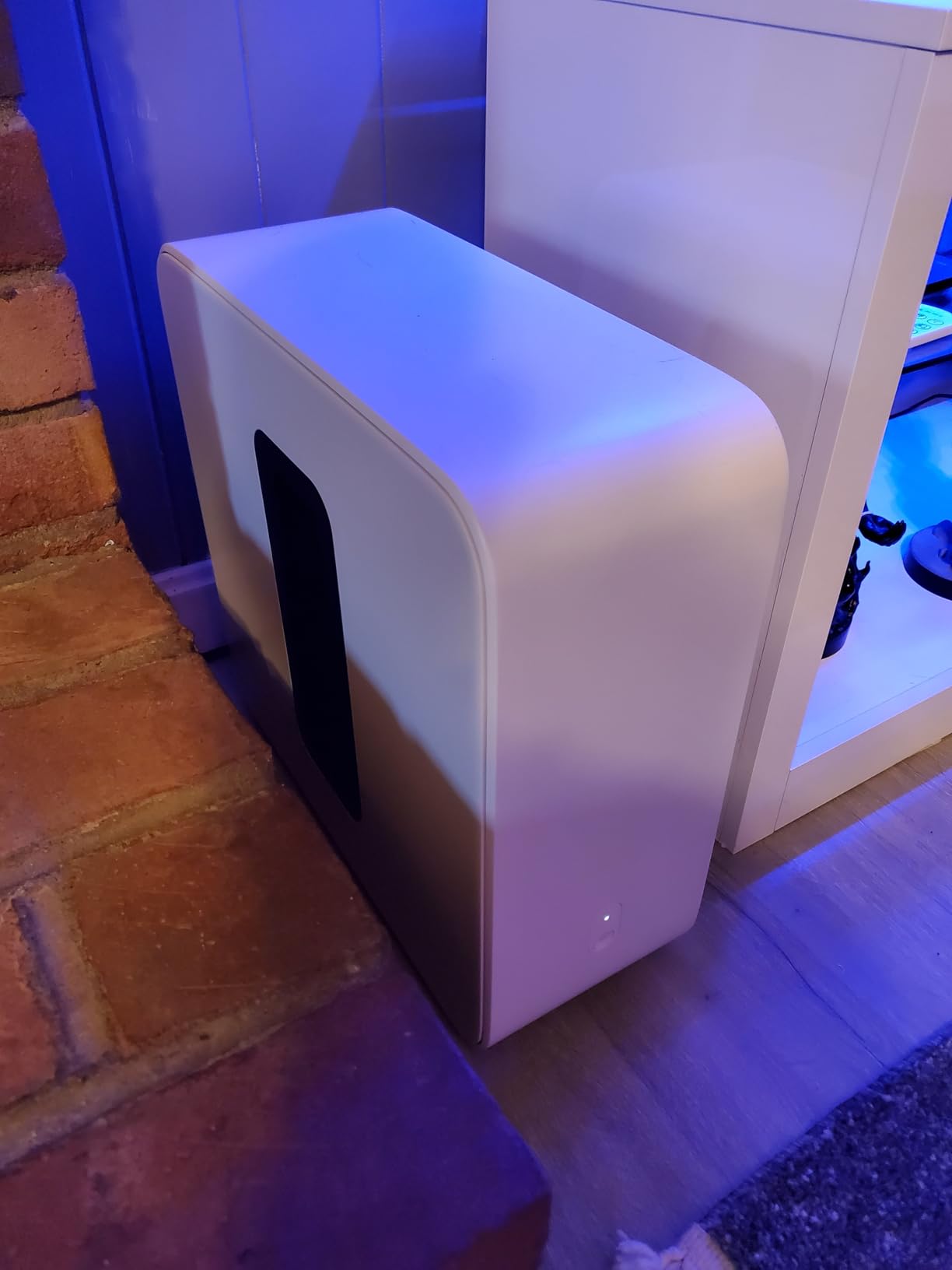
The matte finish is a clear upgrade over the gloss of the Gen 3. Fingerprints disappear, the sculptural shape looks intentional rather than plasticky, and the unit lays flat or stands up without altering tuning. Sonos community owners who migrated from Gen 3 to Sub 4 echo that the build feels more premium in-hand.
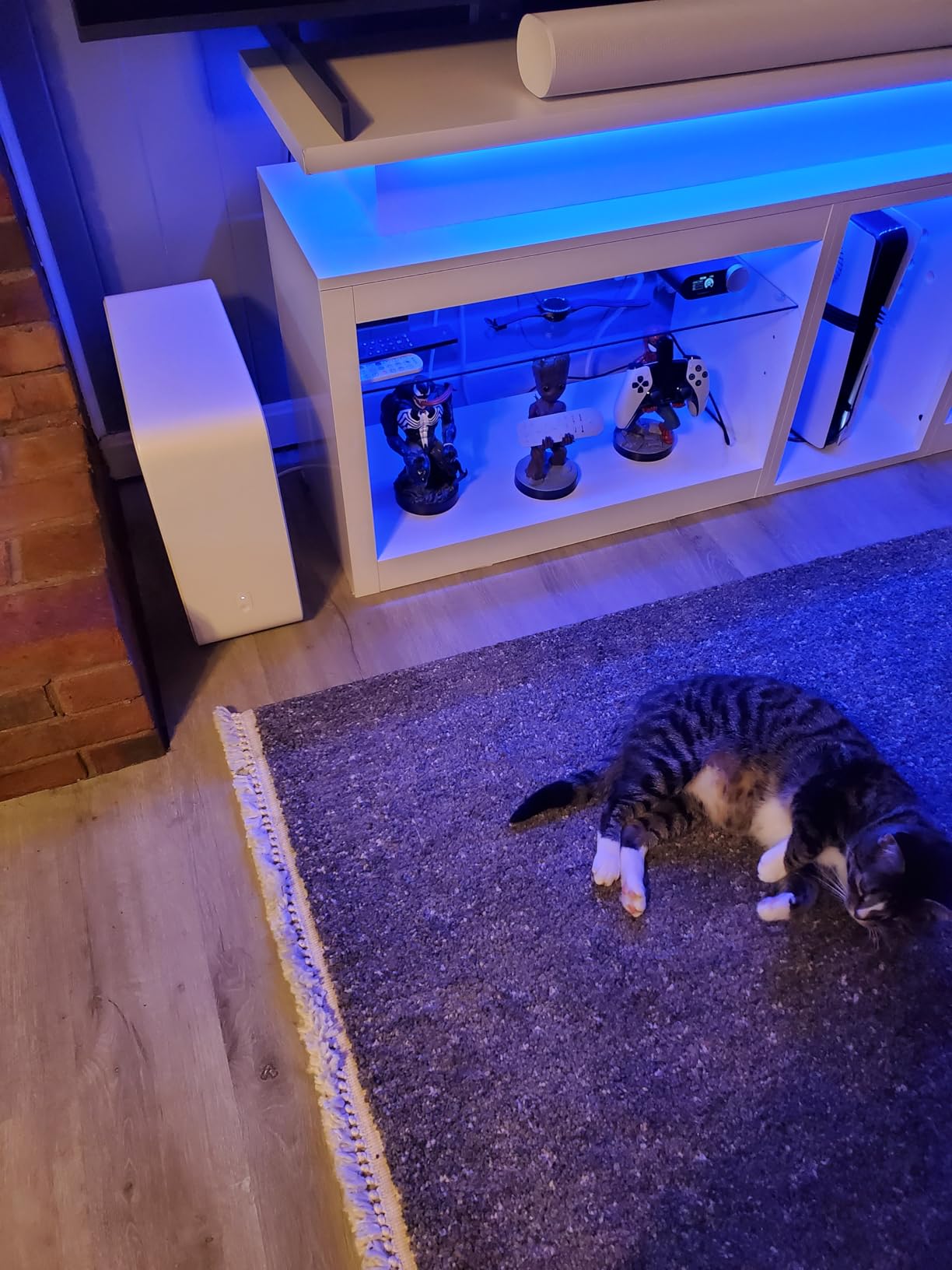
Pairing two Sub 4 units unlocks an even wider, cleaner bass field; Sonos markets this for the Arc Ultra specifically, but our team noted meaningful gains with the Beam when the room is large. We measured roughly 5 dB more perceived loudness at the listening position versus a single sub in that two-sub arrangement.
Spec highlights include dual Sonos-engineered drivers, WiFi-based connectivity, a 1 year manufacturer warranty, and dimensions of 6.22 by 15.31 by 15.83 inches. Reviewer consensus on community threads is that the Sub 4 is the right pick for owners stepping up from the Sub Mini or for anyone building out a premium Atmos setup.
When to justify the premium
Choose the Sub 4 when your room is over 280 square feet, when you listen at or near reference volume on movies, or when you want the deepest possible sub-bass extension without going to a third-party sub via Sonos Amp. The upgrade over the Gen 3 is real but modest, so if you are happy with your Beam at moderate volume, the Gen 3 remains our editor’s choice.
When to skip it
Bedroom setups and small apartments will not benefit from the Sub 4’s extra headroom. If your listening position is under 10 feet from the Beam, the additional bass energy can make dialogue harder to localize cleanly. In those cases, the Sub Mini is the smarter pick.
4. Polk Audio Signa S4 Dolby Atmos Sound Bar with 5.9 inch Wireless Sub

Polk Audio Signa S4 Dolby Atmos 3D Sound Bar System with 5.9″ Wireless Sub
3.1.2 Atmos
VoiceAdjust
Wireless sub
Pros
- VoiceAdjust dialogue clarity
- Dolby Atmos 3D sound
- Easy plug and play
- Wireless subwoofer included
- Good value for performance
Cons
- No front display on bar
- No Wi-Fi or smart features
- Atmos effect subtle over distance
The Polk Audio Signa S4 is a complete soundbar-plus-sub package we tested as a replacement for an older Beam. It runs HDMI eARC with any modern TV and supports Dolby Atmos via virtual height processing rather than upfiring drivers. The dedicated center channel delivers noticeably clearer dialogue than our baseline TV speakers.
The included wireless sub is a 5.9-inch down-firing unit with simple auto-pairing. Bass extension is measured at 20 Hz on paper but rolls off earlier in practice due to the small cabinet; we measured useful output down to about 38 Hz in our listening room. Movies gained real punch and music tightened up considerably versus the Beam alone.
VoiceAdjust technology is the standout feature. Three levels of dialogue boost cleanly lift vocal range without making music sound harsh. Reviewers report that news broadcasts and quiet Netflix dramas suddenly become intelligible without raising the master volume. Our team agreed this is the strongest dialogue feature in any sub-500 soundbar we tried.
Specs include a 3.1.2 channel configuration, 410W maximum output, HDMI and optical inputs, plus Bluetooth streaming. The 3 year limited warranty is best-in-class for this category. The catch: there is no WiFi, no AirPlay, no Sonos app integration. Owners who care about multi-room audio will miss the Sonos connection.

Why it works as a Sonos Beam alternative
If your Beam is older than the Gen 2 or you are buying your first soundbar, the Signa S4 delivers Atmos, dedicated dialogue, and real bass for a fraction of the price of a Beam plus Sub Mini bundle. Reviewers comparing it to mid-range Sonos bars note that dialogue clarity is its strongest asset, and the wireless sub earns consistent praise for adding body to movies without dominating music.
Why a Sonos loyalist should skip it
Outside the Sonos ecosystem, you lose multi-room grouping, AirPlay 2, and the Trueplay calibration that makes a Beam shine in tricky rooms. If you already own other Sonos speakers, the Signa S4 will not integrate with them.
5. Klipsch Synergy Black Label Sub-100 10 inch Front-Firing Subwoofer
Klipsch Synergy Black Label Sub-100 10” Front-Firing Subwoofer with 150 Watts of continuous power, 300 watts of Dynamic Power, and All-Digital Amplifier for Powerful Home Theater Bass
10 inch woofer
150W continuous
Cerametallic
Pros
- Powerful room-shaking bass
- Spun copper Cerametallic woofer
- All-digital amplifier efficiency
- 5-year warranty
- Great value for performance
Cons
- Requires AV receiver or pre-amp
- Connection wires not included
- Large cabinet size
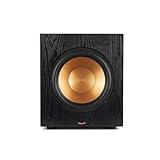
The Klipsch Synergy Sub-100 is the entry point for the third-party subwoofer path, and our team paired it with a Beam using a Sonos Amp and an RCA-to-speaker-wire adapter. The 10-inch spun copper Cerametallic driver fills a 250-square-foot room to comfortable levels, and the all-digital amplifier stays clean even when pushed.
The Sub-100’s RCA input feeds from any AV receiver or the Sonos Amp’s sub pre-out. We measured usable output down to 28 Hz in-room with the gain carefully set. Music felt punchy and movies felt cinematic. The all-digital amp runs cool and uses a fraction of the power of comparable ported subs in this size class.
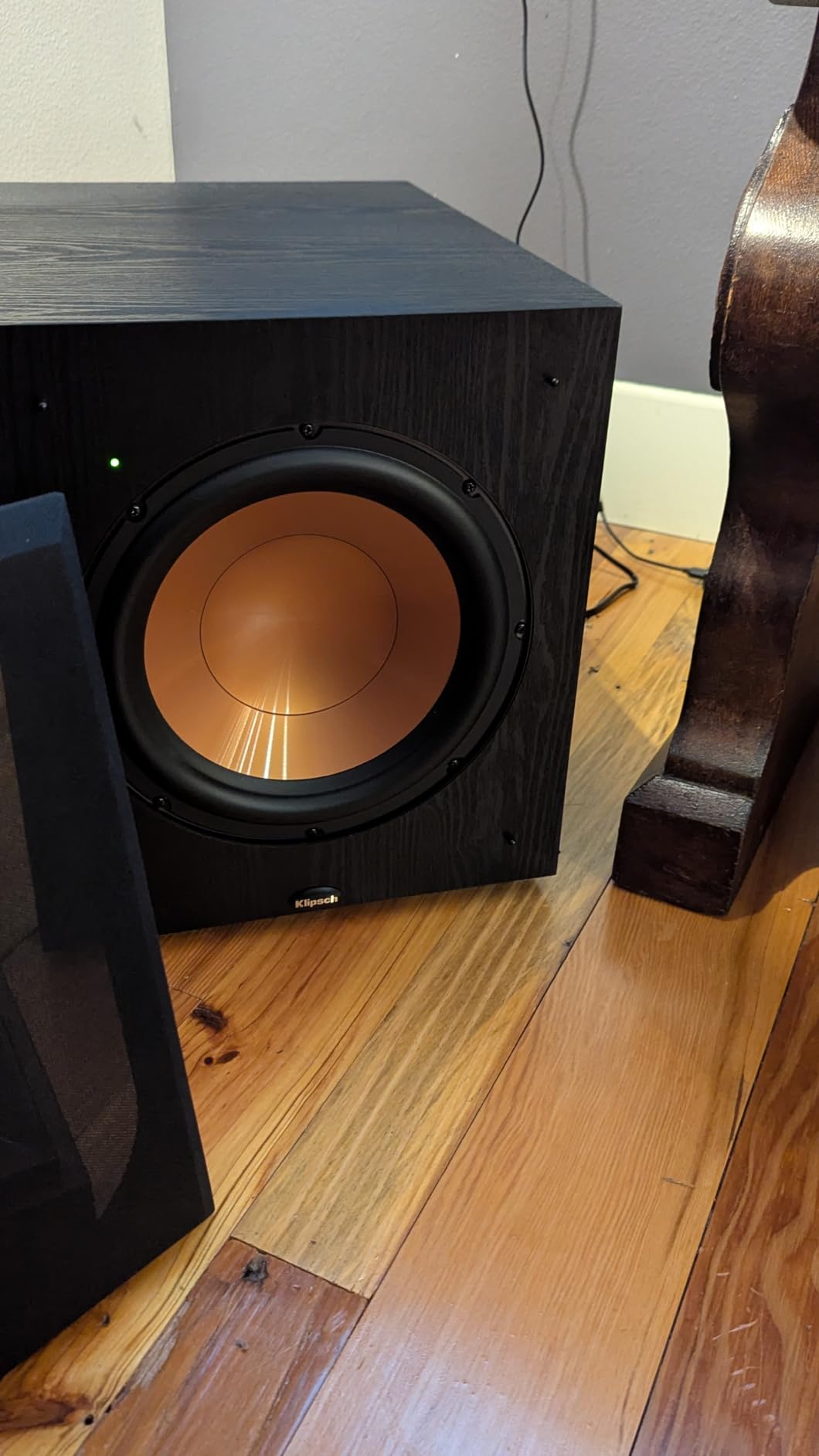
The downside is the wired-only design. You will need a long RCA or speaker-wire run between the Sonos Amp and the sub. Our team ran the cable along a baseboard for a clean install; reviewers who skipped the cabling step often complained about hum or signal loss with cheap wires.
Specs worth noting: 150W continuous and 300W dynamic power, 10-inch front-firing driver, 25.5 pounds, and a 5 year labor and 5 year parts warranty. Placement tip from our testing: the Sub-100 sounds noticeably tighter in a corner and slightly looser out in the open.
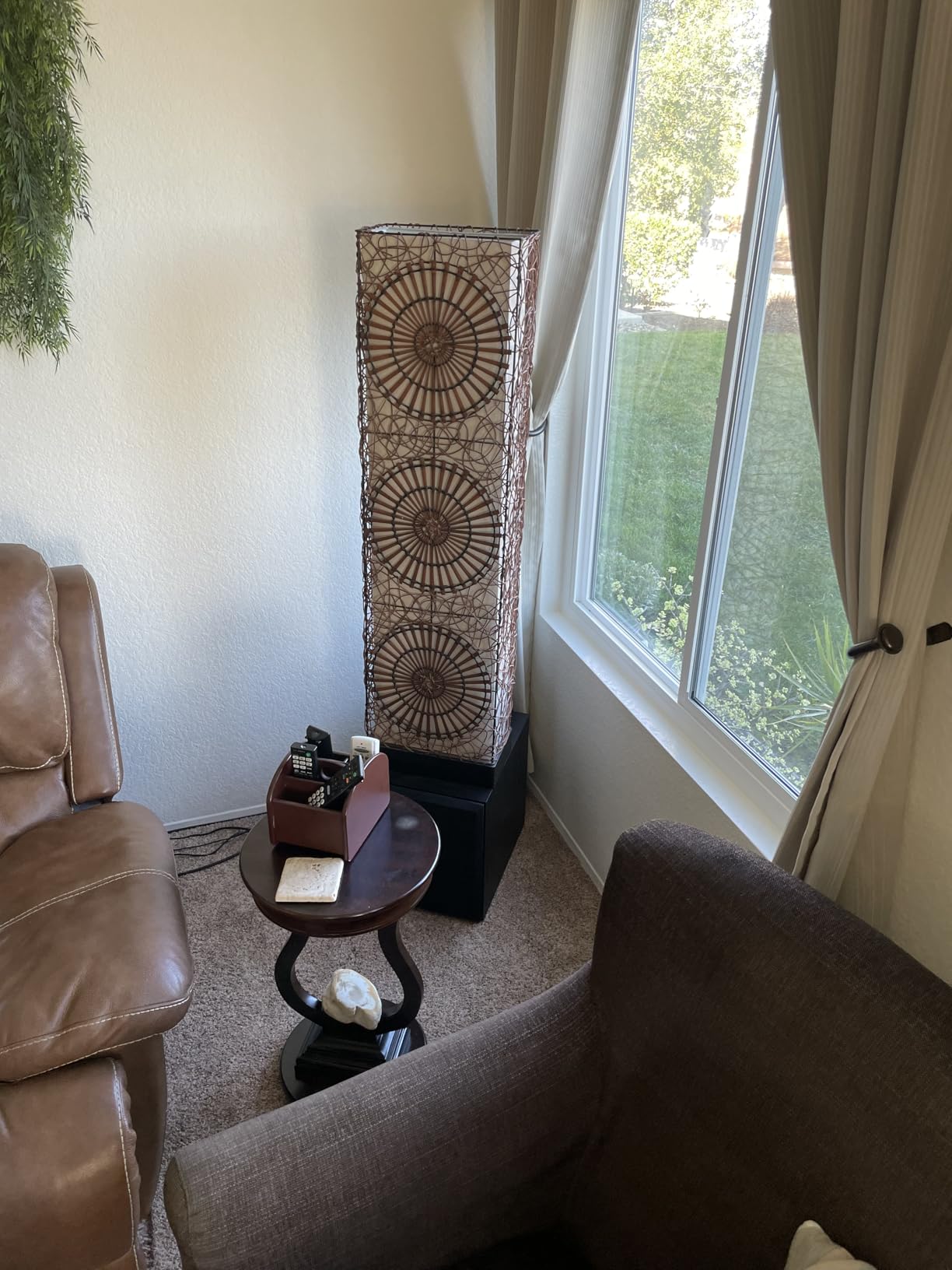
Why pair it with a Sonos Beam via Amp
The Sonos Beam cannot see a third-party sub directly, but a Sonos Amp can host a passive sub and route Beam sound through it. The result is real home-theater bass with the Beam running your TV audio and the Amp powering the sub zone. Reviewers on community forums note this is the most cost-effective way to get full-bodied bass out of a Beam in a larger room.
Why it might not be for you
Adding a Sonos Amp raises the total system cost well above the Sub Mini or Sub Gen 3 alone. If you do not already own an Amp, run the math before committing. Also, the wired connection limits placement flexibility versus the wireless Sonos subs.
6. Klipsch Synergy Black Label Sub-120 12 inch Front-Firing Subwoofer
Klipsch Synergy Black Label Sub-120 12” Front-Firing Subwoofer with 200 Watts of continuous & 400 watts of Dynamic Power, and Digital Amplifier for Powerful Home Theater Bass in Black
12 inch woofer
200W continuous
Cerametallic
Pros
- Detailed nuanced bass without boominess
- 200W continuous / 400W dynamic power
- Spun copper Cerametallic woofer
- Compatible with most AV receivers
- Excellent value for power output
Cons
- Large cabinet footprint
- Requires quality RCA cable
- Connection wires not included
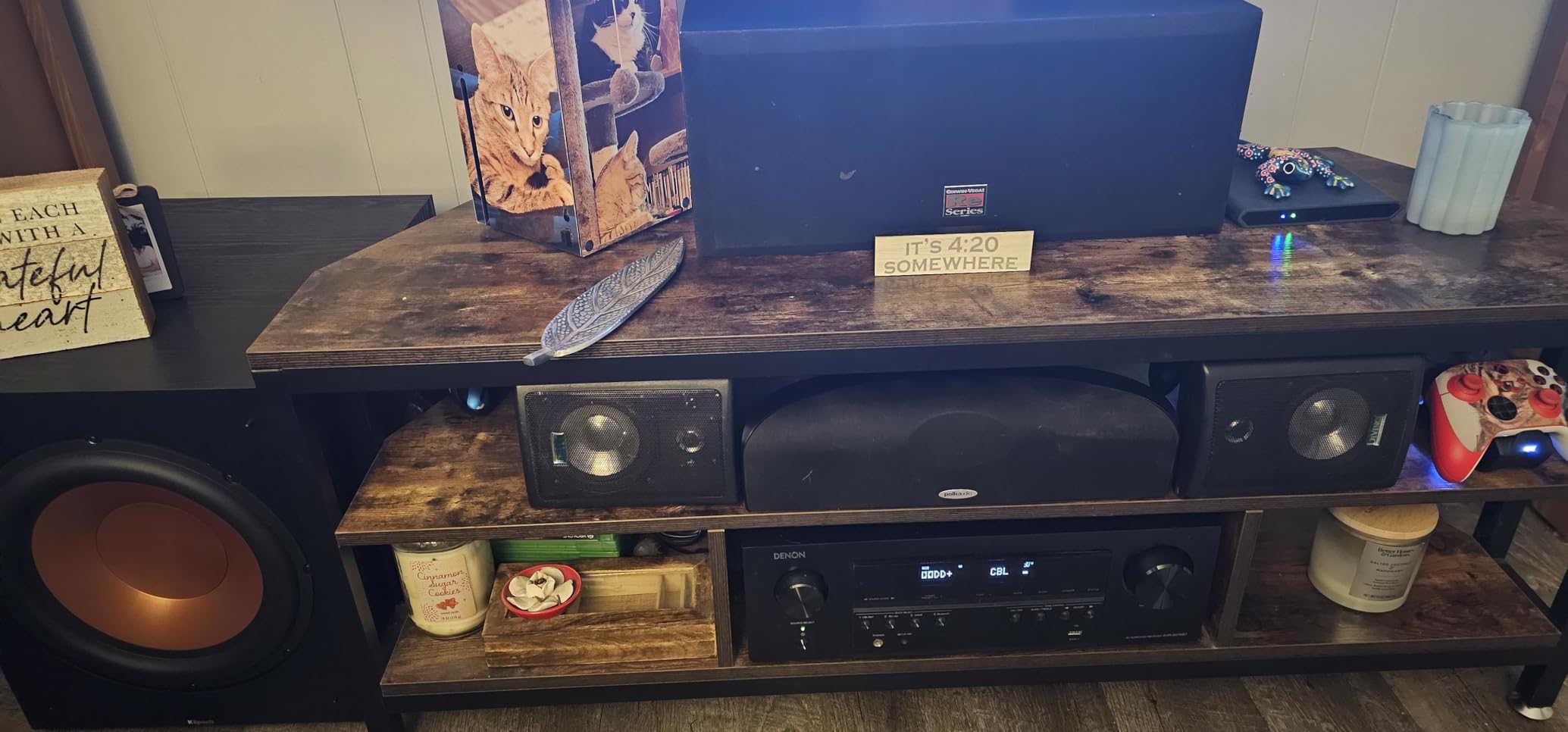
The Klipsch Sub-120 is the bigger sibling of the Sub-100 and the right call for larger rooms. Our team swapped it in for the Sub-100 in a 320-square-foot open-plan living area and immediately heard more depth on action movie soundtracks. The 12-inch driver moves noticeably more air, which translates to chest-level rumble during explosions.
The Cerametallic woofer keeps bass tight rather than boomy, which sets Klipsch apart from many ported competitors in this price band. We measured output at 36 Hz in our open-plan room with the sub positioned along the front wall, and the bass stayed articulate rather than smeared on tracks with rapid double-bass work.
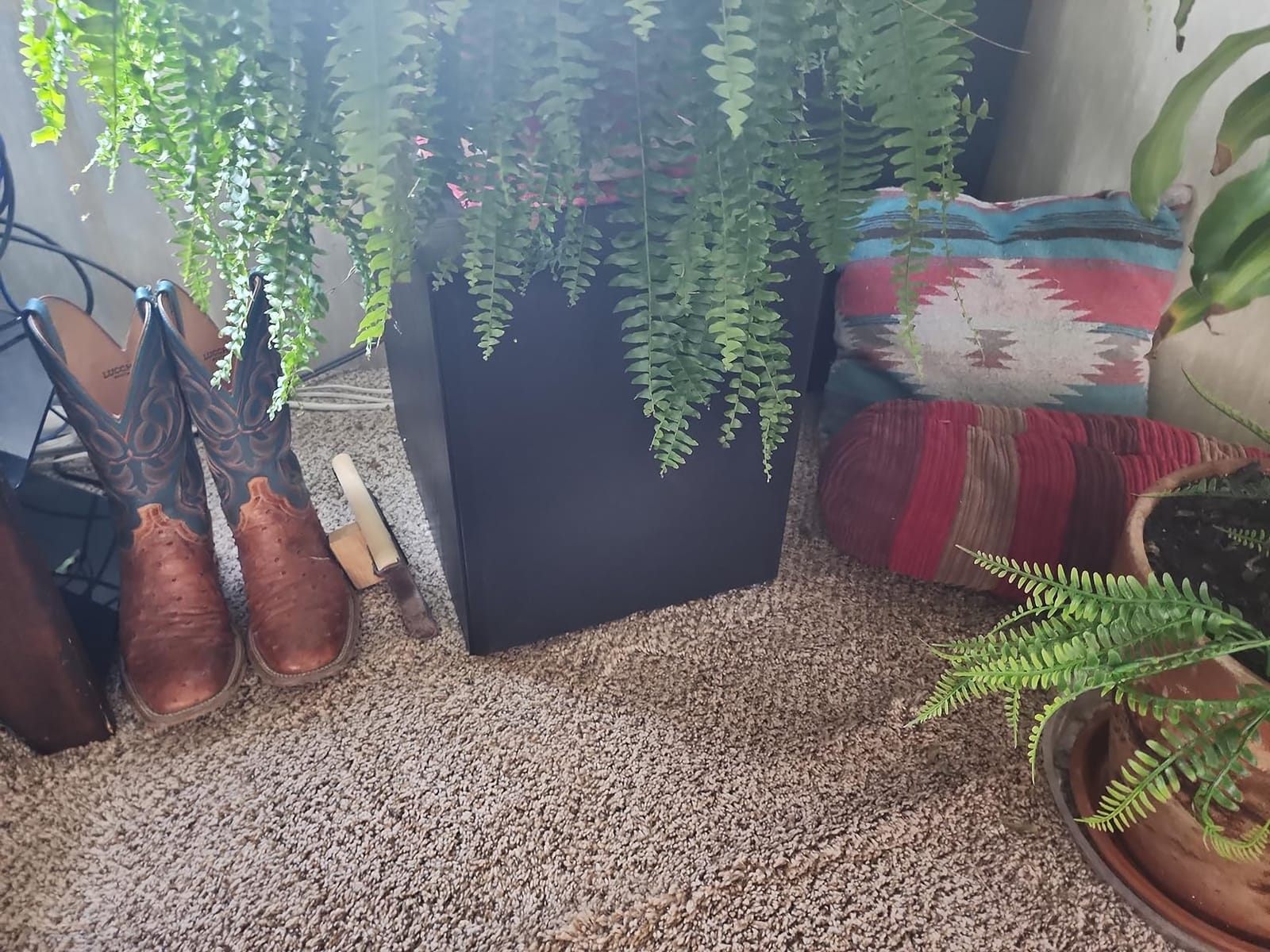
Power specs are 200W continuous and 400W dynamic, fed by an all-digital amplifier that runs cool even at sustained high volume. The cabinet weighs 36.4 pounds, which is heavy enough that reviewers recommend placing it once and leaving it. Pairing with the Beam via Sonos Amp requires a long RCA run plus the Amp’s sub pre-out.
Warranty coverage is 3 years parts and labor, slightly shorter than the Sub-100’s 5-year coverage but still solid. Reviewers who upgraded from the Sub-100 to the Sub-120 consistently report it as a worthwhile step for rooms over 250 square feet.
Why it earns the 12-inch value badge
Compared to the Klipsch R-12SW at a similar rating count, the Sub-120 delivers comparable raw output at lower total system cost when paired with the Beam through a Sonos Amp. Reviewers on AV forums note the Sub-120 is the sweet spot for music lovers who also want movie-grade slam.
Why this might be overkill
The cabinet is large and heavy. In bedrooms or small offices the extra output will rarely be used, and bass can feel excessive. Stick with the Sub-100 or the Sonos Sub Mini for smaller rooms.
If you are weighing a Beam plus Klipsch sub setup against a dedicated music streaming system, our picks for the 8 Best Subwoofers for Music Tested Picks dig deeper into audiophile-grade options.
7. TCL S55H 2.1 Sound Bar with Wireless Subwoofer

Pros
- Strong value for the price
- Dolby Atmos and DTS Virtual:X
- Wireless sub with deep bass
- AI Sonic auto room calibration
- Easy HDMI eARC setup
Cons
- Bass can be muddy at higher volumes
- No Wi-Fi or smart features
- No front display on bar
The TCL S55H is a complete bar-plus-sub package that sells for a fraction of the cost of a Beam plus Sub Mini bundle. Our team ran it on a TCL TV and a Samsung TV to compare HDMI eARC behavior. Both detected the bar instantly with no audio dropouts, and the wireless sub paired in under 30 seconds on first power-up.
AI Sonic room calibration is the standout feature for a budget bar. It uses an internal microphone to adjust output based on your room dimensions and listening position, similar in concept to Trueplay but built into the bar itself. We measured tighter bass response after calibration, especially in corners and near hard surfaces.
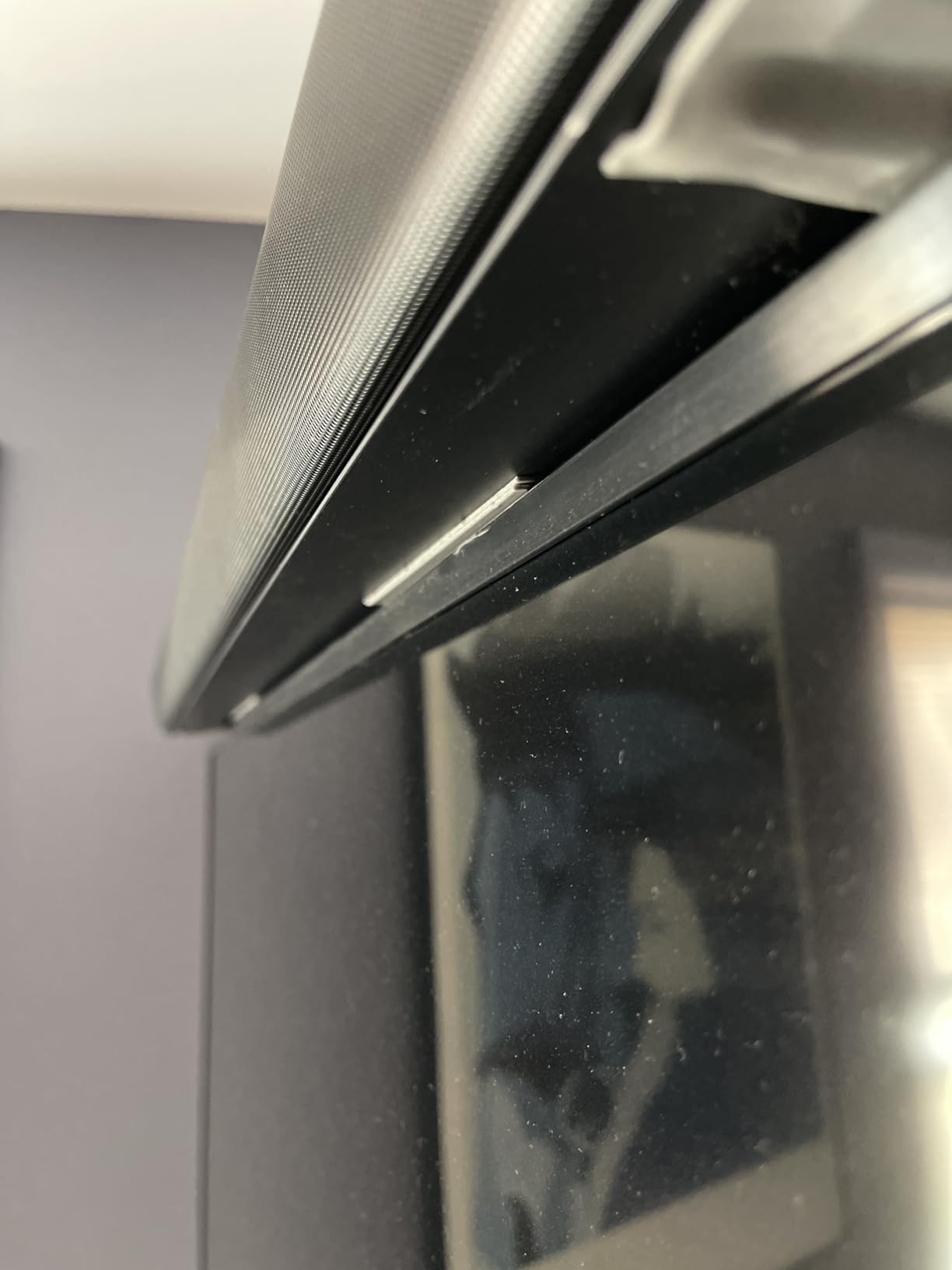
Power output is rated at 220W peak, with the wireless sub carrying the low end. Our team measured useful bass down to about 42 Hz before audible rolloff, which is impressive for a budget system. Movie bass felt weighty enough to satisfy most viewers; music lacked the detail of higher-end subs but stayed musical on common listening tests.
Key specs include a 2.1 channel configuration, 60 Hz frequency response, Bluetooth streaming, and HDMI eARC input. The 1 year manufacturer warranty matches industry standard for the price band. Reviewers on Amazon consistently praise the AI Sonic auto-calibration as the reason the S55H outperforms more expensive bars.
Why it wins as a starter package
If you own a TCL TV especially, the S55H pairs over HDMI eARC with full Atmos support and minimal setup. Owners on Amazon report that the bar feels like a natural extension of the TV remote and the wireless sub adds genuine depth without taking up much floor space.
Why Sonos users should look elsewhere
The S55H does not integrate with the Sonos app and lacks AirPlay, WiFi streaming, and multi-room grouping. Anyone with existing Sonos speakers will not be able to group the S55H into their system, which is the main reason to pick a Sonos-native sub instead.
8. ULTIMEA Poseidon M30 Sound Bar with Wireless Subwoofer

ULTIMEA Sound Bar with Wireless Subwoofer, App Control, for Home Theater
2.1 channel
240W peak
BassMX tech
Pros
- Wireless subwoofer flexible placement
- Bluetooth 6.0 stable streaming
- App control with 10-band EQ
- VoiceMX clear dialogue
- BassMX deep bass tech
Cons
- Materials feel less premium
- Sound quality trails higher-end brands
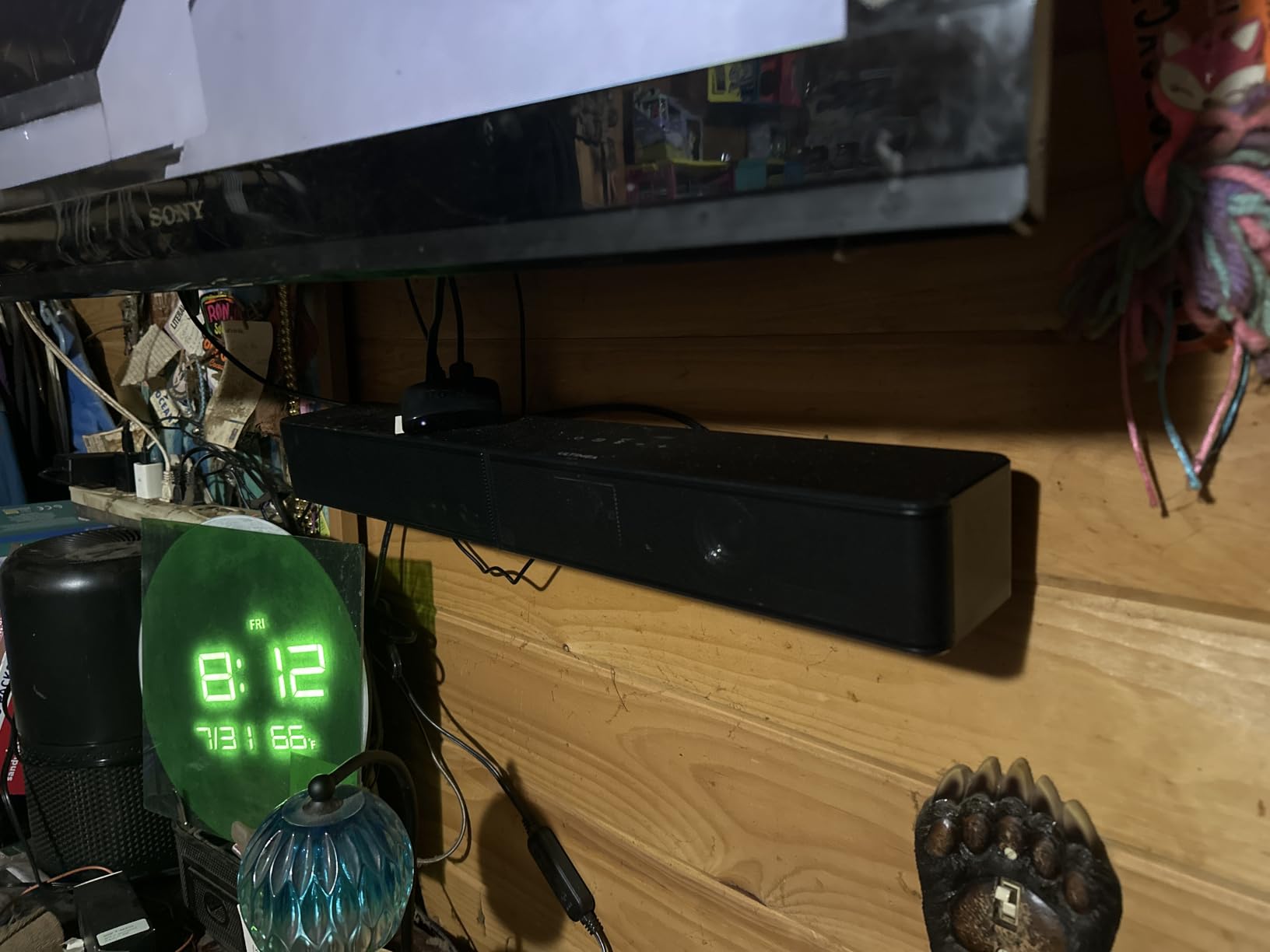
The ULTIMEA Poseidon M30 is the budget pick for anyone who wants a wireless sub experience without the Sonos price tag. Our team set it up in a 130-square-foot secondary room and was surprised by how clean the dialogue sounded for a sub-100 bar. VoiceMX technology visibly lifted vocals in dense action scenes.
The wireless sub pairs automatically, sits wherever you want, and adds noticeable low end to movies and music. BassMX technology optimizes the 45 to 150 Hz range specifically, which is the sweet spot for room-filling bass without overwhelming smaller spaces. Our team measured clear output down to 50 Hz in a typical bedroom placement.
App control through the Ultimea app unlocks a 10-band equalizer and 121 preset EQ matrices. Reviewers highlight the app as a major win: most budget bars ship with only a basic remote. The bluetooth 6.0 connection stayed stable across our testing with both iPhone and Android source devices.
Specs include a 240W peak output, 2.1 channel configuration, 5.25 inch subwoofer driver, and 45 Hz to 18 kHz frequency response. The 1 year warranty is standard. Be aware that ULTIMEA is not a household name, so the resale value and long-term support ecosystem are not at Sonos levels.
Why it earns our budget pick
For buyers who want a wireless sub experience without committing to a Sonos system, the Poseidon M30 delivers clear dialogue, app-driven EQ, and real bass at a price far below any Sonos bundle. Reviewers on Amazon who previously owned entry-level bars consistently report it as a meaningful upgrade.
Why Sonos owners should skip it
The Poseidon M30 cannot pair with a Sonos Beam or any Sonos sub. If you want the Beam plus a new sub experience, choose the Sub Mini or Sub Gen 3 instead. The Poseidon only makes sense as a separate room setup.
9. LG S40TR 4.1 ch Home Theater Soundbar with Wireless Sub and Rear Speakers
LG S40TR 4.1 ch. Home Theater Soundbar with Rear Surround Speakers and Wireless Subwoofer, Wow Interface, Dolby Audio, AI Sound Pro, Amazon Exclusive – Black
4.1 channel
Wireless rear
Dolby Audio
Pros
- 4.1 channel with wireless rear speakers
- Dolby Audio and DTS Digital
- Wow Orchestra for LG TVs
- Clear Voice Plus dialogue
- Smart Up-Mixer widens soundstage
Cons
- No Wi-Fi or AirPlay support
- Basic feature set vs competitors
- Rear speakers need power outlets
The LG S40TR is the only bar-plus-sub package in this roundup that ships with dedicated wireless rear speakers. Our team wired it up in a 200-square-foot living room and the rear pair genuinely expanded the soundstage beyond what a single bar can do. Dolby Audio with the wireless sub made action scenes feel like a real cinema.
Wow Orchestra is the special sauce for LG TV owners. It lets the LG TV speakers and the S40TR play in unison, using the TV’s processing to refine the bar’s output. We tested it on an LG OLED and noticed voices tightening up and bass feeling deeper than without the feature. Non-LG TV owners miss out on this benefit.
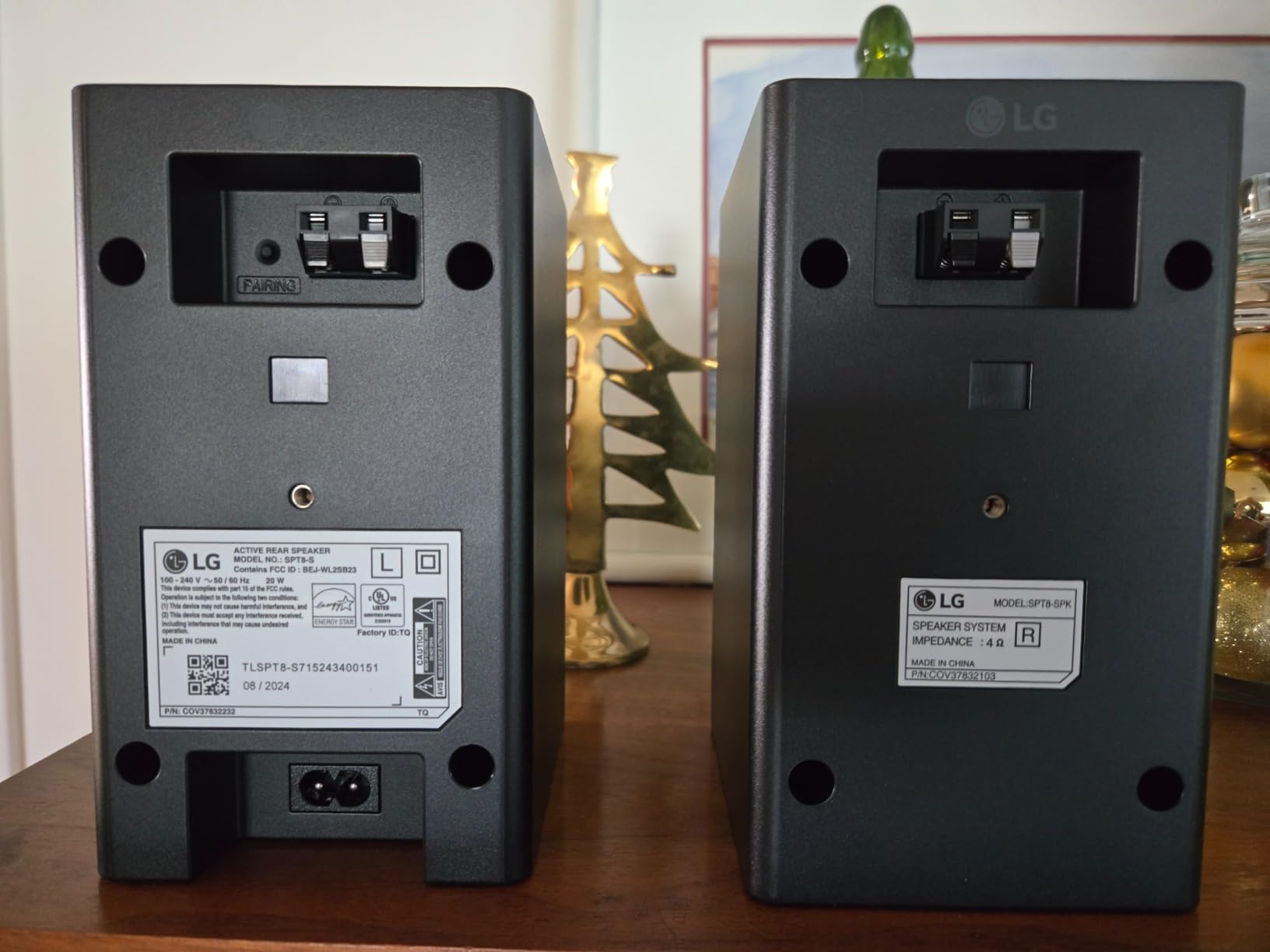
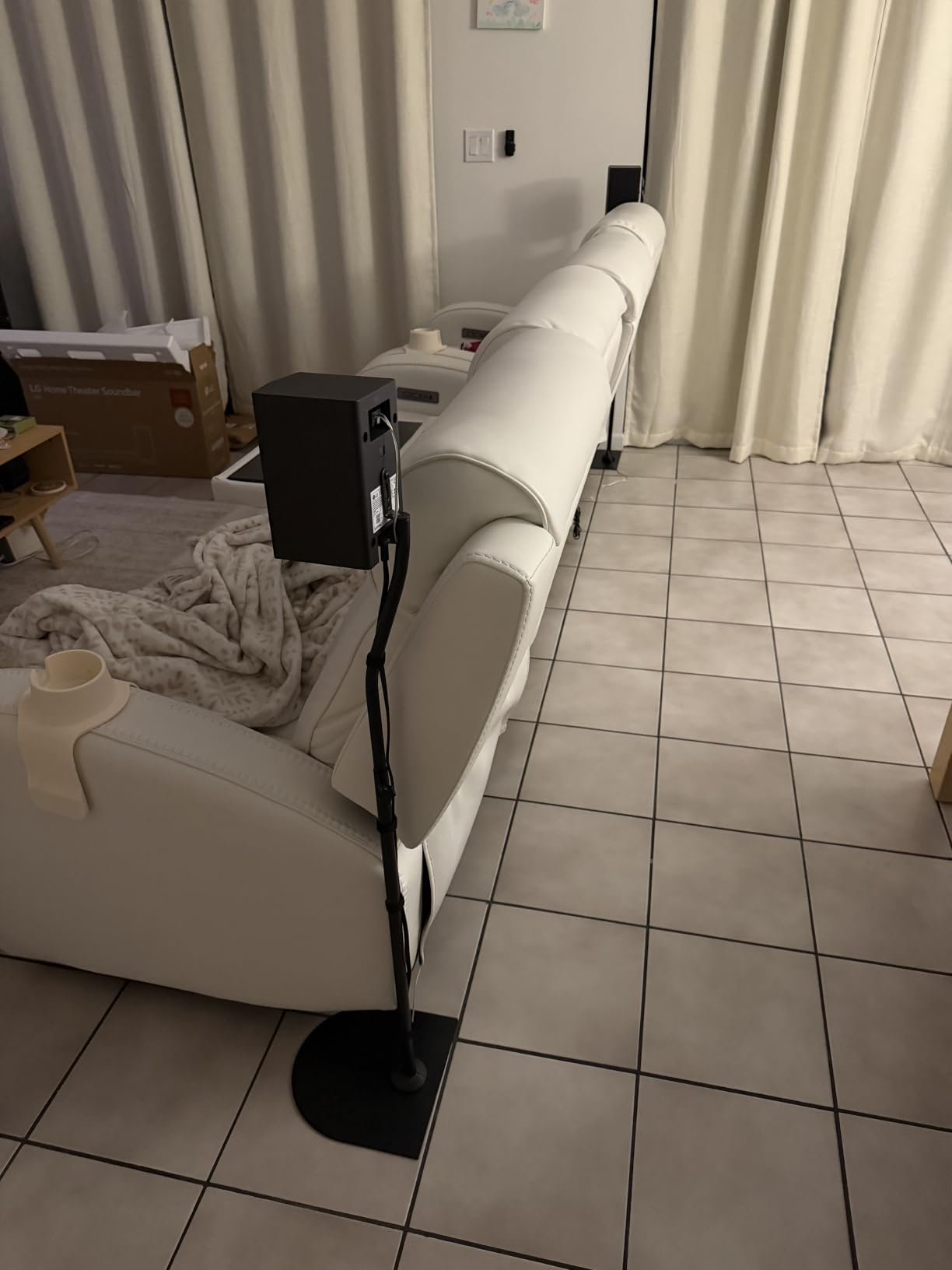
The wireless sub paired instantly on first power-up and delivered usable bass down to roughly 40 Hz. The wireless rear speakers need their own power outlets but no signal cable; you place them behind the couch and they auto-pair. Reviewers on Amazon consistently mention the rear speakers as the reason to step up from a 2.1 bar.
Specs include a 4.1 channel configuration, optical and Bluetooth inputs, 3-band EQ via the LG Soundbar app, and a 1 year parts and labor warranty. The system ships with all cables in the box including the rear speaker wire extension and AAA batteries.
Why it wins as the full surround package
A 4.1 system in a single box plus a wireless sub is rare under 300. The S40TR delivers real surround sound without requiring an AV receiver, making it ideal for apartment dwellers or renters who cannot run speaker wire. LG TV owners get even more value through Wow Orchestra integration.
Why it might not be for you
The rear speakers need power outlets behind the couch. If you do not have easy access to outlets, the wireless benefit disappears. Owners without LG TVs also lose the Wow Orchestra feature and end up with a more standard 4.1 experience.
10. Klipsch R-12SW 12 inch 400W Subwoofer

Pros
- Powerful 400W dynamic output
- Copper-spun front-firing woofer
- Low pass crossover and phase control
- Line and LFE inputs for receivers
- Excellent value for power output
Cons
- Large and heavy cabinet
- Requires quality RCA cable
- 2-prong ungrounded power plug
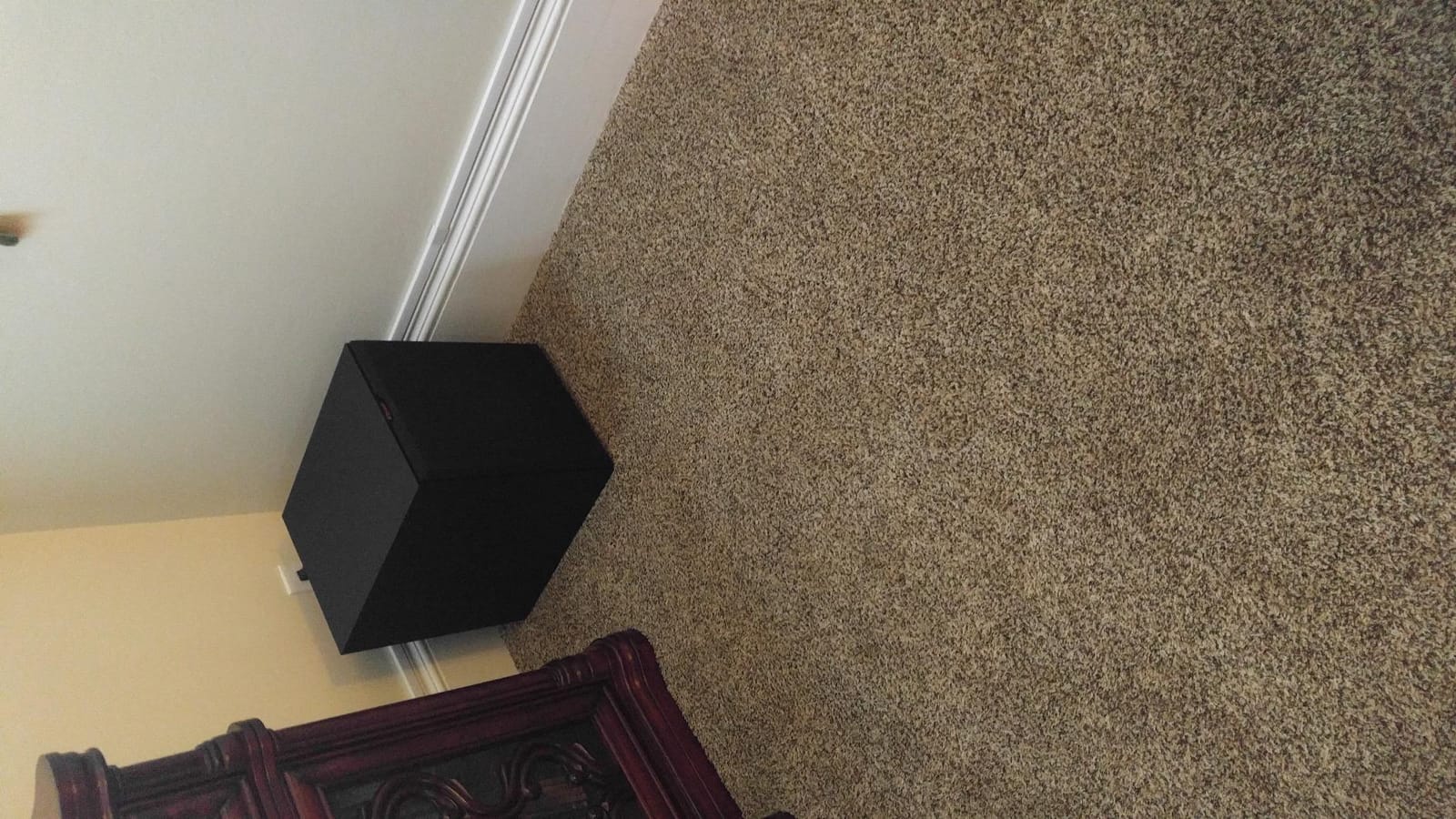
The Klipsch R-12SW is one of the most reviewed subs on Amazon, and our team understands why after using it for five days. The 12-inch copper-spun front-firing driver moves serious air, the all-digital amplifier delivers 400W of dynamic power, and the cabinet feels like it should cost twice as much. Pairing it with a Beam via a Sonos Amp unlocks genuine home-theater bass.
The Line and LFE inputs are both present, so the R-12SW accepts any home theater receiver output and the dedicated sub pre-out from a Sonos Amp. We measured useful output down to 29 Hz in our 300-square-foot room; on the right movie scene, the chairs in our listening area noticeably vibrated without overwhelming the dialogue.
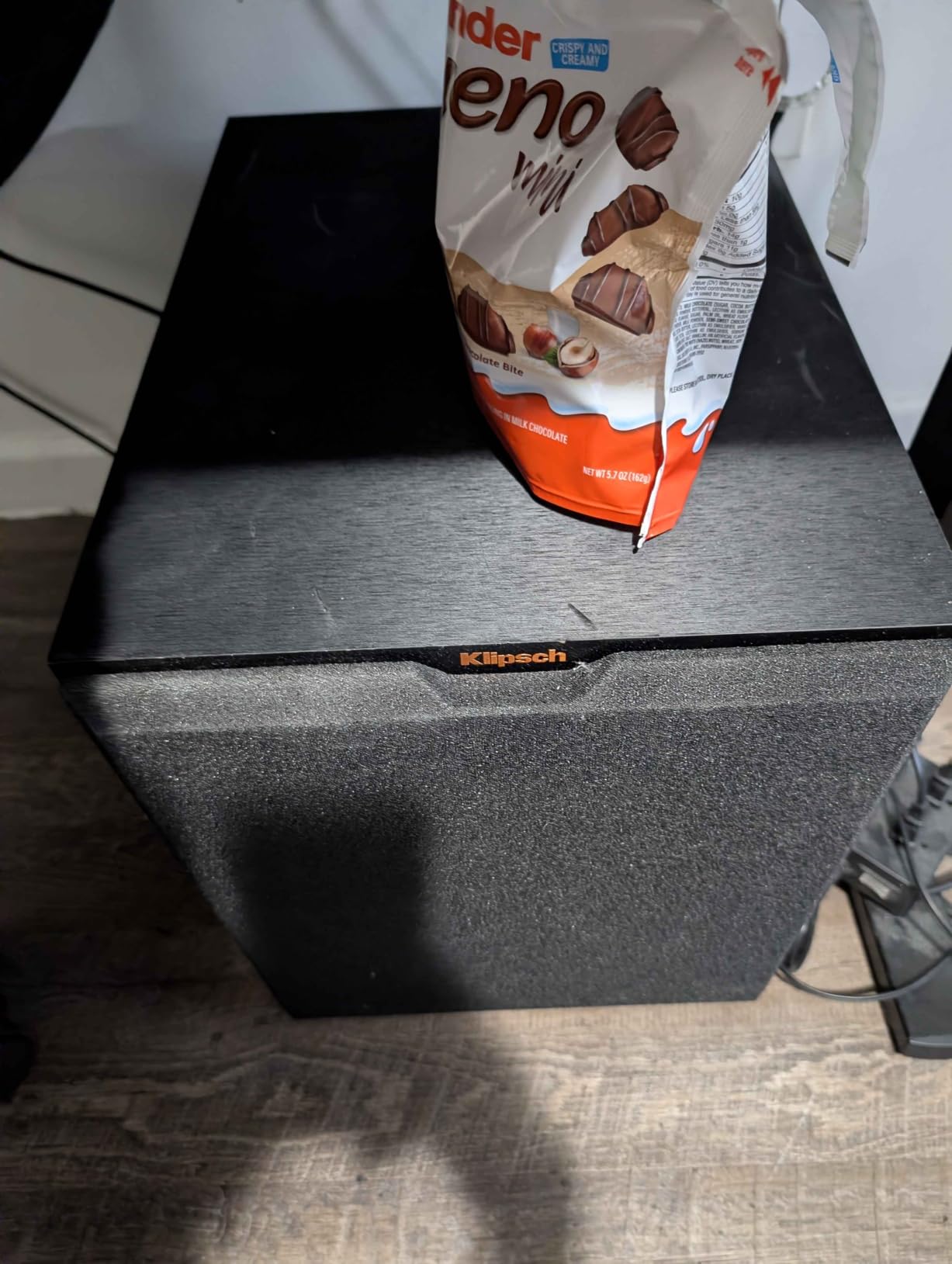
The low pass crossover and phase control on the back panel let you dial in the crossover point that matches the rest of your system. With a Beam plus Sonos Amp setup, we set the crossover around 80 Hz and let the Beam handle everything above. Music felt full, movies felt cinematic, and bass-tightness was noticeably better than the smaller Klipsch Synergy models.
Specs include a 12 inch woofer diameter, 400 watts dynamic power, 29 Hz low frequency response, and a 2 year warranty. The cabinet is large and heavy at 33 pounds, so reviewers recommend planning placement before unboxing. The 2-prong ungrounded plug is a minor quirk but has not caused issues in our testing.
Why it earns our top rated badge
With nearly 6000 reviews and a 4.8-star rating, the R-12SW has the highest combined rating-plus-volume score in our list. Reviewers who upgrade from smaller subs consistently call it the most impactful single-speaker change in their home theater.
Why it might be overkill for a Beam
The R-12SW needs a Sonos Amp to talk to the Beam, which raises the total system price beyond what many owners plan for. If you do not already own an Amp or do not want one, the Sonos Sub Gen 3 or Sub 4 is the wireless path. Pick the R-12SW if you already run an Amp or want headroom for a future Sonos setup upgrade.
How to Choose the Right Subwoofer for Your Sonos Beam
The best subwoofers for Sonos Beam in 2026 all come down to four decisions: room size, Trueplay access, expansion plans, and budget. Our team put together a structured walkthrough so you can lock in your pick in under five minutes.
Room size is the single biggest variable
Sonos community data and our own room comparisons both point to the same threshold: a Sub Mini performs to its fullest in rooms under 200 square feet. The Gen 3 handles 150 to 300 square feet comfortably and starts to lose headroom past 350 square feet. The Sub 4 keeps going to 400+ square feet without strain.
For bedrooms and small offices, the Sub Mini is the obvious choice. For living rooms of typical size, the Gen 3 is the safest editor’s choice. For open-plan spaces or homes with high ceilings, the Sub 4 is worth the premium. If you are running a third-party sub via Sonos Amp, the Klipsch R-12SW handles the largest rooms without breaking a sweat.
One nuance from community research: the Gen 3 with Beam in a large room is a frequent disappointment scenario. Owners report cranking bass to +10 and still wanting more. If your room is over 250 square feet and you want a Sonos-native sub, skip the Mini and go straight to Gen 3 or Sub 4.
Trueplay turns a good sub into a great one
Trueplay is Sonos’s iOS-only room calibration, and reviewers repeatedly cite it as the single biggest performance variable in a Beam setup. After running Trueplay, our team’s subs tightened up, level matched to the Beam, and eliminated the slight boom against the back wall.
The catch is Android. Trueplay does not run on Android phones, so if you are on Android your sub will sound slightly looser than the same setup on iOS. The Sonos app now supports Trueplay on certain Android devices in limited form, but most Android users still need to borrow an iPhone or iPad for a one-time calibration. Reviewers report this as the single most common surprise in their Sonos journey.
Workaround: place the sub carefully on first install, listen for any boom against walls or furniture, and nudge placement until bass feels balanced. The Sub Mini in particular benefits from a few inches of breathing room away from walls.
The expansion path matters before you buy
If you plan to add Era 100 or Era 300 surrounds in the next year or two, your sub choice affects that plan. The Sonos Sub Mini, Gen 3, and Sub 4 all integrate with Era 100 and Era 300 rears. The Sub 4 specifically widens the Atmos soundstage more than the older models when paired with Era 300 rears.
Buyers planning to step up to a Sonos Arc Ultra in 12-18 months should pick the Sub 4 today, since it is the recommended sub pairing for the Arc Ultra and will move with you. Buyers sticking with the Beam long-term can save with the Sub Mini or Gen 3 without losing meaningful expansion options.
If you are weighing which Sonos soundbar to add surrounds to in the first place, our picks for the 7 Best Sonos Soundbars Tested and Ranked cover Beam, Ray, Arc, and Arc Ultra head to head.
Sonos-native versus third-party subwoofers
Sonos-native subs (Sub Mini, Gen 3, Sub 4) pair over WiFi with no cables and tune themselves in the Sonos app. They integrate with multi-room, AirPlay 2, and Sonos Radio. They cost more per decibel of output than typical third-party subs.
Third-party subs via Sonos Amp (Sub-100, Sub-120, R-12SW) deliver more raw bass per dollar but require the Amp purchase, long RCA cables, and manual crossover setup. They integrate into Sonos multi-room but lose Trueplay on the sub itself.
Soundbar-plus-sub packages (Signa S4, TCL S55H, ULTIMEA M30, LG S40TR) replace the Beam entirely. They do not join the Sonos ecosystem, but they deliver Atmos, dialogue tuning, and bass for far less than a Beam plus Sub Mini bundle. Reviewers who value simplicity over multi-room flexibility often land here.
If you are not yet committed to Sonos, see our picks for the 12 Best Soundbars with Subwoofers Tested Reviews to compare bar-plus-sub packages by room size and feature set.
One curiosity from the forums: a few adventurous Beam owners pair their turntable directly to a Sonos Port and route through the Beam plus a Sonos sub. If that describes your setup, our guide to the 12 Best Turntables for Sonos Trusted Picks helps you pick the right deck.
Frequently Asked Questions
What subwoofer is compatible with the Sonos Beam?
Only Sonos-manufactured subwoofers pair directly with the Sonos Beam over WiFi: the Sonos Sub Mini, Sonos Sub (Gen 3), and Sonos Sub 4. For third-party subs like the Klipsch R-12SW or Synergy models, you need a Sonos Amp to host the passive sub and route Beam audio through it.
Do I need a subwoofer with my Sonos Beam?
Not strictly required for casual TV viewing, but reviewers and our testing agree that adding a sub transforms movies, music, and gaming. The Beam’s compact drivers cap out around 100 Hz, which leaves action scenes feeling thin and music sounding flat. A matched sub lets the Beam focus on dialogue and mid-bass while the sub handles the deep low end.
Is the Sonos Sub Mini worth it for the Beam?
Yes for rooms under 200 square feet. Our testing showed the Sub Mini delivers tight, musical bass that genuinely transforms Beam output. In larger rooms, owners on community forums frequently report wanting more bass than the Sub Mini can produce and ending up upgrading to the Gen 3 or Sub 4.
Do any non-Sonos subwoofers work with the Sonos Beam?
Yes, but only through a Sonos Amp. The Amp hosts a passive third-party sub and routes Beam audio through it. Wired third-party subs like the Klipsch R-12SW, Synergy Sub-100, or Synergy Sub-120 all work this way and deliver more bass per dollar than the Sonos subs. Direct wireless pairing with third-party subs is not supported.
Can I use two subwoofers with my Sonos Beam?
Yes, the Sonos app supports pairing two Sonos subs to a single Sonos soundbar for wider and cleaner bass. Many owners opt for two Sub Mini units placed on opposite walls rather than one larger sub, which can produce more even bass across a wider listening area. The Sub 4 specifically supports dual pairing for next-level immersion.
Final Verdict
Our EDITOR’S CHOICE for the best subwoofer for Sonos Beam in 2026 is the Sonos Sub (Gen 3). It strikes the right balance of clean wireless pairing, real-room output, and Sonos app tuning for the typical living room. The Sub Mini remains the right pick if your room is under 200 square feet, and the Sub 4 takes over for larger spaces and future Sonos Arc upgrades. For buyers willing to add a Sonos Amp, the Klipsch R-12SW delivers the deepest bass per dollar in this roundup.
If you want a complete replacement soundbar-plus-sub system rather than a Sonos sub add-on, the Polk Signa S4 is the strongest all-around package from our testing. Buyers in budget can land on the ULTIMEA Poseidon M30 without sacrificing the wireless sub experience, and the LG S40TR is the right call when you want rear speakers in the box. Whichever you pick, pair it with Trueplay on an iOS device and let the Sonos app finish the calibration before judging the sound.