
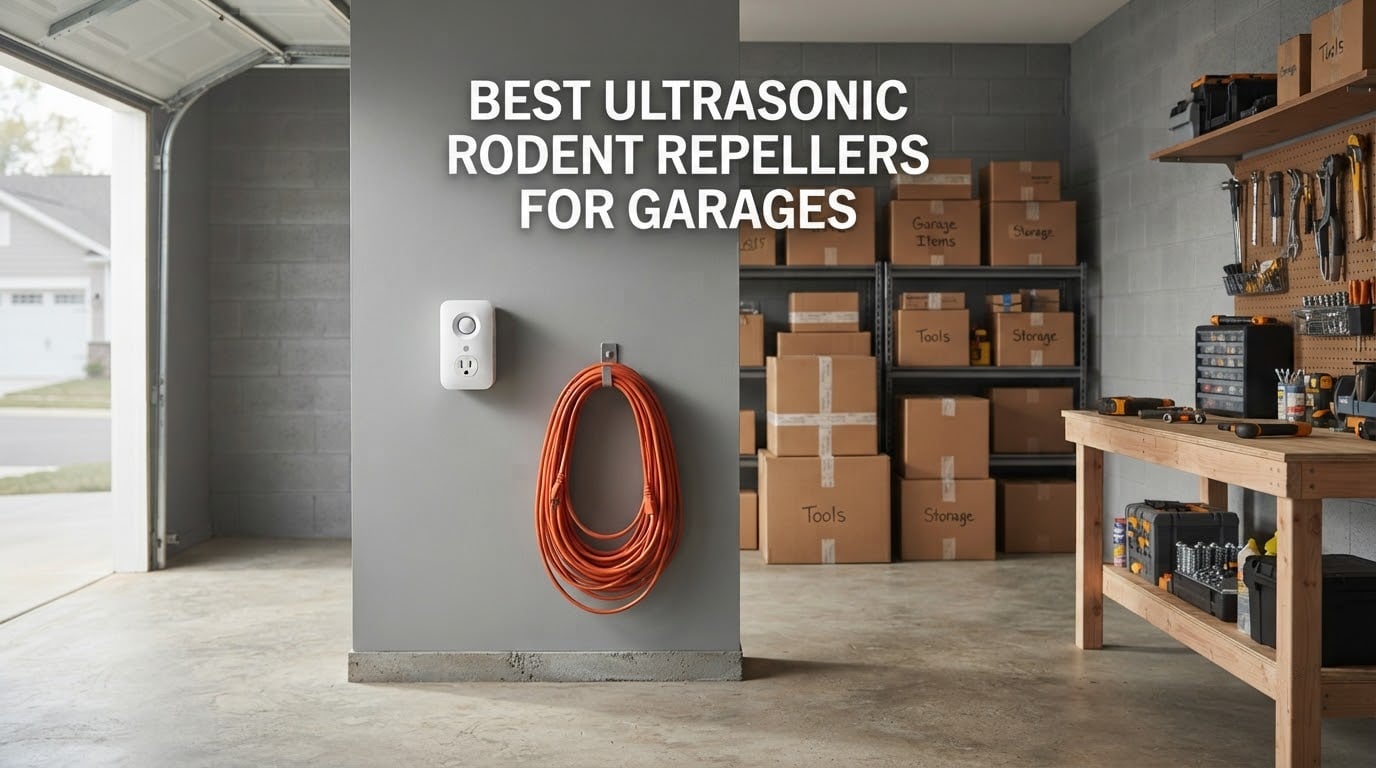
Every autumn the same thing happens in garages across the country. Someone moves a stack of cardboard, finds droppings and nesting material, and looks for a fix that does not involve poison. That is where the search for the best ultrasonic rodent repellers for garages usually starts, and where most of the confusion lives.
We spent weeks reading thousands of customer reviews, forum threads and spec sheets to separate signal from marketing noise. The short version: an ultrasonic rodent repeller for a garage works well as prevention, works poorly as a cure, and behaves very differently depending on the acoustics of the room it sits in. A bare concrete two-car bay and a cardboard-packed storage corner are not the same problem.
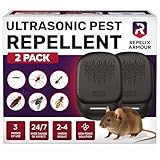
This guide covers ten repellers genuinely sold for garage and storage use, what each does well, where it falls short, and how many devices your space actually needs. If you are still setting up the rest of the space, our guide to the best ping pong tables for garages is worth a look before you commit the floor area.
Table of Contents
Do Ultrasonic Rodent Repellers Actually Work in a Garage?
Partly. Ultrasonic rodent repellers deter rodents from entering or staying in a space. They work best as prevention around sealed entry points in open, hard-surfaced areas, they do not remove an active infestation, they do not pass through walls, and they lose effectiveness when a garage is packed with sound-absorbing clutter. One layer of a defense plan, not the whole plan.
Here is the honest version of when they work and when they do not.
They work best when entry points are already sealed, the floor is open, the device runs continuously, and the rodents are occasional visitors rather than an established colony.
They work moderately when the space is large but cluttered, and you run several devices in separate zones instead of one central unit.
They fail when rodents are already nesting inside walls or under stored material, when the device sits behind shelving or inside a closet, or when one unit is asked to cover far more space than its output can push.
The mechanism is simple. These devices emit rapidly sweeping high-frequency sound, usually somewhere between 20 kHz and 62 kHz, which sits above the range most adults comfortably hear. Rodents hear it clearly, find it irritating and move on. Many units add flashing strobe LEDs, which exploit the fact that rodents avoid open, brightly lit ground.
Two things decide whether a device earns its place. The first is frequency variation, because a unit blasting one steady tone will be tolerated within weeks. The second is acoustics: ultrasonic waves bounce off bare concrete and drywall, which helps, but they are absorbed by stacked cardboard, foam insulation, shelving blankets and vehicle interiors. A garage stuffed with stuff is acoustically a pillow.
One more thing worth saying plainly, because it is the number one question we get. Nothing electronic repels mice tonight. If you are already seeing fresh droppings, the fast move is exclusion plus traps, with a repeller added afterward to protect the fixed space. Owners on r/pestcontrol keep recommending sealed entry points and rodent block over electronics alone, and EPA guidance follows the same order: exclude food and shelter, seal, then deter. Some long-term owners on r/madisonwi report clean engine bays after months with a unit running, which supports the prevention case. Others on bobistheoilguy say plainly that noise generators did nothing for them. Both reports match what the physics predicts.
Top 3 Best Ultrasonic Rodent Repellers for Garages in October

All 10 Ultrasonic Rodent Repellers Compared in 2026
| Product | Specs | Action |
|---|---|---|
| OWLTRA OW-5 Ultrasonic Rodent Repellers 4 Pack |
|
Check Latest Price |
| REPELIX ARMOUR Ultrasonic Pest Repeller 2 Pack |
|
Check Latest Price |
 Cvtayn Upgraded Ultrasonic Pest Repellent 6 Pack Cvtayn Upgraded Ultrasonic Pest Repellent 6 Pack |
|
Check Latest Price |
 Angveirt Battery Operated Ultrasonic Rodent Repellent Angveirt Battery Operated Ultrasonic Rodent Repellent |
|
Check Latest Price |
 Loraffe 4-in-1 Plug-in Ultrasonic Rodent Repellent Loraffe 4-in-1 Plug-in Ultrasonic Rodent Repellent |
|
Check Latest Price |
 Victor PestChaser Rodent Repellent 3 Pack Victor PestChaser Rodent Repellent 3 Pack |
|
Check Latest Price |
 Bell + Howell Ultrasonic Pest Repeller 3 Pack Bell + Howell Ultrasonic Pest Repeller 3 Pack |
|
Check Latest Price |
 Vogholic Ultrasonic Pest Control Repeller 6 Pack Vogholic Ultrasonic Pest Control Repeller 6 Pack |
|
Check Latest Price |
 FineFix Ultrasonic Pest Repeller FineFix Ultrasonic Pest Repeller |
|
Check Latest Price |
 Victor PestChaser Pro Heavy-Duty Repeller Victor PestChaser Pro Heavy-Duty Repeller |
|
Check Latest Price |
1. OWLTRA OW-5 4 Pack – The Best All-Round Plug-in Repeller
OWLTRA OW-5 Ultrasonic Rodent Repellers 4 Pack, Effectively Repel Rodents While 100% Silent & Safe to Humans and Non-Rodent Pets, White
4 units per pack
AC plug-in
Silent operation
Built-in night light
Pros
- Completely inaudible to humans and non-rodent pets
- Poison-free and non-toxic around children and pets
- Four units cover several zones at once
- Built-in night light doubles as a working indicator
- Plug and play with no wiring
Cons
- Ultrasonic waves do not penetrate walls or solid objects
- Only rated for medium-sized rooms per unit
- Best results need pairing with traps in heavy populations
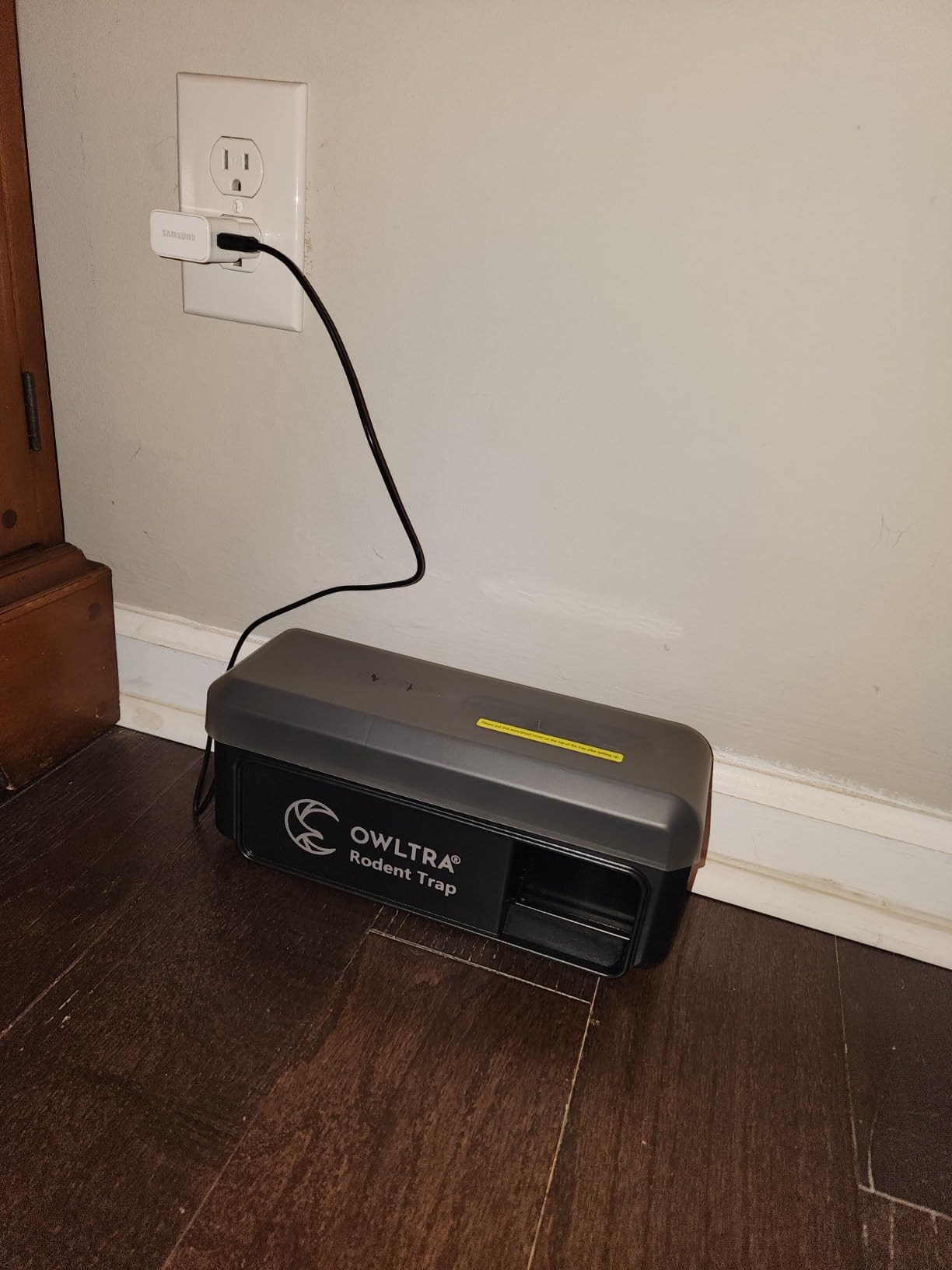
With roughly 23,700 reviews behind it, the OWLTRA OW-5 is the most heavily reviewed unit in this group, and that volume of long-term feedback tells us more than any spec sheet. Owners consistently describe it as completely inaudible to adults and to non-rodent pets, which makes it the safest default for a garage you also work in.
The four-unit pack is the real reason to choose it over a single device. A typical single-car attached garage runs around 200 sq ft, and sound energy drops off fast across open floor. Spreading four units around the perimeter beats clustering them on one wall by a wide margin.
The built-in night light does two jobs. It gives you visible confirmation that a unit is powered and running, and it adds a faint light source in an otherwise dark garage, which is a second deterrent independent of the sound. It is a steady glow rather than a strobe, so it will not glare across a workbench.
Each unit weighs about 4 ounces and measures roughly 1.89 by 3.74 by 3.07 inches, small enough to sit on a shelf or a wall bracket without a mounting kit. Power source is AC, so you need an outlet within reach of each position you want covered.
Where this repeller earns its rating
The best case is a mid-size attached garage with at least two outlets and a clear floor. Split the four units into two near the roll-up door threshold and two at the back wall, where rodents travel once inside. Owners report visible results within about two weeks of continuous running.
Where it falls short
Acoustics set the ceiling. The sound does not pass through walls, so a unit in the main bay does nothing for rodents inside a closet or a wall void above the door header. Each unit is meant for a medium-sized room, so give the setup a full month before judging it.
2. REPELIX ARMOUR 2 Pack – The Best for Large Open Garages
Ultrasonic Pest Repeller for Indoor Use – 2 Pack – Covers Up to 1,500 sq ft per Device – 3 Modes Mouse Repellent – Rodent Repellent – Helps Repel Rats, Spiders, Mosquitoes, Ants & Household Insects
Up to 1500 sq ft per device
3 intensity modes
2 pack
Compact plug-in
Pros
- Highest rating in the group at 4.4 stars
- Compact plug-in that does not block the second outlet
- Chemical-free and odorless around children
- cats and dogs
- Green mode is near-silent for sensitive spaces
- Indicator light confirms the unit is powered
Cons
- Modes 2 and 3 produce an audible high-pitched squeal
- Reduces activity rather than clearing an existing family
- Takes a week or more of continuous use
This is the highest rated unit we reviewed at 4.4 stars across roughly 2,580 reviews, and the review data explains why. Buyers across the US, UK, Germany, Italy and Spain name the same three things: it plugs in and works, it uses nothing but sound, and the quiet mode is quiet enough for shared spaces.
The headline claim is coverage of up to 1,500 sq ft per device. Read that as an open, obstacle-free ceiling rather than a promise. In a clear two-car bay with a bare floor, this is one of the few units here that could plausibly cover a whole space alone, which is why we rate it highest for larger garages.
Three selectable modes matter more than the marketing suggests. Mode 1, marked with a green light, is the quiet setting and the one to run if you work in the garage. Modes 2 and 3, indicated by yellow and red, push harder output, and sensitive listeners report a piercing, clearly audible tone on those settings. That is a real usability cost to maximum output.
The body is listed at roughly a third of an inch square, so it will not crowd the second socket on a duplex outlet. The target species list is broad, covering ants, flies, roaches, spiders, mosquitoes, mice and rats, which is useful in a garage with a spider problem but also makes this a general pest device rather than a rodent specialist.
How to deploy the modes
If you spend time in the garage, run Mode 1 during work hours and the stronger setting overnight, or accept lower output for the sake of quiet. If the garage is storage you rarely enter, a stronger mode is easier to live with and more likely to shift activity out of a cluttered back corner.
What to watch out for
The 1,500 sq ft figure is a maximum. The consistent review pattern is reduced activity over one to four weeks rather than elimination of a family already inside, with several owners describing pests as harder to spot rather than gone. It is also a two-pack, so a heavily zoned garage would need more than one purchase.
3. Cvtayn 6 Pack – Best for Covering Several Zones at Once
2026 Cvtayn Upgraded Ultrasonic Pest Repellent Indoor Repeller, Mouse Traps, Repellent Roach, Mouse, Bugs, Mosquito, Mice, Spider, Ant, Rodent Repellent Ultrasonic Plug in, 3 Mode Switching,5 Pack
6 units per pack
3 mode switching
Silent with blue indicator
AC powered
Pros
- Six units cover multiple rooms and the garage without blind spots
- Completely silent operation with a subtle blue indicator light
- No traps
- sprays
- chemicals or odors
- Compact and lightweight
- 3 modes let you match output to the target pest
Cons
- Needs several weeks of continuous use before visible results
- One reviewer reported a discrepancy between stated and received unit count
Most repellers fail in garages for one reason: there is only one of them, and a single speaker cannot cover a 400 sq ft room containing a vehicle, a workbench and shelving. The six-unit format solves that directly, which is why this one ranks third despite a mid-pack rating.
At roughly 2,040 reviews and a 4.1 star average, buyers repeatedly mention the value of covering the whole property at once. A single purchase places units in a garage, basement, kitchen and utility room, spreading protection across the building rather than concentrating it in one room.
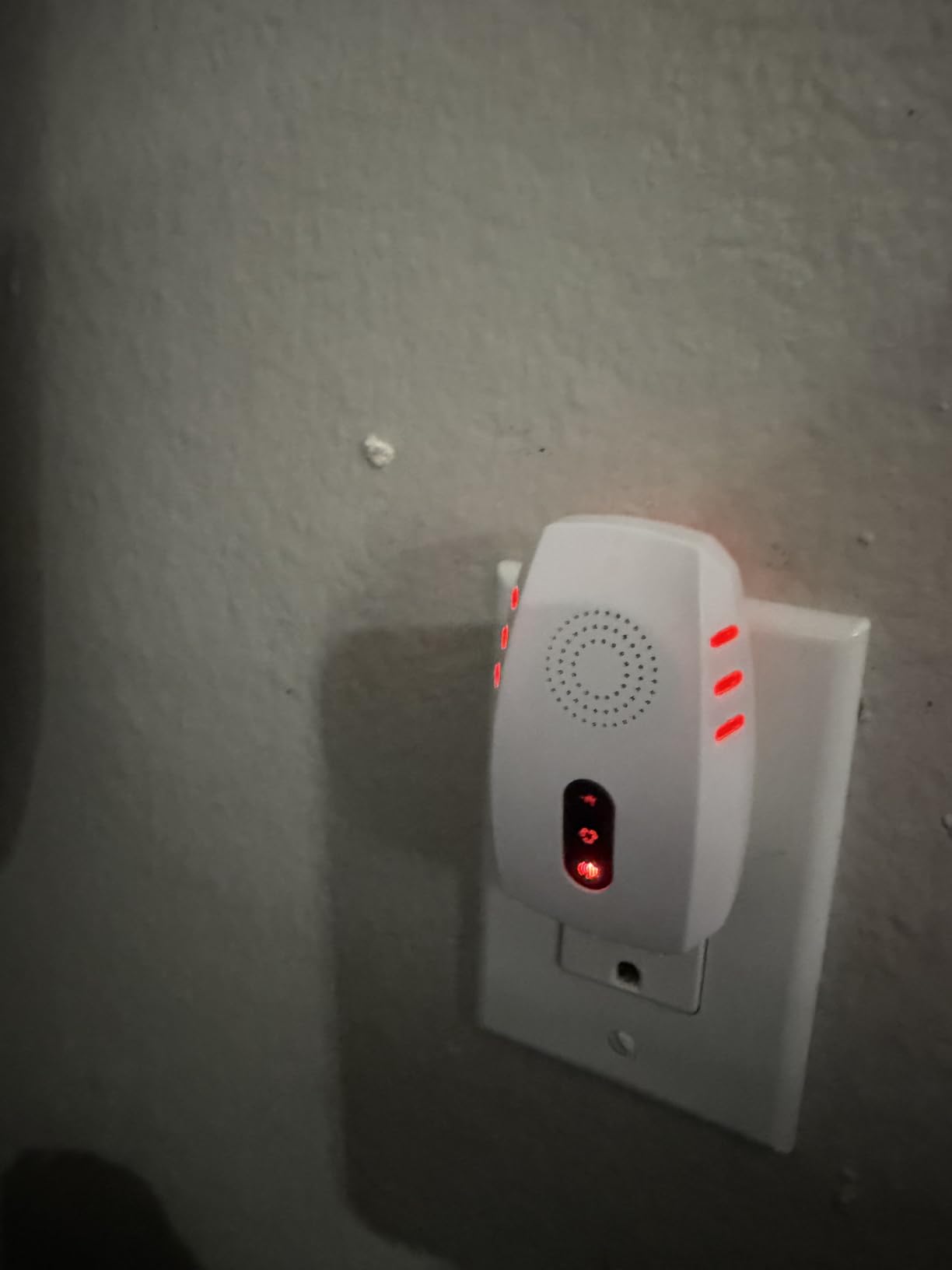
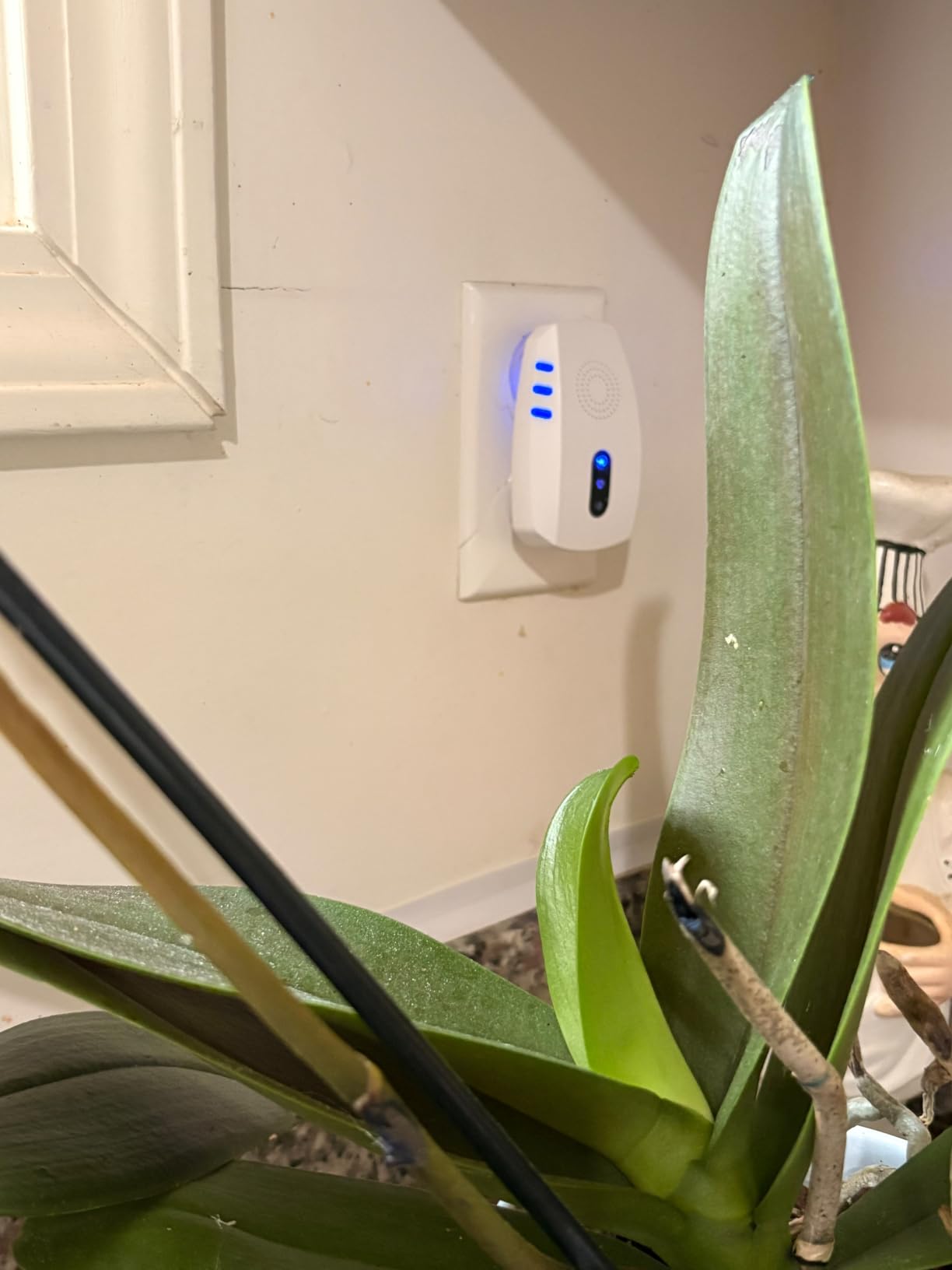
Operation is silent, with only a small blue indicator light to show it is running. No audible whine appears anywhere in the review set, which separates it from several other units we weighed on the same criteria. Three switching modes are selected with color-coded indicator lights, so you can drop output near living space and raise it in a basement.
The body is compact at about 2.05 by 1.38 by 3.23 inches and mounts directly to a standard wall outlet, which matters in a garage where wall space is contested between tool storage and vehicle clearance.
When six units beat one powerful unit
Spreading six lower-output devices across a large garage outperforms a single high-output device, because ultrasonic energy attenuates rapidly and the gaps between devices are what rodents exploit. If your space has a vehicle bay, a back storage alcove, a side room and a bench area, this is the format that matches the geometry.
What the pack does not solve
No unit clears an established infestation, and the consensus here is that results build over several weeks of continuous running rather than appearing immediately. There is also one isolated report of a unit count discrepancy between what was advertised and what arrived, so check the box on delivery. All six devices need outlets within reach of your chosen positions.
4. Angveirt Battery Operated Repeller – Best for Garages With No Power
Angveirt Battery Operated Ultrasonic Rodent Repellent for Cars & Garages
3 AA batteries, up to 85 days
Vibration auto on-off
Zip tie mounting
2 pack
Pros
- Runs on batteries so no outlet is needed in sheds
- attics or RVs
- Vibration sensor pauses the unit when a vehicle is running and resumes when parked
- Long runtime with a low-battery alert
- Test button confirms it is emitting
- Zip ties included for secure mounting
Cons
- Does not stop rodents passing through
- only discourages staying
- Some users report habituation to the sound and strobe
- Battery changes needed every few months
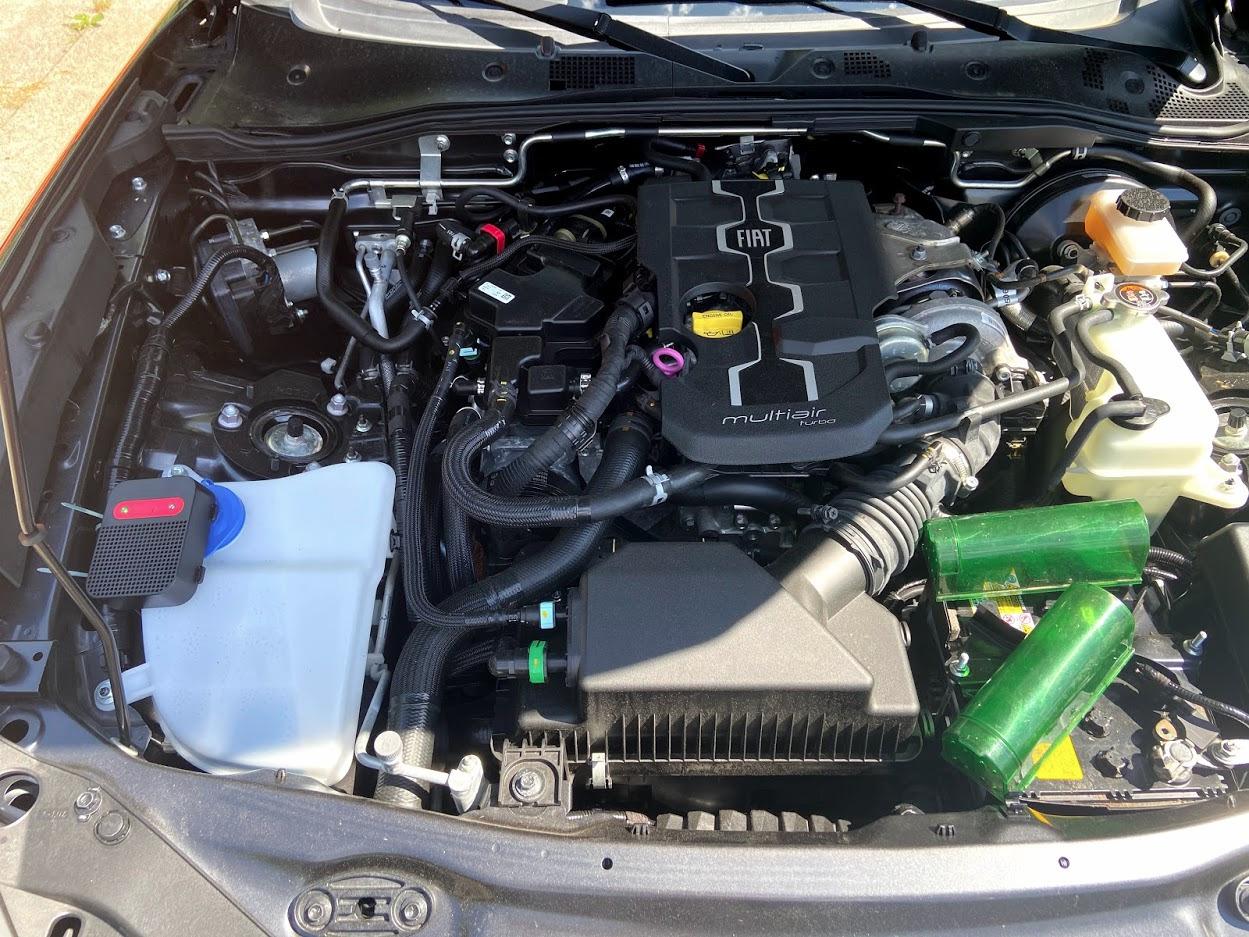
Most detached garages, sheds and RV storage bays have no convenient outlet at the height where you want a device. This one is built for that problem, running on three AA alkaline batteries rated at up to 85 days of operation, with a two-pack giving you enough hardware to cover a building and a vehicle bay.
The listed uses are telling: car engines, RVs, garages, attics, basements, storage rooms, sheds, engine compartments and crawl spaces. Target species include rats, mice, rabbits, martens and chipmunks, so this is a broad rodent device rather than a mouse-only unit.
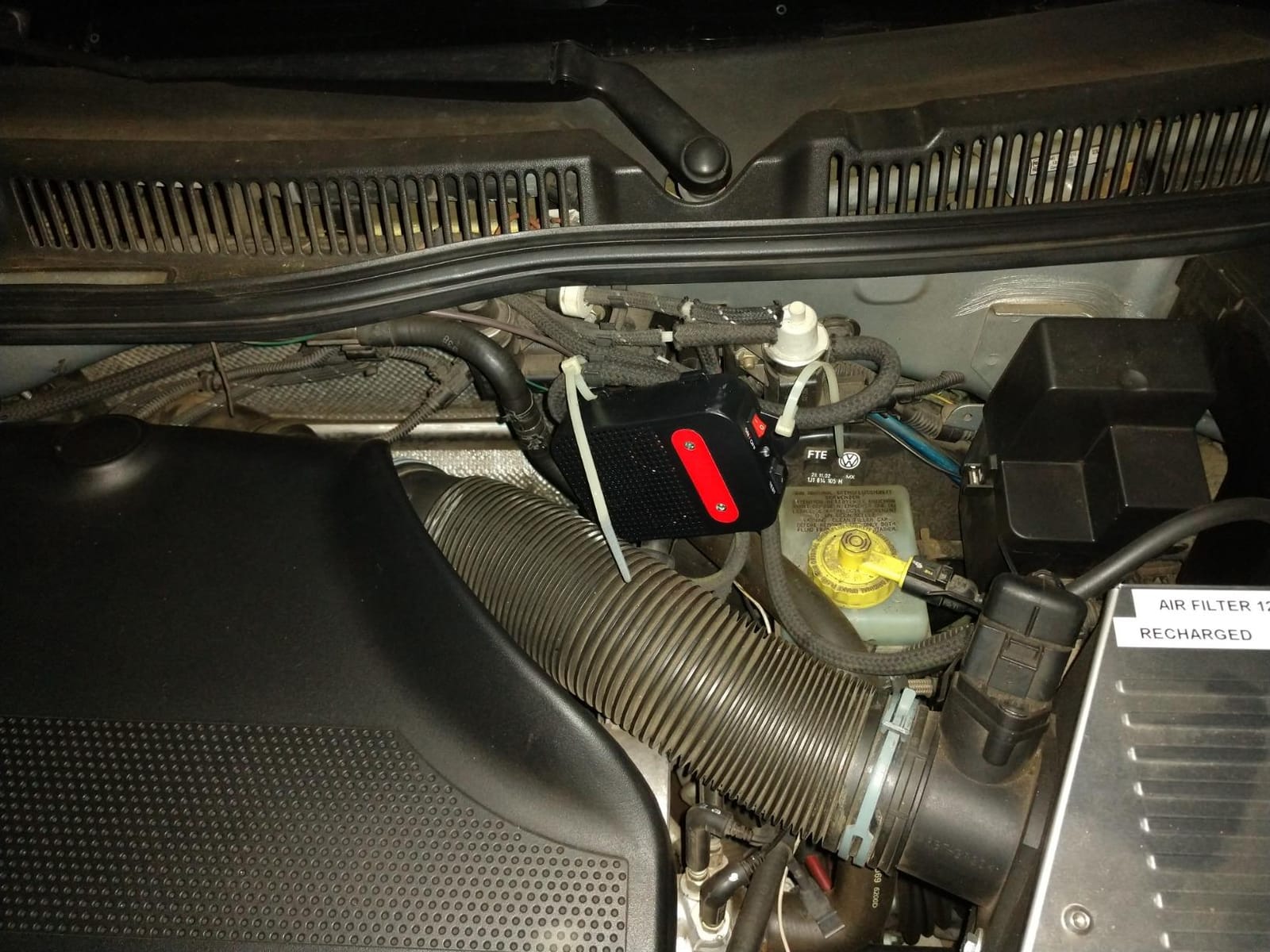
Two design choices stand out. The vibration-sensing auto on-off pauses operation while a vehicle is running and resumes when it is parked, which conserves battery and makes it sensible to leave mounted permanently. The test button produces an audible tone so you can confirm the electronics work without waiting on mouse activity, a genuinely useful diagnostic most rivals lack.
Physical size is larger than a typical plug-in, roughly 3.74 by 1.18 by 4.92 inches, and mounting uses included zip ties, which makes it easy to strap to a joist, a shelf bracket or a vehicle bracket.
Where battery power is the right call
Detached garages without power, off-grid sheds, RV and boat storage, and crawl spaces are the clear wins here. Batteries also let you reposition a device seasonally without rewiring anything, which matters because the best position in October is not the best position in January.
What long-term owners report
The honest limitation in the review data is that this device discourages rodents from staying but does not stop them passing through, with owners describing nests prevented while occasional crossings continue. Habituation is also reported after extended running. Plan for battery changes every few months and use the low-battery alert, because a dead unit gives false confidence that the space is still protected.
5. Loraffe 4-in-1 Plug-in Repeller – Best for Dark Garages and Attics
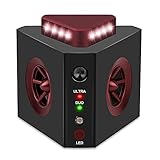
Loraffe 4-in-1 Plug-in Ultrasonic Rodent Repellent, Mouse & Rat Deterrent
12 LED strobes, 3 groups
3 independent speakers
Dusk-to-dawn sensor
100-240V AC
Pros
- Combines ultrasonic
- impulse waves
- predator sounds and LED strobes
- Three independent speakers widen coverage beyond single-speaker units
- Dusk-to-dawn sensor activates strobes only in dark spaces
- Four operating modes with adjustable volume
- Humane
- trap-free and poison-free
Cons
- Advanced hardware and larger housing than slim models
- Bulky body occupies more of the outlet faceplate
- Sound still blocked by solid objects
The most garage-appropriate feature in this group is the dusk-to-dawn sensor. A garage is dark most of the time, so a unit that fires its strobes only in low light avoids blinding someone working at a bench in the afternoon. That single design decision matters more here than any coverage figure.
The 4-in-1 approach layers ultrasonic waves, impulse waves, predator sounds and LED strobes instead of relying on ultrasound alone. Predator sound is the addition most worth understanding, since recorded distress and aggression calls can move a wary animal out of a space that ultrasound alone has not cleared.
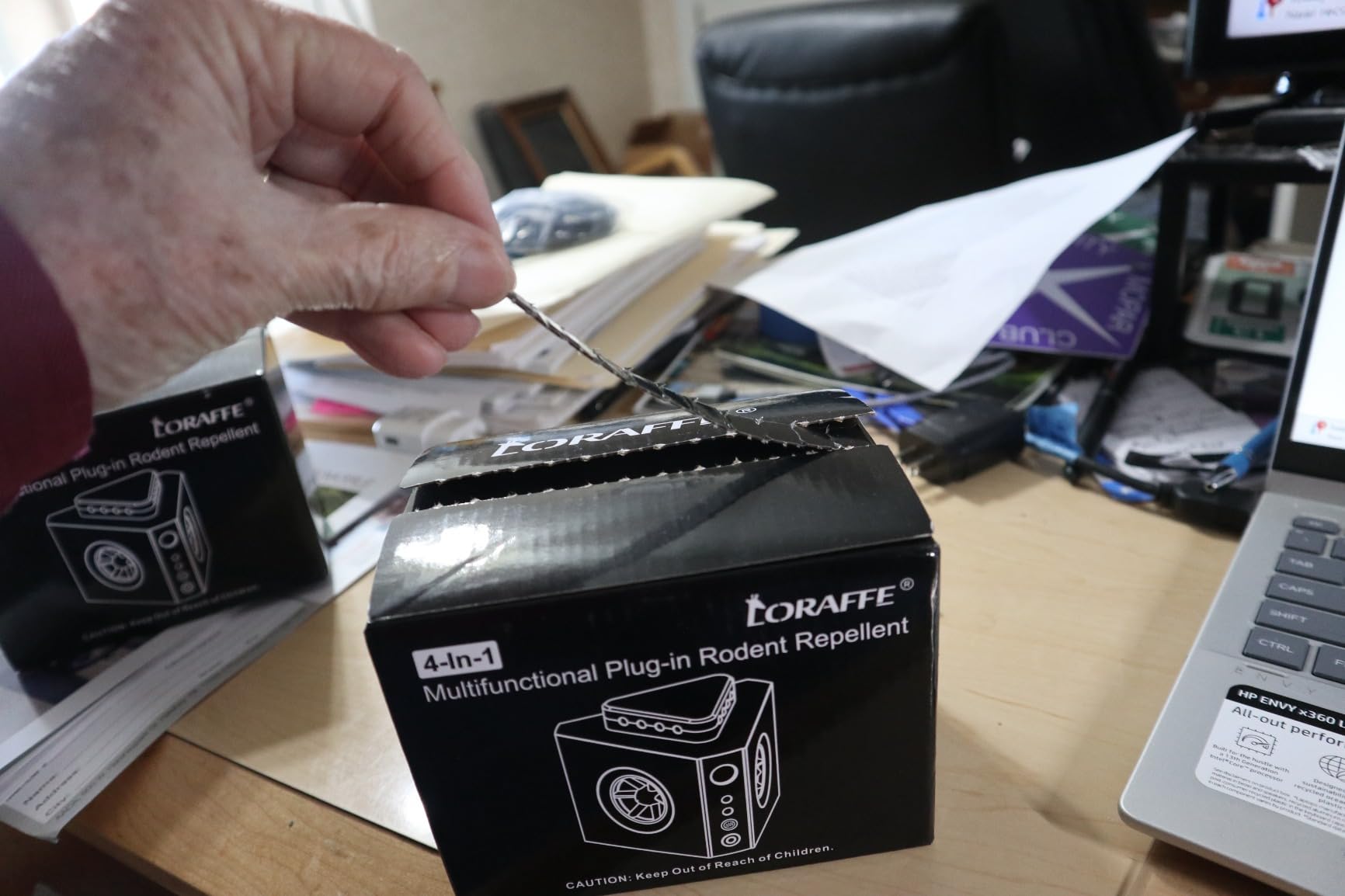
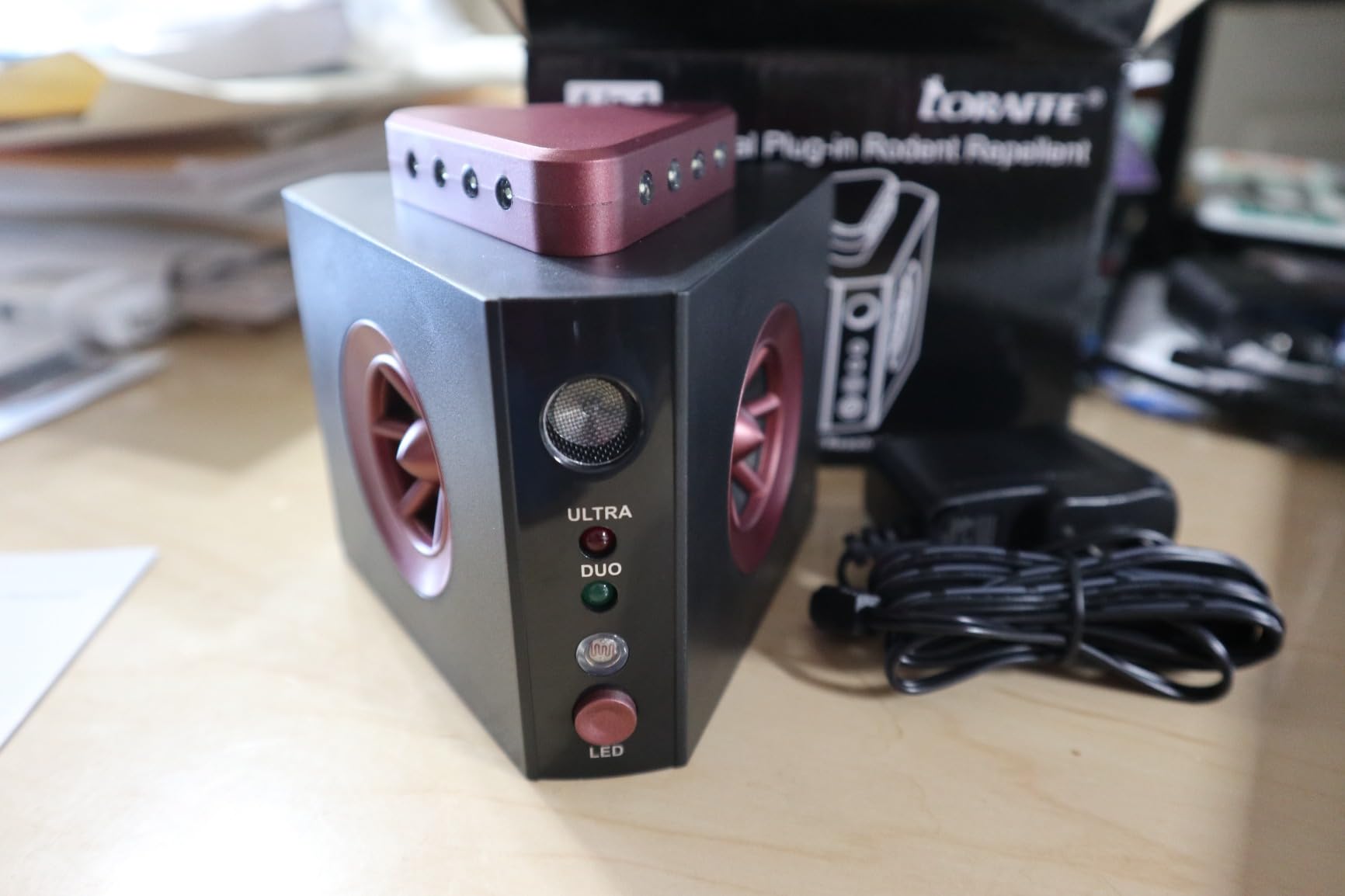
Three independent speakers on a triangular panel give multi-directional coverage from a single unit, which is how the device partly compensates for being mounted in one fixed spot. With 12 strobe lights across three groups and a body of 4.33 by 3.74 by 3.94 inches, it is a substantial housing, and that size is a real consideration on a shared duplex outlet.
Four modes are available, TEST, ULTRA, DUO and TRIO, with adjustable predator-sound volume. A test mode confirms the unit is live before you leave it running for a month, and the 100-240V AC input works across a wide range of outlets.
Why the light component matters in a garage
Rodents avoid exposed, brightly lit ground because it makes them visible to predators, and a strobe array exploits that instinct. In a garage with a large open floor and darkness, light is at least as practical a deterrent as sound, which makes this the pick for unoccupied or poorly lit spaces. The speaker array also makes it a reasonable single-unit choice for a mid-size bay.
What the reviews hold back
The rating sits at 3.9 with roughly 3,150 reviews and a 56 percent five-star share, the most split profile among the well-reviewed units here. The larger housing is the most common practical complaint, and solid objects still block the sound component regardless of how many modes you select, so the placement rules apply here too.
6. Victor PestChaser 3 Pack – Best Budget Plug-in Option
Victor PestChaser Rodent Repellent with Nightlight, 3-Pack
3 units per pack
AC plug-in
Built-in nightlight
Silent operation
Pros
- 3 units per pack allow whole-home or garage coverage in one purchase
- Non-toxic and poison-free
- safe around children and pets
- Built-in night light gives a soft glow and a power indicator
- Mini size fits standard outlets without blocking the second socket
- Long-established brand with a responsive replacement service
Cons
- Some buyers report an audible buzz despite the silent claim
- Only effective in open areas
- away from appliances and closets
- Does nothing about rodents already nesting inside
- Night light can bother light-sensitive sleepers
Victor is one of the longest-standing names in household pest control, and this three-pack is the cheapest way here to put three devices into a garage. Reviewers install them in every room and report mice disappearing from open living spaces, which is the environment this device is designed for.
Target species cover mice, rats and rabbits, and the manufacturer states the sound is loud for rodents while remaining inaudible to humans. Most owners agree, though not everyone does, and that gap is worth understanding before you commit.
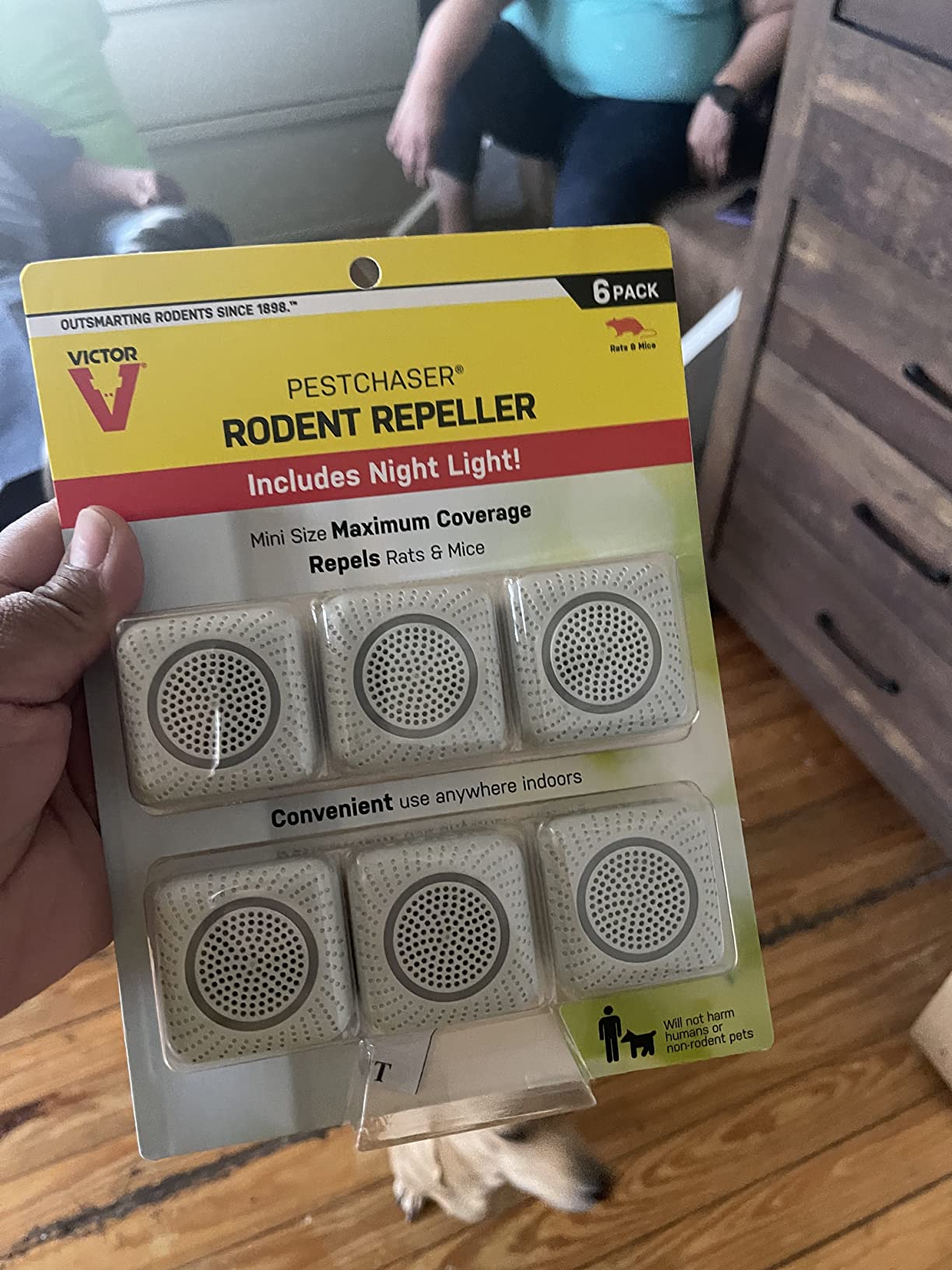
The built-in night light is the feature owners mention most, both as a soft hallway glow and as a quick visual check that the unit is powered. It is a steady low-level light, not a strobe. Larger packs in the same family also exist, which matters if you want more coverage after a first purchase.
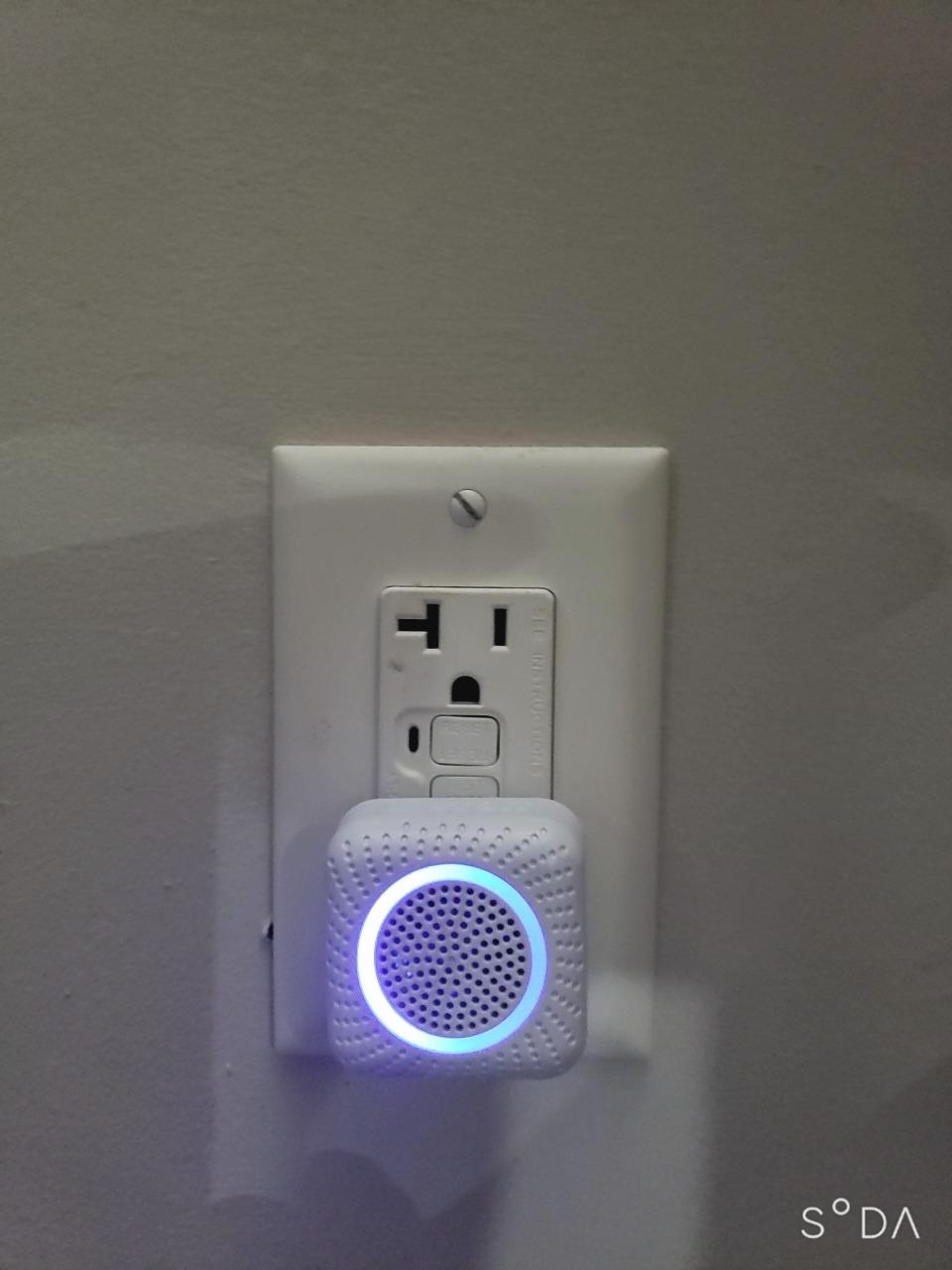
Size is a genuine strength. At roughly 1.81 by 4.81 by 8.81 inches and about 5.4 ounces, the slim form leaves the second socket on a duplex outlet usable, which the review data repeatedly confirms.
Where this three-pack makes sense
This is the pick when the priority is covering several separate small spaces at once: a single-car garage plus a utility closet plus a basement landing. Three units spread across three small rooms will outperform one unit trying to fill a large bay, and the low cost makes that approach easy to justify and easy to extend later.
What the reviews warn about
The most common complaint is audibility. A meaningful share of buyers can hear a noticeable buzz from all three units despite the silent claim, so read recent noise reviews if you plan to work in the garage at night. Effectiveness is limited to open areas, and several reviewers note the device appears to drive mice into harder-to-reach places rather than out of the building. Some dogs and cats are also reported as agitated by the frequency.
7. Bell + Howell Ultrasonic Pest Repeller 3 Pack – Best for Steady Prevention
Bell + Howell Ultrasonic Pest Repeller Home Kit (Pack of 3), Ultrasonic Pest Repeller, Pest Repellent for Home, Bedroom, Office, Kitchen, Warehouse, Hotel, Safe for Human and Pet
3 units per pack
Variable frequency
LED indicator
AC powered
Pros
- Chemical-free
- odorless and no traps required
- Variable frequency waves designed to slow habituation
- Targets mice
- rats
- spiders
- ants and roaches in one unit
- LED indicator confirms waves are active
- 3 units per pack for multi-room coverage
Cons
- Coverage depends on open
- unobstructed space; walls and furniture block the waves
- Results build gradually rather than immediately
- Not a solution for an infestation already established indoors
The defining feature is variable frequency. Rather than emitting one steady tone that rodents eventually tolerate, this unit mixes frequencies specifically to slow the build-up of immunity in the pest population. If you expect to leave it running for a full season, that choice is worth more than a higher headline coverage number.
With roughly 2,100 reviews and a 4.0 star average, it sits mid-pack on rating but near the top on consistency of praise. Buyers keep naming the same three benefits: no chemicals, no odor and no traps to service.
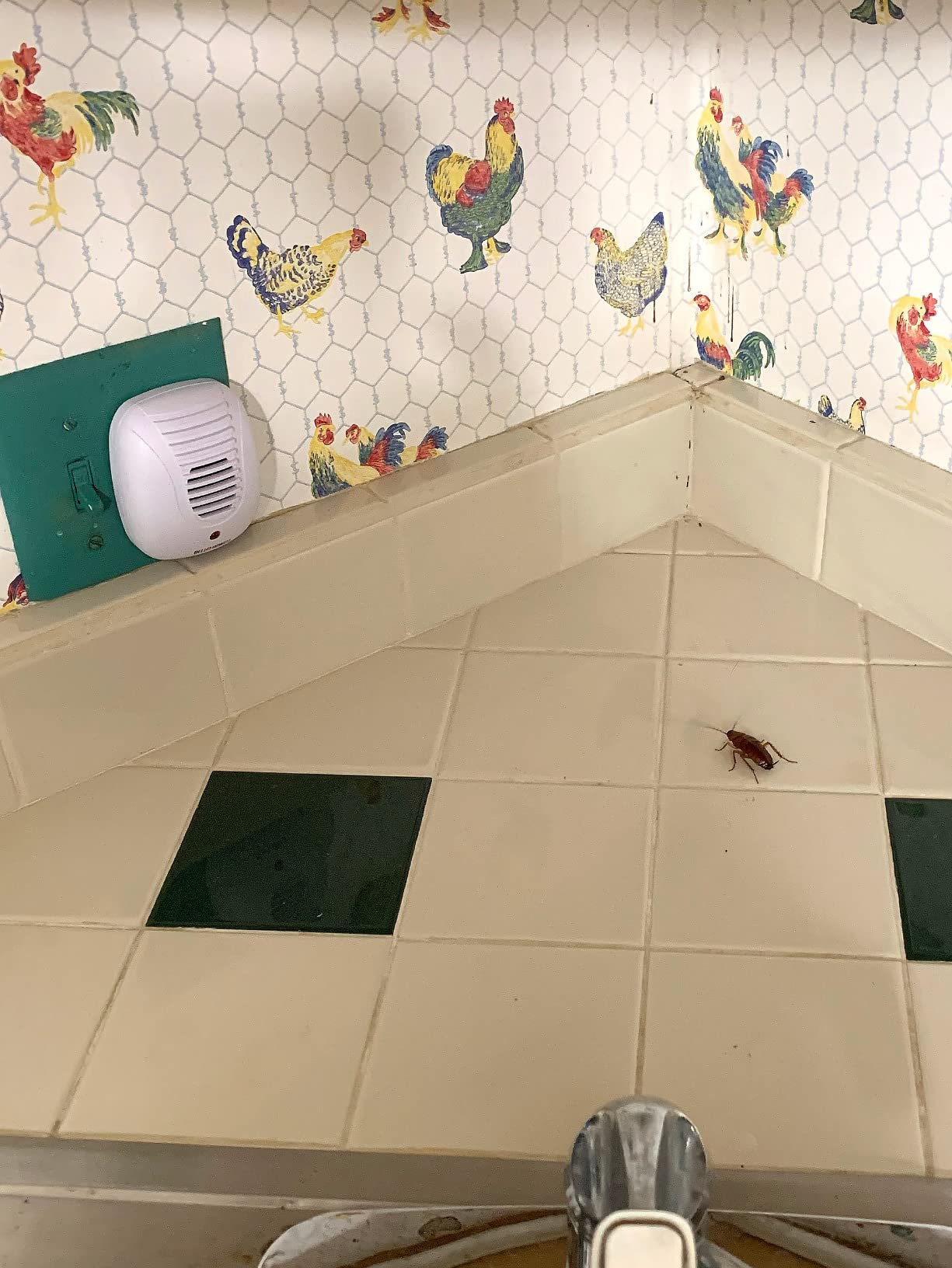
Target species are listed as ants, cockroaches, mice, rats and spiders, so it works as a general household pest device as well as a rodent deterrent. An LED indicator light shows when the waves are active, giving you a simple mechanical check. The body is listed at 3.2 by 2 by 3.5 inches with AC power, a compact wall-plug form factor.
The pack is positioned for bedrooms, offices, kitchens, warehouses and hotels, which tells you the intended room scale is smaller than what most garages need. Open floor space and clear sightlines matter here more than raw output.
Why habituation resistance is the deciding factor
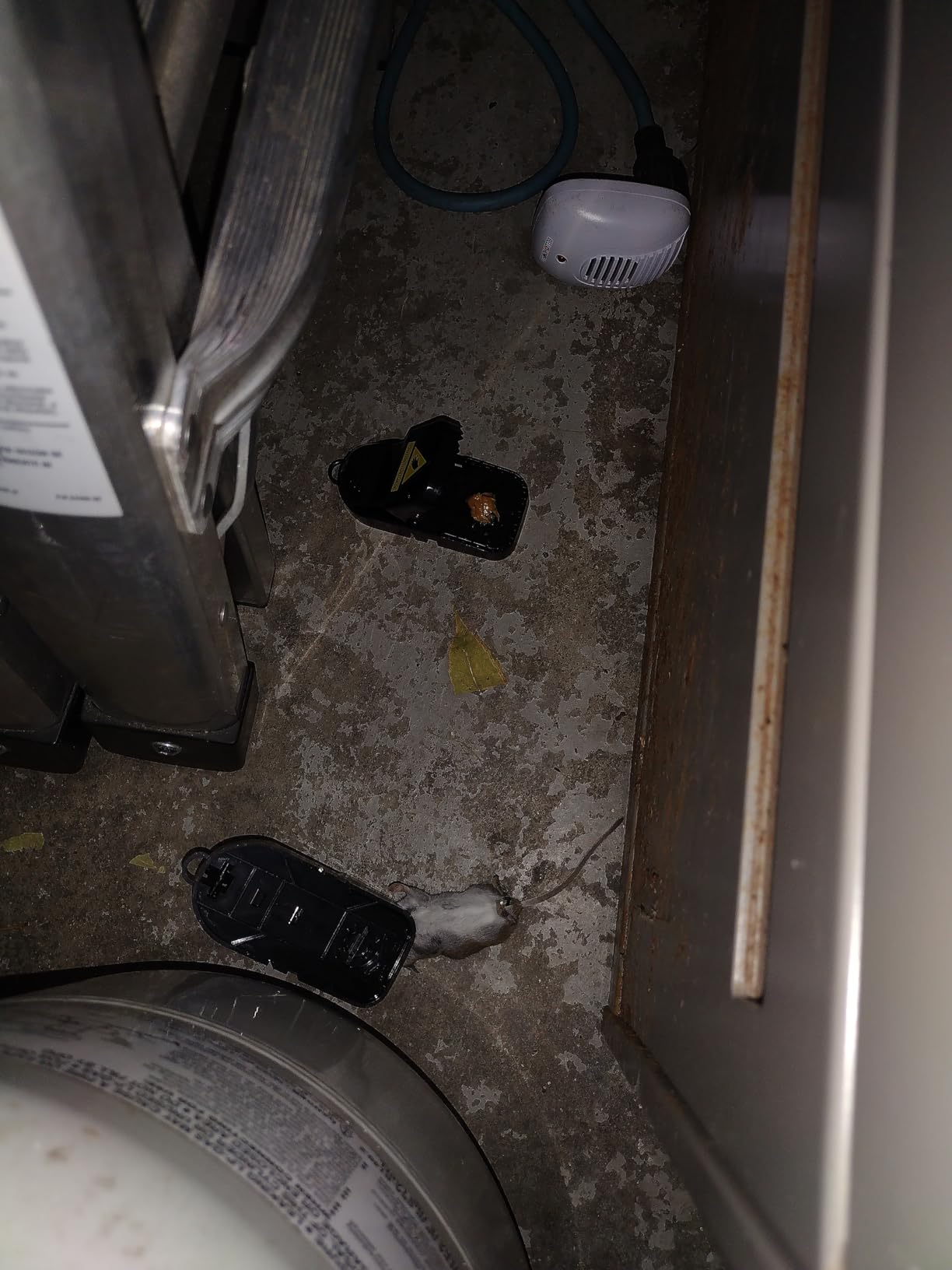
Long-term failure of ultrasonic devices is usually habituation, and the countermeasure is frequency variation plus periodic repositioning. Pair two of these in different parts of a garage, swap their positions every few months, and the useful life of the setup extends further. This is our pick for a garage that is already sealed and monitored, where the goal is quiet, chemical-free background protection across a whole season.
Where the limits show
Placement is the whole game. Reviews are consistent that walls and furniture block the waves, so a unit tucked behind shelving or inside a cabinet is close to useless. Results are gradual, which is a feature for prevention and a problem for an active issue, so judge it over a month of continuous running using the LED as your only mechanical check.
8. Vogholic 6 Pack – Best for Sheds, Garages and Storage Units
2026 Upgraded Ultrasonic Pest Control Repeller, Indoor Mouse Repellent for Rat, Mice, Rodent, Roach,Cockroach, Insect, Mosquito Electronic Plug in Pest Control 6 Packs
6 units per pack
800-1200 sq m claim
10-47 inch mount height
AC or DC powered
Pros
- Six units cover the garage
- shed and surrounding rooms in one purchase
- Silent
- odorless and described as radiation-free
- Compact enough not to block the second socket
- Soft blue glow indicator
- Energy-saving continuous operation with no consumables
Cons
- Typically needs 3 to 4 weeks of continuous running
- Solid walls weaken the effect so more than one is needed in larger areas
- Some international buyers report plug type mismatches
At a 4.1 star rating across roughly 970 reviews, this six-pack sits just below the leaders on rating but above several of them on packaging logic. Six devices in one box matches how most people actually use these products, spreading protection across a garage, an adjacent shed and the rooms a rodent might travel through to reach them.
Reviewers from the US, Mexico, Brazil, Saudi Arabia and the UAE highlight silent chemical-free running and straightforward plug-in setup. One garage user reports a sharp drop in mosquitoes, since the device targets a broad pest list rather than rodents alone.
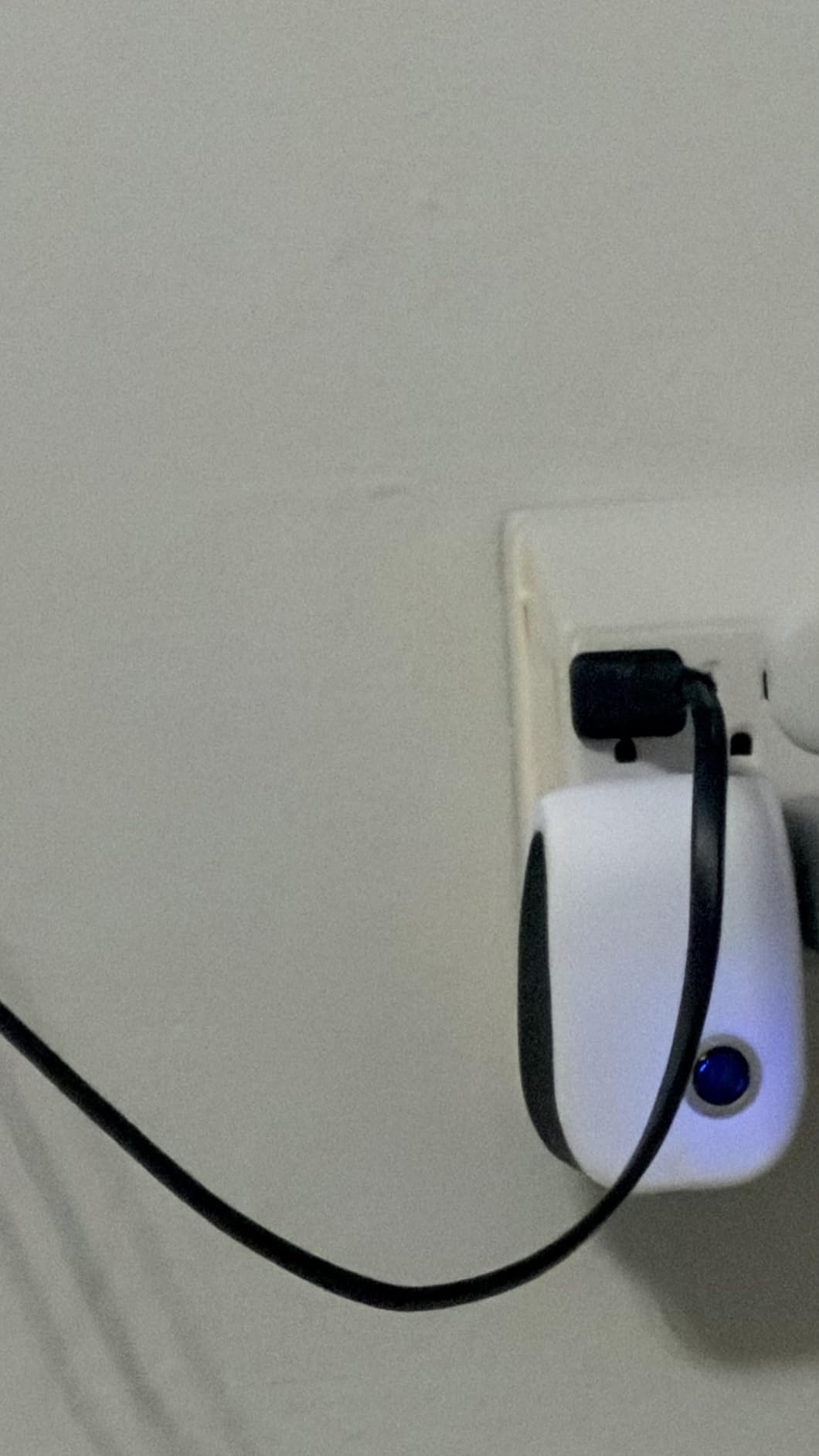
Two technical details stand out. The listed mounting height of 10 to 47 inches from the ground is a concrete placement instruction and a useful one, because height changes how sound spreads and a unit on the floor wastes much of its output on bare concrete. The unit also runs on AC or DC, which is unusual in this category and gives some flexibility if you have access to a low-voltage supply.
The coverage claim of 800 to 1,200 square meters is large. Read it the way you would read any maximum figure: it assumes an open, empty, hard-surfaced room. In a garage with shelving and stored material, the real figure is considerably lower.

Best fit for multi-building properties
If your property includes a garage plus a shed, a workshop or a rental storage unit, this pack covers all of them in one purchase. That matters because the routes between buildings are exactly where rodents travel, and a device inside the house does nothing to stop the trail from outside.
What to plan around
The main drawback is time. Owners report three to four weeks of continuous running before results become obvious, so treat this as a season-scale purchase rather than an overnight fix. Solid walls weaken the ultrasonic effect, which is exactly why the pack size matters. If you are outside the US, check the plug type against your local sockets before buying, a mismatch that shows up repeatedly in international reviews.
9. FineFix Ultrasonic Pest Repeller – Best for Rat Pressure in Workshops
FineFix Ultrasonic Pest Repeller Indoor, Mouse Repellent Ultrasonic Plug-in
1290 sq ft at 360 degrees
4 modes
9 LED strobes
AC or DC
Pros
- Garage owners report it cleared mouse damage to wiring harnesses and stored vehicles
- Test mode lets you confirm ultrasonic output is emitting
- Wide 360 degree coverage figure for a single unit
- Silent
- non-toxic operation that does not bother pets or children
- Also reported effective against squirrels and bats
Cons
- Rating sits below the rest of this group at 3.8 stars
- Sound blocked by walls
- stored objects and clutter
- Can take several weeks and is weaker against a large existing problem
- Some users report rodents simply ignoring it
This one earns its place through target species. The listed coverage includes mice, rats, squirrels, bats, ants, roaches and spiders, a broader predator list than most competitors, and the claimed 1,290 sq ft of 360-degree coverage per unit is one of the higher single-unit figures here.
Garage owners are the most enthusiastic group in the review set. Several report clearing mouse damage to wiring harnesses and to stored classic cars, and a few bought a second unit for a separate garage. Nine LED strobe lights combined with electromagnetic pulse waves give it two deterrence channels rather than one.
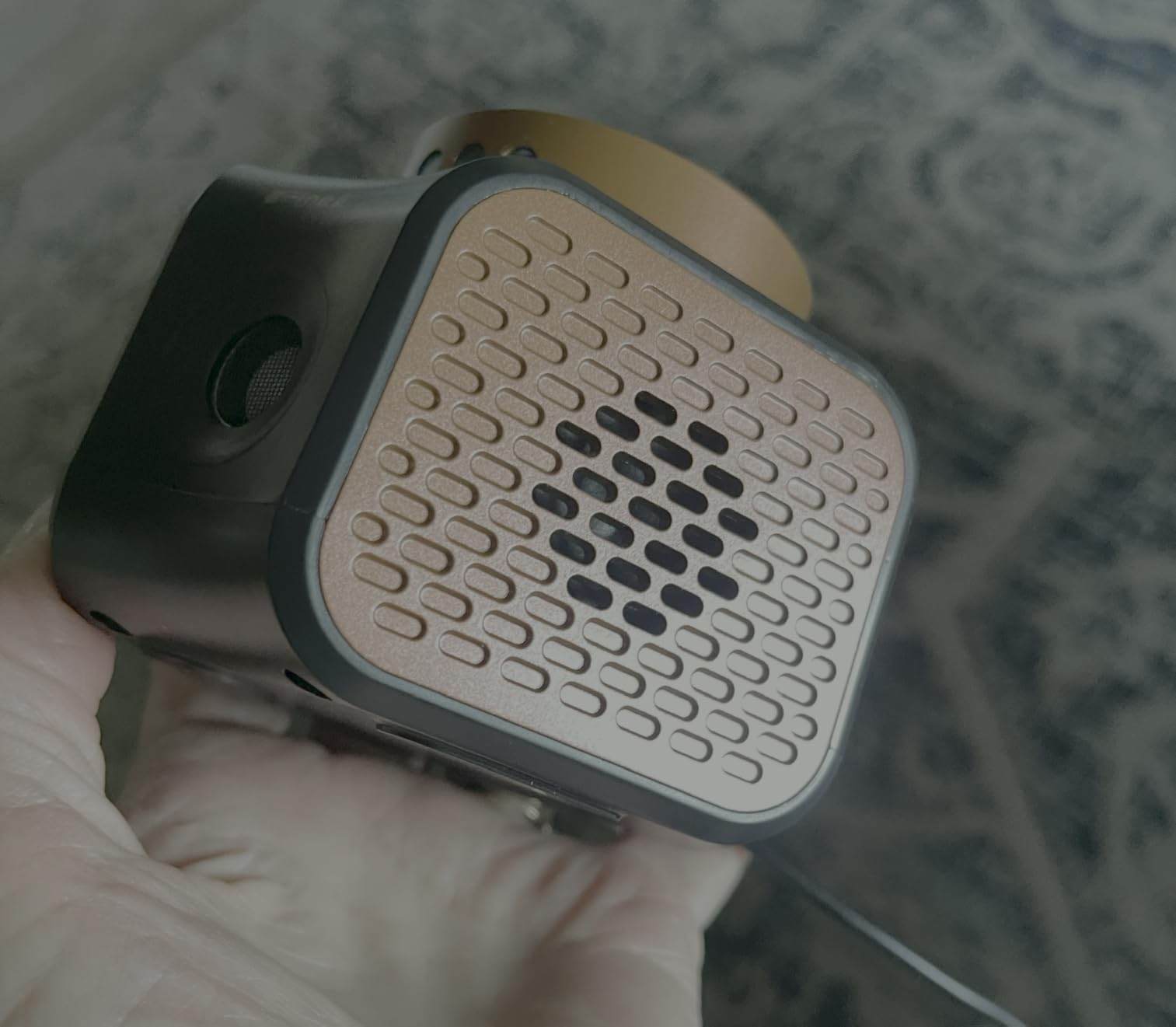
Four modes, including a test mode, let you confirm ultrasound is being emitted before committing to a long run. The body is listed at 3.62 by 2.99 by 3.62 inches, a moderate plug-in size that fits a standard outlet, and power is listed as AC or DC. It is also the product we would consider for a workshop where bats or squirrels are the actual problem, since few rivals name those species explicitly.
Keep the rating in view when you weigh all that. At 3.8 stars across roughly 960 reviews, with a 16 percent one-star share, this is the least proven product in the set and the one where placement and expectations matter most.
When a workshop is the target
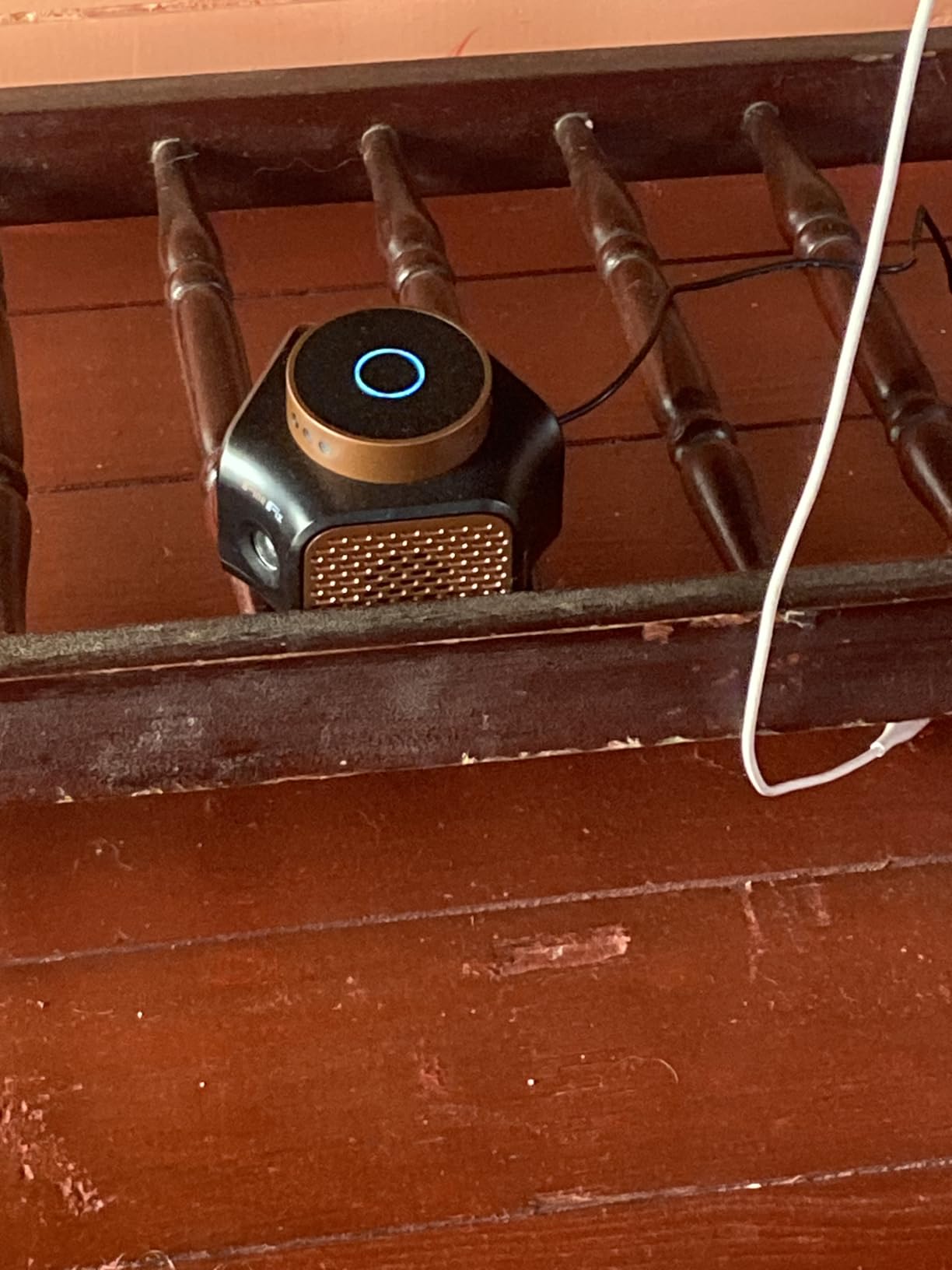
A workshop with metal shelving, a concrete floor and clear aisles is close to the best case for ultrasonic coverage, because hard surfaces reflect sound and there are few soft materials to absorb it. In that environment, a single unit with 360-degree output and four modes has a reasonable chance of shifting activity out of the space. Rat pressure is the other argument for it, since rats need more output than mice.
The honest drawbacks
The critical reviews describe watching a mouse walk directly past a running unit, which is the most common real-world failure mode for this whole category. Coverage is also cut hard by walls, stored objects and clutter, so the 1,290 sq ft figure is a bare-room number. It takes several weeks to clear an area and is weaker when the existing population is already large, so clear the space before you expect results.
10. Victor PestChaser Pro Heavy-Duty – Best for Flexible Placement With a Long Cord
Victor PestChaser Pro Heavy-Duty Ultrasonic Rodent Repeller
6 foot power cord
Large space design
High frequency output
Non-toxic
Pros
- 6 foot cord allows placement away from the outlet
- which matters in cluttered garages and attics
- Explicitly designed for large spaces like attics
- garages
- basements and warehouses
- Non-toxic and poison-free
- safe around people and pets
- Directional speaker can be aimed down a clear path
- Owners report reduced mouse activity within days
Cons
- Lowest average rating in the set at 3.7 stars with a 19 percent one-star share
- Audible running sound
- described like a quiet refrigerator rather than silent
- Cluttered and soft-surfaced areas reduce effective range
- Rodents can habituate after months of continuous use
- Some units reportedly failed within weeks or months
The 6-foot power cord is the feature that earns this unit its place. In a cluttered garage the ideal listening position is often 10 or 15 feet from any wall outlet, and a fixed plug-in unit forces you to compromise on placement. A long cord lets you put the device in the open middle of the floor where its output actually reaches.
It is the only unit here that ships as a single heavier unit, listed at 12.64 ounces and 6.3 by 4 by 9.75 inches, a more substantial box than a slim plug-in. The manufacturer positions it for attics, garages, basements and warehouses, and owners with barns, garages and RVs are the most vocal group in the reviews.
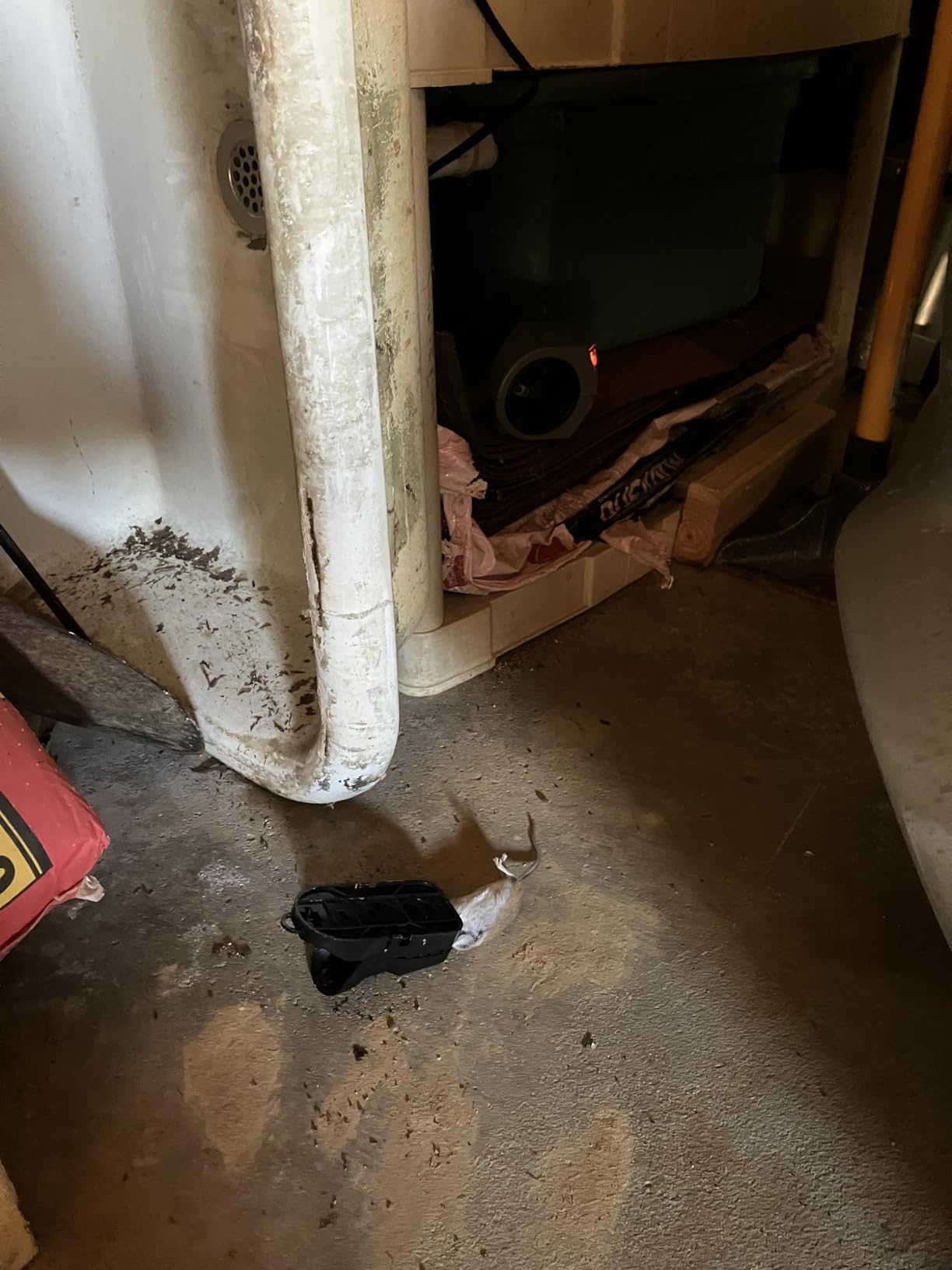
Several owners report a visible reduction in mouse activity within days, faster than the multi-week pattern most products describe. The directional speaker is the other practical advantage, since it can be aimed down a clear aisle or toward a wall void opening. The unit is non-toxic, poison-free and stated as safe around family and non-rodent pets when used as directed, and some owners also report success against squirrels at roof and siding entry points.
Nothing about it requires a second purchase to cover more space, which is the quiet advantage in a garage that also stores a vehicle and workshop gear.
Why a long cord changes outcomes
Every placement rule in this guide comes back to one problem: sound is absorbed by clutter and blocked by solid objects. A 6-foot cord is the simplest way around that without buying more devices. In a garage with a central open bay and outlets only on the perimeter walls, this unit can be centered without an extension lead, and it suits joist bays in attics and crawl spaces.
What keeps it out of the top tier
The 3.7 star average is the lowest in this group, and the distribution is unusually split, with roughly half five-star and 19 percent one-star reviews. That tells you results are highly dependent on the space. Audibility is a consistent theme, with owners describing a quiet refrigerator or old television sound that is fine in a detached garage and unwelcome in an attached one. Critics also document habituation after months and units that failed within weeks, so check the warranty terms and keep the placement flexible.
Why Ultrasonic Repellers Fail in Garages
Most disappointing results are not a buying mistake. They are the predictable outcome of putting a small ultrasonic speaker in a room that is acoustically hostile to it. Four things cause this, and each has a countermeasure.
Habituation. Rodents adapt to a steady signal. A constant frequency gradually becomes background noise and normal behavior resumes. This is the most common long-term failure owners report. Countermeasures are frequency-sweeping units, running more than one device so the sounds overlap and vary, and rotating positions every few months.
Sound-absorbing clutter. Cardboard, foam insulation, blankets, upholstery and vehicle interiors absorb ultrasonic energy. A garage packed to the ceiling with stored goods behaves acoustically like a bedroom, and output that would clear an empty bay does nothing behind a stack of boxes. Countermeasure: clear a path around each device and keep stored material off the floor where possible.
Reflection working against you. Bare concrete, drywall and metal shelving reflect ultrasonic waves, which is helpful for reach but can create dead zones between reflected paths, particularly in long narrow bays. Countermeasure: place devices at opposing walls so coverage overlaps rather than relying on one unit to fill a room by reflection.
Wall voids and hidden routes. Rodents travel inside wall cavities, above the door header and under some floor constructions, where no surface-mounted device reaches. Sound does not pass through drywall or framing. This is why exclusion matters as much as device choice, and why forum consensus keeps returning to sealing entry points rather than electronics.
How Many Repellers Your Garage Needs
The number that surprises people is how many. Coverage figures assume an open, empty, hard-surfaced room, and no manufacturer designs for a garage packed with vehicles and storage. Use these as starting points and adjust for clutter.
Single-car attached garage, roughly 200 sq ft: two devices, one near the roll-up door threshold and one at the back wall, with a clear path between them.
Two-car attached garage, roughly 400 to 500 sq ft: three to four devices spaced around the perimeter and mounted between 10 and 47 inches off the ground. This is the most common garage size and the one single units under-serve.
Oversized or three-car bay, 600 sq ft and up: five to six devices, or fewer higher-output units combined with a long-cord model placed centrally.
Workshop with benches and shelving: one device per open zone, roughly one per 150 to 200 sq ft of clear floor. Count the aisles, not the total square footage.
Detached garage or shed with no power: battery-operated models only, treating each device as a zone you can reposition seasonally.
Multi-building property, garage plus shed plus outbuilding: at least one device per building. Rodents travel between structures, and a device in one does not protect the trail between them.
One high-output unit and three lower-output units spread across the same space are not equivalent. Coverage is not linear with marketing claims, and the gaps between devices are where activity reappears.
How to Choose an Ultrasonic Rodent Repeller for a Garage
Start with power source. Most garages have usable outlets, and a plug-in device is the lowest-maintenance option: 120V AC costs nothing to run and never dies unnoticed. Battery units exist for detached structures and RV storage and need changes every few months. If you choose battery, pick a model with a test button and a low-battery alert, because a dead unit is worse than none.
Look for frequency variation, not just a frequency number. A stated range such as 20 to 60 kHz means little on its own. What matters is whether the unit sweeps across frequencies rather than holding one tone.
Count speakers and think about mount position. Multi-speaker arrays give genuinely wider coverage from a single unit. A slim single-speaker plug-in needs to be placed where its output lands, which is rarely the middle of a cluttered bay. Where a height is specified, follow it.
Check what the light does. Strobe arrays add a second deterrent channel in dark, open spaces, and a dusk-to-dawn sensor is worth paying for in an attached garage because it keeps the strobe off while the space is in use.
Verify audibility for your space. If you will work in the garage, read reviews for noise complaints before buying. Some units that are silent for one person are a piercing whine for another.
Confirm the test function. A test mode or button gives mechanical proof the device is emitting, the only reliable way to know a unit still works short of measuring mouse activity.
Then run a 30-day check. Mark the install date. At 30 days, look for fresh droppings near entry points, gnaw marks on stored cardboard and new nesting material. If activity has dropped, the placement is working. If not, move the device into open floor space, add a second unit and confirm power. Six months of long-run evidence matters far more than a star rating.
Check pet safety before you mount anything. These devices are non-toxic, poison-free and stated as safe around dogs, cats and children. The one hard exception is pet rodents: never run a unit where you keep pet mice, rats, hamsters, gerbils or guinea pigs, because the operating band targets exactly that hearing range. Some owners also report pet agitation, so watch how animals respond during the first few nights.
Seal First, Repel Second
No repeller works on a population that can walk back in through the same gap every night. The consensus across EPA guidance and the most useful forum threads is the same: fix the structure, then add electronics. This is the order that works.
Inspect first. Walk the perimeter with a flashlight at night and look for daylight gaps, especially along the roll-up door threshold, at the jambs, around pipe penetrations, at wall-to-roof joints and around the door to the house. Droppings, nesting material and gnawed wiring tell you where to look harder.
Seal the threshold and jambs. Pack gaps with steel wool or copper mesh and seal with rodent block or expanding foam. Foam alone is a temporary fill that gets chewed, so the barrier material is what holds.
Close the door-to-house gap. If the garage has an interior door, sweep and seal the bottom so the wall cavity is not a highway between the two spaces.
Remove attractants. Store pet food in sealed metal containers, move birdseed and pet supplies out, and take cardboard off the floor and walls. Owners repeatedly undo their own exclusion work by restocking the garage, then blaming the device.
Cut off water and shelter. Fix leaks, drain standing water and clear dense stored material that creates a nesting cavity.
Deploy repellers last. With entry points sealed and food removed, units now work on the small population already inside rather than an endless stream of new arrivals.
This is also how you handle an active infestation. Devices deter, they do not remove. If you are seeing fresh signs every morning, combine exclusion with traps and be realistic about calling a professional. The honest answer to what repels mice immediately is traps and sealed gaps tonight, with repellers protecting the repair from tomorrow.
Frequently Asked Questions
Do ultrasonic rodent repellers actually work in a garage?
Partly. They work best as prevention in open, hard-surfaced spaces with sealed entry points, and they deter rodents from settling rather than removing an existing population. They do not pass through walls, and stacked cardboard or foam absorbs their output. Judge any device over a full month of continuous running.
What is the best rodent repellent for a garage?
A layered approach. Seal the roll-up door threshold, jambs and pipe gaps with steel wool and rodent block, remove pet food and cardboard, then add ultrasonic devices: two for a single-car garage, three or four for a two-car bay. For dark spaces, a unit with strobes and a dusk-to-dawn sensor adds a second deterrent.
How many ultrasonic repellers do I need for a garage?
About two for a single-car garage of roughly 200 sq ft, three to four for a two-car garage of 400 to 500 sq ft, and five to six for bays of 600 sq ft or more. Count open floor zones rather than total square footage, and space devices apart so their coverage overlaps.
Are ultrasonic pest repellers safe for pets?
They are stated as safe for dogs, cats and children, and they are non-toxic and poison-free. The critical exception is pet rodents: never use these devices where you keep pet mice, rats, hamsters, gerbils or guinea pigs, because the operating frequency targets exactly that hearing range.
Why is my ultrasonic mouse repeller not working?
The usual causes are placement, habituation and clutter. Sound does not penetrate walls or pass behind stored objects, so a unit in the wrong spot fails silently. Rodents also adapt to a constant frequency over time, which is why frequency-sweeping units and periodic repositioning matter.
What repels mice immediately?
Nothing electronic works overnight. For same-night results, seal the entry points and use traps. Ultrasonic repellers are prevention tools that protect a space after the entry routes are closed and the attractants are removed, with results typically visible over a period of weeks.
The Verdict for 2026
The OWLTRA OW-5 4 Pack is our pick for the best ultrasonic rodent repellers for garages in 2026, because four units matches real garage geometry, operation is genuinely inaudible to people and non-rodent pets, and the review volume behind it is by far the largest in this group. For a large open bay covered by a single unit, the REPELIX ARMOUR 2 Pack is stronger, with the highest rating we found and the broadest single-device coverage claim.
Beyond those two: choose the Cvtayn 6 Pack for zoned coverage across a larger property, the Angveirt battery unit when a detached garage has no outlet, the Loraffe 4-in-1 for dark spaces, and the Victor PestChaser Pro when you need a long cord to place a device in the middle of a cluttered floor.
Whichever you pick, seal the threshold first, clear the cardboard, and give it a full month. A repeller is the last layer of a garage defense, not the first move.