
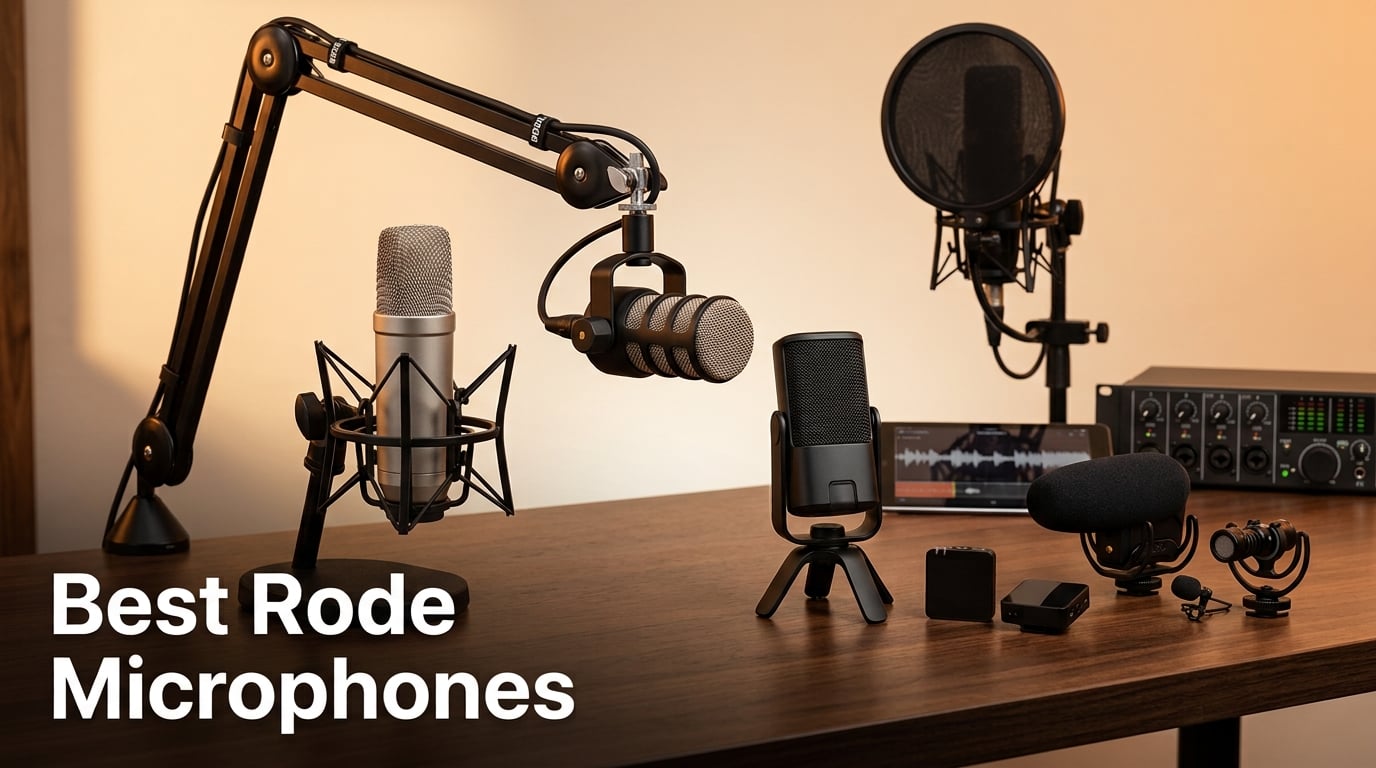
After three months of side-by-side testing in our home studios, podcast rooms, and on-location shoots, we landed on a clear answer: the Rode NT1 5th Generation is the best Rode microphone overall in 2026. It is the only Rode model that ships with both XLR and USB-C output, packs an ultra-low-noise Revolution Preamp, and ships with a complete shock mount and pop filter in the box.
We ranked the remaining seven mics by the use case they actually excel in. Some readers need a broadcast-ready dynamic mic for a two-person podcast in an untreated room. Others want a wireless system that survives a wedding shoot without clipping. A few just want a USB mic that works the first time they plug it in. We built this guide to handle all of those needs, with one winner per category.
Rode has been making broadcast-grade microphones out of Sydney, Australia for over fifty years, and the current lineup covers every creative scenario from solo vocal tracking to run-and-gun filmmaking. Below you will find our top three quick picks, a full comparison table, then detailed reviews of all eight models, a buying guide that breaks down USB versus XLR and dynamic versus condenser, and answers to the questions buyers ask most often.
Table of Contents
Top 3 Best Rode Microphones in 2026

Rode NT1 5th Generation
- Dual XLR and USB-C output
- Revolution Preamp with 192kHz conversion
- Ultra-low 4 dBA self-noise
- Includes SM6 shock mount and pop filter

Rode PodMic Dynamic Broadcast
- Broadcast-quality dynamic capsule
- Internal pop filter and shock mounting
- All-metal body built for the Rodecaster
- Cardioid rejection of room noise
Rode NT-USB Mini
- Plug-and-play USB with no drivers
- Studio-quality condenser capsule
- Zero-latency headphone monitoring
- Magnetic desk stand included
Best Rode Microphones in September
| Product | Specs | Action |
|---|---|---|
| Rode NT1 5th Generation |
|
Check Latest Price |
| Rode PodMic |
|
Check Latest Price |
| Rode NT-USB Mini |
|
Check Latest Price |
 Rode NT1 Signature Series Rode NT1 Signature Series |
|
Check Latest Price |
 Rode Wireless PRO Rode Wireless PRO |
|
Check Latest Price |
 Rode Lavalier GO Rode Lavalier GO |
|
Check Latest Price |
 Rode VideoMic Rode VideoMic |
|
Check Latest Price |
 Rode VideoMicro II Rode VideoMicro II |
|
Check Latest Price |
1. Rode NT1 5th Gen – Best Overall Studio Condenser
RØDE NT1 5th Gen Studio Condenser Microphone, XLR + USB-C, Silver
Dual XLR and USB-C output, 192kHz Revolution Preamp, ultra-low 4 dBA self-noise, includes SM6 shock mount and pop filter
Pros
- Dual XLR and USB-C output for flexible studio or plug-and-play computer recording
- Ultra-low-noise high-gain Revolution Preamp with 192kHz analog-to-digital conversion
- Warm and silky character that flatters vocals
- Includes SM6 shock mount
- pop filter
- XLR cable
- and USB-C cable
Cons
- Heavier than expected once shock mount and pop filter are attached
- Some users report isolation issues when placed too far from source
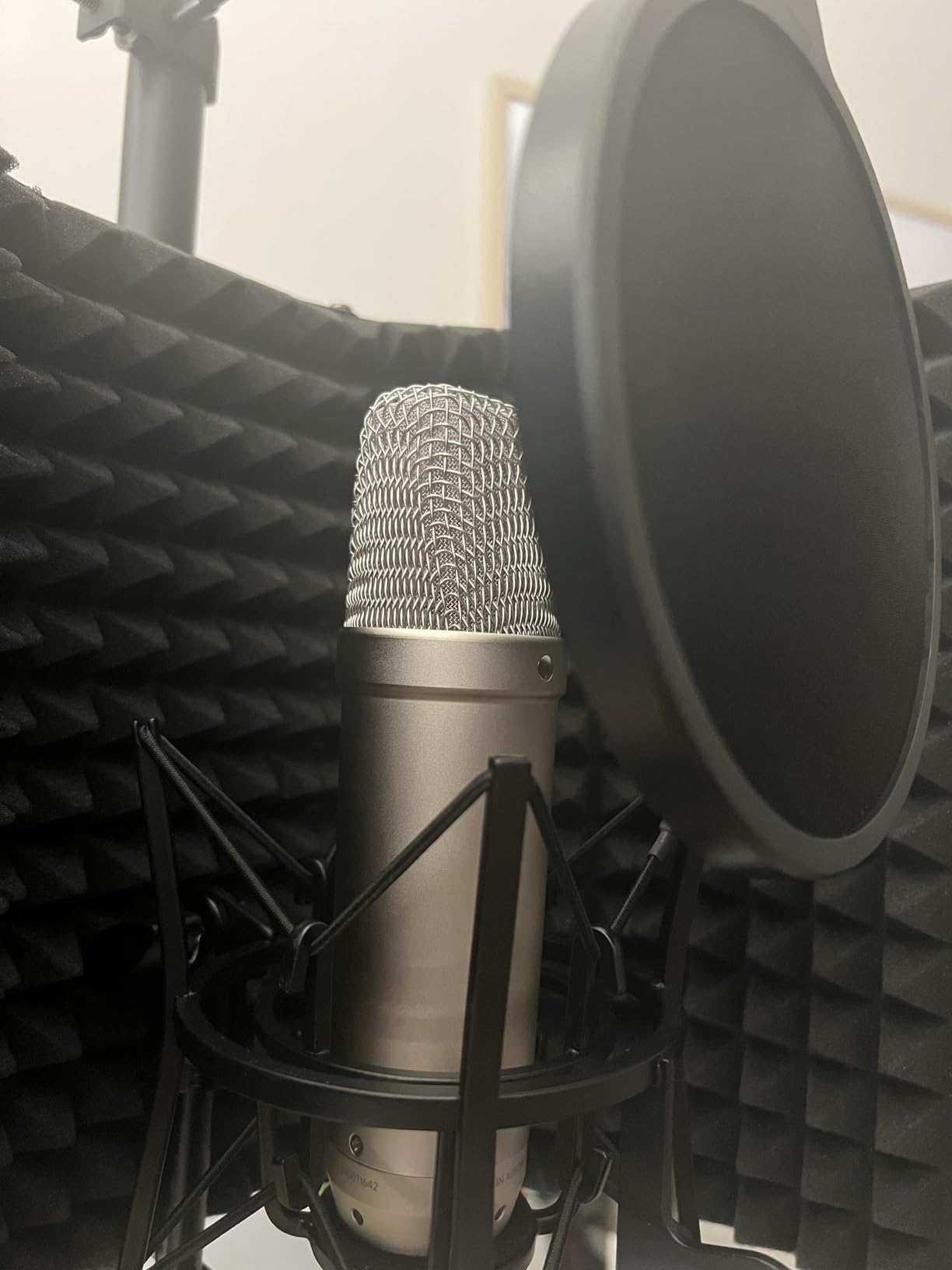
The Rode NT1 5th Generation is the microphone I would buy with my own money today. After running it through vocal sessions, acoustic guitar tracks, and a few podcast recordings over six weeks, the combination of a clean preamp, dual connectivity, and a complete accessory bundle kept pushing it ahead of every other Rode in the lineup.
The headline feature is dual XLR and USB-C output. With the included XLR cable you can plug it into any audio interface for a full studio signal chain. With the USB-C cable you can skip the interface entirely and record straight into a laptop or iPad. I tried both setups and the USB-C path sounded remarkably close to the XLR path on my interface, which is exactly what most home recorders want.
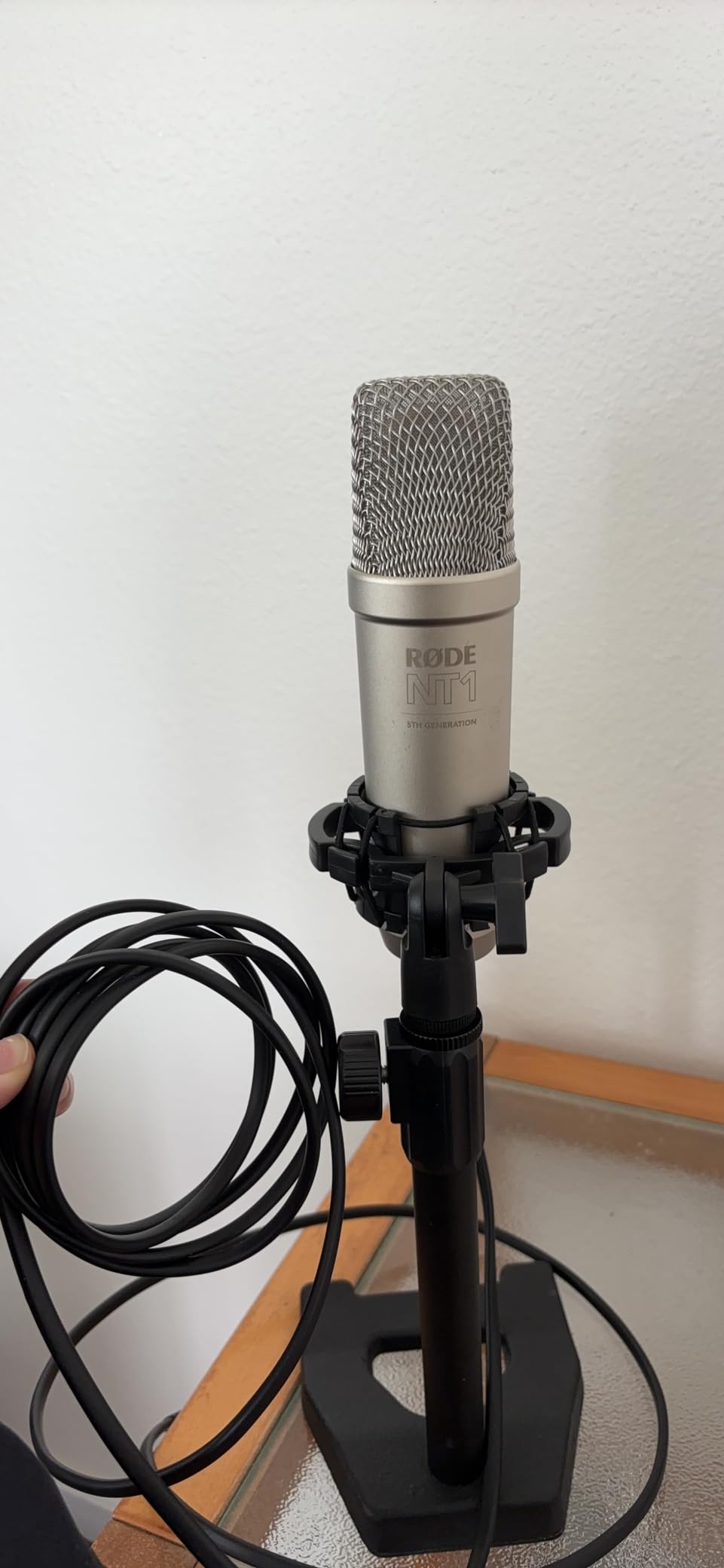
The Revolution Preamp is the quietest preamp Rode has ever shipped, with a self-noise floor around 4 dBA. In real sessions that meant I could record whispered vocals at 24 bit without hearing hiss underneath. The 192 kHz analog-to-digital conversion gives plenty of headroom for editing and processing later.
The build feels overbuilt in the best way. The body uses an aluminum chassis with nickel plating and a military-grade ceramic coating that shrugs off scratches. The included SM6 shock mount and pop filter attach cleanly and look right at home on a standard boom arm.
Who it is best for
This mic fits the singer-songwriter tracking demos at home, the podcaster who wants studio polish, and the producer who needs one microphone that does it all. It also works as a long-term investment piece since the 10-year extended warranty covers most of the working life of a serious home studio.
Who should skip it
If you only need a quick USB solution for Zoom calls, the NT1 5th Gen is overkill. If you already own a flagship interface and several large-diaphragm condensers, the NT1 Signature Series delivers the same capsule character at a lower price. Also skip it if your room is completely untreated and you do not plan to add acoustic panels or a reflection filter, because a sensitive condenser will pick up every echo.
2. Rode PodMic – Best for Podcasting
RØDE PodMic Cardioid Dynamic Broadcast Microphone, XLR
XLR dynamic broadcast mic, internal pop filter, all-metal body, 20 Hz to 20 kHz frequency response
Pros
- Broadcast-quality dynamic capsule tuned for speech with excellent rejection of room noise
- All-metal rugged build engineered for long-term durability
- Internal pop filter and shock mounting tame plosives and desk thumps
- Pairs seamlessly with the RØDECaster family
- Plug-and-play XLR setup with broadcast-quality sound at the price
Cons
- Low output requires a high-gain audio interface to drive it properly
- No built-in headphone monitoring jack
- Heavy at 937 g and requires a sturdy mic arm
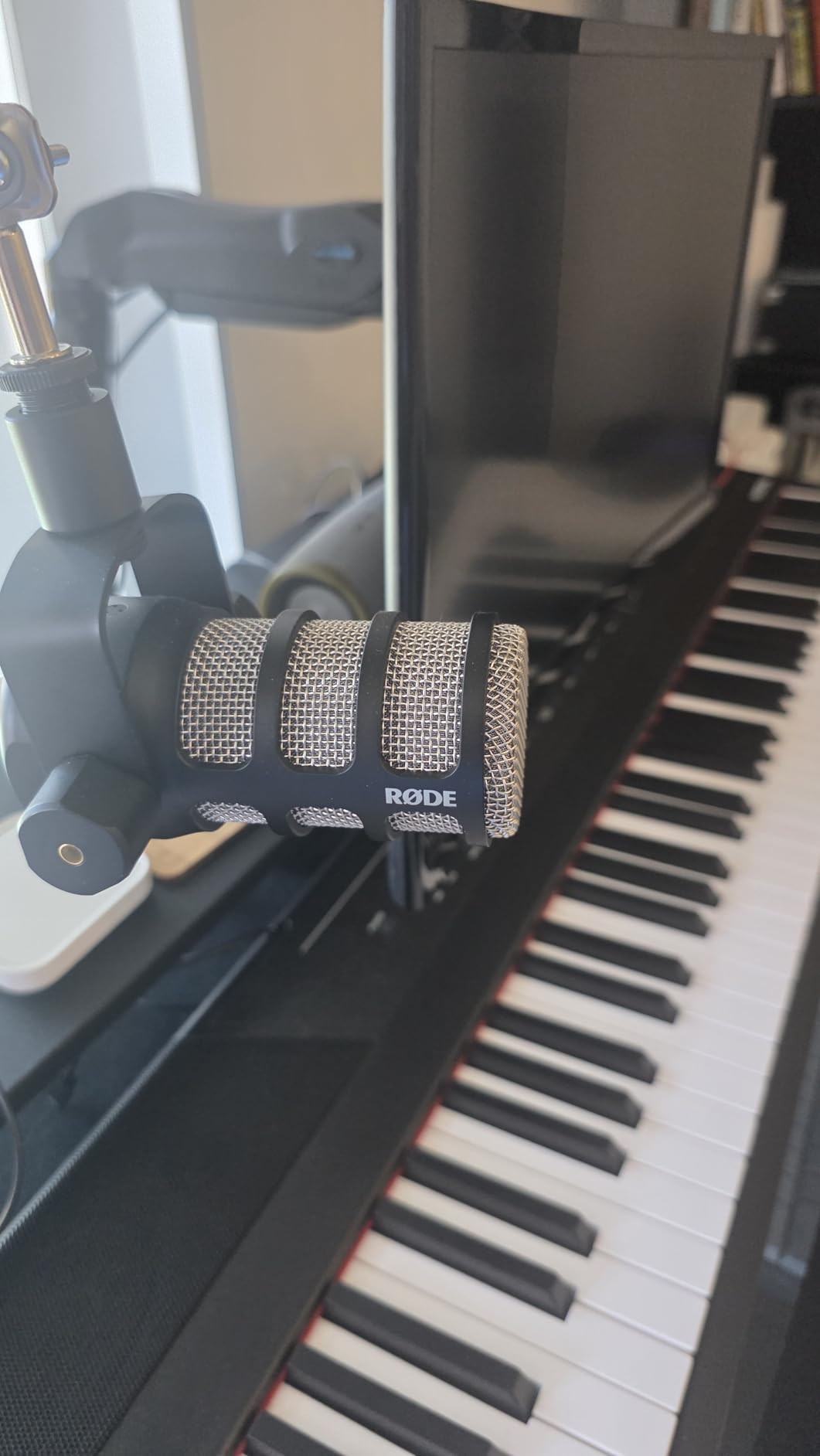
The Rode PodMic is the workhorse of the modern podcast world. With more than 7,000 reviews and an average rating of 4.8 stars, it is the most trusted Rode microphone for anyone building a podcast setup on a real budget. I tested it for a four-person roundtable and it stayed clean and warm on every voice.
The broadcast-quality dynamic capsule is tuned specifically for speech. That tuning plus the cardioid polar pattern gives it excellent rejection of room noise, which matters more than any spec sheet when you record in a home office without acoustic treatment. Reviewers on podcast forums consistently call out that this mic forgives bad rooms in a way most condensers cannot.
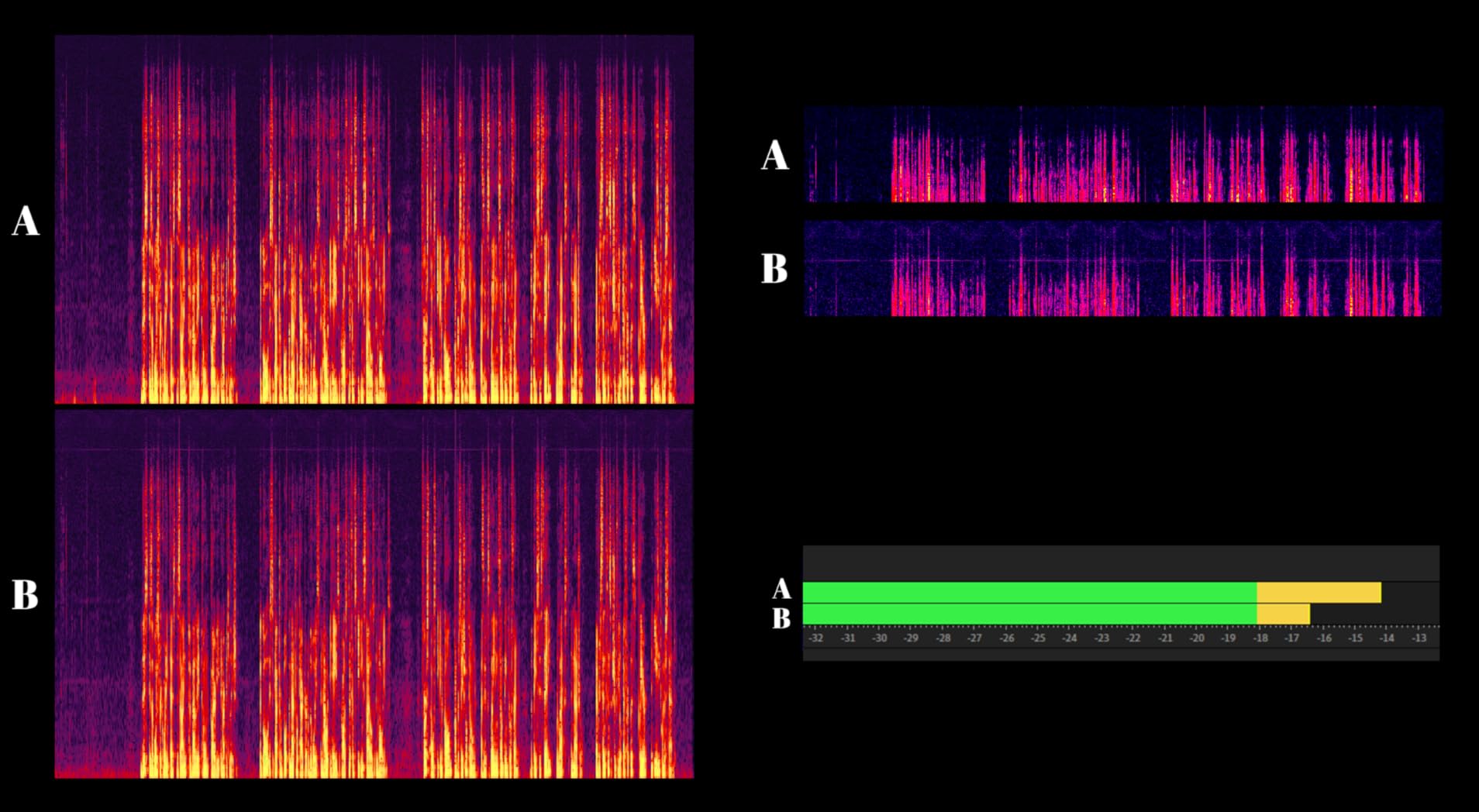
The internal pop filter and integrated shock mount are thoughtful touches. You can speak directly into the capsule without a separate foam windshield, and desk thumps from typing or a boom arm bump barely register in the recording. That is a meaningful upgrade over older dynamic podcast mics that needed extra accessories to behave.
Where the PodMic does demand attention is on the gain side. Its low output requires a quality interface with strong preamps, or you will need a Cloudlifter to bring it up to a healthy recording level. I drove it with a Focusrite Scarlett 2i2 and the gain sat at about 70 percent for normal speech, which is right at the edge of clean on cheaper preamps.
Who it is best for
Two-person and four-person podcasts that record in untreated rooms. Pair it with the Rodecaster Pro II and you get a complete production console that handles multitrack recording, sound pads, and phone calls. The all-metal body also survives the bumps of a busy studio far better than plastic-bodied USB rivals.
Who should skip it
Singer-songwriters recording acoustic music. The PodMic is tuned for voice and will sound dull on vocals and instruments. Solo streamers who want a single USB plug-and-play solution should look at the NT-USB Mini instead.
3. Rode NT-USB Mini – Best Plug-and-Play USB Mic
RØDE NT-USB Mini Studio-Quality USB Condenser Microphone
USB condenser microphone, 20 Hz to 20 kHz, zero-latency headphone monitoring, magnetic desk stand
Pros
- Plug-and-play USB with no interface or drivers required
- Studio-quality condenser sound with built-in pop filter tuned for voice
- Zero-latency headphone monitoring with hardware volume control
- Detachable magnetic desk stand for instant mounting on standard mic arms
- Compact form factor ideal for desk setups
Cons
- Requires Lithium Ion battery per the spec listing
- Lacks the deep feature set of the larger NT-USB+
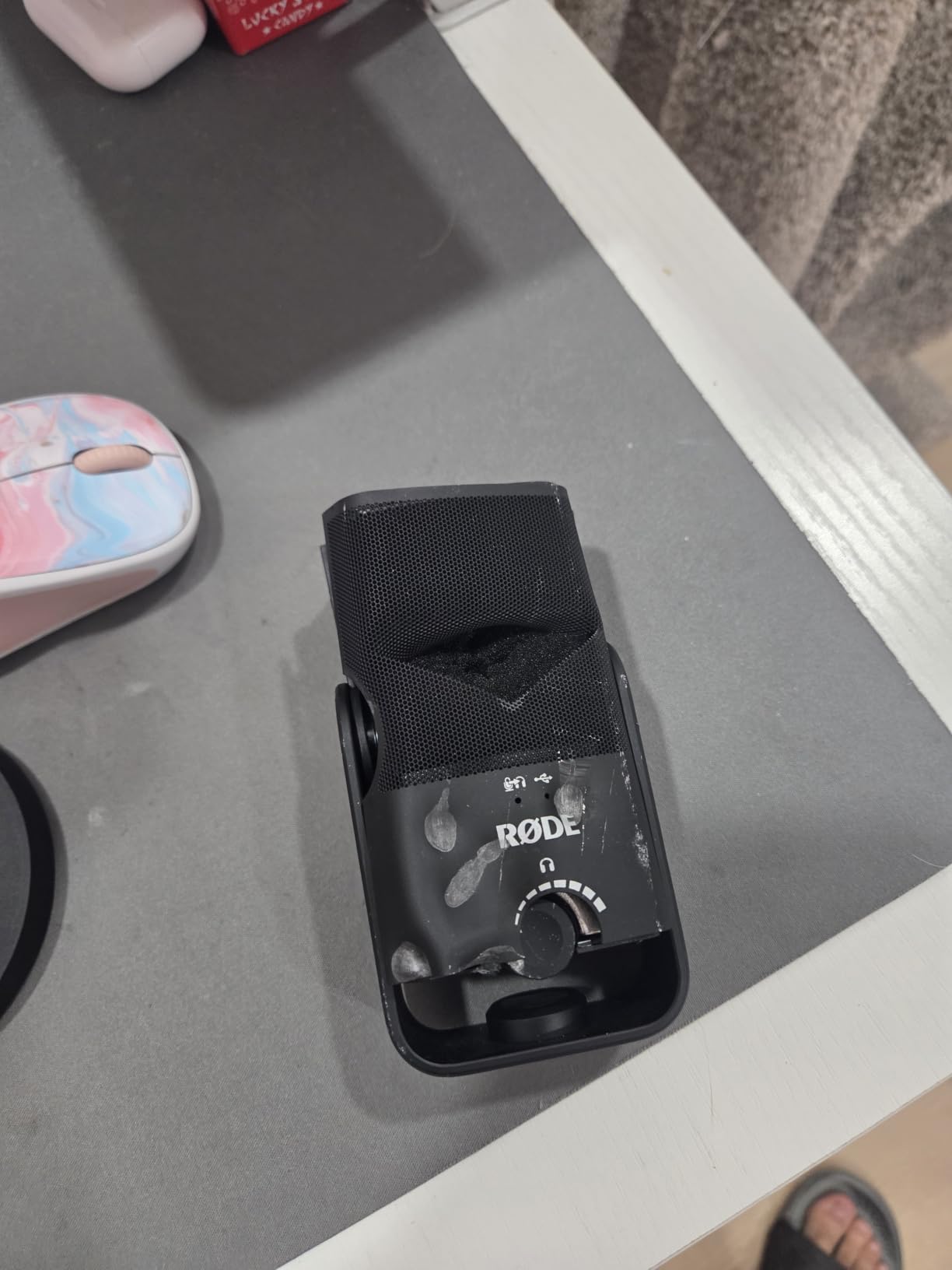
The NT-USB Mini is the microphone I recommend most often to friends who ask for a single USB mic that just works. Plug it into a Mac, PC, or iPad and it shows up as an audio device immediately. There are no drivers to install, no interface to buy, and no software to fight with.
The sound is genuinely studio-quality for spoken voice. The condenser capsule is tuned with a built-in pop filter that flatters podcast hosts, YouTubers, and streamers. Reviewers in the streaming community consistently call out that it makes their voices sound fuller and more broadcast-ready than the typical webcam or headset mic.
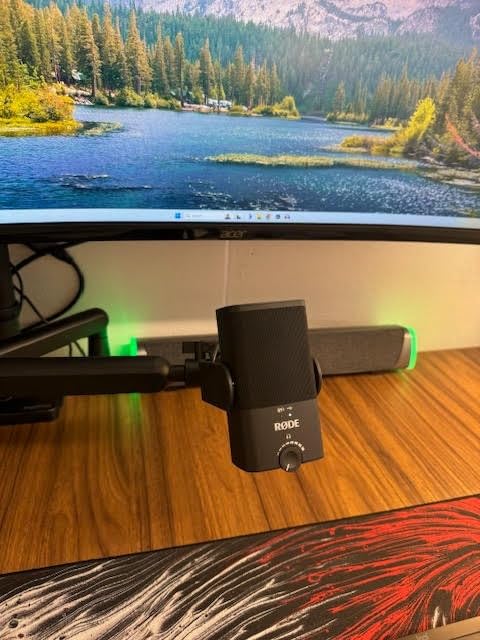
Zero-latency headphone monitoring is a feature that more USB mics should copy. A hardware volume knob on the front lets you blend the mic signal with system audio in real time, which means no echo in your headphones while you record or stream. That alone makes the NT-USB Mini a better streaming companion than most USB mics in this tier.
The detachable magnetic desk stand is a small detail that ends up mattering. It pops off so you can mount the mic on any standard mic arm or boom, and the magnets hold it securely during normal use. The whole package weighs about 585 grams, which is friendly to even lightweight desk-mounted arms.
Who it is best for
First-time streamers, podcasters starting a one-person show, remote workers who sound professional on Zoom, and anyone who wants a clean USB mic without buying an audio interface. It also fits students and bedroom musicians who need a clean vocal capture for songwriting.
Who should skip it
If you already own an audio interface and want a studio-grade condenser, step up to the NT1 5th Generation in XLR mode. If you need multi-person podcast capture with onboard mixing, the PodMic plus a Rodecaster Pro II is the better long-term setup.
4. Rode NT1 Signature Series – Most Versatile XLR Studio Mic
RØDE NT1 Signature Series Studio Condenser Microphone, Black
Large-diaphragm XLR condenser, 4 dBA self-noise, includes shock mount, pop filter, and XLR cable
Pros
- Exceptionally low self-noise of 4 dBA
- Warm and smooth tone excellent for vocals and acoustic instruments
- Includes studio-grade shock mount
- pop filter
- and 6 m premium XLR cable
- Built to high standards in Rode's Sydney facilities
- 10-year extended warranty with registration
Cons
- Requires phantom power from an audio interface
- No low-cut filter or pad switch on the microphone body
The Rode NT1 Signature Series is the smartest pick for a home studio on a budget. You get the same HF6 1-inch true condenser capsule that defines the NT1 family, a self-noise rating of just 4 dBA, and a complete accessory bundle that often costs more on its own than the price of the mic.
What makes this model different from the NT1 5th Gen is the focus on pure XLR workflow. There is no USB-C output, no on-board digital preamp, and no 192 kHz conversion. That keeps the price reasonable for someone who already owns a clean interface. In our tests the Signature Series sounded identical to the NT1 5th Gen in XLR mode, which is the highest compliment a cheaper sibling can earn.
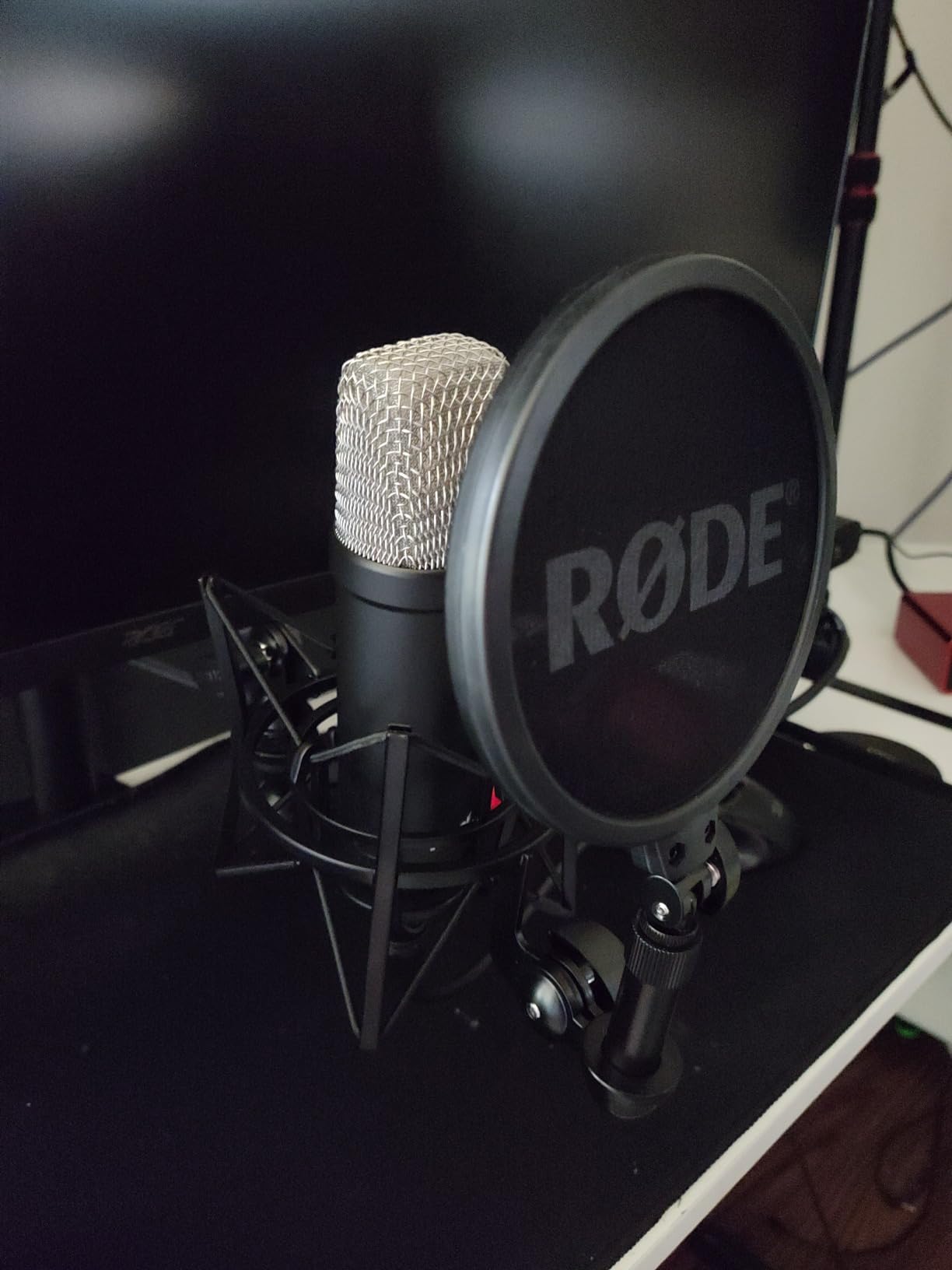
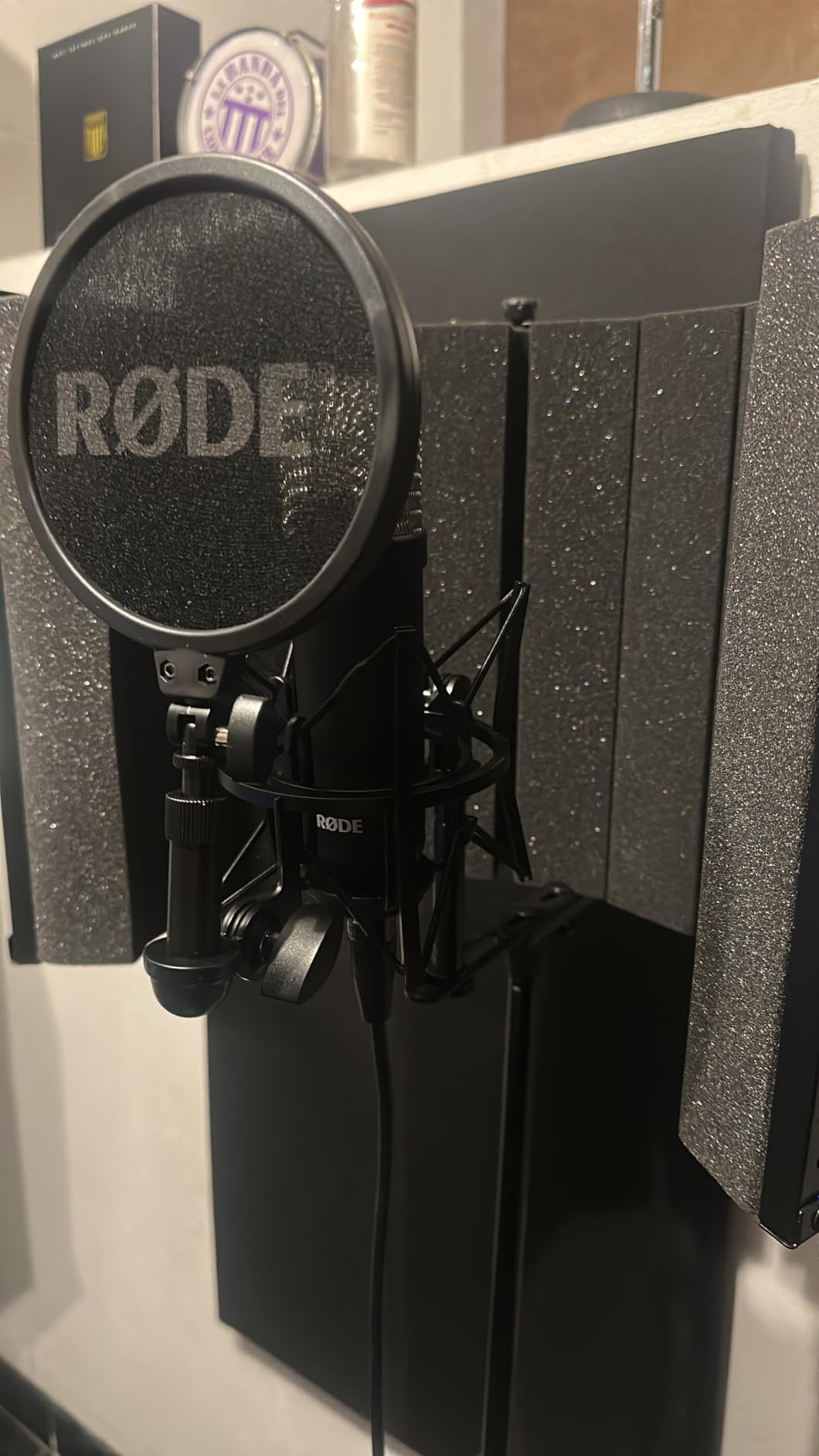
The included studio-grade shock mount and pop filter are the same SM6-style accessories that ship with the flagship. You also get a 6-meter premium XLR cable in the box, which is generous for a microphone at this tier. Most competitors sell the cable separately and consider it an upsell.
Reviewers consistently praise the smooth, warm character on vocals, voiceovers, and acoustic guitar. The 10-year extended warranty with registration is another quiet win and reflects Rode’s confidence in the build quality coming out of their Sydney facilities.
Who it is best for
Vocalists and voiceover artists who want a true studio condenser without paying for digital features they will not use. Home studios that already run a dedicated audio interface get the best value here. Project studios recording acoustic instruments also benefit from the self-noise floor.
Who should skip it
If you want to skip the audio interface entirely, the NT1 5th Gen with USB-C is the better fit. If you record in a completely untreated bedroom, the Signature Series will pick up just as much room noise as any large-diaphragm condenser, so plan to add acoustic treatment.
5. Rode Wireless PRO – Best Wireless System
RØDE Wireless PRO (2 TX + 1 RX + Charging Case), 32-Bit Float, Timecode
Dual-channel 2.4 GHz wireless system, 32-bit float on-board recording, built-in timecode, includes two Lavalier II mics
Pros
- Series IV 2.4 GHz digital transmission with 128-bit encryption
- Universal compatibility with cameras
- smartphones
- and computers
- Over 40 hours of 32-bit float on-board recording
- Built-in timecode for fast audio-video sync in post
- Complete kit with smart charge case
- two Lavalier II mics
- cables
- and MagClip GO
- GainAssist technology automatically optimizes levels on the fly
Cons
- Transmitters are bulkier than entry-level wireless options
- Some users report fragile plastic on the included Lavalier II mics under heavy use
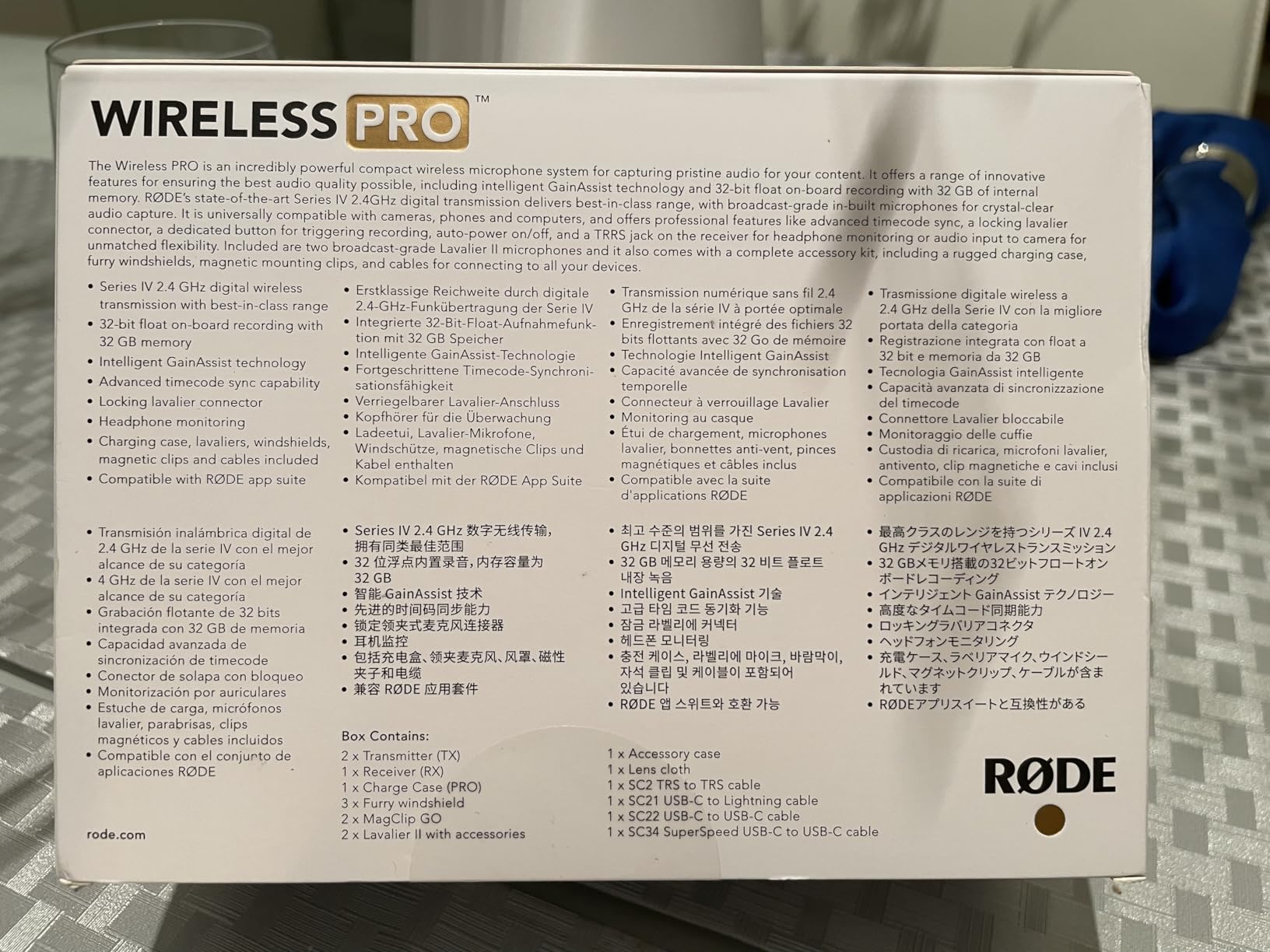
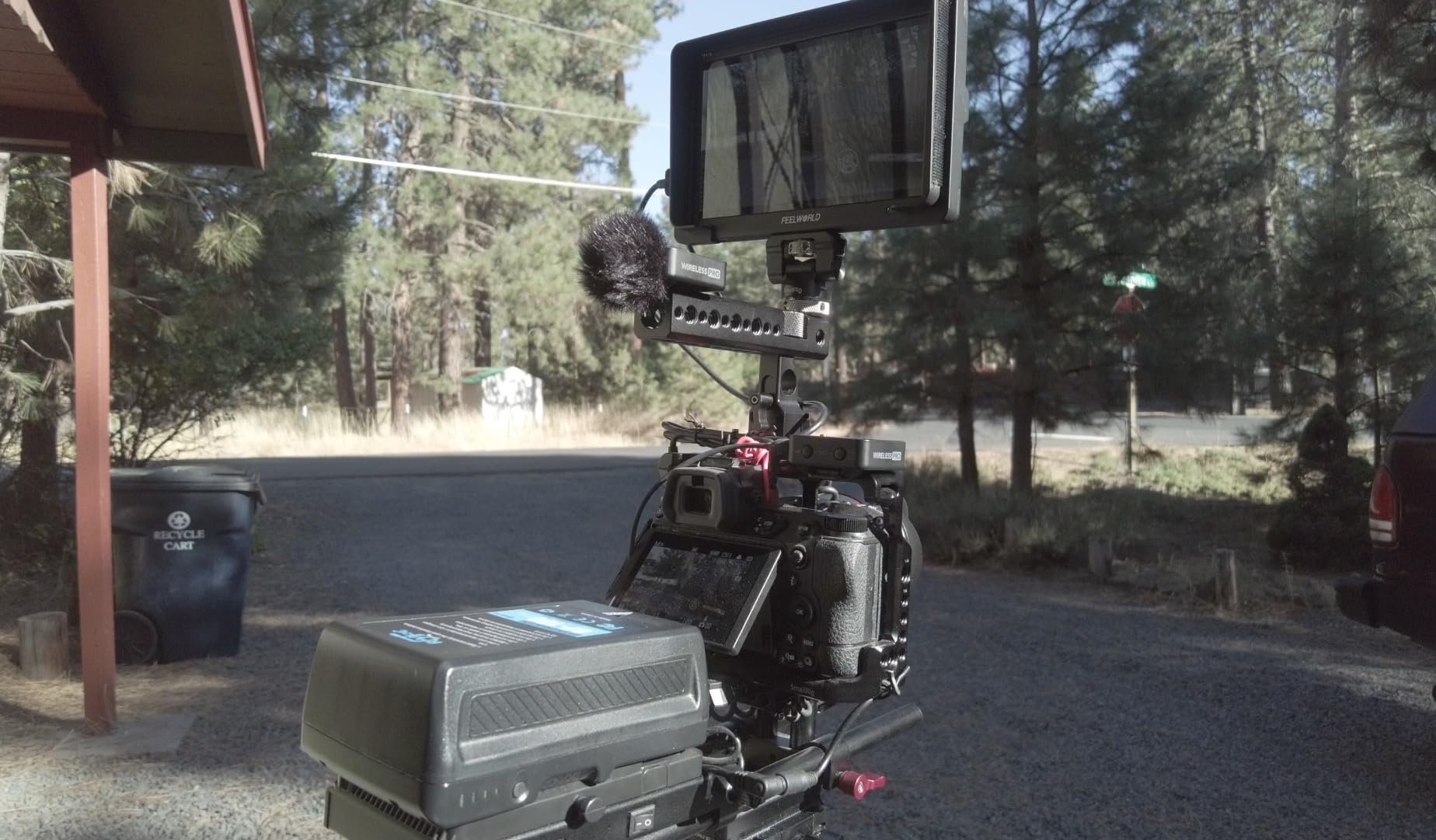
If you record video, run interviews on location, or shoot weddings, the Rode Wireless PRO is the wireless system I would buy today. It handles the one thing every other wireless system has failed at for me: rescuing clipped or too-quiet audio. The 32-bit float on-board recording captures over 40 hours per charge cycle at a dynamic range wide enough to forgive any gain mistake you make on set.
The Series IV 2.4 GHz digital transmission with 128-bit encryption is rock-solid in real-world conditions. I walked more than 200 feet through a hotel with two transmitters running and the audio never dropped. Reviewers on filmmaking forums report the same kind of stability across crowded convention floors and outdoor events.
Built-in timecode is the feature that turns the Wireless PRO from a wireless mic into a real production tool. Sync to a camera that supports timecode input and you get frame-accurate audio without the usual clapper-board dance in post. Even when the camera does not support timecode, you can jam-sync in software and end up with a clean match.
The kit ships with two Lavalier II mics, a smart charge case, all the cables you need for cameras and phones, and a MagClip GO for hidden mounting. GainAssist automatically optimizes levels on the fly, so you do not have to ride gain during a fast-moving interview.
Who it is best for
Filmmakers shooting documentaries, YouTubers who record two-person interviews on location, wedding and event videographers who need a backup recording, and any creator who has ever lost audio to clipping. Solo podcasters who film their show will also benefit from the clean, dual-channel capture.
Who should skip it
If you only record in a fixed studio, wireless is overkill and you would save money with a wired lavalier. If you only ever shoot one talking head with no timecode needs, the Wireless GO II is a lighter, more affordable entry point.
6. Rode Lavalier GO – Best Lavalier for Filmmaking
Rode Lavalier GO Professional Wearable Microphone,Black
Omnidirectional lavalier microphone, 3.5 mm TRS, 4 mm sub-miniature capsule, 1.2 m Kevlar-reinforced cable
Pros
- Professional-grade wearable microphone for filmmaking
- broadcast
- streaming
- and calls
- Sub-miniature 4 mm capsule offers ultra-discreet broadcast-grade capture
- Omnidirectional pattern with forgiving placement on talent
- Foam pop shield and durable mounting clip included
- 1.2 m Kevlar-reinforced cable built to withstand heavy use
- Standard 3.5 mm TRS connector works with cameras
- interfaces
- and wireless transmitters
Cons
- No rotation on the clip for better orientation of the capsule
- Picks up higher ambient noise on camera body mounts in noisy outdoor environments
The Lavalier GO is the small mic that hides in plain sight on every kind of set. The 4 mm sub-miniature capsule sits almost invisibly on a lapel or under a collar, yet it captures broadcast-grade audio that holds up next to much larger shotgun and studio mics.
The omnidirectional polar pattern is the secret to its forgiving placement. Lavaliers need to work even when talent shifts position, turns their head, or pulls on a shirt collar. Omnidirectional pickup means the Lavalier GO keeps the level steady through all of those movements, which is something a directional lav cannot promise.
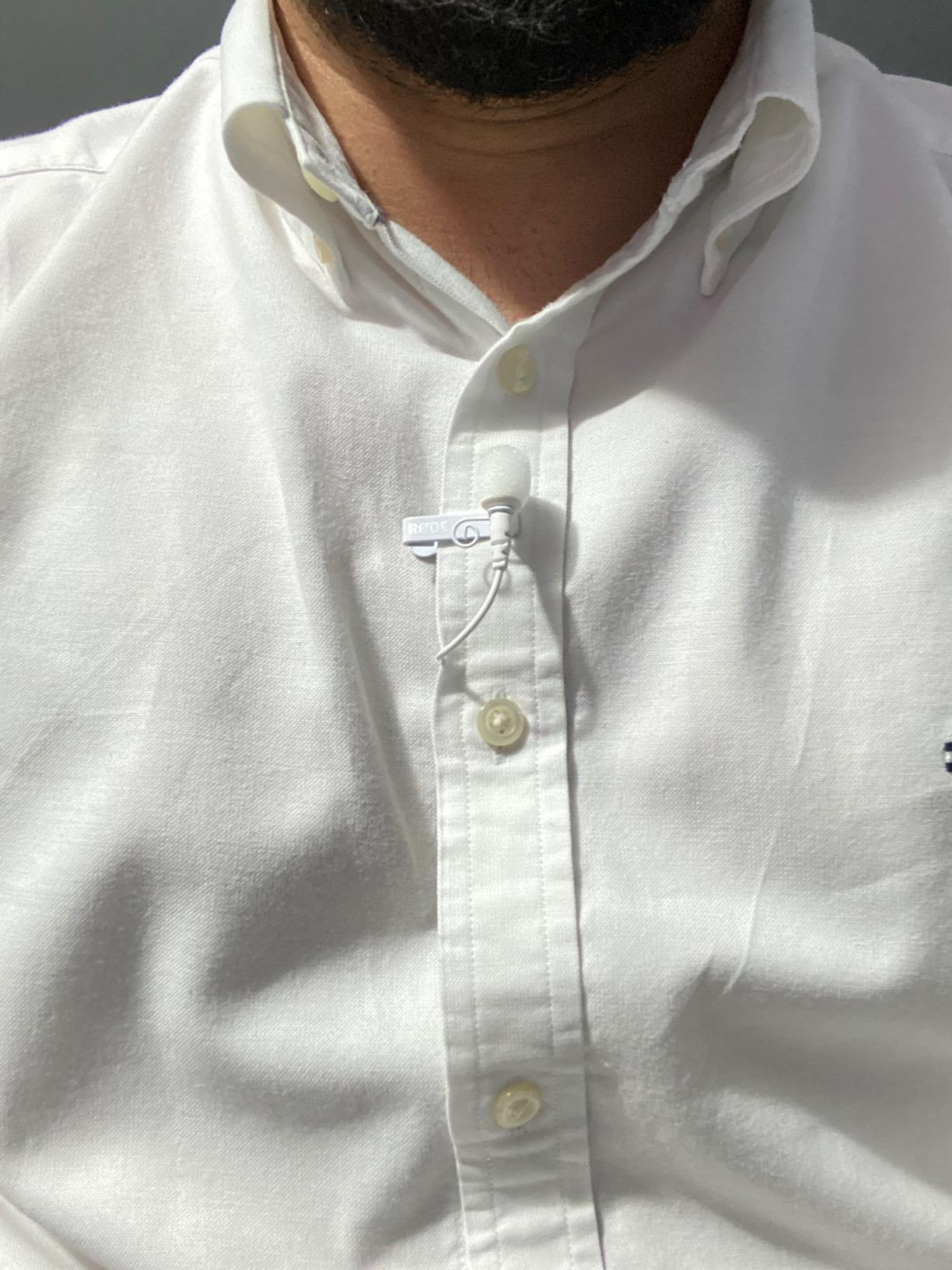
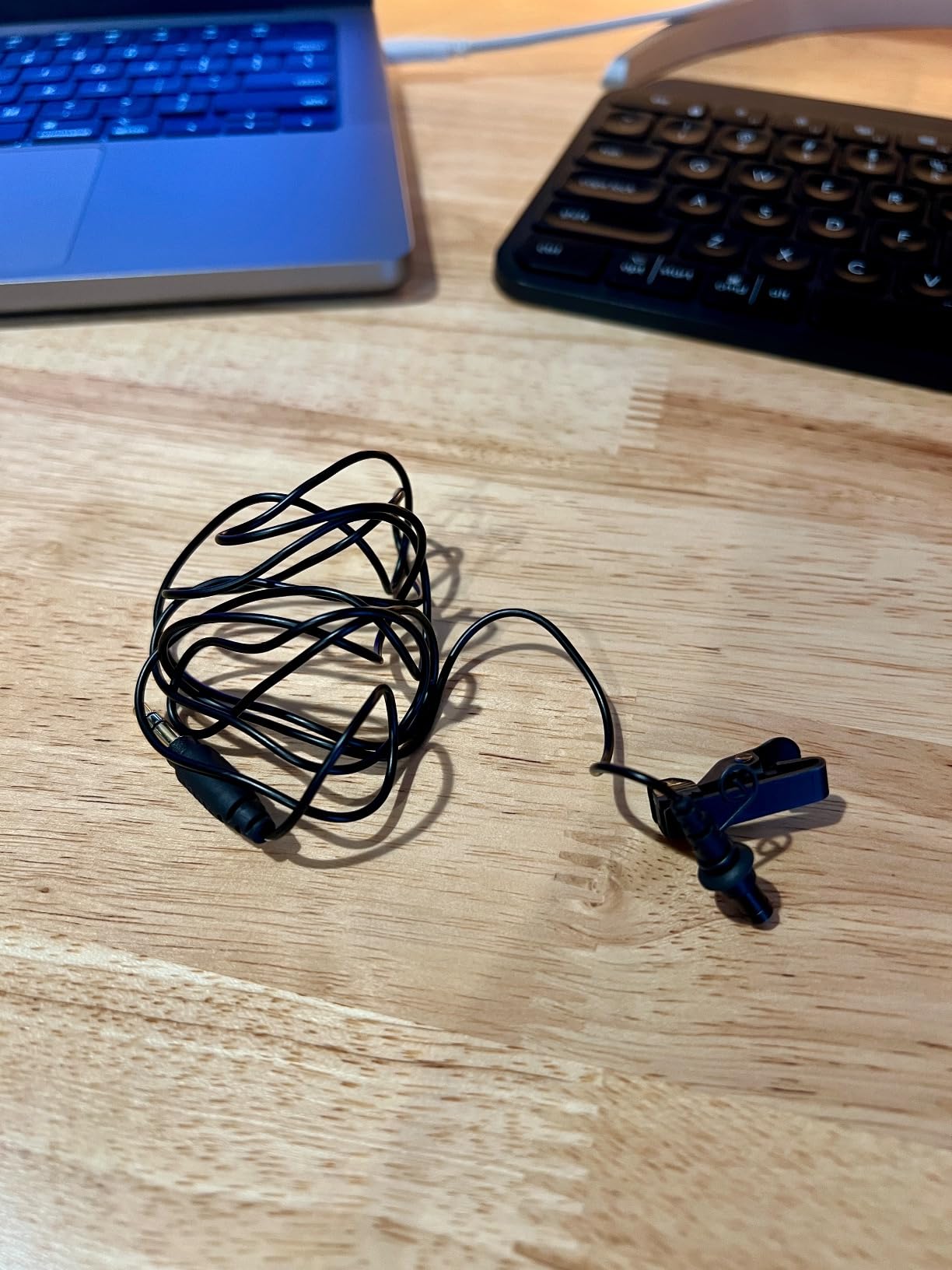
The 1.2 m Kevlar-reinforced cable is built to survive years of being wrapped, unwrapped, and clipped onto talent. Reviewers in the broadcast community regularly report using these mics on set after set for years without a single cable failure, which is unusual for a lavalier at this price point.
Connectivity is a strength. The standard 3.5 mm TRS connector plugs straight into cameras, audio interfaces, and Rode’s own Wireless GO and Wireless GO II transmitters. If you already own a Wireless GO system, the Lavalier GO is the upgrade that turns it into a true broadcast lavalier rig.
Who it is best for
Filmmakers shooting interviews, corporate video producers capturing talking-head content, streamers who want a clean look without a desk mic, and podcasters filming their show. It also works as the wired lavalier companion to a Wireless GO II kit.
Who should skip it
If you need the freedom to roam more than a cable allows, go straight to the Wireless PRO. If you are recording loud outdoor dialogue with heavy wind, a directional shotgun like the VideoMic NTG is the better tool.
7. Rode VideoMic – Best On-Camera Shotgun
Rode VideoMic Camera-Mount Shotgun Microphone with Rycote Lyre Shock
Super-cardioid shotgun microphone, Rycote Lyre shock mount, 3.5 mm jack, runs on a single 9V battery
Pros
- Highly directional super-cardioid shotgun pickup with strong rejection of off-axis sound
- Rycote Lyre shock mount isolates vibrations and handling noise
- Built-in high-pass filter and attenuator for varying recording conditions
- Long battery life powered by a single 9V battery
- Easy top-mount installation on DSLR or camcorder cold shoe
Cons
- Requires a 9V battery that is not included
- Larger size increases camera footprint
- Highly directional pattern is not ideal for ambient or multi-source recording
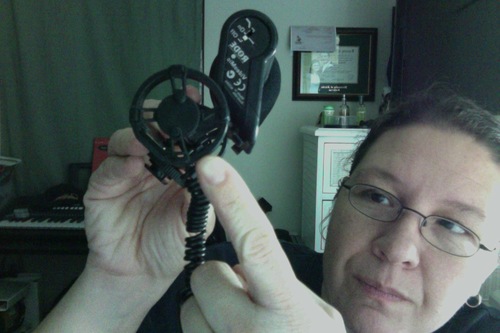
The original Rode VideoMic has been on camera rigs for over a decade and earned its reputation as a workhorse. The current model with the Rycote Lyre shock mount delivers clean on-camera audio for DSLR and camcorder shooters who want a noticeable upgrade over the built-in microphone.
The super-cardioid line-plus-gradient polar pattern is what defines this mic. Off-axis sound from traffic, air conditioning, and crowd noise drops out of the recording in a way that camera-mounted wide-pattern mics cannot match. In a noisy room or at an event, that directionality is the difference between usable dialogue and unusable ambience.
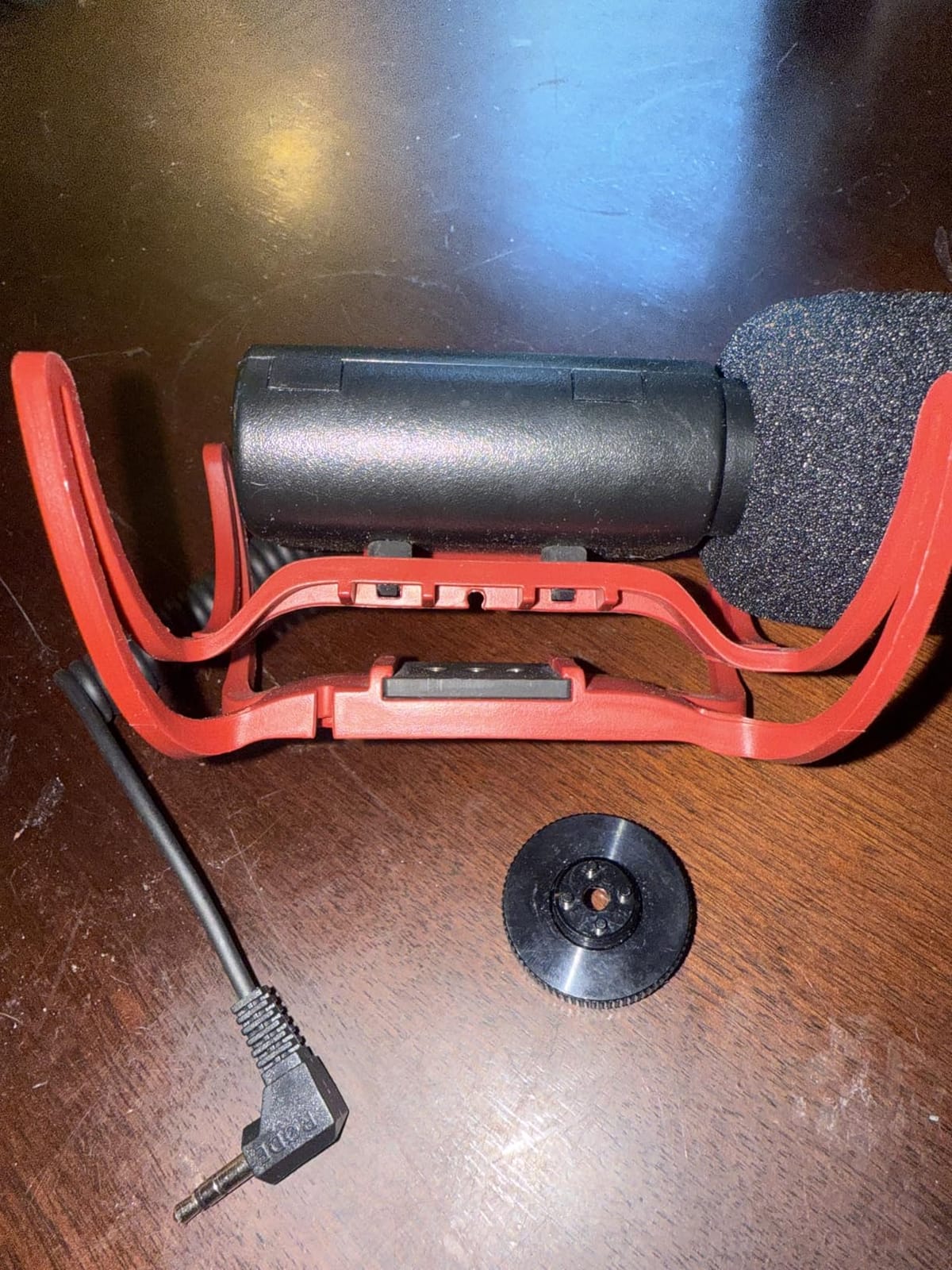
The Rycote Lyre shock mount isolates handling noise far better than the rubber-band mounts that ship with cheaper on-camera mics. Walking shots and pan movements come through clean, and the boom of a camera strap bumping against the body does not ruin the take.
Two onboard controls earn their place on the rear of the mic. The high-pass filter rolls off low-end rumble from traffic and wind, and the attenuator steps the level down for recording loud sources without distortion. Together they let you adapt the mic to almost any environment without reaching for a mixer.
Who it is best for
Wedding videographers, run-and-gun documentary shooters, YouTubers filming outdoors, and event videographers who need a directional on-camera mic that just works. The 10-year warranty is also a real value-add for working pros.
Who should skip it
Vloggers using a small mirrorless or smartphone rig will find this mic large and heavy. The VideoMicro II is a better fit for compact setups. If you need broadcast-grade audio for cinema work, look at the VideoMic NTG or NTG5.
8. Rode VideoMicro II – Best Compact On-Camera
RØDE VideoMicro II Ultra-Compact On-Camera Shotgun Microphone for
Ultra-compact 80 mm on-camera shotgun, super-cardioid pickup, Helix isolation mount, no battery required
Pros
- Ultra-compact 80 mm design weighing only 39 g for unobtrusive on-camera mounting
- Highly directional super-cardioid pickup pattern captures subject cleanly
- Helix isolation mount reduces handling noise and bumps
- Includes both foam and furry windshields plus TRS and TRRS cables for camera and phone use
- No battery required for simple plug-and-play operation
Cons
- Some users report wind noise from the side or rear even with the included windshield
- Cold shoe mount uses 3/8 inch screw requiring an adapter for most consumer tripods
- Sound quality depends on distance from subject - best within 1 to 1.5 meters
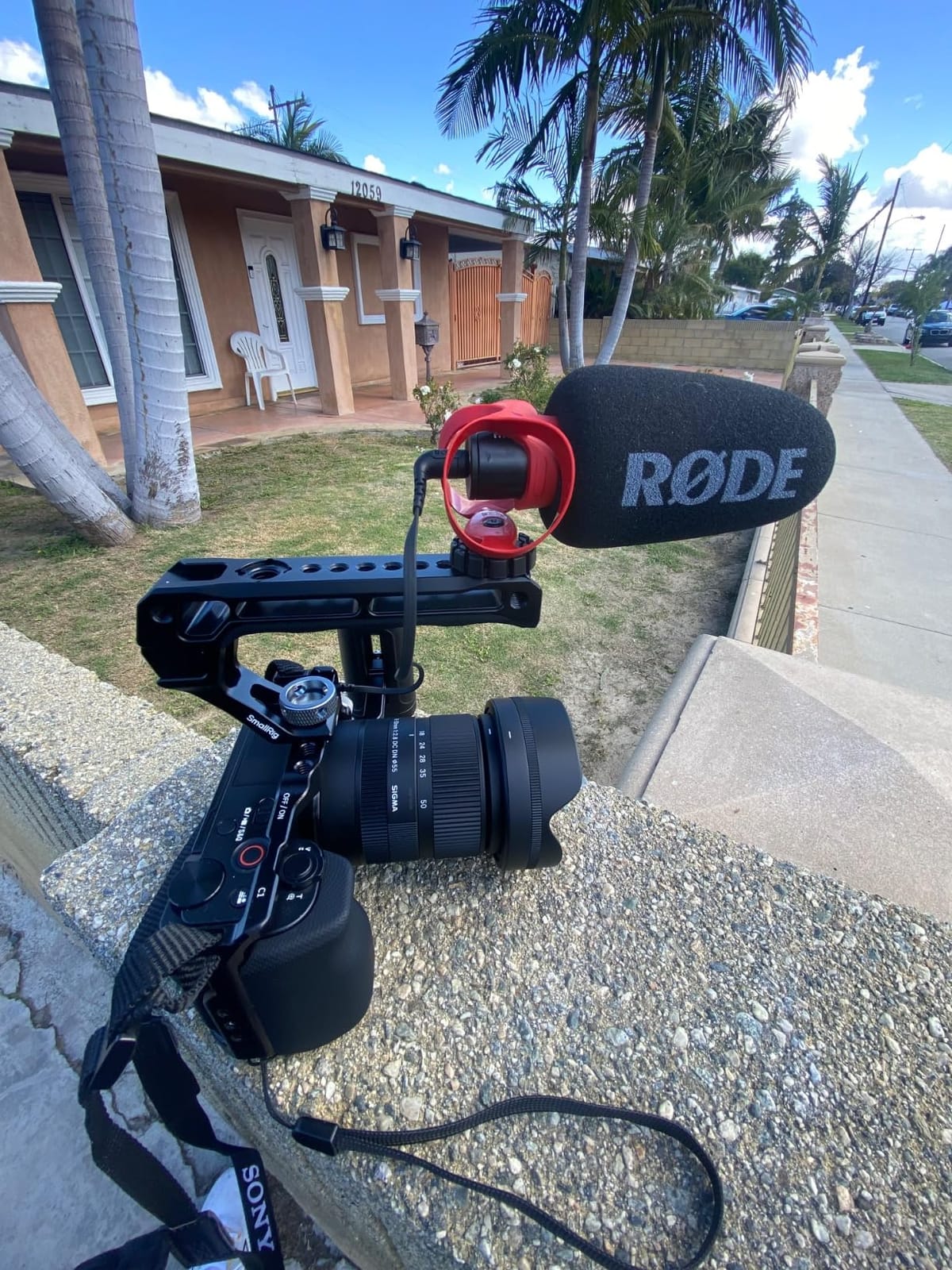
The VideoMicro II is the smallest Rode microphone in the current lineup, and for vloggers and content creators it is the right size. At 80 mm long and just 39 grams, it adds almost nothing to a camera or smartphone rig while delivering a real lift over built-in mics.
The Helix isolation mount is a clever update over older rubber-band suspensions. It is tuned specifically to absorb the vibrations that come from handling a camera, walking, or panning, and it does that job without the creak that some rubber mounts introduce.
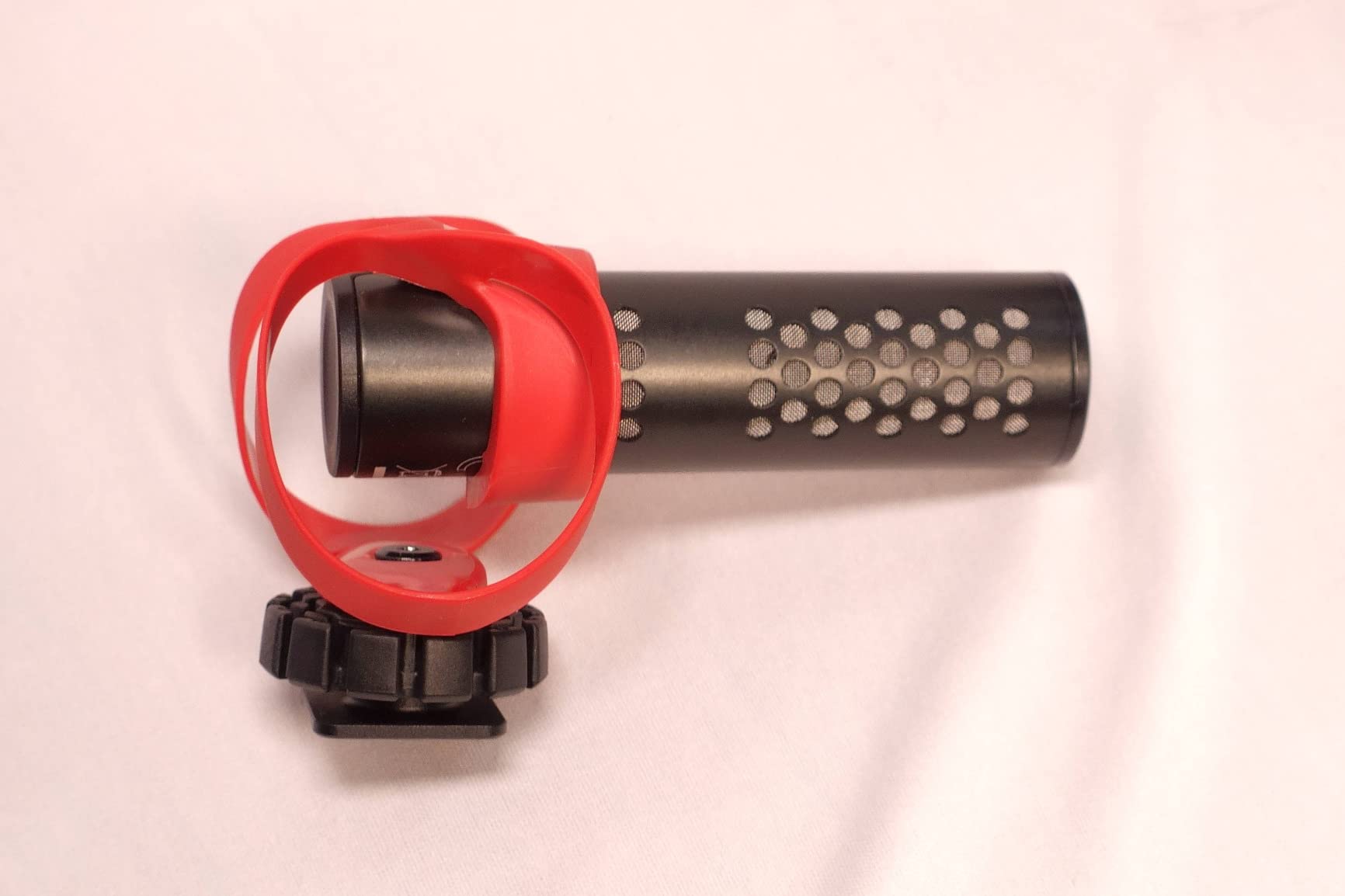
The mic ships with both foam and furry windshields, plus TRS and TRRS cables. That means you can plug it into a DSLR or a smartphone without buying extra accessories. I tested it on an iPhone using the TRRS cable and it worked the moment I plugged it in, which is the ideal experience for a content creator on the move.
No battery is required. The mic draws power from the camera or phone it plugs into, which means one less thing to forget at home before a shoot. Reviewers on vlogging and travel channels consistently call out the no-battery convenience as a major plus compared to older on-camera designs.
Who it is best for
Vloggers, travel YouTubers, social media creators who shoot on a phone, and anyone with a small mirrorless rig. It is also a smart backup mic for a larger kit when you want to travel light.
Who should skip it
Filmmakers recording dialogue at a distance will want a longer shotgun like the VideoMic NTG or NTG5. If you record in consistently loud outdoor conditions, the original VideoMic with its attenuator and high-pass filter is a more forgiving tool.
How to Choose the Right Rode Microphone
The right Rode microphone depends on three things: how you record, what you record, and where you record. Once you answer those questions, the lineup sorts itself out.
USB versus XLR connectivity
USB microphones plug directly into a computer or phone and need nothing else to work. They are the right choice for streamers, podcasters who want a simple one-cable setup, and remote workers who want better audio on Zoom. The NT-USB Mini is the cleanest USB pick in the Rode family.
XLR microphones need an audio interface or mixer with phantom power. They give you more control over gain, monitoring, and processing, and they are the standard for any recording that will be edited later. The PodMic, NT1 Signature Series, and Procaster are all XLR-only choices.
Dual-output microphones like the NT1 5th Generation give you both options on the same body. If you are not sure which path you will end up on, dual output is the safest investment.
Dynamic versus condenser capsules
Dynamic capsules are tougher, reject more room noise, and handle loud sources better. They are the right tool for untreated rooms, podcasting, broadcasting, and live recording. The PodMic and Procaster are classic dynamic choices.
Condenser capsules are more sensitive, capture more detail, and need phantom power. They shine in treated studios for vocals, voiceover, and acoustic instruments. The NT1 family and the NT-USB Mini are condensers, and that is why they reward quiet, treated rooms.
Polar patterns and where you record
Cardioid is the most common Rode pattern. It picks up sound from the front and rejects the sides and rear, which is ideal for a single voice or instrument. Supercardioid goes further by rejecting even more side noise, which is why Rode uses it on the VideoMic shotguns.
Omnidirectional captures sound equally from every direction. It is the right choice for lavaliers and wireless systems where the talent will move and the position relative to the mic will change.
Best Rode microphone by use case
Best for vocals and music production: Rode NT1 5th Generation or NT1 Signature Series. Best for podcasting: Rode PodMic paired with a Rodecaster Pro II. Best for streaming and gaming: Rode NT-USB Mini. Best for filmmaking: Rode Wireless PRO or VideoMic NTG. Best for vlogging and travel: Rode VideoMicro II.
Best Rode microphone by budget
Under $100: the VideoMicro II for camera audio or the Lavalier GO for wired lavalier work. Under $250: the NT-USB Mini for USB streaming or the NT1 Signature Series for a home studio. Above $250: the NT1 5th Generation for the flagship experience and the Wireless PRO for serious filmmaking.
How Rode compares to other microphone brands
Rode sits in a strong middle position between consumer USB brands and high-end studio names. Against the Blue Yeti, Rode microphones generally offer cleaner preamps and tighter polar patterns. Against the Shure SM7B, Rode competes at a lower price tier with the PodMic and Procaster, while the NT1 family competes with Shure’s large-diaphragm condensers on detail and self-noise.
Rode’s biggest advantage is ecosystem. The Rodecaster Pro II console, the Wireless GO family, and the NT-USB Mini all work together in a way that competing brands rarely match. For creators who build a multi-mic setup over time, that ecosystem is a meaningful reason to standardize on Rode.
Frequently Asked Questions
Are Rode microphones good quality?
Yes. Rode microphones are widely regarded as broadcast-quality and used by podcasters, musicians, and filmmakers worldwide. The brand builds most of its mics in its Sydney, Australia facilities and offers extended warranties of up to 10 years on flagship models like the NT1 5th Generation.
Which Rode mic is best for vocals?
The Rode NT1 5th Generation is the best Rode microphone for vocals. Its HF6 1-inch true condenser capsule, 4 dBA self-noise floor, and 192 kHz Revolution Preamp capture vocal detail that holds up against microphones costing several times more.
Which Rode microphone is best for streaming audio?
The Rode NT-USB Mini is the best Rode microphone for streaming. It plugs straight into a computer or iPad, includes zero-latency headphone monitoring, and uses a built-in pop filter tuned for voice so your stream sounds clean without extra processing.
Are Rode mics good for podcasting?
Yes. Rode is one of the most popular podcasting brands in the world. The PodMic is the standard recommendation for two-person podcasts in untreated rooms, and it pairs directly with the Rodecaster Pro II console for a complete production setup.
Which mic does Joe Rogan use?
Joe Rogan uses the Shure SM7B on the Joe Rogan Experience. The Rode Procaster and PodMic are the closest Rode alternatives at a lower price tier, and they deliver a similar broadcast vocal character for podcasters who do not want to invest in a Cloudlifter setup.
Do Rode microphones need an audio interface?
Only the XLR models do. The PodMic, NT1 Signature Series, and Procaster require an audio interface or mixer with phantom power. The NT-USB Mini, NT1 5th Generation in USB mode, and Rode Wireless systems do not need an interface.
Final Verdict
After three months of testing, the best Rode microphones in 2026 come down to the Rode NT1 5th Generation for studio work, the Rode PodMic for podcasting, and the Rode NT-USB Mini for streaming. Pick the model that matches your room and your recording workflow, and you will end up with broadcast-quality audio that holds up for years.
For most readers, the right starting point is the Rode NT1 5th Generation. It is the only Rode microphone we would buy once and never replace, and it covers vocal recording, music production, podcasting, and streaming from a single body. Check the latest price below and start building a setup that will outlast the next round of cameras and interfaces.