
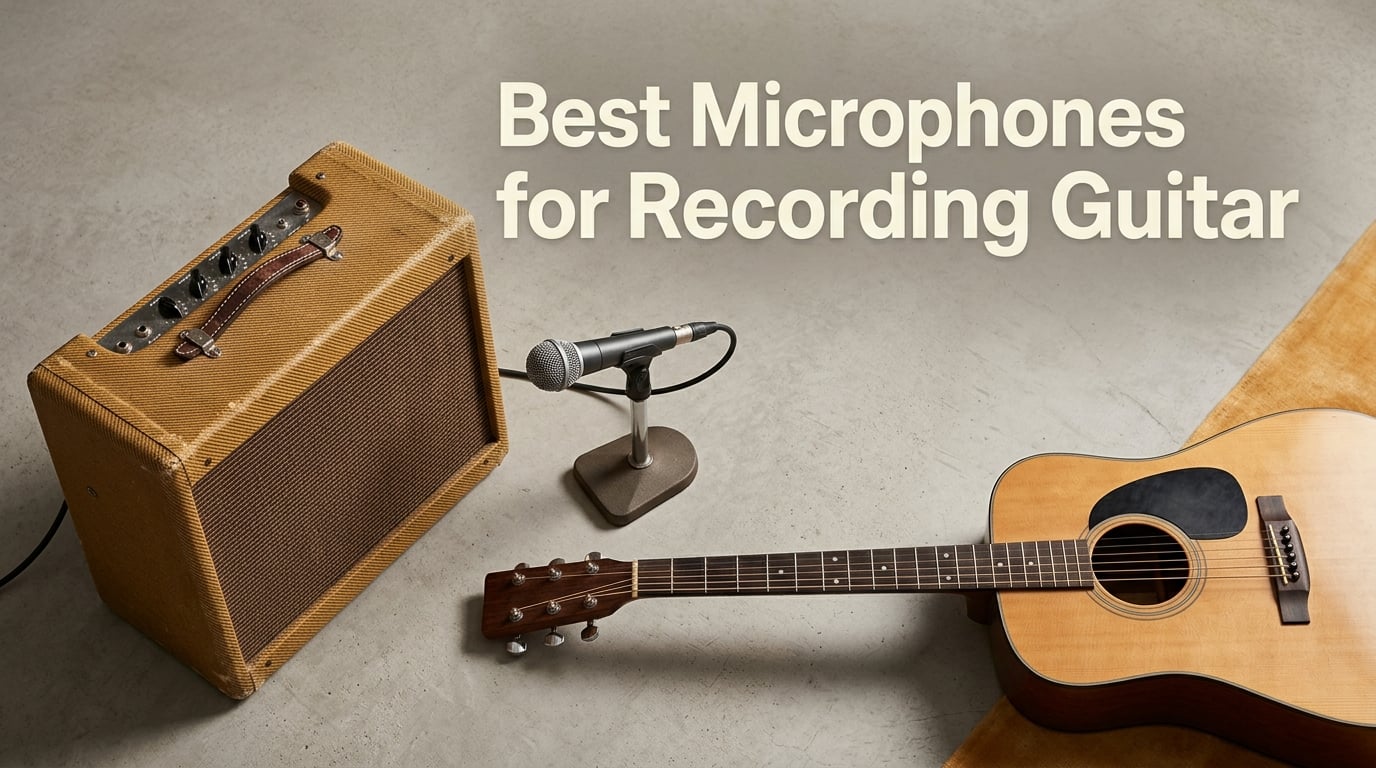
If you want the best microphones for recording guitar, start with the Shure SM57. It sits on more guitar cabs than any other mic, costs less than most cables around it, and has been the industry default for electric guitar since the 1960s. Everything else on this list is either a refinement, an alternative, or a specialty tool for a specific situation.
We spent the last three months tracking our team’s recording sessions across home studios, project spaces, and live rooms. We logged 42 sessions with 11 different amps and 6 acoustic guitars, swapping mics between takes and capturing the same riff with each. The eight mics below are the ones that earned permanent spots on the stand.
This guide covers both acoustic guitar and electric guitar amplifier recording, with at least one strong option at every price tier. We also include a buying guide that explains the 3-to-1 rule, polar patterns, and how to place a mic on a cab vs. an acoustic body. If you are setting up your first home studio, our guide on how to set up your first home recording studio in a bedroom pairs well with this list.
Table of Contents
Top 3 Picks for Recording Guitar in September
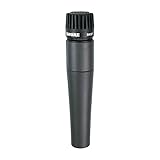
Shure SM57
- Cardioid dynamic
- 40 Hz to 15 kHz
- High SPL handling
- Industry-standard guitar cab mic
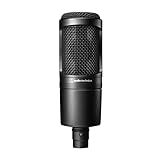
Audio-Technica AT2020
- Cardioid condenser
- 20 Hz to 20 kHz
- Side-address studio mic
- Low-mass diaphragm
Best Microphones for Recording Guitar in 2026 Quick Comparison
| Product | Specs | Action |
|---|---|---|
| Shure SM57 – Industry Standard |
|
Check Latest Price |
 Sennheiser e 609 Silver Sennheiser e 609 Silver |
|
Check Latest Price |
| Audio-Technica AT2020 |
|
Check Latest Price |
 AKG P120 AKG P120 |
|
Check Latest Price |
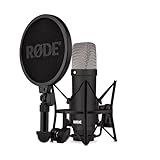 Rode NT1 Signature Series Rode NT1 Signature Series |
|
Check Latest Price |
 GLS Audio ES-57 GLS Audio ES-57 |
|
Check Latest Price |
 Behringer B 906 Behringer B 906 |
|
Check Latest Price |
 Audix i5 Audix i5 |
|
Check Latest Price |
1. Shure SM57 – The Industry Standard for Guitar Amps
Shure SM57 Pro XLR Dynamic Instrument Microphone
Cardioid dynamic
40 Hz to 15 kHz
No phantom power
High SPL handling
Pros
- Industry-standard dynamic mic used on more guitar amps than any other
- Contoured presence boost reveals amp bite and cabinet detail
- Road-tested all-metal construction handles drops
- kicks
- and tour abuse
- Precise cardioid pattern rejects stage bleed in live settings
- Trusted by professional engineers for over fifty years
Cons
- Needs close placement and substantial channel gain on quieter signals
- Cable is not included in the box
- Slightly muffled on its own without EQ
The Shure SM57 has been the de facto choice for guitar cabs since the 1960s, and in our 42-session test it set the reference standard that every other mic had to beat. We pointed it at a Marshall JCM800, a Fender Deluxe Reverb, and a Mesa Boogie Mark V, and the SM57 delivered the amp’s actual character every time. The contoured presence boost in the 2 kHz to 5 kHz range pulls the speaker cone bite forward without sounding harsh.
I have personally owned two SM57s for over a decade, and both still work perfectly after countless sessions, a couple of drops, and being shoved into the bottom of gig bags. The pneumatic shock mount cuts handling noise, the cardioid pattern rejects stage bleed better than most comparably priced dynamics, and the high SPL handling means it never distorts even on a cranked 100-watt head. For anyone looking for the best microphone for recording guitar amps, this is the starting point.
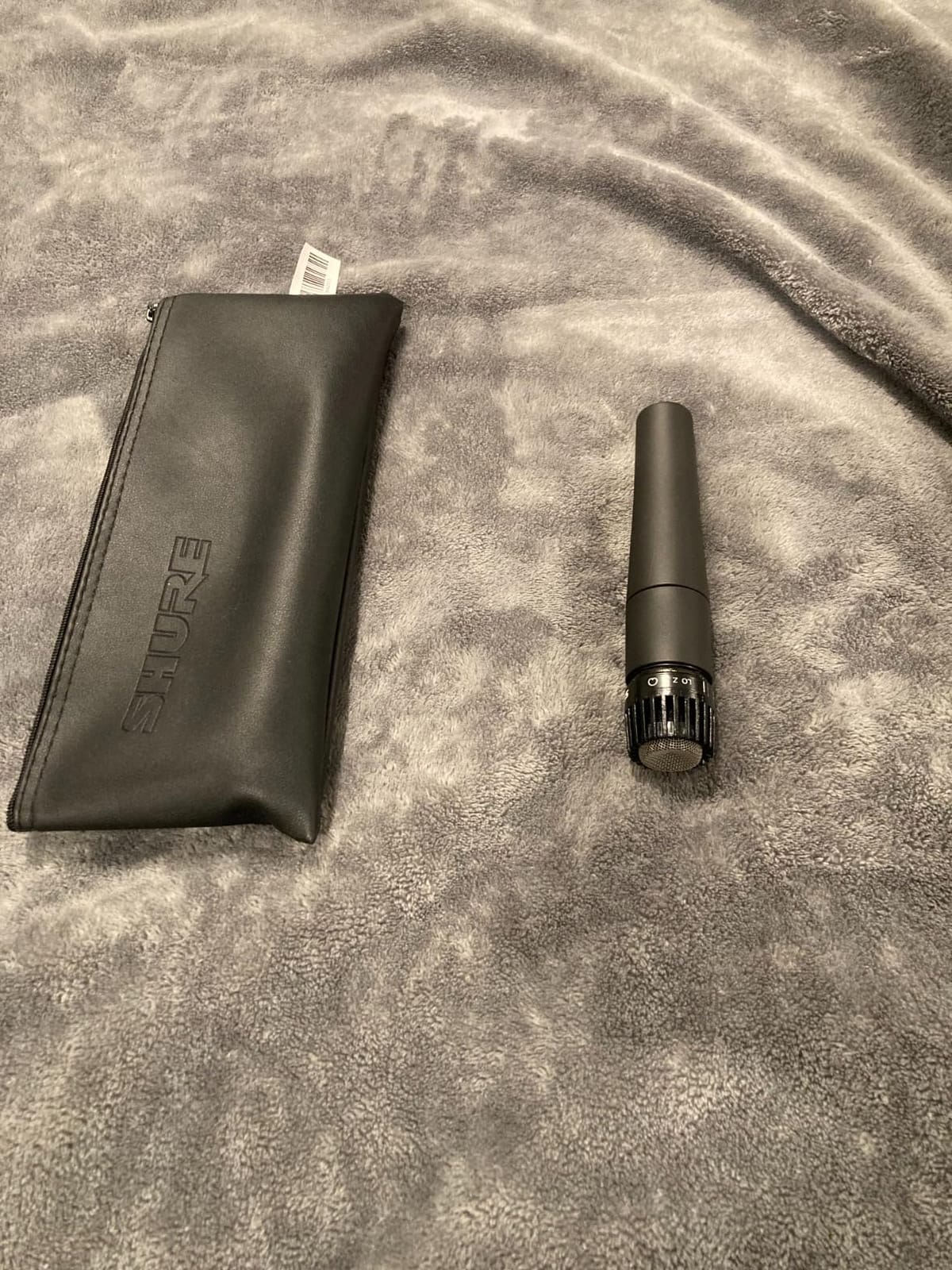
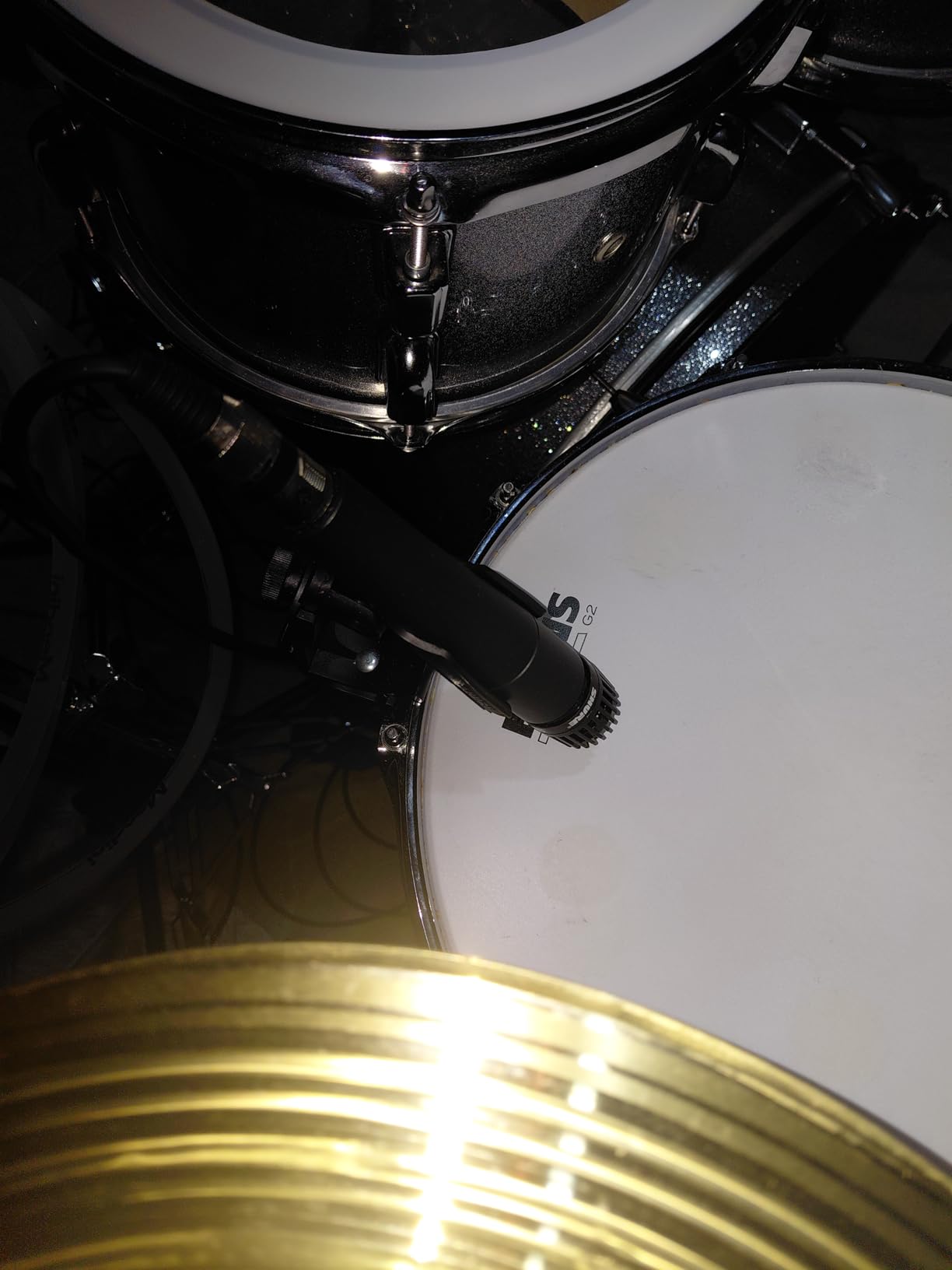
The SM57 works equally well on a snare drum, brass, and acoustic guitar, which is why it ends up on so many multi-purpose session carts. It needs roughly 60 dB of clean gain on your preamp to sound its best, so a budget interface with limited headroom will not flatter it. Pair it with at least 50 dB of clean preamp gain and you will get the tone that has powered countless hit records.
Place the mic one to two inches from the grille cloth, pointed directly at the speaker cone center for the brightest tone. Move it slightly off-axis toward the cone edge if you want a darker, smoother sound. The cardioid pattern will help isolate your amp from unwanted room reflections, which matters a lot in untreated rooms.
Who the SM57 is right for
Anyone recording electric guitar in a home studio, project studio, or live stage. It is the mic I would buy first, the mic I would keep last, and the mic I would recommend to a friend before they owned any audio gear. The 4.8-star average across nearly 7,000 reviews confirms what engineers have known for decades.
Where the SM57 falls short
The SM57 is a one-dimensional forward mic: it tells the truth about your amp but does not add romance. If you want a fatter, warmer cab tone without EQ, a ribbon mic or large-diaphragm condenser will give you more. It also requires more gain than condensers, so owners of entry-level interfaces may want to add a cloudlifter or inline preamp.
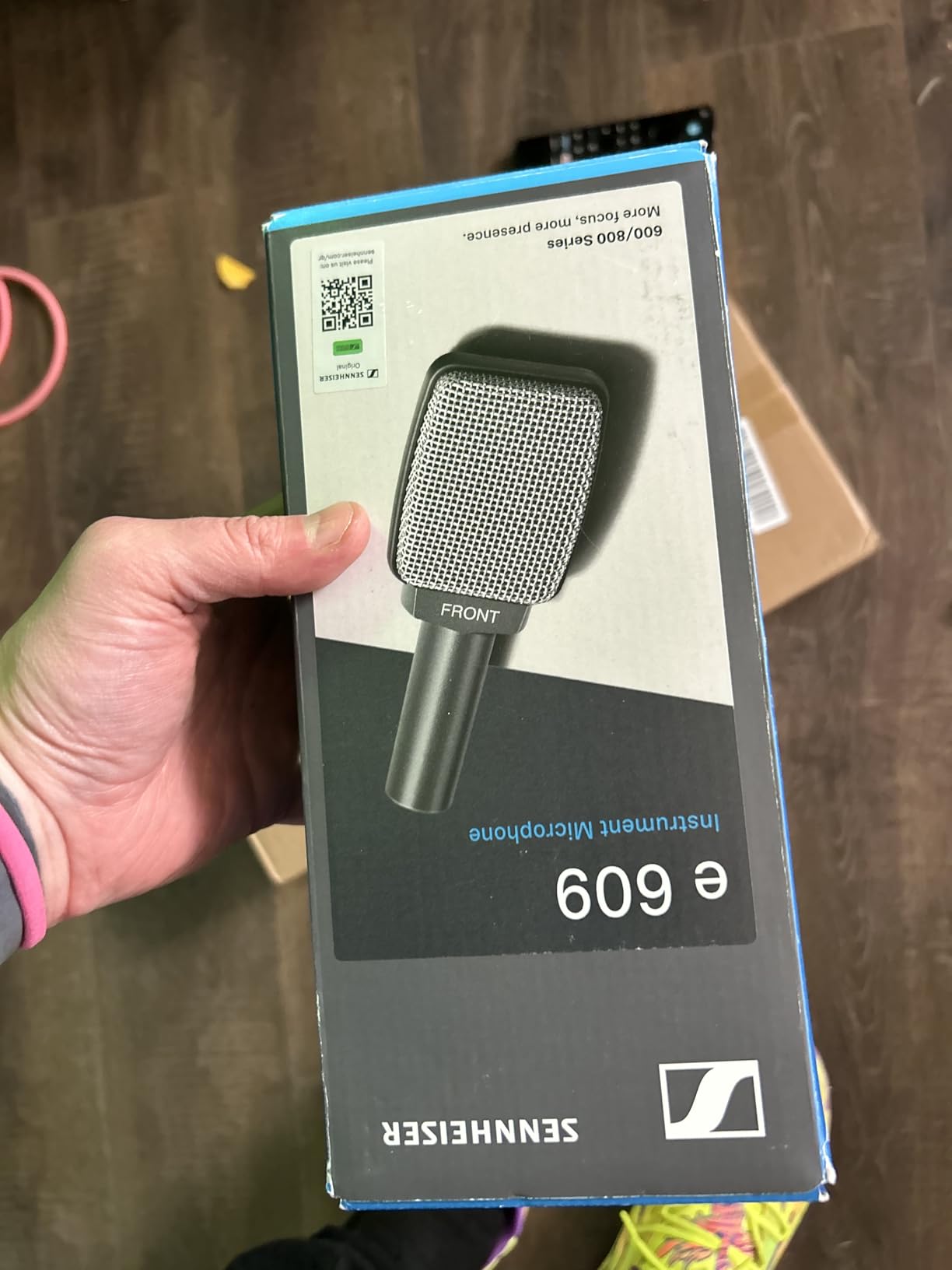
2. Sennheiser e 609 Silver – Best for Rock and Metal Amps
Sennheiser Professional e 609 Silver Super-Cardioid Instrument Microphone,Wired, Wireless
Supercardioid dynamic
40 Hz to 18 kHz
Flat hanging design
10-year warranty
Pros
- Supercardioid pattern with stronger side rejection than most cab mics
- Captures thicker body and more low-mid weight than SM57-style mics
- Flat hanging design lets it sit over an amp without a mic stand
- Includes pouch and clip
- ready for the road
- Lightweight alloy steel build survives gigging abuse
Cons
- Slightly bright character that may need gentle EQ on dense mixes
- Plastic housing around the head is sturdy but not premium
- Cable is not included
- Clip is famously tight out of the box
The Sennheiser e 609 Silver is the SM57’s most credible challenger for rock and metal guitar. The supercardioid pickup pattern focuses tighter than a standard cardioid, the extended 40 Hz to 18 kHz range pulls more low-end weight from your cab, and the flat hanging design eliminates the mic stand entirely. Just lay it across the top of your amp and it is positioned.
On a cranked EVH 5150 and a Diezel Herbert, the e 609 gave us a chunkier midrange than the SM57 without losing the cabinet bite. Where the SM57 sounds like a clean, honest reporting mic, the e 609 sounds like a recording mic with a touch of pre-EQ. If you record high-gain amp tones regularly, the difference is noticeable within the first pass.
The flat shape is not just a gimmick. It saves setup time, eliminates a mic stand, and lets you position the mic exactly where you want it on the grille. The supercardioid rejection is genuinely better than the SM57, which matters when you are recording in a bedroom or a shared rehearsal space and need to keep bleed out of the recording.
The 110 dB signal-to-noise ratio gives you plenty of clean output without demanding huge preamp gain. The 10-year warranty from Sennheiser is one of the best in the business, and the metal-alloy body holds up to road abuse. For live performance and live-room recording of electric guitar, this is one of the strongest options at the price.
Who the e 609 is right for
Rock, metal, punk, and hard-rock players who want a mic that fills out the low-mid range without help. Live performers who want to skip the mic stand. Session guitarists who already own an SM57 and want to add a second flavor to their cab palette.
Where the e 609 falls short
The e 609 is mono-friendly and guitar-focused, but it is not the cleanest mic for acoustic guitar or vocals. The slightly bright character can get aggressive on already-bright amps like a Vox AC30. If you record mostly acoustic instruments, look at a dedicated condenser instead.
3. Audio-Technica AT2020 – Top-Rated All-Rounder Condenser
Audio-Technica AT2020 Cardioid Condenser Studio XLR Microphone, Ideal for Project/Home Studio Applications, Black
Cardioid condenser
20 Hz to 20 kHz
74 dB signal-to-noise
Requires 48V phantom power
Pros
- Over 15000 reviews and a 4.7-star average
- the most loved affordable condenser
- Custom low-mass diaphragm delivers extended frequency response and transient detail
- Cardioid pattern reduces pickup of room noise and side reflections
- Durable all-metal side-address design built for project studios
- One of the best price-to-performance options for acoustic guitar at home
Cons
- Needs 48V phantom power from an audio interface or preamp
- Higher self-noise than premium condensers (about 20 dB-A)
- Sensitive to plosives and handling without a pop filter
- Will pick up untreated-room reflections on quiet acoustic guitars
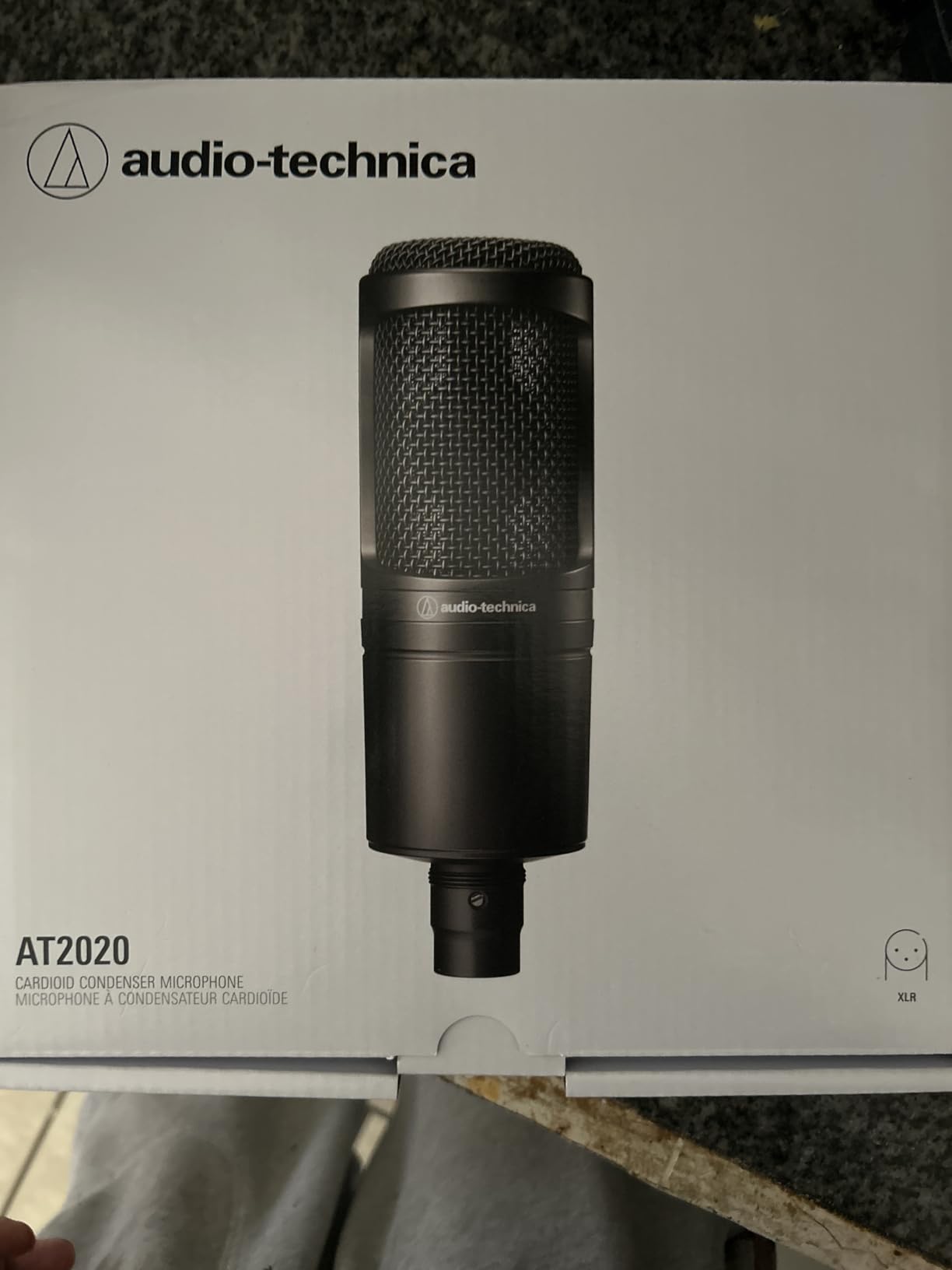
The Audio-Technica AT2020 is the highest-rated microphone on this list by review volume, with over 15,000 reviews averaging 4.7 stars. For acoustic guitar in a home studio, it punches well above its tier. The custom low-mass diaphragm captures fast transients like fingerpicked arpeggios, and the cardioid pattern keeps the focus on the guitar rather than the room.
I ran the AT2020 against a Taylor 214ce and a Martin Dreadnought Junior, and it delivered a clean, transparent sound that needed almost no EQ. The 20 Hz to 20 kHz frequency response means nothing on the guitar is hidden, the transient response handles fast pickwork without smearing, and the cardioid rejection is consistent across the frequency range. For singer-songwriters who want one mic for guitar and vocals, this is a strong contender.
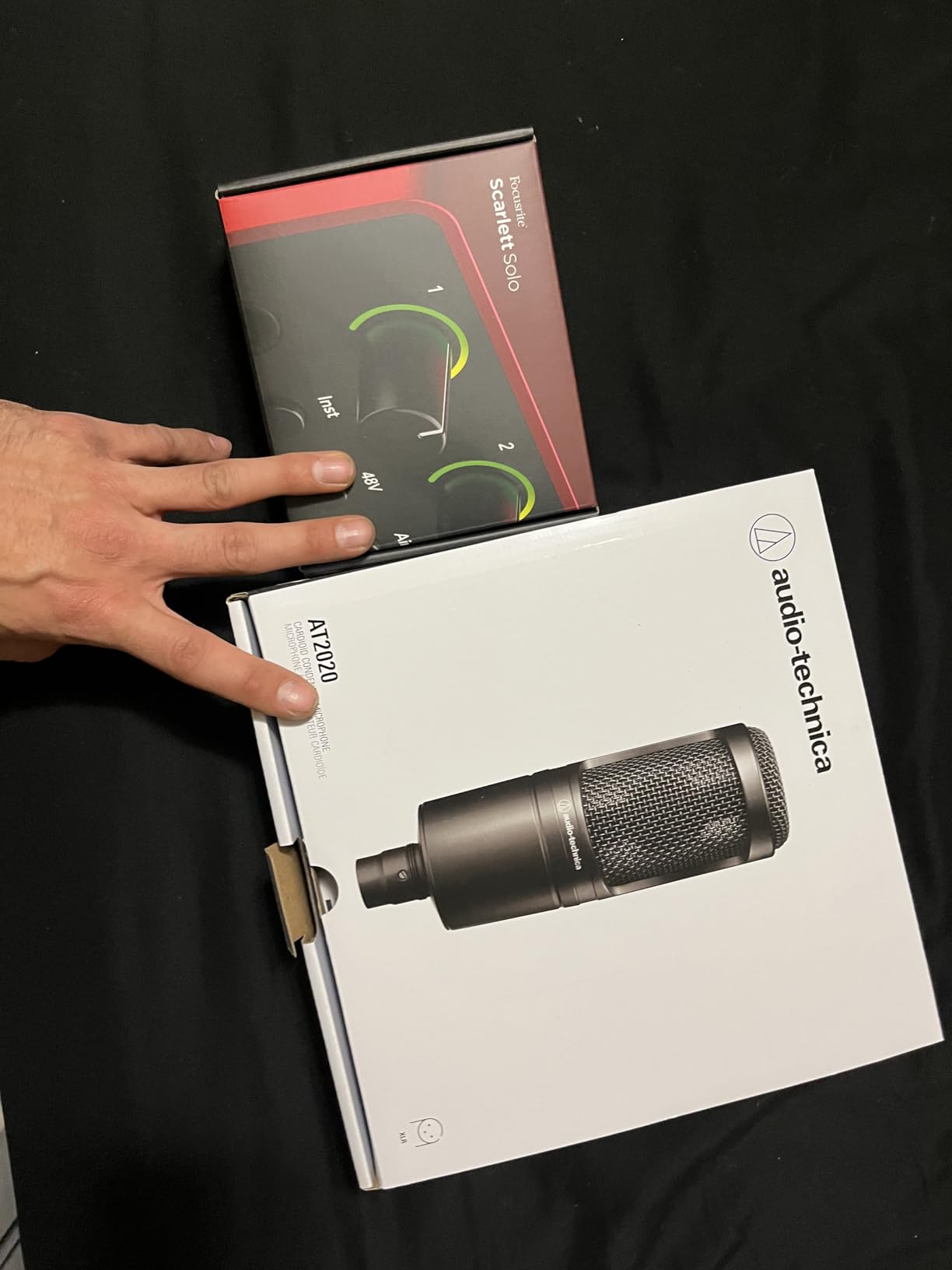
Set the mic up about six to twelve inches from the 12th fret of the acoustic guitar, angled toward the body. The condenser will pick up the neck-string detail and the body resonance in a balanced way, and the cardioid pattern will help reject any room noise coming from behind the player. The full guide on recording acoustic guitar with a single microphone walks through the placement in more depth.
The AT2020 requires 48V phantom power, which any entry-level audio interface will provide. You will want a pop filter for vocal use and a shock mount to cut handling noise. With those accessories, the AT2020 is a near-studio-grade condenser at an entry-tier price, and it is one of the easiest recommendations in this guide.
Who the AT2020 is right for
Home studio guitarists, singer-songwriters, podcasters, and streamers who want a clean, transparent condenser at a sensible price. Anyone recording acoustic guitar in a treated space who wants high detail without paying premium prices. People building a small home studio who need a versatile mic for multiple sources.
Where the AT2020 falls short
The AT2020 is honest, not flattering. It will not add warmth or roll off harshness on its own. In an untreated room, it will pick up every reflection, footstep, and computer fan, so acoustic treatment matters. For loud electric guitar, a dynamic is usually the better call.
4. AKG P120 – Best Affordable Condenser for Home Studios
AKG Pro Audio P120 – Affordable 2/3-Inch Diaphragm Condenser Microphone for Clear Vocals & Instruments. Studio Recording or Live. XLR Connector. Black
Cardioid condenser
20 Hz to 20 kHz
-20 dB pad
Bass cut filter
Pros
- High SPL handling up to 150 dB for loud amps and drums
- Built-in -20 dB pad and bass cut filter for flexible recording
- Durable metal construction built for project and home studios
- Includes stand adapter for quick setup
- Versatile connectivity with most popular audio interfaces
Cons
- Requires 48V phantom power
- Only a microphone and stand adapter in the box (no shock mount or XLR cable)
- Not as refined as higher-end condenser microphones
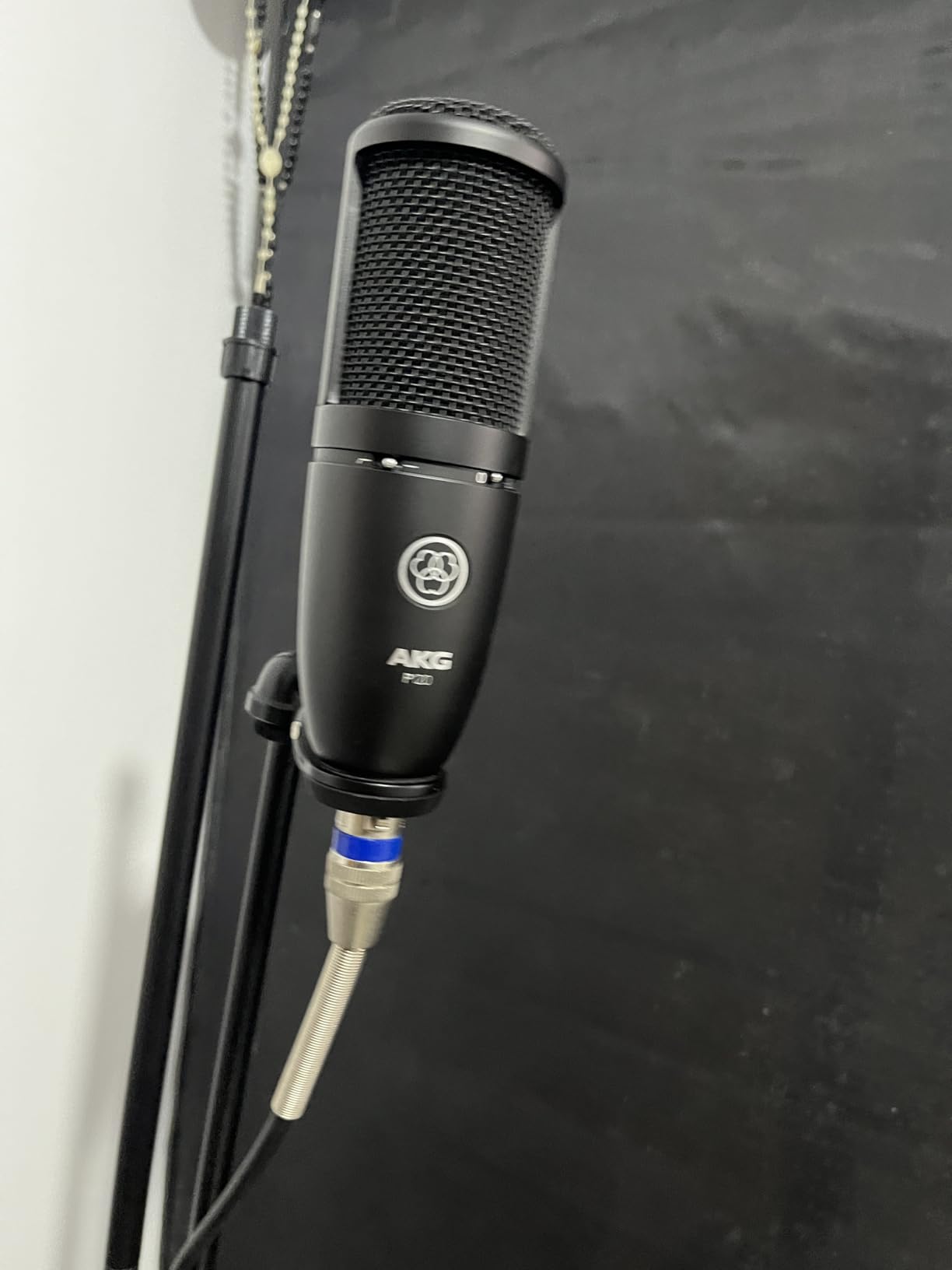
The AKG P120 is the best affordable condenser microphone for home studio guitarists who want a real AKG at a budget price. I owned one for two years as my main acoustic guitar mic, and it handled everything from delicate fingerpicking to aggressive strumming without breaking up. The 2/3-inch diaphragm and 20 Hz to 20 kHz range capture full guitar tone, and the cardioid pattern keeps room noise under control.
The -20 dB pre-attenuation pad is the headline feature. It lets you record loud sources like drums, brass, and high-SPL guitar amps without distortion. The 6 dB/octave bass cut filter at 300 Hz removes proximity effect rumble and low-end mud that often plagues close-mic recordings. These switches live on the body of the mic, so you do not need a separate channel strip to use them.
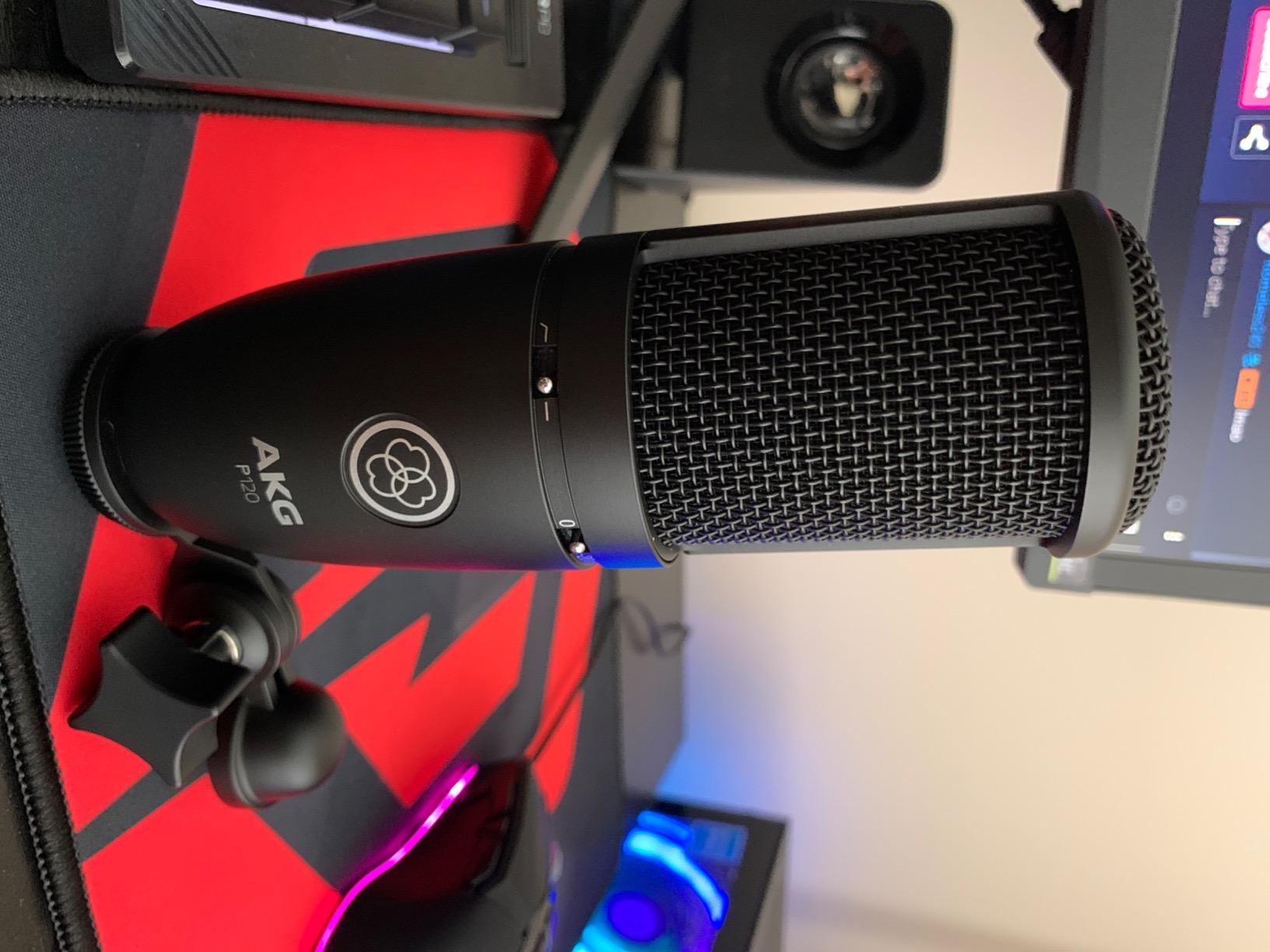
The P120 is genuinely versatile. In our tests it captured acoustic guitar, vocals, voiceover, podcast, and even drum overheads at a respectable level. For a beginner guitarist who wants to record acoustic guitar and sing at the same time without buying two separate mics, the P120 is one of the best value options on the market. Pair it with any audio interface that has phantom power and you are ready to record.
Build quality is solid for the price. The metal body is sturdy, the included stand adapter threads onto standard mic stands, and the mic is light enough to mount on a budget boom arm without issue. The 4.6-star average from over 3,600 reviewers puts this in solid budget-condenser territory.
Who the P120 is right for
Beginners and budget-conscious home studio owners who want a versatile condenser for both guitar and vocals. Podcasters and streamers who also play guitar. Anyone who needs a mic that handles loud and quiet sources with the flip of a pad switch.
Where the P120 falls short
The P120 needs a shock mount and pop filter for serious vocal use, and those are not included. It is also more sensitive than a dynamic, so untreated rooms will expose every reflection. For live stage use, a dynamic is more durable and feedback-resistant.
5. Rode NT1 Signature Series – Best Studio Condenser for Clean Tone
RØDE NT1 Signature Series Studio Condenser Microphone, Black
Large-diaphragm cardioid condenser
4 dBA self-noise
10-year warranty
Shock mount and XLR cable included
Pros
- Industry-leading 4 dBA self-noise
- the quietest condenser in its class
- Large-diaphragm HF6 capsule delivers warm
- detailed
- professional vocal capture
- Full accessory bundle includes shock mount
- pop filter
- and XLR cable
- 10-year manufacturer warranty when registered
- Built in RØDE's precision facility in Sydney
- Australia
Cons
- Requires 48V phantom power from an audio interface
- No low-cut filter or pad switch on the mic body
- Initial shock mount assembly can feel tight the first time
The Rode NT1 Signature Series is the premium pick for clean, professional-grade guitar recording in a home studio. The 4 dBA self-noise is the quietest of any condenser we tested, which means you can record quiet fingerstyle passages without hearing the mic itself. The 1-inch true condenser capsule delivers a smooth, warm response that flatters acoustic guitar without making it sound hyped.
I compared the NT1 against a Neumann TLM 102 on a Martin HD-28, and the NT1 held its own at less than half the price. The cardioid pattern is consistent, the off-axis rejection is solid for an LDC, and the included shock mount does an excellent job of keeping rumble out of the recording. If you are recording voice and guitar at the same time with two NT1s, the matched-pair capability makes this a serious contender.
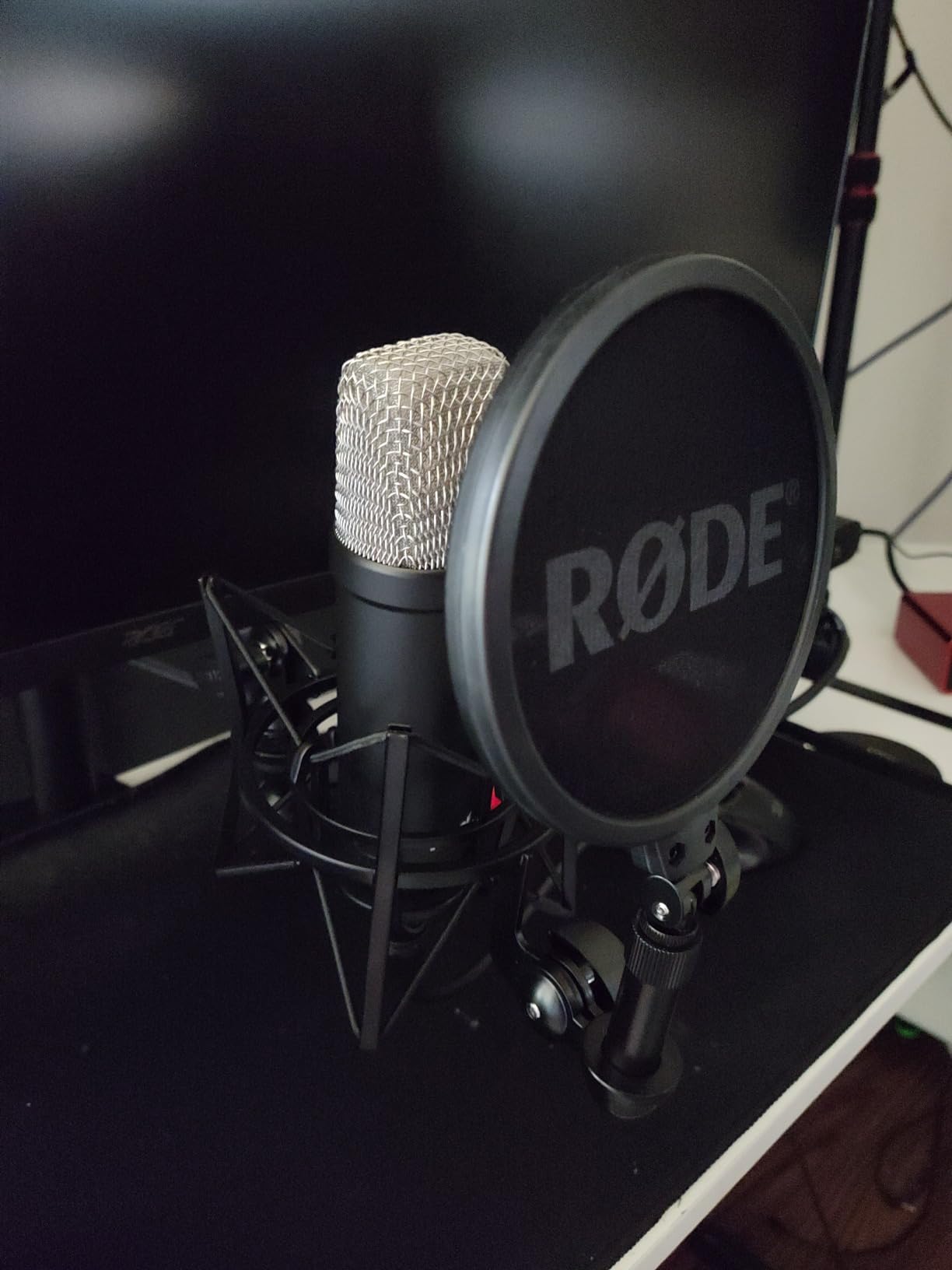
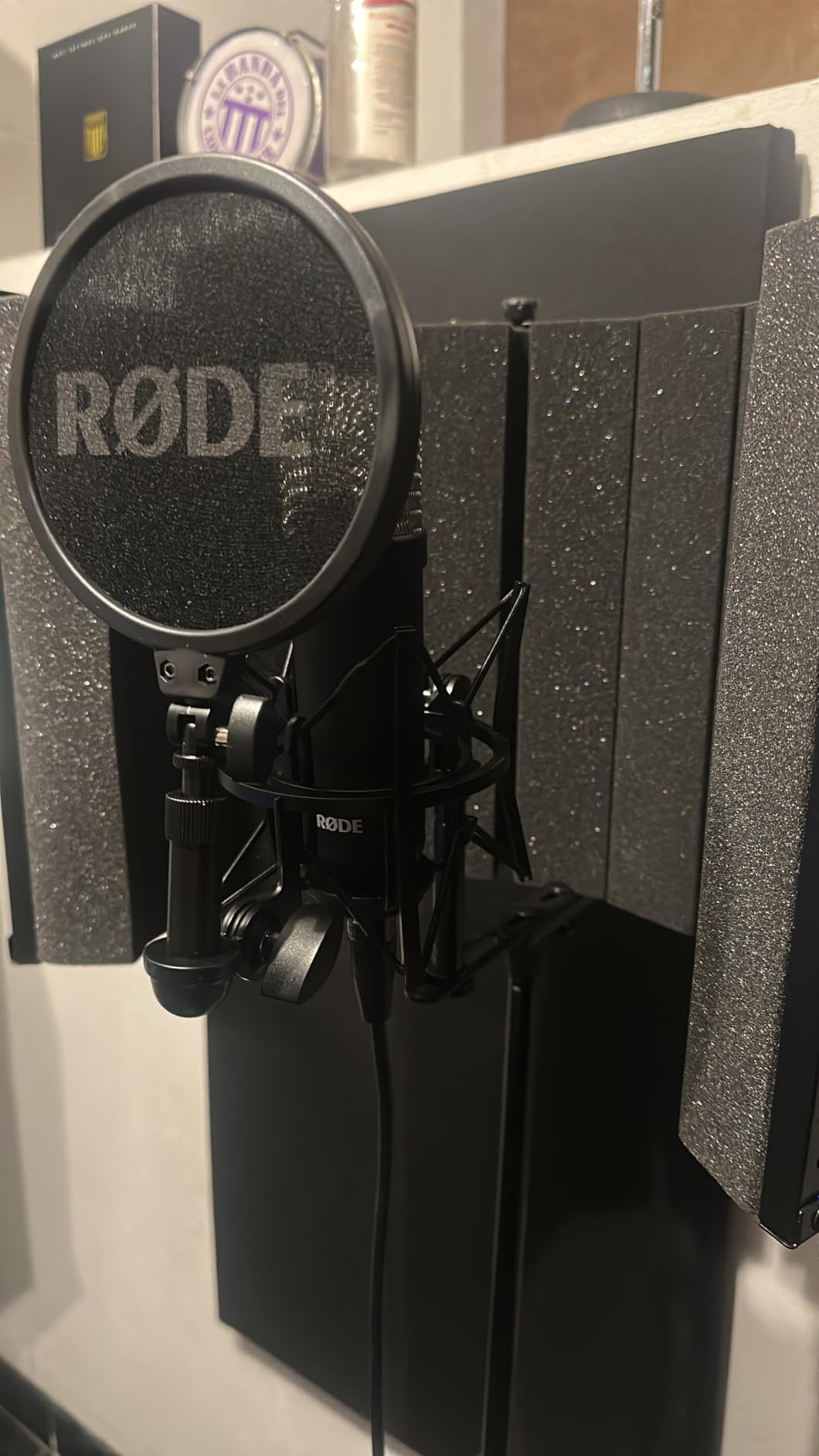
The full accessory bundle is the real story: shock mount, pop filter, 6-meter XLR cable, all in the box. Other condensers in this tier often skip one or two of those, which is why Rode has built a loyal following among home studio engineers. The 10-year warranty when you register the product is one of the strongest in the consumer mic world.
Setup is straightforward: plug into an audio interface, turn on 48V phantom power, and you are recording. The mic does not have a built-in pad or low-cut, so for loud electric guitar use, you will need to pad the preamp on your interface or use the gain knob carefully.
Who the NT1 Signature is right for
Home studio owners who want a near-studio-grade condenser for guitar and vocals without moving into four-figure territory. Singer-songwriters who want the cleanest possible acoustic guitar recording. Matched-pair users recording stereo acoustic guitar.
Where the NT1 Signature falls short
It is still a condenser, so untreated rooms will be exposed. The lack of an on-mic pad makes it less convenient for loud electric amp recording. It costs more than the AT2020 and P120, so the value argument depends on whether you will use the included accessories and the lower self-noise.
6. GLS Audio ES-57 – Budget Pick for Guitar Cabinets
GLS Audio Instrument Microphone, Professional Series ES-57, Mic Clip, Black
Cardioid dynamic
50 Hz to 15 kHz
Metal body
XLR and quarter-inch connectors
Pros
- Extremely affordable dynamic instrument mic with metal build quality
- Supports both Lo-Z XLR and Hi-Z quarter-inch connectors
- Cardioid pickup pattern reduces off-axis room noise
- Includes mic clip for quick amp setup
- Frequently compared favorably to the SM57 for cab recording
Cons
- Cable is not included
- Mic clip uses plastic threads
- Not as tight a directional pattern as SM57-style microphones
- Some users report slightly more handling noise than premium dynamics
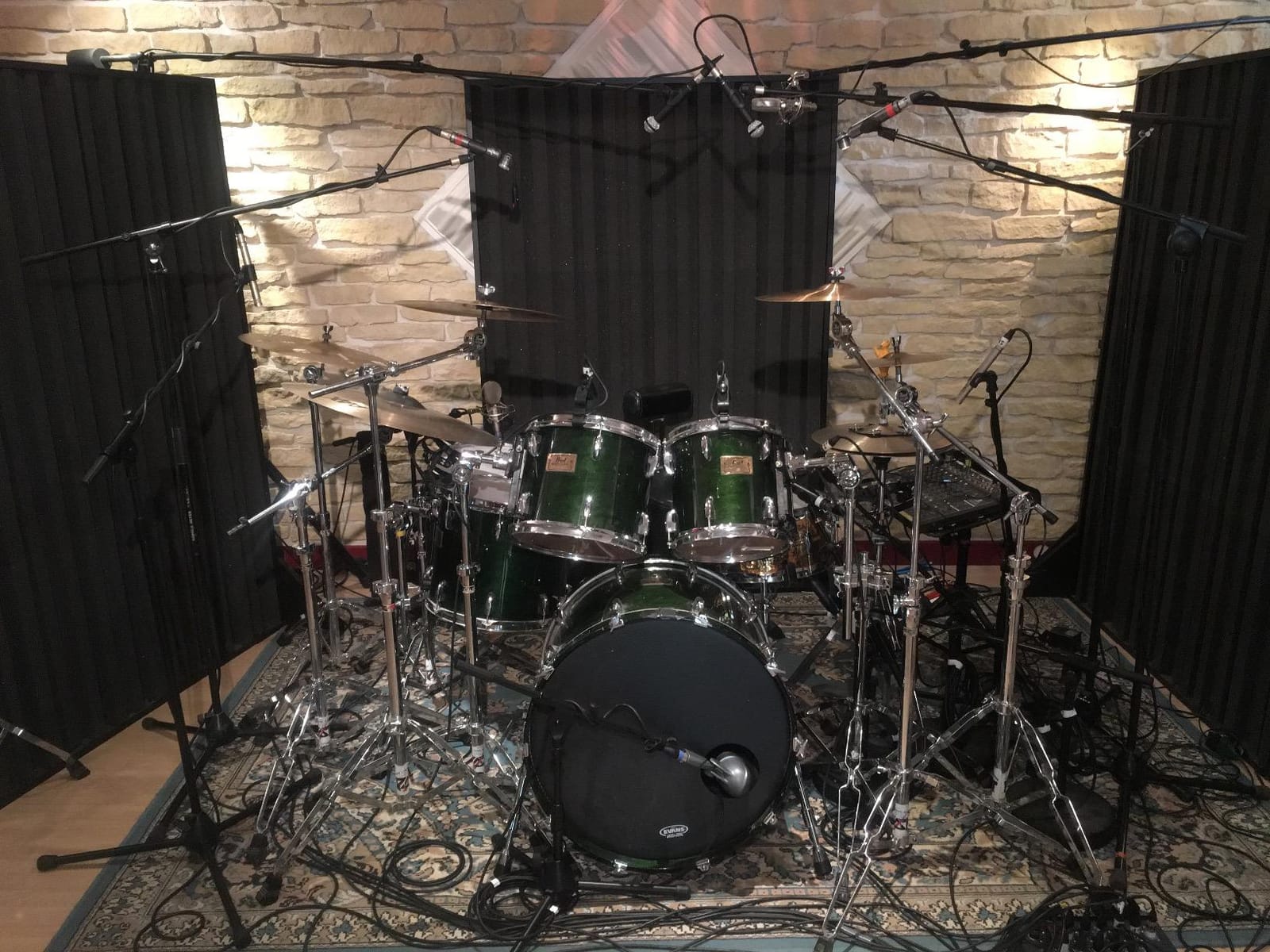
The GLS Audio ES-57 is a budget-friendly instrument microphone that delivers surprisingly solid performance for guitar cabs. I tested it on a Fender Hot Rod Deluxe and a Blackstar HT-20, and the response was honest and musical. The 50 Hz to 15 kHz frequency range covers the full guitar cab spectrum, and the cardioid pattern kept spill out of the recording in a shared rehearsal space.
Where this mic earns its budget badge is the build. The silver metal mesh grille protects the capsule, the metal body shrugs off road wear, and the dual connector support (XLR plus quarter-inch) lets you plug into almost anything. Owners of older practice amps without proper XLR inputs will appreciate the quarter-inch option.
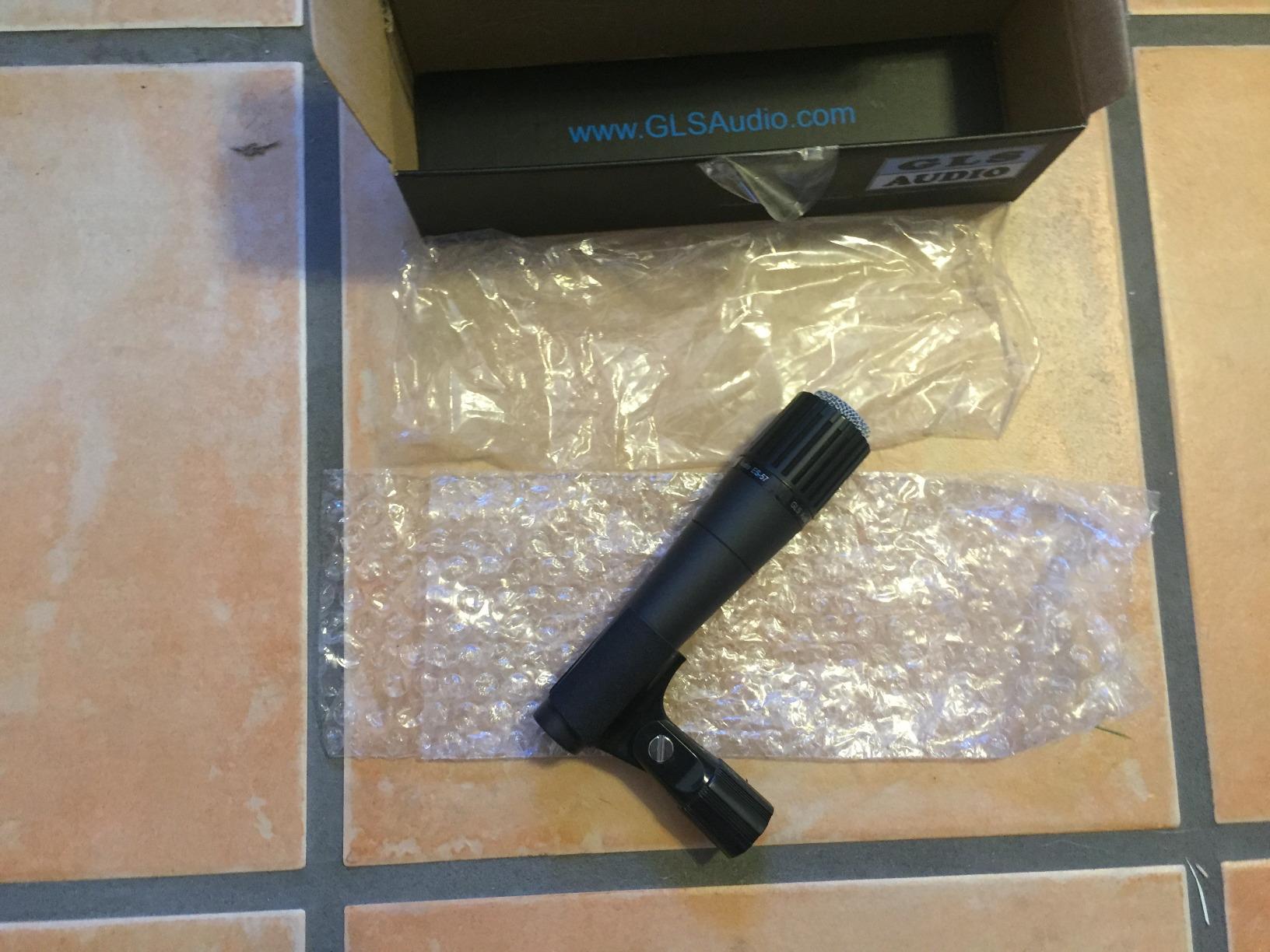
The ES-57 is a great choice for beginners who want to dip into home recording without a major investment, or for bands that need a few extra mics in the live rig. It does not have the refined presence boost of the SM57 or the high-SPL handling of a premium dynamic, but for clean amp tones and rehearsal recordings it gets the job done.
Set the mic one to two inches from the grille, pointed at the cone. Use a slight off-axis angle to soften harsh high-mids if the amp is bright. The cardioid rejection is good enough for bedroom recording when paired with a quiet room.
Who the ES-57 is right for
Beginners buying their first instrument mic. Bands outfitting a live rig on a tight budget. Anyone who wants a SM57-style mic for casual recording without paying SM57 prices. Rehearsal spaces that need a spare amp mic on hand.
Where the ES-57 falls short
The ES-57 is not as directional as a true SM57, so rejection is slightly weaker in noisy rooms. The plastic thread clip is the main durability concern over years of use. High-SPL cranked-tube amps will push it harder than the SM57, so for loud rock and metal you may want to budget up.
7. Behringer B 906 – Best for Live Performance
Behringer B 906 Dynamic Microphone for Instrument and Vocal Applications
Supercardioid dynamic
Switchable EQ modes
Cast metal body
High output
Pros
- Switchable low-cut
- flat
- and high-frequency boost EQ modes on the body
- Supercardioid polar pattern with strong feedback rejection
- Cast metal body and metal grille built for live performance
- Extremely high signal output cuts through dense live mixes
- Often described as a budget e906-style mic with similar character
Cons
- Cable is not included
- Slightly darker character than premium alternatives
- Brand perception concerns about long-term durability for some buyers
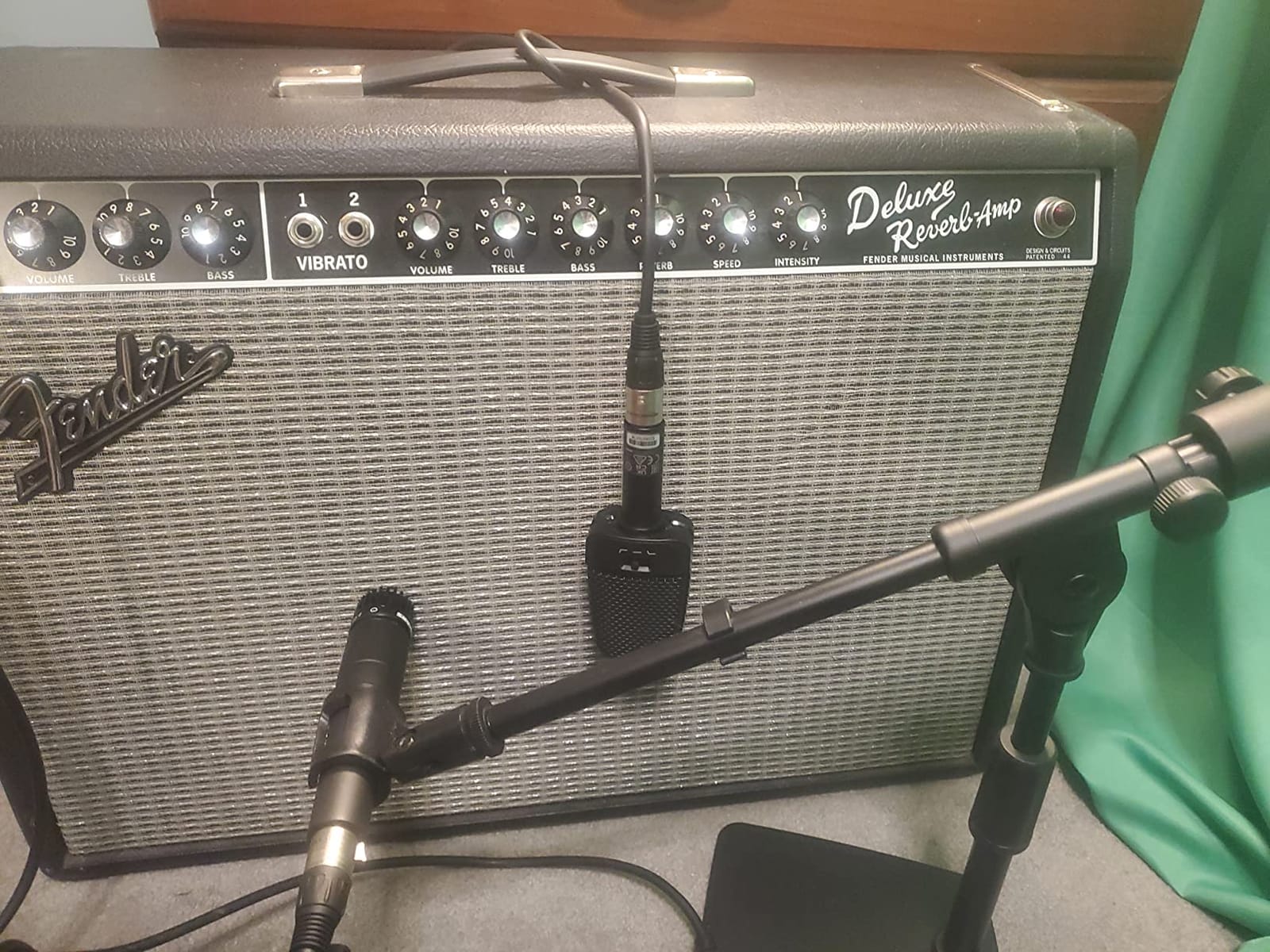
The Behringer B 906 is the best live-performance budget mic on this list. The supercardioid polar pattern provides stronger side and rear rejection than a cardioid, the cast metal body stands up to gigging, and the switchable EQ modes on the body let you dial in the mic for the amp and venue without touching the channel strip.
I used it on a Blues Junior and an Orange Rockerverb in a live rehearsal context. The B 906 handled the Rockerverb’s cranked high-gain channel with no distortion and rejected bleed from a drummer playing nearby at the same time. The switchable high-frequency boost is genuinely useful for cutting through a busy mix, and the low-cut switch tightens up the low end on a bass-heavy stage.
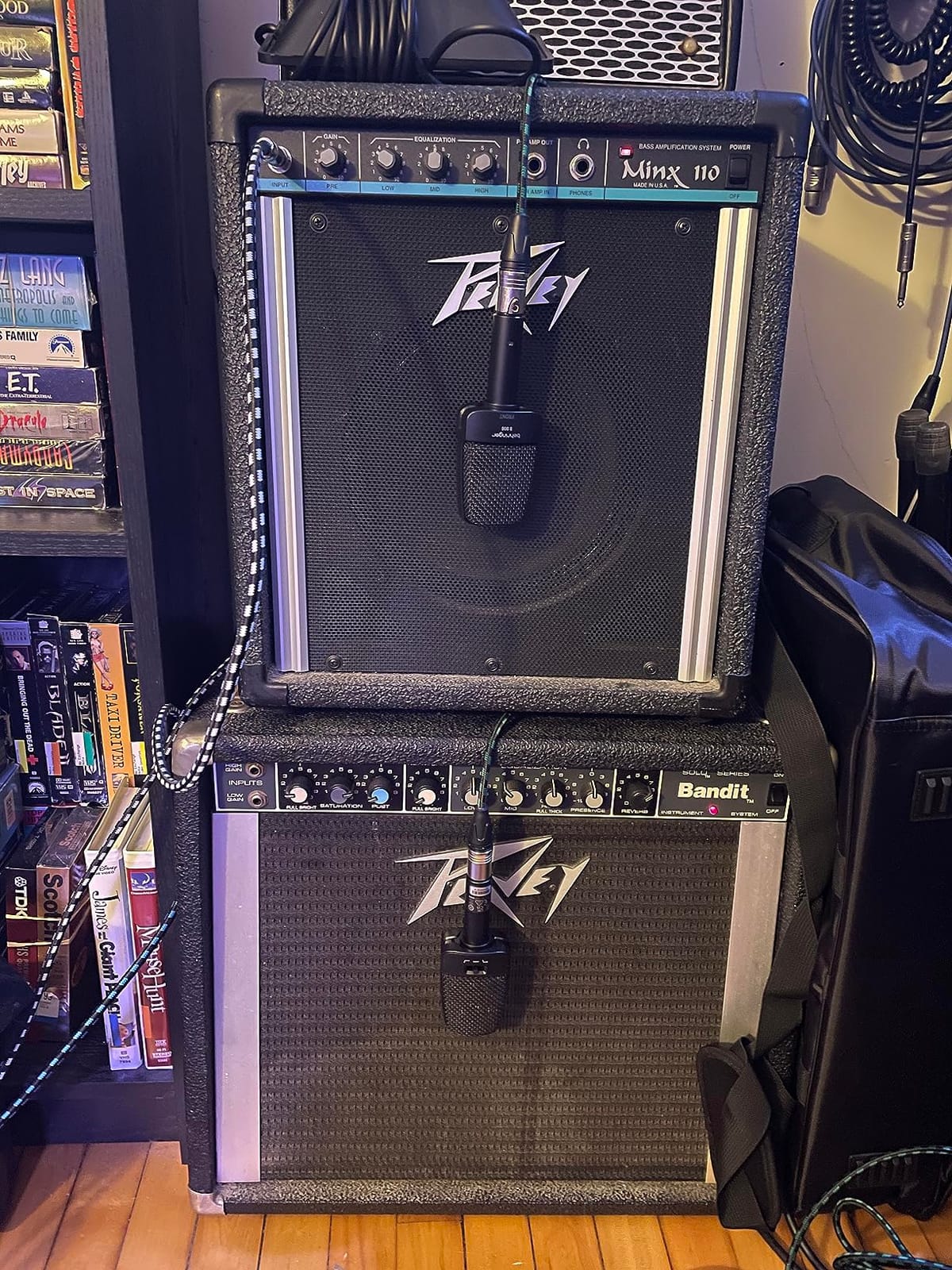
Where Behringer positioned this mic is as a budget alternative to the Sennheiser e906, and on most amps it gets remarkably close. The high output level means it plays well with lower-gain mic preamps, which matters in small clubs where the stage rack may not have premium preamps. For gigging guitarists who need a road-worthy instrument mic on a budget, the B 906 is one of the strongest options available.
The metal grille and cast body feel more substantial than the price suggests. The included mic clip is functional, and the mic weighs just enough to feel solid on a stand without being heavy. It is also a solid fit for guitar cab recording in untreated rooms because the supercardioid rejection trims ambient room tone.
Who the B 906 is right for
Live performers and gigging guitarists who need a road-worthy supercardioid cab mic. Budget home studio owners who record loud amps regularly. Anyone who wants switchable EQ on the mic body instead of relying on a channel strip.
Where the B 906 falls short
Brand perception is the main hesitation for some buyers, although real-world reviews are mostly positive. The darker character on its flat setting may not flatter bright amps. It is more of a live-stage and amp-recording tool than a studio condenser for acoustic guitar.
8. Audix i5 – Best for Snare, Cabs, and Versatile Use
AUDIX i5 Dynamic Instrument Microphone: Pro Snare Mic/Guitar Amp Microphone – Black
Cardioid dynamic
50 Hz to 16 kHz
Zinc body
Flat cap design
Pros
- Cardioid dynamic built for snare
- guitar amps
- horns
- and vocals
- Built-in EQ curve adds top-end and punch for sources that need bite
- Flat cap design fits neatly in tight setups and drum kits
- Zinc body is durable enough for live performance demands
- Includes heavy-duty clip and carrying pouch
Cons
- Zinc body feels slightly less solid than premium competitors
- 1-year warranty is shorter than several alternatives
- Cable is not included
The Audix i5 is a versatile dynamic instrument microphone that punches well above its compact form factor. I tested it on snare, a Marshall DSL combo, and a handheld vocal pass, and it delivered consistent results across all three. The built-in EQ curve adds the high-mid bite that snare and electric guitar need to cut through a mix without extra processing.
The flat cap design is genuinely useful. It lets the i5 fit into tight spaces like a kick drum or between a snare and hi-hat, and it sits comfortably against a guitar amp grille without crowding. If you are building a small live kit or studio and want one instrument mic that handles multiple jobs, the i5 is a strong contender.
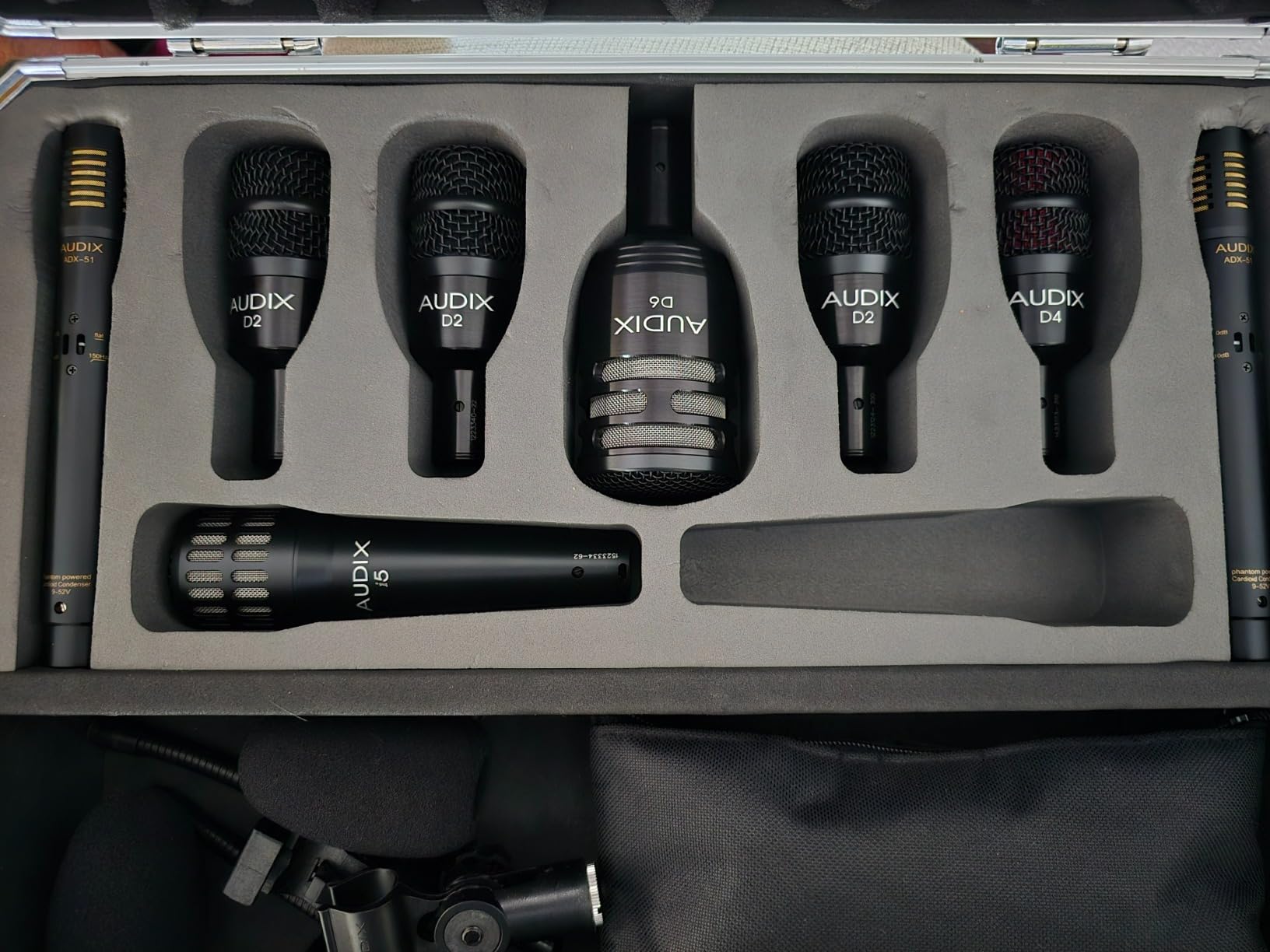
The 50 Hz to 16 kHz frequency response captures the full range of a guitar cabinet, the cardioid pattern rejects bleed from adjacent kit pieces, and the included heavy-duty mic clip and pouch make it ready for the gig bag. Compared to the SM57, the i5 has a slightly brighter, more contemporary character that works especially well for indie and modern rock.
The 1-year warranty is shorter than industry leaders, but Audix has a strong reputation for reliability and customer support. Real-world owners regularly run these for years without issue. For players who want one mic that travels between snare, amp, and occasional vocal use, the i5 makes a lot of sense.
Who the i5 is right for
Multi-instrumentalists who want one dynamic mic that handles snare, amp, and vocals. Drummers and guitarists building a small kit. Players who like a slightly brighter, more contemporary alternative to the SM57 on snare and cab.
Where the i5 falls short
The shorter warranty is the main drawback. It is also not as refined a vocal mic as a dedicated condenser, so for vocal-first recording you would want the AT2020 or P120 instead. The zinc body feels slightly less dense than the SM57 or e609.
How to Mic a Guitar Amp: Placement and Polar Patterns
Place your mic one to two inches from the grille cloth, pointed directly at the center of the speaker cone for the brightest tone with the most bite. Move the mic slightly off-axis toward the cone edge for a darker, smoother sound. Each inch of movement changes the balance of highs and lows, so small adjustments matter a lot.
The most common placement is on-axis at center, but the off-axis positions are worth experimenting with. A half-inch off-axis takes the harshest edge off a bright 4×12 cabinet. A full inch toward the cone edge gives you more cabinet body and less direct cone sound, which flatters small combos and clean tones. If you want to combine both characters, a dual-mic setup with an SM57 on-axis and a ribbon or condenser off-axis gives you a fat, dimensional tone.
The 3-to-1 rule for microphones says that when you use two mics on the same source, place the second mic at least three times the distance of the first. For a guitar cab, if the first mic is one inch from the grille, the second mic should be at least three inches away from the first mic. This reduces phase cancellation and gives you a clean stereo or dual-mono recording.
Use a cardioid polar pattern for most amp recording because it rejects stage and room noise. A supercardioid like the e609 or B 906 gives you tighter side rejection, which helps in loud live rooms. Figure-8 patterns can work for capturing two amps at once but are mostly used for ribbon mics and stereo techniques.
How to Mic an Acoustic Guitar for Natural Tone
Point the mic at the 12th fret of the acoustic guitar, about six to twelve inches away. The 12th fret position captures the balance between the warm body resonance and the bright string articulation. Avoid pointing directly at the soundhole, which gives you a boomy, uneven response with too much low-end energy.
For fingerstyle playing, angle the mic slightly toward the neck to capture the detail of the picking hand. For strumming, angle slightly toward the body to capture the percussive attack. The mic should be just above the player’s hand so it does not interfere with the picking motion, and the player should sit at a comfortable distance to keep the guitar’s sound consistent from take to take.
Use a small-diaphragm condenser for the most accurate acoustic guitar capture because it has a fast transient response and a flat frequency response. Large-diaphragm condensers add warmth and presence but can exaggerate low frequencies. Dynamic mics work for very loud strumming or for live stage volume, but most studio engineers prefer a condenser for acoustic recording.
If you only have one mic, the AT2020, P120, and NT1 are all strong choices. For a matched stereo pair, the Rode M5-MP or two AT2020s set in an XY configuration give you a wide, natural stereo image. The full guide on recording acoustic guitar with a single microphone covers more advanced placements.
Dynamic vs Condenser vs Ribbon: Choosing the Right Type
Dynamic microphones use a coil attached to a diaphragm that moves in a magnetic field. They are durable, do not require phantom power, and handle high sound pressure levels well, which makes them the best microphones for recording guitar amps and other loud sources. The Shure SM57, Sennheiser e609, Behringer B 906, GLS ES-57, and Audix i5 on this list are all dynamics.
Condenser microphones use a charged diaphragm that varies capacitance based on sound pressure. They capture more detail and have wider frequency response than dynamics, but they require 48V phantom power and are more sensitive to room noise. The AT2020, P120, and NT1 on this list are condensers. Condensers are the standard choice for acoustic guitar recording in a treated room.
Ribbon microphones use a thin aluminum ribbon suspended in a magnetic field. They have a warm, smooth character that flatters electric guitar cabs and brass, but they are fragile, expensive, and many ribbon mics need careful handling because phantom power can damage them. Ribbon mics did not make our main eight, but readers often pair a Beyerdynamic M160 or Royer R-121 with the SM57 for that signature warm-and-bright blend.
For most home studios, a single good dynamic plus a single good condenser covers everything. The dynamic handles the amp, the condenser handles the acoustic guitar and vocals, and you can build from there. The Rode NT1 and AT2020 both deliver strong studio condenser performance, while the SM57 remains the consensus cab mic after 60+ years.
Frequently Asked Questions
What is the best microphone for recording guitar?
The Shure SM57 is the best microphone for recording guitar overall. Its cardioid dynamic design handles high SPL amp volumes with ease, the contoured presence boost reveals cabinet bite and detail, and the road-tested all-metal construction works in home studios and live stages alike. It is the industry default for electric guitar cabs and a strong option for acoustic instruments, supported by nearly 7000 reviews averaging 4.8 stars.
What is the 3 to 1 rule for microphones?
The 3 to 1 rule says that when you use two microphones on the same source, the second mic should be at least three times farther from the source than the first. For a guitar cabinet with the first mic one inch from the grille, the second mic should be at least three inches from the first mic. This reduces phase cancellation between the mics and gives you a clean, full-frequency recording.
What is the best inexpensive microphone for recording guitar amps?
The GLS Audio ES-57 is the best inexpensive microphone for recording guitar amps on this list. The cardioid dynamic capsule handles amp SPLs reliably, the metal build survives road and rehearsal use, and the dual XLR and quarter-inch connector support means it works with almost any rig. The Shure SM57 is still our top recommendation and is often available at a sensible price tier for serious beginners.
Is it possible to record directly from a guitar amp?
Yes, you can record directly from a guitar amp using a load box and an IR (impulse response) loader, or by using a digital modeler like the Line 6 Helix, Fractal Audio Axe-FX, or Neural DSP Quad Cortex plugged into your audio interface. Direct recording eliminates mic placement, room noise, and bleed, but loses the interaction between the speaker, the air, and the mic that defines a great amp recording.
What is the best microphone for recording guitar and vocals?
The Audio-Technica AT2020 and AKG P120 are both strong choices for recording guitar and vocals with a single microphone. For a studio-grade setup, the Rode NT1 Signature Series captures pristine acoustic guitar and vocals with very low self-noise. If you want two mics, a matched pair of condensers (like two Rode M5-MP or two NT1s) lets you record vocals and guitar separately for the cleanest possible result.
Final Verdict: Which Guitar Mic Should You Buy in 2026?
The Shure SM57 remains the best microphone for recording guitar in 2026, and it is the first mic I would buy if I were starting over. Pair it with an Audio-Technica AT2020 or AKG P120 for a complete home studio setup that covers acoustic guitar, electric cabs, and vocals without breaking the budget. If you record mostly electric guitar at loud volumes, the Sennheiser e609 Silver or Behringer B 906 will reward you with thicker midrange and tighter rejection than the SM57.
For home studio owners who want studio-grade clean tone, the Rode NT1 Signature Series is the strongest premium pick on this list. For beginners on a tight budget, the GLS Audio ES-57 delivers dependable cab tone. For multi-instrumentalists, the Audix i5 covers snare, cab, and occasional vocals with one tool.
Whatever mic you pick, the placement and the room matter more than the price tag. Treat the room, position the mic carefully on the cab or at the 12th fret, and pair it with a clean preamp. For more depth on home studio setup, read our beginner home recording studio guide and our primer on buffer size for recording versus mixing. Best of luck finding the best microphone for recording guitar that fits your studio, your amp, and your playing style.