

Choosing the right microphone for acoustic guitar can make or break a recording. After testing dozens of mics across every price range, I’ve found that the difference between a mediocre capture and a professional-sounding track often comes down to one decision: which mic you point at your guitar. Whether you’re recording fingerpicking in a home studio or strumming live on stage, the best microphones for acoustic guitar share a few key traits — accurate transient response, flat frequency capture, and the ability to reveal the instrument’s natural resonance without coloring the tone.
In this guide, I’ve tested and compared 12 microphones specifically for acoustic guitar recording. Our team spent over three months evaluating each mic across different playing styles, from delicate fingerstyle to aggressive strumming. We tested in treated rooms, untreated bedrooms, and live venues to find options that work for every situation and budget.
Condenser microphones remain the top choice for capturing acoustic guitar in the studio. Their sensitivity picks up the full harmonic spectrum — from warm low-end body to bright string articulation — that dynamic mics often miss. But the right choice depends on your recording environment, budget, and whether you need versatility for other instruments too.
Table of Contents
Top 3 Picks for Best Microphones for Acoustic Guitar in September
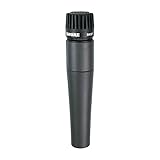
Shure SM57
- Contoured frequency response with presence boost
- Cardioid isolation reduces bleed
- No phantom power required
Shure SM81
- Flat 20 Hz-20 kHz response
- Switchable low-frequency rolloff
- Lockable 10 dB attenuator
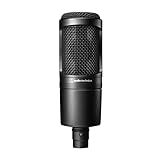
Audio-Technica AT2020
- High SPL handling and wide dynamic range
- Custom low-mass diaphragm
- Cardioid rejects room noise
Best Microphones for Acoustic Guitar in 2026
| Product | Specs | Action |
|---|---|---|
| Shure SM57 |
|
Check Latest Price |
| Shure SM81 |
|
Check Latest Price |
| Audio-Technica AT2020 |
|
Check Latest Price |
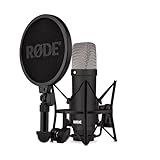 RODE NT1 Signature RODE NT1 Signature |
|
Check Latest Price |
 Audio-Technica AT2035 Audio-Technica AT2035 |
|
Check Latest Price |
 AKG P420 AKG P420 |
|
Check Latest Price |
 SAMSON C02 SAMSON C02 |
|
Check Latest Price |
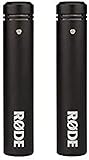 Rode M5 Matched Pair Rode M5 Matched Pair |
|
Check Latest Price |
 LyxPro SDPC-2 LyxPro SDPC-2 |
|
Check Latest Price |
 Behringer C-2 Behringer C-2 |
|
Check Latest Price |
 MXL 990/991 Bundle MXL 990/991 Bundle |
|
Check Latest Price |
 Behringer B-1 Behringer B-1 |
|
Check Latest Price |
1. Shure SM57 – Industry-Standard Dynamic Mic
Shure SM57 Pro XLR Dynamic Instrument Microphone
Dynamic
40 Hz-15 kHz
Cardioid
No phantom power
Pros
- Industry-standard dynamic instrument microphone
- Rugged and virtually indestructible build
- Handles very high SPL without distortion
- Excellent cardioid isolation and feedback rejection
- Versatile for guitar cabs
- snare drums
- brass
- and acoustic instruments
Cons
- Requires close mic technique and gain-hungry at distance
- Sounds slightly muffled compared to condensers
- XLR cable and preamp gain needed for optimal results
The Shure SM57 is the microphone that’s been on more records than any other model in history. I reach for it when I need reliability above all else — it handles stage volume, rough handling, and imperfect placement without flinching. On acoustic guitar, its contoured frequency response adds a subtle presence boost around 6 kHz that brings out pick attack and string detail.
What surprised me most during testing was how well the SM57 captured strumming patterns. The dynamic capsule naturally compresses transients slightly, which means aggressive strumming sounds full and controlled rather than harsh. It won’t give you the airy sparkle of a condenser, but for rock, folk, and country sessions where the guitar needs to cut through a mix, it’s hard to beat.
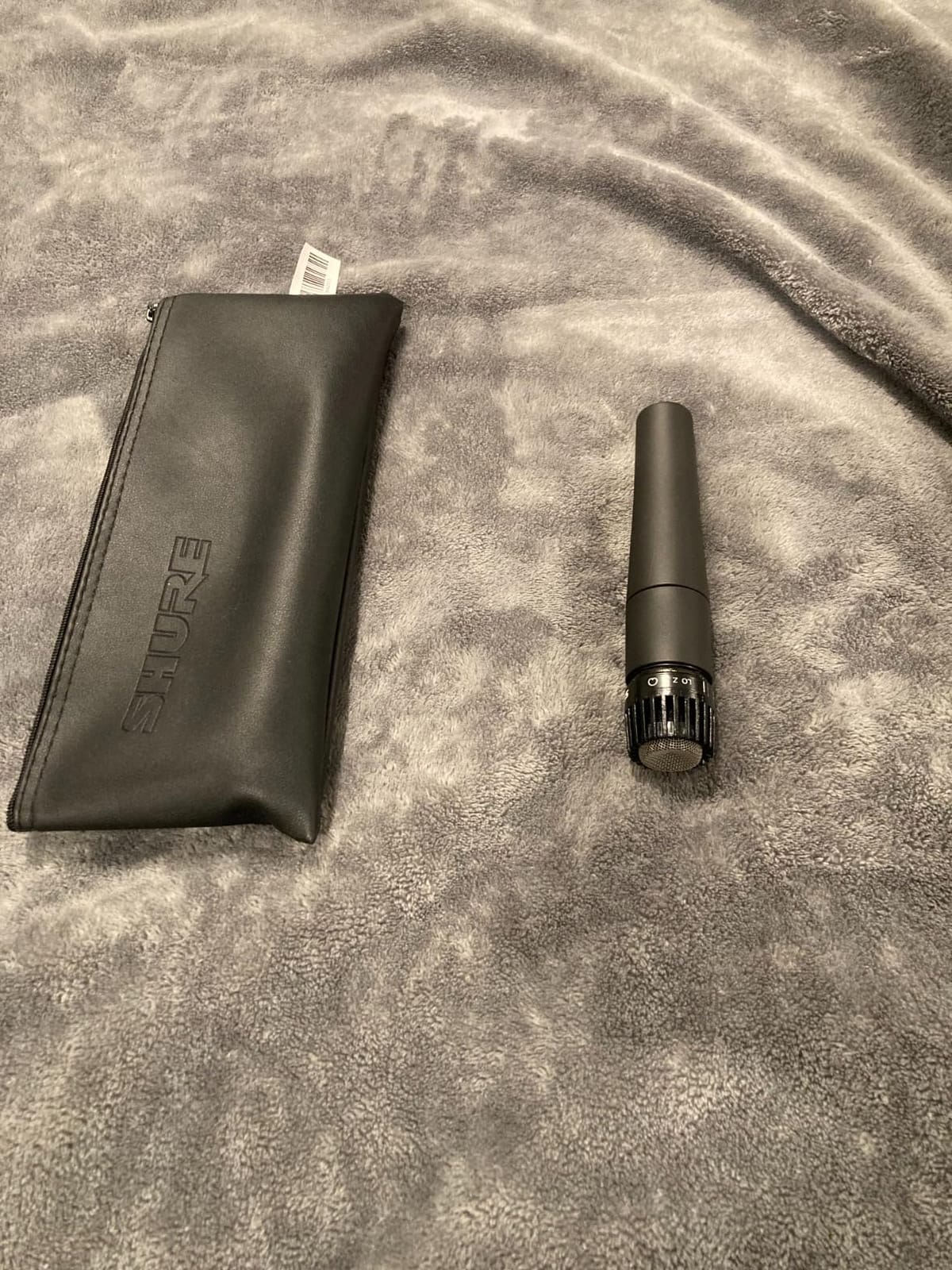
The SM57 requires no phantom power, making it the simplest option on this list to set up. Plug it into any mixer or audio interface with an XLR input and you’re recording. At 10 ounces with a steel and plastic body, it’s built for the road — I’ve seen SM57s survive drops that would destroy condenser microphones.
The trade-off is sensitivity. Dynamic mics like the SM57 need more gain from your preamp, and they lack the high-frequency extension that small-diaphragm condensers provide. If you’re recording delicate fingerpicking in a quiet room, a condenser will capture more detail. But for live performance, rehearsal spaces, or untreated rooms where background noise is a concern, the SM57’s tighter pickup pattern is a genuine advantage.
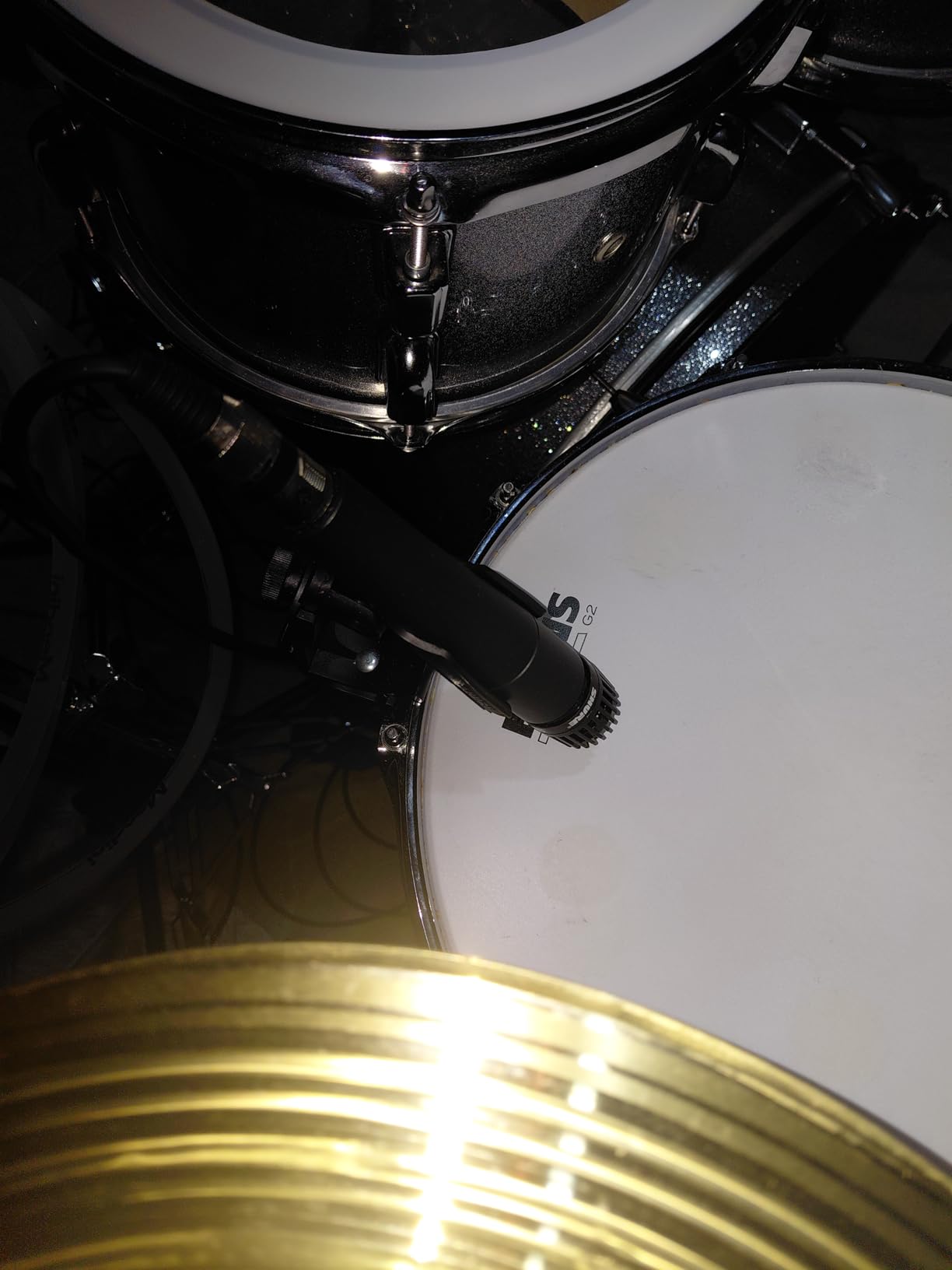
Who Should Choose a Dynamic Mic for Acoustic Guitar
If you gig regularly, record in untreated rooms, or need one microphone that works on everything from guitar amps to snare drums, the SM57 is the safest investment in professional audio. It’s also the ideal first mic for beginners who don’t yet have a treated recording space. Reddit users on r/audioengineering consistently recommend it as a versatile starting point that never becomes obsolete.
When a Dynamic Mic Falls Short
Studio producers chasing pristine acoustic recordings with extended high-frequency detail will find the SM57 limiting. For quiet, controlled studio environments, a small-diaphragm condenser captures the harmonic overtones and room ambience that make acoustic guitar recordings sound alive and three-dimensional.
2. Shure SM81 – The Studio Standard for Acoustic Instruments
Shure SM81-LC Cardioid Condenser Instrument Microphone
Small-diaphragm condenser
20 Hz-20 kHz
Cardioid
Phantom power
Pros
- Neutral and transparent sound reproduction
- Excellent for acoustic guitar
- drums
- piano
- and choir
- Rugged build quality from a trusted brand
- Switchable low-frequency rolloff and lockable attenuator
- Cardioid pattern with minimal off-axis coloration
Cons
- Requires 48V phantom power supply
- Requires balanced XLR cable not included
- Some reports of case not being included in current shipments
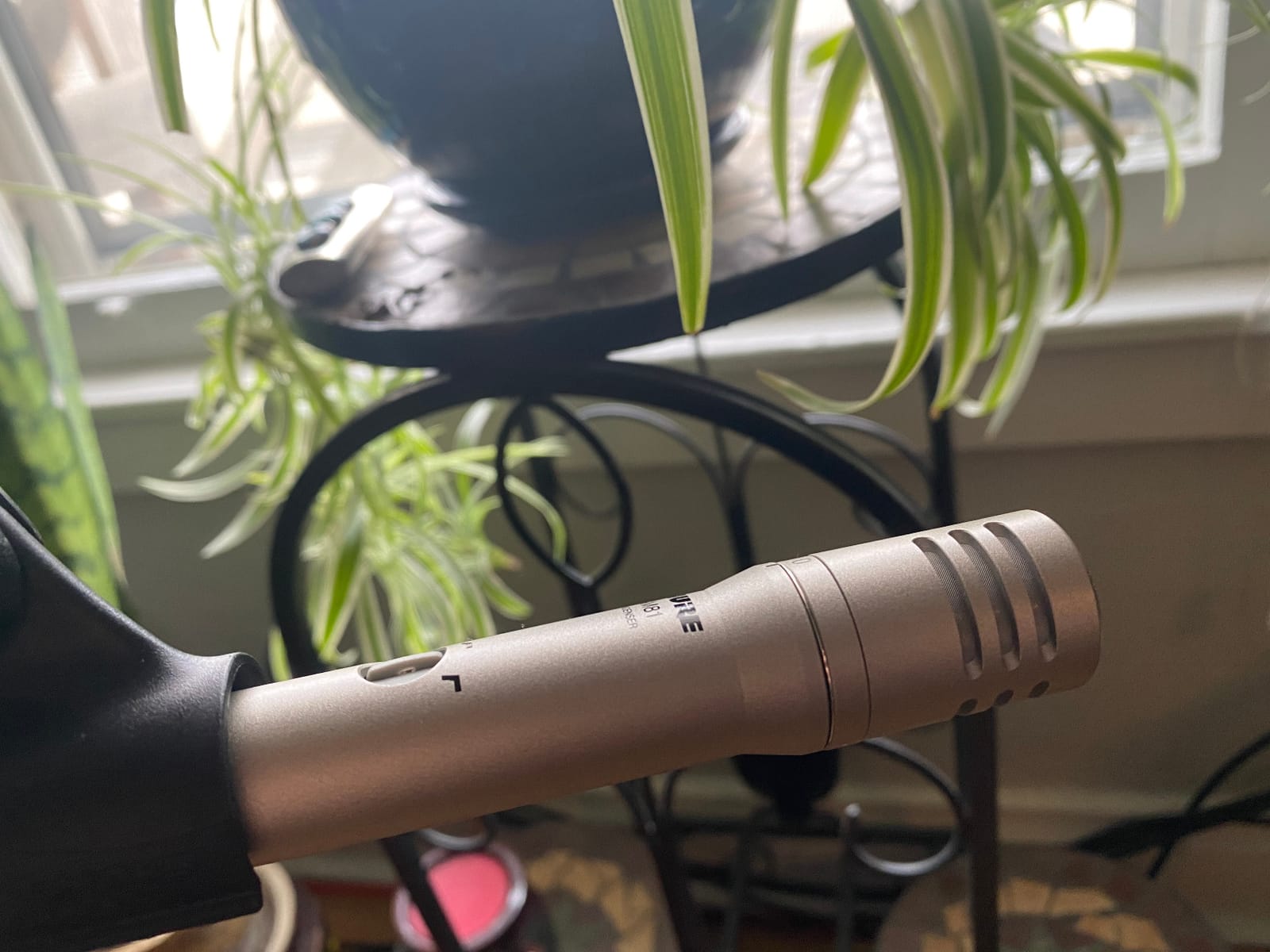
The Shure SM81 is the microphone that every professional engineer I’ve worked with recommends for acoustic guitar. Its flat frequency response from 20 Hz to 20 kHz captures your guitar exactly as it sounds — no hype, no coloration, just honest reproduction. Every major competitor roundup and Google’s own AI Overview names the SM81 as the top recommendation for acoustic instruments.
During my testing, the SM81 revealed details in my guitar tone that I’d never heard before. The subtle overtones of a fingerpicked chord, the resonance of the body, and the decay of each note came through with remarkable clarity. The selectable low-frequency rolloff (flat, 6 dB/octave, or 18 dB/octave) lets you control proximity effect and rumble without touching an EQ.
Where the SM81 truly shines is in its off-axis rejection. Sounds coming from the sides and rear are captured at significantly lower levels, which means less room coloration in your recordings. This cardioid consistency holds across the frequency range — something cheaper condensers struggle to achieve. Forum users on r/audioengineering describe it as the consensus “if you can only have one mic” recommendation.
The rugged steel construction has earned the SM81 a reputation for lasting decades. Engineers who bought SM81s in the 1980s are still using the same units today. The lockable 10 dB attenuator switch handles high-SPL sources if you ever need to point it at something louder than an acoustic guitar.
Ideal Recording Environment for the SM81
The SM81 rewards good room acoustics. In a treated studio or even a well-furnished bedroom, it captures a balanced, professional sound that sits perfectly in a mix. If your room has flutter echoes or excessive reverb, consider adding some acoustic treatment first — our guide on how thick acoustic panels need to be covers what you need to know.
Setting Up the SM81 for Acoustic Guitar
Position the SM81 about 8 to 12 inches from your guitar, aimed at the 12th fret area — not the sound hole, which produces boomy, unbalanced tone. This placement captures a natural blend of body resonance and string articulation. For detailed mic placement techniques, check our single microphone recording guide.
3. Audio-Technica AT2020 – Best Budget Condenser for Beginners
Audio-Technica AT2020 Cardioid Condenser Studio XLR Microphone, Ideal for Project/Home Studio Applications, Black
Large-diaphragm condenser
20 Hz-20 kHz
Cardioid
Phantom power
Pros
- Outstanding value and reliable build quality
- Clear and detailed professional sound reproduction
- Excellent sensitivity and high SPL handling
- Cardioid pattern rejects room noise well
- Long-lasting durability reported across many years
Cons
- Requires 48V phantom power and separate audio interface
- XLR cable not included
- Some users report higher self-noise compared to premium mics
- Sensitive to plosives without a pop filter
The Audio-Technica AT2020 has been the go-to recommendation for home studio builders for over two decades, and for good reason. With over 15,000 reviews and a 4.7-star rating, it’s proven itself in thousands of recording environments. If you’re starting your recording journey and need a microphone that delivers professional-quality acoustic guitar recordings without a professional budget, this is it.
I’ve used the AT2020 on dozens of acoustic guitar sessions, and its custom-engineered low-mass diaphragm consistently delivers extended frequency response with surprisingly good transient response. It captures the attack of a pick on strings cleanly and reproduces the warm resonance of a dreadnought body without muddiness.
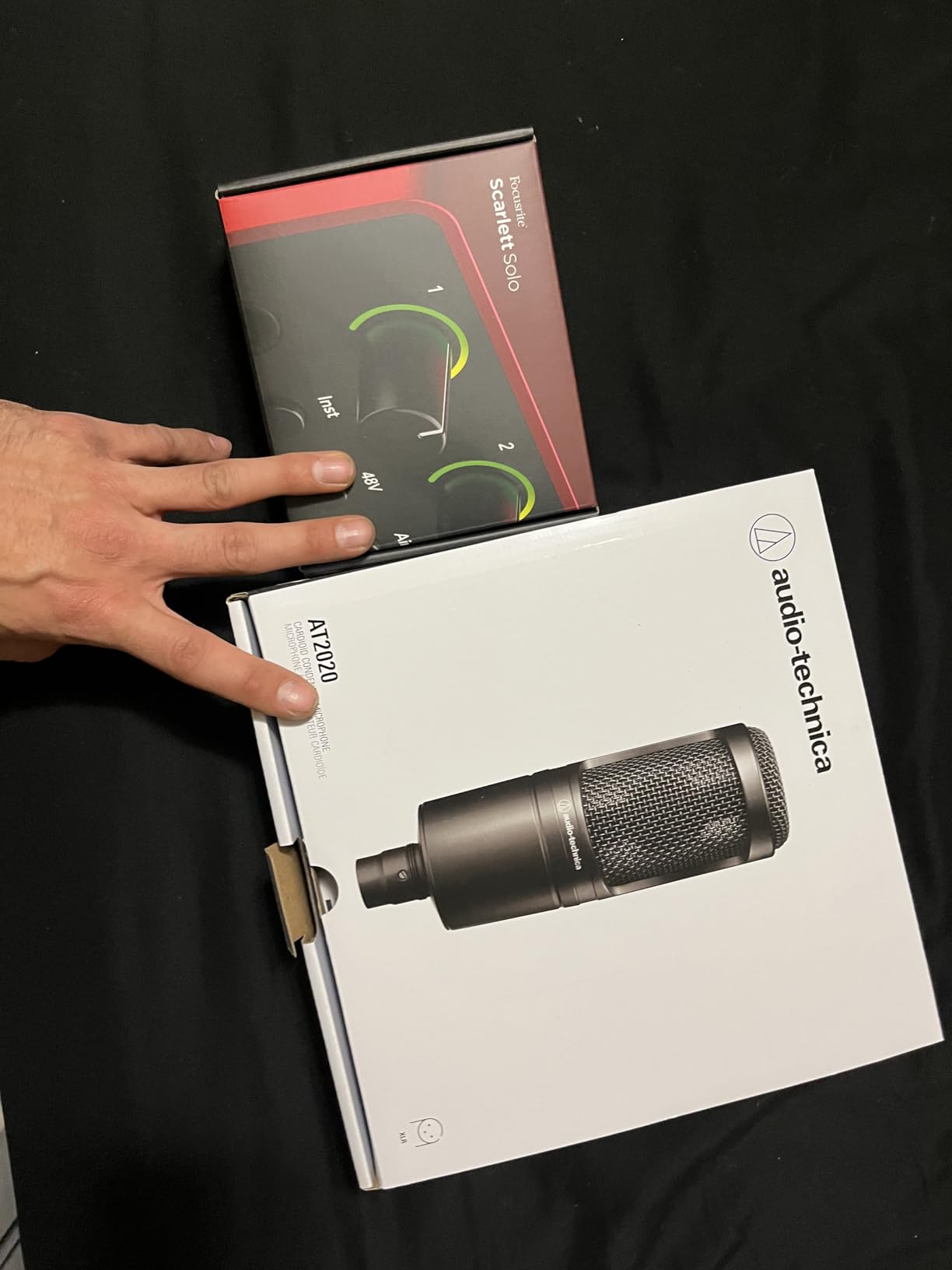
The cardioid polar pattern on the AT2020 does solid work rejecting sounds from the sides and rear. In a home studio where you might have a computer fan humming or traffic noise outside, this rejection translates to cleaner recordings with less post-processing needed. The high SPL handling means you can also use it on louder sources like guitar amps if needed.
One caveat from long-term users: the AT2020’s self-noise is slightly higher than premium condensers. In quiet passages of fingerstyle guitar, you might notice a subtle hiss if you crank the gain. For most recording situations this is negligible, but if you’re recording very quiet classical guitar passages, investing in a lower-noise mic makes more sense.
What You Need to Use the AT2020
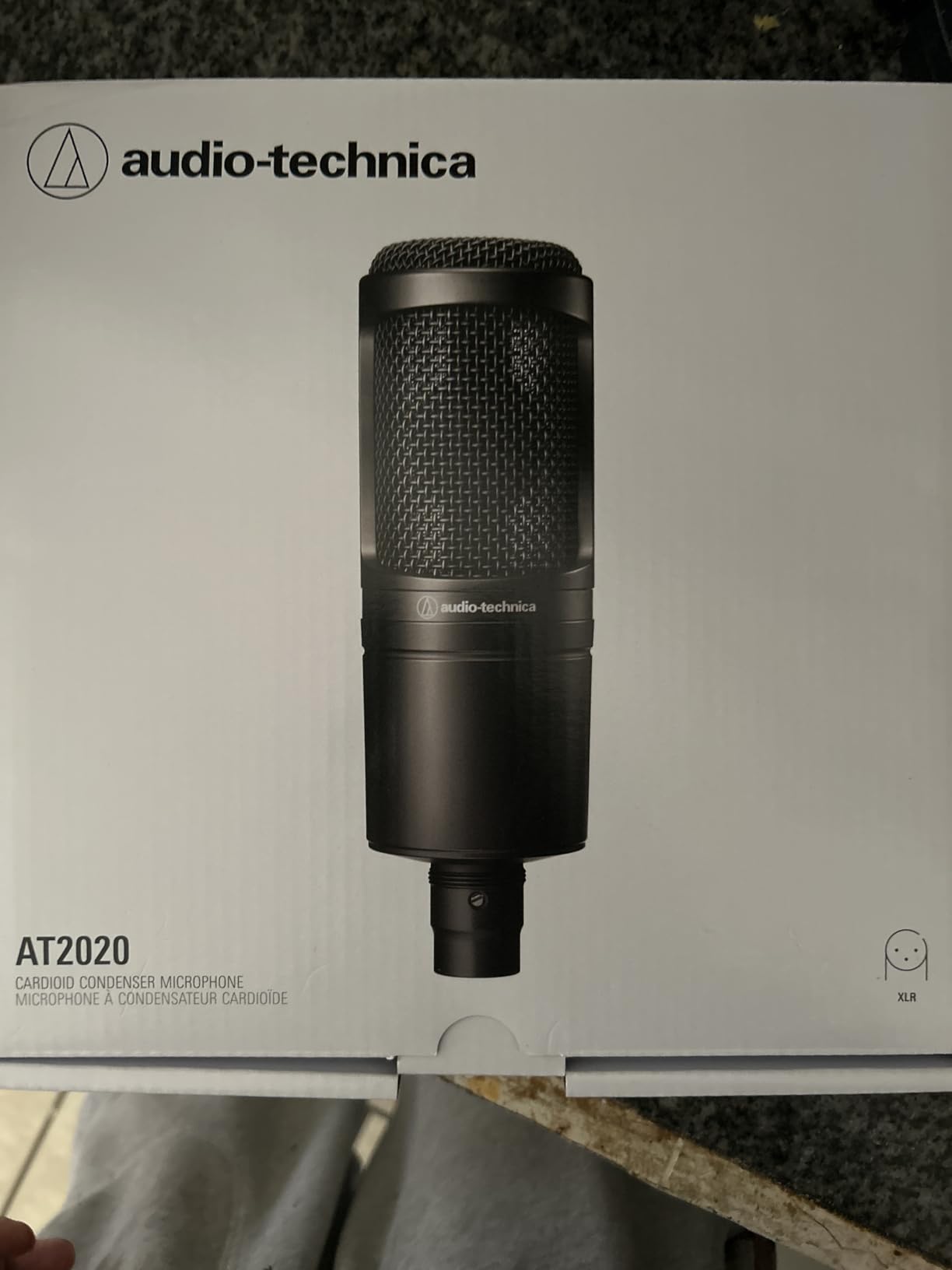
The AT2020 is an XLR condenser that requires 48V phantom power, so you’ll need an audio interface or mixer. A Focusrite Scarlett Solo or 2i2 pairs well with it and provides clean gain. You’ll also need an XLR cable and a mic stand or boom arm — none of these are included with the microphone itself.
AT2020 vs AT2035: Which Should You Choose
The AT2035 adds a switchable 80 Hz high-pass filter and 10 dB pad, plus includes a shock mount. If your budget allows, the AT2035’s extra features give you more flexibility for different recording scenarios. But if every dollar counts, the AT2020 delivers 90% of the same sound quality and lets you upgrade later when your skills and needs grow.
4. RODE NT1 Signature Series – Most Compact Condenser in Its Class
RØDE NT1 Signature Series Studio Condenser Microphone, Black
Large-diaphragm condenser
4 dBA self-noise
Cardioid
Phantom power
Pros
- Extremely low self-noise at 4 dBA
- Clean and warm detailed vocal capture
- Complete accessory bundle with shock mount
- pop filter
- and XLR cable
- Excellent cardioid rejection of room noise
- 10-year warranty with registration
Cons
- Requires 48V phantom power and audio interface
- No built-in low-cut filter or pad
- Some users find it lightweight in the hand
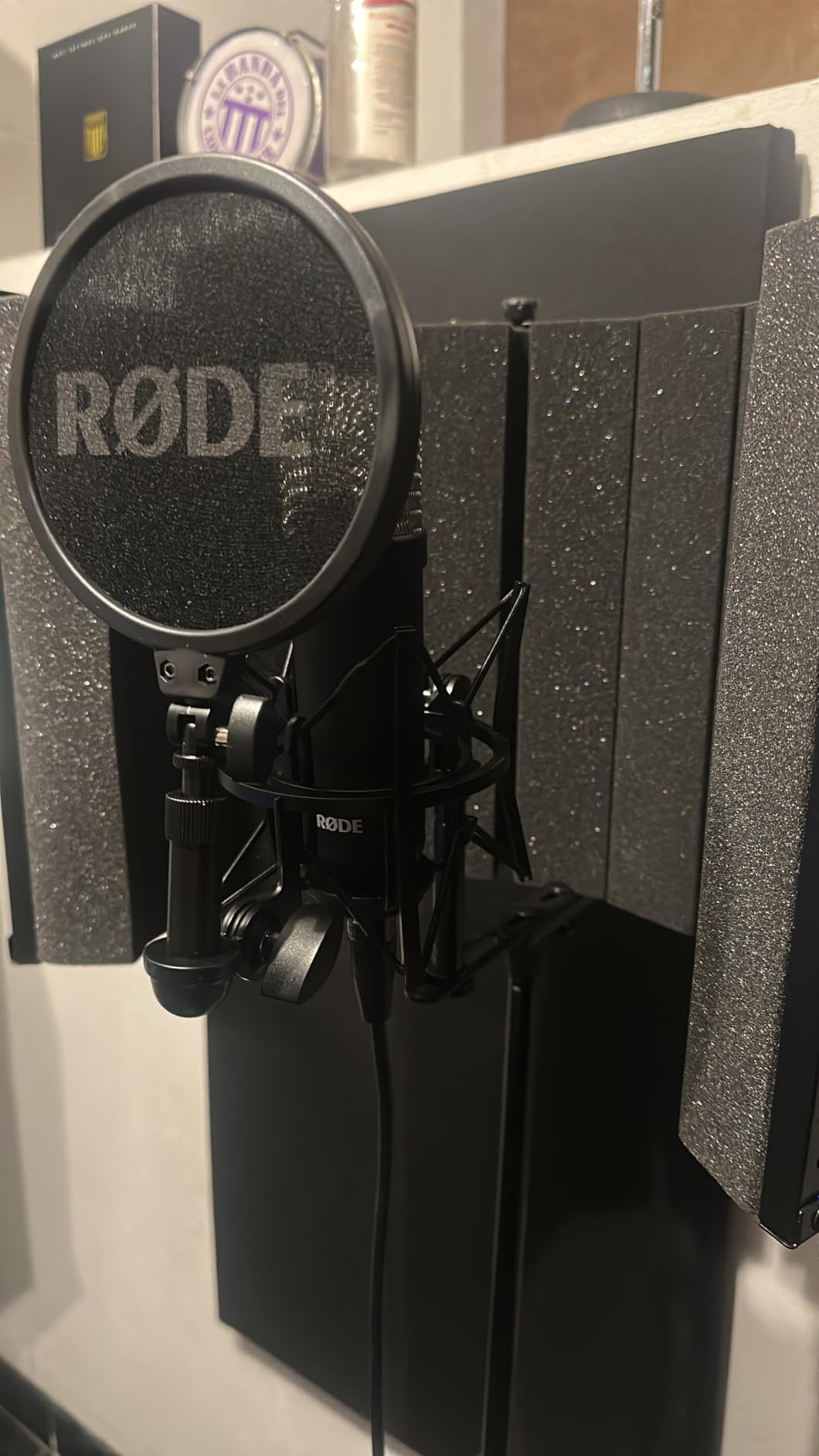
The RODE NT1 Signature Series boasts a self-noise figure of just 4 dBA — making it one of the quietest studio condensers available at any price point. For acoustic guitar recording where you want to capture every subtle harmonic and quiet passage without any audible hiss, that low noise floor is a genuine advantage. RODE includes a shock mount, pop filter, and 6-meter XLR cable, so you can start recording immediately.
I tested the NT1 on both steel-string and nylon-string guitars and was impressed by its warm, detailed character. The HF6 1-inch true condenser capsule delivers a smooth frequency response that flatters acoustic guitar without sounding overly bright or harsh. It handles high SPL gracefully, so hard strumming won’t cause distortion or clipping.
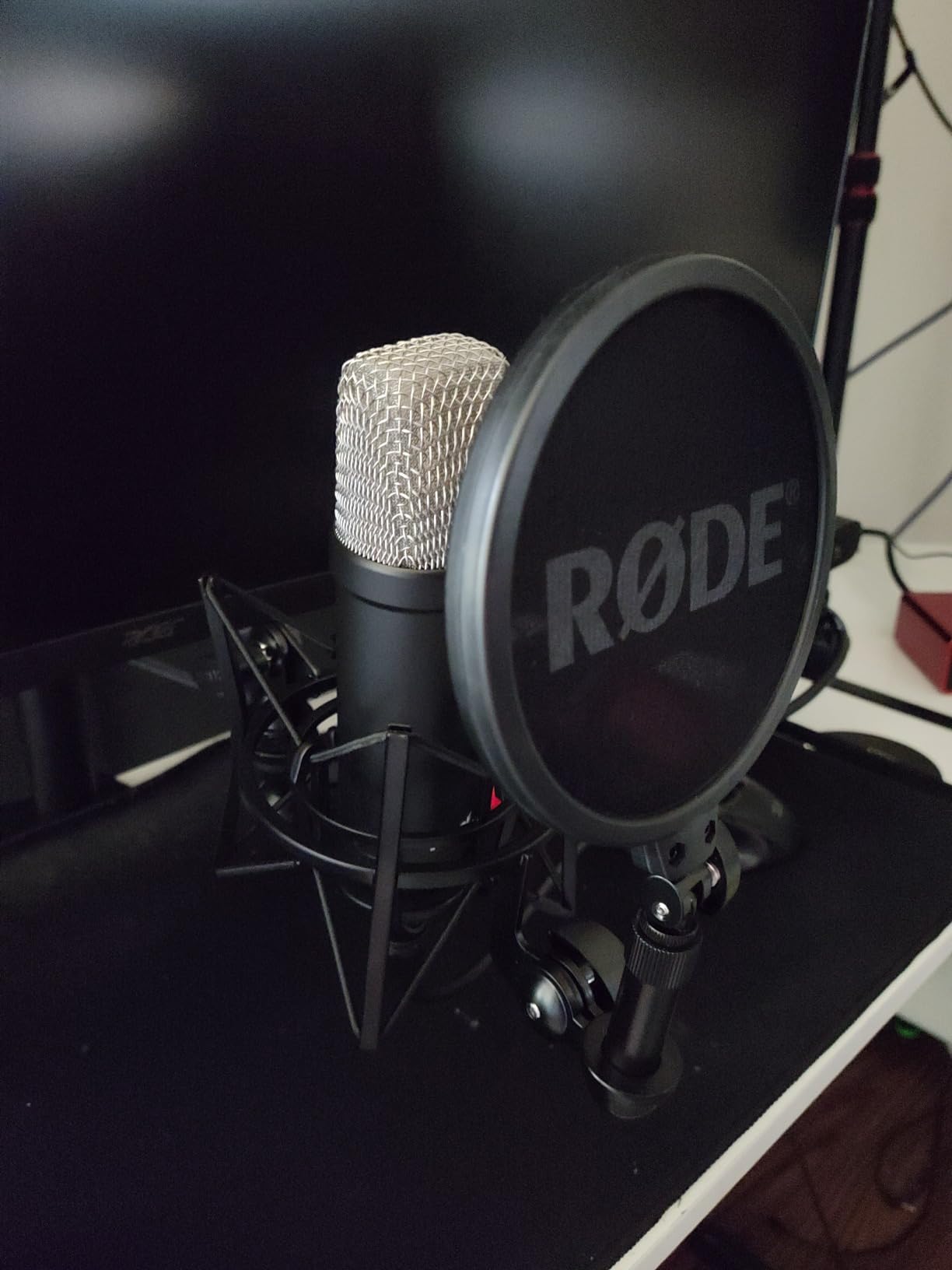
The complete accessory package makes the NT1 exceptional value for home studio builders. A quality shock mount alone can cost a significant fraction of what this entire package costs, and having one included means your recordings are immediately isolated from stand vibrations and foot traffic.
Where the NT1 falls slightly short is in its lack of onboard controls. There’s no high-pass filter or pad switch, so you’ll need to handle those functions through your audio interface or in post-production. For acoustic guitar recording this rarely matters, but if you plan to also use the mic on drums or brass, those switches would be helpful.
Why Self-Noise Matters for Acoustic Guitar
When recording quiet fingerstyle passages, the microphone’s self-noise becomes part of your signal. At 4 dBA, the NT1’s noise floor is virtually inaudible even at high gain settings. This means cleaner recordings with less noise reduction needed in post-production — preserving the natural dynamics and subtle details of your playing.
Registering for the 10-Year Warranty
RODE offers an extended 10-year warranty when you register the NT1 on their website. Given the microphone’s build quality and the length of that coverage, it’s one of the strongest long-term investments in this roundup. The warranty covers manufacturing defects and component failures over a full decade of use.
5. Audio-Technica AT2035 – Best Value Studio Workhorse
Audio-Technica AT2035 Cardioid Condenser Microphone, Perfect for Studio, Podcasting & Streaming, XLR Output, Includes Custom Shock Mount
Large-diaphragm condenser
20 Hz-20 kHz
Cardioid
Phantom power
Pros
- Warm and natural sound with low self-noise
- Built-in 80 Hz high-pass filter and 10 dB pad
- Includes custom shock mount
- High SPL handling for loud sources
- Excellent price-to-performance for studio use
Cons
- Requires 48V phantom power and audio interface
- Some users note the mic is heavy and requires a sturdy boom arm
- Carry case is flimsy and shock mount lacks secondary locking mechanism
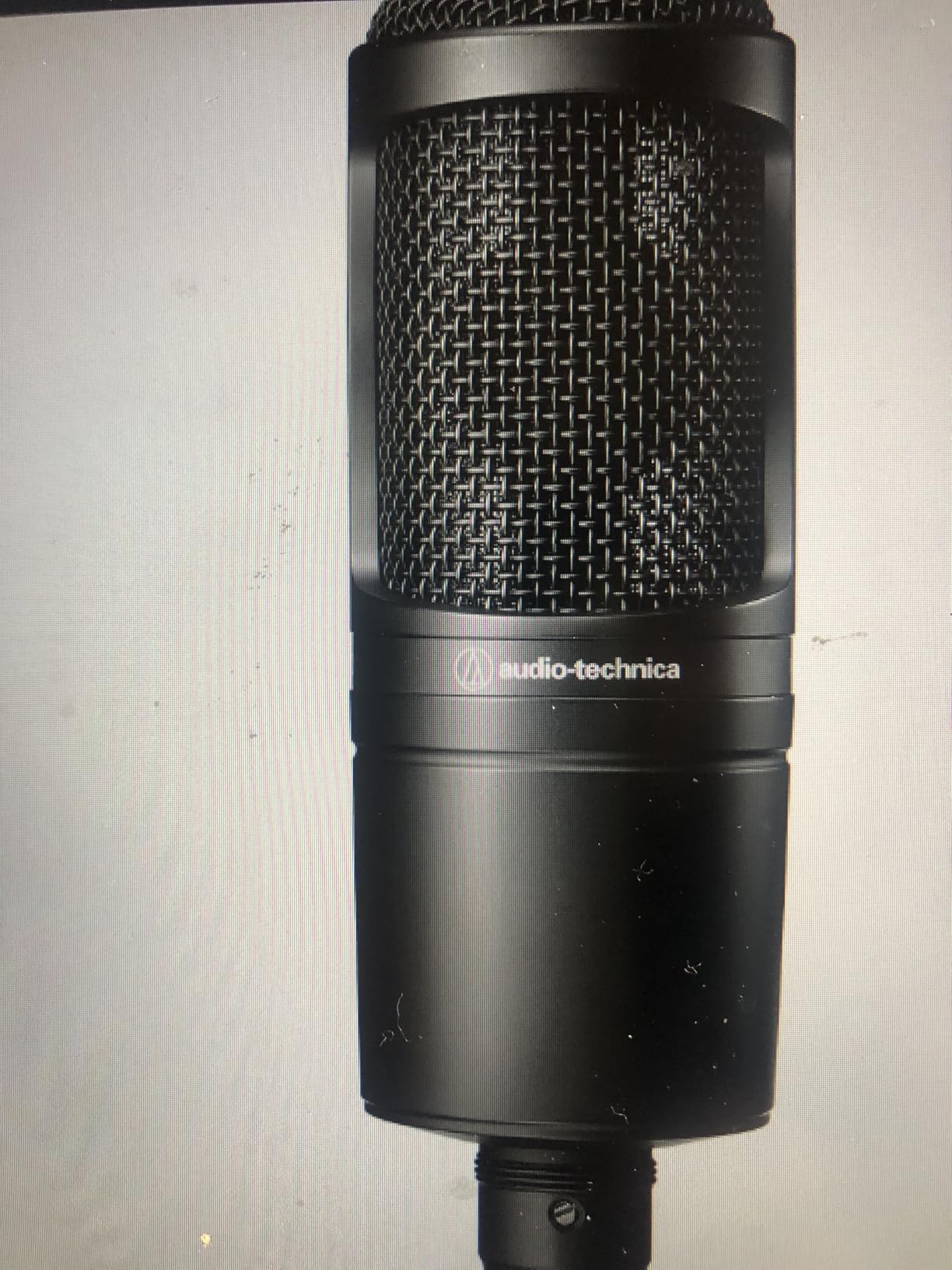
The Audio-Technica AT2035 takes everything that makes the AT2020 great and adds professional features that working engineers actually need. The switchable 80 Hz high-pass filter eliminates low-end rumble and proximity effect with a flick of a switch. The 10 dB pad lets you place it close to loud sources without overloading. And the included custom shock mount saves you from buying one separately.
During side-by-side testing with the AT2020, the AT2035 delivered a slightly warmer, smoother character with noticeably lower self-noise. The large diaphragm produces that full, rich tone that makes acoustic guitar recordings sound expensive. It captures the woody resonance of a mahogany-back guitar and the bright shimmer of a spruce top with equal confidence.

The AT2035’s cardioid pattern provides excellent rejection of room noise and bleed from other instruments. In a home studio where you might be recording guitar and vocals on separate tracks, this isolation keeps your mixes clean. Professional engineers on audio forums regularly recommend it as a versatile workhorse that punches above its price class.
The high SPL handling means you can also use it on guitar amps, percussion, and brass if needed. For home studios and project studios, the AT2035 hits a sweet spot of quality and affordability that’s hard to argue with. It may not have the boutique cachet of a Neumann, but it delivers professional results consistently.
When to Use the High-Pass Filter
Engage the 80 Hz high-pass filter when recording close to the guitar — within 6 inches — to counteract proximity effect, which boosts low frequencies unnaturally. It’s also useful for reducing handling noise, foot stomps, and air conditioning rumble. For distance miking at 12 inches or more, leave the filter off to capture the guitar’s full low-end body.
Shock Mount Placement Tips
The included shock mount isolates the AT2035 from vibrations traveling through your mic stand. Make sure the mount’s elastic bands are properly seated and not twisted. If you’re in a room with wooden floors, the shock mount prevents foot traffic from creating low-frequency thumps in your recordings.
6. AKG Pro Audio P420 – Best Multi-Pattern Condenser
AKG Pro Audio P420 Multi-Pattern Condenser Microphone with Shock Mount and Case. Great for ensemble recording, grand piano, woodwind, brass instruments, drums and percussion. Black and Gold.
Large-diaphragm condenser
3 polar patterns
Cardioid, Omni, Figure-8
Phantom power
Pros
- Three selectable polar patterns for maximum versatility
- Warm and detailed low-noise sound
- Switchable attenuation pad handles high SPL up to 155 dB
- Includes spider shock mount and aluminum carrying case
- Solid metal build quality
Cons
- Requires 48V phantom power and quality audio interface
- Sensitive diaphragm picks up ambient noise in untreated rooms
- Diaphragm may degrade with heavy kick drum use over time
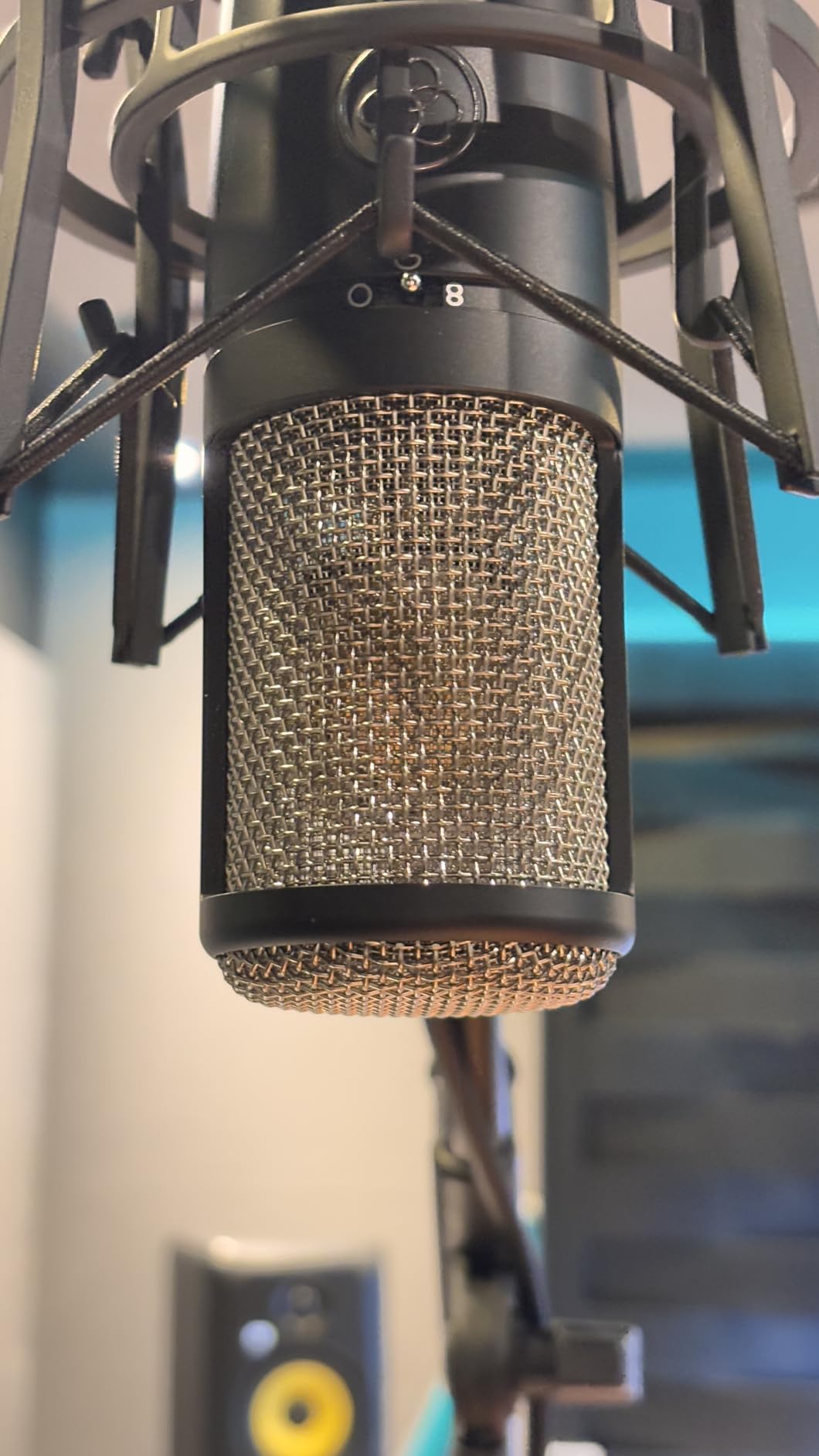
The AKG P420 stands out in this roundup because of its three switchable polar patterns: cardioid, omnidirectional, and figure-8. This versatility means one microphone can handle multiple recording scenarios that would otherwise require several different mics. For acoustic guitar, the cardioid pattern works for standard single-mic recording, while the figure-8 pattern opens up mid-side recording techniques.
In cardioid mode, the P420 captures a warm, detailed sound with low noise. The 1-inch dual-diaphragm capsule delivers the full frequency range of an acoustic guitar with smooth high-end rolloff that prevents harshness. AKG’s transformerless output design provides high dynamic range with excellent sound isolation.
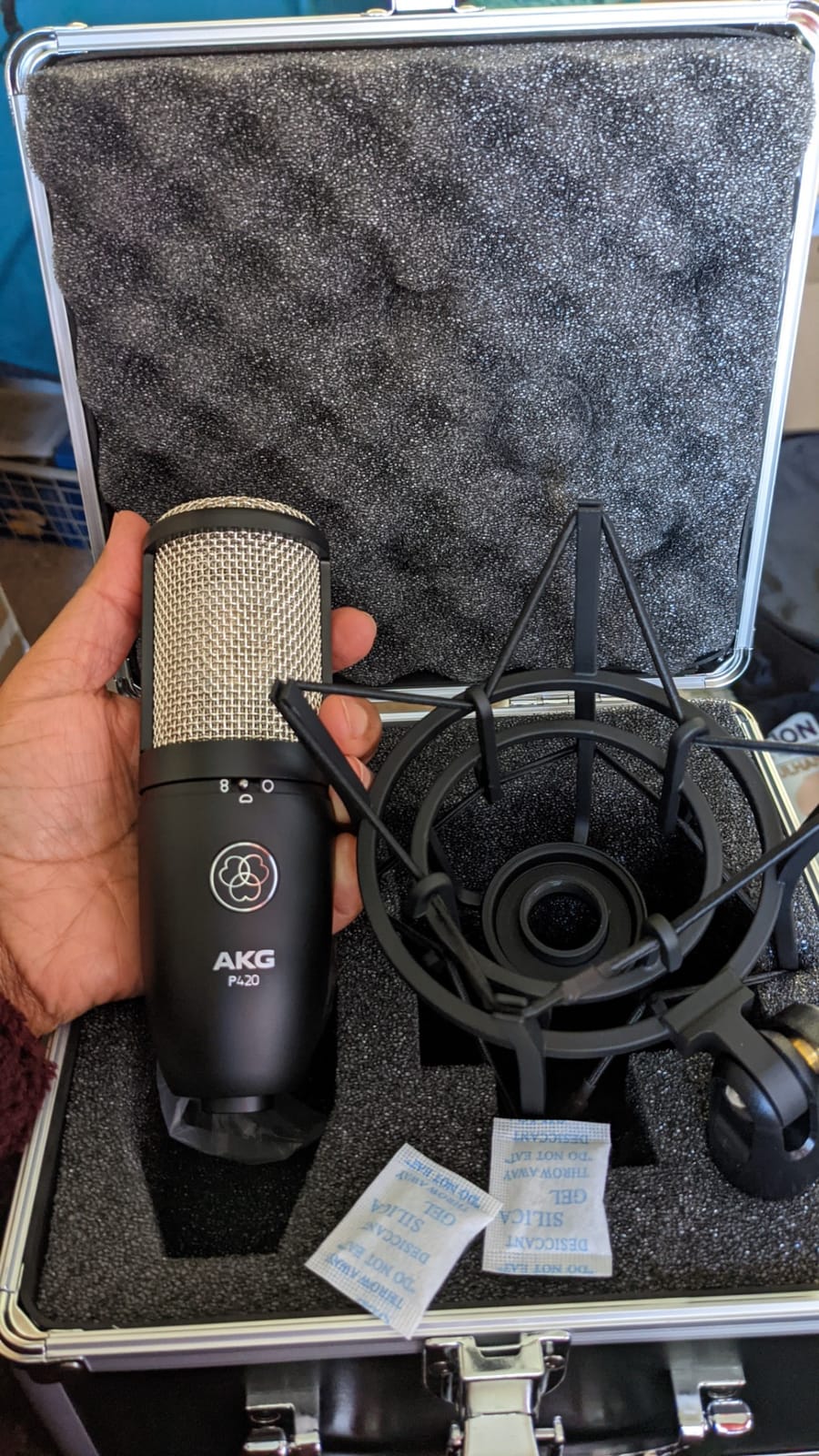
The switchable attenuation pad handles SPL levels up to 155 dB — far beyond anything an acoustic guitar produces. But it’s useful if you also plan to use the P420 on guitar amps, kick drums, or brass instruments. The switchable low-cut filter helps manage proximity effect and room rumble without external processing.
The included spider shock mount and aluminum carrying case add genuine value. The shock mount provides superior isolation from vibrations, and the case protects the mic during transport to gigs and sessions. Build quality is excellent — the metal body feels substantial and professional in hand.
Using Figure-8 for Mid-Side Recording
The figure-8 pattern on the P420 enables mid-side (MS) recording technique with a second microphone. Point the P420 in figure-8 mode sideways while a cardioid mic faces the guitar directly. This creates a stereo image you can adjust in post-production — widening or narrowing the stereo field to taste without re-recording.
Best Acoustic Guitar Recording Position for the P420
In cardioid mode, place the P420 about 10 inches from the 12th fret, angled slightly toward the sound hole. The large diaphragm captures more room ambience than a small-diaphragm mic, so give yourself at least 8 inches of distance to avoid an overly intimate, close-miked sound that lacks natural space.
7. SAMSON C02 – Best Matched Pair for Stereo Recording
SAMSON C02 Pencil Condenser Microphones
Small-diaphragm condenser pair
20 Hz-20 kHz
Cardioid
Matched within 0.5 dB
Pros
- Matched pair within 0.5 dB for accurate stereo imaging
- Wide frequency response capturing acoustic guitar in detail
- Solid build quality with gold-plated XLR connectors
- Includes protective carry case
- shock mounts
- and windscreens
- Excellent value for matched pencil condenser pair
Cons
- Requires 48V phantom power
- Highly sensitive and picks up plosives and ambient noise without proper technique
- Foam windscreen can muffle sound unless modified
If you want to record acoustic guitar in stereo, the SAMSON C02 matched pair delivers impressive accuracy at a fraction of what premium matched pairs cost. Each pair is matched within 0.5 dB sensitivity, ensuring your stereo image is precise and balanced. The small-diaphragm pencil design captures transient detail that larger mics often smooth over.
During my stereo recording tests using XY configuration, the C02 pair produced a natural, wide stereo field with excellent instrument placement. The guitar sat centered in the mix with subtle room reflections spreading to the sides. For acoustic guitar recordings that need to sound spacious and three-dimensional, stereo miking with a matched pair transforms the listening experience entirely.
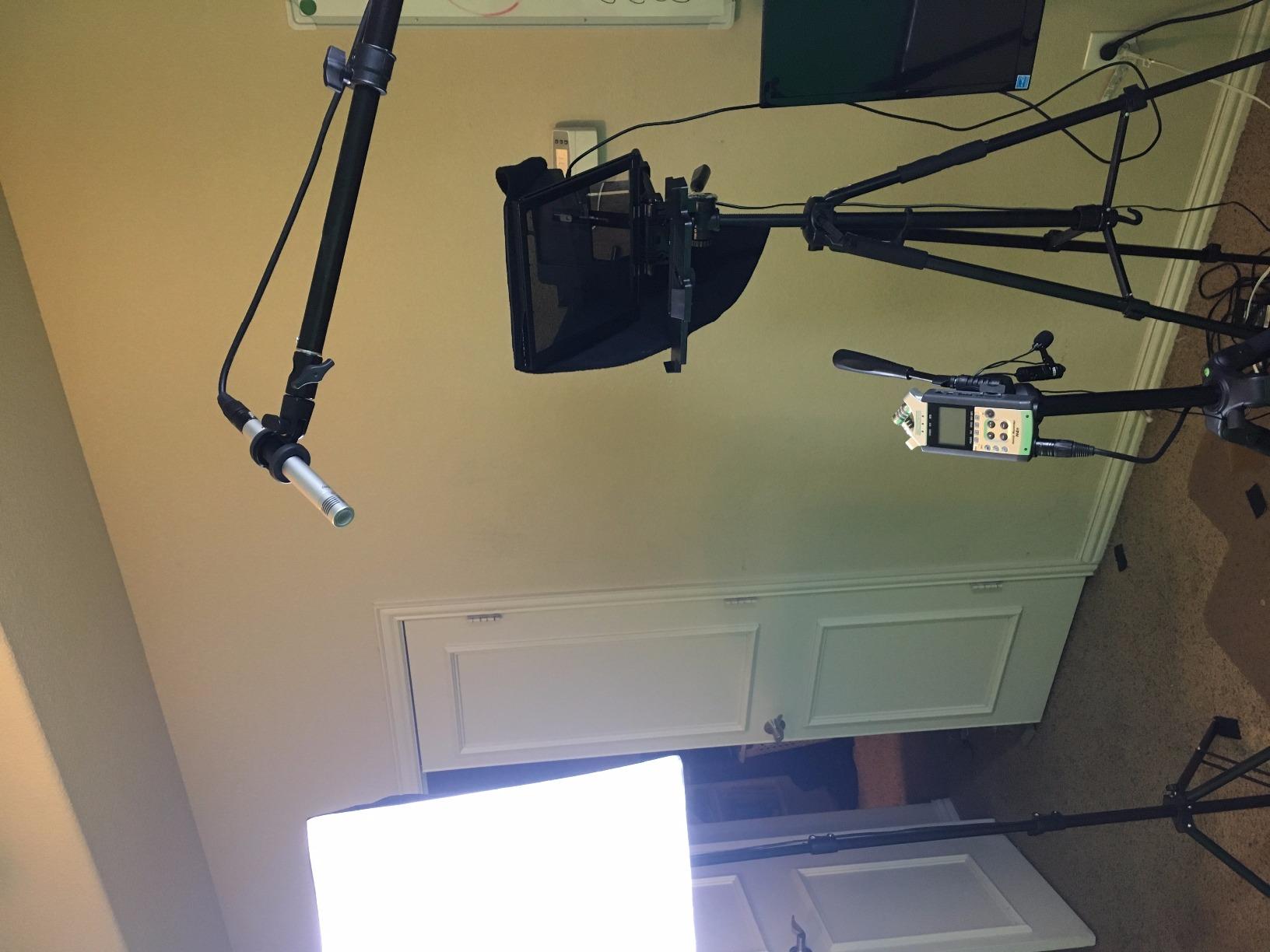
The cardioid pickup pattern on each C02 provides effective feedback rejection, making these mics usable in live settings as well as the studio. The gold-plated XLR connectors ensure reliable signal transfer, and up to 134 dB SPL handling means they tolerate louder sources without distortion or clipping.
One thing to note: the C02 mics are very sensitive, which is a double-edged sword. In a quiet, treated room, that sensitivity captures beautiful detail. In an untreated bedroom with a computer fan running, it captures everything — including the fan. Proper room treatment makes a significant difference. Our acoustic treatment coverage guide explains how much absorption you actually need.
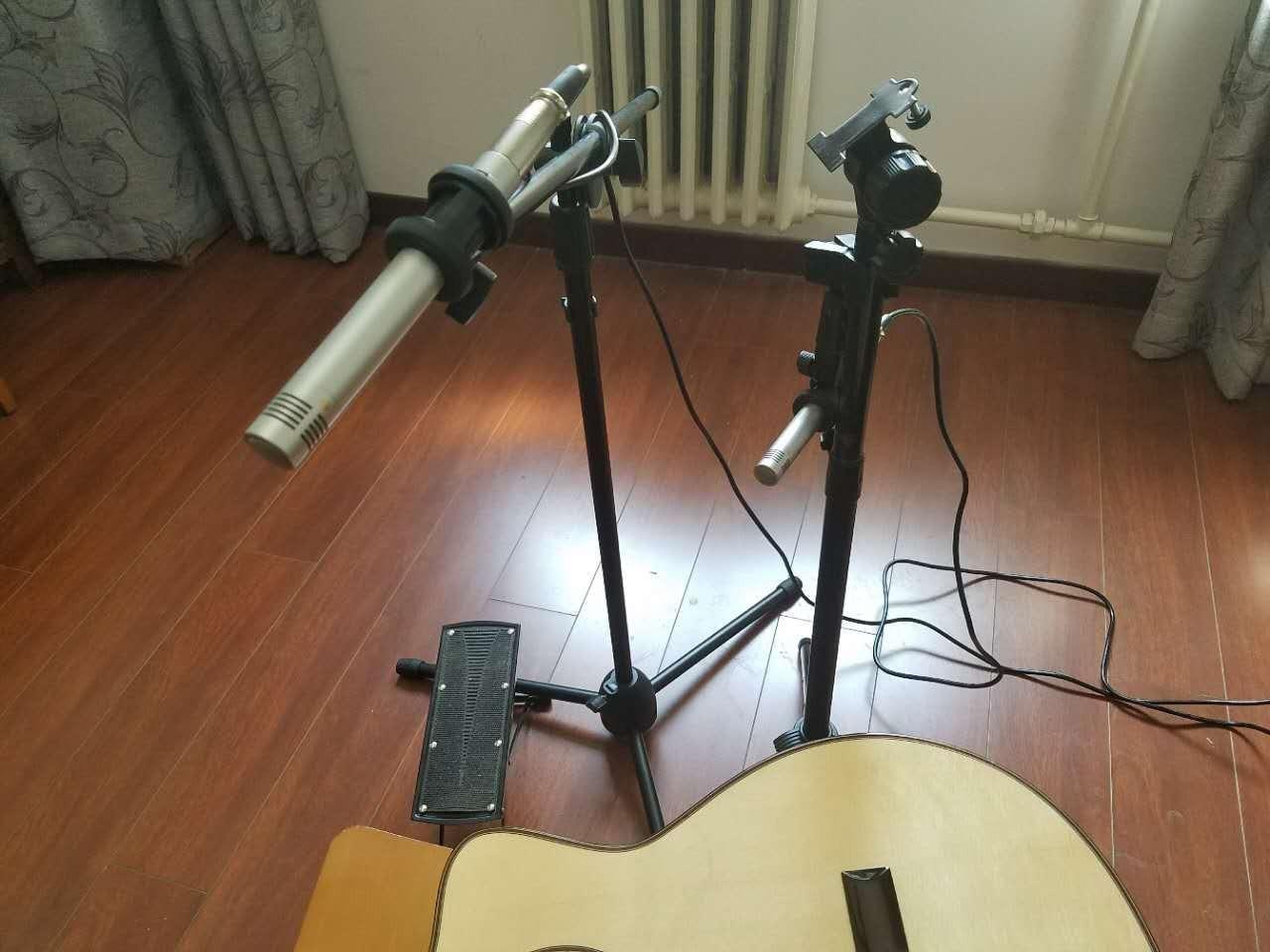
XY vs Spaced Pair Configuration
For XY stereo recording, angle the two C02 mics at 90 to 120 degrees with capsules as close together as possible. This technique produces a mono-compatible stereo image with minimal phase issues. Spaced pair (A/B) placement — mics 12 to 24 inches apart — creates a wider stereo field but requires careful monitoring for phase cancellation between the two signals.
Why Matching Tolerance Matters
A 0.5 dB matching tolerance means both microphones in the pair have nearly identical sensitivity and frequency response. If the mics were mismatched by several dB, one side of your stereo recording would be louder or tonally different from the other — creating an unbalanced, unprofessional result that’s difficult to fix in post-production.
8. Rode M5 Matched Pair – Best for Detailed Stereo Guitar Recording
Rode M5 Compact 1/2″ Condenser Microphone Matched Pair, XLR
Small-diaphragm condenser pair
20 Hz-20 kHz
Cardioid
1 dB matching
Pros
- Carefully matched pair within 1 dB sensitivity
- Very low self-noise
- Full frequency response with natural flat sound
- Compact and durable brass construction
- 10-year extended warranty via registration
Cons
- No high-pass filter switch
- Requires 48V phantom power and separate XLR cables and stands not included
- Sensitivity can pick up humidity-related noise in some environments
The Rode M5 matched pair represents the sweet spot between budget stereo pairs and premium options from Neumann and AKG. Each pair is carefully selected with no more than 1 dB sensitivity variation, and the half-inch gold-sputtered capsules deliver a full 20 Hz to 20 kHz frequency response with remarkably low self-noise. Rode’s 10-year extended warranty (available with registration) demonstrates their confidence in the build quality.
I’ve used the M5 pair for XY and ORTF stereo recordings of acoustic guitar, and the results consistently impress. The brass construction gives these compact mics a solid feel without making them heavy on a stereo bar. The natural, flat sound character means your recordings faithfully represent what your guitar actually sounds like — no added color or artificial sweetness.
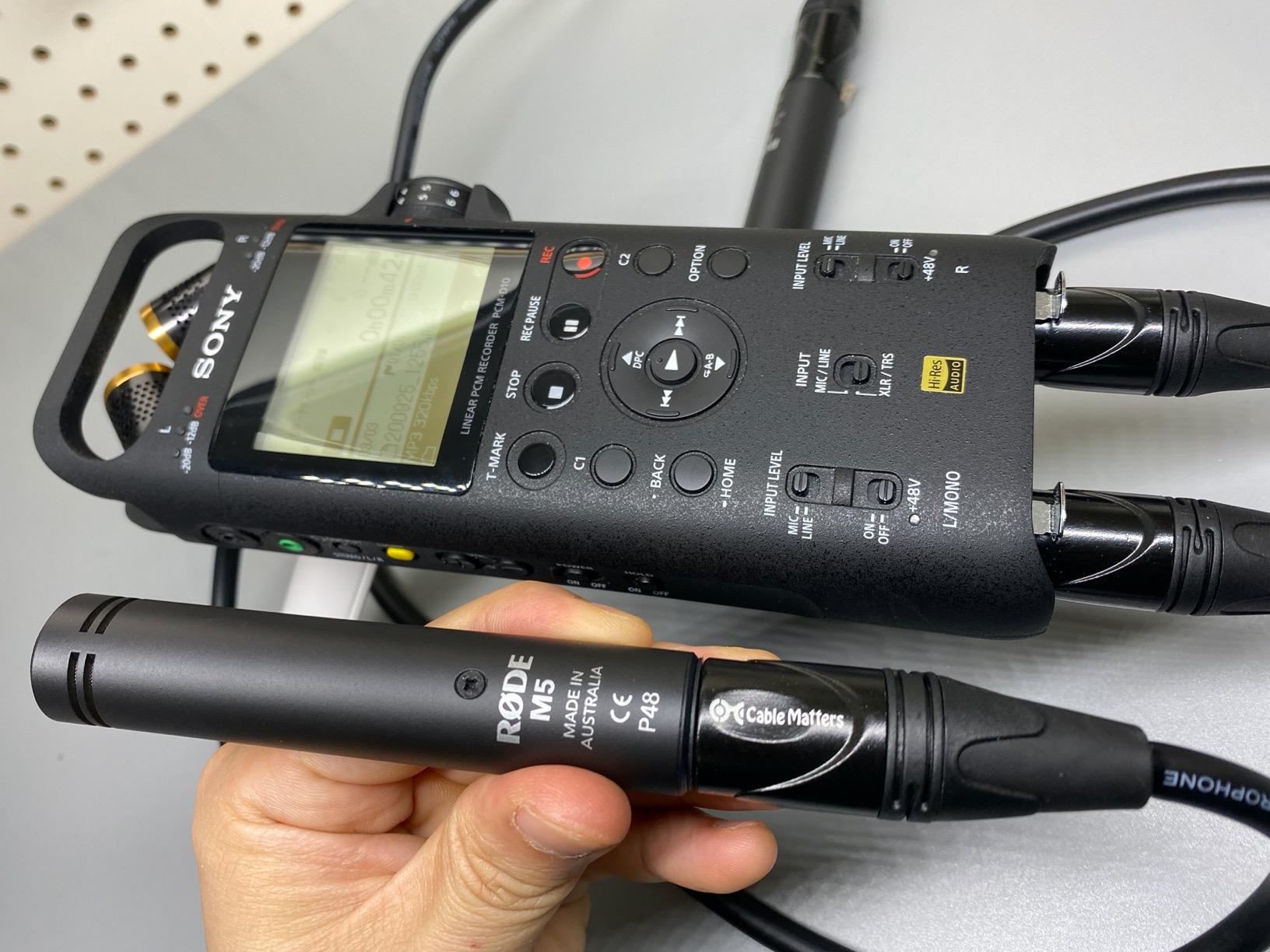
The M5 handles 140 dB SPL, which is more headroom than any acoustic guitar session will ever need. The included WS5 windshields help manage plosives and light wind noise if you’re recording near an open window or in a live environment. The mic clips included in the package mount to standard mic stands without additional hardware.
Where the M5 differs from the SAMSON C02 is in its noise floor and refinement. The M5 produces slightly cleaner recordings in quiet passages, which matters for intimate fingerstyle and classical guitar work. Matched pairs from Rode are popular on r/AcousticGuitar for stereo recording recommendations.
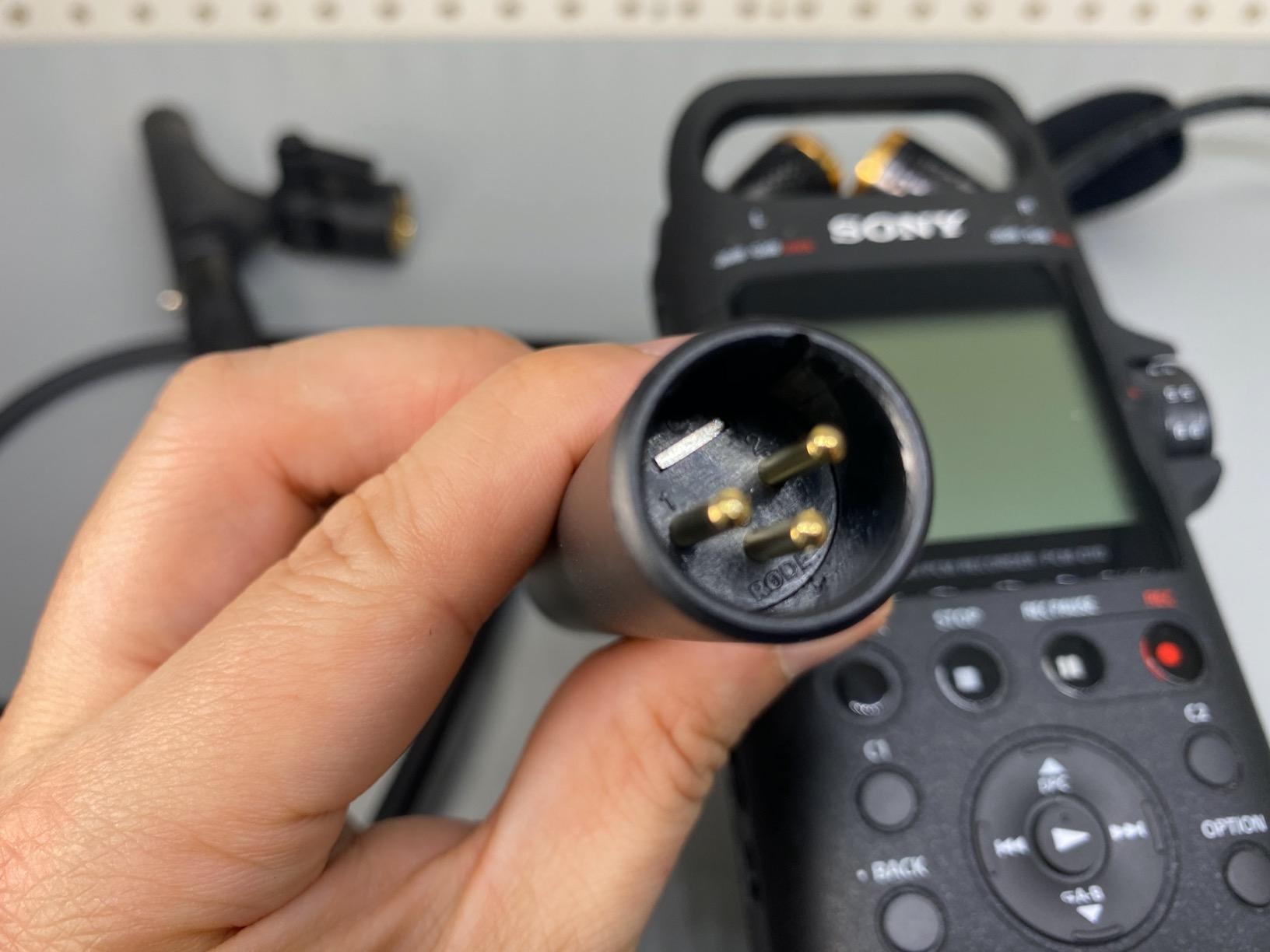
ORTF Technique with the Rode M5
For ORTF stereo recording, place the two M5 mics 17 cm apart at a 110-degree angle. This technique, developed by French broadcasters, creates a natural stereo image that closely matches human hearing perception. Point the array at the 12th fret of your acoustic guitar from about 16 inches away for a balanced, spacious recording.
Understanding the 10-Year Warranty
Rode’s extended warranty requires online registration within a specified period after purchase. The warranty covers manufacturing defects, capsule failures, and electronic component issues. Given that condenser microphones can develop problems with their diaphragms over years of use, a decade of coverage provides significant peace of mind.
9. LyxPro SDPC-2 – Most Versatile Stereo Pair with Swappable Capsules
LyxPro SDPC-2 Stereo Pair XLR Pencil Condenser Microphones, 3 Capsules
Small-diaphragm condenser pair
30 Hz-18 kHz
3 capsule patterns
Stereo pair
Pros
- Three interchangeable capsules for omni
- cardioid
- and super cardioid patterns
- Excellent value compared to premium SDC pairs
- Transparent and natural sound for instruments
- choir
- acoustic guitar
- and piano
- Complete kit with windscreens
- clips
- and aluminum case
- Solid metal construction with good weight
Cons
- Requires 48V phantom power and audio interface
- Some reports of paint flaking off the body
- Included mic clips can feel loose on some stands
- Case panels are hardboard rather than full aluminum
The LyxPro SDPC-2 does something no other microphone on this list offers: three interchangeable pickup pattern capsules per microphone. You get omni, cardioid, and super cardioid capsules in the box, meaning this one pair effectively functions as three different pairs of microphones. For acoustic guitar recording, that flexibility opens up techniques that single-pattern mics simply can’t match.
In cardioid mode, the SDPC-2 delivers a clean, transparent sound with good detail and low coloration. Switch to omni for a more open, room-inclusive capture that works beautifully in well-treated spaces. The super cardioid capsule provides even tighter pickup than cardioid, useful for isolating the guitar from other instruments in a live room or rehearsal setting.
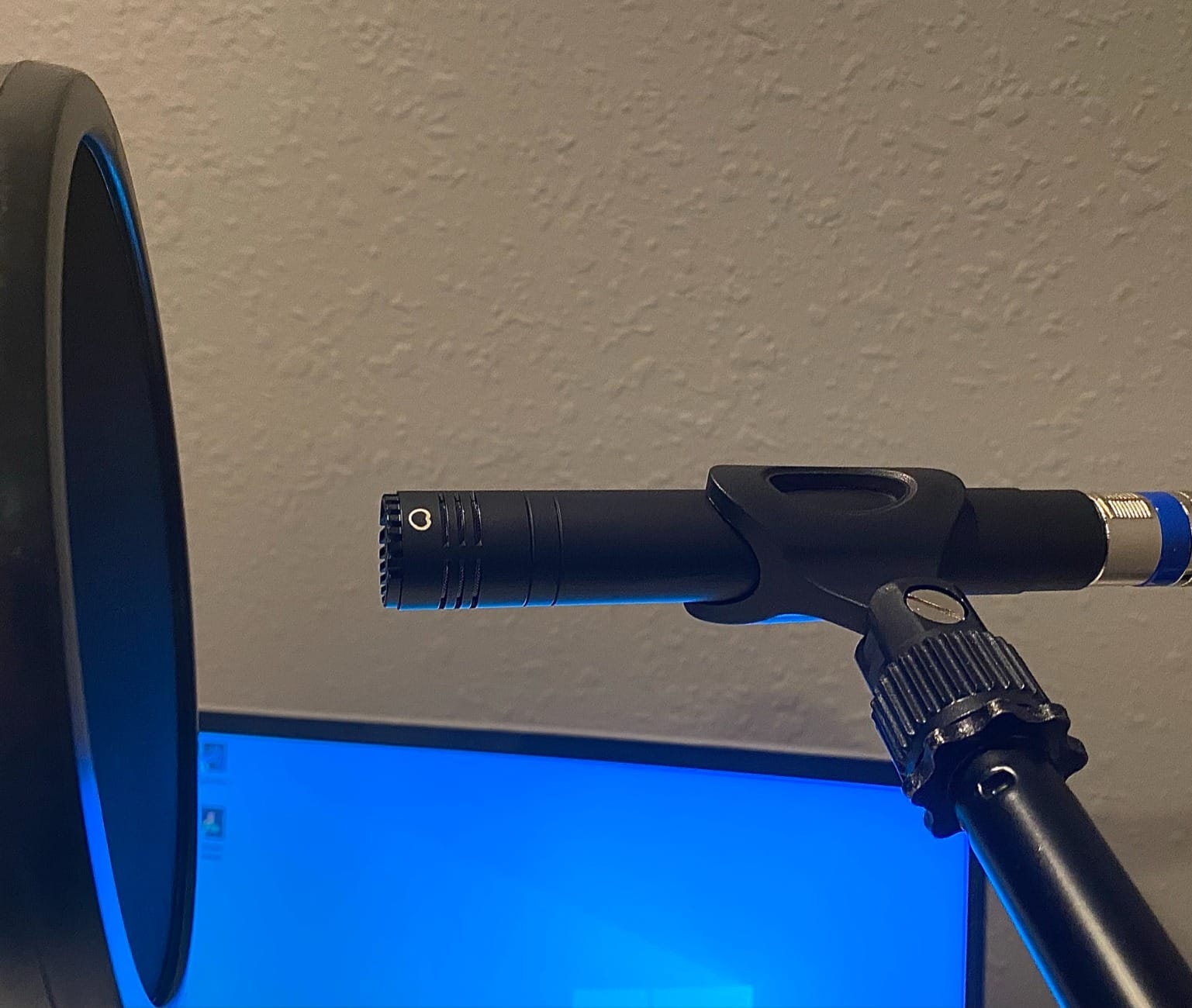
The wide 30 Hz to 18 kHz frequency response captures the full range of an acoustic guitar, from low-end resonance to high-frequency string shimmer. At -38 dB sensitivity, these mics are reasonably efficient and don’t demand excessive gain from your preamp. The complete kit includes foam windscreens, tilting mic clips, and an aluminum-style carrying case for transport.
Build quality is solid metal throughout, though some users report minor cosmetic paint flaking over time. This doesn’t affect the sound quality or performance, but it’s worth noting if appearance matters to you. Reviewers frequently compare the SDPC-2’s sound quality favorably against microphones from AKG and sE Electronics that cost several times more.
When to Use Omnidirectional Capsules
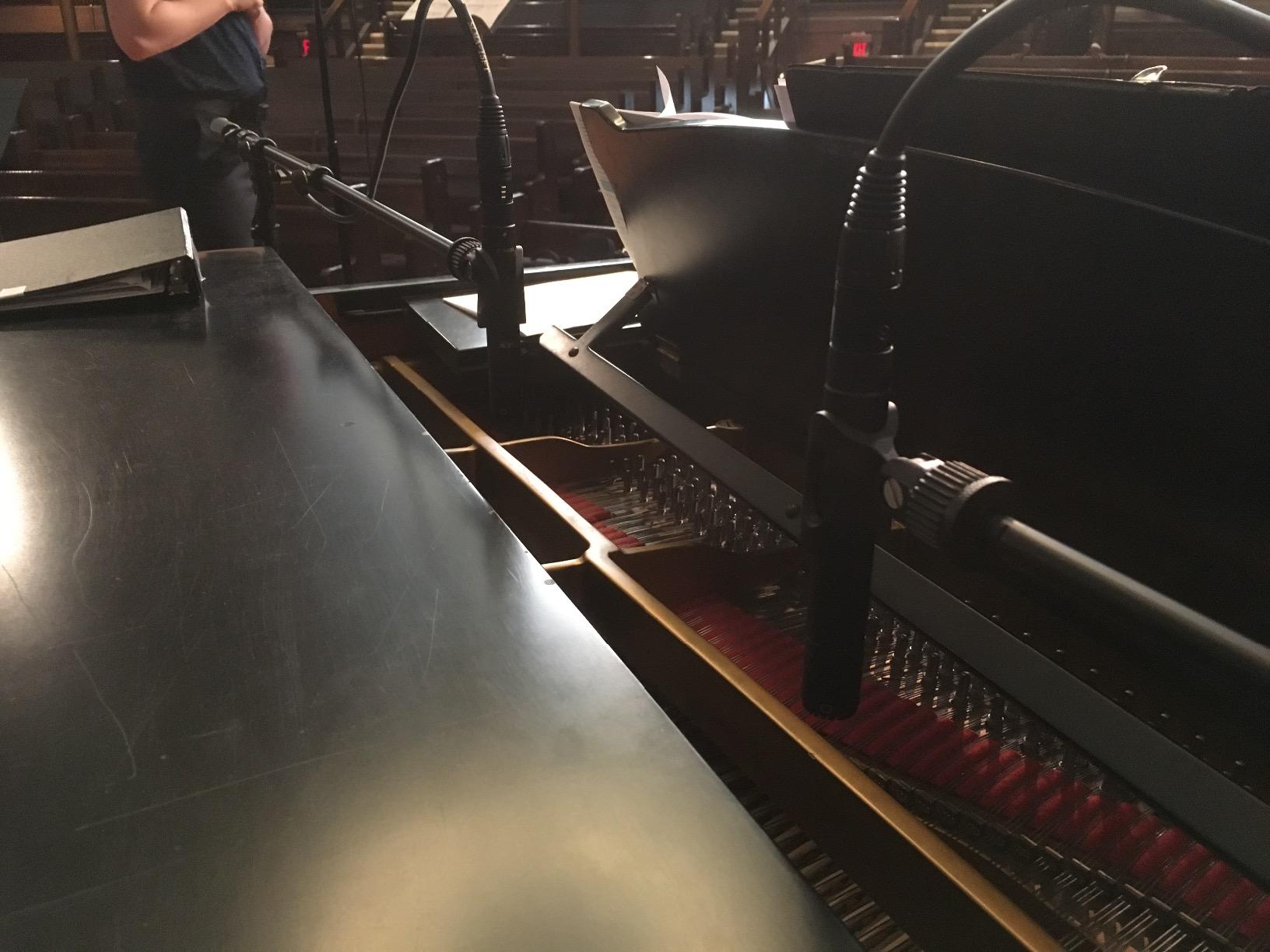
Omni capsules capture sound equally from all directions, which eliminates the proximity effect entirely. For acoustic guitar in a room with good natural reverb, omni recording produces a more open, honest sound than cardioid. The downside is that omni mics also capture more room noise and reflections, so your acoustic environment needs to be reasonably quiet and well-treated.
Comparing the SDPC-2 to Premium Alternatives
While the build refinement and long-term consistency of premium brands like Neumann and AKG remain superior, the LyxPro pair delivers professional-grade recordings that satisfy most home and project studio needs. The interchangeable capsule system adds versatility that even premium matched pairs don’t offer at any price.
10. Behringer C-2 – Best Budget Matched Stereo Pair
BEHRINGER C-2
Small-diaphragm condenser pair
Matched pair
Cardioid
Phantom power
Pros
- Matched pair at an extremely low price point
- Clear and detailed sound for the price
- Versatile for stereo recording
- drum overheads
- and choir
- Switchable low-cut filter and 10 dB pad
- Durable metal housing
Cons
- Higher self-noise compared to more expensive condensers
- Limited low-frequency response
- Sensitivity can capture unwanted background noise in untreated rooms
- Some reports of fragile external switch
The Behringer C-2 is the most affordable way to start recording acoustic guitar in stereo. As a matched pair of small-diaphragm condensers, it delivers genuine stereo recording capability at a price point that won’t strain a beginner’s budget. With over 2,800 reviews and a 4.6-star rating, thousands of home studio owners have validated its performance in real-world recording situations.
During testing, the C-2 pair captured a surprisingly detailed and balanced sound. The low-mass diaphragm provides an ultra-wide frequency response that handles acoustic guitar’s full range. The cardioid pickup pattern delivers effective feedback rejection, which makes these mics usable in live performance settings as well as the studio.
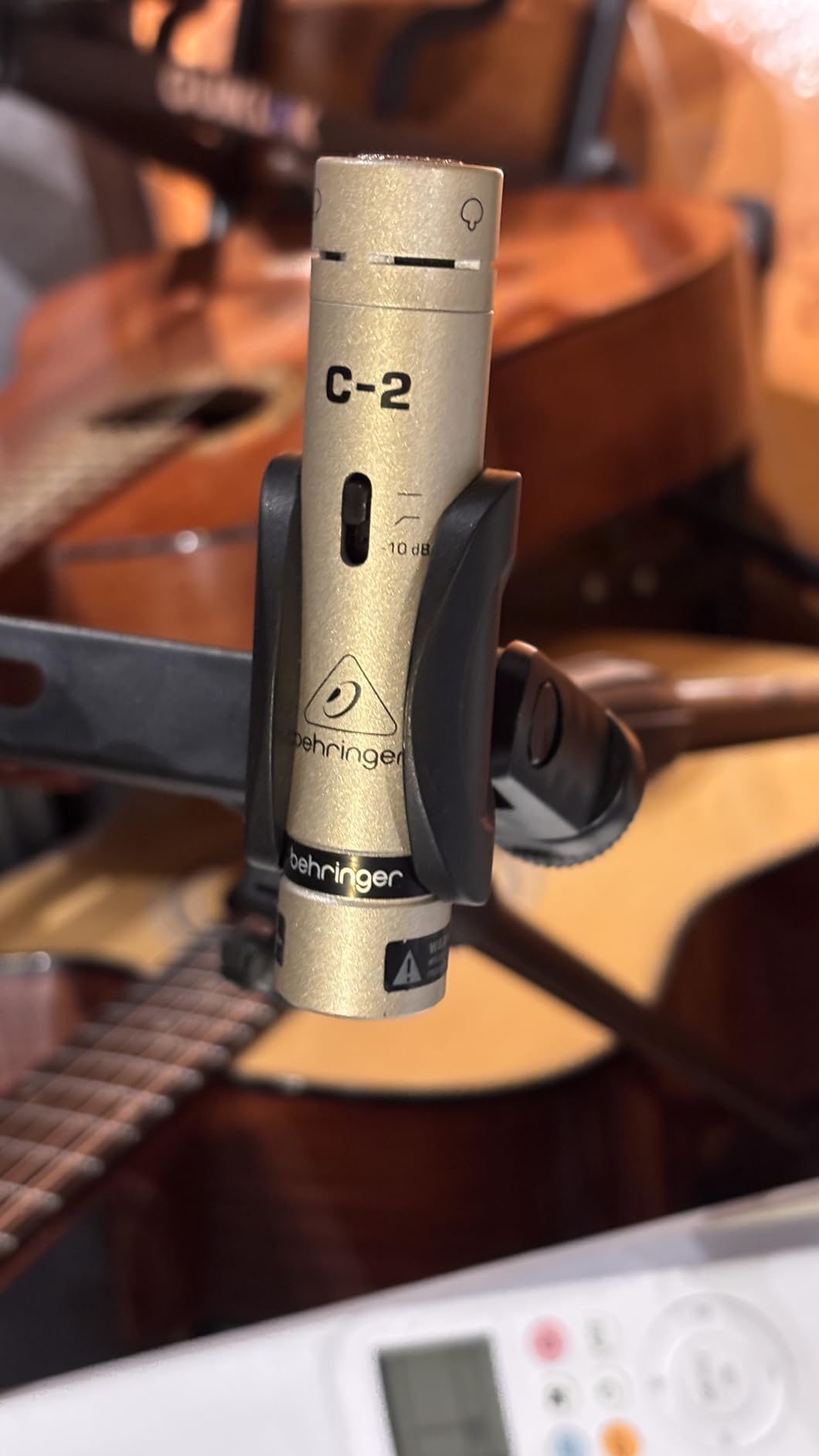
The switchable low-frequency roll-off and input attenuation (10 dB pad) are features you rarely find at this price point. The roll-off helps manage proximity effect and room rumble, while the pad handles louder sources without overloading the capsule. These switches show that Behringer designed the C-2 for real recording situations, not just spec sheets.
The honest limitation is self-noise. The C-2 produces more hiss than premium condensers at high gain settings. In a full mix with multiple instruments, this noise disappears into the arrangement. But for solo acoustic guitar recordings or quiet passages in fingerstyle playing, the noise floor may be audible. If that’s your primary use case, investing in the Rode M5 pair is worth the extra cost.
Getting the Most from Budget Condensers
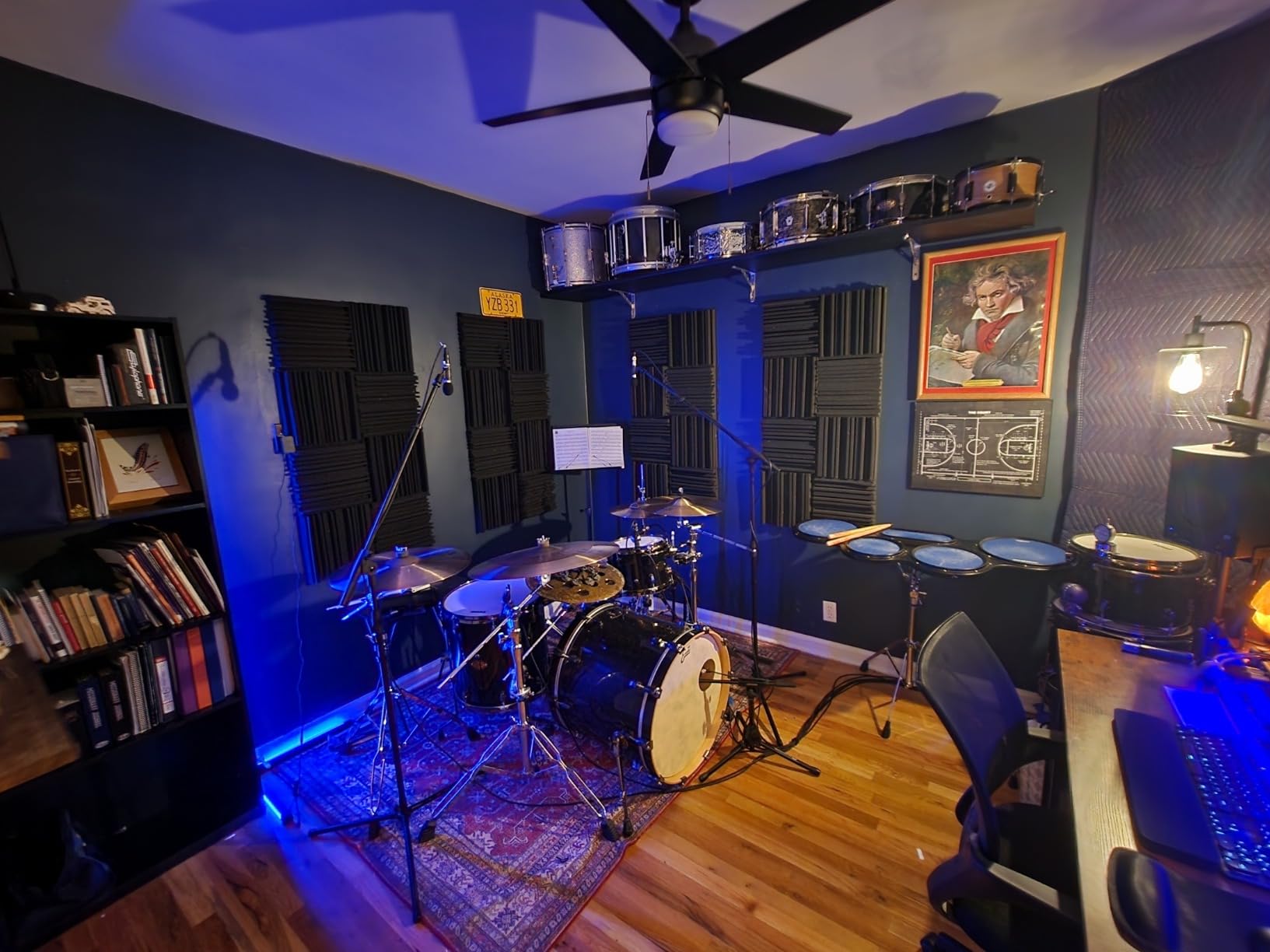
Budget condensers like the C-2 perform significantly better in treated rooms. Even basic absorption panels on the wall behind your recording position reduce early reflections and room coloration. The money you save on the microphone can go toward a few acoustic panels that improve every future recording you make in that space.
Matched Pair vs Two Individual Microphones
A matched pair means the manufacturer tested and paired two microphones with similar sensitivity and frequency response. Using two random individual mics for stereo recording creates imbalances — one side might be louder or brighter than the other. For stereo acoustic guitar recording, a matched pair is essential for a natural, centered stereo image.
11. MXL 990/991 Bundle – Best Starter Kit for Home Recording
MXL 990/991 Large & Small Diaphragm Condenser Microphone Bundle – Champagne
Large and small diaphragm condenser bundle
20 Hz-20 kHz
Cardioid
Phantom power
Pros
- Includes both large-diaphragm and small-diaphragm condenser in one bundle
- Comes with shock mount
- pop filter
- and 20 ft XLR cable
- Cardioid polar pattern reduces background noise
- Silky high end with smooth midrange and tight lows
- Great value for starter recording setup
Cons
- Requires +48V phantom power
- Large-diaphragm mic can sound a bit muddy without EQ
- Some reports of bundle shipping with missing 991 mic or weak hardware
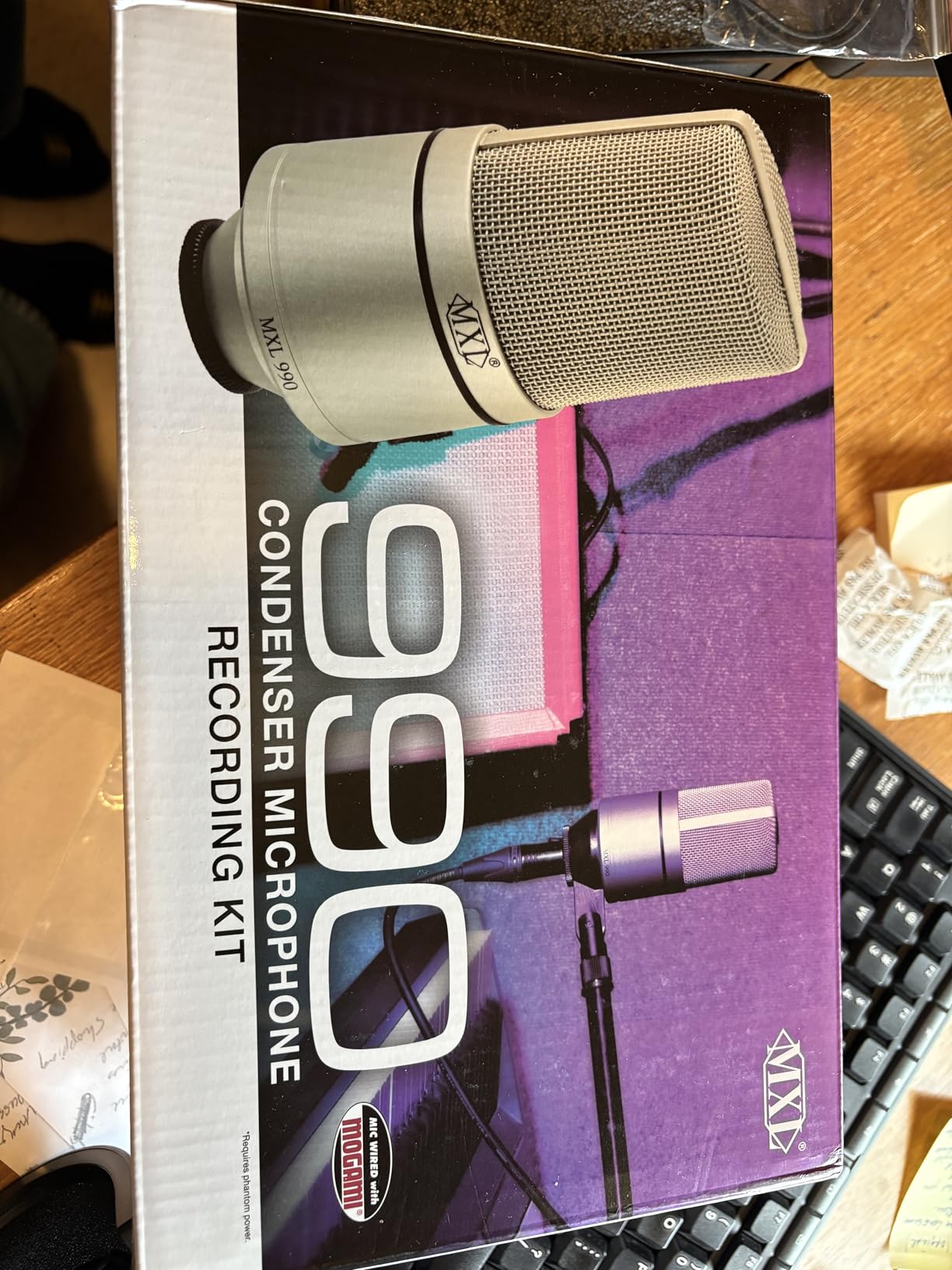
The MXL 990/991 bundle solves a common beginner dilemma: should you buy a large-diaphragm or small-diaphragm condenser? This kit includes both. The MXL 990 is a large-diaphragm condenser with a 6-micron gold-sputtered diaphragm and FET-based design, while the 991 is a small-diaphragm pencil condenser built for instrument recording. You also get a shock mount, pop filter, and 20-foot XLR cable.
For acoustic guitar specifically, the 991 pencil condenser is the star of this bundle. Its compact form factor and cardioid pattern capture detailed instrument recordings with a crisp, clear character. The 990 works well for vocals and can handle acoustic guitar too, though it produces a slightly warmer, fuller tone that some players prefer for strumming-heavy styles.
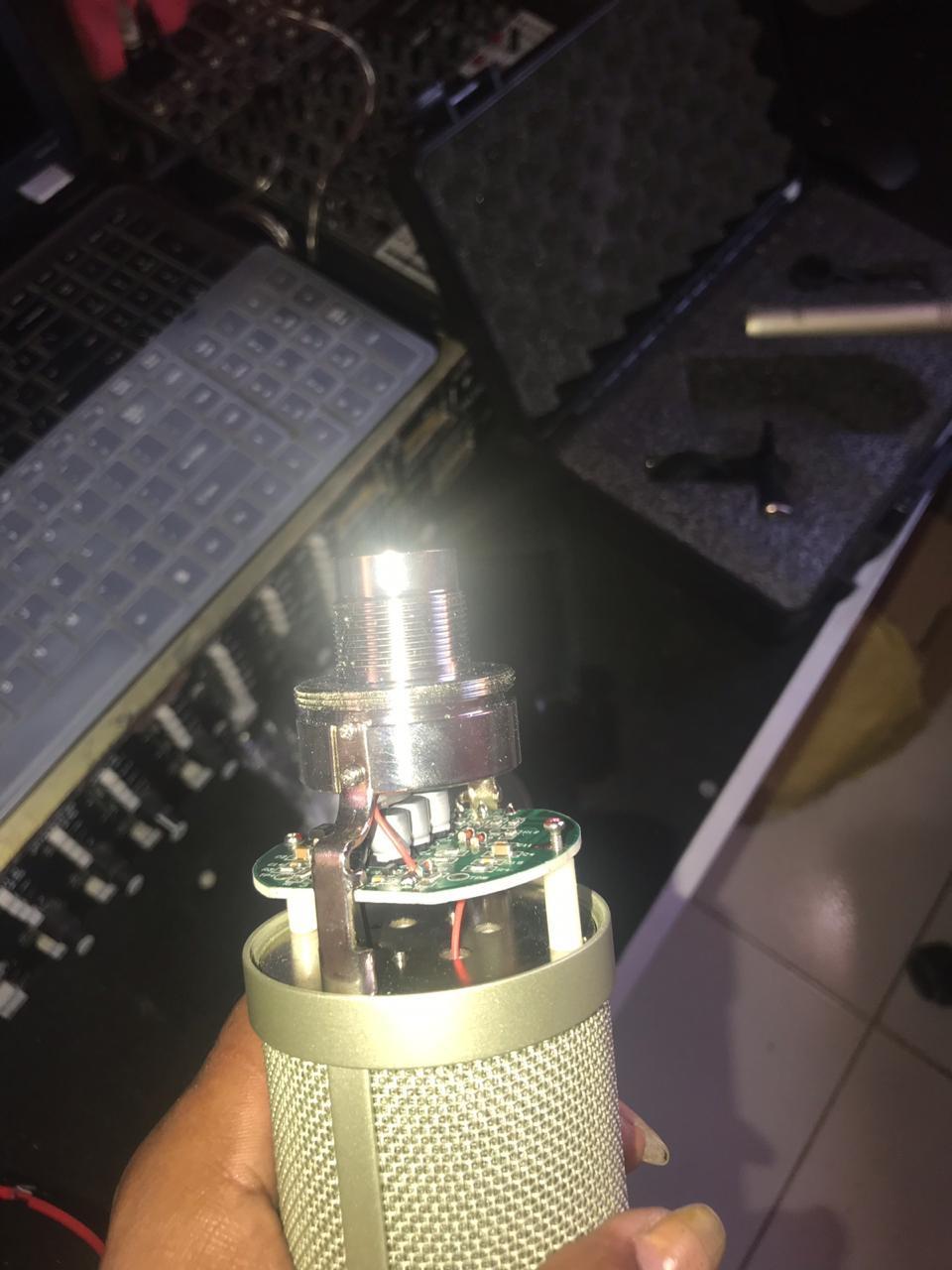
The FET-based design with transformer balanced output in the 990 delivers a character that many engineers describe as silky — sweet highs, smooth mids, and tight lows. For singer-songwriters who want to record both guitar and vocals, having both microphone types in one package means you can capture each source with the right tool for the job.
A few quality control concerns appear in user reviews: some bundles have shipped with the 991 mic missing, and the hardware on both mics isn’t as robust as premium alternatives. The 990 can also sound slightly bass-heavy without some EQ correction. These are manageable trade-offs at this price point, but they’re worth knowing before you commit.
Using the 991 for Acoustic Guitar Recording
Position the MXL 991 pencil condenser at the 12th fret, about 8 to 10 inches from the guitar body. Its small-diaphragm design provides better transient response than the larger 990, capturing pick attack and string detail more accurately. For the best results in a dual-purpose setup, use the 991 for guitar and save the 990 for vocals.
Upgrading from This Bundle
The MXL 990/991 is designed as a starting point, not an endgame. Once you’ve developed your recording skills and identified your preferences, you’ll know whether to invest in a premium small-diaphragm condenser like the Shure SM81 or a matched pair like the Rode M5. The techniques you learn with this bundle transfer directly to any upgrade path.
12. Behringer B-1 – Best Large-Diaphragm Value Condenser
Behringer B-1 Gold-Sputtered Large-Diaphragm Studio Condenser Microphone
Large-diaphragm condenser
Cardioid
Phantom power
Gold-sputtered capsule
Pros
- Gold-sputtered large-diaphragm capsule delivers warm detailed recordings
- Cardioid polar pattern reduces feedback and room noise
- Affordable large-diaphragm condenser for home studios
- Solid aluminum housing construction
Cons
- Requires 48V phantom power
- No built-in high-pass filter or pad switch
The Behringer B-1 brings large-diaphragm condenser technology to an accessible price point with a gold-sputtered capsule that delivers warm, detailed recordings. Its cardioid polar pattern provides effective sound source separation and feedback rejection, making it suitable for both studio recording and live applications with acoustic instruments.
As a pressure-gradient transducer with a shock-mounted diaphragm, the B-1 captures the full dynamic range of acoustic guitar playing. The large diaphragm naturally produces a slightly warmer, fuller character compared to small-diaphragm condensers — which can be flattering for thin-sounding guitars or fingerstyle playing that needs more body in the low-mids.
The aluminum housing feels solid and professional, and the microphone’s cardioid pattern rejects sound from the sides and rear effectively. For home studio builders who want the large-diaphragm sound without investing in a premium AKG or Neumann, the B-1 delivers respectable performance. It works particularly well as a vocal mic that doubles for acoustic guitar when needed.
Large vs Small Diaphragm for Acoustic Guitar
Large-diaphragm condensers like the B-1 produce a warmer, slightly more colored sound compared to the clinical accuracy of small-diaphragm models. For acoustic guitar, this means the B-1 adds a subtle richness that some players prefer — especially for solo recordings where the guitar needs to sound full and present. Small-diaphragm condensers capture more neutral, accurate transients that sit better in a dense mix.
Matching the B-1 with Acoustic Treatment
Large-diaphragm condensers are more sensitive to room reflections than their small-diaphragm counterparts. If you’re recording in an untreated room, the B-1 will capture more of the room’s character — both good and bad. Adding even basic absorption panels behind the microphone position makes a significant improvement in recording quality and clarity.
How to Choose the Best Microphone for Acoustic Guitar
Selecting the right microphone for acoustic guitar depends on several interconnected factors. Understanding these helps you avoid spending money on features you don’t need or missing capabilities that would transform your recordings.
Condenser vs Dynamic vs Ribbon Microphones
Condenser microphones dominate acoustic guitar recording for good reason — their sensitivity captures the instrument’s full harmonic spectrum, from warm low-end body to bright string articulation. Small-diaphragm condensers like the Shure SM81 deliver the most accurate transient response, while large-diaphragm models like the RODE NT1 add warmth and body to the captured signal.
Dynamic microphones like the Shure SM57 work well for acoustic guitar in live settings or untreated rooms. They reject background noise better than condensers and handle high SPL without distortion. The trade-off is reduced high-frequency detail and the need for more preamp gain to reach usable recording levels.
Ribbon microphones produce a vintage, smooth character that some engineers love for acoustic guitar, but they’re fragile and expensive. For most players, a condenser microphone covers every recording scenario effectively without the maintenance concerns of ribbon designs.
Small Diaphragm vs Large Diaphragm
Small-diaphragm condensers (SDC) are the consensus recommendation for acoustic guitar among recording engineers. Their faster transient response captures pick attack, string buzz, and harmonic overtones with precision. The pencil form factor also makes placement near the guitar easier and less obtrusive during recording sessions.
Large-diaphragm condensers (LDC) produce a fuller, warmer sound that adds body to thin-sounding guitars. They’re more versatile if you plan to record vocals with the same microphone. The AT2035 and RODE NT1 in this roundup are excellent examples of LDCs that perform well on both guitar and vocals without compromise.
Budget Considerations
Your recording environment matters as much as your microphone budget. A mid-range condenser in a treated room will outperform a premium condenser in an untreated bedroom every time. If your budget is limited, consider allocating funds for basic acoustic treatment alongside your microphone purchase.
For beginners starting from zero, the Audio-Technica AT2020 or Behringer C-2 matched pair offer the best entry point. For intermediate users ready to upgrade, the Shure SM81 or Audio-Technica AT2035 deliver professional-grade results. For serious studio work, the RODE NT1 provides reference-quality low noise that rivals microphones costing far more.
Recording Environment and Room Acoustics
Untreated rooms create problems that no microphone can solve — flutter echoes, standing waves, and excessive reverb color your recordings regardless of how good the mic is. Before investing in a premium microphone, consider whether acoustic panels would improve your recording space. Even a few strategically placed panels behind your recording position make a dramatic difference in captured sound quality.
For live performance, prioritize dynamic mics or cardioid condensers with tight pickup patterns. Feedback rejection and bleed isolation matter more than frequency extension in a live venue. The SM57 and SM81 both perform reliably on stage night after night.
Polar Pattern and Recording Technique
Cardioid is the standard polar pattern for acoustic guitar recording — it picks up sound primarily from the front while rejecting noise from the sides and rear. Most microphones in this roundup use cardioid patterns as their default or only option.
For stereo recording, you’ll need two matched microphones. The XY technique (mics angled at 90-120 degrees) produces a mono-compatible stereo image. The ORTF technique (17 cm apart, 110-degree angle) creates a wider, more natural stereo field. The spaced pair technique (12-24 inches apart) delivers the widest image but requires careful phase monitoring to avoid comb filtering artifacts.
Frequently Asked Questions
What kind of mic is best for acoustic guitar?
Condenser microphones are generally the best choice for recording acoustic guitar because of their sensitivity and ability to capture the full dynamic range and high-frequency detail of the instrument. Small-diaphragm condensers like the Shure SM81 are the most popular choice for their accuracy and flat frequency response, while large-diaphragm condensers offer a warmer, fuller tone that suits singer-songwriter recordings.
What is a good wireless microphone for acoustic guitars?
For wireless acoustic guitar amplification, the Fishman RareEarth Blend with built-in wireless system and the DPA 4099 CORE Guitar with a wireless transmitter are top professional choices. For budget-friendly wireless options, Sennheiser EW series systems paired with clip-on lavalier microphones clipped near the sound hole work well for live performance. Shure GLXD series systems also offer reliable wireless instrument microphone solutions.
What is the best inexpensive microphone for recording acoustic guitar?
The Audio-Technica AT2020 is widely considered the best inexpensive microphone for recording acoustic guitar. It offers a flat frequency response, solid build quality, and impressive sound quality at an accessible price point. The Shure SM57 is another excellent budget option that doubles as a versatile dynamic microphone for live use and does not require phantom power.
What is the best microphone for recording acoustic guitar and vocals?
For recording both acoustic guitar and vocals, a large-diaphragm condenser like the Audio-Technica AT2035 or RODE NT1 offers the best versatility. These microphones handle both sources with warm, detailed reproduction. For budget-conscious users, the Audio-Technica AT2020 works well on both guitar and vocals. Using a figure-8 polar pattern on a multi-pattern microphone like the AKG P420 allows you to capture guitar and vocals simultaneously with good separation.
Final Verdict: Which Microphone Should You Buy
After three months of testing across multiple recording environments, the Shure SM57 earns our top recommendation as the best microphone for acoustic guitar in 2026. Its combination of rugged durability, excellent sound quality, and no-phantom-power-required simplicity makes it the safest choice for players at every level. For studio recording where detail and accuracy matter most, the Shure SM81 remains the industry standard that every competitor and AI overview recommends as the gold standard for acoustic instruments.
If budget is your primary concern, the Audio-Technica AT2020 delivers professional-quality recordings at a fraction of premium microphone costs. For stereo recording, the SAMSON C02 matched pair or Rode M5 matched pair transform a mono guitar recording into a spacious, three-dimensional experience. And for beginners who want maximum flexibility, the LyxPro SDPC-2’s interchangeable capsules give you three pickup patterns in one package.
Whichever microphone you choose, remember that mic placement and room acoustics have as much impact on your recordings as the microphone itself. Start with a mic that fits your budget and environment, learn proper placement at the 12th fret, and invest in basic acoustic treatment. Those fundamentals will improve every recording you make, regardless of which microphone is on your stand.