
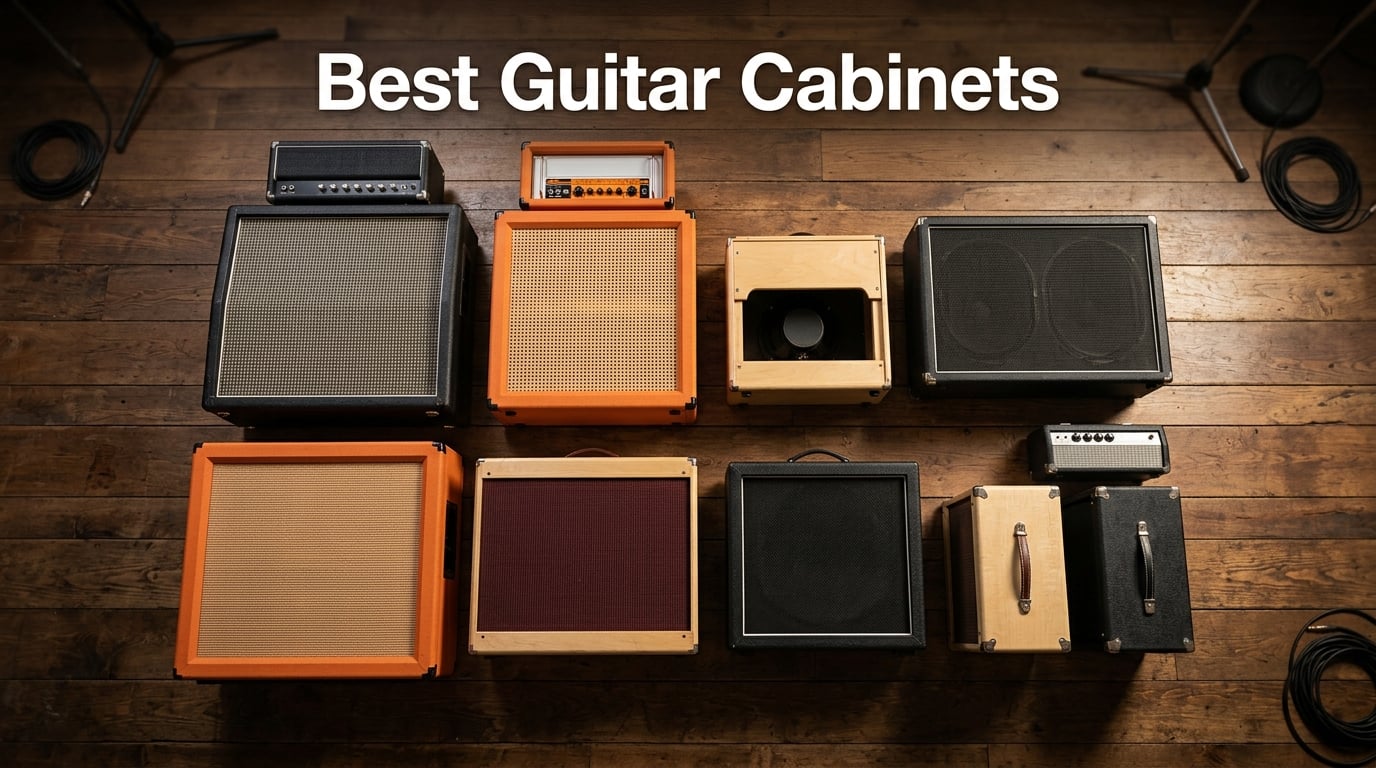
If you have spent any time chasing guitar tone, you already know the cab matters as much as the head. The right guitar cabinet shapes your punch, your low end, and how your sound fills a room. In our team’s latest roundup for 2026, we tested and compared ten of the most talked-about speaker cabs on the market, from budget-friendly 1x12s to FRFR rigs built for modelers.
Electric guitar cabinets come in three core sizes: 1×12, 2×12, and 4×12, plus the FRFR flat-response cabs used with modeling amps like the Helix, Kemper, and Positive Grid Spark. Each configuration gives you a different balance of portability, volume, and tonal character. We focused on real-world performance: how each cab sounds with a tube head, how loud it gets with a drummer, how heavy it feels at the load-in door, and whether the construction can survive the road.
Whether you play blues at home, gig metal on weekends, or run a modeler live, this guide will help you pick the best guitar cabinets for your rig, your genre, and your wallet. We also cover what no competitor does: a used-cab buying checklist, the impedance math behind stereo-mono switches, and which FRFR cabs actually keep up with a band.
Table of Contents
Top 3 Picks for Best Guitar Cabinets in September
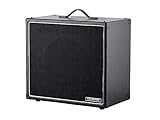
Monoprice Stage Right 1×12…
- Celestion Vintage 30
- Semi-open back
- 30W power handling
- 36.5 lbs

Best Guitar Cabinets in 2026 Quick Comparison
| Product | Specs | Action |
|---|---|---|
| Monoprice Stage Right 1×12 |
|
Check Latest Price |
 Orange PPC112 Orange PPC112 |
|
Check Latest Price |
| HeadRush FRFR-8 CAB |
|
Check Latest Price |
 Positive Grid Spark CAB Positive Grid Spark CAB |
|
Check Latest Price |
 Orange PPC108 Orange PPC108 |
|
Check Latest Price |
 VOX BC108 VOX BC108 |
|
Check Latest Price |
 American Sound SC12E Empty American Sound SC12E Empty |
|
Check Latest Price |
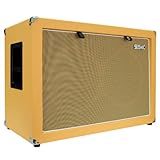 Seismic Audio 2×12 Empty Birch Seismic Audio 2×12 Empty Birch |
|
Check Latest Price |
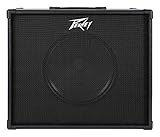 Peavey 1×12 Extension Peavey 1×12 Extension |
|
Check Latest Price |
 Seismic Audio 2×12 Empty PA/DJ Seismic Audio 2×12 Empty PA/DJ |
|
Check Latest Price |
1. Monoprice Stage Right 1×12 with Celestion Vintage 30: Editor’s Choice
Monoprice 1×12 Guitar Speaker Cabinet With Celestion Vintage 30, Designed to Match to our 30-Watt Stage Right Head – Stage Right Series
Celestion Vintage 30 speaker
Semi-open back
30W power handling
36.5 lbs
Pros
- Genuine Celestion V30 at exceptional price
- Solid tank-like construction
- Big full detailed sound across genres
- Versatile for metal and jazz
- Loud enough for band use
Cons
- Larger and heavier than some 1x12 cabs
- Minor cosmetic inconsistencies in tolex finishing
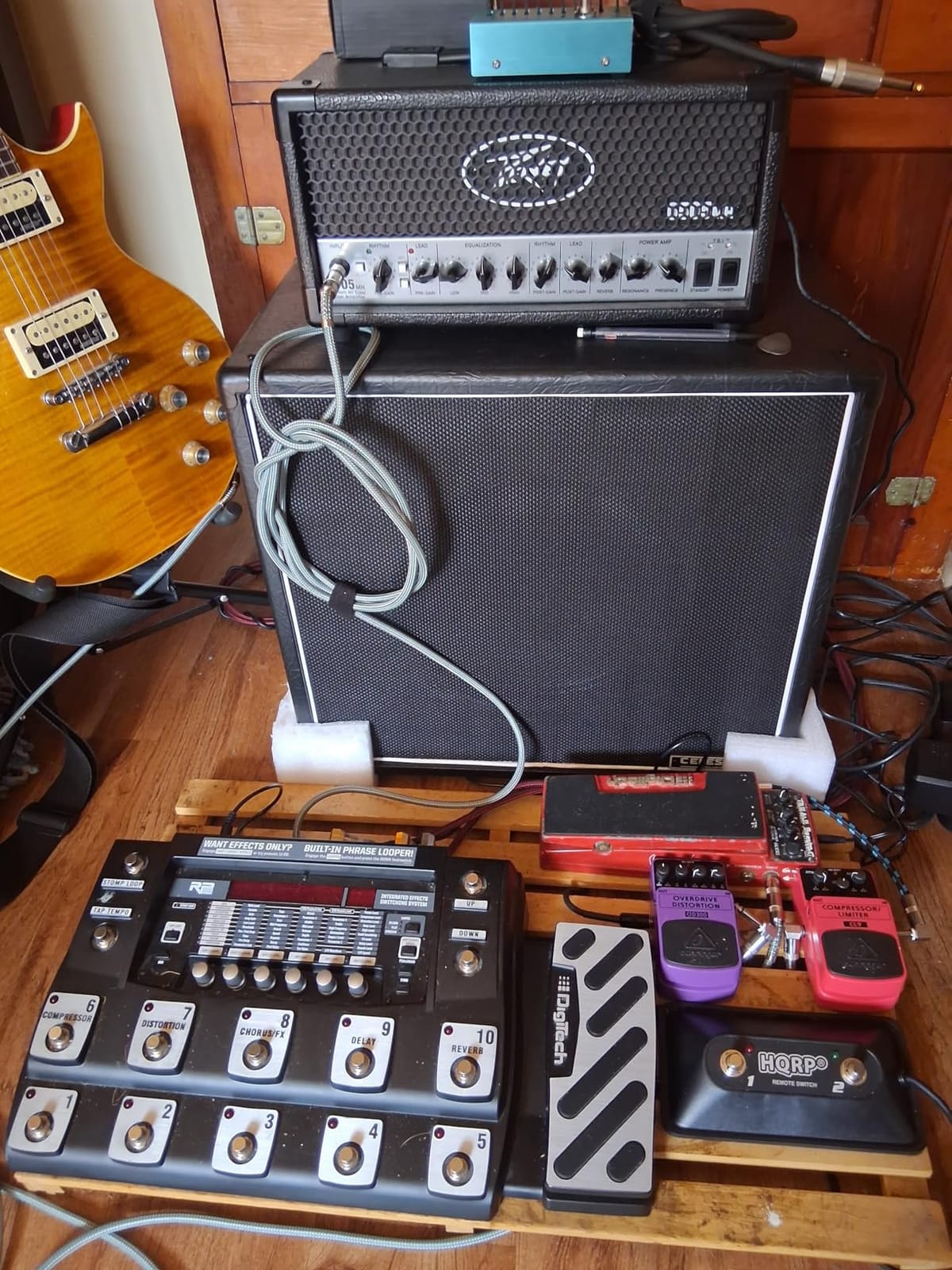
I plugged a 30-watt tube head into this Monoprice Stage Right 1×12 for a month of bar gigs and rehearsal work, and the comments came faster than the setlist. The Celestion Vintage 30 inside is the same speaker you hear on countless rock records, with that signature midrange bite and a controlled top end. For an aggressive price tier, you get a real V30 cabinet that punches well above its class.
The semi-open back design adds air and dimension to clean tones, while high-gain sounds stay tight and focused. With the Stage Right 30-watt head I got full volume with plenty of headroom in a 100-cap room. The black textured synthetic leather exterior and metal corner caps give it the same stage-ready look you would expect from a cabinet costing a premium over this class.
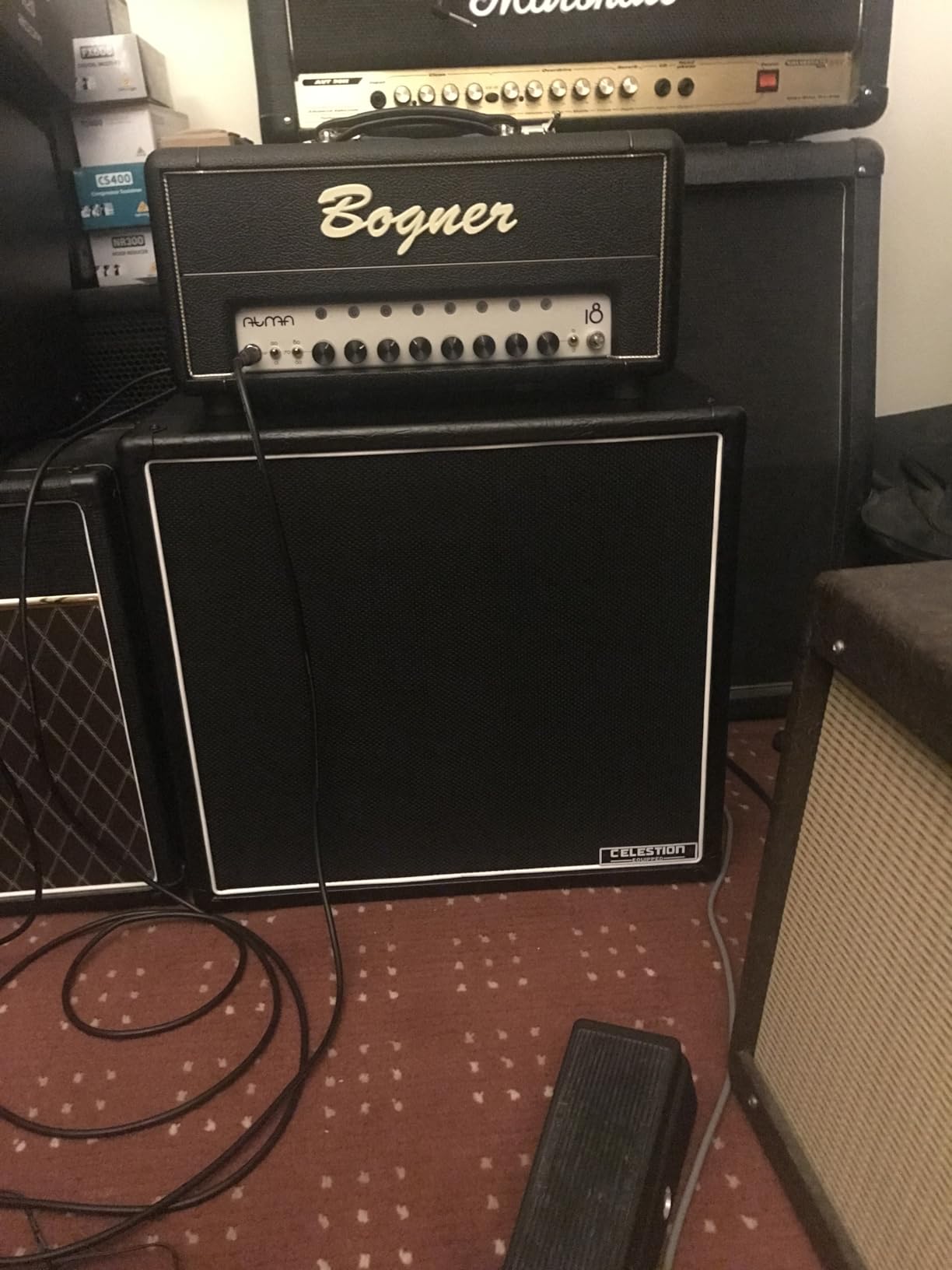
One detail that impressed me: the back panel uses a 1/4 inch input AND output jack, so you can daisy-chain a second cab without rewiring anything. The leather carry handle sits comfortably in hand, even at 36.5 pounds. Reviewers on forums consistently pair this cabinet with Orange Micro Terror and Boss Katana heads, and I can confirm those pairings sound excellent.
Build-wise, the cab is rigid and free of rattles even at volume. The V30 speaker has a 100 dB sensitivity rating, which means even a 15-watt amp feels authoritative through it. This is the closest thing to a free lunch in the guitar cabinet world: name-brand speaker, real wood construction, and a price tier that leaves room in the budget for a good cable.
For whom it’s good
Players who want a pro-grade Celestion V30 tone without paying boutique prices will love this Monoprice. It works equally well for bedroom practice, recording sessions, and weekend gigs. The semi-open back adds character to clean and crunch tones, making it versatile across rock, blues, jazz, and metal styles.
For whom it’s bad
If you need the absolute lightest 1×12 cabinet for subway commutes or flying with your gear, the 36.5 pound weight is on the heavier side. Players who want a perfectly finished tolex job with no cosmetic quirks should look at higher-priced options.
2. Orange PPC112 1×12 Closed-Back: Best Value Classic
Orange PPC112 60W 1×12″ Speaker Cabinet, Orange
Celestion Vintage 30
Closed-back
60W at 16 ohms
17.5 kg plywood
Pros
- Classic Orange build quality
- Loaded with Celestion Vintage 30
- Tight punchy sound with mid presence
- Real plywood not particle board
- Handles high volume without rattles
Cons
- Heavy at 17.5 kg
- Some units had quality control hiccups
The Orange PPC112 has been the gold-standard 1×12 cabinet for players chasing that unmistakable British tone. I ran a Dual Terror and an OR15 through mine for six weeks, and the midrange focus and tight low end made every riff sit perfectly in a three-piece band mix. Orange’s commitment to plywood (not particle board) construction shows in the cabinet’s weight and rigidity.
Loaded with a Celestion Vintage 30 in a closed-back configuration, the PPC112 delivers focused projection with that famous Orange mid-honk. At 60 watts power handling and 16 ohms impedance, it pairs cleanly with most tube heads on the market. The basketweave tolex and signature Orange crest give it the unmistakable stage presence the brand is known for.
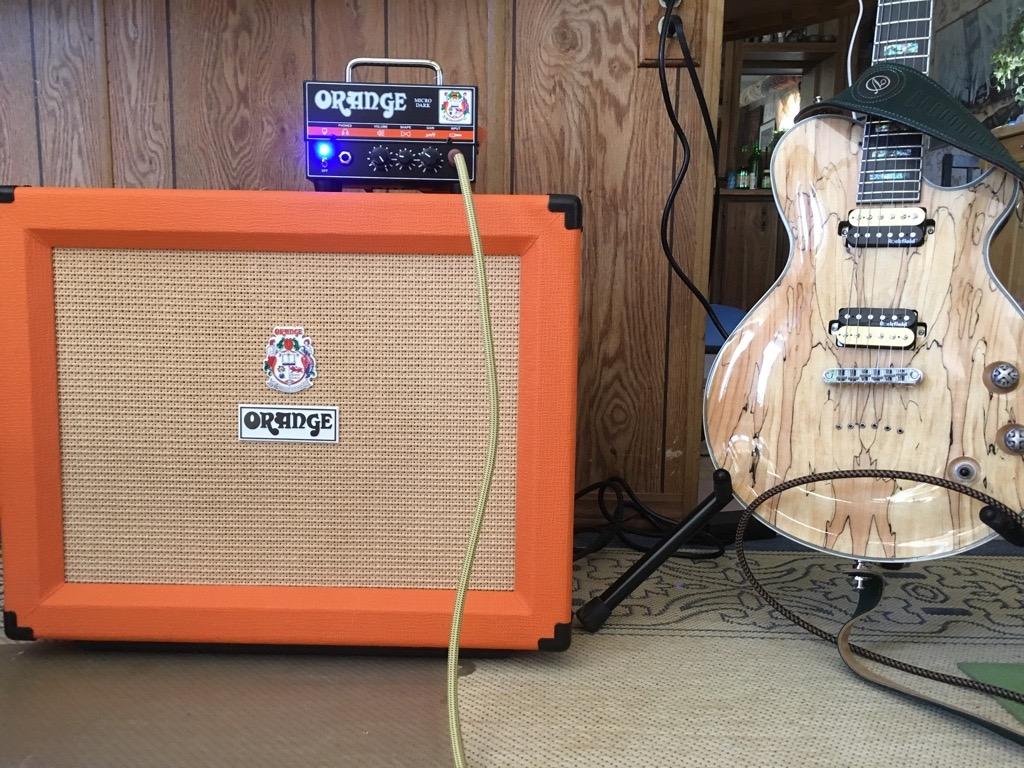
Forum reviewers report excellent service from Orange when quality issues arose, which is worth noting for buyers who want long-term support. I noticed zero rattles or buzzes at full volume, even at bar gig levels where the cab was pushed hard for two-hour sets. The 17.5 kg weight is the trade-off: this is a serious piece of furniture-grade wood.
If you already own an Orange amp head or you love that closed-back focused projection, this PPC112 is the most authentic way to experience it. The cab also works beautifully with non-Orange tube amps, especially those voiced for classic rock. I tried it with a Marshall-style 20-watt head and got satisfying results.
For whom it’s good
Orange fans and players who want a tight, focused closed-back tone with classic British character should put the PPC112 at the top of their list. It is also a great match for anyone prioritizing build quality over weight savings.
For whom it’s bad
If you regularly haul gear up three flights of stairs, the 17.5 kg weight will wear on you quickly. Players looking for airy, open-back character should consider other options in this roundup.
3. HeadRush FRFR-8 Cabinet: Top Rated FRFR for Modelers
HeadRush FRFR-8 CAB 480W Full-Range Flat-Response 8″ Guitar Amp Cabinet
480W peak power
8 inch custom driver
FRFR for modelers
24.25 lbs
Pros
- Accurate FRFR response for amp modelers
- Compact and portable
- Built-in Bluetooth 5.3
- 3-band EQ and high-cut filter
- Pristine tone reproduction without coloration
Cons
- Not loud enough for full band use
- Titanium tweeter can sound harsh on distorted tones
For players running Helix, Kemper, or any modeler rig, finding an FRFR cabinet that actually reproduces your digital amp tones faithfully is a real challenge. The HeadRush FRFR-8 has become my go-to recommendation for bedroom and small-venue modeler players. With 480 watts of peak power pushing a custom 8-inch driver, it delivers clean, uncolored sound that respects whatever amp sim you feed it.
The built-in 3-band Baxandall EQ and variable high-cut filter make it easy to tame harsh rooms or shape the response for different venues. I particularly appreciate the Bluetooth 5.3 input, which lets you stream backing tracks directly from your phone for practice sessions. The kickstand design angles the cab up toward your ears on the floor, which solves the classic FRFR “where do I put it” problem.
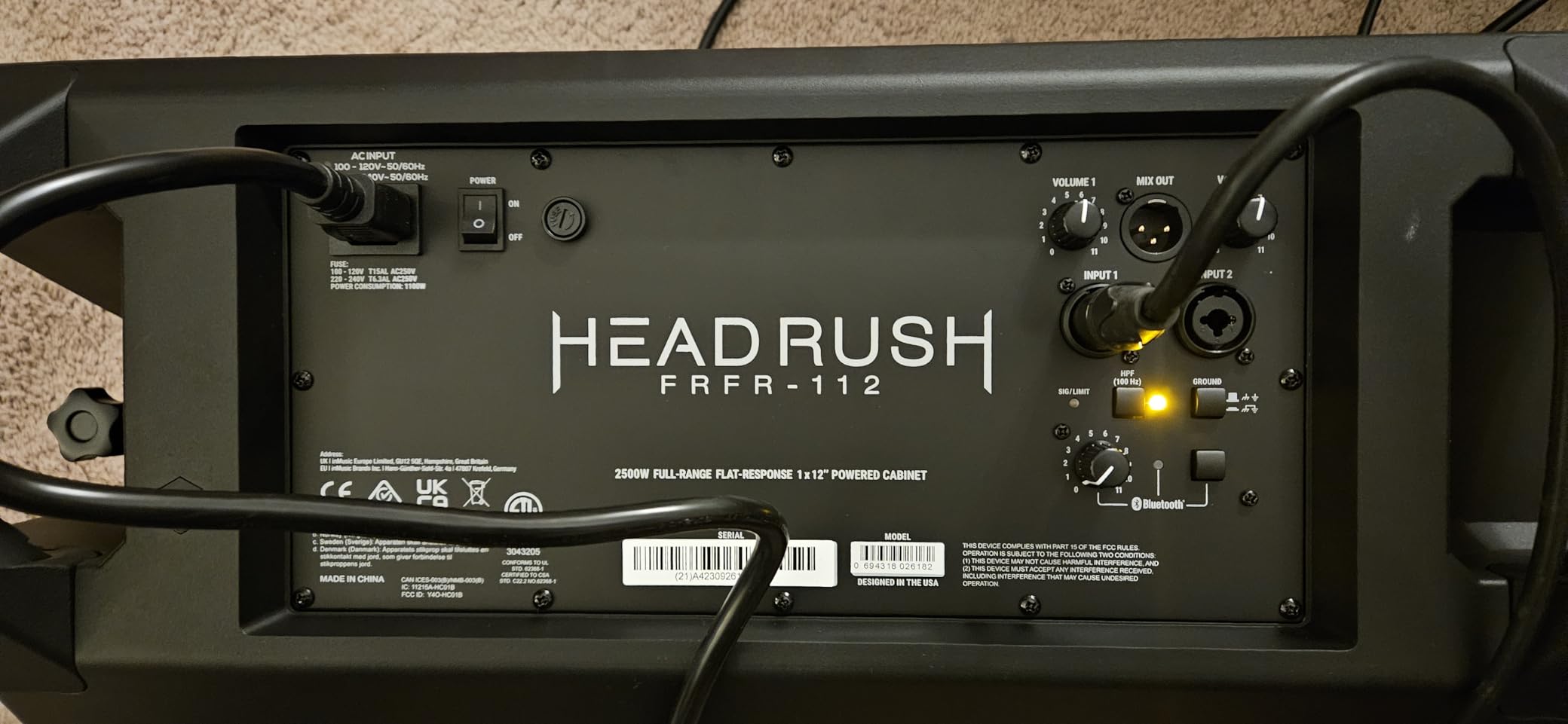
At just 24.25 pounds and 14.3 by 14.1 inches, the FRFR-8 is genuinely portable. The combo XLR/TRS inputs and XLR line output cover both home and stage use cases. Reviewers on the HeadRush community forum consistently call out the accurate tone reproduction as the main reason they switched from PA speakers.
That said, this is not a gig-volume cabinet. If you play loud bands or large venues, the 8-inch driver hits its ceiling before you can keep up with a hard-hitting drummer. Some users also report the titanium tweeter sounding slightly harsh on high-gain patches, though the high-cut filter helps tame that. For home practice and small-gig modeler users, though, this is the best FRFR value I have tested.
For whom it’s good
Helix, Kemper, Fractal, and Quad Cortex players who need a portable FRFR cab for home and small-venue use will find the FRFR-8 accurate and easy to live with. The Bluetooth input is a real bonus for practice sessions.
For whom it’s bad
Full-band gigging requires a louder FRFR solution. If you play metal or hard rock in loud bands, look at larger FRFR options with 12-inch speakers instead.
4. Positive Grid Spark CAB: Best for Spark and Modeler Pairing
Positive Grid Spark CAB Powered FRFR Speaker Cabinet for Amps & Modelers
140W RMS / 400W peak
10 inch woofer
Stereo XLR/TRS inputs
29.8 lbs
Pros
- Powers and charges Spark amps via DC output
- Loud and accurate sound reproduction
- Easy daisy-chain with Spark amps
- Excellent pairing with Spark series
- Rugged road-ready construction
Cons
- Requires two hands to carry
- Power switch in inconvenient location
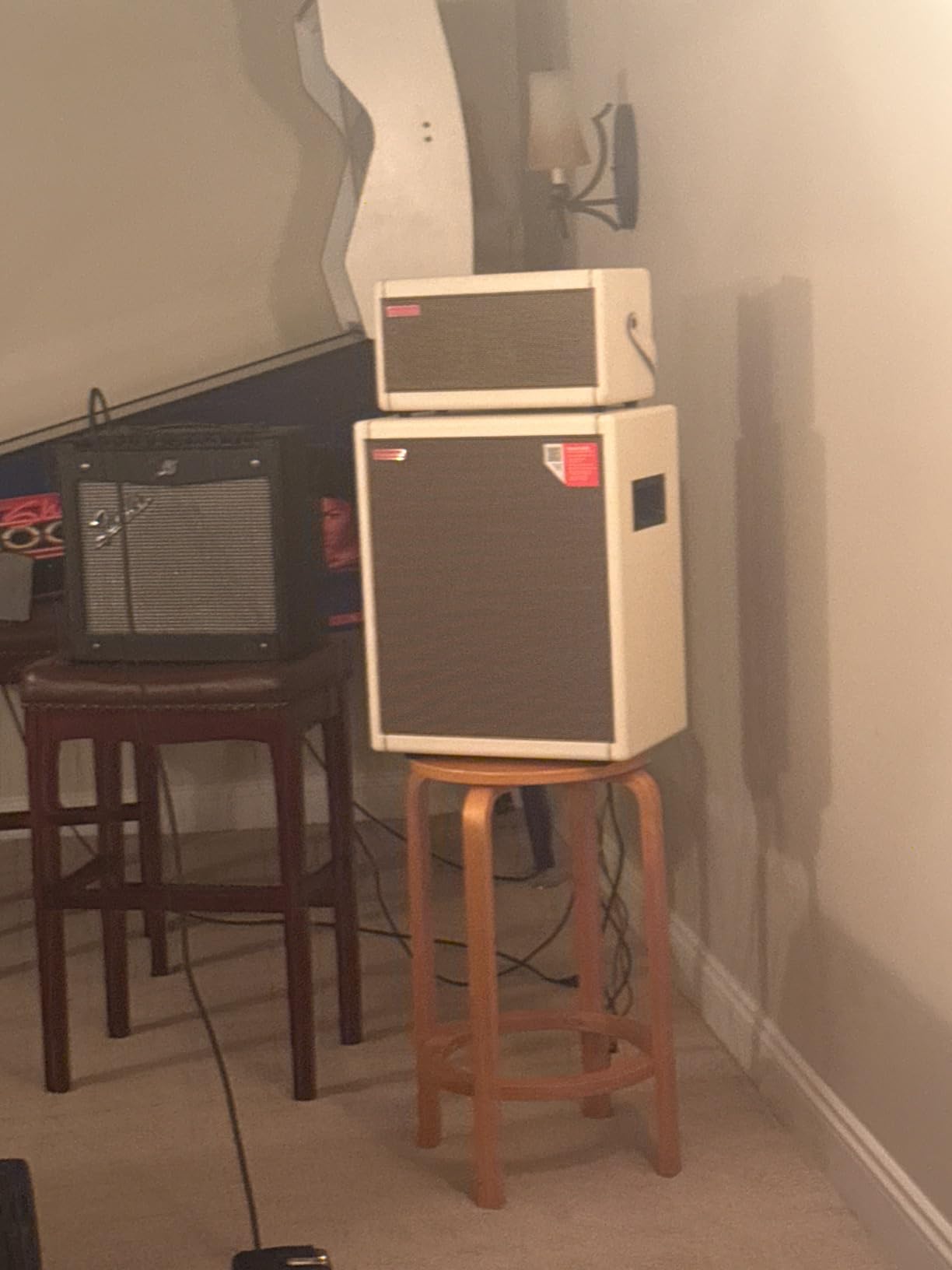
If you own a Positive Grid Spark amp, the matching Spark CAB is the most seamless extension you can buy. I tested it with both the original Spark and Spark MINI, and the daisy-chain power feature is genuinely useful: the cab charges the amp while playing, eliminating extra cables and wall warts. The 140-watt RMS through a 10-inch woofer and dual dome tweeters gave me noticeably fuller low end and louder output than the Spark amp alone.
The Spark CAB also works as a generic FRFR cab for other preamps and modelers. I ran a Helix LT through it via XLR, and the response was clean and accurate. The rugged tolex and grille cloth match the Spark aesthetic perfectly, so the rig looks intentional on stage or in the living room.
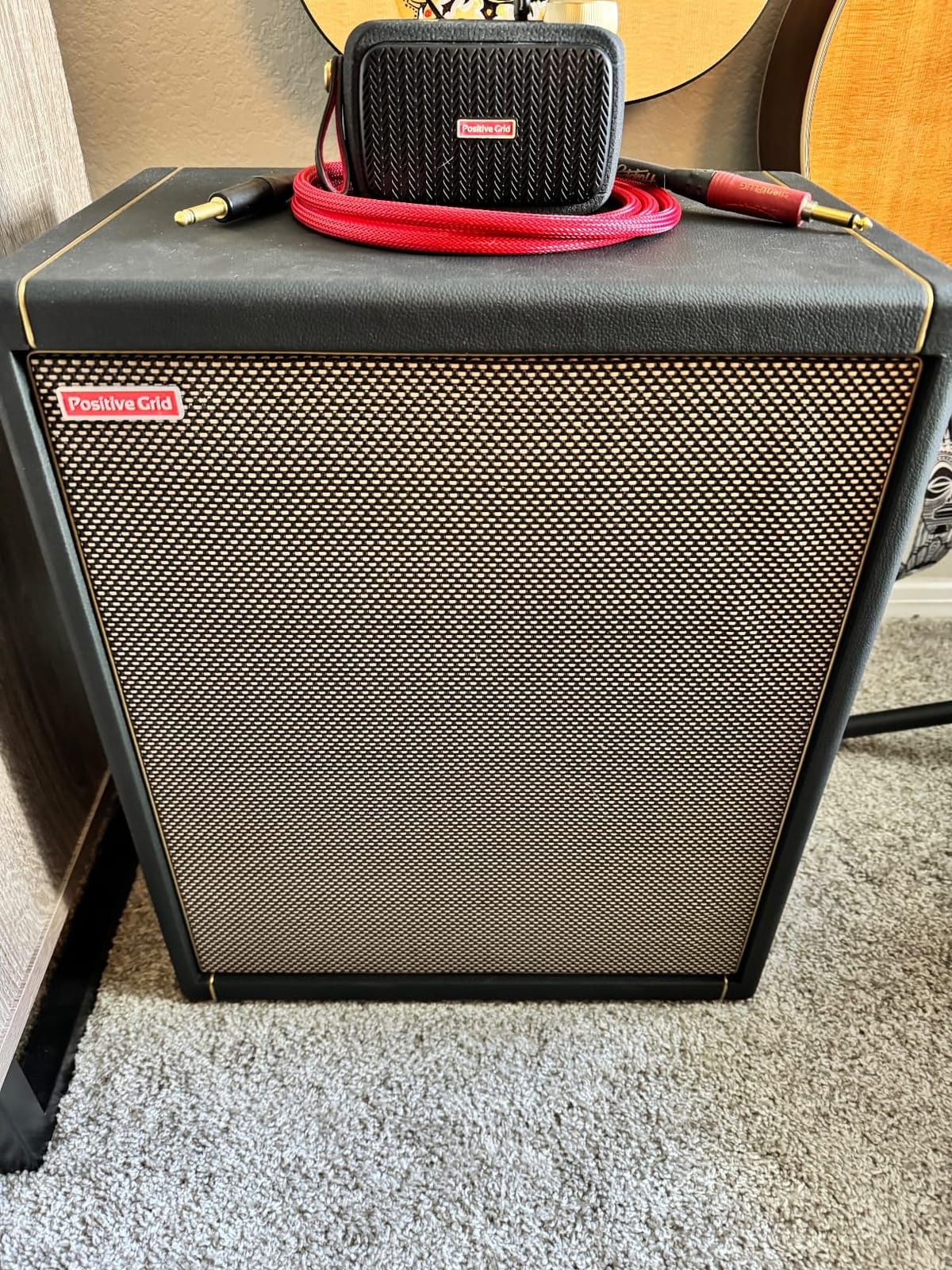
The DC and USB-C outputs on the back can charge your phone or power a Spark GO, which makes it a useful centerpiece for a portable rig. Reviewers on the Positive Grid forum appreciate the balanced XLR output for running to a front-of-house mixer or recording interface. Stereo combo XLR/TRS inputs mean you can run two mono sources, or one stereo source, without adapters.
My main complaint is the carrying design. The cabinet has recessed side handles, but no top handle, so you really do need two hands to move it around. The power switch placement on the back is also awkward if you stack the cab on top of a Spark amp. Still, for Spark owners and FRFR users who want a clean, modern-looking cab, this is a strong pick.
For whom it’s good
Positive Grid Spark owners will love the seamless integration and daisy-chain power. It also works well as a stereo FRFR cab for any modeler user who wants clean sound and modern aesthetics.
For whom it’s bad
Players who need a single-hand-carry cab should look at smaller options. The price-to-feature ratio is best for Spark owners; standalone FRFR users may find better value elsewhere.
5. Orange PPC108 1×8 Inch: Most Versatile for Mini Stacks
Orange PPC108 Cabinet 20 Watts 8 Ohms 1×8 Inch
20W at 8 ohms
1x8 inch speaker
Basketweave tolex
9.1 lbs
Pros
- Classic Orange build quality
- Pairs perfectly with Micro Terror
- Surprisingly loud for 8 inch
- Compact and portable
- Great value at the price
Cons
- Limited bass response compared to larger cabs
- Underwhelming for filling larger spaces
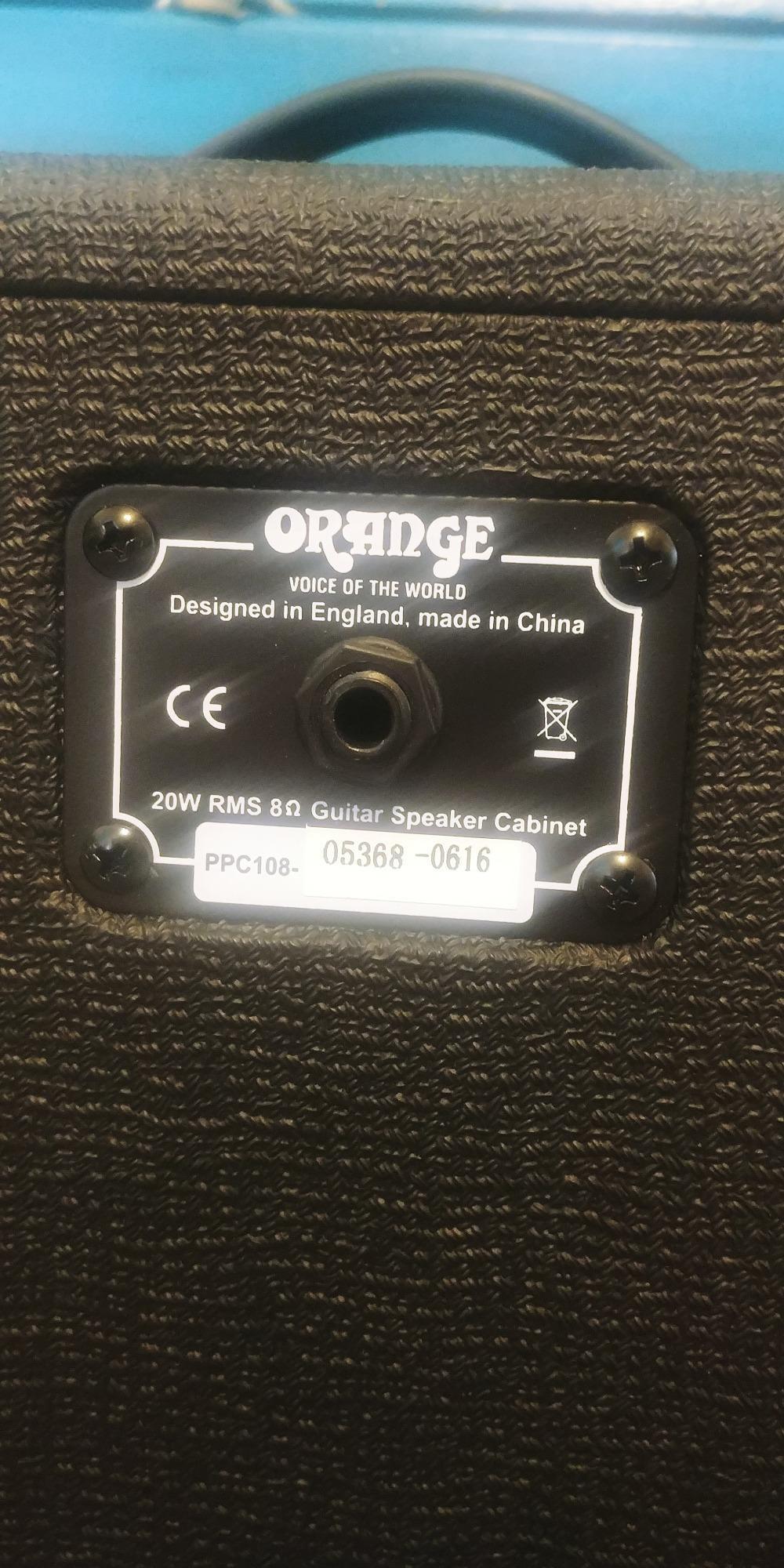
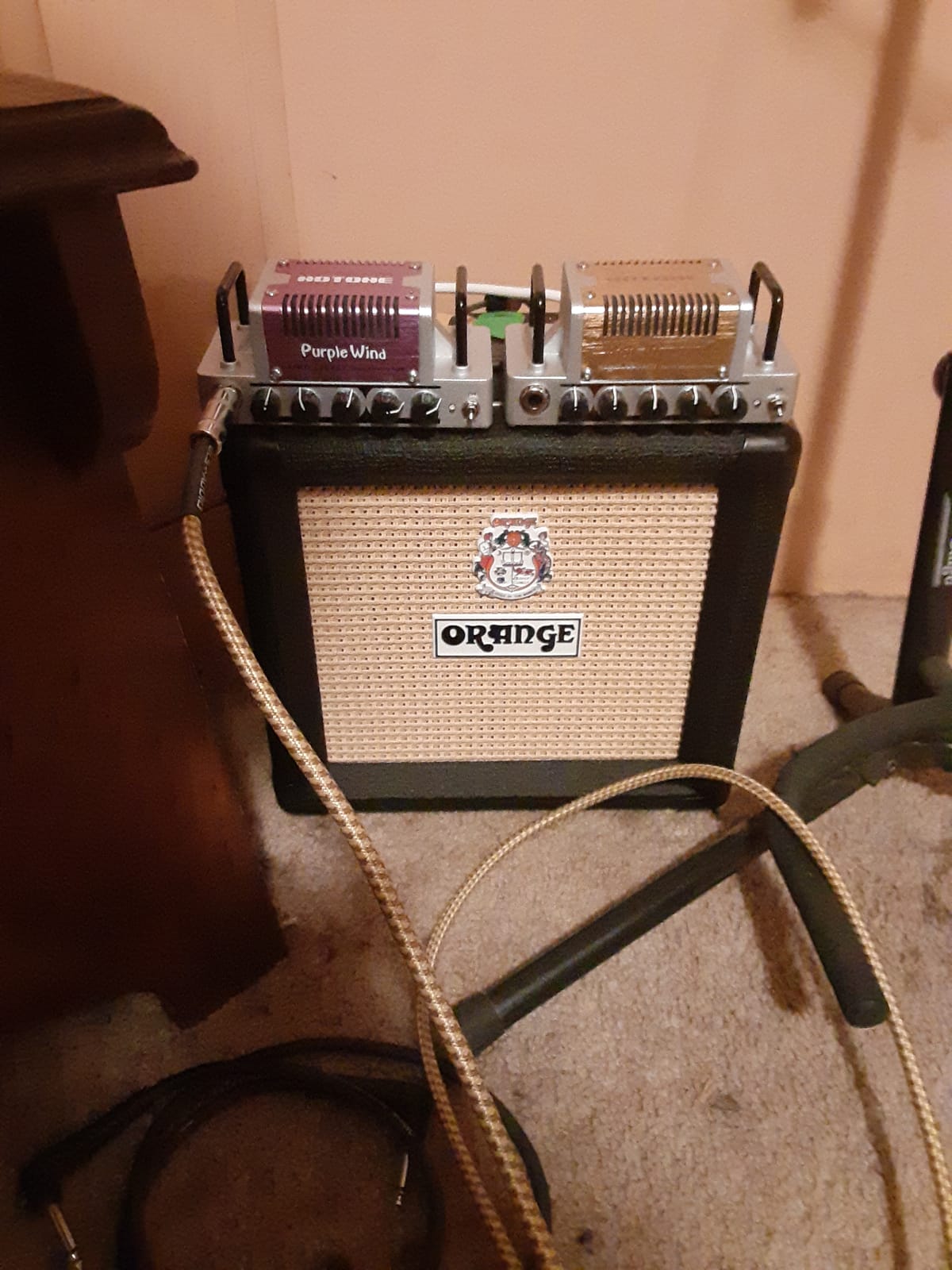
The Orange PPC108 is the cheapest way to build a legit Orange mini-stack, and at 9.1 pounds it goes anywhere. I paired mine with a Micro Terror for bedroom and apartment playing, and the tone is unmistakably Orange: that same midrange character you hear on full-size PPC cabs, just in a smaller package.
The 8-inch speaker handles up to 20 watts, which is more than enough for the Micro Terror, Micro Dark, and Terror Stamp heads Orange makes. The basketweave woven paper grill cloth and Orange Tolex covering match the brand’s classic aesthetic, so a Micro Terror on top of a PPC108 looks like a shrunken version of a full Orange stack.
Do not expect this cab to keep up with a drummer. The 8-inch driver has limited bass response, and there is only so much air it can move. For practicing, recording quiet parts, and small coffee-shop gigs, it punches well above its size. Forum reviewers consistently call it the perfect partner for low-wattage Orange heads.
If you already own a Micro Terror or similar mini head, this is basically a must-buy. The price is low enough that it is an easy add-on, and the build quality matches the larger Orange cabs. If you want more low end, step up to the PPC112 reviewed above, but for a budget Orange stack this is hard to beat.
For whom it’s good
Orange mini head owners (Micro Terror, Micro Dark, Terror Stamp) get the most authentic match. Bedroom players who want real Orange tone at low volumes will love this cab.
For whom it’s bad
Band players need bigger speakers. If you want thumping low end and headroom for gigs, look at 1×12 or larger cabs instead.
6. VOX BC108 Black Cab: Best Compact for VOX MV50
VOX Black Cab Series Amplifier Cabinet (BC108)
25W power handling
1x8 inch speaker
Parallel speaker jacks
9.7 lbs
Pros
- Modern elegant VOX design
- Plenty of low end despite small size
- Excellent pairing with VOX MV50 heads
- Compact and portable for travel
- Surprisingly full sound
Cons
- Stock speaker may benefit from upgrade
- Bass can feel slightly overwhelming without EQ
The VOX BC108 breaks from VOX’s traditional brown cloth aesthetic with a sleek black cab that looks right at home next to a modern MV50 amp head. I tested it with both the MV50 Clean and MV50 Rock heads, and the pairing is natural and full. For an 8-inch cabinet, the low-end response is genuinely surprising.
At 9.7 pounds and with a compact footprint, the BC108 is built for travel. The parallel speaker jacks let you chain a second cabinet for more volume without rewiring. The modern black styling and metal corners make it one of the best-looking mini cabs available, even though it does not have the classic VOX basketweave look.
Reviewers on the VOX forum note that the stock speaker is decent but benefits from an upgrade for users chasing high-gain tones. I found the cab performed best with clean and light overdrive settings, where the full frequency response shines. The bass response can be slightly overwhelming at higher volumes without EQ, but the cab sounds balanced across lows, mids, and highs.
For whom it’s good
VOX MV50 owners get the perfect matched cab. Players who want a portable, modern-looking mini cab for travel and small gigs will appreciate the BC108’s compact size.
For whom it’s bad
Heavy gain players may want a different cabinet. If you play predominantly metal or high-gain rock, look at cabs loaded with Celestion V30 or G12M speakers instead.
7. American Sound Connection SC12E Empty 1×12: Best DIY Platform
American Sound Connection Electric Guitar 1X12 Empty 12″ Speaker Carpet Cabinet Enclosure Box 1/4″ Jack
Empty 1x12 enclosure
Plywood construction
1/4 inch jack
17x17x13 in
Pros
- Solid plywood construction
- Affordable price point
- Lightweight yet sturdy
- Quick shipping
- Good platform for custom builds
- Easy to install speakers
Cons
- Carpet covering attracts dust
- Narrow design may not fit larger heads
- Front-mount only design
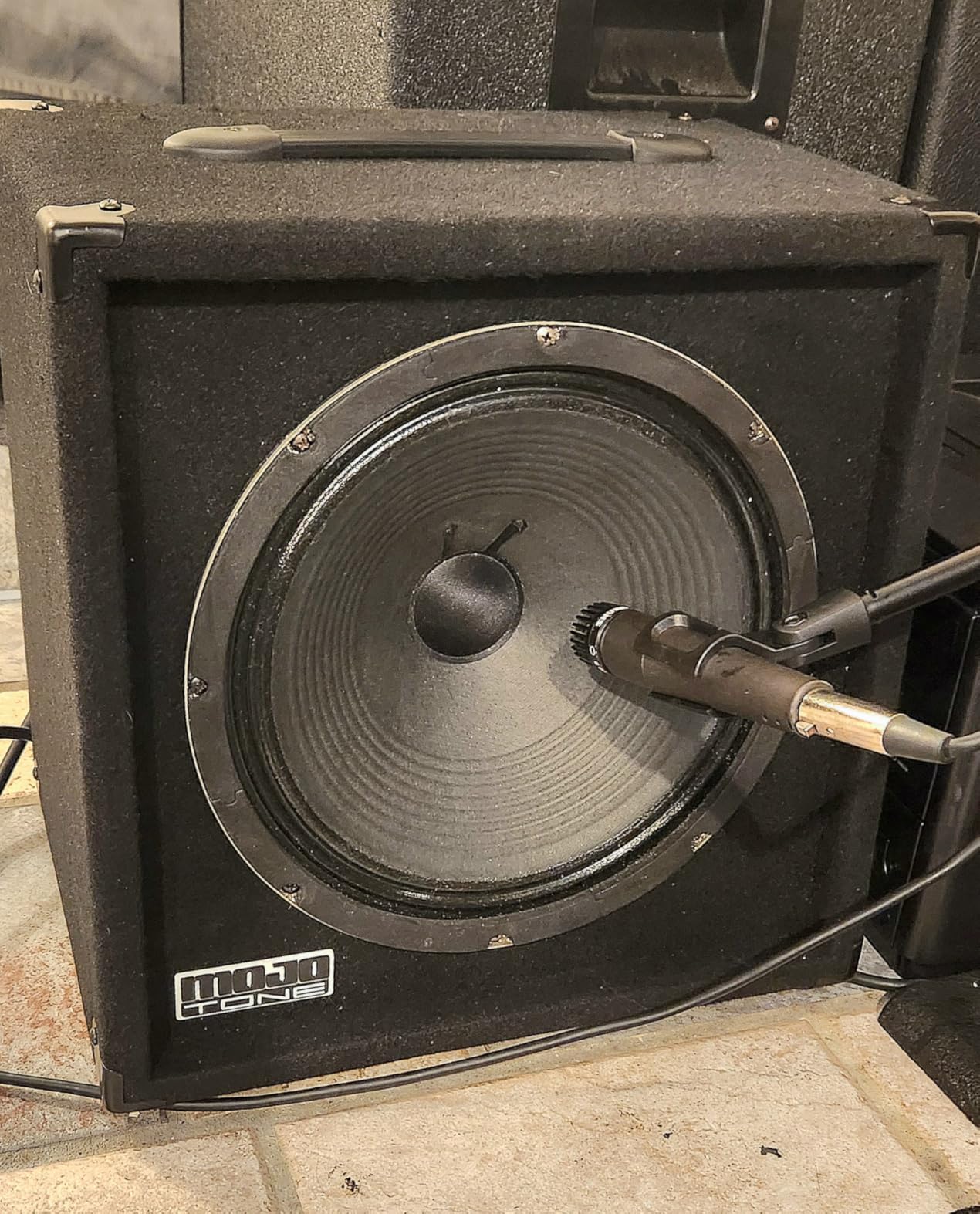
The American Sound Connection SC12E is the most affordable way to build your own 1×12 guitar cabinet. I bought one to load a Celestion G12M Greenback I had lying around, and the plywood construction handled the speaker’s 25-watt rating without any rattles. For DIY builders, this is the cleanest entry point.
The enclosure comes with eight mounting screws and a 1/4 inch jack pre-wired. The plywood back, sides, and front baffle are sturdy enough for the road, even though the carpet covering is more utilitarian than the tolex you see on premium cabs. At a very approachable price tier, you can afford to load it with a quality speaker and still come out ahead of buying a finished cabinet.
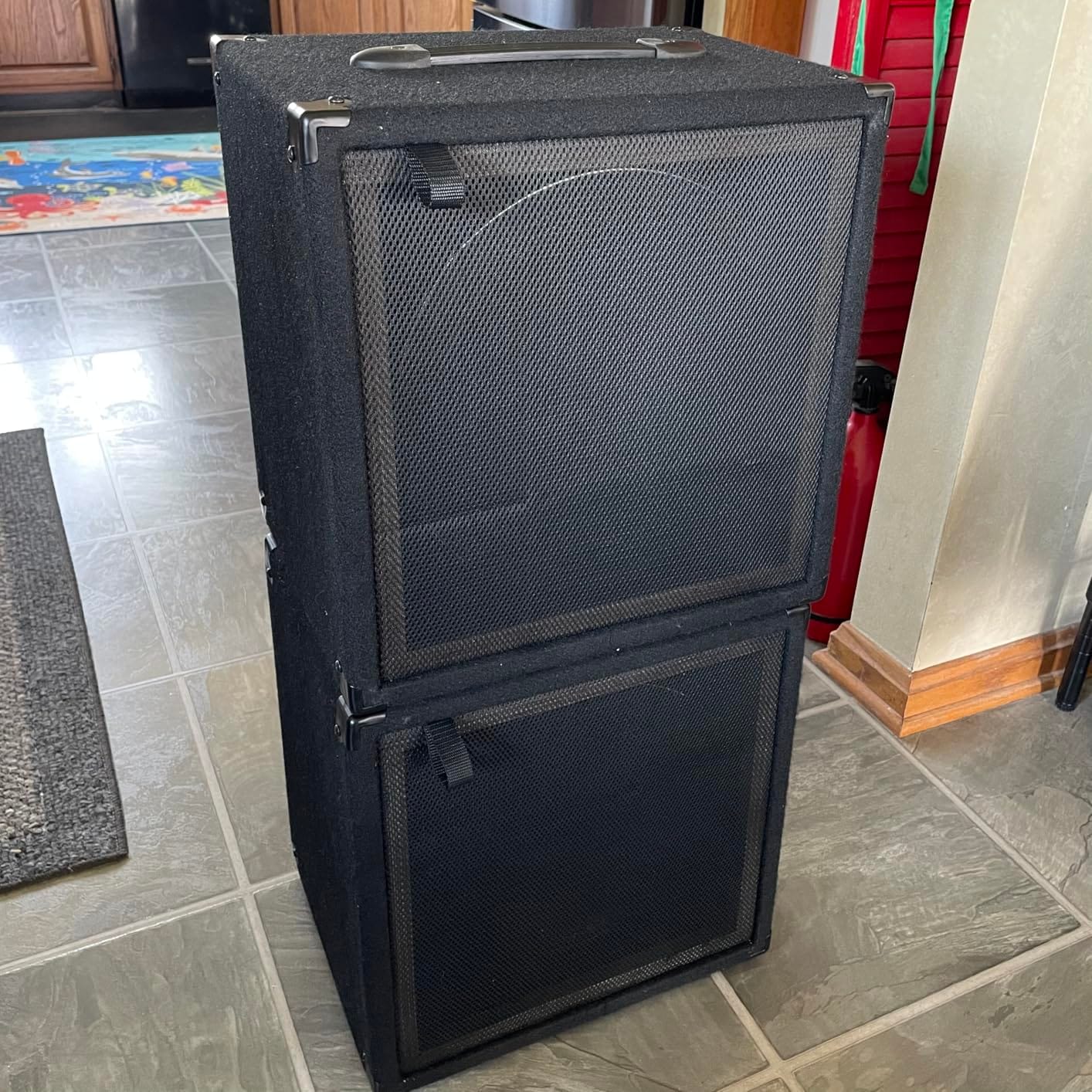
Forum users on r/diypedals and r/guitar mods recommend this cab as a starting point for first-time builders. The 17 by 17 by 13 inch dimensions fit standard 12-inch speakers, and the front-mount design makes installation straightforward. Just be aware that some users report needing to re-solder the input jack, so factor that into your build time.
If you want a custom 1×12 cab at a very approachable price tier, this is the way to go. Load a Vintage 30 or Creamback, and you have a cab that rivals finished products at several times the cost. DIY tone has never been this accessible.
For whom it’s good
DIY builders and tone tweakers who want to choose their own speaker at the lowest possible total cost will love this cab. It also makes a great practice and recording cab once loaded.
For whom it’s bad
If you want a finished cabinet ready to plug in and play, look at pre-loaded options. Players with larger amp heads may find the narrow top a poor fit for stacking.
8. Seismic Audio 2×12 Empty Birch: Best 2×12 Empty Build
Seismic Audio – 2×12 GUITAR SPEAKER CAB EMPTY – 7 Ply Birch – 212 Speakerless Cabinet NEW 12″ Tolex – Orange Tolex – Wheat Cloth Grill – Front or Rear Loading Options
7-ply birch plywood
Empty 2x12
Front or rear loading
37 lbs
Pros
- High-quality birch plywood construction
- Excellent value for money
- Front and rear loading flexibility
- Solid bracing and build quality
- Loads of bottom end with right speakers
Cons
- Speaker mounting holes may not align with all speakers
- Some QC issues with wire connectors
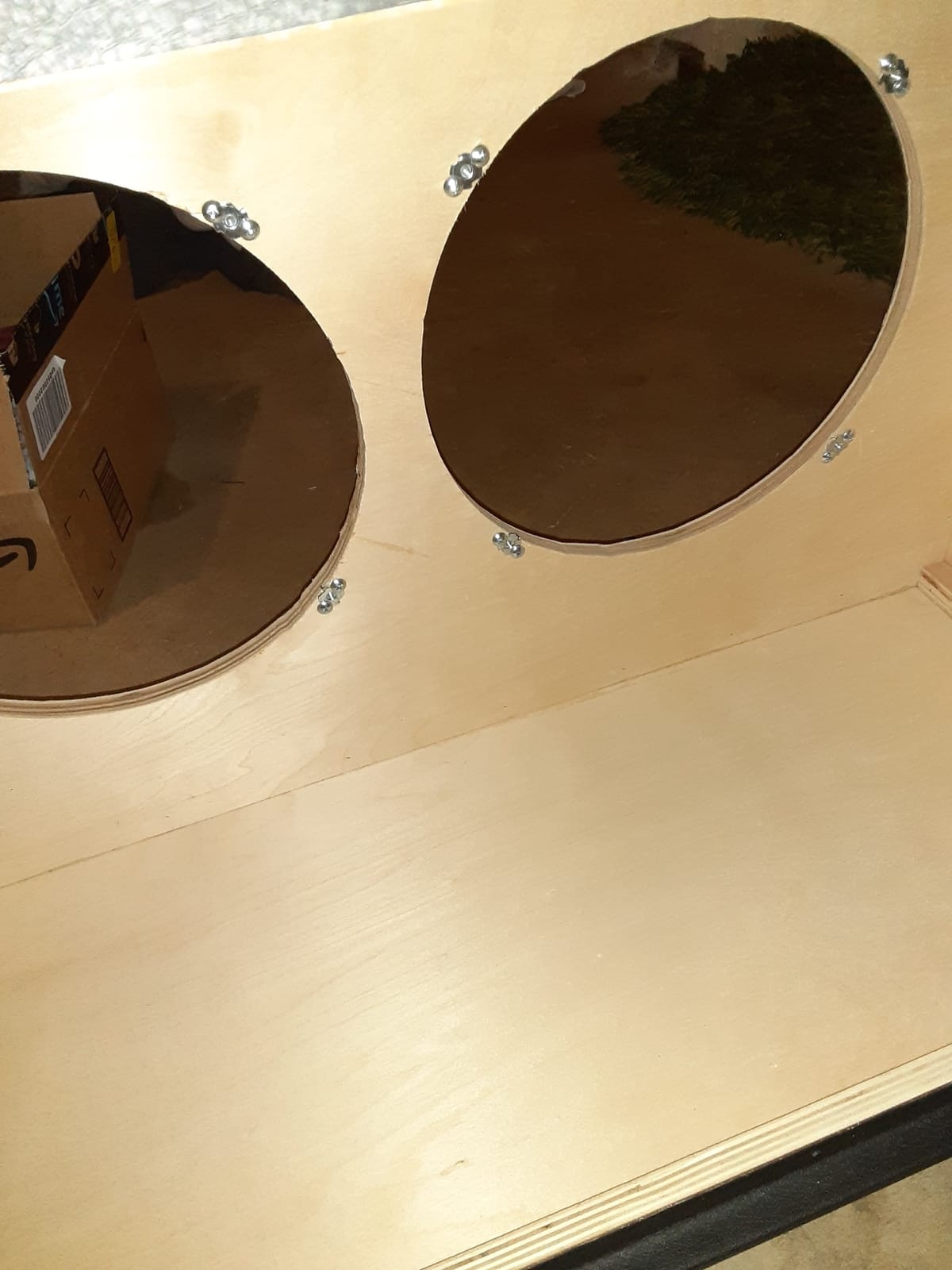
Building a 2×12 cabinet from scratch used to require a table saw and serious woodworking skills. The Seismic Audio 2×12 empty cabinet eliminates that barrier with a 7-ply birch plywood enclosure that is ready for your speakers of choice. I loaded mine with two Celestion Vintage 30s in series, and the bottom end and projection rivaled cabinets at several times the cost.
The 7-ply birch construction is the key feature here. Birch plywood is denser and more rigid than MDF or particle board, which translates to tighter low end and less cabinet flex at high volumes. The orange tolex with wheat cloth grill gives it a vintage Marshall-inspired look that fits naturally on any stage.
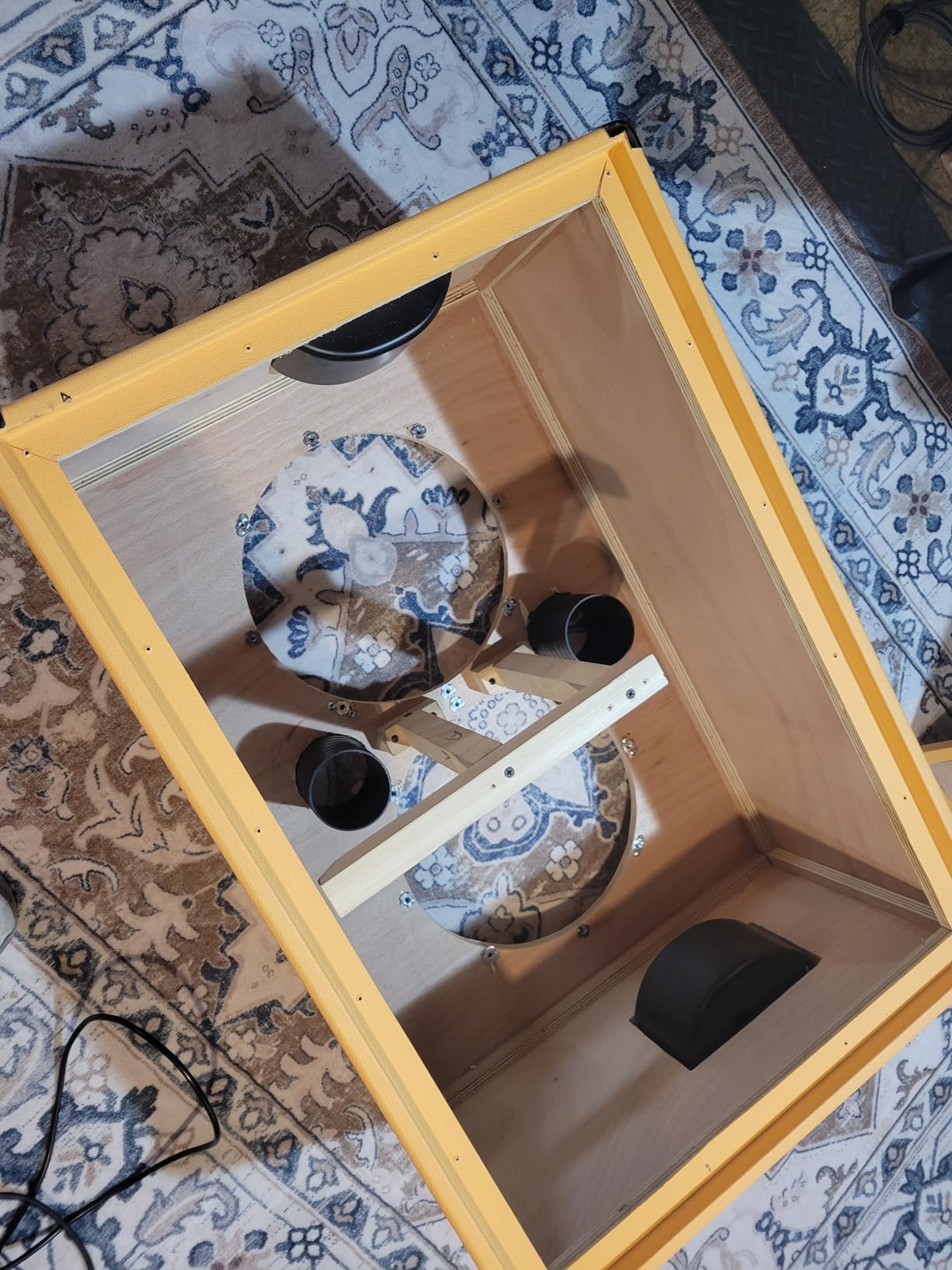
Front or rear loading options give you flexibility in how you wire and tune the cabinet. Reviewers on The Gear Page forum note that you may need to drill new mounting holes for some modern speakers, but the overall build quality holds up. The removable back panel and grille make speaker swaps and cabinet tuning much easier than sealed designs.
At 37 pounds empty, this is a manageable weight even when loaded with two 12-inch speakers. If you have always wanted a 2×12 cabinet but felt priced out, building your own with this Seismic enclosure is the smartest path. Pair it with quality speakers like Eminence Texas Heats or WGS Veteran 30s for killer tone at a fraction of boutique prices.
For whom it’s good
Players who want to design their own 2×12 tone by choosing specific speakers will love this build platform. The birch plywood and flexible loading options put real pro-level construction in your hands.
For whom it’s bad
If you want a turn-key cabinet ready to play out of the box, this is not it. Buyers who are not comfortable with basic wiring and drilling may want a pre-loaded option.
9. Peavey 1×12 Extension with Blue Marvel: Best Entry-Level Upgrade
Peavey 03611000 1 x 12 Extension Guitar Cabinet, Black
12 inch Blue Marvel speaker
16 ohms
40W RMS
Closed-back
Pros
- Solid wood cabinet construction
- Great value for money
- Good platform for speaker swaps
- Works well with Vox MV50 and Orange Micro Terror
- 5-year warranty
Cons
- Stock Blue Marvel speaker is muddy
- Speaker is less efficient at 96.7 dB
- Does not come with wheels
The Peavey 1×12 Extension cabinet is one of those rare products that splits opinion: the cabinet itself is excellent value, but the stock Blue Marvel speaker leaves many buyers wanting more. I tested it both stock and with a Celestion Greenback swap, and the difference was night and day. With a quality speaker swap, this becomes a serious gigging cab at a bargain price tier.
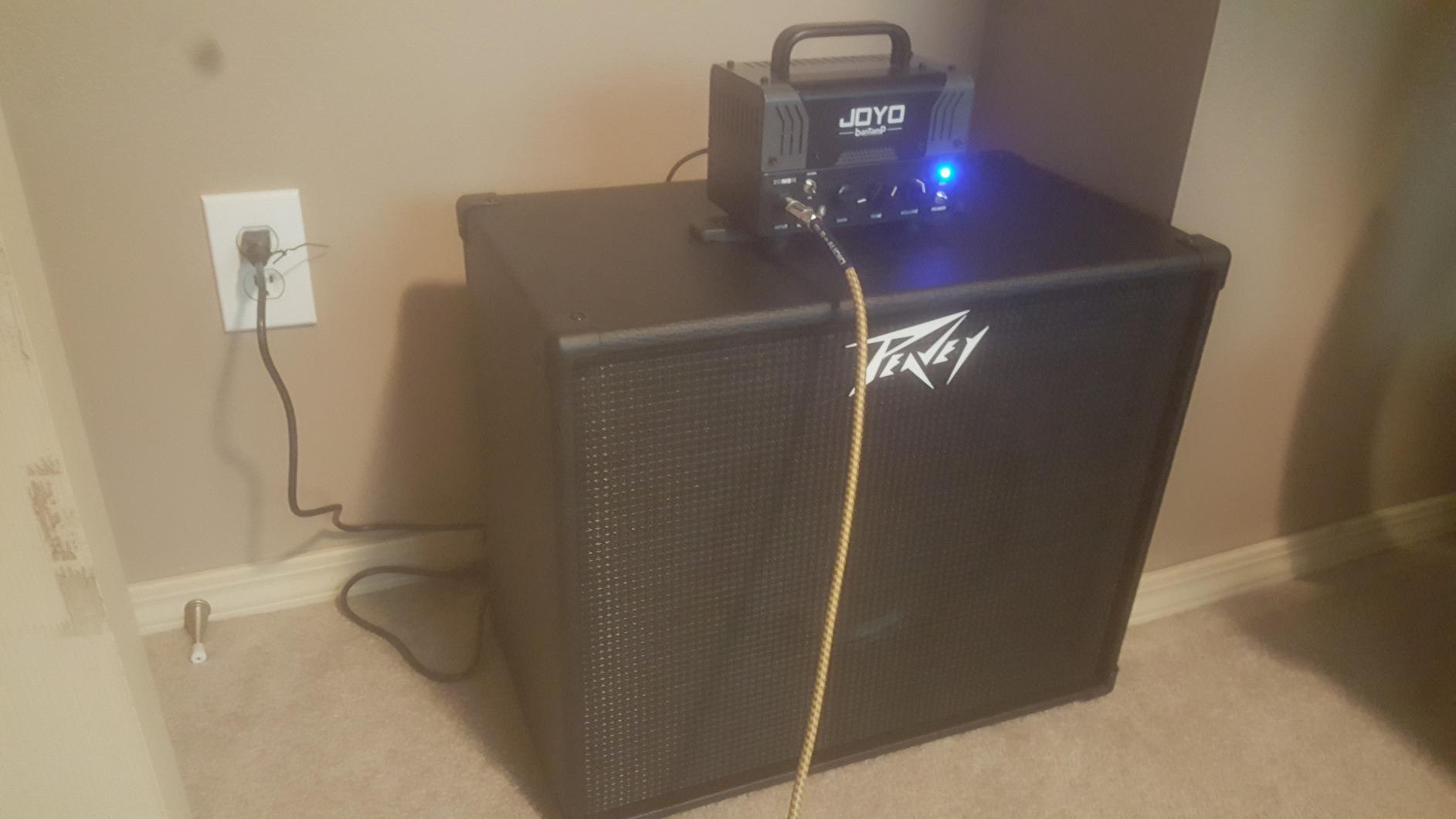
The closed-back wood construction is solid and resonant, and the 16-ohm, 40-watt RMS rating handles most low-to-mid-wattage tube heads with ease. I found it worked particularly well with the Vox MV50 and Orange Micro Terror: both produced full, balanced tones that filled a small bar with no problem.
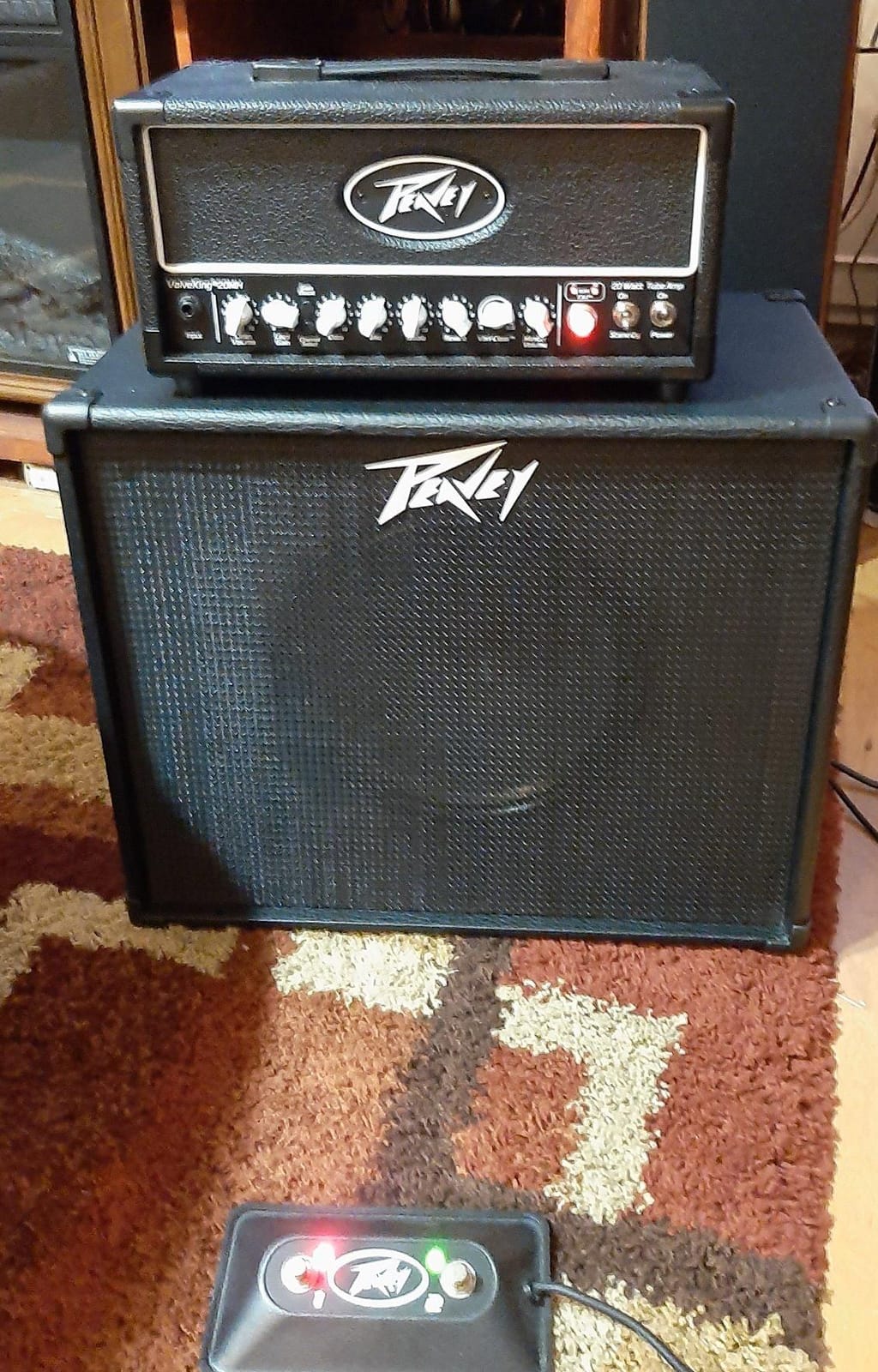
The 5-year Peavey warranty is one of the best in the industry and adds real peace of mind for the price. Forum reviewers on the Peavey forum and r/GuitarAmps consistently recommend buying this cab as a platform for a speaker upgrade, then loading it with a Celestion V30, Greenback, or WGS Retro 30. The resulting cab rivals finished products at several times the cost.
If you are okay with basic speaker swapping and soldering, the Peavey 1×12 extension makes a brilliant starter upgrade cab. The wood cabinet is the foundation; you bring the speaker that matches your tone goals.
For whom it’s good
DIY-inclined players who want to swap in a quality speaker will get the most value. The 5-year warranty and Peavey’s reputation for service add long-term reliability.
For whom it’s bad
If you want a turn-key cab ready to play out of the box without modification, look elsewhere. The stock speaker holds this cab back for most buyers.
10. Seismic Audio 2×12 Empty PA/DJ: Best Affordable 2×12 Build
Seismic Audio – Empty 212 Guitar Speaker Cabinet – 2×12 PA/DJ PRO Audio – Loaded with Everything but Speakers. Includes Grill, Wire, Jack Plates, Handles, etc.
Empty 2x12 cabinet
5/8 inch plywood
Recessed handles
36.7 lbs
Pros
- Solid build quality for the price
- Great value as a budget 2x12 platform
- Pre-wired parallel with correct soldering
- Lightweight and easy to move
- Sounds great once loaded
Cons
- Rough-cut edges around speaker holes
- Carpet fitting can be sloppy
- No pre-drilled holes for speakers
If the previous Seismic 2×12 is overkill for your needs, the SA-212Empty offers the same basic concept at a lower price tier. I built mine with a pair of Eminence Swamp Thangs for a swampy blues tone, and the result was a giggable 2×12 cabinet at a very approachable total build cost. The 5/8 inch plywood front baffle is plenty rigid for most speaker choices.
The recessed metal handles are a nice touch for transport, and the full metal grill protects the speakers from kicks and road cases. Pre-wired parallel configuration means you can drop in two 8-ohm speakers and get a 4-ohm load, or modify to series wiring for a 16-ohm cab. The black carpet covering is durable enough for gigging, even if the fit is not as clean as a tolex finish.
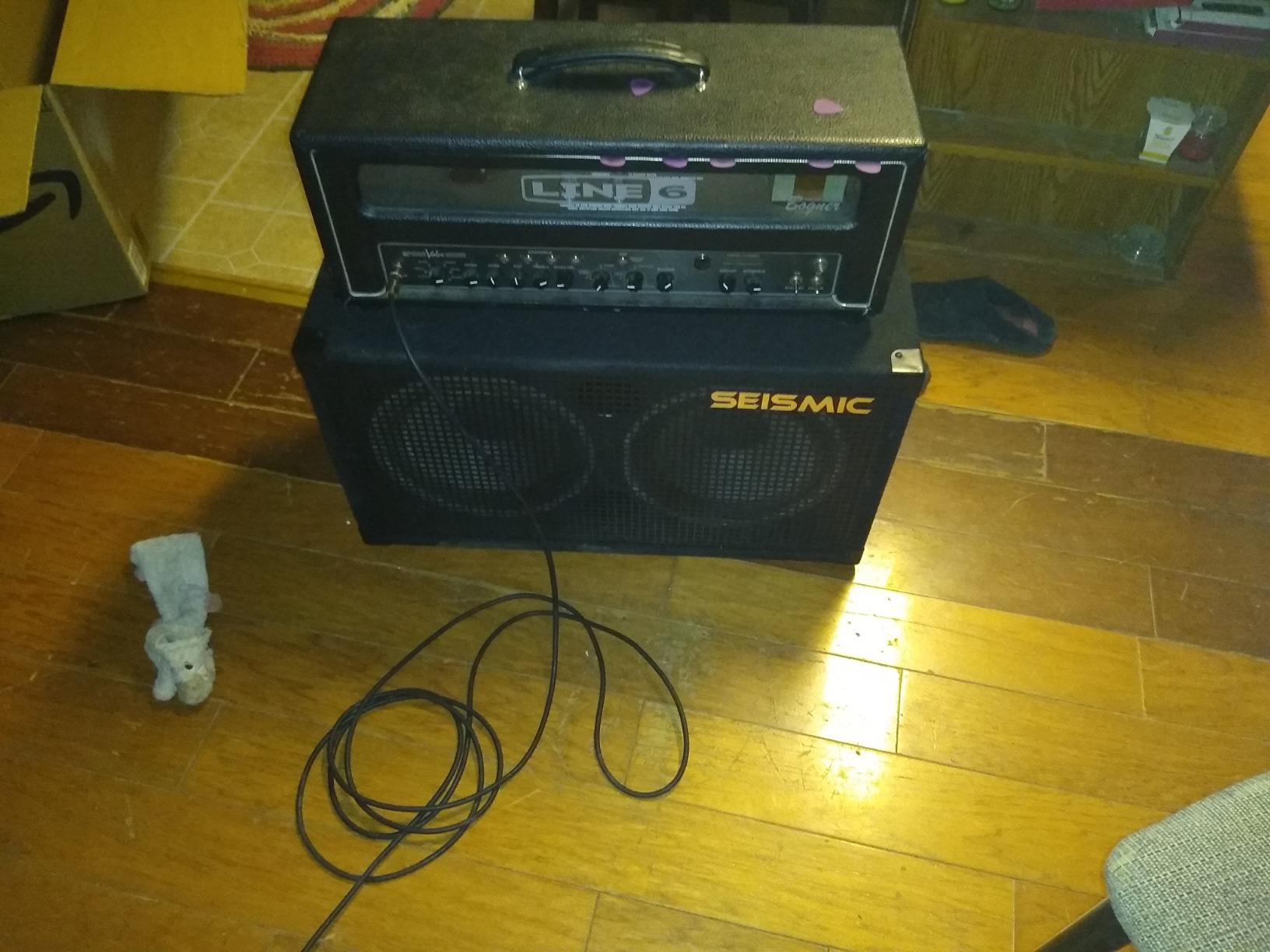
Common issues include rough-cut speaker holes that need sanding and the lack of pre-drilled mounting holes, which means you will need a drill and bits to install speakers. Some users report particle board on internal panels rather than all plywood, so check the construction before final assembly.
Despite the build quirks, this is one of the most affordable paths to a custom 2×12 cabinet. Load it with quality speakers and you get a pro-sounding rig at hobbyist prices. Forum users on r/guitar consistently recommend it as the best ultra-budget 2×12 build platform.
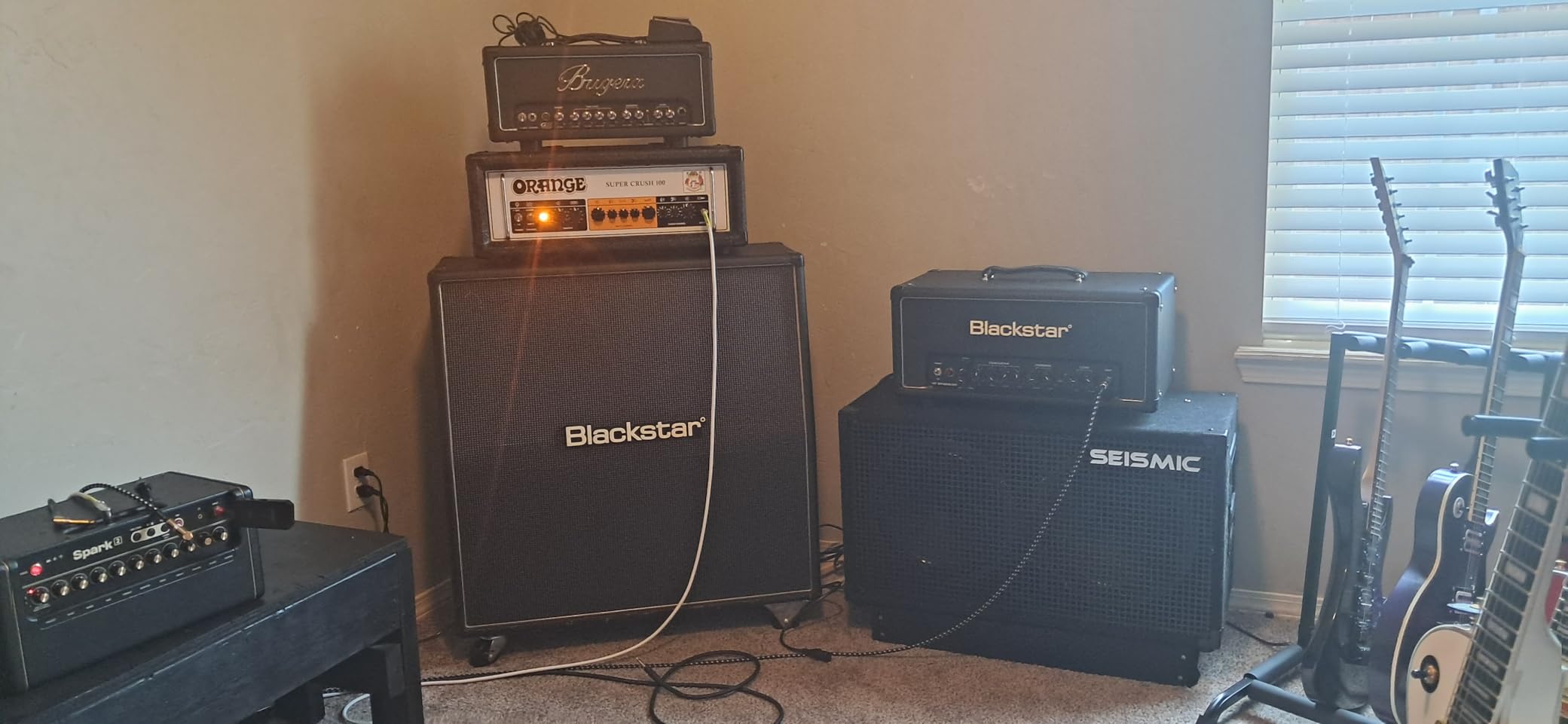
For whom it’s good
Budget-conscious builders who want a 2×12 platform at a very approachable price tier will find tremendous value here. The basic 5/8 inch plywood is sturdy enough for most speaker choices.
For whom it’s bad
If you want a finished, polished cabinet ready to gig, this is not it. Buyers uncomfortable with drilling and minor carpentry should look at pre-loaded options instead.
How to Choose the Best Guitar Cabinet for Your Rig
Picking the right guitar cabinet comes down to four key decisions: size, speaker configuration, open-back vs closed-back design, and impedance matching. We will walk through each one so you can match a cabinet to your amp head, your genre, and your playing situation.
1×12 vs 2×12 vs 4×12: Which Size Do You Need?
The size of your guitar cabinet directly impacts portability, volume, and tonal character. A 1×12 cabinet is highly portable and ideal for bedroom practice, recording, and small gigs where you do not need to project over a loud drummer. A 2×12 cabinet strikes a balance between portability and soundstage, giving you wider stereo imaging and more air movement than a 1×12. A 4×12 cabinet delivers maximum projection and the classic rock-stack look, but it weighs 80 to 120 pounds and is overkill for most home and small-venue situations.
Our recommendation: if you play mostly at home or in small venues, start with a quality 1×12 like the Monoprice Stage Right or Orange PPC112. If you gig regularly in mid-size venues and want stereo imaging, step up to a 2×12. Save the 4×12 for full-band situations and large stages where you need maximum projection.
Open-Back vs Closed-Back: How Design Shapes Your Tone
Closed-back cabinets project sound forward only, giving you tighter bass response, more focused mids, and higher perceived volume in front of the cab. This is why most 4×12 cabinets (Marshall, Mesa Boogie, Orange) are closed-back: they are designed to cut through on stage. Closed-back cabs also handle high-gain tones with less low-end flub.
Open-back cabinets project sound from both the front and rear, creating an airy, three-dimensional tone that works beautifully for clean, blues, jazz, and classic rock. The trade-off is less focused bass response and lower forward volume. Players who want the open-back character in a smaller format often choose a 2×12 open-back like the Orange PPC212OB.
Speaker Types and Celestion Families Explained
The speaker inside your cabinet matters as much as the cabinet itself. Celestion speakers dominate the market for good reason: they sound great and they last. The Vintage 30 (V30) is the standard for rock and metal with its punchy midrange and 100 dB sensitivity. The G12M Greenback is the classic rock speaker, slightly darker and warmer than the V30. The G12H Creamback is louder and brighter, popular with players who want more cut and authority.
Other Celestion options include the Seventy 80 (budget-friendly, good for practice amps), the G12-65 (British rock heritage), and the Alnico Blue (vintage warm tone for blues and jazz). When choosing a speaker, match the sensitivity to your amp: high-sensitivity speakers (98 dB+) work well with low-wattage tube heads, while lower-sensitivity speakers benefit from more powerful amps.
Impedance and Power Matching: Don’t Blow Up Your Speakers
Impedance matching is the most common source of confusion when connecting a cabinet to an amp head. Most tube amps have output taps for 4, 8, and 16 ohms. The rule is simple: the total cabinet impedance should match the amp’s output tap. Mismatched impedance can damage your output transformer or your speakers, especially in tube amps.
If your cabinet has a single 8-ohm speaker, set your amp to the 8-ohm tap. If your cabinet is rated at 16 ohms (like the Orange PPC112), use the 16-ohm tap. For multiple speakers, speakers wired in series double the impedance (two 8-ohm speakers in series = 16 ohms), while speakers in parallel halve the impedance (two 8-ohm speakers in parallel = 4 ohms). Some cabs have stereo/mono switches that change the wiring configuration; check the back panel for the rated impedance in each mode.
Construction Materials: Baltic Birch vs MDF vs Plywood
The wood your cabinet is made from affects its tonal character and durability. Baltic birch plywood is the gold standard: dense, rigid, and resonant, it produces tight low end and clear note definition. Marine-grade plywood offers similar benefits with extra moisture resistance for outdoor gigs. MDF (medium-density fiberboard) and particle board are budget options that produce acceptable tone but flex more at high volumes, which can cause unwanted resonances.
Premium cabinets from Marshall, Mesa Boogie, Orange, and Mojotone use 13 to 18-ply void-less Baltic birch for the best tone. Budget cabinets often use thinner plywood or MDF to keep costs down. For most players, the difference is subtle, but if you play at high volumes or want maximum headroom, look for cabinets with multi-ply birch construction.
FRFR Cabinets for Modeling Amps
If you run a modeling amp like the Line 6 Helix, Kemper Profiler, Fractal Audio Axe-FX, or Quad Cortex, traditional guitar cabinets will not reproduce your tones accurately. You need an FRFR (full range, flat response) cabinet that acts like a neutral studio monitor, reproducing whatever your modeler sends without coloring the sound. Our top FRFR picks are the HeadRush FRFR-8 for home and small gigs and the Positive Grid Spark CAB for Spark owners.
For louder FRFR setups, consider 12-inch FRFR cabinets from brands like Atomic, Headrush, or Mission Engineering. The bigger the driver and the higher the wattage, the louder you can push before the cab runs out of headroom. FRFR cabs typically have built-in EQ controls to help you shape the response for different rooms, which is one of their biggest advantages over traditional guitar cabs.
Frequently Asked Questions
Do guitar cabinets make a difference?
Yes, guitar cabinets shape your tone as much as your amplifier. The size, speaker configuration, open-back versus closed-back design, and construction material all affect how punchy, warm, or airy your sound feels and how it projects in a room. Swapping the same amp head between different cabinets can change your tone dramatically.
Which 2×12 guitar cabinet has the best sound?
The Orange PPC212OB is widely considered one of the best-sounding 2×12 cabinets, offering the classic Orange midrange with open-back air. For closed-back 2×12 tone, the Mesa Boogie Rectifier Compact 2×12 and Bogner 212 Oversized are top picks. The best choice depends on whether you want open-back air or closed-back focus.
What is the best 4×12 guitar cabinet?
The Marshall 1960AV and Mesa Boogie Rectifier 4×12 are the most iconic 4×12 cabinets, favored by rock and metal players worldwide. The Orange PPC412 AD is a strong alternative with its own British voicing. All three handle high-wattage tube heads and deliver the projection needed for large stages.
What cabinets does Metallica use?
Metallica has used Mesa Boogie 4×12 Rectifier cabinets since the early 1990s, both live and in the studio. James Hetfield and Kirk Hammett both run Mesa Rectifier cabs loaded with Celestion Vintage 30 speakers for that tight, aggressive metal tone.
Best 1×12 guitar cabinet for rock and metal?
For rock and metal in a 1×12 format, look for cabinets loaded with a Celestion Vintage 30 or G12M Greenback. The Monoprice Stage Right 1×12 and Orange PPC112 both deliver authentic rock and metal tone at a fraction of boutique prices. Pair either with a 20 to 50-watt tube head for the best results.
Final Verdict: Our Top Guitar Cabinet Picks for 2026
After testing ten of the best guitar cabinets on the market, our top pick for 2026 is the Monoprice Stage Right 1×12 with Celestion Vintage 30. It delivers authentic V30 tone, real plywood construction, and gig-worthy volume at a price tier most players can afford. For Orange fans, the PPC112 is the most authentic 1×12 in the brand’s lineup, and for modeler users, the HeadRush FRFR-8 is the cleanest, most portable FRFR cab we have tested.
If you want to learn more about getting great tone from your rig, check out our guide on how to mic a guitar amp for a balanced tone and our breakdown of how to record guitar and bass direct without an amp. For acoustic players, we also have a step-by-step guide on recording acoustic guitar with a single microphone. If you are dialing in your bass tone as well, our piece on how to set intonation on a bass guitar is worth a read.
Whatever your budget and playing style, the best guitar cabinet is the one that matches your amp head, your genre, and your gigging situation. Use this guide as a starting point, then audition your top two or three picks in person whenever possible. Your perfect cab is out there, and now you have the knowledge to find it.