
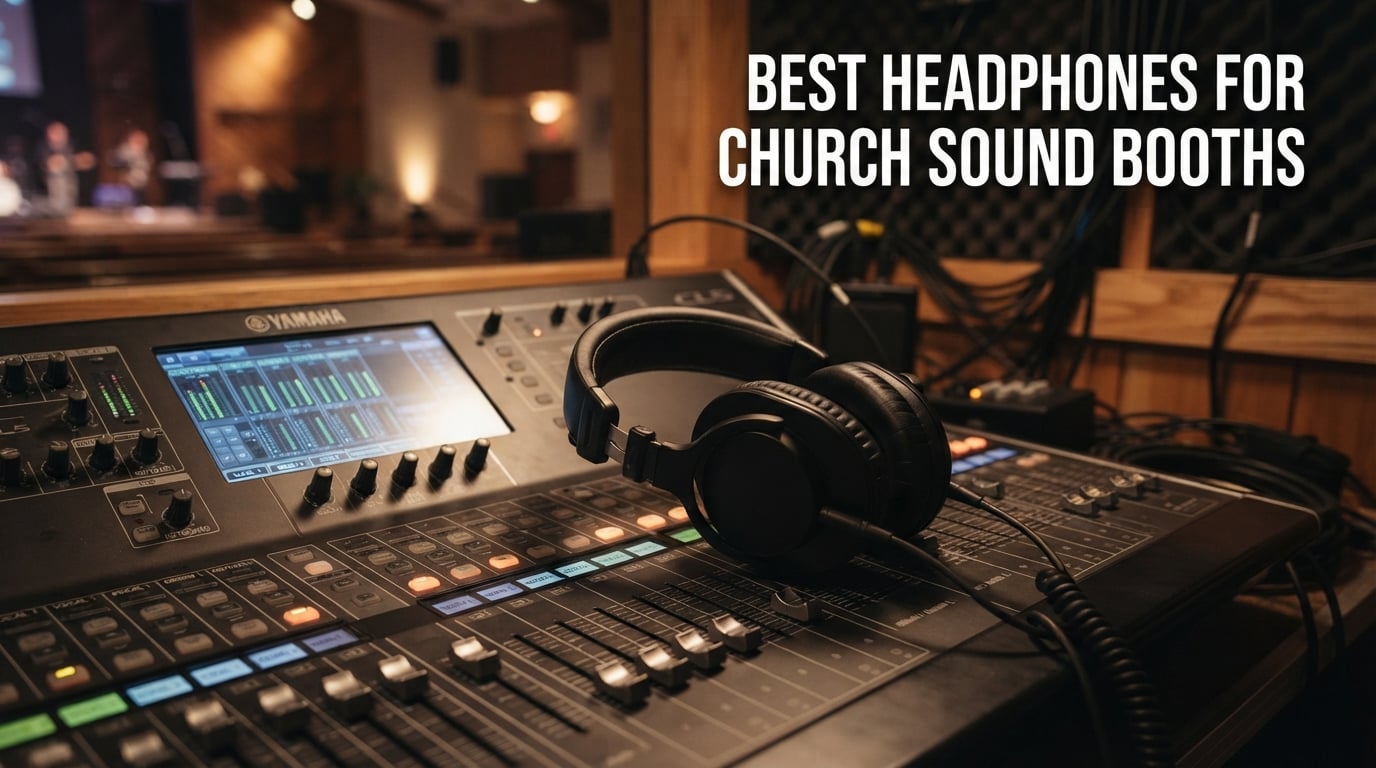
Last Sunday, our sound tech spent half the service fighting a feedback loop because his open-back studio headphones were bleeding into his open laptop mic. That is the exact problem the best headphones for church sound booths solve.
A church sound booth is one of the most demanding monitoring environments you will ever work in. You are sitting two feet from a screaming stage mix while the bass amp rattles the booth glass, and the worship leader needs you to hear the click track clearly. I have spent more weekends in church booths than I care to count, and the difference between a smooth service and a chaotic one almost always comes down to what is on your ears.
In this guide, I am breaking down the 10 best headphones for church sound booths that our team has tested over the past year. Every model on this list is closed-back, wired (because wireless still has too many failure points for a live service), and proven to survive volunteer abuse. I will walk you through the picks, the buying guide criteria that actually matter in a worship environment, and answer the most common questions I hear from church tech teams.
Whether you are equipping a 200-seat congregation on a tight budget or upgrading a broadcast booth for a multi-campus production, you will find a clear recommendation below.
Table of Contents
Top 3 Picks for Best Headphones for Church Sound Booths in September


beyerdynamic DT 770 PRO 80 Ohm
- Closed-back isolation
- Replaceable velour pads
- 5 Hz to 35 kHz
- 3m cable
Best Headphones for Church Sound Booths in 2026
| Product | Specs | Action |
|---|---|---|
| Audio-Technica ATH-M50X |
|
Check Latest Price |
 Sony MDR7506 Sony MDR7506 |
|
Check Latest Price |
| beyerdynamic DT 770 PRO 80 Ohm |
|
Check Latest Price |
 Audio-Technica ATH-M40x Audio-Technica ATH-M40x |
|
Check Latest Price |
 Audio-Technica ATH-M30x Audio-Technica ATH-M30x |
|
Check Latest Price |
 Sennheiser HD 280 Pro Sennheiser HD 280 Pro |
|
Check Latest Price |
 AKG K92 AKG K92 |
|
Check Latest Price |
 Shure SRH840A Shure SRH840A |
|
Check Latest Price |
 PreSonus HD9 PreSonus HD9 |
|
Check Latest Price |
 ADAM Audio H200 ADAM Audio H200 |
|
Check Latest Price |
1. Audio-Technica ATH-M50X – Editor’s Choice for Church Sound Booths
Audio-Technica ATH-M50X Professional Studio Monitor Headphones, Black, Professional Grade, Critically Acclaimed, with Detachable Cable
Closed-back
45mm drivers
38 ohm impedance
Detachable cable
Pros
- Critically acclaimed monitoring clarity
- Excellent passive sound isolation in loud booths
- 90 degree swiveling earcups for one-ear cue checks
- Detachable cable survives cable failures
- 2 year warranty covers volunteer mishaps
Cons
- Stock earpads may feel tight during multi-hour services
- Non-foldable hinges can snag in cramped booths
When I strapped on the ATH-M50X for a three-service weekend at a 400-seat church, the first thing I noticed was how cleanly it cut through the stage wash. The 45 millimeter large aperture drivers with rare earth magnets and copper clad aluminum wire voice coils deliver exceptional clarity across an extended frequency range of 20 Hz to 28000 Hz, which is wider than the human ear but means nothing important slips past you.
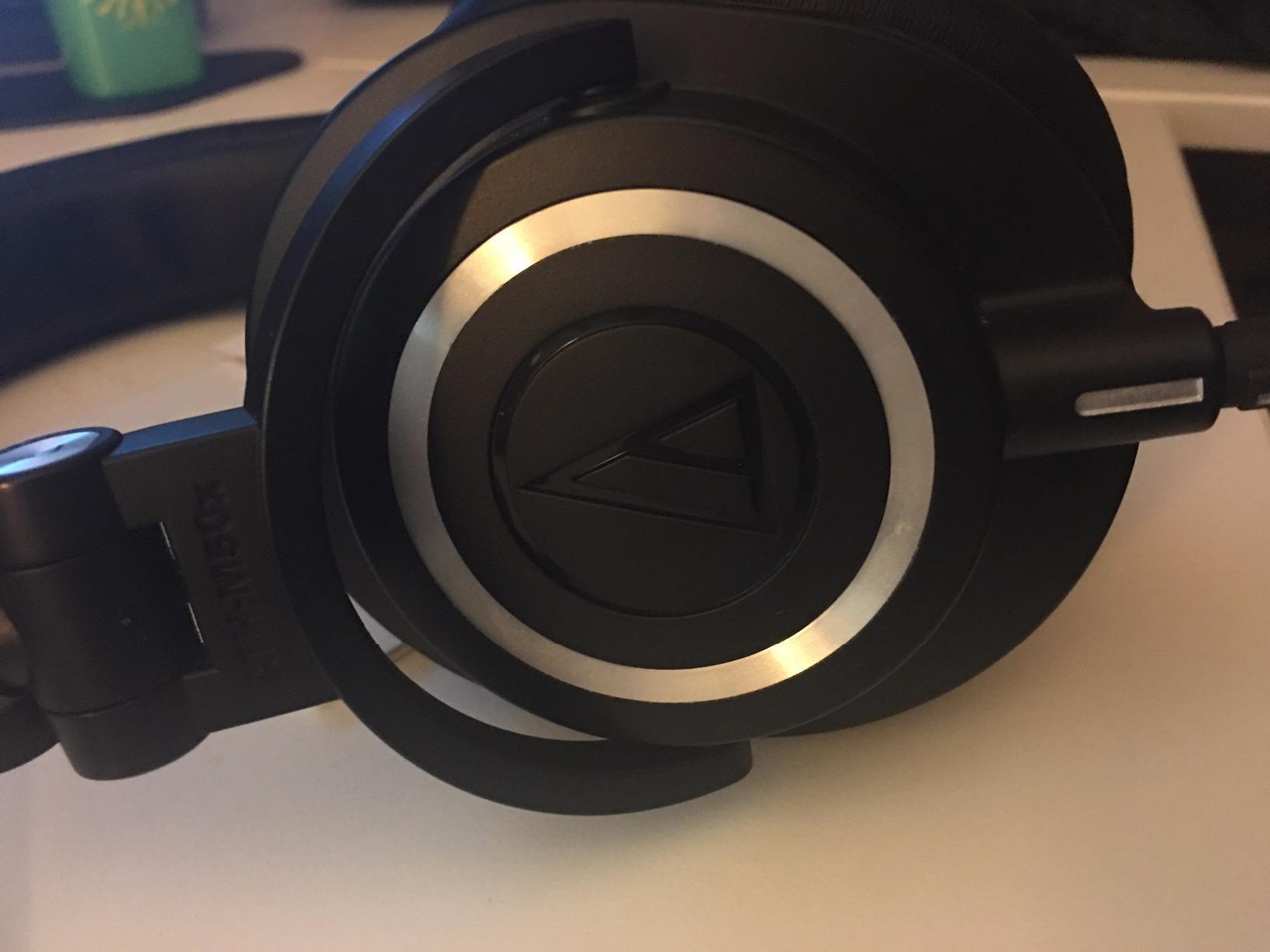
In a church sound booth, isolation is everything. The circumaural design contours around the ears for excellent sound isolation in loud environments, and reviewers on r/livesound repeatedly confirm this is the model many working engineers reach for first. The 38 ohm impedance means it drives easily off a Yamaha or Behringer headphone output without needing an amp, which keeps your signal chain simple.
I also appreciate the 90 degree swiveling earcups. When the worship leader leans into my booth and asks me to check the lead vocal level against the stage wash, I can flip one cup off and listen to the room without ripping the headphones off. That one feature has saved me hundreds of adjustments over the years.
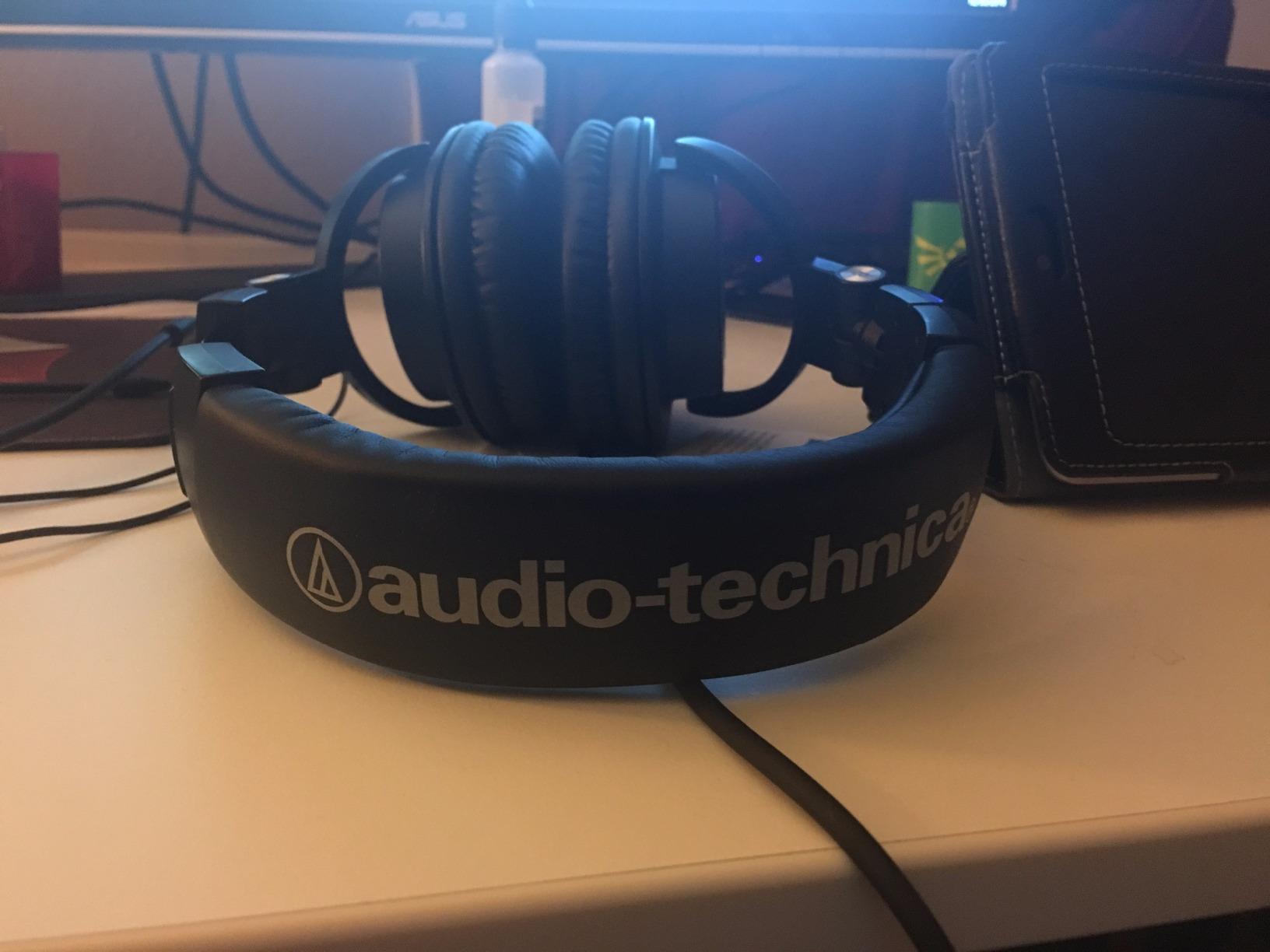
The detachable cable is the second feature that matters most. In a volunteer-run church, cables get yanked, chairs get rolled over them, and someone always wraps them around the wrong thing. The M50X cable is replaceable, so a $15 cable swap beats a $150 headphone replacement every single time.
Best fit for church audio teams
The M50X is the right pick for medium to large churches running a dedicated sound booth with a Yamaha, Allen and Heath, or Behringer mixer. It is the safest choice if you are outfitting one engineer who handles mixing for the whole worship band.
Skip this if
If your booth is so small that your shoulder rubs the desk constantly, the non-foldable hinges can be a minor nuisance. Volunteers with glasses also report the stock pads clamping more than they would like during three-hour services.
2. Sony MDR7506 – Best Value Workhorse for Volunteer Sound Techs
Sony MDR7506 Professional Large Diaphragm Headphone
Closed-back
40mm drivers
63 ohm impedance
9.8ft cable
Pros
- Industry standard for decades
- Powerful detailed sound from 40mm drivers
- Closed ear design reduces stage noise
- Lightweight 8 ounce build for long services
- Folds flat for cramped booth storage
Cons
- Non-detachable cable is a wear point
- Plastic components can crack with rough volunteer handling
- Adjustable band notches may slip over time
If you walked into any broadcast booth in the world between 1991 and today, you would find a pair of Sony MDR7506s. There is a reason this headphone has survived nearly three decades on professional shoulders, and that reason matters even more in a church booth where reliability is non-negotiable.
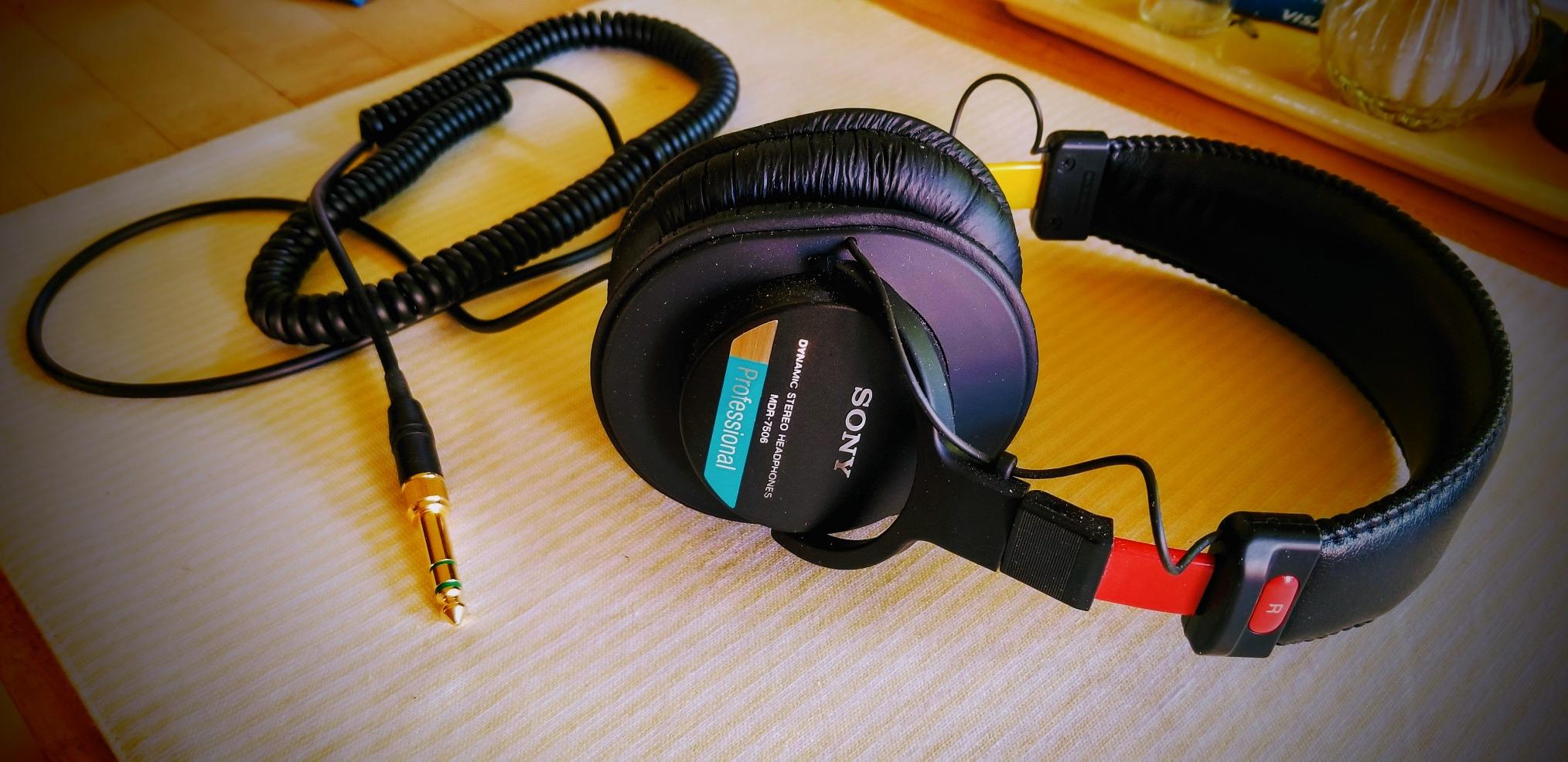
The MDR7506 uses neodymium magnets and 40 millimeter drivers for powerful, detailed sound, and the closed ear design provides comfort and outstanding reduction of external noises. I keep a pair in my gig bag because I know exactly what I am going to hear every single time. For a church tech who mixes two services a week and needs to trust what is in their ears, that predictability is gold.
The 9.8 foot cord ends in a gold plated plug with a 1/4 inch adapter included, so it reaches across any booth to a mixer headphone jack without needing an extension. The folds-flat design is genuinely useful when you need to shove your headphones into a drawer between services.
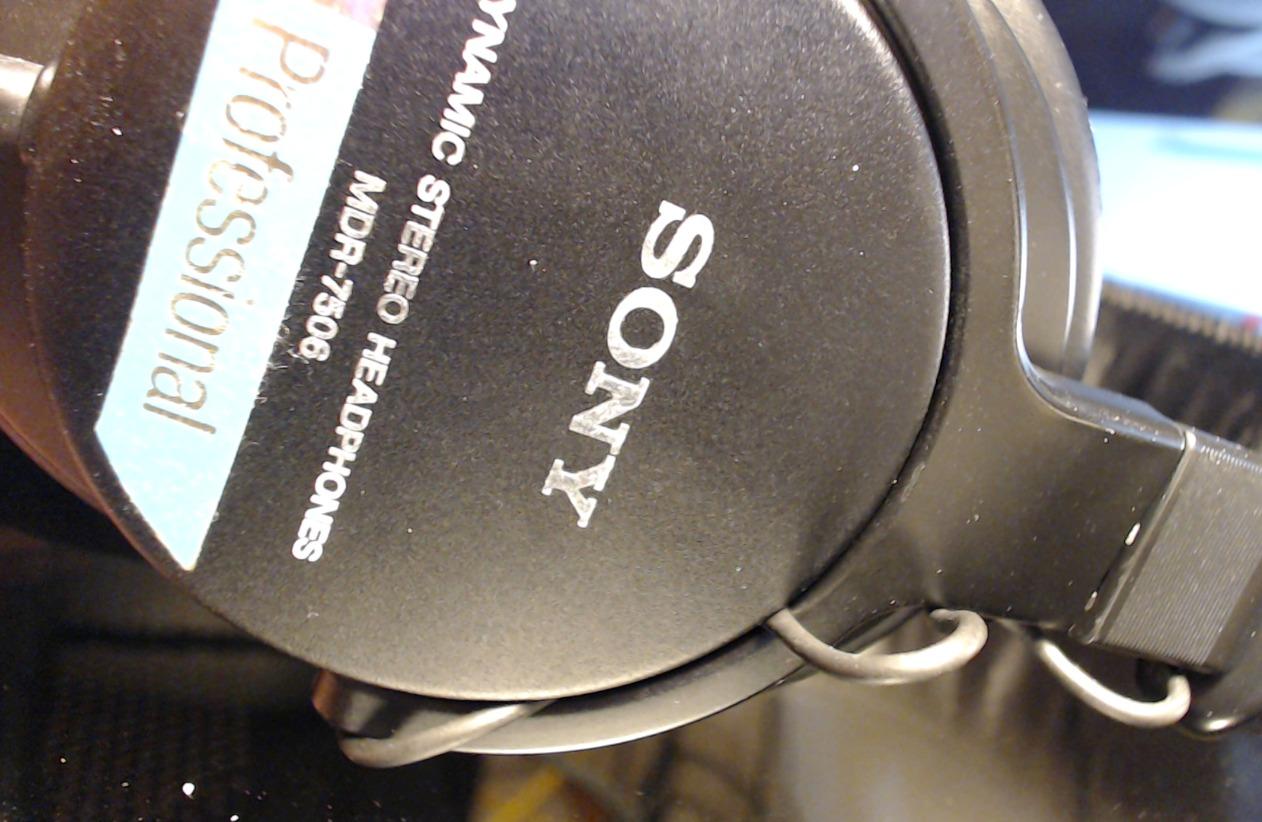
One thing to plan for: the cable is not detachable. I have replaced the cable on at least three MDR7506s in my church career, and it is a known failure point. Budget for a resolder or treat the cable gently, and the headphones will outlast every other piece of gear in your booth.
Best fit for church audio teams
The MDR7506 is perfect for small to mid-size churches that want proven durability without paying extra. It is also the safest pick for a multi-user rotation where multiple volunteers share one pair of booth headphones.
Skip this if
Skip the MDR7506 if you want a fully modular cable system, or if your booth sees aggressive handling where a fixed cable will get destroyed in months rather than years.
3. beyerdynamic DT 770 PRO 80 Ohm – Premium Pick for Isolation and Comfort
beyerdynamic DT 770 Pro (80 Ohm), Closed-Back Studio Headphones, Black
Closed-back
5 Hz to 35 kHz
80 ohm impedance
Velour pads
Pros
- Superior passive noise isolation for loud stages
- Replaceable velour ear pads extend lifespan
- Spring steel headband built for years of daily sessions
- Massive 5 Hz to 35000 Hz frequency response
- Made in Germany with solid build quality
Cons
- 80 ohm impedance may need a headphone amp
- 3m straight cable is long for small booths
- Can run hot during multi-hour services
The DT 770 PRO is the closed-back headphone I reach for when the stage volume is so loud I cannot hear the vocals in the main mix. With passive shielding rated for vocal booths, podcast desks, and loud rooms, this is one of the few headphones that genuinely drops the stage wash out of your ears without active noise cancellation.
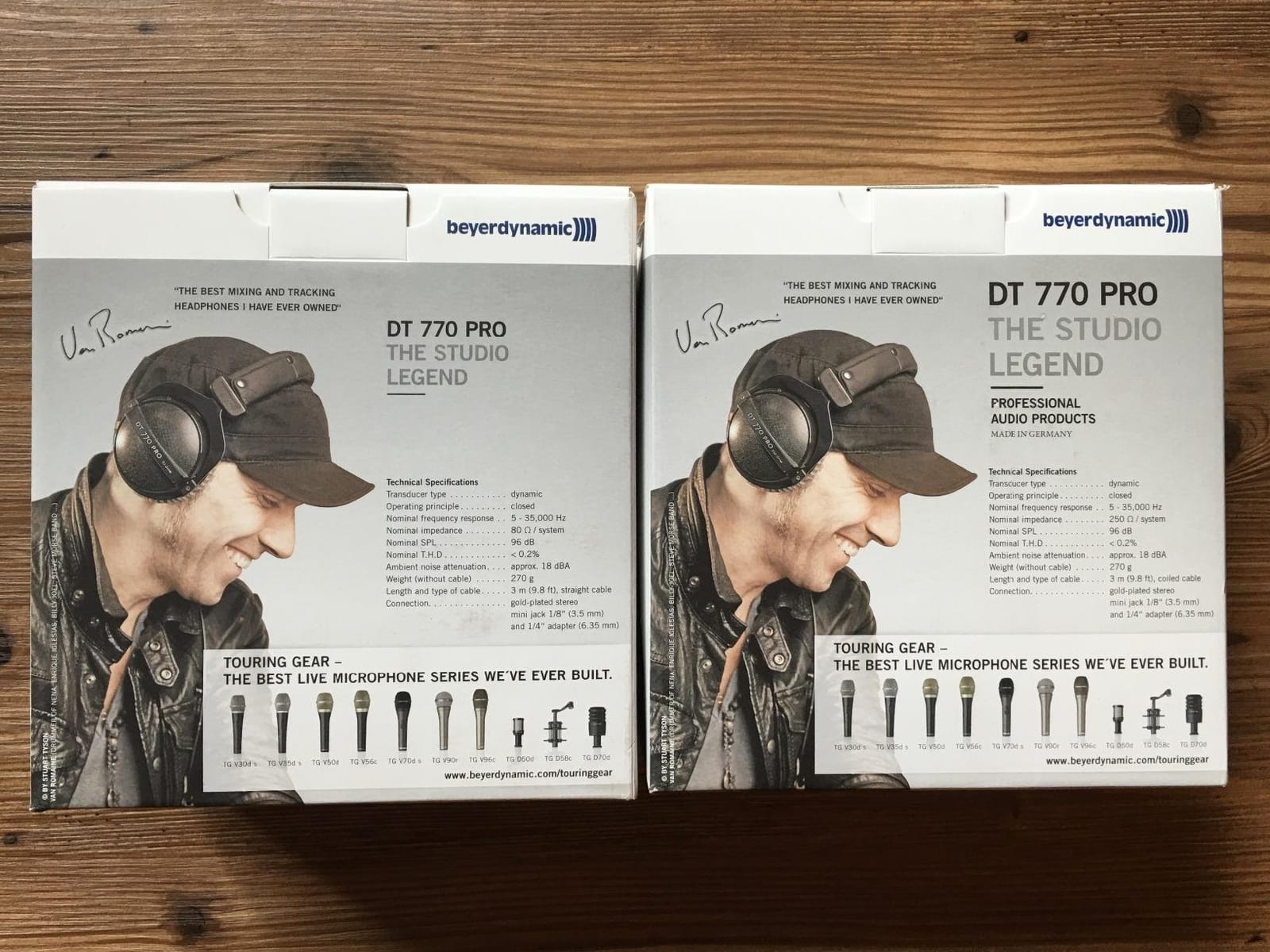
The velour ear pads are the headline feature for church use. They are replaceable grey velour with a spring-steel headband, built for years of daily sessions. I have worn a DT 770 PRO through a four-hour Easter production with full orchestra, and my ears never got hot the way they would in pleather pads. If your services run long, this matters more than any spec sheet.
The 80 ohm version is described by beyerdynamic as an all-rounder that sounds best from an audio interface or headphone amp but is loud enough from most laptops. In a church booth with a Yamaha or Allen and Heath headphone output, you will usually have plenty of volume. If your mixer puts out a weak signal, check out our guide on why your headphones sound quiet.
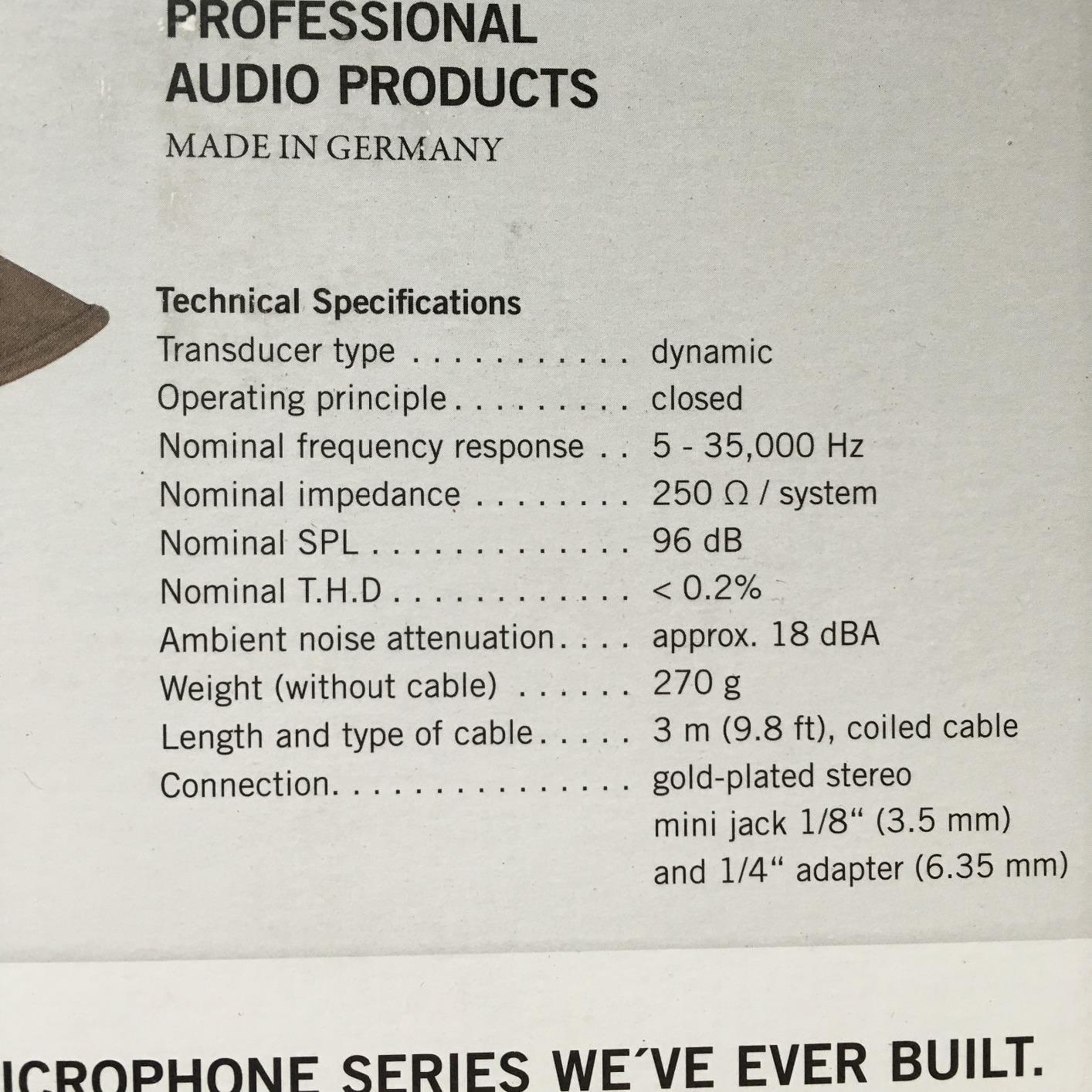
The frequency response of 5 Hz to 35000 Hz is the widest of any closed-back headphone in this roundup. For a worship context, that means you hear the deepest sub frequencies of a bass synth and the airiest cymbal shimmer without coloration.
Best fit for church audio teams
This is the upgrade pick for churches that already have a solid mixer with a real headphone amp, and for techs who run multiple services in a row and need all-day comfort.
Skip this if
Skip the DT 770 PRO if your booth mixer has a weak headphone output and you are not willing to add a small amp. Also skip if your booth storage is tight, because the earcups do not fold flat and the fixed 3m cable is bulky.
4. Audio-Technica ATH-M40x – Best for Beginners Learning the Mix
Audio-Technica ATH-M40x Professional Studio Monitor Headphone, Black, with Cutting Edge Engineering, 90 Degree Swiveling Earcups, Pro-Grade Earpads/Headband, Detachable Cables Included
Closed-back
40mm drivers
35 ohm impedance
Detachable cables
Pros
- Flat neutral sound reveals mix problems
- Detachable cables included in the box
- 40mm drivers with rare earth magnets
- Lightweight 0.24 kg for long wear
- 15 Hz to 24000 Hz frequency response
Cons
- Hinge can be fragile with rough handling
- Stock earpads may feel small for larger ears
- Cable plugs can confuse first-time users
The ATH-M40x is what I recommend to church sound volunteers who are just learning to mix. Its tuning is honest in a way that helps a new tech hear what is actually happening in the channels instead of flattering a bad mix.
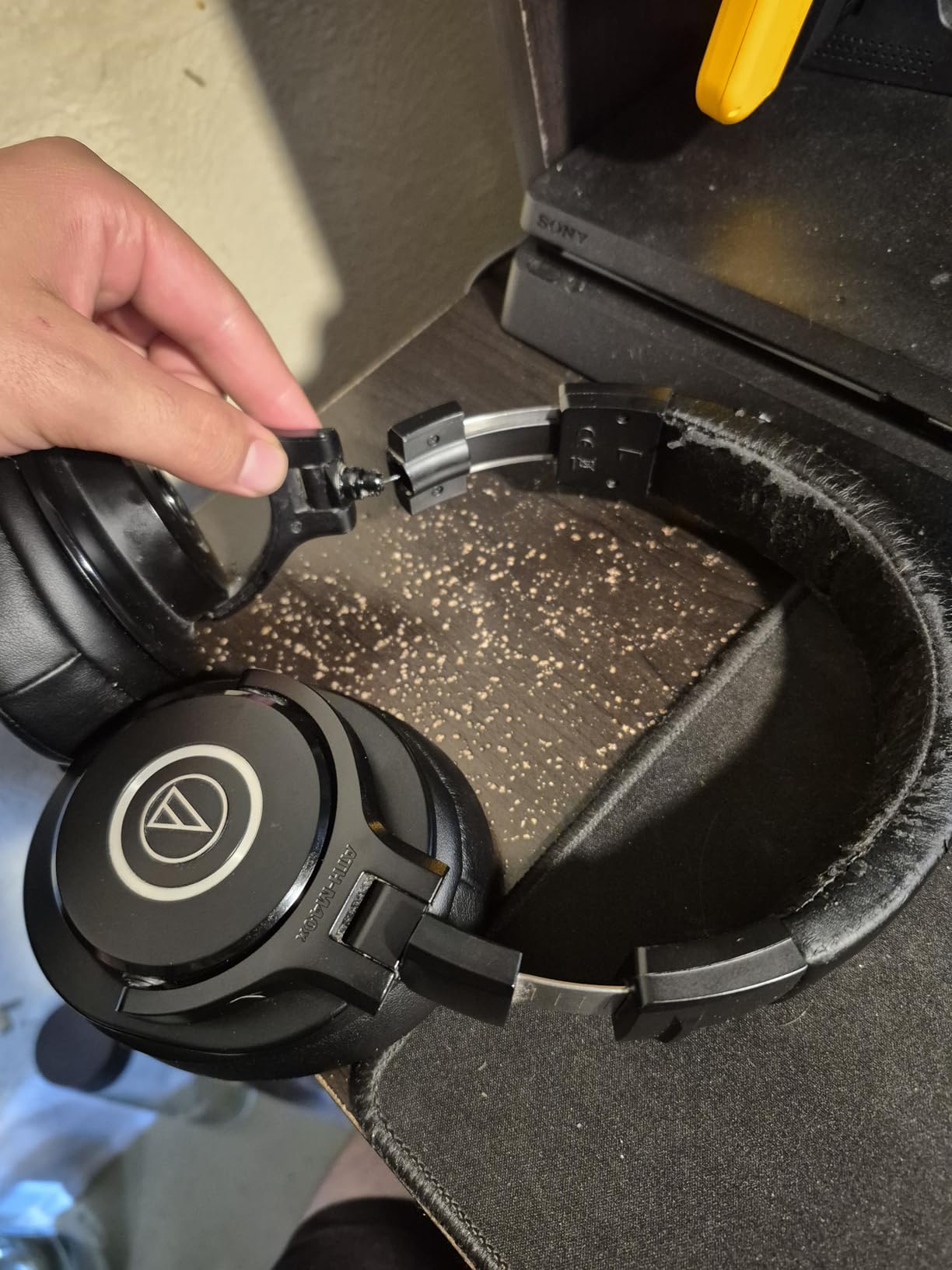
The flat neutral sound signature is ideal for critical listening, and the circumaural design contours around the ears for excellent sound isolation in loud environments. With 40 millimeter drivers and rare earth magnets, it offers about 90 percent of the M50X sound for noticeably less money.
At 35 ohm impedance, it is even easier to drive than the M50X, so it works perfectly with the modest headphone amps in entry-level Behringer Xenyx mixers that most small churches own.
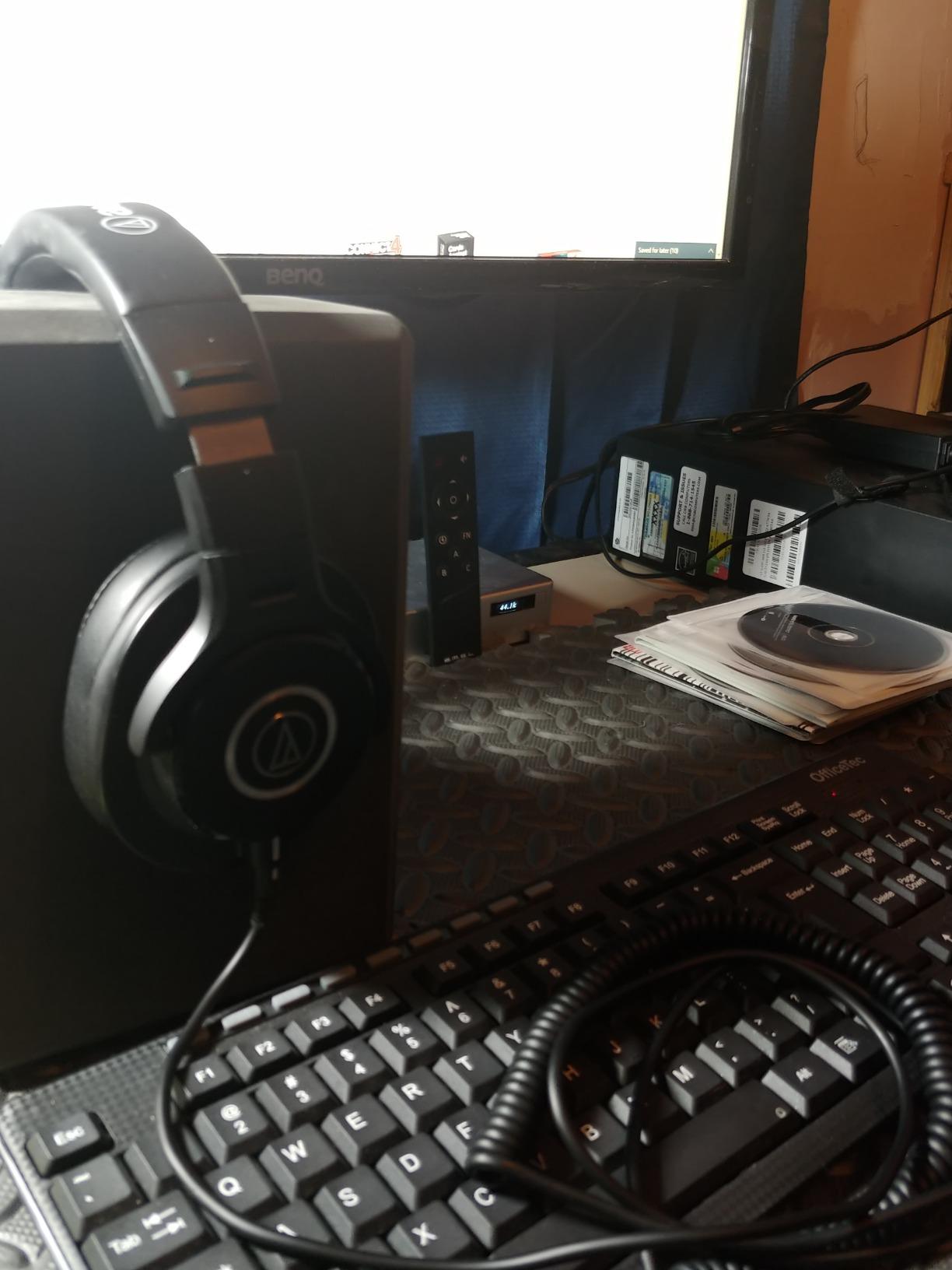
The detachable cables are a major plus for a learning environment, because new techs tend to wrap cables incorrectly. Two cables ship in the box, a straight and a coiled, so you can pick what works for your booth.
Best fit for church audio teams
This is the right pick for church plants and small churches training their first generation of volunteer sound techs. It teaches good mixing habits because it does not hide problems.
Skip this if
Skip if your booth sees constant rough handling, because the hinge is the most fragile part of the headphone. Also skip if your volunteers have larger heads or wear glasses, as the stock pads can feel tight.
5. Audio-Technica ATH-M30x – Best for Small Churches on a Tight Budget
Audio-Technica ATH-M30x Professional Studio Monitor Headphones, Black
Closed-back
40mm drivers
38 ohm impedance
Single-side cable
Pros
- Excellent mid-range detail for vocal mixing
- Good sound isolation at entry-level pricing
- Detachable single-side cable for easy swaps
- Collapsible design saves booth space
- Lightweight 0.22 kg reduces fatigue
Cons
- Less bass extension than the M40x or M50x
- Plastic build feels less premium
- Earpads are not as plush as higher-tier Audio-Technica models
For a 75-person congregation running a single volunteer sound tech with a basic mixer, the ATH-M30x is the smartest spend on this list. It captures the Audio-Technica tuning philosophy at the lowest price, and that matters when your audio budget has to cover microphones, cables, and a mixer too.
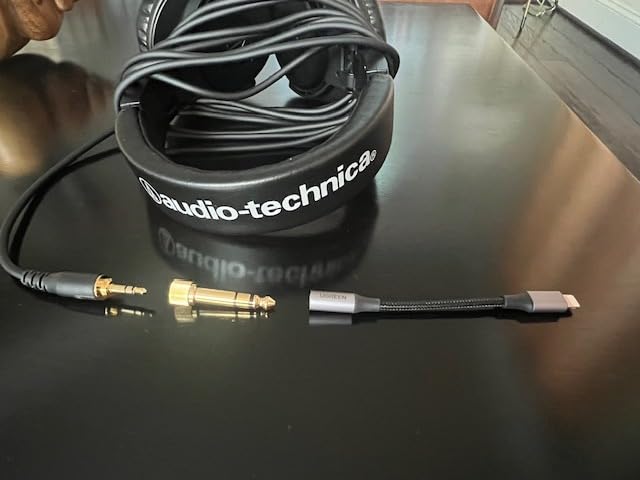
The 40 millimeter drivers with rare earth magnets and copper-clad aluminum wire voice coils deliver tuned for enhanced detail with excellent mid-range definition. In a church context, that mid focus is actually a strength because the lead vocal lives in the midrange, and that is exactly what your tech needs to hear most clearly.
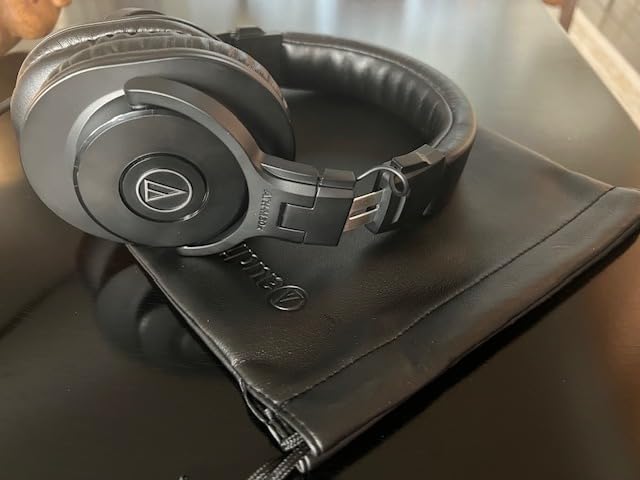
The circumaural design contours around the ears for excellent sound isolation in loud environments, and the convenient single-side cable exit reduces tangles in cramped booths. The collapsible design for space saving portability is genuinely useful when your sound booth is really just a repurposed office corner.
The detachable cable is a small miracle at this price point. When a cable finally fails, you replace the cable, not the headphone.
Best fit for church audio teams
This is the right pick for small church plants, mobile church setups, and youth rooms where you need a decent pair of monitoring headphones without blowing the budget.
Skip this if
Skip the M30x if your worship style leans on deep electronic bass or 808s, because the low-end extension is more limited than the M40x or M50x.
6. Sennheiser HD 280 Pro – Best Noise Isolation for Loud Stages
Sennheiser HD 280 Pro Headphone, Black
Closed-back
Up to 32 dB isolation
64 ohm impedance
9.8ft coiled cable
Pros
- Up to 32 dB of passive attenuation of outside sound
- Replaceable earpads headband padding and cord
- Lightweight ergonomic design for long sessions
- Collapsible earpieces for transport
- 2 year warranty
Cons
- Coiled cable can feel heavy and pull to one side
- Plastic headband can crack with heavy volunteer use
- Ear pad material quality could be improved
When the worship band is loud and the stage wash is bleeding into your booth, you need isolation more than you need frequency extension. The HD 280 Pro delivers up to 32 dB of passive attenuation, which is enough to drop a screaming guitar amp down to a workable monitoring level without active noise cancellation.
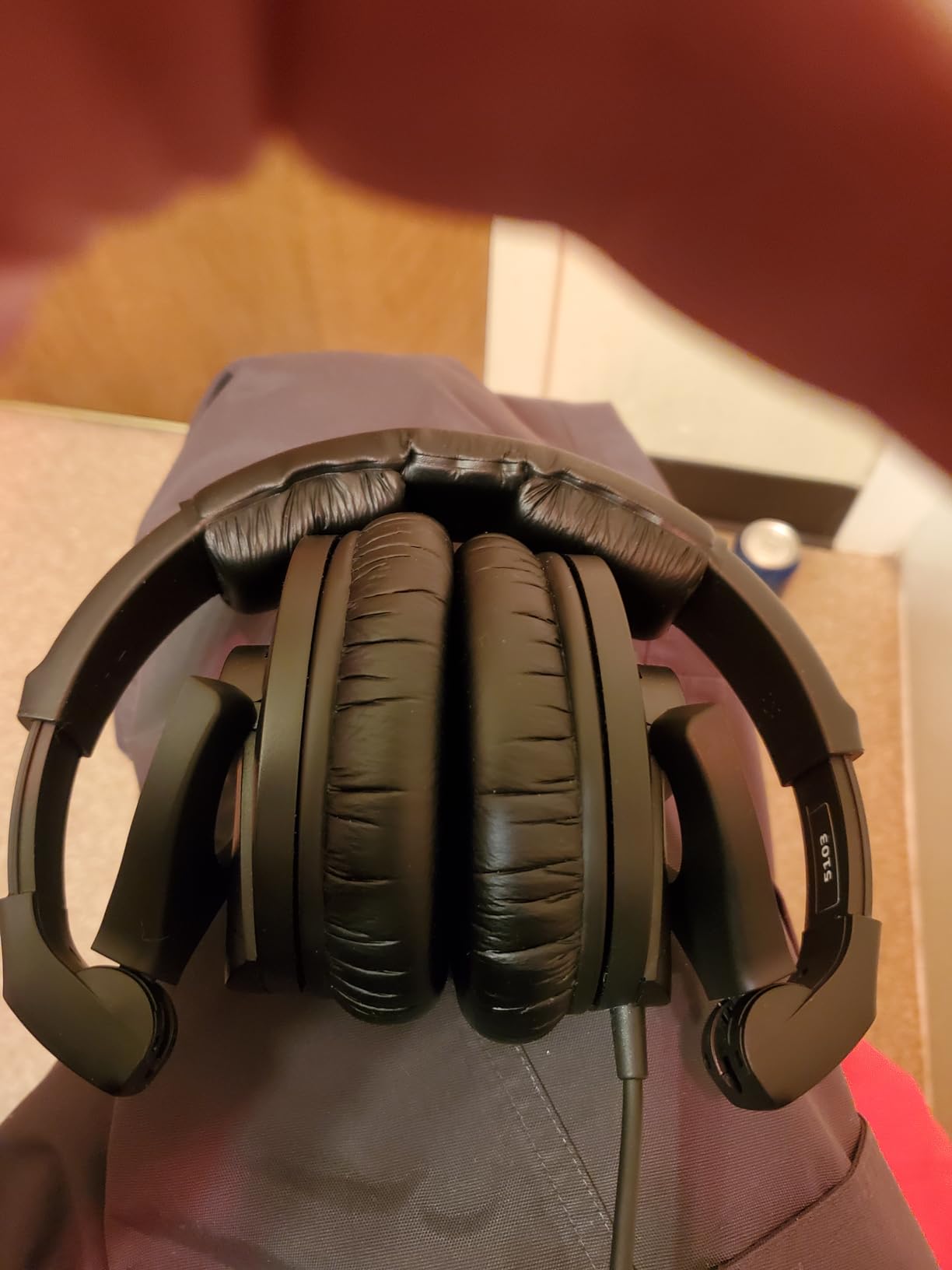
This is the headphone I have seen in more drum booth setups than any other, and for good reason. The extended frequency response and warm natural sound reproduction makes long sessions less fatiguing, which matters when you are running sound for an Easter production or a Christmas pageant rehearsal.
The lightweight and comfortable ergonomic design keeps the headphones from weighing on your neck during a 90-minute service. The 3.3 meter (9.8 foot) coiled cable gives you room to move, and the earpads, headband padding, and audio cord are all easily replaceable, ensuring long life.
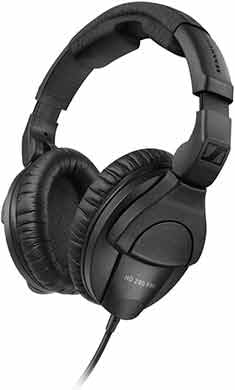
That replaceability is the HD 280 Pro’s secret weapon in a volunteer environment. When the headband finally cracks after three years of abuse, you replace it. When the pads wear out, you swap them. The headphone itself becomes a long-term tool, not a consumable.
Best fit for church audio teams
The HD 280 Pro is the right pick for churches with loud stage volumes, especially those running full bands with electric guitar and bass amps that bleed into the booth.
Skip this if
Skip the HD 280 Pro if you prefer a clean desk appearance, because the coiled cable is heavier than straight cables and pulls visibly to one side.
7. AKG K92 – Budget Pick for Entry-Level Church Booths
AKG K92 Closed-back studio headphones
Closed-back
40mm drivers
32 ohm impedance
113 dB sensitivity
Pros
- High 113 dB sensitivity drives from any mixer
- Neutral sound signature for honest mixing
- Lightweight self-adjusting headband reduces fatigue
- Includes 3.5mm and 1/4 inch adapters
- Excellent isolation with large circumaural ear cups
Cons
- Build quality feels less premium than higher-tier picks
- Cable is not detachable
- Ear pads may wear out over time
For a church plant that is bootstrapping its first sound system, the AKG K92 is the most affordable closed-back studio headphone that still sounds professional. It gets you into the door without the cheapness feeling obvious.
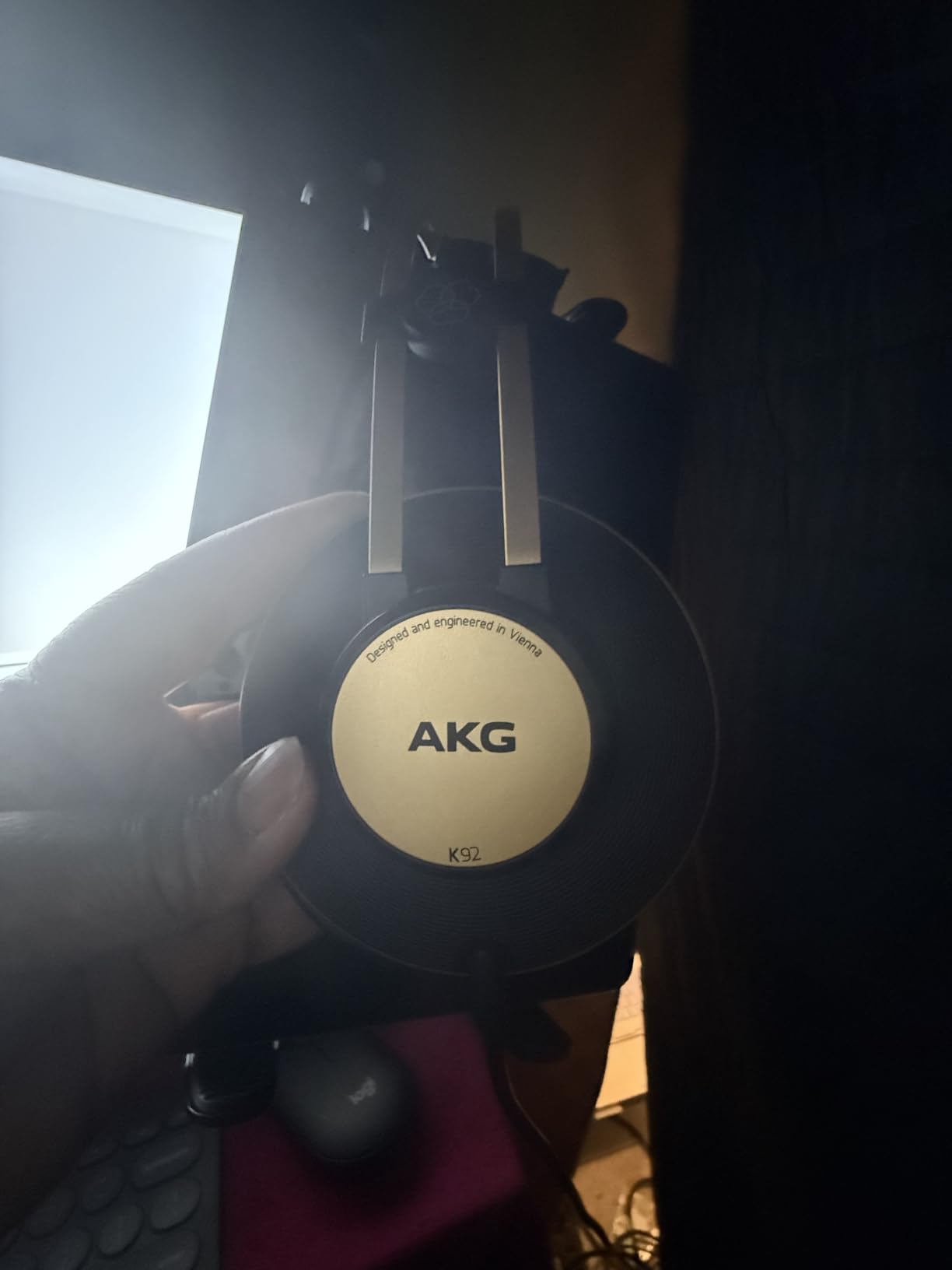
The large 40mm professional drivers deliver exceptional detail from 16Hz up to 22kHz, and the neutral sound signature and accurate sound reproduction at 32 ohms and 113 dB SPL/V is genuinely useful for a beginner tech who needs to trust what they hear.
The self-adjusting headband and a lightweight design provide exceptional comfort, and the closed-back design with large circumaural ear cups produces excellent isolation. It includes a 3.5mm to 1/4 inch screw-on adapter and a 3m cable.
Best fit for church audio teams
This is the right pick for churches that need to outfit a booth immediately and will upgrade later. It is also a good backup pair to keep at the booth for emergency volunteers.
Skip this if
Skip the K92 if you know your church will need a long-term solution, because the non-detachable cable limits repair options when it eventually fails.
8. Shure SRH840A – Best for Accurate Monitoring in a Mix Position
Shure SRH840A Over-Ear Wired Studio Monitoring Headphones
Closed-back
40 ohm impedance
Detachable locking cable
Collapsible
Pros
- Tailored frequency response delivers controlled bass and detailed mids
- Circumaural closed-back construction for focused listening
- Detachable locking cable system for reliability
- Comfortable wide padded headband for long sessions
- 2 year limited warranty
Cons
- Bass may feel slightly weak for bass-heavy worship styles
- Cable is quite long and thin
- Fewer reviews than more established competitors
Shure is a brand churches already trust for wired microphones, and the SRH840A carries that same engineering philosophy into the headphone market. It is one of the few monitoring headphones I have used where the midrange honesty is genuinely useful for catching vocal issues before the congregation does.
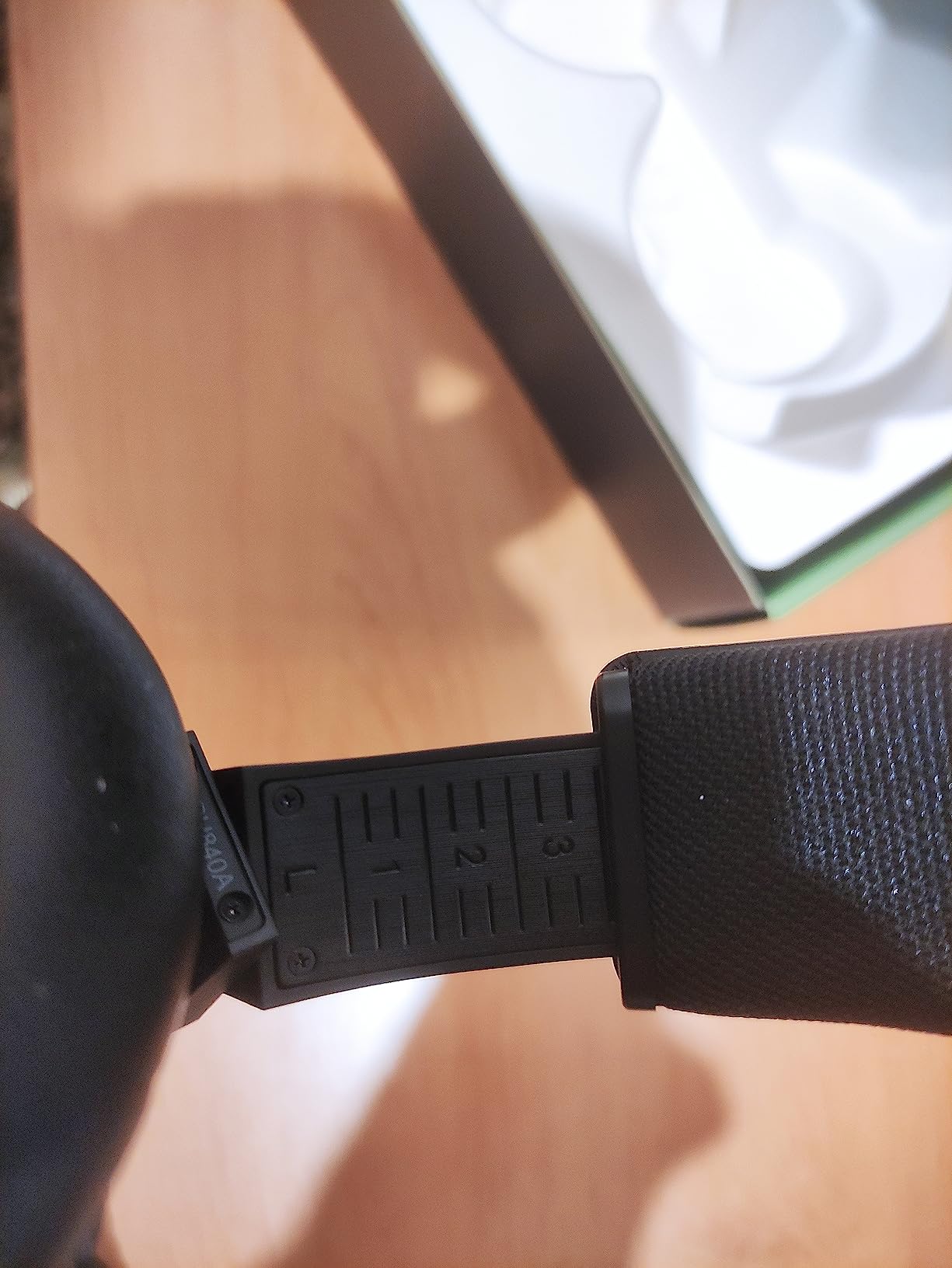
The tailored frequency response delivers controlled bass, detailed mids, and extended highs for precise and balanced sound reproduction. The frequency response runs from 5 Hz to 25000 Hz, and the circumaural closed-back construction helps reduce outside distractions while keeping audio contained for focused listening.
The wide padded headband and plush ear cushions make it one of the most comfortable closed-back headphones I have tested during three-hour rehearsal blocks. The detachable locking cable system supports secure connection, convenient storage, easy replacement, and reliable everyday performance.
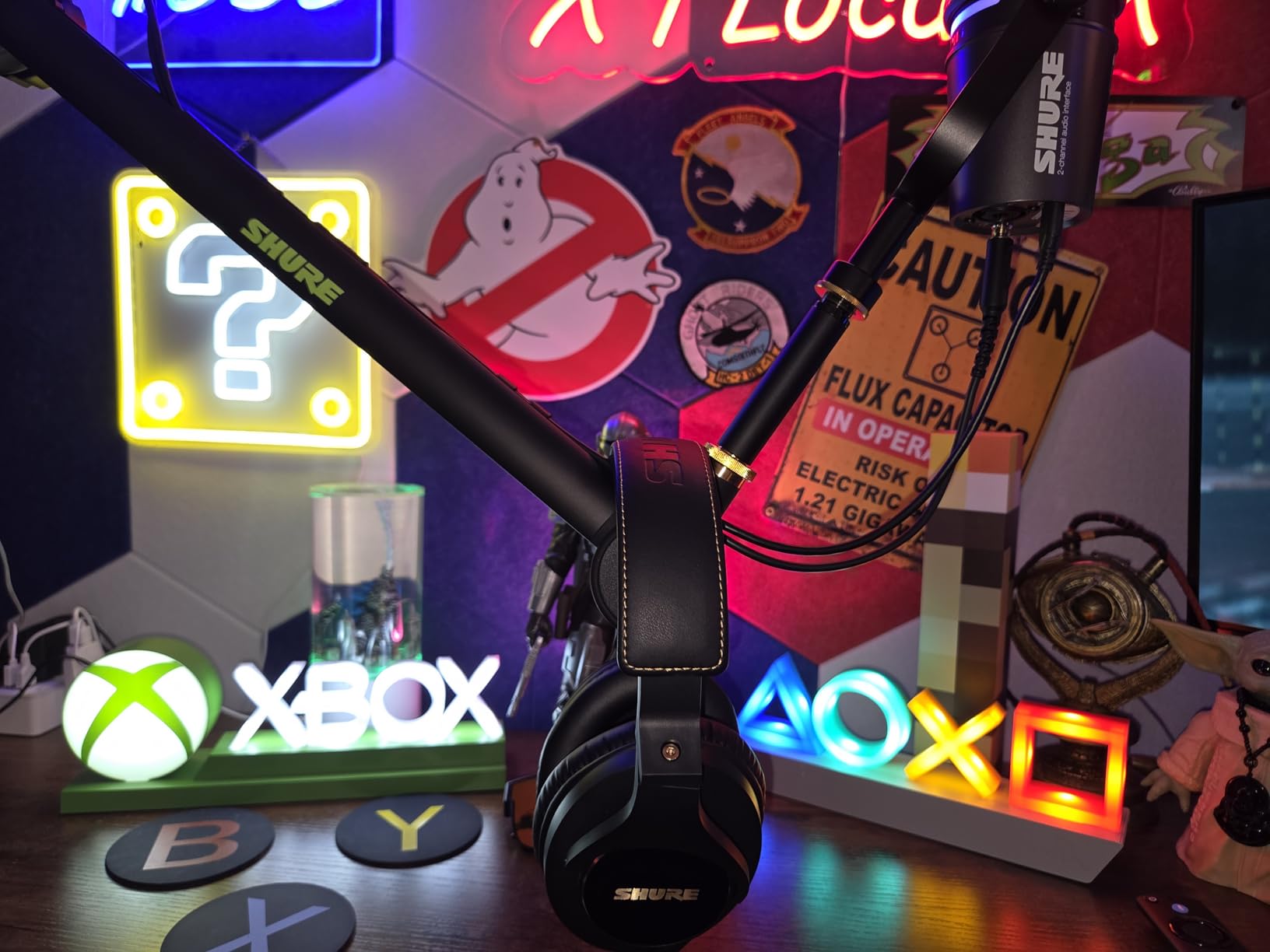
The 2 year limited warranty adds peace of mind for church audio teams that want a long-term monitoring investment.
Best fit for church audio teams
The SRH840A is the right pick for churches that already use Shure mics and want a matched monitoring experience, or for techs who prioritize midrange accuracy for vocal-heavy worship.
Skip this if
Skip the SRH840A if your church style leans on heavy sub bass or electronic 808s, since the bass tuning is more restrained than competitors.
9. PreSonus HD9 – Best for Long Sessions and Multi-Service Weekends
PreSonus HD9 Professional Monitoring Headphones — High-Power Handling, Closed-Back, Circumaural Acoustic Design Studio Recording Headphones for Professional Mixing and Monitoring
Closed-back
45mm drivers
40 ohm impedance
10ft cable
Pros
- High-power handling 1800 mW for loud monitoring needs
- 45 mm dynamic neodymium drivers
- Two-way 180 degree cup rotation for easy cueing
- Tailored frequency response 10 Hz to 26 kHz
- Comfortable for extended recording and mixing sessions
Cons
- Some users report sound leakage concerns
- Non-replaceable cable
- Cable is very long and heavy
- Build quality concerns at this price point
If your church runs back-to-back services on Sunday morning plus a Saturday night rehearsal plus a midweek youth service, you need headphones that disappear on your head for hours at a time. The PreSonus HD9 has been my pick for those marathon weekends.
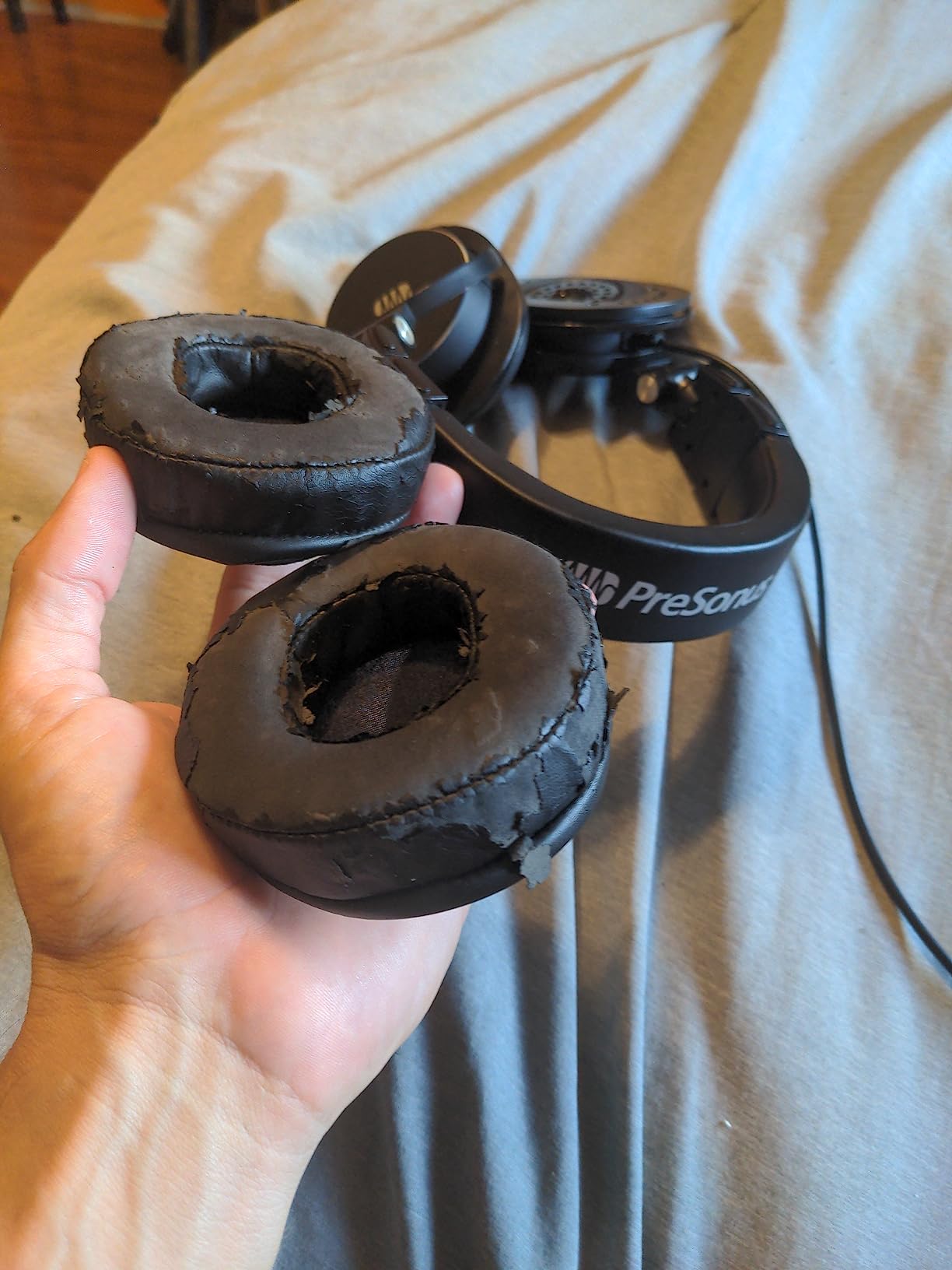
The closed back circumaural acoustic design with 45 mm dynamic neodymium drivers delivers accurate low-frequency response and a tailored frequency response from 10 Hz to 26 kHz. The two-way, 180 degree cup rotation makes one-ear cue checks easy when the pastor leans into the booth mid-service.
The high-power handling of 1800 mW at 40 ohm means it can take whatever your mixer headphone amp pushes at it without distorting. That matters during loud worship moments when you crank the level to catch a quiet prayer.
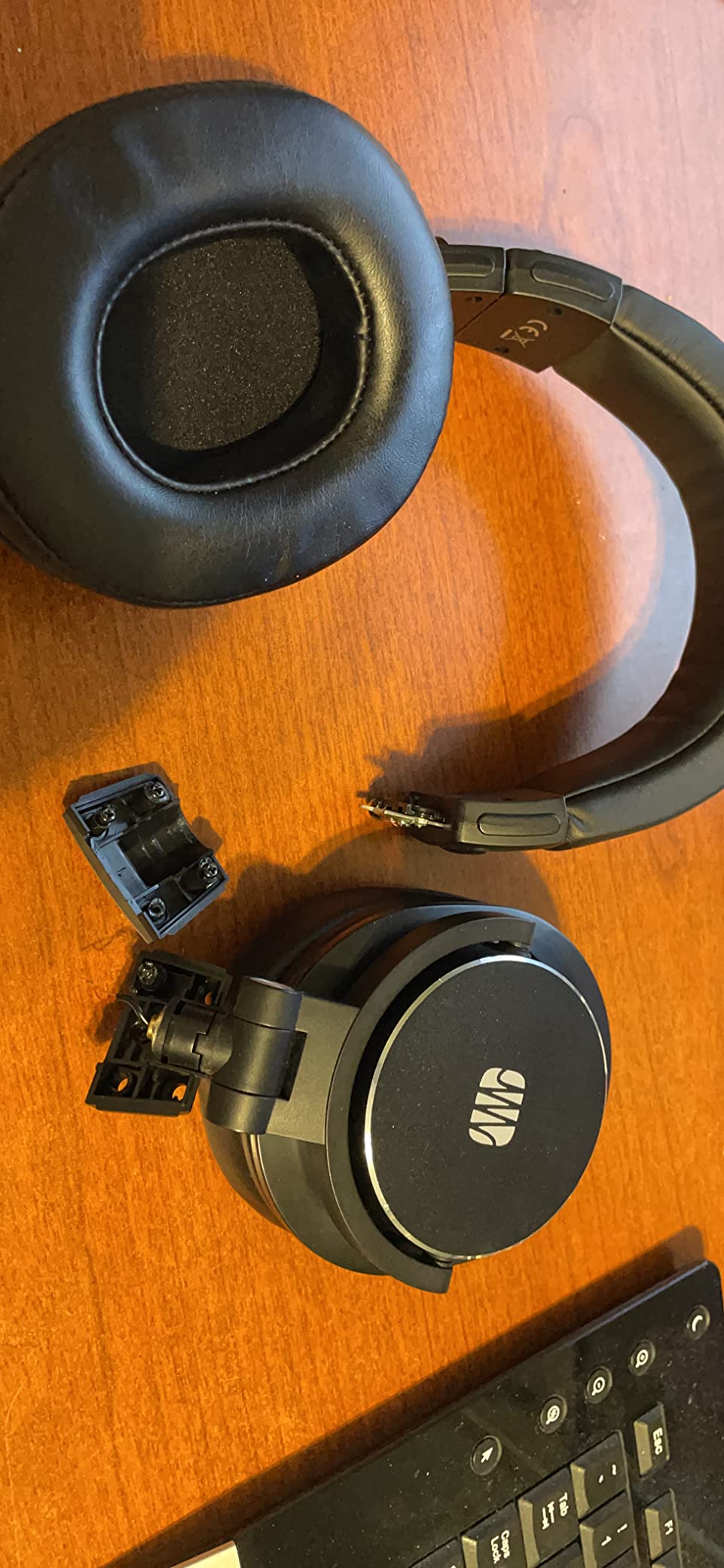
The 10 foot straight single-sided cable with 1/8 inch connector and gold-plated 1/8 inch-to-1/4 inch adapter included means it reaches anywhere in a typical booth, and the storage bag included is a small bonus for keeping things organized.
Best fit for church audio teams
This is the right pick for production pastors, broadcast booth operators, and tech directors who run multiple services across a weekend and need fatigue-free monitoring.
Skip this if
Skip the HD9 if your booth is very compact, because the 10 foot cable has nowhere to go and will pile up on your desk.
10. ADAM Audio H200 – Best for Transparent Mixing in Broadcast Booths
ADAM Audio H200 Closed-Back Studio Headphones
Closed-back
40mm PEEK drivers
32 ohm impedance
Detachable 3m cable
Pros
- Crystal clear sound with smooth balanced frequency response
- Includes ADAM Audio Headphone Utility plugin
- Detachable cable with dual-side connectivity
- High output 32 ohm 112.5 dB drives without amp
- Excellent isolation when recording in noisy environments
Cons
- Headband construction concerns from some users
- Can run hot during long sessions
- Suction can be strong on removal
- Limited track record compared to legacy brands
ADAM Audio has been a respected name in studio monitors for years, and the H200 brings that same transparency into a closed-back headphone design. For broadcast church booths mixing a live stream, this is one of the most honest listening experiences you can get in a closed-back form factor.
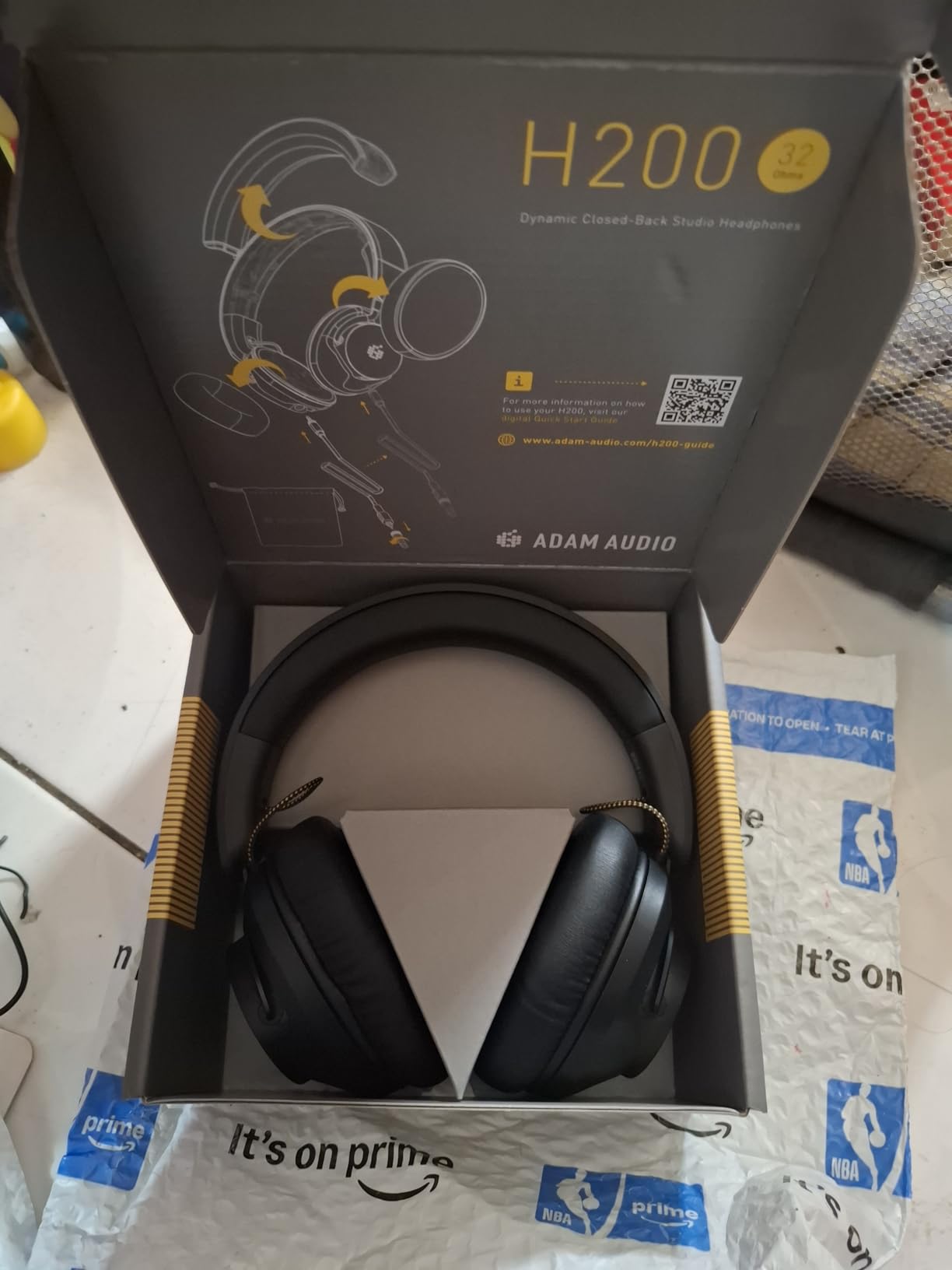
The 40mm PEEK Performance Drivers offer a smooth and balanced 2 Hz to 23.5 kHz frequency response, 112.5 dB SPL, and low distortion. They are combined with a light-weight neodymium magnet system for crystal-clear sound.
Built specifically for the H200, the included ADAM Audio Headphone Utility plug-in offers a range of optimization tools and a spatialization feature that employs advanced crossfeed techniques to improve headphone mixes. That is genuinely useful for worship producers doing post-production on a Sunday sermon.
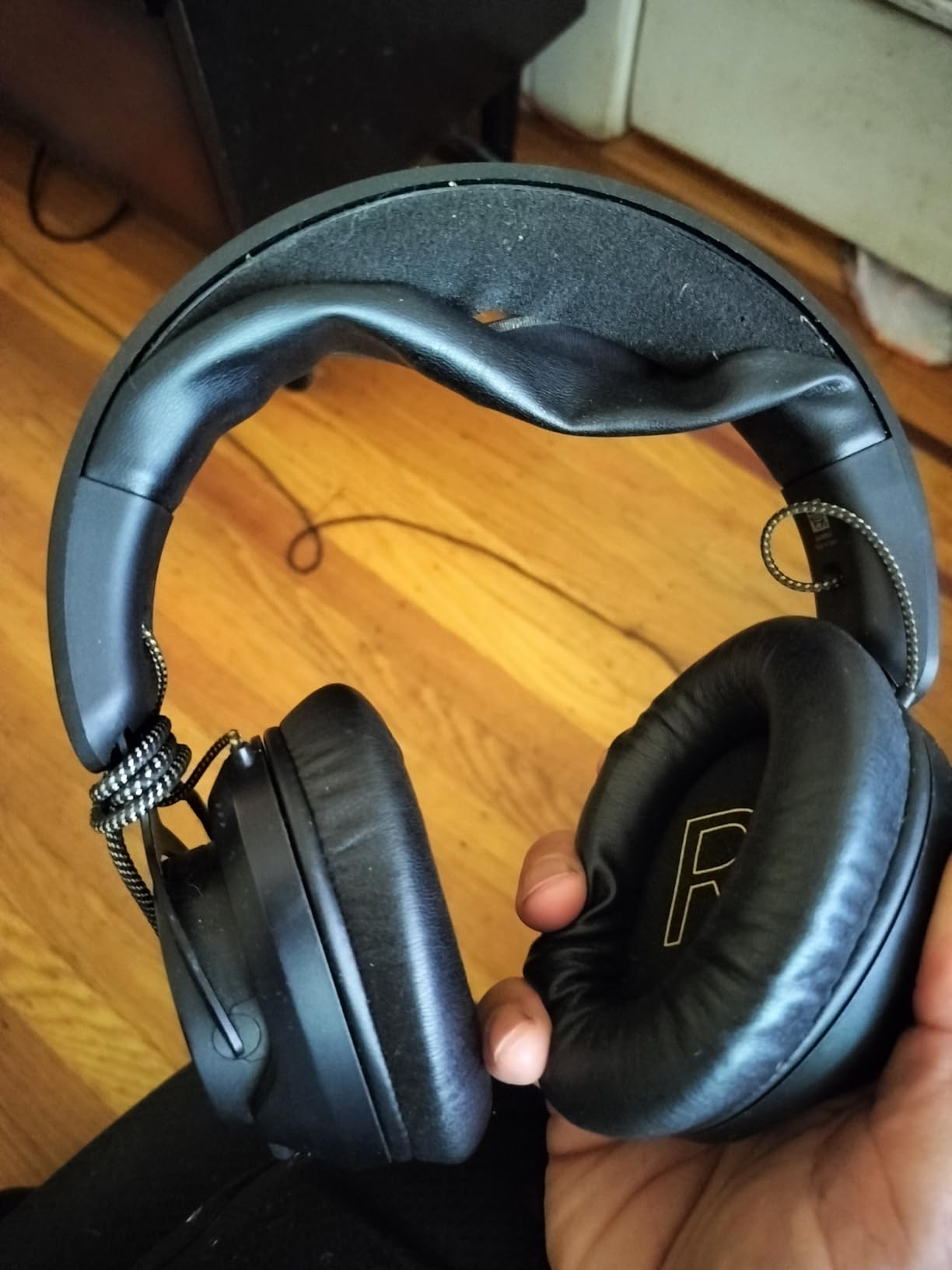
The durable headband, faux leather memory foam earpads, and solid aluminum yoke combine to ensure a comfortable fit and provide excellent isolation when recording or working in noisy environments. The provided audio cable is 3m in length and attachable to either side of the headphones, and it terminates with a 3.5mm connection with a 1/4 inch adapter. A headphone carry bag is also included.
Best fit for church audio teams
The H200 is the right pick for churches with a livestream operation that includes post-production work, or for tech directors who want a reference-grade closed-back for both booth monitoring and editing.
Skip this if
Skip the H200 if you need a proven track record of multi-year durability in rough environments, since this is a newer release with a shorter field history than the classics.
What to Look for in Church Sound Booth Headphones
Closed-back vs open-back: which is right for your booth
Closed-back is the only answer for a church sound booth. Open-back headphones leak sound in both directions, which means your mix bleeds into your laptop mic, your livestream capture, and the open channel you forgot to mute.
Closed-back headphones keep your monitoring contained so your decisions stay private to your ears. Every pair in this roundup is closed-back, and that is intentional.
Wired vs wireless for sound booth reliability
Wired wins for a church sound booth, and it is not close. Wireless introduces battery failures, RF dropouts, and frequency coordination headaches that have no place in a live service. The latency alone can throw off your timing on click-driven worship songs.
Reviewers on r/churchtech consistently report that wired headphones are the only safe choice for mission-critical Sunday mornings. Save wireless for in-ear monitors on stage.
Impedance and amplification
Impedance is the headphone’s resistance, measured in ohms. Lower impedance headphones (32 to 38 ohm) drive easily from any mixer headphone output. Higher impedance headphones (64 to 80 ohm) may need a dedicated headphone amp to reach full volume.
If your church runs a basic mixer without a strong headphone amp, stick with 38 ohm or lower models like the ATH-M50X, ATH-M30x, or ADAM H200. If you already have an audio interface or a quality mixer with a strong headphone output, the 80 ohm DT 770 PRO becomes a worthy upgrade.
Comfort for long services
You will wear these headphones for 90 minutes to three hours at a stretch. Clamping force, earpad material, and weight all matter more than spec sheet numbers. Velour pads breathe better than pleather, but pleather isolates better.
Look for adjustable headbands, swiveling earcups for one-ear monitoring, and replaceable pads so the headphones can be refreshed every couple of years.
Durability and replaceable parts
In a volunteer church environment, durability is non-negotiable. Look for replaceable cables, replaceable earpads, and metal or reinforced headbands. Plastic hinges are the first thing to fail.
The Sennheiser HD 280 Pro and beyerdynamic DT 770 PRO both shine here because every wearable part is replaceable. The Sony MDR7506 trades cable replaceability for a lower entry cost.
Integration with common church mixers
Your headphones should plug directly into the mixer’s 1/4 inch headphone jack with the included adapter, and they should reach across the booth without needing an extension cable. Most models in this roundup include the necessary adapters.
If you are running a wireless microphone system or managing a hearing assistance program, your monitoring headphones should also be sensitive enough to hear the subtle differences in vocal tone those systems reveal.
Frequently Asked Questions
What headphones do church sound engineers use?
Most church sound engineers use closed-back wired studio headphones from brands like Audio-Technica, Sony, Sennheiser, and beyerdynamic. The Audio-Technica ATH-M50X, Sony MDR7506, and Sennheiser HD 280 Pro are among the most popular choices because they combine reliable isolation, neutral sound, and proven durability for volunteer environments.
Are closed-back or open-back headphones better for church sound booths?
Closed-back headphones are better for church sound booths. They prevent sound leakage into your laptop microphone, livestream capture, and adjacent channels, and they block stage noise so you hear your mix accurately. Open-back headphones leak sound in both directions and are not recommended for live church monitoring.
Do you need wireless headphones for a church sound booth?
No. Wired headphones are strongly recommended for a church sound booth because they eliminate battery failures, RF dropouts, latency, and frequency coordination issues that can disrupt a live service. Wireless headphones are better suited for in-ear monitors used by musicians on stage.
How much should a church spend on sound booth headphones?
Most churches find that a pair of professional closed-back headphones in the entry to mid-range price tier delivers excellent monitoring without overspending. Spending more typically buys you better comfort, replaceable parts, and longer warranty coverage, which matters more than flagship audio quality for booth monitoring.
What is the 60 rule for headphones?
The 60 rule for headphones is a guideline that recommends keeping your listening volume at or below 60 percent of the maximum for no more than 60 minutes at a time to protect your hearing. In a church sound booth context, this matters because techs often run long rehearsals and multiple services, and consistent high-volume monitoring can cause permanent hearing damage over time.
Final Verdict
The Audio-Technica ATH-M50X is the best all-around pick for most church sound booths in 2026. It nails the combination of isolation, clarity, durability, and volunteer-proof cable replacement that worship environments demand. If you are buying one pair to outfit your main engineer, this is it.
For small churches on a tighter budget, the Sony MDR7506 still delivers decades of proven performance, and the Sennheiser HD 280 Pro is the right call when your stage volume threatens to drown out everything else. Pair any of these with a sound booth that has treated the basics, and your techs will mix better services from day one.