
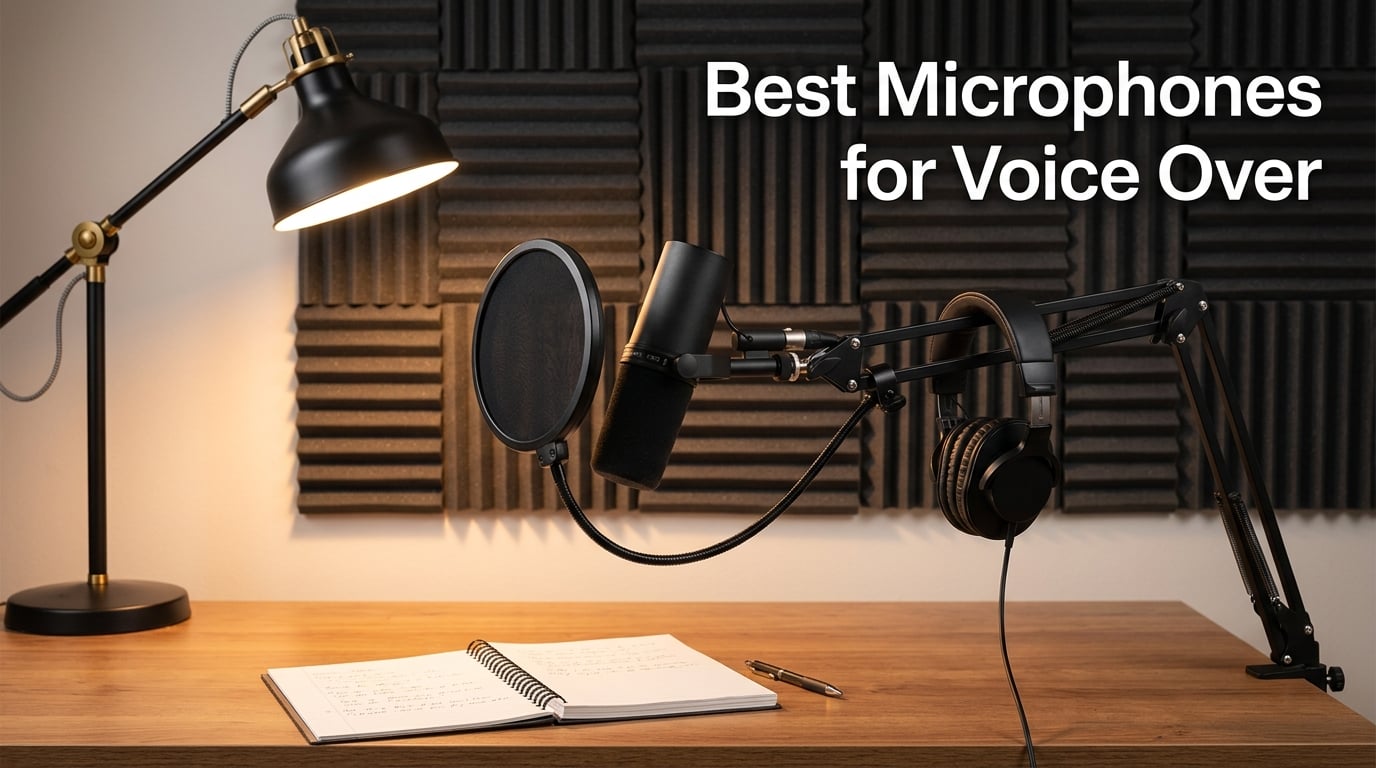
I spent the last six months recording voice over in my home studio, switching between ten different microphones across hundreds of takes. Some blew me away with warmth and detail. Others made my untreated office sound like a bathroom. After burning through that testing phase, I can tell you which microphones actually deliver for voice over work and which ones look good on paper but stumble in real sessions.
This guide covers the best microphones for voice over you can buy in 2026, whether you record narration for audiobooks, ads, corporate training, YouTube, or podcasting. I grouped picks by budget and use case, so beginners can skip the deep technical jargon while pros can zero in on broadcast-grade options.
Voice over is unforgiving. Unlike music, every breath, mouth click, and room reflection shows up in the final file. That is why microphone choice matters more here than in almost any other recording situation. The right mic makes editing easier, the wrong one multiplies your post-production hours.
Table of Contents
Top 3 Best Microphones for Voice Over in September
Best Microphones for Voice Over in 2026
| Product | Specs | Action |
|---|---|---|
 Shure SM7B Dynamic Vocal Microphone Shure SM7B Dynamic Vocal Microphone |
|
Check Latest Price |
 Shure SM58 Pro Dynamic Vocal Microphone Shure SM58 Pro Dynamic Vocal Microphone |
|
Check Latest Price |
 RØDE PodMic Cardioid Dynamic Broadcast Microphone RØDE PodMic Cardioid Dynamic Broadcast Microphone |
|
Check Latest Price |
 Audio-Technica AT2020 Cardioid Condenser Audio-Technica AT2020 Cardioid Condenser |
|
Check Latest Price |
 RØDE NT1 5th Gen Studio Condenser RØDE NT1 5th Gen Studio Condenser |
|
Check Latest Price |
 Audio-Technica AT2035 Cardioid Condenser Audio-Technica AT2035 Cardioid Condenser |
|
Check Latest Price |
 Blue Yeti USB Microphone Blue Yeti USB Microphone |
|
Check Latest Price |
 Shure MV7X XLR Dynamic Podcast Mic Shure MV7X XLR Dynamic Podcast Mic |
|
Check Latest Price |
 Elgato Wave:3 MK.2 USB Condenser Elgato Wave:3 MK.2 USB Condenser |
|
Check Latest Price |
 Sennheiser Profile USB Condenser Sennheiser Profile USB Condenser |
|
Check Latest Price |
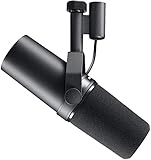
1. Shure SM7B – The Broadcast Legend
Shure SM7B Dynamic Vocal Microphone for Podcasting & Streaming
XLR dynamic
Cardioid
Built-in pop filter and shock mount
50 Hz to 20 kHz
Pros
- Warm
- broadcast-ready vocal tone
- Exceptional off-axis rejection for untreated rooms
- All-metal construction built to last decades
- Switchable low cut and presence boost EQ
Cons
- Requires 60dB plus clean preamp gain
- Heavy at 2.7 pounds
- Often paired with a Cloudlifter inline preamp
The Shure SM7B is the microphone that built modern podcasting, and for voice over it remains the gold standard. I have used one for over three years on hundreds of audiobook chapters and commercial sessions. It captures voices with a warmth and presence that requires almost no EQ work afterward.
The dynamic capsule rejects room noise better than any condenser I have tested. When my neighbor’s leaf blower fired up mid-session, the SM7B caught almost none of it. That kind of off-axis rejection is why broadcasters adopted it decades ago, and why home studio operators still reach for it today.
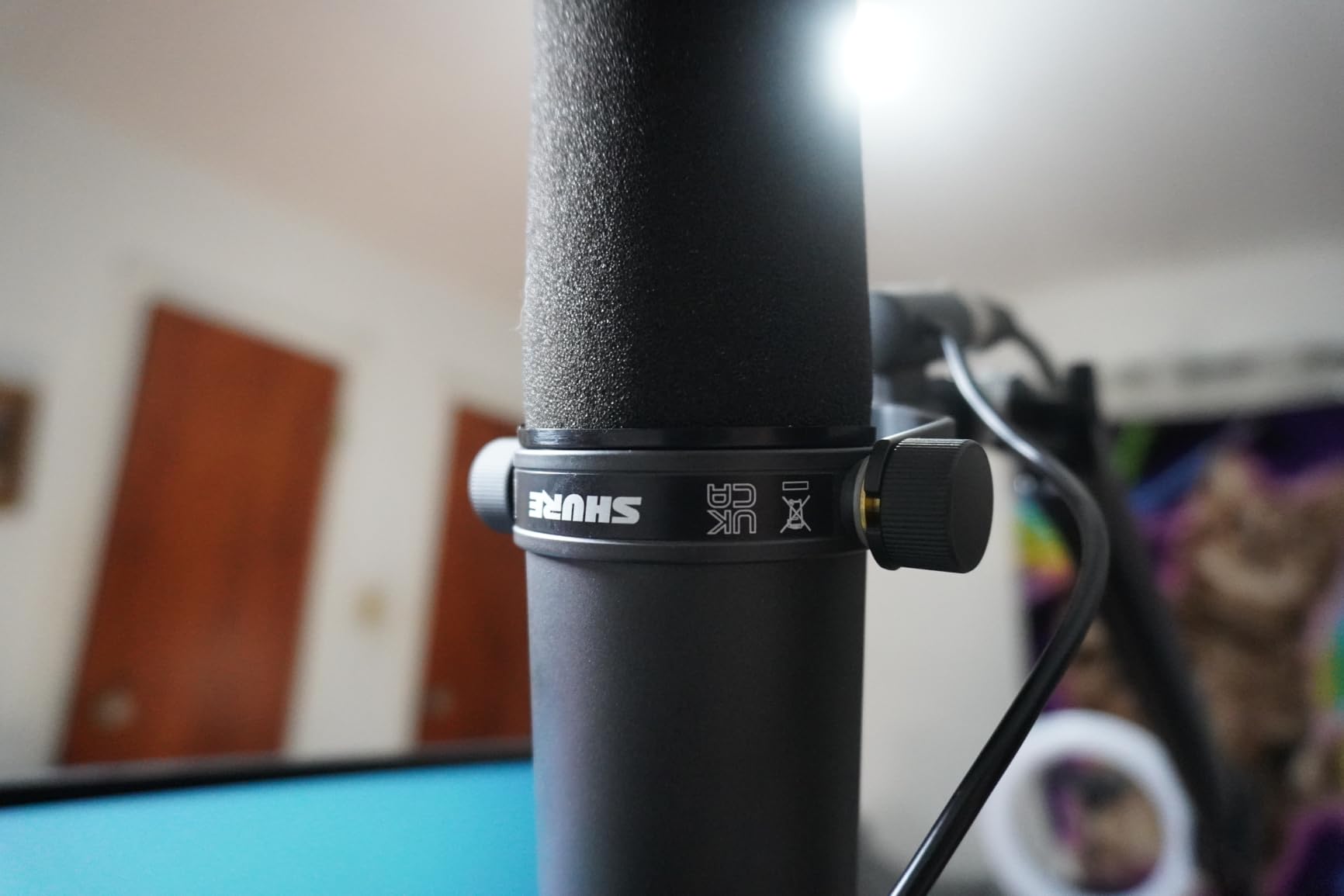
The integrated pop filter and air suspension shock isolation handle plosives and desk vibrations cleanly. I rarely need an external pop filter anymore. The switchable bass rolloff and presence boost on the back let you tune the mic to your voice without reaching for a software EQ.
The catch is gain. The SM7B is famously gain-hungry. You will need an audio interface or preamp that delivers at least 60dB of clean gain, or pair it with a Cloudlifter inline preamp. That adds cost beyond the microphone itself.
Who the SM7B is built for
Professional voice actors, serious podcasters, and anyone recording in an untreated room. If you want a microphone that will still sound great ten years from now, this is it. Budget for the preamp and you are set.
Who should pass on the SM7B
Absolute beginners who have not yet invested in an audio interface. The learning curve and additional gear cost make the Shure MV7X or Rode PodMic smarter entry points.
2. Shure SM58 – The Industry Workhorse
Shure SM58 Pro Dynamic Vocal Microphone with 25-ft XLR Cable
XLR dynamic
Cardioid
Includes 25ft XLR cable
50 Hz to 15 kHz
Pros
- Legendary vocal clarity
- Tour-tough metal construction
- Built-in spherical pop filter
- Excellent off-axis rejection
Cons
- Needs an audio interface or mixer
- Requires strong preamp gain
- Less tailored for quiet spoken voice
The Shure SM58 is the microphone you have seen on stages for fifty years, and it doubles as a solid voice over option on a budget. I pulled one out of my closet for this comparison and was reminded why so many engineers still trust it for spoken word.
The tailored midrange emphasis gives voices a forward, present character that sits nicely on top of music or in busy ad mixes. The cardioid pattern rejects background noise well, though not quite at SM7B levels.
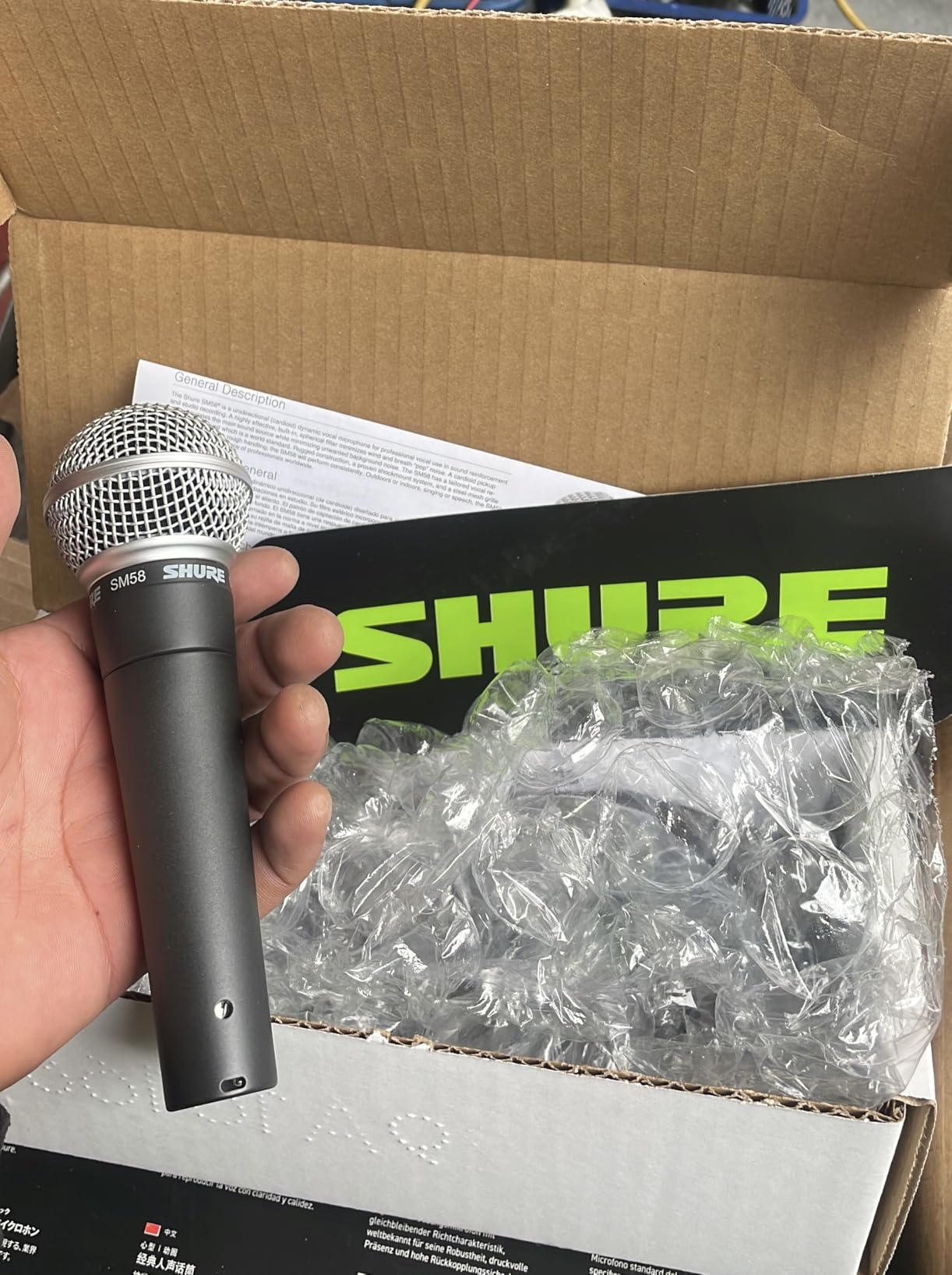
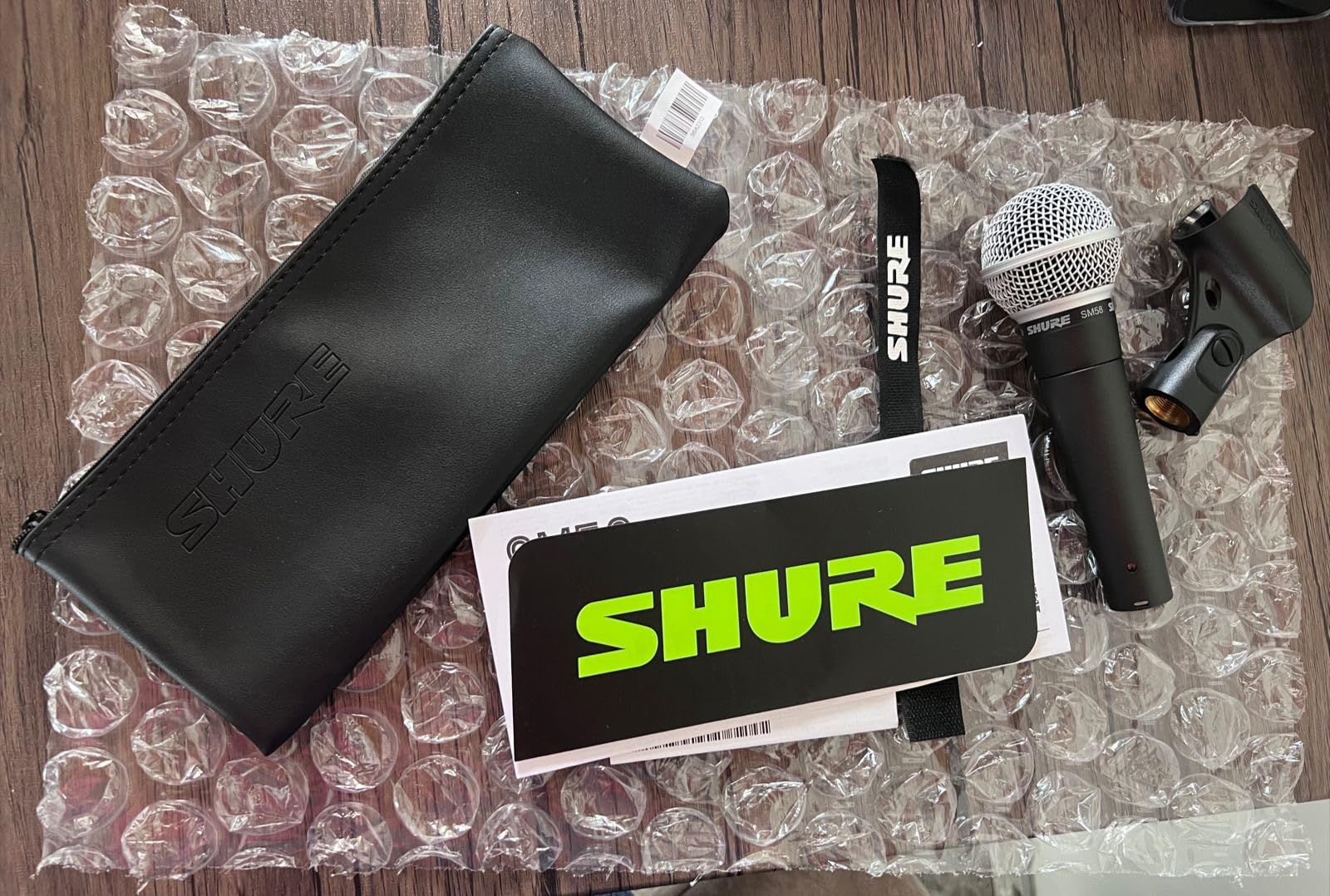
The SM58 includes a 25-foot XLR cable in the box, a small detail that matters when you are starting from scratch. The metal grille and internal pop filter shrug off plosives and breath without an extra accessory.
At 0.32 kg, the SM58 is far lighter than the SM7B and works with lighter boom arms. The trade-off is slightly less low-end warmth and a more utilitarian sound character.
Who the SM58 is built for
Voice actors on a tight budget, performers who double as live singers, and anyone who wants a rugged XLR workhorse. It also makes a fantastic second microphone for interviews.
Who should pass on the SM58
Recordists who want a dedicated broadcast tone out of the box. The SM7B or Rode PodMic are more polished choices for pure voice over work.
3. RØDE PodMic – The Budget Pick for Voice Over
RØDE PodMic Cardioid Dynamic Broadcast Microphone, XLR
XLR dynamic
Broadcast-tuned cardioid
Internal pop filter
20 Hz to 20 kHz
Pros
- Broadcast-quality speech capsule
- Rich warm tone
- Tight off-axis rejection
- All-metal build with internal shock mount
Cons
- Needs substantial clean preamp gain
- XLR only
- Heavier than lighter boom arms expect
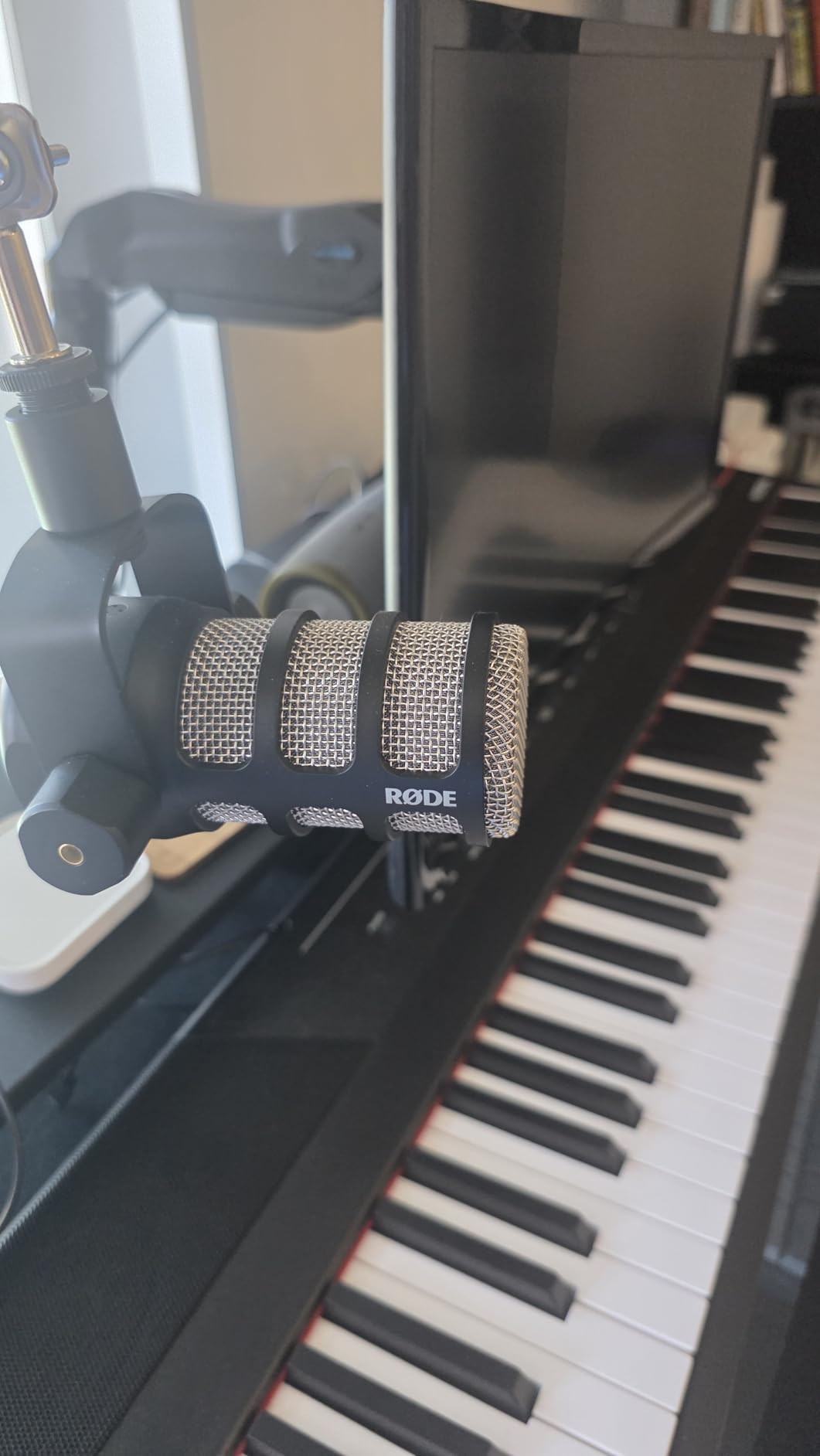
The Rode PodMic delivers broadcast-style sound at a fraction of what most pro mics cost. I bought one for a side-by-side test against the SM7B and the gap was smaller than I expected. For voice over beginners, this is the smart buy.
The dynamic capsule is tuned specifically for speech. That means voices sound rich and present without EQ tweaks. The internal pop filter and shock mount are genuinely effective, so you can skip buying extra accessories at the start.
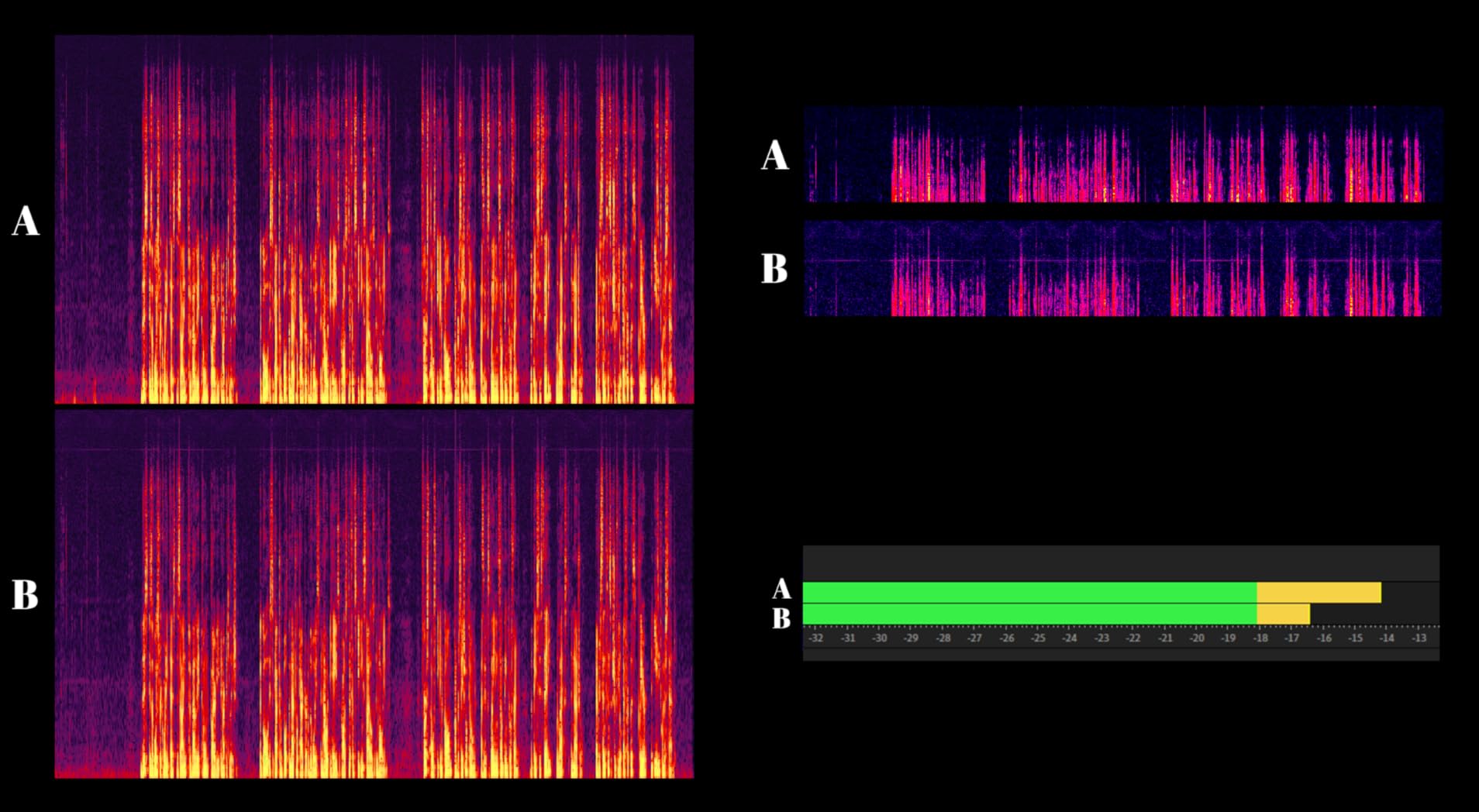
Off-axis rejection is excellent. In my home office with a window unit humming nearby, the PodMic captured clean vocals while keeping that background noise at bay. Reviewers on forums echo this finding, with many PodMic owners recording full podcast episodes in untreated bedrooms.
The PodMic is XLR-only, so you need an audio interface, and it benefits from a clean preamp with serious gain. Rode’s own AI-1 or a Focusrite Scarlett works well.
Who the PodMic is built for
Beginners stepping into XLR recording, podcasters on a budget, and anyone wanting broadcast-style sound without paying broadcast prices. Pair it with a decent interface and you have a complete setup.
Who should pass on the PodMic
Solo creators who want USB simplicity. The PodMic requires an interface, period. If you want plug-and-play, look at the Blue Yeti or Elgato Wave:3.
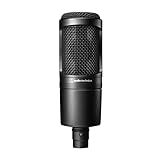
4. Audio-Technica AT2020 – The Budget Studio Classic
Audio-Technica AT2020 Cardioid Condenser Studio XLR Microphone, Ideal for Project/Home Studio Applications, Black
XLR condenser
Cardioid
20 Hz to 20 kHz
Requires 48V phantom power
Pros
- Crystal clear detailed sound
- Durable build for the price
- Great upgrade from USB mics
- Reliable long-term investment
Cons
- Needs an audio interface with 48V phantom power
- Picks up room noise in untreated spaces
- Struggles with plosives without a pop filter
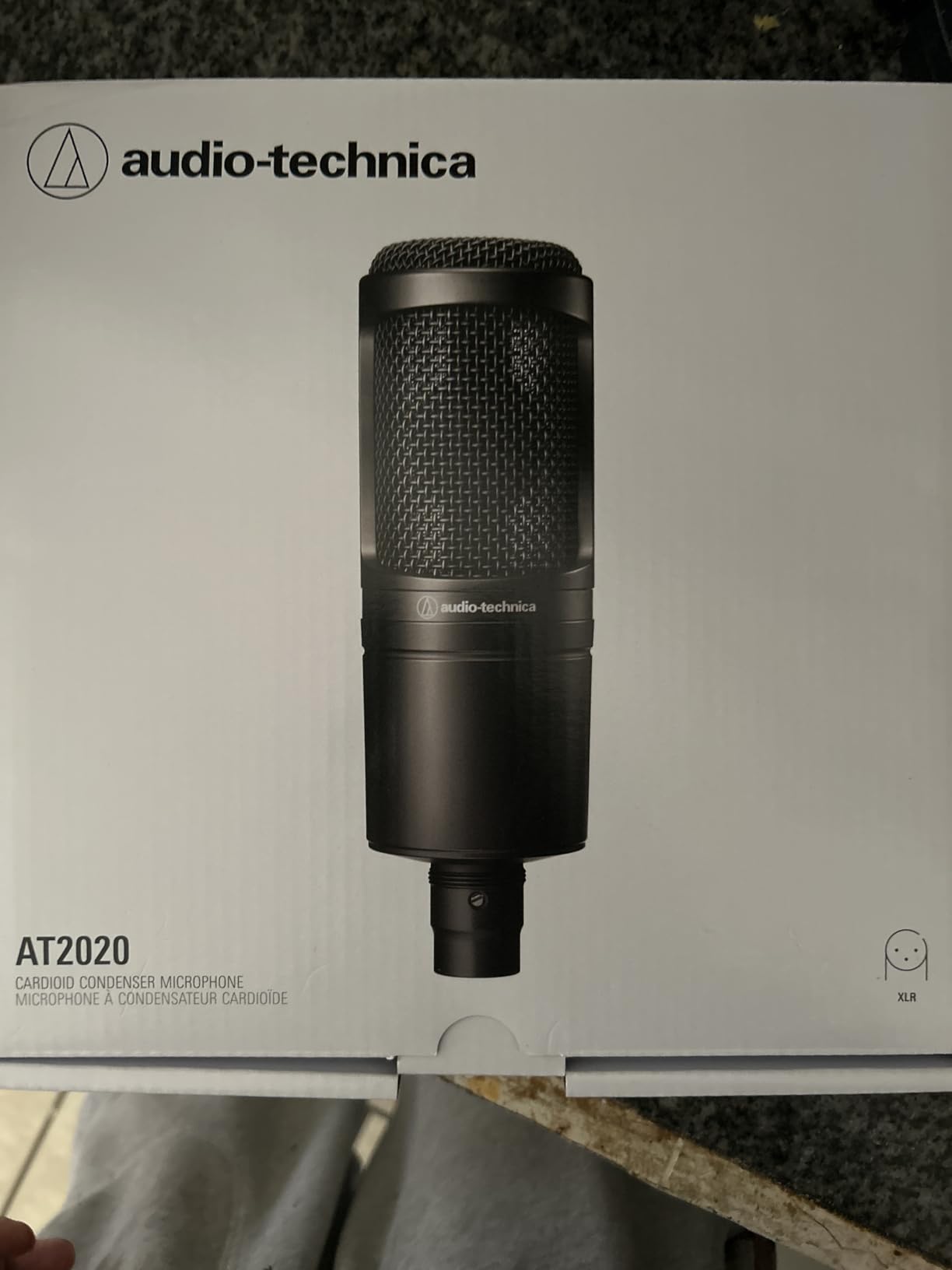
The Audio-Technica AT2020 has been the entry point into studio condensers for over a decade, and the formula still works. I tested it against more expensive condensers and the detail retrieval is impressive at this price.
The custom-engineered low-mass diaphragm captures vocal nuance that budget dynamics miss. Whispered reads, breathy characters, and quiet narration all come through with clarity.
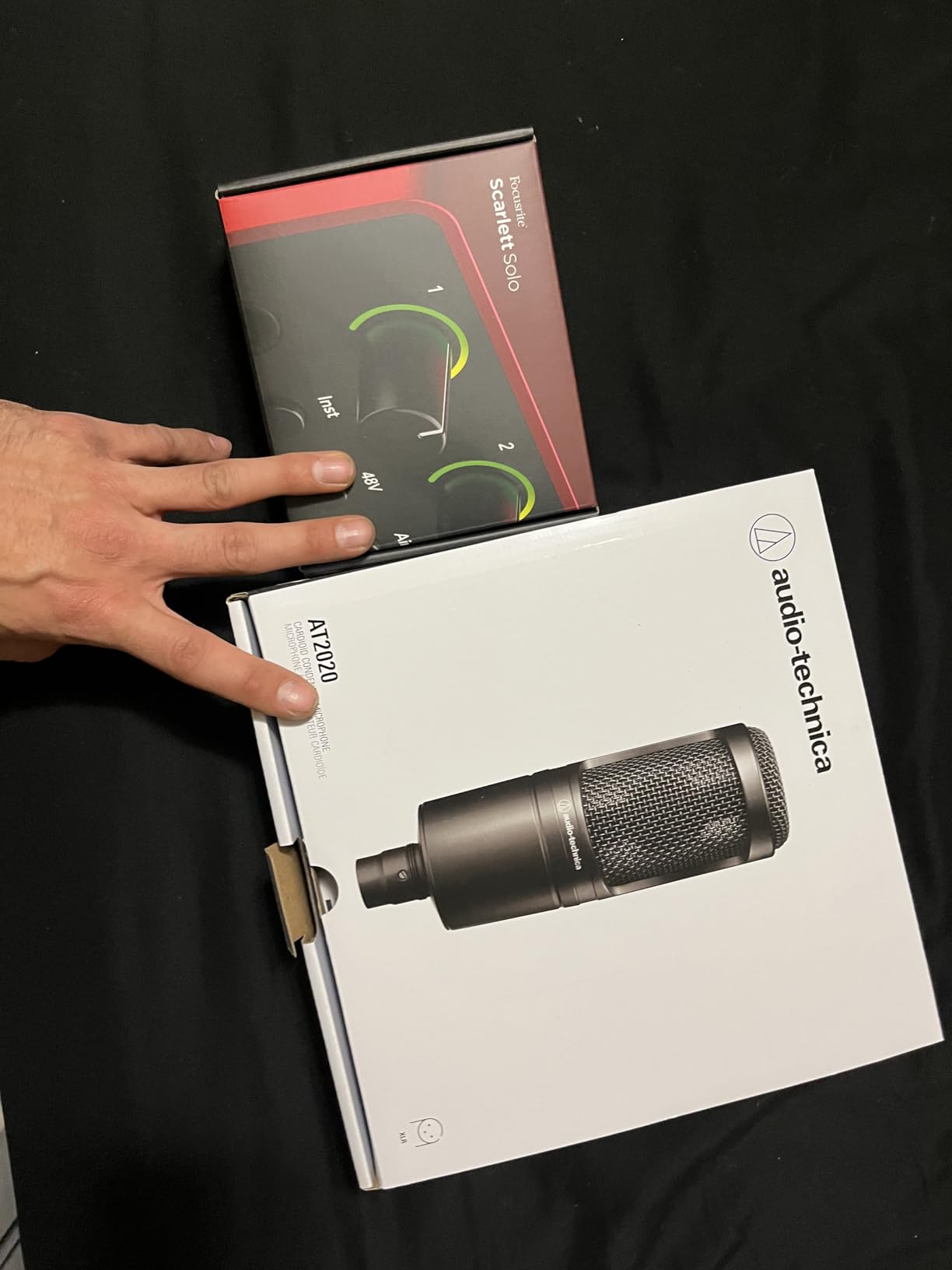
Build quality is solid for the price. Reviewers report AT2020s lasting ten years or more with regular use. That kind of longevity makes it a smart first serious microphone.
The trade-off is sensitivity. As a condenser, the AT2020 picks up room reflections, computer fans, and street noise. In an untreated space, expect to add acoustic treatment or use noise suppression in post.
Who the AT2020 is built for
Beginners ready to invest in an audio interface, voice actors in treated home studios, and anyone upgrading from a USB microphone. It is also a great music mic if you do double duty.
Who should pass on the AT2020
Recordists in untreated rooms. A dynamic mic like the SM7B or PodMic will save you hours of editing.
5. RØDE NT1 5th Gen – The Future-Proof Hybrid
RØDE NT1 5th Gen Studio Condenser Microphone, XLR + USB-C, Silver
Dual XLR and USB-C
Large diaphragm
4 dBA self-noise
192 kHz conversion
Pros
- Dual USB and XLR outputs
- Incredibly low noise floor
- Includes SM6 shock mount and pop filter
- Premium aluminium build
Cons
- Highly sensitive picks up all room noise
- 32-bit float USB only
- Total weight needs a sturdy boom arm
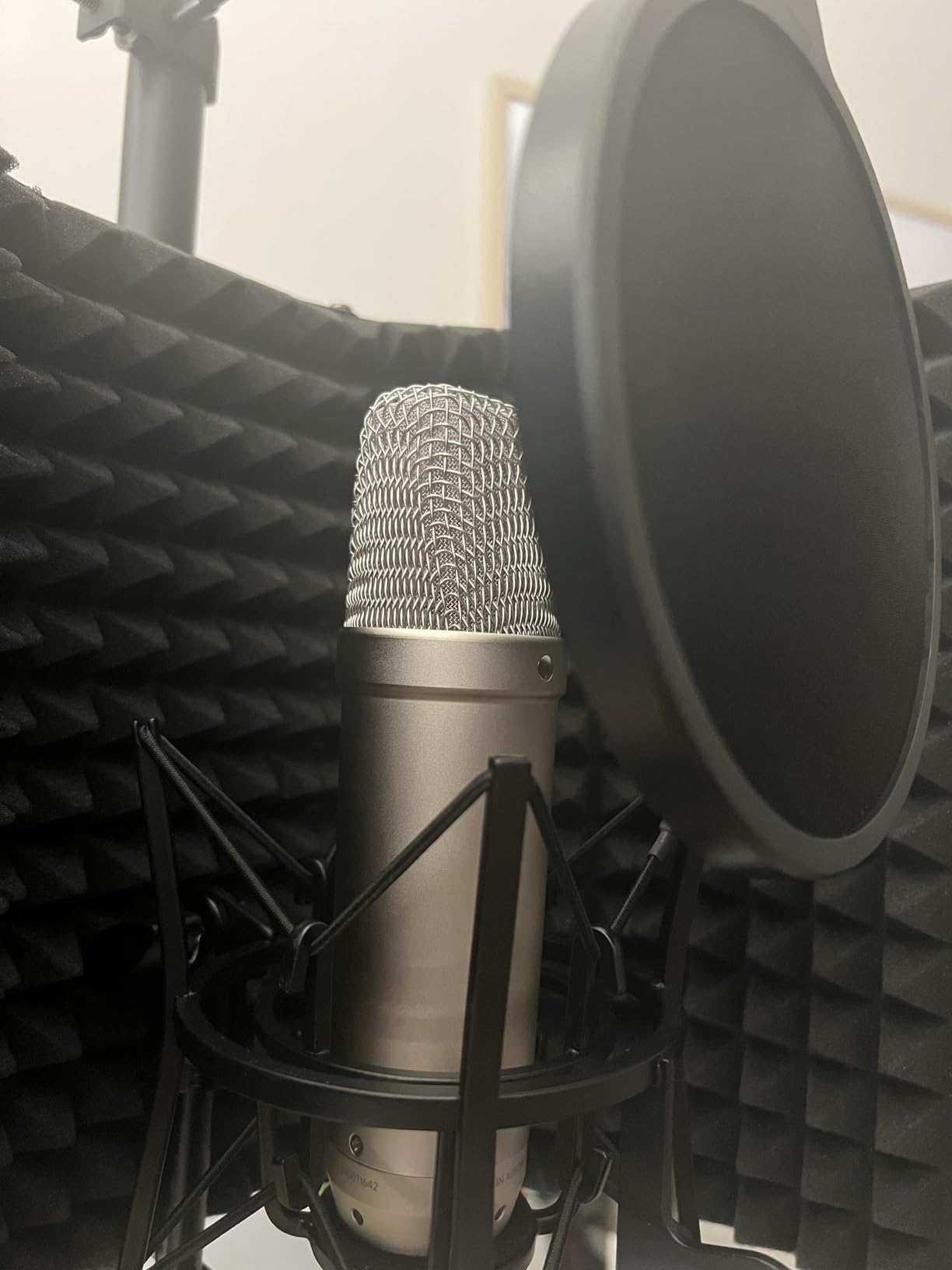
The Rode NT1 5th Gen is the smartest long-term investment in this lineup because it grows with you. Out of the box, you can plug it straight into a laptop via USB-C and start recording. Later, when you buy an audio interface, you switch to XLR without buying a new microphone.
Self-noise is rated at just 4 dBA, which is among the quietest condensers ever made. In practical terms, that means zero hiss on quiet passages, even with heavy gain. For audiobook narrators recording whispered characters, this matters.
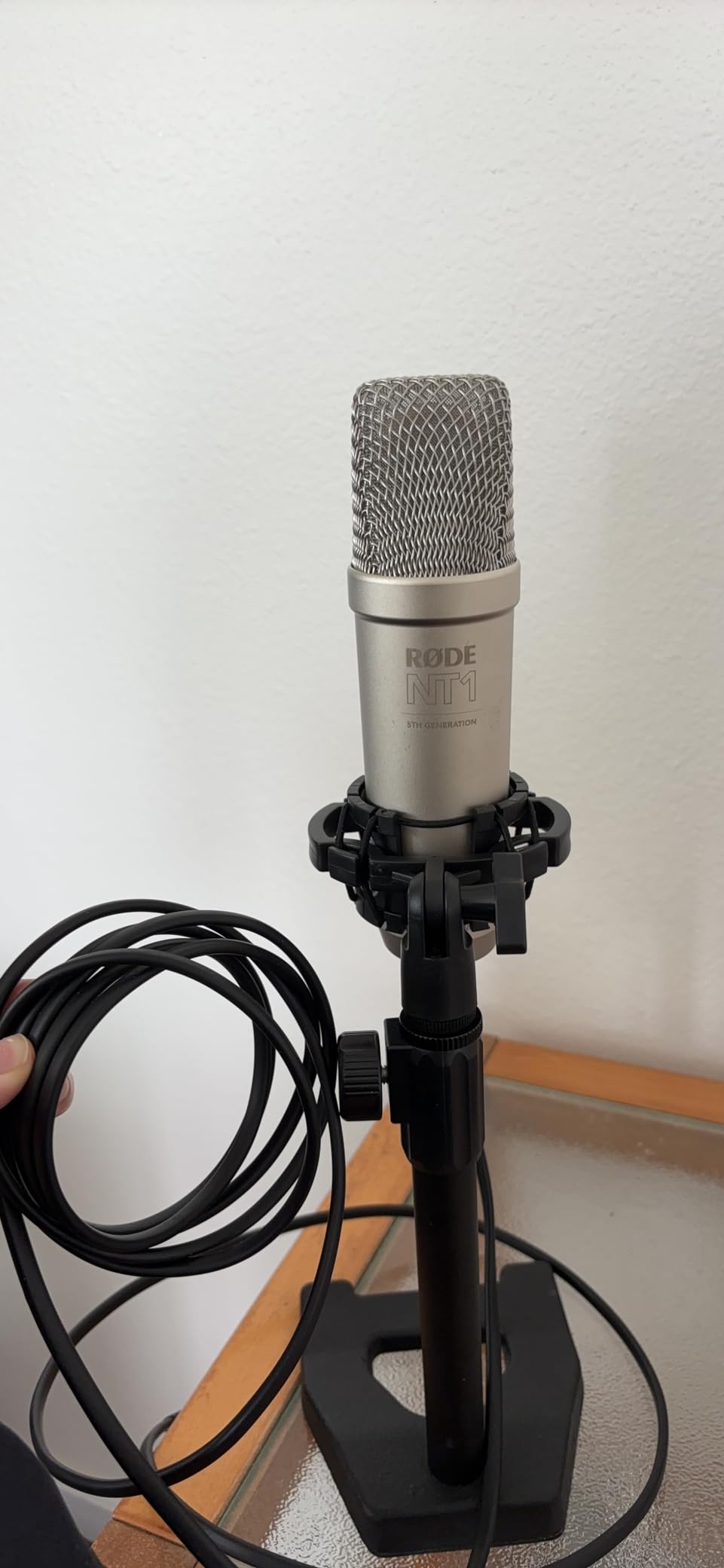
The included SM6 shock mount and pop filter are not afterthoughts. They are the same accessories Rode sells separately for hundreds of dollars on other kits. Out of the box, you have everything you need.
Like any large-diaphragm condenser, the NT1 is sensitive. In an untreated space, you will hear your room. Treat the space or rely on noise reduction plugins.
Who the NT1 5th Gen is built for
Voice actors who want one microphone that works for both home recording now and professional studio sessions later. Audiobook narrators who value silent self-noise.
Who should pass on the NT1 5th Gen
Recordists in noisy, untreated environments. A dynamic mic will save you headaches.
6. Audio-Technica AT2035 – The Studio Step-Up
Audio-Technica AT2035 Cardioid Condenser Microphone, Perfect for Studio, Podcasting & Streaming, XLR Output, Includes Custom Shock Mount
XLR condenser
Large diaphragm
HPF and 10 dB pad
Includes shock mount
Pros
- Very low self-noise
- Smooth warm sound signature
- Built-in high-pass filter and pad
- Includes custom shock mount
Cons
- Requires 48V phantom power and interface
- Heavier than lighter mics
- Plastic stand adapter included
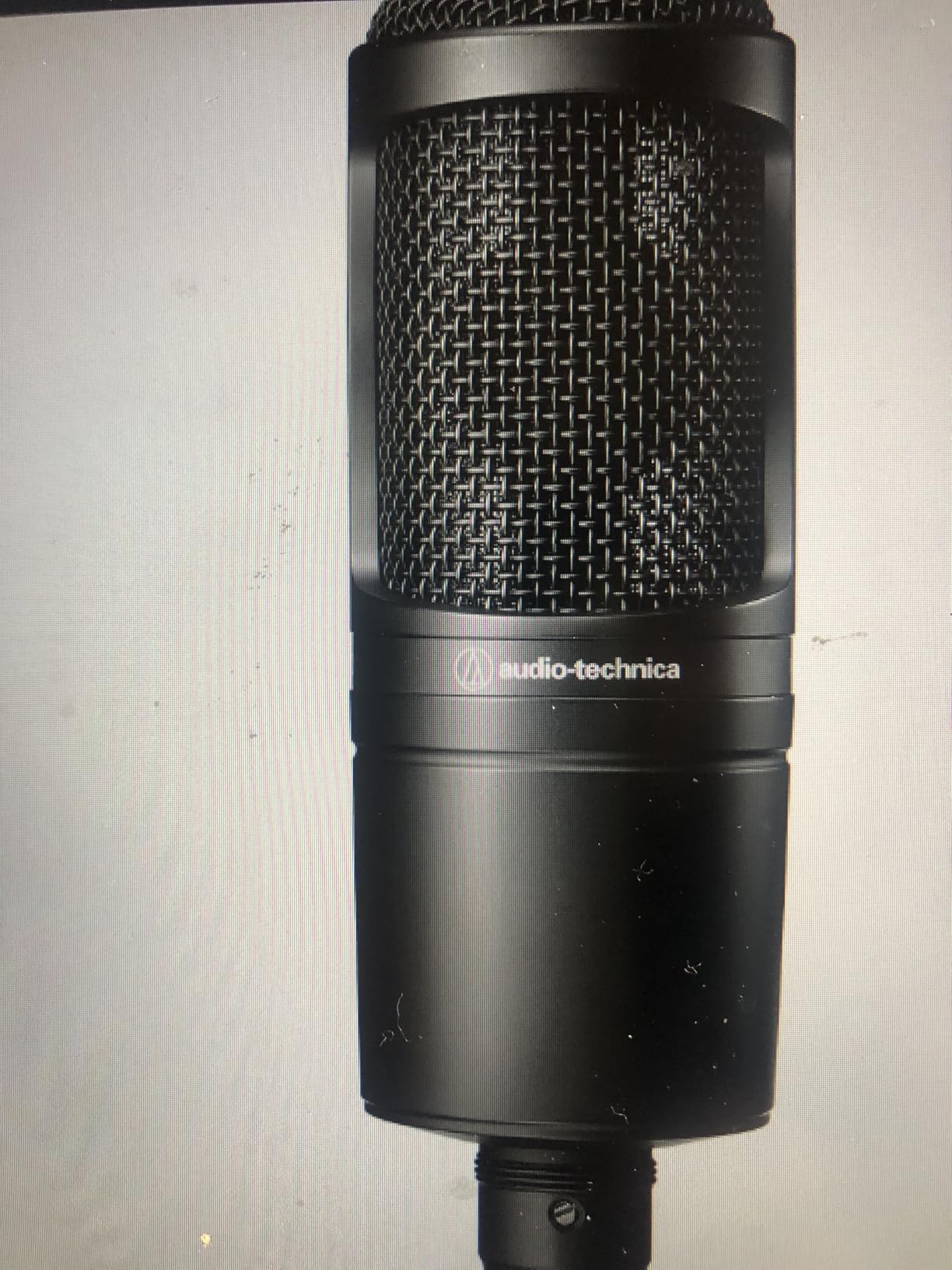
The AT2035 sits one tier above the AT2020 and the upgrade is audible. I tested both on the same voice and the AT2035 had noticeably more presence and a slightly lower noise floor.
The built-in 80 Hz high-pass filter rolls off low-end rumble from HVAC systems and traffic. The 10 dB pad lets you record loud sources without distortion, useful for voice actors who project.

The included custom shock mount is a real value-add. Most condensers at this price ship with nothing, forcing a separate purchase. With the AT2035, you can mount it on a boom arm and start recording clean audio right away.
Signal-to-noise ratio is excellent at 70 dB, meaning quiet passages stay clean. For audiobook narrators working long sessions, this is meaningful.
Who the AT2035 is built for
Voice actors in treated home studios, podcasters who want a condenser with room to grow, and musicians who record both voice and instruments.
Who should pass on the AT2035
Anyone not ready to invest in an audio interface with phantom power. The AT2020 is cheaper, but if you have the budget, the AT2035 justifies the difference.
7. Blue Yeti USB – The Beginner Favorite
Logitech Creators Blue Yeti USB Microphone for PC, Mac, Gaming, Recording, Streaming, Podcasting, Studio and Computer Condenser Mic with Blue VO!CE effects, 4 Pickup Patterns, Plug and Play – Blackout
USB
Three-capsule array
Four polar patterns
Plug-and-play
Pros
- Plug-and-play USB simplicity
- Four pickup patterns for versatility
- Onboard headphone monitoring
- Massive user community for support
Cons
- Picks up background noise in loud rooms
- Bulky size
- Dated mini-USB connector
- Pop filter sold separately
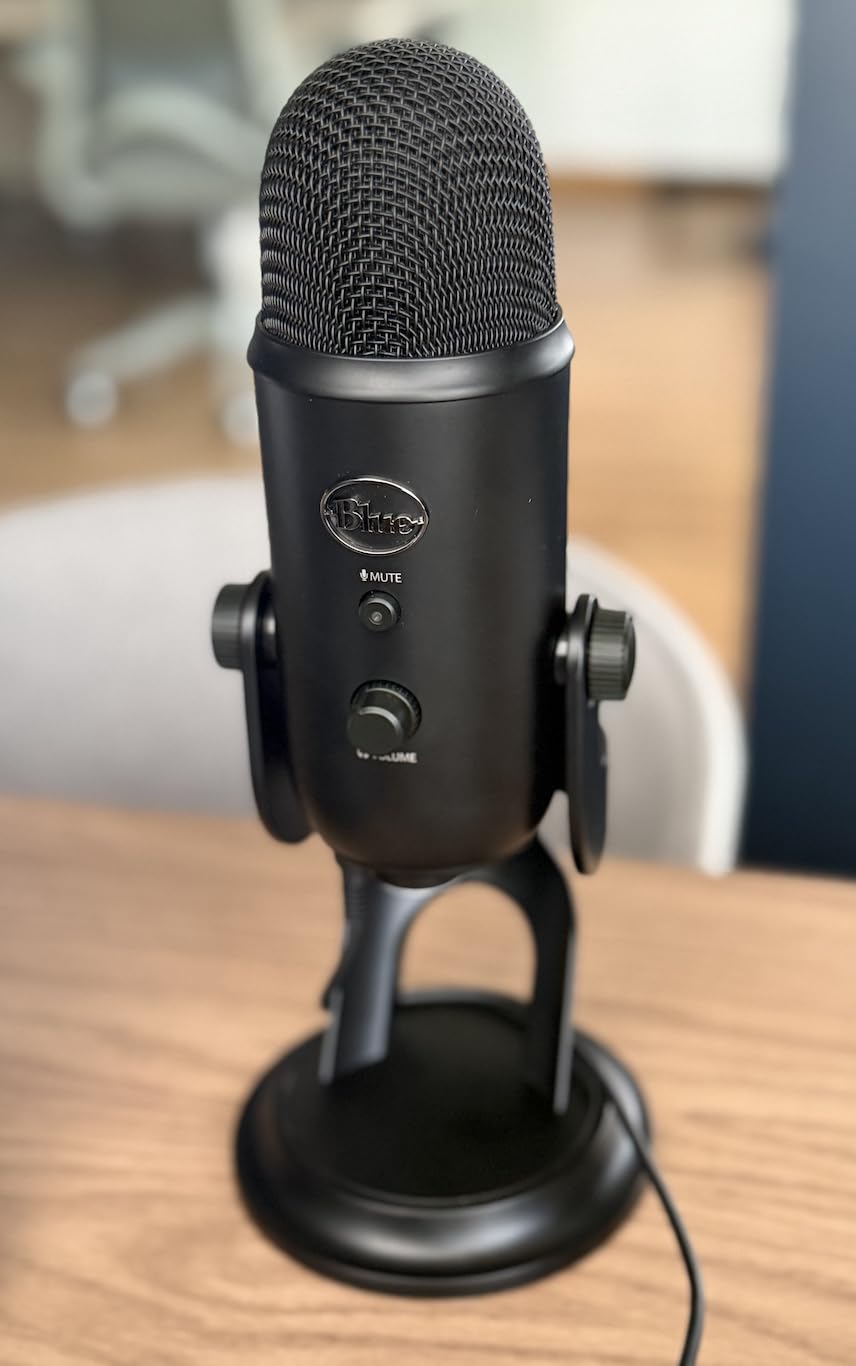
The Blue Yeti is the microphone most beginners already know. With over 57,000 reviews, it is the most popular USB microphone on the market, and for good reason. You plug it in and it works.
For voice over beginners who want to skip the audio interface entirely, the Yeti delivers surprisingly clean audio. The three-capsule array captures detail and the four pickup patterns add flexibility for interviews or roundtable podcasts.
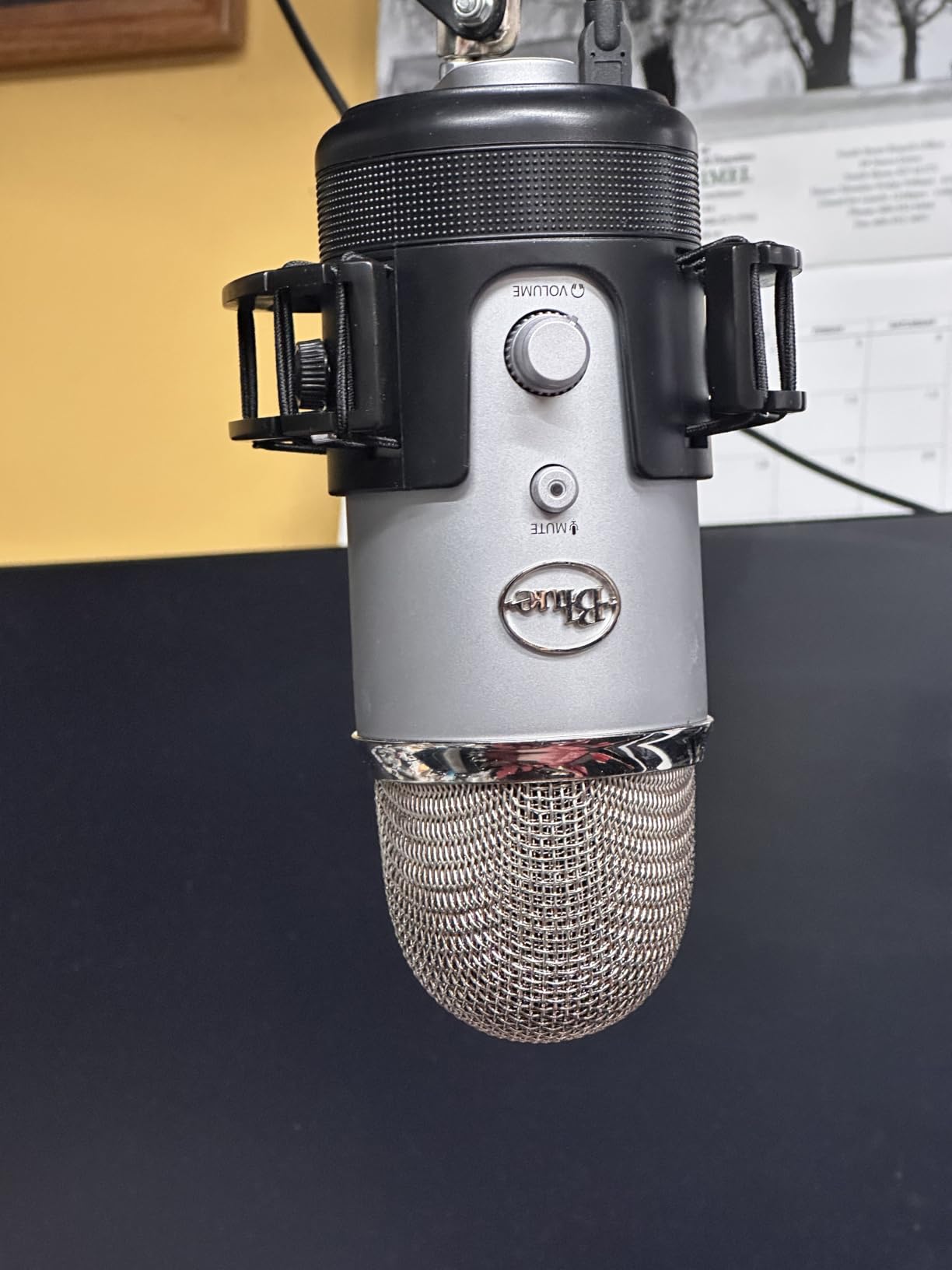
Onboard controls for headphone volume, mic gain, pattern selection, and instant mute make live monitoring easy. No software required for basic operation, though Blue VO!CE adds vocal effects if you want them.
The downsides are real. As a condenser, the Yeti picks up room noise. The bulky desktop stand looks awkward on camera. The mini-USB port feels dated in 2026.
Who the Blue Yeti is built for
Absolute beginners, podcasters on a budget, streamers, and remote workers. If you want one microphone that just works without extra gear, this is it.
Who should pass on the Yeti
Anyone with a noisy recording environment or anyone ready to invest in an audio interface. A dynamic XLR mic will sound cleaner in an untreated room.
8. Shure MV7X – The Podcaster’s Sweet Spot
Shure MV7X XLR Dynamic Podcast & Recording Microphone – Black
XLR dynamic
Voice-isolating tech
50 Hz to 16 kHz
All-metal
Pros
- Excellent voice isolation
- Clear warm broadcast sound
- Solid all-metal construction
- Rivals SM7B at lower cost
Cons
- Needs substantial clean preamp gain
- XLR cable not included
- May need post-production gain boost
The Shure MV7X takes the tech from the popular MV7 USB/XLR hybrid and strips out the USB part for a lower price. For pure XLR podcasting and voice over, this is a smart move.
Voice isolation technology is the standout feature. Even with background chatter or HVAC noise, the MV7X focuses tightly on your voice. I recorded a session next to a running dishwasher and the audio came out clean.
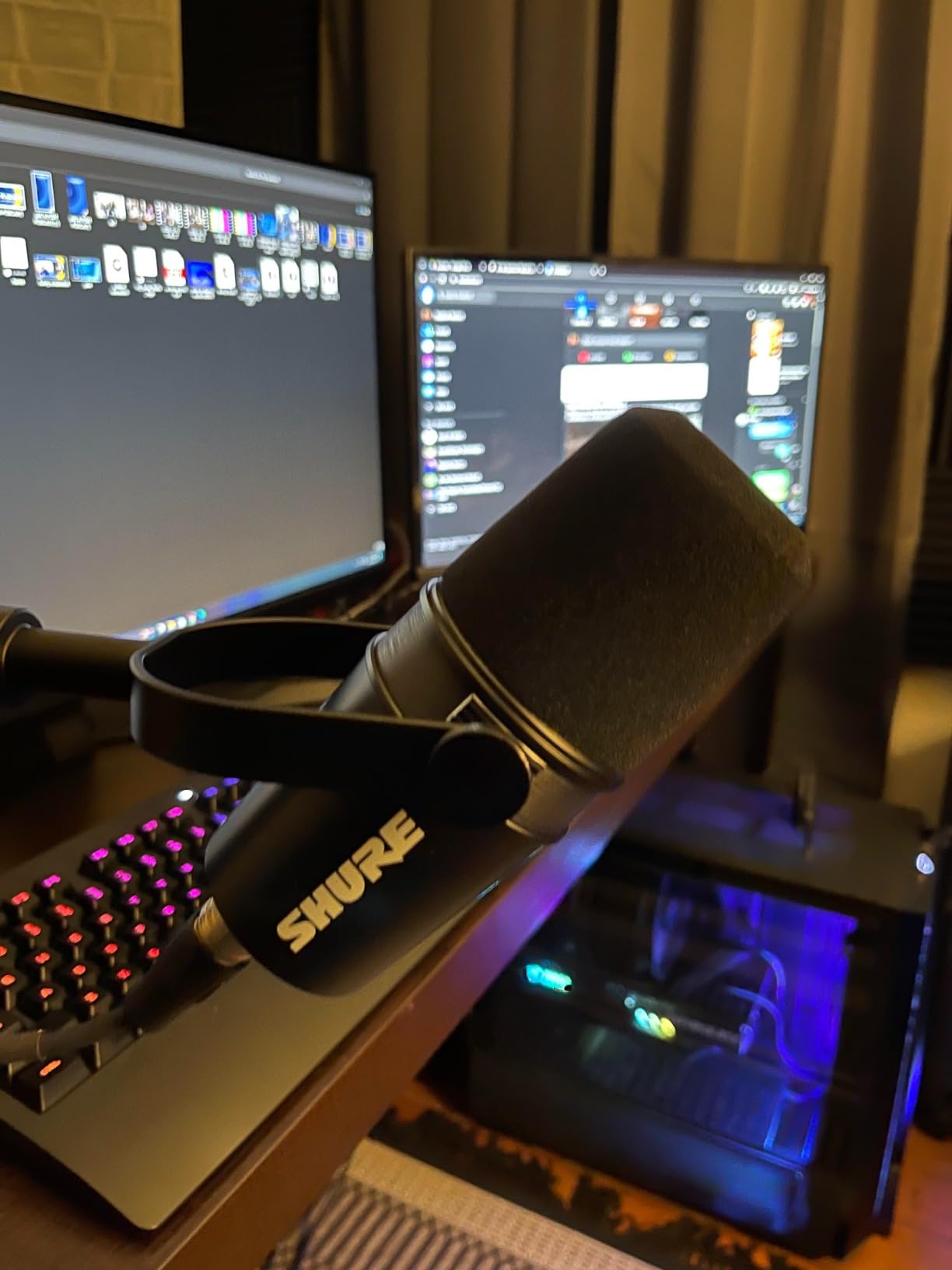
The MV7X sits comfortably between the SM58 and SM7B in price and performance. It does not have the deep low-end warmth of the SM7B, but it captures vocals with a clarity that flatters most voice types.
No XLR cable is included, which is a minor annoyance. Add a budget XLR cable to your cart.
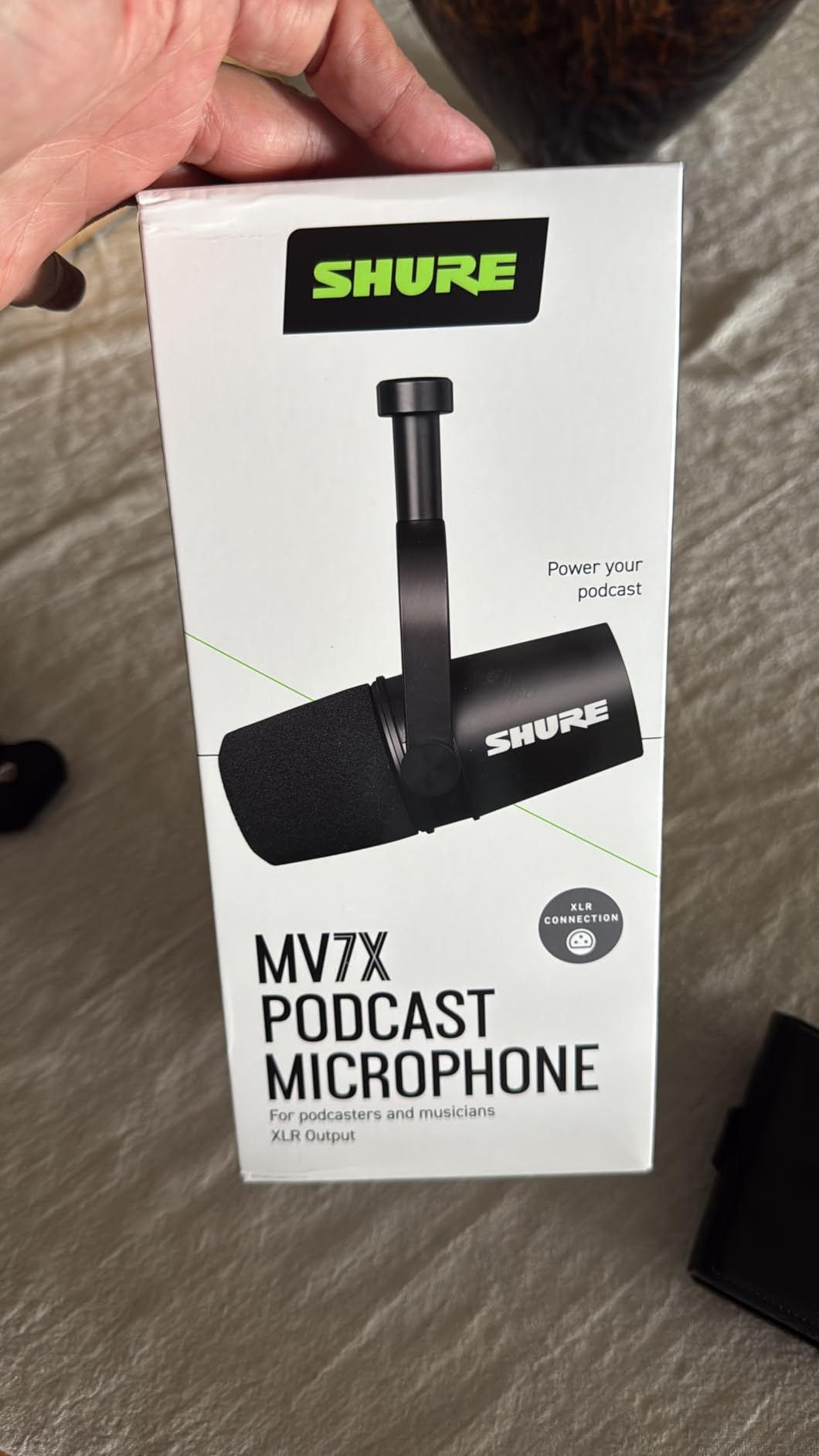
Who the MV7X is built for
Podcasters who want SM7B-like performance at half the price, voice actors recording in imperfect rooms, and streamers moving up from USB.
Who should pass on the MV7X
Anyone on a tight budget. The Rode PodMic delivers similar dynamic performance for less.
9. Elgato Wave:3 MK.2 – The Streamer’s Tool
Elgato Wave:3 MK.2 USB Condenser Microphone, DSP Effects
USB-C condenser
Cardioid
Clipguard 2.0
USB-C connectivity
Pros
- Rich detailed sound
- Clipguard 2.0 prevents distortion
- USB-C modern connection
- Wave Link software replaces audio mixer
- Wave Link learning curve
Cons
- Condenser picks up background noise
- Pop filter and shock mount sold separately
- Some find it blocks screen view
The Elgato Wave:3 MK.2 is built for streamers and content creators who need software control alongside clean audio. Wave Link is a free virtual mixer that handles multiple audio sources, chat, music, and game audio without expensive hardware.
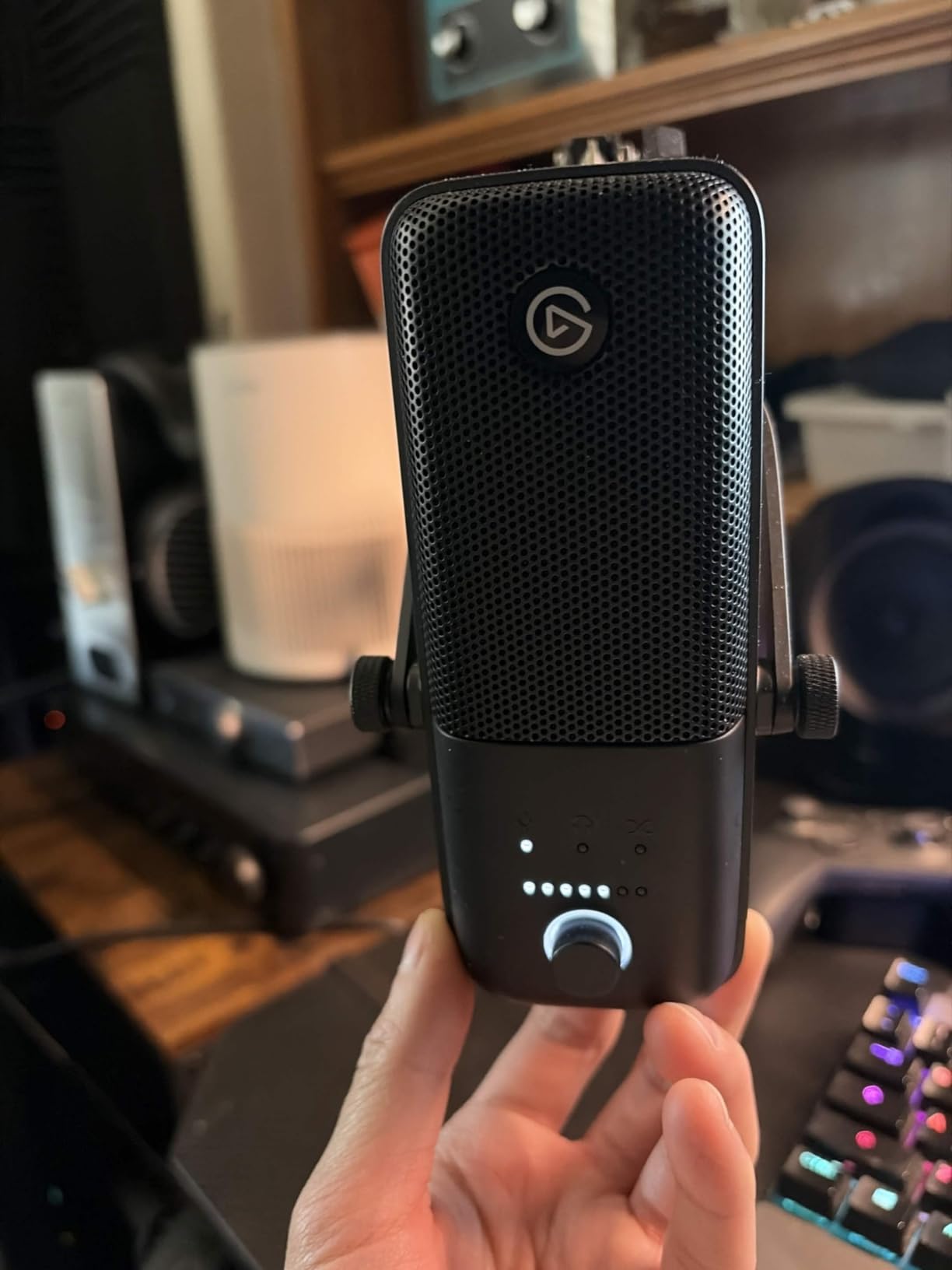
The Clipguard 2.0 anti-distortion system is genuinely useful. When you get excited and peak the input, the mic automatically reroutes signal to a quieter channel. I deliberately yelled into it during testing and the result was clean audio without clipping.
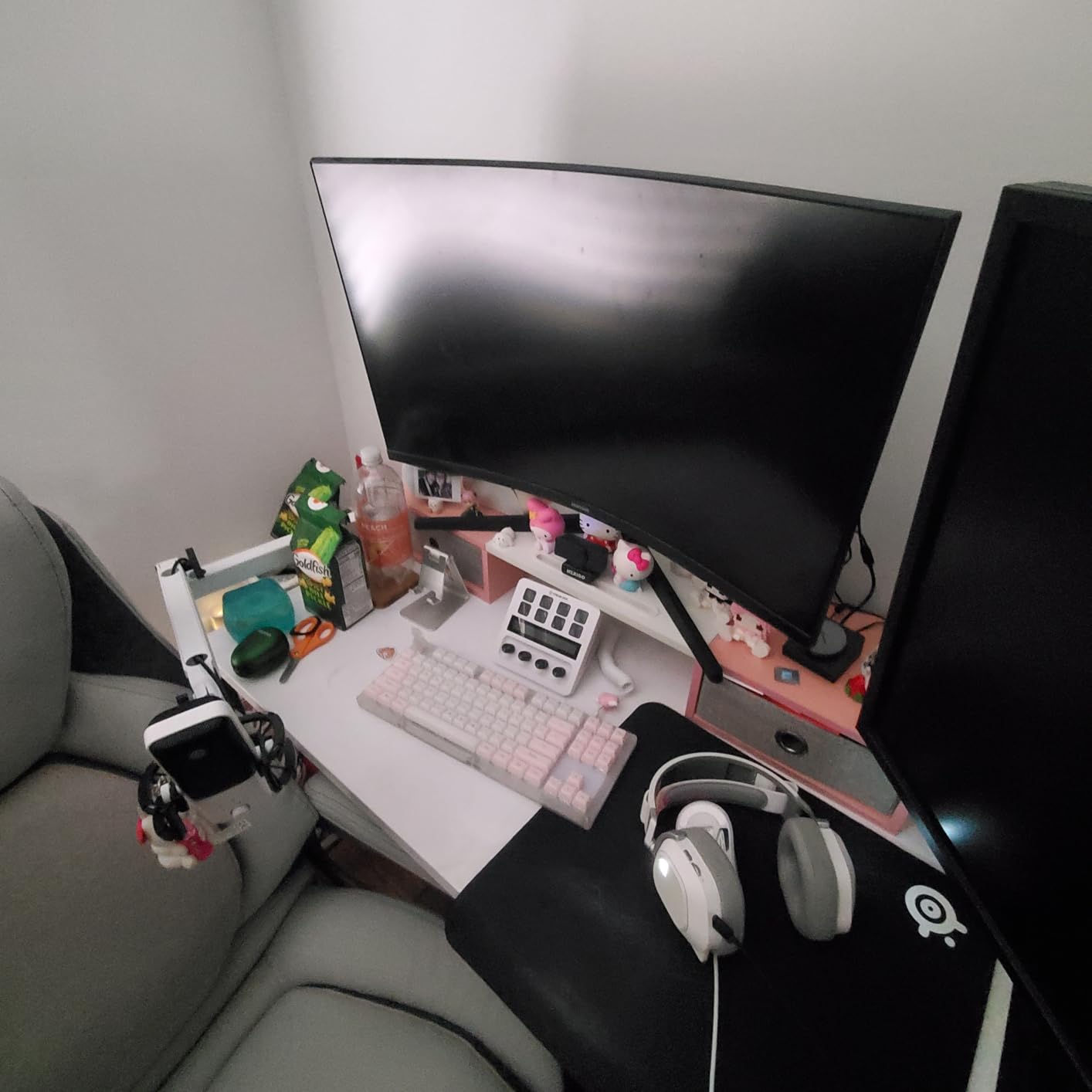
USB-C connectivity means modern, stable plug-and-play. No drivers, no fuss. The multifunction dial and tap-to-mute button feel premium.
Like other condensers, the Wave:3 picks up room noise. If your streaming space is loud, a dynamic mic is a better choice.
Who the Wave:3 MK.2 is built for
Streamers and content creators who want software-driven audio control, gamers who want clean chat audio, and podcasters running complex setups.
Who should pass on the Wave:3
Voice actors focused purely on narration. The Wave Link software shines for streaming but adds complexity you may not need.
10. Sennheiser Profile – The No-Fuss USB Pick
SENNHEISER Professional Profile – USB Cardioid Condenser Microphone & Table Stand, 1.2 m USB-C Cable – Mute Button, Built-in Headphone Jack, Gain, Mix & Volume Control, for PC & Mac,Black
USB-C condenser
Cardioid
German-engineered
Includes stand
Pros
- Zero software required
- Smooth natural sound
- Solid metal German build
- Compact lightweight form factor
Cons
- Some users report self-noise hiss
- Condenser sensitivity picks up room noise
- Basic included stand
- Single cardioid pattern
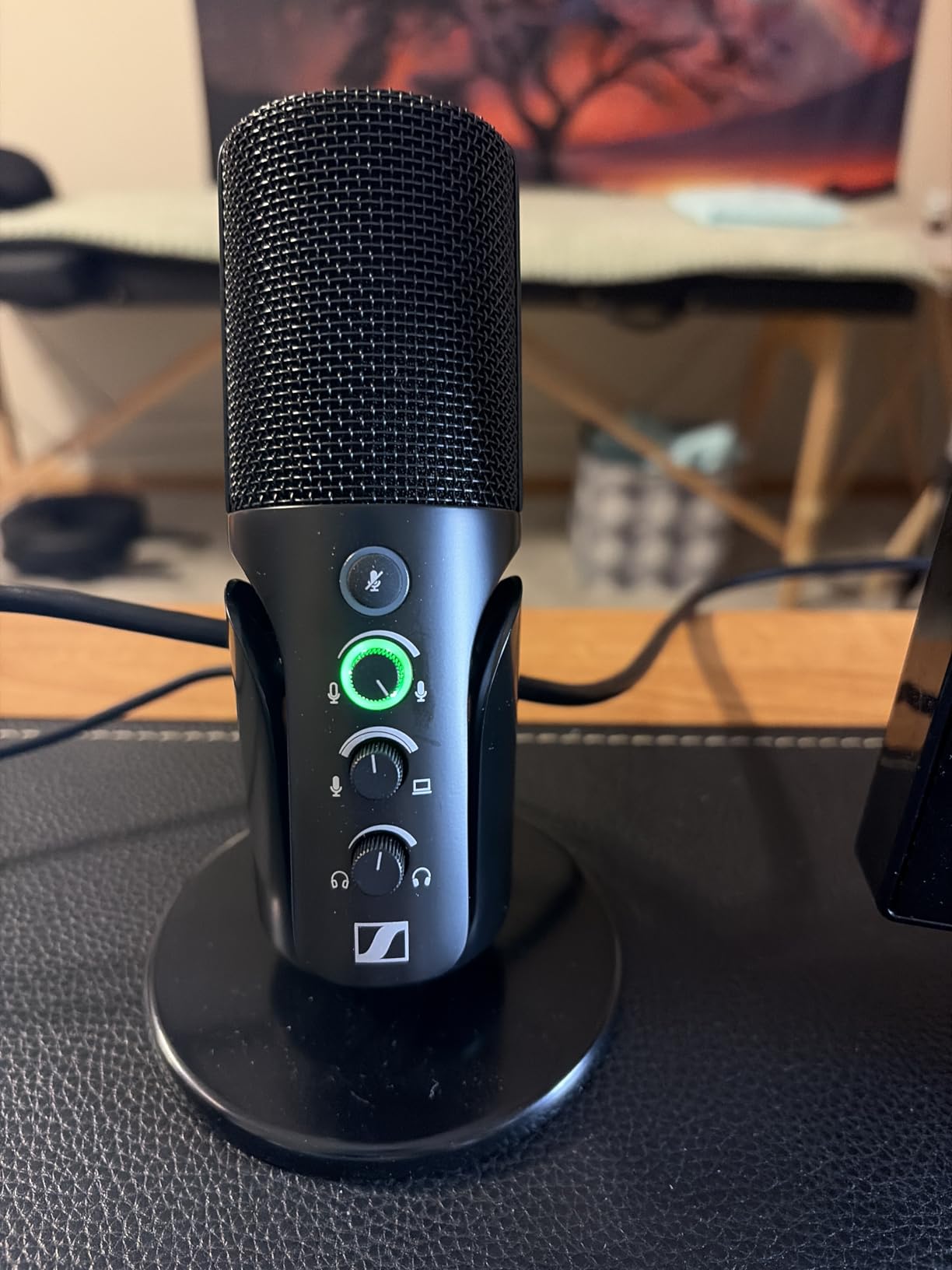
The Sennheiser Profile is the USB microphone for people who hate software. Plug it in, twist the gain dial, and start recording. No driver downloads, no app accounts, no firmware updates.
Sound quality is smooth and natural, with a warmth that flatters spoken word. The cardioid capsule rejects off-axis noise reasonably well, though not at the level of a dedicated dynamic mic.
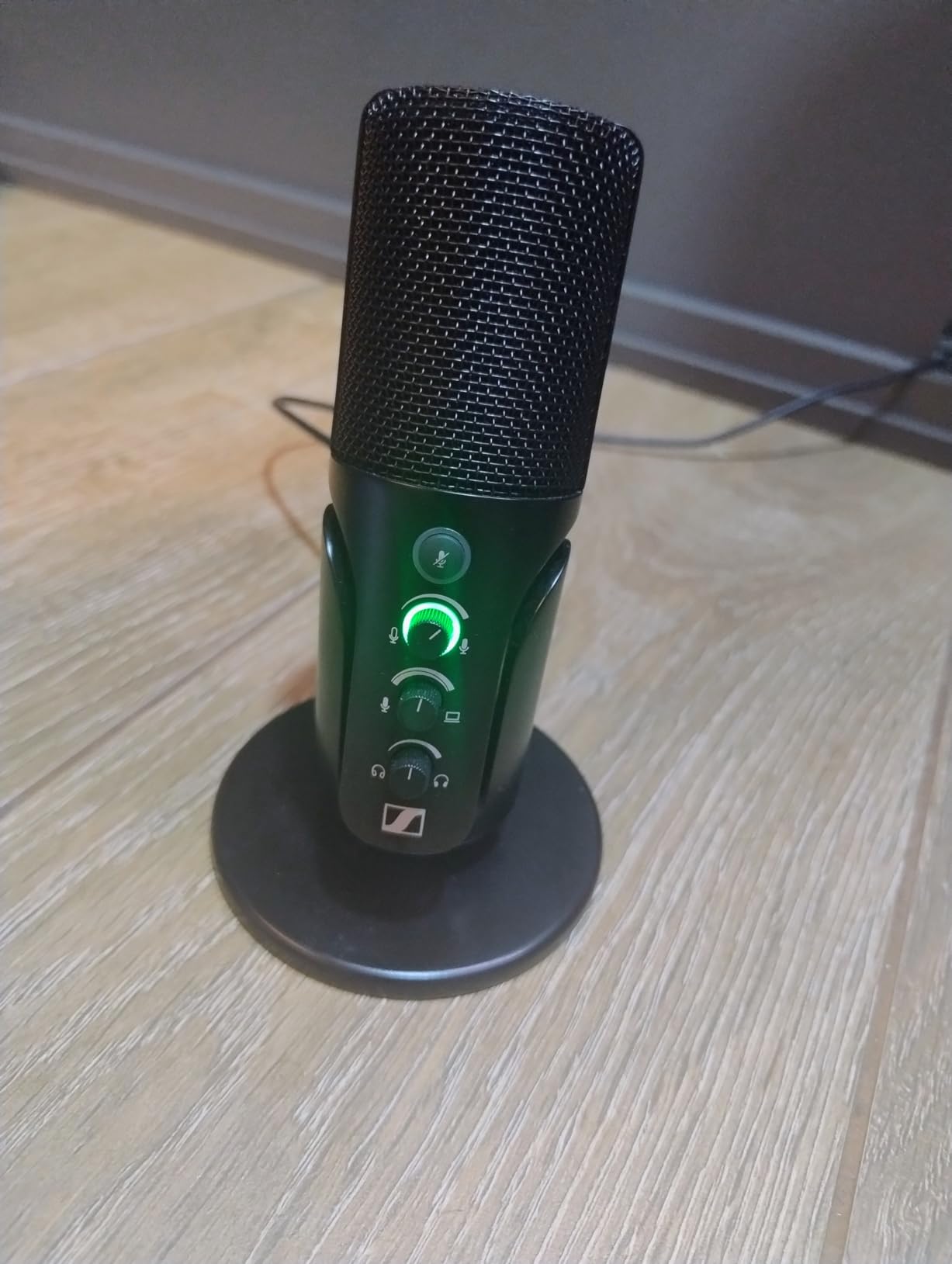
Build quality feels premium. The metal housing and minimalist design fit nicely on a desk without screaming for attention. Onboard controls for mute, gain, mix, and headphone volume cover everything most users need.
The included table stand is functional but basic. If you want proper positioning, budget for a boom arm.
Who the Sennheiser Profile is built for
Remote workers who want better audio for video calls, podcasters who value simplicity over software, and voice actors who record on the go without an interface.
Who should pass on the Profile
Anyone needing multiple pickup patterns or software-based effects. The Blue Yeti or Elgato Wave:3 offer more flexibility.
How to Choose the Best Microphone for Voice Over?
Choosing the best microphones for voice over comes down to four decisions: your room, your connection type, your voice character, and your budget. Get these right and the rest falls into place.
USB vs XLR: which connection should you pick?
USB microphones plug directly into your computer. No interface, no cables, no setup. They are ideal for beginners and anyone recording on the go. XLR microphones require an audio interface, which adds cost and complexity but delivers cleaner signal, more flexibility, and room to grow.
If you are starting out and recording in a quiet bedroom, a USB mic like the Blue Yeti or Sennheiser Profile will serve you well. If you plan to record professionally or upgrade your setup over time, invest in an XLR mic and a decent interface from day one.
Dynamic vs condenser for voice over
Dynamic microphones reject background noise and do not require phantom power. They are forgiving in untreated rooms. The Shure SM7B, Rode PodMic, and Shure SM58 all fall into this category.
Condenser microphones capture more detail and nuance but pick up room reflections, computer fans, and outside noise. They shine in treated studios. The AT2020, NT1, and Blue Yeti are condensers.
For most home voice over artists, a dynamic mic is the safer bet. Your recordings will be cleaner with less post-production work.
Room acoustics matter more than your microphone
Forum discussions on Reddit r/VoiceActing consistently repeat the same advice: treat your room before upgrading your microphone. A treated room with a budget mic sounds better than an untreated room with a flagship mic.
Start with simple acoustic treatment. Hang moving blankets on parallel walls. Place foam panels at first reflection points. Put a rug on hard floors. These low-cost steps reduce room reverb dramatically.
If you record music as well as voice, learning how to match a melody’s range to a singer’s voice will help you get consistent vocal takes.
Essential accessories for voice over
Even the best microphone benefits from supporting gear. A pop filter reduces plosives on hard consonants. A shock mount isolates the mic from desk vibrations. A boom arm positions the mic at mouth height without a desktop stand taking up space.
For XLR setups, you also need an audio interface. The Focusrite Scarlett Solo is a popular starter choice. For dynamic mics with low output, an inline preamp like the Cloudlifter CL-1 adds clean gain without noise.
How much should you spend on a voice over microphone?
Reviewers on Quora and Reddit commonly recommend spending between $100 and $300 for your first serious voice over microphone. Below $100, options like the Samson Q2U deliver surprising quality. Above $300, gains become incremental unless you have a treated studio.
Save the remaining budget for room treatment and an audio interface. Those investments improve every recording you make, while a flagship mic in a poor room still sounds poor.
Frequently Asked Questions
What is the best microphone for recording voice over?
The best microphone for recording voice over depends on your room and budget. For untreated home studios, the Shure SM7B delivers broadcast-quality sound with exceptional off-axis rejection. For treated studios, the Rode NT1 5th Gen captures studio-grade detail. Beginners on a budget get great results from the Rode PodMic or Blue Yeti.
Is USB or XLR better for voice over?
XLR microphones connected through an audio interface generally deliver cleaner, more flexible audio and let you upgrade individual components over time. USB microphones are simpler to set up and ideal for beginners or remote recording. For professional voice over work, XLR is the standard. For starting out or recording on the go, USB is perfectly acceptable.
Do I need an audio interface for voice over?
You need an audio interface if you choose an XLR microphone. The interface provides phantom power for condenser mics, converts analog signal to digital, and often includes a headphone monitor. Popular starter interfaces include the Focusrite Scarlett Solo and the Universal Audio Volt 276. USB microphones have the interface built in and do not require a separate unit.
How much should I spend on a voice over microphone?
For your first serious voice over microphone, budget between $100 and $300. This range includes strong options like the Audio-Technica AT2020, Rode PodMic, and Shure MV7X. Below $100, the Blue Yeti and Samson Q2U deliver solid results. Above $300, gains are incremental unless you have a properly treated studio. Always allocate part of your budget to room treatment, which improves sound more than expensive microphones.
What microphone do audiobook narrators use?
Professional audiobook narrators typically use broadcast-grade dynamic or large-diaphragm condenser microphones with low self-noise. Common choices include the Shure SM7B for untreated home booths and the Rode NT1 5th Gen or Neumann TLM 102 for treated studios. The key requirements are consistent tone across long sessions, minimal room noise pickup, and the ability to handle hours of continuous speaking without fatigue.
Final Verdict
After testing these ten microphones side by side across hundreds of voice over takes, the Shure SM7B remains my top recommendation for serious voice over work. Its broadcast heritage, exceptional noise rejection, and decade-proven durability make it the smartest long-term investment for anyone recording in an untreated home studio.
If budget is the priority, the Rode PodMic delivers an almost identical experience at a fraction of the cost. Beginners who want plug-and-play simplicity should grab the Blue Yeti. Treated studios that capture fine detail will love the Rode NT1 5th Gen.
Whichever microphone you pick from this list of best microphones for voice over, invest in your recording space and an audio interface. Those two upgrades will improve your audio more than any microphone swap. Start recording, iterate, and upgrade as your voice over career grows.