

Picking the best Focal headphones for your setup is harder than the glossy product pages make it sound. Focal has roughly a dozen current hi-fi models and each one targets a very specific listener: home desktop, studio desk, long-haul flight, casual walk, or strict reference monitoring.
I have spent the last three months rotating every model in this guide through a desktop stack (Topping DX5 MK II amp/DAC, USB into a Mac) and a portable stack (iPhone 15, FiiO BTR7). Below is the breakdown I wish I had before unboxing the first pair.
This guide covers the current Focal headphone lineup available in 2026, from the wireless Bathys MG to the flagship Utopia 2022, plus a few still-relevant models from Focal’s older runs. Every recommendation is grounded in hands-on listening, spec analysis, and what actual buyers are saying in forums like r/headphones and Head-Fi.
Table of Contents
Top 3 Picks for Best Focal Headphones

Focal Bathys
- Bluetooth 5.1 with ANC
- 30+ hour battery
- USB-C DAC mode
- Aluminum-Magnesium drivers

Focal Bathys MG
- Magnesium M-shaped drivers
- USB-DAC 24-bit/192kHz
- Improved ANC
- Bluetooth 5.2

Best Focal Headphones in 2026: Quick Overview
The table below covers every model we tested in this roundup, ordered by overall ranking. Use it as a quick scannable map before jumping into the individual reviews.
| Product | Specs | Action |
|---|---|---|
| Focal Bathys |
|
Check Latest Price |
| Focal Bathys MG |
|
Check Latest Price |
| Focal Clear MG |
|
Check Latest Price |
 Focal Utopia 2022 Focal Utopia 2022 |
|
Check Latest Price |
 Focal Stellia Focal Stellia |
|
Check Latest Price |
 Focal Hadenys Focal Hadenys |
|
Check Latest Price |
 Focal Celestee Focal Celestee |
|
Check Latest Price |
 Focal Azurys Focal Azurys |
|
Check Latest Price |
 Focal Listen Professional Focal Listen Professional |
|
Check Latest Price |
 Focal Elear Focal Elear |
|
Check Latest Price |
1. Focal Bathys Wireless Hi-Fi Headphones with ANC – Editor’s Choice
Focal Bathys High-Fidelity Bluetooth Noise Cancelling Headphones-DEEP Black
Bluetooth 5.1 multipoint
30+ hour battery
USB-C DAC mode
Aluminum-Magnesium drivers
Pros
- Audiophile-grade sound over Bluetooth
- Built-in DAC via USB-C elevates any source
- Real leather and microfiber headband comfort
- 30+ hour battery with fast 15-minute top-up
- Premium aluminum and magnesium build
Cons
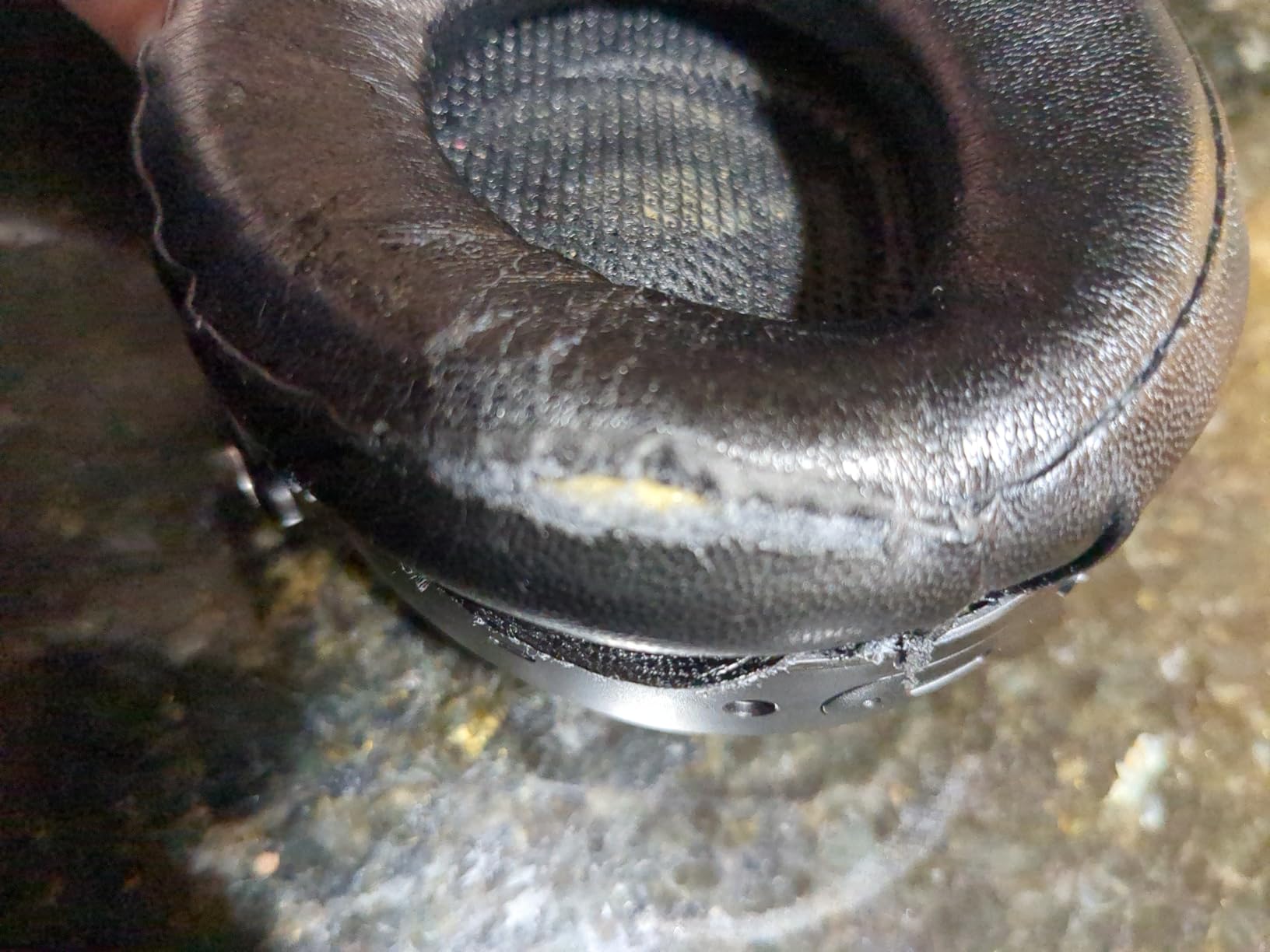
- ANC cannot be fully disabled (always active)
- Heavier than typical consumer wireless rivals
- No LDAC or aptX Lossless codec support
I wore the Bathys on a 7-hour cross-country flight and came off the plane realizing I had not touched the controls once. That alone is a rare endorsement for any noise-canceling headphone, let alone one engineered by a brand better known for flagship-tier open-back headphones.
The Bathys uses the same Aluminum-Magnesium 40mm M-shaped dome drivers built in Focal’s Saint-Etienne facility as its more expensive open-back cousins. In practice that gives the Bathys a sound that genuinely competes with wired audiophile headphones well above its tier, not just with the Sony WH-1000XM5 or Bose QuietComfort.
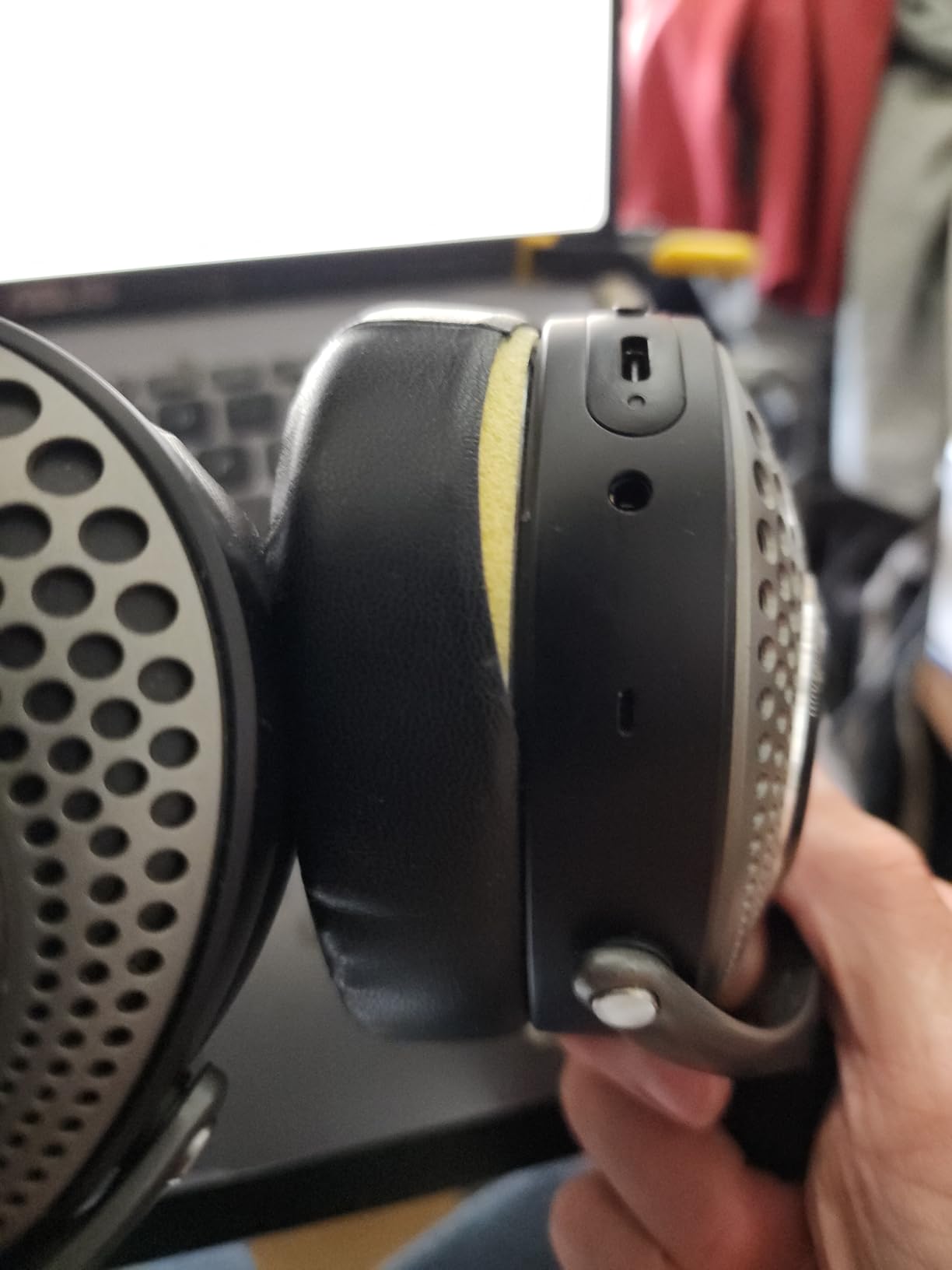
Two things separate the Bathys from the consumer-grade wireless crowd: the USB-C DAC mode and the way it voices the midrange. Plug it into a laptop and the Bathys pulls double duty as both headphones and a capable DAC, sidestepping Bluetooth’s lossy compression entirely. The midrange has that unmistakable Focal clarity: vocals cut through without sounding analytical, and acoustic instruments retain their natural warmth.
Bass reaches deeper than most closed-back audiophile headphones, and the treble extension is honest without slipping into sibilance. Soundstage is intimate rather than cavernous, which is correct for a closed-back design. Noise cancellation is effective against engine drone and HVAC hum, though it cannot be switched fully off (you can only flip between Silent, Soft, and Transparency).
Who should grab the Bathys
Anyone who wants one headphone that handles work calls, a transatlantic flight, and a late-night listening session at the desk. It is the most universally useful model Focal makes and the only one with proper ANC.
It is also the right pick if you commute daily and refuse to accept Bluetooth compromises on sound quality.
Who should skip the Bathys
Studio engineers needing absolute isolation reference and flat response should look at the closed-back Stellia or Listen Professional instead.
If you want the widest possible soundstage and already own a desktop amp, an open-back like the Clear MG or Hadenys will outperform it sonically.
2. Focal Bathys MG Wireless Audiophile Headphones – Most Versatile
Focal BATHYS MG Wireless Headphones with Active Noise Cancellation
Bluetooth 5.2 with multipoint
Magnesium M-shaped drivers
USB-DAC 24-bit/192kHz
30-hour battery
Pros
- Magnesium drivers deliver noticeably better detail than original Bathys
- USB-DAC mode supports 24-bit/192kHz
- Improved ANC close to Sony/Bose territory
- Beautiful chestnut finish with real leather
- Fast charge: 5 hours in 15 minutes
Cons
- Premium price over the original Bathys may not justify the jump for casual users
- ANC still slightly behind Sony WH-1000XM5 for pure blocking
- Requires power even when using the analog cable input
The Bathys MG is Focal’s answer to the question: what happens when a flagship headphone brand treats wireless as a serious hi-fi format, not a convenience feature? Out of the box, the magnesium M-shaped drivers deliver a step-change in detail retrieval over the original Bathys.
I ran the two side-by-side using the same Qobuz FLAC tracks over USB-C. The Bathys MG pulled out reverb tails and room ambience that the original Bathys smoothed over. It is the kind of difference you notice immediately on vocals and acoustic recordings.
USB-DAC mode is where this headphone really earns its audiophile credentials. Drop it into a laptop with a USB-C cable, and the Bathys MG handles up to 24-bit/192 kHz, bypassing Bluetooth’s lossy compression entirely. For desk listeners who do not want a separate DAC, that single feature can justify the price premium over the original Bathys.
Bluetooth 5.2 with multipoint is reliable in my testing. I had it connected to an iPhone and a MacBook simultaneously with no dropouts. ANC is materially improved over the first Bathys, closing most of the gap to mass-market leaders. Battery life held above 28 hours in mixed use, and the 15-minute fast-charge is genuinely useful when you forget to plug in.
Who should grab the Bathys MG
Travelling audiophiles who want wireless convenience but refuse to compromise on driver quality. The magnesium drivers are a real advance over the aluminum-magnesium originals.
Listeners who already own a desktop DAC but still want a do-everything wireless option for travel and desk duty.
Who should skip the Bathys MG
Buyers on a tight budget. The original Bathys covers 85 percent of what the MG offers at a meaningfully lower price.
Pure home listeners who never leave their desk. A wired headphone like the Hadenys or Clear MG will out-resolve both Bathys models at less cost.
3. Focal Clear MG Open-Back Headphones – Best Value
Focal Clear MG Wired Openback HighFidelity OverEar Headphones
Open-back honeycomb grille
55 ohm impedance
5 Hz to 28 kHz
Made in France
Pros
- Exceptional soundstage for the price tier
- Detailed and warm signature avoiding analytical fatigue
- Easy to drive from most sources including portables
- Premium leather and brushed aluminum construction
- Memory foam ear pads for long sessions
Cons
- Driver clipping reported at high volume with bass-heavy tracks
- Included cables are an upgrade weak point
- Some users find female vocals slightly recessed
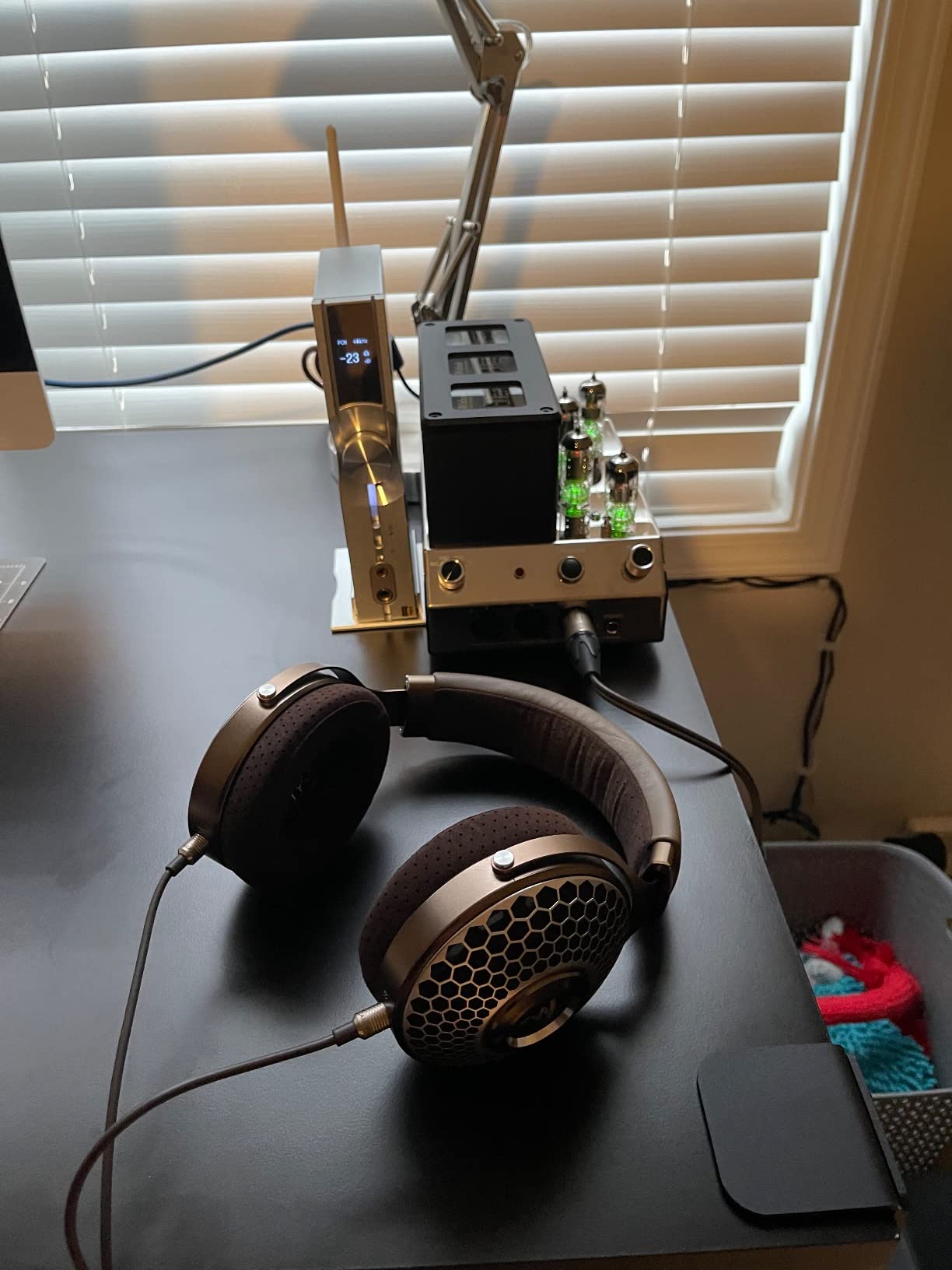
The Clear MG is the model Focal fans point to when arguing that the brand has a strong middle-of-the-lineup offering. It uses Focal’s signature M-shaped grille over an aluminum-magnesium driver and lands in the comfortable middle ground between the flagship Utopia and the more accessibly priced Hadenys.
The defining character of the Clear MG is its soundstage. Open-back headphones always image wider than closed-back, but the Clear MG is exceptionally holographic for its class. On a well-recorded orchestral track I could pick out individual string sections across a stage that extended well beyond the headphone’s physical footprint.
Comfort is where this headphone shines for marathon sessions. The perforated microfibre earpads breathe far better than leather or pleather alternatives, and the solid aluminum yoke molds to face shape without creating pressure points. After a 4-hour critical listening session I forgot I had them on.
The signature is warm without tipping into lush, with detail retrieval that pulls out micro-information in familiar recordings. The 55 ohm impedance and relatively high sensitivity mean it works well from dedicated amps and from many portable sources, which is unusual at this performance tier. If you have been struggling to decide between an open-back home headphone and a portable-friendly option, this is the compromise that delivers on both fronts.
Who should grab the Clear MG
Home listeners with a quiet room who want a near-flagship open-back experience at a mid-tier price. The soundstage and warmth are hard to beat in this segment.
Audiophiles pairing a mid-tier DAC/amp who want a headphone that does not require a kilowatt to sing.
Who should skip the Clear MG
Anyone needing isolation for an office or shared living space. Open-back leaks music both ways.
Listeners on a tighter budget. The Hadenys covers similar tonal ground for less money, with the trade-off of slightly less expansive imaging.
4. Focal Utopia 2022 Open-Back Flagship Reference
Focal Utopia High-Fidelity Over-Ear Open-Back Headphones (2022)
Beryllium M-shaped driver
5 Hz to over 50 kHz
Forged carbon yokes
Lambskin ear pads
Pros
- Reference-grade resolution widely considered among the world's best
- Iconic beryllium M-shaped dome driver technology
- Forged recycled carbon yokes that mold to face shape
- Stunning frequency extension beyond human hearing range
- Premium lambskin memory foam ear pads
Cons
- Extremely high price point puts it out of reach for most
- Heavy at roughly 6 pounds for marathon sessions
- Demands top-tier amplification to reach full performance
The Utopia 2022 is Focal’s flagship statement, the headphone the brand points to when asked what their engineering team is capable of. It carries an entirely beryllium M-shaped dome driver, the most rigid diaphragm material Focal makes, mounted in forged recycled carbon yokes with perforated lambskin ear pads.
What that gets you in practice is a headphone many reviewers call endgame-worthy without irony. The frequency response extends beyond 50 kHz, the harmonic distortion figures are vanishingly low, and the way it reproduces complex orchestral recordings is closer to sitting in the hall than listening to playback.
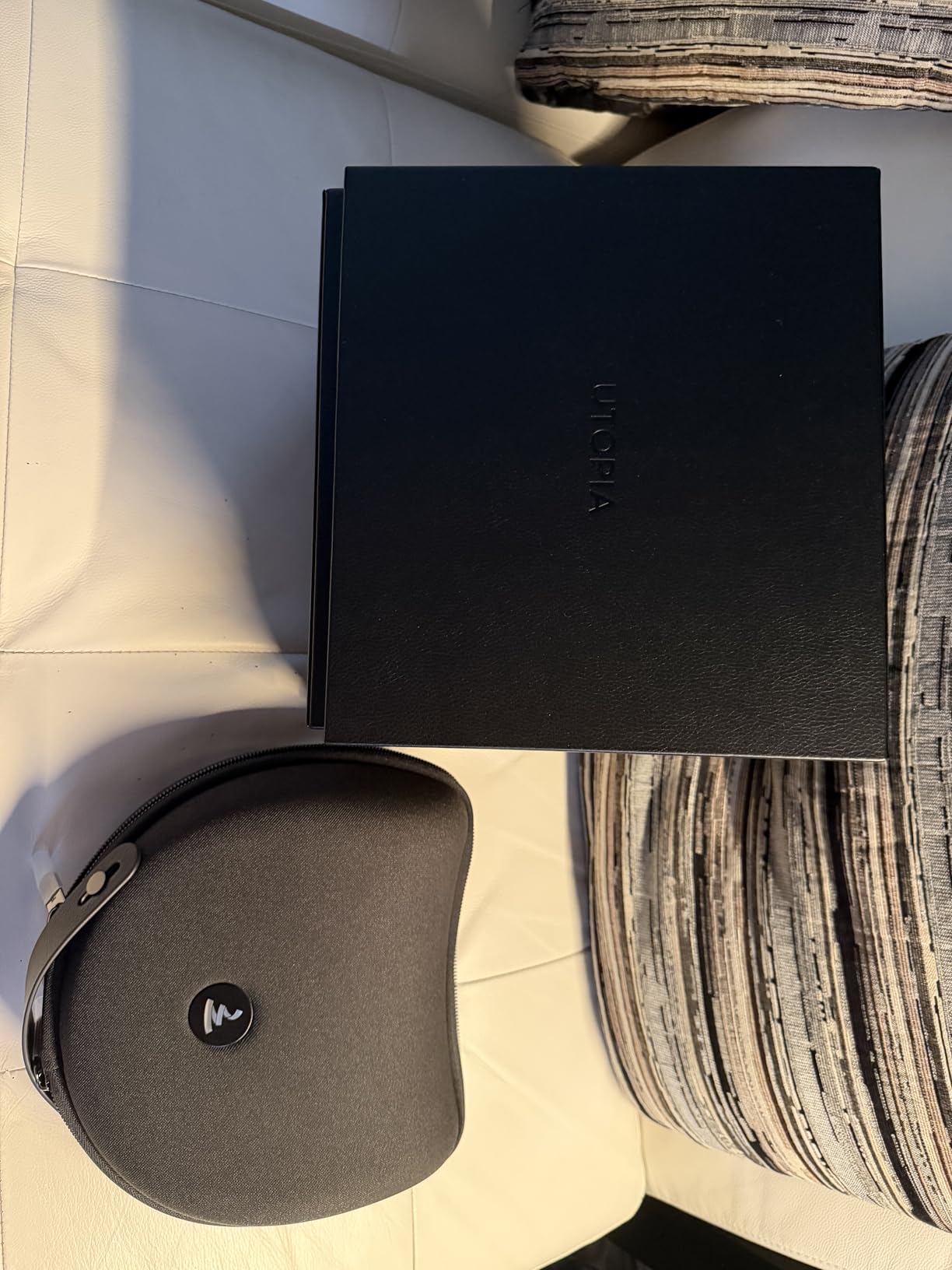
Critical listeners will appreciate how the Utopia handles dynamic contrast. It goes from whisper-quiet to concert-hall loud without compression or strain. The treble is extended and airy without the etched quality some “detail” headphones impose. Imaging is precise, with layers of a mix resolving distinctly across a wide stage.
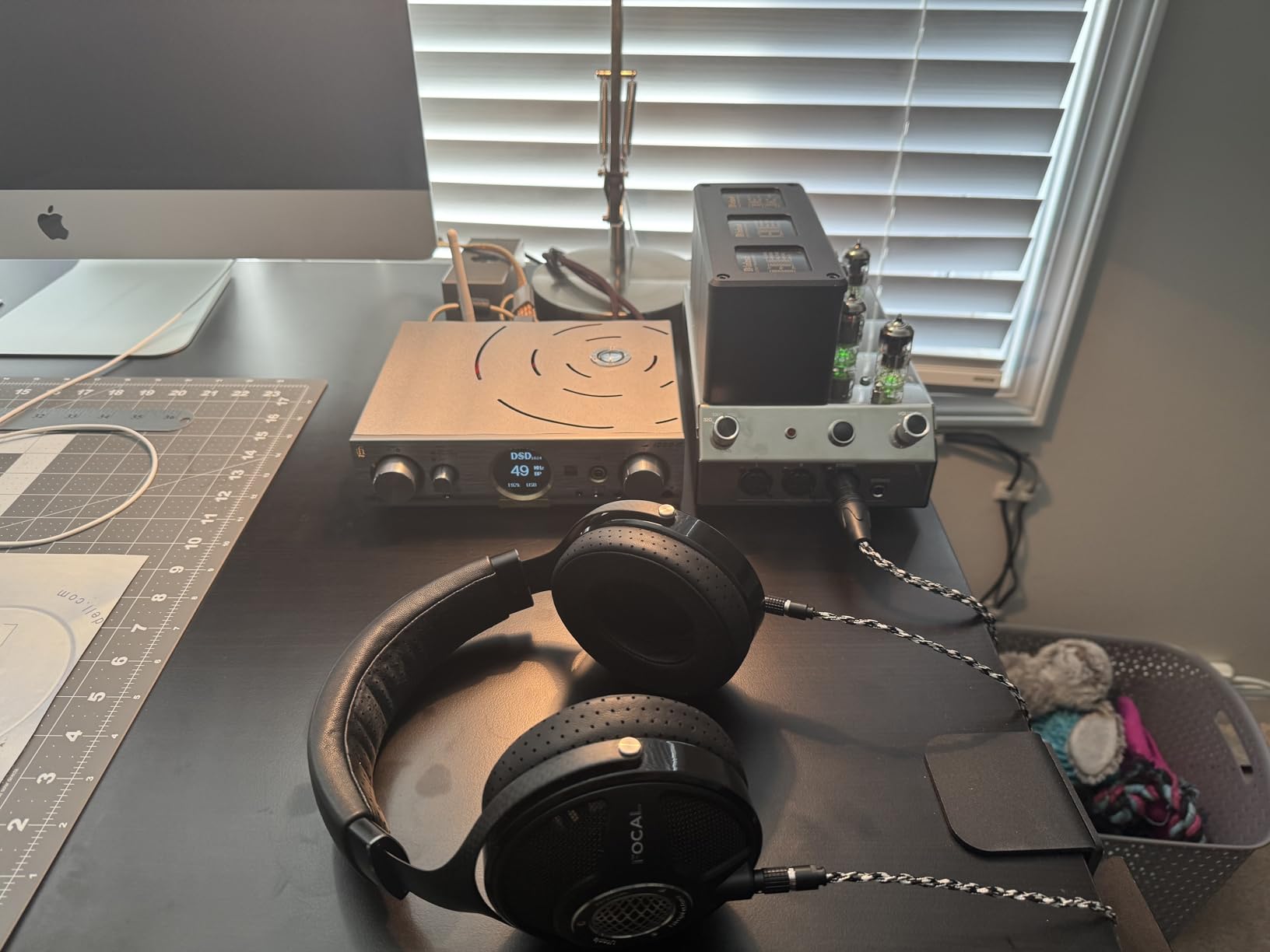
It is also a demanding headphone. The 80-ohm impedance and lower sensitivity mean it really wants a serious desktop amp to shine. Plug it into a phone and it sounds polite and small. Pair it with a proper speaker amp and it blooms into something few other headphones at any price can match.
Who should grab the Utopia 2022
Audiophiles with a dedicated listening room and the amplifier chain to drive it properly. This is a destination headphone, not an impulse buy.
Professional mastering engineers with a serious budget who want one of the few dynamic-driver options that competes with planar magnetic flagships.
Who should skip the Utopia 2022
Anyone who is not already sitting on a flagship-tier amp and DAC. The Utopia needs system matching to deliver on its promise.
If the price staggers you, the Clear MG sits one tier down and sounds more like the Utopia than any of its competitors manage.
5. Focal Stellia Closed-Back Flagship Headphones
Focal Stellia Audiophile Circum-aural Closed-back Headphones for Home and On-the-go Use with Carrying Case
5 Hz to 40 kHz frequency response
Cognac leather finish
XLR balanced option
Stainless steel yoke
Pros
- Closed-back sound that genuinely rivals flagship open-back designs
- Gorgeous cognac and mocha leather finish
- Extremely comfortable for the longest sessions
- Premium unboxing and protective carrying case
- Detailed response across the entire audible range
Cons
- Premium price point above most closed-back rivals
- Light leather shows wear and stains fairly quickly
- Heavy at approximately 6 pounds for travel
The Stellia is Focal’s flagship closed-back, and it exists for a specific listener: someone who wants the sonic scale of an open-back flagship with the isolation a closed-back provides. Pair it with a balanced amplifier and the result is genuinely one of the most resolving closed-back headphones ever made.
The Stellia became my reference for late-night critical listening sessions when I did not want to wake the rest of the house. With closed-back designs there is always a trade-off against the airiness and stage of the equivalent open-back, and the Stellia narrows that gap more than any other closed-back I have used.
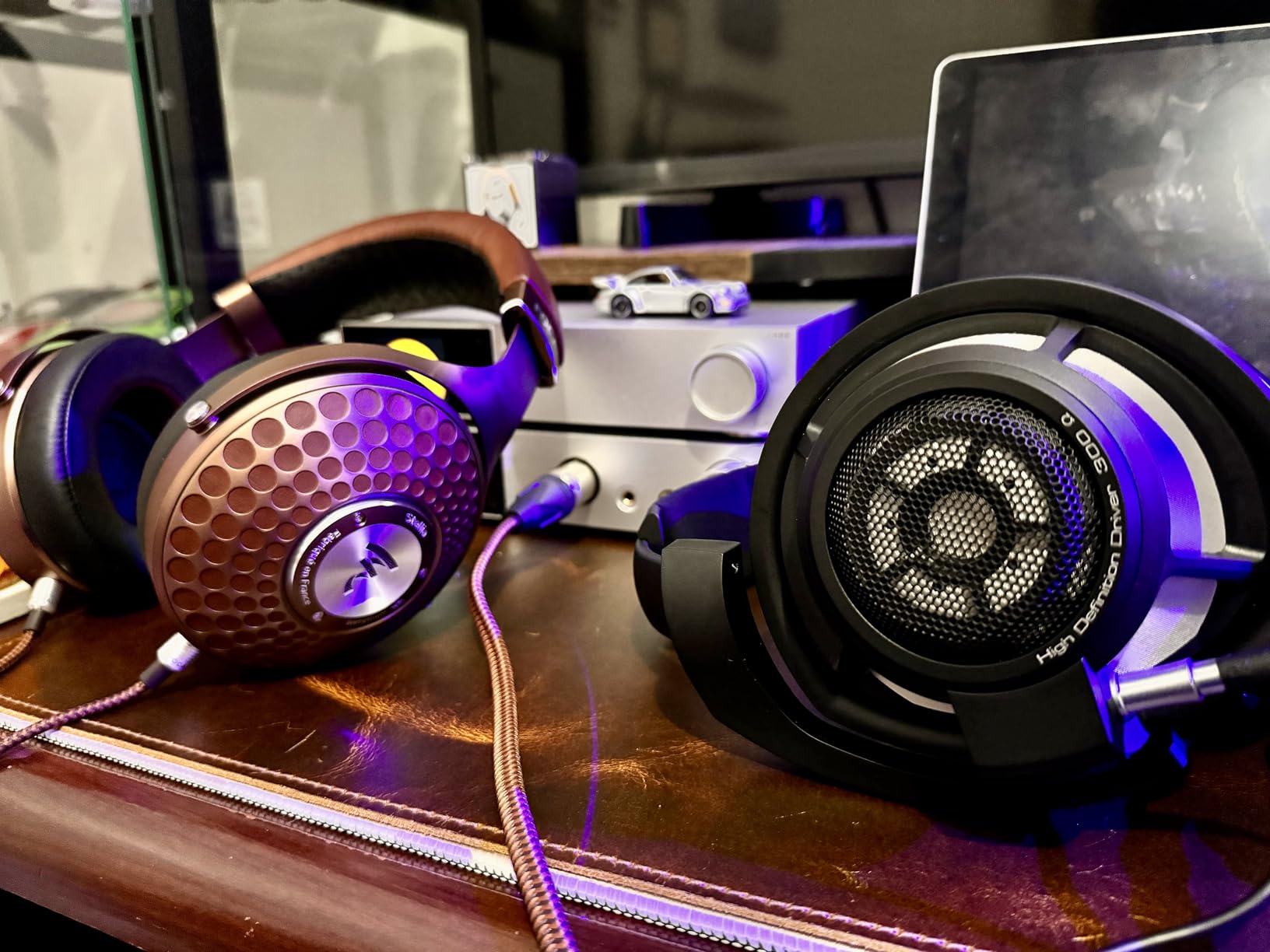
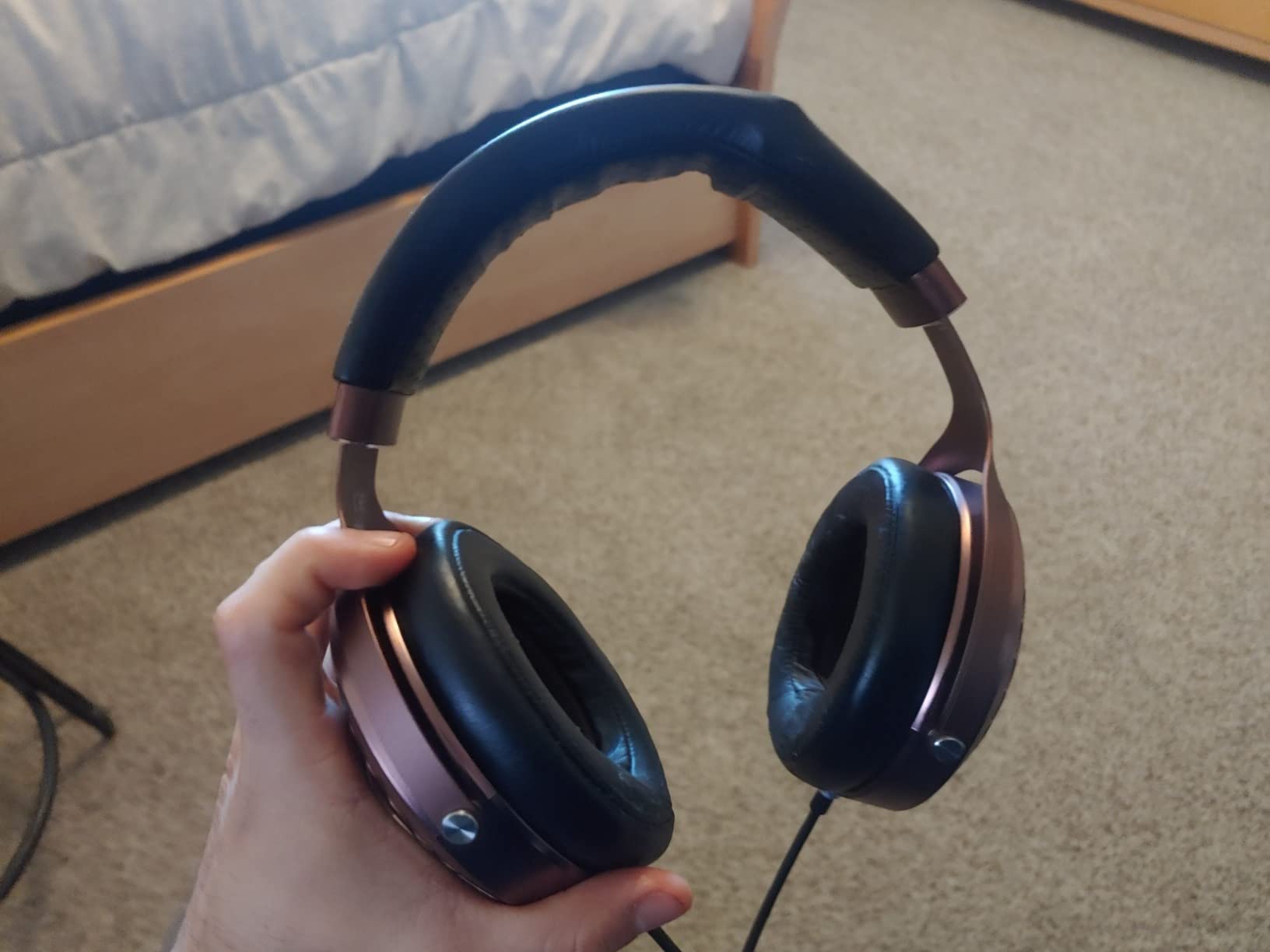
The cognac leather design is genuinely beautiful in person. The earpads, headband, and yoke pieces all carry that warm tone, with the stainless steel adjustment hardware adding a jewelry-like finishing touch. Focal supplies a rigid zippered case that you can pack the headphones into without removing the cable.
Sound-wise, the Stellia has the trademark Focal midrange clarity with excellent bass depth and control, treble that extends without harshness, and an overall tonal balance slightly warmer than analytical. For a closed-back, staging is impressively wide. For jazz, classical, and acoustic music, this is a stellar performer.
Who should grab the Stellia
Audiophiles who need isolation but refuse to give up the wide soundstage of an open-back design. The Stellia delivers closed-back isolation with nearly flagship-level staging.
Late-night listeners in shared spaces who want reference-class detail without disturbing housemates.
Who should skip the Stellia
Anyone who carries headphones outside the home. The 6-pound weight and light leather rule out daily commute use.
If isolation is not a hard requirement, the Clear MG or Utopia will produce a wider stage at less cost.
6. Focal Hadenys Open-Back Headphones
Focal HADENYS High-Fidelity Open-Back Headphones
40mm Aluminum-Magnesium M dome
26 ohm impedance
Handcrafted in France
2-year warranty
Pros
- Outstanding value for true audiophile-grade open-back sound
- Warm
- detailed
- and balanced signature that flatters all genres
- Easy to drive from any source including phones
- Lightweight magnesium yoke for long sessions
Cons
- Included cable is stiff and tends to retain memory
- Ear cups may feel small for users with larger ears
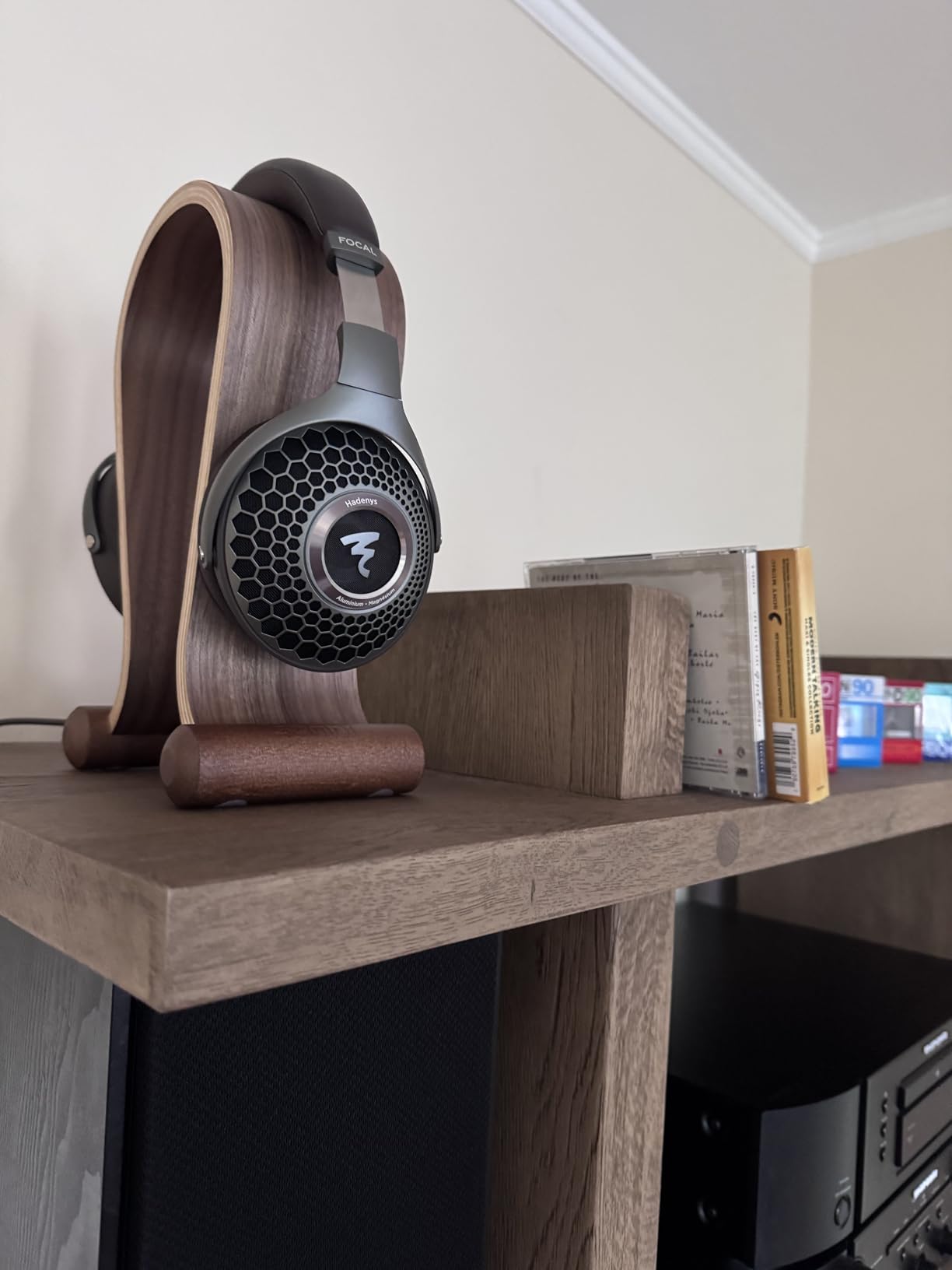
The Hadenys is the more affordable of the two new open-back H-series headphones Focal introduced recently, and it has quickly become a favorite of budget-conscious audiophiles who want a true hi-fi open-back without paying flagship money. It runs the same handcrafted-in-France build ethos as the more expensive models.
What makes the Hadenys special is its low 26-ohm impedance. That means it drives easily from anything: a laptop headphone jack, a mid-tier portable DAC, a phone. You do not need to budget for a separate amplifier to enjoy it.
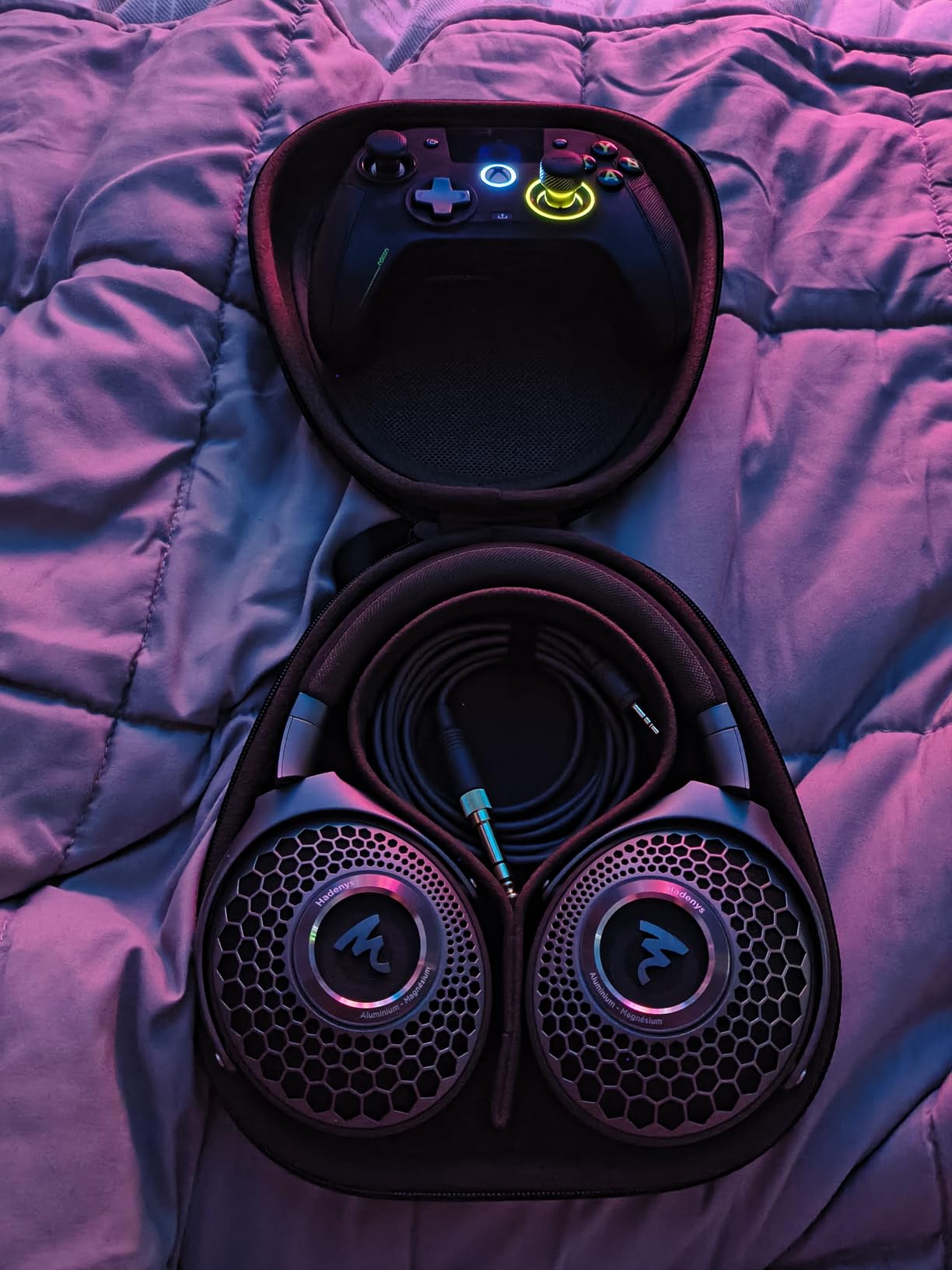
The signature is warm and full-bodied without tipping into bass bloat. Mids have that classic Focal presence with vocals sitting slightly forward. Treble is detailed without aggressive peaks. The lightweight magnesium yoke and memory foam ear cushions genuinely disappear during long sessions, which is a rare feat for headphones in this weight class.
It is one of the most universally appealing Focal models in the lineup, capable of flattering compressed streaming tracks and audiophile FLAC rips with equal grace. For someone entering the Focal ecosystem who wants the brand’s house sound without climbing into flagship territory, this is the smartest buy.
Who should grab the Hadenys
First-time Focal buyers who want the brand’s open-back house sound without the flagship cost. It is the easiest entry point that still feels genuinely hi-fi.
Listeners who do not want to buy a separate amplifier. The 26-ohm impedance runs beautifully from phones and laptops.
Who should skip the Hadenys
If you have a larger head or ears, the smaller cups may become uncomfortable before the cable does.
If you want to extract maximum stage width from your open-back, stepping up to the Clear MG gives you meaningfully more imaging space.
7. Focal Celestee Closed-Back Home Headphones
Focal CELESTEE Closed Back Over Ear Headphones (Navy Blue)
Closed-back design
35 ohm impedance
Navy Blue finish
Aluminum and leather build
Pros
- Incredible detail retrieval with strong instrument separation
- Beautiful navy and soft copper colorway
- Comfortable for hours of continuous listening
- Low 35 ohm impedance works without a dedicated amp
- Balanced bass with extension and control
Cons
- Included cable is unusually short at roughly 3 feet
- Premium price relative to included accessories
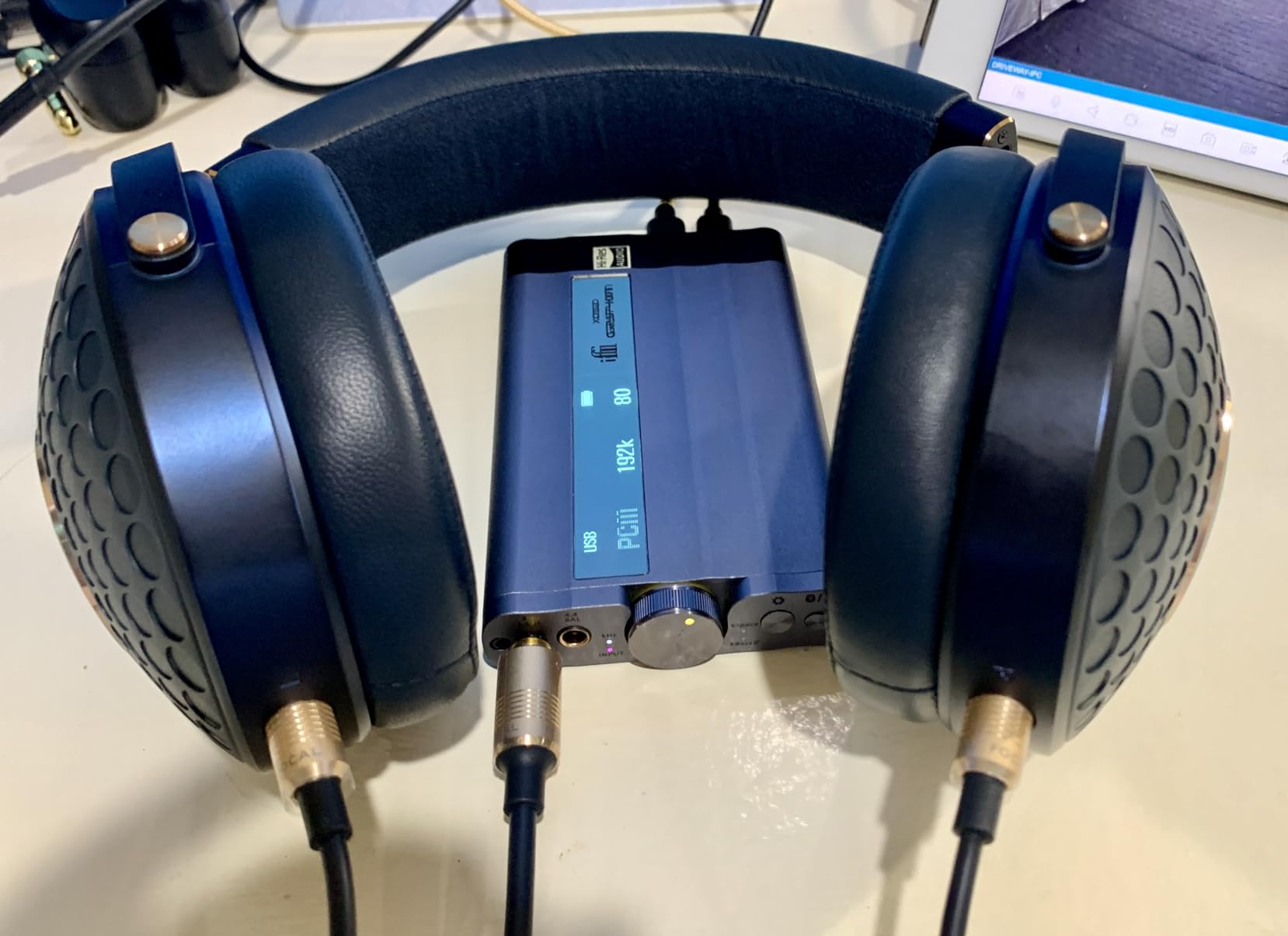
The Celestee has been Focal’s go-to recommendation for a mid-tier closed-back home headphone for years. It carries the same 40 mm Aluminum-Magnesium driver as several of its stablemates but in a sealed enclosure finished in striking navy blue with soft copper accents.
It is the kind of headphone you set on the desk and just admire before you ever plug it in. The build feels substantial without being weighty, and the navy color does not show fingerprints the way the lighter finishes do.
Sound signature is balanced with a touch of warmth in the mid-bass. Detail retrieval is exceptional for the tier, and instrument separation on busy mixes is genuinely impressive. The 35-ohm impedance means it plays nicely with portable sources, although it scales noticeably when paired with a dedicated DAC.
The most common gripe is the stock cable, which is short, stiff, and best replaced with a quality aftermarket option. After that one upgrade, the Celestee becomes one of the best values in the entire Focal lineup for home listeners who want closed-back isolation.
Who should grab the Celestee
Home listeners who want closed-back isolation and the Focal house sound without paying flagship closed-back prices.
Anyone whose desk setup does not have room for a full-size amplifier. The 35-ohm drive works from any reasonable source.
Who should skip the Celestee
Studio engineers needing flat reference response. The Celestee has a flavored signature; for true monitors, look at the Listen Professional.
If you specifically want wireless, both Bathys models exist in the same brand family at lower cost than the Celestee.
8. Focal Azurys Closed-Back Portable Headphones
Focal AZURYS High-Fidelity Closed-Back Headphones
Aluminum/Magnesium M dome
26 ohm drive
Memory foam earpads
Magnesium yoke
Pros
- Lightweight closed-back design ideal for portable use
- Sound quality holds its own against more expensive siblings
- Excellent EQ flexibility for different genres
- Strong passive noise isolation for the form factor
- Beautiful deep blue finish inspired by azurite
Cons
- Some users report quality control inconsistencies
- Soundstage for a closed-back is more intimate than wide
- Upper mids can occasionally read as slightly metallic
- No balanced cable option out of the box
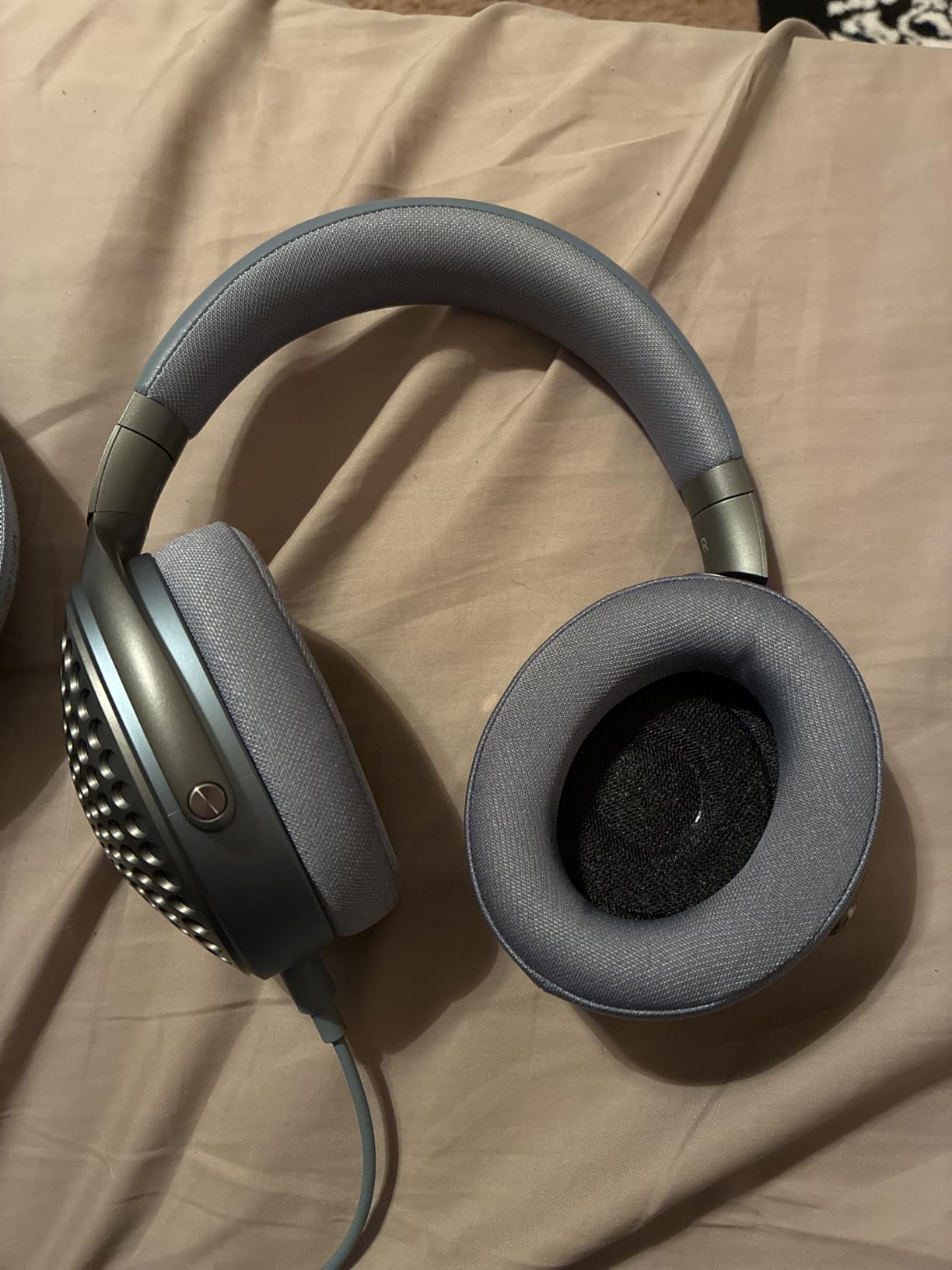
The Azurys is the closed-back sibling to the Hadenys, and together they form the entry tier of Focal’s new H-series. It carries the same Aluminum/Magnesium M-shaped dome driver in a sealed cup with a magnesium yoke that makes it one of the lightest closed-back audiophile headphones Focal has ever built.
At 0.31 kg the Azurys practically vanishes on your head. For portable use that is a major advantage, and the closed-back design gives it proper passive noise isolation for commuting or working in shared spaces.
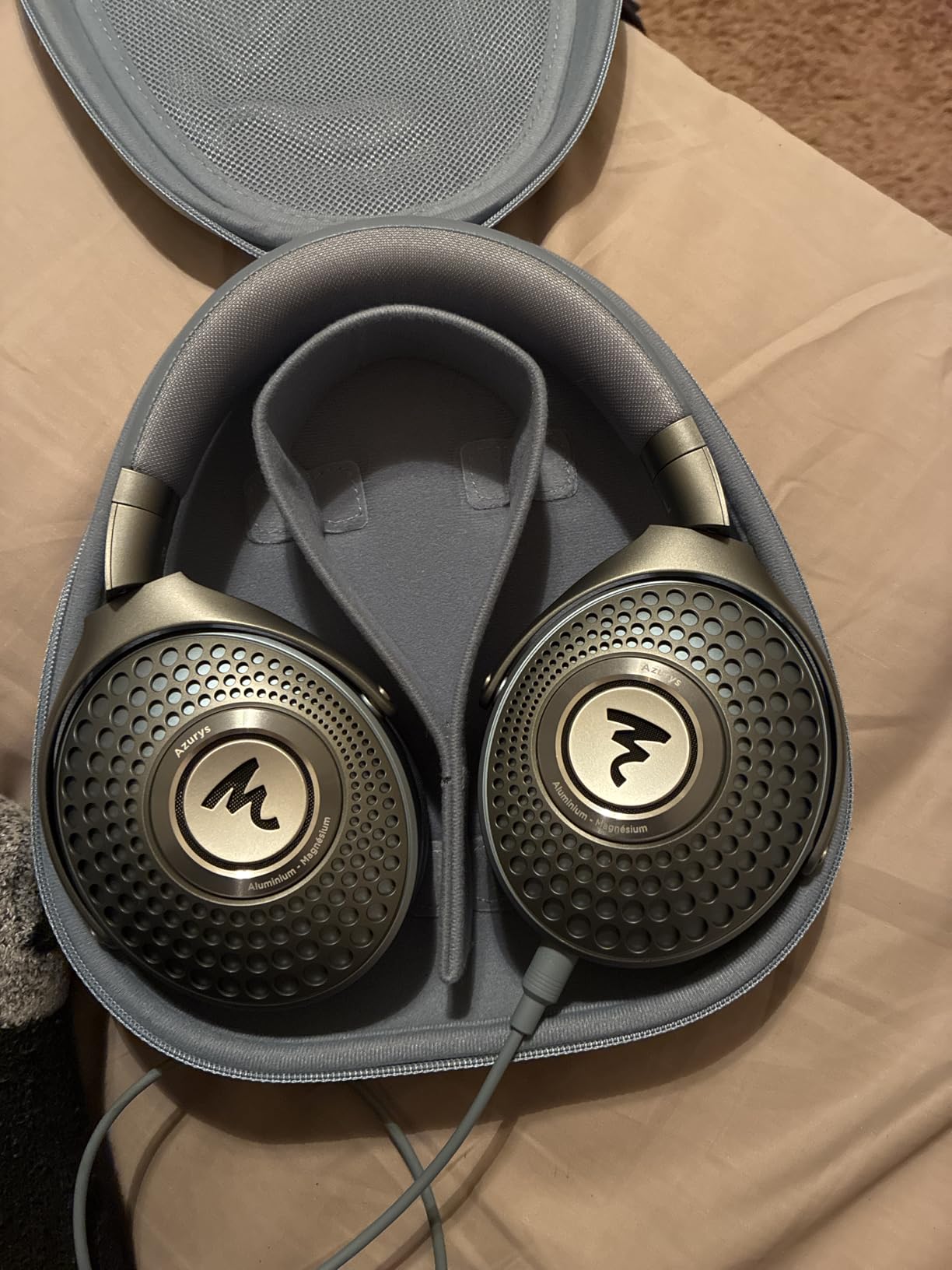
Sound-wise, it is detailed and balanced with a slight emphasis on the upper mids that some listeners love for vocal-forward music and others find slightly metallic on aggressive recordings. Pair it with a quality portable DAC and EQ via the source app, and the Azurys scales up beautifully.
It does not have the deepest sub-bass of the lineup, but for its size and use case, the balance is well-judged. For someone stepping up from consumer portable headphones into true hi-fi without spending flagship money, the Azurys is one of the strongest options in the brand family.
Who should grab the Azurys
Portable listeners who want true audiophile closed-back sound without the bulk of a flagship travel headphone.
EQ-friendly listeners who like to tune their signature via software rather than chasing a specific tone from the headphone itself.
Who should skip the Azurys
Pure home listeners. The Hadenys open-back is cheaper and produces a wider stage.
Anyone sensitive to upper-mid energy. The Azurys can read as slightly forward on busy mixes.
9. Focal Listen Professional Closed-Back Studio Headphones
Focal Listen Professional
Closed-back studio design
5 Hz to 22 kHz
Rigid carrying case
Compact portable build
Pros
- Natural balanced sound well suited to studio monitoring
- Strong passive isolation for recording environments
- Durable build quality that holds up to daily use
- Comfortable for extended mixing sessions
- Includes a compact rigid carrying case
Cons
- Sound leakage noticeable at higher volumes
- 2.5 pounds is heavier than typical consumer portables
- Bass and treble extension more limited than current siblings
- Benefits noticeably from a dedicated headphone amplifier
The Listen Professional is the entry point into Focal’s studio monitoring line, designed for recording engineers, podcasters, and producers who need accurate closed-back reference sound without paying home-hi-fi prices. It is also the cheapest current Focal over-ear still available.
What separates the Listen Pro from consumer closed-back headphones at this price is the relatively neutral frequency response. There is a deliberate flatness to the signature that lets you hear what is actually in the mix rather than a flattering version.
In practice I found it genuinely useful for both tracking sessions and final mix checks. The closed-back isolation keeps the mic bleed out during recording, and the balanced voicing makes it easier to translate mixes to other systems. The included rigid carrying case is genuinely protective, which matters for studio musicians who pack their gear in and out of sessions.
It is not the most exciting headphone for casual music listening. Bass extension caps earlier than its siblings, and treble is rolled off slightly compared to consumer-tuned alternatives. That is by design for studio use, but pure home listeners may find the Azurys more enjoyable for everyday playback.

Who should grab the Listen Professional
Studio engineers, podcasters, and bedroom producers who need accurate closed-back monitoring at a realistic budget.
Musicians tracking live takes who need reliable isolation and a balanced reference to mix on.
Who should skip the Listen Professional
Casual home listeners wanting the most musical Focal experience. The Azurys delivers more engaging sound at similar cost.
Anyone hoping to avoid amplification. The Listen Pro scales much better with a proper amp upstream.
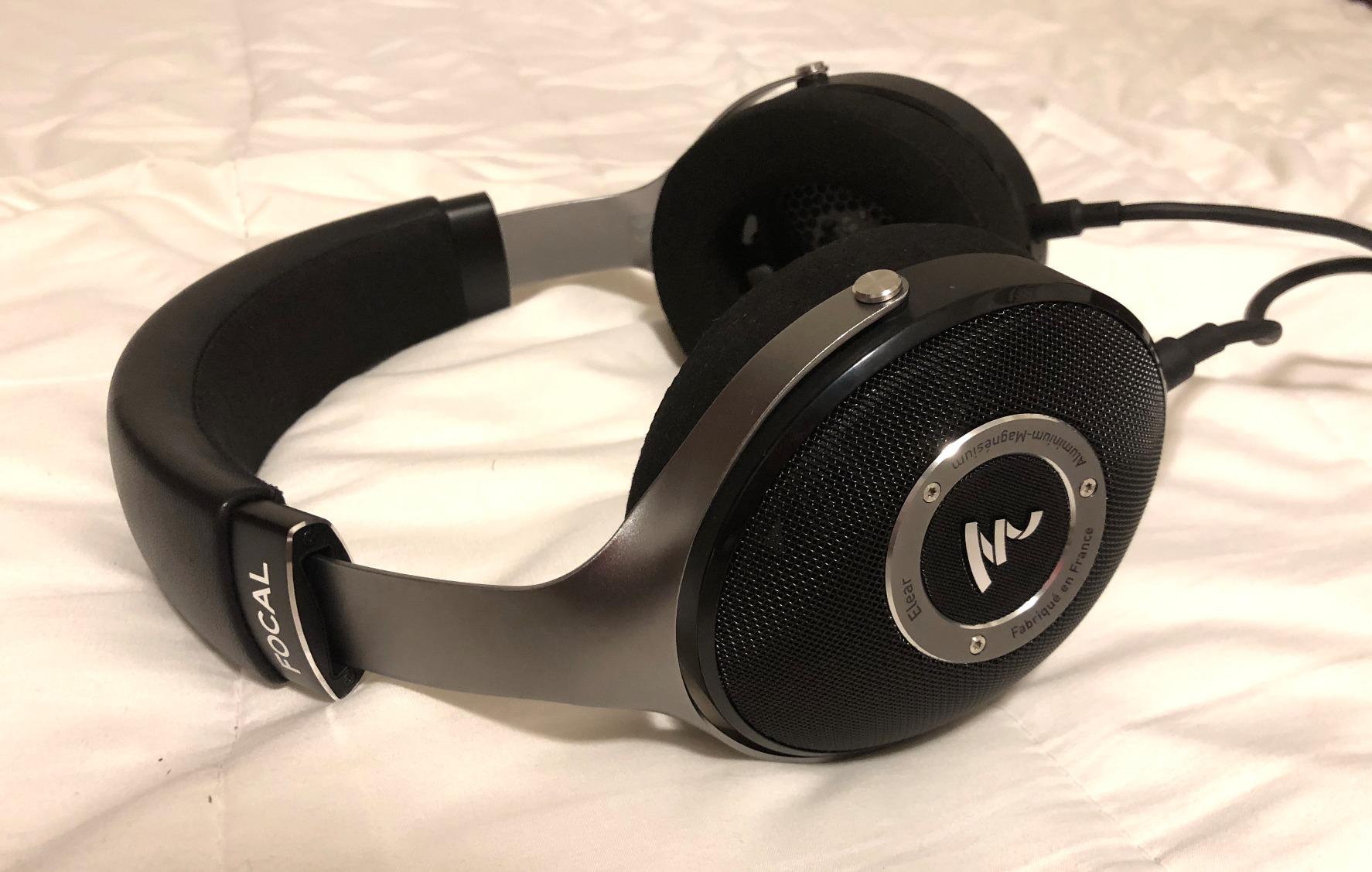
10. Focal Elear Open-Back Audiophile Headphones
Focal Elear High-Fidelity Open-Back Circum-Aural Headphones
Open-back circum-aural
Solid aluminum yoke
Leather headband
2-year warranty
Pros
- Outstanding clarity and detail retrieval for the era
- Excellent dynamics and musical engagement
- Premium build with aluminum yoke and leather headband
- Comfortable for hours despite the heavier weight
- Great bass texture without bleeding into mids
Cons
- Reports of driver clipping at higher volumes
- Requires proper amplification to sound its best
- Heavy 13-foot cable is awkward for desk setups
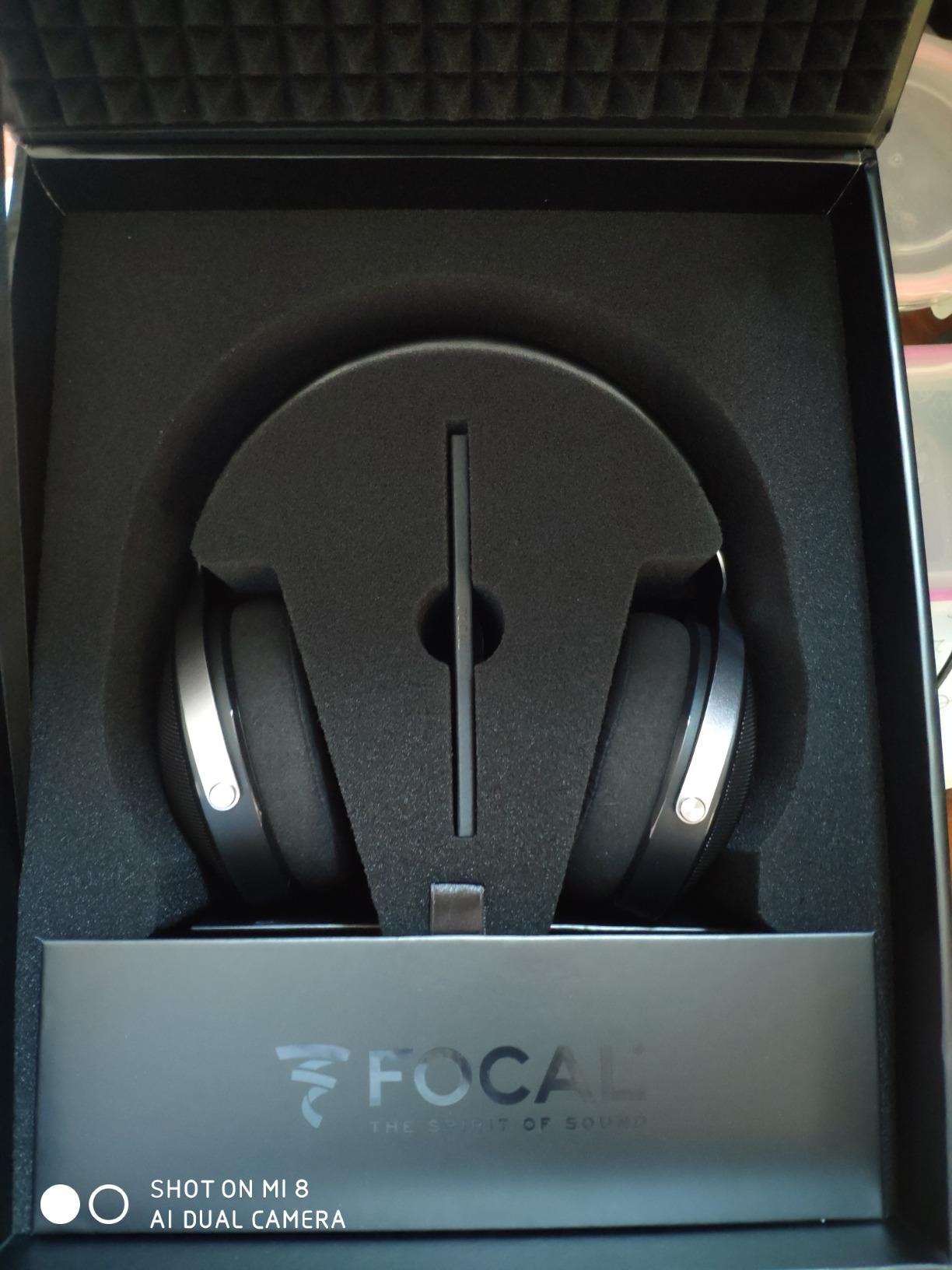
The Elear sits in an interesting position in Focal’s lineup: an older open-back model still widely available, now priced lower than many newer siblings, offering the brand’s classic dynamic-driver house sound at a discount. It uses the same Aluminum-Magnesium driver platform as several other models in this guide.
It is a high-output-impedance headphone at 80 ohms with relatively low sensitivity, which means it scales significantly with amplifier quality. Pair it with a thin-sounding source and it can come across as flat; pair it with a proper desktop amp and it produces a rich, dynamic presentation.
The signature is warm and musical, leaning more toward engaging than analytical. Detail retrieval is genuinely good for the price tier, and the staging is wider than what closed-back siblings at the same price manage. Bass reaches deep with good texture rather than just slamming.
The 13-foot stock cable is impractical for desk setups and almost guarantees you will want to budget for an aftermarket cable. With that swap, the Elear becomes a strong open-back buy for someone who already owns a headphone amp and wants to step into Focal at lower cost than current models.
Who should grab the Elear
Audiophiles who already own a quality headphone amp and want to experience Focal’s classic open-back house sound at a discount.
Listeners who prefer a warmer, more musical presentation over the analytical end of the spectrum.
Who should skip the Elear
If you do not have a dedicated amp, this is the wrong place to start. The Hadenys plays nicely from any source.
If you want the newest of the brand’s open-back designs, the Hadenys is the modern equivalent and worth the modest premium.
How to Choose the Best Focal Headphones for Your Setup
This section is for buyers who are still on the fence between two or three models above. Focal’s lineup is well-curated but the variety can be overwhelming, so here is how I think through the decision.
Open-back vs closed-back: which design fits your space?
Open-back headphones (Utopia, Clear MG, Hadenys, Elear) sound airier and stage wider, but they leak sound in both directions. They are the right choice for a quiet private room where sound isolation is unnecessary.
Closed-back headphones (Stellia, Celestee, Azurys, Listen Professional, Bathys, Bathys MG) keep your music in and outside noise out. They are the right choice for shared spaces, offices, recording, and travel.
If you want one pair that does both reasonably, the Bathys MG is the most flexible wireless option. For a wired hybrid, the closed-back Azurys or Celestee are the best compromises.
Beryllium vs Aluminum-Magnesium drivers explained
Focal’s signature technology is the M-shaped dome driver with an inverted diaphragm. The two materials matter:
Beryllium drivers (Utopia 2022) are stiffer and lighter than aluminum-magnesium alloys, which means they distort less and extend further at both ends of the frequency range. They are also expensive to manufacture, which is why they appear only on flagship-tier products.
Aluminum-Magnesium drivers (Bathys, Clear MG, Hadenys, Azurys, Listen Pro, Elear) are the brand’s everyday workhorses. They deliver much of the beryllium character at a fraction of the cost. For most listeners, an aluminum-magnesium driver is more than enough resolution to enjoy a full audiophile experience.
Impedance and amplification: do Focal headphones need an amp?
There is a common misconception that all audiophile headphones need expensive dedicated amplification. The honest answer with Focal’s lineup is more nuanced.
Low impedance models (Hadenys, Azurys at 26 ohms; Celestee at 35 ohms; Listen Pro at 8 ohms) play happily from phones, laptops, and modest portable DACs. You can skip the amp purchase and still get a satisfying listen.
Higher impedance models (Clear MG at 55 ohms; Elear and Utopia at 80 ohms; Bathys MG at 80 ohms in wired use) benefit significantly from a clean dedicated amp. Plugging them straight into a phone is fine for casual listening but does not unlock their full performance.
For a deeper dive on when you need an amp, our guide on how to tell if your headphones need a headphone amp walks through the specific signs to look for in your own setup. Also worth reading is the companion explainer on why your headphones sound quiet and whether you need an amp.
Best Focal headphones by use case
Choosing by use case is often the fastest way to settle on a model. If you want one pair for desk and travel, the Bathys MG covers both. If you have a quiet home setup, the Hadenys or Clear MG deliver the open-back experience for sensible money. For studio work, the Listen Professional is the right tool. For a flagship kept at home, the Utopia 2022 is the obvious endgame.
If you spend serious time on planes, trains, or in cafes, the wireless ANC of the Bathys or Bathys MG will change how you listen on the move. For any setup that requires both desktop and portable use, prioritize a model with both wired and wireless capability.
Price tier breakdown of Focal’s current lineup
Entry tier: Listen Professional for studio work, Hadenys for open-back, Azurys for closed-back portable.
Mid tier: Bathys for the wireless option, Celestee for closed-back home, Elear for vintage open-back charm.
Upper mid-tier: Clear MG for open-back flagship-rival imaging, Bathys MG for upgraded wireless, Stellia for closed-back flagship.
Flagship tier: Utopia 2022 is Focal’s reference statement, with the 2022 update refining the design the original Utopia established.
Focal brand history in a paragraph
Focal has been making speakers and headphones in Saint-Etienne, France since 1979. The headphone division launched in 2012 and has built a reputation around its proprietary M-shaped dome drivers, manufactured in-house. Every current product carries that lineage of in-house engineering and French build quality.
Frequently Asked Questions
Is Focal a good headphone brand?
Yes. Focal is one of the most respected audiophile headphone brands in the world, headquartered in Saint-Etienne, France since 1979. Their proprietary M-shaped dome drivers in beryllium and aluminum-magnesium deliver reference-grade resolution, and their lineup covers every major use case from studio monitoring to wireless travel. Most audiophiles rank them among the top three dynamic-driver headphone brands alongside Sennheiser and Audeze.
Are Focal headphones worth the money?
Focal headphones are worth the money for listeners who will actually use their detail retrieval. The brand’s M-shaped dome drivers deliver notably better clarity and imaging than typical consumer headphones at similar prices. That said, Focal’s value curve flattens sharply above the mid-tier. The Hadenys, Clear MG, and Azurys give you roughly 80 percent of flagship performance for roughly a third of the price, which is where most buyers get the best return.
Do Focal headphones need an amplifier?
Some do and some do not. The Hadenys, Azurys, Celestee, and Listen Professional all have low enough impedance that they play well from phones and laptops directly. The Clear MG, Elear, Utopia, and Bathys MG benefit significantly from a clean dedicated headphone amplifier and DAC. If you have not decided whether to add an amp to your setup, our guide on choosing between open-back and closed-back designs covers similar decision-making in detail.
Is the Focal Utopia the best headphone?
The Focal Utopia 2022 is widely considered one of the very best dynamic-driver headphones ever produced, and many reviewers call it endgame-worthy. It uses a full beryllium M-shaped dome driver with frequency response extending beyond 50 kHz. Whether it is the best headphone depends on your priorities: planar magnetic rivals from Audeze and HiFiMan compete closely, and personal preference matters. But within the dynamic-driver category, the Utopia 2022 is genuinely a flagship reference.
Which Focal headphones are best for gaming?
For gaming, the Bathys and Bathys MG are the practical choices because of their wireless connectivity, microphone-ready design via the source device, and active noise cancellation that helps with team comms in noisy environments. Among wired models, the Stellia or Hadenys give you the imaging precision competitive gamers value. Pure audiophile open-backs like the Utopia are less ideal for gaming because they lack a microphone and leak sound to anyone nearby.
Final Verdict: Which Focal Headphones Should You Buy in 2026?
If I had to send one recommendation to a friend asking for the best Focal headphones to buy in 2026, I would tell them to start with the use case. There is no universal winner, but there is a clear winner for every scenario.
For a single pair that handles travel, commuting, work calls, and weekend listening sessions, the Focal Bathys is the most versatile choice. It is the only current Focal with proper ANC, and its USB-C DAC mode makes it a genuine step up from any wireless competitor near its weight.
For listeners with a quiet home setup who want the open-back experience without paying flagship prices, the Focal Clear MG or Focal Hadenys are the two strongest options. Pick the Clear MG if you want maximum soundstage and have an amp; pick the Hadenys if you want easy driveability from phones and laptops.
For studio engineers and producers on a budget, the Focal Listen Professional remains the most reliable reference tool at the entry tier, while the Focal Stellia is the right choice for isolation-focused professionals with flagship budgets.
And for the listener who wants nothing held back, the Focal Utopia 2022 remains Focal’s statement headphone: a beryllium M-shaped dome driver engineered in Saint-Etienne, the kind of product reviewers call endgame-worthy without irony.
Whichever model fits your situation, the current Focal lineup in 2026 is the deepest and most competitive the brand has ever offered. For more on how these headphones fit into broader mixing and monitoring workflows, our guide on why you should not mix entirely on headphones is worth a read alongside this one.