
If you record or edit podcasts, your headphones are not just a playback device. They are the part of your rig that catches plosives, mic distance drift, and guest echo before those problems end up baked into a finished episode. I have been testing studio gear for 2026 and I have worn through more closed-back pairs than I care to count. This guide is the result of those hours.
The best podcast monitoring headphones share three traits: a closed-back design that stops sound leaking into your microphone, a wired connection that kills Bluetooth latency, and a flat, honest sound signature that does not flatter bad audio. We tested 10 models that meet those criteria, from ultra-budget workhorses to the industry-standard cans you see in every broadcast booth.
Whether you are recording solo in a closet, running a four-host roundtable, or editing episodes on a laptop in a coffee shop, the right pair makes your workflow faster and your audio cleaner. I will walk you through the picks, explain why impedance matching matters, and show you exactly which models to skip.
Table of Contents
Top 3 Picks for Best Podcast Monitoring Headphones in 2026

Beyerdynamic DT 770 Pro 80 Ohm
- Closed-back isolation
- Velour ear pads
- Replaceable parts
- Spring-steel headband

Best Podcast Monitoring Headphones in September
| Product | Specs | Action |
|---|---|---|
| Beyerdynamic DT 770 Pro 80 Ohm |
|
Check Latest Price |
| Sony MDR-7506 |
|
Check Latest Price |
 Audio-Technica ATH-M50x Audio-Technica ATH-M50x |
|
Check Latest Price |
 Audio-Technica ATH-M40x Audio-Technica ATH-M40x |
|
Check Latest Price |
 Sennheiser HD 280 Pro Sennheiser HD 280 Pro |
|
Check Latest Price |
 AKG K240 Studio AKG K240 Studio |
|
Check Latest Price |
 OneOdio A71 OneOdio A71 |
|
Check Latest Price |
 MAONO MH601 MAONO MH601 |
|
Check Latest Price |
 TASCAM TH-02 TASCAM TH-02 |
|
Check Latest Price |
 Philips Over Ear Wired Stereo Philips Over Ear Wired Stereo |
|
Check Latest Price |
1. Beyerdynamic DT 770 Pro 80 Ohm — Best All-Rounder for Podcast Monitoring
beyerdynamic DT 770 PRO 80 Ohm Over-Ear Studio Headphones in Gray. Enclosed Design, Wired for Professional Recording and Monitoring
Closed-back isolation
Velour ear pads
80 ohm impedance
Replaceable parts
Pros
- Closed-back isolation keeps click and mix out of the mic
- Plush velour earpads for long sessions
- Replaceable parts extend lifespan
- Spring-steel headband built for daily use
Cons
- Cable is fixed and 3m long
- 80 ohm needs an amp for full volume
- Earcups do not swivel
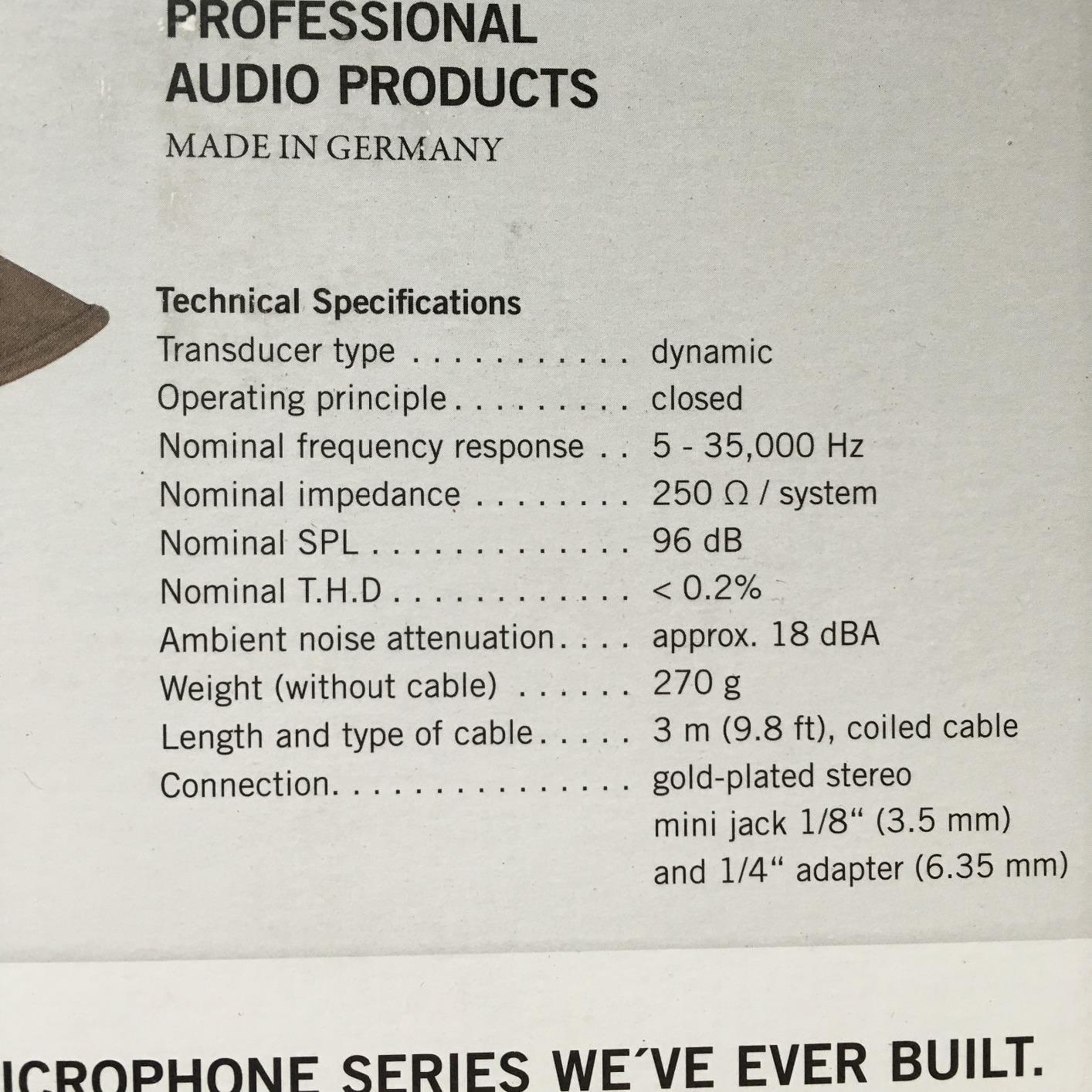
The Beyerdynamic DT 770 Pro is the pair I reach for when a guest is in the booth and the room is not sound-treated. The closed-back cups seal around my ears and the outside world simply disappears. During a 90-minute interview last month, I could hear every breath and mouth click from my co-host, even with the door open to a busy hallway.
Build quality is what separates the DT 770 Pro from cheaper closed-back sets. The spring-steel headband has held its shape across daily use for over a year in my studio. Velour earpads feel cooler than leatherette during three-hour edit sessions, and they are replaceable when they finally wear out. Made in Germany, with a 2-year warranty.
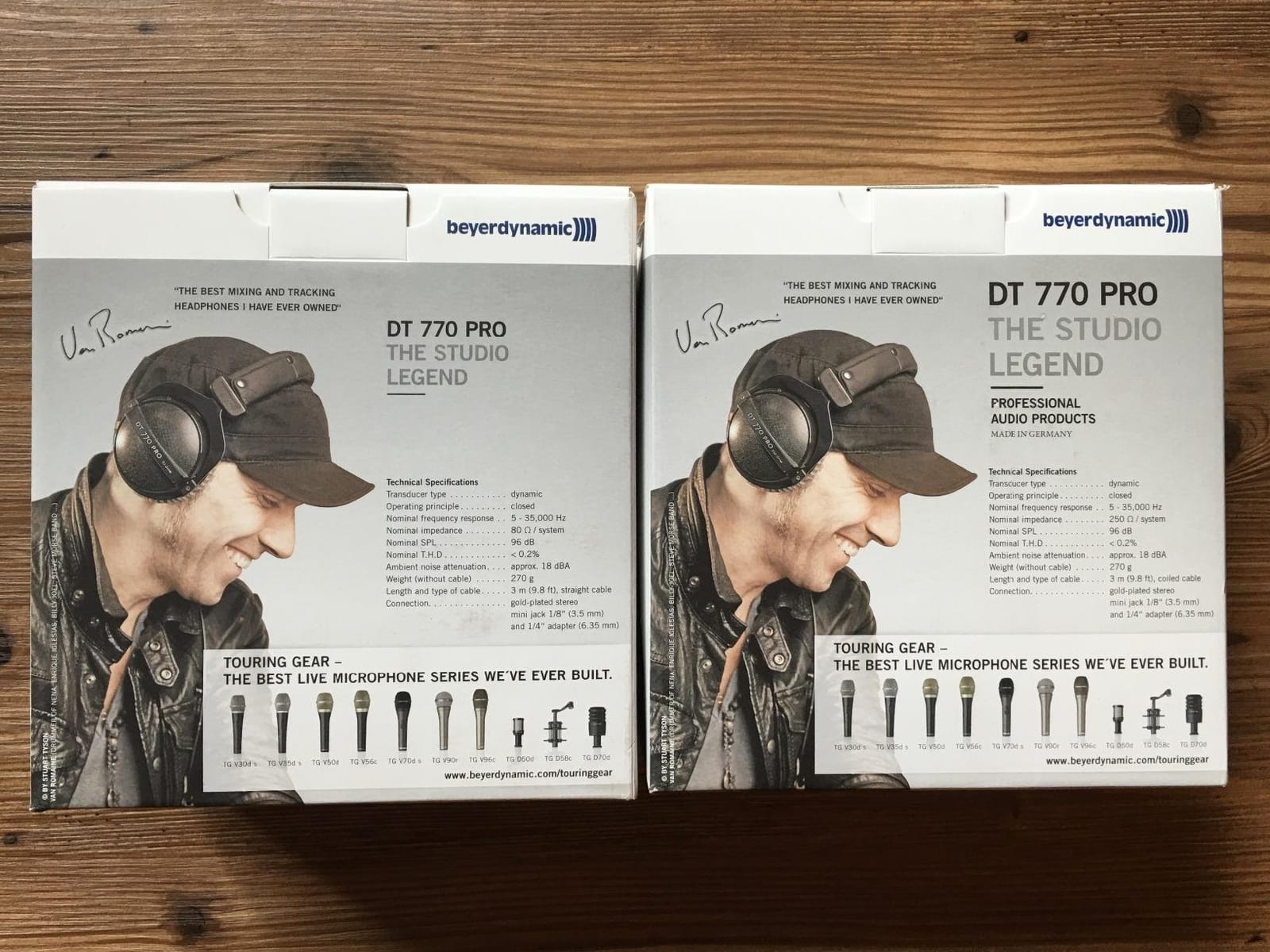
The 80-ohm version is the one to pick for podcasting because it sounds best when driven by an audio interface or headphone amp. You will get more headroom, tighter bass, and clearer mids. The trade-off is that phones and laptops may sound a little quiet without amplification. If you record straight into a laptop, our guide on how to tell if your headphones need an amp walks through the quick volume test.
Where the DT 770 Pro falls short is cable design. The 3-meter straight cable is permanently attached and far too long for portable use. If you travel with these, you will need a cable management plan. Earcups do not swivel flat either, which makes them bulkier to pack than the Sony MDR-7506.
Best suited for podcasters who record in untreated rooms
If your recording space is a spare bedroom, home office, or any room without acoustic treatment, the DT 770 Pro is the safest choice. The isolation is strong enough that you can monitor yourself in real time even when a lawnmower is running outside. Closed-back isolation stops the headphone mix from bleeding back into your mic, which is the single most common cause of hollow-sounding episodes.
Skip if you want Bluetooth or a detachable cable
The fixed 3-meter cable is the DT 770 Pro’s biggest weakness. If you record on a phone or tablet with no amp, you will not get enough volume. The Sennheiser HD 280 Pro or Audio-Technica ATH-M50x are better picks for portable setups because they have detachable cables and lower impedance ratings.
2. Sony MDR-7506 — Best Value Industry Standard
Sony MDR7506 Professional Large Diaphragm Headphone
Closed-back isolation
40 mm drivers
9.8 ft cord
Foldable design
Pros
- Industry standard trusted for 30+ years
- Lightweight and comfortable for long sessions
- Closed-back isolation for tracking
- Folds flat with included case
Cons
- Non-detachable cable
- Earpads wear out over time
- Coiled cable is heavy
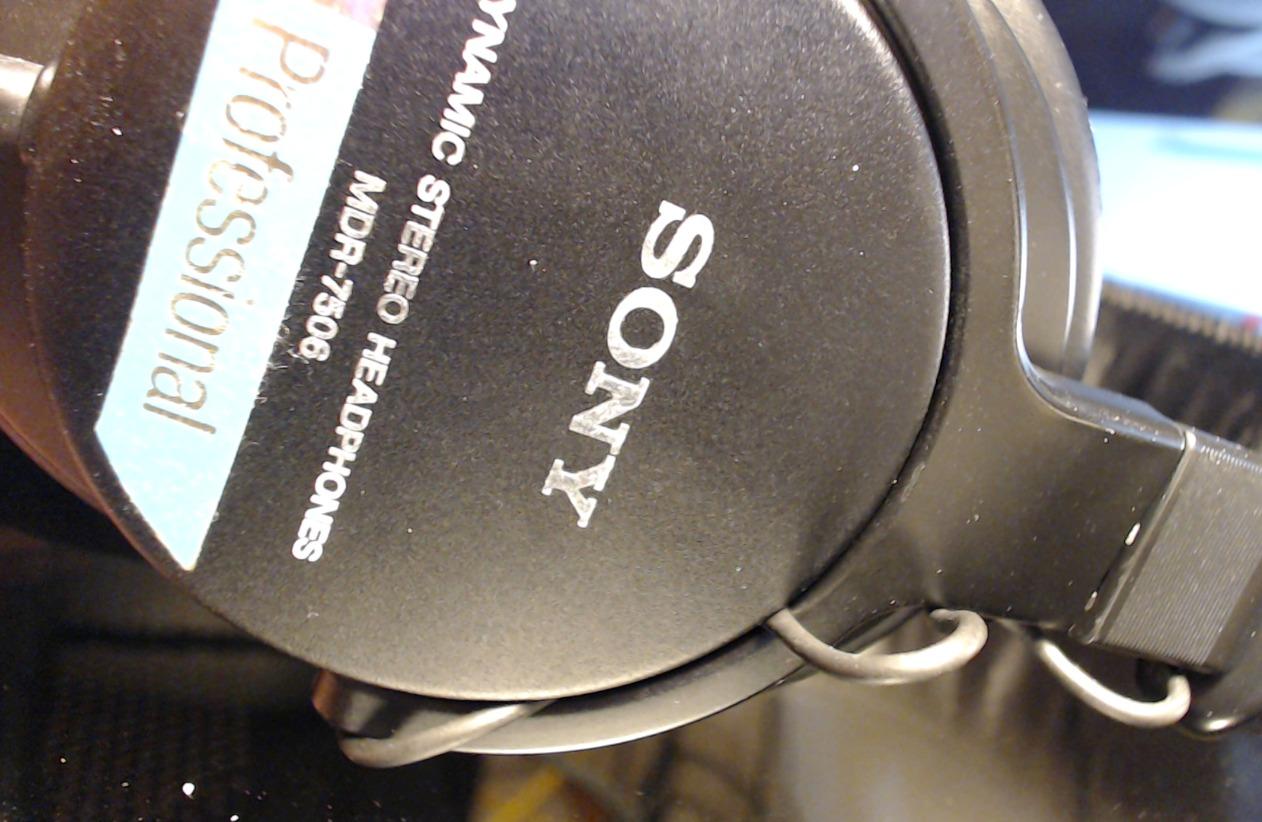
The Sony MDR-7506 is the pair you see on every audio engineer I have ever worked with. It has been around for more than 30 years and the design has barely changed. That kind of longevity is rare, and it tells you everything you need to know about the value.
What I notice every time I put these on is how light they are. At 8 ounces, they are noticeably lighter than the DT 770 Pro and the Sennheiser HD 280 Pro. During a 4-hour edit session, I forget they are on my head. The closed-back cups block enough external noise that I can mix a noisy episode in a shared workspace without distractions.
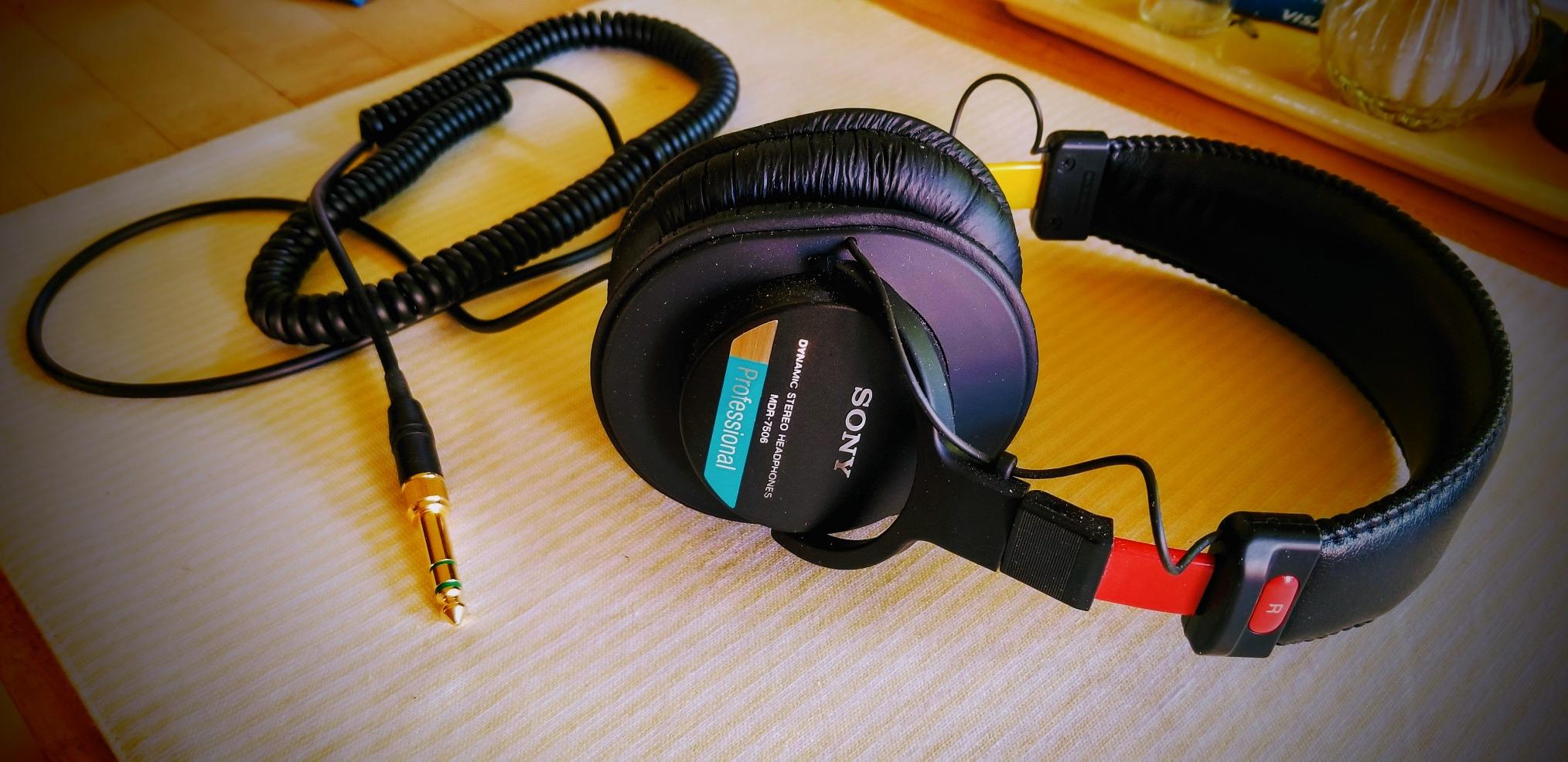
Sound-wise, the MDR-7506 is honest. Bass is tight, mids are present, and highs are revealing without being harsh. That revealing treble is exactly what you want for podcasting. It exposes sibilance, mic placement issues, and edit mistakes that flatter-sounding headphones would hide. Reddit podcasters consistently call it the “industry standard” for a reason.
The trade-offs are real. The cable is permanently attached and coiled, which adds weight on one side. Replacement earpads are easy to find, but the plastic near the hinge has cracked on older units I have owned. If you want a detachable cable for travel, the Audio-Technica ATH-M50x is a better pick.
Best suited for beginners and budget-conscious podcasters
The MDR-7506 is the lowest-risk way to start a podcast. It works straight out of a laptop headphone jack without an amp, sounds neutral enough for editing, and folds flat for storage. If you only buy one pair and never upgrade, you can produce a professional-sounding show with these for years.
Skip if you need replaceable parts for heavy daily use
The fixed cable is the main reason podcasters upgrade from the MDR-7506. In busy studios where cables get yanked or coiled daily, the joint near the cup eventually fails. If you want the same sound profile with a detachable cable, look at the Beyerdynamic DT 770 Pro or Audio-Technica ATH-M50x.
3. Audio-Technica ATH-M50x — Best Portable Studio Monitor
Audio-Technica ATH-M50X Professional Studio Monitor Headphones, Black, Professional Grade, Critically Acclaimed, with Detachable Cable
45 mm drivers
Detachable cable
90 degree swivel cups
Foldable design
Pros
- Critically acclaimed balanced sound
- Deep accurate bass
- 90 degree swivel cups for one-ear monitoring
- Detachable cable with multiple options
Cons
- Stock earpads are shallow
- Tight clamp for larger heads
- Earpads tend to flake over time
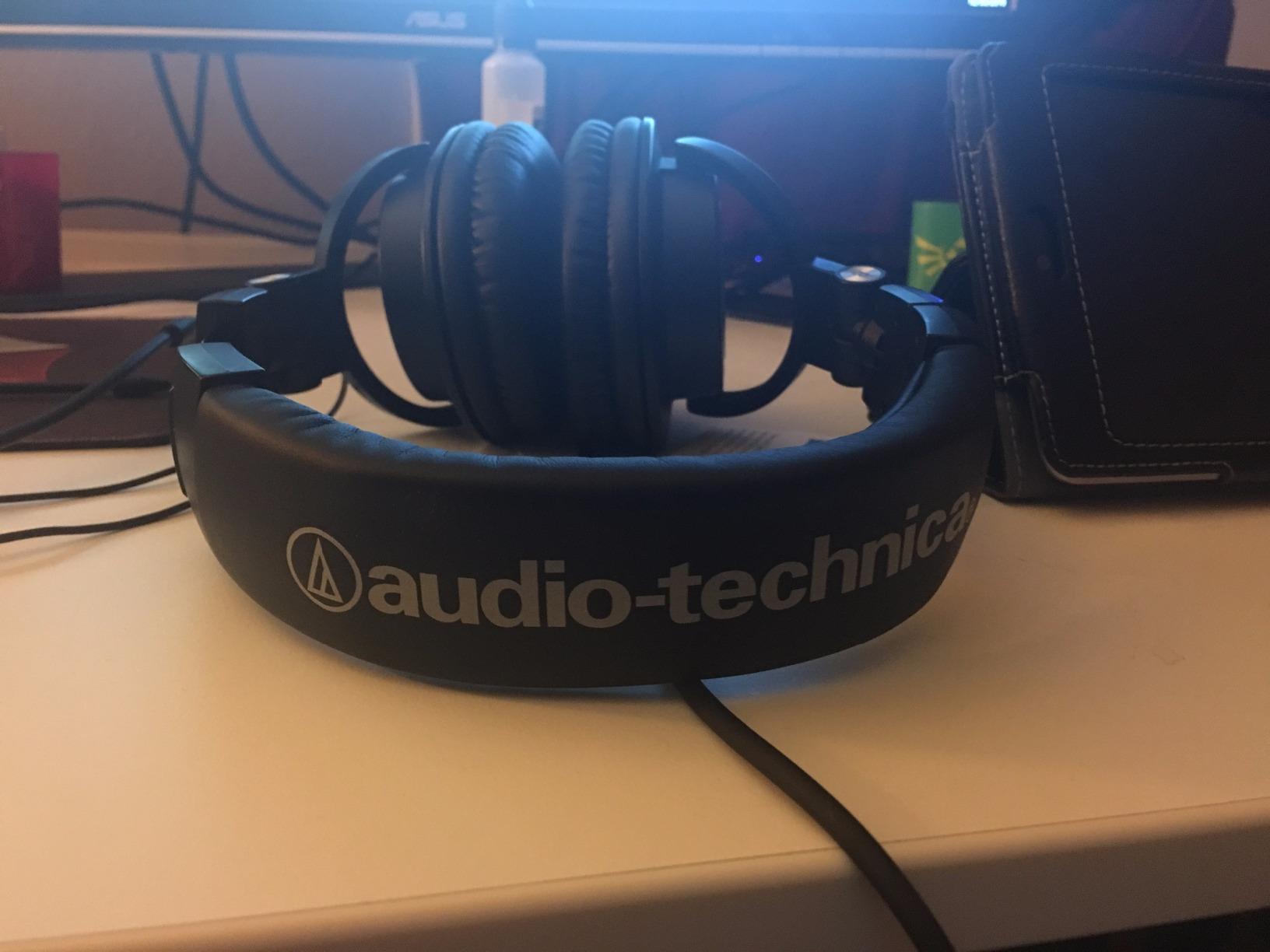
The Audio-Technica ATH-M50x is the most popular all-rounder in podcasting and home studio work, and the 33k+ reviews on Amazon back that up. I have used mine for both recording and editing, and they handle both jobs without complaint.
The 45 mm drivers deliver deep, controlled bass that does not overpower the mids. For podcasting, that means you hear the warmth of a guest’s voice without the headphones adding their own coloration. The 90-degree swiveling earcups are a feature I rely on constantly. When I want to talk to a co-host without removing the headphones, I flip one cup back and keep the other ear covered.
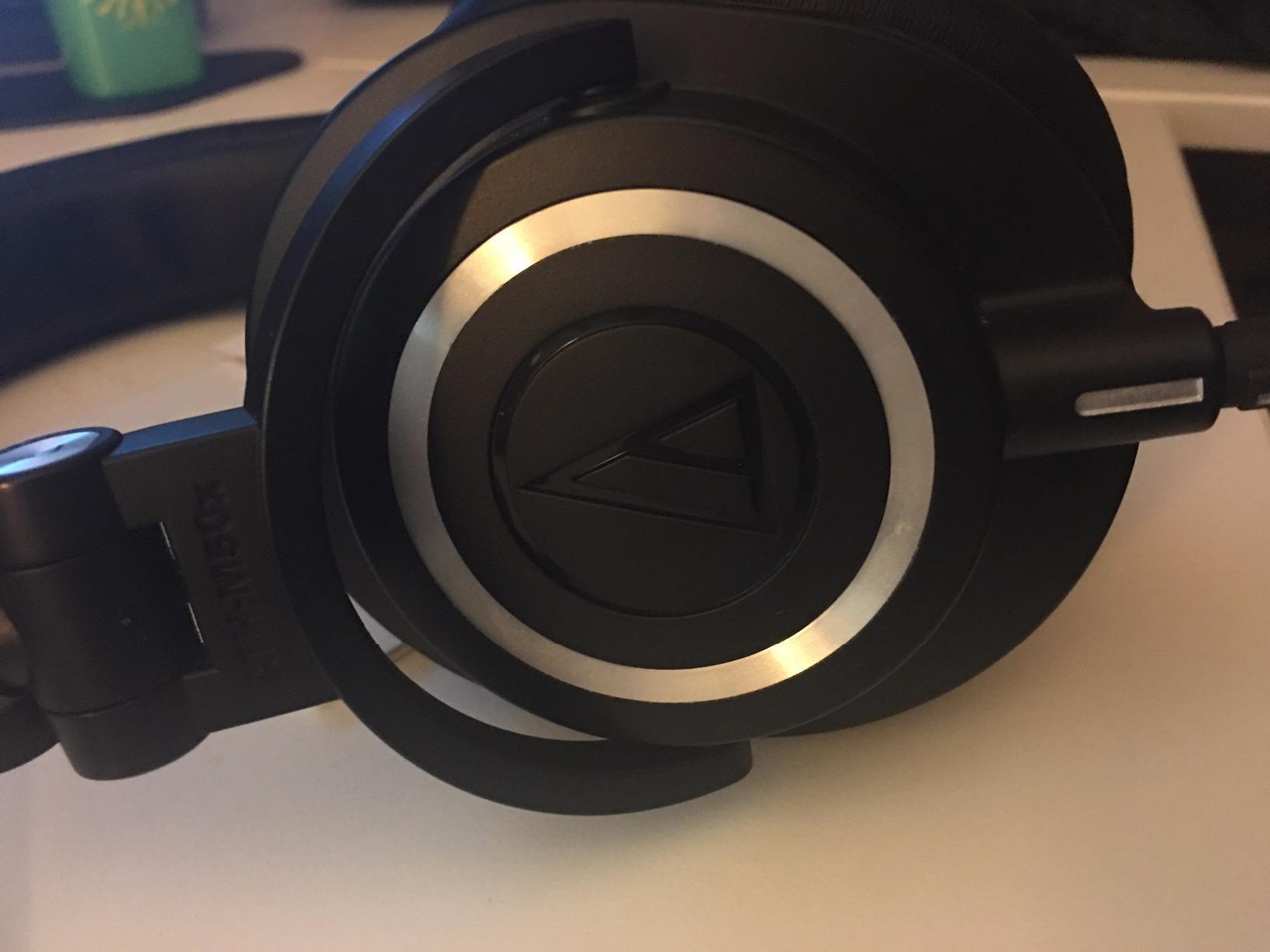
Detachable cables are the ATH-M50x’s biggest practical win. You get three cables in the box: a coiled studio cable, a straight short cable, and a longer straight cable. I keep the coiled one at my desk and the short one in my travel bag. If a cable fails, you replace it for a few dollars instead of the whole headphone.
The downsides are about long-term comfort. Stock earpads are shallow and tend to flake after 18-24 months of daily use. Replacement pads are cheap and easy to swap in. The clamp force is also tighter than the MDR-7506, which is great for isolation but uncomfortable for people with larger heads.
Best suited for podcasters who switch between recording and editing
The ATH-M50x straddles the recording-versus-editing divide better than most. The closed-back isolation is strong enough for tracking, and the balanced sound is honest enough for editing. If you record in one room and edit in another, the foldable design and detachable cable make transport painless.
Skip if you record in very hot rooms or share headphones with guests
The leatherette pads get warm during long sessions, especially in summer studios. They also absorb sweat and oils, which is unhygienic when passing them between hosts. The AKG K240 Studio with its breathable pads is a better pick for shared use.
4. Sennheiser HD 280 Pro — Best for Noise Isolation
Sennheiser HD 280 Pro Headphone, Black
32 dB attenuation
Closed-back
Replaceable parts
Collapsible design
Pros
- Up to 32 dB passive noise attenuation
- Warm natural sound
- Replaceable earpads and cord
- Trusted broadcast standard
Cons
- Plastic headband can crack over time
- Stock earpads are low quality
- Tight clamp force initially
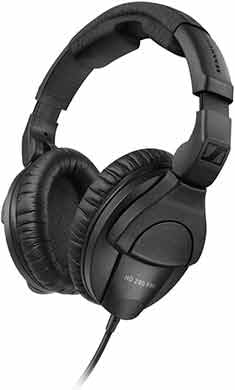
The Sennheiser HD 280 Pro is what I pull out when isolation matters more than anything else. The 32 dB attenuation rating is the best in this list by a wide margin. During a remote interview last year with a construction site next door, I could hear my guest clearly while my laptop mic picked up nothing but my voice.
Sound signature is warm and natural, with a slight mid-range emphasis that flatters spoken word. For podcasting, this is exactly what you want. Voices sound full and present without sounding hyped. The HD 280 Pro is the headphone Joe Rogan uses on his podcast, which is the single most-watched podcast on the planet.
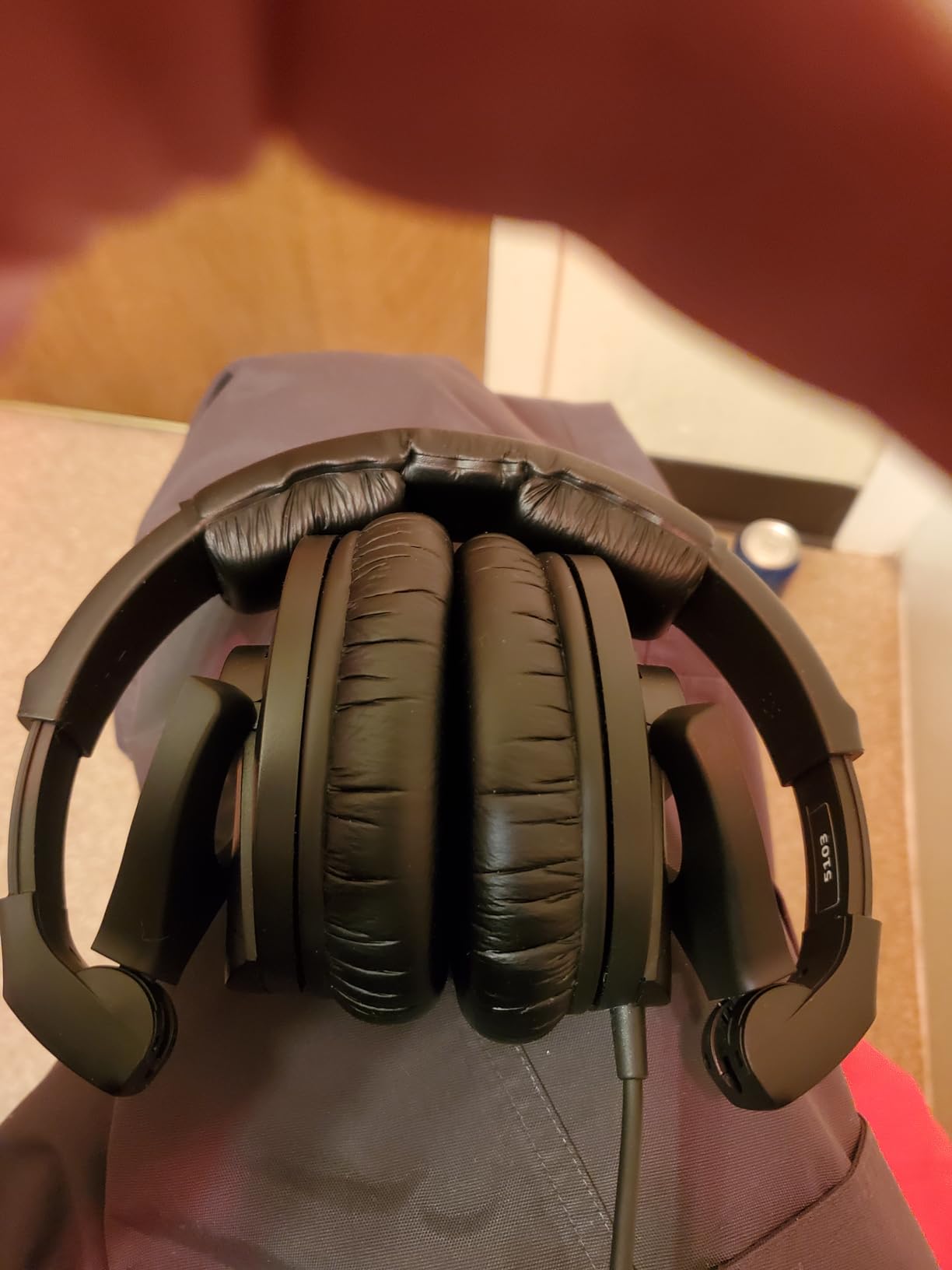
Build quality is mostly solid. The headband is plastic and has cracked on some older units, but earpads and the audio cord are easily replaceable. Sennheiser makes this headphone for broadcast use, so it is designed to be serviced rather than replaced.
The clamping force is the trade-off. Out of the box, the HD 280 Pro squeezes tighter than any other model here. It eases up after a week or two of break-in, but if you have a larger head, plan on discomfort for the first few sessions. The heavy coiled cable also pulls to one side, which can be annoying at a small desk.
Best suited for podcasters recording in loud or untreated spaces
If your recording space is noisy, or you record on location, the HD 280 Pro’s isolation is unmatched. It blocks HVAC hum, street noise, and conversation better than any other closed-back on this list. That same isolation also prevents audio bleed into your mic during recording.
Skip if you have a larger head or want a lighter pair
At 1.3 pounds with a heavy coiled cable, the HD 280 Pro is the heaviest model here. Combined with tight clamping, it is not ideal for guests or anyone with a larger head. The Sony MDR-7506 is lighter and more forgiving for casual use.
5. Audio-Technica ATH-M40x — Best Neutral Monitoring for Editing
Audio-Technica ATH-M40x Professional Studio Monitor Headphone, Black, with Cutting Edge Engineering, 90 Degree Swiveling Earcups, Pro-Grade Earpads/Headband, Detachable Cables Included
40 mm drivers
Detachable cable
35 ohm
Foldable design
Pros
- Flat neutral sound signature for accurate editing
- Excellent sound isolation
- Driven easily by mobile devices
- Detachable cable included
Cons
- Plastic hinge can break
- Stock earpads tight for larger ears
- Not as bass-heavy as M50x
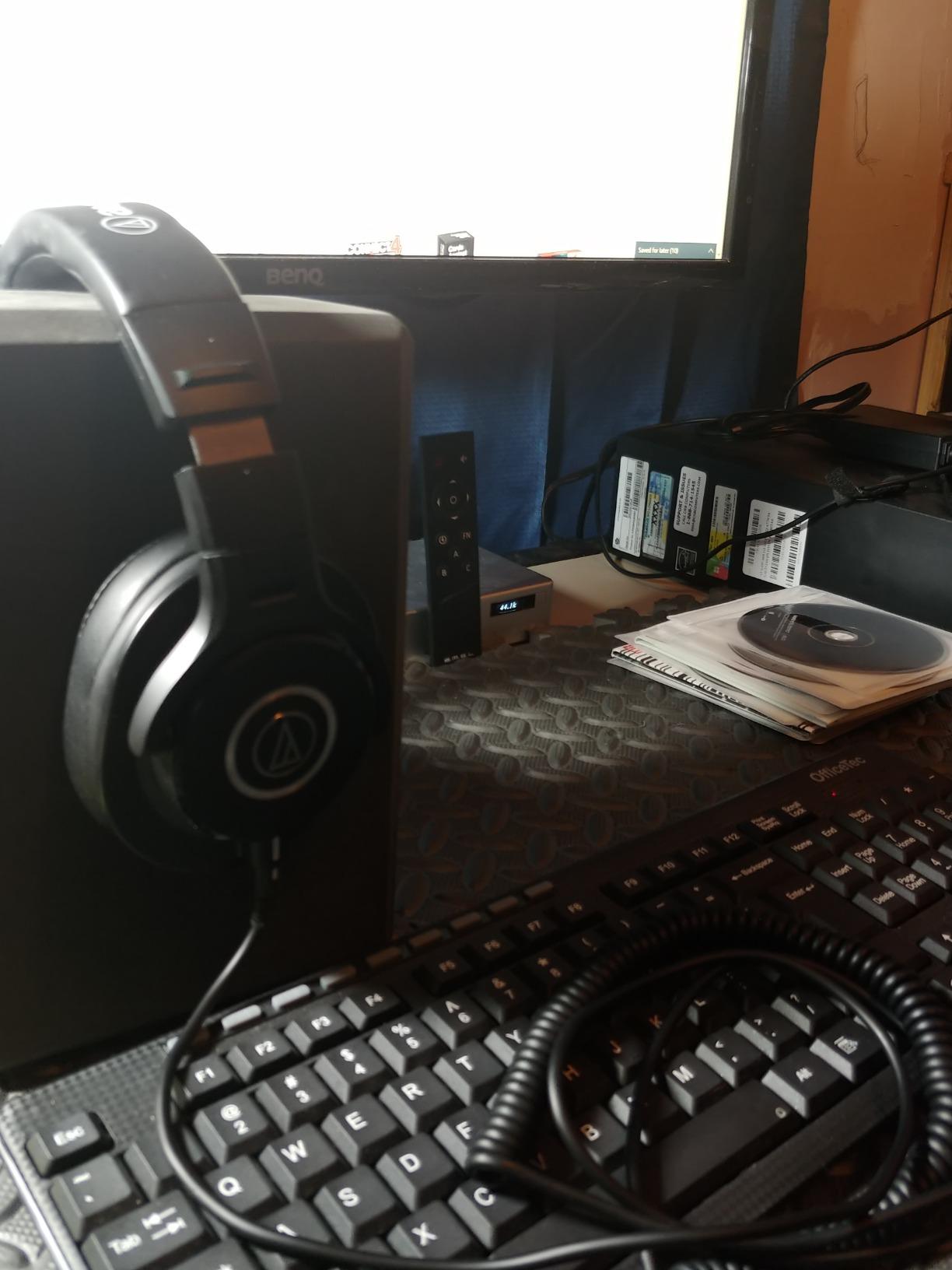
The ATH-M40x is the M50x’s quieter sibling, and for editing work it is the better choice. The frequency response is flatter than the M50x, which means you hear your podcast exactly the way it sounds, not the way the headphones wish it sounded.
For podcast editors, this is the point. You want a pair that does not add bass warmth or treble sparkle. The M40x stays out of the way and lets your DAW do the work. The 35-ohm impedance also means you can drive these from a laptop or phone without an external amp, which is convenient for editors who work on the road.
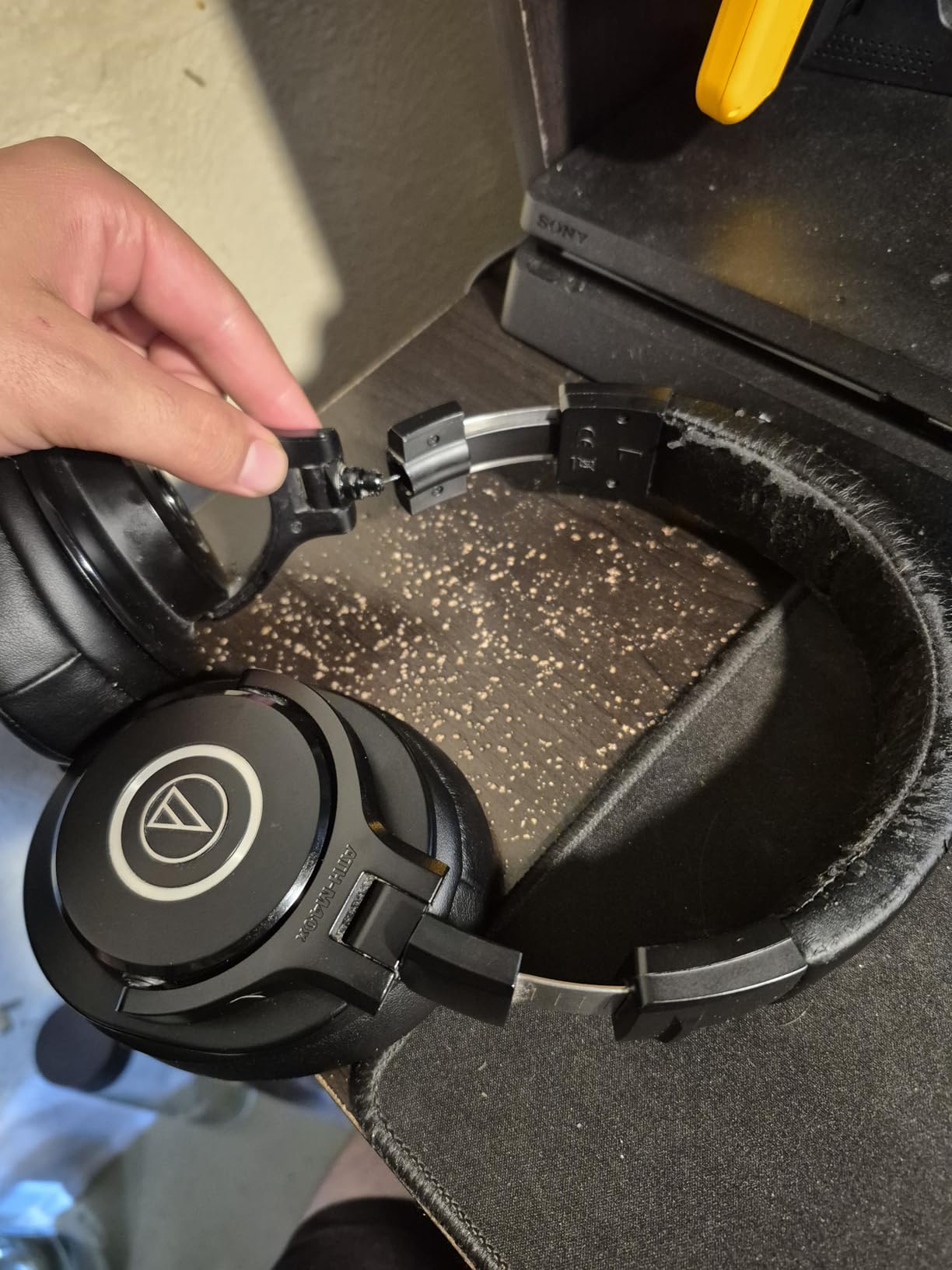
Build quality is mostly good. You get detachable cables, 90-degree swiveling cups, and a foldable design that fits in a laptop bag. The plastic hinge is the weak point. It can crack under stress, so treat them gently when transporting.
Comfort is mixed. The M40x clamps tighter than the M50x, which is good for isolation but uncomfortable for extended wear. Stock earpads are also shallower, so people with larger ears may feel pressure on the cartilage.
Best suited for podcast editors who prioritize flat response
If you spend more time editing than recording, the ATH-M40x gives you the most accurate sound at a reasonable price. The flat response makes it easier to catch EQ mistakes, edit plosives correctly, and balance levels between hosts. It is also efficient enough to run from a phone.
Skip if you want a thicker low-end for music-driven podcasts
Music-heavy podcasts and producers who want a warmer sound will prefer the ATH-M50x. The M40x is engineered for honesty, which means it is unforgiving on bass-heavy content. If your show leans into music beds and cinematic intros, the M50x is a better fit.
6. TASCAM TH-02 — Best Ultra-Budget Option
TASCAM TH-02 Professional Studio Monitor Headphones, Wired, Over Ear — for Recording, Podcast, DJ, Music and Guitar, with 1/4 Inch Jack Adapter
Closed-back
32 ohm
9.5 ft cable
Foldable design
Pros
- Excellent value at this price
- Closed-back passive noise isolation
- 9.5 ft cable for studio flexibility
- Lightweight and foldable
Cons
- Stock earpads are small and uncomfortable
- Tight clamping force initially
- Non-detachable cable
- Headband can snap under stress
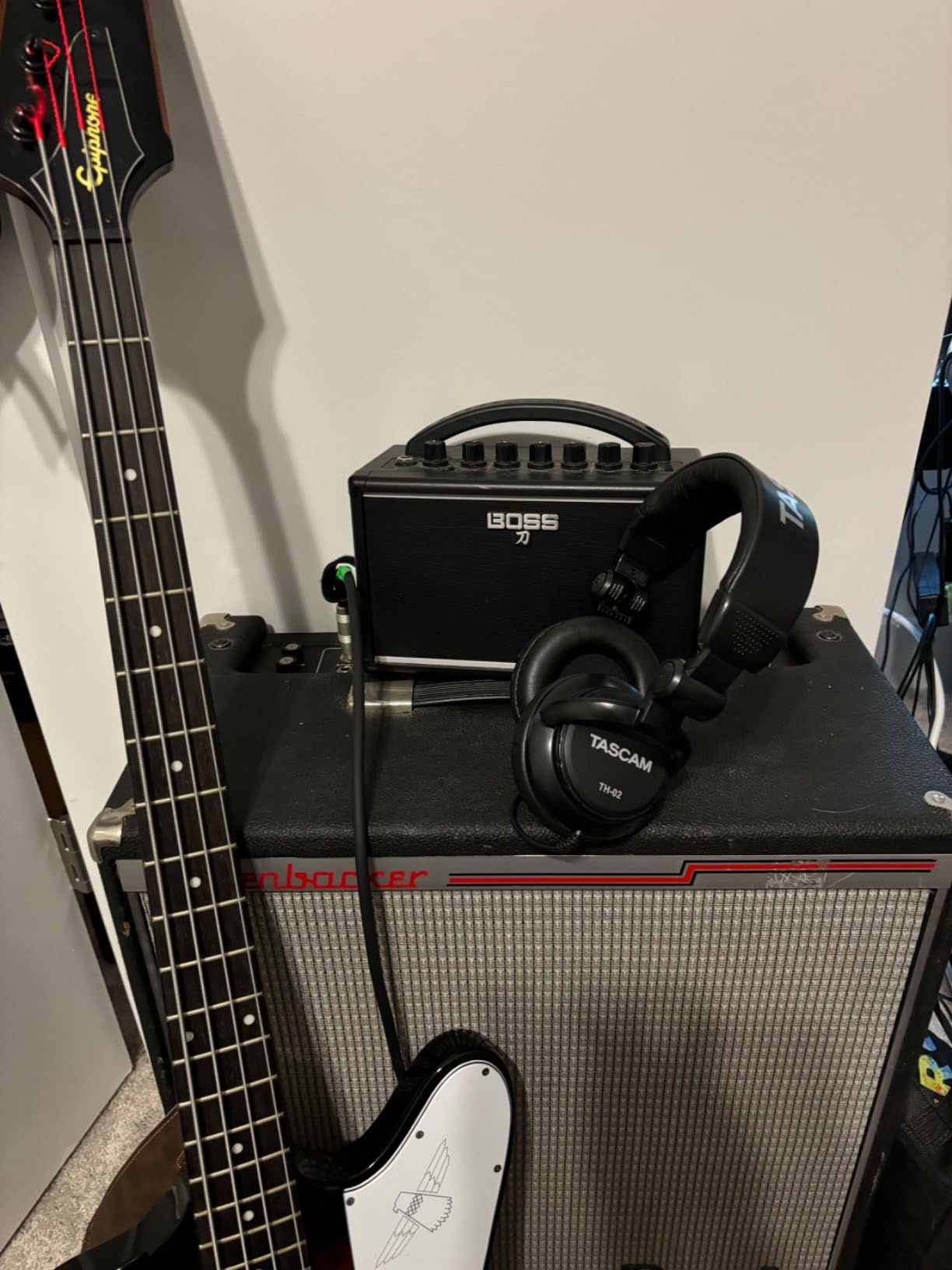
If you are starting a podcast on a tight budget, the TASCAM TH-02 is the lowest-cost closed-back that I would trust for actual recording work. It sounds cleaner than most headphones in this tier and gives you a true closed-back experience at an entry-level price.
For a beginner podcast, the TH-02 covers the essentials. Closed-back isolation keeps audio from bleeding into your mic. The 9.5-foot cable reaches across most desks without an extension. The 50 mm drivers deliver clean sound with more bass depth than I expected at this tier.
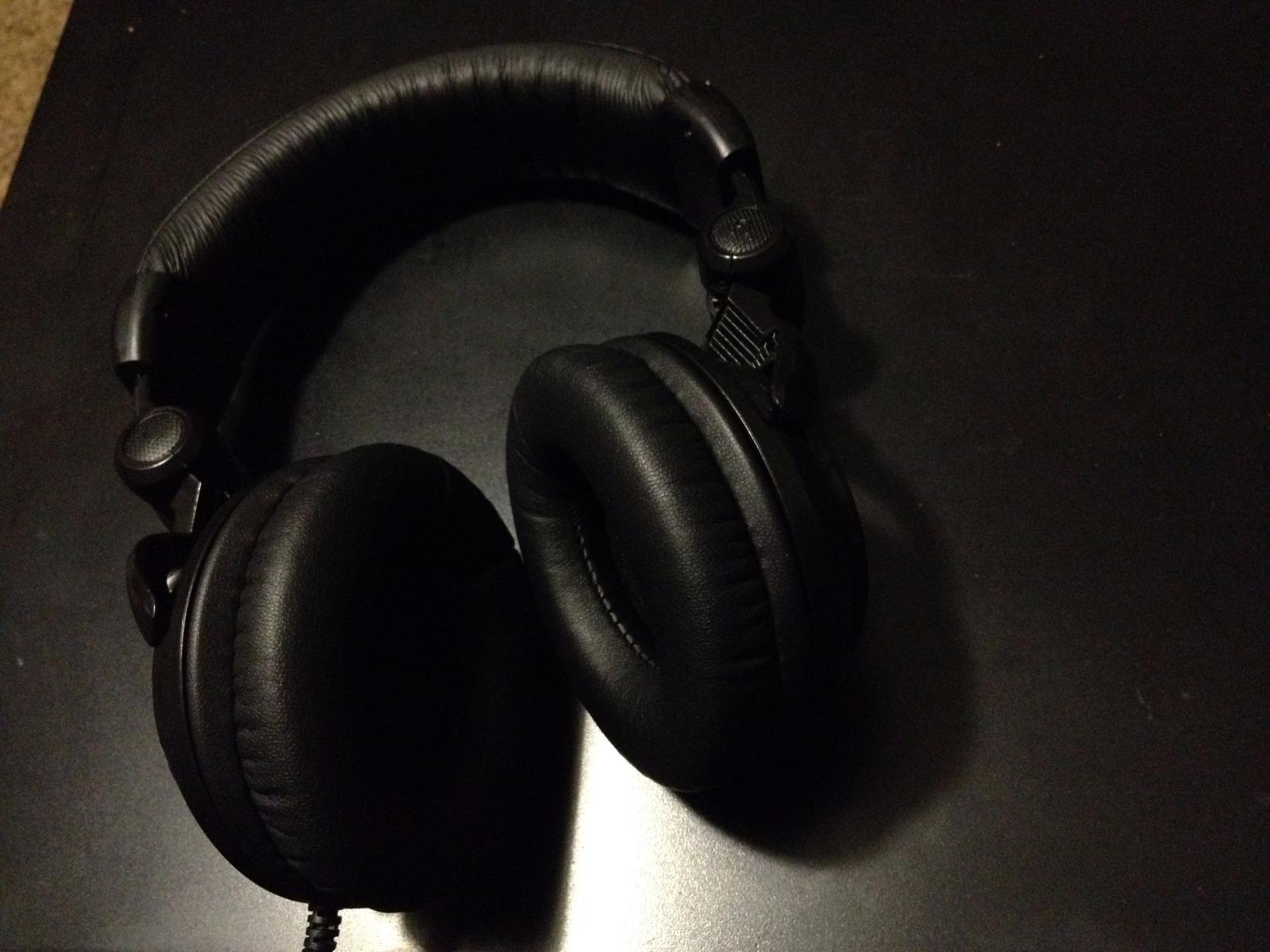
The real value is the price-to-function ratio. You get a closed-back headphone with a real headphone jack adapter, foldable design, and full monitoring capability for less than a domain renewal. It is the kind of gear that lets you start a show today without compromising on the basics.
Where the TH-02 cuts corners is comfort and durability. The stock earpads are small and hard. After 90 minutes, I feel pressure on my outer ear. The headband can also crack under rough handling. Plan on replacing these within 12-18 months if you record weekly.
Best suited for first-time podcasters on a tight budget
The TH-02 is the lowest-risk way to start. It will not wow you with sound quality, but it does the job of letting you monitor yourself while recording and reviewing episodes after. Once your show gains traction and you start earning from it, upgrade to the Sony MDR-7506 or Beyerdynamic DT 770 Pro.
Skip if you record multi-hour sessions or share with guests
Small earpads and tight clamping make the TH-02 a poor choice for guests or long sessions. If you already know you will be running 2-hour interviews weekly, spend a bit more on the Sony MDR-7506. The comfort difference is real.
7. OneOdio A71 — Best Budget with Share-Port Feature
OneOdio A71 Hi-Res Wired Over-Ear Studio Headphones for DJ, Mixing – Black
40 mm Hi-Res drivers
Detachable cable
32 ohm
Swivel cups
Pros
- Excellent value
- Detachable cables with both 3.5mm and 6.35mm
- 90 degree swivel cups
- Built-in share port
Cons
- Plastic build
- Cables can be fragile
- Sound is colored compared to studio cans
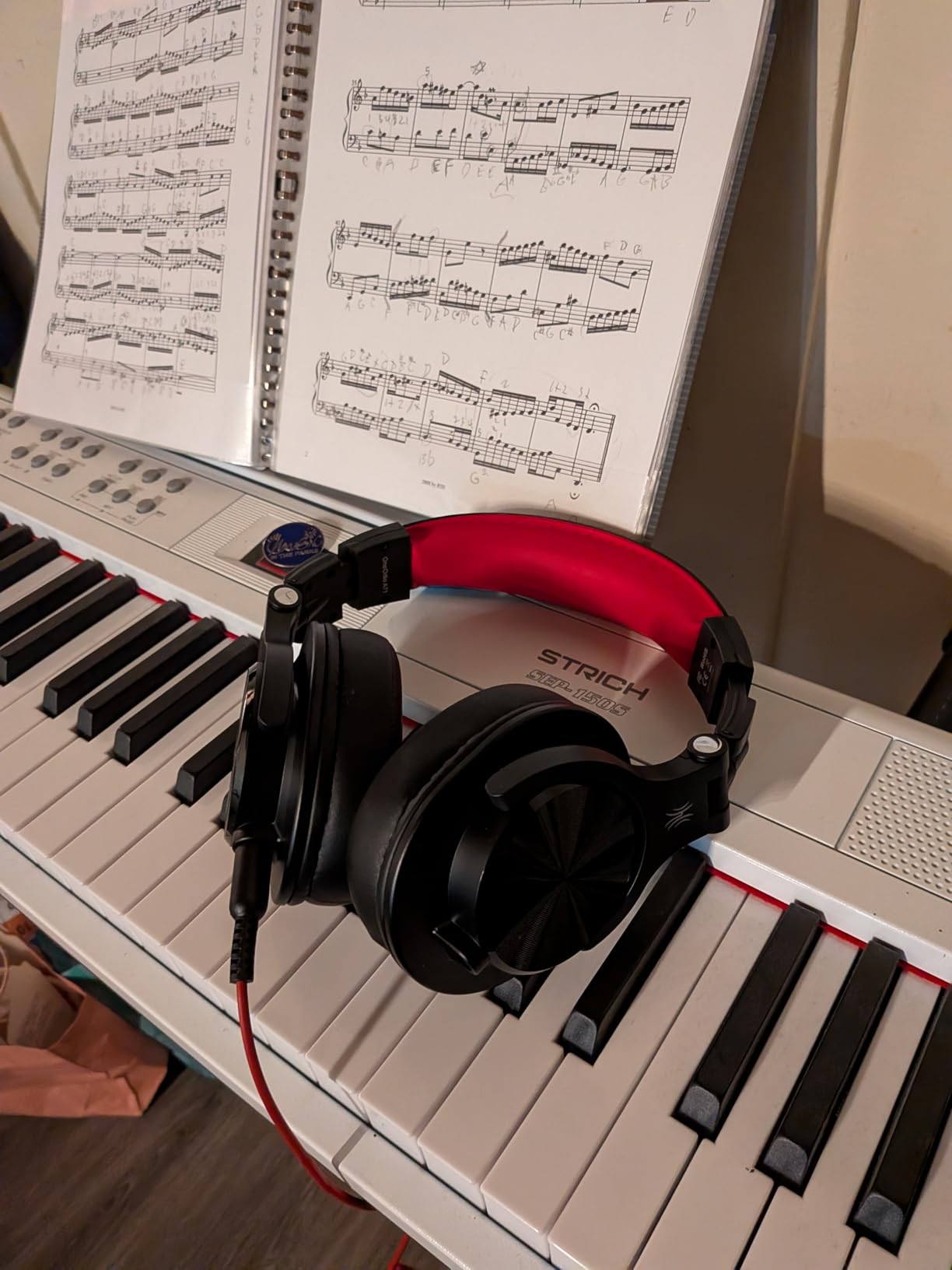
The OneOdio A71 is the surprise of this list. At its budget tier, it punches well above its weight, especially for two-person podcast setups. The built-in share port on the side lets you daisy-chain a second pair of headphones so two people can monitor from one source.
I have used the A71 for co-host recordings where the second guest did not want to spend on gear. Plug one A71 into the audio interface, plug the second A71 into the share port, and both hosts hear the same monitoring mix. For budget multi-host shows, this is a clever solution.
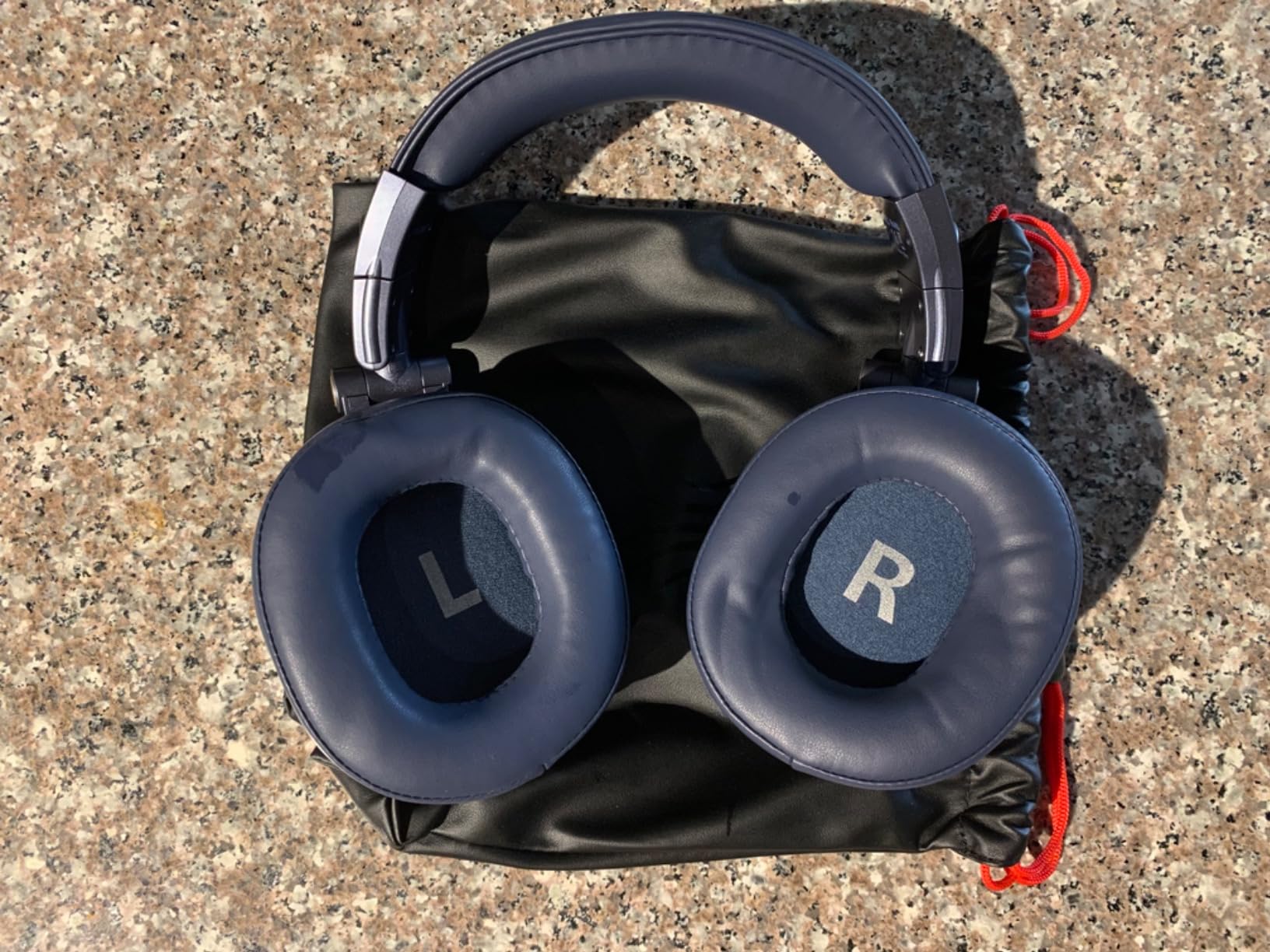
Sound quality is solid for the tier. The 40 mm Hi-Res drivers deliver punchy bass and clear mids, though the treble is rolled off compared to true studio headphones. For spoken-word podcasting, that coloration is not a deal-breaker. Voices still sound natural and intelligible.
The build is mostly plastic and the cables can be fragile with heavy movement. If you record in a stationary setup at a desk, the A71 will hold up fine. For field recording or rough daily transport, spend more on a Beyerdynamic or Sennheiser.
Best suited for budget multi-host podcast setups
The share port is genuinely useful. If you regularly record with a co-host who does not own monitoring headphones, the A71 lets you both listen from one output. It is also useful for podcast training sessions where a coach and trainee want to hear the same edit.
Skip if you need reference-grade accuracy
The A71 sounds good, but it does not have the flat response of true studio headphones. If you mix and master your own episodes and need to hear imperfections clearly, the Audio-Technica ATH-M40x is the better pick at a similar tier.
8. MAONO MH601 — Best Budget Studio Headphone with Long Cable
MAONO MH601 Wired Studio Headphone for Podcast Recording Stream DJ Mixing
50 mm drivers
Detachable cable
32 ohm
Foldable design
Pros
- Near-neutral sound for the price
- 50 mm drivers deliver clean audio
- Comfortable protein memory cushions
- Detachable cable with 3.5mm and 6.35mm
Cons
- Coiled cable is short for some setups
- Bass is thin compared to consumer headphones
- Cups do not rotate
- Bright branding
The MAONO MH601 is a hidden gem for budget podcasters who want studio-grade sound without studio-grade prices. The 50 mm drivers put out clean, detailed audio, and the near-neutral signature means you hear your recordings the way they actually sound.
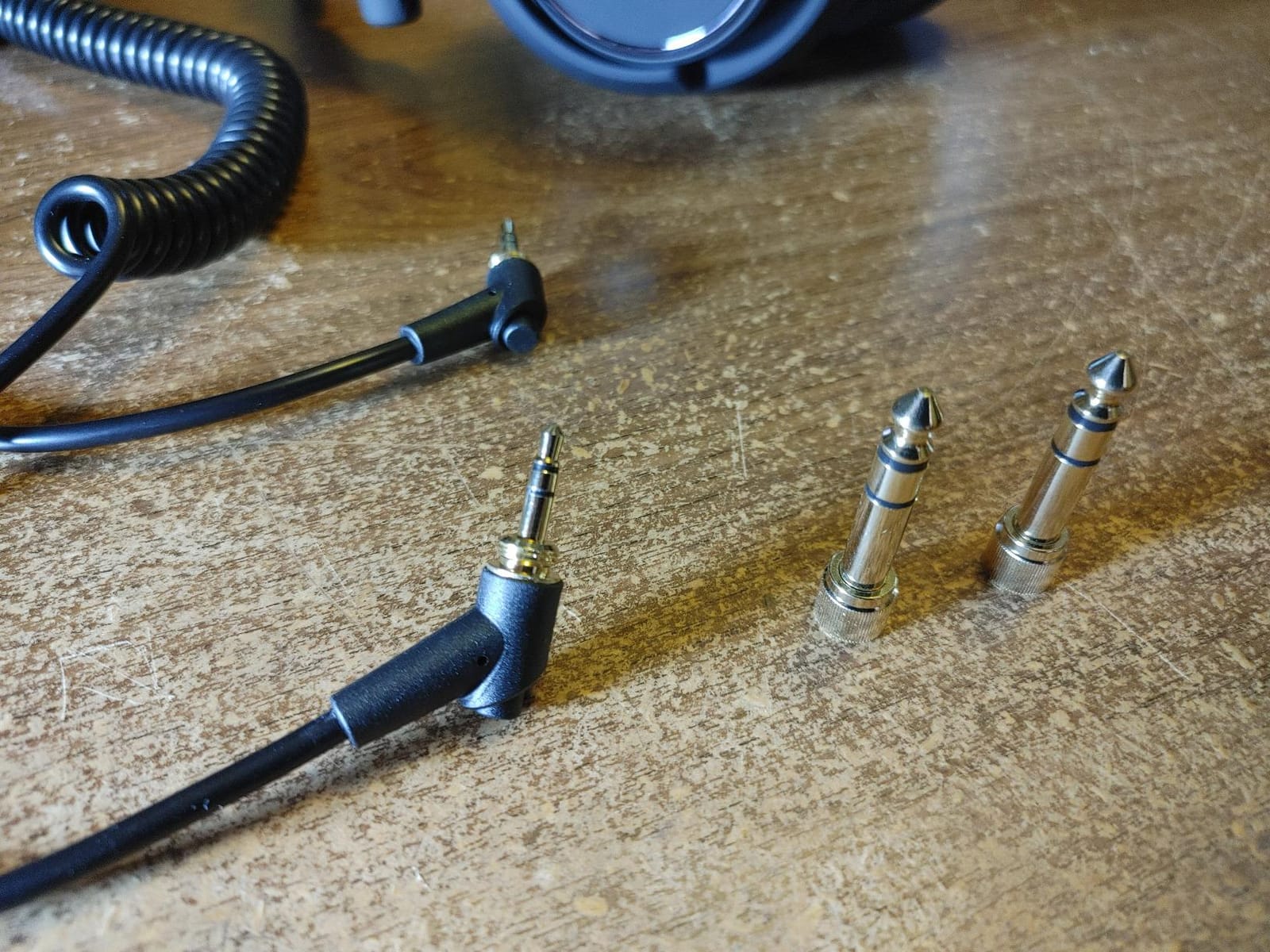
Comfort is better than most budget options. The protein memory cushions are soft and conform to your head shape. I have worn the MH601 for 3-hour edit sessions without the hotspot I get from cheaper headphones. The foldable design and detachable cable make them travel-friendly.
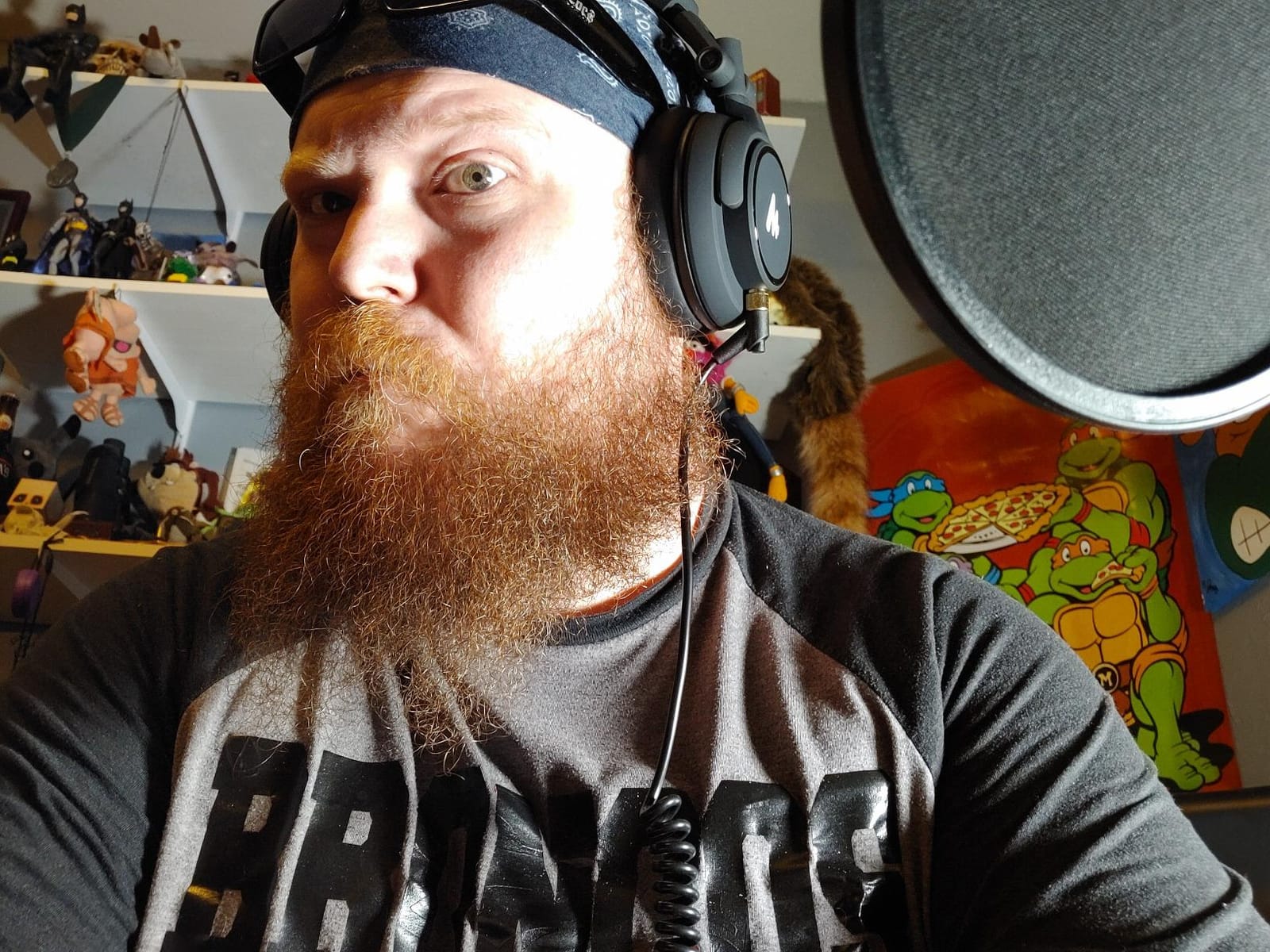
The 9.8-foot spring-loaded cable reaches across any desk. You get a 3.5mm to 6.35mm adapter for plugging into audio interfaces. The 32-ohm impedance means you can also drive them straight from a phone or laptop, which makes them versatile for both studio and remote recording.
The downsides are cosmetic and minor. The MAONO branding is bright white and shows up on camera. Cups do not rotate, which limits single-ear monitoring. The bass is also thinner than consumer headphones, though that is actually a positive for podcast monitoring.
Best suited for podcasters who want studio sound on a budget
The MH601 is the budget option that comes closest to sounding like a true studio monitor. If you record at home and edit on the same setup, the MH601 gives you the audio honesty you need at a price that does not sting. It is also great for first-time podcasters who are not sure how long they will stick with it.
Skip if you want a name-brand resale value or thicker bass
MAONO is a newer brand in the podcast space, so resale value is limited. If brand recognition matters to you or you want heavier bass for music content, the Audio-Technica ATH-M30x is a similar-tier alternative from a more established brand.
9. AKG K240 Studio — Best Semi-Open for Post-Production
AKG K240STUDIO Semi-Open Studio Headphones
Semi-open design
Detachable cable
55 ohm
Self-adjusting band
Pros
- Neutral accurate studio sound
- Lightweight self-adjusting headband
- Detachable mini-XLR cable
- Trusted industry standard
Cons
- Semi-open design leaks sound
- Earpads can get warm
- Less bass than consumer headphones
- Requires amplification for best results
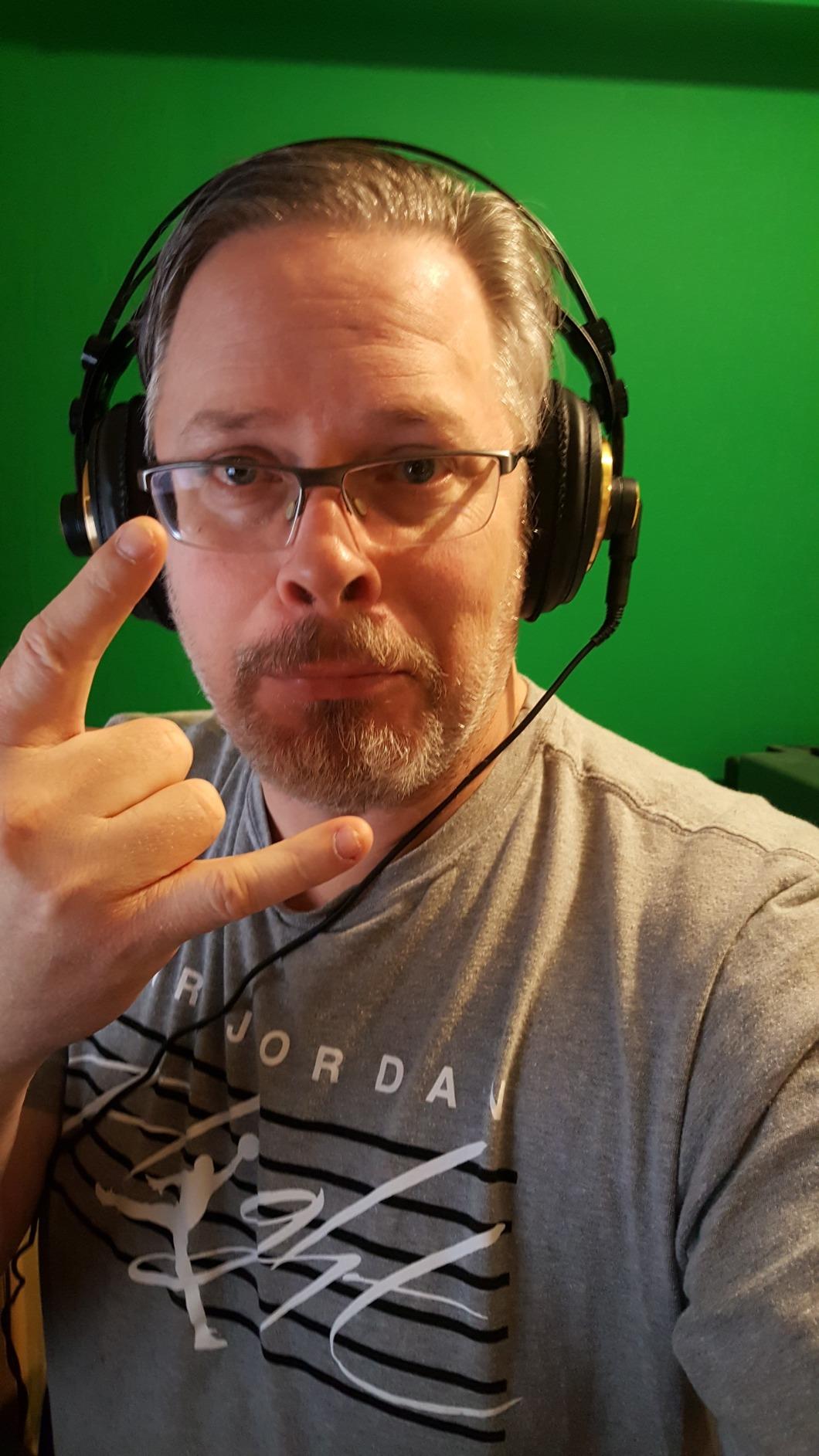
The AKG K240 Studio is the only semi-open headphone on this list, and that is deliberate. Semi-open designs leak sound, which is a deal-breaker for live recording. But for post-production and editing, they offer a wider soundstage and more natural imaging than closed-back headphones.
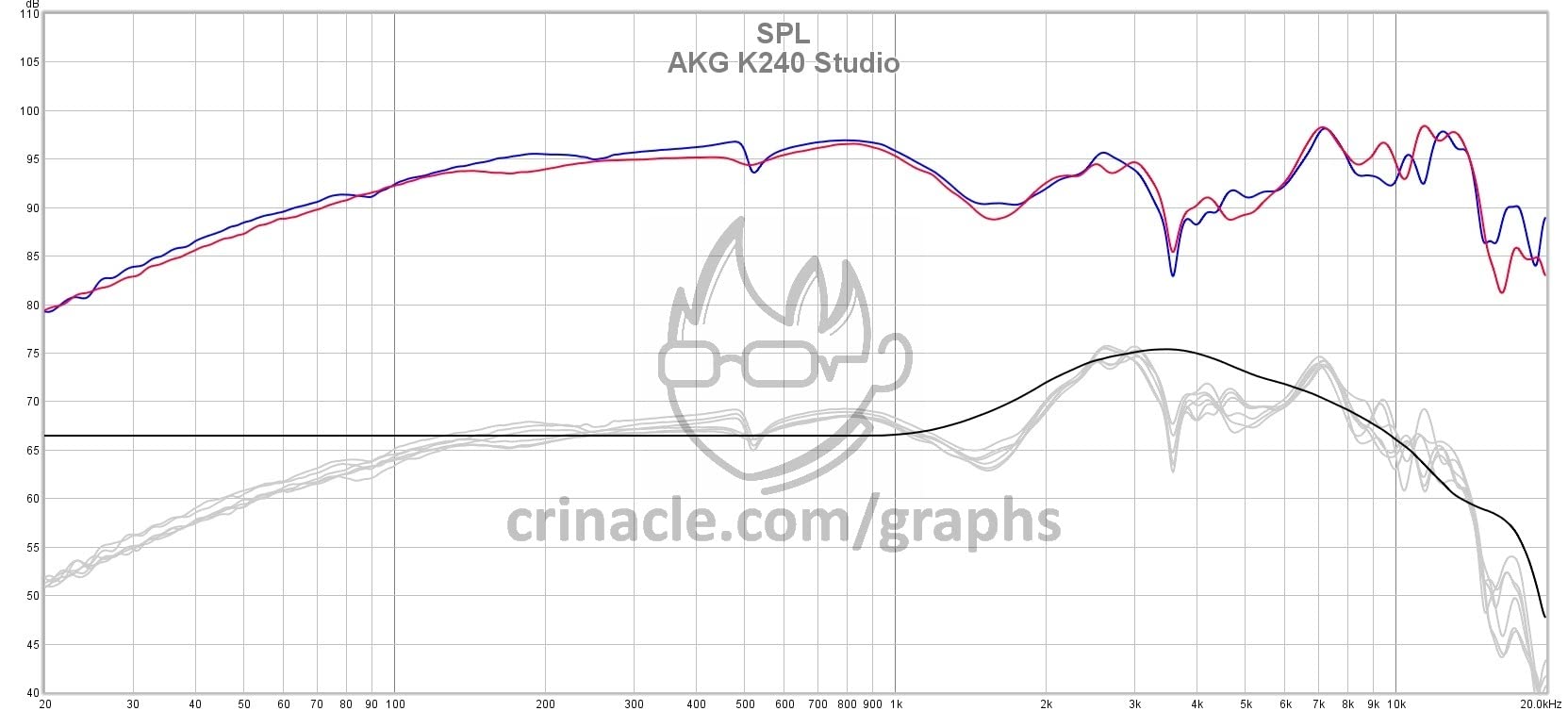
For podcast editors who spend hours cleaning up dialogue, the K240 Studio is a joy. The 30 mm XXL transducers deliver accurate mids and clear highs, which is exactly where vocal content lives. You hear every mouth click, every edit transition, and every compression artifact.
The self-adjusting headband is comfortable for long sessions. I have worn the K240 Studio for 5-hour edit marathons without the hotspot I get from tighter closed-back designs. The detachable mini-XLR cable is also a plus. Replacement cables are cheap and easy to find.
The critical caveat is sound leakage. If you try to record with these in the same room as your microphone, your voice bleeds back into the mic. They are editing-only headphones. Use the Beyerdynamic DT 770 Pro or Sony MDR-7506 for recording, then switch to the K240 Studio for the edit.
Best suited for podcast editors who work in a quiet dedicated space
The K240 Studio is the best post-production tool on this list, but only if you have a dedicated editing space away from your recording mic. Use closed-back headphones to record, then switch to the K240 Studio to edit. The wider soundstage makes dialogue edits sound more natural.
Skip if you record and monitor in the same room
Semi-open designs are not for recording. Sound leakage will end up in your final mix. If you only want one pair of headphones, choose a closed-back model like the Sony MDR-7506 or Beyerdynamic DT 770 Pro.
10. Philips Over Ear Wired Stereo — Best Entry-Level Starter
Philips Over Ear Wired Stereo Headphones for Podcasts, Studio Monitoring and Recording Headset for Computer, Keyboard and Guitar with 6.3 mm (1/4″) Add On Adapter
40 mm drivers
Over-ear fit
16 ohm
Lightweight
Pros
- Very affordable entry-level price
- Lightweight and comfortable for long sessions
- Crisp sound with decent bass
- Snap-on 6.3mm adapter included
Cons
- Maximum volume is lower than competitors
- Plastic build requires careful handling
- Cable can be weak
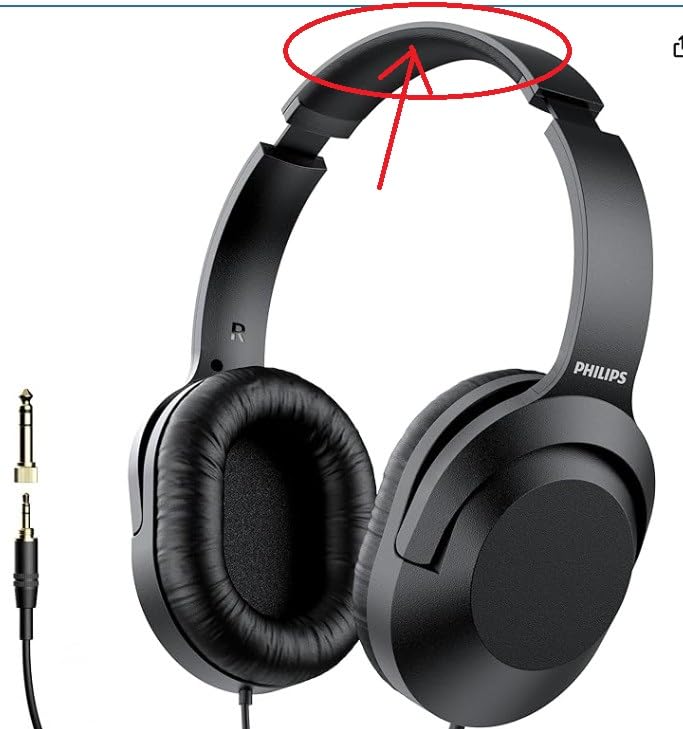
The Philips Over Ear Wired Stereo is the lowest-cost closed-back on this list, designed for podcast, studio, and casual listening. At its entry-level price tier, it is the cheapest way to get a real closed-back design and proper monitoring capability.
For a true beginner who has never owned studio headphones, the Philips model is a sensible starting point. The 40 mm drivers sound clear, the over-ear fit blocks some external noise, and the 3.5mm jack with a 6.3mm adapter means you can plug it into any laptop, audio interface, or phone.
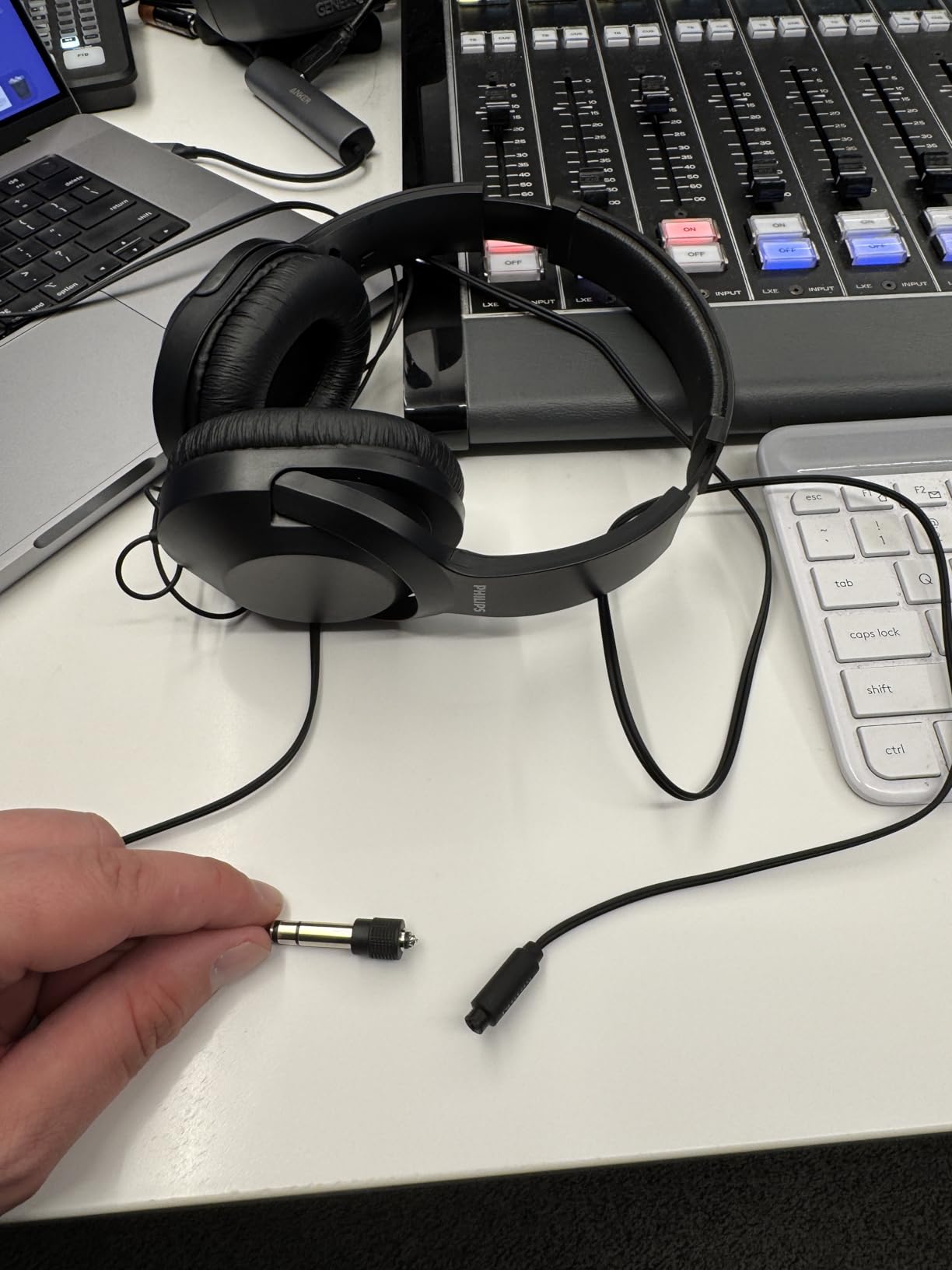
The 16-ohm impedance is the lowest on this list, which means phones and laptops can drive these to full volume without an amp. That is a real benefit if you record mobile-first or use a tablet as your podcast rig.
The limitations are also real. Volume ceiling is lower than more expensive models. Build is mostly plastic and the cable is the first thing to fail. Sound quality is decent for spoken word but not accurate enough for serious editing work.
Best suited for absolute beginners testing the waters
If you are unsure whether podcasting is a long-term hobby, the Philips model lets you start today with almost no financial risk. You get a closed-back design with passive isolation and decent sound for spoken word. Once you commit to the craft, upgrade to the Sony MDR-7506 or Beyerdynamic DT 770 Pro.
Skip if you already record weekly or want accurate monitoring
For regular podcasters, the Philips model is too limited. Maximum volume is low, the cable is fragile, and the sound is not accurate enough for editing. Spend the extra on the Sony MDR-7506 and you get a pair that will last for years.
How to Choose the Right Podcast Monitoring Headphones
Choosing between these 10 models comes down to five factors: closed-back design, wired connection, impedance, comfort, and whether you record or edit more. Let me walk through each one based on what I have learned from years of testing podcast gear.
Closed-Back vs Open-Back: Why Closed-Back Wins for Podcasting
Closed-back headphones have a sealed cup that traps sound inside. Open-back headphones have a grille that lets air pass through. For podcasting, closed-back is the only choice that matters. Open-back designs leak your monitoring mix back into the microphone, which creates echo and bleed in your recordings.
The Beyerdynamic DT 770 Pro and Sennheiser HD 280 Pro are the strongest closed-back options here. The Sony MDR-7506 and Audio-Technica ATH-M50x are also excellent. The AKG K240 Studio is the one semi-open model, and I only recommend it for editing in a separate room from your mic.
Wired vs Wireless: The Latency Problem You Can’t Ignore
Bluetooth adds 100-300 milliseconds of latency. That delay makes it impossible to monitor your own voice in real time. You will hear yourself slightly behind, which throws off pacing and makes conversation feel weird. For recording, wired is the only option that works.
If you are tempted by wireless for the convenience, our guide on how to fix latency when monitoring through plugins explains why software workarounds are not reliable for live tracking. Save wireless for the edit, where a small delay does not affect the recording.
Impedance and Device Matching: What Ohm Rating Do You Need
Impedance is measured in ohms and tells you how much power your headphones need. Low impedance (16-32 ohm) works directly from phones and laptops. Mid impedance (35-80 ohm) needs an audio interface for full volume. High impedance (250+ ohm) requires a dedicated headphone amp.
For most podcasters recording into a computer, 32-64 ohm is the sweet spot. The Sony MDR-7506 at 63 ohm and Audio-Technica ATH-M50x at 38 ohm both run well from a laptop. The Beyerdynamic DT 770 Pro 80-ohm version sounds best with an interface. Our guide on why your headphones sound quiet and whether you need an amp walks through the volume test.
Comfort and Clamping Force for Long Sessions
Clamping force is how tightly the headband squeezes your head. Tight clamping gives better isolation but causes fatigue. Loose clamping is comfortable but lets sound leak in. Most podcasters prefer medium clamping for the balance.
The Sony MDR-7506 and AKG K240 Studio are the lightest and most comfortable here. The Sennheiser HD 280 Pro clamps tightest out of the box but breaks in after a week. The Beyerdynamic DT 770 Pro has plush velour pads that breathe well during long sessions.
Active Noise Cancellation: Why It Fails for Podcasters
Active noise cancellation (ANC) uses microphones to listen to outside sound, then plays the opposite phase to cancel it. For music listeners on a plane, ANC is great. For podcasters, ANC causes a problem: it changes how your own voice sounds in the headphones.
That vocal coloration throws off your pacing and tone. You end up overcompensating because you do not sound like yourself. Closed-back passive isolation is the correct choice for monitoring. It blocks external sound without altering your own voice.
How to Test Podcast Headphones Before Committing
Before you settle on a pair, run through this 4-step test. First, record yourself talking for 5 minutes and listen back. Good monitoring headphones reveal mouth clicks, plosives, and mic distance issues clearly. Second, ask a guest to wear them for 10 minutes. If they complain about comfort, swap to a lighter pair. Third, walk away from your desk and confirm the cable reaches. Fourth, check Amazon’s return window. Most models have a 30-day return policy, which gives you time to test in your actual recording space.
For more on setting up your monitoring chain, our guide on how to set up direct monitoring to avoid latency while tracking covers the interface side. If you ever find yourself mixing on headphones alone, our piece on why you should not mix entirely on headphones explains the limitations.
Frequently Asked Questions
What headphones does Joe Rogan use for his podcast?
Joe Rogan uses the Sennheiser HD 280 Pro on the Joe Rogan Experience. The HD 280 Pro is a closed-back over-ear headphone with up to 32 dB of passive noise attenuation, which lets Rogan monitor his guests in real time without audio bleeding into his studio microphones.
Why does Joe Rogan wear headphones on his podcast?
Rogan wears headphones for real-time monitoring. He needs to hear his own voice, his guests, and the remote call audio in real time so he can catch audio issues like mic distance drift, plosives, and guest echo as they happen. Without headphones, those problems end up baked into the final recording.
What ohm headphones do I need for podcasting?
For most podcasters recording into a laptop or audio interface, 32 to 80 ohm is the sweet spot. Lower impedance (16 to 38 ohm) works directly from phones and laptops without an amp. Higher impedance (80 ohm and above) sounds best when paired with an audio interface or dedicated headphone amp.
Are noise cancelling headphones good for podcasting?
Active noise cancellation is not recommended for podcasting. ANC alters how your own voice sounds in the headphones, which throws off pacing and vocal tone. Closed-back passive isolation is the correct choice because it blocks external sound without changing your voice.
What is the 60-60 rule for headphones?
The 60-60 rule recommends listening at no more than 60 percent of maximum volume for no more than 60 minutes at a stretch. For podcasters editing long sessions, take a 10-minute break every hour to protect your hearing. Prolonged loud monitoring causes permanent hearing damage over time.
Final Verdict
After testing all 10 models, the Beyerdynamic DT 770 Pro 80 Ohm is the best podcast monitoring headphone for most podcasters. The closed-back isolation, replaceable parts, and plush velour pads make it the strongest all-rounder for both recording and editing. The Sony MDR-7506 is the best value if you want a proven industry standard at a lower price. The Audio-Technica ATH-M50x is the top-rated choice with the largest review base and a portable foldable design.
Whichever pair you choose, stick with closed-back, wired, and over-ear. That combination covers every podcasting scenario from solo recording to multi-guest interviews. Your future self will thank you when your episodes sound cleaner and your edit sessions take less time.