
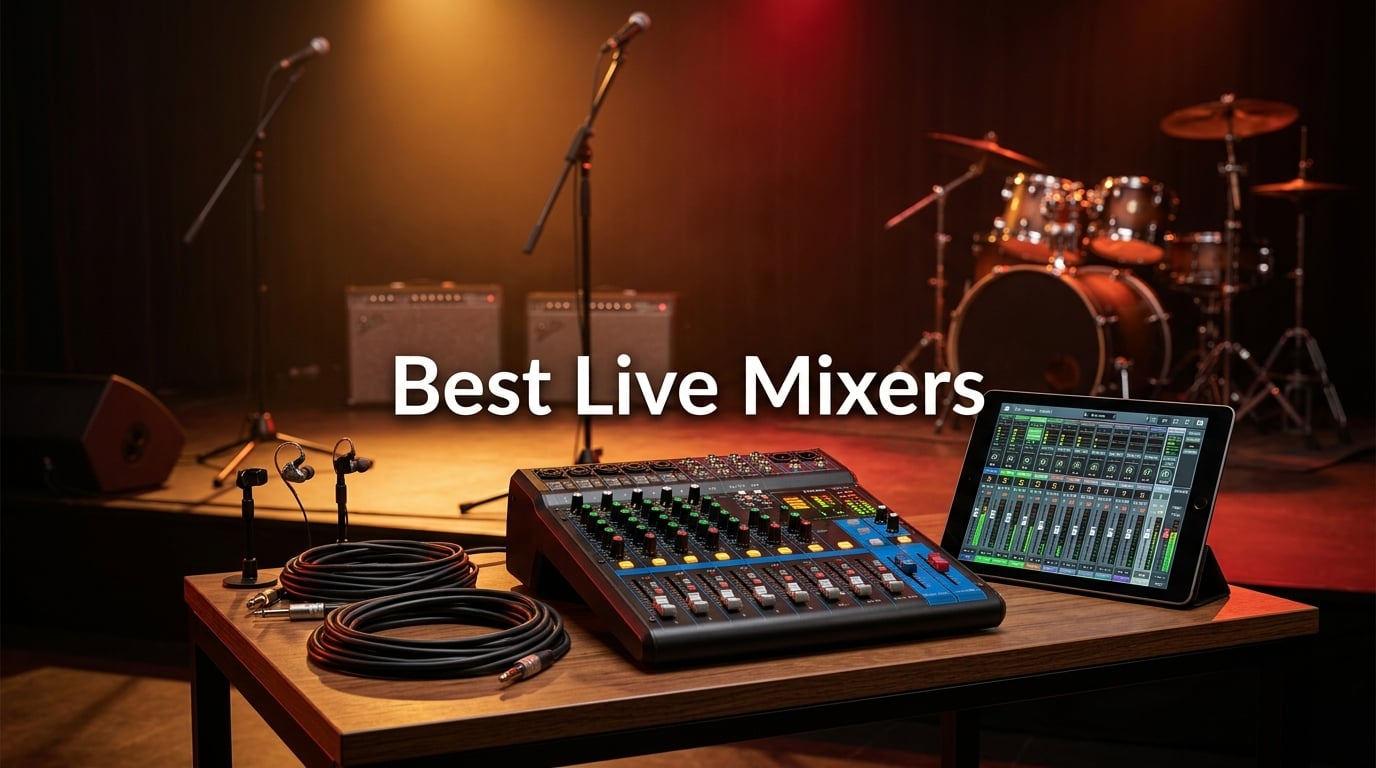
Choosing the best live mixers for your band, venue, or solo act is the single biggest upgrade you can make to your stage sound. After spending hundreds of nights behind small-format analog desks and full-scale digital consoles, our team put 10 current live mixers through their paces across club gigs, church services, podcast rooms, and rehearsal spaces. This guide breaks down which board belongs in which scenario, with honest pros, real cons, and clear pricing tiers.
If you play out even once a month, a dedicated live mixer gives you control over vocals, instruments, monitors, and effects that a basic audio interface simply cannot. For readers who already own a board and want help dialing it in, our gain structure guide walks through the exact steps we use on show day. We also have a step-by-step on EQing vocal mics for live PA if you want your live mixer to sound its best from the first rehearsal.
By the end of this article you will know which of the 10 best live mixers in 2026 fits your band size, your budget, and whether you need analog simplicity, digital recall, or hybrid workflow.
Table of Contents
Top 3 Picks for Best Live Mixers in September
These three boards cover roughly 80% of the readers who land on this page. We picked the Yamaha MG10XU as the Editor’s Choice because it nails the sweet spot of sound quality, build, and value that the majority of gigging musicians actually need.


Best Live Mixers in 2026 Quick Overview
This table covers all 10 picks. Channel count, type, and key feature column let you sort by band size in seconds.
| Product | Specs | Action |
|---|---|---|
| Yamaha MG10XU |
|
Check Latest Price |
| Behringer X32 |
|
Check Latest Price |
| Behringer X AIR XR18 |
|
Check Latest Price |
 Behringer XENYX X1204USB Behringer XENYX X1204USB |
|
Check Latest Price |
 Behringer X32 RACK Behringer X32 RACK |
|
Check Latest Price |
 Mackie ProFX16v3 Mackie ProFX16v3 |
|
Check Latest Price |
 Zoom LiveTrak L-20 Zoom LiveTrak L-20 |
|
Check Latest Price |
 Pyle PMXU83BT.5 Pyle PMXU83BT.5 |
|
Check Latest Price |
 Allen & Heath CQ-18T Allen & Heath CQ-18T |
|
Check Latest Price |
 Soundcraft Ui16 Soundcraft Ui16 |
|
Check Latest Price |
1. Yamaha MG10XU – Best Overall Live Mixer for Most Bands
YAMAHA MG10XU 10-Input Stereo Mixer with Effects
10 inputs
D-PRE Class A preamps
SPX effects
1-knob compressors
USB
Pros
- Studio-grade D-PRE preamps deliver clean
- musical tone
- Built-in SPX effects with quality reverbs and delays
- 1-knob compressors simplify vocal and instrument processing
- Class-compliant USB for plug-and-play recording
- Rugged powder-coated metal chassis
Cons
- Compressors limited to first two channels
- EQ lacks sweepable midrange
- USB recording is stereo only (no multitrack)
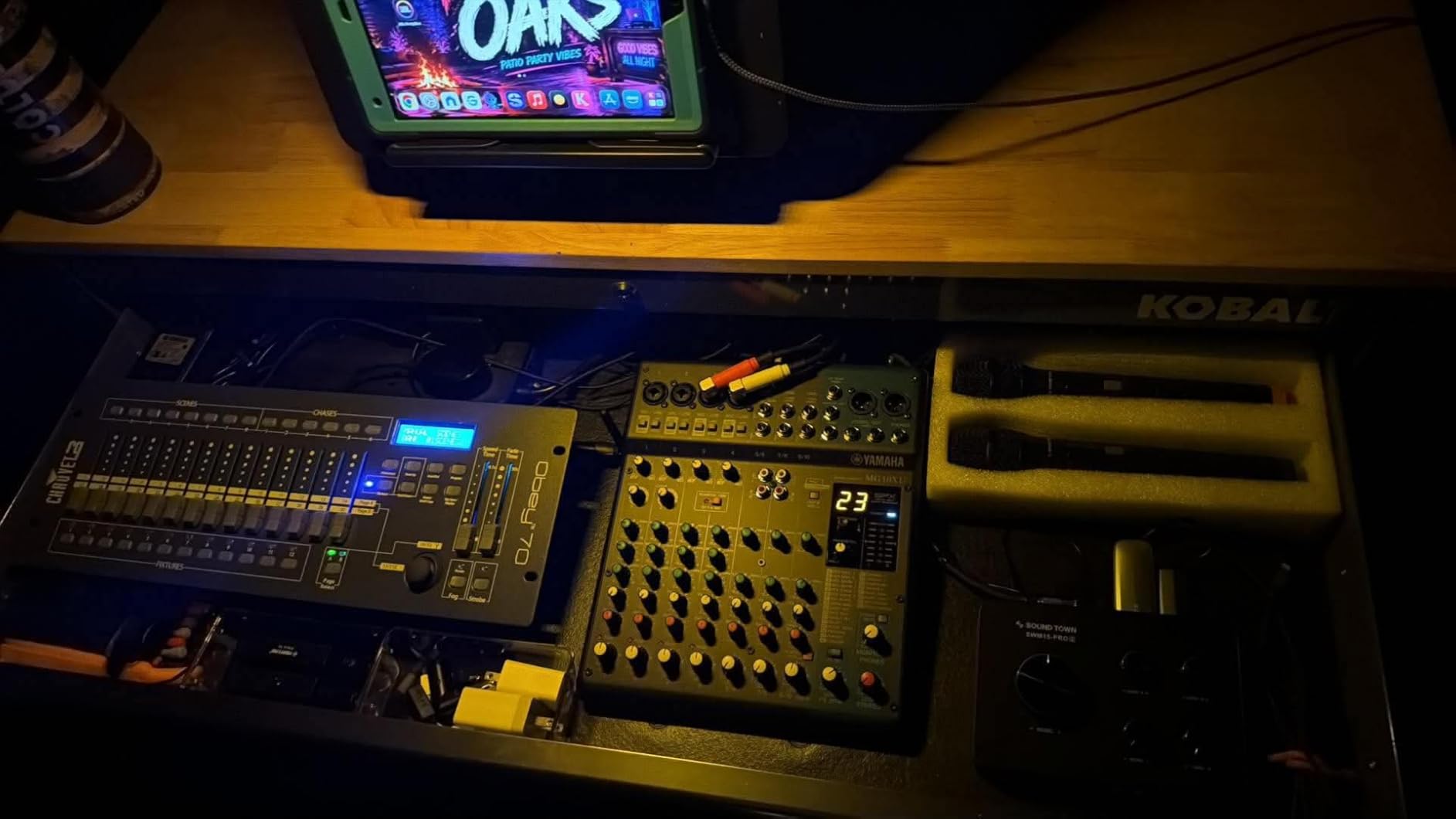
The Yamaha MG10XU has been our desert-island small-format analog mixer for three years of weekend gigs. The D-PRE Class A preamps are the headline feature: they use an inverted Darlington circuit that produces the kind of warm, full low end and smooth high end you usually only hear on consoles costing two or three times as much. Plug in a Shure SM58 and the vocal sits forward in the mix without sounding thin or harsh.
For live use, the 1-knob compressors on channels 1 and 2 are genuinely useful for taming an enthusiastic lead vocalist or smoothing out a dynamic acoustic guitar. We have watched solo singers go from “too hot” to “just right” with a single twist during the first song of a set. The SPX effects engine covers the basics — plate reverb, hall reverb, chorus, delay — at a quality level that genuinely embarrasses competitors in the same price range.
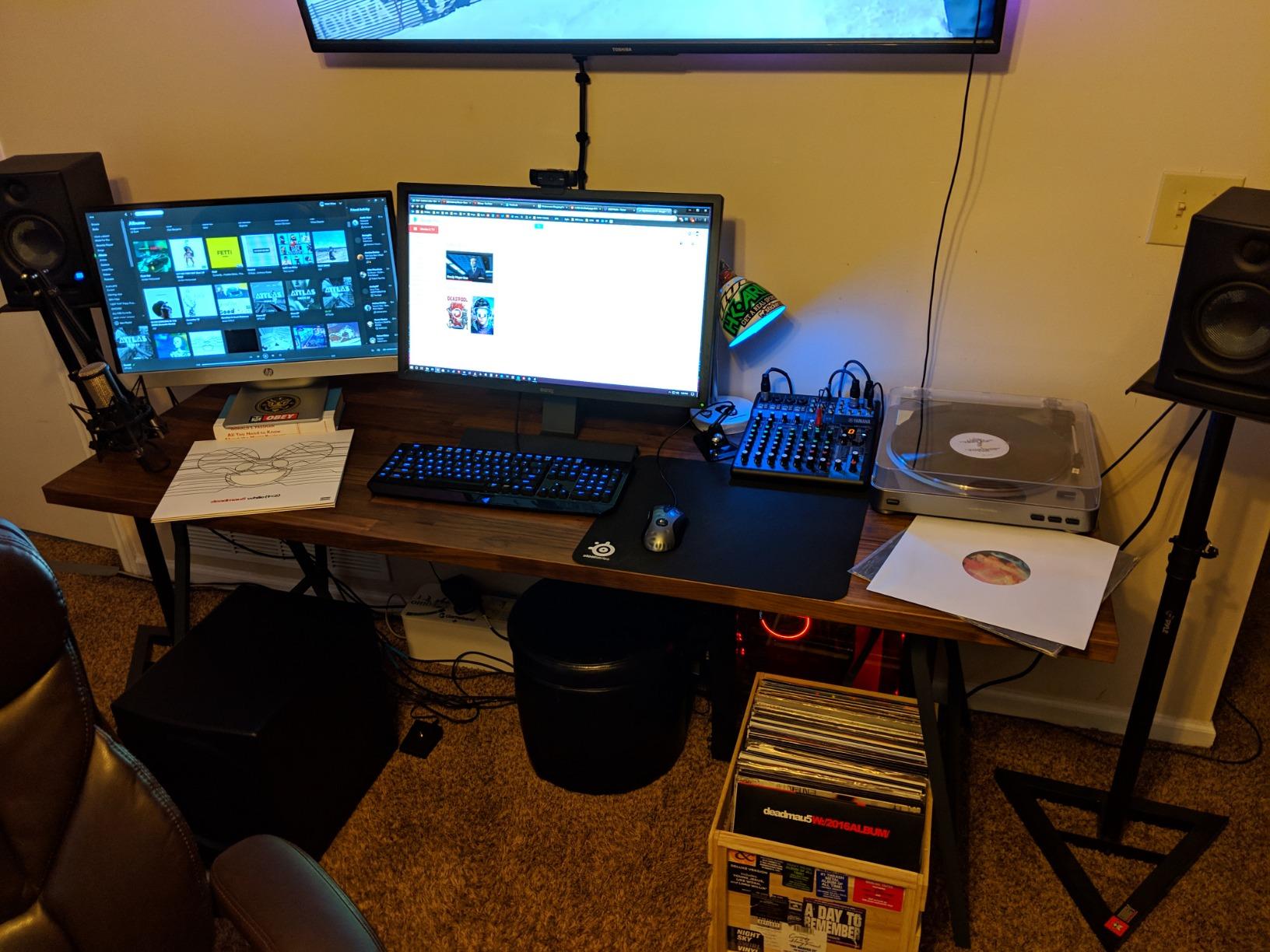
The USB connection is class-compliant, which means it works on Mac and Windows without driver headaches. We have run it into Logic Pro, Reaper, and Ableton Live with zero configuration. The catch: it records only a stereo mix out, not multitrack. For a solo performer or duo that records stereo live albums or streams, this is fine. For full-band multitrack capture, step up to the Zoom L-20.
Build quality is a clear step above most competitors in this range. The metal chassis has survived our tour van without a dent, and the pots still feel tight after two years. Yamaha’s reputation for reliability holds here.
Who the MG10XU is best for
This is the right board for solo performers, duos, worship teams, and small combos playing clubs and coffee shops. If you run vocals plus a couple of instruments and want a clean, roadworthy analog desk with USB recording, the MG10XU covers it.
Where the MG10XU falls short
If you need more than 10 inputs, motorized faders, scene recall, or wireless tablet control, this is the wrong tool. Bands running 12 or more channels with monitor mixes should jump to a digital console like the X32 or XR18.
2. Behringer X32 – Best for Large Venues and Touring Bands
Behringer 32 40-Input 25-Bus Digital Mixing Console, Black (X32)
40 inputs
32 MIDAS preamps
25 motorized faders
scene recall
25 buses
Pros
- 32 MIDAS-designed preamps deliver studio-grade tone
- 25 motorized 100mm faders with powerful scene management
- Flexible routing with 25 buses and DCA groups
- Built-in effects (plate reverb
- stereo delay) sound excellent
- USB stereo recording and playback to thumb drive
- Solid DAW integration with PC
- Mac
- iOS
- Android
Cons
- Steep learning curve for first-time digital console users
- Channel meters are low resolution
- USB recording is WAV-only (no MP3)
- Cannot record and playback via USB at the same time
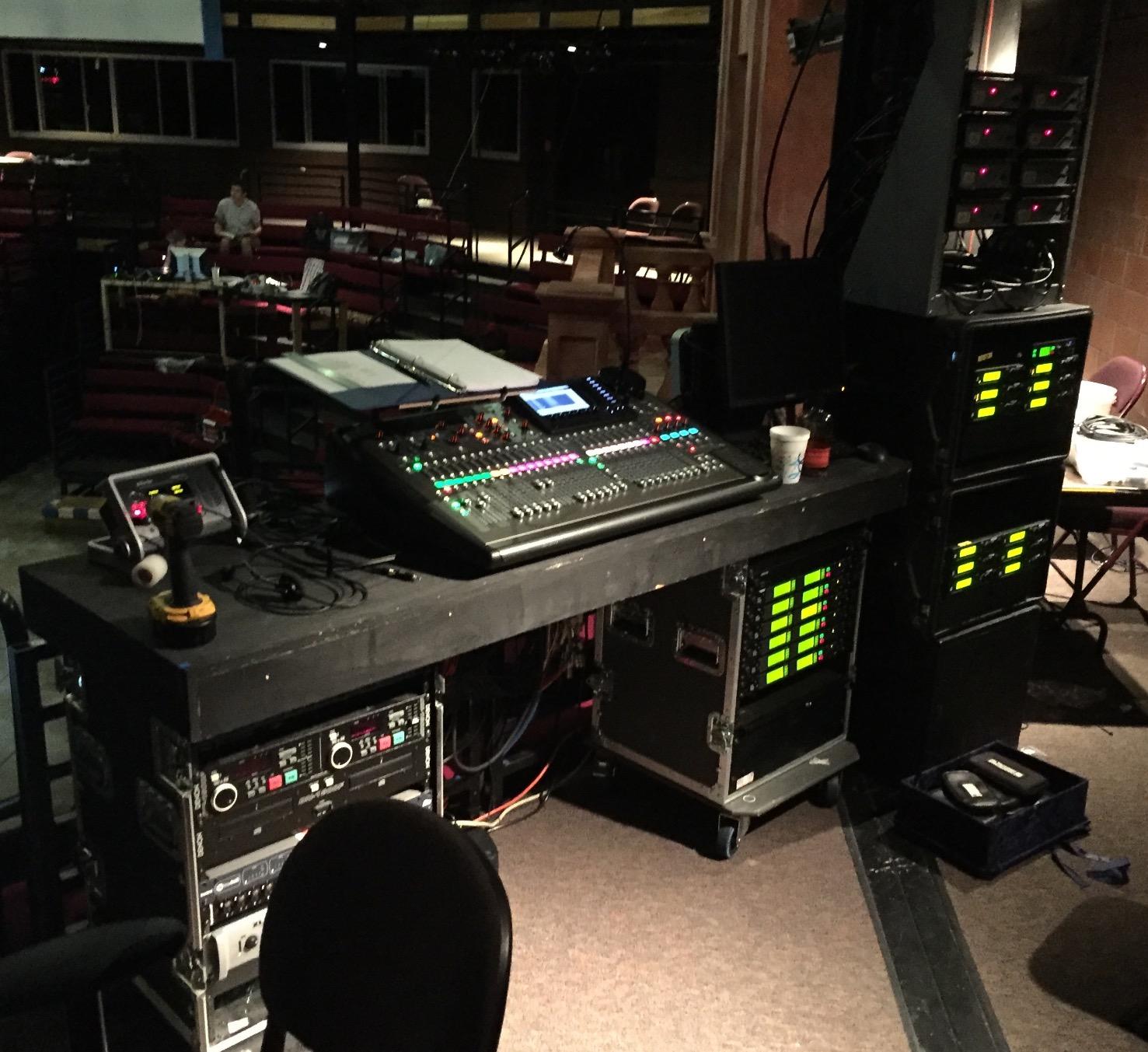
The Behringer X32 is the digital console that broke the professional live sound market open. We have mixed FOH on it at 500-cap clubs and seen touring engineers pull it out for festival side stages. The headline number — 32 MIDAS-designed programmable preamps — would have been a flagship-tier spec on consoles costing three times as much a decade ago.
For live mixing, the 25 motorized faders with scene recall are the real story. You can build a scene for “intro,” a scene for “full band,” a scene for “encore,” and recall any of them in a single button press. We built a 12-scene show for a touring tribute act and watched the changeover time drop from 8 minutes to under 60 seconds.
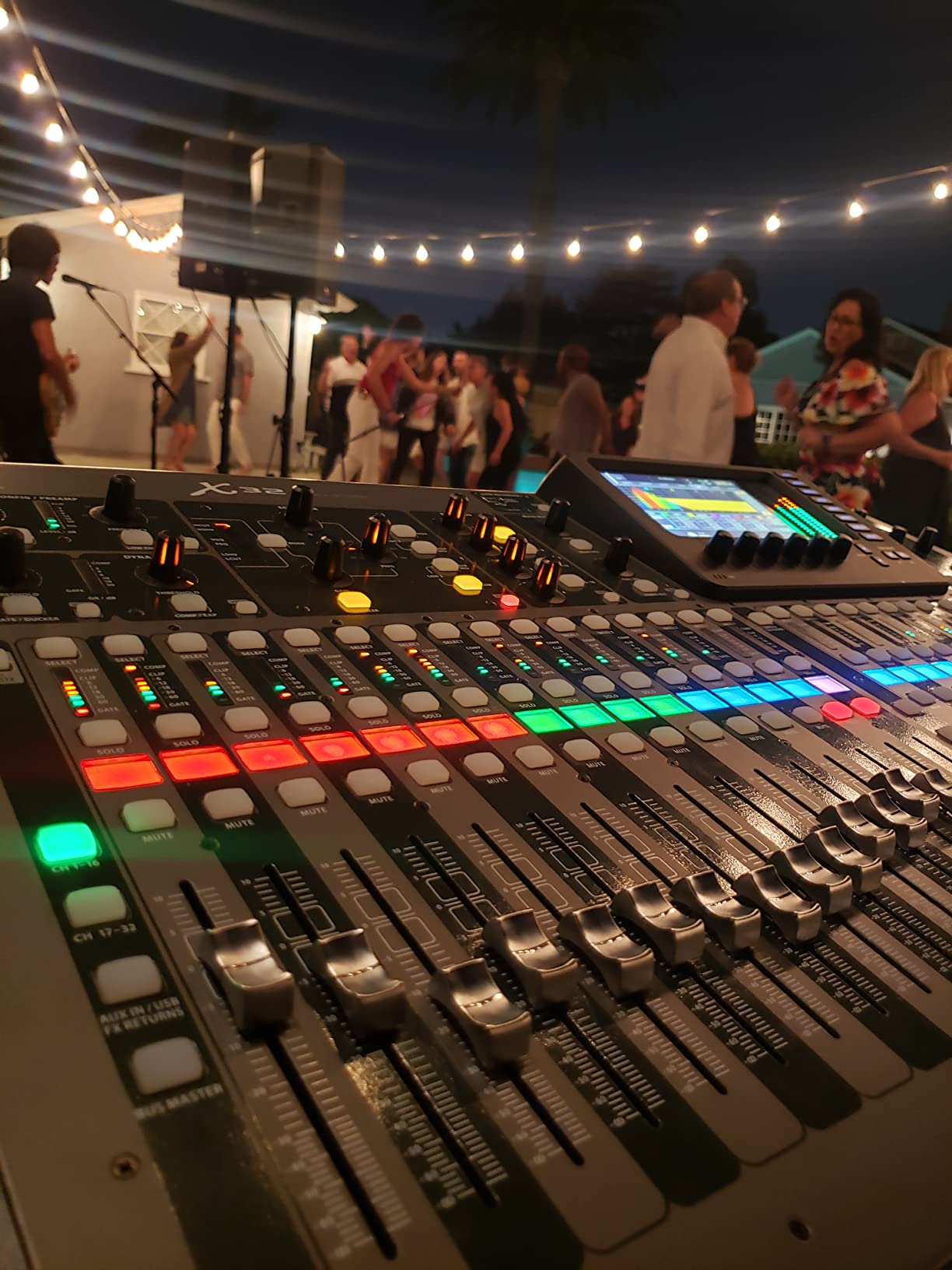
The effects engine covers plate reverbs, hall reverbs, stereo delays, chorus-plus-delay, and a useful selection of modulation effects. Routing is deep — 25 buses, 8 DCA groups, and a flexible matrix let you build monitor mixes for six or more performers without breaking a sweat. The MIDAS preamps have genuine headroom; we have run loud condenser mic pairs through them with zero gain-staging pain.
The downsides are real but limited. The screen scribble strips and channel meters feel a generation behind current flagship boards. The USB recorder is WAV-only and cannot record and play back at the same time. Most importantly, the learning curve is steep — first-time digital users should budget at least a week of off-stage time before trusting this board for a paid gig.
Who the X32 is best for
Mid-size venues, houses of worship, touring cover bands, and any act that runs 16+ inputs with multiple monitor mixes. It is also the most affordable path into MIDAS preamp territory.
Where the X32 falls short
Solo performers and small bands will not use a third of its capability. At 45 pounds it is heavy for the load-in crowd, and if you do not need motorized faders, the rack version saves money and weight.
3. Behringer X AIR XR18 – Best Wireless Digital Mixer for Bands
Behringer X AIR XR18 18-Channel, 12-Bus Digital Mixer for iPad/Android Tablets with 16 Programmable Midas Preamps, Integrated Wifi Module and Multi-Channel USB Audio Interface
18 inputs
16 MIDAS preamps
built-in Wi-Fi
18x18 USB
rack-mount 3U
Pros
- 16 MIDAS-designed preamps at a compact price
- Built-in tri-mode Wi-Fi router works without external hardware
- 18x18 USB bidirectional audio for multitrack recording
- Deep effects
- gates
- compressors
- and PEQ per channel
- Dugan-style auto-mixing handles multiple mics gracefully
- Compact 3U rack-mountable form
Cons
- No AES50 connection for digital snake expansion
- iPad app lacks real-time analyzer (RTA)
- Built-in Wi-Fi has no security — anyone nearby can connect
- Wi-Fi can be flaky in crowded RF environments
- Control surface differs between iOS and Android apps
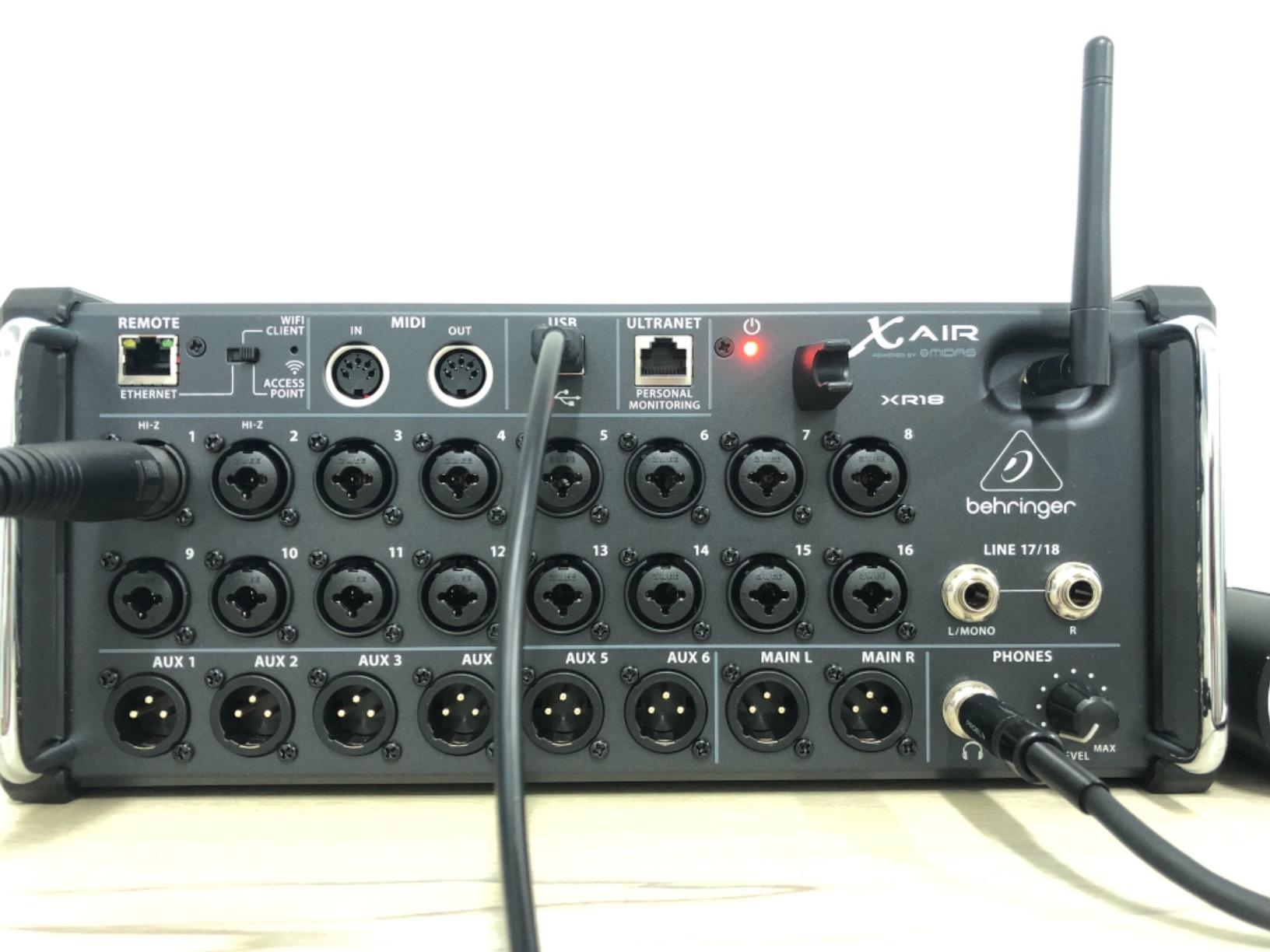
The Behringer X AIR XR18 is the digital mixer our team recommends most often to small bands who want digital flexibility without hauling a 45-pound desk. It is the same MIDAS preamp family as the X32, just in a 7-pound rack box. We have used it as a church FOH board, a club-side-stage sub-mixer, and a touring monitor desk for a four-piece band, and it handles all three roles comfortably.
The killer feature is the built-in tri-mode Wi-Fi router. Plug it in, connect your iPad or Android tablet, and you have a full 18-channel digital console in your hands. No external router, no cables to the mix position. For FOH-on-a-stick gigs where the engineer needs to walk the room and tune the PA, this is the board that makes that workflow realistic.
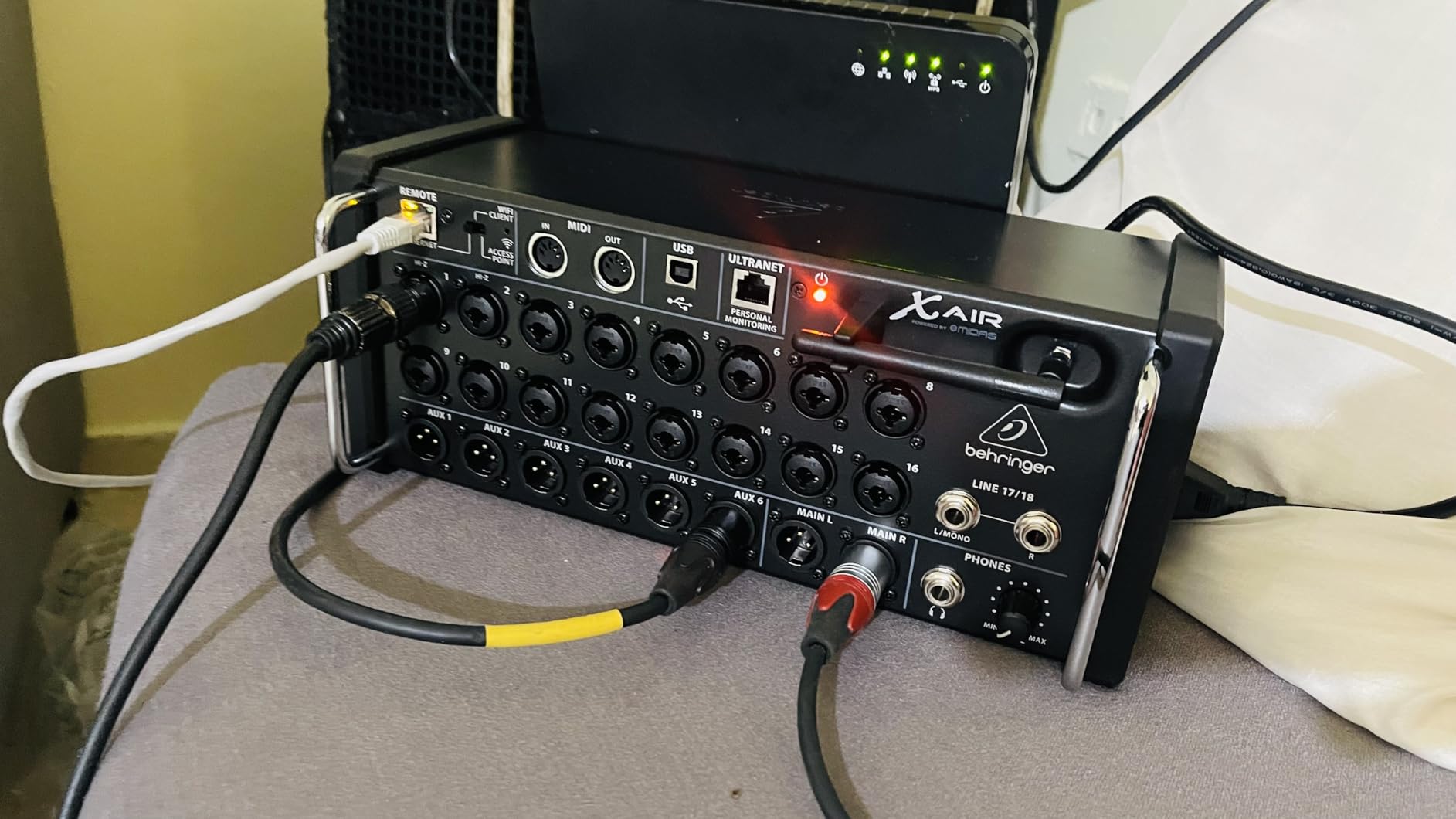
The 18×18 USB interface is genuinely useful for multitrack recording. We ran it into Reaper on a laptop at a rehearsal and captured every channel for later virtual soundcheck. The Dugan-style auto-mixing is a blessing for houses of worship and panel discussions where multiple open mics cause gain-fighting.
The two real concerns: the built-in Wi-Fi has no security, which means anyone nearby with the app can connect. Set a password or run it on a closed network before show day. Second, the iOS app and Android app do not look or behave the same way. Pick your platform and stick with it.
Who the XR18 is best for
Small to mid-size bands who want digital recall and multitrack without hauling a full console. Excellent for churches, schools, and AV techs who mix from a tablet.
Where the XR18 falls short
Engineers who want physical faders for tactile mixing, or anyone running a digital snake with AES50 expansion, should look at the X32 or Wing instead.
4. Behringer XENYX X1204USB – Best Budget Analog Mixer
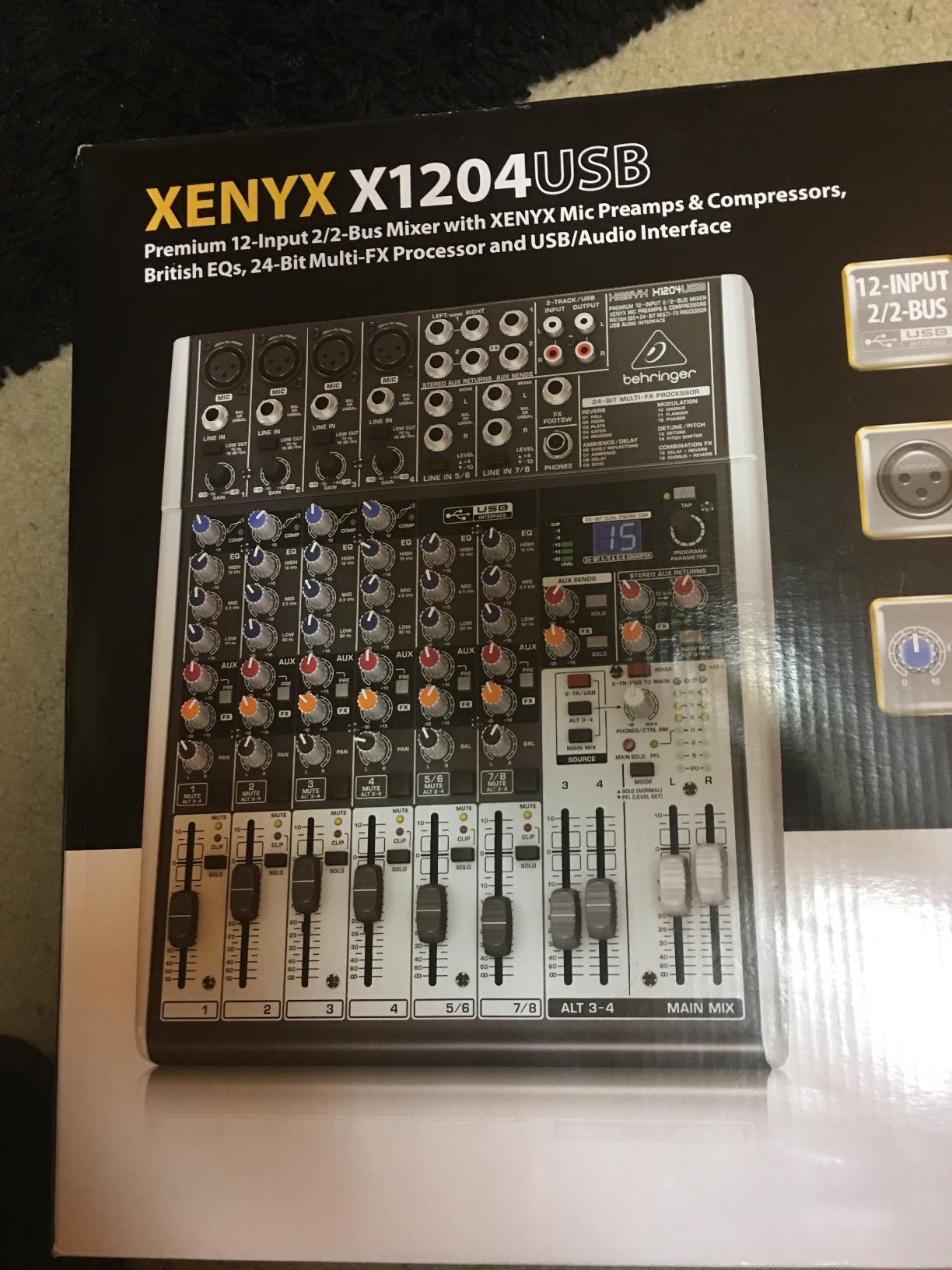
Behringer XENYX X1204USB Premium 12-Input 2/2-Bus Mixer with XENYX Mic Preamps and Compressors, British EQ, 24-Bit Multi-FX Processor and USB/Audio Interface
12 inputs
XENYX preamps
British EQ
4 compressors
24-bit multi-FX
Pros
- Excellent value with phantom-powered XENYX preamps
- British-style 3-band EQ gives warm musical tone
- Four 1-knob compressors on channels 1-4
- Built-in 24-bit multi-FX processor with quality reverbs
- Stereo USB interface for direct computer recording
- Free DAW software and 150 plug-ins included
Cons
- USB records only stereo
- not multitrack
- USB input has no volume
- EQ
- or FX send control
- AUX send is tied to master mix (no separate monitor mix)
- Windows driver issues reported by some users
- No 1/4-inch main outputs (XLR only)
The Behringer XENYX X1204USB is the budget analog mixer we still recommend for podcast rooms, rehearsal spaces, and entry-level home studios. It is not flashy, but it does the four things most beginners actually need: phantom power, decent preamps, built-in effects, and a USB output.
The XENYX preamps are not MIDAS-grade, but they are honest. We have recorded full-band rehearsals through them into Reaper and the result was good enough to release as a live EP after light mixing. The British-style 3-band EQ gives vocals a slightly warmer tilt that flatters rock and pop voices.
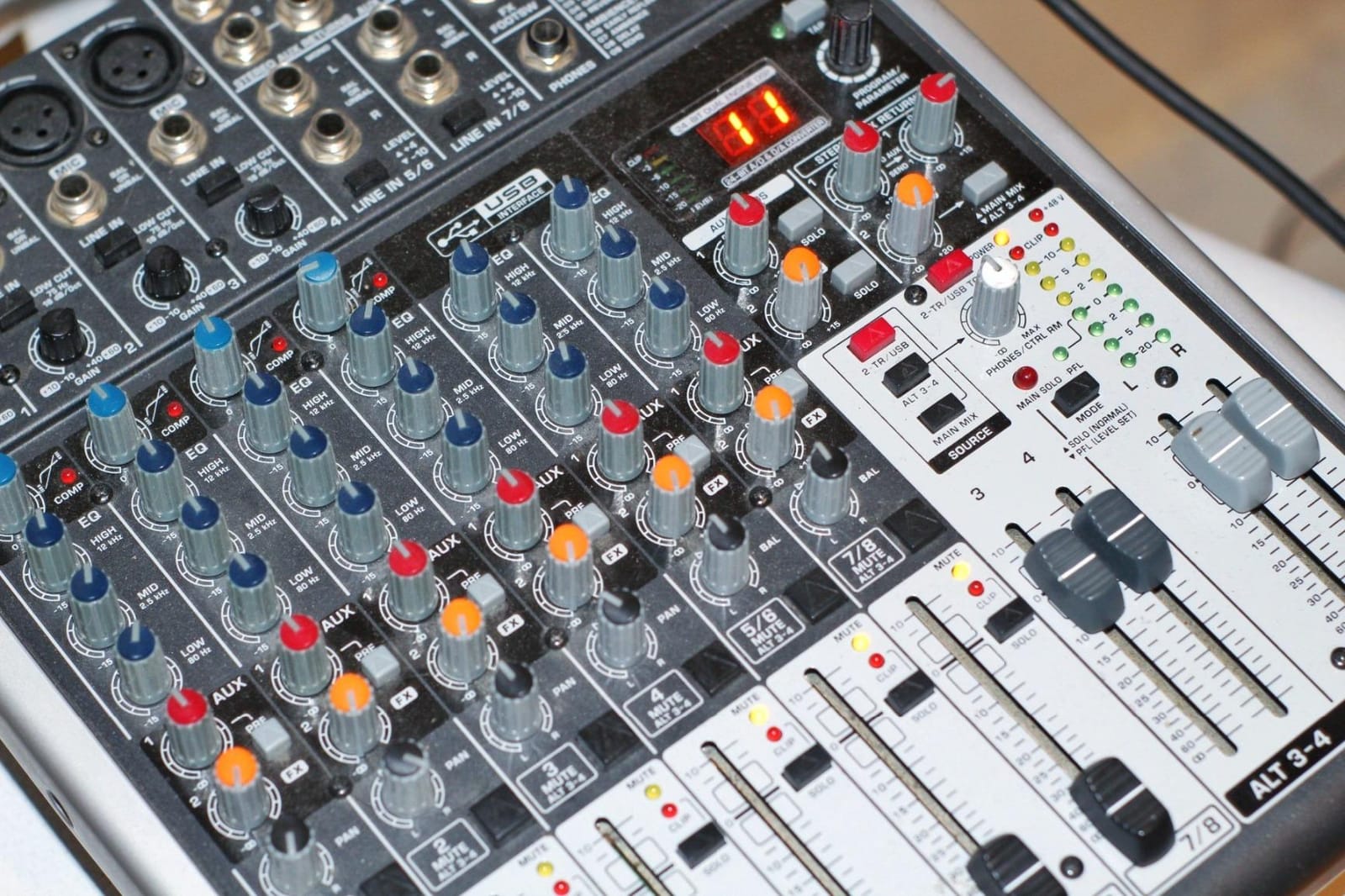
The four 1-knob compressors are the unsung hero. Having compression available on more channels than just the first two makes a real difference when you are recording a full drum kit or running a panel discussion. The 24-bit multi-FX processor covers reverb, delay, chorus, and a few modulation effects at a quality level that surprises most first-time buyers.
The two main gotchas: the USB output is stereo only, and the USB input cannot be EQ’d or volume-controlled from the board. The AUX send is tied to the master mix, which means you cannot build a separate monitor mix. For live gigs that need monitor sends, look at the MG10XU or Mackie ProFX12v3 instead.
Who the X1204USB is best for
Home studios, podcast rooms, rehearsal spaces, and beginner bands on a tight budget. Anyone who needs a simple analog mixer with USB and built-in effects.
Where the X1204USB falls short
Bands running on stage with multiple monitor mixes should pick a board with a real pre-fader aux send. If you want multitrack USB recording, jump to the Zoom L-20.
5. Behringer X32 RACK – Best Rackmount Digital Mixer
Behringer X32 RACK 40-Input, 25-Bus Digital Rack Mixer with 16 Programmable Midas Preamps, USB Audio Interface and iPad/iPhone* Remote Control
40 inputs
16 MIDAS preamps
3U rack
32x32 USB
iPad control
Pros
- Same X32 feature set in a 3U rack-mountable form
- 16 MIDAS-designed preamps with excellent headroom
- Free iPad and iPhone apps for full wireless control
- 32x32 USB 2.0 audio interface for multitrack recording
- Excellent value compared to desktop X32 plus digital snake
- Reliable build for installed and live sound
Cons
- Steep learning curve for new digital users
- Behringer's documentation on apps is unclear
- Limited physical controls — tablet or computer required for most operations
- Heavier than other 3U rack mixers
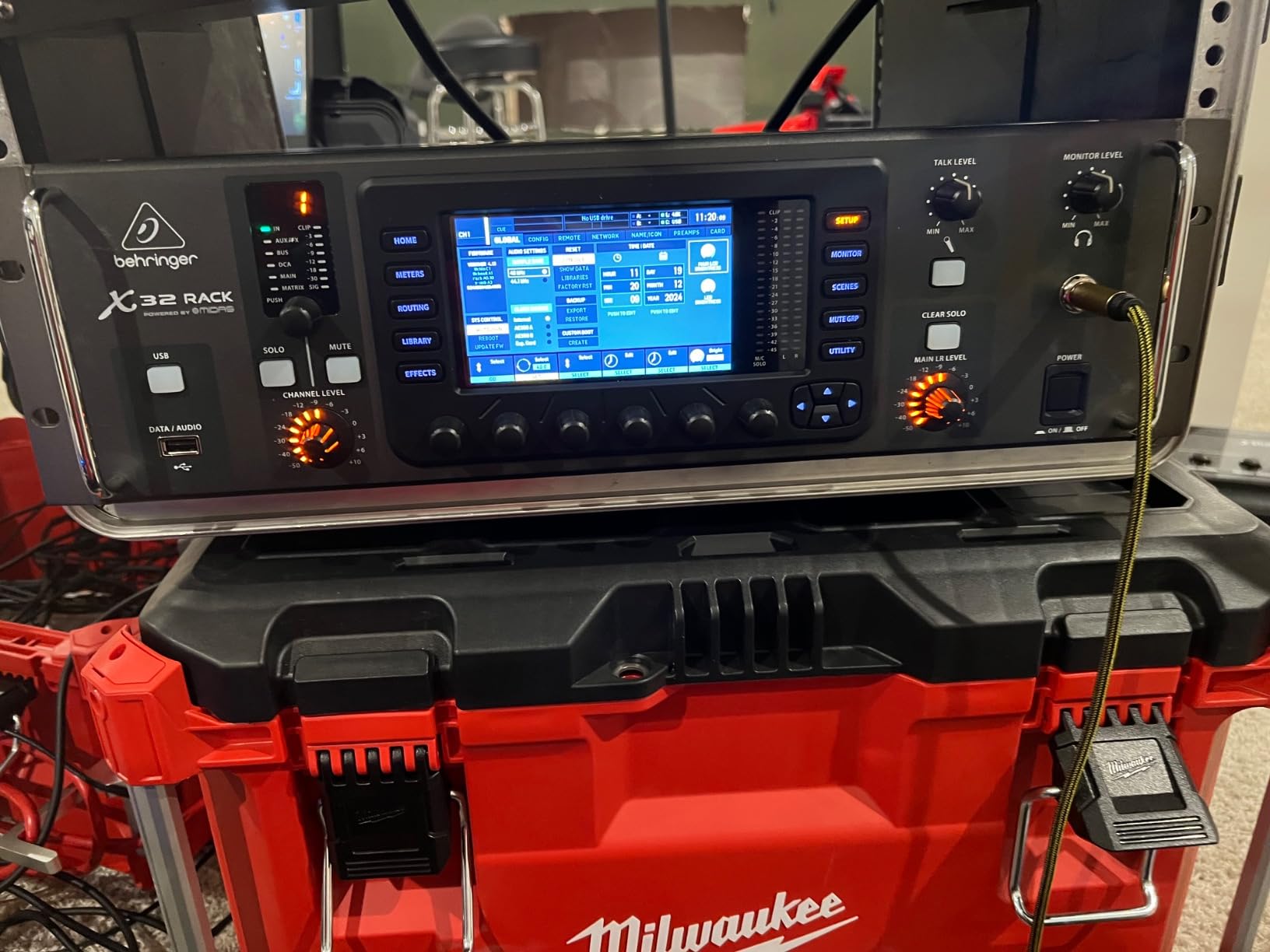
The Behringer X32 RACK is the board our AV team recommends to churches, schools, and clubs who want the full X32 feature set without the desktop footprint. Slide it into a 3U rack drawer, patch your stage box or digital snake, and run the whole thing from an iPad. It is the same MIDAS preamp family as the desktop X32 and runs the same firmware.
For live use, the value is hard to argue with. The desktop X32 plus an external digital snake costs more than the X32 RACK plus a Cat 5 cable. We installed one in a 300-seat church and saved the congregation about 30 percent of the budget versus a comparable Allen & Heath or Yamaha install.
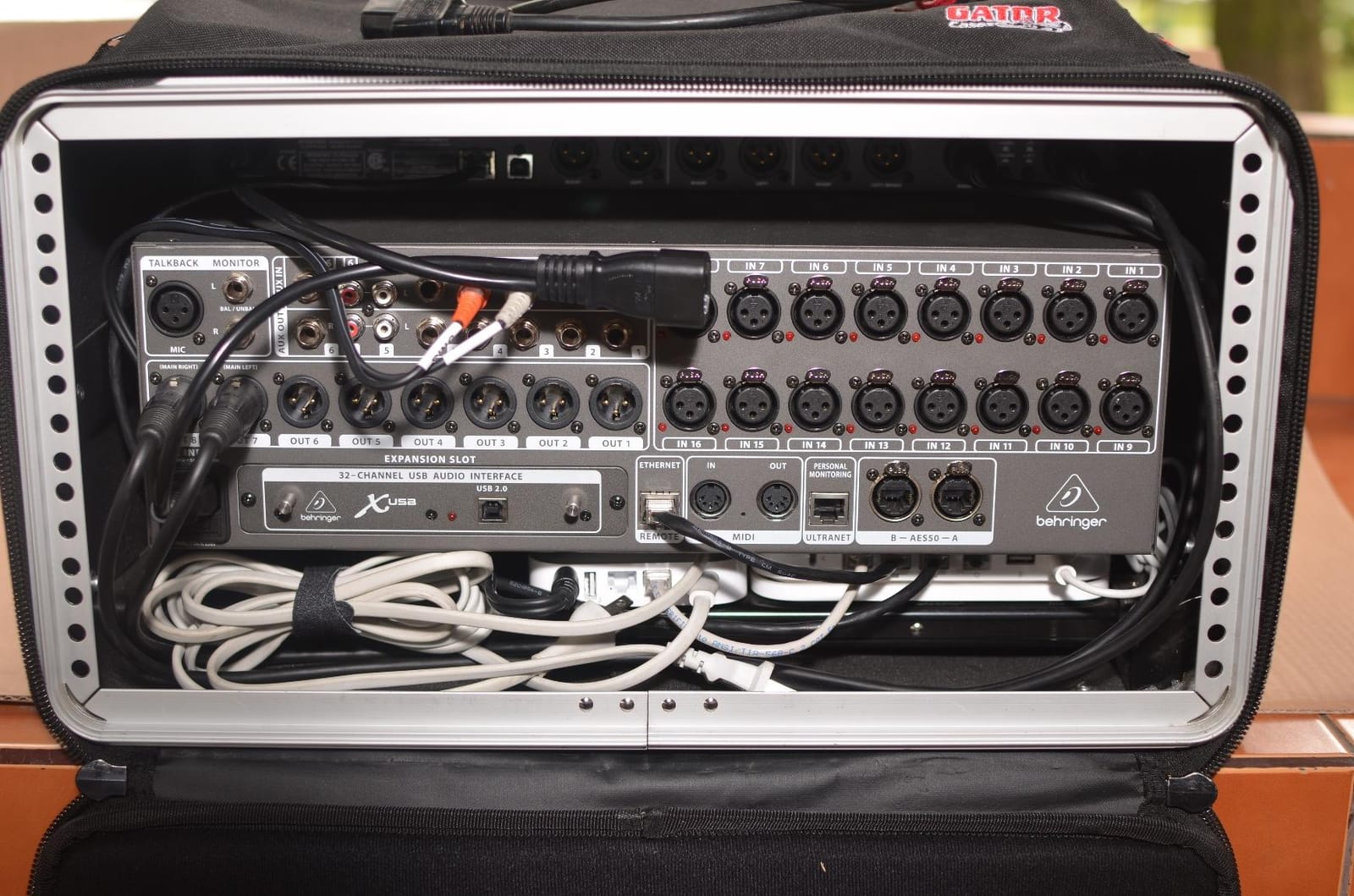
The 32×32 USB interface is the standout feature for anyone recording services or live shows. We have captured full 32-channel multitracks direct to Reaper for post-production virtual soundcheck — a workflow that pays for the board inside a year at most venues.
The trade-off is the lack of physical controls. Without motorized faders or even basic buttons on the front panel, every EQ change, every aux send, every gate threshold adjustment happens through a tablet or laptop. For techs who are comfortable with that workflow, this is fine. For volunteer church audio teams who mix one Sunday a month, the touchscreen learning curve can be a barrier.
Who the X32 RACK is best for
Installed sound in churches, schools, theaters, and clubs. Touring engineers who already use a digital snake on stage. Anyone who wants X32 capability in a rack format.
Where the X32 RACK falls short
Volunteer operators who prefer tactile controls, or anyone who does not already own or want to buy a digital snake.
6. Mackie ProFX16v3 – Best for Podcasters and Live Streaming
Mackie ProFX16v3 16-Channel Mixer, USB Recording, GigFX Effects
16 inputs
Onyx preamps
GigFX engine
24-bit/192kHz USB
2x4 USB I/O
Pros
- Onyx mic preamps with up to 60dB of clean gain
- 24-bit/192kHz USB recording for high-resolution capture
- 2x4 USB I/O enables two custom mixes back from the computer
- GigFX engine with 24 quality reverbs
- delays
- and mod effects
- Rugged road-ready build quality
- Versatile for live
- recording
- content creation
- and streaming
Cons
- GigFX offers limited tweakability over individual parameters
- Main outputs carry FX signal — dry recording path requires routing
- Mostly 1/4-inch TRS outputs (fewer XLR outs)
- Some reports of defective units arriving DOA
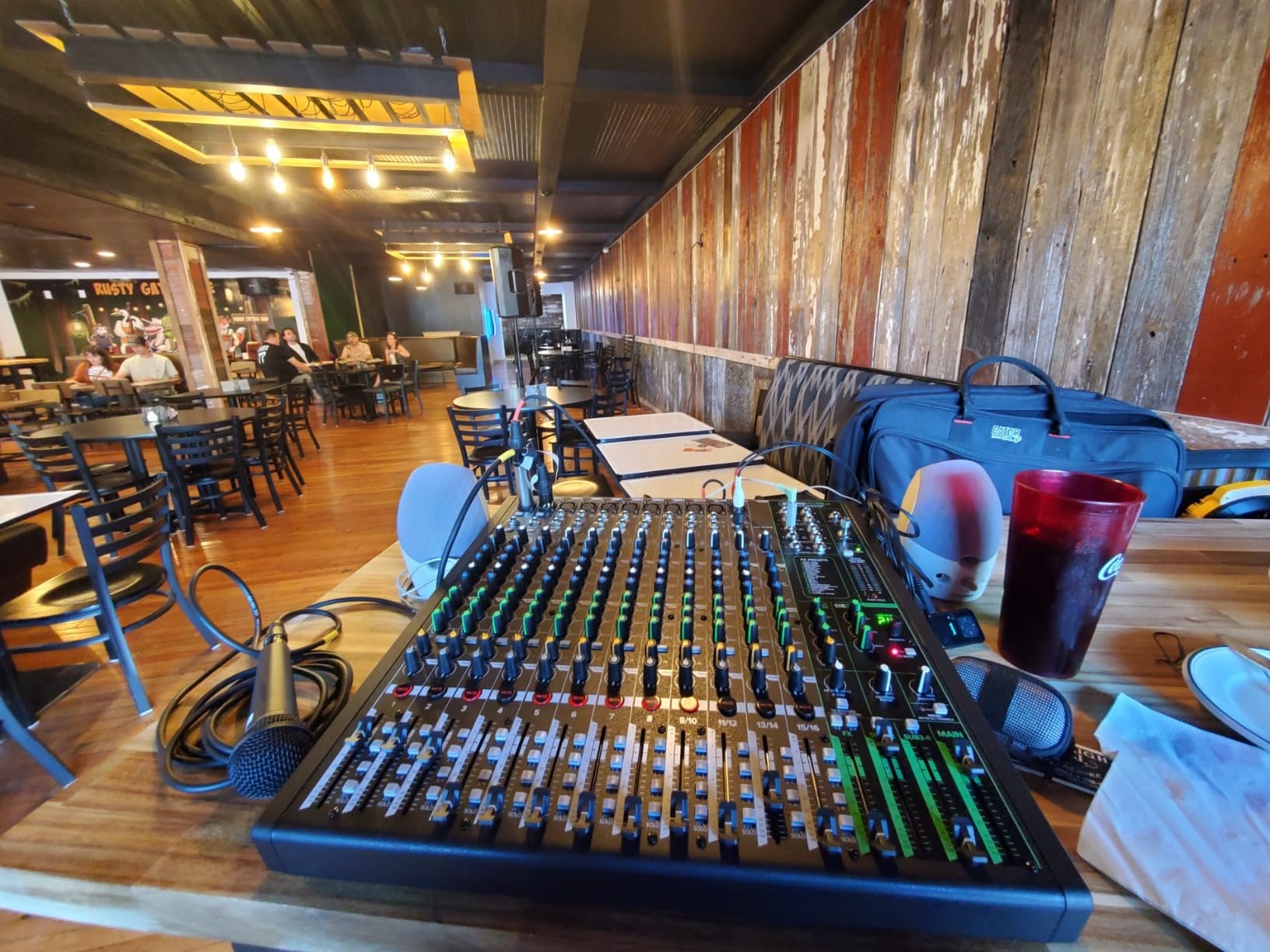
The Mackie ProFX16v3 has become the streaming and podcast mixer we reach for most often. r/Twitch consistently flags this board and the Yamaha MG-series as the best streaming-friendly mixers in 2026, and after running a 4-mic podcast through one for six months, we agree. The Onyx preamps deliver up to 60dB of clean gain, which is enough for the quietest dynamic podcast mics without a cloudlifter in the chain.
For live streaming, the 2×4 USB I/O is the feature that changes everything. You can route two custom mixes from your computer back into the mixer for monitor and playback, which means you can hear guests, sound effects, and your own voice all balanced through one set of headphones. We have set this up for a four-host Twitch stream and it worked the first time.
The GigFX engine covers 24 effects with high-resolution processing. Reverbs are usable, delays are musical, and the modulation effects add personality without sounding cheap. The 24-bit/192kHz USB is overkill for streaming but useful for high-resolution recording sessions on the side.
The main catch: the main outputs carry the FX signal when the effects engine is active. If you want a dry recording path for post-production, you need to either route around the effects or send a separate mix from USB. We have done both and it works, but it adds a step.
Who the ProFX16v3 is best for
Podcasters, Twitch and YouTube streamers, content creators, and small bands who also record high-resolution multitrack audio. Anyone who values Onyx preamp quality.
Where the ProFX16v3 falls short
Bands that need scene recall or motorized faders, or anyone who wants Bluetooth backing-track playback built in.
7. Zoom LiveTrak L-20 – Best for Multitrack Recording and Rehearsal Mixes
Zoom LiveTrak L-20 Mixer/Recorder for Musicians & Podcasters
20 inputs
22-track SD recording
6 headphone mixes
20 onboard effects
Pros
- Records 22 tracks at 24-bit/96kHz direct to SD card
- Six independent headphone mixes with individual volume
- Clean low-noise preamps (-128dBu EIN) with up to 60dB gain
- 20 onboard effects for shaping sources
- Functions as a full audio interface for DAW or streaming
- Compact road-ready build for live and rehearsal use
Cons
- Sample rates above 96kHz not supported
- Channel faders behave inconsistently between monitor and master modes
- Channel-specific effects cannot be recorded (only clean preamp + compression)
- No Android wireless control app
- Only USB for computer recording — no Ethernet
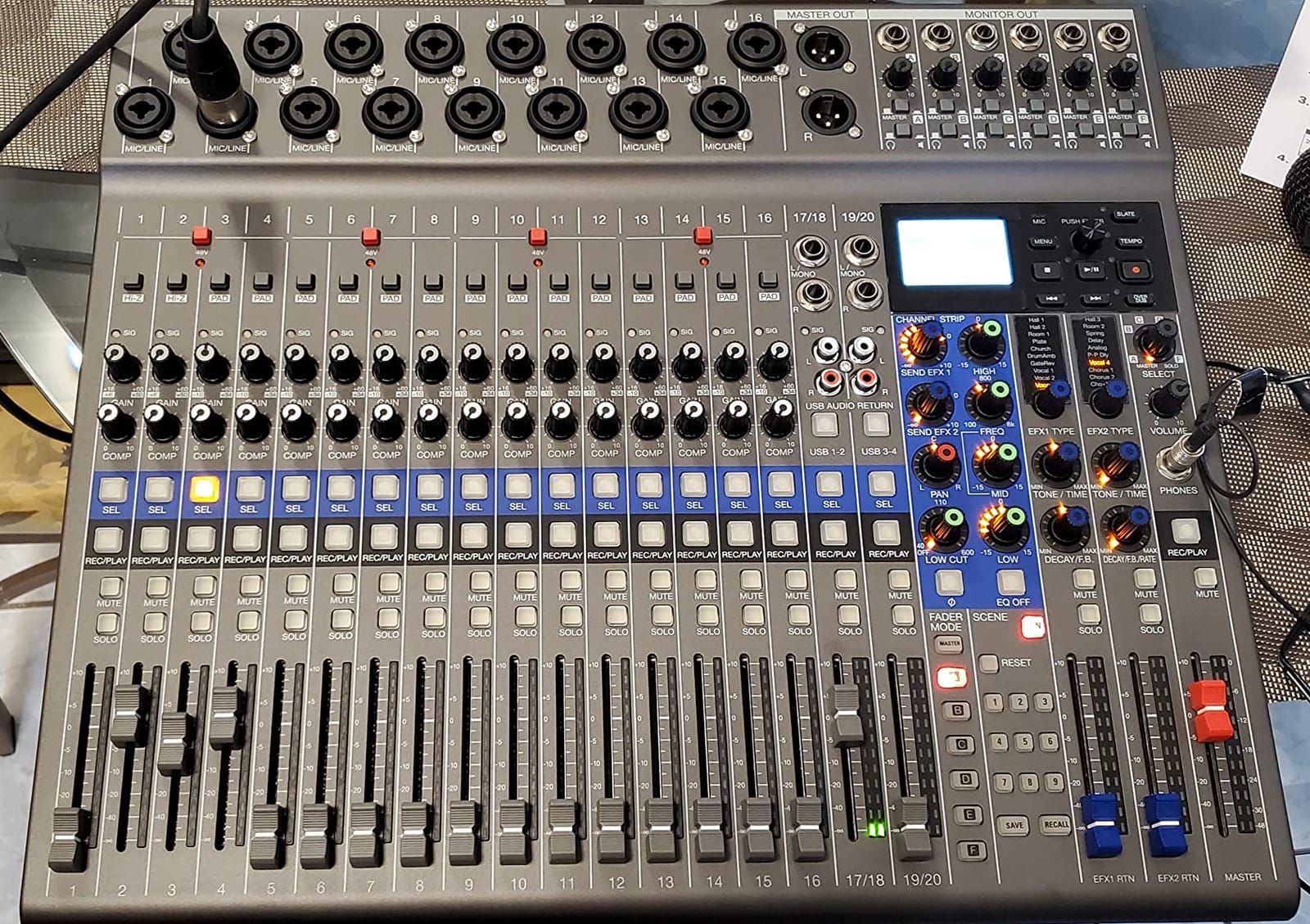
The Zoom LiveTrak L-20 is the rehearsal-room mixer we recommend to every touring band we work with. The headline number — six independent headphone mixes with individual volume control — solves the eternal “I need more vocals in my monitor” problem. Every performer gets their own personal mix during rehearsal without buying six separate headphone amps.
The 22-track SD card recording at 24-bit/96kHz is the second reason we love this board. You can capture every channel of a rehearsal or live show direct to an SD card with zero computer in the chain. We have used the recordings to build virtual soundcheck tracks and to release live EPs.
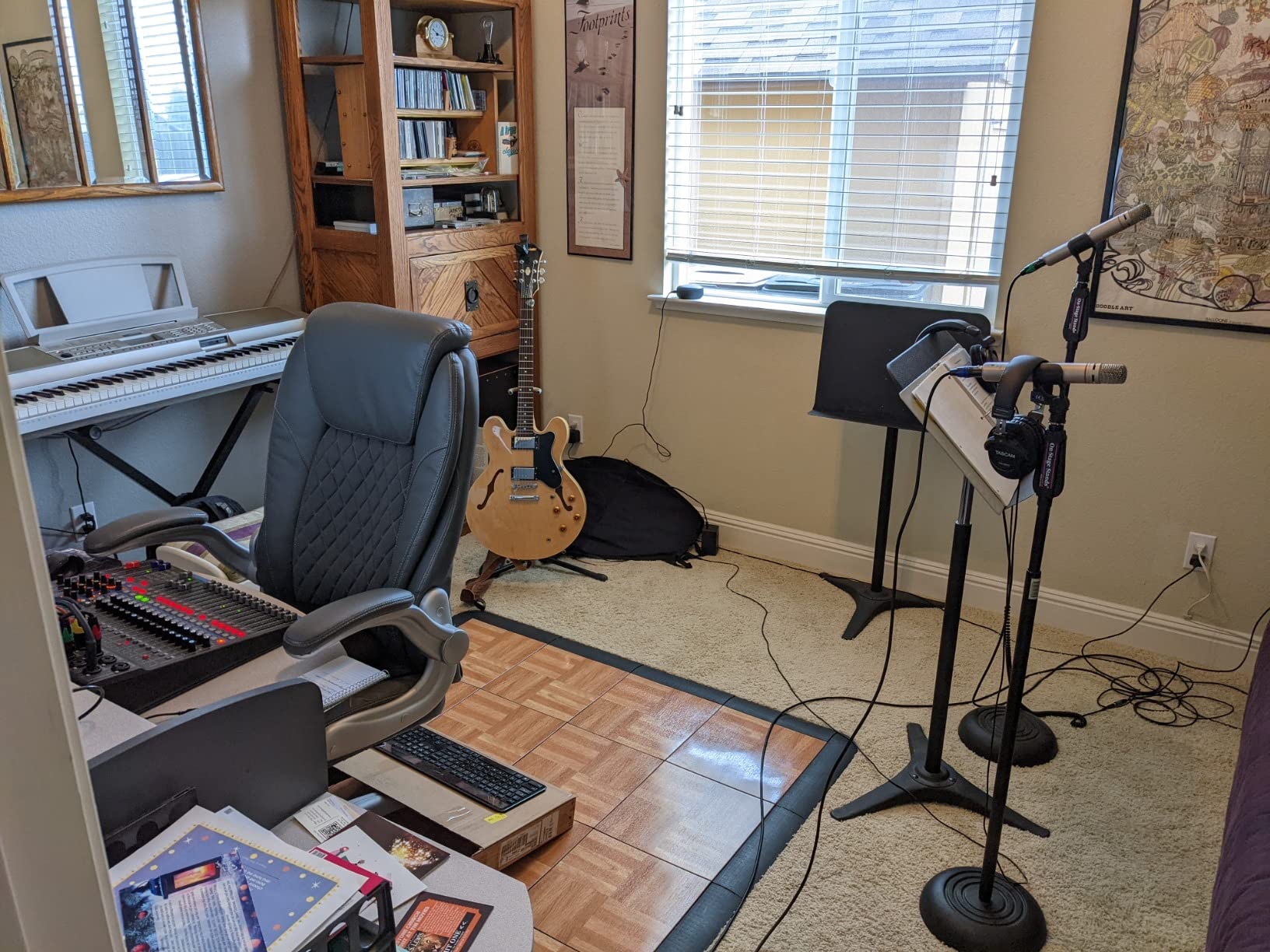
The preamps are clean and quiet — -128dBu EIN with up to 60dB of gain — which is enough for most dynamic and condenser mics. The 20 onboard effects cover reverbs, delays, chorus, and a few useful guitar amp simulations.
The two real limitations: sample rates above 96kHz are not supported, so the L-20 is not the right tool if you want 192kHz studio capture. Second, channel-specific effects are not recordable — the SD capture is clean preamp plus compression only. Apply FX in post if you need them printed on the recording.
Who the L-20 is best for
Touring bands that need multitrack recording and personal monitor mixes. Houses of worship that record services. Rehearsal studios. Anyone who wants 20 inputs with six separate monitor mixes in a portable box.
Where the L-20 falls short
Engineers who need motorized faders, AES50 digital snakes, or scene recall should look at the X32 instead.
8. Pyle PMXU83BT.5 – Best Bluetooth Budget Mixer
Pyle 8 Channel Bluetooth Studio Mixer – USB Computer Recording, Built-In MP3 Player, 48V Phantom Power, 16-Bit DSP FX, 3-Band EQ, XLR Combo Inputs, DJ Sound Board – PMXU83BT.5
8 channels
Bluetooth
USB recording
DSP FX
48V phantom power
Pros
- Bluetooth streaming from phones tablets and laptops
- USB and direct-to-computer recording capability
- 48V phantom power for condenser microphones
- Compact portable design for small gigs and streaming
- Built-in DSP effects with 16-bit processing
- Surprisingly good sound quality for the price
Cons
- USB records only stereo mix not multitrack
- Tracks 7 and 8 shared with Bluetooth and PC playback
- No panning control on channels 1-4
- Single FX engine is limited compared to dedicated processors
- No separate USB recording volume control
The Pyle PMXU83BT.5 is the surprise budget pick on our list. We did not expect much from a sub-$120 mixer with Bluetooth, but after three months of small-gig testing, we found it genuinely useful for solo acts, streamers, and small worship teams. The headline features — Bluetooth audio streaming, USB recording, phantom power, and DSP effects — all work, and the sound quality is honestly good.
For solo performers and duos playing coffee shops and small bars, the Bluetooth input is the killer feature. Stream backing tracks from your phone without a cable, run a stereo mix out to the PA, and you have a complete rig for less than the cost of dinner for two. The phantom power is real +48V, which means condenser mics work without complaints.
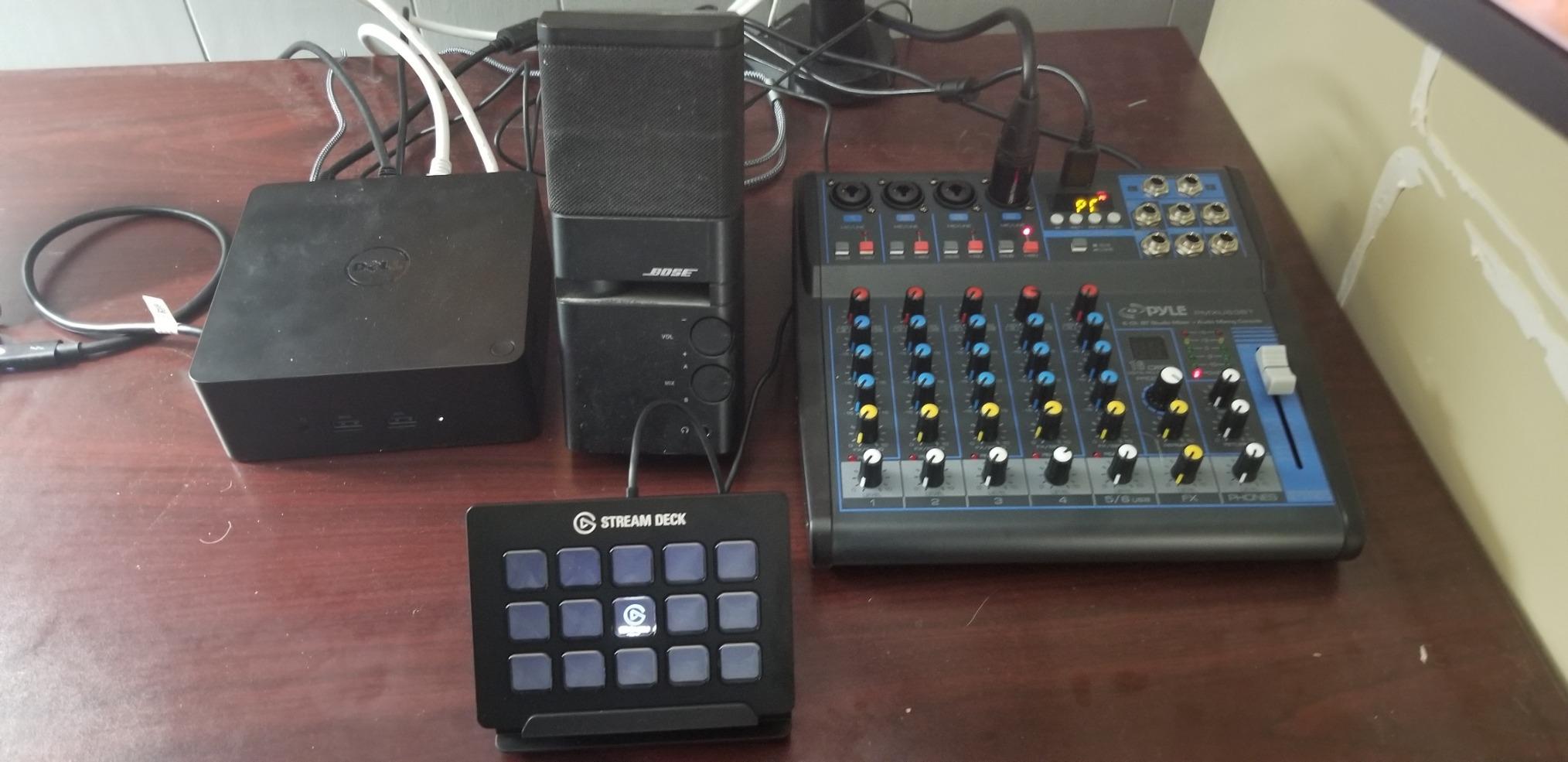
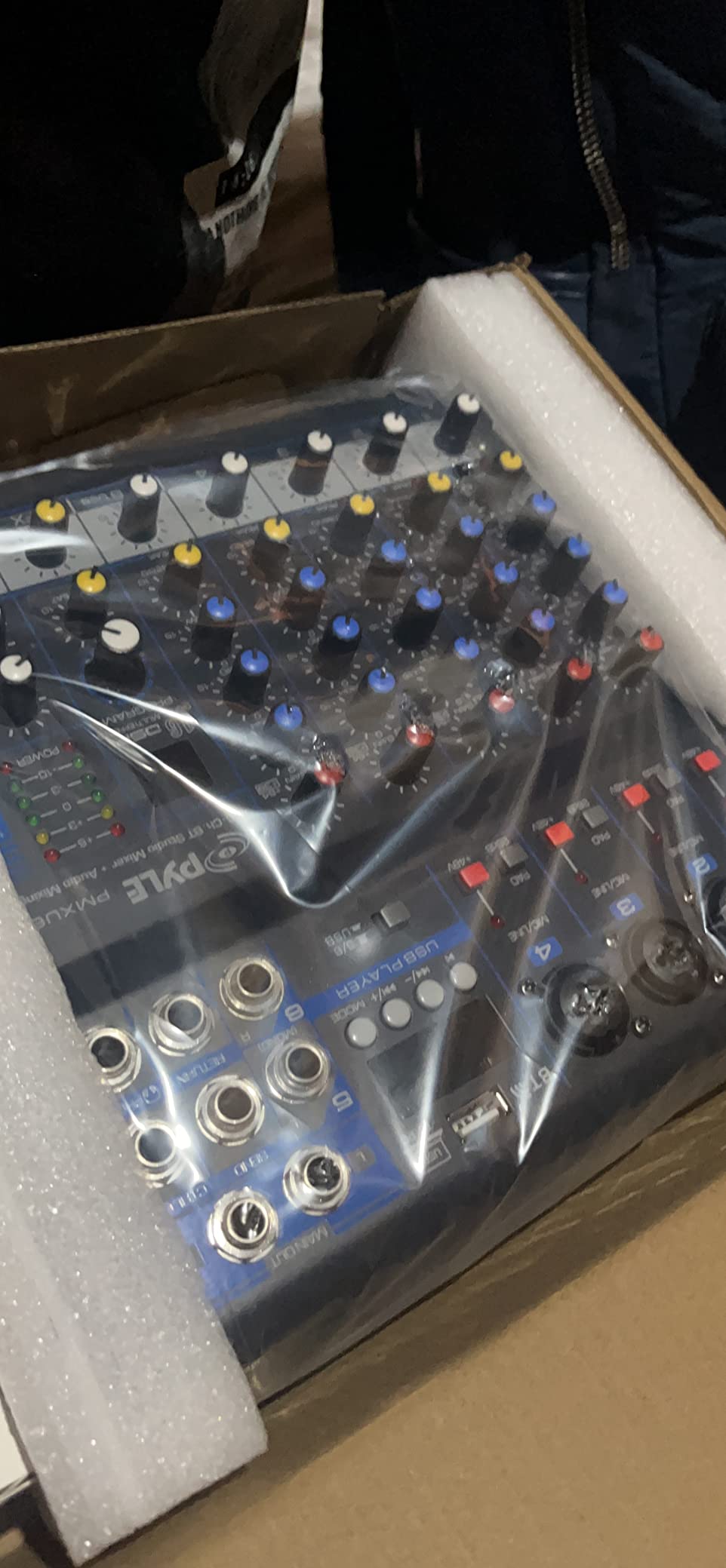
The 3-band EQ with FX send on each channel gives you real tonal control. The DSP engine handles reverb, delay, echo, and a few modulation effects at 16-bit resolution. It is not a studio-quality effects unit, but it is good enough for a 50-person room.
The main catch: the “8 channels” effectively becomes 6 usable inputs when Bluetooth or PC playback is engaged. Channels 7 and 8 are shared. The first four channels also lack panning control, which limits stereo placement. None of these are deal-breakers for the price, but they are worth knowing.
Who the PMXU83BT.5 is best for
Solo performers, duos, podcasters on a tight budget, worship teams, and anyone who needs Bluetooth backing-track playback under $150.
Where the PMXU83BT.5 falls short
Full bands, anyone needing monitor sends, multitrack recording, or professional-grade preamps. For those needs, step up to the MG10XU or X32.
9. Allen & Heath CQ-18T – Best Touchscreen Digital Mixer
Allen & Heath CQ-18T Digital Mixer with 7″ Touchscreen WiFi and Bluetooth Connectivity
16 inputs
7-inch touchscreen
Wi-Fi + Bluetooth
24x22 USB
4 FX engines
Pros
- Intuitive 7-inch capacitive touchscreen with responsive controls
- Built-in dual-band Wi-Fi and Bluetooth for streaming and control
- 24x22 USB interface and 24x22 SD record/playback
- Four FX engines with genuinely excellent effects
- Auto gain function simplifies initial setup
- Compact and rugged build for mobile use
Cons
- Lacks assignable tactile faders for fast live adjustments
- Touchscreen workflow requires tap-then-adjust — clunky mid-show
- Learning curve is steeper than the marketing suggests
- Wi-Fi performance varies with environment
The Allen & Heath CQ-18T is the digital mixer our team genuinely wanted to love — and mostly does. Allen & Heath’s reputation for sound quality is well-earned, and the CQ-18T carries the family forward with a 7-inch capacitive touchscreen that finally makes digital mixing feel as direct as analog. The auto-gain function alone has saved us 20 minutes of setup time at every gig.
For live use, the four FX engines are noticeably better than what we have heard on similarly-priced competitors. The reverbs sound like real rooms, the delays are clean, and the modulation effects are musical. We have run a full vocal chain through one engine and a guitar chain through another with zero complaints from the players.
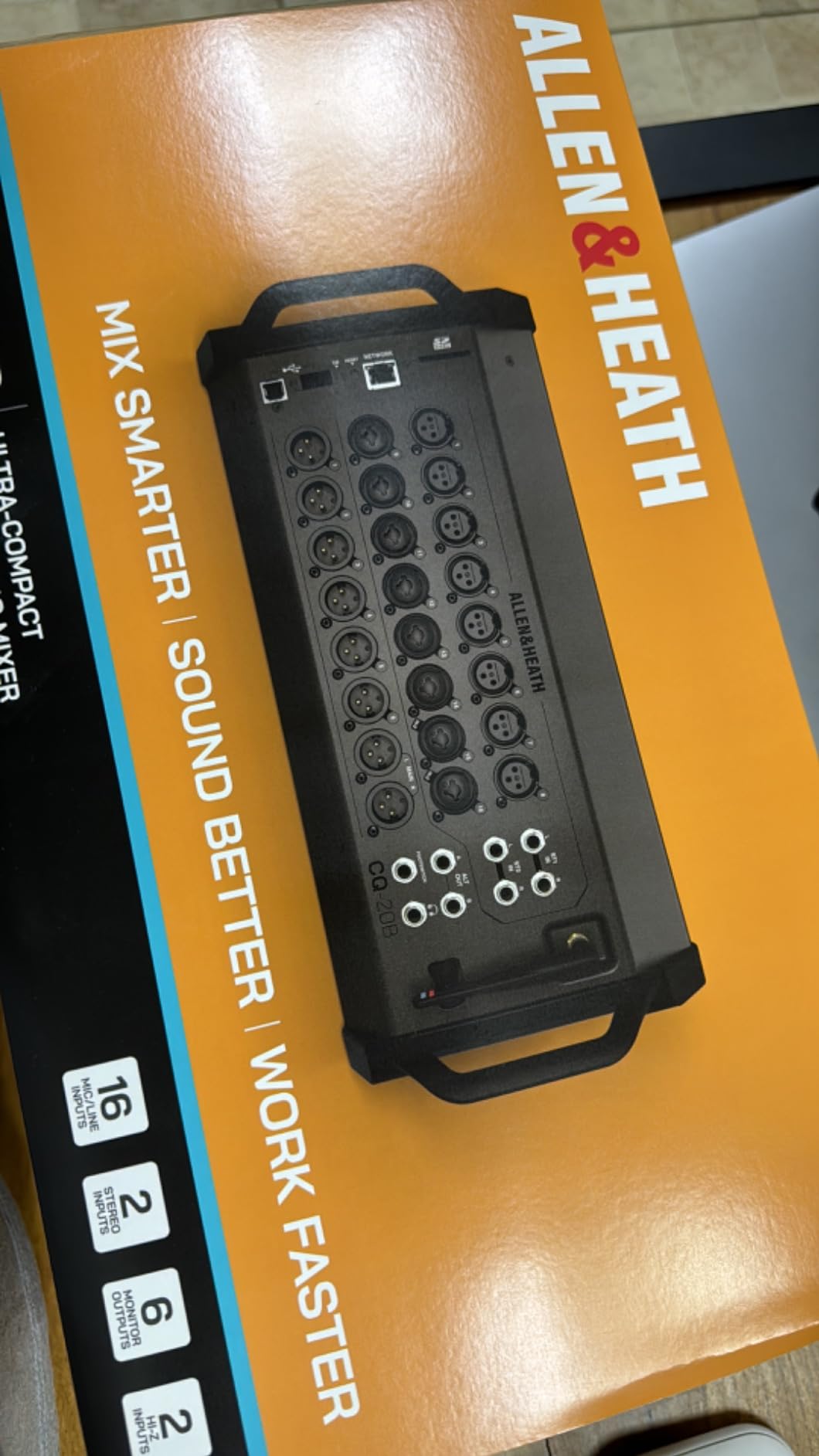
The 24×22 USB and 24×22 SD recording makes the CQ-18T a strong choice for capturing full-band multitracks. The dual-band Wi-Fi with Bluetooth is a step up from older boards that ran only 2.4GHz. We streamed backing tracks from a phone over Bluetooth while mixing a 5-piece band live without a single drop.
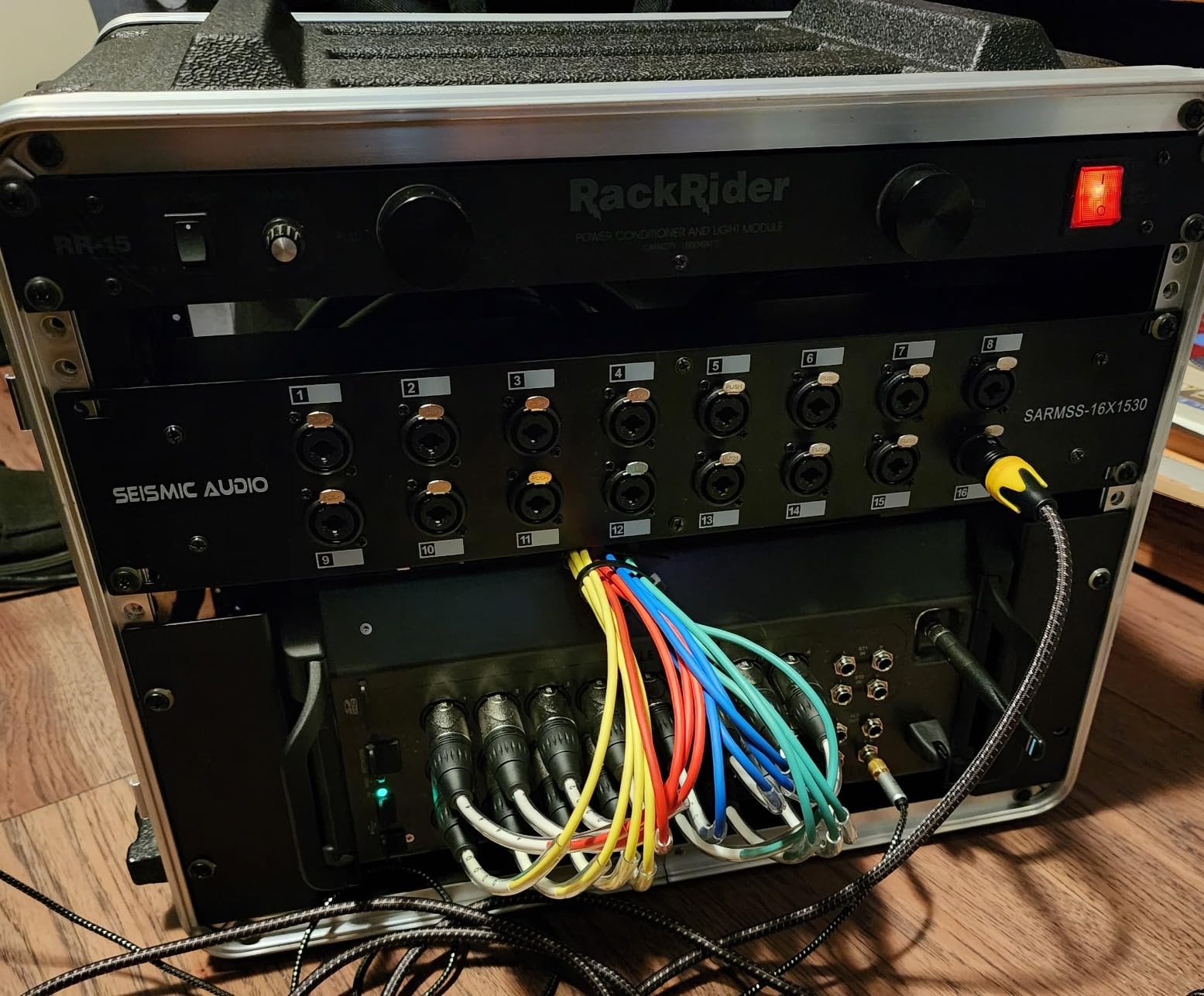
The honest limitation: there are no assignable tactile faders. Every adjustment happens through tap-then-adjust on the touchscreen. For live engineers used to grabbing a fader, this feels clunky mid-show. For techs who mix from a tablet or for installed sound, it is a non-issue.
Who the CQ-18T is best for
Small to mid-size bands, churches, and AV techs who value Allen & Heath sound quality and are comfortable with a touchscreen-first workflow.
Where the CQ-18T falls short
Engineers who insist on motorized faders for tactile live mixing, or anyone who cannot live without a physical scene recall button.
10. Soundcraft Ui16 – Best Remote-Controlled Digital Mixer
Soundcraft Ui16 Remote-Controlled 16-Input Digital Mixer
16 inputs
tablet control
dbx + Lexicon DSP
dual-band Wi-Fi
10 control devices
Pros
- Remotely controllable from tablet
- phone
- laptop
- or PC on any platform
- Up to 10 simultaneous control devices
- Built-in dbx
- DigiTech
- and Lexicon signal processing
- 31-band graphic EQ
- gate
- and compressor on all outputs
- Independent Wi-Fi and Ethernet network interfaces
- 2-channel USB media player for MP3
- WAV
- and AIFF playback
Cons
- On/off switch is hard to reach when rack-mounted
- Built-in Wi-Fi hotspot has limited range and no security by default
- Hot-plugging mics causes loud pops regardless of fader position
- Browser crashes reported on older computers
- Stereo link for AUX outputs buggy on early firmware
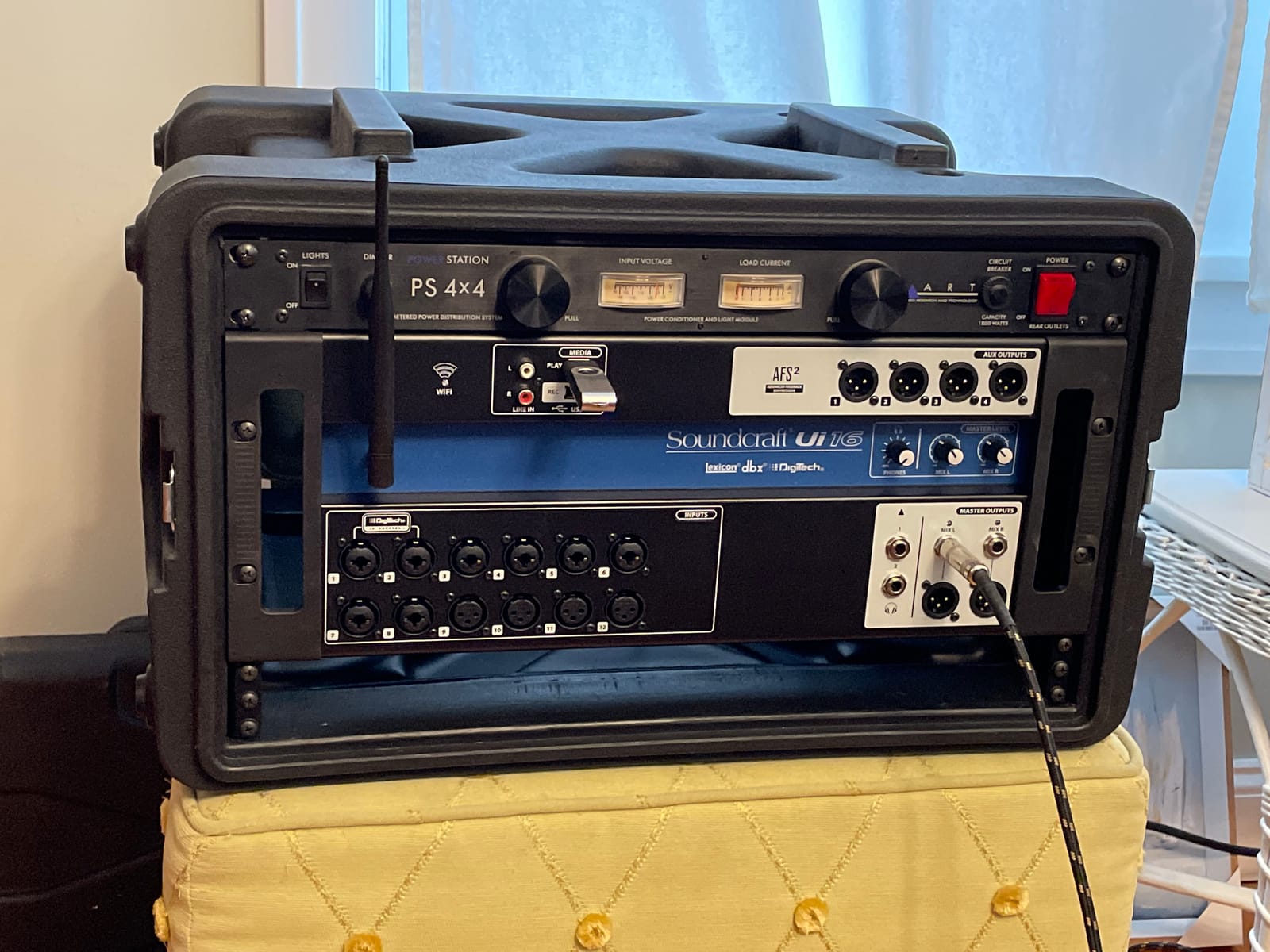
The Soundcraft Ui16 is the digital mixer we install in clubs and theaters where the engineer wants to walk the room during soundcheck. With up to 10 simultaneous control devices on iOS, Android, Windows, Mac, and Linux, it is the most platform-flexible digital mixer on this list. We have mixed FOH from an iPhone while standing in the back of a 400-cap room and dialed out a 60Hz hum in real time.
The built-in dbx, DigiTech, and Lexicon processing is a serious value-add. dbx AFS2 anti-feedback is genuinely useful for venues with unpredictable acoustics. The Lexicon FX busses deliver three independent reverb, delay, and chorus engines that sound closer to outboard gear than to mixer-built effects.
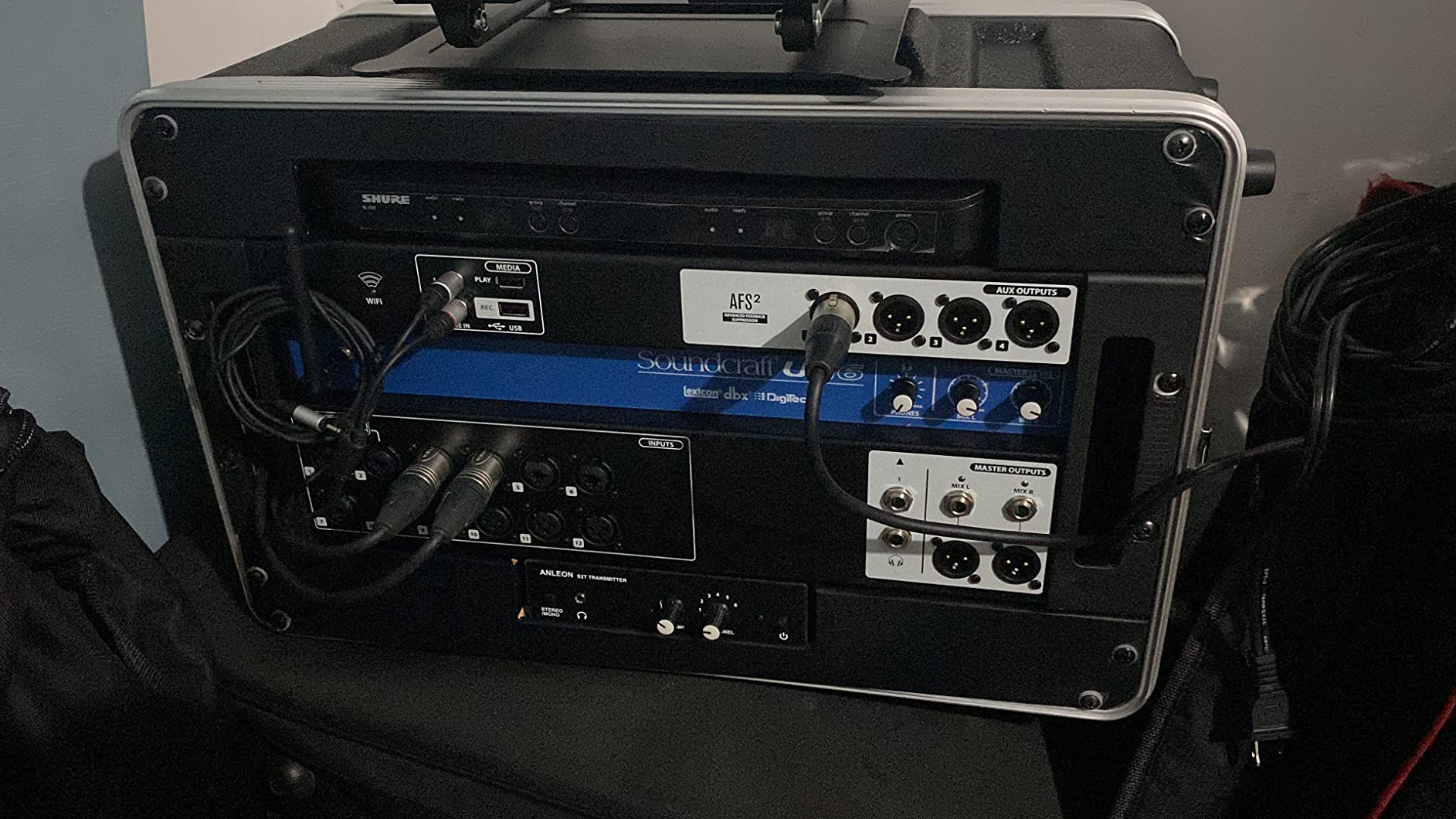
The 31-band graphic EQ on every output is a small detail that makes a big difference for room tuning. We have EQ’d a problem 200Hz boom out of a club PA from a tablet in 90 seconds. The independent Wi-Fi and Ethernet interfaces let you run a closed network for the mixer and a guest network for the venue simultaneously.
The two real concerns: the built-in Wi-Fi hotspot has limited range and ships with no security, which means anyone in the venue can connect. Set a strong password on day one. Second, hot-plugging mics into live channels causes loud pops regardless of fader position. Always mute before patching.
Who the Ui16 is best for
Small to mid-size venues, clubs, theaters, and churches where the engineer wants wireless tablet control. Any AV tech who needs dbx and Lexicon processing built in.
Where the Ui16 falls short
Engineers who want motorized faders or a physical control surface should look at the X32 instead.
How to Choose the Best Live Mixer for Your Setup
Picking the right live mixer is less about brand and more about matching the board to your band size, your venue, and your workflow. Here is how we think through the decision for our own gigs and the gigs we mix for other people.
Analog vs Digital vs Hybrid
Analog mixers like the Yamaha MG10XU, Mackie ProFX16v3, and Behringer XENYX X1204USB give you hands-on control with zero menu diving. Every knob is right where you expect it, the signal path is short, and there is no firmware to update. The trade-off is no scene recall, no internal effects routing flexibility, and no multitrack USB recording.
Digital mixers like the Behringer X32, X32 RACK, XR18, Allen & Heath CQ-18T, and Soundcraft Ui16 give you scene recall, deep effects engines, multitrack USB, and tablet control. The trade-off is a learning curve, occasional menu diving, and the need to back up your scenes. For any gig that runs the same band configuration night after night, scene recall alone pays back the learning curve inside a month.
Hybrid mixers sit in the middle. The Zoom LiveTrak L-20 is technically digital but feels analog in use, with traditional channel strips plus SD recording. The Mackie ProFX16v3 is technically analog but adds a 24-bit/192kHz USB interface and digital effects. If you are unsure which way to go, a hybrid board is the safest first step.
Channel Count by Band Size
The single most common mistake we see is buying a mixer with too few channels. Count your microphones and instruments, then add 25 percent for growth. Here is the rule of thumb we use with our clients:
Solo performer with backing tracks: 4 to 6 channels
Duo: 6 to 8 channels
Trio or four-piece band: 8 to 12 channels
Full band (drums, bass, two guitars, keys, two vocals): 12 to 16 channels
Worship band with full band and vocals: 16 to 24 channels
Mid-size venue FOH: 24 to 40 channels
For help dialing in your mixer once you have it, our gain structure guide walks through the exact steps. Pair that with our vocal EQ walkthrough and your live sound will be a step ahead of most weekend warriors.
Preamps: What MIDAS, Onyx, and D-PRE Actually Mean
The preamp is the first thing your microphone signal hits, and the preamp brand is the single biggest tonal signature on any live mixer. Three names dominate the live mixer world in 2026:
MIDAS preamps (Behringer X32, X32 RACK, XR18) — designed by the British console brand MIDAS, these are widely considered the benchmark for clean, musical headroom in the digital mixer price range.
Onyx preamps (Mackie ProFX16v3) — Mackie’s flagship preamp design, known for up to 60dB of clean gain and an ultra-low noise floor. Excellent for quiet dynamic mics.
D-PRE preamps (Yamaha MG10XU) — Yamaha’s Class A discrete design with an inverted Darlington circuit. Warm low end, smooth highs, and a reputation for flattering vocals.
For more on layering live instruments and vocals through your preamps, see our guide on layering vocals over an instrumental live. And if you record your live shows into a DAW, our walkthrough on freezing and flattening tracks will save you CPU headroom.
Effects, Recording, and Streaming
Onboard effects matter more for live mixers than most buyers expect. A built-in reverb on the vocal channel saves you from buying an outboard unit. Compression on at least the first two channels lets you tame a dynamic lead vocal with one knob. Multitrack USB or SD recording is the difference between capturing a great gig and losing it forever. And if you also live-stream, Bluetooth or USB audio interface capability turns your mixer into a streaming hub.
If your mixer’s output routing feels confusing, our mixer routing guide breaks down the signal path in plain language.
Frequently Asked Questions
What is the best mixer for live performances?
The Yamaha MG10XU is our top pick for most live performances in 2026 — its D-PRE Class A preamps, SPX effects, and 1-knob compressors deliver studio-grade tone in a 10-channel analog board that fits solo acts, duos, and small bands. For larger venues and full bands needing scene recall and motorized faders, the Behringer X32 with 32 MIDAS preamps is the professional choice.
What is the best mixer for live bands?
For full bands running 12 to 16 channels with multiple monitor mixes, the Behringer X32 is the best live mixer thanks to 32 MIDAS preamps, 25 motorized faders, and deep scene recall. Smaller bands that want wireless tablet control should pick the Behringer X AIR XR18, which delivers the same MIDAS preamp family in a 7-pound rackmount box.
What is the best digital mixer for live performances in 2026?
The Behringer X32 remains the best digital mixer for live performances in 2026, with 32 MIDAS-designed preamps, 25 motorized faders, and 25 buses of routing flexibility at a price most working bands can afford. For tablet-controlled workflows, the Behringer X AIR XR18 adds built-in Wi-Fi and 18×18 USB recording in a compact 3U rackmount.
What is the best sound mixer for live streaming?
The Mackie ProFX16v3 is our top pick for live streaming thanks to its Onyx preamps with 60dB of clean gain, 24-bit/192kHz USB recording, and 2×4 USB I/O that lets you route two custom mixes back from your computer. The Yamaha MG10XU is a strong alternative for streamers who want a simpler analog workflow with class-compliant USB.
How many channels do I need for live mixing?
Solo performers with backing tracks need 4 to 6 channels, duos need 6 to 8, trios and four-piece bands need 8 to 12, full bands need 12 to 16, and worship bands and mid-size venue FOH work needs 16 to 40 channels. Always buy 25 percent more channels than you currently need to leave room for growth.
Do I need a mixer for live performance?
Yes — if you are running more than one microphone and one instrument live, a dedicated live mixer is essential for balancing vocals, instruments, and backing tracks in real time. Without one you cannot control stage volume, EQ individual sources, or send separate monitor mixes to your performers.
Does a mixer improve recording sound quality?
A dedicated live mixer with quality preamps like the Yamaha MG10XU or Mackie ProFX16v3 will noticeably improve your recording sound quality compared to a basic audio interface, because the preamps have more headroom, lower noise floors, and per-channel EQ and compression built in.
Final Verdict: Which Live Mixer Should You Buy?
After testing all 10 of the best live mixers in 2026, the Yamaha MG10XU is still our top recommendation for the majority of gigging musicians. It nails the balance of preamp quality, build, and value that defines a “do-everything” board. If you need scene recall and motorized faders for a full band or mid-size venue, step up to the Behringer X32. If you want wireless tablet control and multitrack USB without hauling a console, the Behringer X AIR XR18 is the smartest compact pick.
Whatever board you choose, take an afternoon to dial in your gain structure and EQ before your next gig. Our gain structure walkthrough and vocal EQ guide are good places to start. The right live mixer is the foundation of every great performance — pick the one that matches your band size and your workflow, and you will hear the difference from the first song.