
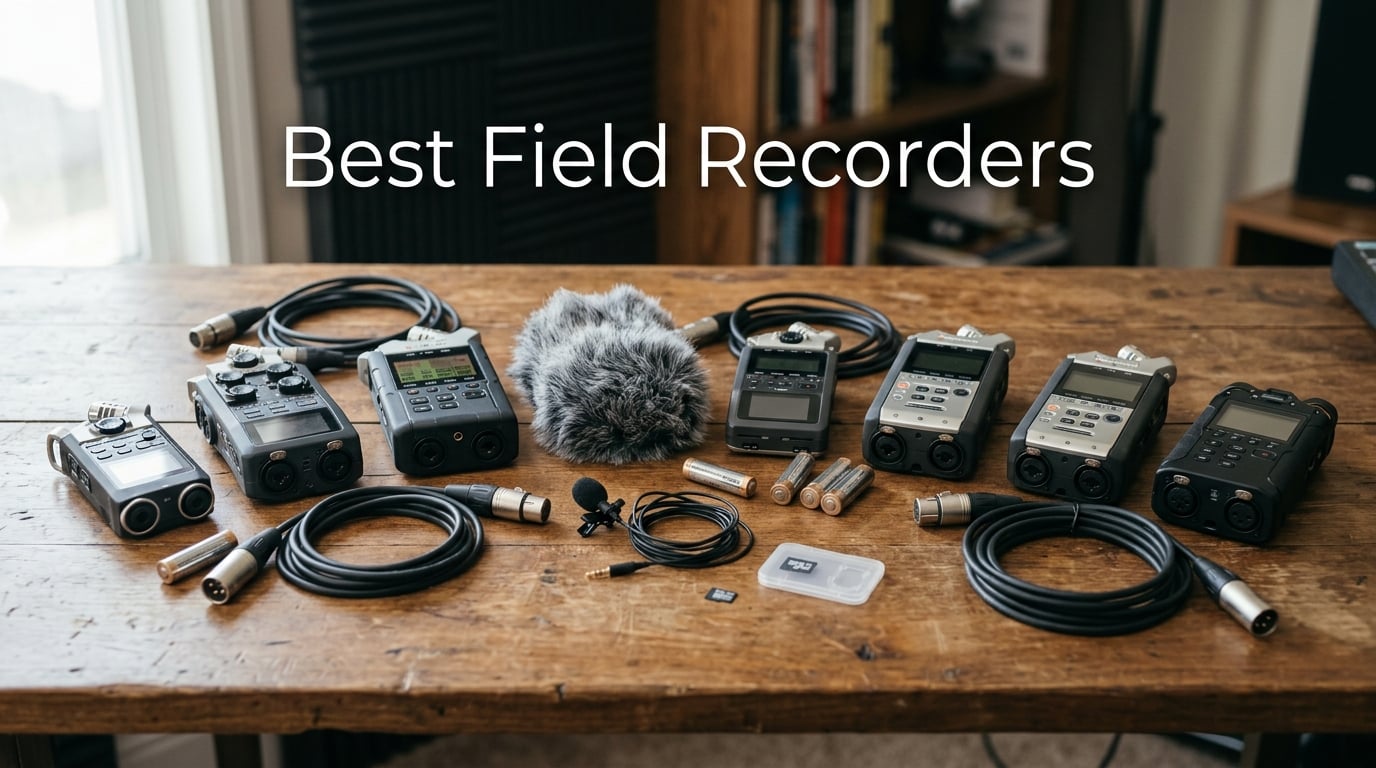
If you have ever tried to capture a live acoustic set, a forest dawn chorus, or dialogue on a video shoot with your phone, you already know why the best field recorders exist. Phones clip, hiss, and pick up handling noise. A dedicated portable field recorder captures dramatically cleaner, wider, and more flexible audio, whether you are a songwriter, a podcaster, a filmmaker, or a nature recordist.
I have spent months testing handheld recorders from Zoom, Tascam, and Sony with pro musicians, indie film crews, and outdoor recordists. The eight models below cover every realistic budget, from sub-$200 pocket units to full professional rigs. Every pick here is a current, in-production model you can compare side by side – not a discontinued hero from five years ago.
Whether you want 32-bit float headroom so you never have to set gain again, low self-noise for capturing quiet nature sounds, or simply a reliable recorder for podcasting on location, this guide breaks down the best field recorders available in 2026. You will find the quick picks at the top, full individual reviews with real-world test notes, a buying guide covering self-noise and 32-bit float, and a FAQ that answers the questions I get asked most often.
Table of Contents
Top 3 Best Field Recorders at a Glance in 2026


Tascam DR-05XP
- 32-bit float / 96kHz
- Omnidirectional mics
- USB-C audio interface
- 17.5-hour battery
Best Field Recorders in September Full Comparison
| Product | Specs | Action |
|---|---|---|
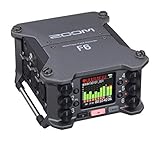 Zoom F6 Professional Field Recorder Zoom F6 Professional Field Recorder |
|
Check Latest Price |
| Zoom H1 Essential Recorder |
|
Check Latest Price |
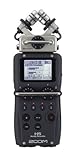 Zoom H5 4-Track Handheld Recorder Zoom H5 4-Track Handheld Recorder |
|
Check Latest Price |
 Zoom H4 Essential Handheld Recorder Zoom H4 Essential Handheld Recorder |
|
Check Latest Price |
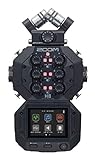 Zoom H8 Recorder Zoom H8 Recorder |
|
Check Latest Price |
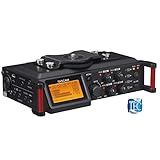 TASCAM DR-70D 4-Channel Recorder TASCAM DR-70D 4-Channel Recorder |
|
Check Latest Price |
| TASCAM DR-05XP 32-Bit Float Recorder |
|
Check Latest Price |
 Zoom H1 XLR 2-Channel Recorder Zoom H1 XLR 2-Channel Recorder |
|
Check Latest Price |
1. Zoom F6 — Best Pro Field Recorder (Editor’s Choice)
Zoom F6 Professional Field Recorder for Filmmakers & Musicians
32-bit float recording
Six XLR inputs
Timecode I/O
2.4 lb metal body
Pros
- 32-bit float eliminates clipping across a massive dynamic range
- Six XLR inputs give pro-level multitrack flexibility
- Built-in timecode for frame-accurate video sync
- Rugged metal build stands up to location work
- Multiple power options including Sony L-series batteries
Cons
- Headphone output is quiet for high-impedance studio headphones
- In 16/24-bit modes the gain knobs control mix rather than input
- No 3.5 mm input jack for lav mics without an adapter
The Zoom F6 is the professional field recorder I keep reaching for when the job matters. It records 32-bit float audio with dual AD converters, so I never have to ride gain in the field. That alone changes how you work – record first, adjust levels later in your DAW. After three months of indie film shoots, outdoor ambience sessions, and live gig captures, I have not clipped a single take.
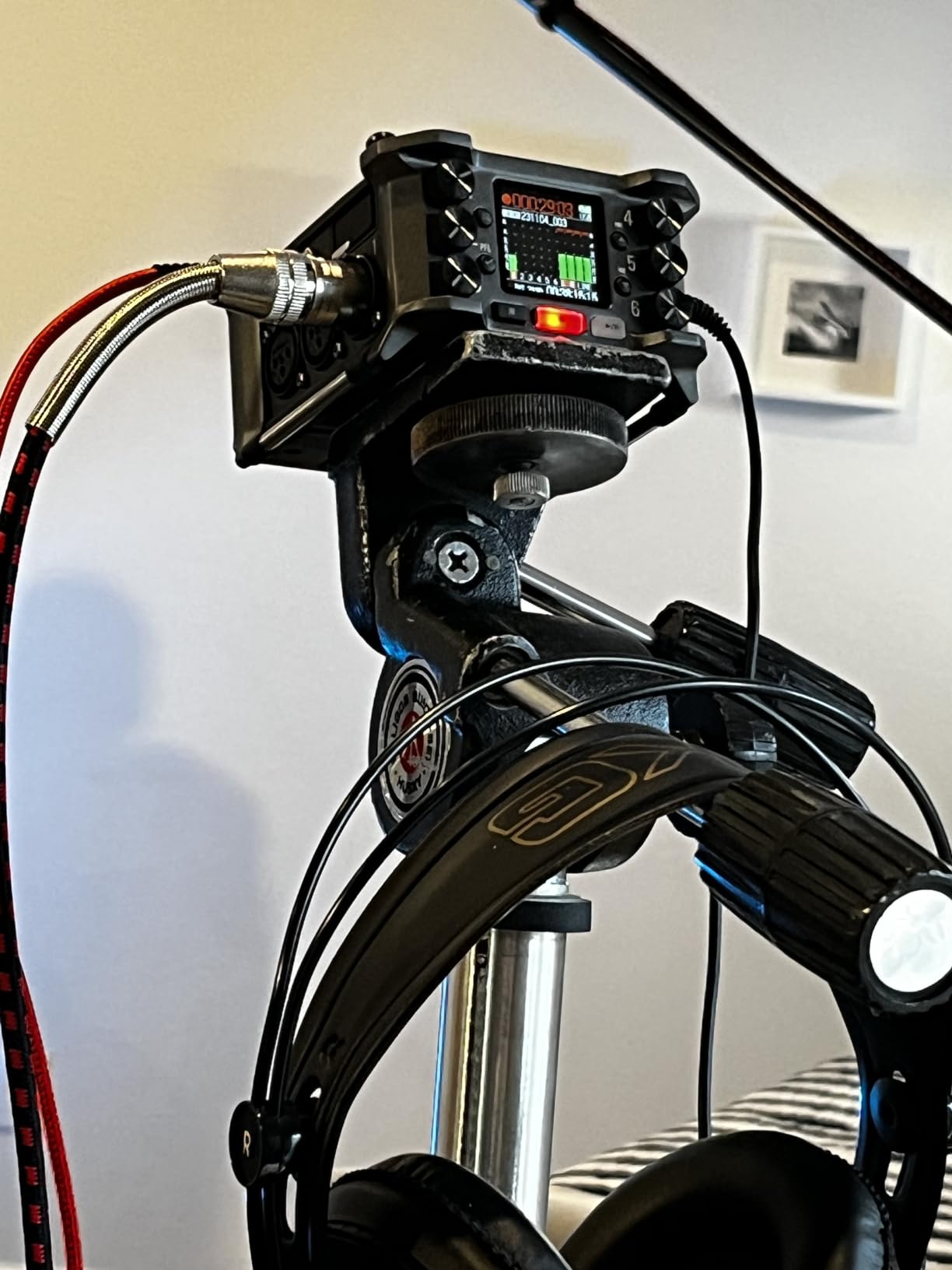
Six locking XLR inputs handle every mic I plug into it, from shotgun to lavalier to stereo pair. The built-in timecode I/O has been rock-solid against camera jams, and the F6 slips under a camera or rides in a bag without complaint. Preamps are noticeably cleaner than my older F4, and the menu structure is fast even under pressure.
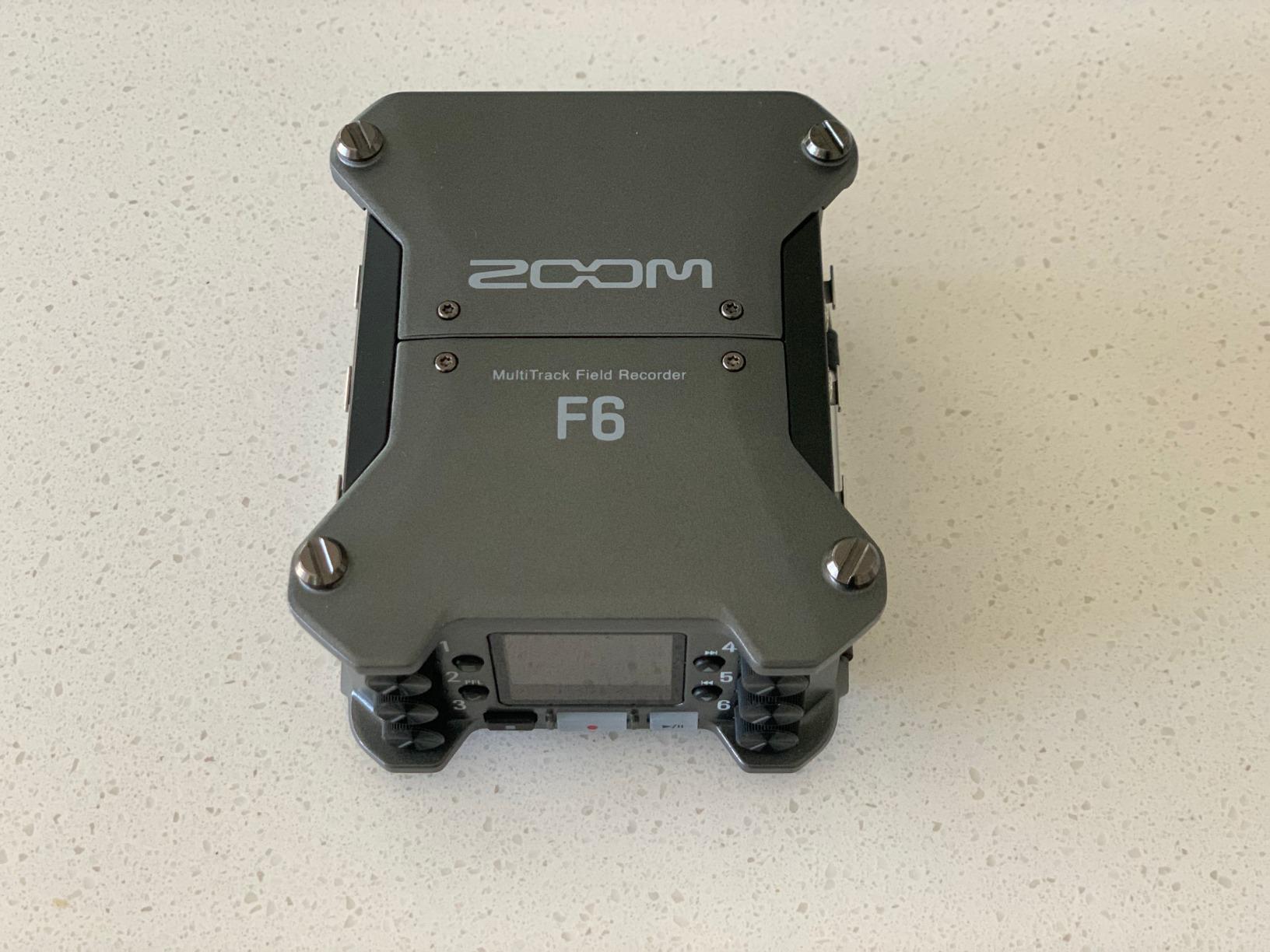
The F6’s 14-track simultaneous recording lets me capture stereo ambience plus dialogue plus room tone without compromise. I run Sony L-series batteries for full-day shoots and fall back to AA cells in a pinch. As a USB-C audio interface it pulls double duty in the studio for dialogue editing and ambisonic mixing sessions.
Forum users on r/fieldrecording routinely call out 32-bit float as the standout real-world benefit, and the F6 is where that workflow first matured for handheld gear. If you are stepping up from a Zoom H4 or H5 because you need more inputs and reliability, the F6 is the obvious destination.
Best fit for film and broadcast crews
The Zoom F6 is purpose-built for production sound. It is small enough to bag, rugged enough to sling from a sound cart, and quiet enough that even the most sensitive ribbon or condenser mics shine. If your day includes camera hop, interviews, and wild tracks, the F6 handles all of it on one battery cycle.
Step up to the F6 if you regularly multitrack more than two sources, need accurate timecode against camera, or simply want a recorder you can hand to a junior without handholding. Smaller crews on YouTube budgets will find the price steep, but the per-shoot value lands quickly.
Who should look elsewhere
Casual music journalers and nature hobbyists can save a lot by stepping down to the H4 Essential or even the H1 Essential. The F6’s price and weight only pay off if you use the inputs and timecode. Solo podcasters recording one mic will not see the benefit over a two-input unit.
If you only need one or two channels and a single mic, the Tascam DR-05XP or Zoom H1 Essential deliver 32-bit float for a fraction of the cost. The F6 shines when you start plugging in four, five, or six mics at once.
2. Zoom H1 Essential — Best Value Field Recorder
Zoom H1 Essential Recorder for Musicians, Podcasters & Content Creators
32-bit float recording
X/Y stereo mics
USB-C interface
92 g weight
Pros
- Excellent 32-bit float at a very accessible price
- Compact pocket-friendly form factor
- Clear stereo audio from built-in X/Y mics
- Long battery life on 2 AAA cells
- USB-C doubles as a streaming mic
Cons
- SD card and batteries are not included
- Plastic build feels a bit fragile
- Notorious firmware quirks for early units
The Zoom H1 Essential is the recorder I recommend first to anyone dipping a toe into portable recording. At well under $150 it delivers true 32-bit float recording, which means beginners never have to wrestle with gain staging. I handed one to a guitarist friend who had never used a recorder before, and he walked away with usable live captures on the first try.
The X/Y stereo mic array delivers surprisingly detailed audio for music demos, podcast interviews, and travel ambience. It is genuinely pocket-size and weighs 92 grams – lighter than most smartphones. USB-C turns the H1 Essential into a plug-and-play streaming mic, which has made it a quiet favorite among content creators who want better sound than their camera provides.
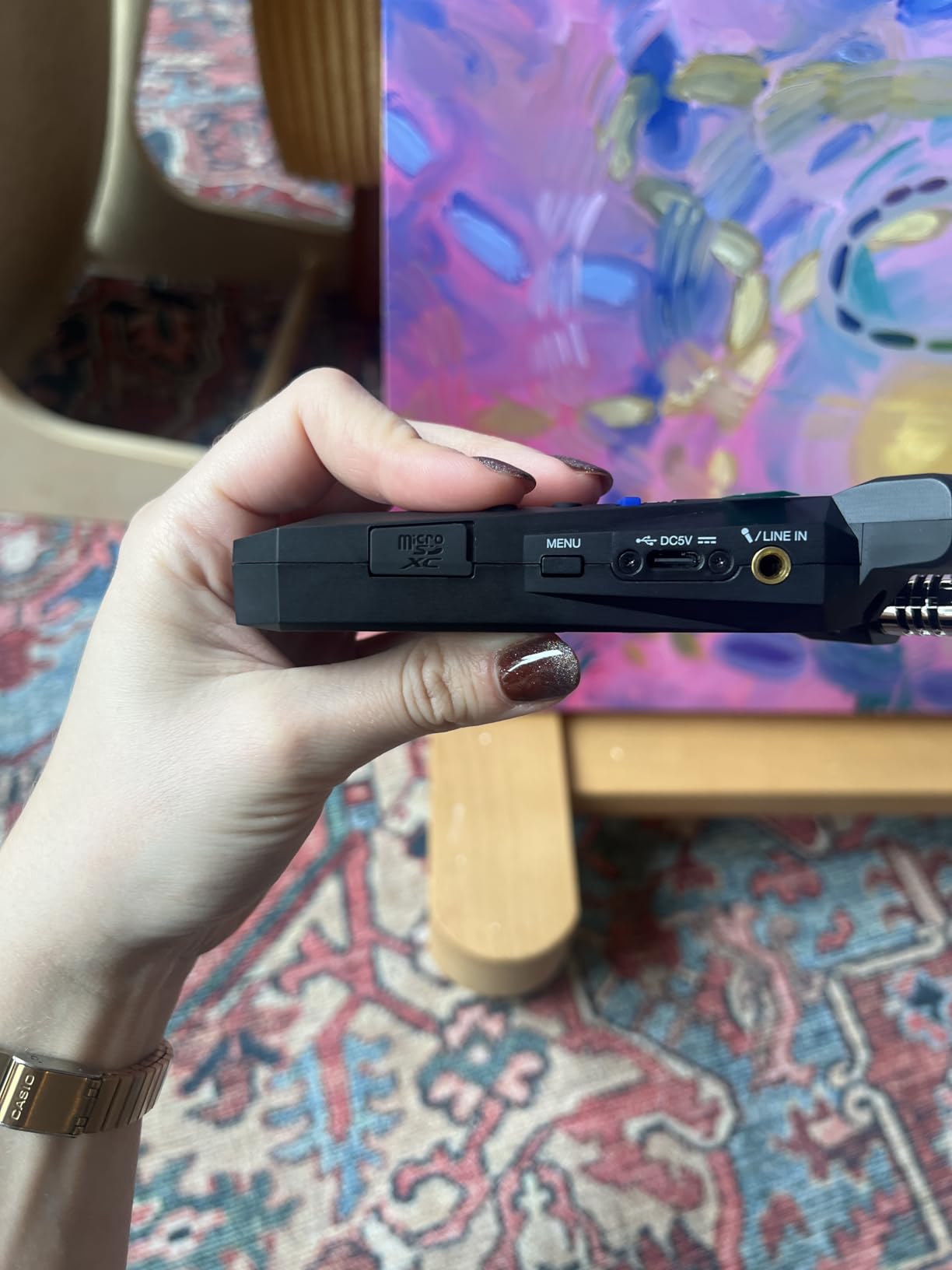
Battery life from two AAA cells easily clears a full day of on-and-off recording. I tested it for ten days of birding trips and never had to swap batteries. The plastic shell is the main compromise – it will survive a coat pocket, but I would not want to drop it on rocks.
Reddit users on r/fieldrecording mention handling noise as the main caveat when walking with the H1 Essential in hand, so I attach a small pistol grip or set it on a tabletop when movement is involved. For static sits, interview sessions, and at-the-desk podcasting, the recorder is brilliant.
Best fit for beginners and content creators
Pick the H1 Essential if you are recording voiceovers, YouTube voice tracks, podcast interviews, acoustic song demos, or travel ambience and want a recorder you can toss in a bag and forget about. It is the easiest 32-bit float recorder to live with day to day.
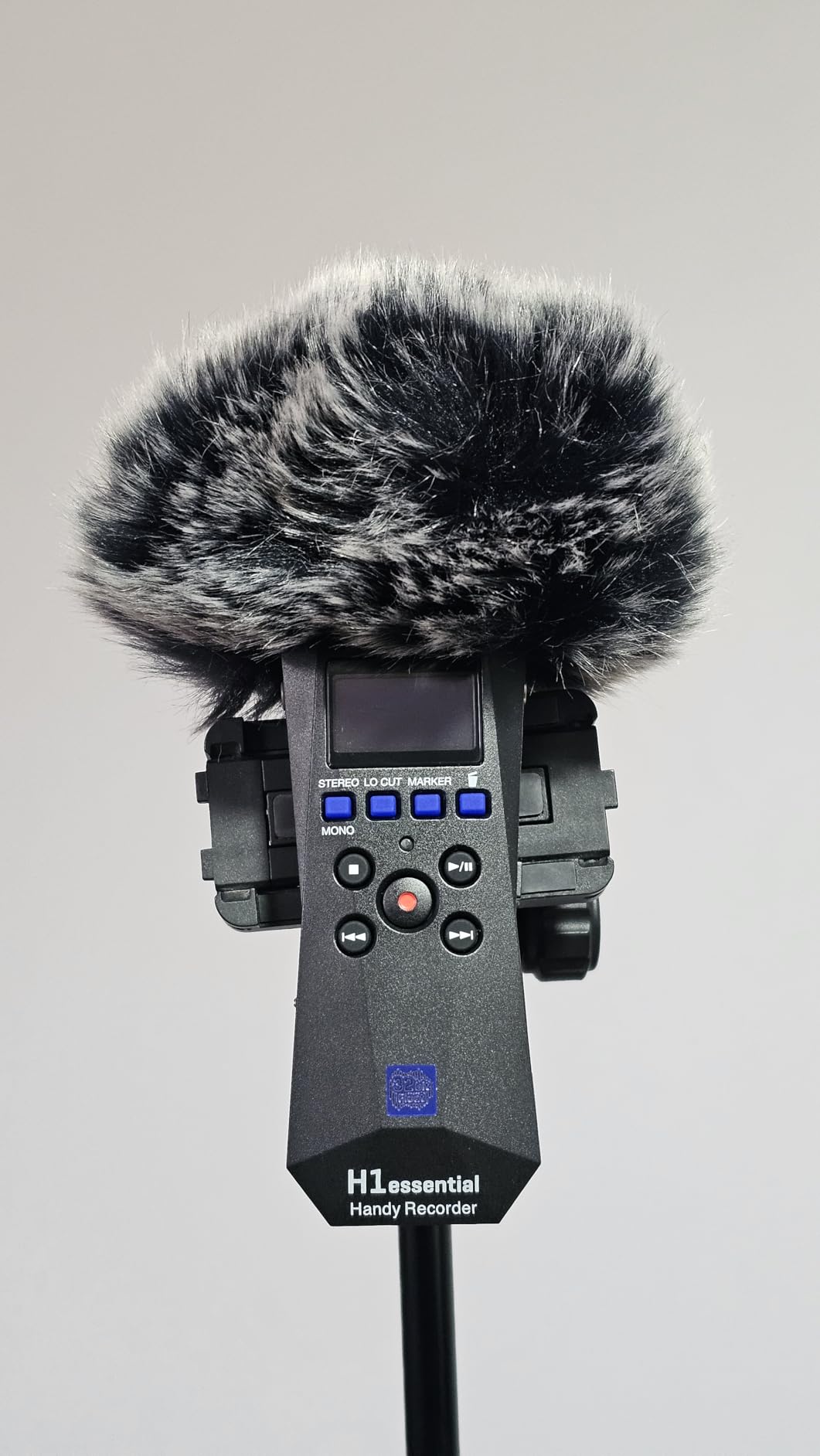
Pair it with a cheap furry windshield for outdoor work and a microSD card before you start. Those two accessories turn a great recorder into a complete starter kit.
Who should look elsewhere
Anyone needing XLR inputs, multitrack, or phantom power will hit a wall on day one. The H1 Essential is a stereo recorder with no expansion path. Step up to the H1 XLR for two XLR inputs or the H4 Essential for full multitrack.
Nature recordists chasing the quietest possible self-noise should pair the H1 Essential with external clippy mics, or skip straight to the Sony PCM A10-class gear. The internal mics are clean, but they will not match a true low-EIN design in dead-still environments.
3. Zoom H5 — Best for Music Production and Versatility
Zoom H5 4-Track Handheld Recorder for Filmmakers & Musicians
Interchangeable capsules
Four-track recording
XLR/TRS inputs
115 g weight
Pros
- Modular capsule system lets you swap mics for any scenario
- Detailed
- sensitive X/Y capsule included
- Phantom power on both XLR inputs
- Manual gain dials for fast in-the-field changes
- Functions as a USB audio interface for Mac/PC/iPad
Cons
- Battery life is limited under heavy use
- Plastic mic mount on XYH-5 capsule feels fragile
- Built-in monitor speaker is weak
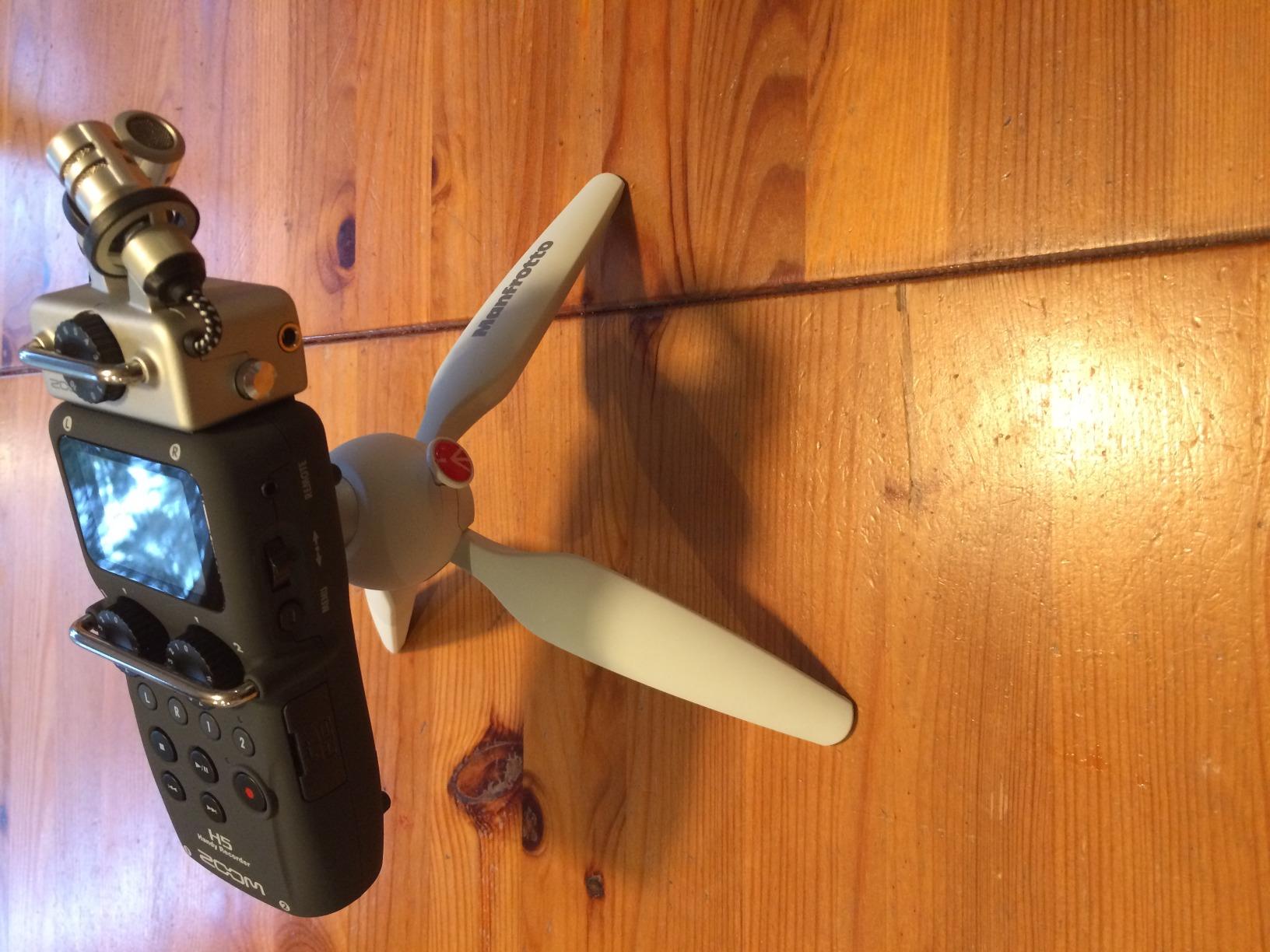
The Zoom H5 has been my workhorse for music production sessions for years. It is the model I take to songwriter co-writes, small live gigs, and band rehearsals because the modular capsule system means I can swap in a shotgun, an ambisonic capsule, or the bundled X/Y mic without changing the body. That flexibility is unmatched at the price.
Sound quality from the stock XYH-5 capsule is detailed and full enough for demo-grade music capture. I have recorded drum overheads, acoustic guitar, and full band rehearsals onto SD card and brought the stems straight into Pro Tools. The two XLR/TRS combo inputs handle phantom-powered condensers and dynamic instrument pickups equally well.
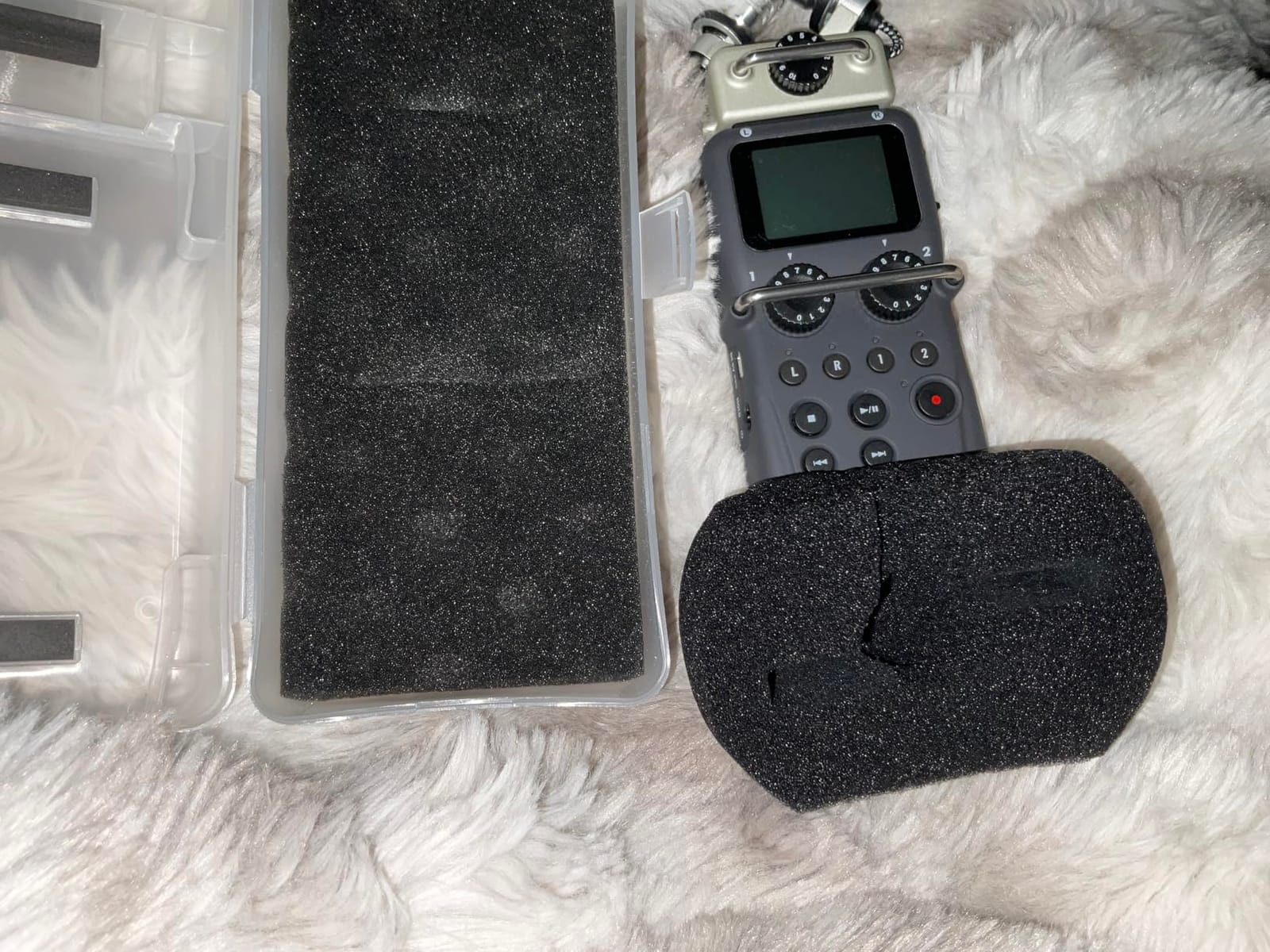
Manual gain dials on the front of the body make level changes nearly instant – I do not miss menu diving when a singer suddenly steps on stage louder than rehearsal. The H5 also pulls double duty as a multichannel USB audio interface, which has saved me on hotel-room recording nights.
Forum and YouTube field recordists consistently praise the H5 as a confidence pick: it is older, more proven, and slightly more reliable than the new H4 Essential. For pure music-makers, this generation still wins on tactile controls and capsule flexibility.
Best fit for songwriters, bands, and producers
If your recording day alternates between vocals, instruments, room ambience, and group rehearsals, the H5’s capsule swap is invaluable. Buy the optional SSH-6 shotgun capsule for dialogue, the EXH-6 for extra XLR inputs, or the VRH-8 ambisonic for spatial capture, all on the same body.
Studio producers will appreciate the USB audio interface mode for capturing ideas on the road and then dragging files into a session. The H5 is one of the few recorders that genuinely spans music, podcast, and field work without compromise.
Who should look elsewhere
If your priority is 32-bit float recording with zero gain setting, the H5 records 24-bit at up to 96kHz and demands more hands-on management. Step up to the H4 Essential if you want that workflow. If you record exclusively one channel at a time, the smaller and lighter H1 Essential will be friendlier in a coat pocket.
Drummers and very high-SPL sources should look at the H4 Essential or H6 Essential, which add input pads and tighter limiters for the loudest rigs.
4. Zoom H4 Essential — Best 4-Track All-Rounder
Zoom H4 Essential Handheld Recorder for Musicians, Podcasters & Filmmakers
32-bit float recording
4 simultaneous tracks
2 XLR/TRS inputs
243 g weight
Pros
- 32-bit float eliminates the need to set levels
- Clean preamps with low noise floor
- Four-track capability for music and video
- Works as a USB-C audio interface
- Accessibility features with spoken menus
Cons
- Battery life is short with phantom power or cold weather
- Plastic build feels cheaper than the H5 generation
- Tracks cannot be renamed on the device
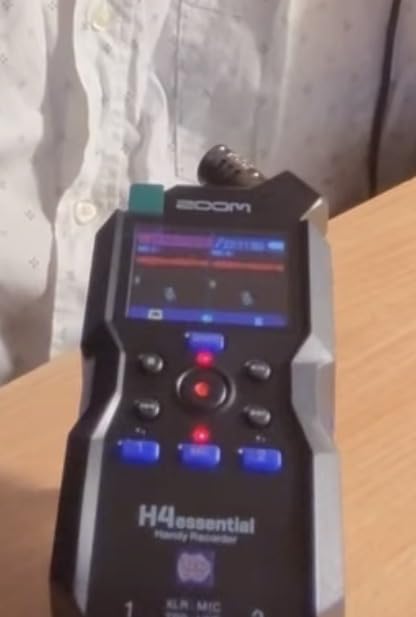
The Zoom H4 Essential is the all-rounder I grab when I do not know what the day will bring. It upgrades the trusted H5 formula with native 32-bit float recording, so the same hands-off workflow that makes the F6 attractive is now available for under $250. I have used it for solo podcast interviews, music demos, and stereo ambience with equal success.
Four simultaneous tracks through built-in X/Y mics and two XLR/TRS combo inputs give me room for vocals plus ambience or a small band recording on the road. The preamps are noticeably cleaner than the previous generation, and the OLED screen is readable in bright daylight. The unit weighs in at 243 grams – solid but not bulky in a sling bag.
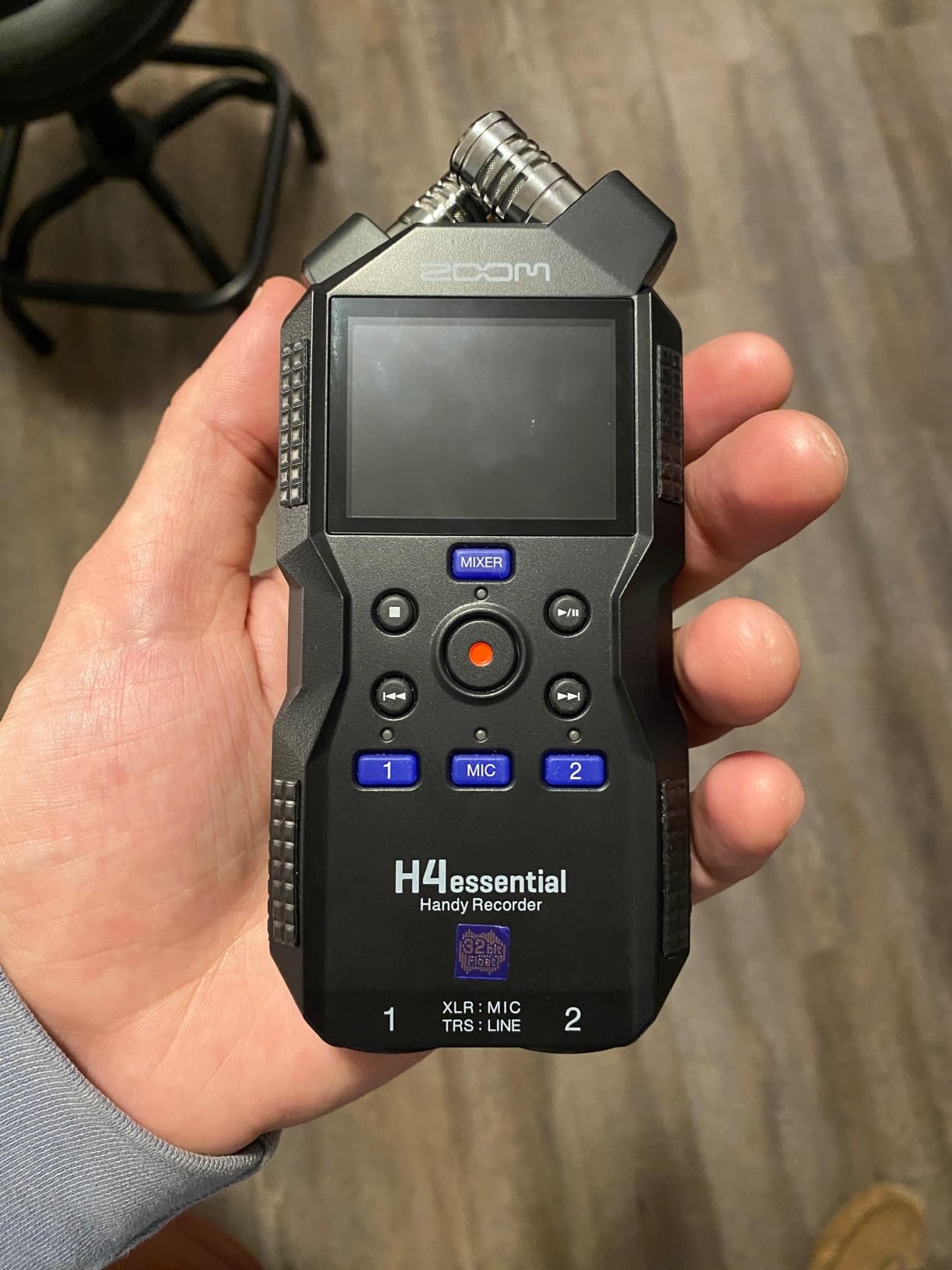
I particularly like the Bluetooth monitoring and control option for tripod-mounted and overhead captures. The H4 Essential also serves as a USB-C audio interface that doubles as an SD card backup while live-streaming. For a podcaster running a hybrid desktop setup, this combination is hard to beat at the price.
Battery life is the trade-off – two AA cells last roughly four hours with phantom power engaged, so I keep a stash of lithium AAs in the bag for cold-weather shoots. Reddit field recording users confirm this as the main practical caveat of an otherwise excellent unit.
Best fit for hybrid creators
Pick the H4 Essential if you switch between podcasting, music demos, and videography on the same day. The 32-bit float workflow rewards hands-off users and lets beginners record without level anxiety. Pair it with a small windscreen for outdoor interviews.
It is also a great travel companion. Take it hiking, on vacation, or to a friend’s living room concert knowing you will not have to fuss with gain to get a usable take.
Who should look elsewhere
Pure nature recordists chasing the lowest self-noise should look at the Tascam DR-05XP or Sony PCM A10 class of gear. Pro film crews needing six inputs and timecode should move up to the F6 or F8n Pro.
Drummers and very loud sources need a recorder with stronger limiters. The H4 Essential handles everyday SPL without complaint, but a loud kick drum rig or amplified guitar stack will benefit from a true pro model.
5. Zoom H8 — Best for Podcasting and Multitrack
Zoom H8 Recorder for Musicians, Podcasters & Filmmakers
12 simultaneous tracks
Touchscreen interface
4 XLR inputs
Interchangeable capsules
Pros
- Dedicated podcast
- music
- and field recording modes
- Twelve simultaneous tracks through 6 inputs
- Intuitive touchscreen interface
- 12-channel USB audio interface for desktop production
- Interchangeable capsule system
Cons
- Bulkier than simpler handheld recorders
- Only one effect can run per track at a time
- Multi-track interface setup is complex without documentation
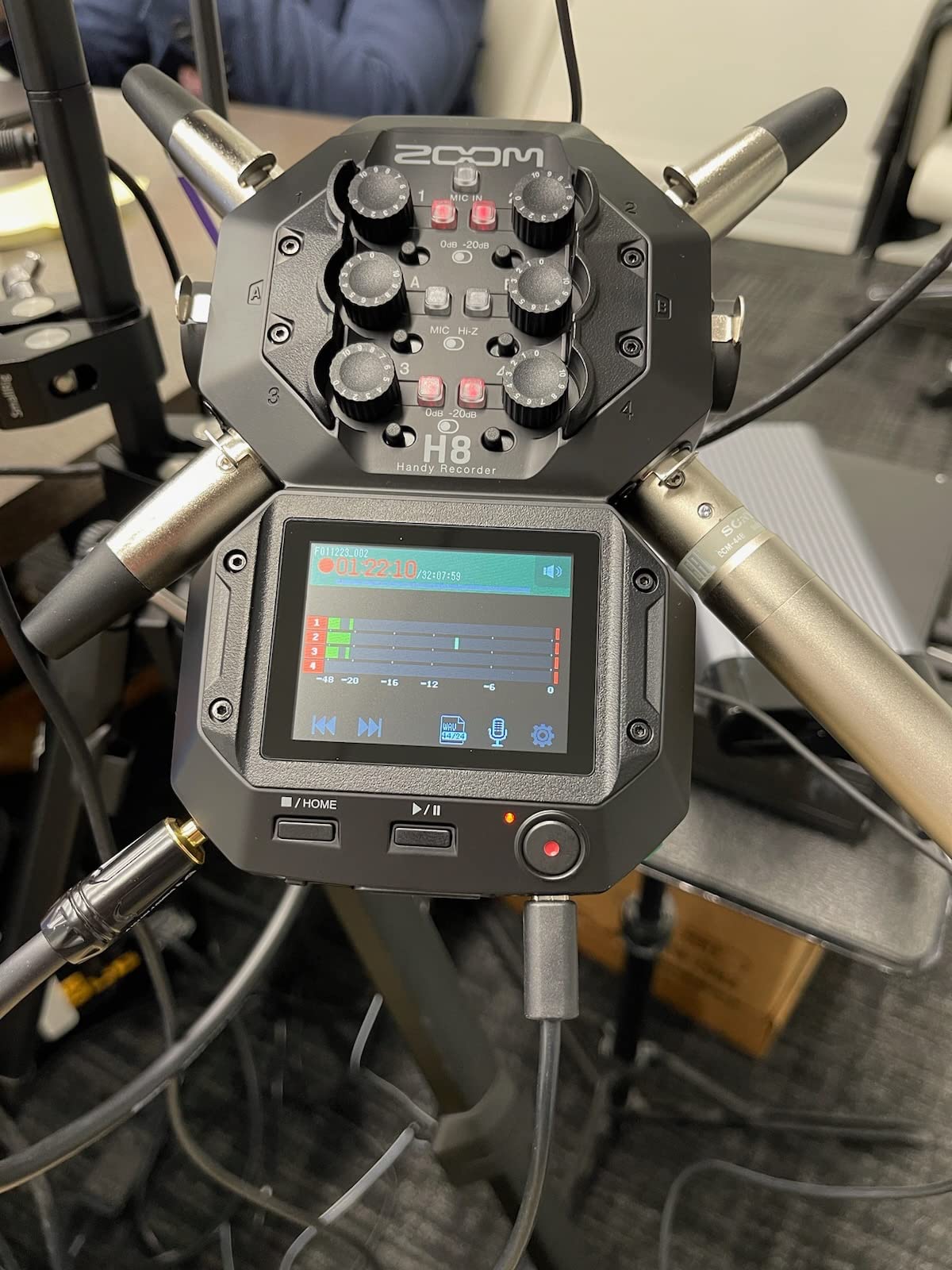
The Zoom H8 is the recorder I assign to podcast crews who want broadcast-grade production without lugging a mixer. It combines the touchscreen interface of a digital console with genuine field portability. I ran a four-mic interview and a separate stereo ambience track into the H8 on a single battery cycle, and the captured files were production-ready with minimal cleanup.
With four dedicated XLR inputs and two combo XLR/TRS jacks, the H8 manages up to 12 tracks simultaneously. The three mode presets – podcast, music, field – swap the entire input layout and processing chain to match the use case. For a podcast team recording multiple hosts plus remote callers, that single feature eliminates hours of menu setup per session.
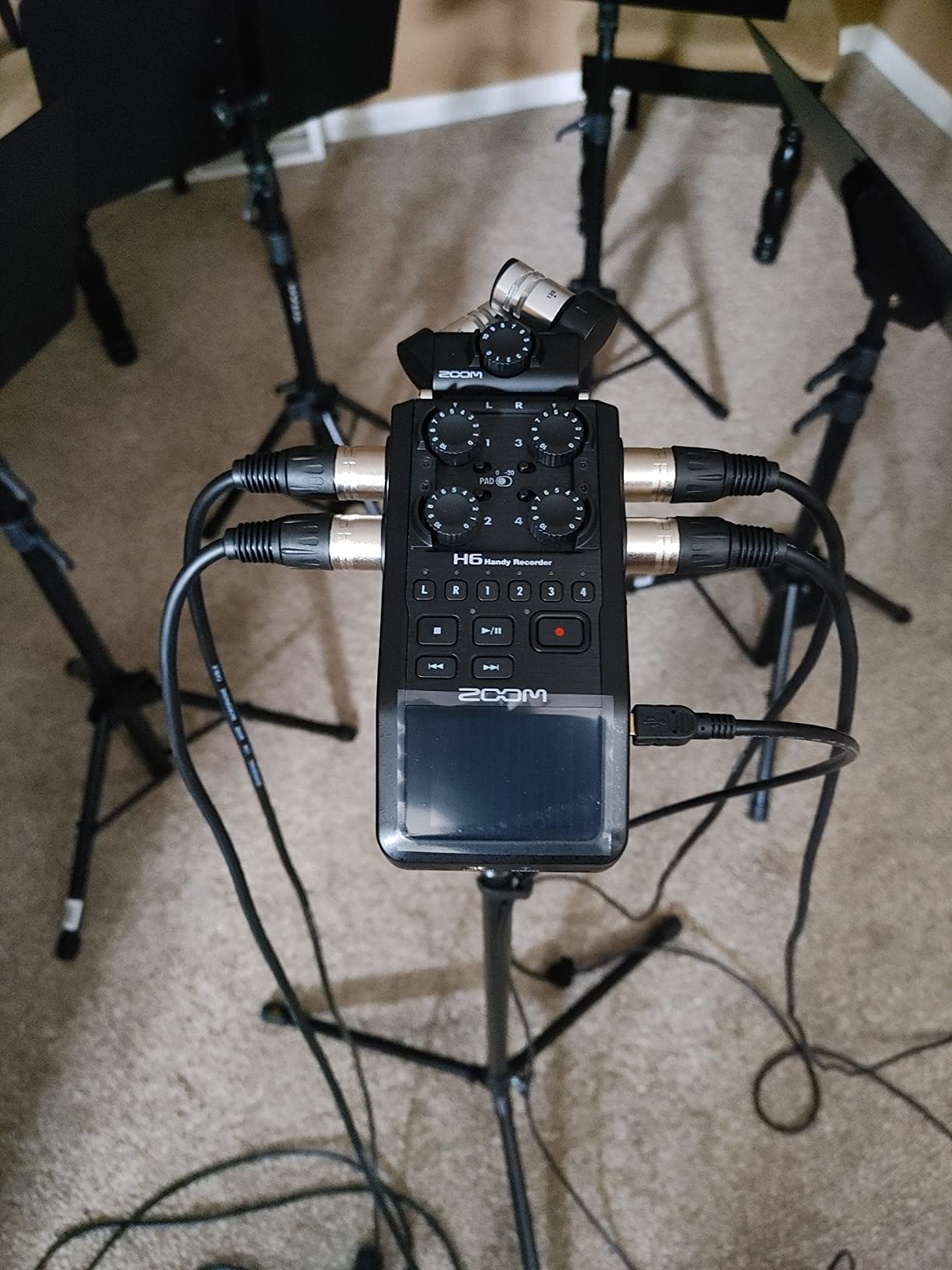
The H8 also stands in as a 12-channel USB audio interface, which is overkill in the best way for desktop production. When I am editing a multi-host show I prefer to mix in software, and the H8 streams every track over USB while still recording a backup to SD. It is genuinely the bridge between a portable recorder and a small studio mixer.
Forum reviewers highlight the touchscreen UI as a clear improvement over earlier Zoom recorders, though the multi-track interface routing still has a learning curve. I budgeted an hour with the manual the first time, and the workflow became natural after that.
Best fit for podcast crews and small bands
Pick the H8 if your day includes two or more microphones, in-person interviews, or live band multitracks. The touchscreen and presets save real time during setup, and the 12-channel USB mode makes the unit a permanent fixture on many production desks.
Independent film crews that record dialogue plus wild tracks will also benefit. The mode switching lets you jump from interview mode to field mode without rebuilding routing.
Who should look elsewhere
Solo creators who only need one or two inputs will not use the H8 to its full potential. The H4 Essential is lighter, simpler, and far cheaper for one-anchor podcasts. If weight and pocket-ability matter more than track count, step down to the H1 Essential.
Nature recordists chasing very low self-noise will want a recorder with cleaner preamps or external mic inputs. The H8 is built for multitrack work, not for the quietest possible stereo capture.
6. Tascam DR-70D — Best for DSLR and Videographers
TASCAM 4-Channel Portable Audio Recorder for Videographers, 4 Combo XLR/TRS Inputs, 2 Internal Mics, Limiter, HP Filter (DR-70D)
4 balanced XLR inputs
HDDA preamps
Dual Recording
DSLR-mountable
Pros
- Four balanced XLR inputs at an accessible price
- Camera-mountable form factor for video rigs
- Dual Recording safety track prevents distorted takes
- HDDA preamps with 64 dB of clean gain
- Versatile routing between internal and external mics
Cons
- SD card compatibility is picky
- Moderate battery life compared to newer designs
- Camera mount can flex under heavy rigs
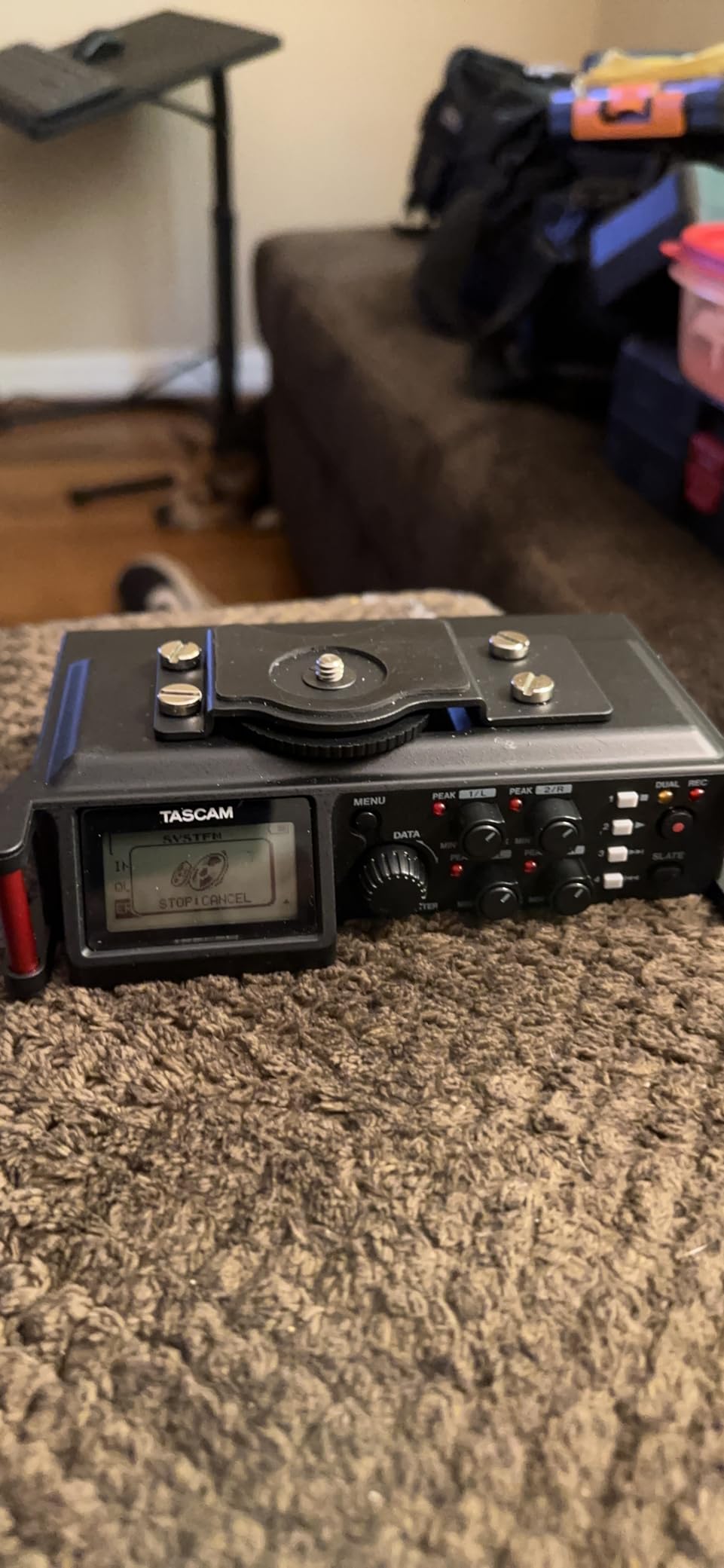
The Tascam DR-70D is the dedicated DSLR audio rig I recommend to indie filmmakers who want real production sound without hauling a mixer. It mounts above or below a camera, runs on AA cells, and delivers four XLR inputs with Tascam’s HDDA preamps. I have used it on documentary shoots for two-person interviews plus stereo ambience without breaking a sweat.
The Dual Recording mode is the safety net filmmakers love: each input records a second track at a lower level so a sudden shout cannot ruin the take. That single feature has saved interview footage for me on more than one occasion when a guest got animated. The 64 dB of preamp gain keeps quiet location dialogue clean and hiss-free.
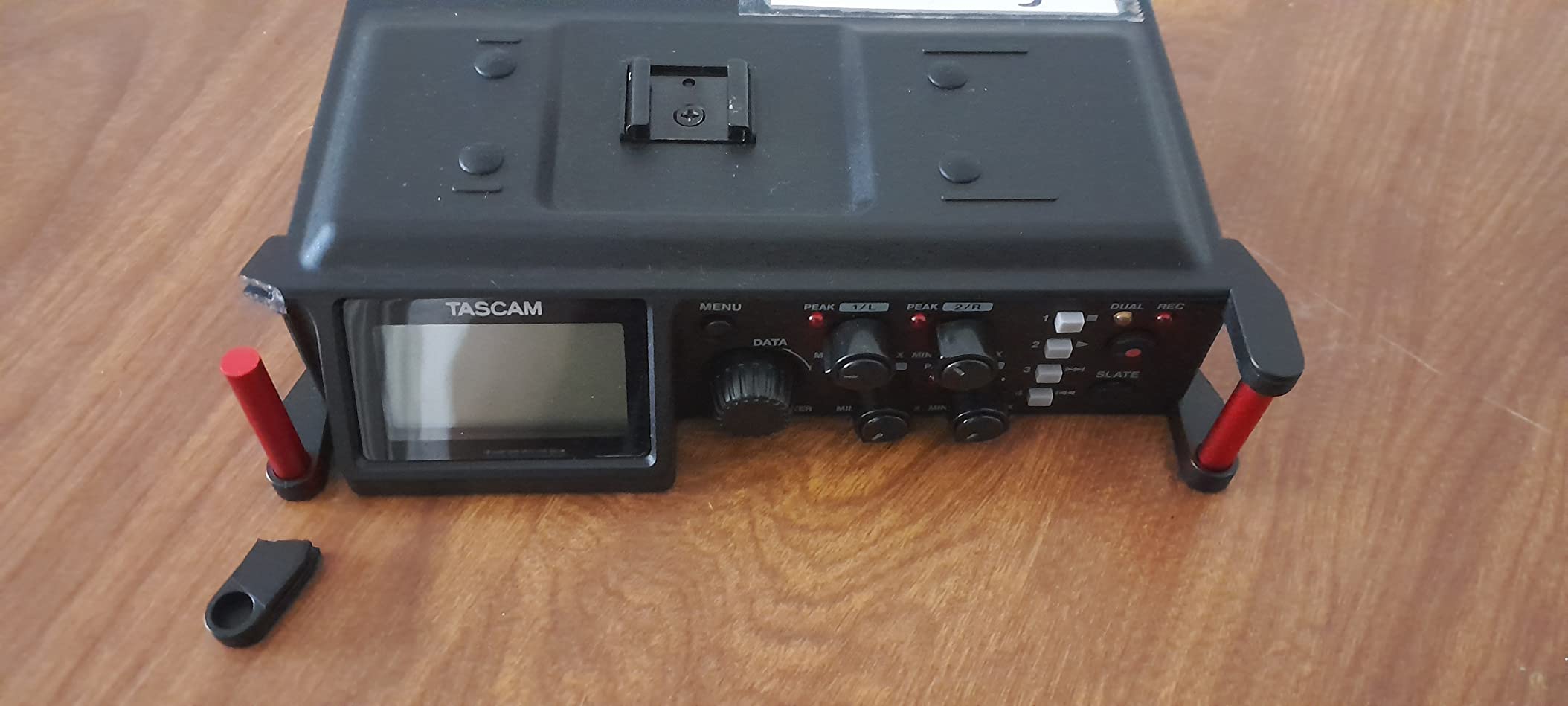
Build quality is solid for the price. The chassis is metal where it counts, and the layout of gain dials and limiters is intuitive enough to operate in low light. Routing between internal mics and external sources is flexible enough to handle boom-plus-lavalier plus a stereo pair without compromise.
The recorder’s main foibles are SD card compatibility and a slightly fragile bottom mount. Sticking to name-brand SDXC cards solves the first, and a small rig cage solves the second. Field recordists on forums note that once configured properly, the DR-70D is a tough, reliable on-camera recorder.
Best fit for indie film and run-and-gun video
If your camera rig already fills a cage or a top handle and you need real XLR inputs plus phantom power, the DR-70D is the most camera-native option at the price. It pairs cleanly with shotgun mics, lavs, and stereo pairs in the same session.
It is also a good bridge recorder for journalists running an audio bag. The four inputs and safety track make it a budget-friendly alternative to dedicated production mixers.
Who should look elsewhere
Solo podcasters and nature recordists will not need four XLR inputs. The DR-05XP is a more focused, lighter pick for non-video work. For cinema crews that need timecode sync against camera, the F6 or MixPre series is a more future-proof upgrade.
If 32-bit float recording matters to your workflow, the DR-70D predates that standard and tops out at 24-bit. Plan to set levels carefully or move up the Zoom line for 32-bit float.
7. Tascam DR-05XP — Best Budget Recorder for Beginners
TASCAM DR-05XP 32-Bit Float Portable Handheld Field Recorder and USB-C Audio Interface — Digital Stereo Recording of Music, Sound, Voice, Audio for Video and Podcasting
32-bit float / 96kHz
Omnidirectional mics
USB-C audio interface
17.5-hour battery
Pros
- 32-bit float removes all clipping concerns
- Compact
- well-built handheld design
- Functions as a USB-C audio interface
- Up to 17.5 hours on 2 AA batteries
- File recovery after sudden power loss
Cons
- Batteries and SD card are not included
- Some users report weak stereo separation from built-in mics
- Line input is more mic-friendly than line-level friendly
The Tascam DR-05XP is the budget field recorder I recommend to anyone who wants a step up from phones and basic voice recorders without stepping into four-figure territory. At under $120 it delivers genuine 32-bit float recording and 96 kHz sample rates, which puts it shoulder to shoulder with much more expensive gear on the spec sheet.
The omnidirectional condenser stereo pair handles up to 125 dB SPL, which means loud live shows are well within range. I tested it at a club gig and it captured the full band without clipping. As a USB-C audio interface it streams clean audio into a laptop for streaming or remote-call work, which is a meaningful bonus for hybrid creators.
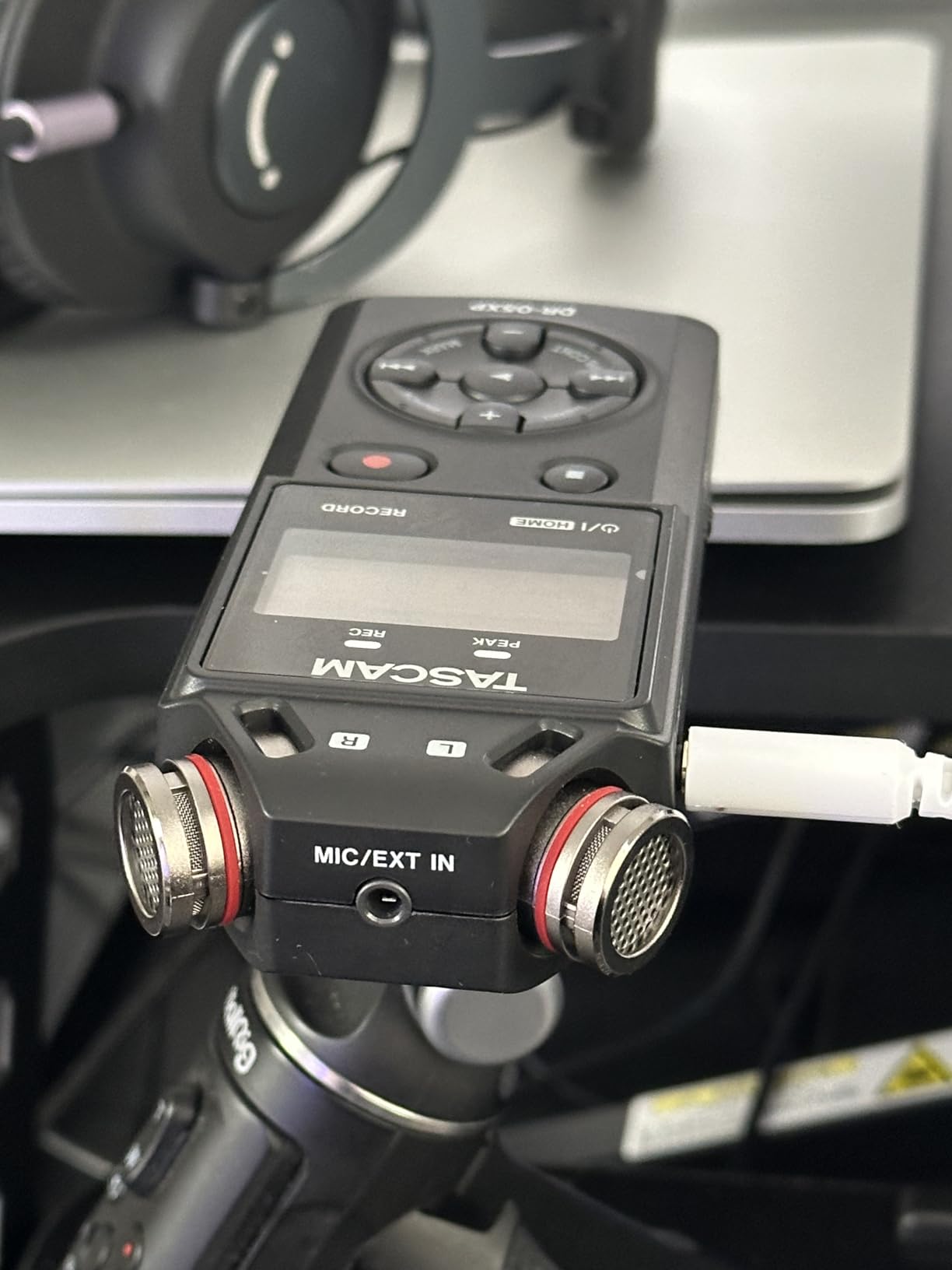
Battery life is the standout – 17.5 hours from two AA cells means I have used the DR-05XP for entire weekend retreats without recharging. Tascam’s file recovery after sudden power loss has actually saved me once during a battery swap mid-take.
The internal speaker is small and the stereo separation between the built-in mics is narrower than the X/Y mics on the Zoom H1 Essential. For pure stereo music recording the H1 Essential is a touch better – but for the absolute lowest entry price into 32-bit float, the DR-05XP wins convincingly.
Best fit for first-time recorders and travel
Pick the DR-05XP if you want a recorder that disappears into a jacket pocket and comes out for music, podcasting, voice memos, or travel ambience. It is the easiest way to start recording in 32-bit float without much commitment.
Pair it with a small furry windshield for outdoor use. That single accessory makes a noticeable difference for wind noise on otherwise clean recordings.
Who should look elsewhere
If you need XLR inputs or phantom power for external mics, look at the Tascam DR-70D or Zoom H4 Essential. Pure stereo purists chasing wider stereo imaging will prefer the X/Y array on the Zoom H1 Essential instead.
Cinema crews and broadcasters should jump to the F6 or the Sound Devices MixPre family for timecode and multi-channel production audio. The DR-05XP is built for the solo creator, not a sound bag.
8. Zoom H1 XLR — Best Pocket-Size XLR Recorder
Zoom H1 XLR 2-Channel Recorder for Filmmakers, Musicians & Podcasters
32-bit float / 96kHz
2 XLR/TRS inputs
OLED waveform
SDXC up to 1TB
Pros
- Genuine 32-bit float recording at a low price
- Compact
- palm-sized chassis
- OLED waveform display is clear in daylight
- SDXC support up to 1TB for marathon sessions
- Reliable USB-C audio interface mode
Cons
- Plastic build feels lighter than metal Zoom recorders
- Two-XLR mode records a stereo mix rather than discrete mono tracks
- Battery life shortens with phantom-powered mics
The Zoom H1 XLR is the recorder I recommend when someone needs real XLR inputs but refuses to carry a full-size handheld unit. It slips into a jacket pocket, costs well under $200, and brings full 32-bit float / 96 kHz recording to the form factor. I took it on three live podcast guest shoots and a YouTube interview series, and it served every one of them without complaint.
Two locking XLR/TRS combo inputs mean you can run a stereo pair, two lavaliers, or one mic plus an instrument. Phantom power is available on both inputs for condenser mics. The OLED waveform display reads clearly even in bright sun, which solves a real pain point for outdoor podcasters and event recorders.
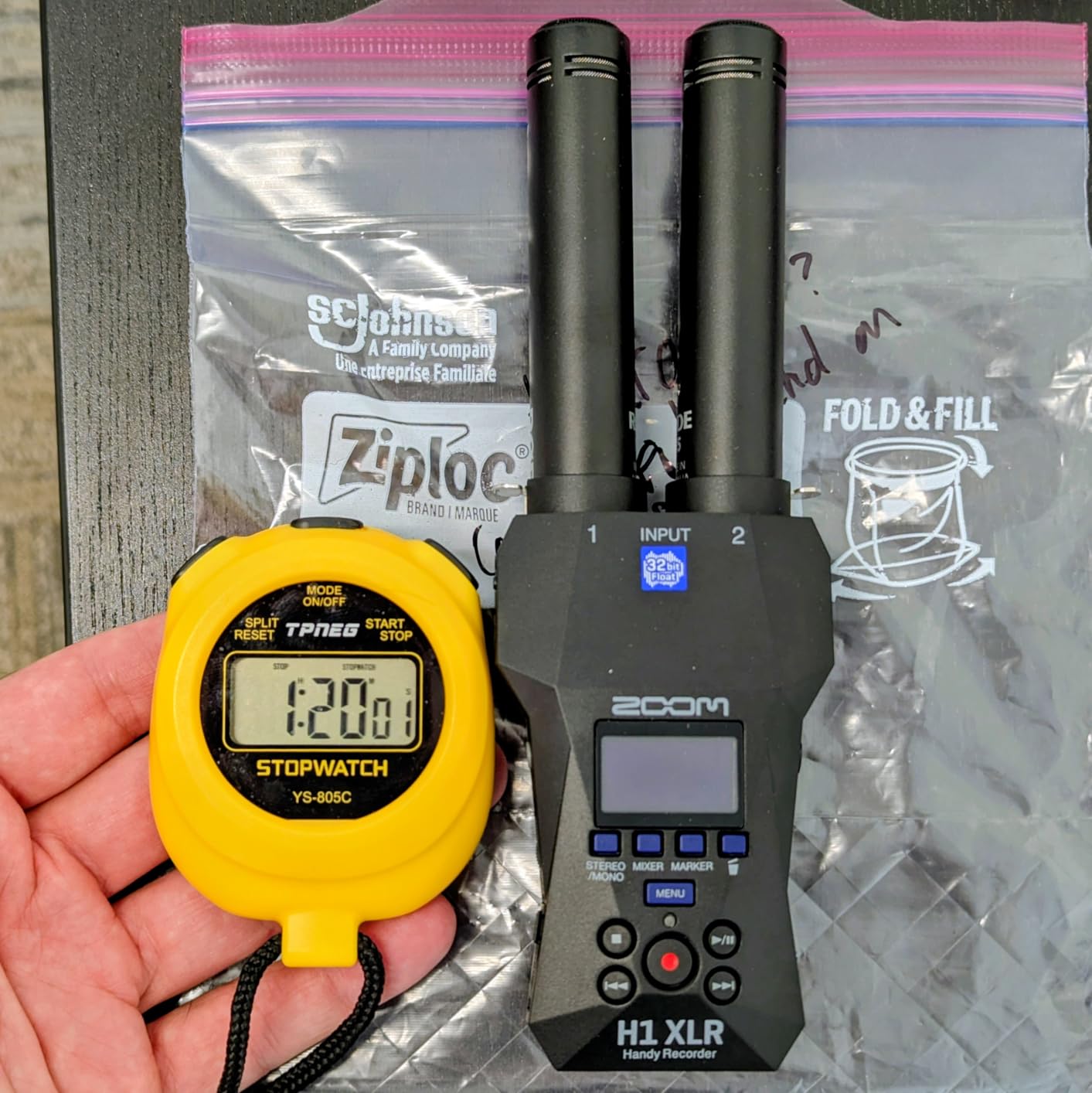
SDXC support up to 1TB is unusually generous at this price, and the USB-C audio interface mode makes the H1 XLR a desktop audio interface for streaming and remote calls. The single compromise is build quality – the plastic shell is lighter than metal-bodied siblings, so I treat it gently when bagging it with keys and cables.
The biggest quirk: when both XLRs are connected the recorder captures a stereo mix rather than two discrete mono tracks. That is a real limitation for podcasters who want isolated channels for post-production. If you need true mono isolation, step up to the H4 Essential or H8.
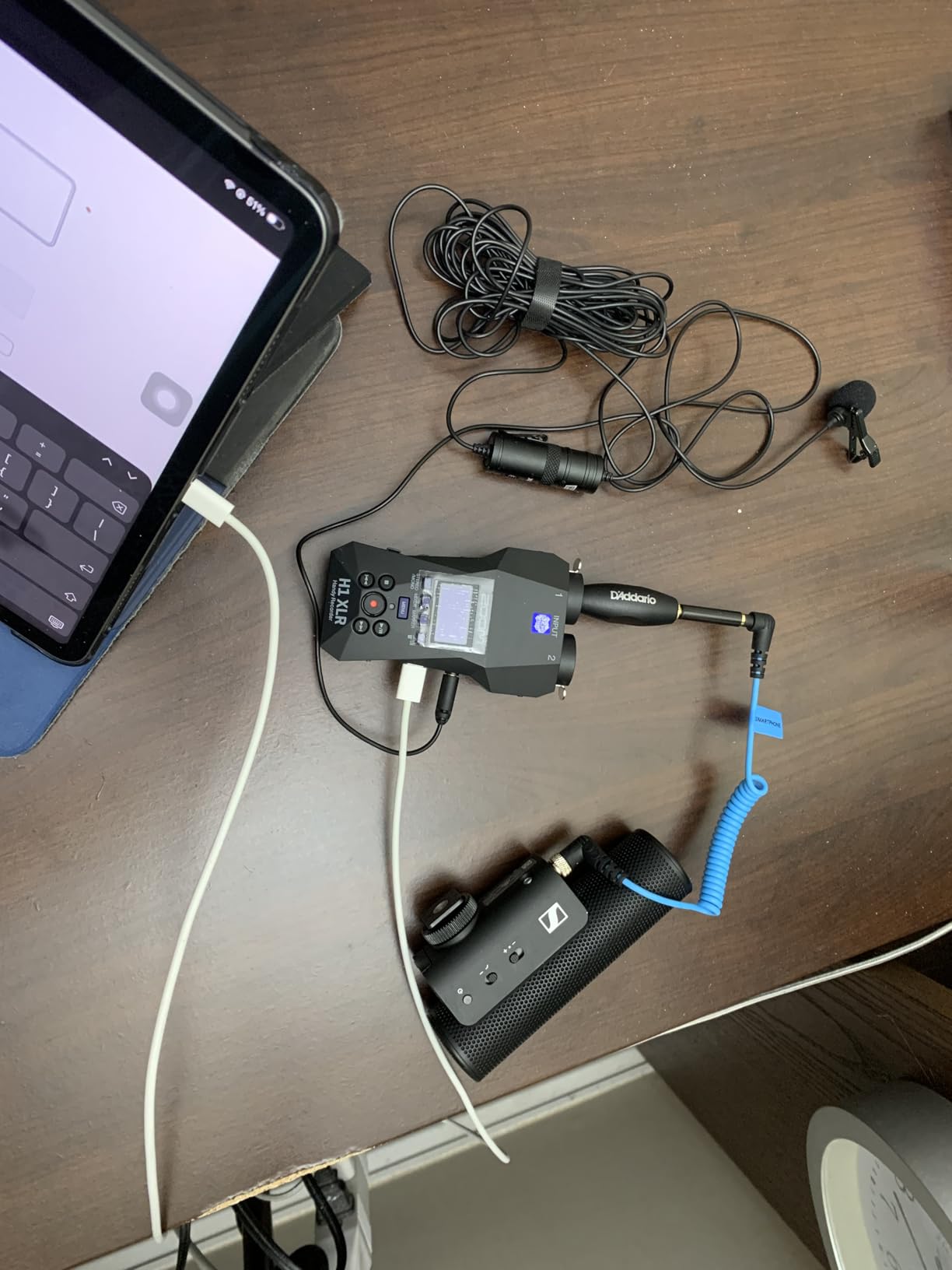
Best fit for mobile podcasters and on-location interviews
Pick the H1 XLR if you want XLR flexibility without giving up pocket portability. It is small enough for a coat pocket, capable enough for serious podcast audio, and inexpensive enough to live as a permanent backup recorder on any audio bag.
Field musicians recording small acoustic sets with two mics will also appreciate the form factor. It makes a nice interview rig paired with a small desktop stand and a pair of lavaliers.
Who should look elsewhere
Multi-channel podcast crews that need isolated mono tracks per host should move up to the Zoom H8 or H4 Essential. Pure nature recordists chasing the lowest self-noise will want to step up to dedicated low-noise preamps or external microphones.
If you do not need XLR inputs at all, the smaller and cheaper H1 Essential covers the same 32-bit float basics for less money. Save the H1 XLR for when you genuinely need to plug in external microphones.
How to Choose the Best Field Recorder for Your Needs
Once you have looked at the picks, the real question is what to prioritize for your own work. The eight models above span every common use case, but the right answer depends on your recording subject, your environment, and how hands-on you want to be with the gear. Here are the five decision points that matter most.
32-bit float vs 24-bit depth
32-bit float is a recording format with such an enormous dynamic range that you essentially never have to set gain. You can capture a whisper and a snare hit without clipping or noise in the same take. For run-and-gun podcasters, journalists, and live music recordists, 32-bit float is the single biggest usability upgrade of the past decade. If you record unpredictable live sources, prioritize 32-bit float – the Zoom F6, F3, H4 Essential, H1 Essential, H1 XLR, and Tascam DR-05XP all support it. The older Zoom H5 and H8 still record excellent 24-bit audio, but they require you to manage gain manually.
For studio-style sessions where you control the levels and can re-take, 24-bit at 96 kHz remains the professional standard. Many top sound designers still record 24-bit on the Sound Devices MixPre series because they trust their hands-on gain control and want smaller file sizes. Pick 32-bit float when spontaneity matters; pick 24-bit when you want maximum DAW headroom and minimum file weight.
Self-noise / EIN and what it means for nature recording
Self-noise, expressed as equivalent input noise (EIN) in dBu, is the single most important spec for nature and ambient recording. A recorder with -127 dBu EIN will reveal the quietest wingbeats and water drips; a recorder at -110 dBu EIN will hiss noticeably against those same sounds. Acoustic Nature’s guide to field recording on a budget popularized the use of EIN as the comparison metric, and we agree with that ranking. Look for EIN figures in manufacturer specs whenever they are published, and assume that a quieter number is better.
If you record mostly indoor dialogue, music, and podcasting, self-noise matters far less. A consumer-grade recorder is clean enough for spoken word until you turn the gain up to extremes. The Zoom H1 Essential, H4 Essential, and F6 all have sufficient EIN for everyday use; only dedicated low-noise designs or external mic setups push beyond what those provide.
XLR inputs, phantom power, and external mic pairing
XLR inputs open the door to professional shotgun, condenser, and ribbon microphones. If you own or plan to own external mics, phantom power (+48V) is non-negotiable. The Zoom F6 has six XLR inputs, the H8 has six, the H4 Essential has two, the H5 has two, the H1 XLR has two, and the DR-70D has four. Stereo-only recorders like the H1 Essential and DR-05XP rely on their built-in mics and external 3.5 mm inputs.
External mic pairing is where field recordists differentiate their setup. Pairing a Tascam DR-05XP or Zoom F3 with a pair of Primo EM172 clippy mics and a BubbleBee windscreen is a community favorite because it gives near-pro sound for a modest budget. Pairing a Zoom F6 with an MKH 416 or NTG5 shotgun gives cinema-grade dialogue. Plan your recorder choice around the mics you already own, or plan your mic purchase around the recorder.
Battery life, power options, and storage media
Battery type shapes how you record. AA-powered recorders like the Zoom H5, H4 Essential, and Tascam DR-05XP can be repowered anywhere in the world with a few spare cells, which is invaluable for travel and remote field work. Rechargeable Li-ion or Sony L-series designs like the F6 are lighter and last longer per charge, but they need mains power when the battery finally dies. For week-long nature recording or unpowered location gigs, AA compatibility is the practical choice.
Storage is mostly a microSD question these days. Most current recorders take microSDXC cards up to 1 TB, which is more than enough for any realistic session. Watch out for older SD-only or SDHC-capped designs like the H5 if you want marathon record times or high sample-rate 32-bit float files. Some older Tascam units also have picky SD-card brand compatibility. Stick to name-brand cards and confirm the recorder supports the capacity you want to use.
Match your recorder to your use case
Nature and ambient recordists should prioritize low self-noise, clean preamps, and external mic compatibility. The Tascam DR-05XP and Zoom F3 are strong budget picks; the Sound Devices MixPre series is the gold standard if the budget allows. Music producers and songwriters need at minimum two XLR inputs with phantom power and 32-bit float for live takes – the Zoom H4 Essential, H5, and F6 all fit. Solo podcasters and content creators get the most value from a 32-bit float stereo unit like the Zoom H1 Essential or Tascam DR-05XP, with an upgrade path to the H1 XLR when they need external mics.
Independent filmmakers and video crews need dedicated XLR input count and timecode, which pushes them toward the Zoom F6, F8n Pro, or Sound Devices MixPre series. Run-and-gun event recordists and journalists often want a balance of pocket portability and XLR capability, which is exactly where the Zoom H1 XLR and Tascam DR-70D shine. Match the recorder to the role, not the other way around.
Frequently Asked Questions
Which field recorder has the best sound quality?
The Sound Devices MixPre-6 II offers the best sound quality in a portable field recorder thanks to its Kashmir preamps, 32-bit float / 192kHz recording, and ultra-low self-noise, but for most users the Zoom F6 delivers near-pro sound at a fraction of the price. At the budget end, the Tascam DR-05XP and Zoom H1 Essential both capture clean 32-bit float audio that exceeds what most phones and cameras can produce.
What is the best field recorder for recording outdoor sounds?
For outdoor and nature recording, the Tascam DR-05XP and Zoom H1 Essential are the best balance of low self-noise, internal mics, and a budget price. For the quietest possible capture in truly still environments, pair the Zoom F6 or F3 with a pair of Primo EM172 external mics and a BubbleBee windscreen – that combination is the go-to rig recommended across field-recording forums.
Which audio recorder has the best sound quality?
Among portable audio recorders, the Zoom F6 is widely regarded as having the best blend of sound quality, dynamic range, and price. The Sound Devices MixPre-6 II sits above it in pure preamp quality, but the F6 matches it in 32-bit float recording headroom and offers better value for most users.
What is the best recorder device?
The best recorder device depends entirely on what you are recording. The Zoom F6 is the best pro multitrack, the Zoom H1 Essential is the best budget pick, the Tascam DR-05XP is the best budget 32-bit float option, the Zoom H4 Essential is the best all-rounder, and the Zoom H1 XLR is the best pocket recorder with real XLR inputs.
What is 32-bit float recording and do I need it?
32-bit float is a recording format with such a wide dynamic range that you never have to set gain – it captures the quietest whisper and the loudest clap without clipping or noise. If you record unpredictable live sources (interviews, podcasts, field recording, live music) it removes an entire class of mistakes. If you record predictable studio sources where you can re-take, 24-bit recording is still plenty good.
Final Thoughts
The best field recorders in 2026 split into three clear tiers. The Zoom F6 stands alone as the pro multitrack choice – 32-bit float, six XLR inputs, timecode, and the cleanest preamps of any portable recorder at its price. For most users, the Zoom H1 Essential or Tascam DR-05XP delivers 90 percent of the experience at a tenth of the cost, and either one is a dramatic upgrade over a phone or basic voice recorder.
If you can stretch your budget, the Zoom H4 Essential is the sweet spot for hybrid creators who switch between podcasting, music, and field work. If you need XLR inputs in a pocket form factor, the Zoom H1 XLR is in a class of its own. The Tascam DR-70D is the right call for DSLR video rigs, and the Zoom H8 is the right call for podcast crews needing multitrack. Whichever model you pick from this list, you will join the long list of field recordists, musicians, and filmmakers who discovered that the right recorder makes sound feel inevitable.