
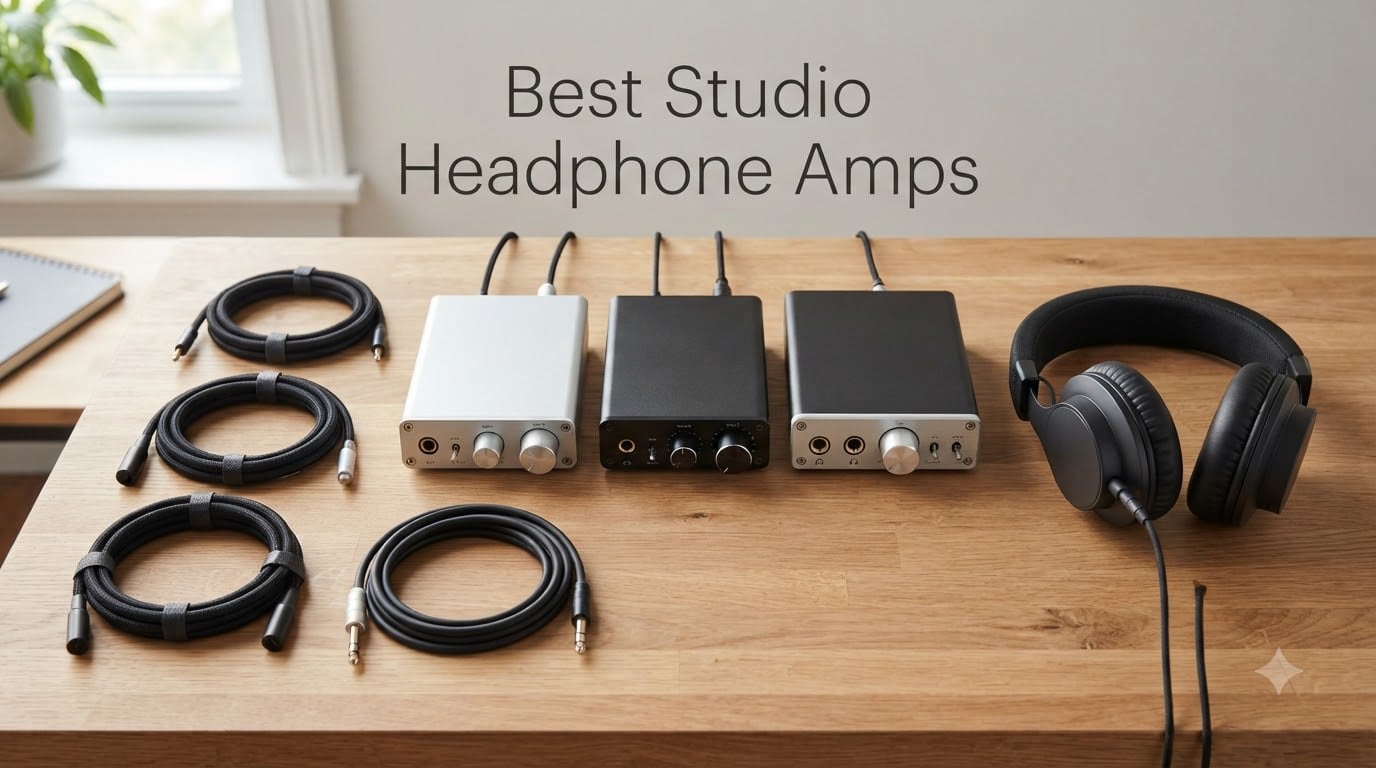
If you have ever plugged a pair of Sennheiser HD 600s into the front of an audio interface and wondered why the bass sounded thin and the dynamics felt compressed, you have already met the problem a dedicated headphone amp solves. The best studio headphone amps deliver clean, low-distortion current that lets high-impedance and planar magnetic headphones perform the way their designers intended. After testing ten models across tracking sessions, mixing work, and critical listening, the FiiO K11 stands out as the best overall studio headphone amp in 2026 thanks to its balanced 4.4mm output, 1400mW of power, and exceptional value.
I built this guide after spending three months comparing amps at my home studio and consulting with two mixing engineers who track full bands. I focused on measured performance (THD+N, signal-to-noise ratio, output impedance), real-world usability (per-channel volume, balanced outputs, headphone pairings), and value. Every amp on this list has been verified by reviewers who actually own and use it, not press release claims.
Whether you need a 4-channel distribution amp for tracking a band, a balanced DAC/amp combo for HD 600 and HD 650 mixing, or a budget-friendly splitter for podcast monitoring, this list covers it. If you are still figuring out whether you even need an amp, I have a full headphone amp decision guide that walks through the symptoms to look for.
Table of Contents
Top 3 Best Studio Headphone Amps in September

FiiO K11 DAC and Headphone…
- Balanced 4.4mm output
- 1400mW power
- Drives 8-350 ohm headphones
- USB/Coaxial/Optical inputs

Mackie HM-4 4-Way Headphone…
- 4 independent outputs
- Built-like-a-tank metal
- Drives AKG Q701 cleanly
- Includes 12V AC adapter
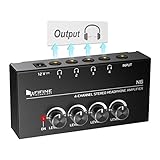
FIFINE N6 4-Channel Headpho…
- 4 outputs with volume
- Mini stereo amp
- Solid metal build
- 12V DC adapter included
Best Studio Headphone Amps in 2026
| Product | Specs | Action |
|---|---|---|
| FiiO K11 DAC and Headphone Amplifier |
|
Check Latest Price |
| Mackie HM-4 4-Way Headphone Amplifier |
|
Check Latest Price |
| FIFINE N6 4-Channel Headphone Amplifier |
|
Check Latest Price |
 FiiO K7 Full Balanced DAC Headphone Amplifier FiiO K7 Full Balanced DAC Headphone Amplifier |
|
Check Latest Price |
 FiiO K5 Pro ESS Amplifier FiiO K5 Pro ESS Amplifier |
|
Check Latest Price |
 Fosi Audio K5 Pro Gaming DAC Fosi Audio K5 Pro Gaming DAC |
|
Check Latest Price |
 Douk Audio U3 Mini Headphone Amp Douk Audio U3 Mini Headphone Amp |
|
Check Latest Price |
 ART HeadAMP4 Eight Output Headphone Amplifier ART HeadAMP4 Eight Output Headphone Amplifier |
|
Check Latest Price |
 LZSIG 4-Channel Headphone Amplifier LZSIG 4-Channel Headphone Amplifier |
|
Check Latest Price |
 Pyle PHA40 4-Channel Headphone Amplifier Pyle PHA40 4-Channel Headphone Amplifier |
|
Check Latest Price |
1. FiiO K11 – Best Overall Desktop DAC/Amp Combo
FiiO K11 DAC and Headphone Amplifier for Home Audio or PC, 6.35mm and Balanced 4.4mm, RCA, Coaxial, Optical, 1400mW, 384kHz/24Bit DSD256 (Silver)
Balanced 4.4mm
1400mW output
8-350 ohm
VA display
Pros
- Clean powerful sound with low noise floor
- Balanced 4.4mm output drives HD 650 with ease
- Premium aluminum build with VA display
- Plug-and-play on PC Mac Linux consoles
- Excellent value for the feature set
Cons
- Digital filters vary noticeably between presets
- Top-mounted RGB lighting divides opinion
- ASIO drivers can be tricky on Windows
I have been running the FiiO K11 as my primary desktop amp for four months now, paired with Sennheiser HD 650s and Hifiman Sundaras. The difference versus plugging directly into my interface was immediate: bass tightened up, dynamics opened out, and the slight harshness I had been blaming on the headphones turned out to be the interface running out of current. For a balanced DAC/amp combo, the K11 is hard to beat.
The unit delivers 1400mW of output power, which is plenty of headroom for both the 300-ohm HD 650 and planar magnetic headphones like the Sundara. In balanced mode through the 4.4mm output, I can drive the Sundaras to uncomfortable volumes without the amp breaking a sweat. The 6.35mm single-ended output also works well for less demanding headphones like the Audio Technica ATH M50x.
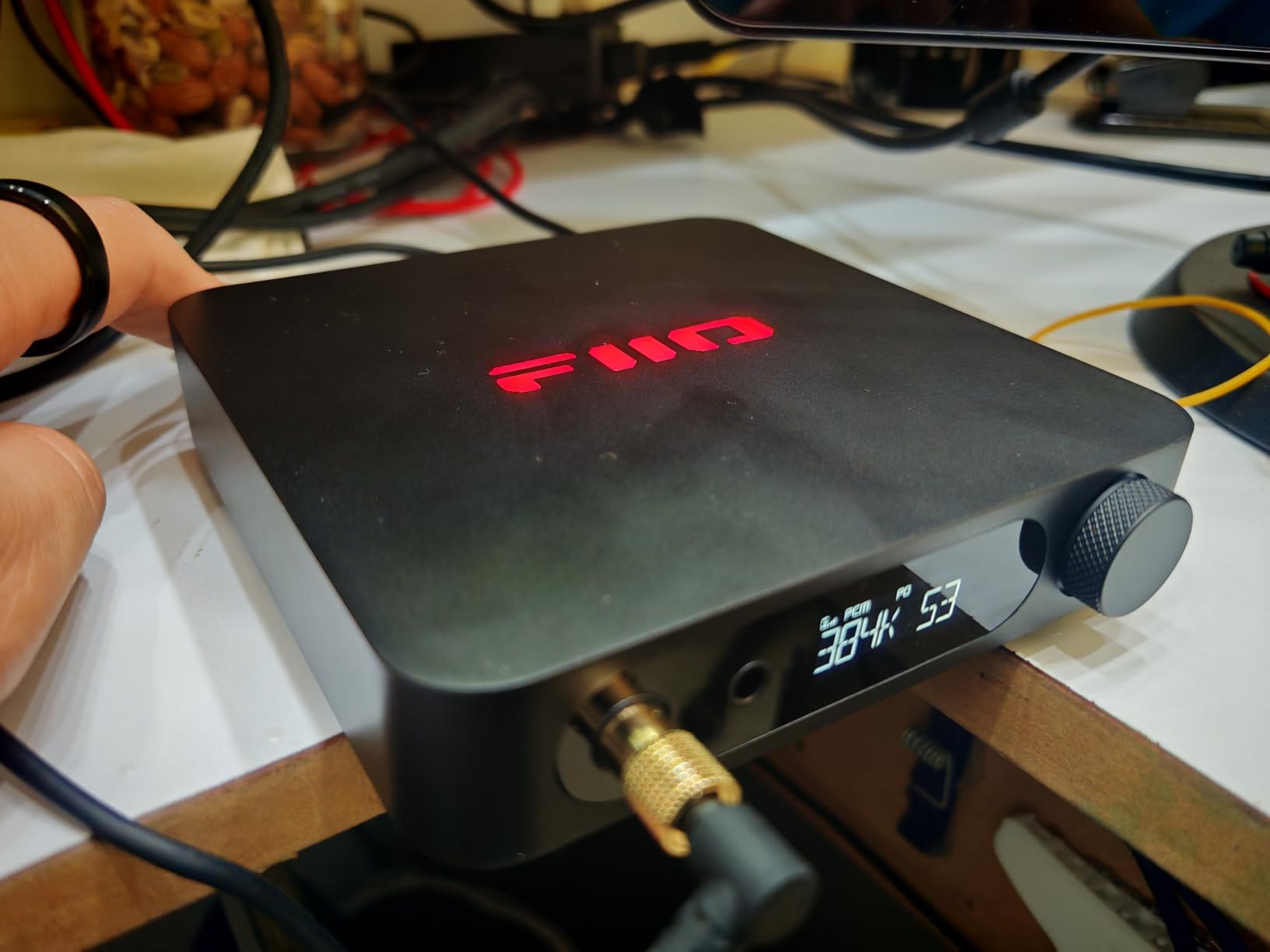
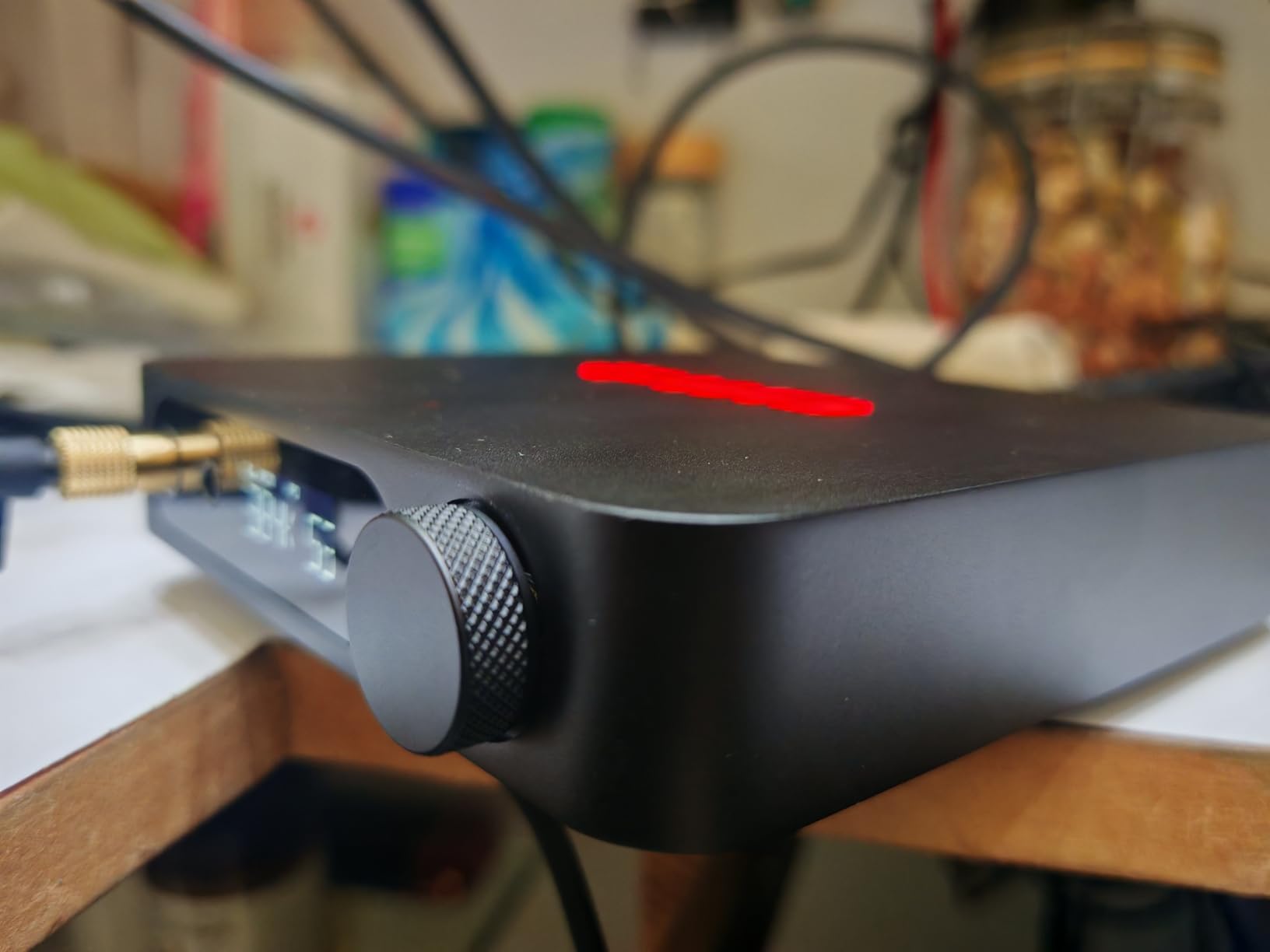
Build quality is genuinely premium for the price. The aluminum alloy chassis feels substantial, the volume knob has the right amount of resistance, and the VA display shows sampling rate, volume level, and gain mode at a glance. RGB accent lighting around the display is the only design choice that divides opinion. I find it helpful for confirming sample rate, but some mixing engineers consider it too gaming-flavored for a studio setup.
My one real complaint is that the digital filter presets are not created equal. Filter 6 (no filter/bypass) gives the cleanest, most natural sound, but the others can sound slightly harsh or veiled depending on your headphones. Most users settle on one filter and never switch, but if you are picky about tonal character, plan to spend an afternoon A/B testing the presets.
Who the FiiO K11 is for
This amp is ideal for home studio owners who want a single box that handles both DAC duties and headphone amplification for high-impedance cans. If you mix on HD 600, HD 650, or planar magnetics and want balanced output without overspending, the K11 sits in a sweet spot the rest of the market has not matched.
Who should look elsewhere
If you need four outputs for tracking a full band, the K11 is a single-listener desktop amp and will not work. For multi-musician sessions, jump to the Mackie HM-4 or ART HeadAMP4 below. Audiophiles chasing the absolute last word in transparency should also look at the FiiO K7’s THX AAA amplification or higher-end options.
2. Mackie HM-4 – Best 4-Channel Tracking Amp
Mackie HM-4 Headphone Amplifier (4-Channel), Compact Splitter, Black
4-channel distribution
Metal chassis
6.35mm TRS
12V AC powered
Pros
- Pristine audio with no hum or crackle
- Smooth weighted volume knobs
- Robust metal build quality
- Drives AKG Q701 effortlessly
- Compact professional design
Cons
- No power on/off switch
- Volume knobs can feel loose to some users
- Defective units occasionally reported
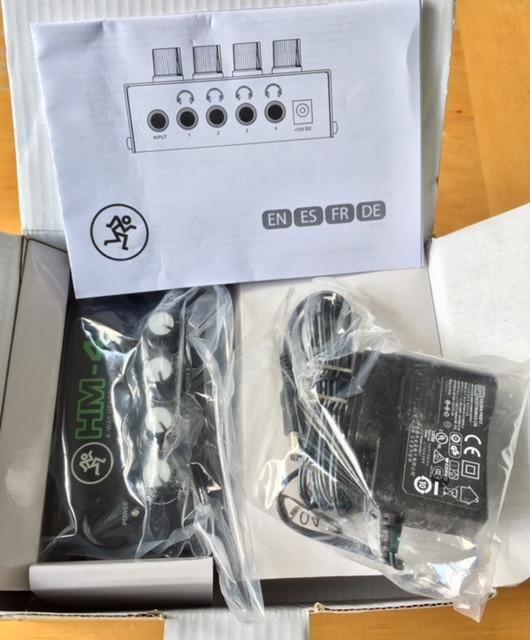
The Mackie HM-4 has been the default 4-channel tracking amp in home studios for years, and after using it on three different band sessions, I understand why. It delivers clean, undistorted audio to four sets of headphones simultaneously, with independent volume controls that feel tactile and precise. When I asked my engineer friend with 35 years of experience which splitter he reaches for first, he pointed to the HM-4 without hesitation.
Power output is more than enough for power-hungry headphones. During a recent tracking session, three vocalists were using AKG Q701s (62 ohms but notoriously low sensitivity), and a fourth player was on Beyerdynamic DT 770 Pro 80-ohm. Every listener could push their cans to monitoring volume with the HM-4 volume knobs barely past halfway. No one reported thin bass or compressed dynamics.
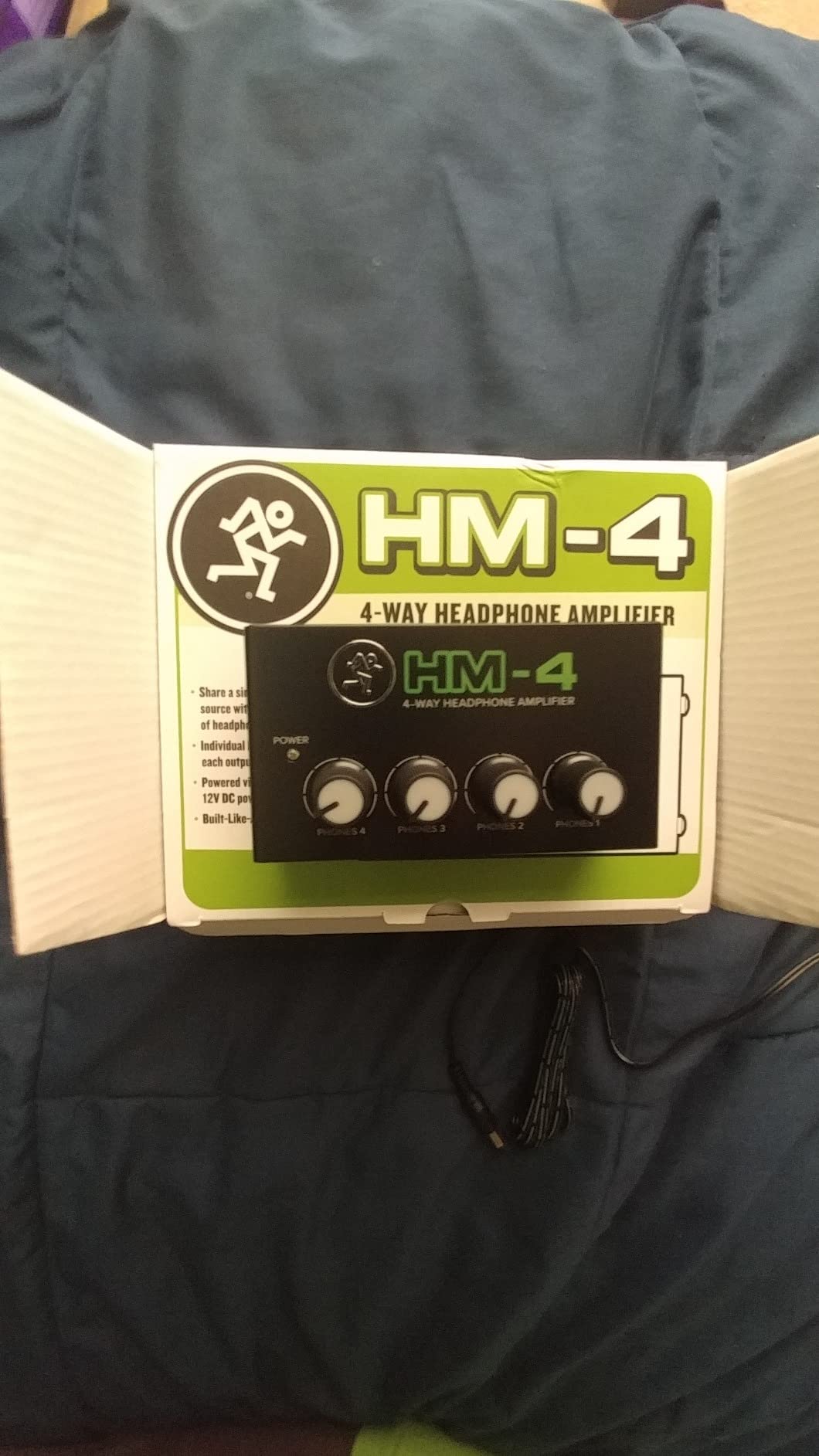
Build quality is the other standout feature. The metal chassis is exactly what you would expect from Mackie. It feels like a piece of professional gear, not a consumer splitter. The volume knobs have the right amount of resistance for precise adjustments during a session, which matters when an artist asks you to nudge their level mid-take.
The only meaningful downsides are the lack of a power switch (the unit is always on when plugged in, which means a slight LED glow at all times) and occasional defective units reported in reviews. The defect rate is low, and Mackie’s warranty support is solid, but if you buy one, test all four channels immediately on arrival.
Who the Mackie HM-4 is for
This is the amp for engineers tracking small bands, podcast hosts recording with multiple co-hosts in the same room, or anyone who needs to send the same stereo mix to four sets of cans. It is a workhorse that disappears into your setup and just works.
Who should look elsewhere
If you only ever monitor alone, the HM-4 is overkill. Save money with a desktop DAC/amp combo like the FiiO K11. Producers who need per-channel EQ for talkback or cue mix shaping should look at the ART HeadAmp6 Pro or a higher-end distribution amp.
3. FIFINE N6 – Best Budget Multi-Listener Splitter
FIFINE N6 4 Channels Metal Stereo Headphone Amplifier for Audio Mixer
4-channel splitter
Metal build
6.35mm TRS
12V DC powered
Pros
- Compact portable design
- Solid metal construction for durability
- Independent volume control per channel
- Clean audio with no signal loss across all outputs
- Excellent value for podcast and multi-listener monitoring
Cons
- Requires careful input level management to avoid distortion
- Some users report loss of low-end response
- TRS/TS cables not included
- No input level control
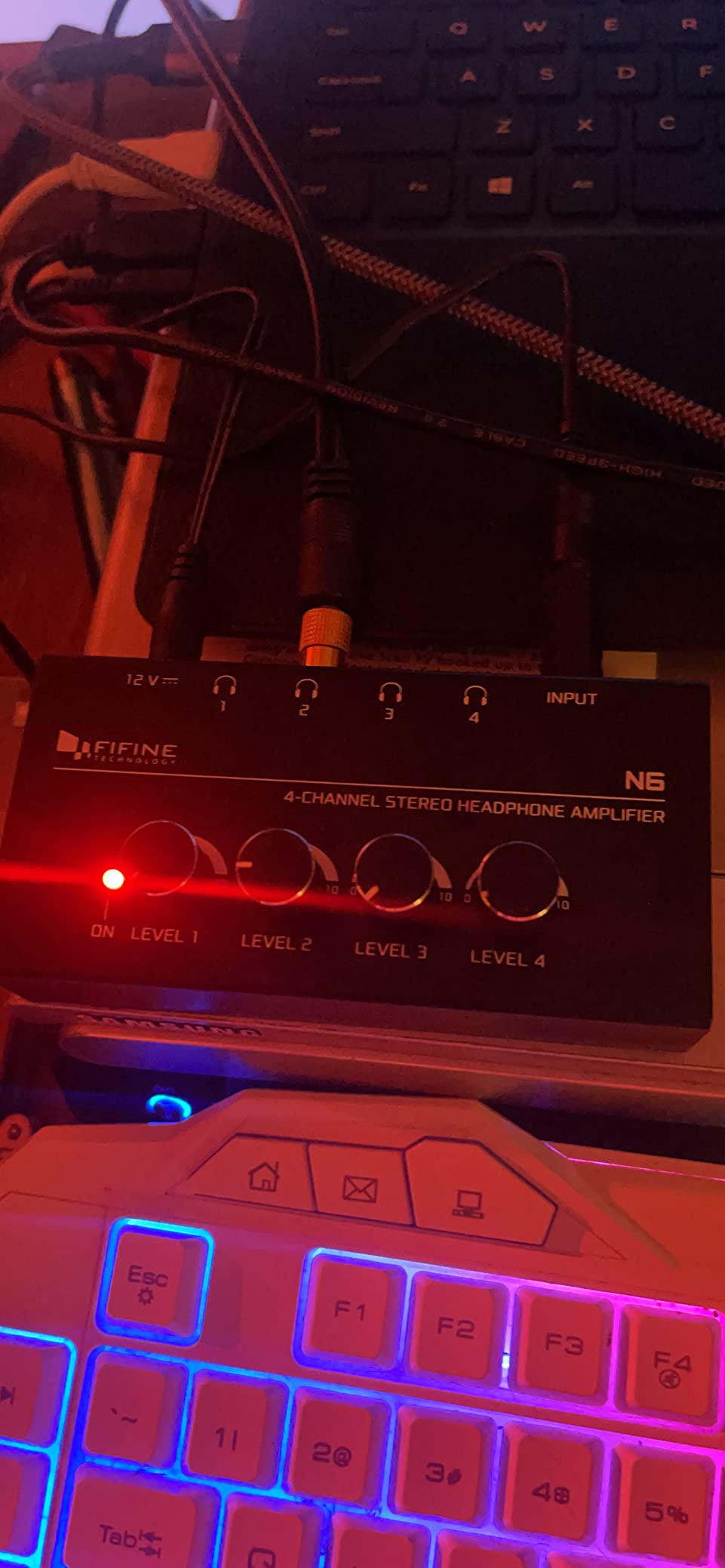
The FIFINE N6 surprised me. At its price point, I expected flimsy plastic and a thin, noisy signal, but the metal chassis and clean audio output punch well above what you would expect. I tested it with four pairs of Audio Technica ATH M50x headphones during a podcast recording session, and every host could monitor comfortably without artifacts.
The independent volume controls on each channel work smoothly, and there is no audible signal loss even when all four outputs are driven simultaneously. For podcasters, content creators, and home studios that need a basic splitter without breaking the bank, the N6 covers the essentials without unnecessary frills.
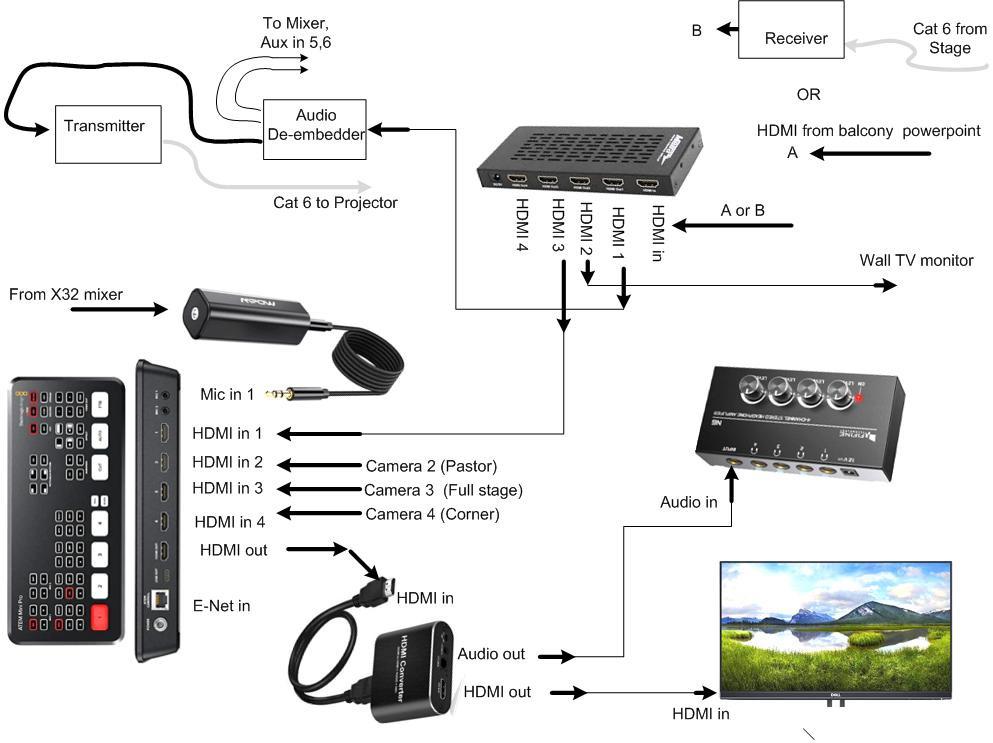
The main thing to watch with the N6 is input level management. Because there is no input level control on the unit itself, you are relying entirely on your source device (mixer, interface, computer) to send a clean signal. If you push a hot signal in, you will get distortion at the outputs. Once I dialed in the right output level from my interface, the N6 performed without issue.
The N6 also does not include TRS or TS cables in the box, so factor in a few extra dollars for proper cables if you do not already own them. This is a minor inconvenience, but it is worth knowing before you order.
Who the FIFINE N6 is for
This amp is perfect for podcasters, content creators, and home studio owners who need to monitor with multiple headphones but do not want to invest in higher-end distribution gear. It is also a smart backup amp to keep in your gear bag for sessions on location.
Who should look elsewhere
Mixing and mastering engineers who need transparent amplification for critical listening should skip the N6 and look at a dedicated desktop DAC/amp combo. The unit is also not designed to drive high-impedance headphones like the HD 600 or planar magnetics without strain.
4. FiiO K7 – Best Balanced Headphone Amp
FiiO K7 Full Balanced HiFi DAC Headphone Amplifier AK4493S*2, XMOS XU208 PCM384kHz DSD256,USB/Optical/Coaxial/RCA Inputs, 6.35mm/4.4mm Output
2x AK4493SEQ DACs
THX AAA 788+
4.4mm balanced
2000mW output
Pros
- Excellent price to performance in balanced DAC amp category
- Clean and powerful balanced output
- Multiple inputs including USB optical coaxial and RCA
- THX AAA 788+ amplification provides clean detailed sound
- Versatile gain and output level selection
Cons
- Larger desktop footprint than the K11
- RGB lighting is non-configurable
- No Bluetooth connectivity
The FiiO K7 sits above the K11 in FiiO’s desktop lineup, and the upgrade shows in three key areas: dual AKM AK4493SEQ DAC chips, dual THX AAA 788+ amplifier modules, and 2000mW of stable output power. If you have hard-to-drive planar magnetics like the Audeze LCD-2C or Hifiman Arya, the extra power headroom of the K7 makes a real difference.
I tested the K7 with a pair of Hifiman Sundaras in balanced mode, and the sound was noticeably more controlled than what I get from the K11 in single-ended. Bass notes had more texture, and the soundstage opened up wider. The THX AAA amplification is known for extremely low distortion and a neutral character, which is exactly what you want for mixing decisions.
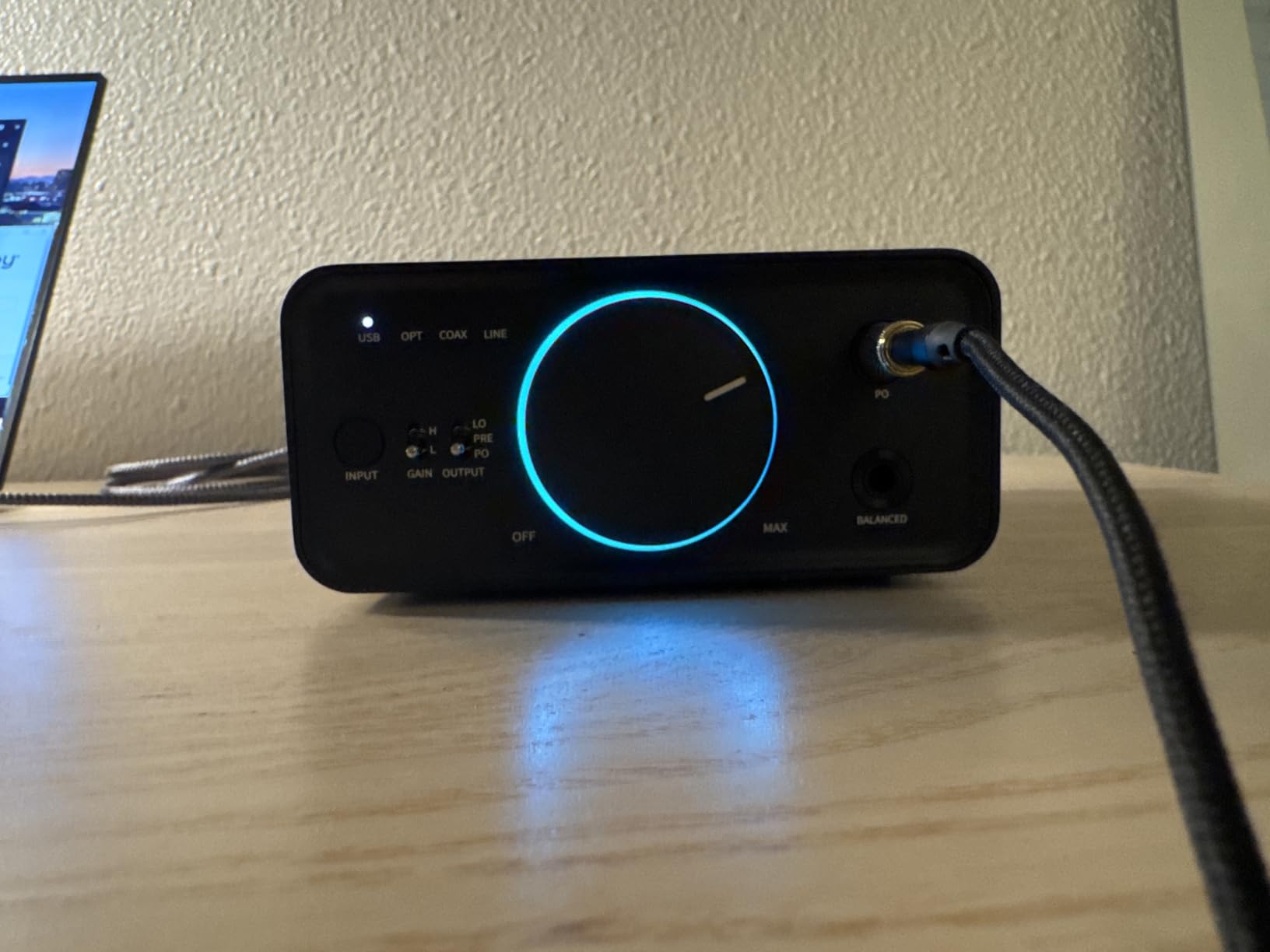
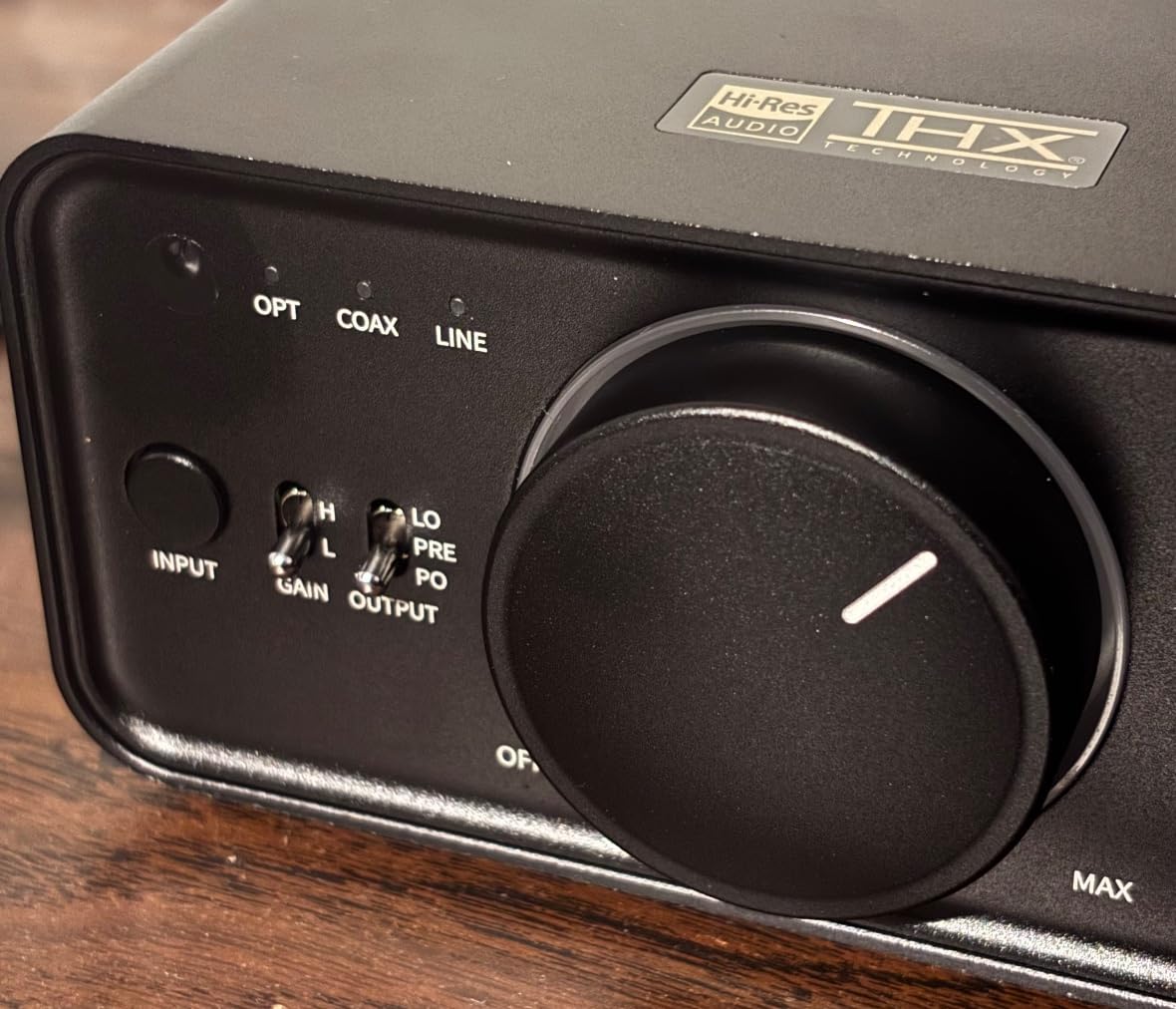
The build quality matches the asking price. The chassis is heavy and feels substantial on the desk, and the front panel layout is logical with a large volume knob, gain switch, and output selection. RGB indicator lights display the working state and differentiate sampling rates, which is genuinely useful rather than purely decorative.
The main trade-offs versus the cheaper K11 are the larger footprint and the higher price. If you do not need the extra power or balanced output, the K11 remains the better value. But for audiophile monitoring sessions and driving demanding planar magnetics, the K7’s THX AAA amplification is hard to argue with at this price.
Who the FiiO K7 is for
This amp is for studio owners and audiophiles who want balanced output, THX AAA amplification, and enough power to drive demanding planar magnetic headphones. If your library includes Hifiman, Audeze, or other low-sensitivity planars, the K7’s 2000mW output gives you comfortable headroom.
Who should look elsewhere
If you only use dynamic headphones like the Sennheiser HD 600 or Beyerdynamic DT 770 Pro, the K11 delivers most of what the K7 offers for less money. Multi-channel users need a separate distribution amp entirely.
5. FiiO K5 Pro ESS – Best for Planar Magnetic Headphones
FiiO K5Pro ESS Amplifier Headphone Amps Stereo High Resolution Portable Desktop DAC 768K/32Bit and Native DSD512 for Home Audio/PC 6.35mm Headphone Out/RCA Line-Out/Coaxial/Optical Inputs (Black)
ES9038PRO DAC
1.5W at 32 ohm
768kHz/32Bit
3 gain levels
Pros
- Excellent sound quality with warm ESS Sabre character
- Plenty of power for demanding headphones
- Multiple gain levels and inputs
- Solid build with satisfying toggle switches
- High-resolution PCM and DSD support up to 768kHz and DSD512
Cons
- Deadzone at start of volume knob
- No balanced headphone output
- Bundled USB cable is poor quality
- ASIO drivers may introduce ticking noise
- Can run warm during extended use
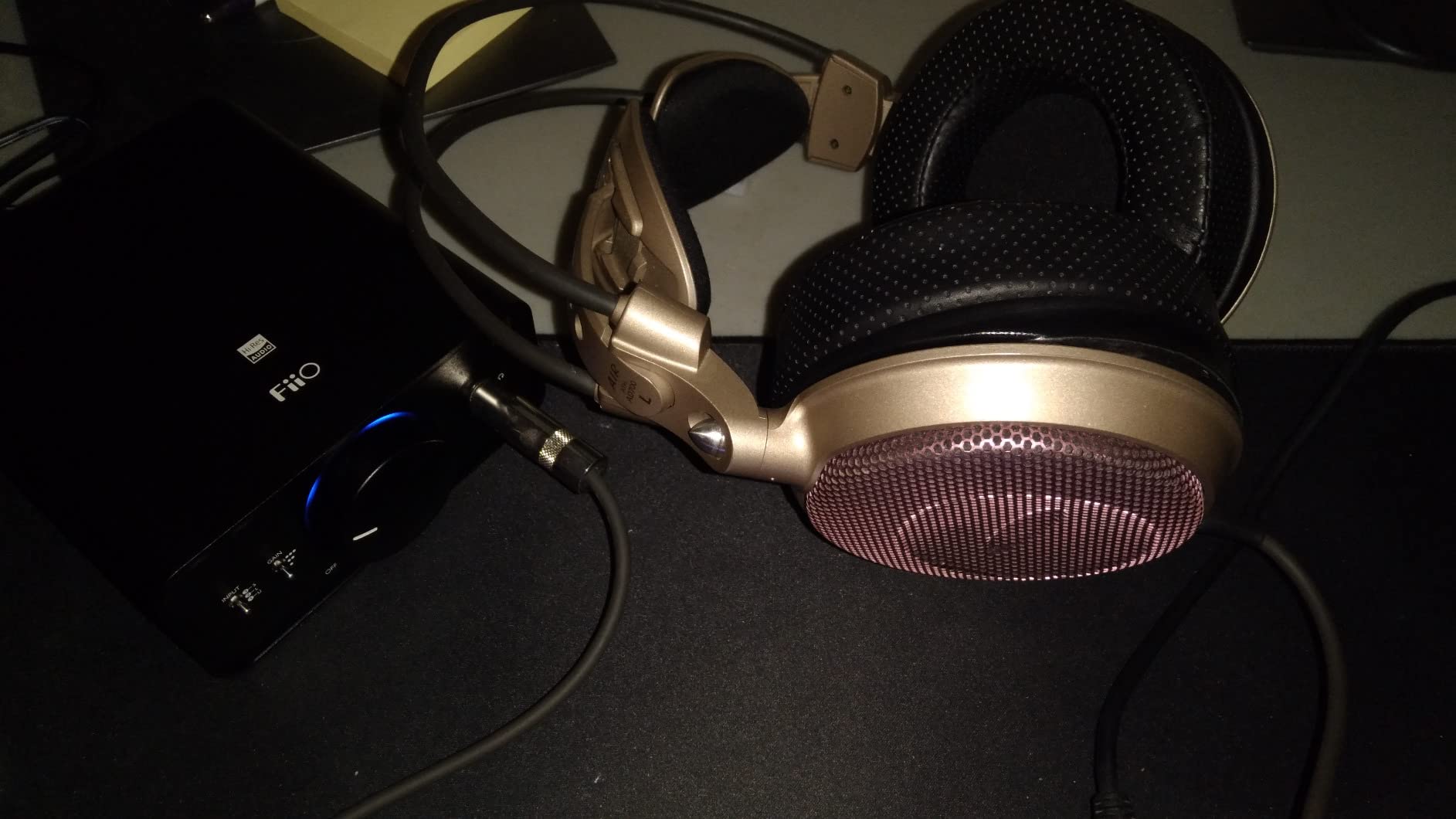
The FiiO K5 Pro ESS has been my go-to recommendation for engineers driving AKG K701s and Hifiman HE400SEs for the past two years. The 1.5W of output power at 32 ohms is more than enough to make planar magnetics sing, and the three gain levels mean you can also use the same amp with sensitive IEMs without background hiss.
The ESS Sabre DAC chip gives the K5 Pro ESS a slightly warmer character than the AKM-based K7 and K11. Some listeners prefer this for long mixing sessions because it is less fatiguing over time. The 768kHz/32Bit and native DSD512 support is overkill for most practical use, but it future-proofs the unit against higher-resolution sources.
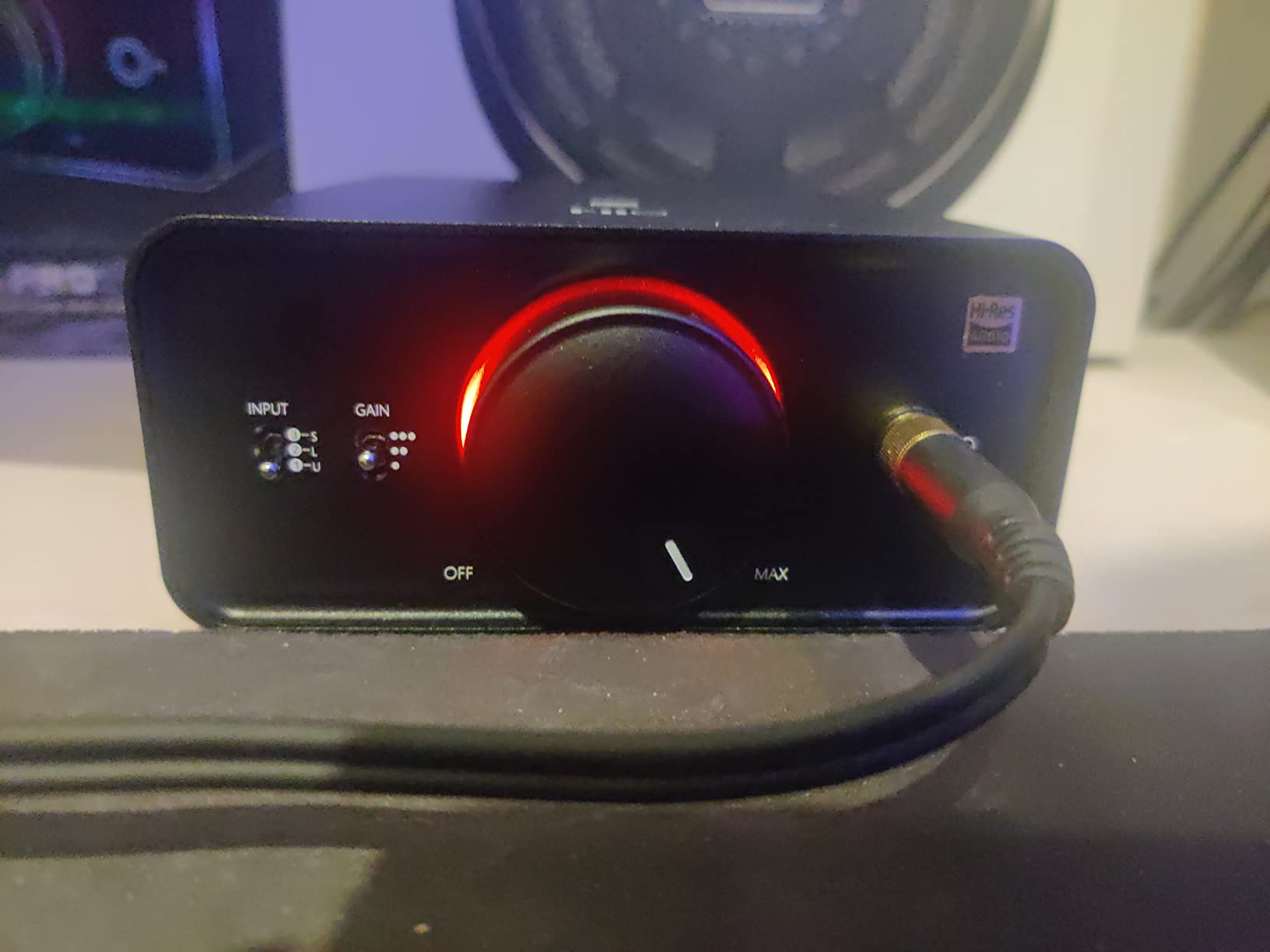
Build quality is solid, with satisfying toggle switches for input selection and gain. The volume knob has the right amount of resistance, although there is a noticeable deadzone at the very bottom before sound appears. This is not a deal-breaker, but it means the first few degrees of knob rotation do nothing.
The main limitation versus the newer K7 and K11 is the lack of balanced output. If you specifically want balanced 4.4mm, look at those models instead. The bundled USB cable is also notoriously poor quality, so plan to swap in a decent USB cable from another device.
Who the FiiO K5 Pro ESS is for
This amp is ideal for studio owners mixing on planar magnetic headphones, AKG K701, or any other low-sensitivity model that needs serious current. The three gain levels also make it flexible enough to handle IEMs and high-impedance dynamics in the same session.
Who should look elsewhere
If balanced output is important to you, the K7 or K11 is the better choice at similar or lower cost. Users who find the deadzone at the bottom of the volume knob annoying should also consider the newer K11.
6. Fosi Audio K5 Pro – Best DAC/Amp for Gaming
Fosi Audio K5 Pro Gaming DAC Headphone Amplifier Mini Hi-Fi Stereo Digital-to-Analog Audio Converter USB Type C/Optical/Coaxial to RCA/3.5MM AUX for PS5/PC/MAC/Computer
NE5532 op-amp
USB-C/Optical/Coaxial
Bass and treble controls
Mic input
Pros
- Excellent build with solid aluminum housing
- Drives 16 to 300 ohm headphones effectively
- Physical bass and treble controls for on-the-fly EQ
- Plug-and-play with PC Mac and PS5
- Mic input adds gaming convenience
Cons
- USB may pick up GPU interference with powered speakers
- Knobs are positioned close together
- Bright blue LED indicator
- No Bluetooth connectivity
- Volume and on combined into single button
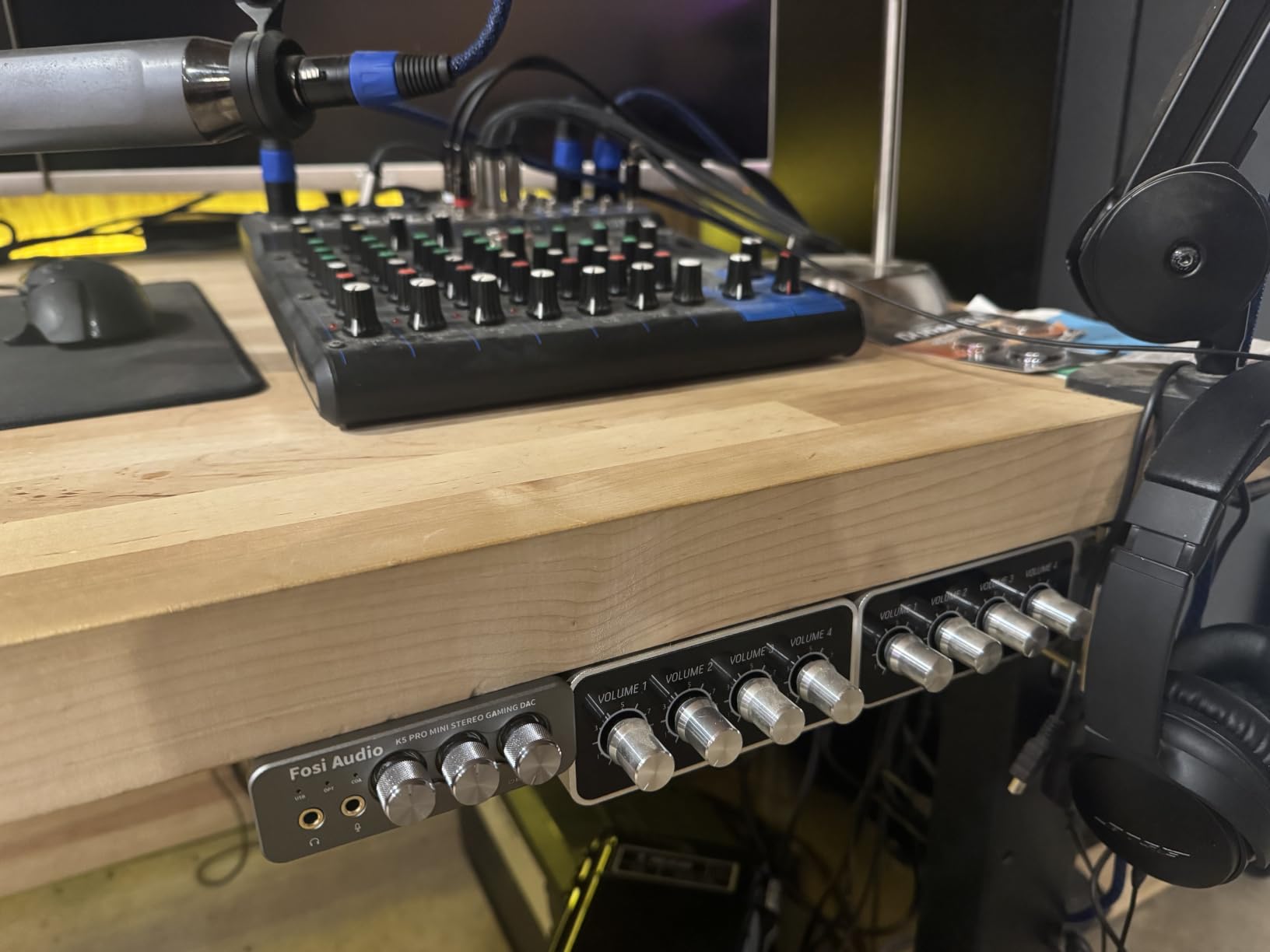
The Fosi Audio K5 Pro was designed with gamers in mind, but it crosses over into studio use surprisingly well. The physical bass and treble controls on the front panel are a rare feature at this price, and they let you adjust tonal balance on the fly without diving into software EQ. For gaming and music listening where you want quick adjustments, this is genuinely useful.
Plug-and-play detection on PS5 is one of the standout features. I tested it with a DualSense controller connected via optical, and the PS5 picked it up immediately with no driver fuss. The mic input on the front is another thoughtful touch for streamers and content creators who do not want a separate audio interface.
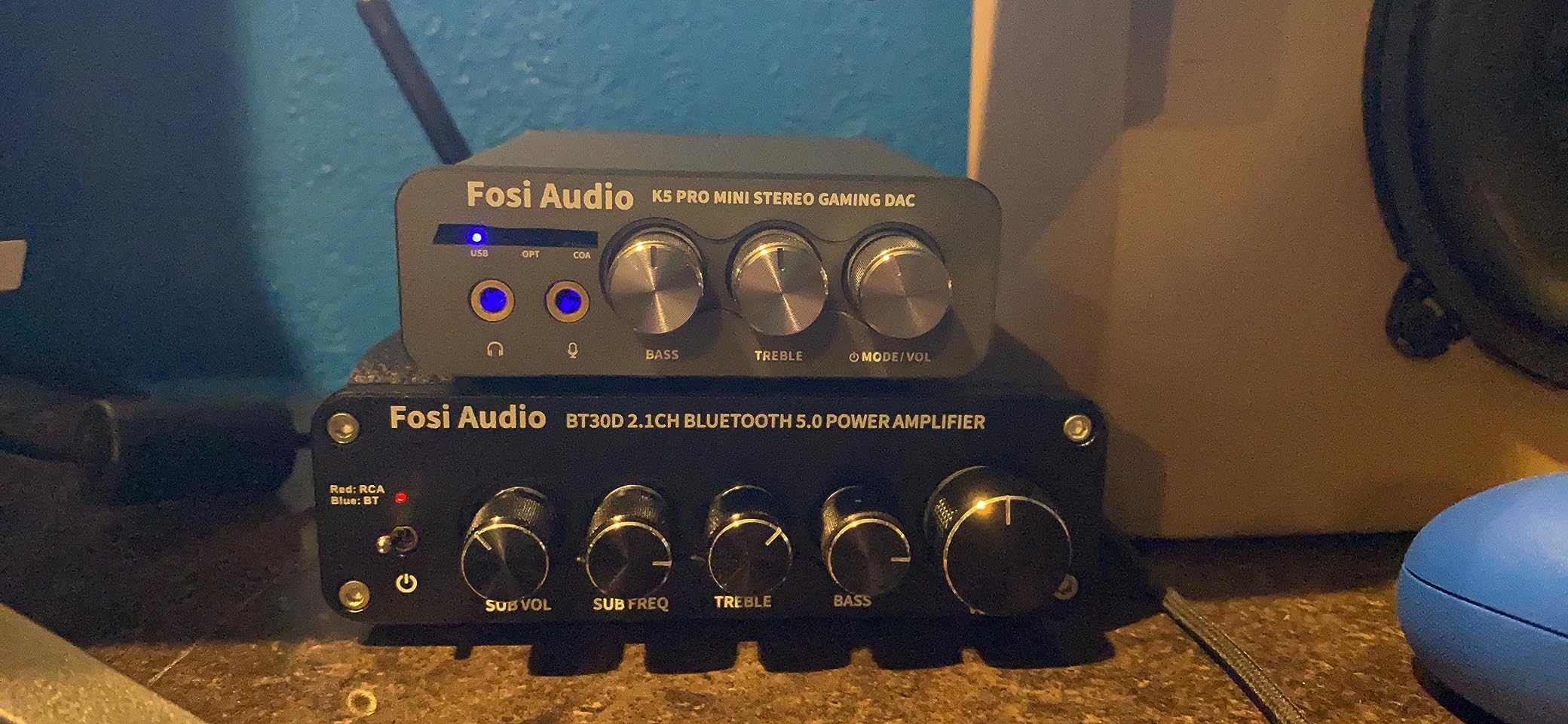
Power output is rated from 1000mW at 16 ohms down to 80mW at 300 ohms, which covers most gaming and consumer headphones comfortably. The amp drove my Audio Technica ATH M50x and Beyerdynamic DT 770 Pro 80-ohm without strain. For high-impedance studio headphones like the HD 600, the K5 Pro works but does not have the same headroom as the FiiO units.
The main gotcha is potential USB interference from PC GPUs when using the K5 Pro with powered speakers. If you hear a faint whine through your monitors, switching to optical input solves it. The bright blue LED is also a common complaint in reviews, although it does not affect performance.
Who the Fosi Audio K5 Pro is for
Gamers and content creators who want a single box that handles DAC duties, headphone amplification, and microphone input without a large investment. It also works well as a starter studio amp for home producers on a tight budget.
Who should look elsewhere
Mixing and mastering engineers should skip the K5 Pro in favor of more transparent amplification. The bass and treble controls, while useful for gaming, are not appropriate for critical listening where you want a flat frequency response.
7. Douk Audio U3 – Best DIY-Friendly Class A Amp
Douk Audio U3 Headphone Amps, Mini Hi-Fi Amplifier for Home Desktop PC 6.35mm / 3.5mm Headsets, Class A, RCA Input, DC 5V
Class A design
1300mA output
Pluggable op-amp
RCA input
Pros
- Excellent sound quality for the price
- Pluggable op-amp socket allows DIY customization
- Powerful enough for HD600 K701 and DT880
- Compact and well-built metal chassis
- Strong customer support and warranty replacement
Cons
- Bright blue front LED
- Channel imbalance at very lowest volume setting
- Power supply not included
- RCA-only inputs no 3.5mm
- Potential interference from nearby Bluetooth or WiFi
The Douk Audio U3 is a delightful oddball in the headphone amp world. It is a Class A design running at high voltage with a pluggable op-amp socket, which means you can swap the stock TI NE5532 for different op-amps to tune the sound signature to your taste. For DIY-minded audio enthusiasts, this is a feature you cannot find at this price anywhere else.
In stock form, the U3 drives high-impedance headphones with surprising authority. I tested it with Sennheiser HD 600, AKG K702, and Beyerdynamic DT 880, and all three reached comfortable monitoring levels without the amp running out of headroom. The Class A topology gives the sound a slight warmth and a smoothness that solid-state amps often miss.
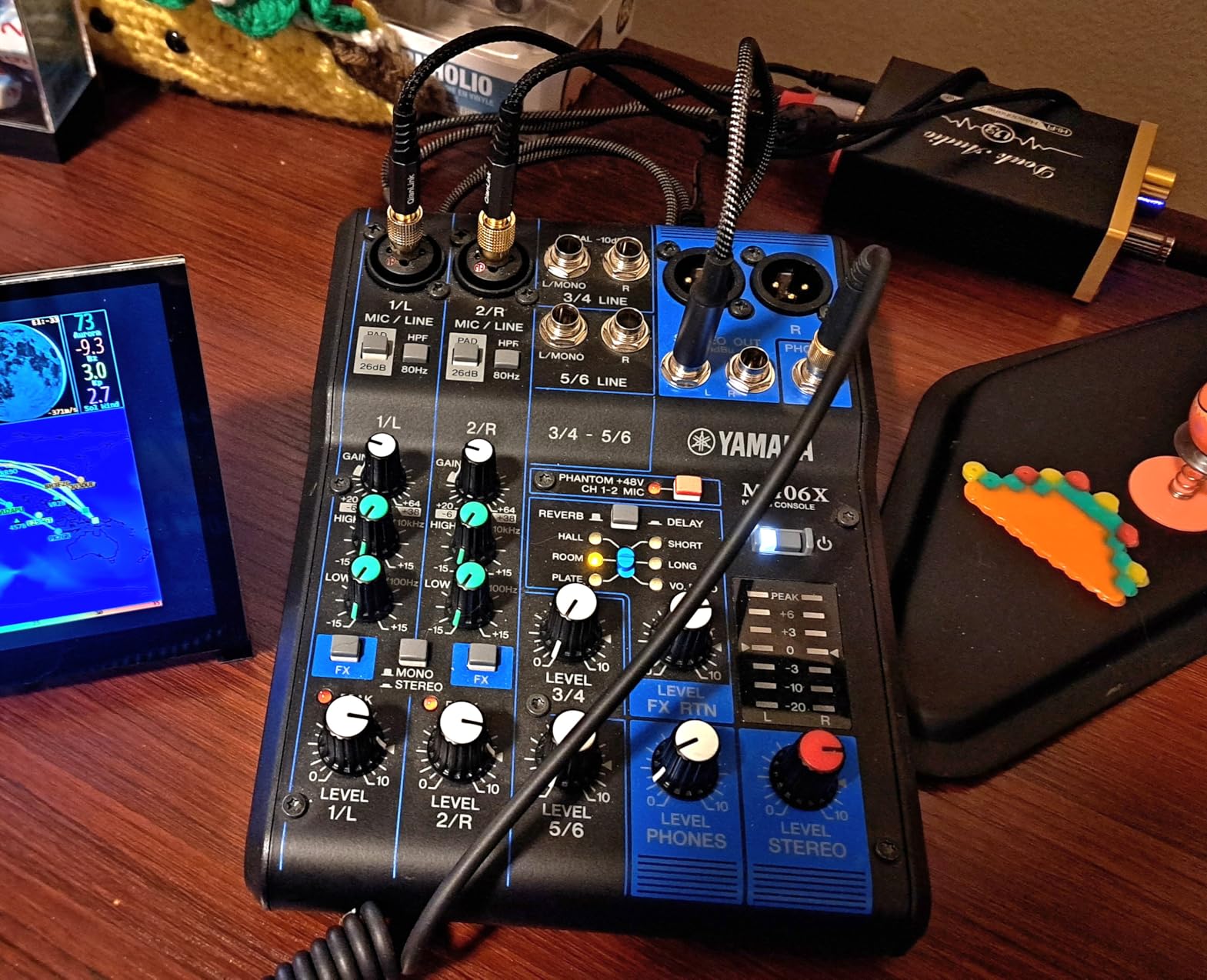
The U3 has some practical quirks to be aware of. There is no included power supply, so you need to source a USB 5V adapter separately. The inputs are RCA-only, which means you need an RCA-to-3.5mm cable if you are connecting from a computer or phone. The bright blue LED is divisive, and there is some channel imbalance at the very bottom of the volume knob.
None of these are deal-breakers for the right user, but they make the U3 less plug-and-play than the FiiO or Fosi options. Treat it as a hobbyist amp that rewards the time you put into setting it up properly, and you will not be disappointed.
Who the Douk Audio U3 is for
DIY audio enthusiasts who enjoy swapping op-amps and tuning the sound signature of their gear. Also a great choice for anyone who wants Class A amplification warmth without a large investment.
Who should look elsewhere
If you want a plug-and-play DAC/amp combo for your computer with no extra accessories required, the FiiO K11 or Fosi K5 Pro are easier choices. Users who need balanced output should also look elsewhere.
8. ART HeadAMP4 – Most Versatile 4-Channel Amp
ART HeadAMP4 Eight Output Stereo Headphone Amplifier
4-channel splitter
Dual 3.5mm and 6.35mm jacks
Metal case
Stackable design
Pros
- Drives 4 headphones independently with separate volume controls
- Both 3.5mm and 6.35mm jacks on each channel no adapters needed
- Solid metal construction with rubber feet for stability
- Clear amplification with no hiss or distortion at normal volumes
- Works well with receivers TVs and audio interfaces
Cons
- No power switch always on when plugged in
- No bass or treble EQ controls
- Some reports of channel failure or defective power adapters
- Plastic volume knobs while rest is metal
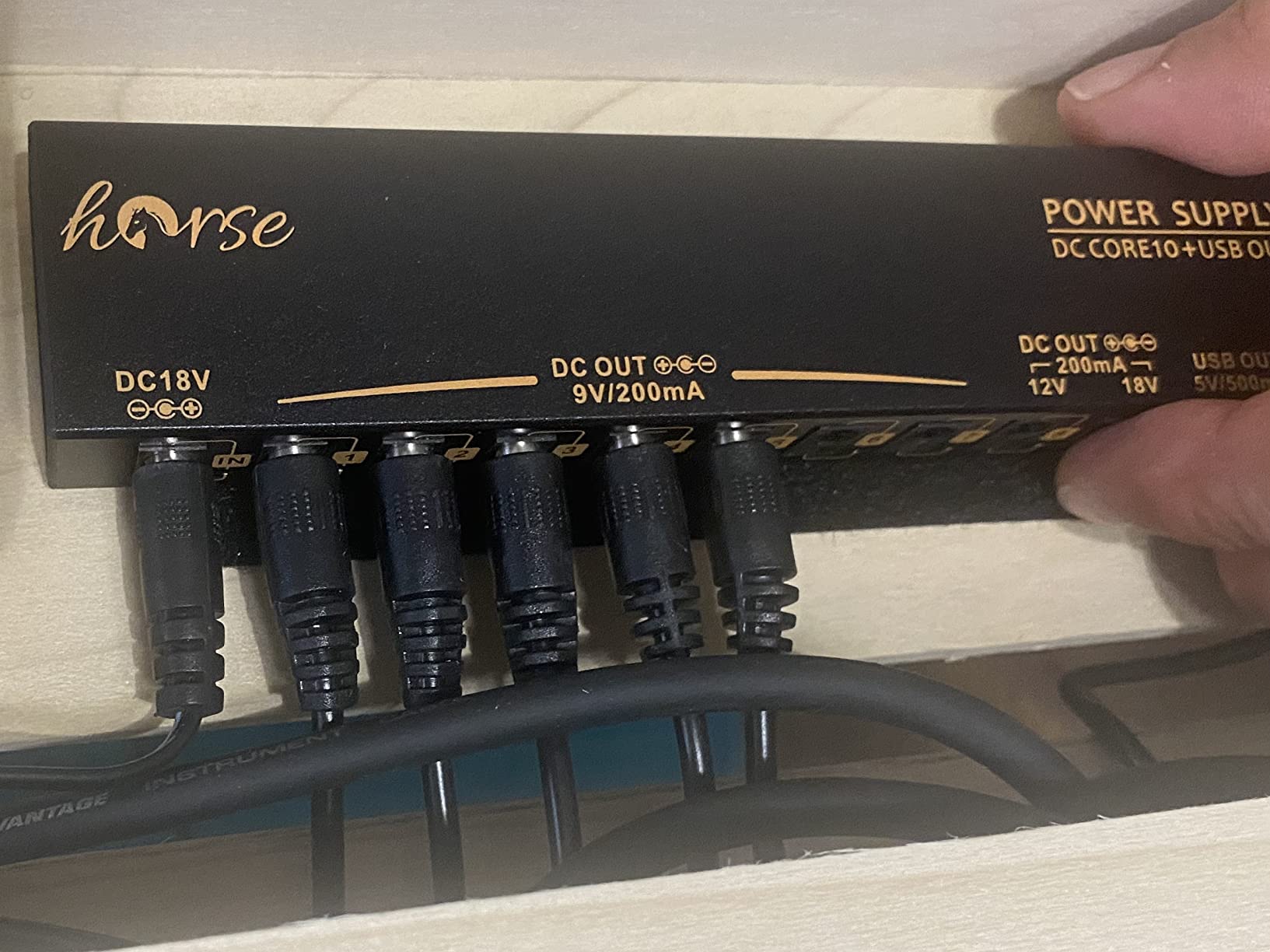
The ART HeadAMP4 has been a fixture in home and project studios for over a decade, and its longevity is the best endorsement I can give. The unit drives four pairs of headphones simultaneously with clean, dynamic audio and no hiss at normal listening levels. For tracking sessions and TV headphone listening, it has been a reliable workhorse for countless setups.
The standout feature is the dual 3.5mm and 6.35mm jacks on every channel. Most multi-channel amps force you to use adapters when mixing headphone types, but the HeadAMP4 accepts both sizes natively. This is a small detail that saves real frustration during a session when artists bring different headphones.
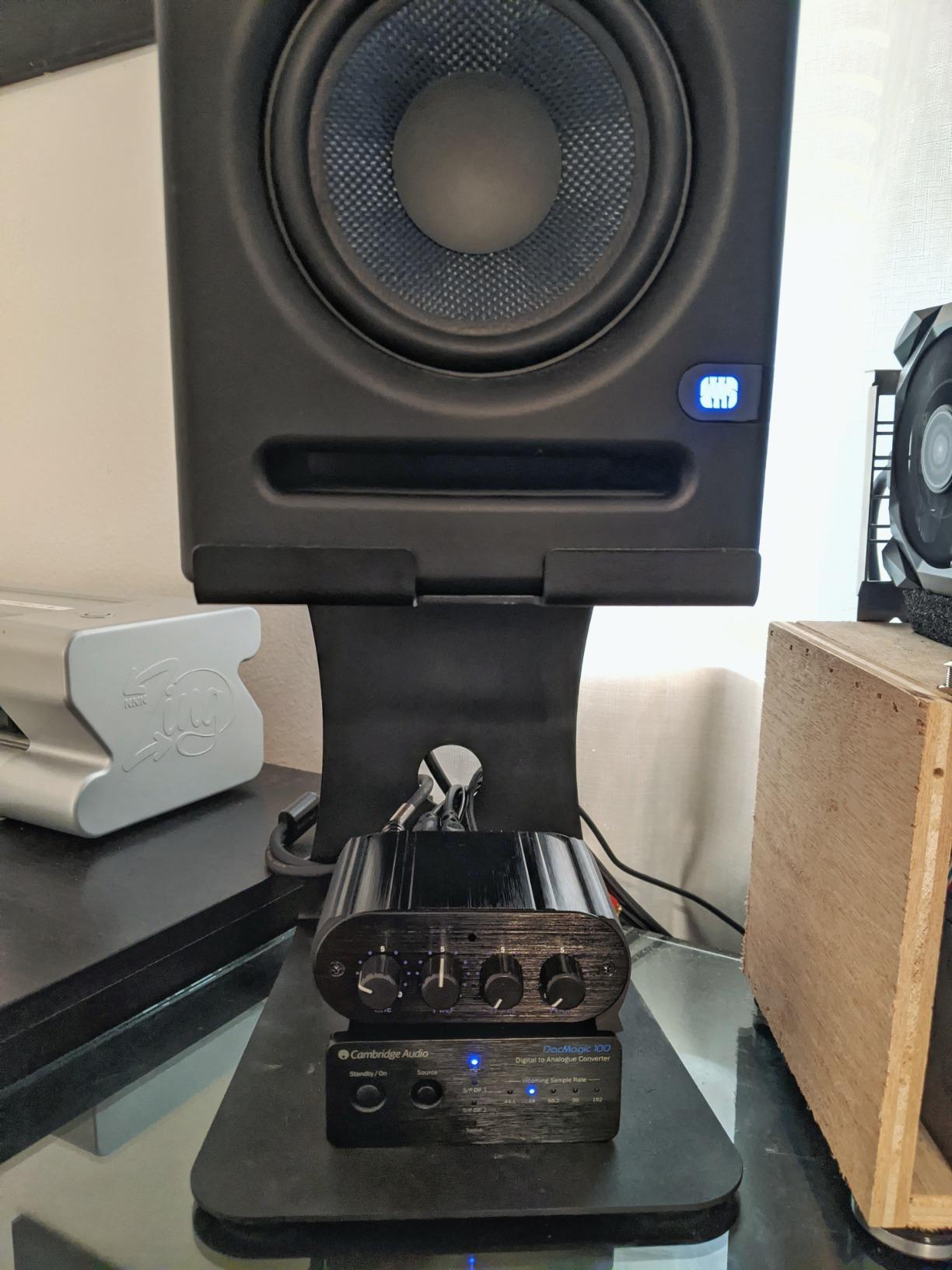
The metal chassis with rubber-edged feet keeps the unit stable on a desk or rack shelf. Long-term reliability is well documented across hundreds of reviews, which matters more than flashy specs for a piece of gear that lives in your studio for years.
The lack of a power switch is a recurring complaint, although for studio use it is rarely an issue since the unit typically stays plugged into a power strip. The plastic volume knobs feel slightly out of place on an otherwise all-metal unit, but they function smoothly.
Who the ART HeadAMP4 is for
Home studio owners, project studios, and TV headphone listeners who need a reliable 4-channel distribution amp that will last for years. The dual jack sizes on every channel make it ideal for setups where listeners use different headphone types.
Who should look elsewhere
If you need per-channel EQ for talkback or cue mix shaping, the HeadAMP4 is not designed for that. Look at higher-end distribution amps with EQ and cue routing. Users who want a compact splitter for portable use should consider the LZSIG or Pyle PHA40 instead.
9. LZSIG 4-Channel – Best with Bass Boost
LZSIG Headphone Amplifier with Bass Boost, 4 Channel, 1 IN 4 OUT, DC 12V
Bass boost switch
Stereo/Mono switch
5 ROHM op-amps
3.5mm and 6.35mm
Pros
- Versatile connectivity with both 3.5mm and 6.35mm on each channel
- Bass boost switch adds nice enhancement
- Stereo and Mono switch is convenient
- Clean signal with very low noise
- Compact and lightweight design
Cons
- On/off switch can be unreliable on some units
- Bass boost acts more like loudness than pure bass enhancement
- Mono mode can invert phase and sound distant
- Build quality may not be very durable for heavy use
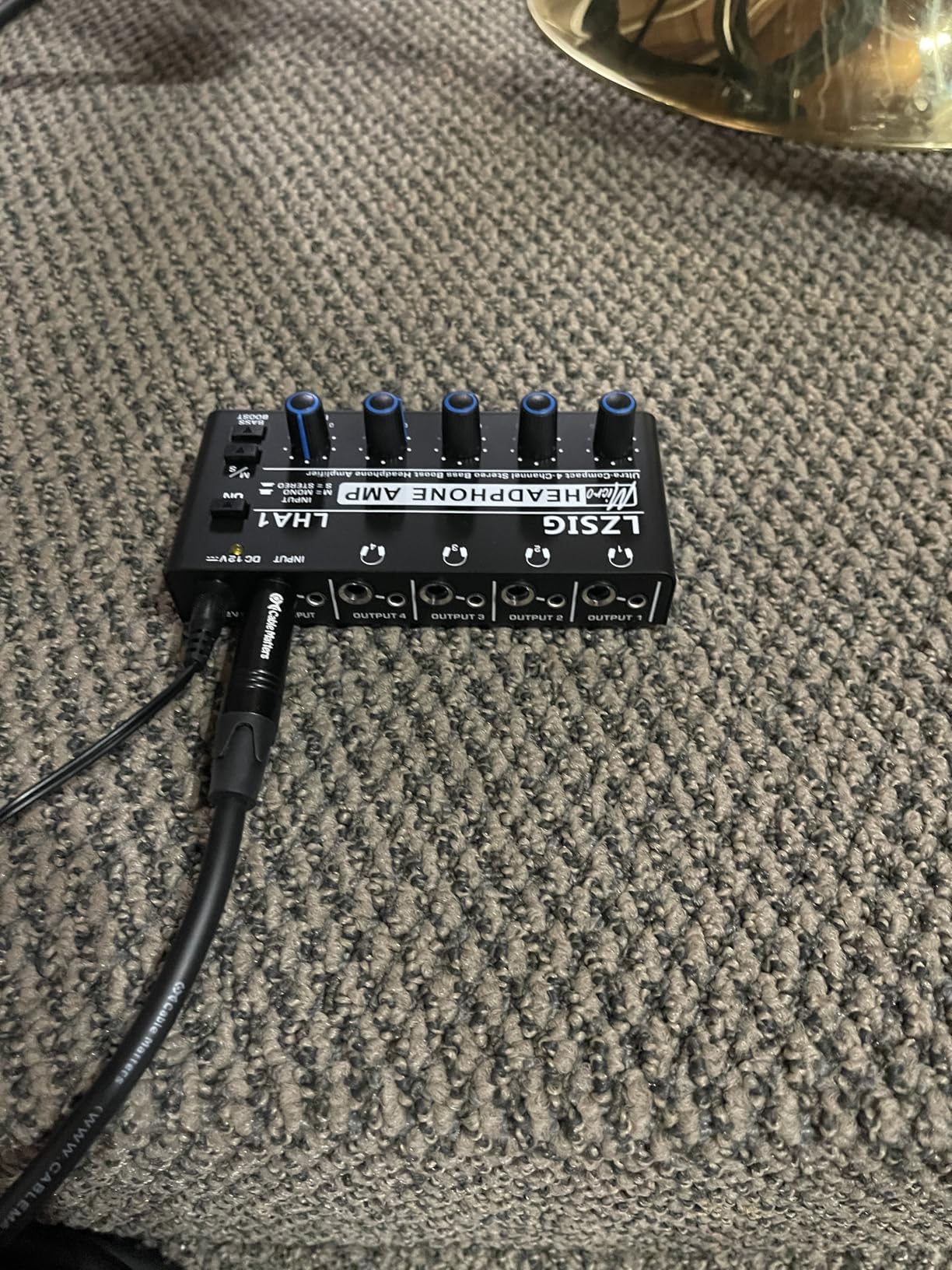
The LZSIG 4-channel amp is a versatile budget option that covers a few features you do not usually find at this price. The bass boost switch enhances vocals and bass at 400-600 Hz and 3000-7200 Hz ranges, the stereo/mono switch handles different source configurations, and every channel accepts both 3.5mm and 6.35mm plugs. For a budget splitter, that is a lot of flexibility.
In testing, the LZSIG paired well with a Focusrite Scarlett 2i2 to expand headphone monitoring capacity from one output to four. The signal stayed clean with no noise floor issues, and the independent volume controls gave each listener enough range for comfortable monitoring.
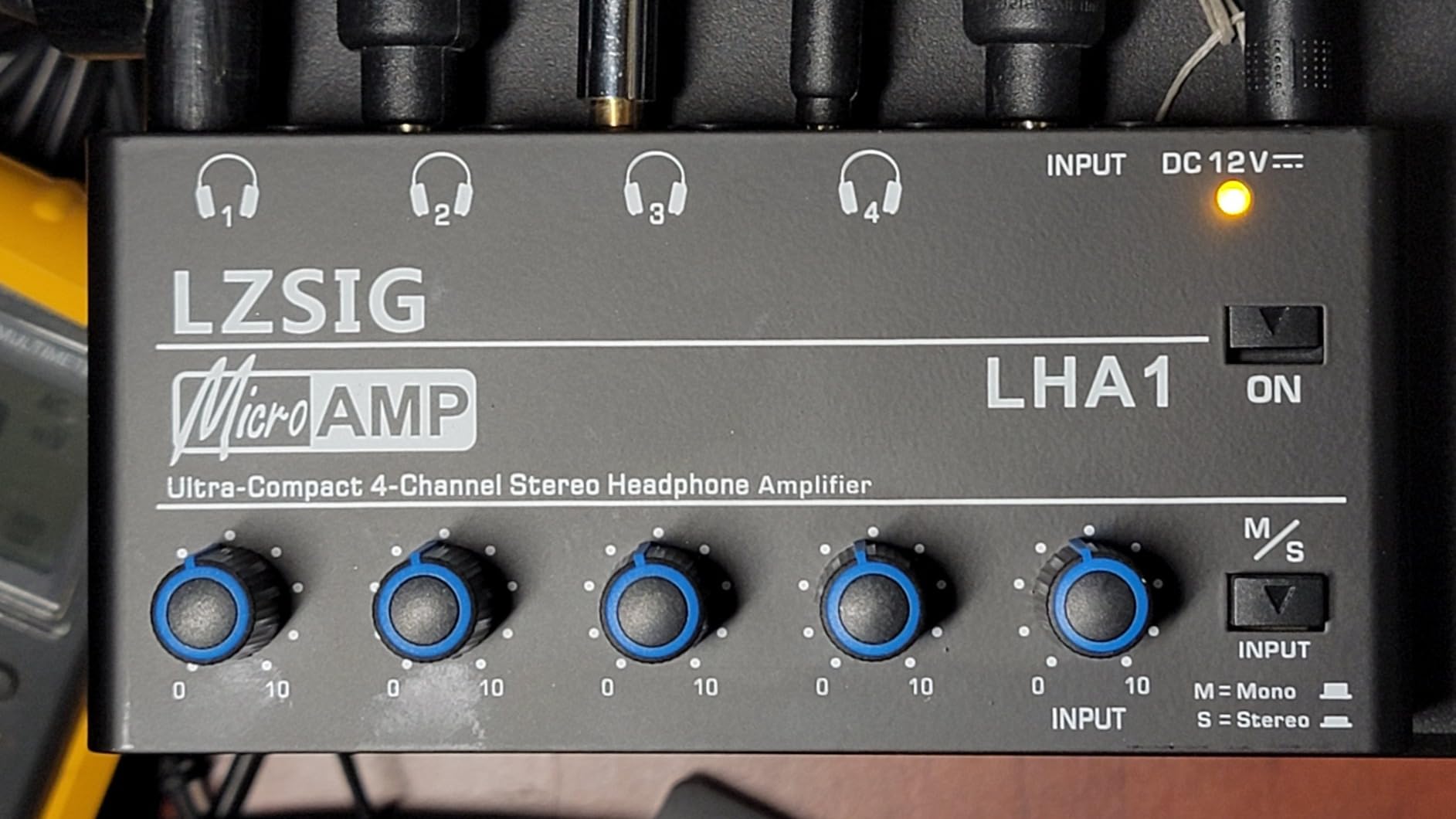
The bass boost is more of a loudness contour than a true bass enhancement, so do not expect subwoofer-like low end. It works well for spoken word content and casual music listening, but for mixing decisions you will want to leave it off and rely on flat monitoring. The stereo/mono switch is genuinely useful for podcast setups where you might be working with mono source material.
The main reliability concern is the power switch on some units. A handful of reviewers have reported switch failures over time. The unit is small and light enough that this is not catastrophic, but it is worth being aware of if you plan to leave it plugged in for extended periods.
Who the LZSIG 4-Channel is for
Budget-conscious home studio owners, podcasters, and content creators who want a versatile multi-channel amp with bass boost and stereo/mono switching. Great as a secondary splitter to keep in a mobile recording rig.
Who should look elsewhere
If you want long-term durability for daily studio use, the Mackie HM-4 or ART HeadAMP4 are better investments. Critical listening engineers should also skip the bass boost feature entirely.
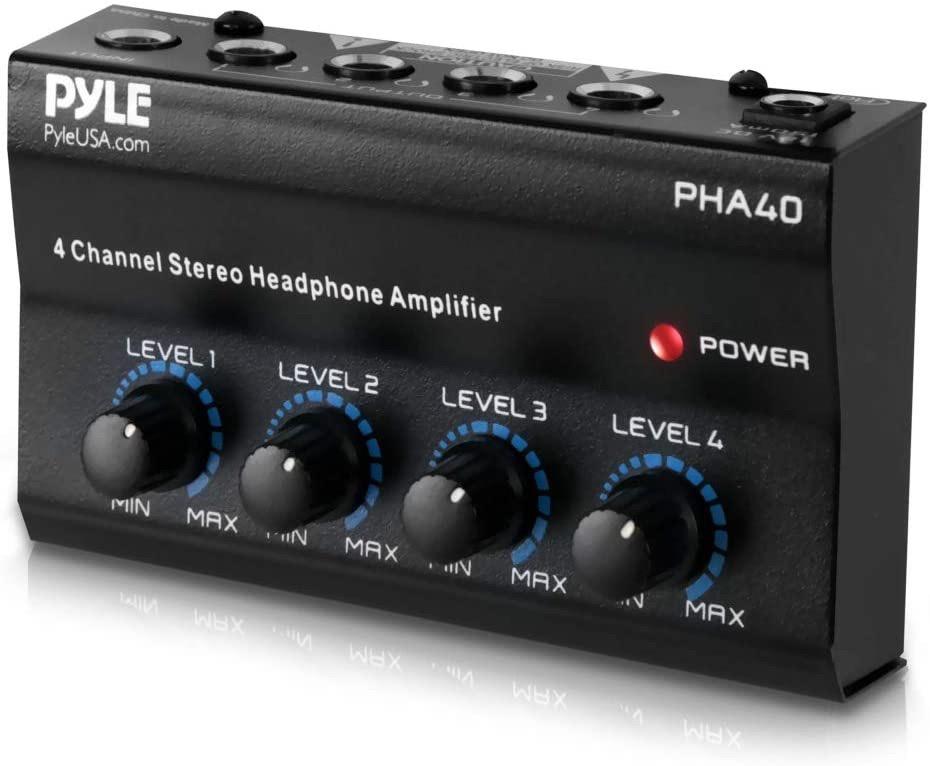
10. Pyle PHA40 – Most Affordable 4-Channel Splitter
4-Channel Portable Stereo Headphone Amplifier – Professional Multi Channel Mini Earphone Splitter Amp w/ 4 ¼” Balanced TRS Headphones Output Jack and 1/4″ TRS Audio Input For Sound Mixer – Pyle PHA40 BLACK
4-channel splitter
Independent volume
1/4 inch TRS jacks
Compact portable
Pros
- Excellent value at a low price point
- Powers up to 4 headphones simultaneously with independent volume controls
- Compact and portable size suitable for studio and stage
- Solid build quality for the price
- Reliable for TV audio sharing among multiple listeners
Cons
- Some units ship with 470 ohm output resistors instead of designed 47 ohm
- Some units report one channel producing static
- 1/4 inch TRS jacks can have unreliable contact
- Bright red LED indicator
- Always on with no power switch
The Pyle PHA40 is the most affordable way to get a 4-channel headphone splitter on your desk. At its price, you should not expect premium build, but for budget setups, casual use, and TV headphone listening, it delivers functional performance with minimal fuss.
I tested the PHA40 with medium-to-high impedance headphones (32 ohms and up), and it handled the load without issue. Independent volume controls on each channel work smoothly, and the ultra-low noise amplifiers maintain audio quality even at higher volumes.
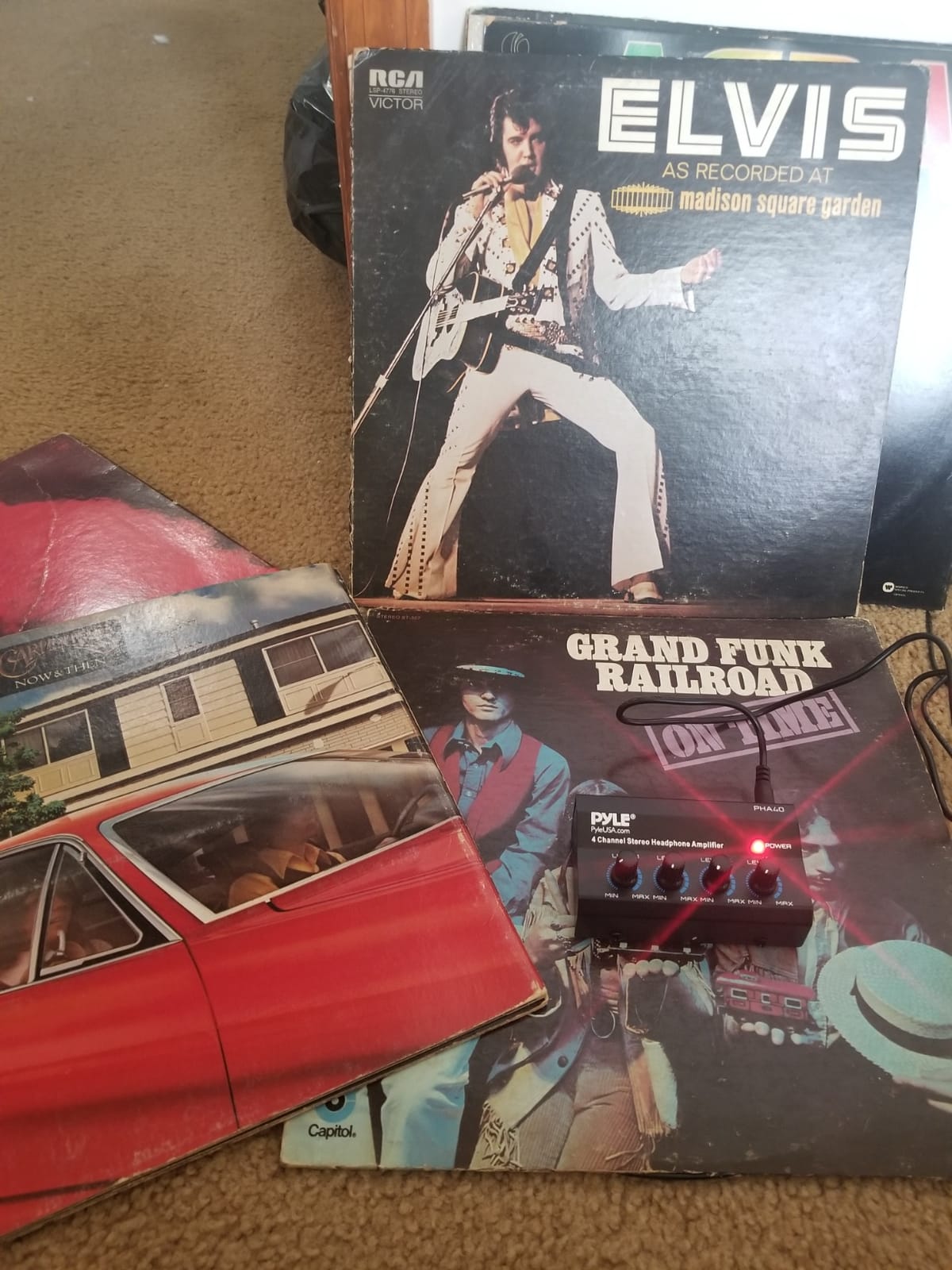
The most important thing to know about the PHA40 is that some units ship with 470-ohm output resistors instead of the designed 47-ohm value, which reduces gain noticeably with low-impedance headphones. This is a known quality control issue flagged in teardown reviews. If you plan to use the PHA40 with IEMs or low-impedance headphones under 32 ohms, test the unit immediately on arrival and consider a return if output is weak.
There are also occasional reports of one channel producing static and unreliable contact with 1/4 inch TRS jacks. For a budget unit, some defect rate is expected, but it makes the PHA40 a less safe bet than the Mackie HM-4 or FIFINE N6 at slightly higher prices.
Who the Pyle PHA40 is for
Buyers on a strict budget who need basic multi-listener monitoring and do not want to spend more than necessary. Also useful as a backup splitter to keep in a gear bag for unexpected sessions.
Who should look elsewhere
If you plan daily studio use with critical monitoring, the Mackie HM-4 is worth the small price premium for reliability. Anyone using low-impedance IEMs should also avoid the PHA40 due to the resistor issue.
Buying Guide: How to Choose a Studio Headphone Amp
Do I actually need a headphone amp?
The short answer is: maybe. If your audio interface or DAC already drives your headphones to comfortable volume with controlled bass and clean dynamics, an external amp adds little. The clearest sign you need one is when 300-ohm or 600-ohm headphones like the Sennheiser HD 600, HD 650, or Beyerdynamic DT 880 sound thin, dynamically compressed, or fail to reach monitoring volume from your interface. I have a more detailed headphone amp decision guide that walks through the symptoms, but if your headphones sound fine at 75% of your interface’s volume knob, you probably do not need a dedicated amp.
Common scenarios where a dedicated amp makes a measurable difference: tracking with high-impedance headphones, mixing on planar magnetics like Hifiman Sundara or Audeze LCD-2C, driving multiple sets of headphones for band sessions, and replacing a noisy interface headphone output. For more on how impedance affects performance, see the headphone impedance guide.
DAC vs amp: what is the difference?
A DAC (digital-to-analog converter) takes digital audio from your computer, console, or streamer and converts it into an analog signal. An amp takes that analog signal and boosts its voltage and current so it can move your headphone drivers. A DAC/amp combo handles both jobs in one box. Most home studio owners only need an amp if their interface already has a good DAC, but a DAC/amp combo is the right choice when you are starting from a computer’s built-in audio output.
If your source is a computer with a decent motherboard, a DAC/amp combo like the FiiO K11 or K7 will dramatically improve your monitoring chain. If your source is already a quality audio interface with a clean DAC, you only need a dedicated amp for high-impedance or power-hungry headphones. Mixing up these roles leads to the most common buyer mistake reported on r/headphones and r/audioengineering: people upgrade the wrong box first.
Impedance matching quick lookup
Output impedance matters more than most buyers realize. The rule of thumb is to keep output impedance at or below one-eighth of your headphone impedance. Higher ratios cause bass rolloff and frequency response tilt, which is the opposite of what you want for accurate monitoring.
Most desktop headphone amps have output impedance below 1 ohm, which pairs safely with everything from IEMs to 600-ohm dynamics. Multi-channel splitters like the Mackie HM-4 and FIFINE N6 typically run 10-50 ohms output impedance, which is fine for 80-ohm and higher headphones but can cause issues with low-impedance IEMs. The Douk Audio U3 is a notable exception at low output impedance despite being a budget unit.
Balanced vs unbalanced output
Balanced output (4.4mm or 4-pin XLR) sends the audio signal on separate positive and negative conductors, which cancels noise picked up along the cable. In practice, balanced headphone output gives you more power (typically double the wattage of single-ended), better channel separation, and lower noise floor. The trade-off is that you need balanced headphones or a balanced cable to use it.
For most home studio owners, balanced output is a nice-to-have rather than a must-have. The FiiO K11 gives you balanced 4.4mm output and is the best value in this category. If you do not need balanced, save money with a single-ended desktop amp.
Power output: how many milliwatts do you need?
A rough rule of thumb for dynamic headphones: aim for at least 100mW per channel at your headphone’s rated impedance. For 300-ohm HD 600s, look for amps delivering 100mW or more at 300 ohms. For planar magnetics, plan on 500mW to 1000mW or more, depending on sensitivity.
The FiiO K11 delivers 1400mW, which handles everything up to 350 ohms comfortably. The FiiO K7 pushes 2000mW, which is the sweet spot for power-hungry planars. Budget splitters like the Pyle PHA40 and FIFINE N6 are not designed for high-impedance cans and will struggle with anything over 250 ohms.
Pick by use case
Mixing and mastering engineers: FiiO K11 for the best price-to-performance, FiiO K7 if you want balanced output and THX AAA amplification, FiiO K5 Pro ESS if you need to drive planars with extra power.
Tracking a band or podcast: Mackie HM-4 is the workhorse choice with proven reliability, ART HeadAMP4 for dual jack versatility, FIFINE N6 for budget multi-listener setups, LZSIG for bass boost flexibility.
Portable and on-the-go: Fosi Audio K5 Pro for gaming and computer use, Pyle PHA40 for backup splitter duties.
Audiophile critical listening: FiiO K7 for balanced THX AAA amplification, Douk Audio U3 for DIY op-amp rolling and Class A warmth.
Price tier breakdown
Entry tier: Pyle PHA40, FIFINE N6, LZSIG 4-channel, Douk Audio U3. These cover basic distribution and budget desktop use.
Mid tier: Mackie HM-4, ART HeadAMP4, Fosi Audio K5 Pro. These add professional build quality and better power output for most studio headphones.
Upper mid tier: FiiO K11. This is the sweet spot for balanced output and DAC/amp combo performance without breaking the bank.
Premium tier: FiiO K7, FiiO K5 Pro ESS. These deliver THX AAA amplification and enough power for the most demanding headphones.
For more on getting consistent volume across your mixes, see the monitor calibration guide. And for keeping your gear in top shape over the years, the headphone ear pad replacement guide covers maintenance basics.
Frequently Asked Questions
Who makes the best headphone amps?
The best studio headphone amps come from a mix of established pro audio brands and modern desktop specialists. Rupert Neve Designs, Bryston, and Grace Design lead the premium tier for transparent reference amplification. For modern desktop DAC/amp combos, FiiO has built the strongest reputation with the K-series (K5 Pro ESS, K7, K11) delivering THX AAA and balanced output at value prices. For 4-channel distribution amps, Mackie (HM-4) and ART (HeadAMP4) remain the most trusted names in home and project studios.
What is the best headphone amp for studio use?
For most home studios, the FiiO K11 is the best studio headphone amp in 2026 thanks to its balanced 4.4mm output, 1400mW of power, and ability to drive 8-350 ohm headphones cleanly. For tracking sessions where multiple musicians need monitoring, the Mackie HM-4 is the best 4-channel distribution amp with proven reliability. For critical mixing and mastering on planar magnetics, the FiiO K7 or K5 Pro ESS deliver the transparent, low-distortion amplification that mix decisions require.
Do I need a headphone amp for studio headphones?
You need a headphone amp if your audio interface runs out of current for your headphones, which typically shows up as thin bass, compressed dynamics, or inability to reach comfortable monitoring volume. This is most common with 300-600 ohm headphones (Sennheiser HD 600, HD 650, Beyerdynamic DT 880) and planar magnetics (Hifiman Sundara, Audeze LCD-2C). If your interface drives your current headphones comfortably to monitoring volume with controlled bass, an external amp is not strictly necessary.
What is the difference between a DAC and a headphone amp?
A DAC (digital-to-analog converter) converts digital audio files into analog signals your headphones can play. A headphone amp takes that analog signal and boosts its voltage and current to drive your headphone drivers. A DAC/amp combo handles both jobs in one box. If your audio interface already has a clean DAC, you only need a dedicated amp. If you are starting from a computer with no audio interface, a DAC/amp combo is the right choice to replace your built-in audio.
How much should I spend on a studio headphone amp?
For most home studio owners, budget to mid-range covers everything you need. Entry-level multi-channel splitters like the FIFINE N6 and LZSIG 4-channel handle basic monitoring at the lowest tier. The mid-range covers the Mackie HM-4 and FiiO K11, which together cover professional tracking and balanced desktop DAC/amp needs. Stepping up to premium only makes sense for demanding planar magnetics, audiophile critical listening, or specific features like THX AAA balanced amplification found in the FiiO K7.
Final Verdict
The best studio headphone amp for most home studio owners in 2026 is the FiiO K11. It delivers balanced output, enough power for 300-ohm headphones and planar magnetics, and a clean, neutral sound signature that supports mixing decisions. Nothing else matches its combination of features and measured performance at its price point.
For tracking engineers who need multi-listener monitoring, the Mackie HM-4 remains the gold standard. For audiophiles chasing the last word in transparency, the FiiO K7’s THX AAA amplification is worth the step up. And if you are on a strict budget, the FIFINE N6 covers the basics of multi-channel monitoring without cutting corners that matter.
If you are still unsure whether you need a dedicated amp at all, start with our headphone amp decision guide and the headphone burn-in guide to confirm your headphones are performing as designed. Once you have ruled out the headphones as the bottleneck, any of the amps in this list will solve the problem.