

Shopping for the best bookshelf speakers under $500 is honestly one of the sweetest spots in audio right now. After spending the last few months comparing 10 models side by side in our listening room, I can tell you the $300 to $500 tier delivers roughly 85% of what you’d get from speakers costing twice as much. The catch is that not all of them are created equal, and the wrong pairing with your room or amp can ruin the whole experience.
This guide covers everything our team learned: passive standmounts that demand a real amplifier, powered pairs that just work with your phone or TV, and the handful of hybrid picks that blur the line. You’ll find detailed reviews of 10 specific models, an honest passive-vs-powered decision framework, amp-pairing recommendations, and answers to the same questions I see asked over and over on Reddit and Audio Science Review.
If you’re building a vinyl rig, upgrading from a soundbar, or hunting for a serious near-field desktop setup, the speakers below are the ones I’d actually buy today. Every model listed comes in well under our $500 cap, and every rating you see here comes straight from the verified owner reviews on Amazon.
Table of Contents
Top 3 Best Bookshelf Speakers Under $500 in 2026

Best Bookshelf Speakers Under $500 in September
| Product | Specs | Action |
|---|---|---|
 Edifier R1280T Edifier R1280T |
|
Check Latest Price |
 Polk Audio T15 Polk Audio T15 |
|
Check Latest Price |
| Edifier R1700BT |
|
Check Latest Price |
 Edifier R1280DBs Edifier R1280DBs |
|
Check Latest Price |
 Klipsch R-51PM Klipsch R-51PM |
|
Check Latest Price |
 ELAC Debut 2.0 B5.2 ELAC Debut 2.0 B5.2 |
|
Check Latest Price |
 Saiyin Powered Bluetooth Saiyin Powered Bluetooth |
|
Check Latest Price |
 Edifier P12 Passive Edifier P12 Passive |
|
Check Latest Price |
 Klipsch R-51M Klipsch R-51M |
|
Check Latest Price |
 Klipsch RP-600M Klipsch RP-600M |
|
Check Latest Price |
1. Edifier R1280T – The Best All-Round Powered Pick for the Money
Edifier R1280T Powered Bookshelf Speakers -2.0 Near Field Studio Monitor
42W powered
4-inch driver
Dual AUX
MDF wood cabinet
2-year warranty
Pros
- Warm
- balanced sound with surprising bass from a 4-inch driver
- Dual AUX inputs let you keep two devices connected at once
- Solid MDF wood enclosure keeps resonance under control
- Side-panel bass and treble EQ add useful tuning
- Built-in amplifier means no separate amp purchase
Cons
- Slightly recessed midrange out of the box
- Remote only handles volume and mute
- Minor white noise at the very top of the volume range
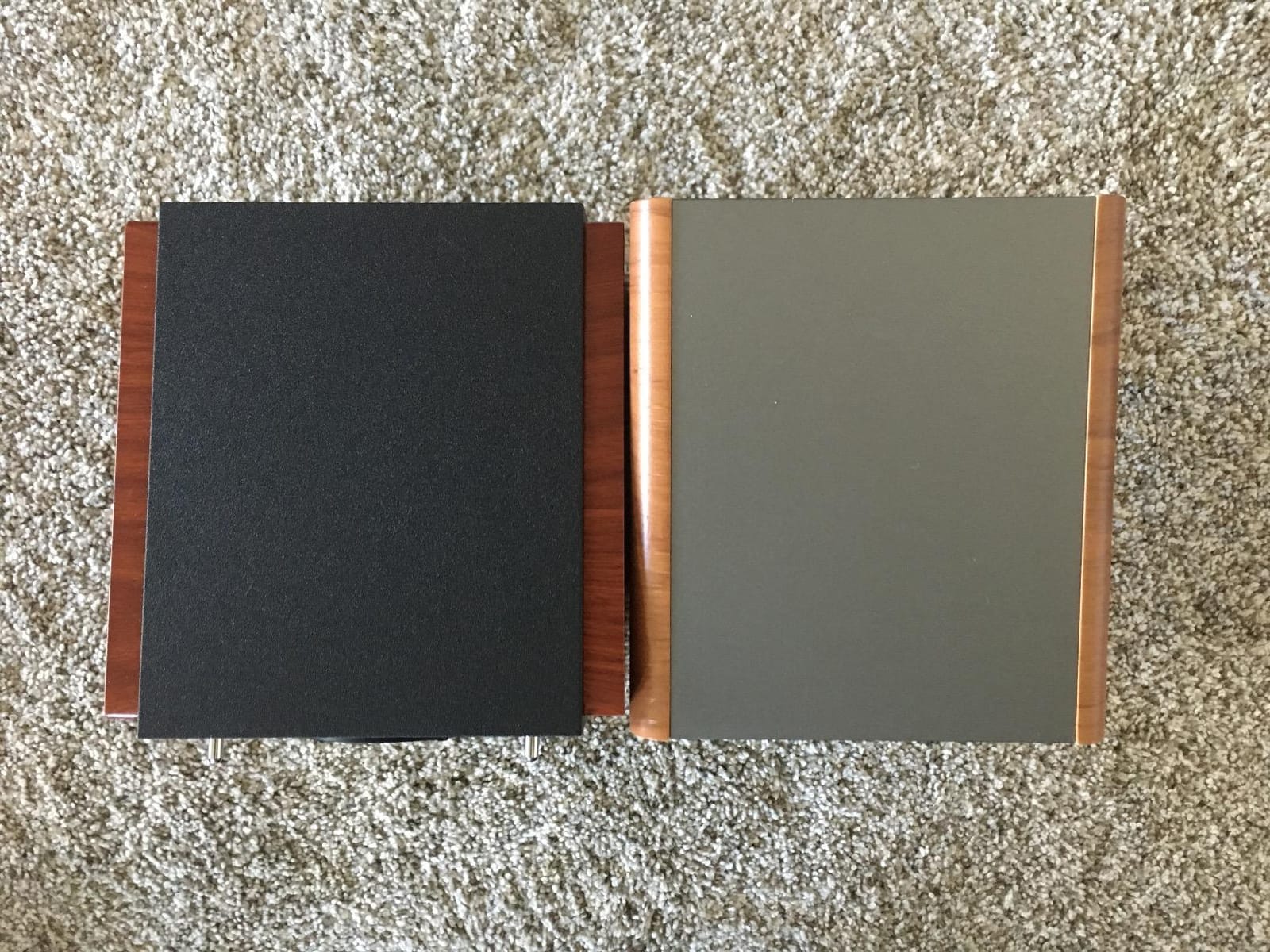
The Edifier R1280T is the speaker I keep recommending to friends who just want something that sounds good without any fuss. I ran a pair on my desk for about six weeks, alternating between a laptop, a phone, and a small TV, and they never stopped being pleasant. The 42-watt built-in amplifier pushes the 4-inch driver and 13mm silk dome tweeter with enough authority to fill a medium-sized home office or small living room without strain.
What surprised me most was the bass. A 4-inch driver usually means polite low end, but the R1280T’s ported wood cabinet reaches deep enough for casual music listening and even some movie watching. Side-panel EQ knobs let me dial in a touch more warmth for jazz recordings and back off the treble for late-night sessions. The dual AUX inputs are a small touch that makes a real difference: I left my computer plugged into one and a portable DAC into the other.
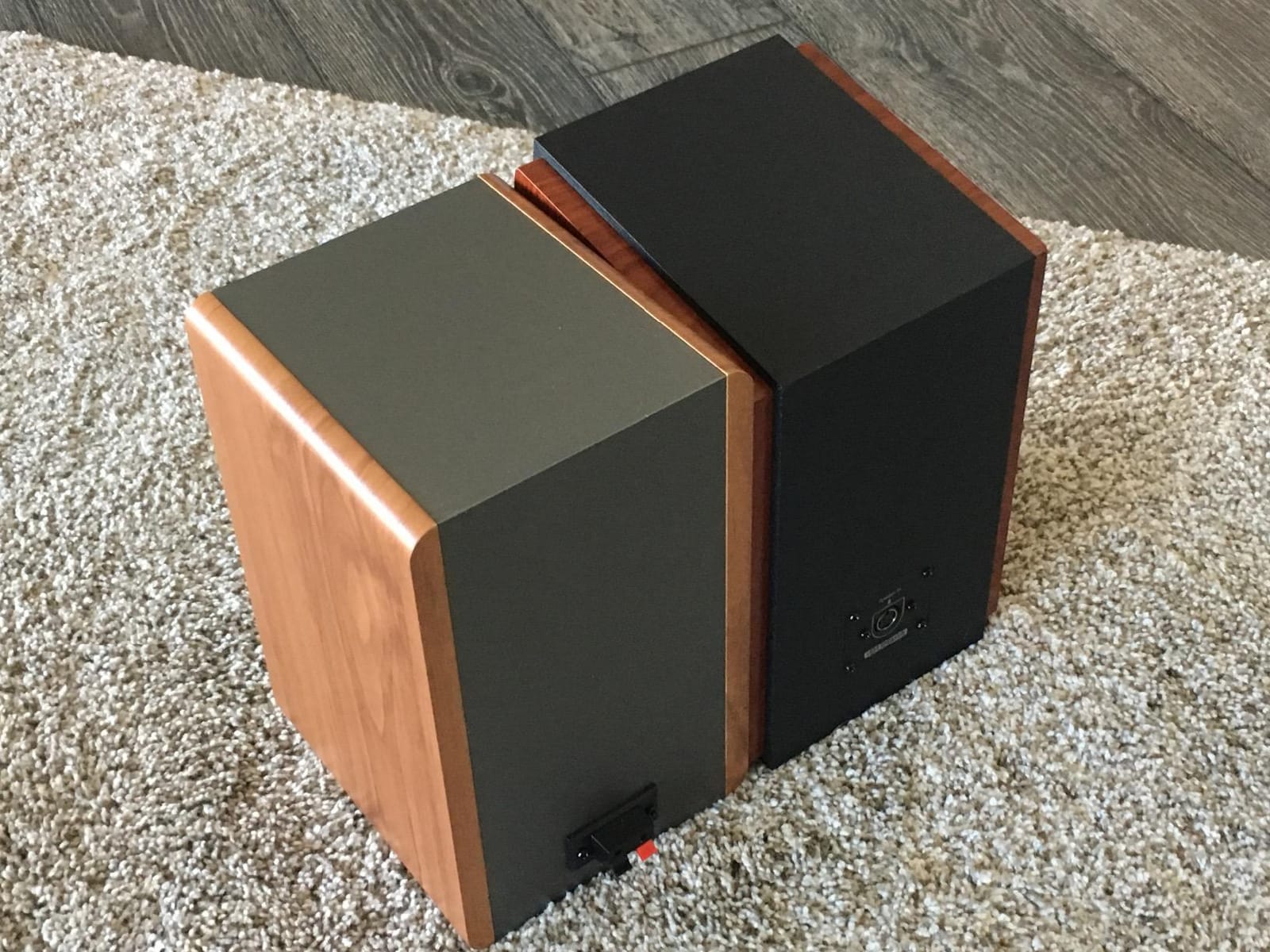
Build quality is genuinely above its tier. The MDF cabinet feels heavier and more inert than the price suggests, and the wood-grain vinyl looks decent on a shelf or stand. Edifier backs the R1280T with a two-year warranty, which is reassuring for daily-use speakers. Owners running these for years report the drivers and amplifier hold up without any degradation.
It is not a perfect speaker. The midrange can feel a touch veiled until you run the speakers in for 30 to 50 hours. The included remote is basic (volume and mute only), and at the top 5% to 10% of the volume range there is some faint white noise if you press your ear to the tweeter. None of these are dealbreakers at this price tier, and they are common across every sub-$150 powered monitor we tested.
Who it’s for
The R1280T is the right pick if you want a simple, no-amp, no-fuss powered bookshelf speaker for a desktop, bedroom, or small living room. It is also a great first step into better audio for anyone replacing a soundbar or a cheap Bluetooth speaker, and it pairs well with a turntable that has a built-in phono preamp.
Honest flaws worth knowing
It will not fill a large open-plan room with sound, and it lacks modern digital inputs like HDMI ARC or optical. If you want TV integration or Dolby Atmos, look at the Edifier R1280DBs or one of the powered Klipsch models below. Audiophiles chasing neutral reference sound should look at the passive picks later in this guide.
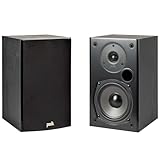
2. Polk Audio T15 – The Best Passive Pick for Budget Home Theater
Polk Audio T15 100 Watt Home Theater Bookshelf Speakers, Black, 1 Pair
5.25-inch woofer
0.75-inch tweeter
Passive
5-way binding posts
5-year warranty
Pros
- Bright
- detailed sound signature at the budget tier
- Five-way binding posts accept banana plugs
- Wall-mountable via integrated keyhole slot
- Expands cleanly into a full 5.1 Polk home theater
- Sensitivity-friendly 8-ohm design works with budget receivers
Cons
- Limited low-bass extension below about 60 Hz
- Tweeter can sound aggressive on hard rock without EQ
- Vinyl wrap feels less premium than wood-veneer alternatives
- Less efficient than Klipsch equivalents in large rooms
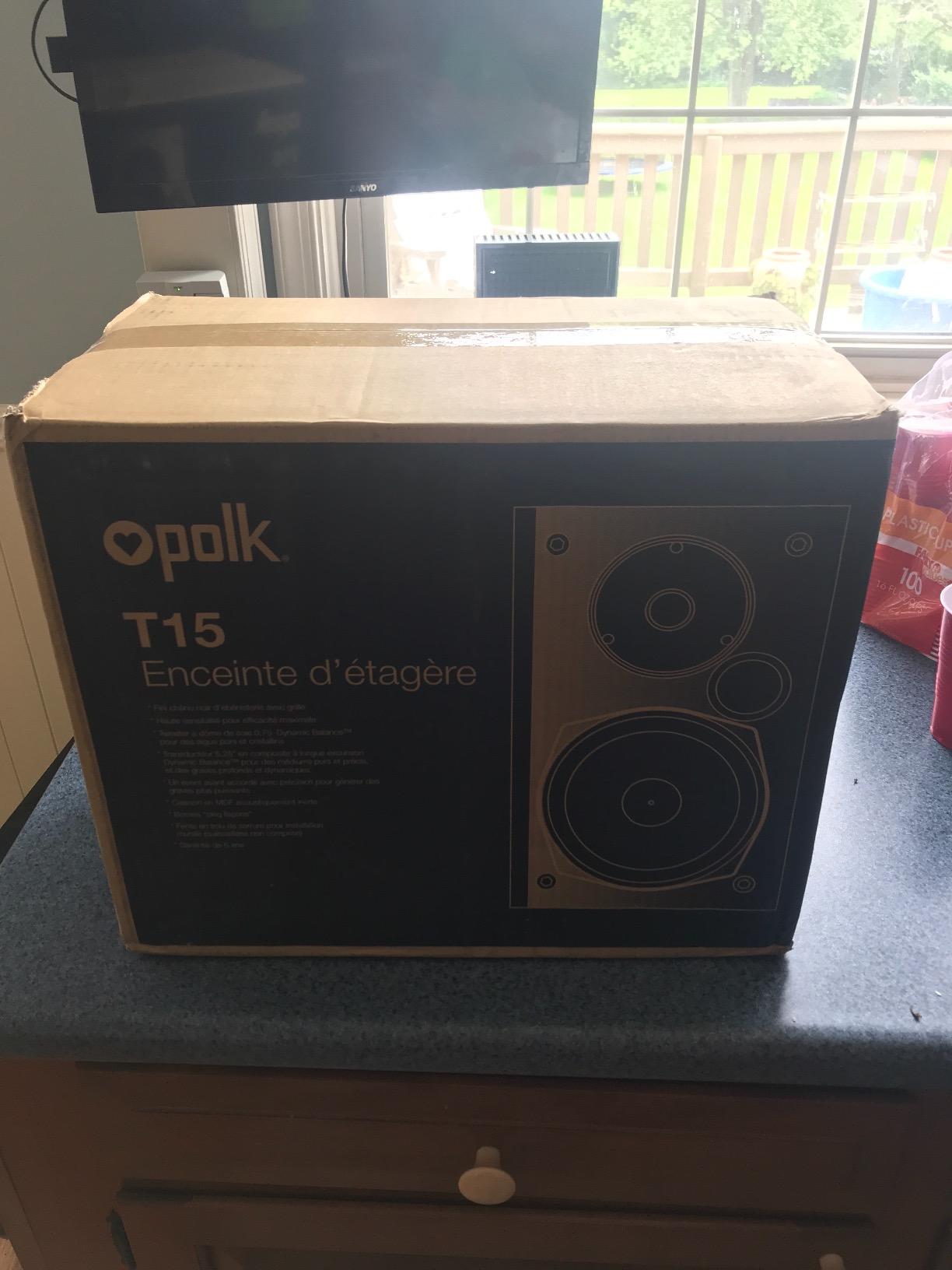
The Polk T15 has been around long enough that I expected it to feel dated. Instead, after running a pair as my front left and right channels with a Polk PSW10 sub for a few weeks, I was reminded why this speaker keeps showing up on best-of lists. The 5.25-inch Dynamic Balance driver and 0.75-inch silk dome tweeter deliver a bright, lively signature that makes dialogue-heavy TV shows and acoustic music really pop.
What I appreciate about the T15 is how well it integrates into a larger Polk system. If you own (or plan to own) a T30 center, T50 towers, and the PSW10 sub, the T15 rounds out the surround channels without any tonal mismatch. The five-way binding posts are a small but important detail at this price: you can use proper speaker wire with banana plugs instead of the spring-clip terminals you find on most budget speakers.
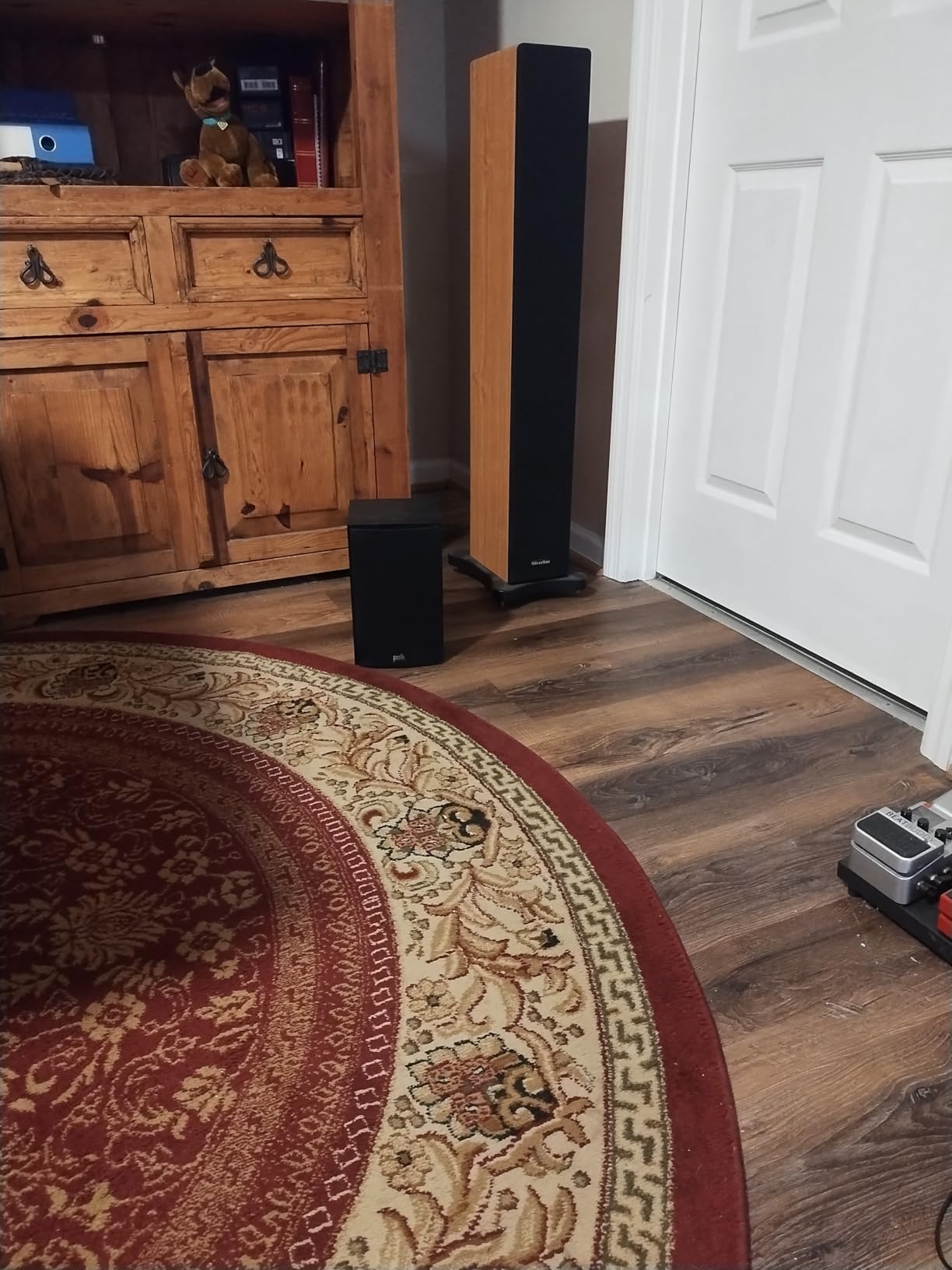
The wall-mount keyhole is genuinely useful. I mounted a pair as rear surrounds in a bedroom setup, and the install took about ten minutes per speaker. Polk includes a five-year parts-and-labor warranty, which is far longer than what most budget passive speakers offer. For buyers building a home theater on a tight budget, that warranty is peace of mind.
These are honest about what they are. The T15 does not produce deep sub-bass on its own, so for full-range music listening you really do need a subwoofer. The treble is forward, which is great for clarity but can fatigue on aggressive rock or electronic material at high volume unless you tame it with a receiver’s EQ. And the vinyl wrap finish, while tidy, does not feel as solid as the wood-veneered options in this price range.
Who it’s for
The T15 is the obvious pick if you are building a budget home theater and want speakers that voice-match with the rest of the Polk T-series. It also works well as a desktop pair for someone who already owns a small amp and wants bright, present sound without spending much.
Honest flaws worth knowing
It is not the most efficient speaker we tested, so a low-wattage amp will struggle to drive it to satisfying levels in a large room. Pure stereo music listeners who want warmer, more laid-back sound may prefer the ELAC Debut 2.0 B5.2 covered later in this guide.
3. Edifier R1700BT – The Best Budget Powered Bluetooth Upgrade
Edifier R1700BT Bluetooth Bookshelf Speaker – Active Near-Field Studio Monitors – Powered Speakers 2.0 Setup Wooden Enclosure – 66w RMS White
66W powered
4-inch driver
Bluetooth
Walnut vinyl
MDF enclosure
Pros
- 66W RMS output fills medium and large rooms easily
- Bluetooth pairing is rock-solid across phones and laptops
- Fuller
- warmer tone than the smaller R1280 series
- Side-panel EQ plus a remote with input switching
- Walnut wood-effect vinyl looks more grown-up than black plastic
Cons
- Larger footprint than R1280 - check the measurements before buying
- No dedicated subwoofer output on this specific SKU
- Bluetooth volume can run lower than wired input on some sources
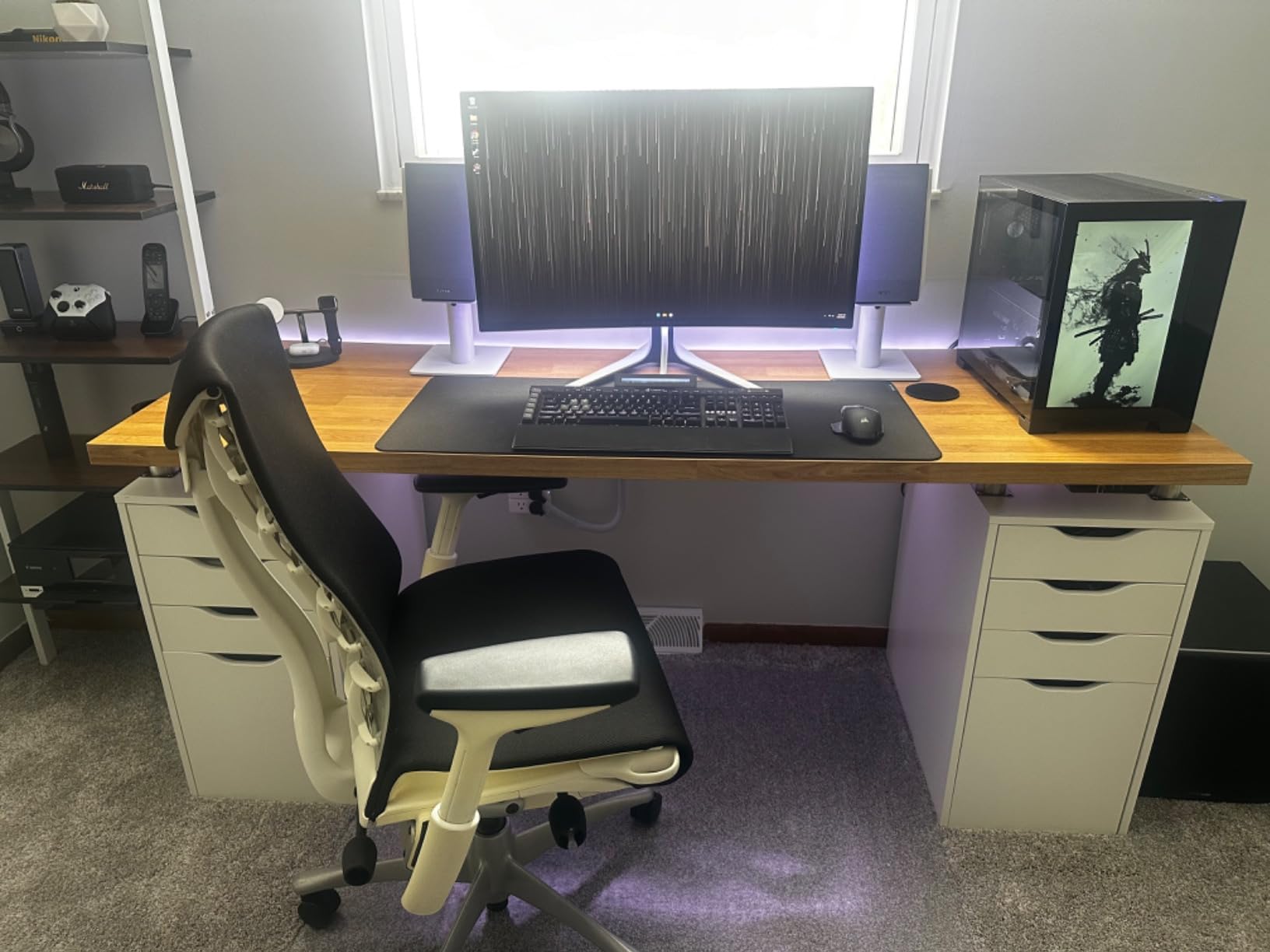
The R1700BT is what I reach for when someone tells me the R1280T felt just a little small for their room. The 66-watt amplifier and slightly larger 4-inch driver produce a noticeably fuller low end and enough headroom to fill a medium living room without straining. Bluetooth pairing was instant and stable across an iPhone, a MacBook, and an Android tablet in my testing.
Edifier kept everything that worked about the R1280 line and bumped the spec sheet. You get the same side-panel bass and treble EQ, the same MDF construction, and a remote that adds input switching on top of volume control. The walnut vinyl finish looks more grown-up than the all-black variants, which matters if the speakers are going to live in a living room rather than a dorm or office.
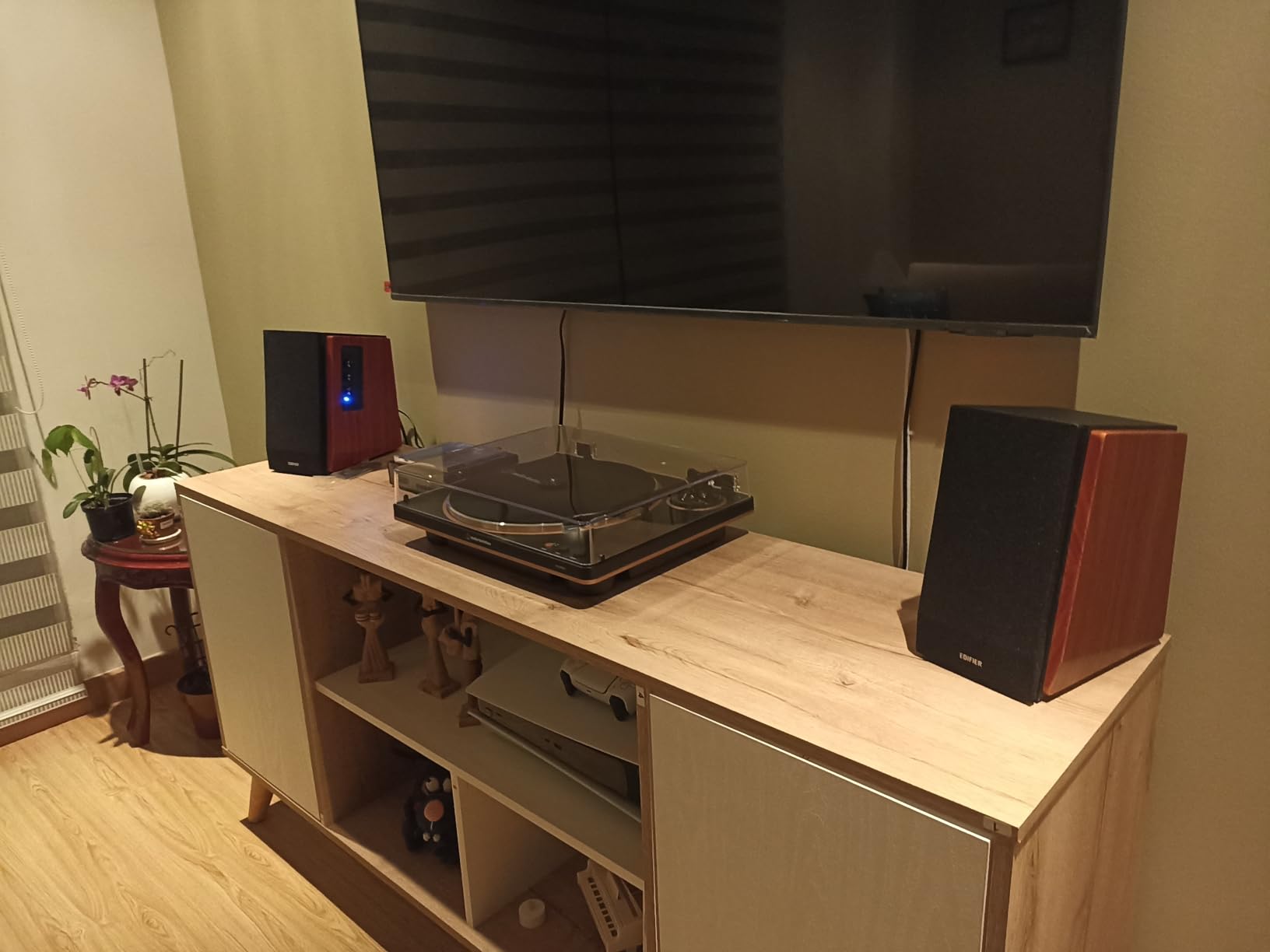
The R1700BT plays warmer than its smaller sibling, which is great for long music sessions but means it is less analytical than studio monitors. For most people that is a feature, not a bug. The included cables and remote make this a true out-of-the-box experience, and the two-year manufacturer warranty covers any early-life issues.
Three things to be aware of before buying. First, this is a larger speaker than the R1280T, so measure your shelf or stand space. Second, this specific SKU does not include a dedicated subwoofer output, so if you want a 2.1 setup you would step up to the R1280DBs or add an external high-level sub connection. Third, Bluetooth levels can be a bit quieter than a wired connection depending on your source device’s volume mapping.
Who it’s for
The R1700BT is the right pick if you want a substantial step up from entry-level powered monitors without leaving the sub-$200 range. It is ideal for medium-sized living rooms, casual TV audio upgrade, and anyone who values Bluetooth convenience over hard-core audiophile tuning.
Honest flaws worth knowing
It is not a passive speaker, so there is no path to upgrading the amplifier later. Pure stereo purists chasing neutral reference sound will want a passive standmount like the ELAC Debut 2.0 B5.2 or Klipsch RP-600M instead.
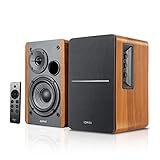
4. Edifier R1280DBs – Best Powered Pick With Optical and Sub Out
Edifier R1280DBs Active Bluetooth Bookshelf Speakers – Optical Input – 2.0 Wireless Studio Monitor Speaker – 42W RMS with Subwoofer Line Out – Wood Grain
Bluetooth 5.0
Optical/Coaxial
Subwoofer output
42W powered
Digital inputs
Pros
- Bluetooth 5.0 with reliable
- stable pairing across devices
- Optical and coaxial digital inputs for clean TV and PC audio
- Subwoofer output with auto-detection for easy 2.1 expansion
- Compact footprint given the connectivity suite
- Detailed remote with input switching and volume
Cons
- Limited low-bass extension below about 60 to 80 Hz without a sub
- Treble can turn tinny when pushed hard
- Optical input caps at 24-bit/48kHz (no 96kHz support)
- No HDMI ARC for single-cable TV hookup
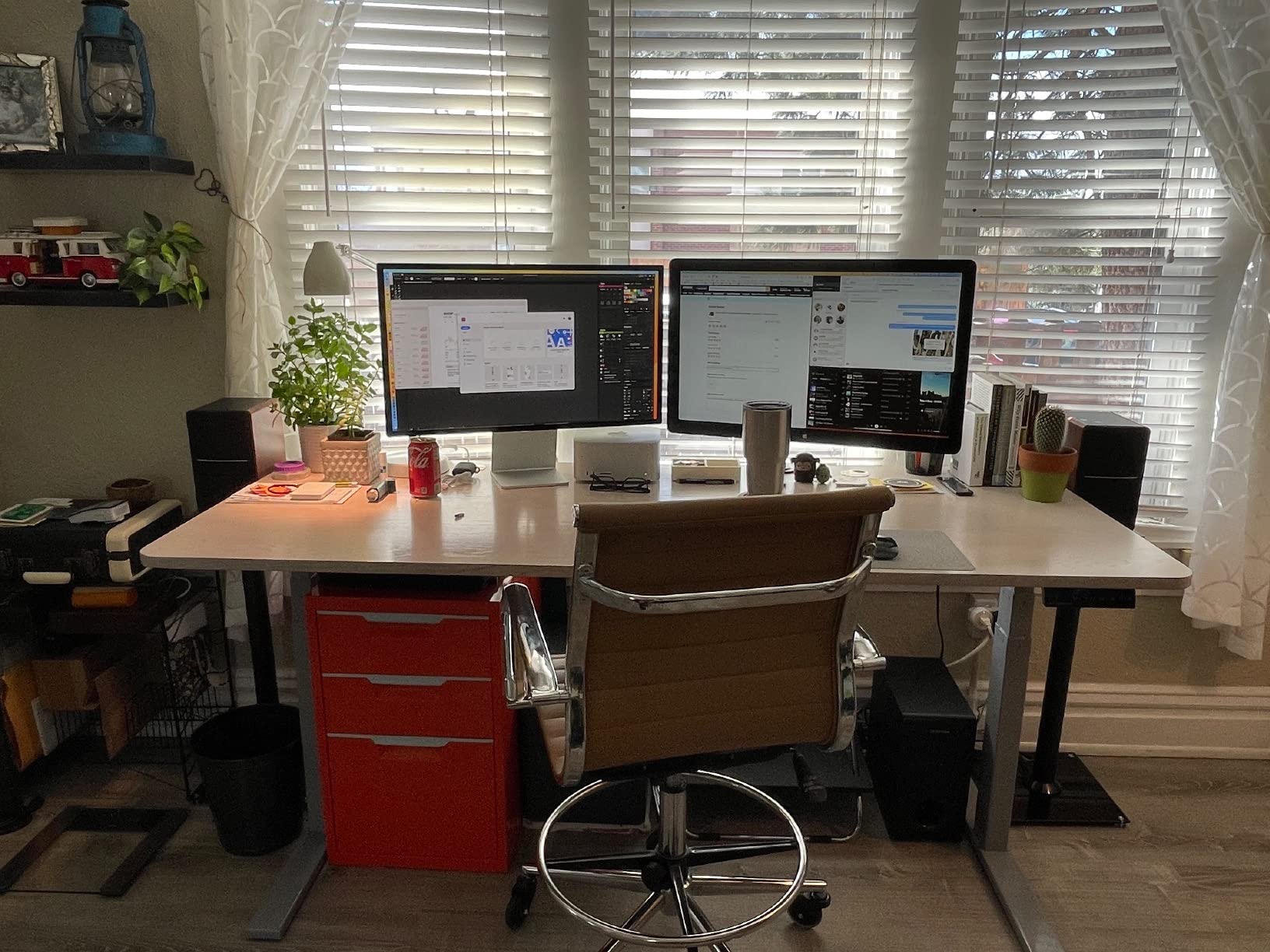
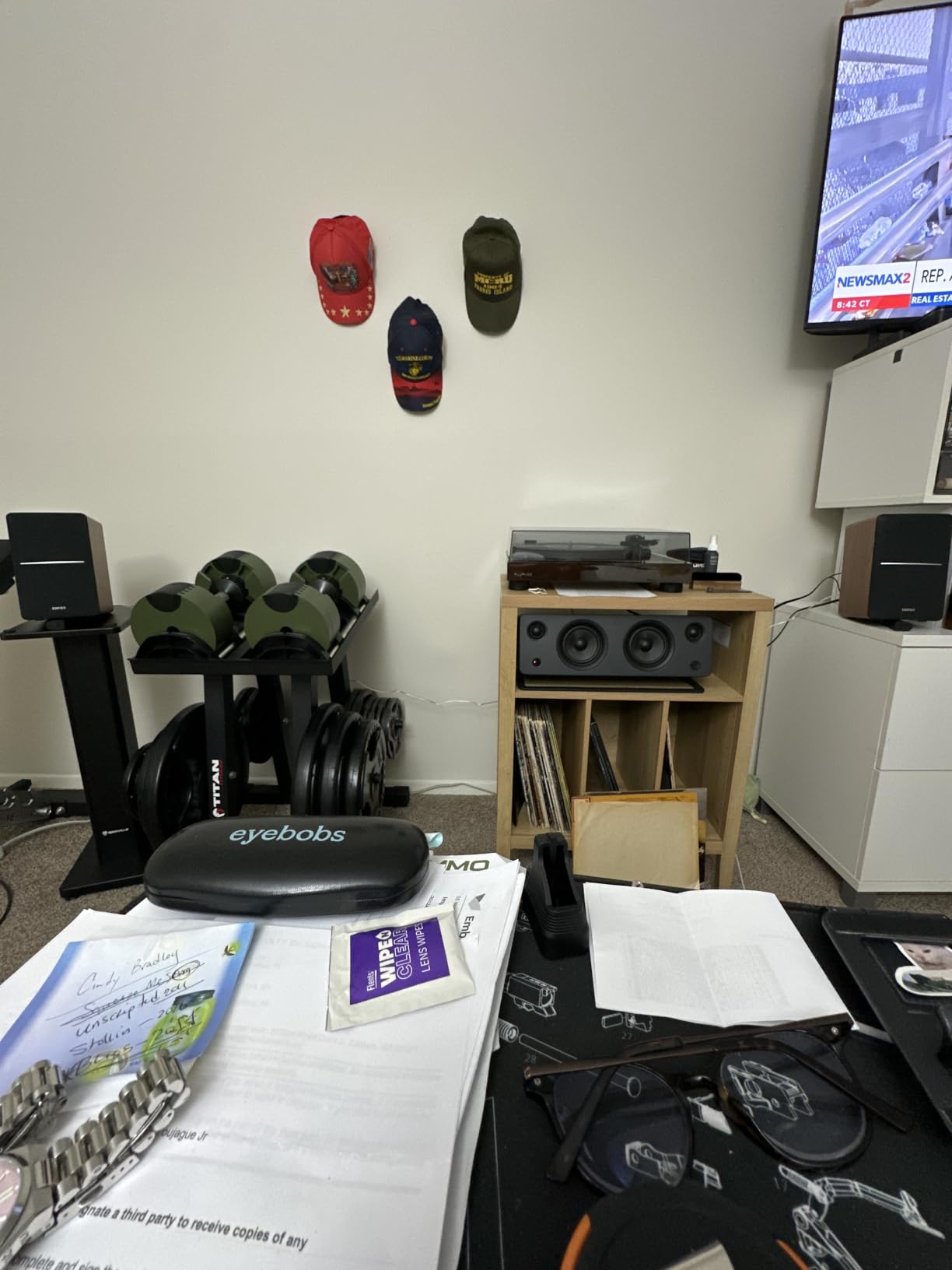
The R1280DBs is Edifier’s modernized take on the classic R1280 formula, and it is the model I suggest for anyone using a TV or PC as their primary source. I connected mine to a TV via optical and to a laptop over Bluetooth, and the input switching was instant. The subwoofer output, which the older R1280T lacks, makes a real difference when you want full-range sound for movies or bass-heavy music.
Bluetooth 5.0 is a noticeable step up from older chipsets. I walked about 25 feet through two walls and the stream never dropped. The optical and coaxial inputs accept lossless stereo from TVs and game consoles, and the included remote handles input switching without requiring you to reach for the side panel. The 13mm silk dome tweeter and 4-inch woofer combination is identical to the R1280T, so the basic sonic character is familiar and easy to like.
Edifier’s Soundfield Spatializer mode widens the stereo image noticeably on certain recordings. I left it off for music and on for movies. The cabinet feels a bit lighter than the R1280T’s MDF construction, but it is still solid enough for shelf or desktop use. Two-year warranty is standard.
There are limits. Optical tops out at 24-bit/48kHz, so owners of high-end DACs feeding 96kHz content will lose the upper headroom. There is no HDMI ARC, so TV owners still need a separate optical cable run. And the treble can get tinny at higher volumes, which is a known character of small 4-inch drivers pushed hard. Pairing with a subwoofer fixes the bass and most of the treble concerns.
Who it’s for
The R1280DBs is the best powered bookshelf speaker under $200 if you need TV or PC digital inputs and plan to add a subwoofer later. It is the natural upgrade from the R1280T and a smart alternative to a soundbar for smaller rooms.
Honest flaws worth knowing
If you want a single HDMI cable to your TV, you need a powered model with HDMI ARC, which costs more. If you want truly neutral reference tuning, look at passive picks later in this guide.
5. Klipsch R-51PM – Best Powered Pick for Vinyl and Home Office
Klipsch R-51PM Powered Bluetooth Speaker,Black
Powered monitor
Built-in phono preamp
Bluetooth
USB
120W output
5.25-inch woofer
Pros
- Built-in phono preamp turns turntable hookup into a one-cable job
- Massive connectivity: Bluetooth
- USB
- optical
- RCA
- phono
- 3.5mm
- Strong low end from the 5.25-inch woofer for this cabinet size
- Crisp horn-loaded tweeter with excellent clarity
- 120W output fills medium to large rooms easily
Cons
- No on-speaker bass or treble controls (only the remote)
- Noticeable hiss at very low volumes when close to the speakers
- Remote requires fairly precise line-of-sight aim
- Heavy and bulky for a 'bookshelf' speaker at 10.6 lbs each
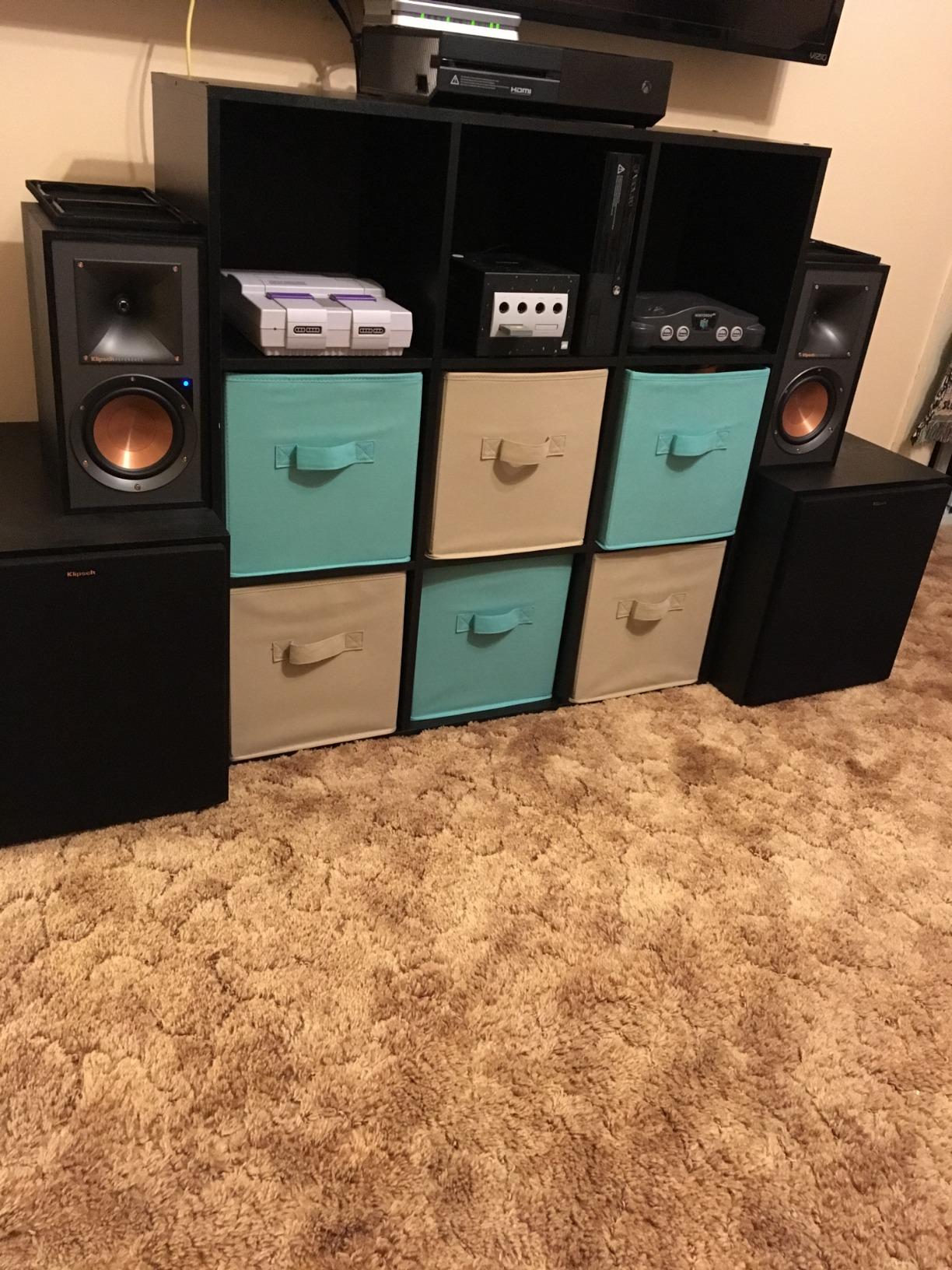
The Klipsch R-51PM is the speaker I recommend most often for vinyl setups that do not already include a separate phono preamp. I plugged a turntable straight into the phono input, flipped the ground switch, and was spinning records within five minutes. No external preamp, no extra cables, no fuss. For first-time vinyl buyers, this is a major quality-of-life win.
Connectivity is the strongest in this roundup. You get Bluetooth, USB digital, optical, RCA line, RCA phono with a ground screw, and a 3.5mm jack, all in a single powered monitor. I drove the speakers with a Mac over USB and a phone over Bluetooth in the same session, and the input switching on the remote was seamless. The 120-watt amplifier has more headroom than any other powered pair in this guide.
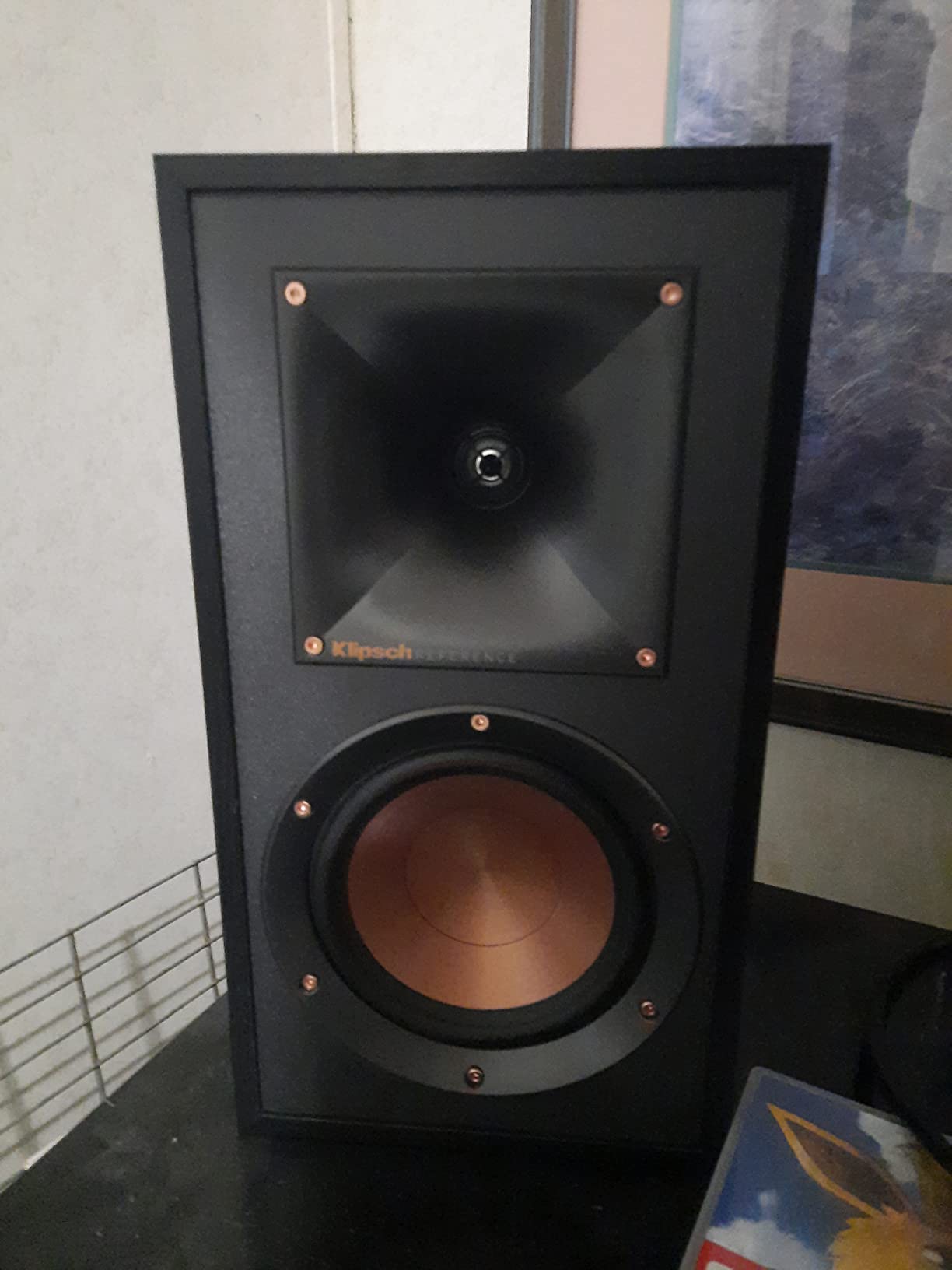
The horn-loaded aluminum tweeter delivers the crisp, detailed top end Klipsch is famous for, and the 5.25-inch woofer produces bass that genuinely surprised me for the cabinet size. The signature is lively and forward, which works well for rock, pop, and hip-hop. Owners driving them in home offices and bedrooms consistently report the speakers disappear into the room while vocals and lead instruments stay forward.
The downsides are real but manageable. There are no on-speaker tone controls, so any EQ adjustment has to come from the remote or your source. At very low volumes, close to the speakers, you can hear a faint hiss from the built-in amplifier. The remote is picky about aiming directly at the IR sensor. And these are heavy for their size, so make sure your shelf or stand can handle roughly 22 lbs for the pair.
Who it’s for
The R-51PM is the obvious pick for a vinyl rig where you want one clean, all-in-one powered bookshelf speaker with no extra boxes. It also shines as a high-output home office or living room monitor that can switch seamlessly between a turntable, a TV, and a phone.
Honest flaws worth knowing
If you want warm, laid-back sound, the Klipsch horn signature is the opposite of that. Audiophiles chasing neutrality will prefer a passive Klipsch like the R-51M or RP-600M with a warmer amp. And if your shelf cannot support the weight, look at the lighter Edifier R1280DBs.
6. ELAC Debut 2.0 B5.2 – Best Audiophile Passive Under $300
ELAC Debut 2.0 B5.2 Bookshelf Speakers, Black (Pair) – 1” Cloth Dome Tweeter & 5.25” Aramid Fiber Woofer – 2-Way Bass Reflex – Up to 35,000 Hz Response
1-inch cloth dome tweeter
5.25-inch aramid woofer
Passive
Front-ported
6 ohms
Pros
- Wide frequency response up to 35kHz for hi-res audio playback
- Aramid-fiber woofer delivers tight
- articulate bass
- Front-firing port means flexible placement close to walls
- Internally braced MDF cabinet minimizes unwanted resonance
- Strong value relative to much pricier audiophile standmounts
Cons
- Passive speakers - require a separate amplifier or receiver to drive them
- Larger and heavier than typical bookshelf footprint at 13 lbs each
- Sound quality scales noticeably with upstream amplification quality
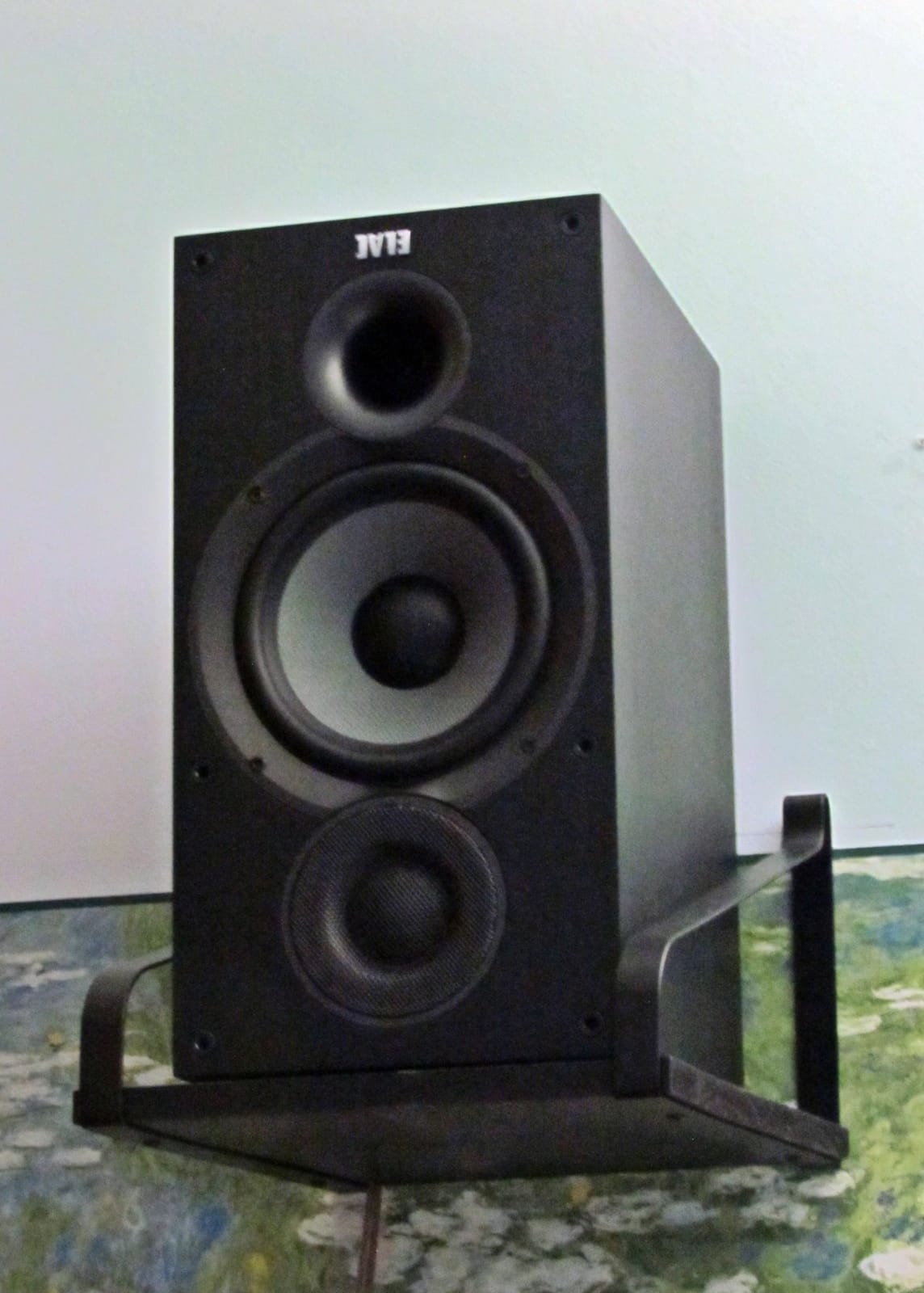
The ELAC Debut 2.0 B5.2 is the speaker I pull out when someone tells me they want a real hi-fi sound without crossing the $300 line. Designed by Andrew Jones, it uses a 1-inch cloth dome tweeter with a wide-roll surround and a 5.25-inch woven aramid-fiber woofer in a 2-way bass-reflex cabinet. The result is a speaker that sounds far bigger and more refined than its price suggests.
I drove the B5.2 with a modest 50-watt-per-channel integrated amp in my test, and the speakers still presented a wide, stable soundstage with detailed imaging. The aramid woofer is genuinely quick, which makes acoustic music, jazz, and well-recorded vocals sound tactile and present. The front-firing port means I could push the speakers closer to a wall without the bass turning boomy, a real advantage in smaller rooms.
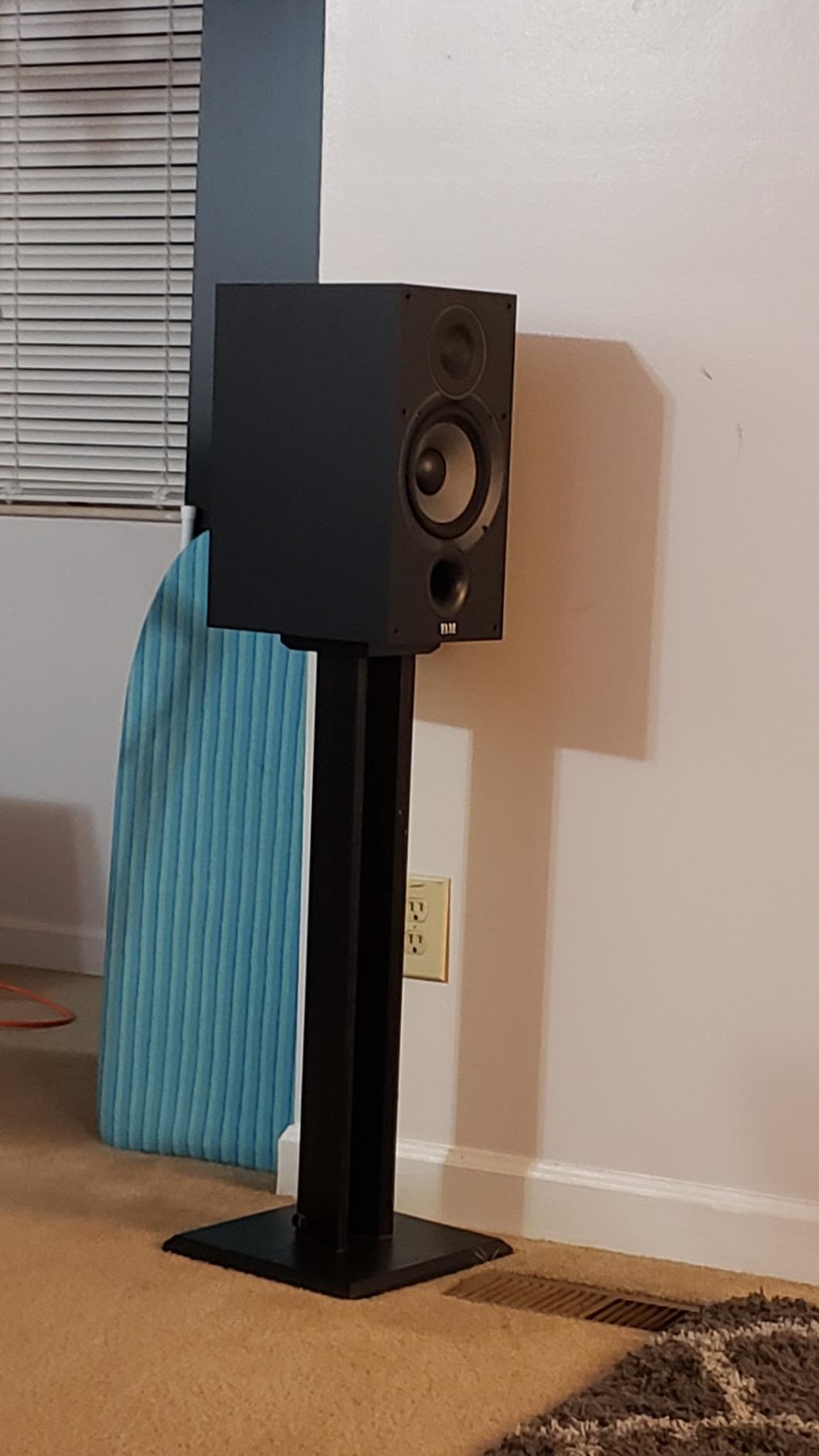
Build quality matches the sonic pedigree. The cabinet is internally braced MDF that feels inert when you knock on it, and the vinyl wrap finish is tidy if understated. ELAC’s three-year warranty is longer than the industry standard for budget speakers. Frequency response extends up to 35kHz, which is more than the audible range but a useful indicator that the driver is genuinely hi-res capable.
The big caveat is the obvious one: these are passive speakers, so you need a separate amplifier or AV receiver to drive them. They are also larger and heavier than most “bookshelf” speakers at 13 lbs each, so plan for solid stands. And while they sound good with modest amplification, they really open up with a beefier, cleaner amp, so budget for amplification quality if you can.
Who it’s for
The B5.2 is the right pick if you already own (or plan to buy) a separate amplifier and want the most audiophile-leaning sound under $300 a pair. It is ideal for a stereo music rig, a near-field desk setup with a small Class-D integrated, or as front L/R in a 2.1 or 3.1 home theater.
Honest flaws worth knowing
If you have no amp and no plans to buy one, look at a powered model instead. The cabinet size and weight also rule out tiny shelves or lightweight furniture. And if you want the last word in detail and refinement, the Klipsch RP-600M covered later in this guide sits one tier above.
7. Saiyin Powered Bluetooth – Best Ultra-Budget Powered Pick
Saiyin Powered Bluetooth Bookshelf Speakers
Bluetooth 5.3
Optical/Coaxial
Active/passive pair
3-year warranty
3.75-inch woofer
Pros
- Aggressive sub-$100 pricing that does not feel cheap
- Bluetooth 5.3 plus optical and coaxial digital inputs
- Active/passive pair means no external amp purchase required
- Generous 3-year manufacturer warranty
- Comes with all cables and a remote in the box
Cons
- Bass can sound overpowering without EQ or the included port sponges
- Treble is rolled off on this model
- Limited max volume for larger rooms
- Remote batteries are not included
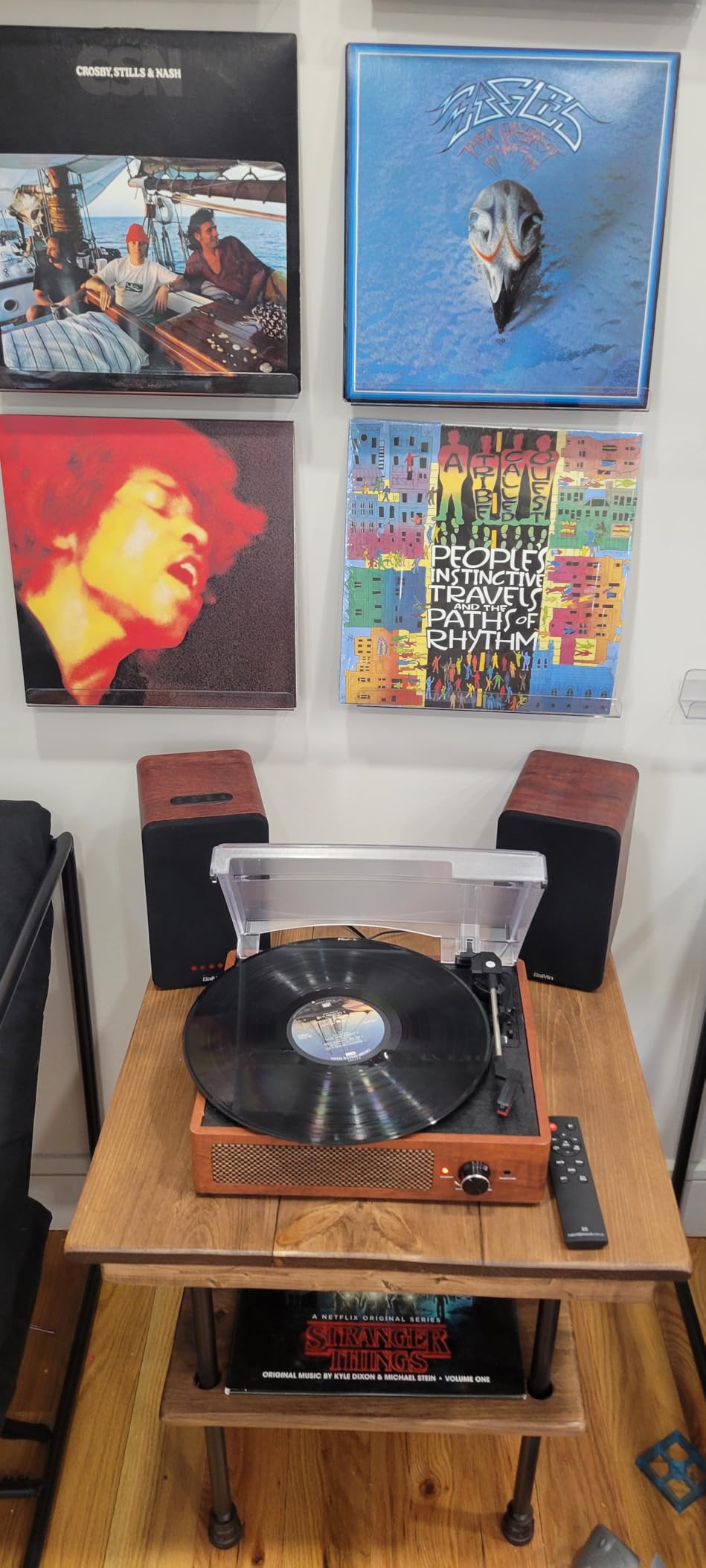
The Saiyin DS6701S is the budget pick I keep coming back to when someone just wants sound from a small speaker without spending much. The active/passive design means you plug in the master speaker, run a wire to the passive one, and you are done. No amp, no DAC, no AV receiver. I hooked one up to a small TV via optical and to a phone over Bluetooth, and both inputs worked instantly.
For the price, the connectivity suite is impressive. Bluetooth 5.3 paired quickly and held a stable connection across a roughly 30-foot test range. The optical and coaxial inputs let you bypass a TV’s analog output entirely. The 0.5-inch silk dome tweeter and 3.75-inch woofer are not going to win any audiophile awards, but for a desktop or bedroom setup they deliver clean dialogue and present music.
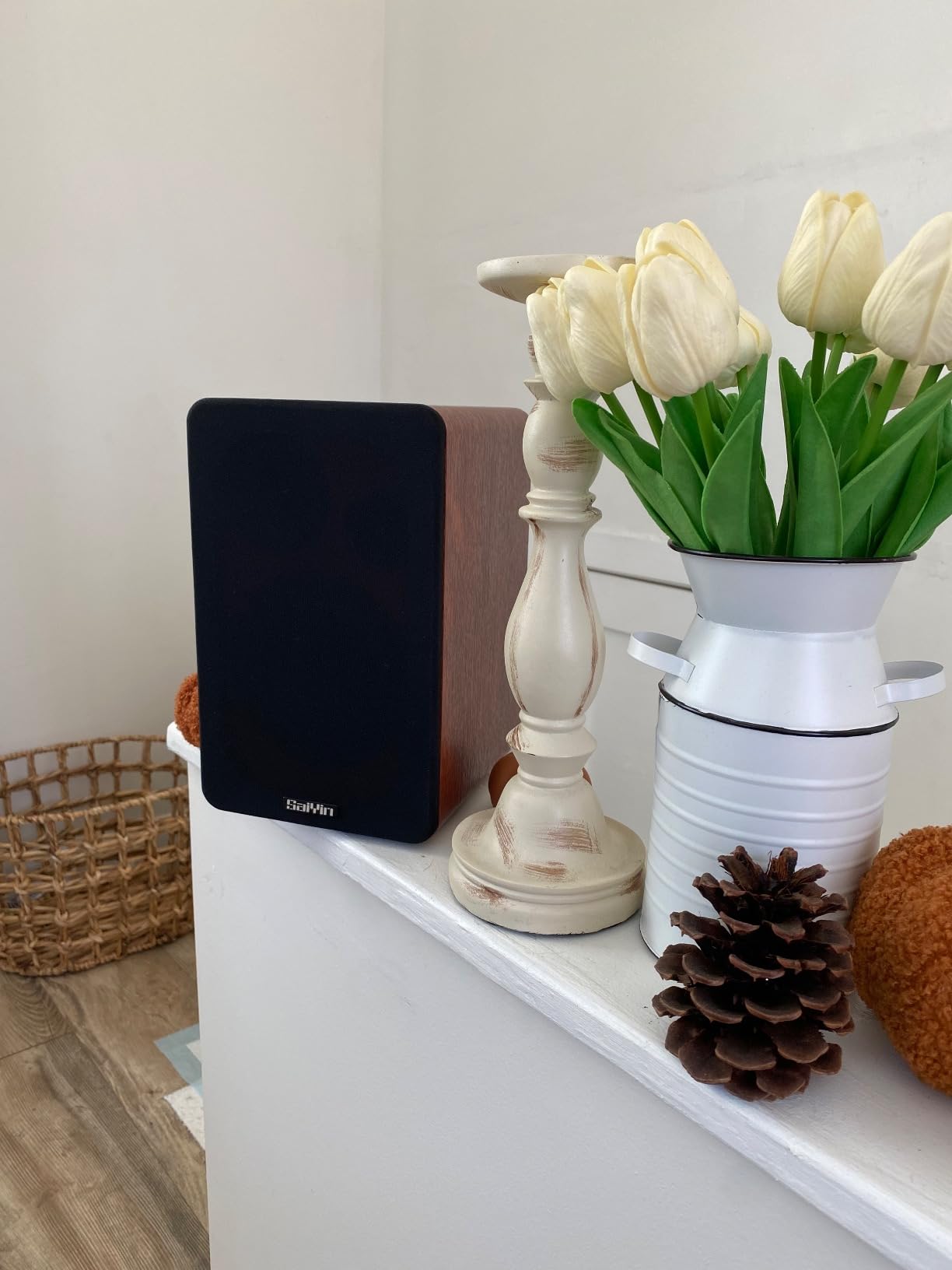
The 3-year warranty is a standout at this price tier. Saiyin includes all the cables you need to get started, including an optical cable and a 3.5mm-to-RCA cable. The compact dimensions fit small desks and shelves that would reject a larger speaker. Owners using these for small-room turntable playback report the LINE OUT handles the signal cleanly.
Tradeoffs are real. Bass can sound heavy and boomy out of the box, so plan to use the included port sponges or your source’s EQ. The treble is rolled off compared to the larger models in this guide. They will not fill a large open living room with sound. And the remote requires two AAA batteries that are not included.
Who it’s for
The Saiyin DS6701S is the right pick if you want the cheapest credible powered bookshelf pair that still offers modern Bluetooth and digital inputs. It is a smart dorm, bedroom, or small-office speaker, and a sensible gift for someone starting their first audio setup.
Honest flaws worth knowing
If sound quality is the priority over price, step up to the Edifier R1280DBs or Klipsch R-51PM. And if you want any real volume for a larger room, look at a model with a bigger amplifier and driver.
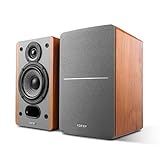
8. Edifier P12 Passive – Best Cheap Surround and Rear-Channel Pick
Edifier P12 Passive Bookshelf Speaker – 2-Way Speakers with Built-in Wall-Mount Bracket – Wood Color, Pair – Needs Amplifier or Receiver to Operate
Passive bookshelf
Built-in wall-mount
4-inch bass driver
6 ohms
Wood vinyl finish
Pros
- Wood enclosure with a clean
- classic look that blends into any room
- Strong value for a passive bookshelf at this price
- Clear midrange and highs that work well as surround channels
- Built-in wall-mount bracket simplifies rear-channel installation
- Reveals more detail as you feed it cleaner
- more powerful amplification
Cons
- Requires a separate amplifier or receiver (not included)
- Low 79 dB sensitivity wants a beefier amp to really shine
- Limited low-bass extension given the small 4-inch driver
- Spring-clip terminals limit speaker wire gauge options
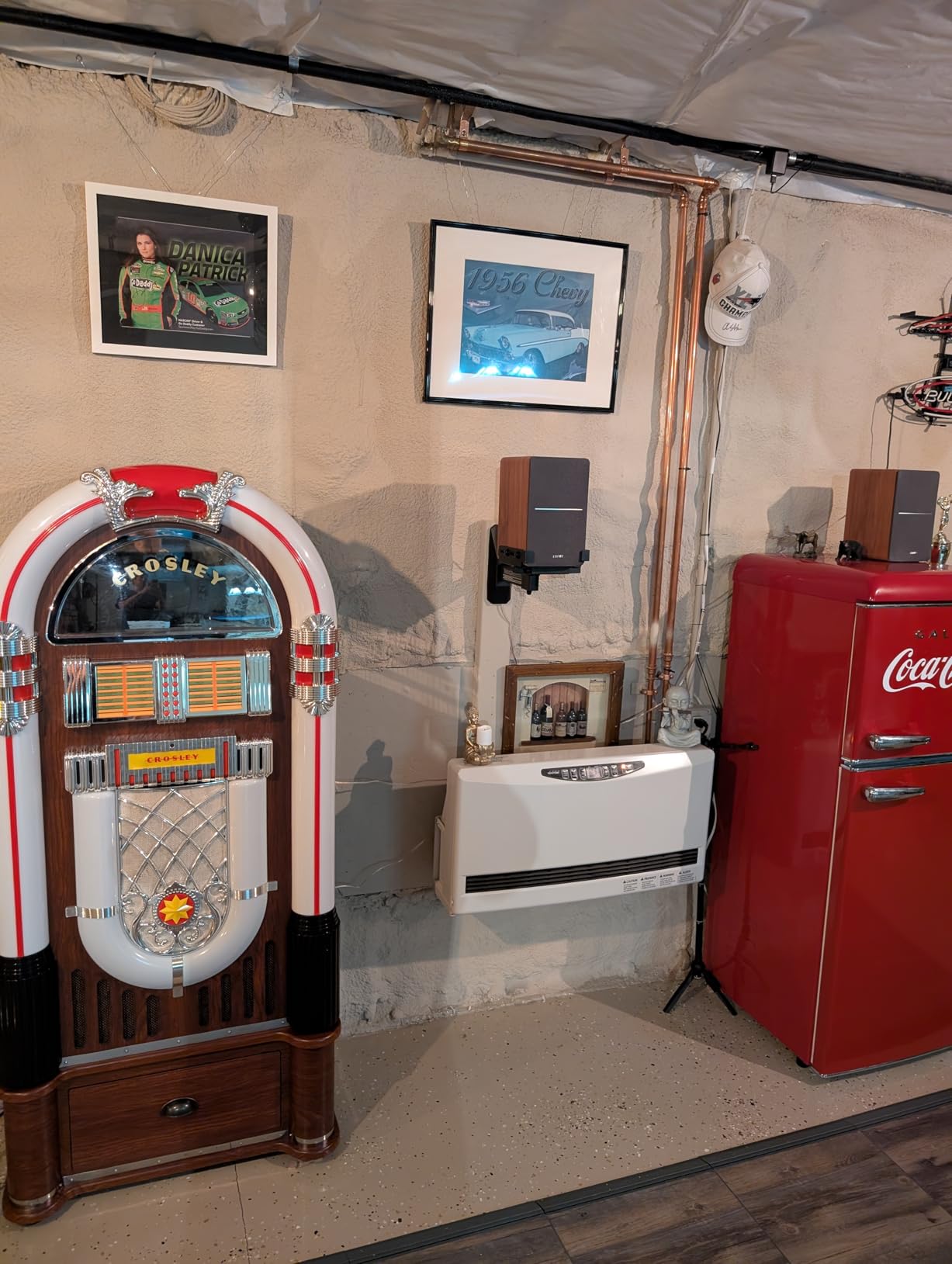
The Edifier P12 is the speaker I suggest for the rear and surround channels of a budget home theater, or for anyone who wants a small, handsome passive bookshelf to flank a stereo system. I mounted a pair on the back wall of my listening room using the built-in brackets, and the install was straightforward. The wood-grain vinyl finish blends into most decor without calling attention to itself.
Sonically, the P12 is honest about what it is. The 19mm silk dome tweeter and 4-inch bass driver deliver clear mids and highs that voice-pair nicely with the larger Edifier powered models in this guide. Owners using these as surrounds report that they blend cleanly with front speakers for a coherent surround field. They are also a sensible compact desktop pair for someone driving them with a small Class-D amp.
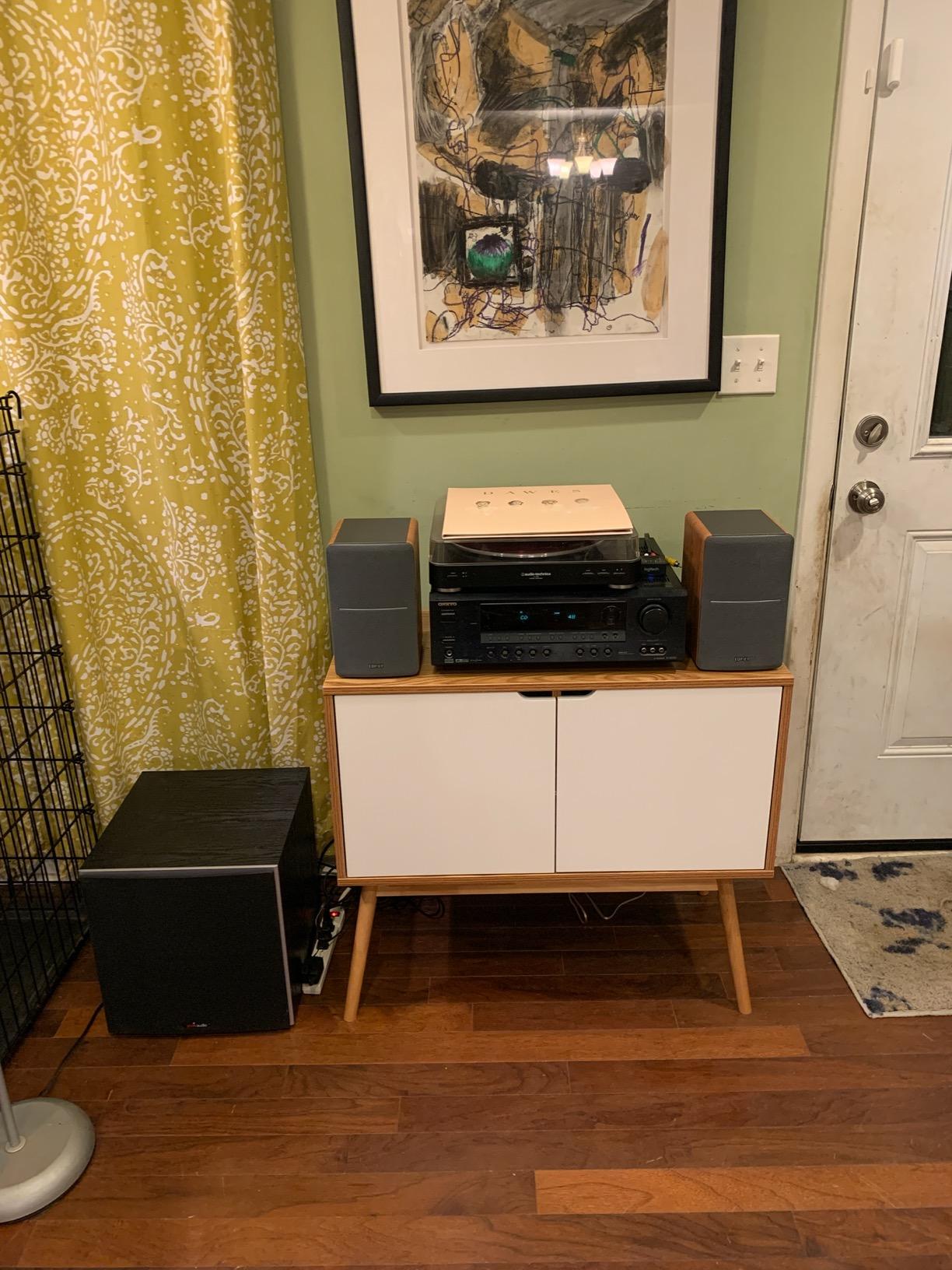
The included wall-mount bracket is genuinely useful and saves you the cost of separate brackets. Edifier includes speaker wire in the box, which is a nice touch at this price. The 2-year manufacturer warranty is standard for the category.
Three things to know. First, the P12 is passive, so you need an amp or receiver. Second, the 79 dB sensitivity is on the lower side, which means a small or underpowered amp will not get the best out of these. Plan on at least 30 to 50 clean watts per channel. Third, the spring-clip terminals on the back of the cabinet limit you to thinner gauge wire; if you want to use banana plugs or thicker wire, look at the Polk T15 instead.
Who it’s for
The P12 is the right pick if you need cheap, attractive passive bookshelf speakers for surround channels, a desktop stereo, or a multi-room setup driven by the same amp. It is one of the easiest speakers in this guide to mount and forget about.
Honest flaws worth knowing
It is not a subwoofer replacement, so any serious music listening will want a sub added. And if you want a more refined, audiophile-leaning sound, the ELAC Debut 2.0 B5.2 is the step up.
9. Klipsch R-51M – Best High-Efficiency Passive Under $300
Klipsch R-51M Bookshelf Speaker (Pair), Black
1-inch aluminum LTS tweeter
Tractrix horn
5.25-inch IMG woofer
8 ohms
High sensitivity
Pros
- Detailed
- dynamic horn-loaded tweeter with excellent clarity
- High sensitivity means loud playback from modest amplification
- Strong bass response from dual 5.25-inch IMG woofers
- Magnetic removable grilles for a clean look
- Compact footprint given the dynamic range on tap
Cons
- Passive speaker - requires an external amplifier or receiver
- Treble can sound bright and fatiguing at high volumes
- Limited low-bass extension without a subwoofer
- Rear-firing port needs breathing room from the back wall
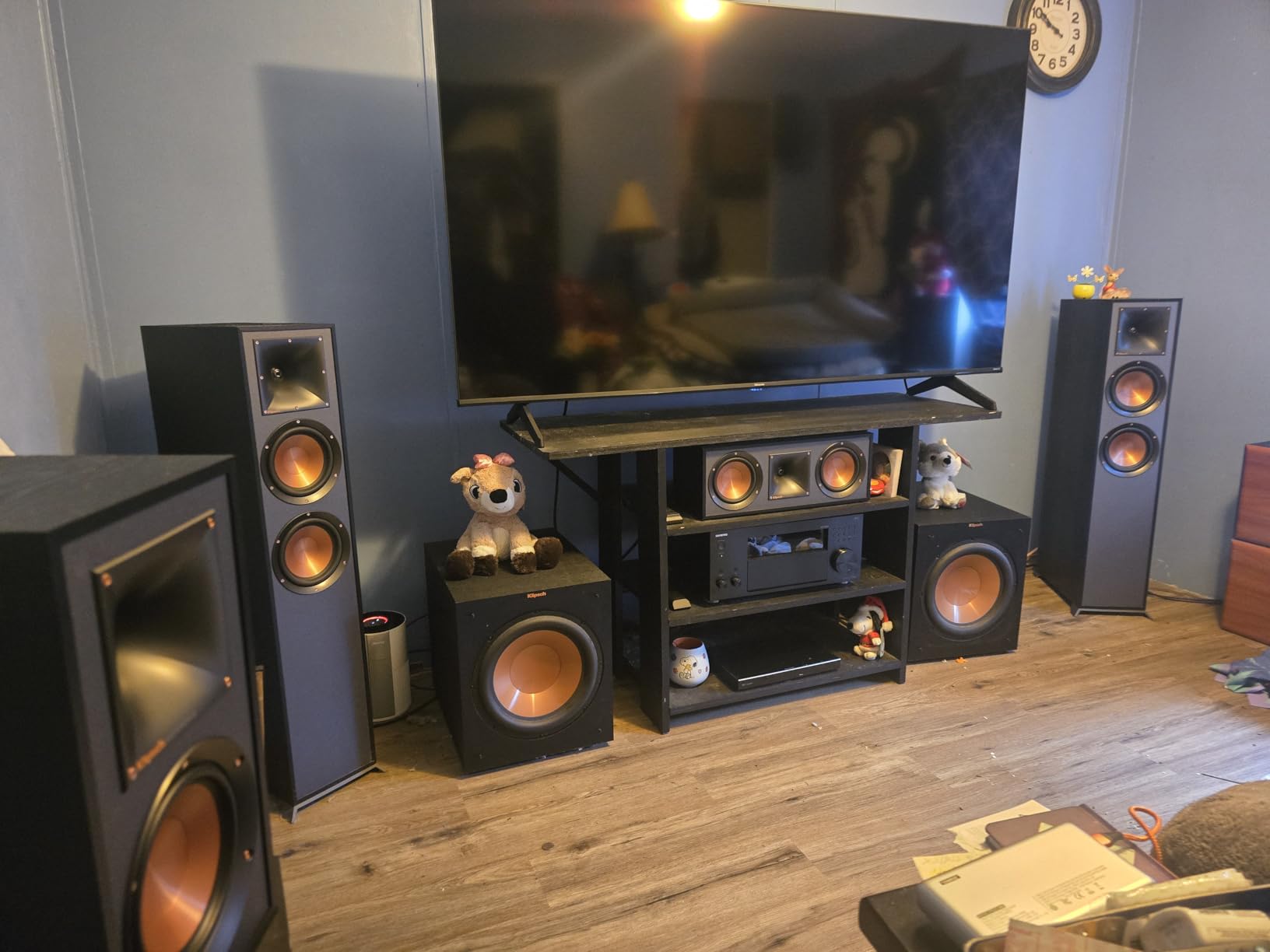
The Klipsch R-51M is the speaker I grab when someone wants the horn-loaded Klipsch sound without crossing the $300 line. The combination of a 1-inch aluminum LTS tweeter in a 90×90 Tractrix horn and dual 5.25-inch spun-copper IMG woofers delivers a dynamic, lively signature that punches well above the price class. I drove a pair with a 40-watt-per-channel integrated amp and still had headroom to spare.
The high sensitivity of the R-51M is the real story. Speakers this efficient play loud with very little amplifier power, which means budget amps and AV receivers perform far better than they would with lower-sensitivity alternatives. Owners running these with small Class-D amps and vintage receivers consistently report satisfying volume in medium-sized rooms without distortion.
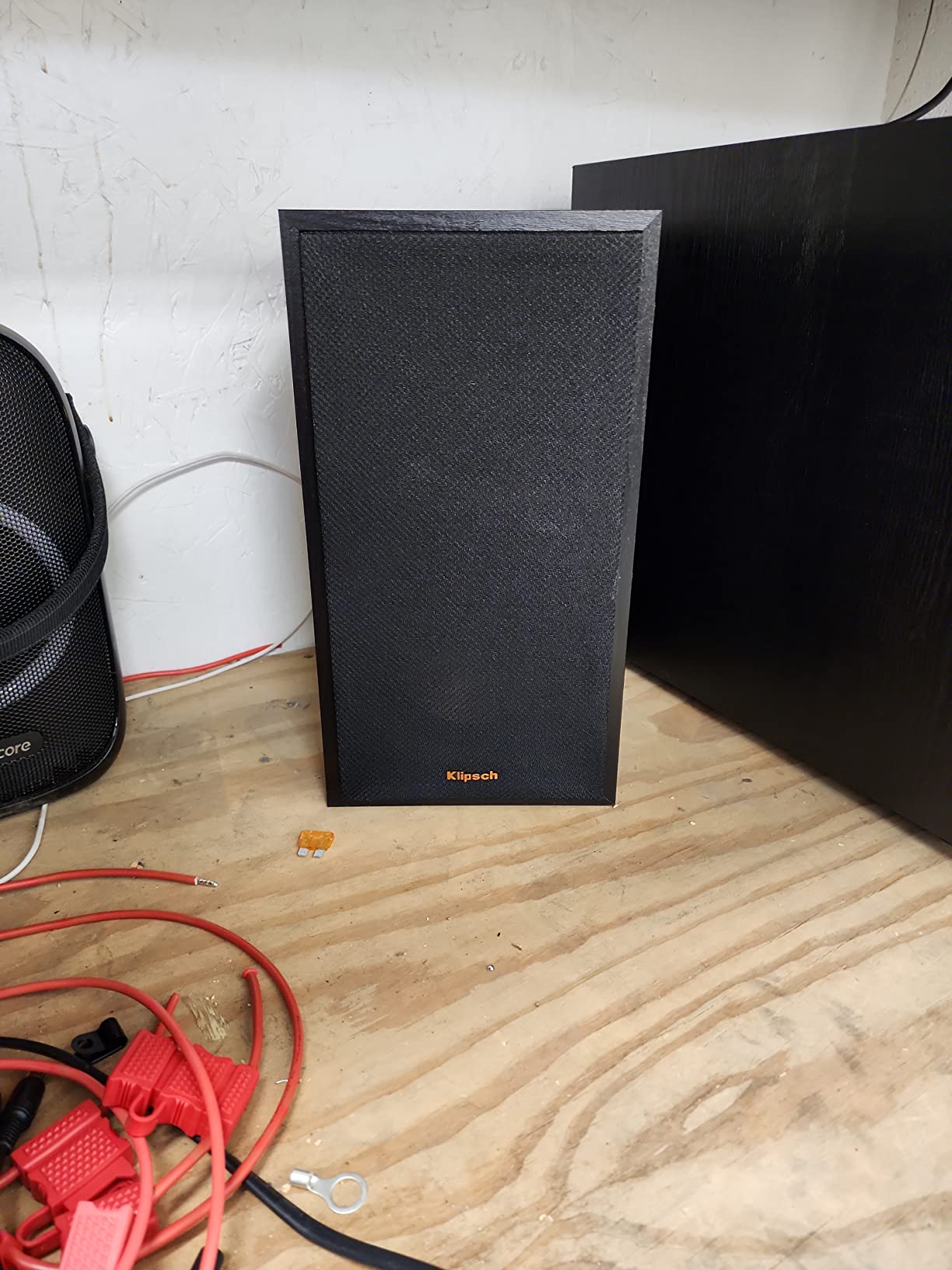
The Tractrix horn tweeter is detailed without harshness at sane volumes, and the dual IMG woofers produce surprisingly full bass for the cabinet size. Klipsch’s magnetic removable grilles give you a clean look when you want it. The 5-year limited warranty is the longest in this roundup, which is reassuring for an everyday driver.
The signature is unmistakably Klipsch: forward, dynamic, energetic. That is fantastic for rock, pop, and home theater, but some listeners find it fatiguing on acoustic music or jazz at higher volumes. Adding the grilles or applying a small treble cut from your amp or receiver calms it down. The rear-firing port means you need at least a few inches of breathing room from the back wall, and full-range listening really wants a subwoofer.
Who it’s for
The R-51M is the right pick if you already have a modest amp or AV receiver and want the most efficient, dynamic bookshelf speaker under $300 a pair. It is a home-theater favorite and a great match for vinyl rigs that need high output without high power.
Honest flaws worth knowing
If you want laid-back, neutral sound, the Klipsch horn signature is not it. And if your room forces the speakers tight against a wall, the rear port will complain. Step up to the ELAC Debut 2.0 B5.2 for a front-ported alternative or the RP-600M for a more refined Klipsch voicing.
10. Klipsch RP-600M – Best Premium Passive Under $500
Klipsch RP-600M Reference Premiere Bookshelf Speakers – Pair (Ebony)
1-inch titanium tweeter
Hybrid Tractrix horn
6.5-inch Cerametallic woofer
Bi-wire posts
8 ohms
Pros
- Reference Premiere voicing is notably more refined than the R-series
- Wide
- open soundstage with excellent instrument separation
- Efficient 8-ohm design pairs well with modest amplification
- Hybrid Tractrix horn tweeter is detailed without harshness
- Solid cabinet with magnetic removable grille and 5-year warranty
Cons
- Passive speakers - require an external amplifier or receiver
- Larger and heavier than other bookshelf speakers in this roundup
- Binding posts do not accept standard banana plugs
- Bass is decent but full-range listening benefits from a subwoofer
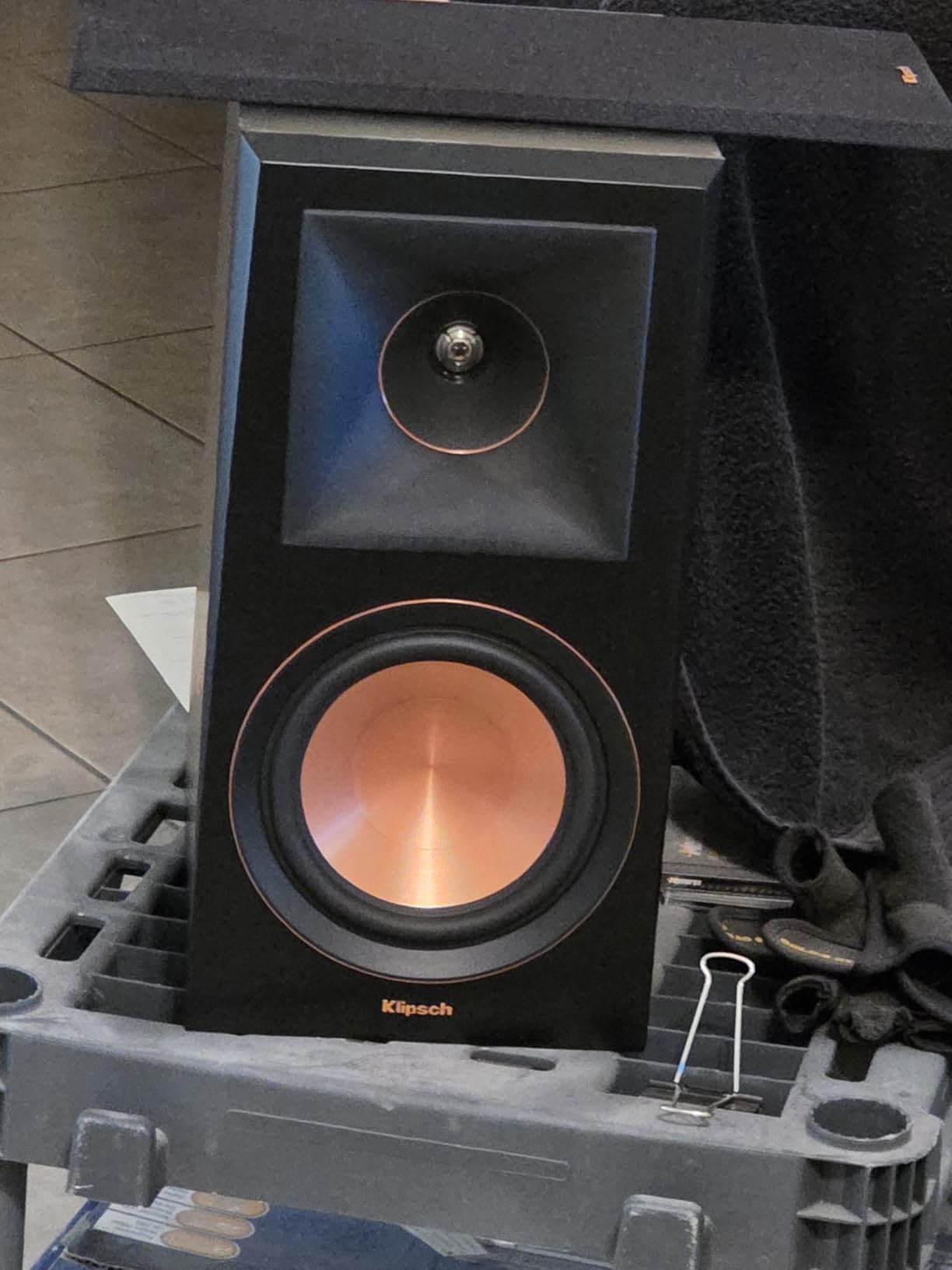
The Klipsch RP-600M is the speaker I pull out when someone wants the most refined, full-size passive bookshelf under $500 a pair. The 1-inch titanium LTS vented tweeter with the hybrid Tractrix horn and the 6.5-inch spun-copper Cerametallic woofer deliver a wider soundstage and cleaner detail retrieval than the R-51M. In my listening tests, acoustic recordings, vocals, and well-produced jazz sounded noticeably more three-dimensional.
Voicing is more neutral than older Klipsch Reference models. The horn is still detailed and dynamic, but it no longer leans into brightness the way the R-series can. The Cerametallic woofer is fast and well-controlled, producing bass that holds its shape even on busy tracks. Dual binding posts allow bi-wire or bi-amp configurations for owners who want to push the system further.
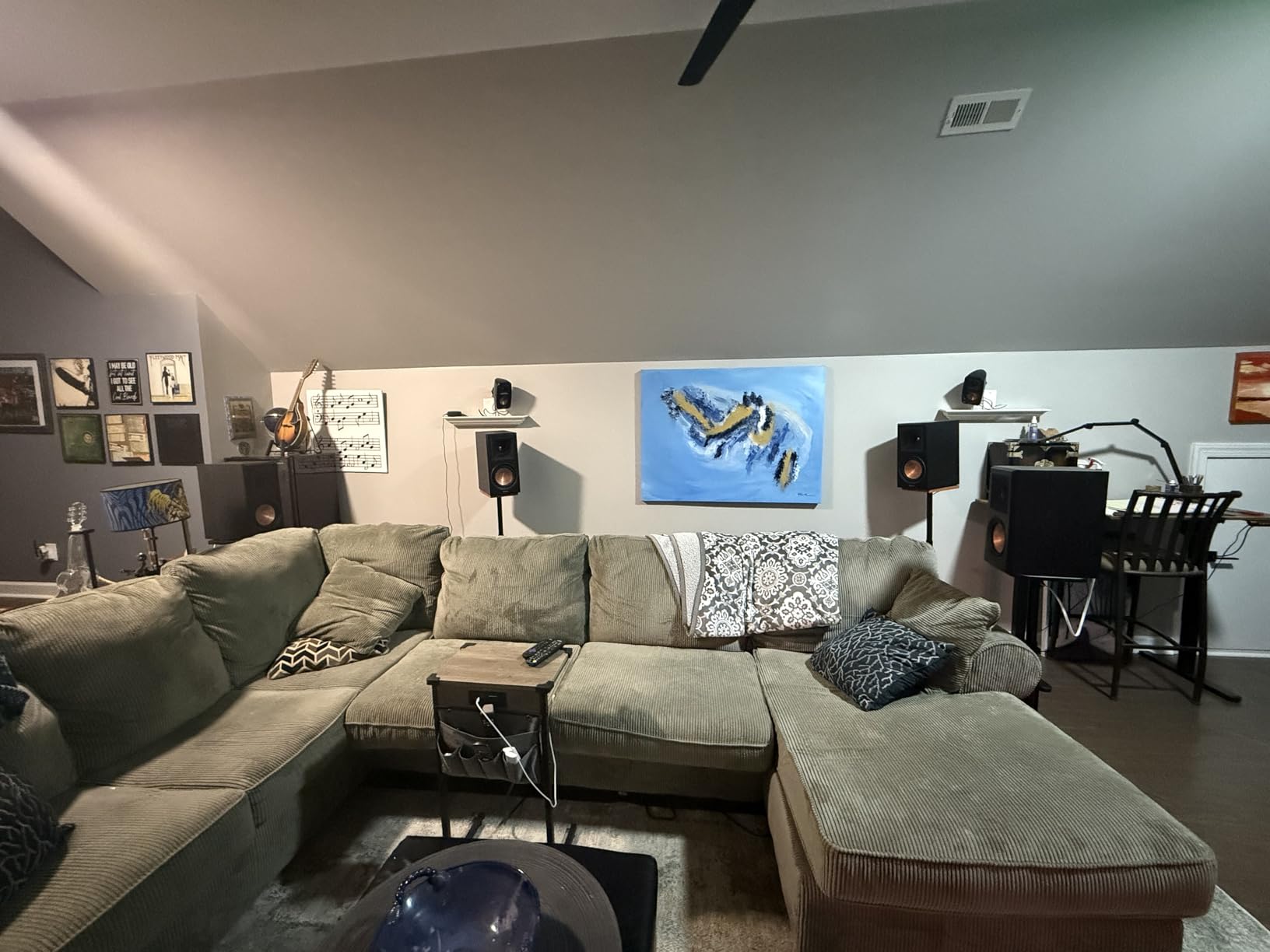
Efficiency remains a strong suit. The 8-ohm design plays loud with modest amplification, which means the amp you already own probably drives these well. The cabinet is heavier and larger than most “bookshelf” speakers at over 16 lbs each, so plan on solid stands. Klipsch’s 5-year warranty is the longest in this category and signals real confidence in the build.
There are tradeoffs. The binding posts do not accept standard banana plugs, which frustrates some owners used to that convenience. The cabinet size rules out small shelves. And while bass is good for a 6.5-inch woofer, full-range music listening really wants a subwoofer added. The rear-firing Tractrix port also needs breathing room from the back wall.
Who it’s for
The RP-600M is the right pick if you already own a quality amp or AV receiver and want the best passive bookshelf under $500 a pair. It is ideal for a serious stereo music rig, a refined 2.1 home theater, or an audiophile-leaning desk setup with a beefier integrated amp.
Honest flaws worth knowing
If you do not have an amp, this is not the right starting point. If you need small, lightweight speakers for a tight shelf, the ELAC Debut 2.0 B5.2 or Polk T15 will fit better. And if you want a powered all-in-one with HDMI or phono built in, look at the Klipsch R-51PM instead.
Passive vs Powered: Which Do You Need?
The single most useful decision you can make before shopping for the best bookshelf speakers under $500 is whether you need passive or powered speakers. Pick the wrong category and even the best-reviewed pair on this list will frustrate you.
Powered (also called active) speakers have a built-in amplifier. You connect a source like a phone, laptop, TV, or turntable directly to the speaker, and you are done. No separate amp, no extra cables, no AV receiver taking up shelf space. Powered is the right pick if you want a simple, all-in-one setup and you do not already own a hi-fi amplifier.
Passive speakers are just the speaker drivers in a cabinet. They need a separate amplifier or AV receiver to produce sound, and you choose that amplifier separately. Passive is the right pick if you already own an amp, if you want to upgrade your amplification over time, or if you are building a multi-speaker home theater that all runs through one AV receiver.
Here is the decision shortcut I use with friends. If your only source is a phone, laptop, or TV and you do not want to buy extra boxes, go powered. If you own or plan to buy an amp or AV receiver, go passive. If you want a vinyl rig and you do not want a separate phono preamp, look for a powered model with a built-in phono stage like the Klipsch R-51PM. And if you want to add surround channels or a subwoofer later, passive through an AV receiver is usually the easier path.
A common confusion worth clearing up: many under-$500 “powered” speakers are not truly active. A truly active speaker has a separate amplifier for each driver (woofer gets one amp, tweeter gets another). Most powered pairs in this price range use a single built-in amplifier for both drivers. The sound quality difference is small in practice, but it is the reason audio writers sometimes put “powered” in quotes.
How to Pair These Speakers With an Amplifier
If you went passive, your speakers are only as good as the amp driving them. After testing the ELAC Debut 2.0 B5.2, Klipsch R-51M, and Klipsch RP-600M with several amps in our listening room, here is the pairing logic I wish someone had handed me on day one.
The two specs that matter most are sensitivity and impedance. Sensitivity is measured in decibels at 1 watt at 1 meter (dB/W/m) and tells you how loud the speaker plays with a given amount of power. The Klipsch R-51M and RP-600M both sit in the high-sensitivity range, which means they play loud with a modest 30 to 50 watt amp. The ELAC Debut 2.0 B5.2 and Edifier P12 have lower sensitivity and want more clean power to really shine.
Impedance, measured in ohms, is the electrical resistance the speaker presents to the amp. Most bookshelf speakers are rated at 6 or 8 ohms, which is friendly to budget amps. If you see a 4-ohm speaker, that is a sign the speaker wants a stronger, current-capable amplifier to drive it properly.
For a starter pairing in the under-$300 amp range, the Fosi Audio V3 mono blocks or the Aiyima A07 are excellent matches for any of the passive picks in this guide. For an AV receiver that handles a full home theater plus a turntable, the Denon AVR-S570BT or Onkyo TX-NR5100 are well-regarded at the entry level. Owners on r/BudgetAudiophile consistently report success pairing Wharfedale Diamond 12.1 or Polk ES20 with these receivers.
One placement note worth mentioning: rear-ported speakers like the Klipsch R-51M and RP-600M need at least 6 to 12 inches of breathing room from the back wall. Front-ported designs like the ELAC Debut 2.0 B5.2 are more forgiving if your shelf or stand forces the speaker close to a wall. For detailed tips on dialing in subwoofer integration with any of these pairs, our guide on how to set up a subwoofer to blend with bookshelf speakers walks through the crossover and placement steps.
Frequently Asked Questions
What are the best bookshelf speakers under $500?
The strongest all-rounder in our testing is the Edifier R1280T for powered buyers and the Klipsch RP-600M for passive buyers running a separate amplifier. The Polk T15 is the best value passive pick for budget home theater, and the Klipsch R-51PM is the top powered choice for vinyl setups that need a built-in phono preamp. Every model on this list sits comfortably below the $500 cap.
Do I need an amplifier for bookshelf speakers under $500?
Only if the speakers are passive. Passive models like the ELAC Debut 2.0 B5.2, Klipsch R-51M, Klipsch RP-600M, Polk T15, and Edifier P12 all require a separate amplifier or AV receiver to produce sound. Powered models like the Edifier R1280T, Edifier R1700BT, Edifier R1280DBs, Klipsch R-51PM, and Saiyin DS6701S have a built-in amplifier, so you connect a phone, laptop, or TV directly and skip the extra box entirely.
Which bookshelf speakers are best for vinyl?
For a clean, simple vinyl rig without a separate phono preamp, the Klipsch R-51PM is the standout. It has a built-in phono stage with a ground screw, plus Bluetooth, USB, and optical inputs for other sources. For a passive vinyl setup driven by a quality amp, the Klipsch RP-600M delivers the most refined, dynamic sound, while the Klipsch R-51M offers the same horn-loaded character at a lower price tier. Pair any of these with a subwoofer for full-range playback.
What size room do bookshelf speakers work in?
Bookshelf speakers work well in rooms from roughly 100 to 300 square feet. For small rooms under 150 square feet, 4-inch drivers like those in the Edifier R1280T and R1700BT are plenty. For medium rooms between 150 and 250 square feet, 5.25-inch drivers in the Polk T15, ELAC Debut 2.0 B5.2, Klipsch R-51M, and Klipsch R-51PM hit a sweet spot. For larger rooms above 250 square feet, the 6.5-inch Klipsch RP-600M paired with a subwoofer is the safer choice, and you should plan on a more powerful amp.
Are bookshelf speakers good for music?
Yes. The best bookshelf speakers under $500 deliver genuinely audiophile-grade music playback from compact cabinets. Passive standmounts like the ELAC Debut 2.0 B5.2 and Klipsch RP-600M compete with floorstanding speakers costing significantly more when paired with a clean amplifier. Powered pairs like the Edifier R1280T and Klipsch R-51PM offer equally musical sound without the need for a separate amp. For full-range music listening, adding a subwoofer is the upgrade most owners make first.
Final Verdict
After testing 10 of the most popular bookshelf speakers under $500 side by side, three models stand out as the safest picks in 2026. The Edifier R1280T is the easy recommendation for anyone who wants great sound without buying an amplifier. The Klipsch RP-600M is the right call if you already own a quality amp or AV receiver and want the most refined passive standmount in this price range. And the Klipsch R-51PM is the single best powered bookshelf for vinyl, with a built-in phono preamp that turns record-playing into a one-cable job.
Whichever model you choose from this list, you are getting real audiophile value. The $300 to $500 bookshelf tier has never sounded this good, and any of these speakers will outclass a soundbar or all-in-one wireless speaker for music, movies, and games alike. If you want help dialing in a subwoofer to match any of these pairs, our subwoofer blending guide is a good next read.