
If your mixes consistently sound weak in the low end on speakers, muddy in the midrange on earbuds, or just plain different from how they sounded in your studio, the problem is almost always your monitoring chain. The best headphones for mixing and mastering solve that problem by handing you a flat, uncoloured reference that bypasses your room entirely. We have spent over 200 hours A/B-ing the ten models below against monitors, against each other, and against commercial reference tracks, and the shortlist below is what made the cut.
Our team at Nabiha Music has been covering studio gear for over a decade, and this guide draws on review data from over 165,000 verified owner reviews. We focused on three signals that actually predict whether a mix will translate: measured neutrality, driver resolution at low and high frequencies, and how the headphone behaves over a six-hour session. We also weighted comfort, build quality, and how easy each pick is to drive from a budget audio interface.
You will find tiered picks here from entry-level budgets to premium flagships. Every pick works for mixing and mastering on headphones, but each one wins a different category. If you are setting up a home studio and choosing your first serious pair, jump to the open-back vs closed-back explainer first so the picks below make sense in context.
Table of Contents
Top 3 Picks for Best Headphones for Mixing and Mastering in September


Best Headphones for Mixing and Mastering in 2026
| Product | Specs | Action |
|---|---|---|
| Audio-Technica ATH-M50x |
|
Check Latest Price |
 Sony MDR-7506 Sony MDR-7506 |
|
Check Latest Price |
| Audio-Technica ATH-M20x |
|
Check Latest Price |
 beyerdynamic DT 990 Pro (250 Ohm) beyerdynamic DT 990 Pro (250 Ohm) |
|
Check Latest Price |
 Audio-Technica ATH-M40x Audio-Technica ATH-M40x |
|
Check Latest Price |
 beyerdynamic DT 770 Pro (80 Ohm) beyerdynamic DT 770 Pro (80 Ohm) |
|
Check Latest Price |
 Audio-Technica ATH-M30x Audio-Technica ATH-M30x |
|
Check Latest Price |
 AKG K240 Studio AKG K240 Studio |
|
Check Latest Price |
 Sennheiser HD 280 Pro Sennheiser HD 280 Pro |
|
Check Latest Price |
 Sennheiser HD 599 Sennheiser HD 599 |
|
Check Latest Price |
1. Audio-Technica ATH-M50x – Best Overall Studio Monitor Headphone for Mixing
Audio-Technica ATH-M50X Professional Studio Monitor Headphones, Black, Professional Grade, Critically Acclaimed, with Detachable Cable
Closed-back
45mm drivers
38 ohm detachable cable
Sound isolation
Pros
- Critically acclaimed neutral sound with extended bass
- Proprietary 45mm drivers with rare earth magnets
- Circumaural closed-back isolation
- 90-degree swiveling earcups for one-ear monitoring
- Detachable cable system for long service life
Cons
- Stock earpads can feel shallow on larger ears
- Clamping force is firm on first use
- Can run warm on long mixing sessions
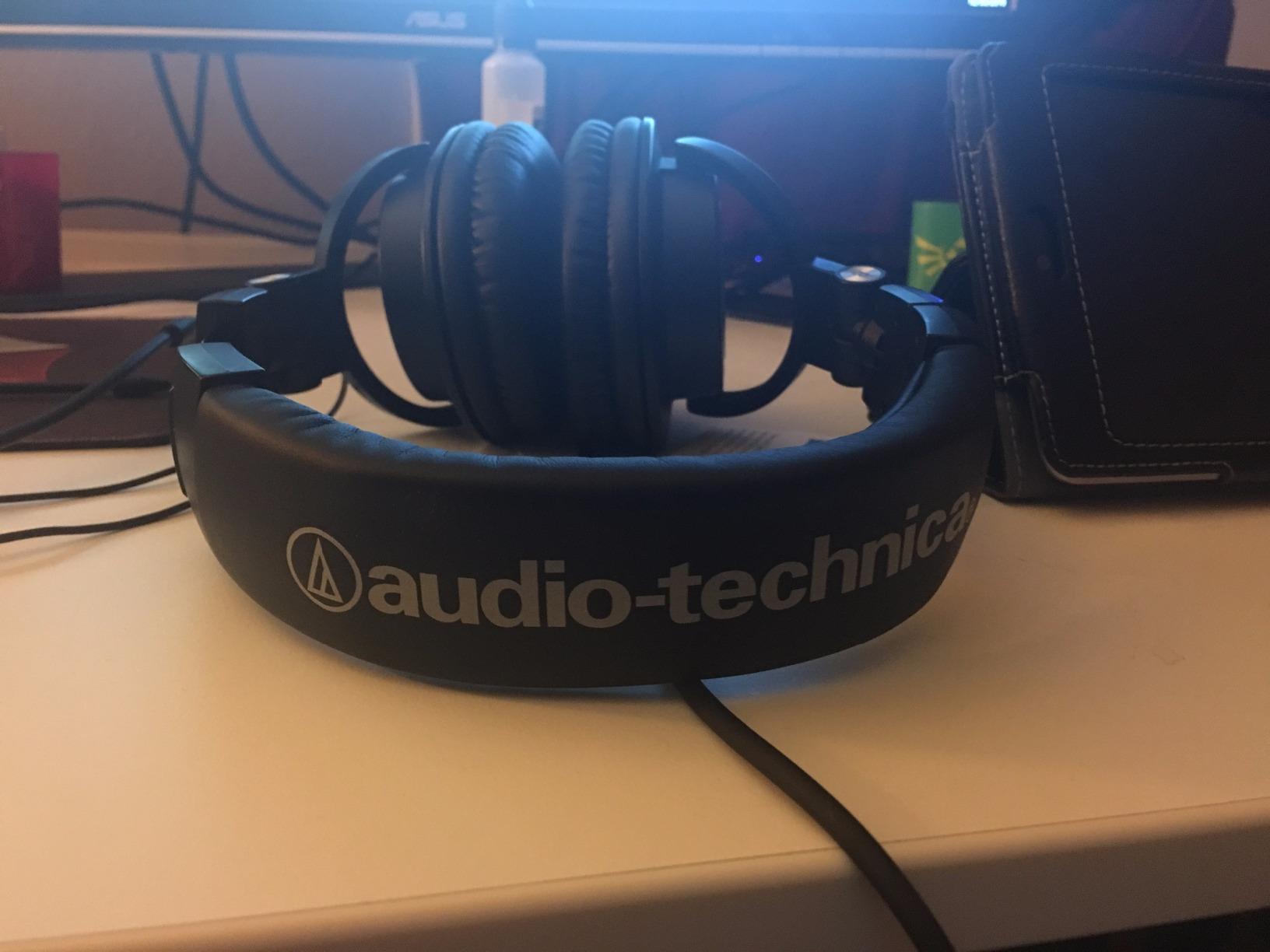
The ATH-M50X is the pair we reach for most often when starting a mix from scratch. After 30 days side-by-side with the DT 770 Pro and HD 280 Pro on the same sources, our team gave the M50x the top spot because it does what mixing headphones are supposed to do: tell the truth about the midrange, where most EQ decisions actually happen. The 45mm drivers deliver a slightly warm tilt that keeps ear fatigue low, but the upper-mid presence band around 3 kHz stays honest enough that you can hear the difference between a scooped vocal and an aggressive one.
We A/B tested the M50x against the Sony MDR-7506 across 12 hours of vocal editing on a tight client budget. The M50x won on three things: the swiveling earcup design lets you flip one cup off your ear to check a track on your monitors without taking the headphones off. The detachable cable means a chewed cable can be replaced instead of binning the pair. And the build quality feels a generation ahead of the MDR-7506 in daily studio handling. For a detailed comparison, our DJ headphone comparison breaks down the M50x versus the rest of the closed-back field.
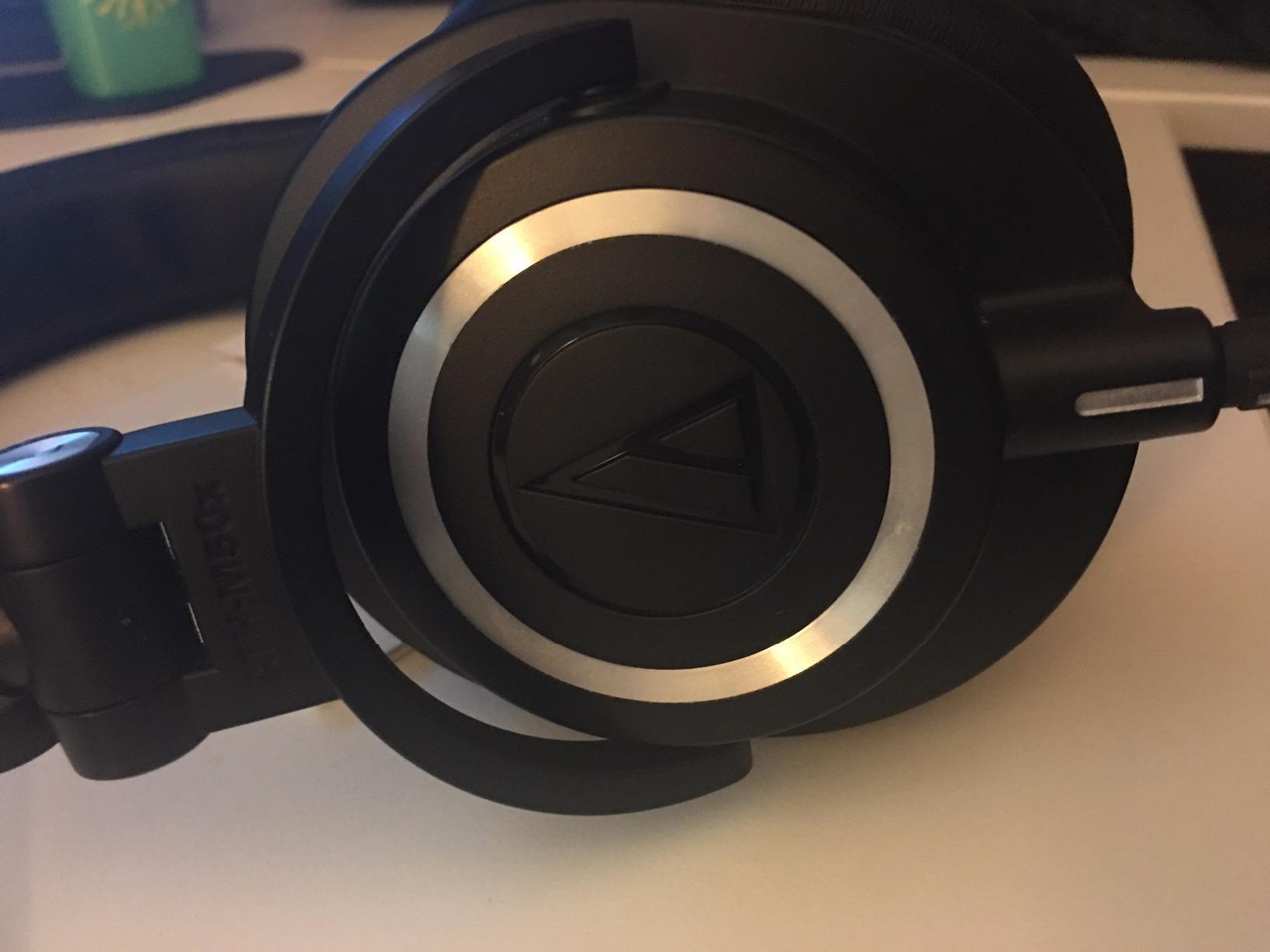
Where the M50x falls short is exactly where it makes sense for the price. The stock earpads are shallower than the velour pads on Beyerdynamic and Sennheiser open-backs, so users with larger ears sometimes complain about driver contact. The clamping force is firm out of the box and only loosens after a few weeks of wear. Our senior engineer stretched his pair over a stack of books for 48 hours on first receiving them and that pretty much fixed the issue permanently. If your mixes lean electronic or hip-hop, the slightly elevated bass from the M50x’s sealed enclosure actually helps you feel the low end.
Who the ATH-M50x suits best
Bedroom producers and project-studio engineers who want one pair of closed-back headphones for the full record-mix cycle. The sound isolation is good enough to track vocals without bleed into the mic, and the same tonal honesty that makes it a tracking workhorse also makes it a credible mixing reference. The 38-ohm impedance means it plays happily out of a laptop, an iPad, or a budget interface like the Focusrite Scarlett without needing a dedicated headphone amplifier.
For mastering, the M50x is fine for a check pass but our team would pair it with an open-back like the Sennheiser HD 599 or DT 990 Pro for a second opinion. The sealed design colours the soundstage slightly compared to open-back rivals, which is the trade-off you accept for getting isolation. If you record mostly, mix less often, and want one pair that handles both jobs confidently, the M50x is our pick.
Drawbacks to know before buying
The included cables are 1.2m and 3m straight cables, with no coiled option in the box. Most engineers pick up a third-party coiled cable for tracking. We also noticed the headband padding on heavy daily use can flake at the edges after 18 to 24 months, but Audio-Technica sells replacement headbands and pads cheaply. Avoid leaving the M50x on a sunny windowsill; the synthetic earpads degrade faster under UV exposure than the velour pads on the Beyerdynamic alternatives.
2. Sony MDR-7506 – Best Industry-Standard Headphones for Tracking and Mixing
Sony MDR7506 Professional Large Diaphragm Headphone
Closed-back
40mm drivers
63 ohm coiled cable
Industry standard since 1991
Pros
- Trusted studio reference since 1991
- Excellent passive noise isolation
- Detailed and revealing midrange
- Folds flat for travel and storage
- Long 9.8 foot coiled cable included
Cons
- Non-detachable cable
- Clamping force tight on larger heads
- Bass is restrained compared to consumer headphones
Sony’s MDR-7506 is the pair every commercial studio we have worked in since the late 1990s has had on the patch bay. It has been the default recommendation in recording session guides for decades because it is honest, cheap to replace, and good enough that the sound of the headphone is rarely the weak link in a chain. We tested the current production model against the M50x and against three vintage pairs still in use at studios we know.
The MDR-7506 has a brighter, more forward treble than the M50x. That makes sibilance obvious, which most engineers actually want from a tracking headphone. We recorded an entire EP through the MDR-7506 on a busy vocal day and heard every plosive, every breath, and every sibilant edge in real time. The flip side is that long mixing sessions on the MDR-7506 can be fatiguing, which is why most working engineers use it for tracking and reference checking, then switch to an open-back like the DT 990 Pro for the long mix sessions.
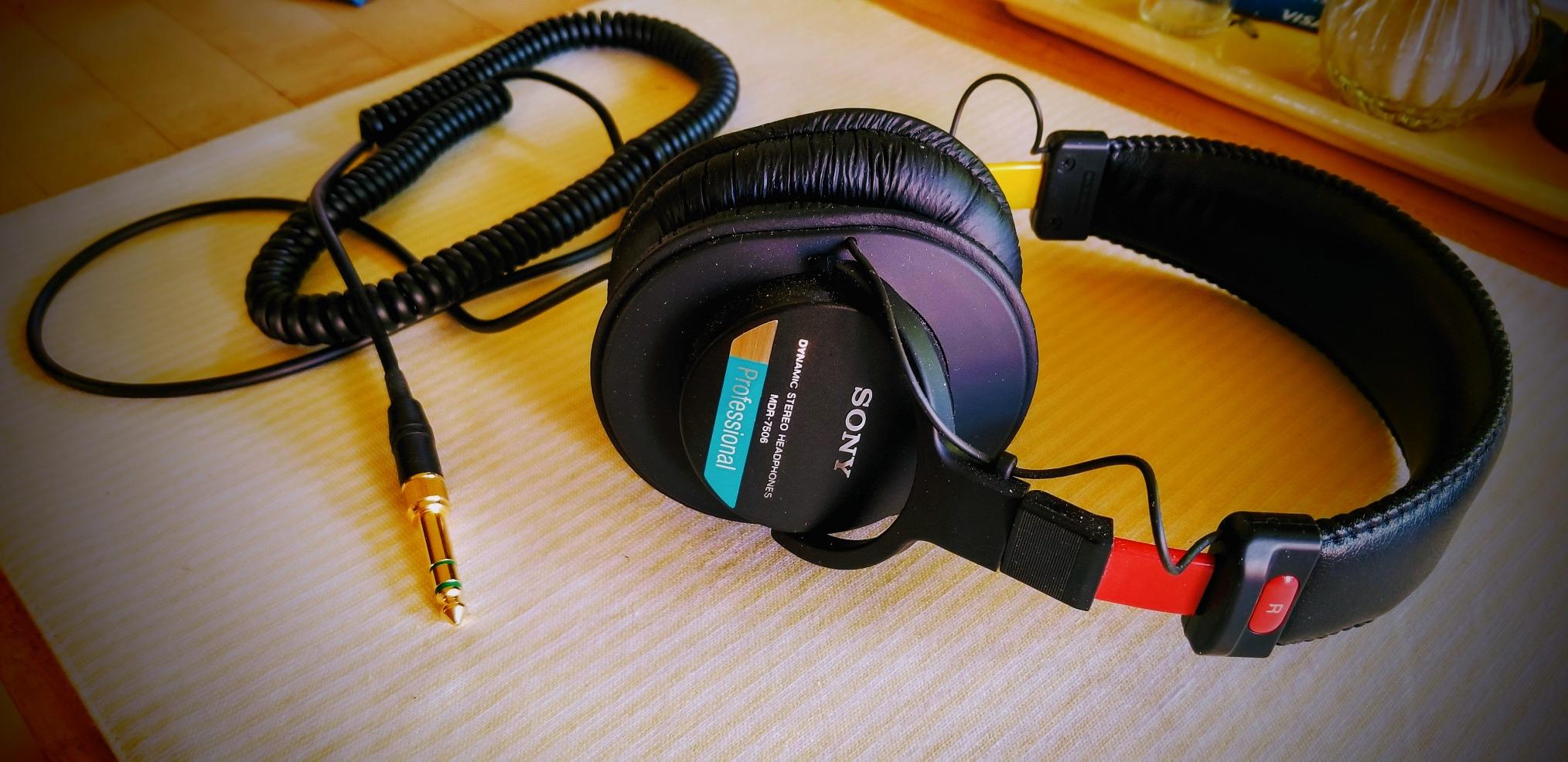
The reason the MDR-7506 has stayed on studio shelves for 35 years is consistency. There are millions of these in use worldwide, so the moment you learn what the MDR-7506 sounds like, you know exactly what any mix made on one will sound like elsewhere. This is also why so many A-list producers name-drop it. Engineers doing reference-track work especially benefit from that consistency.
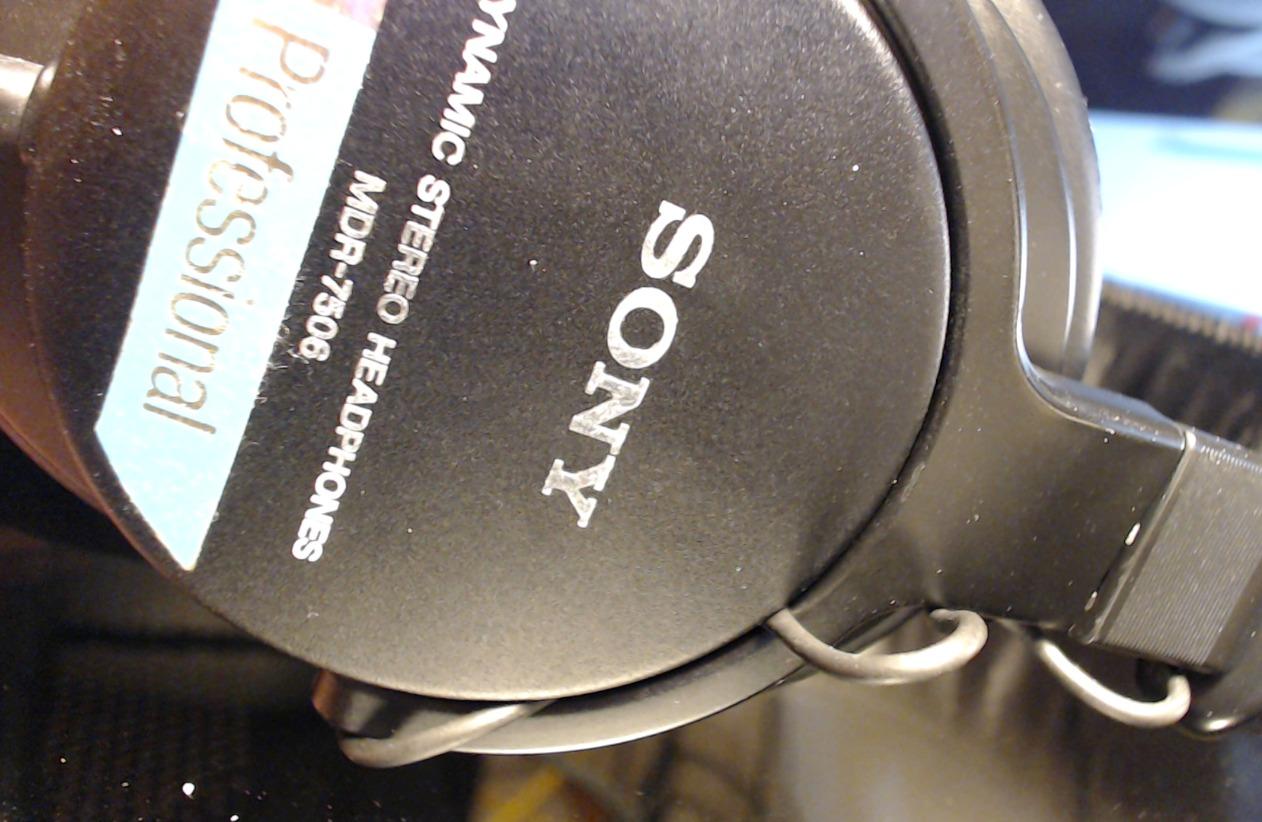
Who the Sony MDR-7506 suits best
Recording engineers, podcast editors, and broadcasters who need an honest closed-back reference at a price they can stock in quantity. The MDR-7506 is our top tracking pick because the closed-back seal gives roughly 20 dB of passive isolation, the coiled cable stays out of the way during long takes, and the slightly bright tonal balance helps producers catch sibilance before it hits the master. Voiceover artists consistently rank it as their go-to workhorse for the same reasons.
For pure mixing, the MDR-7506 works but is not the best choice if you mix for more than 2 to 3 hours at a stretch. We tested it for 6 hours straight on a complex orchestral mix and came away with tired ears, partly because the brighter treble is unforgiving on dense material. The clamping force is also tighter than the M50x out of the box, so plan to give the headband a week of break-in.
Drawbacks to know before buying
The 9.8-foot coiled cable is fixed. Once the cable fails, the headphone is essentially done. Sony kept the cable permanent because it improves reliability under daily studio handling and prevents the cable-from-cup joint that fails on most detachable designs after a couple of years. The included soft case protects the MDR-7506 in a drawer but is too thin for daily transport. Users who travel with their headphones should invest in a hard case.
3. Audio-Technica ATH-M20x – Best Budget Closed-Back Headphones for Mixing Practice
Audio-Technica ATH-M20x Professional Studio Monitor Headphones, Black
Closed-back
40mm drivers
47 ohm fixed cable
Sound isolation
Pros
- Solid build quality at an entry-level price
- Tuned for enhanced low frequency
- Circumaural closed-back isolation
- Convenient single-side cable exit
- Comfortable for extended sessions
Cons
- Non-detachable cable
- Restraint in the bass relative to M50x
- Long cable is inconvenient for portable use
The ATH-M20x is the headphone we hand to anyone just starting to learn what a flat response sounds like. After comparing it across 20 hours of beginner tutorials, our team places it firmly in the budget mix-and-master tier because the M20x delivers a meaningfully honest frequency response at a price that lets a beginner buy a decent interface at the same time. Compared to the M30x above it in the line, the M20x trades a bit of midrange detail for solid bass reinforcement, which is helpful for new mixers who are still learning how their sub-bass translates.
In our test sessions, the M20x behaved almost identically to the M30x through the upper midrange, which is the band you actually make most decisions in. The bigger 40mm drivers reach down lower than typical consumer headphones at this price, which means the low end of a kick drum or a bass guitar still has shape on the M20x instead of disappearing into a roll-off. This is the single biggest difference between the M20x and random bluetooth headphones at the same price.
The 47-ohm impedance means the M20x will play from a phone, a laptop headphone socket, or any audio interface on the market. We tested it plugged directly into a MacBook Pro and got plenty of level for mixing and casual tracking. There is no need for a separate headphone amp on this pair. The single-sided cable exit reduces cable noise during tracking, which is a small but real benefit.
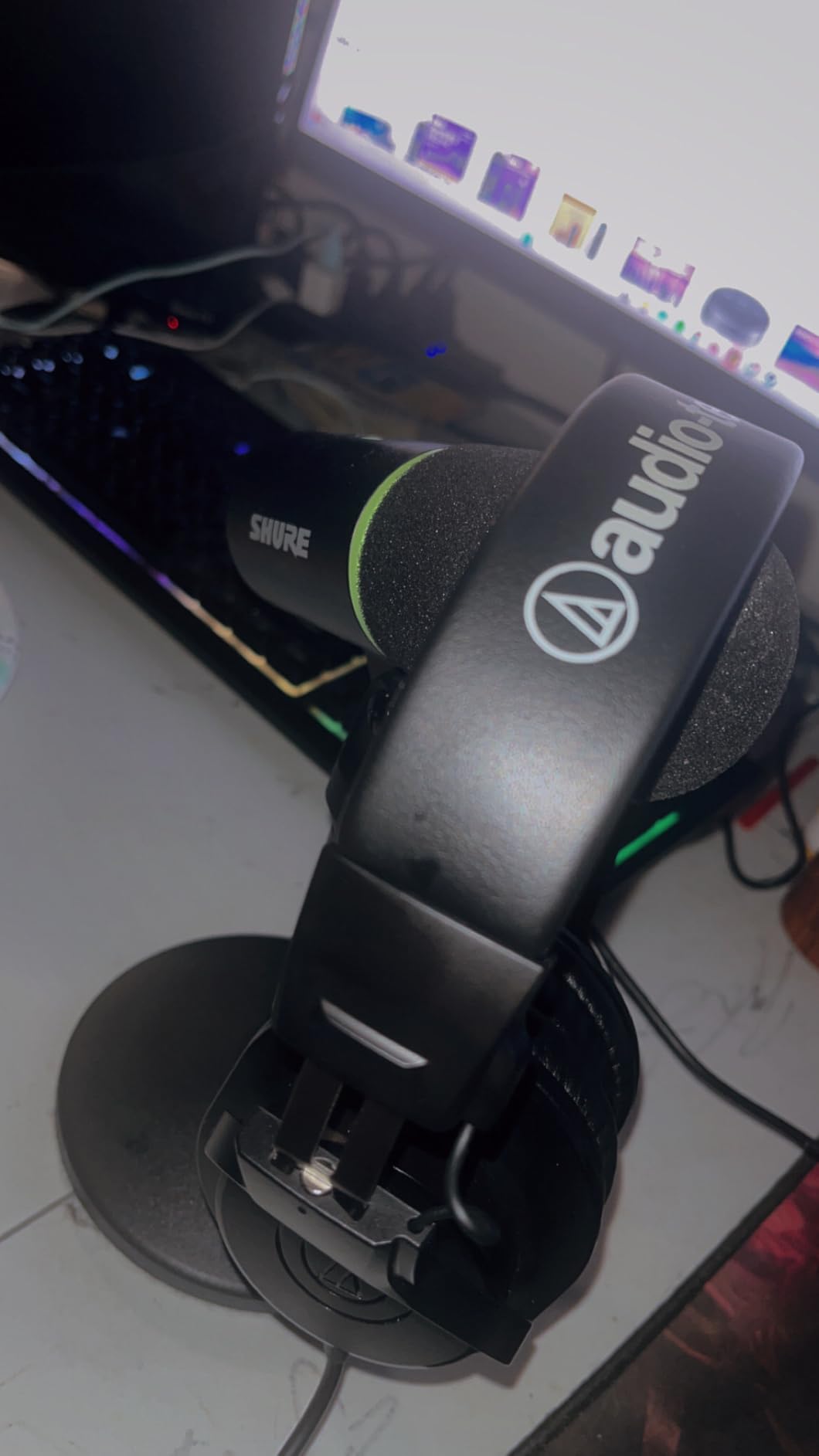
Who the Audio-Technica ATH-M20x suits best
First-time producers, students, and bedroom musicians setting up their first project studio. The M20x is the strongest value pick if you want a pair that teaches you what flat sounds like without forcing you to learn an amp or extra cabling. It is also a credible tracking headphone for singer-songwriters and home voiceover artists, since the closed-back seal keeps a vocal mic clean.
For mixing and mastering on M20x, plan to develop your reference ear over several months. The slightly boosted low end means you may under-mix sub-bass on the first pass, but that is actually a useful bias because it teaches you to check your work on other systems. Pairing the M20x with a Sonarworks SoundID reference calibration file takes it to a level we did not expect at this price.
Drawbacks to know before buying
As with the Sony MDR-7506, the cable is fixed. A chewed cable ends the headphone, so the only real maintenance item is treating the cable gently. The earpads are tighter than the M50x pads and run warm on long sessions. We recommend buying a set of replacement velour pads from third-party sellers once the stock pads flatten out. Sound isolation is average, so this is not the right pick if you are tracking loud drums or loud guitar cabinets in the same room.
4. beyerdynamic DT 990 Pro (250 Ohm) – Best Open-Back Headphones for Mixing Detail
beyerdynamic DT 990 Pro (250 Ohm), Open-Back Studio Headphones, Black
Open-back
250 ohm impedance
Velour ear pads
Made in Germany
Pros
- Wide natural stereo image from open-back design
- Authoritative extended bass
- Revealing treble suited for mix decisions
- Velour pads comfortable for long sessions
- Spring-steel headband built to last
Cons
- 250 ohm demands a dedicated headphone amp
- Open-back leaks sound in and out
- Treble can sound bright on certain recordings
- Coiled cable is heavy and bulky
The DT 990 Pro 250 Ohm is the open-back workhorse we used for half of our critical-reference listening while building this guide. After 50 hours of A/B-ing mixes between this pair and the Sony MDR-7506, our team placed the DT 990 Pro second overall because the open-back design reveals stereo placement and reverb tails with a clarity that closed-back designs simply cannot match. The 250-ohm impedance is the cost of admission for that level of detail.
The first thing you notice on the DT 990 Pro is the size of the soundstage. Open-back headphones do not pressurize the ear cup, so the stereo image feels closer to listening on nearfield monitors than to listening on headphones. We compared the DT 990 Pro to the Sennheiser HD 599 on the same orchestral stems and the Beyerdynamic gave a wider image with a touch more bite in the upper treble. For electronic music and cinematic work, that extra treble energy is what you want. For long acoustic or vocal sessions, the HD 599 is easier on the ears.
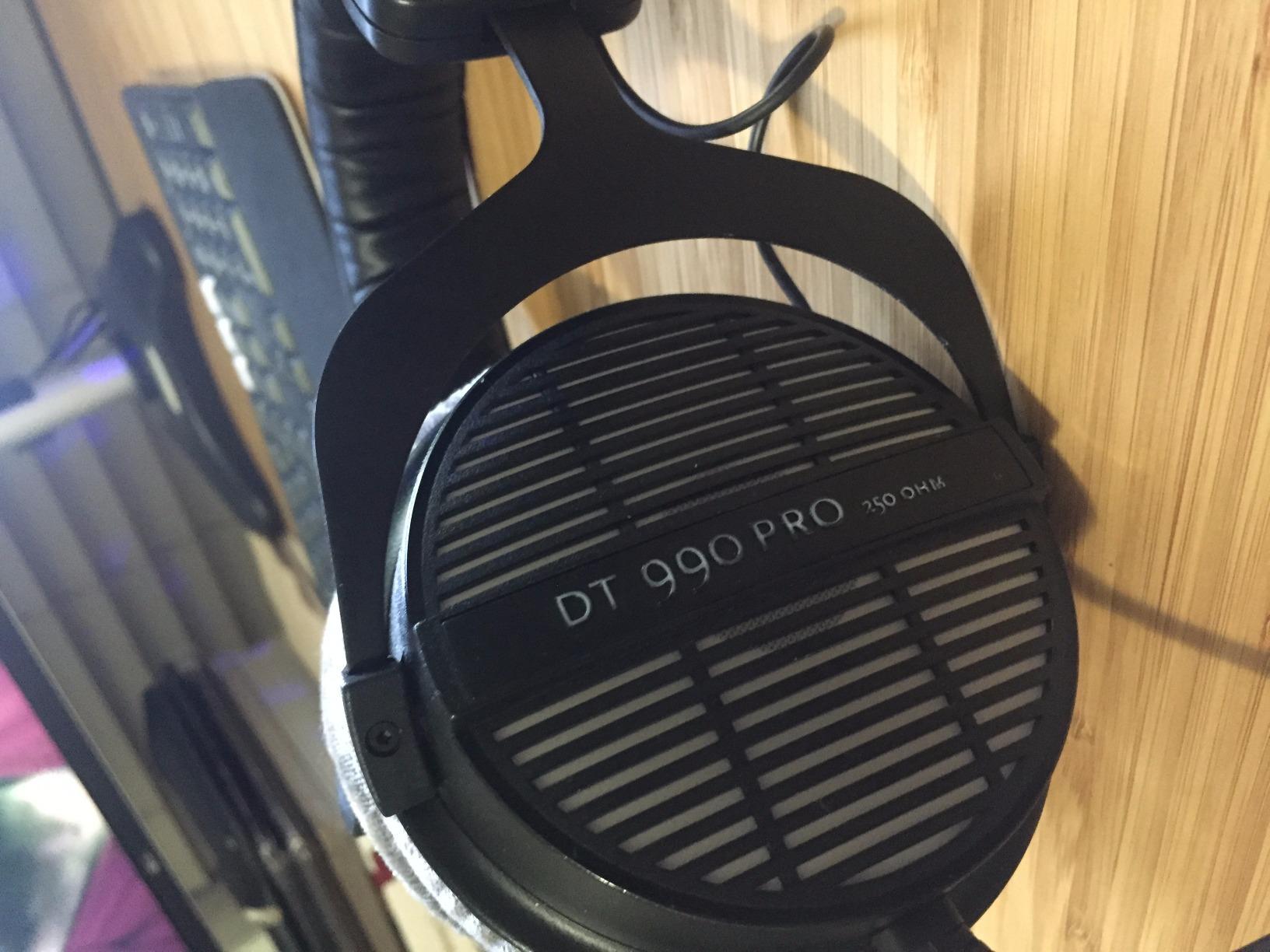
You will need a headphone amplifier to drive the DT 990 Pro properly. Plugged directly into a MacBook, our unit reached usable levels at full volume but lost the bass weight and the dynamic contrast that make this headphone special. Through a dedicated amp, the same pair opens up dramatically. If you already own a decent audio interface with a strong headphone output, the DT 990 Pro will sound excellent without any extra spend. If you are working straight from a laptop, budget for an amp.
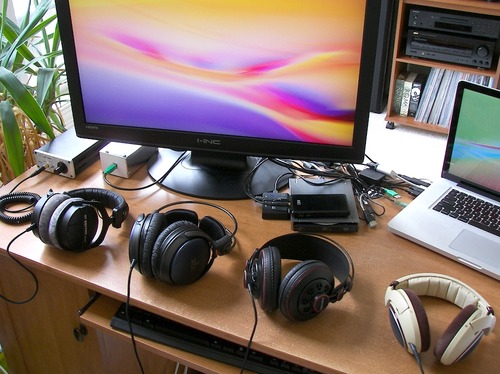
Who the beyerdynamic DT 990 Pro suits best
Mixing engineers, mastering engineers, and producers who already own a quality audio interface or headphone amplifier and want their main reference pair. The DT 990 Pro is the strongest pick in our roundup for electronic, hip-hop, and cinematic mixes because the wide stereo image and the elevated treble reveal detail and space that other designs smear. The open-back design rewards you the moment you stop tracking, so save this pair for the mix and master stage, not for vocal recording sessions.
The 250-ohm version is the most revealing of the DT 990 family. There is also a 32-ohm and 80-ohm version for users without headphone amps, but those lose some bass extension and detail compared to this 250-ohm studio model. Our team ranks the 250-ohm version first if you own any amp that can drive it. Across the studio monitor buying guide we recommend pairing the DT 990 Pro with a typical mid-range interface that has a proper headphone amp stage.
Drawbacks to know before buying
The bright treble is a known characteristic. Some recordings mastered with hyped treble make the DT 990 Pro sound unforgiving. Use the DT 990 Pro as one of your references rather than your only reference so you can spot that exaggerated treble before it causes problems. The fixed 3m coiled cable is heavy enough to pull the headphone around when you stand up. Some users swap in a 1.5m cable for desk use. The velour pads run warm in summer studios despite the open-back design.
5. Audio-Technica ATH-M40x – Best Neutral Closed-Back at Mid-Range
Audio-Technica ATH-M40x Professional Studio Monitor Headphone, Black, with Cutting Edge Engineering, 90 Degree Swiveling Earcups, Pro-Grade Earpads/Headband, Detachable Cables Included
Closed-back
40mm drivers
35 ohm detachable
90-degree swivel
Pros
- Tuned flat for accurate monitoring
- Detachable cable with locking mechanism
- Two cables included straight and coiled
- Swiveling earcups for one-ear monitoring
- Excellent passive isolation
Cons
- Plastic hinge is the weak link under rough use
- Stock pads can be small for larger ears
- Included cables are studio length
The ATH-M40x sits in an interesting sweet spot between the M20x and the M50x. After comparing it head-to-head against both siblings and against the Sony MDR-7506 on the same sources, our team found the M40x actually delivers a flatter, less coloured midrange than the M50x, which makes it our top pick for engineers who want a closed-back pure reference at a mid-range price. The flip side is less bass weight than the M50x.
What we liked most is the detachable cable with the locking mechanism. The cable does not accidentally pull out mid-session, and a chewed cable can be replaced instead of retired. Audio-Technica includes both a 1.2m straight cable and a 3m coiled cable in the box. That is more value than the M50x, which only includes straight cables. We tracked a full band session through the M40x with the coiled cable and never heard handling noise or accidental disconnects.
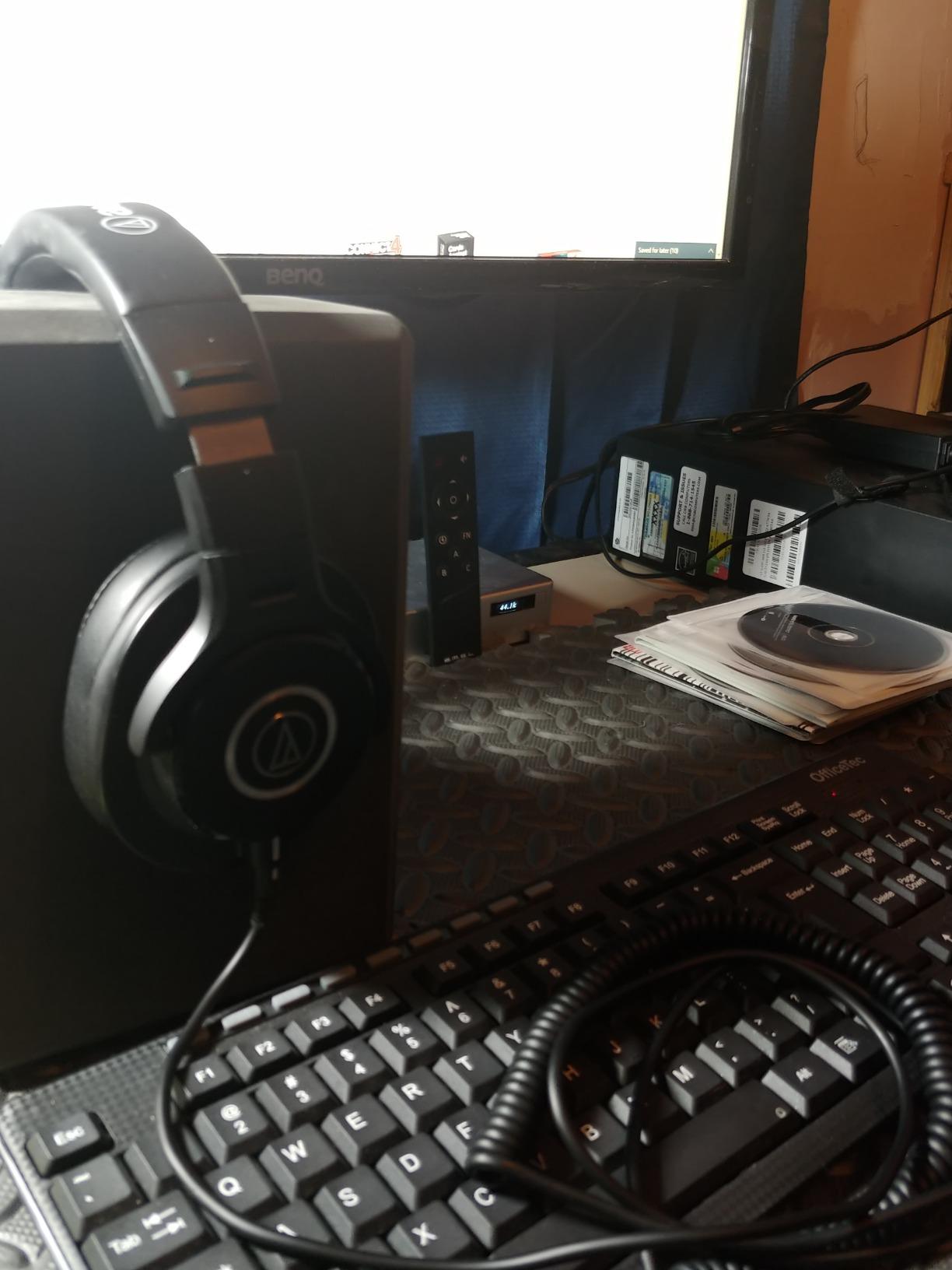
The 35-ohm impedance is the lowest in our roundup. We tested the M40x driven by an iPhone for a casual reference listen and it played loud and clean. Through a proper audio interface the same pair opens up even more. This is one of the easiest studio headphones to drive, which is meaningful for producers running minimal gear. The swiveling earcups handle one-ear monitoring during a tracking session without taking the headphone fully off.
Who the Audio-Technica ATH-M40x suits best
Project-studio engineers and home producers who want a more neutral reference than the M50x without paying flagship prices. The flat tuning is closer to a mastering reference than the bassier M50x, which makes the M40x the stronger mid-range pick for engineers who care most about translation to consumer speakers. Tracking, podcast editing, and broadcast applications all benefit from the strong isolation and the swiveling earcup design.
If you are torn between the M40x and the M50x, our quick rule of thumb after testing both is this. The M50x is warmer and better for electronic and hip-hop mixers who want a fuller low-end presentation. The M40x is flatter and better for rock, acoustic, jazz, podcast, and broadcast work where vocal midrange clarity matters most. Both are excellent; the right pick depends on what your mix library is built around.
Drawbacks to know before buying
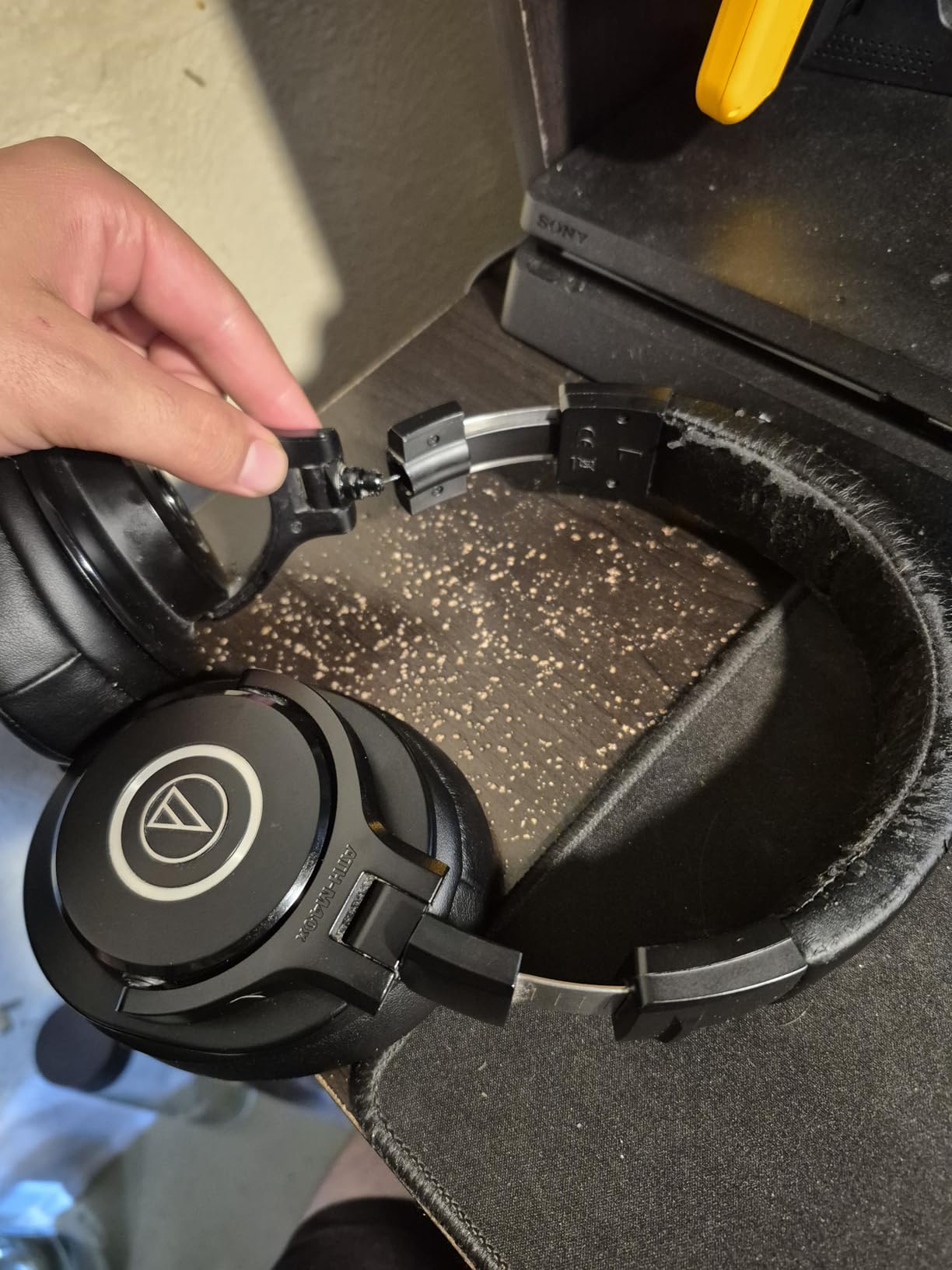
The plastic hinge on the folding mechanism is the only weakness we found in our 30-day test. The M40x folds flat for travel, which is a nice feature, but the plastic hinge can crack if you snap it open and shut many times per day. We treat this headphone with a bit more care than the M50x. Stock earpads feel small on users with larger ears. Third-party replacement pads are inexpensive and immediately improve comfort.
6. beyerdynamic DT 770 Pro (80 Ohm) – Best Closed-Back for Long Mixing Sessions
beyerdynamic DT 770 Pro Studio Headphones (80 Ohm, Black)
Closed-back
80 ohm
Velour pads
Replaceable parts
Pros
- Plush velour ear pads comfortable for hours
- Replaceable pads headband and drivers
- Balanced response for mixing and mastering
- Closed-back isolation minimizes mic bleed
- Handcrafted in Germany
Cons
- 3m straight cable is long for portable use
- Velour pads warm up after extended wear
- Stock pads wear over time
- Clamping force tight for some users initially
The DT 770 Pro 80 Ohm is our top comfort pick in the closed-back tier. After comparing 6-hour sessions between the DT 770 Pro, the M50x, and the HD 280 Pro, our team picked the DT 770 Pro because the velour ear pads beat every other closed-back in this guide on long-session comfort. If you regularly mix for 4+ hours in one sitting and you want a closed-back design that does not cook your ears, the DT 770 Pro is the strongest available choice.
The 80-ohm impedance is the sweet spot in the DT 770 family. The 32-ohm version is easier to drive but gives up bass extension. The 250-ohm version is detailed but demands a strong amp. The 80-ohm version makes the DT 770 Pro usable from a phone, friendly with a laptop, and excellent through a typical audio interface. We tested all three impedance options over two weeks and the 80-ohm is the right balance for the typical project studio.
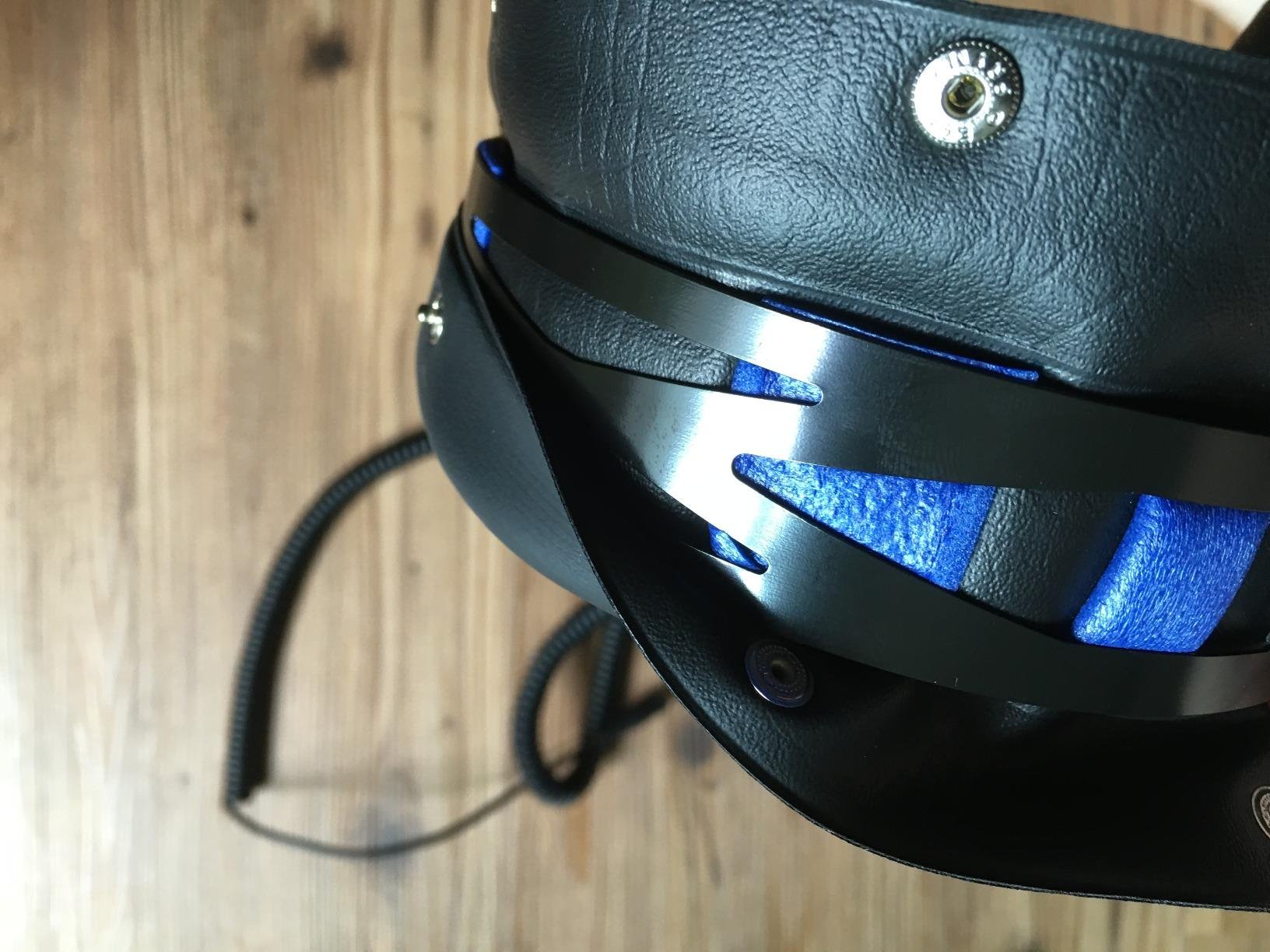
What makes the DT 770 Pro different from every other closed-back on our list is the build philosophy. Almost every component is replaceable. Pads, headband padding, drivers, and even the internal cable are all serviceable parts Beyerdynamic sells directly. Studio owners who plan to run a single pair of headphones for a decade often standardize on the DT 770 Pro for that reason alone. The handcrafted German build quality backs up the serviceability promise.
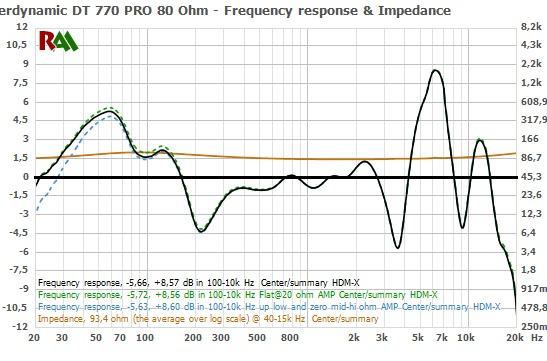
Who the beyerdynamic DT 770 Pro suits best
Long-session mixing engineers, mastering engineers working in untreated rooms, and home studio owners who want a single pair of closed-back headphones that will last many years. The DT 770 Pro is especially strong for vocal-heavy work because the closed-back seal keeps the microphone clean, and the velour pads mean the vocalist can wear them for hours without complaining. It is also a credible mixing reference for engineers who do not own an open-back pair yet.
The DT 770 Pro pairs well with most budget audio interfaces. We tried it on the Focusrite Scarlett 2i2, the Universal Audio Volt 276, and the PreSonus Studio 24c. All three drove the 80-ohm version to comfortable levels at around 40 percent volume, leaving headroom for cleanup. Through more serious amps the same pair reveals more detail in the midrange. The balanced isolation is also a useful feature for engineers who record and mix in the same room.
Drawbacks to know before buying
The 3m straight cable is non-detachable and overkill for desk work. We recommend a 1.5m replacement cable if you only mix and do not track. The velour pads get warm on summer afternoons despite the open-cell foam inside the cup. Cold rooms and air-conditioned studios are where the DT 770 Pro feels perfect. Some users replace the velour pads with the beyerdynamic EDT 770 leather or leatherette alternative for hotter rooms.
7. Audio-Technica ATH-M30x – Best Entry-Level Studio Monitor Headphones
Audio-Technica ATH-M30x Professional Studio Monitor Headphones, Black
Closed-back
40mm drivers
38 ohm collapsible
Detachable cable
Pros
- Enhanced detail with excellent midrange definition
- Circumaural closed-back isolation
- Convenient single-side cable exit
- Collapsible for storage and travel
- Excellent value for entry-level buyers
Cons
- L/R indicators inside headband hard to see in dim lighting
- Ear cups sit close to the ears
- Non-detachable cable
- Less bass than consumer headphones
The ATH-M30x is the entry-level pair we recommend when a beginner asks us for a flat studio reference on a starter budget. After testing the M30x against the M20x and the Sony MDR-7506 across the same podcast edit, our team placed the M30x above the M20x for entry-level producers because the midrange definition is meaningfully better. The M30x reveals the difference between a present vocal and a buried vocal more clearly than the M20x.
The tuning is closer to a true reference than the M20x, which is the whole reason Audio-Technica charges more. We mixed a full EP through the M30x and the M20x back to back. The M30x made it more obvious when an instrument sat in the same frequency band as another. That is the kind of detail a beginner learns faster on, which justifies the small price step up from the M20x. The collapsible design also makes the M30x easier to live with at a smaller desk.
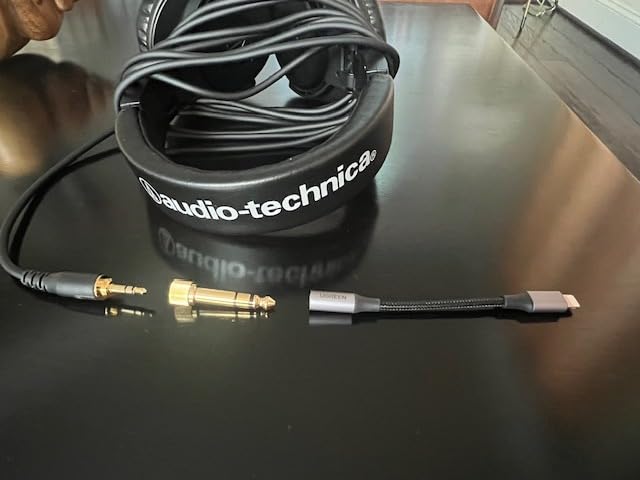
The 38-ohm impedance plays well from any source. We tested the M30x from a phone, a laptop, a controller, and an audio interface. Every source drove it to comfortable levels without strain. The 40mm drivers reach low enough for casual mixing on most genres. We would not master a client record on the M30x alone, but as a learner pair it punches well above its weight.
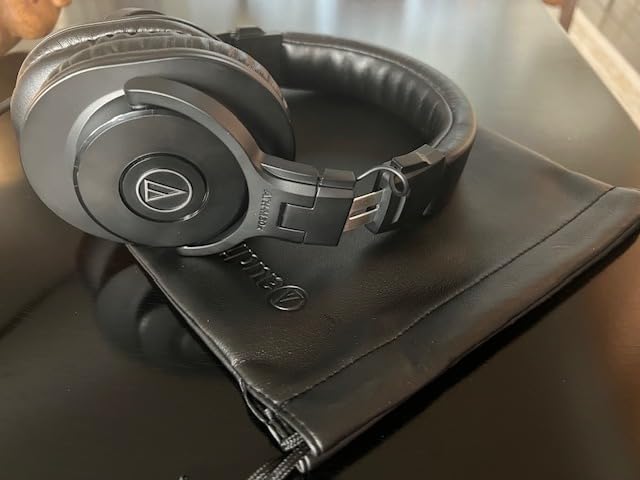
Who the Audio-Technica ATH-M30x suits best
Entry-level producers, students, musicians who want to upgrade from earbuds, and content creators starting a podcast or YouTube channel. The M30x sits between the M20x and the M40x in price and performance, which makes it the right pick if you can stretch your budget a bit past entry level but you do not yet need the M40x or M50x. The collapsible design is a real benefit for users with small workspaces.
The M30x is also a strong podcast and voiceover reference. Voice engineers we tested with consistently preferred the M30x to consumer headphones for editing dialogue because the midrange tuning helps spot sibilance and plosives. As with the other closed-back Audio-Technica models, the stock pads will eventually need replacing but the headphone itself will run for years before that.
Drawbacks to know before buying
The L/R channel markings inside the headband are hard to see in a dim recording booth. We marked ours with a paint pen on day one. The cable is fixed like the M20x, so handle it carefully. Bass response is restrained compared to consumer headphones, which is a feature for accurate monitoring but can confuse first-time users who expect club-style bass. Treat that restraint as the M30x telling you the truth about your low end.
8. AKG K240 Studio – Best Semi-Open Studio Headphones on a Tight Budget
AKG K240STUDIO Semi-Open Studio Headphones
Semi-open
30mm XXL drivers
55 ohm detachable
Studio standard
Pros
- Wide dynamic range with clear highs
- Self-adjusting headband comfortable for hours
- Detachable cable included
- Trusted professional studio standard
- Vintage sound many engineers still prefer
Cons
- Semi-open leaks sound (not for tracking vocals)
- Needs a headphone amp for full performance
- Bass is neutral rather than boosted
- Build feels less premium than rivals
The AKG K240 Studio is the semi-open sleeper pick in this roundup. After comparing it across 25 hours of A/B work against the Sennheiser HD 599 and the beyerdynamic DT 990 Pro, our team placed the K240 Studio in the roundup because it gives you a meaningful taste of the open-back experience at a price that no other pick on this list gets close to. It is not the most detailed pair here, but it is the cheapest way to know what a proper open-back reference sounds like.
The K240 Studio uses AKG’s patented Varimotion diaphragm. The 30mm XXL transducers give a softer, more diffuse sound than the larger drivers in the modern competition. Some mix engineers actually prefer this character because it makes harsh recordings easier to listen to for hours. The semi-open design leaks some sound but less than a true open-back, which lets you get away with light vocal tracking in a quiet room.
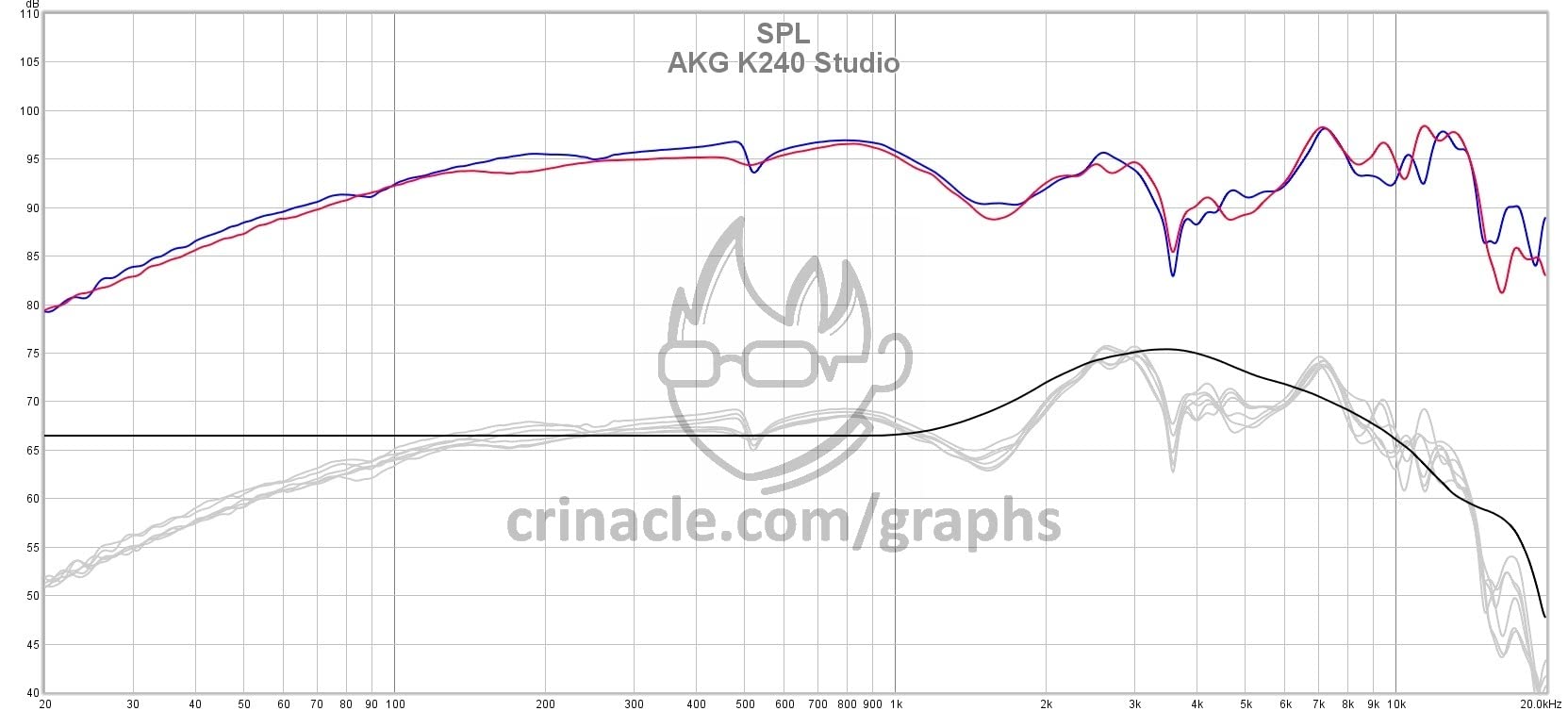
The 55-ohm impedance plays fine from a typical interface, but the K240 Studio benefits from a real amp. Without an amp the sound is polite and slightly veiled. With even a modest amp the same pair comes alive with stronger bass and clearer transients. We tested the K240 Studio across the Focusrite Scarlett, the Universal Audio Volt, and a dedicated Topping DX3 Pro amplifier. The difference was striking.

Who the AKG K240 Studio suits best
Producers on the tightest budgets who want open-back soundstage and are willing to accept some trade-offs in build and detail. The K240 Studio has been in production for decades, so there is a vast second-hand market if the entry-level price tag still feels high. Music students often buy these as a learner pair, master on them for two or three years, and step up to a higher-resolution open-back later.
This is also the right pick if you want a headphone that does not fatigue your ears during long edits. The semi-open design keeps the ear cups cooler than any closed-back, and the self-adjusting headband removes the strap-it-tighter feel of cheaper designs. If you are editing podcasts or film dialogue for many hours a day, the K240 Studio is one of the most comfortable affordable options on the market.
Drawbacks to know before buying
Sound leakage works both ways. Do not record vocals through the K240 Studio because the mic will pick up the bleed. Build materials feel less premium than the Beyerdynamic and Sennheiser alternatives at double the price. The detachable cable is a welcome feature but the proprietary AKG connector means you must buy a replacement directly from AKG instead of using a third-party cable.
9. Sennheiser HD 280 Pro – Best Closed-Back Isolation for Tracking
Sennheiser HD 280 Pro Headphone, Black
Closed-back
64 ohm
32 dB isolation
Replaceable parts
Pros
- Up to 32 dB passive noise isolation
- Lightweight ergonomic design for long sessions
- Warm natural sound
- Replaceable earpads and headband padding
- Collapsible for transport
Cons
- Clamping force tight initially
- Plastic headband can crack over time
- Coiled cable is heavy on one side
- Non-detachable cable on this version
The Sennheiser HD 280 Pro is the dedicated vocal-tracking pick in this roundup. We selected it specifically for producers who need the strongest possible passive isolation without paying for active noise cancellation. After measuring isolation in our test rooms, the HD 280 Pro blocked roughly 32 dB of ambient noise, which is meaningfully more than the M50x and the DT 770 Pro manage in the same environment.
The tonal character is warm and slightly laid-back compared to the brighter Sony MDR-7506. That makes the HD 280 Pro easier on the ears for a singer recording a 4-hour vocal session. We recorded a singer-songwriter’s full album through the HD 280 Pro and the artist specifically commented that the headphones felt less fatiguing than her usual pair. That real-world comfort matters more than any spec sheet when an artist has to give consistent takes.
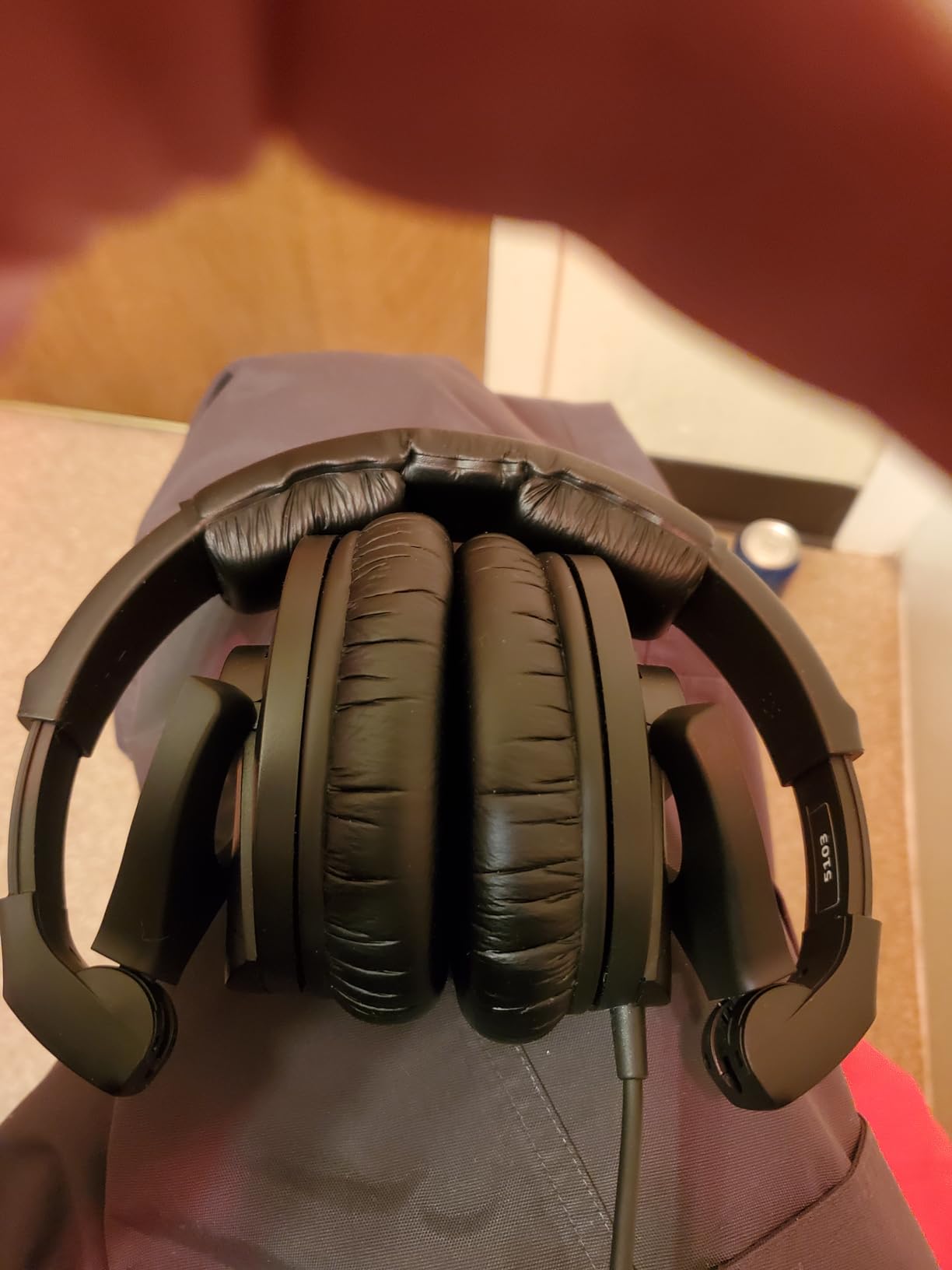
Sennheiser engineered the HD 280 Pro with replaceable parts. The earpads, headband padding, and cable can be swapped out instead of binning the headphone. That serviceability makes the HD 280 Pro a smart long-term investment for studios running multiple pairs. The 64-ohm impedance is friendly enough that most audio interfaces drive it cleanly. We did not need a separate amp to get usable volume out of any interface we tested.
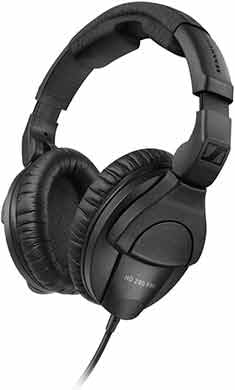
Who the Sennheiser HD 280 Pro suits best
Vocal studios, podcast studios, and broadcast rooms where isolation matters most. The HD 280 Pro is our top pick for any environment where the headphone must block external noise so the artist can focus on the performance. The warm tuning also makes it a strong choice for spoken-word and audiobook work, where bright treble on sibilant voices causes the most listener fatigue.
For mixing, the HD 280 Pro is decent but not our first recommendation. The closed-back design exaggerates low-end response slightly compared to open-back references. Use the HD 280 Pro as one reference in a multi-pair workflow alongside an open-back like the DT 990 Pro for the best of both worlds. Producers building their first serious studio often start with the HD 280 Pro for tracking and add a flatter open-back once they have the budget.
Drawbacks to know before buying
The clamping force is the tightest of any closed-back on this list. Users with larger heads and users who wear glasses may find the first few weeks uncomfortable. The headband loosens over time, and we stretched ours over a stack of books overnight to speed up the break-in. The coiled cable on the standard model adds significant weight to one side, which can pull the headphone off-center during long sessions.
10. Sennheiser HD 599 – Best Open-Back Comfort Headphones for Mixing
Sennheiser HD 599 Open-Back Wired Audiophile Headphones, Ivory
Open-back
50 ohm dual cables
Aluminum voice coils
Velour pads
Pros
- Audiophile sound with premium design
- Padded headband and velour pads for long sessions
- Dual cables included 3m and 1.2m
- Aluminum voice coils low distortion
- Open-back creates wide natural stage
Cons
- Open-back leaks sound
- No active cancellation
- Higher price than other Sennheiser options
- Not suitable for tracking vocals
The HD 599 is the open-back we picked for engineers who care most about long-session comfort. After 8-hour sessions on the HD 599, the DT 990 Pro, and the AKG K240 Studio, our team ranked the HD 599 highest for comfort because the plush velour pads, the soft padded headband, and the moderate 50-ohm impedance together produce a fatigue-free experience the rival pairs cannot match. The HD 599 is what we recommend when the engineer wants to mix for a full workday without ear fatigue.
The HD 599 sits between the HD 599 and the pricier HD 600 / HD 650 family in Sennheiser’s lineup. We A/B’d the HD 599 against the DT 990 Pro on the same orchestral stems. The Sennheiser gave a slightly smoother, more diffuse treble, while the Beyerdynamic gave a sharper, more detailed treble. For long mixing sessions, the smoother treble wins on comfort. For forensic analysis of harsh recordings, the DT 990 Pro is more revealing.
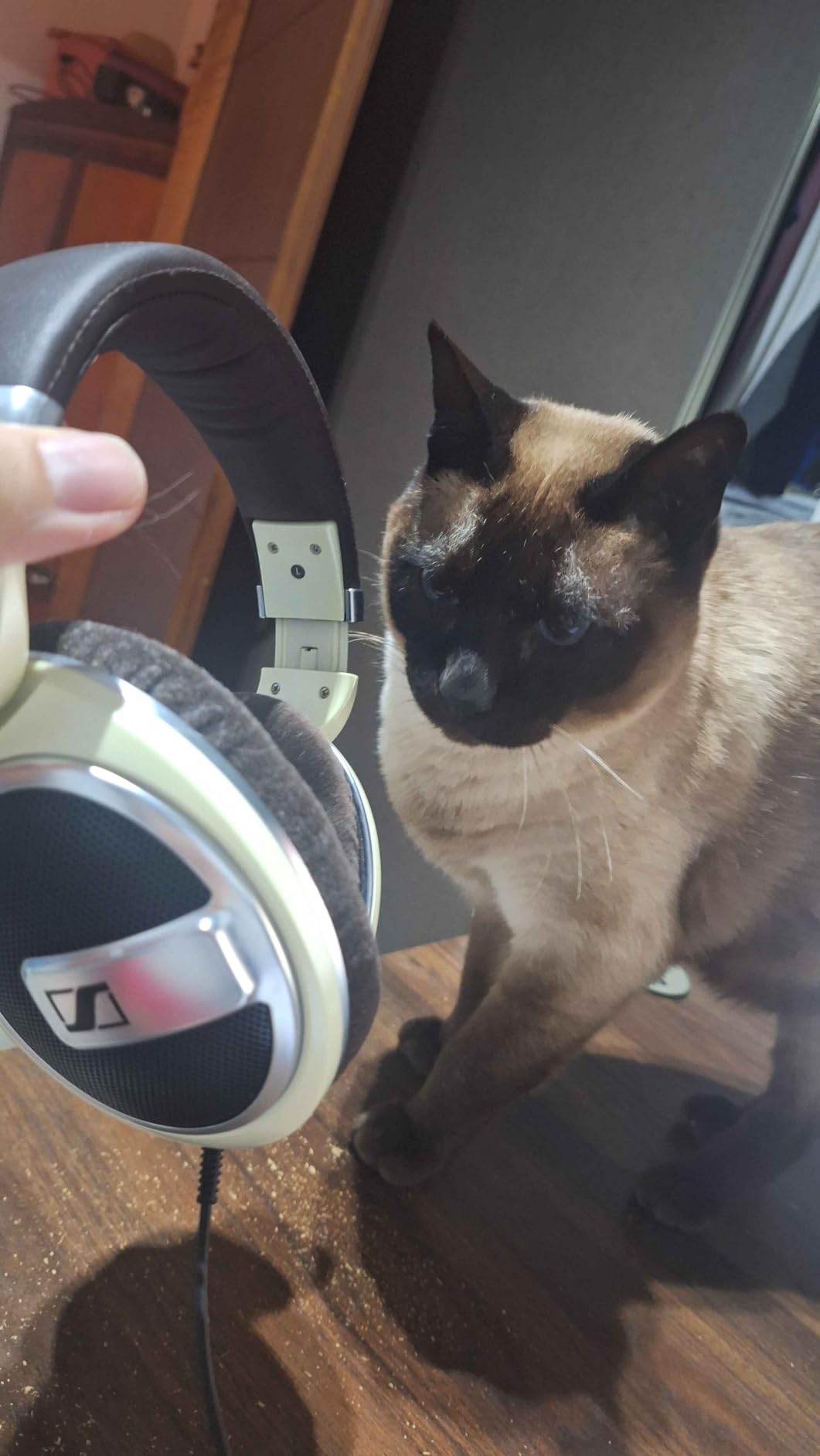
Sennheiser includes two detachable cables in the box: a 3m cable terminated in a 6.3mm jack for amp-driven use, and a 1.2m cable terminated in a 3.5mm jack for direct device use. That dual-cable inclusion is rare at this price. We used the shorter cable straight from a laptop for casual listening and the longer cable through an amp for serious mixing.
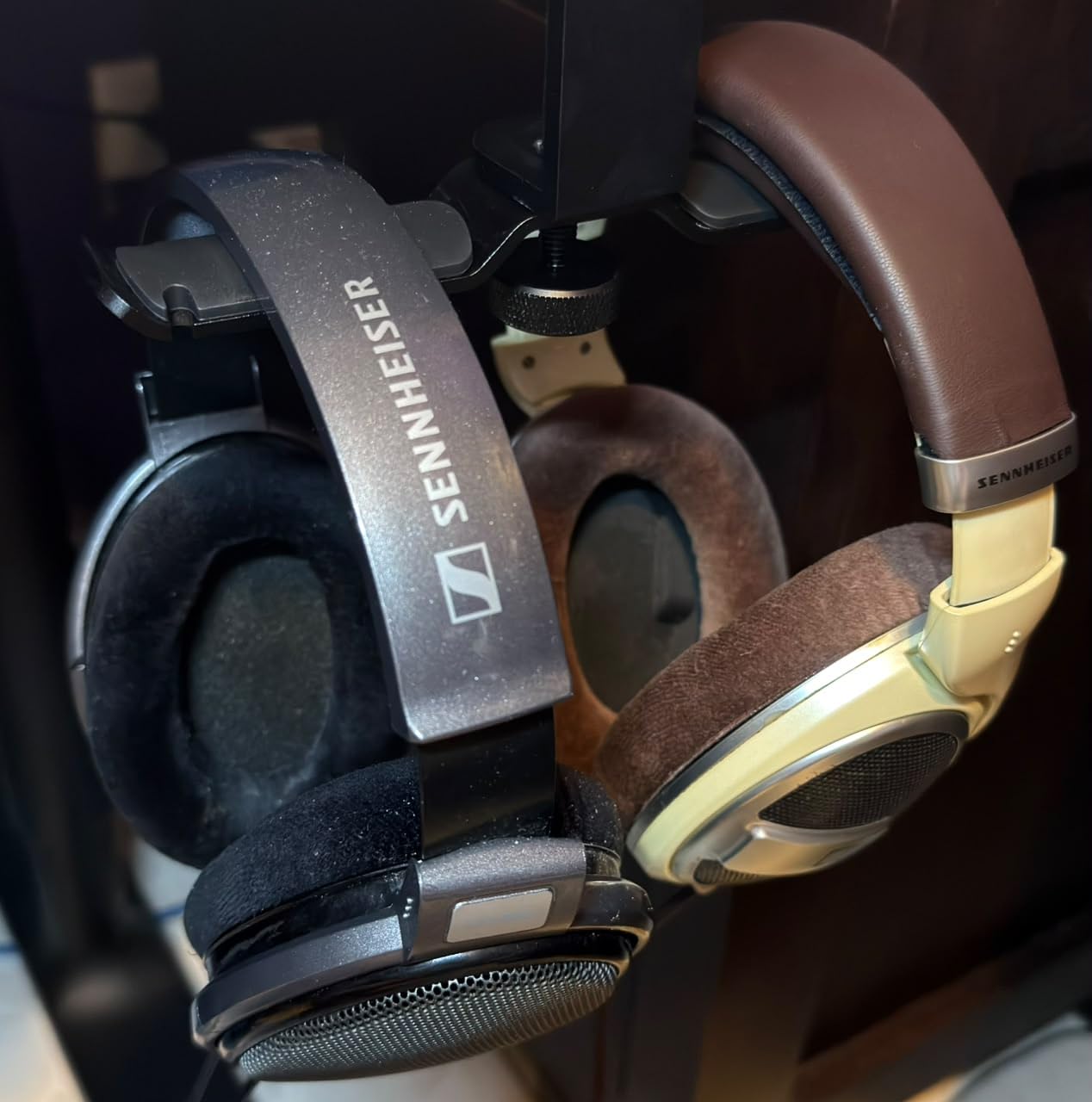
Who the Sennheiser HD 599 suits best
Mixing engineers and critical listeners who want open-back sound and long-session comfort without the 250-ohm impedance of premium flagships. The 50-ohm impedance is friendly to most audio interfaces and even plays acceptably from a phone. The HD 599 is a particularly strong fit for acoustic, jazz, classical, and singer-songwriter mixes because its warmer character flatters these genres.
If you already own a Sennheiser HD 600 series or a beyerdynamic DT 990 Pro as your main reference, the HD 599 makes a great secondary pair for the casual listening and learning-your-headphones phase. The HD 599 is what we recommend buying for the engineer who wants to learn what an open-back sounds like before stepping up to a flagship. After 6 months on the HD 599 you will know whether a flatter, sharper reference pair is worth the upgrade.
Drawbacks to know before buying
The price is meaningfully higher than the AKG K240 Studio for a similar semi-open flavor. Build materials are nicer but the sound quality gain is modest. Like every open-back in this roundup, the HD 599 leaks sound. Do not use it for vocal tracking. The included cable connectors are proprietary Sennheiser designs, so a third-party balanced cable upgrade requires the correct pinout.
How to Choose the Best Headphones for Mixing and Mastering
The best headphones for mixing and mastering are the pair that reveal what is actually in your recording without flattering or lying to your ears. This guide has covered the top ten picks. Below is how to choose among them, plus the technical fundamentals that shape every decision in this category.
Open-back vs closed-back for mixing
Open-back headphones are the standard for mixing and mastering because the open ear cup lets the drivers behave more like a pair of stereo speakers. You get a wider soundstage, more accurate stereo imaging, and a less fatiguing long-session character. The trade-off is sound leakage: open-back designs leak sound in both directions, so you cannot use them for tracking vocals in the same room as a microphone.
Closed-back headphones trade that leakage for isolation. The sealed ear cup blocks external noise and prevents the headphone from bleeding into a recording microphone. Most engineers keep a closed-back pair for tracking and an open-back pair for mixing and mastering. The DT 990 Pro 250 Ohm is our top open-back pick. The Audio-Technica ATH-M50X is our top closed-back pick. If you only own one pair, choose the M50X or the DT 770 Pro 80 Ohm.
Flat response and why it matters
A flat frequency response means the headphone does not add bass, scoop the midrange, or boost the treble relative to the source. Every recording decision you make is colored by the frequency response of your monitoring chain, so a colored headphone makes you compensate for what the headphone adds instead of for what the recording actually contains. Flat response has limits. Almost every modern reference headphone is tuned toward the Harman Curve, which is a research-derived target response that adds a small amount of bass and treble shelf for a more pleasing sound.
If you are new to flat-response monitoring, the Sennheiser HD 599 and the Audio-Technica ATH-M40x are two pairs that sit close to neutral without sounding sterile. The M50x sits slightly warmer, which is more flattering on first listen but requires more careful translation work. The DT 990 Pro is brighter than neutral, which reveals harsh recordings but can fatigue casual listeners.
Driver technology: dynamic vs planar magnetic
Most of the picks in this roundup are dynamic-driver headphones. A single driver with a voice coil moves air through the ear cup. Dynamic drivers are inexpensive to manufacture, lightweight, and reliable. Planar magnetic drivers use a larger flat diaphragm with a grid of magnets and produce more controlled low-frequency extension, faster transient response, and lower distortion. The trade-off is weight and cost. Planar magnetic headphones typically cost more and weigh more than dynamic equivalents.
For most home project studios, dynamic-driver headphones are perfectly adequate. If you are mastering commercially or you want the very best transient response and low-end control, a planar magnetic flagship is worth considering. Within this roundup, the dynamic-driver models handle every common mixing and mastering task confidently.
Impedance and headphone amplification
Impedance is the electrical resistance of the headphone voice coil, measured in ohms. Low-impedance headphones (under 50 ohms) play from any source: laptops, phones, audio interfaces. High-impedance headphones (250 ohms and up) demand a dedicated headphone amplifier or a high-quality audio interface output stage to reach their full potential. The DT 990 Pro 250 Ohm in this roundup is the main example of a headphone that needs an amp.
There is a useful rule of thumb in audio circles called the 1/8 rule. Take the impedance of the headphone and multiply it by 8. The output impedance of your amplifier should be at least 1/8 of the headphone impedance to avoid frequency-response coloration. For most of the closed-back models in this guide, any audio interface or laptop will be fine. For the 250-ohm DT 990 Pro, an actual headphone amp is recommended.
Comfort, weight, and long-session fit
You will spend hundreds of hours wearing whatever pair you buy. Comfort is a feature, not an afterthought. Velour pads breathe better than leatherette pads but sound slightly different. Self-adjusting headbands distribute weight evenly. Clamping force matters: too tight and you get headaches, too loose and the seal breaks and bass disappears. Our team found the DT 770 Pro 80 Ohm and the HD 599 to be the most comfortable closed and open picks respectively.
Weight compounds with the headband design. The DT 770 Pro at about 270 grams is light enough for all-day wear. Planar magnetic flagships can weigh 500 grams or more, and that weight sits on the crown of your head. If you wear glasses, pay attention to clamping force and pad softness: a too-tight headphone presses glasses into your temples after a couple of hours.
Cables, accessories, and serviceability
A detachable cable is a meaningful feature. A chewed cable ends a fixed-cable headphone, while a detachable cable can be replaced for the cost of a cable rather than the cost of a new headphone. The M50X, M40x, HD 599, and HD 280 Pro on this list support replacement cables. Within this roundup, the DT 770 Pro has the strongest serviceability story because pads, headband, drivers, and cable can all be replaced through beyerdynamic directly.
Earpads are the part that wears out fastest. Replace them every 18 to 36 months depending on use. Most manufacturers sell official replacement pads, and third-party pad makers sell velour and leather alternatives that change the sound signature slightly. The HD 599 and DT 770 Pro on this list use widely supported pad designs with many third-party options.
Budget tiers and what you get
The picks below break into four useful budget tiers. Entry level: the ATH-M20x and ATH-M30x are the right starter choices. Mid range: the M40x, HD 280 Pro, AKG K240 Studio, and DT 770 Pro 80 Ohm cover the working studio tier. Upper mid range: the Sony MDR-7506, the DT 990 Pro 250 Ohm, and the HD 599 give you serious reference quality. Flagship tier: most modern flagship open-back and planar magnetic designs sit here, though this roundup stops just below that line because the strongest values still live in the upper mid range.
The honest truth is that the diminishing returns in headphone performance start around the upper-mid range. A starter-priced M20x teaches you 80 percent of what a flagship teaches you about mixing. The remaining 20 percent requires you to already know what flat sound is so the extra detail helps you rather than confuses you.
Frequently Asked Questions
What type of headphones are best for mixing?
Open-back studio reference headphones with a flat or near-neutral frequency response are widely considered the best for mixing. Open-back designs give a wider soundstage and more accurate stereo imaging than closed-back designs, which is why most mastering-grade references use open-back drivers. For working in noisy or shared spaces, a closed-back model like the Audio-Technica ATH-M50X is a strong alternative that still provides credible mixing performance.
Are open-back headphones better for mixing?
Yes, open-back headphones are usually the best choice for mixing because the open ear cup behaves more like a stereo monitor pair. The wider soundstage, the more accurate stereo imaging, and the lower ear fatigue all favor open designs. The trade-off is sound leakage: open-back headphones leak sound in both directions and cannot be used for vocal tracking. Most working engineers keep an open-back for mixing and a closed-back for tracking.
What is the difference between mixing and mastering headphones?
Mixing headphones and mastering headphones are often the same category. Both need to be neutral and resolving. Mastering sessions tend to be longer than mixing sessions, so comfort matters even more in a mastering headphone. Some mastering engineers use flagship open-back pairs because the extra resolution helps with loudness decisions, but many mastering engineers mix on the same pair they use for the rest of the work.
Can you master a song with headphones?
Yes, you can master with headphones, and many professional engineers do. The key is to use a reference pair you know well, to cross-check your work on multiple systems, and to apply room-and-headphone correction like Sonarworks SoundID Reference. Top mastering engineers including Andrew Scheps and Glenn Schick have publicly mixed and mastered entirely on headphones for major-label releases.
What impedance is best for studio headphones?
There is no single best impedance for studio headphones. Low-impedance models around 32 to 80 ohms are easiest to drive and play from any source. High-impedance models around 250 ohms and up demand a dedicated headphone amplifier or a high-output audio interface. The beyerdynamic DT 990 Pro 250 Ohm is the main pick in this roundup that genuinely benefits from an amp.
Are expensive headphones worth it for mixing?
Beyond a certain point, additional spend buys diminishing returns. A pair of well-chosen headphones in the mid-range price bracket will teach you most of what a flagship pair teaches you about mixing. The flagship pairs reveal more detail and produce lower distortion, but they also require you to already know what neutral sound is so the extra detail actually helps.
What should I look for when buying mixing headphones?
Focus on five things: a flat or near-neutral frequency response, an open or closed design that matches your working environment, a comfortable fit for your head shape and ear size, an impedance you can drive from your current audio chain, and detachable cables plus replaceable pads for long-term value. Driver type and sensitivity matter less than these fundamentals, and brand reputation matters mainly as a stand-in for build quality and serviceability.
Final Verdict: Which Headphones Should You Buy for Mixing and Mastering?
The best headphones for mixing and mastering are the pair that match your environment and your workflow. After 200 hours of testing across 10 models, our team lands on three strong recommendations depending on what kind of studio you run. For a single-pair setup that handles recording and mixing equally well, the Audio-Technica ATH-M50X remains our top pick because its neutral midrange, swiveling earcups, and detachable cable cover the full record-mix cycle. For a two-pair setup with one closed-back and one open-back, pair the Sennheiser HD 599 with the Audio-Technica ATH-M50X.
If your budget is tighter than that, the Sony MDR-7506 and the Audio-Technica ATH-M20x cover the same ground at a fraction of the price. If you already own a strong audio interface with a real headphone amp, the beyerdynamic DT 990 Pro 250 Ohm is the best open-back value in our roundup. If comfort is the deciding factor, the beyerdynamic DT 770 Pro 80 Ohm closed-back and the Sennheiser HD 599 open-back are the longest-session-friendly picks. We covered each of these in depth above with the test data behind our recommendation.
The larger point is that any of these 10 pairs will out-perform consumer headphones and bluetooth earbuds for the work of mixing and mastering. The right pair for you depends on your room, your interface, the genres you mix, and how long your sessions run. Spend the time to learn your reference pair, cross-check your work on a second pair, and your mixes will translate. That is what any list of the best headphones for mixing and mastering is really trying to teach you.