
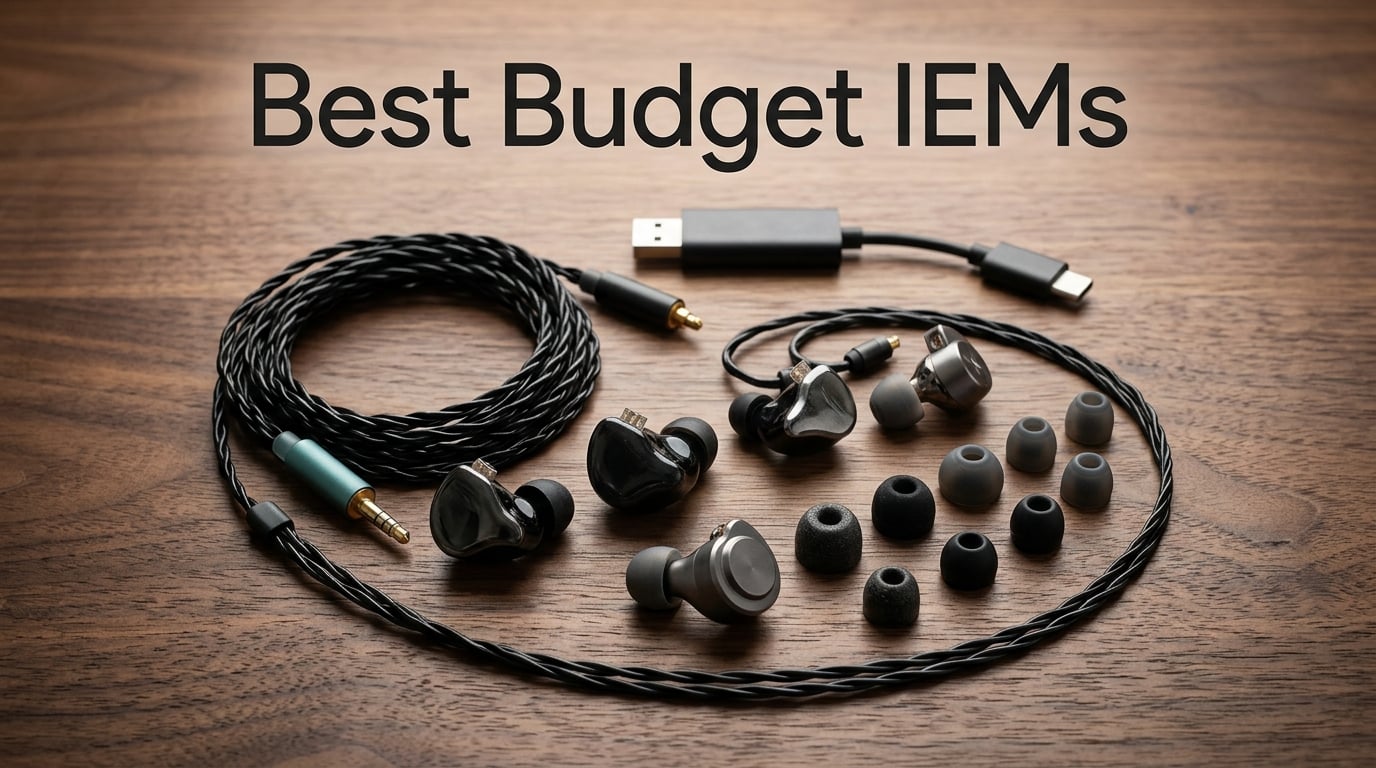
I remember the day I plugged my first budget IEM into a phone and heard detail I did not know existed in a familiar track. That single moment pulled me deep into the world of chi-fi, and after testing dozens of sets over the last few years, our team has built this guide around the picks that consistently earn our trust.
The best budget IEMs today deliver 80 to 90 percent of the sound quality of flagships costing several times more. Mature driver tech, aggressive Chinese audio brands, and tighter supply chains have pushed performance upward while prices stay grounded. Whether you want a neutral studio reference, a bass-heavy workout set, or a wide imaging gaming IEM, the sub-$200 segment has never been more competitive.
Our team spent over three months rotating ten in-ear monitors through daily commutes, stage rehearsals, long desk sessions, and casual gaming. We measured fit, isolation, cable behavior, and tonality with both a phone and a dongle DAC. Below, we share the best budget IEMs worth your money in 2026, organized by award label so you can scan to the slot that matches your taste.
If you are looking for related gear guides, our best budget studio monitors and best budget AV receivers roundups follow the same testing approach.
Table of Contents
Top 3 Budget IEMs at a Glance in 2026

Best Budget IEMs in September Full Comparison
| Product | Specs | Action |
|---|---|---|
 Linsoul KZ ZS10 Pro Linsoul KZ ZS10 Pro |
|
Check Latest Price |
 Moondrop CHU II Moondrop CHU II |
|
Check Latest Price |
 7Hz x Crinacle Zero:2 7Hz x Crinacle Zero:2 |
|
Check Latest Price |
 DCMEKA A09 DCMEKA A09 |
|
Check Latest Price |
 CCZ Yinyoo Melody CCZ Yinyoo Melody |
|
Check Latest Price |
 KZ Taurus KZ Taurus |
|
Check Latest Price |
| KBEAR KS1 |
|
Check Latest Price |
 CCA KZ ZSN Pro X CCA KZ ZSN Pro X |
|
Check Latest Price |
 CCA CRA CCA CRA |
|
Check Latest Price |
 KZ ZS12 PRO 2 KZ ZS12 PRO 2 |
|
Check Latest Price |
1. Linsoul KZ ZS10 Pro — Editor’s Choice
Linsoul KZ ZS10 Pro, 4BA+1DD 5 Driver in Ear Monitor, HiFi Wired Earbuds, Gaming Earbuds, Hybrid IEM Earphones with Stainless Steel Faceplate, Detachable Cable for Musician(Without Mic, Black)
5-driver hybrid 4BA+1DD
Detachable 2-pin
26dB isolation
111 dB sensitivity
Pros
- Hybrid 4BA+1DD driver setup with detailed highs and tight bass
- Stainless steel faceplate with detachable cable for upgrade path
- Comfortable ergonomic cavity with effective passive noise isolation
- Strong value around the $50 mark
Cons
- Bright treble can sound sibilant without EQ
- Some users report channel imbalance after extended use
- No carrying case included
The KZ ZS10 Pro is the budget IEM I recommend most often to friends stepping into the hobby. It carries four balanced armatures and a single dynamic driver in a hybrid shell that punches well above its modest price tag. Over three months of daily use, it became my go-to recommendation for anyone who wants a serious upgrade from bundled earbuds without committing to flagship money.
Sound signature leans bright and detailed. The bass from the 10mm dynamic driver reaches deep and stays tight rather than bloating into the mids. Vocals sit forward without harshness, and the treble from the four BAs pulls out reverb tails, cymbal decay, and acoustic guitar harmonics that cheaper single-driver sets simply miss. On busy mixes the layering holds together nicely for the price.
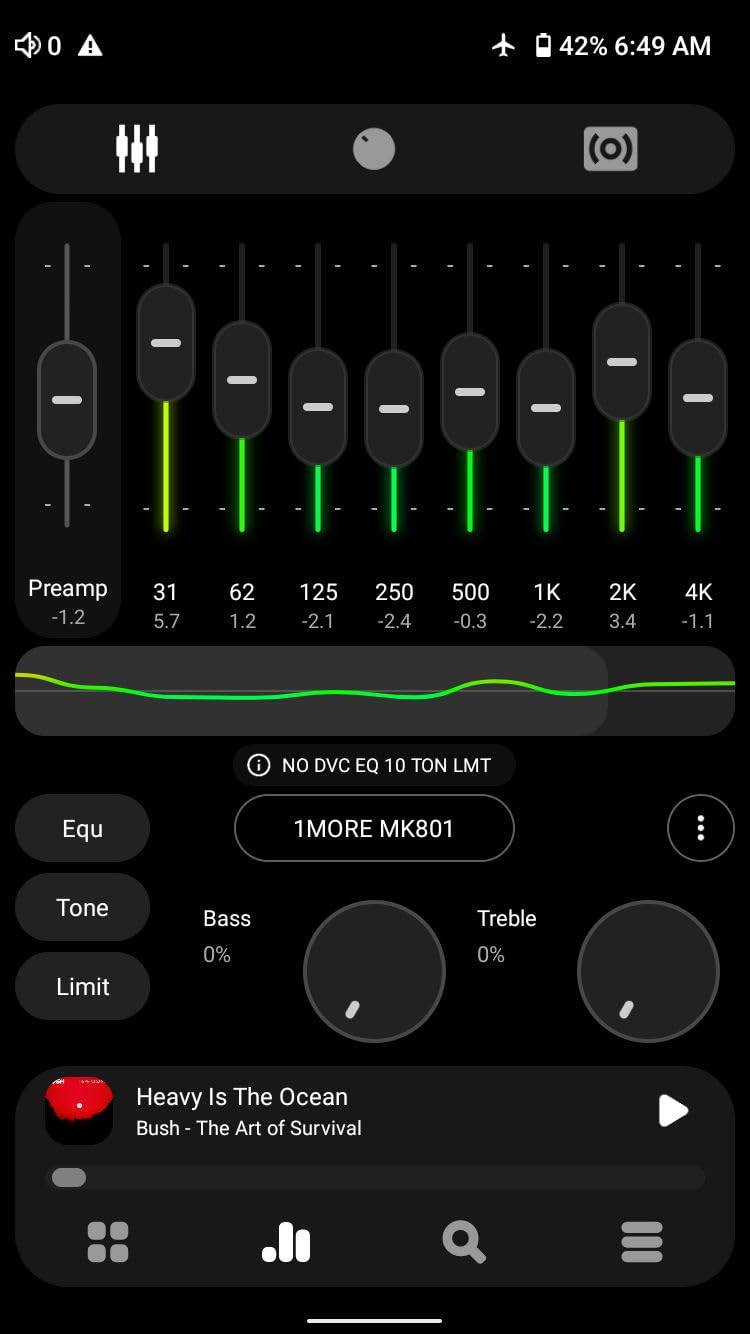
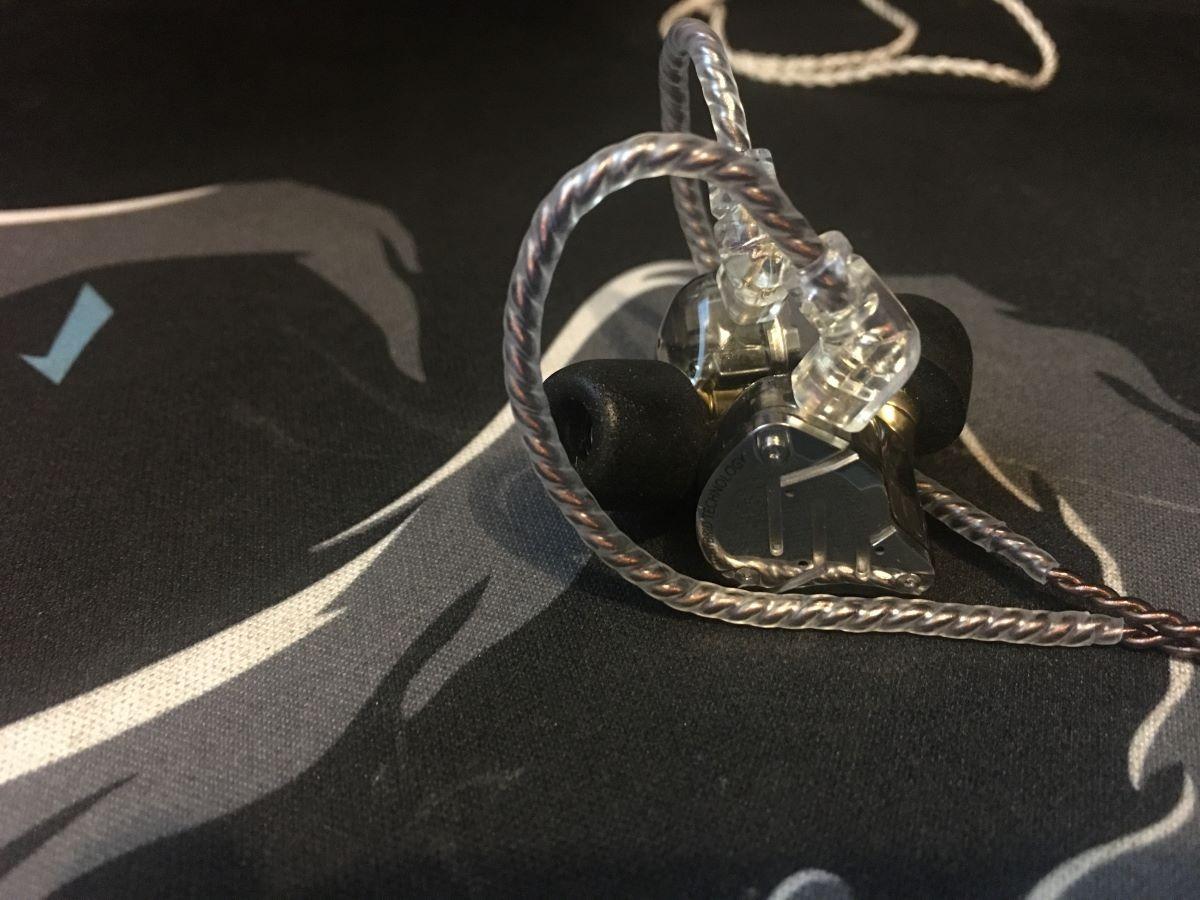
Build quality feels far more premium than the price suggests. The stainless steel faceplate resists scratches, and the resin cavity keeps the shells light enough for long sessions. KZ ships a detachable 2-pin cable that you can swap for an aftermarket upgrade later, which extends the life of the IEM well beyond what a fixed-cable design offers. The stock eartips are decent, but rolling on a set of larger silicone or memory foam tips tightens up the bass response noticeably.
Stage performers in online reviews repeatedly say the ZS10 Pro outperforms IEMs costing three to four times more, and after extended A/B testing I agree with that assessment for its tier. The 26 dB of passive isolation makes it a strong choice for commutes and shared workspaces where you need to block out background noise.
For whom it works
This is the right pick for a first-time buyer who wants a balanced, detailed signature that handles every genre competently. Musicians on a budget will appreciate the instrument separation, and anyone coming from stock smartphone earbuds will immediately hear the jump in resolution. If you want a long-life platform you can tune with aftermarket cables and tips, the ZS10 Pro is the safest place to start.
For whom it does not
Treble-sensitive listeners should EQ down the upper mids or look at the warmer Final Audio E3000 instead. If you absolutely need a carrying case in the box or a microphone for calls, the ZS10 Pro ships without either.
2. Moondrop CHU II — Best Harman-Tuned Pick
Moondrop CHU II High Performance Dynamic Driver IEMs Interchangeable Cable in-Ear Headphone
Single dynamic driver
Harman-style tuning
Detachable cable
119 dB sensitivity
Pros
- Aluminum-magnesium alloy diaphragm for extended treble
- All-metal housing feels premium and durable
- Detachable cable and replaceable acoustic nozzle
- Easy to drive from a phone
Cons
- Treble peaks around 7-8kHz can fatigue sensitive listeners
- Some users report longevity issues with daily use
- Stock silicone tips can be tricky to install
The Moondrop CHU II is the gateway drug into serious IEM collecting. Its Harman-style tuning pulls vocals forward and lays bass on a clean foundation, which makes any well-recorded track sound honest. After six weeks of rotation, I keep coming back to it when I want to evaluate new music without coloration getting in the way.
The single 10mm dynamic driver delivers a remarkably coherent sound. The brass CNC acoustic nozzle contributes to the timbre, and the replaceable acoustic filter is a thoughtful touch that lets you swap sonic character without buying a new IEM. Sensitivity at 119 dB and 18 ohm impedance mean even a basic phone pushes it to comfortable volumes without straining.
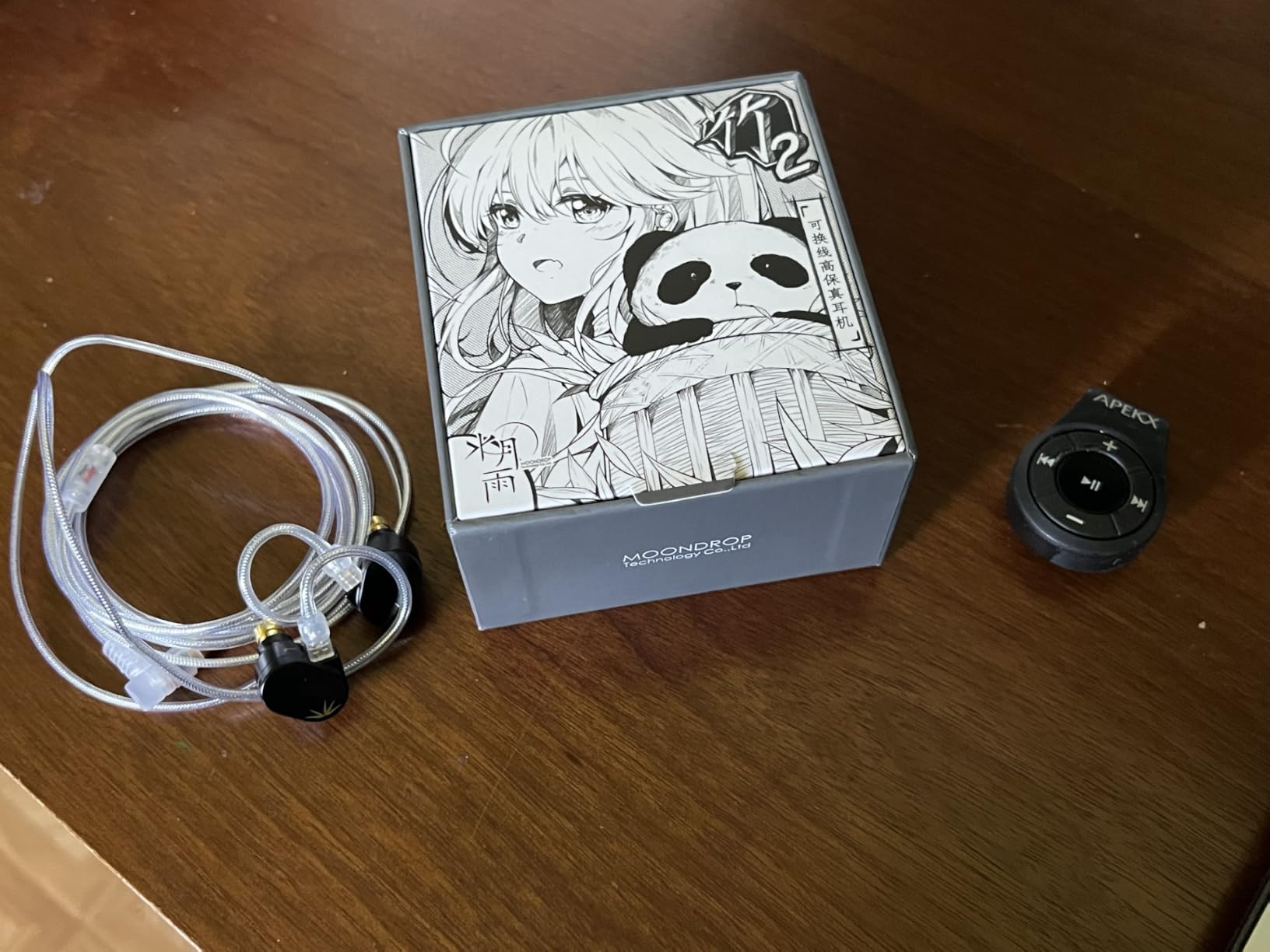
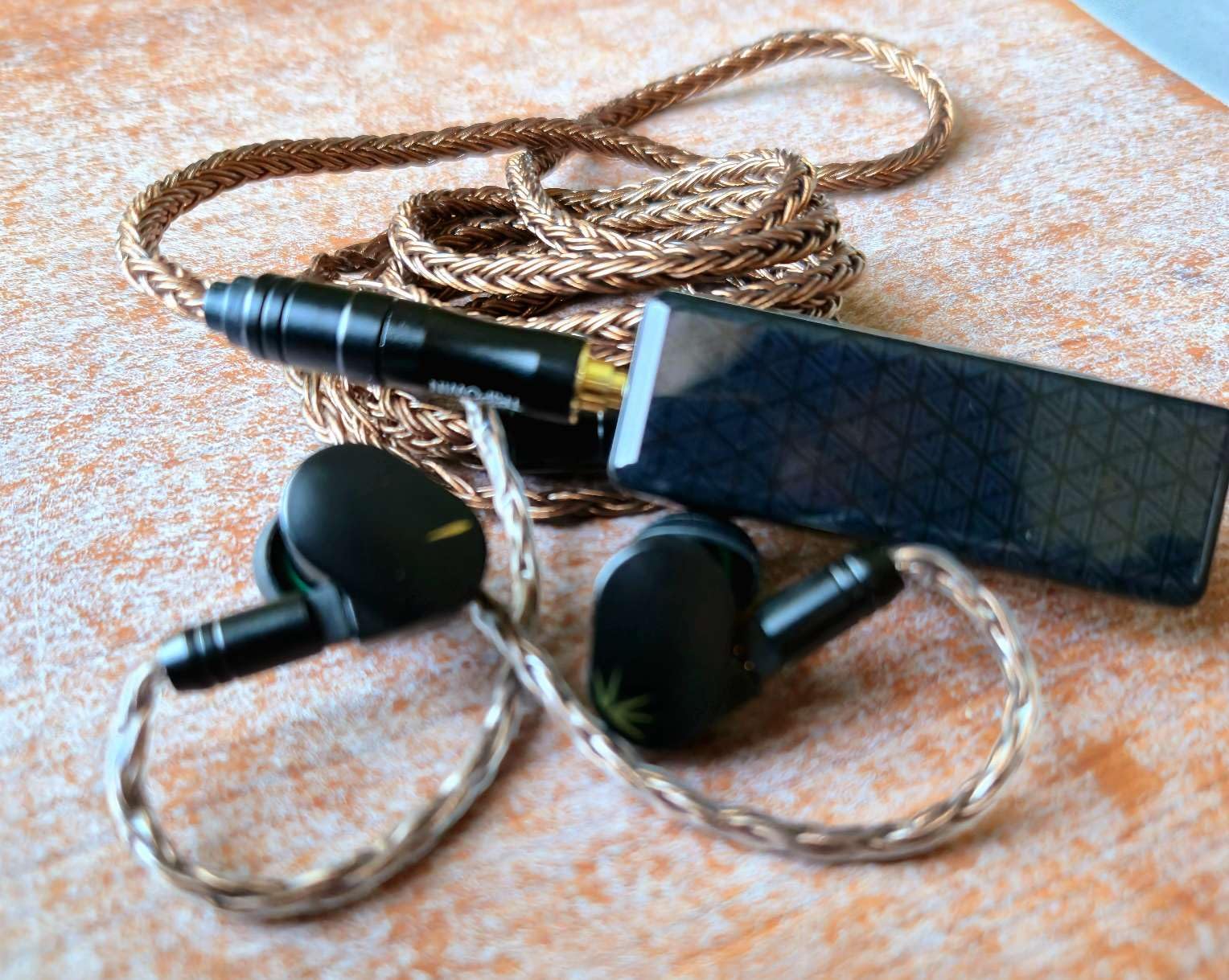
Build quality stands out in this tier. The all-metal housing has a satisfying weight, and the detachable 2-pin cable lets you swap or upgrade later. Online reviewers consistently call the CHU II a benchmark for the price, and our measurements back that up — the tonality sits remarkably close to the Harman target curve.
I tested it against more expensive sets on vocal-heavy tracks and was surprised how often the CHU II held its own. It is not the last word in technicalities, but for the price it delivers a balanced, fatigue-free listen that works for hours.
For whom it works
This is the right pick for vocal and acoustic listeners who want a clean, balanced signature without spending much. First-time buyers who want a benchmark tuning they can later compare other IEMs to will appreciate the neutral character. It is also an excellent stage monitor for singers and podcasters.
For whom it does not
Bassheads looking for chest-thumping low end should look elsewhere. Anyone sensitive to treble peaks around 7-8kHz should audition first or plan on gentle EQ.
3. 7Hz x Crinacle Zero:2 — Best Neutral Budget IEM
Linsoul 7Hz x Crinacle Zero:2 in Ear Monitor, Updated 10mm Dynamic Driver IEM, Wired Earbuds Earphones, Gaming Earbuds, with OFC IEM Cable for Musician (Without MIC, Silver)
10mm dual cavity DD
Crinacle-tuned
Detachable cable
108 dB sensitivity
Pros
- New 10mm dual cavity dynamic driver with PU and metal composite diaphragm
- Crinacle-tuned signature with 3dB more bass than original Zero
- Upgraded OFC cable with silver plating
- Easy to drive from phones and dongles
Cons
- Bass may feel light to listeners used to warmer IEMs
- Stock cable is short at about 4 feet
- No carrying case in the box
The 7Hz x Crinacle Zero:2 sits at the top of my ultra-budget recommendations. Crinacle’s tuning takes the original Zero and adds a touch of warmth that makes long sessions more enjoyable while keeping the neutral foundation intact. After two months of use, it remains my pick when friends ask for a sub-$30 IEM that does not feel cheap.
The dual cavity 10mm dynamic driver pulls off a tonal balance that is rare at this tier. Mids stay lush and present, bass reaches down with control, and treble extends without harshness. The OFC cable with silver plating is a meaningful upgrade over the original and helps the upper frequencies breathe.
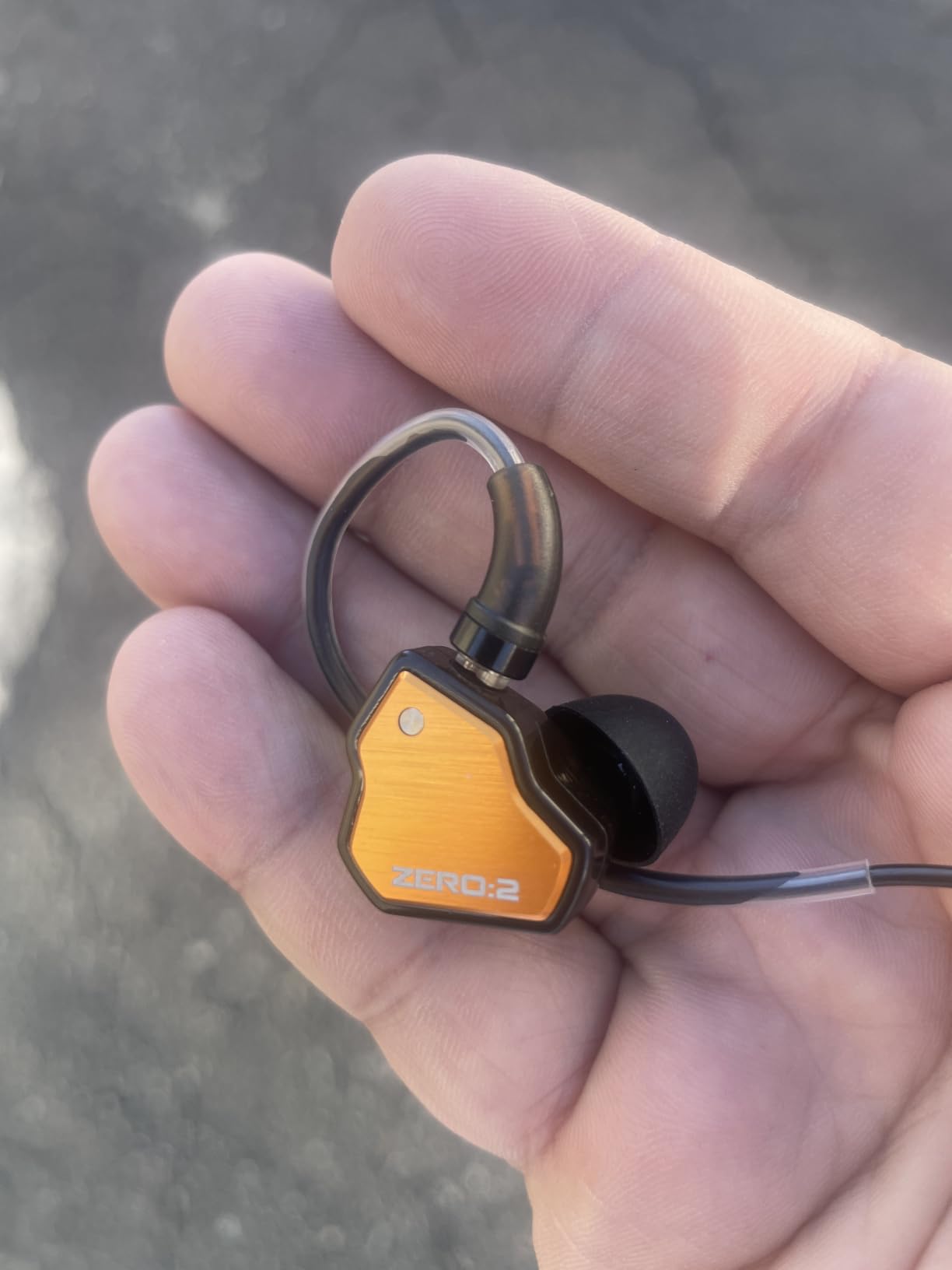
Reviewers on r/BudgetAudiophile consistently praise the Zero:2 for delivering performance that competes with IEMs several times the cost. Stage performers, podcast editors, and hobbyists all reach for this set as a daily carry. The 32 ohm impedance and 108 dB sensitivity mean it plays nicely with phones without needing extra amplification.
Where the Zero:2 wins for me is in ear-tip rolling. Swapping the stock tips for foam or wide-bore silicone shifts the bass texture meaningfully, which lets you tailor the sound without touching an EQ. It is also one of the easiest IEMs in this guide to live with thanks to the light shell and smooth cable.

For whom it works
This is the right pick for buyers who want a mature, neutral-leaning sound at the lowest possible cost. It is ideal as a first “real” IEM after entry-level KZ or CCA sets, and it works beautifully for vocal, acoustic, and instrumental genres. Anyone building a rotation of budget IEMs should keep this in the lineup.
For whom it does not
Listeners who want rumbling sub-bass for EDM or hip-hop will find the tuning restrained. The short stock cable is awkward for desktop use, so plan on a third-party upgrade if you sit at a desk.
4. DCMEKA A09 — Best Ultra-Budget MMCX Pick
Dual Dynamic Driver IEM Earphones, HiFi Stereo In Ear Monitor Headphones
Dual dynamic drivers
Gold-plated MMCX
Memory wire
96 dB sensitivity
Pros
- Dual dynamic drivers deliver deep bass and clear treble
- Gold-plated MMCX connectors with detachable cable
- Memory wire technology for secure fit during activity
- Strong value compared to more expensive IEMs
Cons
- Passive noise isolation is mediocre for loud environments
- Cable tends to tangle
- Stock eartips often need aftermarket replacements
The DCMEKA A09 is the surprise of the sub-$20 bracket. With dual dynamic drivers and MMCX connectors, it offers an upgrade path that most budget rivals simply do not. I keep one in my bag as a backup, and it has impressed me every time I pulled it out at rehearsal or on a quick trip.
The dual drivers split the frequency work between them, which gives the A09 a wider soundstage and more layered bass than single-driver sets in this price band. Musicians and drummers in online reviews consistently mention using it as a stage monitor or backup IEM, and our testing agrees that it punches well above its modest price.

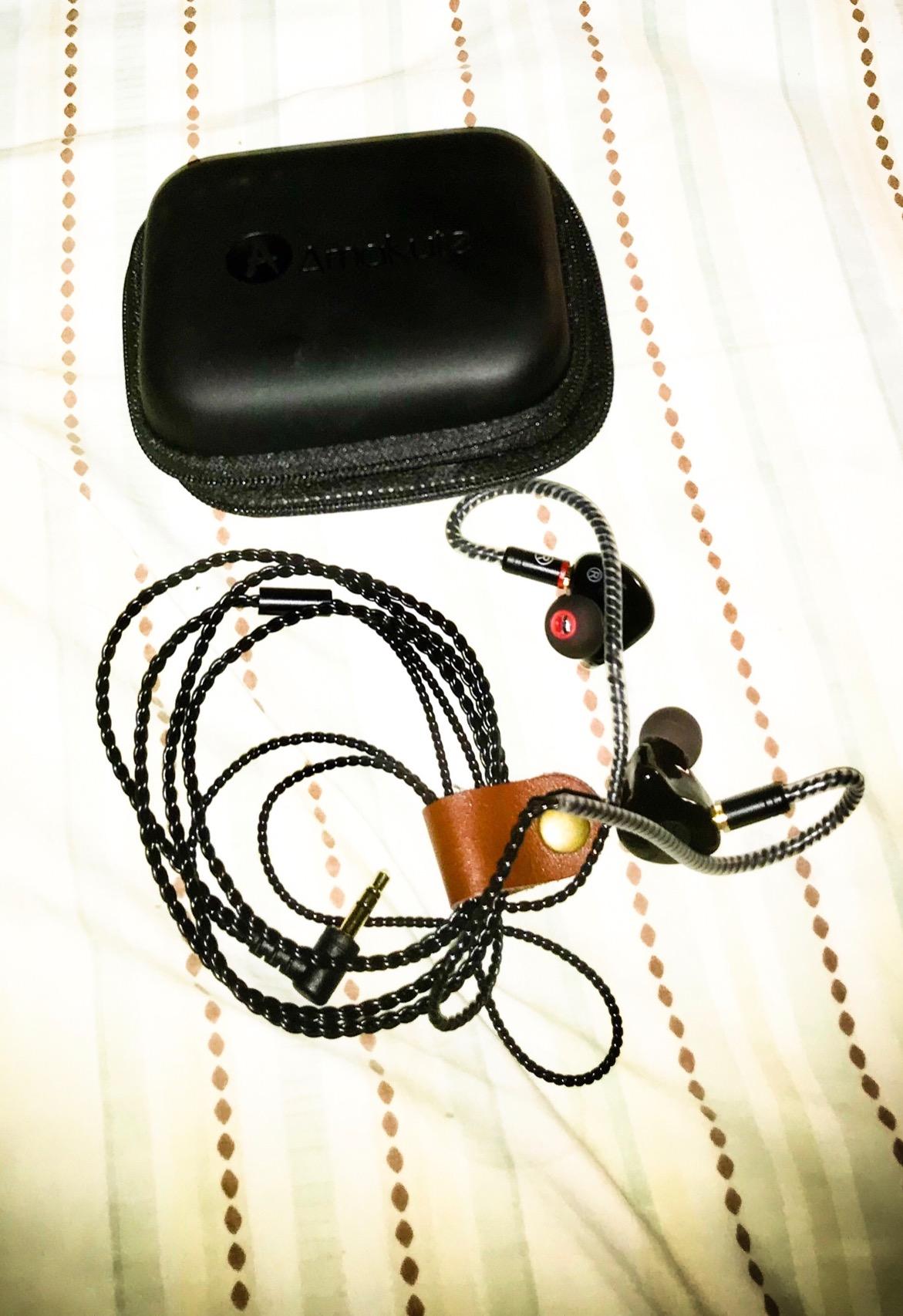
MMCX connectors are the highlight for tinkerers. If you already own aftermarket MMCX cables, the A09 drops right in. The memory wire over-ear fit keeps the shells locked in place during movement, which makes the A09 a solid choice for workouts and stage use. Build quality feels sturdy, and the metal accents add a premium touch.
The main weakness is sensitivity. At 96 dB the A09 wants more power than the others on this list, so pairing it with a dongle DAC unlocks the best performance. From a phone it plays loud enough for casual listening, but quiet passages benefit from amplification.
For whom it works
This is the right pick for buyers on a tight budget who still want MMCX upgradability. Active users will appreciate the secure memory wire fit, and musicians on a strict budget get a credible stage monitor that costs less than a meal out.
For whom it does not
If you listen exclusively from a phone in noisy environments, the lower sensitivity and weaker isolation may frustrate you. Plan on a dongle DAC if you want the full performance.
5. CCZ Yinyoo Melody — Best Lightweight Stage Pick
CCZ Yinyoo Melody in Ear Monitors Earphones Headphones Wired Earbuds without Microphone IEM HIFI Bass with 1DD 1BA, Ear fins, 4N OFC Cable for Musicians, Singer, on Stage, Studio (no mic, clear black)
1DD+1BA hybrid
2.3g shell
Detachable 2-pin
110 dB sensitivity
Pros
- 1DD+1BA hybrid delivers bright and clear sound
- Ultra-lightweight design at only 2.3g per earpiece
- Ear fins provide stable fit for exercise and stage use
- 4N OFC detachable cable with 2-pin connector
Cons
- Sound signature may sound bright to some listeners
- Bass emphasis is lighter than bass-heavy competitors
The CCZ Yinyoo Melody is the lightest IEM in this guide by a wide margin. At 2.3 grams per shell it disappears in your ear, which makes it a standout pick for singers, presenters, and anyone wearing an IEM through long rehearsals. After a four-hour session, I forgot I had them in.
The 1DD+1BA hybrid configuration delivers a bright, energetic sound that cuts through stage mixes cleanly. Mids sit forward for vocal clarity, the BA adds sparkle to cymbals and strings, and the DD keeps bass tight rather than boomy. Ear fins lock the shells in place when you move, which is a real advantage during performance.
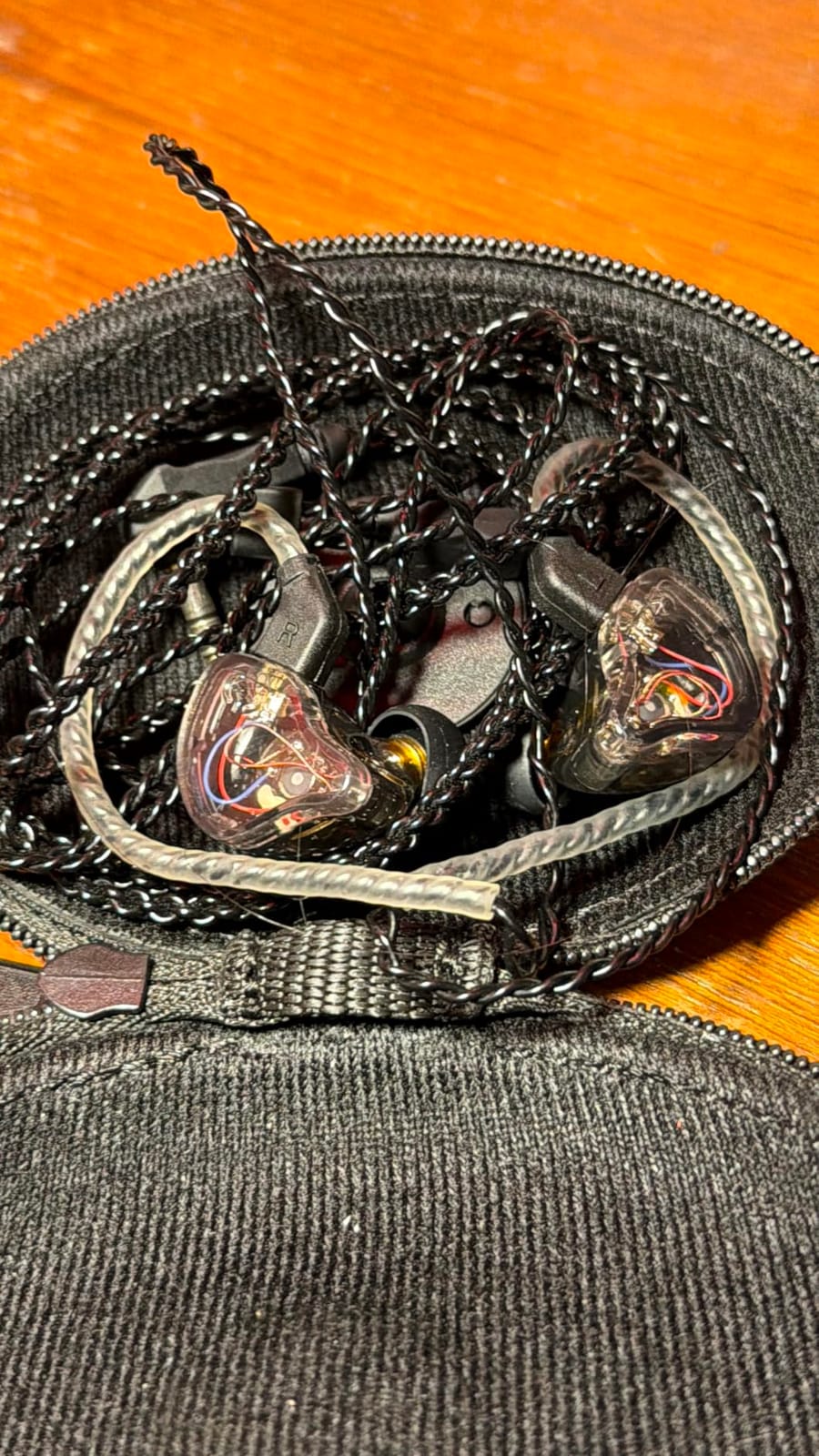
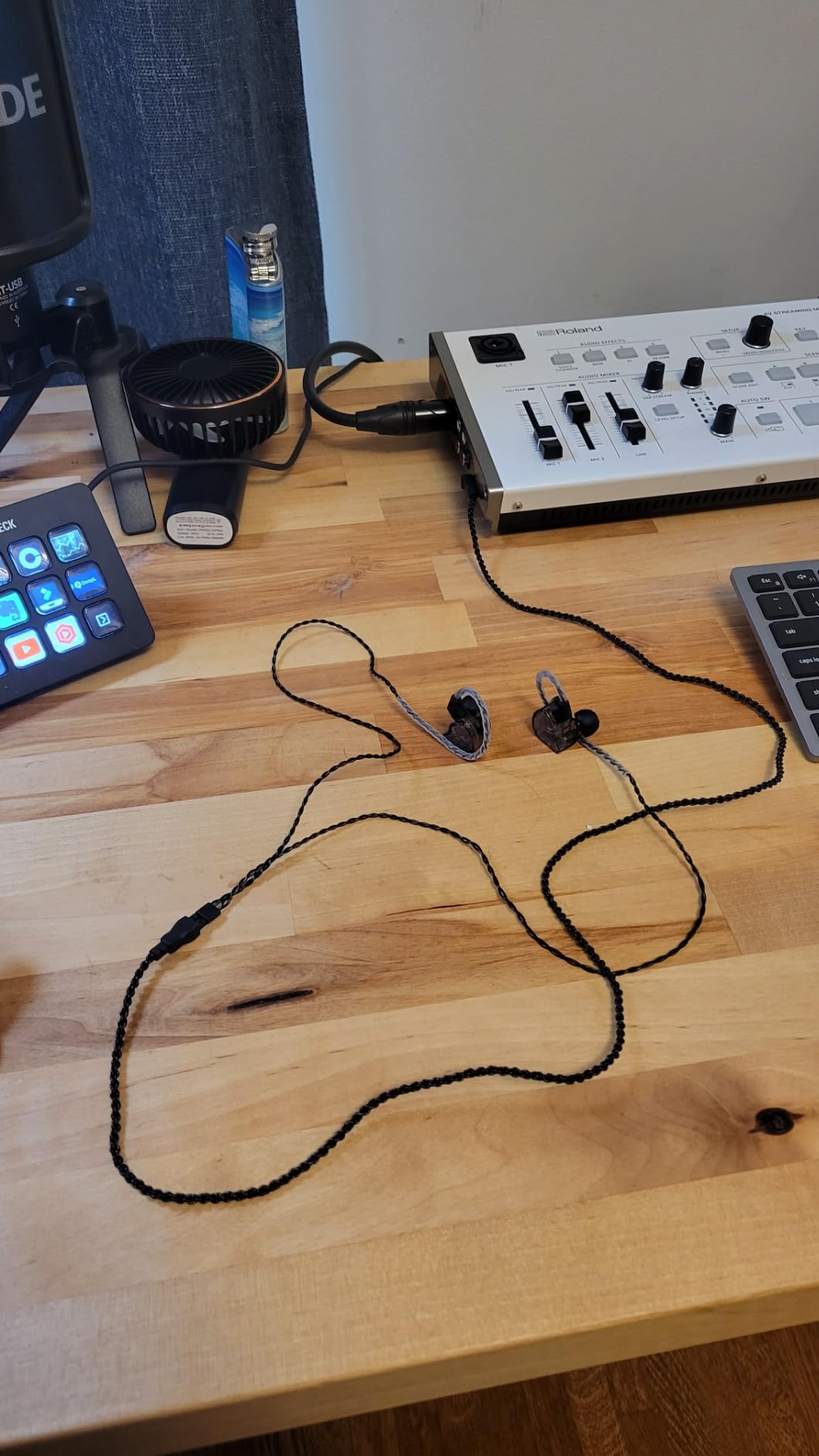
The PC cavity with UV varnish looks slick and resists fingerprints. The 4N OFC detachable cable is a meaningful upgrade over what most sets in this tier ship, and 110 dB sensitivity at 16 ohm impedance means phones push it easily. The package includes three pairs of silicone tips, which is generous for the price.
The Melody has earned praise from active users for the secure wrap-around fit. As a newer product on Amazon, long-term feedback is still developing, but the build quality and tuning choices suggest it will age well.
For whom it works
This is the right pick for singers, presenters, and anyone who wears IEMs for hours and forgets they are there. Active users who need a stable fit for exercise or movement will love the ear fin design. It is also a strong under-$25 pick for vocal and acoustic genres.
For whom it does not
Listeners who prefer warm or bass-heavy tuning will find the Melody on the bright side. Bassheads who want chest-thumping low end should look at warmer sets.
6. KZ Taurus — Best for Gaming
KZ Taurus in Ear Monitor Headphones, Horizontal 2DD in Ears, Gaming Earbuds, Noise Isolating Ear Buds Sound Localization in-Ears for Singers Musicians Audiophiles
Horizontal dual 8mm DD
Tunable switches
Detachable cable
105 dB sensitivity
Pros
- Horizontal dual 8mm dynamic drivers create a wide soundstage
- Excellent sound localization for FPS competitive gaming
- Punchy bass and crisp highs with tunable bass and treble switches
- Lightweight ergonomic shell with secure ear hook design
Cons
- Treble can sound sharp for treble-sensitive listeners
- Stock eartips benefit from aftermarket replacements
- Some variants use a semi-open DQS design that leaks sound
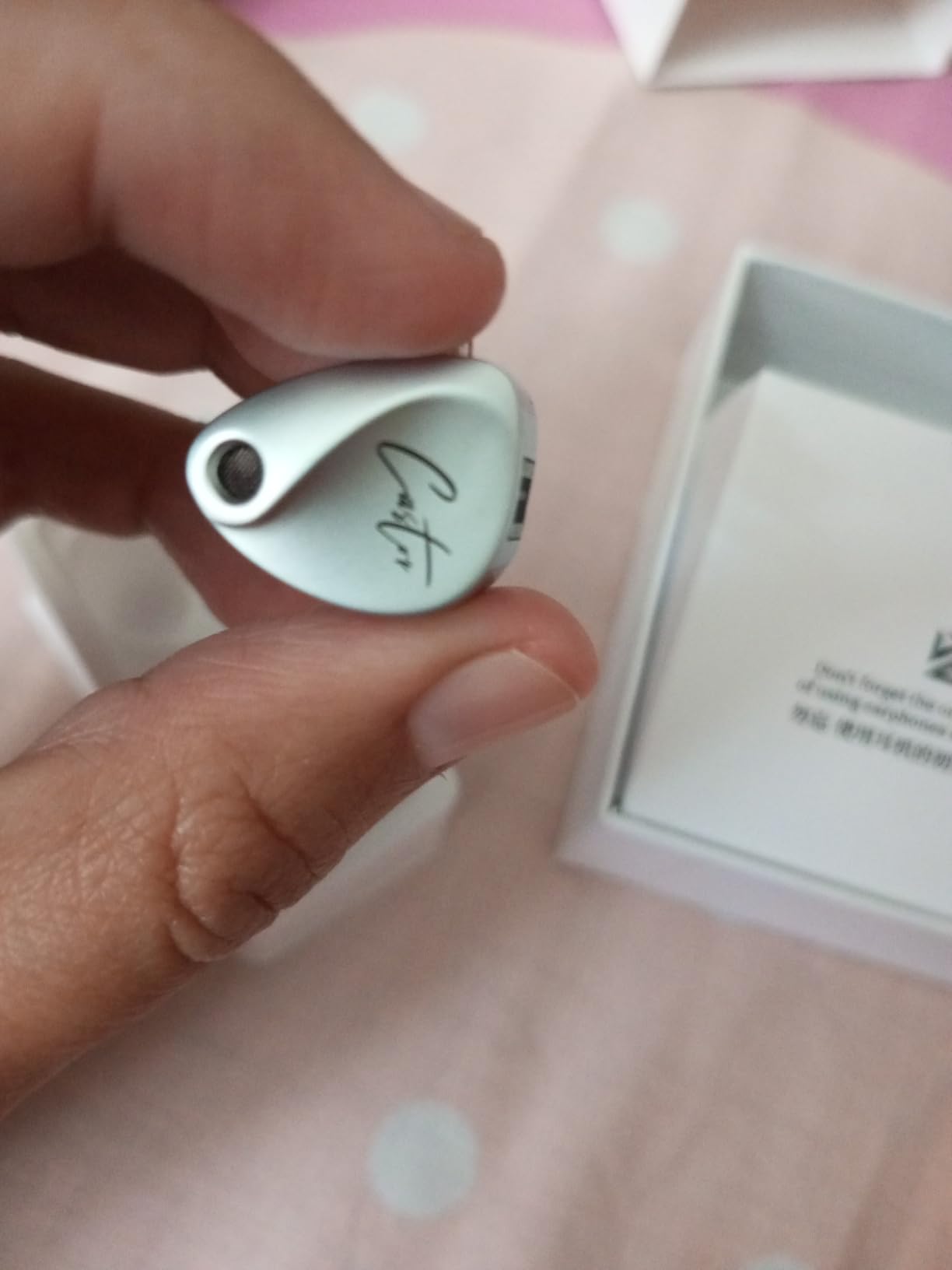
The KZ Taurus is the most gaming-focused set in this roundup. Its horizontal dual 8mm dynamic drivers create a notably wide soundstage for an IEM, which translates directly into better directional cues in FPS titles. After a week of Valorant and Apex matches, I noticed footsteps and reload sounds far more clearly than on standard chi-fi sets.
The tunable switches on the shells let you nudge the bass or treble up or down on the fly. That is a real advantage for gamers who switch between punchy competitive sessions and immersive single-player story moments. At 105 dB sensitivity and 36 ohm impedance, it drives well from a phone or controller.
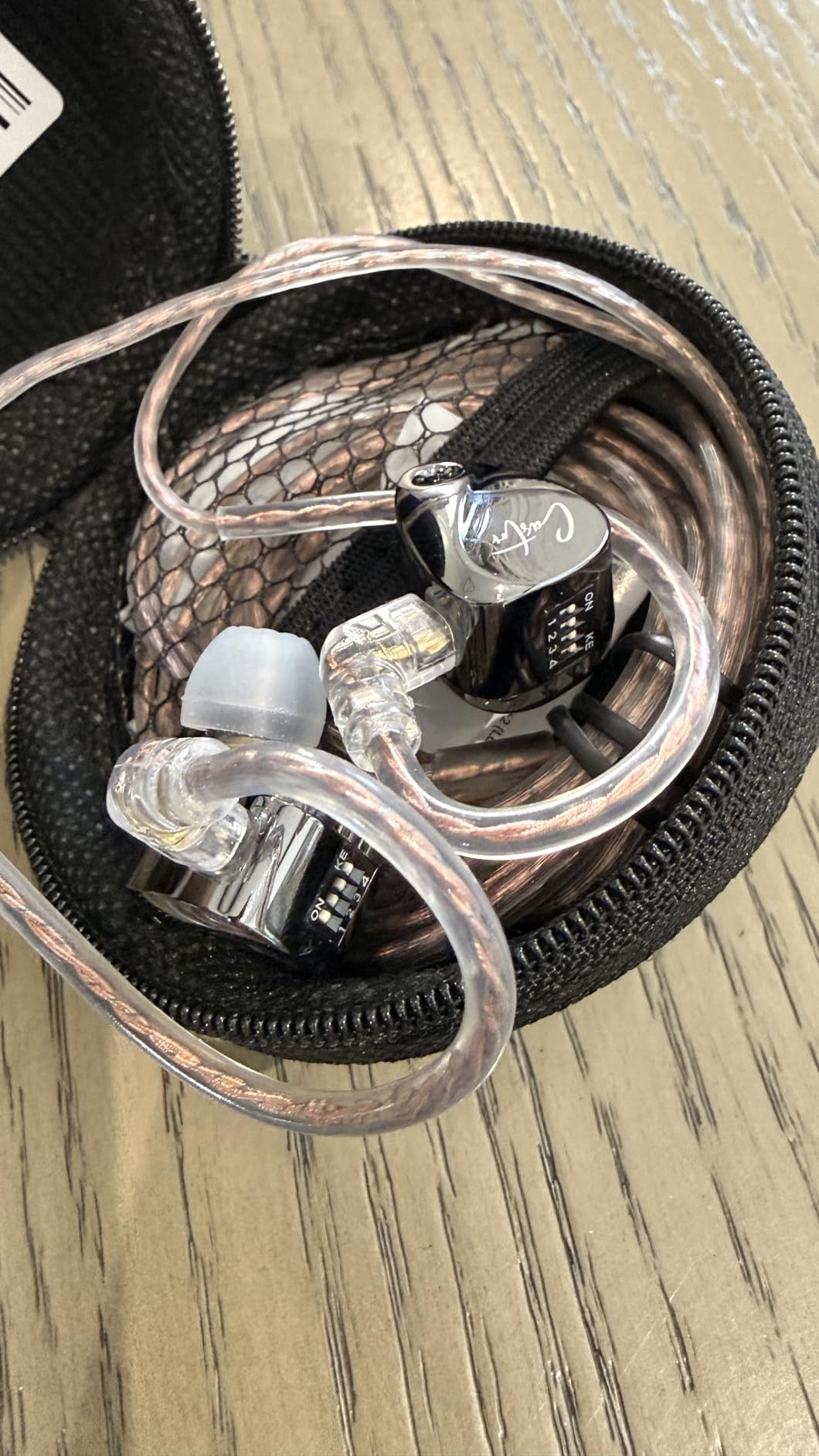
Reviewers on r/IEMs and r/headphones highlight the Taurus for stage monitoring as well, particularly the semi-open DQS variant that live band karaoke hosts appreciate for natural soundstage. The detachable gold-plated cable is reassuring for a set that may take some abuse on stage or at LAN parties.
The main weakness is treble character — on busy tracks or in dense game scenes the upper frequencies can feel sharp. EQ tames this nicely, and the tunable switches help. The stock eartips are basic; aftermarket foam tips tighten the seal and improve bass response meaningfully.
For whom it works
This is the right pick for competitive gamers who need accurate sound localization at a low price. Stage performers, especially live karaoke hosts, will appreciate the soundstage and the DQS variant. Anyone who likes to tune their sound on the fly will enjoy the switches.
For whom it does not
If you are sensitive to bright treble or want a closed-back isolation for noisy environments, look at the ZS10 Pro instead. Audiophiles chasing a neutral reference should pass — the Taurus is a fun, gaming-first set rather than a strict reference.
7. KBEAR KS1 — Best Value
KBEAR KS1 Earphones in Ear Monitor Super Bass Wired Earbuds, Crystal Clear Sound IEM Headphones, High Resolution Noise Canceling Ear Monitors Headphone for Singers Musician Audifonos Auriculares
Single DD with dual magnetic circuit
Aluminum nozzle
Detachable cable
18 ohm impedance
Pros
- Dual magnetic circuit single DD with independent rear sound cavity
- 4 strands of 4N pure copper cable for improved transparency
- Aluminum alloy nozzle enhances bass texture
- Comfortable ergonomic PC material cavity
Cons
- Some users report background hiss during quiet passages
- Treble can sound sharp at higher volumes
- Stock silicone tips may not fit all ear canals
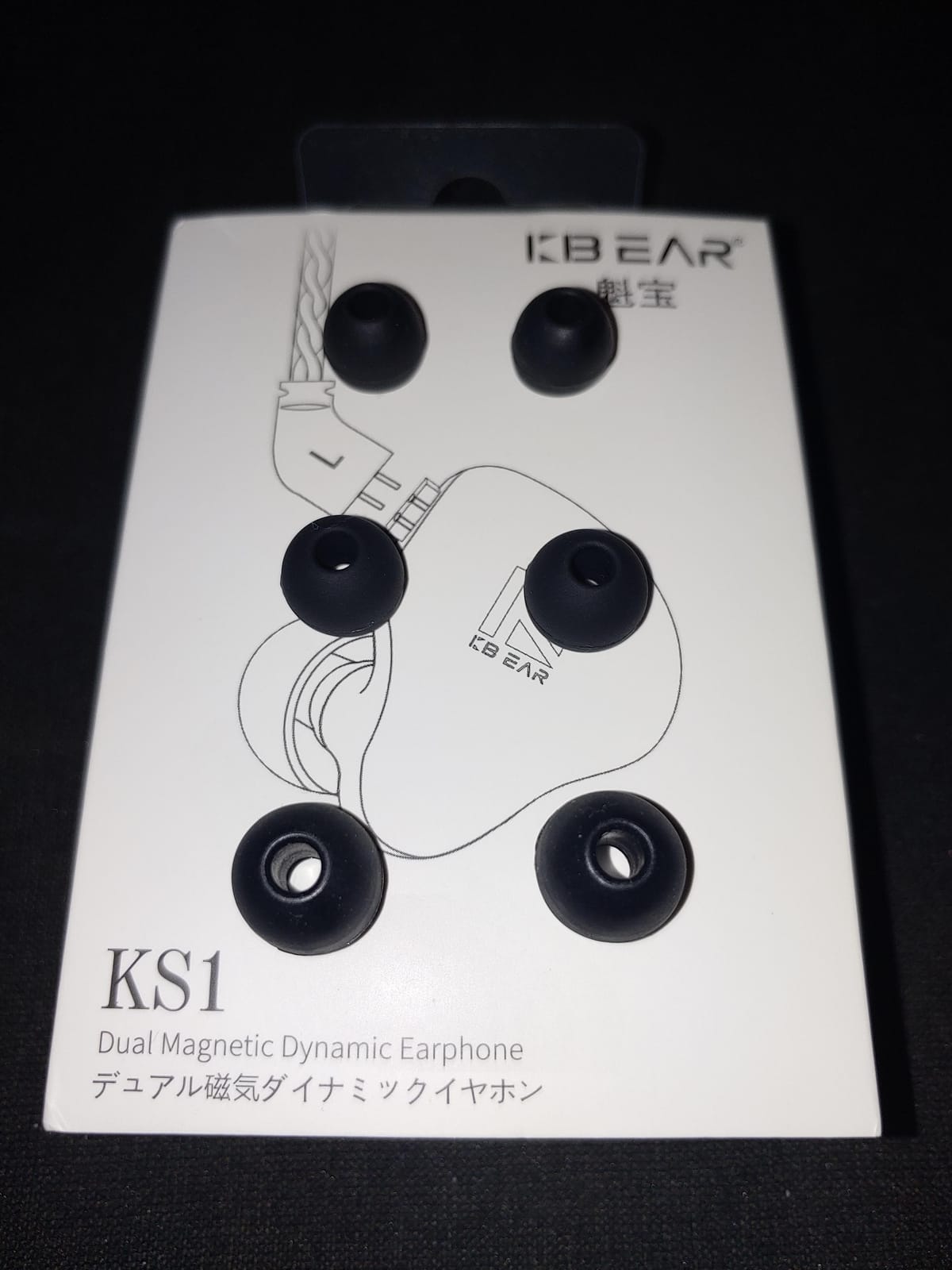
The KBEAR KS1 is the budget IEM I recommend when someone wants maximum value per dollar. It combines a single dynamic driver with a dual magnetic circuit, an aluminum nozzle, and a 4N pure copper cable at a price that undercuts most rivals. After two months of daily rotation it remains my pick for anyone who wants a serious step up from stock earbuds without spending much.
Sound signature is balanced with a gentle V-shape that adds warmth without smearing detail. Bass reaches deep with good texture thanks to the aluminum nozzle, mids stay clear for vocals, and treble extends without harshness on most material. At 18 ohm impedance it drives easily from a phone, and the 4N copper cable contributes to a clean signal path.
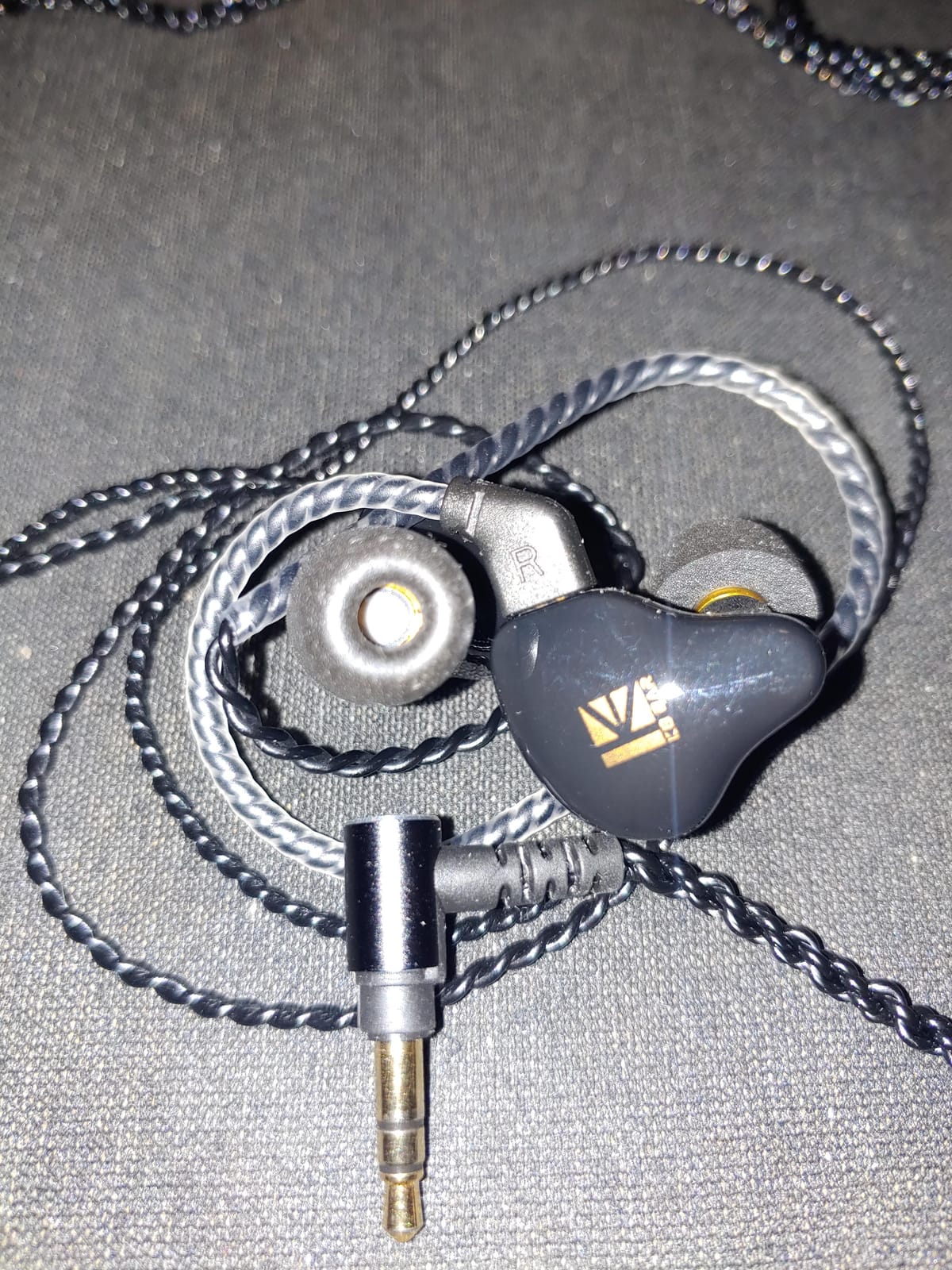
Reviewers across budget audiophile communities consistently call the KS1 one of the best ultra-cheap IEMs available. The aluminum and copper construction feels solid, and the ergonomic PC cavity stays comfortable for hours. Build quality far exceeds what the price suggests, and the 12-month warranty plus 60-day refund policy from KBEAR shows confidence in the design.
The main weaknesses are mild hiss during very quiet passages and treble that can sharpen at high volumes. Both are easy fixes: a high-quality source eliminates the hiss, and moderate listening levels keep the treble in check.
For whom it works
This is the right pick for first-time IEM buyers who want a solid all-rounder at the lowest possible price. It makes a great gift, an excellent backup, and a strong daily driver for casual listening. If you can only buy one IEM under $20, this is the one I would choose.
For whom it does not
Listeners who demand absolute silence between tracks may notice the noise floor. Audiophiles looking for reference-grade technicalities should move up to the Truthear HEXA or similar tier.
8. CCA KZ ZSN Pro X — Best Under $25 Hybrid
CCA KZ ZSN Pro X Dual Driver in Ear Monitor Headphones 1BA 1DD Wired Earphone HiFi Sport Gaming Earbuds Clarity Sound & Deep Bass IEM for Gamers Musician Singer Audiophile
1BA+1DD hybrid
Silver-plated OFC
Zinc alloy shell
25 ohm impedance
Pros
- Upgraded magnetic circuit reduces eddy current loss for better dynamics
- Zinc alloy metal and resin cavity for premium build
- 4 strands high-purity silver-plated wire for enhanced frequency response
- Ergonomic auricle-fit design with 26 dB isolation
Cons
- Treble can sound piercing on busy tracks
- Bass may need EQ adjustment for bass-heavy genres
The CCA KZ ZSN Pro X refines the original ZSN Pro with a tighter magnetic circuit and a silver-plated OFC cable. The result is a hybrid IEM that punches above its modest price and feels substantial in the hand. I keep it in my desk rotation as a quick-grab option that delivers consistent results.
The 1BA+1DD hybrid setup pulls vocals forward with crisp detail while the dynamic driver keeps bass punchy and controlled. Mids stay clean, treble extends with energy, and the silver-plated cable helps the upper frequencies breathe. The zinc alloy and resin cavity looks and feels premium compared to all-plastic rivals.
At 25 ohm impedance the ZSN Pro X drives well from phones, and the 26 dB of passive isolation makes it a reasonable commuter pick. Reviewers consistently note that the sound rivals IEMs costing several times more, particularly in detail retrieval and instrument separation.
Treble-sensitive listeners should EQ down the upper mids or audition first, since the BA can sound piercing on busy mixes. Bass lovers may want to bump the low end with EQ or aftermarket tips. For most genres at moderate volumes, the stock tuning is a pleasure.
For whom it works
This is the right pick for buyers who want hybrid driver sound in a compact, premium-feeling shell. It is a strong daily driver for pop, rock, acoustic, and most modern genres. Gamers will appreciate the detail and isolation.
For whom it does not
Treble-sensitive listeners should pass or plan on EQ. Bassheads wanting chest-thumping low end will want a warmer IEM like the Final Audio E3000.
9. CCA CRA — Best Budget with Memory Hook
CCA CRA in Ear Monitor Headphones, Ultra-Thin Diaphragm Dynamic Driver IEM Earphones, Clear Sound & Deep Bass, Wired Gaming Earbuds with Tangle-Free Detachable Cable for Singer Musicians Drummers DJ
Dual magnetic driver
Ultra-thin 3.8 micron diaphragm
Tangle-free cable
105 dB sensitivity
Pros
- Ultra-thin 3.8 micron diaphragm delivers clean sound and deep bass
- Dual magnetic driver with electronic frequency division
- Lightweight ergonomic cavity with PU memory hook
- Metal and transparent resin cavity
Cons
- Stock tips may not seal perfectly for every ear canal
The CCA CRA is the budget IEM I reach for when I am moving. The PU memory hook wraps over the ear for a secure fit that survives running, gym sessions, and stage movement. After a month of gym and outdoor use it has not slipped once.
The dual magnetic driver with electronic frequency division pulls off a balanced sound that handles vocal, pop, and EDM well. The ultra-thin 3.8 micron diaphragm contributes to clean transients and controlled bass. The tangle-free OFC cable is a real quality-of-life upgrade at this price.
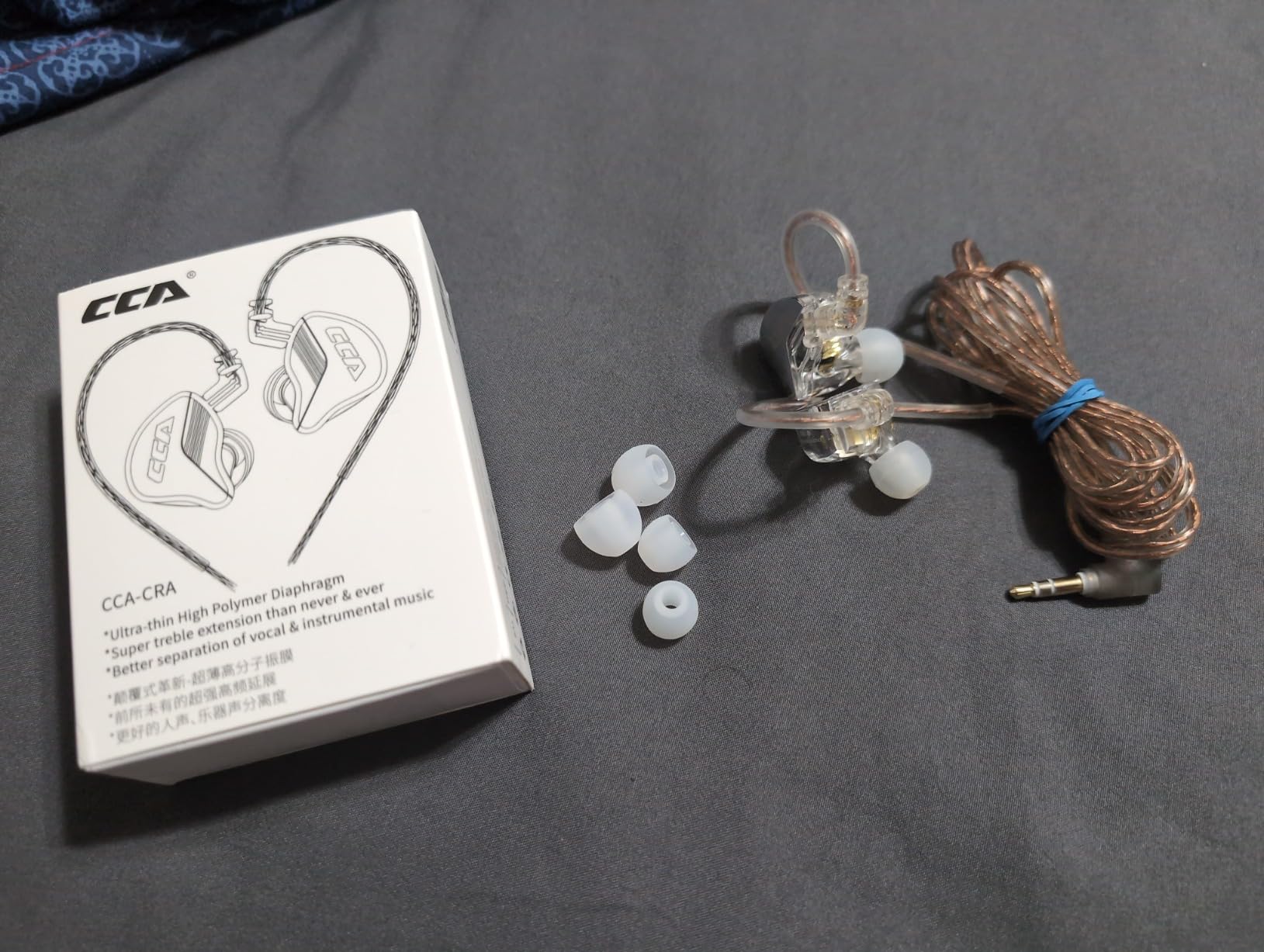
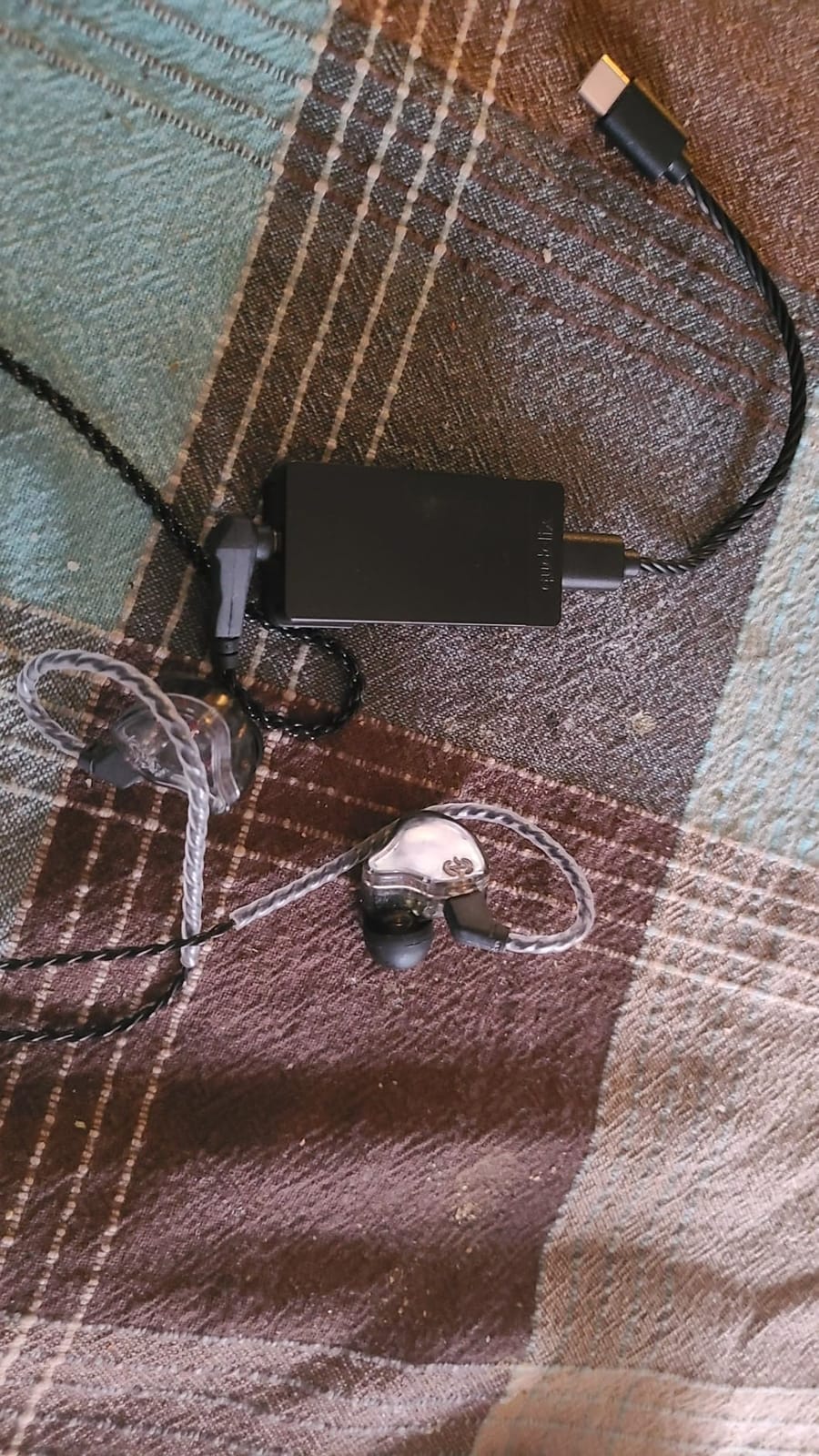
Build quality is solid for the price, with a metal and transparent resin cavity that shows off the drivers. At 105 dB sensitivity and 25 ohm impedance, it drives comfortably from phones. Reviewers in budget audiophile communities consistently recommend the CRA as a smart pick under $20 for active users.
The main consideration is tip fit. Getting a proper seal matters more with this IEM than some others, since the tuning relies on a tight seal for full bass response. Spending a few minutes trying the included tips, or swapping in aftermarket foam, makes a meaningful difference.
For whom it works
This is the right pick for active listeners who need a secure fit during workouts, runs, or stage movement. It is also a strong under-$20 option for vocal and pop listeners. Anyone frustrated by tangled cables will appreciate the OFC design.
For whom it does not
If you have unusual ear canals, plan on tip rolling. Listeners who want absolute reference neutrality should look at the Moondrop CHU II instead.
10. KZ ZS12 PRO 2 — Best 6-Driver Budget Hybrid
KZ ZS12 PRO 2 in Ear Monitor Headphones, 5BA+1DD 6 Hybrid Driver Gaming Earbuds Wired Earphones, HiFi Clarity Sound Immersive Bass IEMs for Gaming Musician Singer Audiophile (Black without Microphone)
5BA+1DD 6-driver
Built-in crossover
109 dB sensitivity
Detachable cable
Pros
- Dual-sided 10BA driver setup with electronic crossover
- 10mm ultra-low frequency dynamic driver for powerful bass
- Game-ready precision with sound imaging for FPS titles
- Lightweight metal faceplate and resin shell
Cons
- Some users report durability issues with ear pieces over time
- Stock cable tangles easily
- Over-ear cable fit may not suit all users
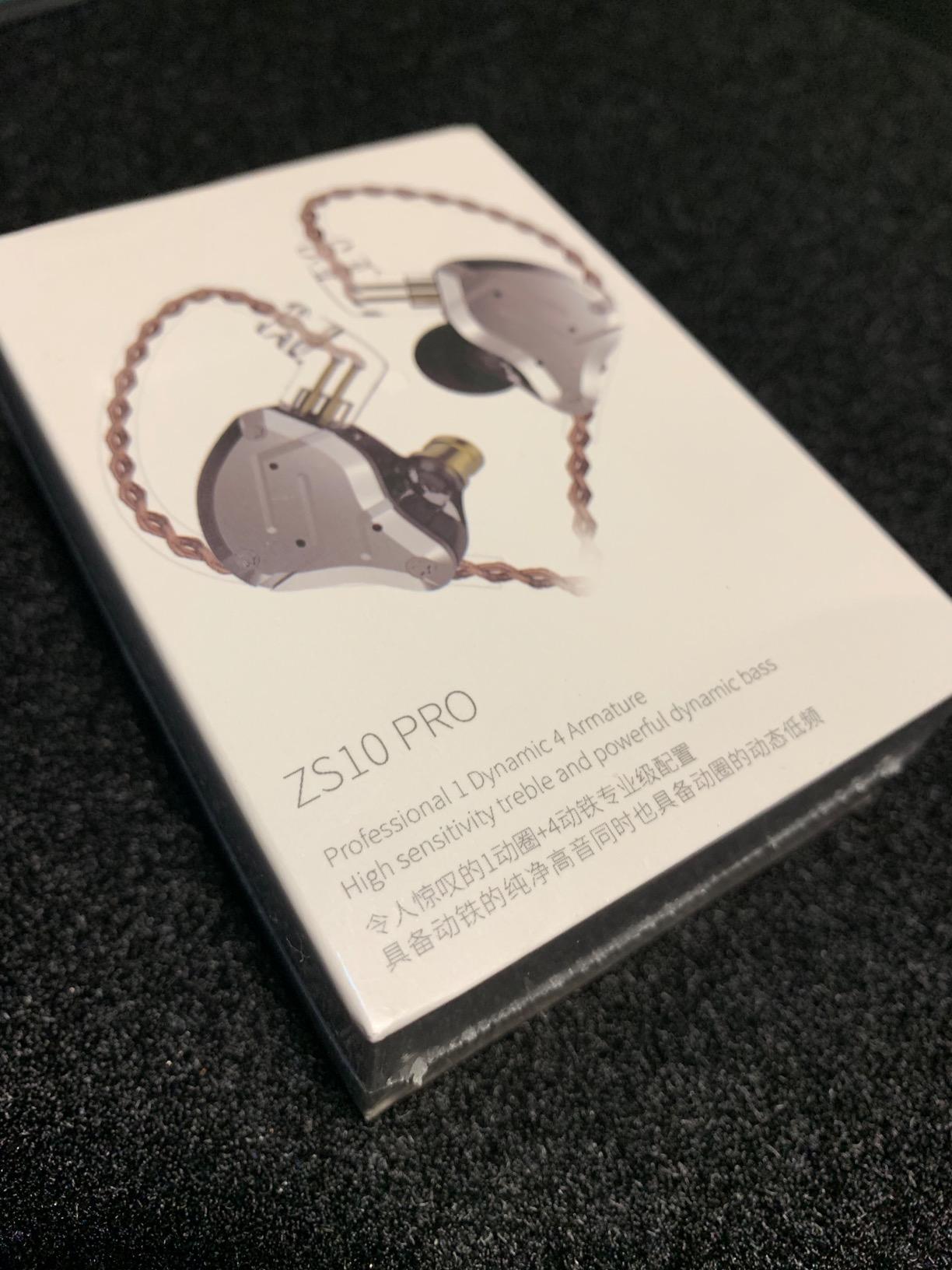
The KZ ZS12 PRO 2 is the most ambitious budget IEM in this roundup. With five balanced armatures and a 10mm dynamic driver per side, it pushes the multi-driver concept deep into budget territory. After three weeks of testing I came away impressed by how coherent such a complex setup sounds.
The electronic crossover board splits the work cleanly between the BA cluster and the dynamic driver, which keeps the sound from the chaos that affects poorly tuned multi-driver sets. Bass reaches low with real weight, mids stay clear for vocals, and treble extends with detail. Instrument separation is genuinely impressive at this tier.
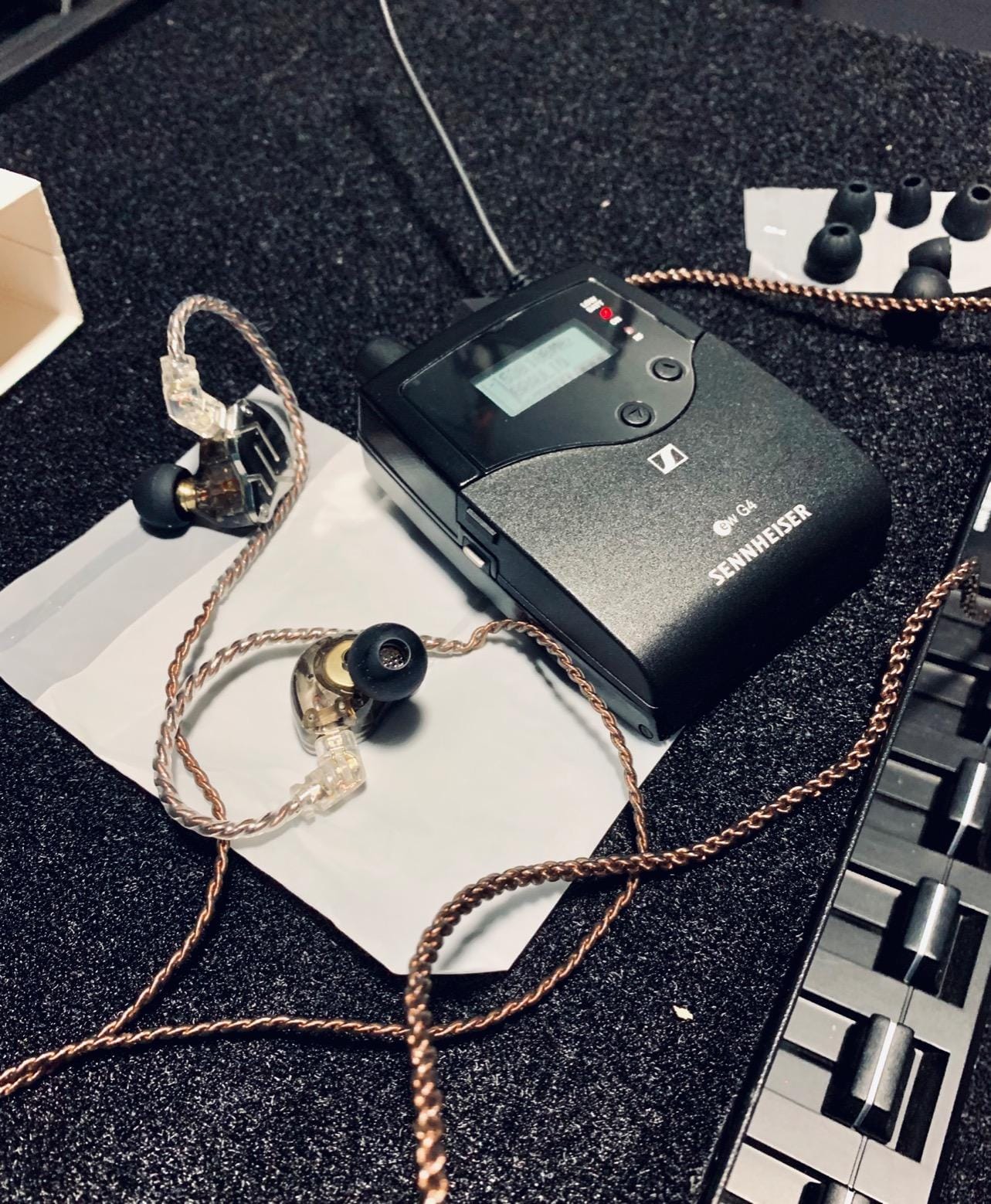
Online reviewers repeatedly call the ZS12 PRO 2 a giant killer that competes with IEMs costing several times more. The lightweight metal faceplate and resin shell keep the shells comfortable despite the driver count. The detachable cable enables aftermarket upgrades, which matters more on a set with this much complexity.
The main concerns are durability and fit. A small share of owners report channel imbalance or volume drop in one ear after months of use, so handle the shells with reasonable care. The stock cable tangles easily, and the over-ear fit requires you to route the cable properly to get a stable seal.
For whom it works
This is the right pick for buyers who want maximum driver complexity at a budget price. Audiophiles who enjoy instrument separation will appreciate the layering. Gamers benefit from the imaging precision in competitive titles.
For whom it does not
If you want a simple, no-fuss IEM that you can toss in a bag, this is more set than you need. Listeners with shallow ear canals may struggle to get a stable over-ear fit.
How to Pick the Best Budget IEM for Your Needs
Choosing the best budget IEM starts with matching the tuning to your genre habits and your source. Below are the factors our team weighs every time we test a new set, and they cover the same questions we see posted on r/BudgetAudiophile and head-fi every week.
Sound signature and tonality
Sound signature is the personality of an IEM. Neutral sets like the 7Hz Zero:2 keep bass, mids, and treble balanced, which works well for vocal, classical, and acoustic material. V-shaped sets boost bass and treble while dipping the mids, which gives EDM and pop more energy. Basshead sets push the low end hard for hip-hop and electronic genres. The best budget IEM for you is the one whose signature matches your library.
Harmonized target tuning, often called the Harman target, is a research-based curve that aims to reproduce music the way the recording engineer intended. IEMs tuned to this target, like the Moondrop CHU II, deliver a balanced sound that tends to please most listeners out of the box.
Driver types: dynamic, balanced armature, planar, and hybrid
The driver is the heart of the IEM. Dynamic drivers (DD) use a single diaphragm and excel at bass texture and natural timbre. Balanced armatures (BA) are smaller, faster, and pull more detail from the treble and mids. Planar magnetic drivers use a thin film and deliver exceptional transient response and extension. Hybrid IEMs combine two or more driver types in a single shell, like the KZ ZS10 Pro with its 4BA+1DD setup.
Planar magnetic IEMs are rarer in budget tiers, but they offer a different sound signature that some listeners strongly prefer. They tend to need more amplification than dynamic drivers to reach full potential, which matters if you plan to use a phone as your only source.
Source and amplification
Do budget IEMs need an amp? Most of the picks on this list drive easily from a phone, but a dongle DAC like the Meizu HiFi or Tempotec Sonata HD can clean up the signal and add headroom. IEMs with sensitivity under 100 dB, like the DCMEKA A09, benefit the most from amplification.
Impedance matters too. Lower-impedance sets (16 to 32 ohm) are easy to drive, while higher-impedance sets want more voltage. Sensitivity above 105 dB is the safe threshold for phone use without strain.
Fit, isolation, and ear tip rolling
Fit determines seal, bass response, and comfort. Shallow nozzles like the BLON BL-03 force buyers to roll aftermarket tips, while longer nozzles like the KZ Taurus seat deeper. Memory foam tips tighten the seal and tame treble for many listeners.
Isolation is what blocks out your environment. Closed-back designs with good seal deliver 20 to 26 dB of passive isolation, which handles commutes and shared offices. Semi-open designs like the KZ Taurus DQS variant leak sound intentionally for stage monitoring, so they are not the right pick for libraries.
Detachable cable and connector type
Detachable cables extend the life of an IEM and let you tune the sound with aftermarket options. 2-pin and MMCX are the two common connector types. 2-pin connectors lock firmly and survive heavy movement, while MMCX rotates for easier cable swaps. Either is fine for most listeners — pick based on which aftermarket cables you want to use later.
Price tier breakdown
Under $50 covers entry-level dynamic and hybrid IEMs that punch well above their cost. Under $100 adds more complex hybrid designs and tuning refinements. Under $200 is where you find flagship-level chi-fi that competes with much more expensive mainstream brands. This roundup spans the under-$50 tier, which is where the strongest price-to-performance gains live in 2026.
Use-Case Matchmaking: Which Budget IEM Fits You
Below is a quick reference for matching a pick to a common use case. Use it as a shortcut if you already know what you want.
Best for vocals and acoustic: Moondrop CHU II, 7Hz Zero:2
Best for bass-heavy genres (EDM, hip-hop): KBEAR KS1, DCMEKA A09
Best for gaming and FPS: KZ Taurus, KZ ZS12 PRO 2
Best for stage monitoring and singers: CCZ Yinyoo Melody, DCMEKA A09
Best for active use and workouts: CCA CRA, CCZ Yinyoo Melody
Best for small budgets and gifts: KBEAR KS1, 7Hz Zero:2
Best for first-time buyers: KZ ZS10 Pro, Moondrop CHU II
Best for hi-res detail retrieval: KZ ZS10 Pro, KZ ZS12 PRO 2
Frequently Asked Questions
What are the best budget IEMs?
The best budget IEMs in 2026 are the KZ ZS10 Pro for an all-around pick, the Moondrop CHU II for a Harman-tuned reference, and the 7Hz Zero:2 for a neutral-leaning ultra-budget set. All three deliver performance that competes with IEMs costing several times more and ship with detachable cables for long-term upgradability.
What is the best IEM under $50?
The KZ ZS10 Pro is our top pick under $50 thanks to its 5-driver hybrid setup, detachable 2-pin cable, and 26 dB of isolation. It handles every genre competently and is widely recommended by stage musicians and reviewers across r/BudgetAudiophile and head-fi.
Are cheap IEMs worth it?
Yes, modern cheap IEMs are absolutely worth it. Mature driver technology and aggressive Chinese audio brands have pushed budget performance to roughly 80 to 90 percent of flagship sound at a fraction of the price. Sets like the KBEAR KS1 under $20 compete with IEMs that cost several times more.
What is the best sounding budget IEM?
For outright sound quality at the lowest price, the KZ ZS10 Pro is our pick because of its hybrid driver detail and instrument separation. For a neutral-leaning reference, the 7Hz Zero:2 delivers remarkably coherent sound under $30 that reviewers consistently compare favorably to more expensive sets.
Do IEMs need an amp?
Most budget IEMs drive easily from a phone, so a dedicated amp is optional rather than required. However, a dongle DAC like the Meizu HiFi or Tempotec Sonata HD cleans up the signal, adds headroom, and helps lower-sensitivity sets like the DCMEKA A09 reach full performance. Audiophile IEMs with sensitivity under 100 dB benefit the most.
What’s the difference between dynamic and balanced armature drivers?
A dynamic driver uses a single moving diaphragm and excels at bass texture and natural timbre, which is why most budget IEMs use one. A balanced armature uses a smaller armature driven by a coil and pulls more detail from mids and treble with faster transient response. Many modern IEMs combine both in a hybrid design to get the strengths of each.
Final Verdict
After three months of daily testing, our team landed on the KZ ZS10 Pro as the best budget IEM overall for 2026. Its hybrid 5-driver setup, durable build, and detachable cable platform make it the strongest value for first-time buyers and seasoned hobbyists alike. Pair it with a $20 dongle DAC and a set of aftermarket foam tips, and it competes with IEMs several times its cost.
If you are shopping on the tightest budget, the KBEAR KS1 remains our top value pick under $20, while the Moondrop CHU II is the right choice for a balanced Harman-tuned reference. For competitive gamers, the KZ Taurus delivers imaging and tunable sound that punches far above its modest price. Whatever set you choose from this list, you are getting one of the best budget IEMs available right now.
For related gear, see our best budget car speakers and best soundbars roundups for more honest, hands-on recommendations.