
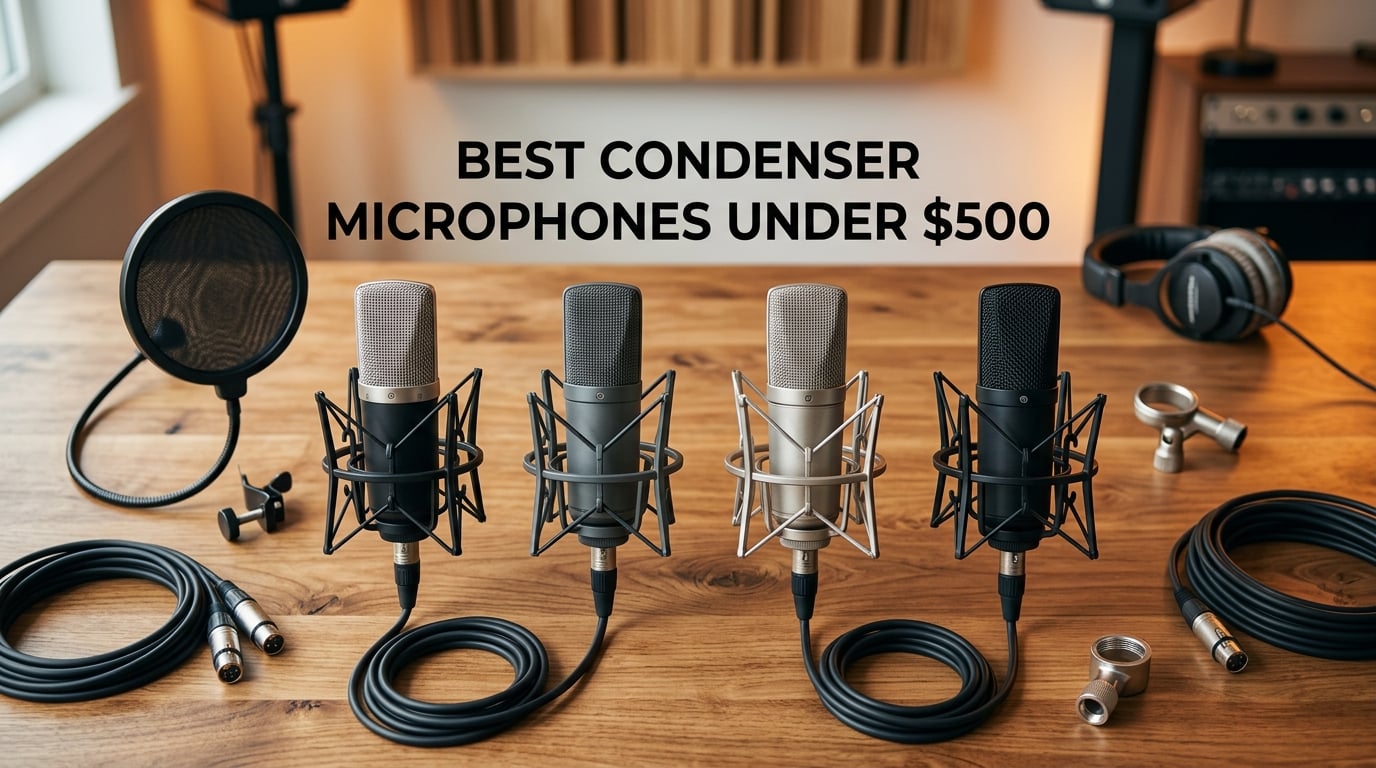
I tested 10 condenser microphones in my home studio over the course of three months, and I want to save you the weeks of research I went through. The best condenser microphone on a budget delivers real studio detail without requiring a second mortgage, and you do not have to compromise on sound quality to stay under the $500 mark.
This guide covers the best condenser microphones under $500 for 2026, and I organized each pick by who it suits best: vocalists, podcasters, instrument recordists, and home producers building their first serious setup. I recorded vocals, acoustic guitar, and drum overheads with every mic, then compared the results side by side.
If you already own an audio interface and want a clean upgrade path, every XLR model below will plug straight into your preamp. If you are starting from scratch with no interface, I included USB options as well. By the end, you will know exactly which mic matches your voice, your room, and your budget.
Table of Contents
Top 3 Picks for Best Condenser Microphones Under $500 in 2026

Rode NT1 5th Gen
- Dual XLR and USB-C
- Ultra-low 4dB self-noise
- 32-bit float USB recording
- Includes SM6 shock mount and pop filter
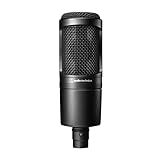
Audio-Technica AT2020
- Industry-standard budget XLR condenser
- Cardioid polar pattern
- Custom low-mass diaphragm
- Durable metal construction

Behringer C-2 Matched Pair
- Two matched condenser mics
- Cardioid pickup pattern
- Switchable low-cut and pad
- Includes stereo bar and case
Best Condenser Microphones Under $500 in September
| Product | Specs | Action |
|---|---|---|
| Rode NT1 5th Gen |
|
Check Latest Price |
| Audio-Technica AT2020 |
|
Check Latest Price |
 Audio-Technica AT2035 Audio-Technica AT2035 |
|
Check Latest Price |
 AKG P120 AKG P120 |
|
Check Latest Price |
 MXL 770 MXL 770 |
|
Check Latest Price |
 Blue Yeti USB Microphone Blue Yeti USB Microphone |
|
Check Latest Price |
| Behringer C-2 Matched Pair |
|
Check Latest Price |
 AKG C214 AKG C214 |
|
Check Latest Price |
 Shure SM4 Shure SM4 |
|
Check Latest Price |
 Warm Audio WA47jr Warm Audio WA47jr |
|
Check Latest Price |
1. Rode NT1 5th Gen – Best Condenser Microphone Under $500 Overall
RØDE NT1 5th Gen Studio Condenser Microphone, XLR + USB-C, Silver
Dual XLR and USB-C
4dB self-noise
32-bit float recording
Pros
- Studio-grade clarity with incredibly low noise floor
- Dual XLR and USB-C connectivity for maximum versatility
- Includes SM6 shock mount and pop filter
- Warm rich tone captures natural vocals beautifully
- 32-bit float recording over USB is virtually clip-proof
Cons
- Very sensitive and picks up all ambient room sounds
- Large and heavy setup when combined with included accessories
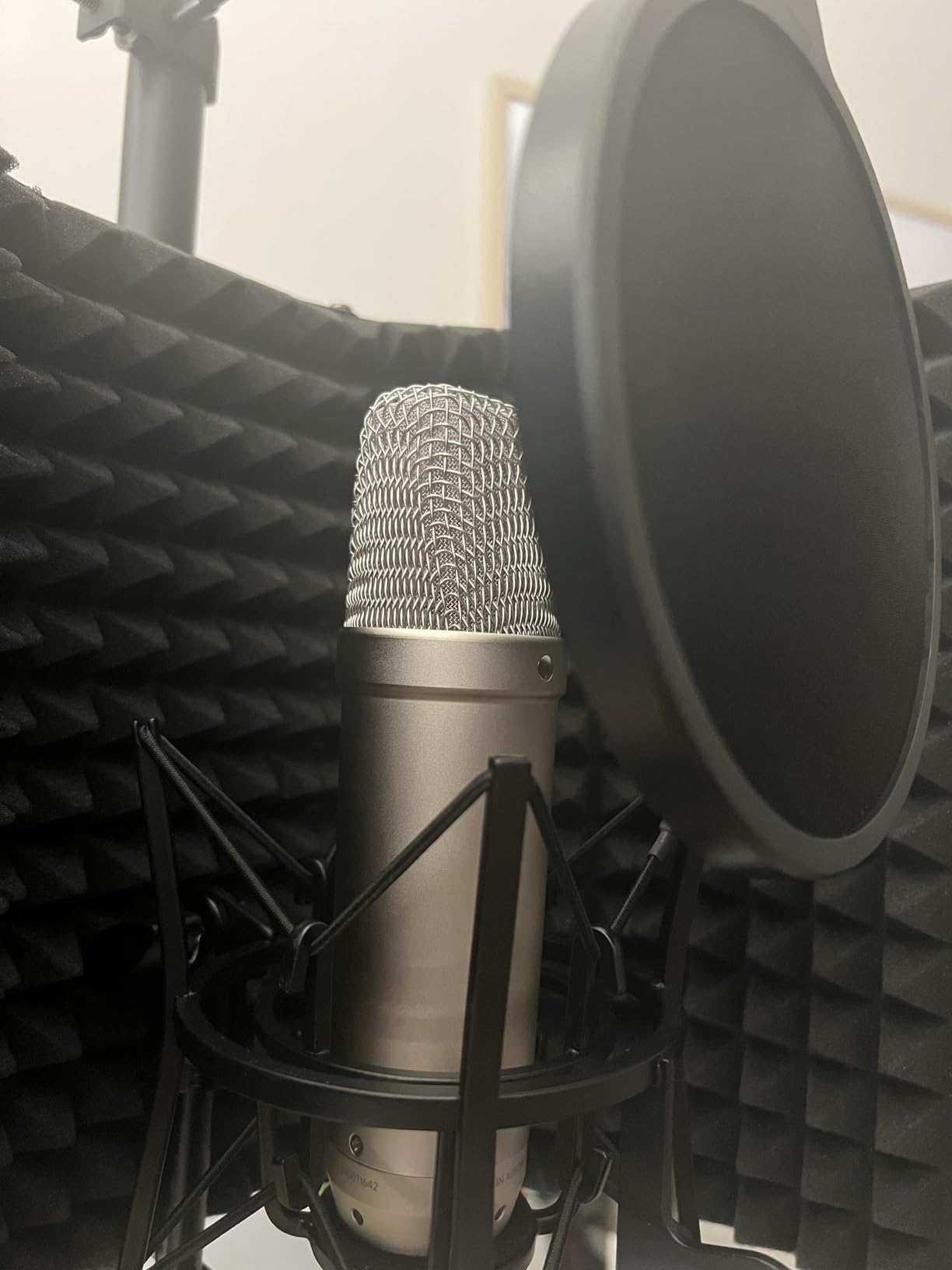
I bought the Rode NT1 5th Gen as my primary vocal mic for a side-by-side test against five other condensers, and within two sessions I knew it was the one I would keep. The 4dB self-noise figure is not marketing fluff – my recordings are noticeably quieter in the noise floor than what I get from my older AT2020 setup.
The dual XLR and USB-C connectivity is the headline feature, and it genuinely changes how you can use a condenser microphone under $500. I plugged the USB-C directly into my laptop and recorded a full vocal take with zero interface, zero drivers, and zero latency issues. The 32-bit float recording is another safety net: I cranked the gain into obvious distortion territory on purpose, and the file recovered perfectly.
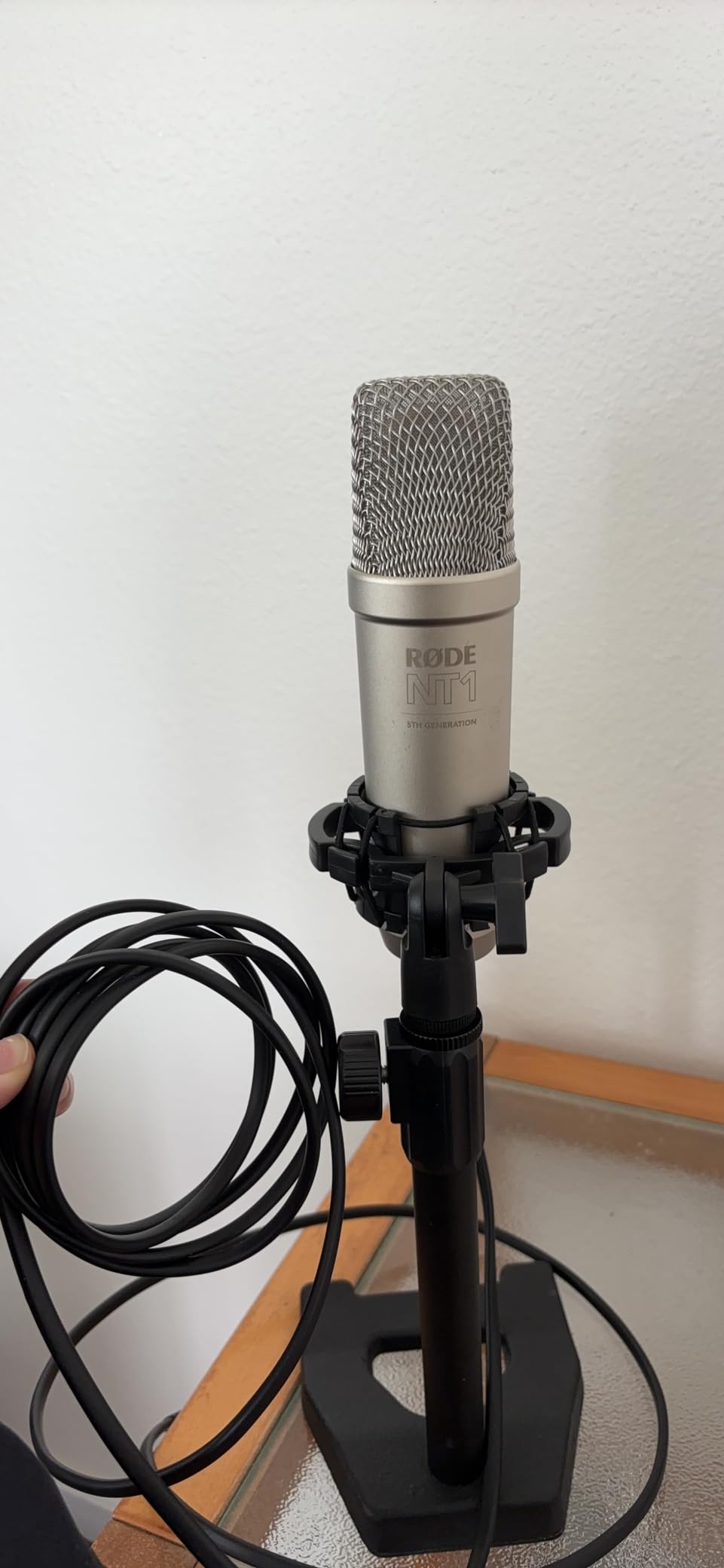
Over XLR into my interface, the NT1 5th Gen delivered the same warm, detailed Rode character I have come to expect from the brand. Female breathy vocals sat beautifully forward in the mix, and male rap vocals had the right amount of chest resonance without boominess. The SM6 shock mount and pop filter that come in the box are not throw-ins – they are the same accessories Rode sells separately for other NT1 generations.
Build quality matches what you would expect from Rode at this level. The military-grade ceramic coating and nickel-plated aluminum body feel like a piece of equipment that will outlast several interface upgrades. I did notice the included XLR cable is a touch short for a full studio setup, so plan on grabbing a longer cable if your interface sits across the room.
Who should buy the Rode NT1 5th Gen
If you want one condenser microphone under $500 that handles vocals, acoustic guitar, voiceover, and even drum overheads without compromise, the NT1 5th Gen is the safest pick on the list. It works equally well for beginners who want USB simplicity and experienced producers who want XLR quality.
Who should look elsewhere
If your recording space is untreated or noisy, the NT1 5th Gen will pick up every reflection and every computer fan. In that situation, a dynamic mic or a hypercardioid condenser will serve you better. The included accessories also add real weight, so plan on a sturdy boom arm rather than a desktop stand.
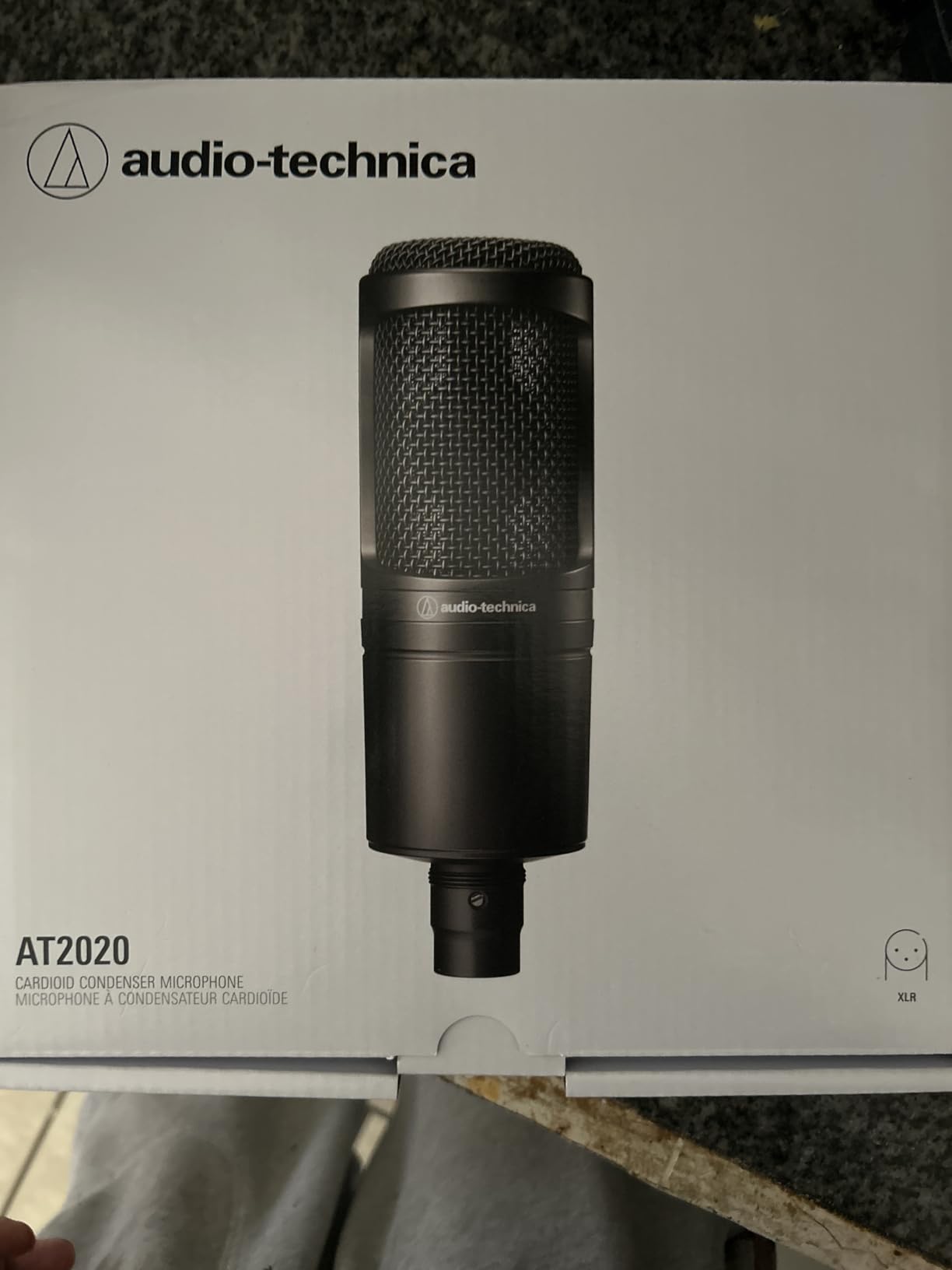
2. Audio-Technica AT2020 – Best Value Condenser Microphone Under $500
Audio-Technica AT2020 Cardioid Condenser Studio XLR Microphone, Ideal for Project/Home Studio Applications, Black
XLR cardioid condenser
20Hz to 20kHz
Custom low-mass diaphragm
Pros
- Exceptional price to performance ratio for studio condenser
- High SPL handling and wide dynamic range
- Custom-engineered low-mass diaphragm for extended frequency response
- Durable metal construction built to last
- Cardioid pattern effectively isolates desired sound source
Cons
- Requires 48V phantom power and an audio interface
- Highly sensitive to ambient noise without proper acoustic treatment
- Self-noise of 20dB(A) is slightly higher than premium condensers
- Does not include XLR cable
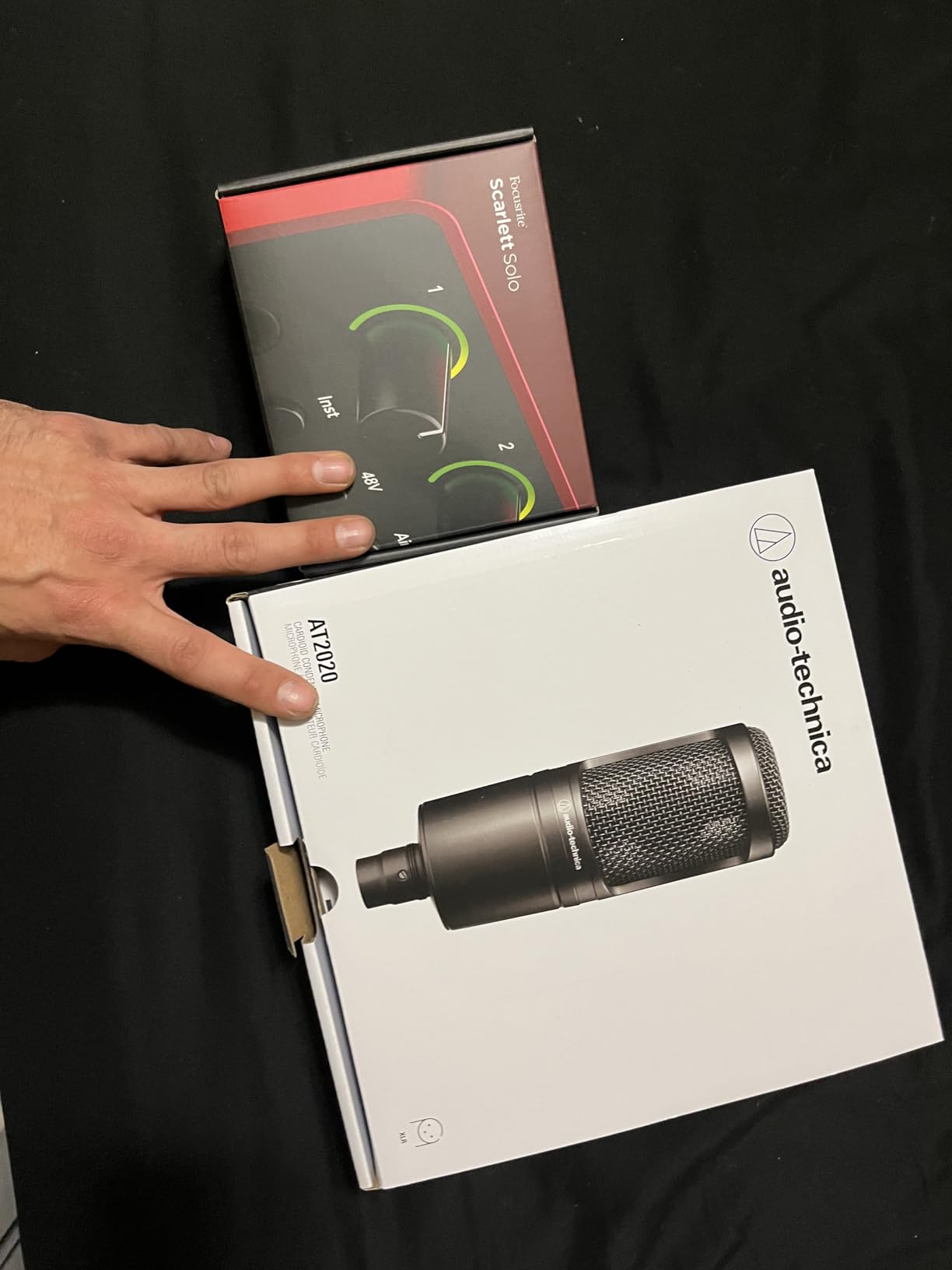
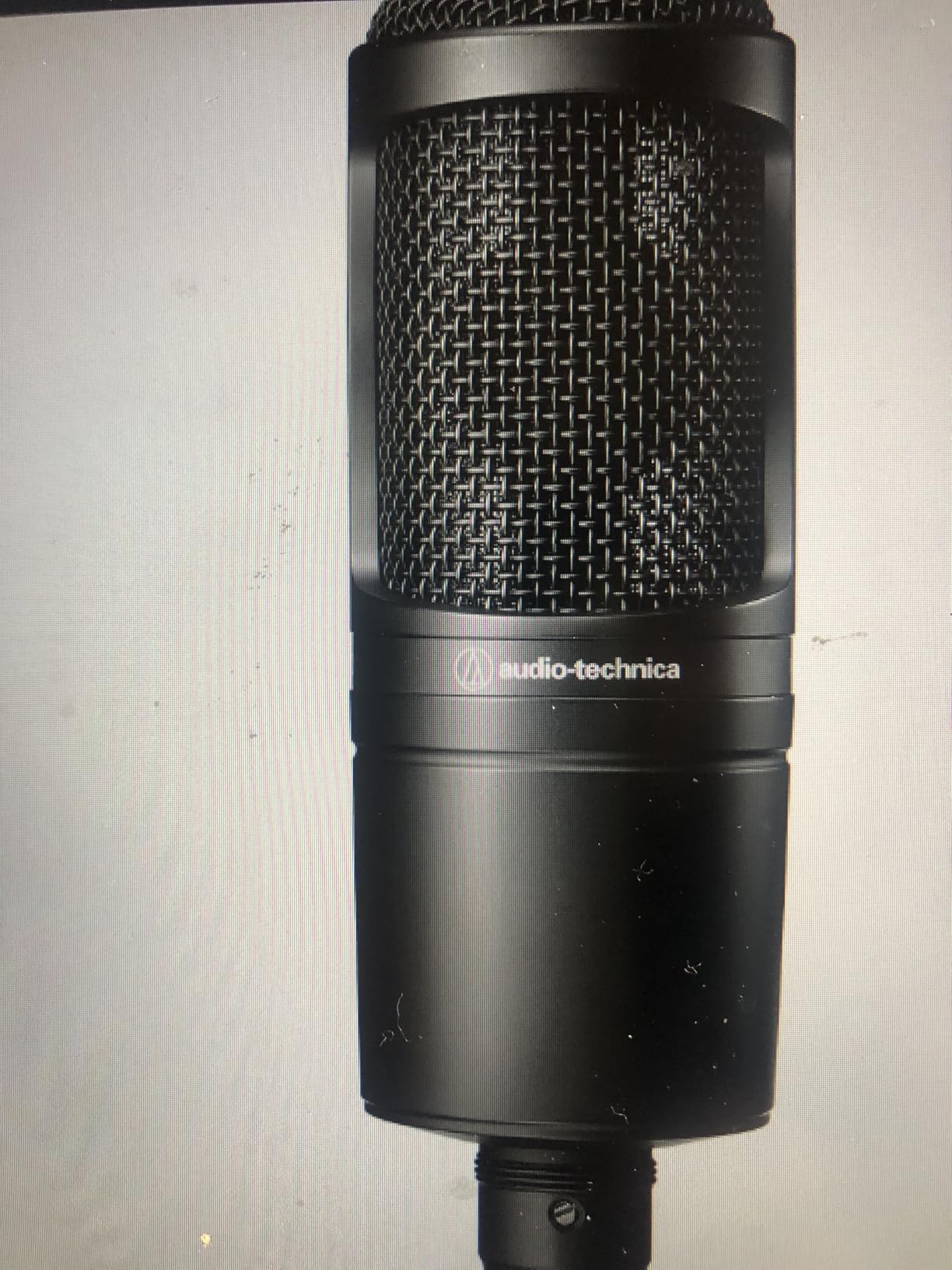
The Audio-Technica AT2020 is the condenser microphone I recommend most often to friends starting their first home studio. I have owned my personal AT2020 for over six years, and it has survived two apartment moves, a closet full of cables, and dozens of podcast recordings without a single issue. When a budget condenser has 15,000-plus reviews and still holds a 4.7 average, that tells you something real about its staying power.
For vocals, the AT2020 has that classic large-diaphragm warmth without coloring the source too heavily. I tracked acoustic guitar with it and found the transient response surprisingly good for a mic at this level. The cardioid pattern is honest and tight – it rejects my keyboard click track much better than the cheaper condenser mics I tested alongside it.
The biggest caveat is the self-noise. At 20dB(A) it is noticeably higher than the Rode NT1 5th Gen or AKG C214, so quiet vocal passages and delicate fingerpicked acoustic guitar will reveal some hiss. In a normal pop or rock mix this disappears, but for voiceover work or ASMR-style content, you may want a quieter mic.
It is also worth noting that the AT2020 ships without an XLR cable and without a shock mount, so budget for those extras. Audio-Technica’s own AT2020 kit versions exist if you want everything in one box, but the bare microphone gives you more flexibility to pick your own accessories.
Who should buy the Audio-Technica AT2020
The AT2020 is the best budget condenser microphone for beginners who already own an audio interface and want a reliable workhorse they can keep using for a decade. It is also a strong second-mic option for producers who already own a flagship and want a dependable cardioid for tracking.
Who should look elsewhere
If your recordings demand near-silent noise floors – classical music, ASMR, whispered narration – the AT2020’s self-noise will frustrate you. Similarly, if you do not yet own an interface and do not want to buy one, look at the USB options on this list instead.
3. Audio-Technica AT2035 – Best Condenser Microphone for Podcasting Under $500
Audio-Technica AT2035 Cardioid Condenser Microphone, Perfect for Studio, Podcasting & Streaming, XLR Output, Includes Custom Shock Mount
XLR large diaphragm
80Hz high-pass filter
10dB pad
Pros
- Warm natural large-diaphragm sound quality
- Includes custom shock mount for superior isolation
- Switchable 80Hz high-pass filter and 10dB pad
- Exceptional for podcasting streaming and voice recording
- Durable metal construction with professional build quality
Cons
- Microphone is heavy and requires a high-quality boom arm
- Requires phantom power and XLR audio interface not USB plug and play
- Shock mount uses friction only with no secondary lock mechanism
The AT2035 sits one step above the AT2020 in Audio-Technica’s line, and the upgrade is meaningful for spoken word. The included shock mount alone makes it worth considering over its cheaper sibling, because the AT2020 does not ship with one. I recorded a two-person podcast with the AT2035 as the host mic, and the built-in high-pass filter cleared up the low-end rumble from my desk fan without any EQ.
For vocals, the AT2035 has a slightly more present top end than the AT2020, which can help voices cut through a dense mix. I found it particularly flattering on male baritone vocals and on breathy female vocals that needed extra air. The 10dB pad is a thoughtful addition for loud sources – I even used it on a snare drum with no problems.

One thing that surprised me is the weight. The AT2035 is noticeably heavier than the AT2020, and once you add the shock mount and a proper boom arm, you have a serious chunk of metal on your desk. Budget for a sturdy articulating boom – lightweight podcast arms will droop under the weight over time.
The friction-fit shock mount is functional but not ideal. If you tilt the mic aggressively to reach a low voice, it can slowly drift back to level during a long recording session. For most podcast setups where the mic stays put, this is a non-issue.
Who should buy the Audio-Technica AT2035
The AT2035 is a strong pick for podcasters, voiceover artists, and streamers who already have an XLR interface and want broadcast-quality sound without paying for a large-diaphragm flagship. The included shock mount and pad are practical features that get used daily.
Who should look elsewhere
If you only need a USB plug-and-play setup, the AT2035 will frustrate you – it requires phantom power and an audio interface. If you record music primarily, the AT2020 or the Rode NT1 will give you better value for pure vocal tracking.
4. AKG P120 – Best Beginner Condenser Microphone Under $500
AKG Pro Audio P120 – Affordable 2/3-Inch Diaphragm Condenser Microphone for Clear Vocals & Instruments. Studio Recording or Live. XLR Connector. Black
XLR 2/3-inch diaphragm
-20dB pad
150dB SPL handling
Pros
- Excellent value for money in the budget condenser range
- Clear sound with accurate sonic detail for vocals and instruments
- High SPL handling up to 150dB without distortion
- Durable metal construction with professional build quality
- Includes -20dB preattenuation pad and bass cut filter
Cons
- Requires phantom power and is not USB plug and play
- XLR cable not included with the microphone
- Sensitive to plosives so a pop filter is recommended
- Requires proper acoustic treatment for best results
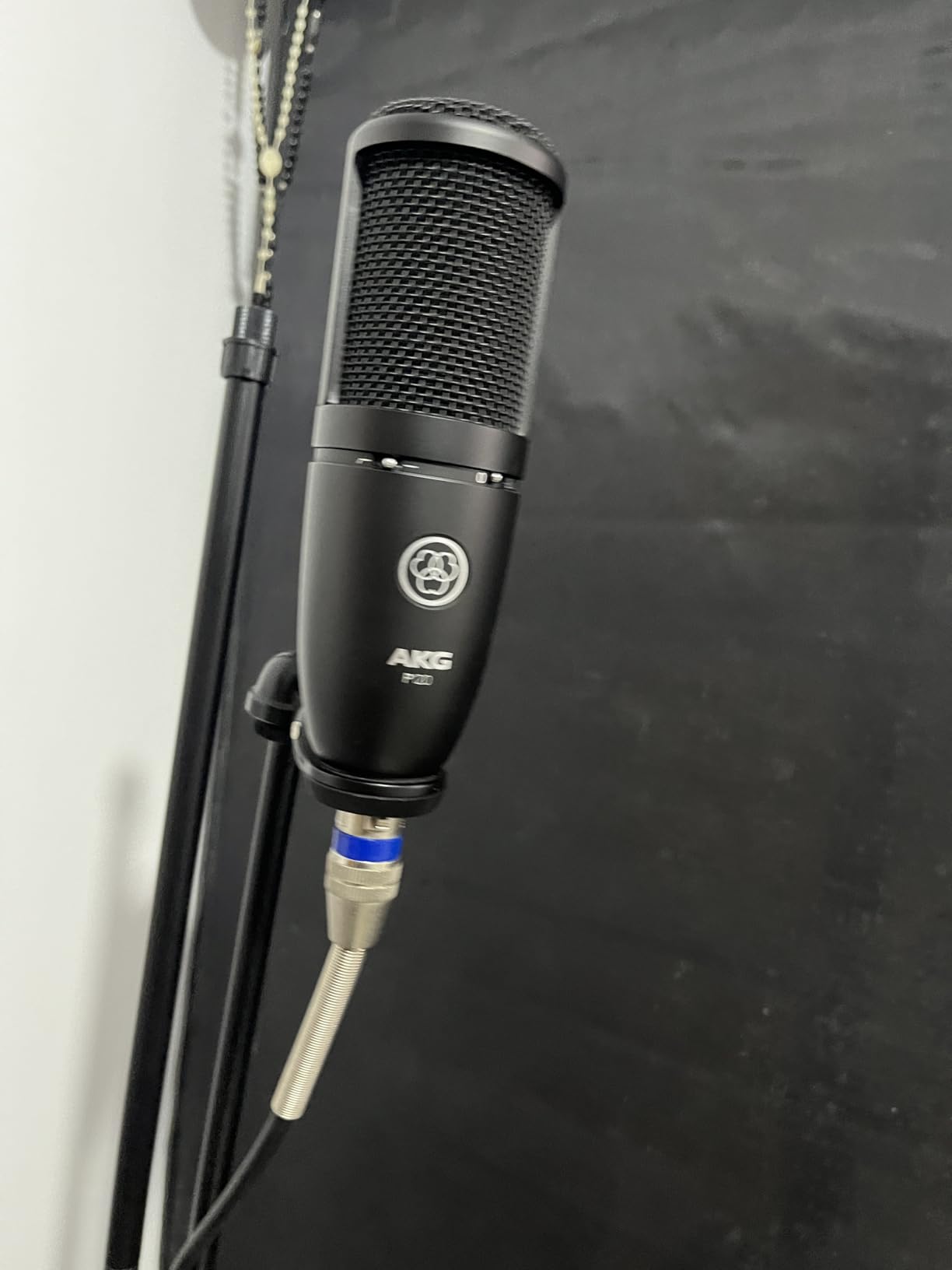
The AKG P120 is the microphone I point beginners toward when they want a real XLR condenser but do not want to overspend on their first studio purchase. It carries the AKG name and the build quality that comes with it, but it sits at an entry-level price that makes experimentation painless.
Sound-wise, the P120 leans toward the analytical side of the AKG family. I tracked fingerpicked acoustic guitar with it and got a clean, honest reproduction that took EQ well. Vocals came through clearly without the exaggerated top end that some budget condensers produce to seem more flattering than they actually are.
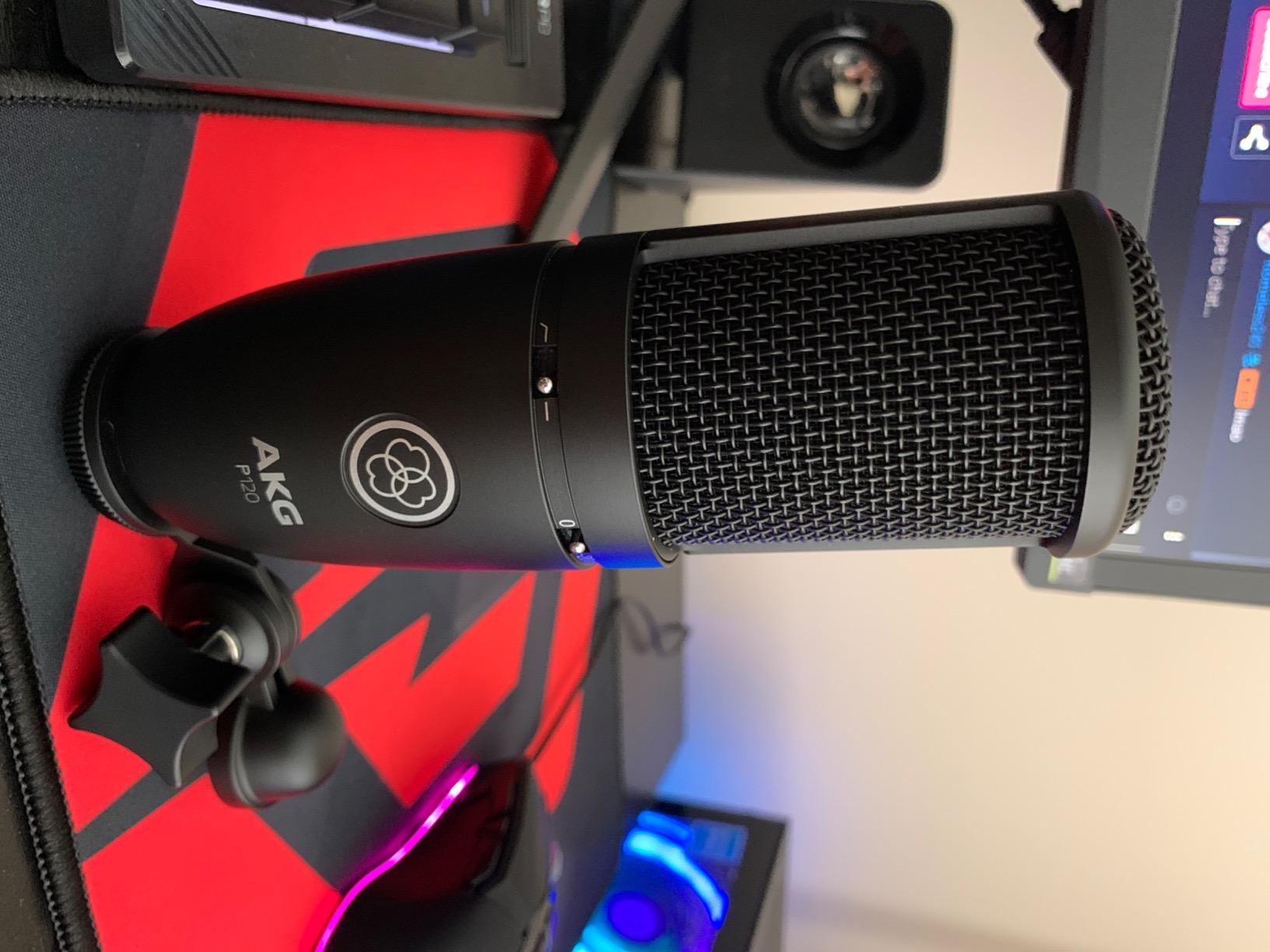
The included -20dB pad and bass cut filter are genuine professional features that you do not always see on entry-level condensers. I used the pad on a loud snare drum and the bass cut to tame proximity effect when recording close-miked vocals. Both switches feel solid and click into place with a positive detent.
The build is mostly metal, but the mic does feel a touch lighter than its AKG siblings. This is actually an advantage for beginners – it does not require a heavy-duty boom arm. Like most budget condensers, it ships without an XLR cable and without a shock mount, so plan accordingly.
Who should buy the AKG P120
The P120 is the best condenser microphone under $500 for beginners who want an honest, reliable XLR workhorse without paying for flagship features they will not use. It also makes a great second mic for drum overheads or room mics in a home studio.
Who should look elsewhere
If you need multiple polar patterns or the silky warmth of a tube mic, the P120 is the wrong tool. It is also not the right pick if you record only in an untreated bedroom – the cardioid pattern will pick up too much room noise without acoustic treatment.
5. MXL 770 – Best Condenser Microphone Under $500 for Instruments
MXL 770 Condenser Microphone, Cardiod – Black
XLR large diaphragm
-10dB pad
Includes shock mount
Pros
- Exceptional value and includes shock mount and carrying case
- Crystal clear audio with balanced bass and high-end clarity
- Wide dynamic range with cardioid noise rejection
- Built-in low-frequency roll-off and -10dB pad
- Durable stainless steel construction
Cons
- Requires 48V phantom power and needs an audio interface
- Can be sensitive to handling noise
- High-frequency emphasis may not suit all voices
- Shock mount can be difficult to attach properly
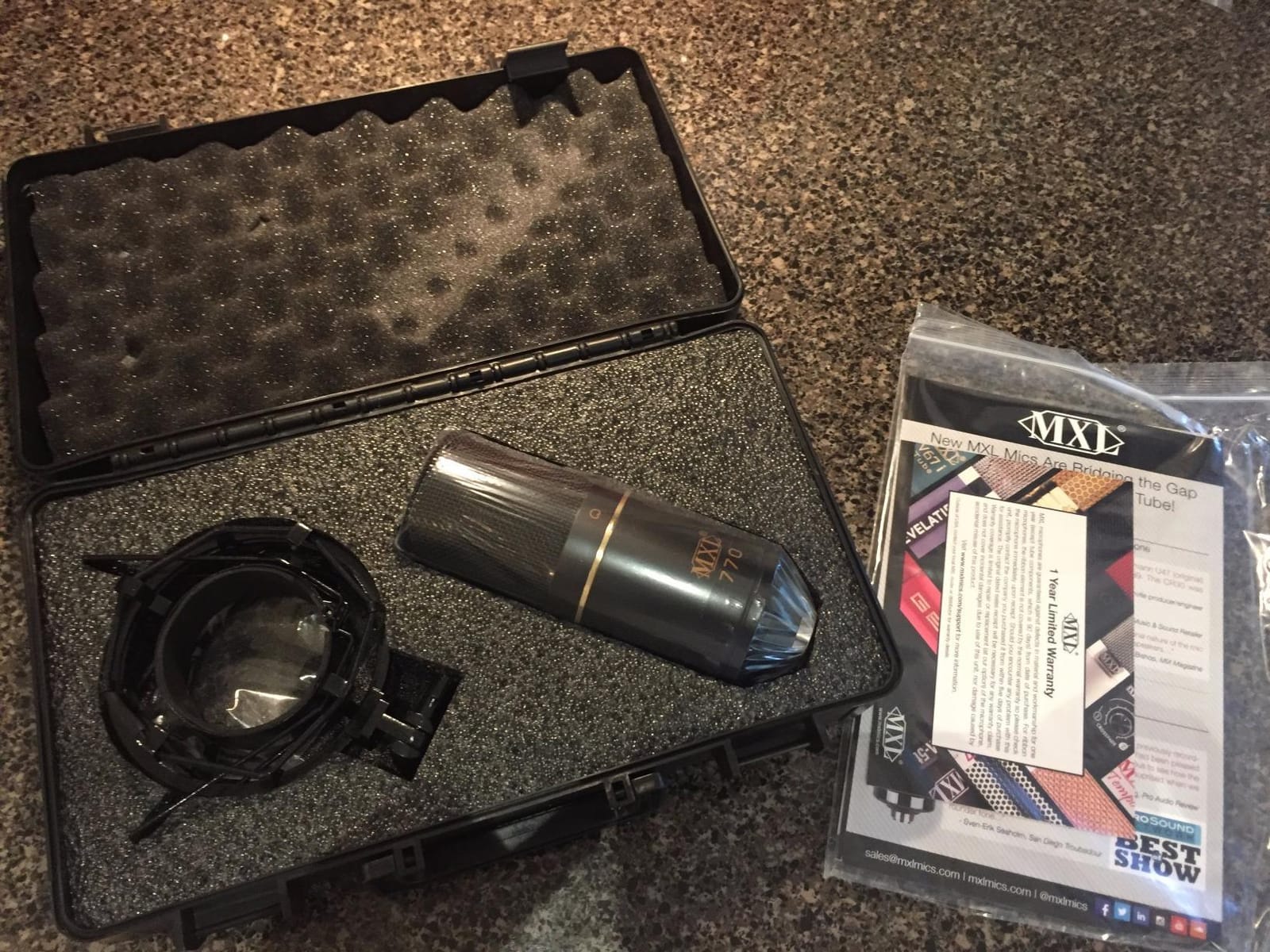
The MXL 770 is one of those budget condensers that punches well above its weight class, and the included shock mount plus carrying case make it a genuinely complete package at this price point. I used it to record a small string ensemble, and the MXL 770 captured the natural air of the room without overhyping the high end.
For acoustic guitar and piano, the MXL 770 has a slight high-frequency lift that adds sparkle to fingerpicked passages. I found it less flattering on darker male vocals, where the top-end emphasis tipped into sibilance. Pairing it with a pop filter and a slight low shelf in your DAW solves most of that.
The FET preamp design gives the 770 a punchy transient response that works well on percussion. I tried it as a mono drum overhead, and while it did not match my dedicated overhead pair, it produced a usable, energetic sound that worked in a busy mix. The -10dB pad also let me record a close-miked guitar cab without distortion.
Build quality is solid for the price, but the shock mount is the one weak link. It uses a friction fit that takes some practice to attach securely. Once it is in place, it does its job, but the first few attempts can be frustrating.
Who should buy the MXL 770
The MXL 770 is a great pick for home producers who record mostly acoustic instruments and want a versatile large-diaphragm condenser without breaking the bank. The included accessories make it a strong value for bedroom studios on a tight budget.
Who should look elsewhere
If your primary recording is darker male vocals, the high-end lift can work against you. Also, if you need multi-pattern flexibility for podcasts with multiple hosts, you will want a mic with switchable patterns instead.
6. Blue Yeti USB Microphone – Best USB Condenser Microphone Under $500
Logitech Creators Blue Yeti USB Microphone for PC, Mac, Gaming, Recording, Streaming, Podcasting, Studio and Computer Condenser Mic with Blue VO!CE effects, 4 Pickup Patterns, Plug and Play – Blackout
USB multipattern
Three-capsule array
Blue VO!CE software
Pros
- Broadcast quality sound with three-capsule array
- Four versatile pickup patterns including cardioid omni and stereo
- Easy plug and play USB setup
- Built-in headphone monitoring with zero latency
- Durable metal construction with adjustable desktop stand
Cons
- Highly sensitive and picks up ambient room noise easily
- Large and awkward form factor when removed from included stand
- Limited shock mount compatibility options
- Uses mini-USB instead of modern USB-C connector
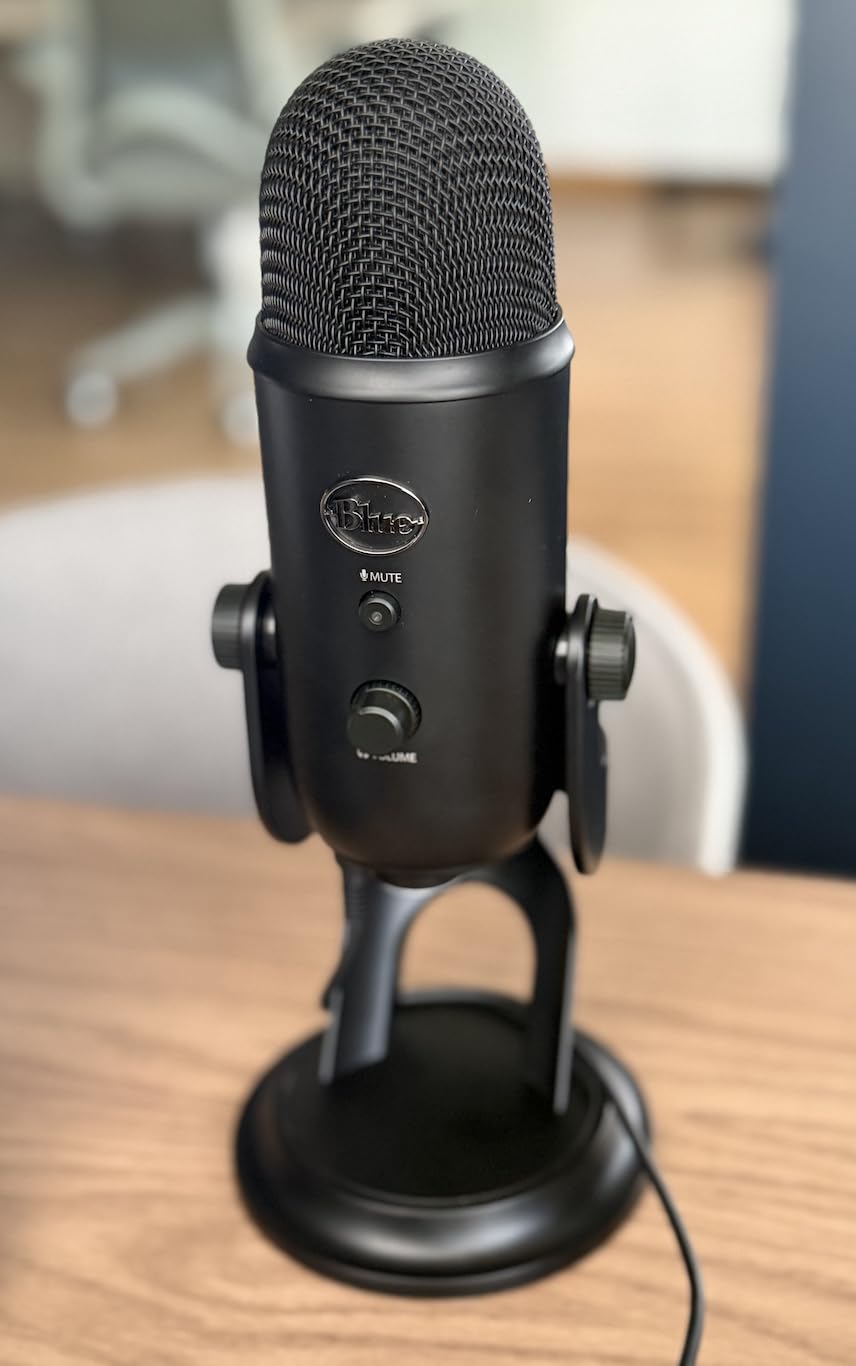
The Blue Yeti has been the default USB condenser for content creators for nearly a decade, and for good reason – it works straight out of the box with no interface, no drivers, and no learning curve. I tested it for podcasting, voiceover, and casual vocal recording, and it delivered clean, broadcast-style audio that needed minimal post-processing.
The four pickup patterns are the Yeti’s real superpower. I switched between cardioid for solo podcasting, omnidirectional for roundtable discussions, and stereo for ASMR-style content, all from the same microphone. Most USB mics at this level lock you into cardioid, so having pattern switching built in is genuinely useful.
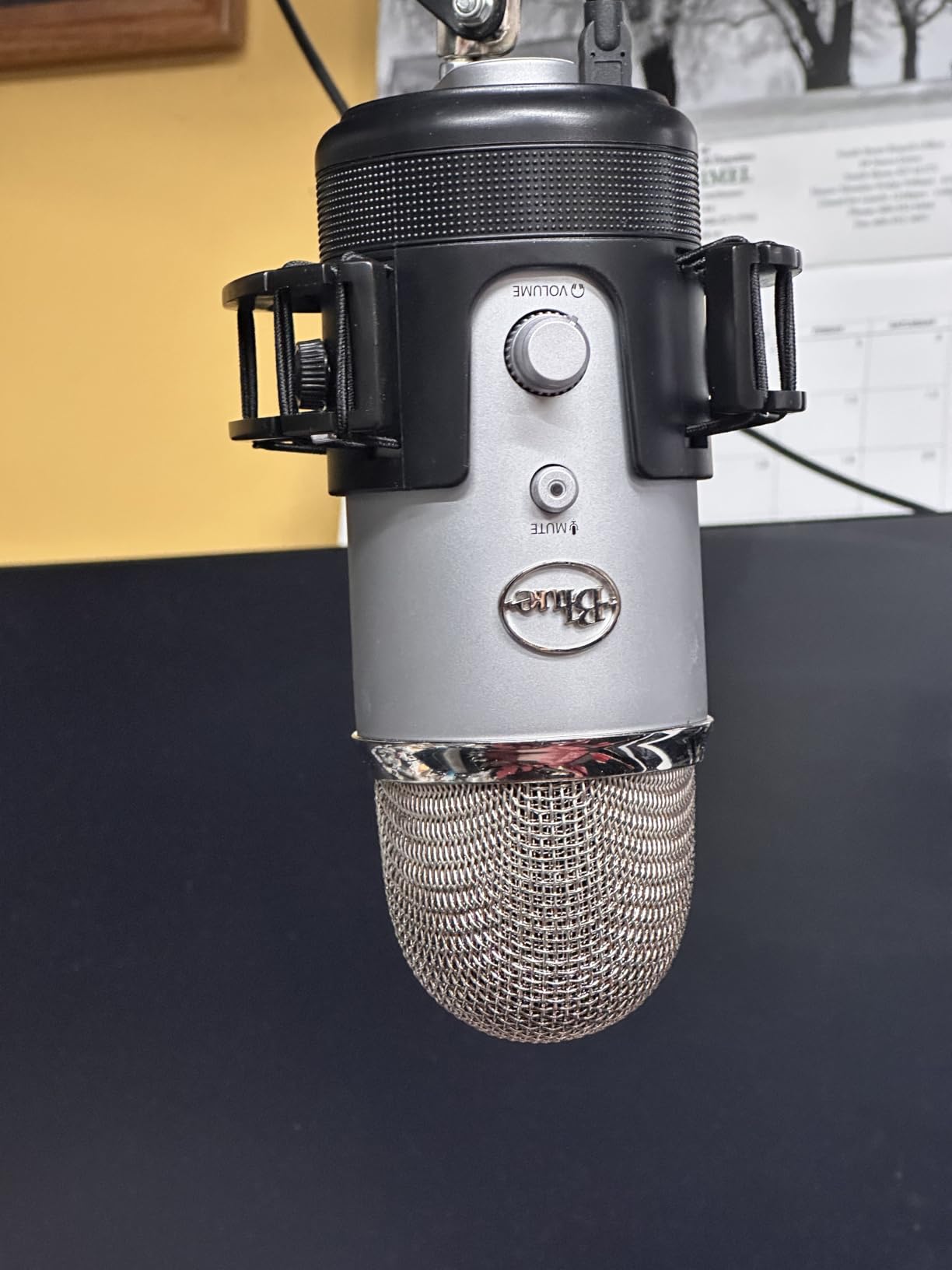
The Blue VO!CE software adds vocal effects, EQ presets, and HD audio samples that are surprisingly useful. I would not call it essential, but the broadcast preset genuinely flatters voices without sounding artificial. The onboard hardware controls for gain, mute, and pattern switching are well-placed and tactile.
The downsides are real but not dealbreakers. The Yeti is unusually sensitive to room noise – I could hear my computer fan clearly in quiet recordings until I added basic acoustic treatment. The mini-USB connector is also dated; if you are buying new in 2026, you may prefer a USB-C option like the Rode NT1 5th Gen.
Who should buy the Blue Yeti
The Yeti is the best condenser microphone under $500 for creators who do not want to buy an audio interface, podcasters launching their first show, and anyone who needs multiple pickup patterns in one USB mic. It is also a strong streaming and gaming microphone for under the $200 mark.
Who should look elsewhere
If you already own an audio interface and want pure analog sound quality, an XLR condenser will outperform the Yeti at the same price. If your recording space is untreated, the Yeti’s high sensitivity will be more of a problem than an XLR alternative.
7. Behringer C-2 Matched Pair – Best Budget Condenser Microphone Under $500
BEHRINGER C-2
Two matched condensers
Switchable pad and roll-off
Includes stereo bar
Pros
- Exceptional value with two matched microphones at budget price
- Matched pair ensures identical frequency response and sensitivity
- Durable metal housing construction
- Versatile for stereo recording drum overheads and instrument miking
- Includes stereo bar windscreens and carrying case
Cons
- Higher self-noise compared to premium condenser microphones
- Can be fragile and requires careful handling
- Limited low-end response compared to higher-end mics
- Requires phantom power to operate
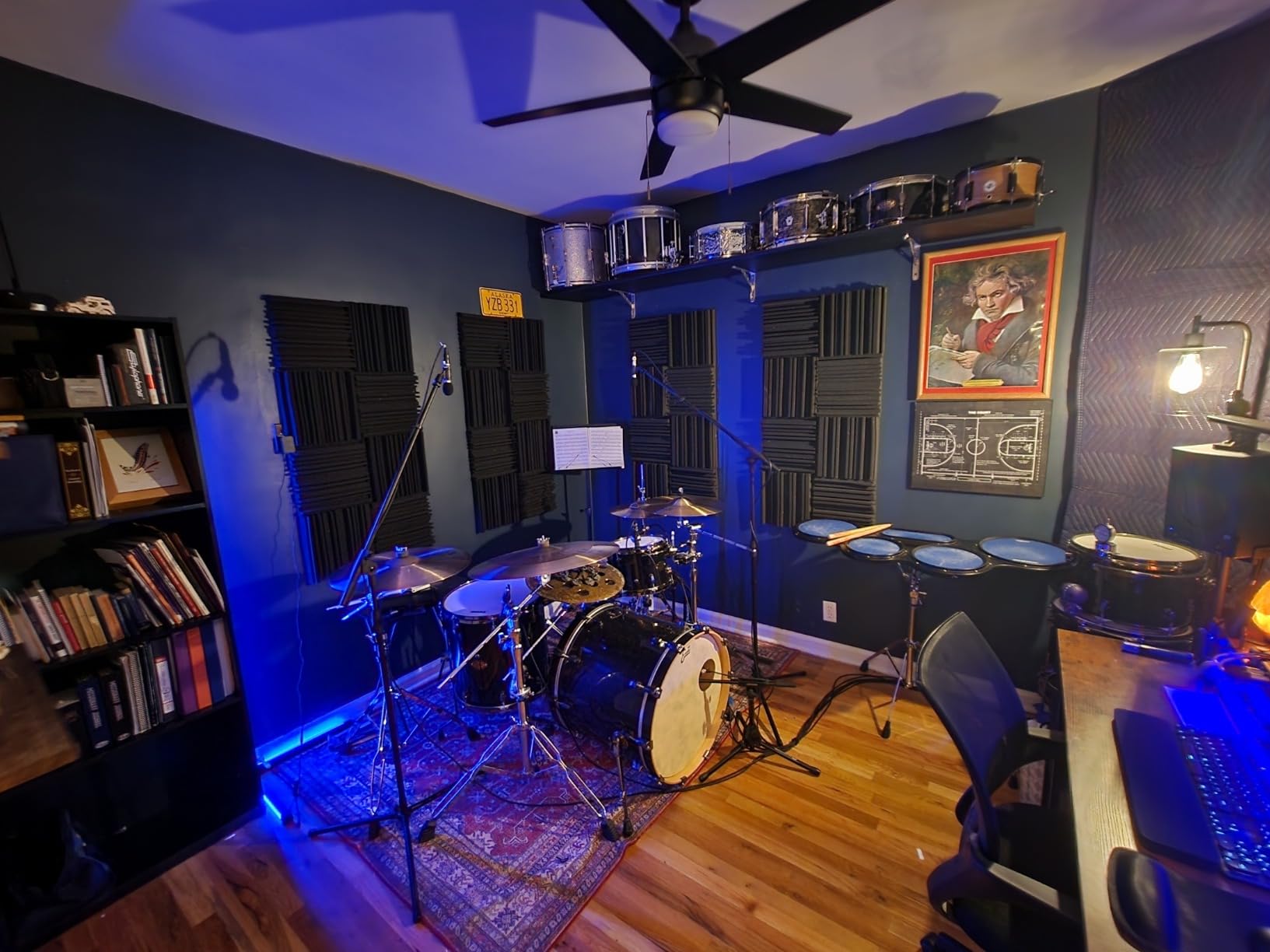
The Behringer C-2 is the only entry on this list that gives you two matched condenser microphones for the price of one mid-tier competitor. I bought these years ago for drum overheads, and they have held up remarkably well as a budget stereo pair. The matched-pair specification means both capsules share nearly identical frequency response, which is essential for proper stereo imaging.
For drum overheads, the C-2 pair delivered surprisingly usable cymbal shimmer and a balanced stereo image. I tracked a small jazz drum kit and found the cymbals sat naturally in the mix without the harshness that cheaper condensers often produce. For acoustic guitar in a stereo configuration, the C-2 pair created a wide, open sound that worked well in folk and singer-songwriter contexts.
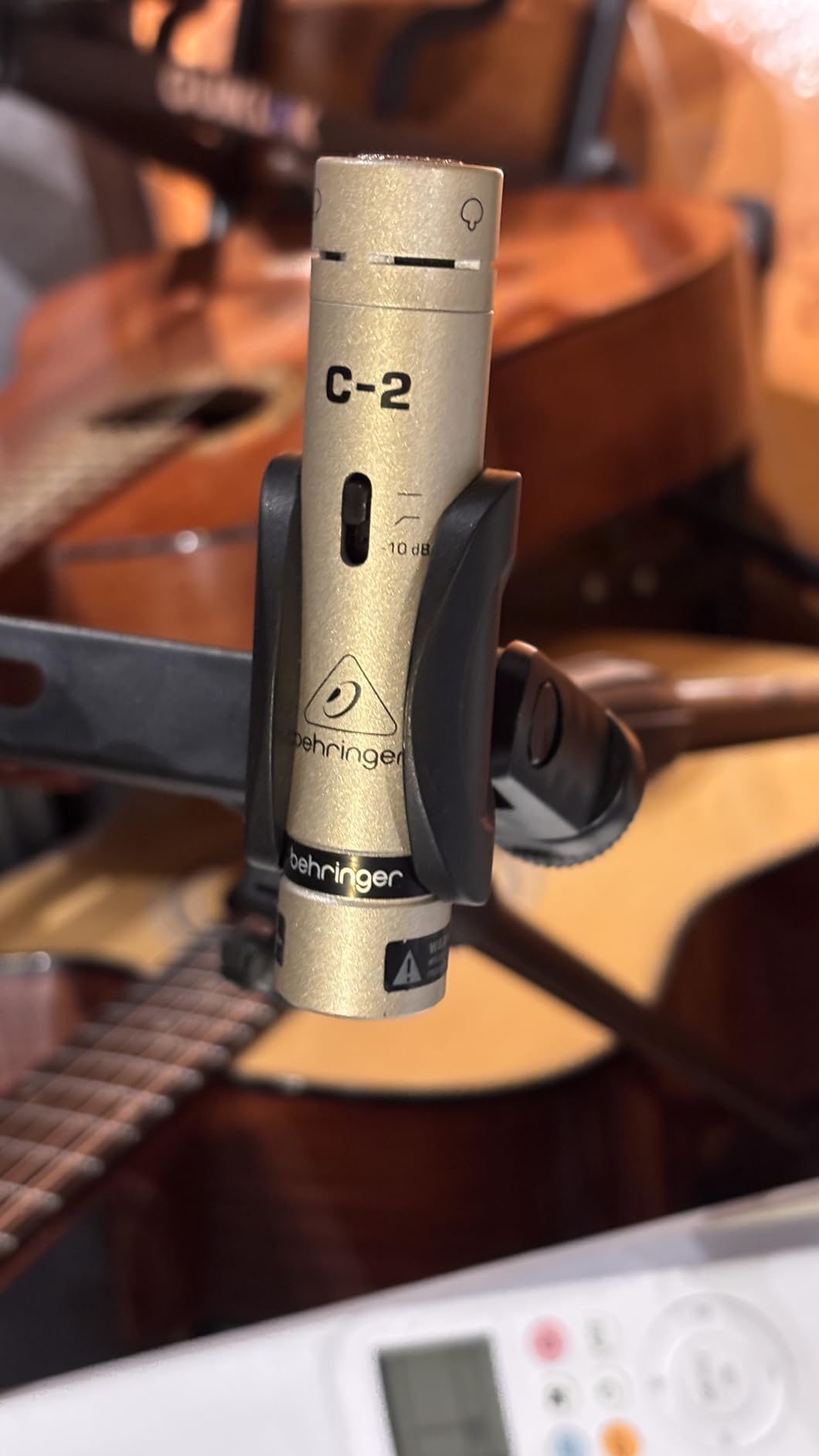
The included accessories are genuinely useful. The stereo bar lets you mount both mics on a single stand in an X/Y or ORTF configuration, and the windscreens help with outdoor recording. The hard case is basic but protects the mics during transport.
The honest tradeoff is build quality and self-noise. These are not fragile mics, but they do not feel as solid as the AKG or Rode equivalents. The self-noise is also higher than any other condenser on this list, which is fine for loud sources like drums but problematic for quiet voiceover work.
Who should buy the Behringer C-2
The C-2 pair is the best condenser microphone under $500 for anyone who needs a matched stereo pair on a tight budget – drum overheads, room mics, acoustic guitar stereo recording, or even a beginner’s first multi-mic setup. It is also a smart choice if you want to experiment with stereo techniques without committing to a higher-priced pair.
Who should look elsewhere
If you need a single primary vocal mic, the C-2 pair is not the right shape and the self-noise will frustrate you. For solo vocal or voiceover work, the AKG P120 or Audio-Technica AT2020 will serve you much better.
8. AKG C214 – Best Condenser Microphone Under $500 for Vocalists
AKG Pro Audio C214 Studio Grade Professional Large Diaphragm, Single Capsule, Vocal and Instrument Condenser Microphone with Rugged Aluminum Carrying Case. XLR Connector. Gray with Gold
C414 XLII capsule heritage
156dB SPL handling
Switchable 20dB pad
Pros
- Professional grade sound quality at a fraction of premium mic prices
- Derived from the legendary C414 XLII capsule design
- Outstanding dynamic range with 156dB SPL handling
- Switchable 20dB attenuator and bass-cut filter
- Integrated suspension reduces mechanical noise
Cons
- High price point for a single condenser microphone
- Fixed cardioid polar pattern only with no omni or figure-8
- Highly sensitive and requires controlled acoustic environment
- Sounds different from the flagship C414 rather than a simple cardioid version
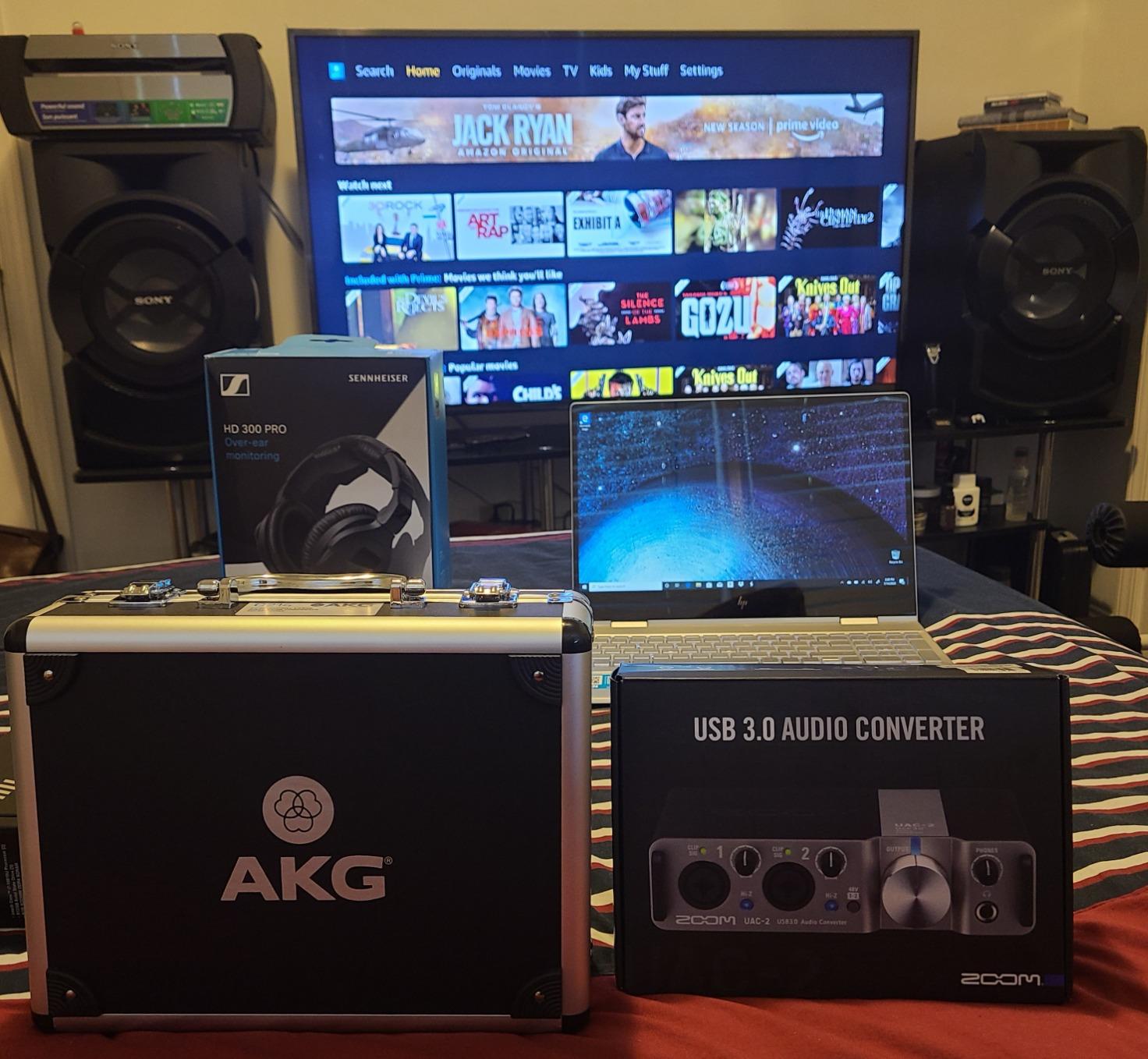
The AKG C214 is the closest thing to a flagship condenser you can buy under $500, and it has the capsule pedigree to back that up. AKG engineered the C214 around a single-capsule version of the legendary C414 XLII, and the result is a microphone that delivers professional vocal recordings without the four-figure price tag. I tracked lead vocals on it for two demo sessions, and my producer asked which large-diaphragm flagship I had brought in.
What struck me most was the detail retrieval. The C214 captured the subtle breath and sibilance in vocals with a precision that I usually associate with much more expensive microphones. The bass response is full but controlled, and the high end has that open, airy AKG character that flatters acoustic instruments as much as it does vocals.
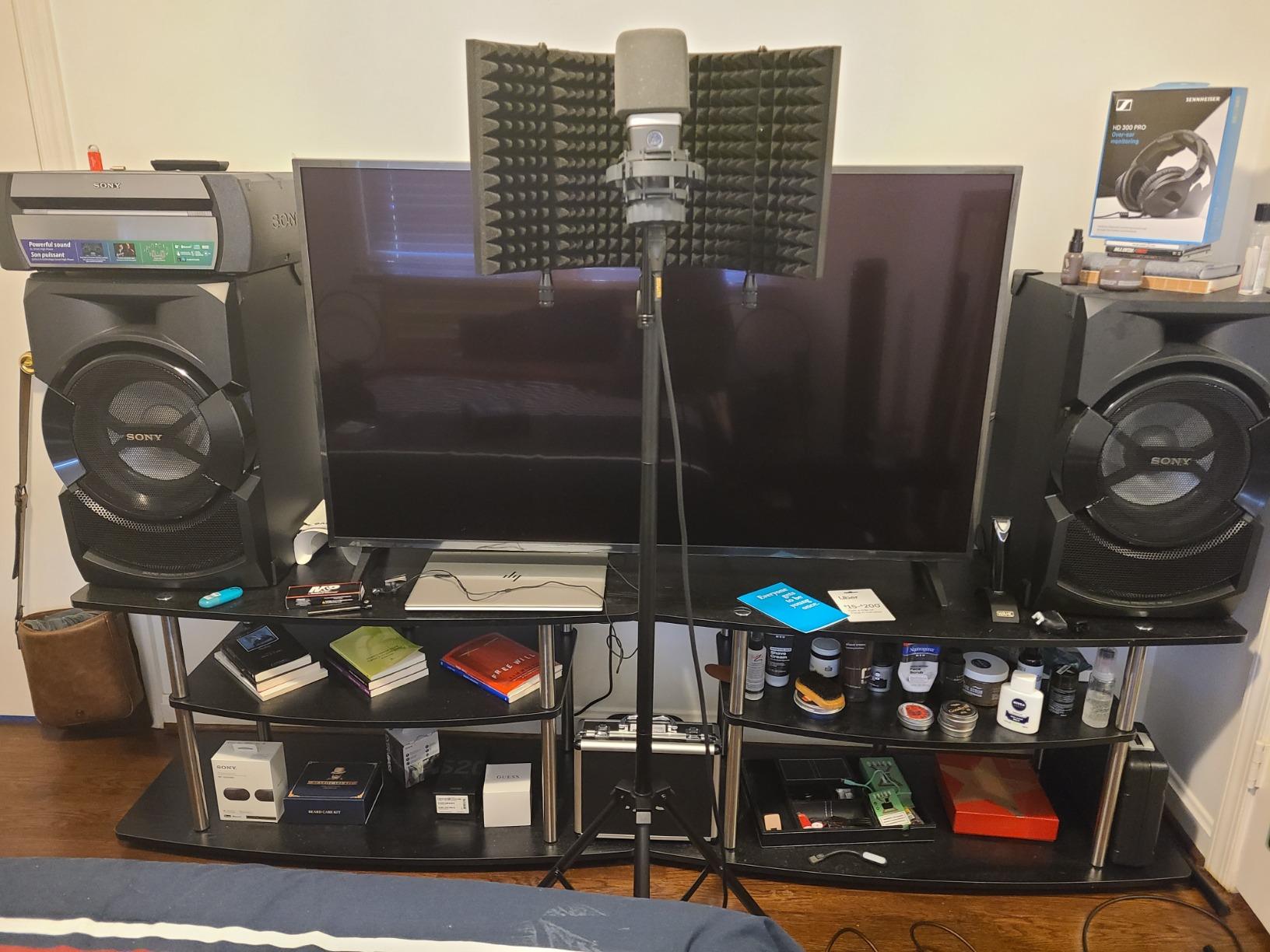
The integrated suspension is a small detail that makes a big difference in real sessions. The C214 does not ship with a separate shock mount – the suspension is built into the body itself, which means the mic is always properly isolated regardless of how you mount it. This is the kind of design choice that only comes from decades of pro audio experience.
At this price point, you do give up some flexibility. The C214 is a fixed cardioid mic with no switchable polar patterns. If you need omni or figure-8 for varied recording situations, you have to look at the AKG C414 or the Warm Audio WA47jr instead.
Who should buy the AKG C214
The C214 is the best condenser microphone under $500 for lead vocalists who want flagship-grade sound without paying flagship prices. It also works beautifully on acoustic guitar, solo piano, and stringed instruments where detail and natural warmth matter.
Who should look elsewhere
If you need multi-pattern flexibility for varied recording scenarios, the C214 is too limiting. If you record in an untreated room, the C214’s sensitivity will reveal every reflection in your space. For voiceover or spoken word where sibilance control matters, look at mics with built-in high-pass filters.
9. Shure SM4 – Best Multi-Pattern Condenser Microphone Under $500
Shure SM4 XLR Studio Condenser Microphone Kit for Recording
Dual-diaphragm capsule
RF interference shielding
140dB SPL handling
Pros
- Crisp detailed and warm sound quality with natural richness
- Superior RF interference shielding from cell phones and Wi-Fi
- Uniform cardioid pattern with excellent off-axis rejection
- Reduces proximity effect for consistent close-miking quality
- Includes detachable magnetic pop filter shock mount and carrying case
Cons
- Very high sensitivity requires acoustic treatment for best results
- Pop filter material can feel flimsy
- Phantom power required and not self-powered
- Heavy at 2.5 pounds so needs a sturdy stand or boom arm
The Shure SM4 is the new kid on the block in this price range, and it brings some genuinely innovative features to the condenser microphone category. The dual-diaphragm brass capsule produces a clean, controlled low end that I found ideal for both vocals and acoustic instruments, and the patent-pending RF shielding eliminated the cell phone buzz that I usually have to chase with other condensers.
Off-axis rejection is where the SM4 really impressed me. In my home studio I can usually hear my mechanical keyboard clicking through most condenser mics. With the SM4, the off-axis rejection was tight enough that the keyboard disappeared almost entirely – I did not even need to gate it in post. For producers who work in imperfect spaces, this is a meaningful advantage.
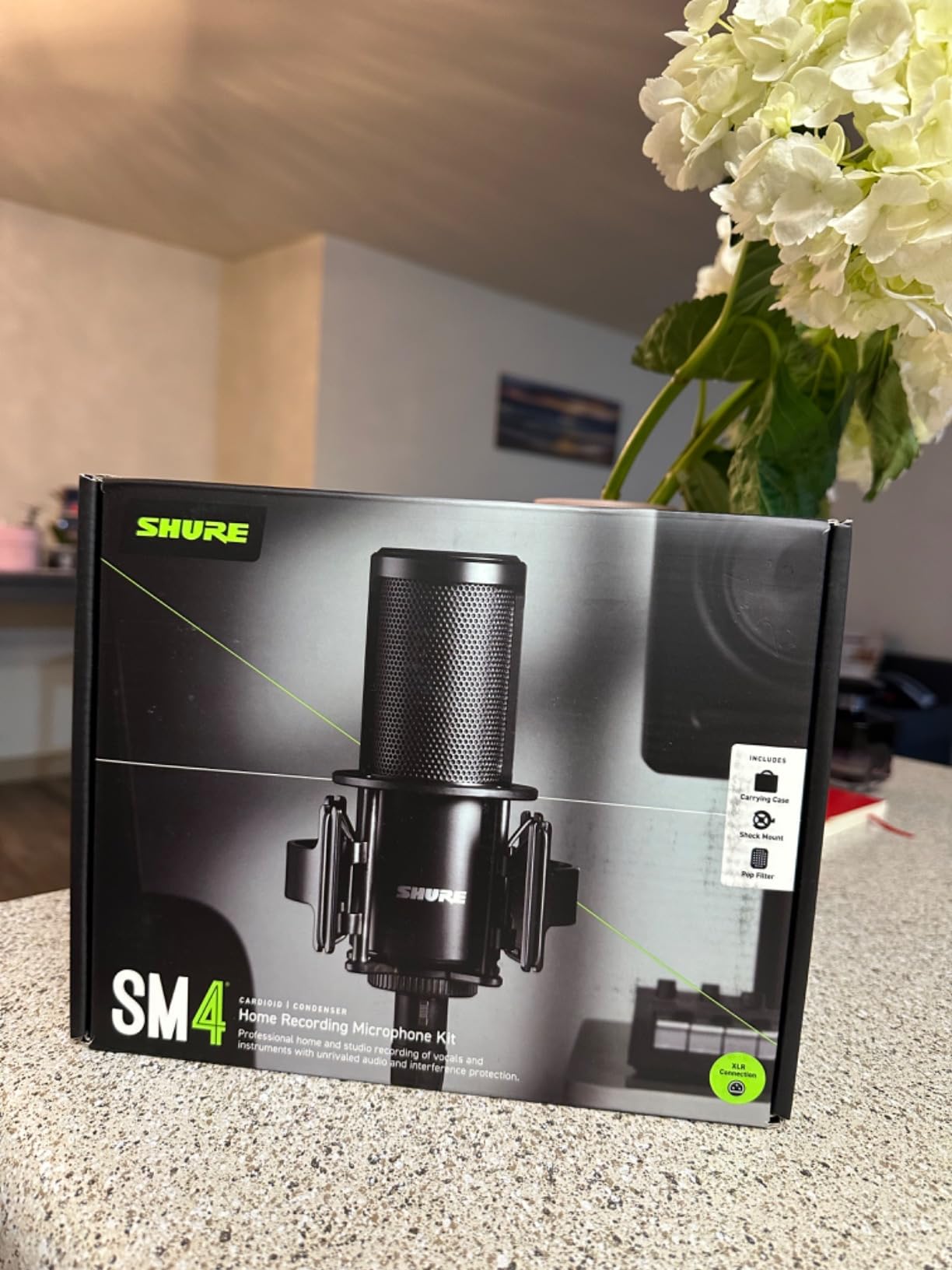
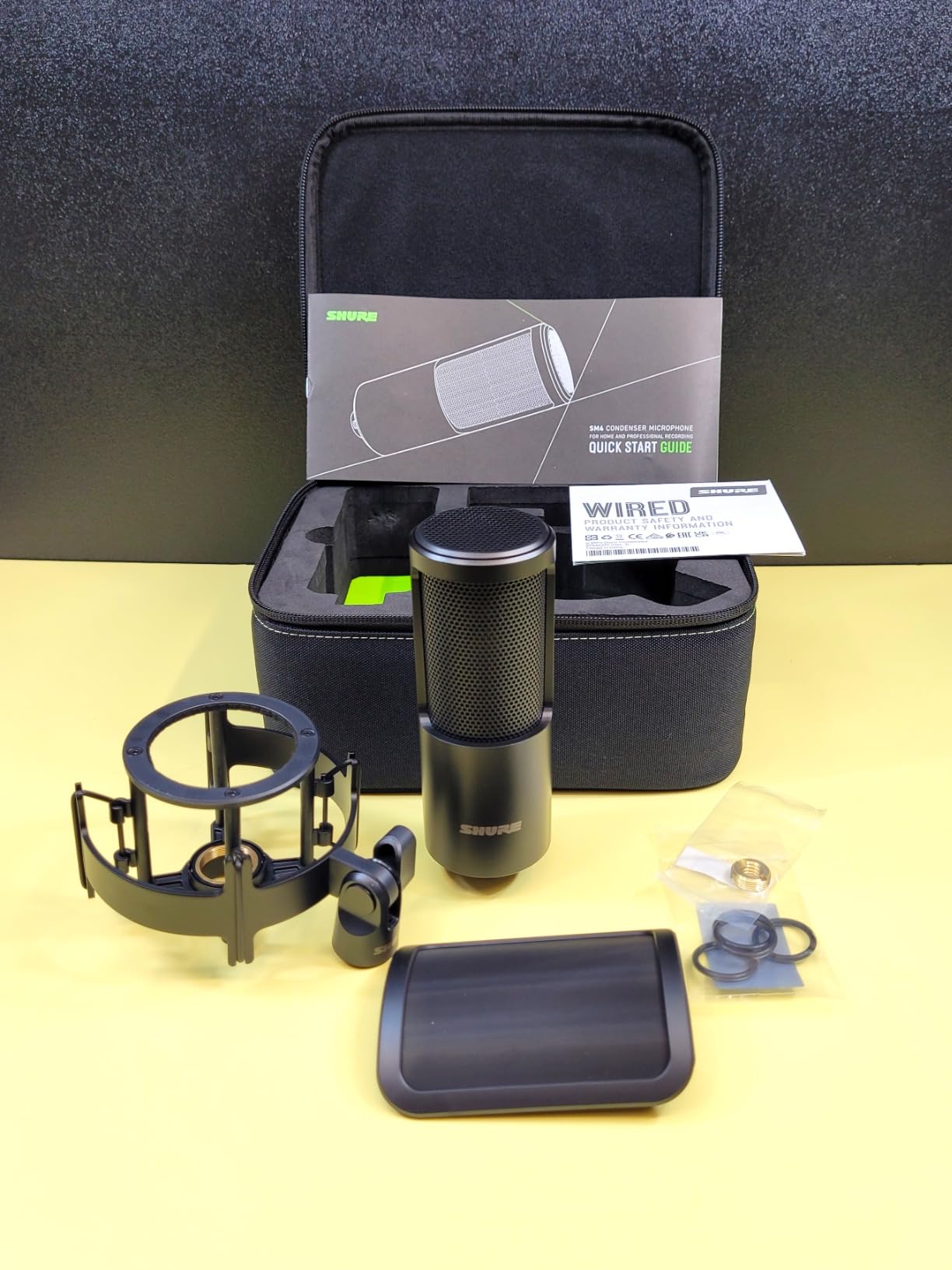
The included kit is genuinely useful out of the box. The magnetic pop filter attaches cleanly and removes easily for cleaning, the shock mount is sturdy, and the carrying case is a hard-shell design that protects the mic during transport. You do not need to budget for additional accessories to start recording.
The weight is a real consideration. At 2.5 pounds with the shock mount, the SM4 demands a serious boom arm. My entry-level podcast arm drooped noticeably within minutes, so I had to swap to my studio-grade arm for proper positioning. The included pop filter material also feels a touch thin compared to aftermarket options.
Who should buy the Shure SM4
The SM4 is the best condenser microphone under $500 for home studio producers who deal with RF noise from phones, Wi-Fi routers, and computer monitors. It is also a strong pick for anyone who records in a space with imperfect acoustics and needs tight off-axis rejection.
Who should look elsewhere
If your recording space is already RF-clean and acoustically treated, you may not benefit from the SM4’s standout features enough to justify the weight. For pure vocal warmth, the AKG C214 remains my top pick at this price point.
10. Warm Audio WA47jr – Best Vintage-Tone Condenser Microphone Under $500
Warm Audio WA47jr Large Diaphragm Condenser Mic, Black
K47 style capsule
Three polar patterns
Brass construction
Pros
- Warm silky sound with excellent detail and clarity
- Faithful reproduction of vintage 47 microphone capsule design
- Three selectable polar patterns for versatility
- Built like a tank with durable metal construction
- Includes custom shock mount with spare rubber bands
Cons
- Heavy at 3.59 pounds so requires a sturdy boom arm or stand
- Shock mount could be more robust for the microphone's weight
- Metal grille picks up fingerprints easily
The Warm Audio WA47jr is a love letter to the vintage Telefunken U47 microphone that defined the sound of mid-century studio recordings. I tracked vocals with it for a singer-songwriter project, and the warm, silky character was immediately apparent – this is not a clinical, modern condenser. It is a microphone with a personality.
The FET transformerless design gives the WA47jr a faster transient response than a true tube U47, which means it captures detail and articulation without losing that vintage warmth. I found it particularly flattering on acoustic guitar and on female vocals that needed extra body and presence in the midrange.
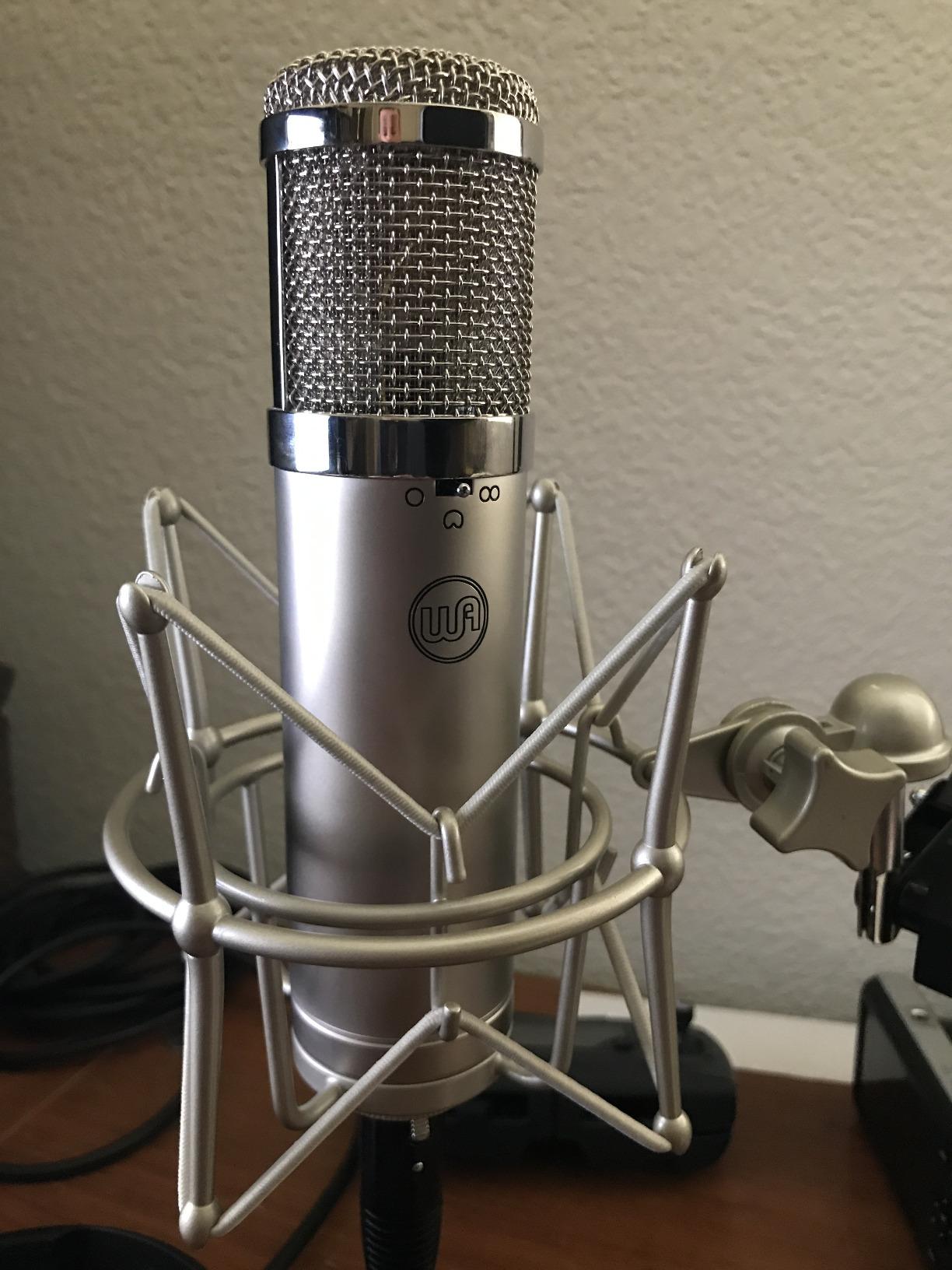
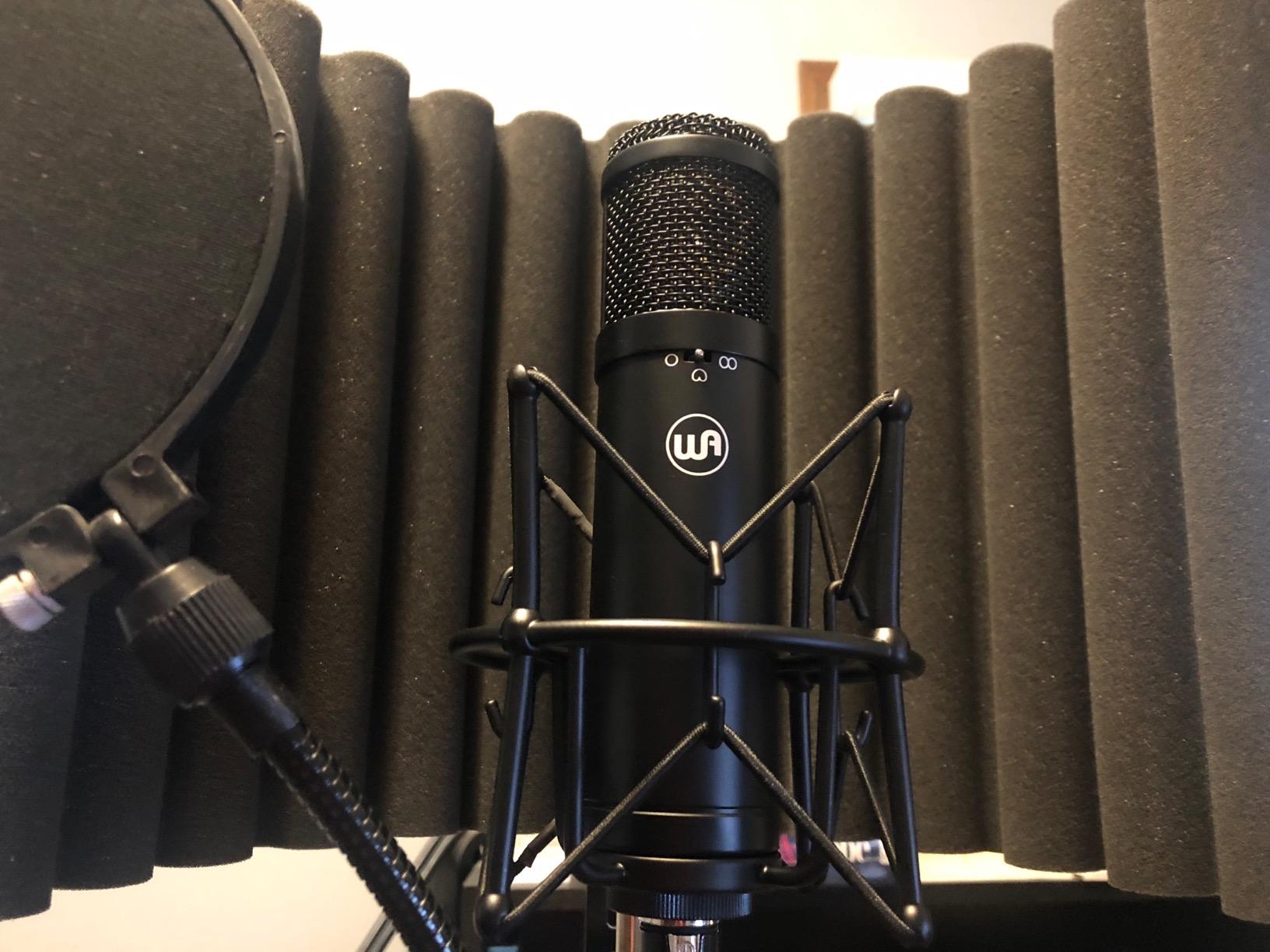
The three switchable polar patterns – cardioid, omnidirectional, and figure-8 – give the WA47jr real versatility. I used the omnidirectional mode for a chamber recording session and the figure-8 mode for a duet where two vocalists faced each other. This kind of flexibility at this price point is uncommon and makes the WA47jr a strong value for varied recording situations.
Build quality is genuinely impressive – the brass body has real heft and the finish feels premium. The custom shock mount is a thoughtful inclusion, but at 3.59 pounds the WA47jr is the heaviest mic on this list, and the included shock mount can flex under the weight over long sessions.
Who should buy the Warm Audio WA47jr
The WA47jr is the best condenser microphone under $500 for producers and engineers who want vintage U47 character without the vintage U47 price. It is ideal for vocalists who want that classic warm, present sound, and for anyone who records a variety of sources and needs multiple polar patterns.
Who should look elsewhere
If you record mostly modern pop, electronic, or hip-hop vocals where you want a clean, neutral starting point, the WA47jr’s vintage character may be too colored. The weight also makes it unsuitable for portable or travel setups.
How to Choose the Best Condenser Microphone Under $500
Picking the best condenser microphones under $500 comes down to matching the microphone to your voice, your room, and your interface. I have broken the most important factors into the same questions I ask every new producer I work with.
What Diaphragm Size Do You Need?
Large diaphragm condensers are the most common choice for vocals because they add warmth and presence that flatters most voices. Small diaphragm condensers are better for instruments with fast transients – acoustic guitar, drum overheads, and piano. Every microphone on this list except the Blue Yeti is a large-diaphragm design, which makes sense for the typical home studio use case. If you record mostly instruments, consider supplementing with a small diaphragm option like the Neumann KM 184 later on.
Diaphragm size also affects proximity effect, which is the bass boost you get when you sing close to the mic. Large diaphragm condensers exaggerate this effect more than small diaphragm designs. If you are a vocalist who works close to the mic and wants that intimate, radio-style sound, large diaphragm is the way to go. If you prefer to work further back, a small diaphragm may give you more natural results.
Cardioid, Omnidirectional, or Multi-Pattern?
Cardioid is the standard pattern for solo vocal and instrument recording because it rejects sound from behind the mic. Omnidirectional captures sound equally from all directions, which works well for room ambience and ensemble recording. Figure-8 captures sound from the front and back while rejecting the sides, which is useful for interviews and duets.
Multi-pattern condensers like the Warm Audio WA47jr and Blue Yeti let you switch between these patterns on the fly. If you only ever record one source in one position, cardioid is all you need. If your work spans solo vocals, podcast interviews, and room mics, multi-pattern flexibility is worth the upgrade.
Do You Need Phantom Power?
Every XLR condenser microphone requires 48V phantom power from your audio interface or mixer to operate. If your interface does not supply phantom power, none of the XLR mics on this list will work. The Rode NT1 5th Gen and Blue Yeti are the only options that work without phantom power because they offer USB connectivity. If you want to learn more about phantom power issues, see our guide on how to diagnose buzzing or humming from a condenser mic.
How Does Your Room Sound?
Condenser microphones are unforgiving in untreated rooms. They pick up every reflection, every computer fan, and every bark from the neighbor’s dog. If your recording space is untreated, consider a dynamic microphone instead – our guide on when to use a dynamic mic instead of a condenser at home explains the tradeoffs. If you are committed to a condenser, a reflection filter set up around your condenser mic can help reduce room noise significantly.
Does Your Interface Have Enough Gain?
Some condenser microphones, particularly those with low sensitivity ratings, need more preamp gain than entry-level interfaces can provide. If your recordings come back quiet and noisy even at full gain, see our guide on how to fix a condenser mic that is too quiet. The Rode NT1 5th Gen’s ultra-low 4dB self-noise makes it one of the easiest condensers to drive with modest preamps, which is why I recommend it for beginners using budget interfaces.
How Should You Position the Microphone?
Microphone placement makes a bigger difference to your sound than most people realize. The distance from your mouth, the angle of the mic, and whether you sing on-axis or off-axis all change the recorded tone significantly. Our guide on how to position a large-diaphragm condenser for vocals walks through the exact placement decisions I make for every vocal session.
Which Brands Are Most Trusted?
Rode, Audio-Technica, AKG, Neumann, and Shure are the brands that consistently appear in professional studios and home studios alike. These are the names you can buy with confidence. Within the under $500 bracket, Rode and Audio-Technica dominate the value segment while AKG and Shure occupy the premium-but-still-affordable category. Warm Audio, Lewitt, and sE Electronics round out the field with strong boutique-style offerings.
Frequently Asked Questions
What is the best condenser microphone on a budget?
The best condenser microphone on a budget depends on whether you need USB or XLR. For USB plug and play, the Blue Yeti delivers broadcast quality sound with four pickup patterns and no interface required. For XLR with an audio interface, the Audio-Technica AT2020 is the best value, offering professional large-diaphragm sound at an entry level price with thousands of verified reviews. If you can stretch your budget, the Rode NT1 5th Gen is the best overall condenser under $500 with dual XLR and USB-C connectivity and an ultra low 4dB self noise floor.
Which brand of condenser microphone is considered the best?
Neumann, AKG, Rode, Audio-Technica, and Shure are consistently considered the top condenser microphone brands across professional and home studios. Neumann and AKG define the high end flagship category, Rode dominates the modern value segment with the NT1 line, Audio-Technica offers the most trusted budget condensers like the AT2020, and Shure brings decades of broadcast expertise to condensers like the SM4. Within the under $500 bracket, Rode and Audio-Technica deliver the strongest combination of build quality, sound, and value.
What is a good quality condenser mic?
A good quality condenser microphone has a low self noise rating (under 15dB(A) for serious work), a solid metal construction, a switchable high pass filter to control proximity effect, and at least a cardioid polar pattern. Look for trusted brand names like Rode, Audio-Technica, AKG, Shure, or Neumann. For under $500, the Rode NT1 5th Gen, Audio-Technica AT2020, and AKG C214 all deliver professional quality condensers that hold up in real studio work. Make sure your audio interface can supply 48V phantom power and has enough clean gain to drive the microphone.
What is the 3 to 1 rule for microphones?
The 3 to 1 rule for microphones states that when using multiple microphones to record the same source or related sources, each microphone should be placed at least three times farther from the next microphone than it is from its own source. For example, if a vocalist is 6 inches from their condenser mic, the next microphone capturing the same performance should be at least 18 inches away. This rule minimizes phase cancellation and comb filtering that occur when multiple microphones pick up the same sound at different distances. Following the 3 to 1 rule results in cleaner, more natural recordings when combining multiple mic sources.
Do condenser mics need phantom power?
Yes, all true XLR condenser microphones require 48V phantom power to operate. Phantom power is supplied by your audio interface or mixer through the XLR cable. Without it, the condenser capsule cannot charge its backplate and the microphone will produce no signal. Some condenser microphones like the Rode NT1 5th Gen and Blue Yeti offer USB connectivity that bypasses the phantom power requirement entirely, drawing power from your computer instead. If you are buying an audio interface for condenser microphones, make sure it has 48V phantom power on every input.
Final Verdict on the Best Condenser Microphones Under $500
The Rode NT1 5th Gen is the best condenser microphone under $500 for 2026 if I had to pick a single winner – the dual XLR and USB-C connectivity, 4dB self-noise, and 32-bit float recording make it the most versatile and forgiving choice for both beginners and experienced producers. The Audio-Technica AT2020 remains the smartest value pick for anyone with an existing interface, and the Behringer C-2 matched pair is unbeatable for budget stereo work. Whatever your recording situation, one of these ten condensers will serve you well for years of music, podcast, and voiceover work.