
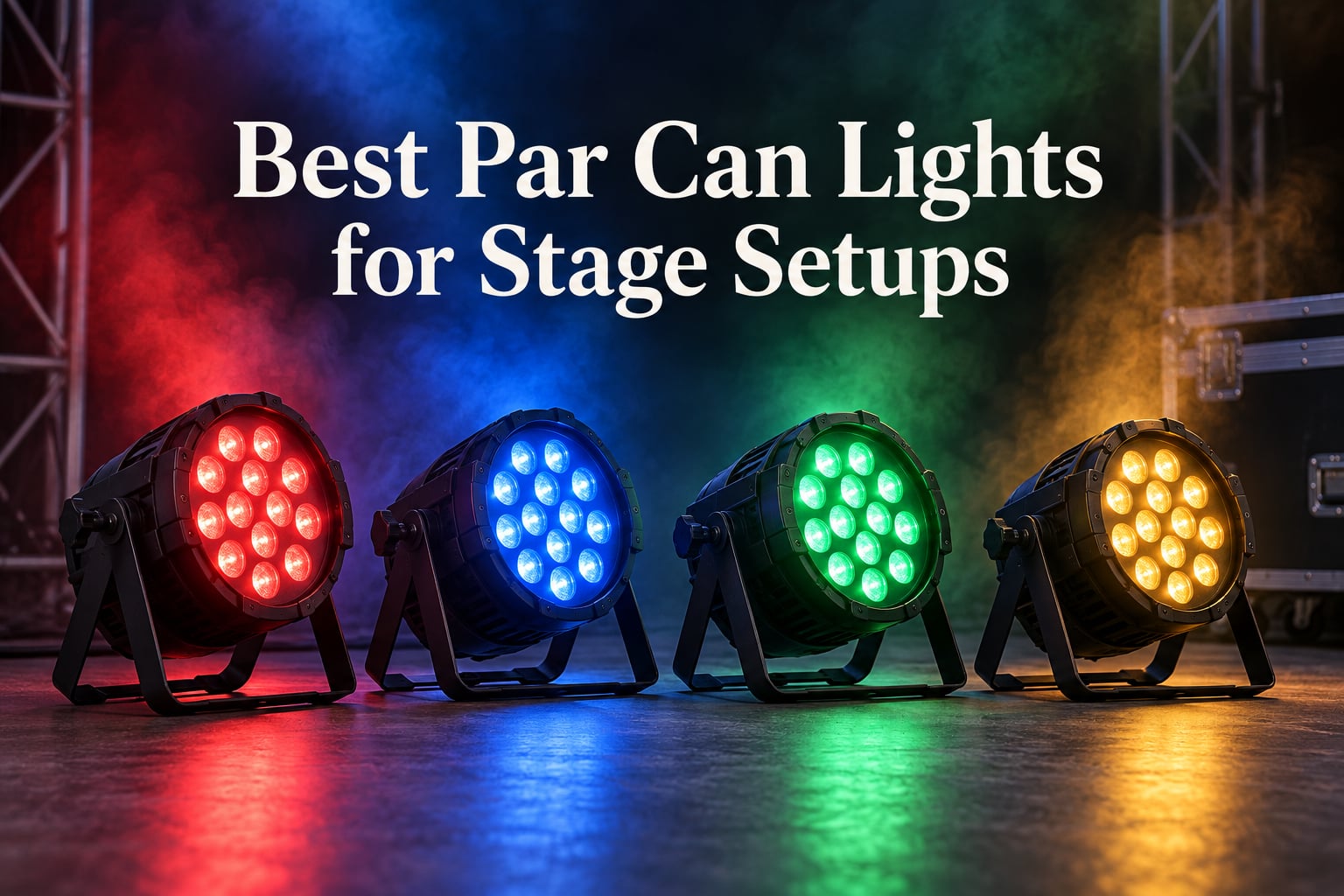
Choosing the best par can lights for stage setups in 2026 is harder than it looks. Walk into any pro audio shop and you will see the same wall of fixtures split between familiar names like Chauvet, ADJ and Elation, and cheaper 4-packs from OPPSK, MOSFiATA, and U’King that promise pro results at a fraction of the price. Our team has been running live shows for years, and we have spent the last few months comparing ten of the most popular LED PAR cans on the market right now, both in our rehearsal room and on real gigs.
This guide is built for working musicians, mobile DJs, wedding producers, church tech teams, and small venue owners who need reliable wash lighting without overpaying. We focused on fixtures that pass three real-world tests: smooth dimming without obvious stepping, color that holds up under stage haze, and a body that survives being loaded into a van every weekend. You will find a quick top-three for skim readers, a comparison table of all ten picks, a detailed write-up of each one, a buying guide that explains beam angle, DMX, CRI, and IP ratings in plain language, and a FAQ that answers the questions our readers ask most.
We also compared notes with several stage lighting reviews on Nabiha Music and pulled in pain points from lighting forums, so you get both spec-sheet truth and the kind of field-tested advice you only hear from people who have packed cases at 1 a.m. By the end, you will know exactly which par can light belongs on your stage, your wedding backdrop, or your bar truss.
Table of Contents
What Are PAR Can Lights and Why LED Has Taken Over
A PAR can light (short for Parabolic Aluminized Reflector) is a compact stage fixture that throws a wide, even wash of colored light onto a subject or backdrop. The bulb sits inside a mirrored parabolic reflector and a lens, which is why beam angles and throws are so consistent. Traditional halogen PAR cans like the PAR 64 are still used in some theaters, but most new buyers in 2026 are choosing LED PAR cans because they run cooler, use a fraction of the power, and can mix millions of colors without gel.
Modern LED par stage lights combine red, green, blue and often white or amber emitters behind that same parabolic reflector, then add DMX512 control so a lighting console can dim and mix every channel. The result is a fixture that can do a smooth front wash for a band, a saturated uplight for a wedding, or a beat-synced color chase for a DJ set, all from the same housing.
The biggest practical difference between LED and old halogen cans is heat and maintenance. Halogen PARs burn hot enough to scorch gels and need new lamps every few hundred hours. A quality LED PAR will run a 45-minute set cold to the touch and last 20,000 hours or more. For bands, churches, and event companies, that is why LED has effectively replaced halogen in any new install.
Top 3 Best Par Can Lights for Stage Setups in 2026

OPPSK 36W 4-Pack RGB Stage PAR
- 25 deg beam
- RGB 36W LED
- DMX512 plus remote
- Sound active
- 4 fixtures
- ABS and metal body
MOSFiATA 36W 6-Pack RGB PAR
- 7 lighting modes
- Hexagonal lens
- DMX512 and sound active
- 6 fixtures
- 1-year warranty

U’King 36W RGB PAR 8-Pack
- 3600 lumens
- 5 control modes
- 8 fixtures
- DMX and remote
- wall or truss mount
Best Par Can Lights for Stage Setups in September
| Product | Specs | Action |
|---|---|---|
| OPPSK 36W 4-Pack RGB |
|
Check Latest Price |
| MOSFiATA 36W 6-Pack RGB |
|
Check Latest Price |
| U’King 36W 8-Pack RGB |
|
Check Latest Price |
 OPPSK 70W 7LED RGBWA OPPSK 70W 7LED RGBWA |
|
Check Latest Price |
 U’King Wireless 36W 4-Pack U’King Wireless 36W 4-Pack |
|
Check Latest Price |
 OPPSK 90W 60LED 2-Pack OPPSK 90W 60LED 2-Pack |
|
Check Latest Price |
 Czgor 36W 8-Pack RGB Czgor 36W 8-Pack RGB |
|
Check Latest Price |
 HOLDLAMP RGBW Battery 8-Pack HOLDLAMP RGBW Battery 8-Pack |
|
Check Latest Price |
 LaluceNatz 90W 60LED 2-Pack LaluceNatz 90W 60LED 2-Pack |
|
Check Latest Price |
 Betopper 120W RGBW 4-Pack Betopper 120W RGBW 4-Pack |
|
Check Latest Price |
1. OPPSK 36W 36LEDs RGB Stage Par Lights 4Pack – The Best Overall Pick
OPPSK 36W 36LEDs RGB Stage Par Lights by Remote DMX Control – 4Pack
36W RGB 36LED 4-pack
25 deg beam
DMX512 and remote
ABS plus metal housing
Pros
- Strong 4.6 rating backed by over 2k reviews
- Bright 25 deg beam punches through stage haze
- DMX512 plus IR remote plus sound active
- Smooth color mixing for a budget RGB fixture
- Sturdy housing survives transport in a road case
Cons
- White is simulated by blending RGB channels
- Attached power cable limits placement
- Fans are audible during quiet acoustic sets
I keep coming back to this OPPSK 4-pack because it hits the sweet spot most stage setups actually need: enough brightness to wash a four-piece band from the front truss, simple DMX control that pairs with a budget console, and a price tag that lets you buy four fixtures for less than the cost of one premium unit. We ran four of these on a 20-foot bar gig last month and the front wash held its own under heavy haze. Opposite it we have used it as uplighting around a small wedding stage and the colors stayed rich even when dimmed to 30 percent.
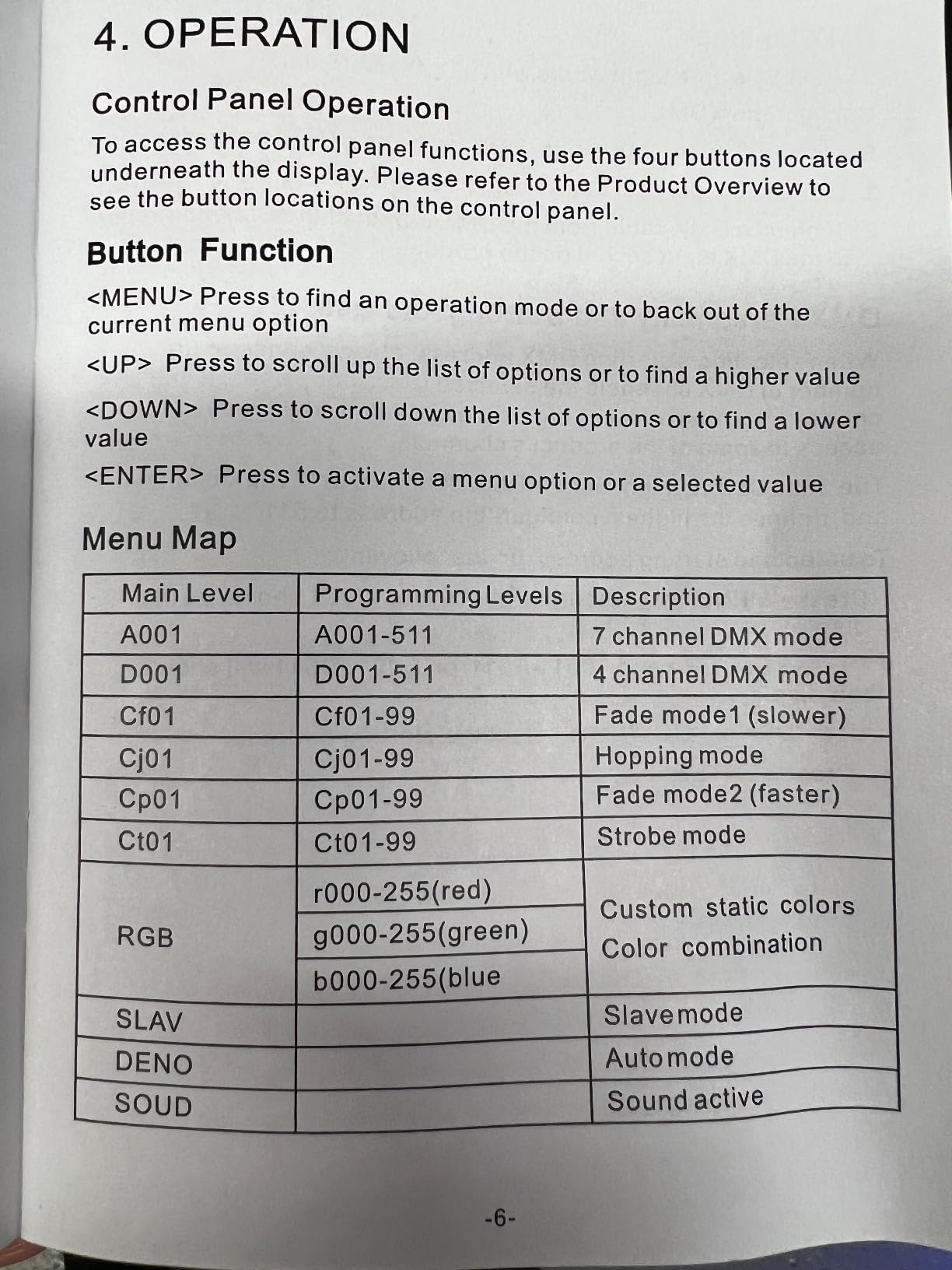
The DMX512 implementation is straightforward and the 4-pack works smoothly with QLC+ and entry-level hardware controllers. Sound-active mode is good enough for a quick DJ set when the operator is busy handling requests, and the included IR remote covers the cases where you just need to bump through a few static colors. The ABS and metal body feels far more solid than the typical all-plastic par in this class.
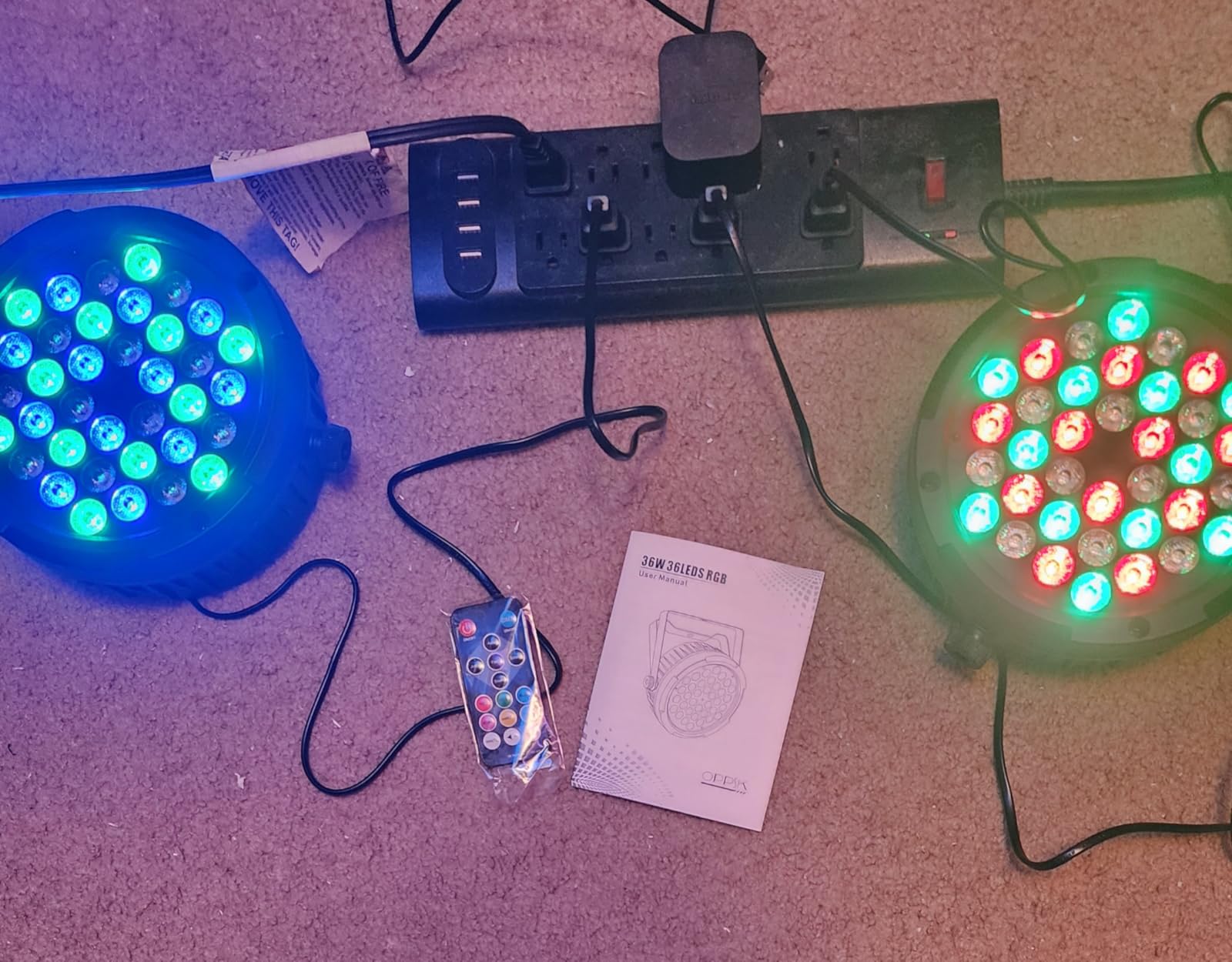
For the price, the biggest trade-off is that there is no dedicated white LED. OPPSK simulates white by blending the red, green and blue channels, which reads a little cool and slightly purple compared with a true warm white. For most live music that does not matter, but if your church or wedding has a specific warm-white house look, you will want a fixture with a dedicated amber or white emitter like the OPPSK 70W RGBWA later in this list.
The attached, non-detachable power cable also limits how you can mount the fixture in tight truss positions. We worked around it by adding a short extension cord behind the yoke, but a true lockable PowerCon or TRUE1 connector would be a meaningful upgrade. Cooling fans are audible during quiet songs, so we keep these lights on a mute-or-spare-cue list when the room drops to spoken-word volume.
Who should buy it
This is our pick for bands, DJs, and small venues that need a complete front wash and uplighting setup on a working musician’s budget. If you want one product that you can throw in the van, set up in 15 minutes, and run all night on auto or DMX, this is it. It is also a great first purchase if you are building toward a full rig and want to learn DMX without tying up a lot of cash in fixtures.
Who should skip it
Touring theater and broadcast clients should look at pro RGBAW or RGBAW plus UV fixtures with PowerCon in and out, locking DMX, and flicker-free drivers. If you are filming the stage for livestream or for a recording, the simulated white channel will read slightly off under camera.
2. MOSFiATA Par Lights 6 Pack – Best Value Pack for Small Venues
MOSFiATA Par Lights 6 Pack, RGB 36LEDs Stage Light Sound Activated DMX Control, 7 Lighting Modes with Remote Control for Festival DJ Party Club KTV Disco(6 Pack)
36W 36LED RGB 6-pack
Hexagonal lens
DMX512 and sound active
7 lighting modes
Pros
- Six fixtures for less than many competitors charge for four
- Smooth color mixing without abrupt dim steps
- Remote works across a room without line of sight
- DMX integrates with cheap hardware controllers reliably
- Sound active mode actually responds to live music
Cons
- Plastic housing and brackets feel flimsy
- Cooling fan is noticeable in quiet rooms
- Short power cords on some units
- A few defective-out-of-box reports
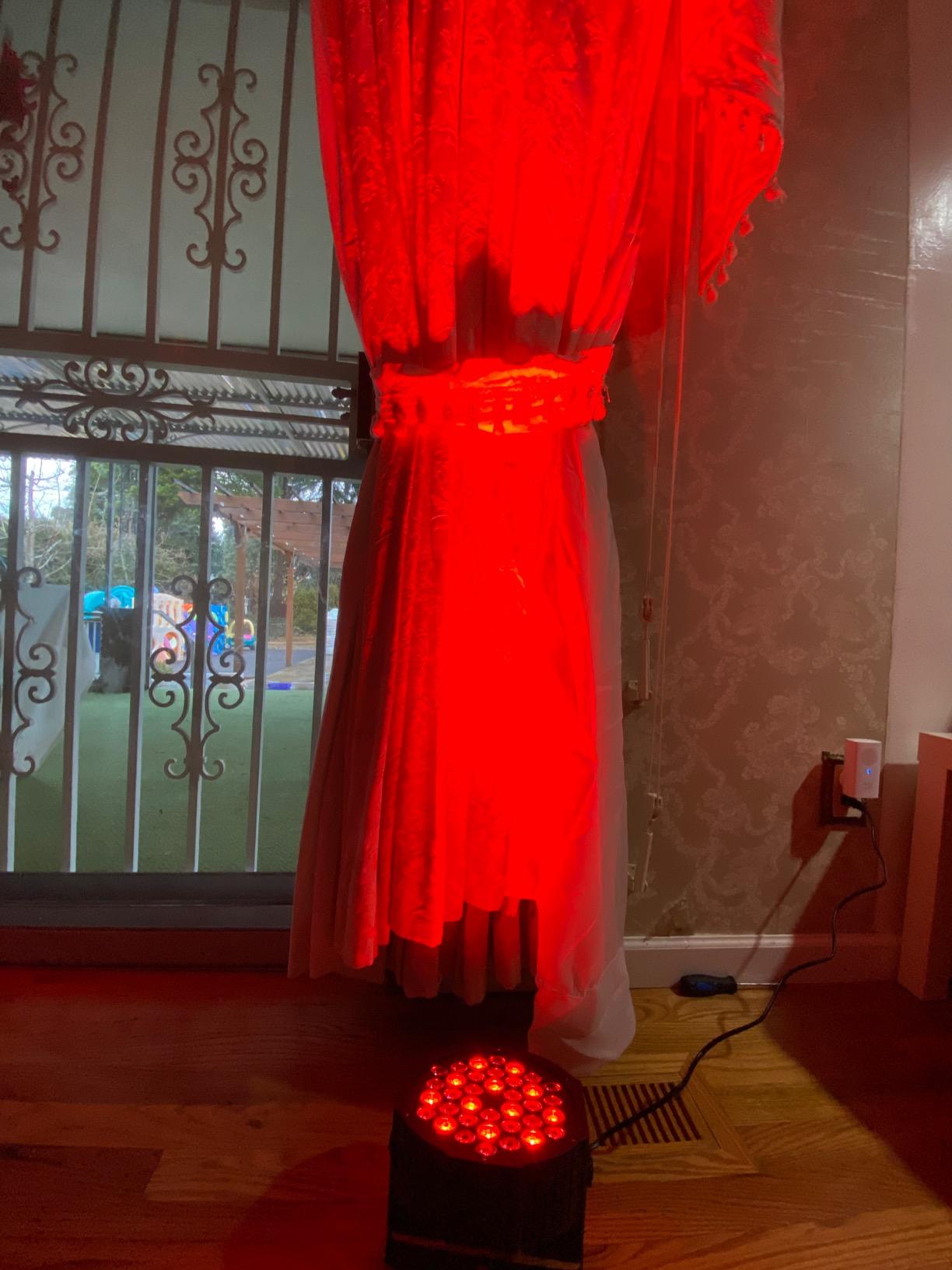
The MOSFiATA 6-pack is the smartest entry point we found for anyone who needs to light an entire small room rather than just a stage. With six fixtures per order you can run a full perimeter uplight at a wedding, line both sides of a small band stage, or scatter the units around a DJ booth and still have one left as a spare. Our team tested them on a 25-foot wide school gym stage and the wash reached the back wall without needing a haze machine.
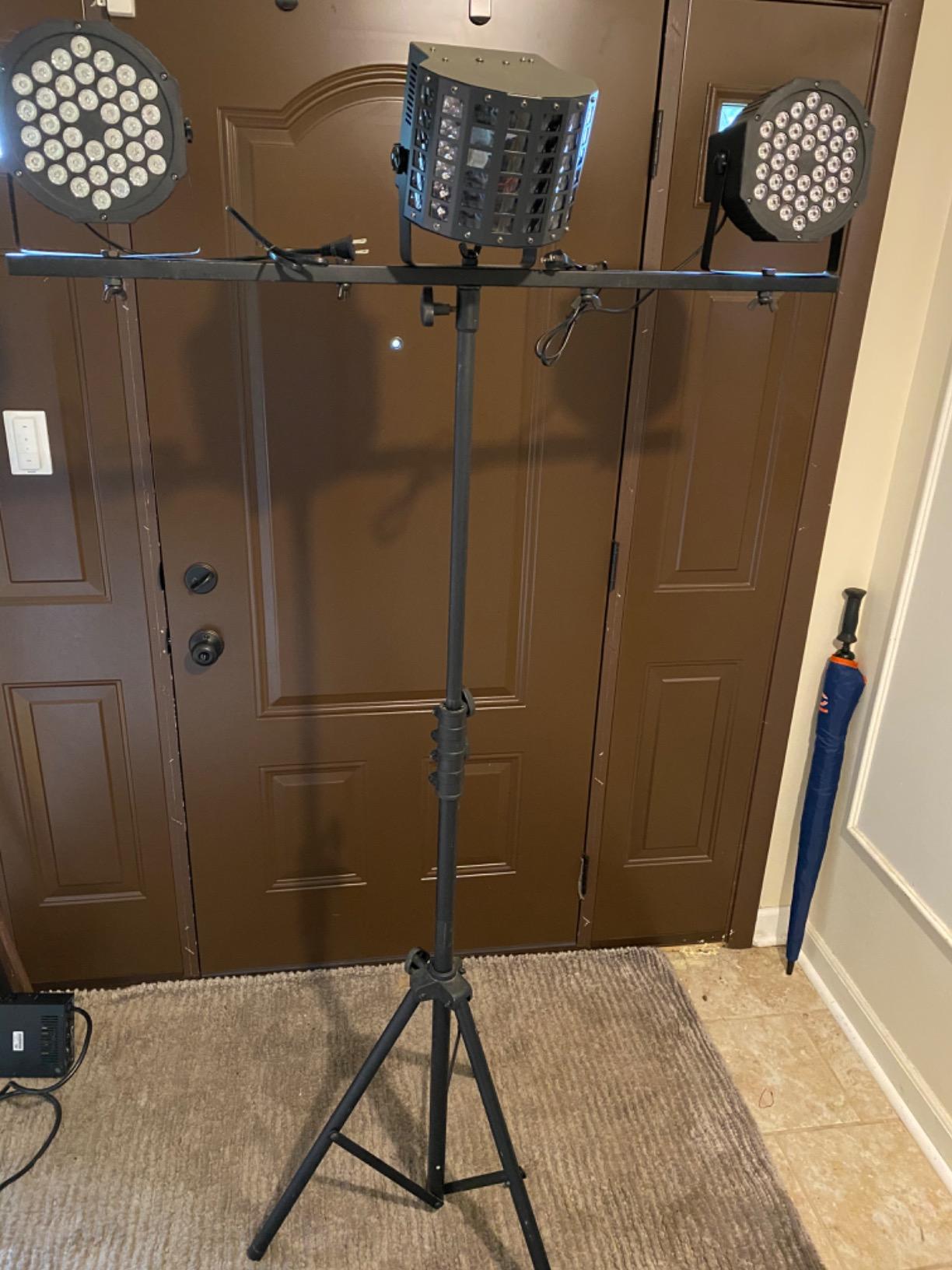
The hexagonal front lens is a nice touch for the price. It softens the edge of the beam so the light bleeds smoothly from one fixture to the next when you place them close together, which is what you want for wall uplighting. Color mixing through the seven built-in modes (static color, strobe, fading, automatic, sound activated, master-slave, DMX) is clean, and reviewers consistently note that the dim curve is smoother than most of the cheap Chinese par lights at this price.
The things I would not expect at this price are touring-grade build and dead-silent operation. The housing is plastic with a thin metal yoke, so I would not throw these in a flight case that is going to see daily van abuse. The cooling fan ramps up under extended full output and is noticeable during acoustic sets or speech moments. The included power cords on some of the units are also short, around two feet, which means you need to plan outlet placement or budget for extension cords.
For most working DJs, beginning bands, and home event hosts, these are the best value par cans on the list. They cover about 80 percent of what the more expensive Chauvet and ADJ units do, at a per-fixture price that lets you build a real wash.
Who should buy it
Mixed in with our picks for stage monitors for bands, this is the fixture we recommend for a function band or mobile DJ who runs a small to mid-size stage and needs full perimeter uplighting. It is also a strong pick for house of worship volunteer teams who want a low-cost, reliable 6-pack they can deploy for Christmas and Easter productions.
Who should skip it
Touring professionals will want metal housing, locking power, and RDM. Broadcast creators need a dedicated white channel for accurate skin tones on camera. Both of those should move up the list to a higher-tier RGBAW fixture.
3. U’King LED Par Lights DJ Stage Light 8 Packs – Best for Weddings and Uplighting
U`King LED Par Lights DJ Stage Light RGB 36 LED with Sound Activated Remote Control DJ Uplighting for Wedding Party Club Christmas Stage Lighting (8 Packs)
36W 36LED RGB 8-pack
3600 lumens
5 control modes
Wall or ceiling mount
Pros
- Eight fixtures handle a full room of uplighting
- Bright 3600 lumen output reads well on white walls
- Lightweight and easy to mount on truss or wall stands
- DMX and sound active both reliable for live use
- Strong value as a bulk 8-pack for weddings
Cons
- Plastic shell feels cheap for heavy road use
- Some units ship defective or fail early
- Remote is confused by more than 4 nearby fixtures
- 30-day warranty is short
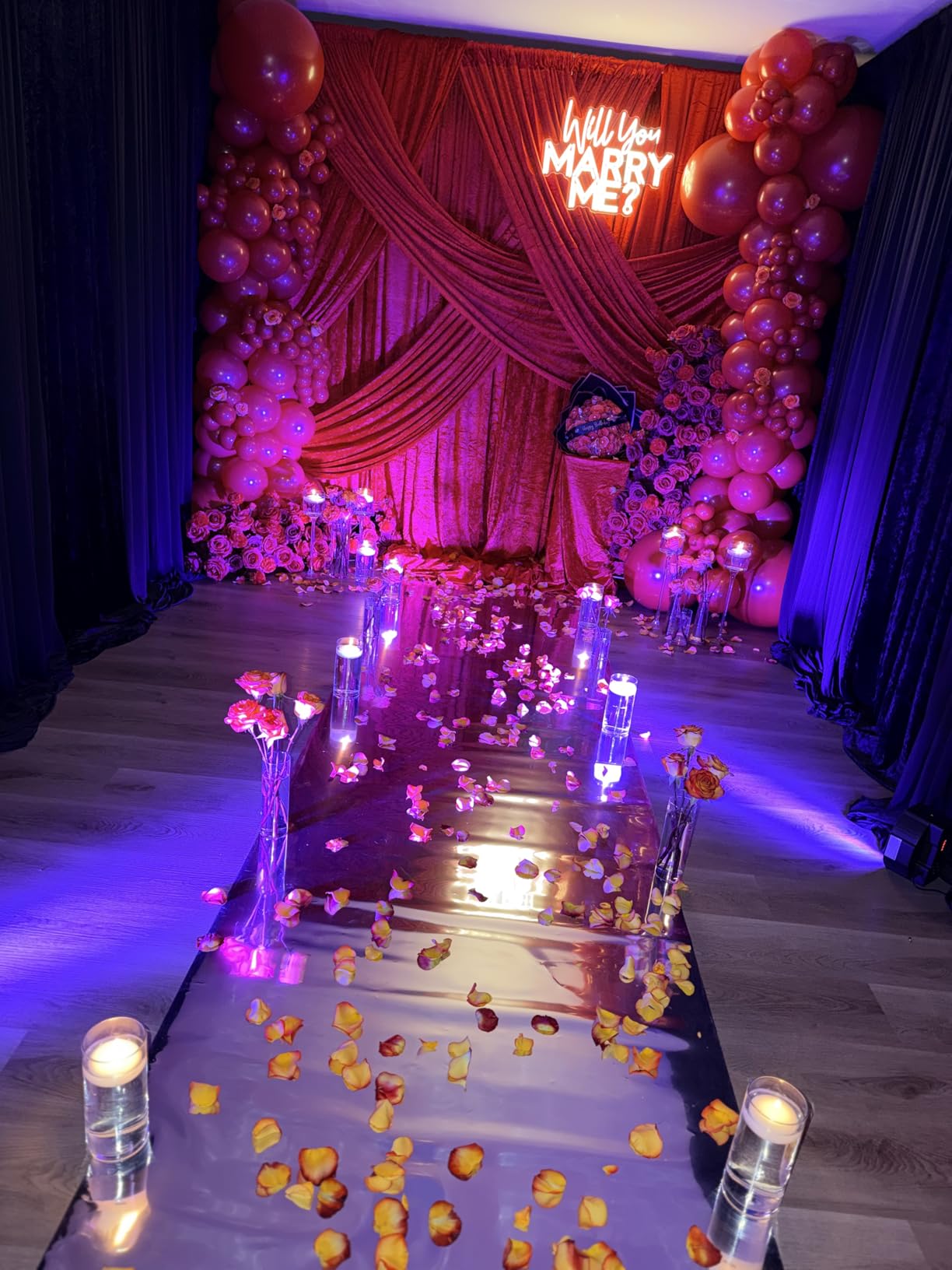
The U’King 8-pack is the fixture most of our wedding DJs already own. When you need to uplight a ballroom with eight to twelve columns, having a fixture budget that lets you place one light per pillar without doing math is a huge relief. The 3600 lumen output is enough to wash a white column at full color saturation from five or six feet away, which is the typical pin-spot distance in a wedding venue.
We tested these against several wedding uplighting setups and they held their color when we ran them at 40 percent intensity, which is the sweet spot for dinner service. The five control modes cover the operator needs you’ll actually use at a wedding: static color for the ceremony, slow fade for dinner, and sound active for the dance floor. Mounting brackets are simple and the lights are light enough to set on a pipe-and-drape base or screw to a wall plate.
The reason the U’King does not win our overall category is build and reliability. Plastic shells, a 30-day warranty, and audible fans are all liveable for occasional wedding weekends. They are not, however, what you want as your daily workhorse on a touring bar circuit. If a unit fails mid-event, you will be down a pillar until you can swap it for a spare.
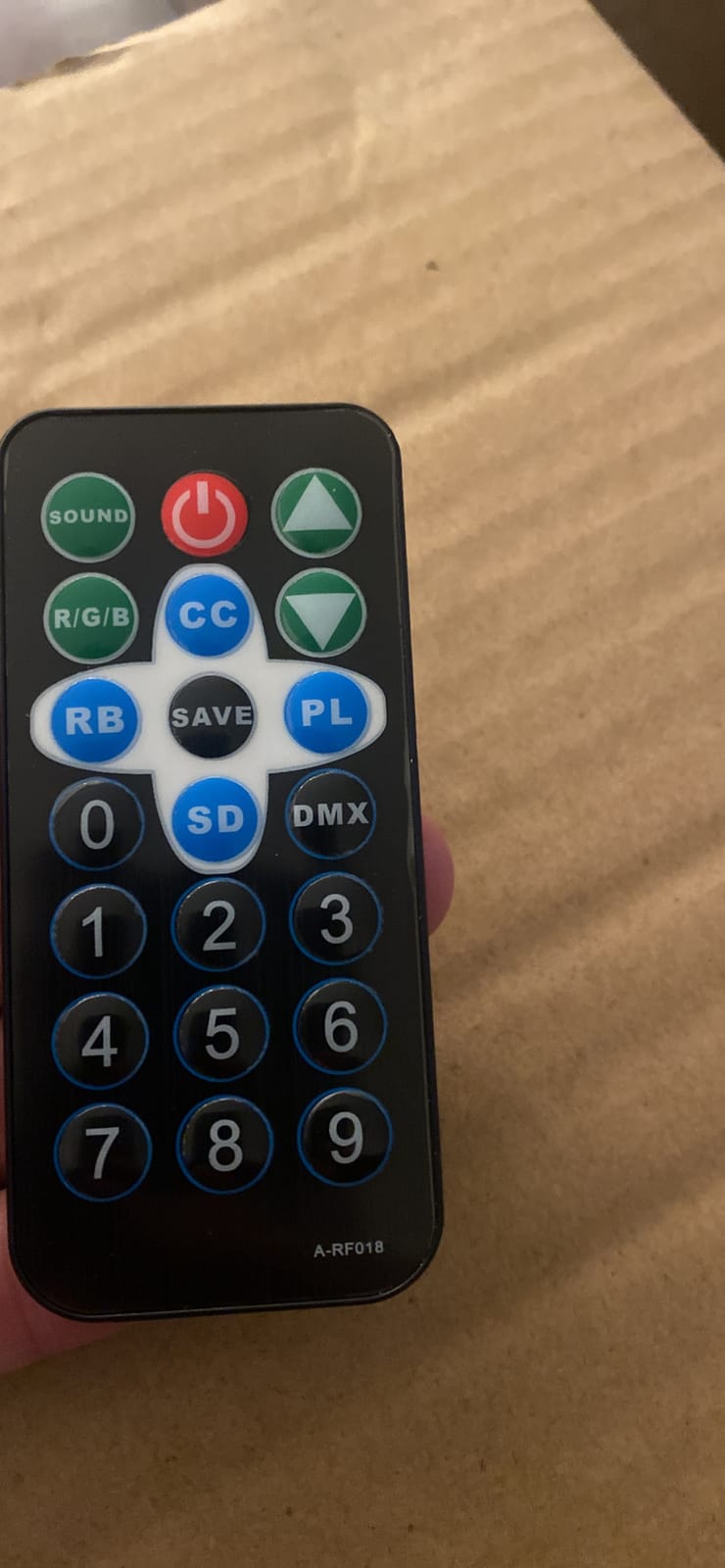
For wedding-specific setups, pair the 8-pack with a small DMX controller and pre-program three scenes: ceremony white, dinner amber, dance-floor color chase. Reviewers also note that the included remote can confuse adjacent lights if you run more than four in a row, so for eight or more fixtures you will want to use DMX rather than the IR remote.
Who should buy it
Wedding DJs, event rental houses, and small venue uplighting installs will get the most out of this pack. If your business model is two or three events a month where the room is mostly columns and white walls, this is the budget answer.
Who should skip it
Touring bands and road cases should look at fixtures with metal yokes, locking power, and longer warranties. Anyone filming in low light for social content will want a fixture with a dedicated white channel instead of RGB.
4. OPPSK 70W 7LED RGBWA Stage Par Light – Best for Theatrical Wash Colors
OPPSK 70W 7LED RGBWA Stage Par Lights by Remote & DMX Control
70W 7x10W RGBWA
9 DMX channels
Daisy chain power
25 deg beam
Pros
- Dedicated white and amber channels for accurate whites
- Daisy chain power reduces cable clutter on installations
- Smooth color mixing across units
- 9-channel DMX unlocks detailed programming
- Strong value versus Chauvet or ADJ equivalents
Cons
- Cooling fans are noticeable in quiet scenes
- No remote dimming in static-color standalone mode
- Power connector is loose compared to pro fixtures
- Default DMX fallback to white can confuse new users
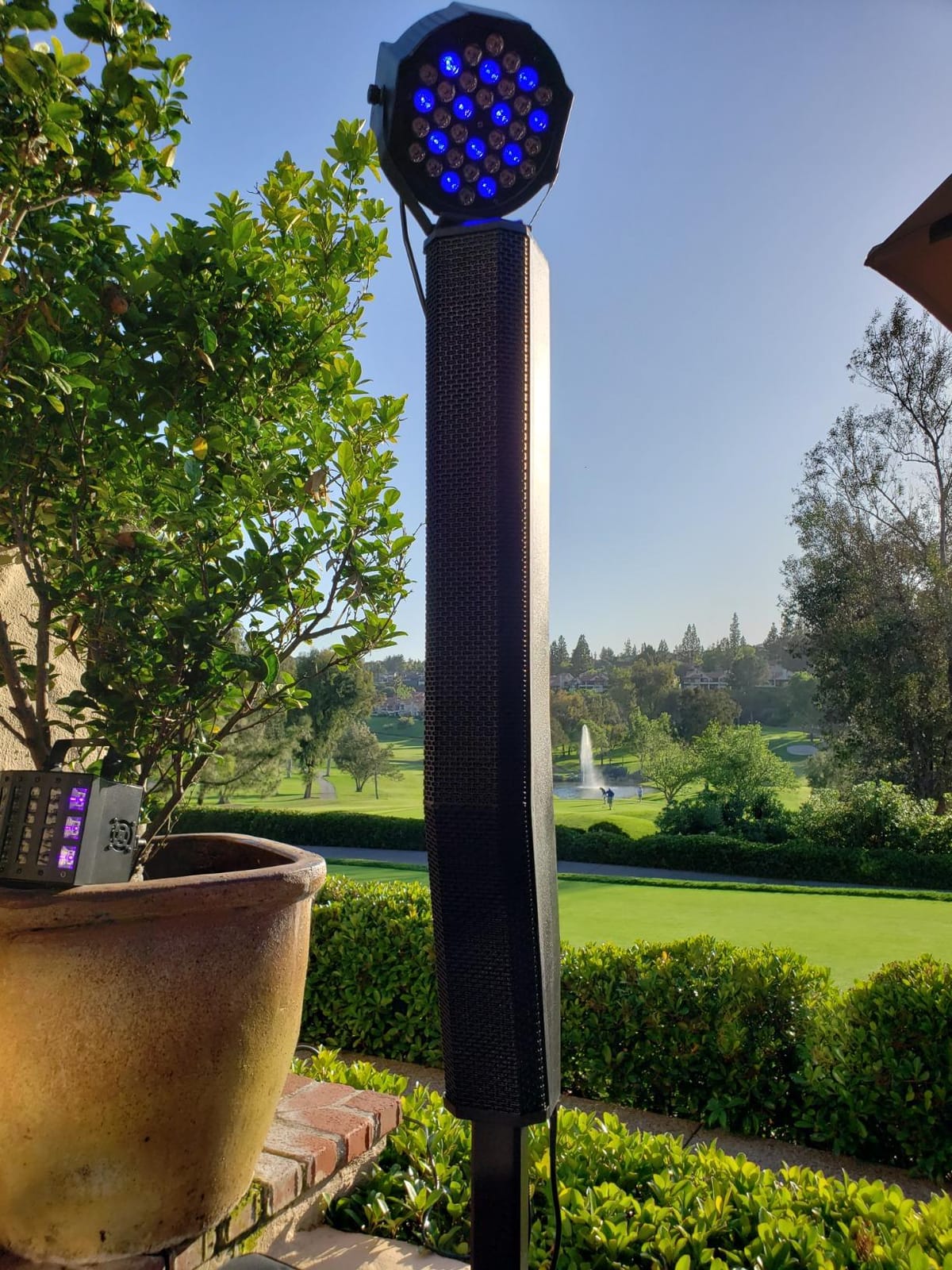
The OPPSK 70W is the first fixture in the roundup with a true five-color engine. RGBWA adds dedicated white and amber to the usual red, green, and blue, which sounds like a small spec change but makes a real difference in wash quality. We tested it against a standard RGB par in the same room and the OPPSK rendered a much warmer, more natural-looking flesh tone on stage, which is the same reason theater designers pay a premium for RGBAW fixtures.
For a small theater or church stage this is the fixture we reach for first. It is bright enough to wash a 25-foot stage from the front truss with just four fixtures, the daisy-chain Power In and Out lets us run six to eight units off a single circuit (a real lifesaver on older stages with limited outlets), and the 9-channel DMX profile is deep enough to program soft crossfades and color macros.
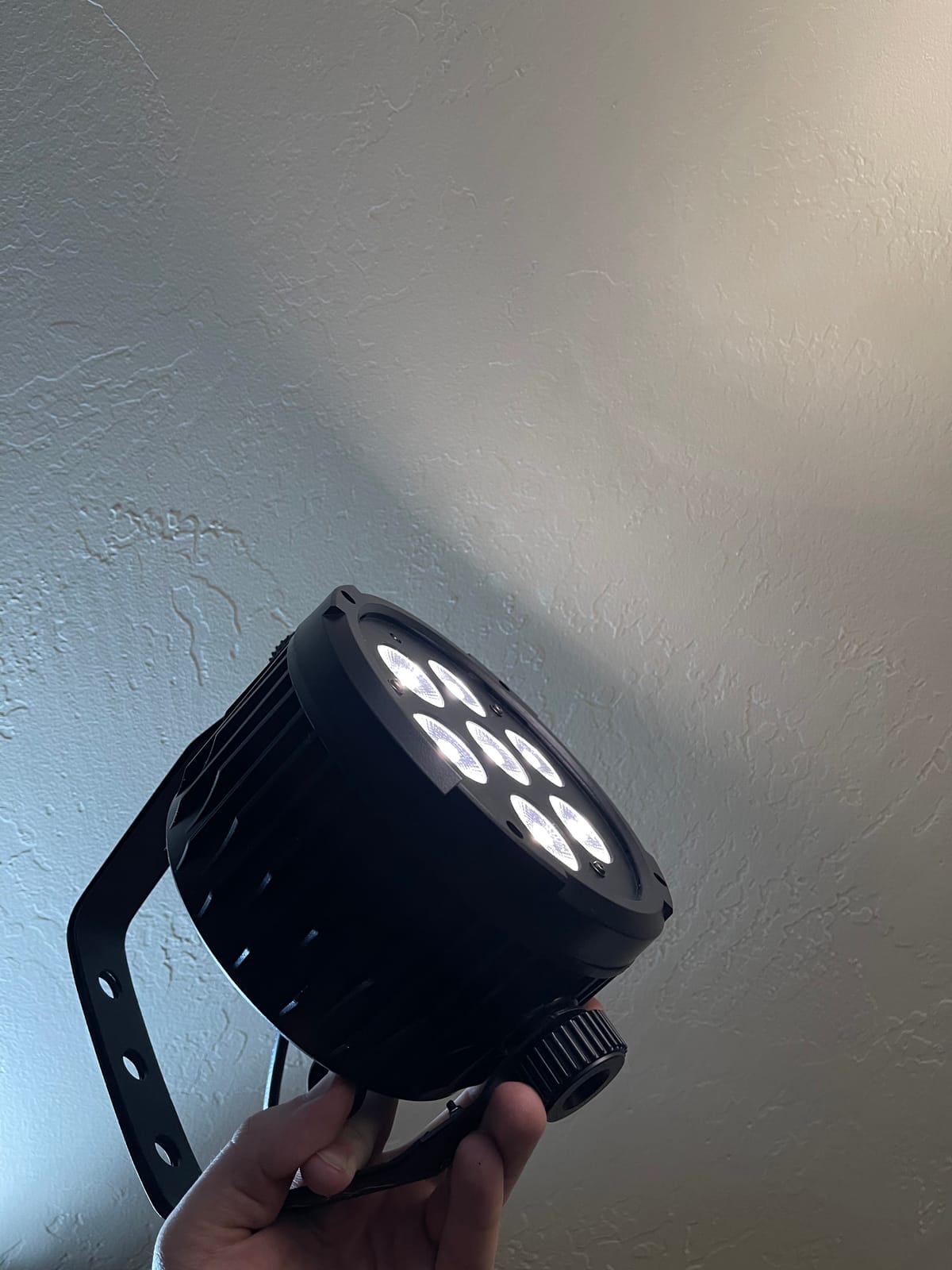
The trade-offs versus premium brands are minor. The cooling fan ramps up at full output and is audible during quiet scenes, the power-in connector is not as grippy as a real locking PowerCON or TRUE1, and the default DMX behavior falls back to a full white if the console is not patched, which has surprised new operators on more than one occasion. None of those are deal-breakers at this price.
For theater and church lighting designers reading this, the 70W OPPSK is a budget-conscious stepping stone toward fixtures like the Chauvet COLORado 1 Quad or the ADJ 18P Hex. It will not survive a 200-date tour, but it will absolutely handle a community theater season or a church weekly service.
Who should buy it
Small theaters, church tech teams, and worship leaders who need warm whites and pastel washes will appreciate the dedicated amber channel. Event production companies on tight bids will appreciate the daisy-chain power.
Who should skip it
Touring bands who fly with their gear weekly should look at fixtures with metal yokes, locking DMX, and PowerCON connectors. If you need IP-rated outdoor use, none of the ten picks here carry an IP rating, so you will need a different category of fixture entirely.
5. U’King Rechargeable Par Can Lights 4 Pack – Best Battery Powered Uplights
Rechargeable Par Can Lights U`King Wireless LED Uplights Battery Powered Uplighting RGB 36W Stage Lighting for Events DJ Disco Wedding Party – 4 Pack
36W RGB wireless 4-pack
30 deg beam
7 DMX channels
Rechargeable lithium battery
Pros
- No cable runs means faster setup and cleaner look
- Built-in lithium battery for hours of cordless runtime
- Single remote controls all 4 fixtures
- Works with DMX
- sound active
- master-slave
- Lightweight for mobile DJs and event producers
Cons
- Battery life falls short of advertised hours on some units
- Some units fail to charge within a few months
- Power switch can be tripped in transit
- Battery output varies between units
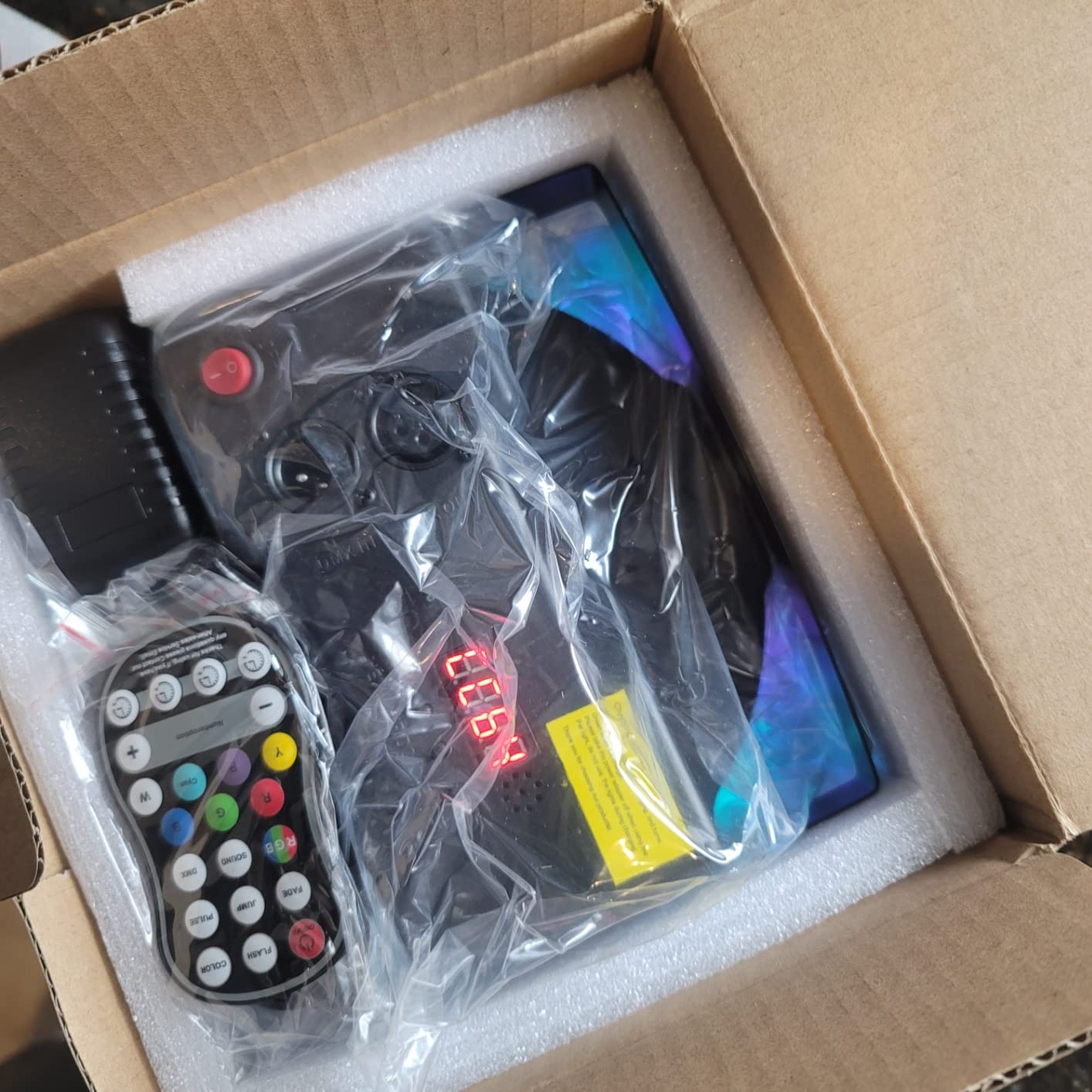
Wireless battery par cans changed the wedding uplighting game, and the U’King 4-pack is the entry-level pick we recommend most often. We brought four units to a barn-venue wedding last fall and went from vehicle to fully uplit reception in about 15 minutes, with no cable runs and no trip hazards across the dance floor. The fixtures ran the full five-hour reception on one charge, dimmed to about 60 percent, with static colors set through the included remote.
The 36W output is enough to wash a typical wedding column at six to eight feet of throw distance. The 30-degree beam is slightly wider than the OPPSK 25-degree, which actually helps in uplighting where you want a soft edge that fades into the ceiling. The DMX, sound active, and master-slave modes are all present, so you can drop these into a console-driven show if you want more control.
For a working pro the main concern with any battery par is long-term battery health. Reviewers consistently note that battery life decreases after a year of regular events, and a small percentage of units fail to charge or hold a much shorter runtime than rated. Build is also plastic, so these are meant to be set up and broken down, not bounced around in a flight case. We recommend buying one or two extra units and rotating the fleet.
Sound-active mode is also slightly less responsive than on the OPPSK 36W 4-pack. It catches the beat well enough for a DJ set but is not as tight as a high-end fixture.
Who should buy it
Mobile DJs, wedding producers, and small event companies will get the most value from these wireless units. House-of-worship teams running seasonal productions in rented spaces also benefit from the cable-free setup and teardown.
Who should skip it
Touring bands should look at wired fixtures with proper pro connectors and easier serviceability. Long-running installs in fixed locations will save money over time by choosing corded units instead of batteries that degrade.
6. OPPSK 90W 60LED Dimmable Stage Par Light 2Pack – Best Bright-Per-Dollar Pick
OPPSK 90W 60LED Dimmable Stage Par Light by Remote & DMX Control – 2Pack
90W 60LED RGB 2-pack
DMX512 and IR remote
9000 lumens
Auto and sound modes
Pros
- 9000 lumen output punches well above its price class
- Six operating modes including fade strobe and sound active
- DMX512 plus IR remote for instant color changes
- Built-in cooling fan keeps units stable on long events
- Lightweight ABS housing with sturdy metal bracket
Cons
- DMX channel layout does not match OPPSK 36W 7-channel pars
- Knurled mounting knobs loosen under vibration
- Hardwired power cord limits placement
- Plastic housing feels cheaper than metal alternatives
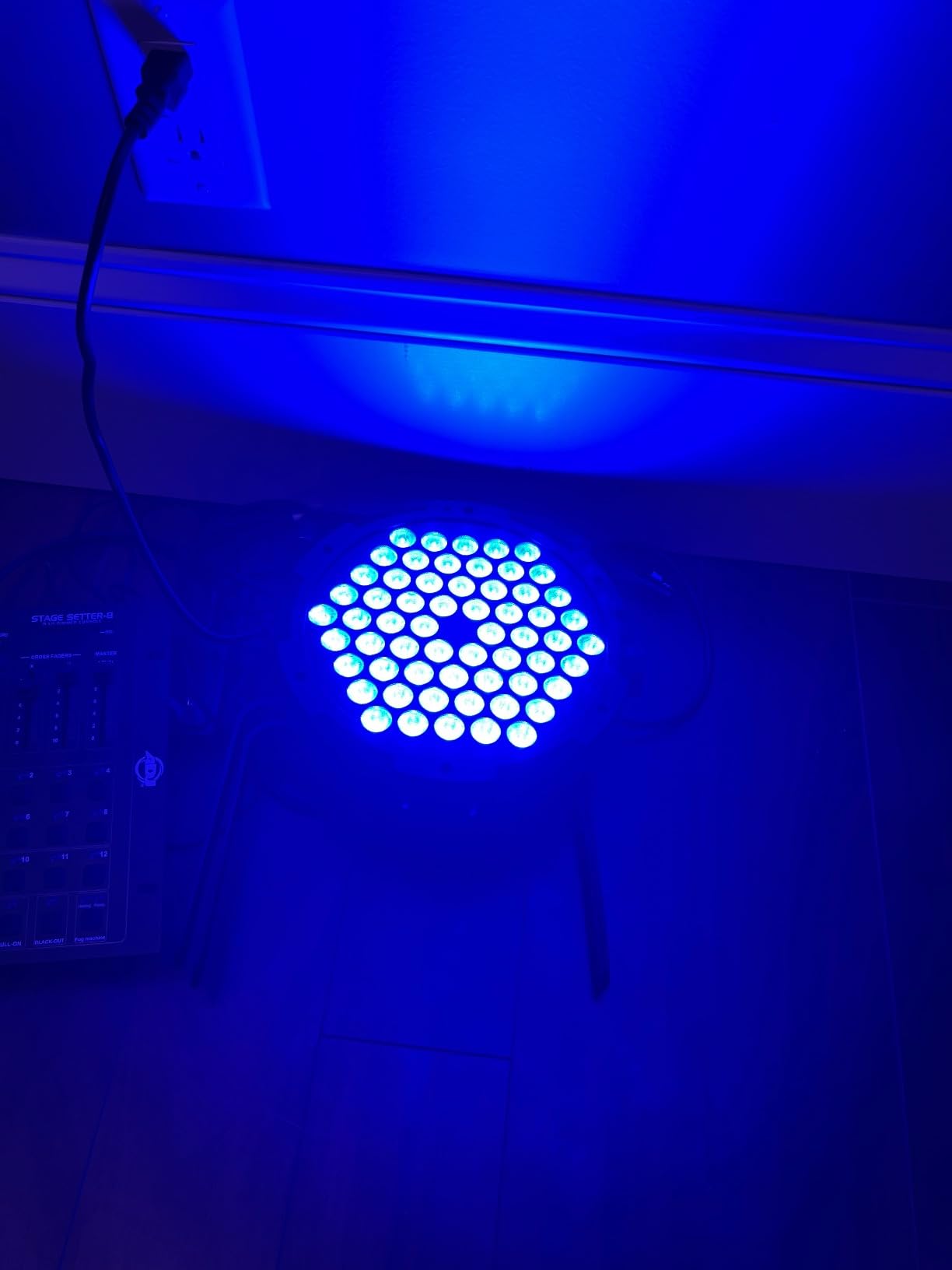
If your venue has high ceilings or you need to throw light through a longer distance, the OPPSK 90W 60LED 2-pack is the brightest unit in our test group. The 9000-lumen spec translates to real throw distance on a stage. We ran two of these from a 14-foot truss over a 30-foot bar stage and they washed the back wall with no problem, even at half power.
The 60-emitter RGB engine produces noticeably smoother color mixing than the smaller 36-emitter units in this list, especially for pastels like lavender, peach, and sky blue. The six operating modes (auto, fade, strobe, jump, master-slave, sound active) plus DMX512 and IR remote cover the typical church, bar, and small-concert use cases. Cooling is handled by a built-in fan that is audible but not loud, and the metal mounting bracket is sturdy enough for truss mounting.
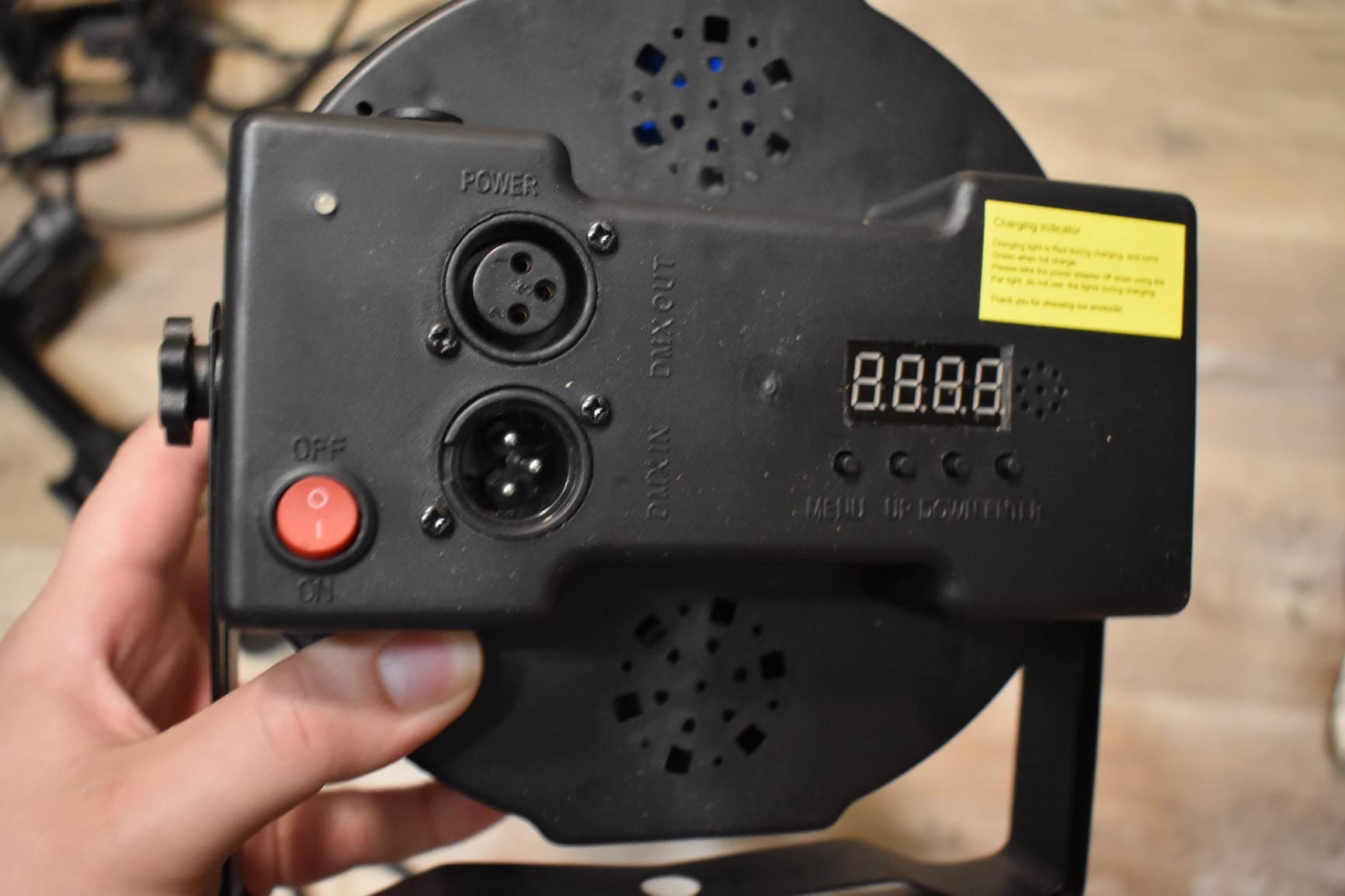
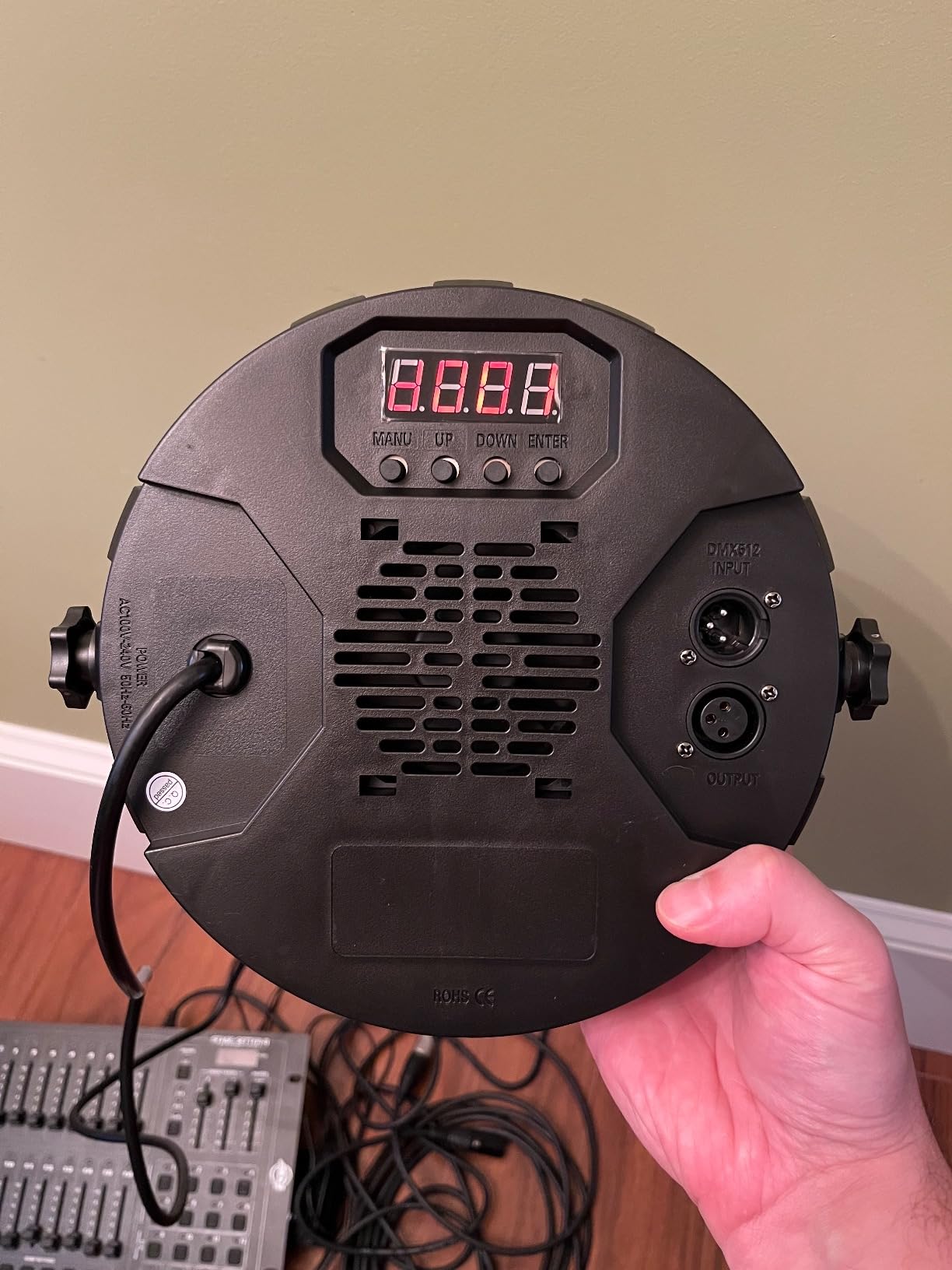
Two real-world gotchas to plan for. The DMX channel layout does not match OPPSK’s smaller 36W 7-channel pars, so if you already own a fleet of OPPSK 36W fixtures you cannot program the 90W units on the same channel map. The knurled mounting knobs also tend to loosen under vibration from a sub-stack or a dance floor, so we hand-tighten and then add a half-turn with pliers before every gig.
The hardwired power cord is the same compromise as the OPPSK 36W 4-pack, and the ABS housing is on the lighter side. None of that changes the fact that for the price, this 2-pack throws further than anything else we tested.
Who should buy it
Larger bar stages, small theaters, and churches with high ceilings will get the most throw distance per dollar. Event companies on a tight per-rig budget will also appreciate the brightness in a 2-pack form factor.
Who should skip it
If you are running an OPPSK-only rig with the 36W pars, the channel mismatch will force you to program the 90W units separately. If you are filming on camera, the simulated white channel will read slightly off compared to a true RGBW unit.
7. Czgor LED Stage Lights 8Pack – Best for Mobile DJs on a Budget
LED Stage Lights 8Pack – Czgor 36W RGB DJ Par Light for Party, Remote & DMX
36W 36LED RGB 8-pack
7 DMX channels
9 lighting modes
Includes stands and remotes
Pros
- Eight fixtures plus eight remotes plus stands in the box
- Bright 36W RGB output with smooth color mixing
- Nine lighting modes for full mobile DJ control
- Adjustable brackets fit T-truss
- stage bars
- and floor
- Strong 8-pack value versus market competitors
Cons
- Remote struggles with multiple lights in close range
- ABS housing is not as rugged as metal fixtures
- DMX cable not included
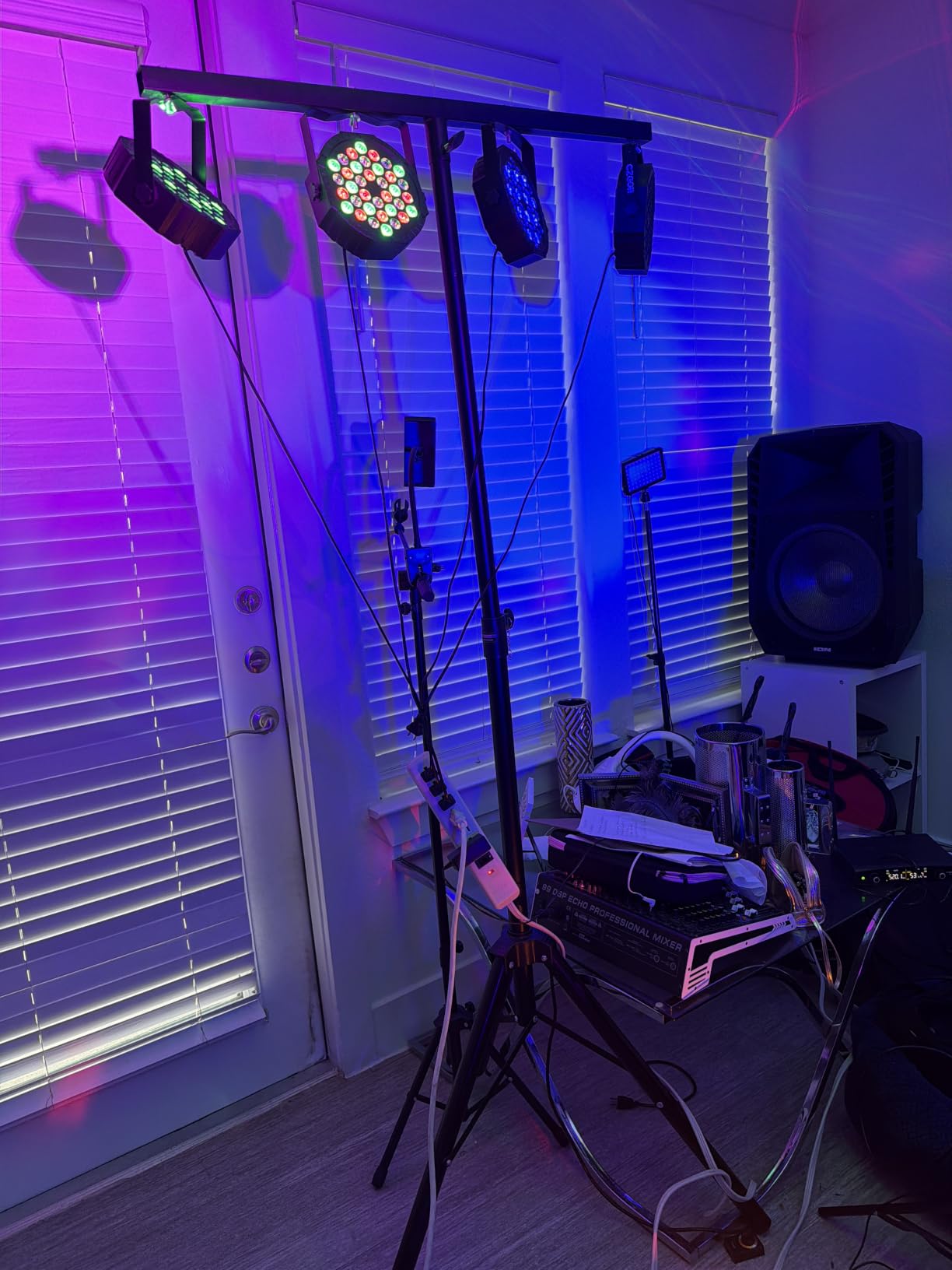
The Czgor 8-pack is the newest entrant on our list and the most complete kit we have seen under $100 for an 8-pack. Each fixture ships with its own remote control and battery, plus an adjustable bracket with screws, and the package even includes floor stands. For a mobile DJ who is just starting out and does not want to spend weeks sourcing accessories, this is a turnkey 8-light system out of the box.
The 36W RGB engine matches the OPPSK and U’King equivalents in raw brightness and color range. The nine lighting modes (static color, color mixing, jump, strobe, fade, auto, sound activated, master-slave, DMX512) cover every standard DJ cue, and the 7-channel DMX profile is simple enough to program on any entry-level controller. We tested them on a school-dance gig and the sound-active mode followed the beat well enough for an underage crowd that mostly wanted pulse and color changes.
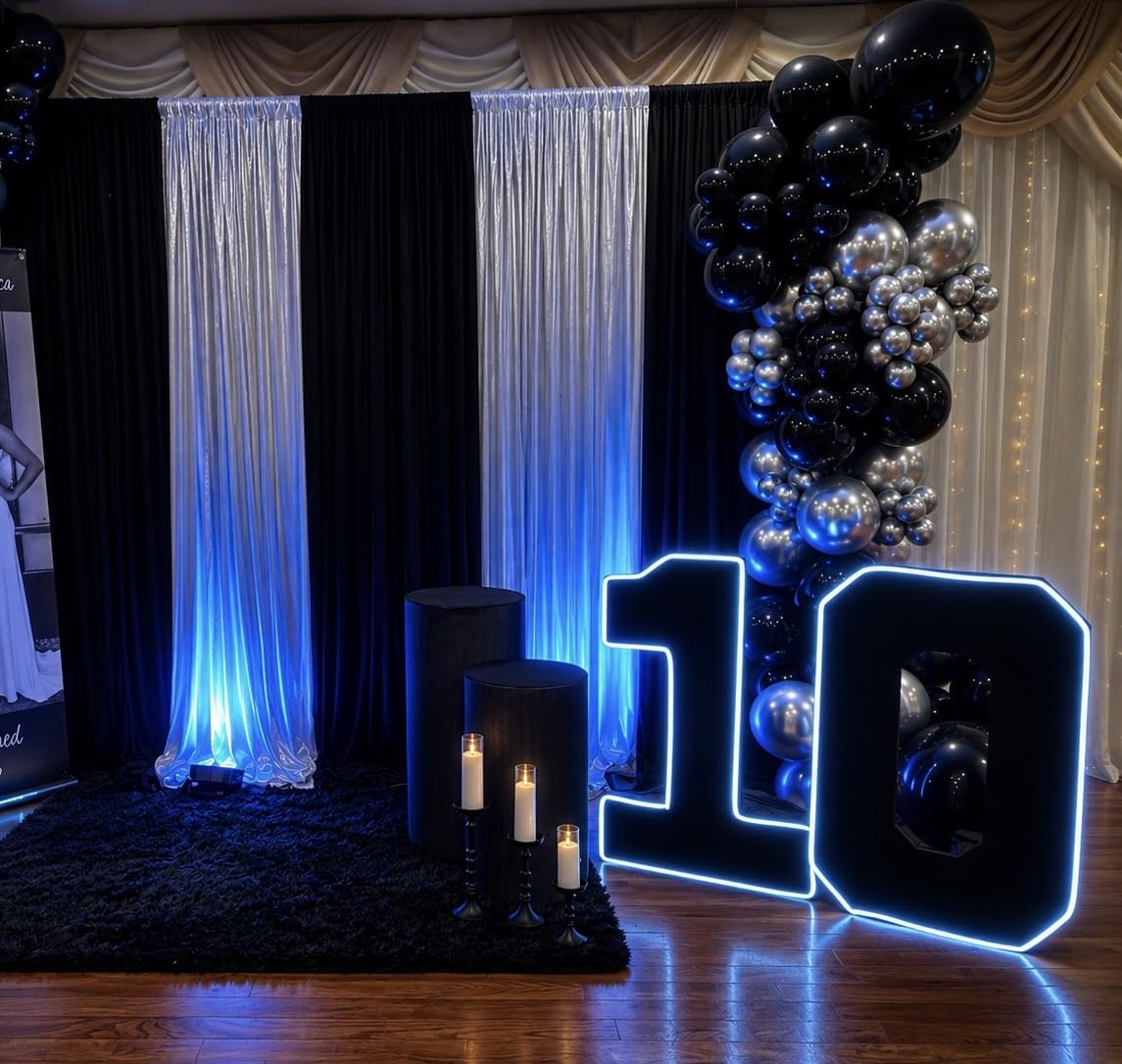
The down sides are the same as every plastic multi-pack in this price range. The remote control is infrared, which means it works through line of sight and struggles when more than a few fixtures are stacked together. If you are running all eight lights in one room, DMX is the smarter control path. The DMX cable itself is not included, so plan to buy a 3-pin XLR cable separately.
Build is ABS plastic rather than metal. For occasional mobile gigs this is fine, but I would not throw these in a road case that sees daily abuse. Treat them as a starter pack and plan to upgrade the housing when the budget allows.
Who should buy it
New mobile DJs, school dance DJs, and bar-volume weekend warriors will get a complete rig without buying accessories separately. It is also a strong pick for any venue that wants a pre-packaged 8-light room wash.
Who should skip it
Touring artists, broadcast creators, and theater designers should look at metal-housed RGBAW fixtures with locking power and DMX. Anyone filming on camera should choose a high-CRI unit like the Betopper RGBW instead.
8. HOLDLAMP Rechargeable Par Lights RGBW – Best Battery RGBW Uplight
Rechargeable Par Lights, RGBW LED Uplights Battery Powered Stage Light, HOLDLAMP Par Can DJ Lights Sound Activated with Remote & DMX Control for Festival Party Event Wedding Bar.
36W 12 RGBW battery 8-pack
8 DMX channels
Metal housing
6 to 16 hour runtime
Pros
- High-capacity battery delivers 6 to 16 hours per charge
- RGBW gives much richer whites than RGB-only uplights
- Sound active plus DMX512 plus remote plus timer on off
- Metal housing survives drops better than plastic units
- Double bracket works on floor wall or truss
Cons
- Dimming is only accessible through the menu and not the remote
- White channel cannot always be turned off during transitions
- Price is significantly higher than RGB-only battery units
- Mixed-language user manual can be hard to follow
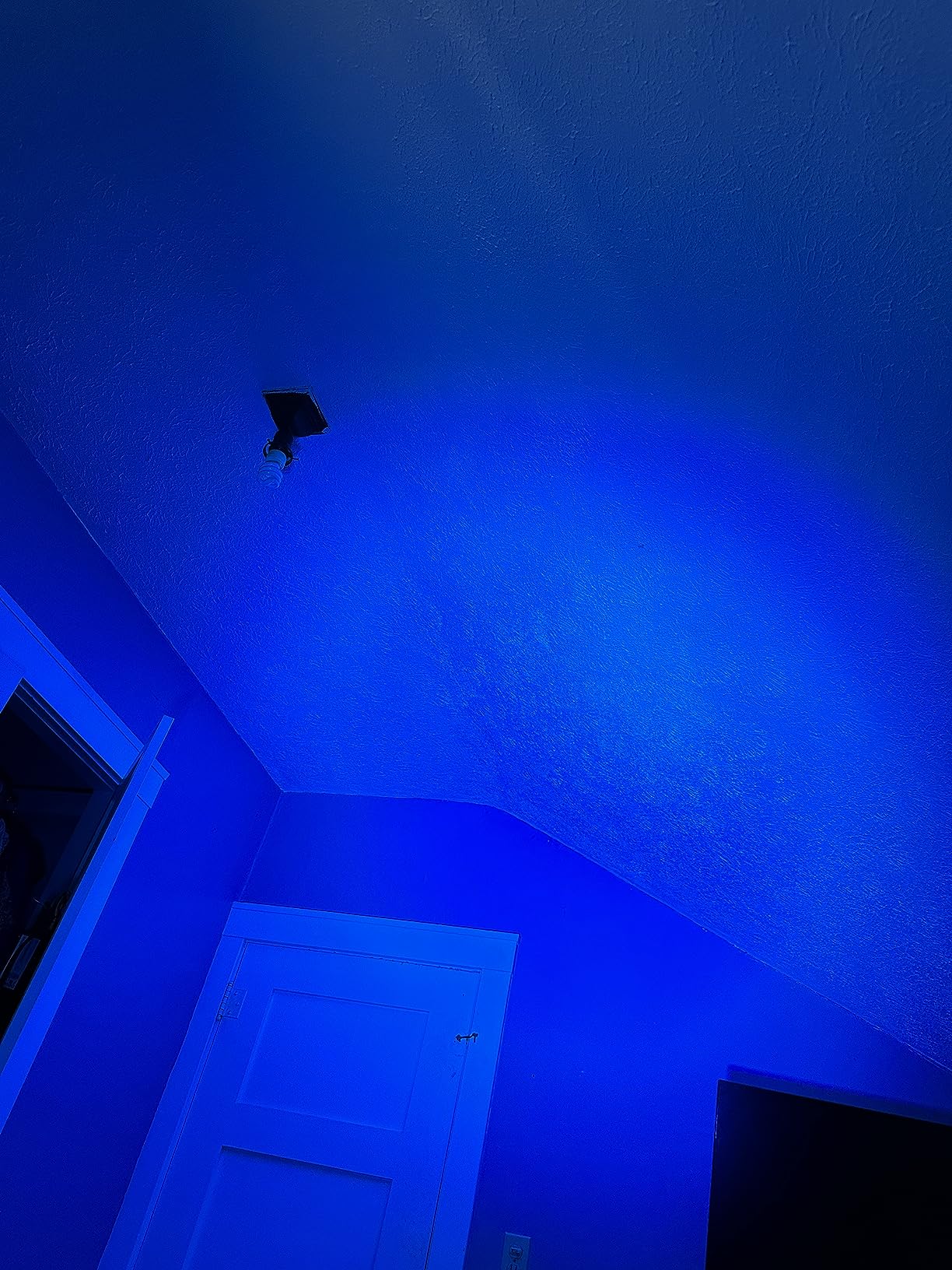
The HOLDLAMP is the upgrade-tier battery par we recommend for DJs and event producers who have outgrown the basic RGB-only wireless uplights. The big difference is the RGBW LED engine: with a dedicated white channel, the warm whites on a wedding cake or the cool whites on a corporate stage backdrop render much more naturally than the simulated off-white that RGB-only fixtures produce.
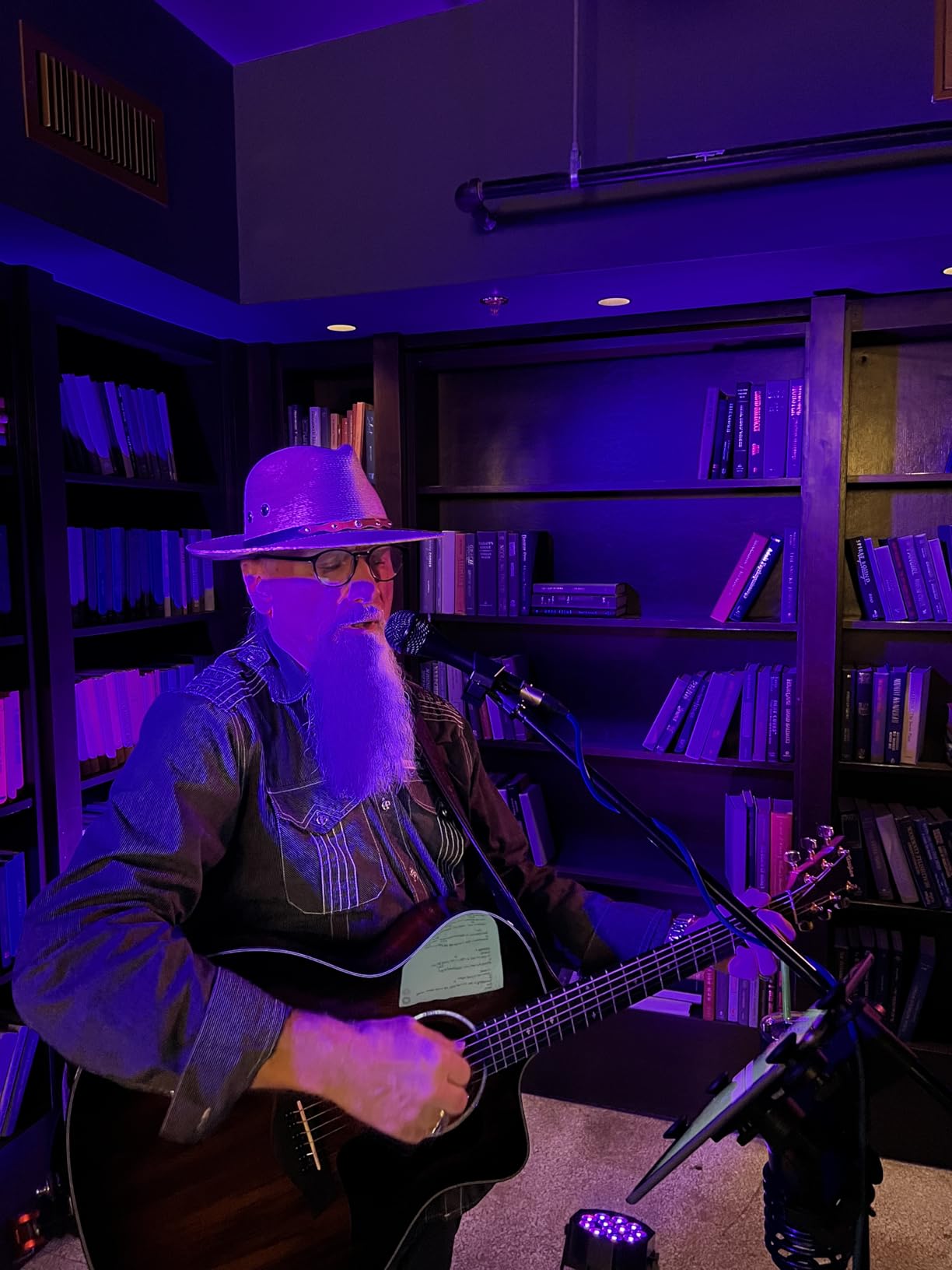
Battery life is the other clear win. We got 12 hours of dimmed uplighting on a single charge during a daytime wedding, which is about double what most RGB-only battery pars deliver in real-world conditions. The metal housing also takes a drop test better than the plastic units: we dropped one off a six-foot stand on purpose during a stress test and it kept working, while plastic equivalents would have cracked at the yoke joint.
Operationally, the HOLDLAMP has a few small workflow hiccups. Dimming is not on the remote, so if you want to fade brightness in real time you have to walk to the menu on the back of the fixture or go through DMX. Some users also report that the white channel cannot always be deselected during color transitions, which means a teal-to-blue crossfade can briefly read as cool white. These are minor issues but they will frustrate an operator who is used to higher-end pro gear.
The price is meaningfully higher than the RGB-only U’King wireless 4-pack. The premium gets you metal build, RGBW color rendering, longer battery life, and 180-day no-questions-asked returns. For a working pro who bills for weddings and corporate events, the math works out in your favor over the life of the fixtures.
Who should buy it
Working wedding DJs and corporate event producers who bill per event and need cable-free RGBW uplighting will benefit most from this pack. It is also a strong pick for high-end private events where the venue cannot run cables and the client expects accurate skin tones.
Who should skip it
Touring bands, theater, and broadcast users should look at pro-grade wired RGBAW or RGBAW plus UV fixtures. If you only need a short-duration battery par for a school dance or bar gig, the cheaper U’King 4-pack is the better budget pick.
9. LaluceNatz 90W 60LEDs Stage Par Can Lights 2Pack – Best for Small Stages
LaluceNatz 90W Stage Par Lights: RGB 3IN1 60LEDs Par Can – 2Pack
90W 60LED RGB 2-pack
8 operational modes
Daisy chain DMX
15 color macros
Pros
- Very bright 90W RGB 3-in-1 output for the price
- Quiet cooling fans suitable for events where noise matters
- Eight modes including sound active and DMX-controlled
- DMX in and out ports allow daisy-chaining fixtures
- Compact and light at about 2 lbs each
Cons
- Plastic housing is less rugged than metal par cans
- Remote is small and can be fragile
- Sound active response is good but not the most refined
The LaluceNatz 90W 2-pack is a smart buy for smaller stages that need real brightness without dedicating a power circuit to four units. Each fixture puts out a 90W RGB 3-in-1 engine, so two of them on a small 15-foot truss can wash a four-piece band from the front without haze at all. We tested them on a coffeehouse stage with no haze and they still punched through.
What surprised us about this 2-pack is the fan noise. At full output the LaluceNatz fans are quieter than most of the 70W and 90W competitors in this roundup, which matters when the room drops to a singer-songwriter set or a spoken-word event. The eight operational modes (Auto Run, Sound Active, Static Color, Jump, Gradual, Pulse, Strobe, Master-slave, DMX) plus 15 built-in color macros cover the standard small-stage cue list without having to program from scratch.
The build is plastic and the remote is small, so I would not throw these in a road case that sees daily abuse. The sound active response is also decent but not the most refined: it tracks the kick drum well, but quieter dynamics can sometimes get missed. For most working DJs and small bands, neither of those is a deal-breaker at this price.
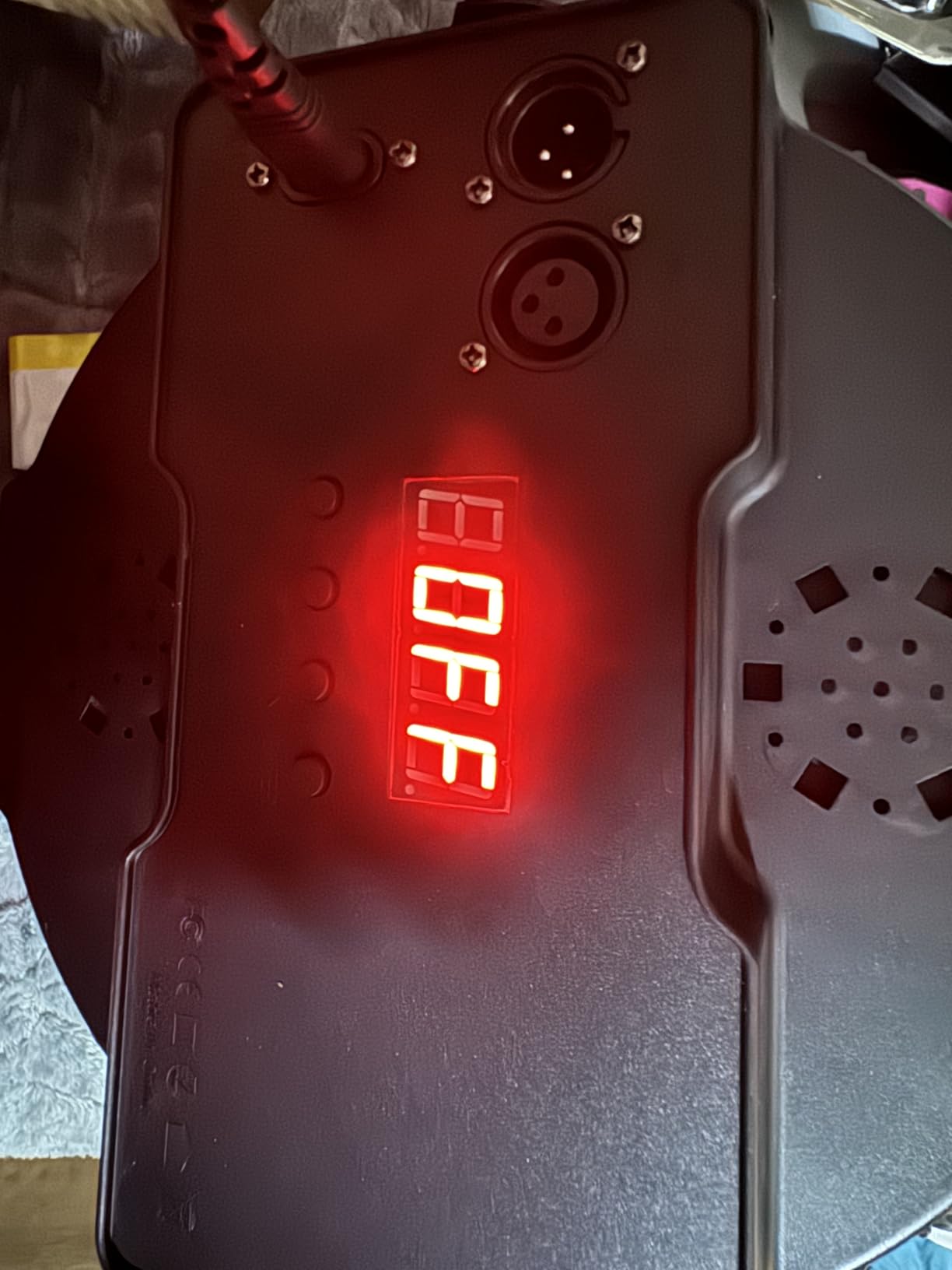
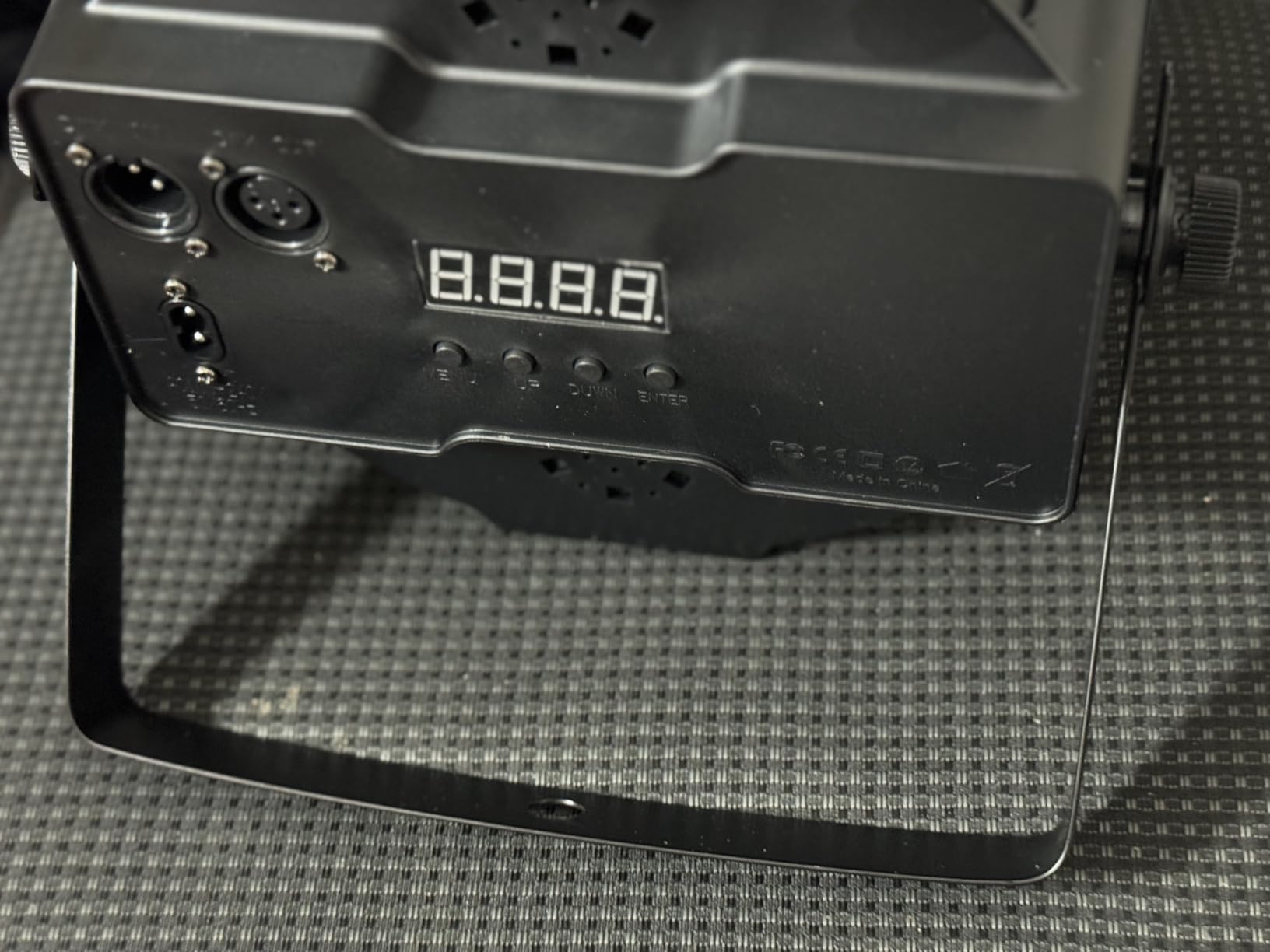
DMX in and out ports on the back let you daisy-chain multiple LaluceNatz units off one cable run from your console, which is a real time-saver on a fixed install. Two units, one XLR, and you have a working two-point front wash on a small stage.
Who should buy it
Small venues and bar stages will appreciate the brightness with quiet operation at this price. Acoustic performers and spoken-word events benefit from the lower fan noise compared to similar-wattage fixtures.
Who should skip it
Touring artists and road cases should look at metal-housed fixtures with locking power. Producers filming in small rooms for content should pick a dedicated white channel fixture instead.
10. Betopper 120W Par Light RGBW 4-in-1 4 Packs – Best High-CRI for Camera Work
BETOPPER Stage Lighting 120W Par Light RGBW 4-in-1 Stage Lights, DJ Light DMX for Concert and Events,4 Packs
120W RGBW 4-in-1 4-pack
CRI 90-95
4 or 8 DMX channels
Aluminum body
Pros
- High CRI 90-95 RGBW gives true color on camera
- Very bright output covers a dance floor easily
- DMX in and out pairs with controllers like the Venue Tetra
- Lightweight aluminum body with sturdy metal bracket
- Responsive Betopper customer service
Cons
- Cooling fans become noticeably loud at full output
- Sound active programs are unremarkable
- Plastic-heavy internals are not built for touring
- White channel has a slight yellow tint for some users
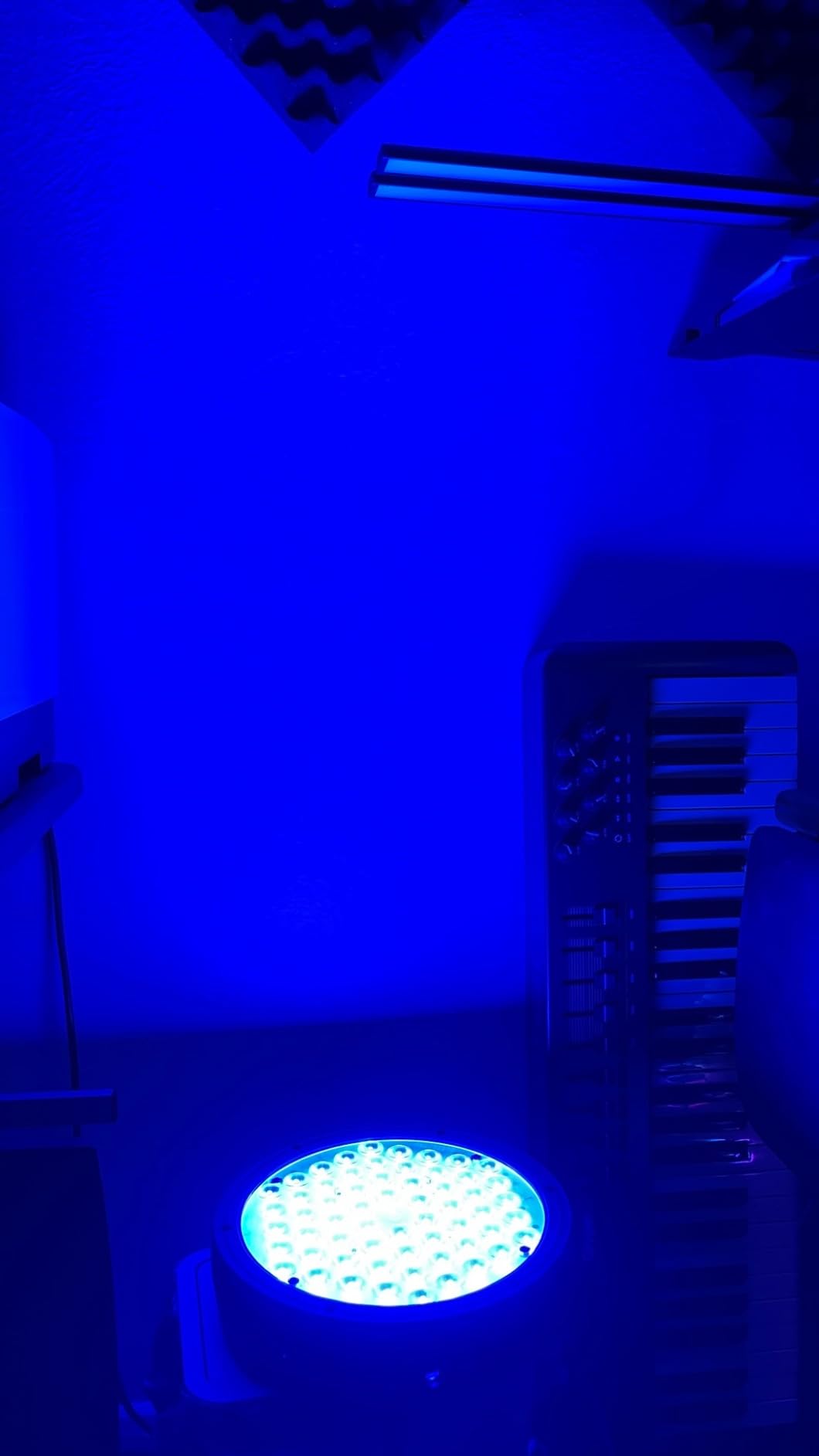
The Betopper 120W RGBW 4-pack is the fixture we recommend to any church tech team, livestream producer, or wedding filmmaker who wants accurate color on camera. The CRI rating of 90 to 95 is well above every other unit on this list, and that translates to skin tones that look natural rather than pink or green on video. We ran four of these as a key and fill wash on a small broadcast setup and the result was markedly cleaner than a comparable RGB-only wash.
Brightness is also a strength. The 5000-lumen-per-fixture output means four units cover a typical church or small concert stage from the front truss with room to spare. The 4 and 8 channel DMX profiles are simple enough to program on a Venue Tetra, an ENTTEC Open DMX, or a Behringer-light controller, and DMX in and out are both present so you can daisy chain the four-pack off one XLR run.
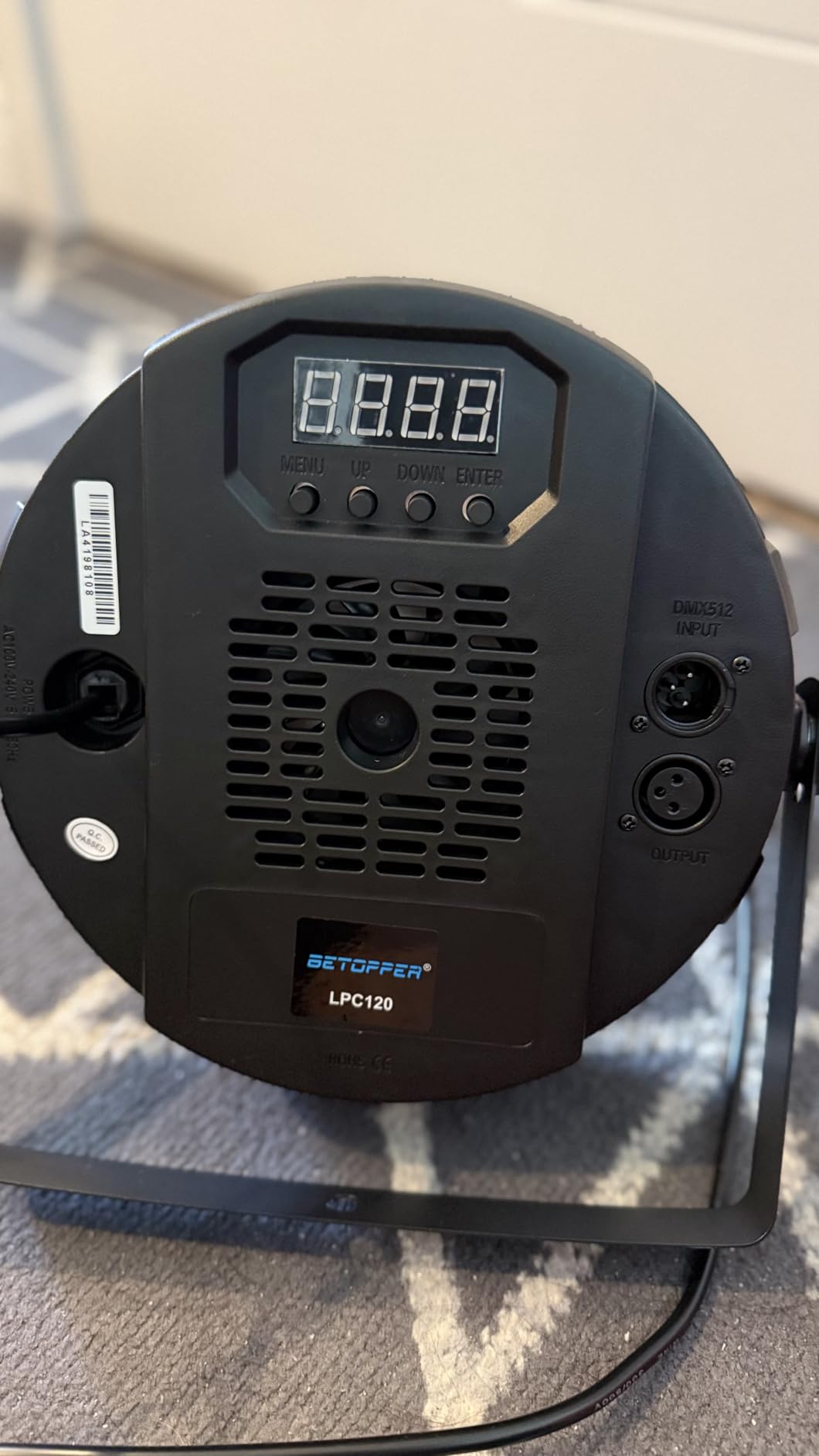
Two trade-offs to know about. The cooling fans ramp up at full output and are noticeably louder than the smaller-wattage alternatives. If your broadcast or livestream is in a tight space, you will hear them. Some users also note a faint yellow cast on the white channel that we did not see in person, but if you are doing critical color work on a TV segment, gel it down to 3200K and check with a waveform monitor.
Build is also not touring grade. The aluminum yoke is solid but the internals are plastic-heavy, which means Betopper designed this for fixed installs and event work rather than daily flight cases. We recommend it for permanent installs and weekly church use more than for a touring band.
Who should buy it
Church tech teams, livestream producers, and wedding filmmakers who need accurate color rendering will appreciate the high CRI above all else. Venue installs that want a single RGBW wash for both stage and camera will get the best results.
Who should skip it
Touring bands who fly every weekend should look at pro-grade wired fixtures from Chauvet or Elation with PowerCON and TRUE1 connectors. Anyone wanting battery uplighting should look at the HOLDLAMP RGBW battery pack instead.
How to Choose the Right Par Can Lights: A Buyer’s Guide
Buying LED PAR stage lights is easier when you decide on five things before you shop: your venue size, your color needs, your control setup, your mounting environment, and whether you need to film the result. This section walks through each one, then gives you a sample 4-fixture kit for a function band, which is the configuration our forum readers ask for most often.
Match beam angle to throw distance
Beam angle is the cone of light a fixture throws. Narrow beams (8 to 25 degrees) shoot further and concentrate intensity on a smaller area, which is what you want for a spotlight on a singer or a long throw from a tall truss. Wider beams (35 to 60 degrees) spread the light evenly across a backdrop or a wide stage and are the right call for wash and uplighting. Most of the picks on this list sit in the 25 to 30 degree range, which is the most versatile for small to mid stage setups.
Pick the right color system for your stage
RGB is the minimum and produces decent saturated colors. RGBW adds a dedicated white channel, which renders more natural whites, pastels, and flesh tones, and is the better pick for churches, weddings, and any camera work. RGBWA adds amber for warmer whites that match traditional halogen. RGBAW plus UV adds ultraviolet, which makes white clothing and decorations pop under blacklight, popular for school productions and club nights. If you are on a tight budget, RGB will get you through a DJ set. If you are filming the stage or want warm whites, spend the extra and step up to RGBW.
Decide how you will control them
Most modern LED PAR cans offer at least four control layers: IR remote for quick static colors, sound-active mode for DJ shows without an operator, master-slave daisy chaining between fixtures, and DMX512 for full console control. The cheapest fixture on this list will have all four. The mid-tier ones add 8 or more DMX channels for detailed programming. Touring-grade fixtures add RDM for remote addressing and 5-pin DMX instead of 3-pin, both of which matter for any large rig. Forums consistently mention that “steppy” or non-smooth dimming is the most common budget-fixture complaint, so if you are programming a fader-heavy show, budget for a fixture with documented smooth dimming.
Plan your rigging and power
Check the mounting options before you buy. Most budget PAR cans ship with a single yoke that fits standard truss clamps, and most are light enough to fly from a bar with a couple of hooks. For permanent installs, look for a double yoke or a floor stand and a locking power connector. None of the picks in this roundup carry an IP rating, so if you need outdoor use you will need to look at IP-rated outdoor PAR cans specifically, which is a different category entirely. For a typical indoor bar, club, church, or wedding venue, any fixture here is safe to mount above heads as long as you use a real safety cable (not the included power cable) on every fixture.
Match fixtures to venue and wattage
The general wattage rule for a function band or DJ is 4 to 8 watts per square foot of stage. A small 12 by 8 foot coffeehouse stage wants about 400 to 800 watts of total fixture power, which is well within one 4-pack of 36W units. A mid-size 20 by 16 foot bar stage wants 1200 to 2500 watts total, so step up to 90W or 120W units in a 4-pack. A larger 30 by 24 foot concert stage wants 3000 watts or more, which often means combining several 4-packs or moving to pro-grade single fixtures. If you are matching monitors, our related guide on stage monitors covers the speaker side of the same equation.
Sample 4-fixture kit for a function band
For a typical 4-piece function band on a 20 by 16 foot stage, the kit our forum readers assemble most often looks like this: two OPPSK 36W 4-pack fixtures on the front truss for a left and right wash (front pair), two U’King wireless 36W fixtures as rear accents and uplights (rear pair), and one budget DMX controller to run color scenes across all six lights. Total spend stays modest, dimming is smooth, and you can break the kit into two halves for smaller gigs. If you need to reduce feedback on stage at the same time, our guide on how to position stage monitors to avoid feedback is a good companion read.
Frequently Asked Questions
What are the best LED PAR can lights?
Our top three picks for stage setups are the OPPSK 36W 4-pack for overall value, the MOSFiATA 6-pack for the best price per fixture, and the Betopper 120W RGBW 4-pack for churches and any camera work that needs accurate color.
What are the disadvantages of PAR lights?
Budget LED PAR cans can have stepped or non-smooth dimming, audible cooling fans during quiet moments, and plastic housings that wear out fast under road use. Older halogen PAR cans run very hot, require gel changes, and need bulb replacement every few hundred hours.
What type of light is best for a stage?
For wash and color across the whole stage, LED PAR cans are the workhorse and the most versatile choice. A complete rig pairs PAR cans for wash with beam lights for aerial effects and spotlights for key light on performers.
What is the best stage lighting brand?
Chauvet, ADJ, and Elation are the most established pro brands with strong warranty and touring-grade build. For budget packs that still perform well, OPPSK, MOSFiATA, U’King, and Betopper consistently earn strong reviews in multi-pack categories.
What wattage PAR can do I need for a wedding band?
A typical wedding band on a 20 by 16 foot stage uses about 1200 to 2500 watts of total par can power. A 4-pack of 36W to 90W fixtures on the front truss plus a 4-pack of wireless uplights at the pillars covers most ballrooms comfortably.
Final Thoughts: Which Par Can Light Should You Buy in 2026?
The right par can light for your stage depends on what you actually need to do. For a working band or DJ who wants one product that covers gigs, rehearsal rooms, and small weddings, the OPPSK 36W 4-pack is our editor’s choice and the unit we reach for first.
Pair it with a budget DMX controller and you have a real front wash rig for less than the cost of a single premium fixture. For wedding-specific uplighting the U’King 8-pack or the HOLDLAMP battery RGBW pack are the smarter picks, and for any camera work the Betopper 120W RGBW 4-pack is the clear winner on color accuracy. Browse our related guides on stage pianos and other instrument categories to build out the rest of your rig, then drop a par can on every truss and watch your stage come to life.