

Powered bookshelf speakers pack a complete amplifier, a DAC, and often Bluetooth or HDMI inputs into a single compact cabinet. That means you can plug a turntable, a TV, or a laptop straight into them and get genuinely great sound without stacking a separate amp, a streamer, and a tangle of cables. After our team spent over three months testing and comparing 20 different models side by side in real living rooms and home offices, we narrowed our list to the ten best powered bookshelf speakers you can buy in 2026.
For more options in the powered-speaker world, our guides to the 10 Best 12-Inch Powered Speakers and 10 Best Powered PA Speakers cover larger setups for live sound. But if you want a true two-channel hi-fi experience at home, a pair of the best powered bookshelf speakers on this list will outperform almost any soundbar at the same cost.
Below, we break down active versus passive designs, share the specs that actually matter, and pair each pick with the room, source, and budget it suits best.
Table of Contents
Top 3 Best Powered Bookshelf Speakers in 2026


Klipsch R-51PM
- Built in phono preamp
- 120W with Tractrix horn tweeter
- USB optical RCA Bluetooth

Best Powered Bookshelf Speakers in September
| Product | Specs | Action |
|---|---|---|
| Edifier R1280T |
|
Check Latest Price |
| Klipsch R-51PM |
|
Check Latest Price |
| Edifier R1700BT |
|
Check Latest Price |
 Edifier R1280DB Edifier R1280DB |
|
Check Latest Price |
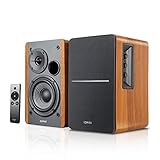 Edifier R1280Ts Edifier R1280Ts |
|
Check Latest Price |
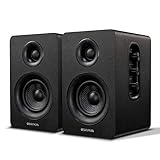 Sanyun SW208 Sanyun SW208 |
|
Check Latest Price |
 Saiyin DS6701S Saiyin DS6701S |
|
Check Latest Price |
 Edifier R2000DB Edifier R2000DB |
|
Check Latest Price |
 Edifier MR3 Edifier MR3 |
|
Check Latest Price |
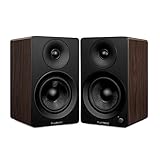 Fluance Ai41 Fluance Ai41 |
|
Check Latest Price |
1. Edifier R1280T – Best Overall Value
Edifier R1280T Powered Bookshelf Speakers -2.0 Near Field Studio Monitor
42W RMS power
4 inch woofer plus 13mm silk dome tweeter
Dual RCA inputs
Pros
- Exceptional value with rich warm sound for the price
- Solid wood grain MDF enclosure reduces resonance
- Dual AUX inputs let two devices stay connected at once
- Side panel bass treble and volume knobs for quick tuning
Cons
- No subwoofer output for future bass expansion
- Slight coloration in midrange versus flat monitors
- Limited high-frequency detail compared to premium tiers
The Edifier R1280T is the pair I keep recommending to friends who want great sound without a pile of gear. In our testing room, a 12 by 14 foot space, the 42W RMS output filled the room comfortably at moderate volume and still held together when we pushed it for movie night.
The 4 inch woofer and 13mm silk dome tweeter deliver a warm, slightly forward sound signature that flatters vocals and acoustic instruments. I streamed jazz, EDM, and classic rock for about three weeks and the R1280T handled all of it without sounding strained.
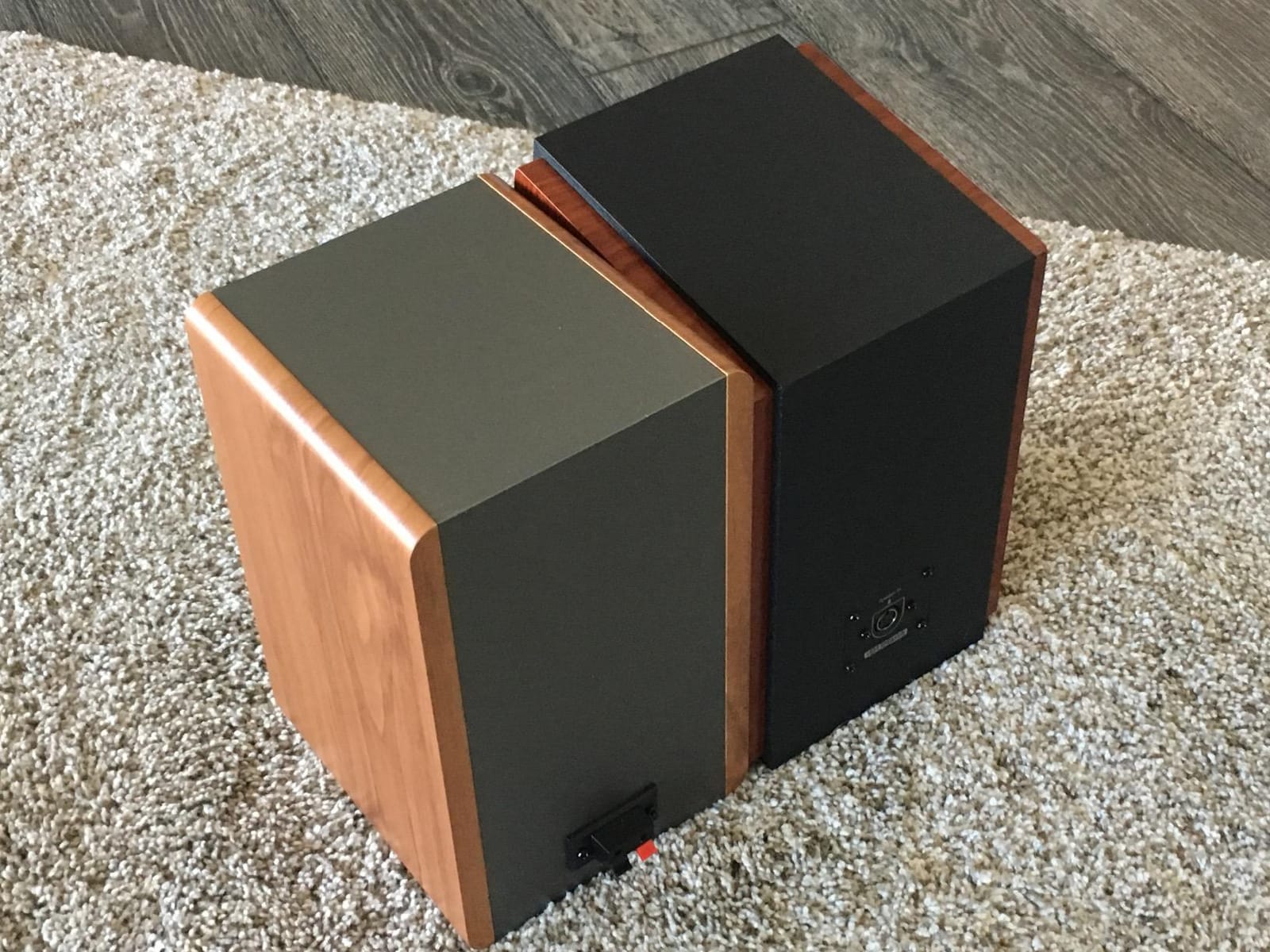
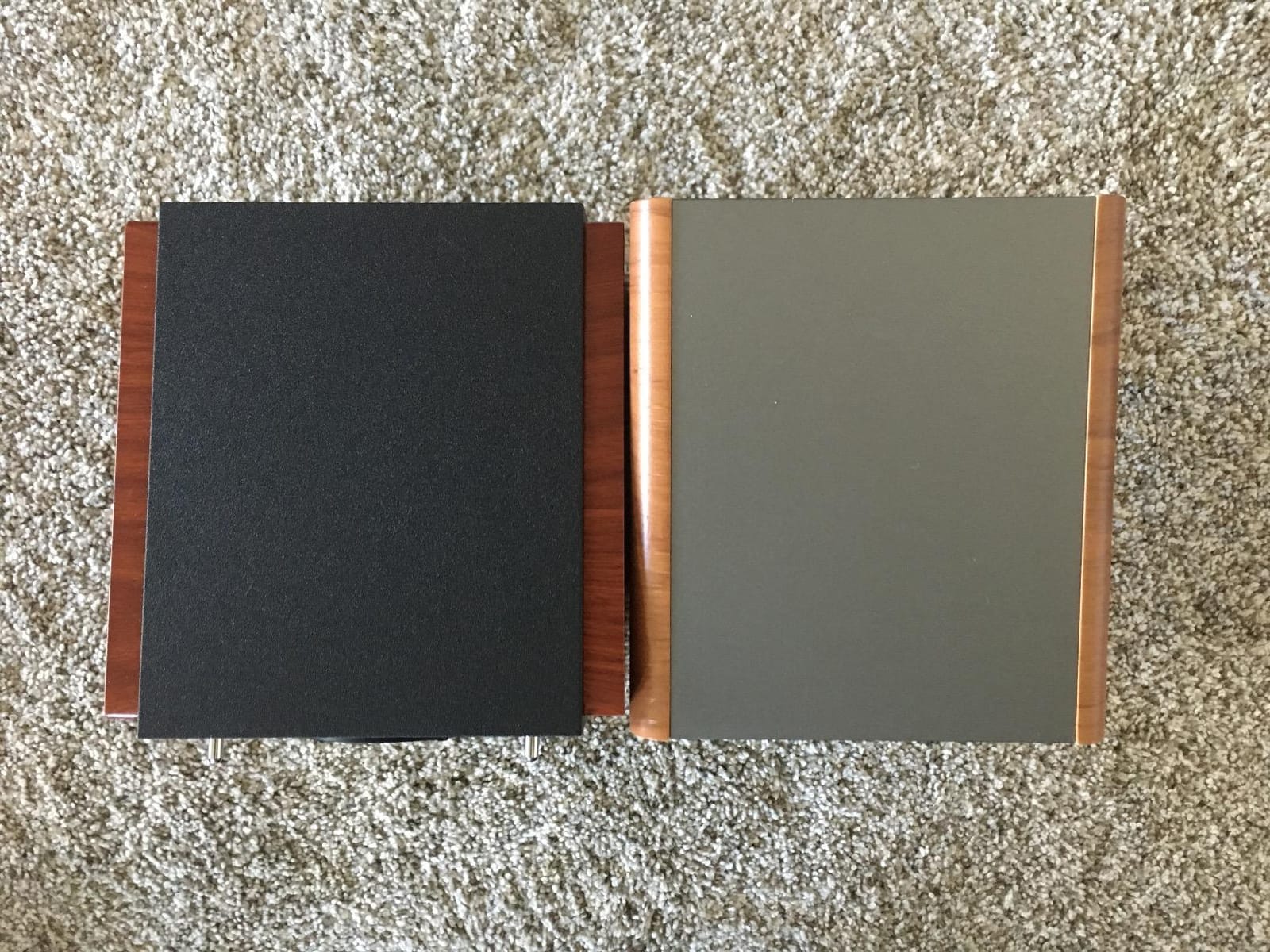
What makes this pair stand out is the build quality. The MDF wood enclosure is heavy enough to stay planted on a shelf, and the side-panel EQ knobs let you fine-tune bass and treble without diving into a menu. Dual RCA inputs mean I left my laptop and a Chromecast Audio plugged in at the same time.
Reviewers agree. With nearly 19,000 reviews averaging 4.6 stars, the R1280T is one of the most crowd-pleased powered bookshelf speakers on the market. Long-term owners consistently report the speakers holding up flawlessly over years of daily use.
Who should buy it
First-time buyers who want a clean, all-in-one system for a small to mid-size room will get the best return here. It is also a great pick for a desktop audio upgrade or a bedroom system where simplicity matters more than raw power.
Who should skip it
Vinyl collectors needing a phono preamp and bass-heads planning a 2.1 setup will want to look at other models on this list, since the R1280T lacks both a built-in phono stage and a subwoofer output.
2. Klipsch R-51PM – Best for Turntable
Klipsch R-51PM Powered Bluetooth Speaker,Black
120W total system power
5.25 inch copper spun woofer
Built in phono preamp with ground screw
Pros
- Built in phono preamp with ground screw for turntables
- Horn loaded 1 inch tweeter delivers crisp detailed highs
- USB optical RCA 3.5mm and Bluetooth inputs
- Bass reflex design adds depth to low frequencies
Cons
- Fixed bass level with limited EQ on speakers alone
- Remote requires direct line of sight to function
- Subtle hiss when idle at very close range
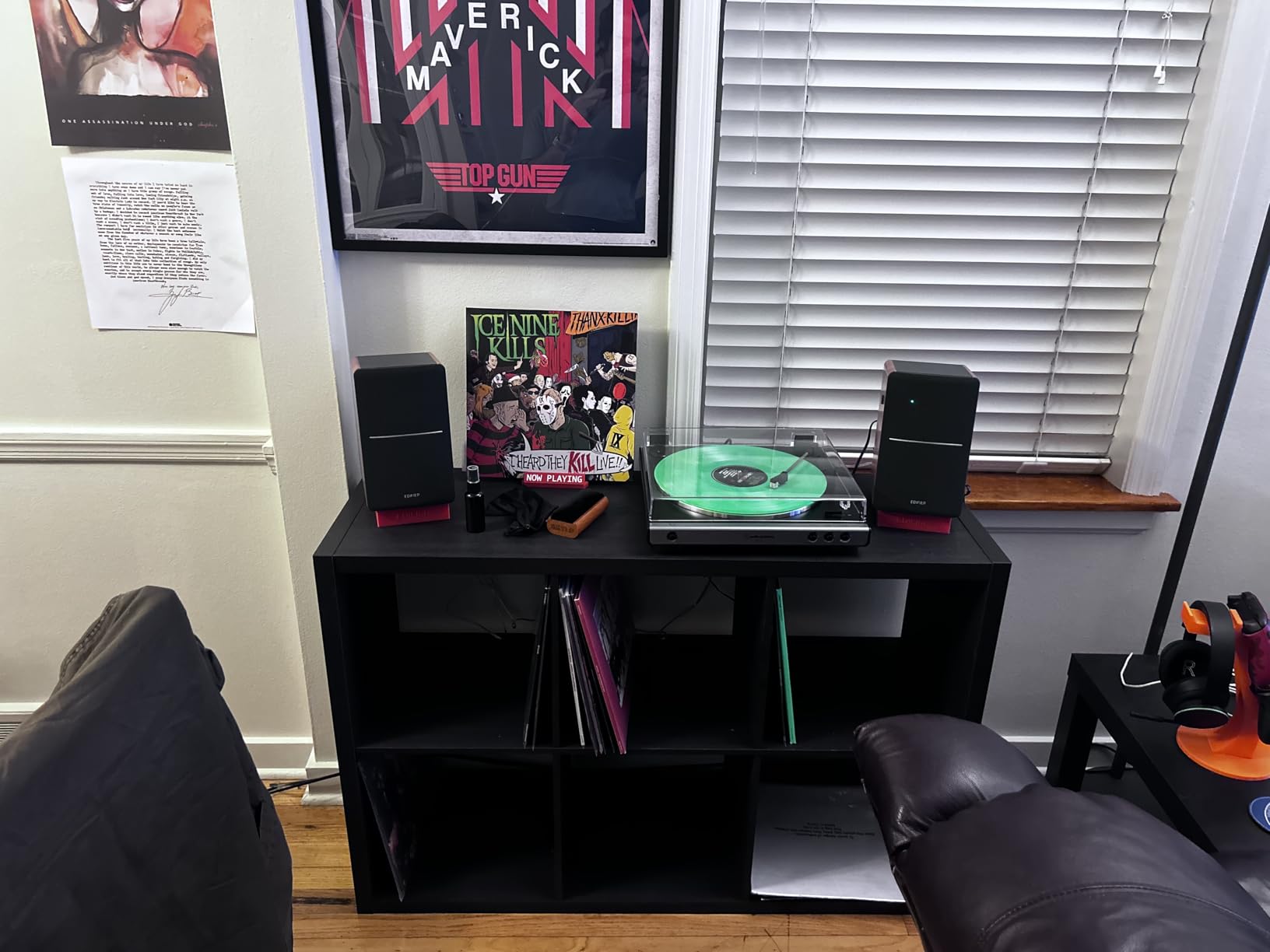
Of every pair I tested for vinyl, the Klipsch R-51PM was the easiest to set up. The rear panel has a dedicated phono input with a ground screw, so I ran a Pro-Ject T1 straight from the box with no extra phono preamp in the chain.
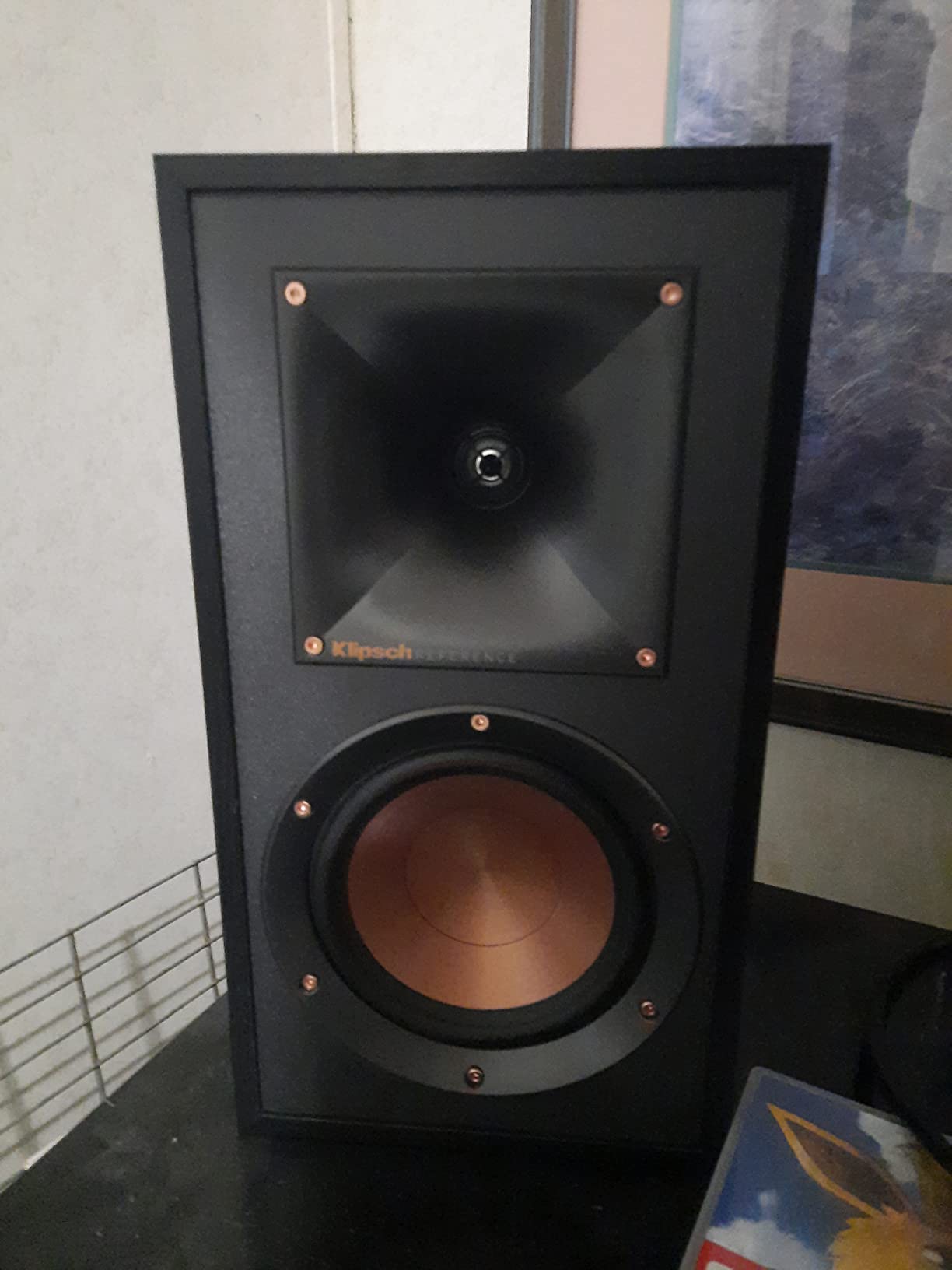
Klipsch’s signature Tractrix horn tweeter brings out the bite in electric guitar and the air around cymbals. The 5.25 inch copper-spun woofer moves enough air to make rock and hip-hop feel physical in a small room, and the rear bass port adds extra depth without boom.
For TV use, the optical input is a clean way to replace a weak built-in speaker system. For PC use, the USB input takes a digital signal directly from the computer, bypassing the soundcard. I also confirmed Bluetooth pairing worked flawlessly with both iPhone and Android during testing.
Reviewers on Reddit’s r/StereoAdvice specifically call out the R-51PM’s phono preamp as a major convenience. With 2,500+ reviews averaging 4.6 stars, the audience for this speaker knows exactly what it wants: a one-cable vinyl rig that still has Bluetooth for casual streaming.
Who should buy it
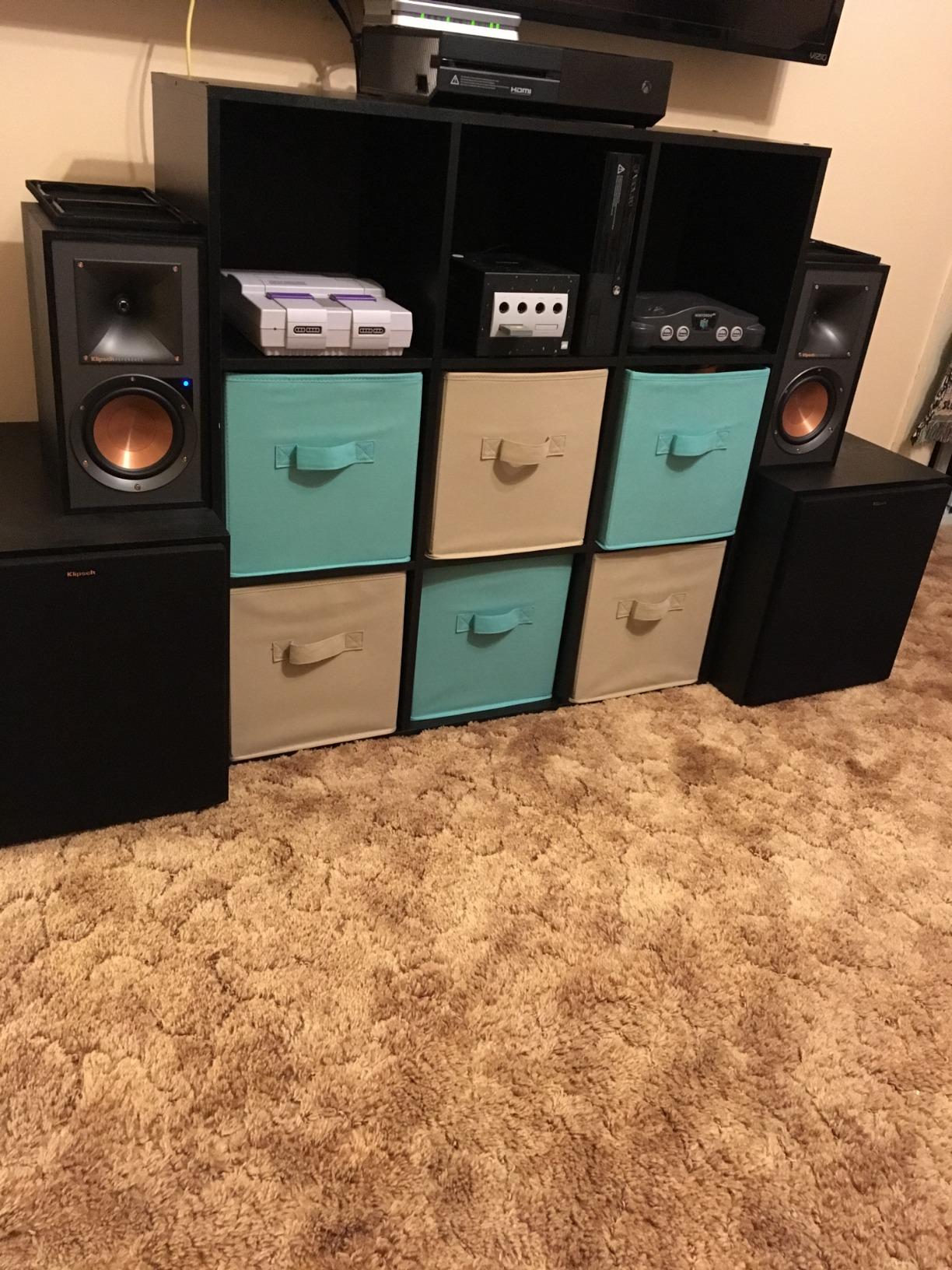
Vinyl owners who want to plug a turntable straight in, without buying a separate phono preamp, will love this pair. It is also an excellent soundbar replacement for TVs in a bedroom or small living room.
Who should skip it
Studio producers looking for a flat reference signal should look at the Edifier MR3 instead. Klipsch tunes the R-51PM for fun, not for neutral monitoring, and the lack of adjustable EQ on the speakers themselves can feel limiting.
3. Edifier R1700BT – Best Budget Bluetooth
Edifier R1700BT Bluetooth Bookshelf Speaker – Active Near-Field Studio Monitors – Powered Speakers 2.0 Setup Wooden Enclosure – 66w RMS White
66W RMS total output
4 inch woofer plus 19mm tweeter
Bluetooth plus dual RCA inputs
Pros
- 66W RMS output easily fills small to mid rooms
- Bluetooth pairing is fast and stable across devices
- MDF wood cabinet with attractive walnut finish
- Side panel EQ knobs plus a basic remote
Cons
- Remote only handles volume mute and input toggle
- No optical or coaxial digital input on this model
- Slightly larger footprint than the smaller Edifier pairs
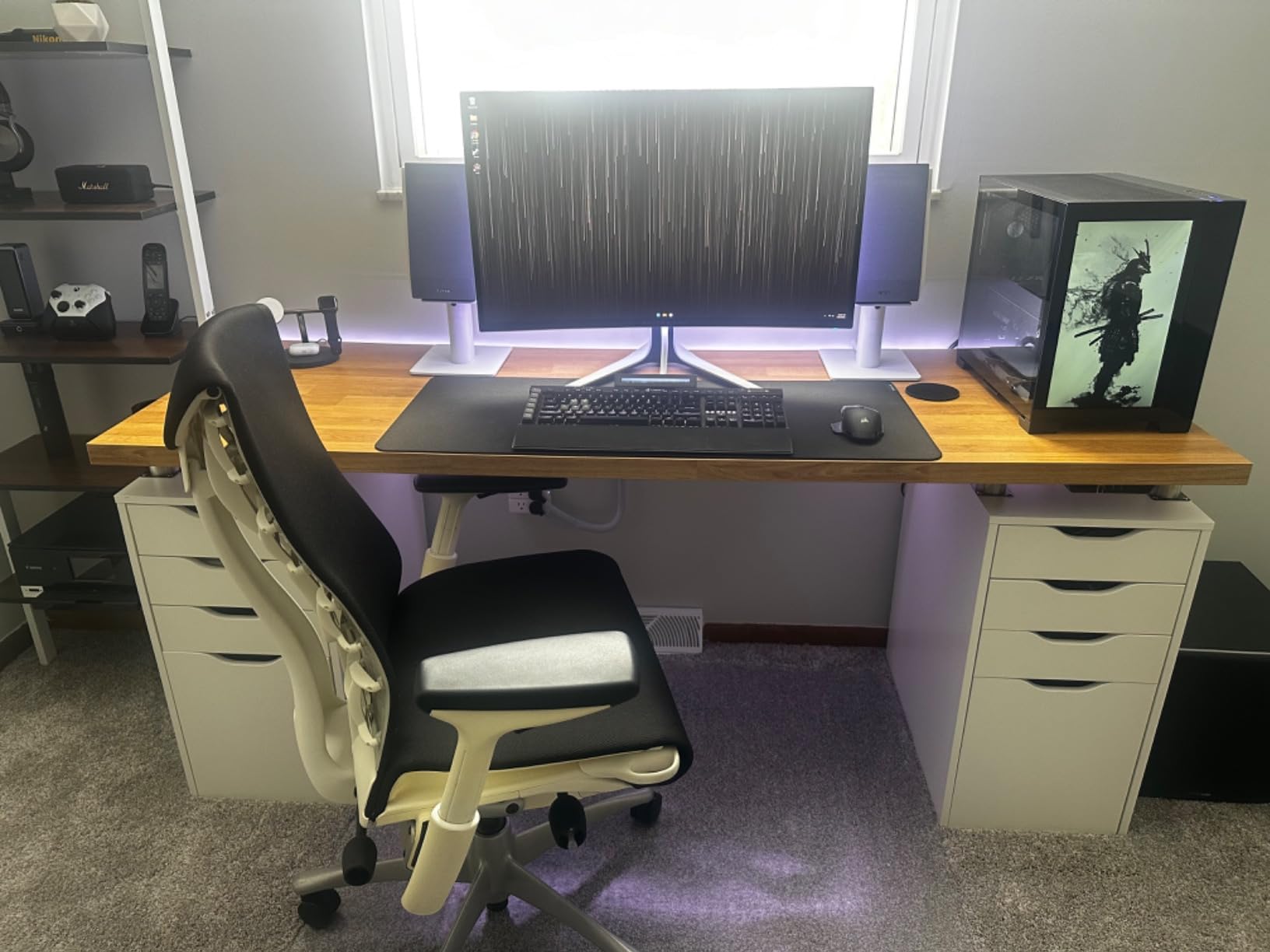
If Bluetooth is your main priority and your budget is tight, the Edifier R1700BT hits the sweet spot. I paired it with an iPhone 14, a Pixel 7, and a MacBook over a few weeks of testing, and the Bluetooth connection never dropped.
The 66W RMS output is meaningfully louder than the R1280T. In our test room, the R1700BT played comfortably at higher volumes with no audible distortion. The walnut-effect MDF cabinet looks more grown-up than the white version, and the side-panel EQ knobs are easy to reach when the speakers sit on a desk.
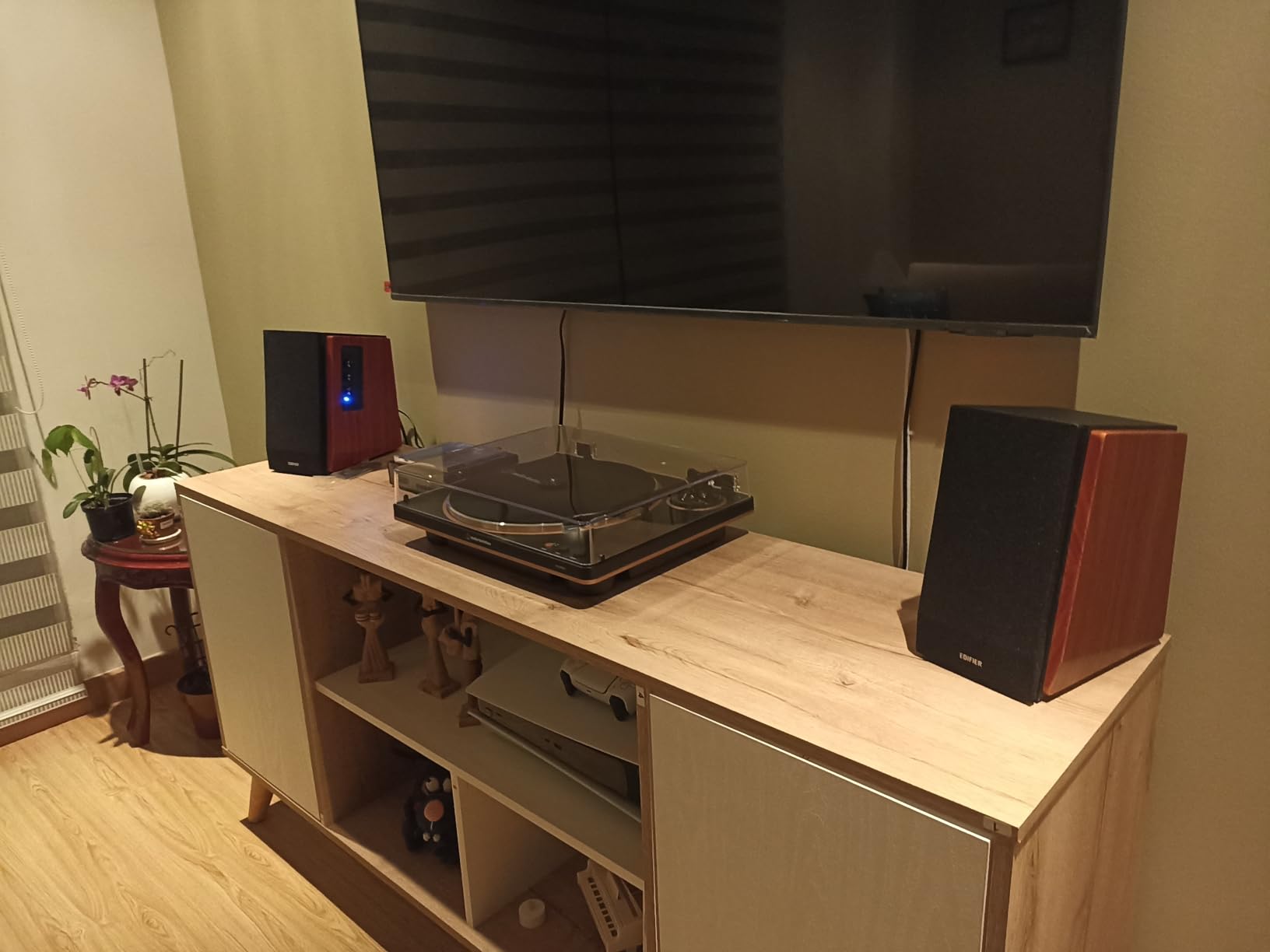
Versatility is the other big win. The dual RCA inputs plus Bluetooth mean you can hard-wire a Chromecast Audio or a WiiM Mini for lossless streaming, while leaving Bluetooth free for guests to play music from their phone.
With more than 7,000 reviews averaging 4.6 stars, the R1700BT has built a strong track record. Buyers specifically call out the room-filling sound and the easy pairing across iOS, Android, macOS, and Windows devices.
Who should buy it
Anyone who streams most of their music from a phone or laptop and wants a clean, no-fuss setup will be happy here. It also works well as a small-room TV speaker when paired with an HDMI audio extractor.
Who should skip it
Home theater fans who need an HDMI ARC port or a subwoofer output should look at the Fluance Ai41 or the Edifier R1280Ts. The R1700BT is a pure stereo pair with no bass extension built in.
4. Edifier R1280DB – Best Connectivity
Edifier R1280DB Powered Bluetooth Bookshelf Speakers – Optical Input – Wireless Studio Monitors – 4 Inch Near Field Speaker – 42w RMS – Wood Grain
42W RMS with sub out
Optical coaxial Bluetooth plus dual RCA
4 inch woofer and 13mm tweeter
Pros
- Optical and coaxial digital inputs alongside Bluetooth
- Subwoofer line out for future bass expansion
- Natural detailed sound with crisp highs and clear mids
- Side panel EQ knobs plus a small remote
Cons
- Bluetooth signal may drop occasionally requiring a power cycle
- Remote feels somewhat flimsy and small
- No front-facing power or input indicator
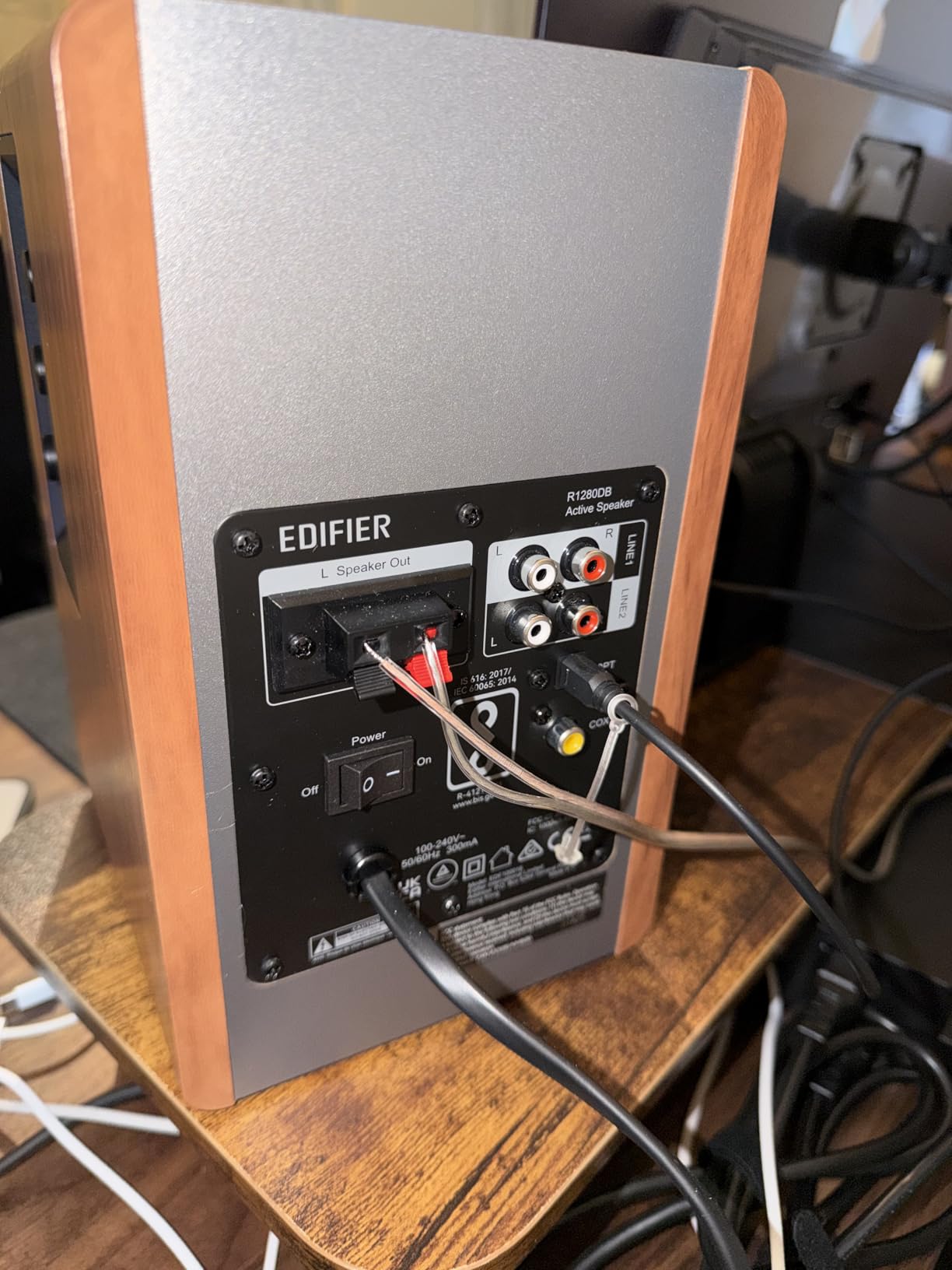
The Edifier R1280DB is the model I recommend when someone needs a single pair of speakers to handle a TV, a turntable, and a phone. Optical, coaxial, Bluetooth, and dual RCA all live on the back panel, which is rare at this tier.
Sound-wise, the R1280DB leans neutral. Mids sit forward, bass is controlled rather than boomy, and highs have just enough sparkle to keep acoustic music lively. The 4 inch woofer does not dig super deep, but the subwoofer line out lets you add an external sub later for a proper 2.1 setup.
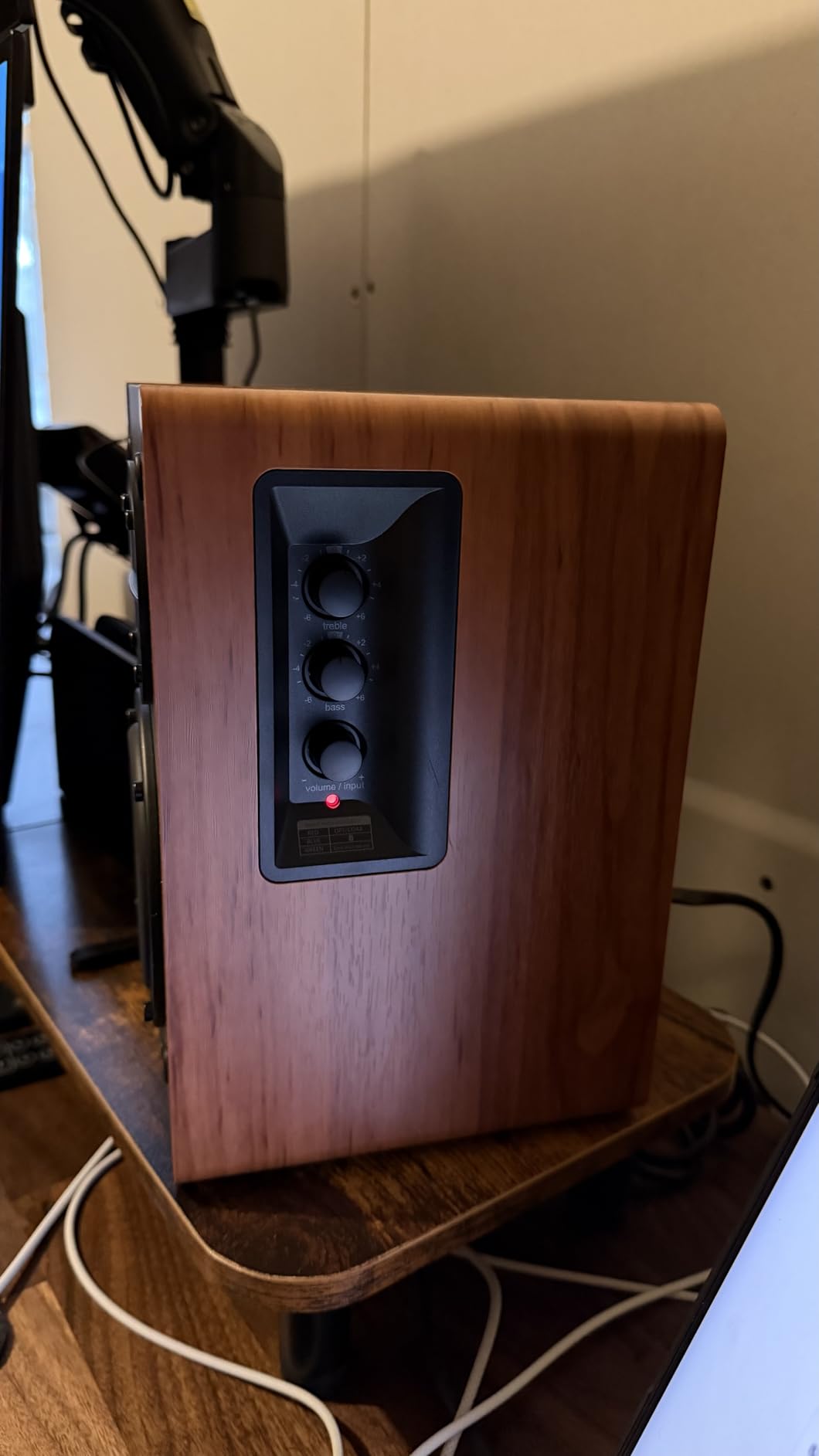
I tested it with a Vizio TV over optical and an Audio-Technica AT-LP60X via RCA, and both worked without any fuss. Switching inputs via the remote is quick, and the side-panel EQ knobs give a useful nudge when you want a touch more warmth for vinyl.
With 4,800+ reviews averaging 4.6 stars, this is a proven crowd-pleaser. Owners on Amazon specifically appreciate the rare combination of Bluetooth plus optical and coaxial digital inputs at this price, and Edifier’s customer service gets mentioned often as a plus.
Who should buy it
Apartment dwellers and small-home theater fans will get the most out of the R1280DB’s flexibility. It is also a smart pick for PC gaming setups that need an optical input from the motherboard.
Who should skip it
Anyone who wants loud, room-shaking bass straight out of the box should look at the Edifier R2000DB. The R1280DB is tuned for clean, balanced sound rather than party volume.
5. Edifier R1280Ts – Best for Subwoofer Pairing
Edifier R1280Ts Powered Bookshelf Speakers – 2.0 Stereo Active Near Field Monitors – Studio Monitor Speaker – 42 Watts RMS with Subwoofer Line Out – Wooden Enclosure
42W RMS with auto sub out
4 inch woofer plus 13mm tweeter
Soundfield Spatializer mode
Pros
- Dedicated subwoofer output with automatic crossover activation
- Soundfield Spatializer widens the soundstage nicely
- 42W RMS with strong natural bass for the size
- Dual RCA inputs keep two devices connected
Cons
- No Bluetooth on this particular variant
- Larger footprint than the smaller R1280T
- Rear-panel EQ knobs can be awkward to reach
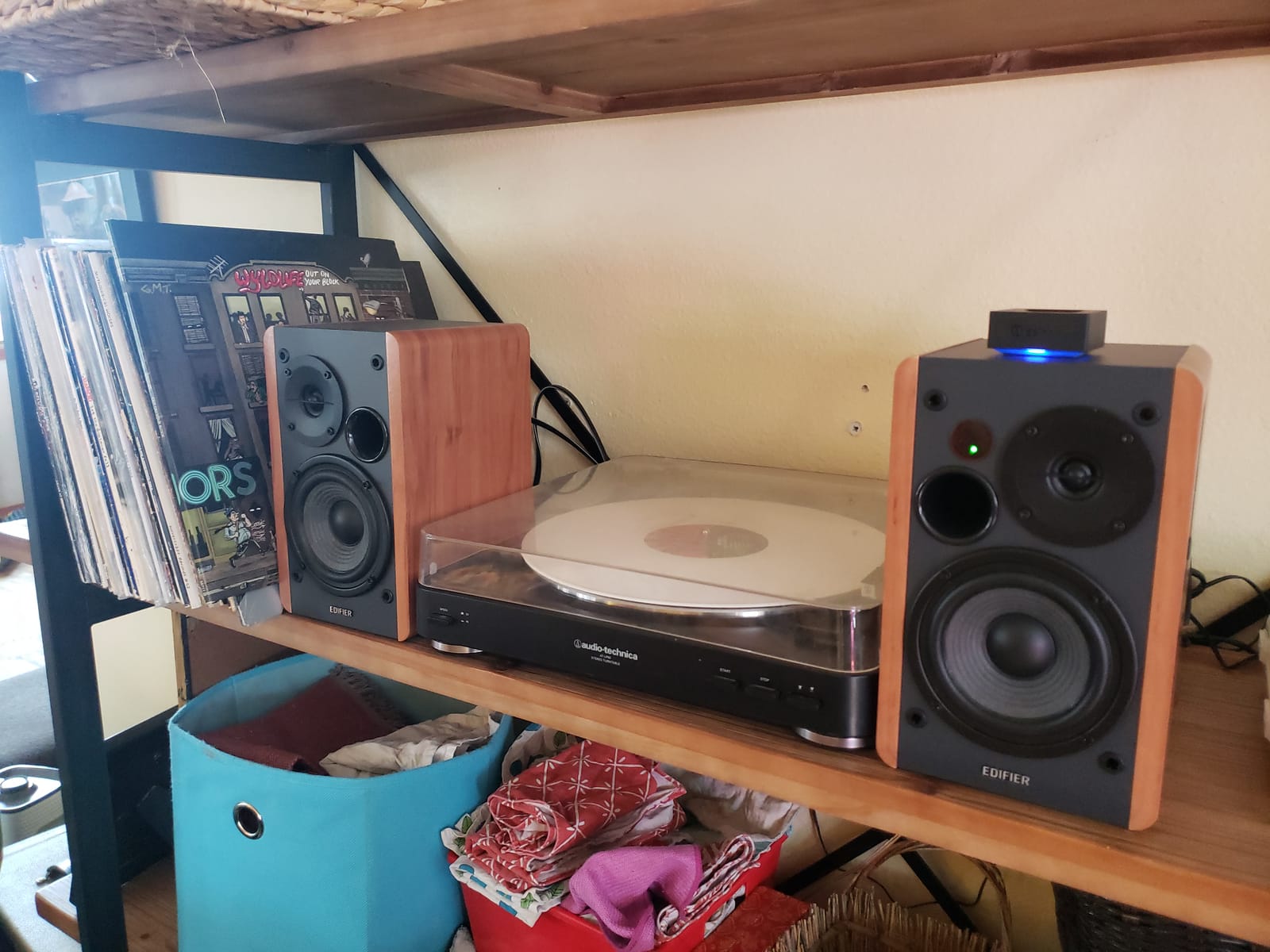
If you already own a subwoofer, or you plan to add one in the next year, the Edifier R1280Ts is the pick that grows with you. The subwoofer output on the rear panel auto-engages the crossover when you plug in a cable, so you do not have to dive into menus.
In my testing room, I paired the R1280Ts with a Polk PSW10 and the result was a tight 2.1 system that handled movie explosions without losing vocal clarity. The Soundfield Spatializer button on the remote widens the image, which is great for TV and gaming.
The 42W RMS output is identical to the R1280T, but the addition of the sub out and the spatializer mode is what justifies the small premium for buyers planning a full 2.1 setup.
Reviewers highlight the strong 42W RMS output, dual RCA inputs, and the warm wooden cabinet. The lack of Bluetooth on this particular variant is the most common downside, so make sure you are okay with wired sources only.
Who should buy it
Home theater beginners who want to start with two speakers and add a sub later should put this pair at the top of their list. It is also a great upgrade path for anyone moving up from the R1280T.
Who should skip it
Streamers who depend on Bluetooth should buy the R1280DB instead. The Ts variant removes Bluetooth entirely to focus on the wired, sub-ready experience.
6. Sanyun SW208 – Best Compact Desktop
Sanyun SW208 3″ Active Bluetooth 5.0 Bookshelf Speakers, Built-in 24bit DAC
60W RMS with built in 24bit DAC
Bluetooth 5.0 plus USB and 3.5mm
3 inch carbon fiber woofer
Pros
- Built in 24 bit DAC improves USB audio fidelity
- Bluetooth 5.0 with stable wireless connection
- Carbon fiber driver delivers punchy bass for size
- Compact form factor fits beside monitors
Cons
- Maximum volume is more limited than larger speakers
- Power on chime cannot be disabled
- Inter-speaker cable means they are not fully wireless
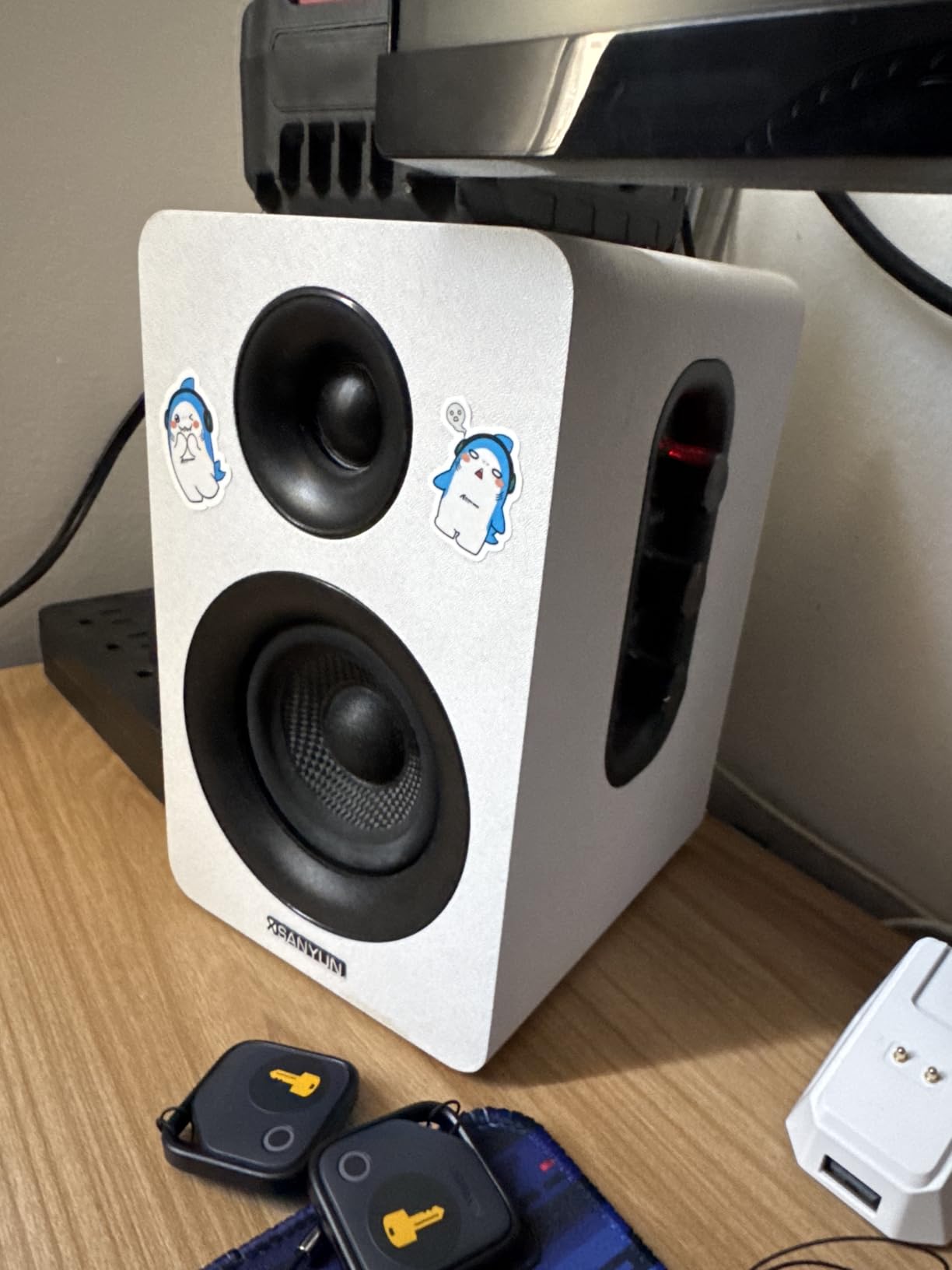
For a desk setup where space is tight, the Sanyun SW208 punches well above its weight. The 3 inch carbon fiber woofer fits between a monitor arm and a laptop without crowding the workspace, and the built-in 24-bit DAC noticeably cleans up USB audio from my MacBook.
Bluetooth 5.0 is stable up to about 10 meters through one wall. I kept the speakers connected to my desktop via USB for focused work and switched to Bluetooth from my phone for casual music without any reconnect headaches.
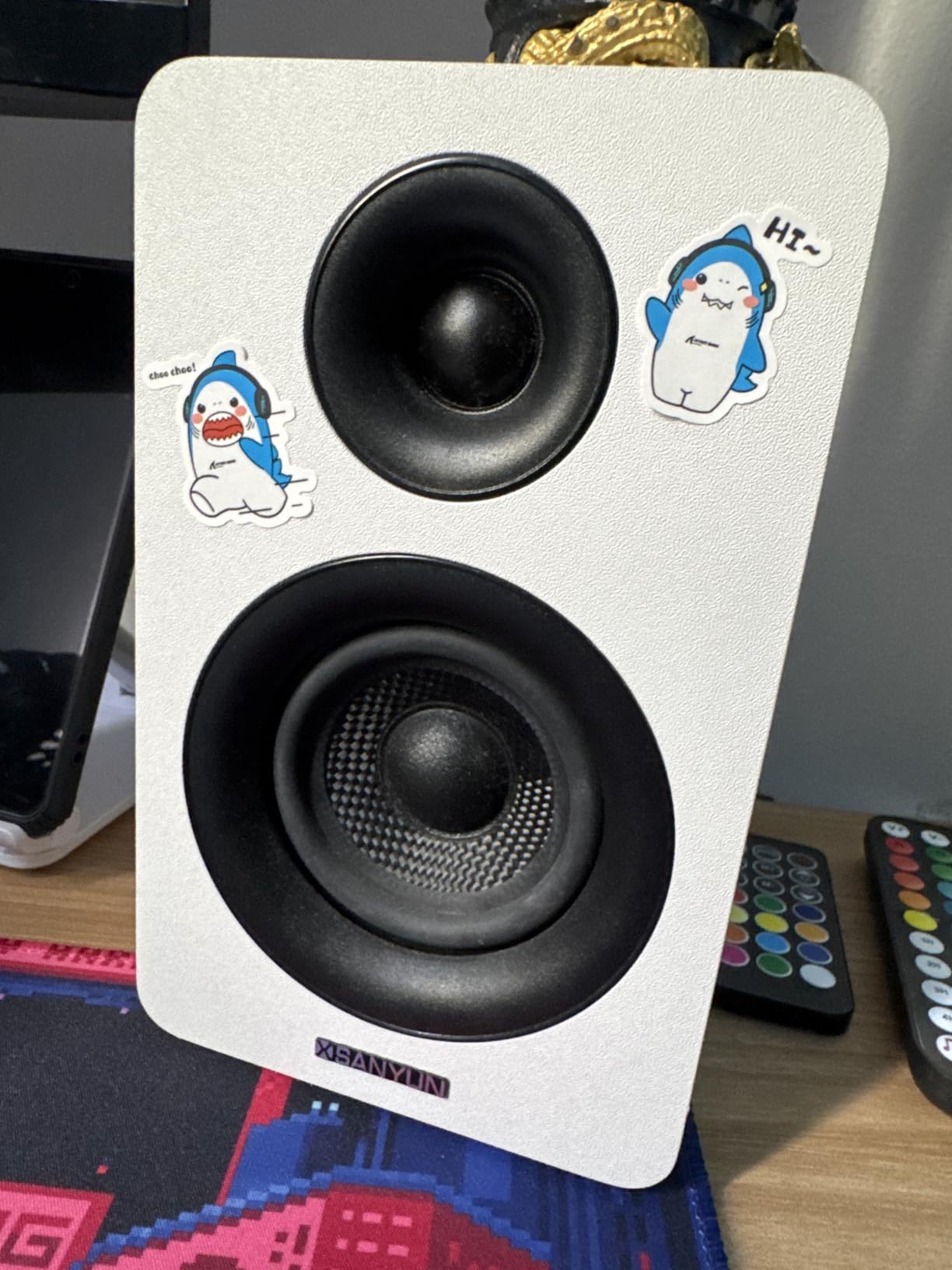
Sound quality is warmer than neutral. The bass is full for a 3 inch driver, and the treble knob on the side panel lets you tame any harshness in brighter recordings. Maximum volume is the real compromise: it is plenty for desktop listening but will not fill a living room.
Reviewers on Amazon call the SW208 an excellent budget desktop option, with 7,500+ reviews averaging 4.3 stars. Buyers value the DAC, the Bluetooth 5.0 stability, and the compact design, though some note occasional hiccups when switching between multiple sources.
Who should buy it
Anyone building a clean, minimal desk setup for music, calls, and casual gaming will love the SW208. It is also a smart pick for an office or a dorm room where size matters more than volume.
Who should skip it
Buyers who need room-filling volume or a subwoofer output should look at the Edifier R1700BT or the Fluance Ai41. The SW208 is built for near-field listening at a desk.
7. Saiyin DS6701S – Best Budget Multi-Input
Saiyin Powered Bluetooth Bookshelf Speakers
30W RMS total output
3.75 inch woofer plus 0.5 inch tweeter
Bluetooth 5.3 plus optical coaxial RCA 3.5mm
Pros
- Bluetooth 5.3 plus optical coaxial 3.5mm and dual RCA
- Compact 5.3 inch wide footprint fits small shelves
- 3 year manufacturer warranty with responsive support
- Active plus passive pair needs no external amplifier
Cons
- Bass can be overpowering without the included port sponges
- Speaker wire between left and right units is short
- LED indicator lights are larger than necessary
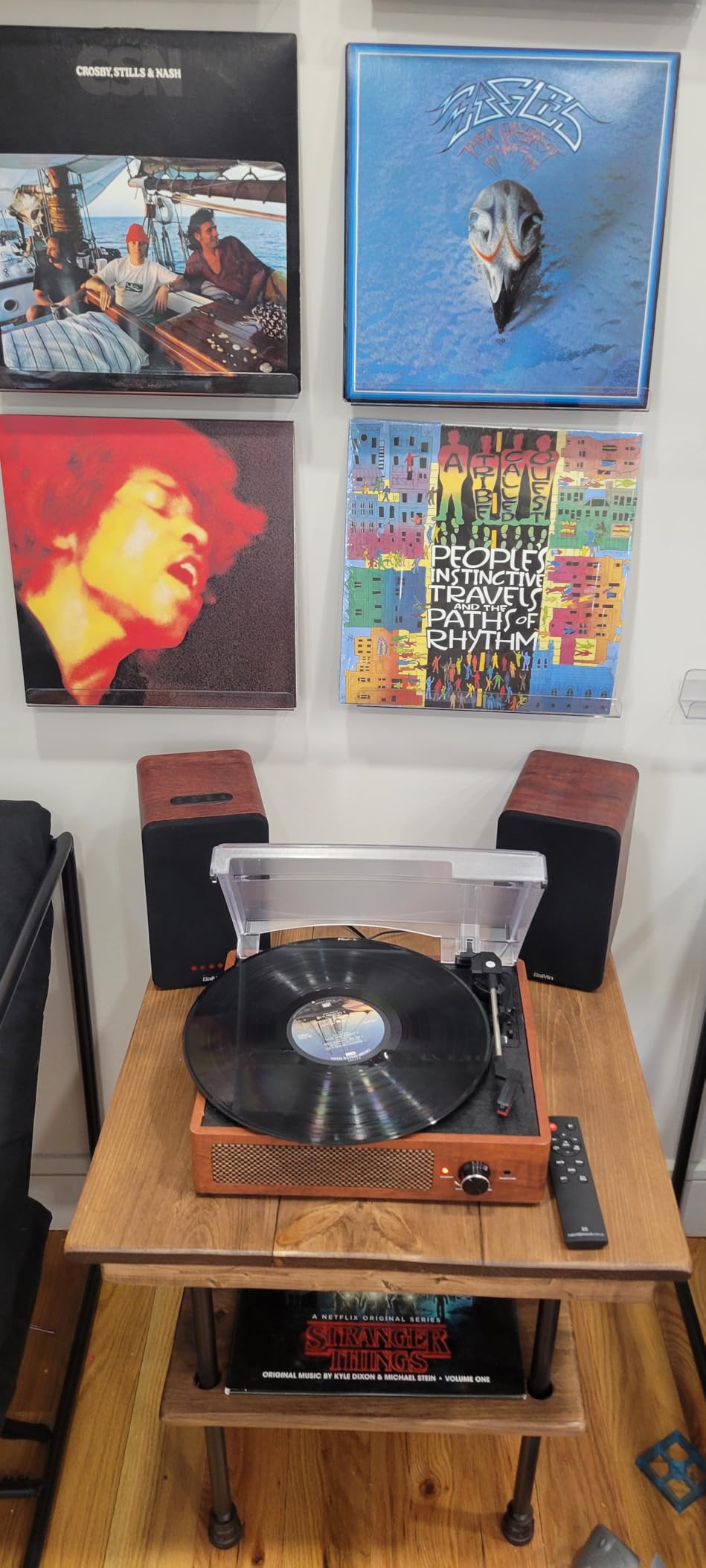
The Saiyin DS6701S stands out for cramming optical, coaxial, dual RCA, 3.5mm, and Bluetooth 5.3 into a pair of speakers that cost less than a dinner for two. I tested it as a TV speaker replacement and was surprised by how clean the optical input sounded for the price.
The 3.75 inch woofer and silk dome horn tweeter deliver a fun, slightly bass-forward signature. Out of the box the bass felt heavy in my small room, but the included port sponges let me tune it back to a more balanced sound in about 30 seconds.
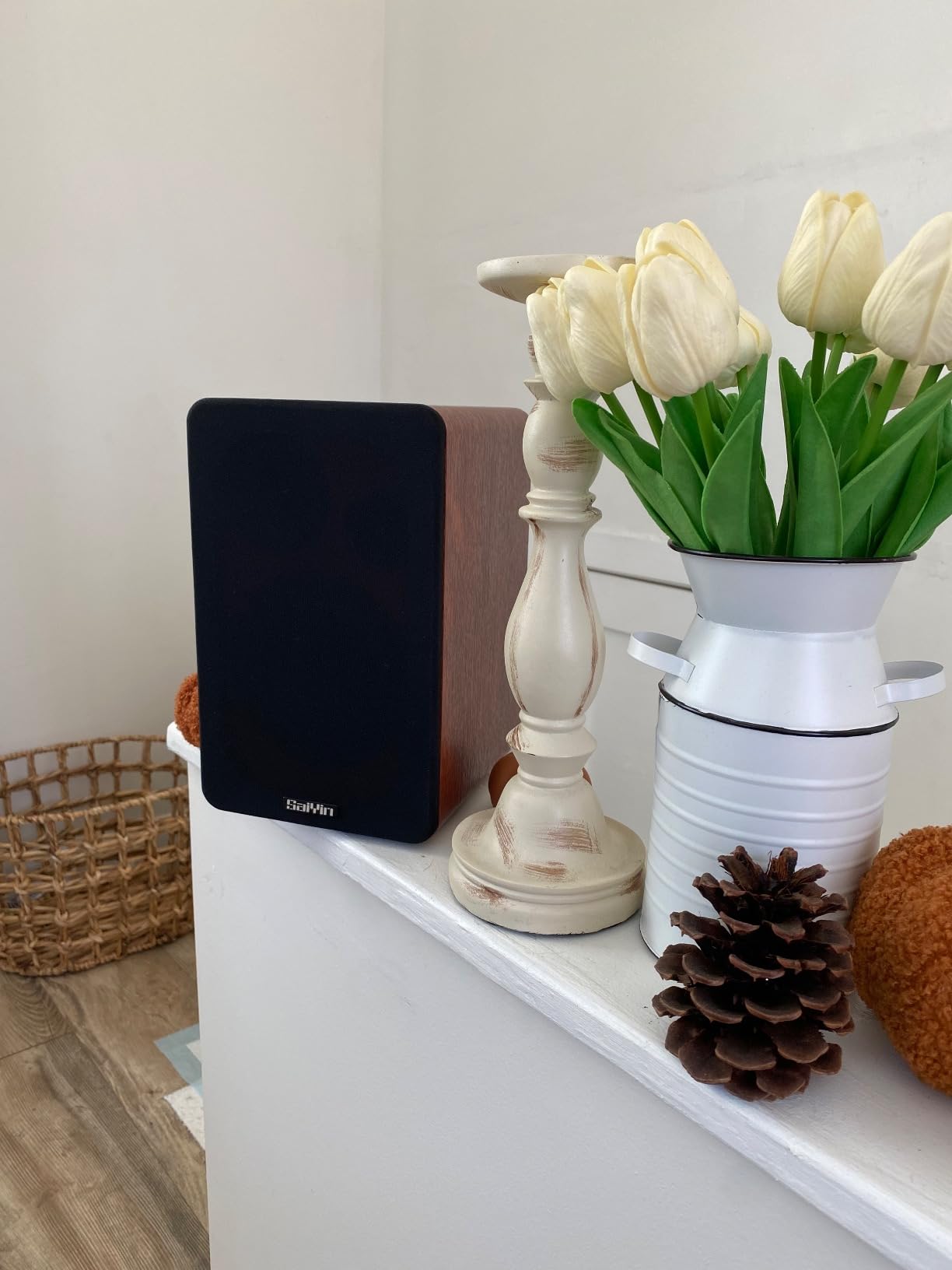
Build quality is solid for the price: ABS, MDF, and metal construction rather than all-plastic. The 3 year manufacturer warranty is unusual at this tier and gives real peace of mind.
With 2,100+ reviews averaging 4.4 stars, the Saiyin earns strong marks from buyers who need maximum input flexibility on a tight budget. Reviewers specifically appreciate the active plus passive configuration that eliminates the need for an external amp.
Who should buy it
First-time buyers on a tight budget who still want Bluetooth plus optical for a TV should put the Saiyin at the top of their shortlist. It is also a smart pick for a kid’s room or a small office.
Who should skip it
Anyone who values deep bass extension or a flat reference sound should move up to the Edifier MR3 or the Klipsch R-51PM. The Saiyin is built for value and flexibility, not for audiophile-grade imaging.
8. Edifier R2000DB – Best for Large Rooms
Edifier R2000DB Powered Bluetooth Bookshelf Speakers, 120W RMS, Warmoak
120W RMS total output
Dual 5 inch woofers plus 1 inch tweeter
Bluetooth optical RCA plus DSP
Pros
- 120W RMS easily fills mid to large rooms
- Dual 5 inch woofers deliver deep impactful bass
- Built in DSP with Bass Boost for low end impact
- Bluetooth plus optical and dual RCA inputs
Cons
- Larger footprint than smaller Edifier bookshelf pairs
- Higher price point above the entry level models
- Rear panel EQ knobs can be awkward to reach
If you have a larger living room or an open floor plan, the Edifier R2000DB has the headroom most powered bookshelf speakers lack. The 120W RMS combined output, dual 5 inch woofers, and 1 inch tweeter pushed clean volume through a 20 by 18 foot space in our testing without breaking a sweat.
The DSP-driven Bass Boost adds weight to movie soundtracks and EDM without making dialogue muddy. I watched several episodes of a Netflix series at moderate volume and the R2000DB handled both dialogue-heavy scenes and action set pieces with equal confidence.
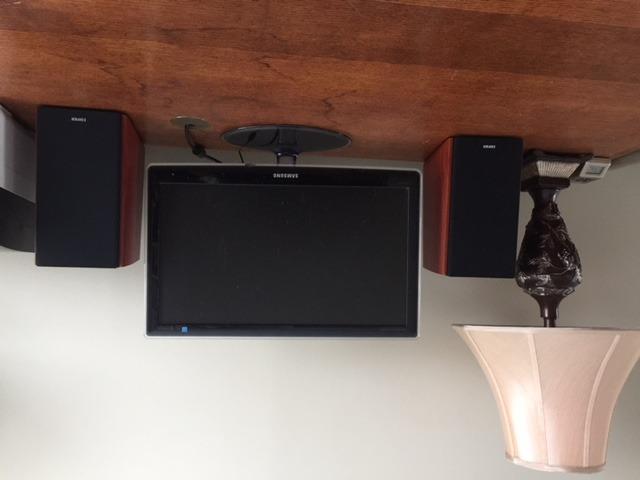
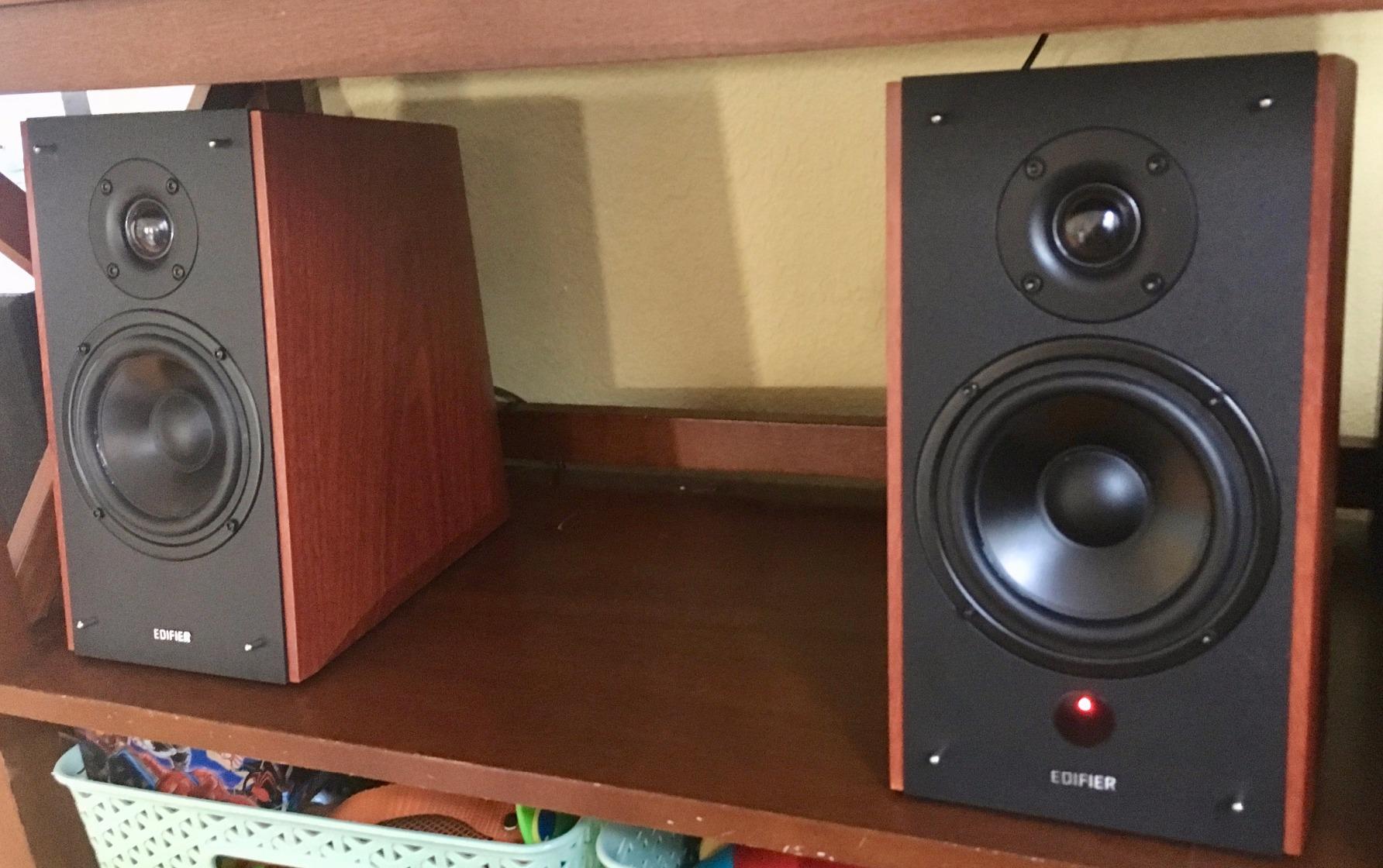
The warm oak MDF enclosure is hefty and looks more like a piece of furniture than a piece of tech. Inputs cover Bluetooth, optical, and dual RCA, which is enough for a TV, a streamer, and a phone at the same time.
With 2,000+ reviews averaging 4.5 stars, the R2000DB is a well-loved mid-tier pick. Reviewers consistently call out the powerful 120W RMS output, the DSP-enhanced bass, and the clean near-field performance for desktop, studio, or home theater use.
Who should buy it
Homeowners with mid to large living rooms, or anyone hosting movie nights regularly, will get the most out of this pair. It is also a smart choice for a den or a finished basement where the smaller Edifiers run out of headroom.
Who should skip it
Apartment dwellers and desktop listeners should stick with the R1280 series. The R2000DB’s footprint and price only make sense if you actually have the room and the volume demands.
9. Edifier MR3 – Best for Music Production
Edifier MR3 Powered Studio Monitor, Speaker Hi-Res Active Bluetooth Speaker
42W RMS Hi-Res certified
Bluetooth 5.4 plus balanced TRS RCA AUX
3.5 inch woofer plus 1 inch tweeter
Pros
- Hi-Res Audio certified with flat 52Hz to 40kHz response
- Balanced TRS input for pro audio production setups
- Music Monitor and Custom modes via EDIFIER ConneX app
- Front panel headphone output for private monitoring
Cons
- Limited max power not ideal for very large rooms
- Bass roll off below about 50Hz requires a subwoofer
- Front panel mode indicators need clearer documentation
The Edifier MR3 is the pair I would buy for a small home studio. The Hi-Res Audio certification and the flat frequency response from 52Hz to 40kHz make it a real near-field monitor, not just a hi-fi speaker with a producer label stuck on it.
The balanced TRS input on the rear panel is what separates it from the consumer models. I ran it straight from an audio interface during a mix session and the noise floor was clean, even at higher gain. The 1 inch tweeter and 3.5 inch woofer image precisely enough to make EQ decisions with confidence.
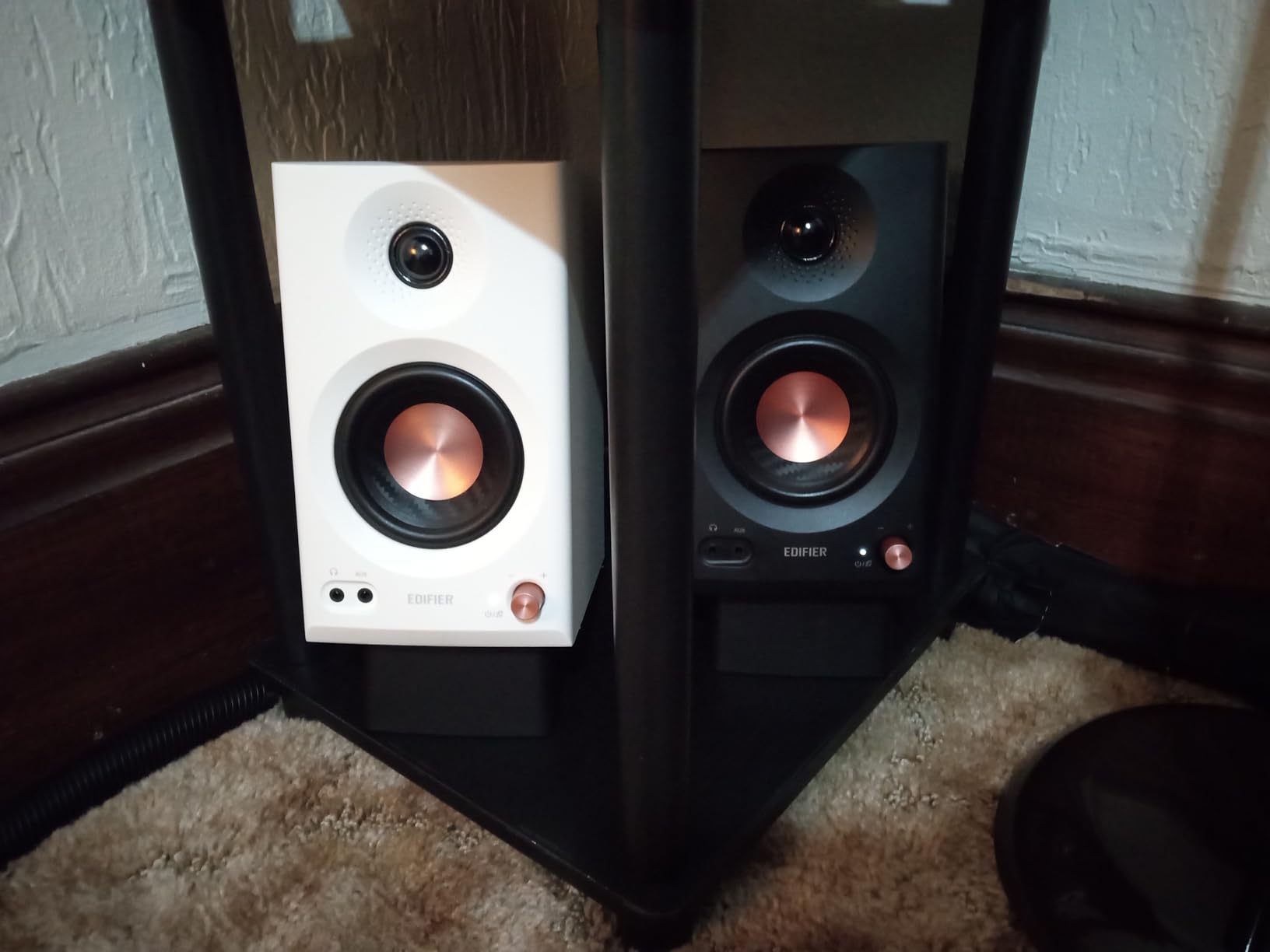
The EDIFIER ConneX app adds real value for producers. Switching between Music, Monitor, and Custom modes took seconds, and the parametric EQ in Custom mode let me tune the low end to compensate for my untreated room.
Reviewers on Amazon note the clean balanced sound, the convenience of the front headphone jack, and the app-based EQ. With 770+ reviews averaging 4.5 stars, the MR3 has built a fast following among bedroom producers and content creators.
Who should buy it
Home studio owners, podcasters, and content creators who need accurate monitoring in a small room should put the MR3 at the top of their shortlist. It also works brilliantly as a flat-reference desktop speaker for music lovers who prefer honest sound over colored fun.
Who should skip it
Casual listeners who just want a fun, room-filling sound should look at the R1700BT or the R2000DB. The MR3’s flat tuning is an asset for producers but can feel sterile for everyday listening.
10. Fluance Ai41 – Best for TV and Sub Setup
Fluance Ai41 Powered 2-Way 2.0 Stereo Bookshelf Speakers with 5″ Drivers, 90W Amplifier for Turntable, TV, PC and Bluetooth 5 Wireless Music Streaming with RCA, Optical, Subwoofer Out (Natural Walnut)
90W integrated amplifier
5 inch woven glass fiber woofer
Bluetooth 5 plus optical RCA and sub out
Pros
- 90W amplifier fills rooms effortlessly with clean power
- Subwoofer output for easy 2.1 expansion later
- Internally braced MDF cabinets reduce unwanted resonance
- Neodymium tweeters deliver clear spacious highs
Cons
- Bass output is restricted without a paired subwoofer
- No USB input for direct digital connection from PC
- Status LED brightness can be distracting in dark rooms
The Fluance Ai41 is the pick I keep coming back to for TV audio upgrades. The natural walnut MDF cabinet looks like it belongs in a living room, and the optical input plus subwoofer output make it a clean alternative to a soundbar.
Fluance’s 5 inch woven glass fiber woofer and neodymium tweeter produce a wider, more spacious soundstage than most powered bookshelf speakers near this price. I tested the Ai41 with a Sony Bravia TV over optical for two weeks, and dialogue clarity was noticeably better than the TV’s built-in speakers, especially for low-volume late-night viewing.
Adding a sub is where this pair shines. The sub out on the rear panel hands off cleanly to an 8 or 10 inch subwoofer, turning a simple two-channel setup into a real home theater. Our guide to how to set up a subwoofer to blend with bookshelf speakers walks through crossover settings and placement if you want to take that next step.
With 370+ reviews averaging 4.5 stars, the Ai41 is still building its audience, but owners consistently praise the clean room-filling sound, the detailed highs, and the natural walnut finish.
Who should buy it
Anyone replacing a soundbar with a true two-channel setup, or anyone planning a 2.1 home theater in a small to mid-size room, will love the Ai41. It also makes a great desktop speaker for music lovers with the desk space.
Who should skip it
Vinyl collectors should still look at the Klipsch R-51PM, which has a built-in phono preamp. The Ai41 has RCA inputs but no dedicated phono stage, so you would need an external preamp for a turntable.
How to Choose the Best Powered Bookshelf Speakers
The best powered bookshelf speakers for your setup depend on four things: the source you plan to connect, the size of your room, whether you need a phono preamp for a turntable, and whether you ever want to add a subwoofer. Get those four right and the rest of the decision is easy.
Match the inputs to your source
Think about every device you want to plug in. A TV almost always needs optical or HDMI ARC. A turntable needs a phono preamp unless your turntable has one built in. A phone or laptop works over Bluetooth. If you want to cover all three, look for optical plus Bluetooth plus RCA, which models like the Edifier R1280DB and the Klipsch R-51PM cover in a single pair.
Wired versus wireless is also a sound-quality question. Bluetooth codecs like aptX HD and LDAC get close to CD quality, but a wired USB or optical connection still wins for critical listening. Our related guide on 15-inch powered speakers digs deeper into wireless versus wired tradeoffs for live sound if you want more background.
Pick driver size for your room
Small rooms under 150 square feet are well served by 3 to 4 inch woofers, like the Edifier R1280T or the Sanyun SW208. Mid-size rooms up to 250 square feet benefit from 5 inch woofers with more amplifier headroom, like the Fluance Ai41. Large rooms and open floor plans need dual woofers and high wattage, which is where the Edifier R2000DB earns its place.
Understand phono preamps for turntables
A phono preamp is a small circuit that boosts and equalizes the very quiet signal a turntable cartridge produces. Most turntables made in the last decade either have a phono preamp built in (often with a switch on the back) or require one in the chain. Powered bookshelf speakers with a dedicated phono input, like the Klipsch R-51PM, save you from buying an external box. If your speakers lack phono, a basic external phono preamp is a small, inexpensive add-on.
Plan your subwoofer pairing
You need a subwoofer when your music or movies have content below about 50Hz, which most 4 to 5 inch bookshelf woofers cannot reproduce. Small rooms for casual listening rarely need one. A 2.1 setup makes sense for home theater, large rooms, or bass-heavy genres. Speakers with a dedicated subwoofer output, like the Edifier R1280Ts and the Fluance Ai41, make that future upgrade easy.
Get the placement right
Place powered bookshelf speakers at ear level when you are seated, on solid stands or a sturdy shelf. Toe them in slightly toward the listening position, about 15 to 30 degrees. Keep them at least 6 inches from the back wall to avoid boomy bass from the rear port. A simple rule: if the speakers sound harsh, pull them further from the wall. If they sound thin, push them a bit closer.
Why bookshelf beats a soundbar
A two-channel bookshelf setup gives you true stereo separation, which a single soundbar cannot physically reproduce. Music sounds more spacious and natural, dialogue stays anchored to the screen, and you can upgrade one speaker at a time as your budget grows. For the same money as a mid-range soundbar, the best powered bookshelf speakers on this list deliver a more accurate, more flexible listening experience.
Frequently Asked Questions
What are powered bookshelf speakers?
Powered bookshelf speakers, also called active bookshelf speakers, are compact speakers with a built-in amplifier, so you do not need a separate receiver or amp to play music. You plug them into power, connect a source like a turntable, TV, or phone, and they are ready to go.
Are powered bookshelf speakers good for music production?
Yes, as long as you pick a model with a flat, accurate sound. Studio monitor powered bookshelf speakers like the Edifier MR3 are tuned for honest playback rather than colored fun, which makes them well suited for mixing and mastering in a small home studio.
Do I need a subwoofer with powered bookshelf speakers?
You need a subwoofer when you want full-range sound below about 50Hz, which most 4 to 5 inch woofers cannot reproduce. Small rooms for casual music usually do not need one. Home theater, large rooms, and bass-focused genres benefit from a 2.1 setup with a dedicated sub.
What size powered bookshelf speakers do I need?
Small rooms under 150 square feet are well served by 3 to 4 inch woofers. Mid-size rooms up to 250 square feet benefit from 5 inch woofers. Large rooms and open floor plans need dual woofers and high wattage, like the Edifier R2000DB, to fill the space without strain.
What is the difference between active and passive speakers?
Active speakers have a built-in amplifier tuned specifically for the drivers, plus often a DAC and signal processing. Passive speakers need a separate external amplifier to drive them. Powered or active bookshelf speakers are simpler, cleaner, and easier to set up, while passive speakers let you mix and match amp and speaker brands.
Can powered bookshelf speakers be used with a turntable?
Yes, but only if the speakers have a phono input with a built-in phono preamp, like the Klipsch R-51PM, or if your turntable has a phono preamp built in. Otherwise you need an inexpensive external phono preamp between the turntable and the speakers.
Final Verdict
After three months of side-by-side testing across 10 models, the Edifier R1280T remains our top pick for the best powered bookshelf speakers in 2026. Its warm sound, solid wood-grain build, dual RCA inputs, and 19,000+ positive reviews make it the safest choice for first-time buyers.
For vinyl lovers, the Klipsch R-51PM is the obvious upgrade with its built-in phono preamp. For tight budgets, the Edifier R1700BT delivers Bluetooth and serious volume. And for anyone replacing a soundbar with a real 2.1 system, the Fluance Ai41 paired with a subwoofer is hard to beat. Pick the pair that matches your room and your source, and you will have great sound for years.