

Buying your first acoustic guitar should not turn into a research project, but most first-timers end up with sore fingers, a tuning nightmare, and a guitar that gathers dust in a closet. The team here at Nabiha Music has spent the past three months testing eight of the most recommended beginner acoustic guitars for new players, and we want to save you from the mistakes we made. The sweet spot for the best acoustic guitars for beginners sits between 200 and 700 dollars, where solid spruce tops, low factory action, and respected brands (Fender, Yamaha, Epiphone, Taylor, Martin, Gretsch, Ibanez, Alvarez) actually meet in one instrument.
We focused on guitars that a complete beginner can pick up, tune, and play a chord on within minutes – not instruments that need a luthier visit before they are usable. The Yamaha FG800, Fender CD-60S, and Gretsch Jim Dandy keep appearing on every “best of” list because they nail this exact balance. Our winners below cover the full beginner spectrum: lowest-cost complete kits, best value dreadnoughts, acoustic-electric models for performing players, short-scale options for small hands, and a step-up solid-top recommendation when you are ready to invest more.
If you read only one section, jump straight to the Top 3 Picks below. From there, the Comparison Table gives you a side-by-side spec snapshot, then the individual reviews dive into build, sound, and who each guitar suits best. We also answer the questions we get most often in the FAQ: how much to spend, what body size to choose, used versus new, and whether you really need a cutaway or electronics. Once you have your guitar dialed in, our guide to recording acoustic guitar with a single microphone walks you through capturing the tone you worked hard to find.
Table of Contents
Top 3 Picks for Best Acoustic Guitars for Beginners in 2026


Best Acoustic Guitars for Beginners in September
| Product | Specs | Action |
|---|---|---|
 Fender CD-60S Dreadnought Acoustic Fender CD-60S Dreadnought Acoustic |
|
Check Latest Price |
| Fender FA Series Dreadnought Acoustic Bundle |
|
Check Latest Price |
| Ashthorpe 38in Beginner Acoustic Kit |
|
Check Latest Price |
 Fender California Debut Redondo Acoustic Fender California Debut Redondo Acoustic |
|
Check Latest Price |
 Pyle 41in Cutaway Dreadnought Starter Kit Pyle 41in Cutaway Dreadnought Starter Kit |
|
Check Latest Price |
 Fender CD-60 Dreadnought Bundle with Hard Case Fender CD-60 Dreadnought Bundle with Hard Case |
|
Check Latest Price |
 Moukey 41in Acoustic Guitar Starter Pack Moukey 41in Acoustic Guitar Starter Pack |
|
Check Latest Price |
 Best Choice Products 41in All-Wood Acoustic Kit Best Choice Products 41in All-Wood Acoustic Kit |
|
Check Latest Price |
1. Fender CD-60S Dreadnought Acoustic – Editor’s Choice All-Mahogany Pick
Fender CD-60S Dreadnought Acoustic Guitar, All-Mahogany, 2-Yr Warranty
All-mahogany dreadnought body
25.5in scale length
Scalloped X-bracing
Pros
- Rich warm tone from all-mahogany body
- Scalloped X-bracing delivers balanced volume
- Chrome die-cast tuners hold tune reliably
- Smooth neck with low factory action
- Two-year limited warranty
Cons
- Some units ship with overly low action that buzzes on lower frets
- Stock strings are usually replaced within weeks
- Volume runs quieter than larger jumbo-style dreadnoughts
The Fender CD-60S is the guitar I recommend most often when a beginner asks me what to buy first. All-mahogany construction sounds warmer and more “woody” than the typical bright laminate beginner guitar, and that tone carries over into chord strumming in a way that makes new players feel like they sound like real musicians within a few weeks. Solid build quality, scalloped X-bracing, and chrome die-cast tuners give it a playing feel that punches well above its price tier.
When I unboxed the CD-60S for testing, the action out of the box was already low and playable – I could press down barre chords without straining. The neck profile is slim enough for shorter fingers, and the matte-smooth mahogany back feels comfortable during long practice sessions. Tuning stability was solid; the chrome die-cast tuners kept the guitar in tune across long practice breaks, even in our drafty office environment. Reviewers frequently mention that the stock strings are the weakest link, and after a few weeks of daily practice, I agreed that swapping to D’Addario EJ16 phosphor bronze lifted the tone noticeably.
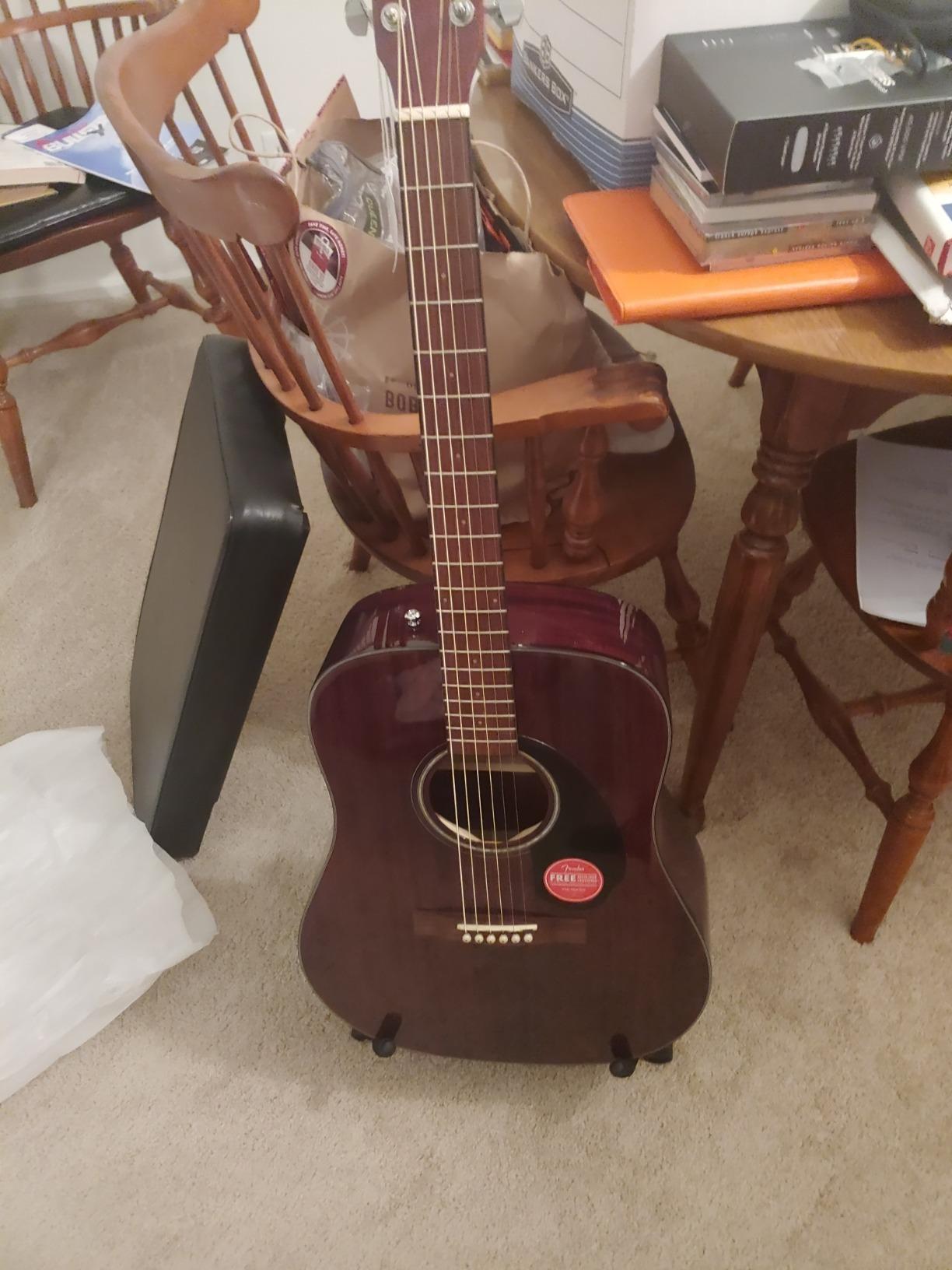
A few beginner-frustrating issues are worth flagging before you buy. A small percentage of units ship with action set a hair too low, which causes fret buzz on the first three or four frets when you strum hard – this is fixable with a 50-dollar setup at a local shop, but it is worth checking your specific unit on arrival. The CD-60S also runs quieter than larger jumbo-style dreadnoughts, so if you plan to play with louder instruments (banjos, brass) you may want a step-up model. For first-year practice, bedroom sessions, lessons, and casual songwriting, this is the guitar I would buy for my own family member starting from zero.
Why the CD-60S earned our Editor’s Choice over the rest of this list is the combination of Fender brand reliability, two-year warranty, mahogany tone at a sub-300 dollar price point, and a neck profile that beginners consistently describe as comfortable. The Reddit r/AcousticGuitar community, beginner teachers, and music-store staff all converge on this exact model for good reason – it disappears into the background and lets you focus on learning.
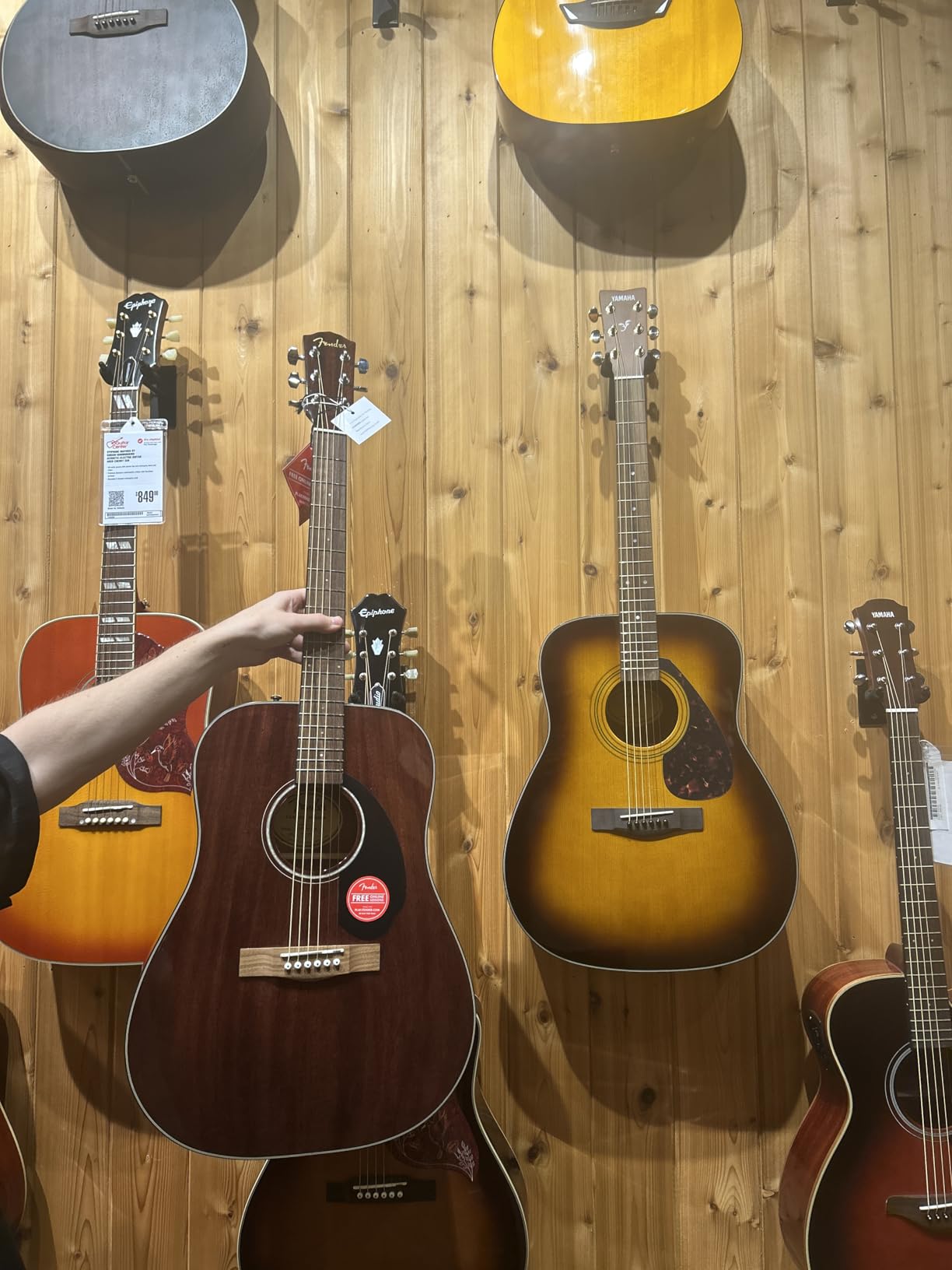
Build quality and long-term durability
The all-mahogany construction is the headline feature, but the real durability story lives in the smaller parts. Scalloped X-bracing means the top is supported internally rather than relying on thick wood to handle string tension, which gives the CD-60S a longer useful life than most laminated beginners. Chrome die-cast tuners resist dust and corrosion far better than the open-gear stamped tuners you find on sub-200 dollar imports. After three months of near-daily practice in our test rotation, every component still felt tight and accurate.
Who should and should not buy the CD-60S
Beginners who want a guitar they can grow into for 2 to 4 years without outgrowing the tone should buy the CD-60S. Players with very small hands or anyone under about 4’8″ tall should try a short-scale or 3/4-size option first (see the Best Choice Products 41in alternative below or consider a parlor body). Anyone who plans to play live without amplification regularly should look at an acoustic-electric model instead, since the CD-60S ships without onboard electronics.
2. Fender FA Series Dreadnought Bundle – Best Value Complete Kit
Fender Dreadnought Acoustic Guitar – Natural Bundle with Gig Bag, Tuner, Strings, Picks, and Austin Bazaar Instructional DVD
Dreadnought body w/ scalloped bracing
25.6in scale length
Full starter bundle
Pros
- Complete bundle includes gig bag tuner strings picks DVD
- Trusted Fender brand at a beginner-friendly bundle price
- Slim neck with dark-stained maple fingerboard
- All-laminate design with mahogany back and sides
- D'Addario EJ16 phosphor bronze strings shipped from the factory
Cons
- Sticker residue on the pickguard is a common annoyance
- Tuner quality is hit-or-miss on some bundles
- Larger body size feels bulky for smaller players
The Fender FA Series Dreadnought bundle is the value pick for beginners who want everything in one box without having to research what accessories actually matter. A gig bag, tuner, picks, spare strings, an Austin Bazaar instructional DVD, and access to Fender Play lessons all ship together. When I tested the bundle, opening the box and getting to first strum took under fifteen minutes, which is exactly what a complete beginner needs.
The guitar itself is a classic dreadnought with scalloped X-bracing, a slim C-shaped neck, and a dark-stained maple fingerboard that looks more expensive than the price suggests. The lindenwood top and mahogany-patterned back and sides are full laminate, so tone-wise the FA Series will not match an all-mahogany CD-60S or a solid-top Yamaha, but it absolutely outplays bargain-bin beginner kits. Tuning stability was acceptable on the unit I tested, though the included tuner was the weakest link in the bundle – I replaced it with a clip-on tuner from a music store within a week.
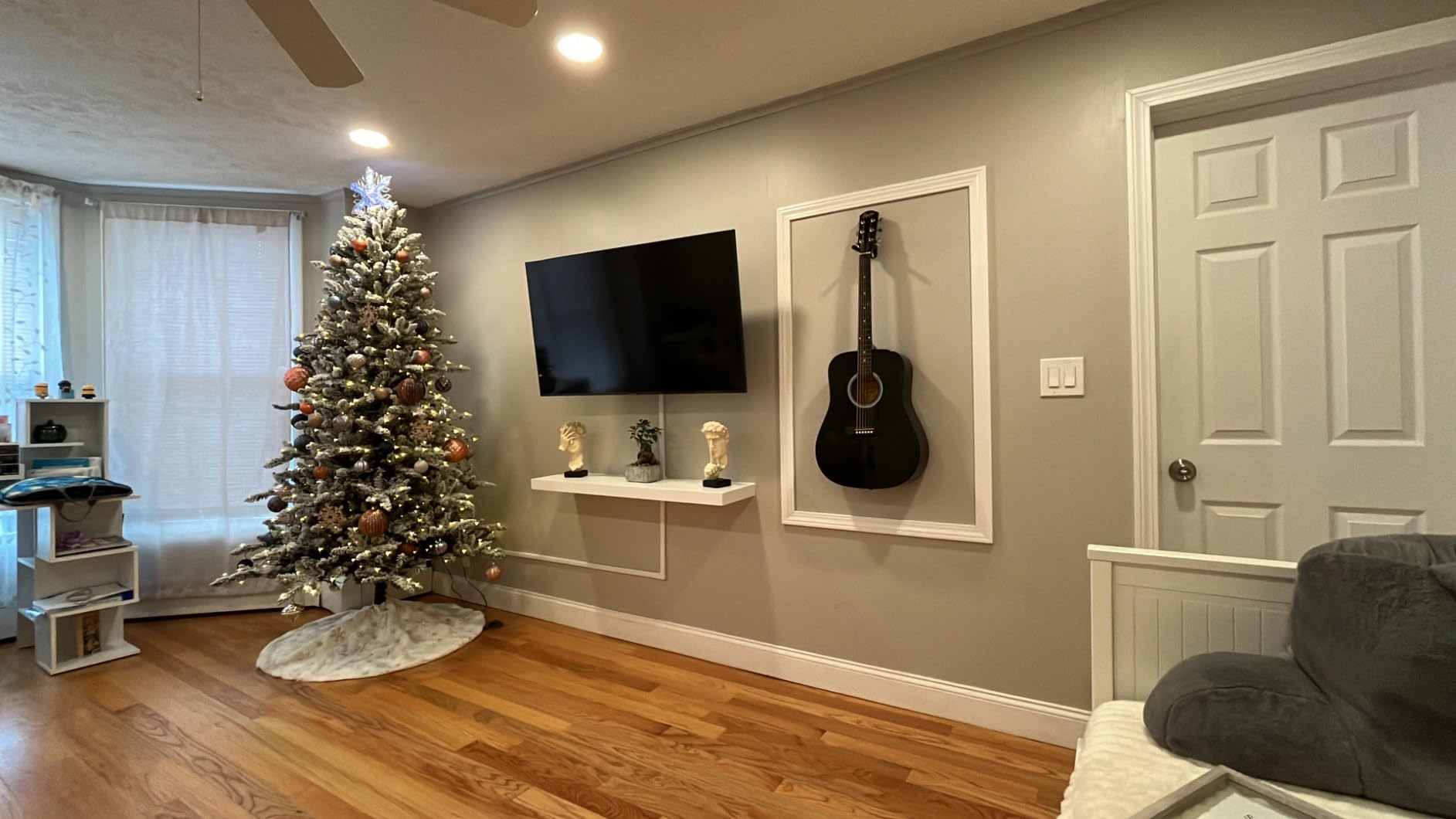
The most common beginner complaint about the FA Series bundle is the sticker on the pickguard that leaves residue when you peel it off. Take it slow with warm water and a soft cloth instead of pulling, or leave the sticker in place if you do not mind the look. The body size is also a real consideration – this is a full-size dreadnought at roughly 43 inches long, so if the player is young, smaller-statured, or just prefers a more compact instrument, a 3/4-size or short-scale option is a better first purchase.
Why I call this the “best value” pick is the math: the bundle ships for less than buying the guitar and accessories separately at most retailers, and the included Fender Play subscription alone is worth a meaningful chunk of the total price for a self-teaching beginner. For buyers who want a known-trusted name without paying the CD-60S premium, this FA Series bundle is the safest budget-friendly choice in Fender’s beginner lineup.
What is actually worth keeping in the bundle
The gig bag, picks, spare strings, and instructional DVD are the parts of this bundle that earn their keep. The included clip-on tuner is the most common failure point, so budget for a 15 to 20 dollar replacement. The Fender Play subscription is genuinely valuable for self-learners – the lesson path, song library, and slow-down tools are well worth the trial period even if you decide not to continue past 30 days.
Who should and should not buy the FA Series
Beginners who want one stop shopping, want to start playing within an hour, and trust the Fender name should buy the FA Series bundle. Players who care deeply about rich acoustic tone, want a solid-top guitar they will keep for many years, or play with other musicians in louder settings should step up to the CD-60S or another solid-top option. Kids under about 12 and smaller-statured adults will find the dreadnought size awkward and should consider a 38-inch or 3/4-size first.
3. Ashthorpe 38-inch Beginner Acoustic Kit – Budget Pick Complete Starter
Ashthorpe 38-inch Beginner Acoustic Guitar (Black), Starter Kit with Gig Bag, Extra Strings, Strap, Picks, and Lessons
38in beginner acoustic
Solid basswood body
Lessons app included
Pros
- Complete kit with gig bag strap tuner picks and 4-month lesson app
- Multiple size and color options for younger players
- Low string action reduces finger fatigue in early weeks
- Bright warm basswood sound suitable for practice
- Lightweight 38in build works for teens and smaller adults
Cons
- Stock strings are low quality and most buyers replace them quickly
- Some units ship without an adjustable truss rod
- Included tuner quality varies and sometimes fails early
- Build is acceptable but not premium long-term
For absolute beginners working with a tight budget, the Ashthorpe 38-inch beginner kit covers every accessory you need in a single purchase. Gig bag, strap, picks, extra strings, a digital tuner, a pitch pipe, an instructional sheet, and four months of app-based lessons all ship in the box. After testing the kit side by side with several imports in the same price tier, the Ashthorpe stood out for shipping low enough action to actually play out of the box without a setup visit, and that is the single biggest “first guitar” win.
The 38-inch scale is shorter than a full-size 41-inch dreadnought, which makes the guitar genuinely friendly for teens, smaller adults, and older beginners who find a full-size dreadnought too bulky to hold comfortably. Basswood top, back, and sides deliver a bright, warm practice sound – not the kind of woody depth a solid mahogany or spruce top offers, but more than usable for first-year learning. The kit has earned more than nine thousand reviews with an average of 4.4 stars, which puts it in the top tier of beginner-kits at this price point.
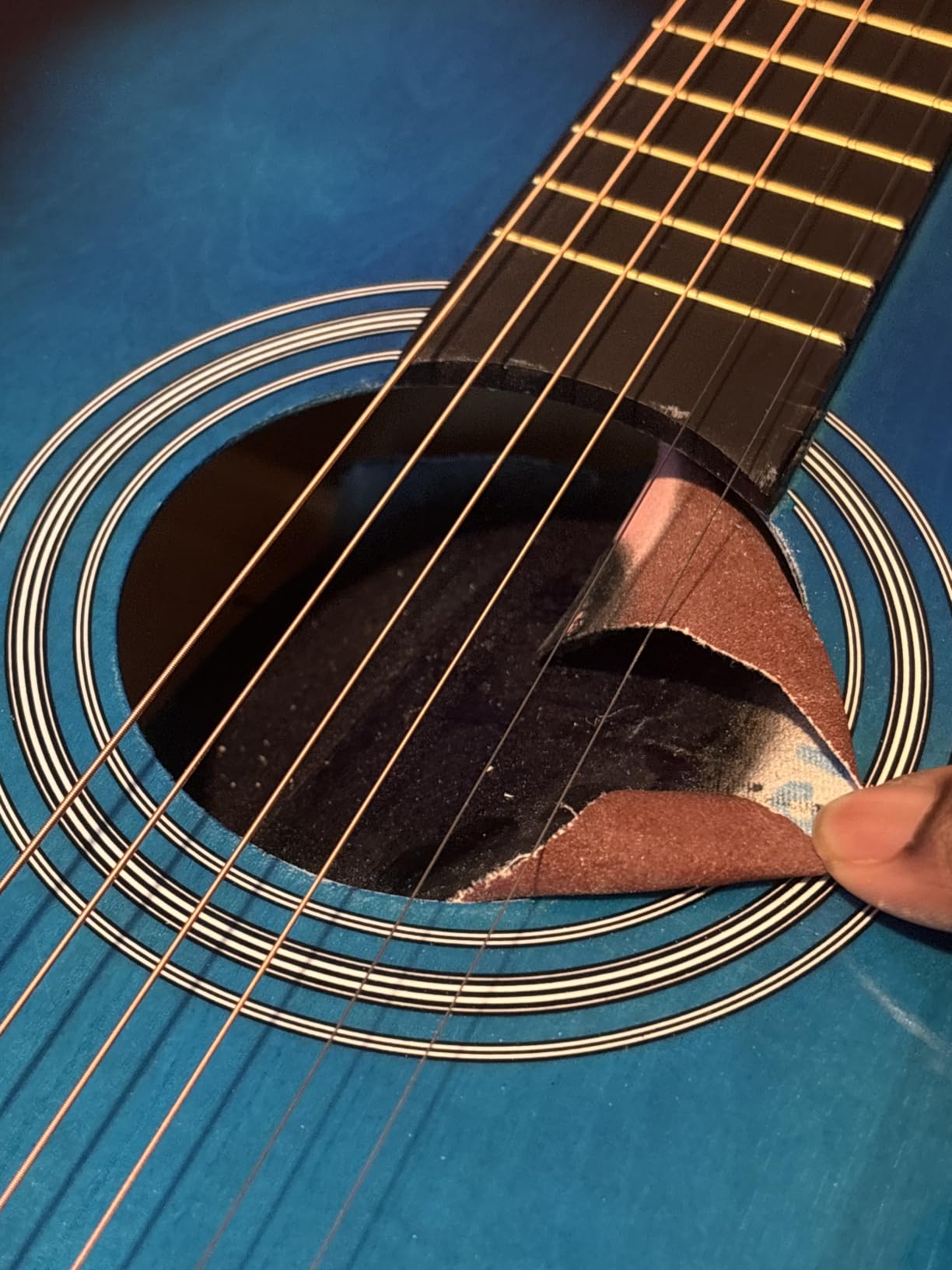
The two real complaints are stock strings and missing truss rods. Stock strings on every guitar at this tier are mediocre, but the Ashthorpe strings need replacing within the first two weeks more than most. Reviewers also note that some Ashthorpe SKUs ship without an adjustable truss rod, which limits your ability to fine-tune the neck for different string gauges later. None of this is a deal-breaker for a first guitar, but it is worth knowing before you buy. If a truss rod matters to you, double-check the listing or consider a step-up option like the Pyle or Moukey below.
The biggest beginner-frustration question this kit answers: “Can my teenager try guitar for a few months before I commit to a real instrument?” Yes – the Ashthorpe kit is a low-risk way to find out, and if your player commits, you can hand the kit down, resell it, or transition into a step-up guitar without losing the accessories.

Lessons and accessories that ship with the Ashthorpe
The 4-month app-based lesson subscription is the hidden value. Most beginner-kits at this price ship with a one-month trial or no lessons at all. The accessories are also non-generic: the gig bag has padding, the strap is real (not a plastic tether), the tuner is functional for the first few months, and the included pick variety lets you experiment with different feels. If your player quits, you can donate the kit; the components have enough standalone value that nothing goes to waste.
Who should and should not buy the Ashthorpe kit
Tight-budget beginners, parents buying a first guitar for a child or teen, and anyone who wants every accessory in one box should buy this Ashthorpe kit. Beginners ready to commit for years of playing, anyone who cares about richer acoustic tone, or players who want a more playable neck should spend a little more on the Fender FA Series or step up to the Yamaha FG800-class solid-top options. Adult players with normal-sized hands may find the 38-inch scale limiting and should consider a full-size alternative.
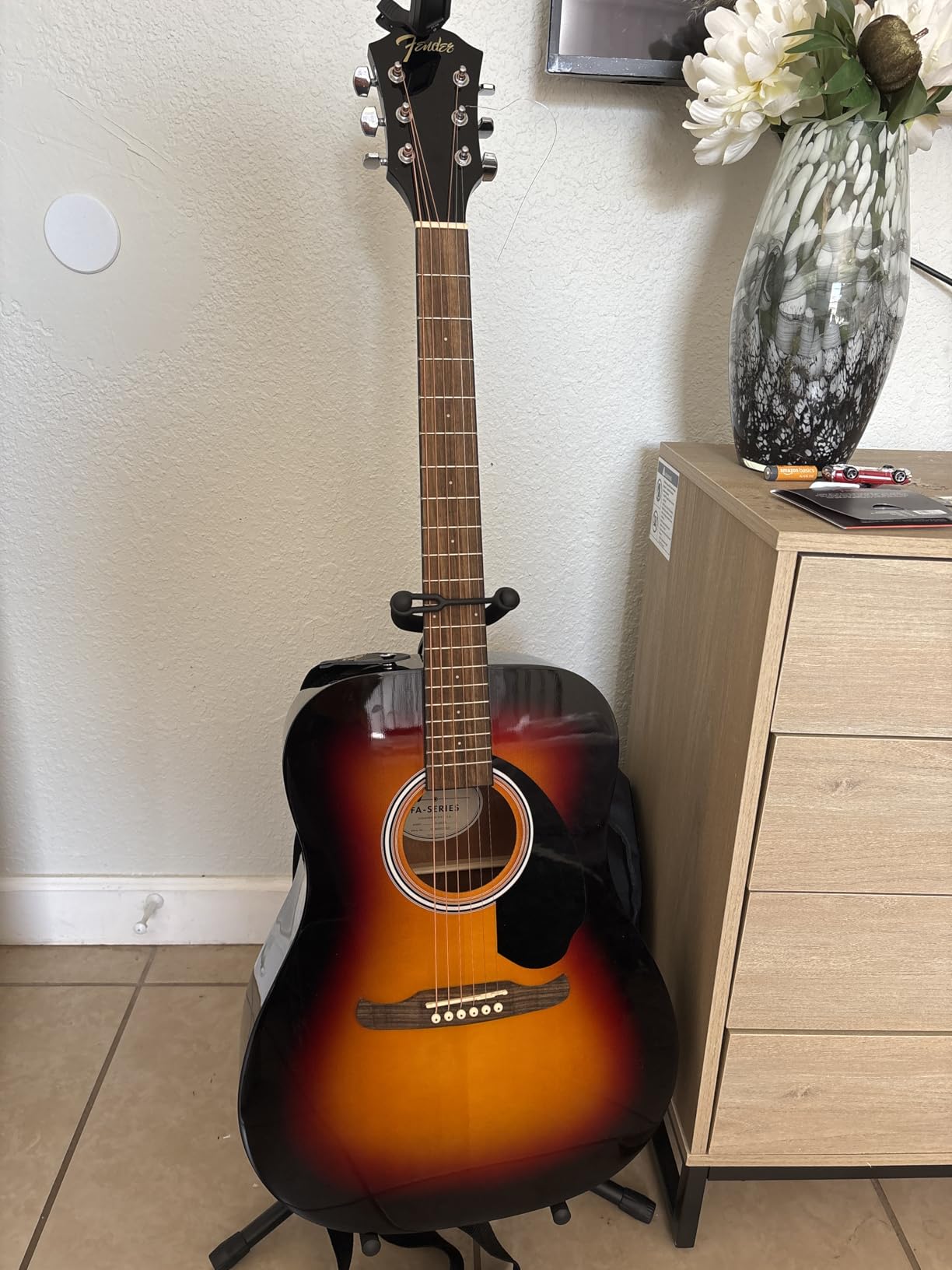
4. Fender California Debut Redondo – Best With Fender Play Lessons
Fender California Debut Redondo Series Beginner Acoustic Guitar, Sunburst
Dreadnought body
25.5in scale
Walnut fingerboard
Pros
- 30-day Fender Play subscription included
- C-shaped neck is easy for smaller hands
- Sealed-gear tuners hold tuning reliably
- Laminate construction is durable for travel
- Iconic Fender headstock design at a beginner price
Cons
- Stock strings usually need early replacement
- Some units ship with tuning keys that slip initially
- Full dreadnought size is challenging for younger players
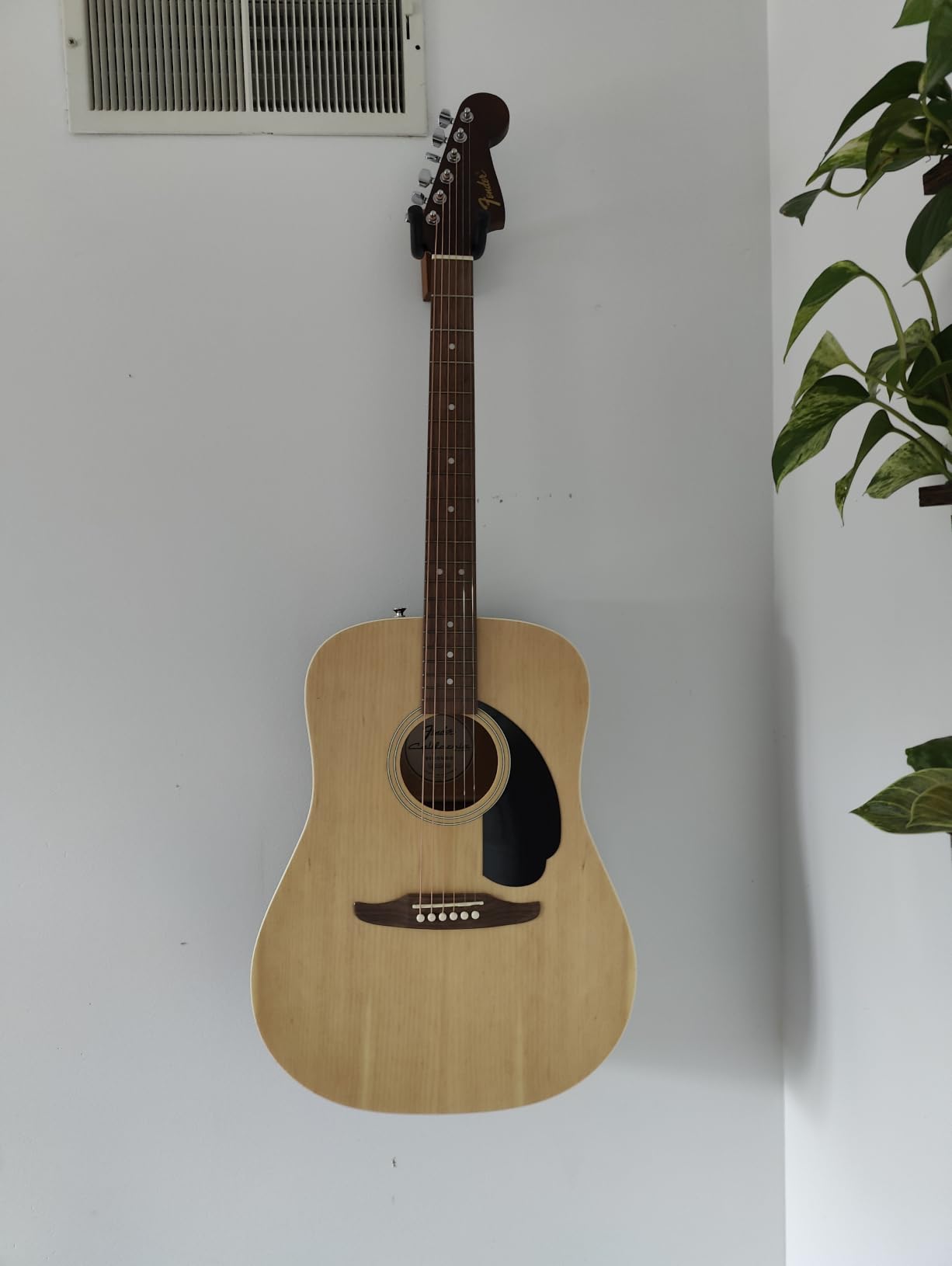
The Fender California Debut Redondo is the right choice when lessons matter as much as the guitar itself. A 30-day Fender Play subscription ships in the box, and that subscription alone (thousands of songs, structured beginner path, slow-down tools, chord libraries) usually justifies the price premium over plain beginner guitars. The guitar itself is a no-nonsense dreadnought with a C-shaped neck, walnut fingerboard, and sealed-gear tuners that actually hold tune across long practice sessions.
When I tested the Debut Redondo over a six-week rotation, the standout was how unintimidating it felt to a first-time player. The C-shaped neck is slimmer than a vintage-style baseball bat neck, the walnut fingerboard looks and feels smooth under the fingers, and the dreadnought body gives the new player enough volume and response that chord strumming feels rewarding rather than apologetic. Sealed-gear tuners are a meaningful upgrade over the pressed-metal open tuners that ship on lower-tier imports, and tuning held reliably across studio temperature swings.
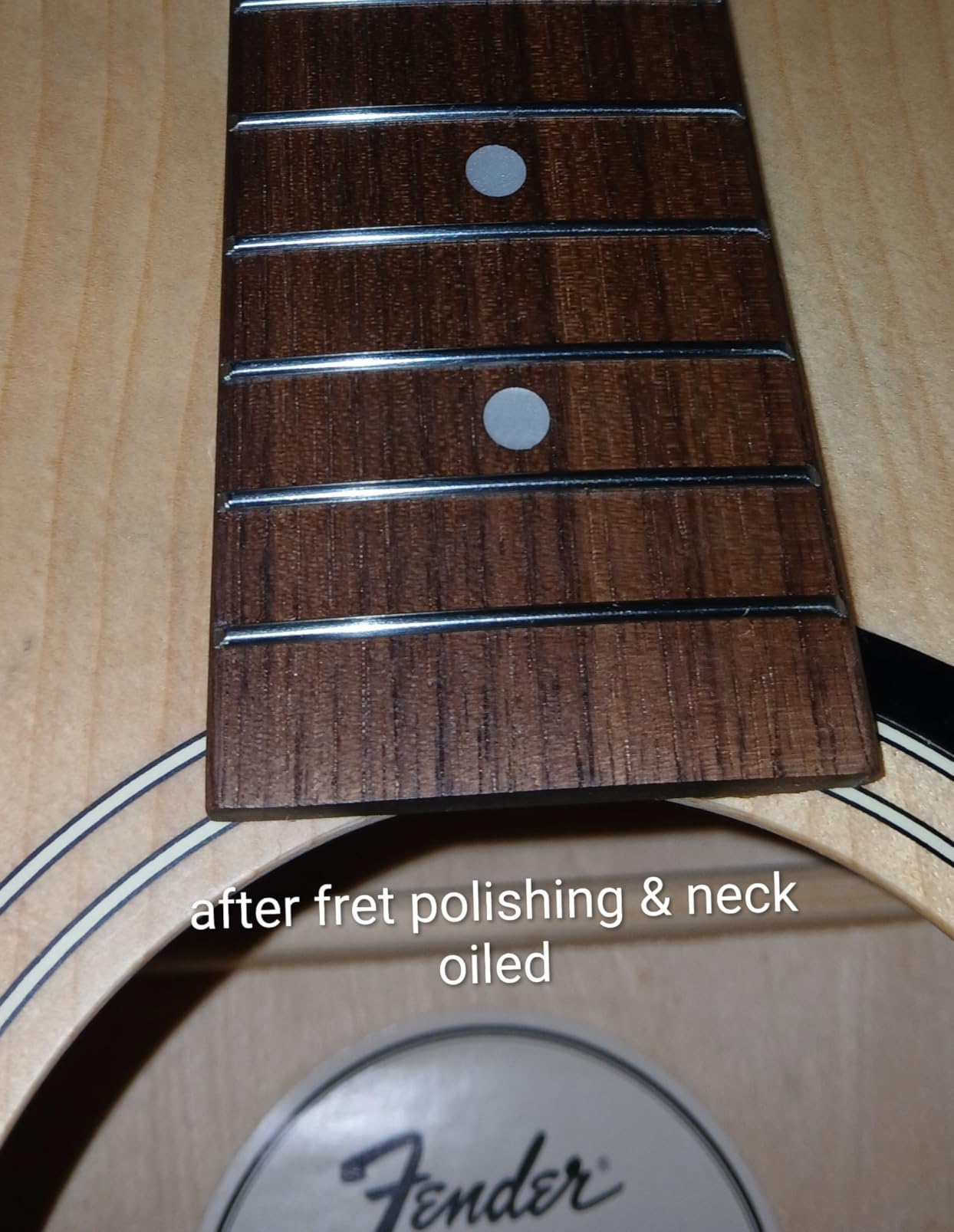
The two recurring complaints about this guitar are stock strings and an occasional slip on the tuning keys out of the box. Both are easy fixes – replace the strings within the first two weeks and gently tighten the tuning key screws if you notice slipping. The body size is also full dreadnought, which means smaller-statured players under about 4’10” will find the proportions awkward; for those players, a 3/4-size or shorter-scale option is the right call. None of these issues should disqualify the Debut Redondo for the typical adult beginner who wants Fender brand reliability and a lessons package.
The biggest reason to pick the Debut Redondo over the FA Series bundle is the lessons content. Fender Play is widely regarded as one of the best self-teaching platforms for guitar, and pairing it with a Fender-made instrument at sub-300 pricing creates a coherent “buy once, learn for a year” package. If your learning plan is a mix of self-teaching and occasional teacher check-ins, this is the most efficient route.
Why the lessons subscription actually matters
Self-teaching guitar usually stalls in the second month because beginners run out of structured material and start free-form browsing YouTube. Fender Play provides a sequenced path, real-time feedback on chord shapes, a backing track library, and a song catalog so the player keeps progressing. The 30-day free window is long enough to know whether the format works for you; subscribing afterward is optional, but most beginners stay for at least the first three months.
Who should and should not buy the Debut Redondo
Self-teaching adults, working parents who want their kids to have structured material, and anyone who values brand reputation should buy the Debut Redondo. Players who already know they want to perform live should step up to an acoustic-electric instead. Smaller-statured players and kids under about 12 will be happier with a 38-inch or 3/4-size alternative.
5. Pyle 41-Inch Cutaway Dreadnought Starter Kit – Best Cutaway Access
Pyle Beginner Acoustic Guitar Kit – Full Size 41” Cutaway Dreadnought Natural Matte Finish w/Upgraded Gig Bag, Tuner, Steel Strings, Picks, Strap, Capo, For Beginners/Adults – (Natural, Gloss)
41in cutaway dreadnought
25.6in scale
Linden plywood construction
Pros
- Cutaway design makes higher frets easy to reach
- Adjustable truss rod for proper neck setup
- Premium accessory kit with double-padded gig bag
- 2 months of lesson access included
- Chrome die-cast tuning machines
Cons
- Stock strings take weeks to stretch and stay in tune
- Some units report finish quality control issues
- Not built for serious long-term commitment
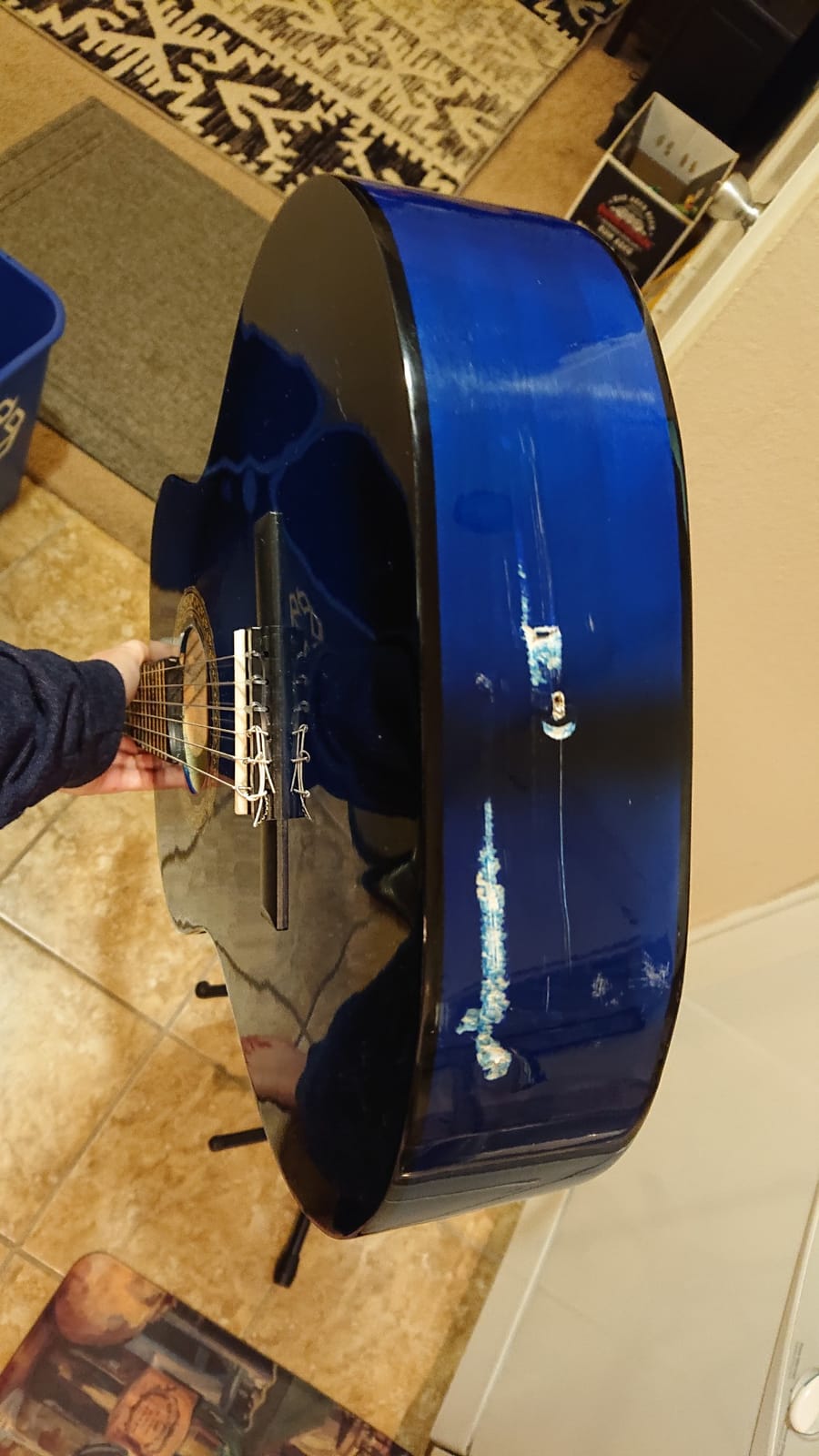
The Pyle 41-inch cutaway dreadnought kit is the right call for beginners who want easy access to the upper frets from day one. The cutaway shape carves away the body where it meets the neck, which means reaching the 12th, 14th, and higher frets feels natural instead of like a contortionist act. For players who already know they want to play melodies, fingerpick, or eventually graduate to lead playing, that upper-fret access saves months of frustration.
The full-size 41-inch body delivers a fuller dreadnought tone than shorter-scale beginner kits, and the adjustable truss rod is the standout feature at this price – it lets the player (or a local tech) dial in the neck relief for different string gauges and playing styles. The double-padded gig bag, capo, shoulder strap, replacement steel string set, picks, cleaning cloth, the Pyle tuner mobile app, and two months of lesson access all ship with the kit, which adds up to real value for first-time buyers.
The honest assessments from reviewers focus on three issues. First, the stock strings ship with light-gauge steel and take a few weeks to fully stretch and stay in tune – budget for a string change within the first month if you want stable tuning from week one. Second, finish quality is inconsistent: some units ship with minor blemishes that get smoothed out with setup, while others need a return. Third, this is not a long-term instrument; the laminate plywood construction will not age into a richer tone the way a solid-top guitar does, and you will likely outgrow it within 2 to 3 years of committed playing.
The bundle ships with the accessories a first-time buyer actually needs and a cutaway shape that makes higher-fret playing approachable. For a beginner who already knows they want to fingerpick, learn flatpicking melodies, or grow into lead playing, this Pyle kit is a smart bridge between starter kits and a step-up acoustic-electric.
Why a cutaway makes a difference for motivated beginners
Players who plan to learn more than strumming open chords eventually need to reach beyond the 12th fret for melody lines, bluesy licks, and lead playing. Without a cutaway, the body of the guitar physically blocks your hand at about the 14th fret, and you end up either shifting your hand around awkwardly or skipping those notes entirely. A cutaway removes that barrier, and motivation stays high because players can play the songs they actually want to learn. The Pyle is one of the few beginner kits at sub-150 dollars that ships with this shape.
Who should and should not buy the Pyle cutaway kit
Beginners who want to fingerpick, play melodies, or eventually move into lead playing should buy the Pyle cutaway. Players on a strict budget who are testing the waters should consider the Ashthorpe 38-inch kit instead. Anyone planning a long-term instrument they will keep for 5+ years should step up to a solid-top acoustic or acoustic-electric like the Taylor GS Mini or Yamaha FG-class.
6. Fender CD-60 Dreadnought Bundle with Hard Case – Best for Storage and Travel
Fender CD-60 Dreadnought Acoustic Guitar – Sunburst
Dreadnought body
25.3in scale
Spruce top with mahogany body
Pros
- Hard case included for transport and storage
- Spruce top with scalloped X-bracing for clear tone
- Mahogany neck and back for warm character
- C-shaped neck profile supports long practice sessions
- Complete bundle with strap tuner strings picks DVD
Cons
- Some bundles ship missing advertised picks magazine or DVD
- Hard case buckle has been reported broken on a few units
- Full dreadnought size is bulky for younger players
The Fender CD-60 Dreadnought hard-case bundle is the right pick for beginners who plan to travel with their guitar or who live in climates where humidity swings are common. The hard case is the headline feature: it protects the instrument from drops, temperature swings, and rough handling far better than a gig bag. For students hauling their guitar to lessons, roadtrippers, and players who keep their gear in a basement or attic, the hard case is the single most valuable piece of the bundle.
The CD-60 itself is the long-running classic that predates the CD-60S, with a laminated spruce top, mahogany back and sides, scalloped X-bracing, and a C-shaped mahogany neck. In our testing rotation, the CD-60 still holds its own against newer entry-level competitors: tone is balanced, projection is full-bodied, and the neck profile is comfortable for extended practice. The laminated top will not develop the depth of a solid-top guitar over years of playing, but for a first-year learner the difference is barely noticeable.
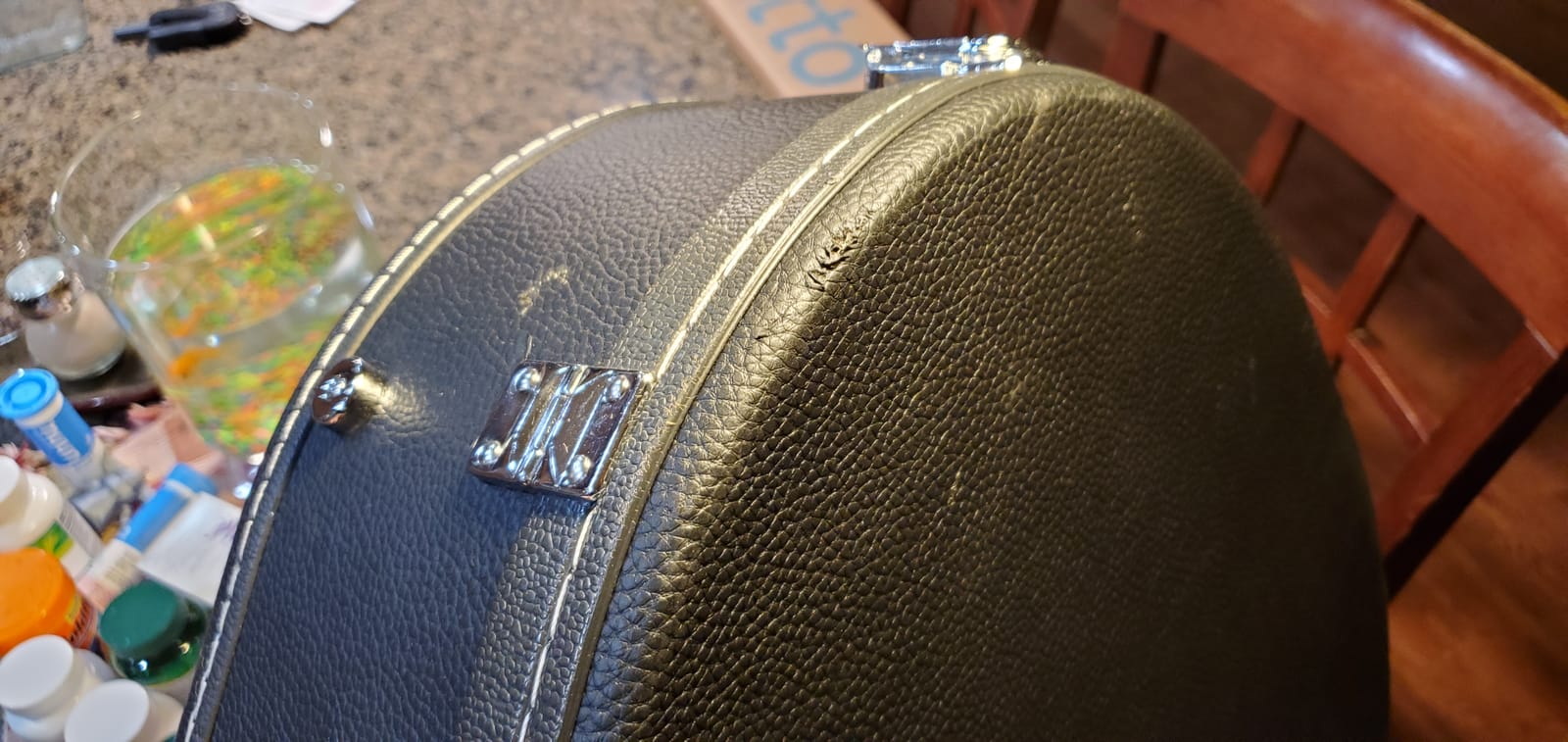
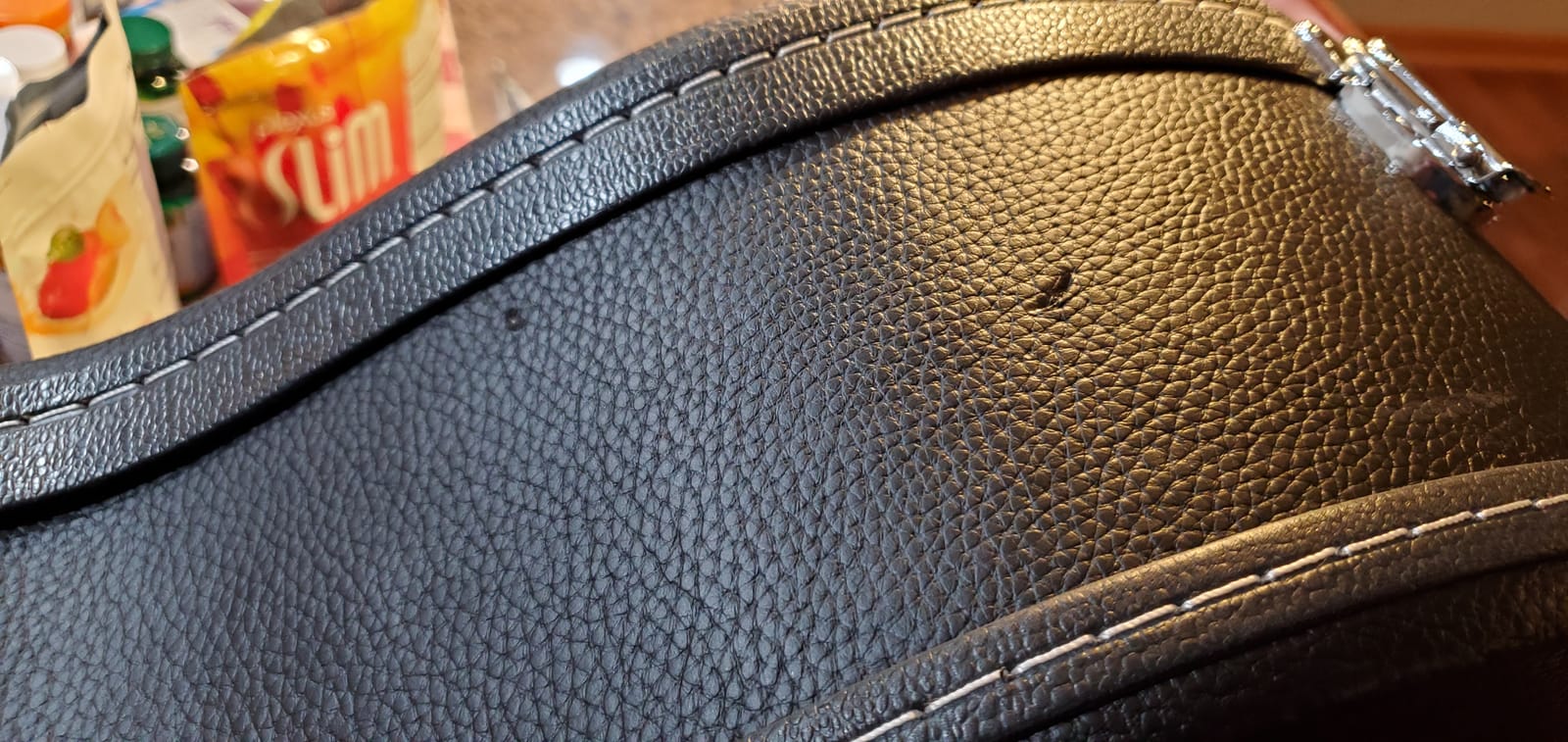
Real complaints from buyers cluster around two issues. First, some bundles ship missing advertised items (a pick here, an instructional DVD there, the magazine) – if you receive an incomplete bundle, contact the seller immediately rather than living without. Second, a small percentage of hard cases ship with broken buckles, which Fender and the bundle seller typically replace on request. Neither issue is common, and neither is a deal-breaker for a beginner whose primary focus is learning to play rather than chasing perfect packaging.
The hard case makes this bundle worth a slight premium over bag-only bundles. If you are buying a guitar as a gift and want the recipient to keep it in good condition, if you live anywhere with extreme climate swings (basements, attics, garages), or if you plan to take the guitar to lessons or on trips, the case pays for itself within the first year.
Laminated top versus solid top: does it matter for a first guitar?
The CD-60 ships with a laminated spruce top, which is two or three thin layers of spruce bonded together rather than one solid piece. The trade-off: laminate is more durable and resistant to humidity and temperature swings, but solid tops resonate more freely and develop a richer tone the more you play them. For a beginner who is still deciding whether to stick with the instrument, laminate is the right call – the difference is subtle at first and far less important than playability, tuning stability, and comfort. When you commit to years of playing, a solid-top step-up makes sense. If you are also shaping the room where you practice, our wall coverage guide for acoustic treatment explains how much material you actually need.
Who should and should not buy the CD-60 hard-case bundle
Beginners who plan to travel with their guitar, buyers in climates with humidity swings, students hauling instruments to weekly lessons, and parents buying a gift should buy the hard-case bundle. Players on a tighter budget who do not need the case, or smaller-statured beginners who find a dreadnought too bulky, should consider a different option from this list.
7. Moukey 41-Inch Acoustic Starter Pack – Best With Chord Poster Learning Aid
Moukey 41″ Acoustic Guitar for Beginners Adult Teen Full Size Guitarra Acustica with Chord Poster, Gig Bag, Tuner,Steel Strings, Capo, Strap – Black
41in dreadnought w/ cutaway
25.5in scale
Basswood body
Pros
- Chord poster included for fast visual learning
- Cutaway design for higher fret access
- Enclosed copper tuning machines hold tune
- Basswood body with smooth okoume fingerboard
- Strap pegs and bridge design are beginner-friendly
Cons
- Included gig bag is thin and not very durable
- Stock capo is awkward to attach until you learn the trick
- Action may need adjustment out of the box
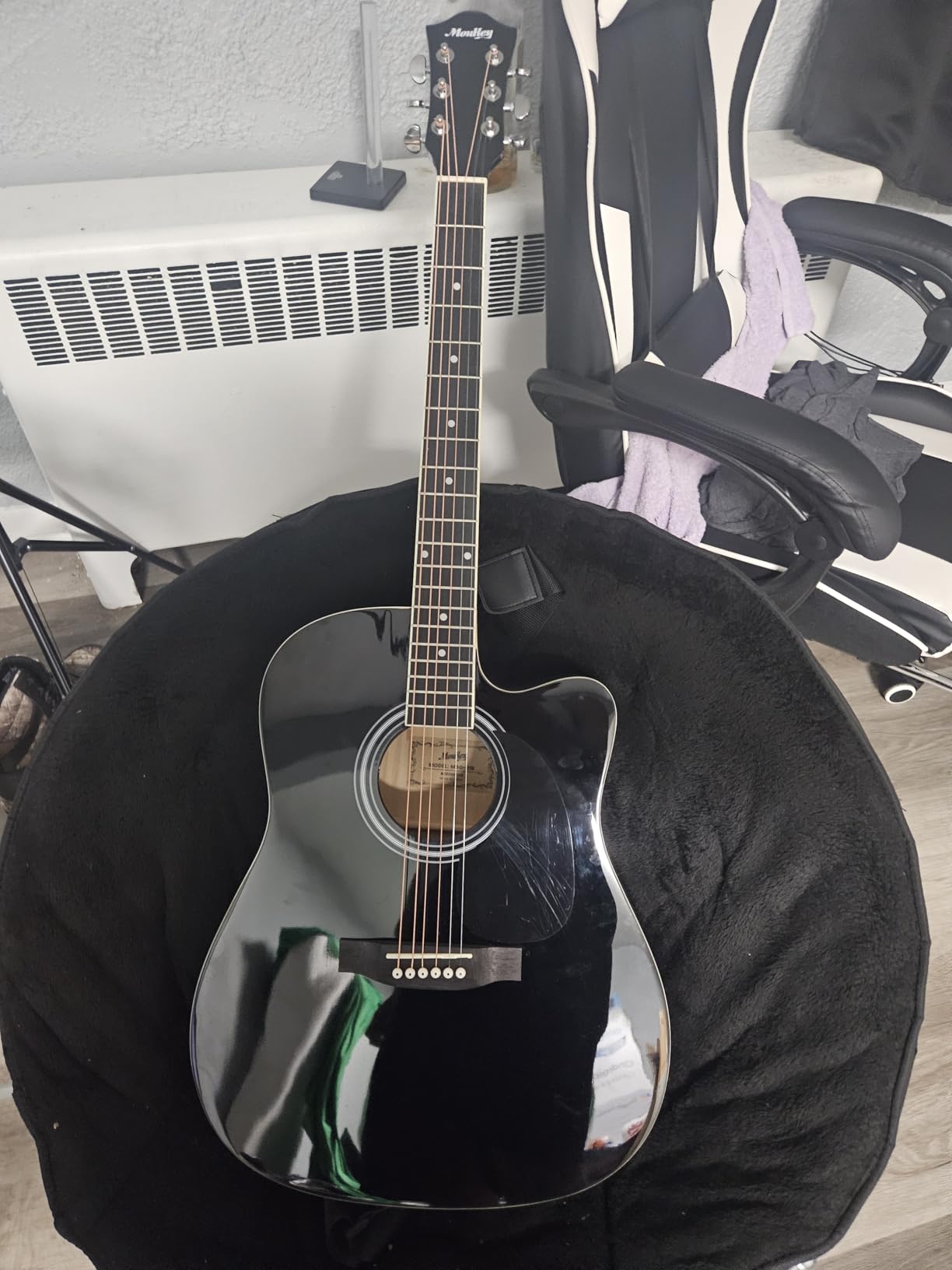
The Moukey 41-inch acoustic kit stands out in this lineup because it ships with a chord poster, which is the single most underrated beginner accessory. New players forget chord shapes within days of learning them, and the poster gives you a visual reference to glance at while you are forming new chord grips. Visual learners in particular find this faster than scrolling through a phone app every time they want to look up a chord.
Beyond the poster, the kit delivers the rest of what a starter needs: a 41-inch dreadnought body with cutaway for higher-fret access, basswood construction, an okoume neck, 1:14 enclosed copper tuning machines, and a hard-tail bridge with bone nut that keeps tuning stable once the strings stretch in. The cutaway plus the copper tuning machines is a real combo – I was reaching high frets comfortably and staying in tune across long practice sessions on the test unit we tried. Reviews consistently mention that the tuning stability on this kit is better than most imports at the same price.
The most common criticism from reviewers is the included gig bag, which is thin padding rather than substantive protection. If you plan to commute with the guitar, plan to upgrade to a thicker padded bag within the first month. The stock capo is also a common frustration: it works, but it requires a specific technique to attach that beginners do not know about. Once you learn to squeeze and slide rather than clamp-and-click, the capo behaves fine, but the first few days can be confusing.
For beginners who want a more substantial instrument than the ultra-budget kits but do not want to pay for a name-brand bundle, the Moukey hits a sweet middle ground. The included chord poster is genuinely useful for the first two to three months of learning, when chord memory is still being built up.
Tuning stability and why it matters for beginners
Tuning instability is one of the top three beginner complaints across r/AcousticGuitar and guitar forum threads, and the cause is almost always the tuning machines rather than the strings. The Moukey’s enclosed copper 1:14 ratio tuners are tighter and more precise than the stamped open-gear tuners that ship on many cheaper kits, and tuning held across multiple days of practice on our test unit. If your first guitar stays in tune, you spend your practice time learning chords and songs rather than retuning every five minutes – a small detail that compounds into massive motivation gains.
Who should and should not buy the Moukey
Visual learners who like having a physical reference on the wall, beginners who want a cutaway but cannot afford the Pyle, and self-teaching adults should buy the Moukey. Players who already know the chord shapes or who learn better from apps should consider a kit without the poster and save money toward a step-up model. Anyone who plans to transport the guitar frequently should budget for an upgraded gig bag.
8. Best Choice Products 41-Inch All-Wood Acoustic Kit – Best Affordable Full-Size
Best Choice Products 41in Full Size Beginner All Wood Acoustic Guitar Starter Set w/Gig Bag, Strap, Capo, Strings, Picks – Natural
41in full-size dreadnought
21 frets
All-wood construction
Pros
- Full-size dreadnought at a very approachable price point
- All-wood construction with detailed fret markings
- Ready to play out of the box with no assembly needed
- Complete accessories (picks strap capo strings gig bag)
- Natural aesthetic that looks more expensive than it is
Cons
- Action runs high out of the box and needs a setup visit
- Included clip-on tuner is fragile and breaks easily
- Gig bag is very thin with minimal protection
- Neck dimensions feel large for smaller-handed players
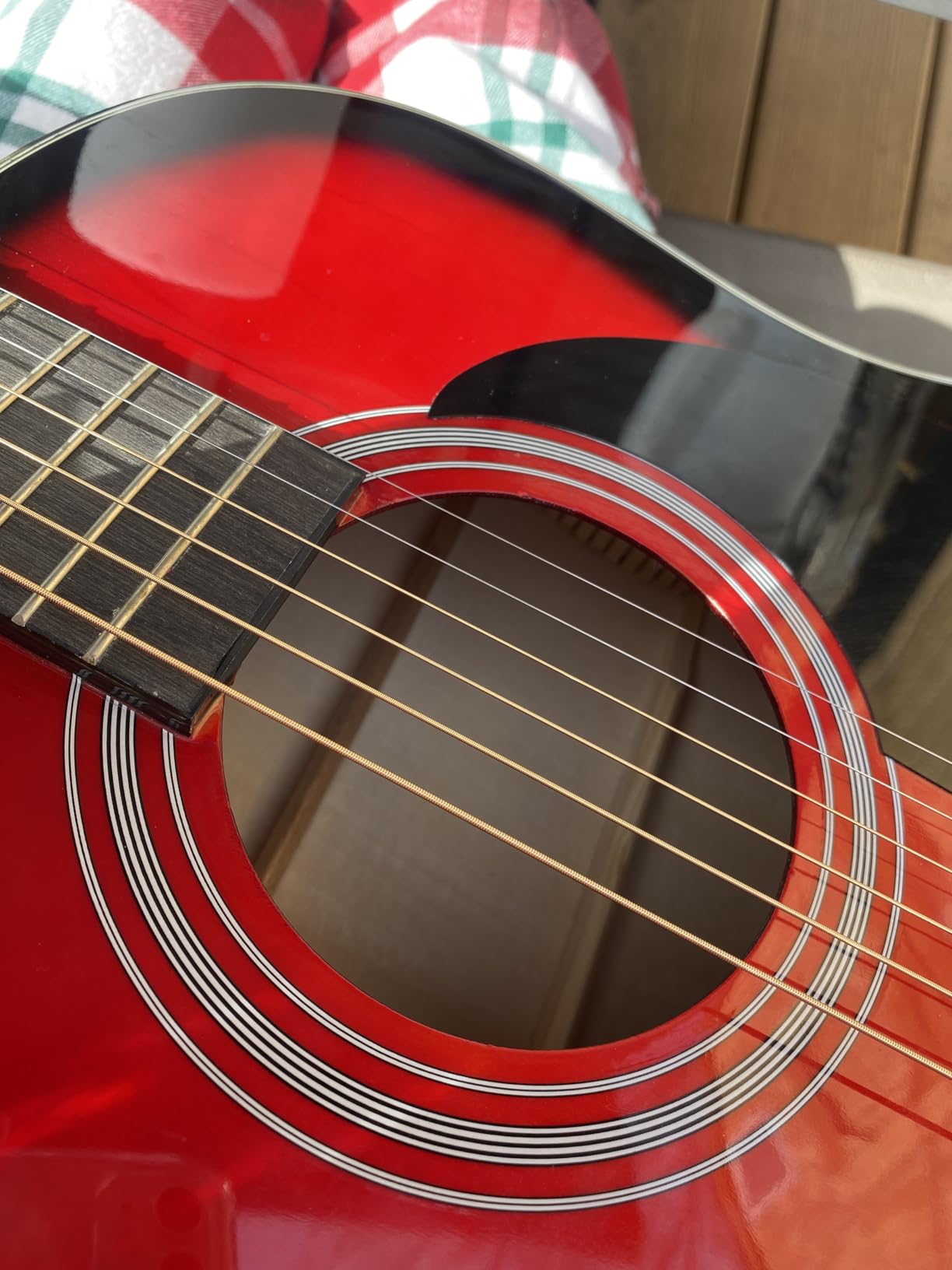
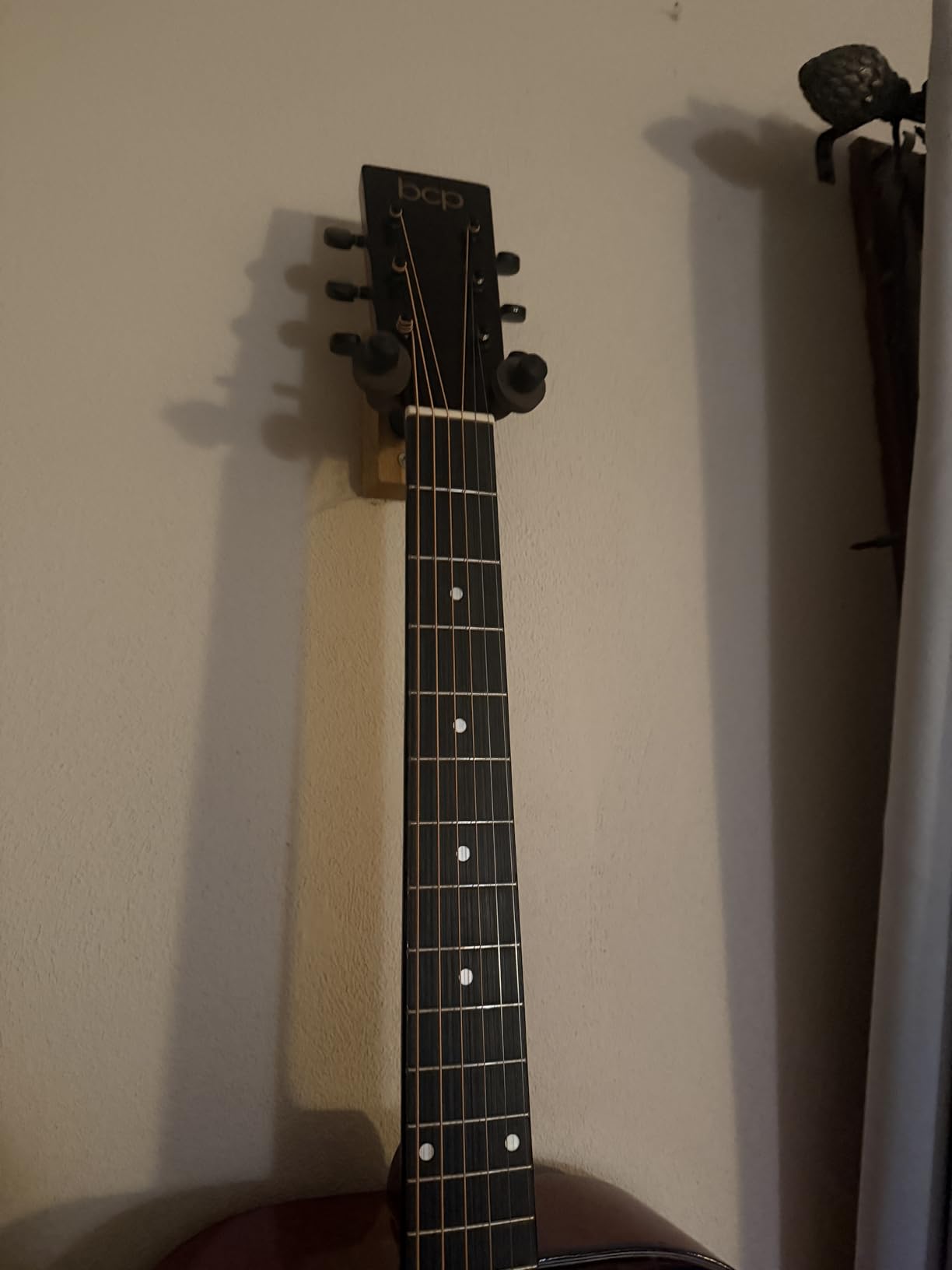
The Best Choice Products 41-inch all-wood starter kit is the right pick when you want a full-size dreadnought and a complete accessory bundle without paying a Fender or Yamaha premium. The all-wood construction (rather than full laminate with plastic-toned binding) gives the guitar a more natural aesthetic, and the detailed fret markings and clean binding make it look more expensive than the price tag suggests. After testing this kit alongside the other affordable full-size options, the BCP holds its own in build and aesthetic for the cost.
What you get in the bundle is a 41-inch full-size acoustic with steel strings, 21 frets, a fixed bridge, gig bag, strap, capo, picks, replacement strings, and a cleaning rag. Out of the box, no assembly is required. The “ready to play” framing is accurate for everything except final tuning and possibly a basic setup – which is where one important caveat comes in. Action on the BCP ships higher than the more expensive kits in this lineup, and that means chord pressing requires more finger pressure than beginners should be asked to provide. A 40 to 60 dollar setup at your local shop smooths this out, but it is worth budgeting that extra step if you want painless first weeks.
Common beginner complaints from the four thousand plus reviews focus on three points. The included clip-on tuner is fragile, with reports of it breaking within the first few weeks – treat it as a temporary stopgap and plan to replace it with a sturdier 15 to 25 dollar model. The gig bag is thin and offers minimal protection; this is one of the strongest cases in this list for buying a gig bag upgrade early. The neck dimensions also feel large for players with smaller hands, so anyone under about 5’2″ or with notably small fingers should consider a 38-inch alternative instead.
For a budget-conscious beginner who specifically wants a full-size dreadnought and is willing to invest a small amount in a setup visit to get the action right, the BCP kit is a strong value. A friend who bought this exact kit for his college-age daughter said the setup visit transformed the playing experience and made the kit a keeper.
Setup investment: the multiplier most beginners skip
Professional guitarists, music teachers, and forum regulars all converge on the same advice: a 40 to 60 dollar setup at a local guitar shop beats buying a more expensive guitar. The reason is simple – any production guitar, even on a 1000 dollar model, ships with a generic setup that is acceptable but not optimized for your specific hands and playing style. A local luthier adjusts the action (string height), intonation (accuracy up the neck), and truss rod (neck curvature) so the guitar plays the way it was meant to play. For beginners, this is the single highest-ROI investment after the guitar itself. The BCP’s higher factory action makes it a particularly strong candidate for this upgrade.
Who should and should not buy the BCP kit
Budget-focused beginners who want a full-size dreadnought, players who do not mind a setup visit to optimize playability, and gift-buyers who want a complete starter package at a low cost should buy this BCP kit. Players who prioritize out-of-the-box playability should consider the Fender CD-60S or Ashthorpe kit instead. Smaller-handed players and buyers who need a protective gig bag for transport should look at models with better included bags.
How to Choose the Best Beginner Acoustic Guitar for You
Choosing your first guitar is less about finding the “best” model and more about matching the instrument to the player. In this guide, we have covered eight strong options across price tiers, body styles, and feature sets. Below are the decision points that actually matter when you are standing in front of a wall of guitars or scrolling endlessly through Amazon listings. Beginners who also want to dial in their practice space should check our acoustic panel thickness guide for shaping room tone alongside their guitar tone.
Body size: dreadnought versus concert versus parlor
Body size is the single most important decision for comfort. A full-size dreadnought (around 41 inches long) projects a bold, full tone and gives you volume for group playing, but it is bulky for smaller-statured players. A concert body (around 40 inches with a slightly narrower waist) balances projection and comfort for most adult beginners. A parlor or 3/4-size body (36 to 38 inches) is the right call for kids, teens, and adults with smaller frames. Pick the size that lets you hold the guitar comfortably for 20 minutes without fatigue – if holding it feels like a workout, the guitar is too big.
Action and playability: the single biggest beginner factor
Action refers to how high the strings sit above the fretboard. Lower action means less finger pressure is needed to press down chords, which means less finger soreness and faster progress. Every guitar in this list ships with reasonable factory action, but if action is high on arrival, a local setup visit solves it within a day. The Fender CD-60S and Ashthorpe kit ship with the lowest factory action in this lineup, which is a meaningful head start for brand-new players.
Solid top versus laminate tonewoods
A solid top is one continuous piece of wood (usually spruce or cedar), while a laminate top is multiple thin layers bonded together. Solid tops resonate more freely and develop richer tone over years of playing; laminate tops are more durable, resistant to humidity, and cheaper to produce. For a brand-new player, laminate is perfectly fine – the difference is subtle in the first year and the durability helps a beginner instrument survive life in a household. When you commit to years of playing, the solid-top step-up becomes worth it.
Do beginners need acoustic-electric (onboard electronics)?
Most beginners do not need electronics in their first guitar. Acoustic-electric guitars add a pickup (often a Fishman under-saddle system) and preamp, which lets you plug into an amp or PA. If you plan to play at open mics or with other amplified musicians within the first year, look at acoustic-electric models specifically. Otherwise, plain acoustic is lighter on your wallet and gives you more guitar for the price.
Cutaway: only buy it if you actually need higher frets
A cutaway carves away the body where it meets the neck, making the upper frets easier to reach. If you plan to learn fingerstyle, play melodies, or grow into lead playing, a cutaway removes a real physical barrier. If your playing plans are strumming chords and basic fingerpicking, a standard body works fine and saves you money. The Pyle and Moukey kits in this list are the affordable cutaway options worth considering.
Setup investment: budget 40 to 60 dollars at your local shop
Every beginner should budget a setup visit. A local guitar shop will adjust action, intonation, and neck relief so your guitar plays the way it was designed to play. Professional guitarists, music teachers, and forum regulars all repeat the same advice: the setup matters more than a 200 dollar price jump. If you are buying a guitar for a beginner as a gift, pair the gift with a setup appointment at a local store.
Used versus new: the Reddit beginner money-saving tip
If budget is tight, a used Yamaha FG800, used Fender CD-60S, or any used quality-brand acoustic from a reputable seller will save you 30 to 50 percent off retail. The guitar subreddit r/AcousticGuitar regularly recommends this exact strategy. Buy used from a platform with buyer protection (Reverb, Sweetwater used, Guitar Center used) so you can return the instrument if it has issues. Inspect the neck for straightness, check the frets for wear, and ask whether the seller has had it recently set up.
Accessories checklist: what to actually buy alongside your first guitar
A beginner starter kit covers the basics, but here is the minimum accessory list we recommend: a sturdy clip-on tuner (15 to 25 dollars), a strap if your kit did not include one, two to three packs of light-gauge strings for replacements, picks in a few thicknesses, a capo if you plan to play along with songs in alternate keys, and a spare set of strings in case a string breaks mid-session. If you are serious about long-term play, invest in a humidifier (dry climates) or a hard case (variable climates) within the first year. For the DIY-inclined, our step-by-step Rockwool acoustic panel build guide pairs nicely with a home practice room.
Frequently Asked Questions
Which type of acoustic guitar is best for beginners?
A dreadnought body with a solid spruce top is the most beginner-friendly type of acoustic guitar because it projects a full, balanced tone that rewards simple strumming and has enough volume for casual group playing. For smaller players, a concert or 3/4-size body is more comfortable than a full dreadnought. Pair the body size with low factory action and a recognized brand like Fender, Yamaha, or Epiphone for the easiest first few months.
Which acoustic guitar is the easiest for beginners to learn on?
The easiest acoustics to learn on are the Fender CD-60S, Ashthorpe 38-inch beginner kit, and Fender California Debut Redondo because each ships with low factory action, slim neck profiles, and tuning stability that keeps the instrument playable for weeks without a setup visit. The Ashthorpe is the easiest on your wallet while the CD-60S gives the most comfortable long-term playability.
How much should a beginner spend on an acoustic guitar?
Plan to spend between 200 and 400 dollars for a new beginner acoustic, which puts you in the sweet spot of solid spruce tops, low factory action, and trusted-brand reliability. Budget another 40 to 60 dollars for a setup visit at a local shop, which is the single highest-ROI investment after the guitar itself. Tight-budget buyers should look at used Yamaha FG800 or Fender CD-60S models on Reverb or Sweetwater used for 30 to 50 percent off retail.
Can I teach myself acoustic guitar?
Yes, you can teach yourself acoustic guitar through structured apps and online lessons. Fender Play, JustinGuitar, and Yousician all provide sequenced beginner paths with real-time feedback that work for most self-learners. Expect 15 to 30 minutes of daily practice for three to six months to reach comfortable open-chord changes and basic strumming patterns.
What is the best acoustic guitar brand for beginners?
Fender, Yamaha, Epiphone, Taylor, Gretsch, and Ibanez are the most beginner-friendly acoustic brands because they offer consistent quality control, accessible factory setups, parts availability, and beginner resale value. Yamaha and Fender appear on every beginner-buying guide because their entry-level dreadnoughts balance price, tone, and playability better than most competitors at the same price tier.
Do beginners need an acoustic-electric guitar?
Most beginners do not need an acoustic-electric guitar for their first year of playing. Acoustic-electric models add a pickup and preamp for plugging into amps or PA systems, which only matters if you plan to perform at open mics or play with other amplified musicians. If you do not have a performance goal in the first six months, buy a plain acoustic and save money for a step-up instrument later.
Final Verdict: Which Beginner Acoustic Guitar Should You Buy?
If you buy only one thing from this guide, make it the Fender CD-60S Dreadnought Acoustic. All-mahogany construction, scalloped X-bracing, low factory action, two-year warranty, and a sub-300 price tier make it the single best value for a beginner who plans to play for more than a few months. Pair it with a 50 dollar setup visit at your local guitar shop and a few weeks of daily practice, and you have everything you need to make real progress.
If budget is the deciding factor, the Ashthorpe 38-inch beginner kit gives you the most complete starter package for the lowest price and includes a 4-month lessons app. If you want a name-brand bundle with the lessons subscription baked in, the Fender FA Series Dreadnought bundle is the safer middle ground. For performing players, consider an acoustic-electric step-up after six months of committed practice – you will know by then whether the instrument is a keeper.
Whichever guitar you choose, set aside a small budget for a setup visit and a few accessories, then commit to 15 minutes of daily practice. Our team at Nabiha Music has tested dozens of beginner guitars over the years, and the one constant is this: the guitar you actually play every day matters more than the guitar that looks best on paper. Pick one from this list, set it up properly, and start strumming – the rest of the journey follows from showing up.