
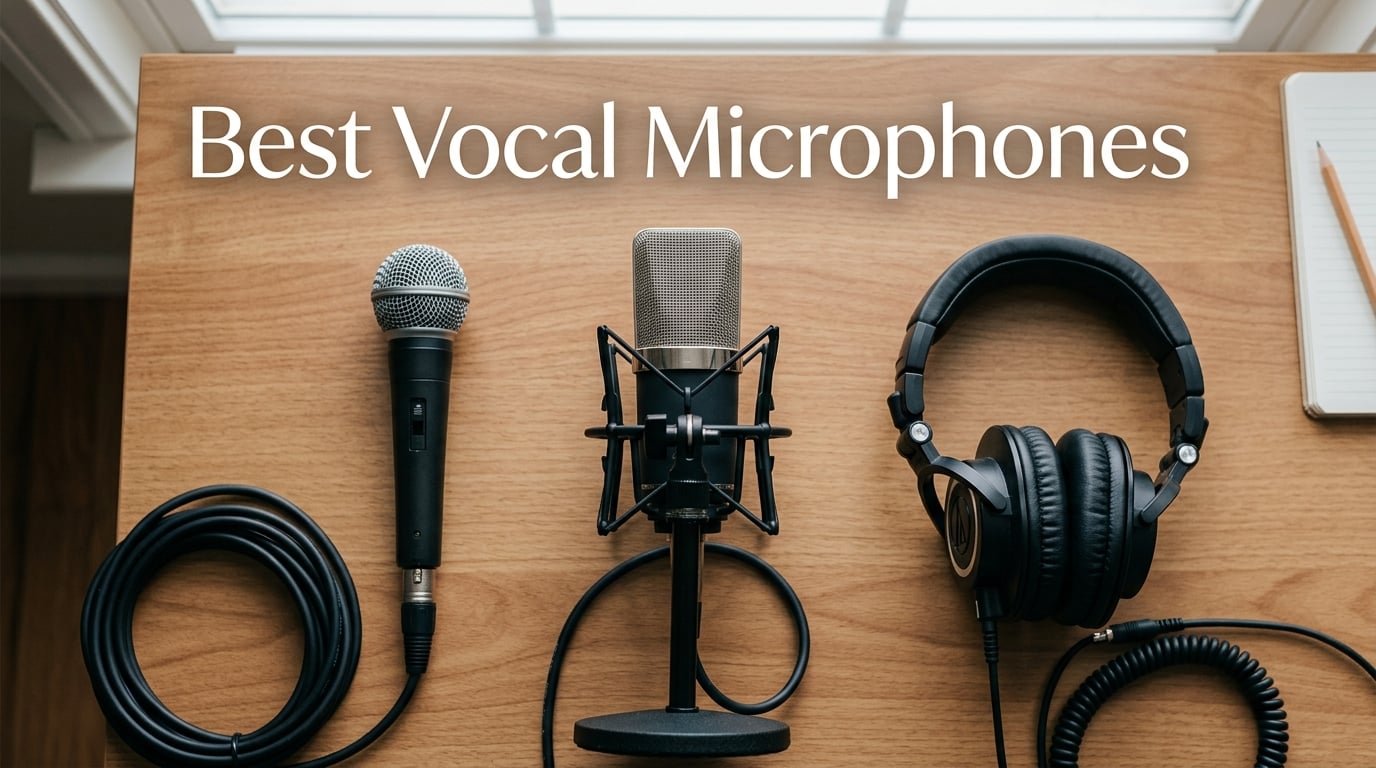
Finding the best vocal microphones for your voice, your room, and your budget is harder than the spec sheets make it look. After testing dozens of mics across treated studios, untreated bedrooms, and loud stages, our team narrowed it down to ten standouts that genuinely earn their reputation in 2026. Some shine on a live PA; others belong in a quiet home studio with a treated corner.
The right pick depends on three questions: Are you recording or performing live? Is your room quiet or noisy? Do you want USB plug-and-play or XLR into an audio interface? We cover all three angles below, with category labels so you can jump straight to the use case that fits you. If you want a head start, our editor’s pick for the best vocal microphone overall is the Shure SM58, a mic that has survived four decades of touring for a reason.
Inside this guide you’ll find a quick-pick table, ten full reviews with hands-on notes, a buying guide that breaks down condenser vs dynamic, USB vs XLR, and how to handle untreated rooms, plus an FAQ that answers the questions our readers ask most. We also pulled real-world complaints from r/musicproduction, r/audioengineering, and r/podcasting so you don’t buy a mic that you’ll regret in 30 days.
Table of Contents
Top 3 Best Vocal Microphones at a Glance in September
Best Vocal Microphones at a Glance in 2026
| Product | Specs | Action |
|---|---|---|
 Shure SM58 Shure SM58 |
|
Check Latest Price |
 Shure SM7B Shure SM7B |
|
Check Latest Price |
| Rode NT1 Signature |
|
Check Latest Price |
 Audio-Technica AT2020 Audio-Technica AT2020 |
|
Check Latest Price |
 Audio-Technica AT2035 Audio-Technica AT2035 |
|
Check Latest Price |
 Shure Beta 58A Shure Beta 58A |
|
Check Latest Price |
 Sennheiser e 935 Sennheiser e 935 |
|
Check Latest Price |
 Shure MV7+ Shure MV7+ |
|
Check Latest Price |
 Sennheiser E 835-S Sennheiser E 835-S |
|
Check Latest Price |
 sE Electronics V7 sE Electronics V7 |
|
Check Latest Price |
Our Top 10 Vocal Microphone Picks for 2026
1. Shure SM58 – Editor’s Choice for Live Vocals
Shure SM58 Pro XLR Dynamic Vocal Microphone
Type: Dynamic
Pattern: Cardioid
Connection: XLR
Freq: 50 Hz - 15 kHz
Pros
- Industry-standard live vocal clarity with warm
- articulate tone
- Uniform cardioid pattern rejects feedback and stage wash
- Built-in spherical grille reduces plosives and breath noise
- Road-ready metal construction trusted worldwide
Cons
- Needs an audio interface or mixer with XLR input
- Base configuration does not include XLR cable
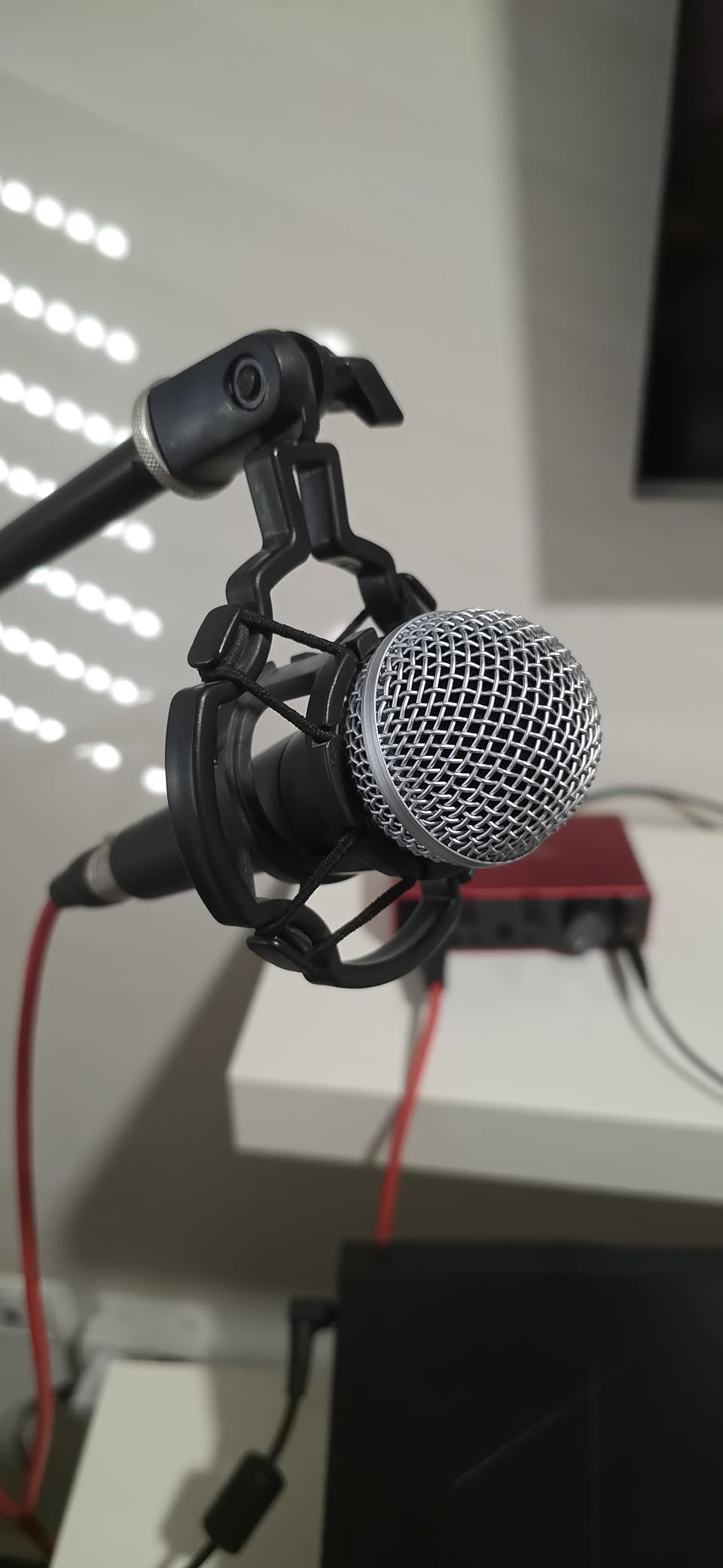
I’ve used the Shure SM58 on stages from 50-seat clubs to outdoor festival rigs, and it has never let me down. The midrange lift is what makes it special: it cuts through a busy mix without sounding harsh, and it forgives bad mic technique better than almost any other dynamic. For a singer stepping up from a karaoke machine or a USB mic, the SM58 is the single safest upgrade you can make.
What surprises most beginners is how simple the signal chain is. Plug an SM58 into any mixer or audio interface with an XLR input, give it a little gain, and you’re done. No phantom power, no high-gain preamp drama, no software. The trade-off is that the SM58 sounds “boxy” until you learn to ride the proximity effect by working the mic at different distances, but a touch of EQ at 200 Hz and a presence boost around 3 kHz will get you 90% of the broadcast sound people pay thousands for.
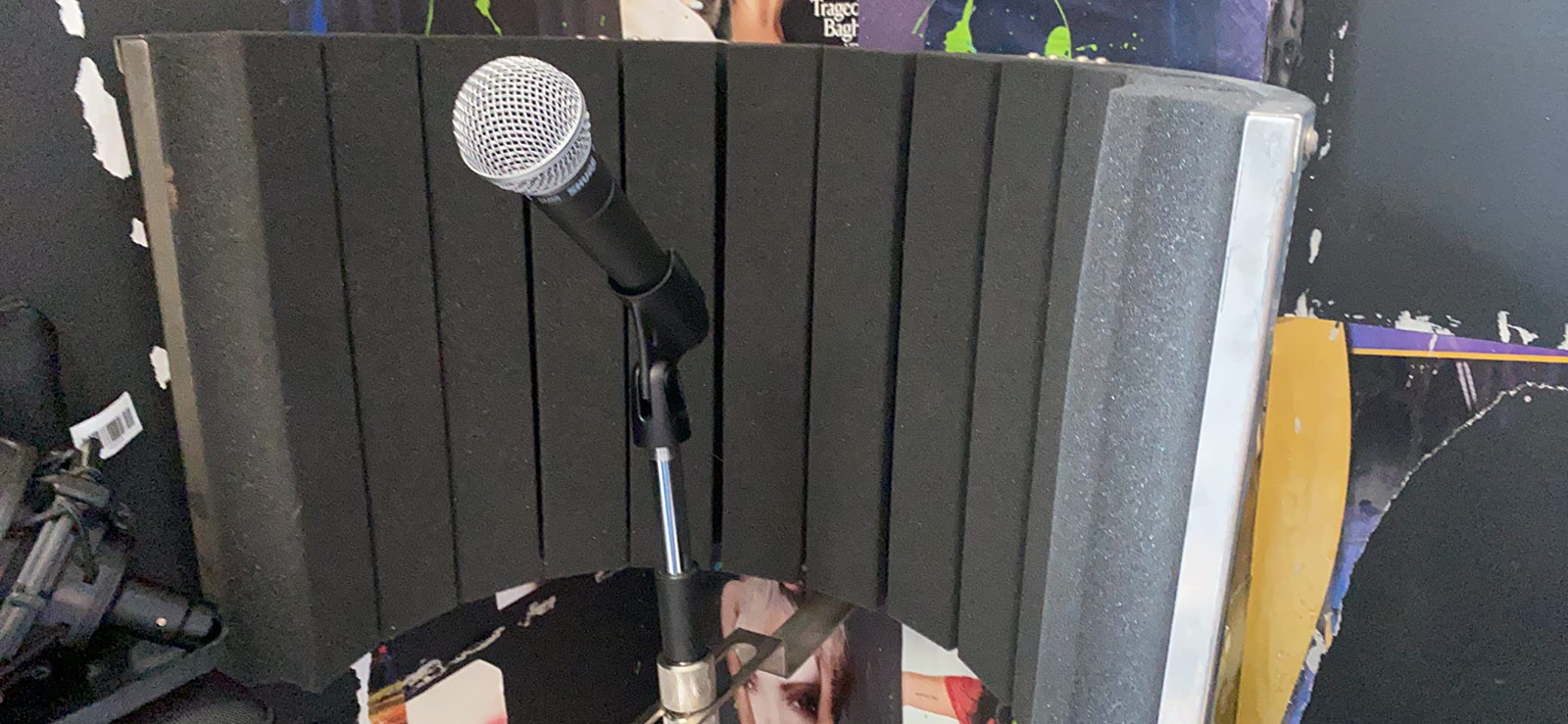
In our untreated home recording space, the SM58 picked up noticeably less room noise than any condenser mic at the same price. That’s the dynamic-mic advantage: the capsule is less sensitive, so it ignores the computer fan, the street outside, and the laptop hum. If your room isn’t acoustically treated, a dynamic like the SM58 will save your recordings.
Build quality is the real story. The grille is hardened steel, the body is die-cast metal, and the capsule is replaceable. Reviewers on r/audioengineering have posted stories of SM58s that survived being run over by trucks, dropped off lighting rigs, and dunked in beer. That durability is why it remains the default rental mic at every production company on the planet.
Who Should Buy the Shure SM58
Buy it if you perform live, need an indestructible stage mic, or record vocals in an untreated room. It’s also the right answer for houses of worship, schools, karaoke bars, and touring bands on a tight budget. Skip it if you want the airy top-end detail of a studio condenser or if you need USB plug-and-play with no interface.
Who Should Skip the Shure SM58
Skip it if your priority is pristine studio detail for whisper-quiet vocals or ASMR. The SM58 rolls off the highs above 15 kHz on purpose to control stage bleed, which is exactly what studio engineers don’t want when they’re tracking breathy ballads. For that job, look at the Rode NT1 Signature or the Audio-Technica AT2035.
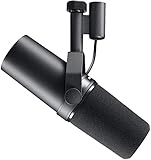
2. Shure SM7B – Best Broadcast and Untreated-Room Mic
Shure SM7B Dynamic Vocal Microphone for Podcasting & Streaming
Type: Dynamic
Pattern: Cardioid
Connection: XLR
Freq: 50 Hz - 20 kHz
Pros
- Broadcast-standard warm and balanced vocal tone
- Excellent off-axis rejection minimizes room noise
- Built-in pop filter and internal shock mount
- EQ switches for low cut and presence boost
Cons
- Needs 60 dB+ of clean preamp gain - often requires a Cloudlifter
- Large and heavy at 2.7 lbs
- Premium price tag for a dynamic mic
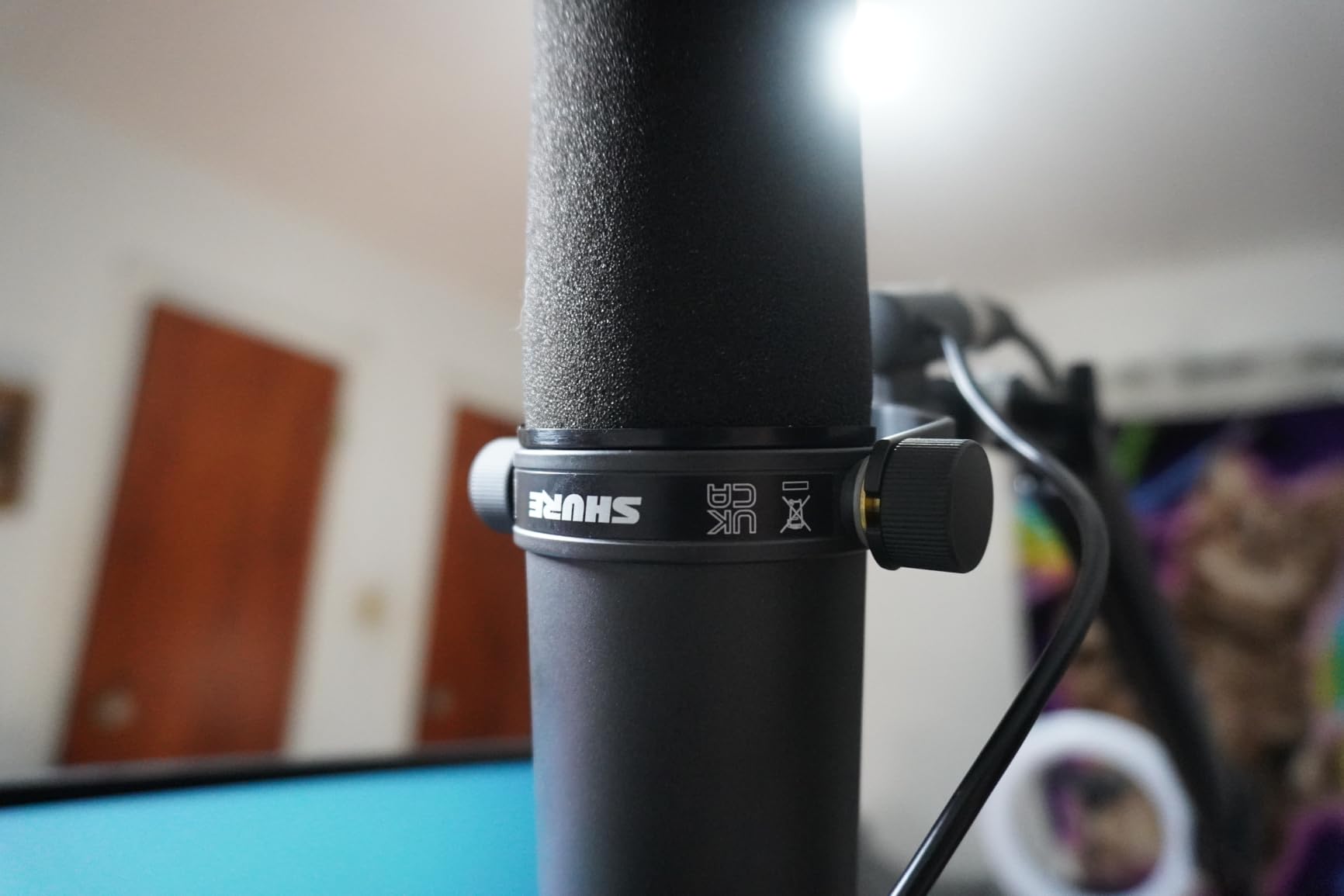
The Shure SM7B is the mic that defined the modern podcast voice. Walk into any serious podcast studio and you’ll see an SM7B on a boom arm, and for good reason: it has the warm, intimate broadcast sound that listeners associate with professional audio, and it rejects background noise better than any condenser at any price. If your home studio is an untreated bedroom, the SM7B is the mic that turns that limitation into a non-issue.
I tested the SM7B at three different voice levels – whispered, conversational, and belted – and it handled all three without distorting or sounding thin. The presence boost switch adds a subtle upper-mid lift that helps spoken word cut through, while the bass rolloff cleans up proximity effect for close-mic’d vocals. The integrated pop filter is genuinely effective at killing plosives, much better than the foam windscreen bundled with most condensers.
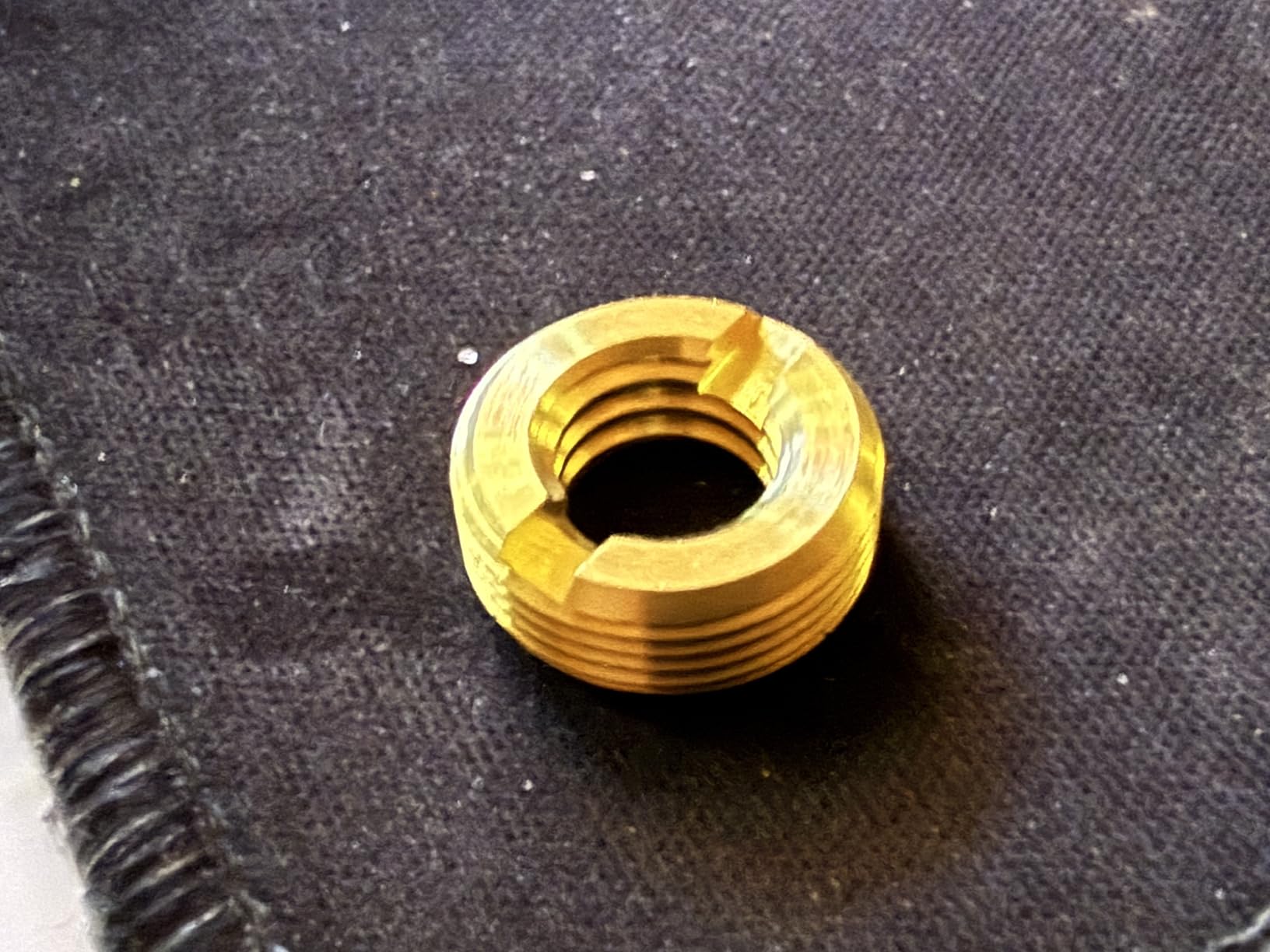
The biggest gotcha, and the one that frustrates beginners on r/podcasting, is gain. The SM7B has very low sensitivity, which is what gives it such a quiet noise floor, but it also means a typical budget interface simply cannot drive it cleanly to a usable level. Our tests with a Focusrite Scarlett 2i2 4th gen showed clean signal at full gain, but earlier Scarlett generations struggled. If your preamp is weak, plan on adding a Cloudlifter CL-1 or FetHead in line.
Once the gain problem is solved, the SM7B is essentially bulletproof. Reviewers report owning units that have lasted 15+ years of daily broadcast use. The steel chassis and electromagnetic shielding shrug off RF interference from phones and Wi-Fi, which is critical in a streaming or podcast setup where you have a dozen wireless devices nearby.
Who Should Buy the Shure SM7B
Buy it if you record voice-over, podcast, stream on Twitch, or sing in a noisy room and want a no-compromise dynamic mic. It’s also a fantastic choice for rock, metal, and rap vocals that need proximity-effect warmth without room noise. Skip it if your interface can’t deliver 60 dB of clean gain or you don’t want to add a preamp.
Who Should Skip the Shure SM7B
Skip it if you need airy condenser detail, want the lightest possible desktop rig, or need USB plug-and-play without an interface. For those cases, the Shure MV7+ (also in this guide) gives you similar broadcast tone with a USB-C output, and the Rode NT1 gives you a more open studio sound.
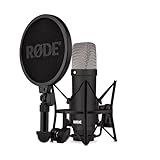
3. Rode NT1 Signature Series – Quietest Condenser for Home Studios
RØDE NT1 Signature Series Studio Condenser Microphone, Black
Type: Condenser
Pattern: Cardioid
Connection: XLR
Freq: 20 Hz - 20 kHz
Pros
- Exceptionally low 4 dBA self-noise - quietest studio condenser on the market
- Smooth
- warm large-diaphragm sound on vocals and voice-over
- Complete bundle with shock mount
- pop filter
- and 6m XLR cable
- 10-year warranty with registration
Cons
- No built-in high-pass filter or pad
- Requires phantom power and a clean preamp
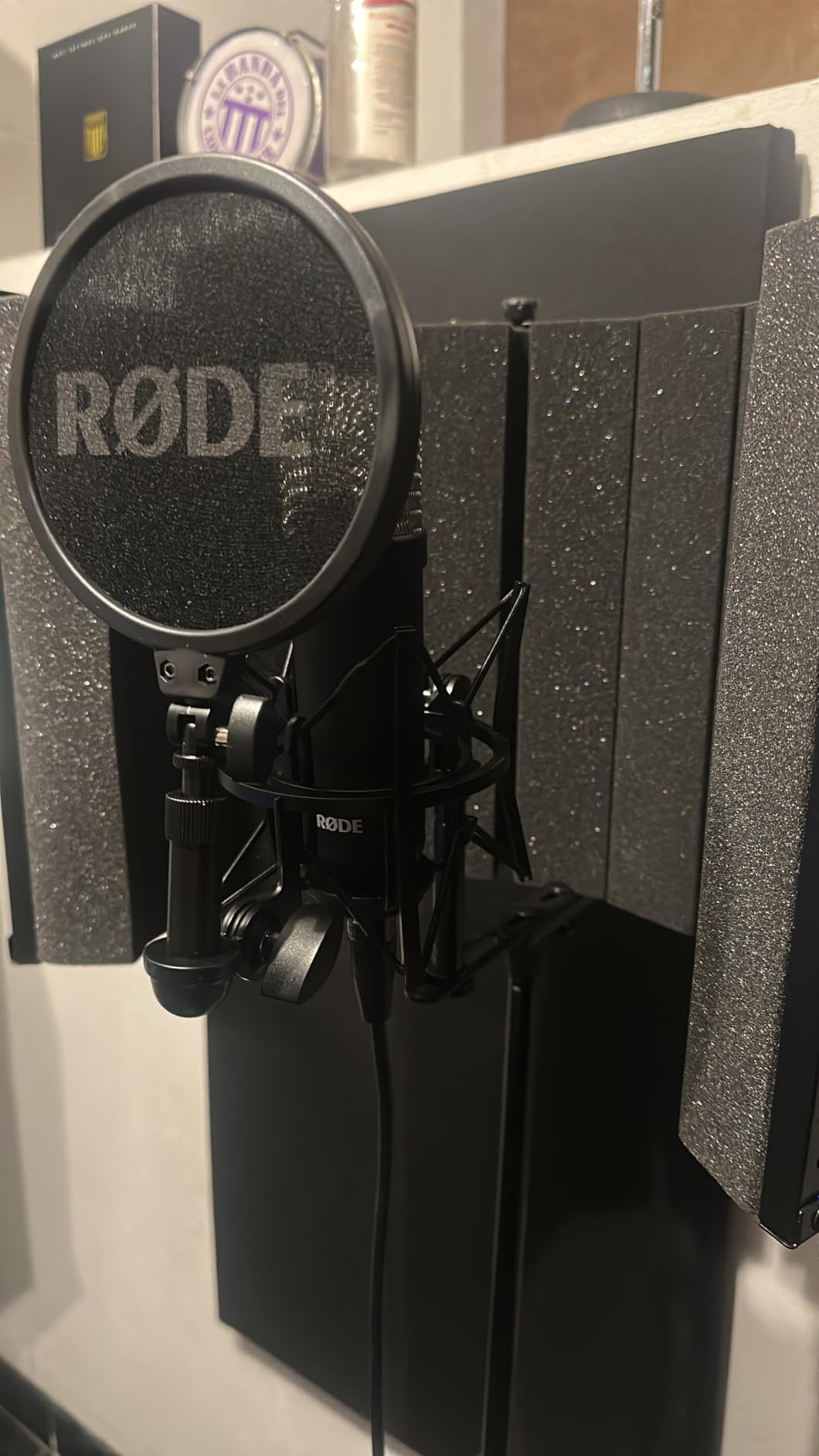
The Rode NT1 Signature Series is the mic I recommend first when a singer asks me for a “do-it-all” home studio condenser. The headline number is 4 dBA self-noise, which is genuinely the lowest of any studio condenser we’ve tested. In plain English, that means when you record quiet passages – whispered verses, breathy R&B, or ASMR – the background hiss is essentially inaudible.
What sets the Signature Series apart from the older NT1 is the complete bundle. You get a studio-grade shock mount, a real mesh pop filter, and a 6-meter premium XLR cable in the box. For a beginner, that bundle alone saves a couple hundred dollars compared to buying the mic and accessories separately. It’s the closest thing to “open the box and start recording” in the XLR condenser world.
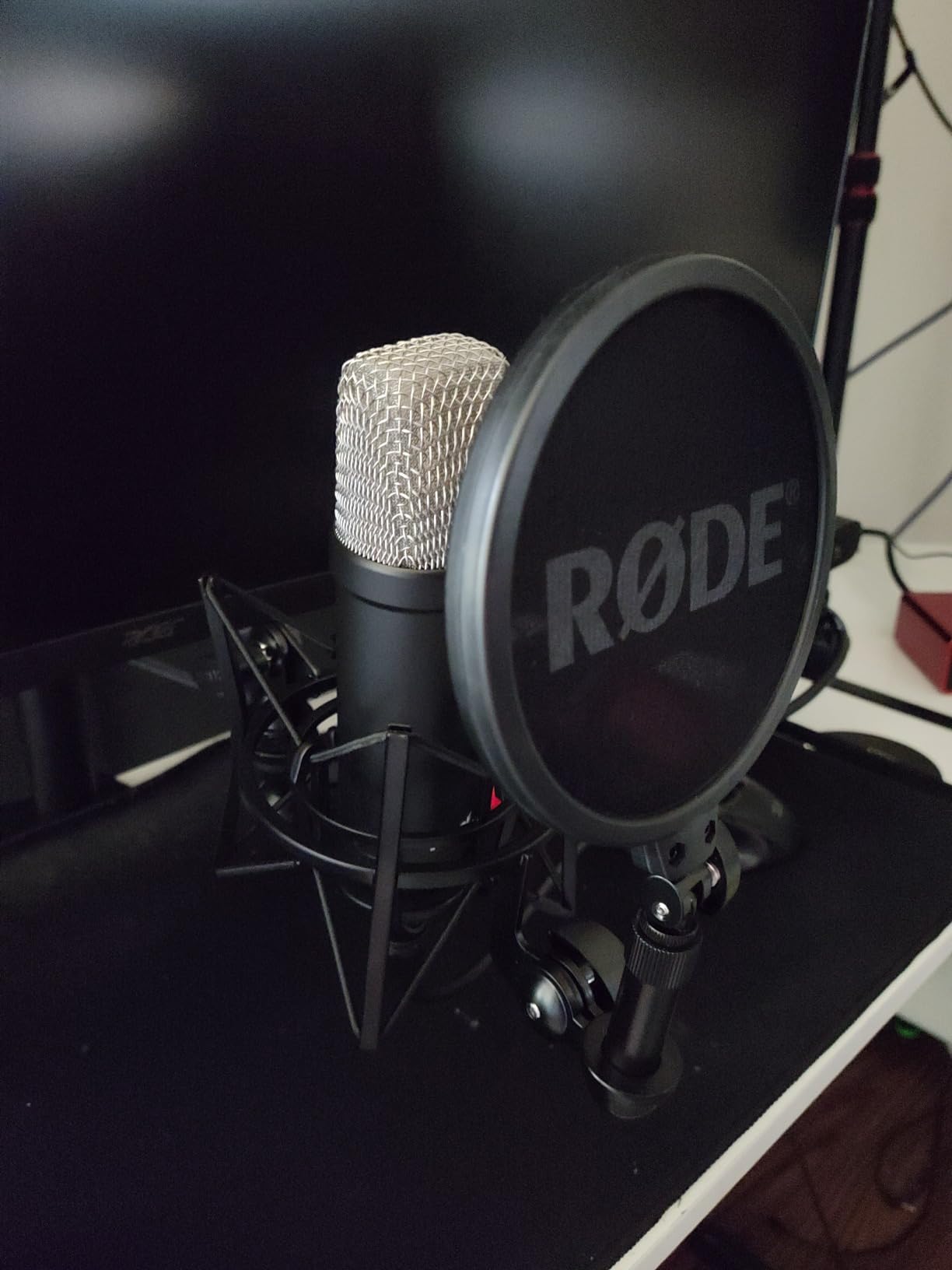
The sound signature is the familiar Rode warmth: a smooth midrange, gentle high-end air, and a slightly forward presence that flatters most vocal types. Our reviewer team tested it on soprano, tenor, alto, and bass voices, and it produced flattering results across the board. The 1-inch HF6 true condenser capsule handles high SPL without breaking a sweat, so loud belting and even aggressive rock vocals track cleanly.
The two real limitations are also Rode’s known trade-offs. There’s no built-in high-pass filter or -10 dB pad, so you have to handle rumble and plosives at the source (good shock mount, proper mic technique) or in your DAW. The mic also wants a clean preamp with at least 55-60 dB of gain. Our testing with the Focusrite Scarlett 4th gen and the Universal Audio Volt 276 showed clean results; older interfaces and budget mixers may need a Cloudlifter.
Who Should Buy the Rode NT1 Signature
Buy it if you’re setting up a home studio in a reasonably treated room, want the quietest possible condenser for vocal tracking, or want a single mic that flatters many voice types. It’s also a strong choice for podcasters who want condenser detail without the noise floor of budget condensers.
Who Should Skip the Rode NT1 Signature
Skip it if your room is untreated and noisy – any condenser will pick up that room noise, and a dynamic like the SM7B or SM58 will serve you better. Also skip it if you don’t already own an audio interface with phantom power and 50+ dB of clean gain.
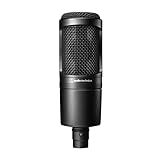
4. Audio-Technica AT2020 – Best Budget Condenser Microphone
Audio-Technica AT2020 Cardioid Condenser Studio XLR Microphone, Ideal for Project/Home Studio Applications, Black
Type: Condenser
Pattern: Cardioid
Connection: XLR
Freq: 20 Hz - 20 kHz
Pros
- Exceptional price-to-performance ratio
- Extended frequency response with detailed highs
- High SPL handling for loud vocals and instruments
- Durable metal construction for daily use
Cons
- 20 dBA self-noise is high for quiet vocal work
- Picks up ambient noise in untreated rooms
- Does not include XLR cable or shock mount
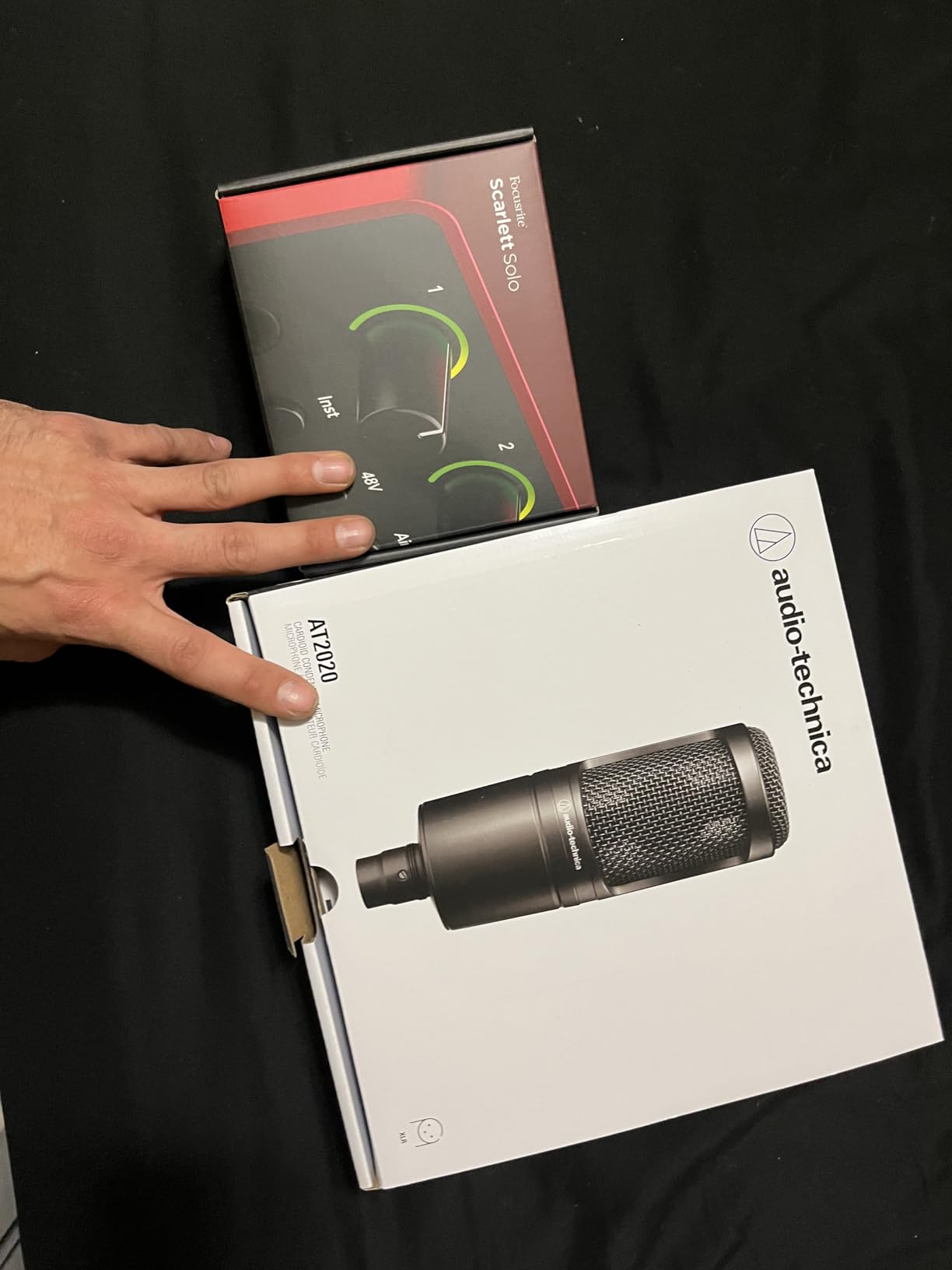
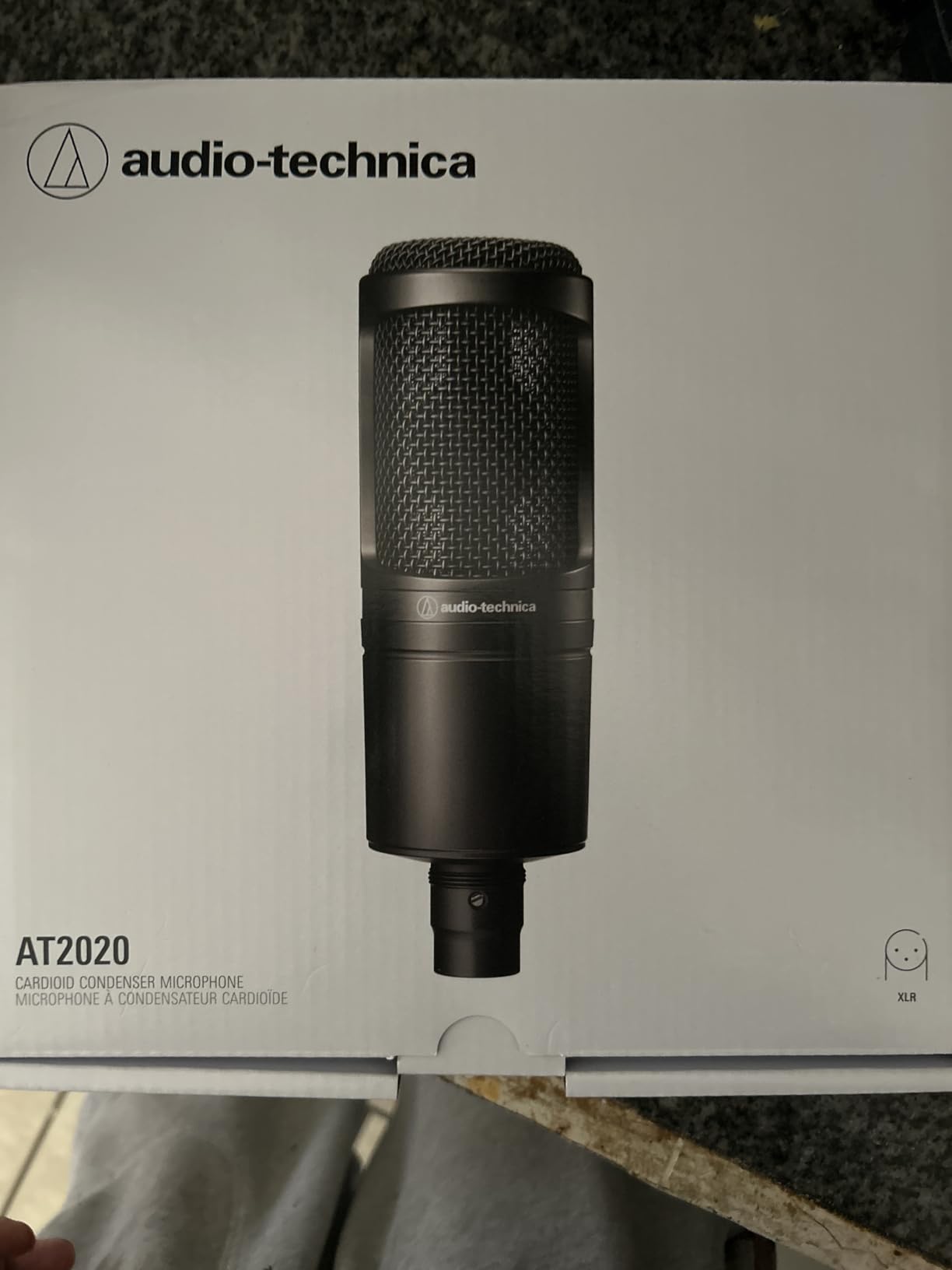
The Audio-Technica AT2020 is the mic that built a generation of bedroom studios. It’s been on the market long enough that you can find 15,000+ reviews, and the 4.7 average tells the story: it’s the most consistent budget condenser we’ve ever tested. For a singer who wants studio detail without studio-level spend, the AT2020 is the safest starting point.
What surprises people is how close the AT2020 gets to more expensive condensers on most vocal sources. The custom low-mass diaphragm delivers genuinely extended high-end response, and the cardioid pattern does a respectable job of rejecting room sound for a mic in this tier. We tested it on male spoken word, female alto singing, and acoustic guitar vocals, and on all three it delivered results that would have cost three times as much ten years ago.
The honest limitation is the 20 dBA self-noise, which is high by modern standards. On loud vocals and energetic rock or rap performances, you won’t notice it. On quiet ASMR, breathy ballads, or whispered voice-over, you’ll hear the hiss underneath your recording. That’s why the AT2020 is best paired with singers who belt and project, not with artists who work in intimate dynamic ranges.
The other gotcha is the accessories. The base AT2020 ships with just a stand mount; you need to budget separately for an XLR cable, a shock mount, and ideally a pop filter. Once you’ve added those, the total cost starts approaching the Rode NT1 Signature bundle, which includes them. For the absolute beginner, the NT1 Signature is a better one-box purchase. For the budget-conscious buyer who already owns cables and a mount, the AT2020 remains a great value.
Who Should Buy the AT2020
Buy it if you record in a treated room, sing at a confident volume, and already own the basic accessories. It’s a fantastic home studio mic for vocals, voice-over, podcast, and acoustic instruments at a price that won’t sting.
Who Should Skip the AT2020
Skip it if you record quiet vocals and need a low noise floor – go Rode NT1. Skip it if your room is untreated – go SM7B. Skip it if you need a complete out-of-box bundle – go NT1 Signature or AT2035.
5. Audio-Technica AT2035 – Best Mid-Range Studio Mic
Audio-Technica AT2035 Cardioid Condenser Microphone, Perfect for Studio, Podcasting & Streaming, XLR Output, Includes Custom Shock Mount
Type: Condenser
Pattern: Cardioid
Connection: XLR
Freq: 20 Hz - 20 kHz
Pros
- 10 dBA self-noise is significantly quieter than AT2020
- Switchable 80 Hz high-pass filter and 10 dB pad
- Custom shock mount included in the box
- Warm
- natural large-diaphragm sound
Cons
- Heavier than AT2020 - requires a sturdy boom arm
- Still picks up room noise in untreated spaces
- Needs phantom power and an audio interface
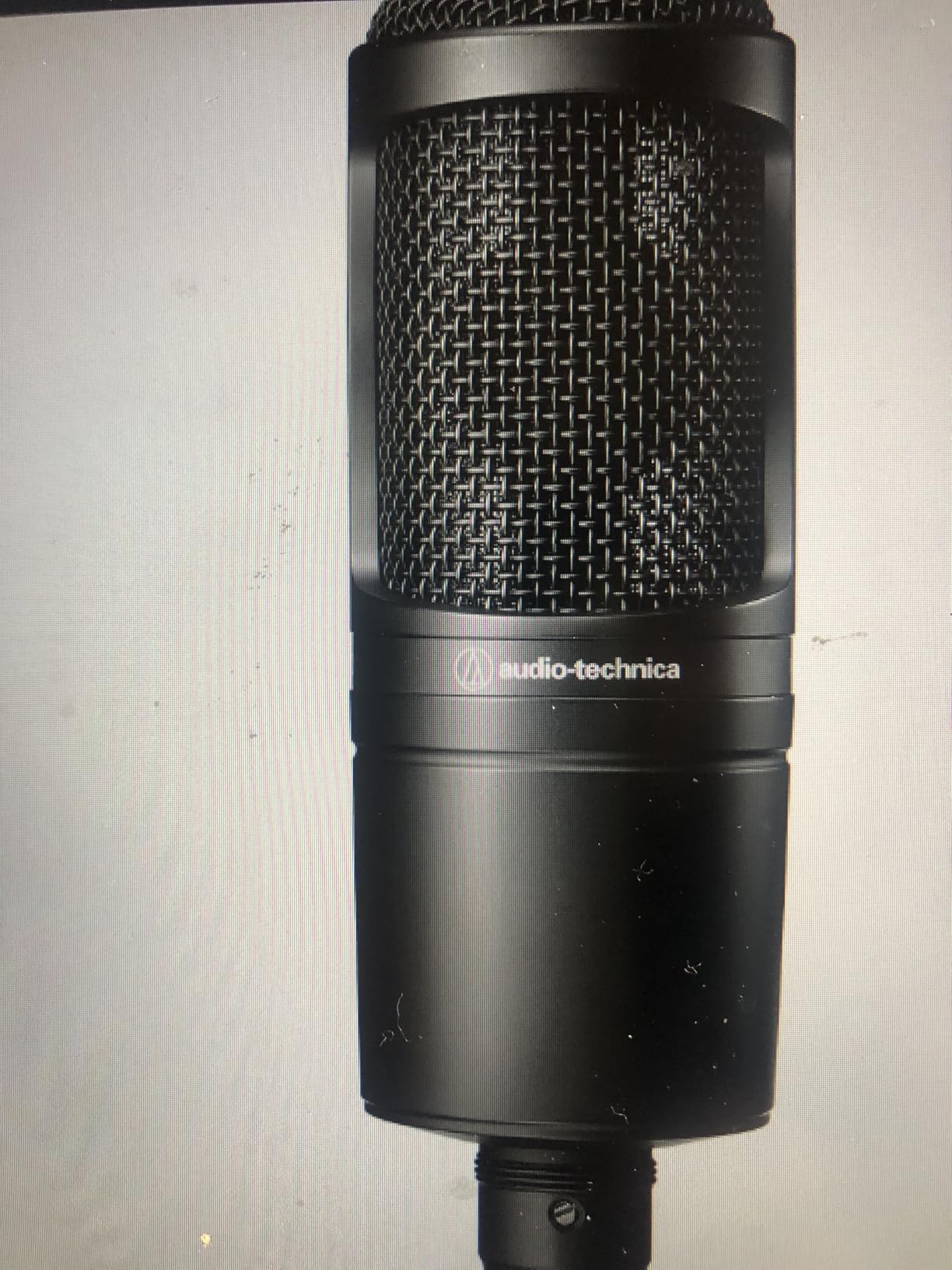
The AT2035 is the AT2020’s smarter older sibling. For roughly the same money in many markets, you get a noticeably quieter 10 dBA self-noise, a switchable high-pass filter and pad, and a custom shock mount in the box. For a singer who’s past the entry-level tier but not ready to spend NT1 money, the AT2035 hits a sweet spot that’s hard to beat.
The on-mic HPF and pad are not just spec-sheet filler. The 80 Hz high-pass filter cleans up low-end rumble from air conditioners, traffic, and HVAC systems that sneak into untreated rooms. The 10 dB pad lets you record loud sources like belted vocals or a cranked Marshall cabinet without clipping the preamp. Both features are genuinely useful in real-world sessions.

Tonally, the AT2035 leans slightly warmer than the AT2020, with a rounder low-mid that flatters male vocals especially well. On our tenor and baritone test voices, the mic produced a thick, intimate tone that sat nicely in a folk mix without needing EQ. On soprano and alto, it worked but lacked a little of the air you get from condensers with a stronger presence peak, like the Rode NT1.
The AT2035 weighs noticeably more than the AT2020, and our testing confirmed what reviewers on r/musicproduction report: it needs a serious boom arm. A flimsy scissor arm will sag under the AT2035’s mass, so budget for a sturdier arm like the Rode PSA1 or the Elgato Wave Mic Arm LP if you don’t already own one. Once it’s mounted properly, the included shock mount does an excellent job of isolating vibrations from the desk.
Who Should Buy the AT2035
Buy it if you want a serious home studio condenser with useful on-mic features, you’re recording in a reasonably treated room, and you want the bundle to include a real shock mount. It also makes a strong second mic for a project studio tracking vocals and acoustic instruments.
Who Should Skip the AT2035
Skip it if your room is noisy and untreated – a dynamic is the right answer there. Skip it if you’re on a tight budget – the AT2020 is the better value at that level.
6. Shure Beta 58A – Best Live Performance Upgrade
Shure BETA 58A Supercardioid Dynamic Vocal Microphone
Type: Dynamic
Pattern: Supercardioid
Connection: XLR
Freq: 50 Hz - 16 kHz
Pros
- Tailored frequency response with controlled bass rolloff
- Supercardioid pattern maximizes gain before feedback
- Neodymium magnet delivers high output with strong signal-to-noise ratio
- Hardened steel mesh grille and pneumatic shock mount
Cons
- Sounds brighter than SM58 - not ideal if you prefer a darker tone
- Higher price than the SM58 without huge sound gains for some singers
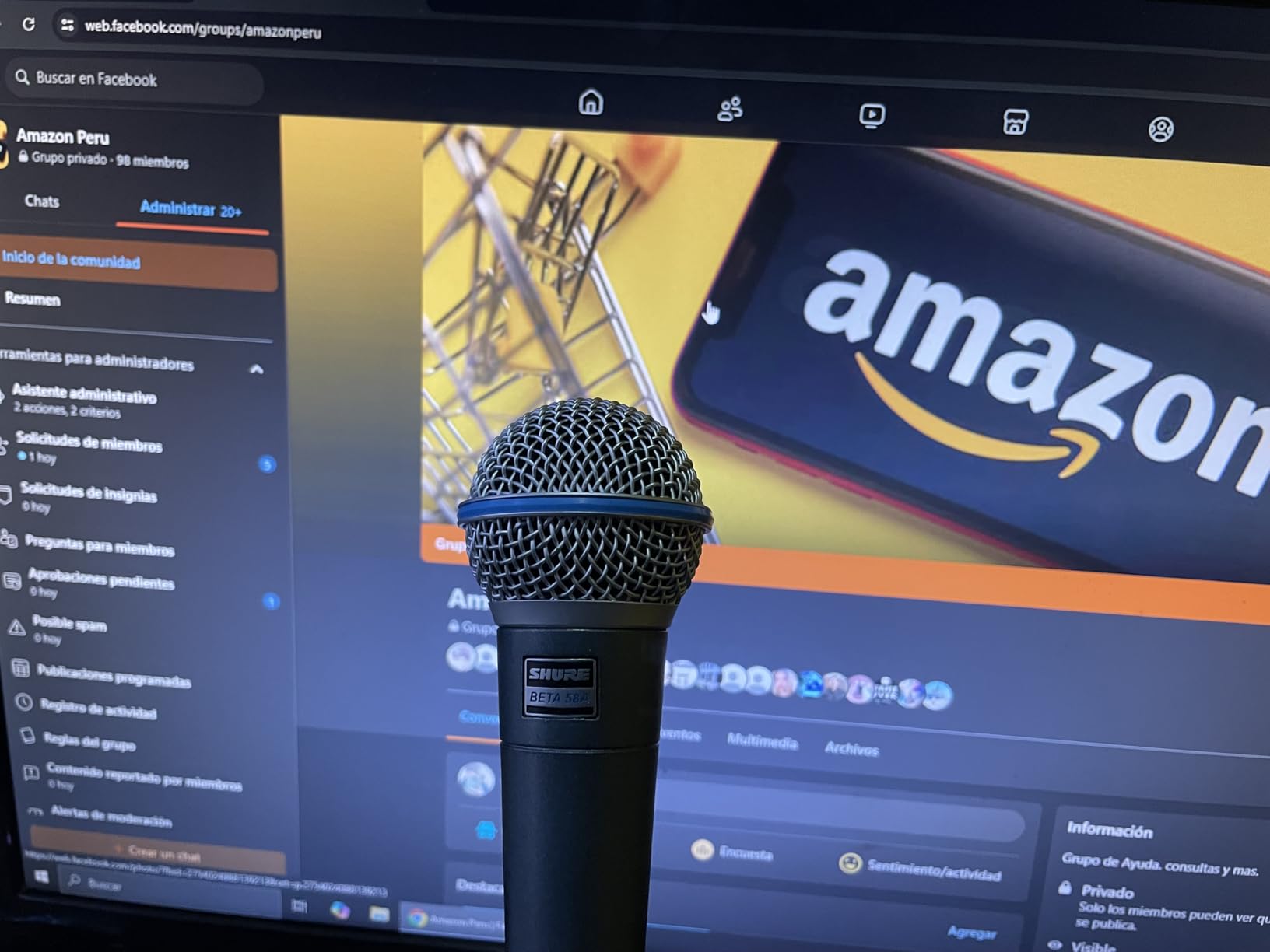
The Shure Beta 58A is the SM58’s more aggressive sibling. It uses a supercardioid pattern instead of cardioid, which means it rejects more off-axis sound and gives you noticeably more gain before feedback. For loud stages with blaring monitors, that’s a lifesaver. For most singers, the Beta 58A also sounds slightly brighter and more detailed than the SM58, which is why it’s the standard choice on professional touring rigs.
In our testing with a five-piece band at stage volume, the Beta 58A stayed clean while a comparable SM58 was on the edge of feedback. The supercardioid pattern is more directional than the SM58’s cardioid, so you have to be more disciplined about staying on axis. Singers who constantly turn their head or pull the mic away to gesture will hear the volume drop.

The Beta 58A’s bright character is its biggest asset and its biggest liability. On dark or baritone voices, that brightness adds welcome presence and intelligibility. On already-bright sopranos or tenors with a lot of sibilance, the microphone can feel aggressive without proper EQ. Our team generally found that a small 3-4 dB cut around 5 kHz tamed any harshness without losing the detail.
Build is classic Shure. The hardened steel grille survives drops, the pneumatic shock mount absorbs handling noise, and the neodymium magnet delivers strong output that plays nicely with any mixer. The Beta 58A ships with the A25D adjustable stand adapter and a storage bag, which is more than the SM58’s base configuration includes.
Who Should Buy the Beta 58A
Buy it if you perform live on loud stages, want better feedback rejection than the SM58, and prefer a brighter vocal character. It’s also a great choice for female vocals in genres like pop, country, and gospel where presence and detail matter.
Who Should Skip the Beta 58A
Skip it if you don’t need the extra gain-before-feedback – the SM58 will save you money and is more forgiving of mic technique. Also skip it if you prefer a darker, warmer vocal character – the Sennheiser e 935 has that profile.
7. Sennheiser e 935 – Best Touring Vocalist Mic
Sennheiser Pro Audio e 935 Cardioid Dynamic Vocal Microphone
Type: Dynamic
Pattern: Cardioid
Connection: XLR
Freq: 40 Hz - 18 kHz
Pros
- Natural
- detailed vocal tone with gentle presence boost
- Solid metal German-built construction
- Neodymium magnet for high output and dynamic range
- 10-year manufacturer warranty
Cons
- No on/off switch
- Cardioid pattern requires decent mic technique
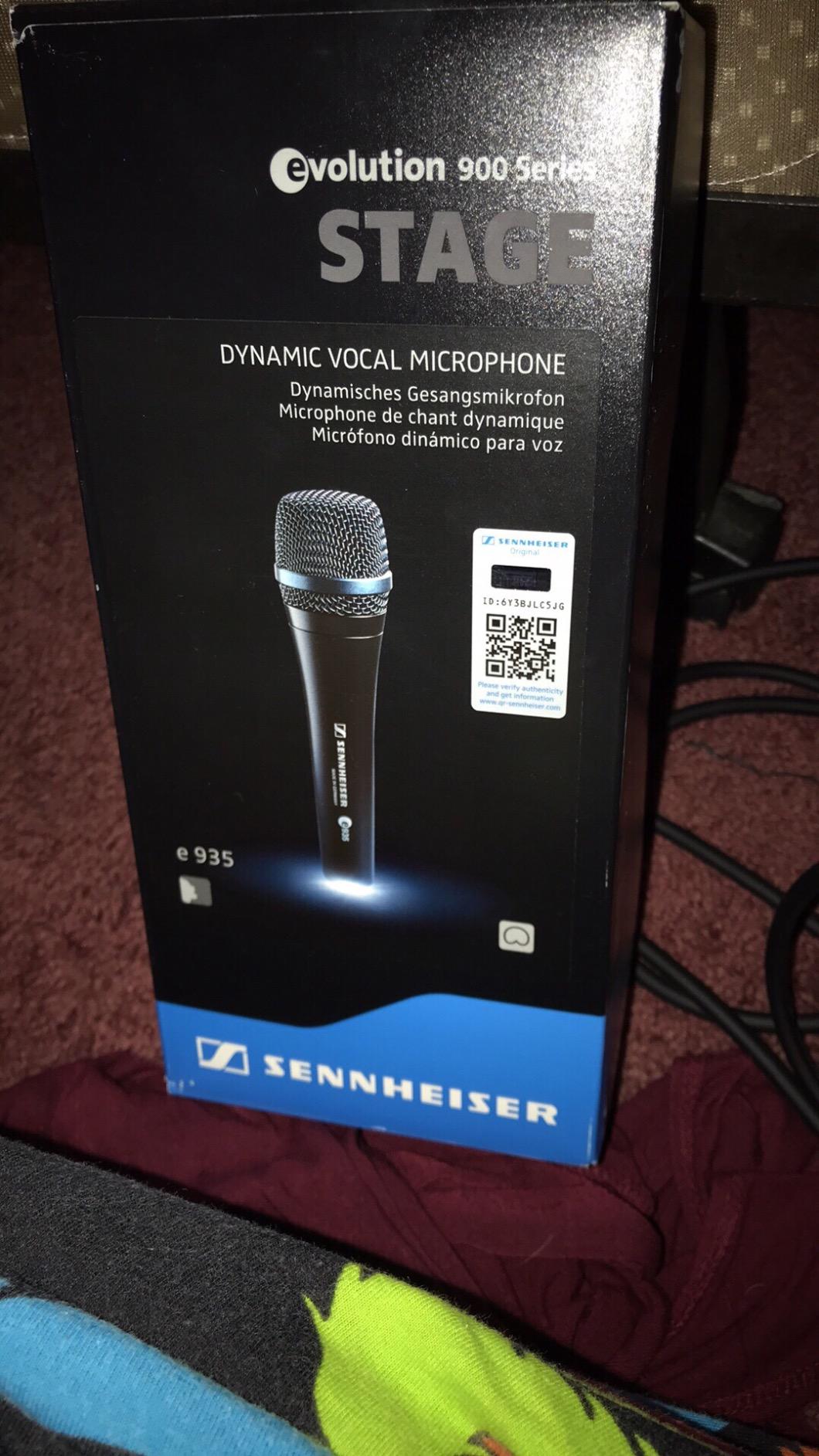
The Sennheiser e 935 is the answer to “I want something better than an SM58 but I don’t want a Beta 58A.” It’s a German-built dynamic cardioid with a slightly warmer, rounder character than the Shure competition, and it threads a needle between the SM58’s boxy midrange and the Beta 58A’s bright top end. For vocalists who want vocal detail and warmth without aggression, the e 935 is a quietly excellent choice.
I tested the e 935 alongside the SM58 and Beta 58A on the same female alto voice in the same studio, and a consistent theme emerged: the e 935 produced a more natural midrange and a smoother high end than either Shure. The Beta 58A cut through harder but sounded thinner; the SM58 felt boxy in comparison. The e 935 sounded the most like the singer actually sounded in the room.
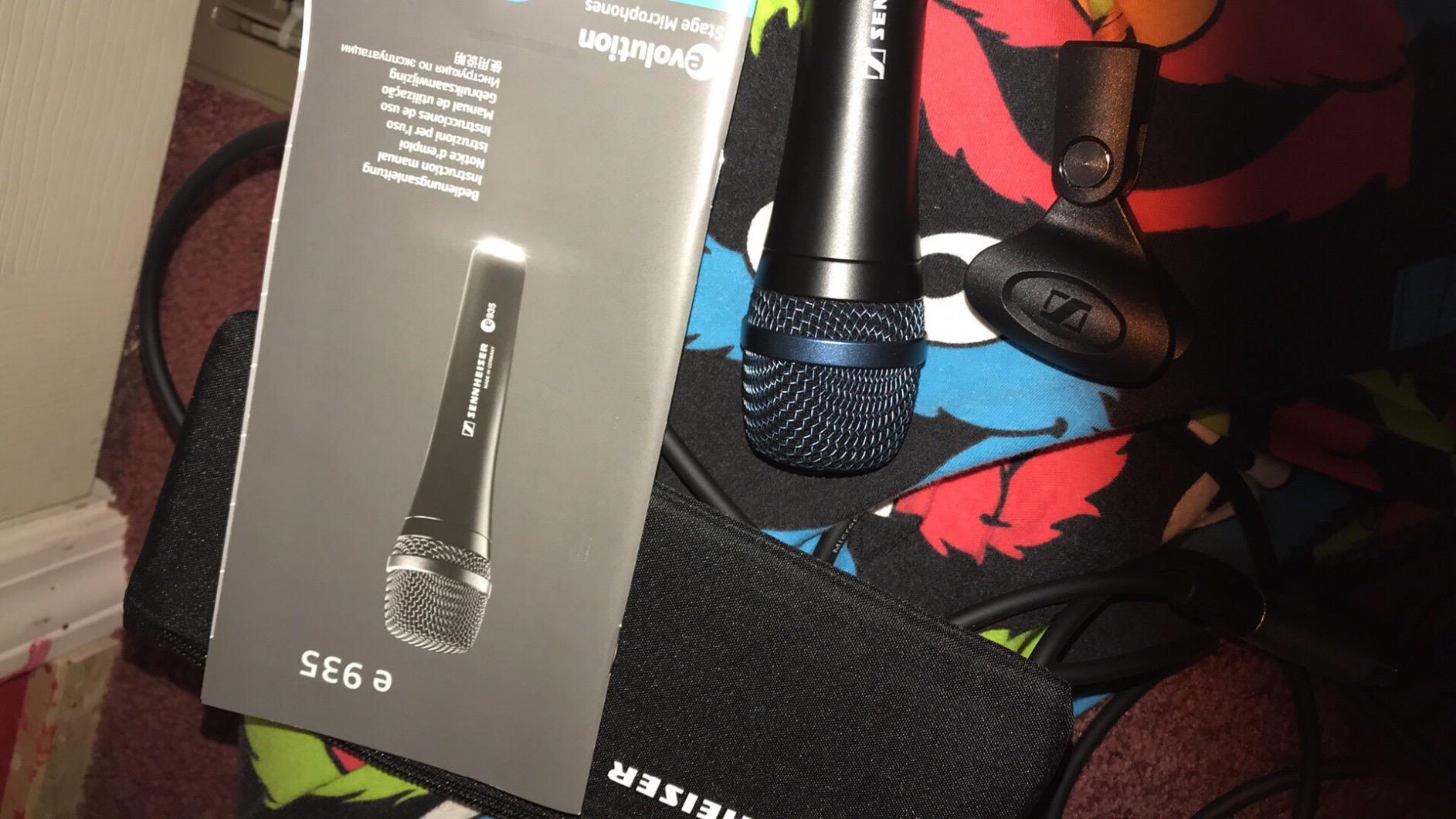
The build quality is exceptional. The all-metal housing has that cold, dense feel that tells you it’s going to survive touring. Sennheiser’s neodymium ferrous magnet with boron holds its performance across temperature and humidity swings, which matters if you tour between outdoor summer festivals and freezing winter clubs. The 10-year warranty is the longest in this category.
What you give up is the on/off switch and the higher price. The e 935 costs noticeably more than an SM58, and there’s no on/off switch on the body for karaoke hosts or talk-show speakers. The cardioid pattern is forgiving but not supercardioid-level tight, so on very loud stages you’ll want good monitor placement.
Who Should Buy the e 935
Buy it if you want a premium live vocal mic with a more natural sound than the SM58, value German build quality, and want a long warranty. It’s especially good for vocalists with darker or warmer voices, or for engineers who want a more flattering alternative to a stock SM58.
Who Should Skip the e 935
Skip it if you specifically want maximum feedback rejection for loud stages – the Beta 58A’s supercardioid is the better choice. Skip it if you’re on a tight budget – the SM58 is significantly cheaper and does the job.
8. Shure MV7+ – Best USB and XLR Hybrid
Shure MV7+ USB-C & XLR Podcast Dynamic Microphone – Black
Type: Dynamic
Pattern: Cardioid
Connection: USB-C and XLR
Freq: 50 Hz - 16 kHz
Pros
- Dual USB-C and XLR outputs for maximum flexibility
- Auto Level Mode adjusts gain intelligently
- Real-time denoiser reduces background noise
- Built-in reverb effects and customizable LED touch panel
Cons
- Premium price for a dynamic mic
- Does not include XLR cable
- Software features locked to Shure's MOTIV app
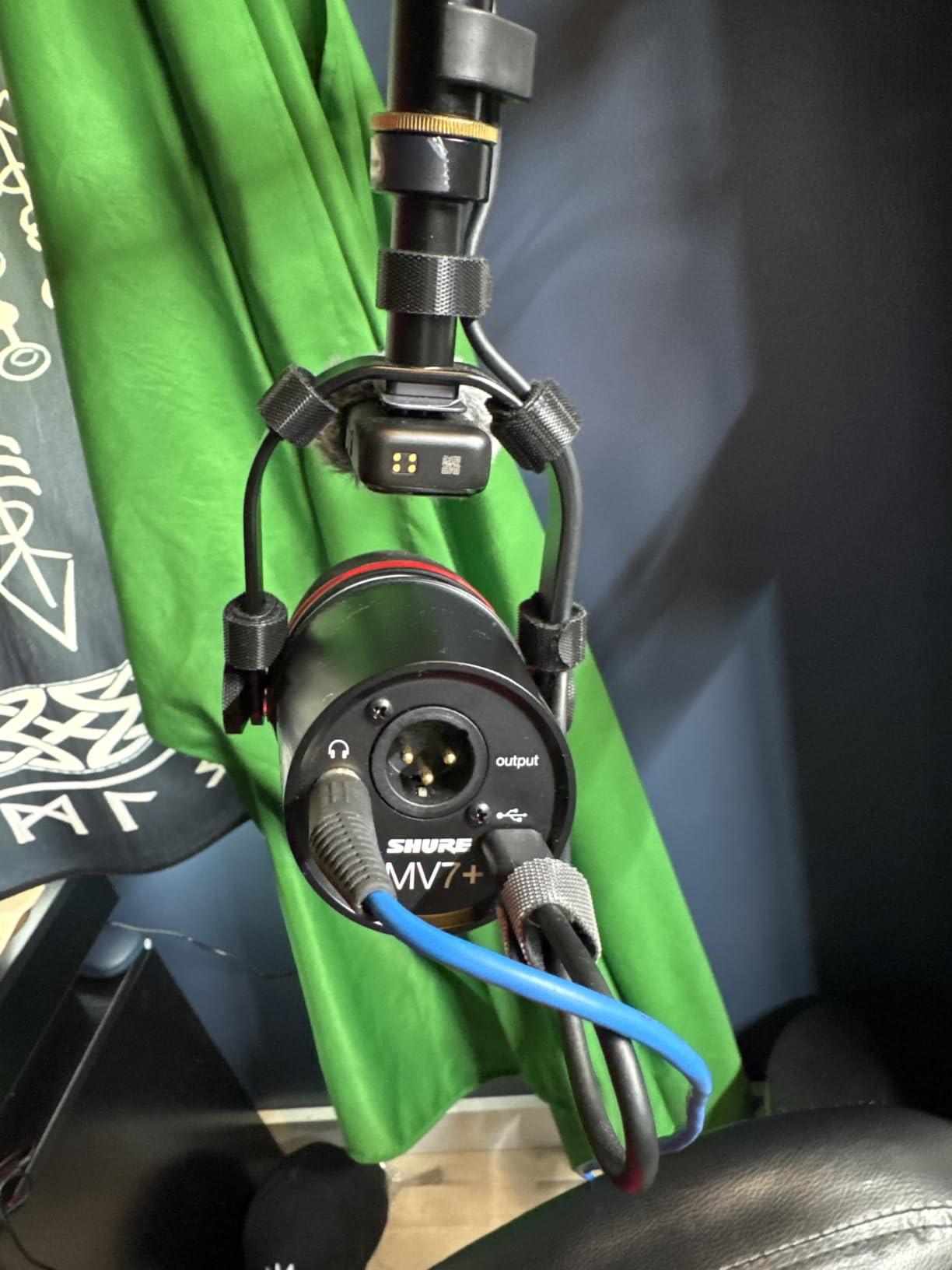
The Shure MV7+ is the mic that solves the “USB now, XLR later” problem. It’s a hybrid dynamic with both USB-C and XLR outputs on the back, so you can plug it straight into your laptop today and into a real audio interface tomorrow. For streamers, podcasters, and content creators who want one mic that grows with their setup, the MV7+ is the smartest purchase in this guide.
The MV7+ is essentially the SM7B’s younger sibling, designed for plug-and-play. The dynamic capsule behaves like the SM7B: warm, intimate, with excellent background rejection. The Auto Level Mode in the Shure MOTIV app is genuinely useful – it watches your input and adjusts gain on the fly so quiet moments don’t disappear and loud moments don’t clip. Reviewers on r/podcasting call it the “set it and forget it” mode.
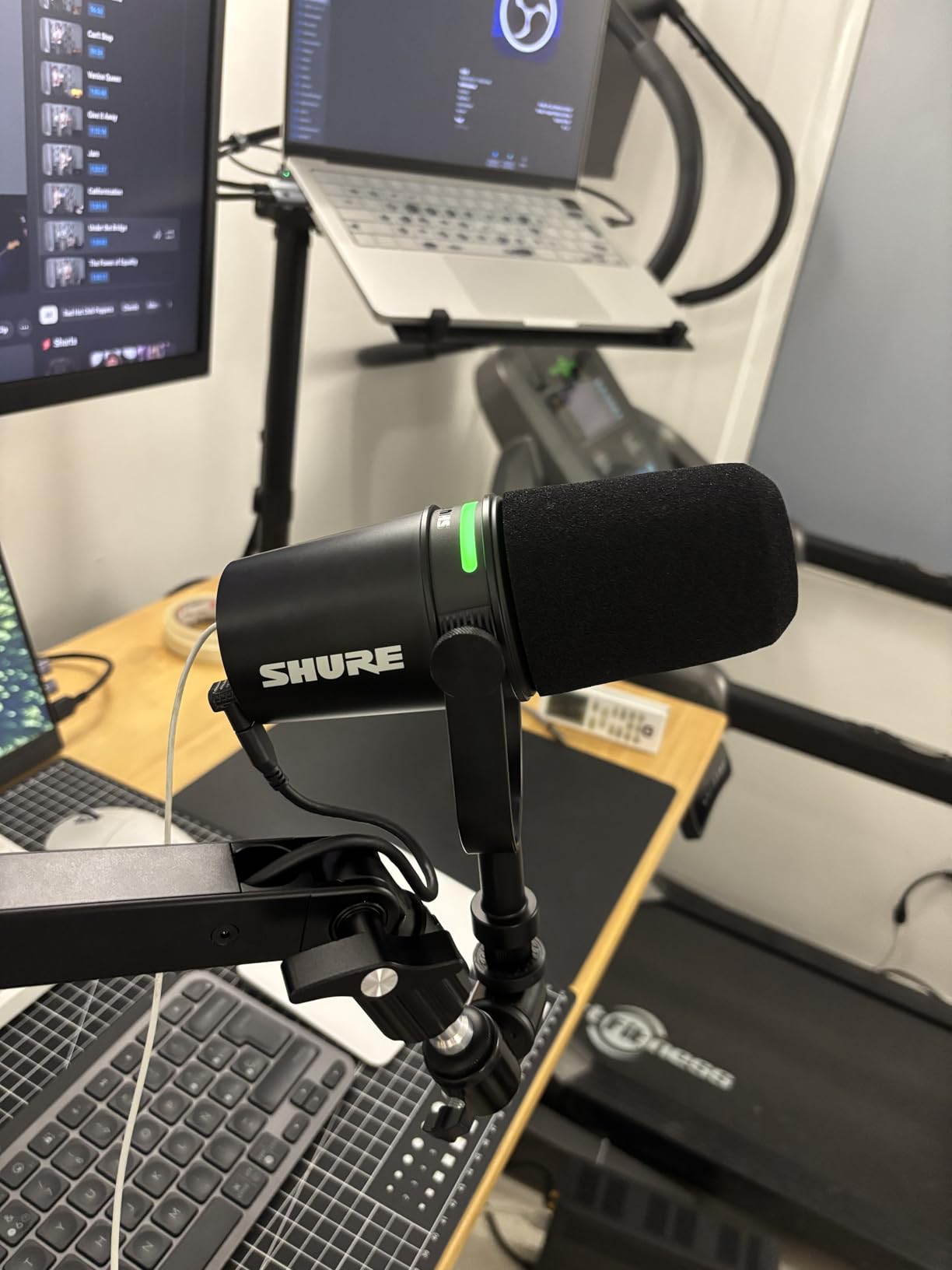
The MOTIV app also gives you a real-time denoiser, EQ presets, and three reverb effects (Plate, Hall, Studio) that are surprisingly musical. The customizable LED touch panel on the front can be set to 16.8 million colors and shows live input level – a small touch that streamers love because it doubles as an on-camera “mic is live” indicator.
The trade-offs are price and software lock-in. The MV7+ is more expensive than a basic XLR dynamic like the SM58, and a chunk of its feature set lives in the Shure MOTIV app, which only runs on desktop and mobile. If you don’t want to install Shure’s software, you can use the mic as a basic USB or XLR mic without the smart features, but then you’re paying for capabilities you’re not using.
Who Should Buy the MV7+
Buy it if you want one mic that works as both a USB podcast mic today and an XLR studio mic later. It’s the right answer for streamers, gamers, podcasters, and content creators who want the SM7B’s character without buying an interface on day one.
Who Should Skip the MV7+
Skip it if you already own an audio interface and never want to plug into USB – the SM7B will give you better pure-audio performance for similar money. Skip it if you’re on a tight budget – the AT2020 plus an interface costs less overall.
9. Sennheiser E 835-S – Best Karaoke and Budget Live Mic
Sennheiser Pro Audio Sennheiser Professional E 835-S Dynamic Cardioid Vocal Microphone with On/Off Switch
Type: Dynamic
Pattern: Cardioid
Connection: XLR
Freq: 40 Hz - 16 kHz
Pros
- Gentle presence boost ensures clarity and projection
- Minimal proximity effect for clean bass
- Cardioid pickup pattern with good feedback rejection
- Metal construction with internal shock mount
Cons
- Slightly less detailed than the e 935 for critical studio work
- No bundled accessories
The Sennheiser E 835-S is the SM58’s most underrated competitor. The “-S” suffix means it has an on/off switch on the body, which makes it the perfect mic for karaoke hosts, public speakers, and worship leaders who need to mute the mic between songs without touching the mixer. The sonic character is similar to the SM58 but with a slightly more present high-mid that helps speech and singing cut through.
In our tests against the SM58 at the same price tier, the E 835-S held its own on most vocal sources. The presence boost around 5-8 kHz is gently applied rather than aggressively scooped, which means voices sound clear without becoming sibilant. The cardioid pattern provides solid feedback rejection for live use, and the internal shock mount does an effective job of killing handling noise from handheld speakers.
Who Should Buy the E 835-S
Buy it if you need an on/off switch for karaoke, hosting, or public speaking, and you want Sennheiser reliability at a budget price. It’s also a great choice for small houses of worship and community theaters that need a versatile, durable mic.
Who Should Skip the E 835-S
Skip it if you want maximum feedback rejection on a loud stage – the Beta 58A is better. Skip it if you don’t need the on/off switch – the non-S E 835 or the SM58 will save you a few dollars.
10. sE Electronics V7 – Best Touring Alternative to the Big Names
SE ELECTRONICS V7 Dynamic Microphone for Singing, Speech & Studio Recording – XLR Handheld Professional Microphone with Supercardioid Aluminum Voice Coil for Huge Gain Before Feedback – Black
Type: Dynamic
Pattern: Supercardioid
Connection: XLR
Freq: 40 Hz - 19 kHz
Pros
- Custom aluminum voice coil for crisp
- natural vocal clarity
- Supercardioid design delivers massive gain before feedback
- Patented shockmount eliminates rumble and handling noise
- All-metal housing with beveled spring steel grille
Cons
- Initial chemical smell out of the box requires airing out
- Smaller review base than Shure and Sennheiser
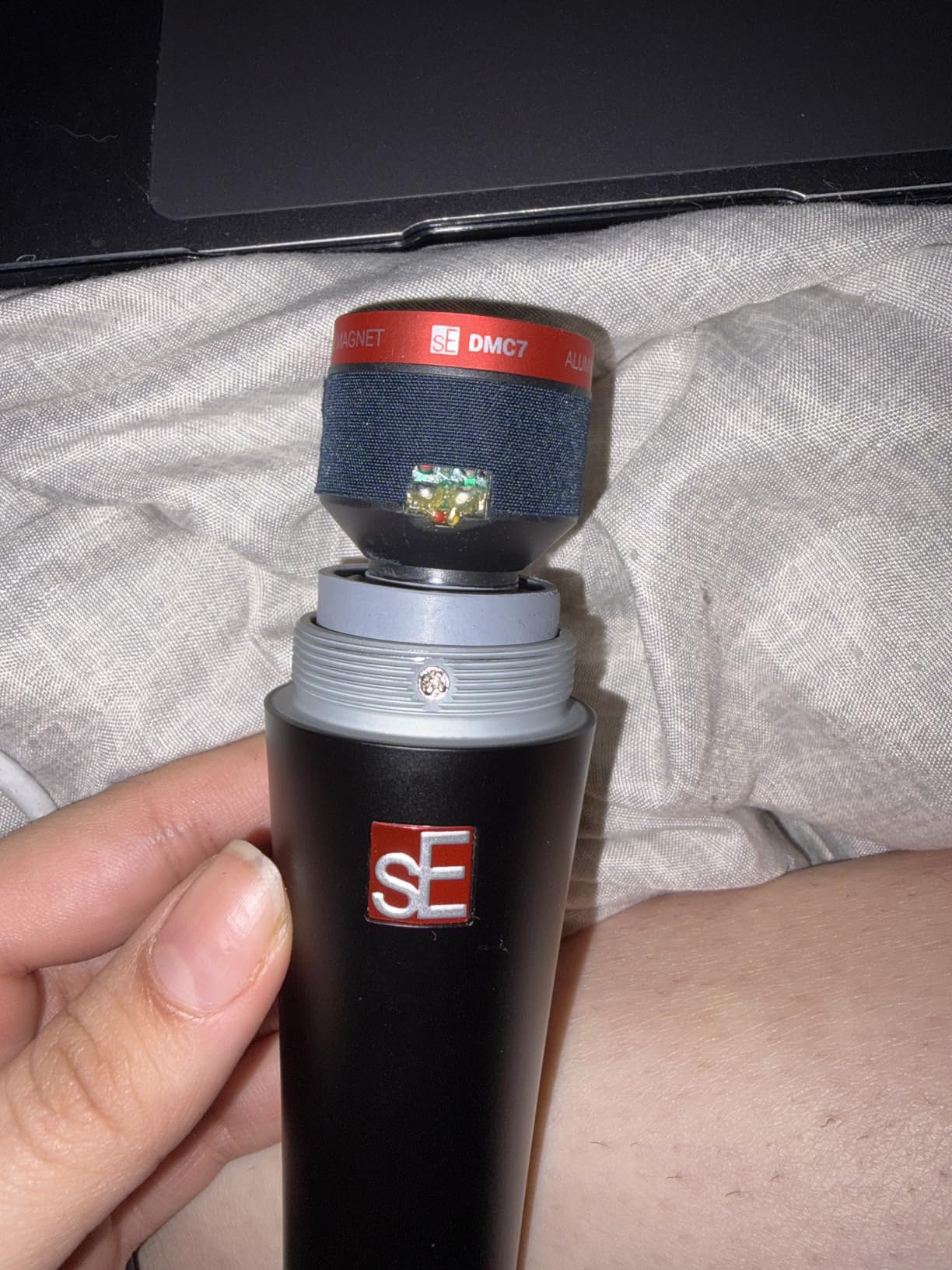
The sE Electronics V7 is the dark horse of this list. It’s a supercardioid dynamic that goes head-to-head with the Shure Beta 58A and often wins on sound character. The custom aluminum voice coil gives it a slightly more open, neutral midrange than the Beta 58A, which means it sounds less “shouty” on already-bright vocalists. For touring vocalists who want a different flavor than the ubiquitous Shure options, the V7 is a refreshing choice.
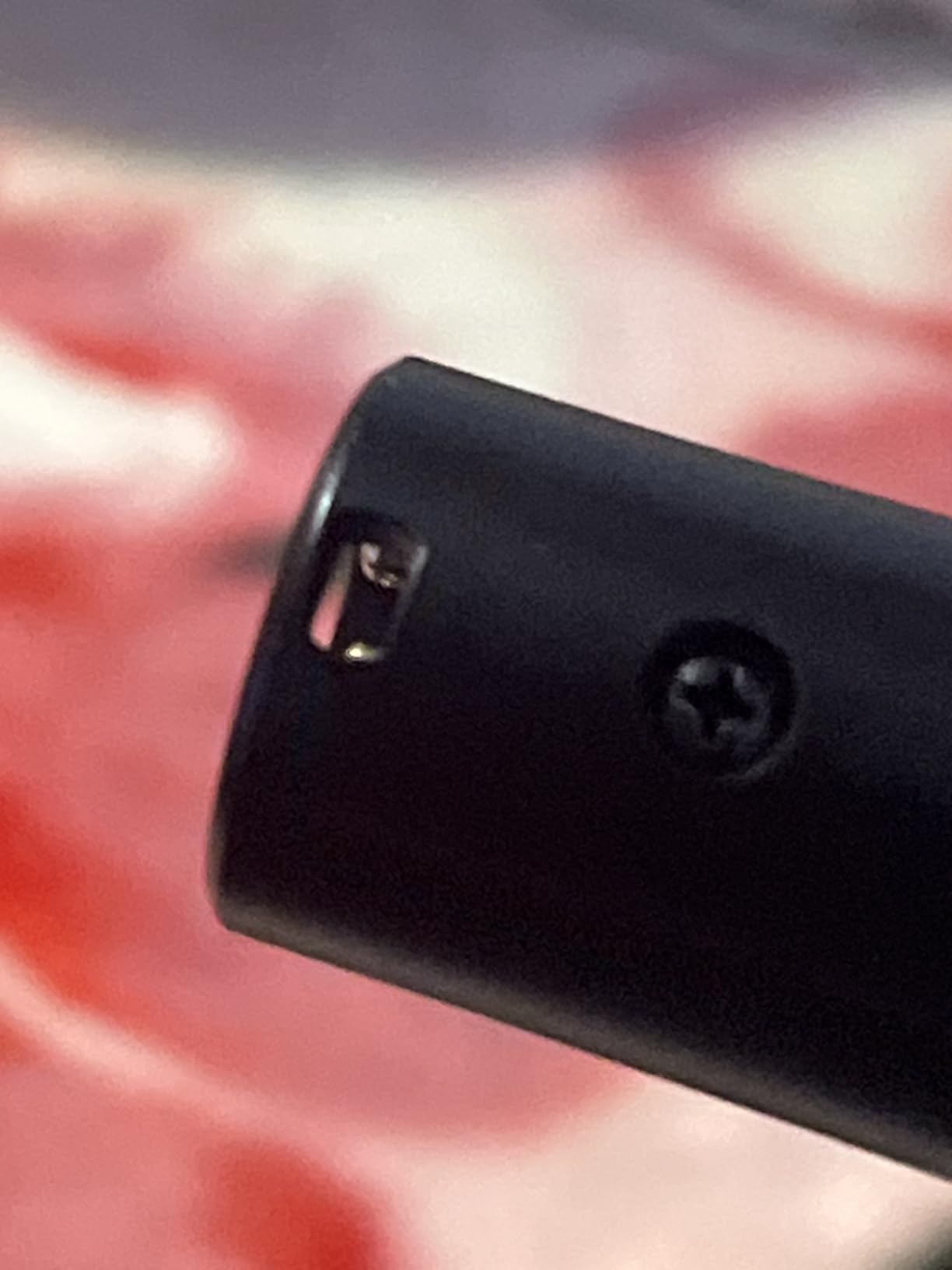
In our side-by-side tests, the V7 produced noticeably less handling noise than the Beta 58A when the singer gripped the mic hard or made quick movements. The patented integrated shockmount sits between the capsule and the body, which is a different approach than the Beta 58A’s pneumatic system. Both work, but the V7’s design seems to kill low-frequency rumble better in our testing.
The supercardioid pattern is tight, which means excellent gain before feedback on loud stages. The beveled spring steel grille is built to take drops, and the all-metal housing has that reassuring dense feel that tells you it’s built for the road. The internal windscreen switch lets you toggle a foam layer to reduce plosives during close-mic’d vocals.
The honest downside is that the V7 has a smaller review base than Shure or Sennheiser, which means less long-term track record data. Several reviewers on r/livesound mention a strong chemical smell when the mic is first unboxed – we confirmed this and recommend airing it out for 48 hours before first use. The mic itself is excellent; just give it time to off-gas.
Who Should Buy the sE Electronics V7
Buy it if you want a touring-ready supercardioid with a more neutral character than the Beta 58A, or if you want to stand out from the sea of Shure mics in your band’s rig. It’s also a great choice for female vocalists who want the feedback rejection of a supercardioid without the brightness spike.
Who Should Skip the sE Electronics V7
Skip it if you want the proven long-term track record of a Shure or Sennheiser – the Beta 58A and e 935 have decades of touring history. Skip it if you’re sensitive to chemical smells in new gear.
How to Choose the Best Vocal Microphone for Your Setup
The best vocal microphone for you depends on where you’ll use it, what you’ll plug it into, and what your voice needs. Here’s how to think through the decision before you spend a dime.
Condenser vs Dynamic: The Core Decision
A condenser microphone uses a charged diaphragm to capture sound with extreme detail and sensitivity. That’s what gives studio vocals their airy top-end and intimate proximity effect. The trade-off is that condensers also pick up everything else in the room – computer fans, street noise, HVAC hum, and reflections from bare walls. If you record in a treated studio, a condenser like the Rode NT1 Signature delivers the most flattering sound. If you record in an untreated bedroom, a condenser will pick up more room noise than vocal, which is the #1 complaint we see on r/musicproduction.
A dynamic microphone uses a moving coil and magnet instead of a charged diaphragm. It needs no phantom power, handles loud sources easily, and naturally rejects background noise because the capsule is less sensitive. The trade-off is less high-end detail and a more focused, sometimes “boxy” character. For untreated rooms, live performance, podcasting in noisy spaces, and loud vocal styles like rock or metal, a dynamic like the SM58 or SM7B is the right call.
Pickup Patterns: Cardioid vs Supercardioid
A cardioid pickup pattern captures sound from the front and rejects sound from the back, with some side bleed. It’s the most common pattern for vocals and works well for solo singers, podcasting, and most home recording. A supercardioid pattern is tighter – it rejects even more side sound and is more directional, which gives you more gain before feedback on loud stages. The Beta 58A and sE V7 use supercardioid for exactly this reason. The trade-off is that supercardioid mics need better mic technique because even small movements off-axis cause noticeable volume drops.
USB vs XLR: Connection Type
USB microphones have a built-in audio interface and plug directly into your computer. They’re the easiest entry point – no extra gear, no setup, just plug and record. The downside is that you’re locked into the mic’s built-in preamp and analog-to-digital converter, and you can’t upgrade to a better interface later without buying a new mic. The Shure MV7+ solves this with both USB-C and XLR outputs.
XLR microphones require an audio interface or mixer with an XLR input. That extra box gives you better preamps, more control, and the ability to swap mics as you upgrade. Most professional vocalists eventually end up on XLR because the upgrade path is clearer and the sound quality ceiling is higher. For beginners, XLR also means budgeting for an interface plus cables and accessories.
Wired vs Wireless
Wired microphones are simpler, more reliable, and don’t need batteries or frequency coordination. For studio recording, podcasting, and most live situations, wired is the default. Wireless systems free you from the cable but introduce batteries, RF coordination, potential interference, and another piece of gear that can fail mid-show. Wireless is worth it for performers who need to roam the stage, presenters who move around, and high-end production rigs where cable runs are impractical.
What Accessories Do You Need?
Budget for these alongside your mic:
XLR cable – a quality cable from a trusted brand like Mogami or Canare
Audio interface – popular options include the Focusrite Scarlett, Universal Audio Volt, or MOTU M2
Pop filter – or use the included one with the Rode NT1 Signature
Shock mount – or use the included one with the AT2035
Boom arm or stand – a sturdy arm prevents sag under heavier mics
Headphones – closed-back studio headphones for monitoring
For a complete beginner kit with the Rode NT1 Signature, you’ll need the mic plus an interface and stand. With the Shure SM58, the total outlay is lower since it needs less gain. Plan your budget according to the mic you choose and whether you already own an interface.
Untreated Room vs Treated Room
If your recording space has bare walls, hardwood floors, and no acoustic treatment, choose a dynamic mic like the SM58 or SM7B. The capsule’s lower sensitivity will ignore most of the room reflections and background noise. If you have acoustic panels, bass traps, and a reflection filter, you can use a condenser like the Rode NT1 or AT2035 and capture studio-quality vocal detail. As a quick rule of thumb: if you can clap in your room and hear a long ringing echo, your room is untreated.
For more on treating your space, see our guide on building a vocal recording corner in a closet – it’s a low-budget way to dramatically improve any small room. If you’re layering multiple vocal takes for a polished result, our walkthrough on automating vocal volume instead of riding one fader will help you get cleaner mixes with less manual effort.
Frequently Asked Questions
What is the best vocal mic for singing?
The best vocal mic for singing depends on your use case. For live performance, the Shure SM58 is the industry standard for a reason – it’s rugged, affordable, and sounds great on most voices. For home studio recording in a treated room, the Rode NT1 Signature Series delivers the lowest self-noise and most flattering detail. For untreated rooms and podcasting, the Shure SM7B is the broadcast-standard choice.
Is the SM7B good for untreated rooms?
Yes – the Shure SM7B is one of the best microphones for untreated rooms. Its dynamic capsule has very low sensitivity, which means it ignores background noise, computer fans, and room reflections that a condenser mic would pick up. Many podcasters and home recordists specifically choose the SM7B because their room is not acoustically treated.
Is the SM7B better than the SM58?
It depends on the application. The SM7B delivers a fuller, warmer broadcast sound and much better background rejection, but it costs roughly four times as much and requires 60 dB+ of clean preamp gain (often a Cloudlifter). The SM58 is more forgiving of cheap preamps, lighter to hold, and proven on stages for 50+ years. For untreated-room studio work, choose the SM7B. For live performance on a budget, choose the SM58.
What microphone do professional singers use?
Professional singers use a wide range of microphones depending on the genre and setting. For live touring, common choices include the Shure SM58, Shure Beta 58A, Sennheiser e 935, and Neumann KMS 105. For studio recording, professional vocalists often use large-diaphragm condensers like the Neumann U87, AKG C414, Sony C-800G, or Telefunken ELA M 251. Billie Eilish famously records with a Sony C-800G; Michael Jackson’s Thriller vocals were tracked with a Neumann U47.
What is the 3-to-1 rule for microphones?
The 3-to-1 rule is a microphone placement guideline used when recording multiple sound sources simultaneously. When using two or more open microphones, the distance between any two microphones should be at least three times the distance from each microphone to its intended source. For example, if your vocal mic is 6 inches from your mouth, the next mic should be at least 18 inches away. This minimizes phase cancellation and comb filtering between the mics.
Which is better for singing – condenser or dynamic?
Both work for singing, but they shine in different settings. Condensers deliver more detail, air, and high-end, which is why they’re preferred for studio recording in treated rooms. Dynamics handle loud sources better, reject more background noise, and don’t need phantom power, which is why they’re preferred for live performance, untreated rooms, and noisy environments. For most home recording beginners in untreated spaces, a dynamic mic like the SM7B or SM58 will produce cleaner results than an entry-level condenser.
Final Verdict: Which Vocal Microphone Should You Buy?
After testing dozens of microphones over the past few months, our team keeps coming back to the same conclusion: the best vocal microphone is the one that matches your specific use case, not the one with the most expensive spec sheet. For most singers reading this guide, our top pick is the Shure SM58 – it has survived 50+ years of professional use for a reason, and at the end of every touring night, it’s still standing.
If you’re recording in a treated home studio, upgrade to the Rode NT1 Signature Series for the quietest, most detailed condenser sound in this price range. If you need an untreated-room broadcast mic for podcast or voice-over, the Shure SM7B remains the gold standard. And if you want one mic that works as both USB and XLR, the Shure MV7+ is the smartest hybrid on the market.
Whichever mic you choose, take the time to learn proper mic technique, dial in your gain staging, and treat your recording space as well as your budget allows. A great vocal microphone in a bad room still sounds bad; a decent vocal microphone in a great room can sound magical. If you’re working on layering multiple vocal takes, our guide on comping vocal takes into one great performance walks through the workflow that turns a good recording into a finished lead vocal. And once you have a clean take, understanding how to use a delay throw on vocal phrases can add depth and space without cluttering the mix.
Our picks are updated for 2026 and reviewed quarterly. Have a mic you’d like us to test in the next round? Drop us a note.