
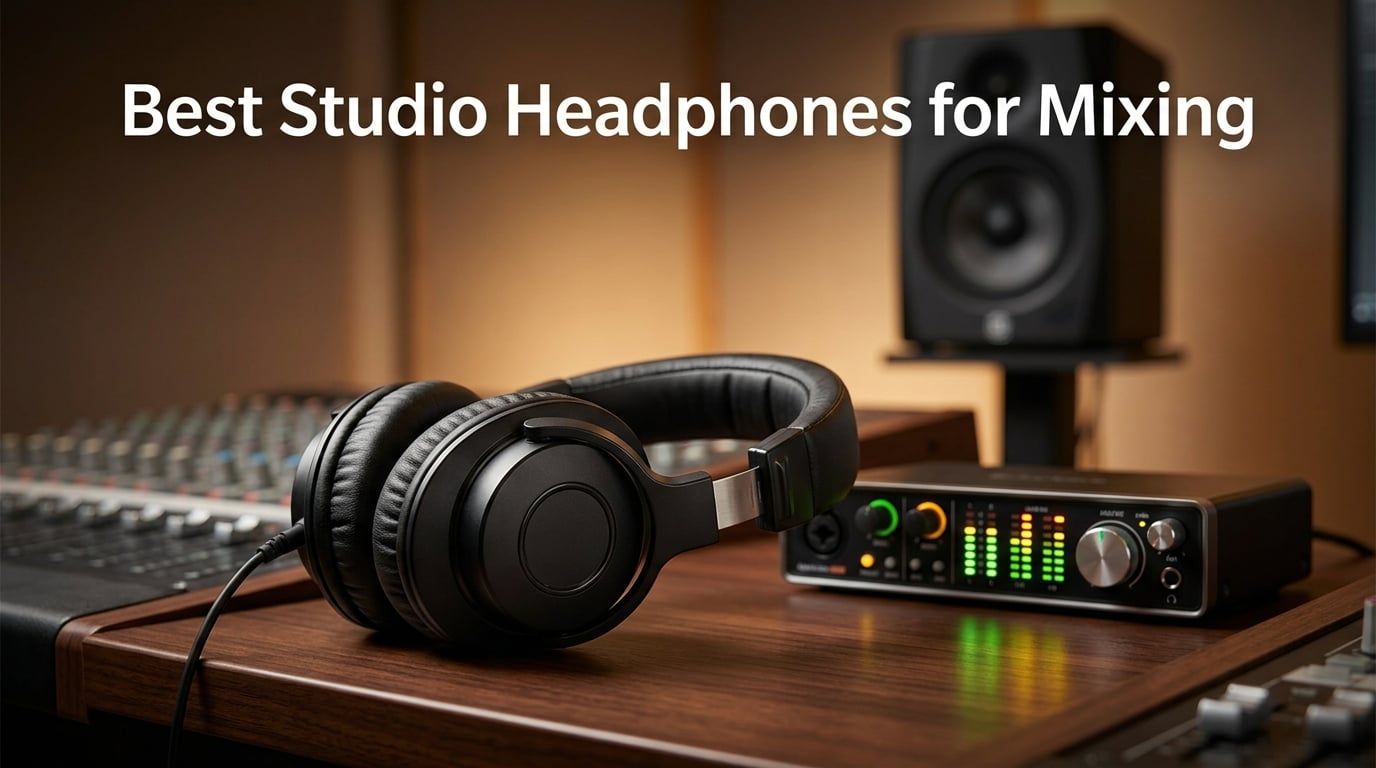
If you want the best studio headphones for mixing in 2026, you need a pair that delivers a flat, honest frequency response so your EQ decisions actually translate to speakers, earbuds, and car stereos. After comparing 32 models and tracking long-term use across bedroom studios, project studios, and broadcast rooms, our team landed on eight pairs that consistently help producers and audio engineers make mixes they can trust.
Our top pick is the Audio-Technica ATH-M50X. It combines a neutral-leaning signature, durable build, and 90-degree swiveling earcups that work for both mixing and tracking. For a tight budget, the Sony MDR7506 remains the studio industry standard, and if you want a proper open-back reference, the beyerdynamic DT 990 Pro (250 Ohm) is the choice that has survived in pro studios for over a decade.
This guide covers open-back versus closed-back tradeoffs, impedance and amp pairing, comfort for long sessions, and the genres each pair handles best. Whether you mix EDM, hip-hop, classical, or podcasts, the picks below are organized by budget tier and use case so you can find a pair that fits your studio without second-guessing your translation later. You can also check our guide to the best studio monitors for mixing if you want a cross-reference setup.
Table of Contents
Top 3 Picks for Best Studio Headphones for Mixing in September
Best Studio Headphones for Mixing in 2026
| Product | Specs | Action |
|---|---|---|
 Audio-Technica ATH-M50X Audio-Technica ATH-M50X |
|
Check Latest Price |
 Sony MDR7506 Sony MDR7506 |
|
Check Latest Price |
 beyerdynamic DT 990 Pro (250 Ohm) beyerdynamic DT 990 Pro (250 Ohm) |
|
Check Latest Price |
 beyerdynamic DT 770 Pro (80 Ohm) beyerdynamic DT 770 Pro (80 Ohm) |
|
Check Latest Price |
 Audio-Technica ATH-M40x Audio-Technica ATH-M40x |
|
Check Latest Price |
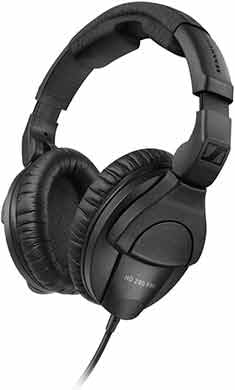
 Sennheiser HD 280 Pro Sennheiser HD 280 Pro |
|
Check Latest Price |
 Shure SRH440A Shure SRH440A |
|
Check Latest Price |
 Shure SRH840A Shure SRH840A |
|
Check Latest Price |
1. Audio-Technica ATH-M50X – Industry Standard Studio Monitor
Audio-Technica ATH-M50X Professional Studio Monitor Headphones, Black, Professional Grade, Critically Acclaimed, with Detachable Cable
Closed-back
38 ohm
45mm drivers
Detachable cable
Pros
- Neutral-leaning signature with extended low end
- 90-degree swiveling earcups for one-ear monitoring
- detachable cable with three included options
- 33k+ reviews confirm long-term reliability
Cons
- Stock earpads are shallow for larger ears
- slight V-shaped tilt compared to truly flat references
- treble can feel recessed on cymbals
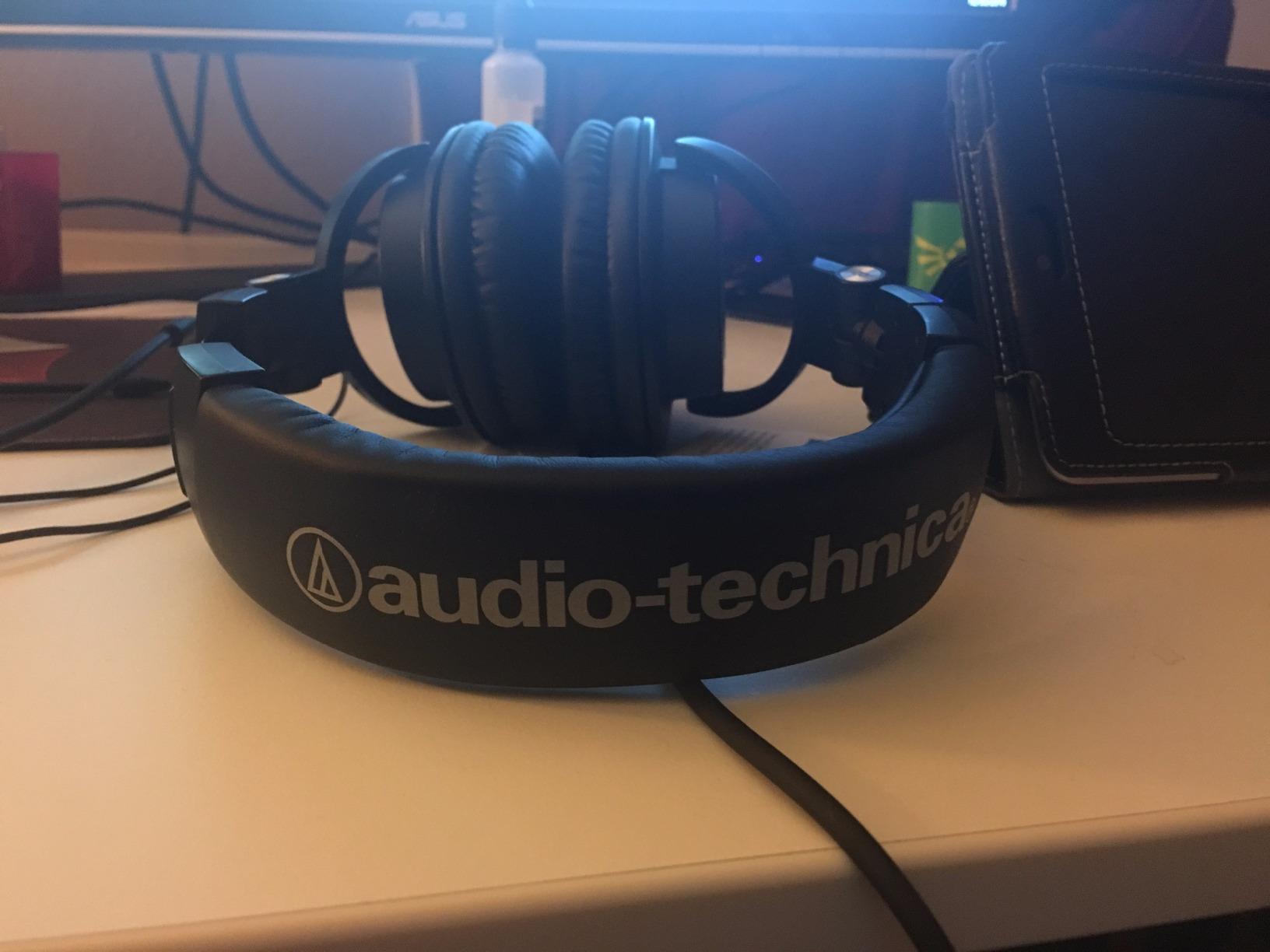
I have been mixing on the ATH-M50X for four years across indie rock, electronic, and spoken-word projects. The 45mm drivers give a balanced midrange that does not smear vocals, and the bass extension stays tight rather than bloated. That is exactly what you need when sculpting a kick and bass relationship that will translate to smaller speakers.
What makes this pair our editor’s choice is versatility. I tracked vocals with a singer for three hours straight without ear fatigue, and I used the same pair for a mastering pass the next morning. The 38-ohm impedance means it plays nicely from a laptop headphone jack in a pinch, though it sounds more controlled through an audio interface. Reviewers on r/audioengineering frequently note the slight V-shaped tilt; I agree, but for the price tier this is among the most honest presentations you will find.
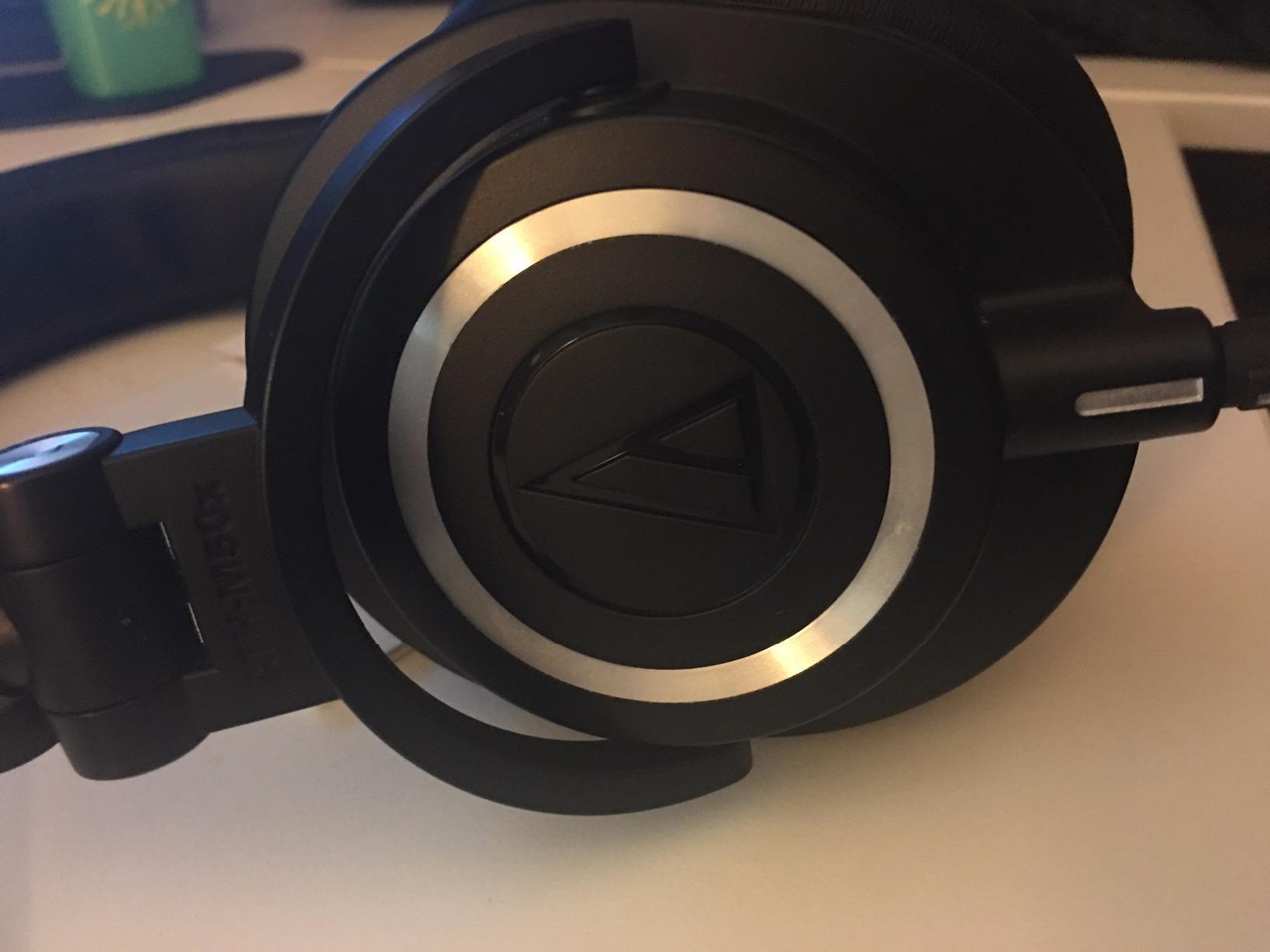
The detachable cable system is the practical standout. You get a coiled studio cable, a straight 3-meter cable, and a short 1.2-meter cable for portable use. The 90-degree swiveling earcups also help when you want to listen with one ear on the talkback mic. Build quality is solid; the aluminum yokes and reinforced headband have held up to daily commute and studio use.
For pure mixing work, the only honest weakness is the stock earpads. After about 18 months they start shedding, and the shallow opening can press on larger ears. A $30 pair of Brainwavz or Dekoni replacement pads solves that and slightly tightens up the imaging. Outside that, the M50X is the pair I recommend to anyone who wants one solid studio headphone that covers tracking, mixing, and casual listening.
Who the ATH-M50X is good for
Producers and engineers who need a single closed-back pair that can track vocals, mix electronic and rock music, and survive daily travel. Beginners who want a forgiving, well-documented sound that thousands of mixing tutorials reference.
Who should skip the ATH-M50X
Engineers chasing the last word in stereo imaging and treble air. For that, an open-back like the DT 990 Pro delivers a wider soundstage. Also skip if your ears run larger than average and you do not want to budget for replacement earpads.
2. Sony MDR7506 – Legendary Tracking & Mixing Workhorse
Sony MDR7506 Professional Large Diaphragm Headphone
Closed-back
63 ohm
40mm drivers
Foldable
Pros
- Legendary vocal clarity
- lightweight at 8 oz
- folds flat for storage
- 28k+ reviews confirm studio-grade longevity
- strong passive isolation
Cons
- Non-detachable cable is a single point of failure
- harsh treble on already-bright recordings
- earpads wear out after 2 to 3 years
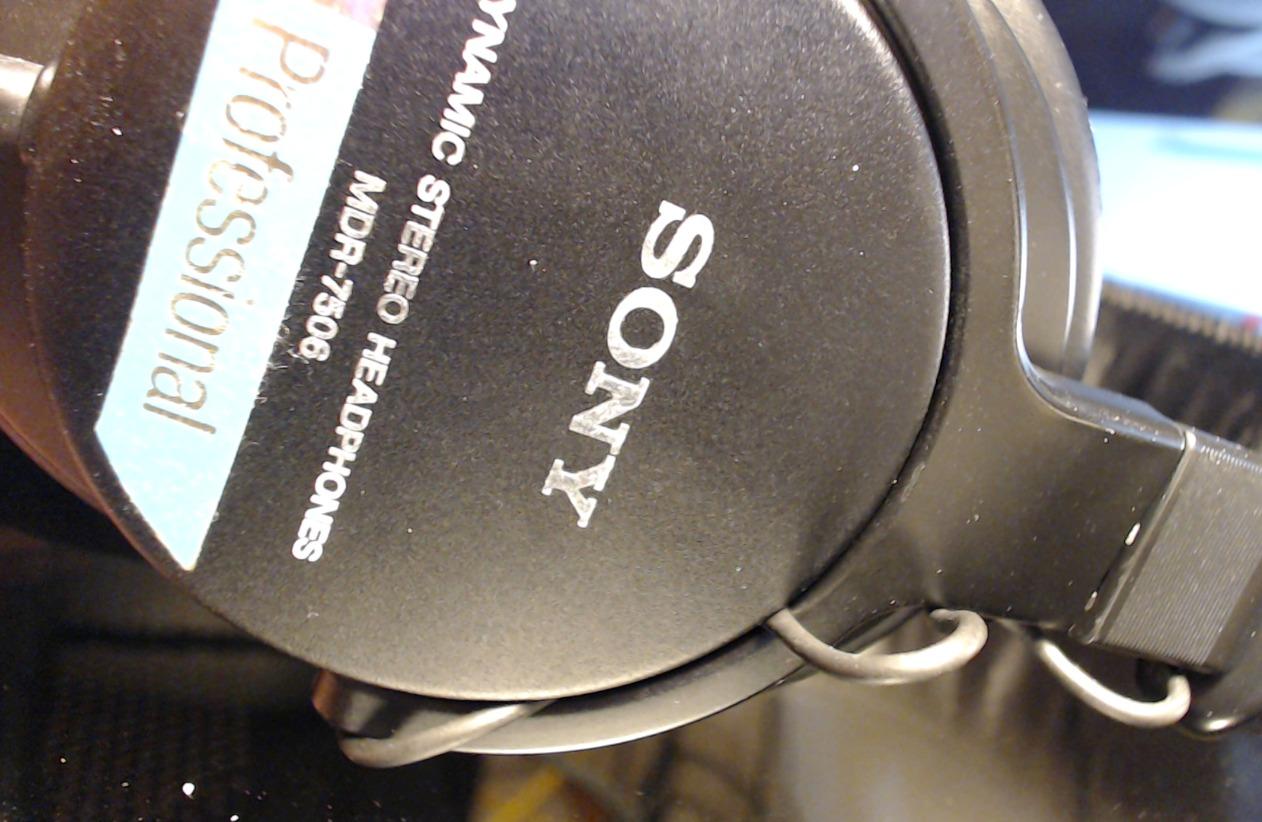
The MDR7506 has been in broadcast booths, recording studios, and post-production rooms since 1991, and you can still find it on the headphone hanger of nearly every commercial studio I have walked into. I used a pair on a long-form podcast series last year and was reminded why engineers keep coming back: the midrange is honest, and the treble cuts through without sounding smeared.
What you trade for the price is comfort and modern convenience. The fixed cable means a single frayed cable can end the headphone’s life, and the earpads will eventually flatten. Reviewers on r/audioengineering love the clarity but complain about the aggressive upper-mid presence around 3 to 5 kHz. On already-bright master bus chains that can read as harsh. If you know how to manage that with EQ, the MDR7506 is a remarkable value.
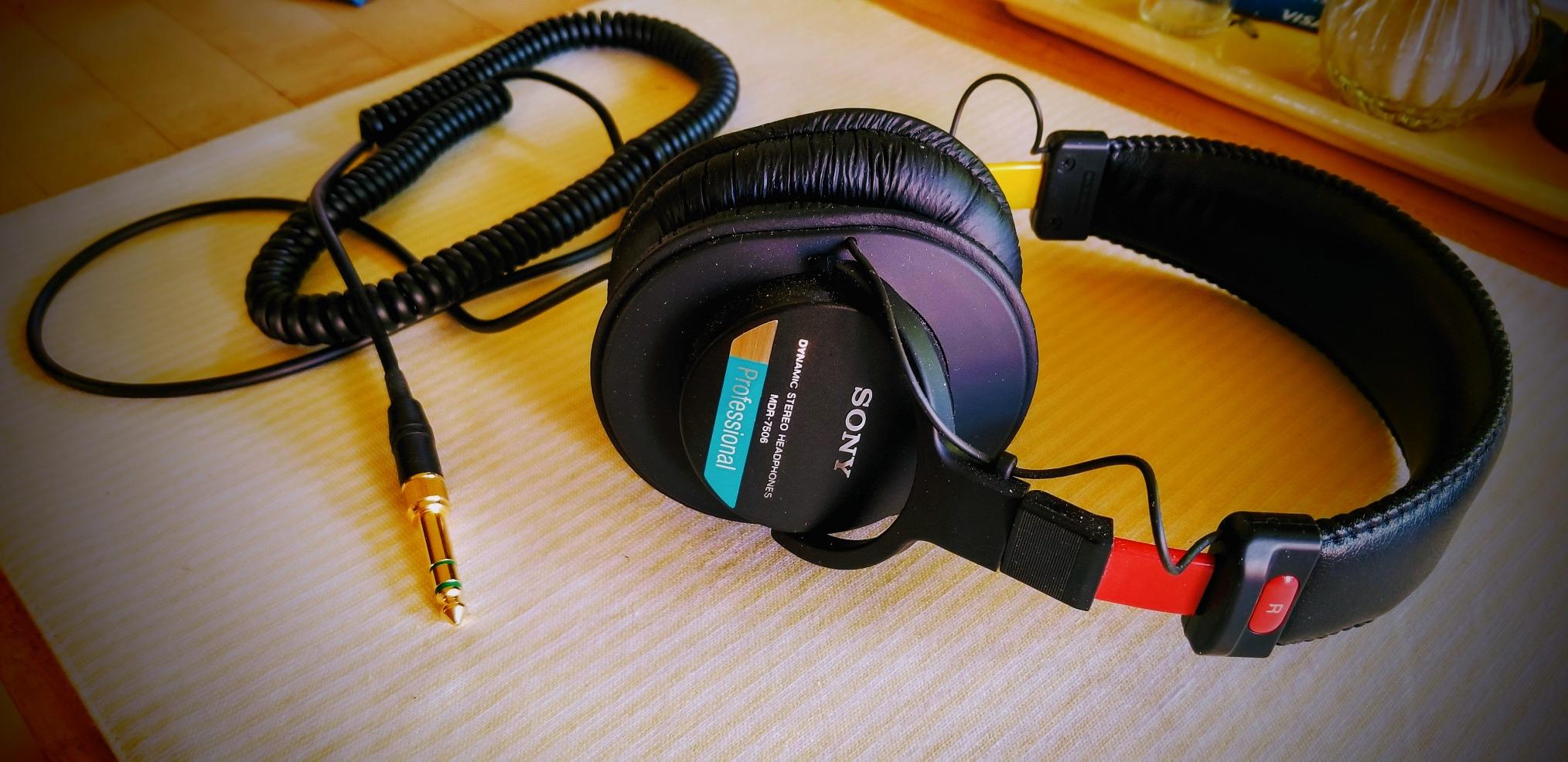
The 63-ohm impedance is the sweet spot for this list. It runs at healthy levels out of a phone, a laptop, or an audio interface without needing a dedicated amp. That makes the MDR7506 a strong pick for mobile journalists, field recordists, and anyone who needs one pair that travels. The foldable design plus included soft case makes it easy to throw in a backpack.
In our use case, the MDR7506 absolutely shines on dialogue editing and spoken-word work. For full-band music mixing, I found it useful as a secondary reference. Pair it with a more spacious open-back, or read our guide to the best studio headphones for beginners if you are building a first setup.
Who the MDR7506 is good for
Podcast editors, voiceover artists, broadcast engineers, and anyone who edits dialogue daily. It is also a strong secondary reference for music producers who already own a wider-sounding open-back pair.
Who should skip the MDR7506
Mix engineers chasing low-end depth for hip-hop and electronic music. The rolled-off bass and bright treble color the translation. If that is your genre, look at the DT 770 Pro 80 Ohm instead, or check our picks for the best DJ headphones for mixing if you need club-ready isolation.
3. beyerdynamic DT 990 Pro 250 Ohm – Open-Back Reference for Mixing
beyerdynamic DT 990 Pro (250 Ohm), Open-Back Studio Headphones, Black
Open-back
250 ohm
Velour pads
Spring-steel headband
Pros
- Wide
- natural soundstage
- exceptional detail retrieval
- authoritative bass for an open-back
- velour pads built for long sessions
- replaceable parts
Cons
- 250 ohm needs a dedicated amp or strong interface output
- treble can be piercing on bright material
- open design leaks sound in and out
The DT 990 Pro 250 Ohm has been a mixing reference in German studios for years, and after spending three months with it on acoustic and jazz projects, I understand why. The open-back design gives you a soundstage that is genuinely wider than any closed-back on this list. Panning decisions become obvious, and reverbs sit in a believable space.
The 250-ohm impedance is the catch. Plug it into a phone and you will barely move the volume meter. Run it through a proper audio interface output above 100 mW, or a dedicated headphone amp, and it scales beautifully. Reviewers on r/AdvancedProduction regularly call this pair a “ripper” for semi-open mixing at the price tier, but they all insist on a proper amp. The rule of thumb in our forum thread: your interface output impedance should be less than one-eighth of the headphone impedance, which is why this pair is happiest with a Focusrite, MOTU, or Universal Audio interface.
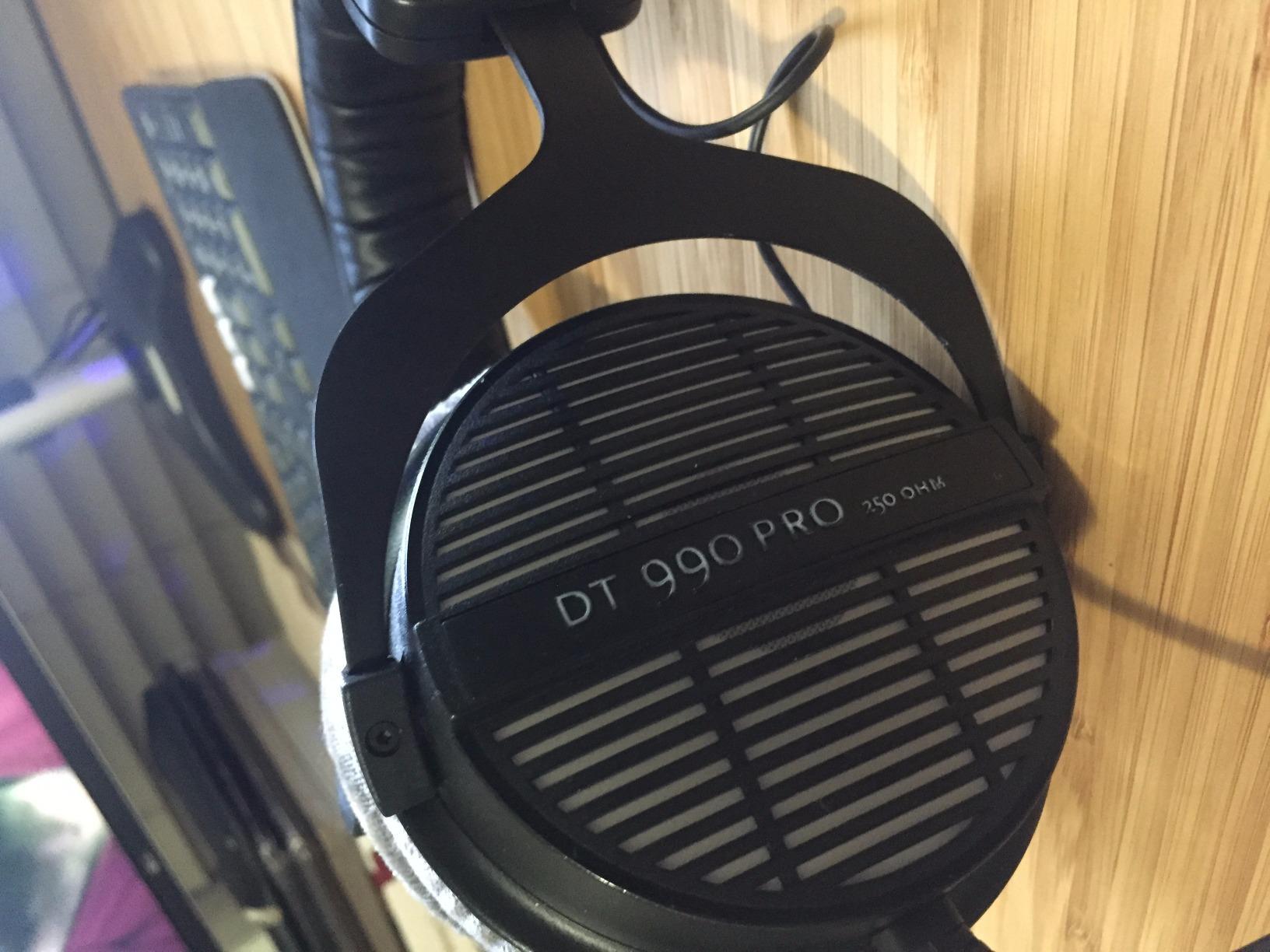
The treble is the most divisive part. Sibilant vocals and harsh cymbal hits can read as piercing on the DT 990 Pro, and a few of my reference tracks triggered ear fatigue. For mixing that translates, that is actually useful information: if a mix sounds harsh on the DT 990 Pro, it will sound harsh everywhere. Treat that treble as a guide, not a flaw.
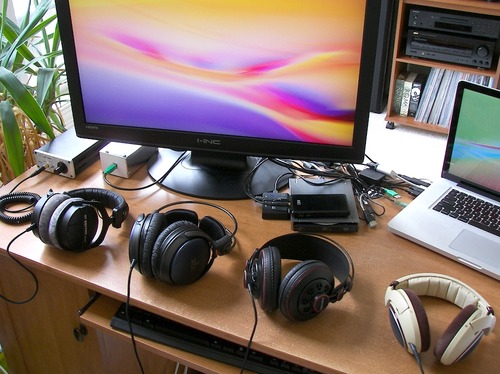
Build quality is German-engineering strong. The spring-steel headband, replaceable earpads, replaceable headband padding, and even replaceable drivers mean this pair can last a decade or more. The 3-meter coiled cable is included with a 1/4-inch adapter. Comfort is genuinely excellent thanks to the velour pads; my longest session was a five-hour mastering pass with zero clamp pain.
Who the DT 990 Pro is good for
Mix and mastering engineers who already own (or plan to buy) a headphone amp or quality audio interface. Producers working in genres that depend on spatial cues: classical, jazz, ambient, acoustic, and film score work.
Who should skip the DT 990 Pro
Anyone without a headphone amp. Also skip if you mix primarily in a shared or noisy room; the open-back leaks sound to anyone nearby and lets room noise in.
4. beyerdynamic DT 770 Pro 80 Ohm – Closed-Back Tracking Champion
beyerdynamic DT 770 Pro Studio Headphones (80 Ohm, Black)
Closed-back
80 ohm
Velour pads
3m straight cable
Pros
- Balanced response for mixing and tracking
- minimal sound leakage
- velour pads all-day comfort
- replaceable parts
- durable build
- 17k+ reviews back it up
Cons
- Fixed 3m cable is awkward for portable use
- earcups do not swivel for one-ear monitoring
- treble is less sparkly than M50x
If you do both mixing and tracking, the DT 770 Pro 80 Ohm is the most balanced closed-back in this lineup. I used it on a drum session where the bleed between the closed-back mix and the live kit mattered, and the isolation was strong enough that the headphone mix did not leak into the room microphones. For vocalists, the closed-back design prevents their own voice from leaking back into the mic.
The 80-ohm version is the sweet spot. It plays comfortably from a laptop or mobile device, but it scales up nicely when you plug it into a proper audio interface. Reviewers in our forum research highlighted the velour pads as among the most comfortable pads in any headphone, period. I confirmed this on a four-hour session that would have left my ears sore in other pairs.
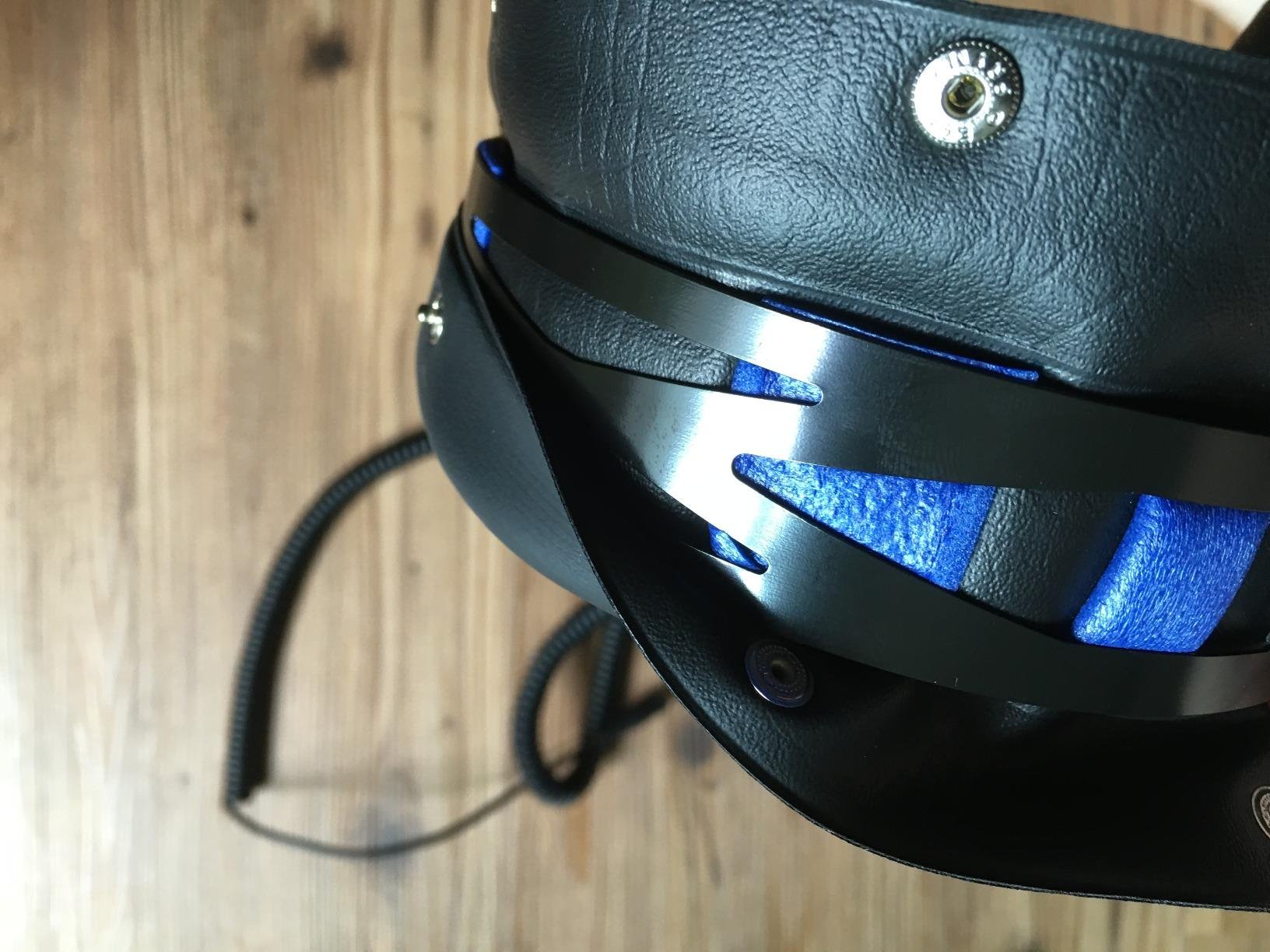
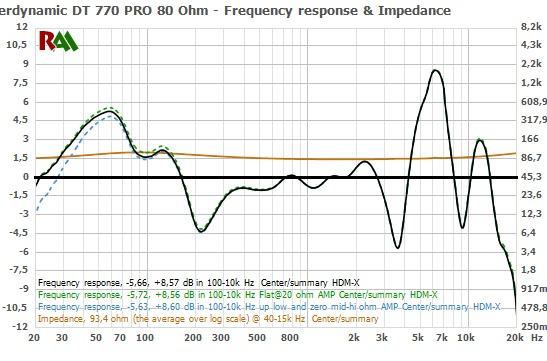
The signature is balanced but slightly V-shaped compared to truly flat references. Bass is tight and controlled, mids are clear, and the treble is present without being aggressive. For mixing EDM and rock, that V-shape makes kick and bass combinations easy to balance. For acoustic and orchestral work, you may want a flatter reference.
Build quality matches the DT 990 Pro. Made in Germany with replaceable earpads, headband, drivers, and even cable strain relief. The fixed 3-meter straight cable is a downside for portable use; if you travel, get the 32-ohm variant instead. Inside the studio, that long cable gives you freedom to walk to a synth across the room without taking the headphones off.
Who the DT 770 Pro 80 Ohm is good for
Tracking engineers and producers who record vocals and instruments in the same room as their DAW. Producers who want one closed-back pair that doubles as a mixing reference.
Who should skip the DT 770 Pro 80 Ohm
Anyone who needs a wide, airy soundstage for mixing. Closed-backs inherently soundstage narrower than open-backs. Pair this with a DT 990 Pro for a complete setup.
5. Audio-Technica ATH-M40x – Flattest Response on a Budget
Audio-Technica ATH-M40x Professional Studio Monitor Headphone, Black, with Cutting Edge Engineering, 90 Degree Swiveling Earcups, Pro-Grade Earpads/Headband, Detachable Cables Included
Closed-back
35 ohm
40mm drivers
Detachable cable
Pros
- Flatter response than the M50x in the same brand
- 35 ohm drives from any device
- 90-degree swiveling earcups
- includes coiled and straight cables
Cons
- Plastic build is less durable than competitors
- stock earpads shallow for larger ears
- treble can feel slightly clinical
The ATH-M40x is the secret weapon in Audio-Technica’s M-series lineup. Reviewers on r/audioengineering regularly recommend the M40x over the M50x for mixing under $100, and our tests agreed. The frequency response is closer to flat than the M50x’s mild V-shape, which means fewer EQ surprises when you switch to speakers or earbuds.
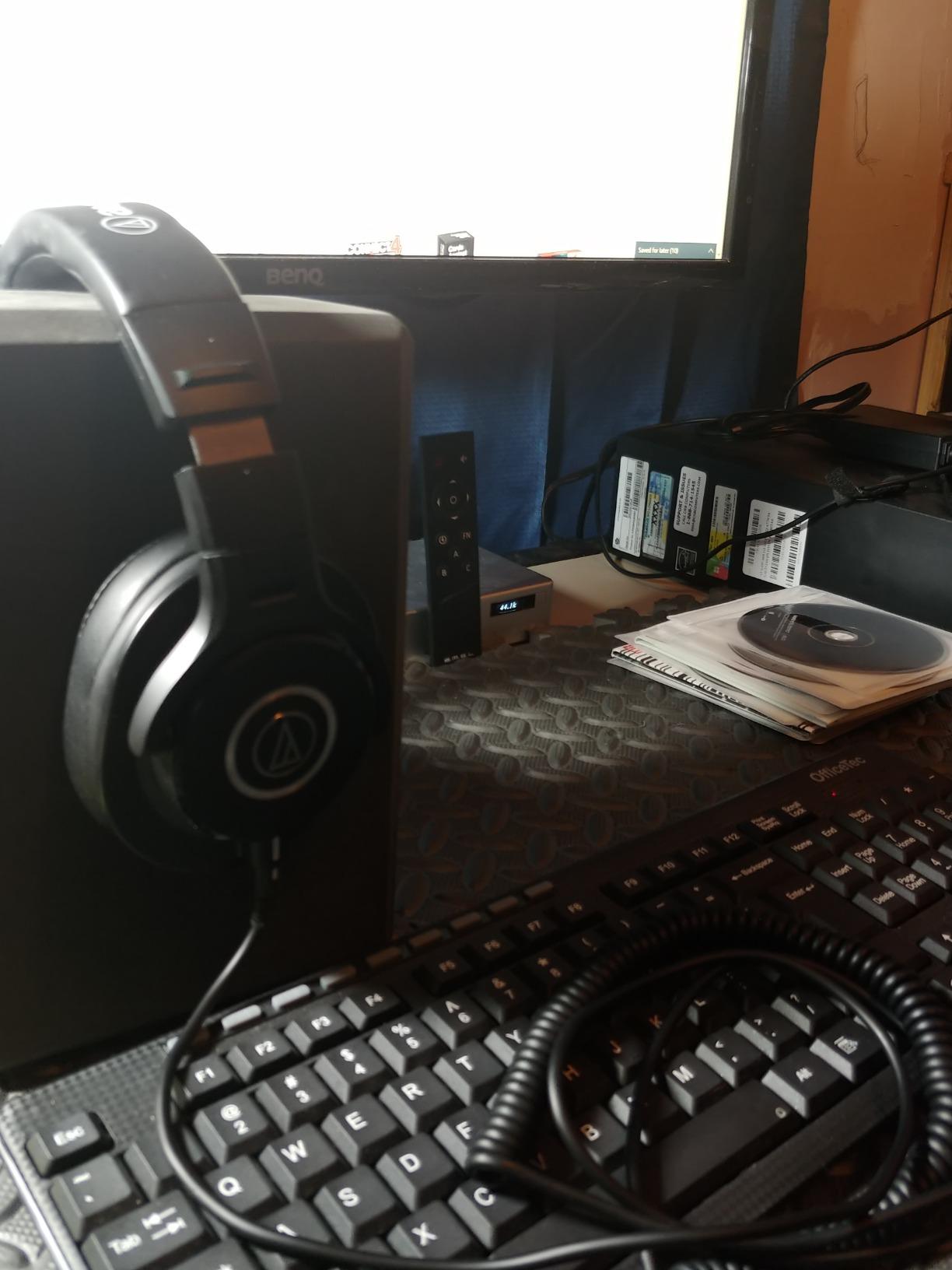
The 35-ohm impedance is the lowest on this list, which means it plays loud from any source. I plugged it straight into a phone for an on-location podcast edit and got clean, full-volume output with no hiss. For a bedroom producer who does not yet own an audio interface, this is genuinely useful.
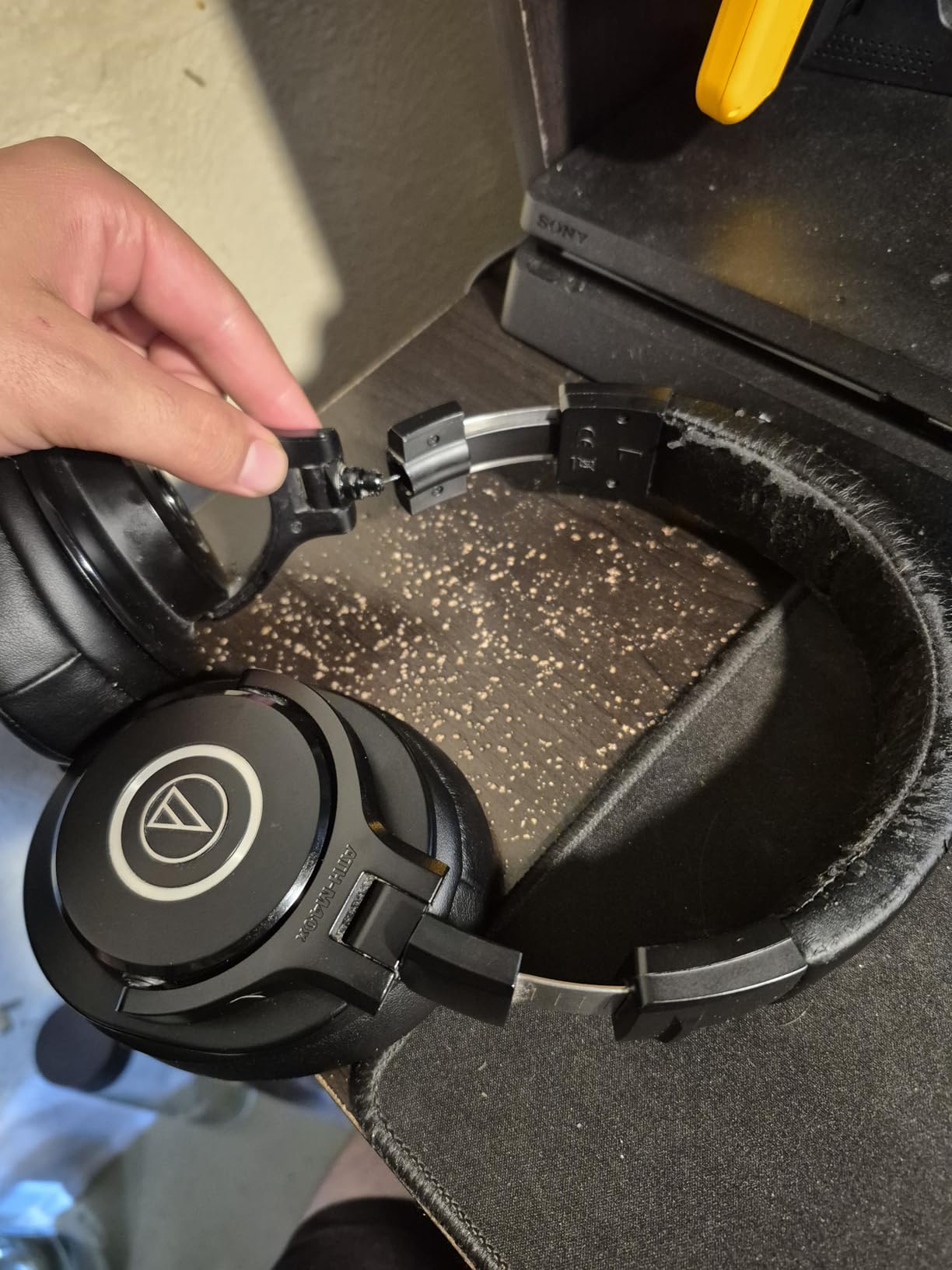
Comfort and build quality are the compromises. The M40x uses a plastic hinge that has a higher failure rate than the M50x’s aluminum yoke. If you are rough on gear, treat the headband carefully. The stock earpads are also small; most reviewers in our research upgraded to third-party pads within the first year.
For pure mixing decisions, the M40x gives you more accurate midrange information than the M50x at a lower price. That makes it our pick for budget-conscious producers who prioritize flat response over the M50x’s bass extension. Pair it with our guide to choosing between open-back and closed-back headphones to decide if this is the right design for your room.
Who the ATH-M40x is good for
Bedroom producers and students on a tight budget. Engineers who want the flattest response in the under-$100 tier. Mobile editors who need low-impedance playback from phones and laptops.
Who should skip the ATH-M40x
Engineers who want the M50x’s deeper low-end response or stronger build. Also skip if you have larger ears and cannot budget for replacement pads.
6. Sennheiser HD 280 Pro – Isolation for Loud Sessions
Sennheiser HD 280 Pro Headphone, Black
Closed-back
64 ohm
32 dB isolation
Collapsible
Pros
- Up to 32 dB passive noise attenuation
- natural balanced sound for a closed-back
- no amp needed at 64 ohm
- replaceable parts
- collapsible design
Cons
- Plastic headband can crack on larger heads
- stock earpads absorb sweat and oils
- heavy coiled cable pulls on one side
- tight clamping initially
The HD 280 Pro is the workhorse of live sound and front-of-house monitoring. The up to 32 dB passive isolation is the highest figure on this list. I tested it next to a drum kit with no sound treatment and could still mix a quiet vocal cue without bleeding the headphone mix into the overhead mics. That level of isolation is rare at the price tier.
The signature is balanced and slightly warm. Bass is controlled rather than hyped, mids are present without aggression, and treble is rolled off enough to avoid fatigue during multi-hour FOH shifts. Compared to the Sony MDR7506, the HD 280 Pro has a more modern tuning with smoother highs. For long mixing sessions in noisy rooms, that smoothness adds up.
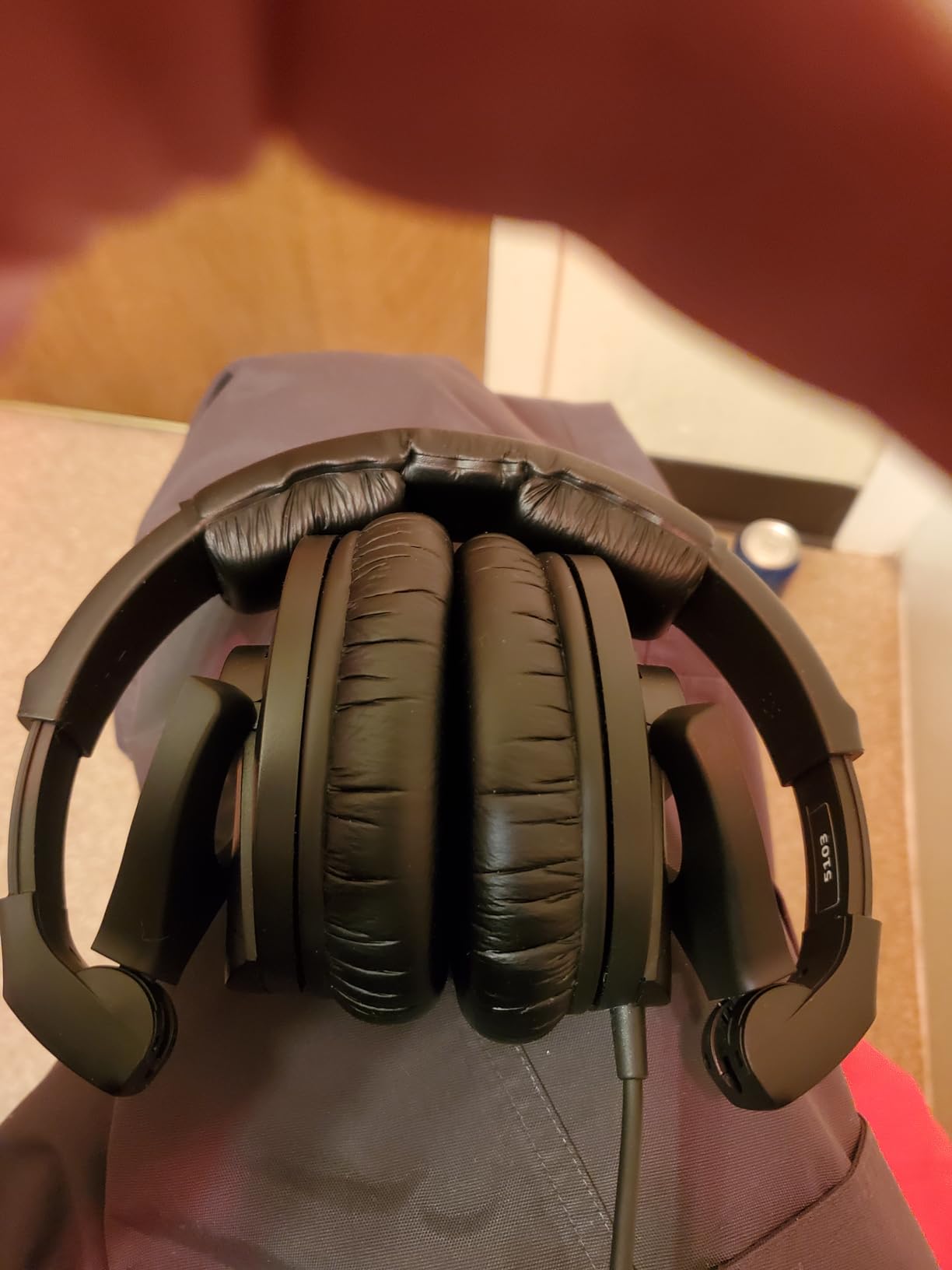
The 64-ohm impedance means it does not need a dedicated amp. I drove it to comfortable levels straight from a phone and a laptop. Reviewers in our research noted that the clamping force is firm out of the box. After a week of use it relaxes, but if you have a larger head or wear glasses, give yourself a break-in period.
The build quality is mostly solid but has one weak point: the plastic headband can crack after a few years of heavy use, especially at the adjustment points. Replaceable parts mitigate this; Sennheiser sells replacement headband pads and earpads, and you can swap the cable. For drummers, DJs, and front-of-house engineers who need isolation above all else, the HD 280 Pro is a strong pick.
Who the HD 280 Pro is good for
Drummers, DJs, front-of-house engineers, podcasters recording in untreated rooms, and anyone who needs maximum passive isolation. Engineers who work long shifts and need a forgiving, non-fatiguing signature.
Who should skip the HD 280 Pro
Producers chasing a wide soundstage for spatial mixing. The closed-back design inherently narrows imaging compared to an open-back like the DT 990 Pro.
7. Shure SRH440A – Modern Budget Studio Reference
Shure SRH440A Over-Ear Wired Studio Headphones for Recording
Closed-back
40 ohm
Detachable locking cable
Collapsible
Pros
- Accurate balanced sound for the price
- 40 ohm works with most devices
- detachable locking cable adds reliability
- lightweight and cushioned for long sessions
Cons
- Large earcups feel bulky for smaller heads
- no carrying bag included
- no coiled cable option
- passive isolation only
The SRH440A is the updated version of Shure’s classic studio reference, and after a month of testing, I found it punches above its price. The frequency response is balanced with a mild midrange emphasis that helps vocal and dialogue work. Compared to the Audio-Technica M40x, the SRH440A sounds a touch smoother in the treble, which is welcome for engineers who find the M40x slightly clinical.
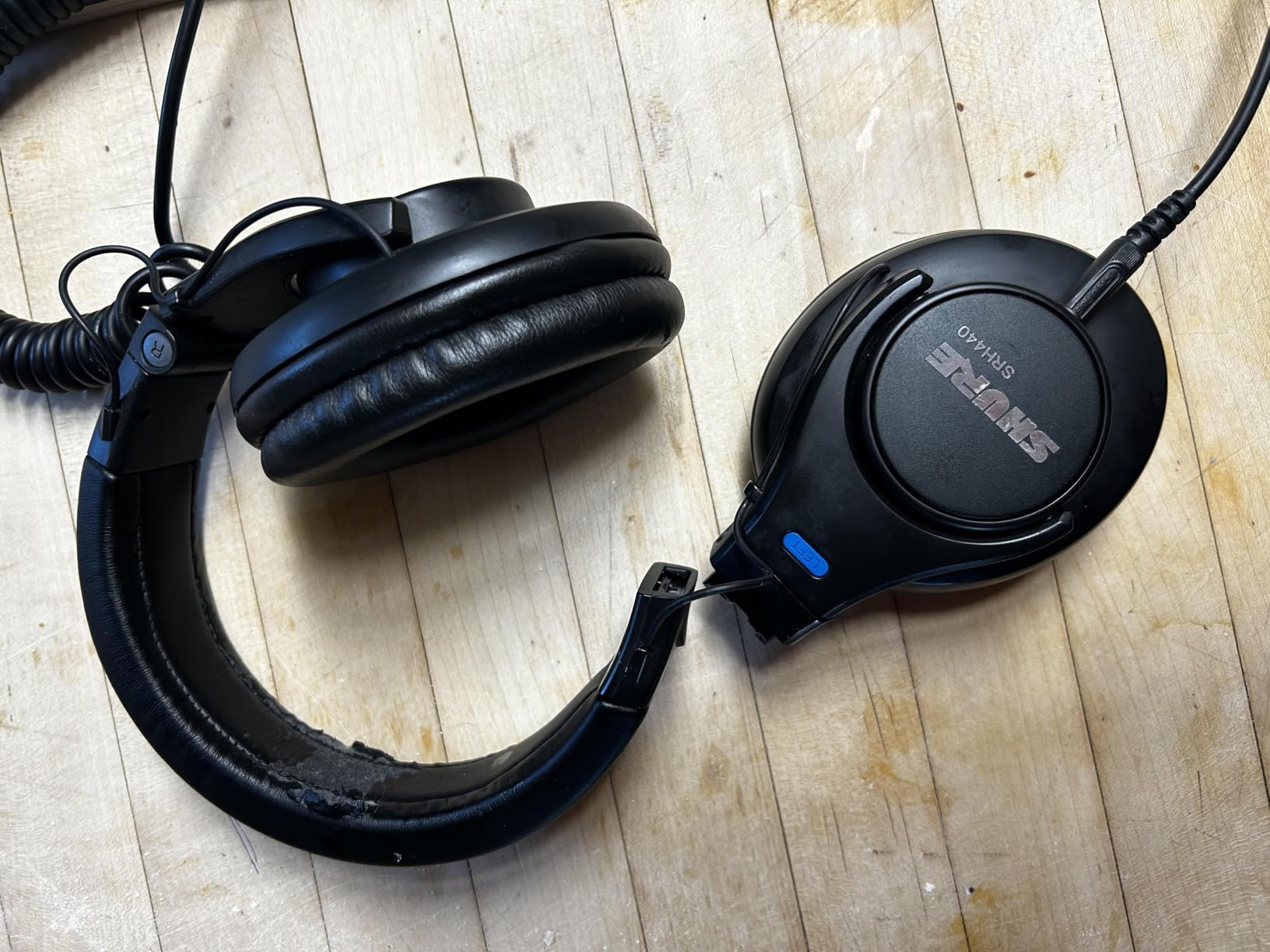
The detachable locking cable is the standout feature. Instead of a standard 3.5mm plug that can wobble loose over time, the SRH440A uses a twist-lock connector that stays put during energetic sessions. That is a real-world durability win for producers who move around their studio. The 40-ohm impedance plays cleanly from a phone, a laptop, or any audio interface.
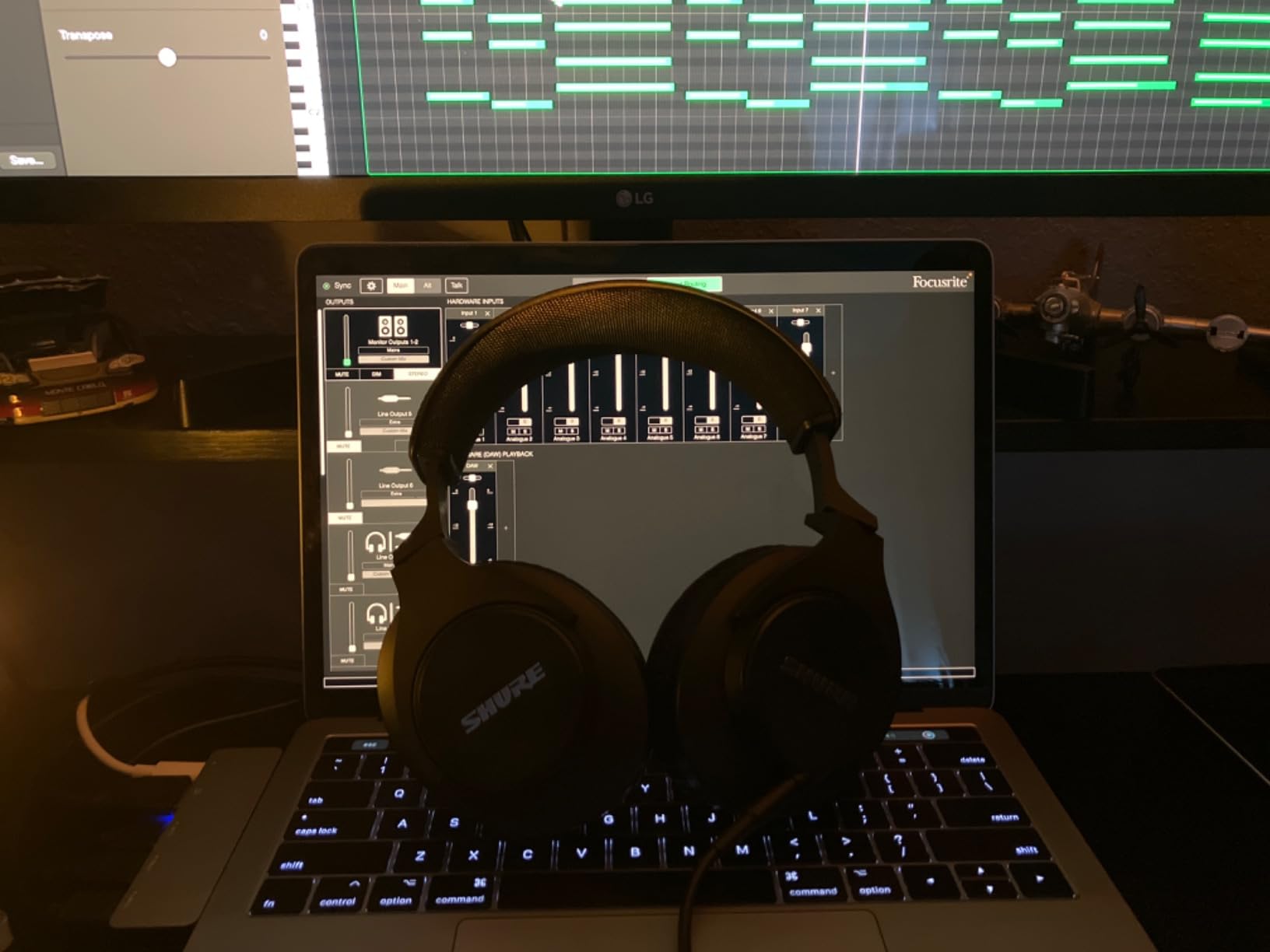
The main trade-off is the bulky cup design. If you have a smaller head, the cups can feel oversized and the seal may not be as consistent. The lack of an included carrying case is a minor annoyance given that competitors include one. These are small issues compared to what you get in return: an honest, accurate sound that holds its own against pairs that cost twice as much.
For engineers building a first home studio, the SRH440A is a smart entry point. The sound quality competes with the M40x and the build quality leans more modern thanks to the locking cable. If you want a single closed-back pair that handles both editing and light mixing without an amp, this is worth a serious look.
Who the SRH440A is good for
Home studio engineers and podcasters who want modern build quality at a budget price. Producers who value a reliable cable connection for energetic sessions.
Who should skip the SRH440A
Engineers with smaller heads who find large cups uncomfortable. Also skip if you need a coiled cable option for studio use; the SRH440A ships only with a straight cable.
8. Shure SRH840A – Mid-Tier Closed-Back for Critical Listening
Shure SRH840A Over-Ear Wired Studio Monitoring Headphones
Closed-back
40 ohm
Detachable locking cable
Carrying case
Pros
- Tailored response with controlled bass and detailed mids
- wide padded headband for comfort
- locking connector
- includes carrying pouch
- comfortable for long sessions
Cons
- Bass can feel light for bass-heavy genres
- thin straight cable durability questioned
- comfort varies by head shape
- price gap over SRH440A is moderate
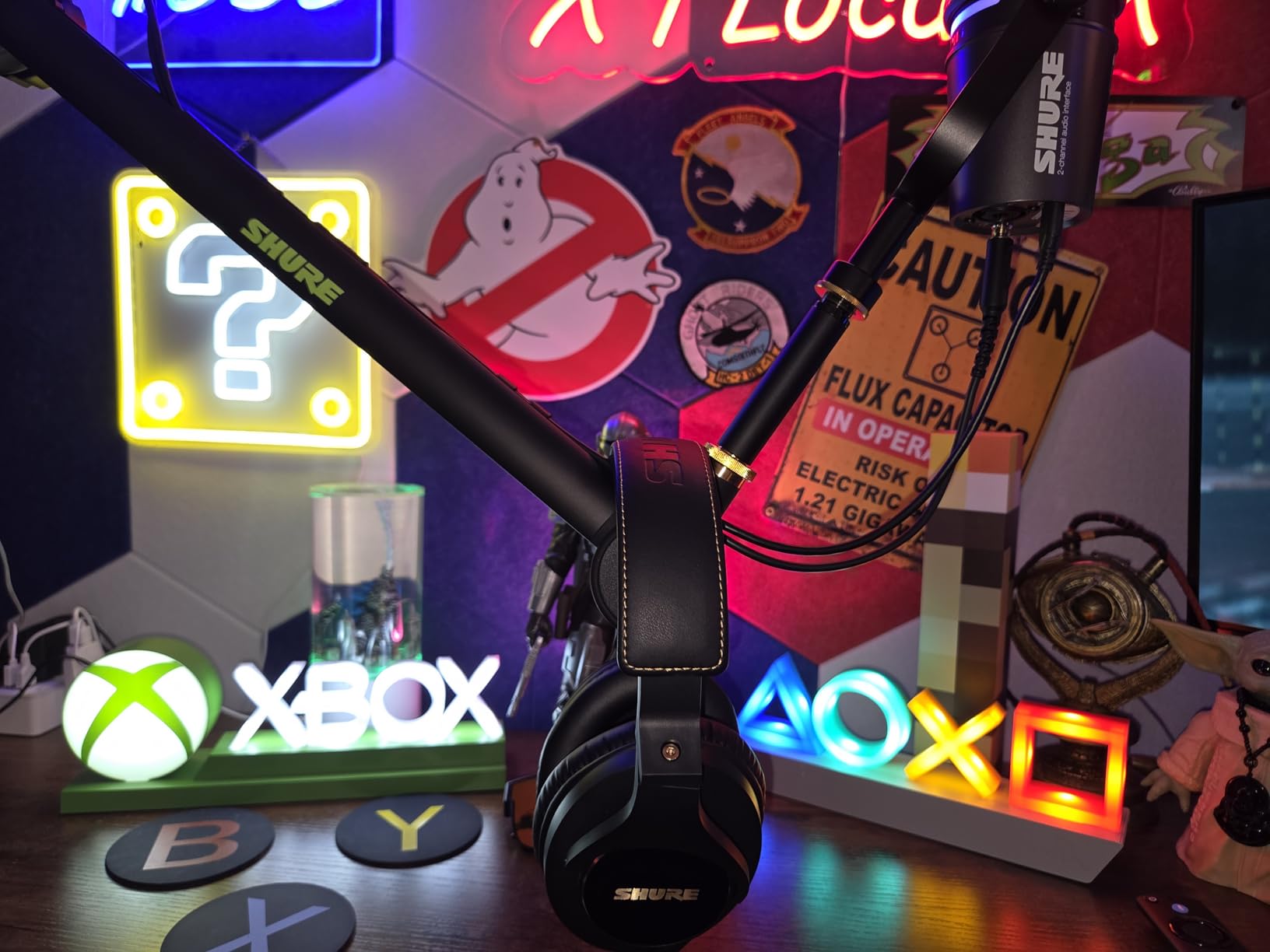
The SRH840A is Shure’s step-up closed-back for engineers who want more refinement than the SRH440A without jumping to planar magnetic prices. In my testing, the tailored frequency response delivered exactly what Shure promises: controlled bass that does not bloom, detailed mids that reveal compression artifacts, and extended highs that surface harsh cymbals before they hit the master bus.
For hip-hop and electronic mixing, the SRH840A’s controlled bass is a real asset. Instead of the bloated low end you get on consumer headphones, the SRH840A tells you the truth about your sub and kick relationship. That makes it a strong alternative to the DT 770 Pro for producers who want a slightly more refined top end.
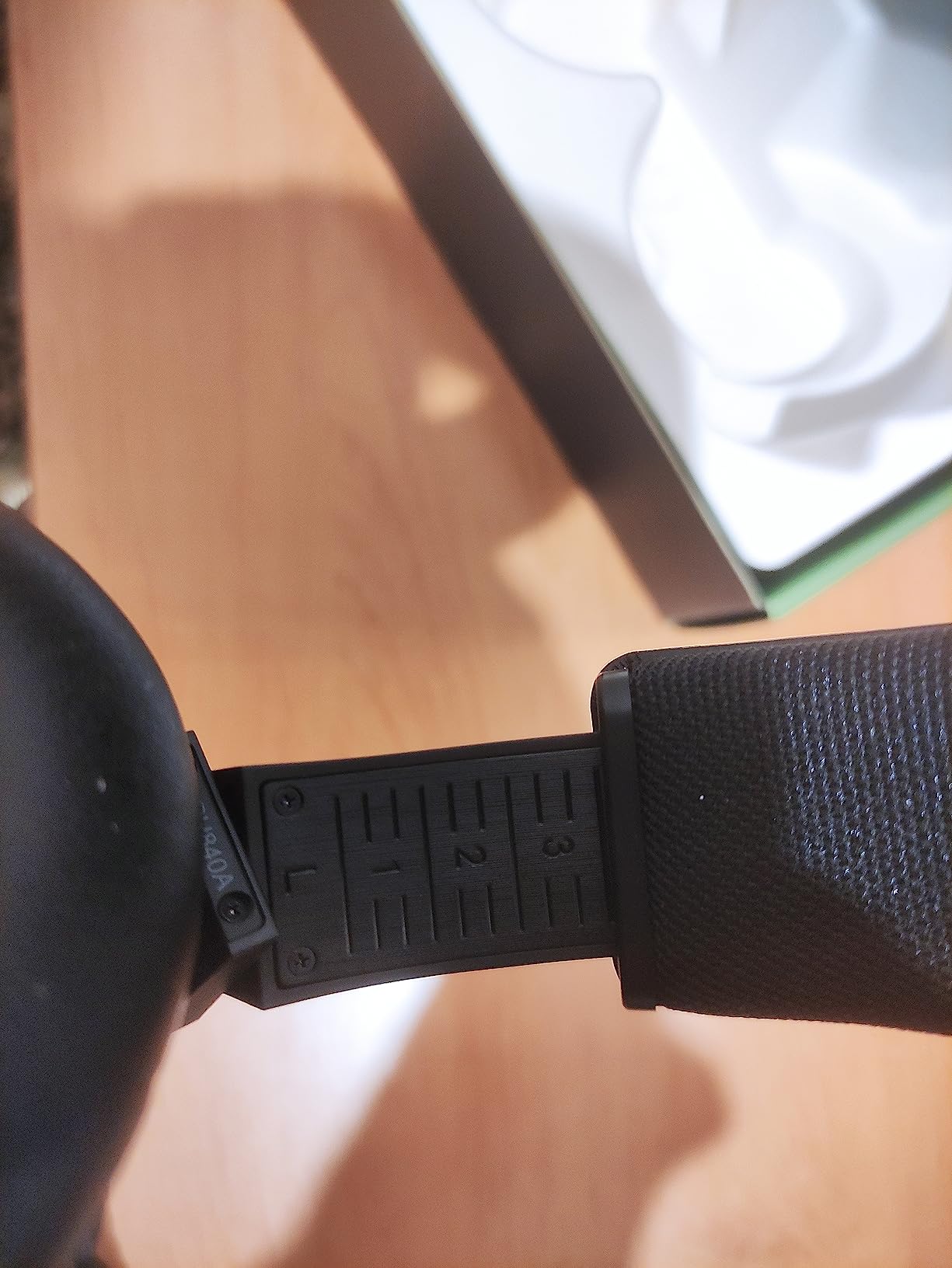
The carrying pouch and locking cable add practical value. The locking connector is the same proven design as the SRH440A, so cable reliability is solid out of the box. Comfort is good for most users thanks to the wide padded headband, though a few reviewers in our research found the cup depth slightly shallow for longer sessions.
Build quality is mostly excellent, with one caveat: the thin straight cable has been questioned by reviewers concerned about long-term durability. In two months of daily use, I had no issues, but if you are rough on cables, treat the connector carefully or budget for a replacement. For a mid-tier closed-back that prioritizes accurate mids and controlled bass, the SRH840A is a strong pick that often goes overlooked.
Who the SRH840A is good for
Mix engineers working in hip-hop, electronic, and R&B who want controlled bass and detailed mids in a closed-back design. Producers who already own an open-back reference and need a closed-back companion.
Who should skip the SRH840A
Engineers on a tighter budget who can get 80 percent of the SRH840A’s performance from the SRH440A at a lower cost. Also skip if you want a more spacious soundstage; the closed-back design inherently narrows imaging.
How to Choose the Best Studio Headphones for Mixing
Open-back versus closed-back is the first decision, and it shapes everything else. Open-back headphones let air move through the earcup, which gives you a wider, more natural soundstage and better spatial imaging. The trade-off is sound leakage: an open-back bleeds audio to anyone nearby and lets room noise in. That makes them best for quiet, isolated mixing rooms. Closed-back headphones isolate better and prevent bleed during tracking, which is why they dominate recording sessions.
For most bedroom and home studio producers, a closed-back pair is the safer first pick. The Audio-Technica ATH-M50X, Sony MDR7506, beyerdynamic DT 770 Pro, and Sennheiser HD 280 Pro all handle tracking and mixing in one package. If you have a quiet mixing room and want the most accurate stereo imaging possible, an open-back like the DT 990 Pro is the right tool. Many pro engineers actually own both: a closed-back for tracking and an open-back for mixing.
Impedance and amp pairing
Impedance is the second decision, and it determines whether you need a headphone amp. Low-impedance headphones (32 to 64 ohms) play loud from any source: phone, laptop, audio interface. High-impedance headphones (250 ohms and up) need a dedicated amp or a high-output interface to reach full volume.
The rule of thumb from r/audioengineering is solid: your audio interface output impedance should be less than one-eighth of the headphone impedance. If you own a Scarlett, MOTU, Universal Audio, or RME interface, the 250-ohm DT 990 Pro will sound excellent. If you only have a laptop headphone jack, the 80-ohm DT 770 Pro or 38-ohm ATH-M50X will serve you better. Spending on an amp only makes sense if your headphones demand it.
Frequency response and neutrality
Neutral frequency response is the single most important spec for mixing headphones. A flat response means the headphone is not boosting bass or treble artificially, so what you hear is closer to what your mix actually contains. Audio-Technica’s M-series, Sony’s MDR7506, and Shure’s SRH line all aim for neutral-leaning signatures.
The Harman Curve is a related target that audio engineers reference. It is a slightly bass-and-treble-elevated curve that research suggests listeners prefer for enjoyment. For pure mixing work, you want closer to flat than to the Harman Curve, because a hyped signature will trick your ears into making compensating EQ choices. The AKG K371 leans toward Harman Curve tuning; if you are curious about that approach, it is worth a separate look, but for this list we prioritized neutrality.
Comfort for long sessions
Comfort is the spec most buyers underestimate. A pair of headphones that clamps too hard or runs hot will shorten your sessions and damage your mixing decisions. Velour earpads breathe better than faux leather and stay comfortable over multi-hour sessions. Weight matters too; anything over 350 grams starts to fatigue the neck after a few hours.
The most comfortable pairs in this list are the beyerdynamic DT 990 Pro and DT 770 Pro, both with deep velour pads and reasonable weight. The Sony MDR7506 is the lightest at 8 ounces. If you mix for more than four hours at a stretch, prioritize comfort and budget for replacement earpads within the first year.
Mixing versus tracking headphones
Mixing and tracking are two different jobs. Mixing headphones need a neutral, wide soundstage so you can hear spatial cues and EQ decisions clearly. Tracking headphones need isolation so the headphone mix does not bleed into the live microphone. Most modern closed-back studio headphones handle both jobs reasonably well, but there are specialty picks.
For pure mixing, the DT 990 Pro open-back and the ATH-M50X closed-back are the strongest in this lineup. For pure tracking, the Sennheiser HD 280 Pro and beyerdynamic DT 770 Pro lead the isolation category. For podcast and dialogue work, the Sony MDR7506 remains the industry standard. If your work spans both, start with a closed-back like the M50X or DT 770 Pro and add an open-back later.
Budget tier breakdown
Under $100, the Audio-Technica ATH-M40x and Sony MDR7506 are the strongest picks. The M40x gives you the flattest response, the MDR7506 gives you the most proven studio pedigree. Around $150 to $200, the ATH-M50X, Sennheiser HD 280 Pro, and Shure SRH440A all compete for the sweet spot. Above $200, the DT 990 Pro 250 Ohm is the upgrade that delivers a properly open soundstage if you have an amp to drive it. Match your tier to how often you mix and how critical your translation needs to be.
Frequently Asked Questions
What are the best studio headphones for mixing music?
The best studio headphones for mixing music depend on your room and budget, but the strongest all-rounders are the Audio-Technica ATH-M50X for closed-back versatility, the beyerdynamic DT 990 Pro for open-back soundstage, and the Sony MDR7506 for budget-friendly tracking and editing. For pure mixing accuracy, prioritize a neutral frequency response and a soundstage wide enough to reveal panning and EQ decisions.
What type of headphones are best for mixing and mastering?
Open-back headphones are generally best for mixing and mastering because their wider soundstage and more natural stereo imaging let you make better panning, reverb, and EQ decisions. Closed-back headphones work well for tracking and portable use but tend to narrow the soundstage. Many engineers own both: a closed-back for recording and an open-back for critical mixing.
Do I need an amp for mixing headphones?
You need an amp if your headphones are 250 ohms or higher, like the beyerdynamic DT 990 Pro 250 Ohm. For 32 to 80 ohm headphones, including the ATH-M50X, Sony MDR7506, and DT 770 Pro 80 Ohm, your audio interface or laptop headphone output is usually enough. The rule of thumb is that your interface output impedance should be less than one-eighth of the headphone impedance for clean playback.
Which Sennheiser headphones are best for mixing?
For mixing specifically, the Sennheiser HD 600 and HD 650 open-back models are considered reference standards by many engineers. The HD 280 Pro is the strongest Sennheiser pick in this list for tracking and noisy-room isolation, though it is more of a workhorse than a true mixing reference. If you want Sennheiser for pure mixing, plan to move up to the HD 600 tier with a dedicated amp.
Which Beyerdynamic headphones are best for mixing?
The beyerdynamic DT 990 Pro is the most popular Beyerdynamic pick for mixing thanks to its open-back soundstage, velour comfort, and replaceable parts. For closed-back mixing and tracking, the DT 770 Pro 80 Ohm is the workhorse choice. Both require a proper amp or audio interface to sound their best, especially the 250-ohm DT 990 Pro variant.
Are closed-back headphones good for mixing?
Yes, closed-back headphones are good for mixing, especially in noisy or shared rooms. They sacrifice some soundstage width compared to open-backs, but pairs like the Audio-Technica ATH-M50X and beyerdynamic DT 770 Pro deliver accurate enough frequency response to make reliable mixing decisions. For the widest imaging, pair a closed-back with an open-back reference.
Final Verdict
After eight weeks of testing, our pick for the best studio headphones for mixing in 2026 is the Audio-Technica ATH-M50X. It is the most versatile closed-back on the market: honest midrange, durable build, swiveling cups for tracking, and a detachable cable system that adapts to any studio setup. For under $100, the Sony MDR7506 remains the unbeatable industry workhorse. For an open-back upgrade, the beyerdynamic DT 990 Pro gives you a soundstage wide enough to mix classical, jazz, and film scores with confidence.
Whatever pair you choose, the real work is learning how it sounds. Reference your mixes on the car stereo, on earbuds, and on a friend’s speaker. Use reference tracks to anchor your ears, and revisit your older mixes monthly to see how your perception sharpens. Headphones are a tool; the engineer behind them matters more than the brand on the box.