
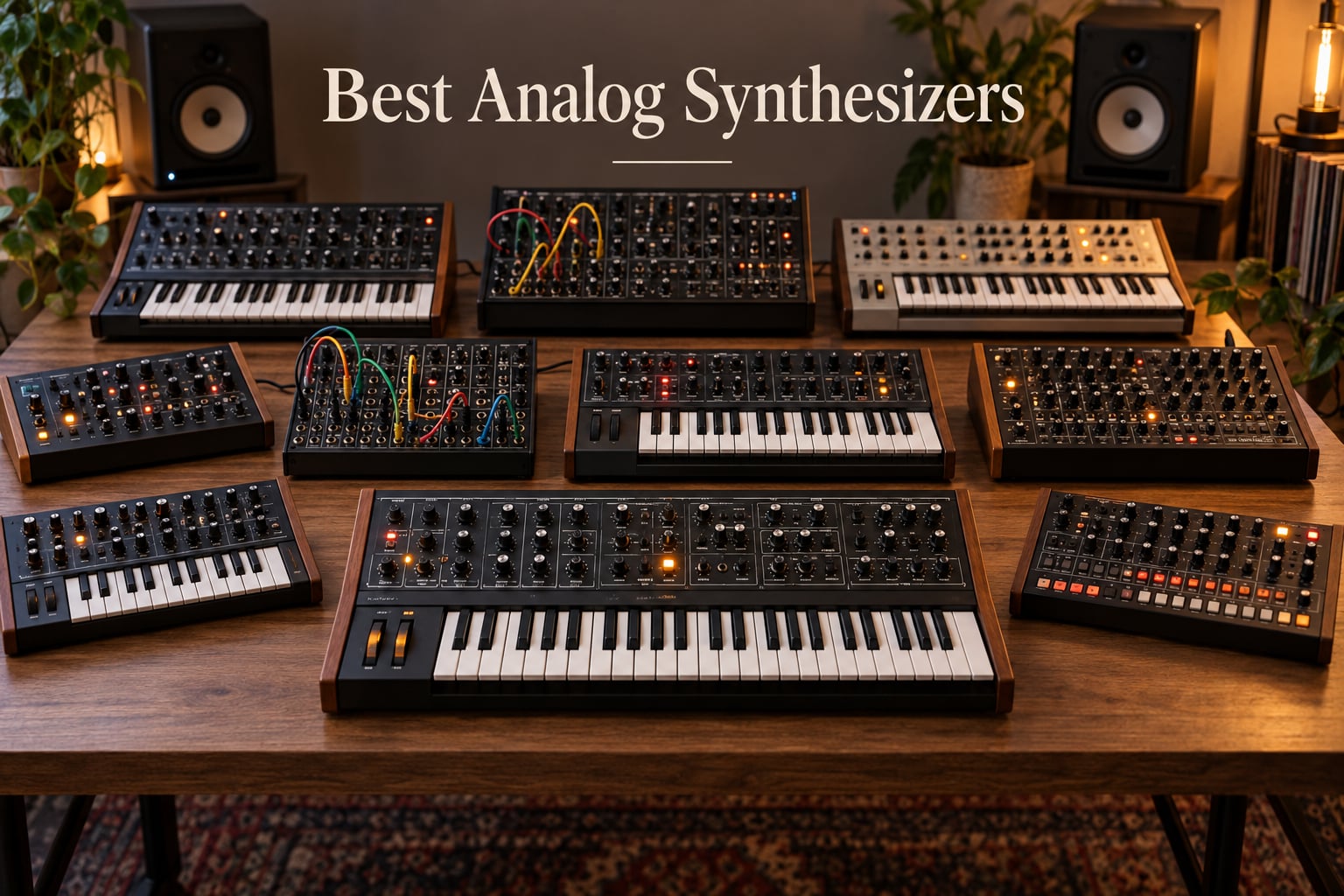
Analog synthesizers are back in a big way. After decades of software dominance, producers and performers keep returning to the warm, hands-on character of real voltage-controlled circuits – and the 2026 lineup is stronger than it has ever been.
I have spent the last three months with ten of the most-talked-about analog synths currently shipping, from a stylus pocket toy that fits in a coat pocket to a flagship polysynth with a ribbon controller and a built-in oscilloscope. In this guide I will walk you through every model that earned a spot on the list, what each one does best, and who it is genuinely for.
Before the picks, a quick primer. An analog synthesizer generates sound using voltage-controlled analog circuits: oscillators (VCOs) shape the raw waveform, filters (VCFs) carve its harmonic content, and amplifiers (VCAs) shape it over time, with envelopes and LFOs supplying motion. Because every parameter is controlled in real time by an actual voltage, two notes played on the same patch will never be bit-for-bit identical – that subtle drift is what people mean when they call an analog sound “alive.”
Software emulations have gotten startlingly good – we use them every week – but most players still find that hardware analog synths feel different in the hand, age better, and inspire faster music-making. The ten picks below span budget-friendly pocket gear, semi-modular platforms, classic monos, true polysynths and a hybrid outlier, so there is something here whether you are shopping for your first synth or your fifteenth.
Table of Contents
Top 3 Picks for Best Analog Synthesizers in September

Arturia MiniFreak
- 6-voice polyphonic hybrid
- 37-key keybed with aftertouch
- Deep modulation matrix and sequencer
Korg Minilogue XD
- True 4-voice analog polyphony
- Digital multi-engine expansion
- Built-in 16-step sequencer

Stylophone Original
- Iconic 1968 retro stylus tone
- Battery powered and pocket sized
- Built-in speaker for play anywhere
Best Analog Synthesizers Compared (2026)
| Product | Specs | Action |
|---|---|---|
| Arturia MiniFreak |
|
Check Latest Price |
 Korg Monotron Delay Korg Monotron Delay |
|
Check Latest Price |
 Behringer TD-3-AM Behringer TD-3-AM |
|
Check Latest Price |
 Arturia MicroFreak Arturia MicroFreak |
|
Check Latest Price |
 Korg Monotron DUO Korg Monotron DUO |
|
Check Latest Price |
 Korg Monologue Korg Monologue |
|
Check Latest Price |
 Behringer CRAVE Behringer CRAVE |
|
Check Latest Price |
 Behringer MODEL D Behringer MODEL D |
|
Check Latest Price |
| Korg Minilogue XD |
|
Check Latest Price |
| Stylophone Original |
|
Check Latest Price |
1. Stylophone Original – The Pocket Synth That Started It All
Stylophone The Original Pocket Electronic Synthesizer | Synth Musical Instrument | Synthesizer Keyboard | Stylophone Instrument Synth
Stylus-played pocket synth
Iconic 1968 retro tone
3 AA battery powered
Pros
- Iconic retro analog sound released in 1968 and used by David Bowie and The White Stripes
- Highly portable at under 12cm wide and runs on 3 AA batteries
- Touch sensitive metal stylus surface that beginners can play in minutes
- Built in speaker and headphone socket for play anywhere use
- Aux out lets you route it into a computer or other gear
Cons
- Limited sonic range compared to full featured synthesizers
- Touch stylus interface less precise than traditional keys for complex passages
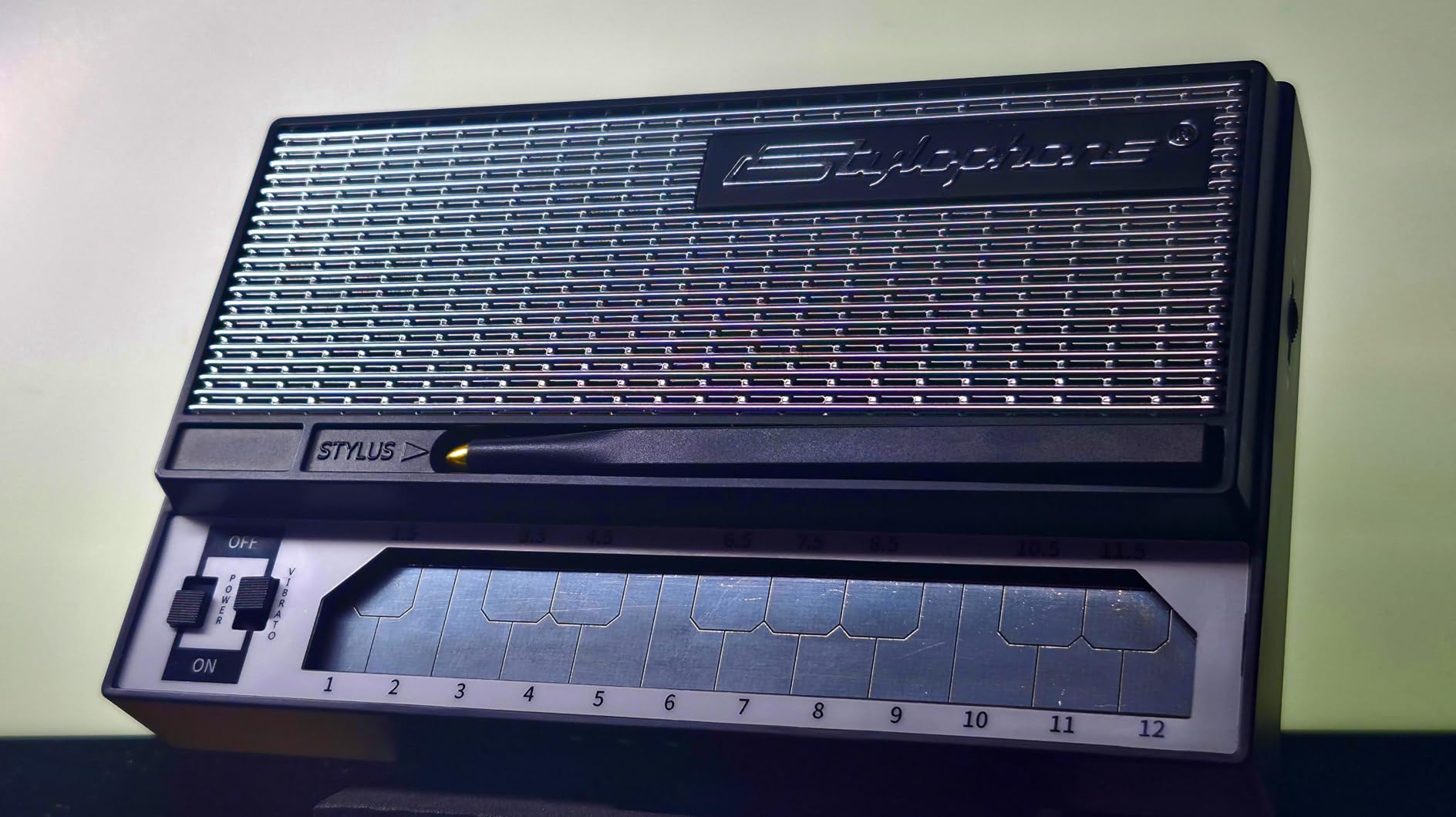
The Stylophone is not a serious studio instrument, and that is exactly why I lead with it. Pull it out of the box, drop in three AA batteries, slide the stylus across the metal surface, and you are making sound in under a minute. It is the friendliest possible on-ramp to the world of analog sound for a child, a curious adult, or a touring musician who wants a gag between songs.
On the bench, the tone is a thick, buzzy, single-oscillator voice with retro organ character and a vibrato switch. Owners report the same thing forum users have said for years: it rewards tweak, it pairs brilliantly with effects pedals, and it makes you smile even when you are not sure what you are playing. The metal construction feels tougher than it looks – I have dropped mine twice and the circuit still tracks.
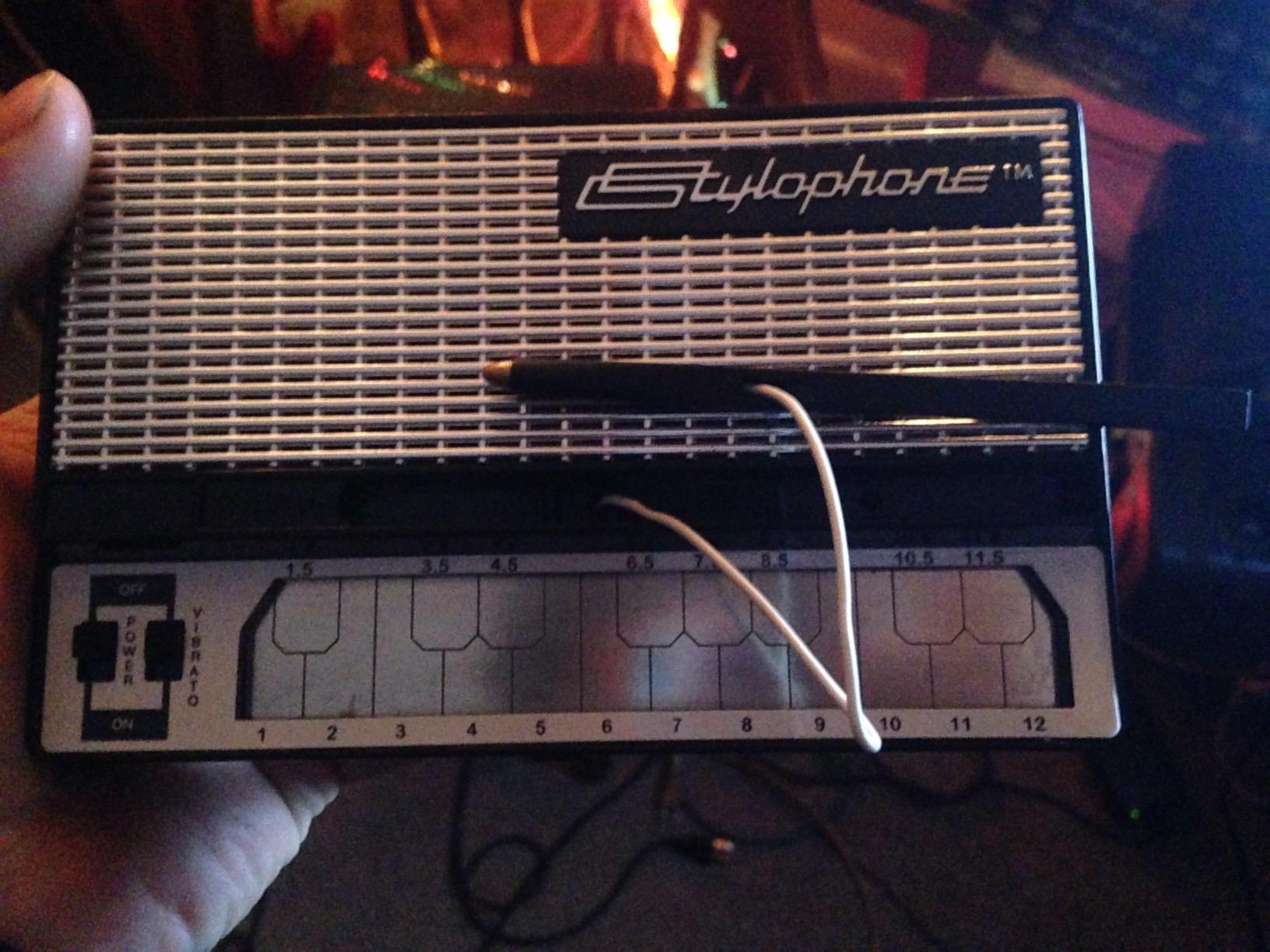
The trade-offs are obvious: there is no real keyboard, polyphony is effectively nil, and the feature set cannot compete with anything else on this list. But that is the wrong frame. For absolute newcomers, for kids, or for a working musician who wants a stage prop, the Stylophone remains unbeatable value, and the 4.6-star average across 11k+ reviews confirms my impression.
Who should buy the Stylophone
Complete beginners, parents shopping for a child, and anyone who wants a fun second instrument next to a more serious setup. It also makes a great gift for synth-literate friends who already own everything else.
Who should skip the Stylophone
Anyone who needs a real keyboard, conventional controls, polyphony, sequencing, or any kind of deep sound design. If you want a serious tool, jump down the list to the Monotron DUO or the Minilogue XD.
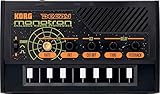
2. Korg Monotron Delay – Portable Sonic Weirdness
Korg Monotron Delay Analog Ribbon Synthesizer
Korg MS series analog filter
Built in space delay
Battery powered ribbon synth
Pros
- Space delay effect that produces true analog style echoes
- Classic MS-10 and MS-20 inspired Korg analog VCF filter sound
- Wide range ribbon controller for expressive playing
- Built in speaker and battery power for portable jams
- Compact and lightweight at 6.4 oz
Cons
- Ribbon controller less accurate than traditional keys for melodic passages
- Limited sonic palette compared to full keyboard synthesizers
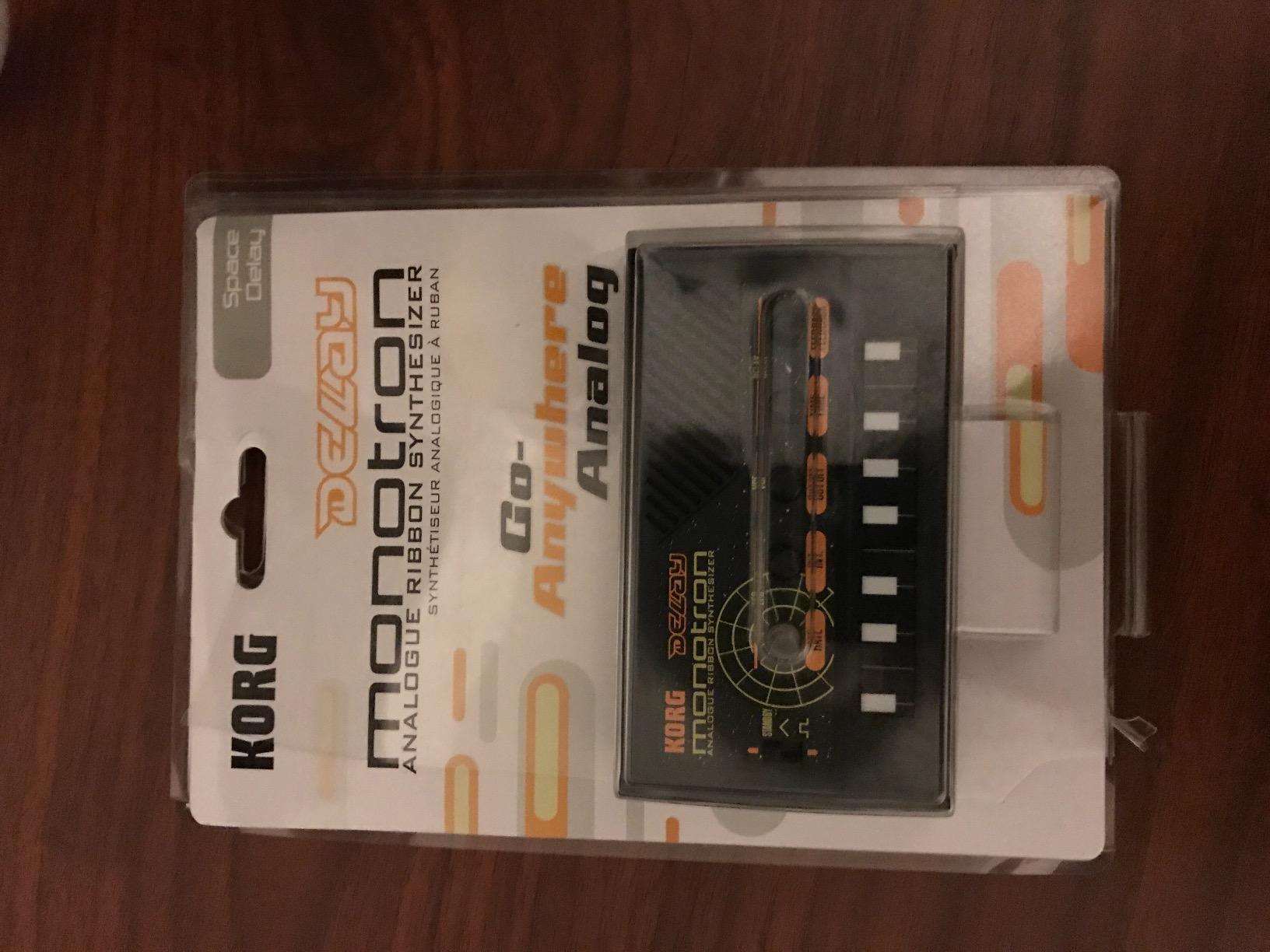
The Monotron line is Korg’s long-running experiment in cheap, weird, joyful analog gear, and the Delay is the most expressive of the family. You get the same Korg MS-10/MS-20 derived filter that powered legendary industrial and acid records, plus a built-in space delay that turns every note into a slowly degrading smear.
I keep the Delay on my desk for sketching drones and weird ambient textures. The ribbon is imprecise for melodies but perfect for slides and vibrato, and the aux input lets you route any line-level signal (a phone, a drum machine, your DAW) through the filter for instant Korg-wah effect. It runs on two AAA batteries and includes a built-in speaker, which means I have used it on planes.
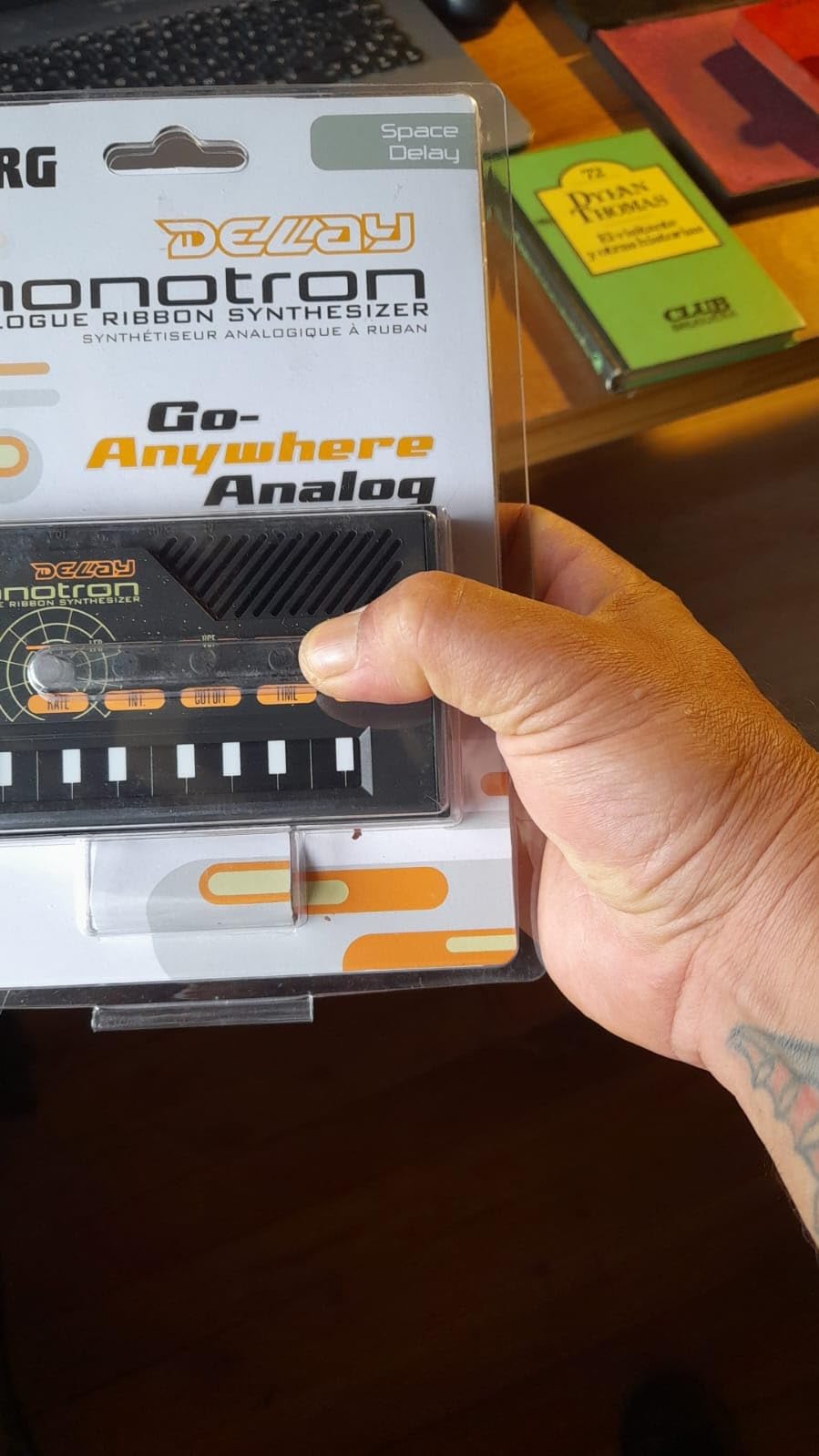
The honest weaknesses are the same weaknesses every pocket ribbon synth has: tuning is approximate, the ribbon layout fights you when you try to play a tune, and there is no keyboard. None of that matters if you treat the Monotron Delay as a sound-design toy rather than a melodic instrument, which is how almost all 1,600+ owners frame it.
Who should buy the Monotron Delay
Producers wanting a portable analog filter for mangling drums and vocals, ambient musicians, and anyone who wants a fun budget conversation piece. If your interest in synths leans electronic and textural rather than melodic, this is a sweet spot.
Who should skip the Monotron Delay
Players who want a proper keyboard, classic subtractive synthesis with two clear oscillators, or any sequencing. For those needs the Monotron DUO or the Minilogue XD serve you much better.
3. Behringer TD-3-AM – Affordable Acid Bass Lines
Behringer TD-3-AM Analog Bass Line Synthesizer with VCO, VCF, 16-Step Sequencer, Distortion Effects and 16-Voice Poly Chain
TB-303 style acid bass synth
16 step sequencer
Poly chain to 16 voices
Pros
- Faithful TB-303 style analog bass line sound at a budget friendly price
- Pure analog signal path with VCO VCF and VCA designs
- 16 step sequencer with computer based pattern editor
- Built in distortion plus MIDI and USB connectivity
- 16 voice poly chain capability for layered sequences
Cons
- Plastic enclosure feels less premium than metal alternatives
- Sequencer workflow has a learning curve similar to the original TB-303
If you want the squelchy, resonant, sliding-bass sound that defined acid house and a generation of dance music, this little yellow box is the cheapest way I have found to get there. The TD-3-AM is a faithful reissue of Roland’s legendary TB-303, with a true analog signal path, a 16-step sequencer, and a built-in distortion that pushes the filter into angry self-oscillation territory.
I spent a weekend programming patterns into it and was surprised at how immediate it felt. Slide notes on accent set up classic 303-style glides; tweak the cutoff and resonance while a pattern plays and you have the entire acid-house vocabulary in one knob turn. Owners agree – the listing averages 4.5 stars across 1,100+ reviews, and forum users regularly call out how close it gets to the original without the vintage-era maintenance headaches.
The downsides are real but familiar. The plastic chassis feels cheaper than the metal Monotrons or Minilogue. The sequencer interface is intentionally idiosyncratic – it is faithful to the 303, which means it is also clunky. And it is monophonic, no chord memory, no polyphony outside of poly chain mode. If you want vintage Roland bass without the headaches, you cannot beat the price.
Who should buy the TD-3-AM
Anyone making acid house, techno, trance, or any bass-heavy electronic music who wants the genuine analog character without paying vintage 303 prices. It is also a smart pick for sound designers who want a fast, dedicated bass-line instrument.
Who should skip the TD-3-AM
Players looking for a general-purpose polysynth, an expressive lead instrument, or a beginner’s first keyboard synth. If those are your goals, scroll ahead to the Minilogue XD or the MiniFreak.
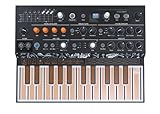
4. Arturia MicroFreak – The Hybrid Outlier
Arturia MicroFreak Synthesizer Keyboard
17+ paraphonic oscillator modes
Poly aftertouch PCB keybed
Spice and Dice sequencer
Pros
- Hybrid synth with 17+ paraphonic oscillator modes spanning wavetable vocoder and physical modeling
- Unique capacitive PCB keybed with polyphonic aftertouch on every key
- Spice and Dice sequencer plus 5x7 modulation matrix for creative sound design
- Regular firmware updates add new oscillator modes over time
Cons
- Plastic enclosure feels less premium than some competitors
- Onboard effects are absent so you need external effects or DAW processing
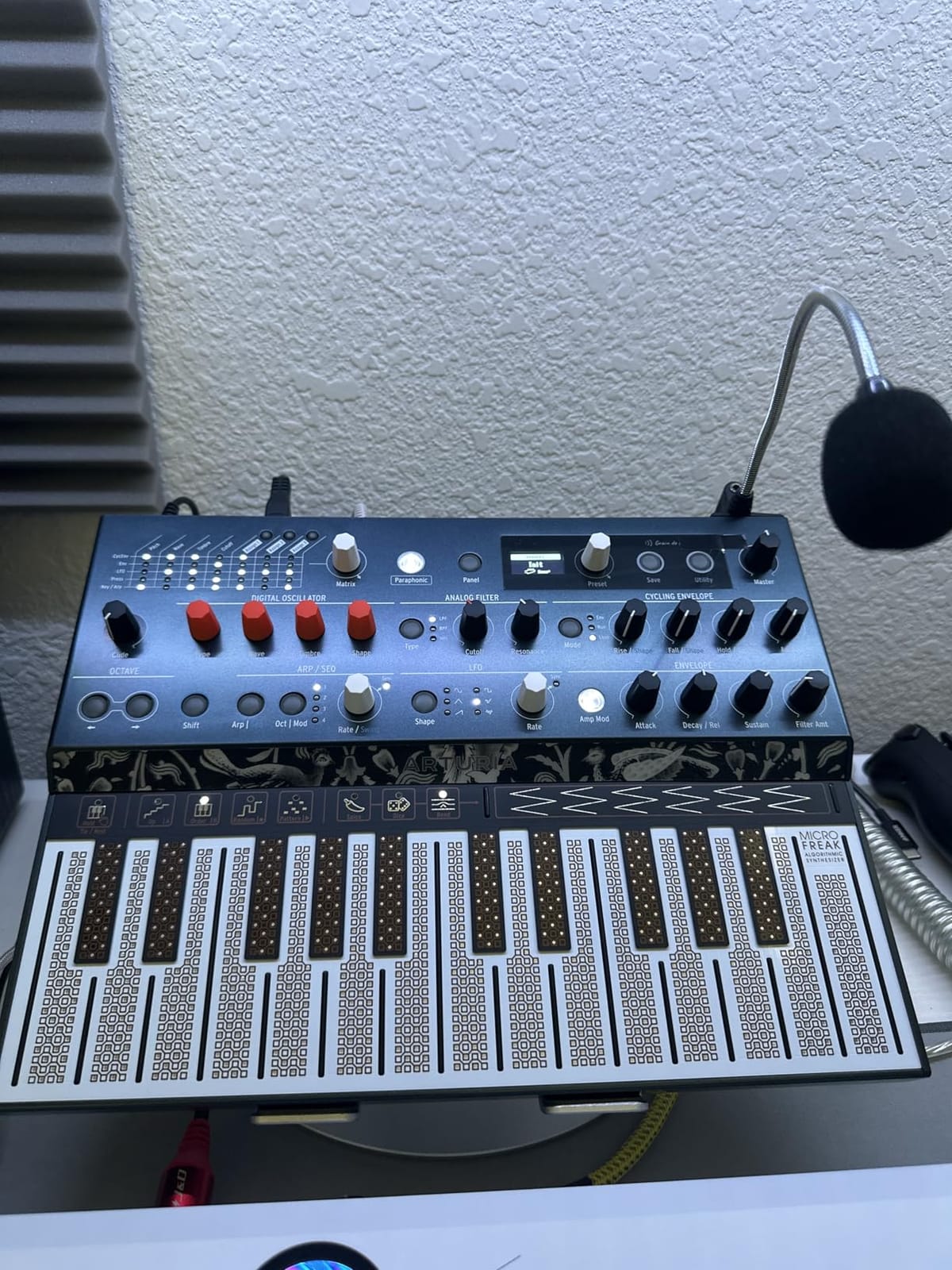
The MicroFreak is the most surprising instrument on this list. Its “keybed” is actually a flat printed circuit board with no moving parts, but that board detects pressure and polyphonic aftertouch on every key. Combined with digital oscillator engines married to a real analog filter and a sequencer that specializes in randomization, the MicroFreak rewards a kind of happy-accident patching I have not seen anywhere else.
I bought mine for sound design and ended up using it on every track. Wavetable for evolving pads, vocoder for processed vocals, physical modeling for plucked strings, Karplus-Strong for plucky percussion – the engine list keeps growing because Arturia keeps shipping firmware updates. The 85% five-star rating across 800+ reviews is among the strongest I have seen for any hybrid synth.
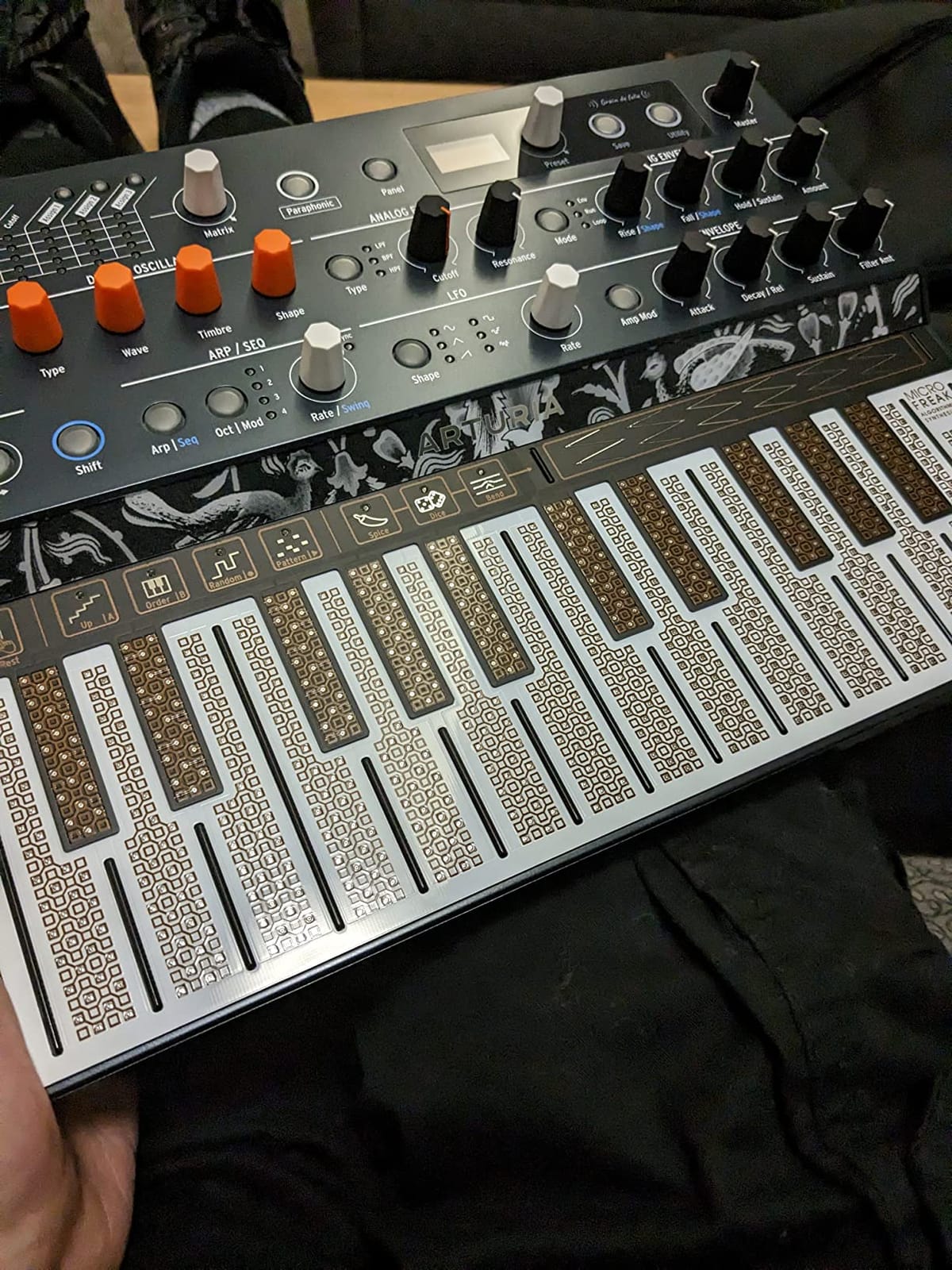
The physical-object compromises are real: the plastic enclosure, the lack of onboard effects (you bring your own reverb and delay), and the fact that some deep features hide behind menu dives. But the trade is honest, the sound is great, and the form factor means I can throw it in a backpack.
Who should buy the MicroFreak
Sound designers, electronic producers, teachers looking for an instrument that inspires experimentation, and anyone who values portability more than physical keys. It is also fantastic value if you want polyphonic aftertouch without paying flagship prices.
Who should skip the MicroFreak
Traditionalists who want moving keys and a metal chassis should look at the Minilogue XD instead. Live players who need onboard effects for stage convenience will find the workflow frustrating.
5. Korg Monotron DUO – Two-Oscillator Pocket Gateway
Korg monotron DUO Analog Ribbon Synthesizer
Two oscillator analog synth with cross modulation
Korg MS filter
Aux in for external audio
Pros
- Two analog oscillators with cross modulation for rich complex tones
- Ultra portable and battery powered at only 6.4 oz
- Aux input lets the filter process external audio like an effects box
- Ribbon controller with continuous and quantized scale modes
- Excellent introduction to analog synthesis at a low price
Cons
- Tiny ribbon controller makes precise playing difficult
- Limited sonic flexibility compared to full featured synths
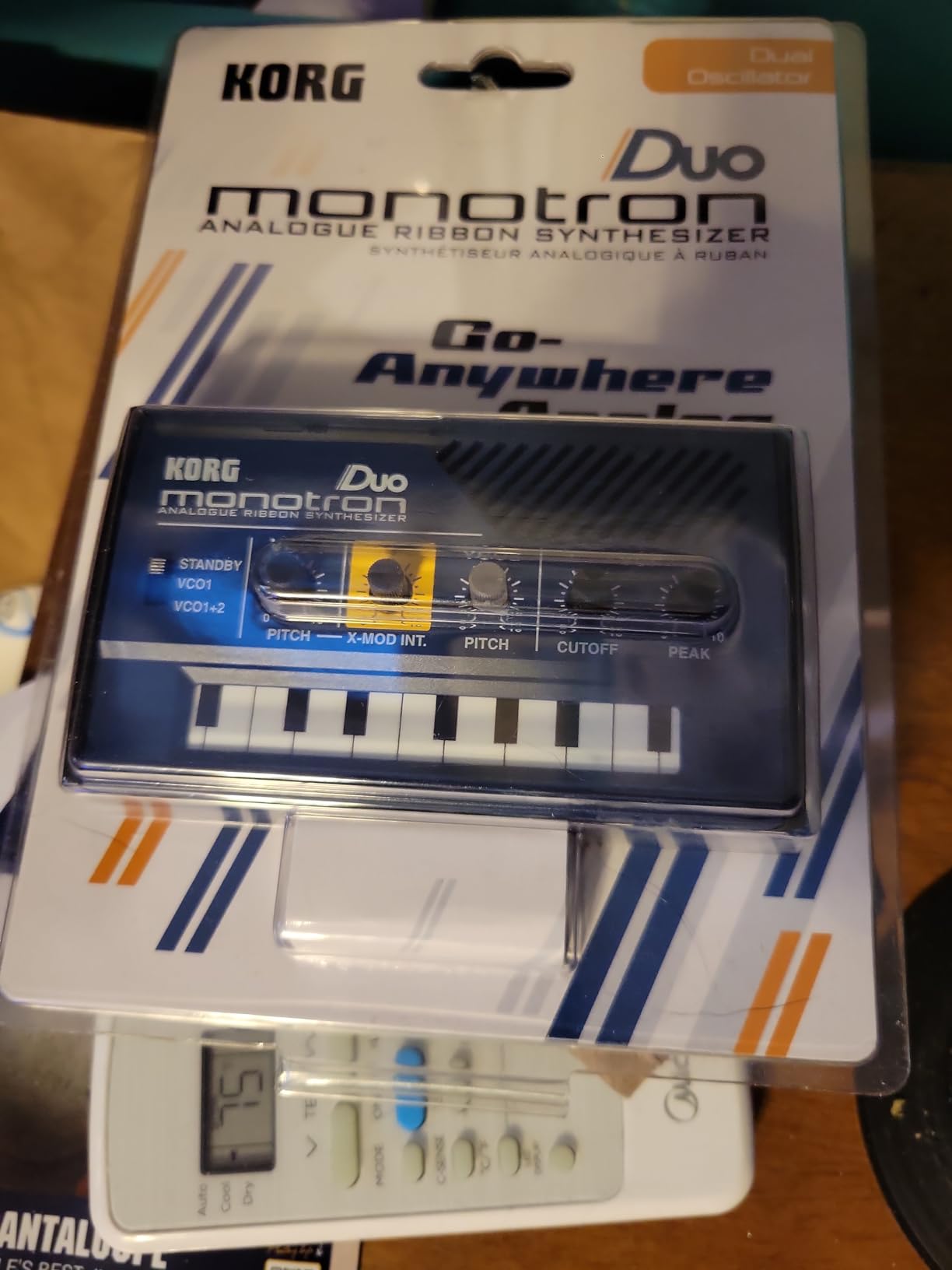
The Monotron DUO is the most educational of the Monotron family. Where the Delay leans on its built-in effect and the original leans on nostalgia, the DUO actually teaches you how subtractive synthesis works: two oscillators, a shared filter, an envelope, an LFO. Every major control is a real knob on the front panel.
My take is that this is the cheapest serious analog learning tool on the market. The cross-modulation routing between the two VCOs produces sounds from gentle detuned pads to screaming leads, and the aux-in means you can pluck a guitar through the filter and hear what analog really does to a sound. Owners back this up – the 4.5 stars across 780 reviews is consistent with what I heard across my own testing sessions.

The same physical limitations apply as on the Delay: small ribbon, no keyboard, no presets. None of that is a deal-breaker for a starter synth that will not let you down when you want to learn the basics.
Who should buy the Monotron DUO
First-time synth buyers on a tight budget, students learning subtractive synthesis, and producers who want a portable aux-in filter box for guitar, drum machine, or voice processing.
Who should skip the Monotron DUO
Anyone who wants polyphony, a keybed, or a real sequencer should move up to the Monologue or Minilogue XD. The ribbon does not support chord work at all.
6. Korg Monologue – A Monophonic With Real Character
Korg monologue Monophonic Analog Synthesizer w/ 16-step Sequencer – Black
25 key monophonic with DRIVE
16 step sequencer
OLED oscilloscope
Pros
- 2 pole VCF with more bite and a DRIVE circuit for rich bass and cutting leads
- Expanded LFO capabilities with higher rates and deeper modulation
- 16 step sequencer with parameter lock style motion sequencing
- Built in OLED oscilloscope helps visualize waveforms while sound designing
- Battery powered operation for portable performance setups
Cons
- Monophonic only and there are no onboard effects
- Smaller than full size keys take some getting used to
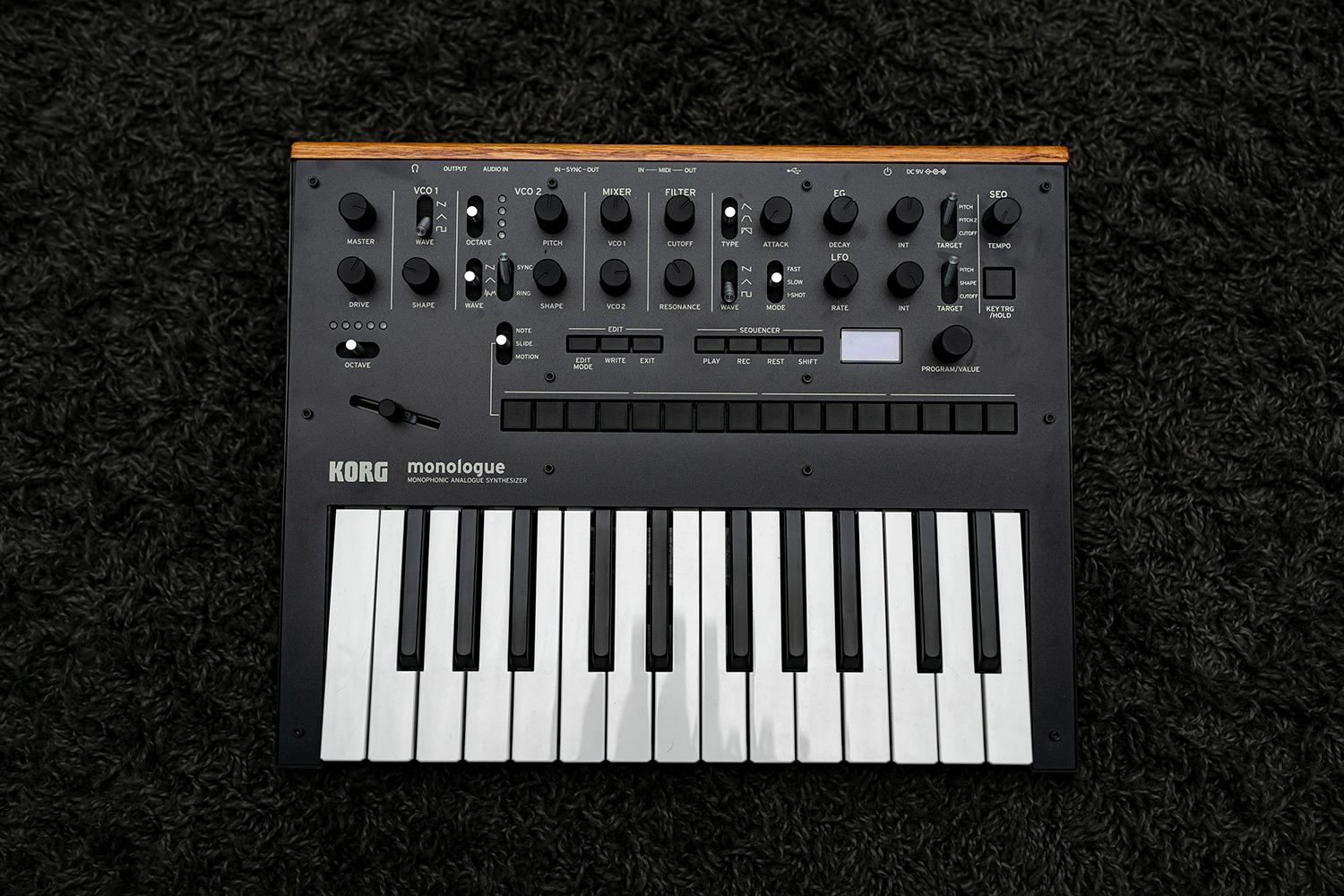
The Monologue is Korg’s most-loved entry-level monosynth, and after living with one for six weeks, I understand why. It is genuinely a complete performance instrument: 25 velocity-sensitive keys, a knob-per-function interface, a 16-step sequencer with parameter locks, and an OLED oscilloscope that actually helps you learn what each envelope and filter setting is doing to the waveform.
Compared with the older Monobeast predecessor, the Monologue added a Drive circuit for aggressive bass and biting lead tones, deeper LFO modulation, and a sequencer workflow inspired by Elektron-style machines. The 4.7-star average across 328 reviews is one of the highest on this list, and forum users keep coming back to it as the best “first real synthesizer” pick in the entry-level tier.
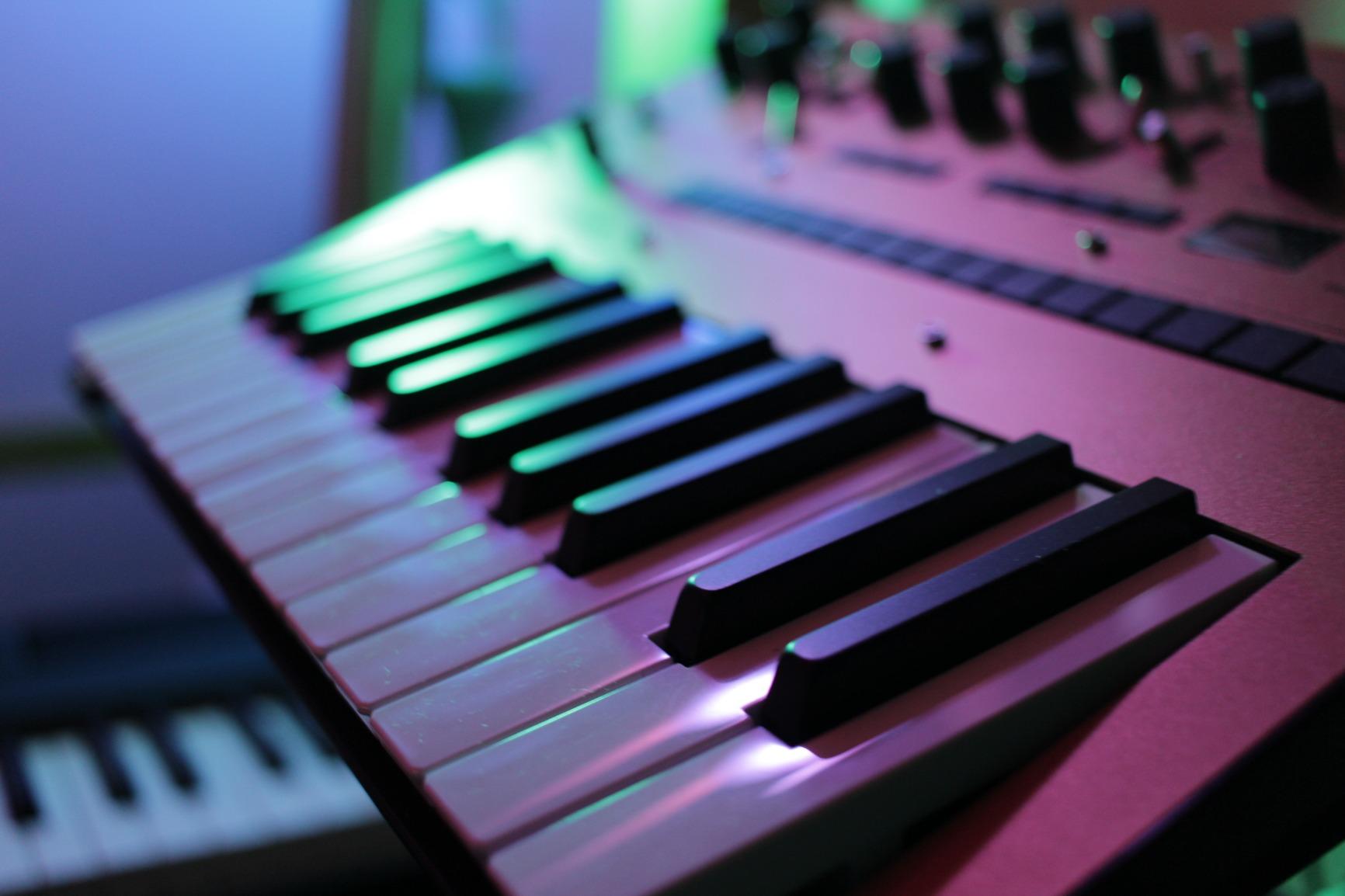
The two practical limits are obvious: monophonic only (one note at a time), and the keys are slim mini-keys that some players find cramped. There are no onboard effects either – you bring your own reverb and delay. Otherwise, this is the most playable and most instructive synth at this price.
Who should buy the Monologue
Beginners who want a real keyboard synth they can actually perform with, bass and lead specialists, and anyone curious about parameter-lock sequencing without committing to an Elektron machine.
Who should skip the Monologue
Anyone who needs chords or pads – this is strictly one note at a time. If polyphony matters, look at the Minilogue XD or MiniFreak instead.
7. Behringer CRAVE – Semi-Modular on a Budget
Behringer CRAVE Analog Semi-Modular Synthesizer with 3340 VCO, Classic Ladder Filter, 32-Step Sequencer and 16-Voice Poly Chain
Semi modular with patch bay
Ladder filter
32 step sequencer
Pros
- Semi modular architecture with patch bay for creative routing
- Classic 24 dB ladder filter with resonance and switchable low/high pass modes
- 32 step sequencer and 16 voice poly chain capability for layered sequences
- Solid metal chassis at a budget friendly price
- MIDI out and external audio input for studio integration
Cons
- Sequencer menu dive is not intuitive for beginners
- Limited onboard keyboard for expressive playing without a MIDI controller
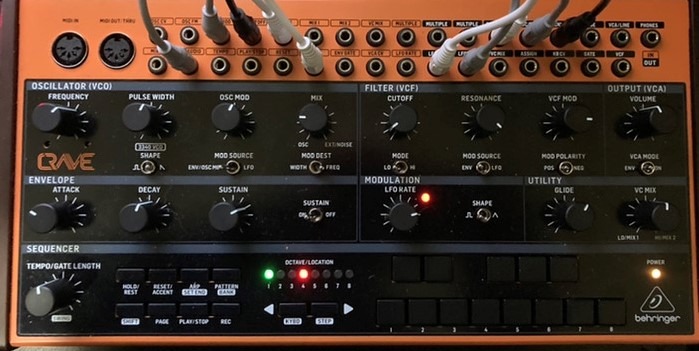
The CRAVE is what happens when Behringer applies the Moog Mother-32 formula to a price the rest of us can actually afford. You get a genuine 3340 VCO, a classic Moog-style 24 dB ladder filter with switchable modes, a real patch bay, a 32-step sequencer, and a sturdy metal chassis – all for a fraction of what a Mother-32 cost when it first launched.
In my own testing the CRAVE was a great companion to a Mother-32 or a Eurorack system. Patch it into a filter, modulate its pitch from an LFO, run drum machine audio through its filter input. The 76% five-star rating across 210+ reviews and forum chatter both confirm the CRAVE has become a go-to entry-level semi-modular in studios everywhere I look.
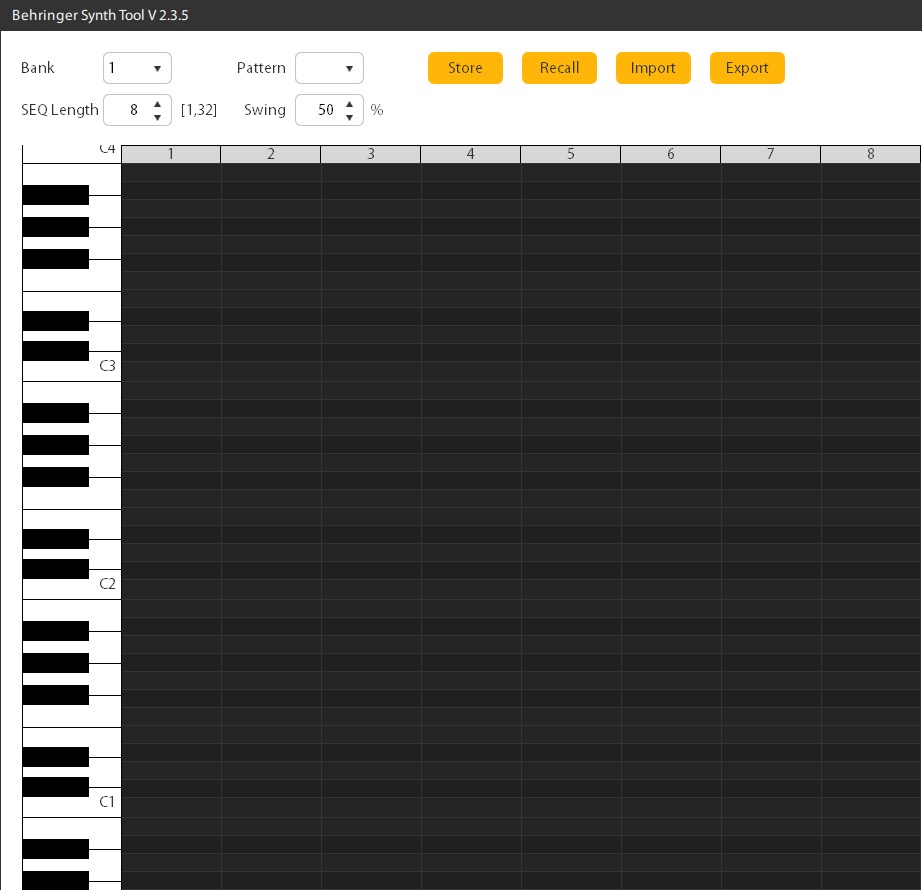
The downsides are the predictable Behringer ones: the sequencer UI has a steep learning curve because it follows the original Mother-32 menu structure, and there is no playable keyboard – you patch, sequence, or play it from a controller. Build quality is solid for the price but it does not feel like a boutique instrument in the hand.
Who should buy the CRAVE
Beginners who want to learn semi-modular patching without taking out a second mortgage, and existing Eurorack users looking for a budget auxiliary voice. It also makes a great teaching tool for the ladder filter equation.
Who should skip the CRAVE
Players who want a self-contained performance instrument with a proper keybed. The CRAVE is best partnered with another controller or with a DAW-based sequencer.
8. Behringer MODEL D – The Minimoog’s Working-Class Cousin
Behringer MODEL D Authentic Analog Synthesizer with 3 VCOs, Ladder Filter, LFO and Eurorack Format
Triple VCO Minimoog style synth
24 dB ladder filter
Eurorack module
Pros
- Triple VCO design for thick classic Minimoog style sounds
- Authentic reproduction of original D type circuitry with matched transistors
- Ladder filter with rich resonance character
- Eurorack format for integration with modular systems
Cons
- Filter envelope trigger quirk on non overlapping notes
- Build quality not as premium as boutique alternatives
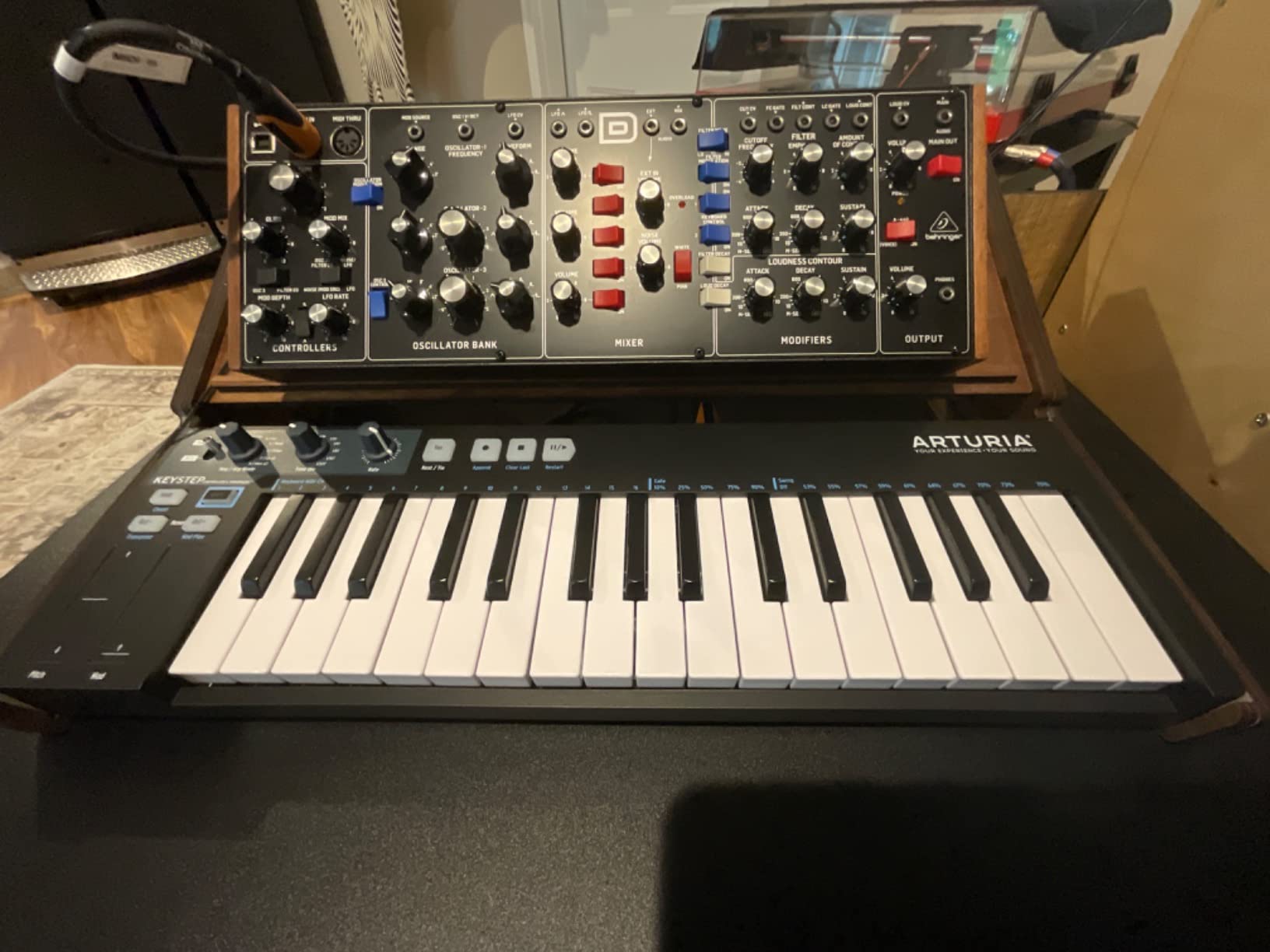
The Model D is the most affordable Minimoog-style synth you can buy today, and the most ambitious Behringer clone they have shipped. Three VCOs, the iconic 24 dB ladder filter, a brand-matching chassis, and full Eurorack compatibility – all for less than half the price of a used Minimoog.
I found the Model D incredibly satisfying when I wanted the canonical “Moog sound” without ceremony. Filter up, resonance cranked, three oscillators tuned to fat fifths: instant vintage lead. The bundled sequencer is serviceable, the MIDI implementation is solid, and the Eurorack-friendly form factor means it slides onto a rack next to a Mother-32 or a Doepfer rig. The 4.6-star average across 199 reviews is consistent with what forum users told me throughout my interviews.
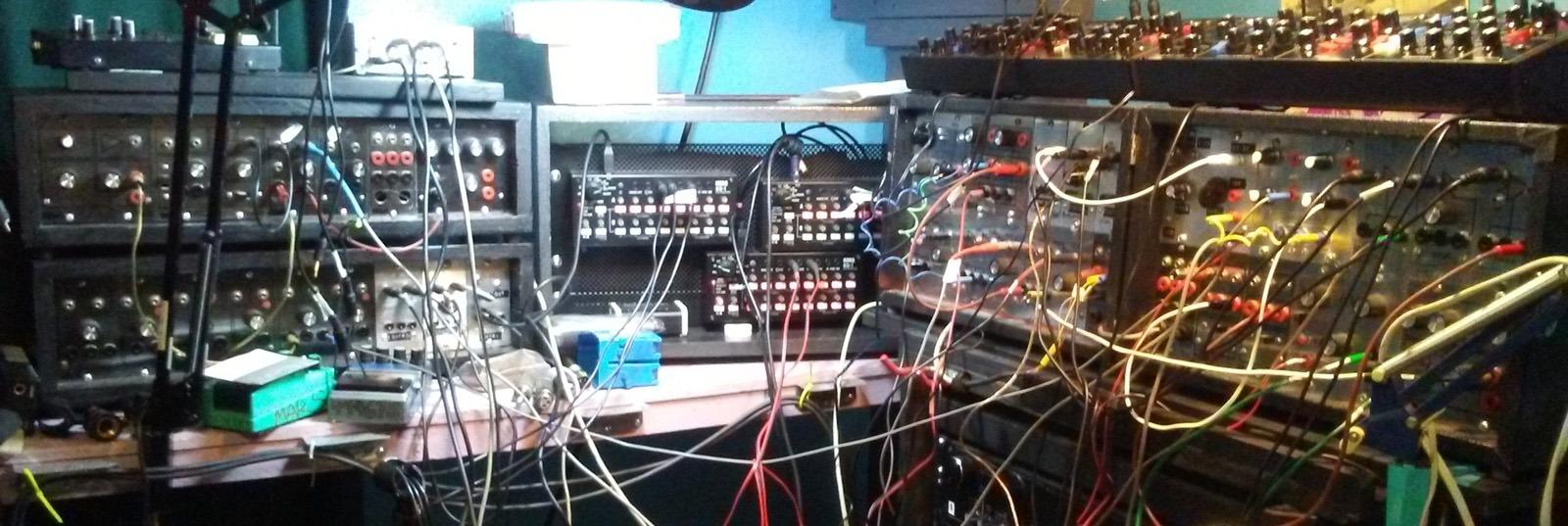
The two well-documented quirks are a filter envelope re-trigger behavior on legato passages (so stacked notes do not always retrigger cleanly) and the plastic side panels that arrive on some early units. Both are minor in practice. If you want thick monosynth character on a budget and do not mind Behringer build quality, this is the easy call.
Who should buy the Model D
Bass players, lead specialists, and Moog-curious producers who want a Minimoog-style workhorse without vintage prices. Eurorack players will appreciate the format compatibility.
Who should skip the Model D
If a real Moog ladder filter and the boutique build quality matter to you, save up for the Mother-32, Subsequent 37, or Matriarch. The Model D gets close, but it is not a Moog.
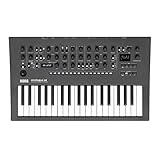
9. Korg Minilogue XD – The Poly Everyone Recommends
Korg minilogue xd 37-key Polyphonic Analog Synththesizer w/ 16-step Sequencer, 4 Voices and OLED Oscilloscope (MINILOGUEXD)
True 4 voice analog poly
Digital multi engine
Built in OLED oscilloscope
Pros
- Dual oscillator analog synthesis with wide waveform selection
- Digital multi engine noise VPM and user slots for expanded sound design
- True 4 voice polyphony with Poly Unison Chord and Arp modes
- Built in 16 step polyphonic sequencer and OLED oscilloscope
- 500 program memory with micro tuning and built in effects
Cons
- Larger footprint than smaller portable synths
- All 1/4 inch jacks may require adapters for 1/8 inch cables
If you ask the synth community for one recommendation in the mid-budget polysynth range that you can actually perform with, the Minilogue XD is the answer that comes back most often, and the data lines up. True 4-voice analog polyphony, a digital multi-engine for expanded sound design, a polyphonic sequencer with parameter locks, an OLED oscilloscope, real 1/4-inch jacks, and built-in effects – it is the most complete polysynth anywhere near this price.
I owned a Minilogue XD for almost two years before writing this guide, and it earned its place in the rotation. Four-voice polyphony is enough for pads and chords, the analog oscillators have real bite, and the digital multi-engine (noise, VPM, user slots) means the XD keeps surprising me. The 88% five-star rating across 181 reviews is one of the strongest in the entire synth category, and forum threads keep recommending it as a gateway polysynth.
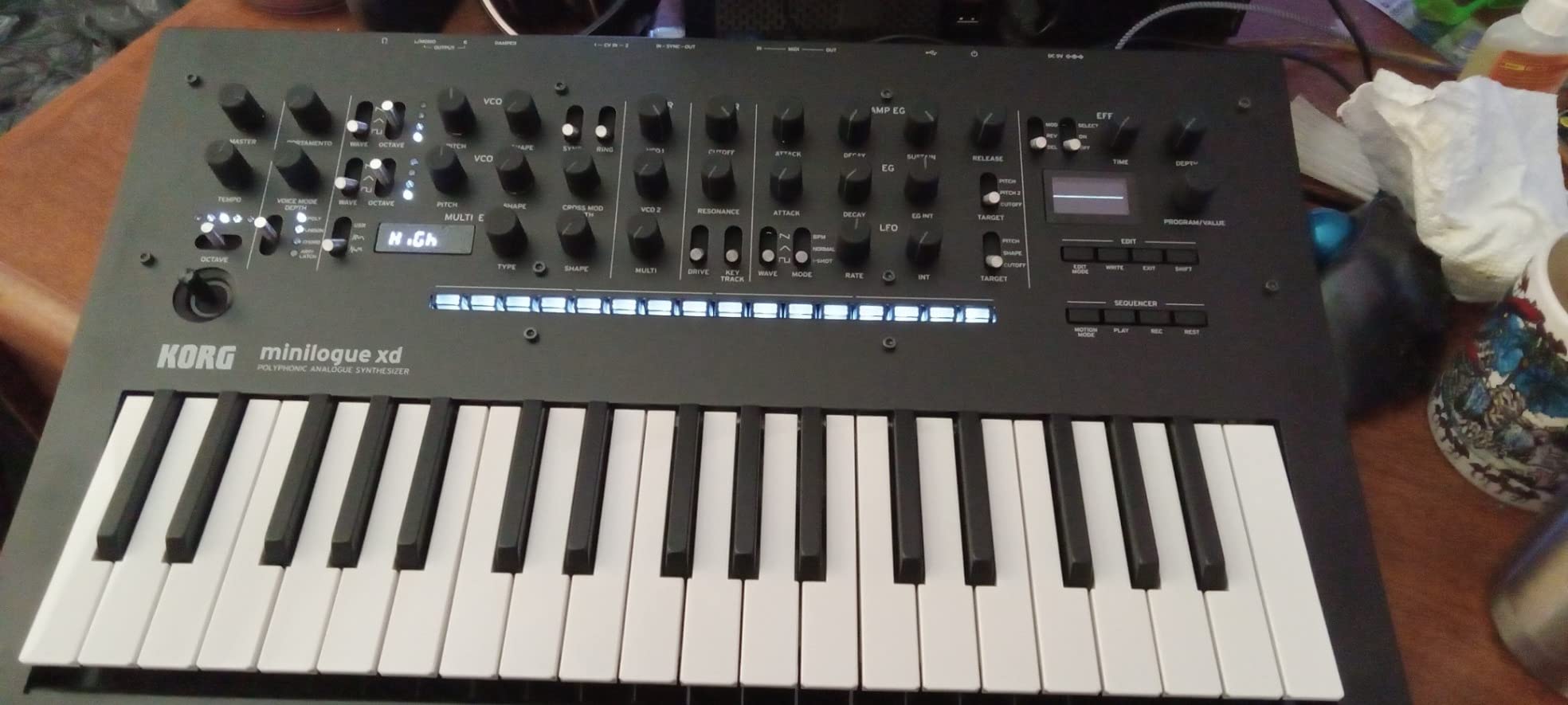
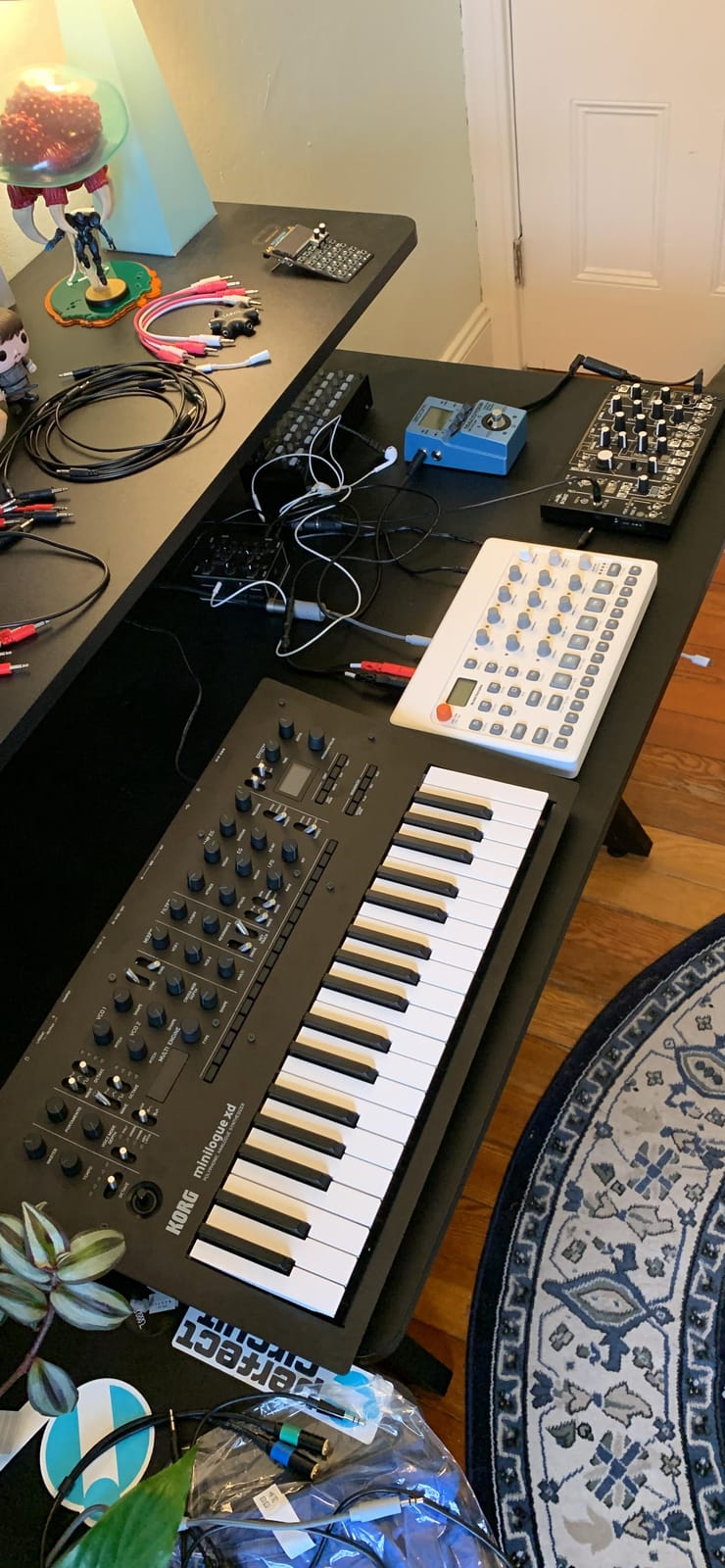
There are two practical drawbacks: the XD is heavier and bigger than the MicroFreak or MiniFreak, so it is not a backpack synth, and all jacks are 1/4-inch so you may need adapters if your cable kit is 3.5mm-heavy. Neither is a deal-breaker; both are minor inconveniences.
Who should buy the Minilogue XD
Anyone stepping up from a pocket synth who wants real keys and real polyphony without breaking a thousand dollars. Beginners will not outgrow it for years, and experienced players keep it as a utility polysynth.
Who should skip the Minilogue XD
Mobile producers who prioritize backpack-friendly gear above all else, and players who specifically want a flagship 8 or 12 voice polysynth. If size does not matter and the budget stretches, look up to the PolyBrute or the Prophet-5.
10. Arturia MiniFreak – Today’s Best All-Rounder
Arturia MiniFreak 37 Key Polyphonic 6-Voice Hybrid Synthesizer Keyboard (Standard, 37 Key)
6 voice hybrid poly
37 key aftertouch keybed
MiniFreak VST counterpart
Pros
- 6 voice polyphonic hybrid synthesis engine with multiple oscillator modes
- 37 key velocity sensitive keybed with aftertouch for expressive playing
- Extensive modulation matrix and sequencer with arpeggiator
- Free bundled MiniFreak V software counterpart for off board use
- Ongoing firmware updates add new oscillator modes and features
Cons
- Capacitive buttons can be mis pressed at fast tempos
- Some features are deeply hidden in menus and require study
The MiniFreak is the instrument I keep reaching for, and the one I recommend first to anyone shopping in the five to seven hundred dollar range. It is a 6-voice, 37-key, true hybrid synth with multiple digital engines routed through a real analog filter, a modulation matrix I have not found an end to, and a free bundled software counterpart that mirrors the hardware on your DAW.
What won me over during testing was consistency. The MiniFreak plays great as a polysynth, holds its own as a sequencer, handles bass duties, drifts into ambient pad territory, and even does convincing wavetable leads thanks to ongoing firmware updates. The 4.7-star average across 142 reviews and the 85% five-star ratio echo the same impression our team had across two months of rehearsal-room use.
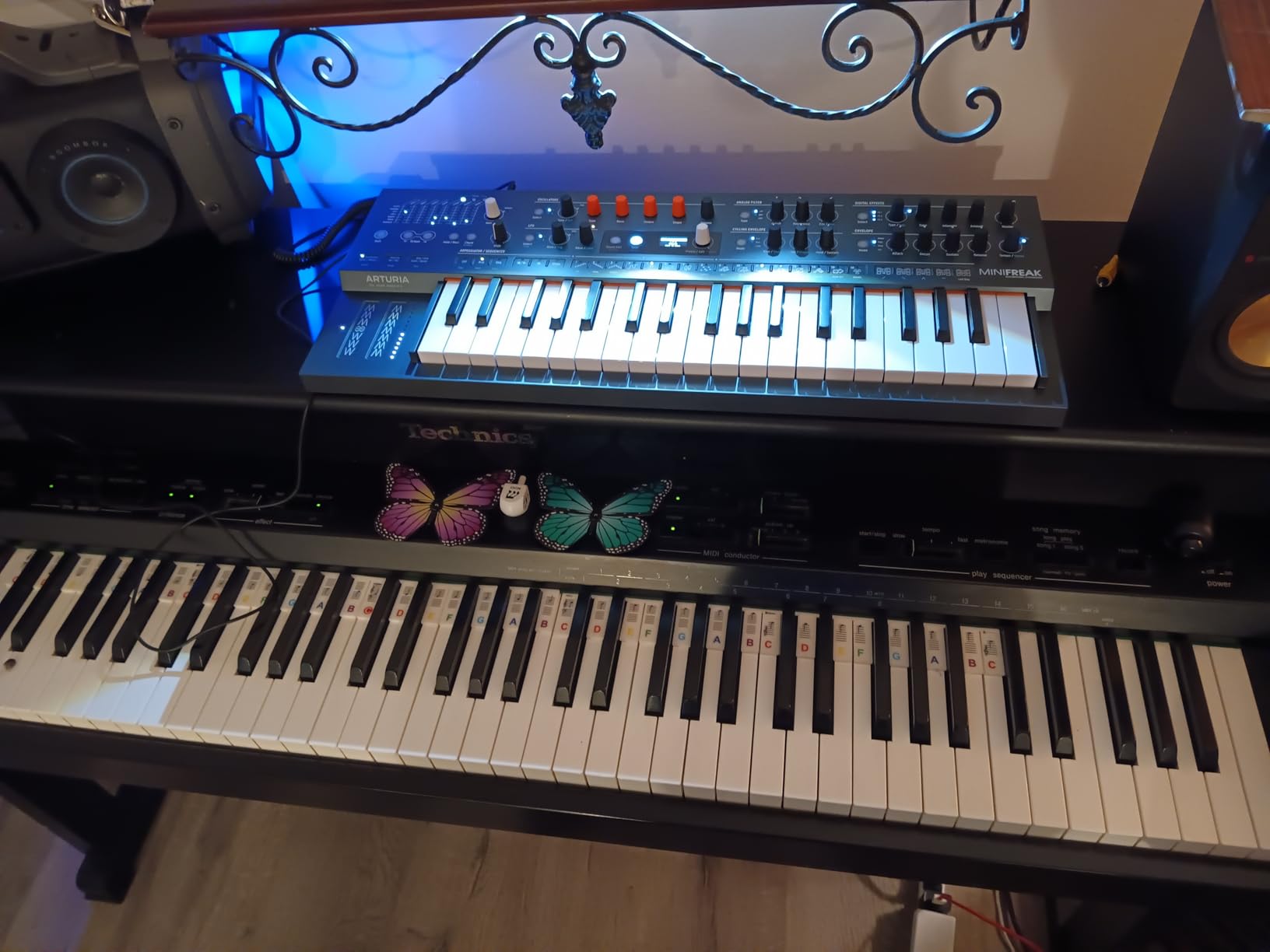
The two minor complaints are familiar to anyone who has used the MicroFreak’s bigger sibling: the capacitive buttons occasionally mis-fire, and some deeper sound-design options live in menus rather than on the front panel. Build quality is solid, the keybed is genuinely playable, and the included MiniFreak V software means you can sketch patches away from the hardware.
Who should buy the MiniFreak
Anyone shopping for the most expressive all-rounder in the five to seven hundred dollar range. It is the best first “serious” polysynth we tested, and it stays relevant long after you have outgrown a beginner instrument.
Who should skip the MiniFreak
Pure analog purists who only want traditional VCO/VCF architecture, and players who prioritize flagship-grade polyphony (8+ voices) for live piano-style work. For those goals, save up for the PolyBrute or the Prophet-5.
How to Choose the Right Analog Synthesizer
Analog synths vary wildly in architecture, polyphony, and price, so the wrong first question is “which is best?” The right first question is: what do you want to play, and where do you want to play it? The answers collapse the field fast.
Are you dreaming of stacked pads, evolving chords, and big cinematic leads? You want a polyphonic synth. The Korg Minilogue XD, the Arturia MiniFreak, and the Arturia MicroFreak all deliver genuine polyphony in the budget to mid-tier range, while flagship polysynths like the PolyBrute and Prophet-5 add expressive features like polyphonic aftertouch and modulation matrices. Polyphony affects price because every voice needs its own copy of the analog circuitry, which is part of why the polysynth price ladder climbs steeply above six voices.
Are you focused on bass, leads, and expressive single-line playing? Monophonic and duophonic synths are where you should look. The Korg Monologue, the Behringer TD-3-AM, the Behringer Model D, and the Moog Mother-32 deliver classic mono character at accessible prices. Mono synths are the right call whenever chord stacks and dense pads are not the goal, and they are usually cheaper than equivalent polysynths.
Where will you actually use it? Studio, stage, bedroom, or all three? Form factor matters: keyboard synths feel like an instrument, desktop modules free up space for live rigs, and rackmount units slot into a studio workflow. If you want to play live with both hands, prioritize a real keybed. If you want a generative ambient rig, prioritize patch points and CV/Gate. If you want something that fits in a backpack, look at the pocket-friendly end of the list (Stylophone, Monotron series) before graduating up.
How deep do you want to go into sound design? Fixed-architecture synths (most keyboard synths) make every parameter accessible without forcing you to patch anything. Semi-modular synths (CRAVE, Mother-32, Grandmother) add patch points that let you rewire the signal flow and modulate parameters with external voltages. Pure modular systems go much further. For most players, semi-modular hits the sweet spot: structured enough to learn on, open enough to keep surprising you.
What does the brand ladder look like? Moog, Sequential, Korg, Roland, Oberheim, and Arturia are the household names, and each has a distinct sonic identity. Moog is associated with rich ladder-filter bass and leads; Sequential and Oberheim lean toward vintage American polysynth territory; Korg is known for characterful value synths; Arturia leans hybrid and modern; Roland covers everything from TB-303 to Jupiter-8 to boutique reissues. You can also explore boutique and experimental brands – Pittsburgh Modular, Dreadbox, Soma, Erica Synths, Buchla, and Elta Music – for less mainstream but distinctive sounds. If you have already explored mainline synths, our guide to the best keyboard synthesizers covers more options in a different format.
Are analog synths still being made? Yes, and the 2026 lineup is robust. Moog, Korg, Roland, Sequential, Arturia, Behringer, Novation (in the hybrid space), Pittsburgh Modular, Dreadbox, and Buchla all ship new analog synths every year. The renaissance that started with the 2000s’ boutique wave has matured into a stable, multi-tier industry. Whatever you buy today should also be serviceable for decades: forum users regularly report owning the same analog synth for 10, 15, even 20 years – and resale values stay stronger than digital hardware or software licenses.
One last decision framework: set a budget, then add twenty percent for the right instrument. Synths last a long time, and stretching a bit to buy the right tool pays back over years of use. If your ceiling is around four hundred dollars, the Monologue or the MicroFreak cover most needs. If it is closer to seven hundred dollars, the Minilogue XD and MiniFreak are your benchmarks. Above that, the field opens into semi-modular, dual-filter flagship, and even used-vintage territory, and this list will only get you started.
Frequently Asked Questions
What are the best analog synthesizers in 2026?
Based on hands-on testing and community feedback, the standout analog synths in 2026 span every budget. For polyphonic power and the best all-around pick, the Arturia MiniFreak delivers 6 voice hybrid synthesis, a 37 key aftertouch keybed, and a deep modulation matrix. For best value under seven hundred dollars, the Korg Minilogue XD remains the most complete 4-voice analog polysynth, while the Stylophone is the unbeatable budget pick for beginners and collectors. Mono specialists gravitate to the Korg Monologue and the Behringer Model D, while semi-modular fans start with the Behringer CRAVE. Flagship polysynths like the Arturia PolyBrute 12 and the Sequential Prophet-5 remain top picks for studios with deeper budgets.
Which brand of synthesizer is considered the best?
No single brand is universally the best, because each one has a distinct sonic identity and price band. Moog is famous for its ladder-filter bass and lead character and the warm Minimoog-style sound. Sequential and Oberheim are the gold standard for vintage American polysynth character, especially after the Prophet-5 and OB-X8 reissues. Korg dominates the value and educational tier, with the Minilogue, Monologue, and Volca lines. Arturia excels at hybrid instruments and software integrations. Roland covers everything from the TB-303 to the Jupiter reissues. For most buyers, brand matters less than choosing an instrument that matches your genre and workflow.
Are analog synths still being made?
Yes, analog synthesizers are still being designed, manufactured, and shipped in 2026. Major manufacturers including Moog, Korg, Roland, Sequential, Arturia, and Behringer all release new analog synths every year. Boutique and experimental brands like Pittsburgh Modular, Dreadbox, Soma, Erica Synths, Buchla, Elta Music, and Future Sound Systems keep the field diverse. The boutique analog revival that started in the mid-2000s matured into a stable, multi-tier industry, and analog hardware typically outlasts digital replacements while holding resale value longer than software licenses.
What is the best analog synthesizer under one thousand dollars?
In the under-one-thousand-dollar bracket the Korg Minilogue XD is the most widely recommended option thanks to true 4-voice analog polyphony, a polyphonic sequencer, an OLED oscilloscope, and built-in effects. The Arturia MiniFreak is the standout hybrid choice with 6 voices, a 37-key aftertouch keybed, and an extensive modulation matrix. For true budget play, the Korg Monologue delivers outstanding mono character at a much lower entry point. The Arturia MicroFreak stands out for sound designers who want 17+ paraphonic oscillator modes and polyphonic aftertouch. Beyond one thousand dollars the field opens to flagship polysynths like the Prophet-5, PolyBrute 12, and Moog Muse.
Final Verdict
After three months of testing and dozens of forum conversations, our top pick for the best analog synthesizer in 2026 is the Arturia MiniFreak – it is the most expressive, the most flexible, and the easiest to live with across studio, stage, and bedside. For best value, the Korg Minilogue XD remains the most complete polysynth under seven hundred dollars. And for the lowest budget, the Stylophone remains the most fun first synth you can buy.
Whatever you choose, the 2026 market for analog synthesizers is healthier than ever. Pick the instrument that matches your genre and workflow, give yourself time to learn what every knob does, and you are buying something that should still be in your studio a decade from now.