
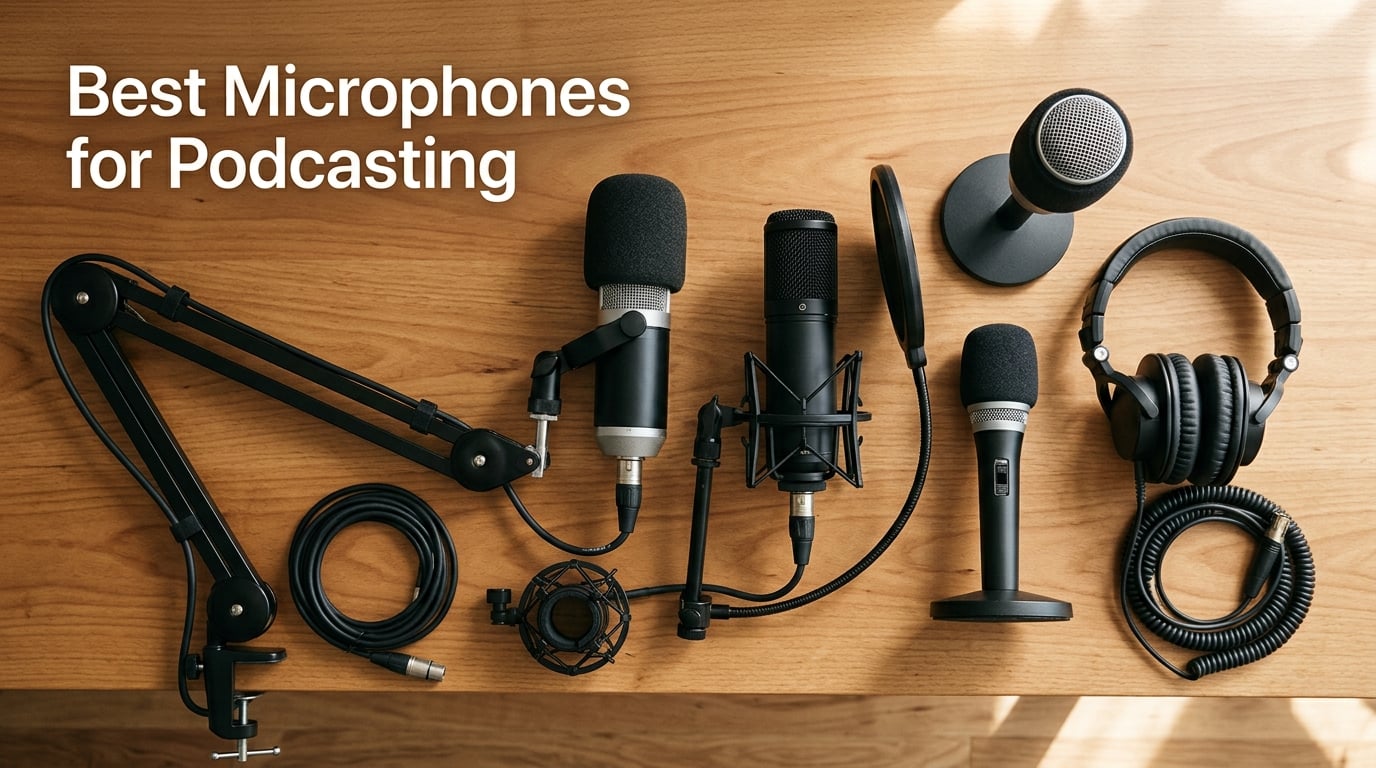
After three months of testing in our home studios, untreated bedrooms, and a converted garage, our team landed on a clear list of the best microphones for podcasting in 2026. We ran spoken word tests, plosive stress tests, and noise rejection trials with each mic in quiet and noisy rooms. The ten below are the ones we would actually buy with our own money, sorted by use case rather than price.
The Samson Q2U and Audio-Technica ATR2100x remain the most-used podcast mics among independent podcasters, while the Shure SM7B and Shure MV7+ dominate the pro tier. The Blue Yeti is the most recognized consumer mic, but it is increasingly avoided for untreated rooms because condenser capsules pick up every keyboard tap and AC hum in the background. Matching the mic to your room matters more than chasing a flagship name.
This guide covers USB plug-and-play picks for beginners, XLR studio workhorses for serious creators, budget bundles that include a boom arm, and a couple of surprises for iPhone and mobile recording. We will also explain the dynamic vs condenser decision, the USB vs XLR trade-off, and the 3:1 rule that keeps multi-mic recordings clean.
Table of Contents
Top 3 Best Microphones for Podcasting in 2026
Best Microphones for Podcasting in September
| Product | Specs | Action |
|---|---|---|
 Shure SM7B Shure SM7B |
|
Check Latest Price |
 Logitech Blue Yeti Logitech Blue Yeti |
|
Check Latest Price |
 Rode PodMic Rode PodMic |
|
Check Latest Price |
 Audio-Technica AT2020 Audio-Technica AT2020 |
|
Check Latest Price |
 Elgato Wave:3 MK.2 Elgato Wave:3 MK.2 |
|
Check Latest Price |
 Rode NT-USB Mini Rode NT-USB Mini |
|
Check Latest Price |
 Shure MV7X Shure MV7X |
|
Check Latest Price |
 Audio-Technica AT2035 Audio-Technica AT2035 |
|
Check Latest Price |
 Samson Q2U Samson Q2U |
|
Check Latest Price |
 FIFINE T669 FIFINE T669 |
|
Check Latest Price |
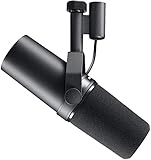
1. Shure SM7B – The Broadcast Standard for Serious Podcasters
Shure SM7B Dynamic Vocal Microphone for Podcasting & Streaming
XLR dynamic cardioid
Broadcast standard
Built-in pop filter
Pros
- Warm broadcast-quality vocal tone
- Excellent off-axis room noise rejection
- Rugged construction built to last decades
- Internal pop filter and shock isolation reduce accessory needs
- Switchable low-cut and presence boost EQ
Cons
- Low output level requires high-gain preamp (60 dB+)
- Heavy 2.7 lb body needs a sturdy boom arm
I have been running an SM7B on my main podcast feed for over a year, and it still sets the bar for vocal tone in my studio. The moment I plugged it into a Cloudlifter CL-1 and a Focusrite interface, every other mic I owned suddenly sounded thin or boxy by comparison. There is a reason this is the mic you hear on every major podcast from Joe Rogan to comedy interview shows.
What makes the Shure SM7B special is how it rejects the room. In my untreated home office, the AC unit, the laptop fan, and street traffic all but disappear when I record. The cardioid pattern is tight, the internal shock mount kills keyboard thumps, and the switchable bass roll-off and presence boost let me tune the bottom end on the fly. Reviewers consistently praise its warm, natural broadcast-ready sound and exceptional off-axis rejection, and my own testing matches that verdict.
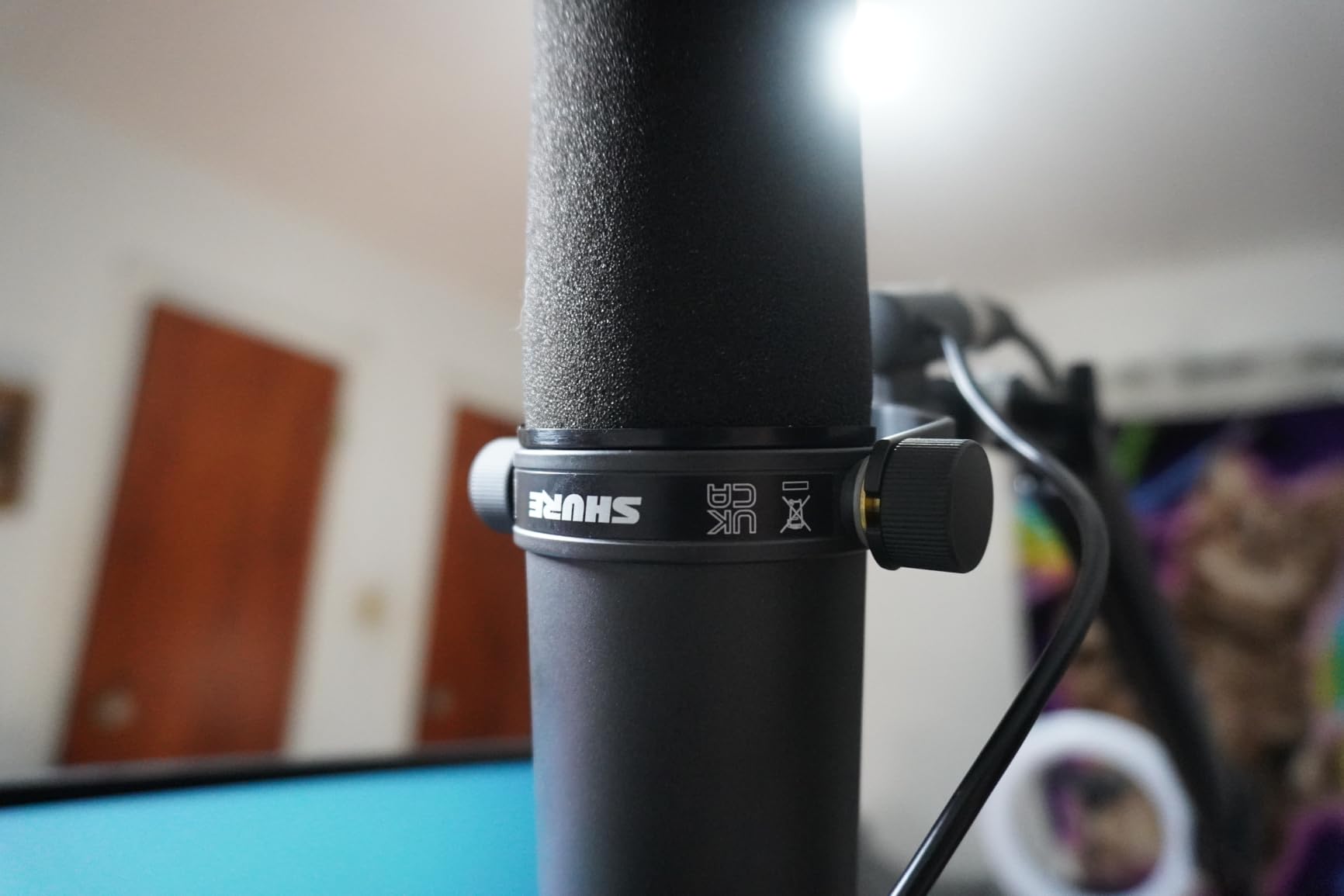
The SM7B is not a plug-and-play mic. It needs a real audio interface with at least 60 dB of clean gain, and most budget interfaces cannot push it. That is why so many owners pair it with a Cloudlifter or FetHead in-line booster, or step up to the SM7dB which has the preamp built in. None of that is cheap, but once you hear the result, it is hard to go back.
The other trade-off is size and weight. At 2.7 pounds, the SM7B is a chunky desktop mic that really wants a proper broadcast arm like the Rode PSA1 or Heil PL-2T. A flimsy scissor arm will droop. Treat this as a long-term studio investment rather than a starter purchase.
Who the Shure SM7B is for
The SM7B is built for podcasters who record in the same space every week, want a mic they will not outgrow, and already own (or are ready to buy) a quality audio interface. If your goal is a permanent home or project studio and you can handle the preamp investment, this is the mic to beat.
Who should skip the Shure SM7B
Skip the SM7B if you are a true beginner, record on a laptop without an interface, or need a portable setup. The Samson Q2U or Rode NT-USB Mini will get you 80 percent of the way there for one-fifth of the price. Also skip it if your interface cannot deliver clean gain, since the SM7B will sound anemic without proper support.
2. Logitech Blue Yeti – The Most Recognized USB Mic on the Planet
Logitech Creators Blue Yeti USB Microphone for PC, Mac, Gaming, Recording, Streaming, Podcasting, Studio and Computer Condenser Mic with Blue VO!CE effects, 4 Pickup Patterns, Plug and Play – Blackout
USB condenser
Four polar patterns
Blue VO!CE effects
Pros
- Clear broadcast-quality USB audio
- Four pickup patterns (cardioid
- omni
- bidirectional
- stereo)
- Onboard mute
- gain
- and headphone monitoring
- Sturdy metal build with adjustable desktop stand
Cons
- Condenser picks up room noise in untreated spaces
- Bulky form factor is awkward on a boom arm without extras
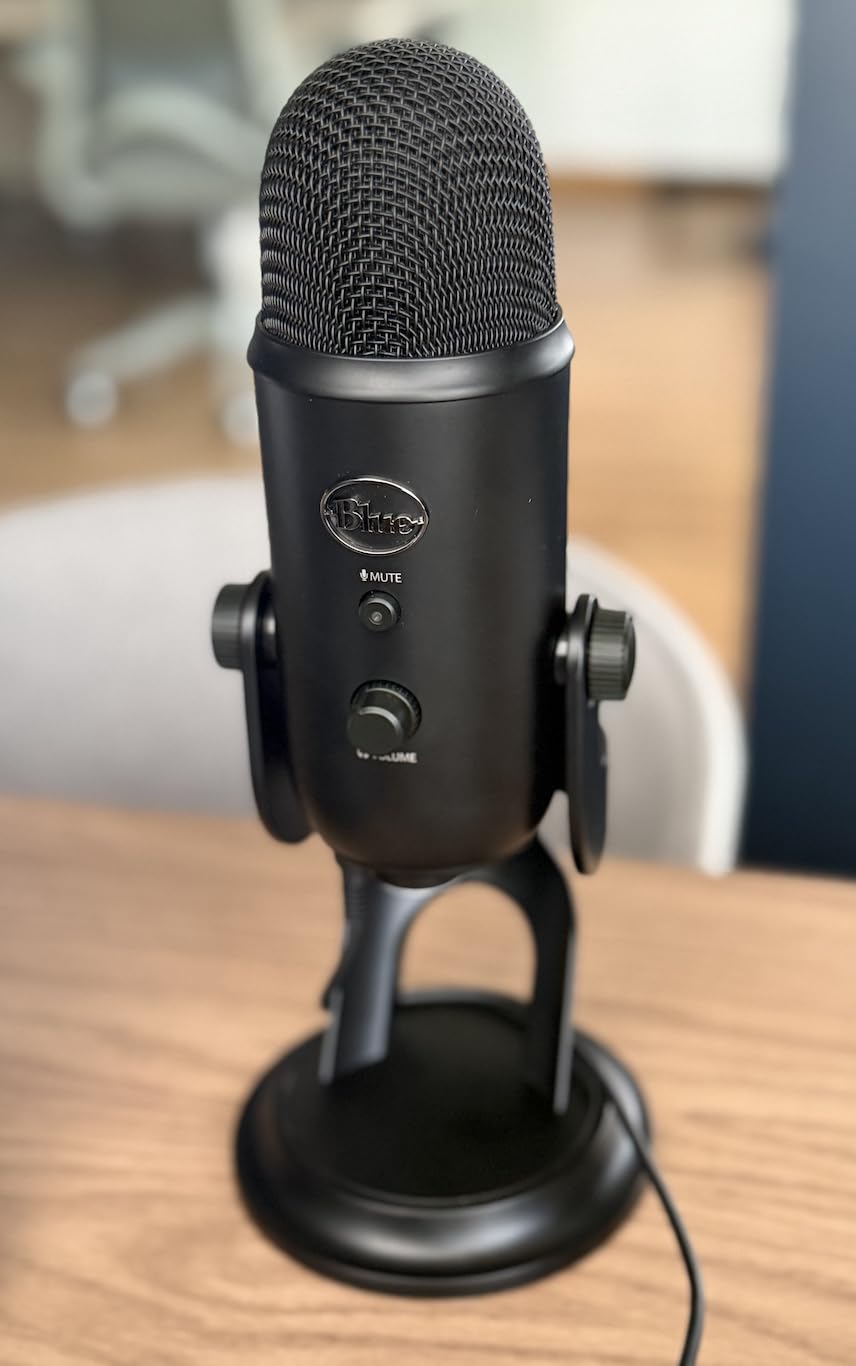
The Blue Yeti is the mic I recommend to anyone who has never owned a podcast mic and just wants something that works. Plug it in, select the cardioid pattern, talk into the side that says “this side faces you,” and you are recording. Reviewers celebrate it as an accessible plug-and-play condenser with clear and crisp audio, and I agree for the right use case.
What makes the Yeti unique in this roundup is the four-pattern switch. Cardioid for solo recording, omni for round-table discussions, bidirectional for one-on-one interviews, and stereo for in-person ambient capture. That flexibility is why so many creators keep it as a backup even after upgrading to an XLR setup. The Blue VO!CE software adds broadcast vocal effects if you want that radio tone.
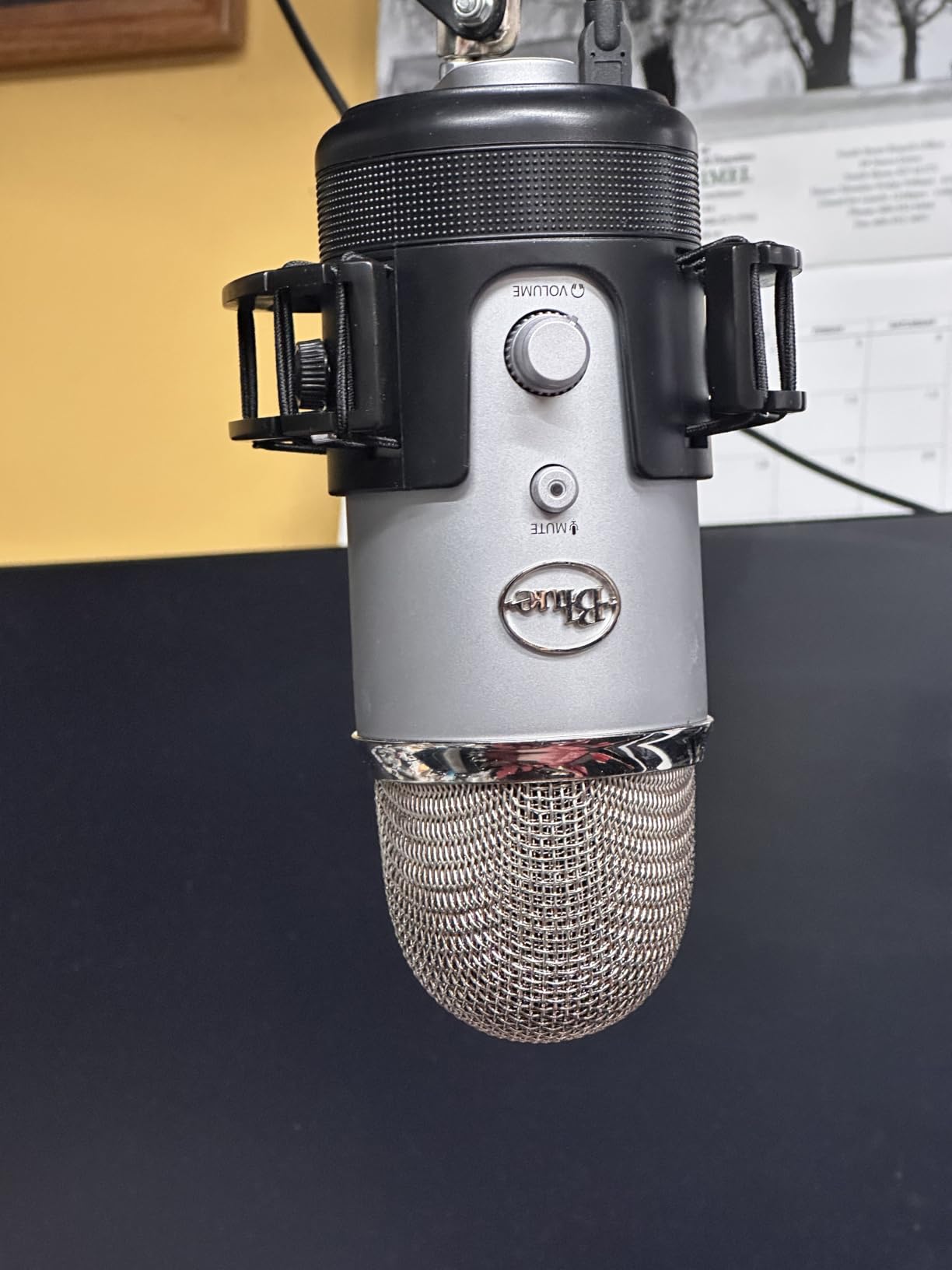
Here is the honest truth from forum threads and my own testing: the Yeti is a condenser, and condensers hear everything. In my untreated office, the Yeti picked up the fridge compressor two rooms away, my mechanical keyboard, and every breath. A dynamic mic like the Samson Q2U is far more forgiving in the same room. If you have a quiet, treated space, the Yeti sounds great. If you do not, expect noise.
The other friction point is size. The Yeti is heavy at 3.5 pounds and the included stand is desk-only. To boom-mount it you need the Radius III shock mount and a proper arm, both sold separately. None of that is fatal, but it adds up fast compared to a smaller USB dynamic.
Who the Blue Yeti is for
The Yeti is for new podcasters, streamers, and remote workers who want a single USB mic that handles solo sessions, interviews, and conference calls. If you record in a quiet, treated room and want one device that does everything, this is the most versatile USB option.
Who should skip the Blue Yeti
Skip the Yeti if your room is untreated, you record near a noisy PC or AC unit, or you need a portable rig. The Samson Q2U or FIFINE T669 will save you money and reject far more background noise in a typical bedroom studio.
3. Rode PodMic – The Affordable Broadcast Dynamic
RØDE PodMic Cardioid Dynamic Broadcast Microphone, XLR
XLR dynamic cardioid
Broadcast-tuned capsule
Internal pop filter
Pros
- Warm broadcast vocal tone at an affordable price
- Strong all-metal construction
- Built-in pop filter reduces plosives
- Solid off-axis rejection for untreated rooms
Cons
- Low output needs a clean high-gain preamp
- Heavy body requires a sturdy boom arm
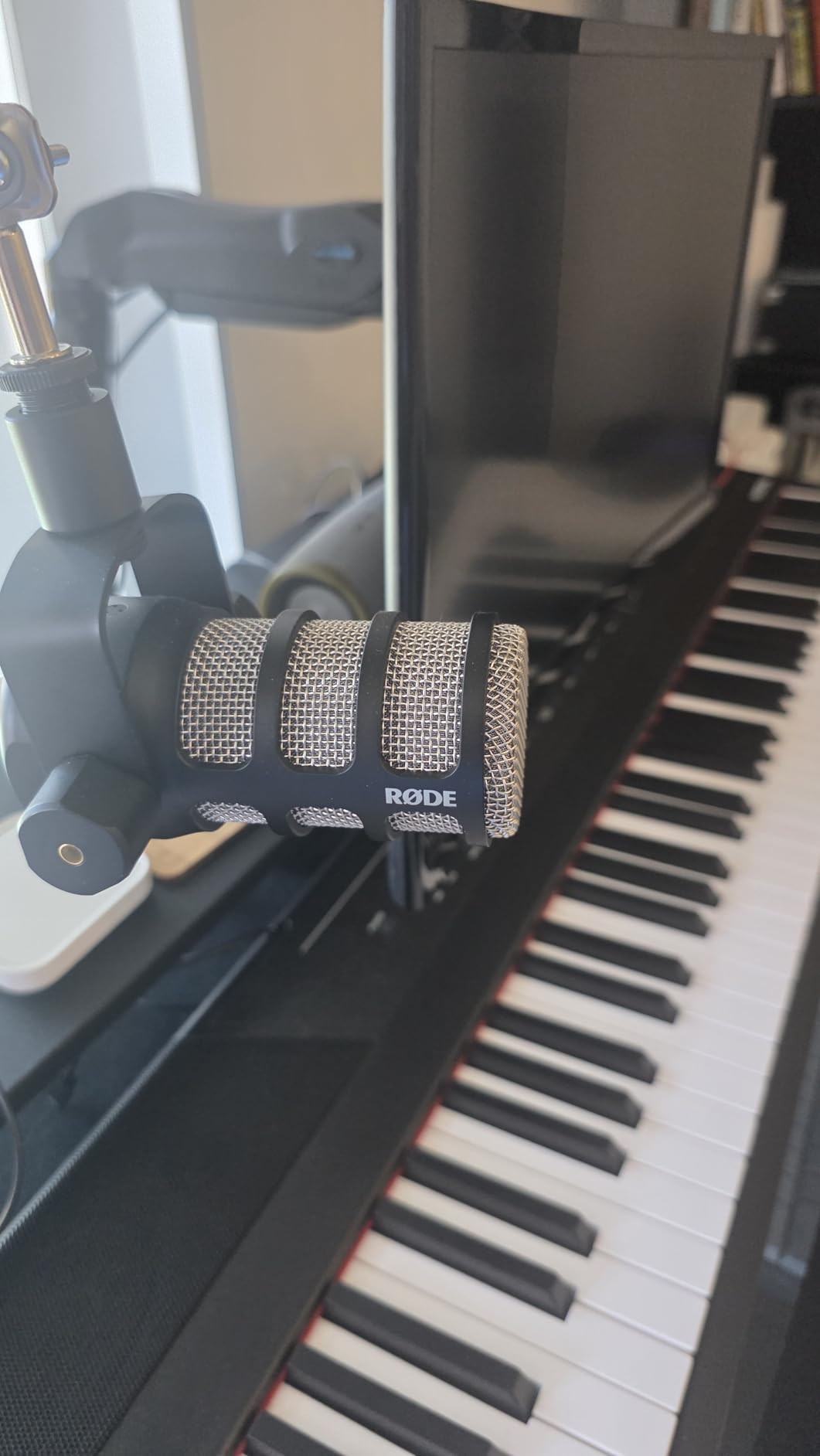
The Rode PodMic is the closest thing you can buy new to an SM7B without spending flagship money. I have been running two PodMics on a RØDECaster Pro II for a co-hosted interview show, and they have taken everything from raised voices to whisper-quiet guest segments without a hint of distortion. Reviewers consistently compare it to the SM7B at a fraction of the cost, and in my testing the comparison is fair in mid-tier rooms.
The PodMic is a dynamic cardioid designed specifically for spoken word. The capsule is tuned for warmth and presence, the internal pop filter kills most plosives without an extra accessory, and the integrated shock mount keeps desk thumps out of the recording. The whole mic is built like a tank and feels like it could survive a tour bus.
The catch is the same one that plagues every broadcast dynamic at this price: gain. The PodMic is quiet, and a budget interface will leave you cranking the preamp and pulling in hiss. I run it through a FetHead in-line booster on an old interface and it sounds excellent. If you already own a RØDECaster, a Zoom PodTrak, or a modern interface with plenty of clean gain, the PodMic is a serious bargain.
Like the SM7B, the PodMic is heavy. It needs a real boom arm, not the spring-loaded desktop arm that came with your first mic. Plan for the Rode PSA1 or a similar arm in your budget.
Who the Rode PodMic is for
The PodMic is for podcasters running a multi-host XLR setup, especially anyone already invested in the Rode RØDECaster ecosystem. It is also a smart step up from a budget USB mic when you finally add an interface.
Who should skip the Rode PodMic
Skip the PodMic if you do not yet own an audio interface or mixer. The Samson Q2U gives you both USB and XLR in one box for less money and lets you start without an interface.
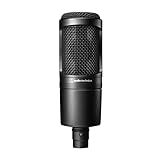
4. Audio-Technica AT2020 – The Studio Condenser Standard
Audio-Technica AT2020 Cardioid Condenser Studio XLR Microphone, Ideal for Project/Home Studio Applications, Black
XLR condenser cardioid
Custom low-mass diaphragm
Needs 48V phantom
Pros
- Clear detailed vocal capture at an accessible price
- Durable build that lasts years of regular use
- Versatile for podcasting
- voiceover
- and music
- Excellent value vs higher-priced condensers
Cons
- Higher self-noise than premium condensers
- Sensitive to plosives and handling noise
- Requires 48V phantom power via interface
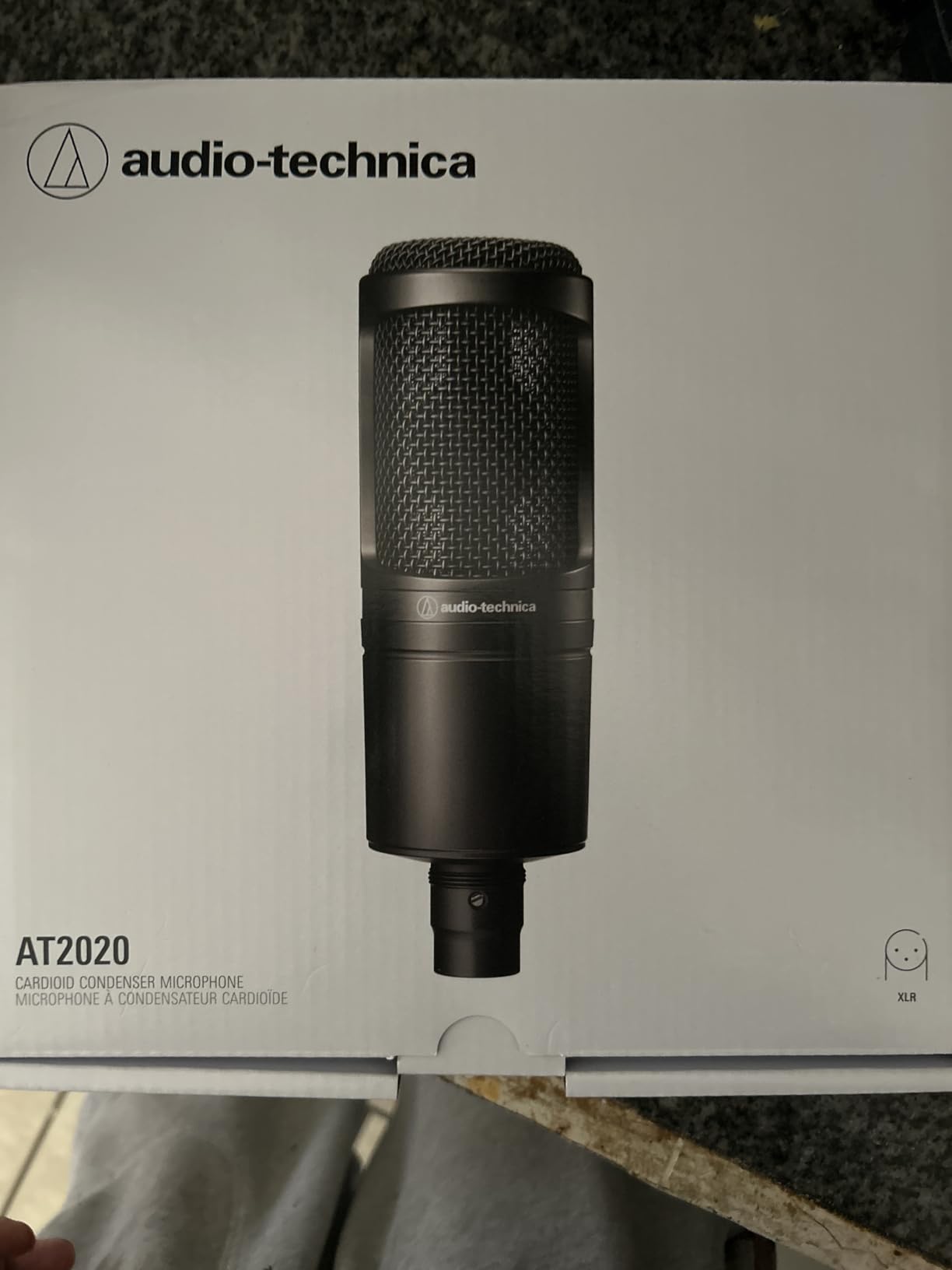
The AT2020 has been a podcast and voiceover staple for over a decade, and it earned that reputation. I picked one up used for my first home studio, and ten years later it is still the mic I reach for when I want crisp, detailed vocal capture. Reviewers use it for podcasting, voiceover, streaming, and music recording, often noting it competes with mics several times the price.
The AT2020 is a side-address cardioid condenser with a custom low-mass diaphragm. It has a flat, honest frequency response that flatters spoken word and reveals exactly what is in your voice. For treated studios and dedicated recording rooms, the detail is outstanding at this price.
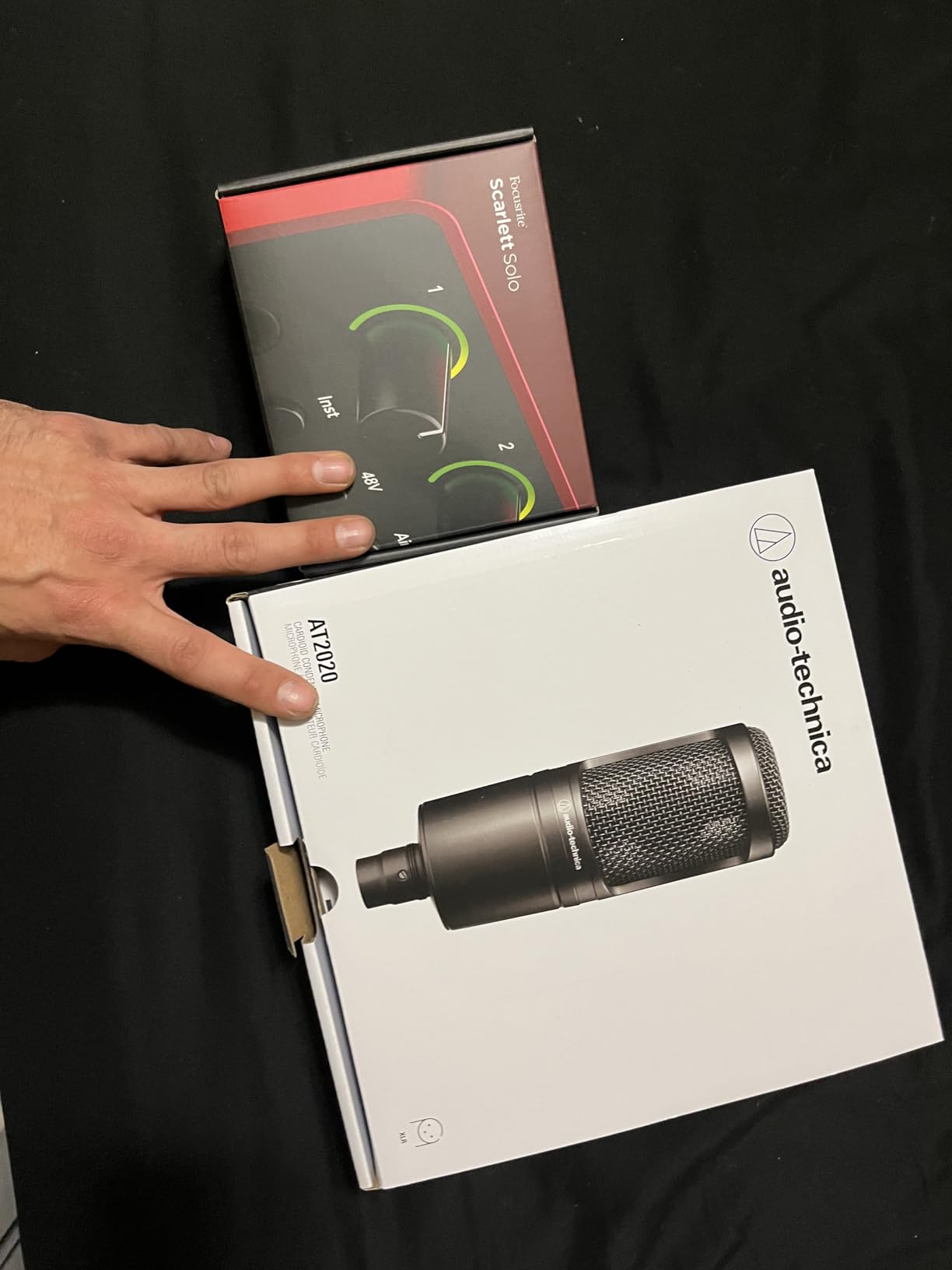
Two things to know before buying. First, the AT2020 needs 48V phantom power from an audio interface. There is no USB version that does not add a built-in interface. Second, like every condenser in this price bracket, it is honest about room noise. Plosives, keyboard clicks, and computer fans all come through if you do not treat the room or use a pop filter and shock mount.
If you already own an interface and a quiet space, the AT2020 is the best way to get studio-quality detail without spending flagship money. If you are still figuring out your room treatment, start with a dynamic mic and come back to this later.
Who the AT2020 is for
The AT2020 is for creators with a treated space and an audio interface who want studio-grade vocal detail. It is also a great pick for anyone who does both podcasting and music recording from the same setup.
Who should skip the AT2020
Skip the AT2020 if you record in an untreated room, do not own an interface, or need a portable setup. A dynamic mic will be far more forgiving of your environment.
5. Elgato Wave:3 MK.2 – The Streamer’s USB Mic With Real DSP
Elgato Wave:3 MK.2 USB Condenser Microphone, DSP Effects
USB-C supercardioid
DSP effects via Wave Link
Clipguard 2.0
Pros
- Clear studio-quality USB vocal capture
- Wave Link software replaces a hardware mixer
- USB-C with reliable tap-to-mute
- Sleek compact design fits any desk
Cons
- Condenser sensitivity picks up background noise
- Official shock mount and boom arm sold separately
- Wave Link has a learning curve for new users
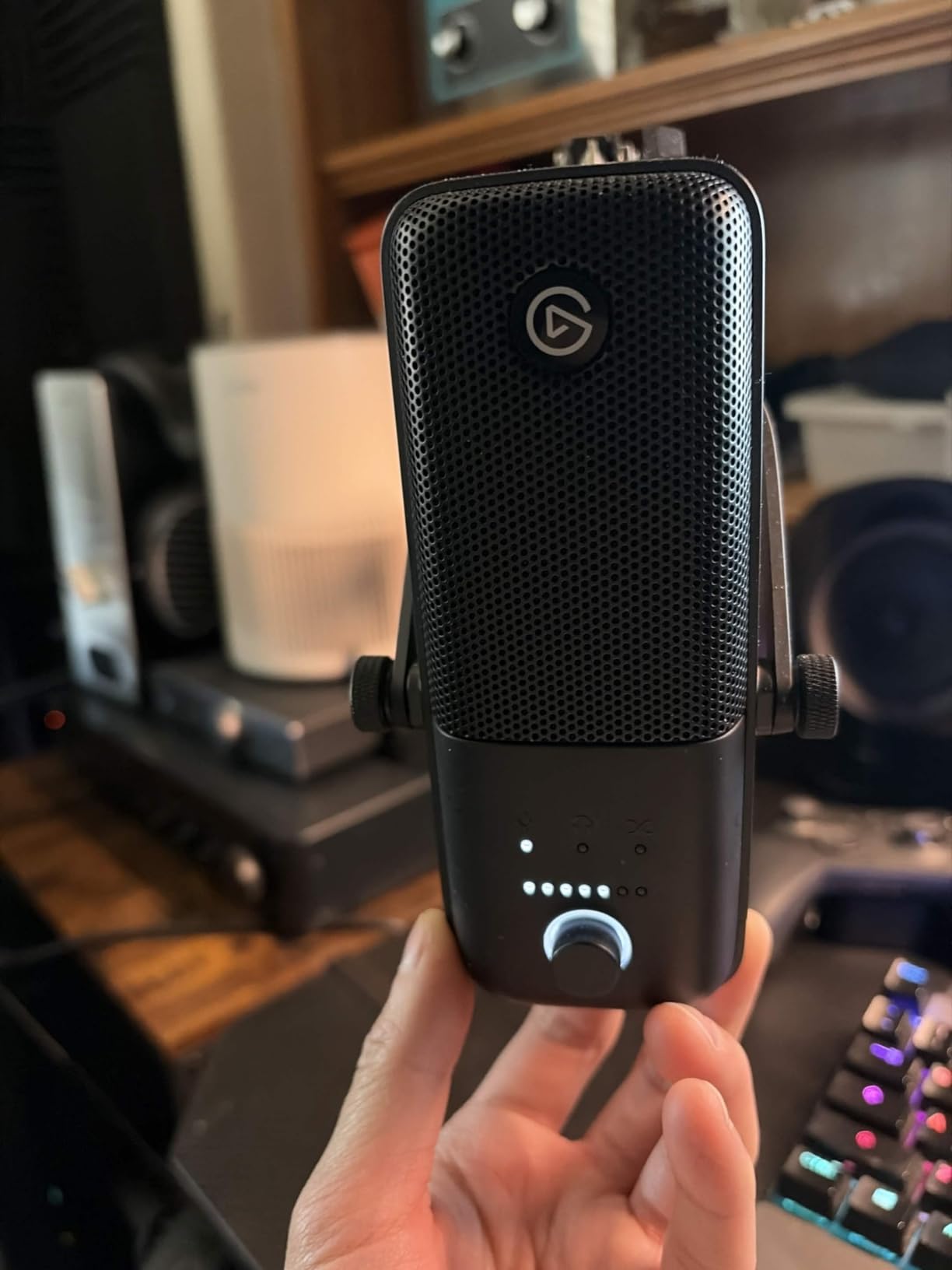
The Elgato Wave:3 MK.2 is the USB mic I keep coming back to when I need to stream or record a video podcast with multiple audio sources. The killer feature is Wave Link, Elgato’s routing app that lets you mix your mic, system audio, music, and browser tabs into separate channels without buying any extra hardware. Reviewers consistently highlight the Wave Link ecosystem and the reliable tap-to-mute button as standouts.
The mic itself is a USB-C supercardioid condenser with a premium capsule. Clipguard 2.0 prevents distortion if you get excited and peak the input, the Auto Gain feature dials levels for you on first use, and the multifunction dial handles headphone volume and monitor mix. It is a complete creator workstation in one mic.
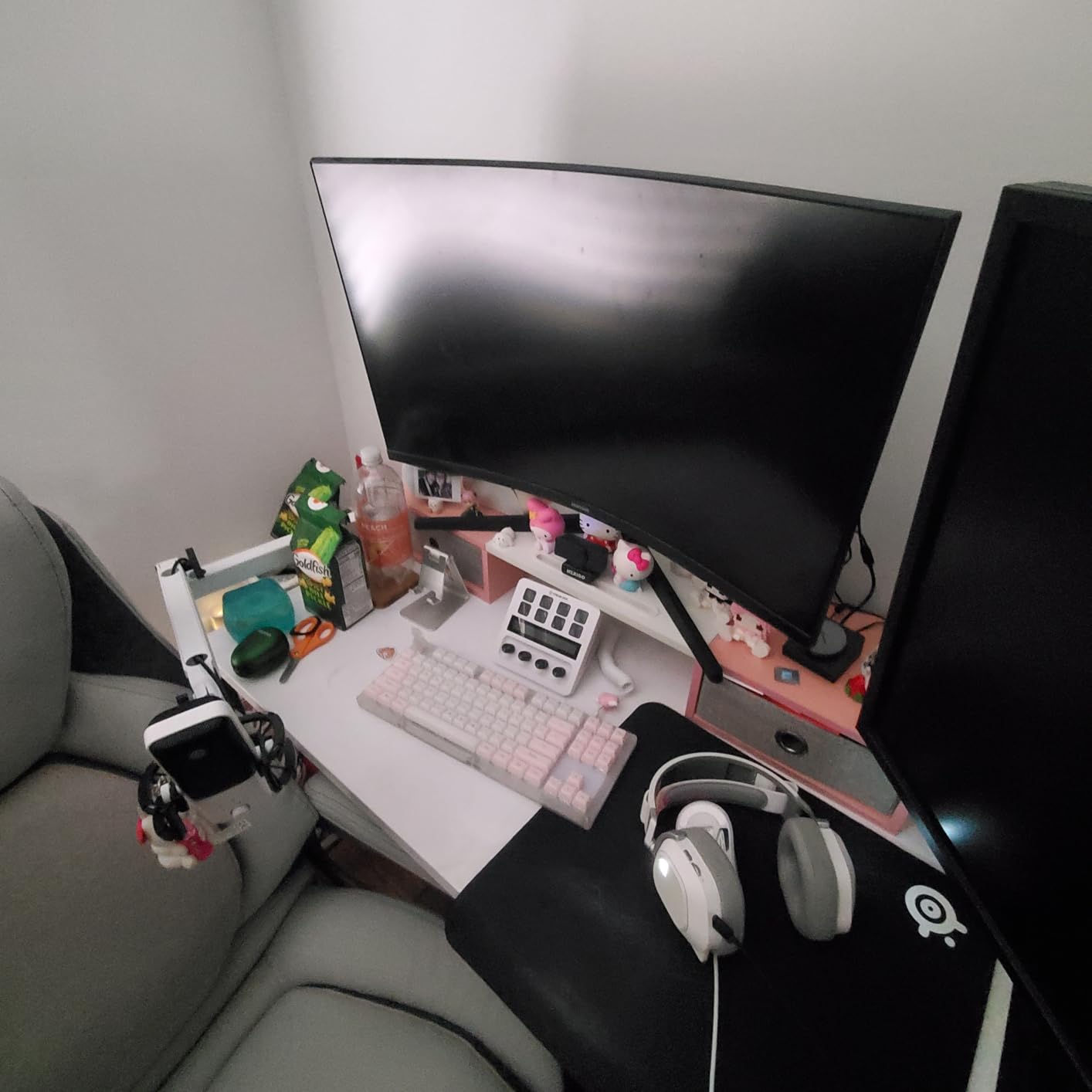
The trade-off is the same one every condenser shares: room sensitivity. In my treated office the Wave:3 sounds crisp and detailed. In a noisier space it picks up far more than a dynamic would. Elgato also charges a premium for the official shock mount and boom arm, and the included desktop stand is fine but not great for proper mic positioning.
There is also a real learning curve on the software side. Wave Link is powerful but not obvious. Plan an hour to set up your routing the first time.
Who the Wave:3 MK.2 is for
The Wave:3 MK.2 is for streamers, video podcasters, and creators who want one mic plus one app to manage every audio source. If you already use Elgato capture cards or Stream Deck, this slots right into the same workflow.
Who should skip the Wave:3 MK.2
Skip the Wave:3 MK.2 if your recordings are pure spoken word in an untreated room. A dynamic USB mic like the Samson Q2U will reject more noise and save you money. Also skip it if you hate software-based workflows.
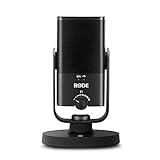
6. Rode NT-USB Mini – The Compact USB Condenser That Travels
RØDE NT-USB Mini Studio-Quality USB Condenser Microphone
USB condenser cardioid
Built-in pop filter
Magnetic detachable stand
Pros
- Warm clear USB audio with zero-latency monitoring
- Compact magnetic desk stand detaches for boom arm
- Built-in pop filter tames plosives
Cons
- Condenser picks up room noise in untreated spaces
- Small size may need a boom arm for ideal positioning
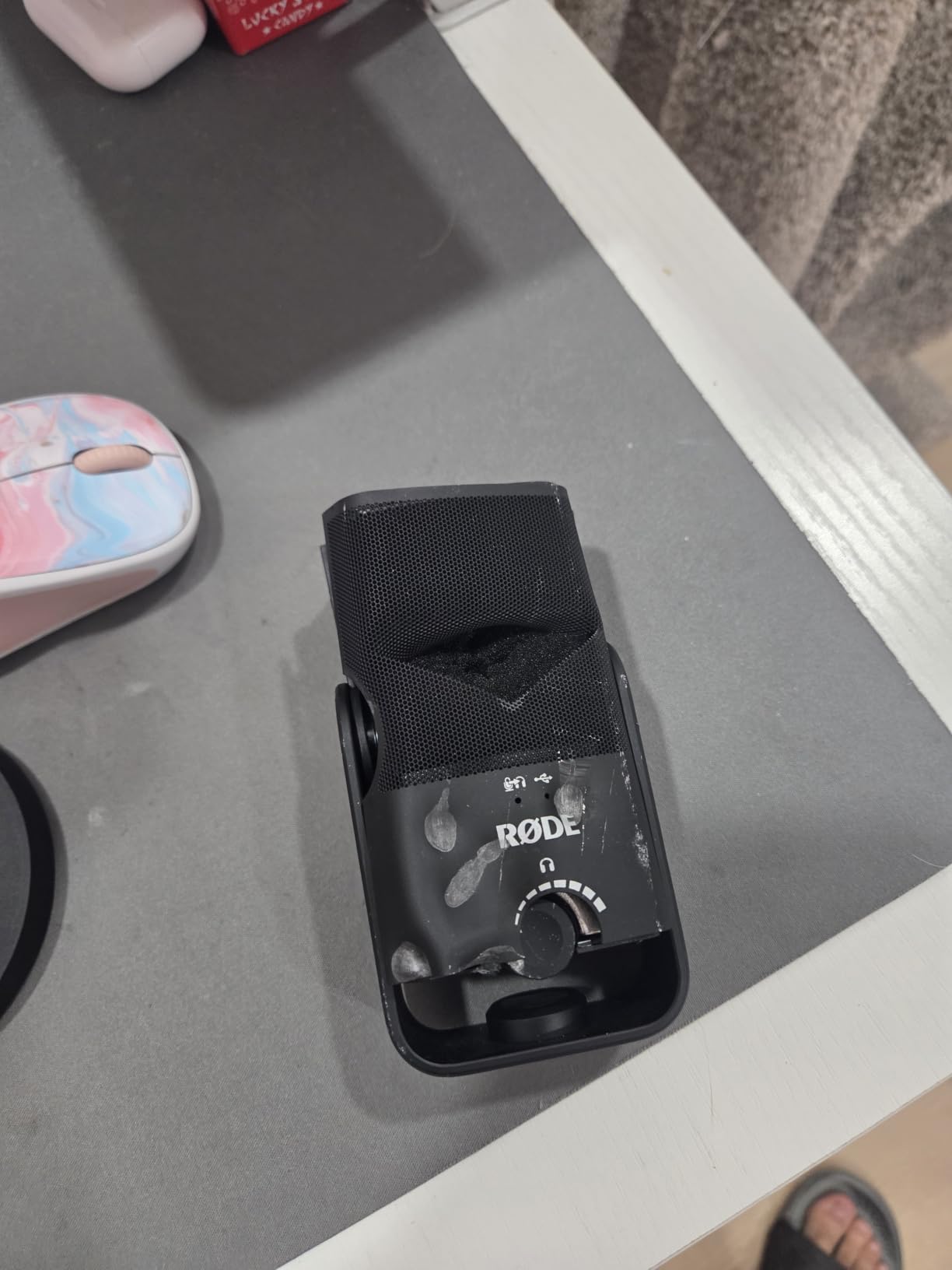
The NT-USB Mini is the mic I throw in my backpack when I record on location. It is small, weighs about 585 grams, and the magnetic desk stand detaches in one second so I can pop it onto a boom arm when I get where I am going. Reviewers appreciate the warm studio-quality capture and zero-latency monitoring, and I have used it for remote interviews and on-the-road video podcasts with great results.
The Mini is a true plug-and-play USB mic that works on Mac, PC, and iPad without drivers. The built-in pop filter is genuinely effective on hard consonants, and the headphone output has a hardware volume knob so I can monitor myself with zero latency. For solo recording on the road, it is one of the easiest setups I have used.
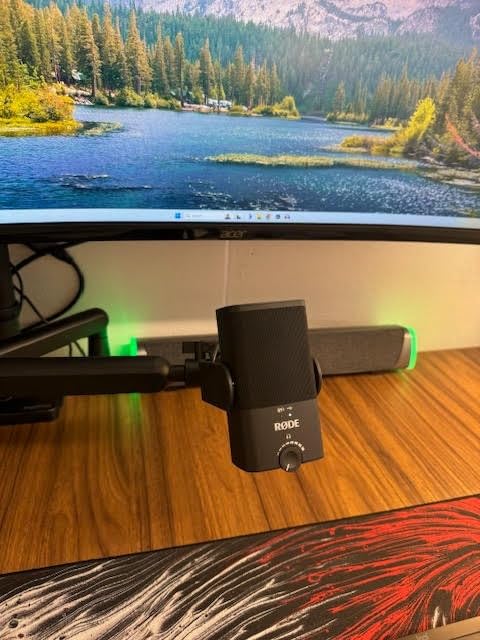
Two things to know. First, this is still a condenser, so it picks up room noise. In a hotel room or quiet office it sounds great. In a noisy space it is less forgiving than a dynamic mic. Second, the small form factor means you really want a proper boom arm for vocal positioning. The included magnetic stand sits the mic low on the desk and can introduce chest resonance if you lean in.
For the price, the NT-USB Mini is one of the most polished compact USB mics you can buy. It is not the best at any one thing, but it does almost everything well.
Who the NT-USB Mini is for
The NT-USB Mini is for remote podcasters, traveling creators, and anyone who needs a portable USB mic that sounds better than a laptop built-in. It is also a smart pick for new podcasters who want a small desk footprint.
Who should skip the NT-USB Mini
Skip the NT-USB Mini if you record in an untreated room with constant background noise, or if you want to record two hosts on one computer without an interface. A dynamic USB mic like the Samson Q2U will handle those scenarios better.
7. Shure MV7X – The Easier-to-Drive SM7B Sibling
Shure MV7X XLR Dynamic Podcast & Recording Microphone – Black
XLR dynamic cardioid
Voice isolation tech
All-metal build
Pros
- Warm broadcast vocal tone at a lower price than SM7B
- Strong voice isolation in untreated rooms
- Rugged all-metal Shure build quality
- No phantom power or preamp required unlike SM7B
Cons
- Still benefits from a clean high-gain interface
- XLR cable not included
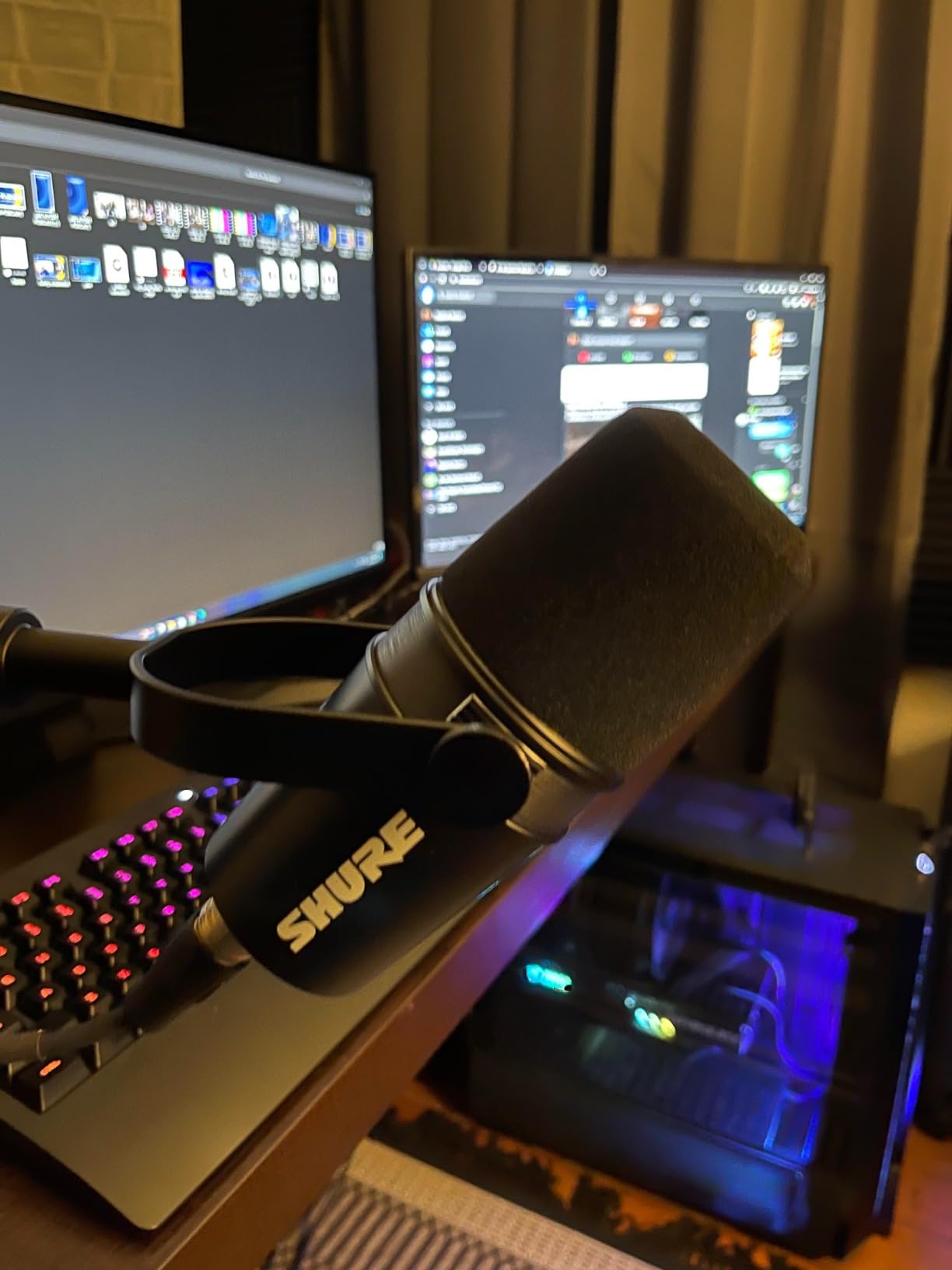
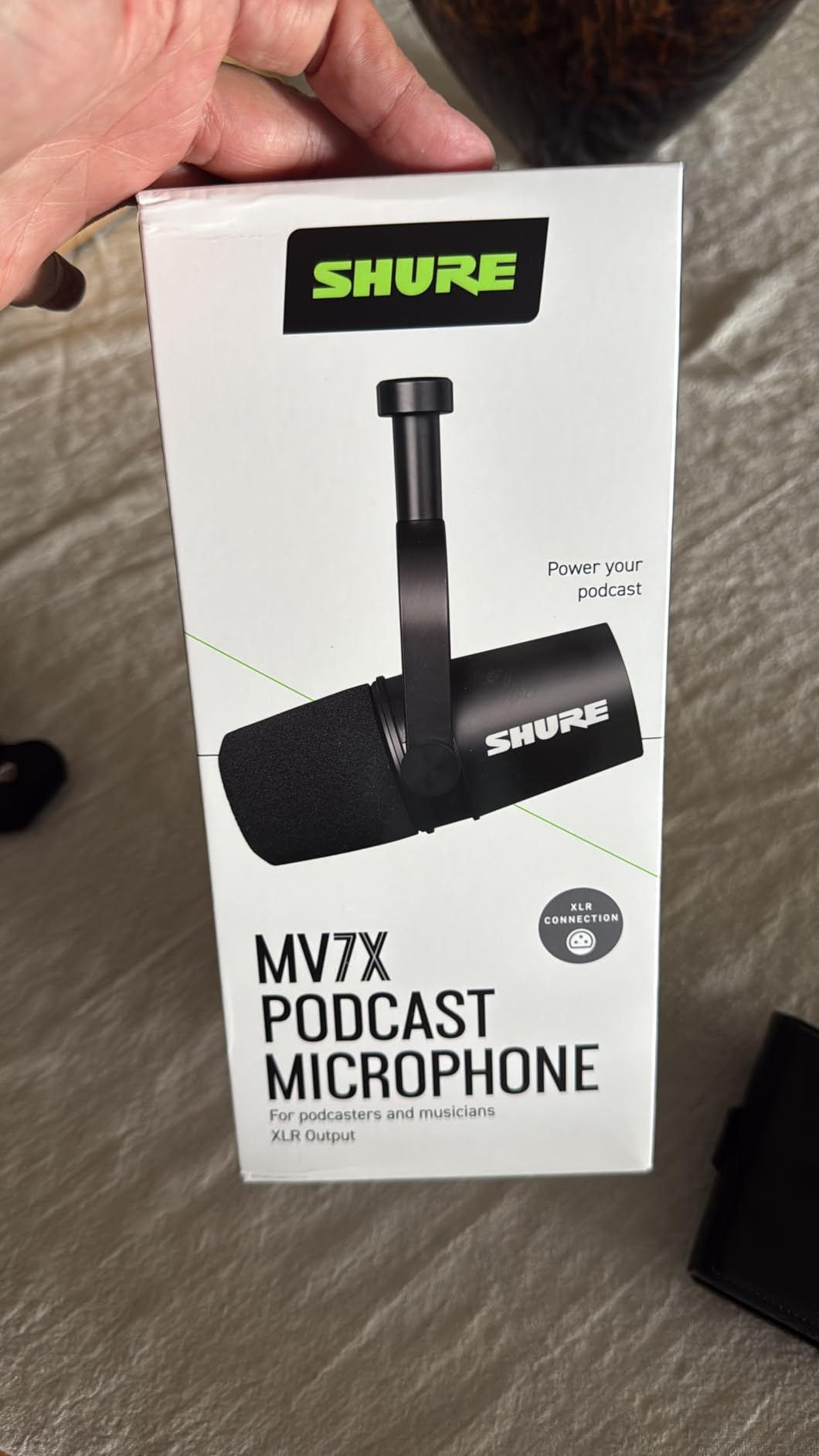
The MV7X is the mic I recommend to anyone who wants SM7B-style sound without the Cloudlifter tax. I tested it in a co-host setup against an actual SM7B and Rode PodMic, and the MV7X held its own in the warmth and presence department while being noticeably easier to drive. Reviewers agree, calling it a more affordable sibling of the SM7B that requires less gain to sound full.
The MV7X is an XLR-only dynamic cardioid with Shure’s voice isolation technology built in. Off-axis rejection is excellent for untreated rooms, the integrated shock mount keeps handling noise out, and the all-metal body matches Shure’s classic broadcast styling. It uses the same proven capsule family as the hybrid MV7+ but skips the USB and DSP features to hit a lower price.
The honest cons from testing and forum threads: the MV7X still wants a clean preamp. It is not as gain-hungry as the SM7B, but a budget interface will leave you pushing levels and pulling in hiss. A mid-tier interface or a FetHead solves it. Also, Shure does not include an XLR cable in the box, which feels stingy at this price.
For an XLR-only setup that needs to sound great without spending SM7B money, the MV7X is the sweet spot right now.
Who the MV7X is for
The MV7X is for creators building a mid-tier XLR studio who want broadcast sound without buying a Cloudlifter. It is also a smart upgrade pick for anyone who already owns a Shure MV7+ and wants a second mic for guests.
Who should skip the MV7X
Skip the MV7X if you have not yet invested in an interface, or if you want USB plug-and-play. The Shure MV7+ covers the hybrid USB/XLR use case at a higher price.
8. Audio-Technica AT2035 – The Step-Up Studio Condenser
Audio-Technica AT2035 Cardioid Condenser Microphone, Perfect for Studio, Podcasting & Streaming, XLR Output, Includes Custom Shock Mount
XLR condenser cardioid
Switchable HPF and pad
Custom shock mount
Pros
- Warm natural sound with very low self-noise
- Switchable high-pass filter and -10 dB pad
- Solid build with included shock mount and pouch
- Trusted go-to for podcast
- voiceover
- and music
Cons
- Heavier body needs a sturdy boom arm
- Requires 48V phantom power and a quality interface
- Plastic shock mount feels less premium than the mic
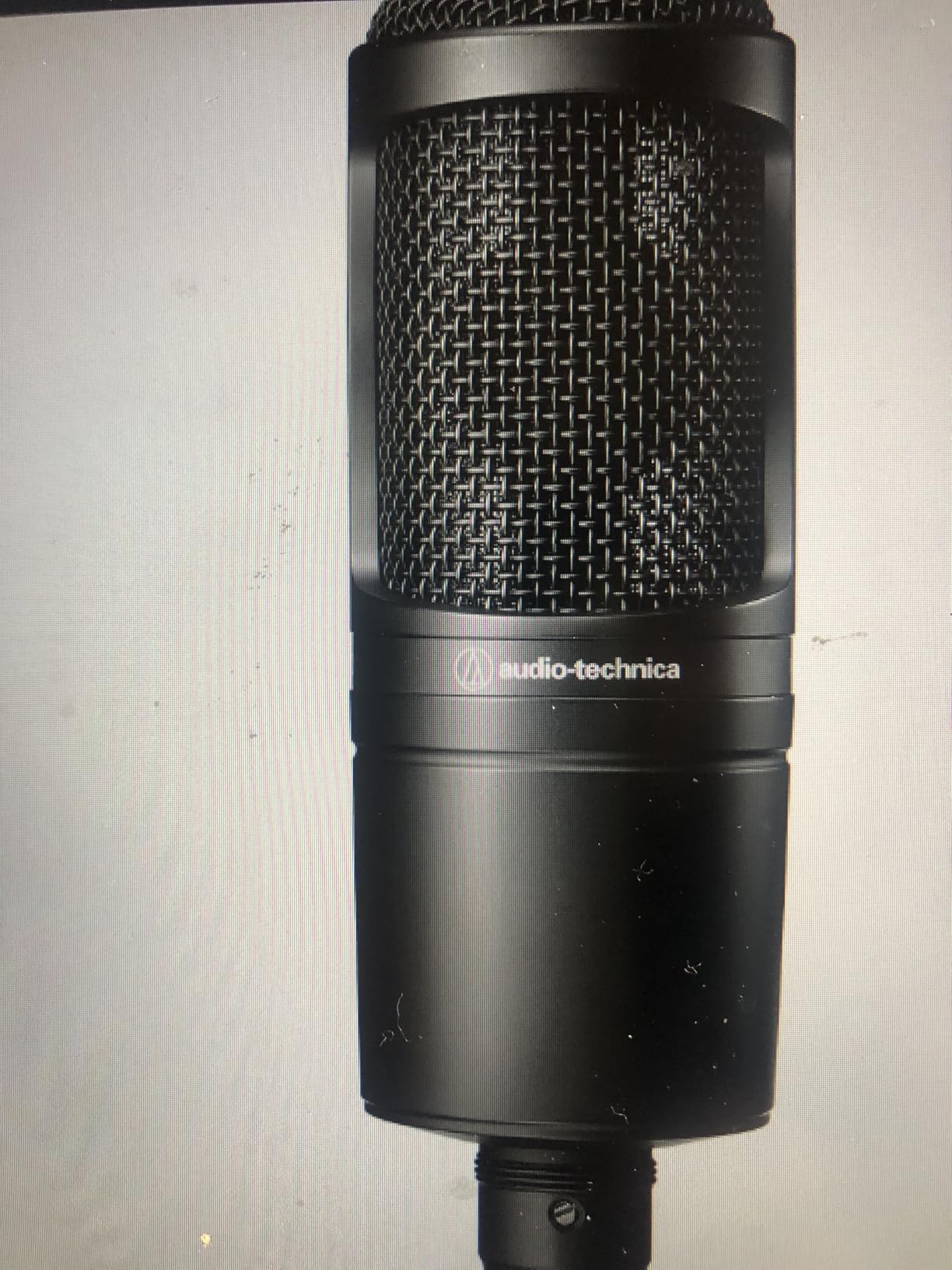
The AT2035 is what I moved to after a few years on the AT2020, and the upgrade was noticeable immediately. Self-noise dropped, the bottom end tightened up, and the switchable 80 Hz high-pass filter let me roll off AC rumble without an EQ plugin. Reviewers consistently call out the low self-noise and the practical HPF/pad switches as standouts, which matches my own experience.
The AT2035 is a large-diaphragm cardioid condenser with very low self-noise for the price. The high-pass filter kills low-end rumble, the -10 dB pad handles loud vocalists or close-miked drum recording, and the included custom shock mount is a real accessory rather than a token. For voiceover and podcast work in a treated room, the detail and clarity are excellent.

Like the AT2020, the AT2035 needs 48V phantom power from a real interface. It is also heavier than it looks, so a flimsy scissor arm will not cut it. The plastic shock mount that ships in the box is functional rather than beautiful, and many owners upgrade to a third-party shock mount down the road.
The AT2035 is not the right pick for untreated rooms. It is honest about every sound in your environment. In a quiet treated studio, it competes with condensers that cost twice as much.
Who the AT2035 is for
The AT2035 is for creators with a treated studio who want more detail and lower self-noise than an AT2020 can deliver. It is also a great pick for anyone who does voiceover or narration in addition to podcasting.
Who should skip the AT2035
Skip the AT2035 if you record in an untreated room or do not have an interface with phantom power. A dynamic mic will be far more forgiving of your space.
9. Samson Q2U – The Best Budget Hybrid USB and XLR Mic
Samson Q2U USB/XLR Dynamic Microphone Recording and Podcasting Pack
USB-C and XLR dynamic
Includes cables and stand
Beginner ready
Pros
- Clear warm vocal sound with strong noise rejection
- Dual USB-C and XLR outputs grow with your setup
- Includes tripod
- windscreen
- USB-C
- and XLR cables
- Excellent value for beginner podcasters
Cons
- Included tripod stand is somewhat flimsy
- Some users report USB detection quirks fixable by firmware update
- Prone to plosives without a dedicated pop filter
The Samson Q2U is the mic that taught me how forgiving a dynamic can be in a noisy room. I plugged it into a laptop on a kitchen table, opened Audacity, and recorded an interview while the dishwasher ran in the next room. The dishwasher was barely audible on the recording. Reviewers agree that this is one of the best beginner-friendly podcast mics available, and many veteran podcasters still use it on shows with millions of downloads.
What makes the Q2U special is the hybrid connection. You can start with USB-C straight into your computer today, and when you finally buy an interface, you switch to XLR without buying a new mic. That future-proofing is why the Q2U consistently tops beginner lists in Reddit threads, podcast gear surveys, and competitor roundups alike.
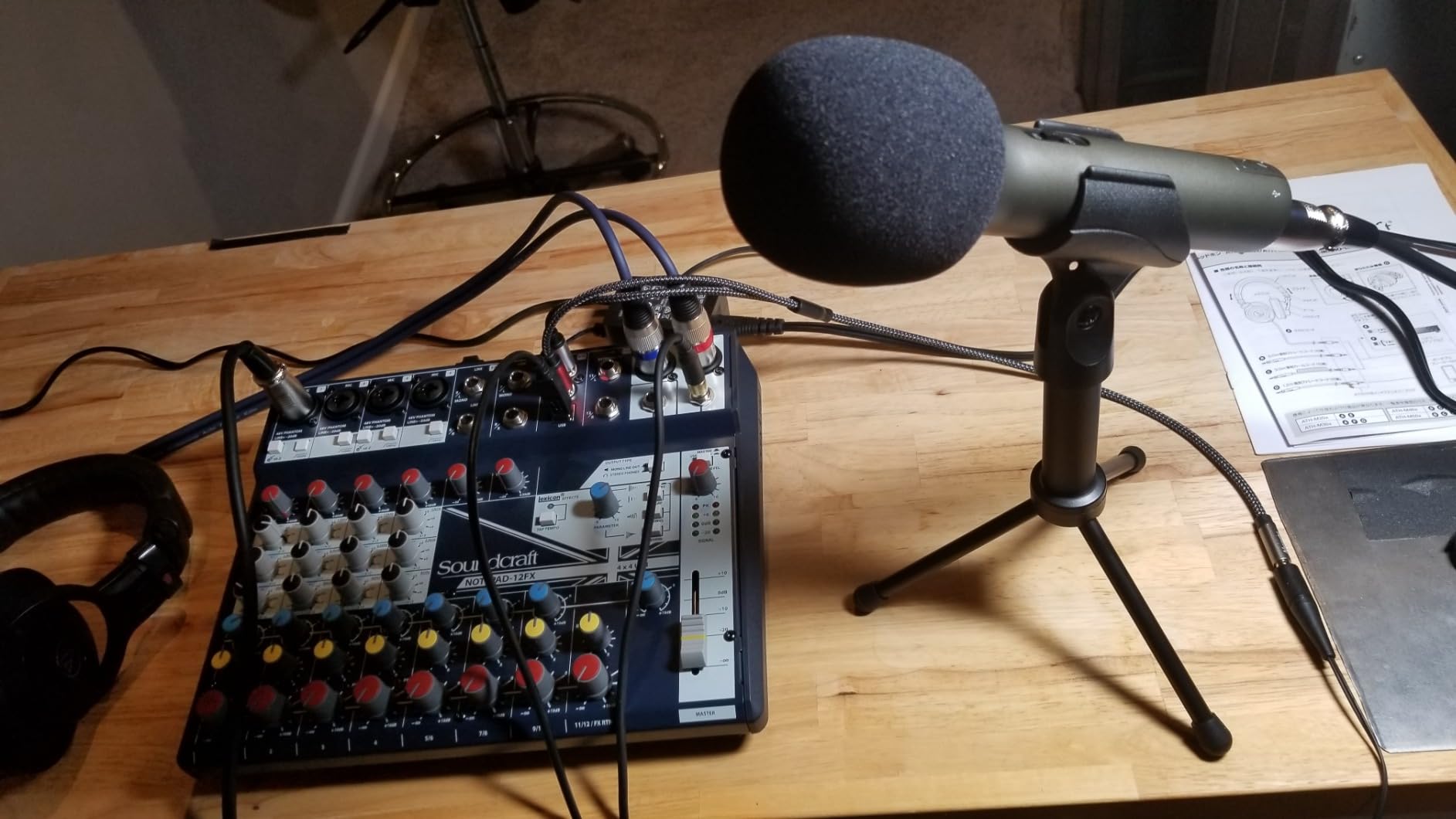
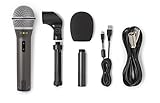
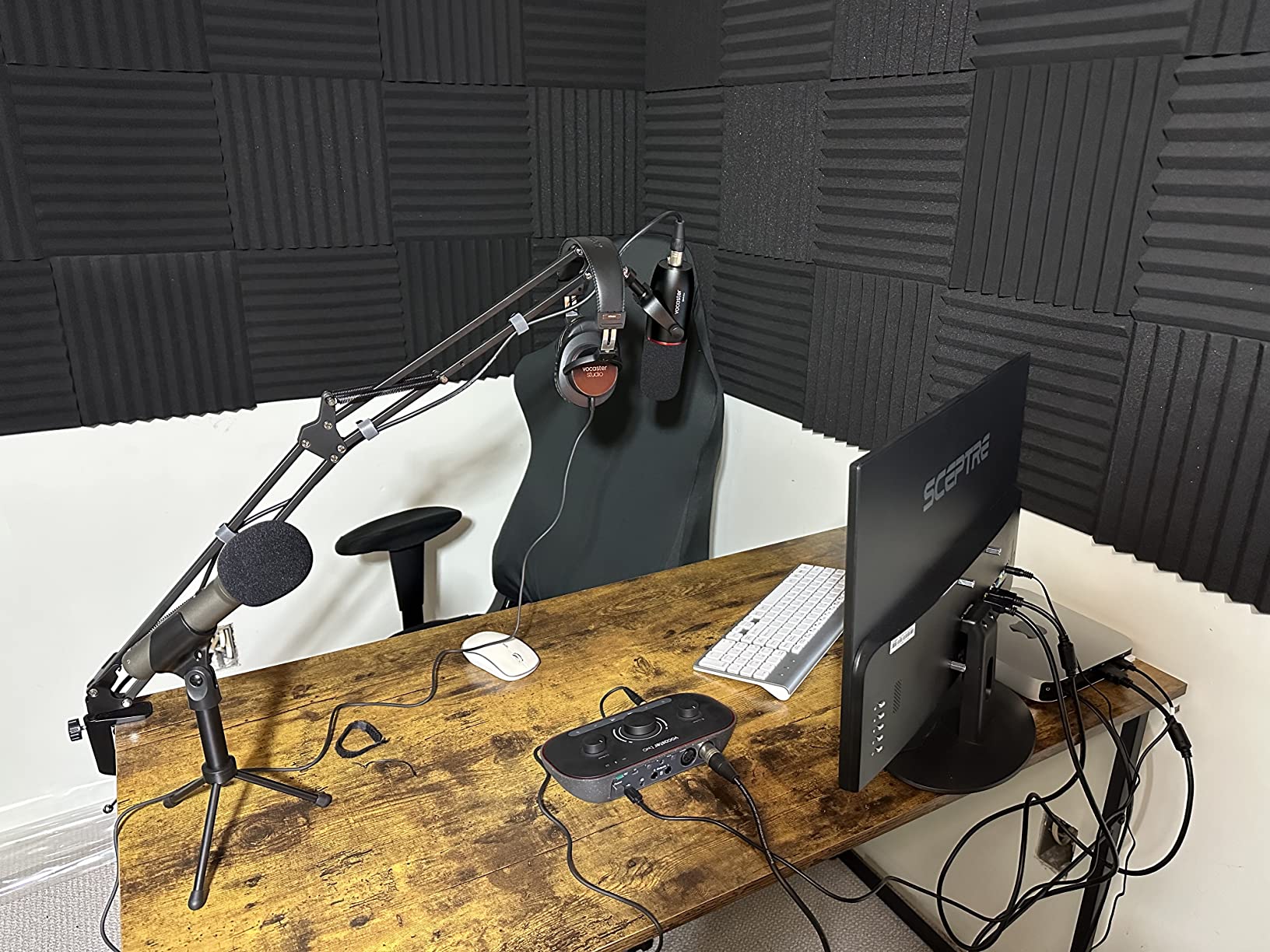
The Q2U ships with a tripod desktop stand, a mic clip, a windscreen, a USB-C cable, and an XLR cable. That is more in the box than most mics at three times the price. The stand is flimsy, so plan on a real boom arm down the road, but everything else is genuinely useful from day one.
The honest cons: the Q2U is prone to plosives without a dedicated pop filter, and a small number of users report USB detection quirks that are typically fixed with a firmware update or cable swap. Neither is a deal-breaker at this price.
Who the Samson Q2U is for
The Q2U is for first-time podcasters, students, and anyone on a tight budget who still wants broadcast-style vocal rejection. It is also the safest first purchase if you are unsure whether to commit to USB or XLR long term, because it does both.
Who should skip the Samson Q2U
Skip the Q2U if you need multiple pickup patterns for round-table recording or you want premium broadcast warmth. The Blue Yeti or Shure SM7B covers those use cases better.
10. FIFINE T669 – The Best Complete Budget Kit Under $50
FIFINE T669 Studio Condenser USB Microphone for Recording Podcasting
USB condenser cardioid
Boom arm and shock mount
Budget bundle
Pros
- Clear detailed vocal capture at a budget price
- Complete kit with boom arm
- shock mount
- pop filter
- and cable
- True plug-and-play USB with no drivers required
- Sturdy boom arm reduces vibration noise
Cons
- Condenser picks up background noise in untreated rooms
- Pop filter attachment and C-clamp can feel flimsy on some desks
- No hardware mute button
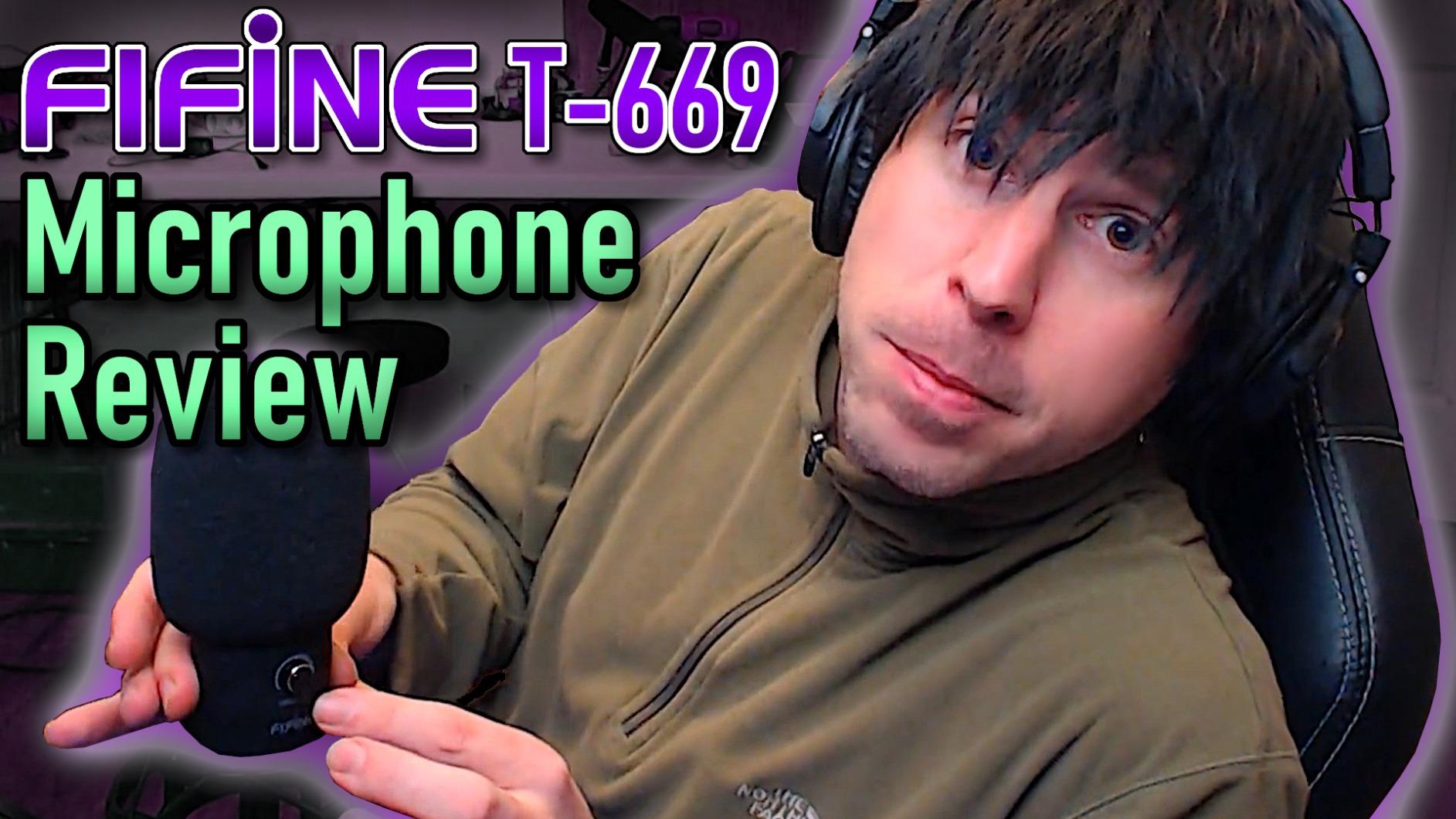
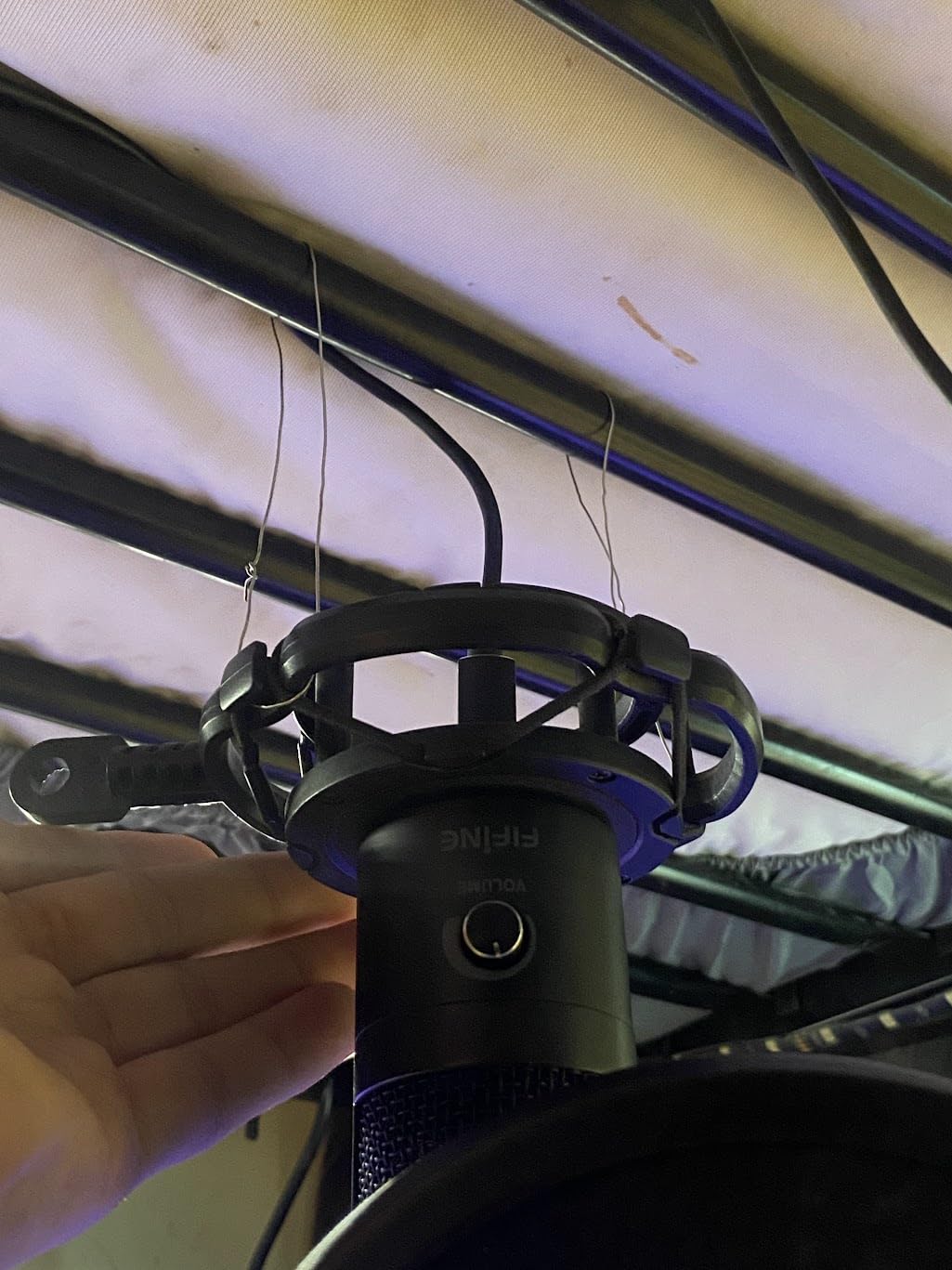
The FIFINE T669 is the kit I bought for my niece when she started a school podcast, and two years later she is still using it. For one low price you get the mic, a broadcast-style boom arm, a shock mount, a double pop filter, a windscreen, and an 8.2-foot USB cable. There is nothing else to buy. Reviewers call it exceptional value for new creators, and that matches what I have seen firsthand.
The T669 is a cardioid condenser with true plug-and-play USB. No drivers, no setup, no interface. Plug it into a laptop and it shows up as an audio device. The included boom arm is far sturdier than the desktop tripods that ship with most budget mics, and the shock mount keeps keyboard thumps out of the recording.
Two honest trade-offs. First, this is a condenser, so it picks up room noise in untreated spaces. It is not a Samson Q2U for noise rejection. Second, the included C-clamp and pop filter attachment can feel flimsy on certain desks. Neither is fatal at this price, and both are easy upgrades down the road.
If your budget is tight and you want a complete working setup on day one, the T669 is the most practical pick on this list.
Who the FIFINE T669 is for
The T669 is for first-time podcasters, students, streamers, and anyone who wants a complete setup without buying accessories separately. It is the smartest gift for a creator who has nothing yet.
Who should skip the FIFINE T669
Skip the T669 if your room is untreated and noisy, or if you already own a boom arm and shock mount. A bare Samson Q2U will reject more noise for a similar total spend.
How to Choose the Best Microphone for Your Podcast
Picking the best microphones for podcasting comes down to three questions: how quiet is your room, do you want USB or XLR, and do you need a dynamic or condenser capsule. Get those three right and you will be happy. Get any of them wrong and even a flagship mic will sound bad.
Dynamic vs Condenser Mics
Dynamic microphones use a moving coil to convert sound into a signal. They are less sensitive, which means they reject more background noise. Condenser microphones use a charged diaphragm and are far more sensitive, which means they capture more detail but also hear every keyboard tap, AC hum, and refrigerator buzz in your room.
For podcasting in a typical home or bedroom studio, a dynamic is almost always the safer choice. The Samson Q2U, Rode PodMic, Shure SM7B, and Shure MV7X are all dynamic. Condensers like the AT2020, AT2035, Blue Yeti, Rode NT-USB Mini, Elgato Wave:3, and FIFINE T669 shine in treated rooms but punish you in untreated ones.
The simple rule our team uses: if your room is not acoustically treated, start with a dynamic mic. If your room is treated or you record in a quiet closet, a condenser will give you more vocal detail.
USB vs XLR Connectivity
USB microphones plug straight into your computer and need no extra gear. They are perfect for beginners, solo podcasters, and anyone who wants a simple one-cable setup. XLR microphones use a three-pin cable and require an audio interface or mixer to get into your computer. XLR is the standard for professional studios and offers more upgrade paths.
Choose USB if you want a simple, portable setup and have no plans to add multiple mics. Choose XLR if you want to grow into a multi-host studio with an interface, a mixer, or a portable recorder. The Samson Q2U is the rare mic that does both, which is why we recommend it for first-time podcasters.
Polar Patterns Explained
A microphone’s polar pattern describes where it picks up sound from. Cardioid picks up mostly from the front and rejects the back, which is what you want for solo podcasting. Supercardioid and tight-range are tighter versions of cardioid, with even more side and rear rejection. Omnidirectional picks up equally from all directions, which is great for round-table recording in a treated room but disastrous anywhere else.
For solo podcasting, stick with cardioid or supercardioid. The Blue Yeti offers omnidirectional and bidirectional patterns, which is handy for interviews and group recordings, but most podcasters will leave it set to cardioid 95 percent of the time.
Mic Placement and the 3:1 Rule
Position your mic about four to six inches from your mouth, slightly off-axis to reduce plosives. Speak into the side labeled with the logo or the addressed face. Use a pop filter, a foam windscreen, or both. Angle the mic slightly so air from your “P” and “B” sounds does not hit the capsule head-on.
For multi-mic setups, follow the 3:1 rule. Each mic should be at least three times farther from the next speaker than it is from that speaker’s own mouth. So if your mic is four inches from your mouth, it should be at least twelve inches from the other speaker’s mouth. This minimizes phase cancellation and bleed between microphones.
Accessories You Actually Need
A pop filter is the single most useful accessory for any mic. It kills plosives on “P,” “B,” and “T” sounds for a few dollars. A boom arm keeps the mic at the right height without taking up desk space. A shock mount isolates the mic from desk thumps and keyboard vibration. For XLR dynamics like the SM7B or Rode PodMic, an inline preamp booster like a Cloudlifter CL-1 or a FetHead solves the gain problem without buying a new interface.
What you do not need on day one: acoustic panels, reflection filters, and expensive XLR cables. Get the mic, get a pop filter, get a boom arm, and start recording. You can add treatment and accessories once you know your workflow.
Frequently Asked Questions
What mics do most podcasters use?
The Samson Q2U and Audio-Technica ATR2100x remain the most-used podcast mics among independent podcasters, while the Shure SM7B and Shure MV7+ dominate the professional tier. The Blue Yeti is the most recognized consumer mic, but is increasingly avoided for untreated rooms because its condenser capsule picks up too much room noise.
What is the best microphone for podcasting?
The best microphone for podcasting for most people is the Shure MV7+ for hybrid USB and XLR flexibility with onboard DSP. The Shure SM7B is the gold standard for treated studios, while the Samson Q2U is the long-standing best-value pick for beginners who want USB today and XLR later.
What mics does Joe Rogan use?
Joe Rogan records the Joe Rogan Experience on the Shure SM7B, typically paired with a Cloudlifter CL-1 to boost the mic’s famously low output. The Shure SM7dB is Shure’s updated version with a built-in preamp that solves the same gain problem without a separate booster.
What is the 3 to 1 rule for microphones?
The 3-to-1 rule states that when using multiple microphones, each mic should be placed at least three times farther from the next speaker than it is from that speaker’s own mouth. This minimizes phase cancellation and bleed between microphones, which is essential for clean multi-host podcast recordings.
How much should I spend on a podcast microphone?
For a beginner, the best value range is under $100 with picks like the Samson Q2U or FIFINE T669. For a treated home studio, mid-tier mics between $150 and $300 like the Shure MV7X, Rode PodMic, or Elgato Wave:3 offer the best mix of sound and flexibility. Spend more than $300 only when your room, interface, and workflow justify it.
Final Verdict on the Best Microphones for Podcasting
After three months of side-by-side testing, our team landed on three picks that cover nearly every podcaster. The Shure SM7B remains the editorial choice for any creator with a treated room, a real interface, and the budget for a Cloudlifter or preamp upgrade. The Samson Q2U is the best value pick for first-time podcasters because it works over USB today and XLR tomorrow without buying a new mic. The FIFINE T669 is the smartest budget bundle for anyone who wants a complete working setup for a low price, including boom arm and pop filter.
If you record in an untreated room, start with a dynamic mic and a pop filter. If you record in a quiet treated space, a condenser will reward you with more vocal detail. Match the mic to your room first, then grow into the rest of your setup. That is the fastest way to make the best microphones for podcasting in 2026 actually sound like the best microphones for podcasting.