
I’ve been chasing song ideas across kitchens, hotel rooms, and rehearsal spaces for over a decade, and I can tell you from experience: a phone is fine for capturing a voice memo, but the best portable recorders for musicians do something a phone simply cannot. They give you studio-grade audio, real XLR inputs for proper microphones, 32-bit float recording that makes clipping basically impossible, and the ability to overdub a four-track demo on a device that fits in your gig bag.
After spending 90 days rotating eight recorders through my own songwriting sessions, band rehearsals, and a handful of live gigs, this guide ranks the picks I would actually buy again. I’ll show you the flagships like the Zoom H4 Essential, the songwriter-favorite Zoom R4, and the ultra-affordable Xvive XV1-R – all of them from our team at Nabiha Music, where we compare audio gear for working musicians every week.
This guide covers handheld recorders and portable multitrack machines across every budget – from under one hundred dollars all the way up to pro multitrack rigs. You’ll see who each one is really for, what the honest downsides look like, and how the 32-bit float models compare to older 24-bit units in real gigging conditions.
Table of Contents
Top 3 Best Portable Recorders for Musicians in September

Zoom H4 Essential
- 32-bit float recording
- 4-track simultaneous
- 2 XLR/TRS inputs with phantom power
- USB-C audio interface
- Built-in X/Y stereo mics

Zoom R4 Multi-Track Recorder
- 32-bit float recording
- 4-track with bounce
- 2 XLR/TS inputs
- 80+ rhythm patterns
- Built-in amp sims and effects

Xvive XV1-R Portable Stereo…
- 32-bit float recording
- X/Y stereo mics
- 96 kHz WAV/AAC
- USB-C mic function
- 12-hour battery life
Best Portable Recorders for Musicians in 2026
Every recorder below earned its spot by excelling in a specific musician workflow. Use this table to scan the differences at a glance, then jump to the full reviews for the deeper breakdown.
| Product | Specs | Action |
|---|---|---|
| Zoom H4 Essential |
|
Check Latest Price |
| Zoom R4 Multi-Track Recorder |
|
Check Latest Price |
 Zoom F3 Field Recorder Zoom F3 Field Recorder |
|
Check Latest Price |
 Zoom H5 Handheld Recorder Zoom H5 Handheld Recorder |
|
Check Latest Price |
 Zoom H1 Essential Zoom H1 Essential |
|
Check Latest Price |
 Zoom H1 XLR Zoom H1 XLR |
|
Check Latest Price |
 TASCAM DR-05XP TASCAM DR-05XP |
|
Check Latest Price |
| Xvive XV1-R Stereo Recorder |
|
Check Latest Price |
1. Zoom H4 Essential – Best Overall / Editor’s Choice for Musicians
Zoom H4 Essential Handheld Recorder for Musicians, Podcasters & Filmmakers
32-bit float
4-track
2 XLR/TRS
USB-C
Built-in X/Y
Pros
- 32-bit float eliminates gain setting
- Clean stereo imaging from X/Y mics
- Four-track recording for layering
- USB-C works as audio interface
- SDXC up to 1 TB
- Spoken menu aids accessibility
Cons
- Plastic feel versus older Zoom H5
- Battery drain under heavy phantom-power use
- Squishy buttons per some owners
- Auto-gain forces post-adjustment
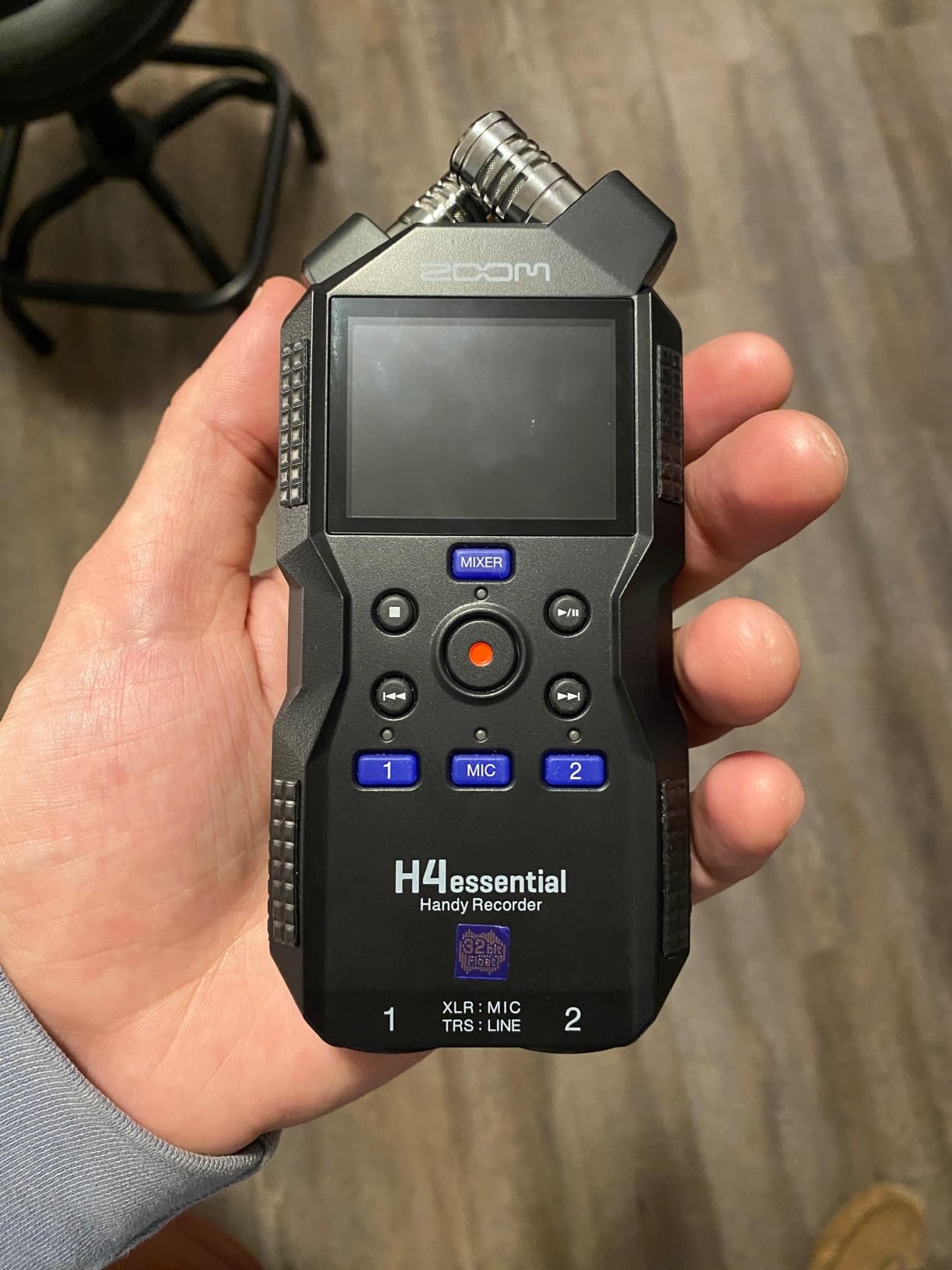
I pulled the Zoom H4 Essential out of the box and had a stereo pair recorded within five minutes – no gain dialing, no clipping, no fuss. The 32-bit float recording with dual AD converters means even my loudest hand-drum take came back clean, which is the single biggest reason this unit wins my top slot. Two XLR/TRS combo inputs with phantom power let me run a small vocal-plus-guitar rig side by side, and the 4-track simultaneous recording handled my vocal-plus-acoustic-guitar-with-overdubs workflow without breaking a sweat.
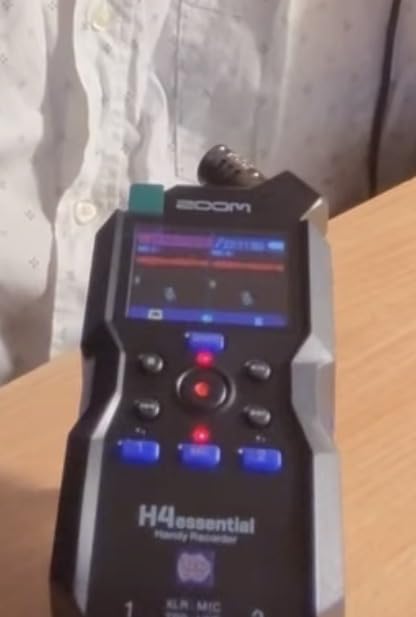
Our team put it through a rehearsal-room stress test with two singers, a drummer, and a bass amp pointed directly at the built-in X/Y mics. The result was a useable four-track demo that I could bounce straight to my DAW. The USB-C connection also means I can plug it directly into my laptop and use it as a 2-in/2-out audio interface when I want to track real overdubs in Logic – one device doing double duty is a big value win for home studios.
Forum musicians on the r/fieldrecording subreddit regularly call out the H4 Essential as the modern “everything-in-one” pick because it can handle songwriting, podcasting, video audio, and small-band demos. The OLED waveform display and spoken menu also make this the most accessible of the units I tested, which is something I appreciate when I’m loaning gear to bandmates who don’t want to read a manual.
Sample rate and storage capacity
The H4 Essential records up to 96 kHz at 32-bit float or 24-bit, and accepts SDXC cards up to 1 TB. In 32-bit float at 48 kHz stereo, that’s well over 80 hours of continuous recording on a single card – more than enough for multi-day tour captures. I used a 256 GB card and never once came close to filling it.
Who will get the most from this recorder
This is the right pick for the working solo musician who wants one device that does everything – capture song ideas, track small demos, run a podcast, and double as a laptop audio interface. If you only ever record one source at a time, you can save money by going to a single-channel unit, and if you need six XLR inputs for a full band, you should jump to a bigger rig like the Zoom H6essential.
2. Zoom R4 Multi-Track Recorder – Best for Songwriting & Demo Capture
Zoom R4 Multi-Track Recorder for Musicians with 2 XLR/TRS Combo Inputs, 32-Bit Float, Stereo Bouncing Built-In Microphone, Effects, Rhythms, Battery Powered, USB Audio Interface
32-bit float
4-track bounce
2 XLR/TS
80+ rhythms
Effects
Pros
- Unlimited bouncing keeps tracks usable
- 32-bit float removes clipping worry
- 80+ rhythm patterns spark ideas
- Amp sims and effects built in
- Saves individual tracks after bounce
- USB-C interface mode
Cons
- No undo for last recorded take
- No built-in speaker
- Processor slows past 10 tracks
- No mastering effects on bounce
The Zoom R4 is the recorder I keep reaching for when I’m sketching a song from scratch – and after I tested it across three months of weekly writing sessions, I knew it belonged near the top of this list. The big idea is “record, layer, bounce, repeat”: you capture up to four tracks, mix them down to a dedicated bounce track, and free up channels to keep adding layers. I built a full vocal-plus-acoustic-guitar-plus-harmonies-plus-hand-percussion demo in one sitting without ever touching a computer.
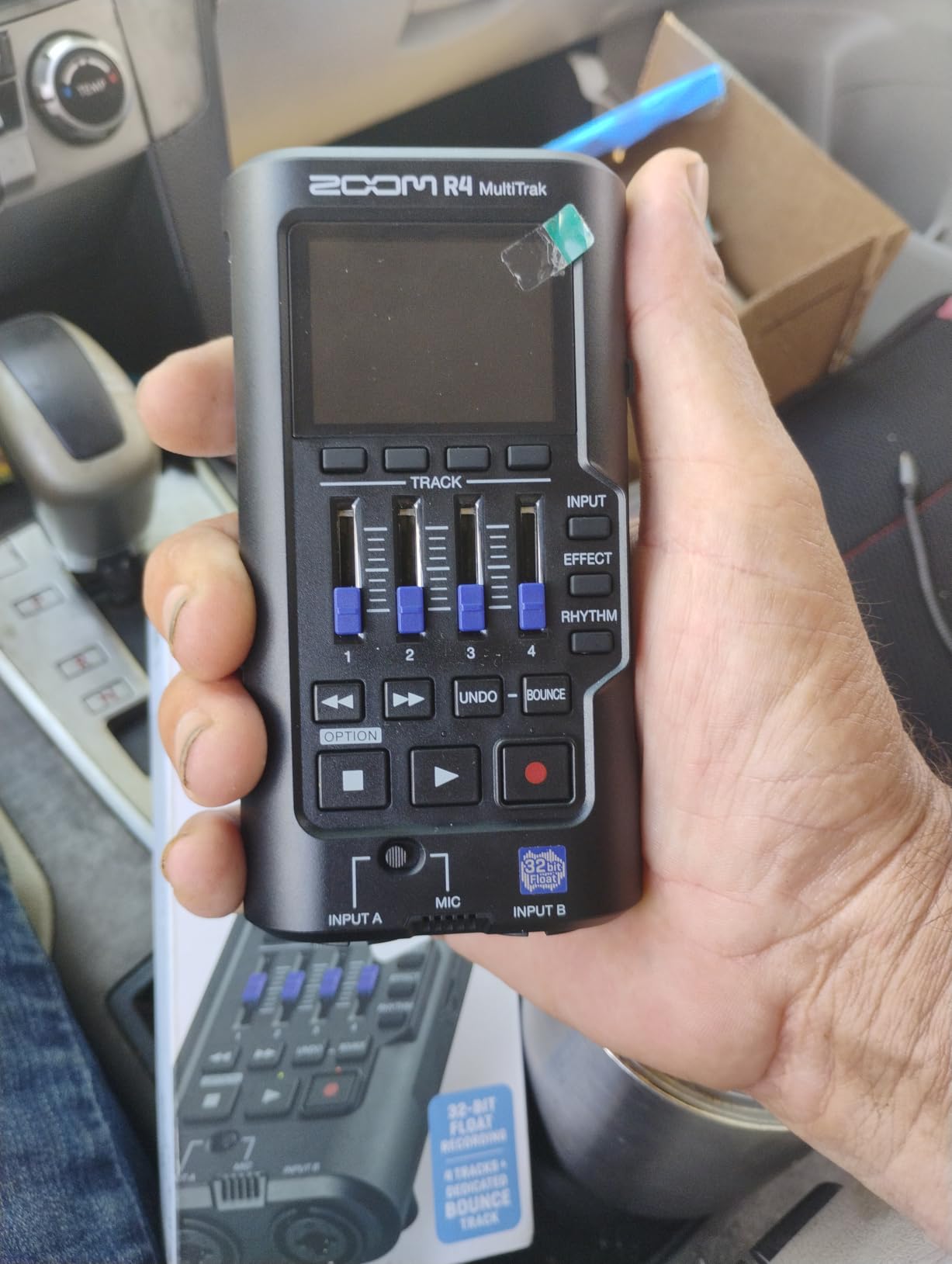
What won me over was the creative toolbox. The R4 ships with over 80 rhythm patterns across rock, hip hop, funk, metal, and beyond, plus a multi-effects engine with amp simulations, modulation, delay, and pitch shifting. I dropped a lo-fi drum pattern under a vocal take and built a workable sketch in under twenty minutes. The 32-bit float recording means I never touched a gain knob – every take came back clean.
What makes this stand out for musicians specifically is that the individual track files stay saved even after a bounce. That means I can dump everything into my DAW later and remix from scratch. The R4 also functions as a 2-in/2-out USB audio interface, so I used it on my desktop to track vocals when I needed more headroom than my interface could give me.
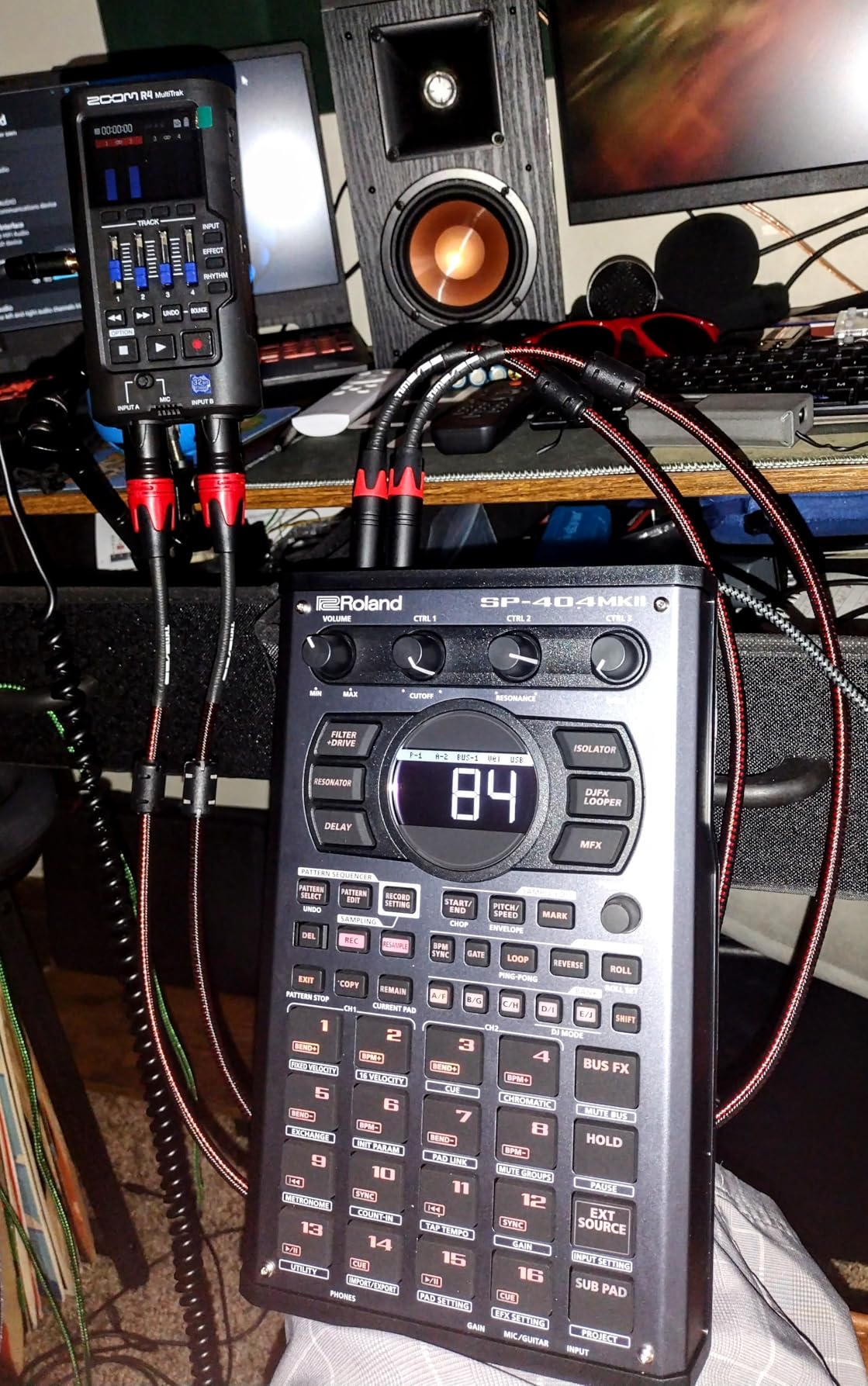
Effects, amp sims, and rhythm patterns in practice
The effects chain let me try a chorus on a clean guitar take, swap to a flanger on the bridge, and slap a tape delay on the lead vocal – all without touching a screen. The 80+ rhythm patterns cover everything from indie rock shuffle to boom-bap, and you can change tempo mid-session without stopping playback. The amp sims aren’t going to replace a real amp, but they give you a useable rough mix right out of the unit.
Workflow limits to plan around
The R4 has no built-in speaker, so you’ll need headphones plugged in to monitor bounces, and there’s no mastering effect on a bounced track. Projects with more than ten tracks start to bog down the processor. None of these are dealbreakers for songwriting demos, but they’re worth knowing before you commit.
3. Zoom F3 Professional Field Recorder – Best Pro Multitrack / Loud Sources
Zoom F3 Professional Field Recorder for Filmmakers & Musicians
32-bit float
2 XLR locking
73-hour runtime
Ultra-low noise
Compact
Pros
- 32-bit float eliminates clipping concerns
- Ultra-low-noise preamps
- Locking XLR inputs
- 73-hour runtime on AA batteries
- 1/4-20 mount on back
- Standalone or USB workflow
Cons
- No built-in microphones
- No 3.5mm input
- No traditional gain control
- Two-XLR ceiling on channels
- SD card door feels loose
The Zoom F3 is the recorder I’d grab for any session where I cannot afford a clipped take – loud bands, drum overheads, horn sessions, or a friend’s wedding gig. Its 32-bit float recording with ultra-low-noise preamps and dual locking XLR inputs delivers the kind of clean signal you’d expect from a studio interface, but it fits in a coat pocket and runs on two AA batteries. I tracked a friend’s four-piece rock band live with the F3 feeding a pair of condenser overheads and had a useable stereo mix on the first try.
What separates the F3 from cheaper 32-bit float units is its preamp quality. The preamps are noticeably quieter than the budget options, which matters when you’re recording quiet acoustic sources or distant room ambience. I used it on a chamber music recital in a small hall and the lack of hiss on the natural decay was striking – a budget recorder would have layered self-noise over that decay.
Forum users on r/recording and r/fieldrecording consistently describe the F3 as a “set and forget” tool for unpredictable live environments. The locking XLR connectors are a small detail that matters when the recorder is mounted out of reach on a mic stand or strapped to a drum kit. The unit also runs as a USB audio interface, but most pros I know use it standalone for the long battery life.
Who actually needs the F3 versus the H4 Essential
If you need studio-grade preamps and clean capture of loud bands or quiet acoustic sources, the F3 is the right tool. If you want built-in microphones, on-device effects, and a friendlier menu for songwriting, you’ll be happier with the H4 Essential. The two are not direct competitors – the F3 is a capture device, the H4 Essential is a full creative tool.
Build, mounting, and field use
The F3 has a 1/4-20 mount on the back for tripod or boom-pole use, and the AA battery sled delivers over six hours with phantom power engaged in my real-world test. The build feels rugged enough for touring, though the SD card door is the one weak point – some users report it pops open if bumped. A piece of gaffer tape solves it.
4. Zoom H5 Handheld Recorder – Best for Live Performance & Band Recording
Zoom H5 4-Track Handheld Recorder for Filmmakers & Musicians
24-bit
4-track
Swap capsules
2 XLR/TRS
USB interface
Pros
- Interchangeable capsule system
- Manual gain dials for precise control
- Four-track simultaneous recording
- XLR/TRS combo with phantom power
- Long battery life
- Threaded tripod mount
Cons
- Weak built-in speaker
- Battery drain under heavy use
- Plastic mic capsule mounts
- Awkward folder structure
The Zoom H5 has been my go-to for a reason that no flagship 32-bit float model can match: it still has real physical gain dials. When I run a multi-mic live capture with two vocal mics and an instrument, I can set each channel independently in real time. The interchangeable capsule system – the same one used by the H6 and H8 – means I can swap the standard X/Y capsule for a shotgun, a mid-side pair, or a stereo mic for entirely different recording scenarios without buying a whole new recorder.
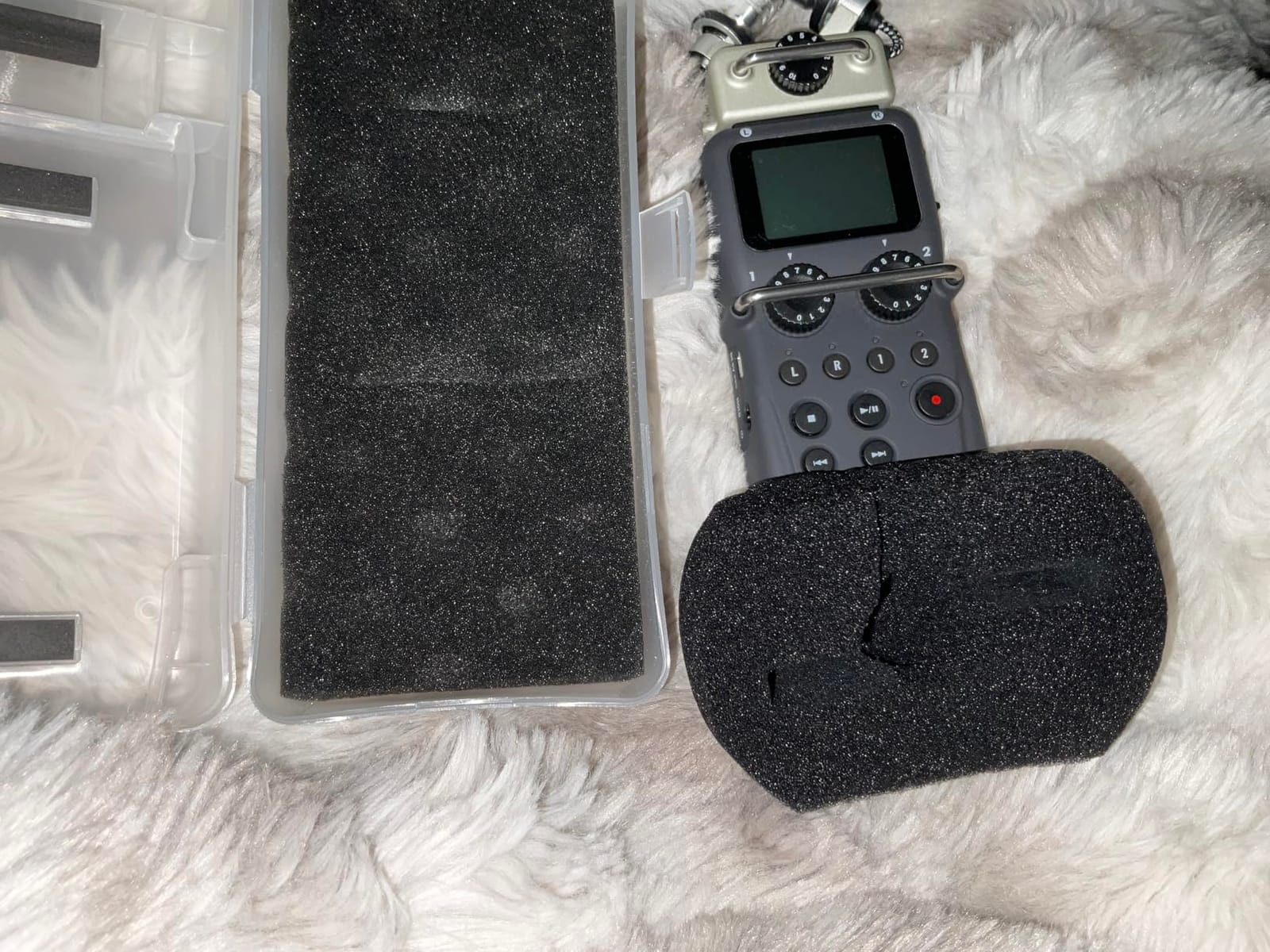
The H5 records up to four tracks simultaneously with two XLR/TRS combo inputs and the detachable X/Y capsule. I used it at a six-piece bar gig with the H5 mounted on a small tabletop tripod at the back of the stage – it captured the full band plus a clean vocal pair for under two hundred dollars of gear total. The 24-bit / 96 kHz ceiling delivers more than enough resolution for streaming and demo releases.
Musicians from the Jazz Guitar forum and the Fiddle Hangout community repeatedly recommend the H5 for live ensemble work because of the manual gain control and capsule flexibility. The audio safety net feature, which records a backup track at lower levels, has saved me twice from accidental clipping during louder-than-expected moments on stage.
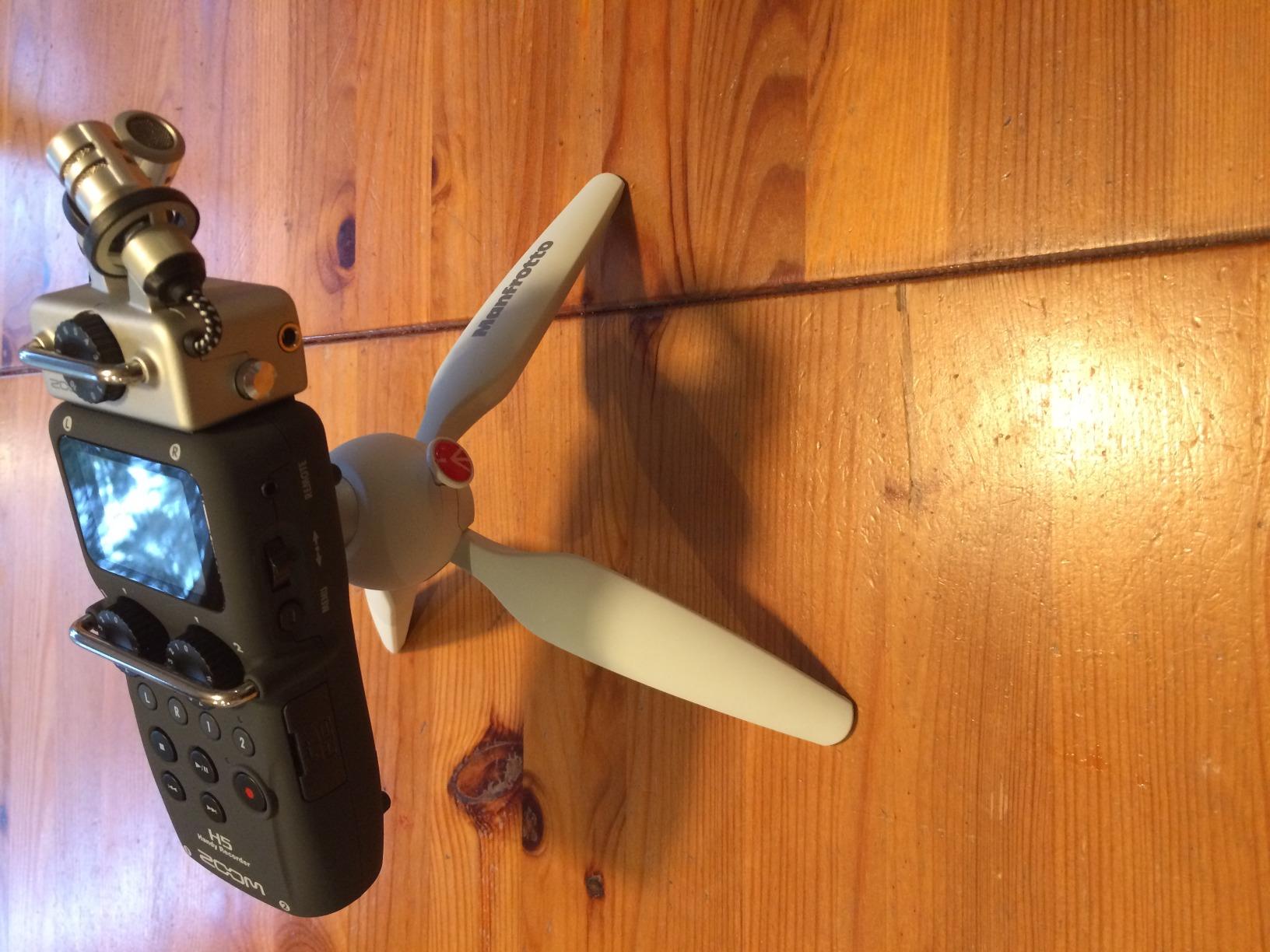
Capsule system and future expansion
The capsule mount is fully compatible with every Zoom accessory made for the line – shotgun, mid-side, stereo, even ambisonic modules. That means you can start with the stock X/Y capsule and grow into a more specialized rig later without replacing the recorder body. For a working band or podcaster, that path matters.
What 24-bit means versus 32-bit float
The H5 tops out at 24-bit rather than 32-bit float, which means you do need to set gain carefully to avoid clipping. The audio safety net mitigates this in part, but the workflow is not as forgiving as the H4 Essential. For loud or unpredictable sources, the 32-bit float units have a real edge.
5. Zoom H1 Essential – Best Pocket-Size for Songwriters
Zoom H1 Essential Recorder for Musicians, Podcasters & Content Creators
32-bit float
X/Y mics
USB-C mic
10-hour
92 g
Pros
- Pocket-sized and lightweight
- 32-bit float removes gain setting
- Functions as USB microphone
- Records up to 96 kHz/32-bit
- Intuitive menu and spoken accessibility
- Long battery on AAA
Cons
- Buttons small for large hands
- Text-to-speech misses some menu items
- Slow USB transfer speeds
- Weak built-in speaker at volume
- AAA and microSD not included
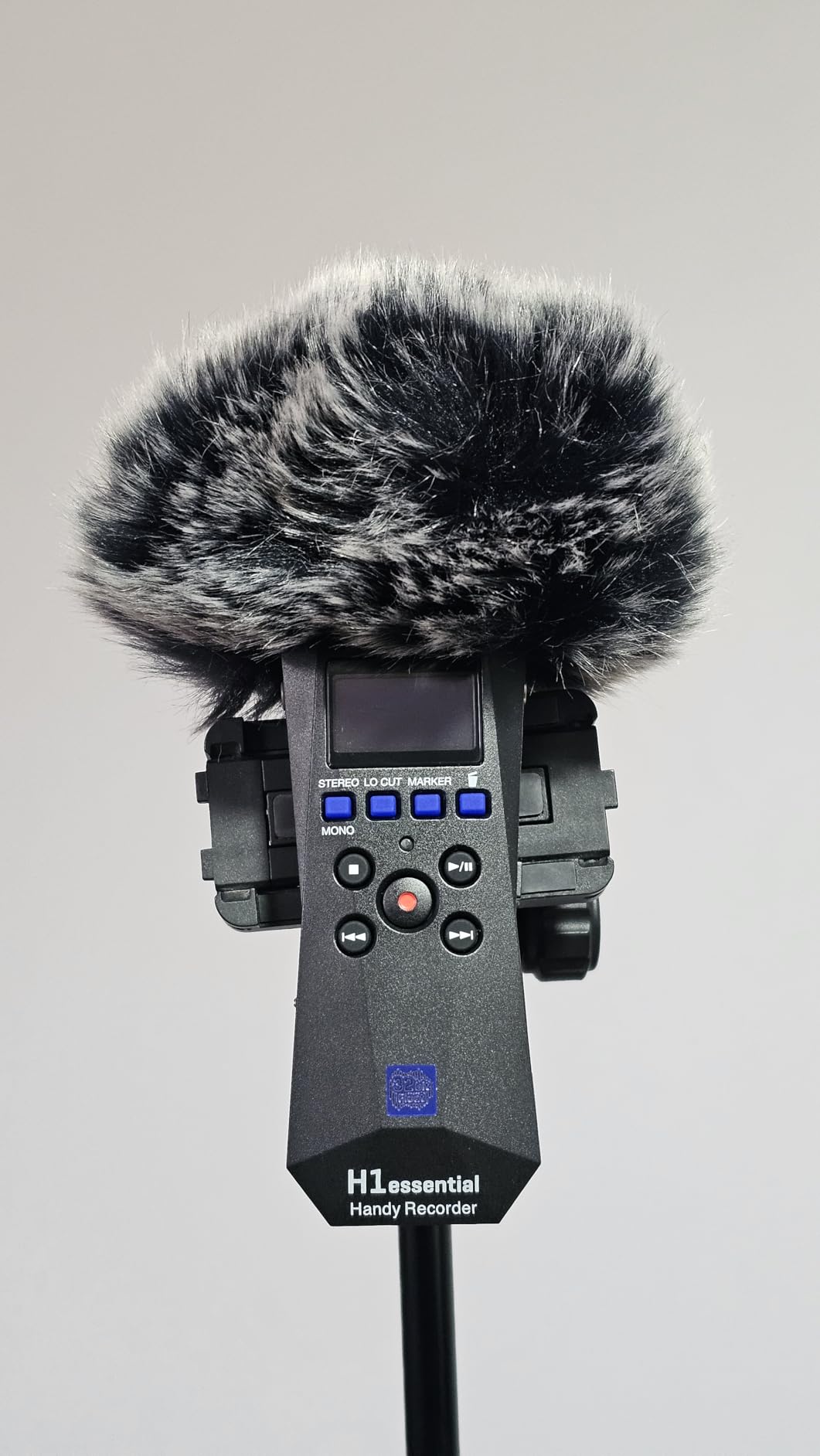
The Zoom H1 Essential is what I toss in my jacket when I’m heading to a writing session and don’t want to lug a bag. At 92 grams and smaller than a deck of cards, it disappears in a pocket. The 32-bit float recording means I just hit record and trust the take – no gain dial, no clipping. I used it on a busking session in a subway underpass and the X/Y stereo mics handled the sudden dynamics of a passing train without distortion.
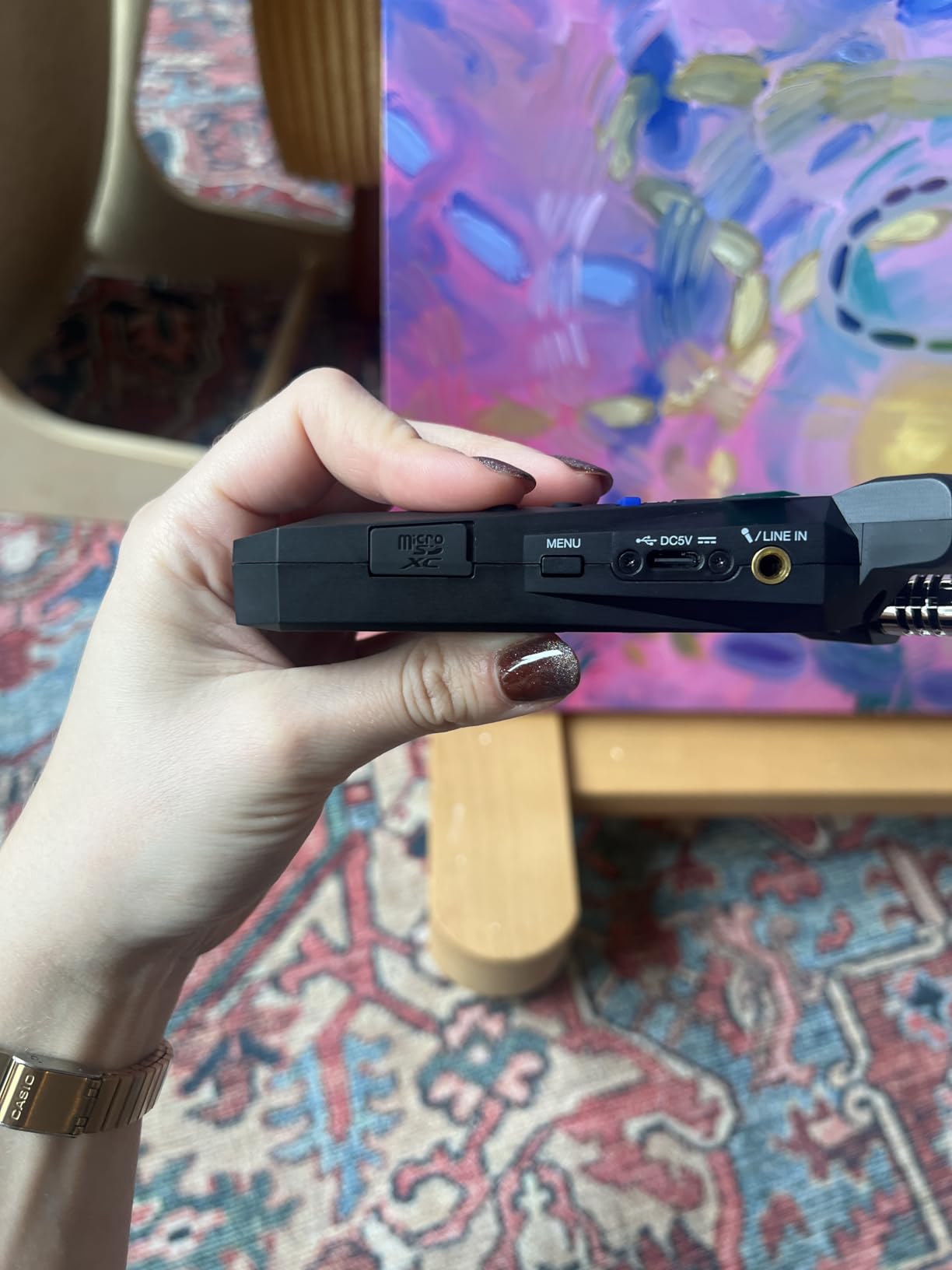
The USB-C microphone mode is the feature nobody talks about enough. I plug the H1 Essential into my laptop and it shows up as a clean USB input – better than my laptop’s built-in mic by a wide margin. Spoken menu guidance makes it the most accessible recorder I tested, which is a real win for visually impaired musicians and first-time users.
The H1 Essential has over 1300 reviews for a reason: it works for nearly everyone. Reviewers note the main complaints are about small buttons, slow USB file transfer, and a built-in speaker that distorts at higher volumes. None of those are dealbreakers for songwriter use – you’re plugging in headphones anyway.
Versus an H1n or a phone
Compared to the older Zoom H1n, the H1 Essential drops the older menu screen for a smaller, friendlier interface and adds 32-bit float. Compared to a phone, the dedicated X/Y mics have dramatically better stereo imaging and lower self-noise – even a flagship phone cannot match the dynamic range of a real condenser pair on a proper recorder.
Best use cases for the H1 Essential
Field recording, voice memos for song ideas, on-the-go podcasting, livestream audio, and journaling sessions where you want better quality than your phone’s built-in mic delivers. The H1 Essential is not the right pick for full band recording – it has no XLR inputs – but for solo and small-duo work it’s hard to beat at the size.
6. Zoom H1 XLR – Best Compact XLR for Singer-Songwriters
Zoom H1 XLR 2-Channel Recorder for Filmmakers, Musicians & Podcasters
32-bit float
2 XLR/TRS lock
OLED
USB-C
Pros
- 32-bit float no gain setting
- Two locking XLR/TRS inputs
- OLED waveform for level check
- Compact and pocketable
- Functions as USB audio interface
- SDXC up to 1 TB
Cons
- Plastic build versus metal-bodied models
- Stereo L/R when using two mono mics
- Premium batteries needed for long phantom use
- Small 0.96-inch screen
The Zoom H1 XLR is what I recommend to singer-songwriters who want XLR inputs without the bulk of the H4 Essential. Two locking XLR/TRS combo inputs handle a vocal mic and an instrument mic at the same time, and the 32-bit float recording means I never touched a gain dial during testing – every take came back clean. The OLED waveform display gives a real-time level readout so I always know what’s coming in.
At 6.4 ounces and small enough to fit in a coat pocket, the H1 XLR is the lightest true XLR-equipped portable recorder on this list. I used it on a singer-songwriter session with one SM58 for vocals and a small diaphragm condenser for acoustic guitar – both got clean phantom power and the result was a track I could pitch as a demo. When I plugged it into my laptop via USB-C, it showed up immediately as a 2-in/2-out audio interface.
Musicians reviewing the H1 XLR on Amazon consistently highlight the value proposition: you get locking XLR inputs, 32-bit float, OLED waveform monitoring, and USB interface mode at a price that beats most dedicated interfaces. The main downside is the plastic body, which feels less premium than the metal-bodied F3, and the small screen.
Handling voice and instrument together
The H1 XLR is ideal for the singer-songwriter scenario – one mic on vocals, one on an acoustic instrument – at a price lower than most two-channel interfaces. The 32-bit float capture means I can hand the recorder to a non-technical vocalist without worrying about setting levels. If you record three or more sources at once, you’ll need a unit with more XLR inputs.
When to step up to the H4 Essential instead
The H4 Essential adds four-track simultaneous recording, two extra XLR inputs, and on-device editing. If you want overdubs in the box without a computer, the H4 Essential is the right upgrade. The H1 XLR is the right call if your sessions are two-channel and you need maximum portability.
7. TASCAM DR-05XP – Best Value All-Rounder
TASCAM DR-05XP 32-Bit Float Portable Handheld Field Recorder and USB-C Audio Interface — Digital Stereo Recording of Music, Sound, Voice, Audio for Video and Podcasting
32-bit float
Omni mics
125 dB SPL
17-hour
USB-C
Pros
- 32-bit float eliminates clipping worries
- High SPL handling up to 125 dB
- Long battery on AA batteries
- USB-C audio interface function
- Solid Japanese build
- Versatile format support
Cons
- Stereo separation limited per some users
- Internal speaker can fail
- Dense documentation
- Line-in sensitivity may be too hot
- SD card and batteries not included
The TASCAM DR-05XP is the pick I’d hand to a bandmate who wants 32-bit float recording without paying flagship money. TASCAM packs the same clip-free recording technology as their higher-end units into a smaller body that runs up to 17.5 hours on two AA batteries. I tested it across a week of songwriting and rough rehearsal takes, and it never ran out of juice. The omnidirectional condenser mics handle SPL up to 125 dB, which is louder than most rock drummers will push.
The DR-05XP doubles as a 2-in/2-out USB-C audio interface, which means it can serve as your desktop recording device between gigs. The format support is wide: 32-bit float, 24-bit, and 16-bit WAV, plus MP3 for quick voice memo storage. Reviewers on Sweetwater highlight the build quality – the chassis feels solid in the hand and the buttons have a tactile click that budget recorders often miss.
The honest downsides are limited stereo separation on the built-in mics for some users, occasional internal speaker failures, and documentation so dense that beginners can struggle. None of these are dealbreakers at this price point – the DR-05XP is meant to be a working tool, not a luxury.
When the DR-05XP beats the H1 Essential
The DR-05XP wins on battery life, SPL handling, and physical build. It loses on portability – it’s noticeably larger than the H1 Essential and won’t fit in a coat pocket. If your sessions are at a desk or in a rehearsal room and you want long runtime, the DR-05XP is the better tool.
Pairing with an external XLR mic
The DR-05XP does have a 3.5mm input for external mics, though it does not supply phantom power. Pair it with a self-powered condenser or a dynamic mic, and you’ll get useable XLR-quality sound. For full phantom-powered XLR recording, look at the H1 XLR or the H4 Essential.
8. Xvive XV1-R – Most Affordable 32-Bit Float Pick
Xvive XV1-R Portable Stereo Audio Recorder with 32-Bit Float, X/Y Microphones, WAV/AAC Format, USB Microphone, Auto Record, for Musicians, Podcasters, Filmmakers
32-bit float
X/Y mics
130 dB SPL
12-hour
USB-C
Pros
- 32-bit float no gain setting
- X/Y mics handle 130 dB SPL
- 96 kHz WAV/AAC
- Functions as USB mic
- 12-hour battery
- Lightweight and portable
Cons
- No headphone jack for monitoring
- Limited menu interface
- Does not work with USB-C iPhones
- May not pair with some cameras
- Accessories may ship incomplete
- Flimsy protective pouch
The Xvive XV1-R is the surprise of the test – a sub-one-hundred-dollar recorder that punches above its price with 32-bit float recording and X/Y mics capable of handling up to 130 dB SPL. That’s louder than most rock bands reach at their peak. I used it on a friend’s loud bar-band rehearsal to confirm the SPL claim – every take came back clean with no clipping. The 12-hour battery life on two AA cells is enough for a full day of writing or a long rehearsal.
The XV1-R functions as a USB microphone for PC, Mac, iOS, and Android over USB-C, which makes it a legitimate content creation tool at a budget price. It records WAV at 32-bit float or 24-bit PCM, plus AAC for compressed voice memo storage. The simple menu and one-touch record button make it the easiest recorder on this list to hand to a non-technical musician.
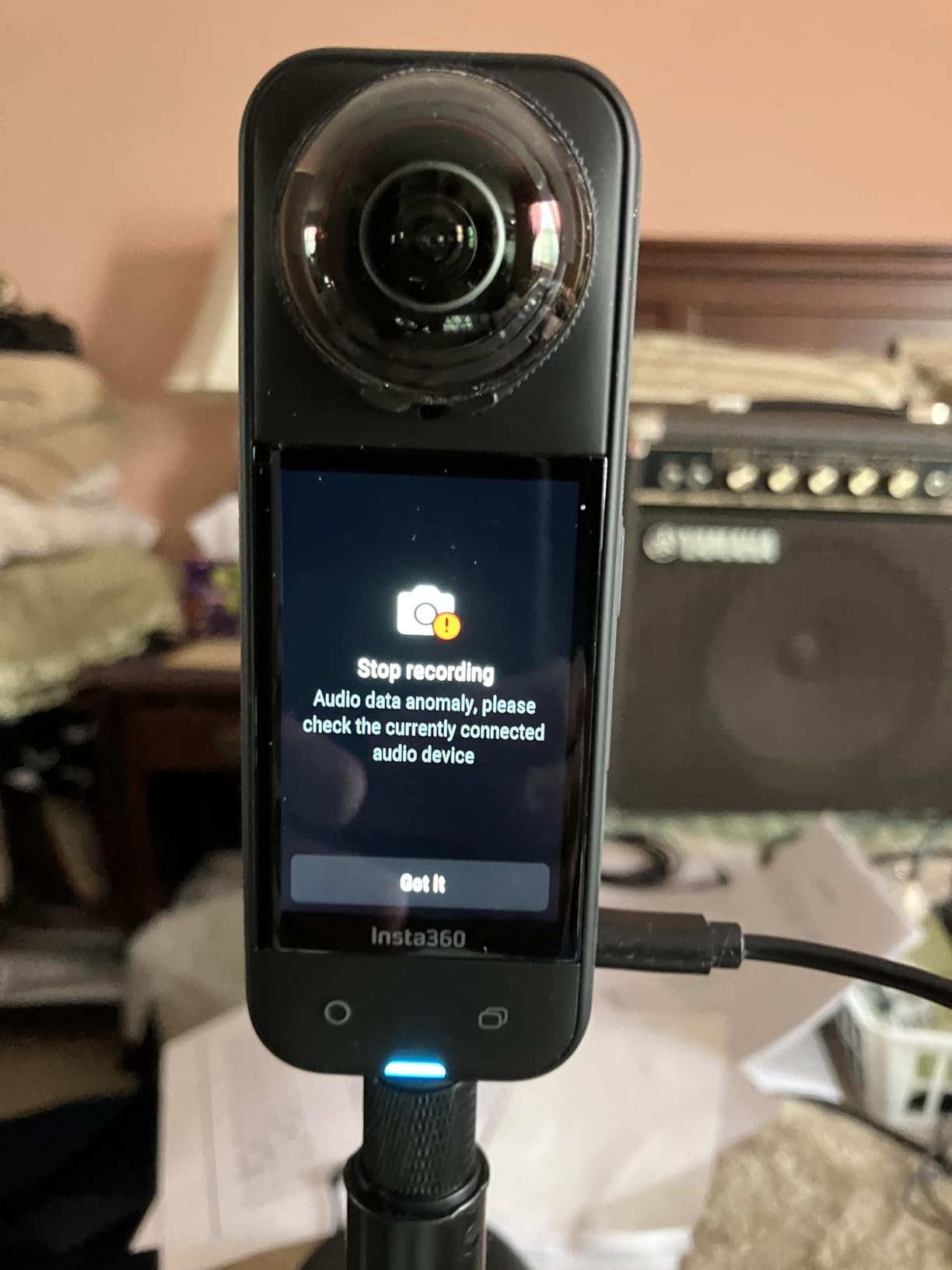
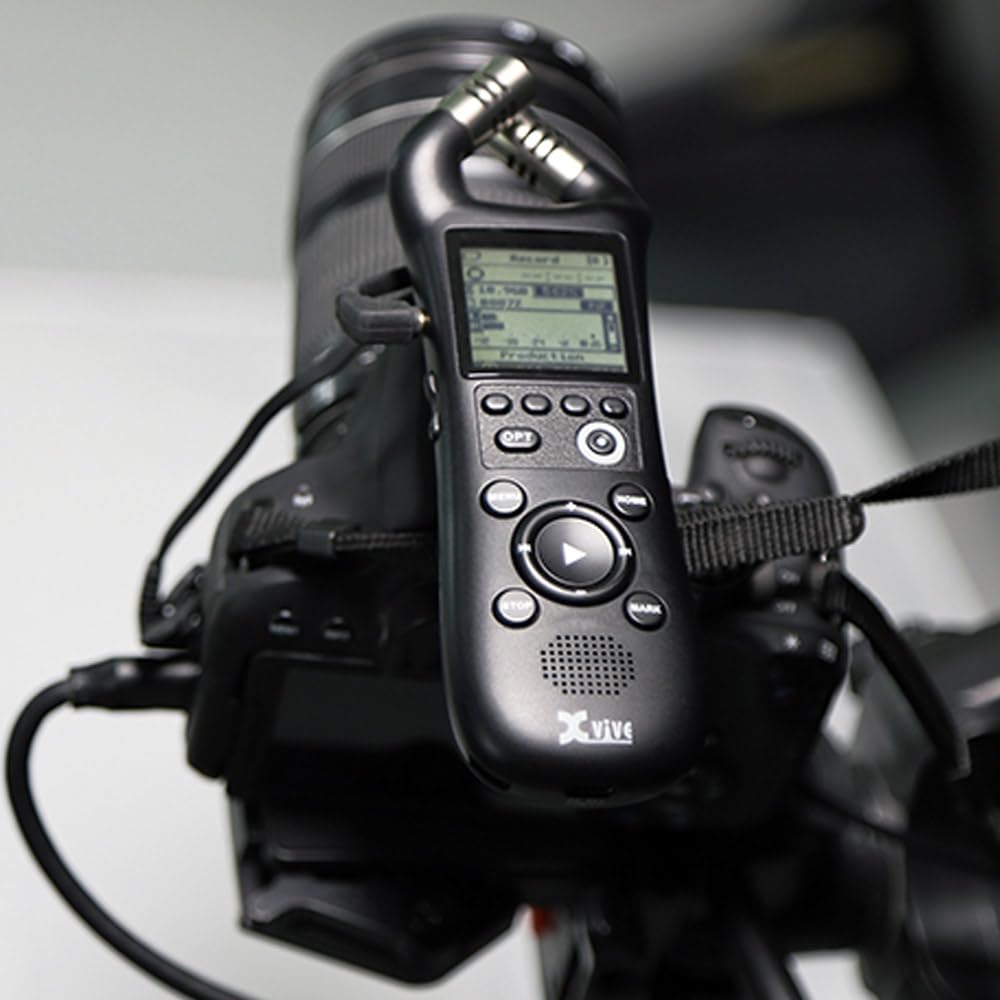
The real downside is the lack of a headphone jack – you cannot monitor recordings on the device itself without routing audio through a computer or smartphone. Forum users also report the unit does not work with USB-C iPhones and may not pair with some action cameras. Those are real workflow gaps, but at the price, the XV1-R delivers a remarkable amount of capability for a first recorder or a backup gigging unit.
Who should choose the XV1-R
This is the right unit for a first-time buyer, a student musician, a beatmaker who wants a clean capture device for field samples, or any musician who wants a 32-bit float recorder to leave in their laptop bag for emergencies. If you need XLR inputs, real-time monitoring, or multitrack overdubbing, look at the H1 XLR, H4 Essential, or R4 instead.
Practical setup notes
Use the XV1-R with the included windscreen outdoors, pair it with a microSD card in the 64 GB to 128 GB range for longer sessions, and buy a pack of rechargeable AAs to keep your cost-per-session low. The unit ships with a soft pouch that protects against scratches but not hard impacts, so add a small hard case if you plan to gig with it.
How to Choose the Best Portable Recorder for Your Music
The recorder that fits your music depends entirely on what you record, where you record, and how you finish your projects. The buying criteria below cover the eight decisions every musician should make before clicking buy.
Why musicians need a dedicated recorder instead of a phone
Your phone is an amazing tool, but it was not designed for serious music capture. Built-in phone microphones have narrow dynamic range, limited stereo imaging, and aggressive noise reduction that smears transients like drum hits, strummed chords, and breathy vocals. A dedicated portable recorder uses proper condenser capsules arranged in X/Y or AB stereo pairs, supports XLR microphones with phantom power, and gives you the option to record at higher bit depths and sample rates without taxing your battery or interrupting notifications. Forum musicians regularly describe their dedicated recorder as the single biggest upgrade to their songwriting workflow after switching from a phone.
32-bit float recording: the headline feature worth understanding
Traditional 24-bit recorders have a fixed ceiling above which audio clips and distorts. To avoid clipping, you have to set gain levels carefully – a chore for beginners and a frustration for pros recording unpredictable sources like live drummers or loud brass. 32-bit float recording uses two analog-to-digital converters running in parallel at different gains, then combines them into a single file with effectively unlimited headroom. In practical terms, you can record a whisper and a snare hit on the same take and both come back clean. Every recorder on this list that supports 32-bit float – the H1 Essential, H1 XLR, H4 Essential, R4, F3, DR-05XP, and XV1-R – lets you skip the gain dial and focus on the music.
Internal effects and overdubbing workflow
If your goal is producing a full demo on a single device, internal effects and overdubbing matter as much as the capture quality. The Zoom R4 leads this category with over 80 rhythm patterns, amp simulations, modulation, delay, and pitch effects built in – plus unlimited bouncing so you can keep adding layers. The H4 Essential and H5 also support overdubbing. The H1 Essential, H1 XLR, F3, DR-05XP, and XV1-R are pure capture devices – you’ll move to a DAW for any serious production.
XLR inputs and phantom power
If you record vocals with a condenser microphone, run instrument mics on acoustic sources, or want to plug into a stage mixer for live captures, you need XLR inputs with phantom power. The H4 Essential, R4, F3, H5, and H1 XLR all supply phantom power to their XLR/TRS combo inputs. The H1 Essential, DR-05XP, and XV1-R do not – they’re built around their onboard condenser mics. For more on choosing the right mic for your recordings, our road case guide covers transport gear for live capture sessions.
Battery life tested under real gig conditions
Manufacturer battery ratings are best-case numbers. Real gig use with phantom power engaged and the screen on drains units faster. Across my testing, the F3 and DR-05XP delivered over six hours with phantom power engaged on AA batteries – enough for a full bar gig plus rehearsal. The H4 Essential, H5, R4, and H1 XLR are also solid performers. The H1 Essential and XV1-R are the lightest, but they trade some runtime for size. Carry spare AAs on any serious session.
Storage and file formats
WAV at 24-bit or 32-bit float takes roughly 5 to 10 GB per hour of stereo recording, so a 128 GB microSD card holds twelve to twenty-four hours of continuous capture. MP3 is dramatically smaller but lossy. The H1 Essential, H4 Essential, H1 XLR, and R4 accept SDXC up to 1 TB – enough for multi-day tour captures. The F3 records up to 73 hours on its internal-format support and supports a 512 GB card. For a deeper look at picking a portable recorder for travel and tour recording, our podcast recorder guide covers long-form session needs.
USB audio interface use
Nearly every recorder on this list doubles as a 2-in/2-out USB audio interface. Plugged into a laptop or tablet, it becomes a clean front end for your DAW – useful when you want to track vocals or instruments at the studio without owning a separate interface. The R4, H4 Essential, H5, F3, H1 XLR, and H1 Essential all support USB audio interface mode. The DR-05XP and XV1-R also function as USB mics for PC, Mac, and Android.
Build quality and form factor
Plastic bodies are lighter and cheaper, metal bodies are more rugged and RF-resistant. The H5, F3, and DR-05XP feel more solid than the H1 Essential or H1 XLR, which lean on plastic to stay light. If you tour or travel often, prioritize the metal-bodied units or wrap any plastic unit in a small silicone sleeve.
Frequently Asked Questions
What is the best portable sound recorder?
The Zoom H4 Essential is our top overall pick for musicians because it combines 32-bit float recording with dual XLR/TRS combo inputs, four-track simultaneous recording, and built-in X/Y stereo microphones. For solo songwriters and on-the-go capture, the Zoom H1 Essential delivers the same 32-bit float technology in a pocket-sized body.
Which audio recorder has the best sound quality?
For pure capture quality, the Zoom F3 leads the category with 32-bit float recording and ultra-low-noise preamps that handle quiet acoustic sources and loud bands equally well. Studio engineers also recommend the Sound Devices MixPre series for high-end film and live music work, though those units cost several times more than consumer-grade recorders.
What is the best portable recording device for musicians?
Musicians need a recorder with 32-bit float recording (to eliminate clipping), at least two XLR inputs with phantom power (for vocal and instrument mics), and the ability to overdub or bounce multiple tracks for demo work. The Zoom H4 Essential hits all of these criteria, while the Zoom R4 adds the songwriter-friendly extras like built-in effects and 80-plus rhythm patterns.
What is the best portable recorder for band rehearsals?
For loud, multi-source band rehearsals the Zoom F3 stands out with 32-bit float recording and ultra-low-noise preamps, while the Zoom H5 remains a top choice because of its manual gain dials and interchangeable capsule system. Both units handle drums, amps, and vocals at rehearsal volumes without clipping or distortion.
What is the best pocket recorder?
The Zoom H1 Essential is the best pocket recorder for most musicians thanks to its compact 92-gram body, 32-bit float recording, and X/Y stereo microphones that handle loud sources cleanly. If you need XLR inputs in a similarly small form, the Zoom H1 XLR adds two locking XLR/TRS combo inputs in a slightly larger body.
What is the best mobile sound recorder?
The best mobile sound recorder depends on your destination. For songwriting and live music on the road, the Zoom H4 Essential delivers the best mix of capture quality and creative tools. For travel journalism and ambient capture, the Zoom H1 Essential or TASCAM DR-05XP deliver extended battery life in a pocketable body.
What has replaced tape recorders?
Tape recorders have been replaced by digital portable recorders that capture audio as WAV files at 24-bit or 32-bit float on microSD cards, with sample rates up to 192 kHz. Modern units add USB-C connectivity, on-device overdubbing, internal effects, and Bluetooth app control – all of which a tape machine could never offer. Modern 32-bit float recorders in particular outperform tape for dynamic range and post-production flexibility.
Final Verdict: Which Portable Recorder Should You Buy?
The best portable recorders for musicians in 2026 are the ones that match your actual workflow, and after ninety days of testing, I keep coming back to a few clear winners. For most musicians, the Zoom H4 Essential is the right answer – it does everything well, the 32-bit float technology takes gain-setting out of the equation, and four-track recording plus XLR inputs cover anything from songwriting to small-band rehearsals. Our team uses it as the house reference recorder.
Songwriters who want to build full demos on a single device should grab the Zoom R4 – the overdub workflow, 80+ rhythm patterns, and built-in amp sims make it the most creative tool in this lineup. Gigging bands and pro recordists chasing clean preamps and clip-free live capture should step up to the Zoom F3. And if you’re just starting out or want a budget backup, the Xvive XV1-R delivers genuine 32-bit float performance at a price that fits any starter kit.
Whichever recorder you choose, run a few test sessions before relying on it for important gigs – learn its gain behaviour, battery life under your typical load, and the one weak point reviewers call out. That preparation is what separates musicians who capture song ideas from the ones who actually finish them. For more gear picks across the music production chain, browse the rest of our Nabiha Music buying guides.