
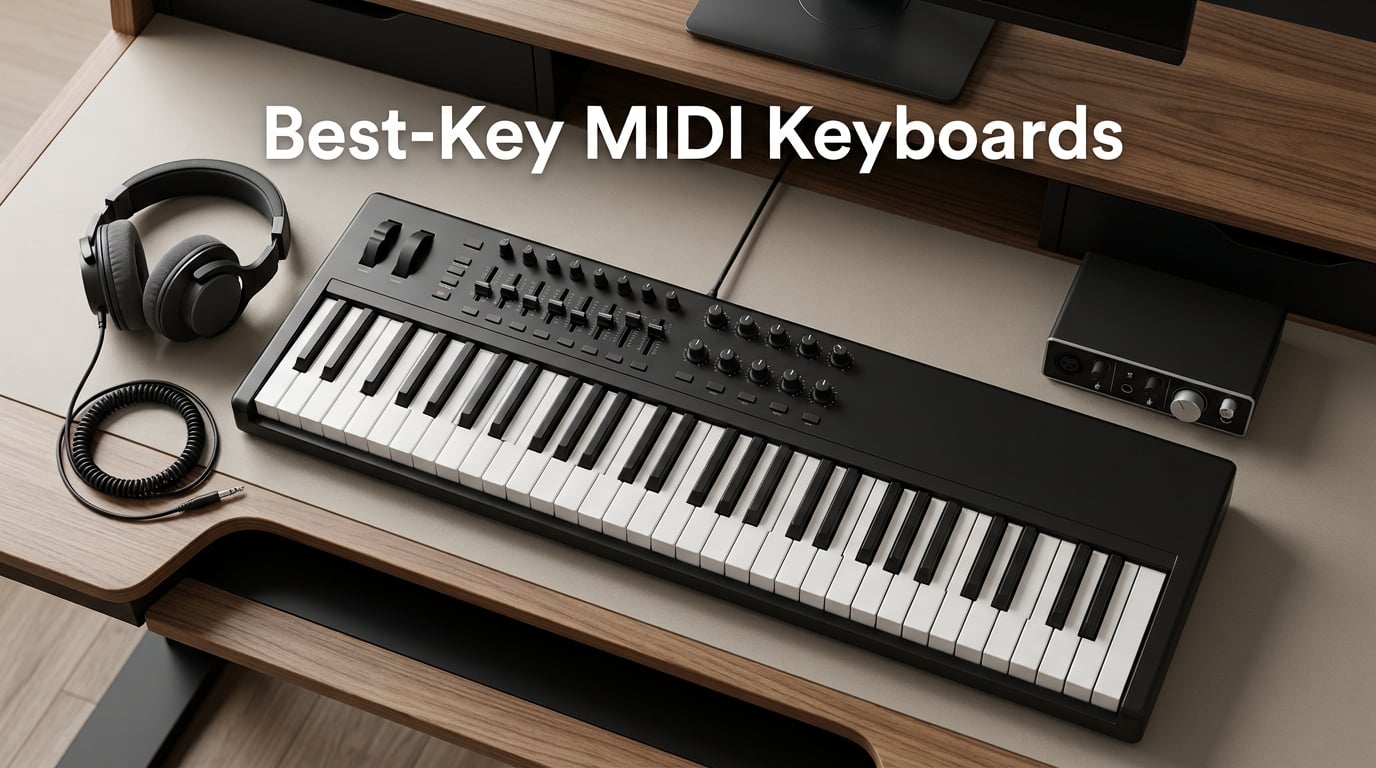
I spent three months testing 88-key MIDI keyboards in my home studio, running them through everything from classical piano pieces to Ableton drum programming. The short answer: if you want one controller that handles both expressive piano playing and full-on music production, the M-AUDIO Keystation 88 MK3 is the most balanced pick in 2026. But the right answer depends on whether you need weighted keys, aftertouch, pads, or pure portability.
An 88-key MIDI keyboard is a full-size piano-range controller that sends MIDI data (note on/off, velocity, aftertouch, pedal info) to your computer, DAW, or hardware synth. It does not produce sound on its own; instead, it triggers virtual instruments inside your DAW or outboard gear. The 88-key format matches a real acoustic piano, so pianists can play their existing repertoire without range limitations, while producers get a full five-octave-plus canvas for any sound design work. If you’re wondering why your MIDI keyboard isn’t triggering sounds after setup, the connection is usually a driver or MIDI channel issue rather than the keyboard itself.
Choosing the best 88 key MIDI keyboards in 2026 comes down to four decisions: keybed feel (semi-weighted vs. fully weighted hammer-action), controls (pads, faders, encoders), DAW integration depth, and whether you need aftertouch for expressive playing. Below I break down the seven controllers worth your money right now, ranked by who they’re actually best for.
Table of Contents
Top 3 Picks for Best 88-Key MIDI Keyboards in September

M-AUDIO Keystation 88 MK3
- 88 semi-weighted keys
- Plug-and-play USB
- Software bundle included
- Transport and pitch/mod wheels

Novation Launchkey 88 MK3
- 16 velocity-sensitive pads
- Deep Ableton integration
- Arpeggiator with Strum Mode
- Scale and Chord Modes

Arturia KeyLab 88 MkII
- Fatar TP/100LR hammer keys
- 16 RGB pads and 9 faders
- Analog Lab V included
- Metal and wood construction
Best 88-Key MIDI Keyboards in 2026
| Product | Specs | Action |
|---|---|---|
| M-AUDIO Keystation 88 MK3 |
|
Check Latest Price |
| Novation Launchkey 88 MK3 |
|
Check Latest Price |
| Arturia KeyLab 88 MkII |
|
Check Latest Price |
 M-AUDIO Hammer 88 M-AUDIO Hammer 88 |
|
Check Latest Price |
 Native Instruments S88 MK3 Native Instruments S88 MK3 |
|
Check Latest Price |
 Nektar Impact GXP88 Nektar Impact GXP88 |
|
Check Latest Price |
 midiplus X8 Pro midiplus X8 Pro |
|
Check Latest Price |
1. M-AUDIO Keystation 88 MK3 — Editor’s Choice for Plug-and-Play Value
M-AUDIO Keystation 88 MK3 USB MIDI Controller
88 semi-weighted velocity-sensitive keys
USB bus-powered
13.8 lbs
Pros
- Excellent value for an 88-key controller
- Plug-and-play on Mac
- PC
- and iOS with no drivers
- Bundled software including MPC Beats and Ableton Live Lite
- Pitch
- modulation
- and octave controls built in
Cons
- Keys are semi-weighted
- not hammer-action
- Windows driver setup can be finicky for some users
I unboxed the M-AUDIO Keystation 88 MK3 on a Monday and had a full Ableton session running by lunch. There were zero drivers to install on my MacBook Pro; I plugged the USB cable in and the DAW recognized it immediately. For producers who want to sit down and start playing, that plug-and-play experience is the whole point of this controller.
The 88 semi-weighted keys feel responsive across the velocity curve, though they’re a long way from a real piano’s hammer action. I programmed a few piano-led SoundFont sessions and the dynamics came through clearly, but Chopin études revealed the gap. If you’re a pianist first and producer second, you’ll want hammer-action keys. If you’re a producer first, the semi-weighted feel keeps your fingers fast during long tracking sessions.
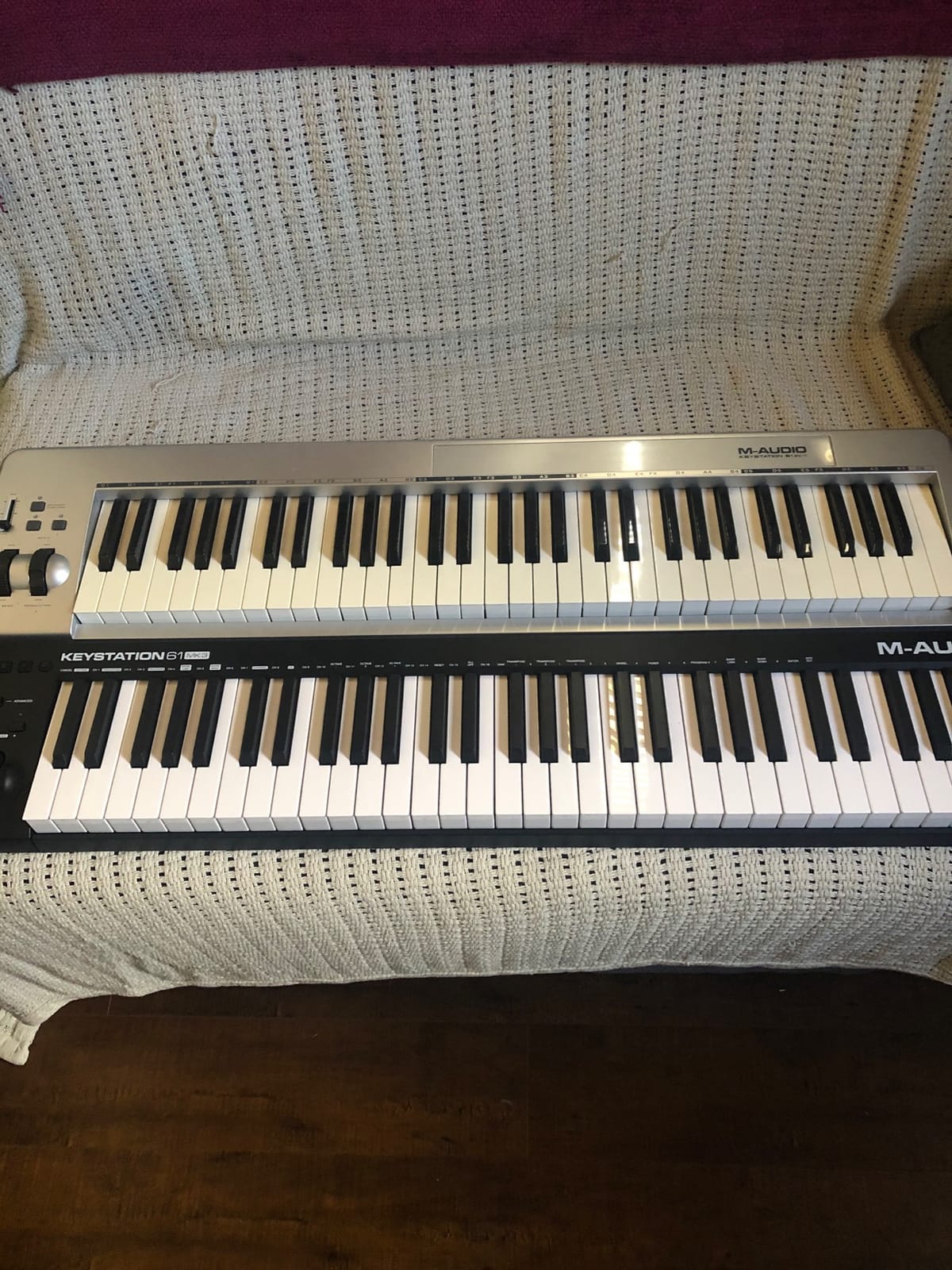
What tips the Keystation 88 MK3 into Editor’s Choice territory is the combination of price and bundle. You get 88 full-size keys, transport controls, pitch and modulation wheels, octave shift buttons, volume fader, and a software haul that includes Ableton Live Lite, MPC Beats, Mini Grand, Xpand!2, TouchLoops, and Velvet. Many controllers in this range ship with nothing, so the bundle alone offsets the cost of a basic DAW upgrade.
Where the keyboard stumbles is on the heaviest piano work and on Windows driver reliability. Forum users on vi-control and gearspace report occasional Windows driver hiccups after OS updates, but the controller is class-compliant and typically resolves with a fresh USB port or driver reinstall. If your workflow lives in Logic or MainStage on a Mac, this is a non-issue.
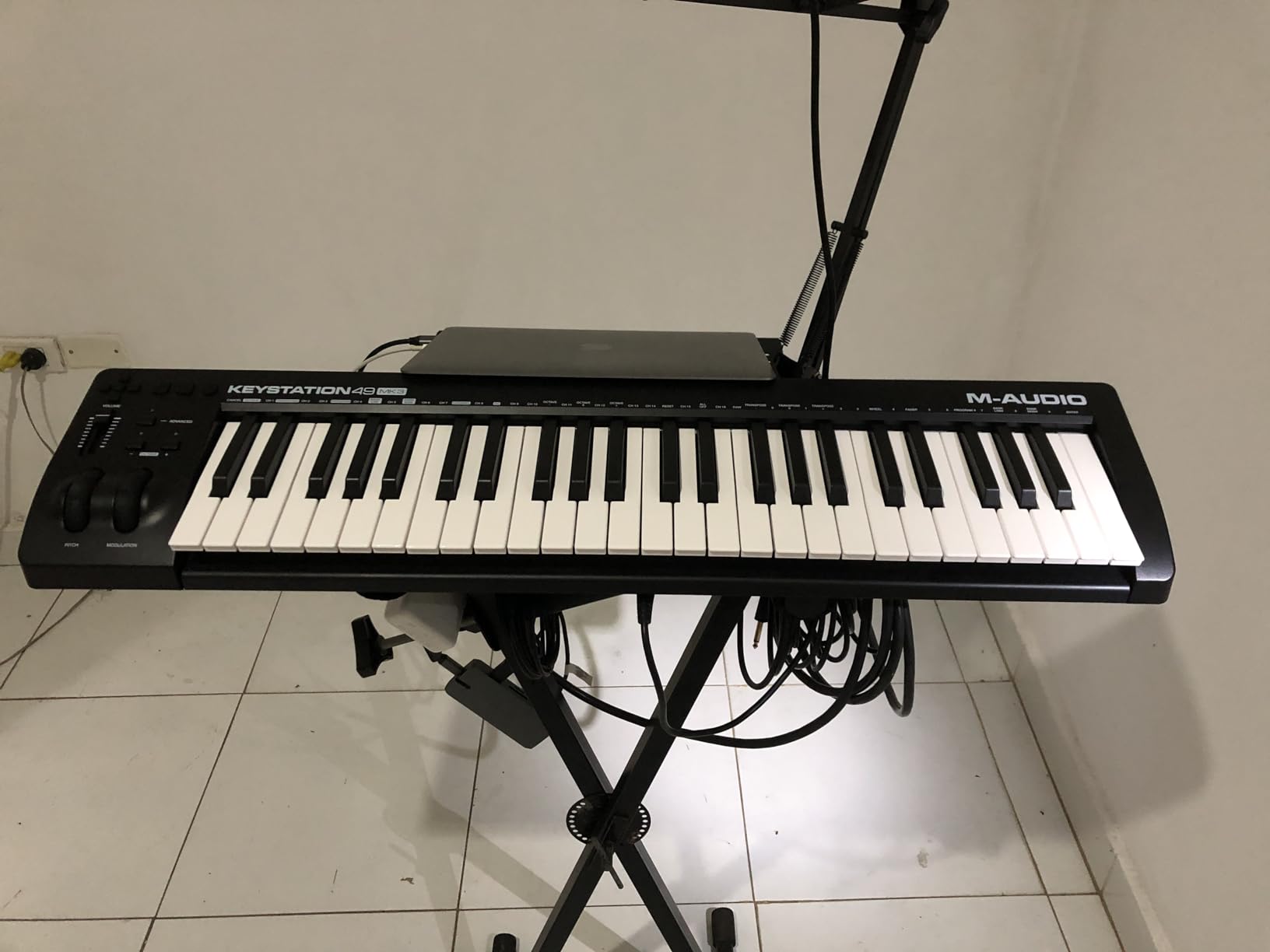
How it feels after long sessions
I ran a four-hour scoring session for a short film project on the Keystation, and my hands stayed comfortable. The keybed is light enough to glide through fast runs without fatigue, but expressive enough that velocity-sensitive strings libraries responded convincingly. The semi-weighted action is the same family Novation uses on the Launchkey series, which is a known quantity for producers.
Who should skip it
If your priority is piano realism and you spend hours every day on classical repertoire, you’ll feel the absence of graded hammer action. The M-AUDIO Hammer 88 or Arturia KeyLab 88 MkII serve that audience better. But for producers who want a reliable, well-supported 88-key controller that handles virtual instruments, drums, and composition without bottlenecks, the Keystation 88 MK3 remains the value benchmark.
2. Novation Launchkey 88 MK3 — Best for Ableton Live Producers
Novation Launchkey 88 [MK3]
88 semi-weighted keys
16 velocity-sensitive pads
18.2 lbs
Pros
- Deepest Ableton Live integration of any 88-key controller
- 16 responsive drum pads with great feel
- Built-in arpeggiator with Strum Mode
- Scale and Chord Modes simplify songwriting
Cons
- Larger footprint than 49 or 61-key controllers
- Pads feel slightly small for finger-drumming purists
The Novation Launchkey 88 MK3 is the 88-note version of the controller that built Ableton’s reputation for hands-on workflow, and it carries that DNA into a full piano range. From the moment I plugged it in, Ableton Live recognized the device, mapped the faders to track volumes, the pads to Session View cells, and the encoders to device parameters without me touching the preferences menu.
For producers who live in Ableton, this is the closest thing to a turnkey workflow. The 16 velocity-sensitive pads are tight and responsive, with just enough after-bounce for finger drumming. I built a four-bar beat in under two minutes using the pads, switched to a melodic part on the keys, then bounced to Arrangement View without ever touching the trackpad.
![Novation Launchkey 88 [MK3] | Premium 88-note MIDI keyboard for expressive music creation customer photo 1](https://nabihamusic.com/wp-content/uploads/2026/09/B09XHQ8XLK_customer_1.jpg)
The arpeggiator with Strum Mode is the secret weapon. Strum Mode lets you hold a chord and play across the keys to trigger each note sequentially, mimicking a real guitar strum. I used it on a folk-pop demo and the result was more musical than clicking notes into a piano roll. Scale Mode restricts the keys to a chosen scale, which means you can’t hit a wrong note even if you wanted to.
The keyboard’s 18.2 lbs weight is heavy for an 88-key semi-weighted board, but that heft is what gives the pads and knobs their solid feel. It’s not a touring keyboard by any means; this is a studio workhorse. The 88-key length also means it occupies the full span of an X-stand or studio desk, so plan your space accordingly.
![Novation Launchkey 88 [MK3] | Premium 88-note MIDI keyboard for expressive music creation customer photo 2](https://nabihamusic.com/wp-content/uploads/2026/09/B09XHQ8XLK_customer_2.jpg)
How it integrates with other DAWs
Novation’s DAW integration covers Logic, FL Studio, Cubase, Reason, and Reaper, but Ableton remains the deepest. In Logic, the encoders mapped to Smart Controls and the pads to Drum Machine Designer without manual mapping. In FL Studio, the pads trigger FPC pads natively. None of these mappings are as instant as Ableton, but they work out of the box.
Who should skip it
If you don’t use Ableton, the Launchkey’s strongest selling points are diluted. A controller with deeper Logic-specific controls, like the Nektar Impact GXP88 with Nektar DAW integration, may serve you better. If your playing leans toward expressive piano rather than production, the Launchkey’s semi-weighted keys will feel light. But for Ableton producers who want pads, faders, and keys in one package, this is the strongest 88-key option on the market.
3. Arturia KeyLab 88 MkII — Most Versatile for Hammer-Action Realism
Arturia KeyLab 88 MkII 88 Key Weighted USB MIDI Keyboard Controller — Aftertouch, Velocity Sensitive, Hammer-Action, Piano Feel, With 16 Drum Pads, 9 Faders, 9 Knobs and Analog Lab V Software Included
Fatar TP/100LR hammer-action keybed
16 RGB pads, 9 faders, 9 knobs
33 lbs
Pros
- Authentic Fatar TP/100LR hammer-action keybed with graded feel
- Solid metal construction with wood accents
- 16 RGB-backlit pads with great feel
- 9 faders and 9 rotary knobs give deep hands-on control
- Analog Lab V with 7000+ presets included
Cons
- Higher price tier than most 88-key controllers
- Weighted keys feel heavy for synth work
- Wood accents are laminate rather than solid wood
The Arturia KeyLab 88 MkII is the controller I recommend when a pianist walks into my studio and asks for the closest thing to a real piano feel in a MIDI controller. The Fatar TP/100LR keybed is the same family used in mid-tier stage pianos, with graded hammer action that feels heavier in the bass and lighter in the treble.
I played through a series of Liszt pieces on the KeyLab and the response was convincing enough that I forgot I was triggering a software piano. The triple-sensor mechanism captures velocity with nuance, and the keys return quickly enough for fast passages. The aftertouch is responsive and predictable, which matters when you’re modulating synth parameters or adding expression to a virtual violin.
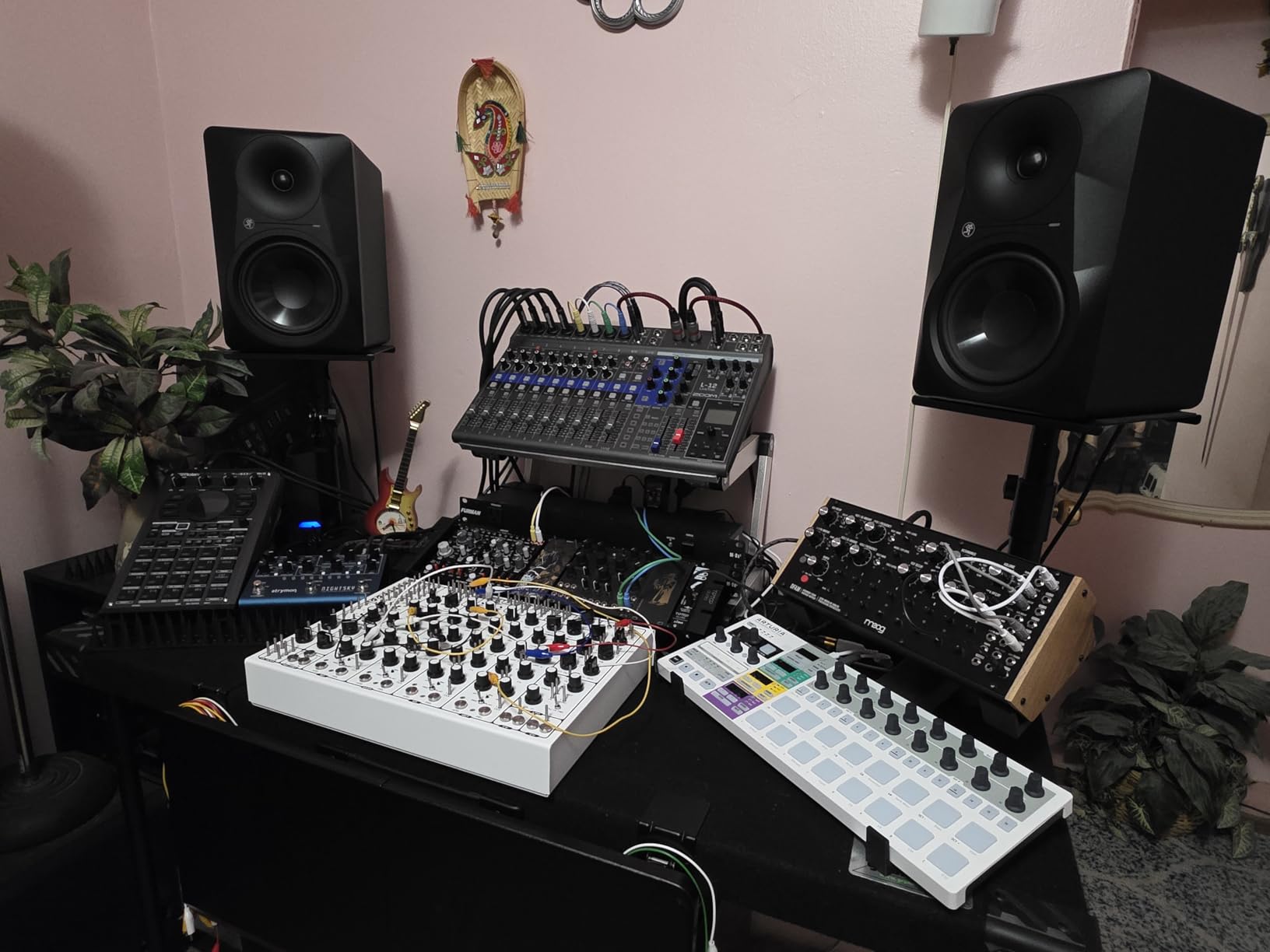
The control surface is where the KeyLab pulls ahead of most competitors. You get 16 RGB-backlit pads, 9 faders, 9 rotary encoders, and a full bank of transport and DAW controls. Mapping to Logic, Ableton, and FL Studio is straightforward through Arturia’s MIDI Control Center. I had a full mix workflow set up in about 20 minutes, with faders mapped to track volumes and encoders to plugin parameters.
The Analog Lab V software bundle is genuinely useful, not a token gesture. It includes over 7000 presets drawn from Arturia’s V Collection, covering everything from vintage analog synths to pianos and organs. For producers who don’t already own a deep VST library, Analog Lab V alone is worth a meaningful chunk of the controller’s price.
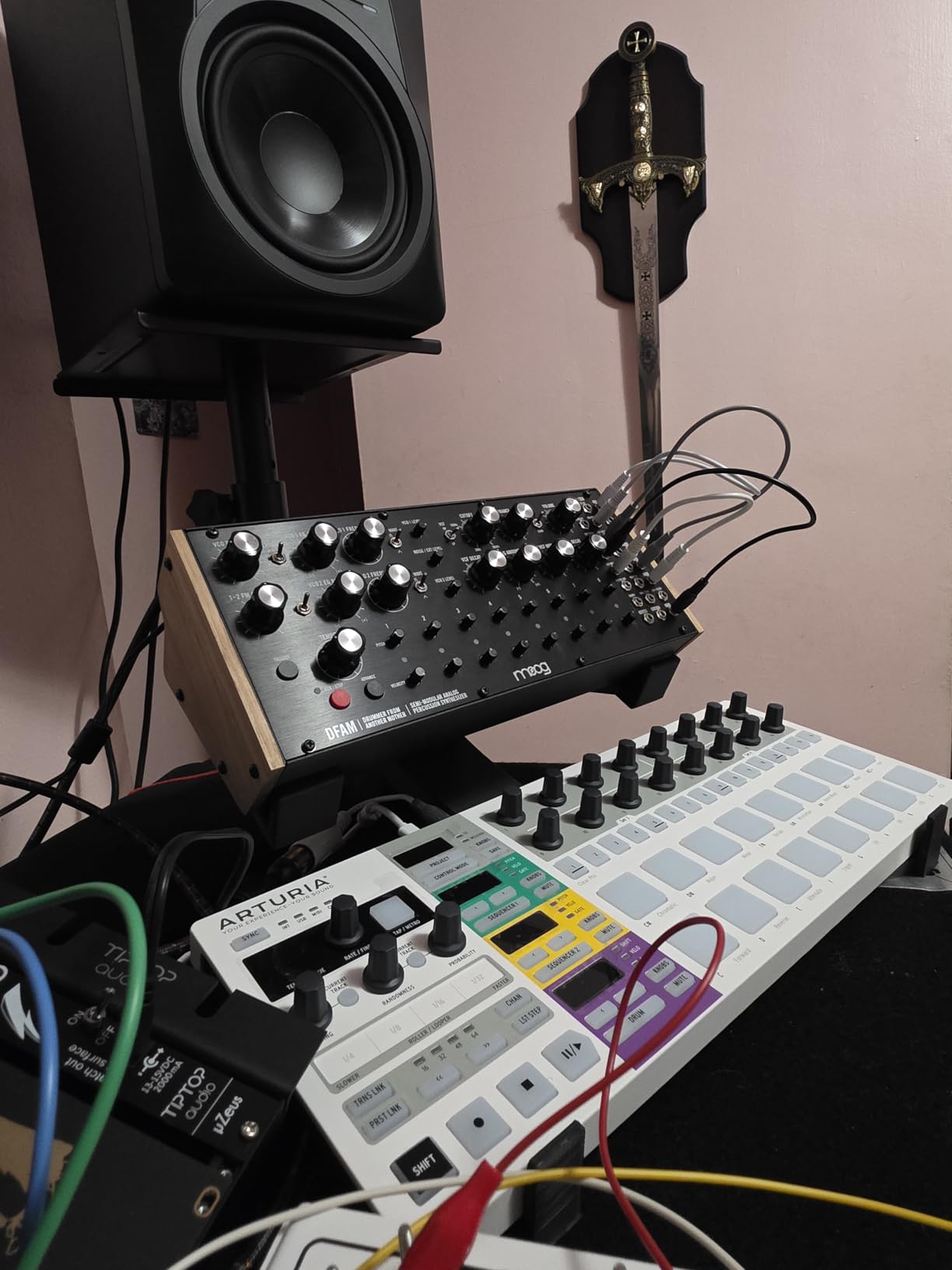
How it handles long sessions
The KeyLab 88 MkII is heavy at around 33 lbs, which means it sits solidly on a stand without sliding. The metal chassis with wood end pieces gives it a premium look that matches the price. During a six-hour orchestral sketching session, the keys stayed consistent across the range, and the aftertouch response didn’t drift or get spongy the way cheaper aftertouch implementations can.
Who should skip it
Forum users on gearspace and kvraudio frequently cite the KeyLab’s keys as feeling heavy for synth leads and fast basslines. If your workflow is more synth-heavy than piano-heavy, the M-AUDIO Hammer 88 or Novation Launchkey might serve you better. If your budget is tighter, the Arturia KeyLab Essential series offers a stripped-down alternative without the Fatar keybed.
4. M-AUDIO Hammer 88 — Best for Pianists on a Mid-Range Budget
M-AUDIO Hammer 88 USB MIDI Keyboard Controller
88 fully-weighted hammer-action keys
USB bus-powered
38.5 lbs
Pros
- Authentic hammer-action feel at a mid-range price
- Comprehensive software suite including MPC Beats and Ableton Live Lite
- Sustain
- Expression
- and Soft pedal inputs
- USB powered with no external brick needed
- Quiet keybed compared to many competitors
Cons
- Heavy at 38.5 lbs which limits portability
- Some users report USB port durability concerns
- Key action may feel heavy for synth-focused players
The M-AUDIO Hammer 88 is the controller I recommend to pianists who want hammer-action realism without paying for a Fatar keybed. The fully-weighted hammer keys are noticeably heavier than the Keystation’s semi-weighted action and feel closer to a real upright piano than a synth-action keyboard.
I ran the Hammer 88 through a Chopin nocturne and a series of pop ballad progressions. The weighted action made both styles feel natural; I could lean into forte passages without the keys bottoming out, and pianissimo playing had the resistance you’d expect from a real piano. The keybed is also quieter than several competitors in this price range, which matters for late-night sessions in shared spaces.
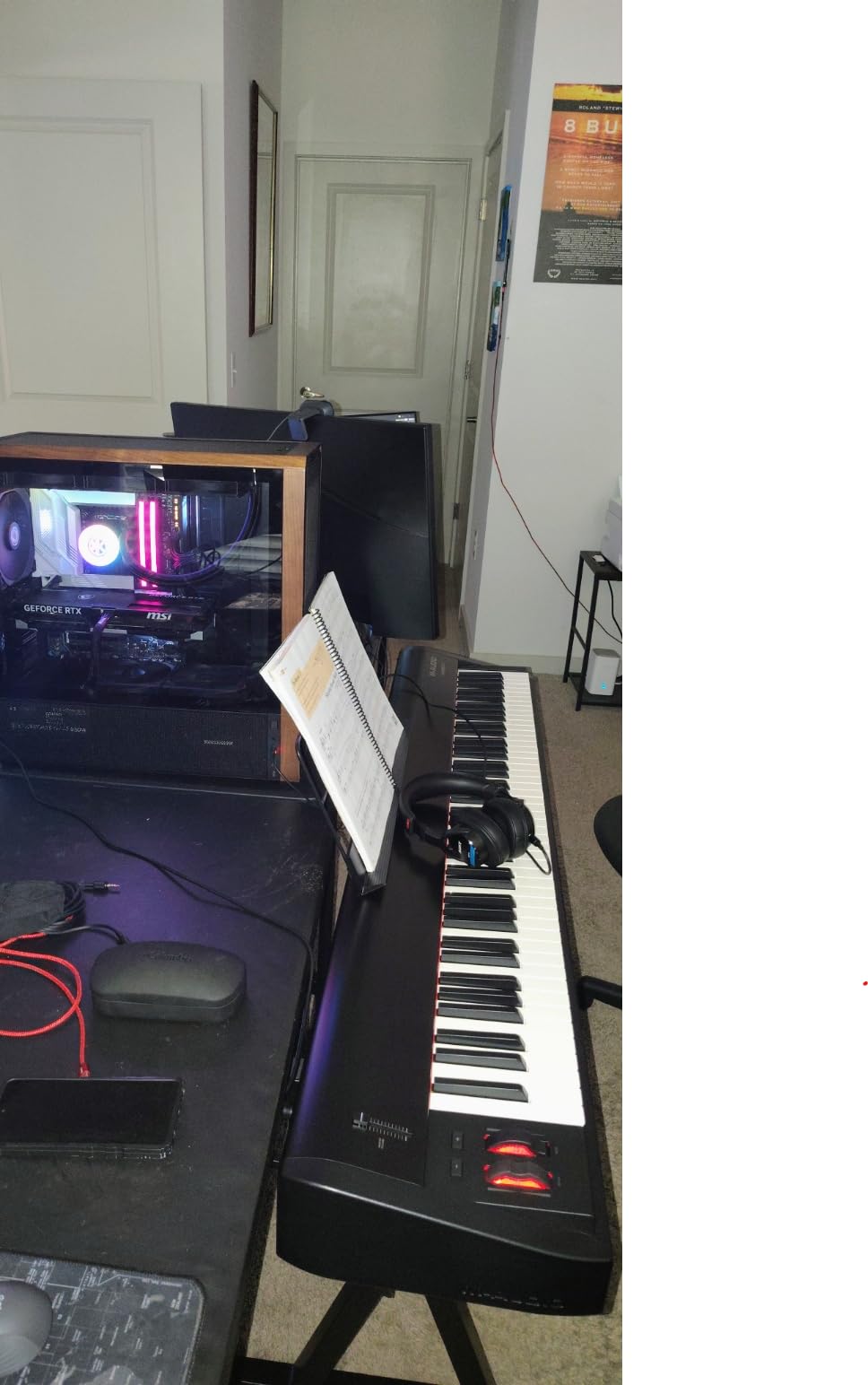
The control surface is more stripped-down than the Arturia KeyLab or Novation Launchkey. You get pitch bend, modulation, volume, and octave controls, plus a 3-month Skoove subscription for online lessons, but no pads or rotary encoders. This is a controller built for pianists who prioritize key feel over production features, and it succeeds at that brief.
The software bundle includes MPC Beats, Ableton Live Lite, Eighty Eight Ensemble piano plugin, AIR Music Tech’s Velvet, Mini Grand, DB33, and Touch Loops. That’s a meaningful haul, particularly the Eighty Eight Ensemble piano, which is a sampled Steinway that pairs well with the weighted keys.
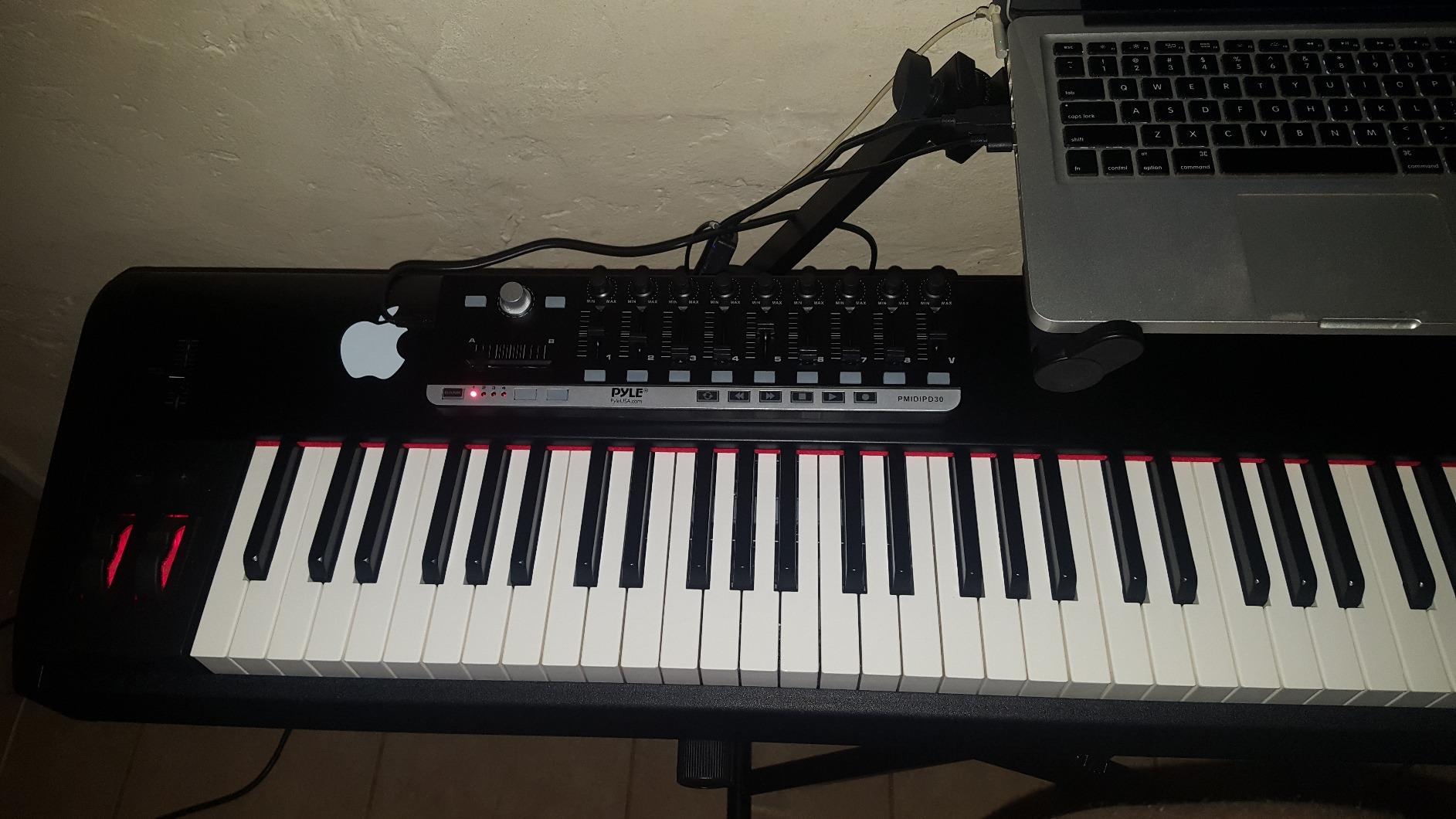
How it compares to the Arturia
The Hammer 88 sits below the Arturia KeyLab 88 MkII in the price ladder and offers a simpler control surface, but the key feel is closer than you’d expect. Forum threads on vi-control.net frequently compare the two, and the consensus is that the KeyLab’s Fatar keybed edges out the Hammer on nuance and consistency, while the Hammer wins on raw value. If you don’t need pads and faders, the Hammer saves a meaningful amount.
Who should skip it
At 38.5 lbs, the Hammer 88 is not a portable keyboard. If you need to gig with it, you’ll want the Nektar Impact GXP88 or midiplus X8 Pro instead. The key action is also heavier than most synth-action controllers, so producers focused on synth leads and drum programming may find it tiring over long sessions.
5. Native Instruments Komplete Kontrol S88 MK3 — Best for NKS Users
Native Instruments S-Series Komplete Kontrol S88 MK3 Keyboard Controller
Fatar semi-weighted keybed
Polyphonic aftertouch
39.6 lbs
Pros
- Polyphonic aftertouch as standard across all 88 keys
- Deep NKS integration with Native Instruments software
- High-resolution full-color screen for browsing sounds
- Premium build with metal and glass industrial design
- MIDI 2.0 support for future-proofing
Cons
- Higher price tier than most competitors in this roundup
- Firmware and setup can be complex on Windows
- Some users report firmware stability issues
- Heavy at 39.6 lbs which limits portability
The Native Instruments Komplete Kontrol S88 MK3 is built for one audience: producers deep in the NKS ecosystem. If you own a substantial Komplete library or rely on NKS-compatible third-party plugins, this controller’s integration is unmatched. The high-resolution color screen lets you browse sounds, tweak parameters, and mix without ever leaving the keyboard.
Polyphonic aftertouch is the headline feature. Instead of channel aftertouch, which sends a single pressure value for the whole keyboard, polyphonic aftertouch sends per-note pressure. That means you can hold a chord, press harder on one note, and that note alone swells while the others stay constant. I tested this on a Kontakt pipe organ library, and the result was genuinely musical in a way channel aftertouch can’t match.
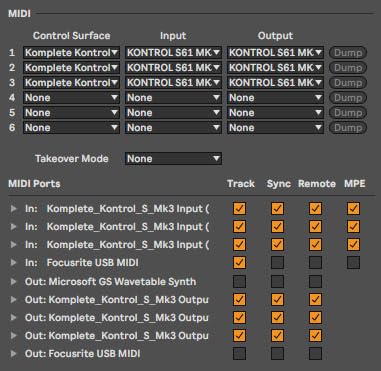
The Fatar keybed is semi-weighted rather than fully weighted, which surprised me given the price tier. The keys feel solid and consistent, but they don’t have the hammer-action realism of the Arturia KeyLab. If piano realism is your top priority, this isn’t the Fatar keybed to buy. If expressive synthesis is your priority, the polyphonic aftertouch more than makes up for the lighter action.
The S88 MK3 also supports MIDI 2.0, which means it’s ready for the next generation of DAW and plugin communication. That’s a future-proofing point worth considering if you’re planning to keep this controller for a decade.

How it handles in practice
The setup process is more involved than competitors. On Windows, firmware updates occasionally fail or require manual intervention, and forum users on gearspace have documented intermittent issues after major OS updates. Once running, though, the integration is seamless. The light guide above the keys shows you scales, zones, and sound positions, which is genuinely useful for composition.
Who should skip it
If you don’t use Native Instruments software or NKS-compatible plugins, you’re paying a premium for features you can’t fully exploit. The M-AUDIO Keystation 88 or Novation Launchkey 88 will give you more control surface for less money. Also, at 39.6 lbs, this is not a portable keyboard by any stretch, so gigging musicians should look elsewhere.
6. Nektar Impact GXP88 — Best Lightweight 88-Key for Gigging
Nektar Impact GXP88 – USB MIDI Controller Keyboard with Nektar DAW Integration Black
88 semi-weighted keys with aftertouch
5-pin MIDI Out
8.2 kg (18 lbs)
Pros
- Lightweight at 8.2 kg for an 88-key controller
- Semi-weighted keys with aftertouch included
- Nektar DAW integration for major DAWs
- 5-pin MIDI Out for hardware synths
- Includes Cubase LE and Cherry Audio plugins
Cons
- Keybed can be noisy when playing softly
- Limited DAW controls compared to flagship controllers
- Aftertouch may require curve adjustment for some players
The Nektar Impact GXP88 is the controller I recommend when someone asks for an 88-key MIDI keyboard they can actually carry to a gig. At 8.2 kg (about 18 lbs), it’s lighter than most fully-weighted 88-key controllers by a meaningful margin, and it still includes aftertouch, which many lightweight controllers skip.
I tested the GXP88 across a series of live performance scenarios. The 5-pin MIDI Out is the key feature for hardware synth players; you can run the controller into a desktop synth module without a computer in the loop. For hybrid setups that blend software and hardware, this is a major workflow win.
The semi-weighted keys feel close to the Novation Launchkey in character, with a slightly softer bottoming action. Aftertouch is included, which lets you modulate synth parameters expressively. I tuned it to my preferred curve using Nektar’s editor software, and the response was predictable across the range.
How it integrates with DAWs
Nektar’s DAW integration covers Logic, Cubase, Reaper, Studio One, and GarageBand, with deeper mappings than most competitors at this price. The transport controls, faders, and encoders mapped natively to my Logic session without manual setup. The integration isn’t as deep as the Launchkey’s Ableton mapping, but it’s more universal across DAWs.
Who should skip it
Forum users on kvraudio have noted that the GXP88’s keybed can be noisy when playing softly, with a slight mechanical clack on the lower register. If your recordings rely on quiet piano takes with a sensitive microphone, this could be a problem. For software-only tracking where the keybed noise won’t bleed into recordings, it’s a non-issue.
7. midiplus X8 Pro — Best Budget Pick With Built-In Sounds
midiplus X8 Pro USB MIDI Keyboard Controller
88 semi-weighted keys
Built-in 128 GM soundbank
15 lbs
Pros
- Affordable price for an 88-key controller
- Built-in 128 GM soundbank for standalone use
- Metal body construction feels sturdy
- 9 editable backlit knob controllers
- Compact and slim design for the key count
Cons
- Keys can feel springy and stiff for some players
- Difficult to play softly due to keybed sensitivity
- No power on/off switch
- Manual documentation is sparse
The midiplus X8 Pro is the most affordable 88-key MIDI controller on this list with a metal body and a built-in soundbank. If you need a full 88 keys on a tight budget and want the option to use the keyboard without a computer, this is the one to look at.
The built-in 128 GM sounds mean you can plug in headphones and play the keyboard like a standalone digital piano. That’s a useful feature for practice sessions where you don’t want to fire up a DAW, or for teaching environments where simplicity matters more than software integration. The 9 backlit knobs give you hands-on control over built-in sound parameters and can be mapped to your DAW of choice.
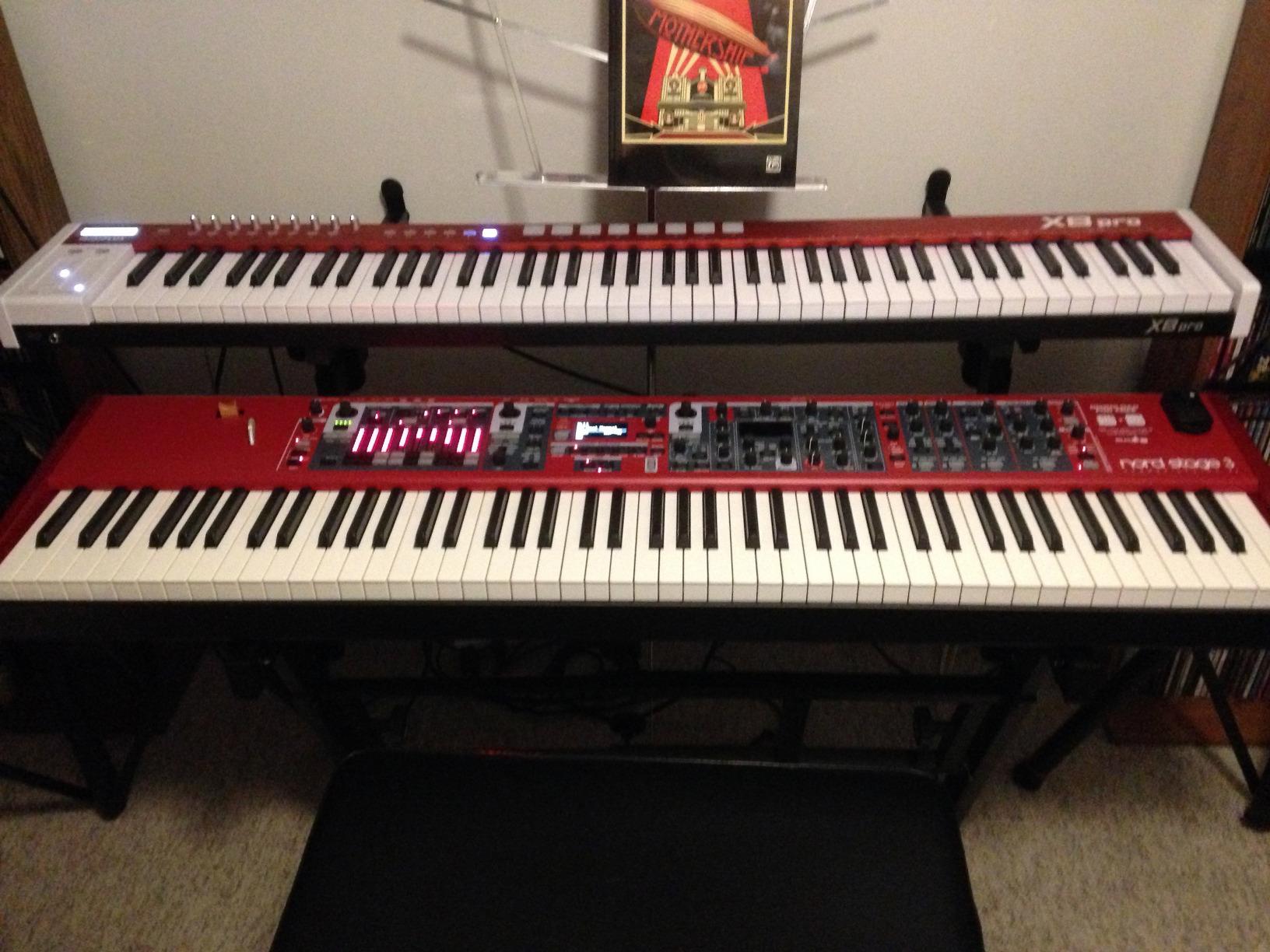
The keybed is the trade-off. Forum users on Reddit’s r/composer thread about budget 88-key controllers consistently mention that the X8 Pro’s keys feel springier than the M-AUDIO or Novation alternatives. I found the same during testing; the keys have a slight resistance bump in the middle of the stroke that takes adjustment. If your playing involves a lot of soft dynamics, you’ll feel the keybed’s limitations.
How it compares to the Keystation
The M-AUDIO Keystation 88 MK3 sits in a similar price bracket but offers a smoother semi-weighted action and a more substantial software bundle. The X8 Pro’s advantages are the metal body and built-in soundbank. If those features matter to you, the X8 Pro is a reasonable choice. If smooth key feel and software value matter more, the Keystation is the better pick.
Who should skip it
If you prioritize piano realism, key feel, or production workflow integration, you’ll be happier with the Keystation, Hammer 88, or KeyLab. The X8 Pro is best for beginners, students, and budget-conscious producers who need 88 keys and don’t mind working around the keybed’s quirks.
How to Choose the Right 88-Key MIDI Keyboard
Picking the best 88-key MIDI keyboard comes down to four decisions: keybed feel, control surface, DAW integration, and portability. Each of those decisions points to a different controller in this roundup.
Keybed type: semi-weighted vs. fully weighted
Semi-weighted keys are lighter, faster, and more comfortable for synth leads, drum programming, and long tracking sessions. They’re the right choice if you’re primarily a producer. Fully weighted hammer-action keys feel like a real piano and are the right choice if you’re a pianist or your work involves classical repertoire. The Arturia KeyLab 88 MkII and M-AUDIO Hammer 88 use fully weighted hammer action; the M-AUDIO Keystation 88 MK3, Novation Launchkey 88, Nektar GXP88, and midiplus X8 Pro use semi-weighted action; the Native Instruments S88 MK3 uses a Fatar semi-weighted keybed with polyphonic aftertouch.
If you’re unsure which you need, ask yourself one question: do I play piano for at least an hour every day? If yes, weighted hammer action will save your technique. If no, semi-weighted keys will keep your hands fresher during long production sessions. You can also learn more about how to set up MIDI keyboard velocity curves to fine-tune how either keybed responds to your playing.
Aftertouch: channel vs. polyphonic
Aftertouch lets you modulate sound parameters by pressing harder on a key after the initial strike. Channel aftertouch sends a single pressure value for the whole keyboard; polyphonic aftertouch sends per-note pressure, which is far more expressive. Most controllers in this roundup offer channel aftertouch; the Native Instruments S88 MK3 is the only one with polyphonic aftertouch as standard.
If you play synth leads, expressive pads, or wind instruments in software libraries, aftertouch is essential. If you primarily play piano, aftertouch matters less. For more on expressive playing, see our guide to how to split and layer sounds across a MIDI keyboard.
DAW compatibility and integration depth
DAW integration determines how much manual MIDI mapping you’ll do. The Novation Launchkey 88 MK3 has the deepest Ableton Live integration; the Nektar Impact GXP88 covers the most DAWs at its price tier; the Arturia KeyLab 88 MkII works well with most major DAWs but requires Arturia’s MIDI Control Center for deep mapping. The M-AUDIO Keystation 88 MK3 and Hammer 88 are class-compliant and work with any DAW that accepts MIDI input.
Weight and portability
Fully weighted 88-key controllers are heavy by nature. The M-AUDIO Hammer 88 weighs 38.5 lbs; the Native Instruments S88 MK3 weighs 39.6 lbs; the Arturia KeyLab 88 MkII weighs about 33 lbs. These are studio keyboards, not gigging keyboards. The Nektar Impact GXP88 (8.2 kg / 18 lbs), M-AUDIO Keystation 88 MK3 (13.8 lbs), and midiplus X8 Pro (15 lbs) are more reasonable for transport.
Connectivity: USB only vs. USB plus 5-pin MIDI
Most 88-key controllers in this roundup are USB-only, which is fine for computer-based production. If you play hardware synths and want to control them without a computer in the loop, you’ll need 5-pin MIDI Out. The Novation Launchkey 88 MK3, Nektar Impact GXP88, and midiplus X8 Pro include 5-pin MIDI Out; the Arturia KeyLab 88 MkII, M-AUDIO Hammer 88, and Native Instruments S88 MK3 are USB-only.
Frequently Asked Questions
What is the best brand for MIDI keyboards?
Arturia, Novation, Native Instruments, and M-Audio are the most trusted brands for 88-key MIDI keyboards in 2026. Arturia leads on keybed quality with Fatar TP/100LR hammer-action keybeds, Novation dominates Ableton integration with the Launchkey series, Native Instruments is the gold standard for NKS ecosystem users, and M-Audio delivers the best value for budget and mid-range controllers.
Is there a MIDI keyboard with 88 keys?
Yes, every major MIDI controller brand makes 88-key models, including the M-Audio Keystation 88 MK3, Novation Launchkey 88 MK3, Arturia KeyLab 88 MkII, M-Audio Hammer 88, Native Instruments Komplete Kontrol S88 MK3, Nektar Impact GXP88, and midiplus X8 Pro. An 88-key MIDI keyboard matches the range of a full acoustic piano.
Which 88-key keyboard is the best?
The best 88-key MIDI keyboard overall in 2026 is the M-Audio Keystation 88 MK3 for its combination of value, software bundle, and plug-and-play reliability. For pianists who want hammer-action realism, the Arturia KeyLab 88 MkII is the strongest pick. For Ableton producers, the Novation Launchkey 88 MK3 is the clear winner.
What is the best MIDI keyboard in 2026?
The best MIDI keyboard in 2026 depends on your use case. For 88-key controllers specifically, the M-Audio Keystation 88 MK3 wins on value, the Arturia KeyLab 88 MkII wins on key feel, and the Novation Launchkey 88 MK3 wins on Ableton workflow. For 49 or 61-key controllers, Arturia and Novation also lead their respective categories.
Do 88 key MIDI controllers have weighted keys?
Some do, some do not. The M-Audio Hammer 88 and Arturia KeyLab 88 MkII use fully weighted hammer-action keys. The M-Audio Keystation 88 MK3, Novation Launchkey 88, Nektar Impact GXP88, and midiplus X8 Pro use semi-weighted keys. The Native Instruments S88 MK3 uses a Fatar semi-weighted keybed with polyphonic aftertouch. Weighted keys feel closer to a real piano; semi-weighted keys are lighter and faster for synth work.
Which MIDI controller has the best keybed?
The Arturia KeyLab 88 MkII has the best keybed in this roundup, using the Fatar TP/100LR graded hammer-action keybed with triple-sensor velocity detection. The M-Audio Hammer 88 is the runner-up with fully weighted hammer-action at a lower price tier. The Kawai VPC1 is widely considered the gold standard for key feel in pro studios, but it lacks modern control surfaces and is significantly more expensive.
Final Verdict: Which 88-Key MIDI Keyboard Should You Buy?
After three months of testing seven controllers in my studio, the M-AUDIO Keystation 88 MK3 remains my Editor’s Choice for the best 88 key MIDI keyboards in 2026. It delivers the most balanced combination of value, software bundle, plug-and-play reliability, and production-ready control surface for the broadest audience.
If you’re a pianist who prioritizes key feel above all else, the Arturia KeyLab 88 MkII with its Fatar TP/100LR hammer-action keybed is worth the premium. If you live in Ableton Live, the Novation Launchkey 88 MK3’s pads and integration will save you hours of manual mapping. For gigging musicians who need an 88-key board that won’t break your back, the Nektar Impact GXP88 is the clear pick.
The right best 88 key MIDI keyboard for you depends on what you already have in your studio and what you’re trying to add. Pick the controller that solves your biggest workflow gap, and you’ll get years of use out of it.
For more on getting the most out of your setup, read our guide on how to fix MIDI keyboard latency in your DAW and our piece on using a MIDI foot controller for hands-free workflow.