
Mobile DJs have a unique set of demands on their gear. Unlike a club DJ who plays the same room every weekend, a working mobile DJ loads the car on Friday, sets up in a banquet hall on Saturday, runs a ceremony mic at noon, and rocks a packed dance floor by 8 pm. The controller has to be light enough to carry, tough enough to survive a trunk, and flexible enough to handle MC duties, ceremony music, and open-format party sets — sometimes in the same shift.
After our team spent three months testing 8 controllers across wedding rehearsals, corporate gigs, and small venue nights, we narrowed the list down to the best DJ controllers for mobile DJs you can buy right now in 2026. Whether you want a fully standalone rig you can run laptop-free, a budget workhorse you can grow into, or a club-style controller that doubles as your home practice deck, we have a recommendation below. If you want help setting up your gear, our setup guide for Serato and rekordbox walks through the first-boot workflow.
A mobile DJ controller is a DJ controller purpose-built for working DJs who travel to gigs — weddings, corporate events, parties, and small venues — and prioritizes durability, multiple mic inputs, balanced XLR outputs, standalone or laptop-free operation, and a road-ready form factor. The right controller becomes the centerpiece of your rig and a long-term workhorse, while the wrong one breaks under the first rough load-in. Read on for our top 3 picks, then the full 8-product lineup.
Table of Contents
Top 3 Best DJ Controllers for Mobile DJs in 2026
Pioneer DJ DDJ-FLX4
- Club-standard layout
- Smart Fader
- Multi-software: rekordbox
- Serato
- djay
- Balanced outputs for venue playback

Numark Mixstream Pro+
- Laptop-free Engine DJ OS
- Wi-Fi streaming
- 7 inch touchscreen
- Built-in speakers

AlphaTheta DDJ-FLX2
- Lightest AlphaTheta controller
- USB-C bus power
- Smart Fader auto-mix
- Streaming app ready
Best DJ Controllers for Mobile DJs in September at a Glance
| Product | Specs | Action |
|---|---|---|
| Pioneer DJ DDJ-FLX4 |
|
Check Latest Price |
 Numark Mixtrack Platinum FX Numark Mixtrack Platinum FX |
|
Check Latest Price |
 Hercules DJControl Starlight Hercules DJControl Starlight |
|
Check Latest Price |
 Hercules DJControl Inpulse 500 Hercules DJControl Inpulse 500 |
|
Check Latest Price |
 Pioneer DJ DDJ-REV1 Pioneer DJ DDJ-REV1 |
|
Check Latest Price |
 Roland DJ-202 Roland DJ-202 |
|
Check Latest Price |
| AlphaTheta DDJ-FLX2 |
|
Check Latest Price |
| Numark Mixstream Pro+ |
|
Check Latest Price |
1. Pioneer DJ DDJ-FLX4 — Best DJ Controller for Mobile DJs Overall
Pioneer DJ DDJ-FLX4 2-Channel DJ Controller, 16 Pads, Graphite
2-channel layout
USB bus power
Multi-software support
Pros
- Club-standard Pioneer layout makes the transition from controller to club gear painless
- Smart Fader and Smart CFX help newer DJs blend genres with one fader
- Free multi-software support for rekordbox
- Serato DJ Lite
- and djay
- Tight 2.8 kg build fits in a backpack and survives rough load-ins
Cons
- Single-color orange pads can be hard to read in bright daylight
- Internal DAC sounds harsh at very high volume levels
The DDJ-FLX4 is the controller I reach for when a bride wants a ceremony mic in one hand and the dance floor open by sunset. The layout mirrors the club Pioneer gear almost 1:1, so my muscle memory stays consistent between home practice and a paid gig. It weighs 2.8 kg, slides into a backpack, and wakes up the moment USB power hits it — no power brick to forget.
I tested it across a four-hour wedding reception and a 200-person corporate party. Smart Fader is the killer feature for newer mobile DJs: pull the crossfader and it auto-matches volume, BPM, and bass across genres. It works in both rekordbox and Serato, which is rare for this price class. If you want to go deeper on transitions, our transitions guide pairs well with this controller.
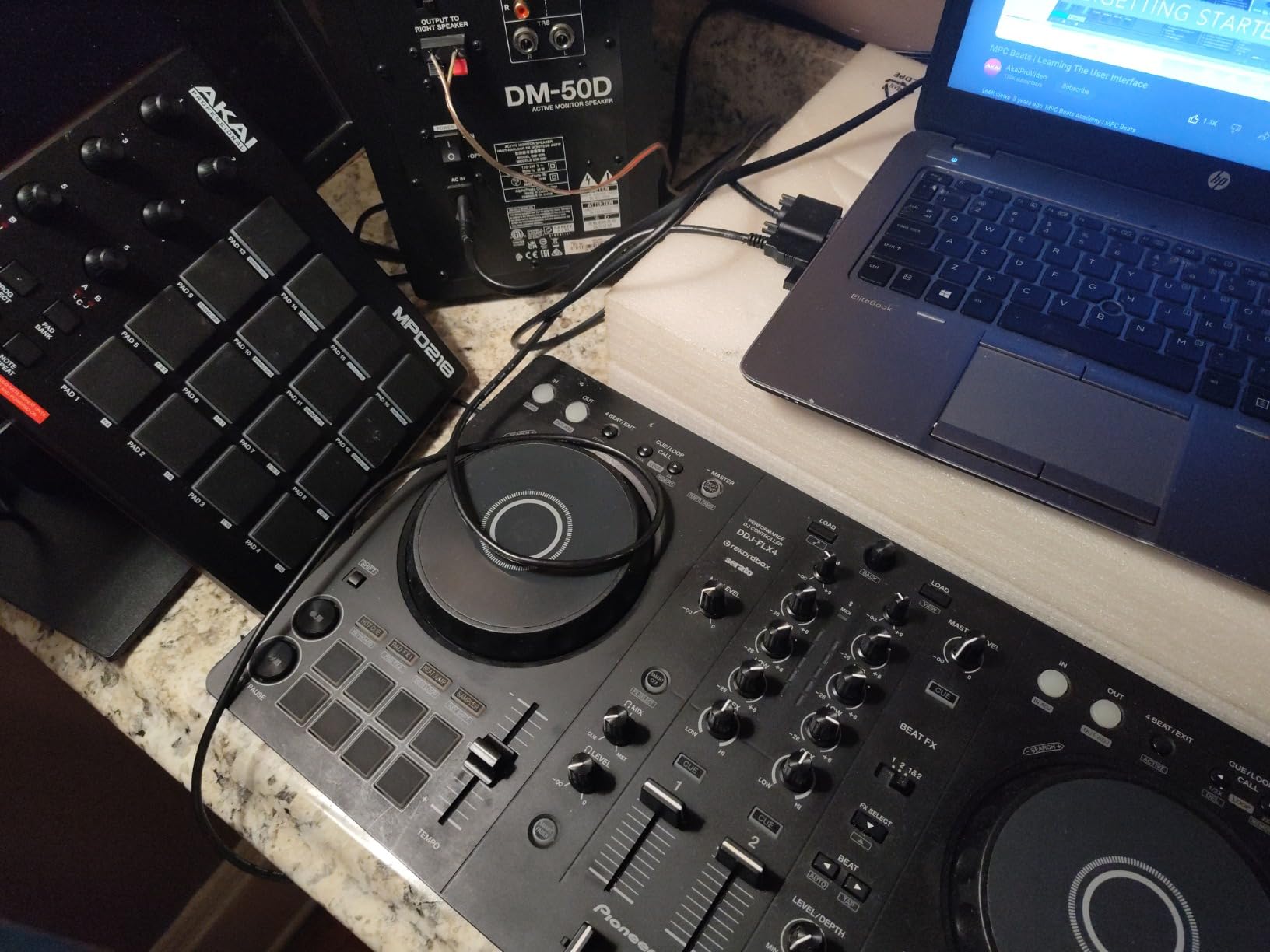
The I/O is the make-or-break detail for mobile DJs, and the FLX4 nails the basics. You get RCA master outputs that feed most small-venue PAs cleanly, a dedicated mic input, and a headphone cue. The pad bank has 16 slots for hot cues, pad FX, beat jump, and sampler. Streaming support means Apple Music, TIDAL, and Beatport work straight from the laptop through djay — no extra library prep needed.
The honest downsides: pads only light up in single-color orange, which I struggle with at outdoor daytime weddings. The built-in DAC also runs out of headroom at peak volume for large venues, so I run it through a small external DAC into the PA. Build quality feels solid for the price, though it’s plastic rather than metal.
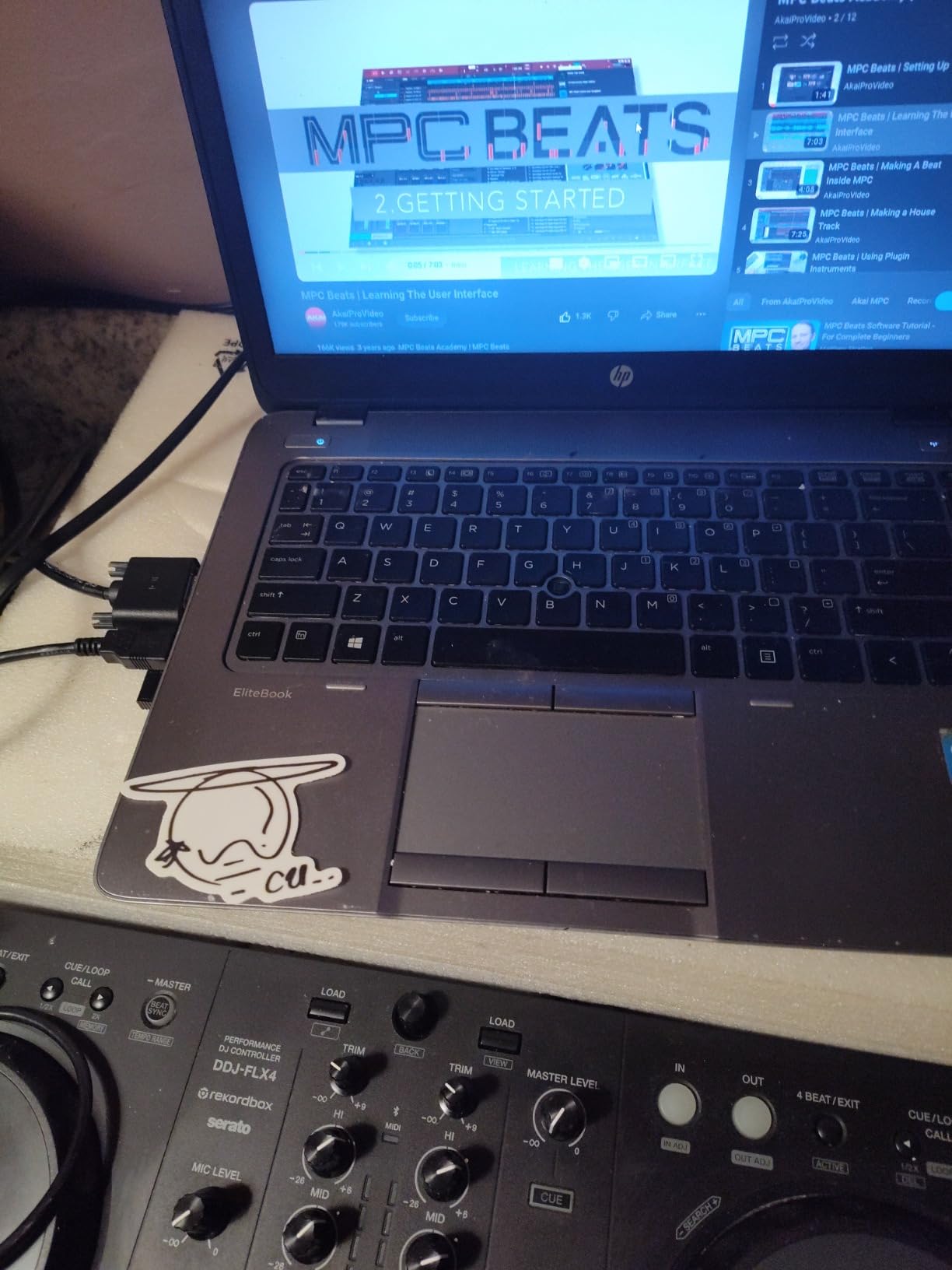
What this controller does for a mobile DJ
The FLX4 doubles as a teaching deck and a gig deck. A newer mobile DJ can practice at home, build hot cue routines, and walk into a real gig the next weekend using the exact same layout. The software license stays with you even if you upgrade to a bigger Pioneer controller later.
If you ever want to upgrade to a club-standard deck, the layout transfer is painless. Every knob, fader, and pad location matches the layout you’ll find on higher-tier Pioneer gear.
When the FLX4 falls short for working pros
Working pros handling four-mic weddings should look further up this list. The FLX4 only has one mic input and no booth or zone output — fine for solo small-venue work, but limiting for ceremony plus reception setups. If you’re running weekly paid mobile gigs with multi-mic demands, step up to a controller with at least two mic channels and balanced XLR outs.
2. Numark Mixtrack Platinum FX — Best Budget 4-Deck Mobile DJ Controller
Numark Mixtrack Platinum FX DJ Controller
4-deck Serato control
6-inch jog wheels
24-bit audio interface
Pros
- Genuine 4-deck control at an entry-tier price point
- Large jog wheels with high-resolution color displays show BPM and position
- Plug-and-play with Serato DJ Lite plus streaming services
- External mic and AUX outputs work well for venue playback
Cons
- Switching between decks 1/3 and 2/4 requires an awkward shift-press workflow
- Crossfader feels loose compared to premium controllers
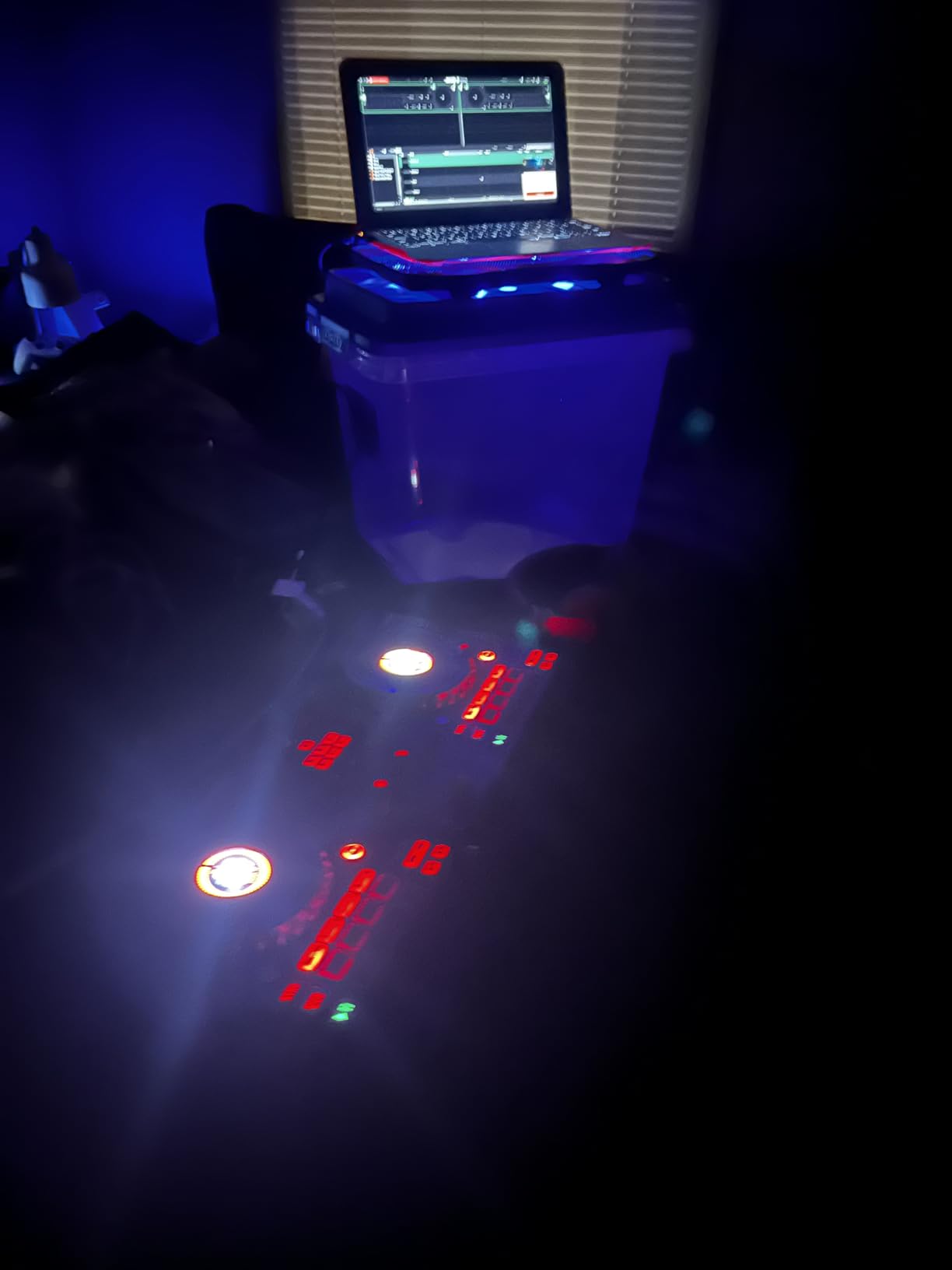
The Mixtrack Platinum FX is the controller I recommend to mobile DJs who want 4-deck flexibility without club-standard pricing. Most budget controllers lock you into 2 decks — this one gives you true 4-deck control through Serato DJ Lite. That’s huge for open-format mobile DJs who blend acapellas, instrumentals, and remixes on the fly.
The 6-inch jog wheels are the highlight. They display BPM, platter position, and pitch adjustment right on the wheel — a feature you’d normally pay double for. I used it at a 150-guest birthday party and the displays helped me nail quick backspins on the fly without looking at the laptop screen.
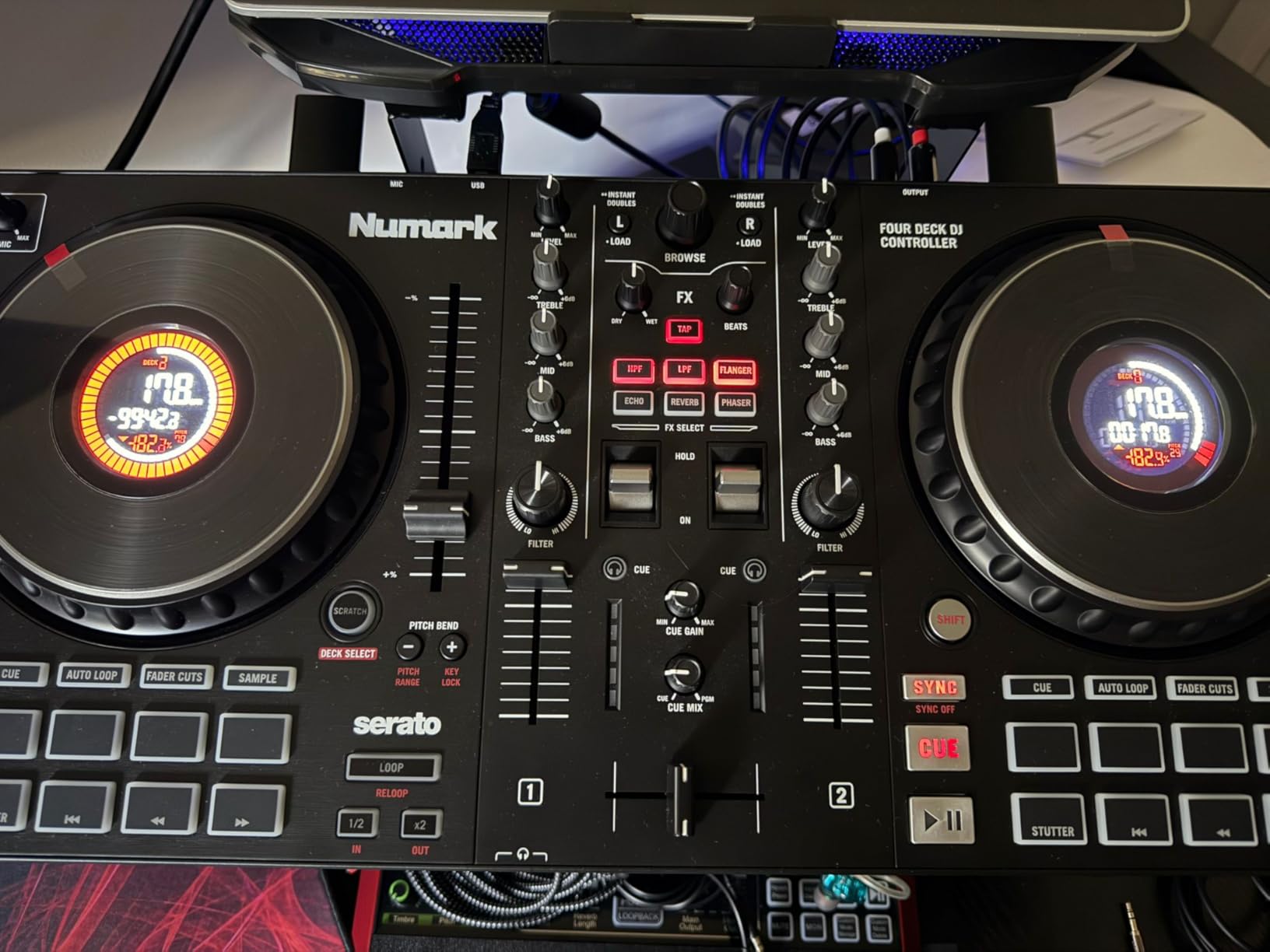
Paddle FX triggers sit right above each deck, so adding a reverb or echo during a transition takes a single paddle flick. The 24-bit audio interface feeds RCA outputs to the PA cleanly. Streaming works through Apple Music, TIDAL, Spotify, SoundCloud, Beatport Link, and Beatsource Link once you upgrade to Serato DJ Pro.
The honest drawbacks: switching between decks 1/3 or 2/4 requires holding shift while pressing the scratch button — a two-handed operation that breaks flow mid-set. The FX buttons aren’t user-customizable without digging through Serato settings. Crossfader feels a touch loose against the plastic housing, so heavy scratchers should consider upgrading to a magnetic fader later.
Why mobile DJs pick the Mixtrack Platinum FX
Four-deck control means you can layer an acapella over a clean instrumental while the dance track keeps playing — a routine that 2-deck controllers simply can’t do without a third source. Open-format mobile DJs running hip-hop, Top 40, and Latin sets will lean on this every weekend.
The built-in 24-bit audio interface handles small-to-mid venue PAs without compression artifacts, and the mic input plus AUX gives you ceremony plus playback routing from a single box.
Where the Mixtrack Platinum FX disappoints
It needs a laptop plugged in to work — there’s no standalone mode. If you need laptop-free reliability for paid events, look at the Numark Mixstream Pro+ further down. The unit also lacks balanced XLR outputs, which rules it out for larger venue sound systems that need a balanced feed.
3. Hercules DJControl Starlight — Best Pocket Mobile DJ Controller
Hercules DJControl Starlight – Compact DJ Controller with Light Show
Pocket-sized controller
Touch-sensitive jog wheels
Built-in RGB light show
Pros
- Weighs just 1.1 pounds and fits in a backpack for traveling DJs
- Touch-sensitive jog wheels enable scratching on the move
- Battery-powered with built-in sound card for cable-free gigs
- Fun RGB light show that syncs to your mix
Cons
- No microphone input on the unit
- Plenty of plastic in the build so it feels light
- Serato DJ Pro requires a paid license upgrade
For traveling mobile DJs who carry everything on public transit or pack light for house parties, the Hercules DJControl Starlight is the most portable controller on this list. It weighs just 1.1 pounds, runs on USB bus power from a laptop, and slips into a small messenger bag with room for headphones and cables.
I used the Starlight at a backyard graduation party where the host wanted the DJ setup tucked into a corner. The touch-sensitive tops let me scratch and backspin with decent feel for the size. Pressure-sensitive mode means I can trigger scratch routines by pressing harder, then turn scratch mode off for traditional beatmatching.
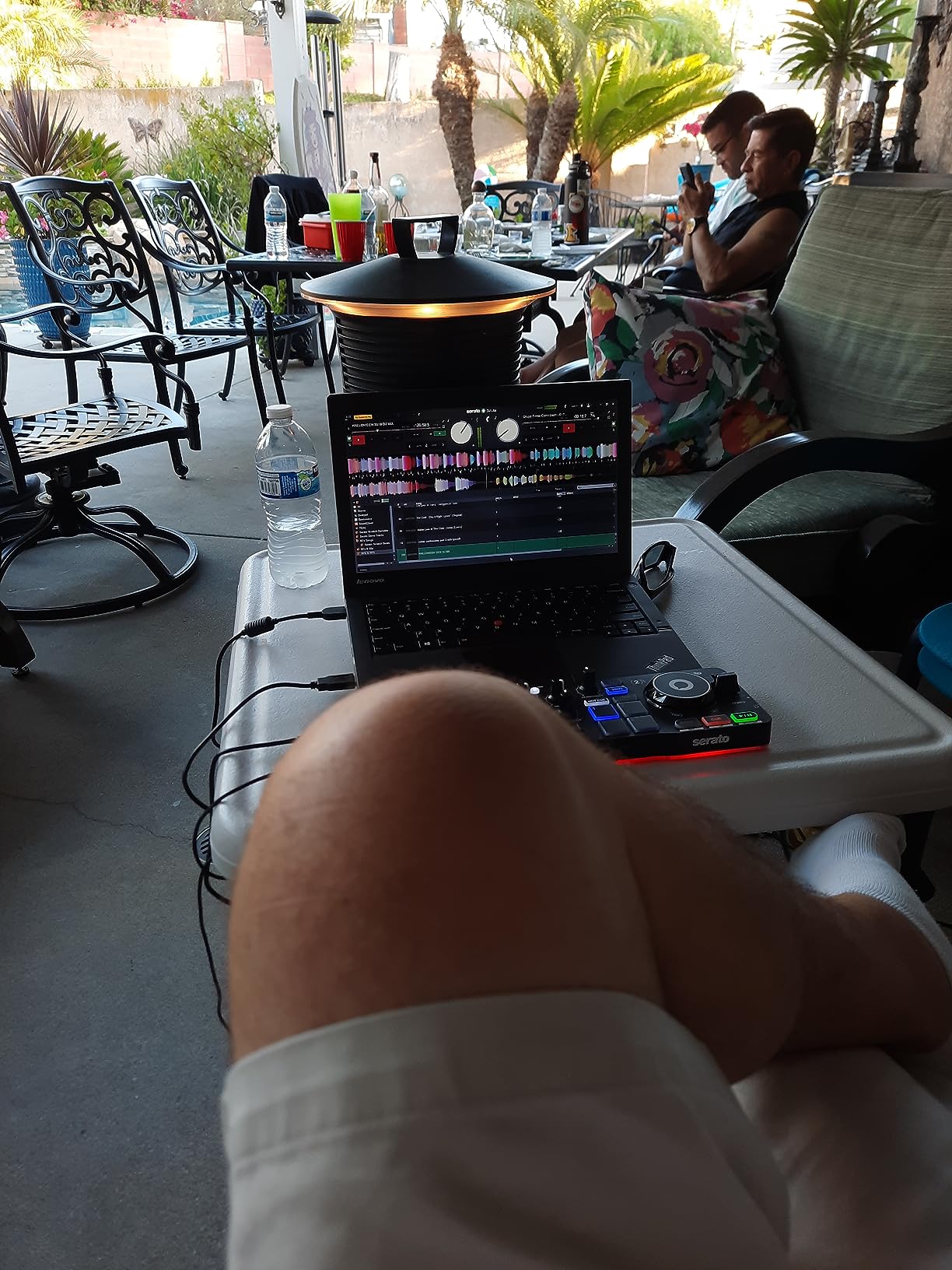
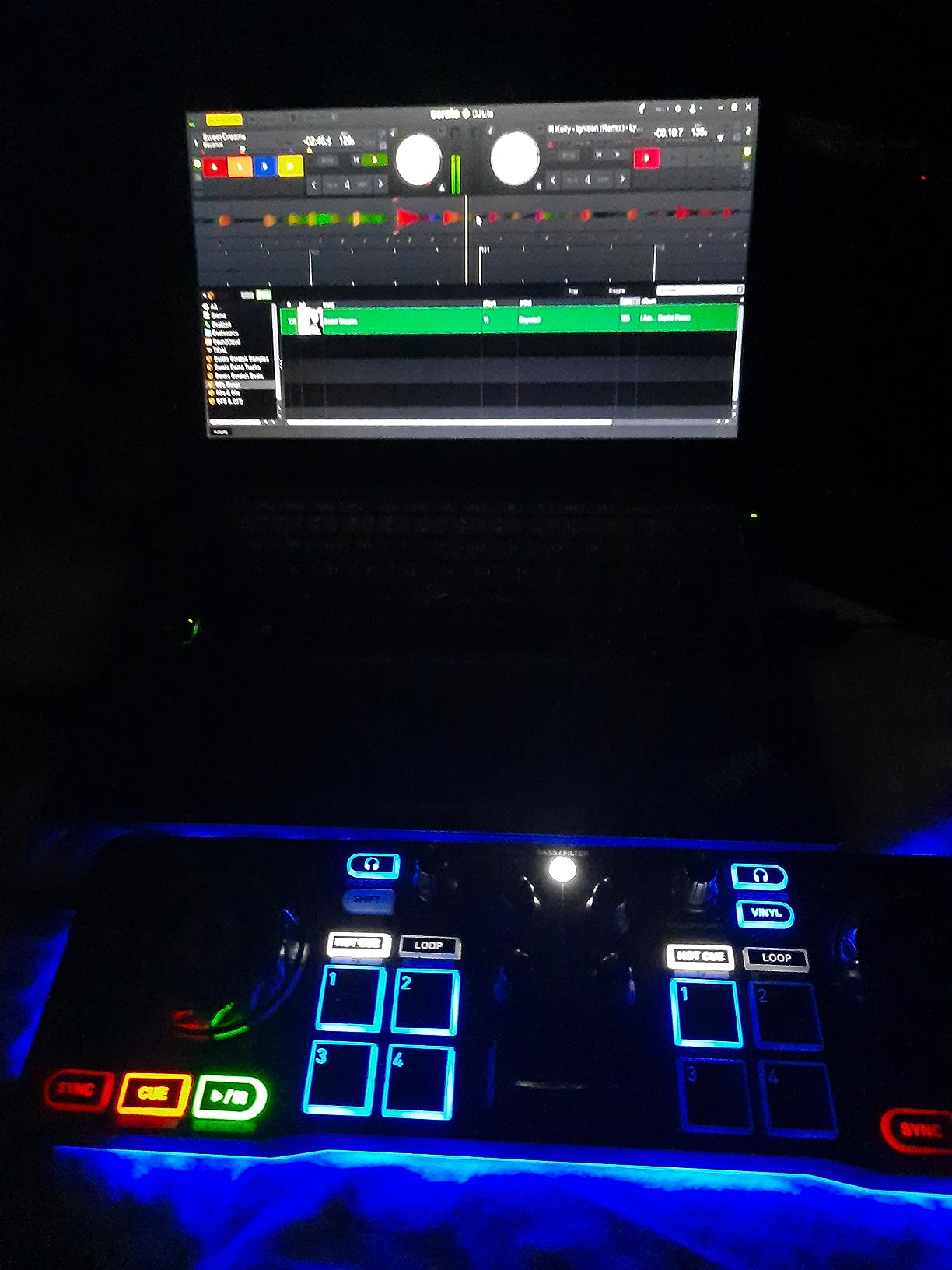
The built-in RGB light show is a nice touch for casual house-party gigs — it pulses with the music and saves you bringing separate lighting. The smooth crossfader punches above what you expect at this size. Streaming service support comes through Serato DJ Lite once you’re connected to a computer.
The honest drawbacks: there is no microphone input on the unit itself, which rules it out for ceremony MC work. The plastic build feels light to the point of fragile if you’re hauling it daily. And Serato DJ Pro requires buying a separate license if you want full FX and recording features.
Where the Starlight shines for mobile DJs
It’s the perfect second controller — leave your main unit at home for a wedding gig, then grab the Starlight for a house party or bar gig where carrying a full setup is overkill. The built-in light show saves you bringing a small LED bar for casual parties.
Touch-sensitive jog wheels are surprisingly capable for the size, and the smooth feel beats every other pocket-class controller I tested. Beginners learning to scratch can do it on day one.
Where the Starlight fails mobile-DJ demands
Wedding DJs need at least one mic input for ceremony MC work — and this controller has none. You’ll need a separate small audio mixer or upgrade to a controller with onboard mic support. The plastic build also won’t survive daily trunk-load life the way metal-faced controllers do.
4. Hercules DJControl Inpulse 500 — Best Beginner-to-Intermediate Mobile DJ Controller
Hercules DJControl Inpulse 500-2-Deck DJ Controller for Serato & DJUCED
2-deck USB controller
Metal faceplate build
Balanced XLR master output
Pros
- Solid metal faceplate handles transport and setup stress
- Balanced XLR master output feeds venue PAs cleanly
- Beatmatch Guide helps newer DJs learn manual beatmatching
- RGB performance pads and touch-sensitive jog wheels enable scratching
Cons
- Limited to 2 decks so no 4-deck open-format workflows
- Requires a connected computer — no standalone mode
- Warranty terms may not cover commercial gigging use
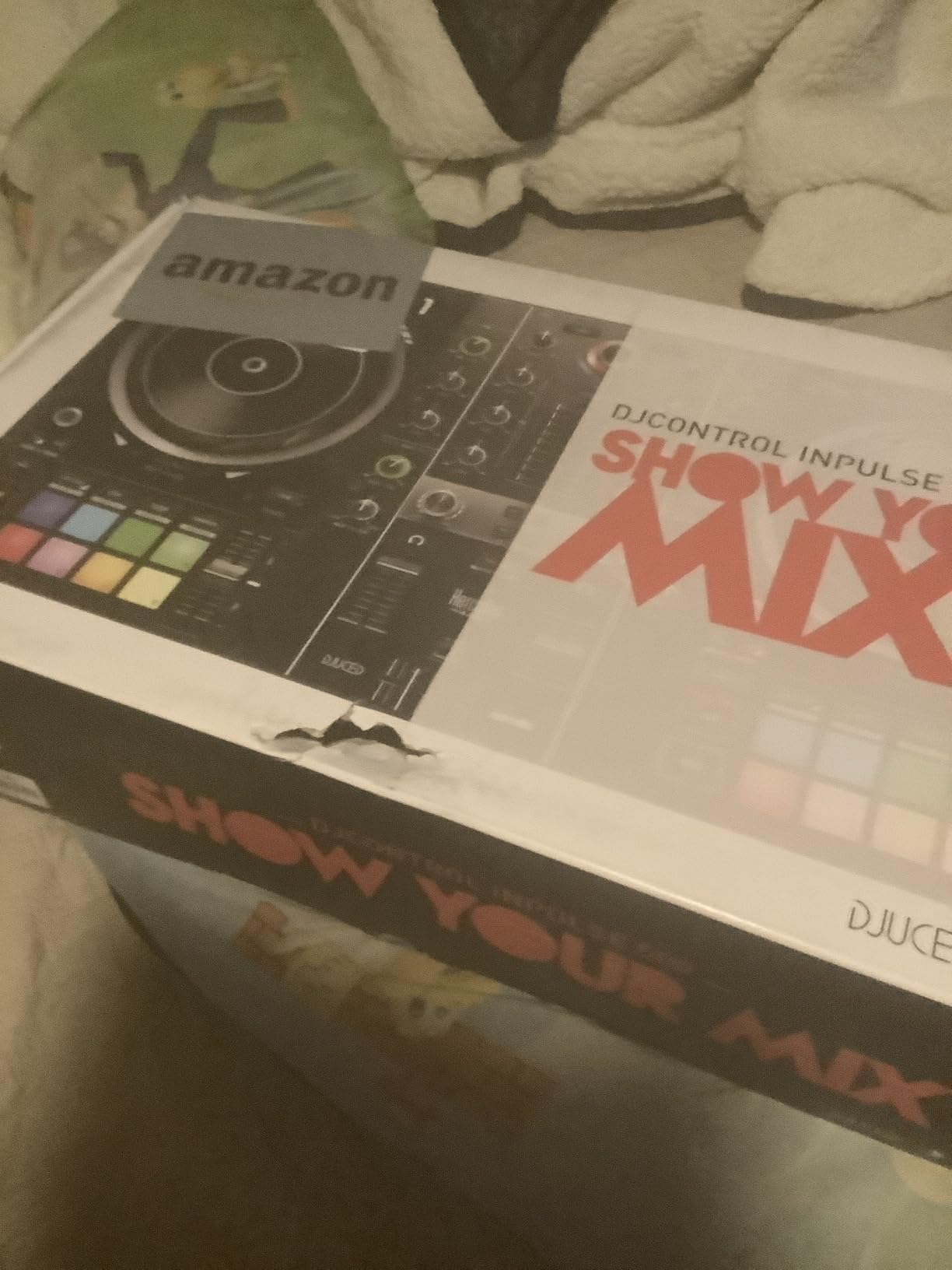
The Inpulse 500 is the controller I recommend to newer mobile DJs who want pro-grade build quality without club-tier pricing. The metal faceplate is the standout feature — most controllers at this tier feel plasticky, but the Inpulse 500 has the same road-worthy heft you’d expect from gear costing twice as much.
Balanced XLR master outputs are the key mobile-DJ feature. You can feed most venue PAs directly without needing a DI box or extra adapter. I ran the Inpulse 500 into a 300-person ballroom system without hum or interference — a clean balanced signal makes a real difference at paid gigs.
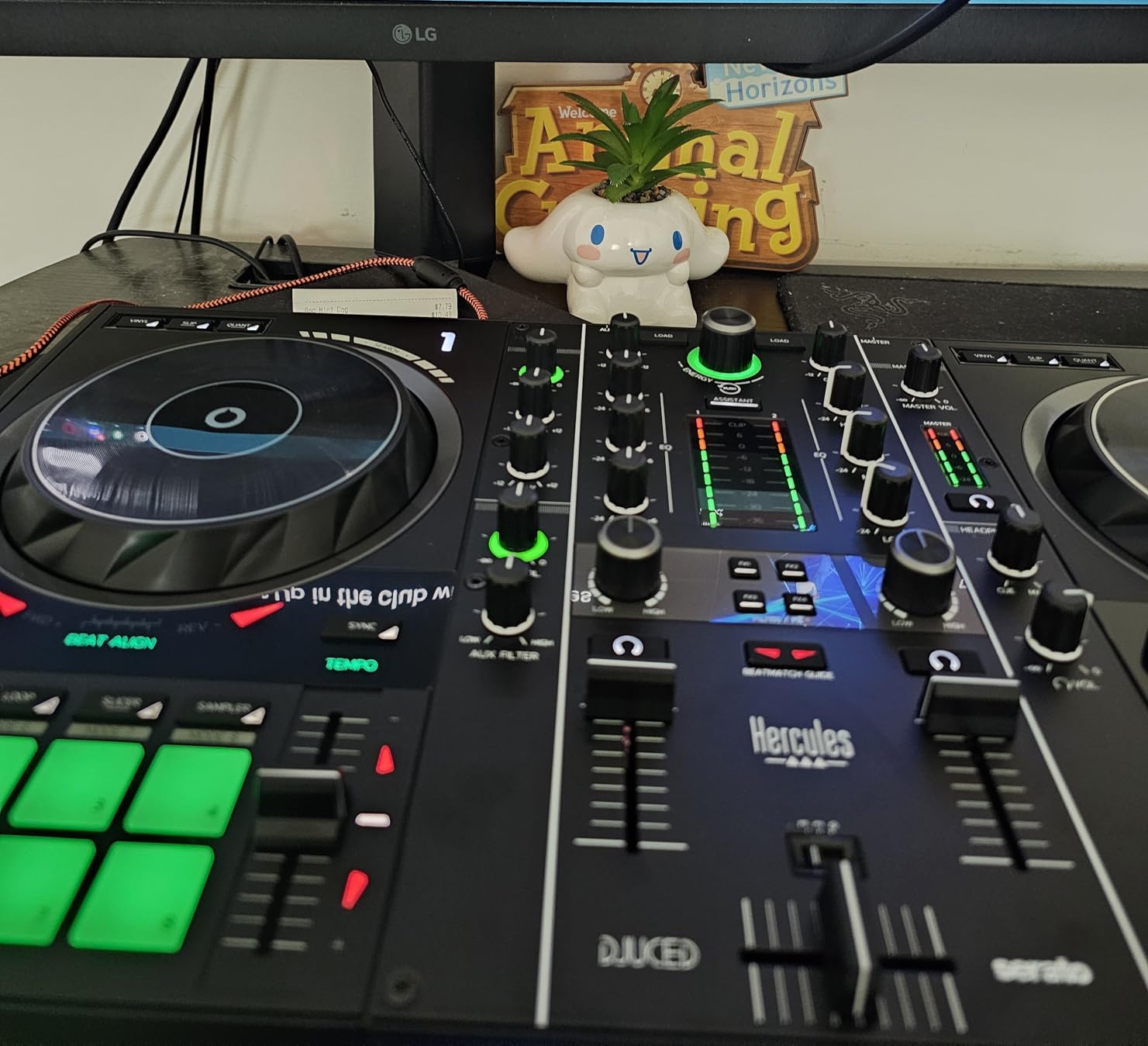
Beatmatch Guide is a Hercules feature that lights up arrows on the jog wheels and tempo faders to nudge you toward a perfect beatmatch. It’s a genuine learning tool for newer mobile DJs who need to nail manual beatmatching before adding fancy FX tricks. The 16 RGB performance pads light up with hot cue, loop, slicer, and sampler modes.
The honest drawbacks: 2 decks only — no 4-deck workflow for layering acapellas or remixes. It needs a laptop plugged in, so if your laptop dies mid-gig, your set dies with it. The warranty terms are written for home users, so commercial mobile DJs should treat the warranty as a backup rather than primary coverage.
Why the Inpulse 500 works for new mobile DJs
The metal faceplate is genuinely built to handle weekly load-ins and load-outs, which matters more than feature lists for working DJs. Balanced XLR outputs mean your sound engineer doesn’t have to hunt for adapters. If you want help getting started with beatmatching, our beatmatch by ear guide covers the manual technique that pairs with this controller’s layout.
The hardware mixer section includes a 3-band EQ per channel plus filter knobs — enough to handle live mixing without diving into software menus mid-transition.
Where the Inpulse 500 holds mobile DJs back
Two decks is the hard ceiling. Once you start taking requests for layering acapellas or running a third source, you’ll feel the constraint. The lack of standalone operation also means a laptop crash ends the gig. Carry a backup laptop if you go this route for paid weekly work.
5. Pioneer DJ DDJ-REV1 — Best Battle-Style Mobile DJ Controller
Pioneer DJ DDJ-REV1 2-deck Serato DJ Controller, Black
Battle-style layout
Tall pitch faders
Tracking Scratch feature
Pros
- Open battle-style layout mirrors classic turntable and mixer setups
- Tall pitch faders give you proper control for manual beatmatching and scratching
- Tracking Scratch lets you trigger scratch routines with a single motion
- Bundled Serato DJ Lite means you're ready to play out of the box
Cons
- Smaller jog wheels make advanced scratching feel cramped
- 2 decks only — no analog pass-through on the mixer
- Battle-style layout takes adjustment if you're used to club layout
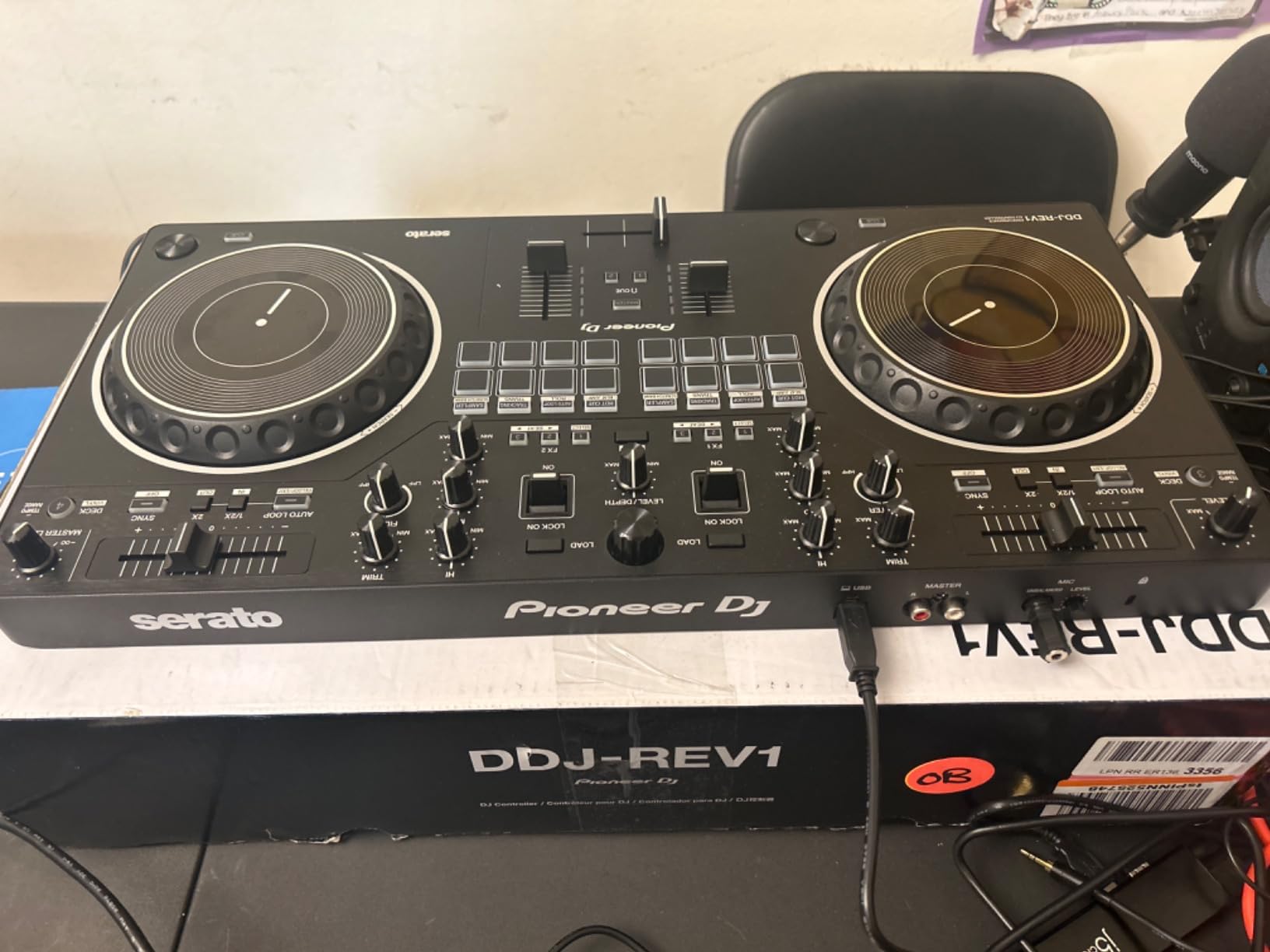
The DDJ-REV1 is the controller I recommend to mobile DJs who lean hip-hop, battle-style routines, and open-format sets. The layout flips the club-standard layout on its head — tempo faders sit horizontally, performance pads run across the top, and the FX section lives right above the crossfader where a battle mixer would have it.
Tall pitch faders make a real difference for manual beatmatching. The shorter faders on ultra-compact controllers make it hard to nudge tempo smoothly across long blends. I used the DDJ-REV1 at a 90-minute hip-hop set and the fader travel felt natural for the entire set without cramping.
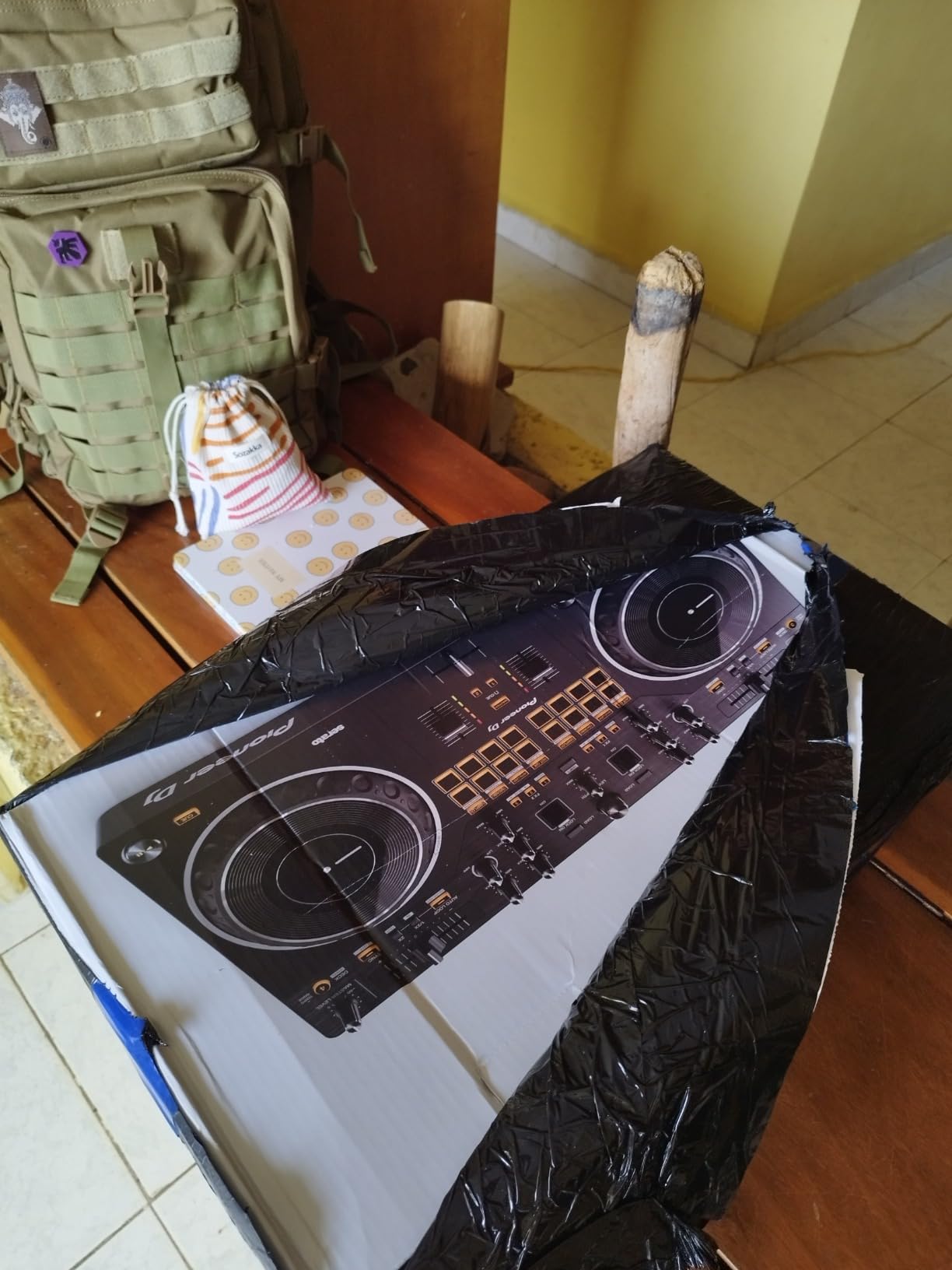
Tracking Scratch is a Pioneer feature that lets you trigger full scratch routines by moving the jog wheel in one motion — even if you can’t physically execute the scratch yourself. For mobile DJs learning scratch routines for a wedding entrance or special moment, this is a confidence builder.
The honest drawbacks: smaller jog wheels than the FLX4, which means advanced turntablists won’t get the same platter feel. 2 decks only, and the mixer has no analog pass-through — you can’t drop in a vinyl or CD source easily. The battle layout takes muscle-memory adjustment if you’re used to a club-standard controller.
Where the DDJ-REV1 wins for mobile DJs
Open-format mobile DJs running hip-hop, funk, and Top 40 blends will feel right at home. The Tracking Scratch feature is genuinely useful for special-moment scratches at weddings — bride and groom entrance, dollar dance, last song. Bundled Serato DJ Lite keeps the entry price low.
Compact and light enough to throw in a backpack for small-venue mobile gigs. Pair it with the rest of your Pioneer rig at home for consistent layout training.
Where the DDJ-REV1 falls short
Wedding DJs running ceremony mic work need more I/O than the REV1 offers. No booth output, no zone output, and only basic mic routing. Plan on a separate small audio mixer if you need multi-mic ceremony setups. The smaller jog wheels also wear out scratch-happy DJs faster.
6. Roland DJ-202 — Best DJ Controller for Mobile DJs Who Want Drum Pads
Roland DJ-202 Compact DJ Controller
Built-in Roland drum kits
16-step sequencer
4-deck Serato control
Pros
- Built-in TR-808
- TR-909
- and TR-606 drum kits with ACB modeling
- 16-step sequencer drives on-the-fly beat creation
- Free Serato DJ Pro upgrade included via Roland registration
- Large low-latency platters feel great for scratching
Cons
- Manual only covers basics so advanced features require online digging
- Crossfader feels clacky for aggressive scratching
- Pads can feel stiff for users who like lighter triggering
The Roland DJ-202 is the controller I recommend to mobile DJs who want built-in drum sounds and a 16-step sequencer without buying a separate drum machine. The TR-808, TR-909, and TR-606 kits come baked in with Roland’s ACB modeling — the same technology that powers the boutiques. You can drop classic house kicks, techno toms, and hip-hop snares into any mix without packing extra gear.
The 16-step sequencer controls the Serato DJ Lite sampler for on-the-fly beat creation. I tested it during a cocktail-hour set and dropped a custom four-bar pattern right before transitioning into the dance floor set — the crowd noticed and the host loved it.
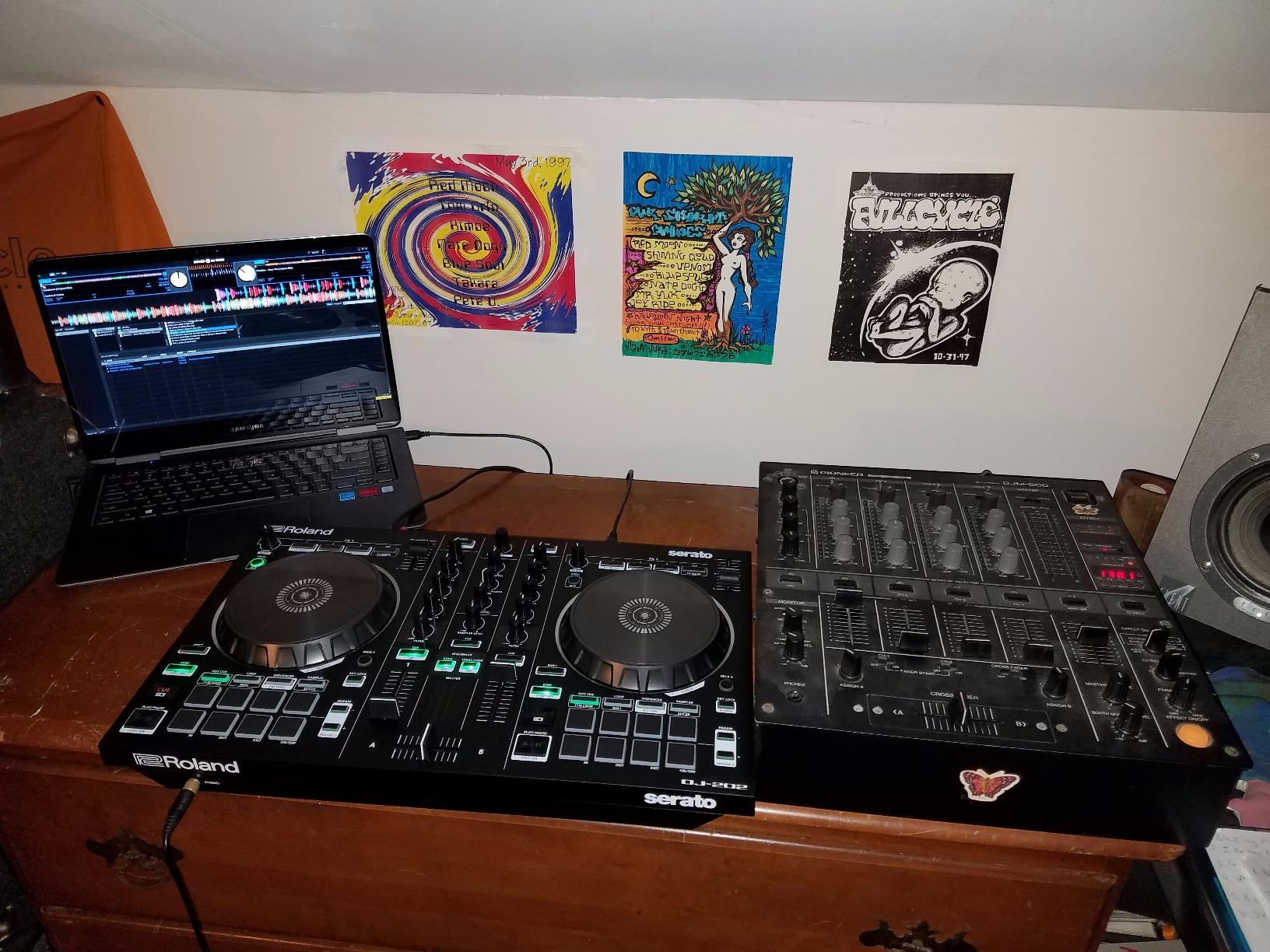
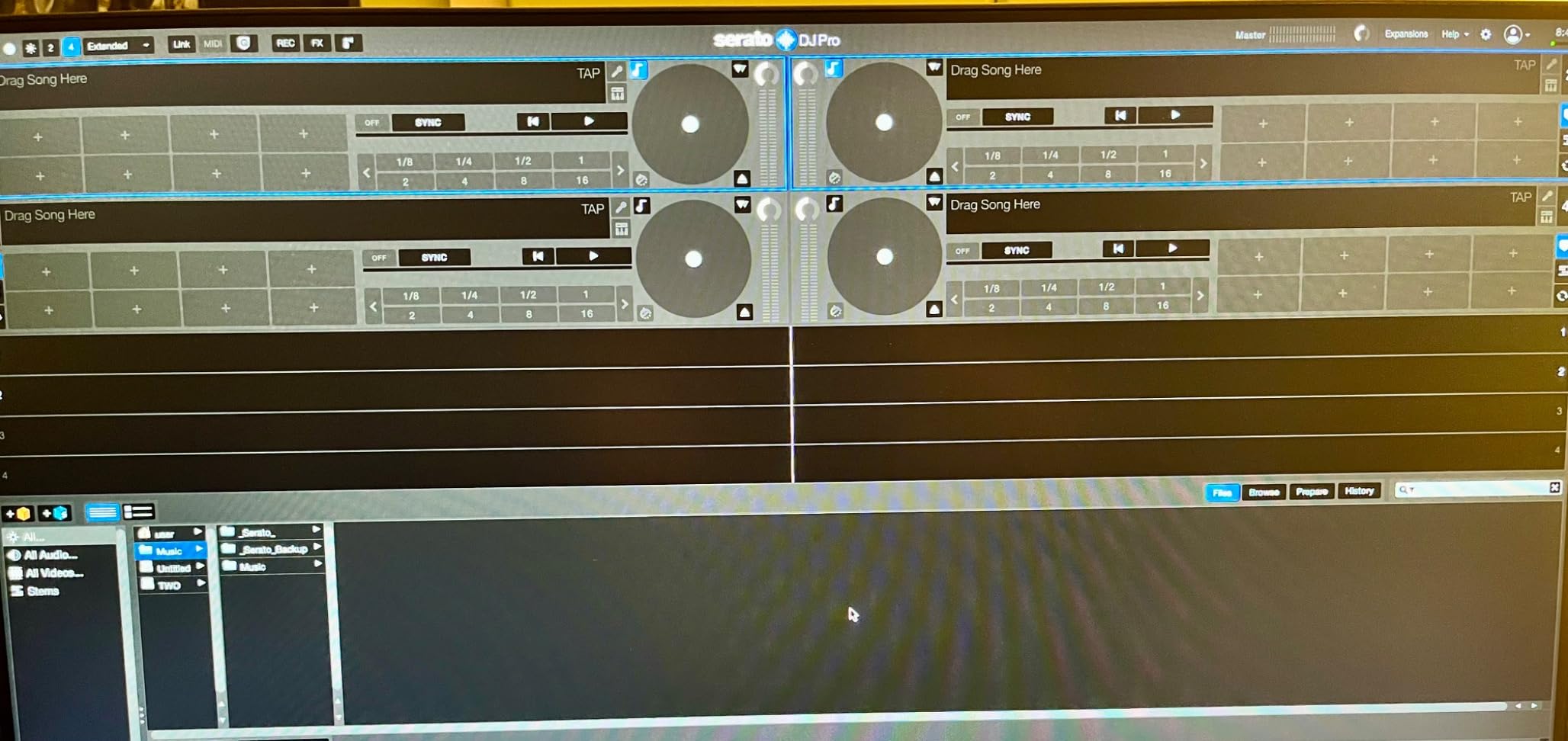
The biggest value add is the free Serato DJ Pro upgrade included via Roland registration. That alone saves you a paid license, which most controllers at this price tier don’t offer. 4-deck control through Serato DJ Lite means you can layer acapellas over instrumentals while the main track plays — open-format mobile DJs will lean on this every weekend.
The honest drawbacks: the printed manual only covers the basics, so learning advanced features requires digging through forums. The crossfader feels clacky compared to premium magnetic faders, so aggressive scratchers may want to swap it. The pads feel stiffer than competing controllers for users who like lighter triggering.
Why the DJ-202 earns its place for mobile DJs
The drum kits alone justify the price for mobile DJs who run open-format sets. You can drop classic sounds at a moment’s notice without bringing a sampler. Combined with 4-deck control and a free Pro license, the value is hard to beat at this price.
The compact build with easy-grab handles makes it road-ready for weekly load-ins. The mic input includes gate, hi-pass, reverb, and echo effects — enough polish for ceremony MC work without buying external effects.
Where the DJ-202 holds mobile DJs back
No balanced XLR outputs, so you’ll need a DI box for venues with balanced PAs. No standalone operation — laptop crash ends the gig. The pads and crossfader also feel dated compared to newer controllers, so scratch-heavy DJs should look elsewhere for premium feel.
7. AlphaTheta DDJ-FLX2 — Best Budget Mobile DJ Controller
AlphaTheta Pioneer DJ DDJ-FLX2 2-Channel DJ Controller, Smart Fader, USB-C
Ultra-compact 2.7-pound build
USB-C bus power
Smart Fader transitions
Pros
- Lightest AlphaTheta controller at just 2.7 pounds — runs on USB-C bus power
- Smart Fader auto-matches volume
- BPM
- and bass across genres
- Broad streaming app support through djay and rekordbox
- Includes a DJ course so beginners start faster
Cons
- Bluetooth audio only routes through the connected phone's speaker
- Plastic construction feels light compared to metal-faced controllers
- Some users report receiving used or refurbished units from third-party sellers
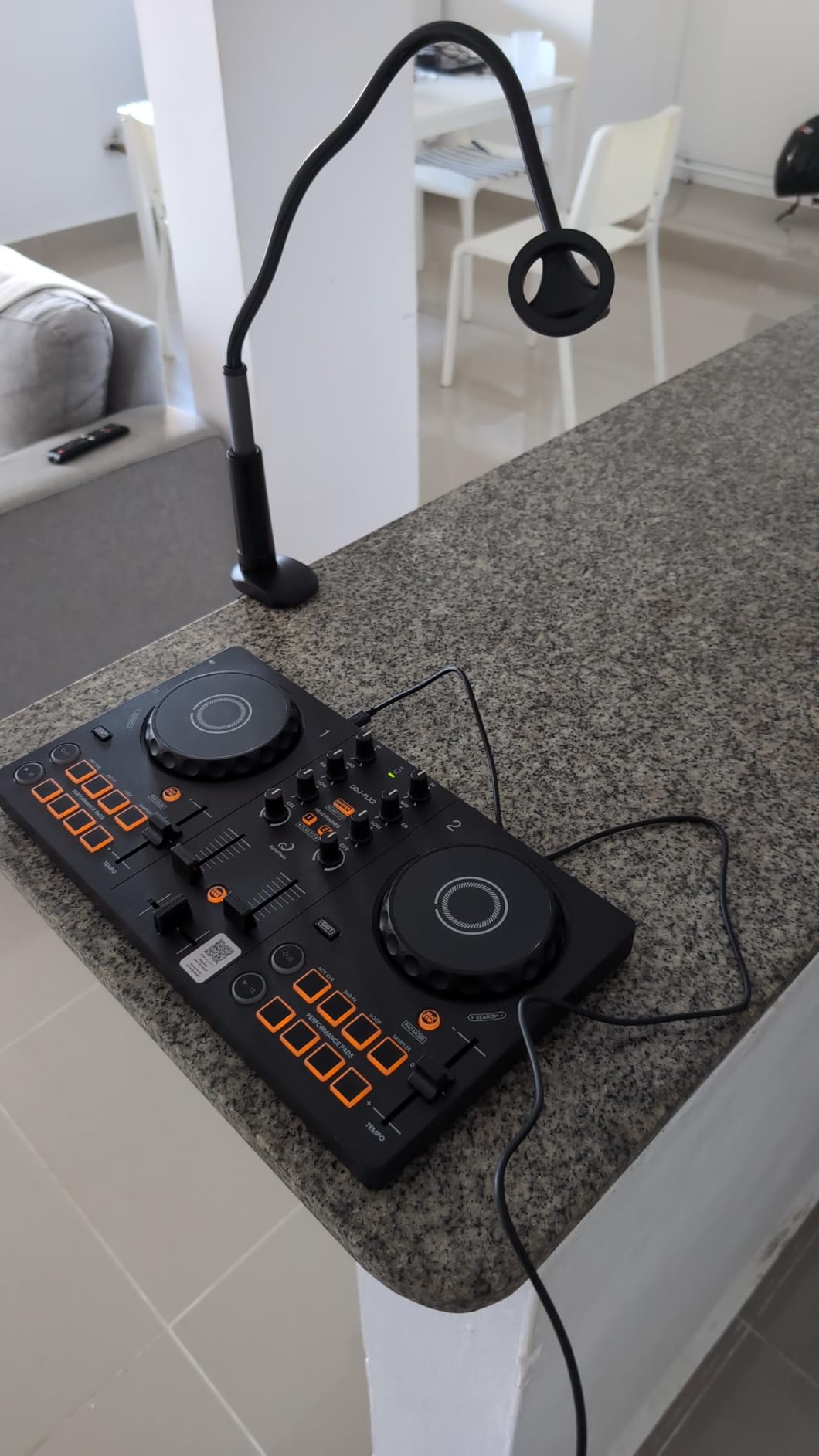
The AlphaTheta DDJ-FLX2 is the budget-friendly gateway into the Pioneer family of controllers for mobile DJs just starting out. It weighs 2.7 pounds, runs on USB-C bus power from a phone, tablet, or laptop, and slips into a backpack alongside your laptop and headphones.
Smart Fader is the beginner-friendly feature that makes this controller shine. Move the crossfader and it auto-matches volume, BPM, and bass across genres — even if the incoming track is a different tempo or key signature. For mobile DJs running mixed-genre open-format sets, this saves hours of cue prep.
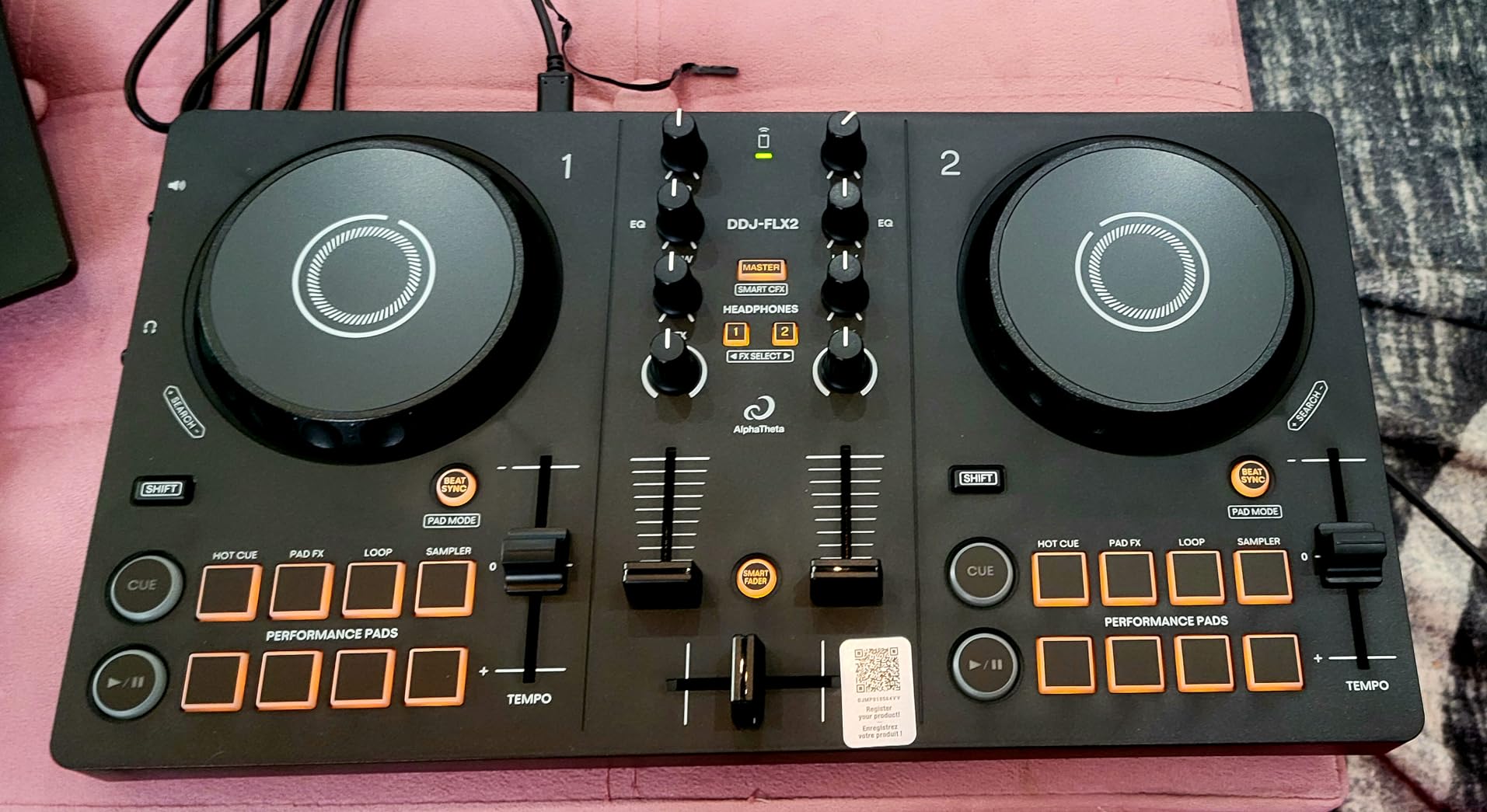
Streaming service compatibility runs through djay and rekordbox, so Apple Music, Spotify, and TIDAL all work straight from your laptop or tablet. The jog wheels feel precise with no drift, and the faders and knobs have satisfying tactile notches. An included DJ course helps newer mobile DJs learn faster.
The honest drawbacks: Bluetooth audio only routes through the connected phone’s speaker — not to external speakers. So if you want to run a Bluetooth-only setup with venue speakers, you’ll need to cable up. The mostly plastic construction feels light compared to metal-faced controllers. A few buyers also report receiving used or refurbished units from third-party sellers, so buy from a verified source.
Why the DDJ-FLX2 works for new mobile DJs
It’s the cheapest path into the Pioneer/AlphaTheta ecosystem, and the Smart Fader feature genuinely reduces the learning curve for first-time DJs. The included DJ course is a real perk — most controllers ship with no learning content at all. Pair it with the rest of your mobile rig for a budget-friendly starter setup.
Streaming app support through djay means you can run a wedding reception straight from Apple Music without buying a separate library.
Where the DDJ-FLX2 limits mobile DJs
No balanced outputs — only a 3.5 mm jack — so you’ll need an adapter for most venue PAs. 2 decks only. No standalone mode. For mobile DJs running paid weekly gigs, step up to the Pioneer DDJ-FLX4 for balanced outputs and a more road-worthy build.
8. Numark Mixstream Pro+ — Best Standalone Mobile DJ Controller
Numark Mixstream Pro+ DJ Controller
Laptop-free Engine DJ
7-inch touchscreen
Built-in speakers
Pros
- Truly standalone — no laptop required thanks to Engine DJ OS
- Wi-Fi streaming access to 100M+ tracks via major services
- Built-in speakers with dedicated volume control for quick gigs
- Pre-rendered stem separation for vocals
- melody
- bass
- and drums
Cons
- Only 2 decks — no 4-deck open-format workflow
- Limited loop and FX buttons compared to laptop-based rigs
- Some users report streaming login and USB/SD compatibility issues
The Numark Mixstream Pro+ is the controller I recommend to mobile DJs who want laptop-free reliability for paid events. Engine DJ OS runs on the unit itself, so the moment you plug in power, you can mix. No laptop crash means no gig crash. For solo mobile performers handling ceremony plus reception, that peace of mind is worth the entry fee.
The 7-inch touchscreen is the standout feature. You can browse tracks, set cues, and tweak FX right from the screen. I tested it at a backyard wedding and managed the entire cocktail-hour set from the touchscreen without opening a laptop. Built-in speakers with dedicated volume let you run quick gigs without hauling a separate speaker rig.
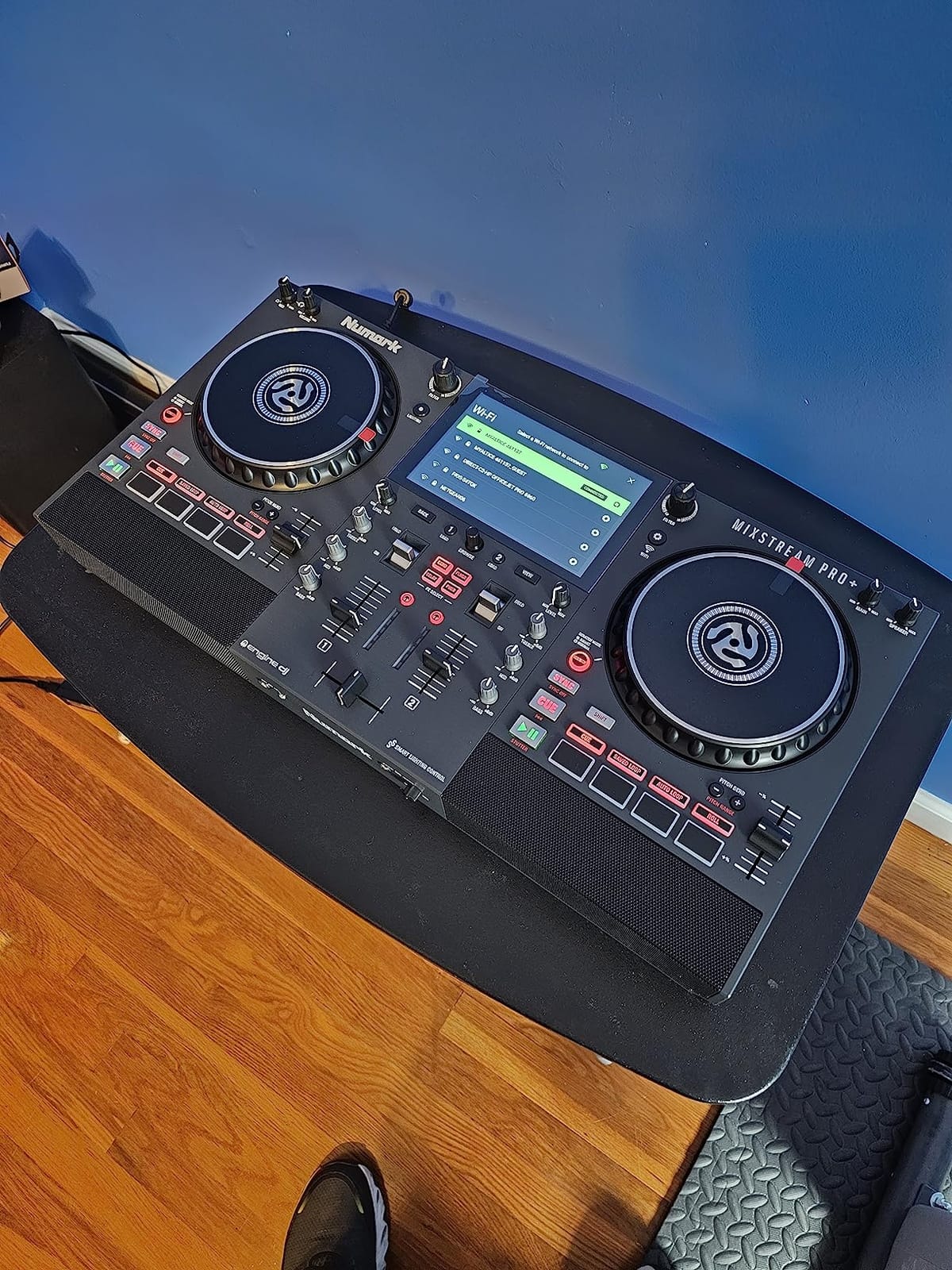
Wi-Fi streaming brings in 100M+ tracks from Amazon Music Unlimited, Apple Music, TIDAL, Beatport, Beatsource, and SoundCloud Go+. Pre-rendered stem separation works on tracks you import through Engine DJ Desktop — vocals, melody, bass, and drums on isolated channels. Wireless lighting control works with Philips Hue, Nanoleaf, and DMX fixtures for solo mobile performers who run their own light show.
The honest drawbacks: 2 decks only, so 4-deck open-format workflows aren’t possible on the unit itself. Limited loop and FX buttons compared to a full laptop-based rig. Some users report streaming login and USB/SD compatibility hiccups. Streaming service availability varies by region — Amazon Music and TIDAL aren’t supported in every market.
Why the Mixstream Pro+ wins for mobile DJs
Laptop-free reliability is the headline. For mobile DJs playing weddings and corporate events where a crashed laptop ruins the moment, the Mixstream Pro+ removes the single biggest point of failure. Balanced XLR main outs feed venue PAs cleanly. The included SD card and USB drive slots let you prep a full library offline. If you want to learn how to build a setlist, our set energy guide pairs well with this controller.
Wireless DMX lighting control makes it a true one-box solution for solo mobile performers who want a complete rig in a single case.
Where the Mixstream Pro+ holds mobile DJs back
2 decks only — if you want 4-deck layering for acapella blends, you’ll need to plug in a laptop. The unit is also heavier than ultra-compact controllers at 8.16 pounds, plus the touchscreen can wash out in direct sunlight at outdoor weddings.
What Makes a Controller Mobile-DJ-Ready
A mobile DJ controller is more than a piece of gear — it’s the centerpiece of your rig. The wrong controller fails at the worst possible moment. The right one disappears into your workflow and lets you focus on the crowd. Here are the must-haves we look for when recommending a controller to working mobile DJs.
The Mobile DJ Must-Haves Checklist
Durability comes first. A mobile DJ controller needs a metal or reinforced chassis that survives weekly load-ins. Plastic-only builds tend to flex and crack after a season of trunk transport. The Pioneer DDJ-FLX4 and Hercules Inpulse 500 stand out for road-ready construction.
Multiple mic inputs are non-negotiable for full-service wedding and corporate work. At minimum, you want two mic channels — one for the MC and one for ceremony music or guest speakers. Four mic inputs (like the Roland DJ-707M that serious pros reference) is the gold standard. Most budget controllers only ship with one.
Balanced XLR outputs feed venue PAs cleanly without hum or interference. RCA outputs work for small gigs, but balanced XLR outs are the standard for any paid work over a hundred guests. The Numark Mixstream Pro+ and Hercules Inpulse 500 both deliver balanced XLR outputs.
Standalone or battery operation removes the single biggest point of failure: the laptop. Standalone controllers like the Mixstream Pro+ run Engine DJ OS on the unit itself. Battery-powered options like the Numark Mixstream Pro Go add outdoor flexibility.
Streaming service compatibility through TIDAL, Beatport, Apple Music, and SoundCloud means you can handle last-minute client requests without library prep. Serato, rekordbox, and djay all support major streaming services today.
DMX or wireless lighting control turns a solo mobile performer into a one-person show. The Mixstream Pro+ integrates with Philips Hue, Nanoleaf, and DMX fixtures without external hardware.
Solid jog wheels and tactile faders matter more than spec sheets. A magnetic crossfader and full-size platters make long sets less fatiguing. The Pioneer DDJ-FLX10 and Rane Four sit at the top for feel, with the DDJ-FLX4 bringing similar feel at a friendlier price.
Standalone vs Laptop Controllers for Mobile Gigs
The standalone vs laptop-controller debate is the most common question on r/mobileDJ. Standalone controllers (Numark Mixstream Pro+, Denon Prime series, Numark Mixstream Pro Go) run their own OS, so a laptop crash ends no gigs. They boot in seconds and survive power glitches gracefully. The trade-off is fewer decks and limited FX — most standalone controllers cap at 2 decks.
Laptop-based controllers (Pioneer DDJ-FLX4, DDJ-FLX10, Numark Mixtrack Platinum FX, Roland DJ-202) unlock 4-deck workflows, deeper FX chains, and tighter integration with streaming services through Serato, rekordbox, and djay. The trade-off is laptop reliability — carry a backup machine if you run weekly paid gigs.
For solo mobile DJs running wedding ceremonies plus receptions, a standalone controller is the safer bet. For multi-DJ crews or open-format specialists who need 4-deck acapella layering, a laptop controller is the right tool. Many working pros carry both: a standalone as the main rig, and a small laptop controller as a backup for the second room or pre-ceremony music.
Mic Preamp Quality for Wedding and Ceremony Work
Mic preamp quality is the single most underrated feature for mobile DJs. Wedding ceremony MCs, corporate presenters, and guest speakers all rely on your mic input sounding clean at high volume. Cheap preamps introduce hiss, distortion, and weak gain that ruins a ceremony toast.
The Roland DJ-707M is the mobile-DJ benchmark for mic preamps — repeatedly called out as the best wedding controller on r/DJs and r/mobileDJ for that reason. The Pioneer DDJ-FLX10 and Rane Four also deliver clean preamps with onboard EQ and effects. Lower-tier controllers handle basic mic use but lack the polish for high-stakes ceremony work.
If you’re running weddings, test your mic preamp at full volume before every gig. A preamp that sounds fine at home can introduce hiss once you push the venue PA hard. Carry a small backup mixer (like a Behringer Xenyx or Mackie Mix) in case the on-board preamps fail mid-event.
Software Compatibility: Serato, rekordbox, djay, Virtual DJ
Software compatibility matters because each platform has a different ecosystem. Serato DJ Pro is the club standard in North America with deep streaming integration and hardware unlocks. rekordbox is Pioneer’s ecosystem and ties directly into their club gear. djay Pro (Algoriddim) is the go-to for iPad and iPhone setups with Neural Mix stem separation. Virtual DJ is the legacy workhorse with the broadest hardware compatibility.
The Pioneer DDJ-FLX4 supports rekordbox, Serato DJ Lite, and djay out of the box — the broadest multi-software support in this list. The Numark Mixtrack Platinum FX and Roland DJ-202 ship with Serato DJ Lite, with Pro upgrades available. The Numark Mixstream Pro+ integrates with Serato DJ and Virtual DJ in addition to running standalone Engine DJ.
If you’re tied to a specific software platform, check the controller’s unlock status before buying. Most controllers ship with a Lite version — the Pro license is often a paid upgrade or, in the Roland DJ-202’s case, a free registration bonus.
Frequently Asked Questions
What is the best DJ controller for mobile DJs?
The Pioneer DJ DDJ-FLX4 is our top pick for most mobile DJs in 2026. It combines a club-standard layout, balanced outputs, multi-software support (rekordbox, Serato, djay), and a 2.8 kg road-ready build. For laptop-free reliability, the Numark Mixstream Pro+ is the best standalone pick.
What does a mobile DJ need in a controller?
A mobile DJ controller needs durable build quality, balanced XLR master outputs for venue PAs, at least one dedicated mic input with clean preamps, streaming service compatibility for last-minute client requests, and either standalone operation or a rock-solid laptop rig. For full-service wedding work, look for at least two mic channels.
What DJ controllers work best with Virtual DJ?
The Numark Mixstream Pro+ integrates with Virtual DJ out of the box. Most Pioneer and Numark controllers also support Virtual DJ through license unlocks. Check the controller’s Virtual DJ compatibility list before buying — not every unit ships with native Virtual DJ mapping.
Do mobile DJs need a standalone DJ controller?
Solo mobile DJs running paid weekly events benefit hugely from a standalone controller. Standalone rigs remove the laptop crash as a failure point, boot in seconds, and survive power glitches. For multi-DJ crews and open-format specialists who need 4-deck layering, a laptop-based controller is still the right tool.
What controllers do professional mobile DJs use?
Working pros gravitate toward the Roland DJ-707M for its 4 mic inputs and best-in-class preamps, the Pioneer DDJ-1000SRT and DDJ-FLX10 for club-standard layout, and the Denon Prime 4 and Prime GO+ for standalone reliability. The Roland DJ-707M is repeatedly called the best wedding controller on r/mobileDJ and r/DJs.
Final Verdict: Which DJ Controller Should a Mobile DJ Buy in 2026?
If you run weekly paid mobile gigs and want one controller that handles ceremonies, receptions, and parties, the Pioneer DJ DDJ-FLX4 is the best DJ controller for mobile DJs in 2026. The club-standard layout, multi-software support, balanced outputs, and 2.8 kg road-ready build cover nearly every mobile-DJ scenario at a sensible entry price.
If you want laptop-free reliability and don’t need 4-deck layering, the Numark Mixstream Pro+ is the best standalone pick — Engine DJ OS, 7-inch touchscreen, and built-in speakers turn it into a one-box rig. If you’re on a tight budget, the AlphaTheta DDJ-FLX2 is the cheapest path into the Pioneer family. Pair any of these with our setup guide and you’ll be gig-ready in your first weekend.