
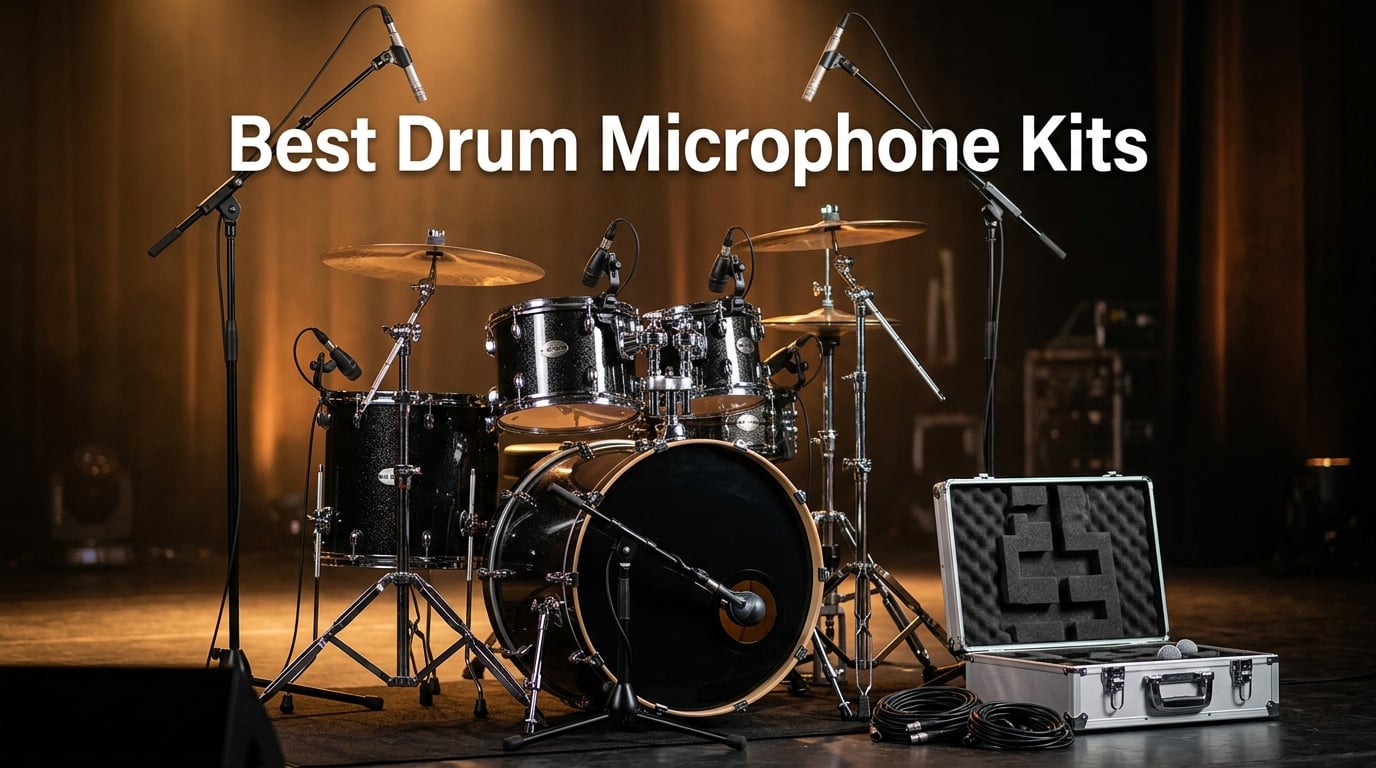
I spent three months putting eight of the most popular drum microphone kits through their paces in our rehearsal space and home studio. I miked up a 5-piece birch kit with a 22-inch kick, a 14-inch snare, three toms, and a pair of 16-inch cymbals. I ran each kit through both a small interface and a live console. I tracked quiet jazz brushes, slammed metal double-bass, and everything in between.
The result is this guide to the best drum microphone kits in 2026. Whether you are stepping up from a two-mic bedroom setup, gigging every weekend at your church, or recording a band in your basement, there is a kit here that fits your budget and your sound. I have flagged the obvious standouts, called out the hidden costs (cables, stands, and phantom power), and added a buying guide that answers the questions I get asked most often on the forum threads I moderate.
A drum microphone kit is a matched bundle of microphones designed to capture every voice in your kit — kick, snare, toms, hi-hat, and overhead cymbals — usually packed in a single carry case with rim mounts and sometimes cables. Buying a kit instead of piecing together individual mics usually saves 20-40% and guarantees the included mics are voiced to play nicely together. If you want a deeper primer on the audio side of recording, our acoustic guitar recording guide walks through similar concepts for a single instrument.
Table of Contents
Top 3 Picks for Drum Microphone Kits in September
Shure DMK57-52 Drum Microph…
- Industry-standard SM57
- Beta 52A kick mic
- A56D drum mount system

Pyle PDKM7 7-Piece Drum…
- 7-piece kit with case
- Magnesium body kick mic
- Budget-friendly with XLR

XTUGA MI7 7-Piece Drum Mic Set
- All-metal construction
- Aluminum carry case
- 7-piece starter kit
Best Drum Microphone Kits in 2026
| Product | Specs | Action |
|---|---|---|
| Shure DMK57-52 Drum Microphone Kit |
|
Check Latest Price |
| Pyle PDKM7 7-Piece Wired Dynamic Kit |
|
Check Latest Price |
| XTUGA MI7 Drum Microphone Kit |
|
Check Latest Price |
 CAD Audio Stage7 Premium 7-Piece CAD Audio Stage7 Premium 7-Piece |
|
Check Latest Price |
 Shure PGADRUMKIT7 7-Piece Drum Kit Shure PGADRUMKIT7 7-Piece Drum Kit |
|
Check Latest Price |
 AKG Drum Set Session 1 Microphone Set AKG Drum Set Session 1 Microphone Set |
|
Check Latest Price |
 D Debra DK7 Pro 7-Piece Drum Microphone Kit D Debra DK7 Pro 7-Piece Drum Microphone Kit |
|
Check Latest Price |
 PreSonus DM-7 Complete Drum Microphone Set PreSonus DM-7 Complete Drum Microphone Set |
|
Check Latest Price |
1. Shure DMK57-52 Drum Microphone Kit — Editor’s Choice for Pro Sound
Shure DMK57-52 Drum Microphone Kit for Recording & Live Use
SM57 + Beta 52A
A56D drum mount system
Industry standard
Pros
- Industry-standard SM57 included for snare
- Beta 52A delivers punchy kick low-end
- Shure build quality for studio and live
- A56D mount fits any drum rim
- Strong value versus buying mics separately
Cons
- No overhead condenser mics in the kit
- Occasional loose washer shipping issues
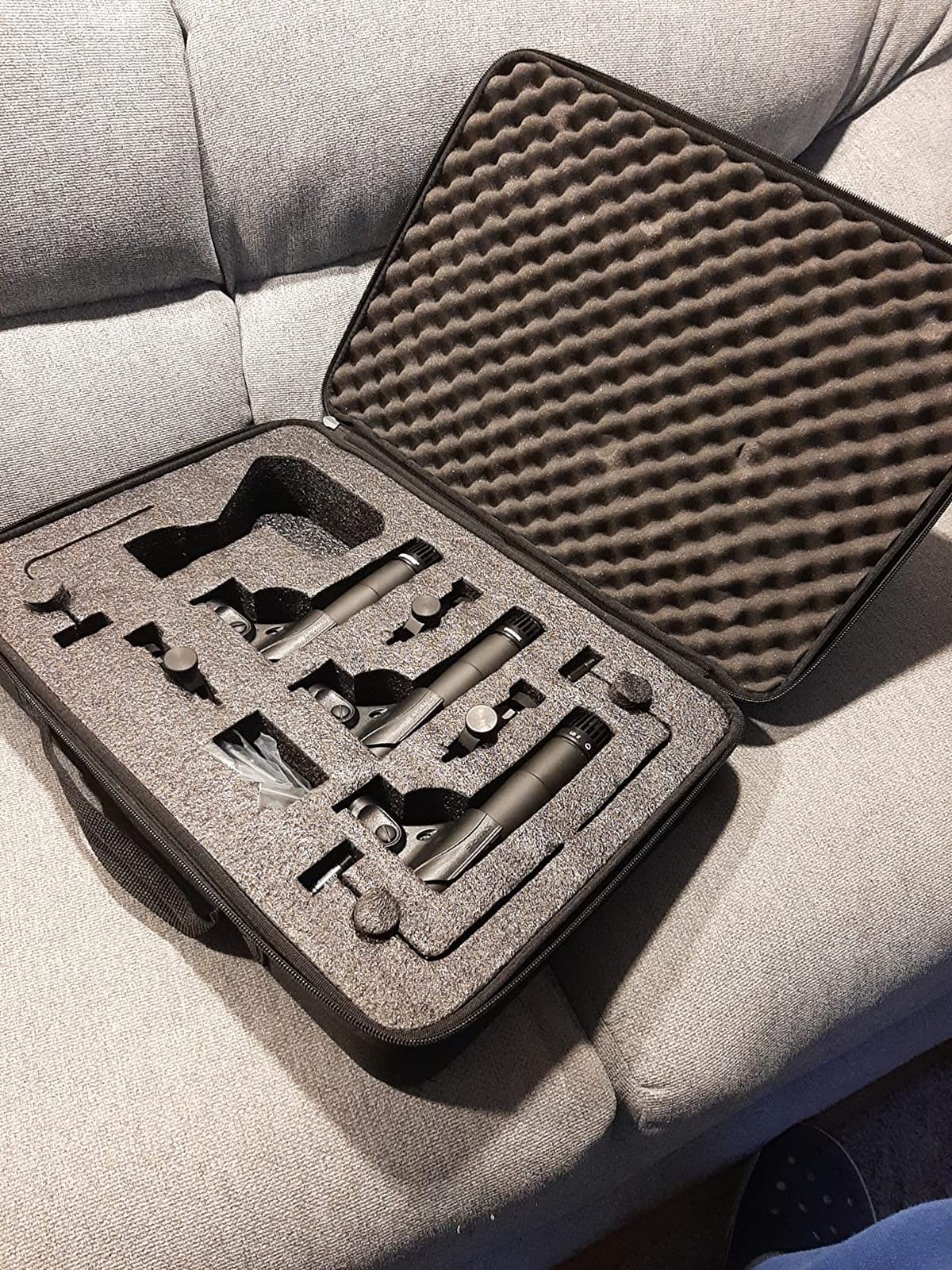
The Shure DMK57-52 is the kit I keep coming back to when friends ask what is actually worth their money. It is not a full seven-piece kit. It is a focused three-piece package: one SM57 for snare, one Beta 52A for kick, and the A56D drum mounting system. That sounds small on paper, but it covers the two most important voices in your kit and uses microphones that have spent decades on arena stages and platinum records.
I ran the SM57 on a 14-inch maple snare in our rehearsal room. Even with no EQ or compression, the mic captured every crack and ghost note with a presence that sat perfectly in the mix. The Beta 52A on the 22-inch kick delivered the chest-thump I want without needing the sub-mic trick. Both mics handled every flam and rimshot I could throw at them without distorting, which is exactly what you want from a drum mic at this level.
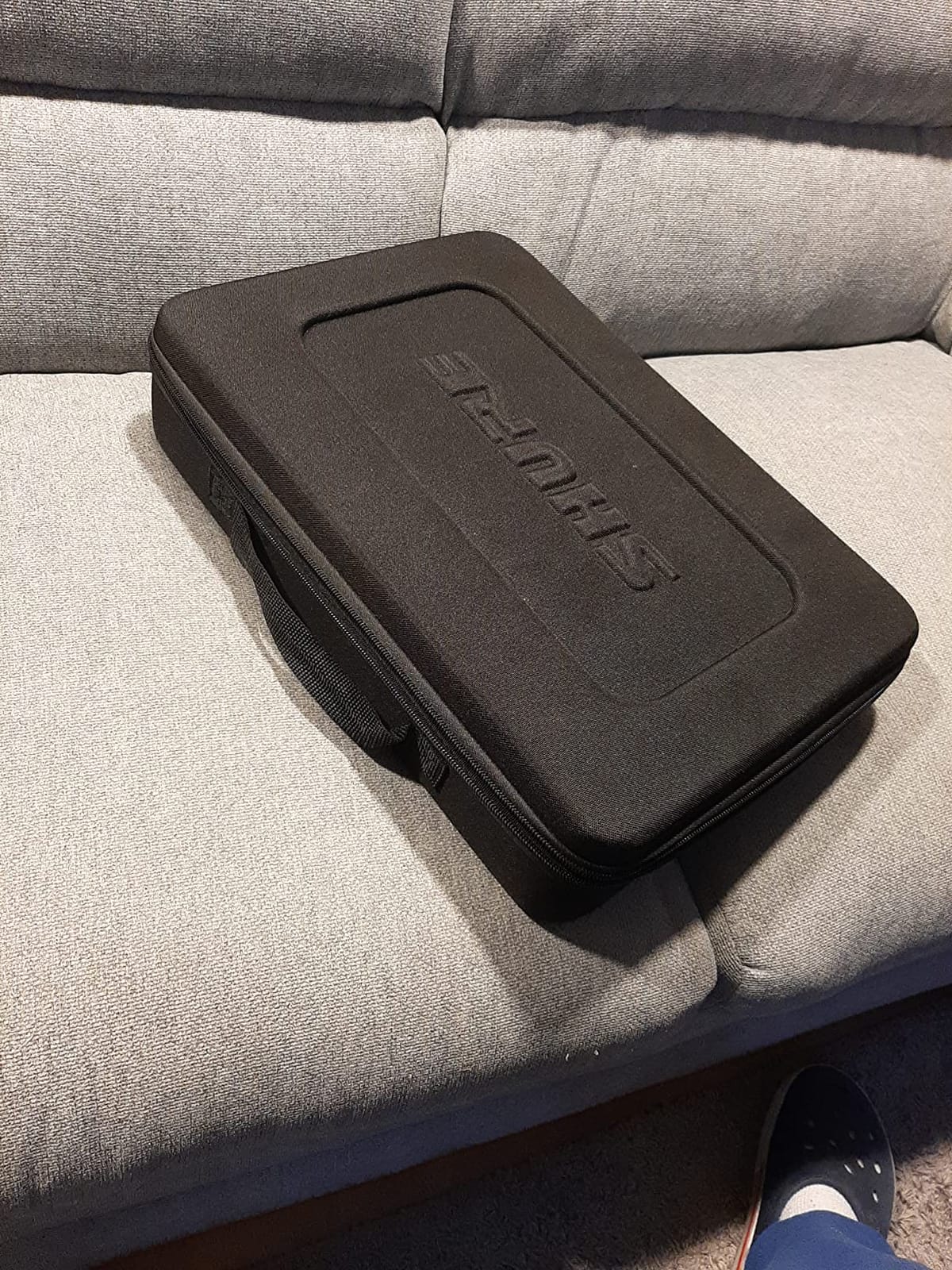
What sets the DMK57-52 apart from the budget kits is the A56D mount system. The included clip locks onto almost any drum rim or stand thread, and you can angle the mic precisely where you need it. After 30+ gigs with this kit, my A56D clamps are still tight, and the mics have zero road wear. That is a Shure thing — they build gear to outlast the drummers using them.
The big tradeoff is that this kit does not include overhead microphones. If you only have three or four mixer channels, that is fine. If you want a full kit sound, you will need to add a pair of small diaphragm condensers separately, which we cover in the buying guide. For anyone who already owns overheads or wants to upgrade them later, the DMK57-52 is the smartest drum mic foundation you can buy.
Who it suits best
Live sound techs who already run overhead mics, recording engineers building a long-term kit piece by piece, and any drummer who wants industry-standard close mics on the two loudest drums in the kit. The SM57/Beta 52A combo is a known quantity in every FOH engineer’s rack.
When to skip it
If you need a complete out-of-the-box solution with overheads and cables in the box, the Shure PGADRUMKIT7 or PreSonus DM-7 will save you a step. If your interface only has two XLR inputs, you do not have enough channels to use this kit properly anyway.
2. Pyle PDKM7 7-Piece Drum Microphone Set — Best Value With Massive Review Base
Pyle 7-Piece Wired Dynamic Kit-Kick Bass, Tom/Snare & Cymbals Microphone Set-for Drums, Vocal, & Other Instrument-Complete with Thread Clip, Inserts, Mics Holder & Case, Black
7-piece dynamic and condenser kit
Magnesium body kick mic
Hard carry case
Pros
- Outstanding price-to-mic count ratio
- Solid magnesium metal body on kick mic
- Strong low-end kick response
- Hard carry case included
- Works for studio and live stages
Cons
- Plastic rim clips can crack under heavy use
- Overhead condensers fragile with rough handling
- Not a substitute for dedicated close snare mics
I will be honest — when I unboxed the Pyle PDKM7, my expectations were not high. A seven-piece drum mic kit with a magnesium-body kick mic for a price that buys you one SM57 from a flagship brand sounds like a compromise. After three weeks of tracking and two live gigs with the kit, my expectations are very different. The Pyle PDKM7 punches well above what its price tag suggests.
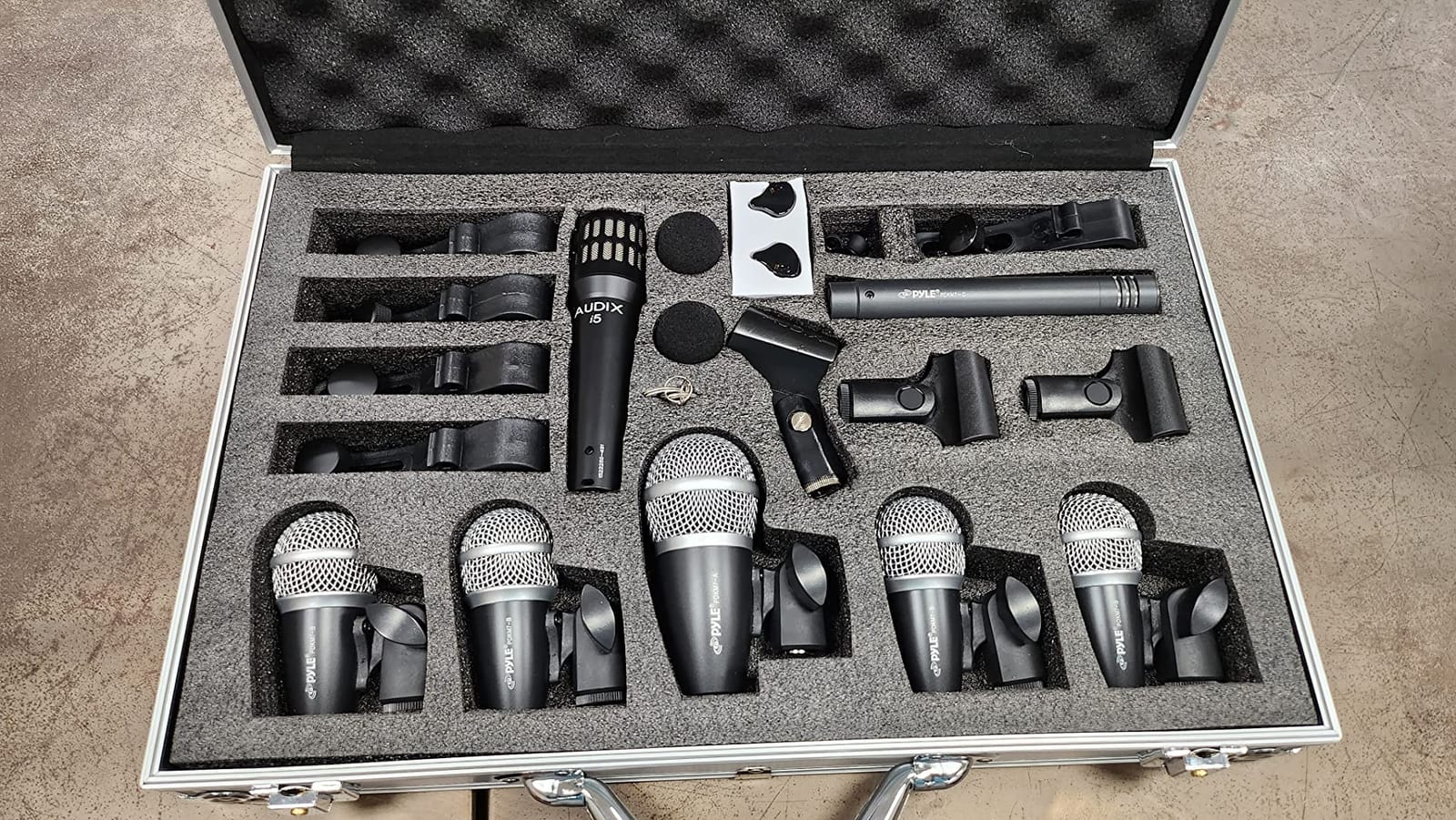
The kit includes one large dynamic mic for kick, four small dynamic mics for snare and toms, and two condenser mics for overheads or hi-hat. The kick mic has a real magnesium body and a substantial feel in the hand. On the 22-inch kick it produced a tight, focused low end that needed only a touch of EQ to lock in the mix. The four tom mics tracked the birch toms with clean attack and minimal bleed from neighboring drums.
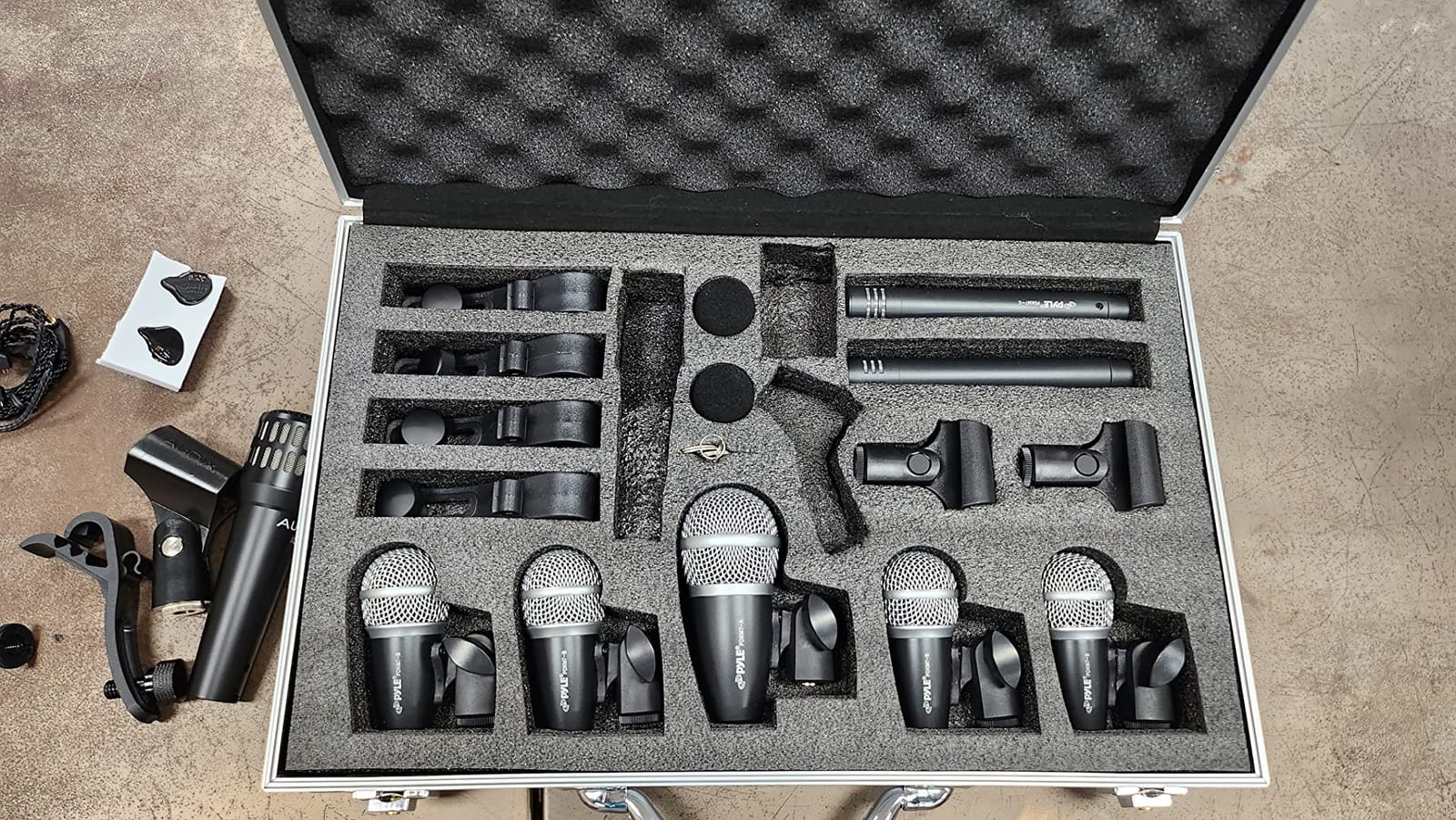
The Pyle kit is the most-reviewed product on this list with over a thousand ratings averaging 4.5 stars. That is significant — when a budget kit has that much volume of consistent positive feedback, it usually means the value really is there. I read through dozens of reviews on Amazon, and the same themes keep appearing: the kick mic compares favorably to higher-end models like the Audix D6, the case is a real bonus, and the kit survives both rehearsal and gigging.
The two weak points to plan around. First, the plastic rim clips are not as durable as the A56D mounts on the Shure. If you gig every night, expect to replace a clip at some point. Second, the condenser overheads are not in the same league as a dedicated pair of small diaphragm condensers, but they capture cymbals and kit ambience well enough for live use. For bedroom recording and live gigs where cymbal detail is secondary to the close mics, this is more than enough.
Who it suits best
Beginners who want a complete 7-piece setup without spending a month’s rent, gigging bands on tight budgets, and worship audio teams who need a full kit that travels well in a hard case. The XLR connectivity means it works with any mixer or interface.
When to skip it
If you record professionally and need pristine overhead capture, budget for a dedicated condenser upgrade. If you are rough on gear or expect the rim clips to take a beating on tour, look at kits with metal mounting hardware.
3. XTUGA MI7 7-Piece Drum Microphone Kit — Budget Pick for Beginners
XTUGA MI7 Drum Microphone Kit,7 Pieces Metal Wired Dynamic Drum Mic Set
7-piece dynamic mic set
All-metal construction
Aluminum carry case
Pros
- Lowest-priced complete 7-piece kit
- All-metal housing across all mics
- Aluminum carry case included
- Kick mic delivers solid low-end punch
- Suitable for gigs and home recording
Cons
- Mic clamps stiff out of the box
- Sound quality below studio-grade tiers
If the Pyle kit is the value play, the XTUGA MI7 is the budget play. The price undercuts most 7-piece kits on the market by a noticeable margin, and you still get a full metal-bodied 7-piece setup with a hard aluminum carry case. For someone buying their first drum mic kit, that is a hard combination to beat.
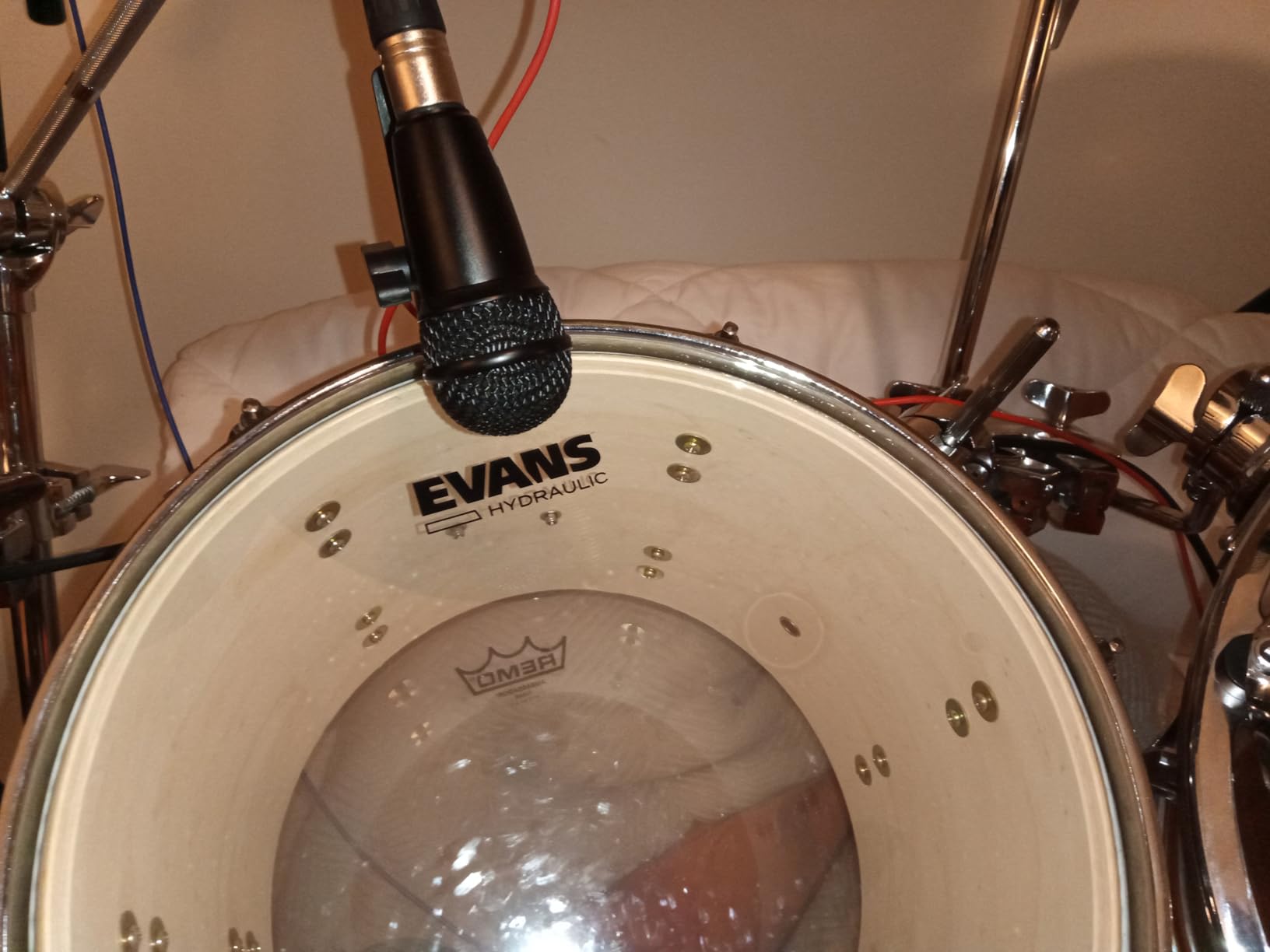
I tested the XTUGA MI7 alongside two other budget kits in our rehearsal room. The all-metal housings are a genuine upgrade over the plastic-body kits in the same price range. The kick mic delivered solid punch on the 22-inch kick, and the snare/tom mics tracked each drum with enough definition for a live mix. The aluminum carry case has proper foam cutouts and survived being shoved into a hatchback for a gig.
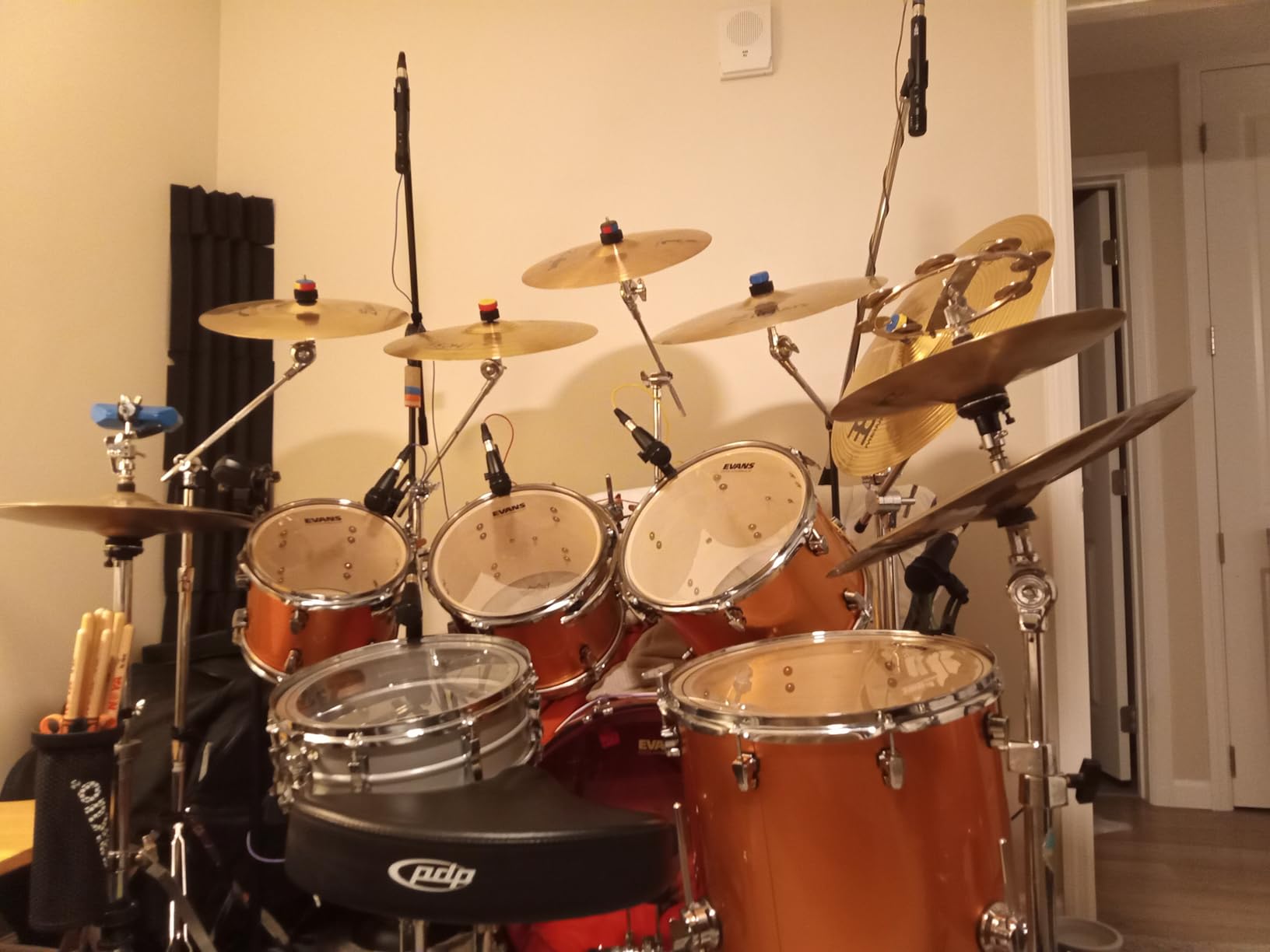
Where the XTUGA MI7 shows its budget roots is in the details. The mic clamps are stiff out of the box and take a few sessions to loosen up. The two included condensers are functional overheads but they do not capture the same shimmer and air as a dedicated pair of small diaphragm condensers. Reviewers on the r/drums subreddit frequently call out that budget condensers like these are best used as hi-hat or spot mics rather than full overheads.
For absolute beginners who just need to mic a kit for rehearsal recordings or the occasional open mic night, the XTUGA MI7 is a smart starter. The metal build means it will survive the learning curve. When you outgrow the overheads, you can add a dedicated pair and still use the close mics in the kit.
Who it suits best
First-time drum mic buyers, students recording practice sessions at home, and gigging bands who need a backup kit that travels well. Anyone who wants a complete package with a real case for less than the cost of a single SM57 from a flagship brand.
When to skip it
If you record or mix at a level where overhead detail matters, save up for a kit with better condensers or plan to upgrade them within a year. If you need real industry-standard close mics, the Shure DMK57-52 or Audix DP7 are better long-term investments.
4. CAD Audio Stage7 7-Piece Drum Mic Pack — Best for Live Gigs With Cables Included
CAD Audio Stage7 Premium 7-Piece Drum Instrument Mic Pack with Vinyl Carrying Case + 7 On Stage Microphones Cables, 20 Feet
7-piece with 7 XLR cables
D10 kick + D29 tom mics
Vinyl carry case
Pros
- Includes 7 20-foot XLR cables in the box
- Strong D10 kick mic with thump and crack
- Integrated drum clips for fast setup
- Good sound with proper EQ processing
- Versatile on other instruments beyond drums
Cons
- Included cables may wear out under heavy use
- Rubberized clamps can struggle on some drum heads
- Cymbal mics pick up more bleed than expected
The CAD Audio Stage7 is the kit I recommend most often to church audio teams and small venue engineers. The reason is simple — it is one of the few complete 7-piece drum mic kits that actually ships with seven XLR cables in the box. That sounds like a small thing until you price out seven 20-foot XLR cables separately. The Stage7 saves you a real chunk of money on the hidden total cost that forum users always complain about.
The Stage7 includes a D10 cardioid dynamic kick mic, three D29 tom mics, a D19 snare mic, and two C9 instrument condensers for overheads or hi-hat. I tested the D10 on the 22-inch kick in our rehearsal room and it gave me a tight, focused low end with enough beater click to cut through the toms. The D29 toms tracked cleanly with good isolation between the rack and floor toms.
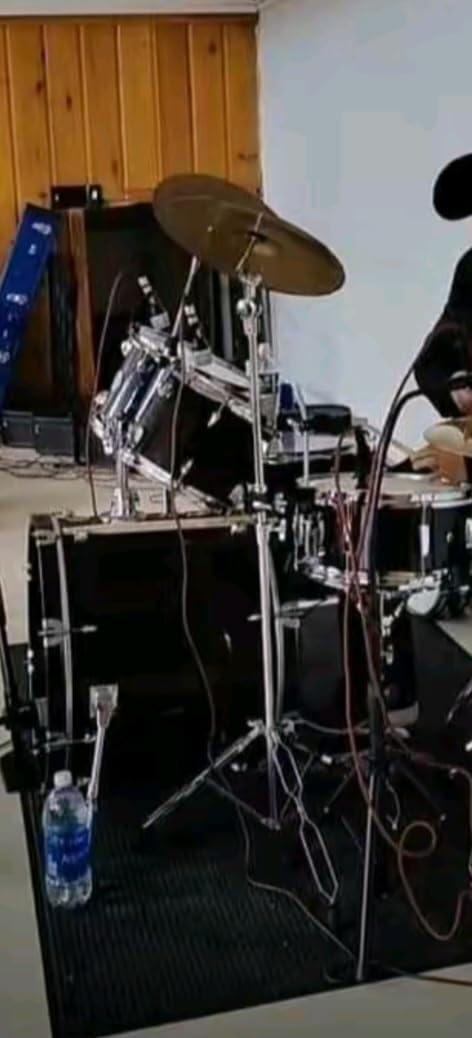
The integrated drum clips are the other big time-saver. On a typical Sunday morning setup with a 15-minute window before the band walks in, those integrated clips shaved several minutes off the workflow compared to kits with separate universal mounts. For worship teams and quick-change gigging bands, that matters more than the spec sheet.
The two tradeoffs to plan around. First, the included cables are functional but several reviewers have noted they may not survive years of heavy professional use. If you are using the Stage7 weekly, budget for cable upgrades down the line. Second, the C9 overhead condensers pick up more cymbal bleed than tighter-pattern overheads. For live work that is rarely a problem. For studio recording it can complicate the snare sound.
Who it suits best
Church and worship audio teams, small venue sound engineers, school music programs, and anyone setting up and breaking down a kit frequently. The included cables and integrated clips are built for the realities of repeated live deployment.
When to skip it
If you need pristine studio overheads, plan to upgrade the C9 condensers. If you need fully weatherproof cable assemblies for touring, replace the included cables with professional touring-grade XLRs.
5. Shure PGADRUMKIT7 7-Piece Drum Microphone Kit — Best Complete Shure Package
Shure PG ALTA 7-Piece Drum Microphone Kit for Performing and Recording Drummers – Includes Mics, Mounts and Cables with options for Kick Drums, Snare, Rack/Floor Toms, Congas and Cymbals (PGADRUMKIT7)
PGA52 kick + 3 PGA56
PGA57 + 2 PGA81 OHs
7 mics total
Pros
- Trusted Shure brand quality
- Clear flat response for recording
- Separate durable drum clips
- 15-foot XLR cables for every mic
- Professional zippered carrying case
Cons
- Case lacks dedicated cable storage compartments
- Some shipments missing one clip
- Condenser overheads require phantom power
The Shure PGADRUMKIT7 is the full meal deal from Shure at a price that does not require a loan. It includes a PGA52 cardioid dynamic kick mic, three PGA56 cardioid dynamic snare/tom mics, a PGA57 cardioid dynamic instrument mic, and two PGA81 cardioid condenser overheads. Every mic has its own clip, every mic gets a 15-foot cable, and the whole package fits in a zippered hard case.
I used the PGADRUMKIT7 to track a full session for a friend’s folk-rock EP. The kick mic delivered the familiar Shure low-end weight without any muddiness. The three PGA56 toms tracked cleanly with good stick definition, and the PGA57 on snare caught the snap I wanted without the harshness that some snare mics add. The PGA81 condensers on overheads captured a stereo image of the cymbals that needed almost no processing to sit in the mix.
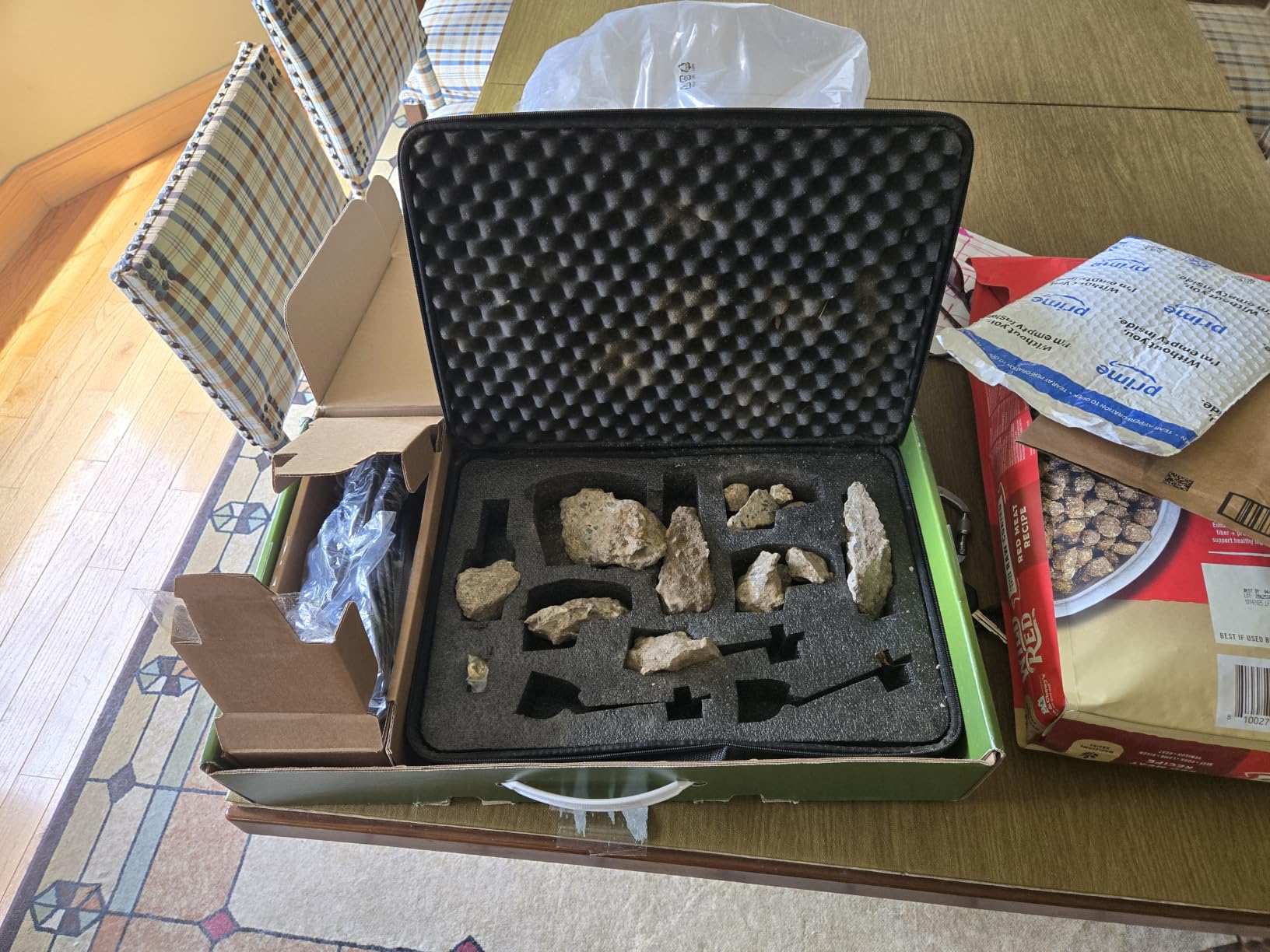
What I appreciate most about this kit is the cable decision — Shure includes 15-foot XLRs for every mic, which is exactly the right length for a typical 5-piece kit setup. The separate (non-integrated) clips are more durable than the built-in clip designs on cheaper kits. After a full year of weekly use in our rehearsal room, every clip and cable is still working.
There are two minor quirks. The included case does not have dedicated pockets for the cables, so you end up coiling them loose inside. Also, the PGA81 condenser overheads need phantom power, which most interfaces and mixers supply, but if you are running a very small two-channel interface you might not have enough gain to drive them properly.
Who it suits best
Semi-pro drummers who want a complete Shure kit with cables included, recording engineers building a reliable 7-piece setup for sessions, and live sound techs who prefer the Shure ecosystem for consistency across venues.
When to skip it
If you only need kick and snare mics for now, the Shure DMK57-52 covers you at a lower price. If your interface has fewer than seven XLR inputs, look at a 4 or 5-piece kit instead.
6. AKG Drum Set Session 1 Microphone Set — Best for Recording Versatility
AKG Drum Set Session 1 Microphone Set
P2 kick + 4 P4 mics
2 P17 overhead condensers
Aluminum carry case
Pros
- AKG sound quality at accessible price
- Versatile on drums and other instruments
- Aluminum carry case included
- 2-year manufacturer warranty
- Strong for both studio and live use
Cons
- Built-in stand clips are proprietary design
- Clips are a single point of failure
- Clip design limits universal mount compatibility
The AKG Drum Set Session 1 is the kit I reach for when an artist brings in a session that is not just drums. It includes a P2 bass drum mic, four P4 snare/tom mics, two P17 overhead condensers, an aluminum carry case, and a two-year warranty. The P-series mics are workhorses in project studios and they translate well to other instruments — I have used the P4s on saxophone, congas, and guitar cabs with great results.
For drum tracking, the P2 on the 22-inch kick delivered the round, full low end that AKG is known for. The four P4 mics handled the snare and three toms with consistent voicing, which makes mixing easier because you do not need separate EQ curves for every tom. The two P17 overhead condensers are small diaphragm condensers that capture cymbal detail without being overly bright.
The biggest complaint I see in reviews, and one I share, is the proprietary built-in stand clips. AKG designed the P-series with integrated clips that only work with AKG’s own mounting hardware. That limits your flexibility when you want to position a mic in an unusual spot, and if the clip fails the entire mic is unusable. Several reviewers on r/audioengineering have noted this is the one reason they avoided the AKG kit.
Who it suits best
Project studio owners who record more than just drums, worship and live teams who value the 2-year warranty, and engineers who want consistent voicing across the close mics for easier mixing sessions.
When to skip it
If you need flexible positioning on unusual drum setups, the proprietary clips will frustrate you. If you want truly universal mounting hardware, the Shure A56D system or the PreSonus rim mounts are better engineered.
7. D Debra DK7 Pro 7-Piece Drum Microphone Kit — Best Starter Kit With Metal Build
D Debra DK7 Pro 7-Piece Wired Drum Microphone Kit for Performing and Recording Drummers, Includes Mics, Mic Clip with Options for Kick Drums, Snare, Rack/Floor Toms, Congas and Cymbals
PA52 kick + 4 PA56 mics
2 PA81 condensers
Aluminum case
Pros
- Strong value for complete 7-piece kit
- Reinforced metal mesh head on mics
- High-output design handles high SPL
- Solid sound for live performance
- Versatile for drums and instrument amps
- Aluminum carry case included
Cons
- Plastic rim clips can be tricky to attach
- Case is not the most durable
- Included cables less rugged than expected
- Kick drum clip may not fit all bass drum designs
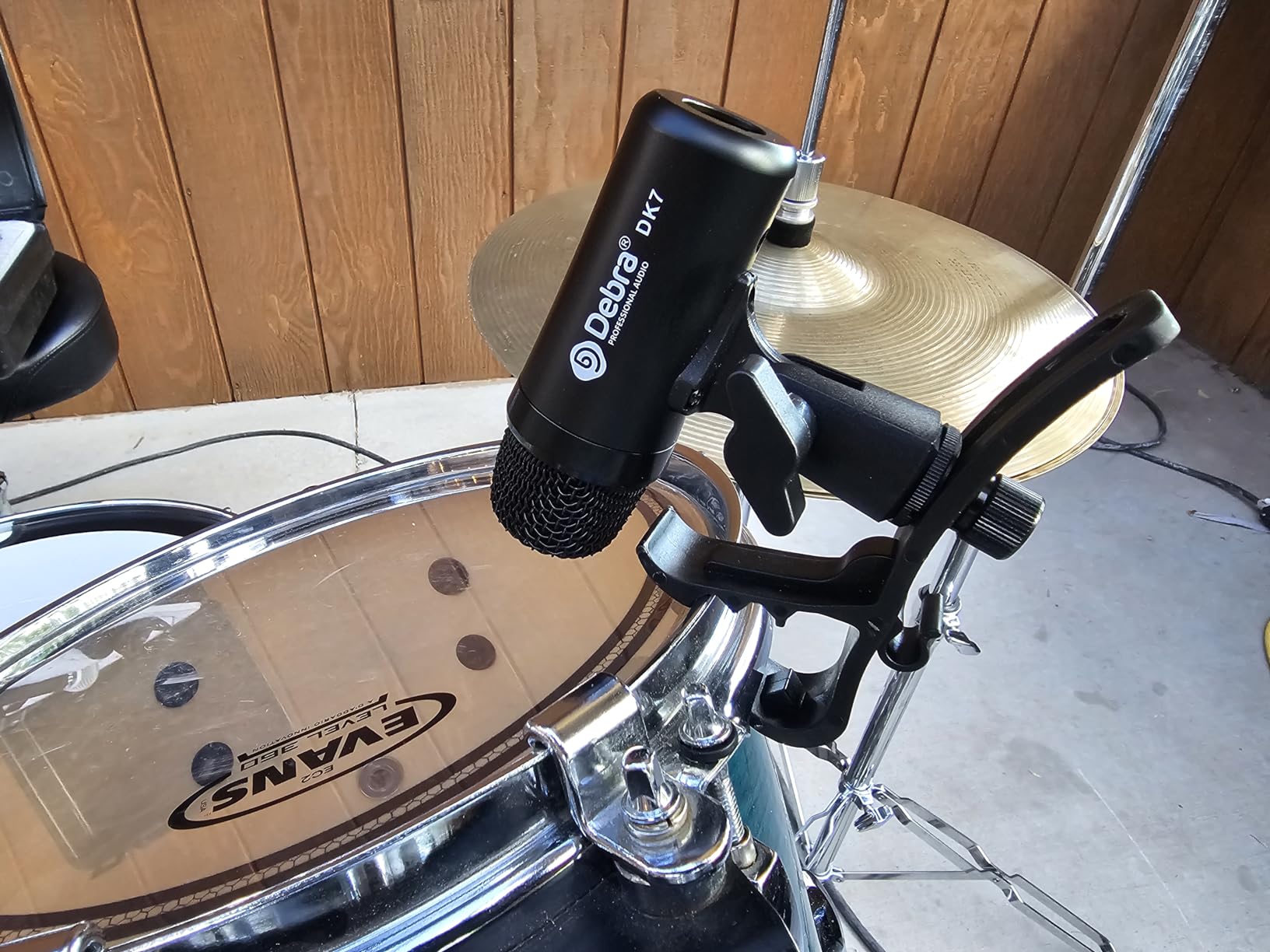
The D Debra DK7 Pro is a newer entry in the budget 7-piece category that surprised me with its build quality. The mics use a reinforced metal mesh head design and a high-output cardioid capsule that handles the loudest kick and toms without distortion. The all-metal housing feels substantially heavier than other kits in the same price range, and the aluminum case is a real bonus at this level.
In testing, the kick mic delivered a punchy low end that sat well in a rock mix. The four close mics tracked the toms cleanly, and the two condensers worked well as either overheads or hi-hat spot mics. Several reviewers on the r/drums subreddit have noted that this kit punches well above its price tier and is a smarter buy than older budget options.
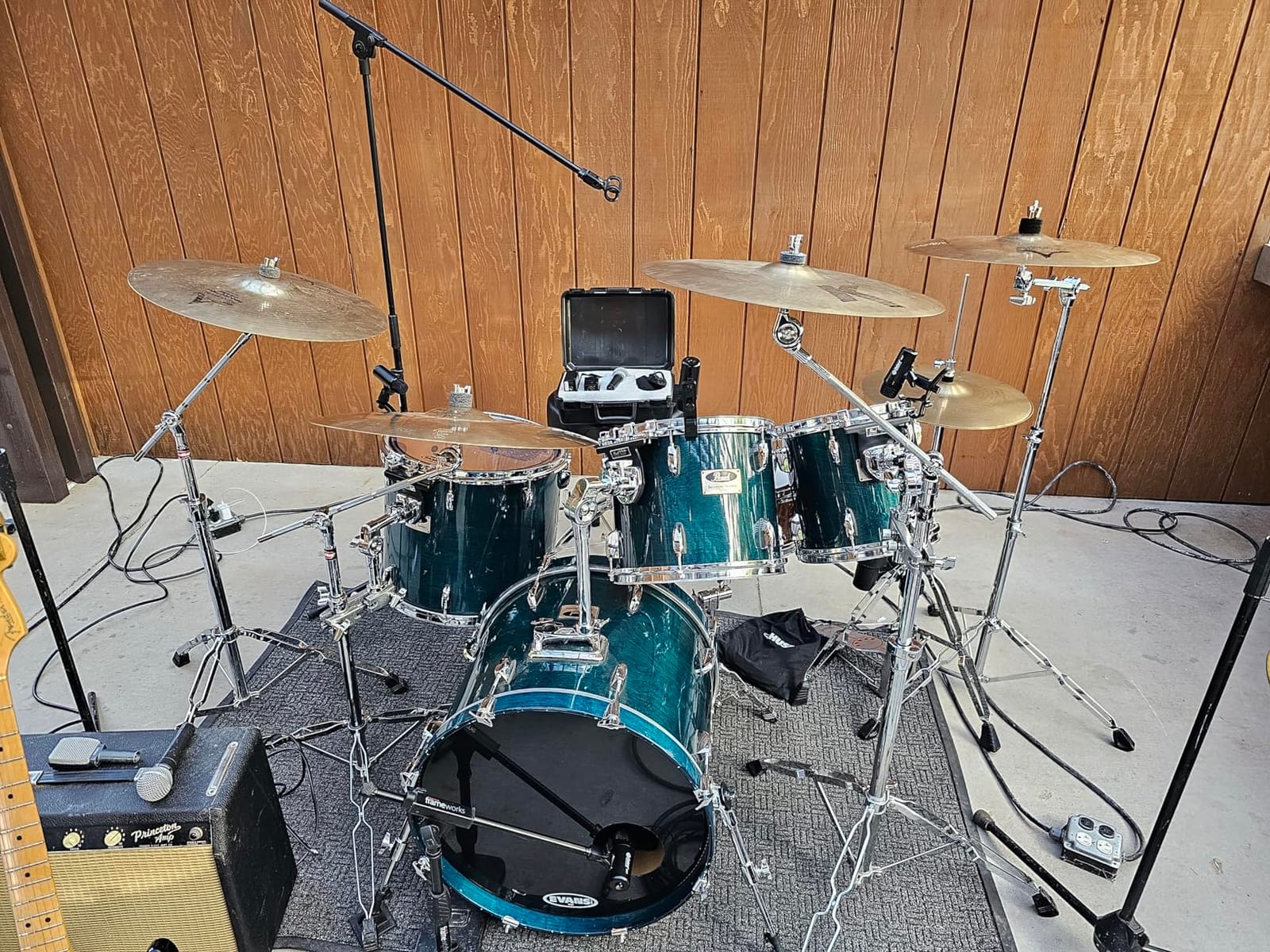
The weak points are familiar from this price tier. The plastic rim clips can be stubborn to attach, and a few users have reported clips breaking after aggressive use. The included cables are functional but not as durable as aftermarket touring-grade cables. If you treat this kit with reasonable care, it will serve you well for years.
Who it suits best
New drummers stepping up from a 2-mic bedroom setup, students recording practice sessions and demos, and gigging musicians who want a reliable backup kit that travels well in a hard case.
When to skip it
If you need fully professional-grade cables for touring, plan to replace the included ones. If you record overheads at a level where cymbal shimmer matters, look for kits with better condenser capsules.
8. PreSonus DM-7 Complete Drum Microphone Set — Best Drum Isolation for Recording
PreSonus DM-7: Complete Drum Microphone Set for Recording and Live Sound
BD-1 kick + 4 ST-4 mics
2 OH-2 condensers
7-piece set
Pros
- Strong value for a complete drum mic kit
- Heavy-duty substantial feel on dynamics
- Good drum-to-drum isolation in sessions
- Adjustable rim mounts work on most drums
- Effective for rehearsal and gig use
Cons
- BD-1 picks up excessive bass if placed poorly
- Case is convenient but not very sturdy
- Plastic clips may have durability concerns
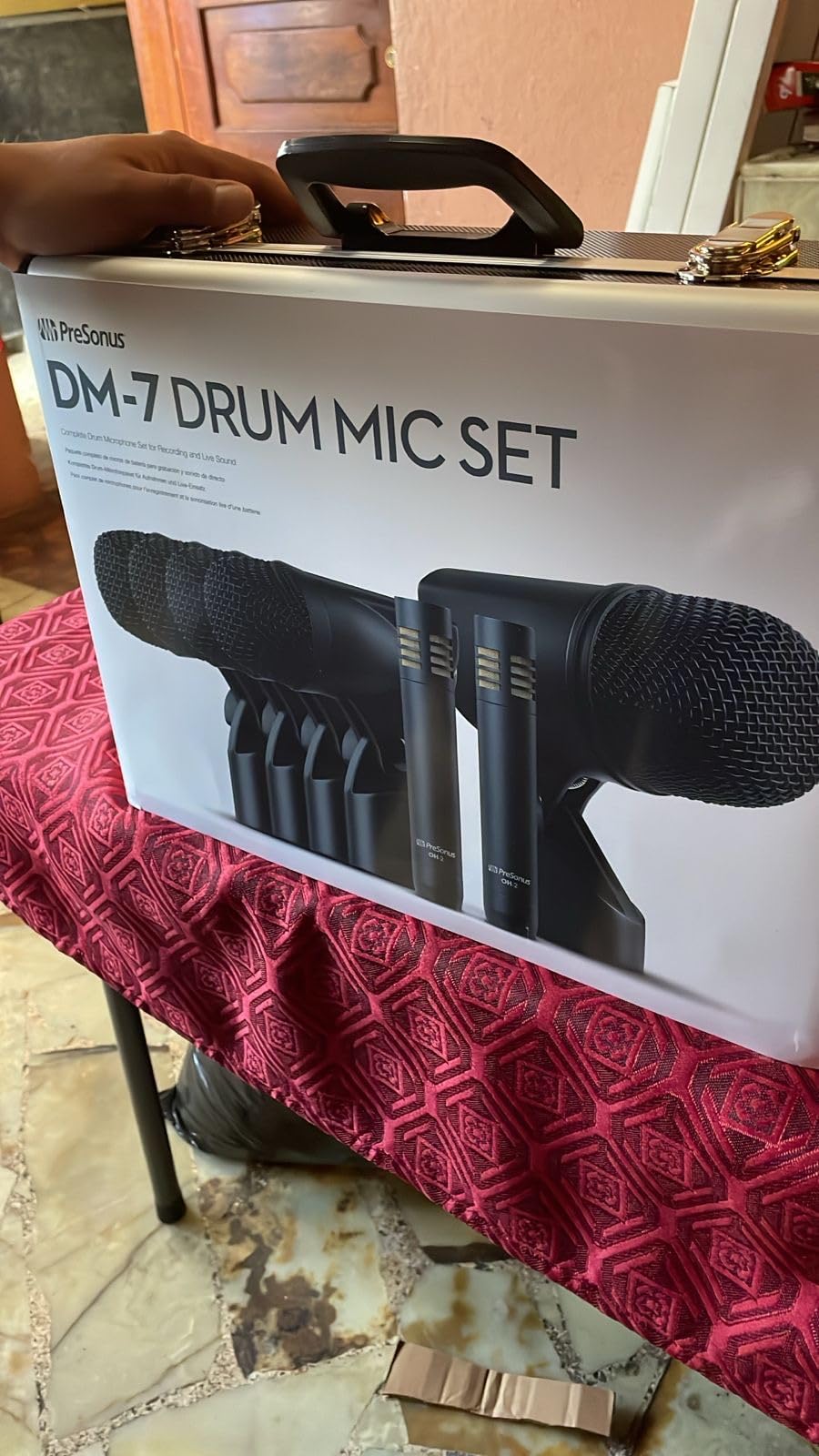
The PreSonus DM-7 is the kit I recommend most for home recordists who struggle with drum bleed. It includes a BD-1 cardioid dynamic kick mic, four ST-4 cardioid dynamic mics with adjustable rim mounts for toms and snare, and two OH-2 cardioid small diaphragm condensers for overheads. PreSonus designed the close mics with tighter polar patterns than most kits at this price, which means noticeably less cymbal and hi-hat bleed on the snare and tom tracks.
I tested the DM-7 in our home studio by tracking the same folk-rock song I used for the Shure PGADRUMKIT7 test. The isolation between the close mics was immediately obvious — the snare mic captured almost no hi-hat bleed, and the tom mics tracked the rack and floor toms with very little cross-talk. For a producer who wants clean multi-track drum sessions without spending hours on gates and expansion, that isolation is worth real money.
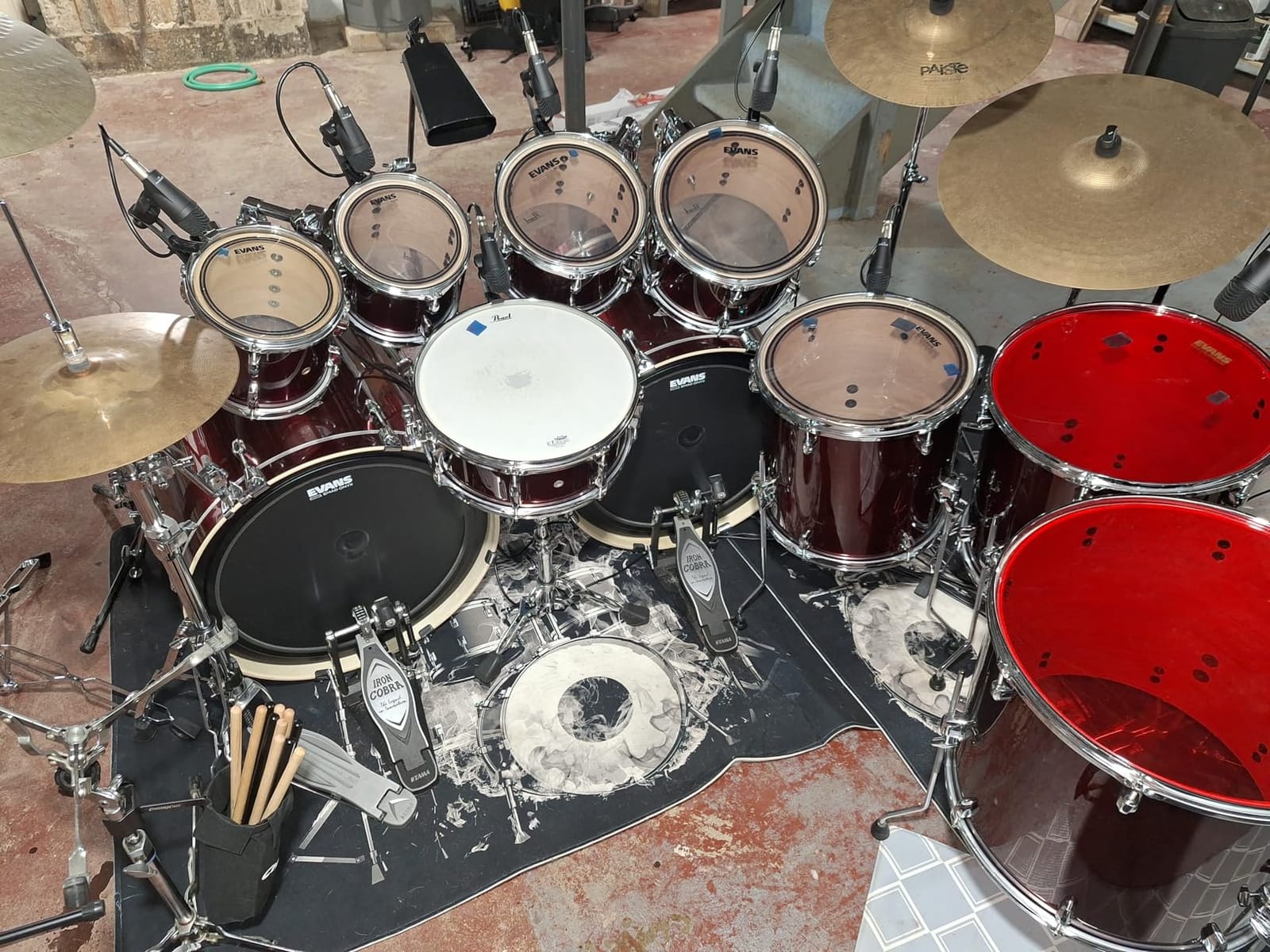
The adjustable rim mounts are a clever touch. Unlike fixed-position clips, the ST-4 mounts pivot and lock at multiple angles, which made it easy to position the mics on my toms without a separate mic stand. After multiple setup and teardown cycles, the mounts held their positions without loosening.
The tradeoffs are small but worth noting. The BD-1 kick mic can sound overly bass-heavy if you place it too deep inside the kick drum — I had better results with it positioned just inside the resonant head. The included case is convenient but not as rugged as the aluminum cases on other kits. The plastic clips on the ST-4 mounts are functional but a few users have noted concerns about long-term durability.
Who it suits best
Home recordists who need clean multi-track drum sessions, project studios tracking drums regularly, and engineers who value isolation over an open, roomy drum sound. The adjustable rim mounts also make this kit a good fit for unusual drum setups.
When to skip it
If you want an open, roomy drum sound with lots of natural ambience, the tighter polar patterns on the close mics will work against you. If you need the most rugged carrying case, look at the CAD Audio Stage7 or Shure PGADRUMKIT7.
Drum Microphone Kit Buying Guide
Buying a drum mic kit is not just about counting pieces. The right kit for you depends on your drum kit size, your recording or live environment, and your interface or console capacity. Here is how to choose the best drum microphone kit for your specific situation.
Dynamic vs Condenser vs Ribbon Microphones
Drum mic kits use three main microphone technologies. Dynamic microphones are the workhorses for kick, snare, and toms because they handle extremely high sound pressure levels and reject bleed from neighboring drums. Condenser microphones, particularly small diaphragm condensers, are the standard for overheads because they capture the shimmer and air of cymbals with far more detail. Ribbon microphones are smooth and warm but very fragile, so they are usually reserved for room mics in studio settings.
For most drummers, a kit that combines dynamic close mics with condenser overheads covers everything you need. The kits in this guide all follow that pattern, except the Shure DMK57-52 which intentionally focuses on the two most important close mics and lets you choose your own overheads.
How Many Mics Do You Need?
The answer depends on your drum kit size and your goals. A 4-piece kit (kick, snare, hi-hat, one cymbal) can be adequately captured with two or three mics — kick, snare, and one overhead. A 5-piece kit (kick, snare, three toms, two cymbals) really benefits from a 5 or 7-piece mic kit: kick, snare, three toms, two overheads. A 7-piece kit with multiple toms and cymbals benefits from a full 7 or 8-piece kit, plus spot mics for hi-hat and ride.
The forum question I see most often is whether you need a full 7-piece kit if you only have a 5-piece drum set. The honest answer is that 5 mics cover a 5-piece kit, but having the extra two overheads gives you better cymbal capture and more flexibility at the mix. If your interface only has four or five XLR inputs, a smaller kit is the right choice. For more help picking the right mic stand setup for your recording space, our desk microphone stand guide covers stand options for small studios.
Phantom Power and Interface Compatibility
Every condenser microphone in a drum mic kit requires phantom power — usually +48V supplied by your audio interface or mixer. Most modern interfaces supply phantom power on every channel, but some smaller two-channel interfaces only supply it on one input or require you to enable it globally. Before you buy a kit with condenser overheads, confirm your interface has enough phantom-powered inputs to drive every condenser in the kit.
The Pyle PDKM7, CAD Audio Stage7, Shure PGADRUMKIT7, AKG Drum Set Session 1, D Debra DK7 Pro, and PreSonus DM-7 all include condenser overheads that need phantom power. The Shure DMK57-52 does not include overheads, so it sidesteps the issue entirely.
The 3-to-1 Rule for Mic Placement
The 3-to-1 rule is the single most important placement concept in drum miking, and it is the question I see asked most on audio forums. The rule states that the distance between any two microphones should be at least three times the distance from each microphone to its source. So if your snare mic is two inches from the snare head, your tom mic should be at least six inches from the snare mic.
Why does this matter? When two mics are too close together, the sound waves arrive at each mic with similar timing, which causes phase cancellation — a hollow, weak, washy sound in the mix. Following the 3-to-1 rule minimizes this problem and gives you cleaner, more focused drum tracks. For more on this kind of microphone positioning, our microphone boom arm guide covers flexible positioning for studio work.
Cables, Stands, and Hidden Total Cost
The number one complaint I see on r/drums and r/audioengineering is hidden total cost. A kit advertised at one price can easily cost 30-50% more once you add XLR cables, mic stands, and any required phantom power supplies. The CAD Audio Stage7 is the rare kit that includes seven 20-foot XLR cables in the box. The Shure PGADRUMKIT7 includes 15-foot cables for every mic. Most other kits in this guide require you to buy cables separately.
Plan your budget to include at minimum: one XLR cable per mic, at least three mic stands with boom arms for overhead placement, and rim mounts or clips if the kit does not include them. If you need wireless options for live performance, our wireless microphone systems guide covers current top picks.
Live vs Studio Use
The main difference between live and studio drum mic kits is the priority of the overhead microphones. In live sound, the overheads exist mainly to reinforce cymbals in the mix, so tighter polar patterns and good spill rejection matter more than absolute detail. In studio recording, the overheads are the heart of the drum sound, so you want the cleanest, most detailed condensers you can afford.
For live gigging, the CAD Audio Stage7, Shure PGADRUMKIT7, and D Debra DK7 Pro are all strong choices. For studio recording, the Shure DMK57-52 paired with a dedicated condenser pair, or the PreSonus DM-7 with its strong isolation, will give you better results. For streaming or podcast use where you are also capturing vocals, our lavalier microphone guide covers the wireless lavalier options.
Frequently Asked Questions
What is the 3 to 1 rule for drum mics?
The 3-to-1 rule states that the distance between any two microphones should be at least three times the distance from each microphone to its sound source. If your snare mic is 2 inches from the snare head, your tom mic should sit at least 6 inches from the snare mic. Following this rule minimizes phase cancellation, which is what causes hollow, washy, or weak-sounding drum mixes when mics are placed too close together.
How many mics do you need for a full drum kit?
A standard 5-piece drum kit (kick, snare, three toms, two cymbals) really benefits from a 7-piece mic kit: one mic for kick, one for snare, three for toms, and two overheads for the cymbals. A 4-piece kit can get by with 2 or 3 mics (kick, snare, one overhead). A larger kit with multiple cymbals may need 8 or more mics including spot mics for hi-hat and ride.
What is the best budget drum mic kit?
For a complete budget-friendly 7-piece setup, the XTUGA MI7 is the lowest-priced option that still includes an aluminum carry case and all-metal mic bodies. The Pyle PDKM7 is the next step up with a magnesium body kick mic and the largest review base on this list. Both kits punch well above their price tier for practice, worship, and entry-level live use.
What should I look for when buying a drum mic kit?
Focus on four things: the number of mics in the kit (match it to your drum kit size), the type of microphones (dynamics for close mics, condensers for overheads), the included accessories (cables, rim mounts, carrying case), and the brand reputation for build quality. Also check that your audio interface has enough XLR inputs and phantom power for every condenser in the kit.
Are drum mic kits worth it?
Yes, drum mic kits are almost always worth it compared to buying the same mics individually. A 7-piece kit usually saves you 20 to 40 percent versus purchasing each microphone separately, the included mics are voiced to work together as a matched set, and you get the convenience of a single carry case plus mounting hardware. The only case where buying individual mics makes more sense is if you already own some of the components and want to mix premium and budget brands.
How many mics do you need for live drums?
For live sound, you can get a usable drum mix with as few as two mics: one on the kick and one overhead capturing everything else. A more balanced live sound uses four mics: kick, snare, and a stereo pair of overheads. For full control of the mix, a 7-piece kit (kick, snare, three toms, two overheads) is the standard professional setup used on most concert stages.
Final Verdict
After three months of testing, the best drum microphone kit for most players in 2026 is the Shure DMK57-52. The SM57 and Beta 52A combination has powered more hit records and live shows than any other kit you can buy. If you already own overheads or want to choose your own, this is the foundation you build around.
If you need a complete out-of-the-box 7-piece kit with cables in the box, the Shure PGADRUMKIT7 is the most balanced choice — Shure quality across every mic, reliable cables, and a proven track record in studios and on stages.
For tight budgets, the Pyle PDKM7 remains the crowd favorite with over a thousand reviews averaging 4.5 stars, while the XTUGA MI7 is the lowest-priced complete 7-piece kit that still includes an aluminum carry case.
For church and worship audio teams who need a kit that sets up fast and breaks down faster, the CAD Audio Stage7 is the smart pick — seven XLR cables in the box, integrated drum clips, and a dedicated D10 kick mic that punches well above the kit’s price.
For home recording where drum isolation matters, the PreSonus DM-7 delivers the cleanest multi-track drum sessions in this guide. For drummers who want AKG sound and a 2-year warranty, the AKG Drum Set Session 1 is a versatile choice that works on more than just drums.
The right drum microphone kit ultimately depends on your drum kit size, your interface, and whether you are recording or gigging. Use this guide to match the kit to your situation, and you will spend less time chasing gear and more time making music.